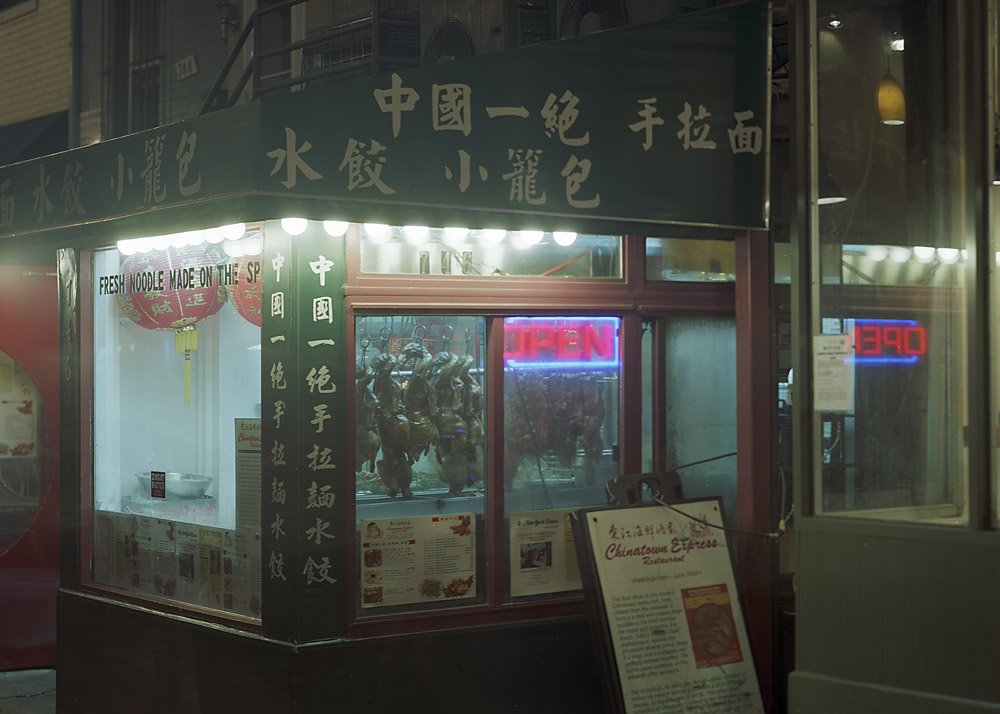
The fresh noodles and Peking duck house on 6th Street, NW. I think someone needs to teach them about Windex, as the “OPEN” sign is fuzzy not from being out of focus in my composition but from the splattered duck fat on the window. And no, I’ve never eaten there to know if the food is any good or not. But if you’re lucky when you wander by you can watch them making traditional Chinese noodles in the window, stretching and re-folding the dough over and over and over again, then cutting the ends and BOOM! you’ve got all these separate strands of pasta.
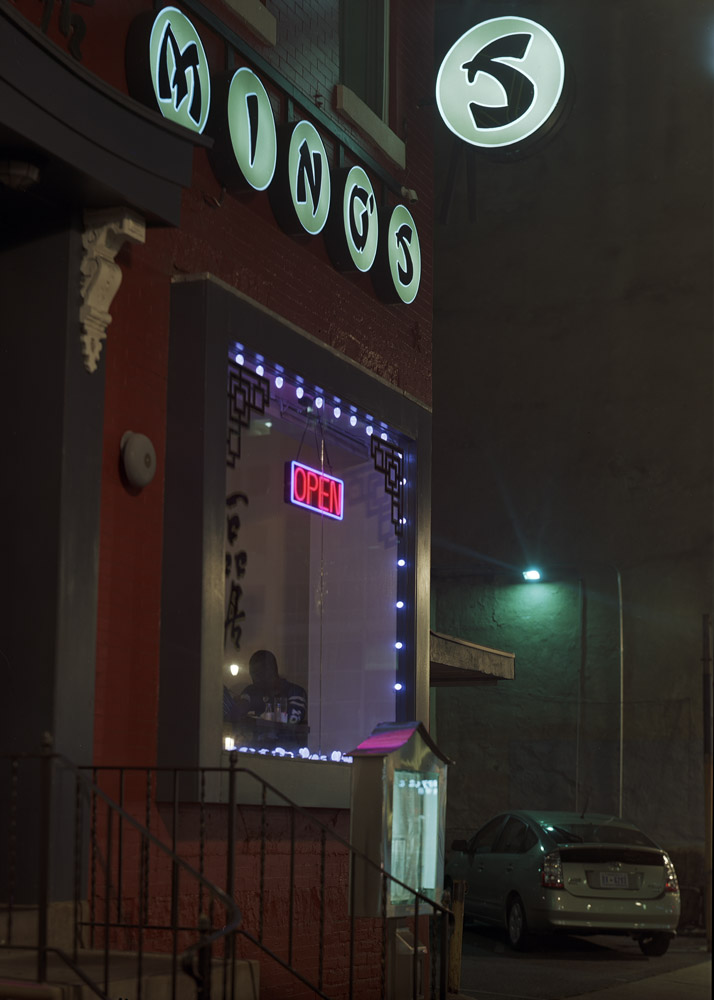
Mings Chinatown
I liked the juxtaposition of the empty sidewalk out front, the lone Prius in the parking lot next door, and the intimate diners in the window.
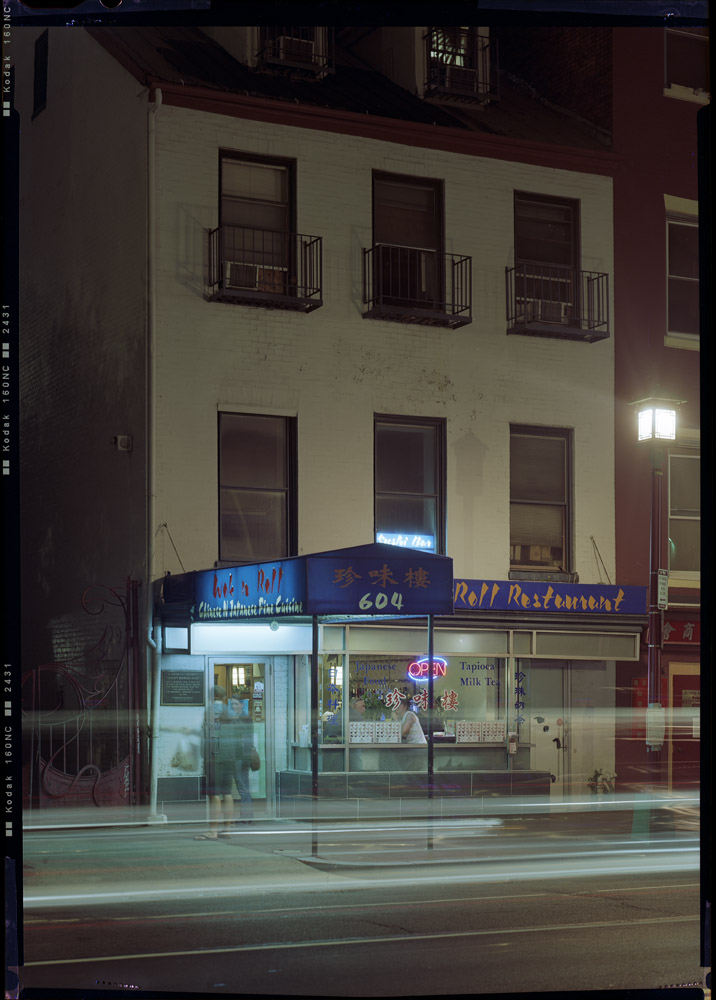
Secession Sushi – The Wok ‘n Roll in the Surratt House
This one gets a cutesy title because there’s just something so post- and meta- and ironic and all that kind of stuff about having a sushi joint on the ground floor of Mary Surratt’s boarding house, where the plot to assassinate Abraham Lincoln was hatched. Don’t believe me? Read the plaque on the wall of the house, like the two time-blurred figures in the photo are doing. It’s a very odd vestige of what downtown Washington looked like in 1865, and despite what Robert Redford would have had you believe in “The Conspirator” (by filming in an albeit lesser mansion in Savannah, Georgia), evidence of the utterly middle-class lifestyle of Mary Surratt.
All the above images were shot with my Canham woodfield 5×7, using my Kodak 12″ Commercial Ektar, using Kodak Portra 160nc film.
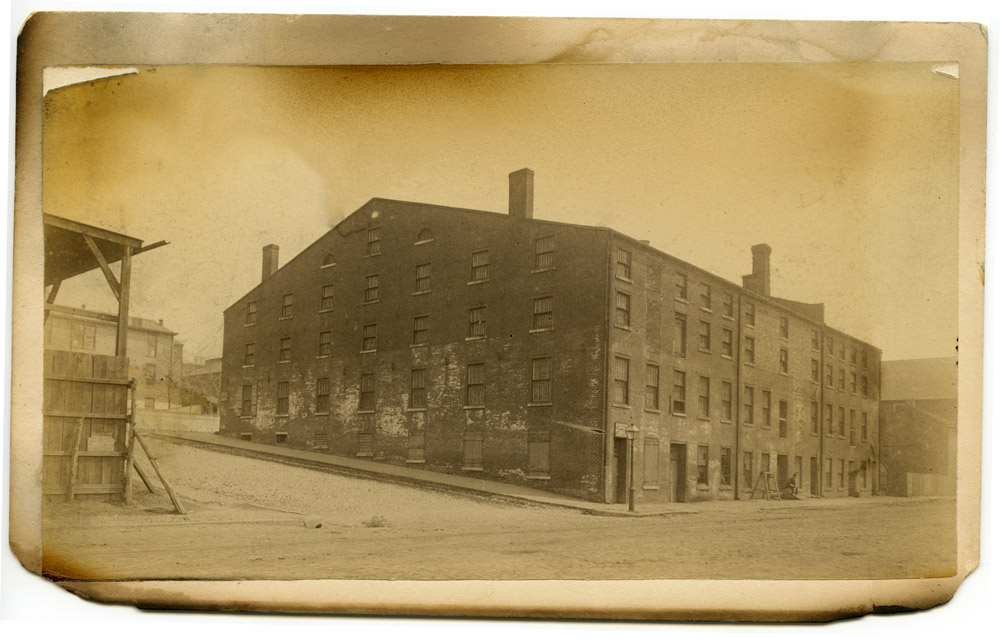
Here is a previously undocumented photograph of Libby Prison in Richmond, Virginia. The second-most infamous prisoner-of-war camp in the Confederacy (after Andersonville), it housed Union officers and had an appallingly high mortality rate. For more information on the prison and its history, check: Libby Prison.
This view is most probably post-war, as most of the photos of the building even in 1865 show the whitewash on the lower levels as intact, and the Libby Prison sign in place hanging over the downhill sidewalk from the upper street facade.
Libby Prison, Richmond, VA
After the fall of Richmond to Union forces, the prison was used to house Confederate officer prisoners of war, this time with greatly improved physical conditions to include windows with panes in them. Later, it became a museum, and was even dismantled and re-assembled in Chicago, but when it failed as a tourist attraction, the materials of the building were sold off as souvenirs.
As you can see the image was exposed to fire at some point, with scorching around the edges. I’m guessing the age to be between 1870-1880.
Here is a photo from the National Archives that shows the prison in 1865.
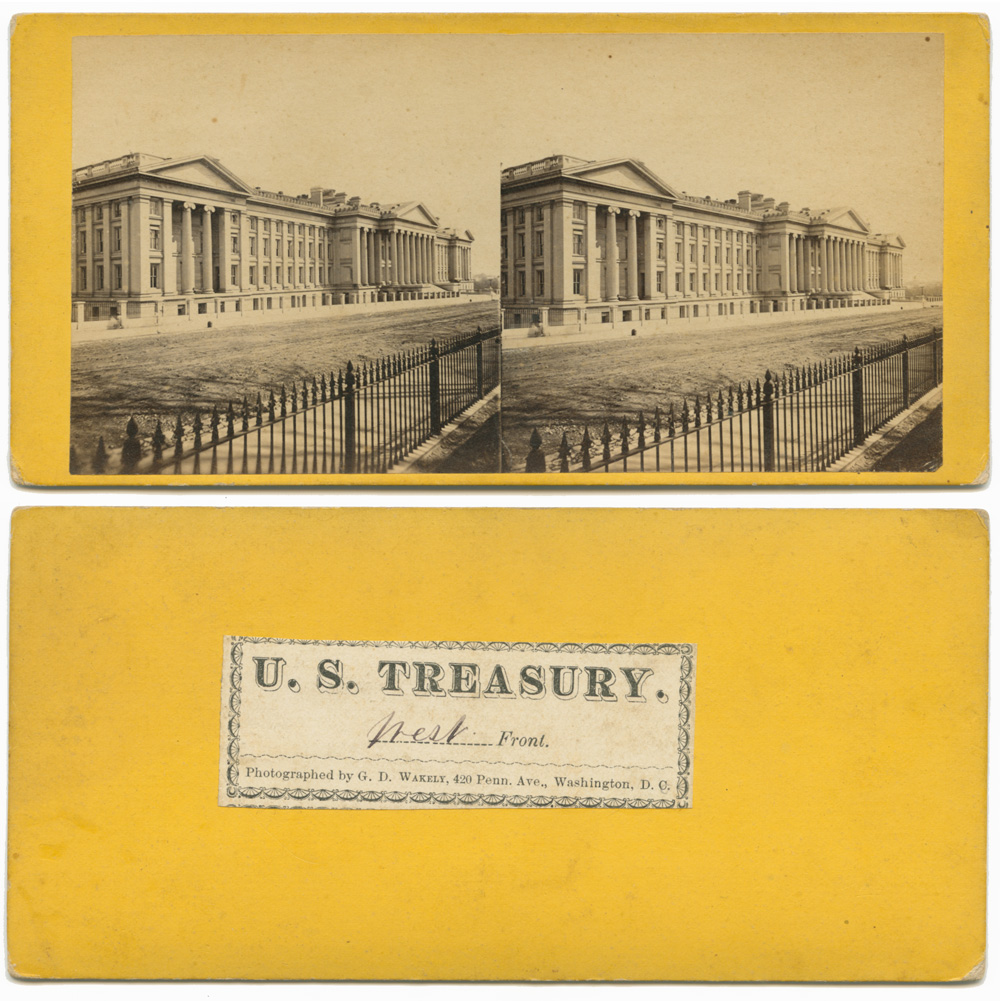
Quite possibly the oldest stereoview I have – I’d put this one at no later than 1870. This may have even been taken during the Civil War, although I think you’d have been hard pressed to find Pennsylvania Avenue that empty during the war. The area around the White House was even more the center of government at that time than it is now (now federal agencies are spread throughout the town and into the suburbs). The State Department was across the street to the north, and the War department was the other side of the White House. But Washington was a much smaller town in those days, and when Congress was not in session, half the town was empty.
I went to the DC Antique Photo Show today. The show took up three meeting rooms at the Holiday Inn Rosslyn. Two smaller rooms were devoted to postcard collectors, and the much larger main room was strictly photographic images. I toured the entire show, but got a bit lost in the detail with the postcard dealers – there’s just way too much material to look through! My intent was to try and hunt down a couple stereoviews for my set of Lehigh Valley Railroad stereoviews, but that thought quickly went out the window when it could have taken the entire day to just sift through the stereoviews of just two or three vendors.
I did find something pretty cute and nifty though – a woman there, the mother of one of the Civil War image vendors, was making and selling (very cheaply) little fabric pouches for storing cased images. I bought four to cover my thermoplastic cased daguerreotypes. The pouches are made of color-fast fabric (it feels like a good-quality felt). The 1/6 plate size are $1.50 each – if you’re interested, let me know and I can send you the lady’s email. I won’t post it here, out of respect for her, so she doesn’t get bombarded by spammers.
In the main room is where I got in trouble. It started with a book – “Shooting Soldiers” by Dr. Stanley Burns. The book is about the history of medical photography during the Civil War. Dr. Burns is a SERIOUS collector of antique images, and has amassed an astounding collection of Civil War period medical images, among other topics. The images in the book are from his collection. He himself was there at the show, and autographed the book for me.
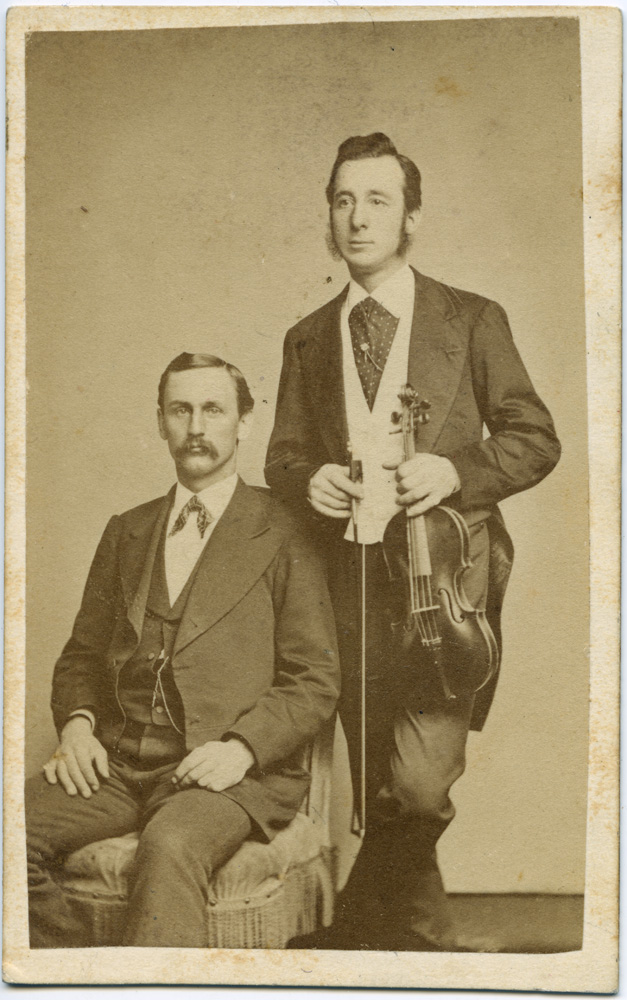
Across the way there was a booth selling native american images, and CDVs. Would that my budget could have stretched this much, but alas, the Alexander Gardner CDV of Vice President (and later President) Andrew Johnson was not to leave the show in my hands. I did acquire a nice period CDV of two musicians, one seated, the other standing, holding his violin.
Musical Duo, Boston
The vendor indicated that the duo was famous in their day. When I asked who they were, he didn’t know either, but acted as if I should somehow know myself! Sorry, but I haven’t kept up on mid-19th century performers. Have you? If someone out there in collector-land does recognize them and can pass it on, it would be much appreciated!
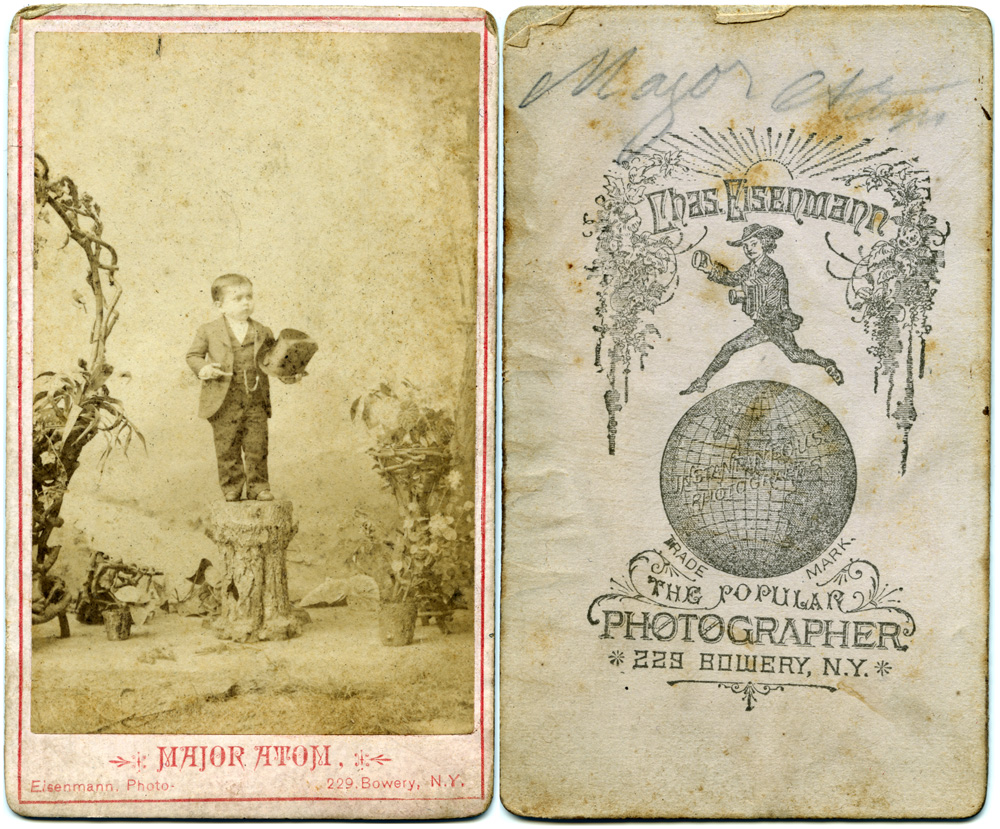
At another booth I found a neat addition to my circus freaks collection – another midget, Major Atom! And it gave me yet another address for one of my New York studios to put on my map – Chas. Eisenmann, “The Popular Photographer”. I love the advertising slogans these photographers came up with – it’s a little window on the Victorian era mindset.
Major Atom, by Chas. Eisenmann
I found a famous Native American cabinet card – “Rain-in-the-face”, taken at Morse’s Palace of Fine Art in San Francisco. Rain-in-the-face was a cohort of Sitting Bull, a war chief of the Hunkpapa Sioux. He was one of the warriors responsible for Custer’s defeat. It’s a beautiful image, and although the card is damaged, the damage doesn’t significantly detract from the quality of the portrait.
Rain-in-the-face, by Morse, San Francisco
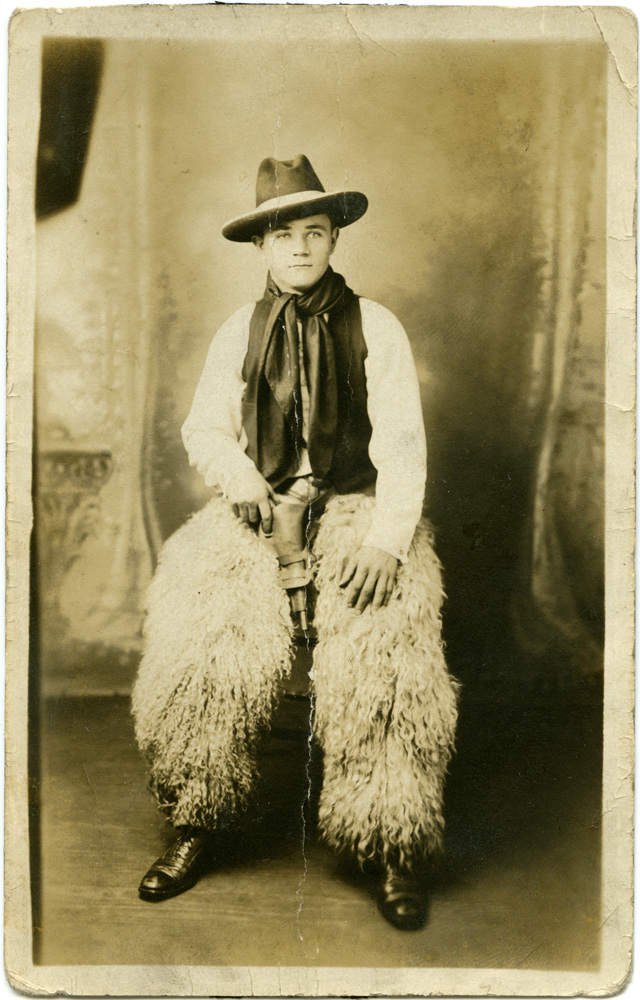
Well, if I got me an Indian, I had to get me a Cowboy! This one is looking just a little bit gay.
The Gay Caballero
I have no idea if in fact he was gay, but by 21st century sensibilities, he’s a little too well put together, he’s gripping his pistol in an oh-so-suggestive manner, and those chaps!
I must put in a plug for someone at the show – he was not only a vendor of antique images, he’s also a modern-day Daguerreotypist himself. Casey Waters does modern daguerreotypes using mercury development, which by itself is cool because it’s the REAL way to make a daguerreotype. But even cooler, among other things, he’s done night-time daguerreotypes – I pity his car’s battery because I can’t imagine how long the headlights had to be on in order to record the image on the plate.
To check out his work, you can visit Casey Waters Daguerreotypes (the night-time daguerreotypes are nine rows down from the top of the page, on the left and center columns).
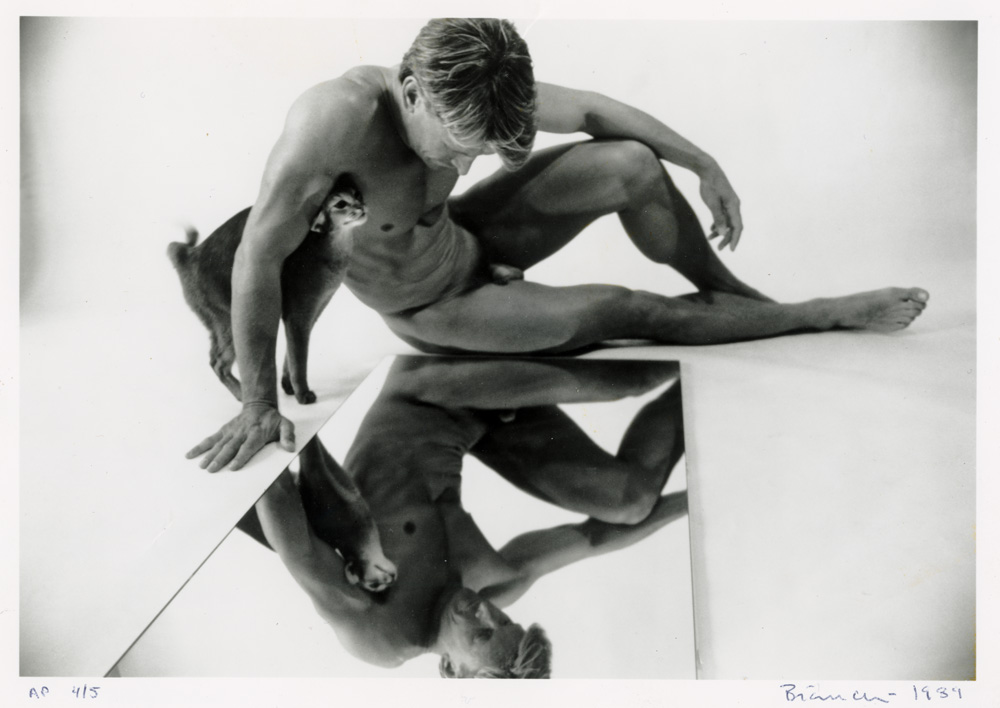
Last but not least, there was a Tom Bianchi print I picked up. There is a little damage to the print (which I touched up in the scan), which is why I was able to get it so cheap. It’s also marked as 4/5 Artists Proofs. Which means that Tom Bianchi gave it away to someone, it wasn’t sold commercially. The damage is minor, and easily repairable, so I may actually try to retouch it myself. Tom Bianchi, Artist's Proof, 1989
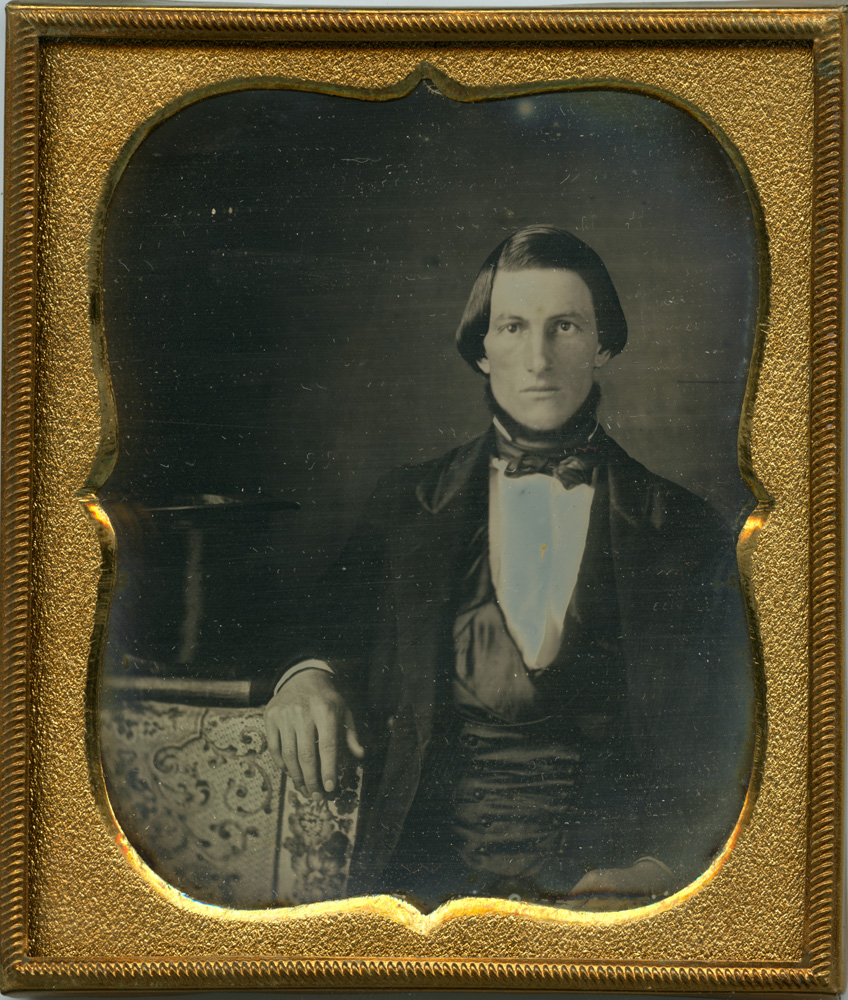
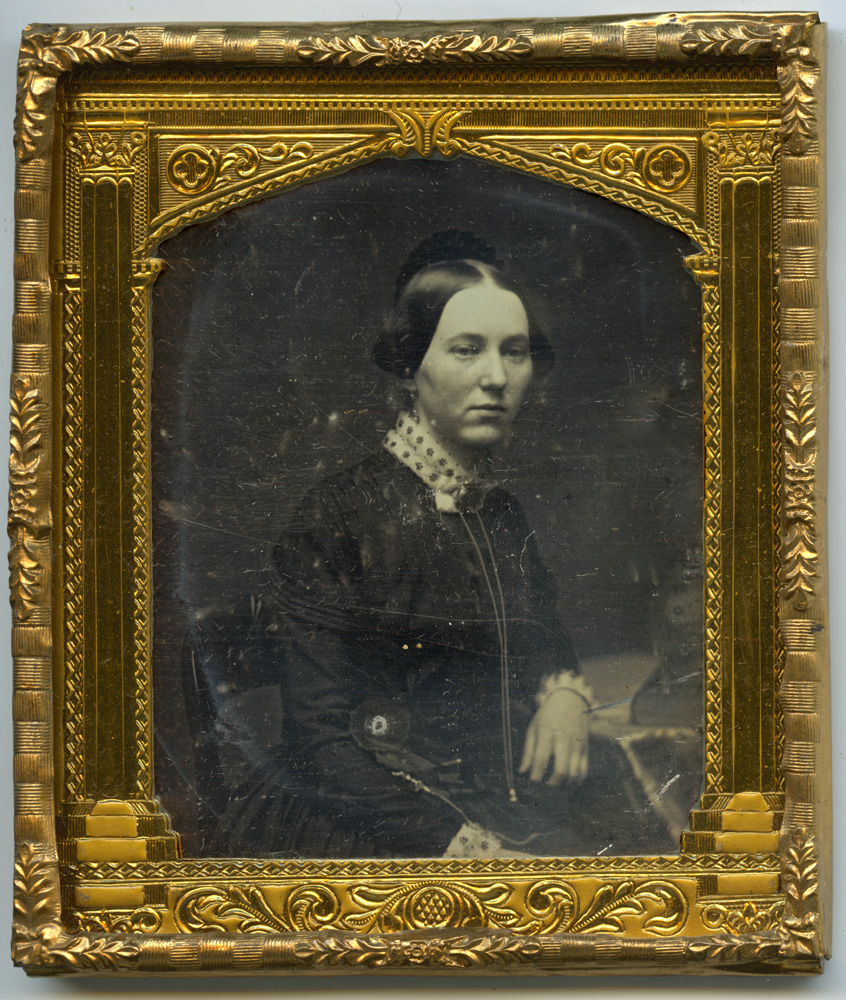
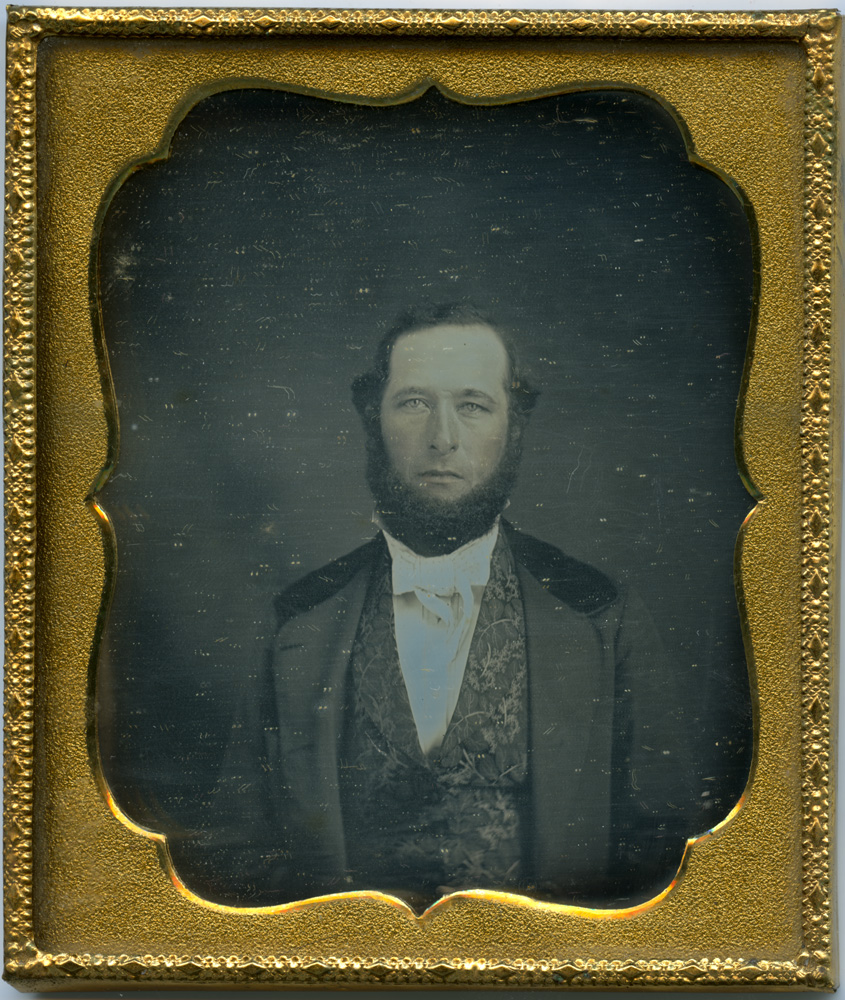
Here are the three new daguerreotypes that arrived yesterday. The scans do not do them justice, as they pick up every fleck of dust and scratch and magnify them, plus the images themselves are slightly soft due to being just out of the scanner’s focusing range. They’re all 1/6 plate daguerreotypes in full leather cases. Mrs. A.A. Hill and the gentleman with the top hat have had their seals replaced and glass and mats cleaned recently. The anonymous gentleman in the fancy vest still has his original seals on the packet. Given that the cases of the two gentlemen’s photos are almost identical (same style of mat and packet frame, same style of case lining – plain red silk), the odds are in favor of them both having been made within a year or two of each other – the gent in the fancy vest would have been photographed sometime between 1847 and 1851.
Gentleman With Top Hat, dated October 15, 1849Mrs. A.A. Hill, DaguerreotypeAnonymous Gentleman in Fancy Vest
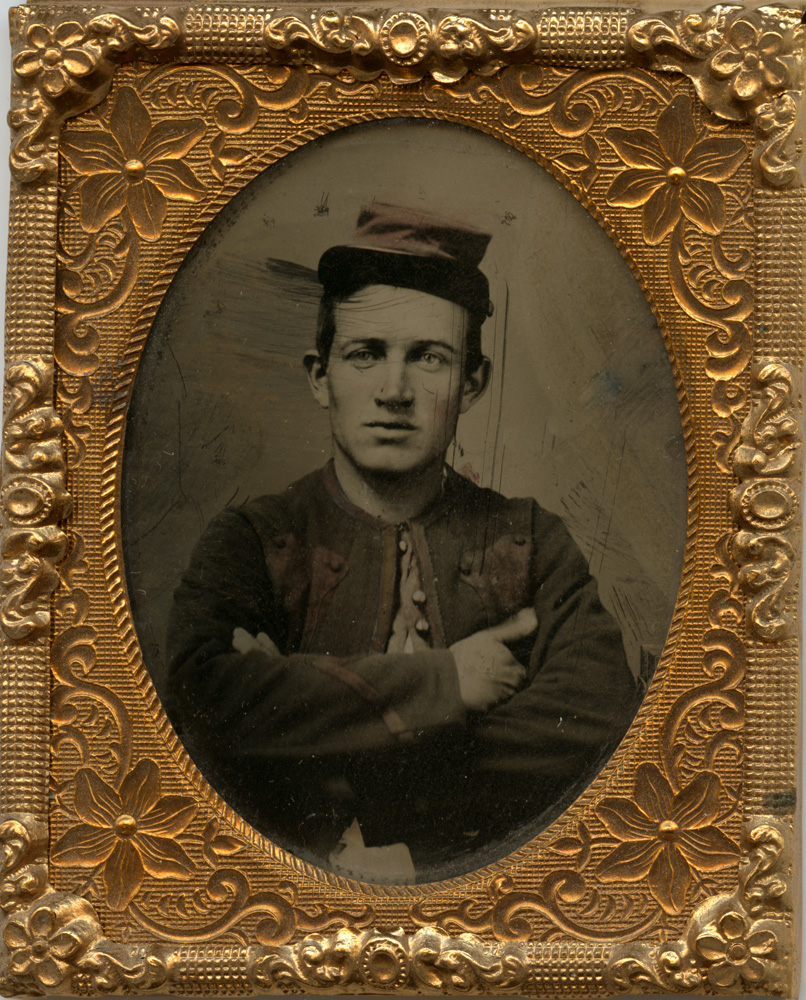
And last but certainly not least, is the photo that started it all. This was the first image I ever “collected” – it was an inheritance from my grandmother. Alas she did not get to tell me what if anything she knew about him, as it came to me shortly before she passed away. Thanks to a friend who is a serious civil war buff and re-enactor, I have been able to put some information together about who he might be. The soldier was a member of the 76th Pennsylvania Zouaves, who trained and fought in Moroccan-style uniforms adopted from French Zouave units. Zouaves (pronounced zoo-ahh-vah), patterned after the French Zouaves, were elite units especially popular in the Union Army. They were known for their precision on the drill field and for their colorful uniforms consisting of gaiters, baggy pants, short red jackets with trim, and turbans or fezzes.* Given the area of Pennsylvania in which my family lived, he was probably a member of Company B, D or E of the 76th Pennsylvania. The 76th Pennsylvania was involved in a number of major conflicts during the Civil War, including the assault on Fort Wagner (made famous in the movie Glory where the 54th Massachussetts (the first authorized all African-American unit) won their honor in the assault on the ramparts), Drewry’s Bluff, Cold Harbor, the siege of Petersburg, the battle of Fair Oaks, and the surrender of Johnston’s army. As typical, they lost more men to disease than to combat – 161 killed vs 192 laid low by disease. The officers fared better- 9 killed vs. 2 lost to illness. I don’t know for certain, but I believe my ancestor was one of the survivors.
According to my friend, this image was made in late 1861 or early 1862, as the uniform changed over the course of the war to more closely resemble the standard Union blue uniforms. Also, in this picture he looks to be in the peak of health. Most veterans by late in the war were looking rather thin, and on the Confederate side, downright malnourished.
The photo is a 1/9th plate tintype in a half-case – the case is designed to look like a miniature book, but now the front cover has gone AWOL.
If anyone can help identify him more specifically, your assistance would be GREATLY appreciated. The last name would most likely be Berger (or a spelling variation on the same) or Riley. Davies is also possible, but less likely as I think the Davies branch didn’t immigrate to the US until the 1870s, but that could be wrong.
It COULD be George W. Reilly of Company E, but according to the records I found, he entered service in 1865, as a substitute for someone else who was drafted, so the early uniform date would not make sense.
It could also be James D. Davis or George Davis, who were Corporals in Company C, but the spelling of the name is wrong for the time period.
Another possibility is James P. Davis of Company K. Again, the spelling is wrong, but the location is a fit – Company K was organized in Schuykill County, which is where the Davies branch of the family lived. Two other Davises, Robert and Isaac, are listed as privates in Company K, but both were killed in action. So I’m a bit confused as to who he might have been. He’s got some kind of rank insignia on his sleeve, but it is only one stripe, and Union corporals had two stripes. In the modern Marine Corps, lance corporals get a single stripe, but this is not a Marine uniform. So herein lies a giant mystery.
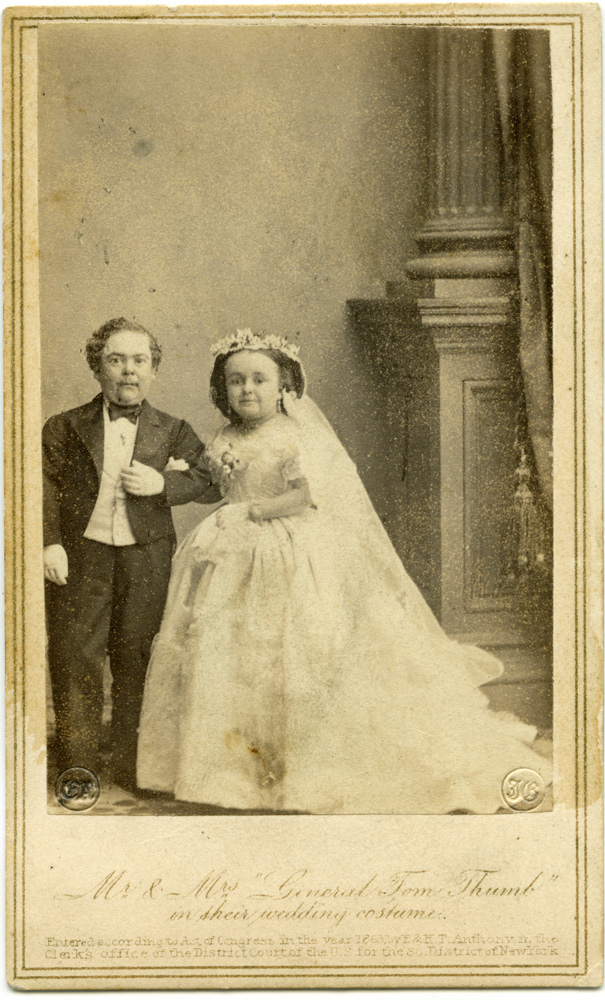
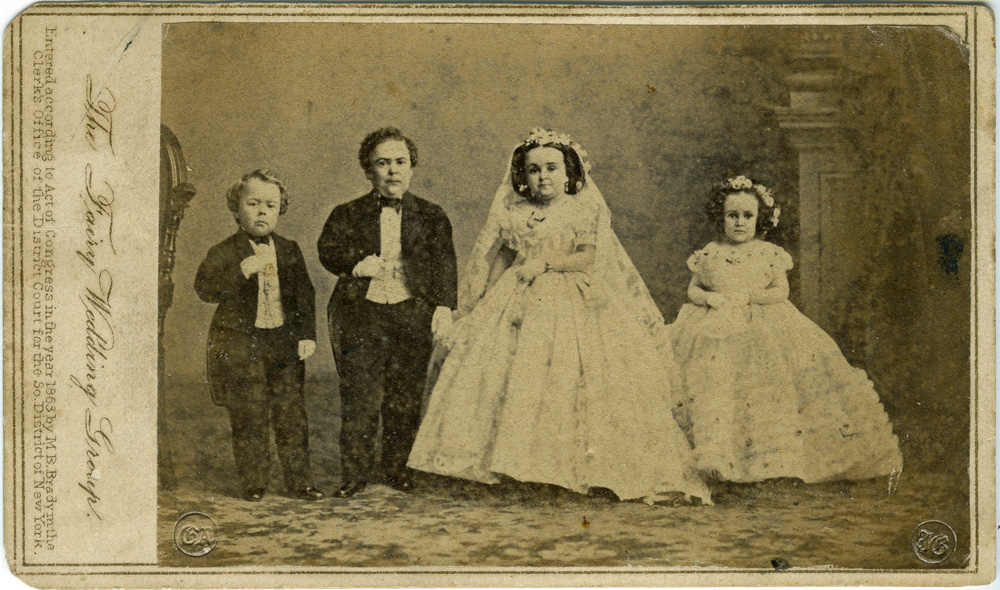
I admit it – I got the Fairy Wedding bug. No, not the Charles & Diana wedding bug, or the more recent William & Kate or the Kim & Kris wedding bug (I’d pay YOU to remove the People magazine footage of that debacle from my sight! Celebrity whores have you no shame???). But I digress – I’m fixated on the ORIGINAL celebrity wedding photos: the marriage of Tom Thumb and Lavinia Warren, photographed by THE American celebrity photographer, Mathew Brady (yes, Mathew with one T), and stage managed for maximum publicity by P.T. Barnum, the original master promoter and co-creator of the circus that still bears his name.
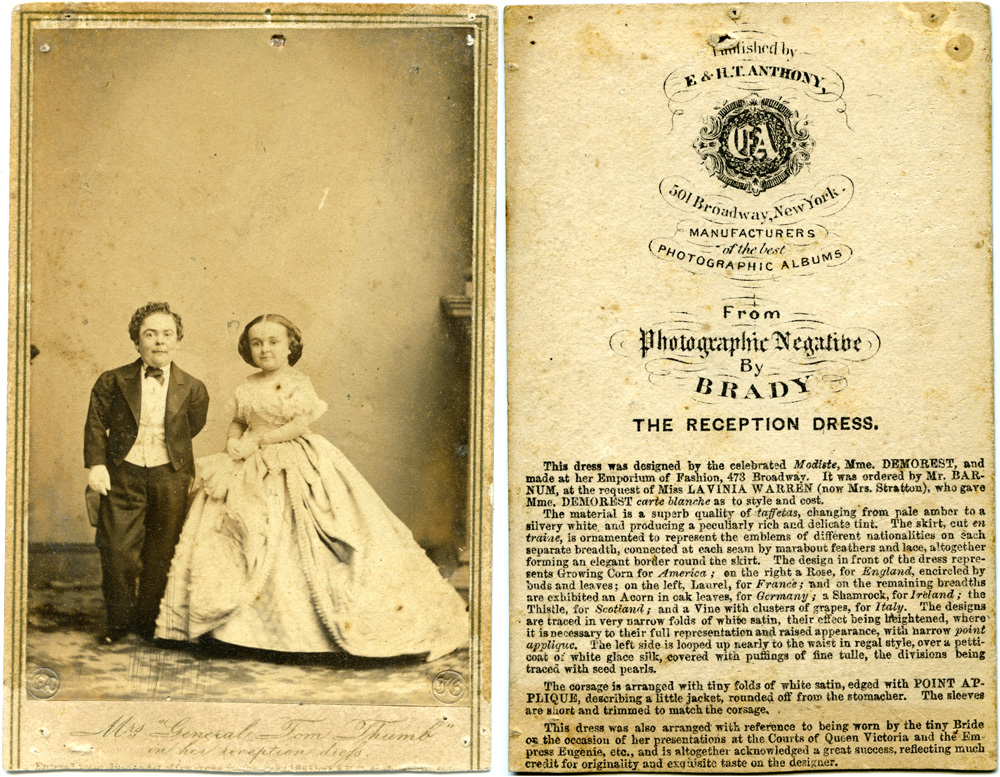
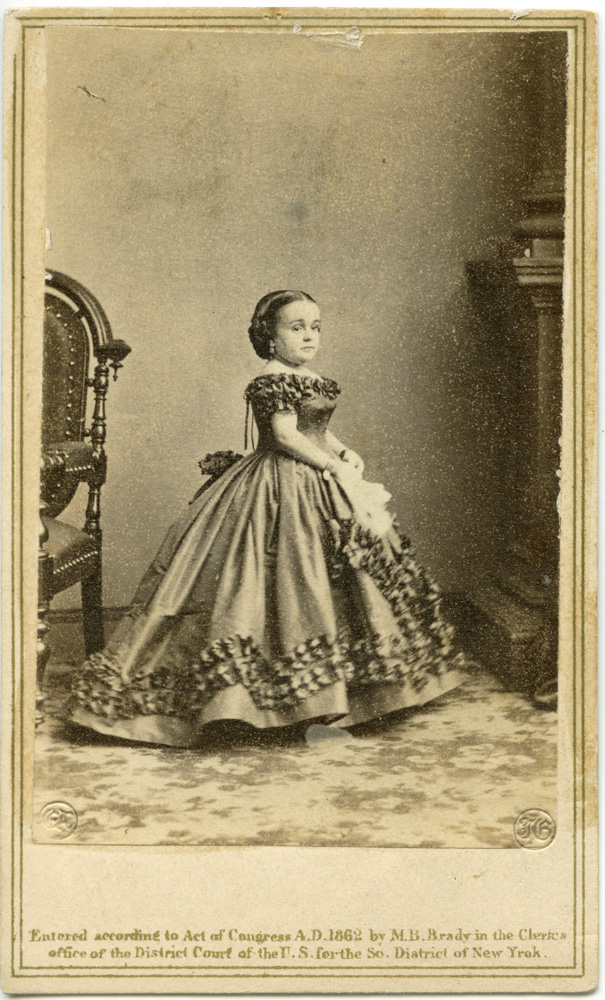
The Reception Dress, The Fairy Wedding
Here is the follow-up to one of my earlier images of Tom and Lavinia in their wedding ceremony outfits. This one is the dress she wore to their reception with the 2000 guest receiving line where they stood atop a grand piano at the Metropolitan Hotel.
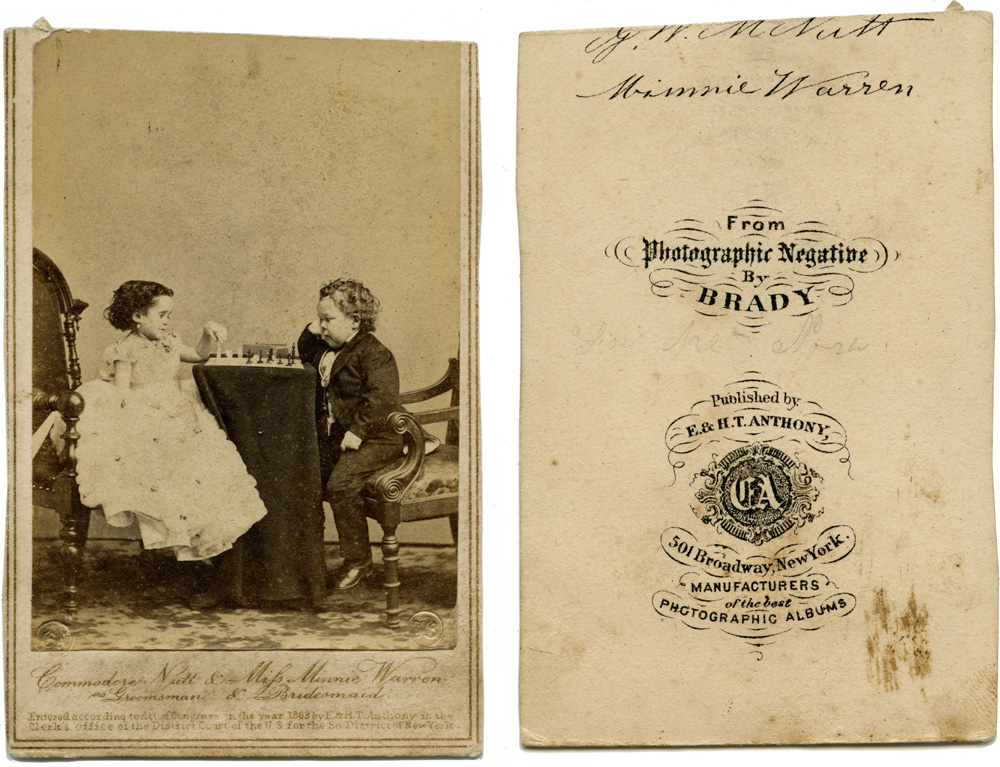
George Nutt & Minnie Warren, Groomsman & Bridesmaid
Another, odder wedding souvenir card. This one features George Nutt and Minnie Warren, Lavinia Warren (Mrs. Tom Thumb)’s sister and later George’s wife, playing chess. What this had to do with the wedding is beyond me, but it obviously catered to some 19th century sensibility – perhaps the suggestion was that they had outsized brains in their diminutive bodies, further exaggerating the curiosity/freakish attraction to a customer looking for a spot of distraction from the civil war raging around them in 1863.
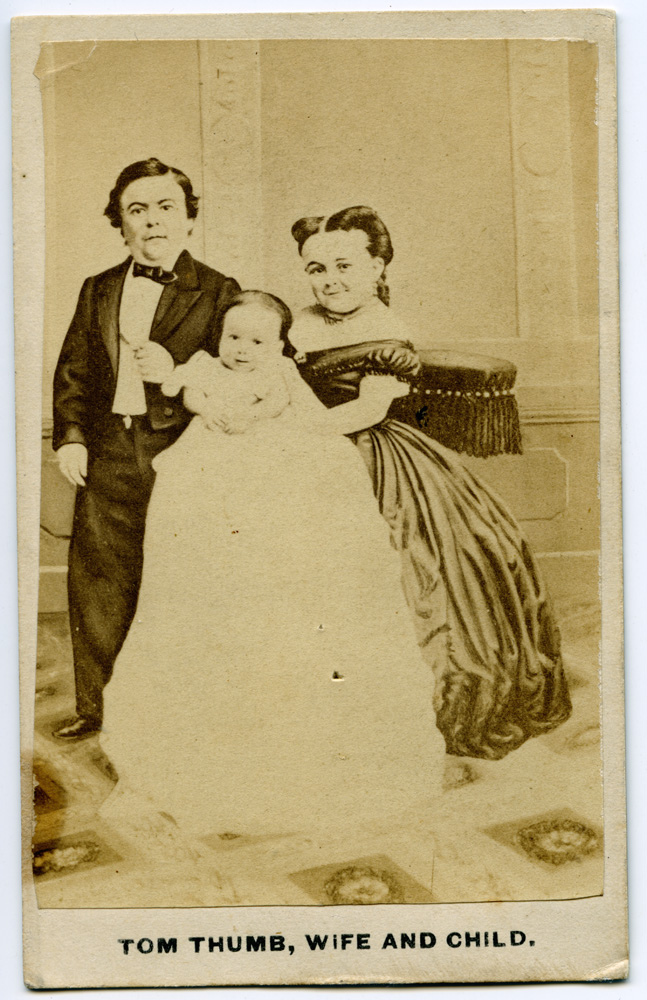
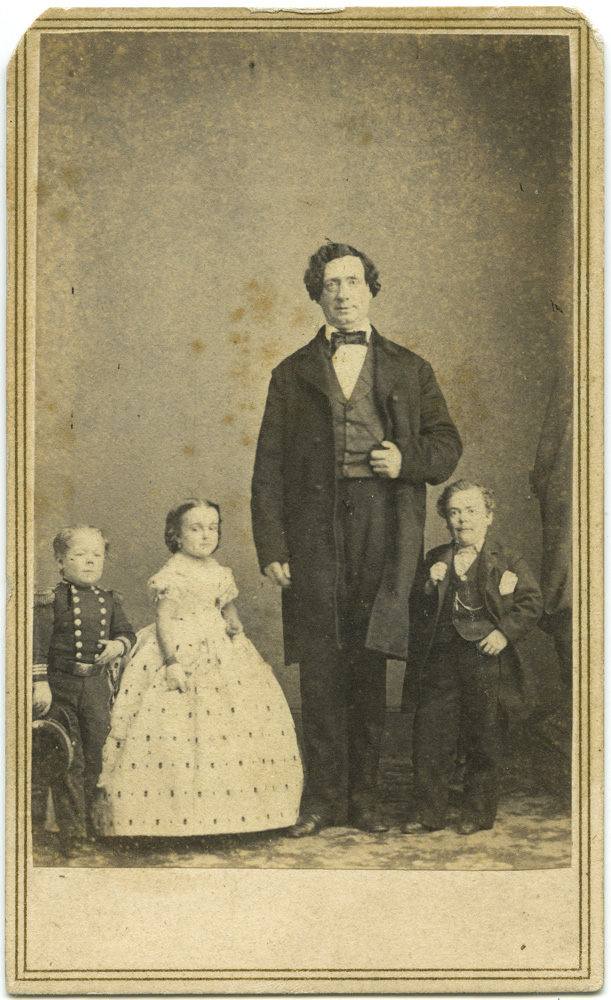
Tom Thumb, Wife and "child"
This image, undated and uncredited, is from some time later, possibly in the 1870s. Charles and Lavinia Stratton were not able to have children of their own, so P.T. Barnum, ever the showman, would acquire an orphan baby and give it to them to portray as their own, and when the baby got too big, he would find another one. Apparently, as a result, they “had” a one-year old baby for the better part of a decade.
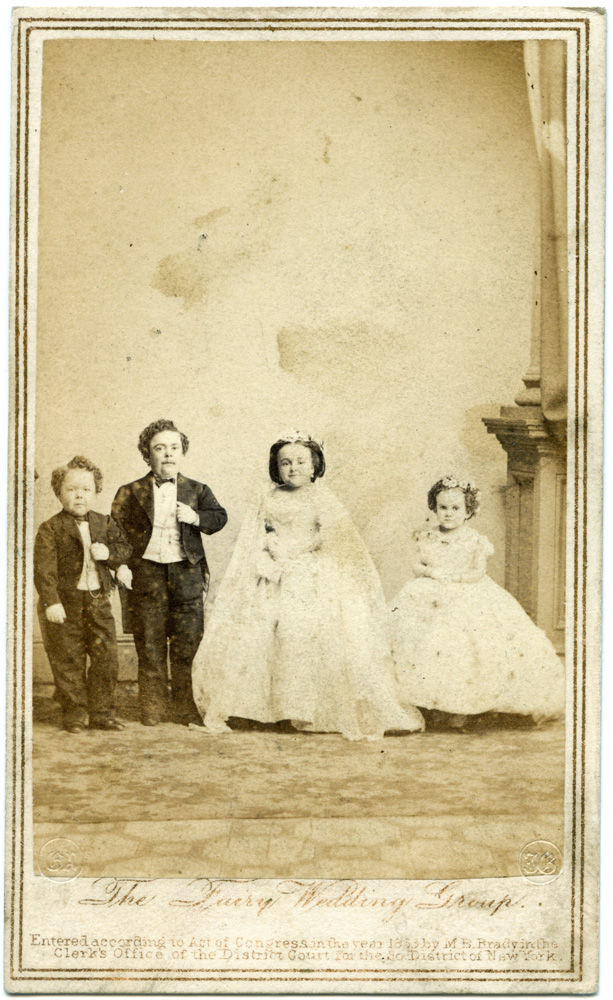
As a memory refresher, here’s the rest of the gang in thumbnails.
Bride & Groom, The Fairy WeddingLavinia Warren Stratton, Mrs. Tom ThumbFairy Wedding Group #3 Commodore Nutt and unknown little woman, Anonymous CDV (probably Brady)Commodore Nutt, Mrs. and Mr. Tom ThumbThe Fairy Wedding, 1863 E&HT Anthony print, Obverse
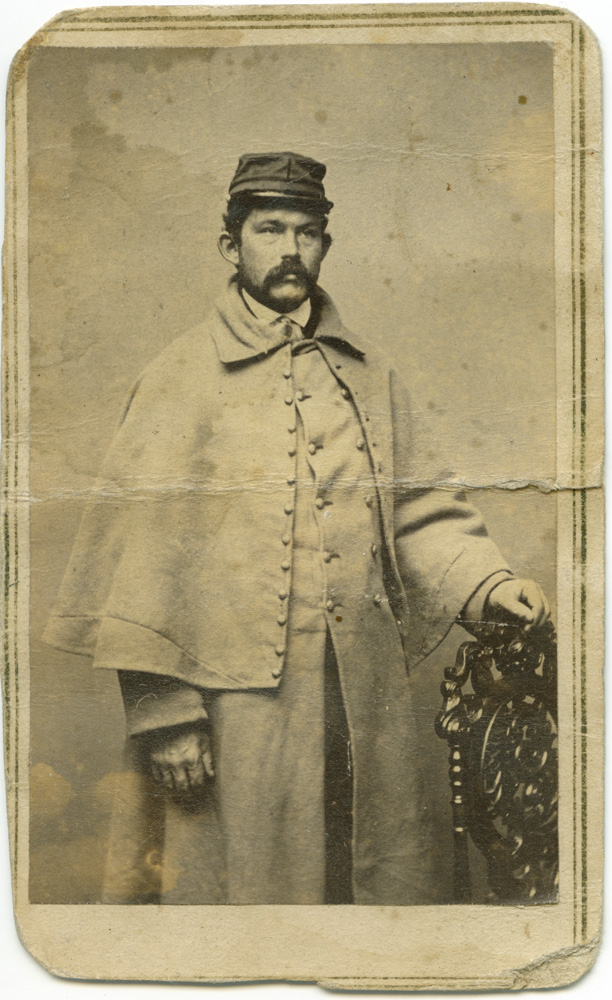
Here’s a Union soldier, identity unknown, from the William J. Tait studio. This may well have been taken immediately prior to shipping out to battlefields unknown – the studio address is Courtlandt Street and Greenwich Street in lower Manhattan – basically in the site of the modern World Trade Center. Back then it would have been only two or three blocks from the waterfront piers. It’s another image that obviously meant a lot to someone as it has a fold across the middle – someone was carrying it around with them in a pocket. Did the sitter die in combat, or was it just a fond memory of a critical time in US history that inspired the owner to keep it at hand?
Union Soldier, Wm. J. Tait studio, NY
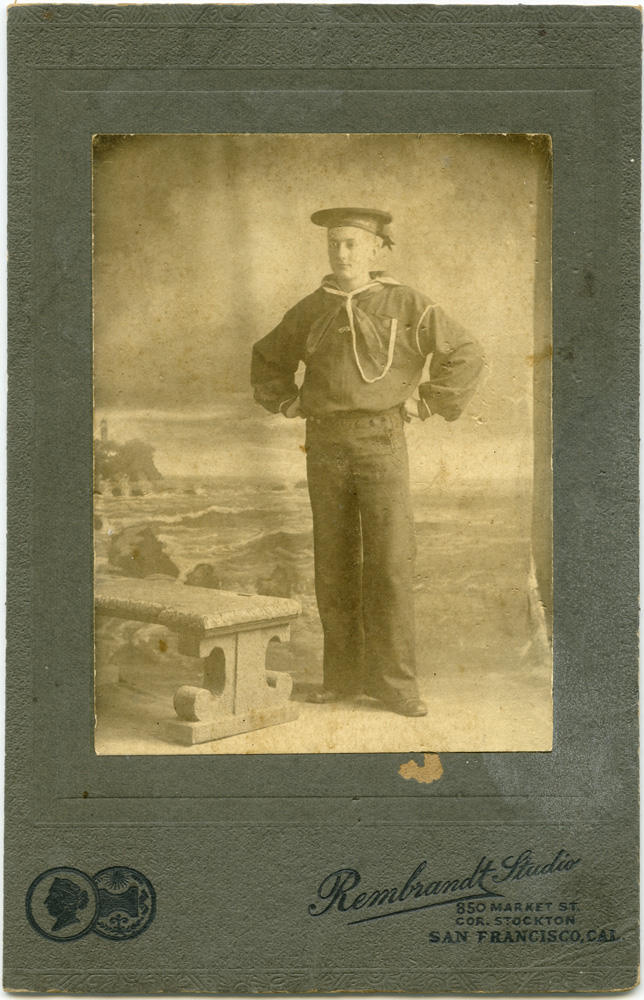
In a totally different light, here’s a west coast sailor. This time, most likely the 1890s, on a cabinet card. The original card is a little bit bigger than 3.5″ by 5″. I did a very mild clean-up of the scan in Photoshop to make the image more readable online. The original card is slightly lower in contrast and has a couple very minor spots in the background that do not interfere with the subject. I tried to scan his hat at high resolution to see if I could read the ship’s name he was assigned to, but it couldn’t be resolved (at least not with my scanner).
Sailor, 1890s, Rembrandt Studio, San Francisco
There’s a noticeable difference between the two photos, and I don’t think it is just attributable to the changes in photo technology between 1860 and 1890. The Civil War sitter has a far more somber expression on his face and in his body language – it’s as if he knows he is going to die, and this is a reminder to send back to his family so they won’t forget him when he’s gone. The 1890s sailor, on the other hand, is having a lark, getting his portrait done while in port perhaps as much a souvenir of the location as anything else. Later I’ll re-scan and post my Hong Kong sailor photos to provide a comparison.


 dcphotoartist