Category Archives: Portraits

Some near-forgotten tintypes

I got these two tintypes on an online auction (NOT ebay). They finally arrived today, but I had bought them so long ago I almost forgot I bought them. They still need a bit of cleaning up. From the clothes and what looks to be a car in the background of the one photo, they’re from the first decade of the 20th century, or maybe into the early part of the 1910s. The subject looks like he might be African-American. What’s interesting about these is they seem to be amateur snapshots, but they came matted, and at this point in time, amateur tintypes would have been relatively rare, because rollfilm already existed and cameras like the Kodak Brownie (as well as far more sophisticated roll-film cameras, not to mention dry plate cameras) were widespread. They came to me from Portland, Oregon, but who knows where they were taken. I’m planning on doing a bit of cleaning to remove the tape residue and dust, and I’ll re-scan and post them when they’re tidied up a bit.
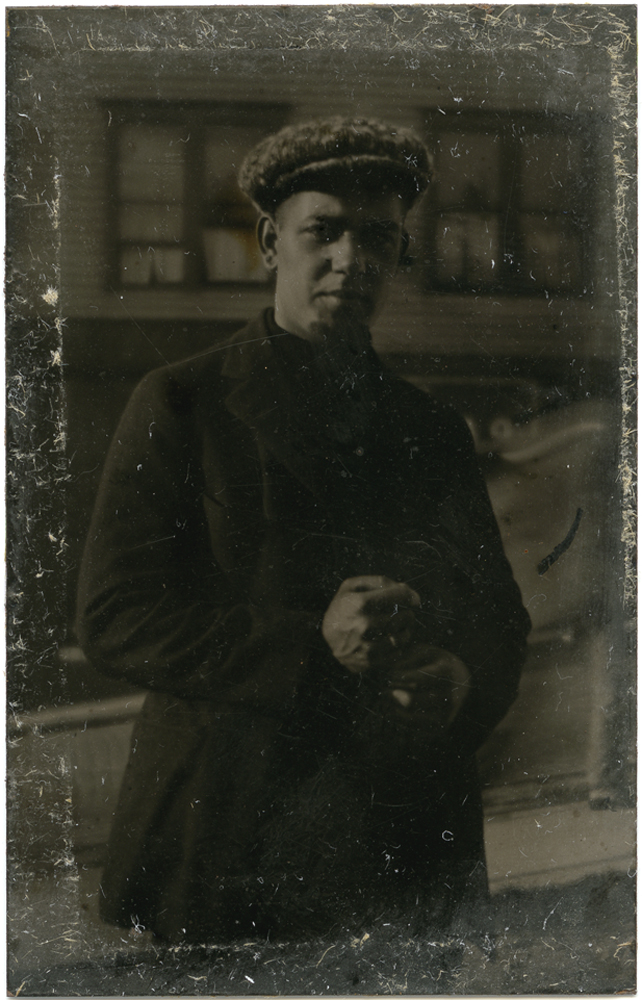
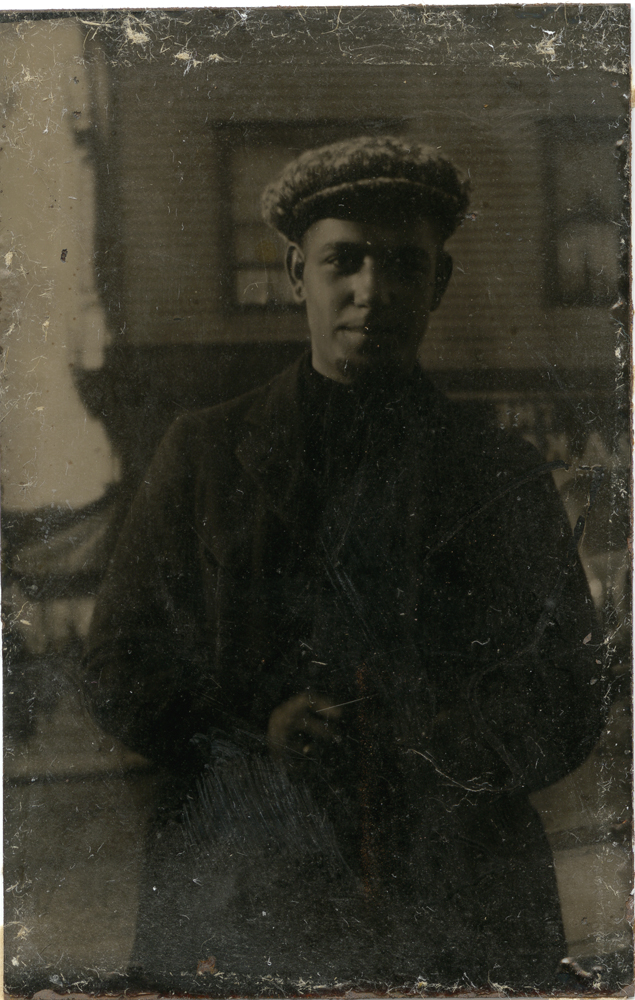
1900s Tintype, possibly African-American

1900s Tintype, possibly African-American

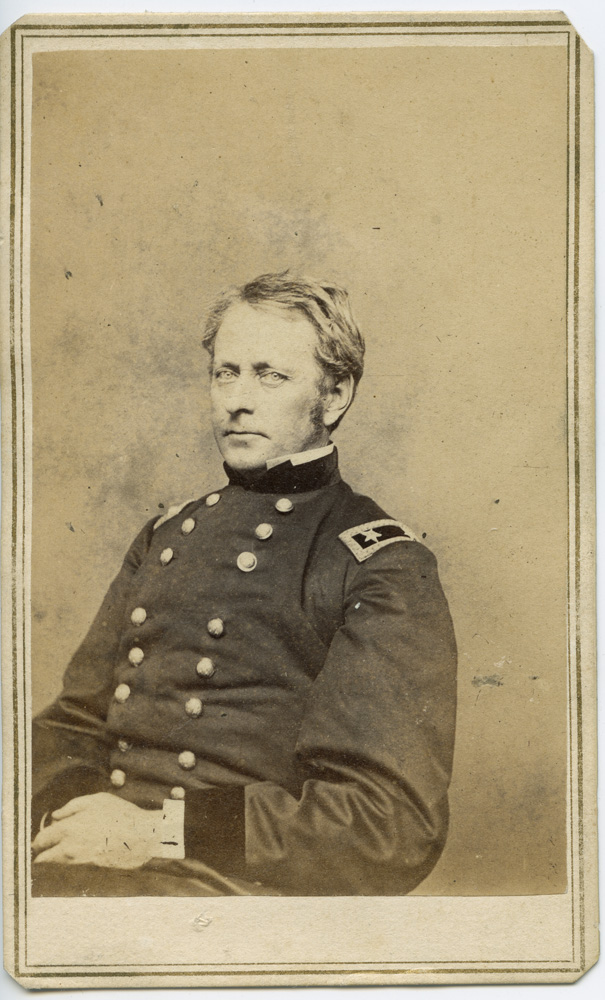
General Joseph Hooker, by Mathew Brady

CDV, General Joseph Hooker, by Mathew Brady

This is an E&HT Anthony reprint of a Mathew Brady CDV of “Fightin” Joe Hooker, appointed by Lincoln to lead the Union armies after Burnside’s disaster at Fredericksburg. Hooker didn’t last long after, meeting his tactical doom at Chancellorsville. This is not a rare version of the image, but rather an 1860s equivalent of a celebrity collector card – people would assemble albums featuring the politicians, generals, stars of the stage, and other celebrity types (Barnums’ Circus freaks, writers, poets, and so on). Unlike today where people, mostly teenagers, collect pictures of their favorite stars, in the 19th century it was not uncommon to find these cartes mixed in with the family album, and collected by the senior members of the family, not just star-struck children.

Recent arrival to the collection

Nellie Keeler- by Bogardus

The scan does not do the original justice. An amazingly beautifully preserved CDV of a Barnum performer. She was originally from Kokomo, Indiana. Hired in 1879 at age 11, she weighed 28 lbs. The photo is then most likely also from that year or within a year or two after that date.


For more information, check out quasi-modo.net

More recent gum work

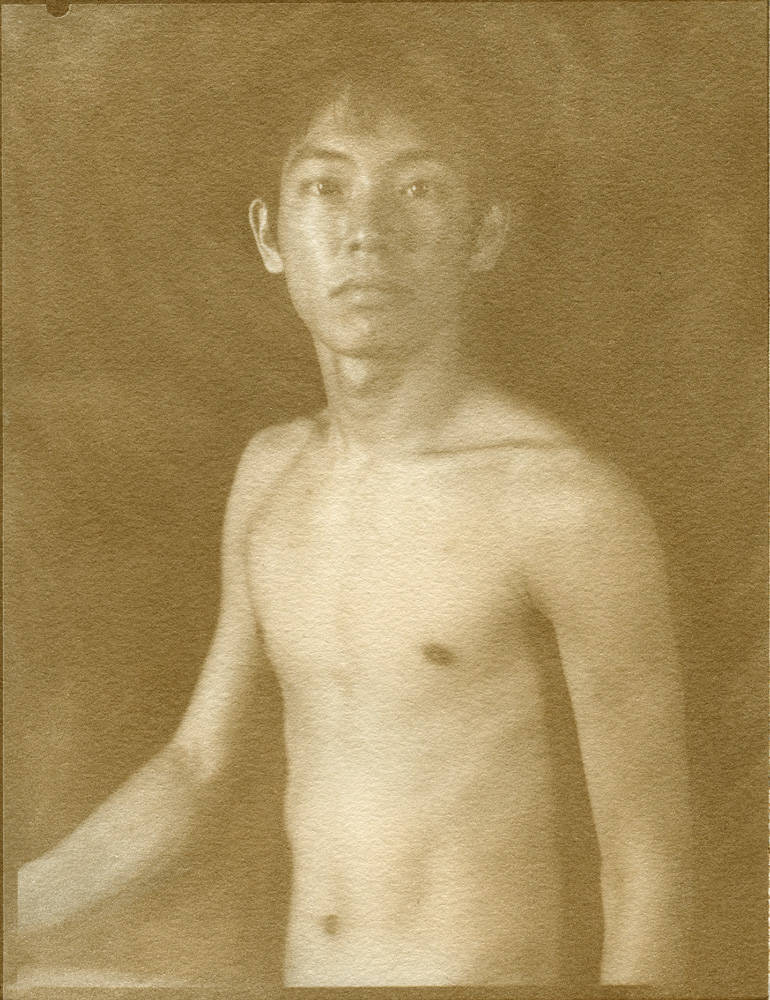
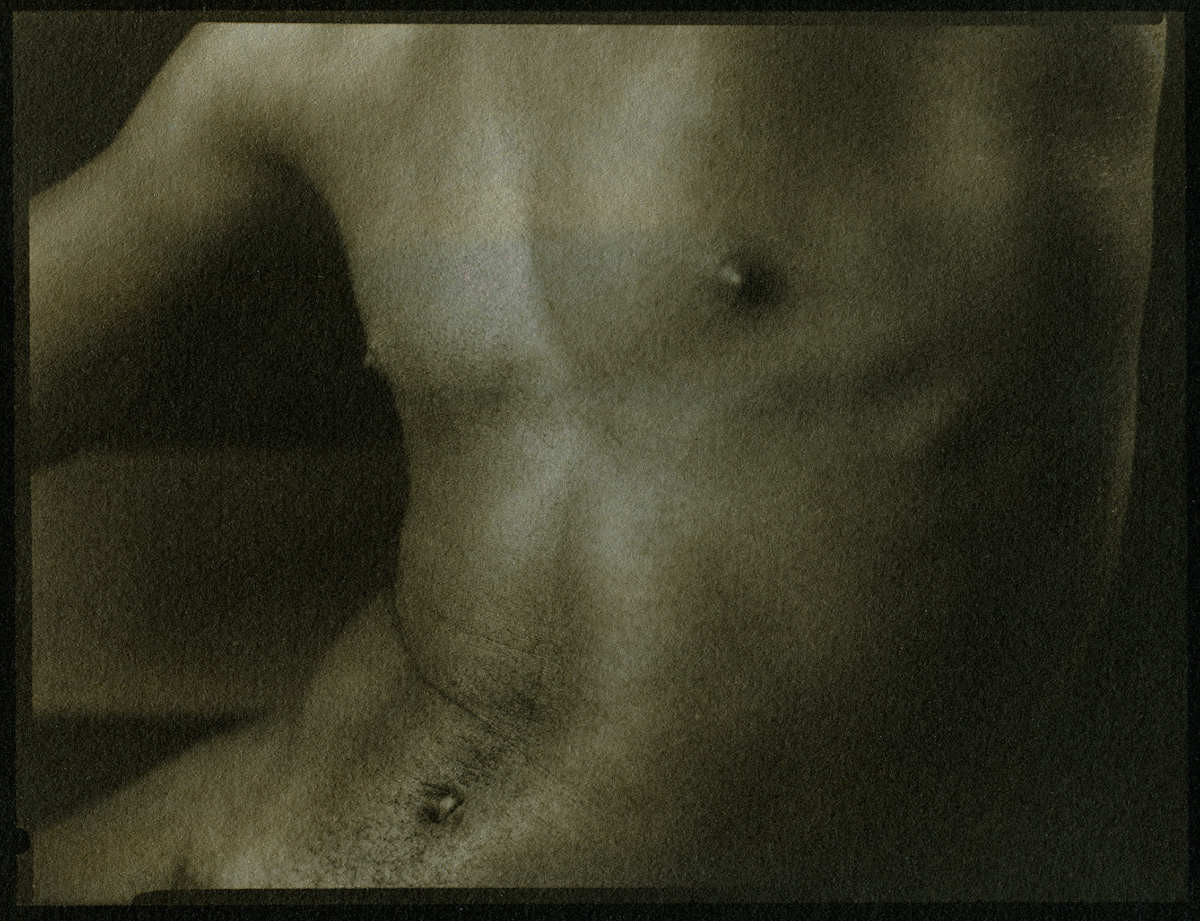
Torso, TC Ong

This image is a simple two-color gum bichromate print. Burnt Sienna and yellow ochre if memory serves correctly. Both layers were manipulated with a watercolor brush to create texture in the background.

Collecting Photography- an introduction

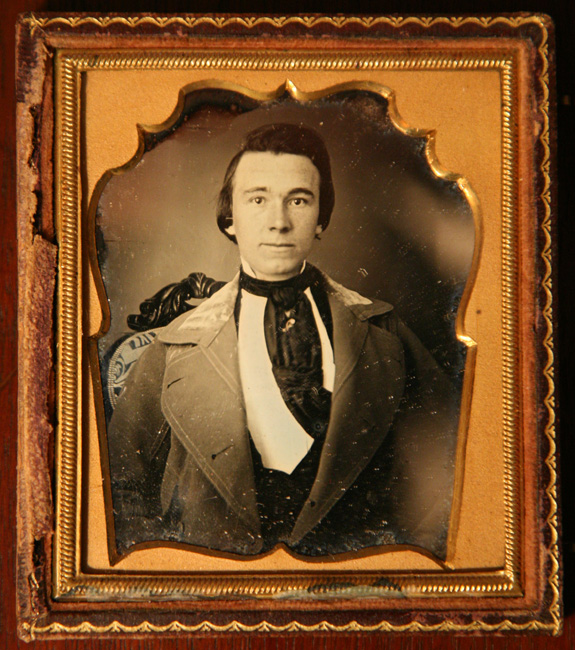
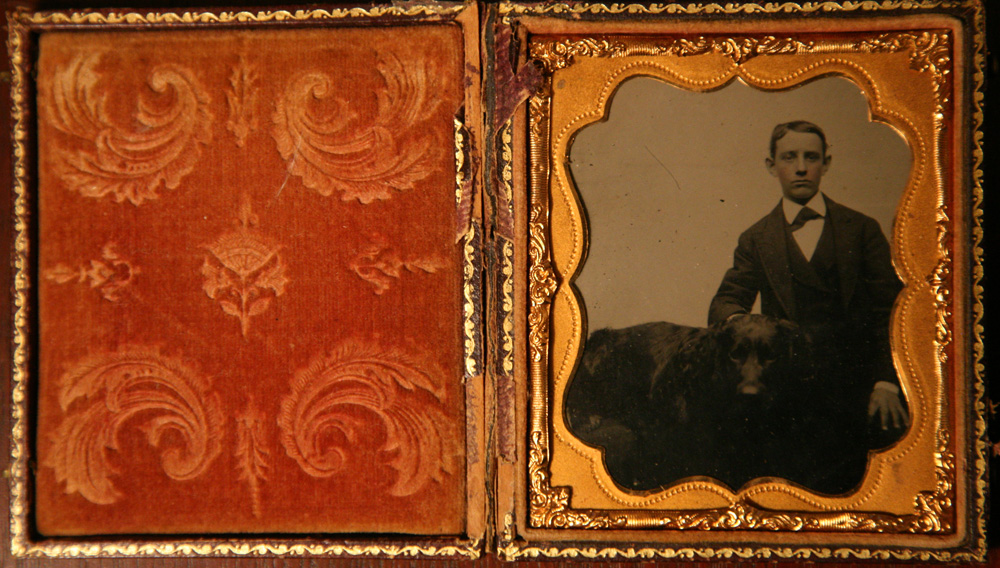
I got into collecting photography a few years ago, specifically vintage cased images. Really good cased images have started appreciating in value and are no longer the bargains that they used to be, but you can still pick up nice anonymous Daguerreotypes and tintypes for not too much money. An important thing to know is how to tell the difference – many people don’t know and will confuse the two, and try to sell (and price) the less valuable tintype as a Daguerreotype. The easiest way to tell the difference is in the appearance. A Daguerreotype will have a mirror finish and be hard to view directly without a black or other non-reflective color surface in front of it. Tintypes will weigh less and be clearly viewable from any angle. There are lots of other tips that can clue you in if you’re not sure, but that’s the obvious, easy distinction.

Daguerreotype:

Anonymous Gentleman. Daguerreotype, Half case.

Tintype:

Tintype, boy and his dog.

Recent Gum Work

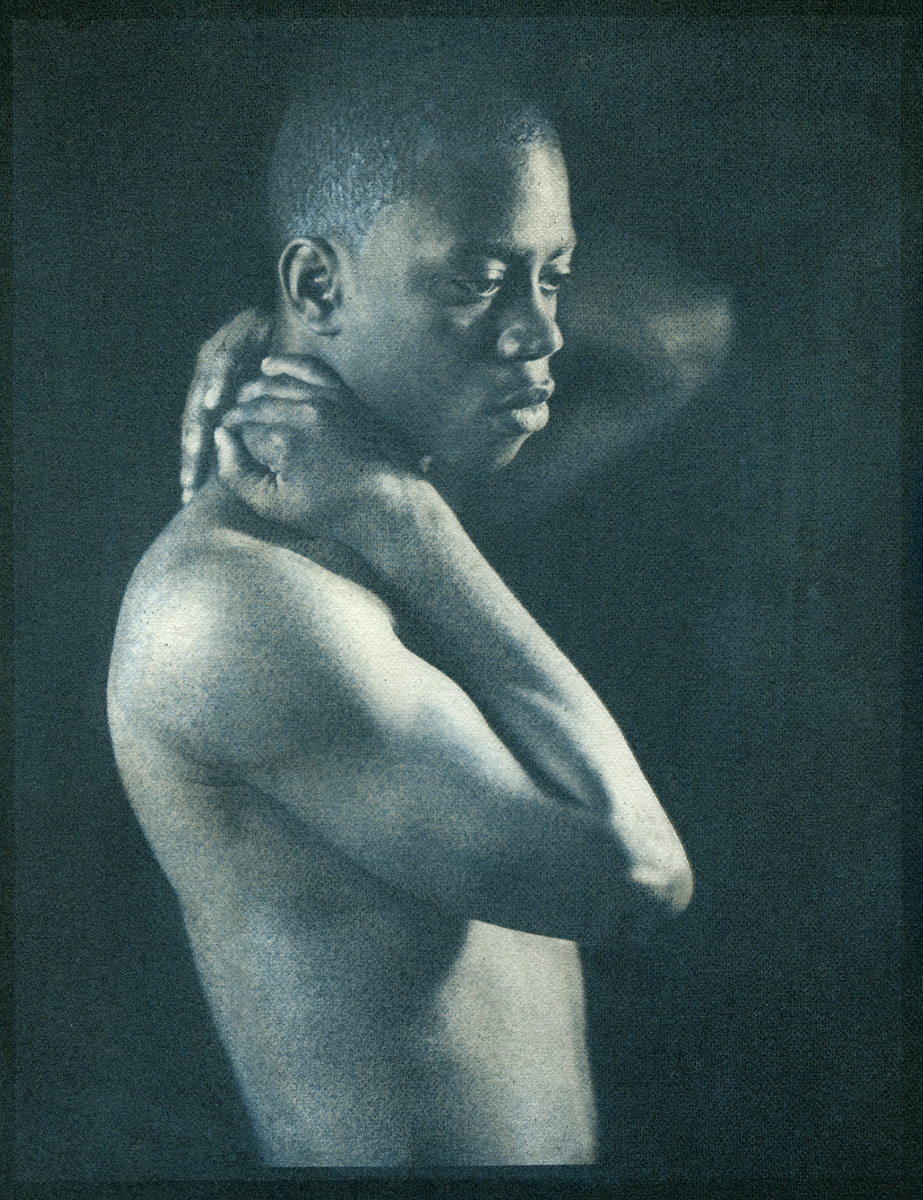
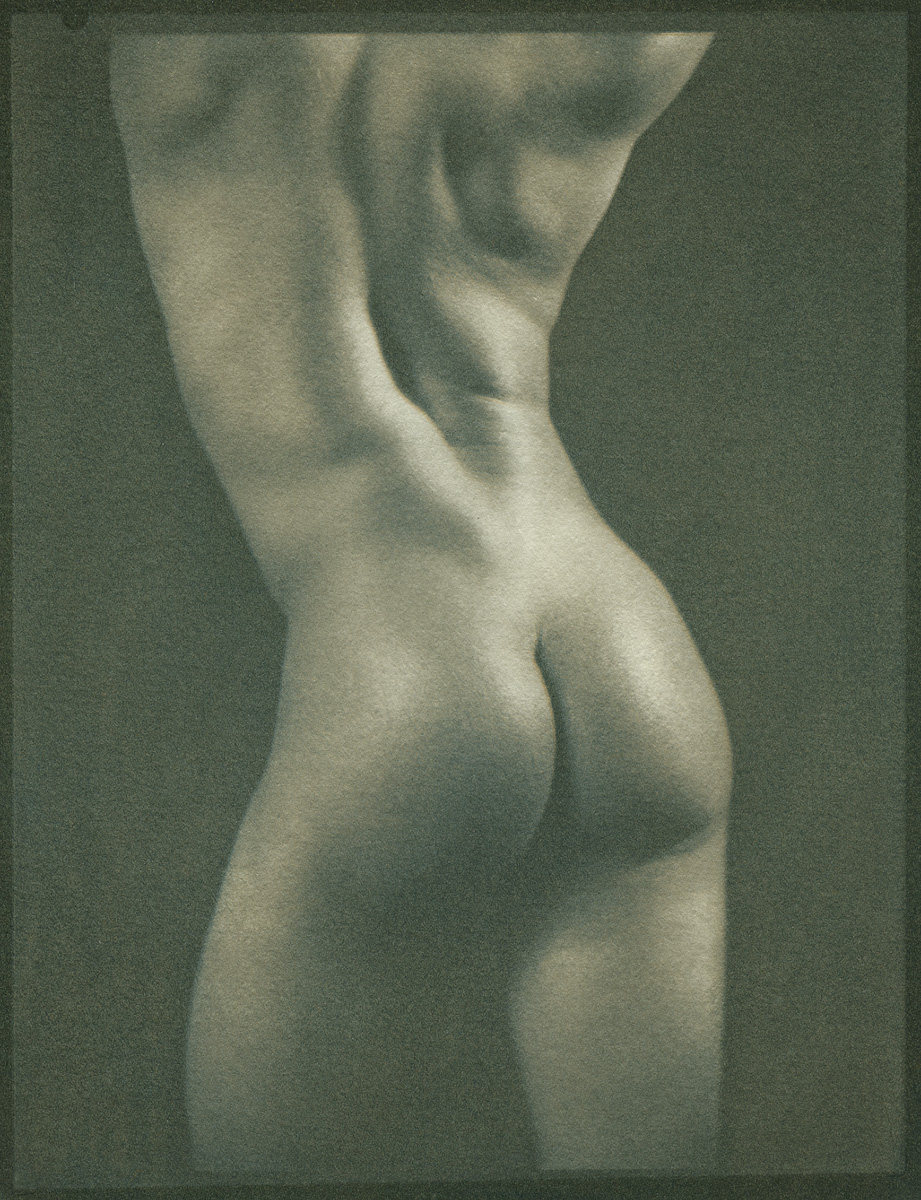
Three recent gum bichromate prints. Gum bichromate is perhaps the most labor-intensive photographic process because it involves building an image, one layer of pigment at a time. Most gum images need at least two layers, but often three or four are a minimum. Even working rapidly, you can only do about two layers a day. Gum is one of those processes that is all about the choices you make adding up to a finished product. All three images are whole-plate size images, 6.5 by 8.5 inches. Whole plate is the original photographic format, having been designed by Louis Daguerre for his first camera. Whole plate has a long and varied history, having come in and out of fashion repeatedly. It is enjoying a small modern-day renaissance not only for its historical echoes but for its aesthetically pleasing proportions and relative size.

This first image is a gum over Ziatype. Ziatype is a printing-out version of Palladium. A printing out process is one where the image is fully formed during exposure, and does not need a chemical developer to produce a final image. Ziatypes are really neat because they offer a very wide range of contrast, color and tonality depending on how you mix the chemistry. I do the Ziatype under the gum to start with a sharp base image with well-defined shadows and midtones.  The gum builds on top to add physical texture and create color.

The second image is a pure gum image, with only two layers, black and blue. As you can see, it is possible to create a successful gum image with only two layers of pigment. I manipulated the layers to bring out the blue color and the detail in the hair.

The final image is a four layer gum bichromate. It is a pretty accurate representation of the model’s actual skin color, but it is made from a single black-and-white negative. I worked it over with a watercolor brush during the printing process to bring out the highlights on the model’s back.