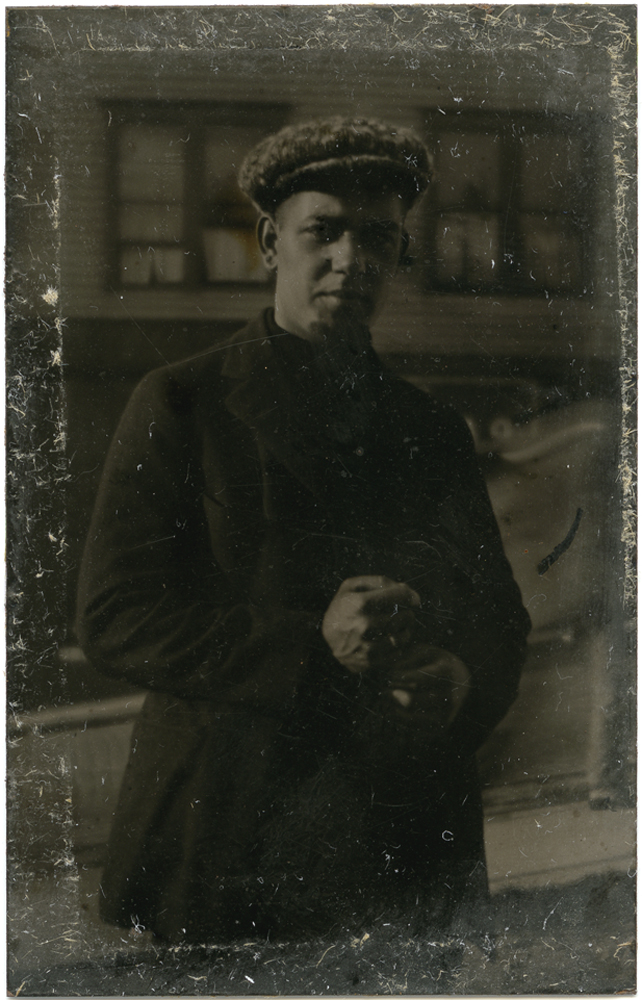
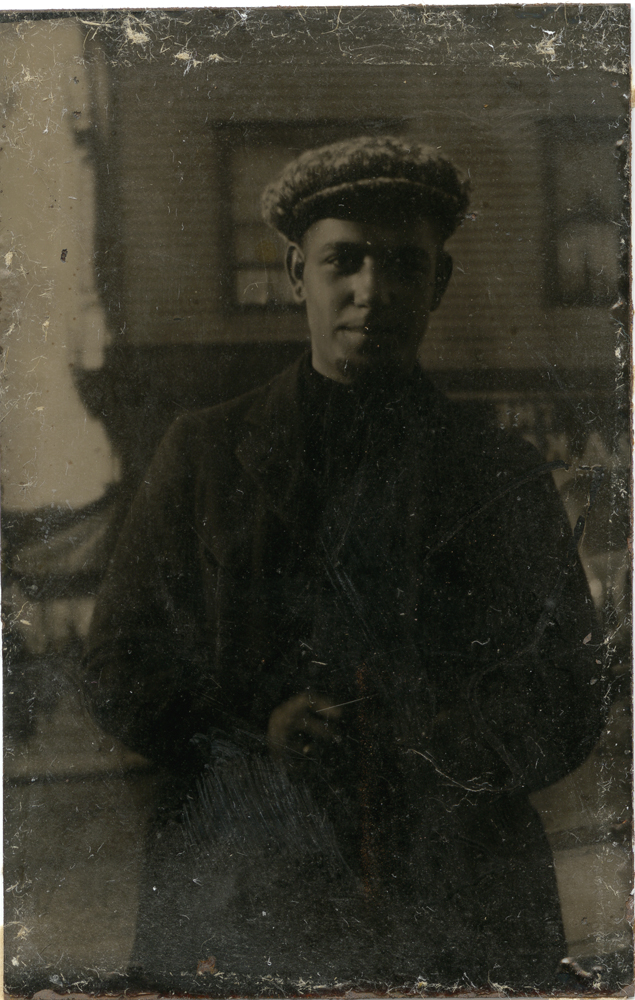
I got these two tintypes on an online auction (NOT ebay). They finally arrived today, but I had bought them so long ago I almost forgot I bought them. They still need a bit of cleaning up. From the clothes and what looks to be a car in the background of the one photo, they’re from the first decade of the 20th century, or maybe into the early part of the 1910s. The subject looks like he might be African-American. What’s interesting about these is they seem to be amateur snapshots, but they came matted, and at this point in time, amateur tintypes would have been relatively rare, because rollfilm already existed and cameras like the Kodak Brownie (as well as far more sophisticated roll-film cameras, not to mention dry plate cameras) were widespread. They came to me from Portland, Oregon, but who knows where they were taken. I’m planning on doing a bit of cleaning to remove the tape residue and dust, and I’ll re-scan and post them when they’re tidied up a bit.
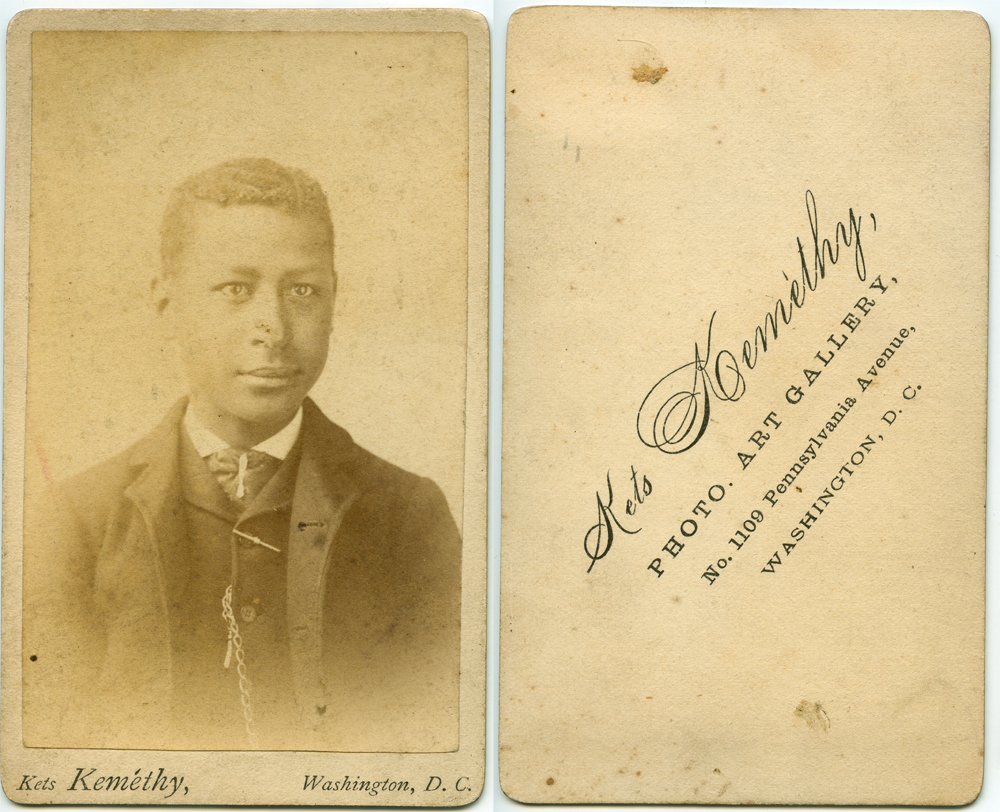
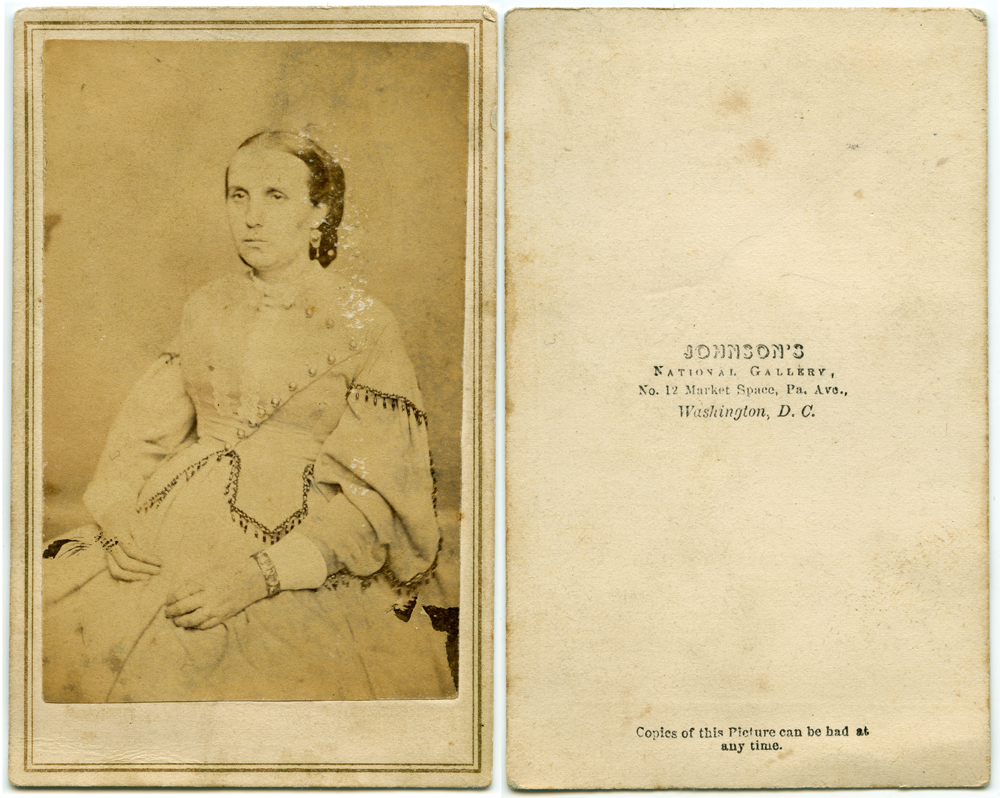
African-American Gentleman, Washington DCAnonymous Lady, Johnson's National Gallery
Two new DC portrait studio pictures from the 1860s-1870s. The African-American gentleman photo is quite interesting because it shows the relative prosperity that was possible so shortly after the Civil War for African-Americans in Washington DC. It is all the more remarkable because it exists in spite of segregation. It’s probably a window into the period of Reconstruction, before the southern states began instituting Jim Crow laws designed to economically suppress African Americans.
The woman is rather unremarkable, but the photographer’s back-stamp is what interests me – particularly the street address. When I first saw this, the address description helped clarify where another DC photo studio was located – The Schroeder & Rakeman studio. Of course the “Market” referred to no longer exists, but where it was is now a complex of buildings called “Market Square”, and is in immediate proximity to most of the other photo studios in Washington at that time.
 dcphotoartist