Category Archives: Color

Palazzo Barberini in Color

Today the Palazzo Barberini houses another great art museum, home to two Caravaggios, a version of Hans Holbein’s portrait of Henry VIII of England, and Bernini’s bust of Cardinal Barberini among many other masterpieces of Renaissance and Baroque painting. Here is the entrance facade as designed by Bernini, seen from the entrance courtyard with its central fountain.
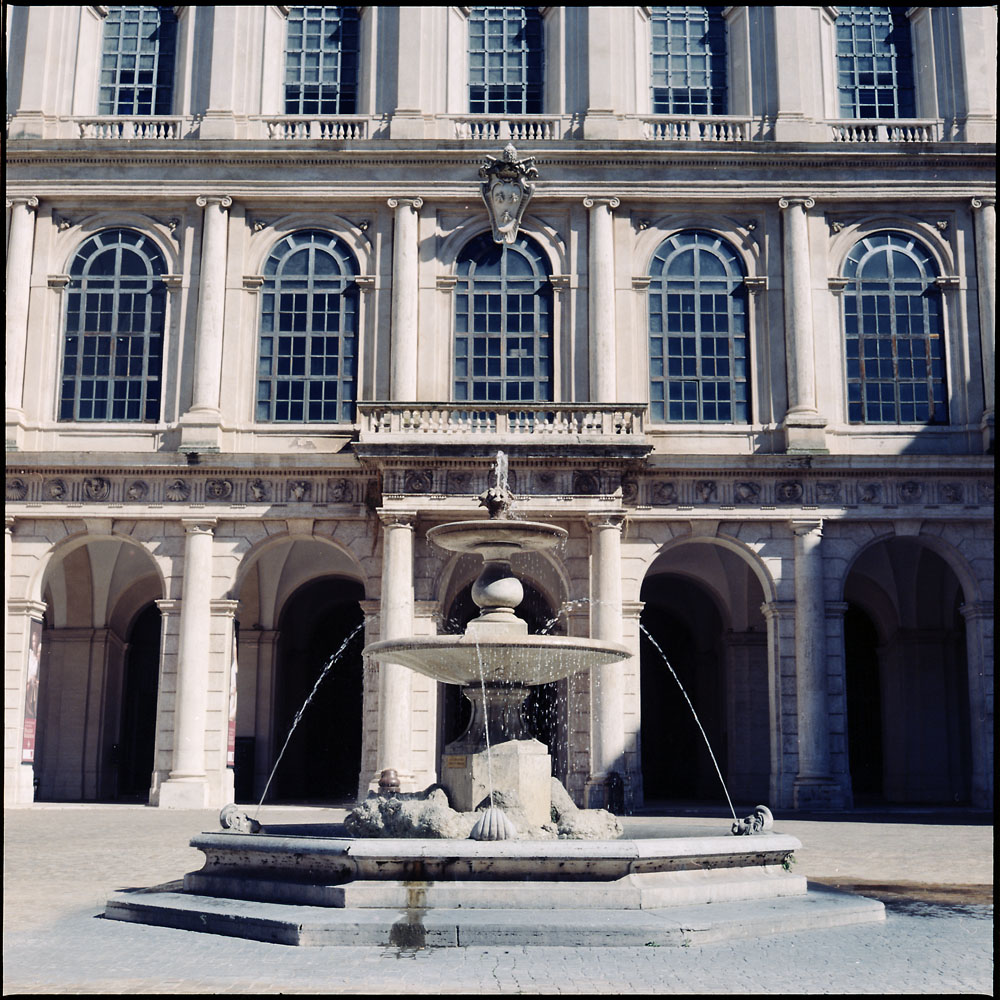
Facade, Villa Barberini

A detail of one of the water jets in the fountain:
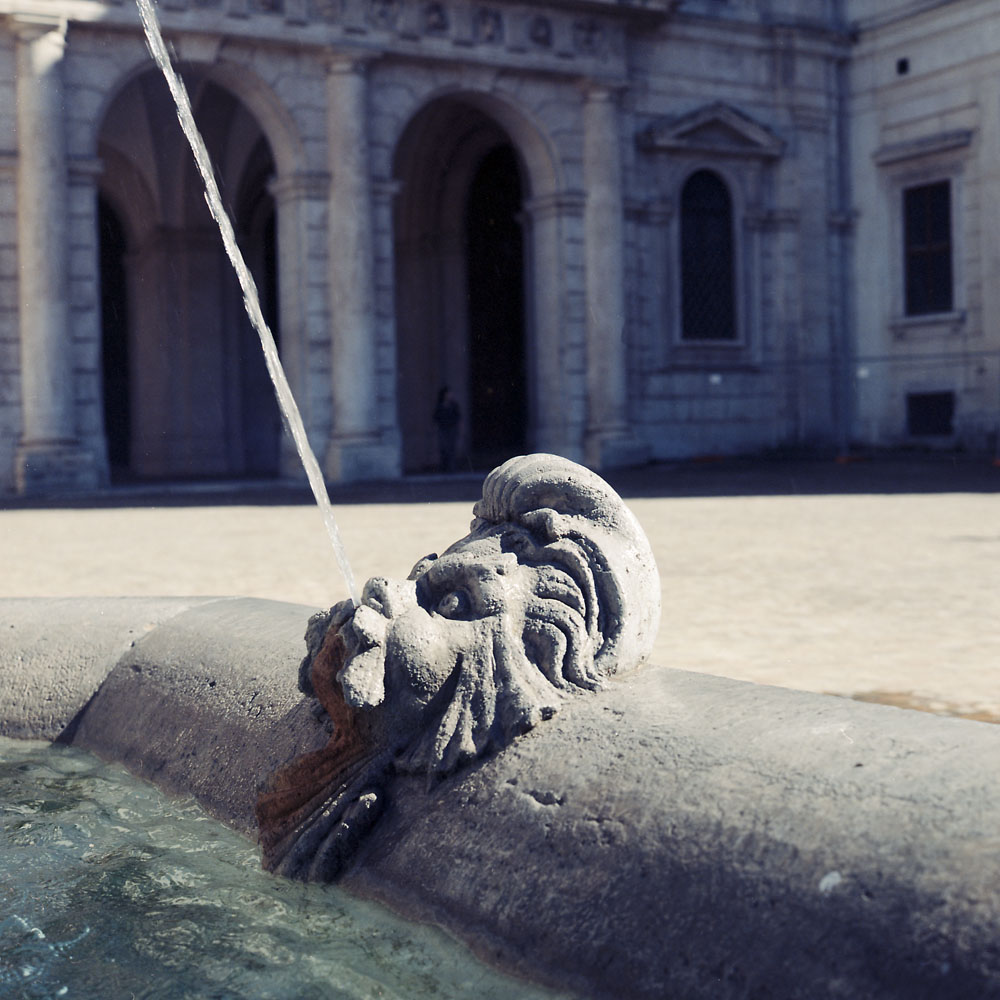
Fountain Detail, Palazzo Barberini

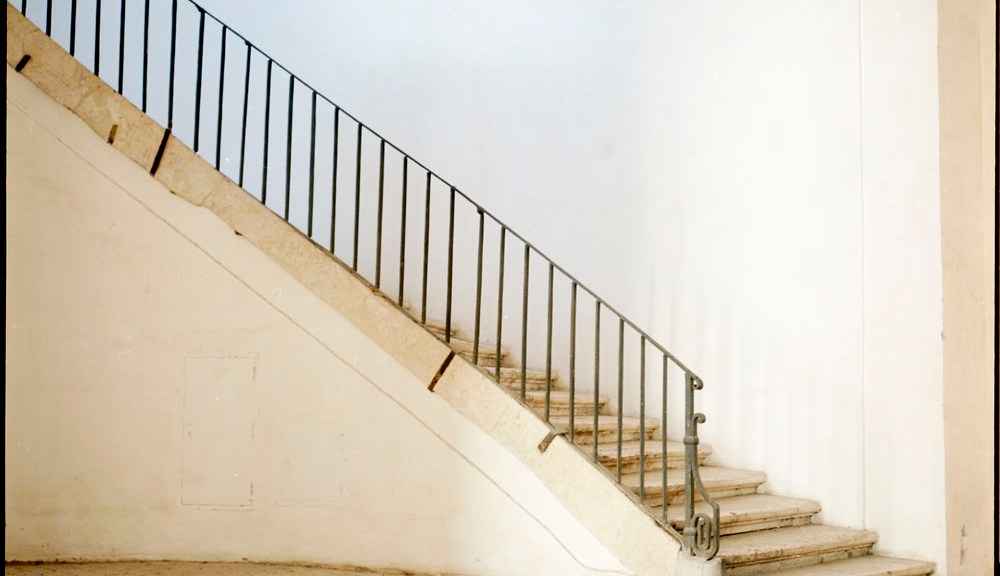
A staircase leading up to the rear gardens from the coachway underneath the palace. To the left out of the frame is the famous stepped ramp to the rear of the garden also designed by Bernini. Sometimes when you’re photographing, you get into this mindset of one type of image or another – for example, I had been shooting black-and-white film, and when composing this, I was still in the black-and-white headspace. I was thinking about the tones of the scene and the gradations from bright to dark. I don’t know if I even realized at the time I was shooting in color. When I was editing through my negatives, I saw this one and thought, “gosh, that’s likely to be a throwaway shot, but I’ll scan it just in case”. I wasn’t sure it would be sharp enough, because my memory of the space was that it was exceedingly dark and I winged it with a handheld exposure, roughly 1/4 of a second.

Well, you can see what happened. Not only was it sharp, but I seem to have mastered serendipity. The colors in the scene are beyond beautiful – the subtle blue from the cold light of the palace shadow seeping down into the stairway from the garden entrance to the rich golden hue of the paving stones and the plaster on the wall.

Inner Courtyard Stair, Palazzzo Barberini

Poking around the grounds of the palazzo, I saw two massive carved stone coats of arms lying on the ground in a side service yard. One was the papal coat of arms of Maffeo Barberini, Pope Urban VIII. To be expected – this was his palace. This one, on the other hand, is a bit surprising – the papal coat of arms for Paul V – Camillo Borghese. During the years of their respective papacies, the Borghese and Barberini estates were neighbors, and Scipione Borghese, the Cardinal Nepotente to Paul V, was a friend and fellow art enthusiast with Maffeo Barberini. After Urban VIII’s death, the Barberini palace was seized and not returned to the Barberini family for some years, but neither the Pope doing the seizing nor the pope who returned it to them were Borghese. Both families (Borghese and Barberini) were one-papacy families, unlike the Medici with four, and the Della Rovere with two.
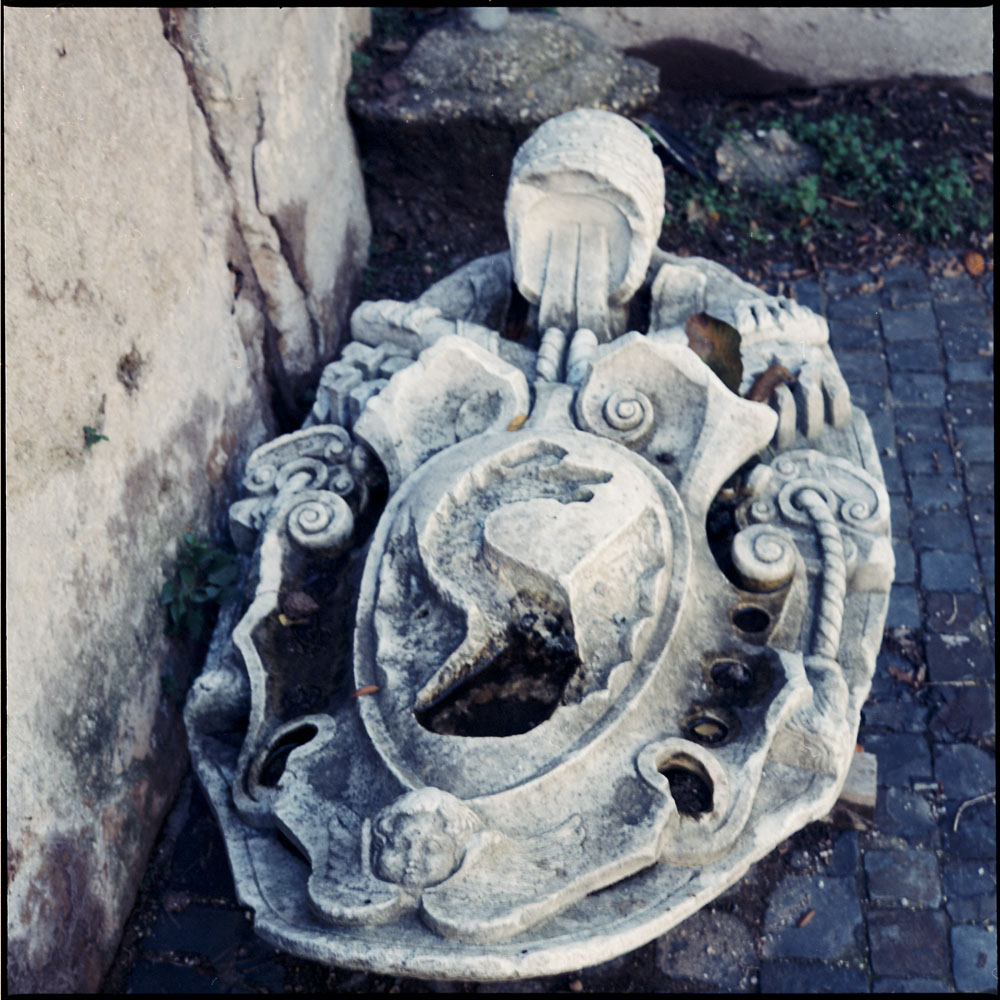
Borghese Papal Coat of Arms

The Palazzo Pitti, Revisited

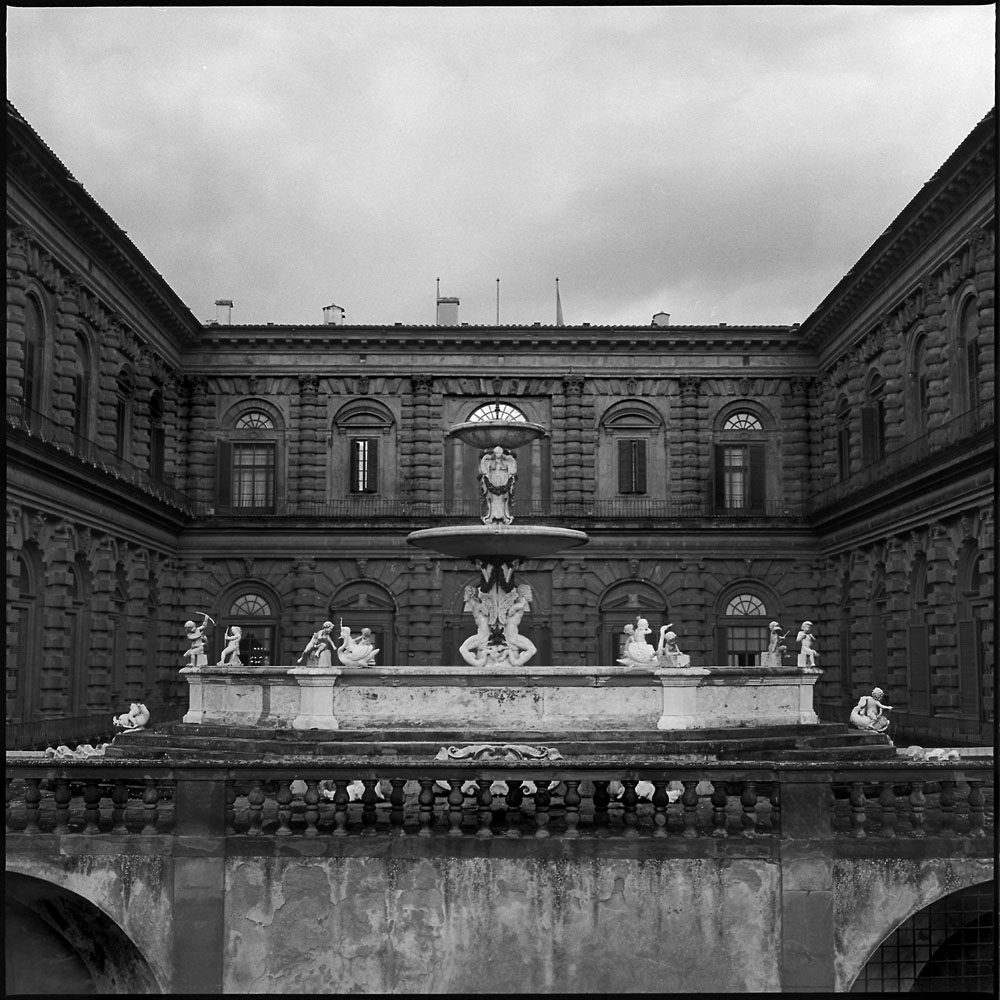
Here are a few more individual photos of the Palazzo Pitti.

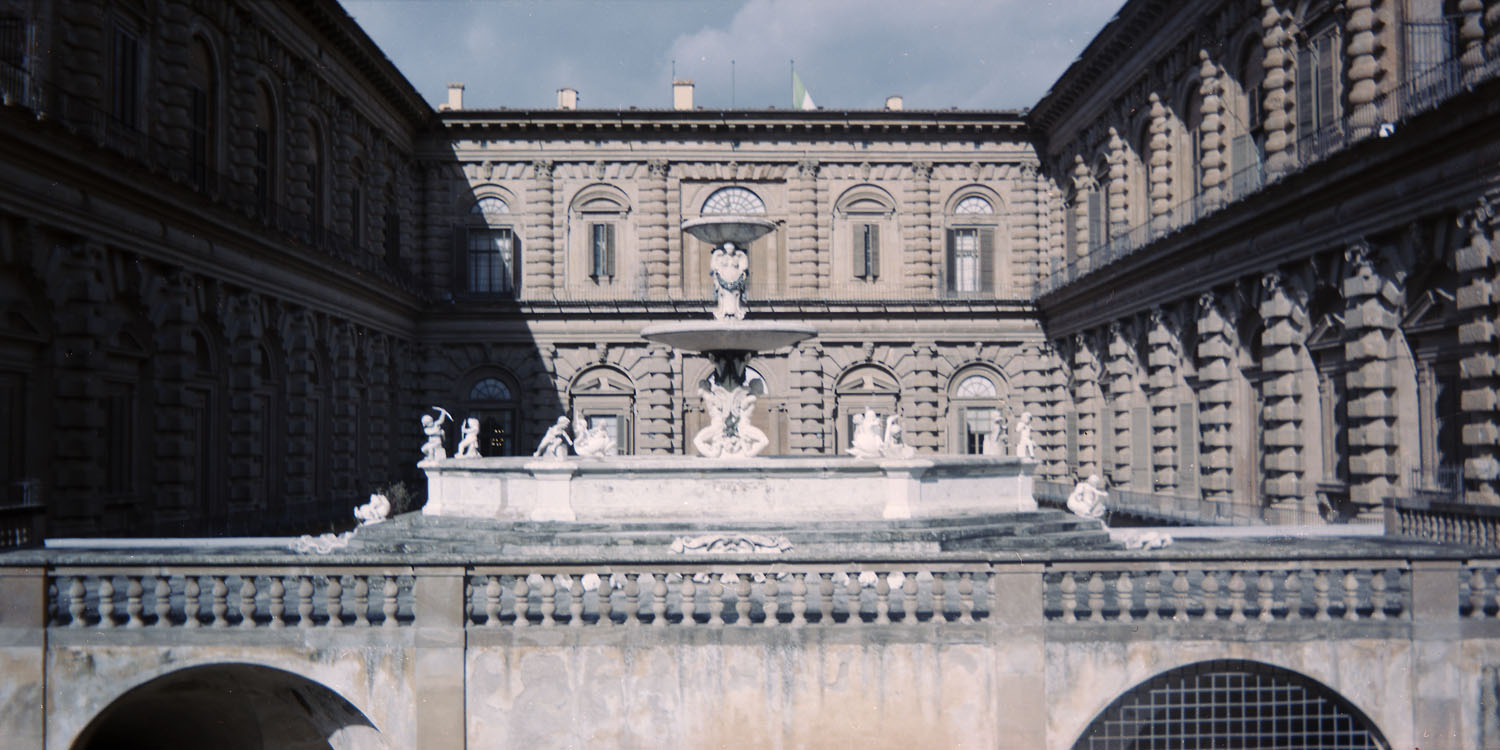
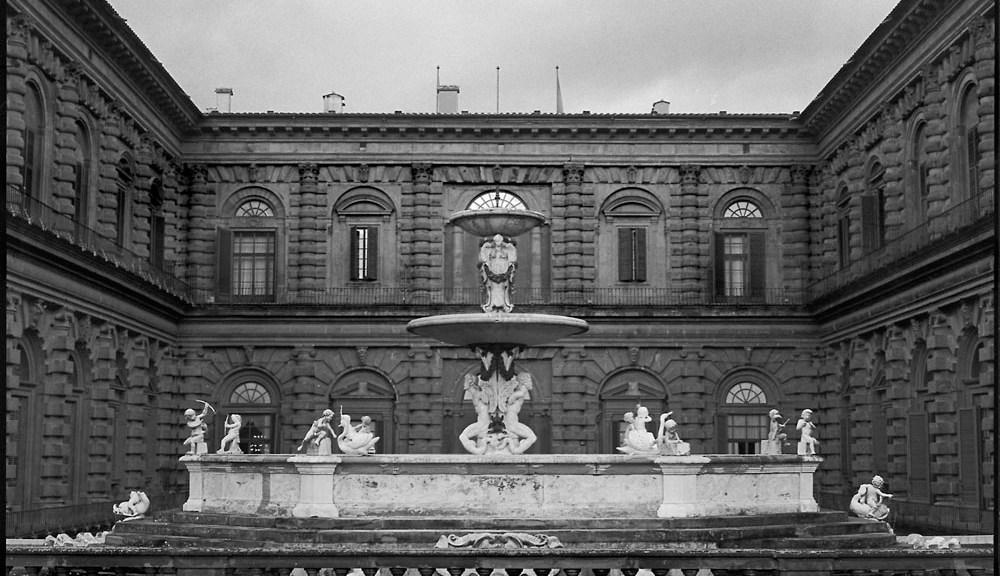
The first one is another version of the rear view of the Palazzo, from the Boboli Gardens. There’s a vast difference in quality between this one and the one I took with the Belair X6-12. The Belair has its charms, but I still prefer the sharpness and contrast of the Rollei version.

Fountain, Palazzo Pitti

Here is the panoramic version from the Belair for direct comparison.

Pitti Palace, from the Boboli Gardens

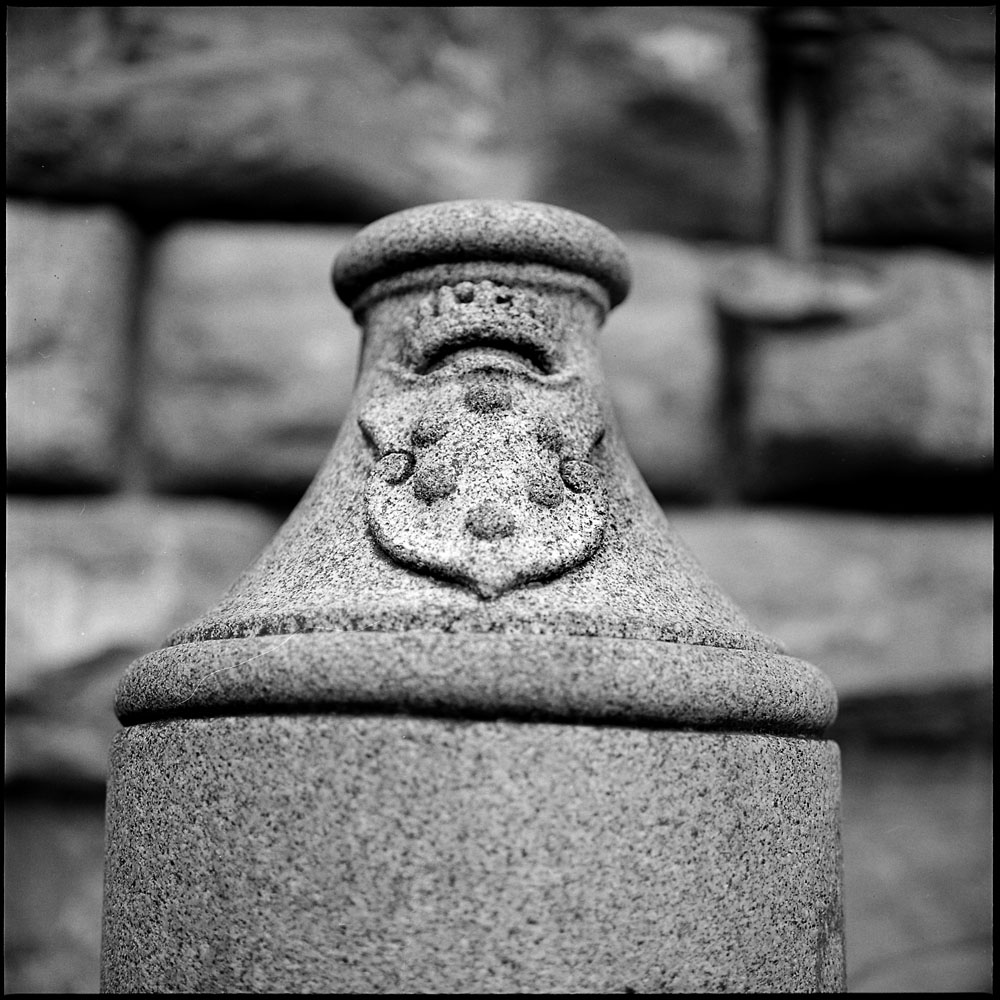
Out front of the palace there are these massive granite bollards, carved with the Medici coat of arms. While they’re kinda-sorta the equivalent of a traffic cone, they don’t really qualify for my “portraits of ordinary objects” series, do you think?

Granite Bollard, Medici Coat of Arms, Palazzo Pitti

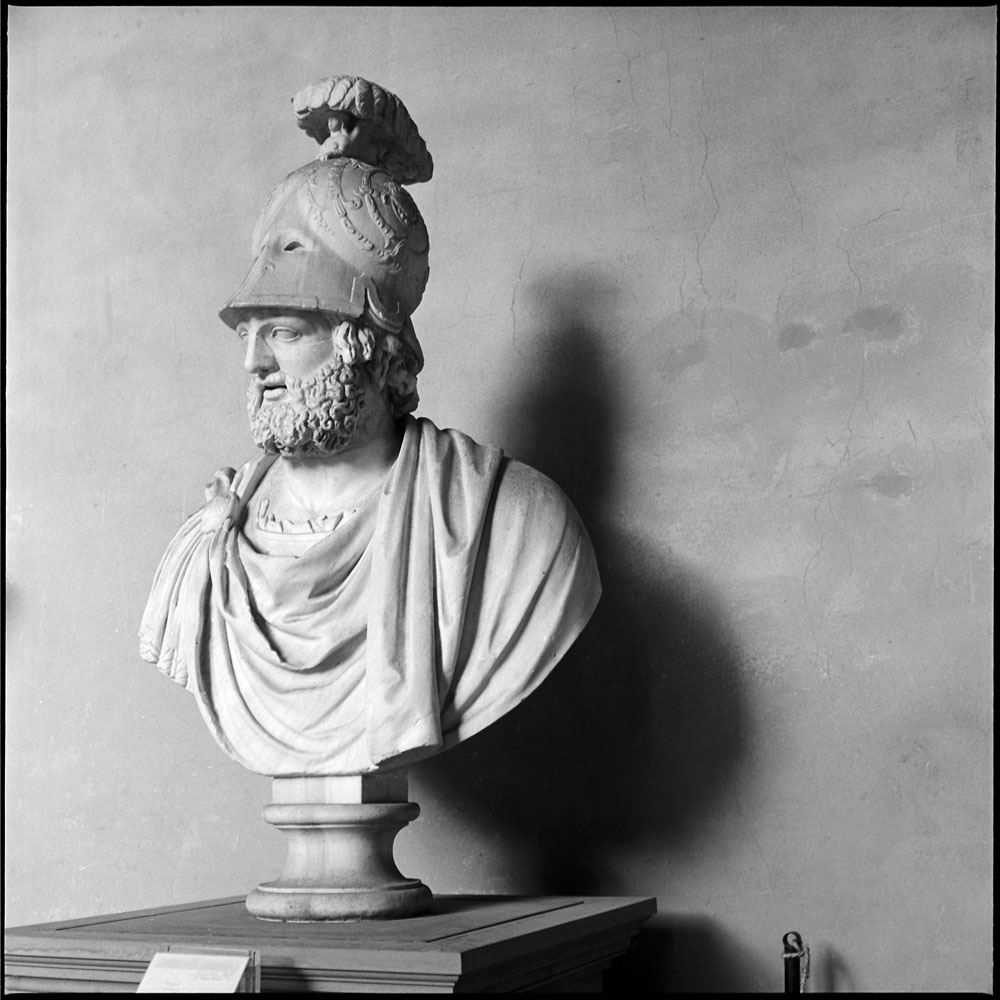
A marble bust of a man in a stylized Greek helmet. This would be a 16th or 17th century piece, so the ancient Greek style helmet would have been done to make him appear heroic and classical, an idealized noble warrior type.

Marble Bust, Courtyard, Palazzo Pitti

Around the Piazza Bocca Della Verita

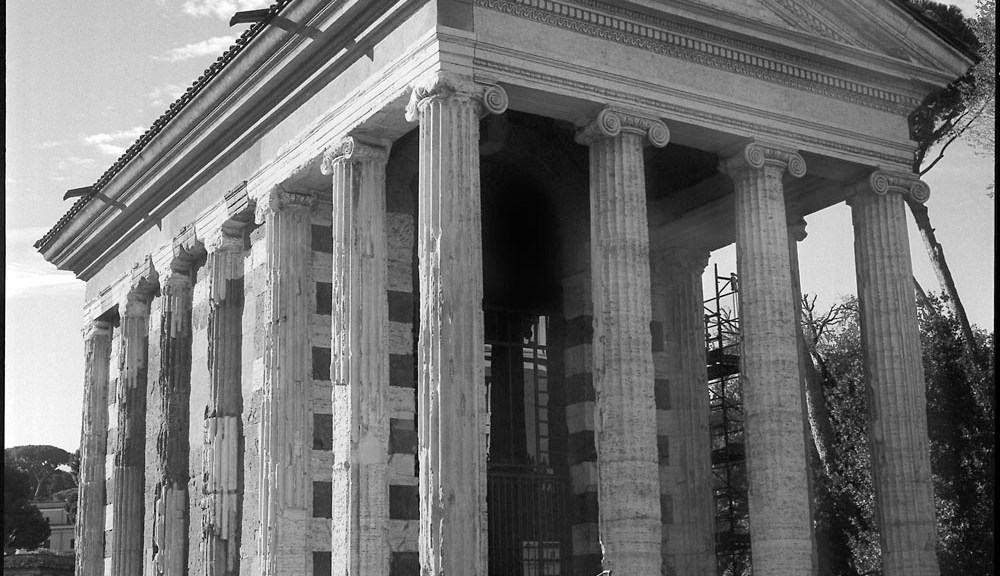
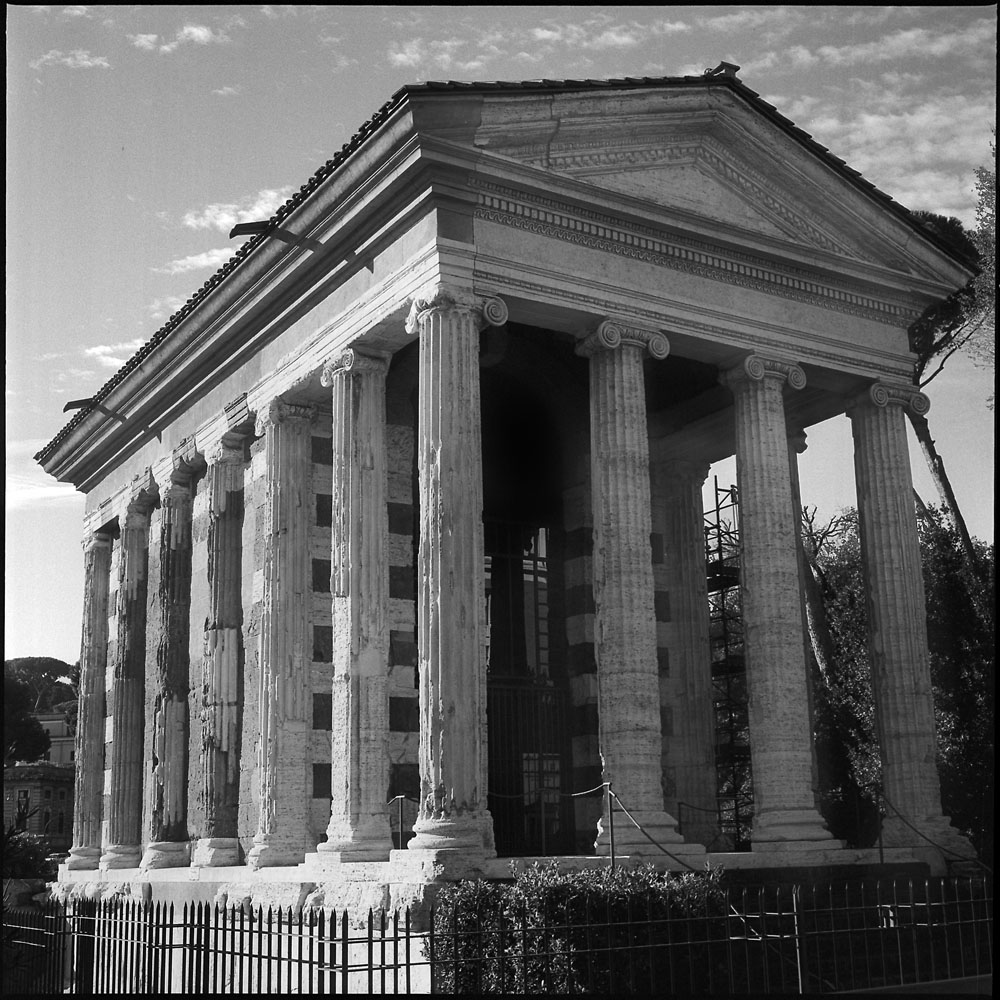
In a previous post I mentioned the Temple of Hercules Victor and the Fountain of the Tritons on the Piazza Bocca Della Verita, and the associated temple and church of the Temple of Portuno and the Basilica of Santa Maria in Cosmedin. Here they are.

The Temple of Portuno is more or less contemporary to, although somewhat newer than, the Temple of Hercules Victor. It survived into the Christian era and was re-purposed as a Christian church, to later fall into disuse. It has been stabilized and restoration work is ongoing.

Temple Of Portuno
Temple Of Portuno

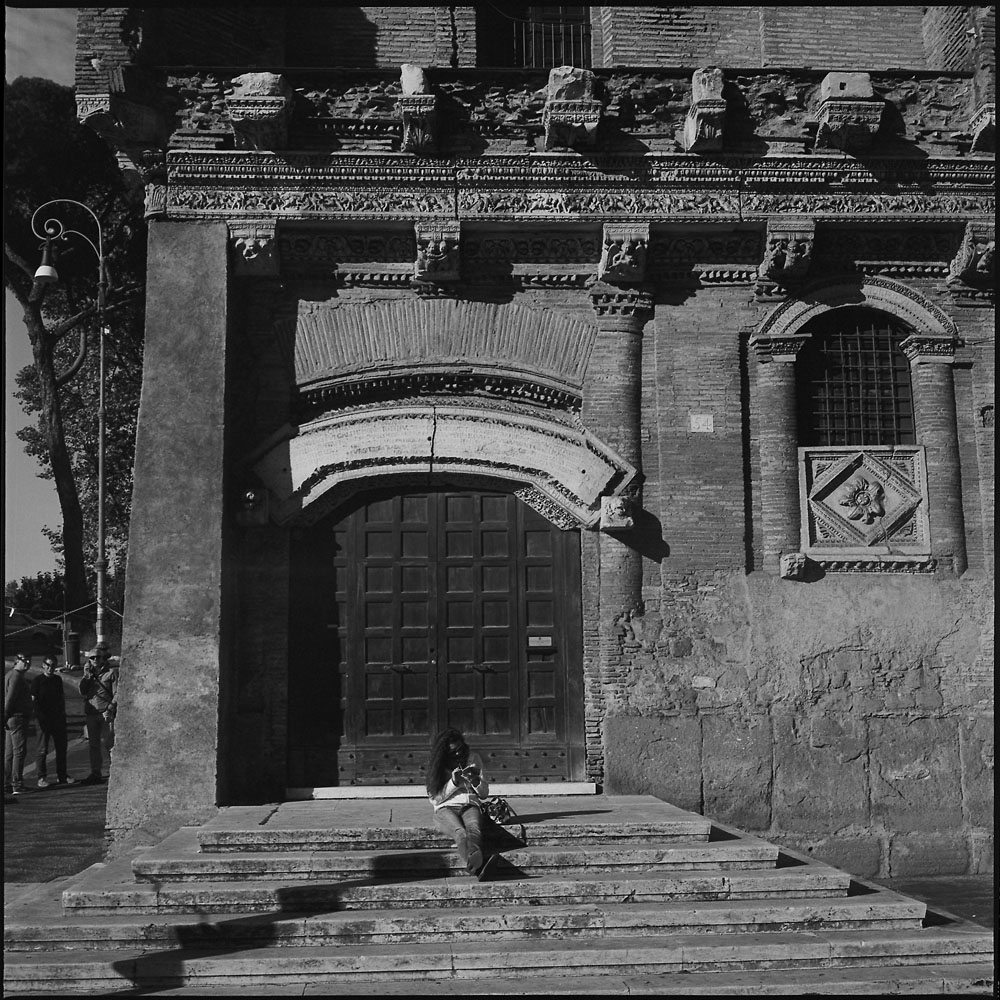
The library of the Casa Dei Crescenzi sits immediately across the street from the Temple of Portuno. The structure in this shot is early medieval/Romanesque in design. I saw the girl sitting on the steps, waiting for the library to open, or perhaps waiting for a bus. From the camera’s perspective, the men around the corner appear to be looking at her and commenting, although in all probability it was me and my camera that piqued their interest, since from their position they would not have actually been able to see the girl.

Casa Dei Crescenzi Library

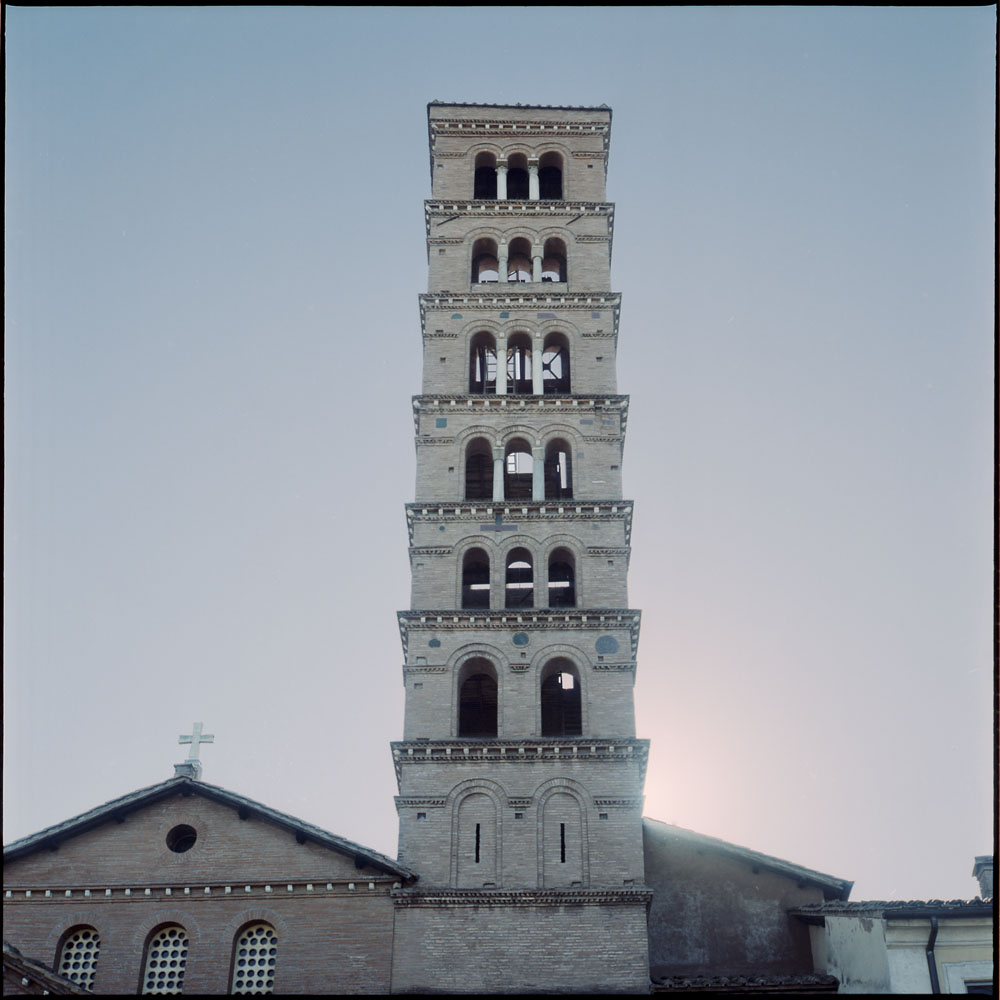
This is the Romanesque bell-tower of Santa Maria in Cosmedin, one of the older Christian churches in Rome, home to the Bocca Della Verita which now resides on the front porch, the easier to access for tourists. Saint Valentine’s relics also are kept here. I thought it was particularly striking with the sunlight just cresting the roof of the church and backlighting the tower. Contrast this with my earlier shot of the Campanile in Florence.

Belltower, Sta. Maria in Cosmedin

I’m particularly pleased at how well my camera handled the backlighting without flare or loss of resolution. It did a remarkable job for a 60-year old lens. And maybe it’s also a sign that I’m becoming a better photographer such that I composed it to minimize problems.

Here a Photographer, There a Photographer…

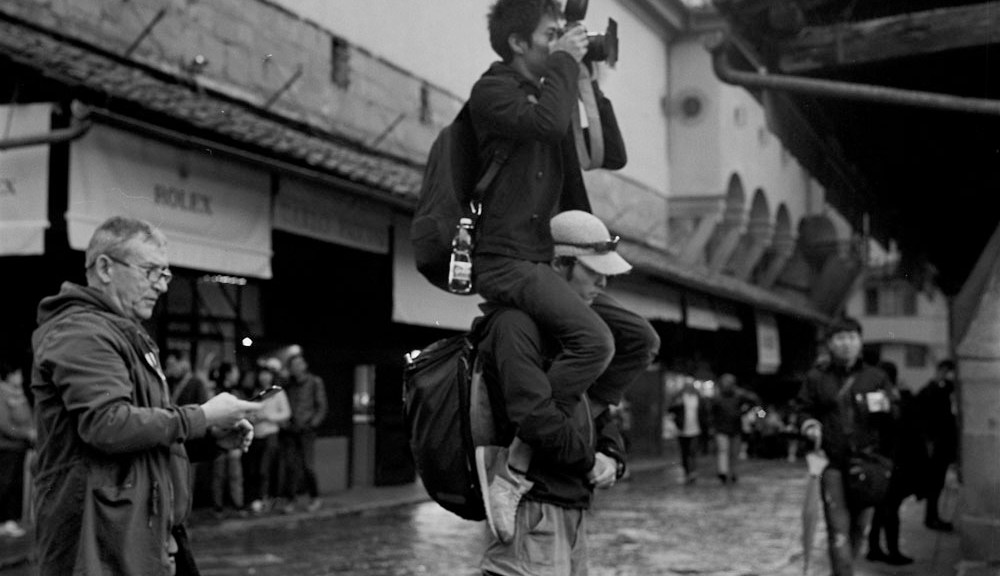
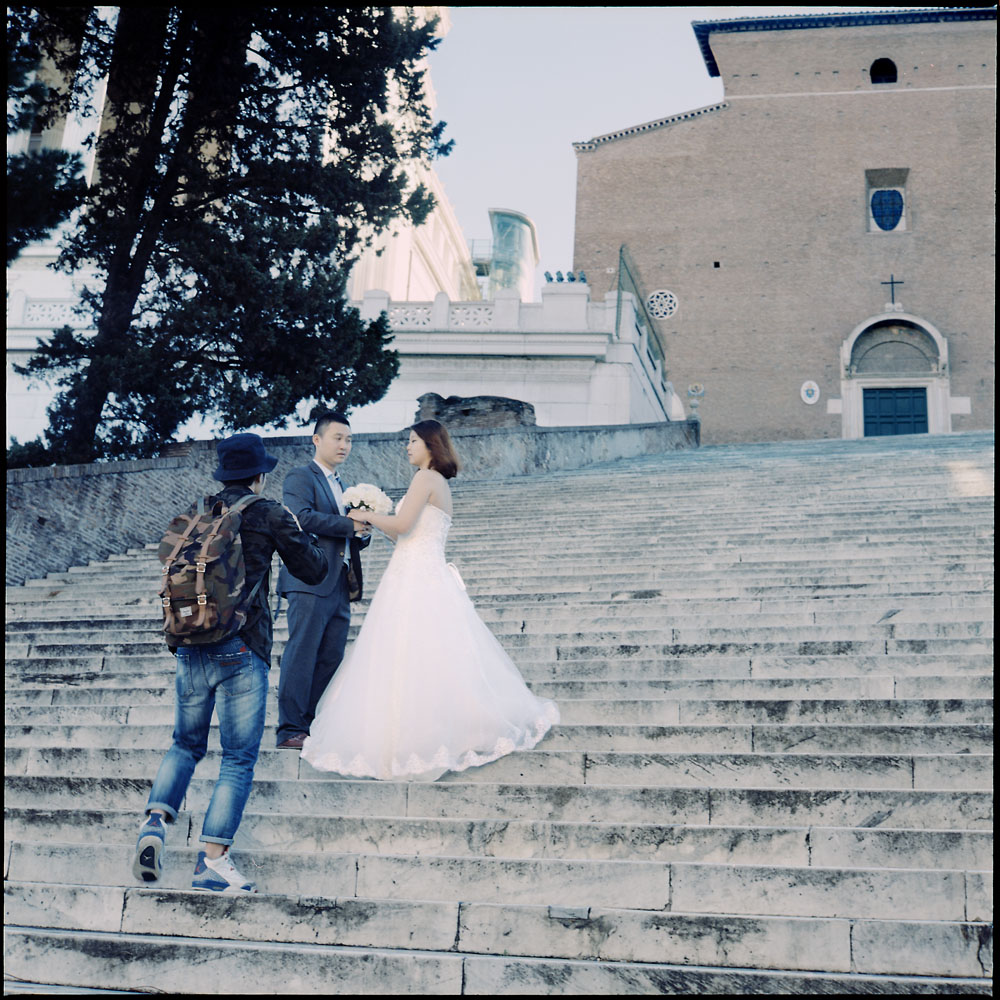
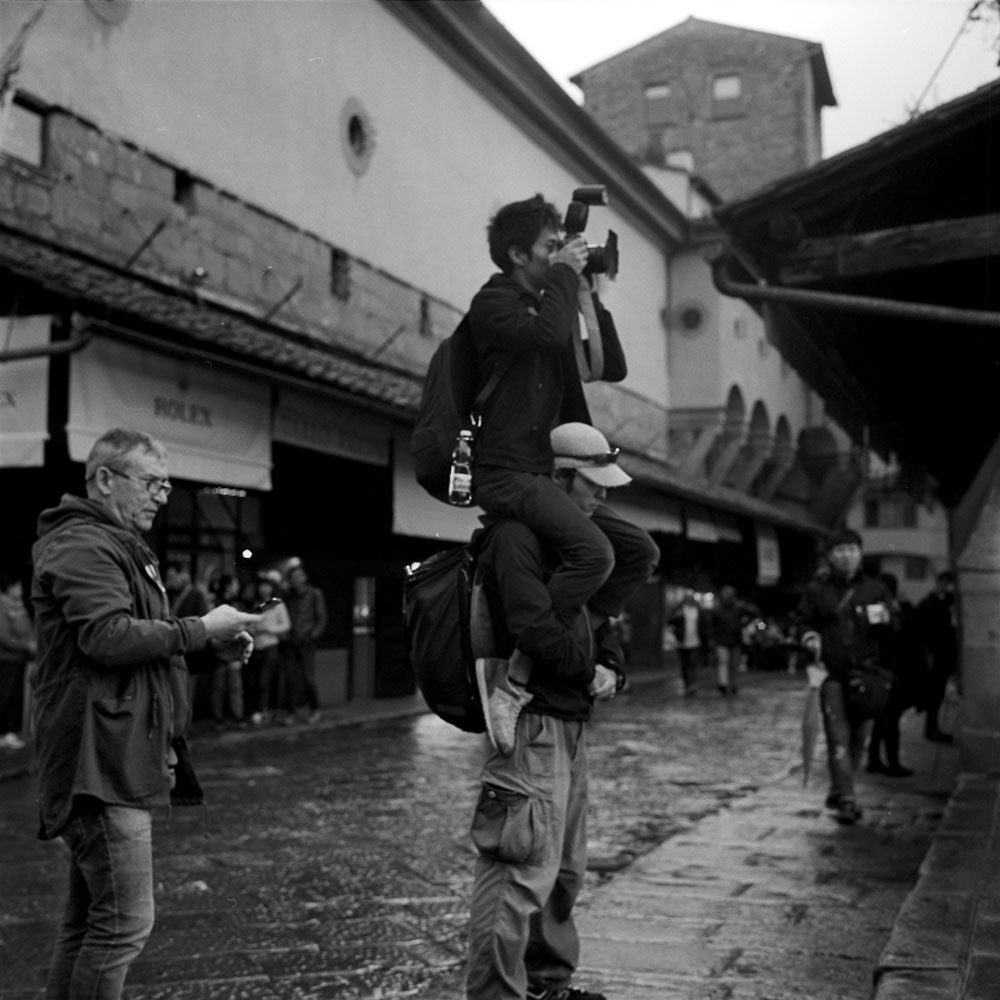
These are two of the wedding photographers I saw in action on my trip – I saw at least two more that I didn’t capture. All were Chinese – I guess it’s a thing now for Chinese couples to come to famous landmarks ( I saw this in Paris as well when I was there ) to get their wedding photos done. I don’t know if they were actually having their weddings in Rome and Florence, or just getting their pictures taken. I’d have loved to have asked, but the photographers were busy working and I’m not going to interrupt them.

I’m not at all surprised by the first location- the steps of Santa Maria in Aracoeli are a very popular destination spot for wedding couples. They were lucky that it was a quiet day – in peak season the steps are very popular with tourists, including pilgrims climbing them on their knees hoping for divine intercession to heal illness or get pregnant, although not so much these days. There are 124 steps (122 if you start on the right-hand side).

Wedding, Steps of Santa Maria in Aracoeli

In Florence, this was the scene on the Ponte Vecchio, next to the Cellini monument. I know photographers will go to some lengths to get the shot, but this is really taking it to another level. I also observed a much more conventional photo-taking outside the Duomo early in the morning on another day.

Wedding Photographer, Ponte Vecchio

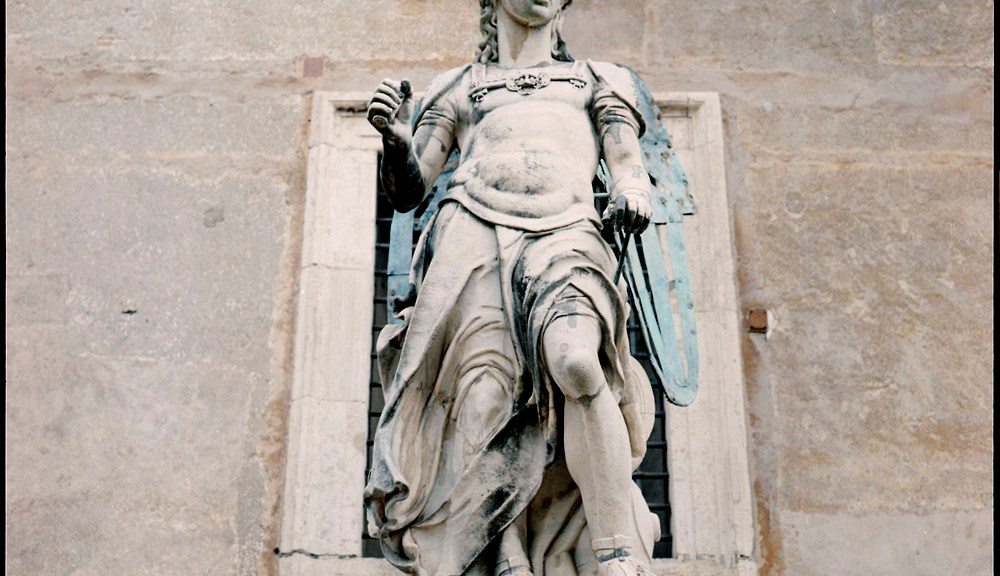
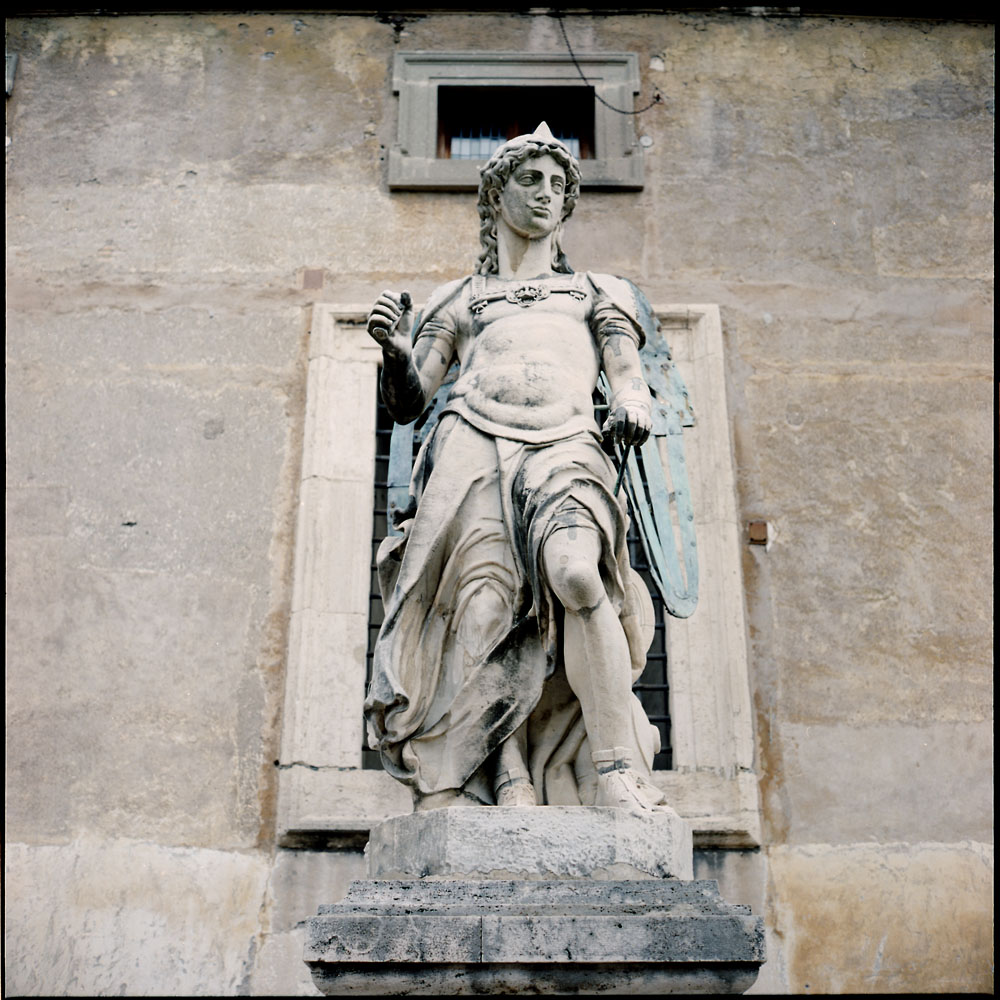
The Archangel Michael, Castel Sant’Angelo

The statue of the Archangel Michael in the inner courtyard of the Castel Sant’Angelo. This is at the mid-level courtyard after ascending the ramp that passes through the crypt of Hadrian/castle dungeon. around it are numerous Roman marble busts in various nooks, and a well for providing water to the Papal apartments above.

Archangel Michael, Castel Sant'Angelo
Archangel Michael, Castel Sant’Angelo

The statue dominates the courtyard, though, with its bronze wings patina’d green and weathered countenance.

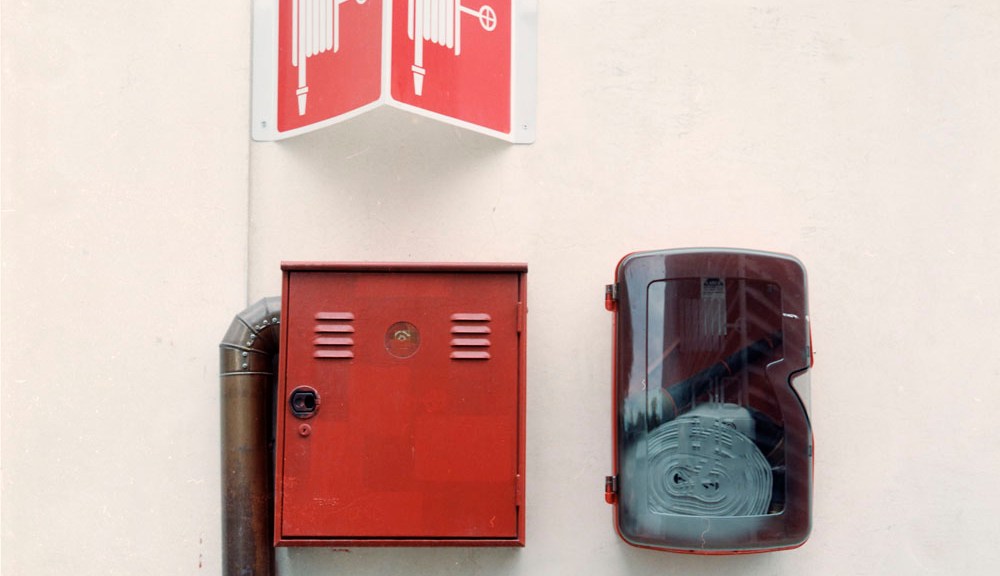
Fire Hose Connector – Ordinary Object Portrait

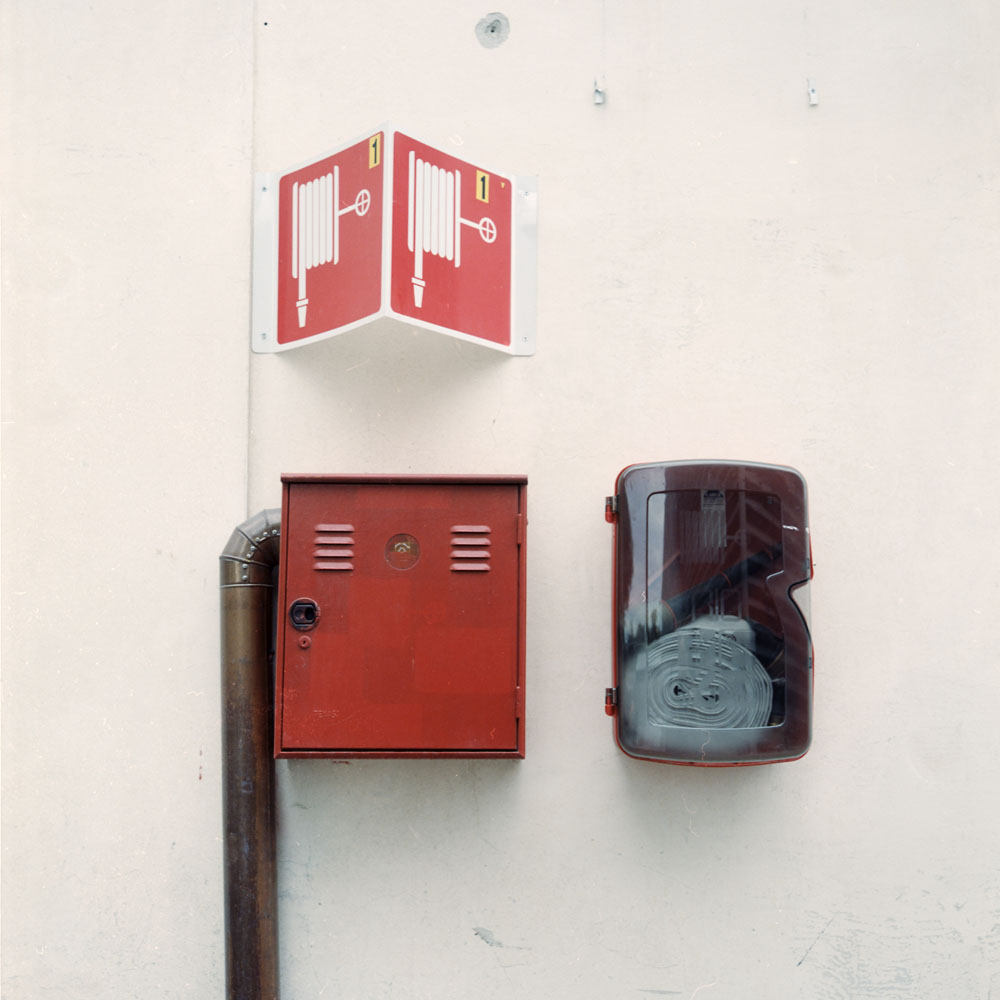
Another in my series of portraits of ordinary objects. Most of my ordinary objects portraits depict well-used, sort of unloved objects, but this is a brand-new (or at least nearly new) fire hose connector inside the Fortezza Basso complex in Florence.

Fire Hose Connector
Fire Hose Connector

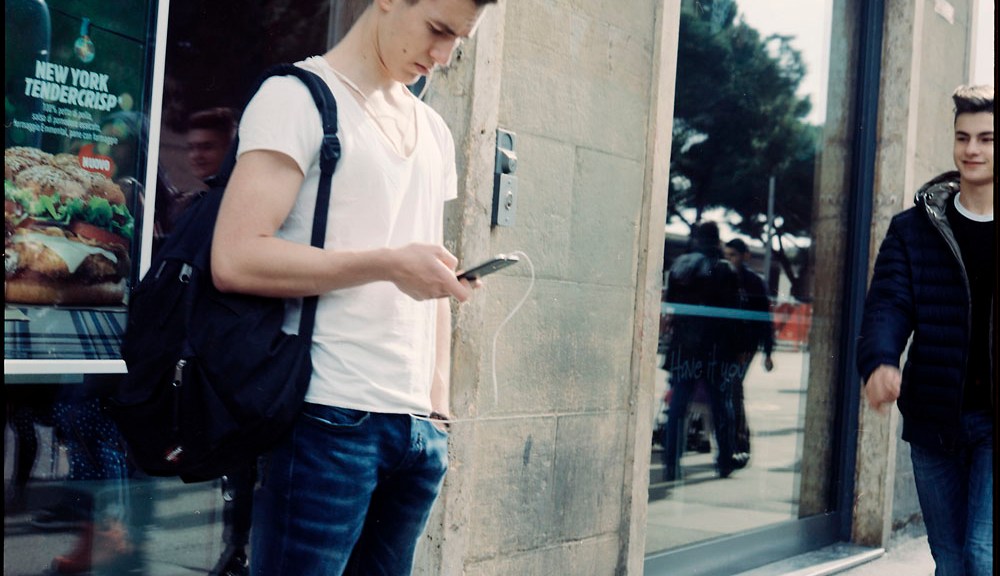
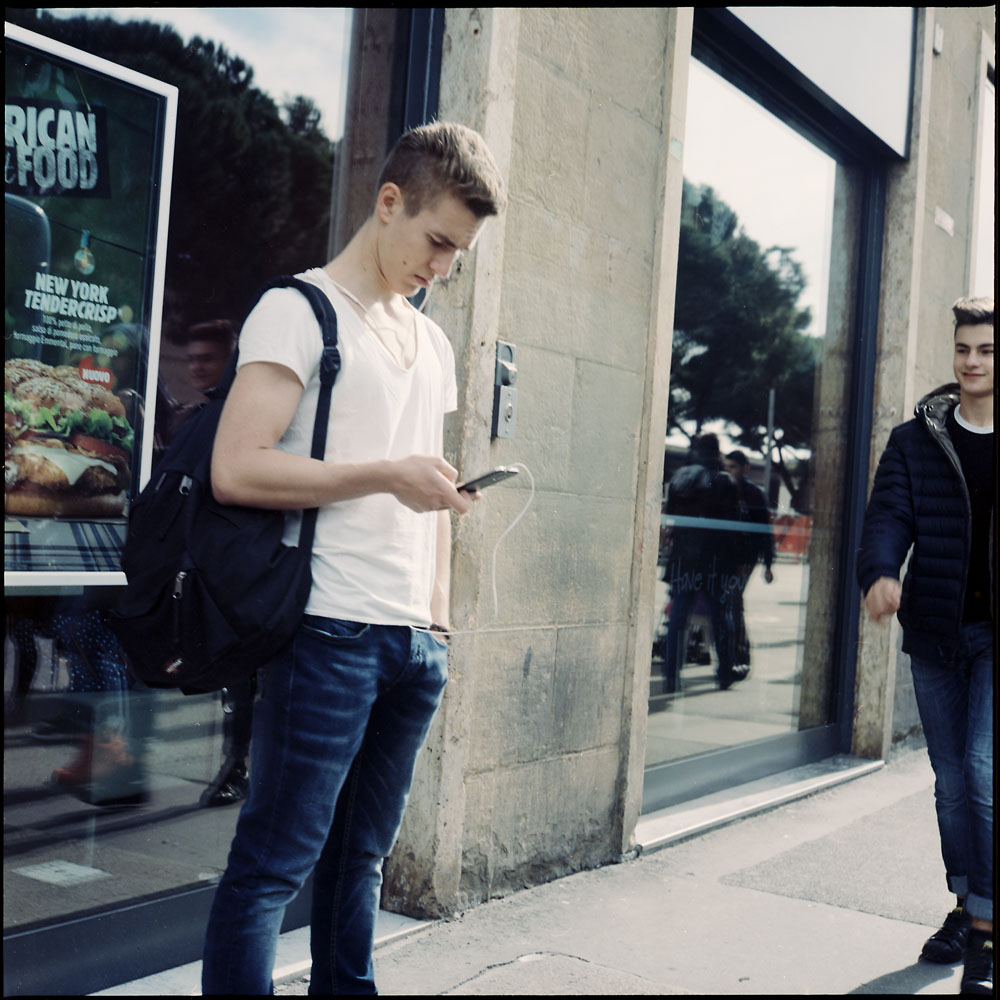
The Boy at the Burger King, Florence

This began life as an attempt at improving my street photography skills. What happened was I created an accidental narrative when I caught the other boy walking into the frame.

Burger King Boy
Burger King Boy

Who are they? Are they friends, meeting outside the Burger King? Lovers? Total strangers who just happen to be put together by my camera? A mugger and his soon-to-be victim? I think I know the truth of the matter, but that’s A: boring and B: closed off from the many possible stories in the scene. And the best I can do is think I know the truth, and in the end, the truth of the scene doesn’t really matter.

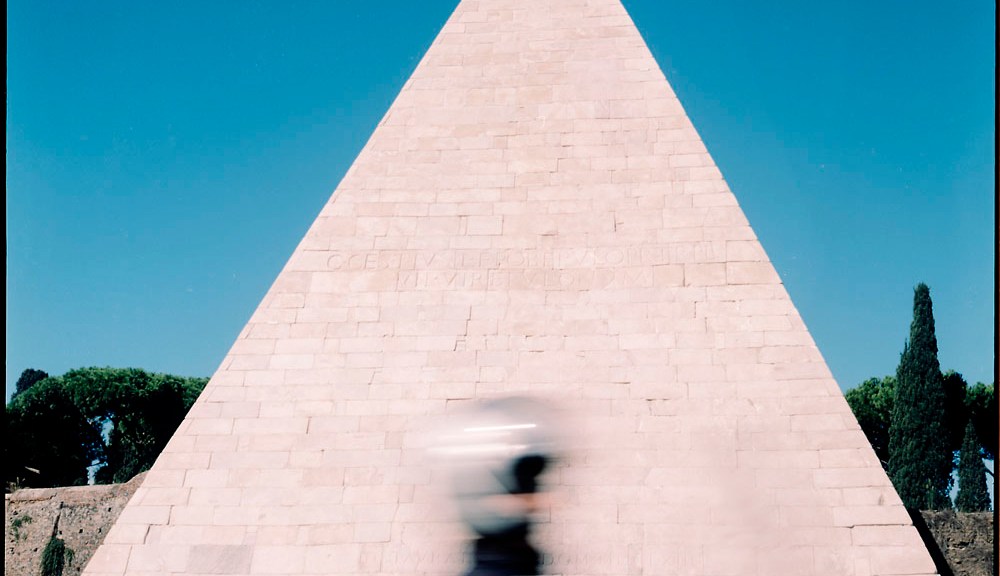
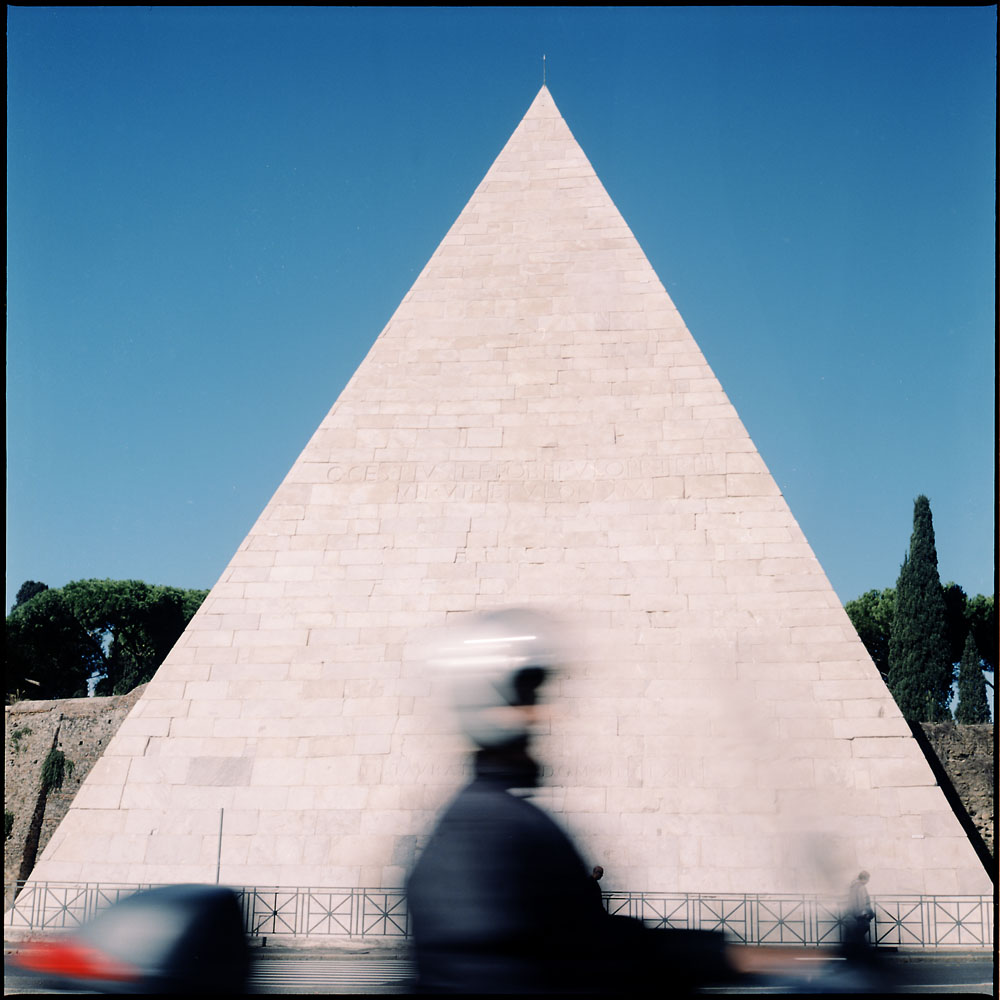
Pyramid of Cestius, Scooter

When you get off the Pyramide Metro station, the very first thing you see upon exiting is the old city gate in the walls of Rome. Pan left and the very next thing is the Pyramid of Cestius. Caius Cestius was a wealthy Roman citizen who, inspired by the pyramids of Egypt, decided he wanted a white marble pyramid as his funerary monument. He had his tomb built into the city walls. His goal of not being forgotten certainly succeeded as we still know who he was today, some two thousand years after his passing.

Pyramid of Cestius, Scooter

His monument backs onto the “English” Cemetery, known technically as the Cimiterio Accatolico (non-Catholic cemetery), final resting place of many English expatriates (and Russian, and American, and French…) including the luminaries of 19th century Romantic literature, Shelley and Keats. The Pyramid of Cestius is in fact open for tours, but they only offer them one day a week, twice a month, and you need to make reservations.

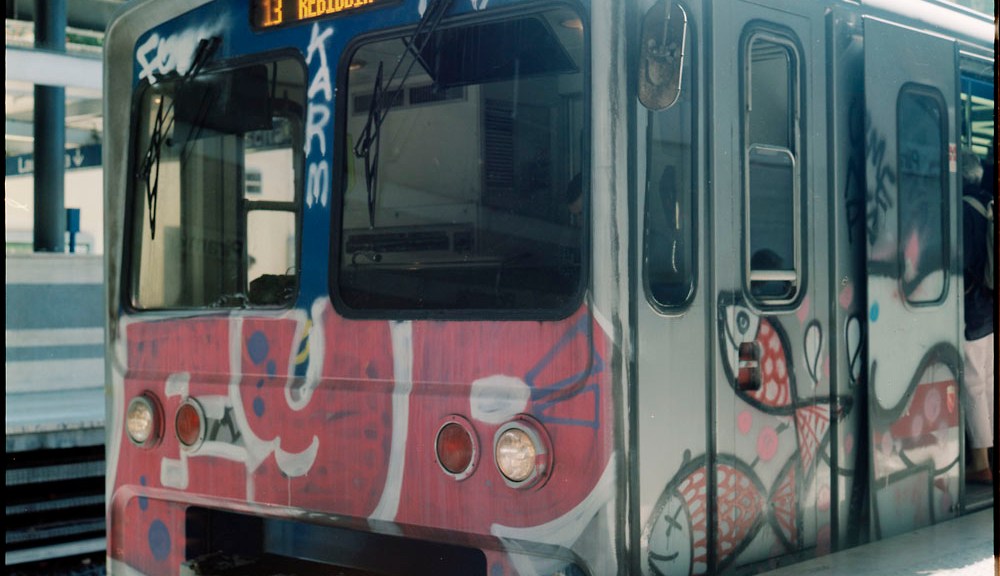
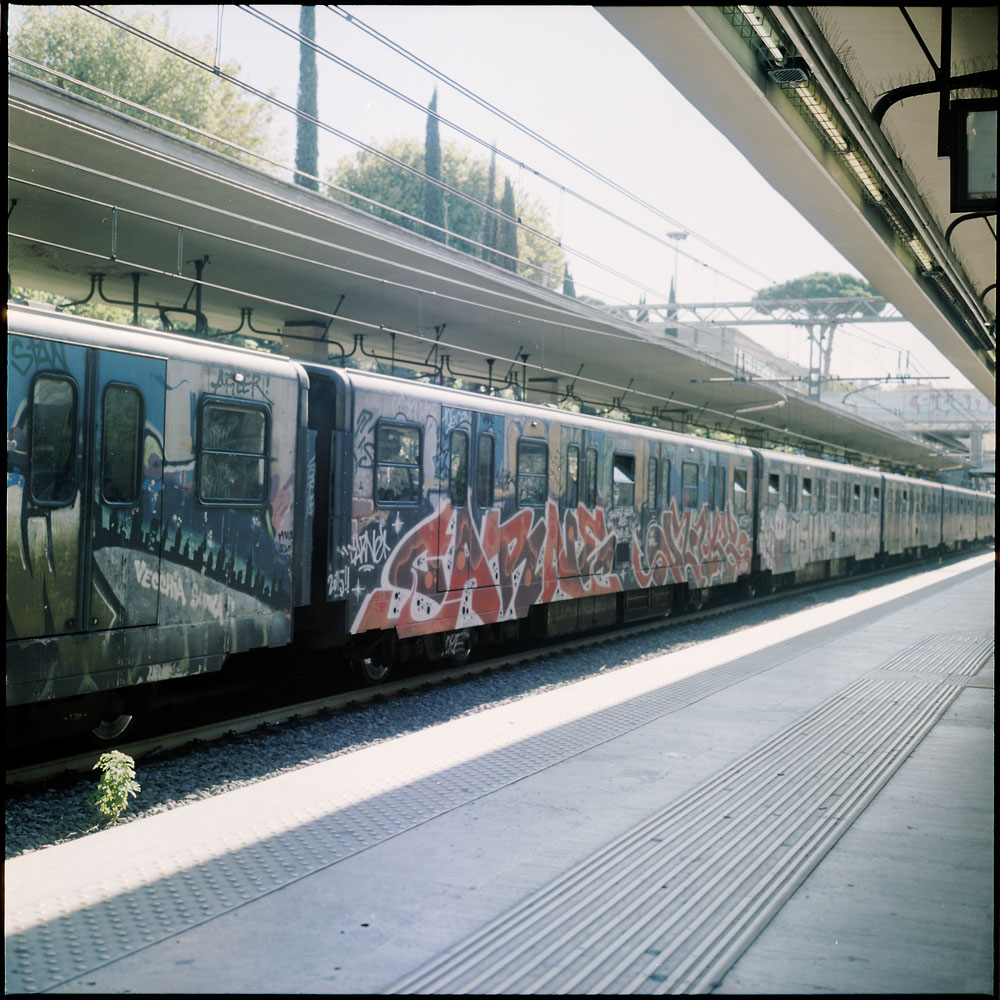
Roman Subway Trains, Graffiti

The Roman subway trains are covered in graffiti in a way reminiscent of the New York City subway trains in the 1970s and 80s. I assume the yards where the trains are parked at night are insecure – that would be the only explanation I can think of for the sheer amount of graffiti.

Subway Train, Graffiti, Rome

While my memory of New York City subways in the 1970s is a bit vague, my impression is that the graffiti there was not so much artistic as it was mostly tagging by individuals and/or gangs. Here, as in seemingly all things Italian, there is an underlying artfulness to at least some of it.

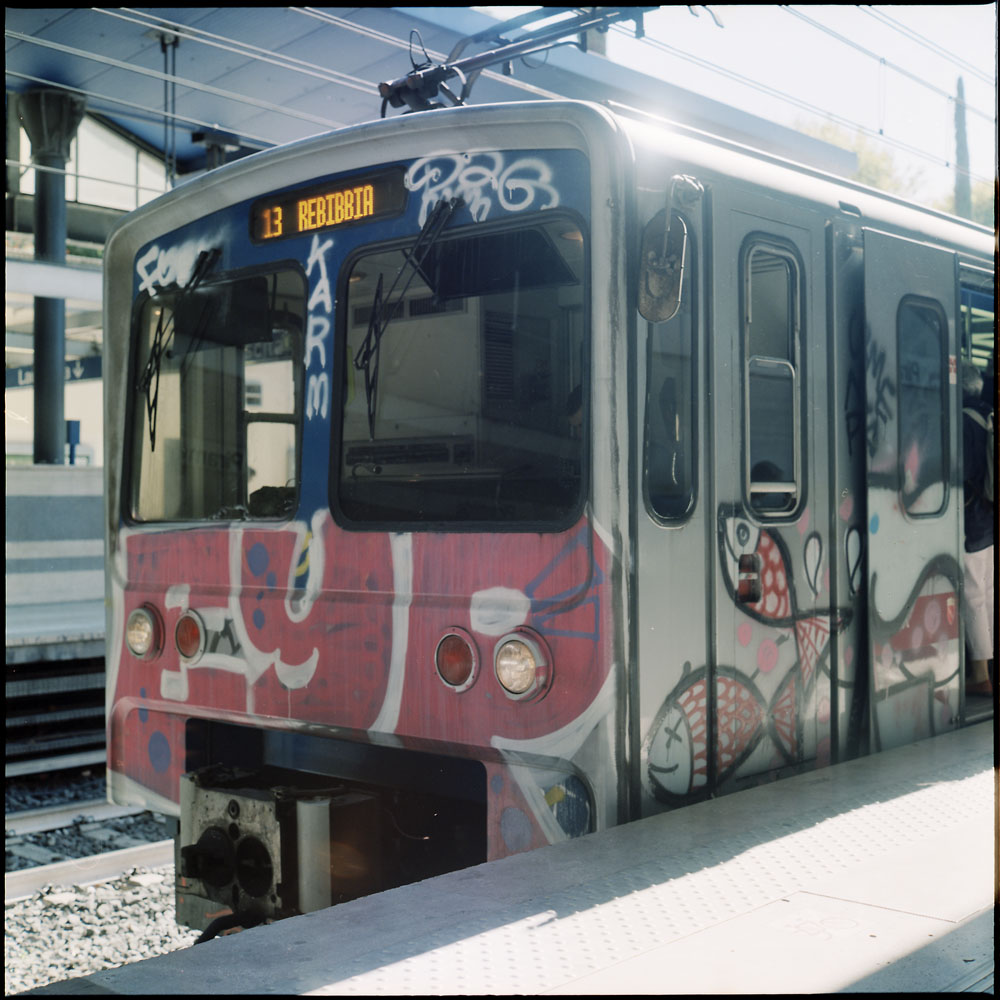
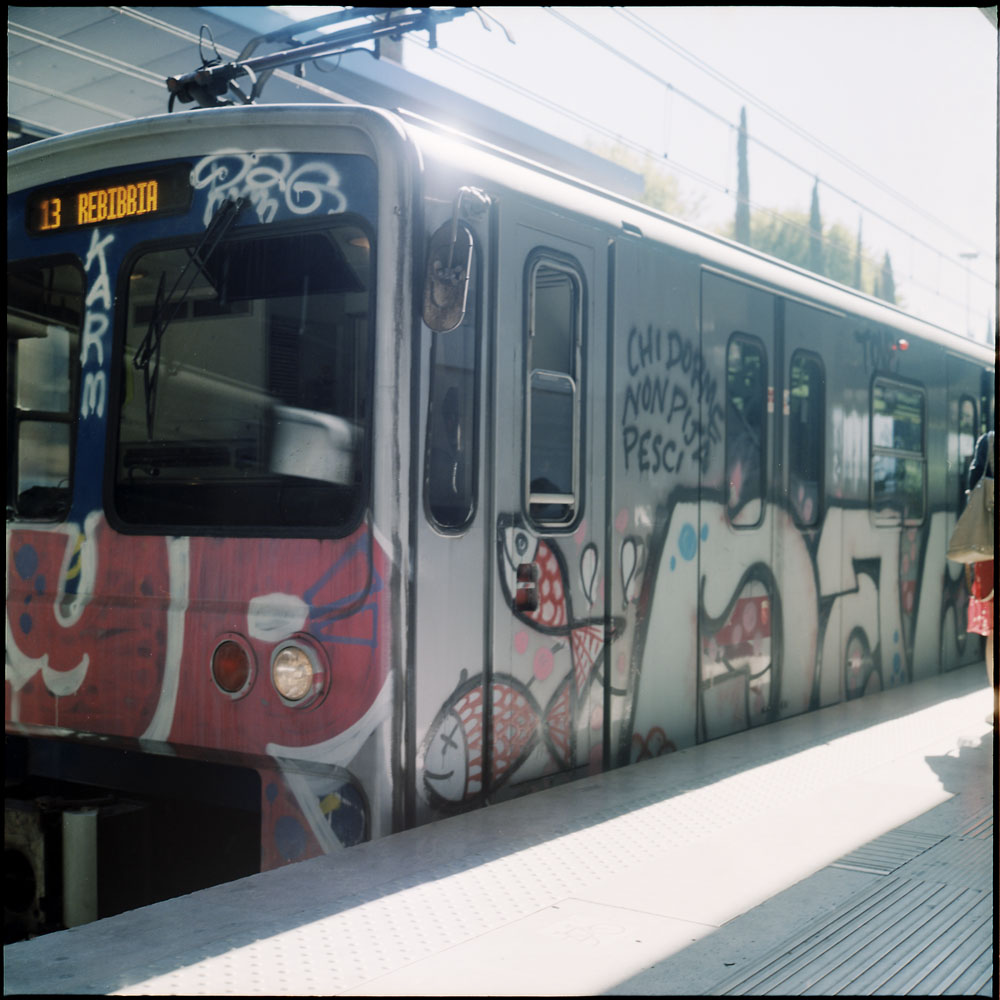
Train To Rebibbia, Rome

And even the text commentary (“Who sleeps not [something] with the fishes”) is relevant to the designs. I don’t know if my misreading of the handwriting is wrong or if the phrase is some Italian/Roman slang phrase that Google Translate can’t figure out. Any readers who understand the expression, please chime in and correct me!

Train with Fish to Rebibbia

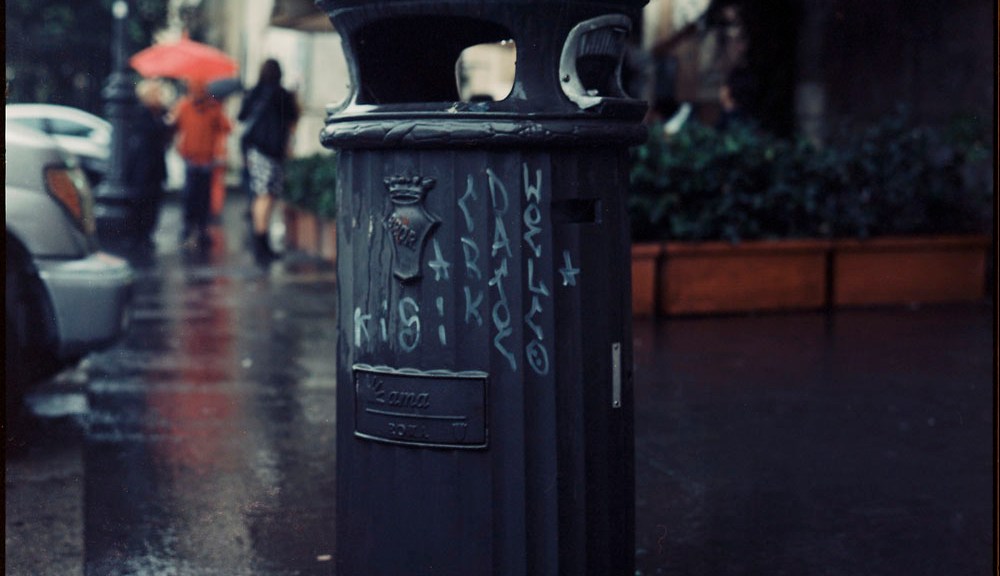
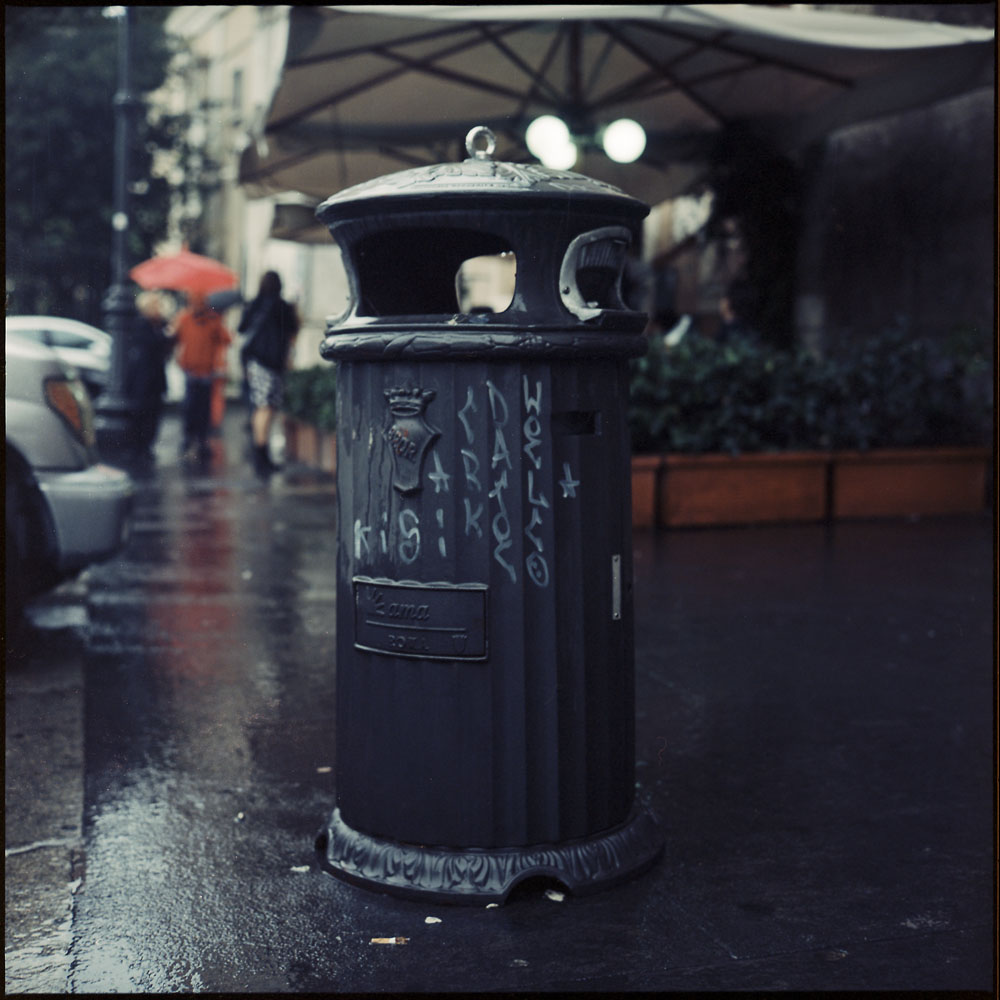
Trashcan, Theater of Marcellus, Rome

Another of my portraits of ordinary objects – this time a trash can in Rome, outside the Theater of Marcellus, at the foot of the Palatine Hill. The trash can sits at attention, doing its duty exposed to the elements. Neither rain nor snow nor ill-placed cigarette butts deter it from its appointed task.

Trashcan in the rain, Rome

I don’t usually photograph in the rain, but I was so excited to be in Rome, running around and photographing without constraints, I didn’t care if people were staring at me as if I were some kind of freak, photographing a trash can in the rain with a 60 year old camera. This particular composition appealed to me because while the trash can is the center of attention and the star of the show, the background of the cafe umbrellas and the woman in the red coat with matching umbrella convey an extra level of that sense of how people turn their backs on public conveniences like trash cans and ignore them until they need them. Everything else is more important and more deserving of protection/attention.