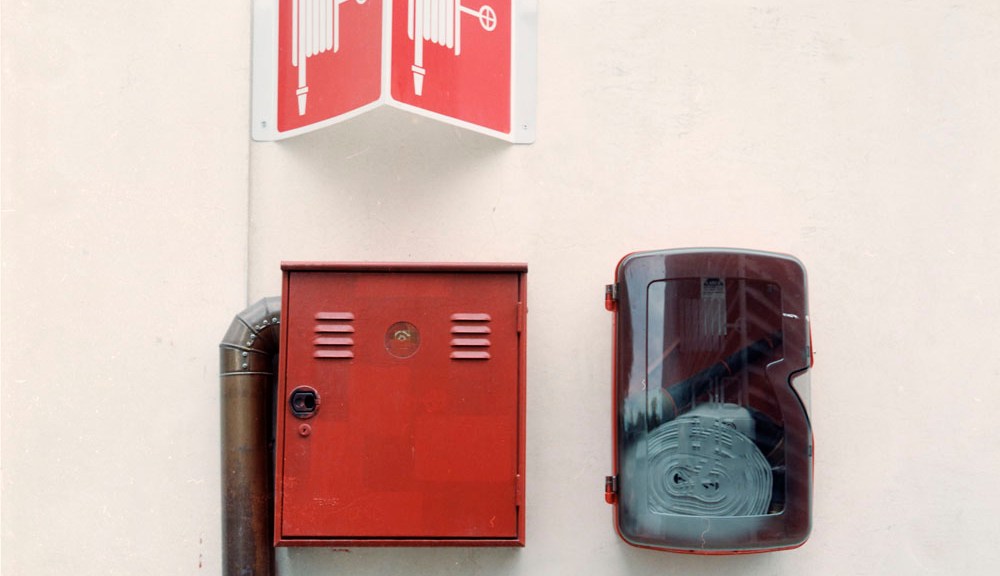
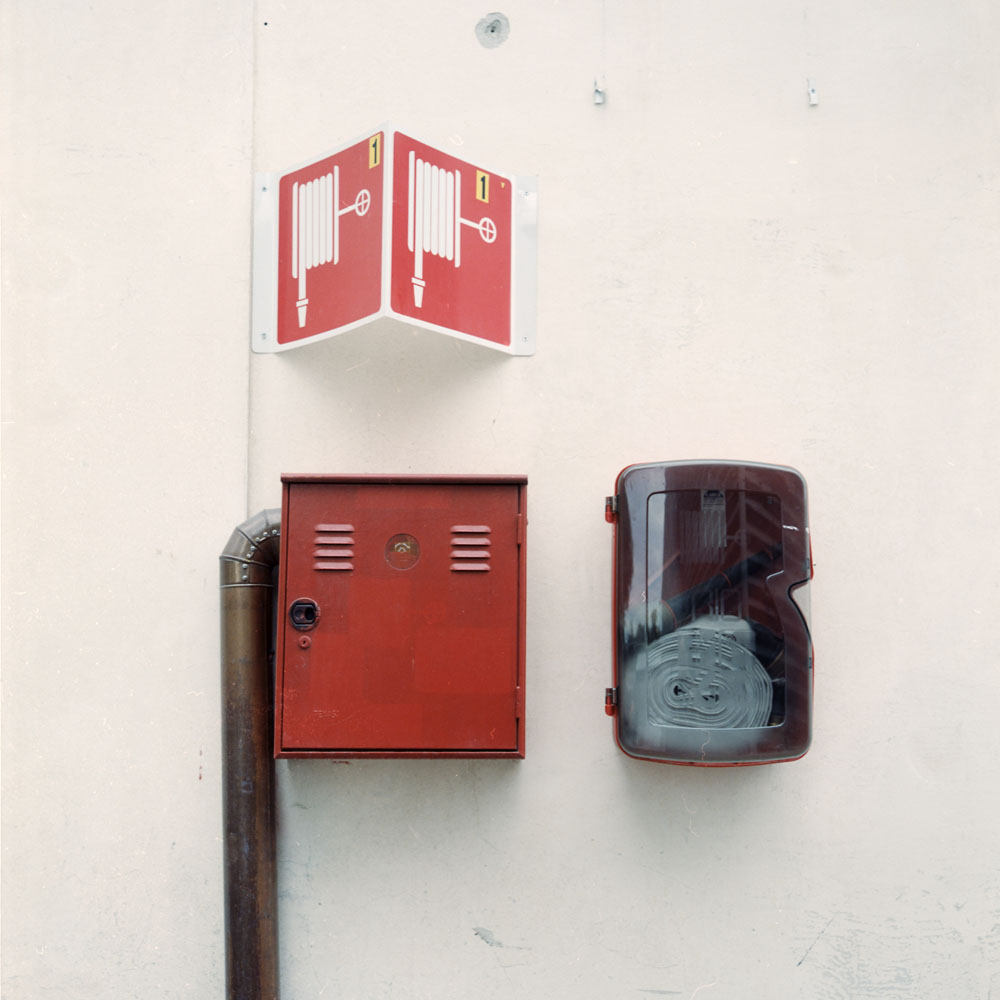
Another in my series of portraits of ordinary objects. Most of my ordinary objects portraits depict well-used, sort of unloved objects, but this is a brand-new (or at least nearly new) fire hose connector inside the Fortezza Basso complex in Florence.
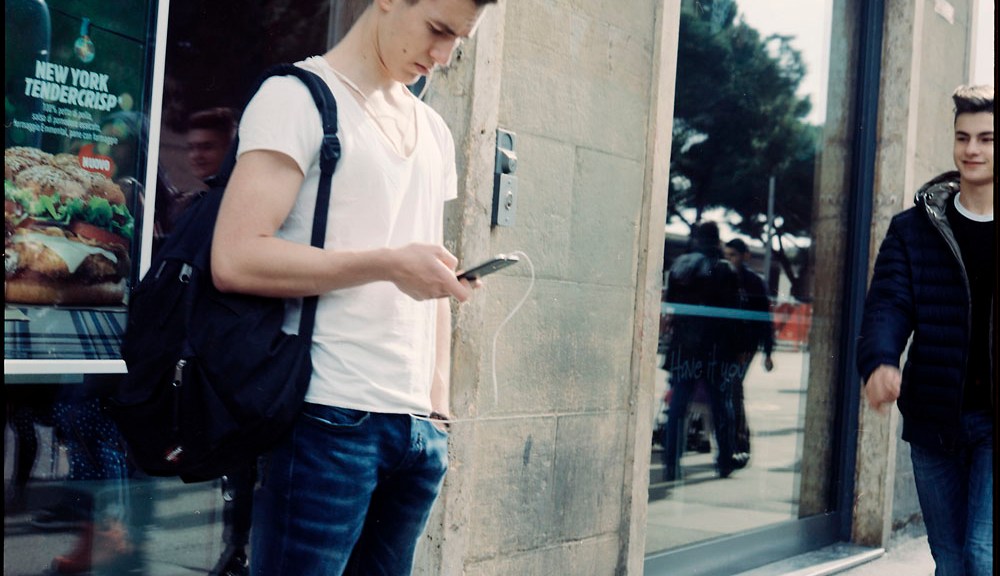
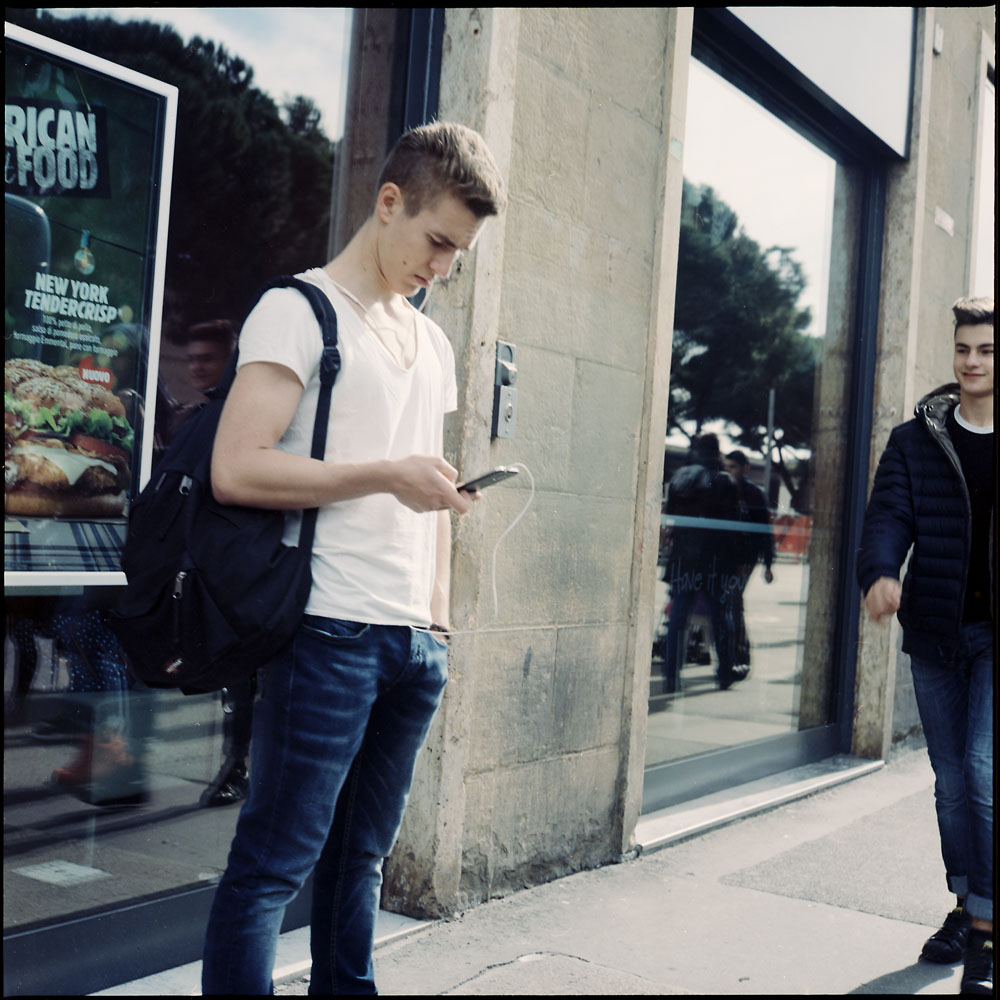
This began life as an attempt at improving my street photography skills. What happened was I created an accidental narrative when I caught the other boy walking into the frame.
Burger King Boy
Who are they? Are they friends, meeting outside the Burger King? Lovers? Total strangers who just happen to be put together by my camera? A mugger and his soon-to-be victim? I think I know the truth of the matter, but that’s A: boring and B: closed off from the many possible stories in the scene. And the best I can do is think I know the truth, and in the end, the truth of the scene doesn’t really matter.
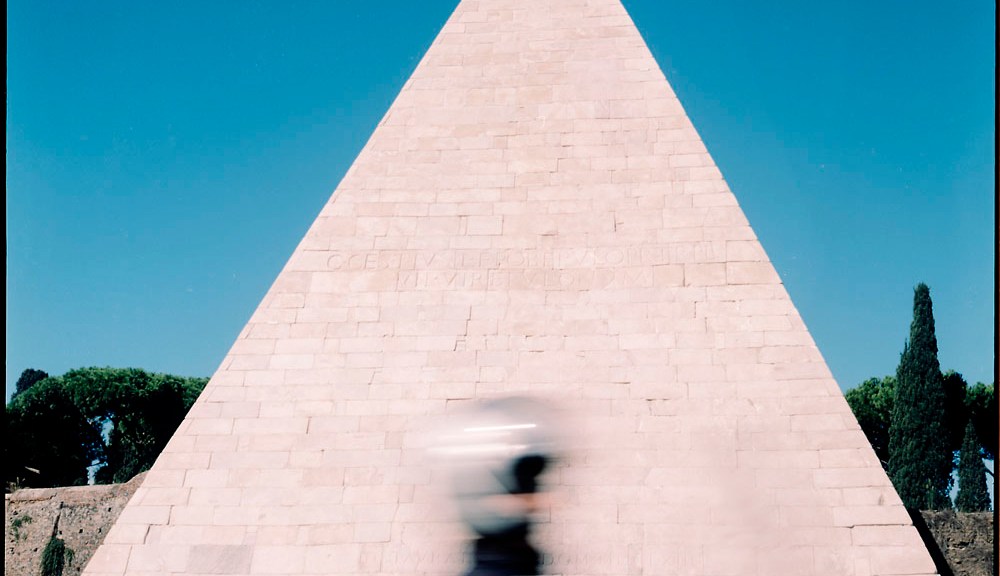
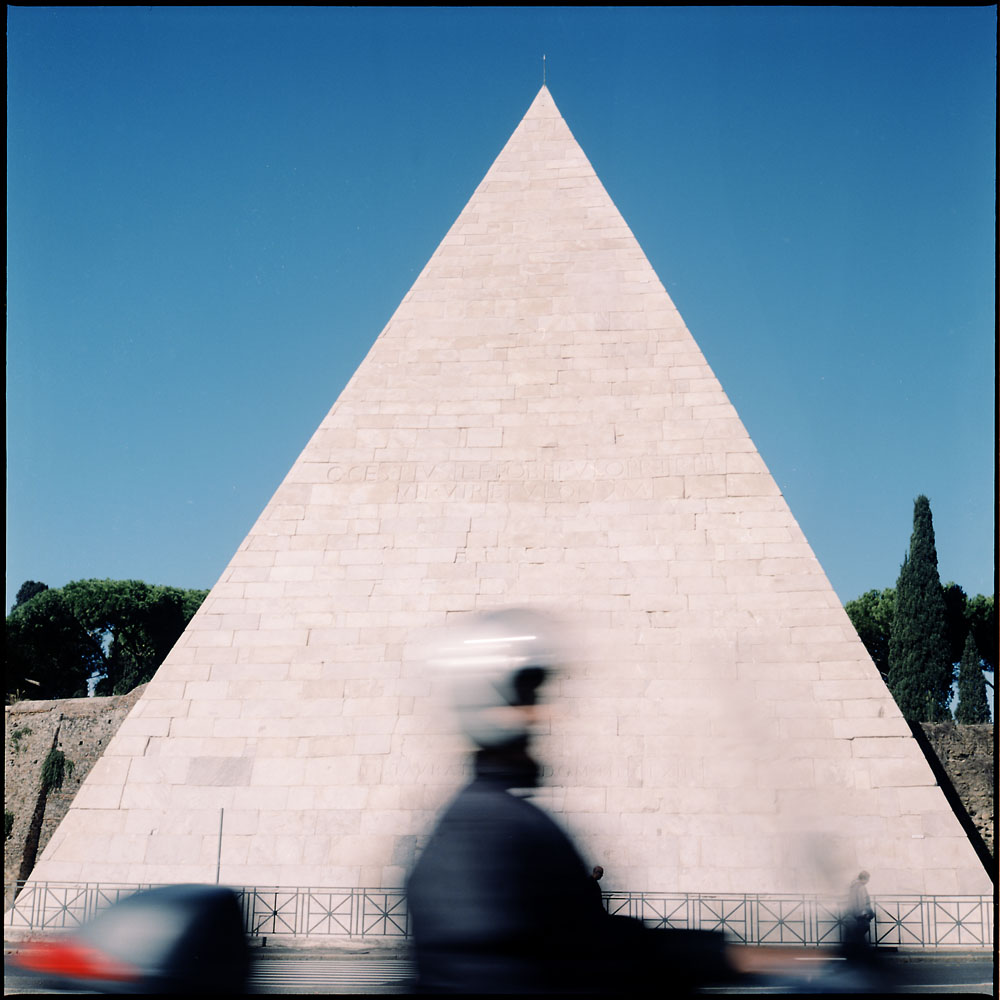
When you get off the Pyramide Metro station, the very first thing you see upon exiting is the old city gate in the walls of Rome. Pan left and the very next thing is the Pyramid of Cestius. Caius Cestius was a wealthy Roman citizen who, inspired by the pyramids of Egypt, decided he wanted a white marble pyramid as his funerary monument. He had his tomb built into the city walls. His goal of not being forgotten certainly succeeded as we still know who he was today, some two thousand years after his passing.
Pyramid of Cestius, Scooter
His monument backs onto the “English” Cemetery, known technically as the Cimiterio Accatolico (non-Catholic cemetery), final resting place of many English expatriates (and Russian, and American, and French…) including the luminaries of 19th century Romantic literature, Shelley and Keats. The Pyramid of Cestius is in fact open for tours, but they only offer them one day a week, twice a month, and you need to make reservations.
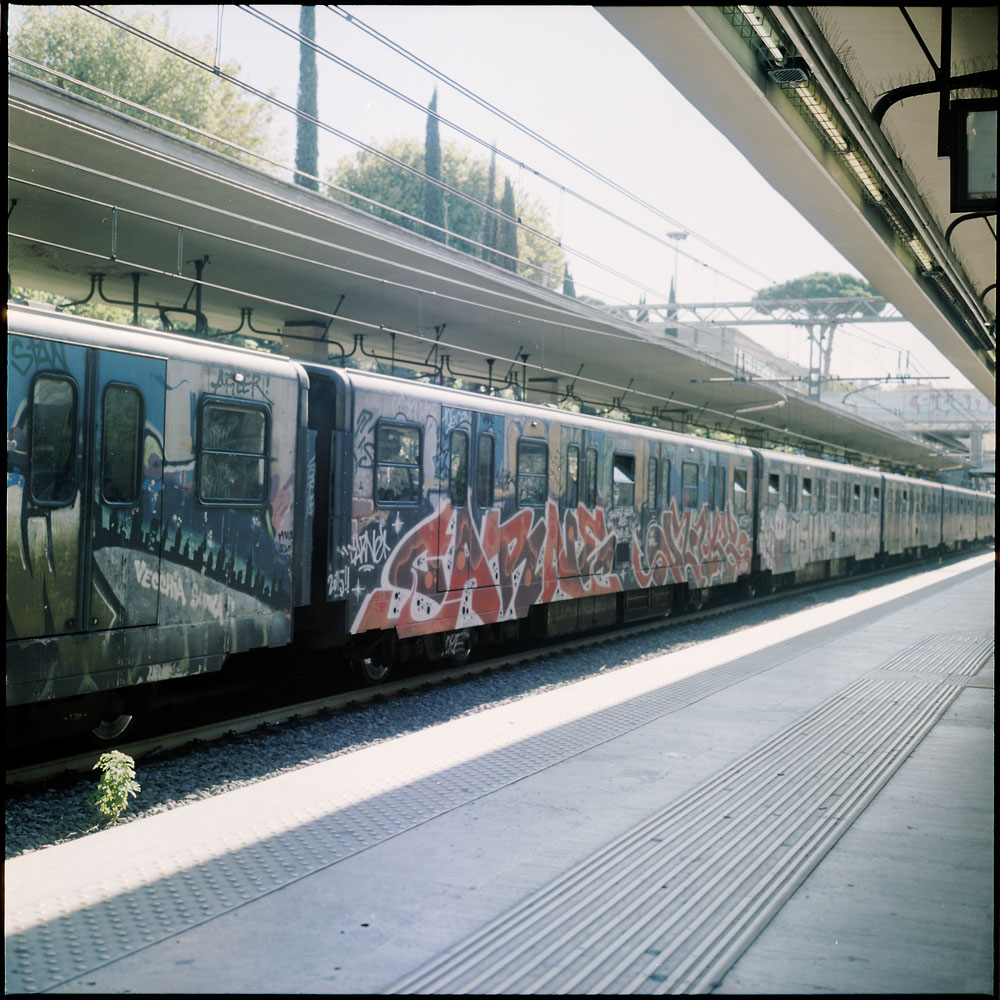
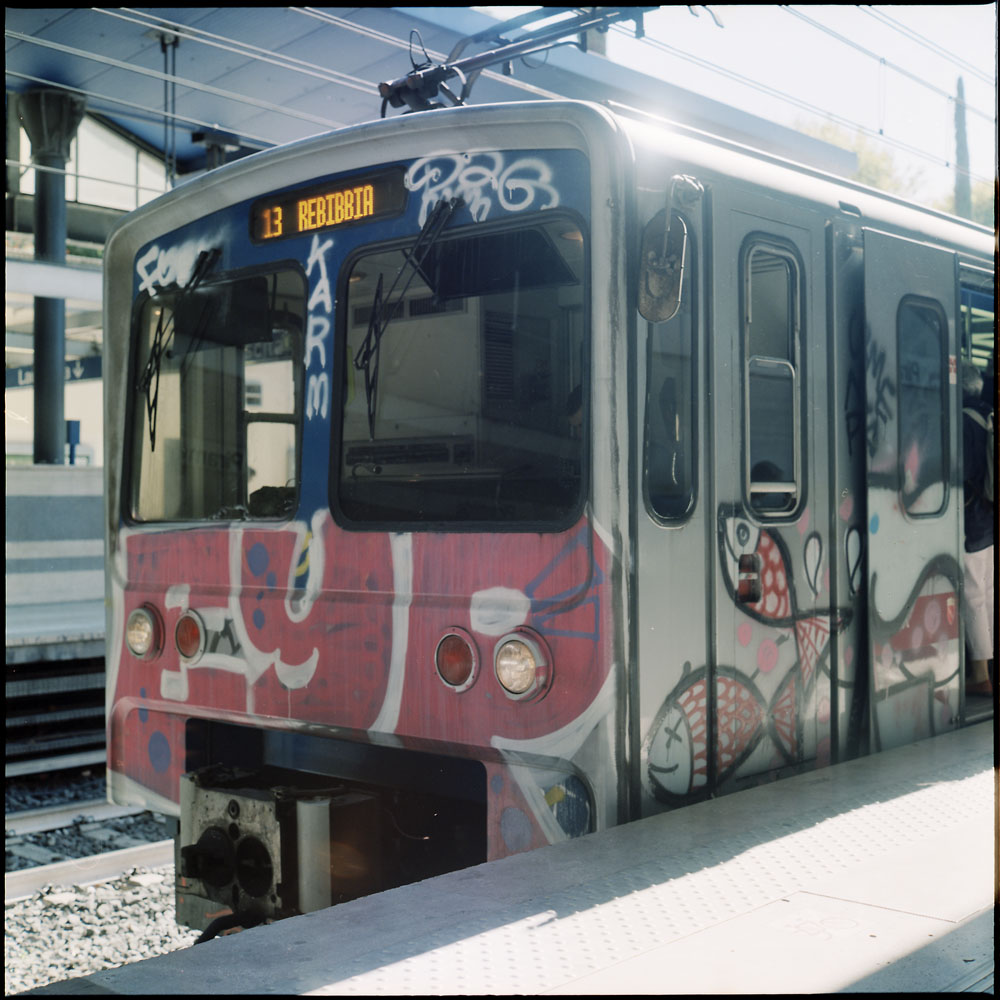
The Roman subway trains are covered in graffiti in a way reminiscent of the New York City subway trains in the 1970s and 80s. I assume the yards where the trains are parked at night are insecure – that would be the only explanation I can think of for the sheer amount of graffiti.
Subway Train, Graffiti, Rome
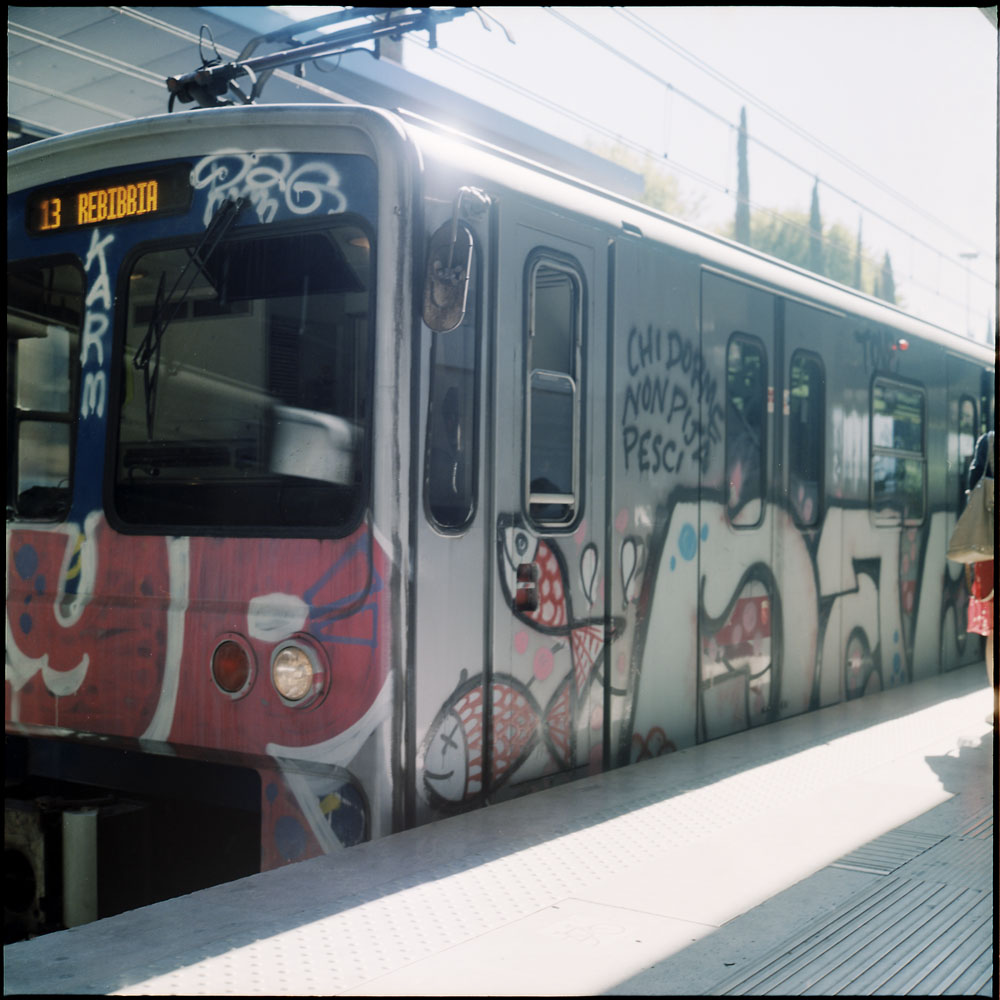
While my memory of New York City subways in the 1970s is a bit vague, my impression is that the graffiti there was not so much artistic as it was mostly tagging by individuals and/or gangs. Here, as in seemingly all things Italian, there is an underlying artfulness to at least some of it.
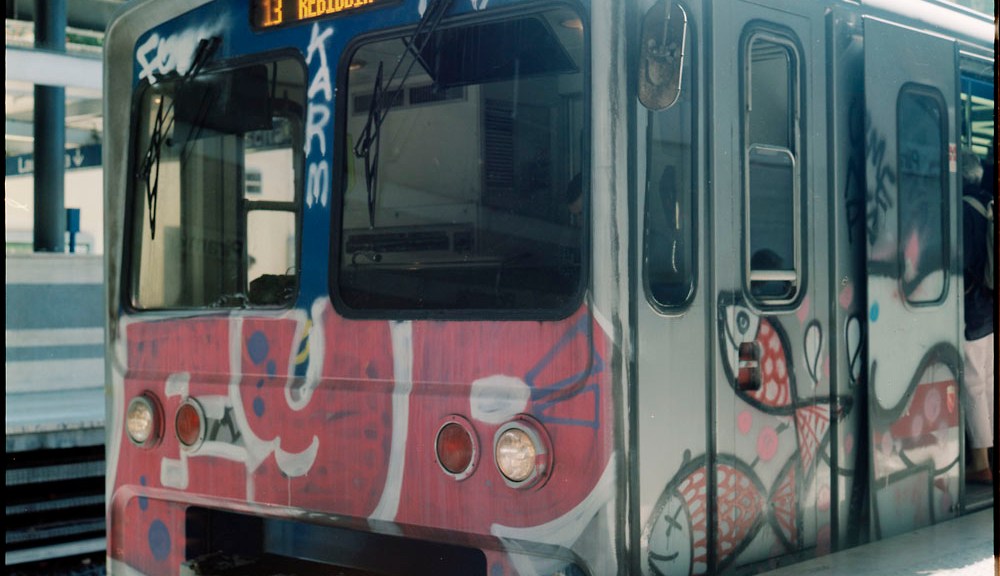
Train To Rebibbia, Rome
And even the text commentary (“Who sleeps not [something] with the fishes”) is relevant to the designs. I don’t know if my misreading of the handwriting is wrong or if the phrase is some Italian/Roman slang phrase that Google Translate can’t figure out. Any readers who understand the expression, please chime in and correct me!
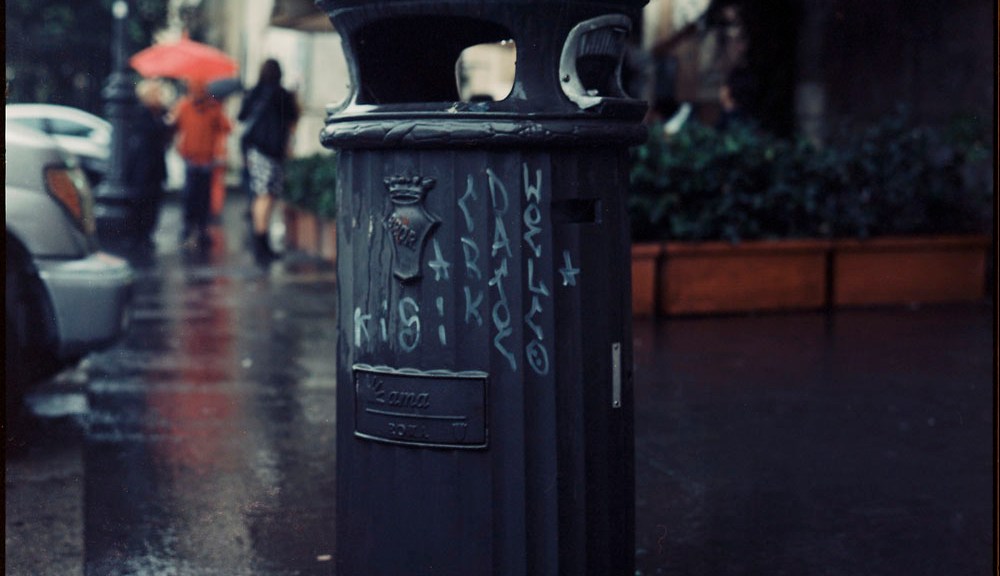
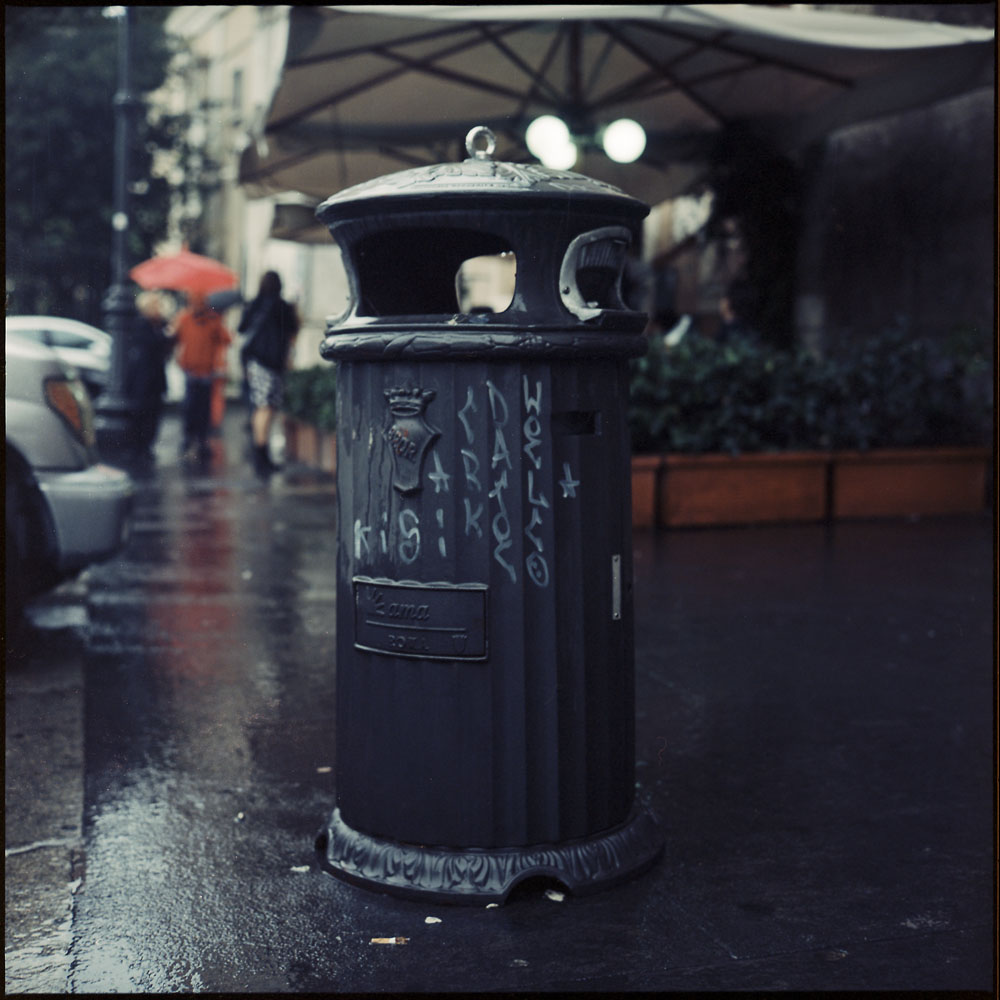
Another of my portraits of ordinary objects – this time a trash can in Rome, outside the Theater of Marcellus, at the foot of the Palatine Hill. The trash can sits at attention, doing its duty exposed to the elements. Neither rain nor snow nor ill-placed cigarette butts deter it from its appointed task.
Trashcan in the rain, Rome
I don’t usually photograph in the rain, but I was so excited to be in Rome, running around and photographing without constraints, I didn’t care if people were staring at me as if I were some kind of freak, photographing a trash can in the rain with a 60 year old camera. This particular composition appealed to me because while the trash can is the center of attention and the star of the show, the background of the cafe umbrellas and the woman in the red coat with matching umbrella convey an extra level of that sense of how people turn their backs on public conveniences like trash cans and ignore them until they need them. Everything else is more important and more deserving of protection/attention.
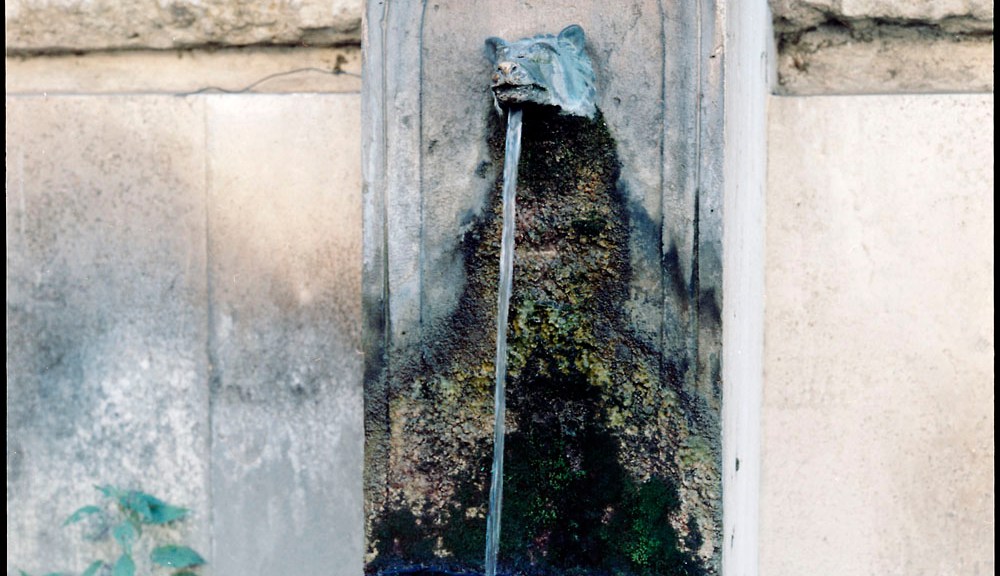
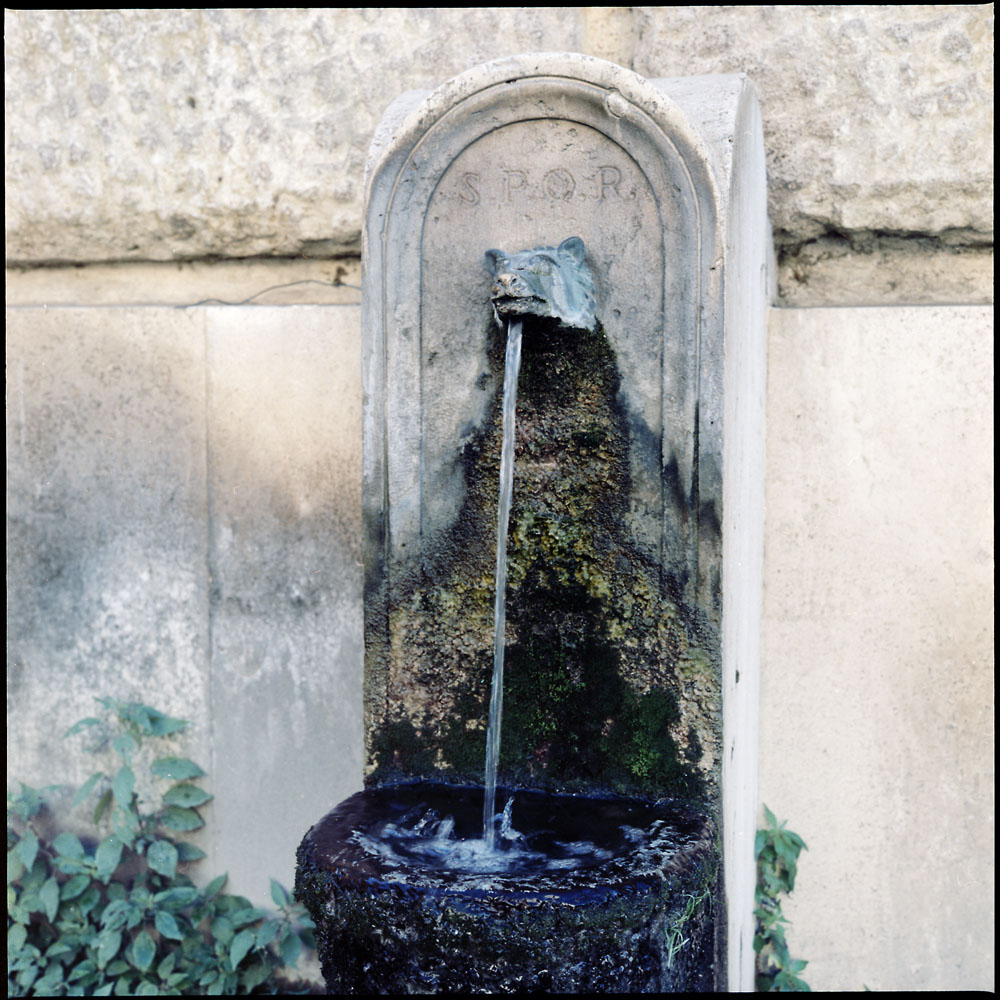
I found this fountain with its traditional wolf’s head and SPQR inscription, both symbols of ancient Rome, in the entrance courtyard to the Centrale Montemartini museum. I suspect they’re relics of the Fascist era as the power plant was built during Mussolini’s pre-war leadership, and symbols of Imperial Rome were in very high demand.
SPQR Fountain, Centrale Montemartini
Today, it adds a touch of tranquility to an industrial setting.
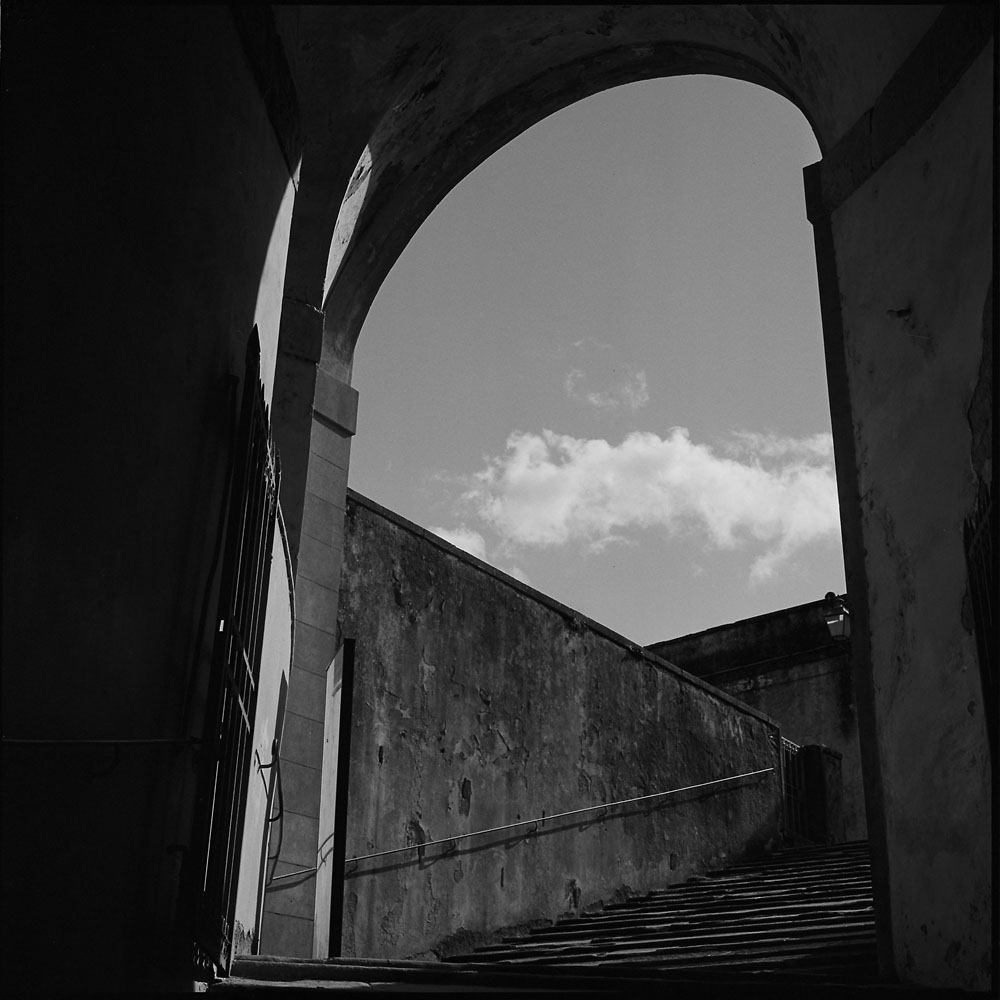
The stairs from the Palazzo Pitti courtyard to the Boboli Gardens pass through this upswept curving space, creating a rather dramatic view of the sky:
Stairs To Boboli Gardens
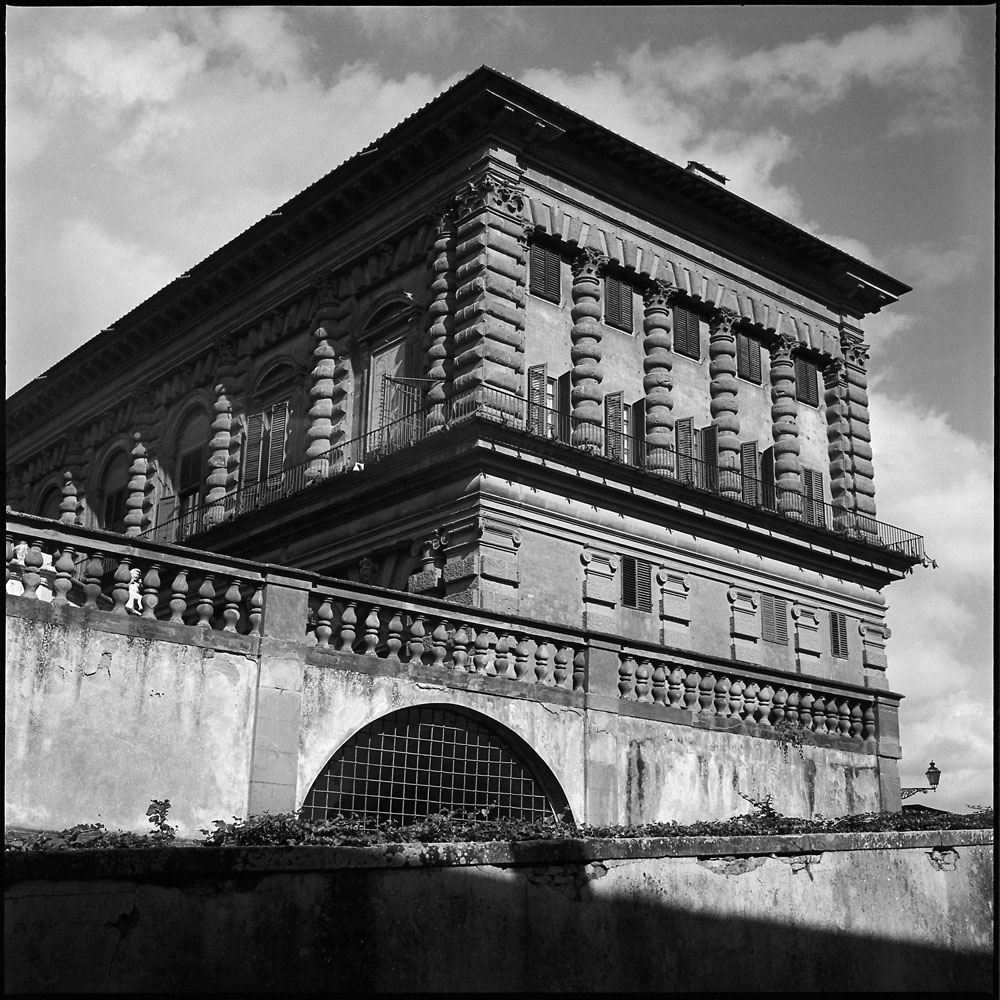
This is the Medici residence wing of the Palazzo Pitti, where the Grand Duke and Duchess had their suites, and Napoleon’s bathtub can be found.
Medici Residence Wing, Palazzo Pitti
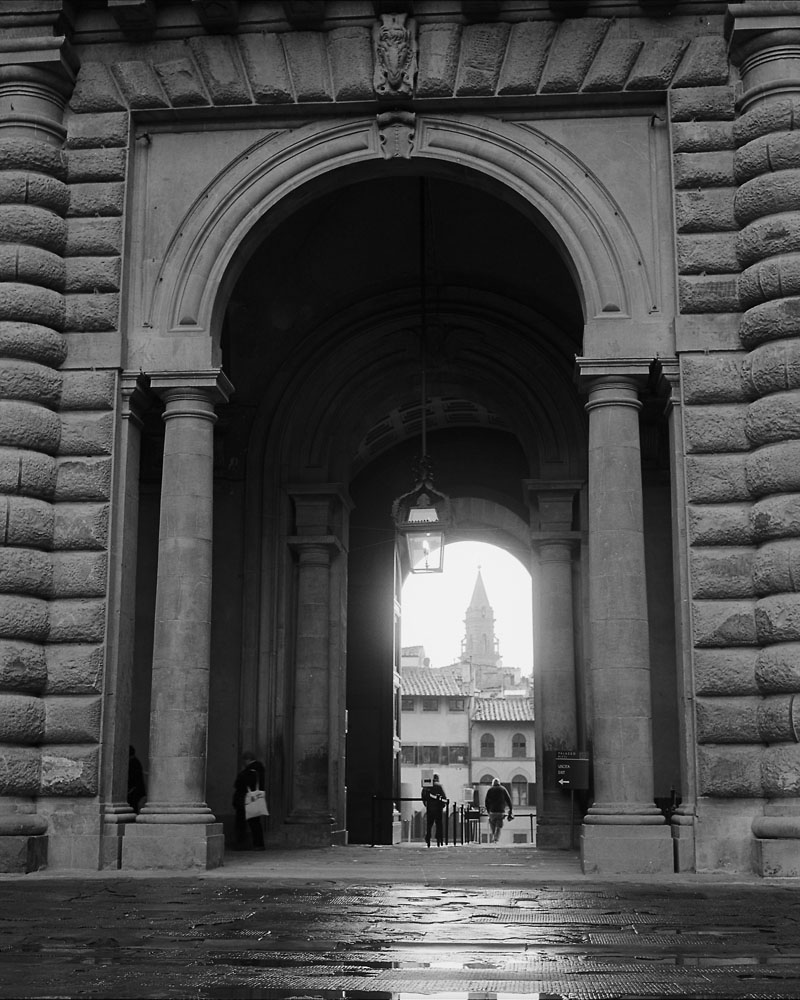
This is a view from the courtyard of the Palazzo Pitti out the main entrance. The bell tower in the distance belongs to Santo Spirito, a church with an ornate interior designed by Brunelleschi, the man who created the dome of the Duomo.
Entrance, Palazzo Pitti in the Rain
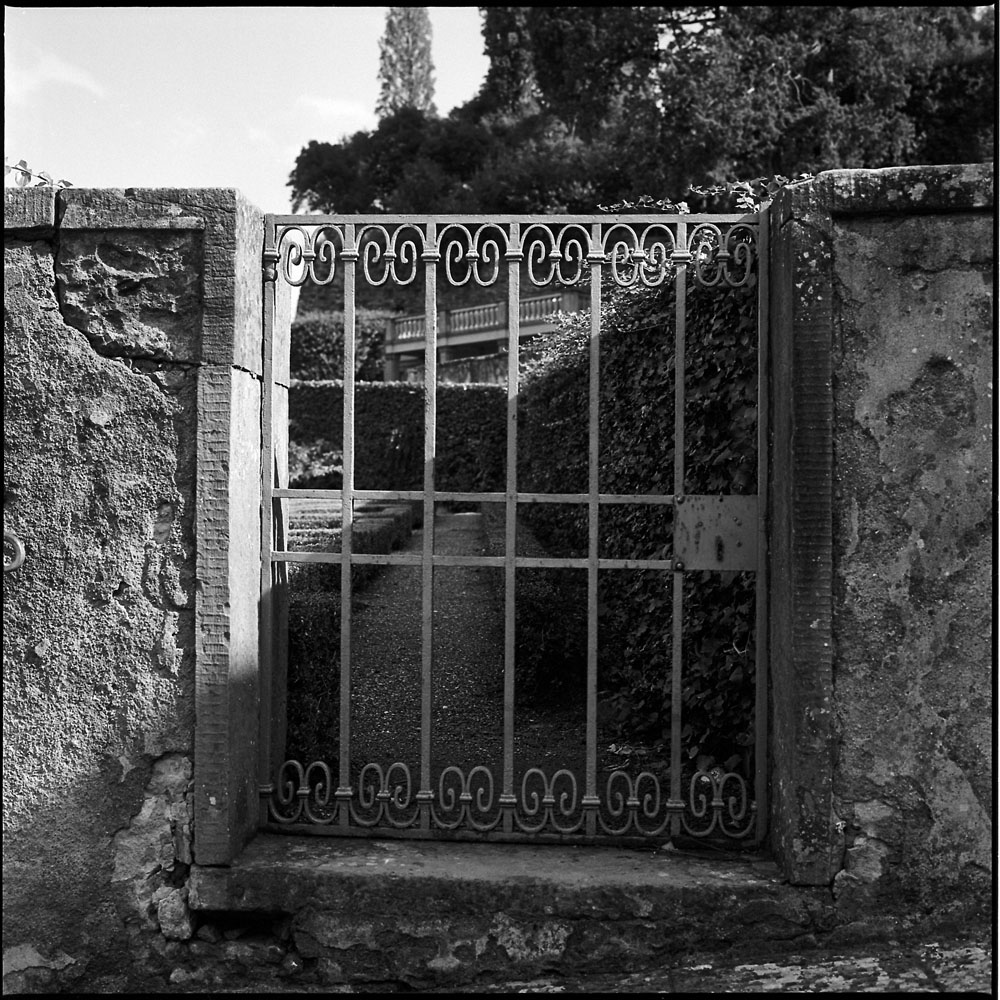
A wrought-iron gate in the Boboli Gardens.
Garden Gate, Boboli Gardens
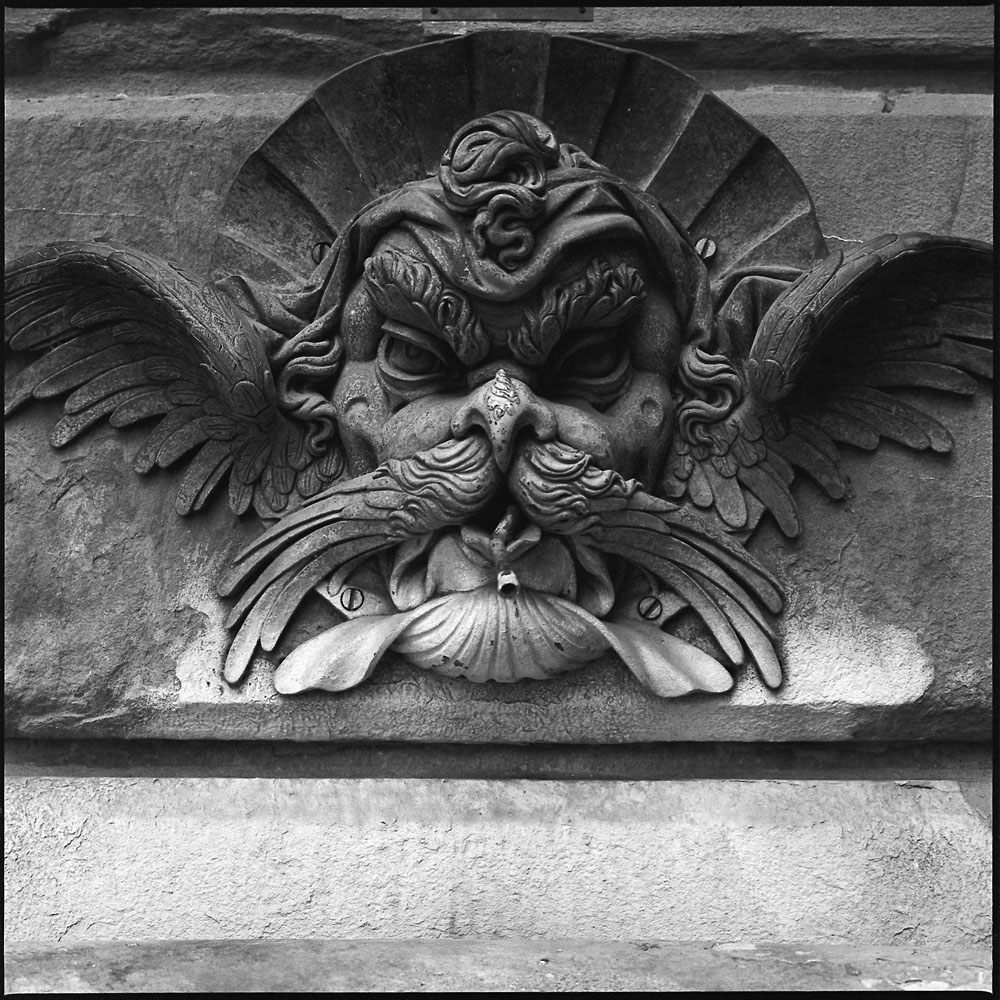
This fountainhead is found in the courtyard to the Palazzo Pitti. And no, Ayn Rand had nothing to do with it.
Fountainhead, Palazzo Pitti
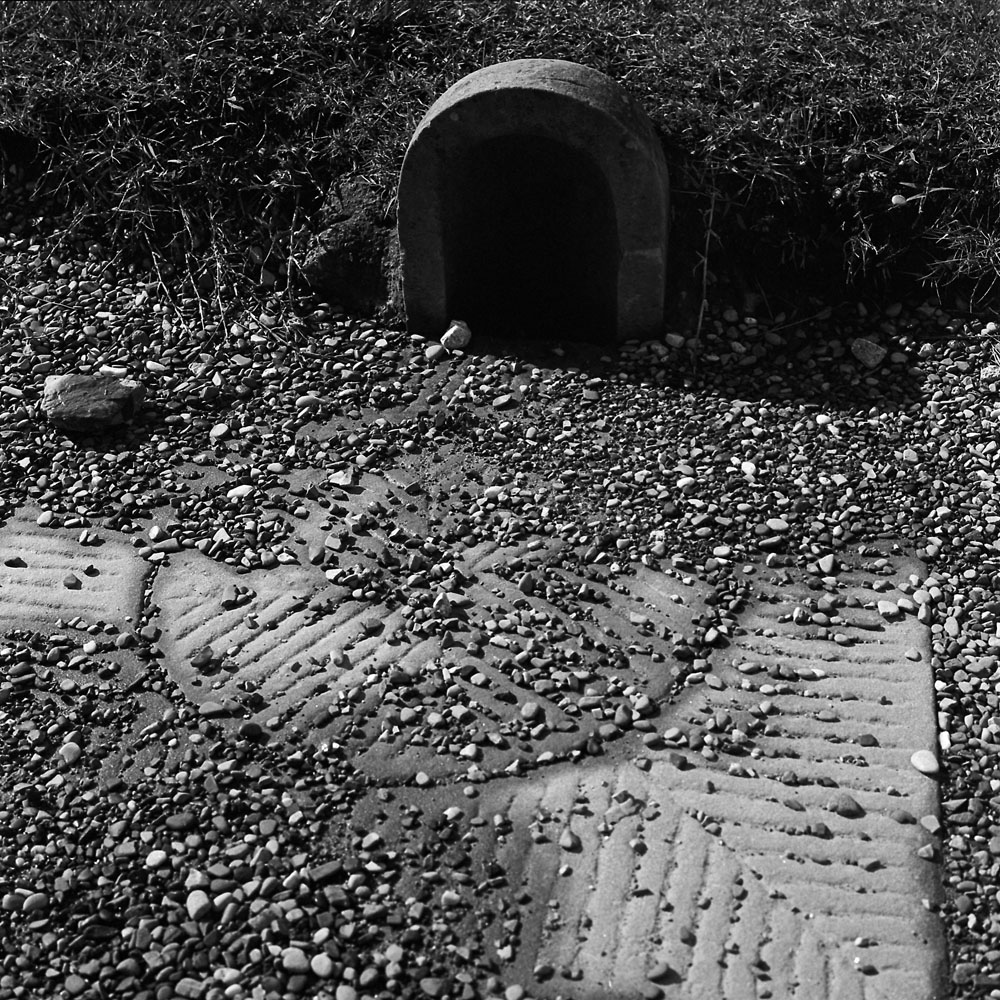
As you’re probably aware if you read this blog with any frequency, I’m fascinated by ordinary objects that we tend to ignore. So I couldn’t pass up the opportunity to capture a Renaissance storm drain cover and inlet in the Boboli Gardens, along one of the gravel paths ascending from the amphitheater to the Neptune fountain.
Drain Cover, Boboli Gardens
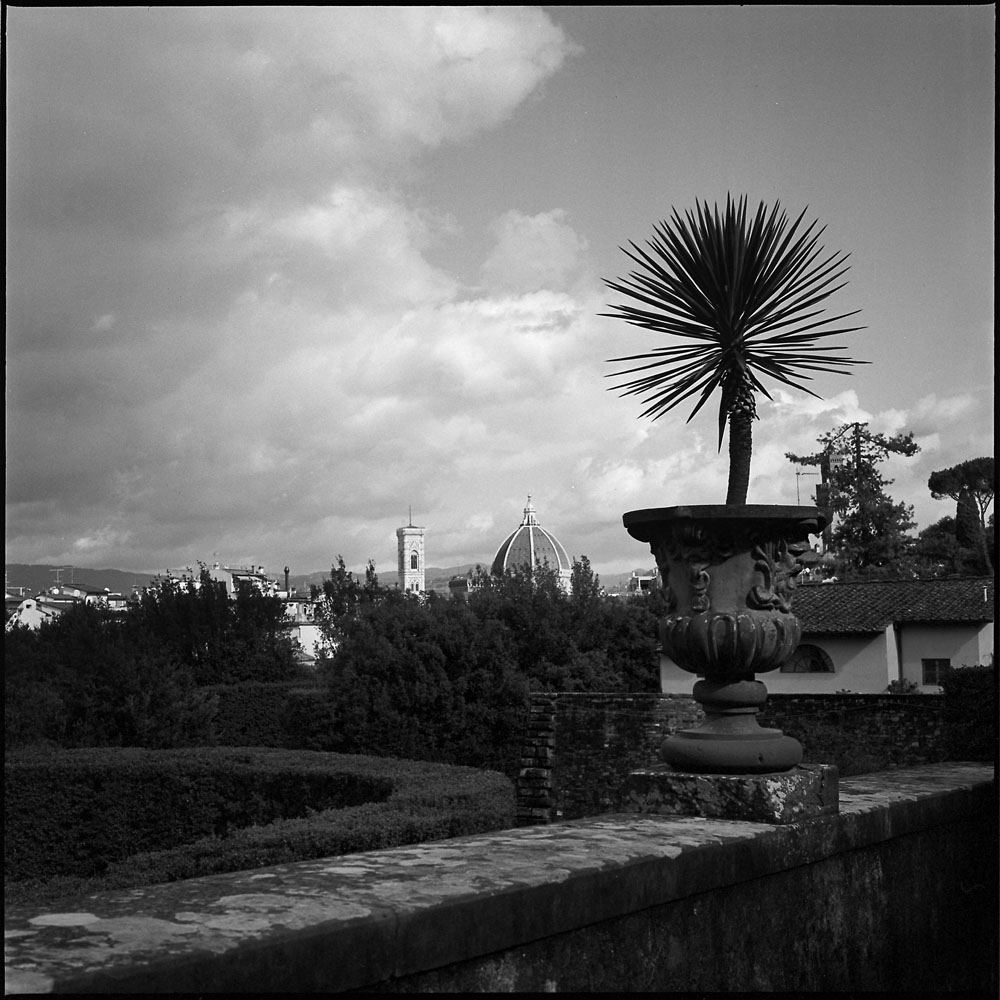
And finally a view of the Duomo from the Boboli Gardens. You don’t really realize how big the cathedral dome is and how much it dominates the landscape in and around Florence until you stand on the hill a good mile away and realize that it’s the biggest thing between you and the mountains some fifteen or more miles beyond.
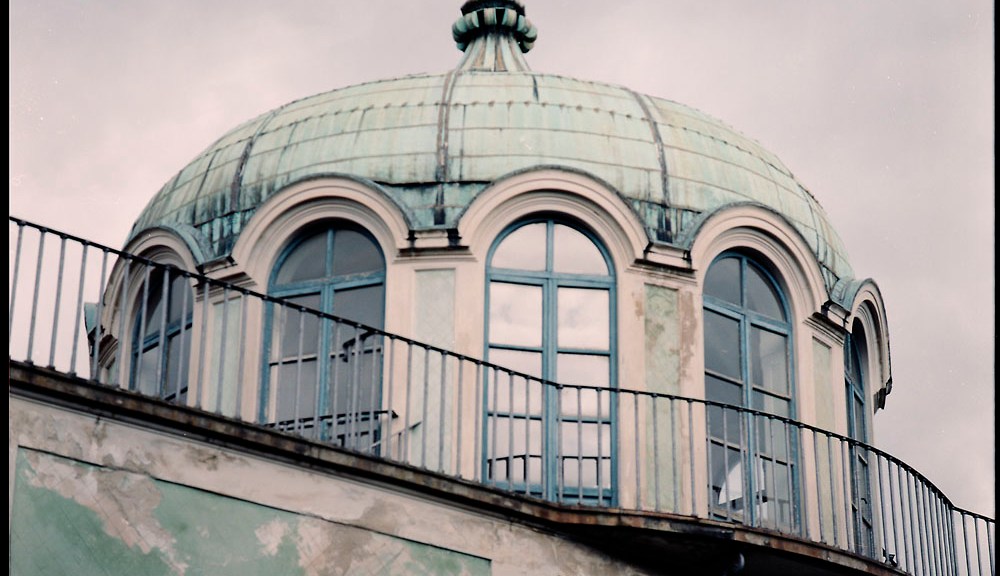
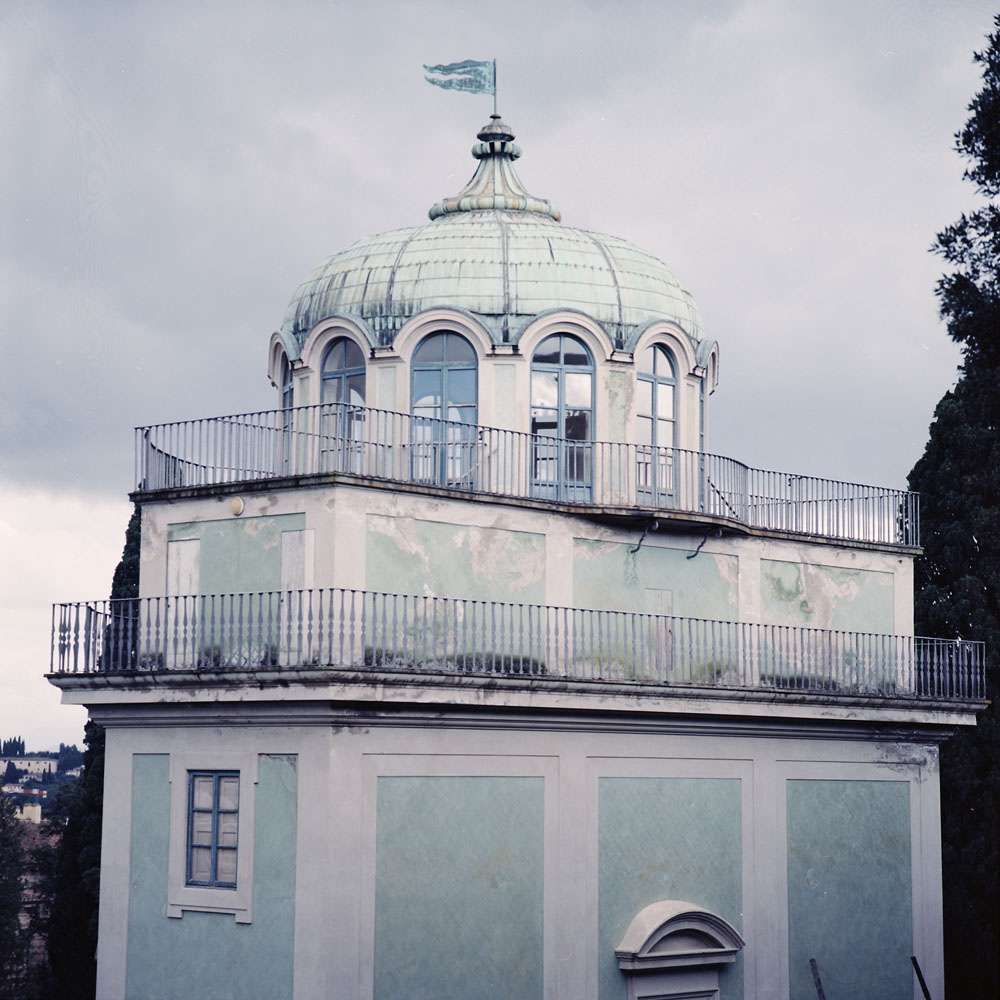
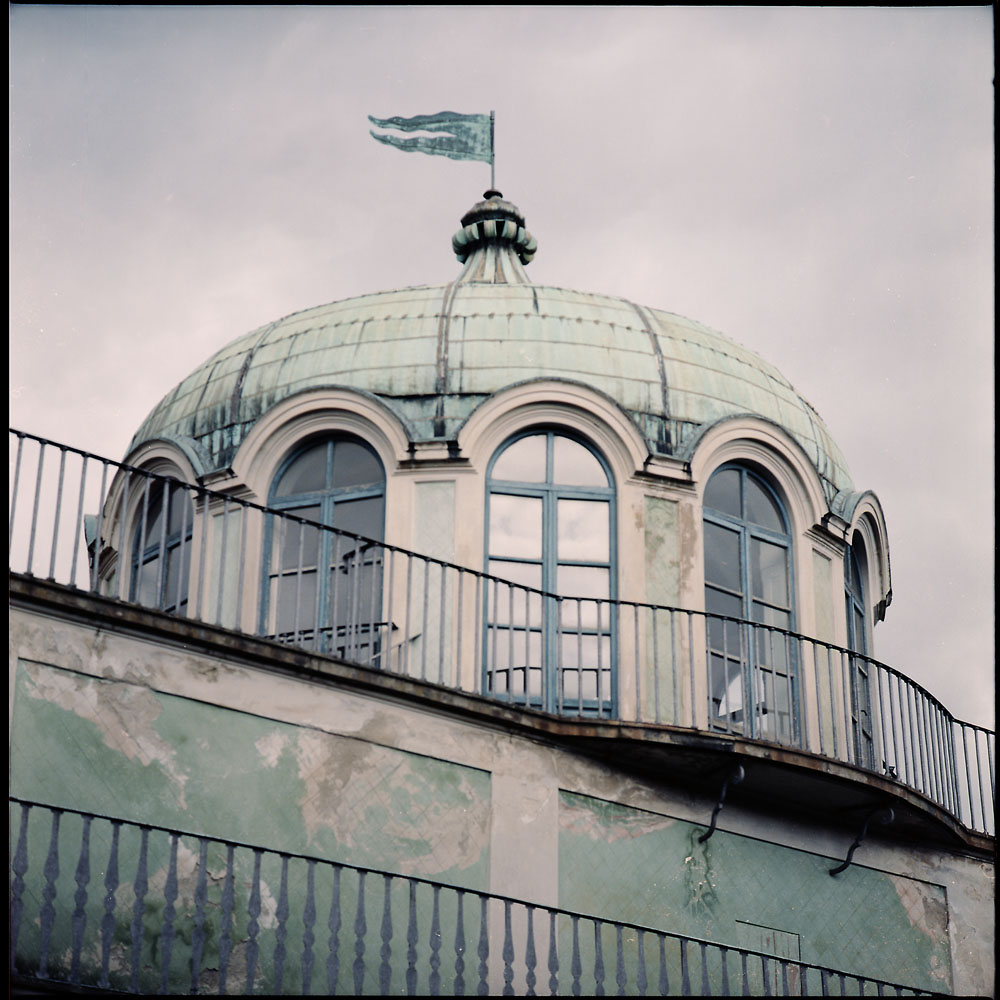
The architectural folly known as the Kaffeehaus (Coffee House) in the Boboli Gardens behind the Palazzo Pitti. The Coffeehouse was built by Maria Theresa while she was the Grand Duchess of Tuscany (she would later become the Hapsburg Empress of Austria-Hungary). Thus the German spelling of the name for the building, which comes from its purpose- it was a refreshment center for visitors to the gardens to stop and get a coffee or tea or other beverage – exploring the 110 acres of the Boboli Gardens is thirsty work.
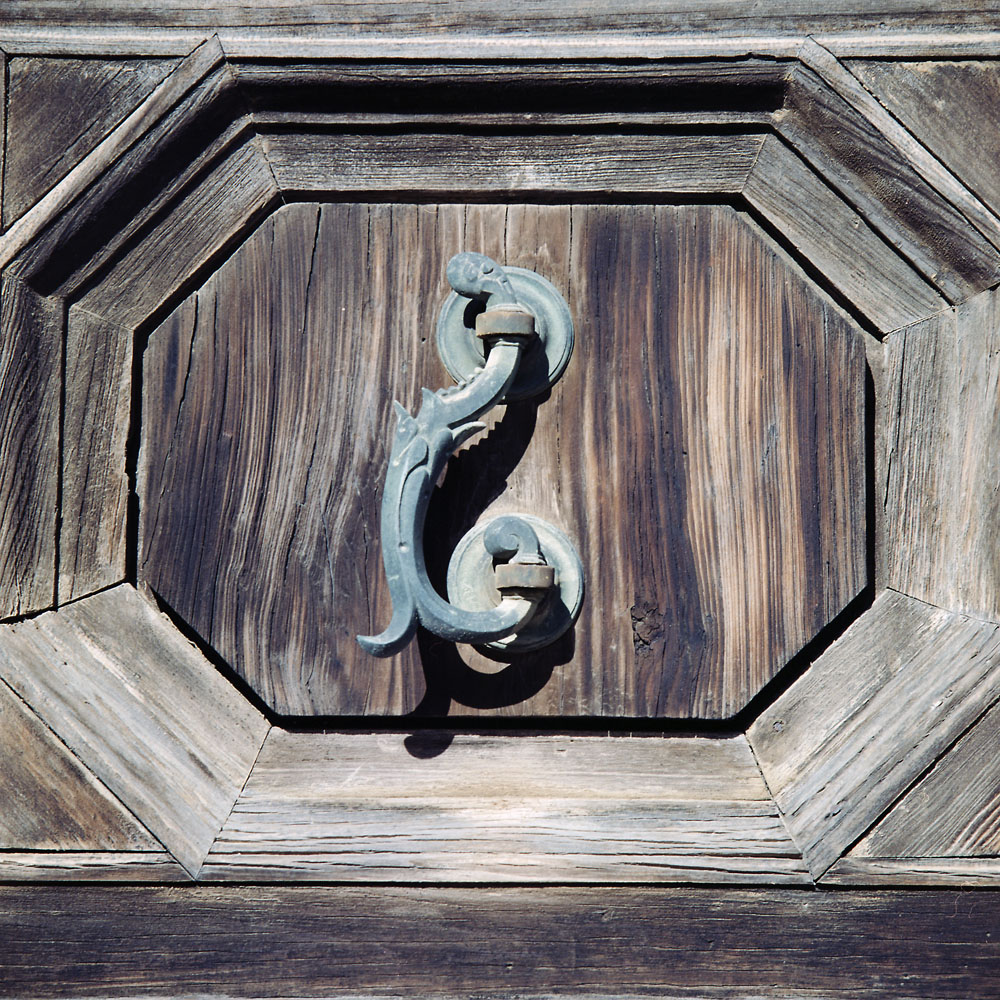
This is a bronze door handle on a well-weathered door in the gardens. I forget what structure it is attached to – it might be one of the servant’s entrances to the Palazzo Pitti.
Door Handle, Boboli Gardens
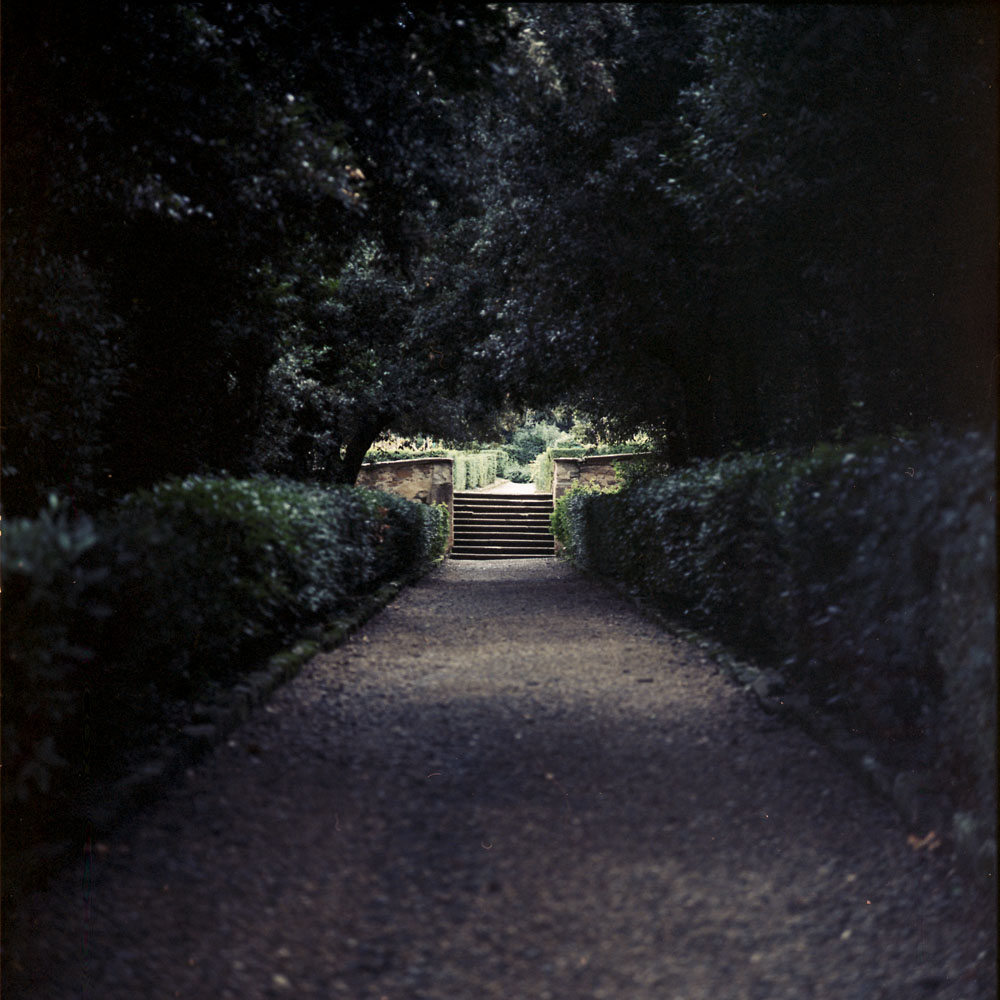
An allee of tall hedges in the Boboli Gardens, leading to a staircase. The gardens themselves are built onto the slope of a hill, so they have many changes of elevation.
Garden Allee, Boboli Gardens
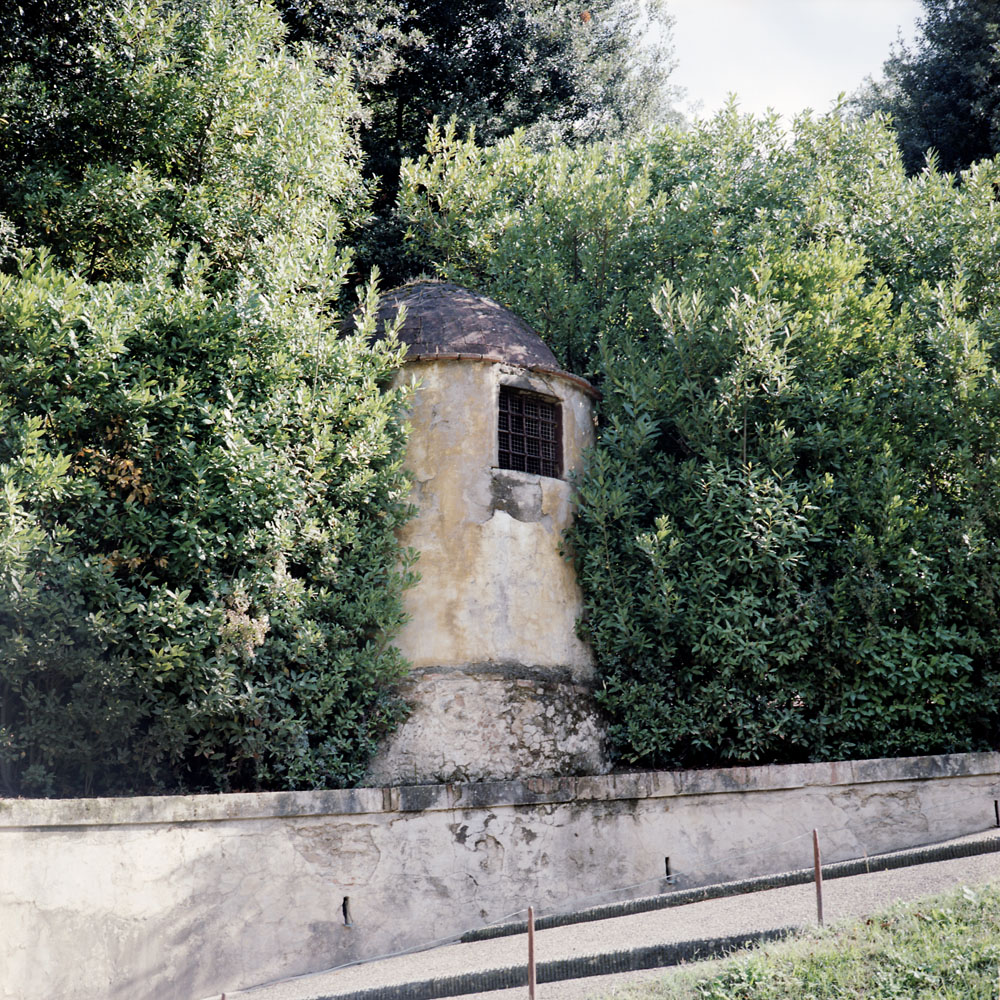
A tower set into the hedges along the ramp from the amphitheater to the Neptune fountain. I’m not sure what purpose it serves- it could be just a garden shed for storing tools and groundskeeping equipment, or it may relate to the water control systems for the myriad fountains in the garden.
Garden Tower Boboli Gardens
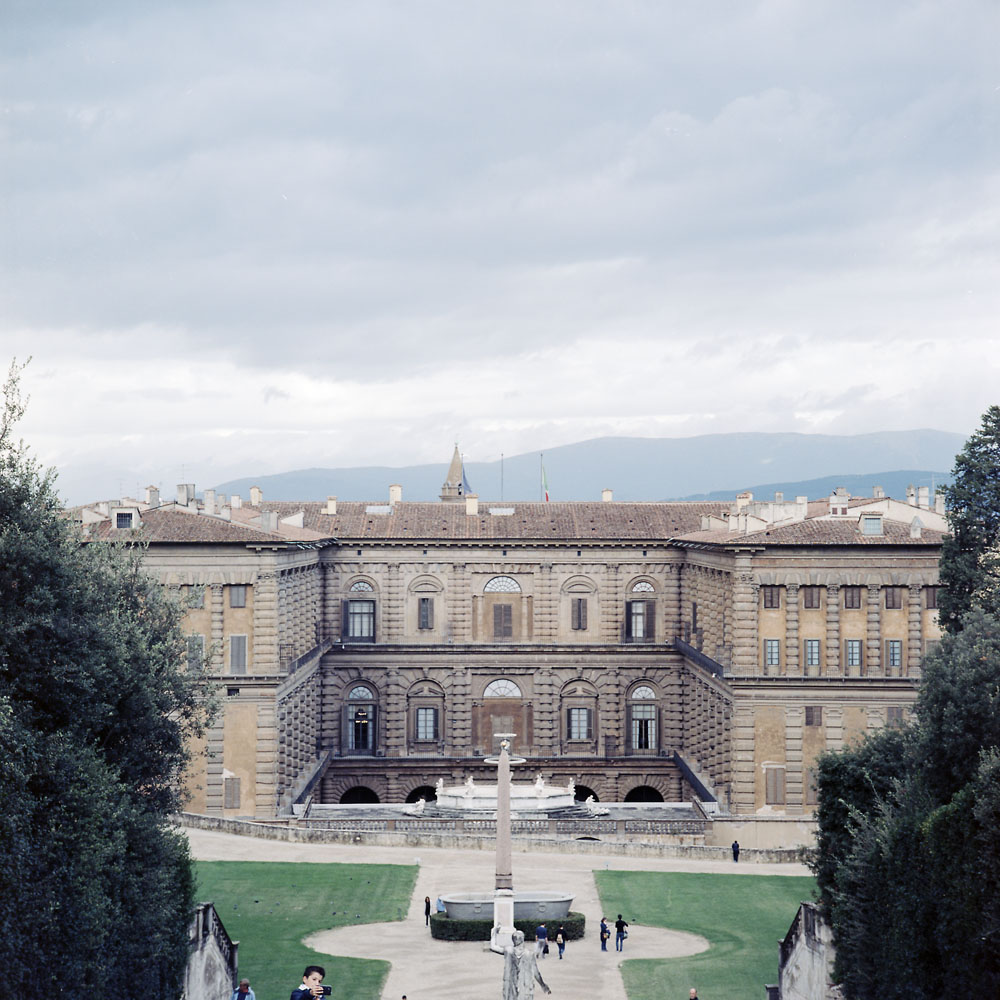
A view of the Palazzo Pitti from the top of the amphitheater stairs. The title comes from the boy in the lower edge of the frame taking a phone selfie. A very modern take on a very old palace.
 dcphotoartist