When it rains it pours… I’m going to have several busy weeks ahead getting ready for three (THREE!!!) shows at the same time. I’m going to have work in a group show of large format photography at the River Road Unitarian Church, an alternative process show at the ArtDC Gallery, and a solo show at Mad Momos, a restaurant here in DC. Fortunately the Mad Momos show won’t be until the end of June, so I’ll have more time to prepare for it.
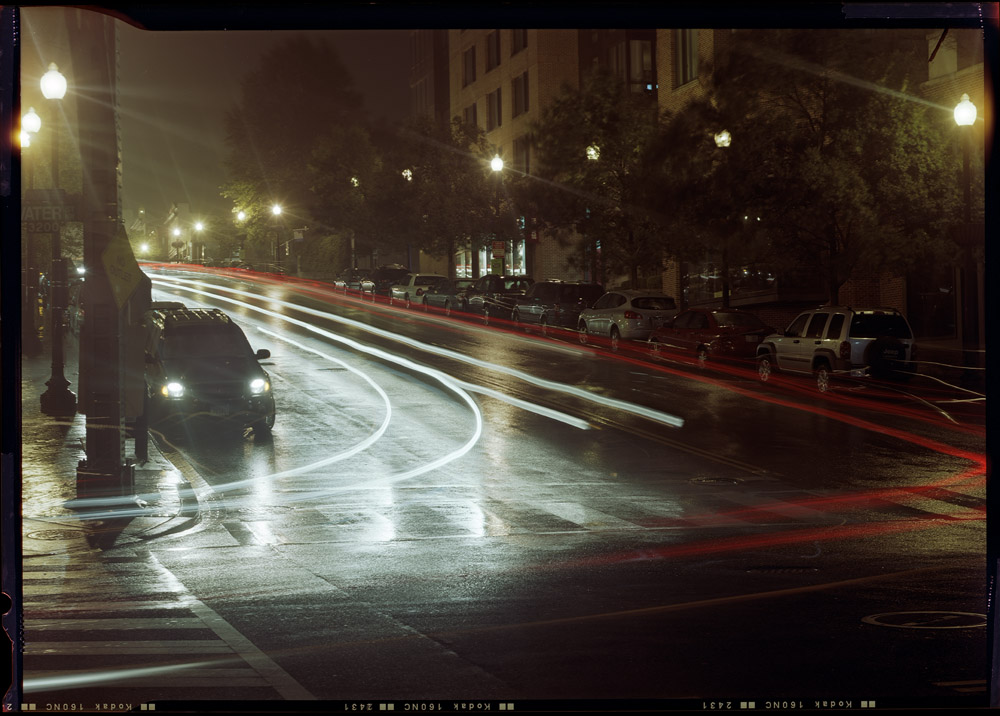
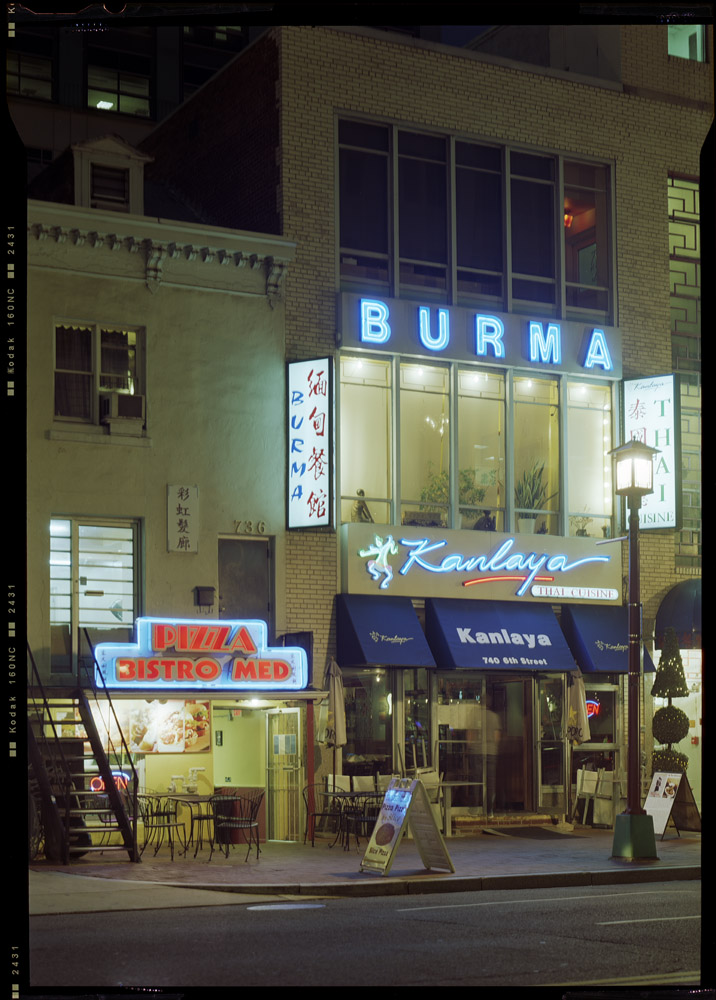
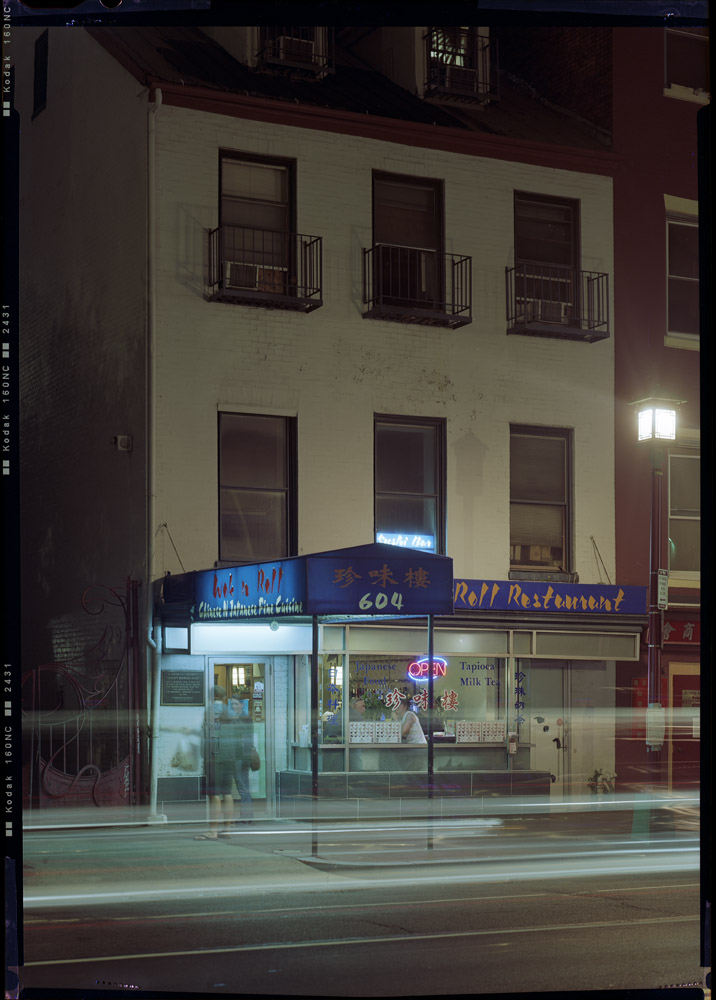
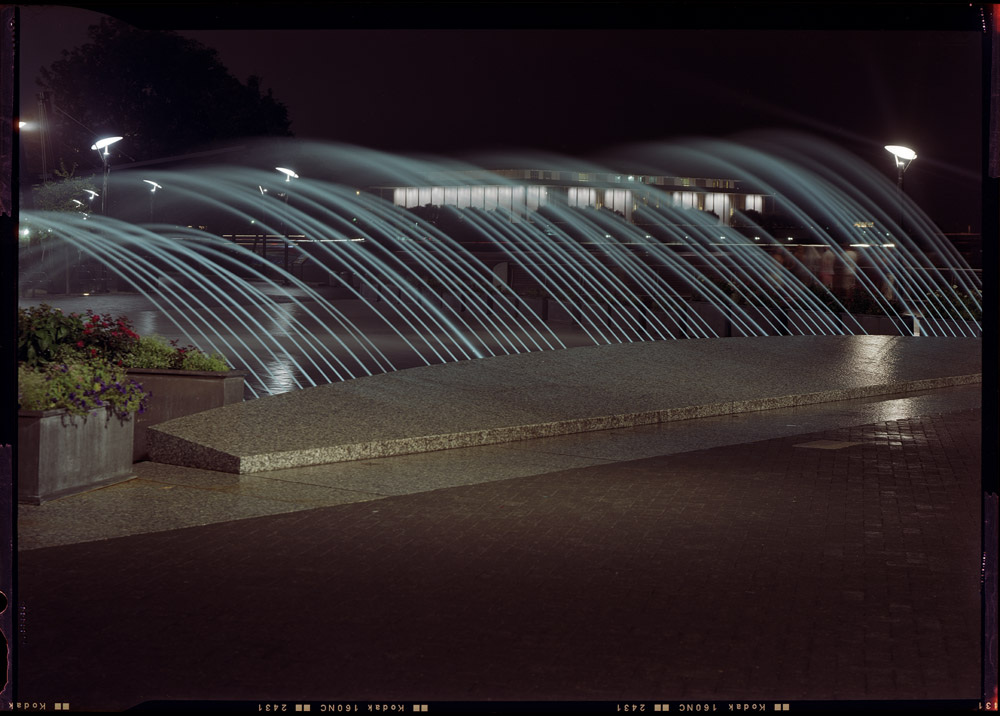
For the group show at the Unitarian church, I’m contributing some of my color nighttime shots of DC –
Georgetown in a RainstormBurma Restaurant, Chinatown, DCSecession Sushi – The Wok ‘n Roll in the Surratt HouseFountain, Georgetown Waterfront, Kennedy Center
The ArtDC gallery show will have my 14×17 palladium prints from Eastern State Penitentiary (don’t have them printed yet so I can’t show them – the negs are too big to scan).
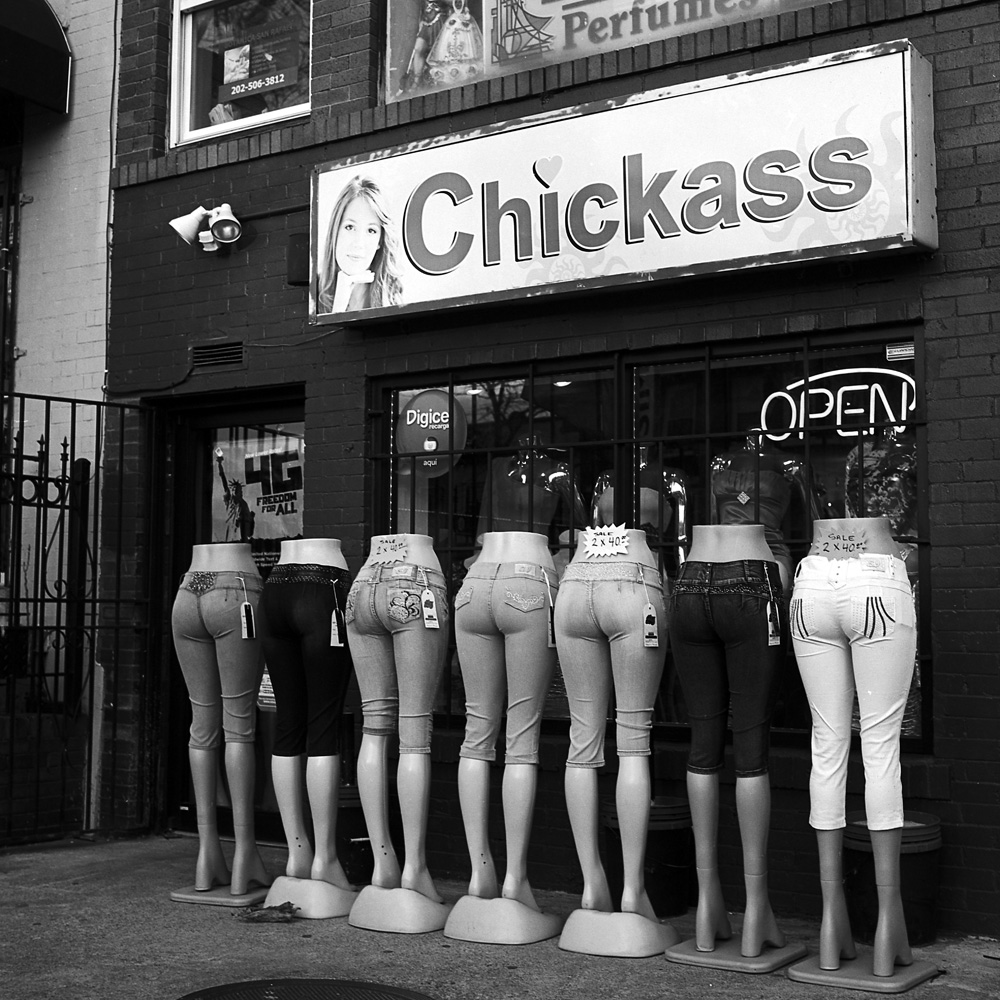
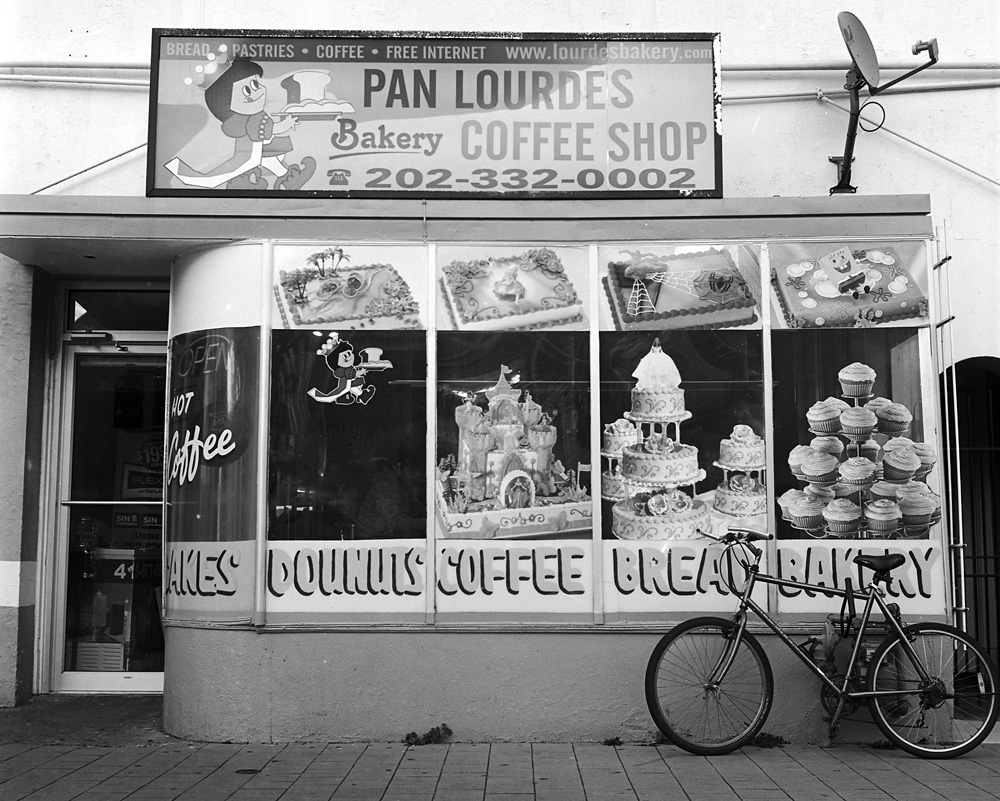
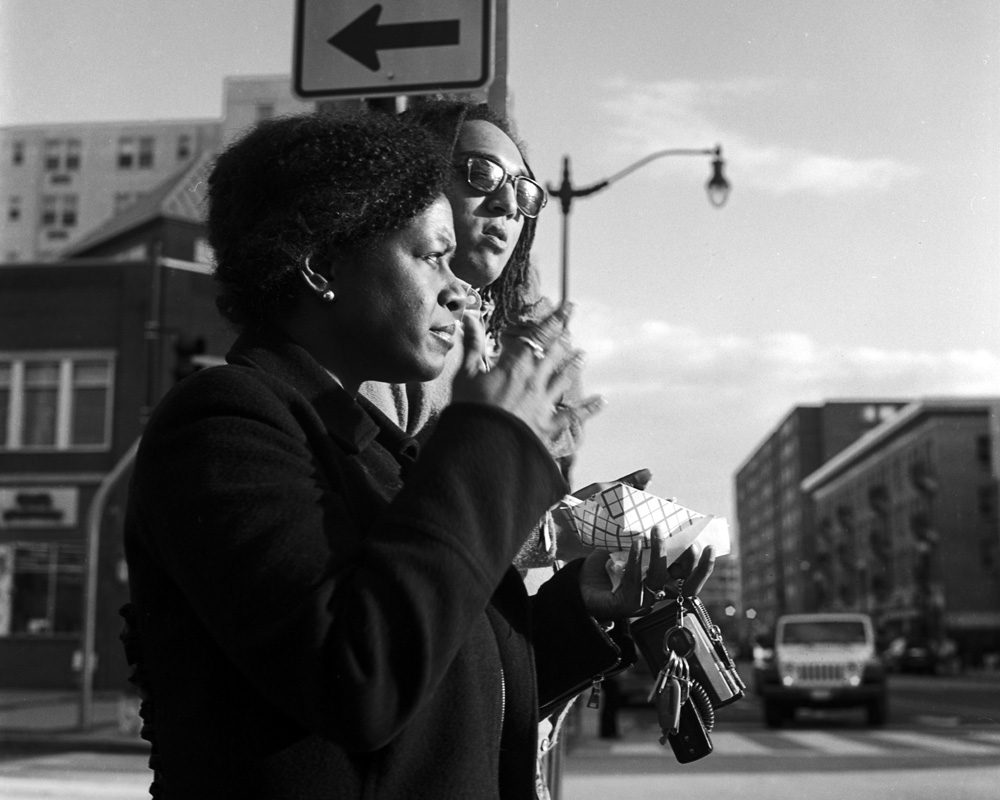
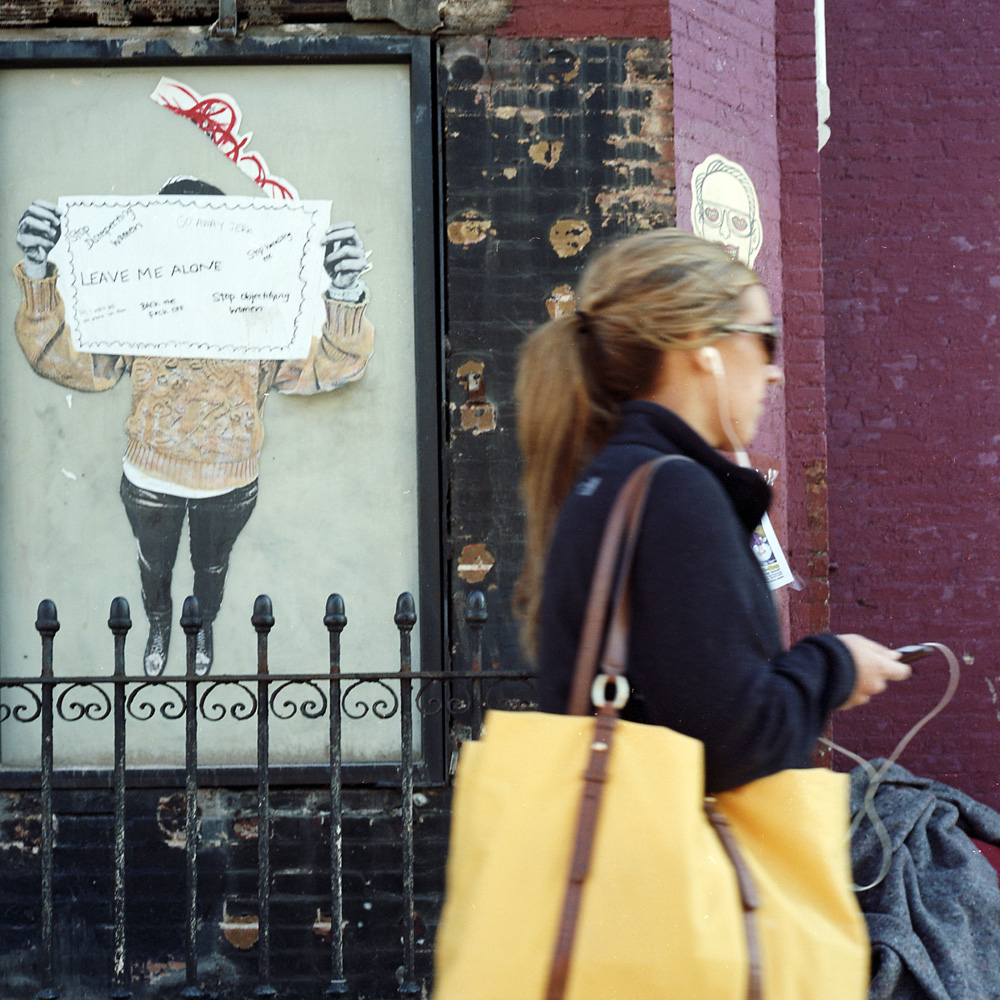
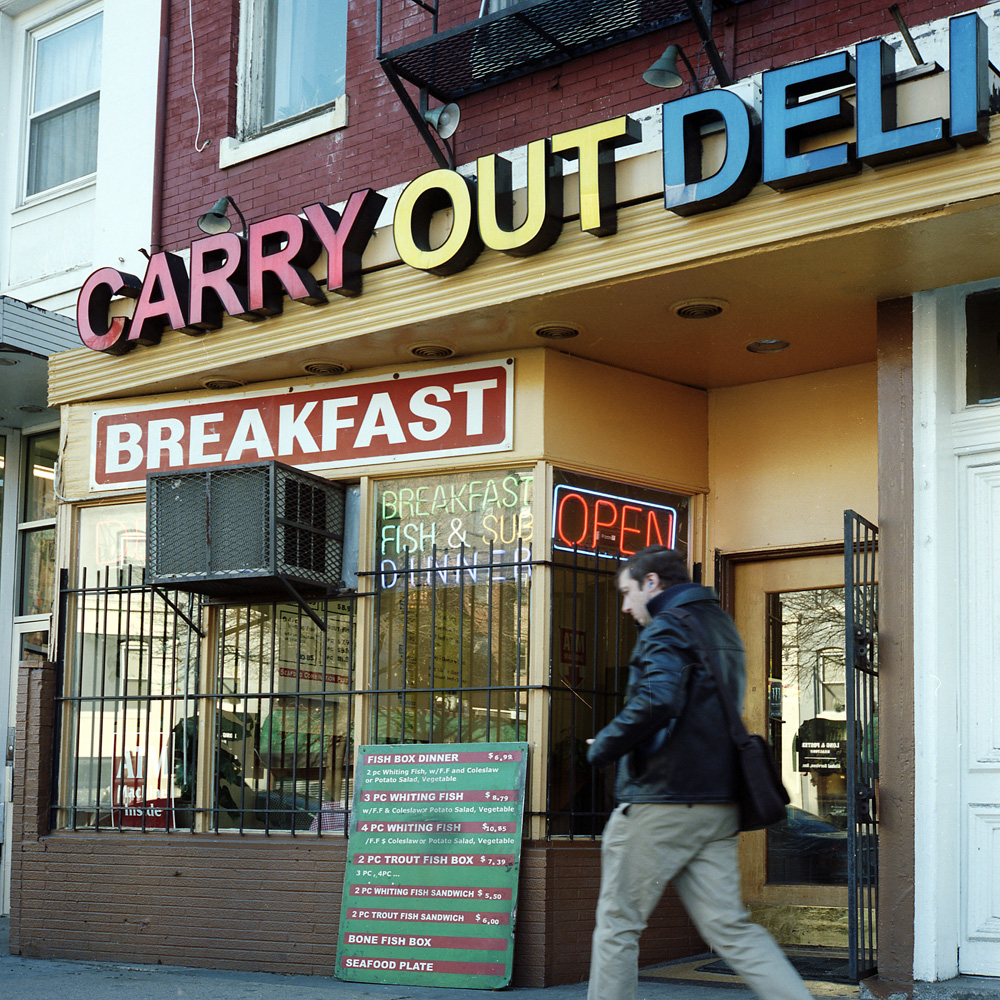
Mad Momos will feature my “street” photography I think – mostly my documentary stuff from around DC. Probably all color work, but I haven’t decided yet.
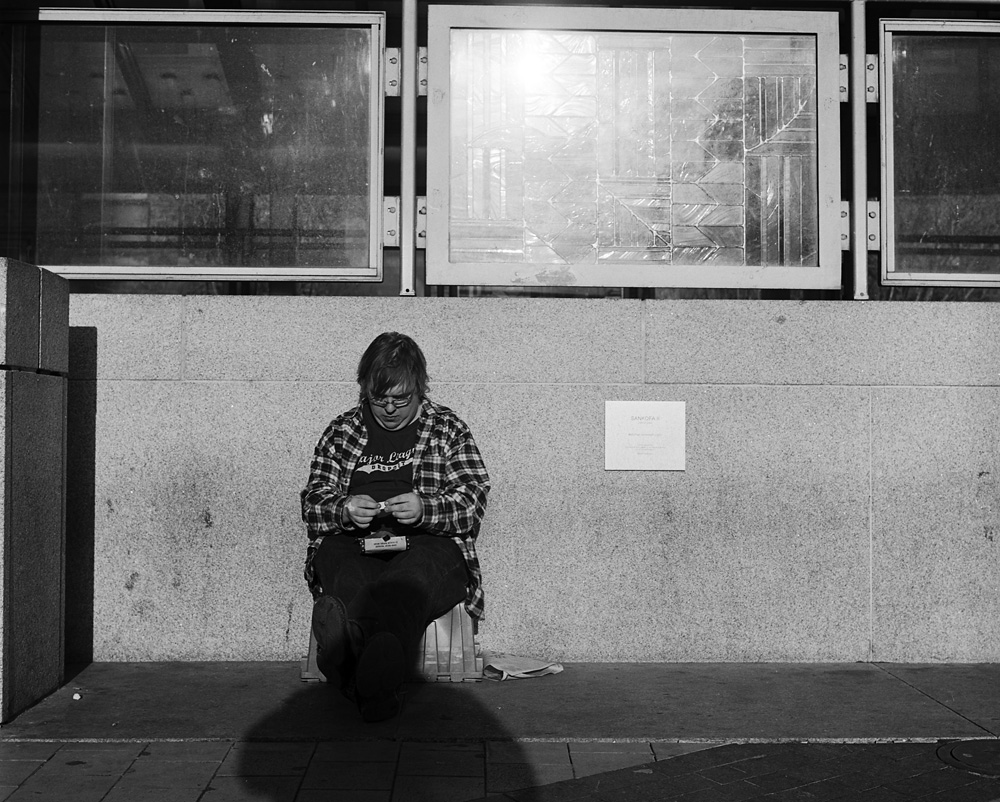
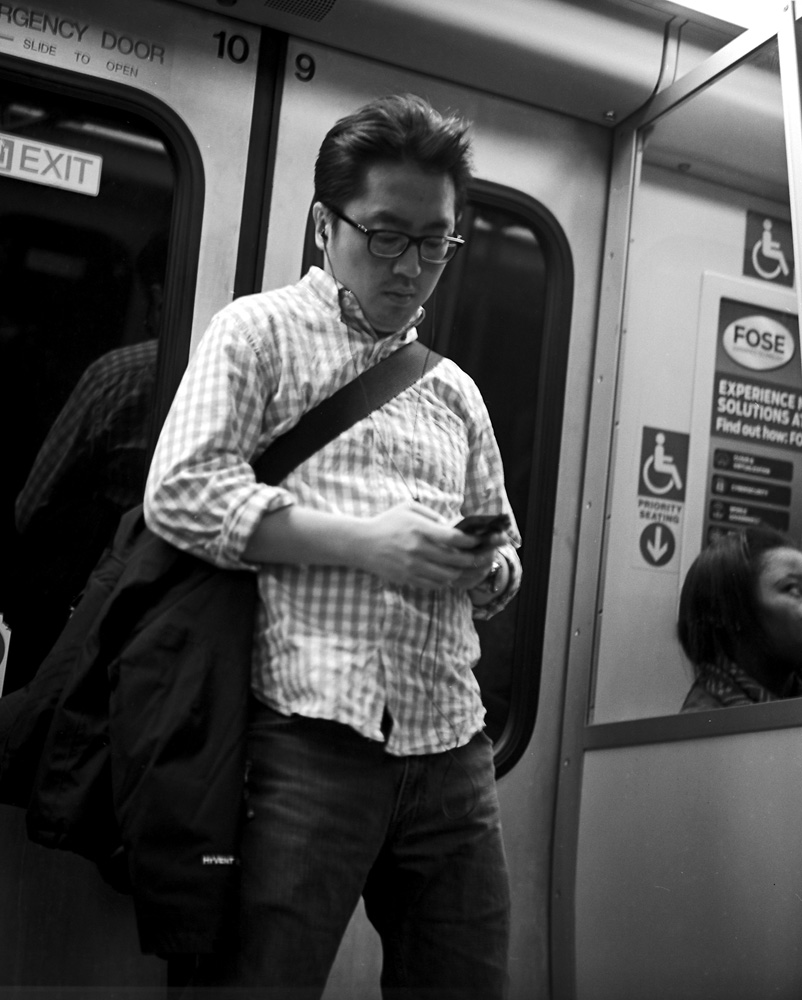
Chickass JeansPan Lourdes, 14th StreetStreet Snack, 14th StreetPhilip Seymour Hoffman and My Shadow
I called this one Philip Seymour Hoffman and my Shadow because the guy sitting against the Metro entrance wall just kinda looks like him, in full-on Method acting mode studying for a role.
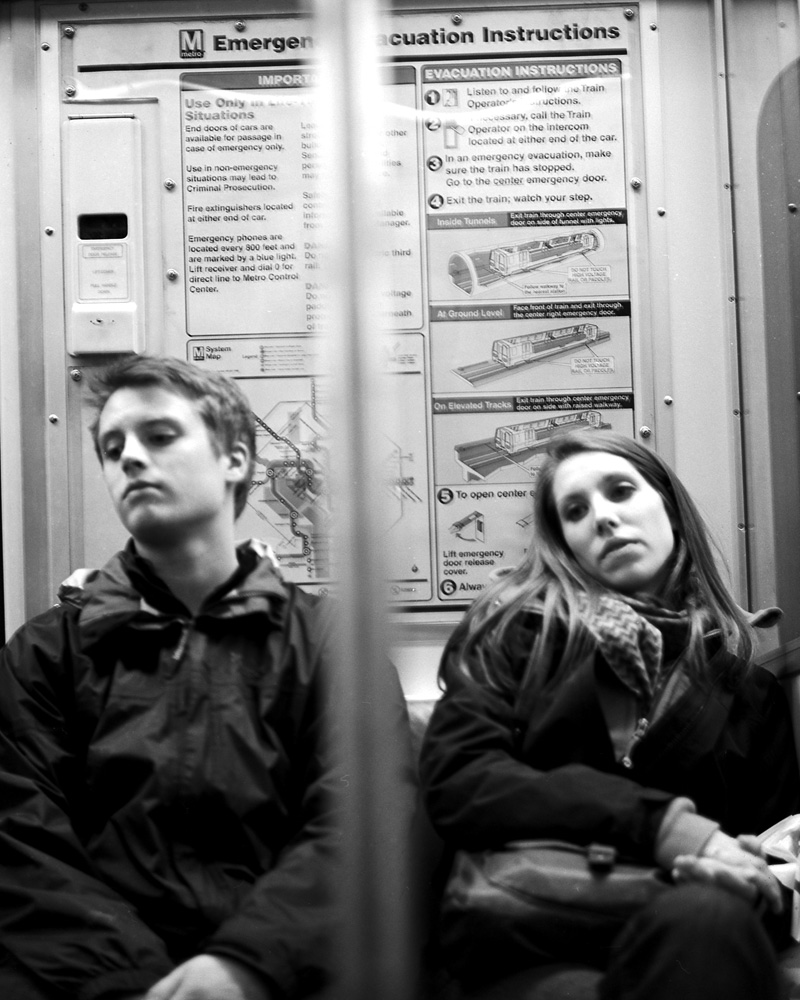
Standing in the DoorwayTogether, Apart
This was taken around 10pm on the subway on my way home from Chinatown. I suspect these two were heading home after dinner and a long day (perhaps week!) at the office.
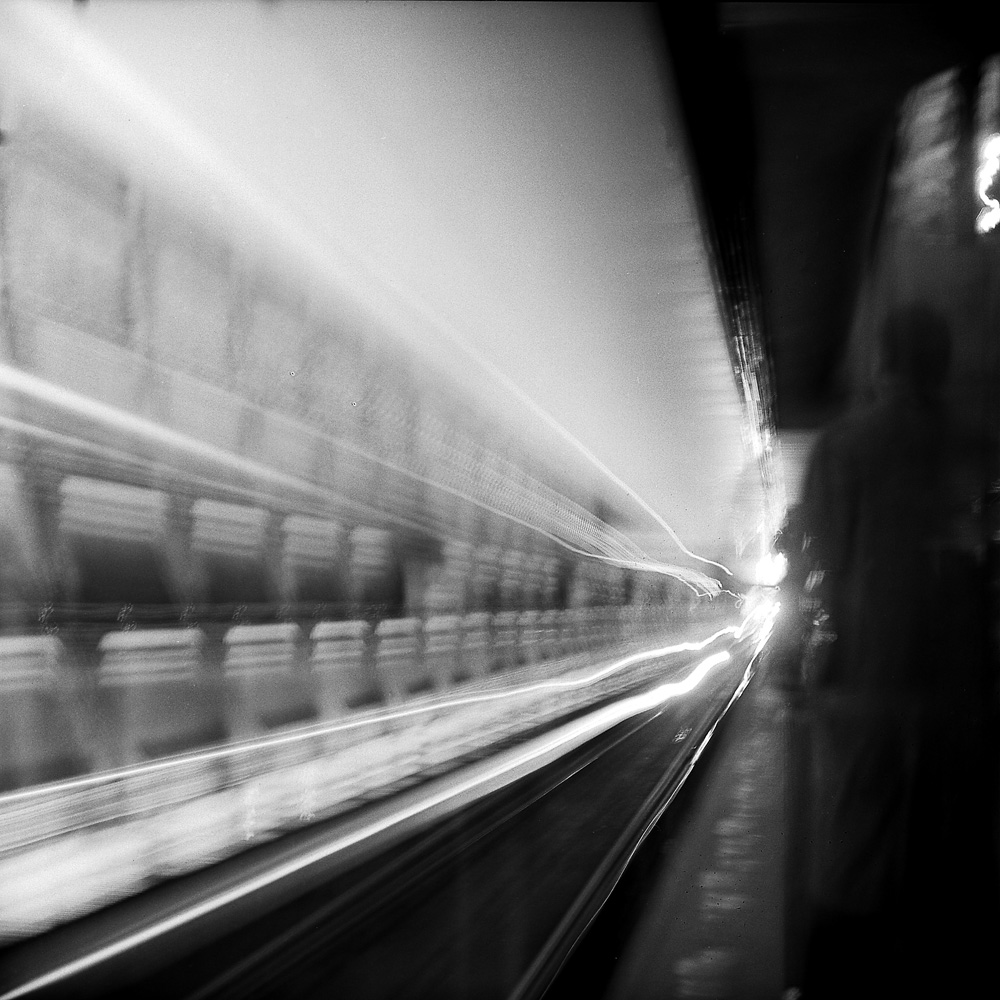
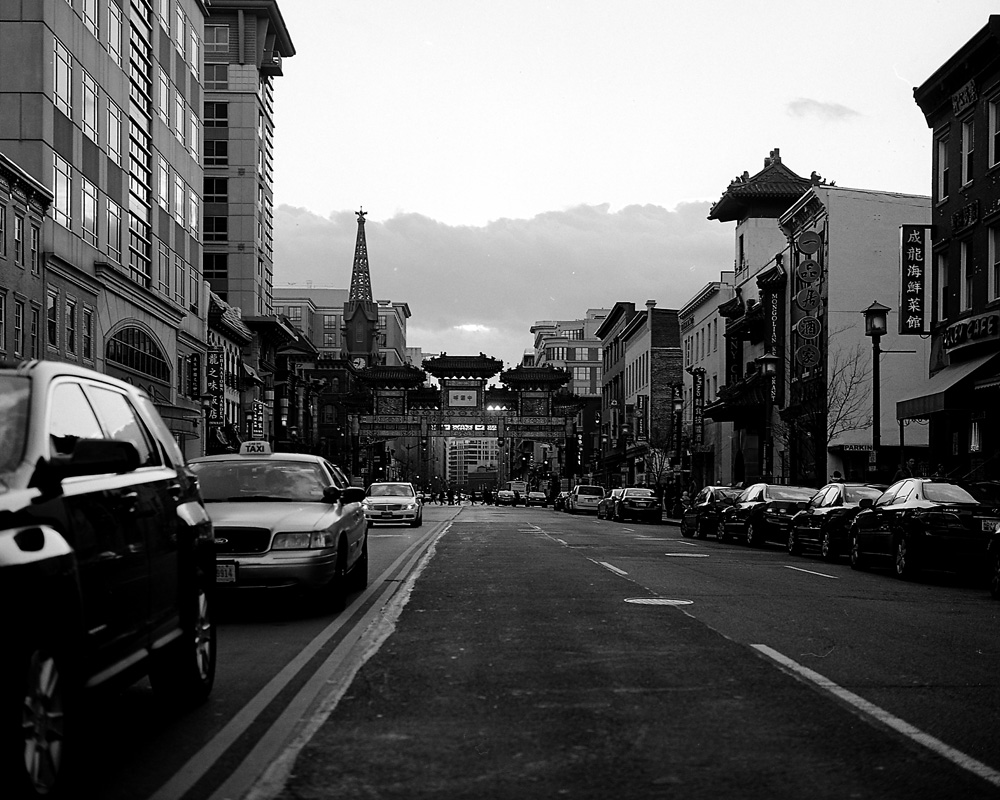
Oncoming MetroChinatown Arch, Sunset
This image has me on the horns of a dilemma- would it have been better in color or as it is in black-and-white? I think it has a certain character in black-and-white that it wouldn’t have in color, but the western sky would definitely look different. Comments?
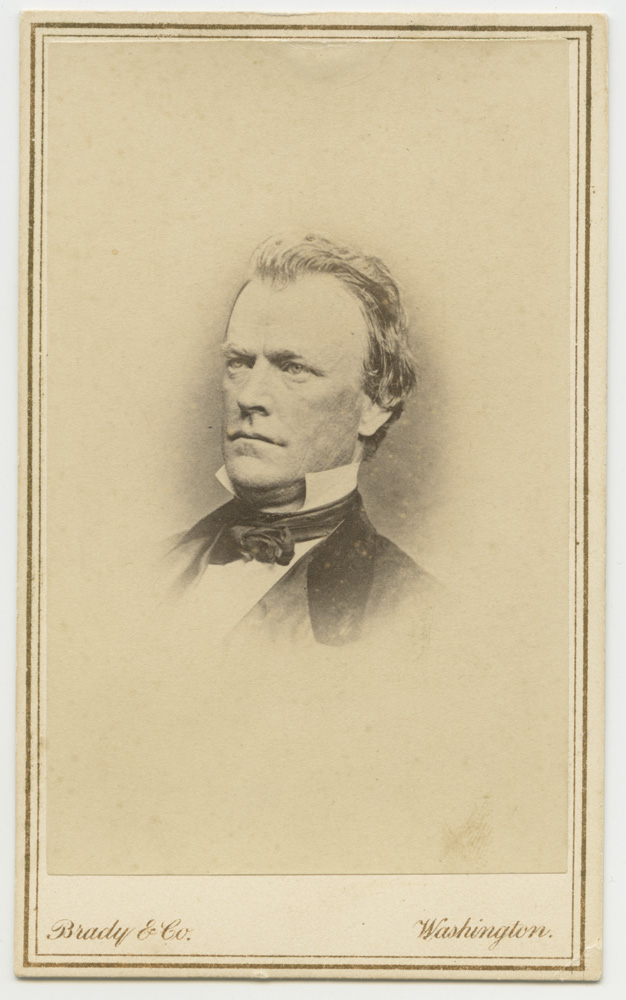
If you’ve been following my blog for any length of time you know by now of my interest in images by Mathew Brady’s Washington DC studio. Here is another gem, in near perfect original condition. The sitter is anonymous.
I’ve seen enough of Brady’s CDVs now that I’ve noticed a pattern in the labeling – if you want to tell which studio produced the image, first look at the front – if it says Washington or New York on the front, that’s a 100 % guarantee of where it was taken. If it is not labeled on the front, look at the photographer’s imprint on the verso. The studio that produced it will be listed first: a Washington DC portrait will say “No. 352 Pennsylvania Av., Washington DC & New York”, whereas a New York portrait will say “Broadway & 10th Street, New York, & 352 Pennsylvania Avenue, Washington DC”. Strangely, the Washington DC ones often list only “New York” as the second address, if they list it at all (I have seen it all three ways,”Broadway & 10th”, “New York” and no second address), but the New York ones seem to always list the full “352 Pennsylvania Avenue” as the second address. This of course does not take into account the E&HT Anthony CDVs, which do not list any Brady studio address, but rather state “Published by E & HT Anthony, 501 Broadway, New York” very prominently, and then include the following variations:
From Photographic Negative by Brady
From Photographic Negative in Brady’s National Portrait Gallery
Manufacturers of Photographic Albums
No Brady attribution or mention of photographic albums
I guess it makes sense for Anthony to plug the albums on the backs of CDVs, but they made a full range of photographic supplies from albums to chemistry and cameras. The name lived on in various forms for well over a century – they merged with Scovill around the turn of the 20th century and formed Ansco (ANthony & SCOvill), which then partnered with Agfa in the US to become Agfa-Ansco.
While there is no evidence that they were ever sexually intimate, some time after the war, General Elwell wrote to her that he loved her “all the law allows (and a little more perhaps)”. What exactly that meant remains the realm of speculation, as it is certainly cryptic by intent; General Elwell was a married man. Given that he was married at the time of his association with Clara Barton, this photograph becomes an act of bravery and defiance (or brazenness depending on your take of Victorian social mores), although perhaps it could have been passed off as innocent as Ms. Barton and General Elwell both served together in South Carolina at the assault on Fort Wagner, he with the Quartermaster’s Corps, she as a civilian nurse. Certainly at the time she was already famous, and he would have been so as well by the time the photo was taken in 1865, so it may have been at Mathew Brady’s urging that they posed together or it may have been of their own choosing.
Here is an image of General Elwell:
and Clara Barton:
And my photo for comparison: John J. Elwell and Clara Barton, Washington DC
here is a young couple who posed at Mathew Brady’s Washington DC studio. They must have been “somebodys” because Brady bothered to copyright the image. I’ve seen enough of his images to notice that the copyright notice is used inconsistently, which leads me to think it was either to protect specific images because of the subject matter, or it may have been time-delimited as a result of a copyright dispute between himself and Alexander Gardner arising out of Gardner’s work for Brady during the Civil War. I’ve noticed it most often on the Fairy Wedding images, but also on the Brady version of the Seth Kinman elkhorn chair (I don’t have the Brady version, just the Alex Gardner version, which has Gardner’s studio stamp on the back, but Seth Kinman’s copyright notice on the front. I don’t recall if the Brady one has Brady’s copyright or Kinman’s).
If any of you Civil War buffs or Victorian America historians recognize this couple, any information would be greatly appreciated.
I’m a member of the Smithsonian Resident Associates program – its a whole collection of educational and entertaining activities offered throughout the year ranging from evening lectures to hands-on arts and crafts courses to day tours and even week-long study trips, as well as a certificate program in Art History taught in conjunction with The Corcoran School of Art and George Washington University. A couple weekends ago I went on one of their history tours to Manassas Battlefield for the battle of First Manassas, with Ed Bearss as the tour leader. For those who don’t know, Ed is an underappreciated national treasure. He turns 90 in a month and a bit, was combat wounded in WW II (hit five times by a Japanese machine gun), is the Chief Historian Emeritus of the US Park Service, and appeared in Ken Burns’ The Civil War documentary as well as a regular on the History Channel’s Civil War Journal. He has forgotten more about the Civil War than any of us will ever know. Ed, at 90, still leads tours over 250 days a year. I’ve taken five of his tours now (maybe six?), but he has some die-hard groupies out there that make me look like a slacker wanna-be fan (I’ve been on tours before where other folks have proudly announced they’ve taken every tour he offers through the Smithsonian, sometimes more than once).
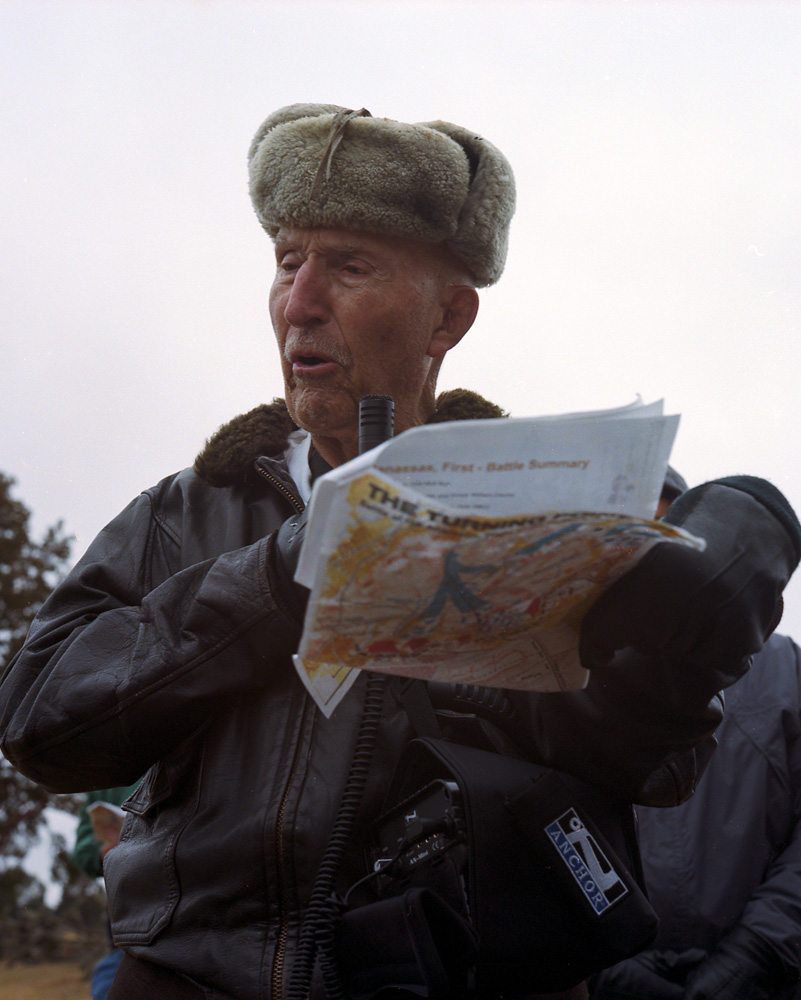
Ed Bearss talking in front of the Stone House, Manassas Battlefield
Ed is a marvelous story-teller. He recounted the tale of how Stonewall Jackson got his nom-de-guerre:
“And General Bee, upon seeing Thomas Jonathan Jackson with his troops in the edge of the woods, called out to his men “There stands Jackson like a stone wall; rally behind the Virginians”. He may not have meant it as a compliment, however. It all depends, you see, on whether or not he said those two phrases in the same breath. Bee, you see, was a South Carolinian, and may not have held Jackson in particularly high regard. One version has it that he said the two comments an hour apart – if he said them together, it’s a compliment. But if he said them separately, “there stands Jackson like a stone wall” comes off as rather a put-down. The only way we’ll know for sure what General Bee meant is if one of us dies and goes to heaven or hell, and meets General Bee and asks him which it was”
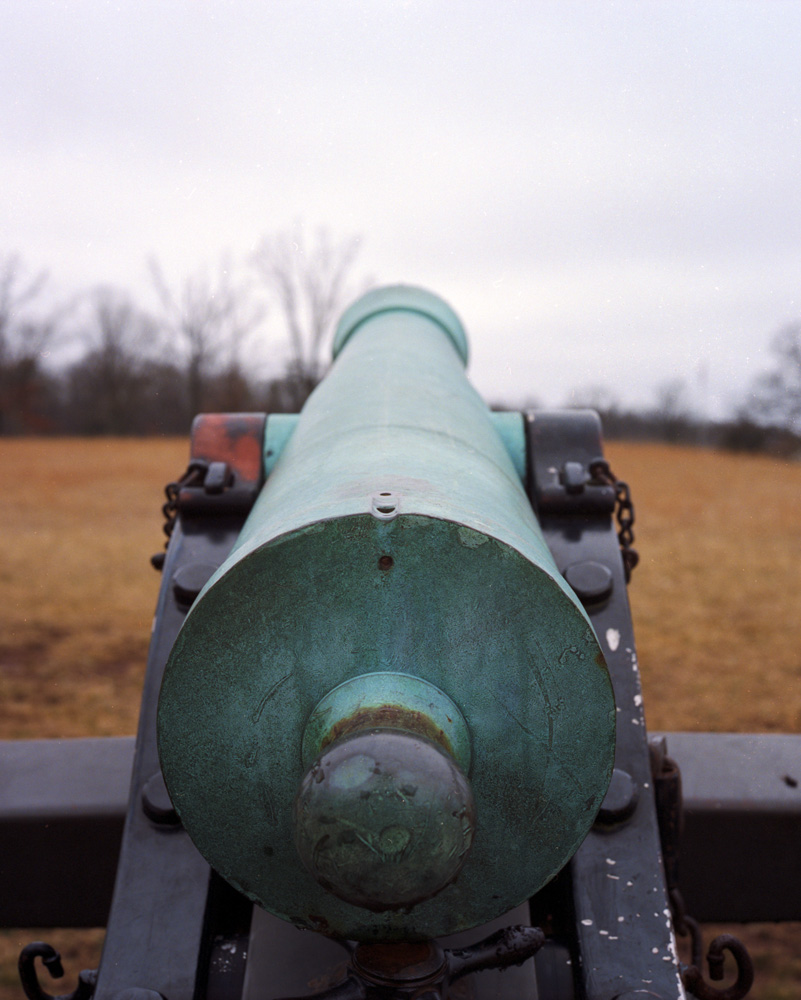
Ed Bearss with Battlefield MapConfederate Cannon, Manassas
This cannon, although NOT original to the battlefield, is in the relative position of Stonewall Jackson’s unit. One remarkable feature when you see the battlefield is how close the units were- one battery of Union cannon traded hands five times over the course of the day, and they were not more than 100 yards from the Confederate lines.
Henry House
The Henry House that you see in the above photo was the home of the widow Henry, one of the first civilian casualties of the Civil War. The house that you see standing now is not her house, but a replacement. Her house was of similar footprint but only one and a half stories tall. It was destroyed when those Union cannons I mentioned previously were turned and fired point-blank into the house where Confederate infantry had concealed themselves and were firing on the Union gunners. One cannonball tore through the house and removed widow Henry’s foot on its way through as she lay in bed.
Within eyesight of the Henry House was the home of “Gentleman” Jim Robinson. Jim was a mulatto man, and the half-brother of widow Henry. Their father was “King” Carter, the tidewater plantation owner and one of the wealthiest men in America at the time of the Revolution. Jim was born a slave but manumitted by his father upon Mr. Carter’s death.
The monument immediately beside the Henry House was erected by Union soldiers immediately after the war, and is one of the oldest Civil War memorials. Perhaps THE oldest is also at Manassas, but is not much more than a pedestal today. It was erected during the war by Confederate soldiers to commemorate one of their generals who was killed at 1st Manassas, but torn down by Union soldiers some time after 2nd Manassas.
Stone House with cannonball, Manassas
Here is the door to the Stone House, with the cleverly placed cannonball embedded in the wall. Note I said cleverly placed – there are a total of five cannonballs stuck in the stonework of the house, but none of them are there as a result of either the first or second battles of Manassas. Rather, they were added to the house at a much later date (some time in the early 20th century) by the owner, to boost the tourist appeal. How do we know? well, for one thing, all of them are neatly embedded, with no flaking, chipping or fracturing of the stone as would have been the case if the wall had been struck by the cannonball at high velocity. For another, one of the cannonballs is of a type not invented or used until some time in the 1870s.
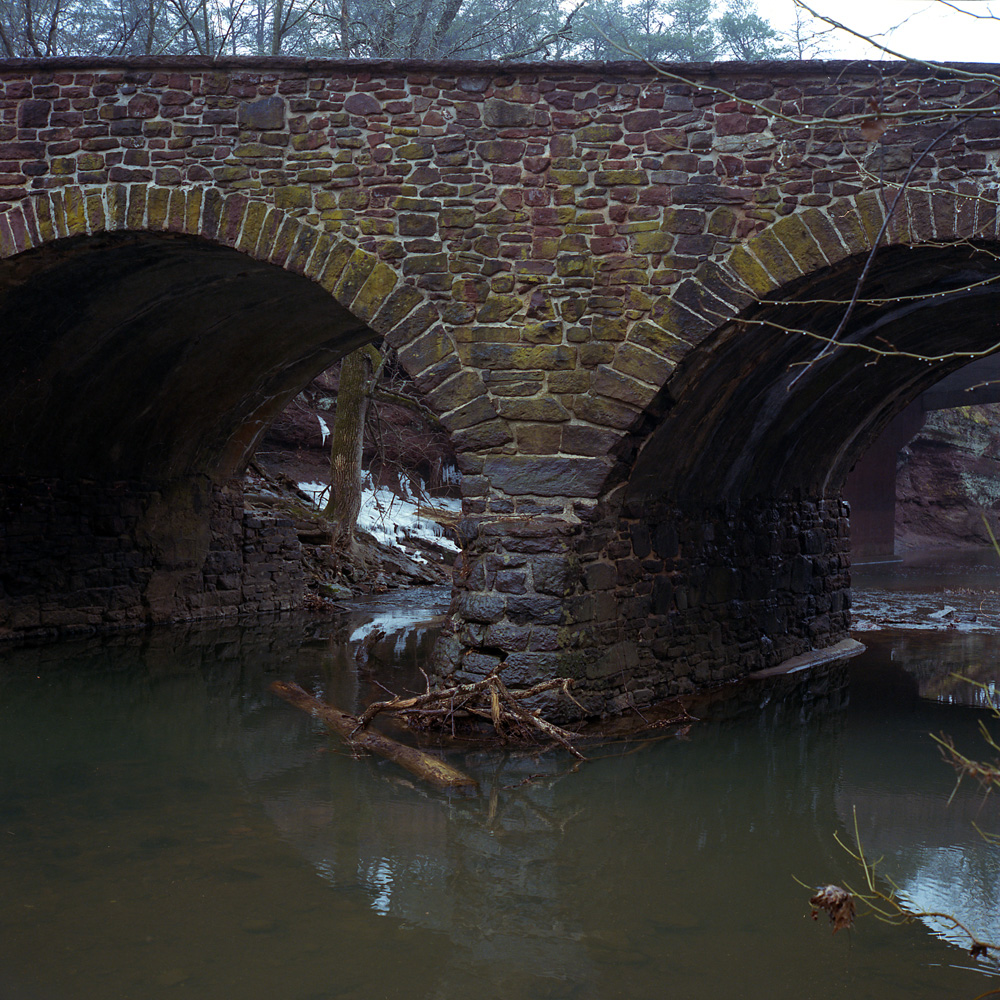
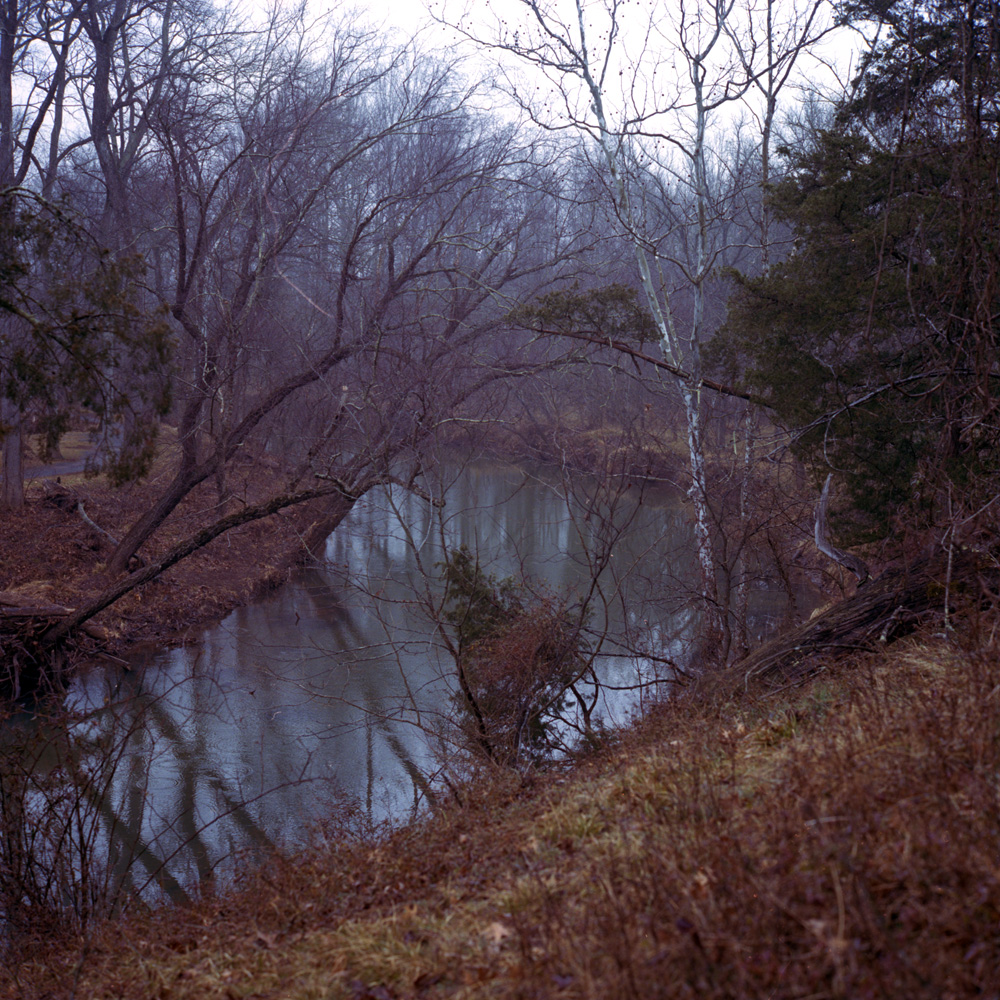
Under the Stone BridgeBull Run from the Stone BridgeStone Bridge over Bull Run
Here is the stone bridge, around which much of the early fighting of the day took place. The bridge spans Bull Run, and although the bridge you see here today is of the same stone as the one that stood there at the battle, it is not the original bridge but rather a reconstruction – during the war, the Confederates demolished the central arch of the bridge to deny Union forces access to the other side. This did not stop them of course, but instead Union engineers built a wooden span on the existing foundations, and then it was rebuilt in the 1884 as you see it today. This was the original course of the Warrenton Turnpike (today’s Route 29, the Lee Highway) and all traffic on that route crossed this bridge until the route was straightened and a new two-lane bridge was built adjacent in the 1960s.
I’ll close with another portrait of Ed, with his swagger stick made from a .50 caliber machine gun bullet. Ed at the Stone Bridge
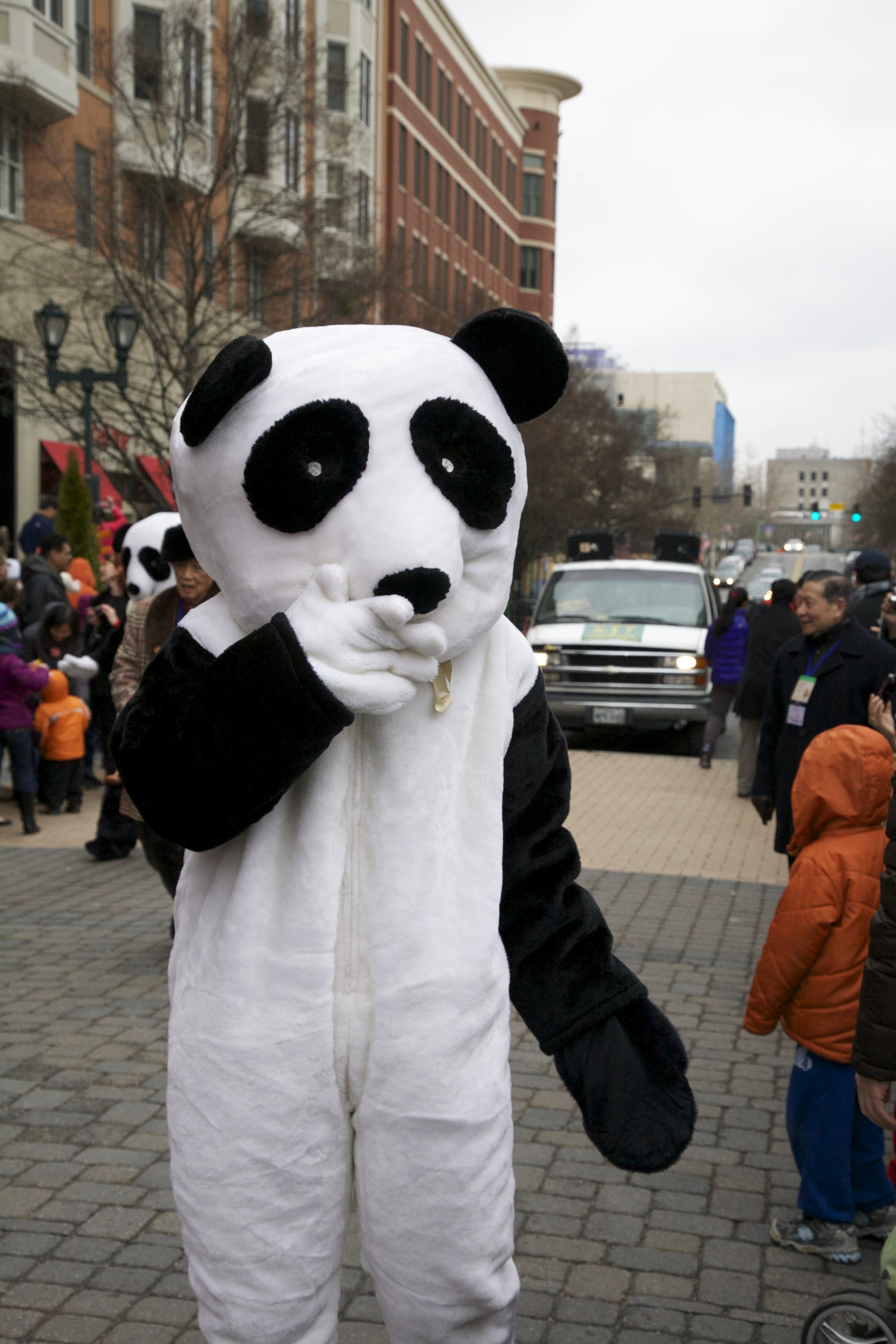
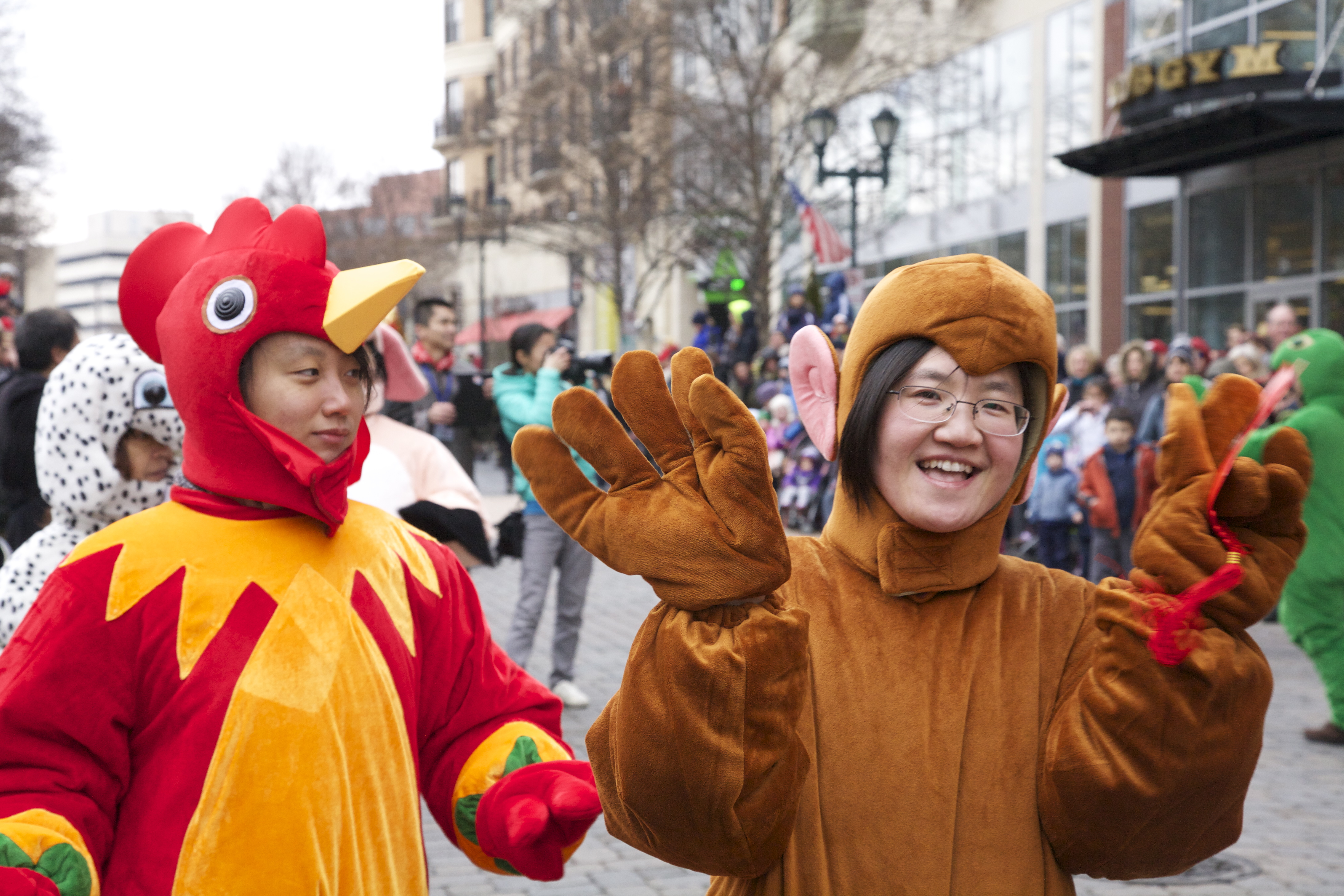
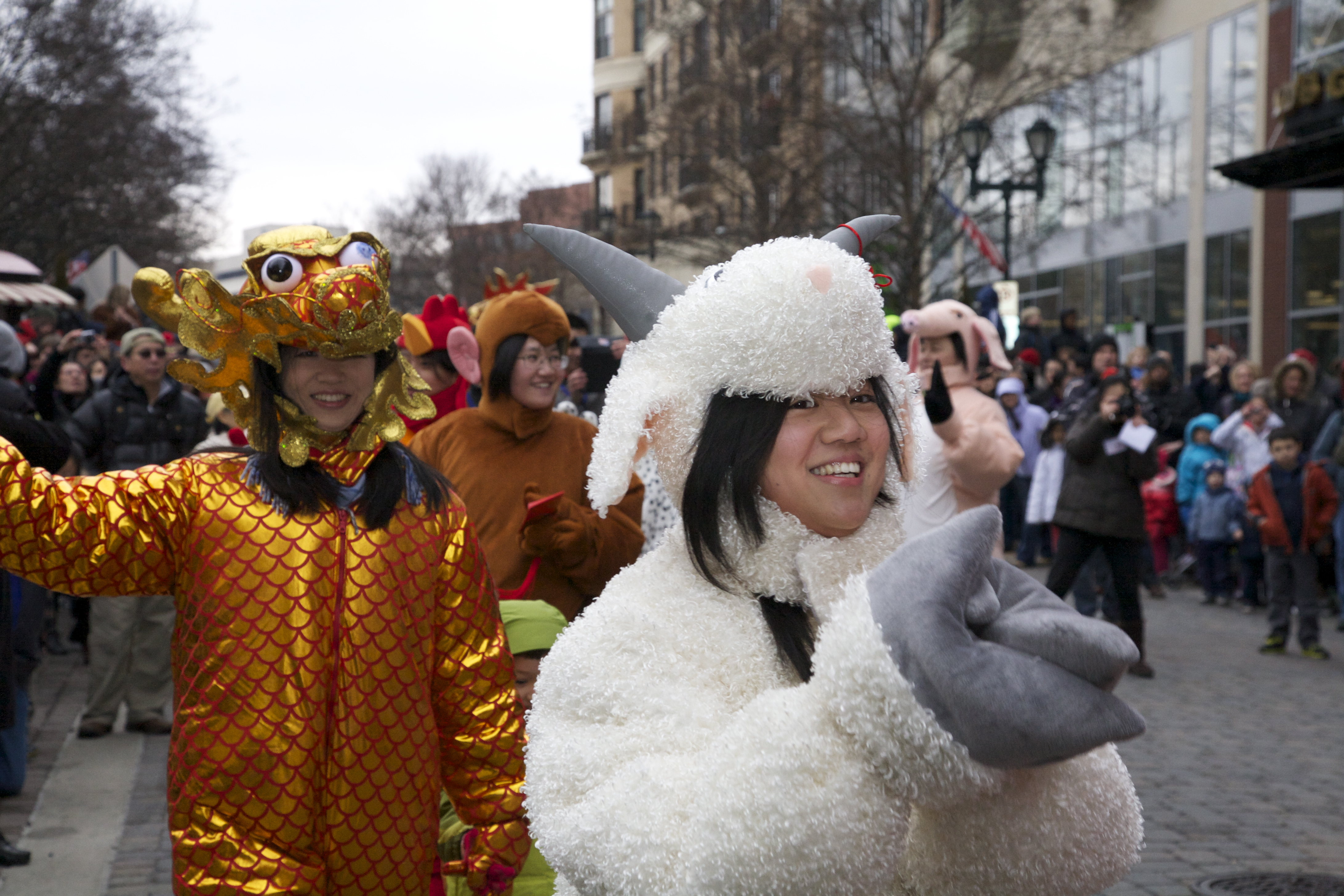
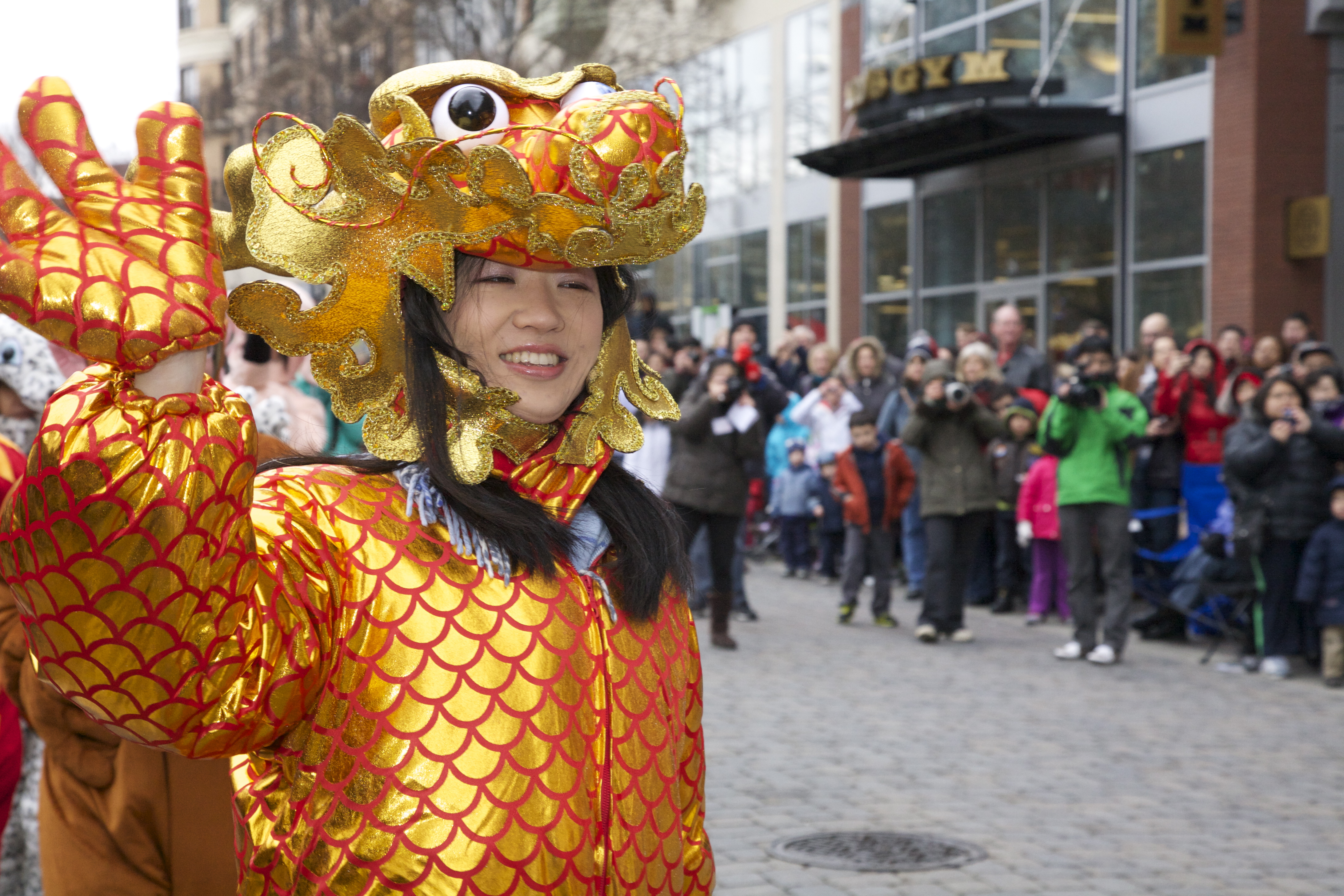
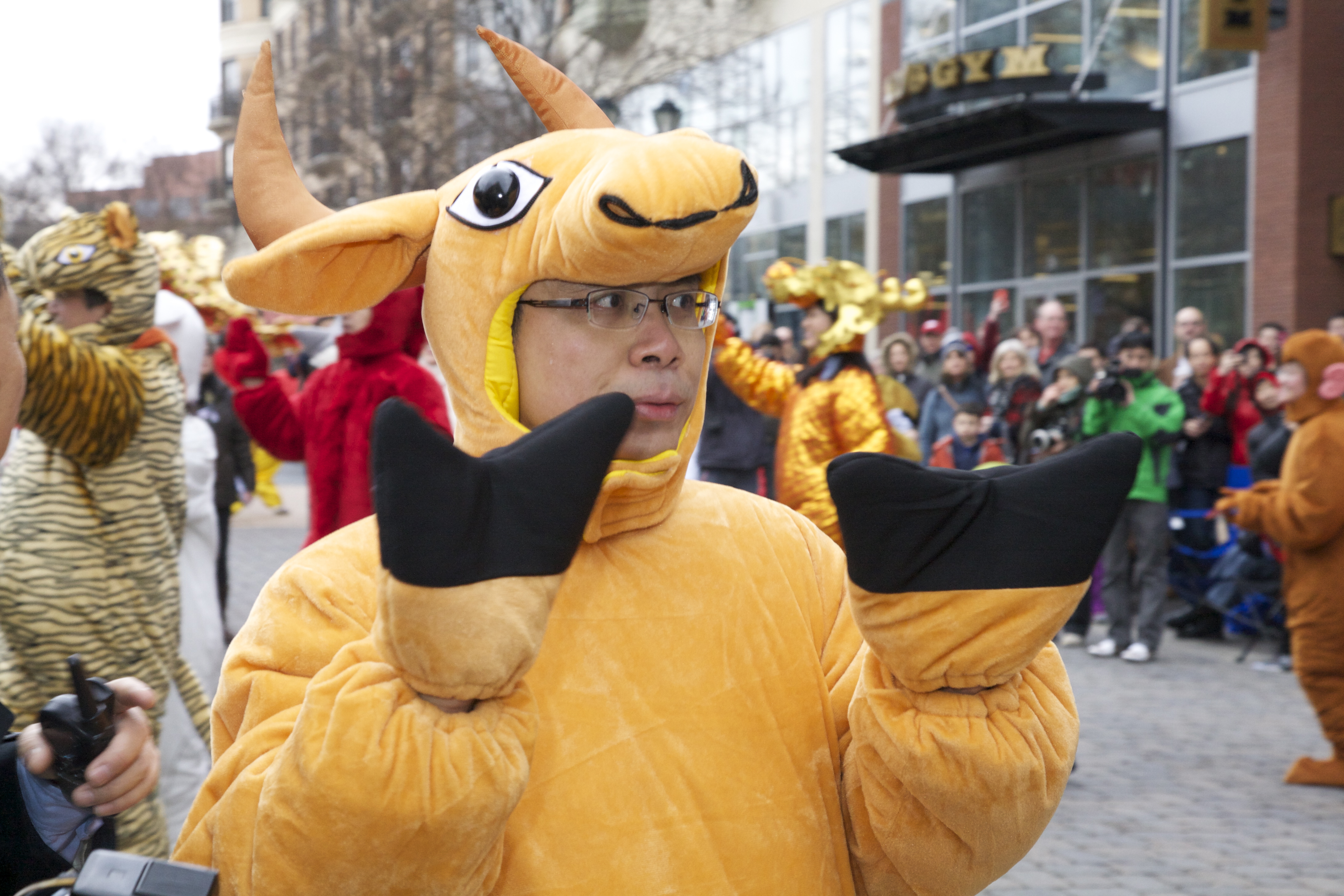
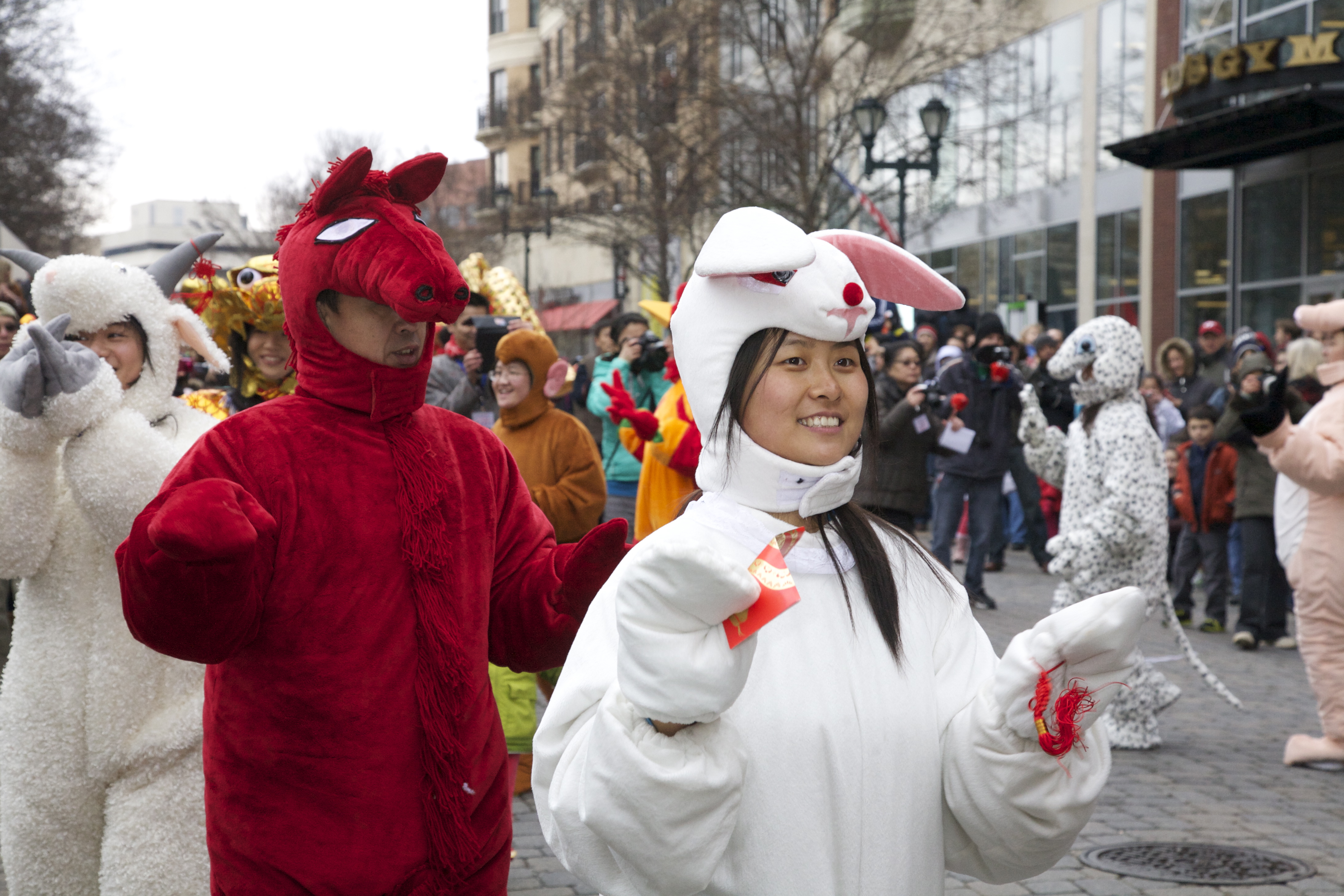
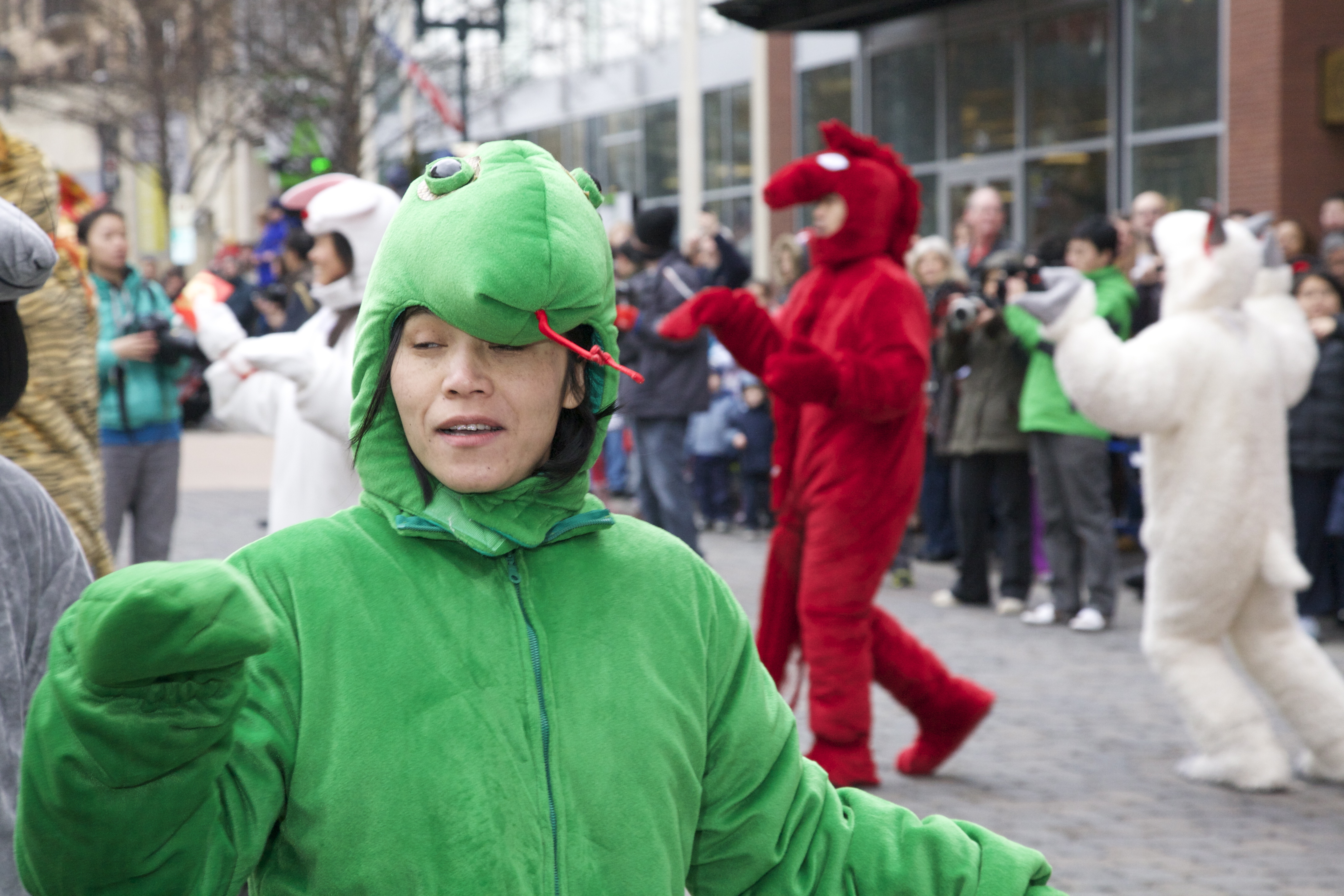
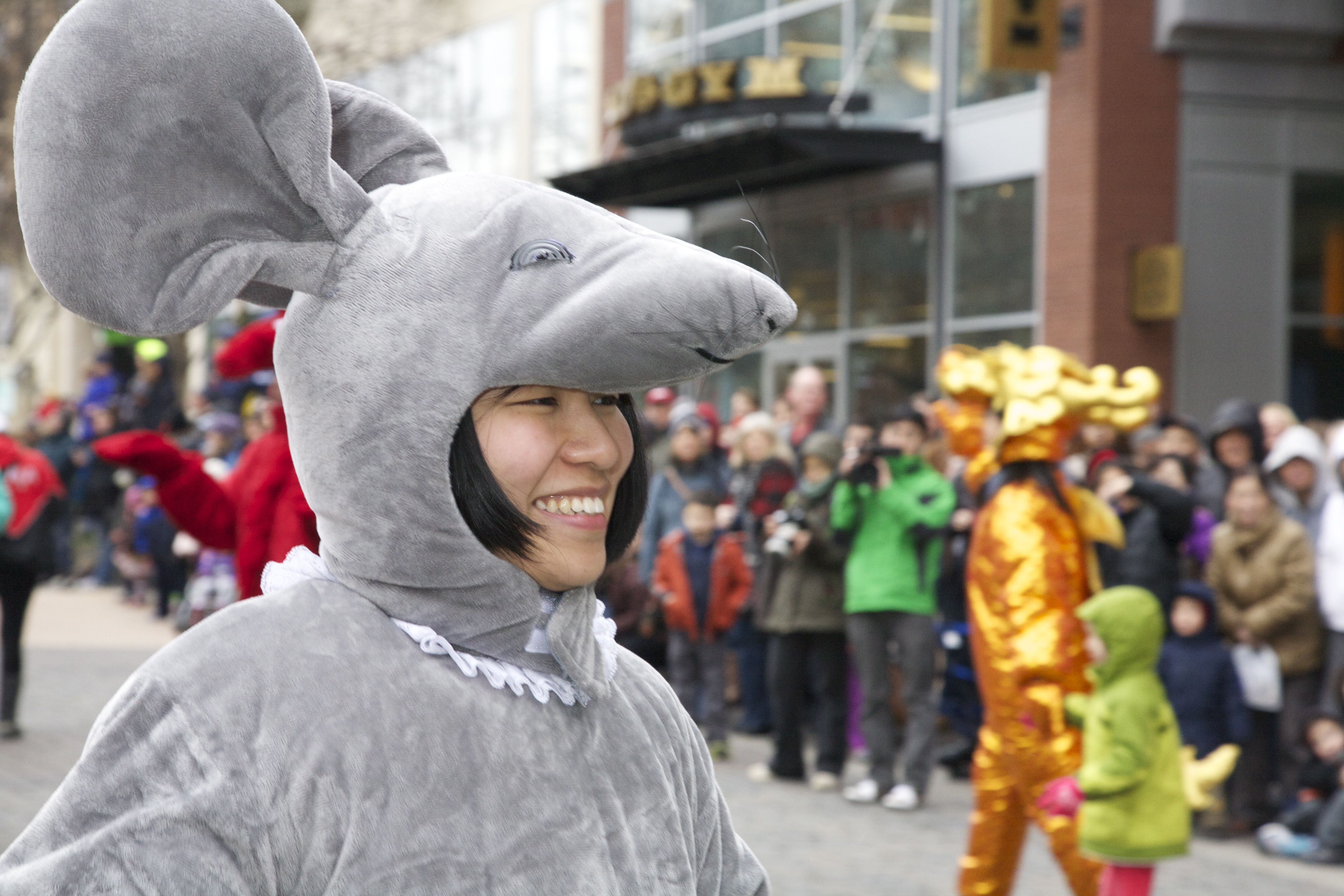
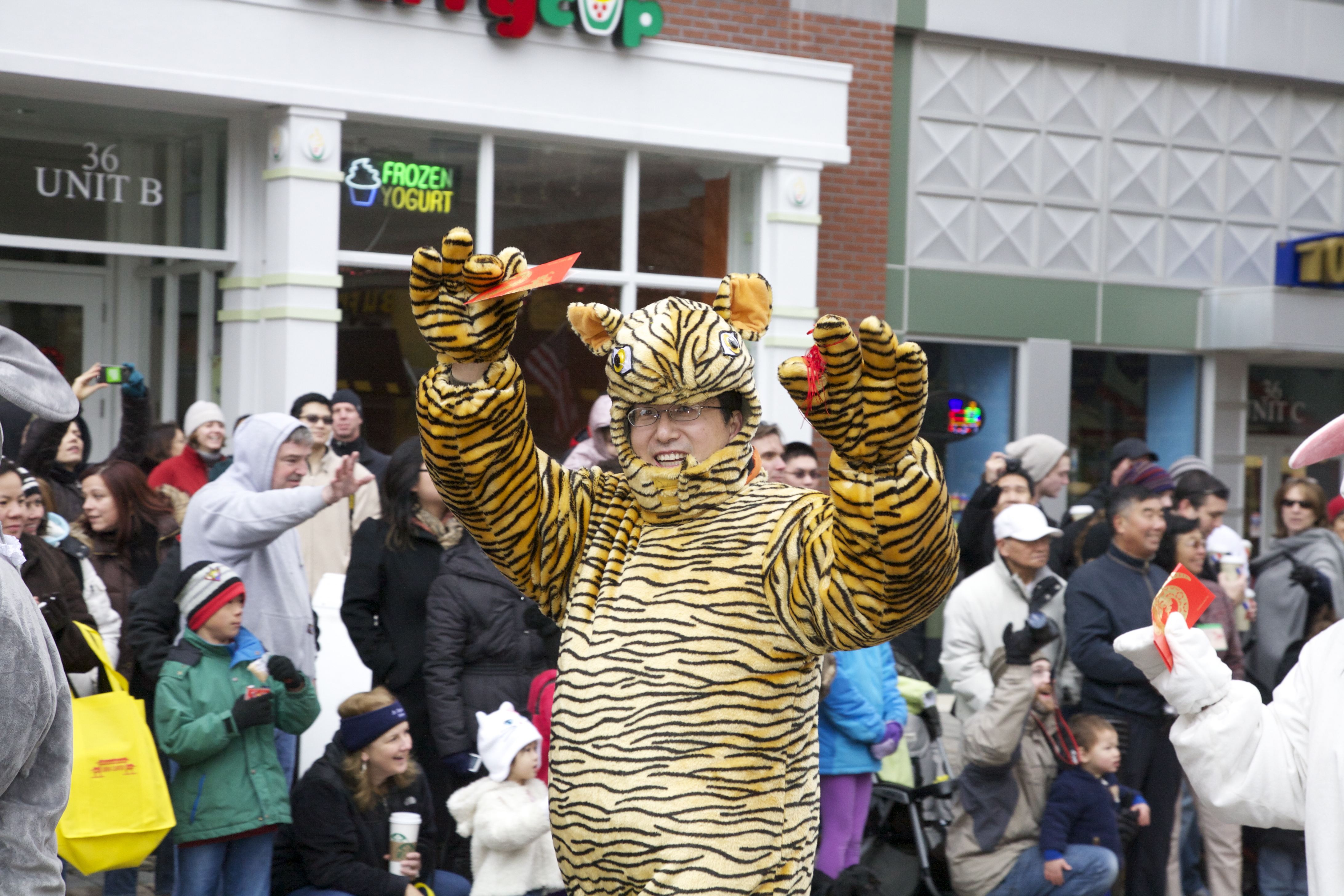
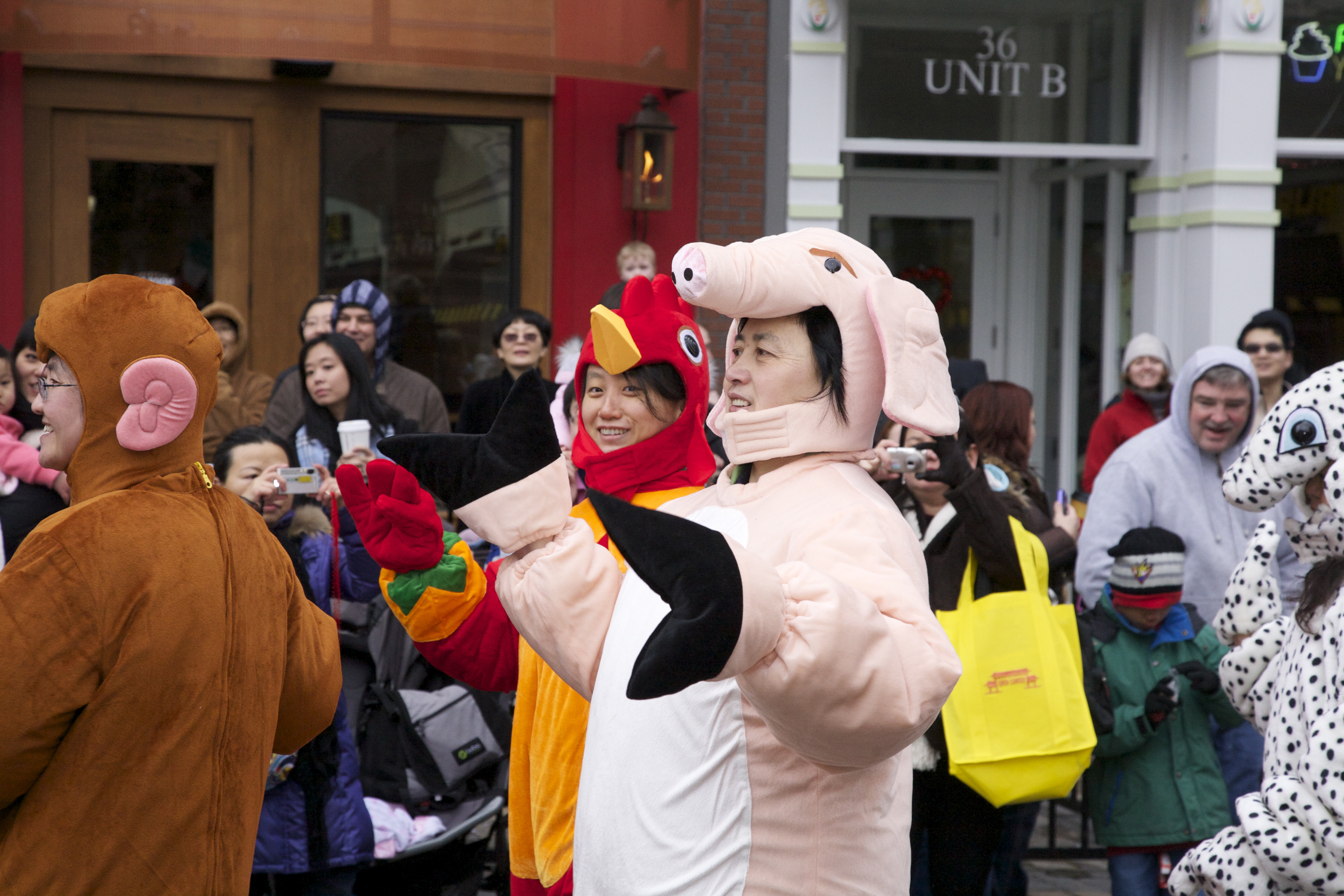
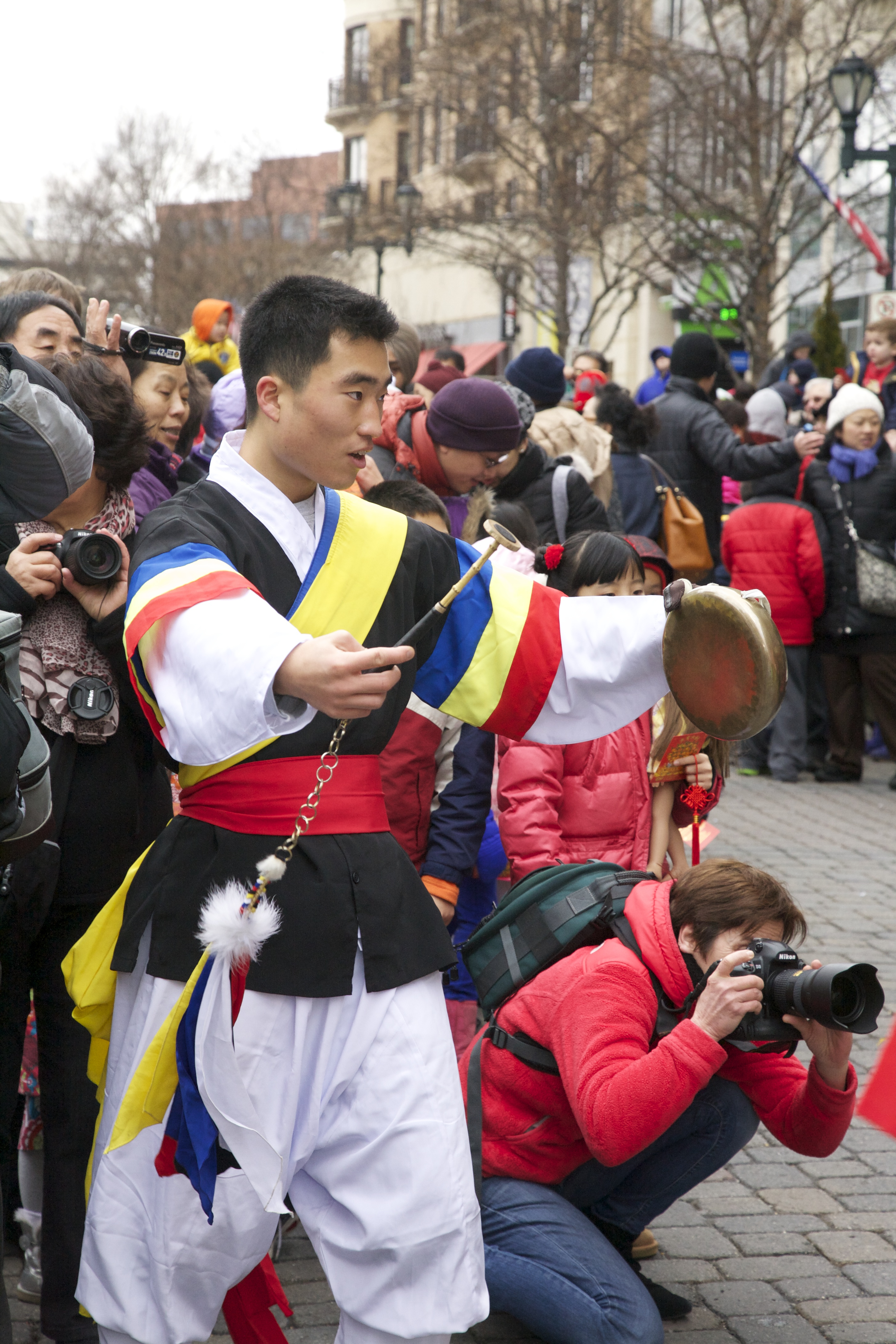
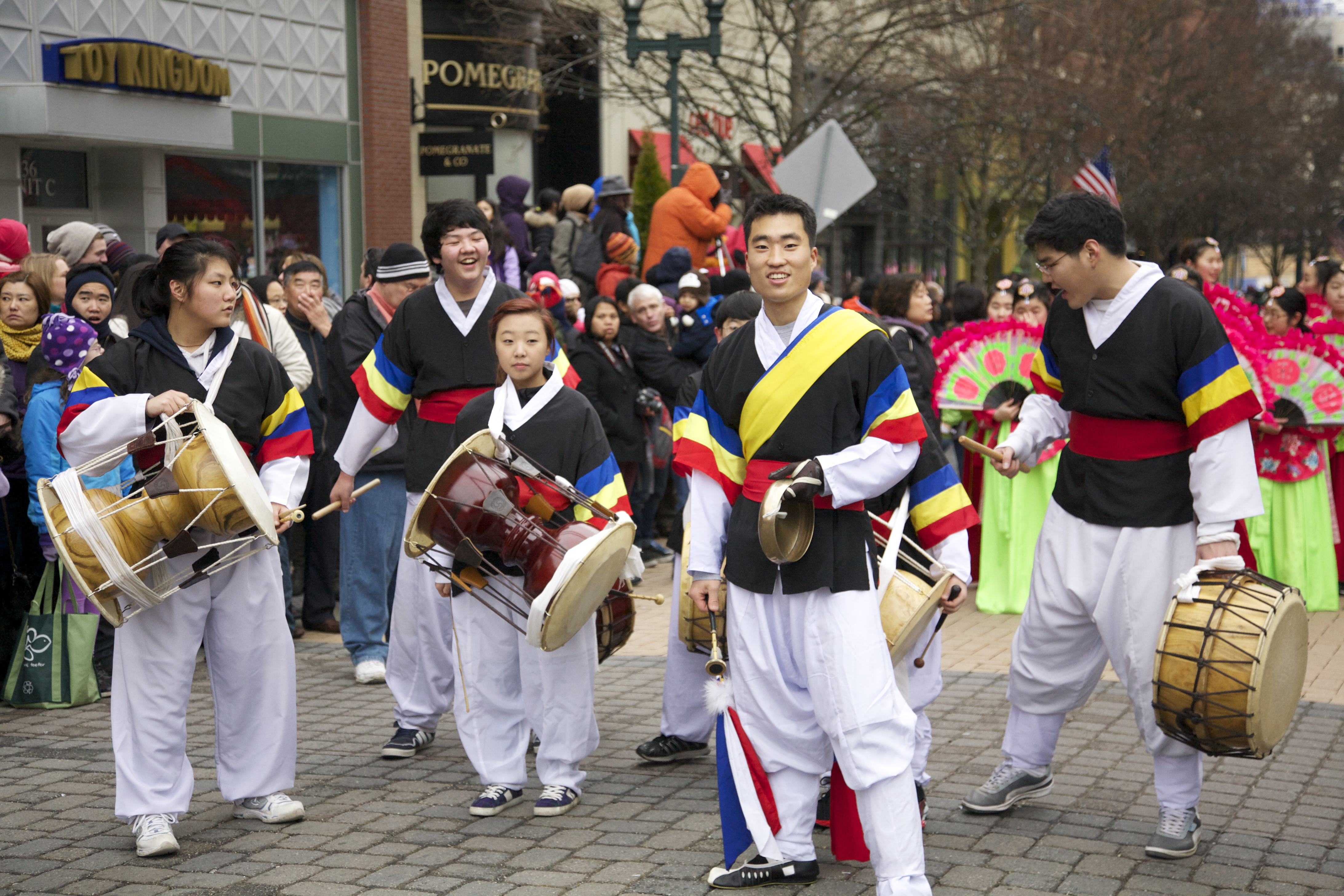
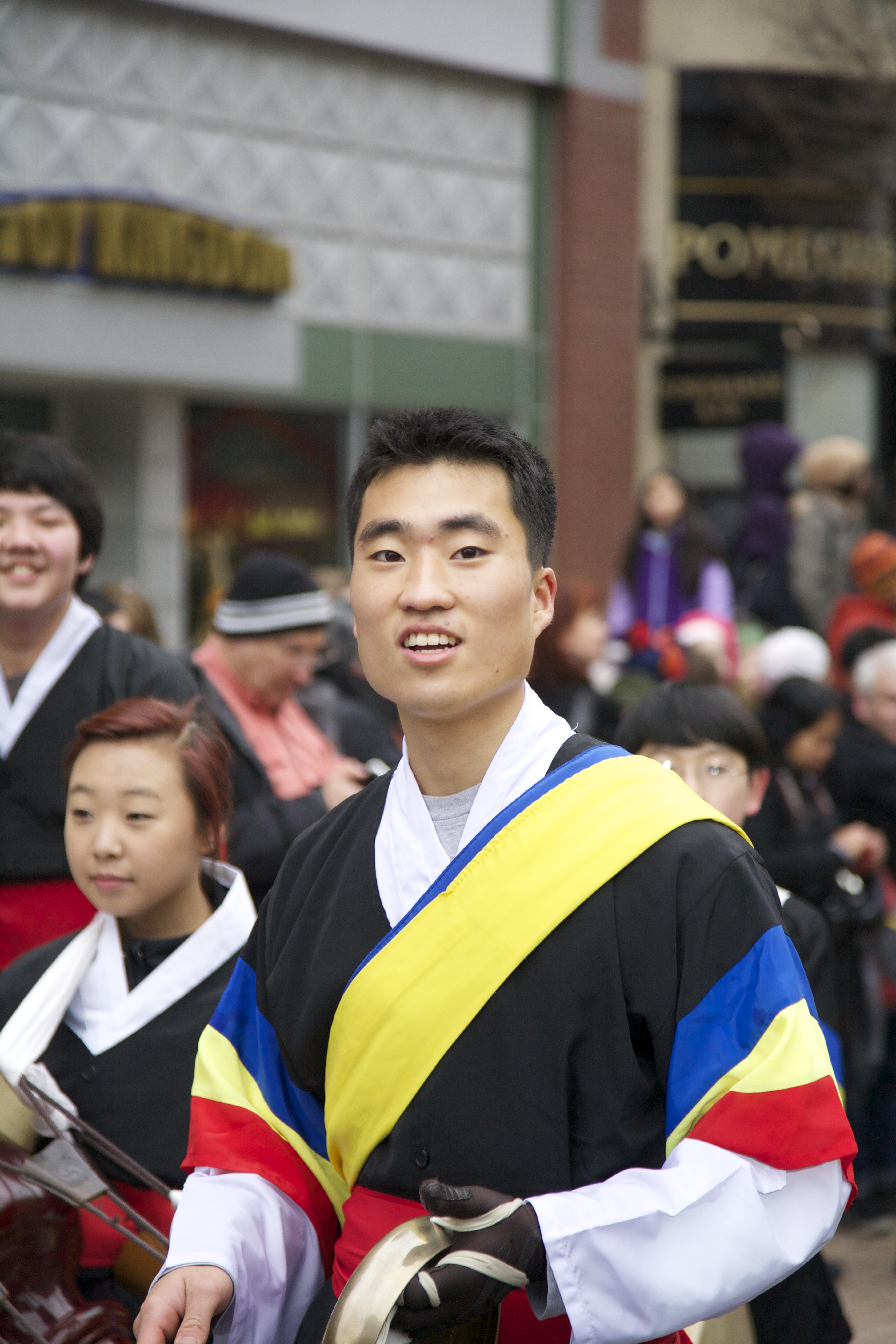
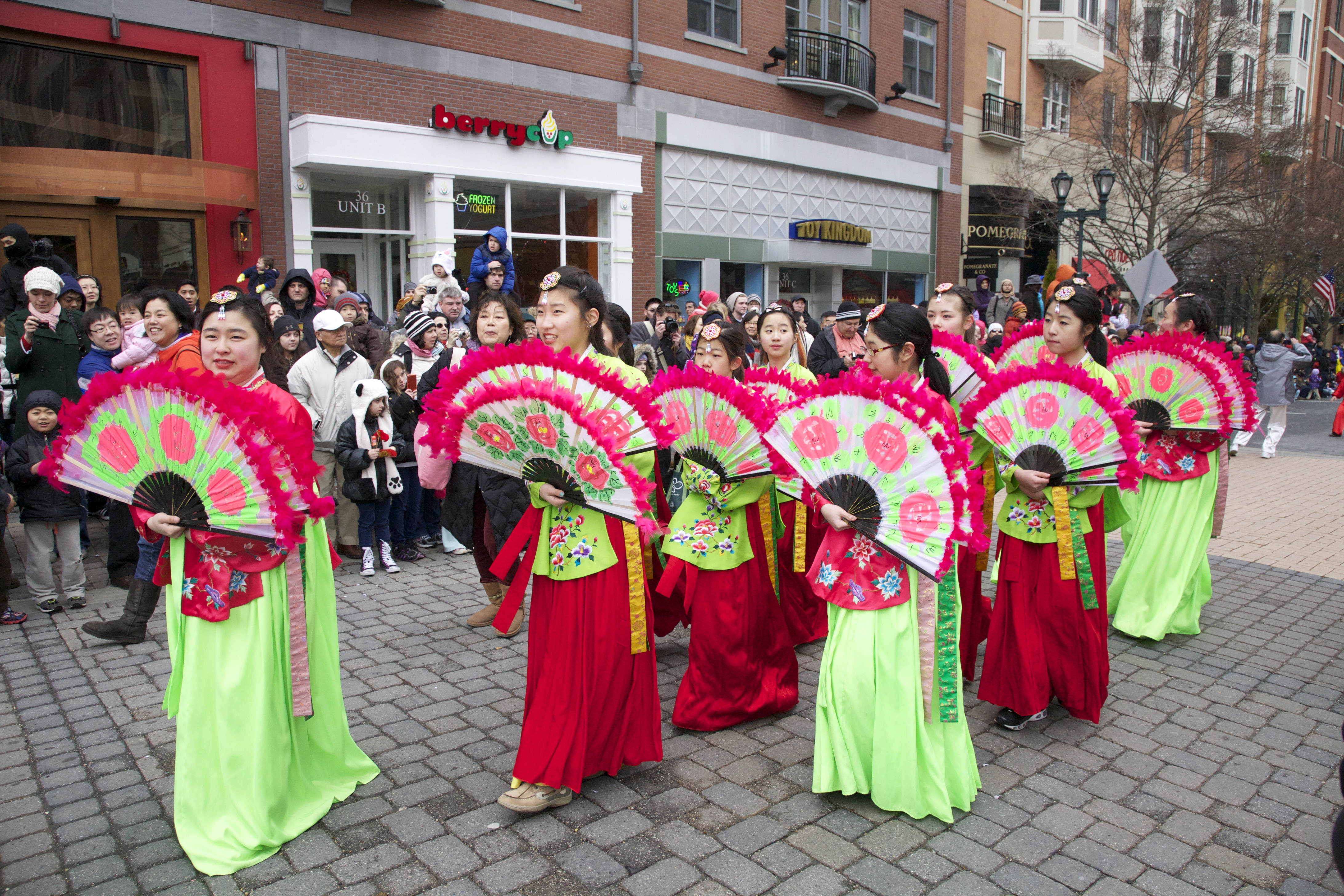
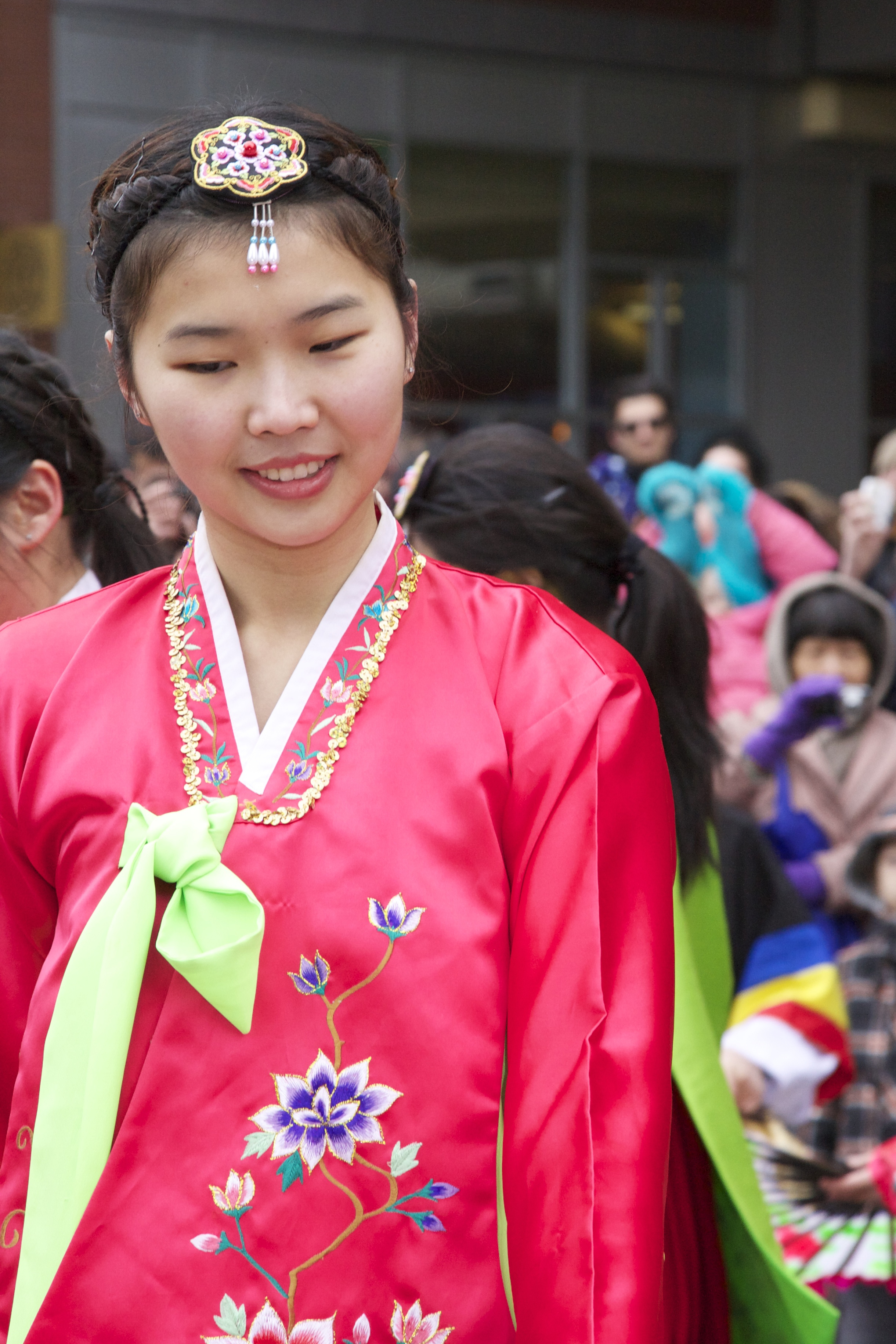
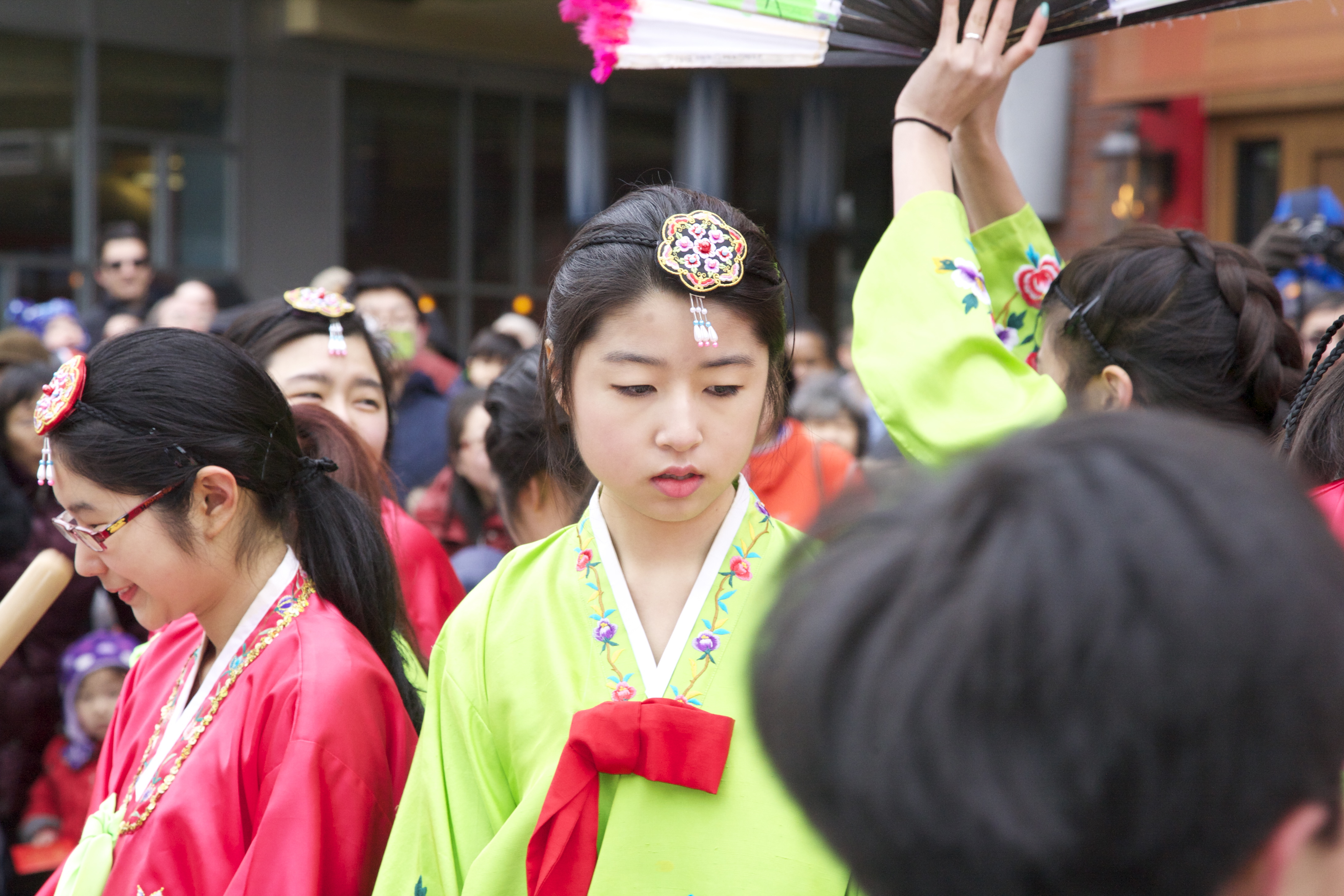
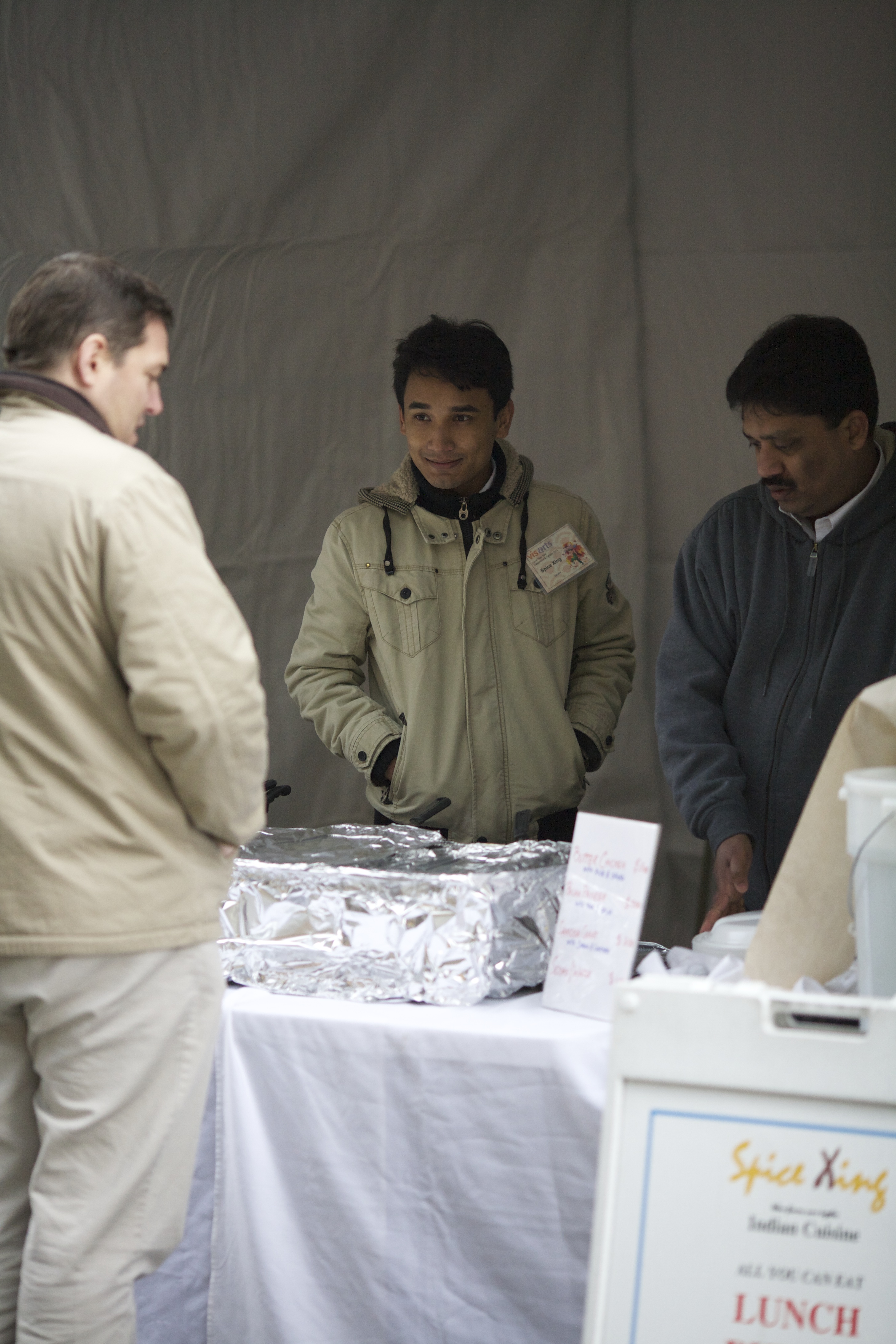
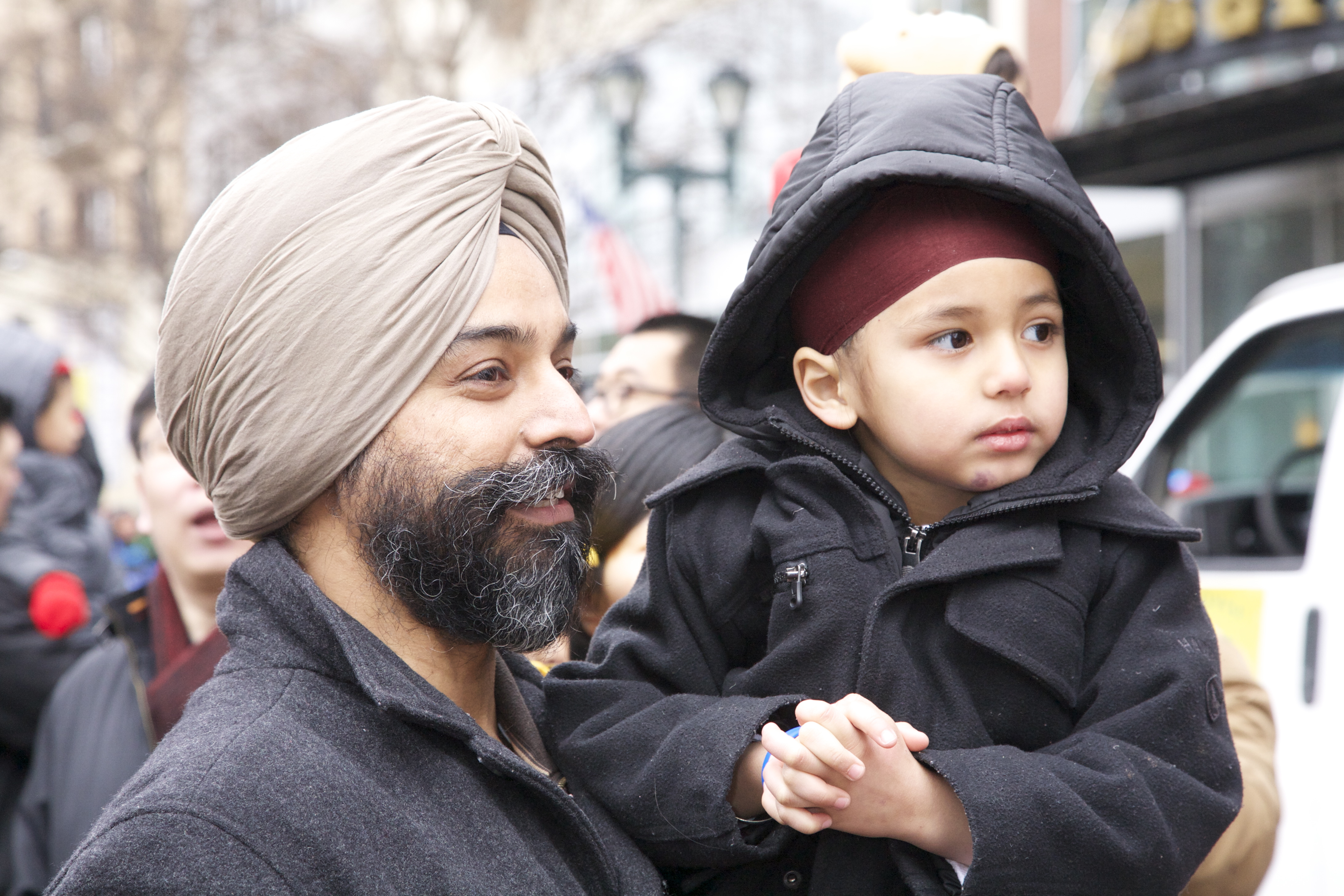
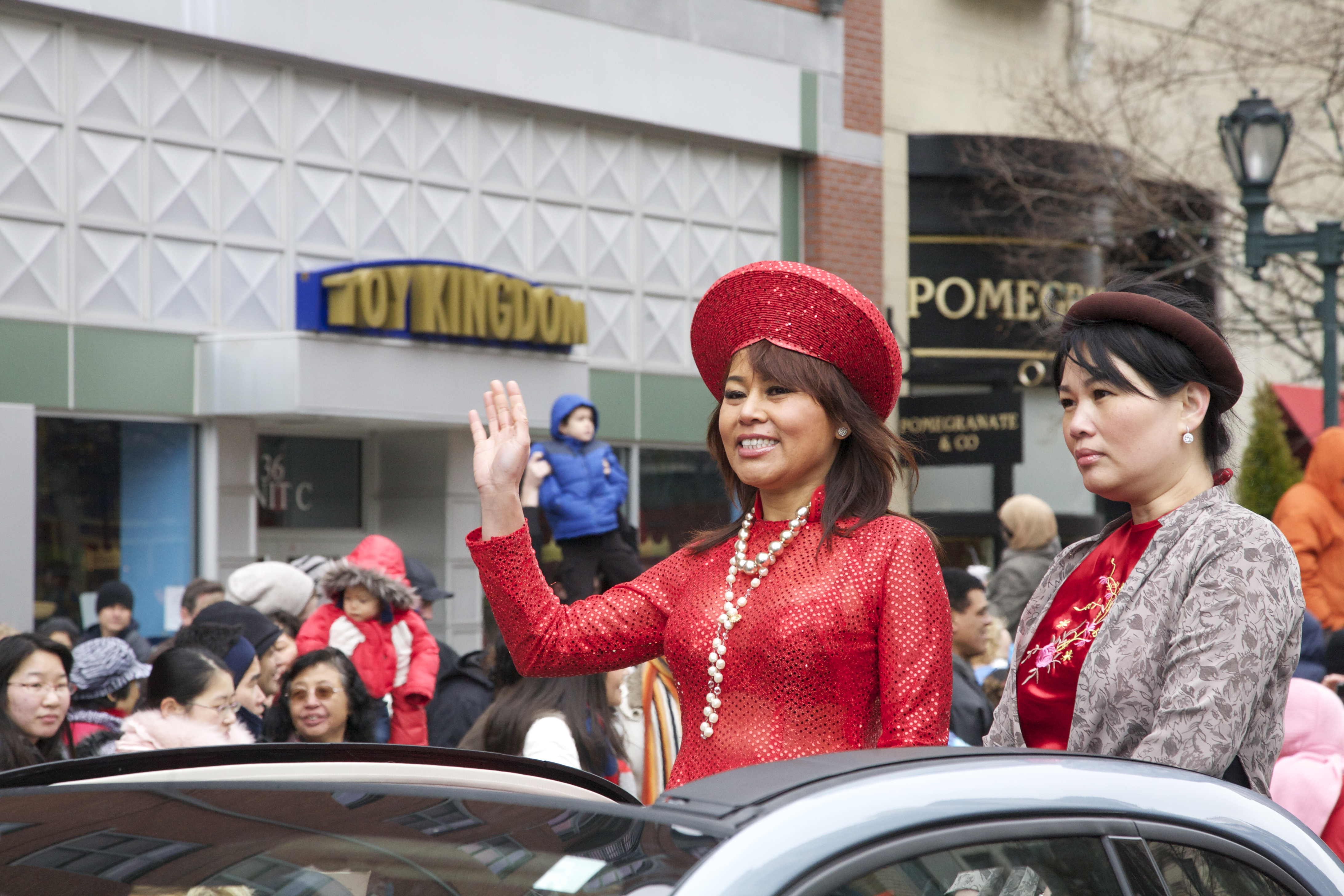
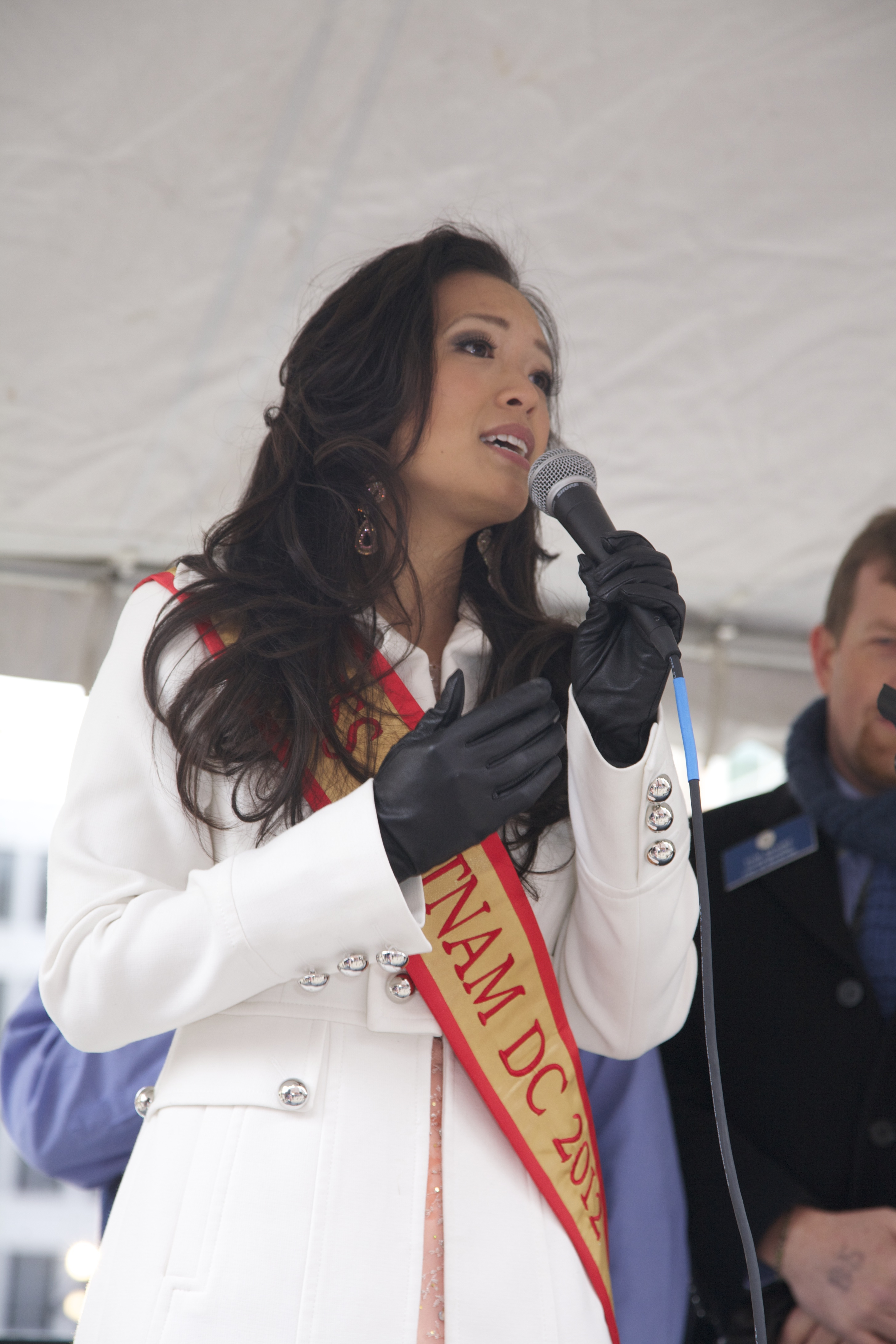
The parade featured a number of non-Chinese groups representing other East/South-East Asian cultures that also celebrate Lunar New Year. Most notable were the Koreans and Vietnamese in the parade. I’ve included some other faces in this post to show the general diversity of the audience in addition to the participants. That diversity I think is one of the strengths and beauties of this area – people from all cultures and walks of life coming together to enjoy a good festival, especially when the air temperature is hovering around freezing!







 dcphotoartist