Where does inspiration come from for your personal work? For me, it comes not only from the world around me, but also from images I see, particularly in my journeys as a collector. I read voraciously (my house movers can attest to that when they brought 50-odd boxes of books up two flights of stairs), I collect vintage anonymous vernacular work, I go to openings, and I consume as much visual media as I can.
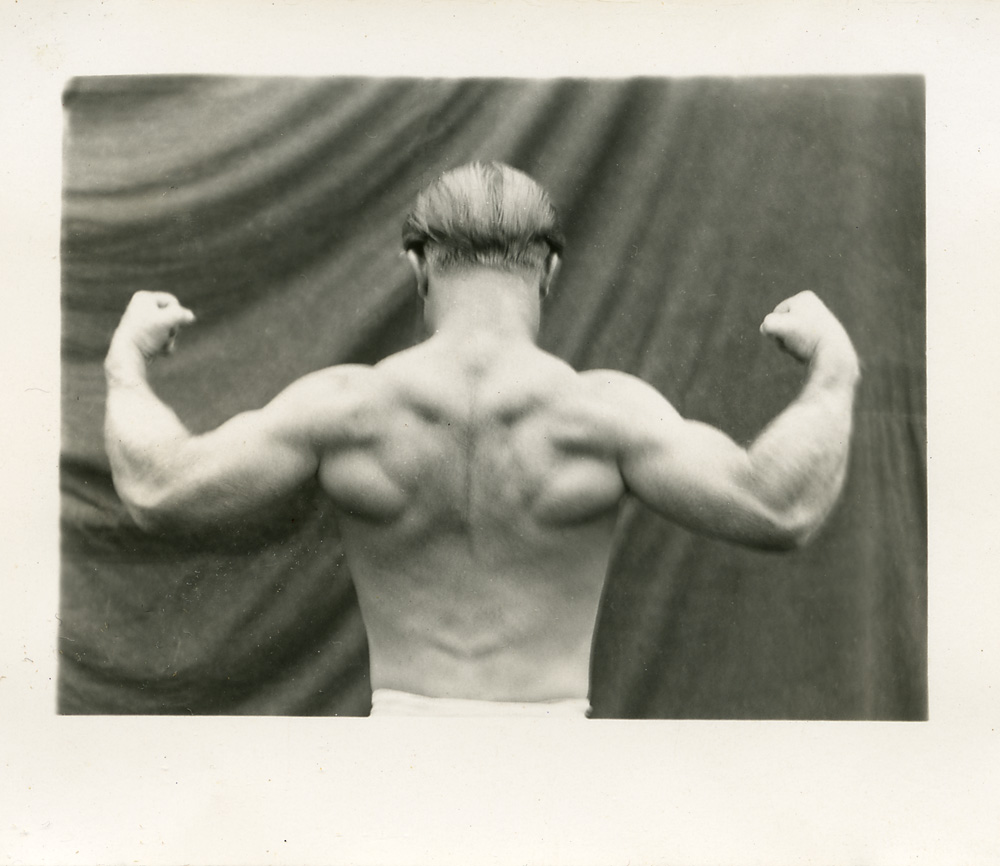
I was looking around for additional pieces to add to my collection of Tom Thumb images when I came across this little gem –
And by little I do mean little – it’s 3 x 2 1/2 inches, smaller than a carte-de-visite. I was fascinated by the brilliance of the composition – even though this was most likely taken with a little box camera using 127 size film. The photographer posed the subject in such a way as to achieve near perfect symmetry of the subject’s form, contrasting with the dynamic sweep of the backdrop fabric. The style and lighting reminded me of the modern work of a photographer I admire – Reuven Afanador.
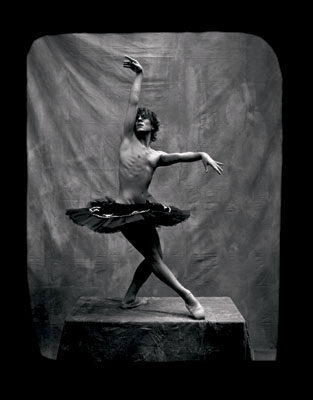
Reuven’s work has a very ‘vintage’ feel to it, and this body of images is highly reminiscent of 19th century wet-plate work.
Finding this little photo of the bodybuilder inspired me to shoot a new series working with the same kind of backdrop and lighting. Ideally with a daylight studio, but I’ll take what I can find right now as I’m studio-less.
Over my lunch break today I caught a wonderful exhibit at the National Gallery of Art entitled Faking It: Manipulated Photography Before Photoshop. The exhibition opened in mid-February and runs through May 5th. It moves to Houston in July to October. One of the singular points the exhibit drives home is the fact that photography has always been subject to manipulation even from its earliest days when daguerreotypes were hand-colored to make them more ‘realistic’, and skies were printed in via multiple negatives to compensate for the shortcomings of early emulsion formulas. One of the coups of the exhibition is the inclusion of Steichen’s “The Pond – Moonlight” from the collection of the Metropolitan Museum of Art. Most people familiar with the work know it as a multi-layered gum bichromate over platinum print. What most don’t realize, however, is that the image may in fact be a composite with the moon having been added, and may also never have been photographed by moonlight (a feat that would have been difficult to achieve with the emulsions available even in 1904). The moon in the image may be an addition or otherwise a manipulation of the print, and the nighttime feel of the image merely an effect of the color choices in the gum layers of the print.
Images have been manipulated for a whole host of reasons, from a desire to make them more real (hand-colored daguerreotypes) to conveying an inner reality (surrealist photography) to evoking an emotional resonance (The Pond, Moonlight) to suggesting a reality that could exist (a Zeppelin docking at the docking tower of the Empire State building) to creating something that never existed (giant crickets consuming giant produce on the back of a wagon) to re-shaping reality for political ends (Nazi and Soviet propaganda posters and publicity photos). All of the above are represented in this exhibit, and placed in an historical and artistic continuum.
There has been much controversy lately over questions of photojournalistic integrity with regards to digital manipulation to include/exclude details to tell a story, from the Iranians photoshopping additional rockets into a picture of a missile test to Edgar Martins getting caught claiming his work was unmanipulated when in fact he was heavily altering his images. This is not new, but in fact the question of manipulative ethics is far more unsettled for far longer than most people realize. In 1906, Horace Nichols was photographing the Epsom Derby on a rainy day. There were gaps in the crowd, so to convey the feeling of the event he wanted to convey, he spliced in a whole sea of additional umbrellas. This was common practice for Mr. Nichols, and he rarely cited it in the captions of his images, but he sustained a career as a serious photo-journalist. It makes you think long and hard about your assumptions of photographic verissimilitude and the historical moment in which photography ‘ceased to tell the truth’.
The exhibition is well worth the visit if you have an interest in the history of photography and questions of honesty and integrity of the photographic medium.
I’ll be up in New York in April for a weekend and so I’ll try to catch it then and see the two shows as brackets for one another. The comparison should be very interesting.
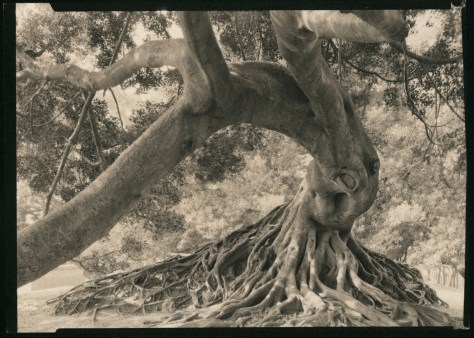
The judging is done, and my Ficus, Recoleta has been selected as one of the finalists in the Rangefinder Alernative Process competition. I’ll find out how well it does when the April issue of Rangefinder is published. The print is still available if anyone is interested.
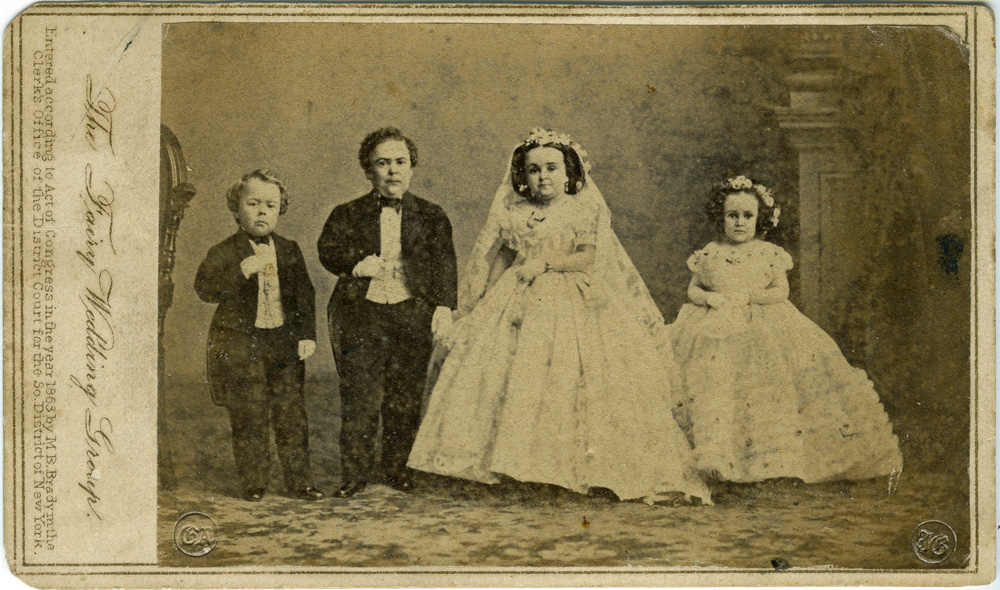
P.T. Barnum never passed up an opportunity to promote himself. So, when the top star in his showbiz empire, the midget performer Charles Stratton, announced plans to marry his fellow midget stage star Lavinia Warren in January 1863, Barnum celebrated the news by immediately starting a public-relations blitz.
The reading public’s celebrity mania and the media’s zeal to sell newspapers proved a huge boon for business to the attention-hungry Barnum. In return, the happy buzz which Barnum created for Stratton’s impending marriage provided war-weary Northerners a momentary diversion from the unrelenting march of bad news, even knocking war reports off the front pages for a while.
Barnum plucked Stratton, a poor carpenter’s son from Bridgeport, Conn., from obscurity at the age of 4 in 1842 because of his remarkable size. The boy’s growth had halted between the ages of 6 months and 9 years; he measured only 32 inches tall at the time of his death in 1883. Performing under the stage name General Tom Thumb, Stratton immediately hit it big with New York audiences at Barnum’s American Museum with his song and dance routines and costumed impersonations of Napoleon, Cupid and a Scottish Highlander. A European tour followed these early successes in 1844, during which he gave public appearances, as well as private command performances before European royalty, including a young Queen Victoria.
Over the next two decades, Stratton’s showbiz career made him one of the most famous and fabulously wealthy celebrities of his generation. Far from feeling exploited by Barnum, Stratton and his boss became fast friends, and later, he even partnered in business with the showman.
In January 1863, Barnum signed on a new performer, Lavinia Warren, a midget also 32 inches tall whom he billed as “The Little Queen of Beauty” and “The Smallest Woman Alive.” Stratton was immediately smitten, and within a matter of weeks, he popped the question.
Once the news hit the New York papers, attendance at Warren’s appearances at the museum became, in Barnum’s words, “crowded to suffocation.” Profits from ticket and memorabilia sales soared to over $3,000 a day for weeks, further enhanced as Barnum began selling $75 tickets for the wedding reception (he decided not to sell tickets to the ceremony itself).
Despite the breathlessly enthusiastic tone of media coverage, some onlookers openly cast suspicion on Barnum’s motives. “When Mr. Barnum brings the church and its solemn rites into his show business, he outrages public decency,” intoned The Brooklyn Eagle. “We are surprised that the clergy, or representatives of so respectable a body as the Episcopal Church should, for a moment, allow themselves to be used by this Yankee showman to advertise his business.”
The Rev. Morgan Dix agreed. Rector of the hoped-for wedding site, Trinity Parish in New York, he vetoed the plan, so wedding planners moved the event to Grace Church farther up Broadway instead.
On the eagerly awaited day — Feb. 10, 1863 — 2,000 invited guests, a who’s who of governors, business tycoons and generals, gathered in Grace Church, vastly outnumbered by the crowds waiting in the streets outside in hopes of catching a glimpse of the pair. Battalions of police officers lined the processional route along Broadway, which the city had closed to traffic for the duration of the event.
The wedding party’s arrival outside the church at half past noon touched off a stampede among combatants fighting for a close-up view. The police restrained them only with extreme exertion. Inside, “an instantaneous uprising ensued,” The New York Times reported the following day. “All looked, few saw. Many stood upon the seats, others stood upon stools placed on the seats. By many, good breeding was forgotten. By very many the sanctity of the occasion and the sacredness of the ceremonies were entirely ignored. As the little party toddled up the aisle, a sense of the ludicrous seemed to hit many a bump of fun, and irrepressible and unpleasantly audible giggles ran through the church.”
After the ceremony, the hordes chased the couple’s carriage on foot to the Metropolitan Hotel, the reception site, where there awaited a treasury of lavish jewelry, furs and fine watches from the likes of the Vanderbilts, the Astors, the Lincolns and even Edwin Booth, the Shakespearean actor and brother of future Lincoln assassin, John Wilkes Booth.
Then it was time to hit the road, with stops in Philadelphia and finally Washington, where Abraham Lincoln hosted a reception at the White House for the Strattons, the president’s family and his cabinet.
Coming out to greet the couple, Lincoln shook hands with the two gingerly, almost as if he was afraid of breaking them. Lincoln told Stratton that he had been placed “completely in the shade,” for, since his arrival in the capital, Stratton had been “the greater center of attraction.”
As the president’s 9-year-old son Tad stood beside his mother, Mary Todd Lincoln, he gazed awestruck at the sight, saying quietly at last, “Mother, isn’t it funny that father is so tall, and Mr. and Mrs. Stratton are so little?” Lincoln, overhearing the remark, replied, “My boy, it is because Dame Nature sometimes delights in doing funny things. You need not seek for any other reason, for here you have the short and the long of it,” pointing to Stratton and himself.
The next day the Strattons and Benjamin Warren, brother of the bride and a soldier on leave from the 40th Massachusetts Regiment, toured an Army encampment on Arlington Heights across the Potomac. Long afterward , Lavinia Warren reminisced, “As we rode through the vast camp, we were greeted with cheers, throwing up of caps, and shouts from all sides, such as, ‘General, I saw you last down in Maine!’ — ‘I saw you in Boston!’ — ‘Three cheers for General Tom Thumb and his little wife!’ It seemed a joy to them to see a face which recalled to their minds memories of happy days at home.”
The marriage lasted until Stratton’s sudden death by stroke in 1883. Lavinia Warren soon remarried, and died in 1919.
Sources: The New York Times, Feb. 11, 1863; “Mrs. Tom Thumb’s Autobiography,” New York Tribune Sunday Magazine, Sept. 16, 1906; “Some Recollections: the Story of My Marriage and Honeymoon,” New York Tribune Sunday Magazine, Oct. 7, 1906; “Tom Thumb and His Wife,” Harper’s Weekly, Feb. 21, 1863; P.T. Barnum, The Life of P.T. Barnum”; The Brooklyn Eagle, Jan. 26, 1863; “Sketch Of The Life, Personal Appearance, Character And Manners Of Charles S. Stratton, The Man In Miniature, Known As General Tom Thumb, And His Wife, Lavinia Warren Stratton; Including The History Of Their Courtship And Marriage, With Some Account Of Remarkable Dwarfs, Giants, & Other Human Phenomena, Of Ancient And Modern Times, And Songs Given At Their Public Levees.”
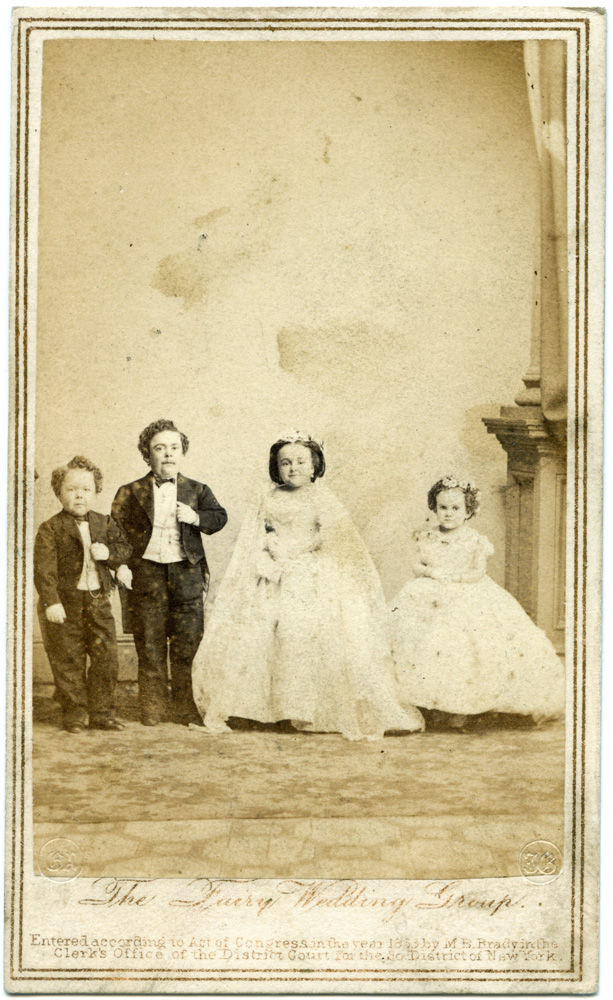
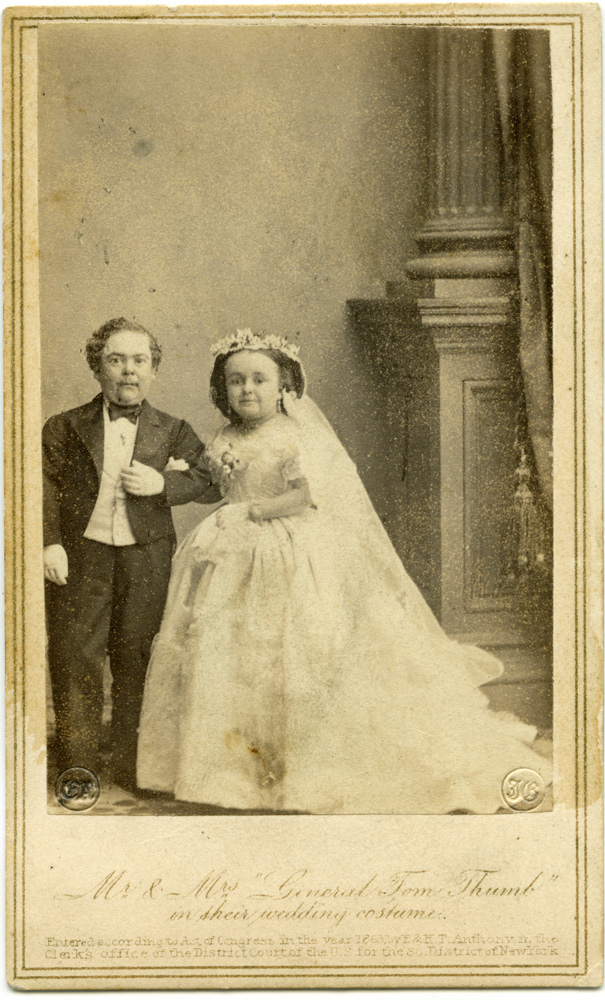
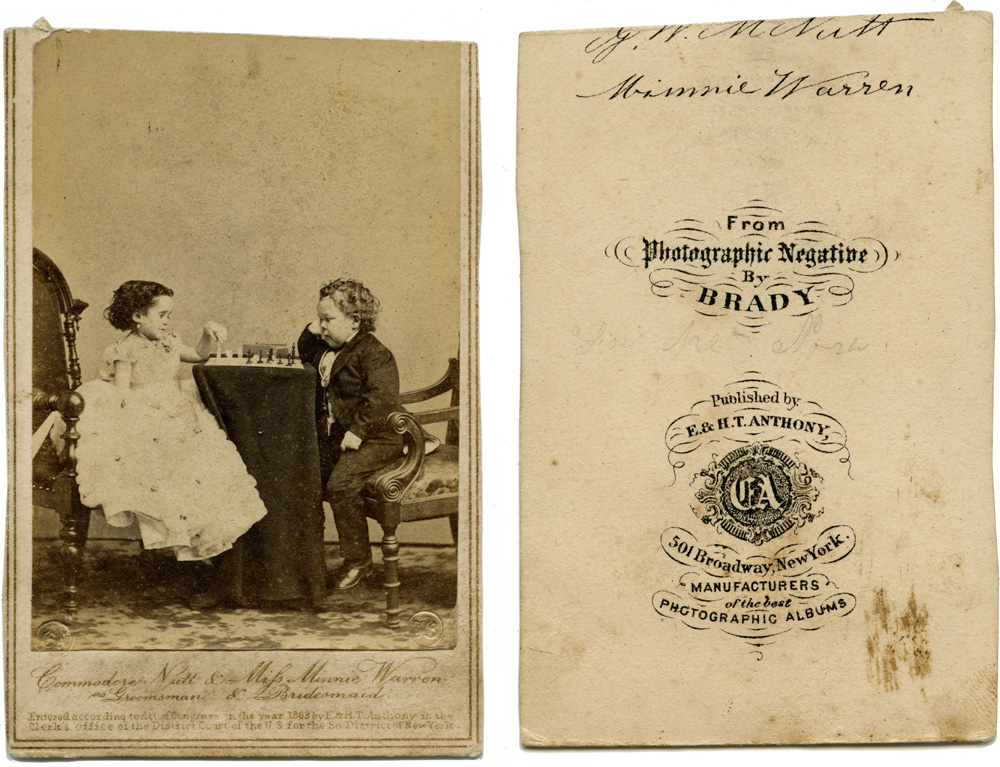
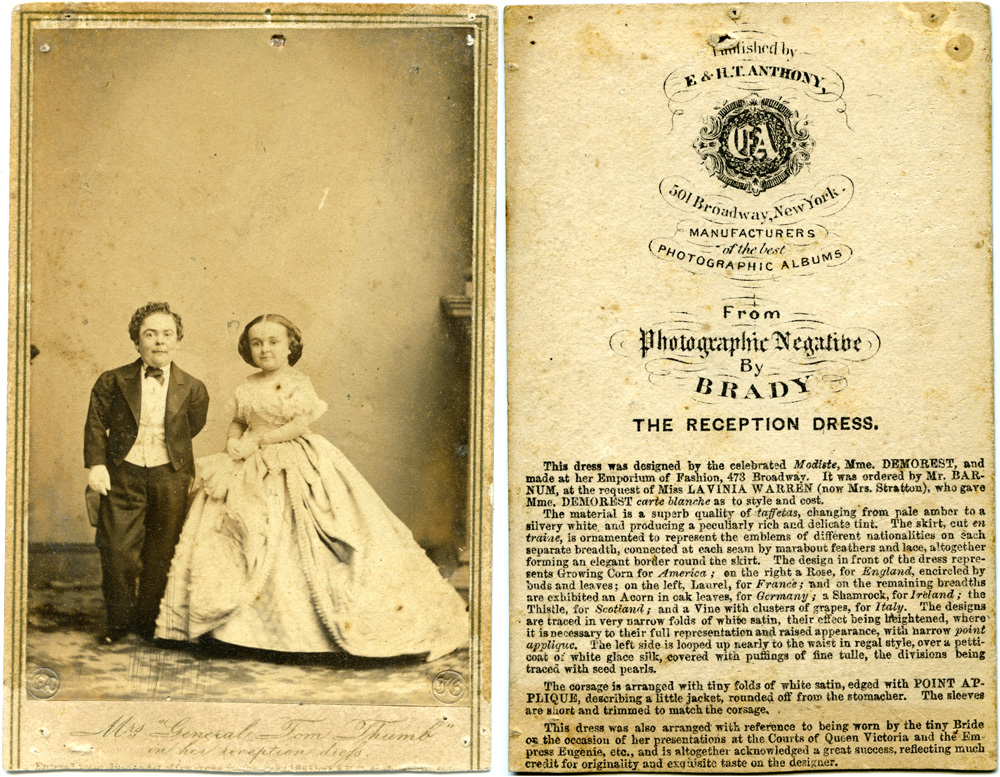
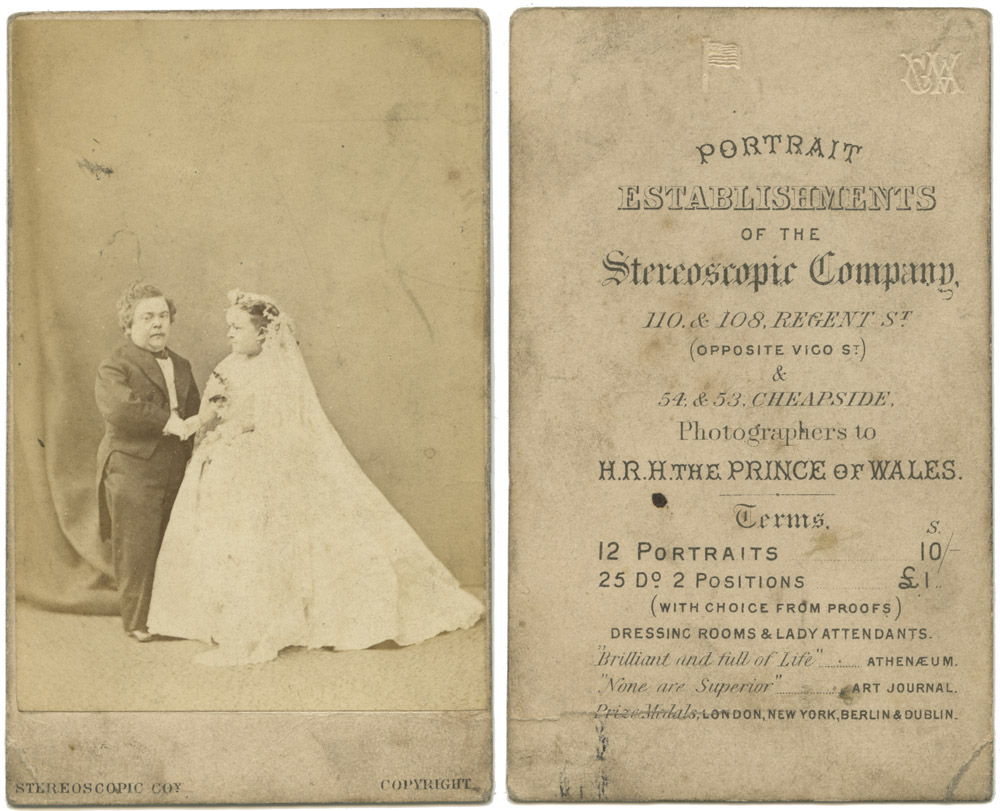
The original story in the NY Times was illustrated by an engraving owned by the Library of Congress depicting the Fairy Wedding. I’ll recap my collection of their photos here to provide better illustrations.
The Fairy Wedding, 1863 E&HT Anthony print, ObverseFairy Wedding Group #3Bride & Groom, The Fairy WeddingGeorge Nutt & Minnie Warren, Groomsman & BridesmaidThe Reception Dress, The Fairy WeddingThe Thumbs, by the Stereoscopic Co of London
Over the weekend I went to the DC Antique Photo Show. Some awesome images were on display, and some equally awesome prices were associated with them. One vendor had some stereoviews of Chambersburg, Pennsylvania after the burning by McCausland’s troops in 1864. They ranged from $325-$450 apiece – these may well have been fair prices, but they’re not something you’d buy casually, nor would you just buy one of them unless you had a hole in your collection to fill. There was a really striking F.A. Rinehart portrait of a Native American brave that was unmarked so I didn’t even ask. A whole-plate daguerreotype by Mathew Brady was $3000, which was actually a relatively fair price for what it was, considering the condition (case was good, but the image was very degraded). So I ended up with a book- “Maryland’s Civil War Photographs – the Sesquicentennial Collection” by Ross Kelbaugh. I got the limited edition hardcover (#130 of 250) which Mr. Kelbaugh signed with a lovely dedication-
To Scott-
In appreciation for your interest in Maryland’s photographic legacy!
Ross Kelbaugh
3/10/2013
The book is published by the Maryland Historical Society and presents an outstanding overview of life in Maryland before, during and after the war. Notable inclusions are numerous photographs of african-americans, both free and enslaved (according to the 1860 US Census, there were roughly equal numbers of free and enslaved blacks living in Maryland – 85,000 free and 87,000 enslaved). Military participants in the war are copiously documented, on both sides of the Union/Confederate divide, as is to be expected in a volume of this nature, but also worth noting are the views of civilian life. While some images, particularly the Gardner/Brady photos of battles such as Antietam, may be familiar, most of the photographs reproduced here are rare. It makes an outstanding volume for any Maryland history buff, Civil War fan, or antique image collector as a first-rate reference tome.
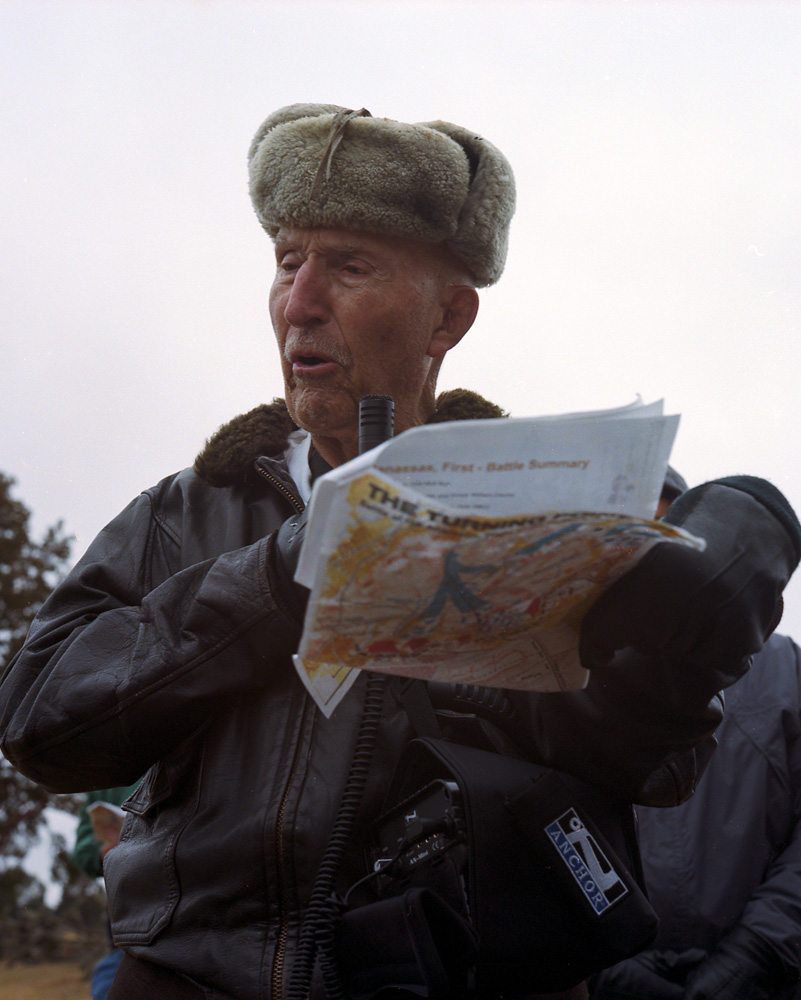
I’m a member of the Smithsonian Resident Associates program – its a whole collection of educational and entertaining activities offered throughout the year ranging from evening lectures to hands-on arts and crafts courses to day tours and even week-long study trips, as well as a certificate program in Art History taught in conjunction with The Corcoran School of Art and George Washington University. A couple weekends ago I went on one of their history tours to Manassas Battlefield for the battle of First Manassas, with Ed Bearss as the tour leader. For those who don’t know, Ed is an underappreciated national treasure. He turns 90 in a month and a bit, was combat wounded in WW II (hit five times by a Japanese machine gun), is the Chief Historian Emeritus of the US Park Service, and appeared in Ken Burns’ The Civil War documentary as well as a regular on the History Channel’s Civil War Journal. He has forgotten more about the Civil War than any of us will ever know. Ed, at 90, still leads tours over 250 days a year. I’ve taken five of his tours now (maybe six?), but he has some die-hard groupies out there that make me look like a slacker wanna-be fan (I’ve been on tours before where other folks have proudly announced they’ve taken every tour he offers through the Smithsonian, sometimes more than once).
Ed Bearss talking in front of the Stone House, Manassas Battlefield
Ed is a marvelous story-teller. He recounted the tale of how Stonewall Jackson got his nom-de-guerre:
“And General Bee, upon seeing Thomas Jonathan Jackson with his troops in the edge of the woods, called out to his men “There stands Jackson like a stone wall; rally behind the Virginians”. He may not have meant it as a compliment, however. It all depends, you see, on whether or not he said those two phrases in the same breath. Bee, you see, was a South Carolinian, and may not have held Jackson in particularly high regard. One version has it that he said the two comments an hour apart – if he said them together, it’s a compliment. But if he said them separately, “there stands Jackson like a stone wall” comes off as rather a put-down. The only way we’ll know for sure what General Bee meant is if one of us dies and goes to heaven or hell, and meets General Bee and asks him which it was”
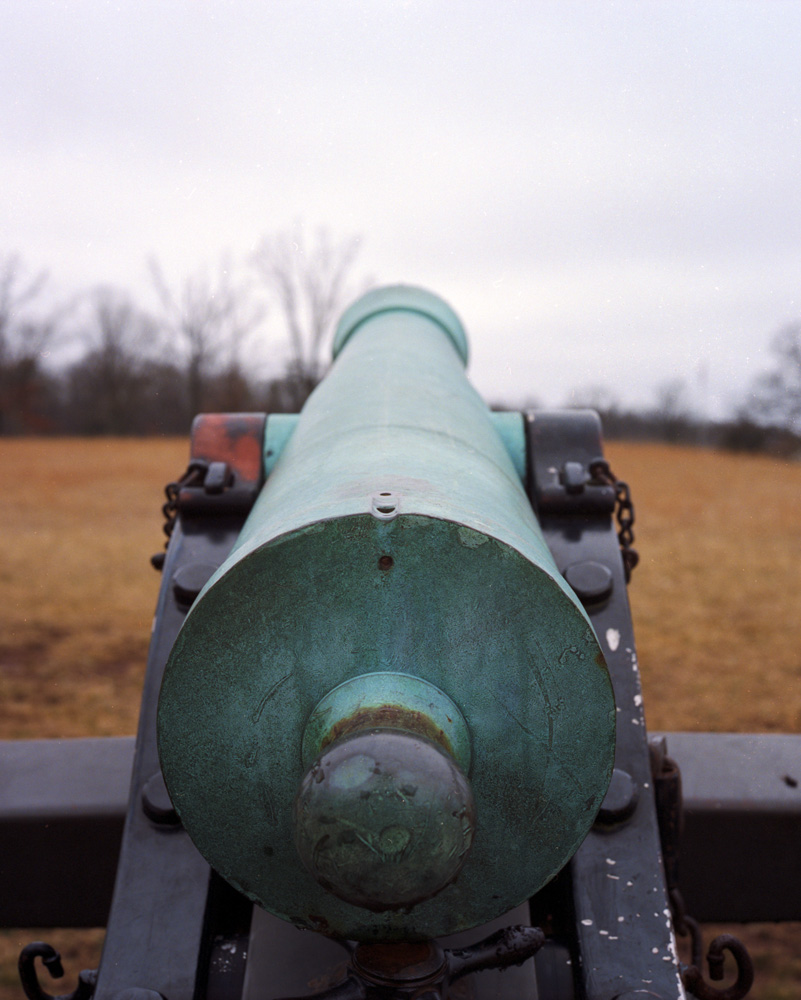
Ed Bearss with Battlefield MapConfederate Cannon, Manassas
This cannon, although NOT original to the battlefield, is in the relative position of Stonewall Jackson’s unit. One remarkable feature when you see the battlefield is how close the units were- one battery of Union cannon traded hands five times over the course of the day, and they were not more than 100 yards from the Confederate lines.
Henry House
The Henry House that you see in the above photo was the home of the widow Henry, one of the first civilian casualties of the Civil War. The house that you see standing now is not her house, but a replacement. Her house was of similar footprint but only one and a half stories tall. It was destroyed when those Union cannons I mentioned previously were turned and fired point-blank into the house where Confederate infantry had concealed themselves and were firing on the Union gunners. One cannonball tore through the house and removed widow Henry’s foot on its way through as she lay in bed.
Within eyesight of the Henry House was the home of “Gentleman” Jim Robinson. Jim was a mulatto man, and the half-brother of widow Henry. Their father was “King” Carter, the tidewater plantation owner and one of the wealthiest men in America at the time of the Revolution. Jim was born a slave but manumitted by his father upon Mr. Carter’s death.
The monument immediately beside the Henry House was erected by Union soldiers immediately after the war, and is one of the oldest Civil War memorials. Perhaps THE oldest is also at Manassas, but is not much more than a pedestal today. It was erected during the war by Confederate soldiers to commemorate one of their generals who was killed at 1st Manassas, but torn down by Union soldiers some time after 2nd Manassas.
Stone House with cannonball, Manassas
Here is the door to the Stone House, with the cleverly placed cannonball embedded in the wall. Note I said cleverly placed – there are a total of five cannonballs stuck in the stonework of the house, but none of them are there as a result of either the first or second battles of Manassas. Rather, they were added to the house at a much later date (some time in the early 20th century) by the owner, to boost the tourist appeal. How do we know? well, for one thing, all of them are neatly embedded, with no flaking, chipping or fracturing of the stone as would have been the case if the wall had been struck by the cannonball at high velocity. For another, one of the cannonballs is of a type not invented or used until some time in the 1870s.
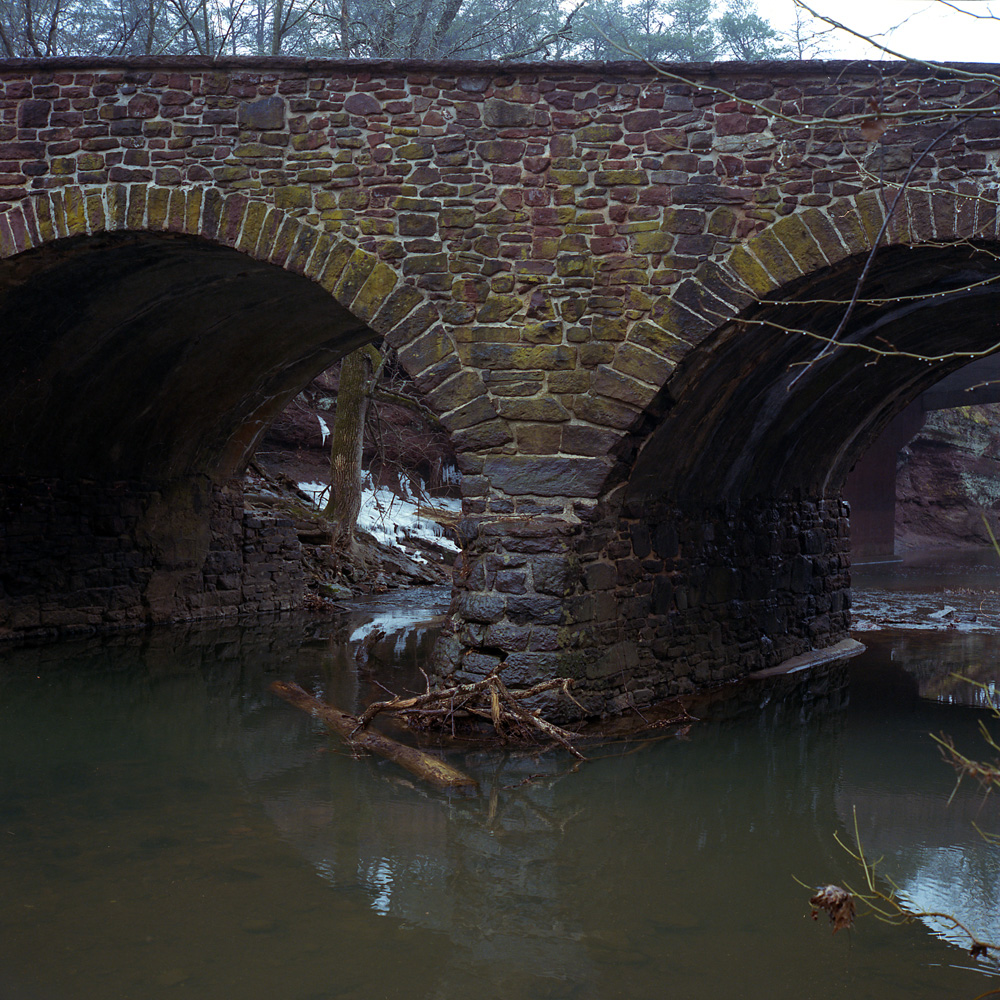
Under the Stone BridgeBull Run from the Stone BridgeStone Bridge over Bull Run
Here is the stone bridge, around which much of the early fighting of the day took place. The bridge spans Bull Run, and although the bridge you see here today is of the same stone as the one that stood there at the battle, it is not the original bridge but rather a reconstruction – during the war, the Confederates demolished the central arch of the bridge to deny Union forces access to the other side. This did not stop them of course, but instead Union engineers built a wooden span on the existing foundations, and then it was rebuilt in the 1884 as you see it today. This was the original course of the Warrenton Turnpike (today’s Route 29, the Lee Highway) and all traffic on that route crossed this bridge until the route was straightened and a new two-lane bridge was built adjacent in the 1960s.
I’ll close with another portrait of Ed, with his swagger stick made from a .50 caliber machine gun bullet. Ed at the Stone Bridge
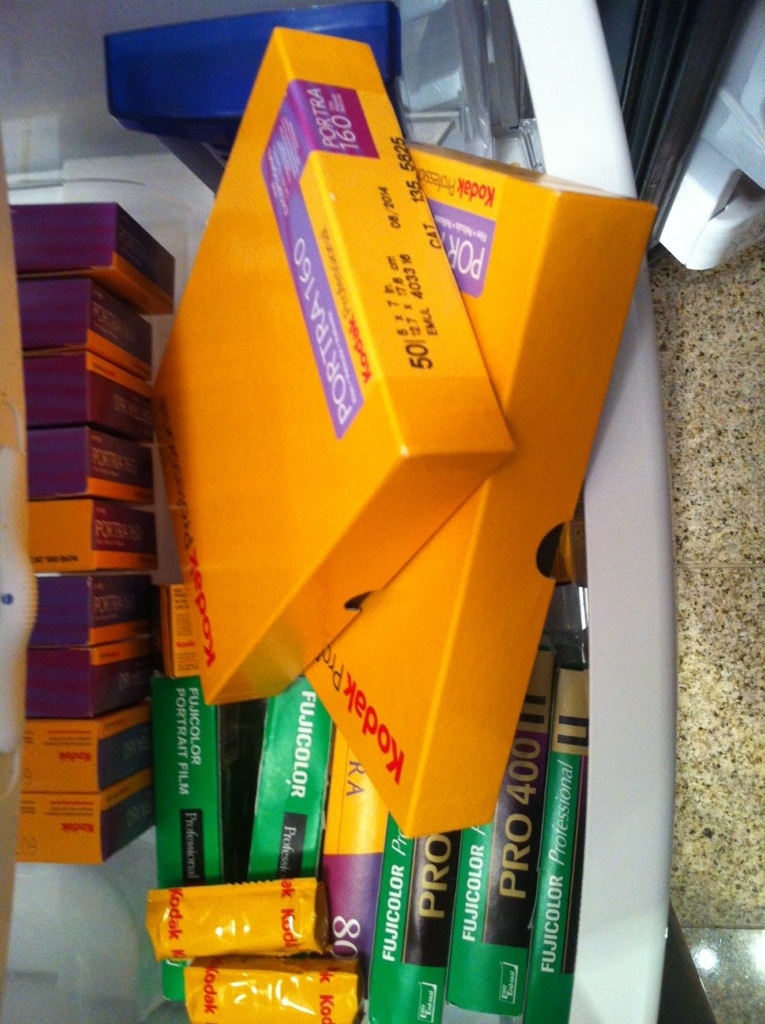
My new batch of Kodak Portra 160 just arrived today. For a long while I thought it would remain a pipe dream to get to shoot this film again in this size, as the price had more than doubled since I first purchased it. But B&H Photo, the ultimate camera superstore, had a batch on sale, so I snapped up two boxes, hopefully enough to complete a project.
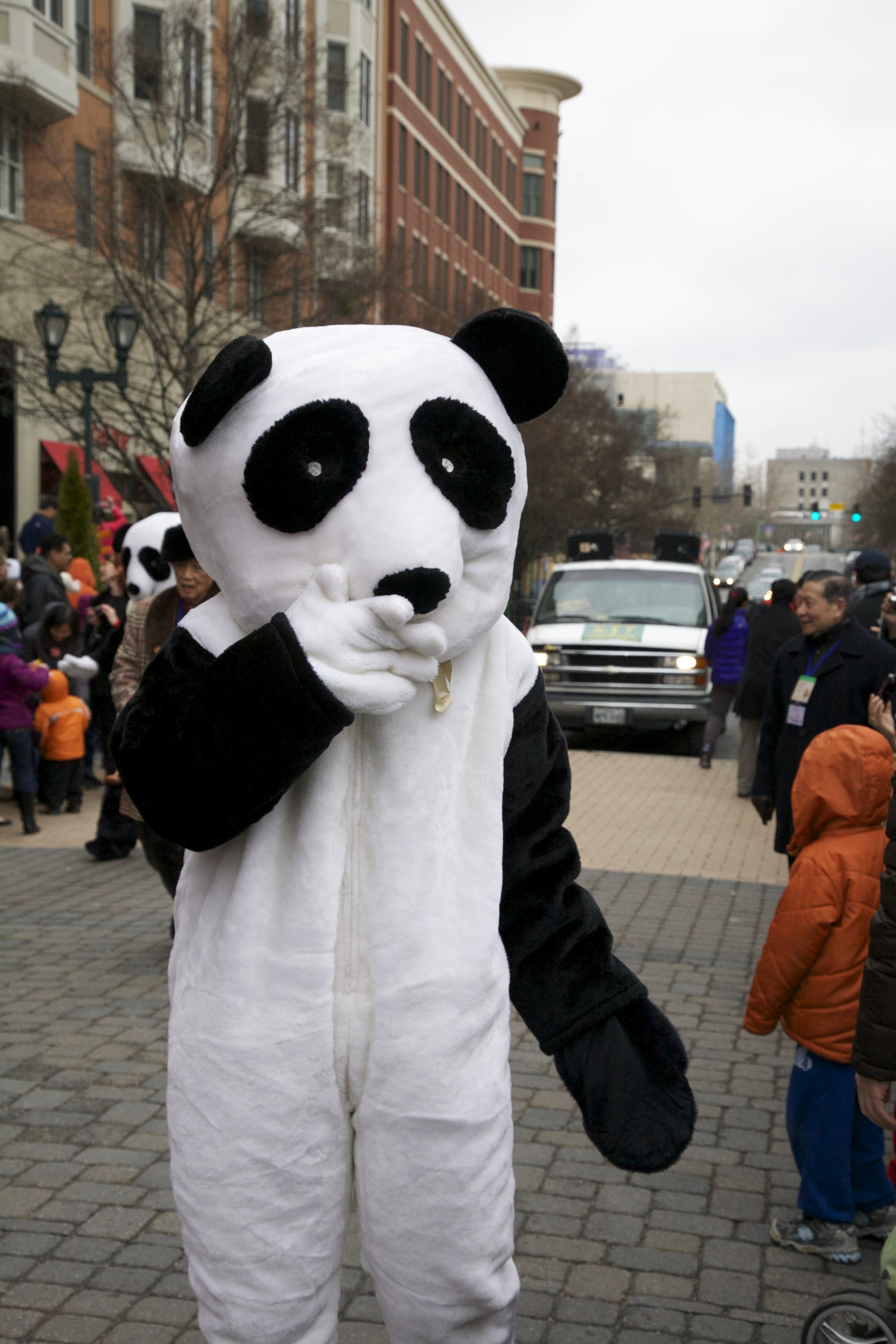
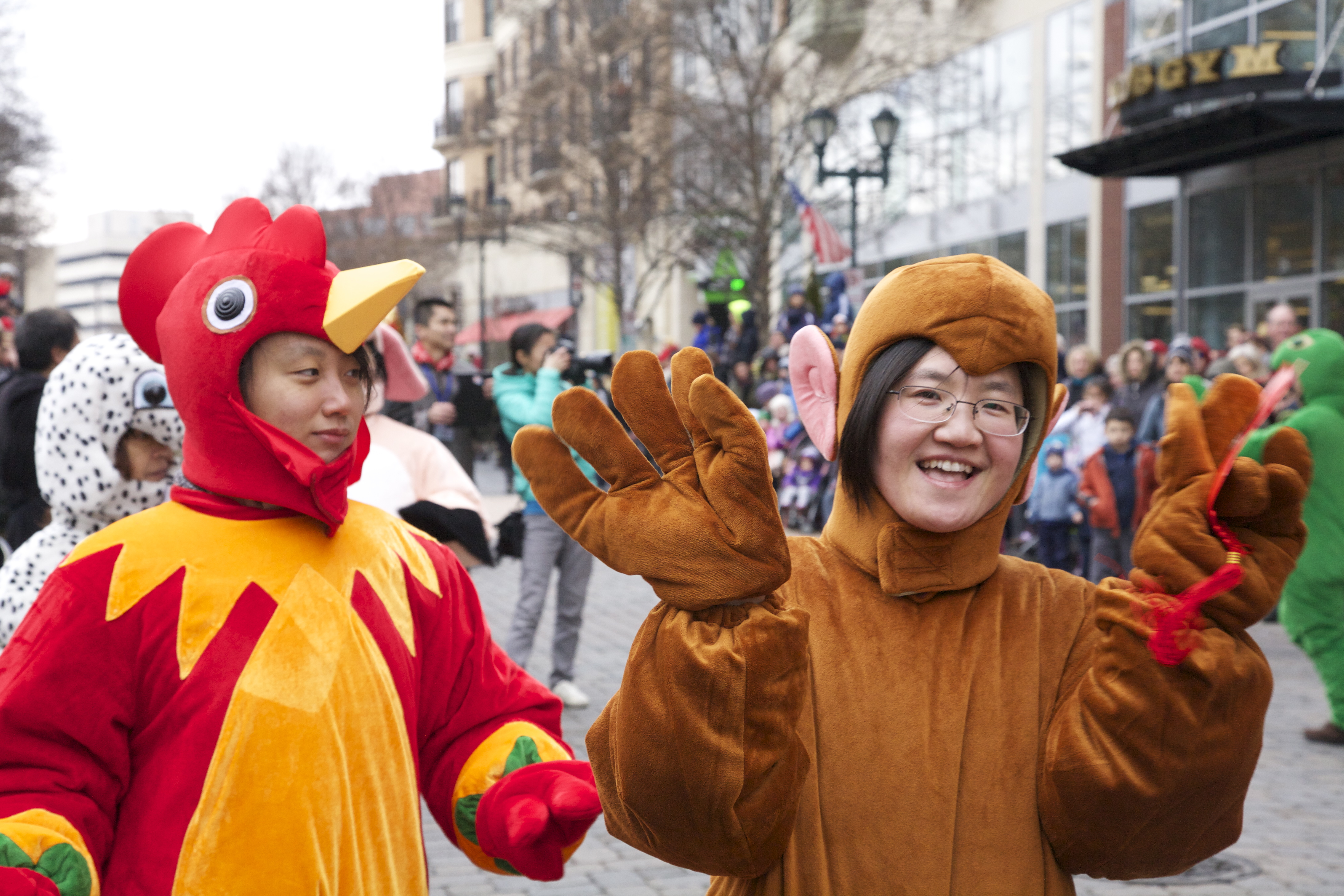
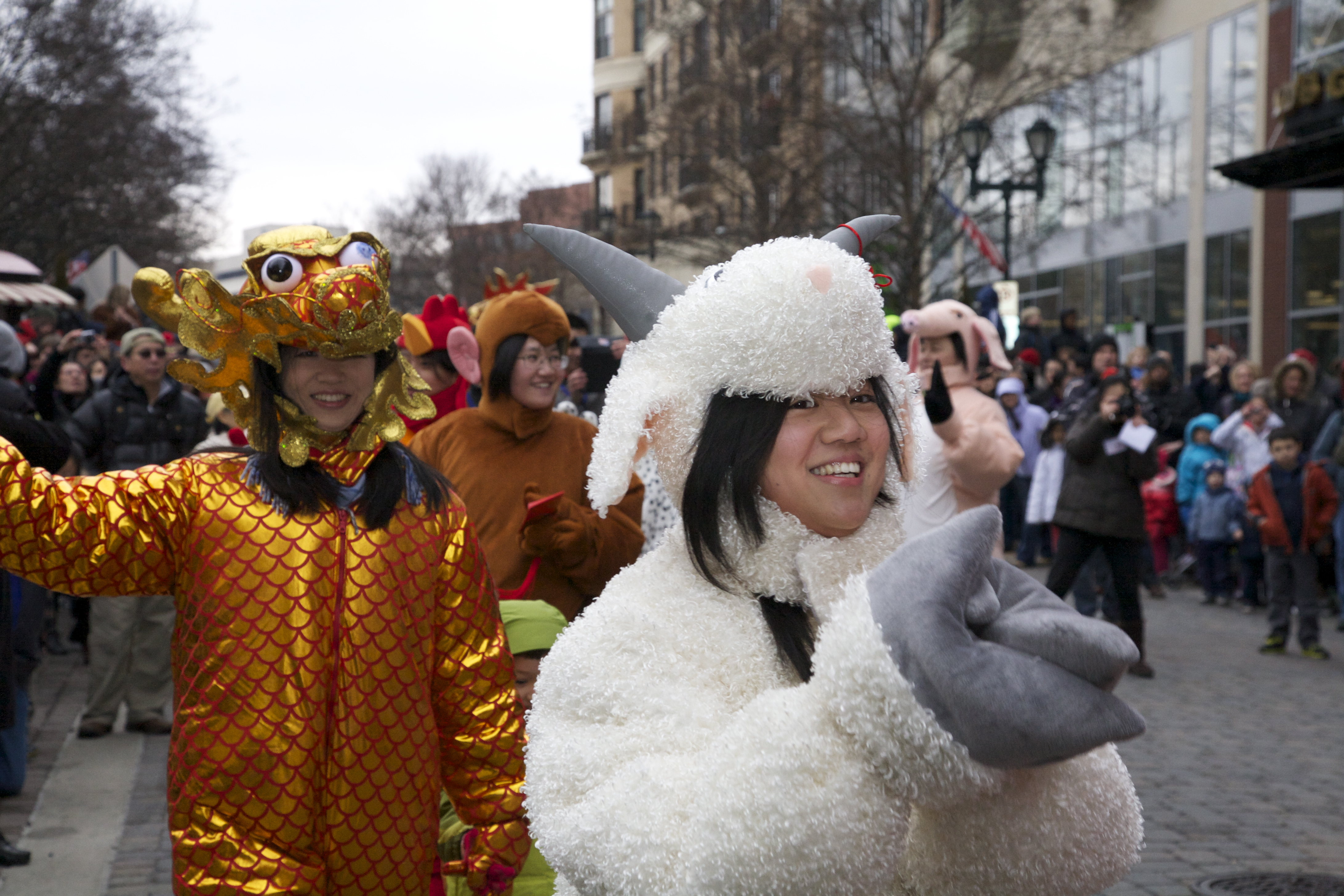
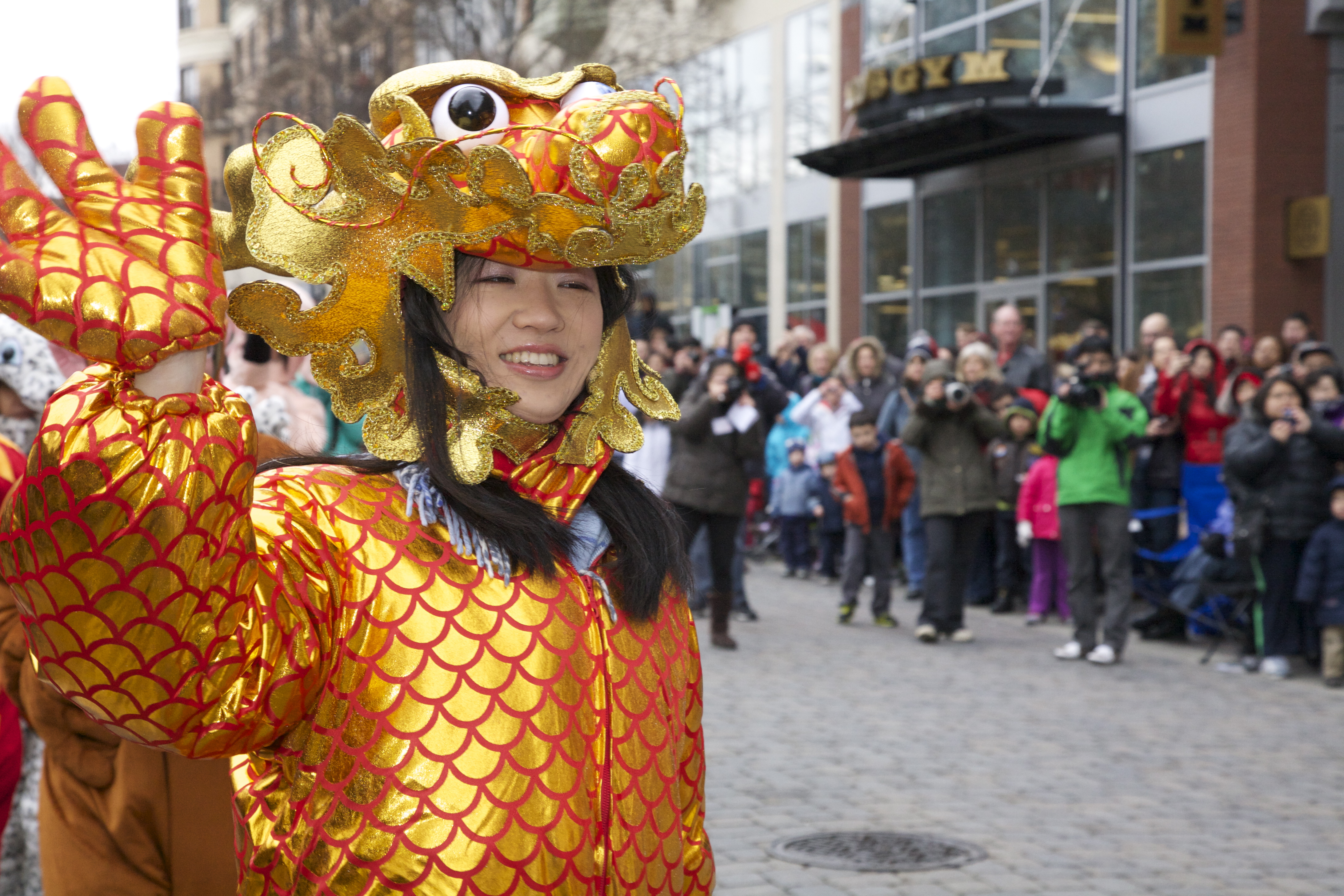
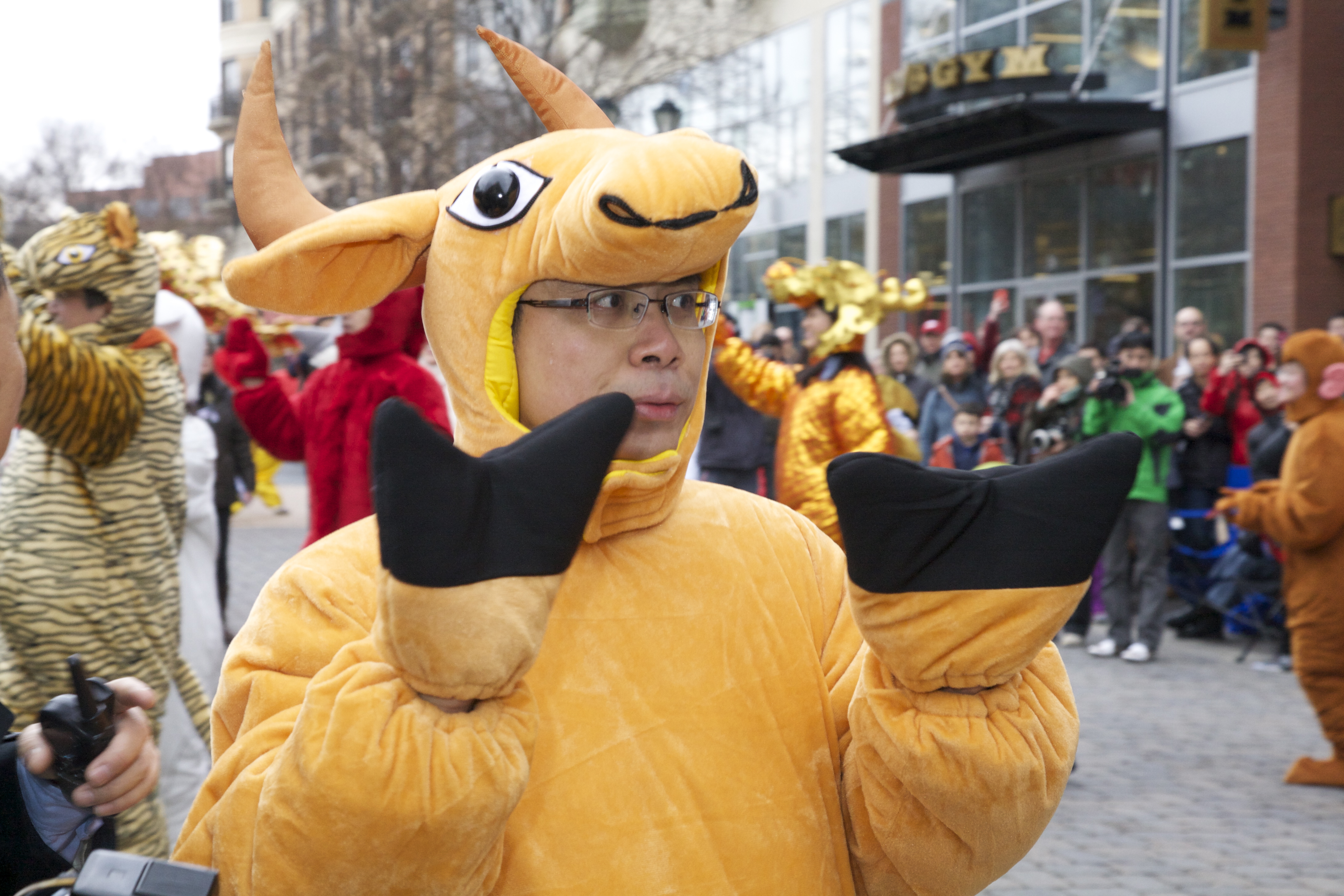
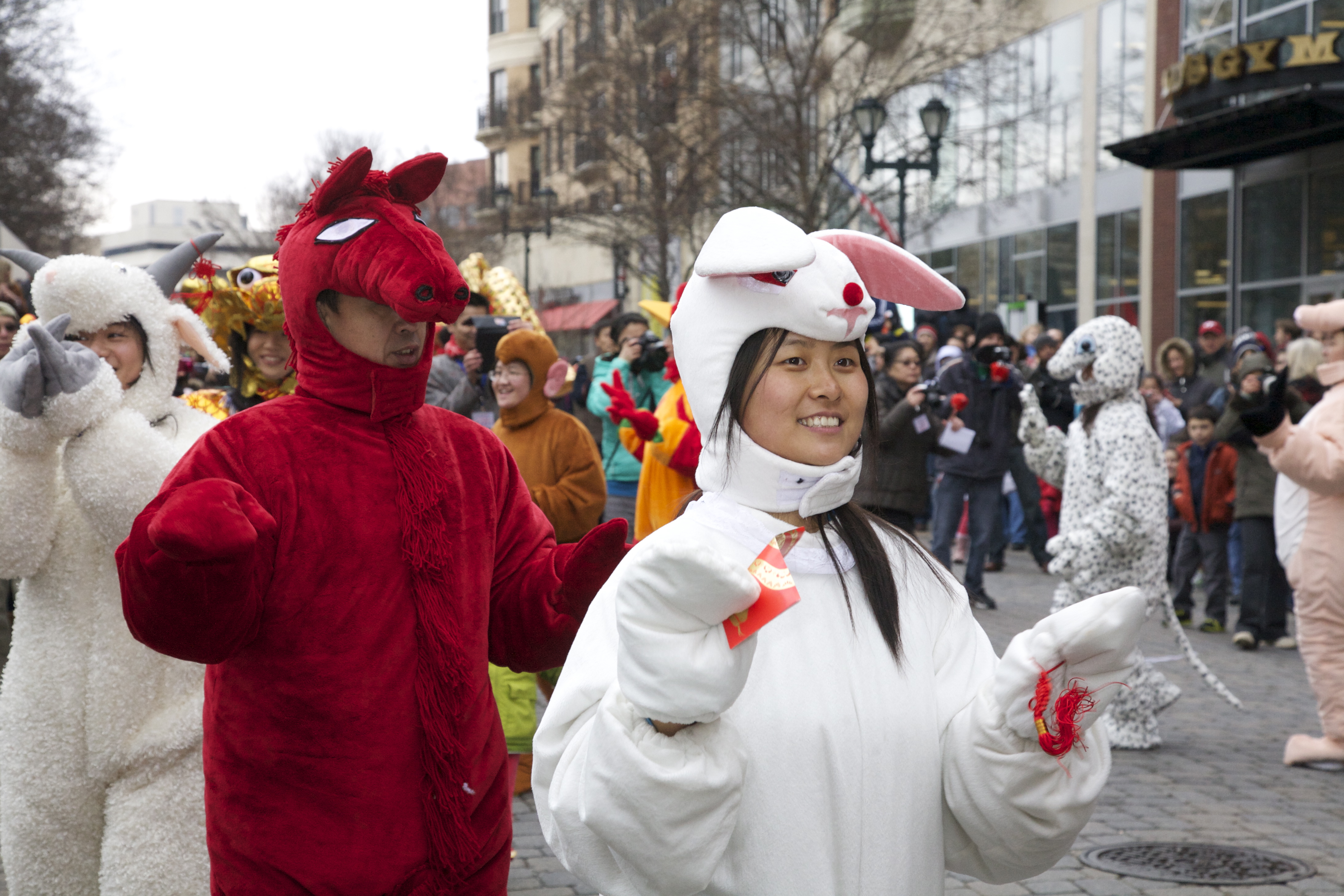
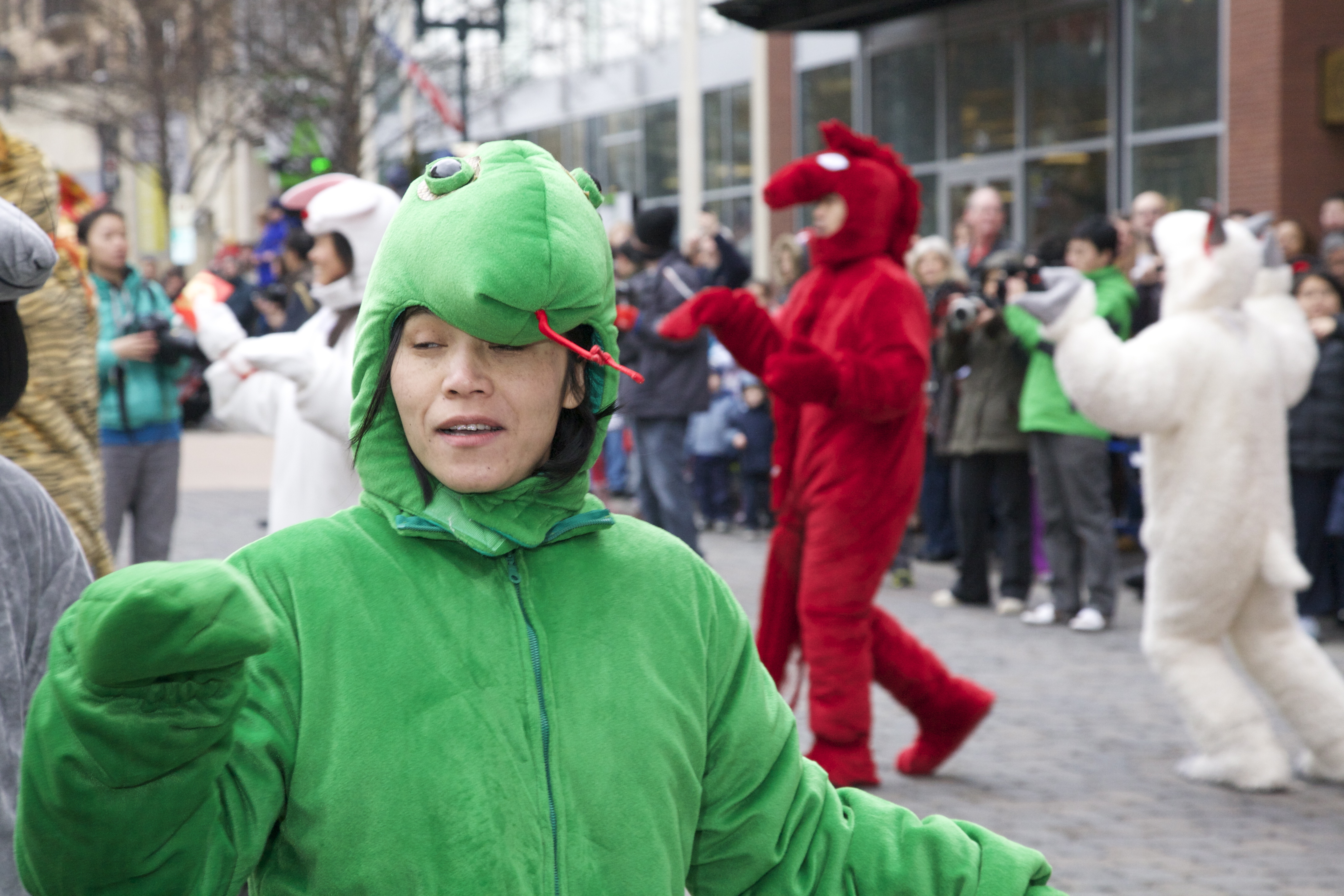
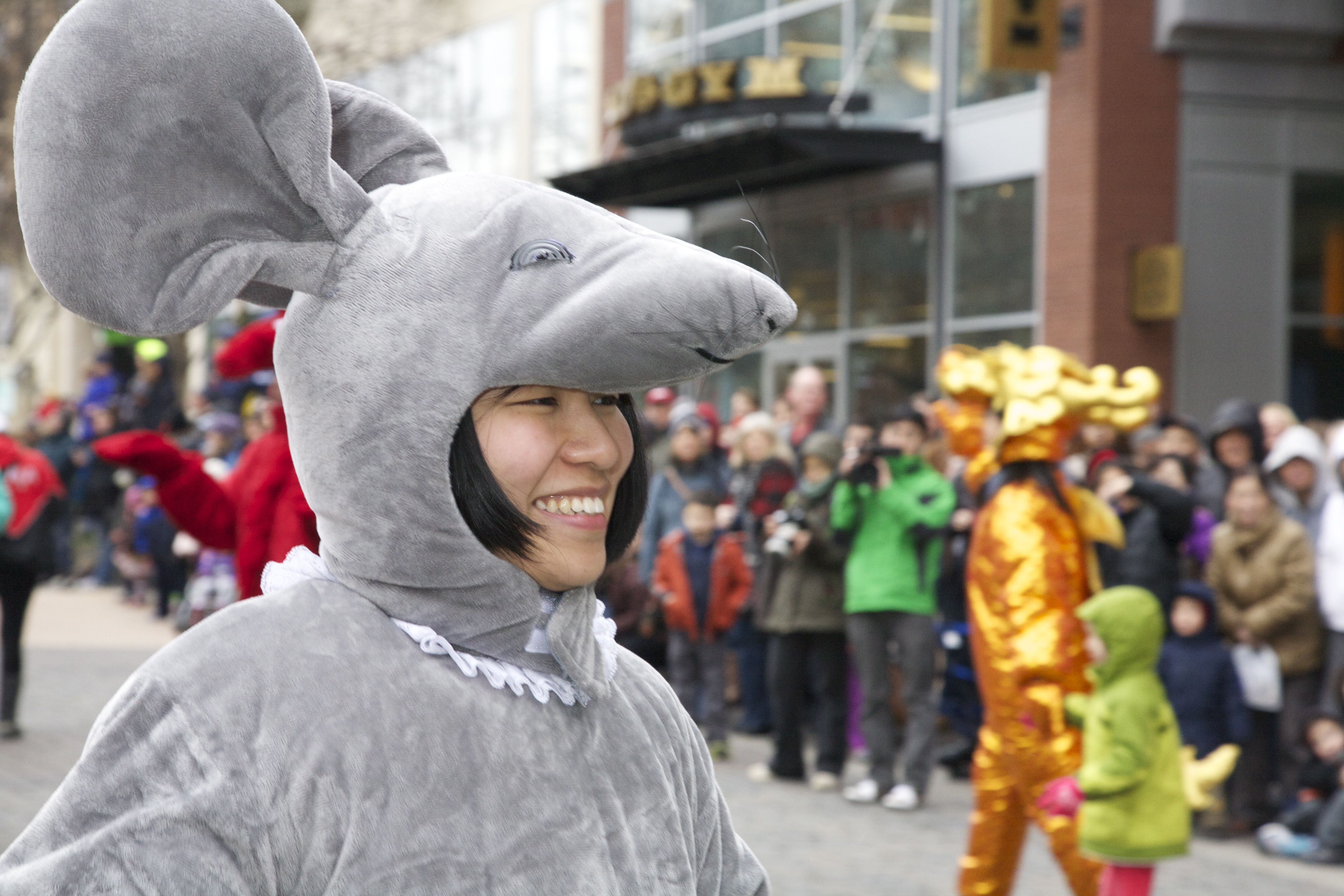
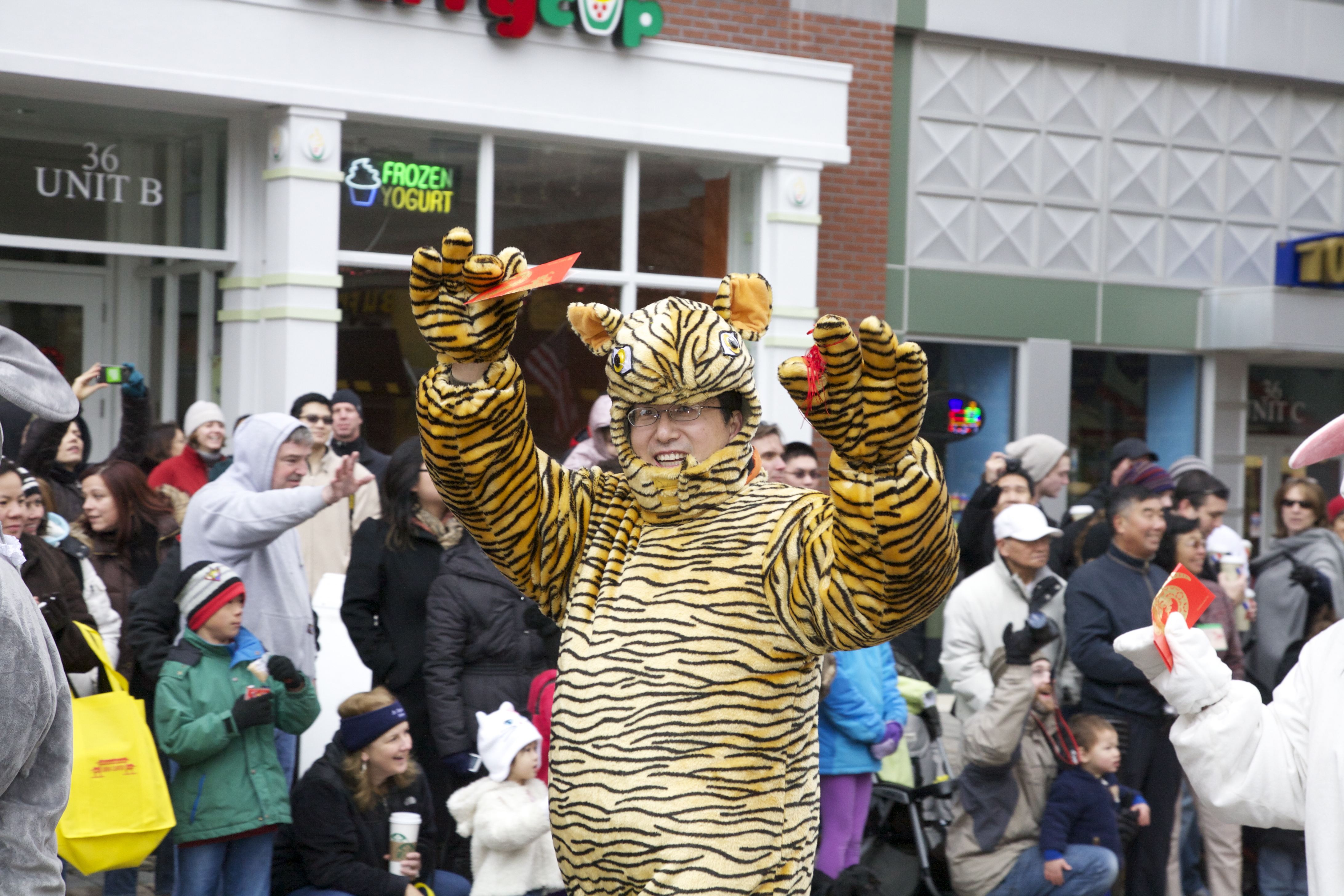
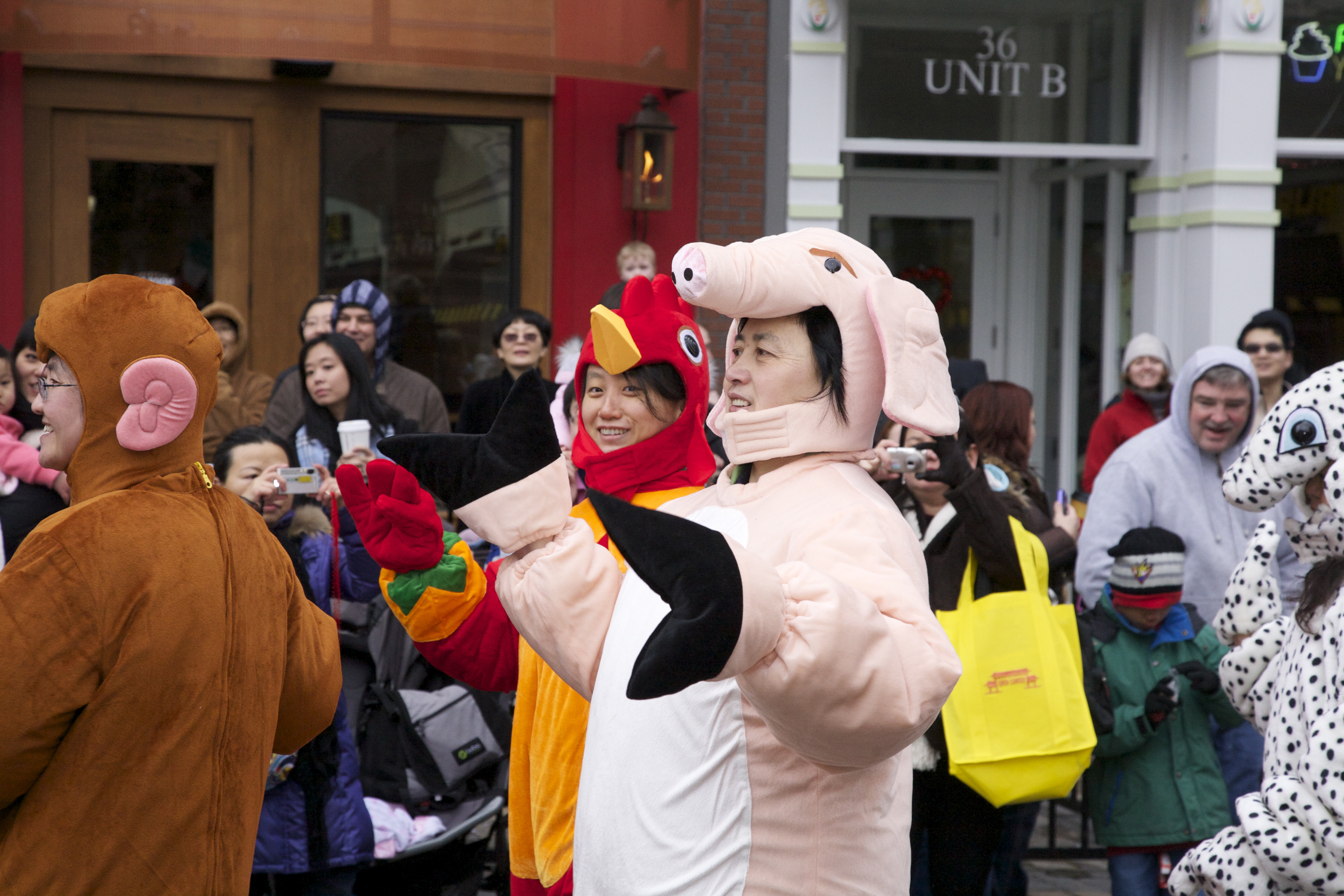
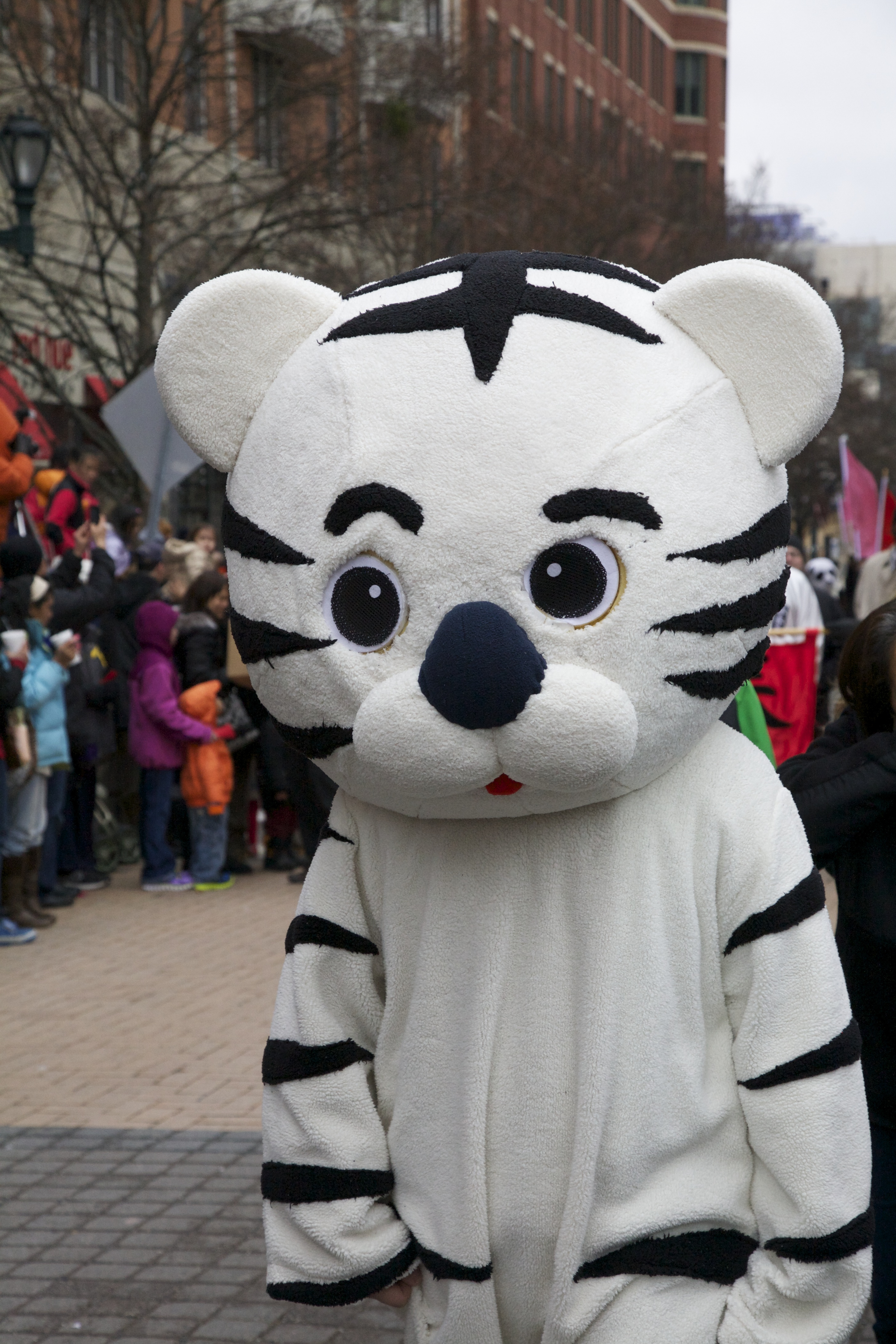
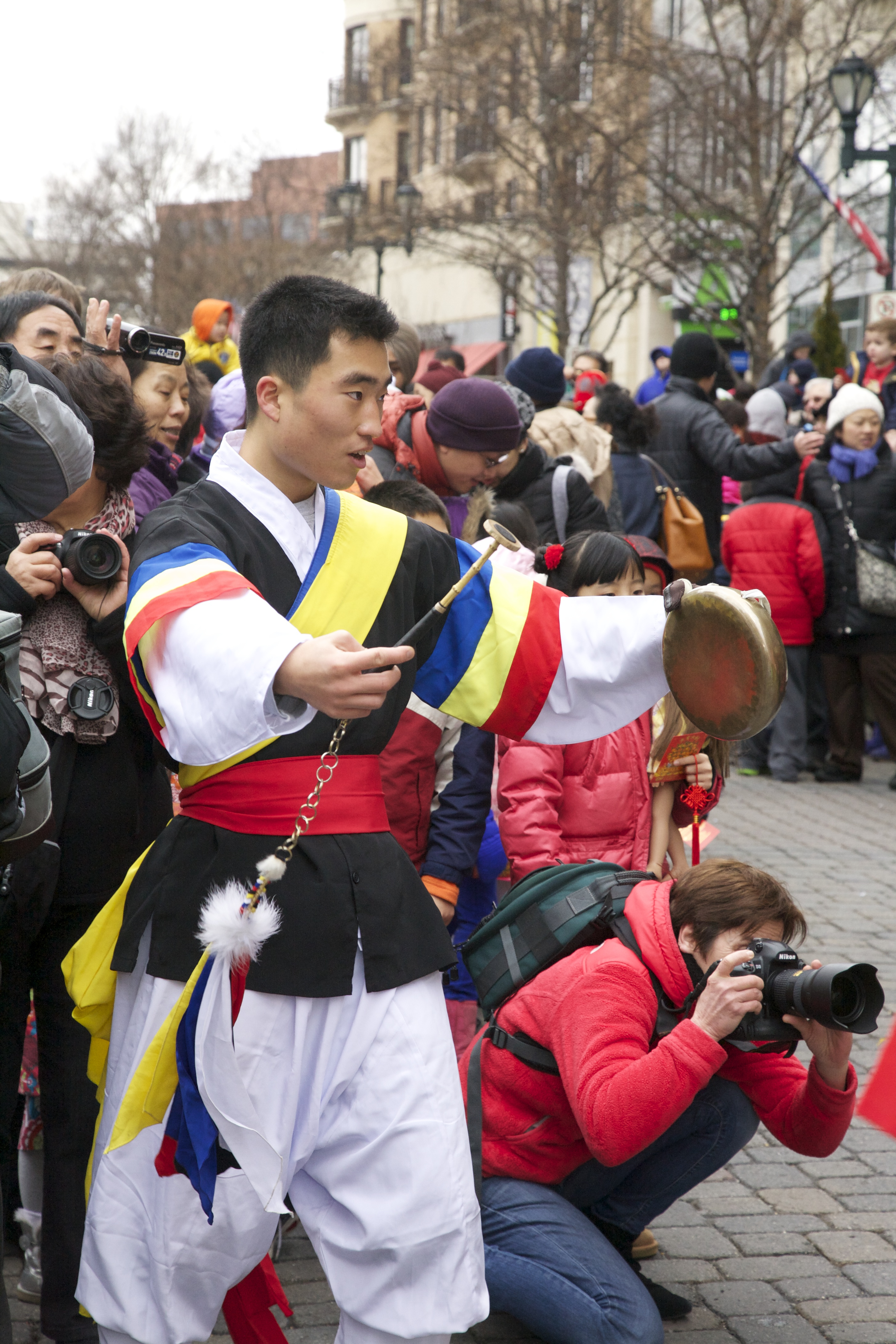
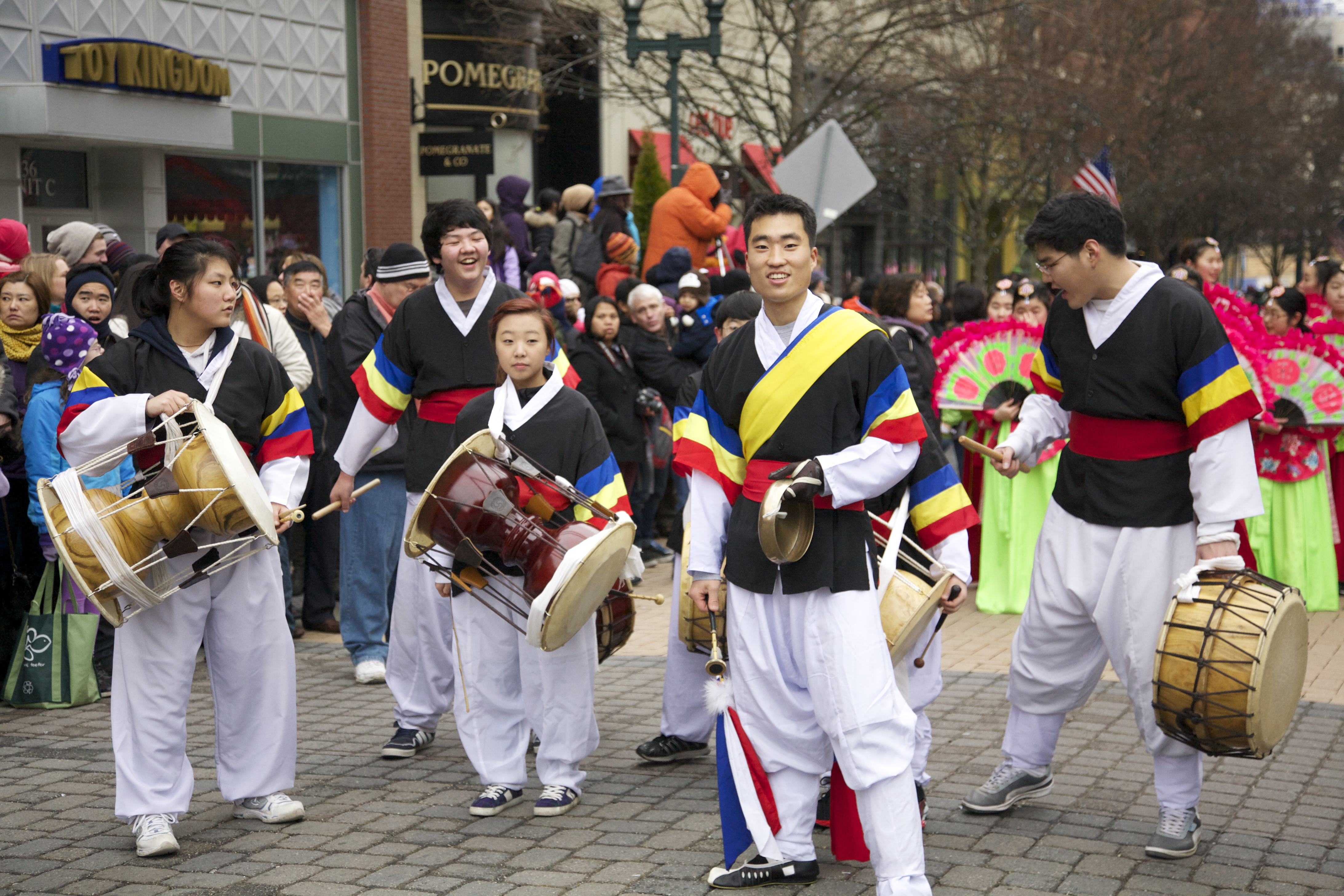
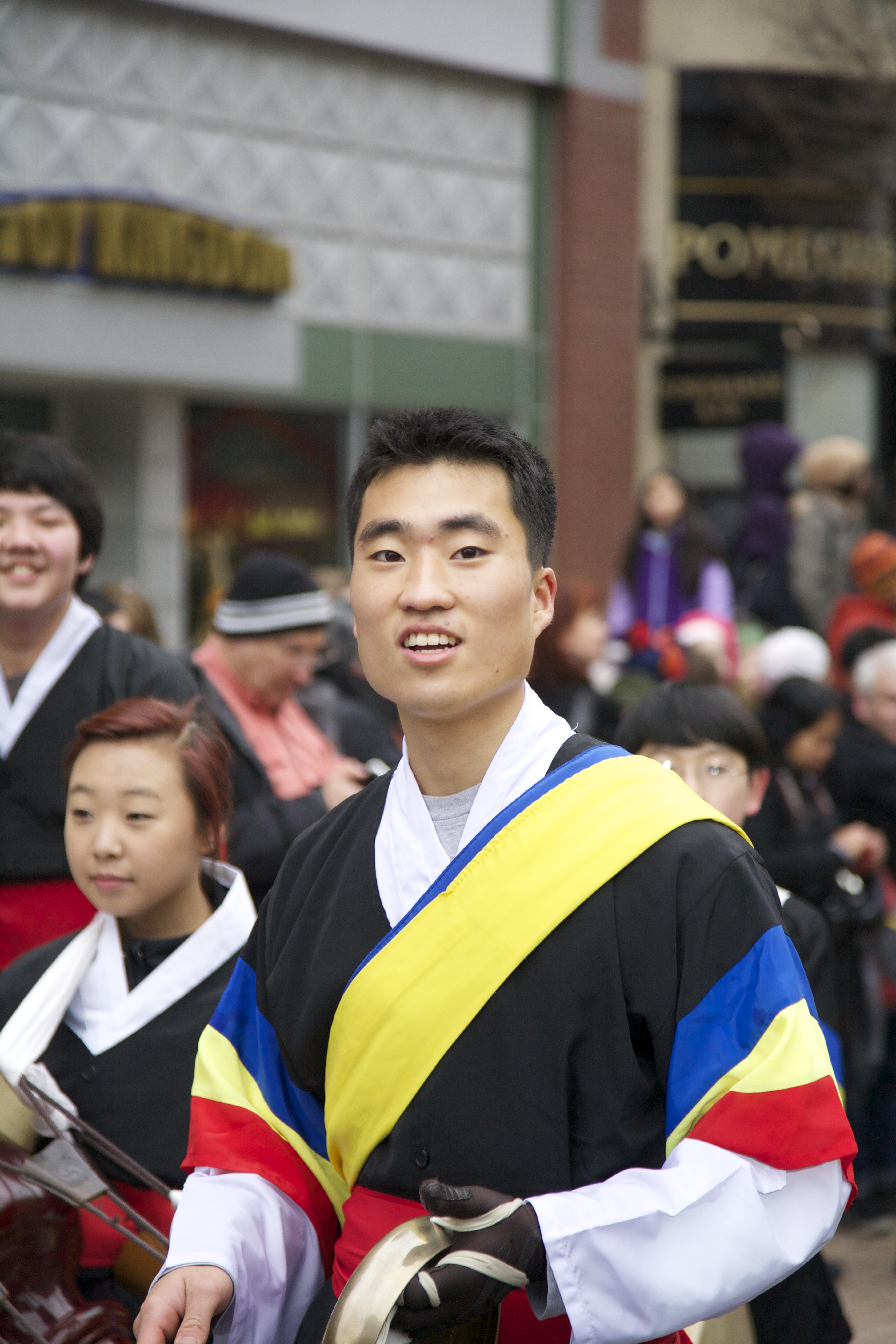
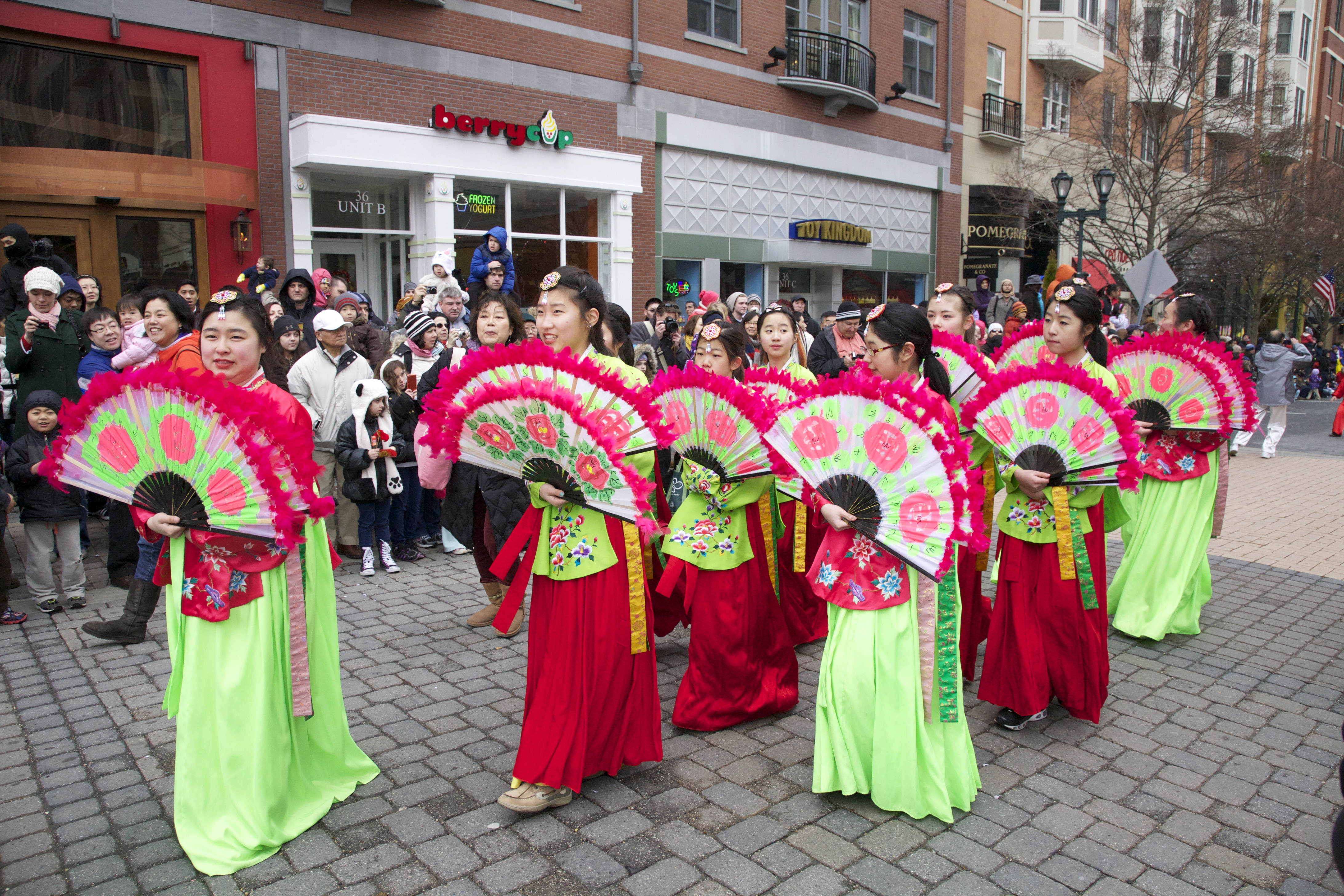
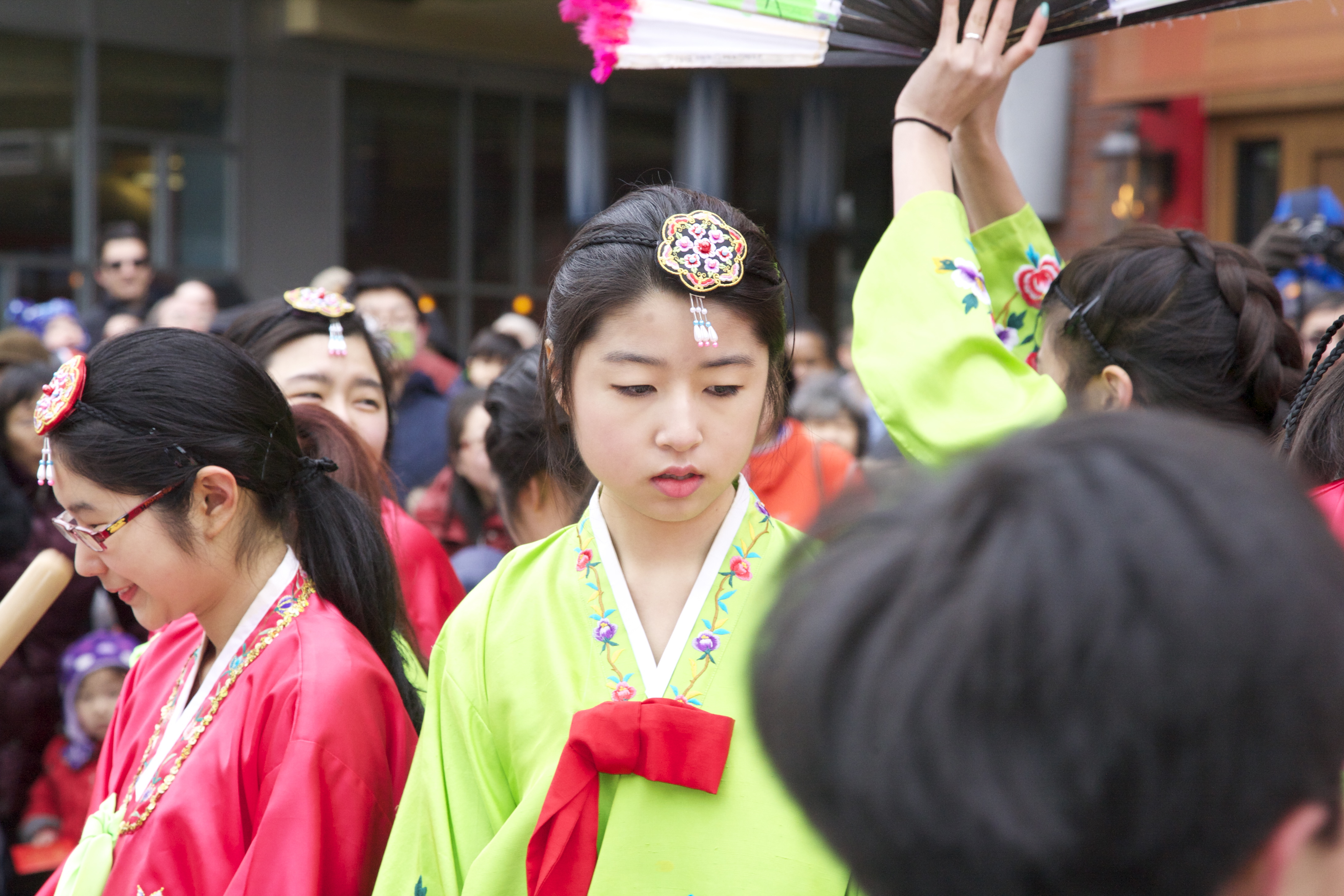
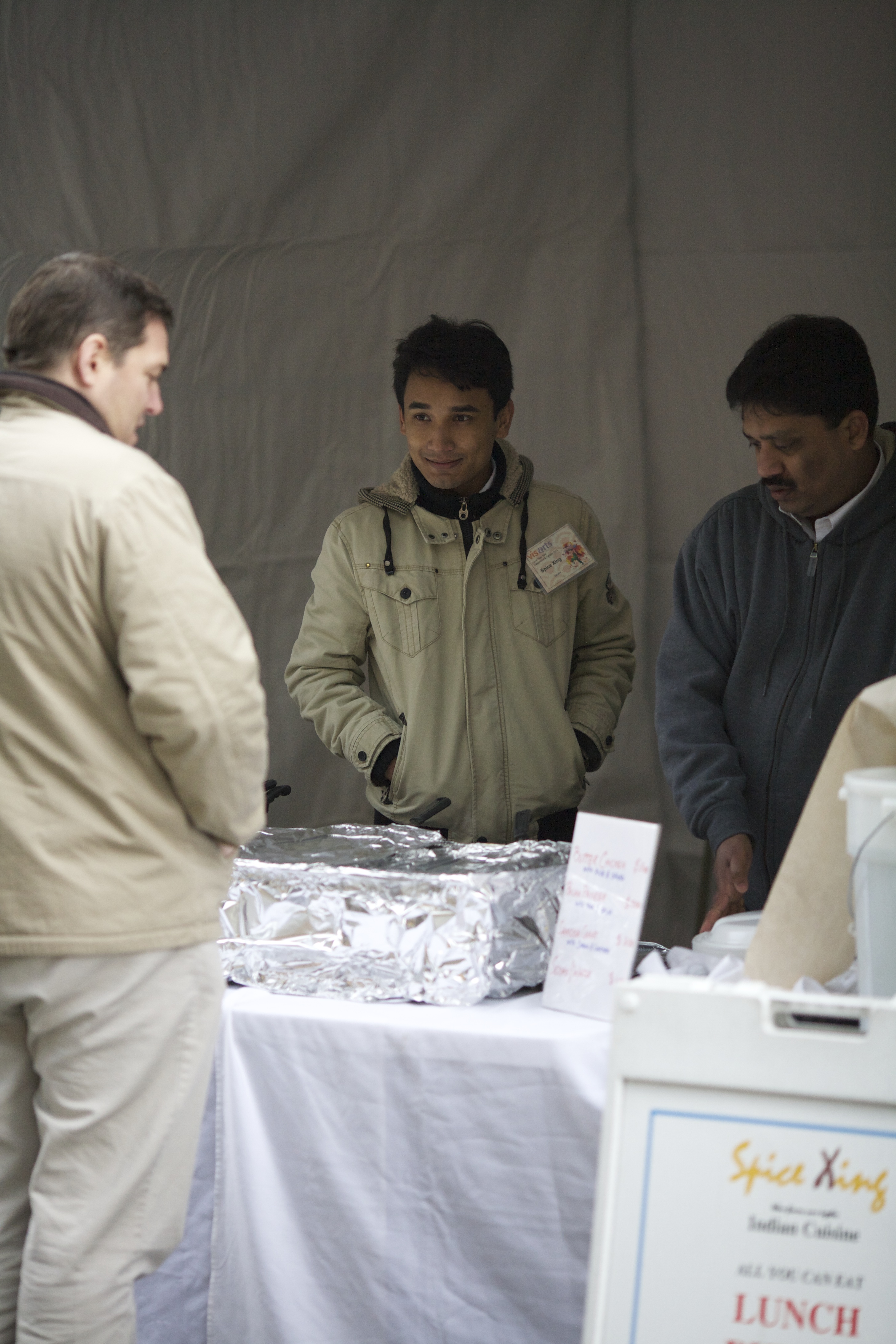
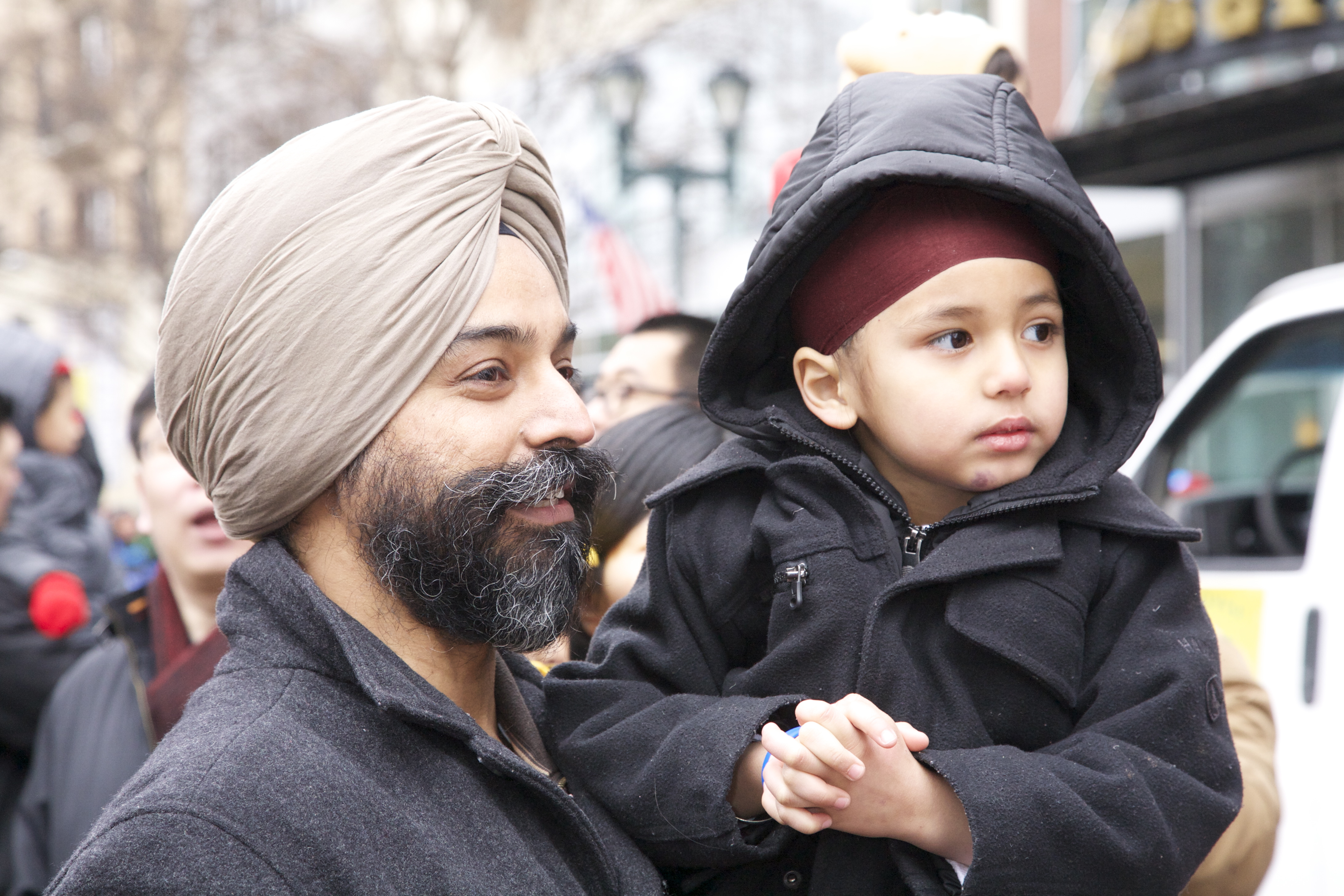
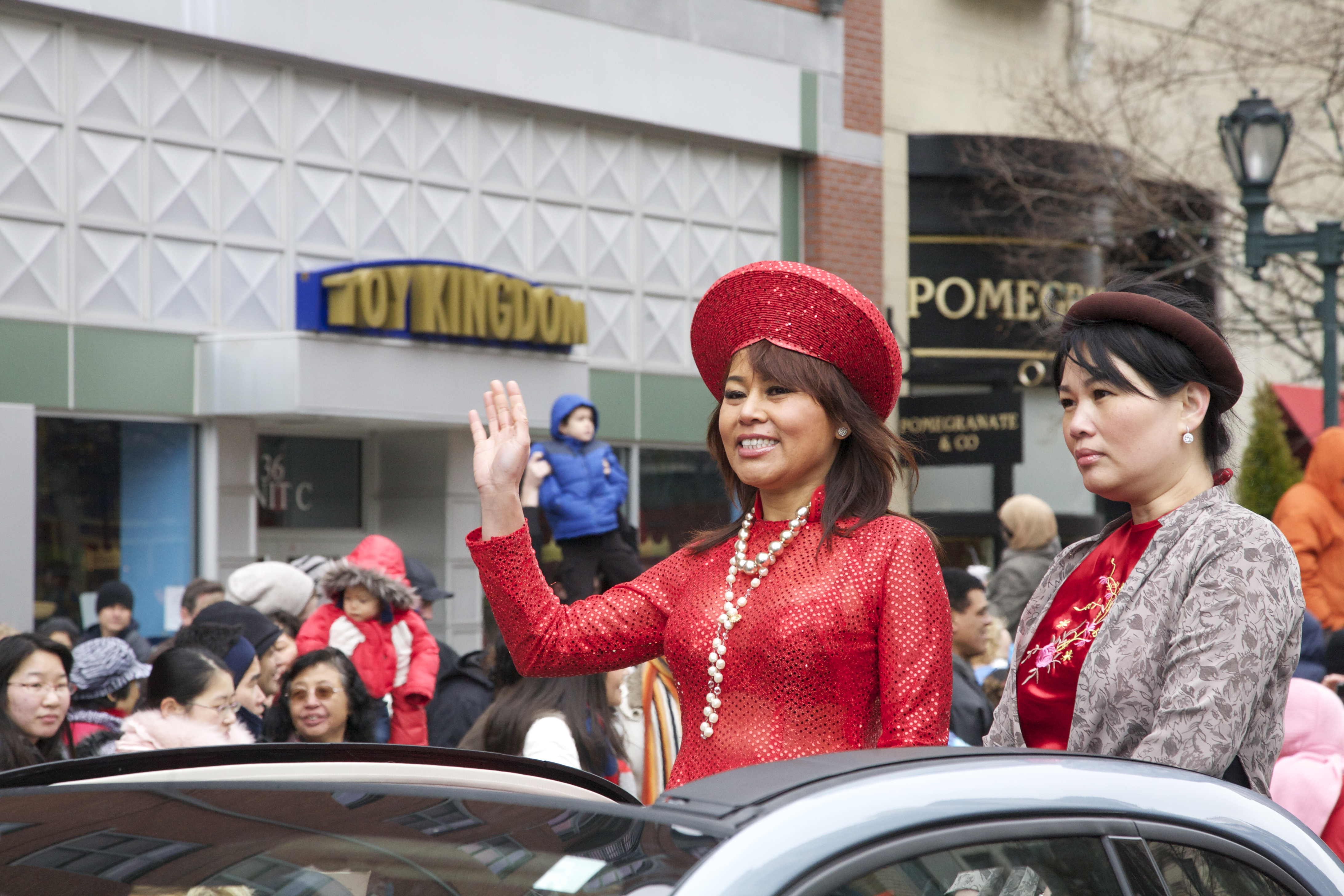
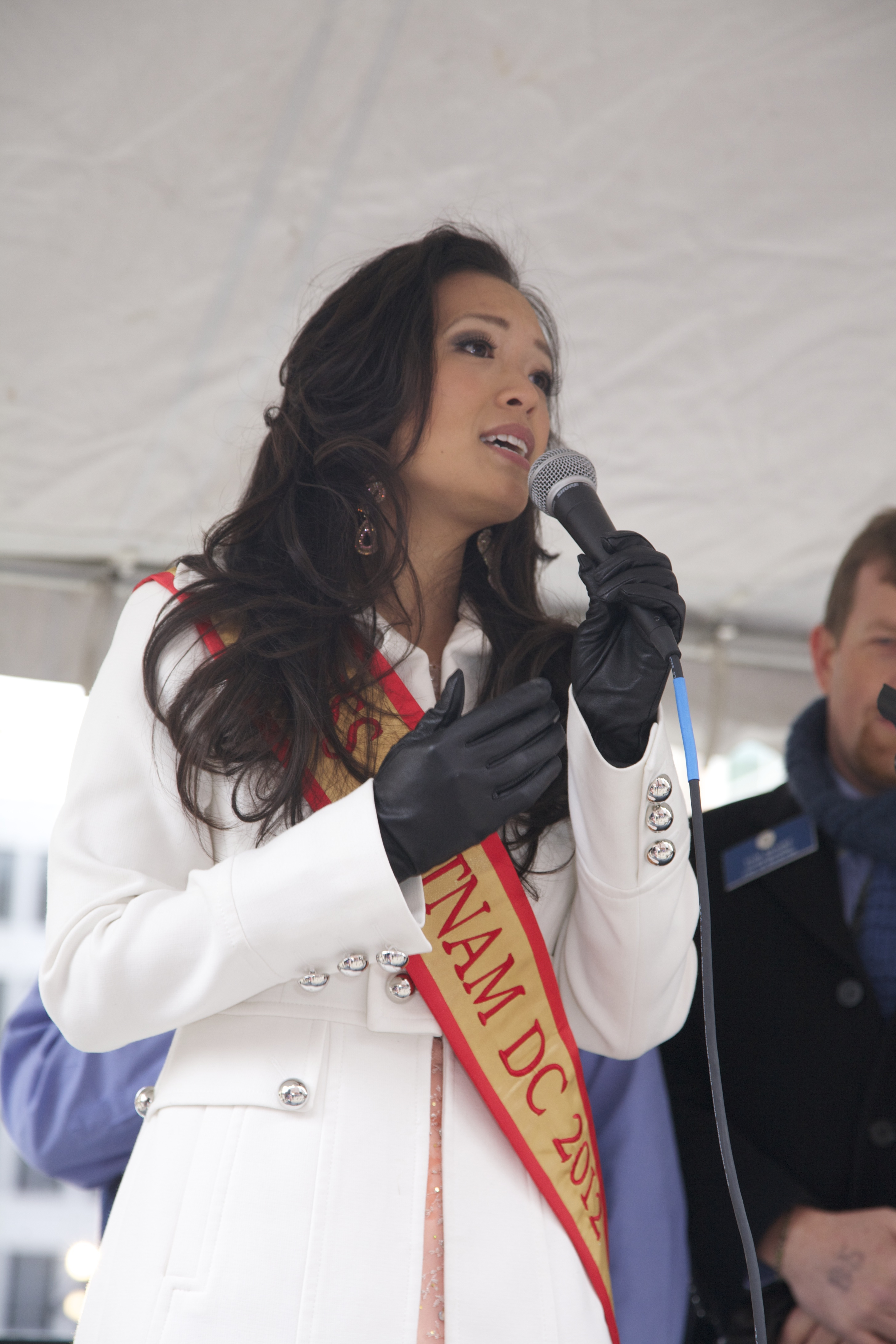
The parade featured a number of non-Chinese groups representing other East/South-East Asian cultures that also celebrate Lunar New Year. Most notable were the Koreans and Vietnamese in the parade. I’ve included some other faces in this post to show the general diversity of the audience in addition to the participants. That diversity I think is one of the strengths and beauties of this area – people from all cultures and walks of life coming together to enjoy a good festival, especially when the air temperature is hovering around freezing!








 dcphotoartist