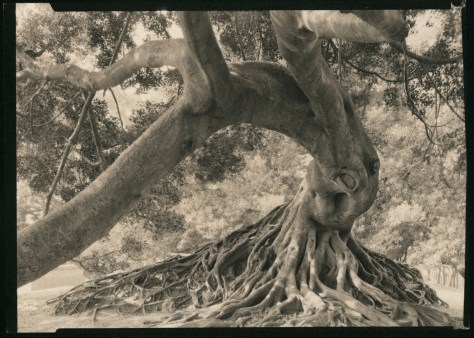
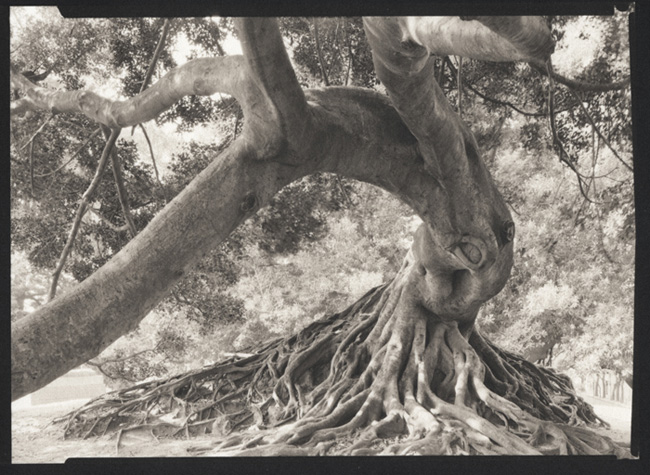
Please vote for my entry in the Rangefinder Alternative/B&W Competition People’s Choice awards! This is my (in)famous Ficus, Recoleta shot that I took in Buenos Aires. The tree is outside Recoleta cemetery in a little park, and the tree roots themselves that you can see are over 6′ (2m) tall, to give you a sense of scale for the tree. The print is a 5×7 palladium print on heavy weight paper. And it is for sale should anyone be interested! The prints are available in an edition of 10, starting at $250. Please click on the image to go to the competition web page to vote! And while you’re there, browse around and see all the other incredible work submitted.
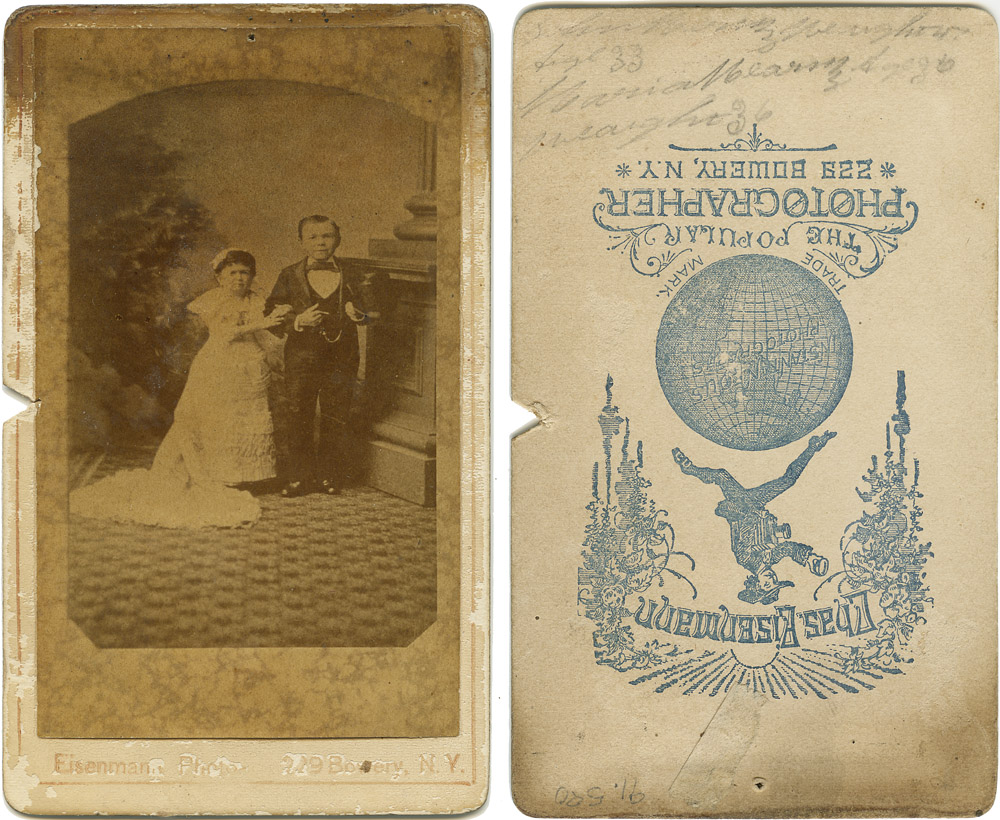
Here is another CDV for your consideration, in rather poorer condition than I normally like to buy, but I hadn’t seen this one before. This is Admiral Dot and his wife, Lottie Swartwood. I’ve inverted the image of the verso so you can at least try to make out the handwriting. From what I can read, it says, “…height 33… age 36…weight 36” (the ellipsis are where I can’t make out for sure what it says).
Admiral Dot & Lottie Swartwood By Chas Eisenmann
If you’ve been following my blog you know that Chas Eisenmann was quite the celebrity photographer specializing in people of the theater, which included the circus and vaudeville. I suppose photographing the Dots would have been a way to compete with Mathew Brady and the Anthonys, who had the Tom Thumb wedding photos in their portfolio.
I found a new blog today from a fellow WordPress-ian (is that even a word?) who has a beautiful style, very Sugimoto-esque without being a copycat. It’s entirely in German, so I’ve had to go on images alone, but I thought it was worth relaying.
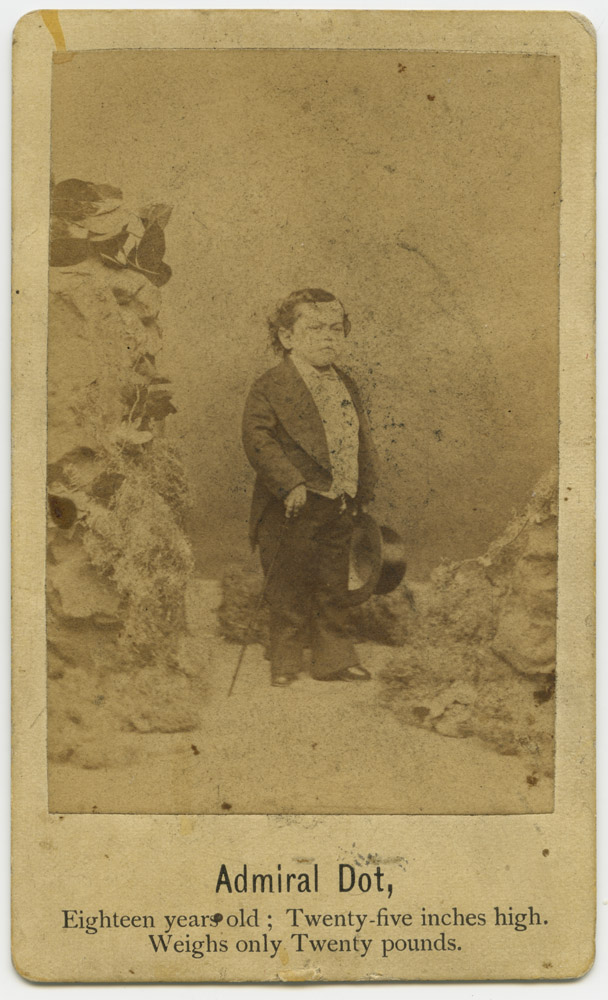
A newly arrived pair of circus midgets – Admiral Dot and General Cardenas. The Admiral Dot image is not in the best of condition, but it’s a different photo than the one I already have, and for some reason there are certain little people images that are much more expensive than others – Admiral Dot and Che Mah the Chinese Dwarf being two among them. I have yet to find a Che Mah in a condition I’d like to have it in for less than $150, and I’ve been outbid twice now on nice ones. Dudly Foster is another one that seems to command high prices for some reason.
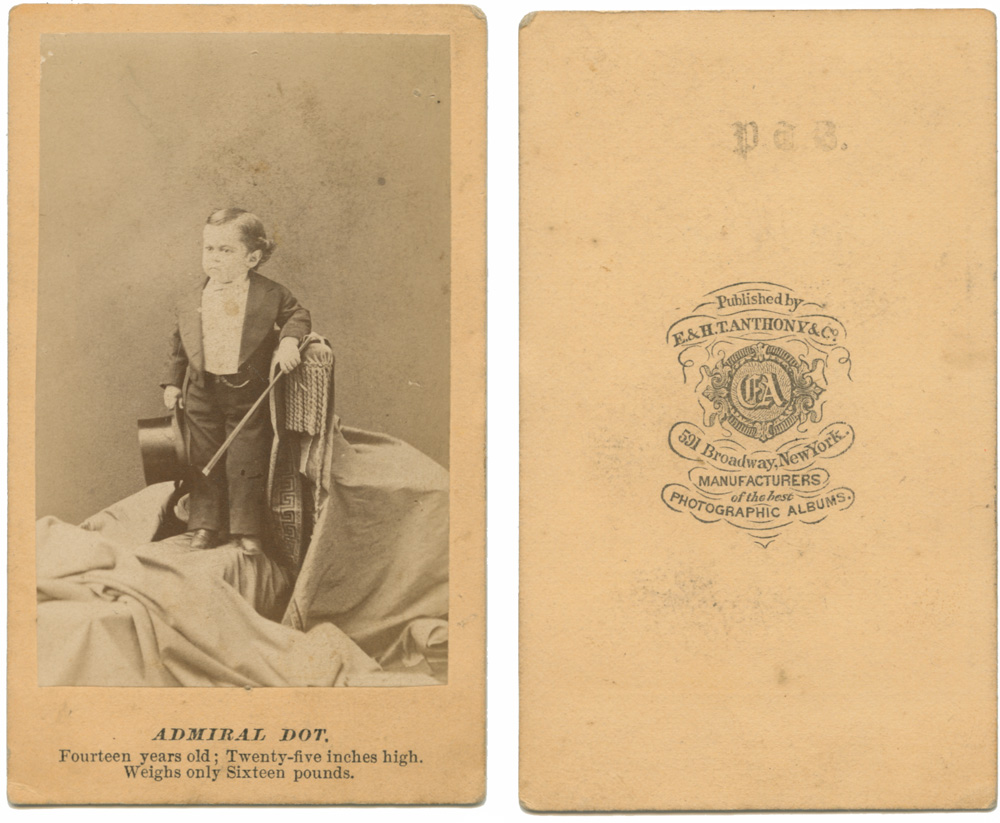
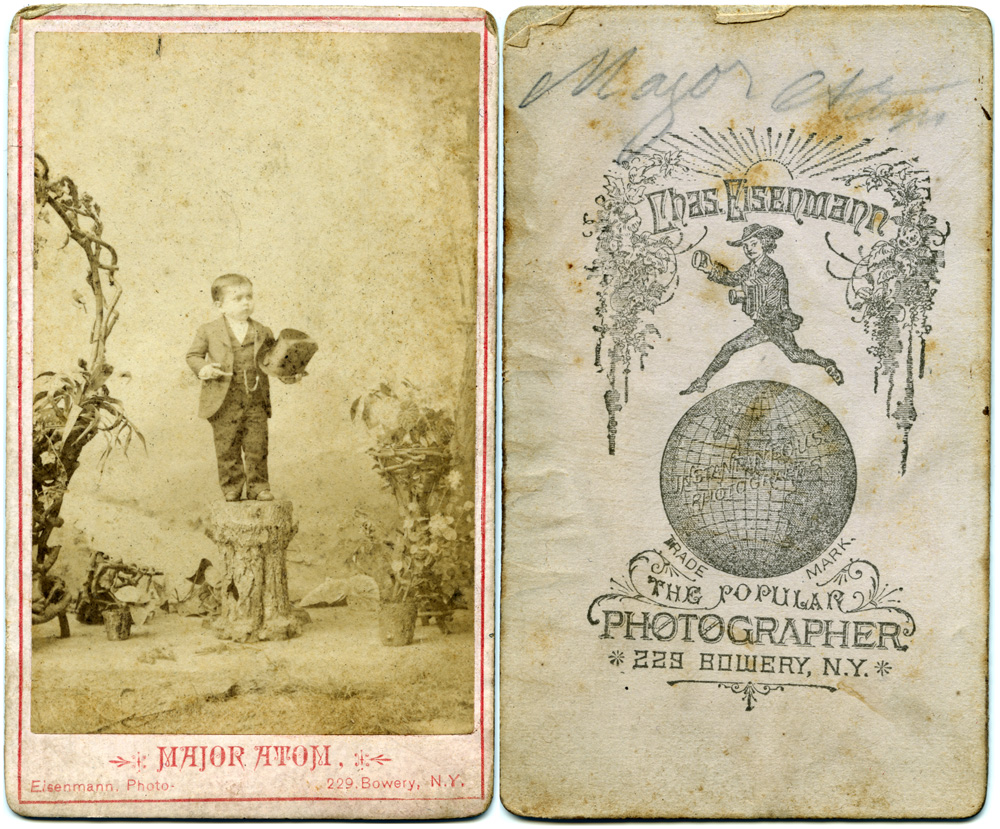
Admiral Dot, was born Leopold Kahn in 1857(?). He was uncle of Samuel Kahn, “Major Atom”. In 1870, Phineas Taylor Barnum traveled with friends by train across the western United States. In San Francisco, a German named Gabriel Kahn offered the showman his dwarf son, Leopold. Barnum was quite taken with the little fellow, whom he said was “a dwarf more diminutive in stature than General Tom Thumb was when I found him.” Barnum promptly signed up Leopold under the new name of Admiral Dot, otherwise known as the the El Dorado Elf because he was such “a valuable nugget”.
As early as 1872, Barnum had already coined the phrase “The Greatest Show on Earth”, and now referrred to his circus as “P. T. Barnum’s Great Traveling World’s Fair”. At the time, Admiral Dot was touted as being sixteen years old, twenty-five inches tall, and a mere nineteen pounds. At least initially, Dot appeared on stage with his mother.
Admiral Dot’s career lasted for approximately the next twenty years, despite the fact that as he aged and grew taller he was soon eclipsed in size by smaller performers such as Major Atom, with whom he occasionally performed. Not one to rest on his laurels, Dot developed a stage persona that at one time saw him billed as “The Smallest Character Actor in the World”. During the 1880’s, Dot traveled with the Locke & Davis Royal Lilliputian Opera Company, which was populated by other famous little people such as the Magri Brothers and and Colonel Speck.
By the turn of the century, Leopold Kahn had settled in White Plains, New York, with his twenty-six-inch-tall wife Lottie Swartwood (a fellow performer in the opera company) and their two normal-sized children. Seeking respectability, Dot joined the Elks, sang with the town choir, and opened the Admiral Dot Hotel. The citizens of White Plains named the admiral honorary chief of the fire department, but unkindly referred to his business establishment as the Hotel Pee Wee (which, ironically, burned to the ground in 1911). Admiral Dot died of influenza in his home in White Plains on 28 October 1918, aged 54 years.
Admiral Dot, published by Anthony, photographer unnamed
I couldn’t find any biographical references for General Cardenas – for all I know even the last name is fake and he was a Swede from Minneapolis and not hispanic at all. I’ll keep digging and see if I can find more about him. I did find a different photo of him on the Syracuse University online image library that looks like it was taken at the same time because his outfit is identical and the chair next to him appears the same, but its set in a faux-outdoors scene with a bunch of tufted grass around the chair.
General Cardenas, Anonymous Photographer
I’ll include some of my other little people with faux-military titles for reference, starting with Major Atom.
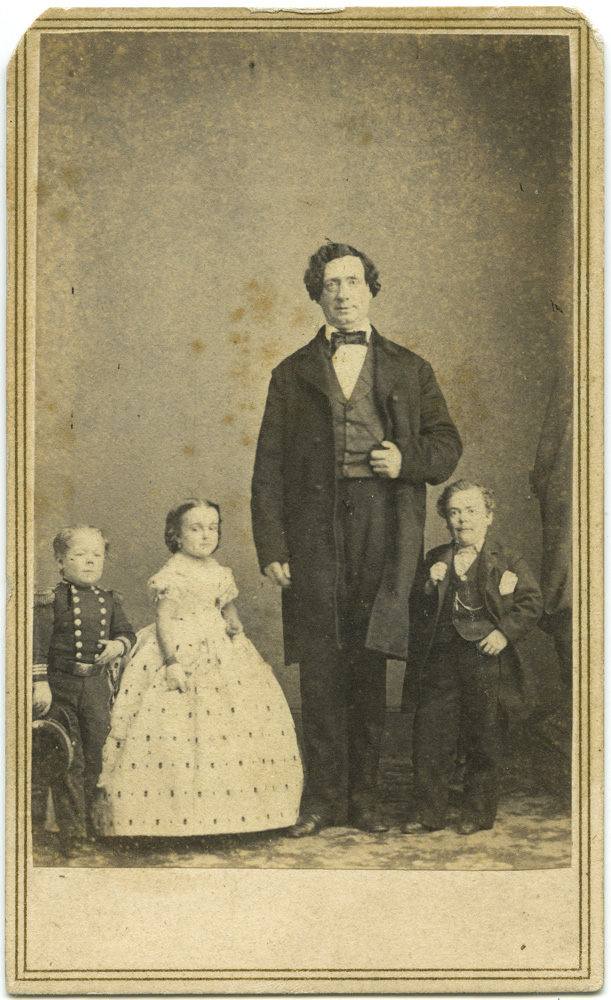
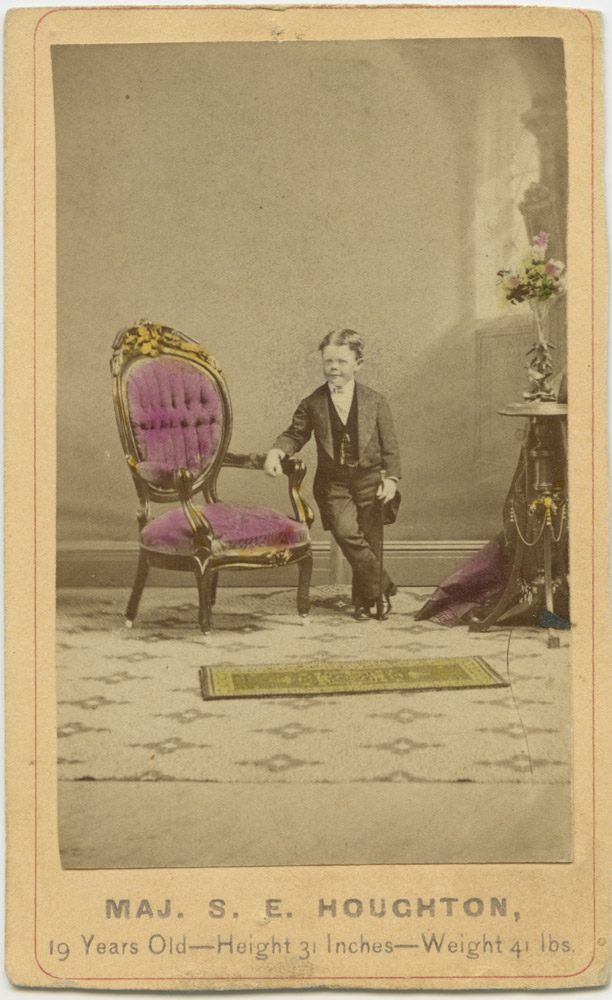
Admiral Dot, published by E&HT AnthonyMajor Atom, by Chas. EisenmannCommodore Nutt and unknown little woman, Anonymous CDV (probably Brady)Commodore Nutt, Mrs. and Mr. Tom ThumbMajor S.E. Houghton
I got a favorable review in the DC City Paper for my image in the “Signatures” exhibit at Photoworks. The exhibit is (well, was, it’s now over and I’ll be picking up my print after work today) a brief show of images by students and instructors at Photoworks, with the theme of “signatures” indicating characteristic images that can be viewed as representing you and the work you do – pieces you would be recognized for. I submitted my Ficus Tree, Recoleta, Buenos Aires as my contribution to the exhibit, and it was one of three pieces singled out by the reviewer as praiseworthy. The reviewer did get the process all wrong, calling it a faux-toning process (he obviously didn’t ASK, or try to contact me about it before publishing the review), but I’ll take any positive press!
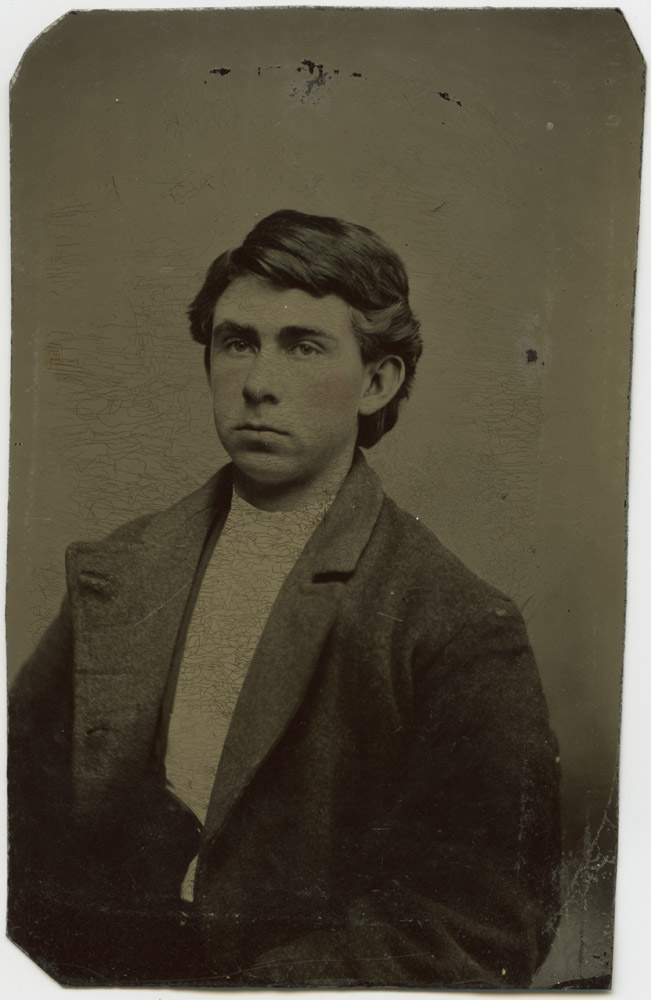
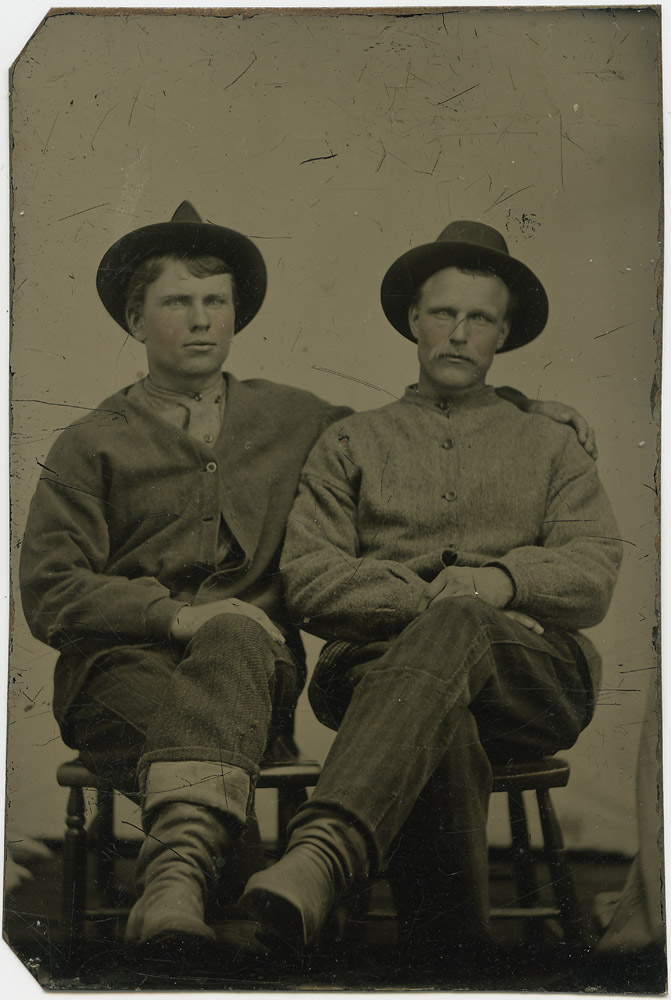
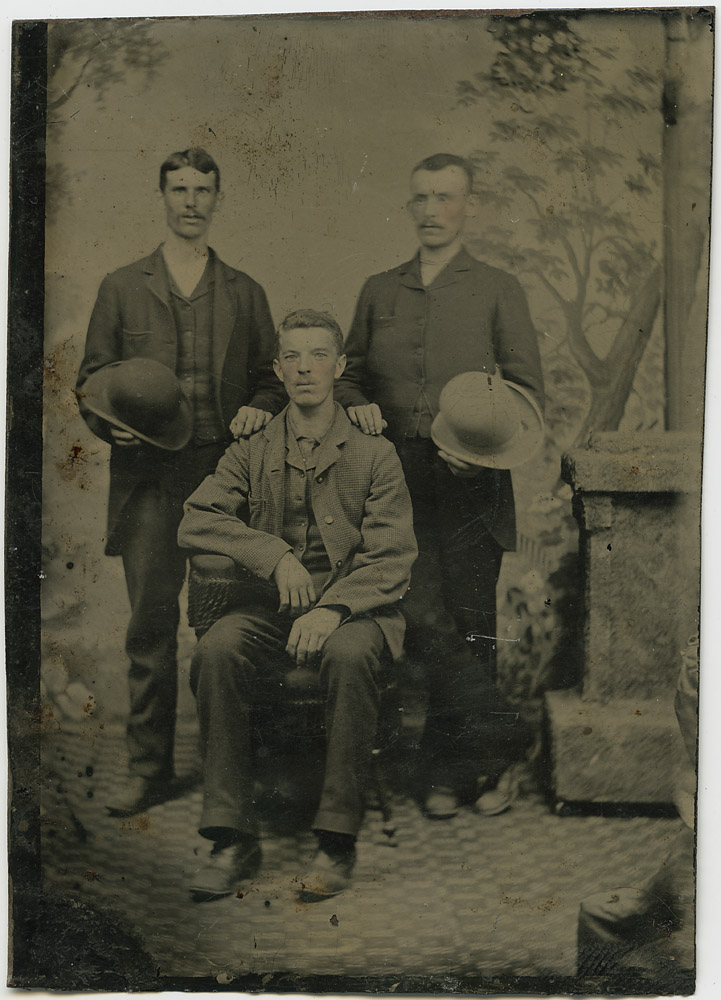
A trio of recent tintype acquisitions. I thought they made a nice set for display purposes, so I’ve grouped them together here although they have nothing in common beyond numerical progression.
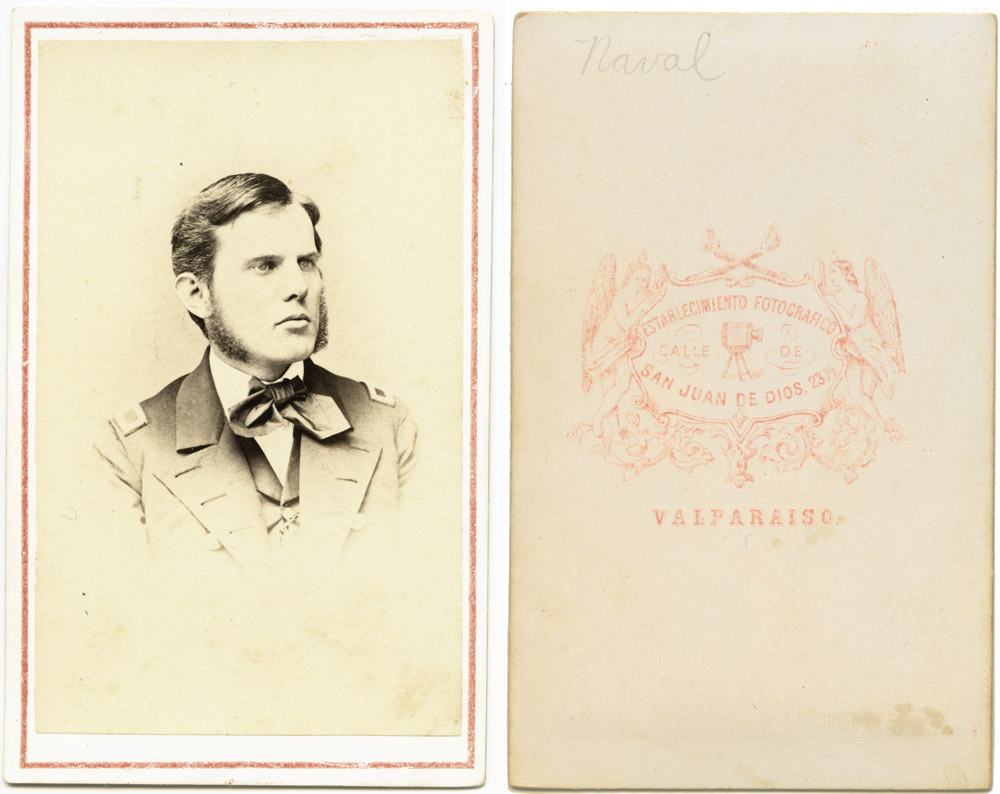
Another find from my Gettysburg excursion. He’s a US Navy Officer. I’m not sure of the dating – the jacket looks possibly post- Civil War, but the shoulder boards suggest he’s a Master (a rank no longer used, but the equivalent of a Lieutenant, Junior Grade today) circa 1861. They changed the Master’s insignia in 1862 from the blank bar to include a gold bar at each end and an anchor in the middle, and introduced the rank of Ensign to replace the previous rank of Passed Midshipman as the most junior commissioned officer rank. This is another records quest – I would suspect there were only one or two ships at most that would have docked in Valparaiso in 1861, and ship’s crews being significantly smaller in 1861 than they are now, there’s a good chance he was the only Master (or one of two) on the ship.
Here is a CDV of a Union solider from Chambersburg, Pennsylvania, my hometown. I found it on an excursion up to Gettysburg this weekend. Judging from his overall appearance of health and cleanliness, this was probably taken at the beginning of the war when he enlisted. When I saw the image in the display case, I felt a need to acquire it just because it was from Chambersburg. After doing a little collecting, I’m getting the impression that there was only one, or perhaps two photo studios in Chambersburg for most of the 19th century, as this H. Bishop seems to be the most frequent studio back mark by far. I’m starting a records search to try and identify the young man, as there weren’t THAT many sergeants in the units from the Chambersburg area. I’m thinking a trip to the Kittochtinny Historical Society offices is in order when the weather is warmer and they’re back to full hours (I think they close up for the most part in the wintertime as their archives are in the Old Jail and are not heated). The Old Jail, by the way, is well worth a visit if you’re ever passing through Chambersburg – the main part of the jail is a Georgian structure dating to at least 1818, and was in use as a prison at least into the 1960s, when one of my father’s partners in his medical practice would take calls to see patients being held there.
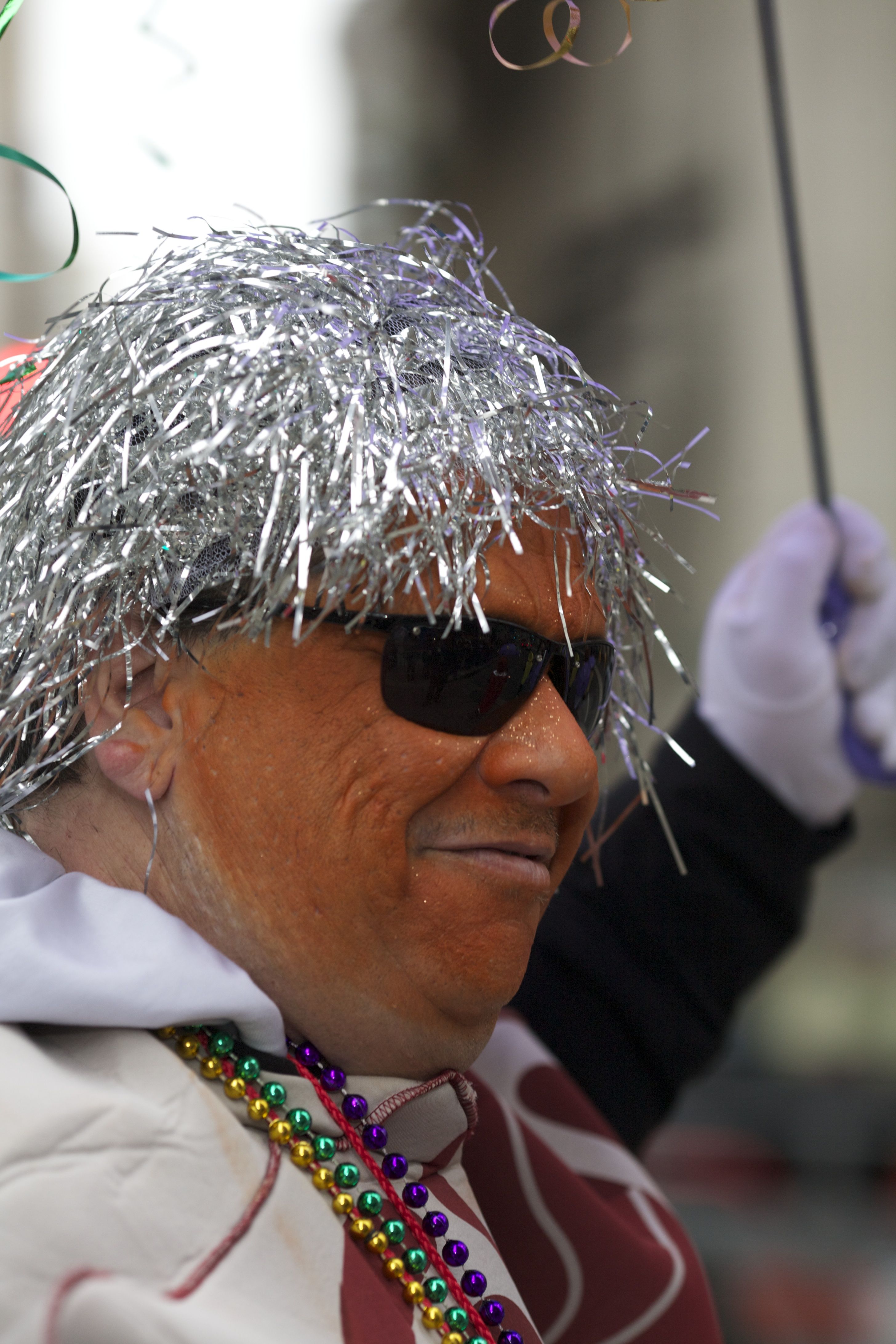
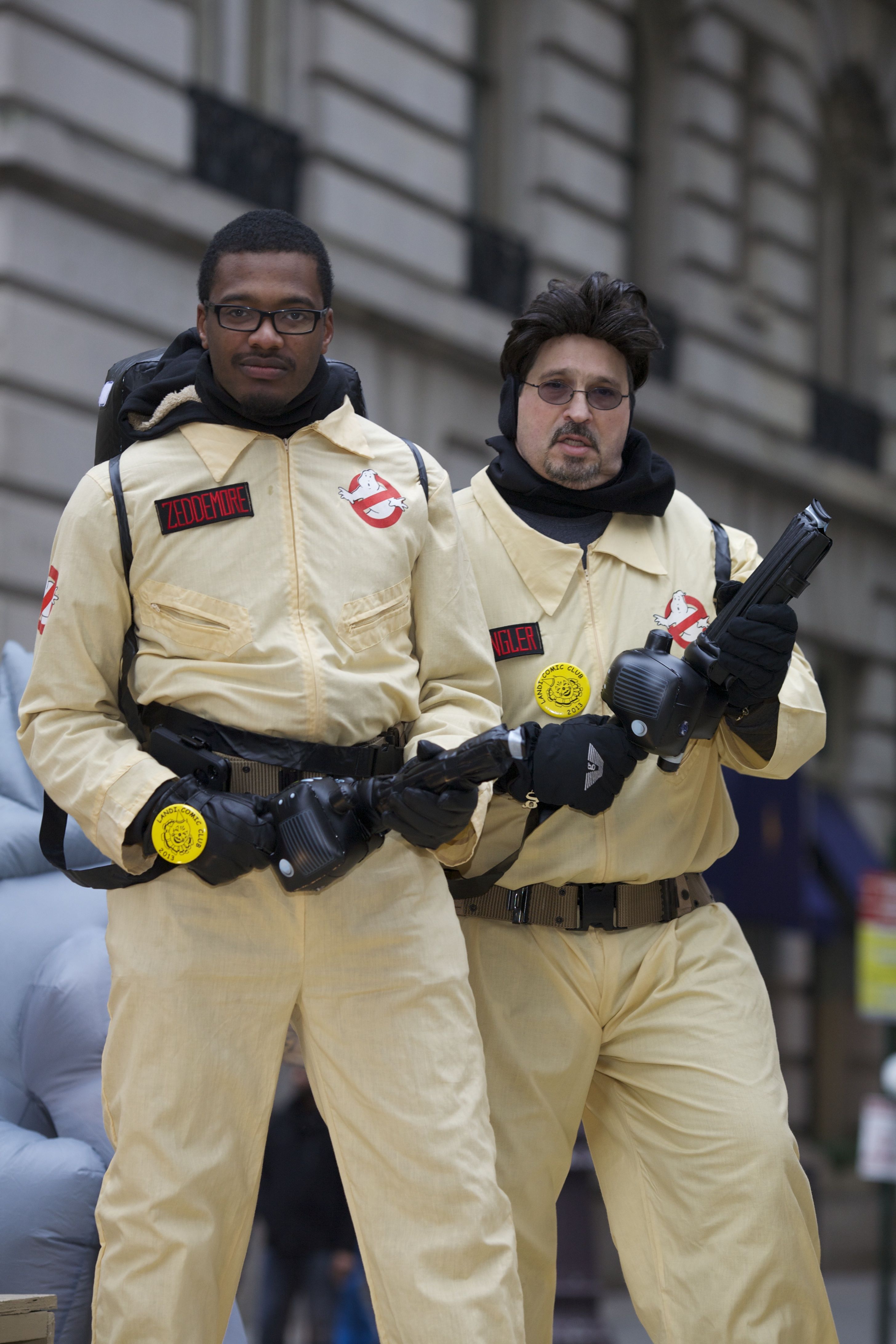
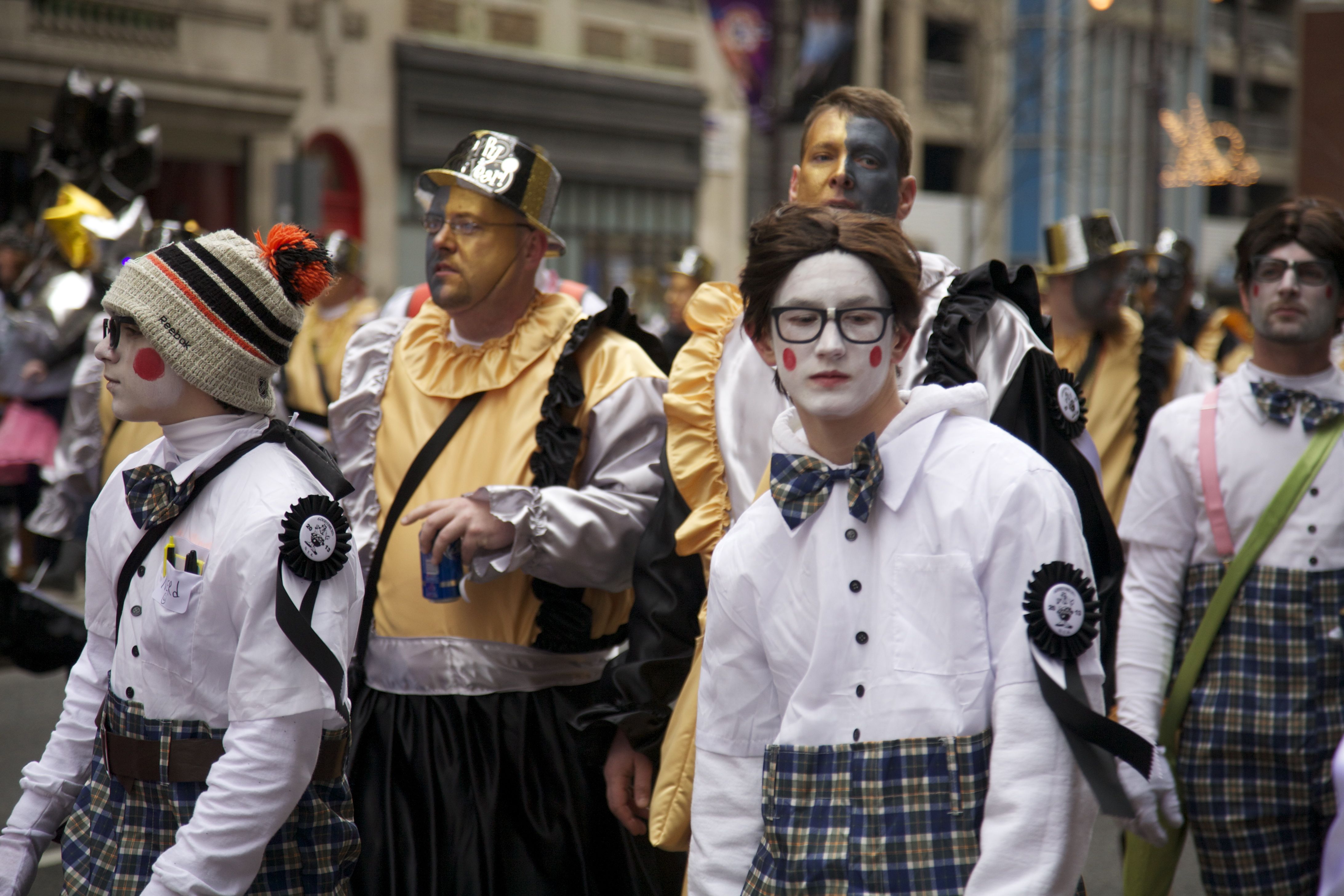
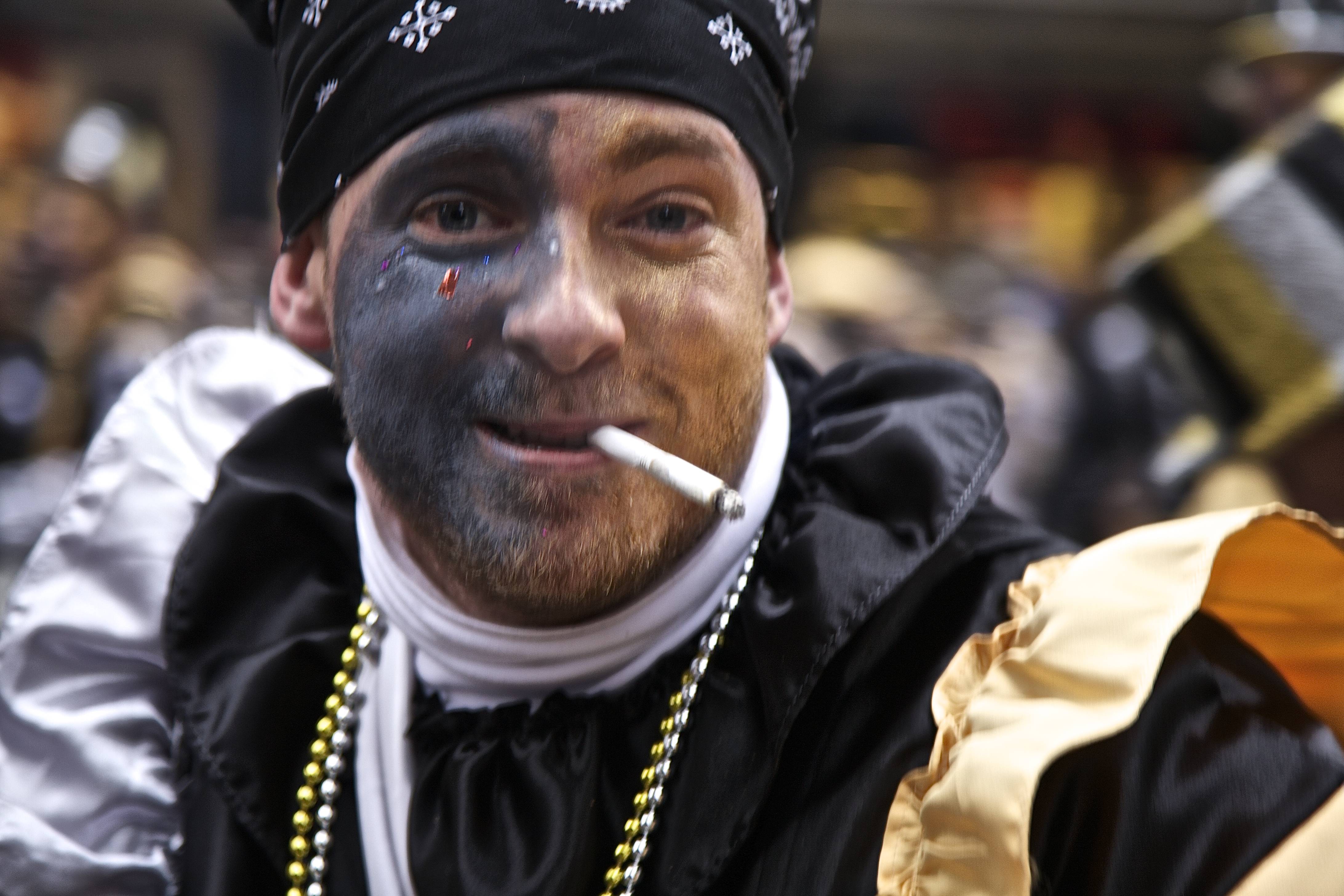
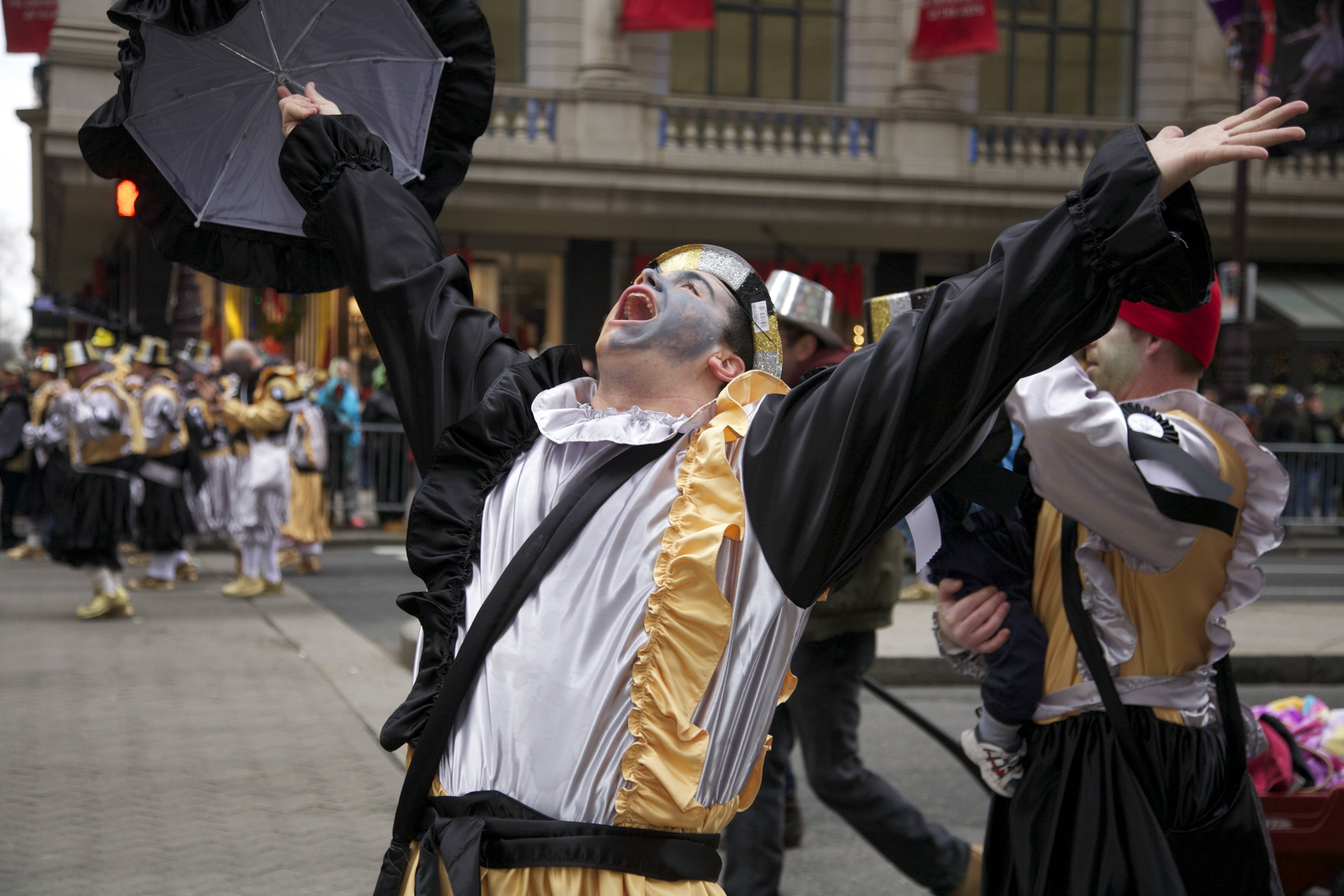
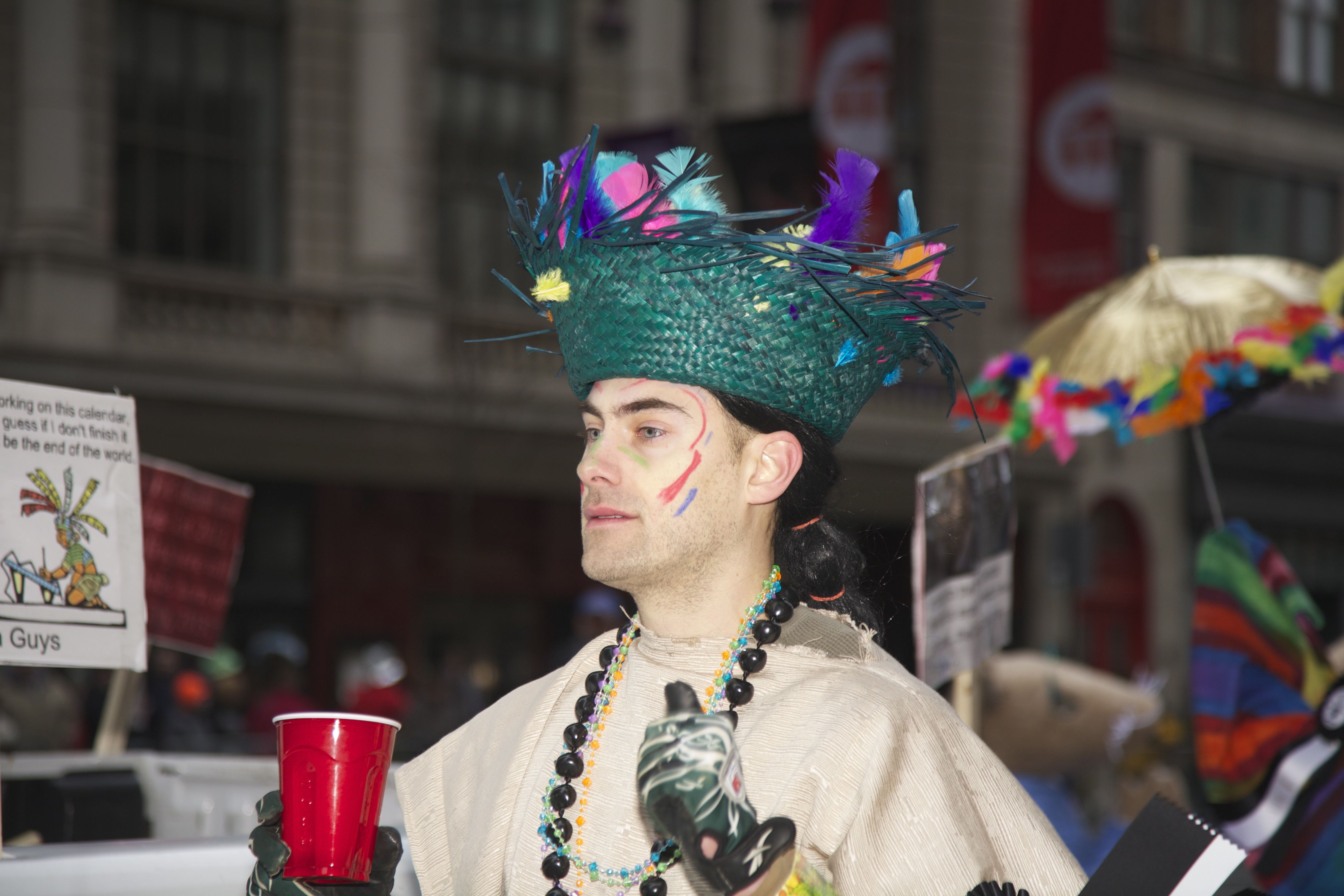
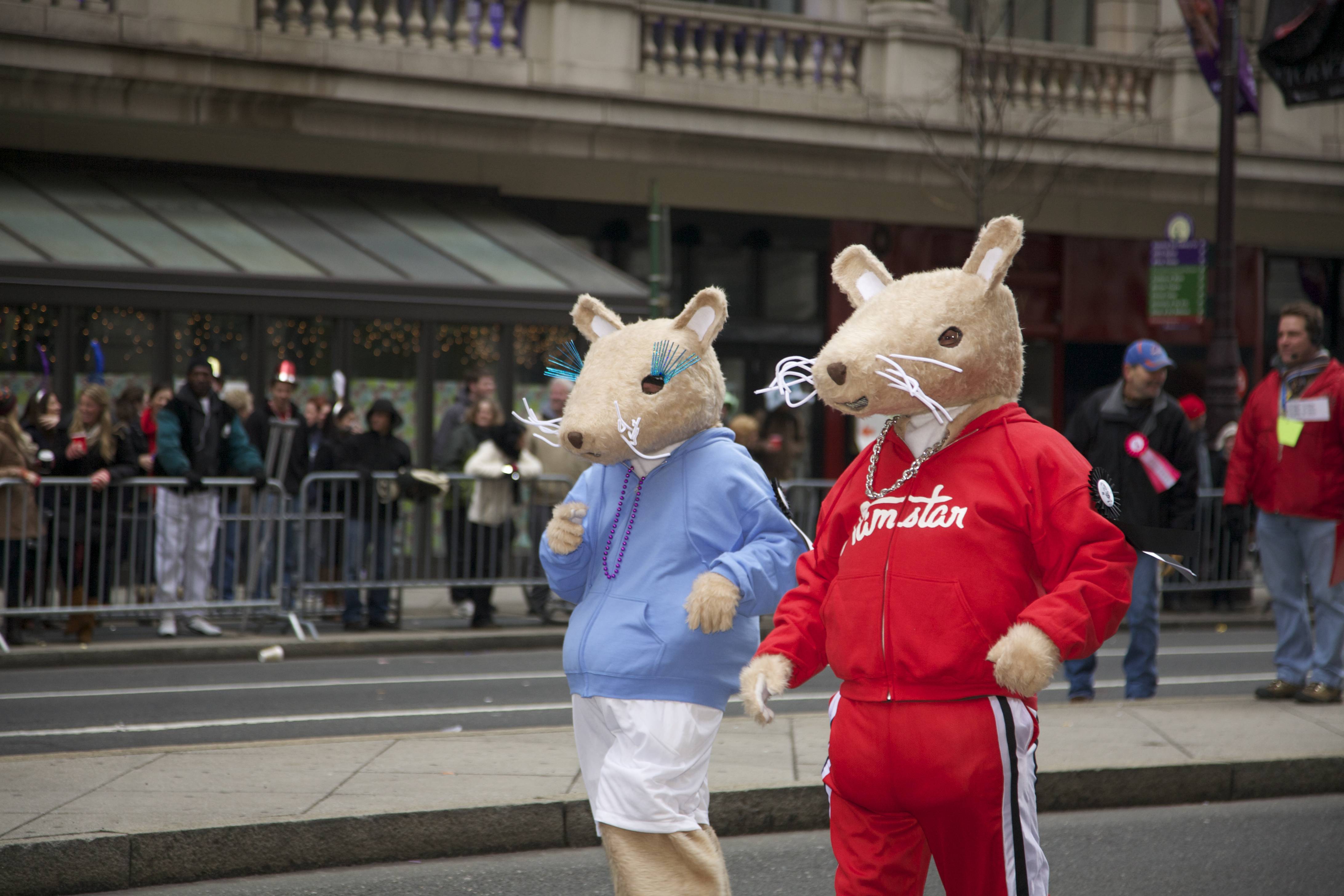
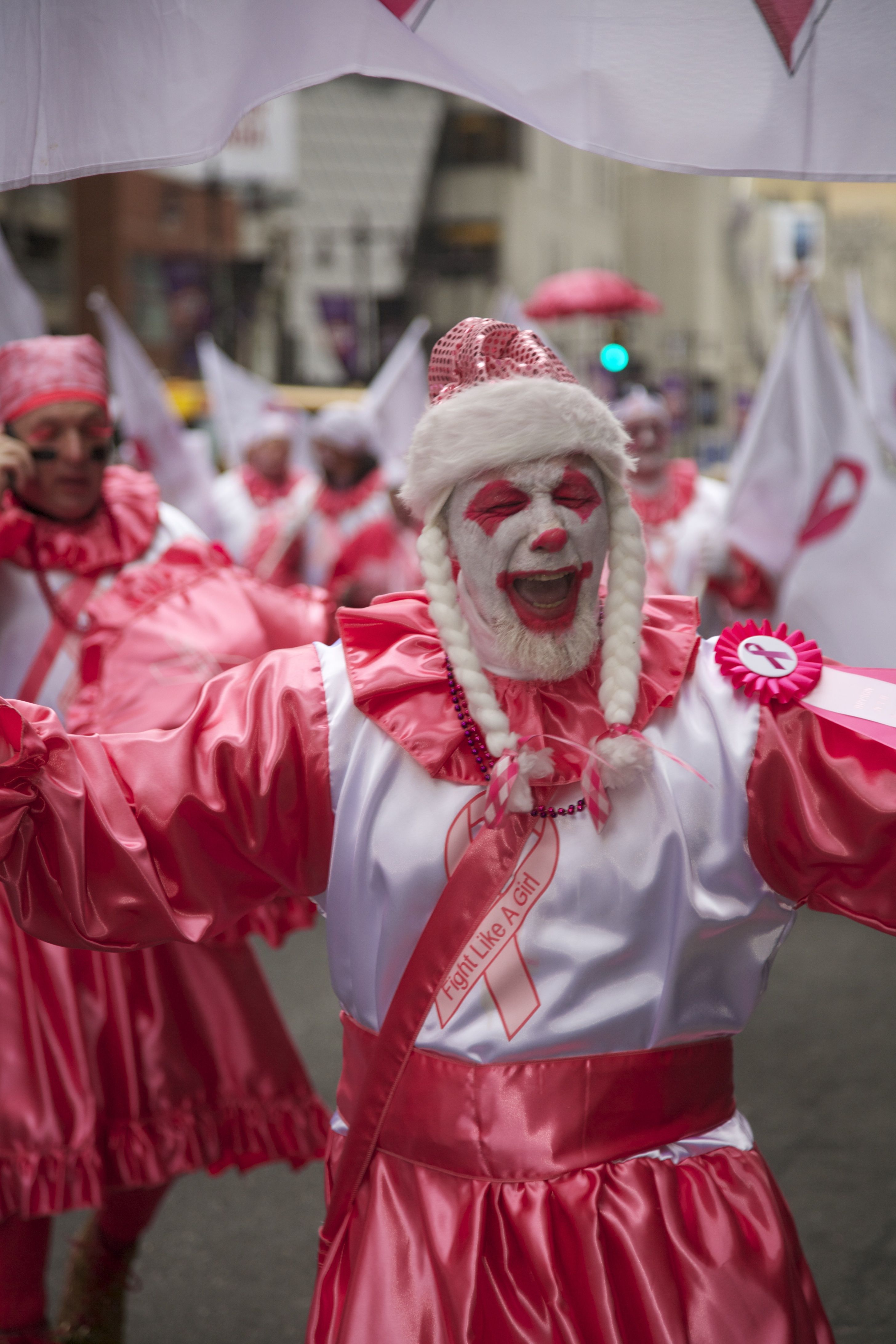
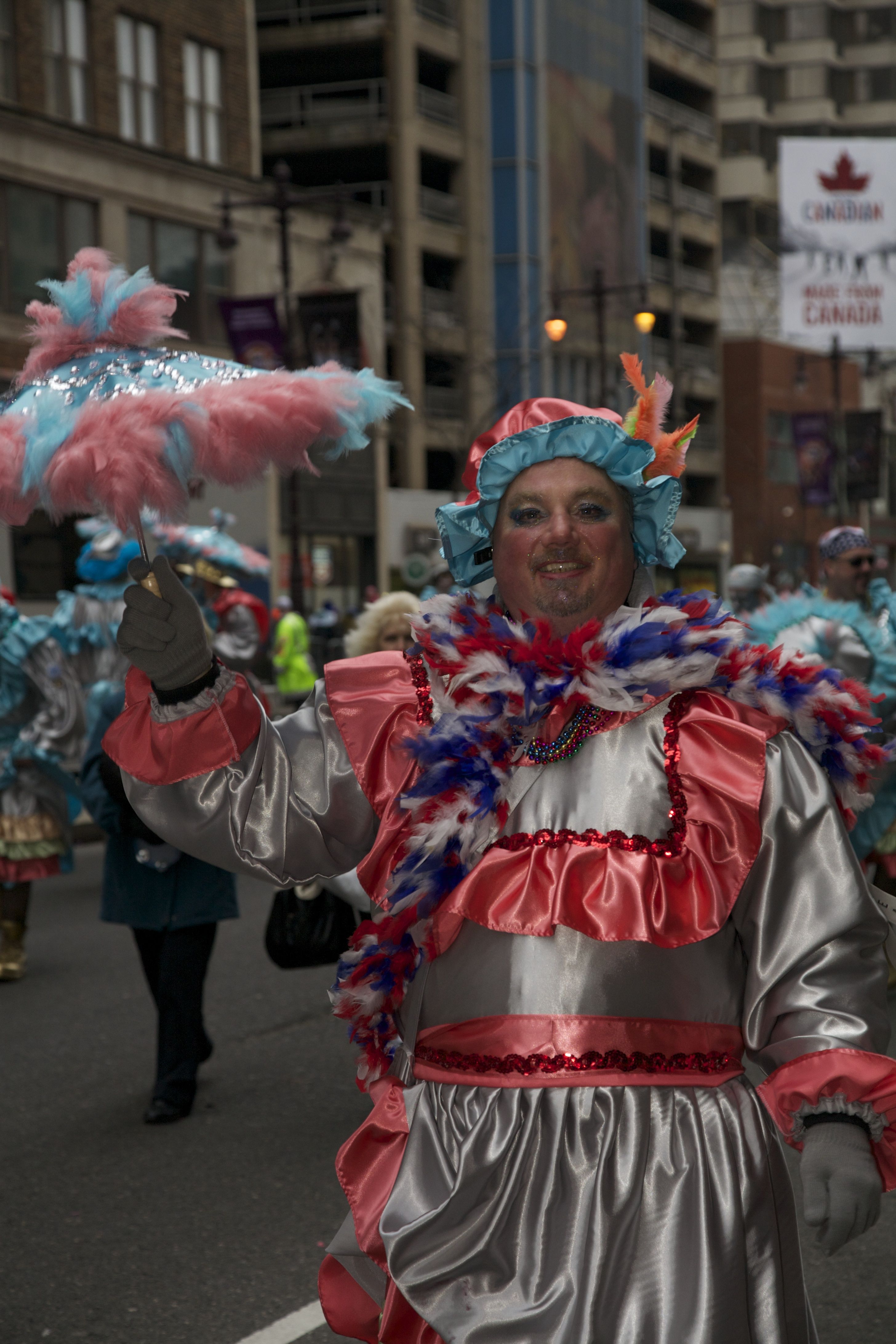
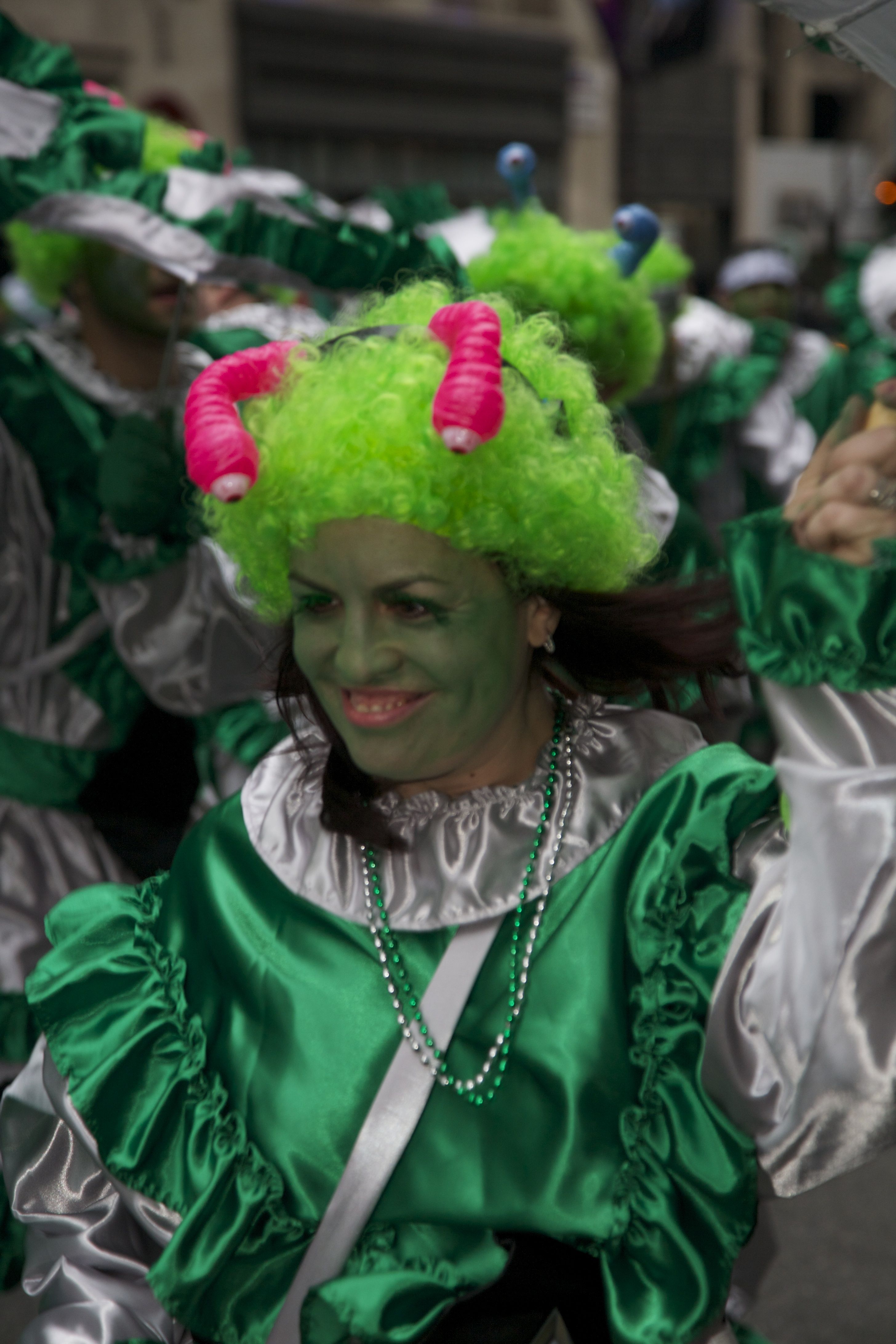
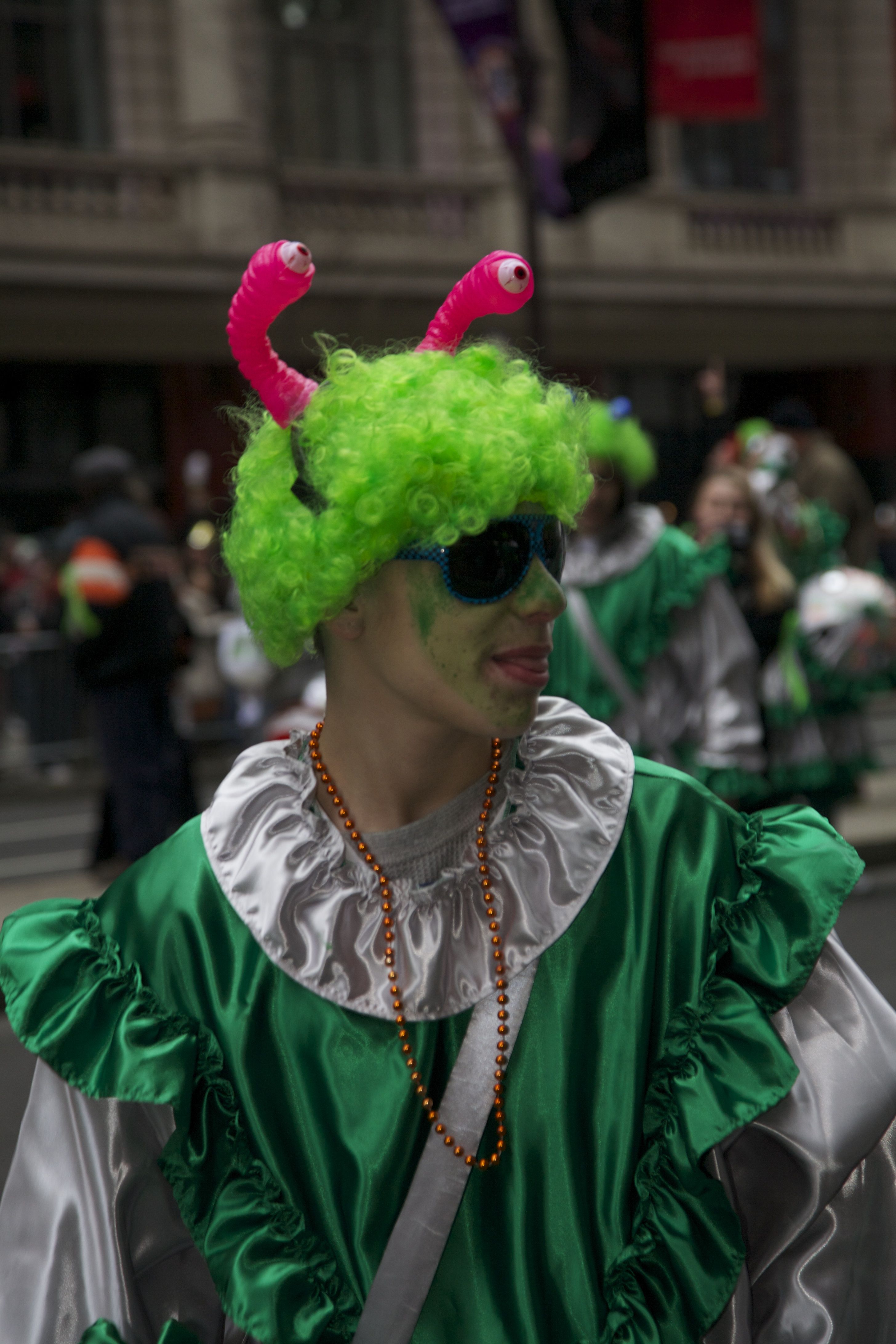
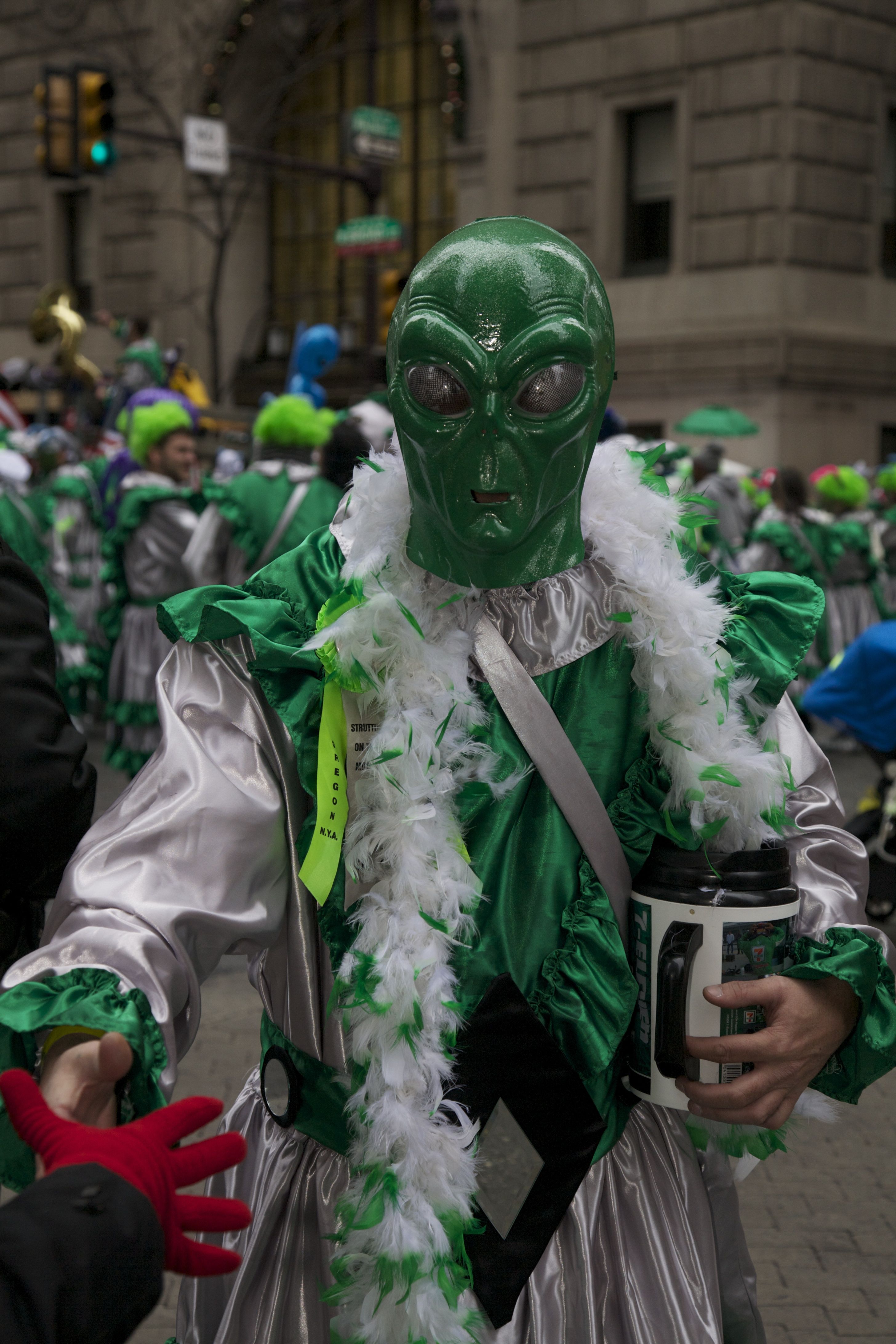
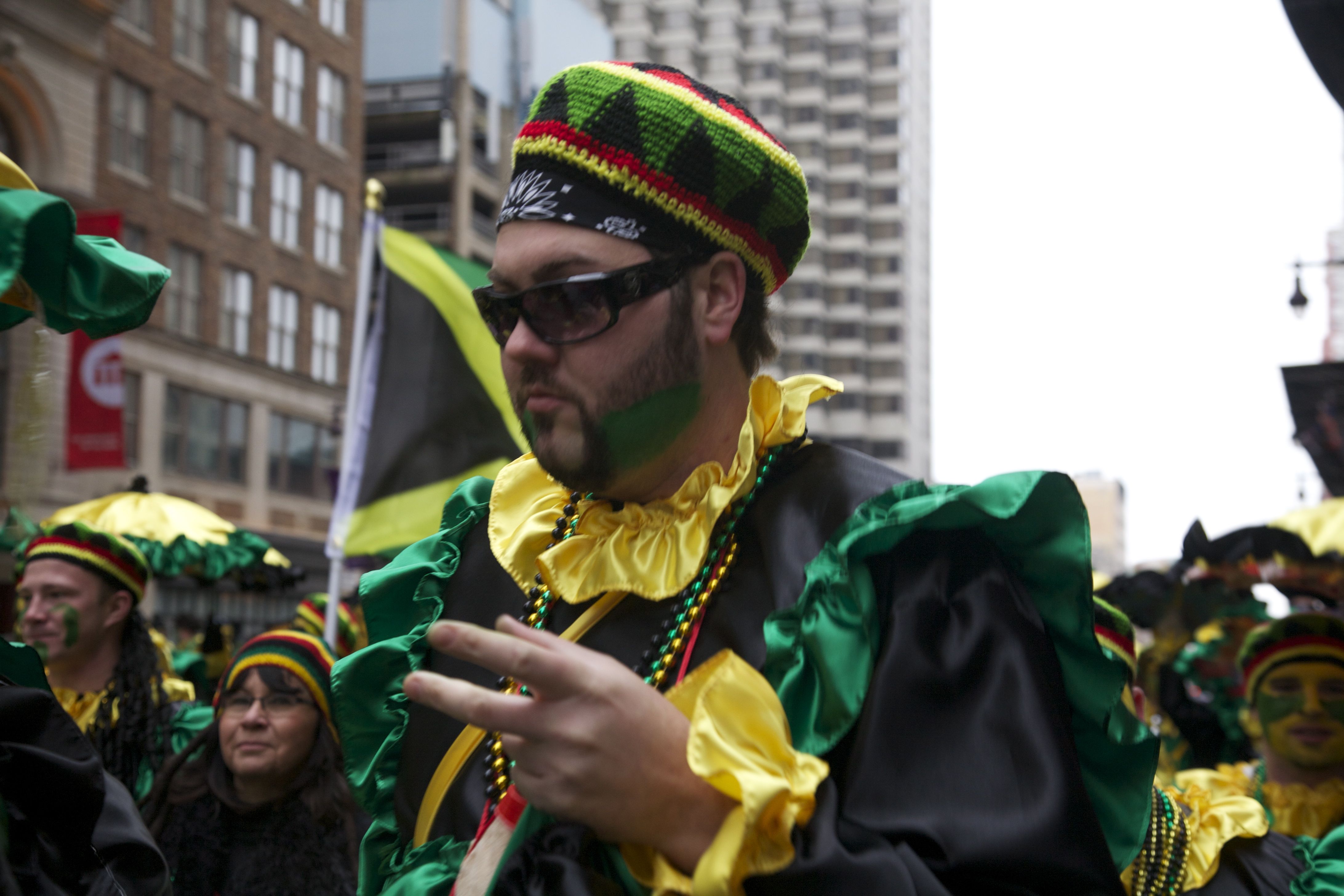
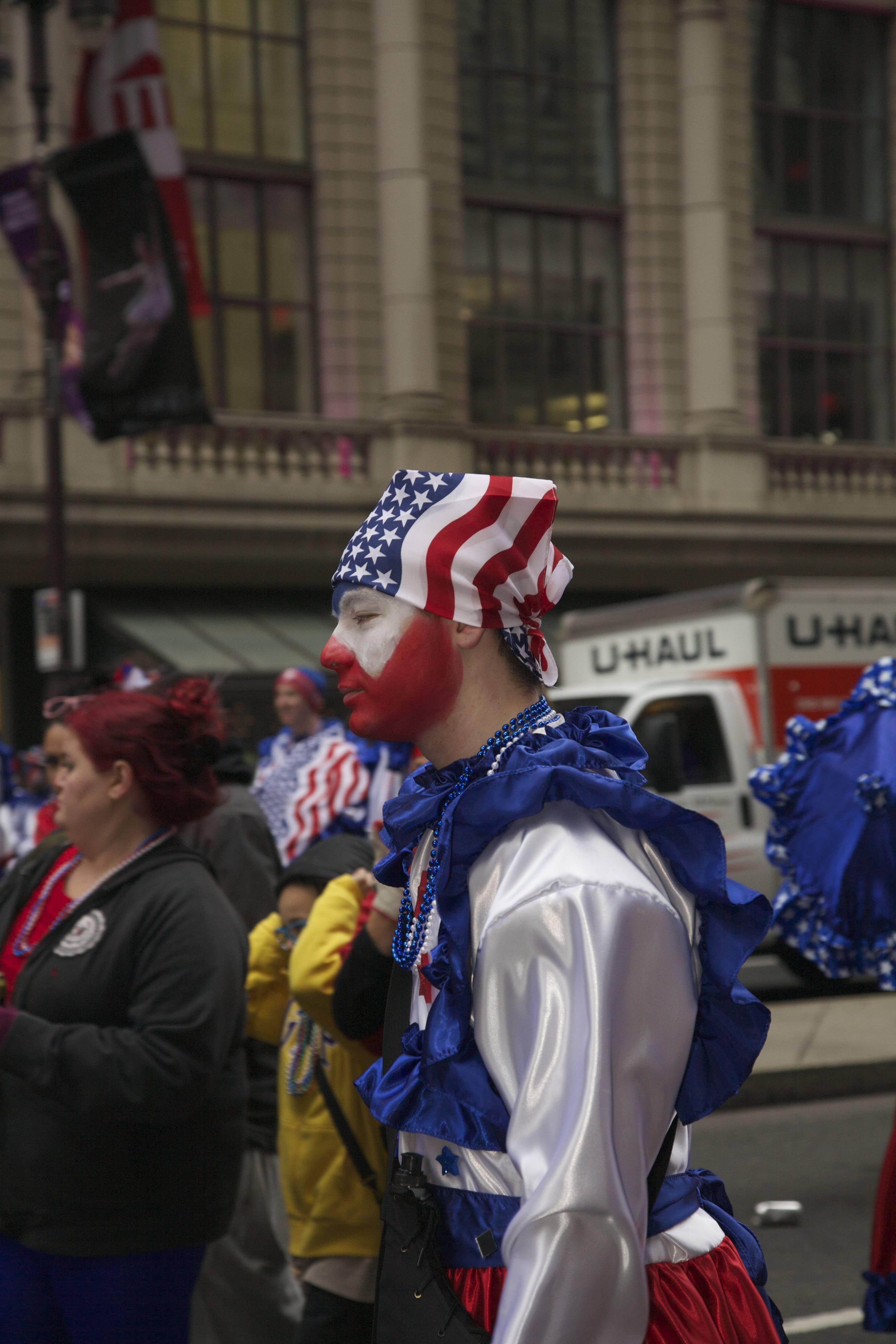
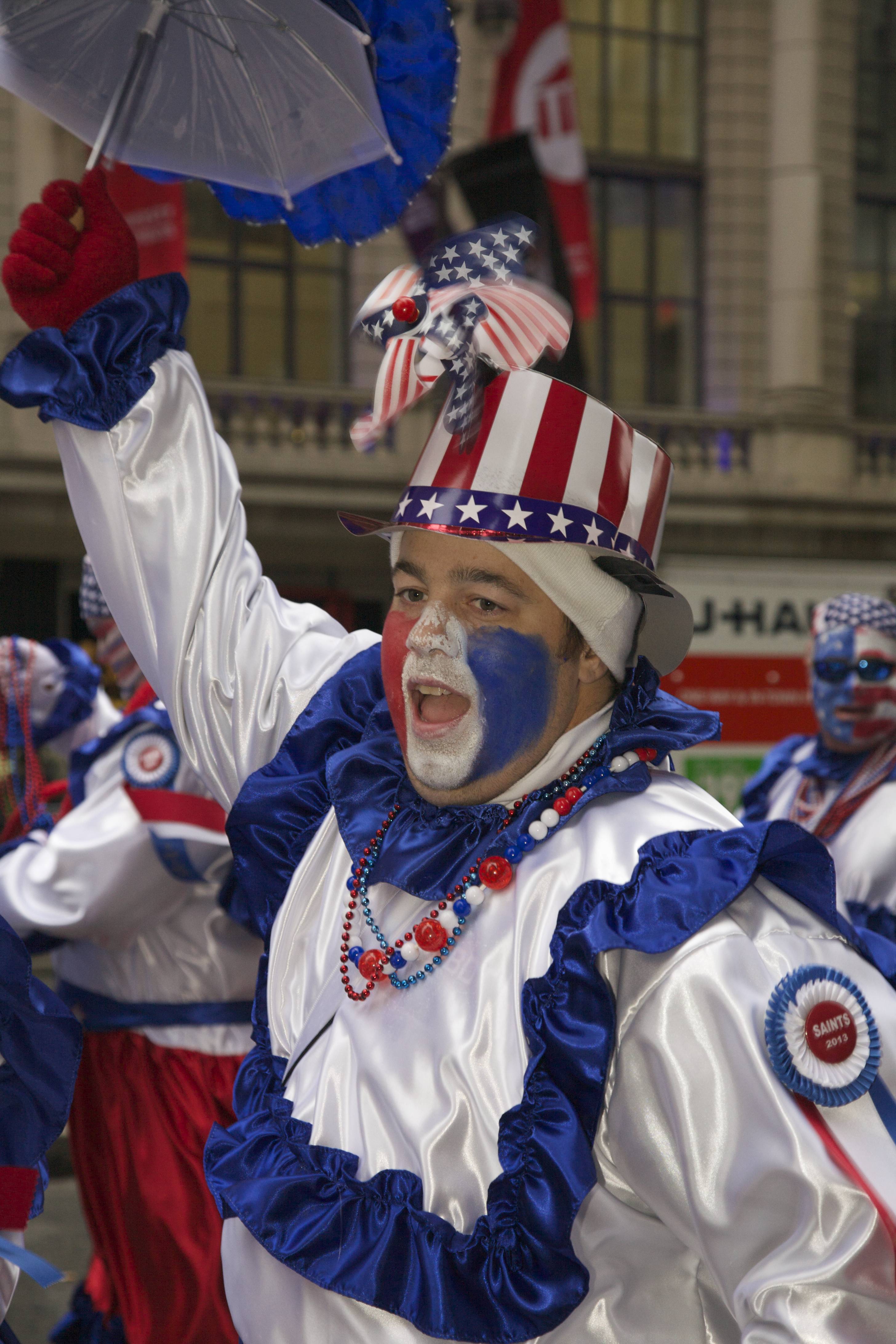
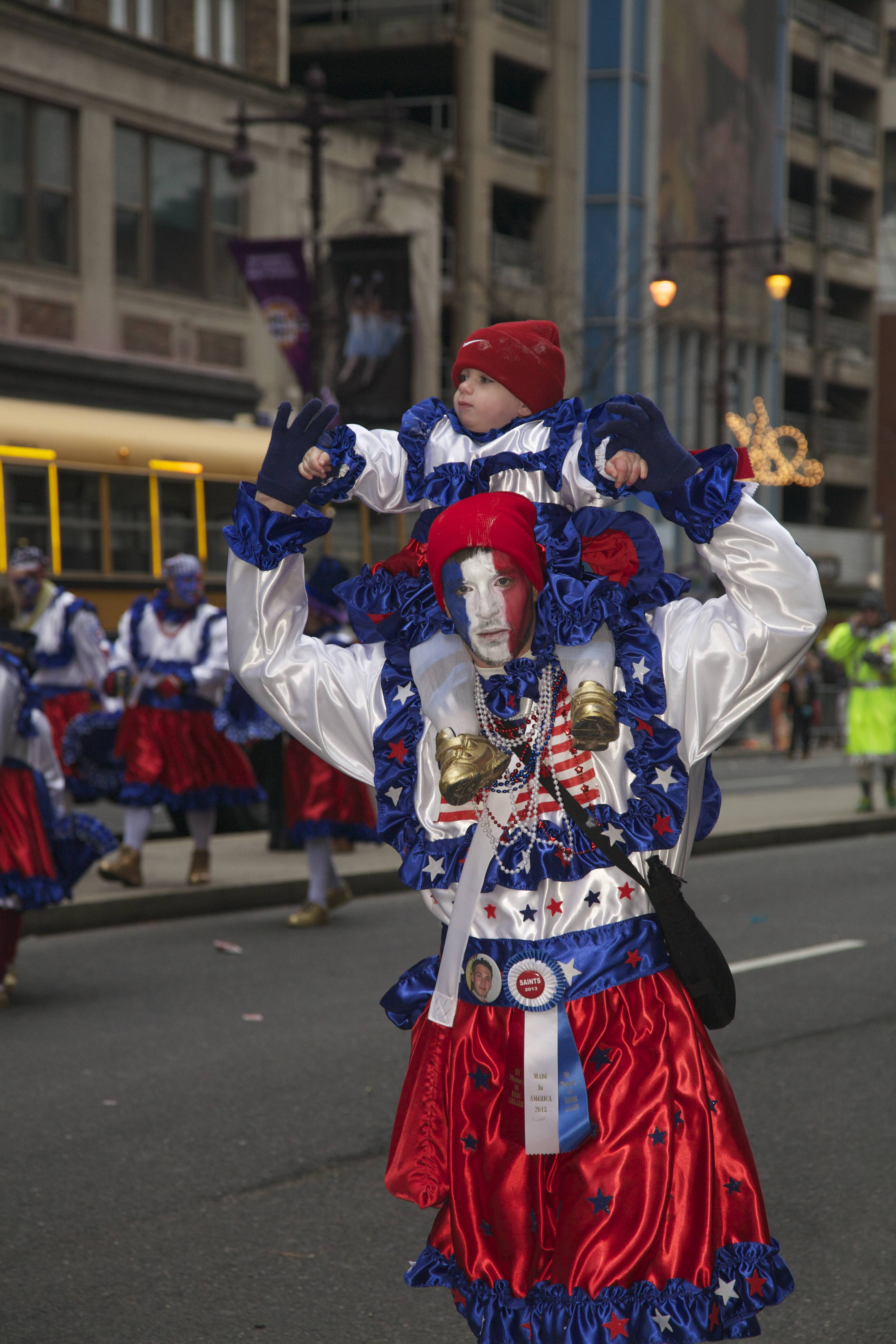
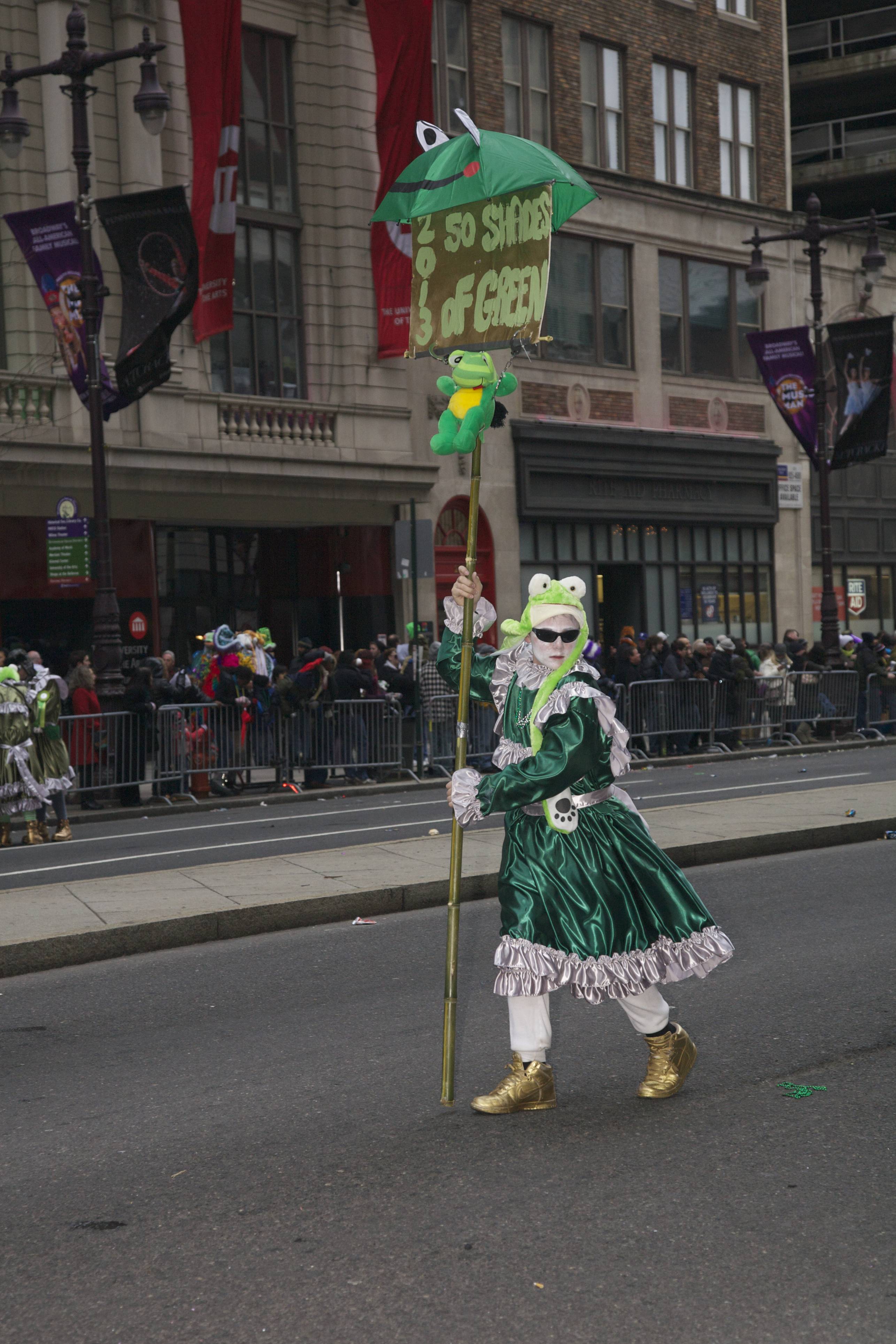
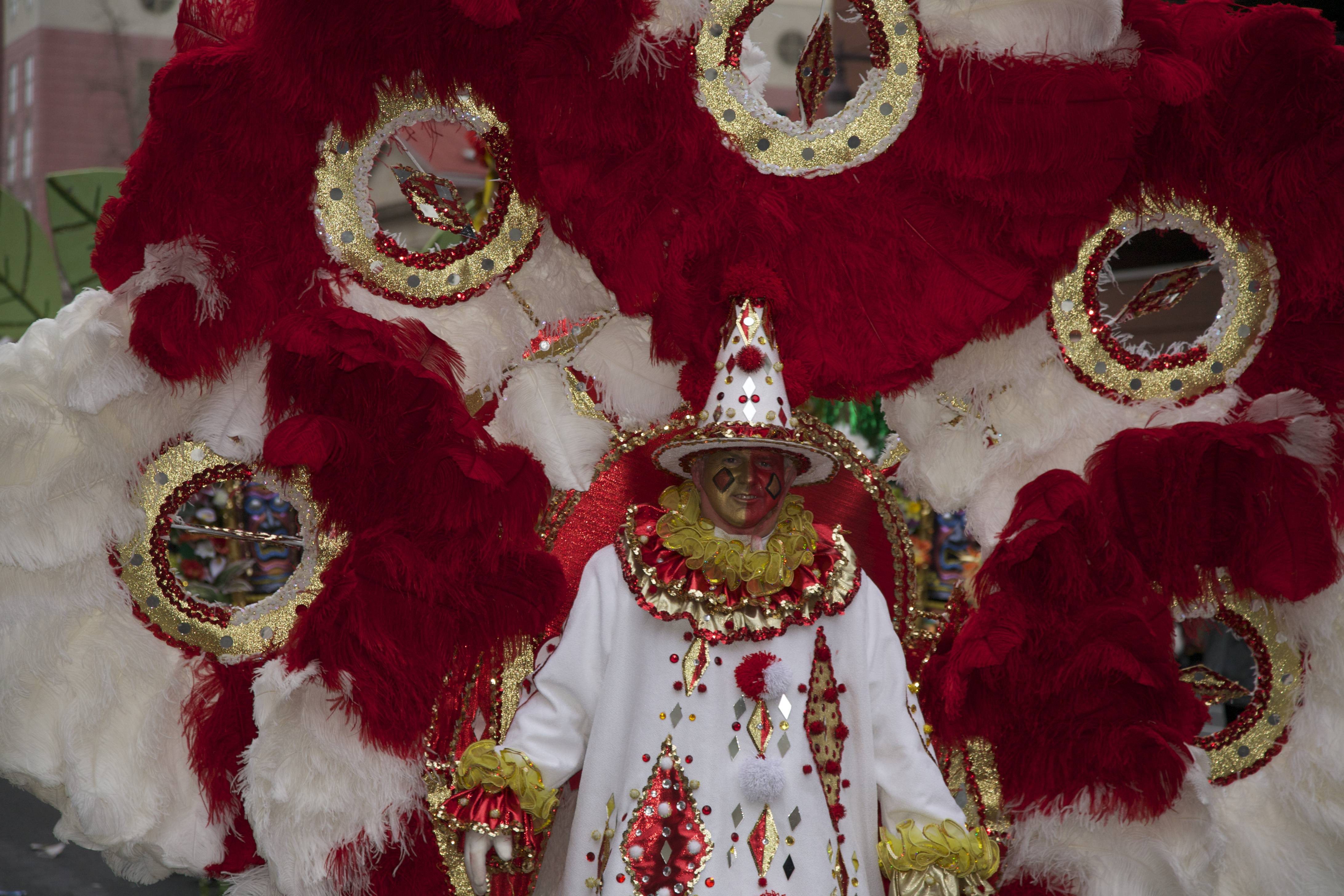
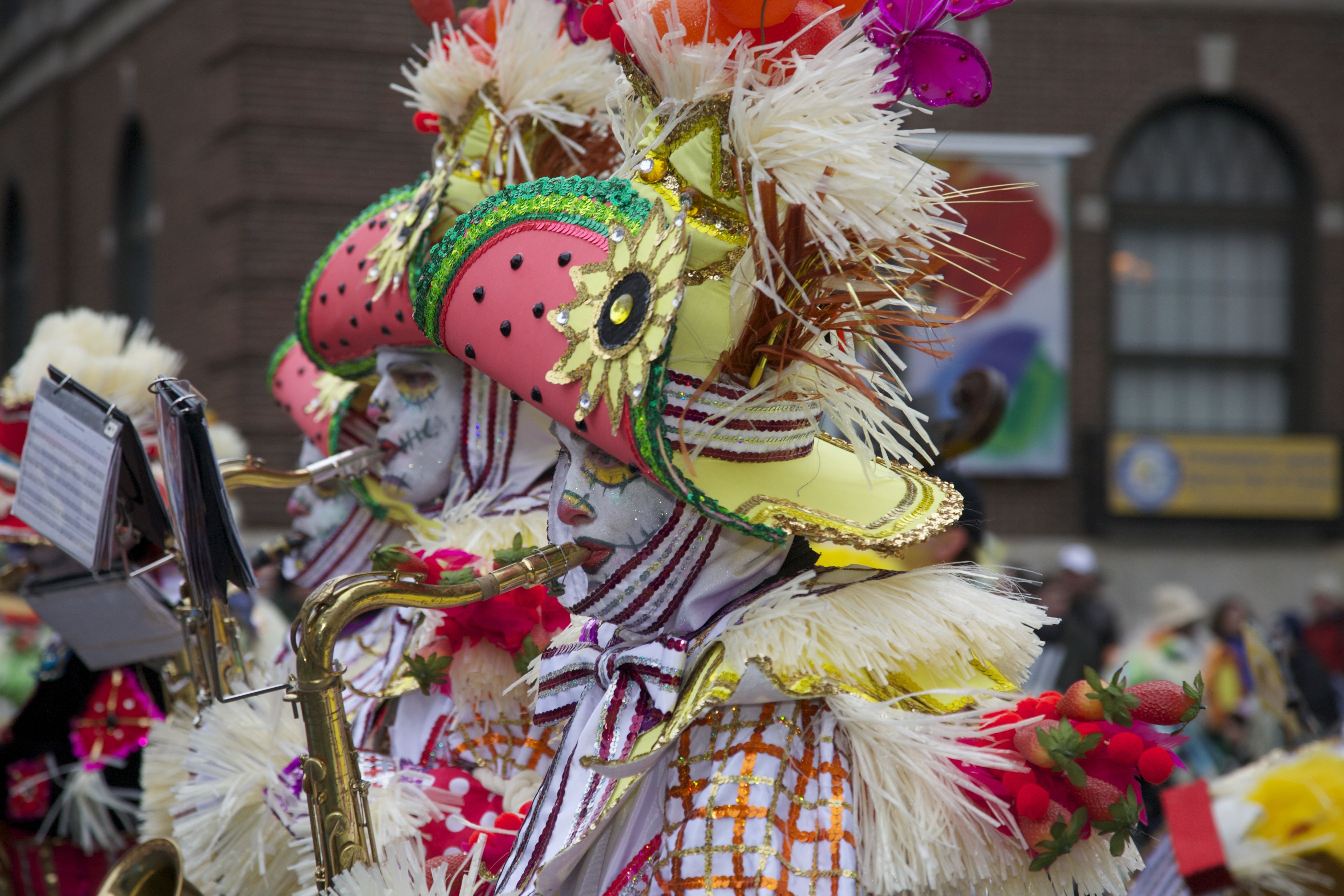
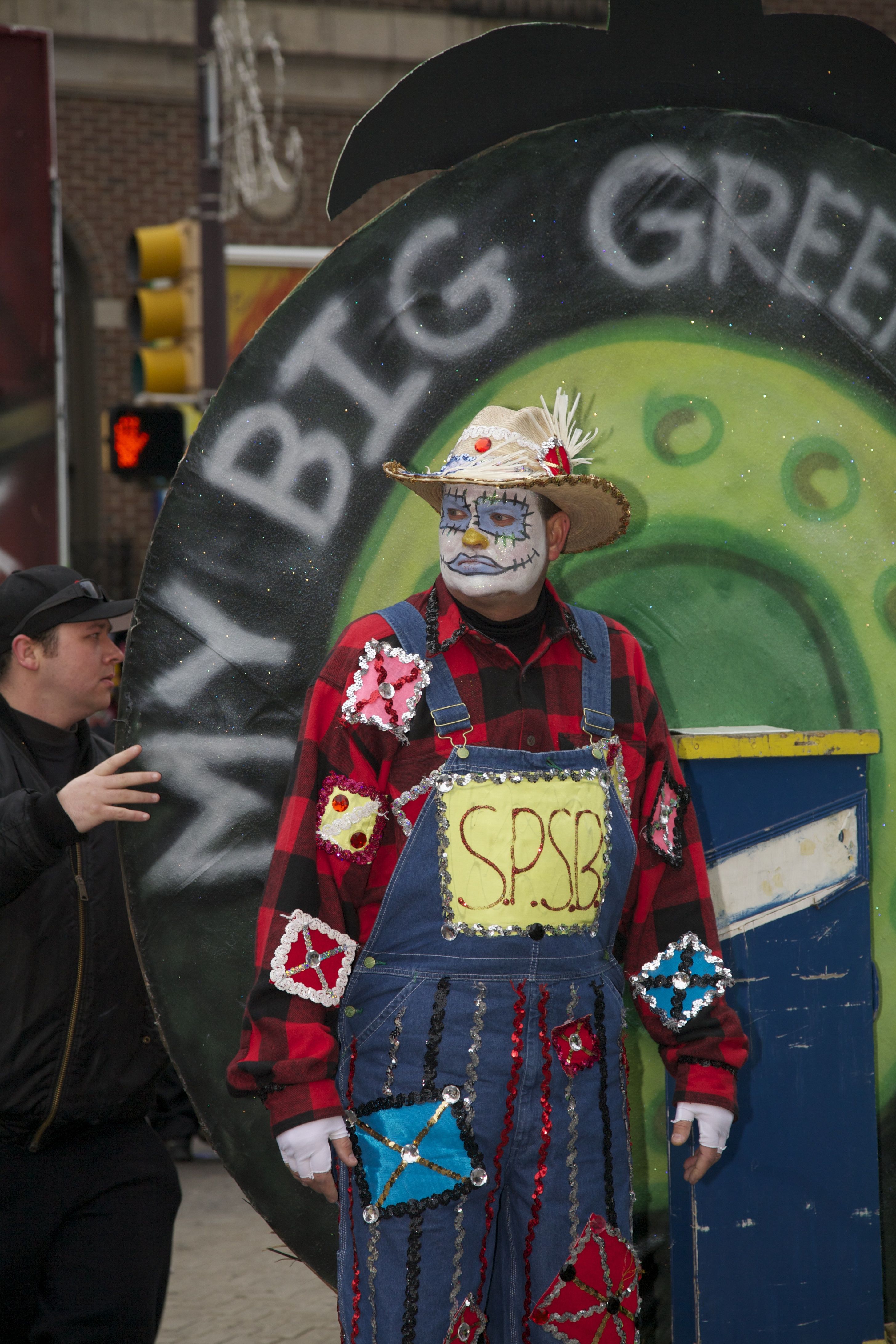
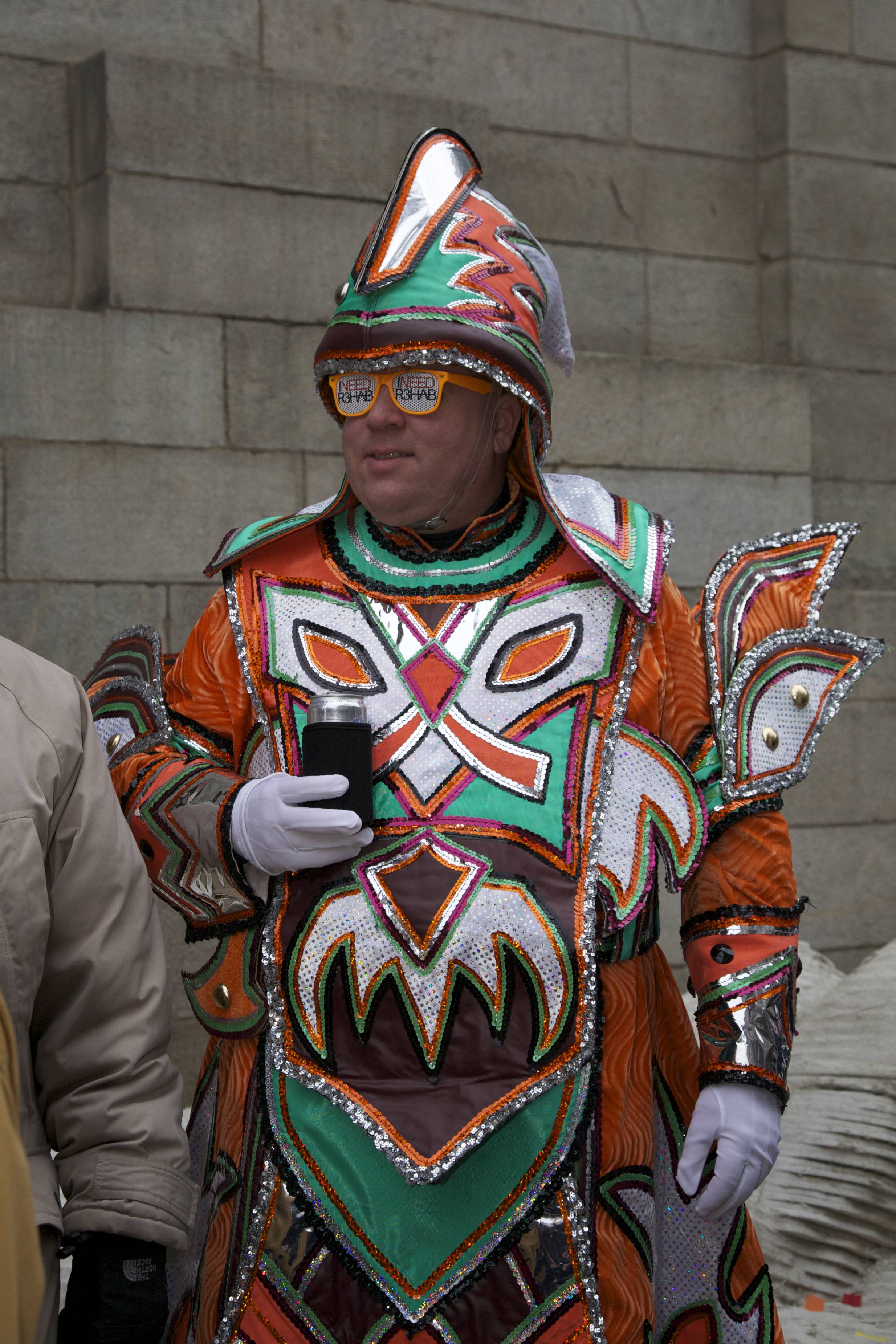
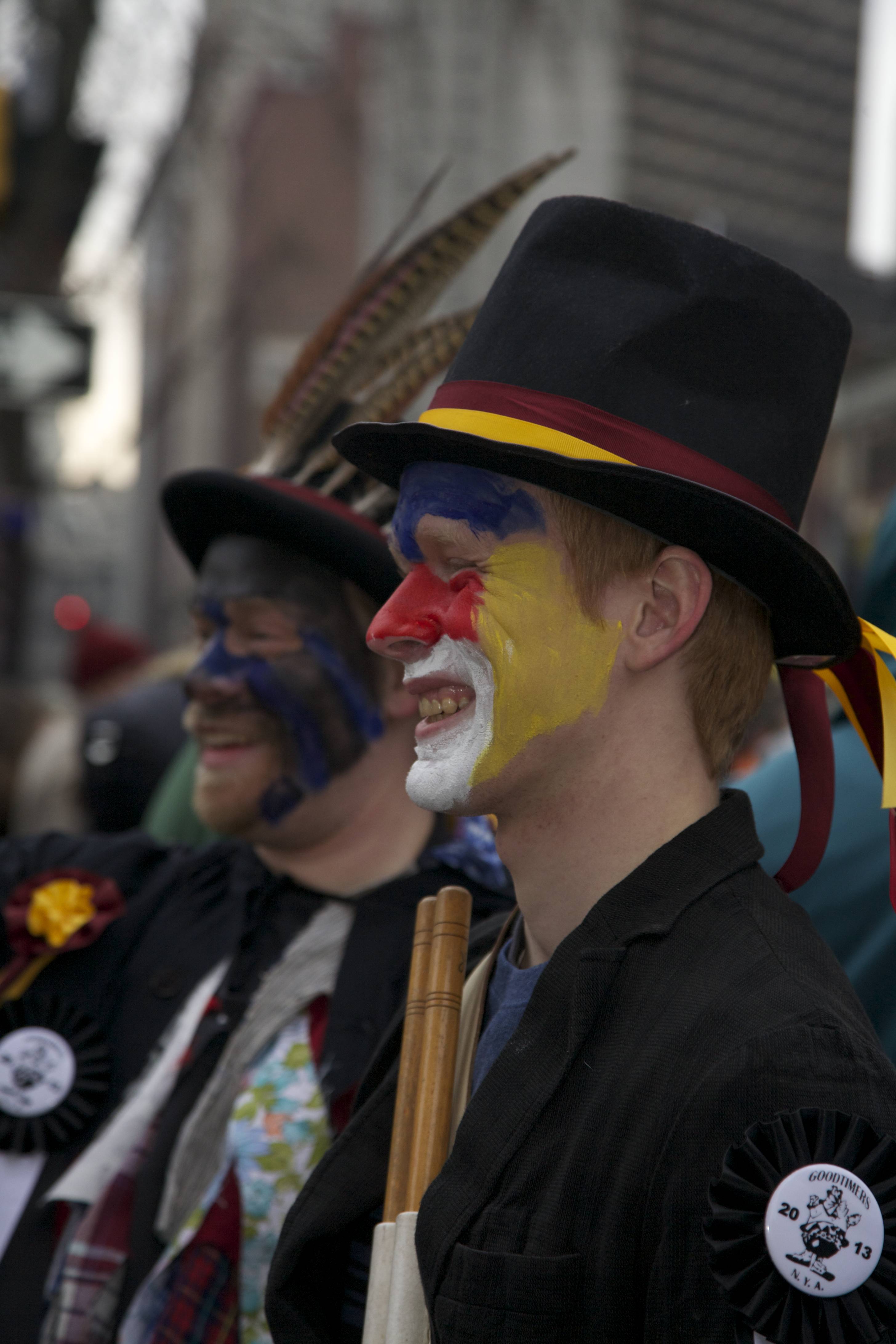
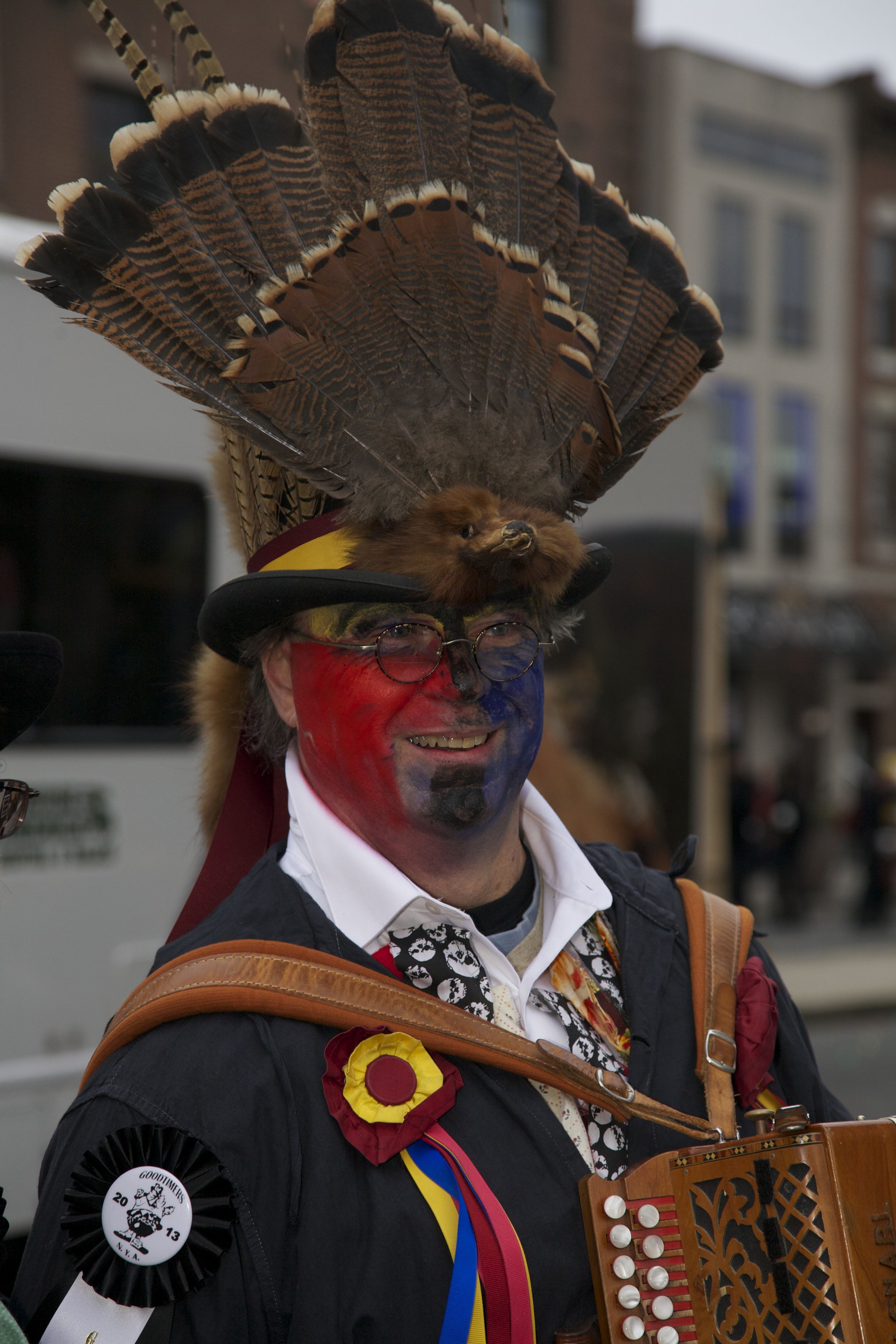
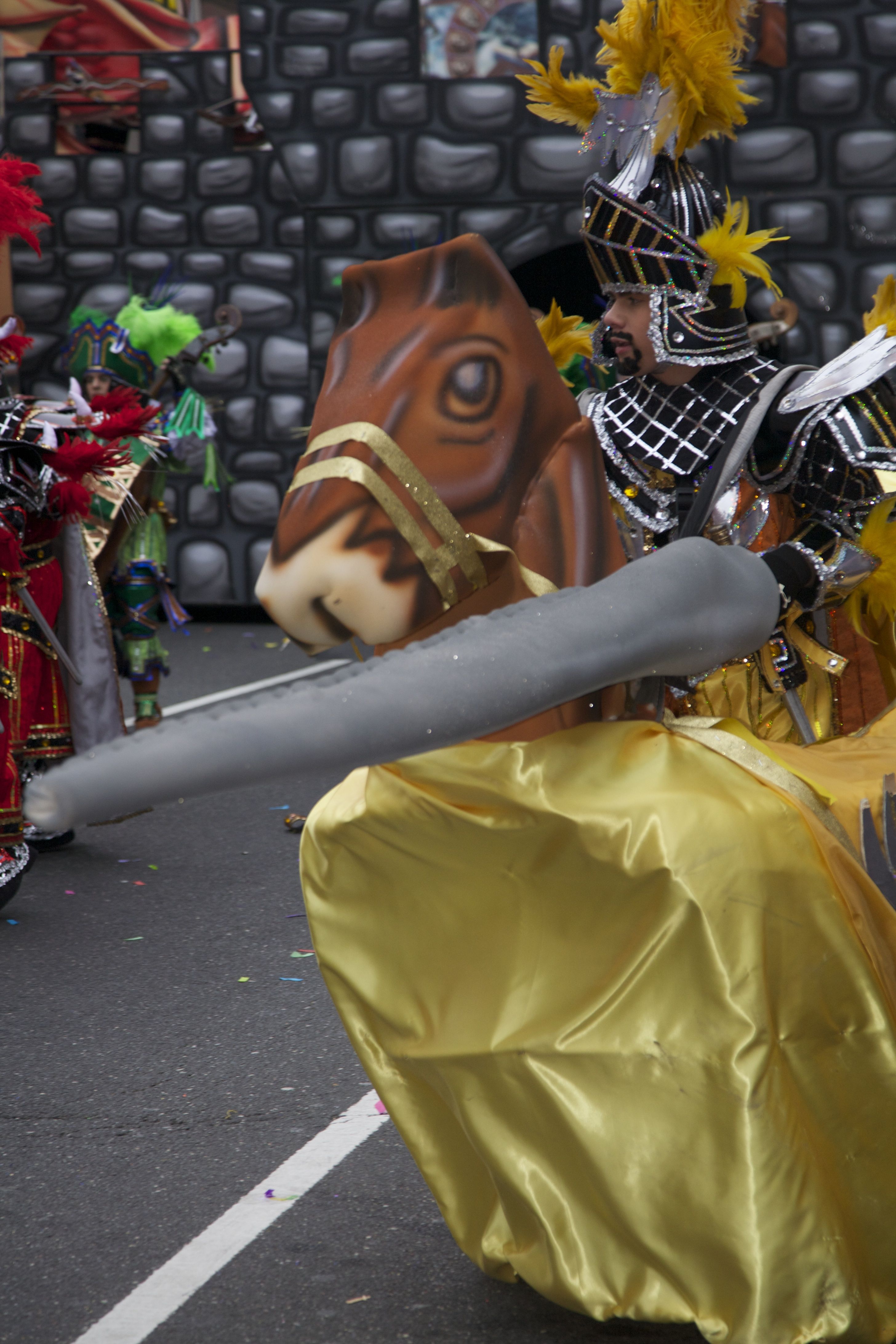
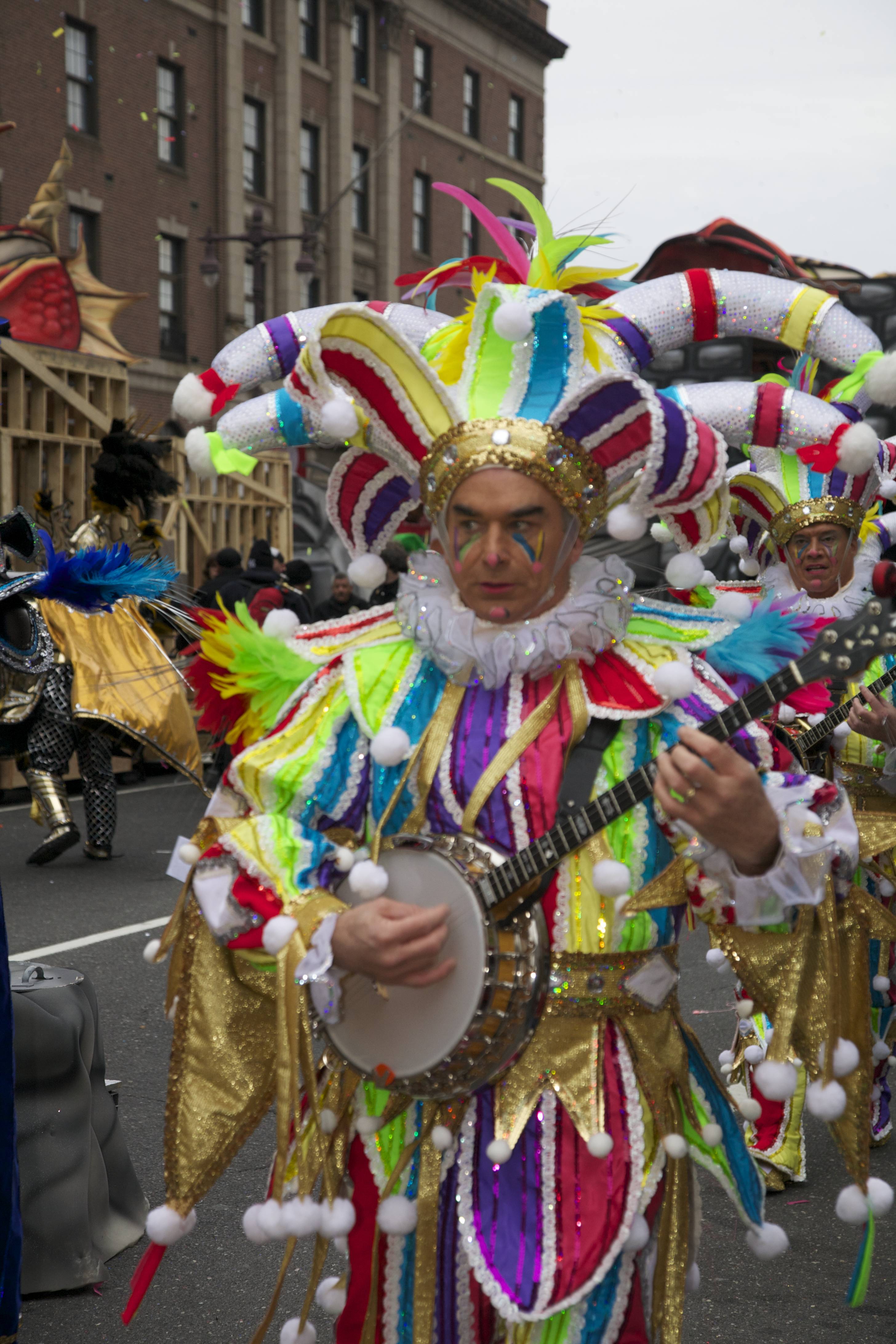
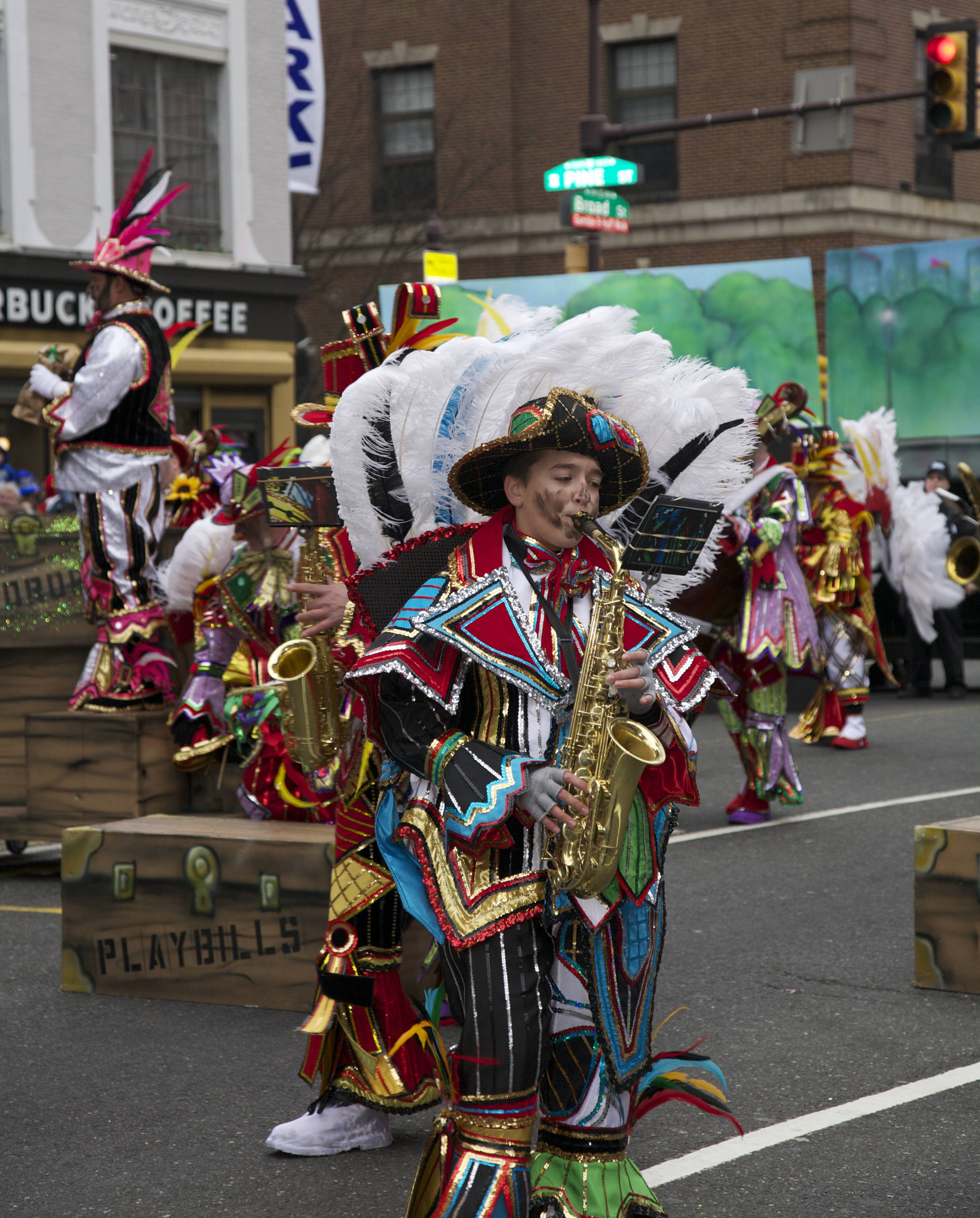
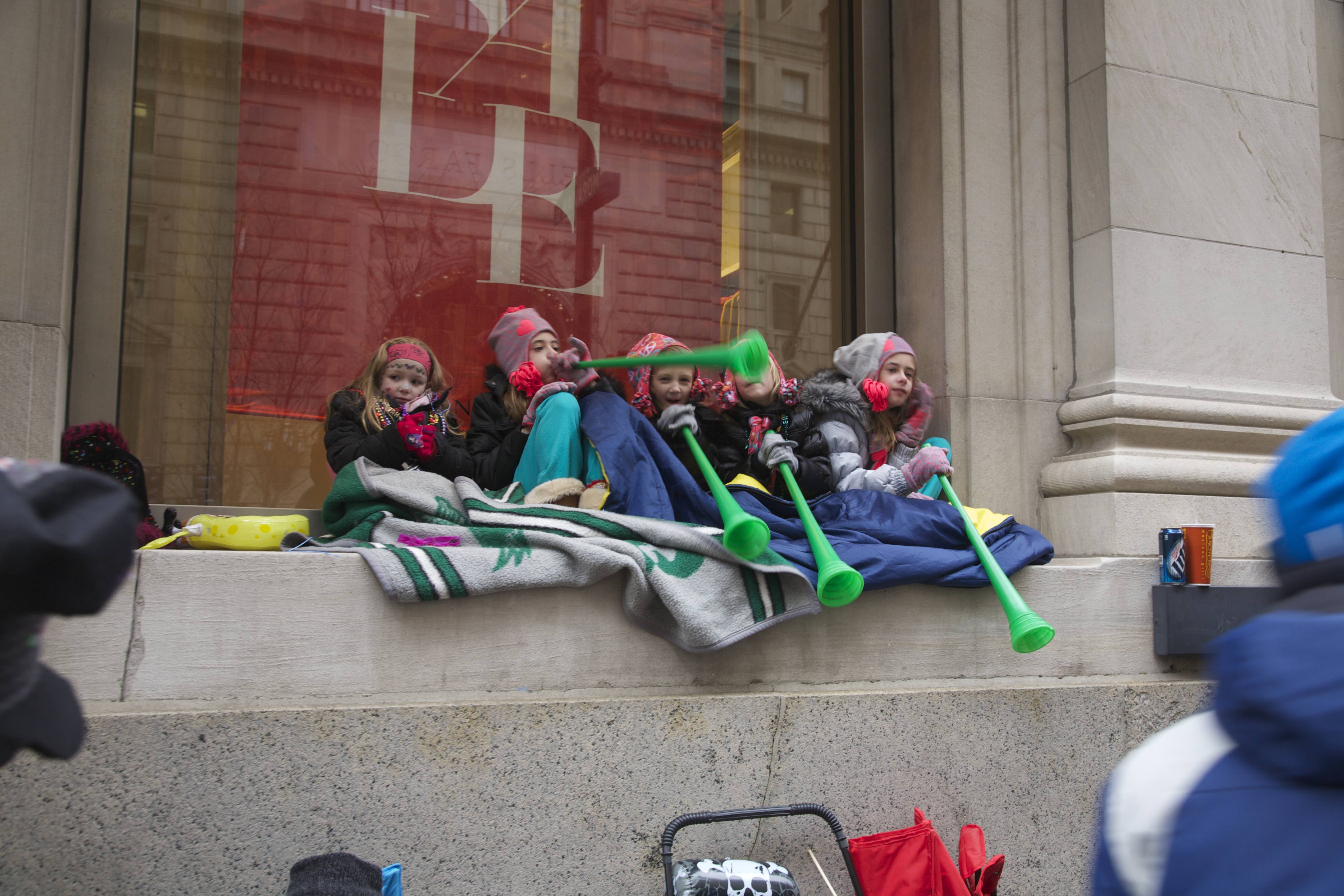
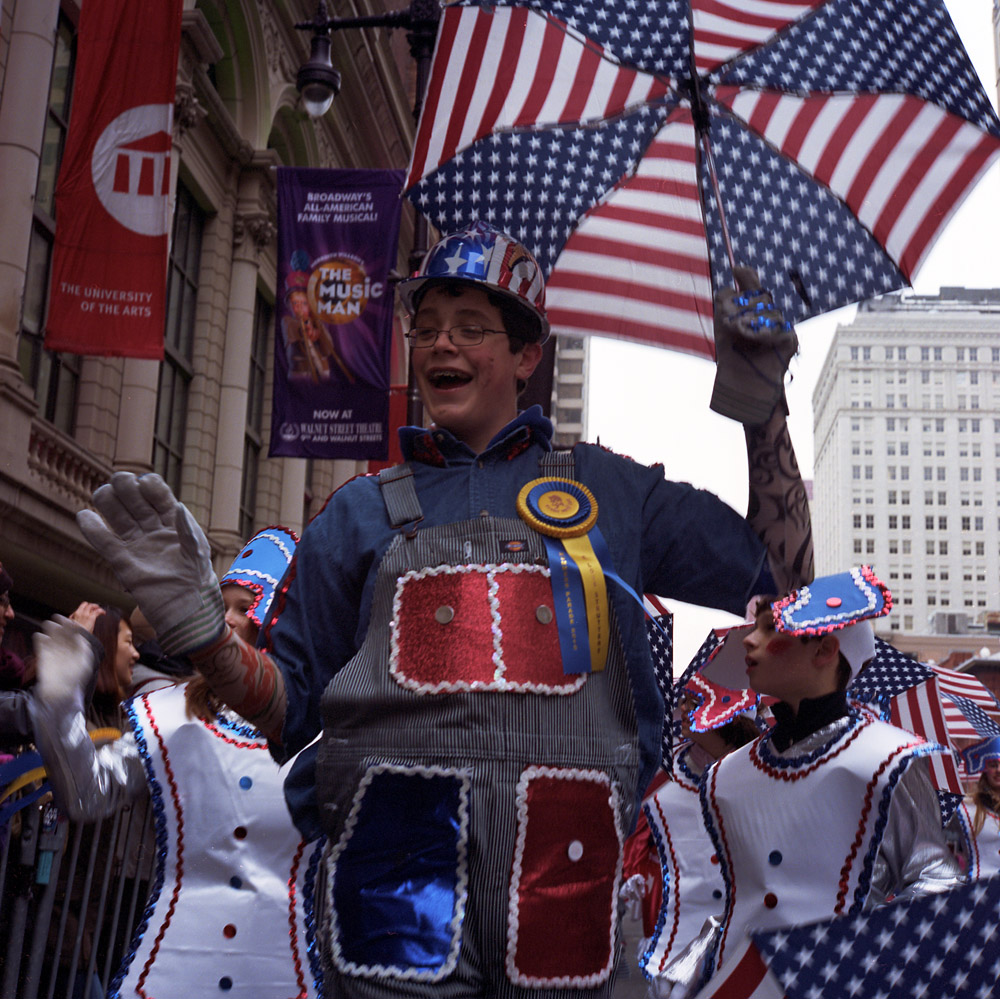
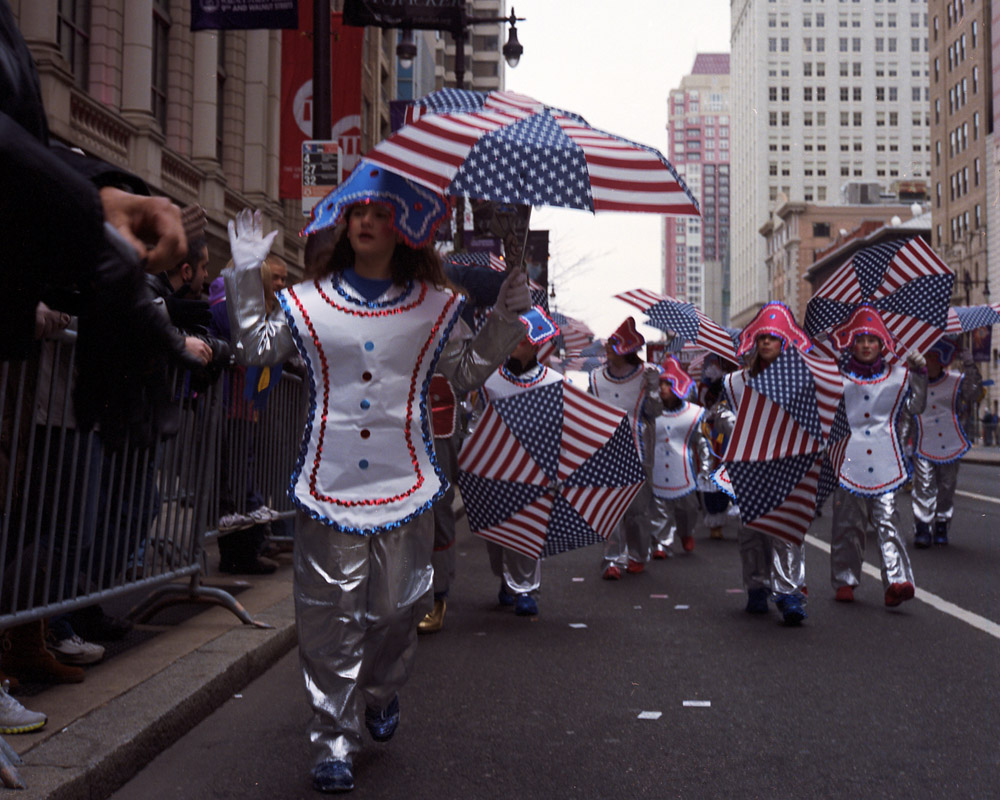
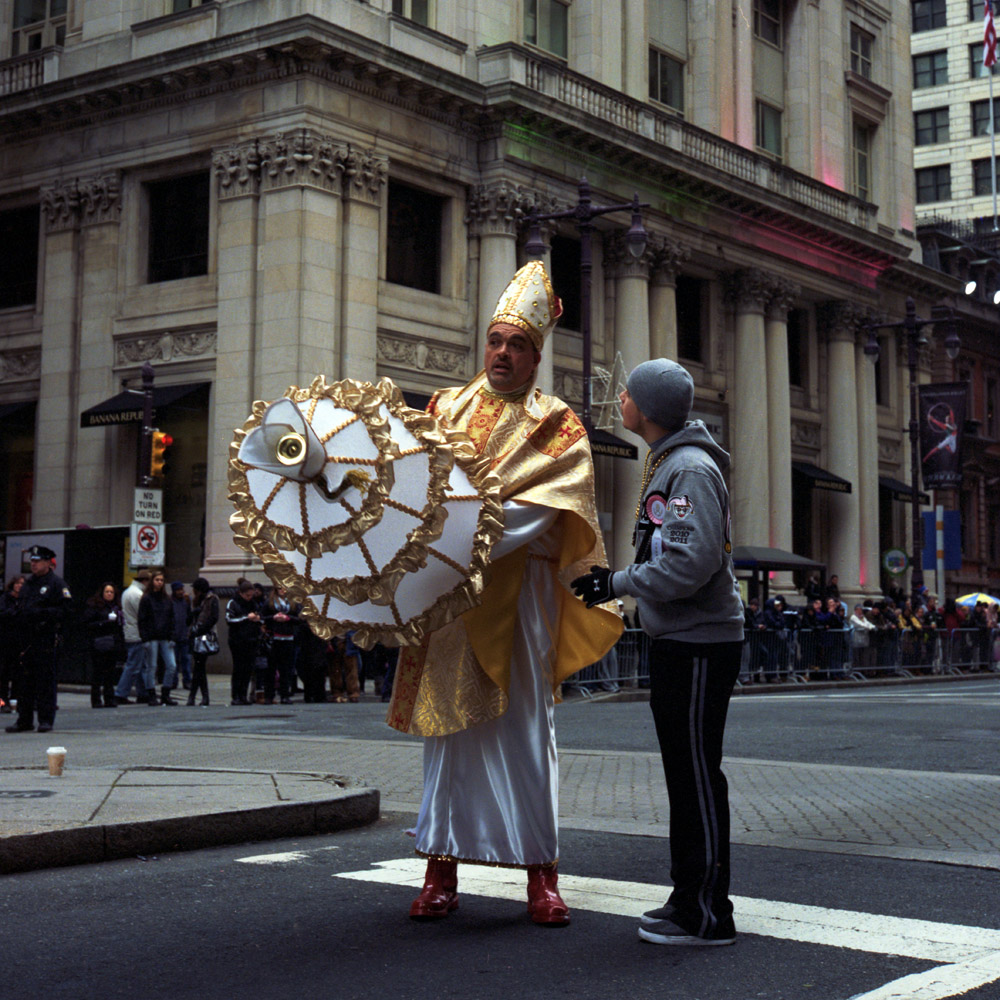
This is, for the most part, the “portrait” take on the Mummers Parade. With a few notable and obvious exceptions, these shots are of individuals in the parade. One of the things I found fascinating about the parade is the age range of the participants – everyone gets involved from toddlers in their first satin wench’s frock to seniors in mobility scooters. It’s a very family-oriented event despite the blatant public consumption of alcohol (frequently to excess, as my witnessing of a young, possibly underage, woman disgorging her beer onto the asphalt demonstrated. And NO, I did not document her embarrassment).
I’ll come back and do one more post of the Mummers Parade with the group shots, when I’ve got those organized.
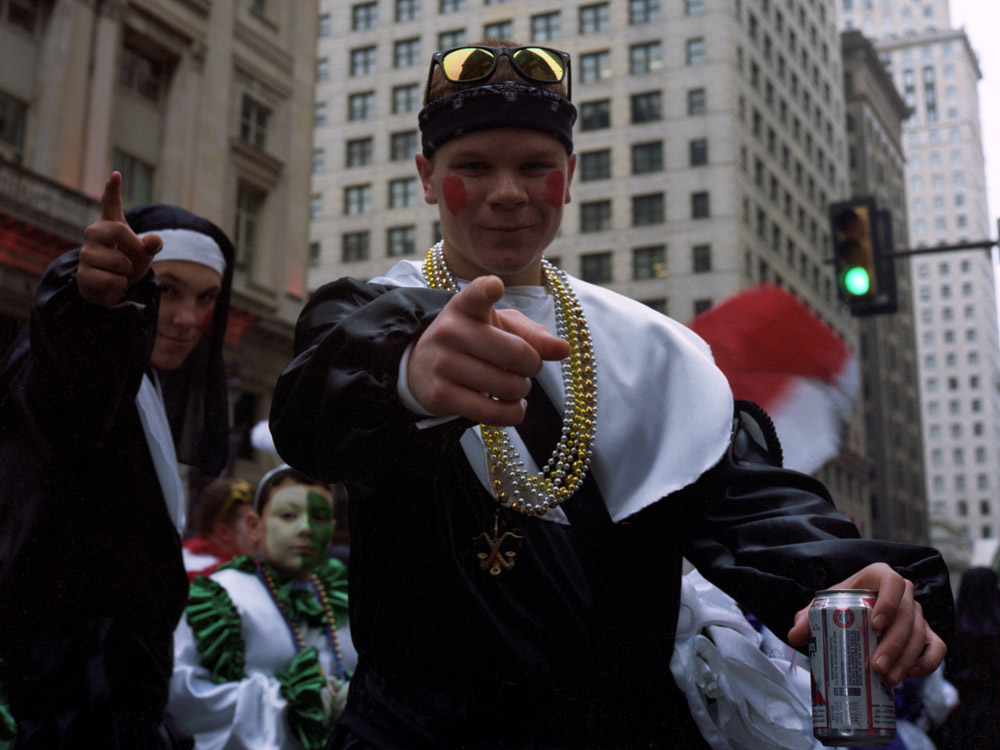
A few more from the parade, taken with the Rollei. I have about 300 digital files to edit through before I post those – I switched to the Canon 5D after shooting these because the Rollei was rather labor-intensive and the lighting was rather dim, limiting me to slow enough shutter speeds that I was getting motion blur with a lot of images and I didn’t want to waste film. I think what came out best with the Rollei are images I’d classify as portraits. It excels at shooting people filling the frame at relatively close distances. Or maybe that’s just what I’m good at and I’m confusing the camera’s talent for my own.











 dcphotoartist