When I get finished processing all 79 rolls of film from this trip, I’ll have more of these to add, but until then, here’s a selection of public fountains. The Italians certainly love their water features and drinking fountains.
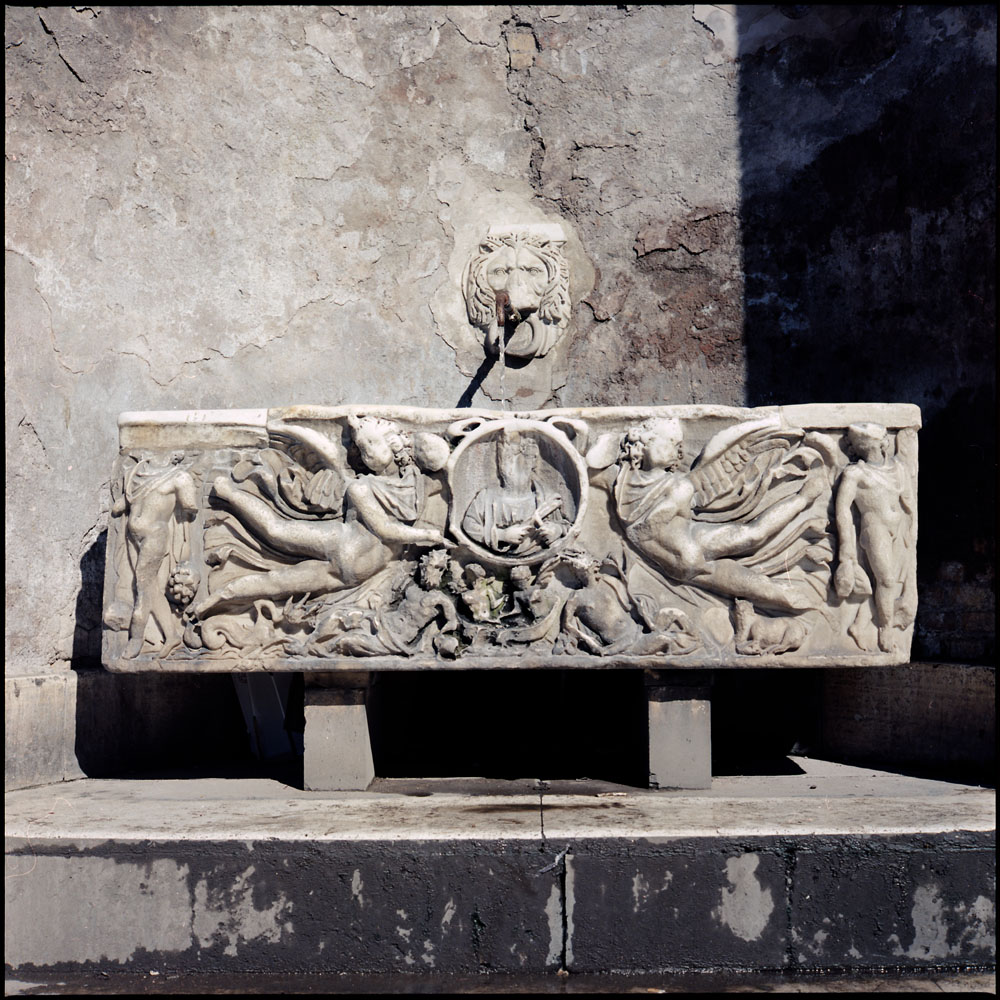
I’m certain I mentioned this before about the ancient fountain at the Colosseum, how you plug the bottom to get water to come out a hole in the top of the pipe so you don’t have to bend over to drink.
Ancient Fountain, Colosseum
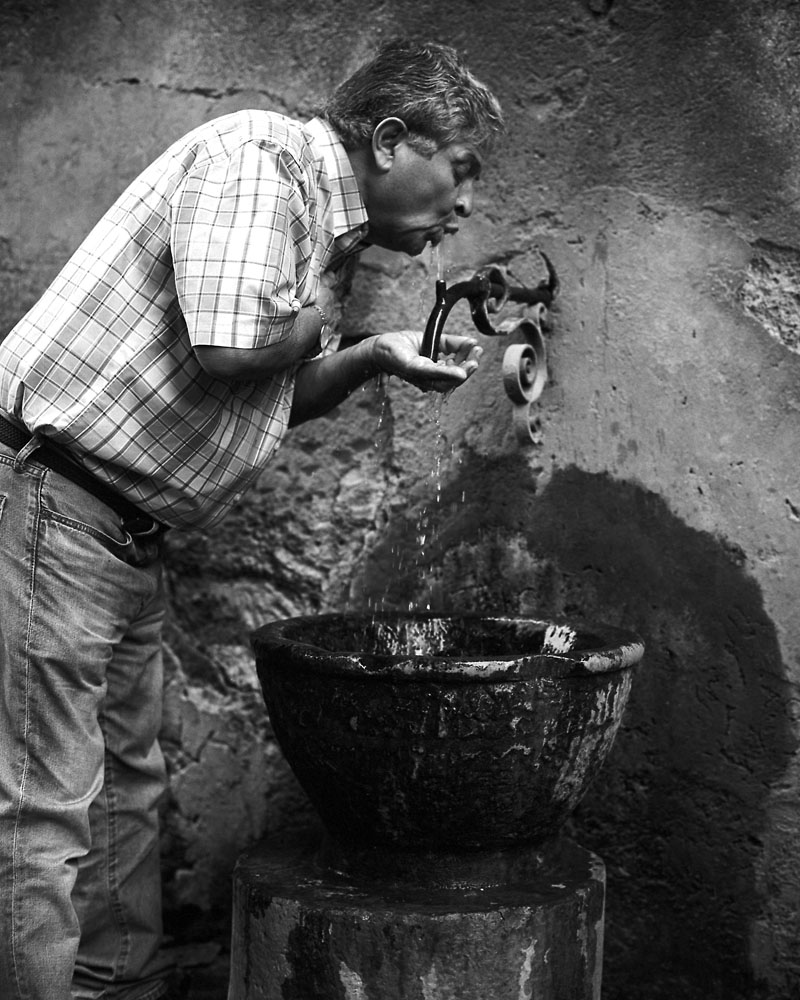
Well, here you can see that in action, at a similar fountain in the Castel Sant’Angelo:
Drinking Fountain, Castel Sant’Angelo, Rome
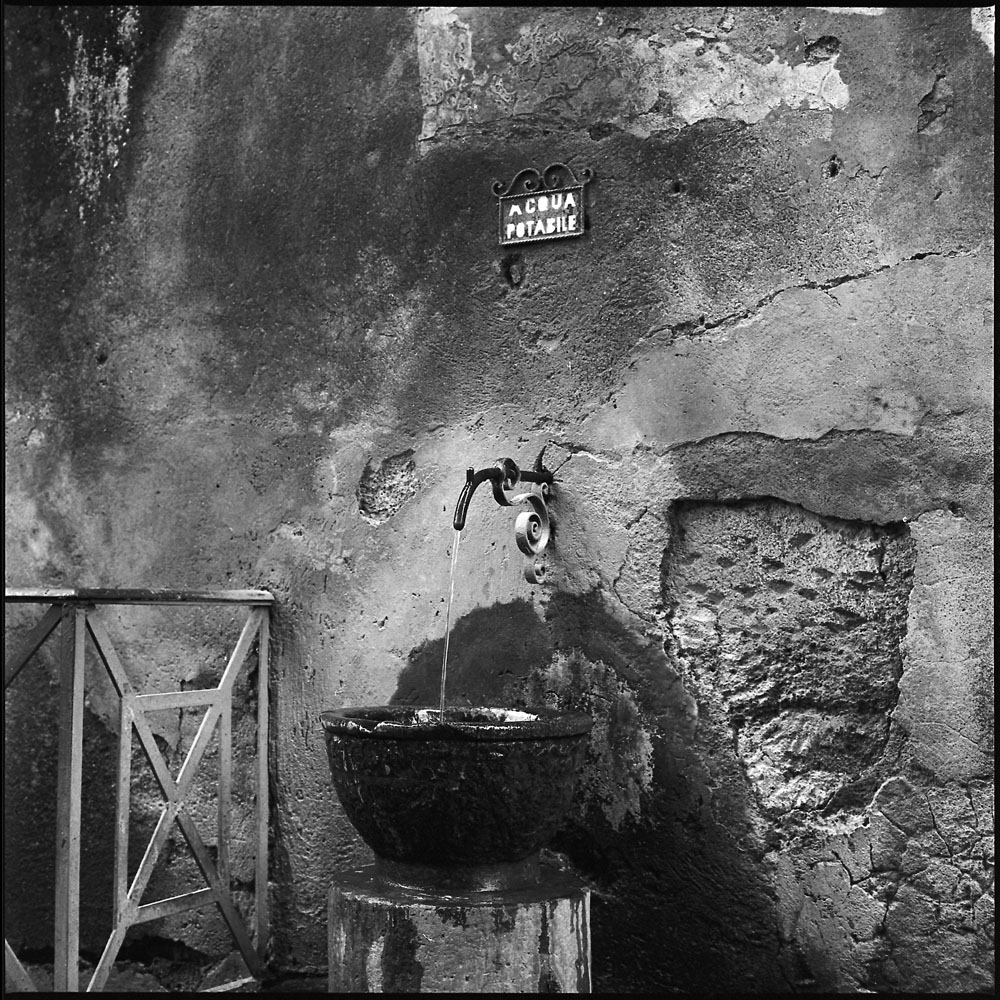
And a full view of the fountain:
Acqua Potabile, Castel Sant’Angelo, Rome
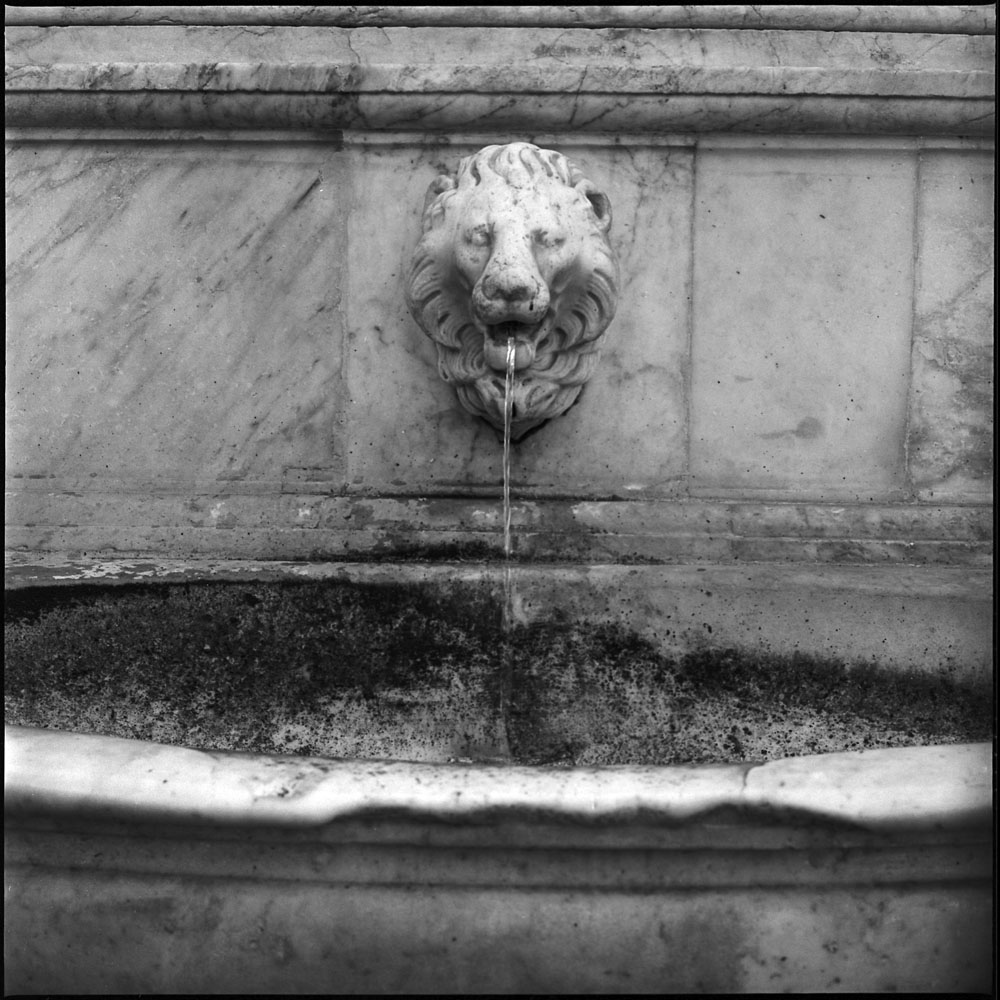
Here’s a little fountain in the piazza in front of San Lorenzo in Florence:
Lion Head Fountain, San Lorenzo, Florence
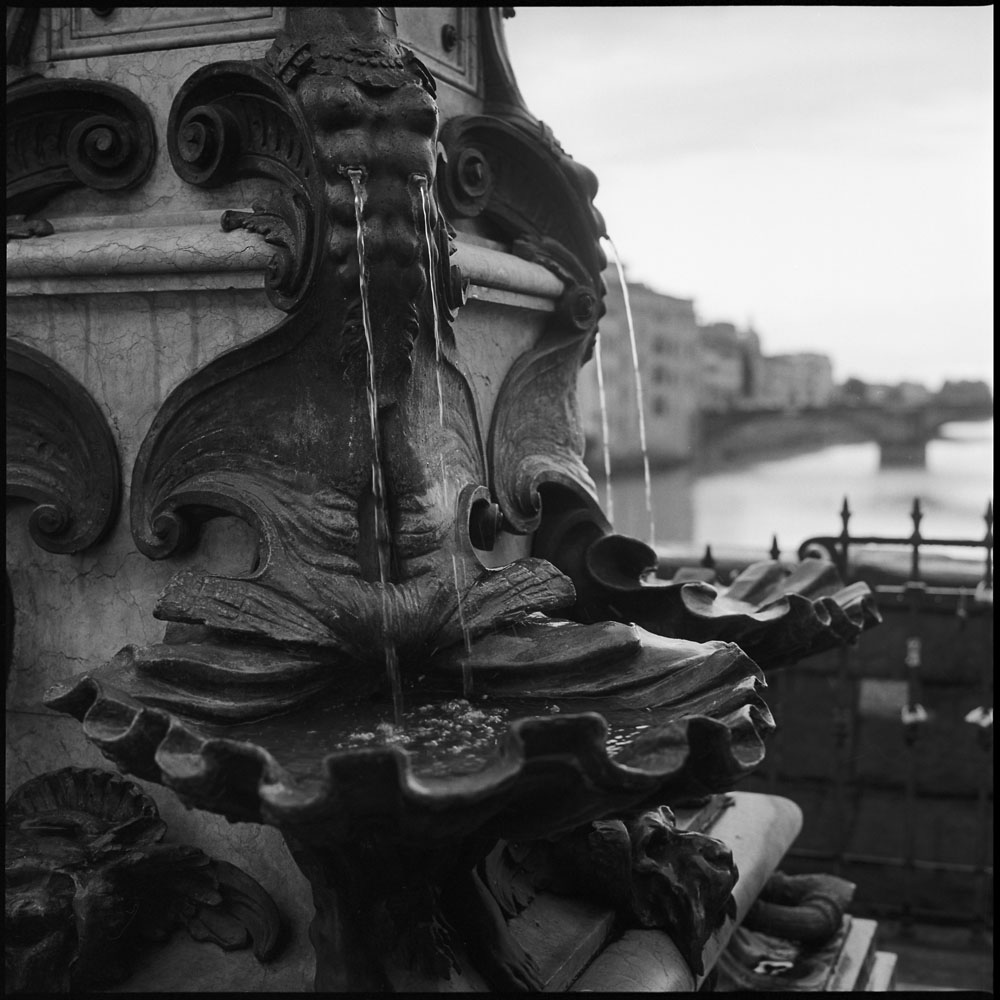
The Cellini fountain and memorial on the Ponte Vecchio. The interesting thing about it is that the fountain and memorial are 19th century, and their placement on the Ponte Vecchio is a little disingenuous.The bridge today is occupied by goldsmiths and jewelers, true, but in Cellini’s day, the Ponte Vecchio was home to butchers. Other than picking up his Saturday prosciutto, he didn’t spend time on the bridge. The modern day jewelers are just claiming inspiration from him.
Cellini Fountain, Ponte Vecchio, Florence
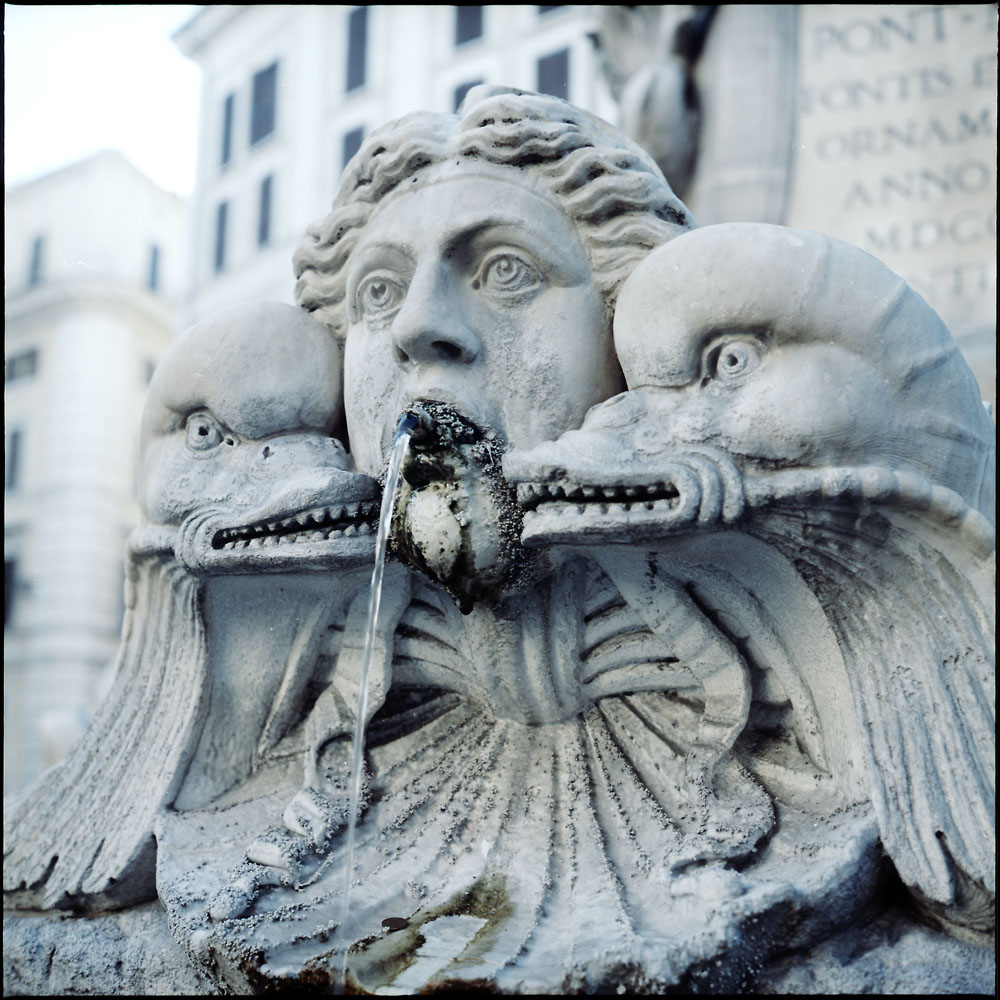
A fountain at the Pantheon, under the obelisk in the plaza in front:
Fountain, Pantheon
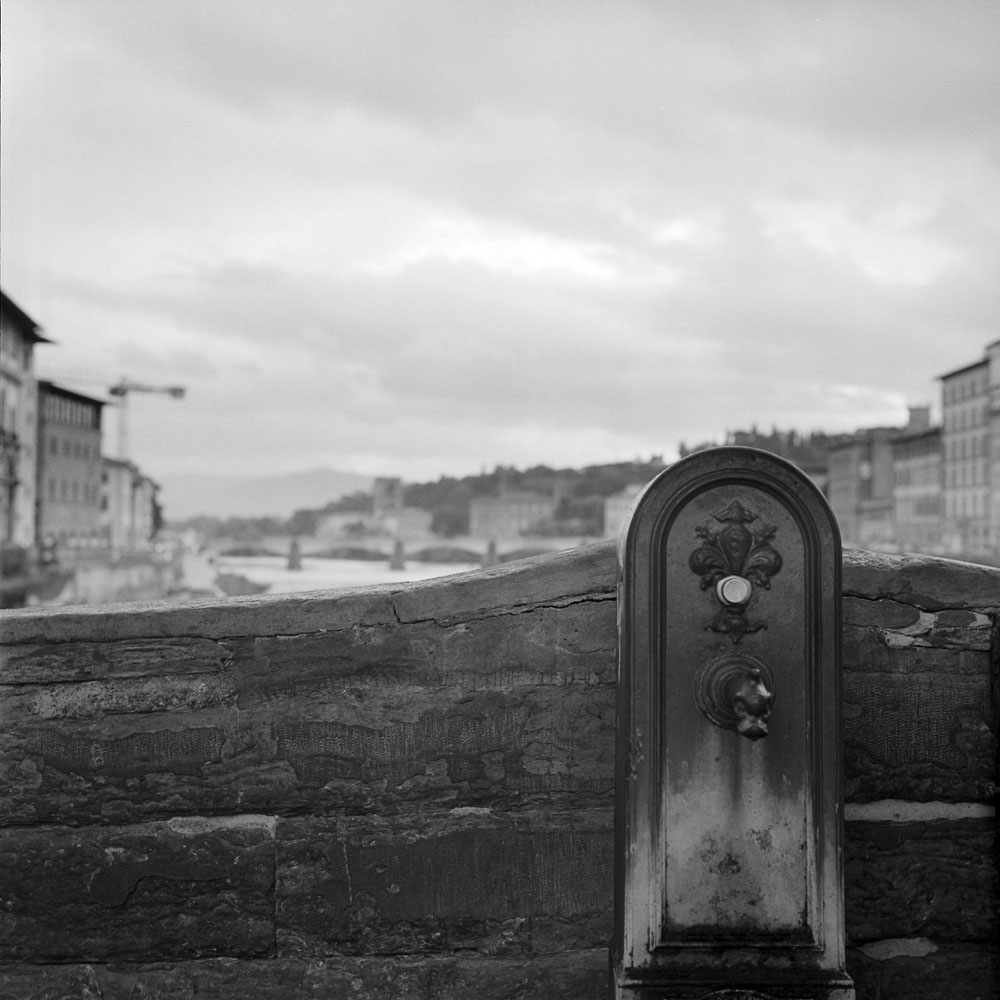
Another public drinking fountain, on the Ponte Vecchio, in Florence. This one is actually a drinking fountain, whereas the Cellini monument is purely decorative.
Drinking Fountain, Ponte Vecchio, Florence
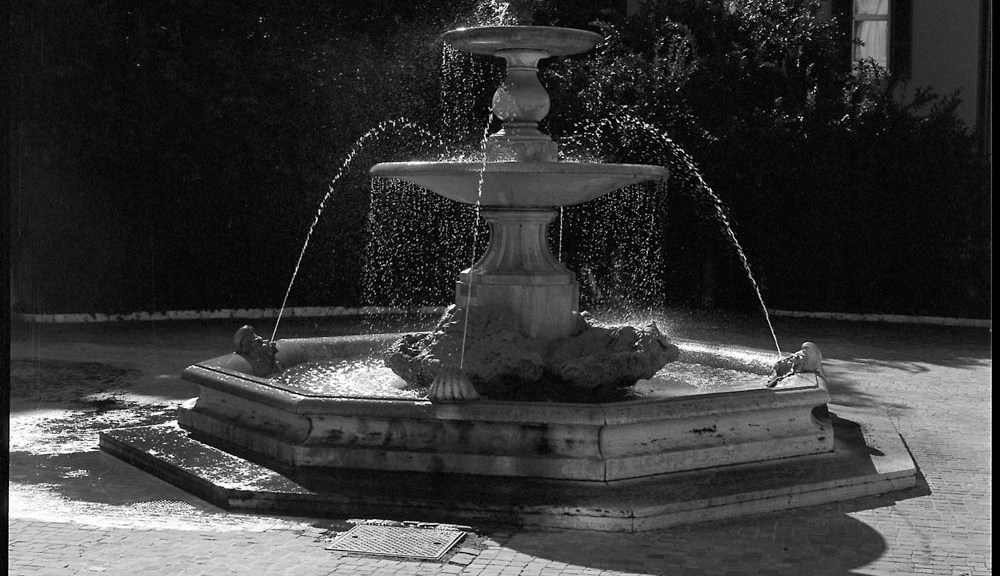
The fountain in the forecourt to the Palazzo Barberini, backlit by the afternoon sun:
Fountain, Palazzo Barberini
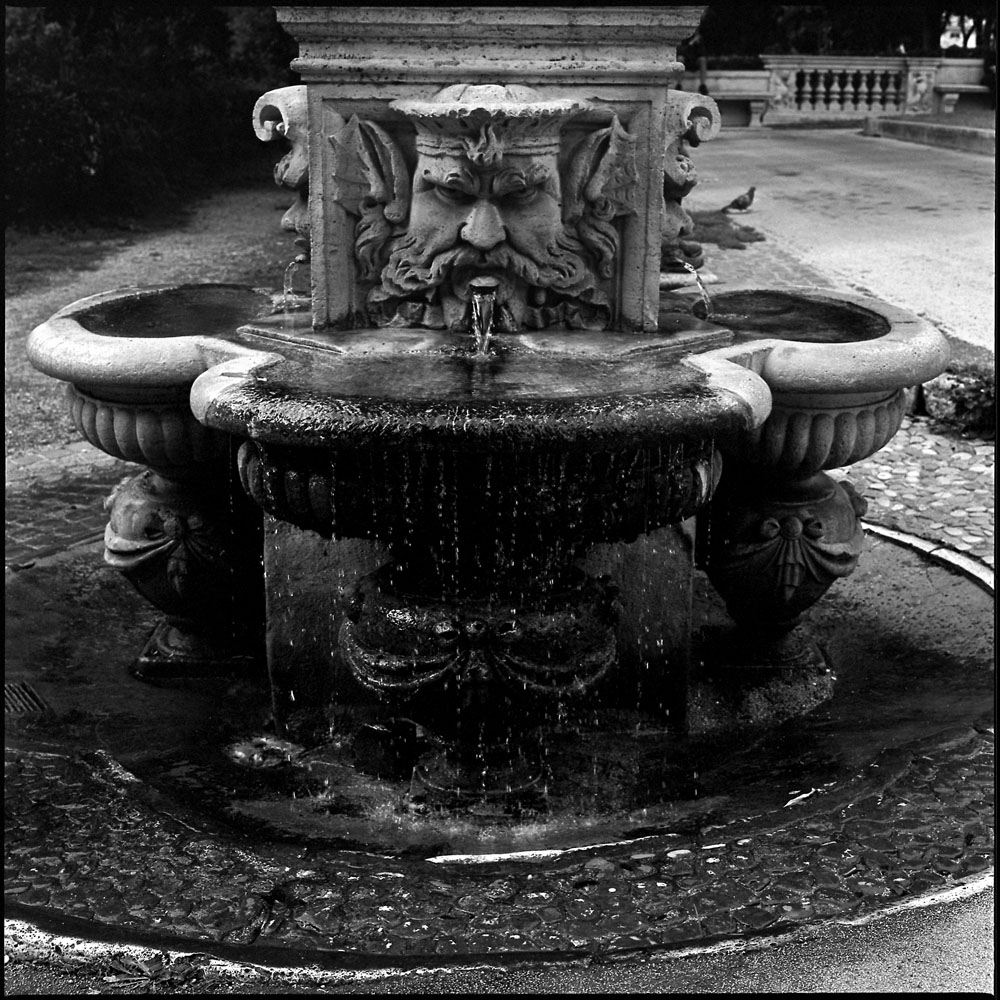
A fountain in the Villa Borghese park, directly in front of the Palazzo Borghese:
Fountain, Villa Borghese, Rome
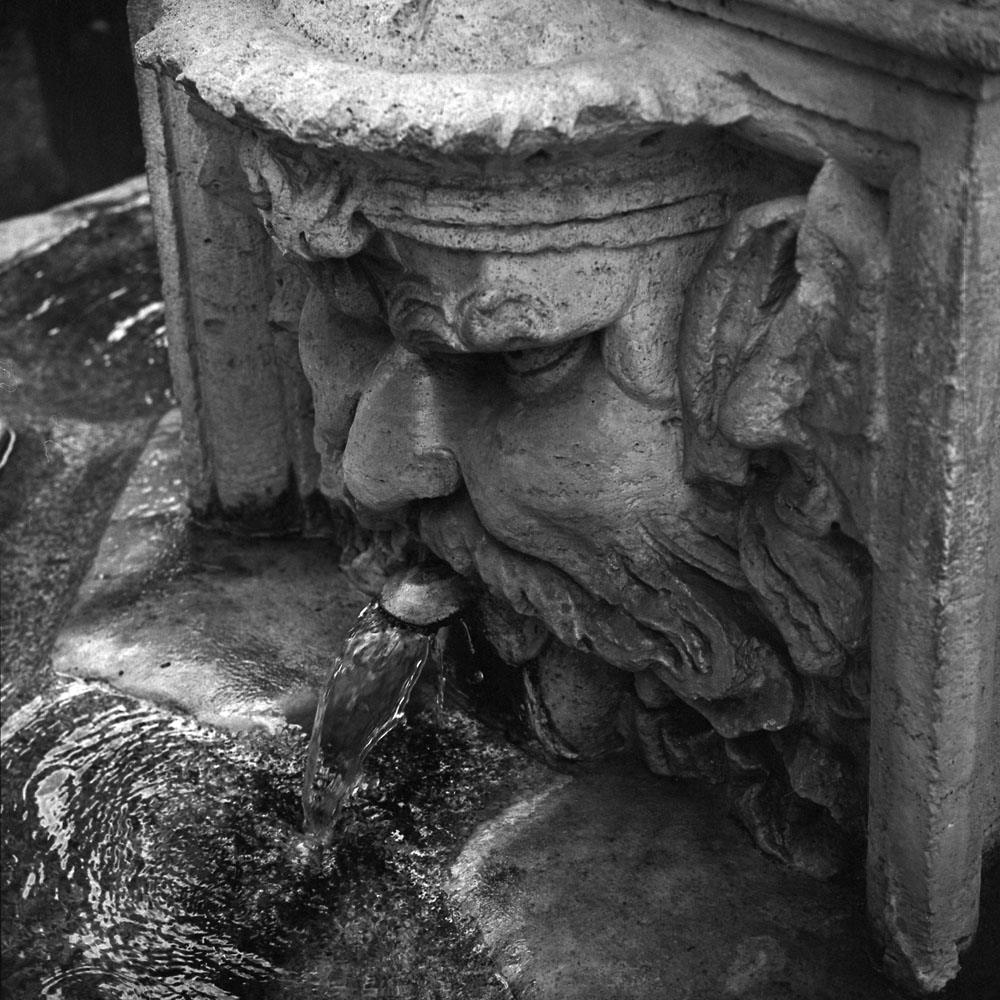
A closeup detail of the Villa Borghese fountain:
Fountain, Villa Borghese Park, Rome
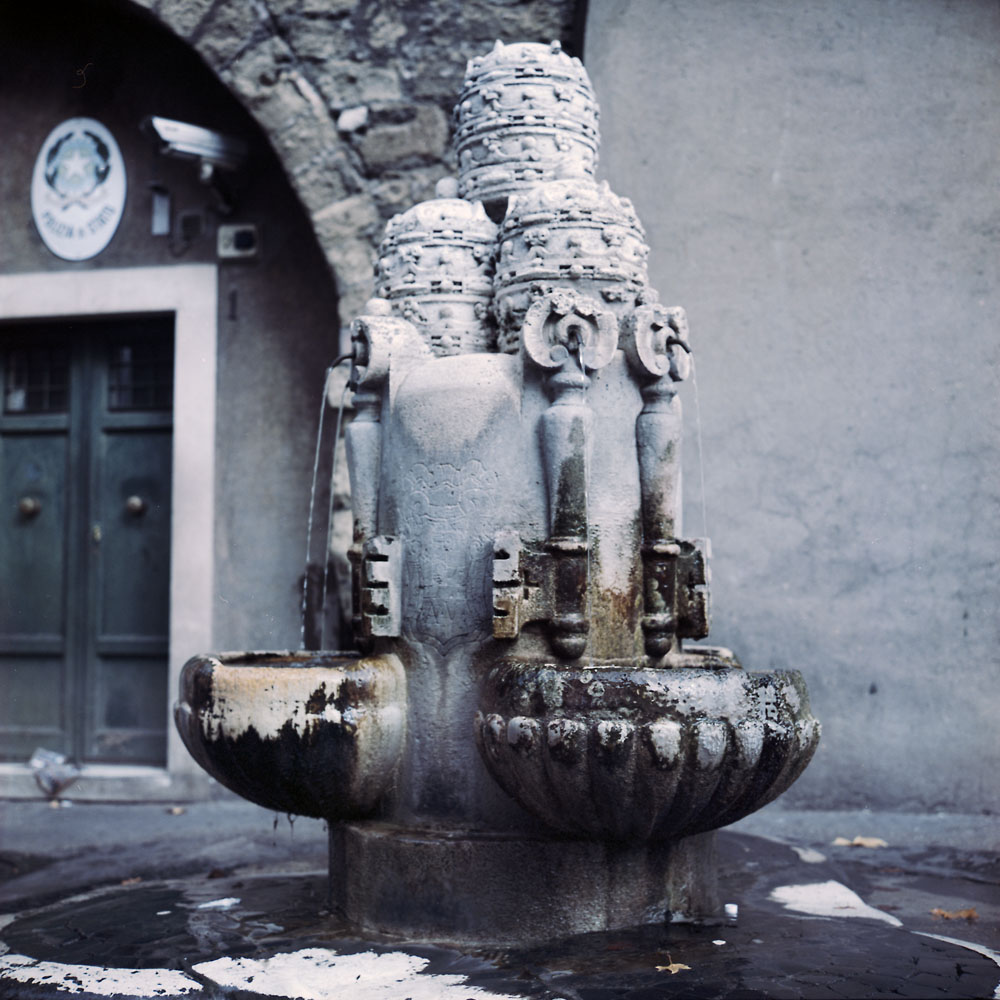
A fountain outside the Vatican, with the water spigots emerging from the heads of Papal keys, crowned by a quartet of Papal tiaras:
Papal Tiara and Keys Fountain, Vatican
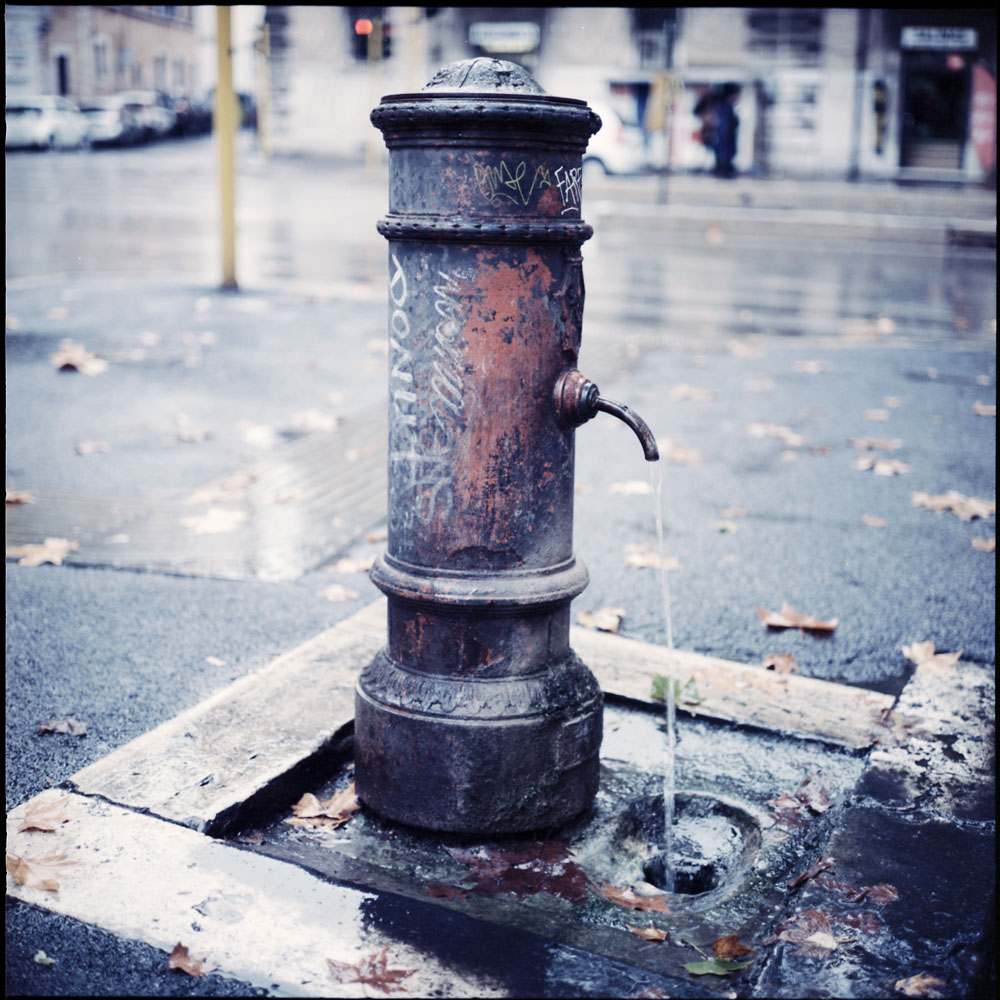
A garden-variety public drinking fountain in Trastevere, the neighborhood where I lived in Rome:
Water Fountain, Trastevere, Rome
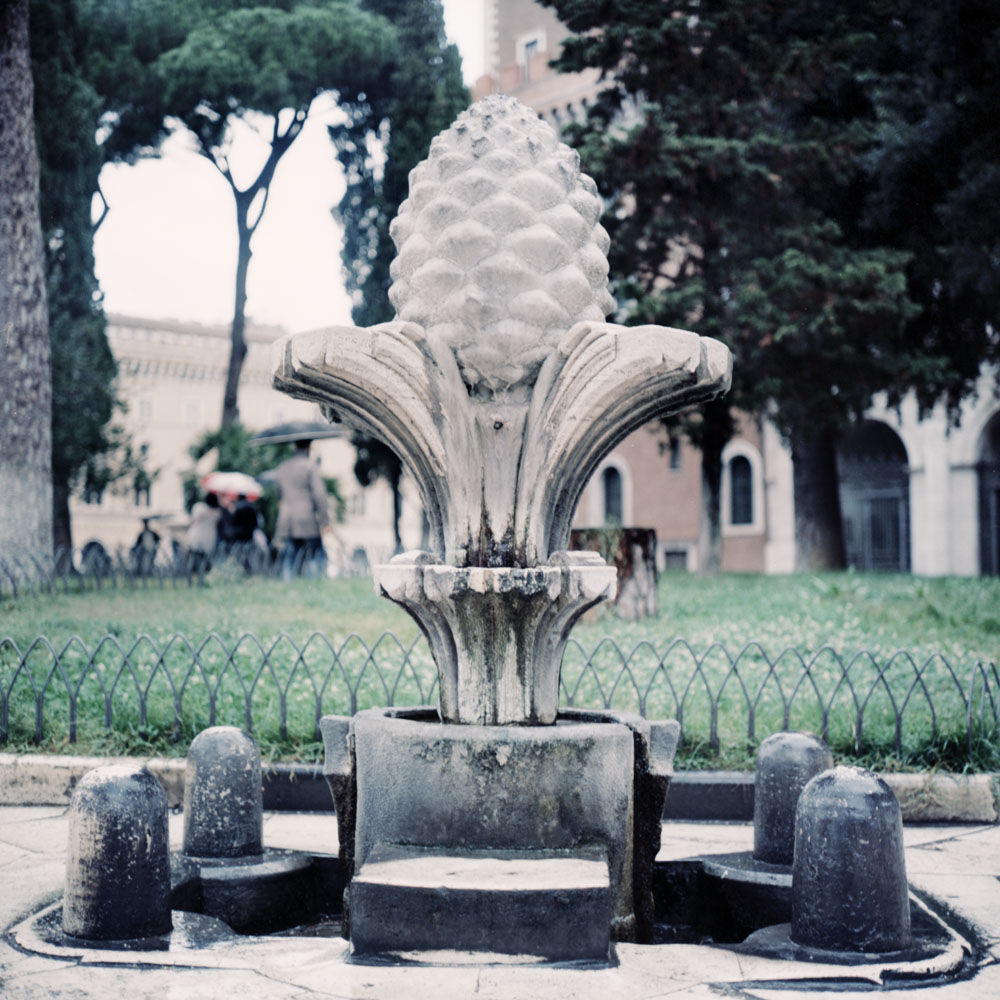
A fountain crowned with a pinecone finial in the Piazza Venezia, especially appropriate decoration as it sits beneath a canopy of the famous pines of Rome.
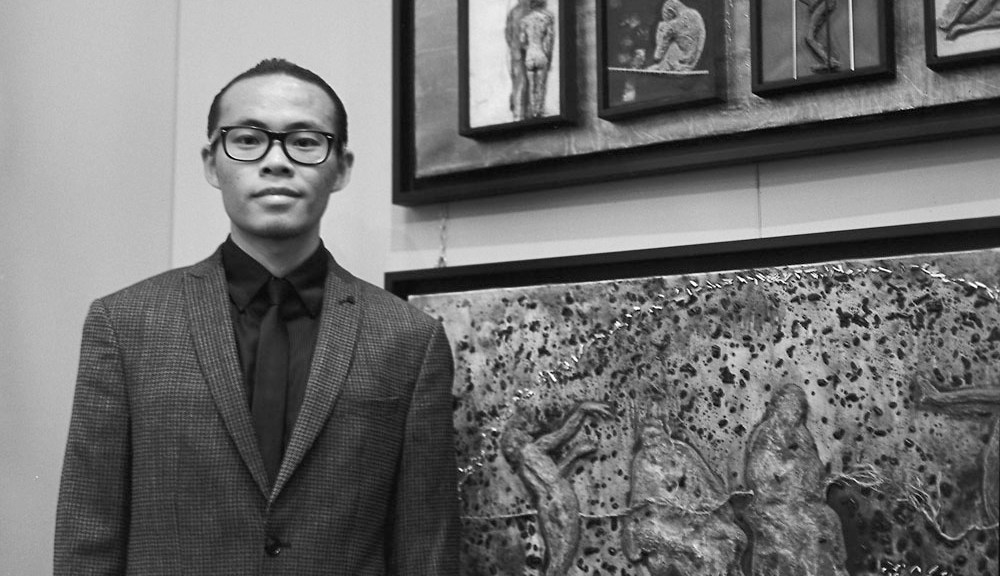
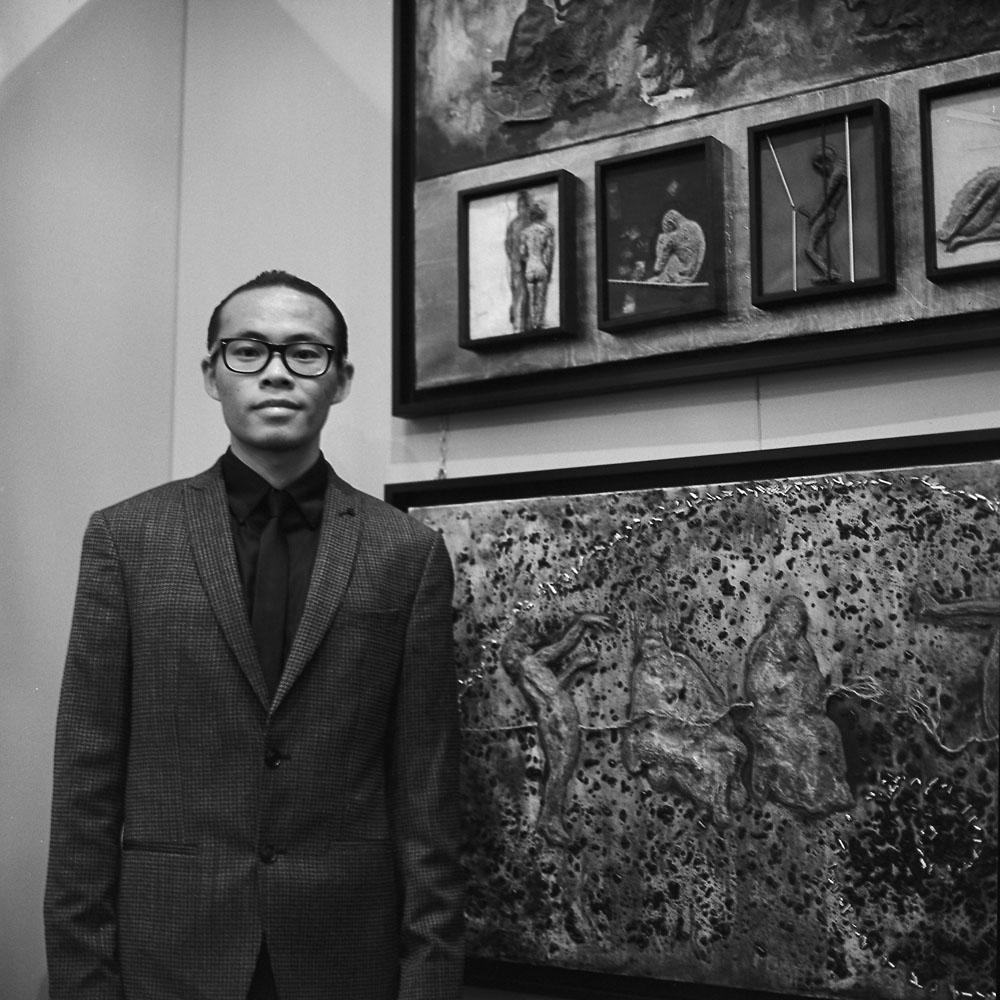
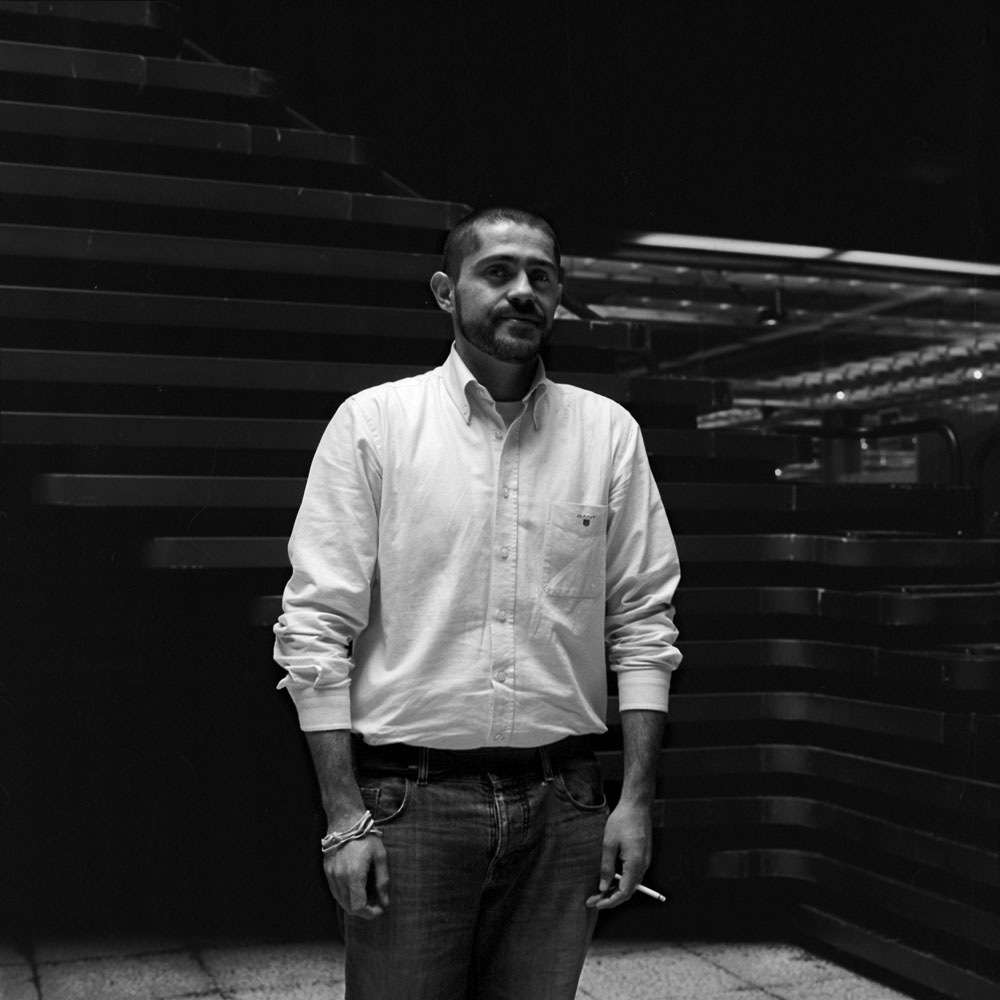
By pure fortunate happenstance, I was in Florence for the opening of the Biennale, an every-two-years art exhibition featuring contemporary artists across all media. Photographers, painters, sculptors working in ceramics, glass, wood, and bronze, video artists and installation artists were all represented. As I was there on opening day, some of the works were still being installed, and many of the artists were present. I got a chance to meet two of them- Xu Lishou and Amir Jabbari.
Xu Lishou
Xu Lishou is a painter from Taiyuan, currently residing in Italy. His work features traditional Chinese themes but painted in a very modern style, using mixed media such as paper pulp and rope to provide high-relief texture. We spoke a little through a friend of his who translated.
Amir Jabbari
I met Amir in the light well of the exhibition hall (the hall is mostly underground, inside the Fortezza Basso, a Medici-era military fortification which still has use today as a base). I had stepped in to photograph the stairways, and he was smoking a cigarette. He is a video artist from Tehran. I did not get to see his video, alas, as it was one of a group of videos on continuous loop in the video exhibition room, and I was feeling under the weather and couldn’t wait for it to come back up.
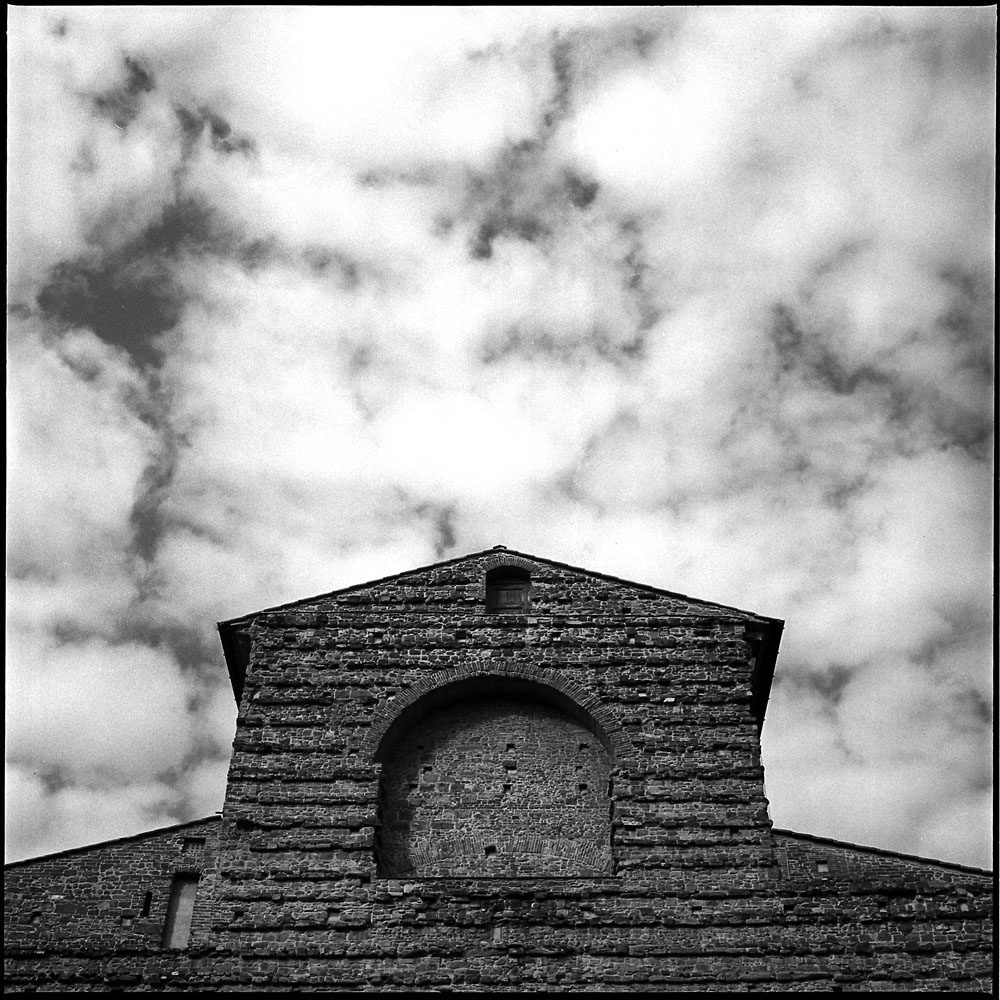
My take on the facade of San Lorenzo, the Medici family parish church and originally the primary cathedral for the city of Florence.
San Lorenzo Facade, Clouds, Florence
The facade is one of the most famous unfinished structures in Italy. The church was designed by Brunelleschi, but he died before it was completed. The Medici family, who were financing the construction of the church, commissioned Michelangelo to design a new facade. He built a scale model, but the design was never executed. In 2009, a CGI model of his design was projected on the existing facade for a period of time to gauge reaction to completing the facade, but nothing more has come of it. While the Michelangelo design is quite beautiful, the current facade has sat as-is for over 500 years, so I think it would be a sacrilege to both the existing building and the Michelangelo design to build it now.
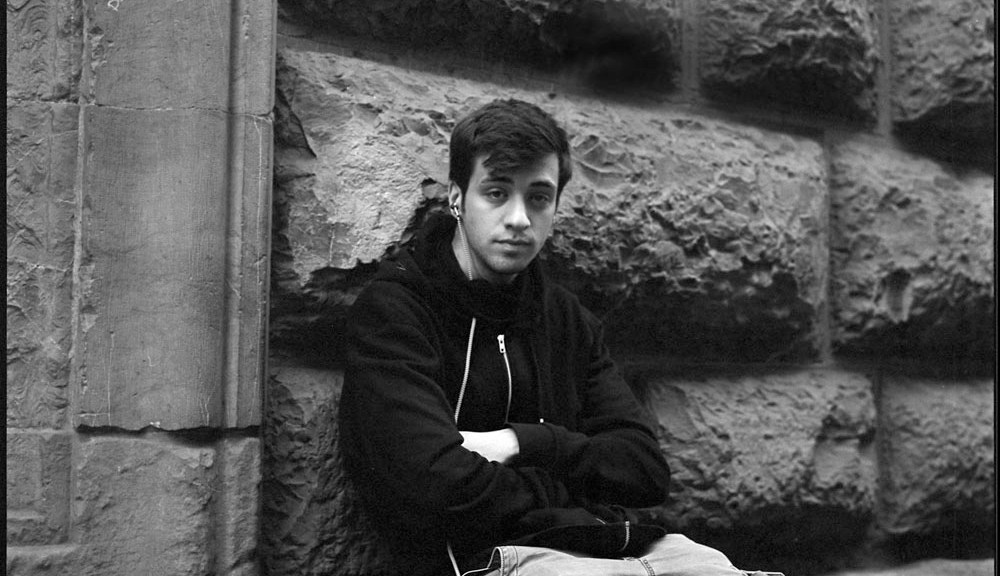
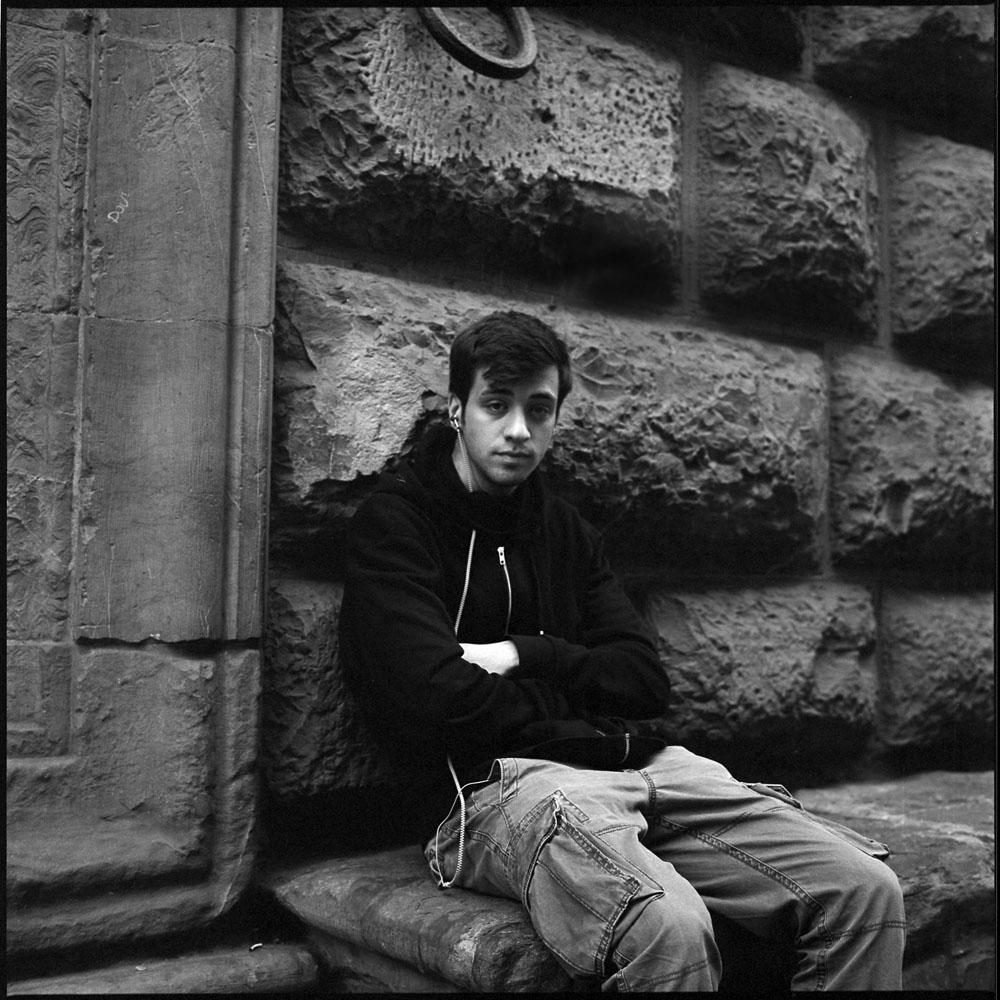
I saw this young man sitting on the bench around the Palazzo Medici-Riccardi. I don’t know what he was waiting for – might have been a bus, or a group of students visiting the Palazzo. Regardless, his pose cried out to make his portrait.
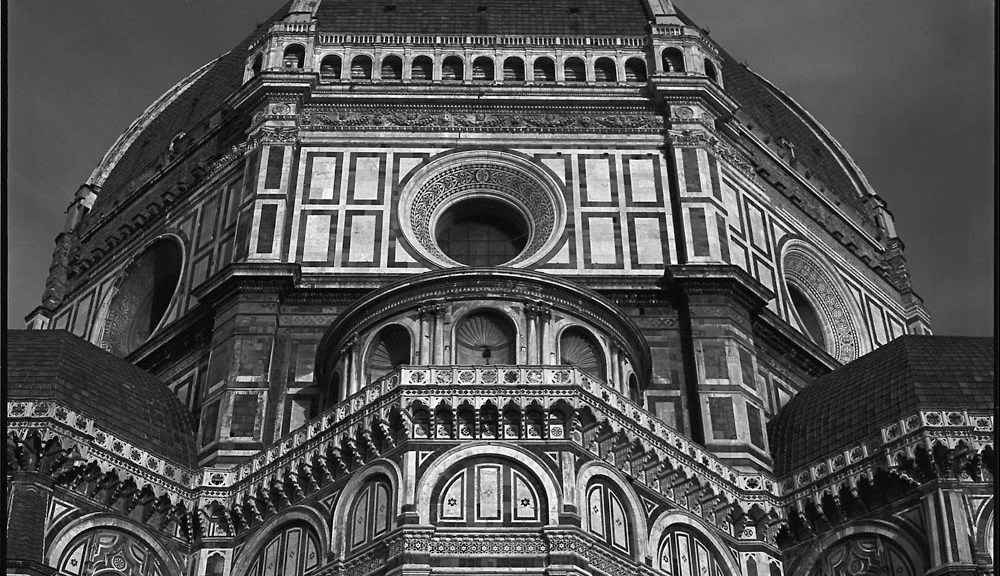
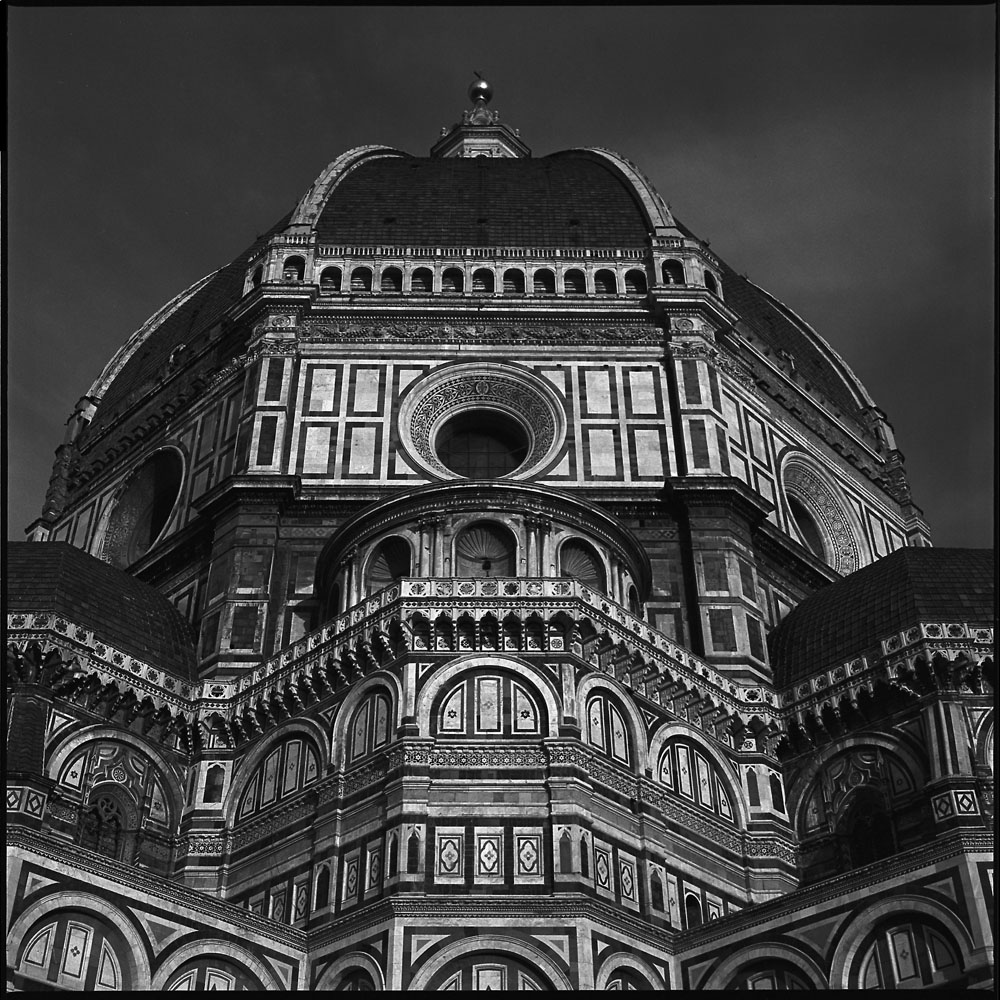
Here is the famous dome of the Duomo, Florence’s main cathedral. Designed by Brunelleschi, one of the Renaissance’s greatest architects, and built using highly innovative techniques and equipment that other than the power source being humans and/or animals, any large construction crew today would recognize. The dome has stood as one of the most recognizable symbols of Florence, if not all Italy, for nearly six centuries.
Cupola, Santa Maria Del Fiore, Florence
There’s a terrific book out there on the dome and its design and construction, Brunelleschi’s Dome: How a Renaissance Genius Reinvented Architecture, if you want to read more about it. I’m actually going to go back and re-read it myself, now that I’ve re-visited the cathedral and have been reminded of just how magnificent and amazing it is. The dome and its lantern stand at an impressive 375 feet high, making it the largest dome in Western architecture until the modern era, and it still remains the largest ever built using brick and mortar.
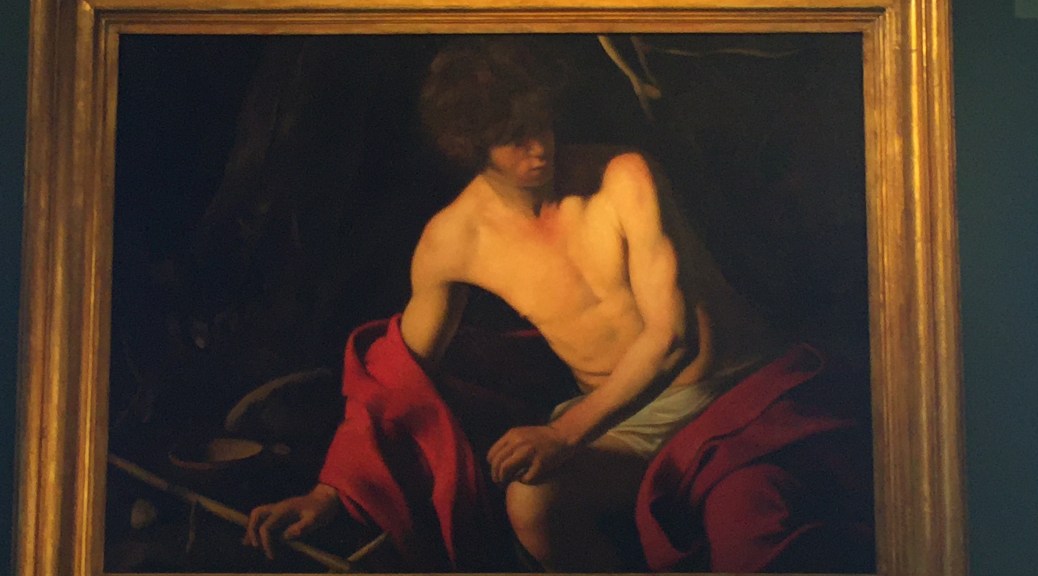
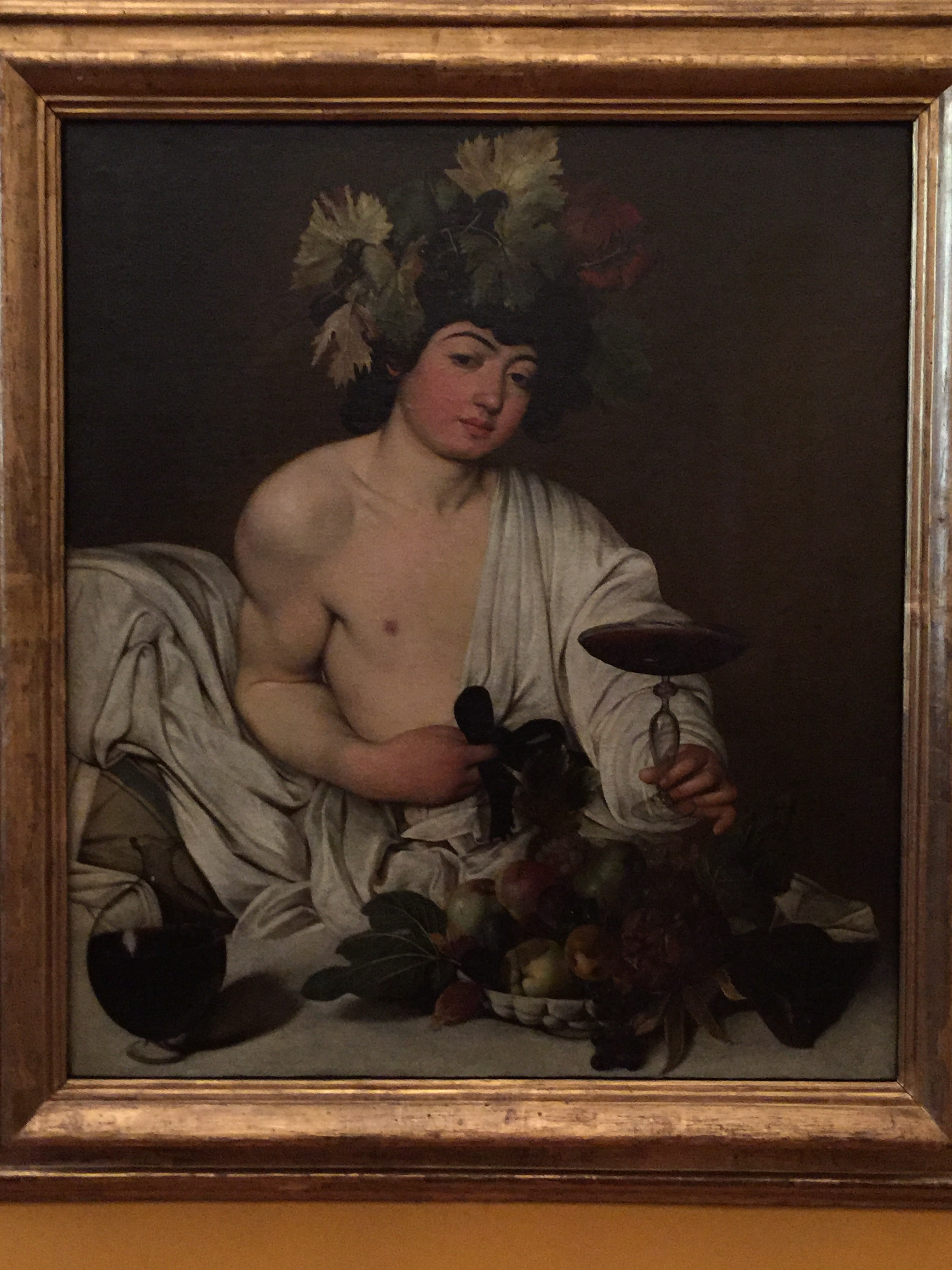
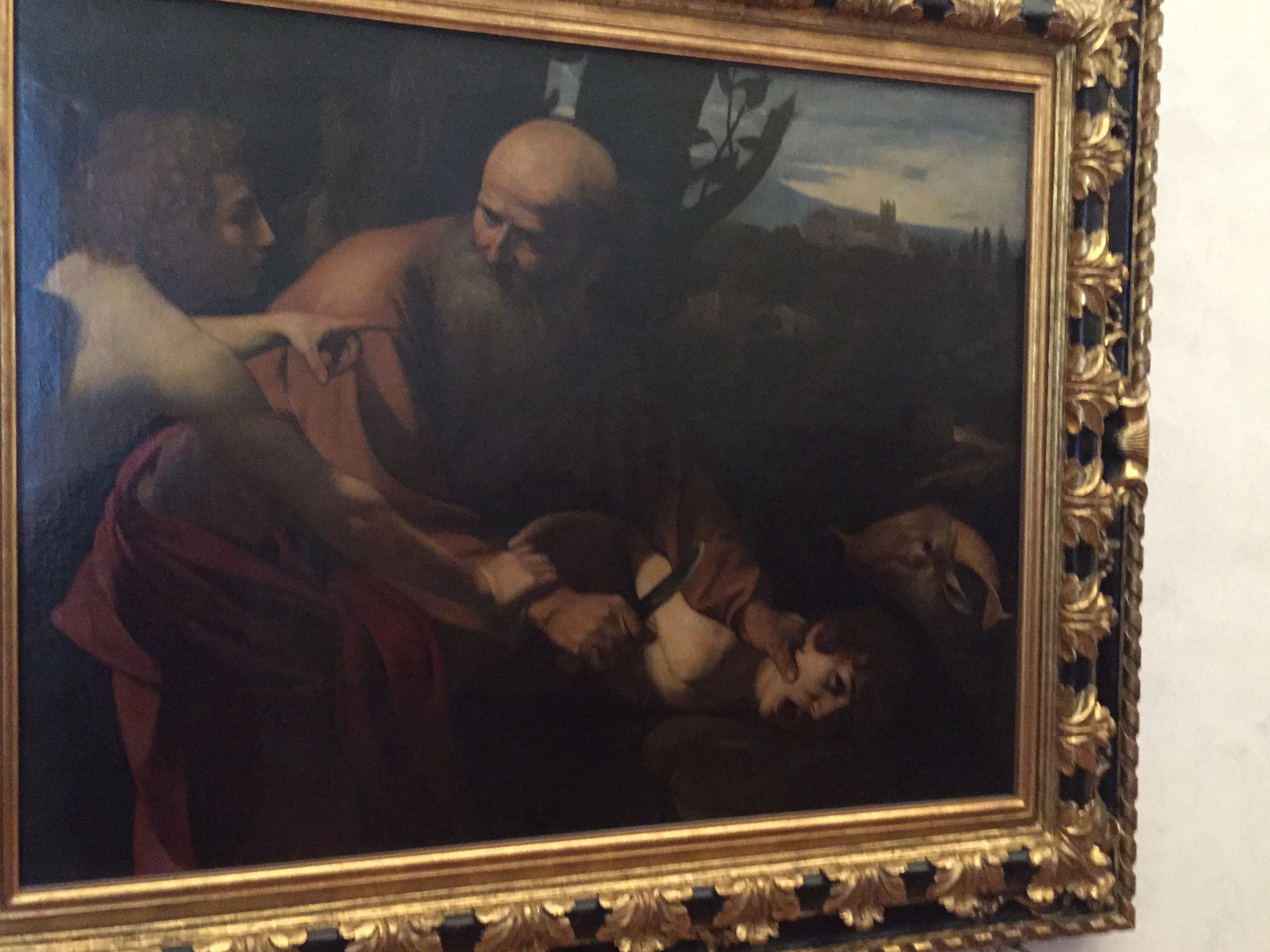
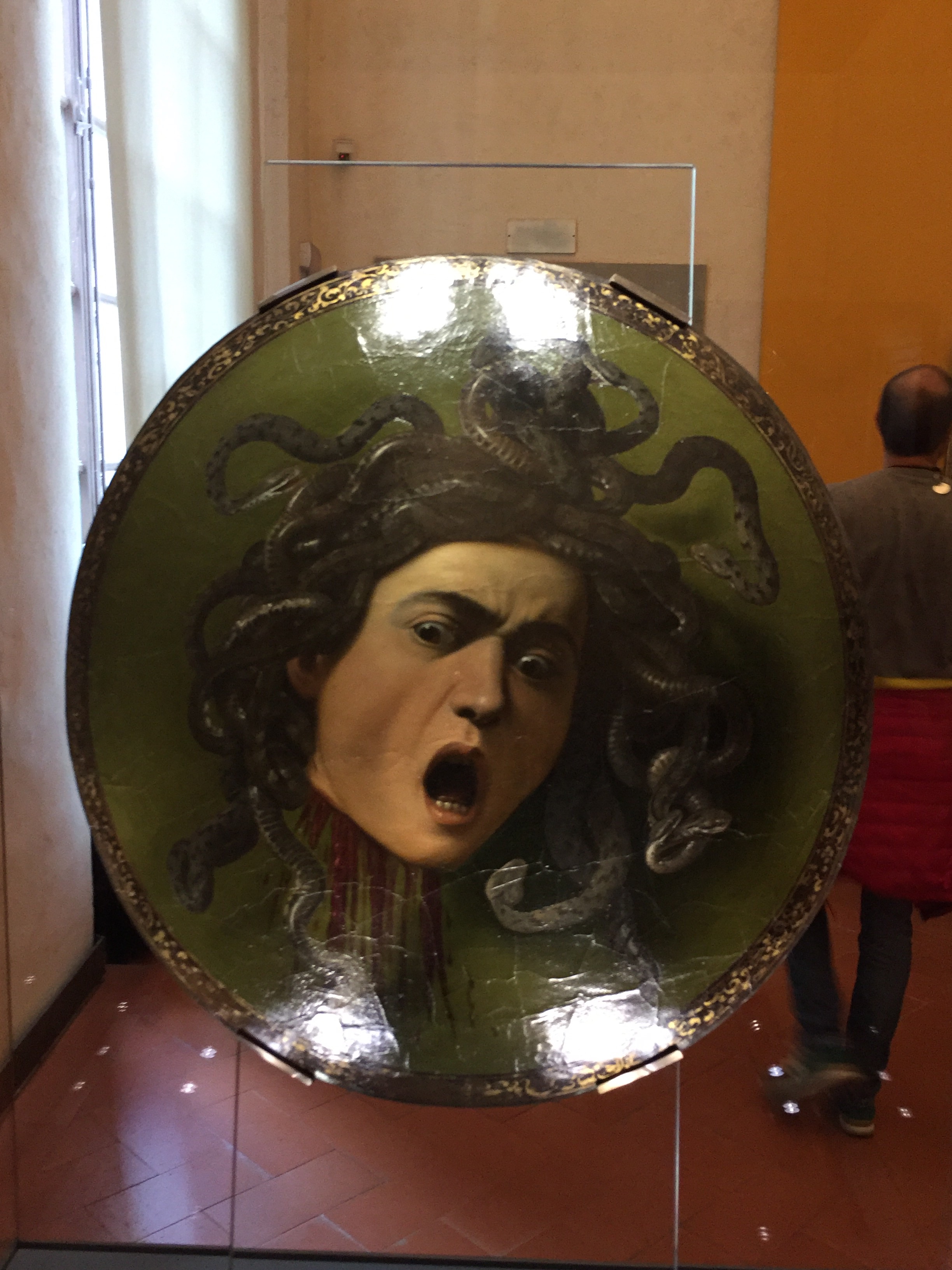
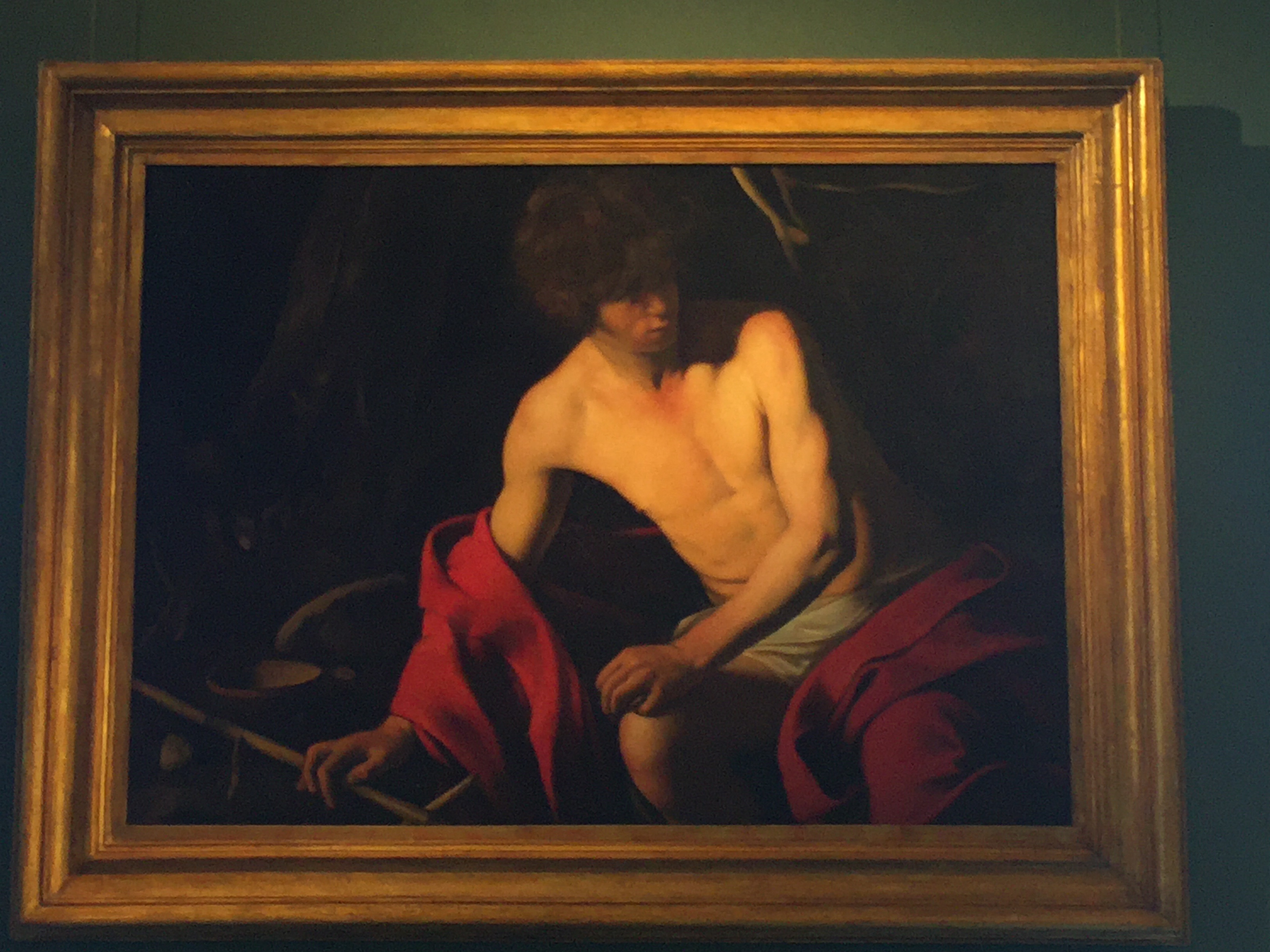
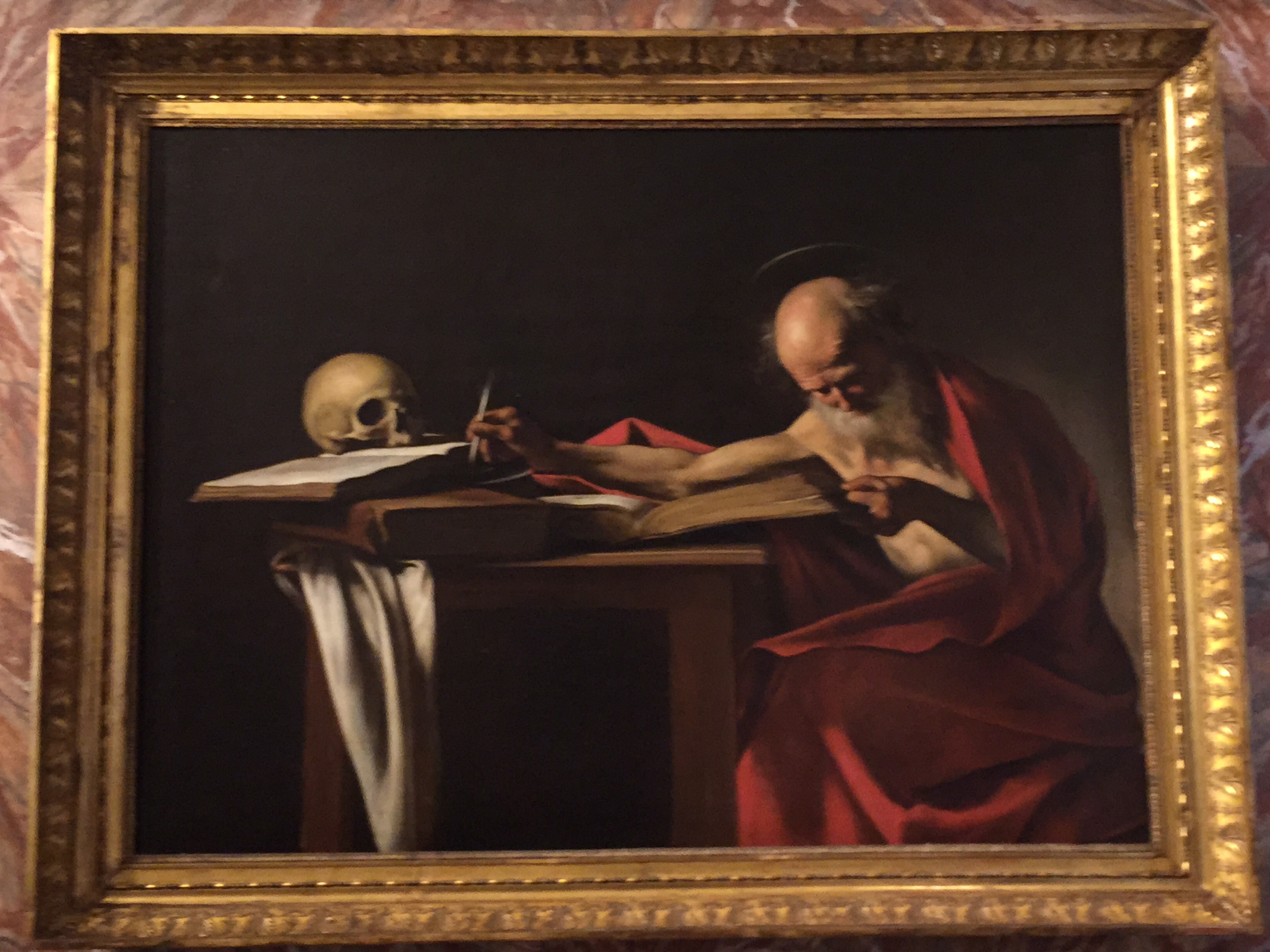
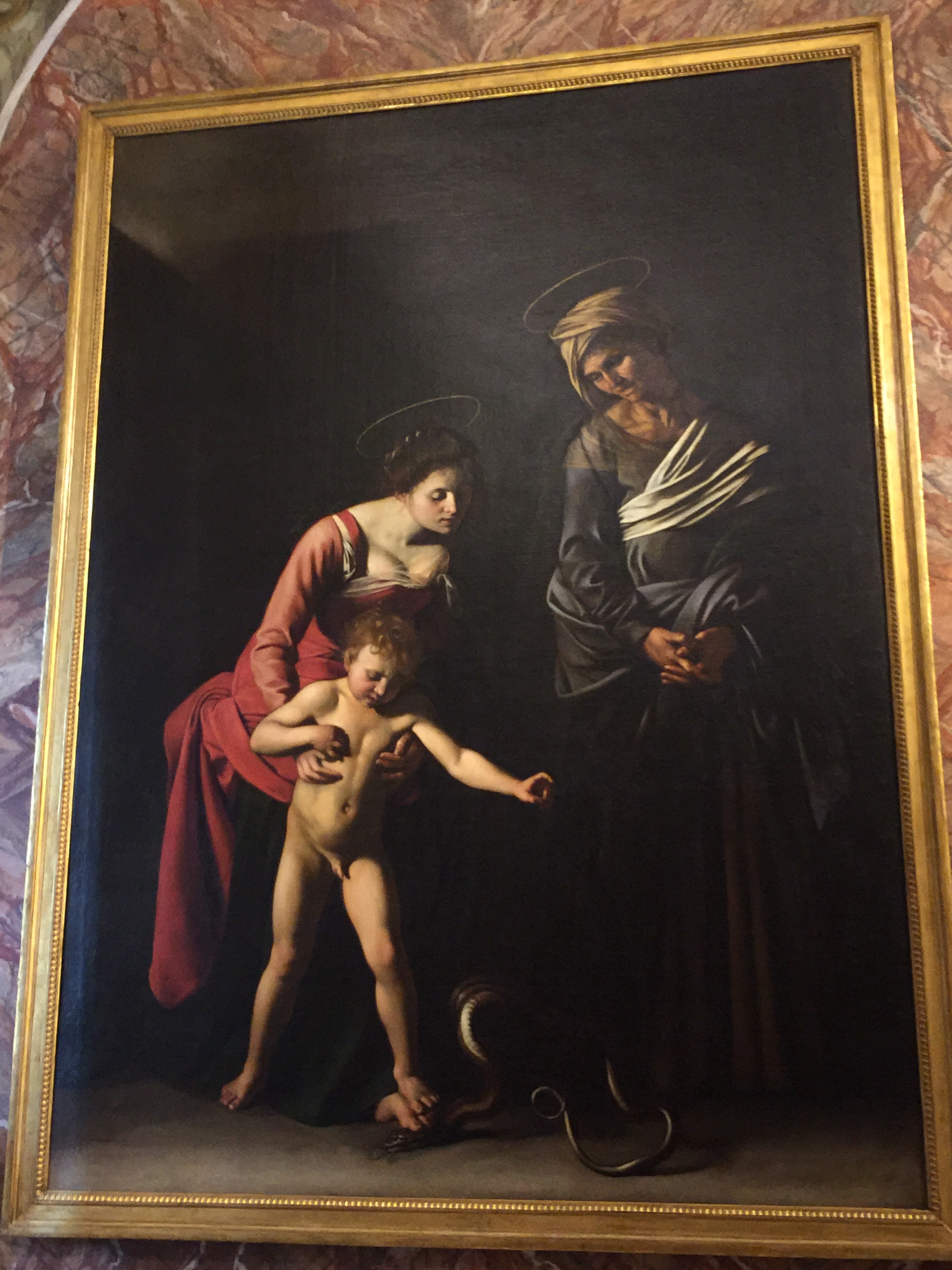
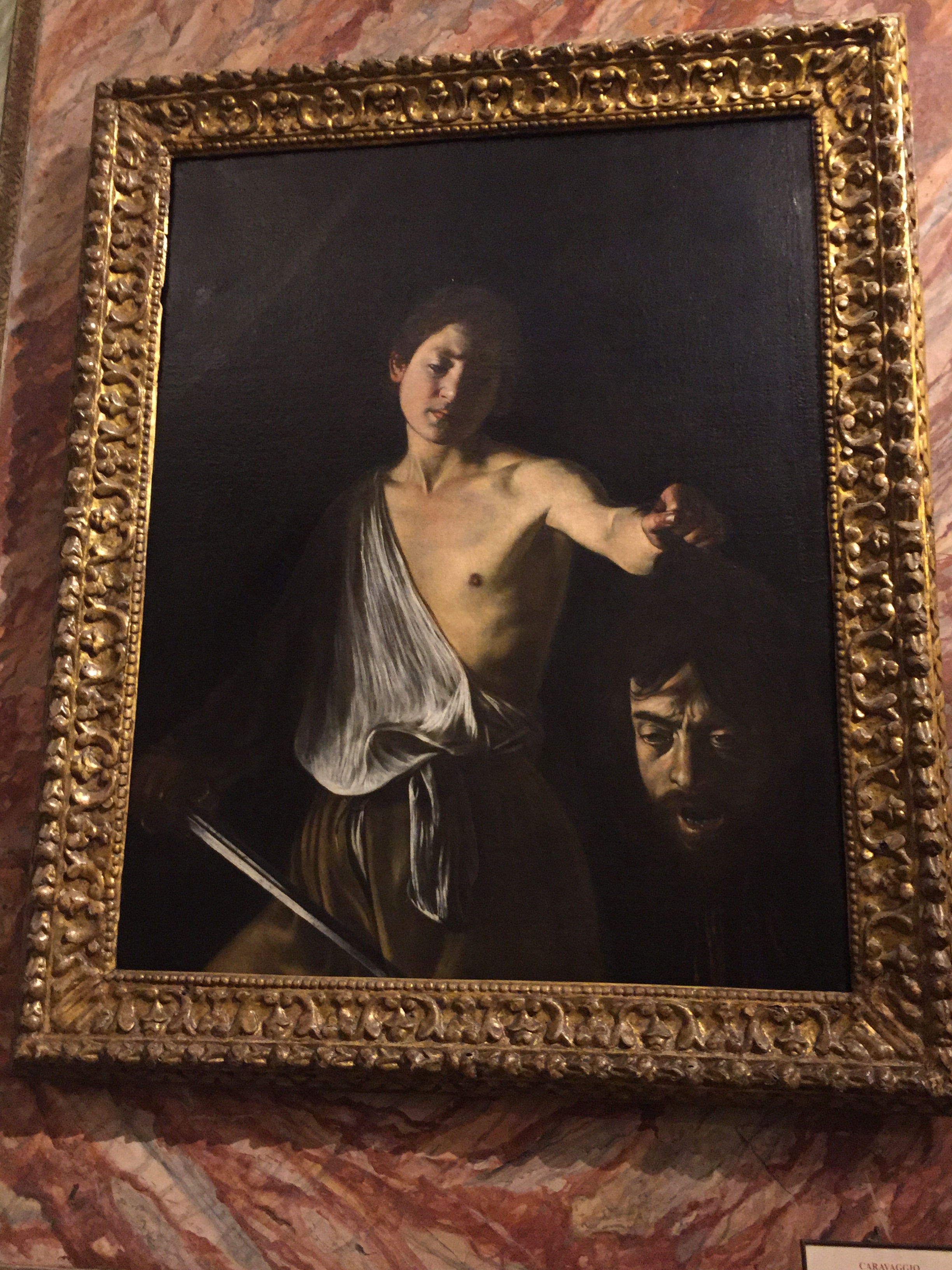
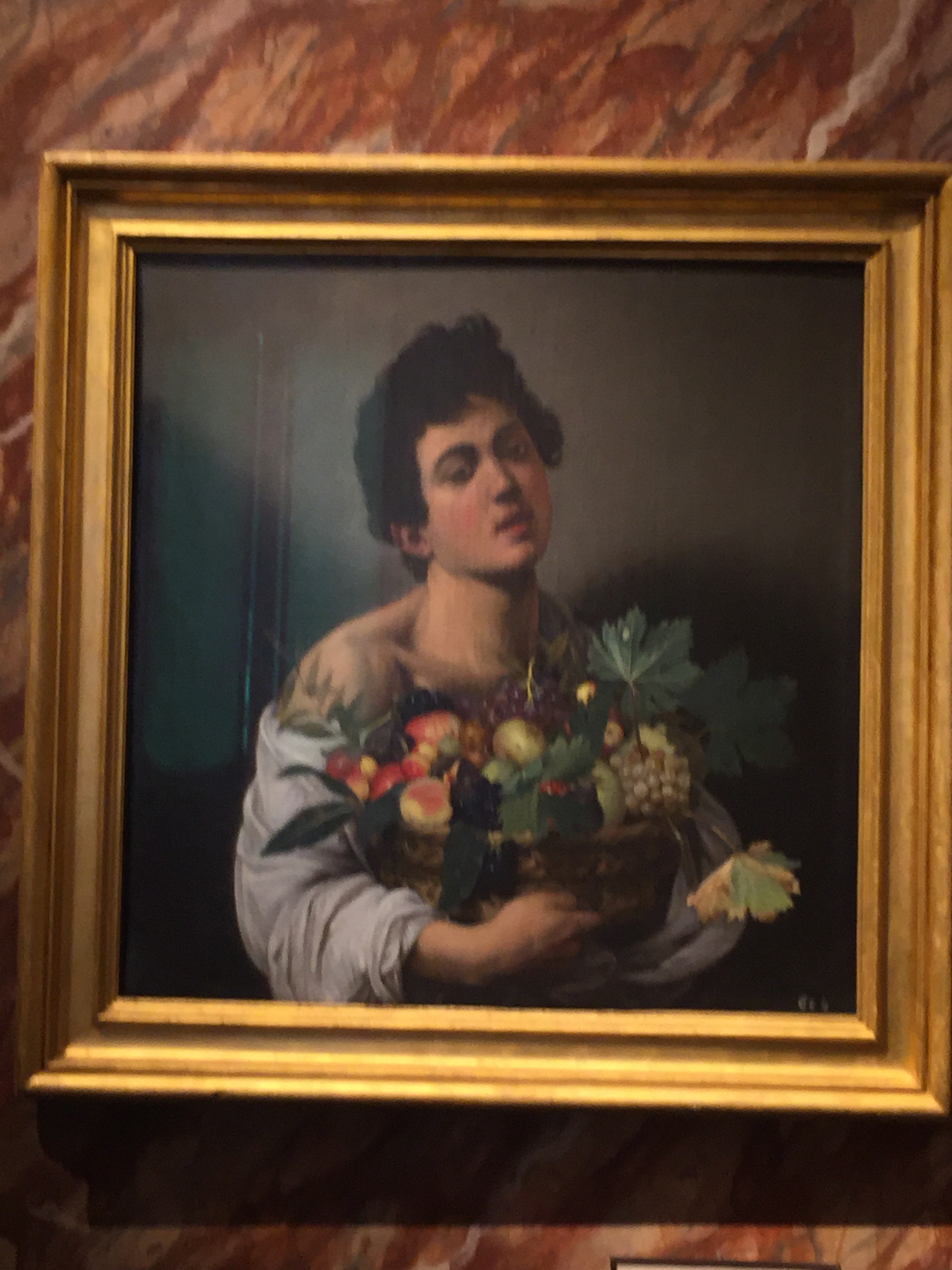
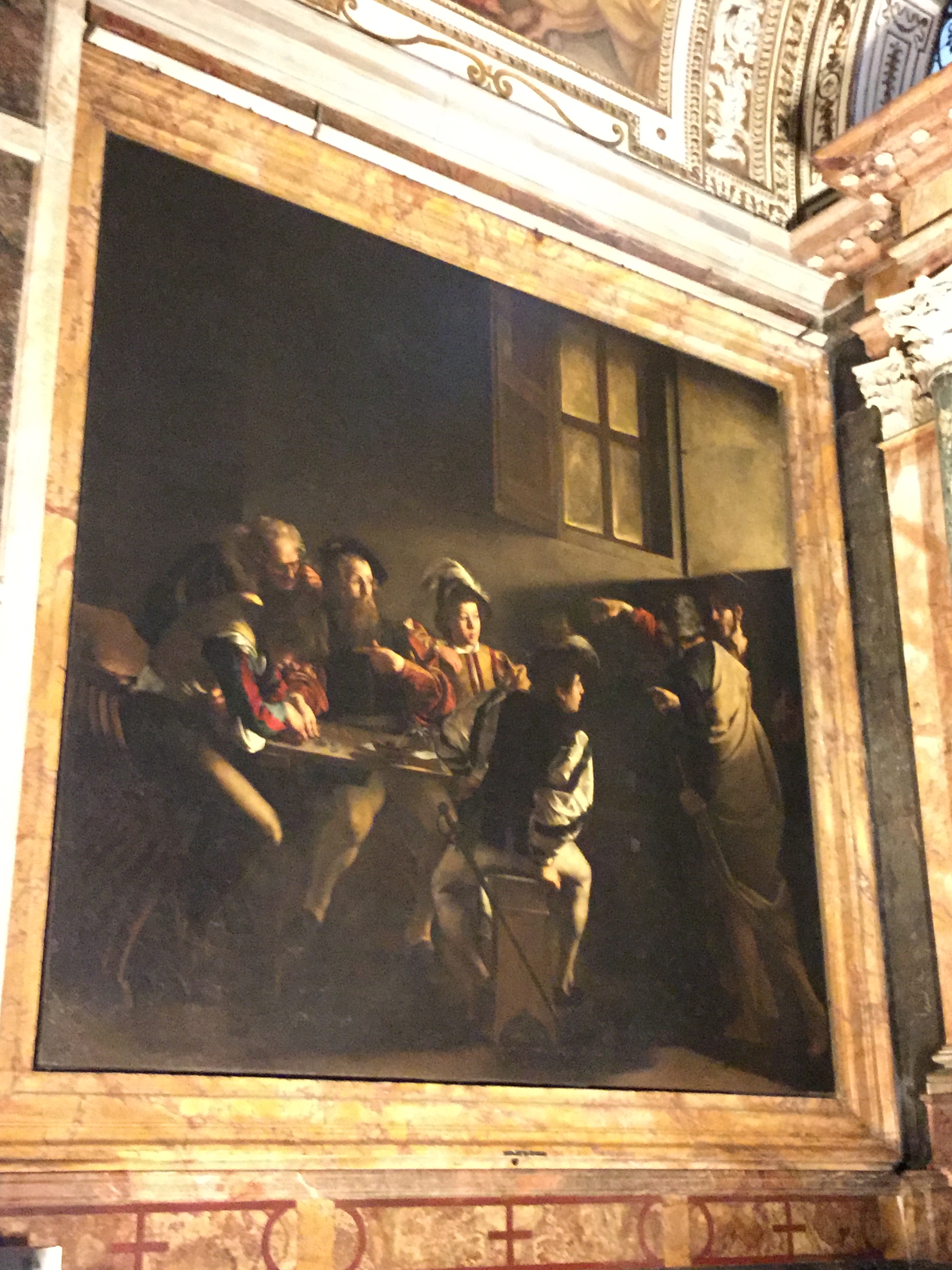
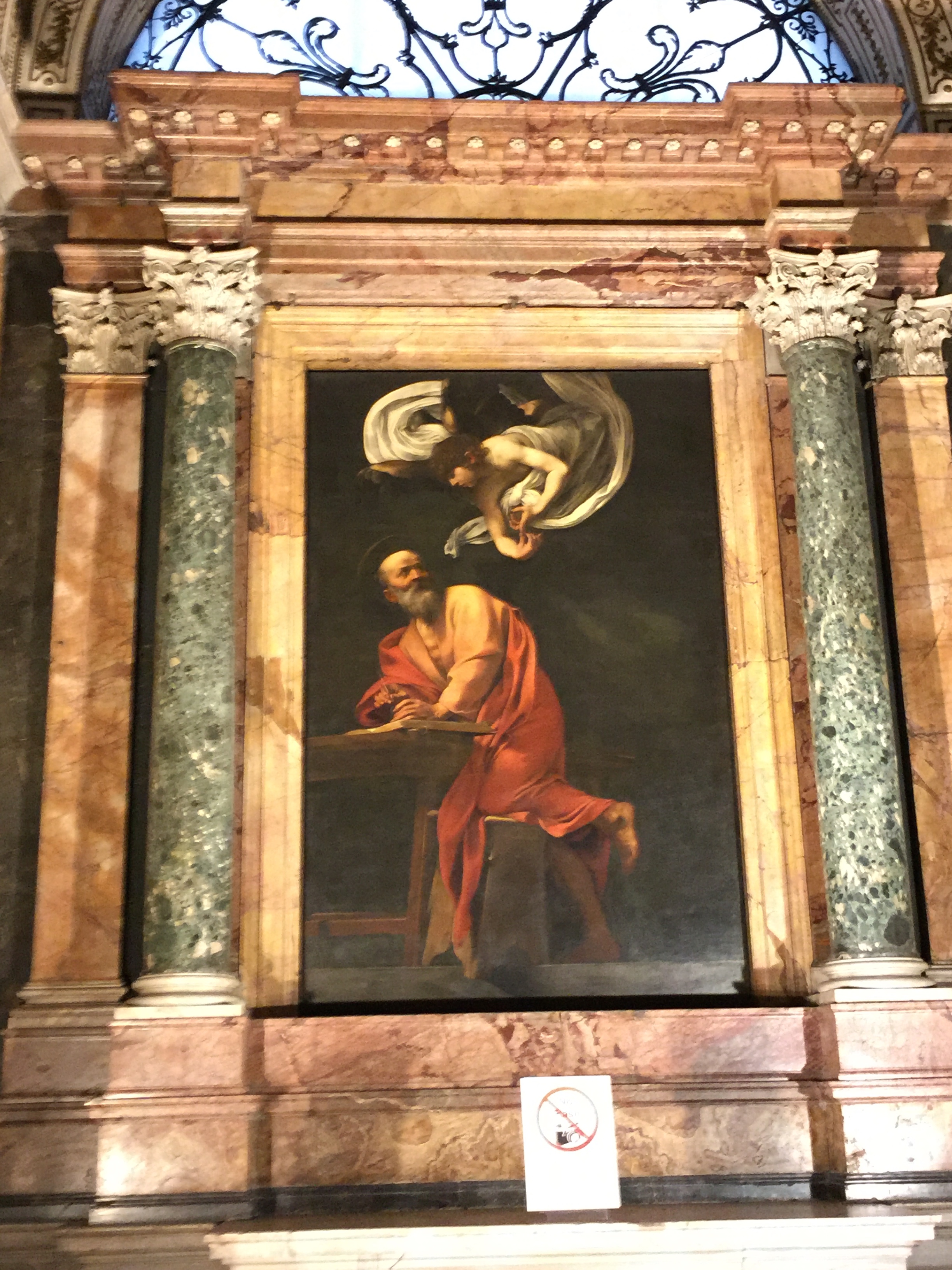
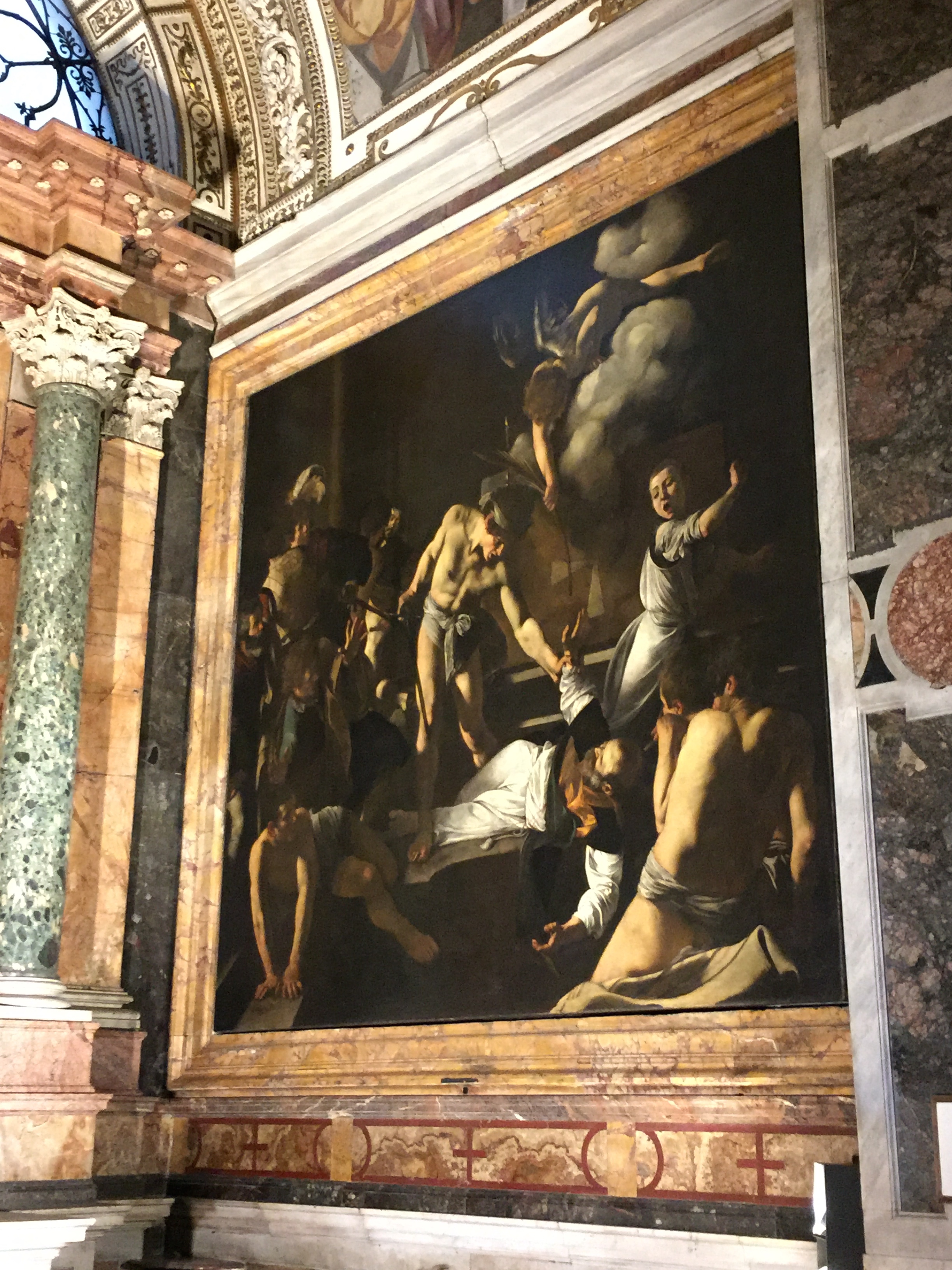
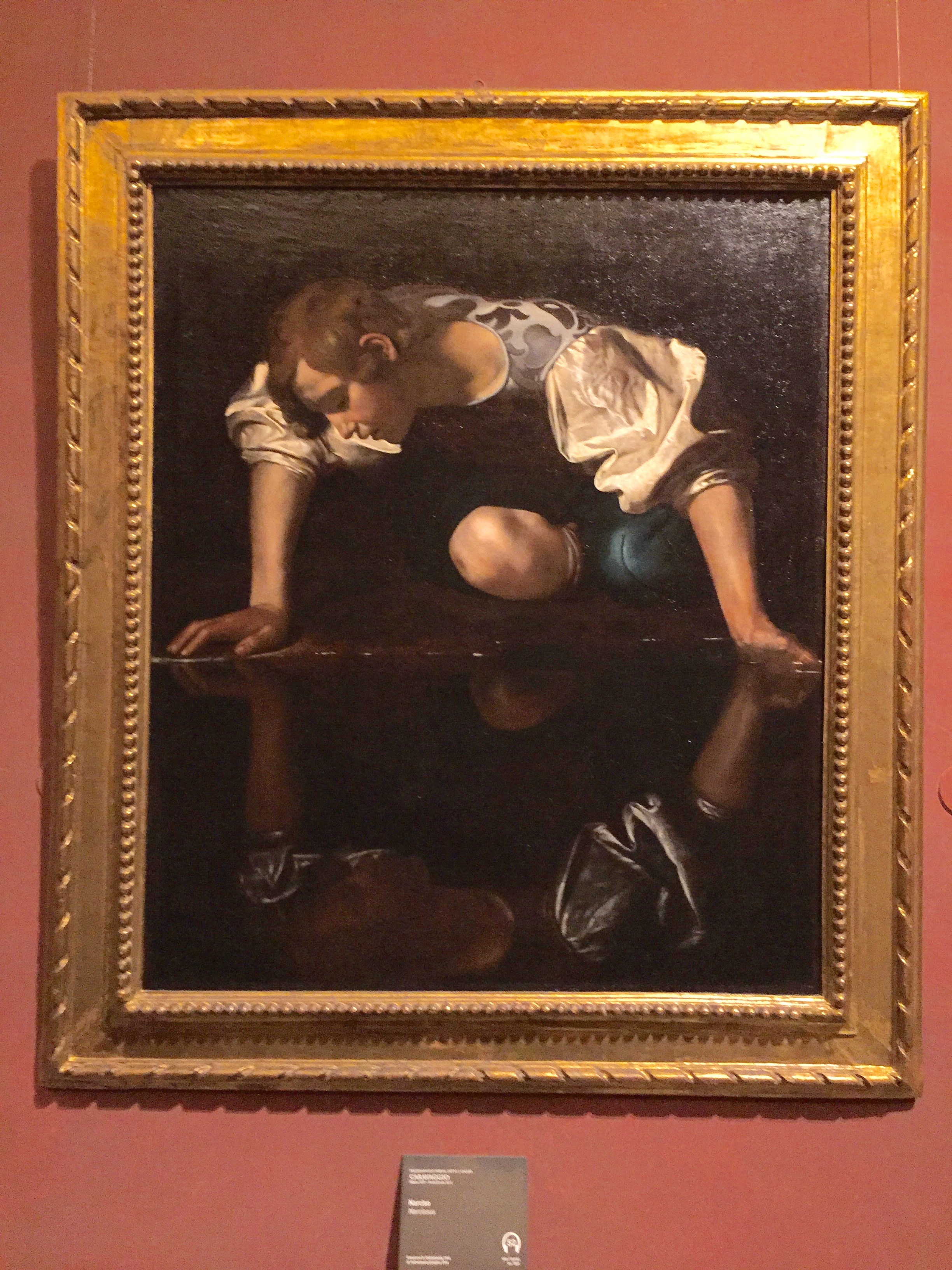
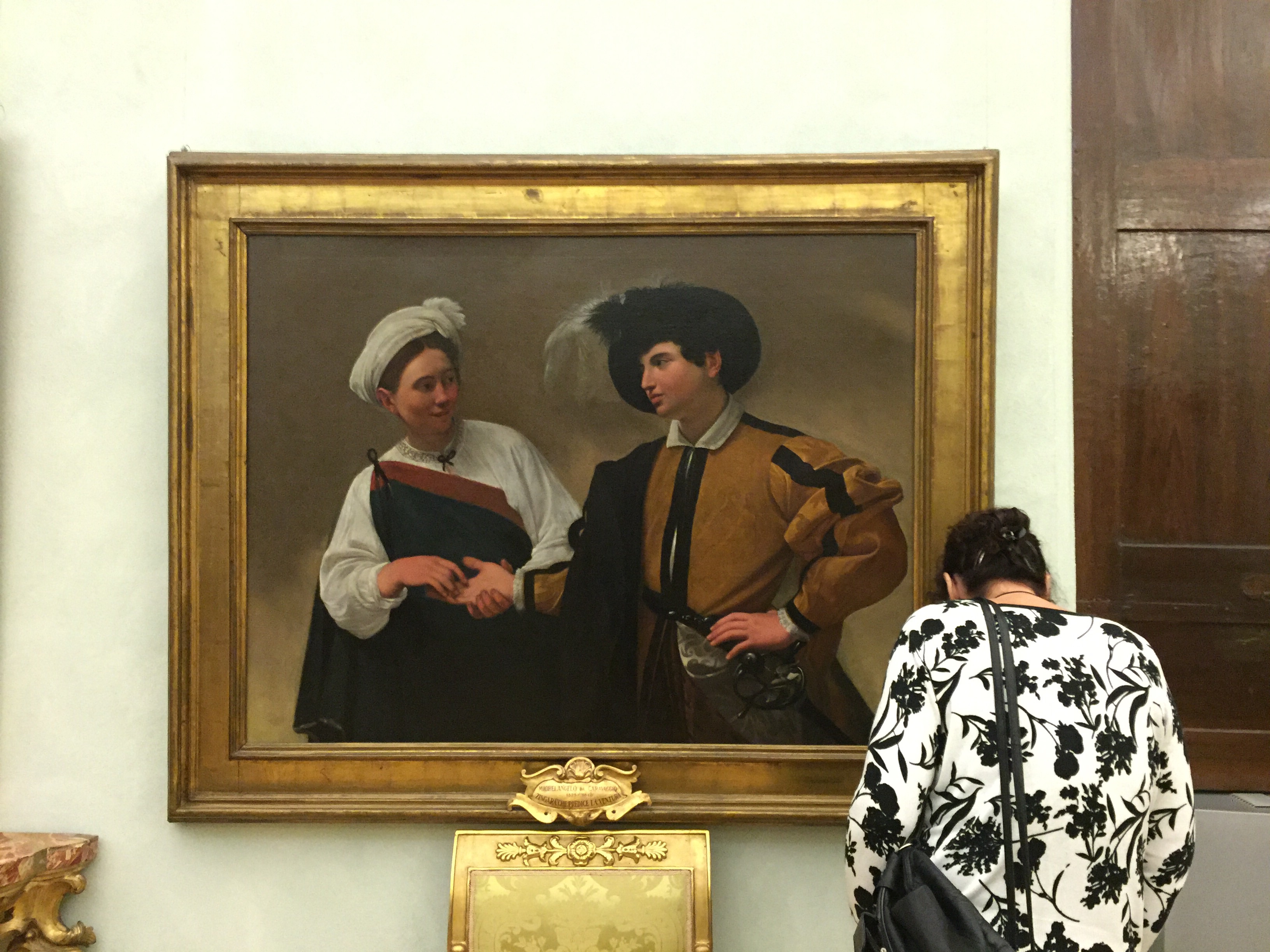
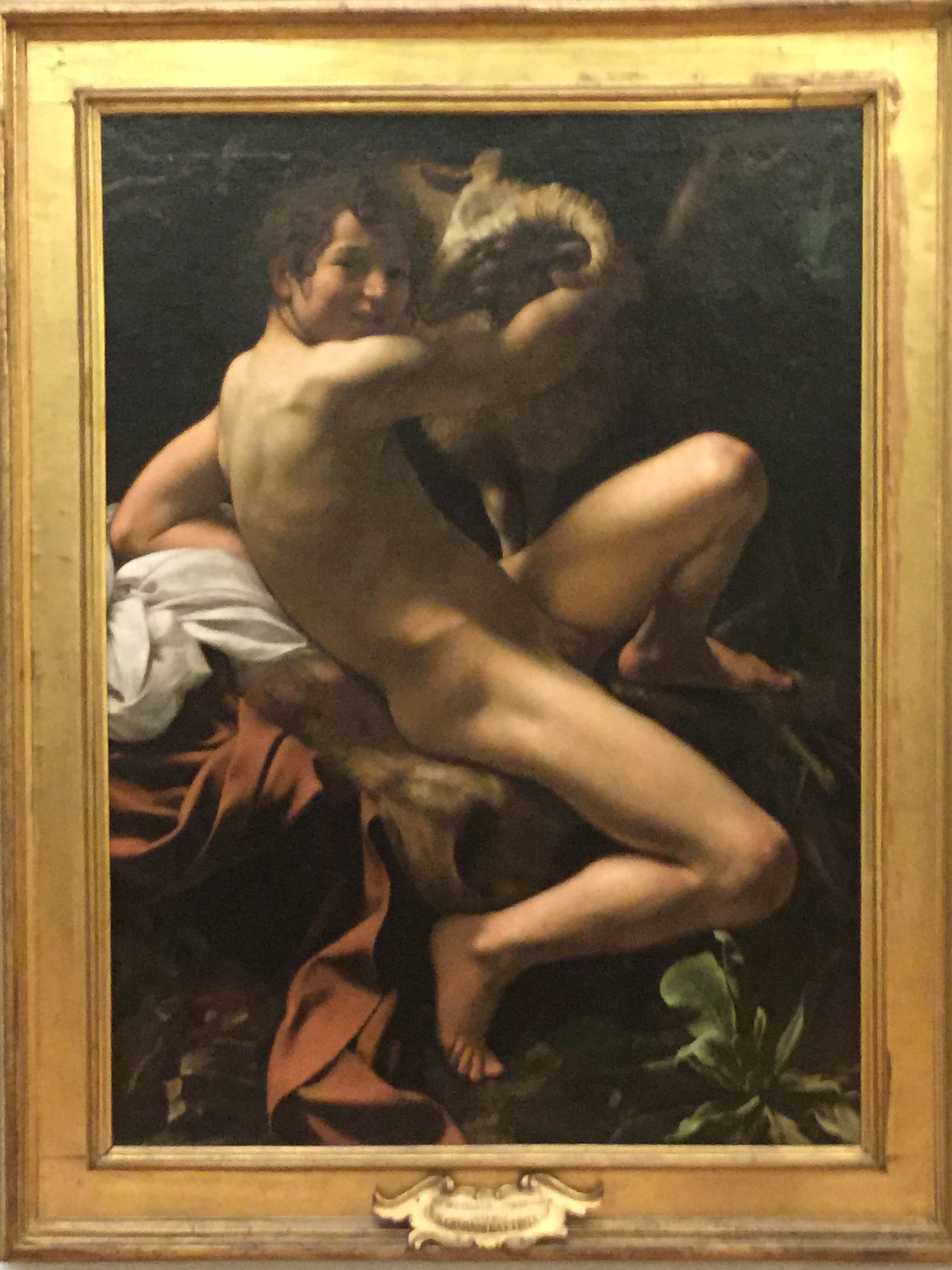
One of the things I wanted to do on this trip was to see as many of the Caravaggio paintings as I could. I only missed four of the paintings in Rome – The Deposition of Christ, The Martyrdom of St. Ursula, Madonna of Loreto, and Saint Francis in Meditation. On this trip I got to see the three in Florence as well. It will take at least two more trips to Italy to catch the rest of them, as they’re scattered in Milan, Naples, Cremona, Messina and on the Island of Malta (which is technically a separate country, but it’s close enough you can fly there from Rome for under $200 r/t).
There are a few more scattered around the world, in London, Dublin, Berlin, Vienna, St. Petersburg, and one or two more European cities, plus two in the US I haven’t seen yet.
The photos here capture most of the ones I saw on this trip, but not all, as some were very poorly lit and/or too difficult to photograph because of placement. For example, the other tourists at the Palazzo Doria-Pamphilij who wouldn’t get out of the way combined with the lighting placement creating a glare spot on the canvas no matter the angle made it not worth attempting. The altarpiece and side pieces at Santa Maria Del Popolo were too high up, at a steep angle, and even with the 1€-per-5-minutes lighting, the space was dark and chapel rail put you too far back to get a good photograph.
BacchusThe Sacrifice of IsaacMedusaJohn the BaptistSt. JeromeMadonna of the PalafrenieriDavid and GoliathSick BacchusBoy with a Basket of FruitThe Calling of St. MatthewInspiration of St. MatthewMartyrdom of St. MatthewNarcissusJudith and HolofernesThe Fortune-TellerSt John The Baptist
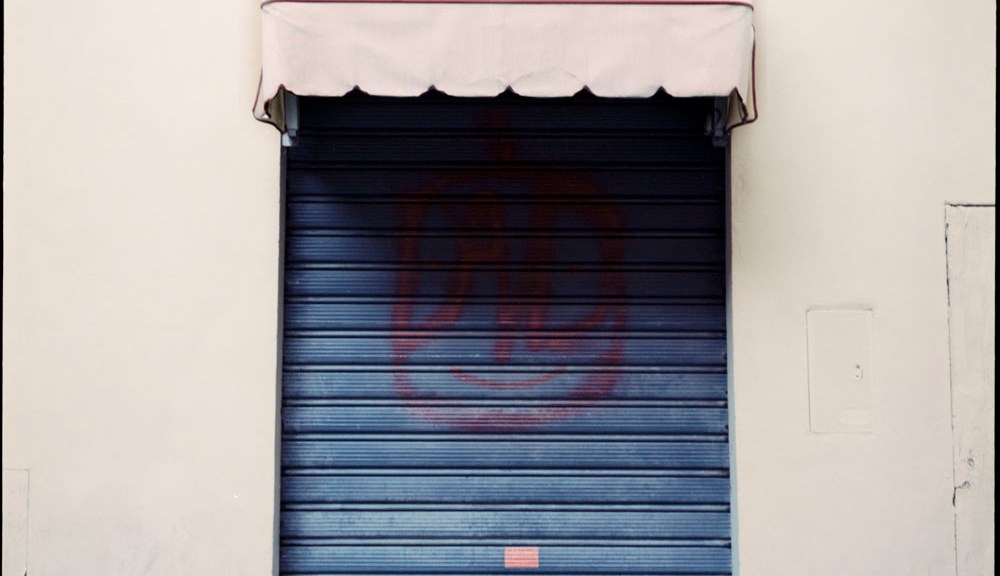
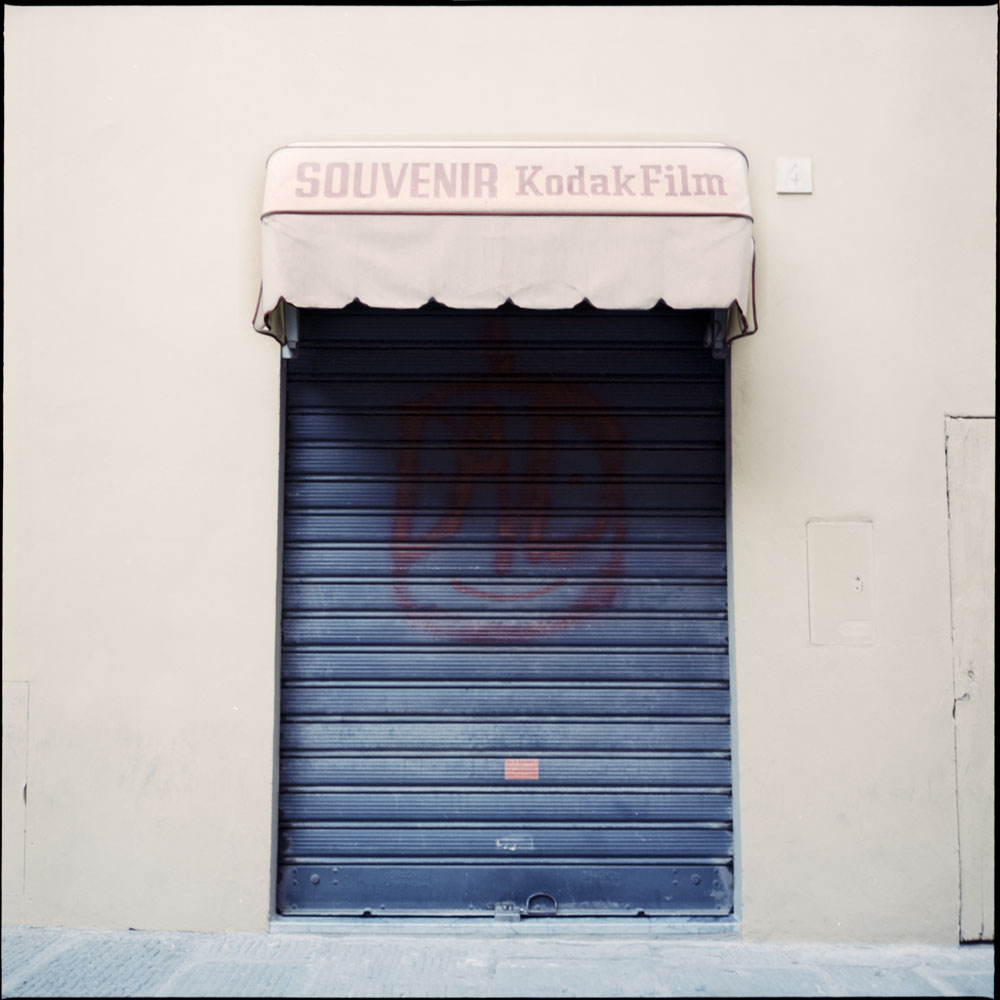
This little souvenir shop is in an alleyway just off the Piazza del Duomo in Florence. The shop is sill in business, but I caught it early in the morning before they opened. I felt it was a good metaphor for Kodak- the name is still recognizable and marketable, but it’s rather sleepy, dusty, and to many folks it’s perceived as already shuttered.
Souvenir Kodak Film, Florence
Of course, I took this with the latest generation of Kodak color film – Ektar 100 – which is perhaps the finest grained, most color-accurate film ever made.
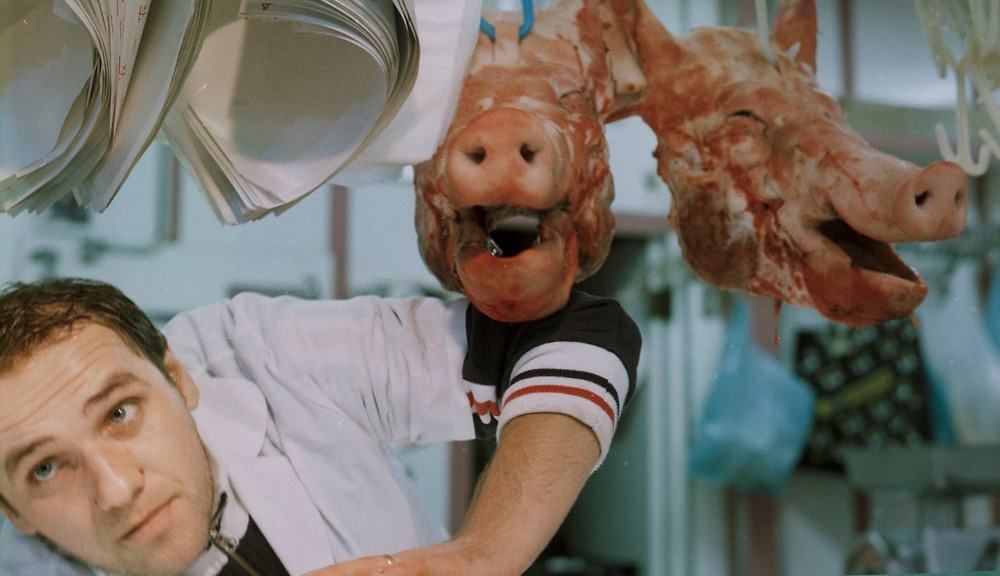
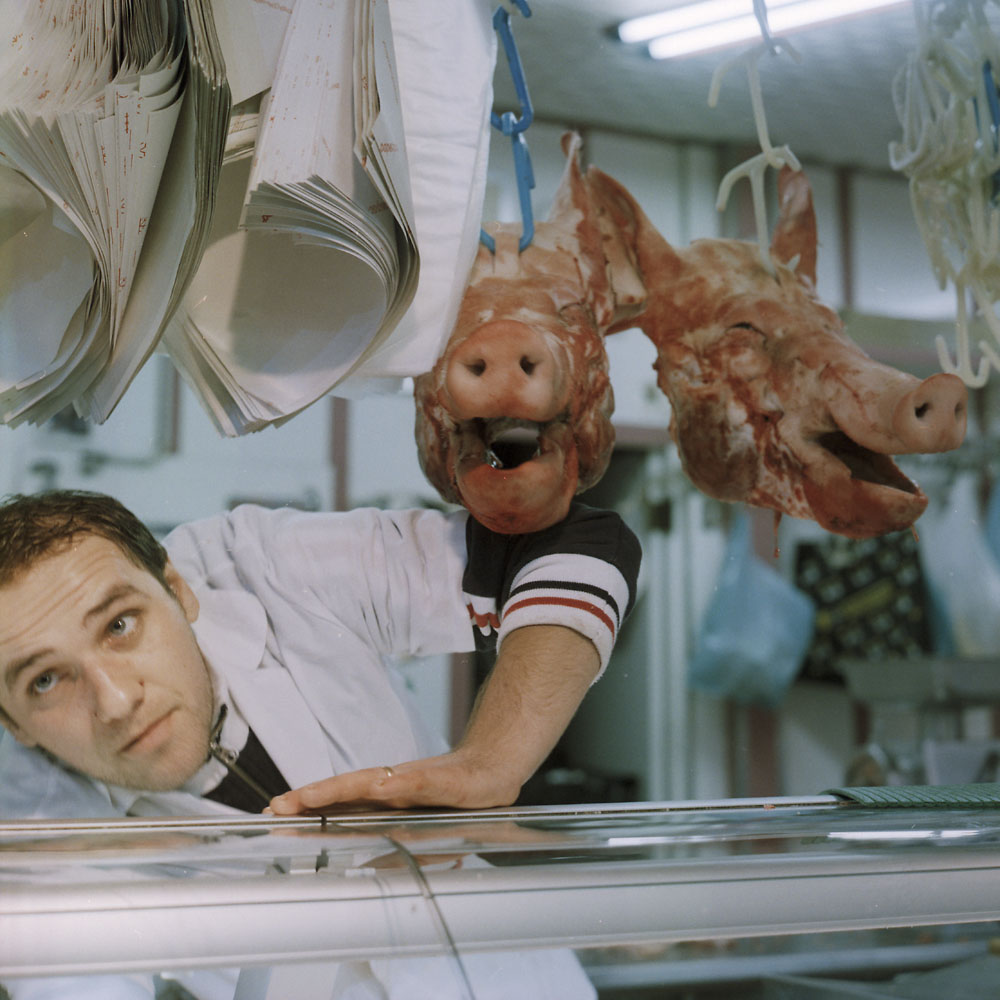
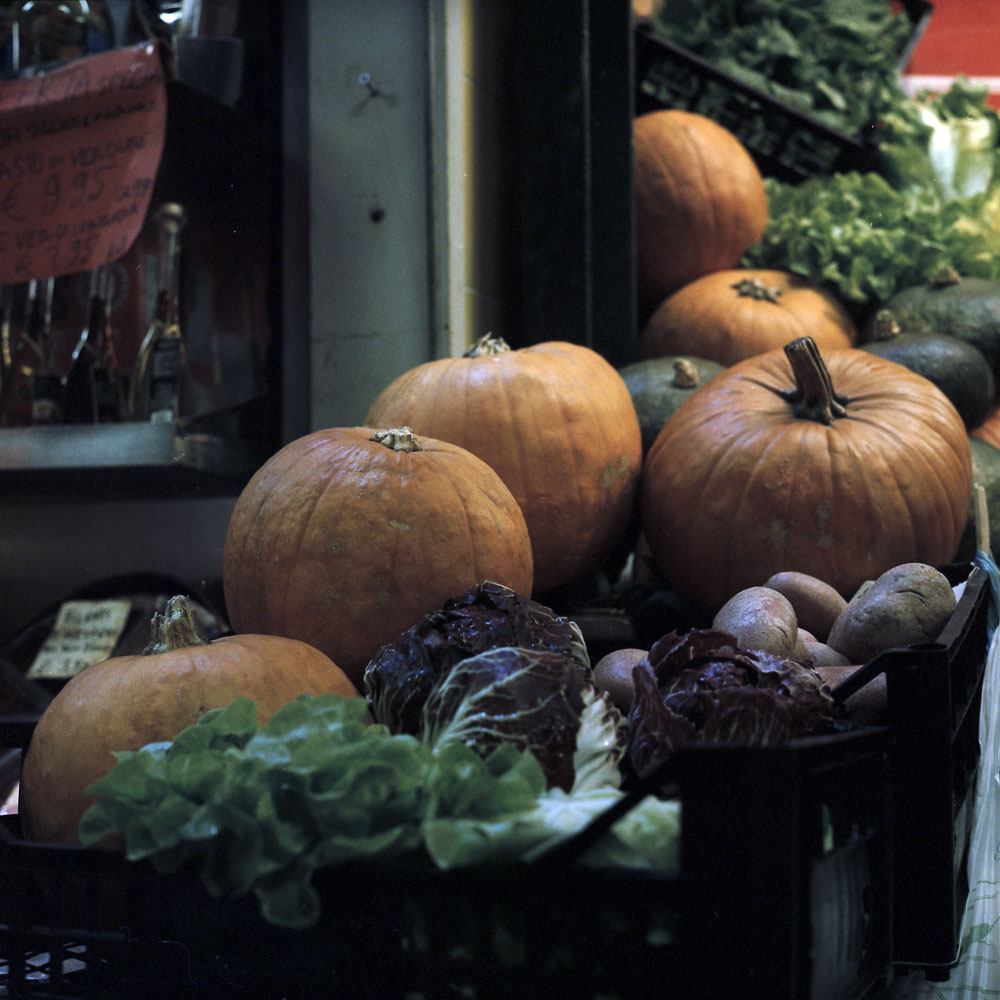
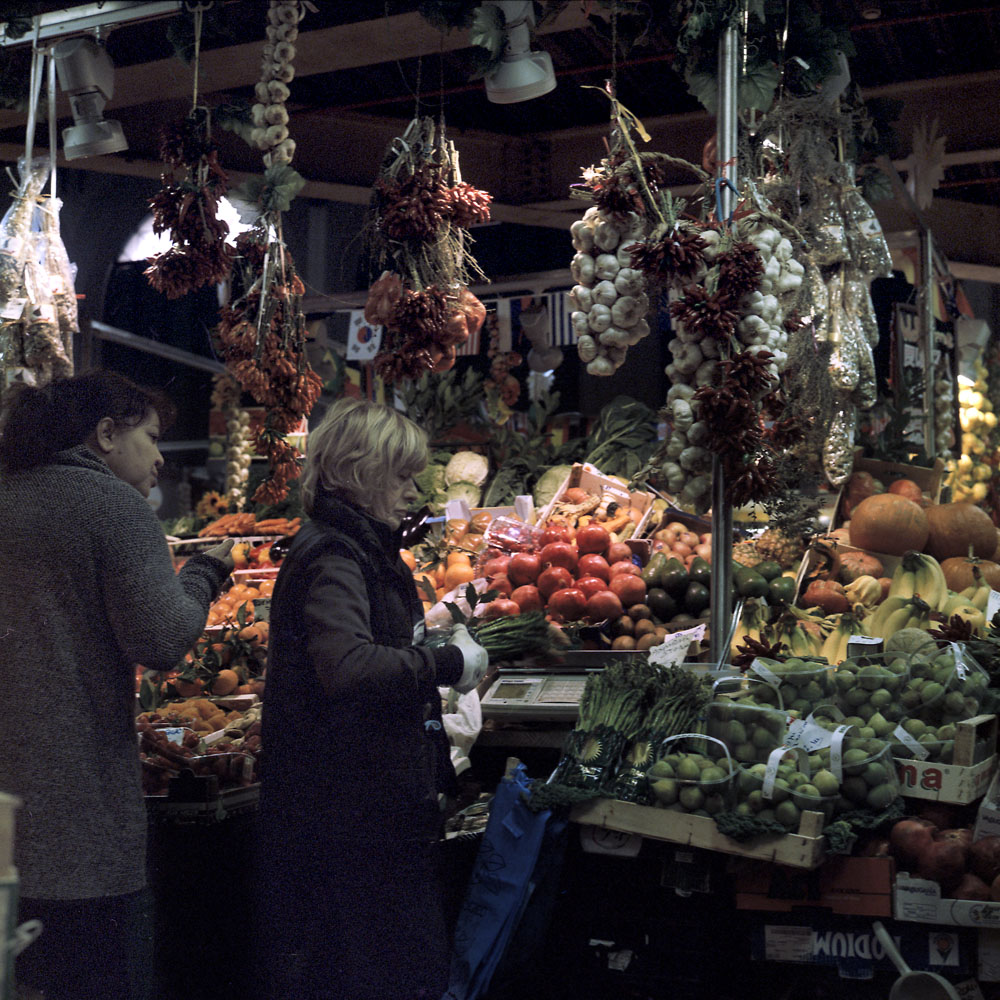
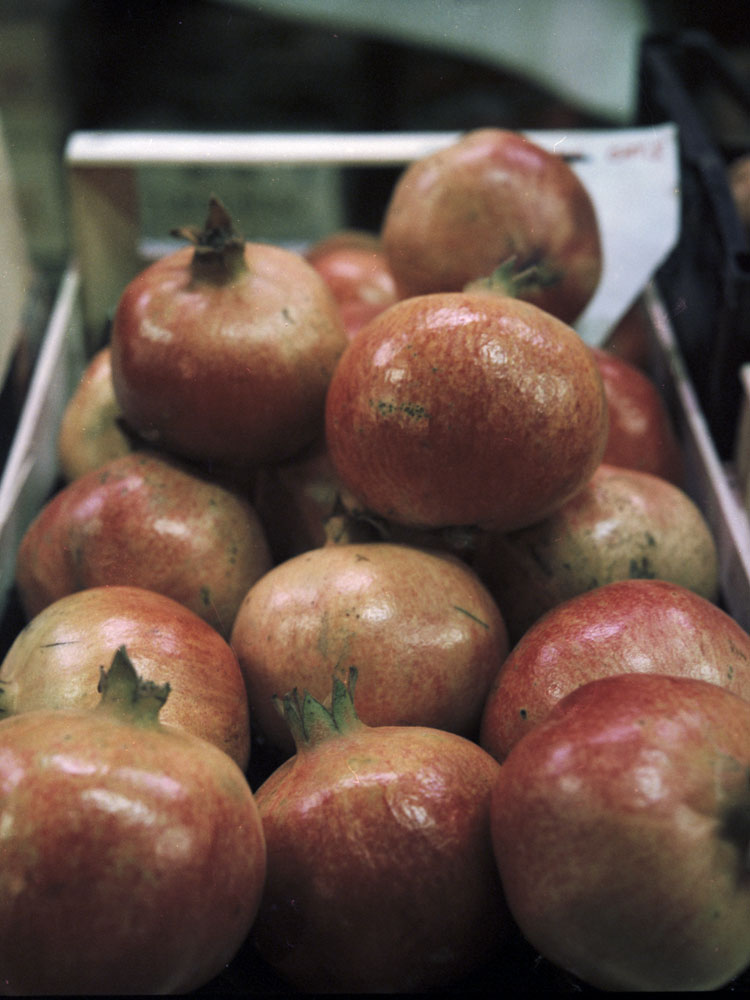
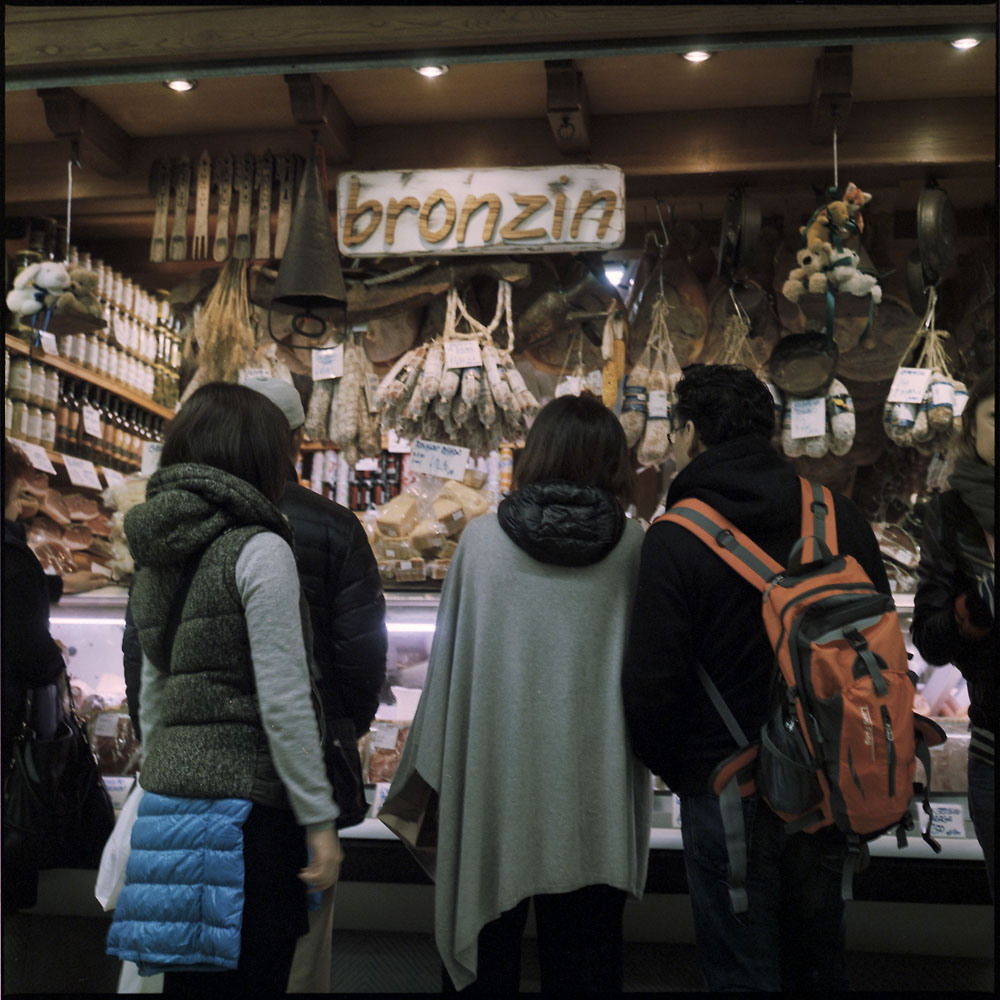
From my trip to the Mercato Centrale in Florence. It’s challenging shooting in someplace like the Mercato Centrale because it’s very crowded, and the lighting is generally miserable- overhead fluorescents mixed with neon mixed with halogen and now mixed with LED spots. One of the things that helps pull it together is a great film – Kodak Portra 800 to be specific. It’s very fine-grained for a film that fast, and it, like the other films in the Portra family, does an incredible job of handling mixed lighting sources. No special filtration was used to color-correct these images.
Here begins my Italian saga. I got back less than a week ago from my Italian excursion, having spent 12 days in Florence and Rome. I posted an odd and end from my phone while on the road, but now that I’m home I’m working my way through the 79 (yes, 79!) rolls of film I shot. I’ve got 16 processed so far, and will try to develop some more after work during the week so I don’t have to totally binge on the weekends.
If you’ve been following the blog, shortly before I went away I got a Lomo Belair X/6-12 panoramic camera. I posted a few shots I took with the 58mm super-wide lens, and that lens is, well, marginal at best. Very soft, very low-contrast, and horrendous barrel distortion. Not the kind of lens I would want to shoot a lot of architecture with, and that’s what I’d be shooting a lot of in Italy. I brought it with me just in case, but kept the 90mm lens on the camera and ended up shooting exclusively with that.
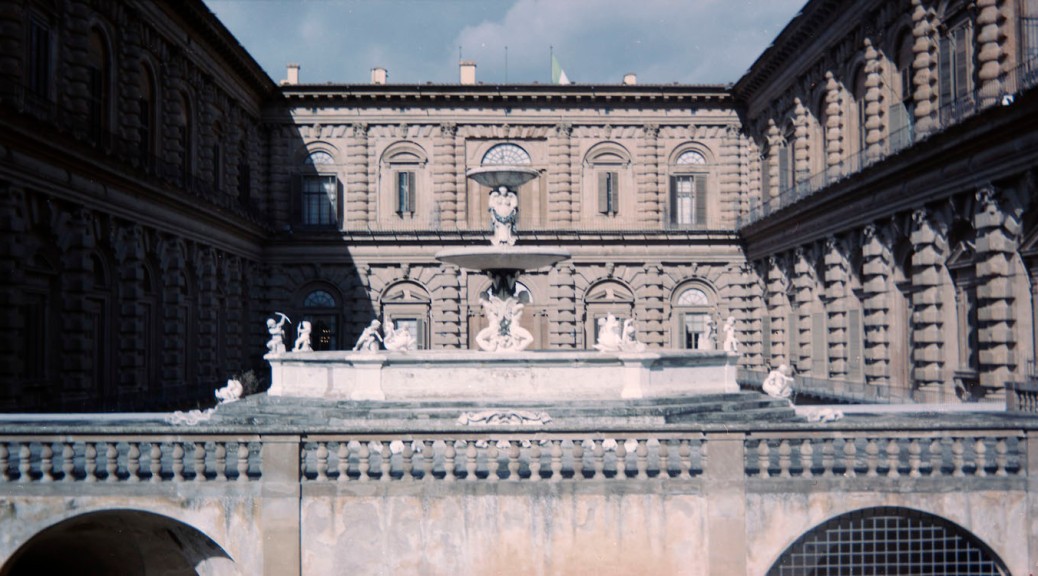
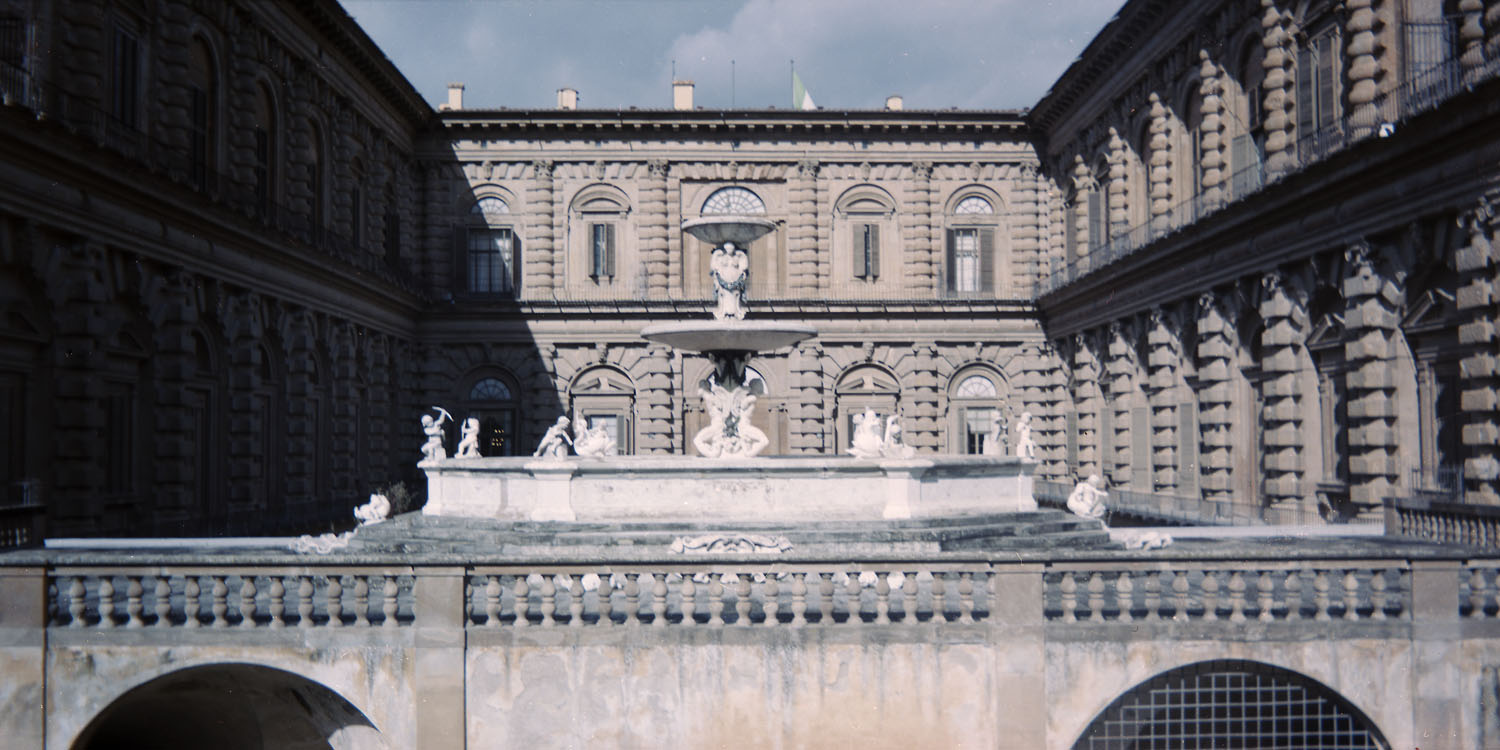
This is the courtyard of the Palazzo Pitti, as seen from the Boboli gardens behind it. As you can see from this shot, the 90 is sharper than the 58, but still not up to the standards of a glass lens (the 58 and the 90 are both plastic).
Pitti Palace
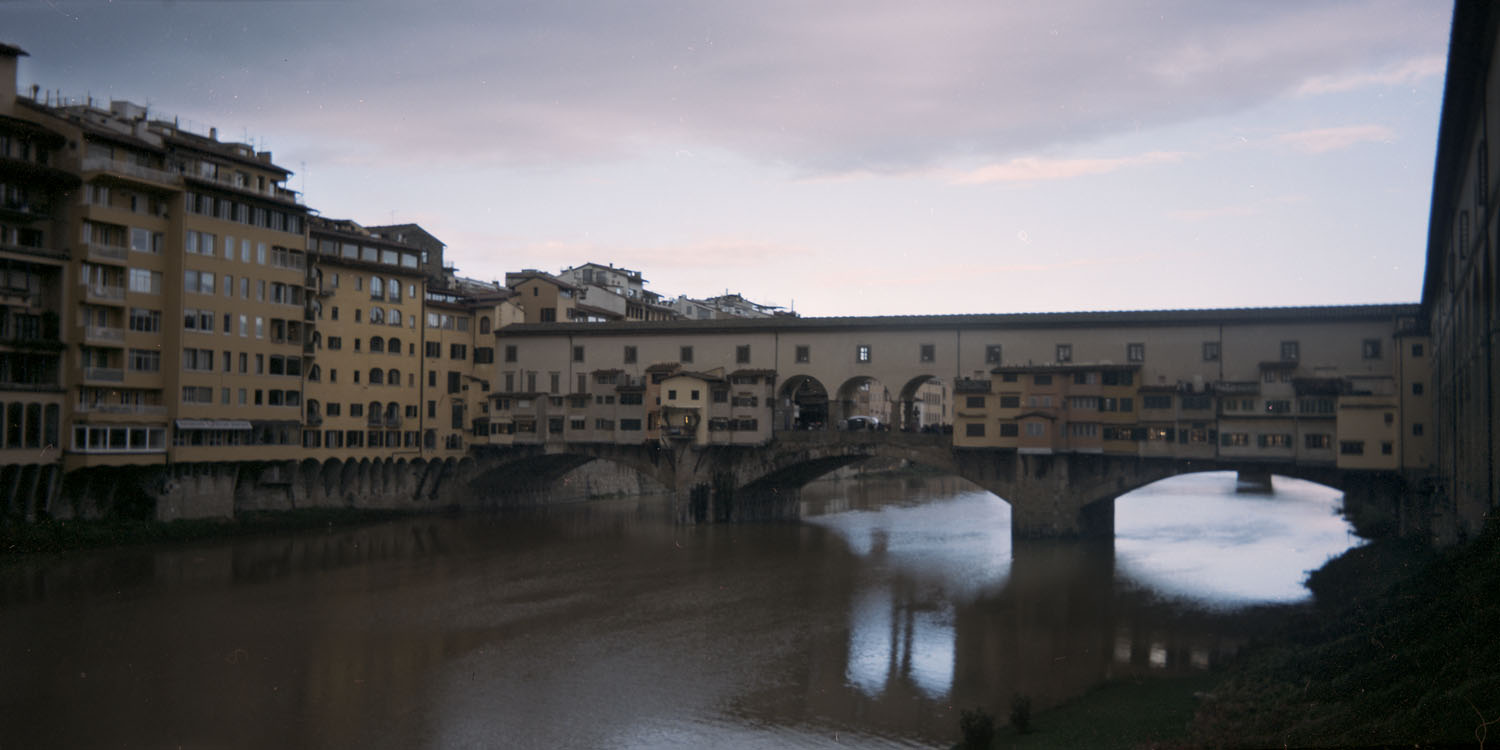
The 90 is better, but better is a relative term. Certainly, I wouldn’t have been able to take these shots without the camera, and I genuinely like them, but they’re not what I normally think of when I think of my style of photograph. If I’m going to stick with the camera, it’ll be a mental adjustment to apply the tool to tasks appropriate to it. It’s very good at transforming the time of day of a shot- while this is titled “Ponte Vecchio Evening”, it was actually shot around 10AM.
Ponte Vecchio Evening
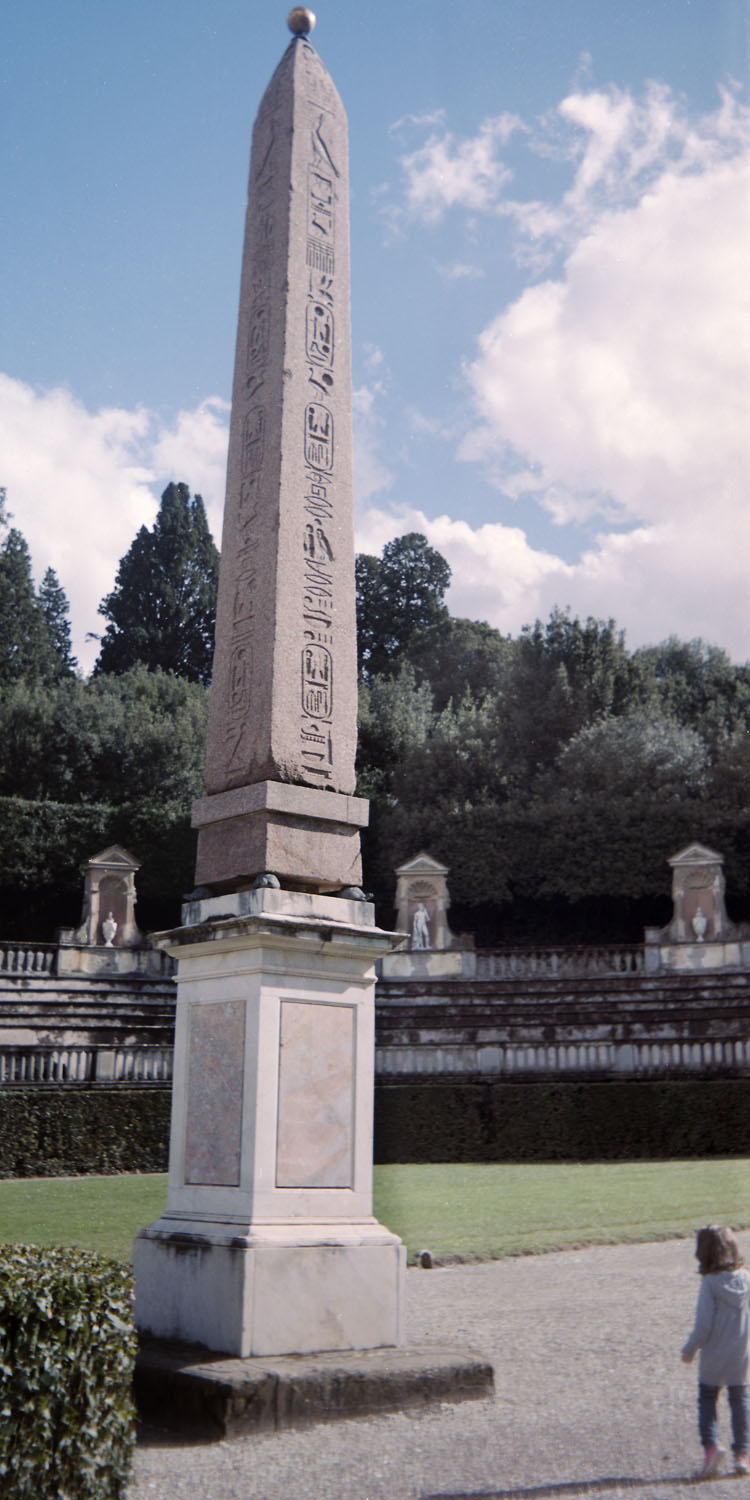
This has also been a lesson for me in making peace with cropping. I’ve been for the most part a full-frame kind of guy – I try to compose to the edges of my frame so everything shows the way I want it to and I don’t need to crop. But sometimes, the best of intentions when composing in the heat of the action don’t always work, and you learn to crop after the fact. This shot, for example. In the original full frame, the obelisk was dead center in the frame. I think at the time I pushed the shutter button I thought the little girl was out of the picture, but there she was. On the left, the edge of the fountain in front of the obelisk was intruding into the scene. Looking at the image actually captured, all the action in the scene included the little girl playing off against the obelisk, and the edge of the fountain was a real distraction. Cropping to get rid of the fountain completely changed the dynamic and makes the image go from being a record shot to something actually interesting.
Obelisk Boboli Gardens
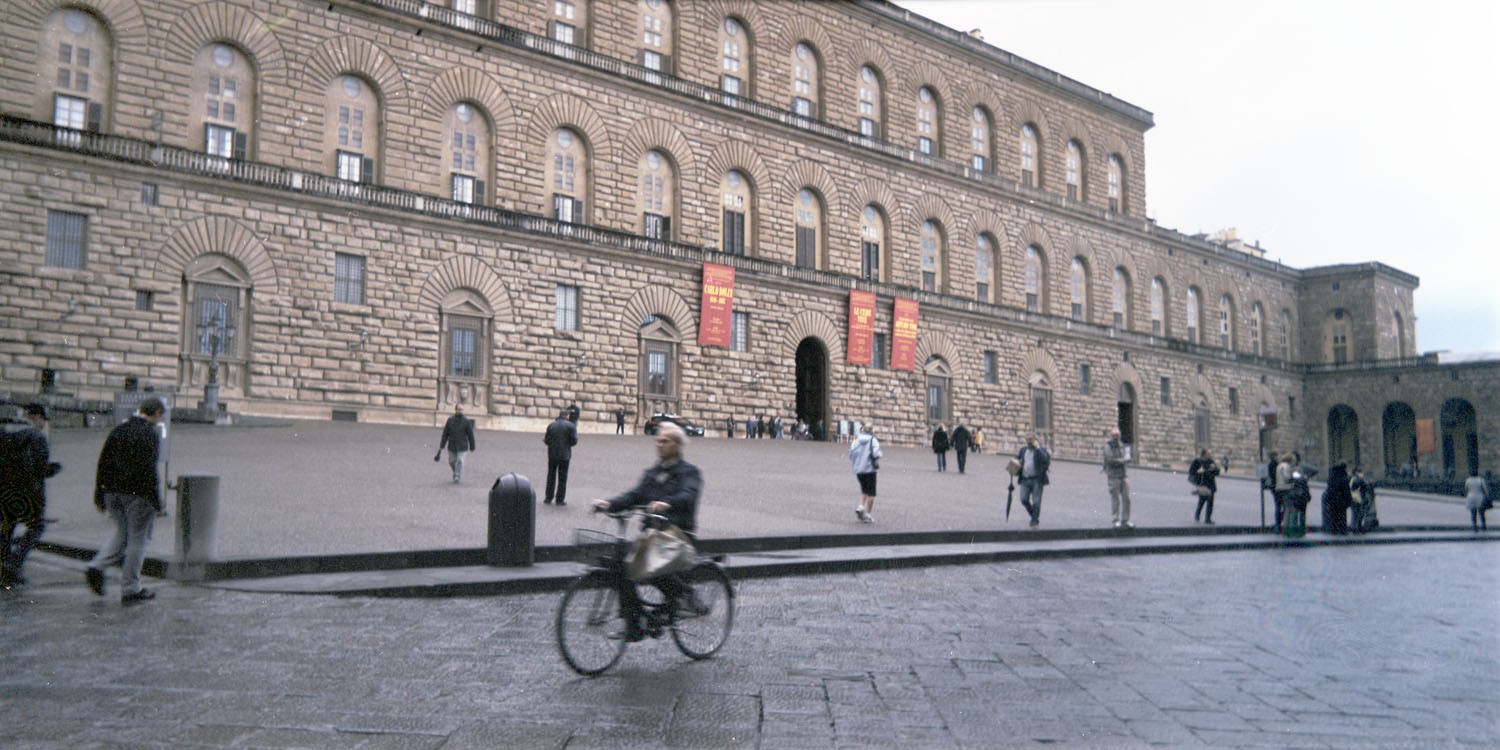
This is the facade of the Palazzo Pitti, originally home to the Medici family, later a residence for Napoleon Bonaparte, then the administrative center of the Italian government for the first few years after unification, and now an art museum. The shutter has a maximum speed of 1/125th of a second, which is fairly slow all things considered. I don’t know how fast an exposure this was – the camera doesn’t tell you what speed it is using – so I’m guessing somewhere in the 1/60th range given the amount of movement in the cyclist. That’s another thing you have to make peace with with this camera – unpredictability. I don’t know that I’m there yet. I’ve got about 12 more rolls of film from this camera to process in my black-and-white film, so we’ll see how I feel after getting through those.
Cyclist, Pitti Palace
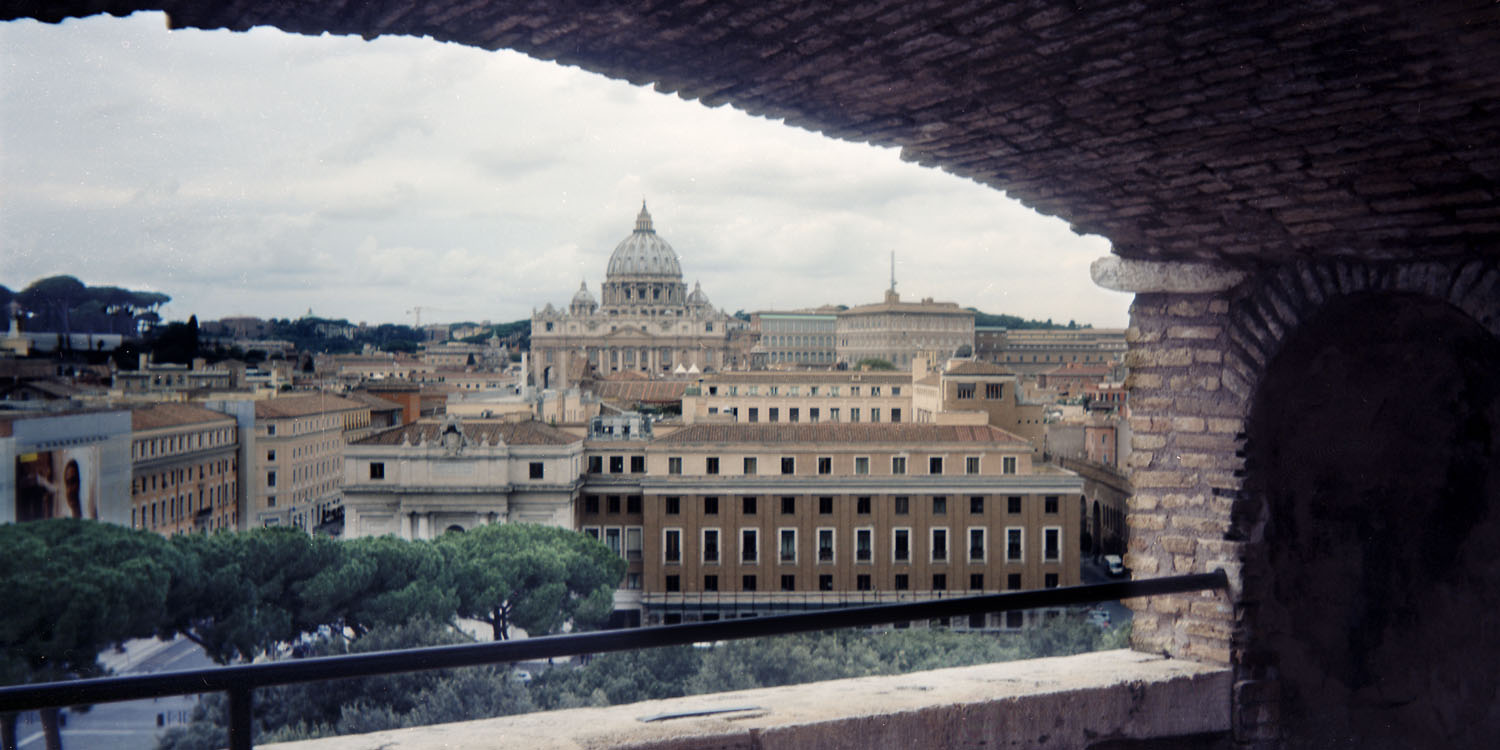
Sometimes the panoramic composition works phenomenally, like this one of St. Peter’s Basilica as seen from inside an arch on the Castel Sant’Angelo.
St. Peters From Castel SantAngelo
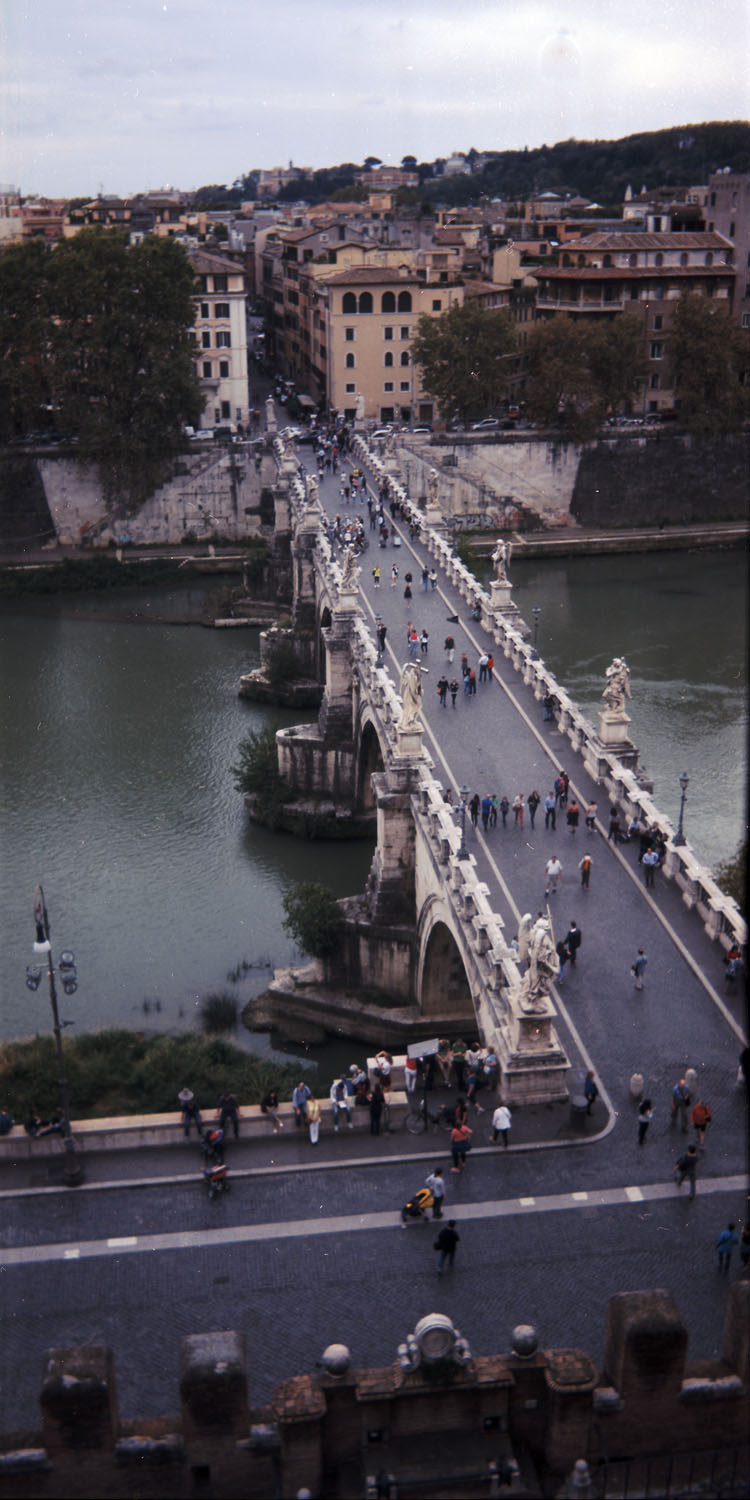
Other times, the panorama gives you compositional challenges that provide serendipitous solutions to themselves, like shooting the bridge in front of the Castel Sant’Angelo. The landscape around the bridge provides an S shape through the composition that leads your eye around and through the entire scene, not just pulling you from lower right to upper left and shooing you out of the frame at the end.
Bridge From Castel SantAngelo
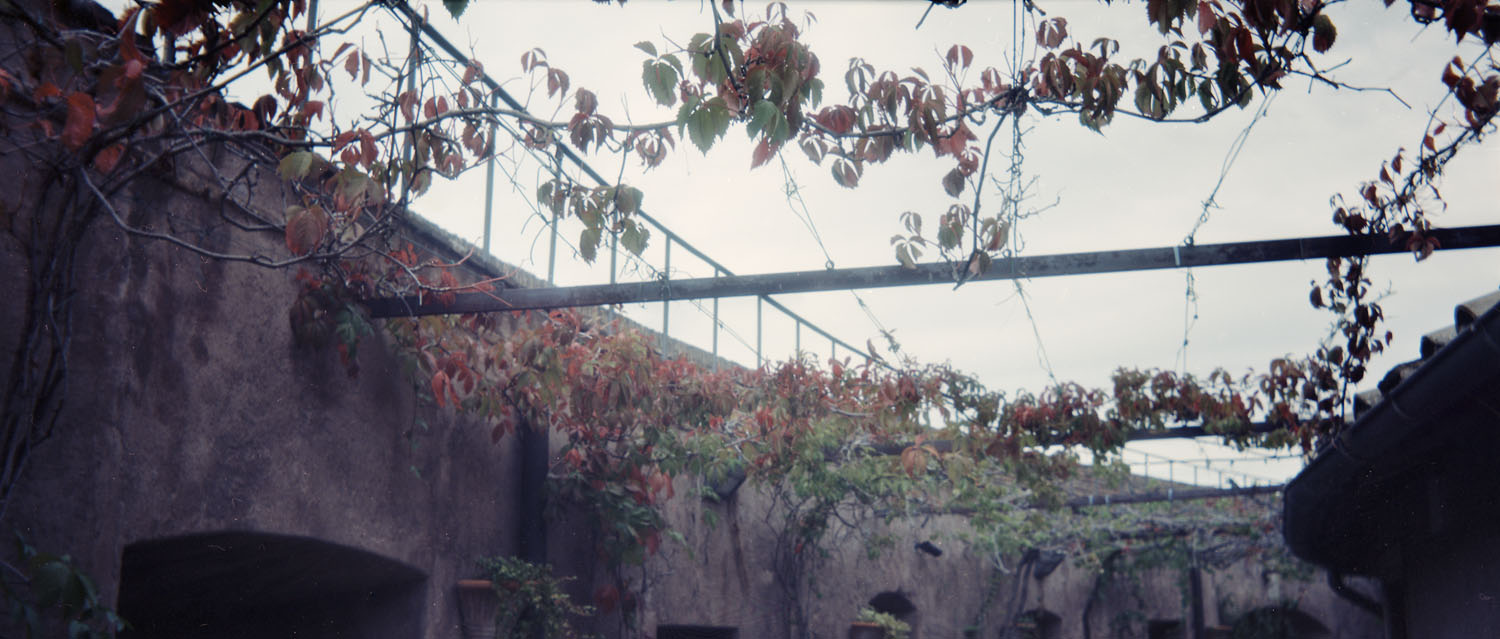
Another argument in favor of cropping – the original of this included the heads of the patrons of the Castel Sant’Angelo cafe (yes, they have a cafe in the battlements of the Castel Sant’Angelo, which began life almost 2000 years ago as the burial monument to the Roman Emperor Hadrian).



 dcphotoartist