Tag Archives: male nudes

Portraits and Nudes

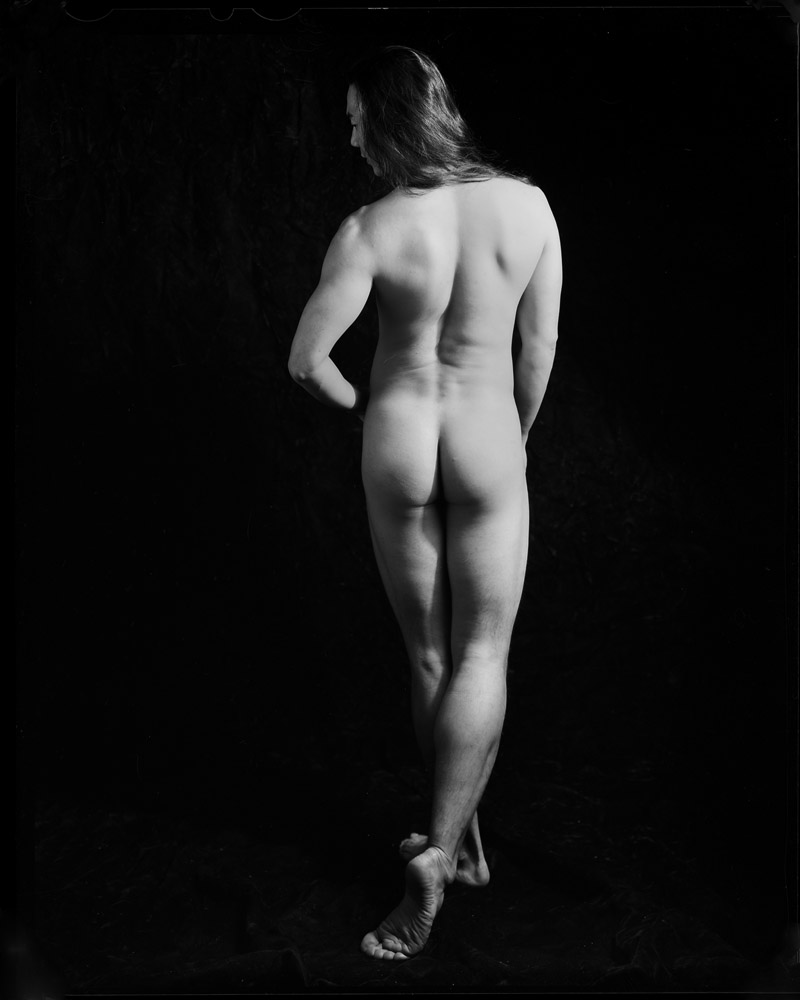
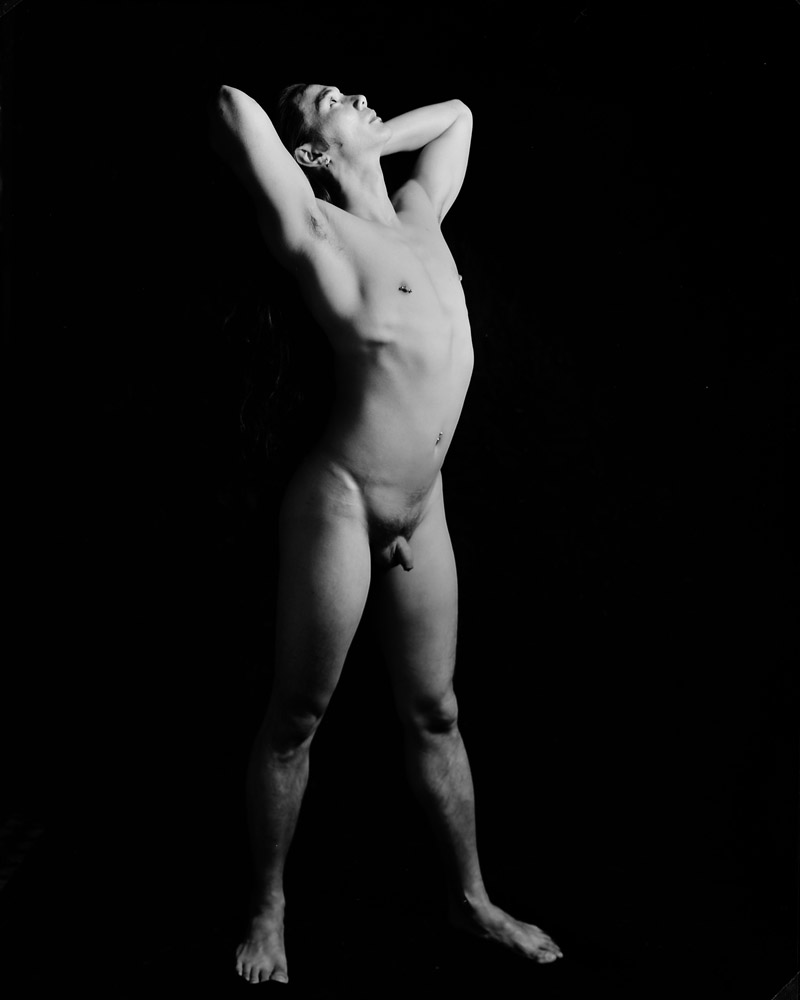
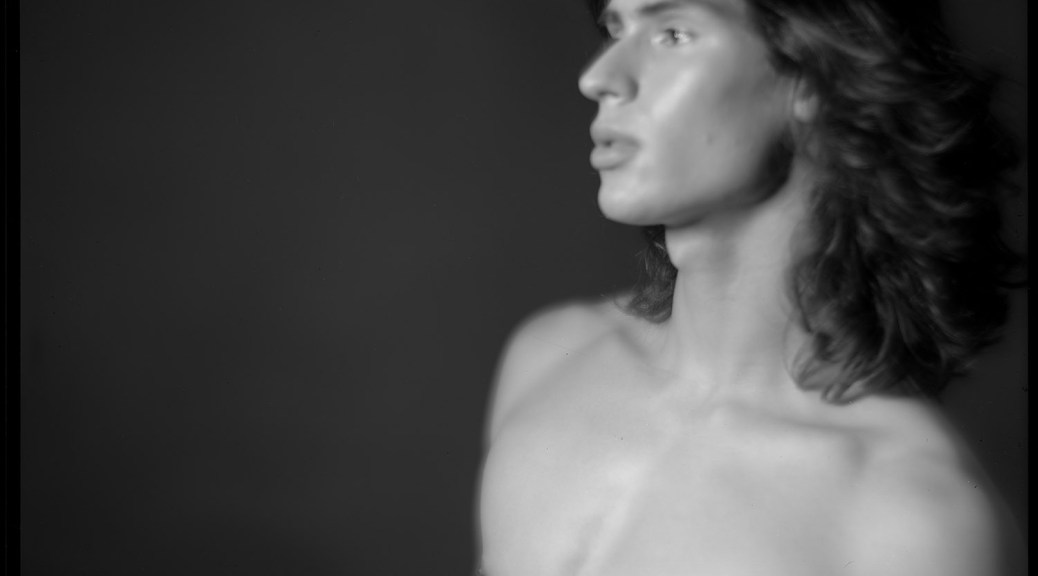
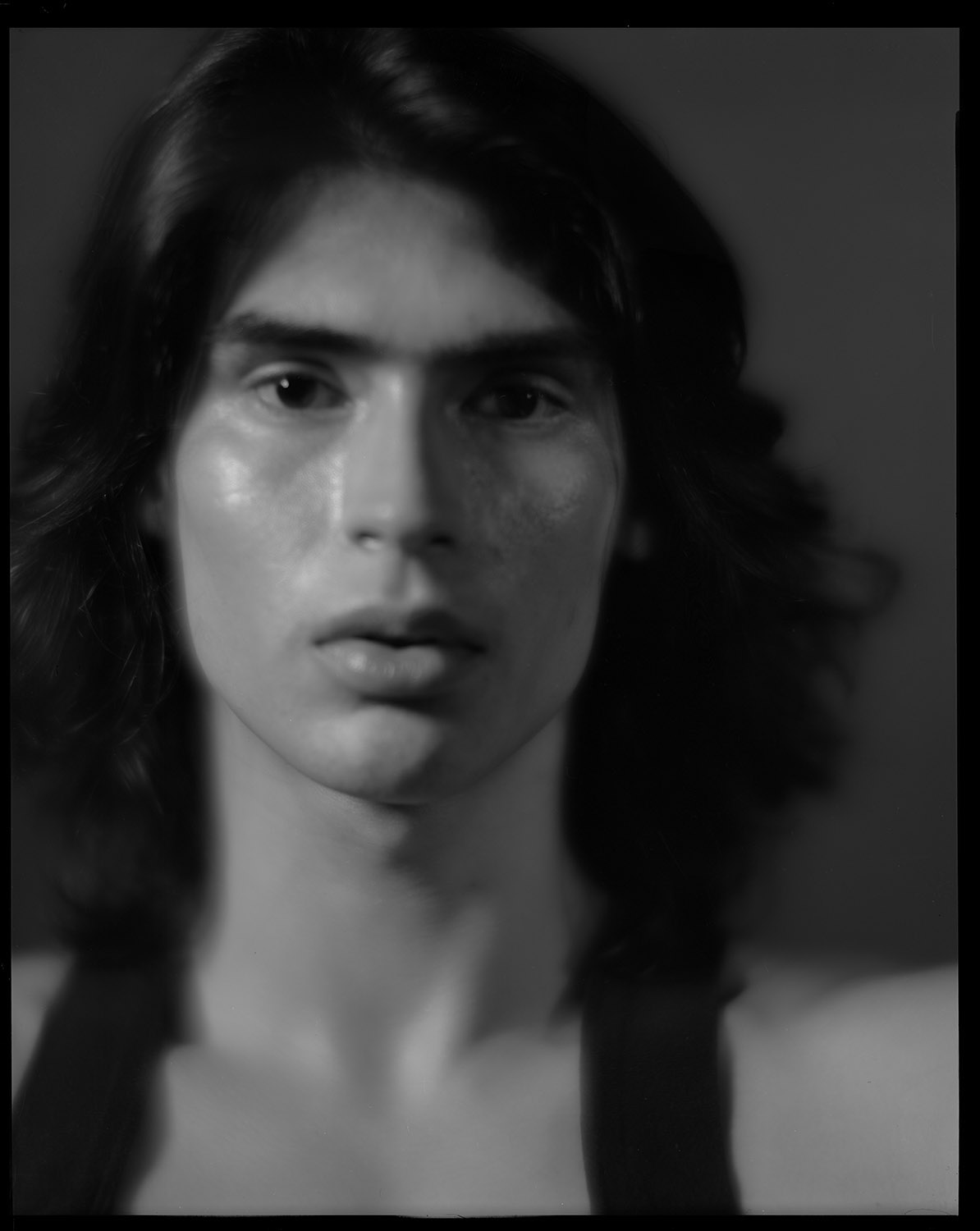
I had a photoshoot at the end of last year (sorry for the delay in getting these online, but life happens) with a fantastic model, Thomas Roblez. I found him on Instagram. He has a striking, somewhat androgynous look and just radiates sexy beauty. We did a session in my studio entirely with the big Century Master portrait camera and the Kodak 405 Portrait lens. It’s a soft focus lens with a very distinctive signature look, something not easy to replicate even with extensive Photoshop work.

These were an homage to Narcissus. I like the effect of the soft-focus lens on these because it gives them a dreamy, hazy look that you’re not quite sure if it’s real or if it’s something out of the imagination. Very appropriate for the mythological nature of the subject.

This one is a darker psychological exploration. A Plague Doctor emerging from the depths of your psyche – is he here to heal, or to terrify? As we emerge from the unreal nightmare of the three year pandemic, how do we remember those times? They feel like years that didn’t really happen, that went missing, and we’re not sure what to think of them or how to remember them, or even if we can really remember them at all.
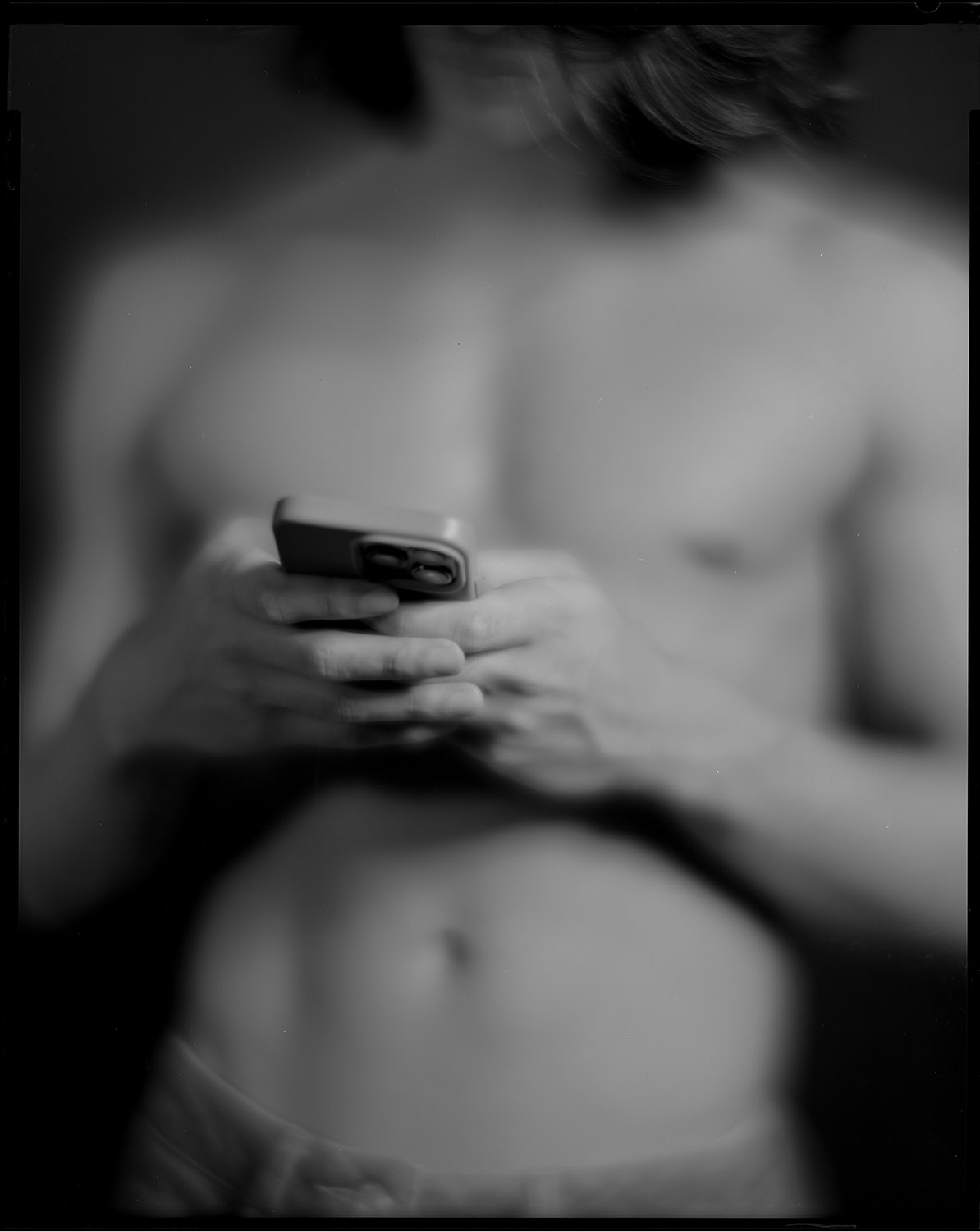
Gen Z gonna Gen Z and be on their phone non-stop.
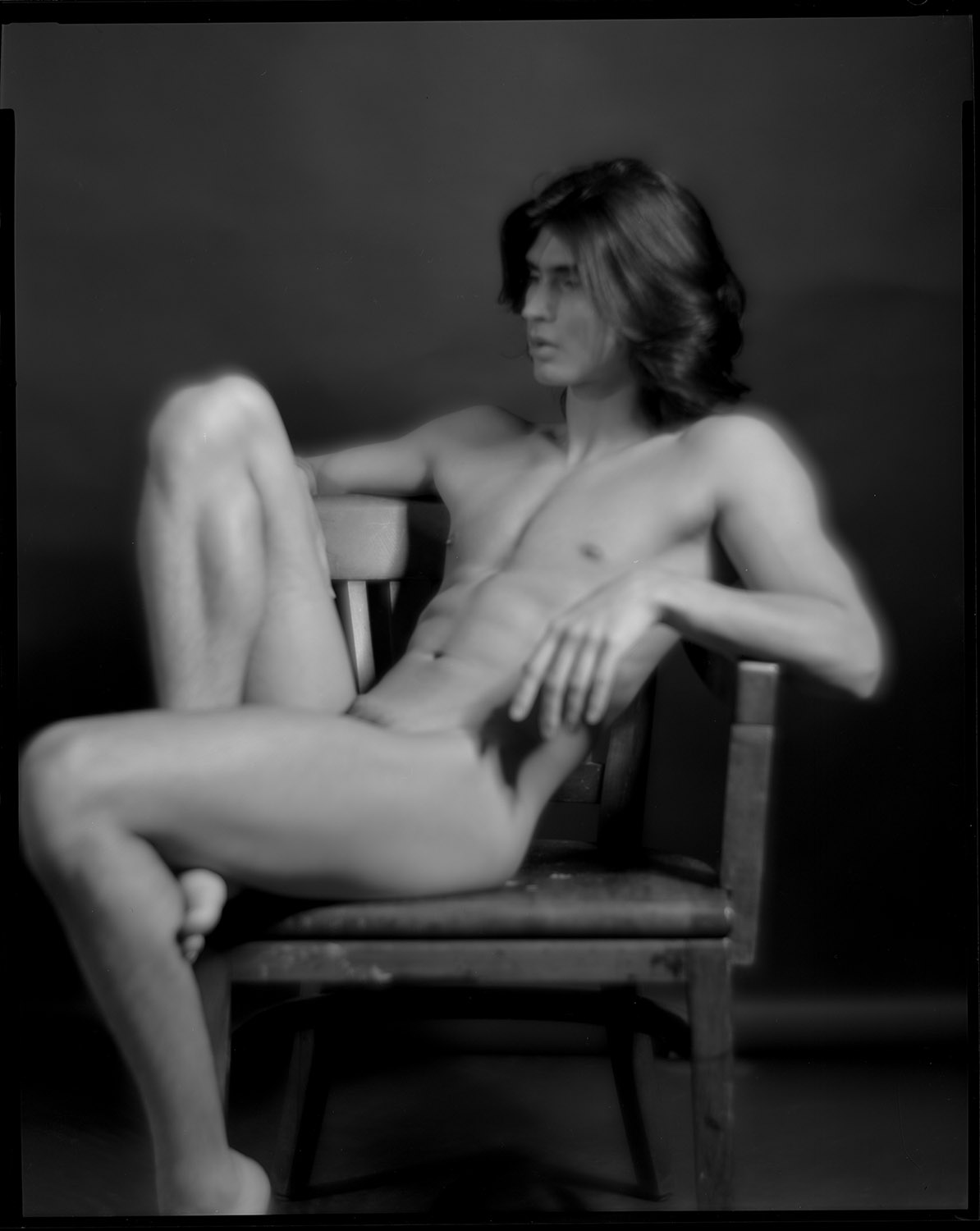
One of his (and my) favorite shots from the photo session. I just love the relaxed, languid pose – it reminds me of those 1920s advertisements.

Not all photos, especially nudes, need to be serious. It’s good to inject some whimsy and humor from time to time.
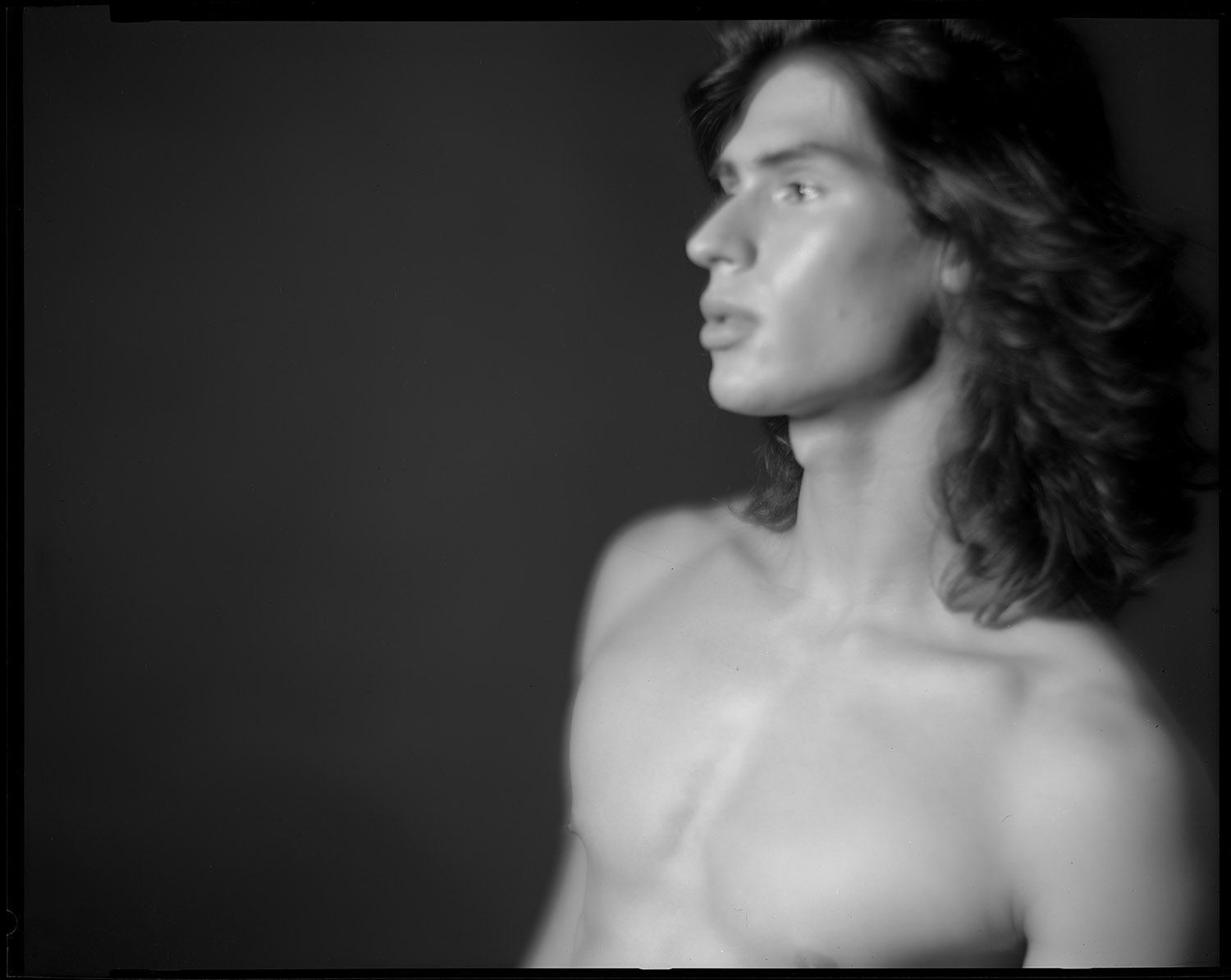
Not all portraits need be vertical.
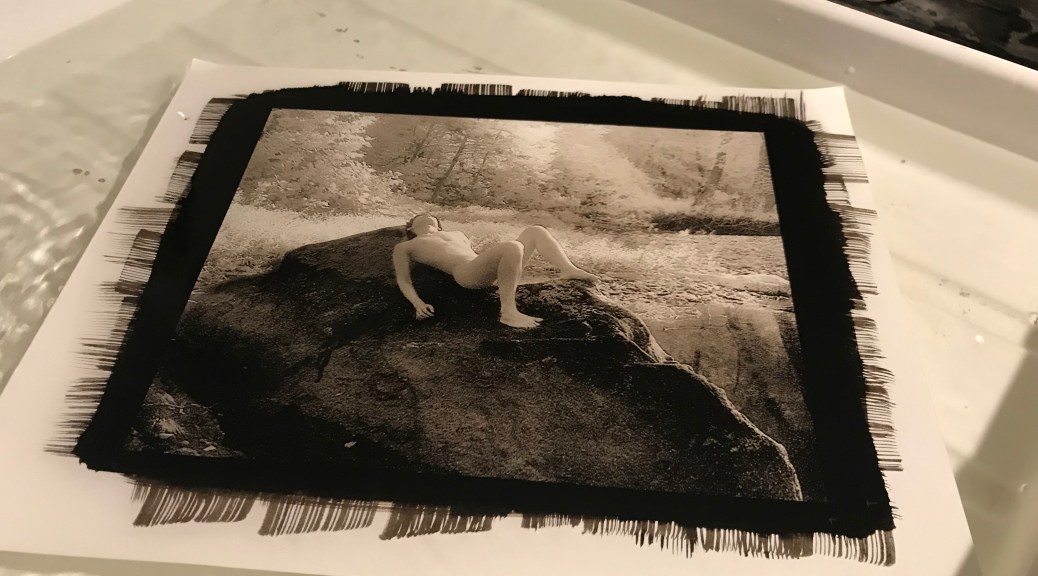
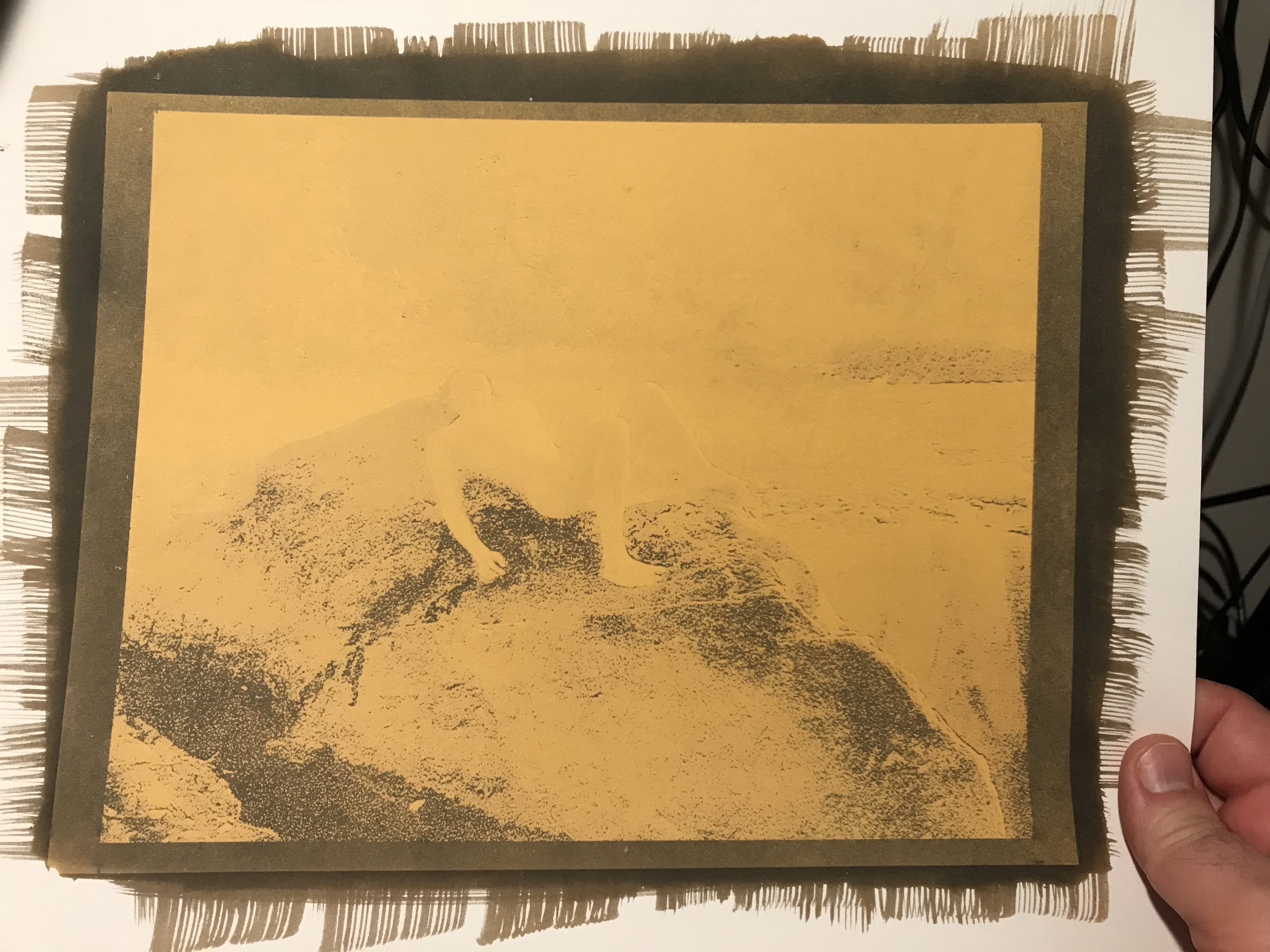
Palladium Printing- exposure and development

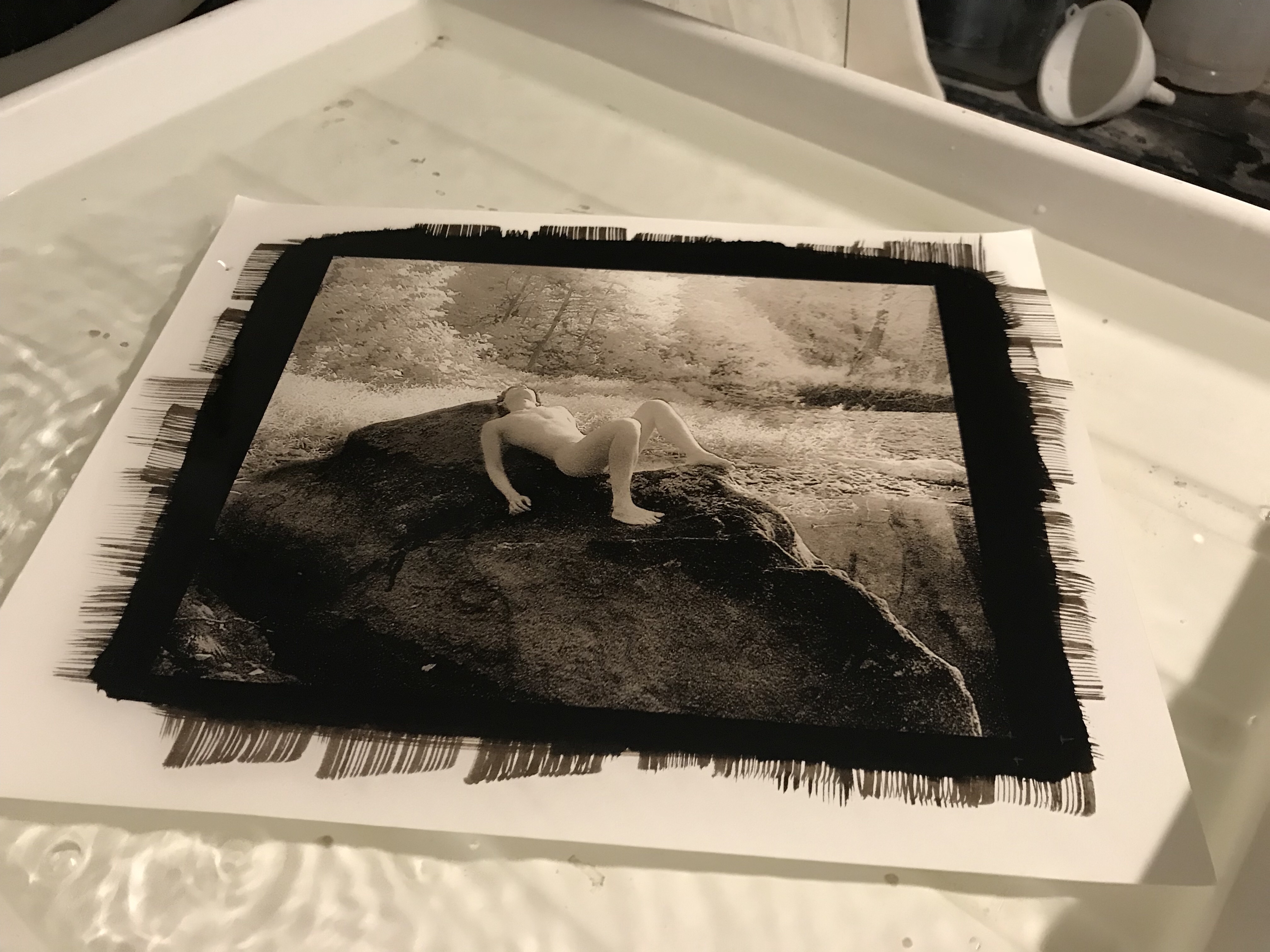
For those who haven’t seen the palladium printing process end-to-end, I thought I’d share a moment from the process to let you see the magic happen. It’s a much faster process than silver printing, in the development stage. The image, when exposed but not yet developed, is a “ghost” image. You can generally see the form, but not the fine details, nor the overall tonality. Depending on the overall image tonality, you may see very little at all inside the exposed borders of your print. This is why it is a good idea to coat outside the borders of your image (but not too much- every drop of emulsion costs money!) – you can judge proper exposure by looking at your borders if you’re not used to printing.

Then, pour on the developer, and WHOOSH! Magic!

And the finished print:

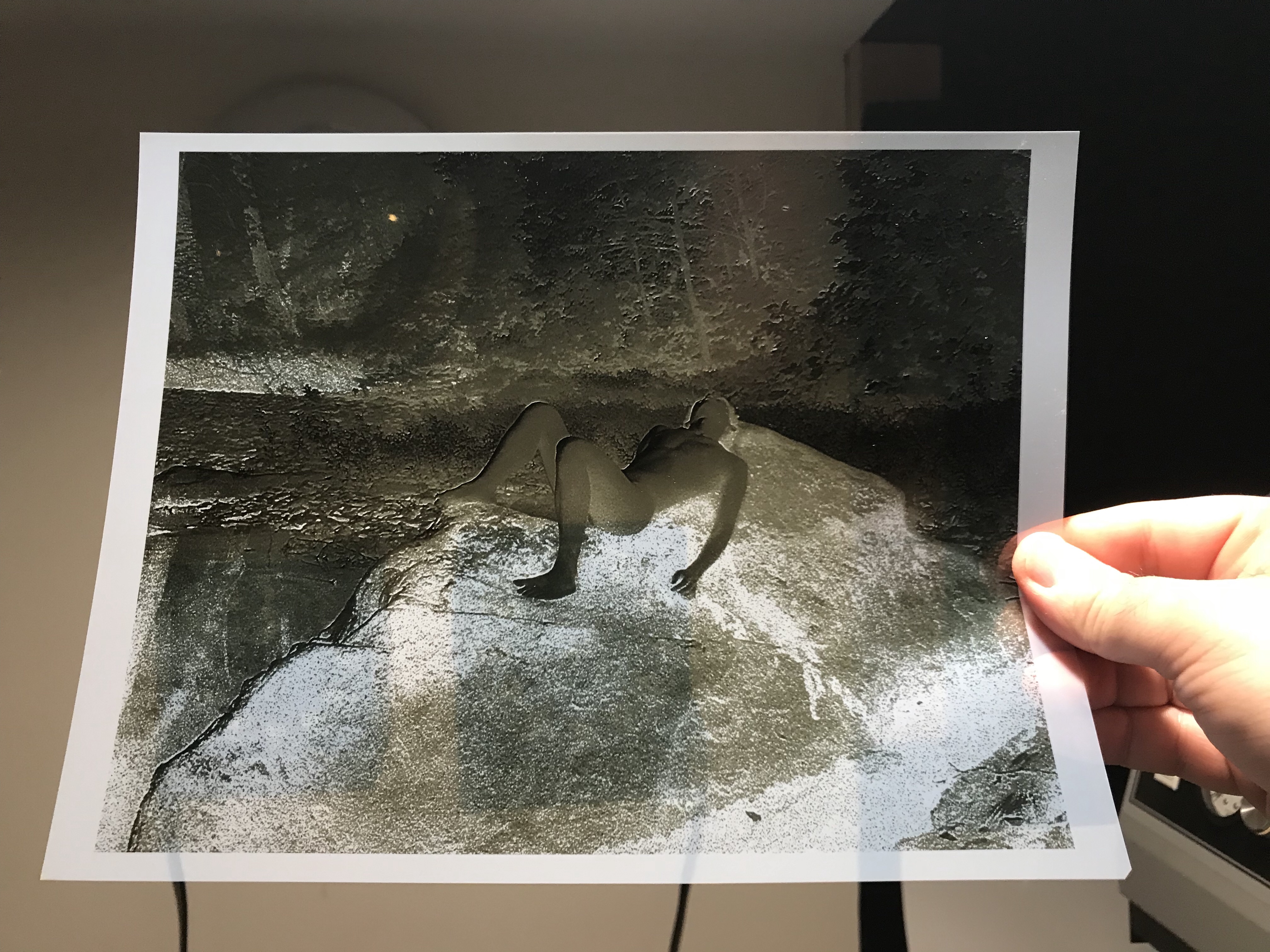
This was from a 35mm infrared shot, scanned and enlarged on Pictorico transparency media.

If you’re curious what a digital negative even is, or what it looks like, here’s the negative for that shot:

More Figure Studies, Polaroid Type 55

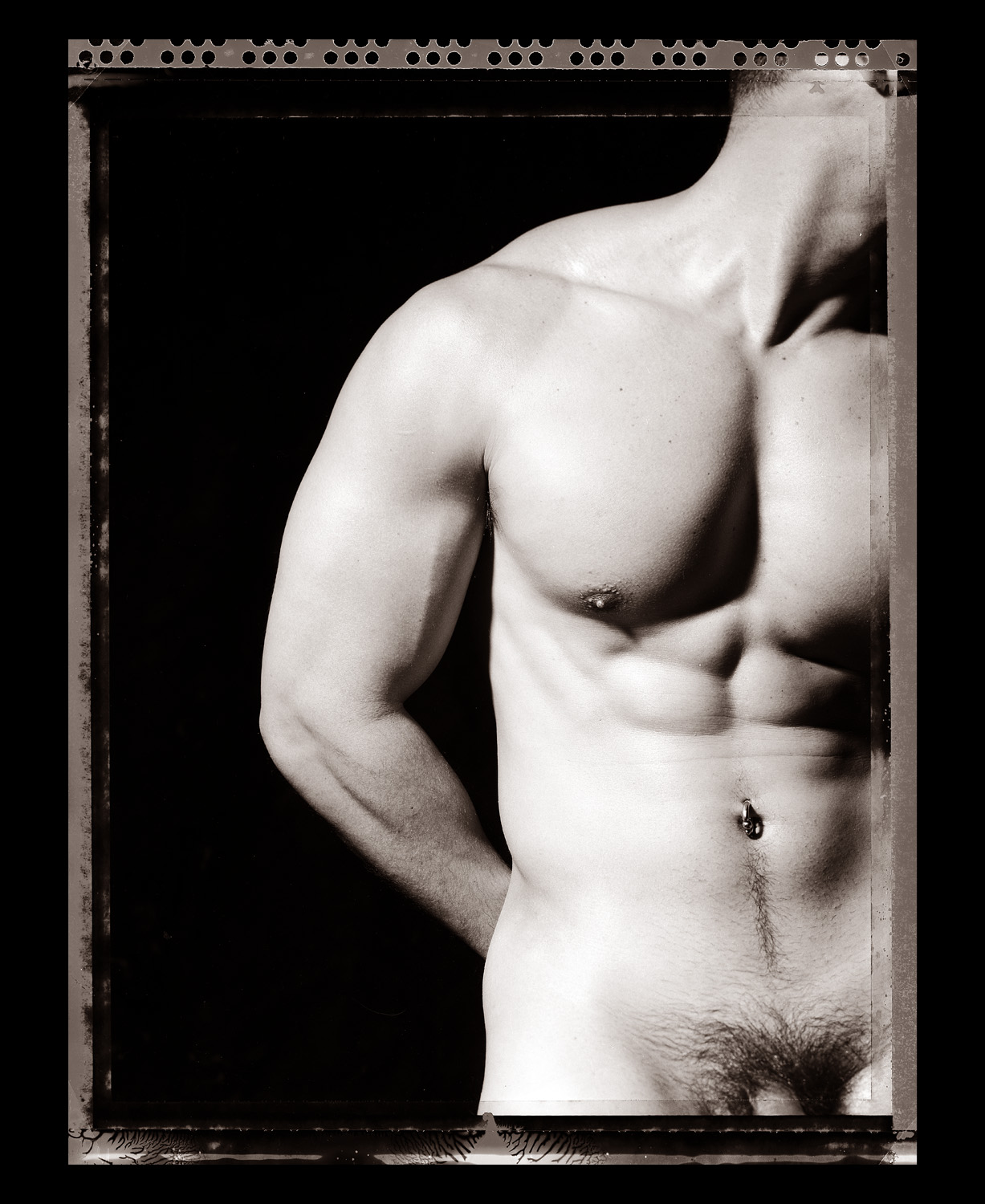
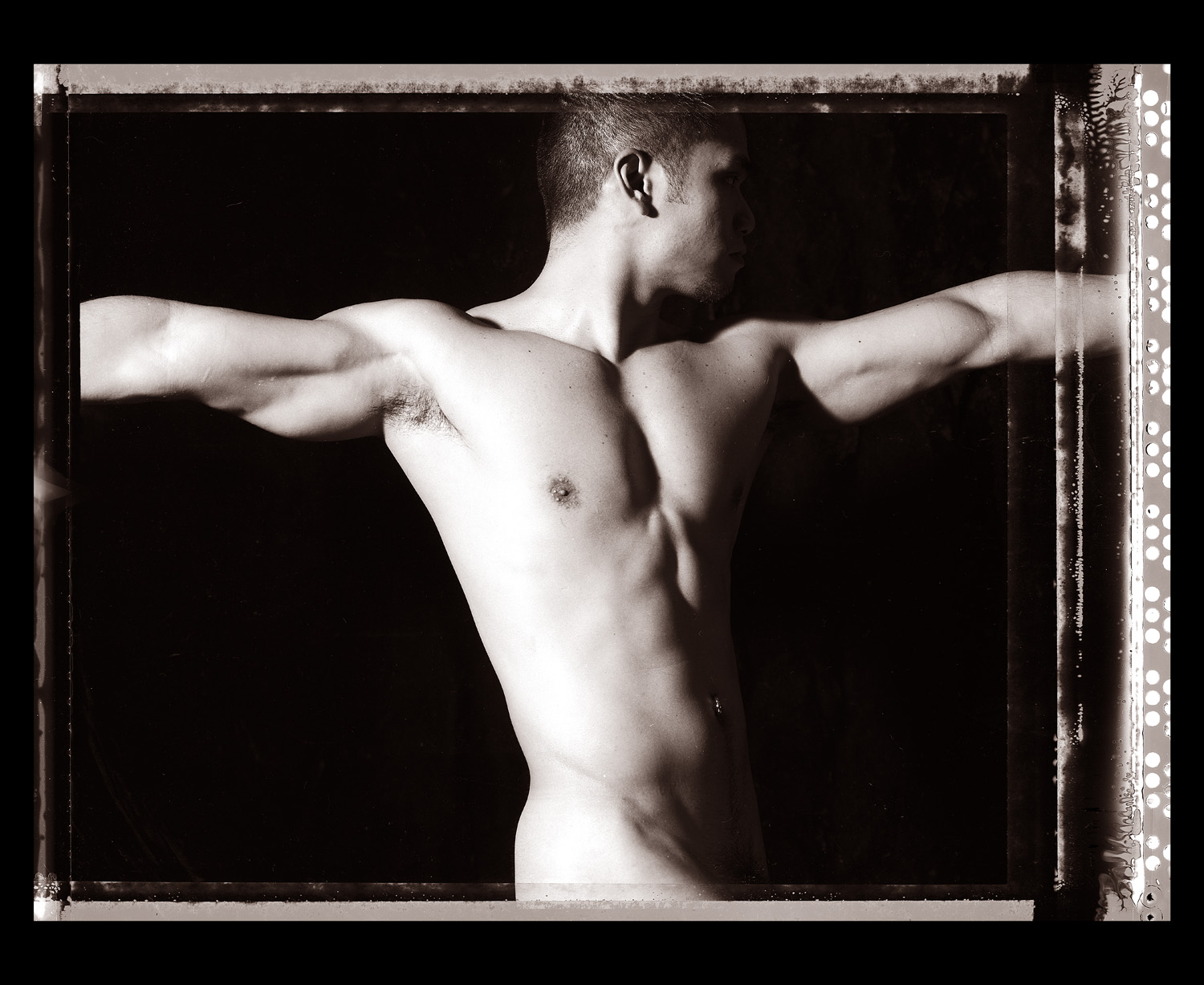
here is the rest of the series of my friend Jose, shot on Polaroid Type 55.

Jose, Legs
Jose, Legs

Jose, Reclining
Jose, Reclining

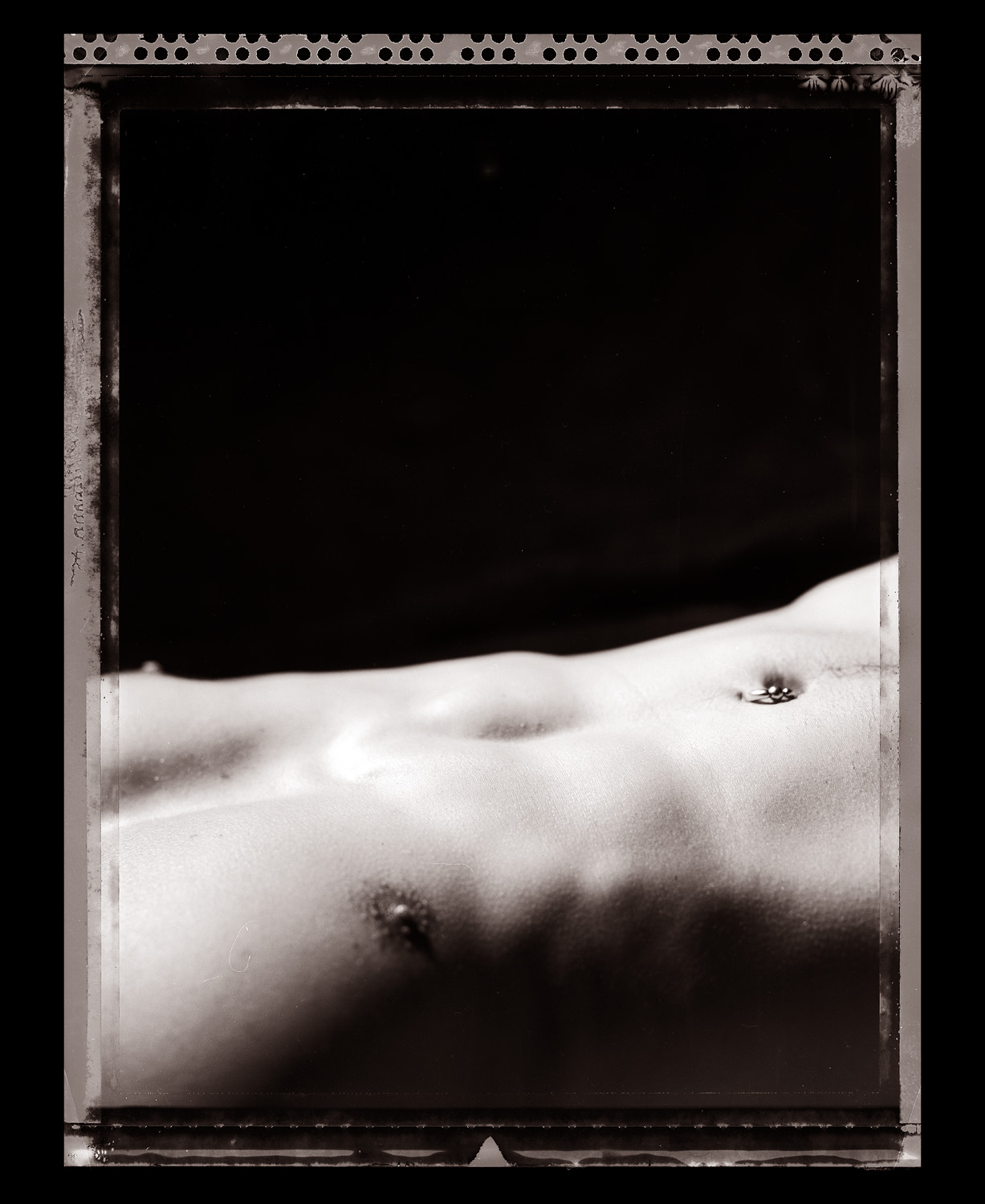
Jose, Torso
Jose, Torso

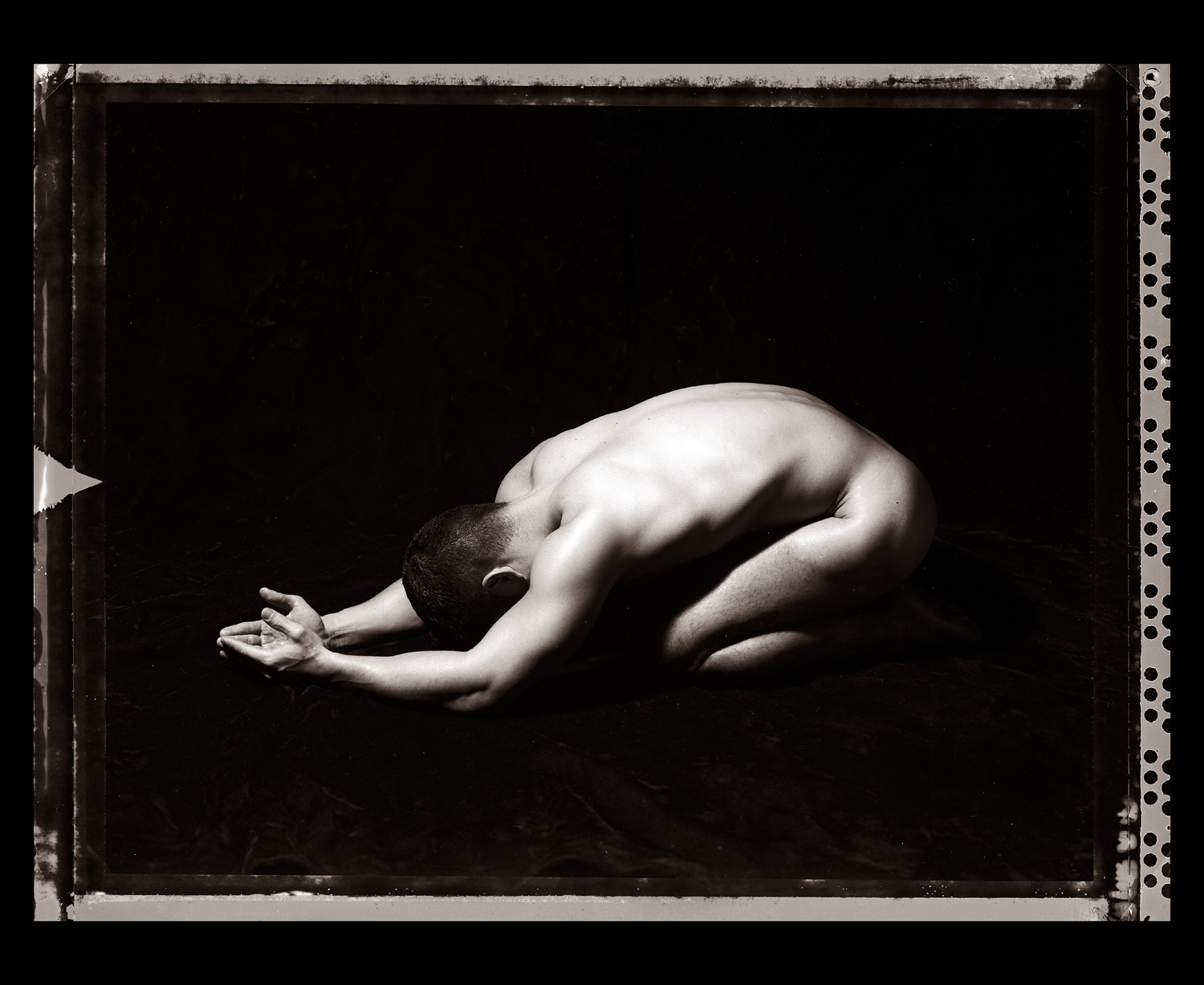
Jose, Praying
Jose, Praying

More Figure Studies (For Juliette)

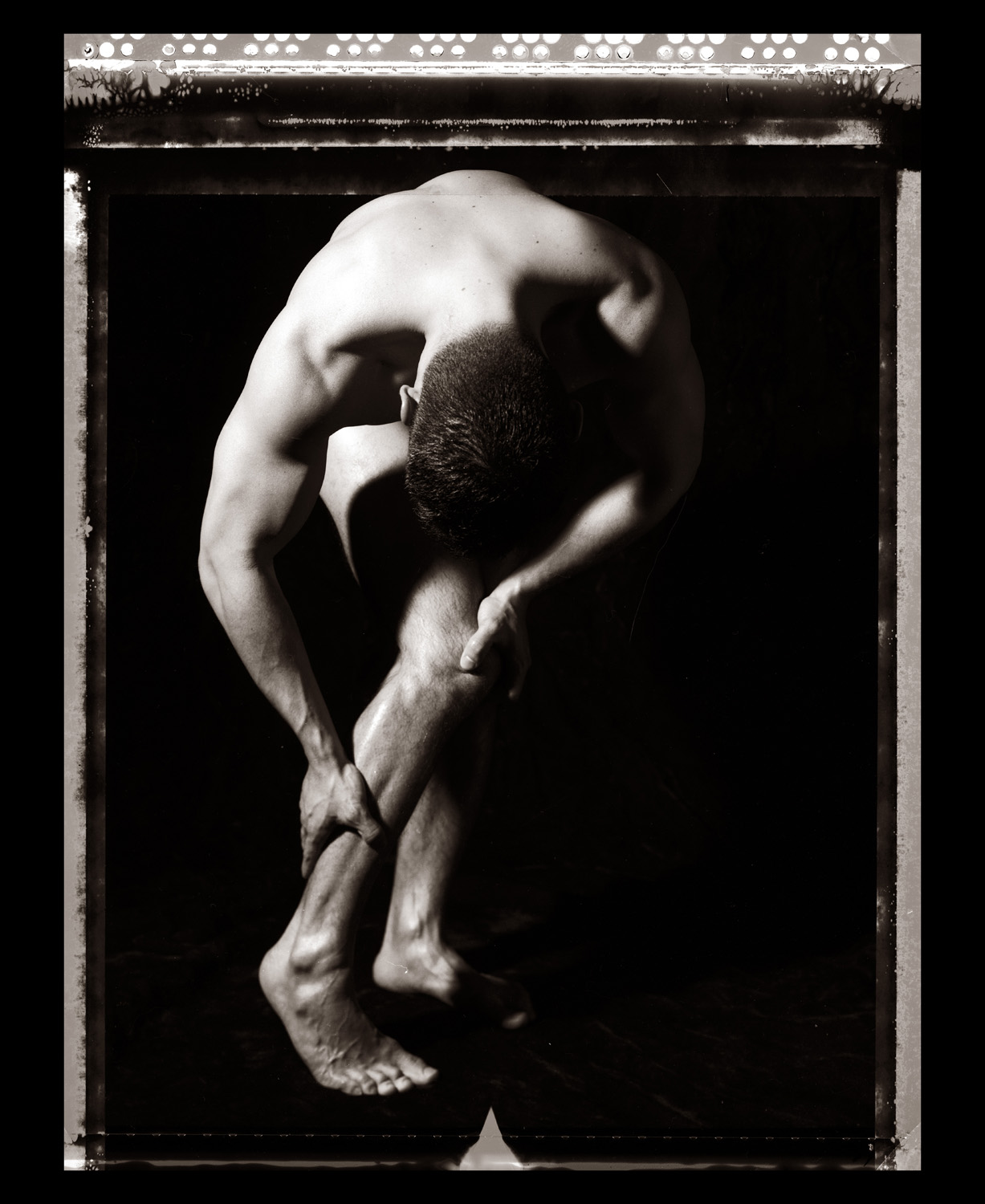
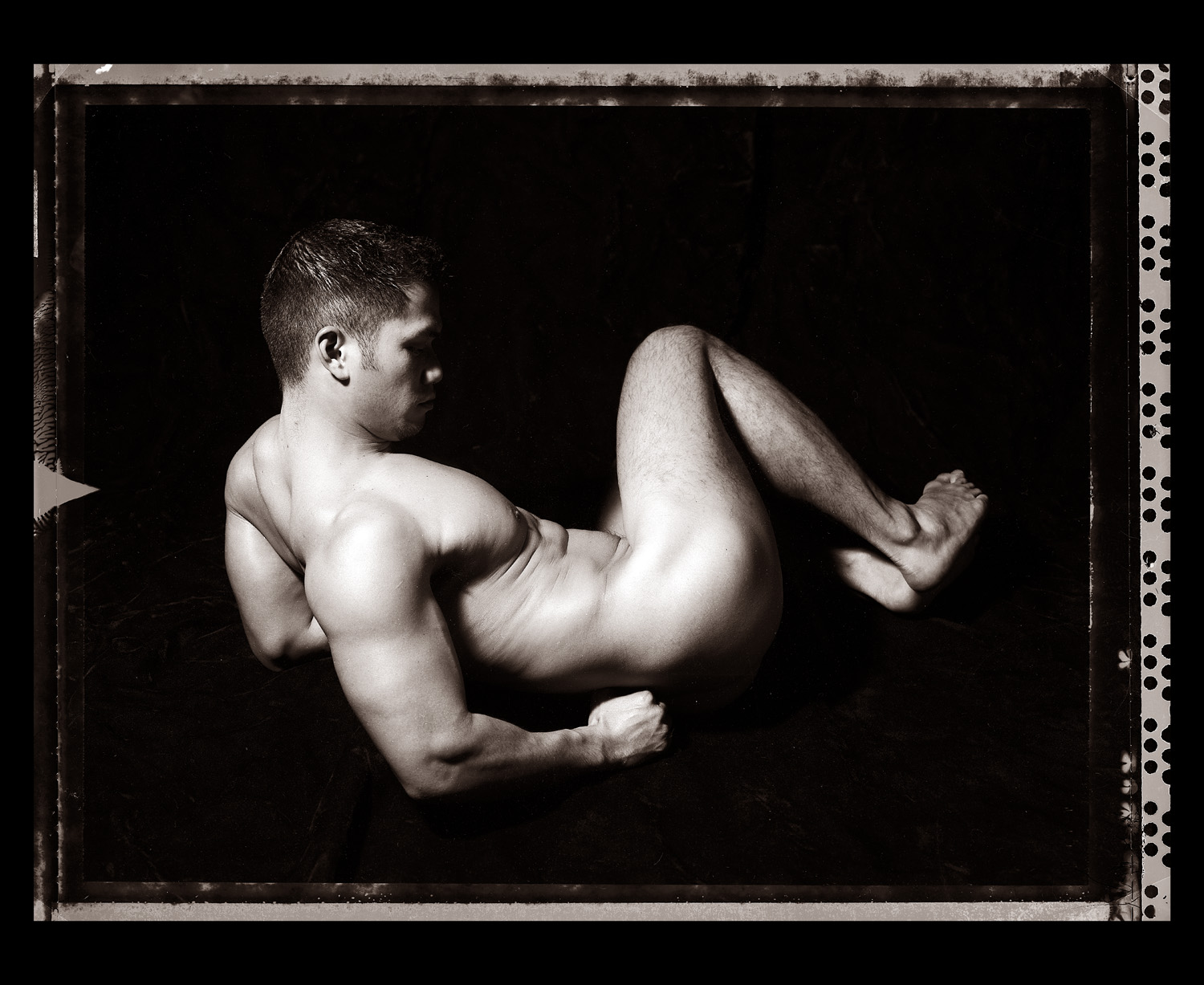
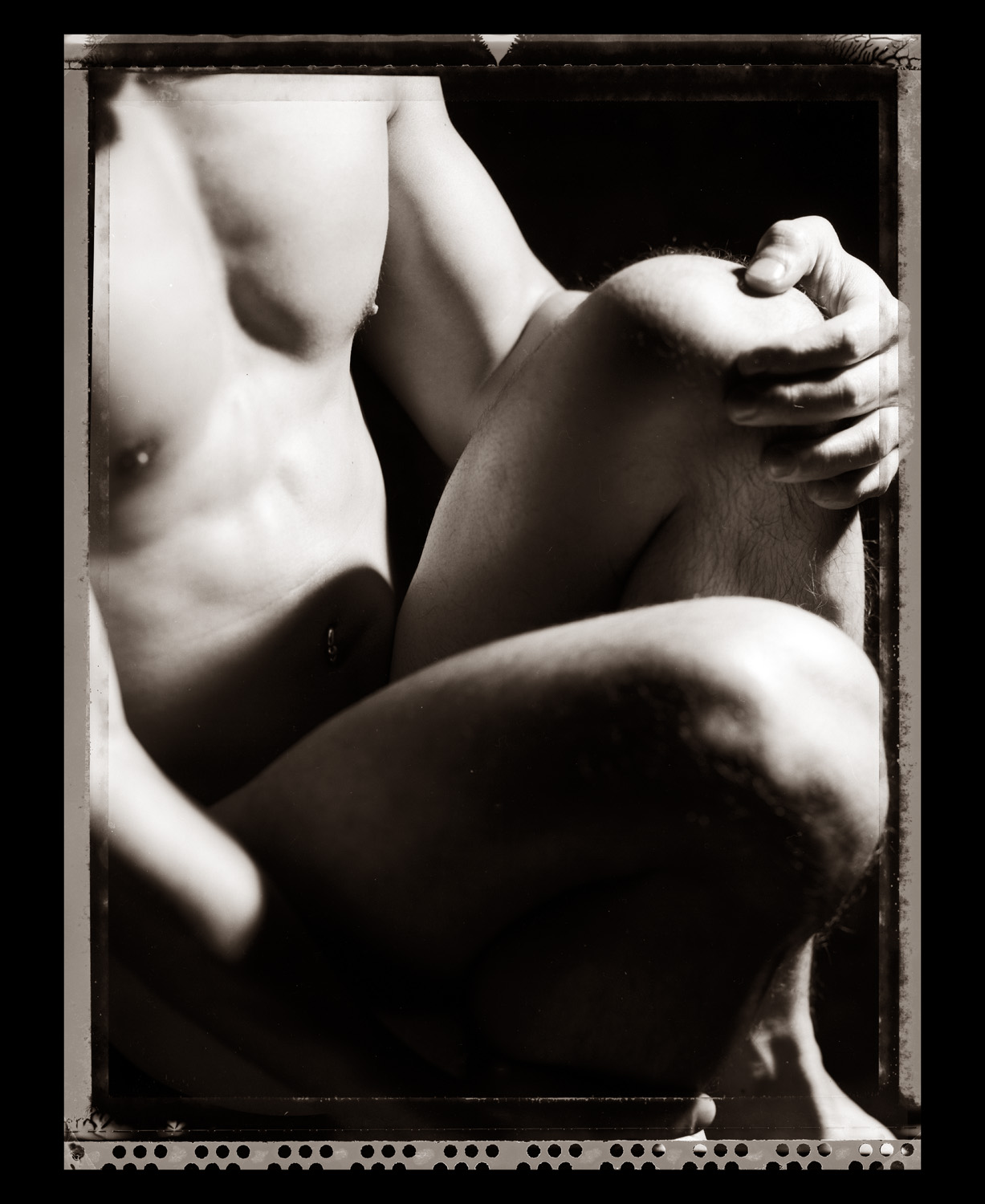
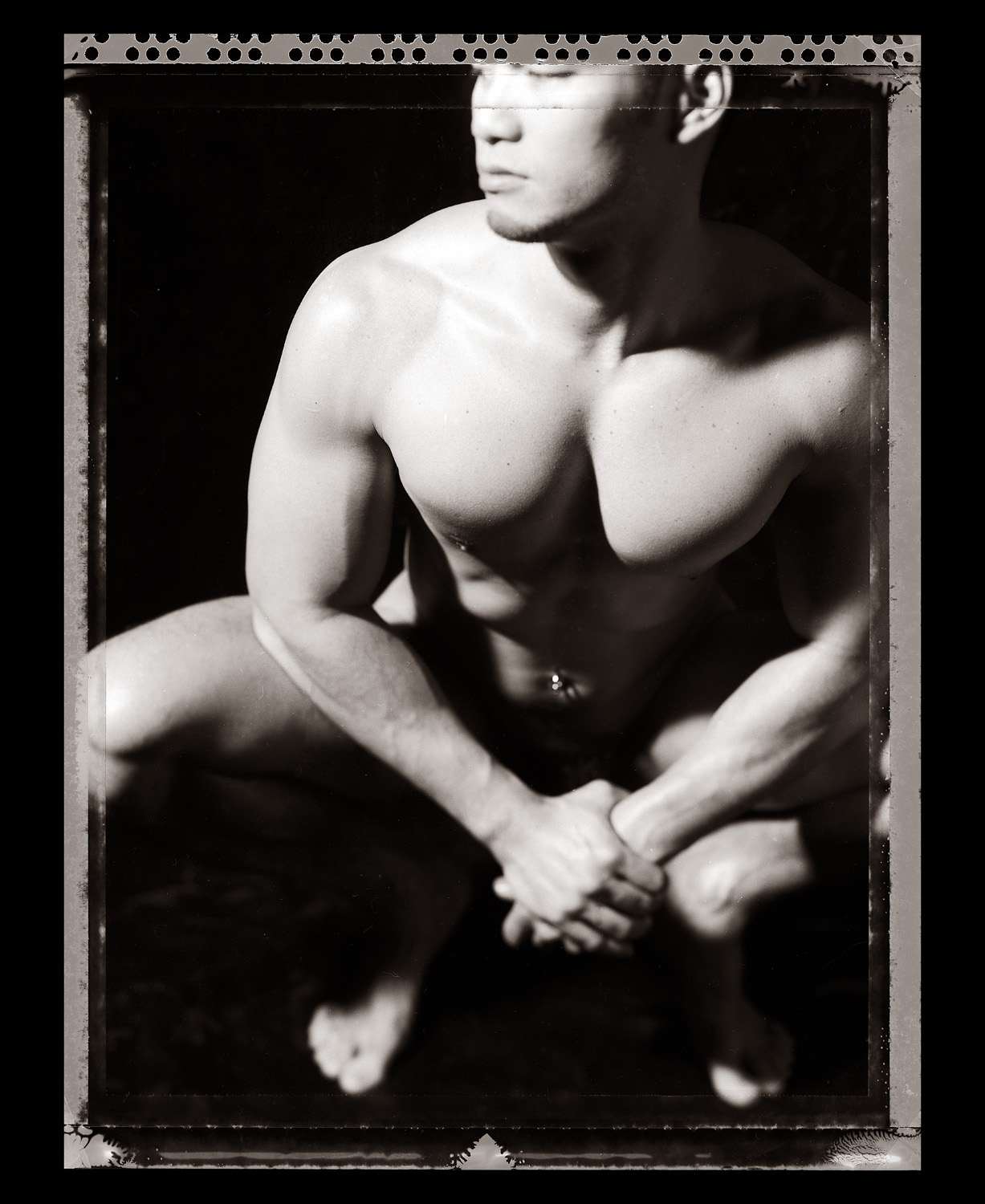
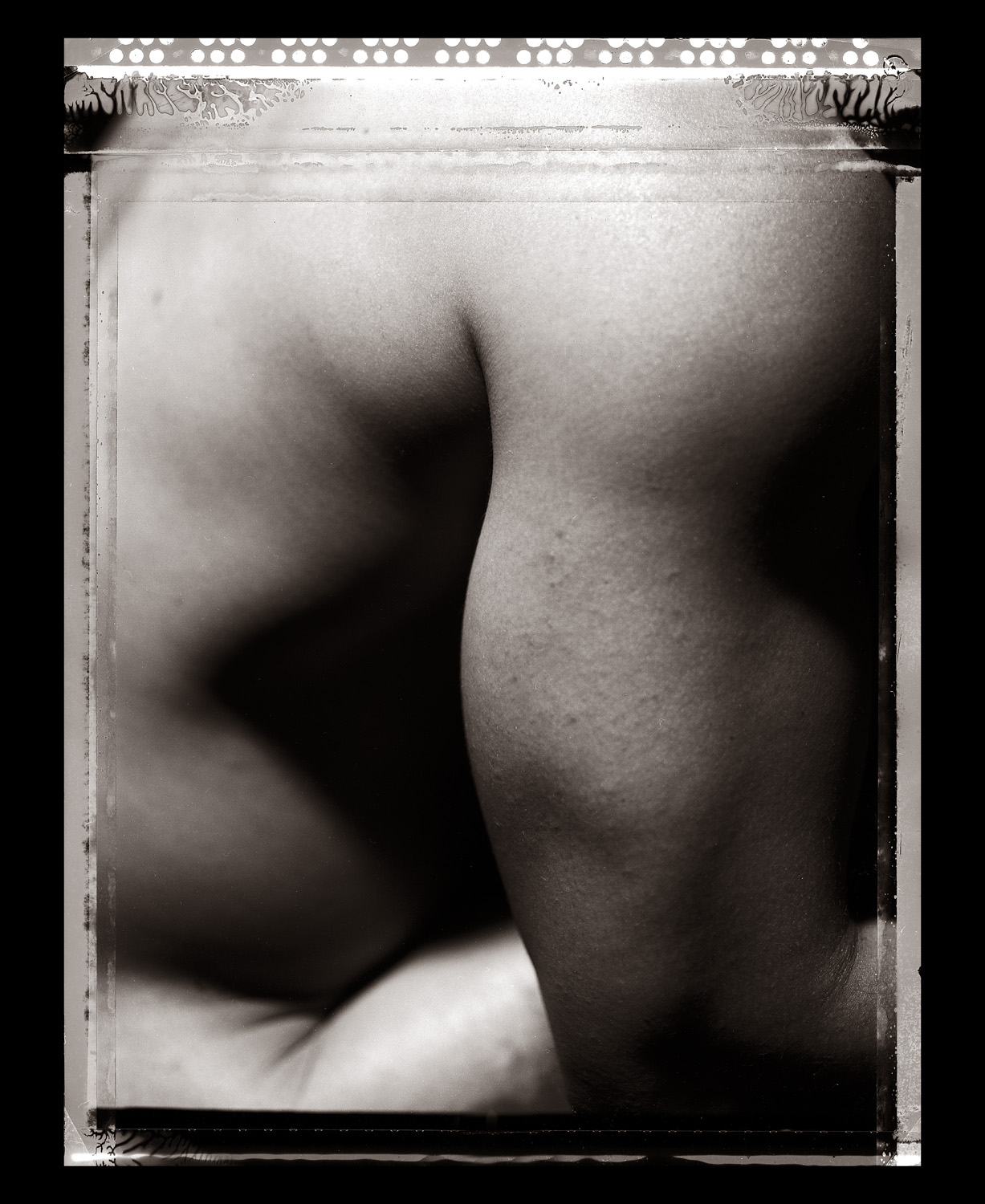
Since I got a request for more of the figure studies, I thought I’d post a few. These were all done on the old Polaroid Type 55 Positive/Negative film. What made Type 55 unique was the fact you could produce both a print and a re-useable negative. The catch always was that you got either a good negative and an overexposed print, or a good print and a thin negative. I think most people opted for the blown-out print, because the stuff was too expensive to throw away the negative.

Jose, Knees, Chest
Jose, Knees, Chest

Jose, Torso, Horizontal

Jose, Arms, Torso
Jose, Arms, Torso

Jose, Crouching
Jose, Crouching

Jose, Arm, Side
Jose, Arm, Side

More Personal Work

Tho V., Androgyny

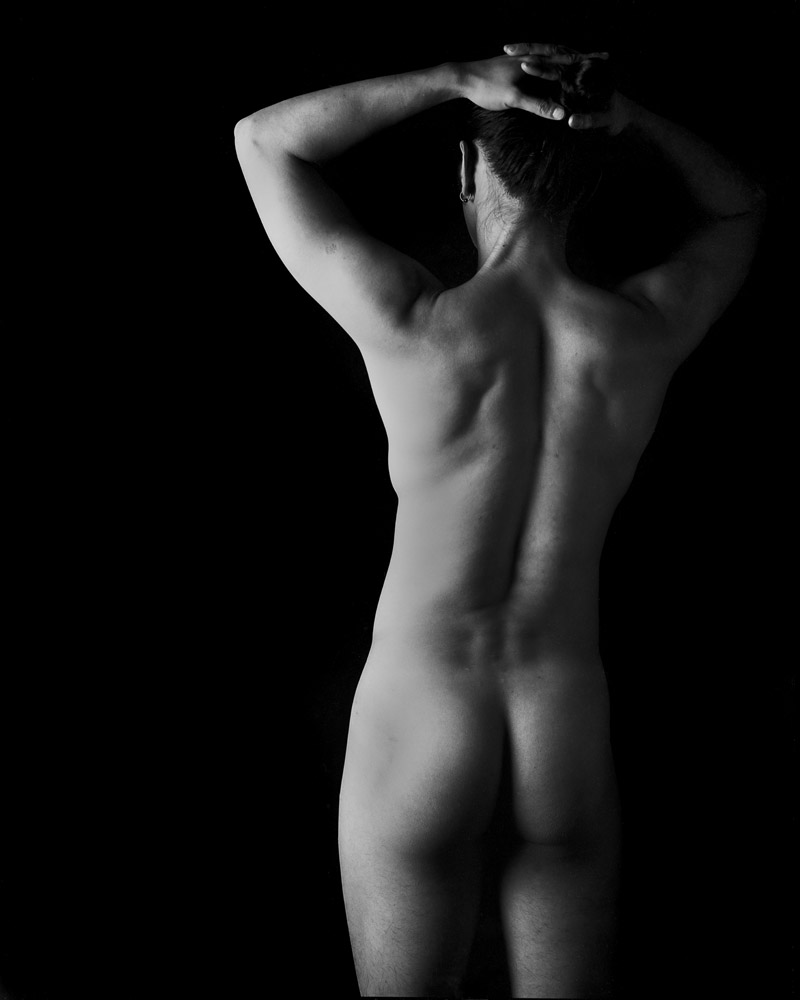
Tho V., Rear View

Tho V., Standing

Three from a series I did of a friend of mine from California who is a dancer and massage therapist. Since these were taken, he apparently had a previously undiagnosed heart defect that decided to make itself known and required open heart surgery. I haven’t seen him since, so I have no idea what the scar looks like. I’ll try to connect up with him again and see if he’d pose, scar and all.

All images shot on a 4×5 camera. Film is Ilford FP4+.