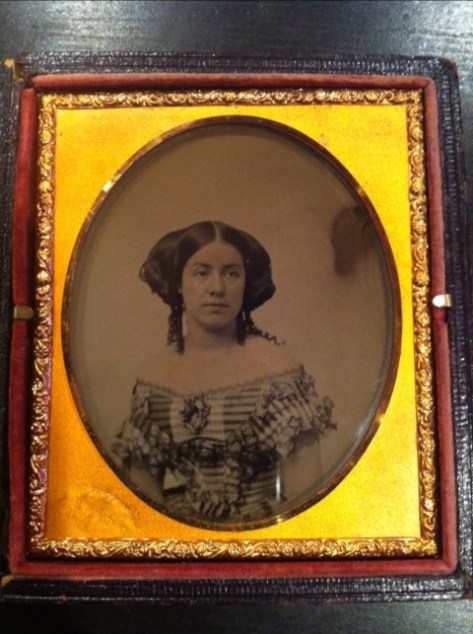
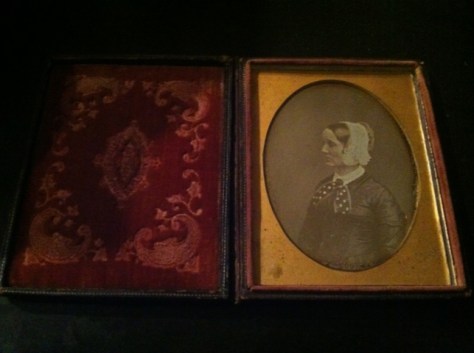
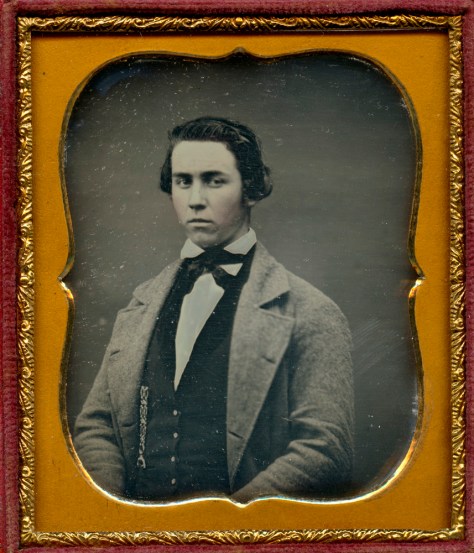
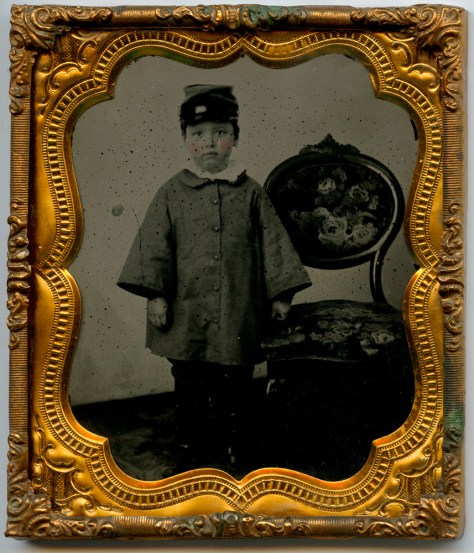
I was showing my latest daguerreotype to a friend the other day and she asked me how many do I have. I hadn’t really thought about it, so I sat down today and did an inventory. I came up with
Image Type
gemtype
1/9th plate
1/6th plate
1/4 plate
1/2 plate
Daguerreotype
1
1
20
6
0
Tintype
1
2
5
0
1
Ambrotype
0
2
7
2
1
Albumen
0
0
0
0
1
Total
2
5
32
8
3
for a grand total of 50 cased images.
I’ll recap as many of them as I have good scans for here. One of these days I’ll get around to re-scanning/photographing the others, which I originally posted to Facebook but not at a consistent file size.
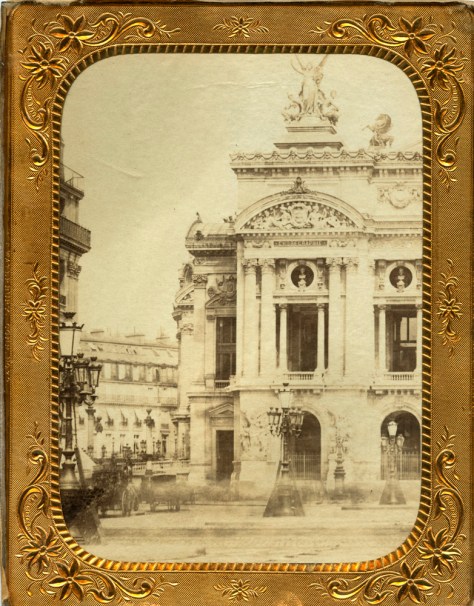
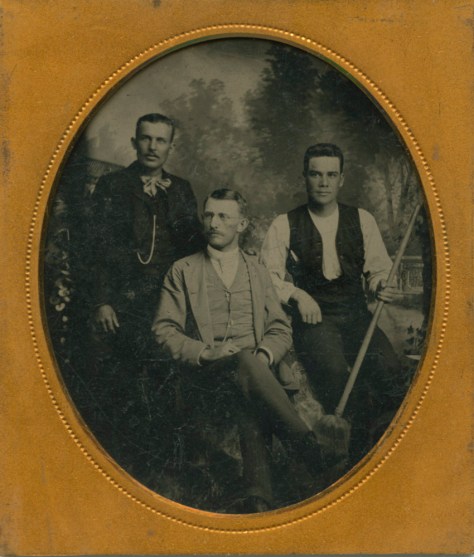
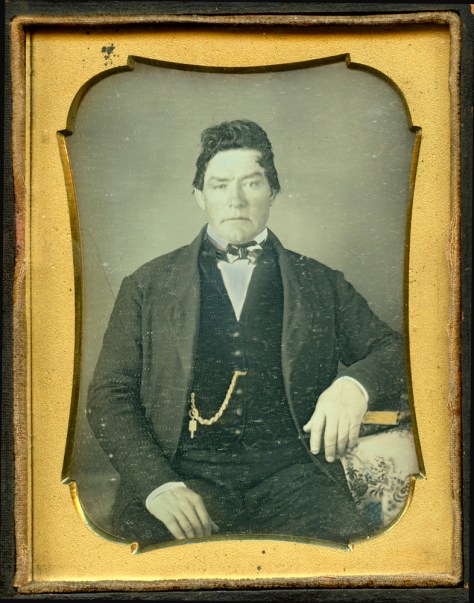
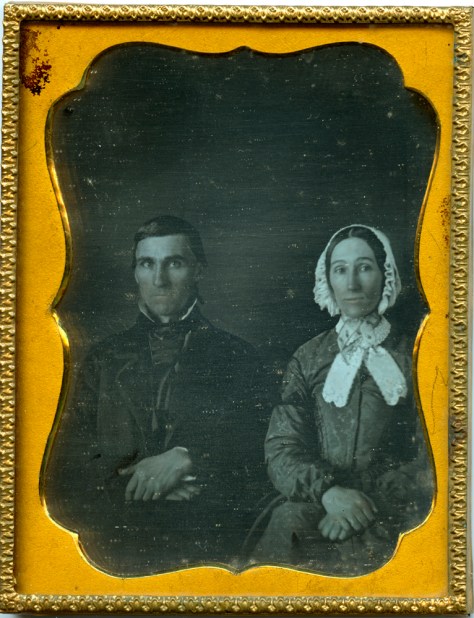
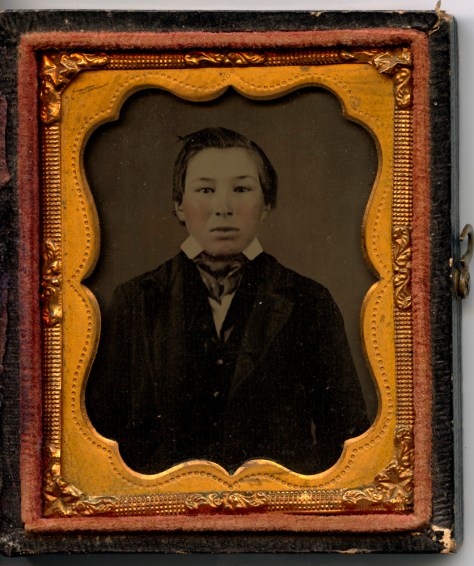
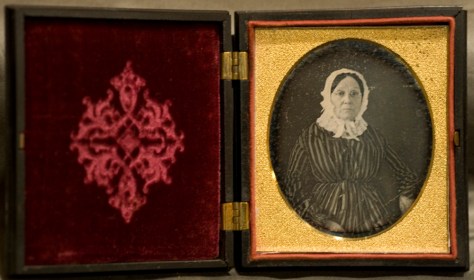
Paris Opera albumen printShopkeepersAnonymous Daguerreotype, ca. 1840-1845
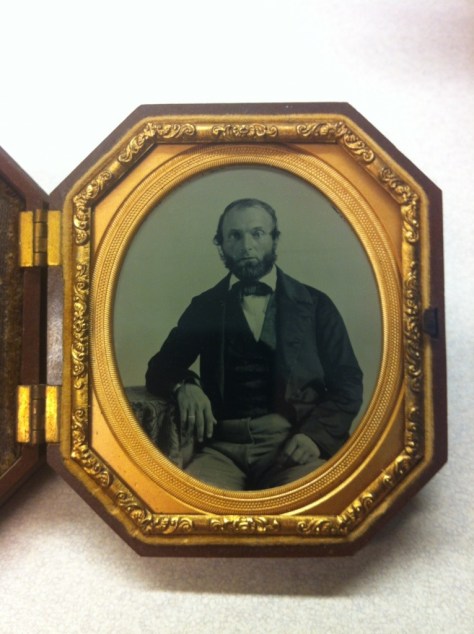
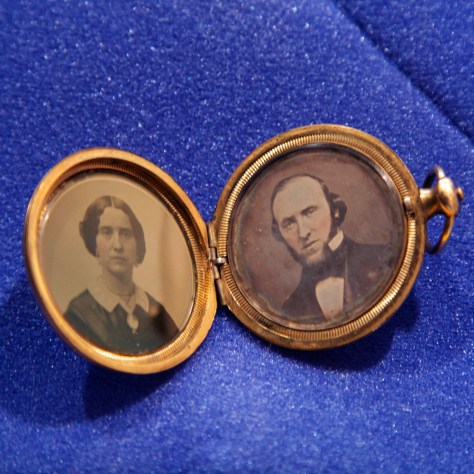
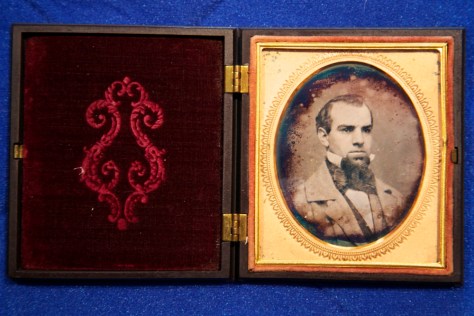
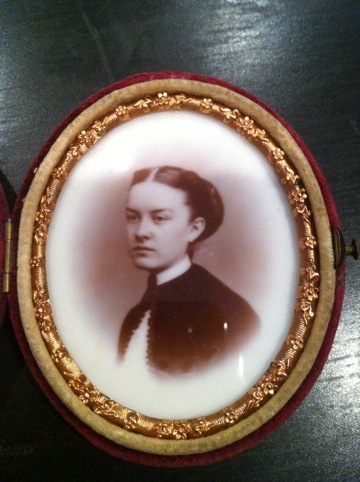
Daughter and Father, daguerrian locketAnonymous young gentleman with goateeLady with glasses, Daguerreotype, quarter plate, anonymous
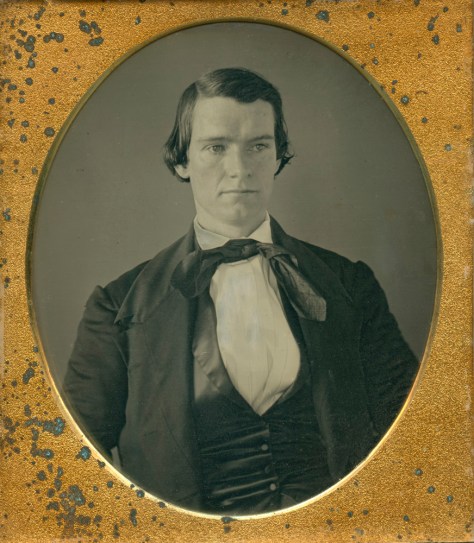
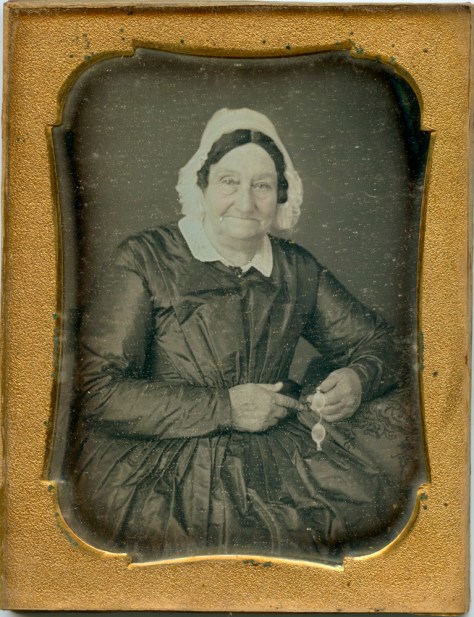
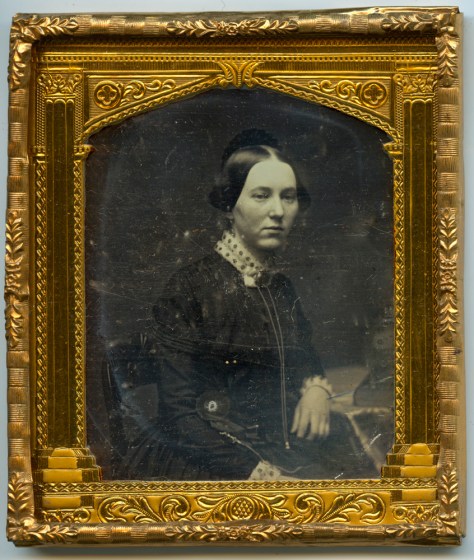
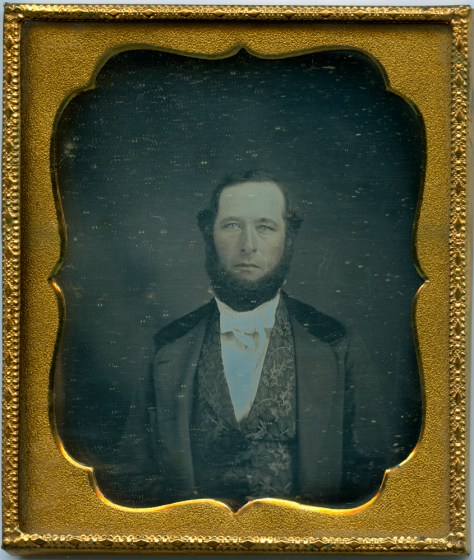
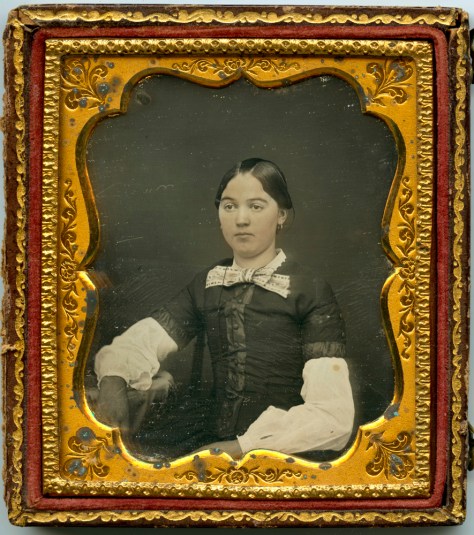
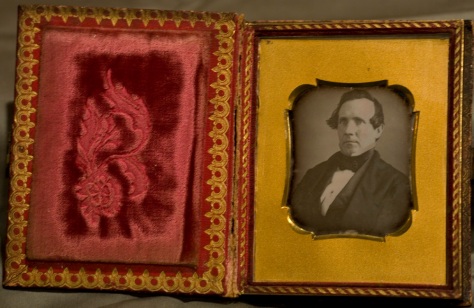
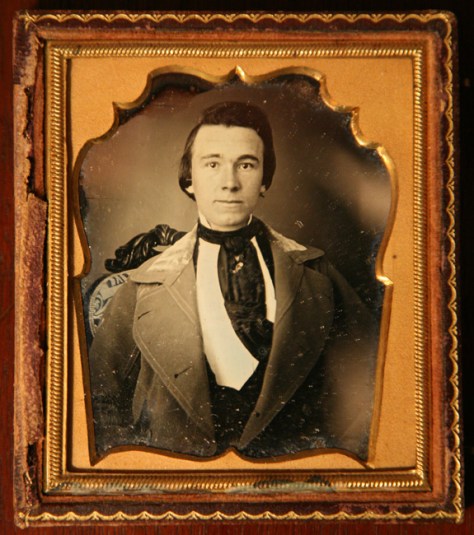
Mrs. A.A. Hill, DaguerreotypeAnonymous Gentleman in Fancy VestGentleman With Top Hat, dated October 15, 1849Anonymous Daguerreotype, Young Girl, Hand-colored, in Half Case
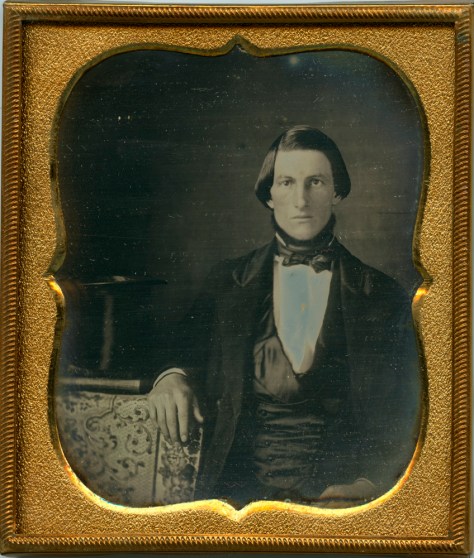
Daguerreotype, Anonymous Young Man, 1/6th PlateFred Jones, 1861, framed black glass AmbrotypeAnonymous Daguerreotype, Quarter-Plate, in half caseAnonymous, Daguerreotype, Couple, Charlottesville, VAAmbrotype, Penobscot Boy, 1857Sixth Plate Daguerreotype in Union case, anonymous lady in bonnet
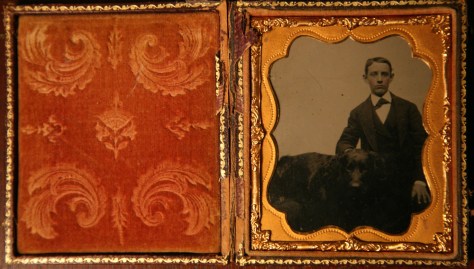
Quarter-plate Daguerreotype, Gentleman in book-form caseTintype, boy and his dog.Anonymous Gentleman. Daguerreotype, Half case.
Tintype, Two Brewers, Keystone Cabinet Export Beer
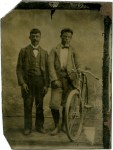
Tintype, Two Men and a Bicycle
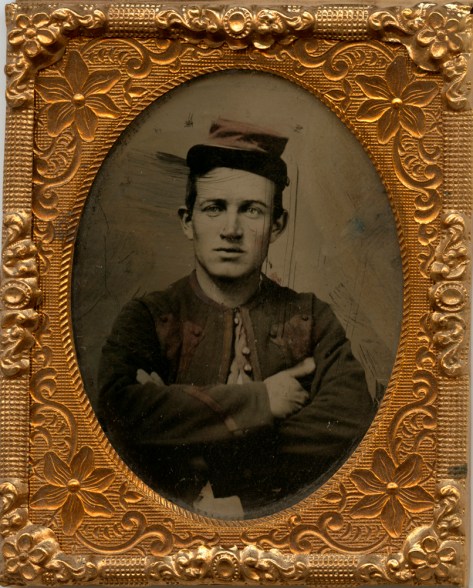
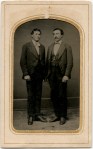
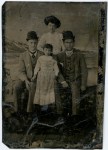
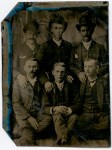
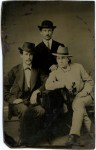
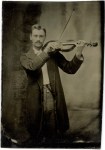
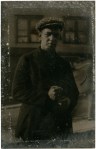
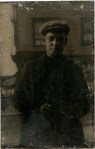
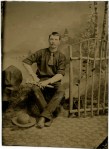
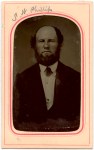
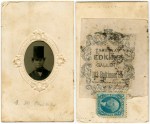
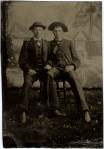
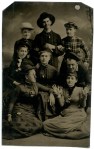
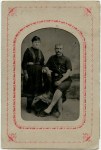
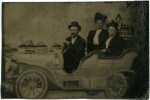
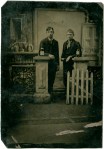
I thought it would be fun to review my loose tintypes. These are only the ones I’ve previously posted to the blog, not the entire collection. They run the range from tiny gemtype size (the one of Mr. Phillips in the top hat) to quarter-plate size (almost 5×7). They span a time period from the 1860s to the 1920s. Assembled they present a fascinating if incomplete snapshot of daily life in Victorian America. Showing everything from affectionate friends to unconventional family groups to people on vacation to working people with the tools of their trades, they portray a slice of life otherwise undocumented in literature or historical narrative. This is one of the great joys of collecting images like this – not just the traditional studio portraits, but the images that express meaning and personality beyond a marker that someone existed.
 dcphotoartist