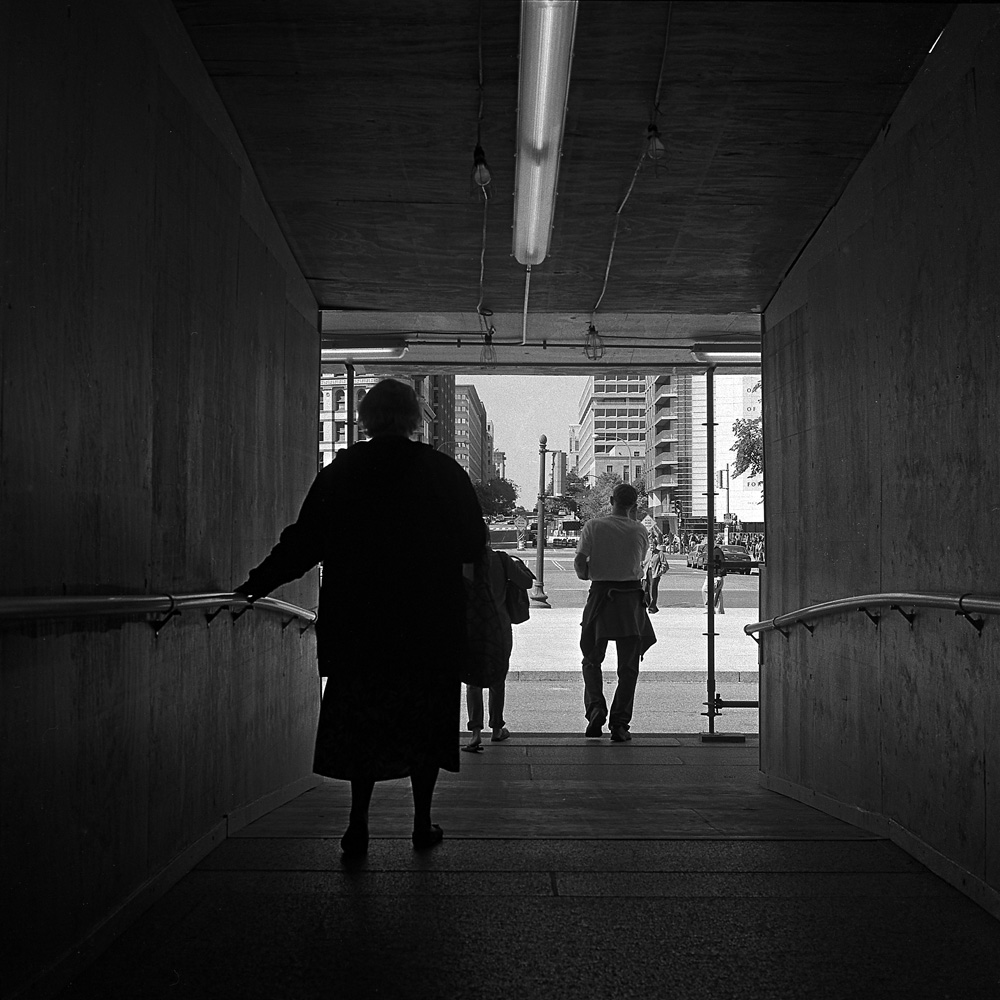
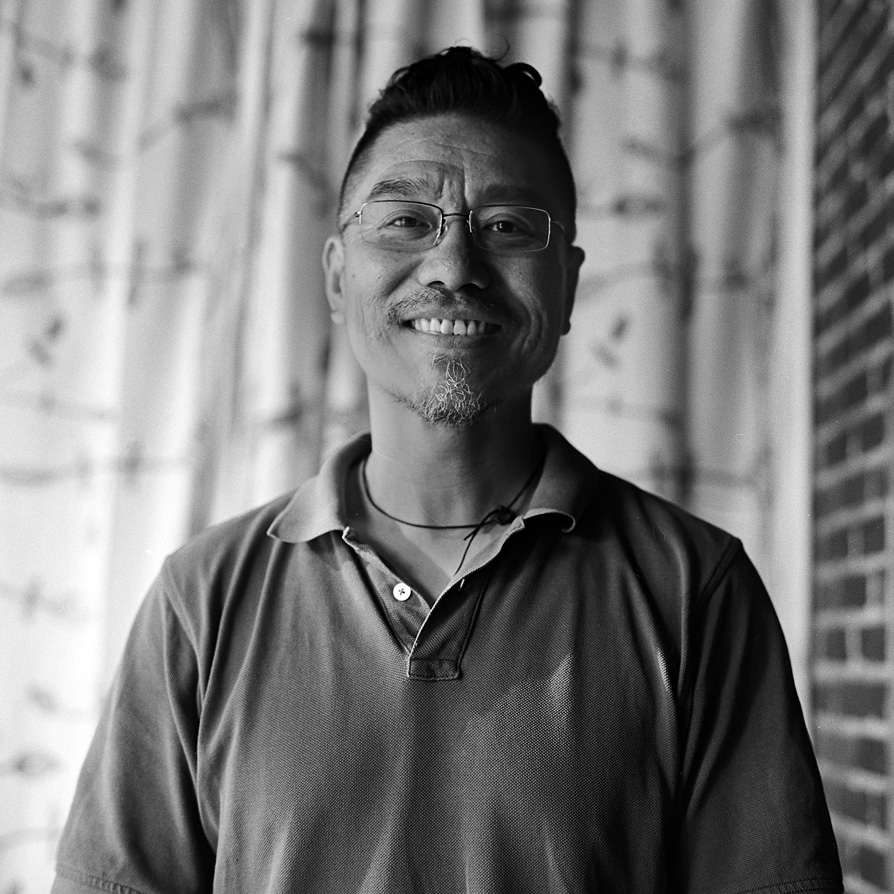
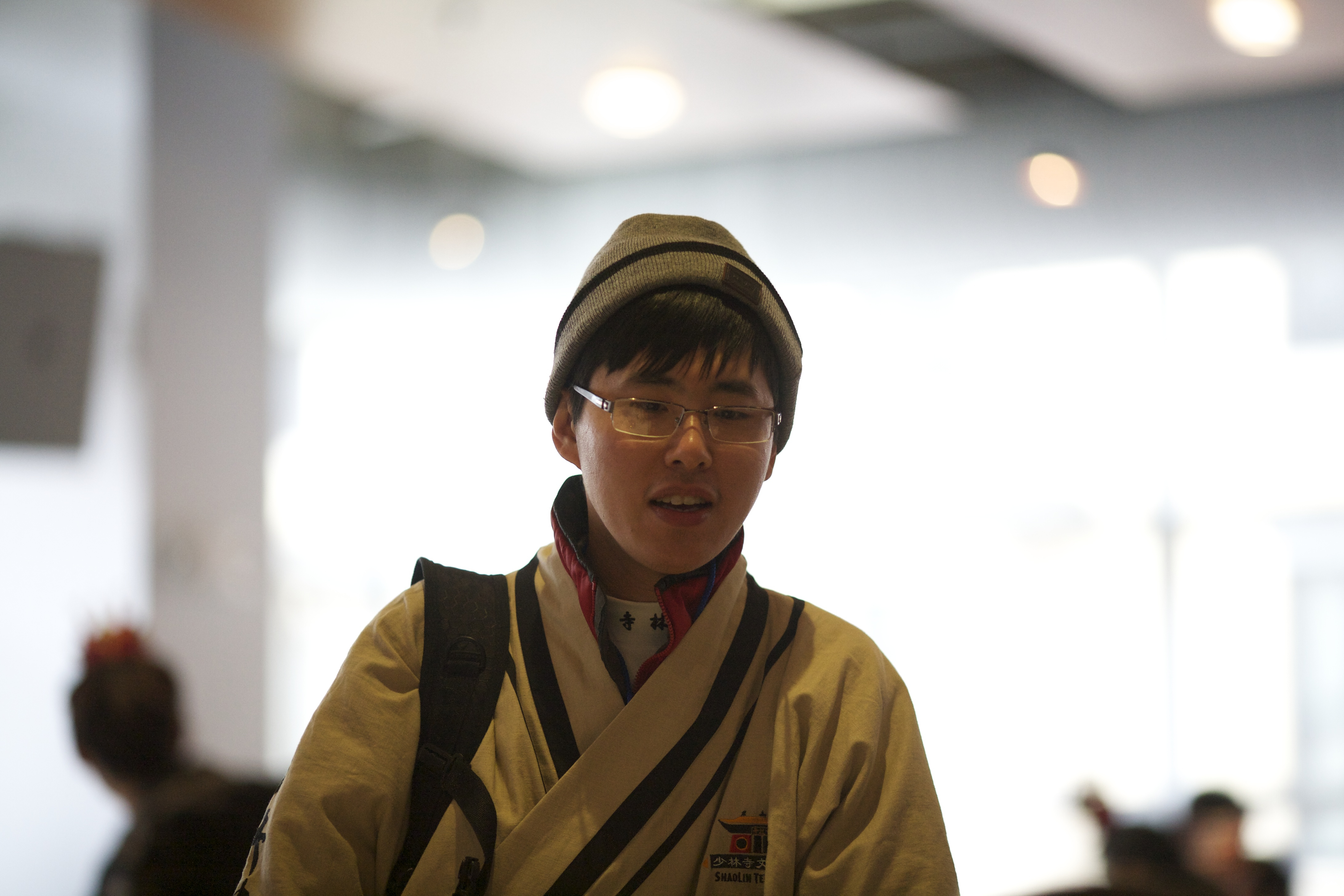
This is my friend Sam Huang, one of the owners of Mad Momo’s, a Himalayan/fusion cuisine restaurant and beer deck in the Columbia Heights neighborhood here in Washington DC. He and another friend of mine took over a partially renovated space, finished the build-out, and turned it into this really cool restaurant with sidewalk seating, a dining room, lounge space, two bars, and front and rear roof decks. The food is inspired by traditional Himalayan dumplings, called momos, thus the name of the restaurant. I took this portrait of him in the front window of the main room using my Rolleiflex. Someone commented to me elsewhere seeing how much I’ve been using the Rollei lately that I’d better not wear it out… well, it’s only 57 years old now, so I figure as long as I do proper maintenance on it, it will outlast me.
Shot with Kodak Tri-X, developed in Pyrocat HD.
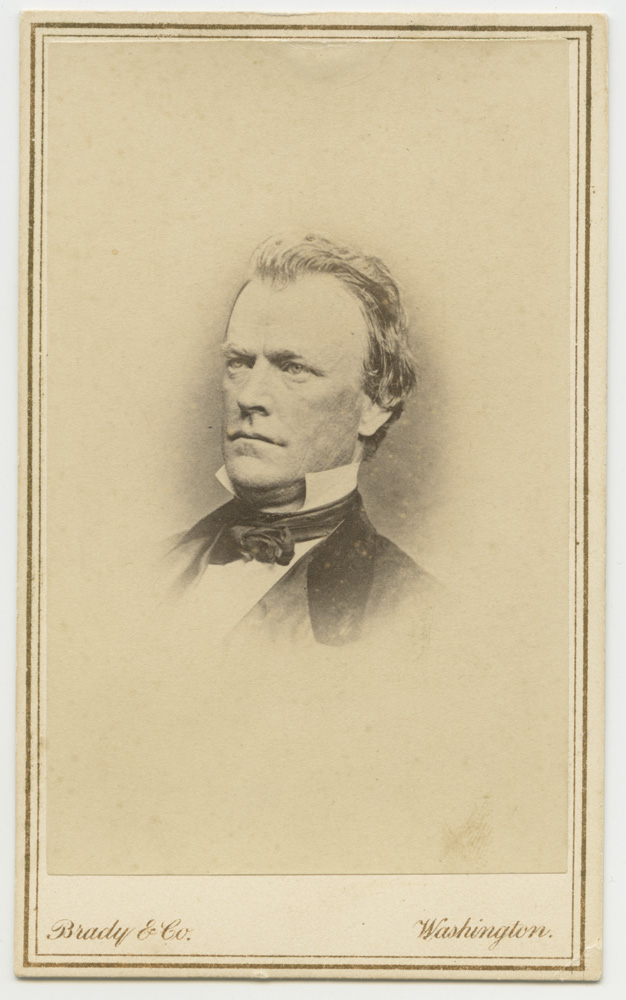
If you’ve been following my blog for any length of time you know by now of my interest in images by Mathew Brady’s Washington DC studio. Here is another gem, in near perfect original condition. The sitter is anonymous.
I’ve seen enough of Brady’s CDVs now that I’ve noticed a pattern in the labeling – if you want to tell which studio produced the image, first look at the front – if it says Washington or New York on the front, that’s a 100 % guarantee of where it was taken. If it is not labeled on the front, look at the photographer’s imprint on the verso. The studio that produced it will be listed first: a Washington DC portrait will say “No. 352 Pennsylvania Av., Washington DC & New York”, whereas a New York portrait will say “Broadway & 10th Street, New York, & 352 Pennsylvania Avenue, Washington DC”. Strangely, the Washington DC ones often list only “New York” as the second address, if they list it at all (I have seen it all three ways,”Broadway & 10th”, “New York” and no second address), but the New York ones seem to always list the full “352 Pennsylvania Avenue” as the second address. This of course does not take into account the E&HT Anthony CDVs, which do not list any Brady studio address, but rather state “Published by E & HT Anthony, 501 Broadway, New York” very prominently, and then include the following variations:
I guess it makes sense for Anthony to plug the albums on the backs of CDVs, but they made a full range of photographic supplies from albums to chemistry and cameras. The name lived on in various forms for well over a century – they merged with Scovill around the turn of the 20th century and formed Ansco (ANthony & SCOvill), which then partnered with Agfa in the US to become Agfa-Ansco.
Over my lunch break today I caught a wonderful exhibit at the National Gallery of Art entitled Faking It: Manipulated Photography Before Photoshop. The exhibition opened in mid-February and runs through May 5th. It moves to Houston in July to October. One of the singular points the exhibit drives home is the fact that photography has always been subject to manipulation even from its earliest days when daguerreotypes were hand-colored to make them more ‘realistic’, and skies were printed in via multiple negatives to compensate for the shortcomings of early emulsion formulas. One of the coups of the exhibition is the inclusion of Steichen’s “The Pond – Moonlight” from the collection of the Metropolitan Museum of Art. Most people familiar with the work know it as a multi-layered gum bichromate over platinum print. What most don’t realize, however, is that the image may in fact be a composite with the moon having been added, and may also never have been photographed by moonlight (a feat that would have been difficult to achieve with the emulsions available even in 1904). The moon in the image may be an addition or otherwise a manipulation of the print, and the nighttime feel of the image merely an effect of the color choices in the gum layers of the print.

Images have been manipulated for a whole host of reasons, from a desire to make them more real (hand-colored daguerreotypes) to conveying an inner reality (surrealist photography) to evoking an emotional resonance (The Pond, Moonlight) to suggesting a reality that could exist (a Zeppelin docking at the docking tower of the Empire State building) to creating something that never existed (giant crickets consuming giant produce on the back of a wagon) to re-shaping reality for political ends (Nazi and Soviet propaganda posters and publicity photos). All of the above are represented in this exhibit, and placed in an historical and artistic continuum.
There has been much controversy lately over questions of photojournalistic integrity with regards to digital manipulation to include/exclude details to tell a story, from the Iranians photoshopping additional rockets into a picture of a missile test to Edgar Martins getting caught claiming his work was unmanipulated when in fact he was heavily altering his images. This is not new, but in fact the question of manipulative ethics is far more unsettled for far longer than most people realize. In 1906, Horace Nichols was photographing the Epsom Derby on a rainy day. There were gaps in the crowd, so to convey the feeling of the event he wanted to convey, he spliced in a whole sea of additional umbrellas. This was common practice for Mr. Nichols, and he rarely cited it in the captions of his images, but he sustained a career as a serious photo-journalist. It makes you think long and hard about your assumptions of photographic verissimilitude and the historical moment in which photography ‘ceased to tell the truth’.
The exhibition is well worth the visit if you have an interest in the history of photography and questions of honesty and integrity of the photographic medium.
Also worth noting is that the Metropolitan Museum of Art in New York is currently hosting (through May, 2013) a companion exhibit (which I hope will travel as well) entitled After Photoshop: Manipulated Photography in the Digital Age
I’ll be up in New York in April for a weekend and so I’ll try to catch it then and see the two shows as brackets for one another. The comparison should be very interesting.
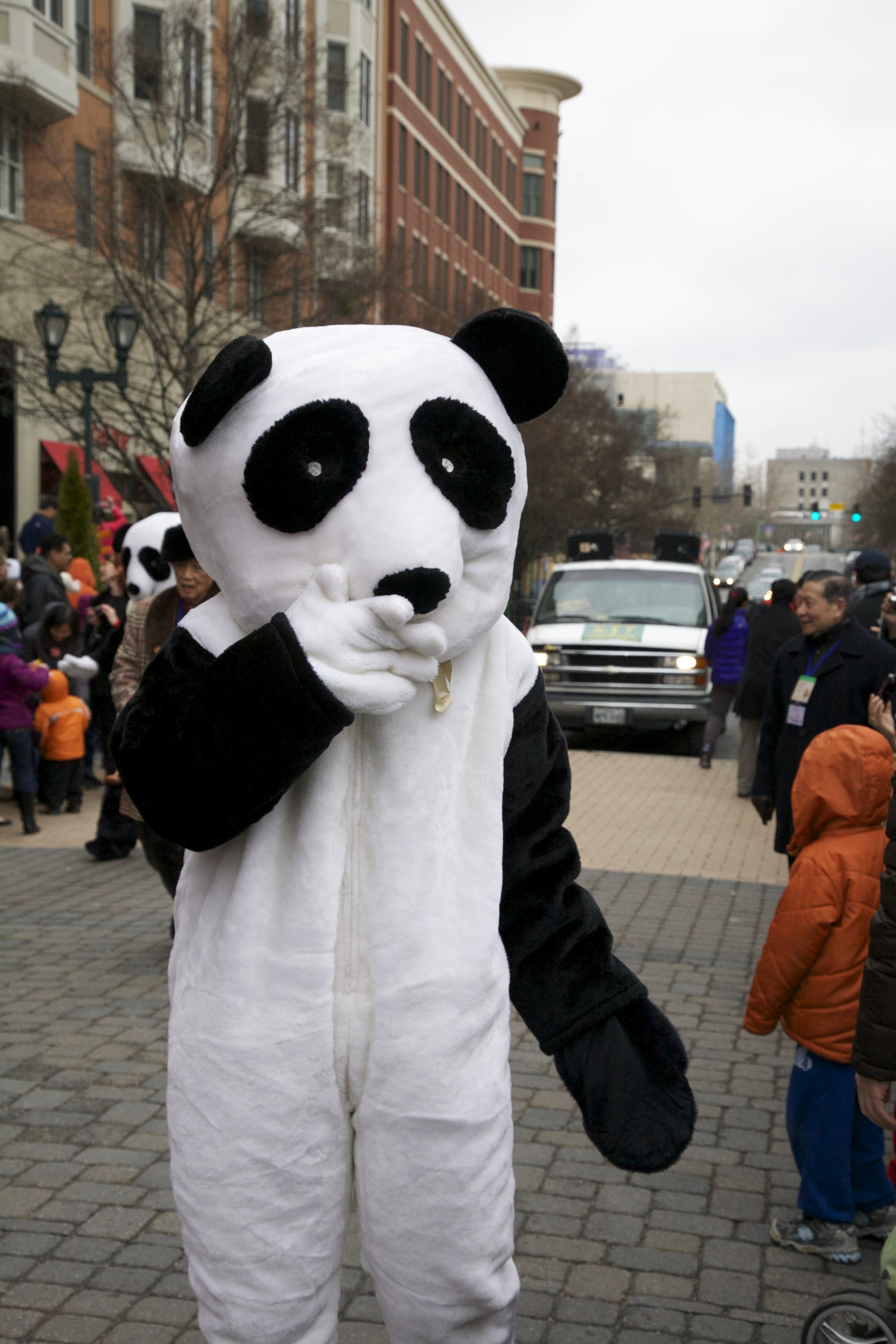
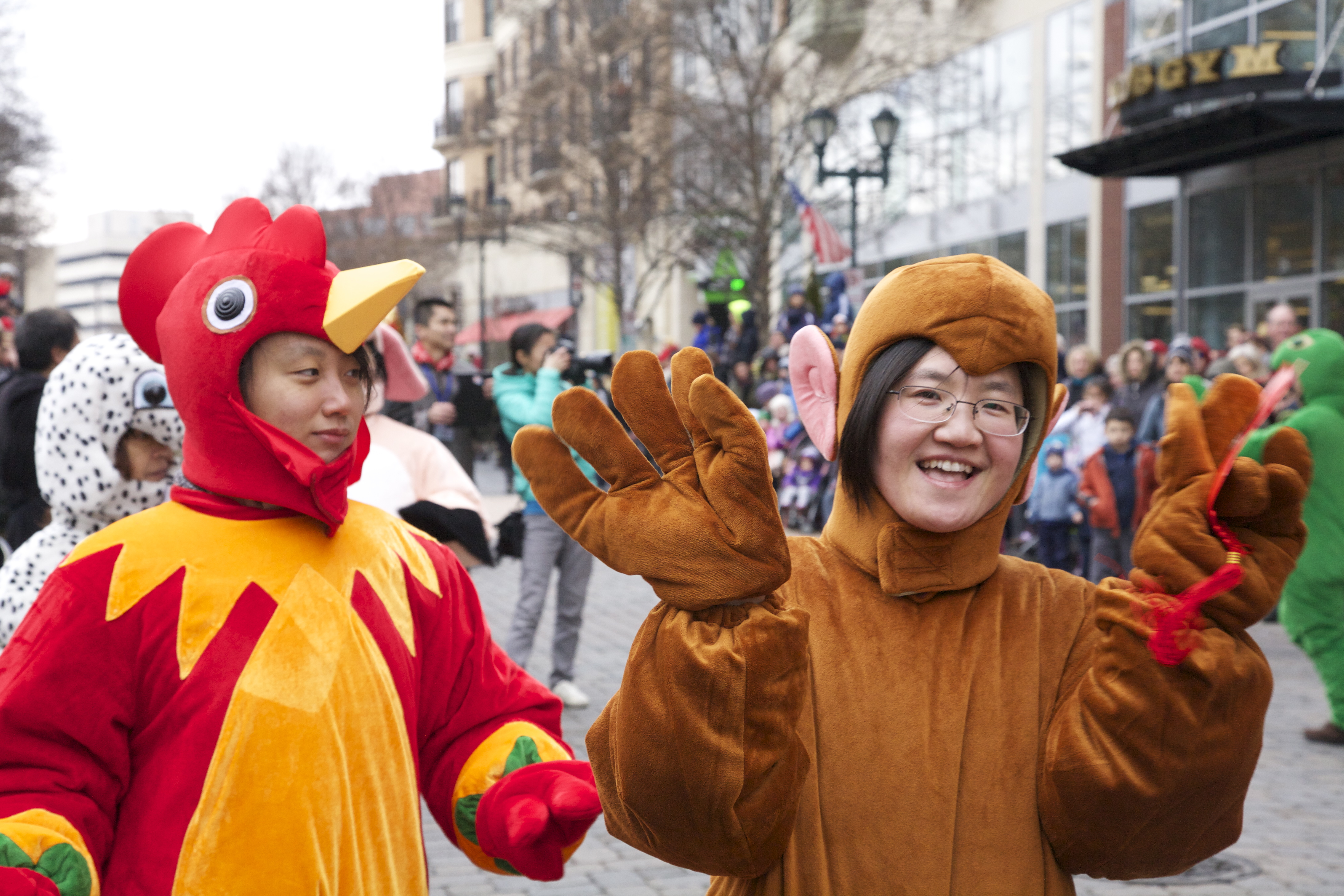
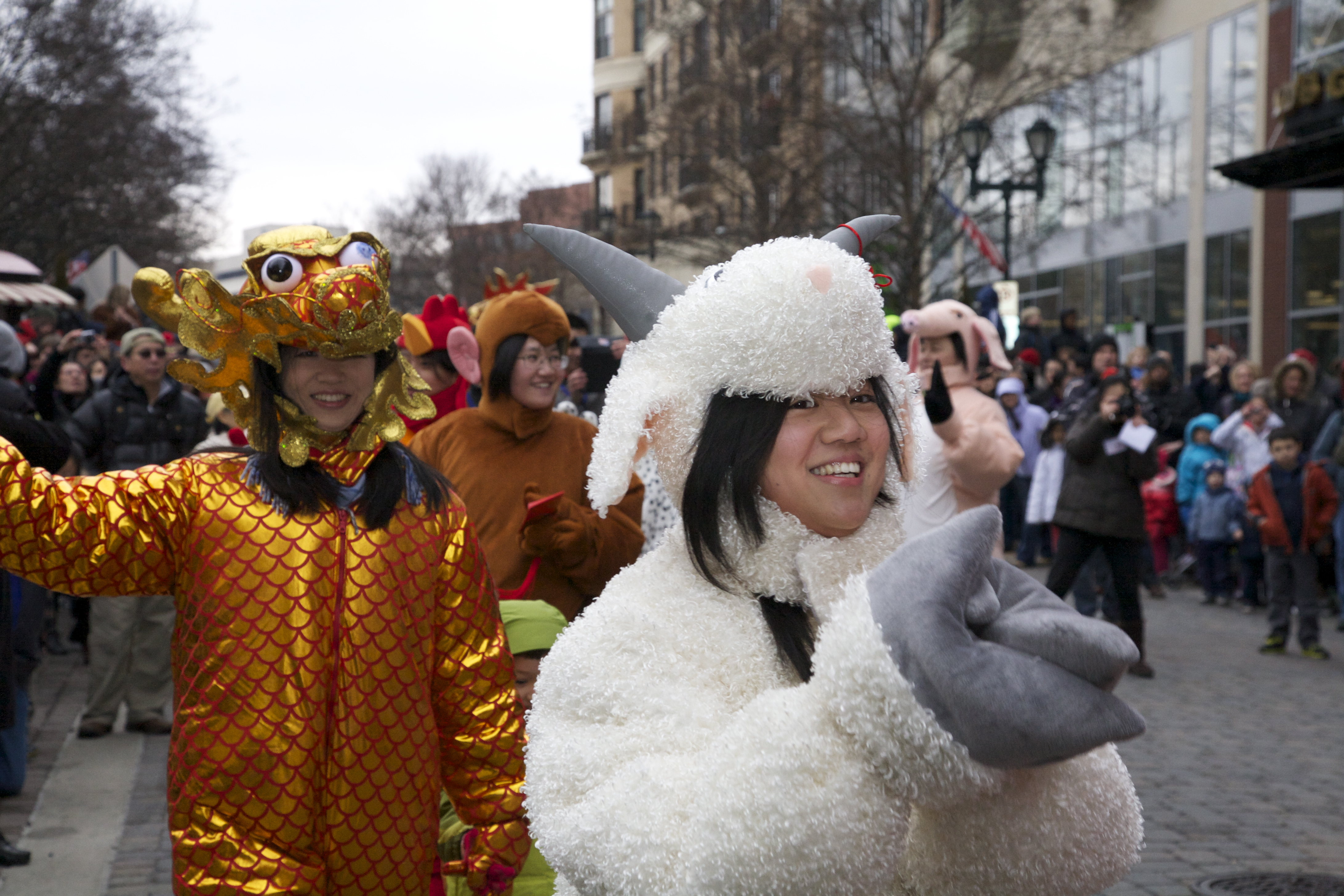
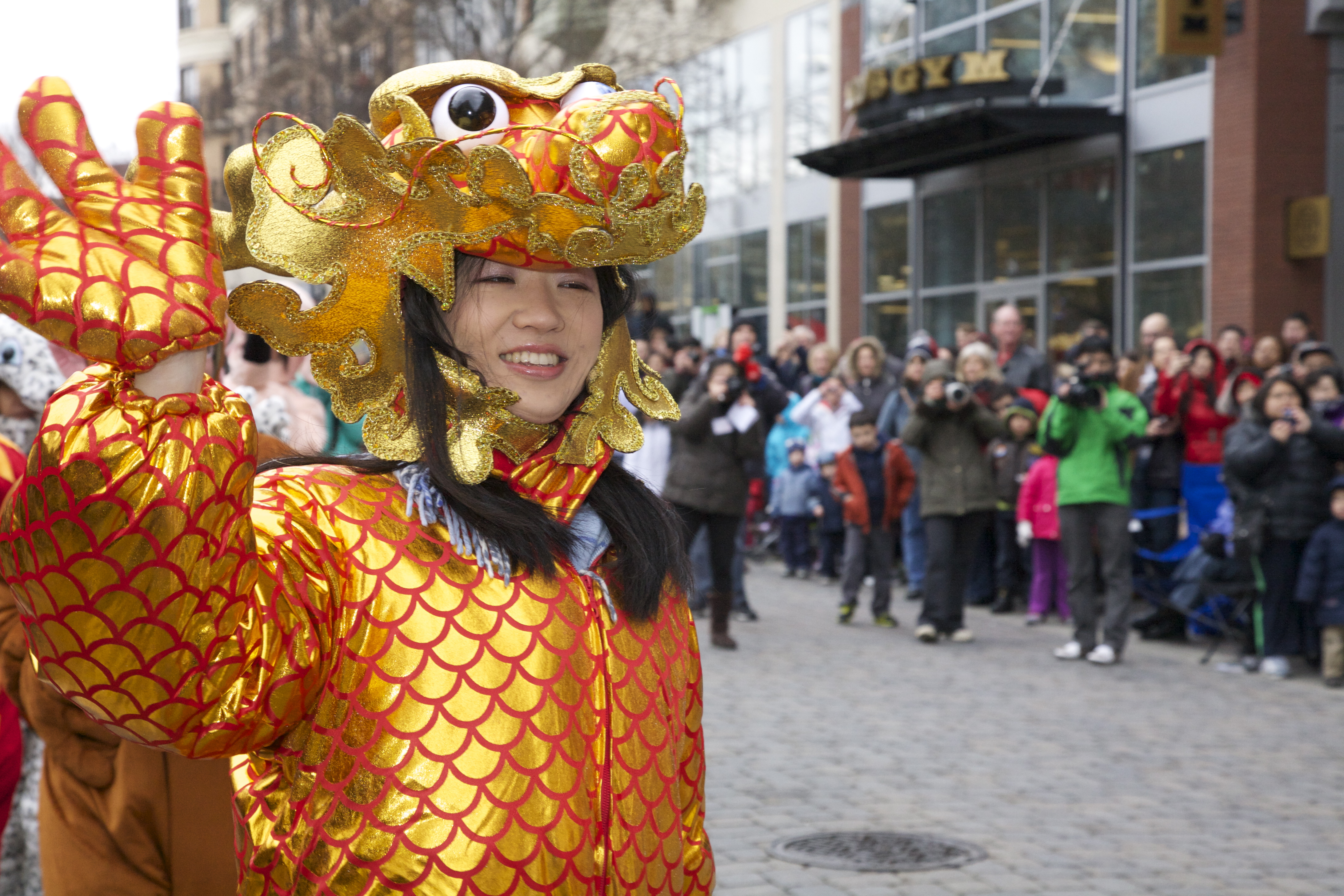
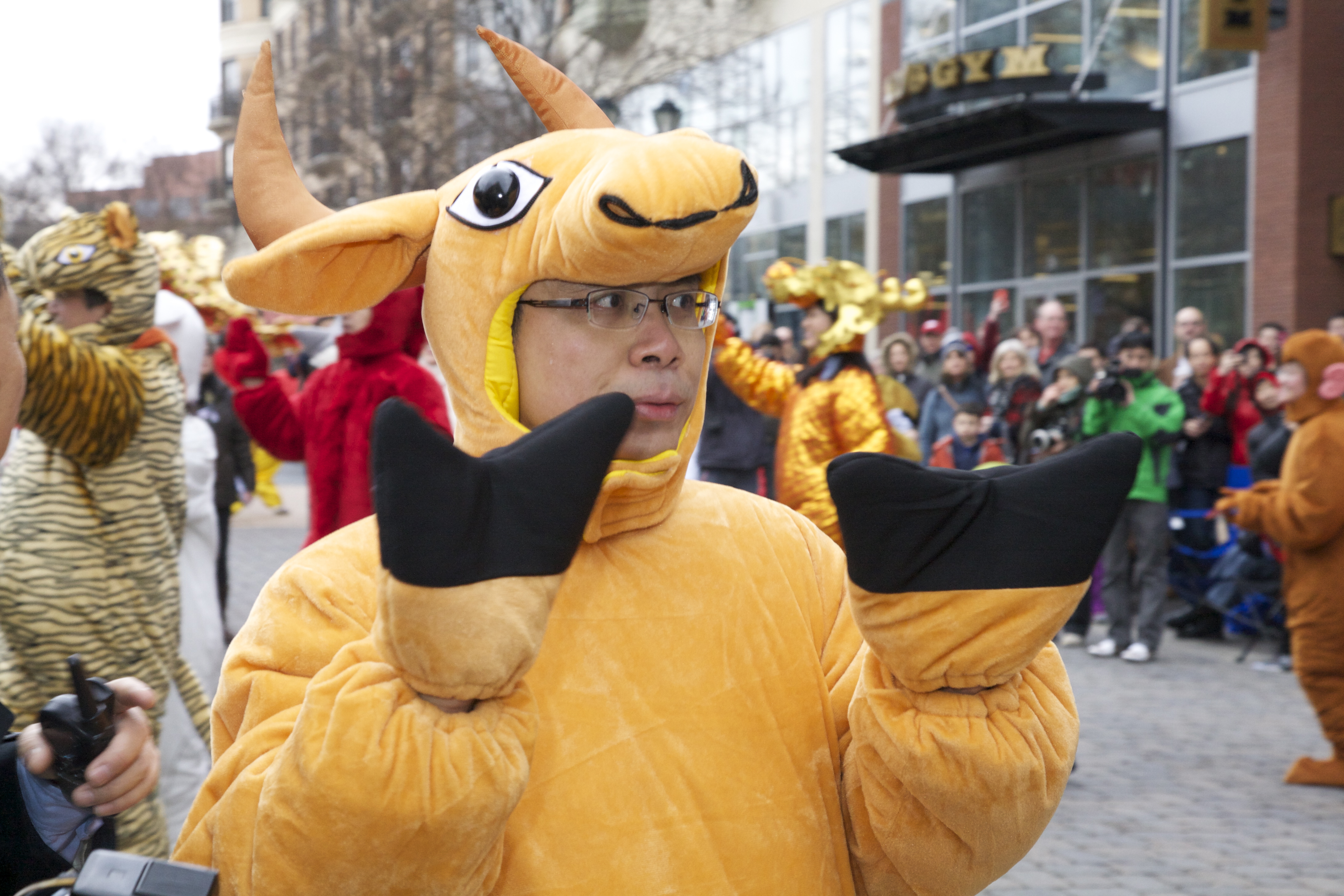
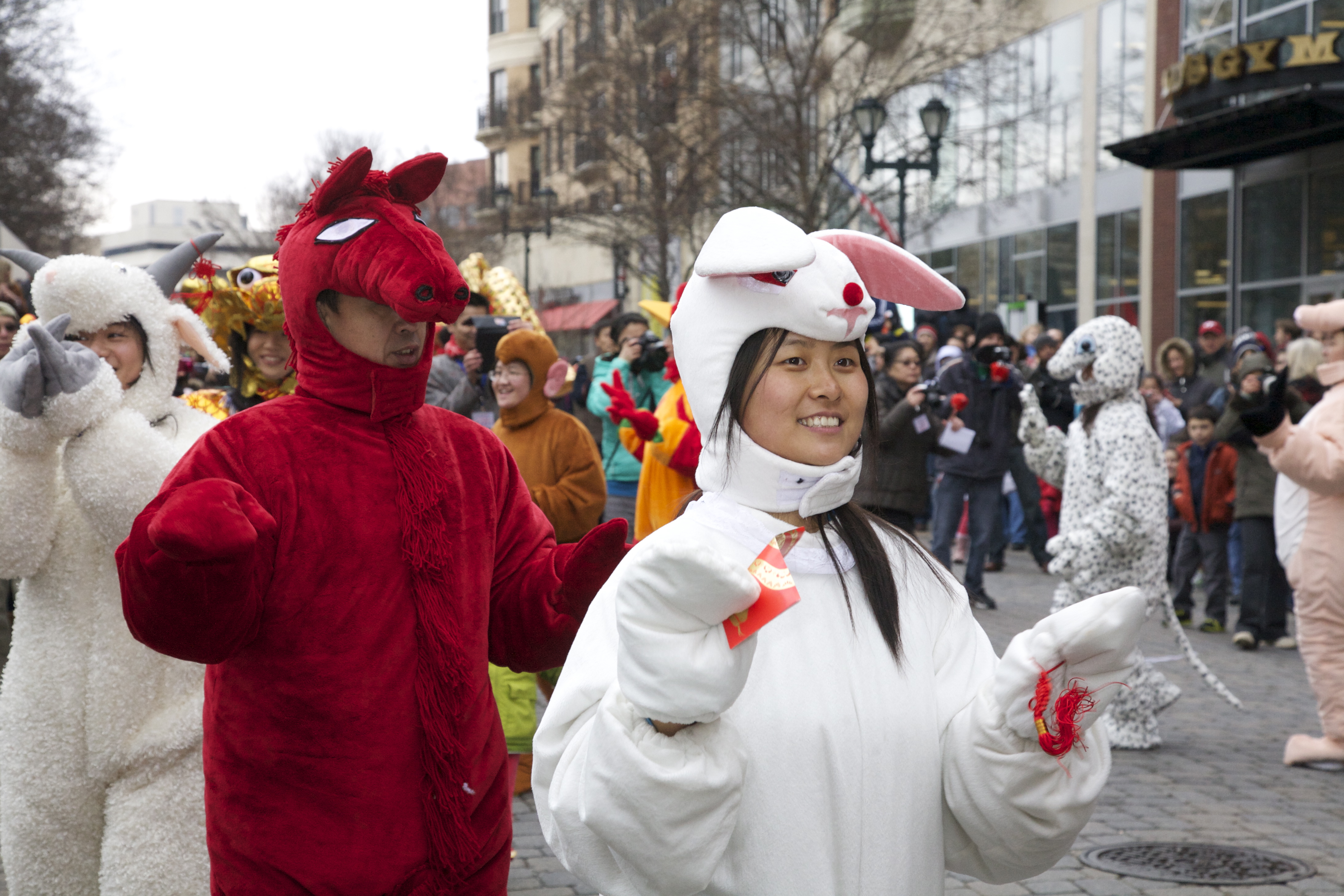
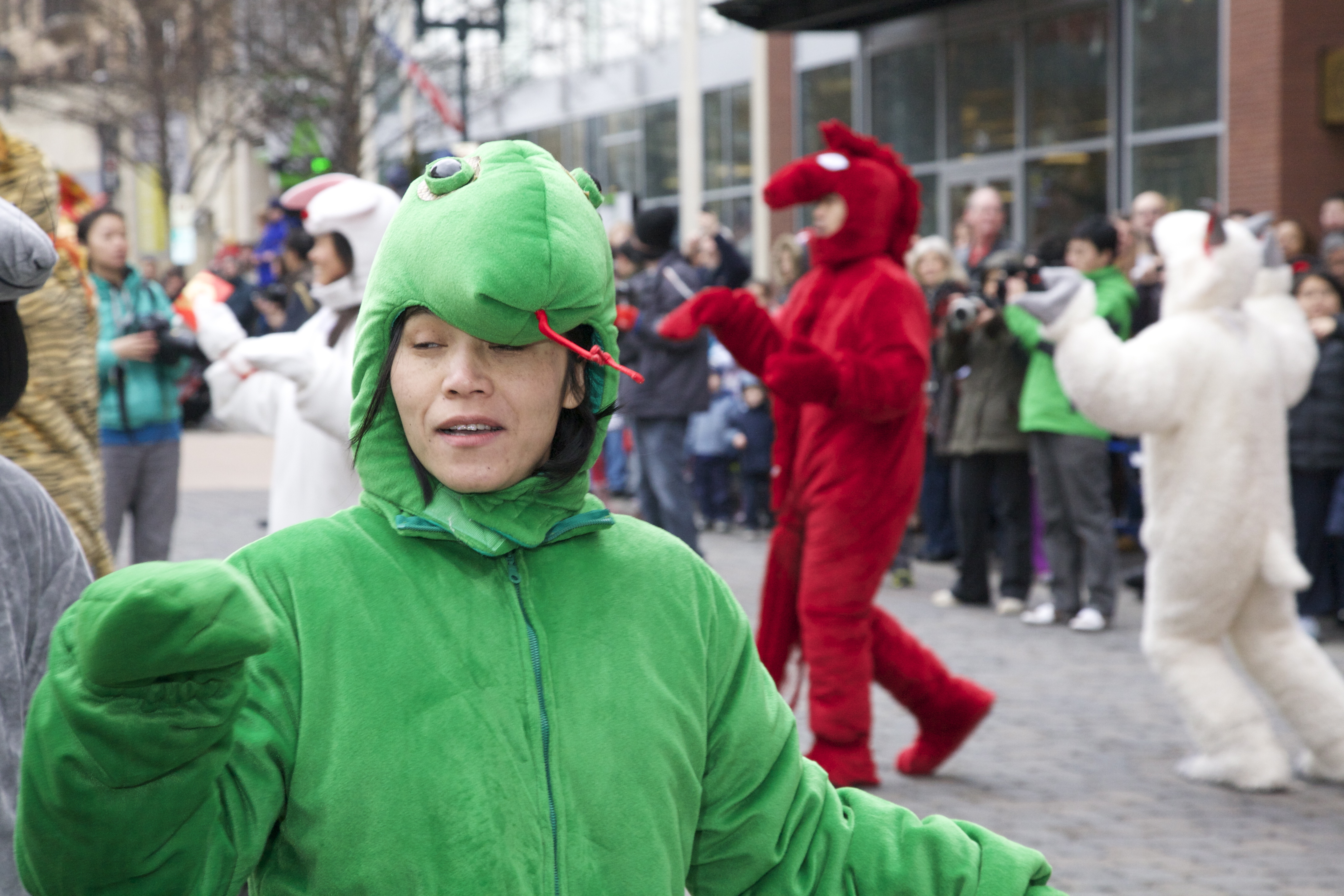
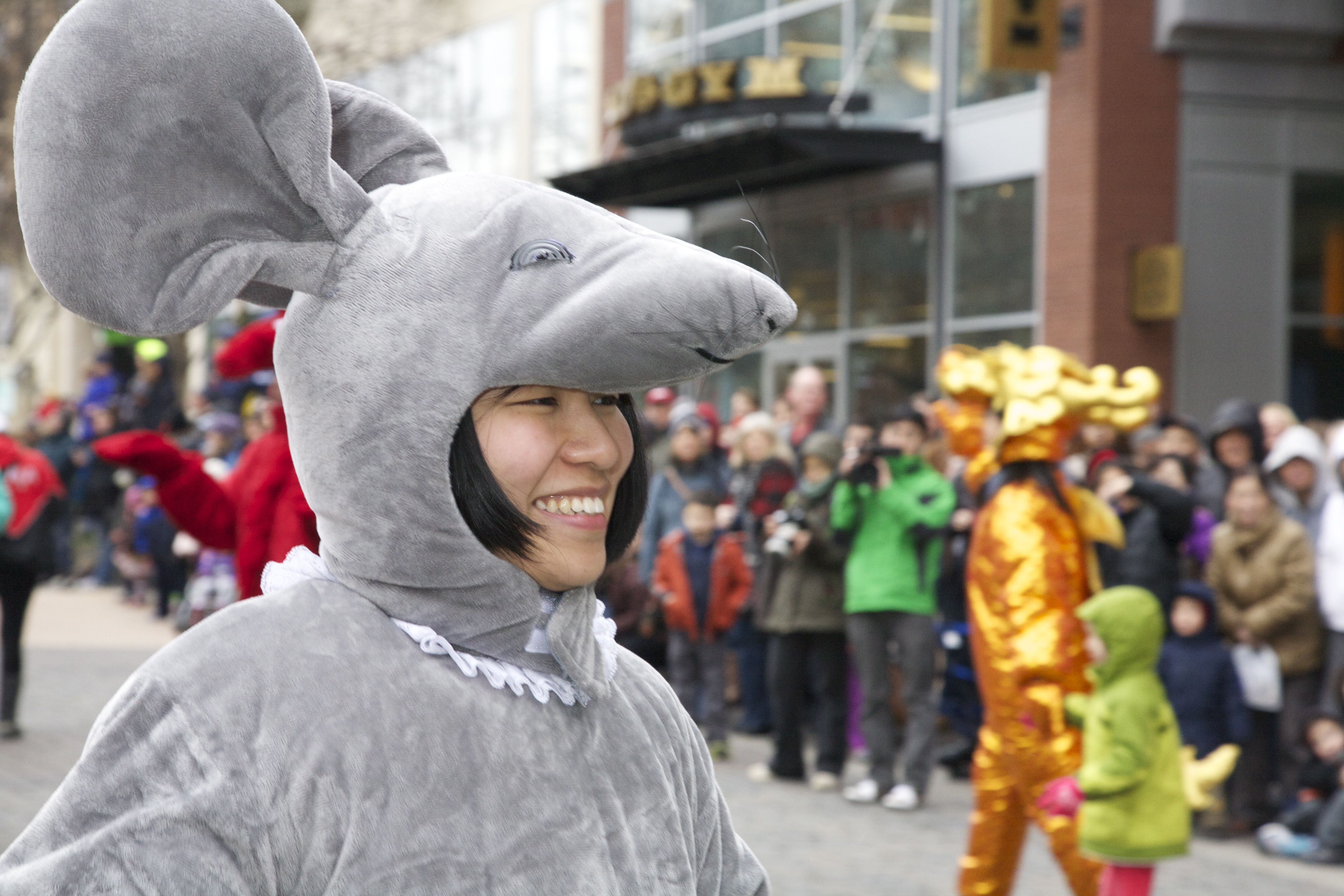
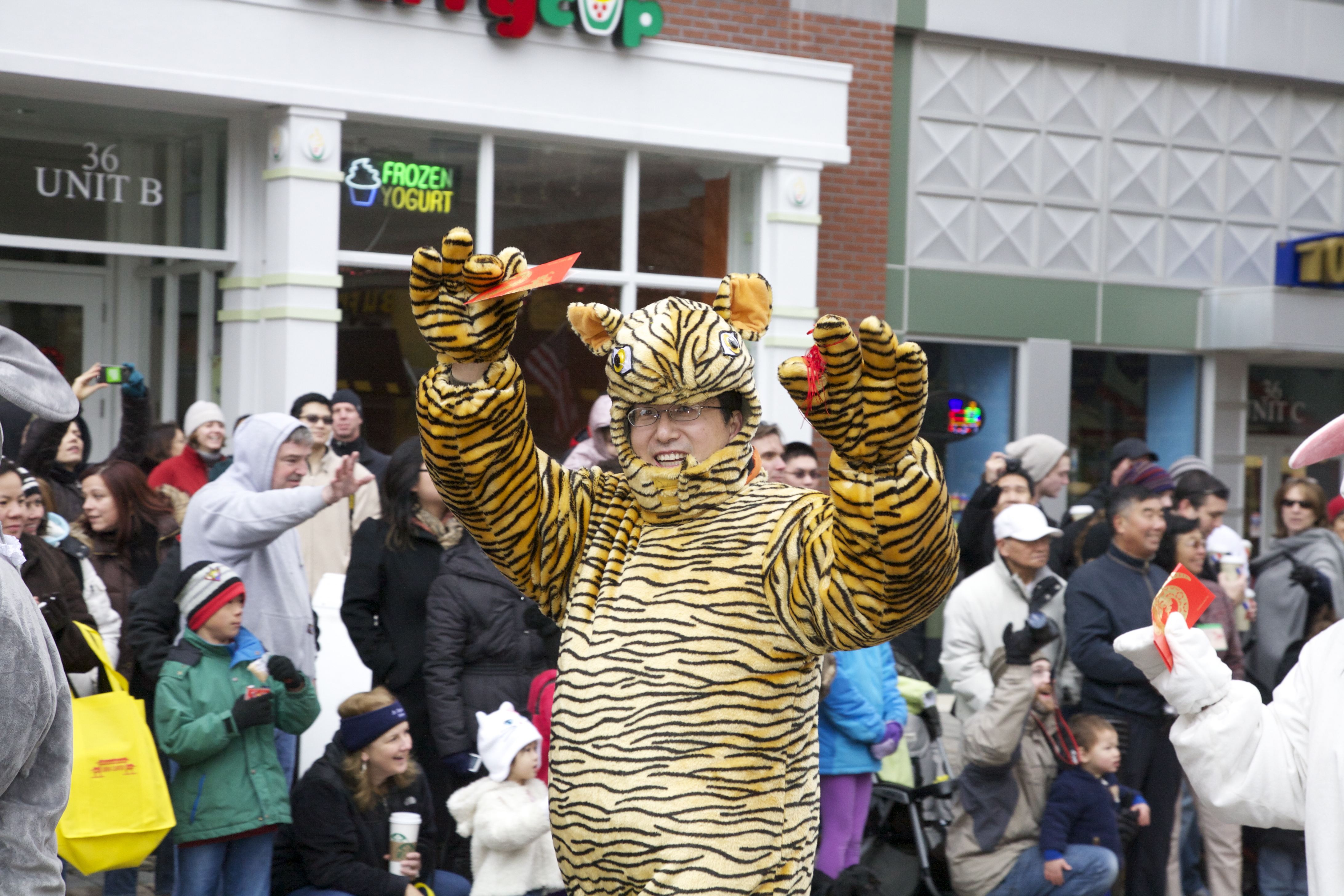
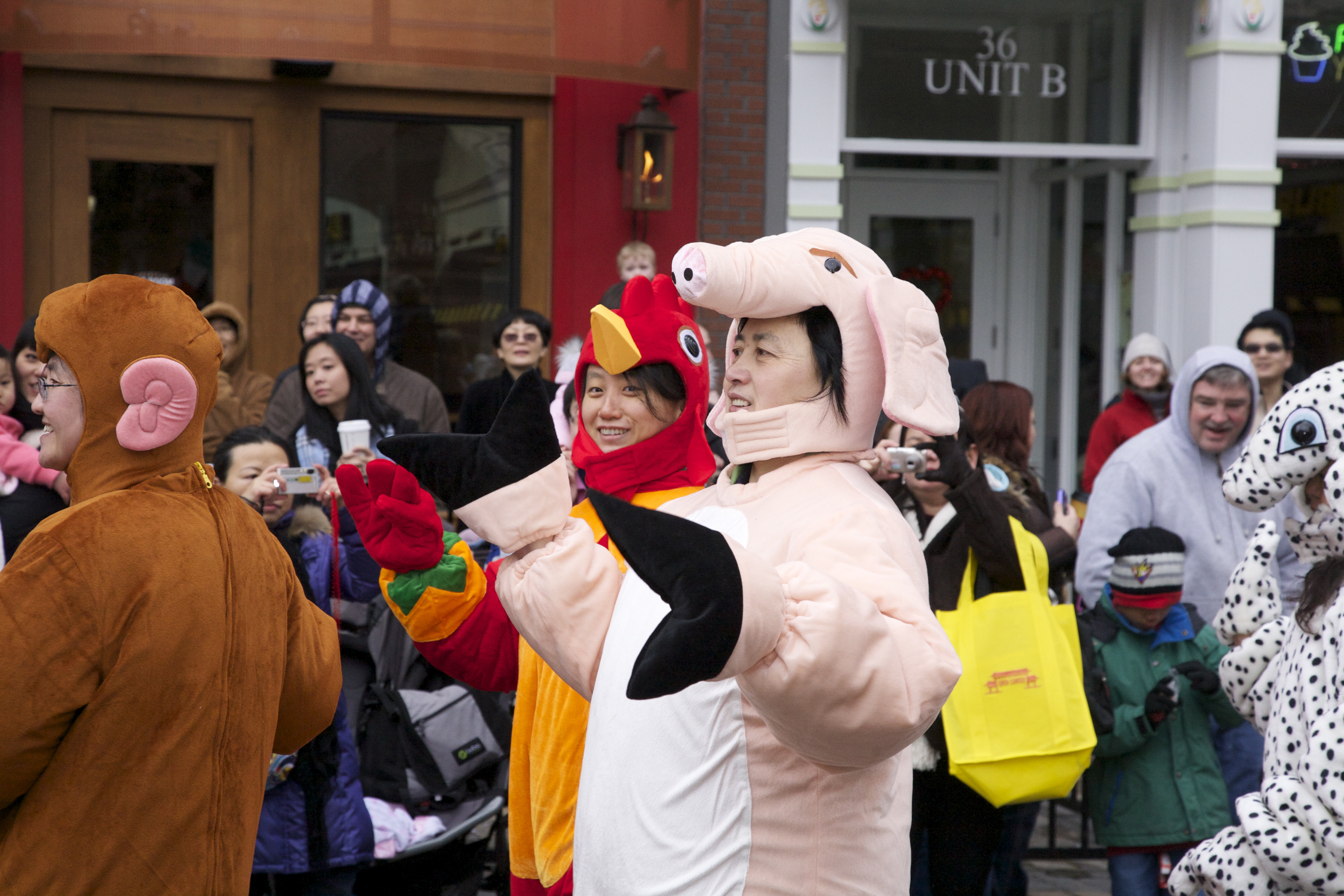
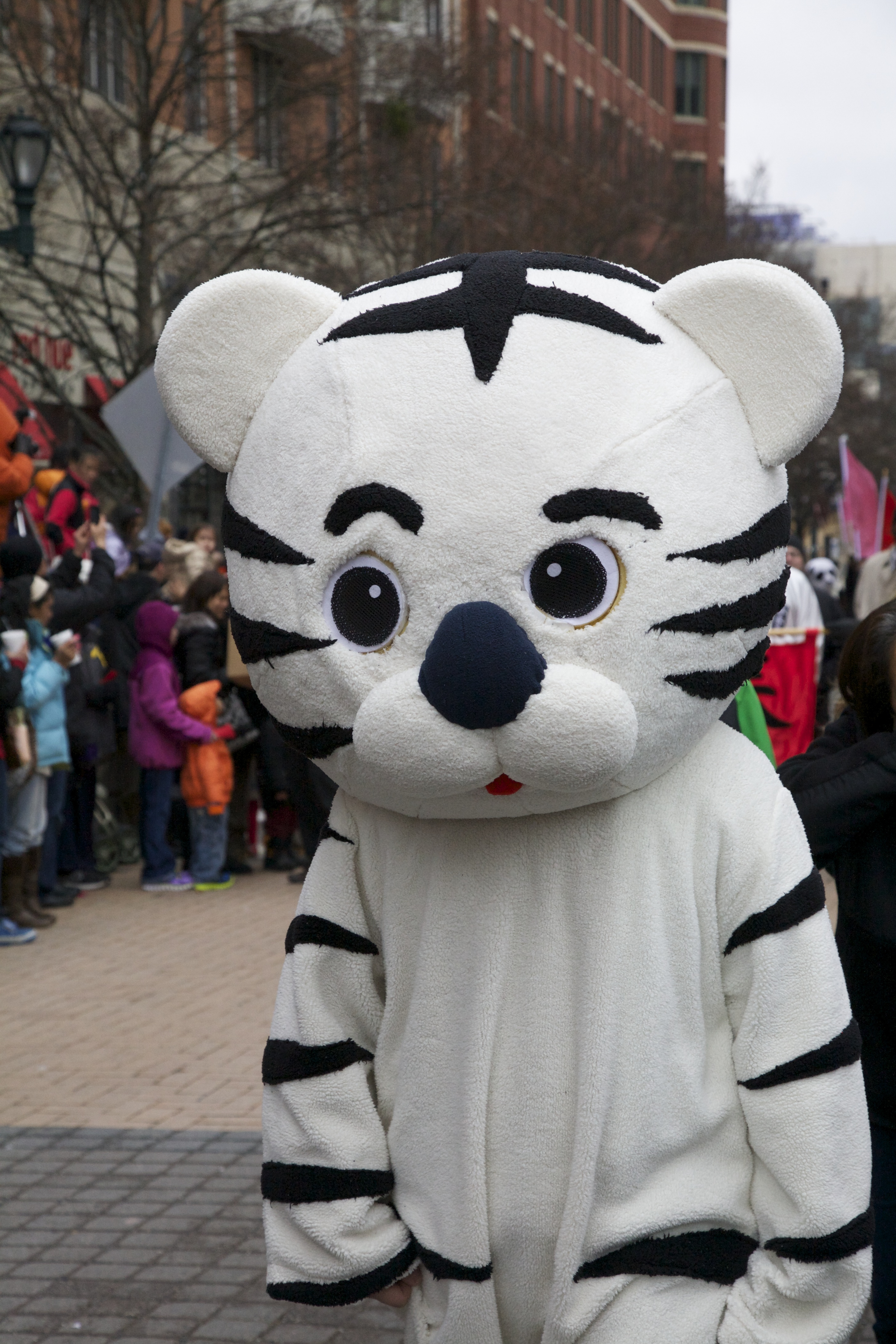
Here’s the entire Chinese Zodiac in plushy costume form. Plus a random panda and white tiger.
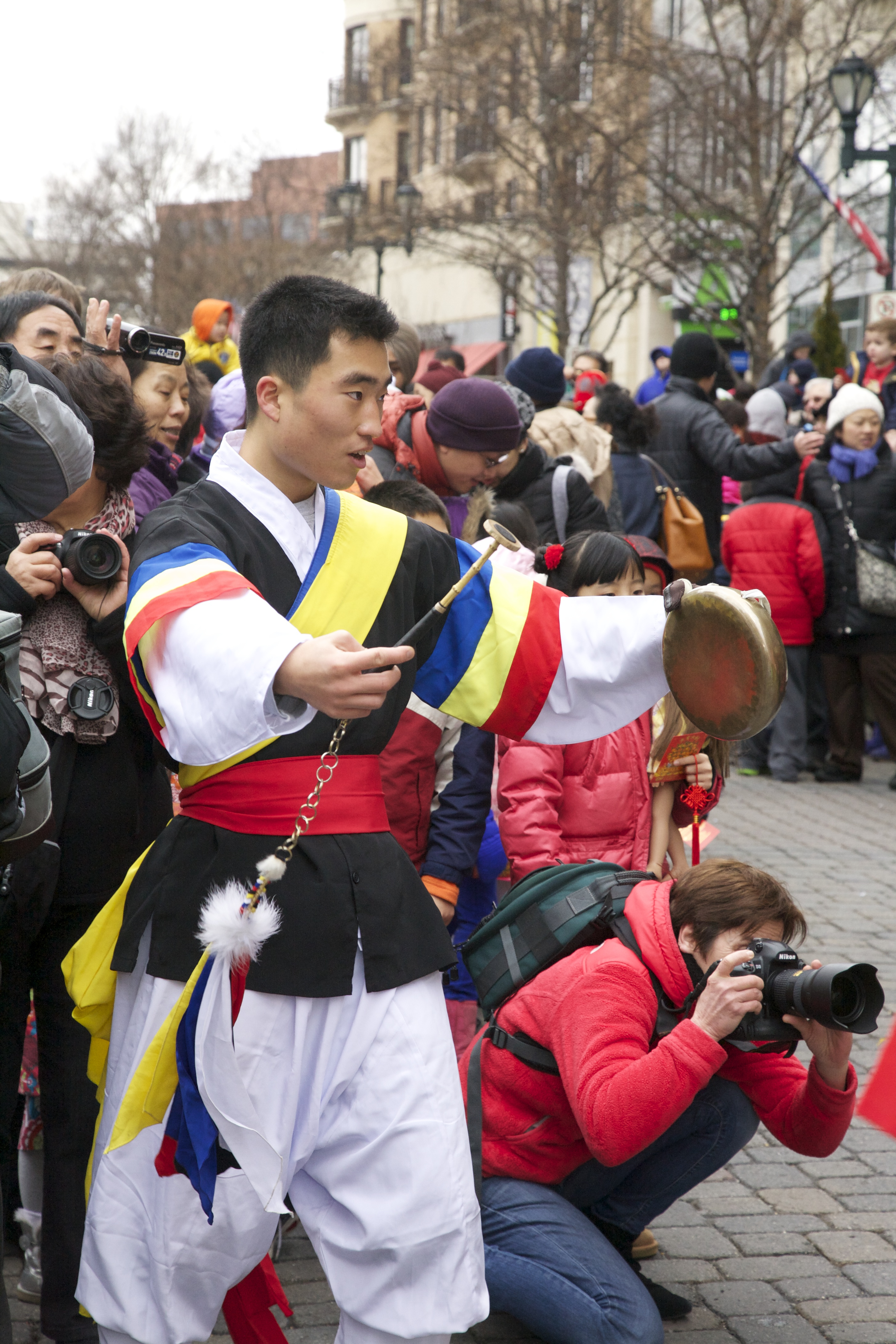
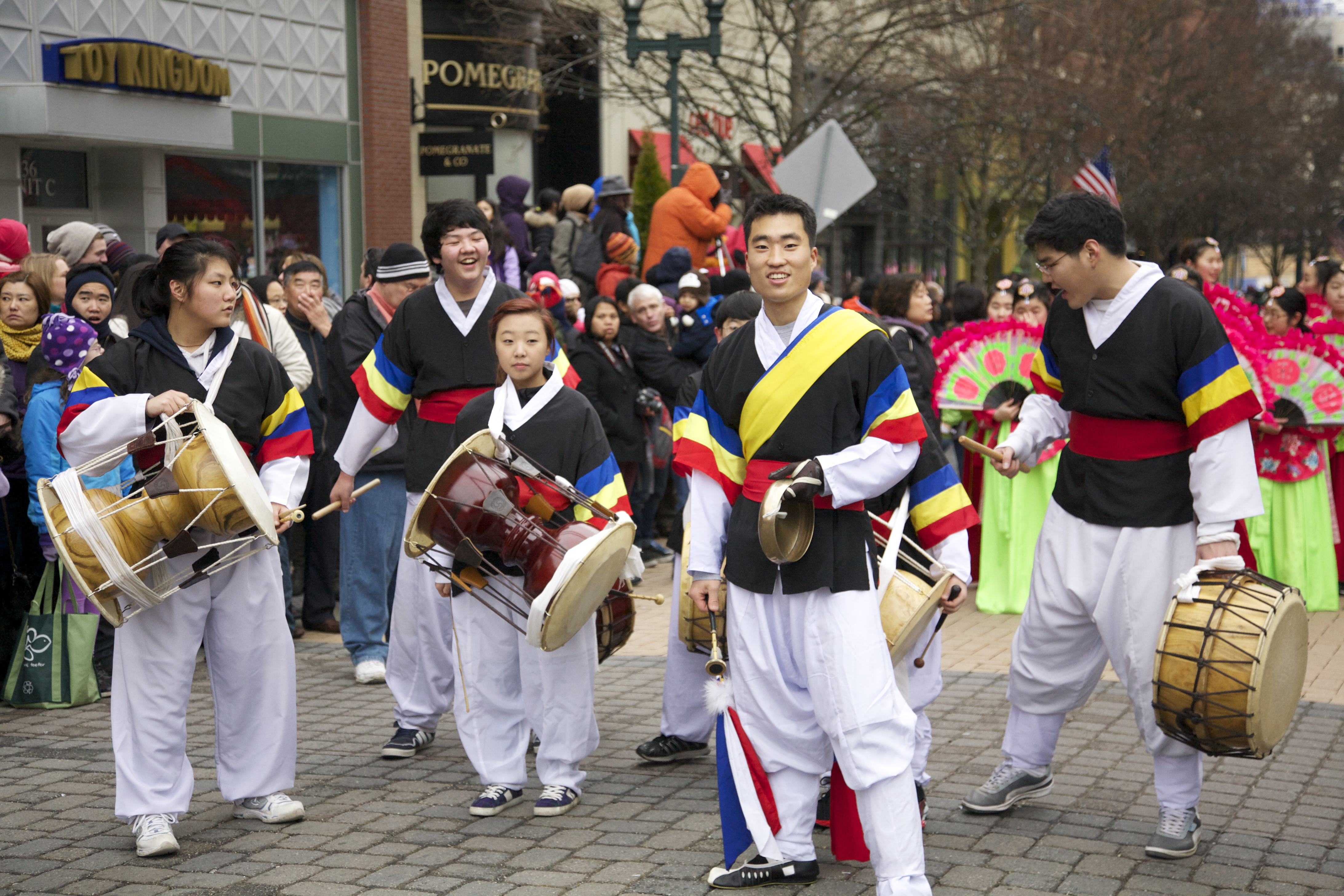
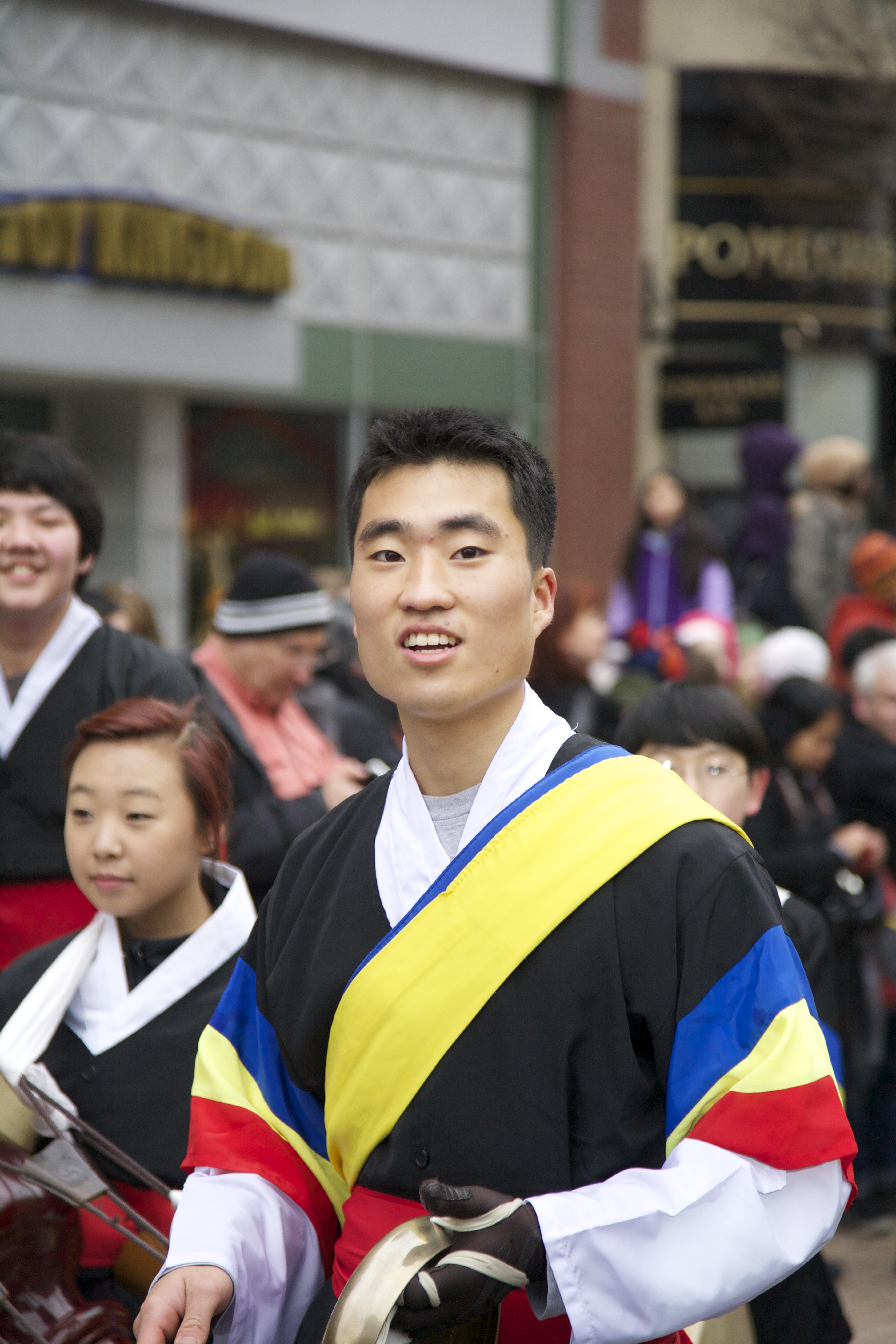
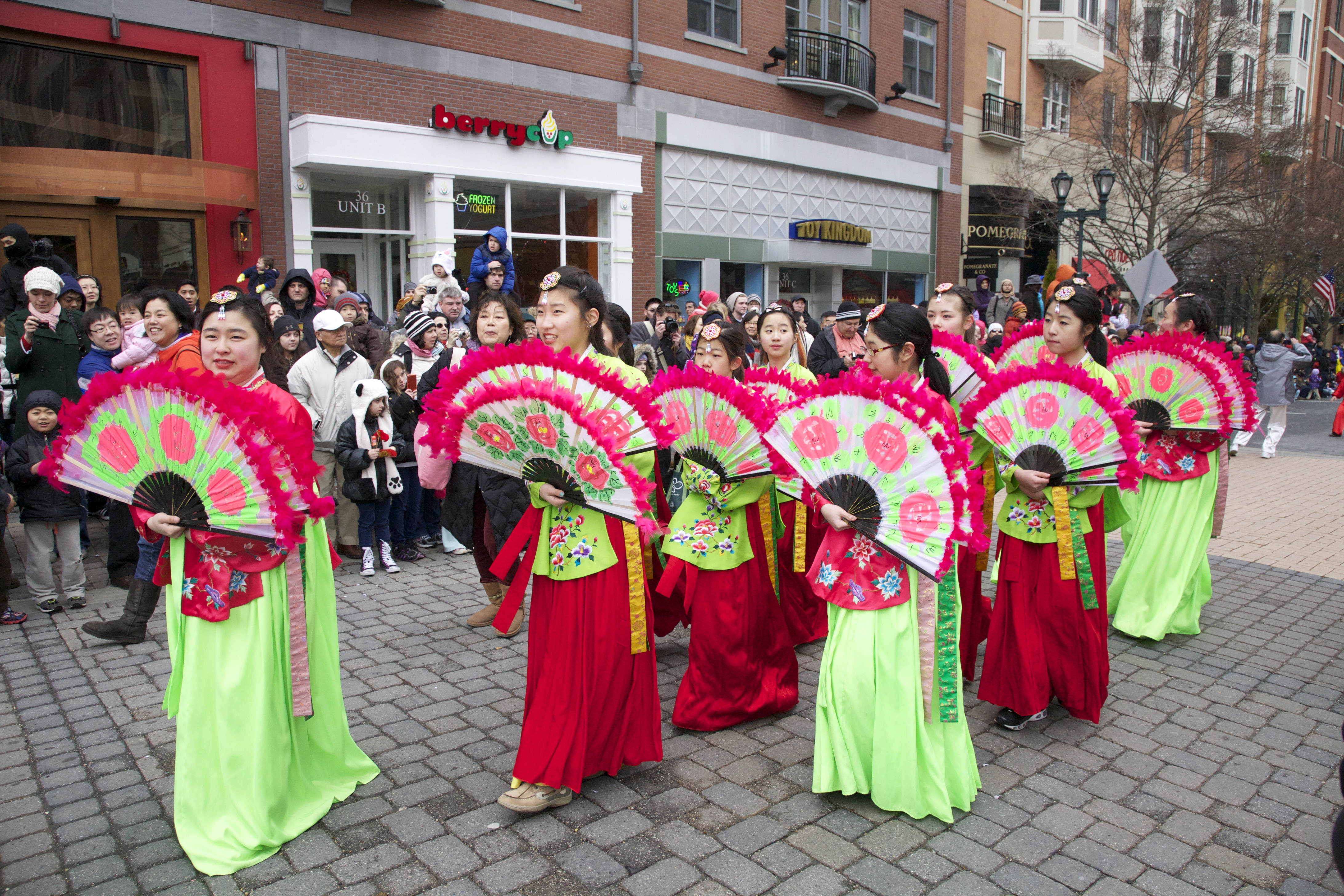
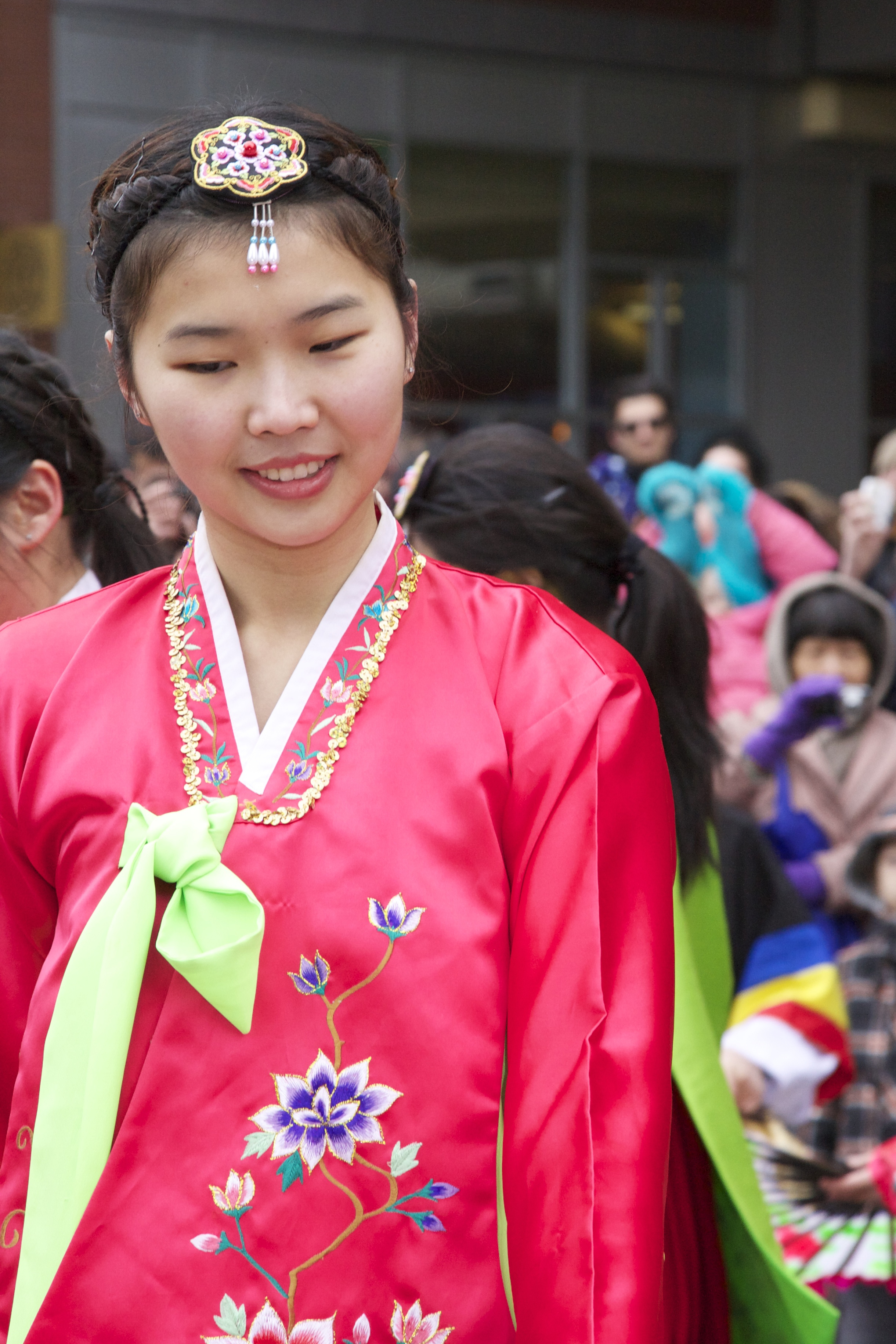
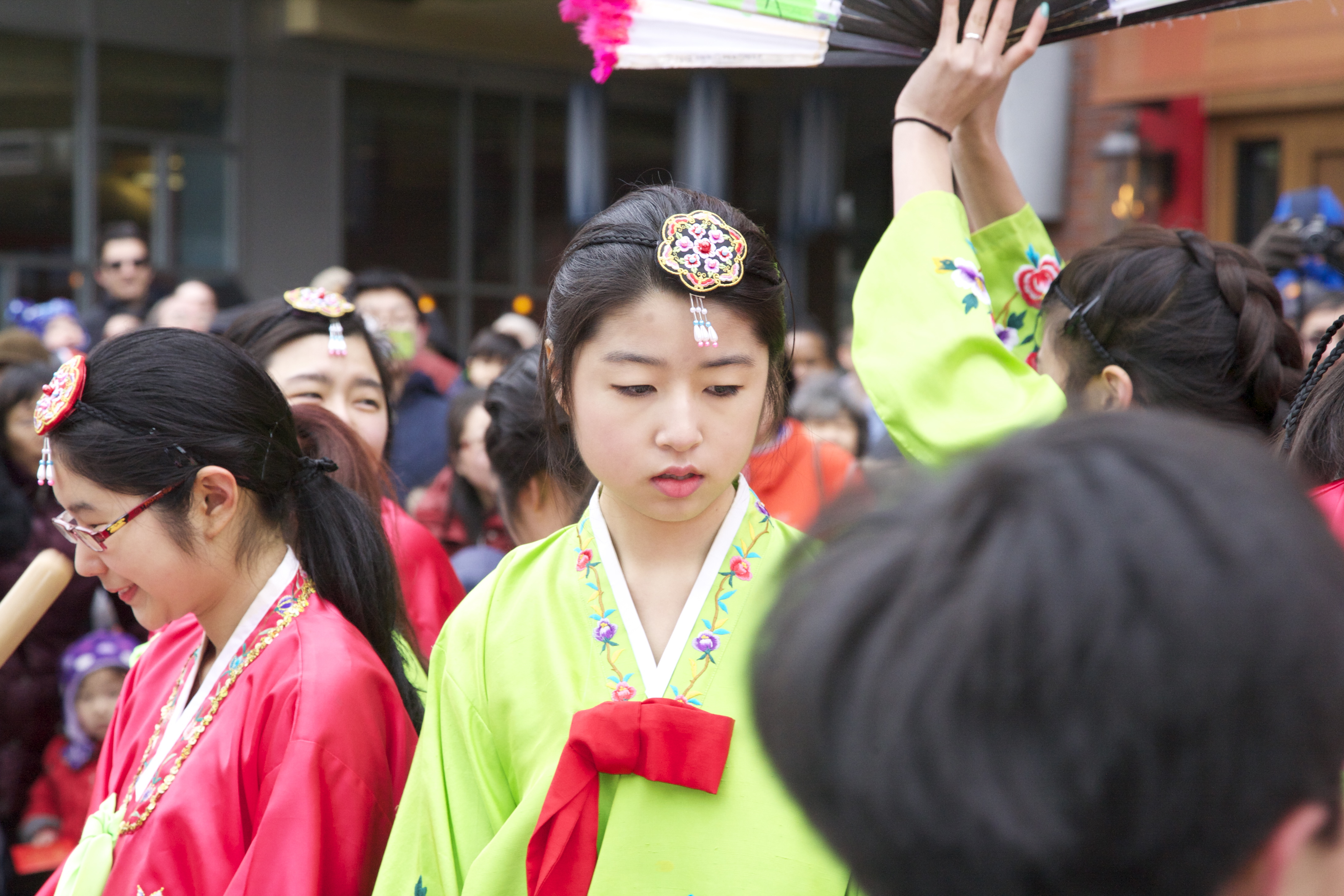
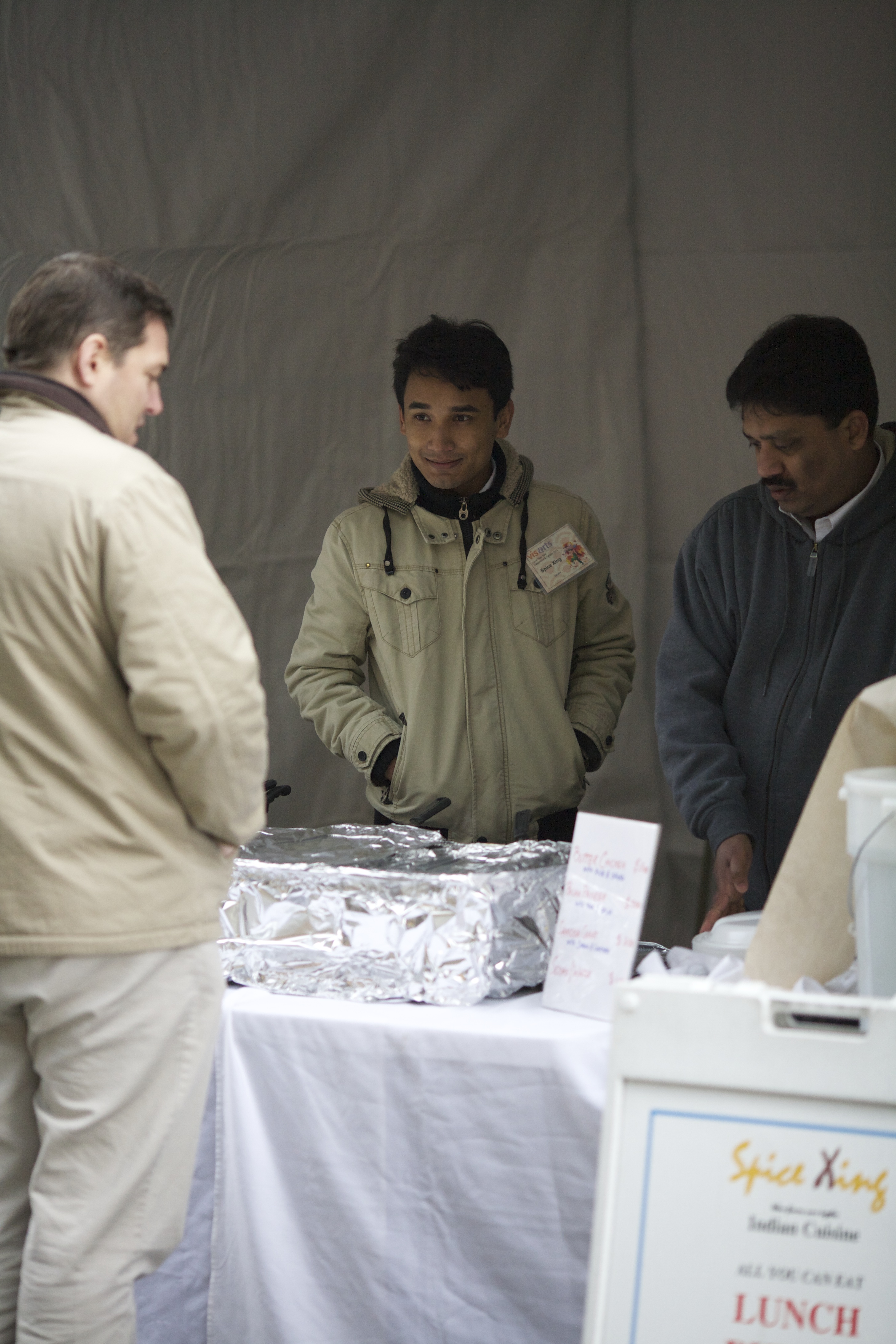
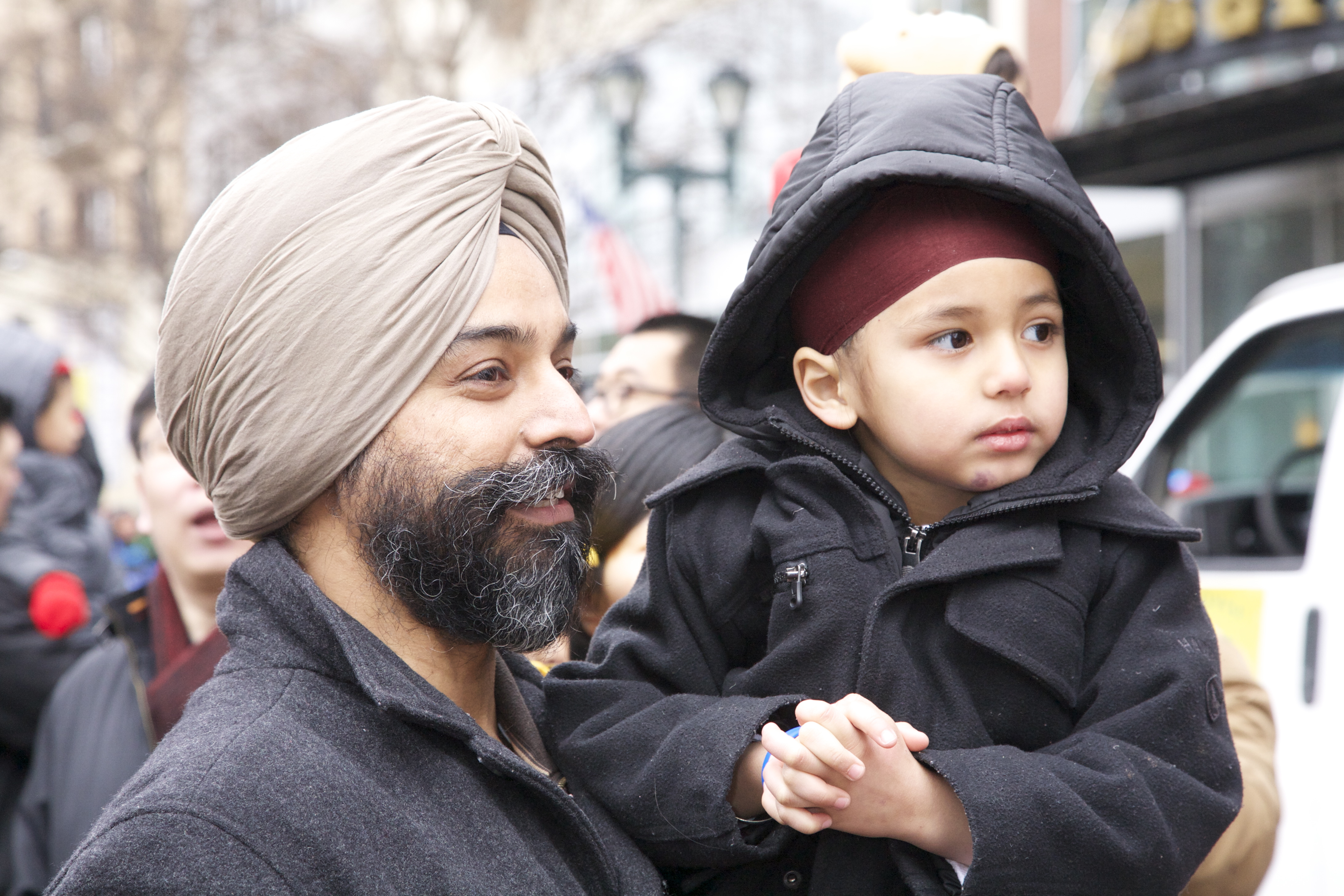
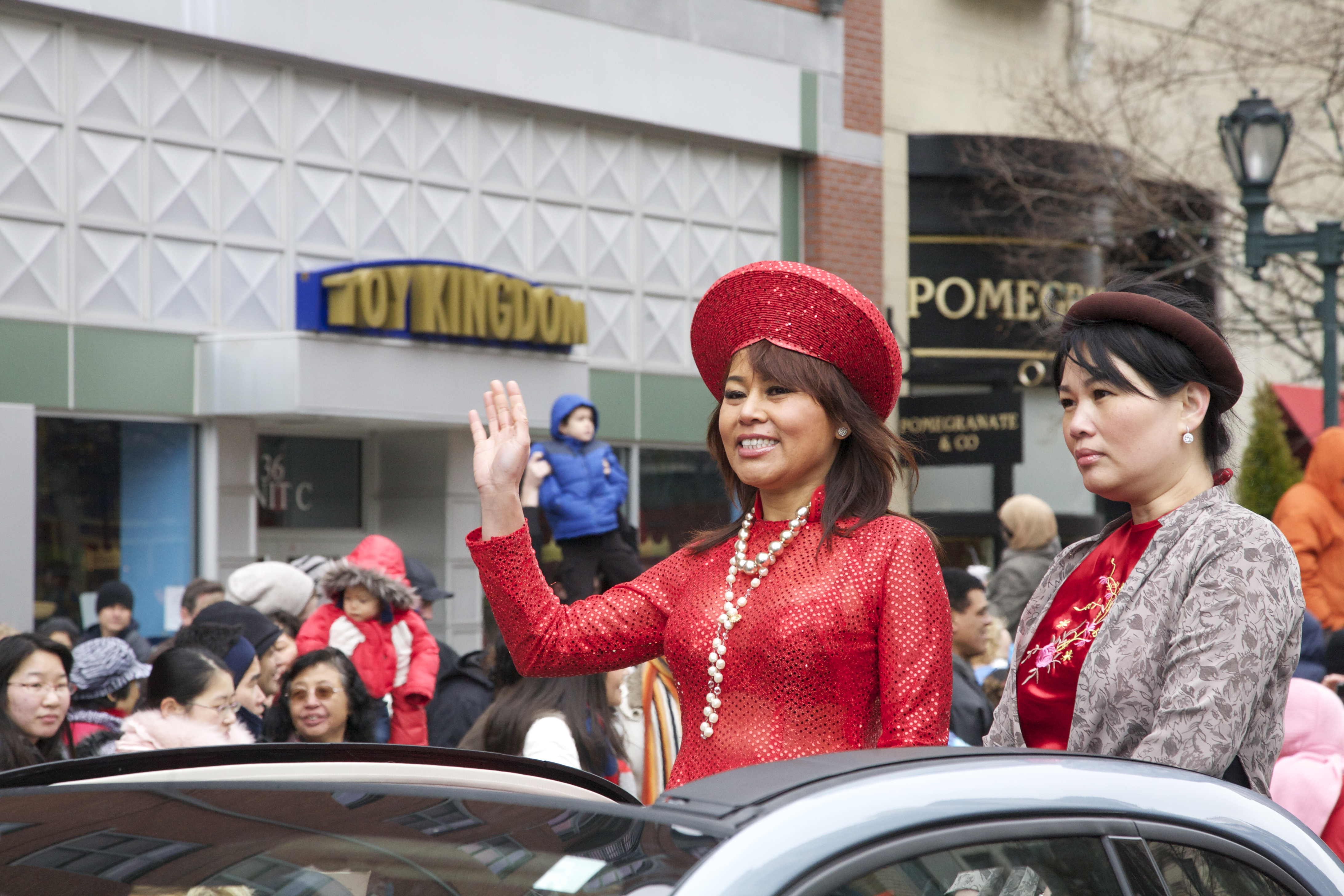
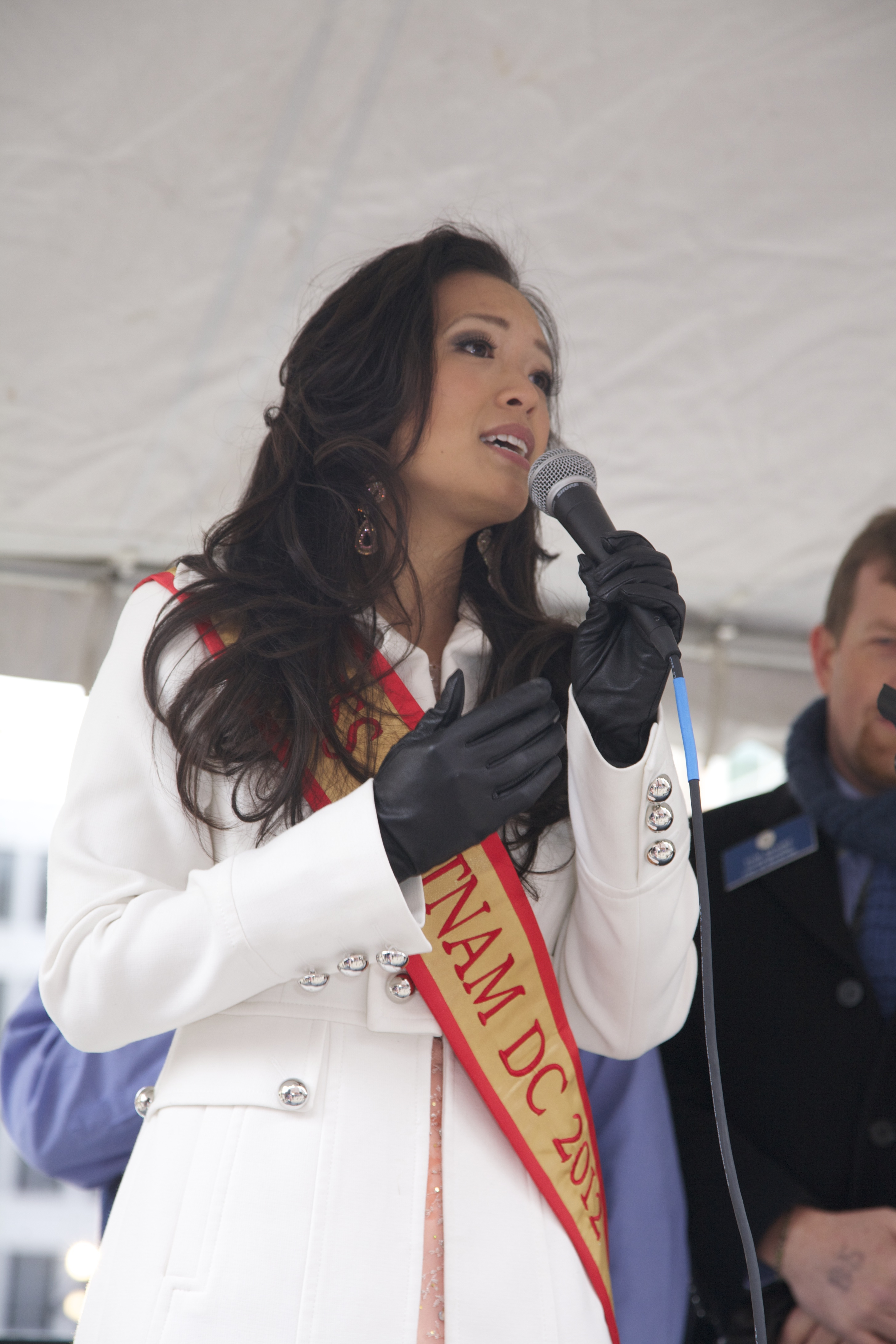
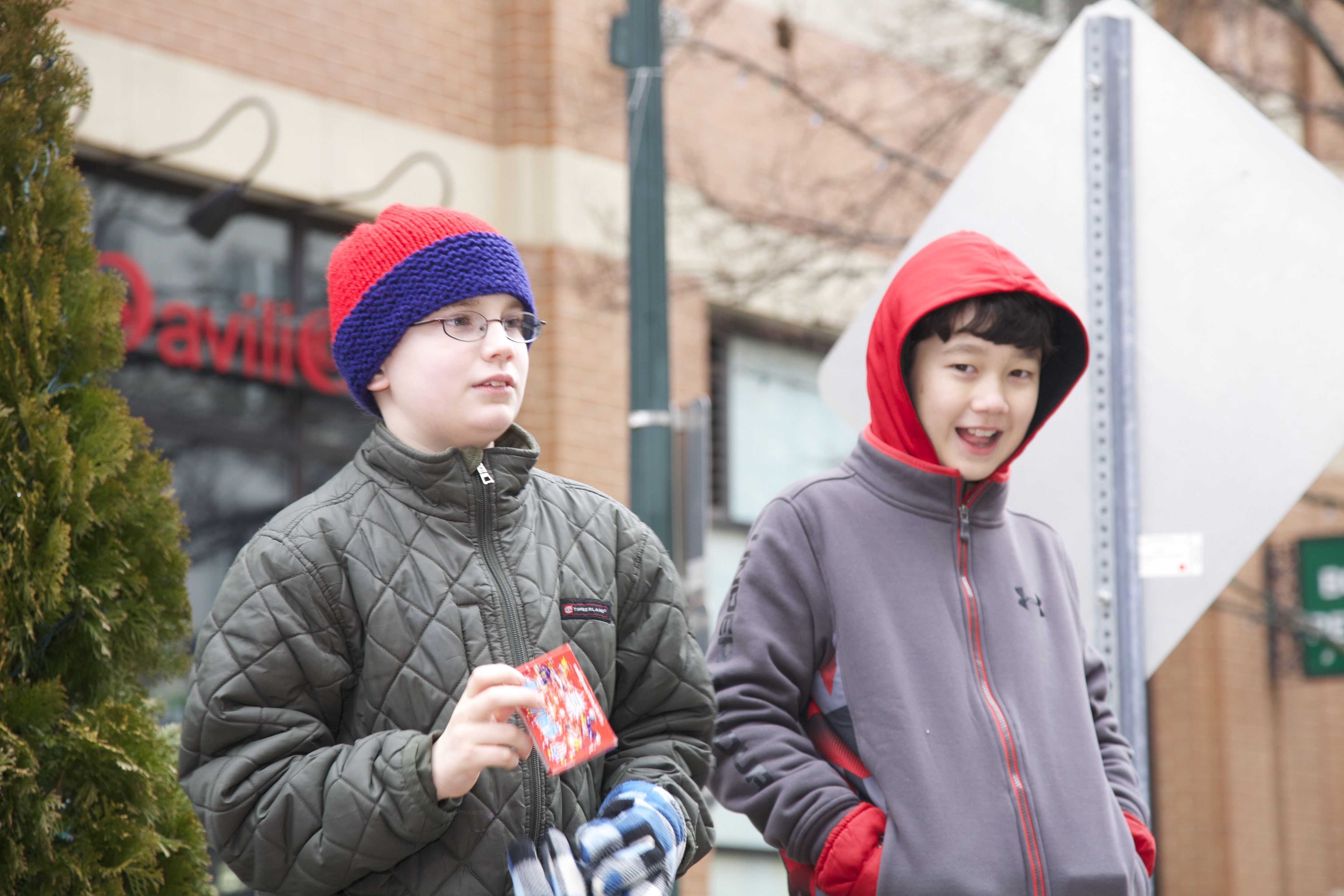
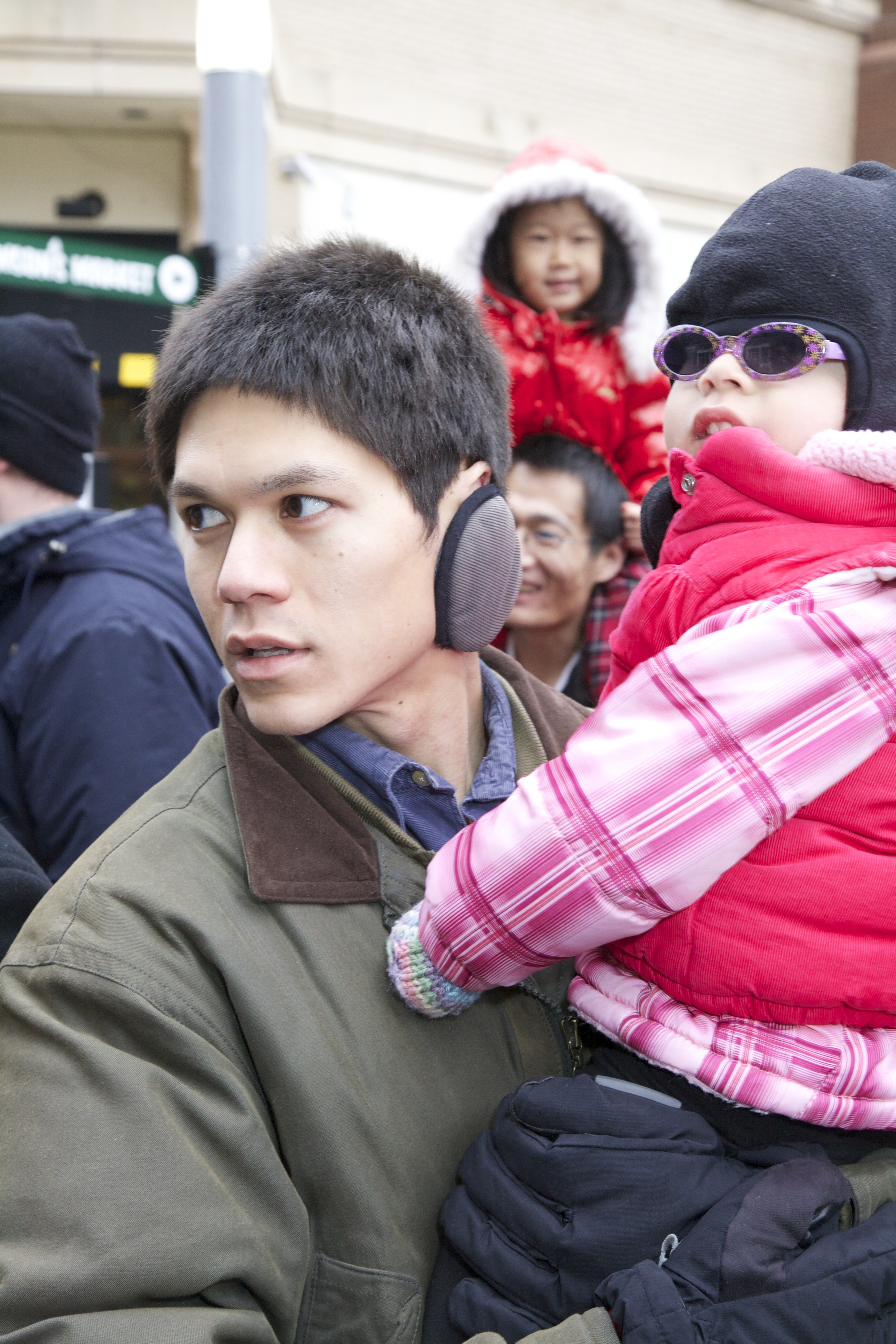
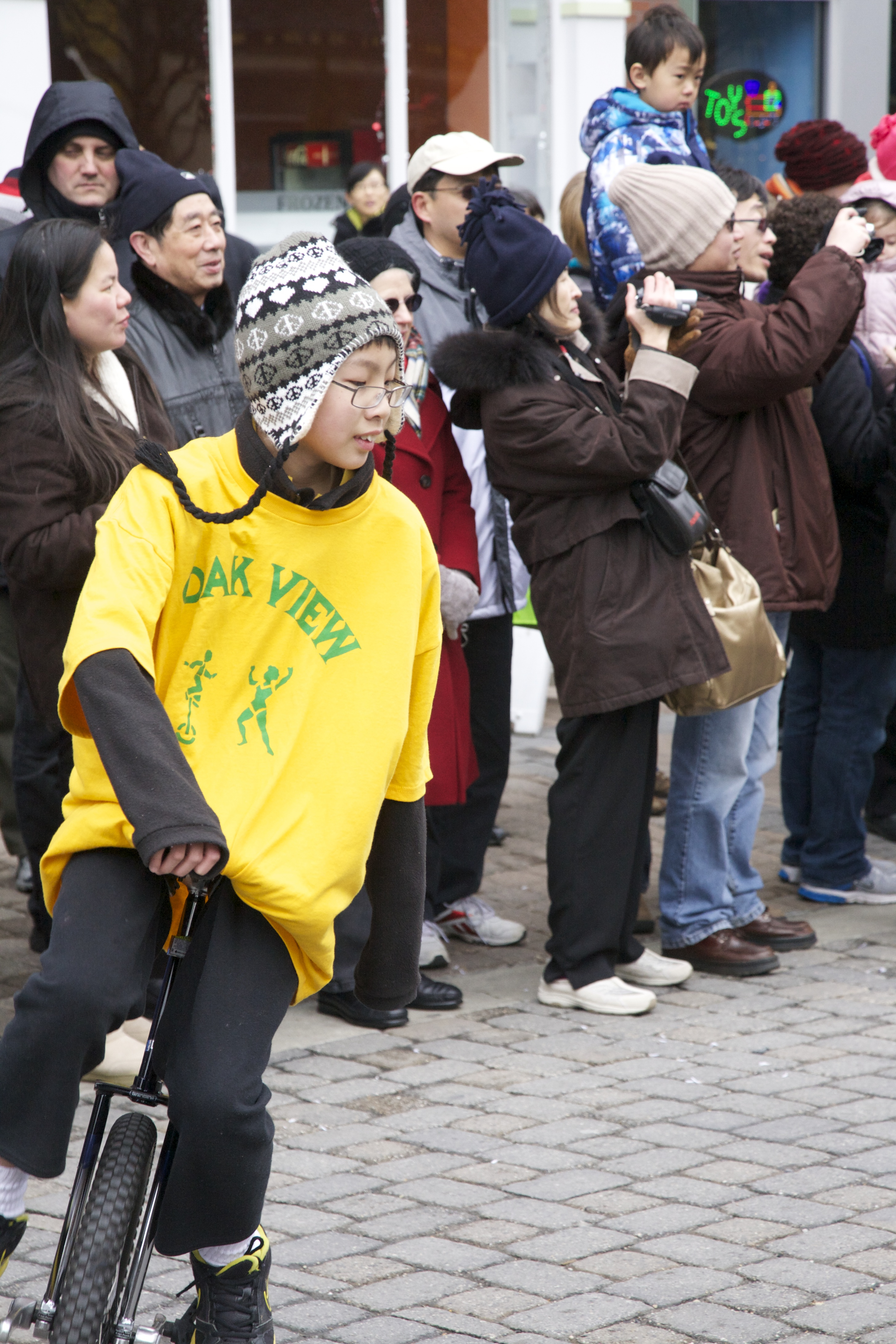
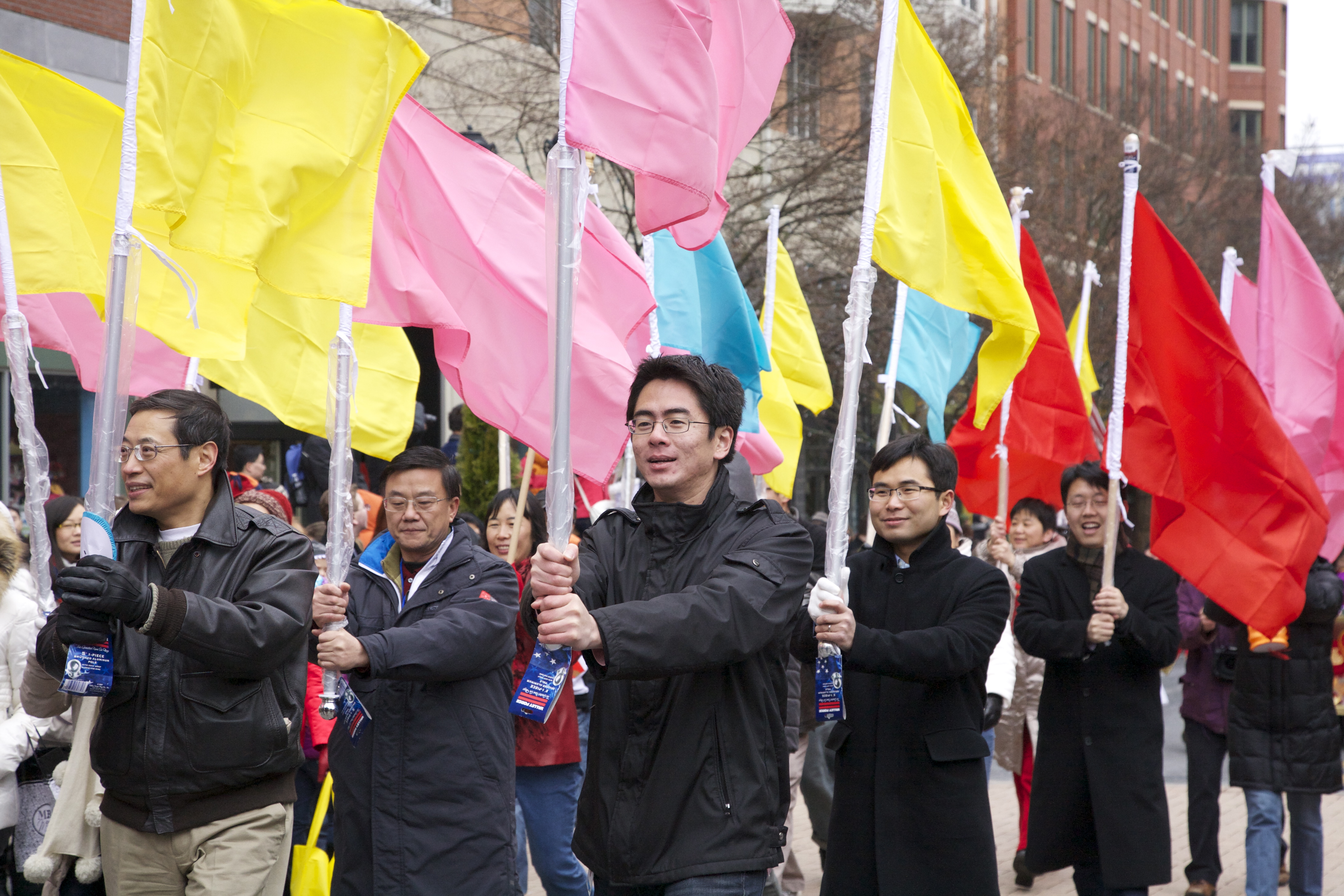
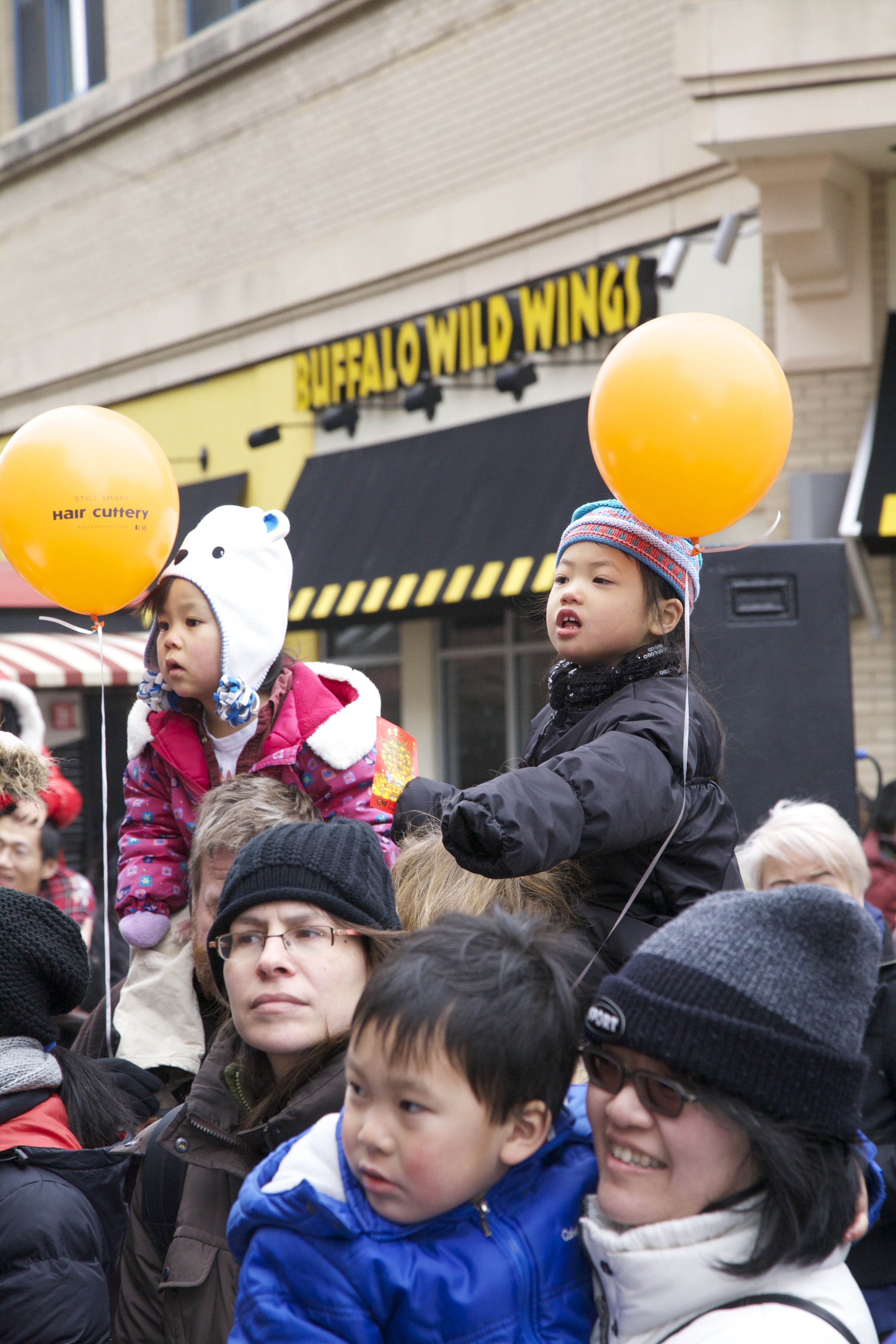
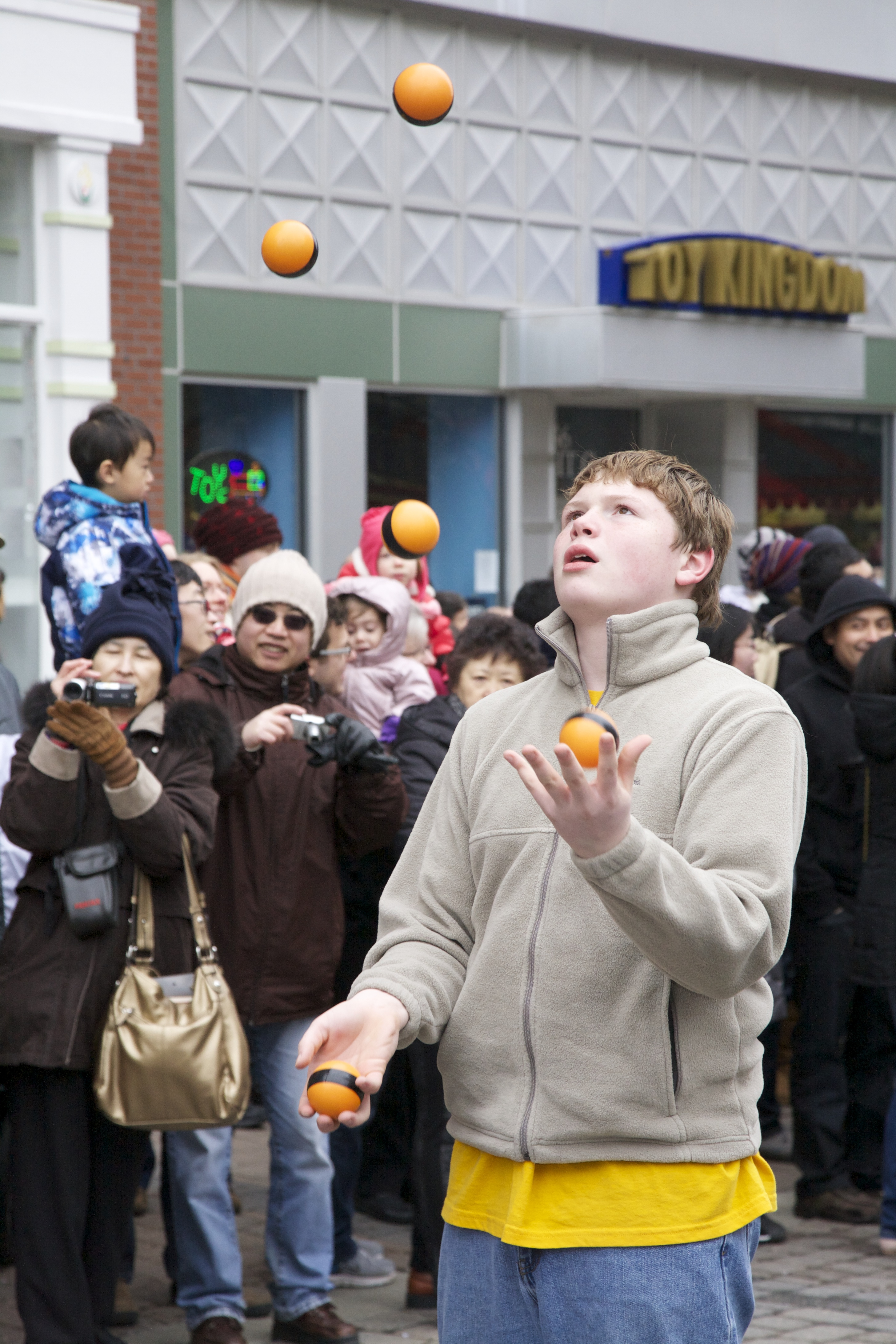
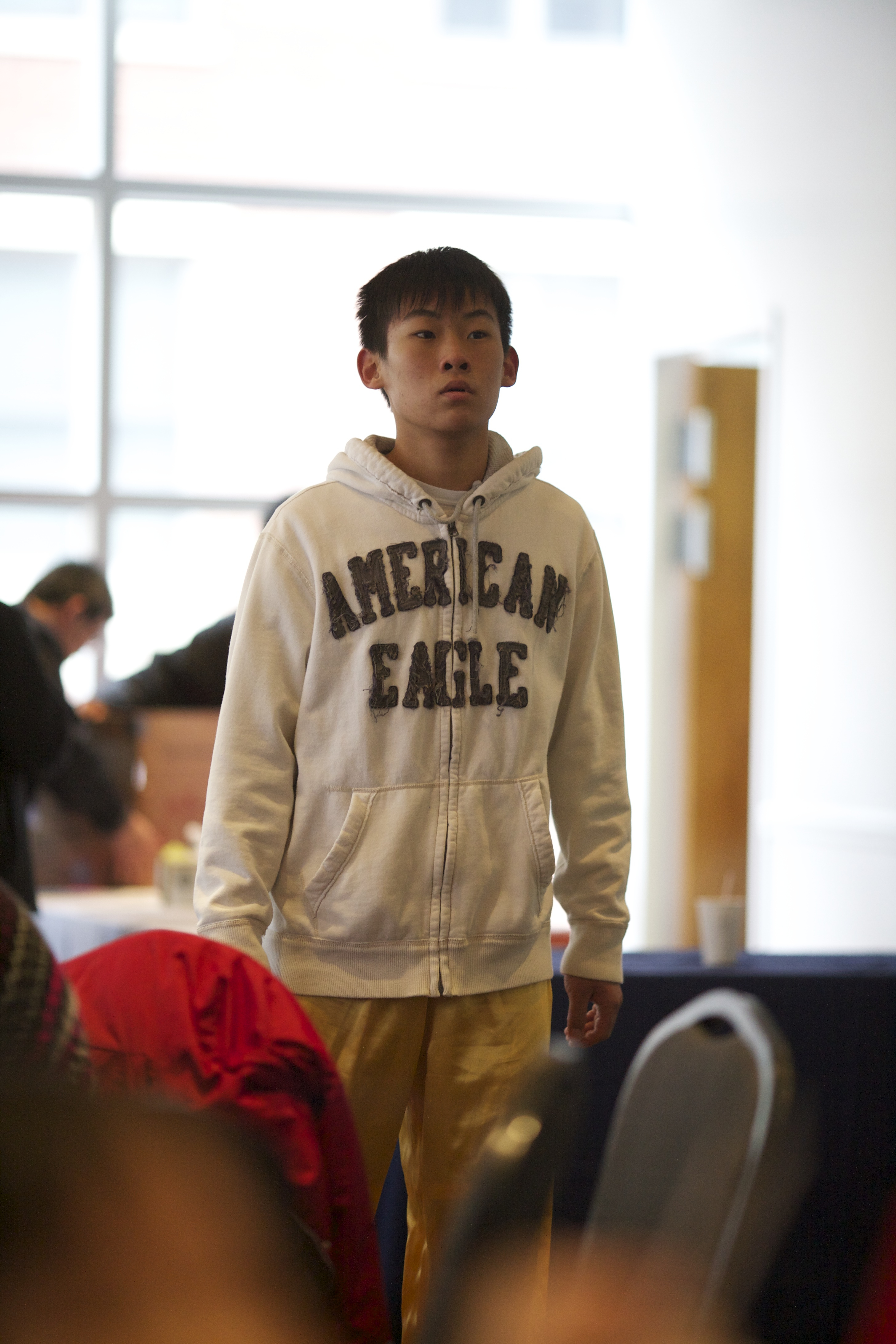
The parade featured a number of non-Chinese groups representing other East/South-East Asian cultures that also celebrate Lunar New Year. Most notable were the Koreans and Vietnamese in the parade. I’ve included some other faces in this post to show the general diversity of the audience in addition to the participants. That diversity I think is one of the strengths and beauties of this area – people from all cultures and walks of life coming together to enjoy a good festival, especially when the air temperature is hovering around freezing!
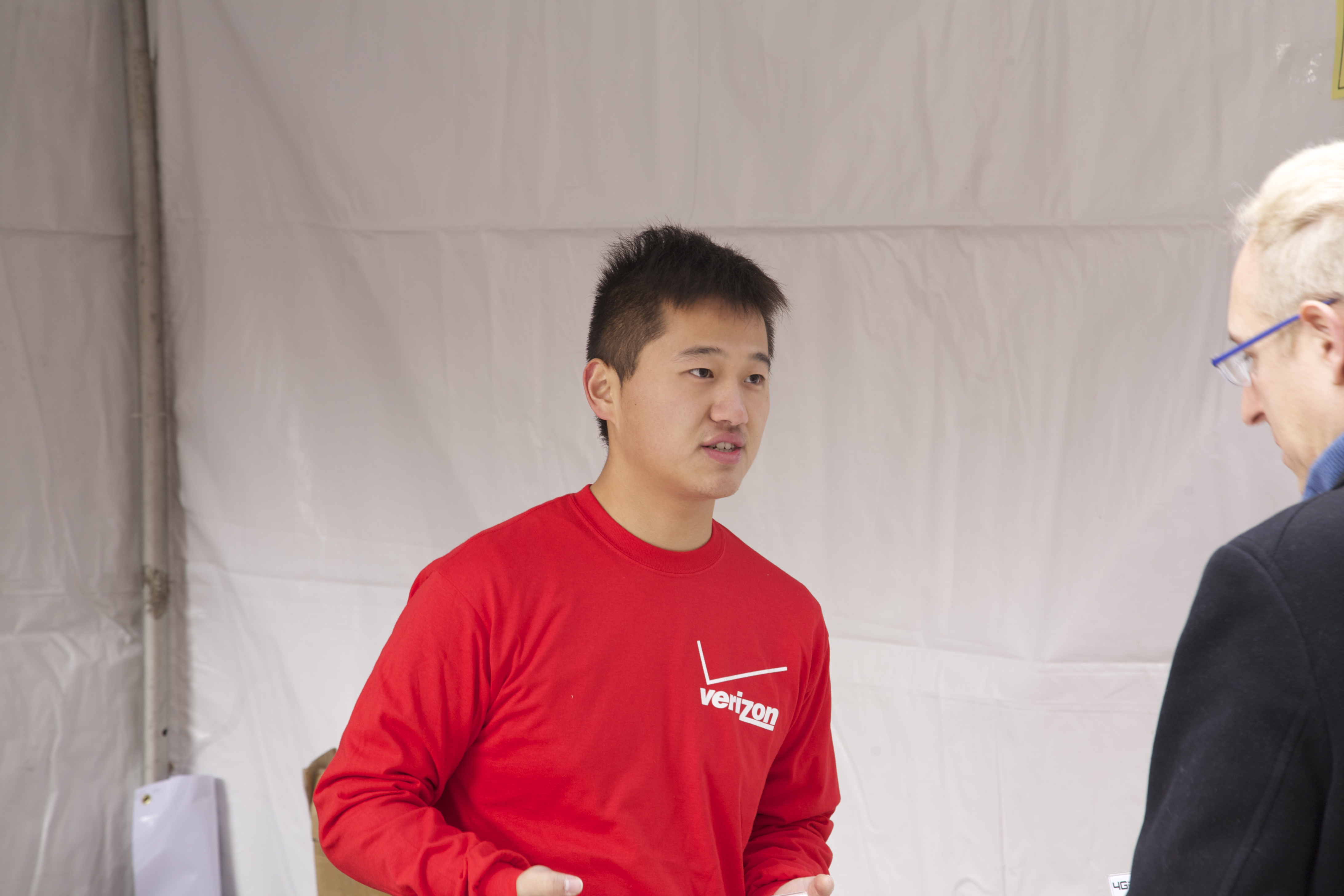
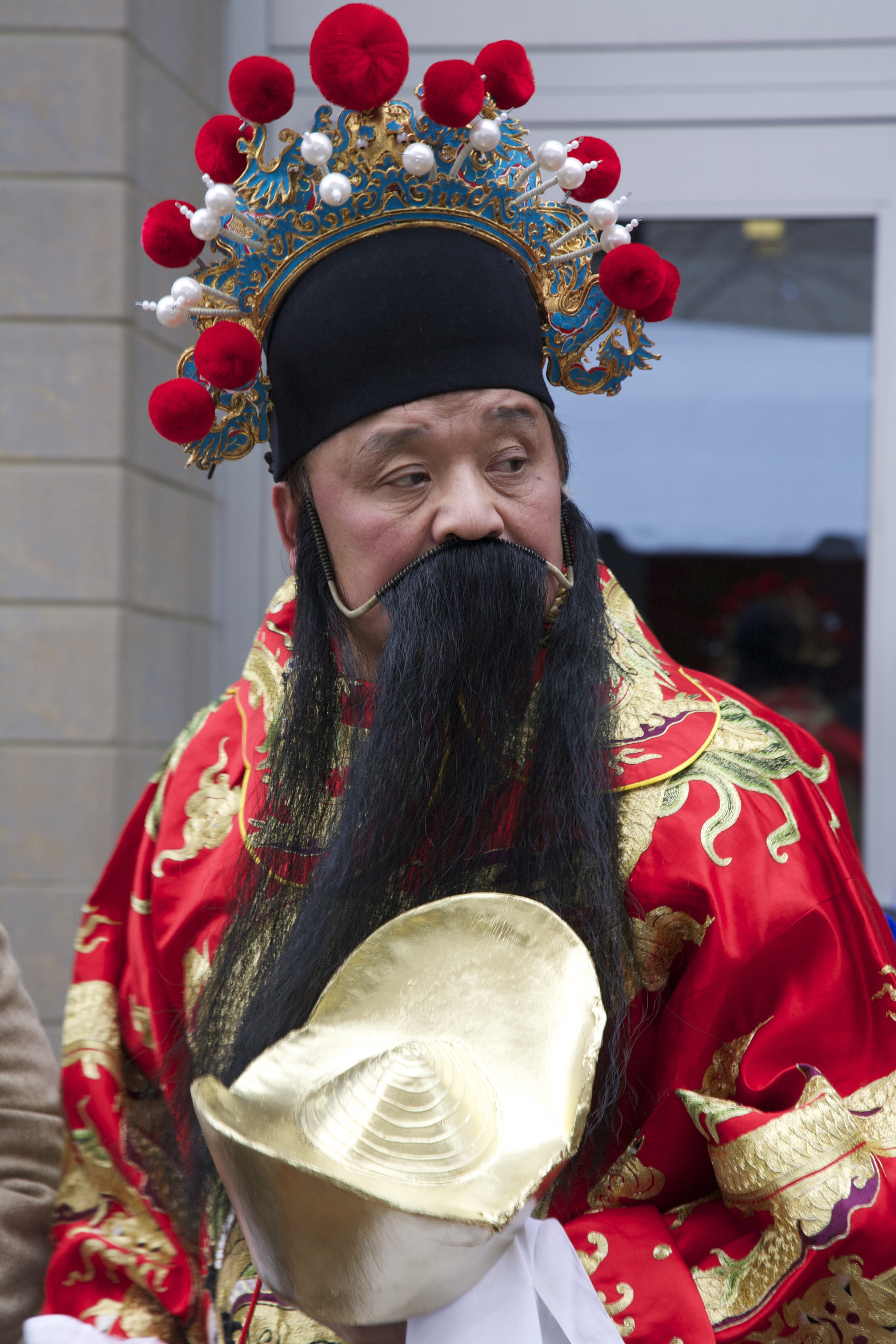
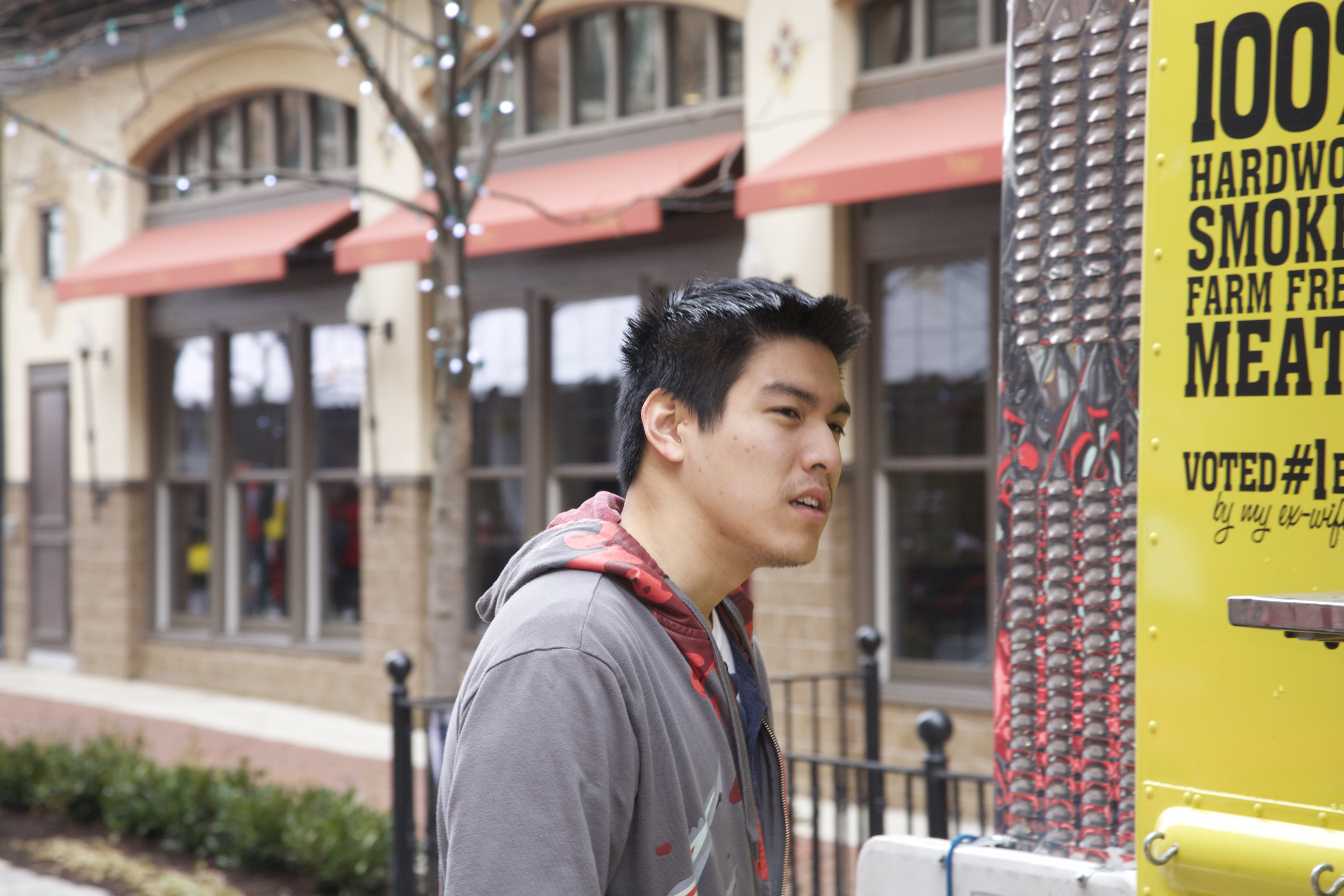
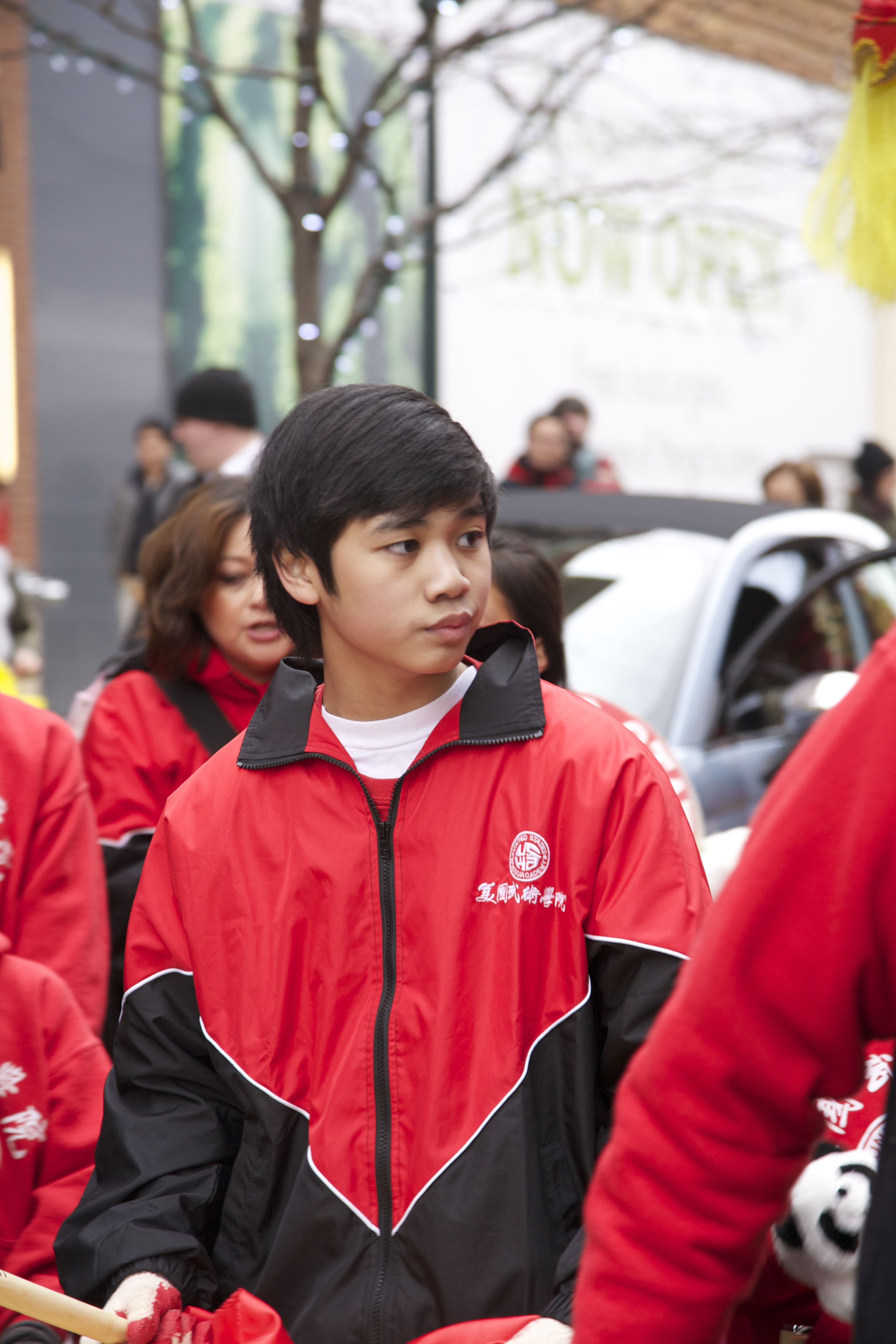
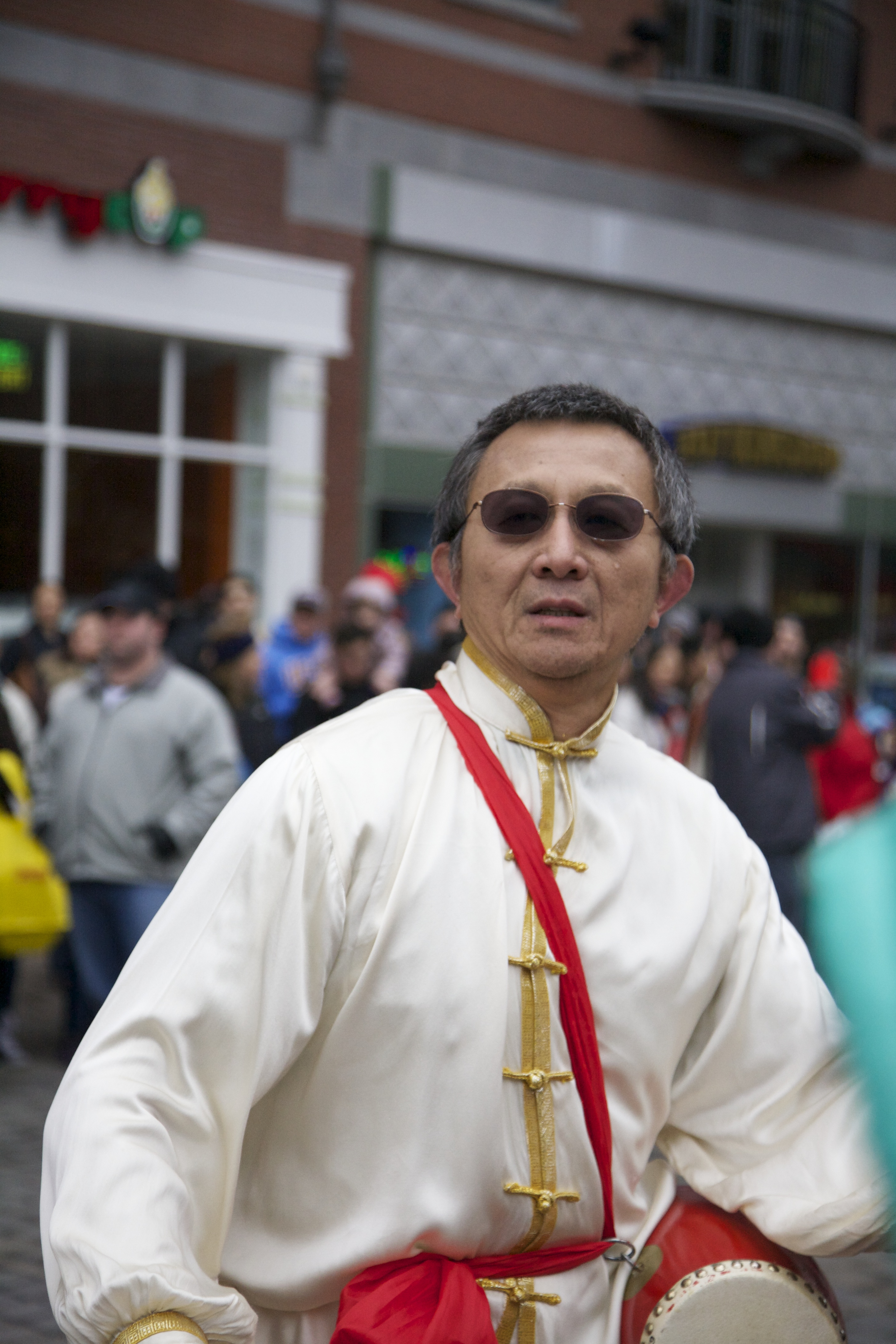
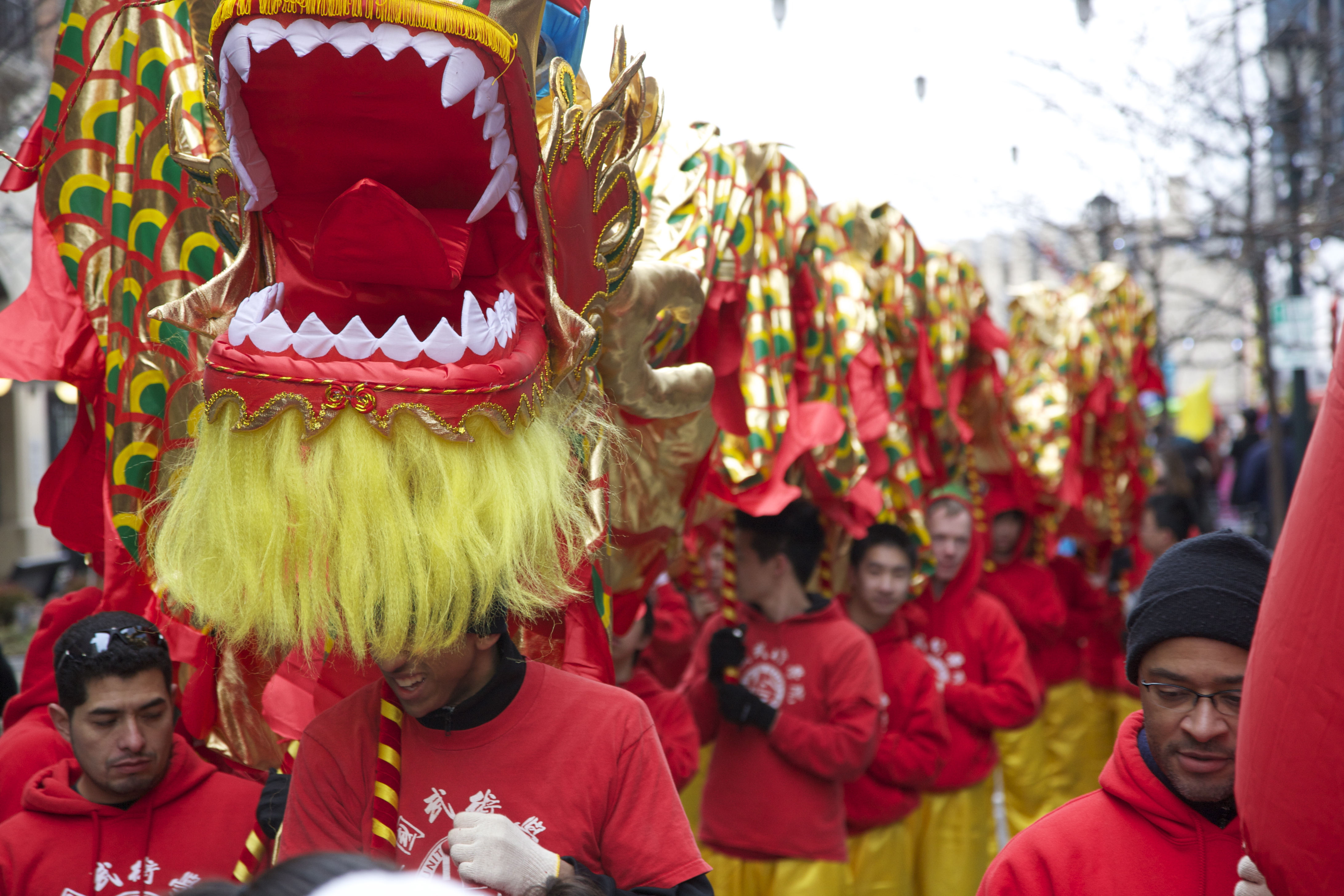
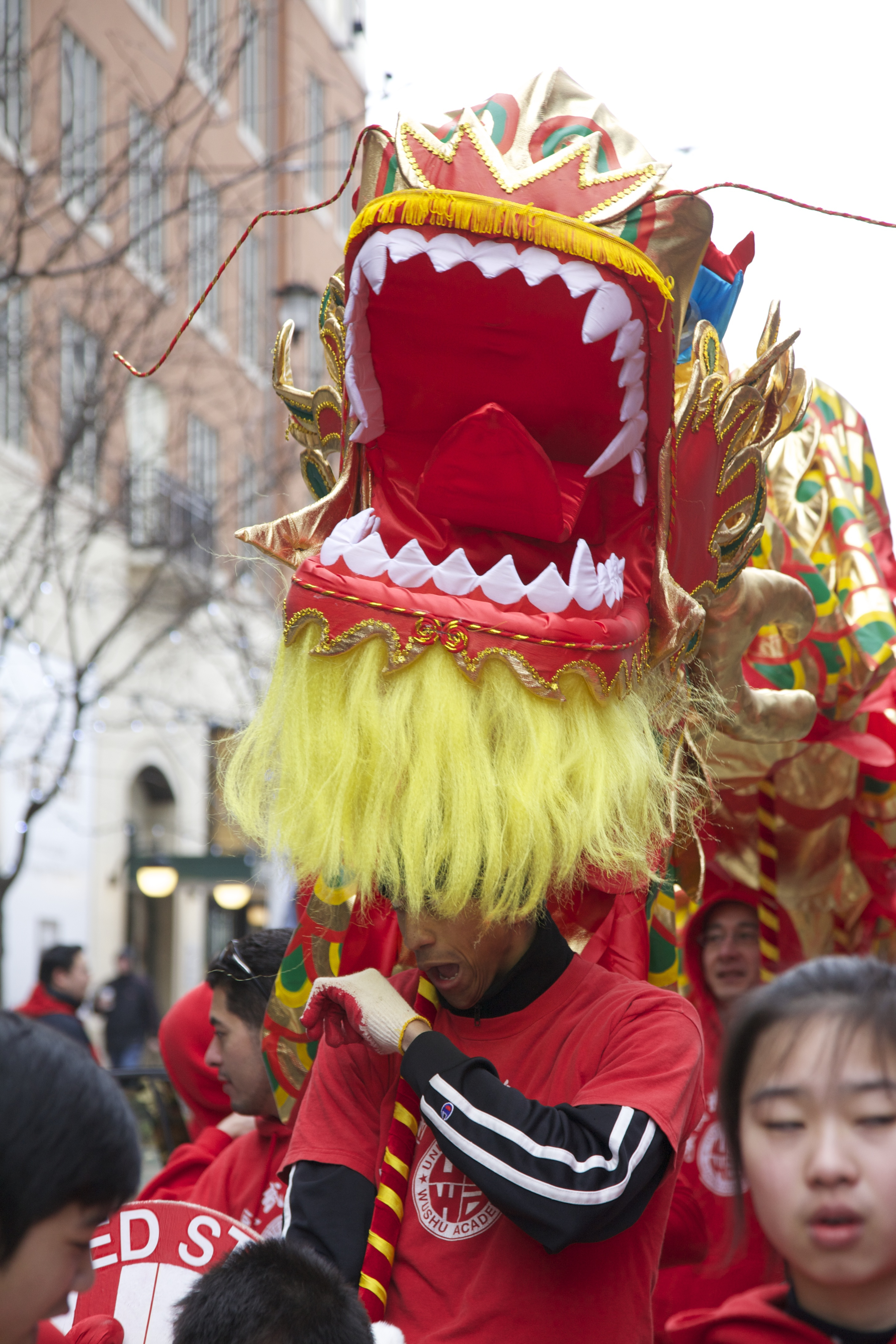
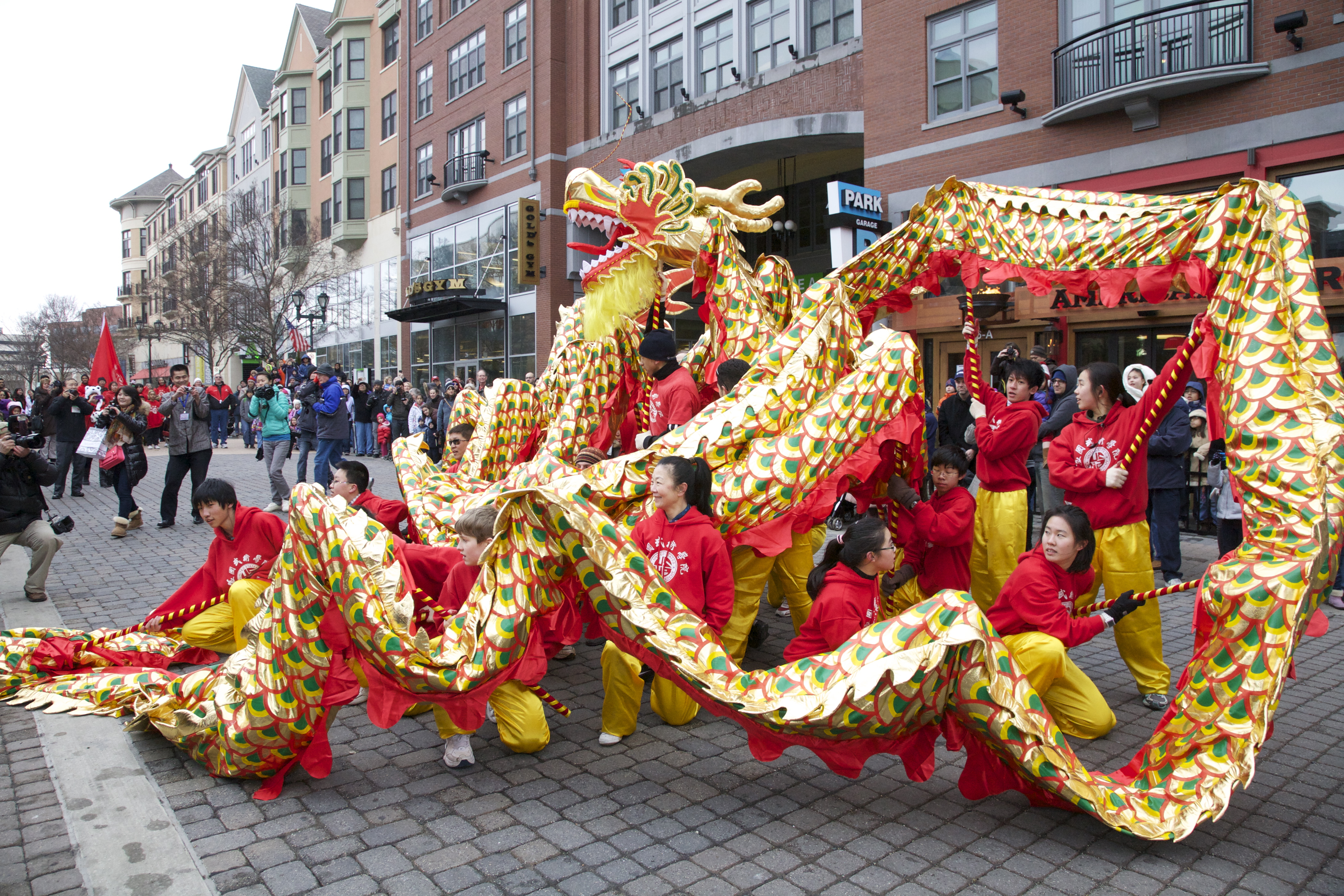
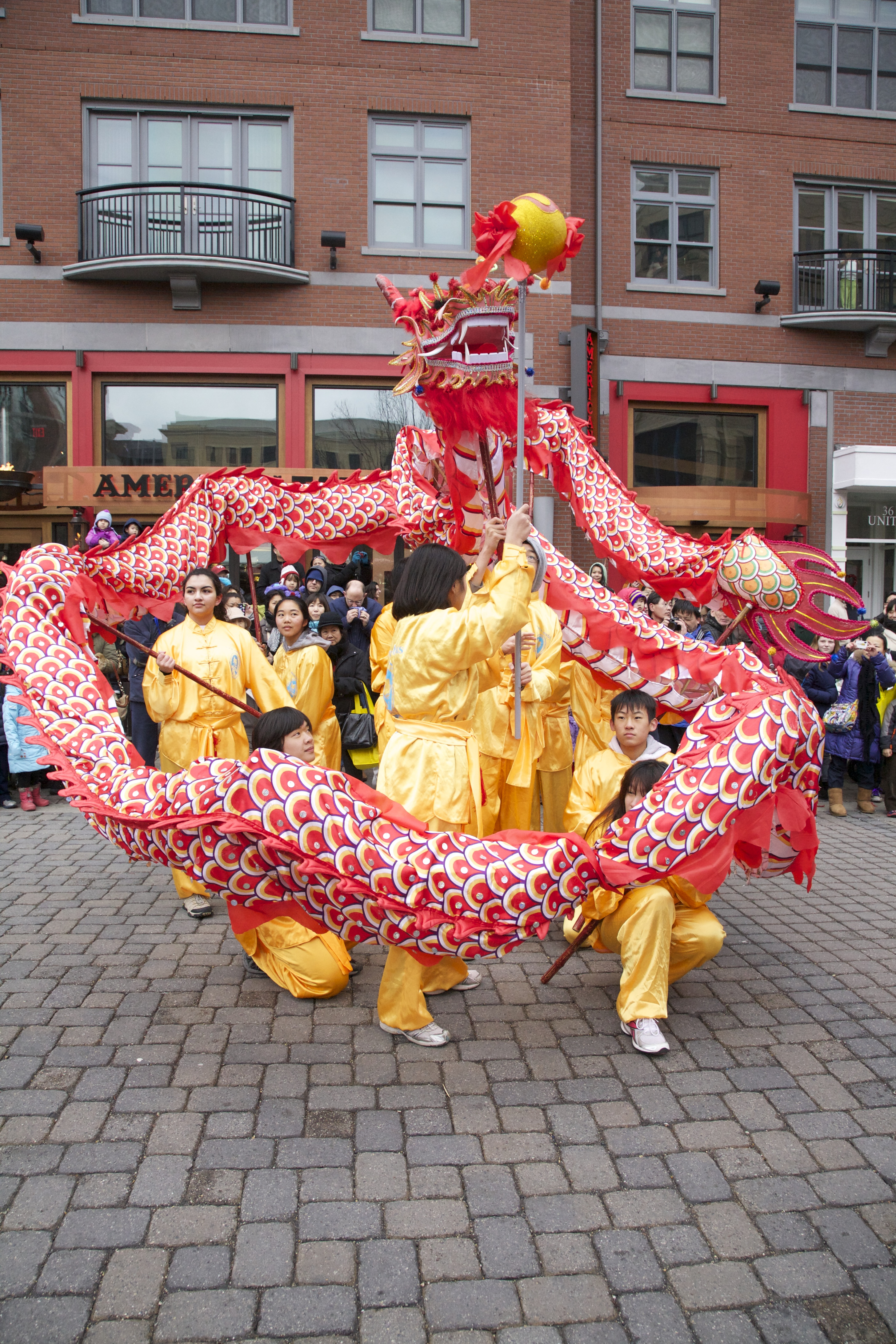
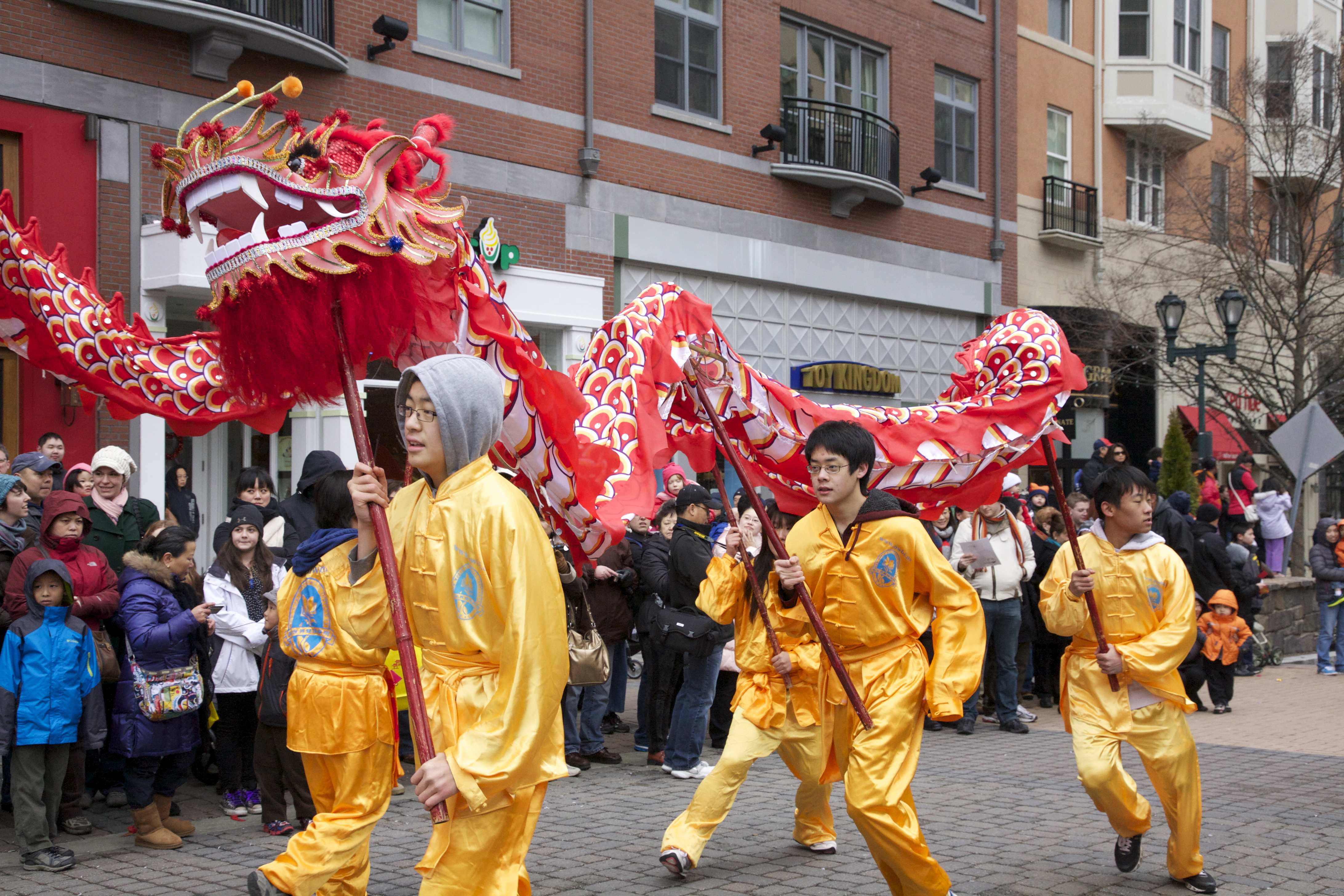
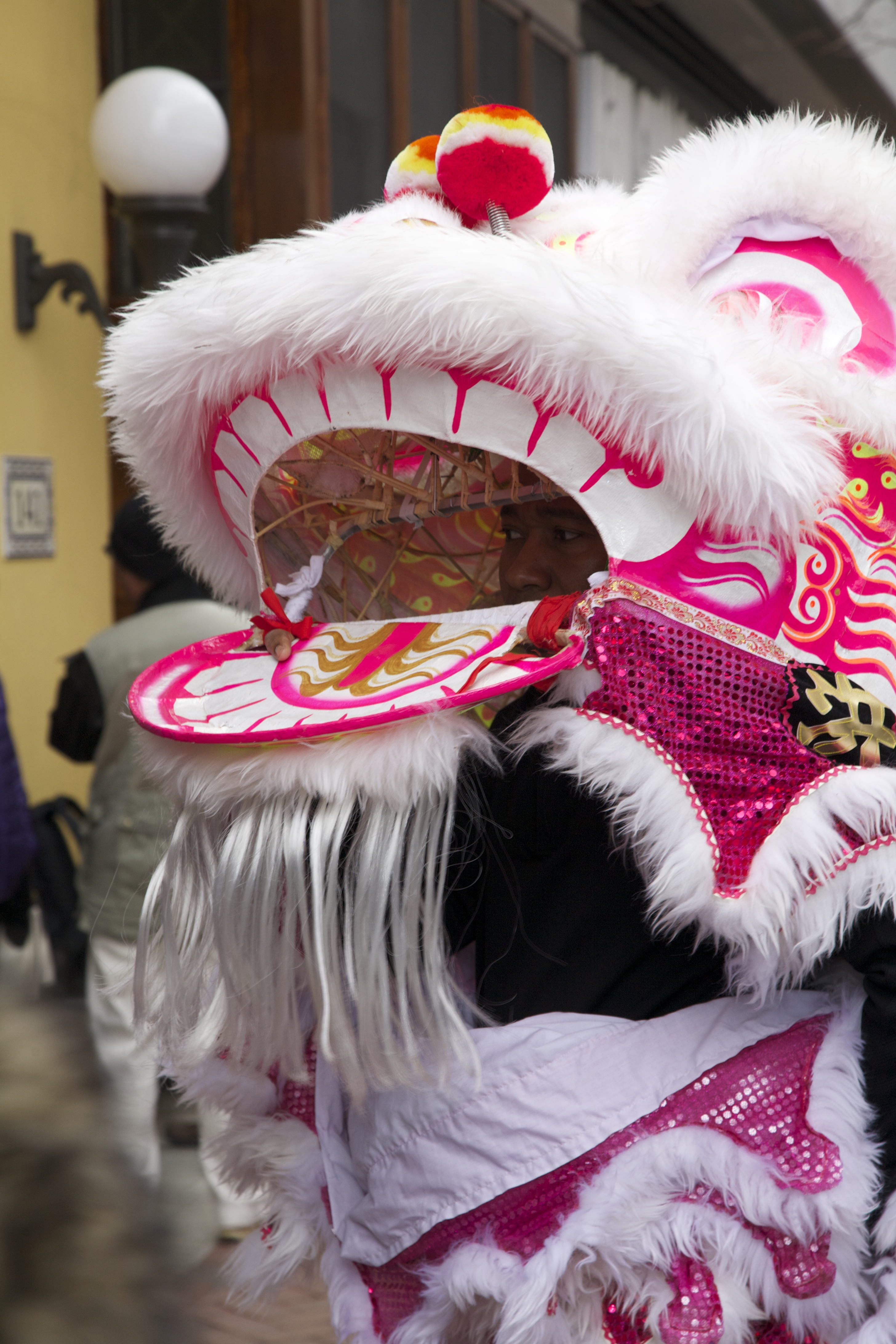
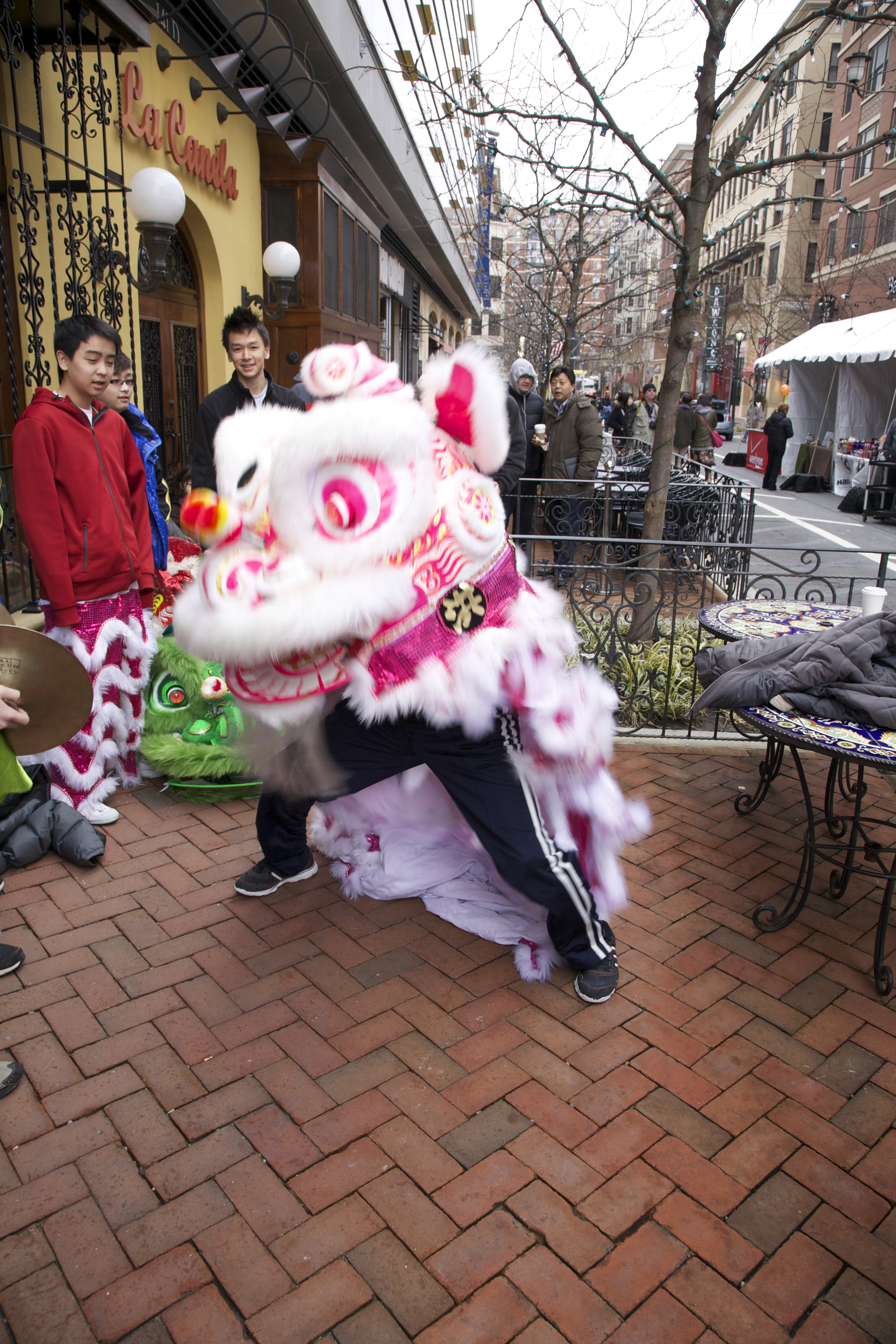
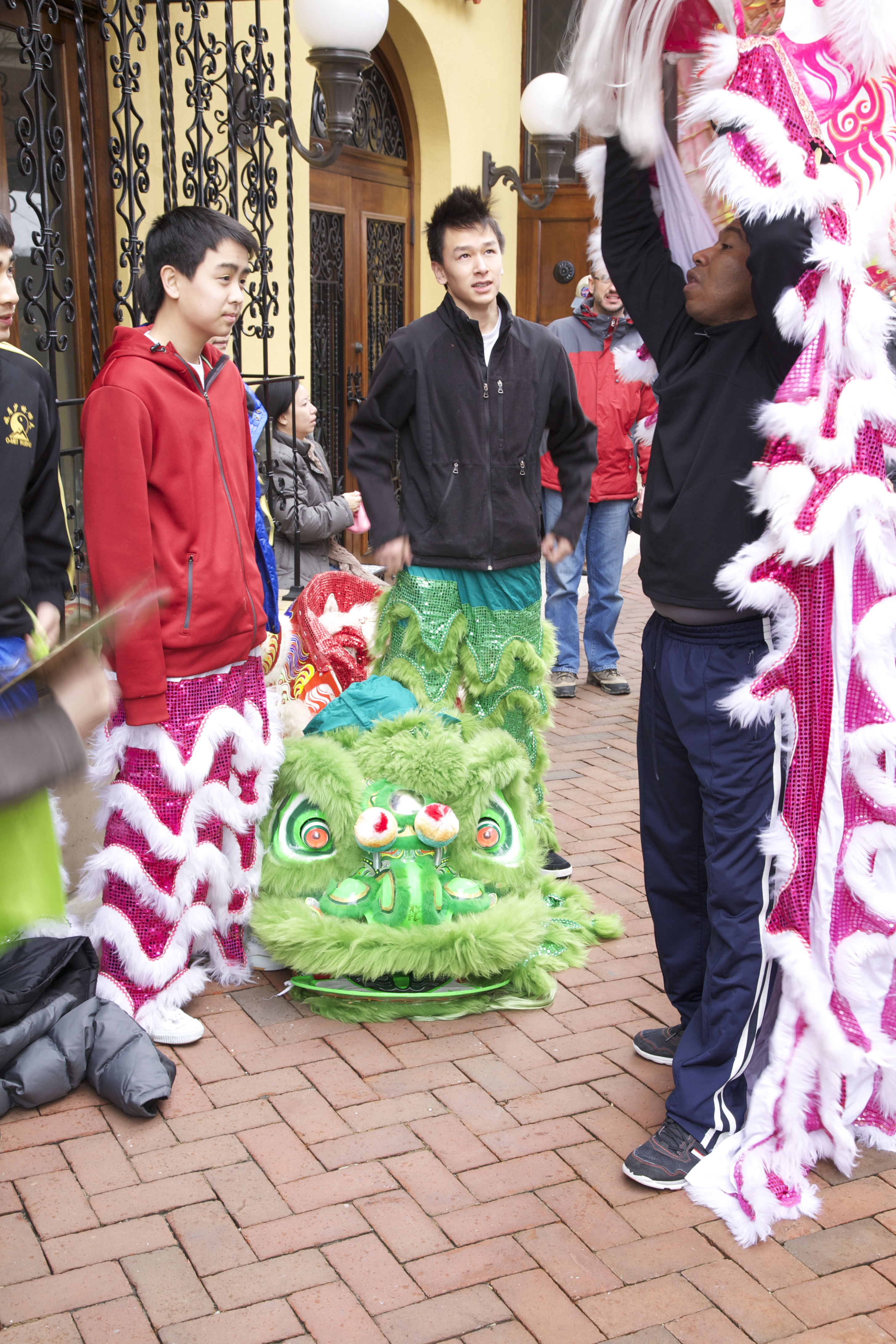
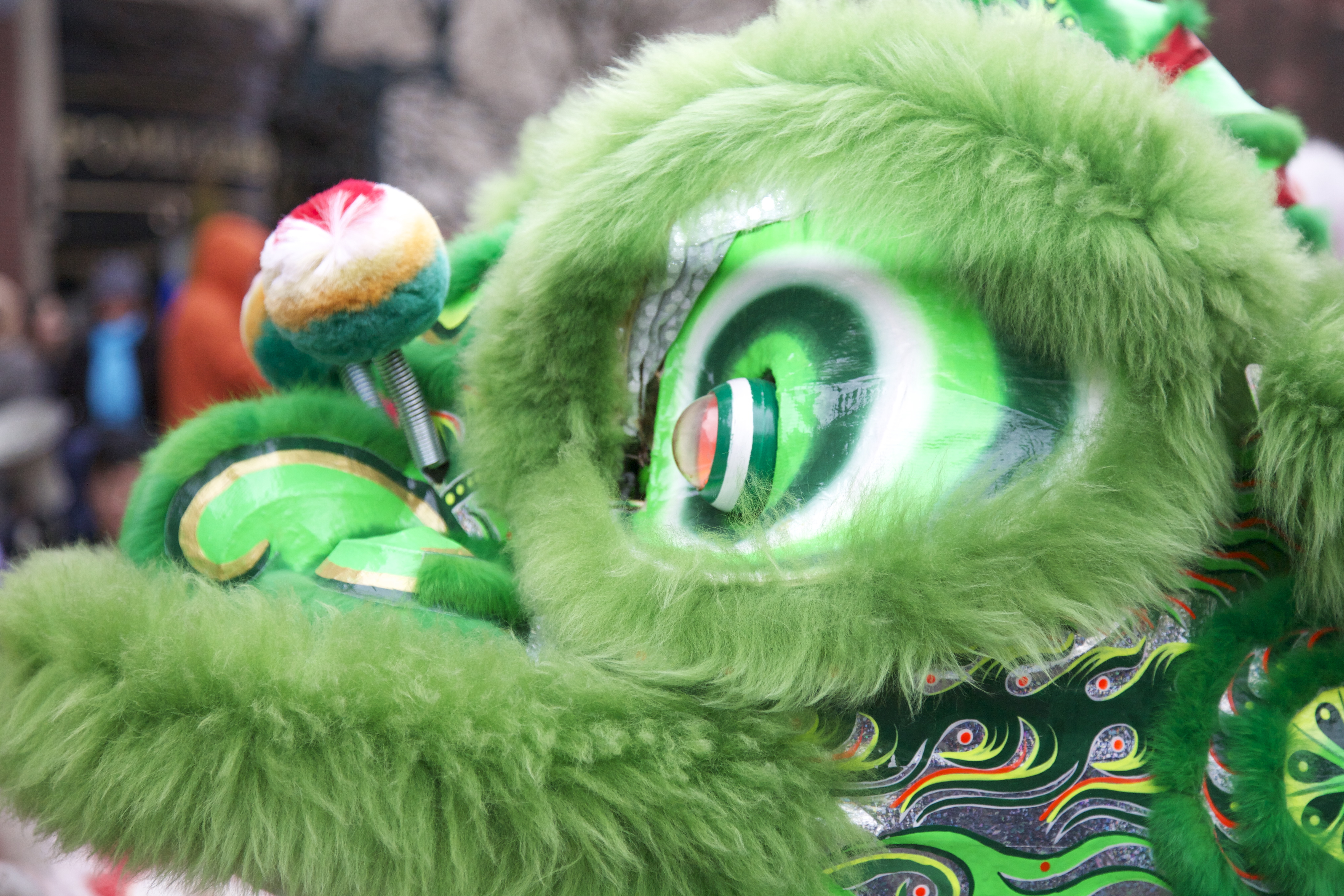
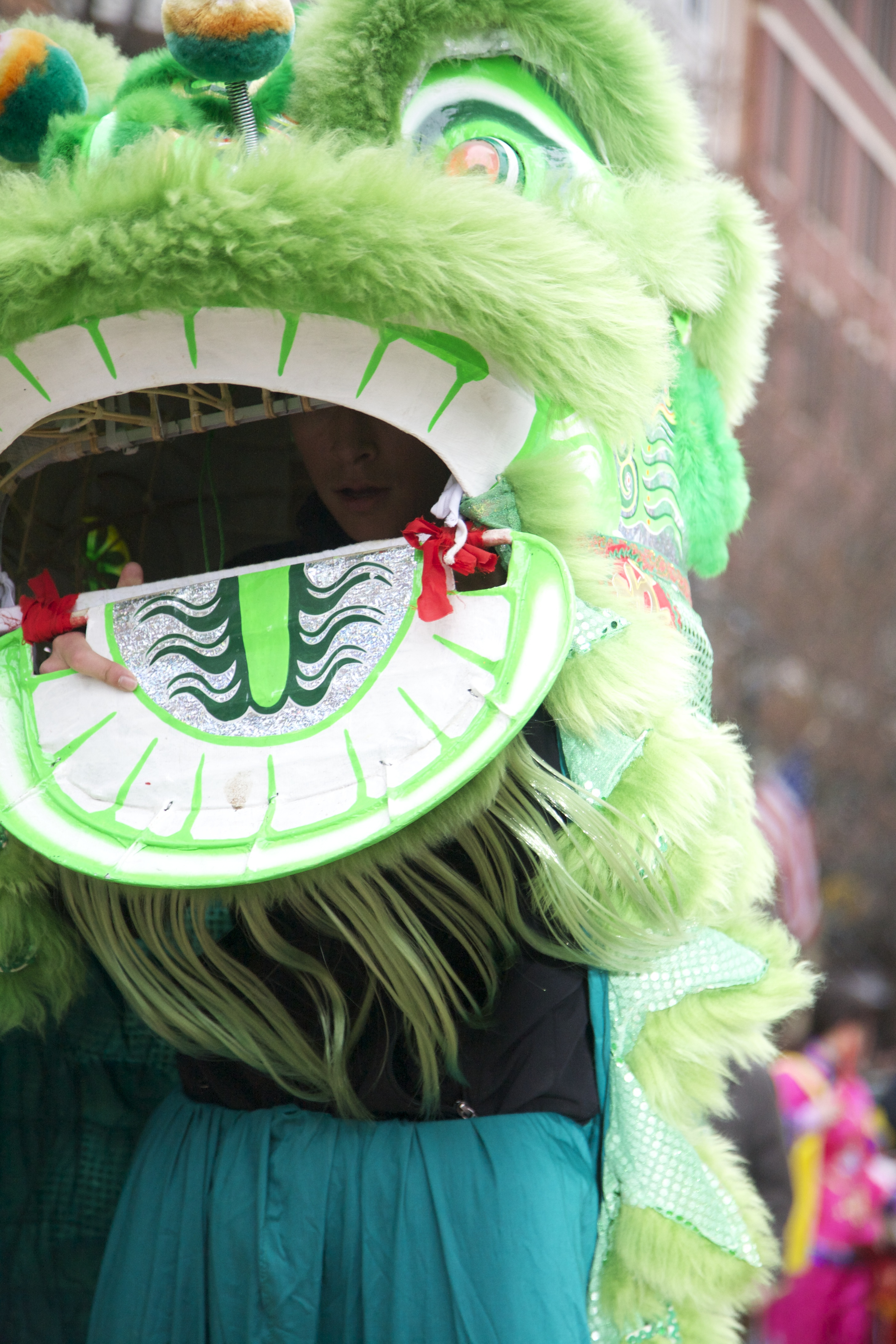
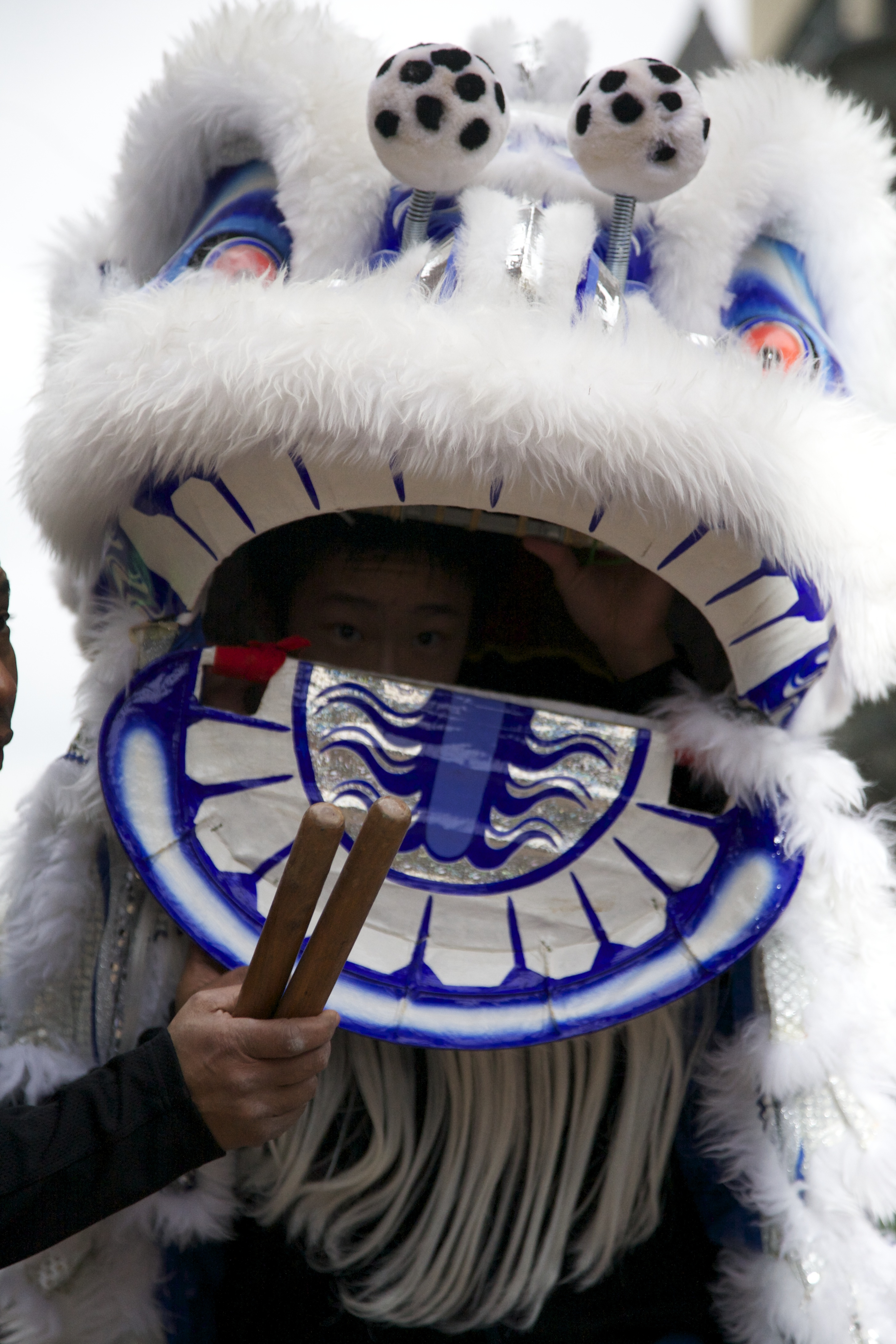
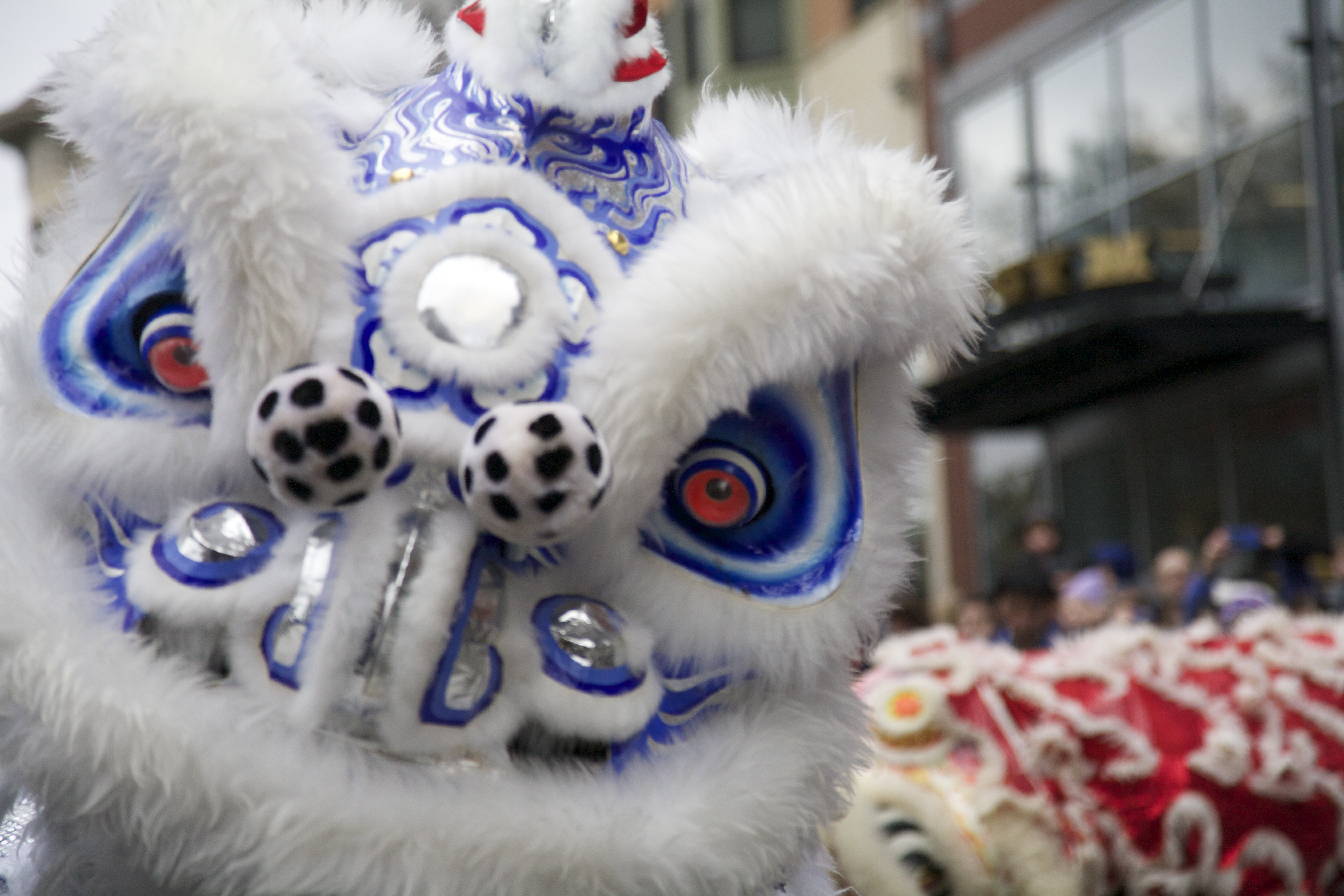
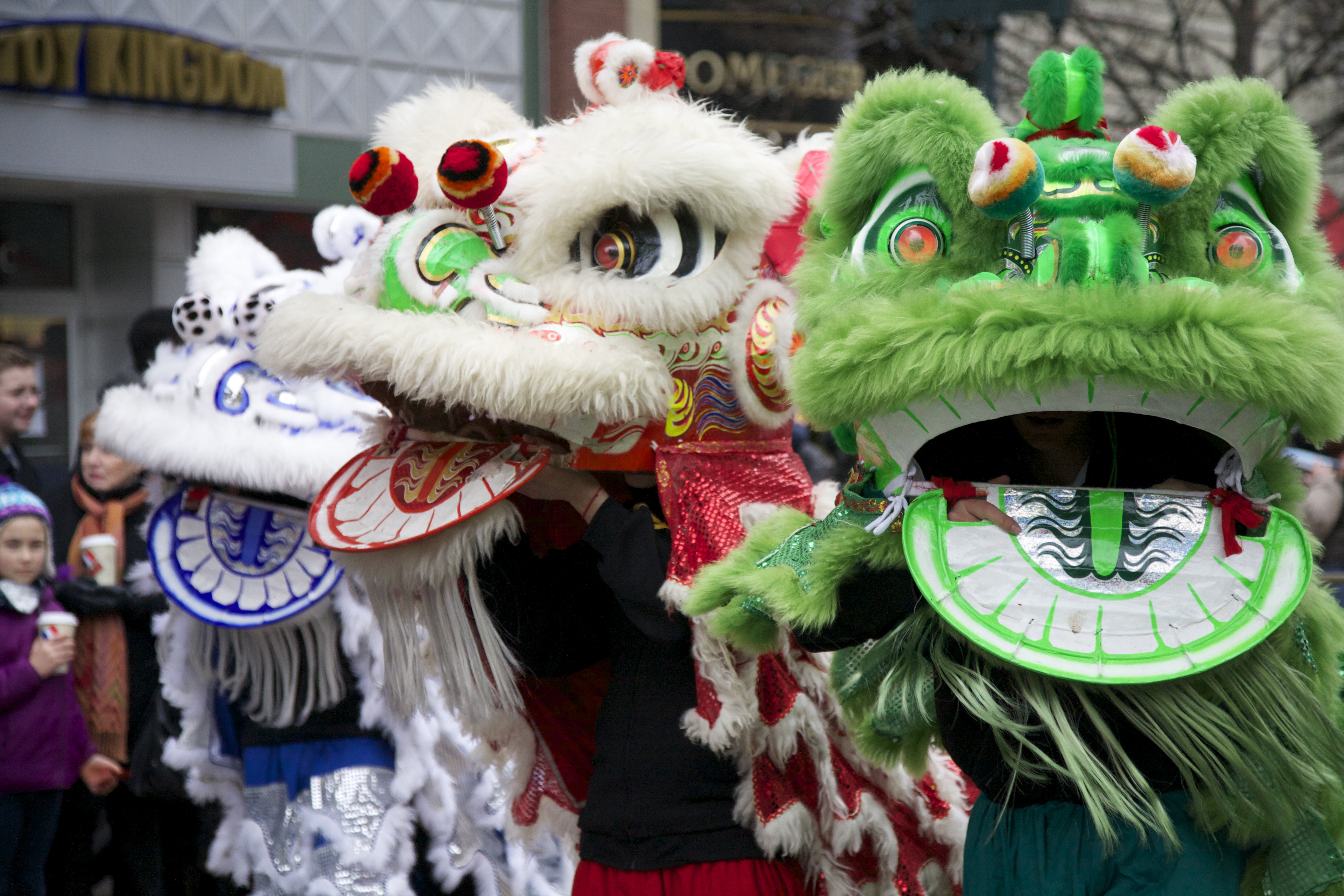
Here are the lion dancers preparing and at work.
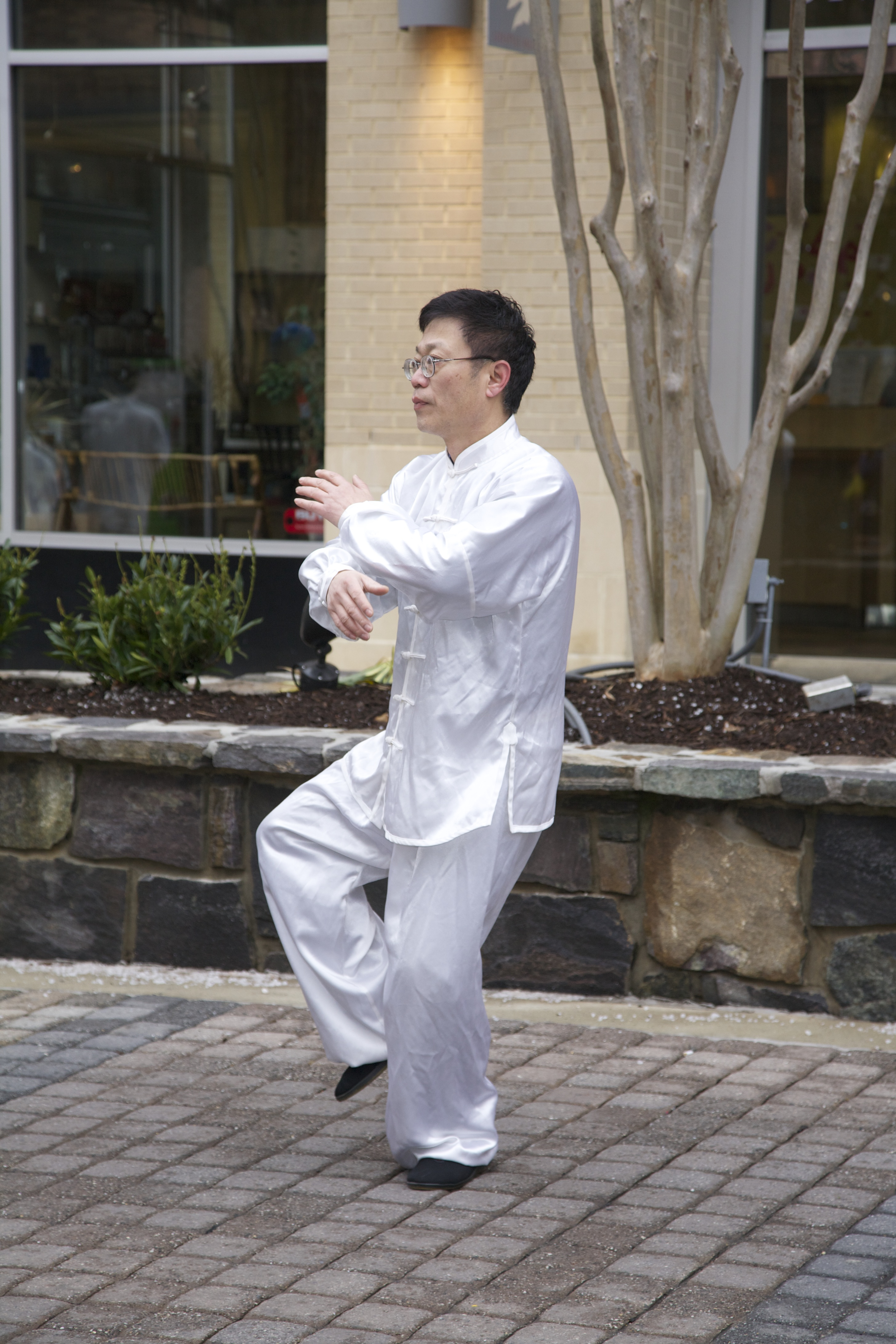
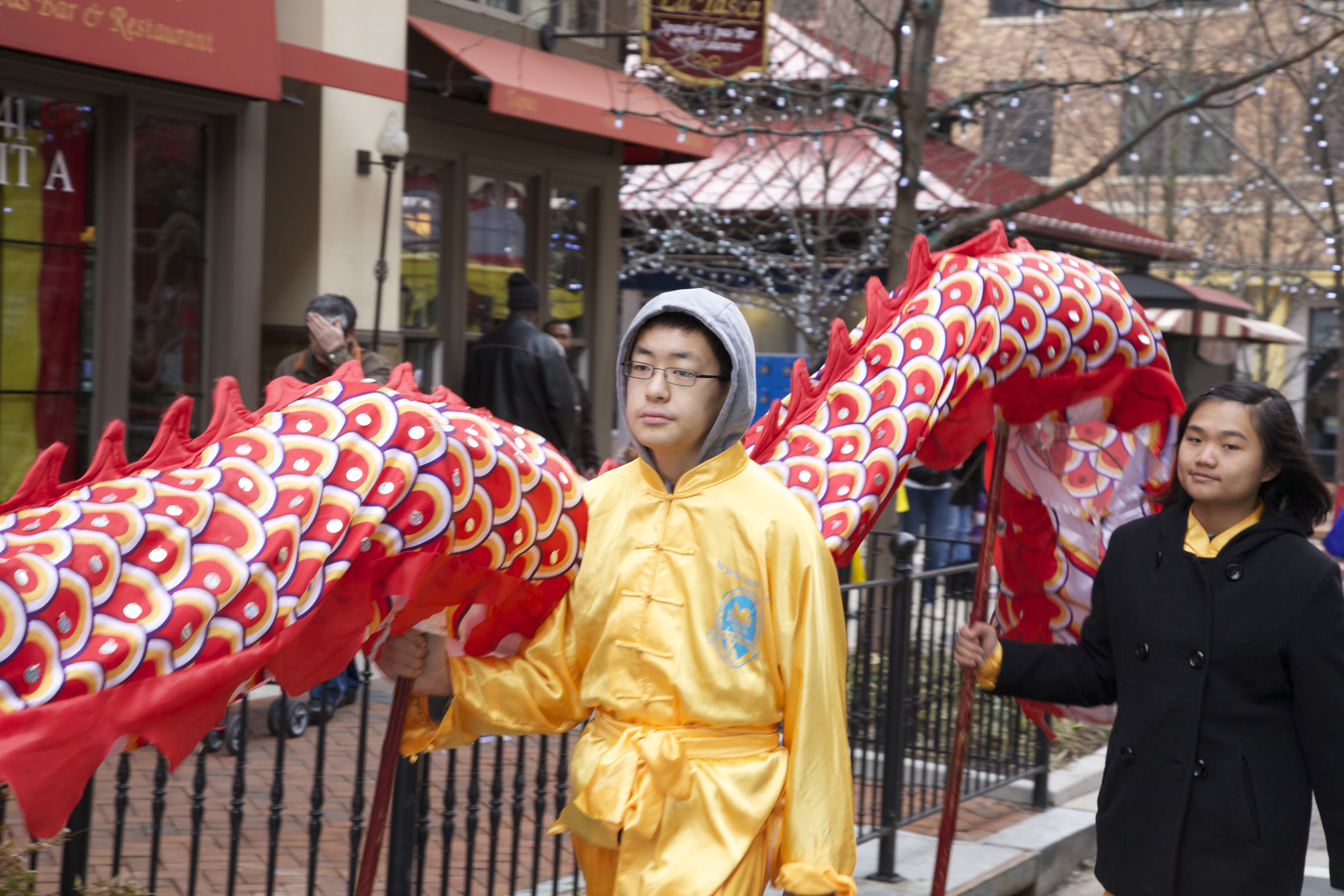
I went to ANOTHER Chinese New Year parade this past weekend, in Rockville, Maryland. Rockville is the county seat of Montgomery County, one of the most prosperous and most ethnically diverse counties in Maryland. They estimate that 17% of Montgomery County’s population is of East/South-East Asian origin, and growing. This is actually one of the new centers of the Asian community in the Washington DC metro area, along with Fairfax and Annandale in Northern Virginia. Although not gigantic, the parade in Rockville was several orders of magnitude larger than the one downtown DC in Chinatown (which is a pale shadow of its former self, now consisting of less than a dozen actual Chinese restaurants, perhaps a handful of other Chinese businesses, and a residential facility for the elderly, plus a bunch of other businesses like Fuddruckers, Comfort One Shoes, Legal Seafoods, a pair of Irish pubs, a Hooters(!!!) and a CVS pharmacy with Chinese-language signage trying to preserve the look of a real Chinatown). The parade was organized by the VisArts art center in Rockville, which is a terrific public/private partnership to make art accessible to the community. Here are a sampling of images from the parade and the crowds watching it.
 dcphotoartist