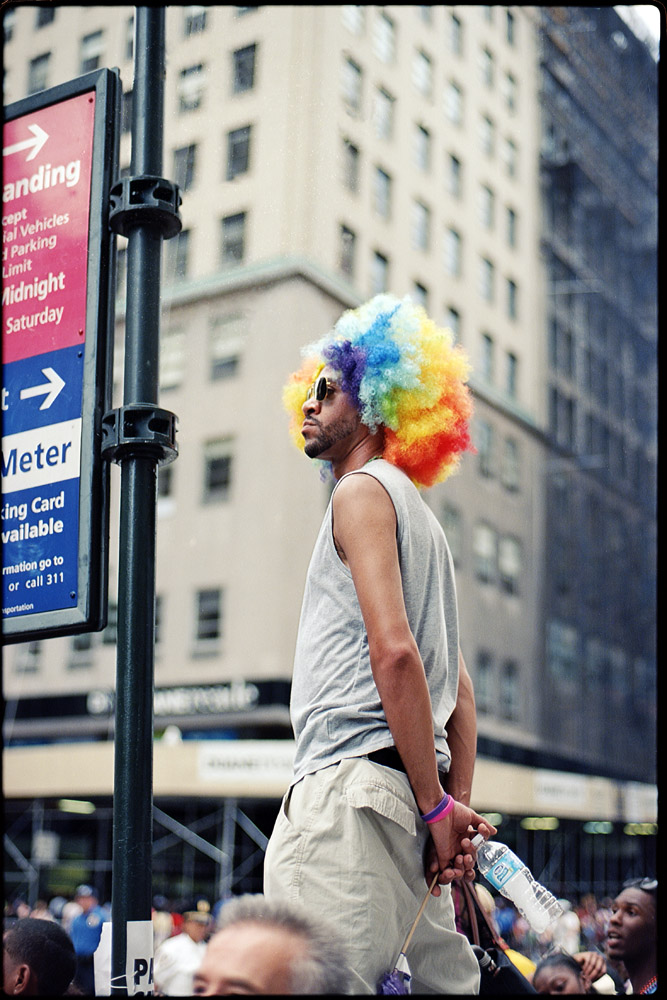
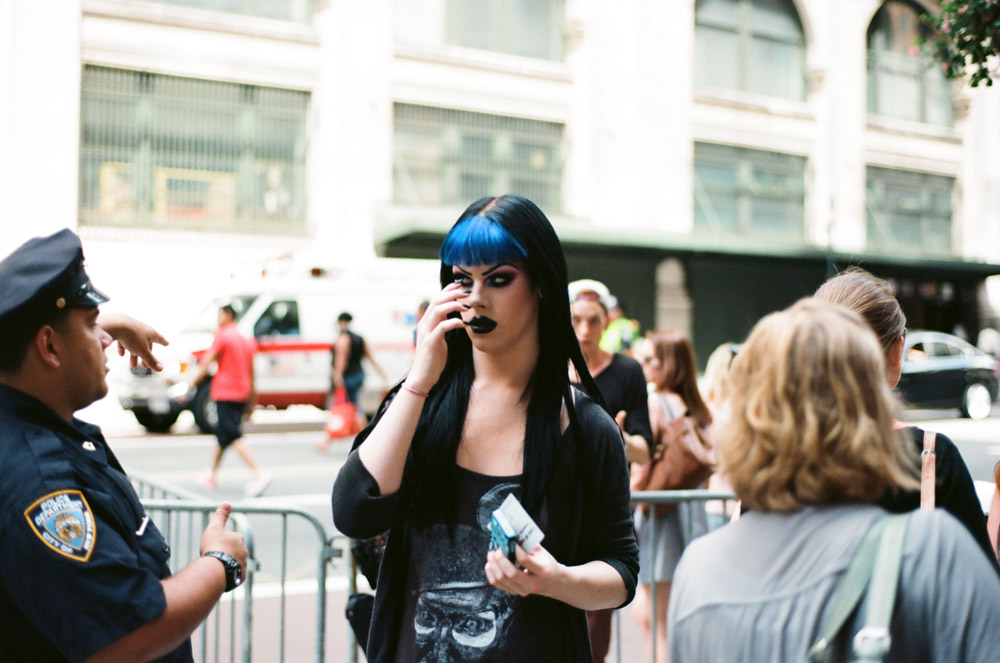
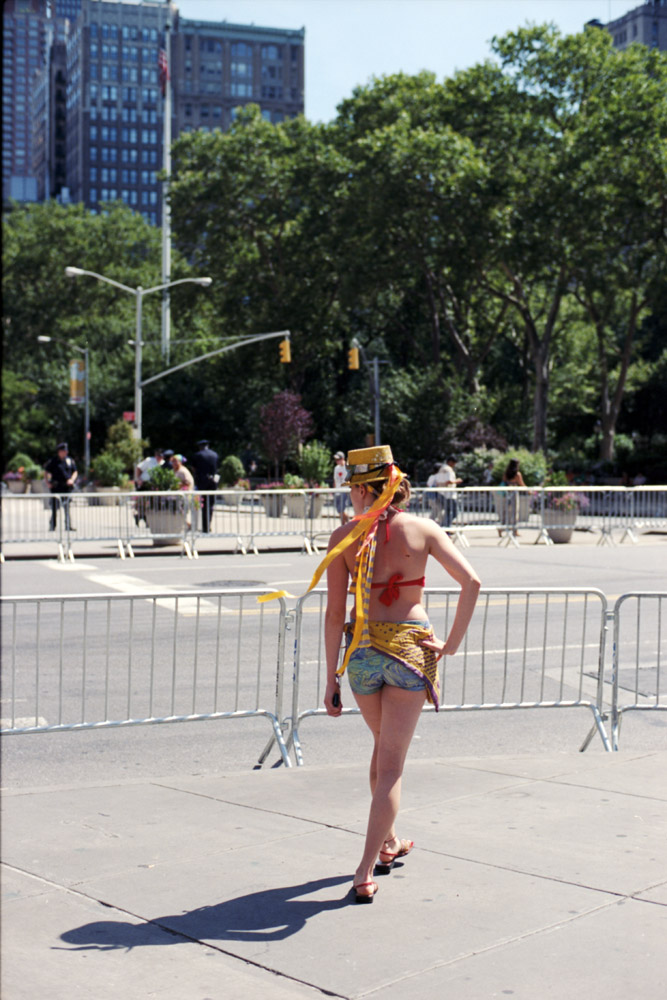
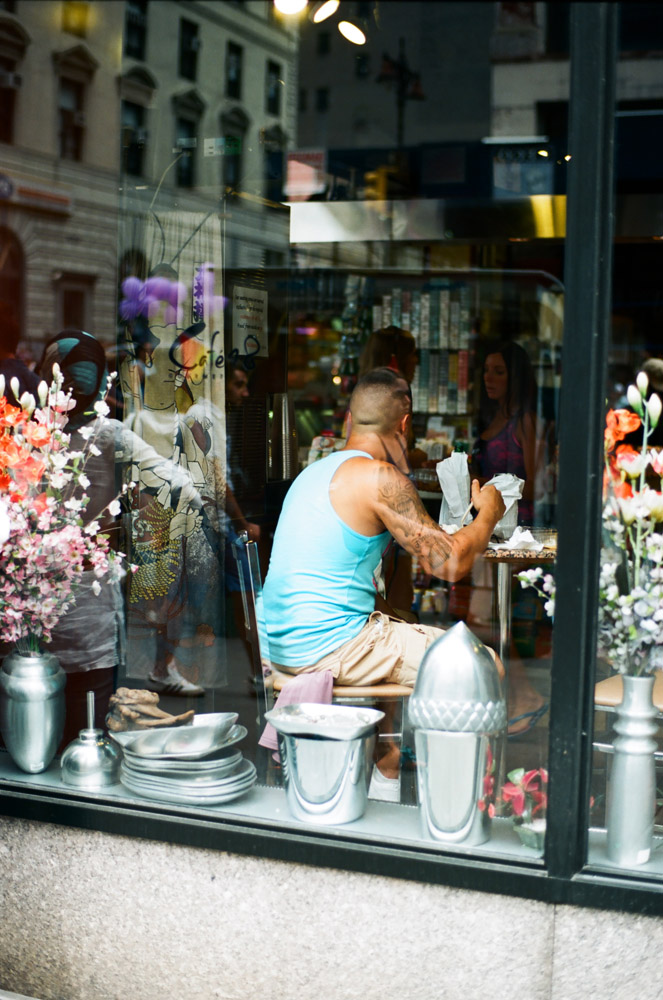
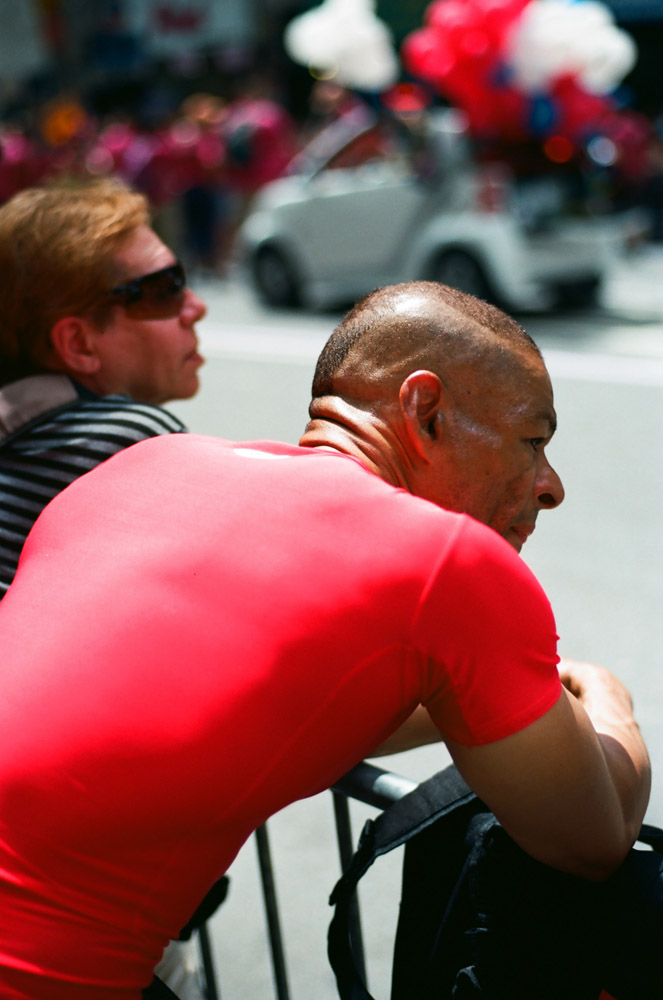
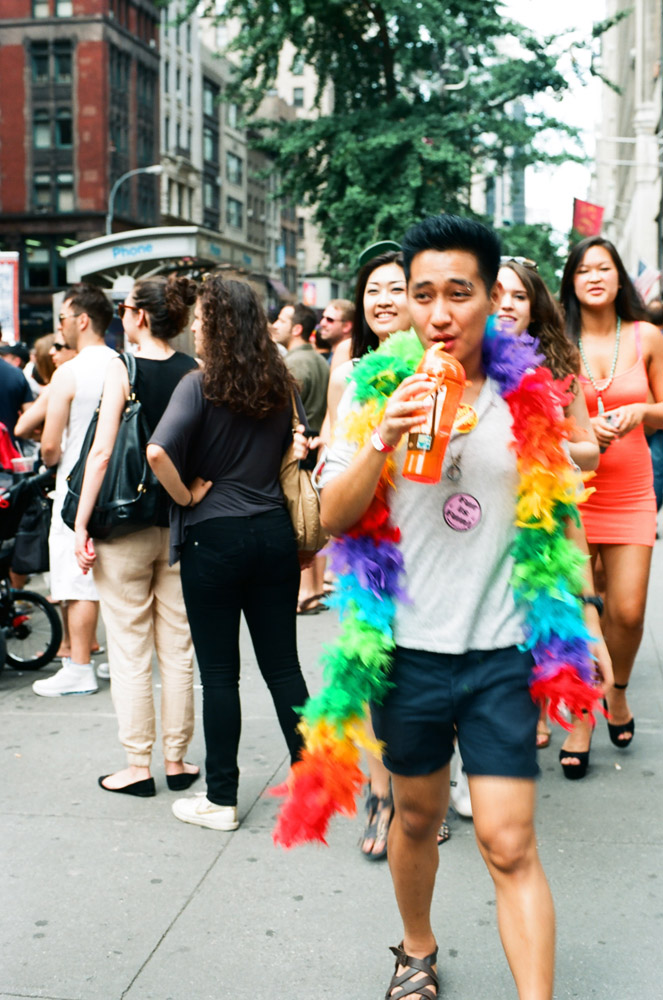
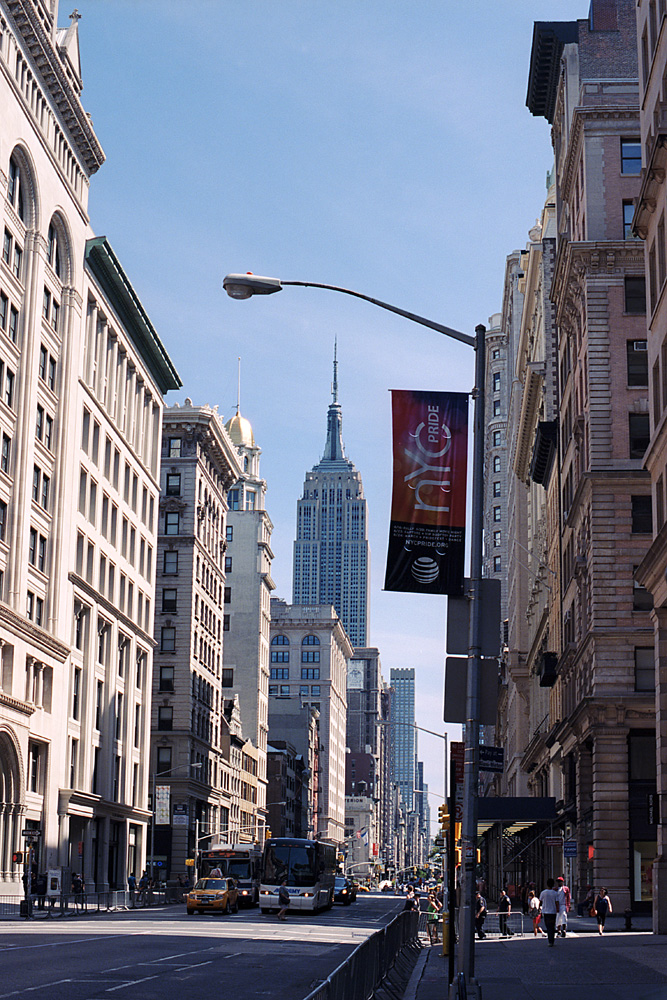
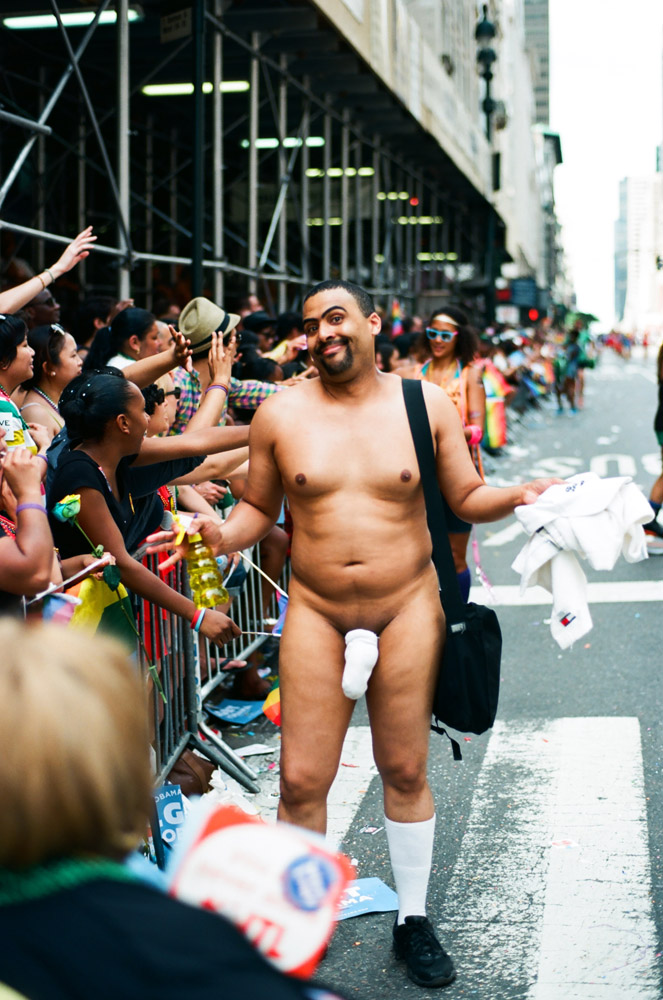
I’m really remiss in posting these, as it’s been three weeks almost since NY Pride. I didn’t post much because I really didn’t shoot much, and only took a cursory glance at the parade because I was tired and ready to go home, what with the bone chip in my right ankle acting up. But here’s a few goodies to sate someone’s curiosity. Unlike DC Pride, I shot these on film (I wanna say Kodak Ektar 100) with my new-to-me Contax RTS III and the 50mm f1.4 Planar lens. It’s not a bad combo for ‘street’ shooting, especially at an event where everyone is some kind of exhibitionist and WANTS to be seen/photographed.
Wearing your Pride, NY Pride 2012Could it be… Elvira?Girl with a fancy hat, NY Pride 2012Through the Cafe Window, NY Pride 2012Red Shirt, NY Pride 2012Asian guy with rainbow boa, NY Pride 2012Empire State Pride, NY 2012
Talk about exhibitionists… someone who really doesn’t care 🙂
The “dick-tater”, NY Pride 2012
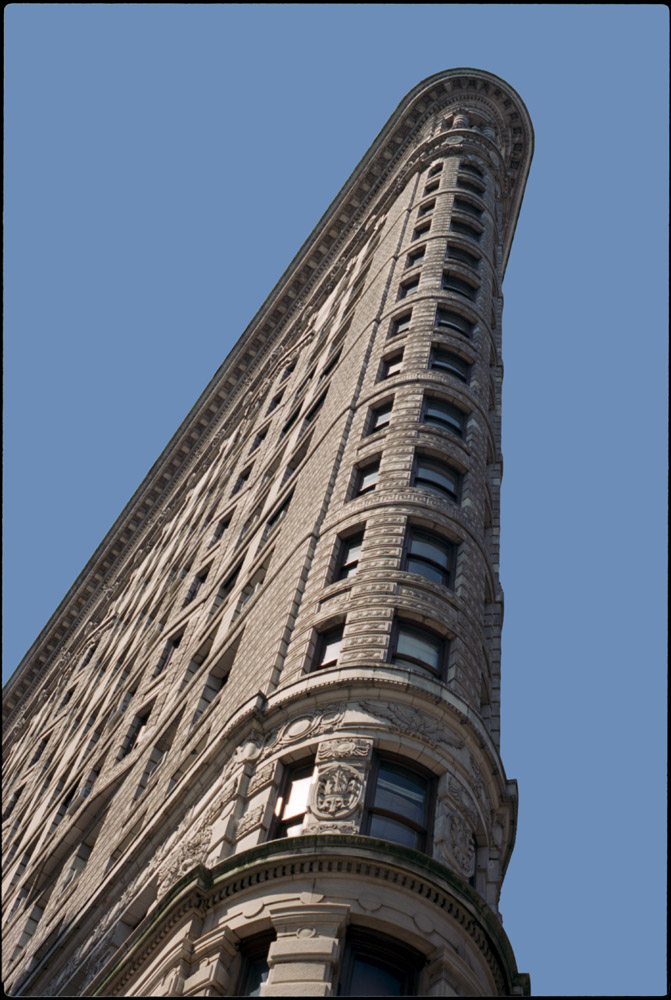
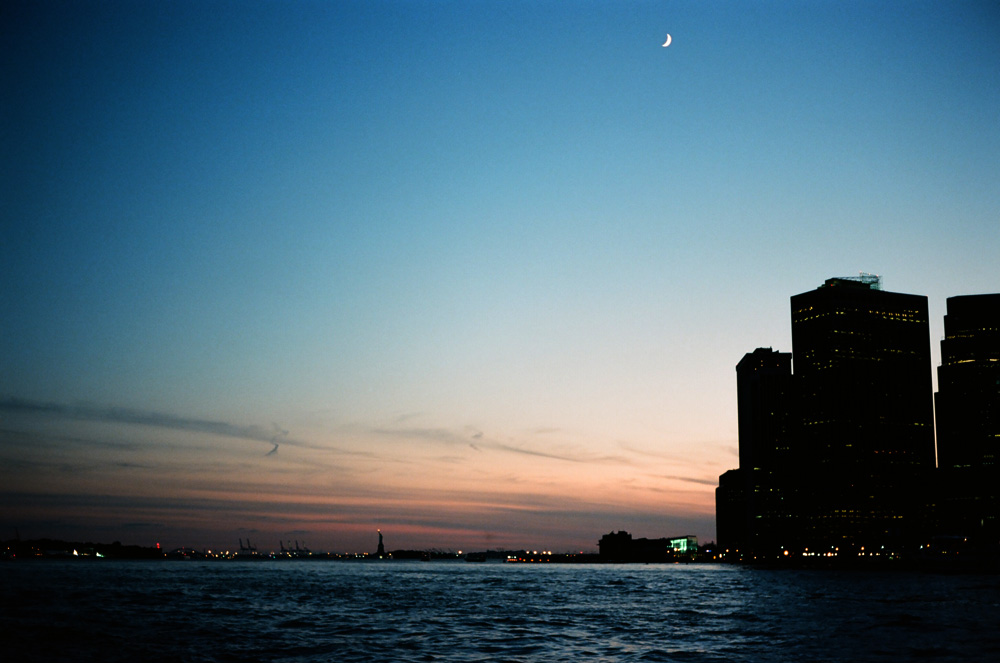
And a couple of generic New York photos, to help clean your brain after seeing that last one…
The Flatiron BuildingNY Harbor – Brooklyn View, with Moon and Statue of Liberty
Back in June, I was up in New York for a quick getaway. While there, I bought a Contax RTS III camera and 50mm lens. I bought the camera for two reasons: a, because I always wanted one and it was a sweetheart of a deal, and b, because I had a project in mind to use it for. I was cleaning out the film fridge in the basement and discovered I had a half-dozen rolls of Kodak b/w Infrared film sitting there. I always liked that film and what it could do, so I thought I’d shoot my remaining stock of it. Turns out, the old HIE was so old that even though it had been refrigerated, it still had horrible base fog. To boot, the older rolls in the batch also had an emulsion coating problem for which the Kodak HIE was infamous – there were pinholes in the emulsion which would lead to black spots in the image. Back in the day, this was an unforgivable flaw as it was really hard to work around when enlarging. Today, not so bad if you scan your film and can fix it in Photoshop, a pixel at a time if need be. So now it’s not unforgivable, just really annoying. Between the two problems, I decided to forego the Kodak, but I still had the jones on for doing some infrared again.
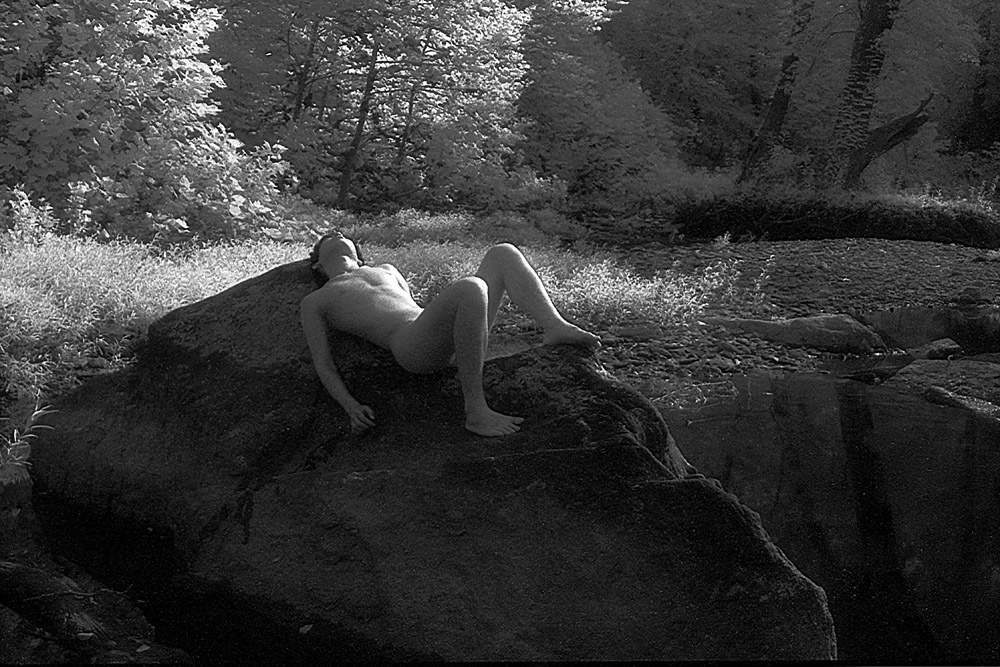
Efke, an eastern european film manufacturer, still produces an infrared film, with much finer grain than the Kodak had. The downside is that this film is EXTREMELY slow – box speed without a filter is ISO 100. Manual exposure calculation after factoring in the filter puts it around ISO 1. Yes, that’s right. ISO 1. So you should base your exposures on 1 second at f16 in full sunlight. I decided I’d give it a try anyway. Efke makes two versions of their infrared film – 820c and 820c Aura. Allegedly the Aura version has no anti-halation coating so you in theory get the infrared “glow”. I don’t know if there really is a difference in the final results, but I shot this on Aura just in case. To gain maximum infrared effect with this film, I used a Hoya RM72 filter, which is a very deep red filter, almost opaque, and it blocks most of the visible light from recording on film. The results were hit and miss – I chanced it and let the camera meter through the filter, so sometimes I got useable exposures, and sometimes I got bubkes. Here are the best two from the shoot.
Eliot K, Rock, Potomac RiverEliot K, Reclining, Potomac River
I want to give a big thanks to my model, who goes by Eliot K as his professional name on Model Mayhem. He was a real trooper, getting up at 7 AM to get out along the Potomac and shoot while the air was relatively cool (under 90 degrees – this was a real scorcher of a heat wave, with the actual air temperature reaching 98-100 and the heat index putting it up over 102-104 for the high) and the light was rich in infrared. He had the great idea to pack along a cooler with ice and bottled water for us, and it was a life-saver. He also had no problem at least attempting whatever pose I tried to put him in, and never fussed about getting in the river or standing in a bunch of plants, so long as there was no poison ivy (and I know what poison ivy looks like, so that was an easy one to solve).
For those who aren’t familiar with infrared photography, what we’re talking about here is not thermal photography like the night-vision stuff you see in TV and movies. This is photography that is still based on reflected LIGHT – not heat. Infrared photography works with the near-infrared portion of the visible light spectrum, just beyond what your eye can see. You need a specialized red filter to record only the near-infrared portion of the spectrum being reflected by your subject. Otherwise, you’ve just bought some really expensive but otherwise unremarkable black-and-white film. You CAN duplicate this with digital today, but the downside is that in order to do so, you have to permanently alter your camera to shoot infrared, at which point it becomes a dedicated IR camera.
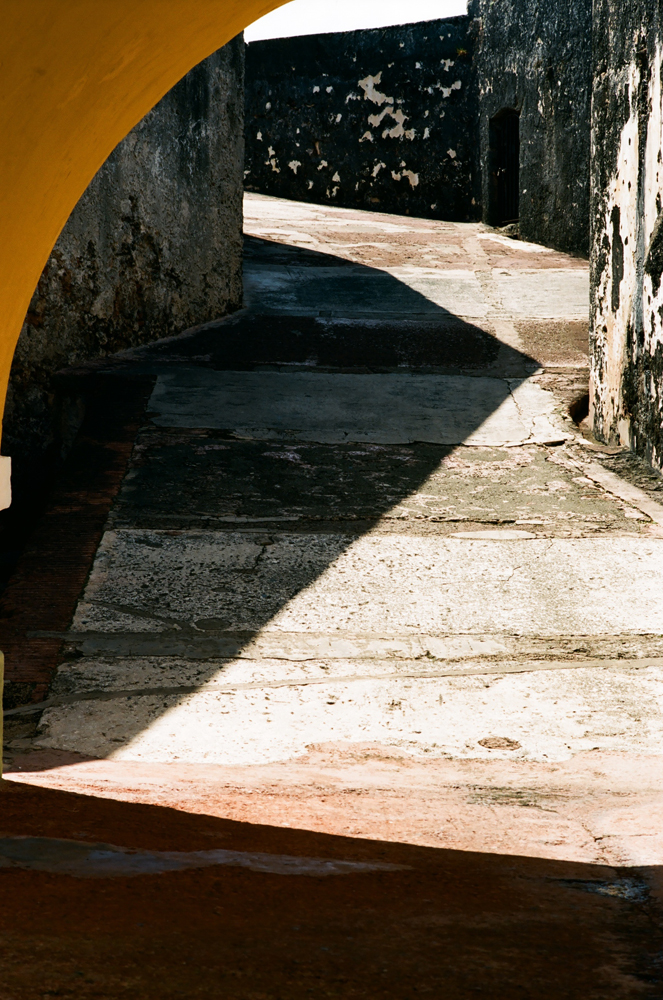
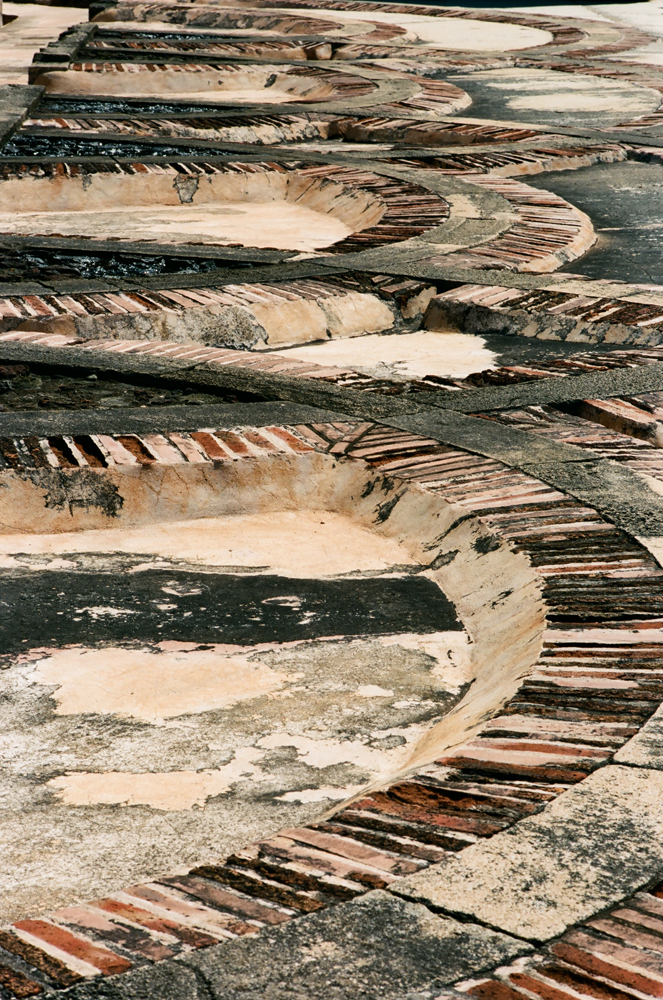
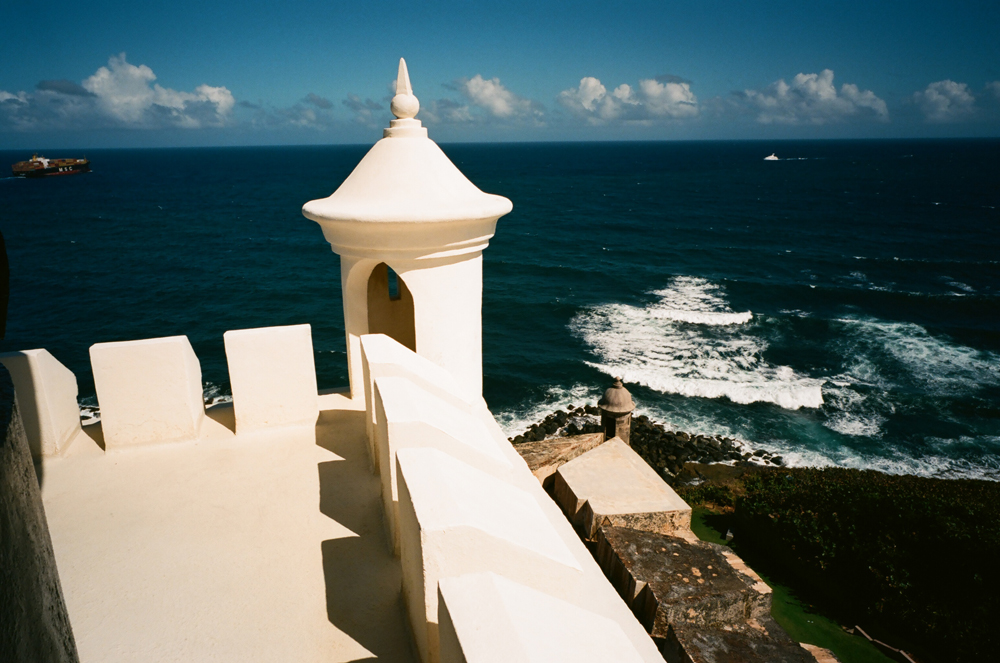
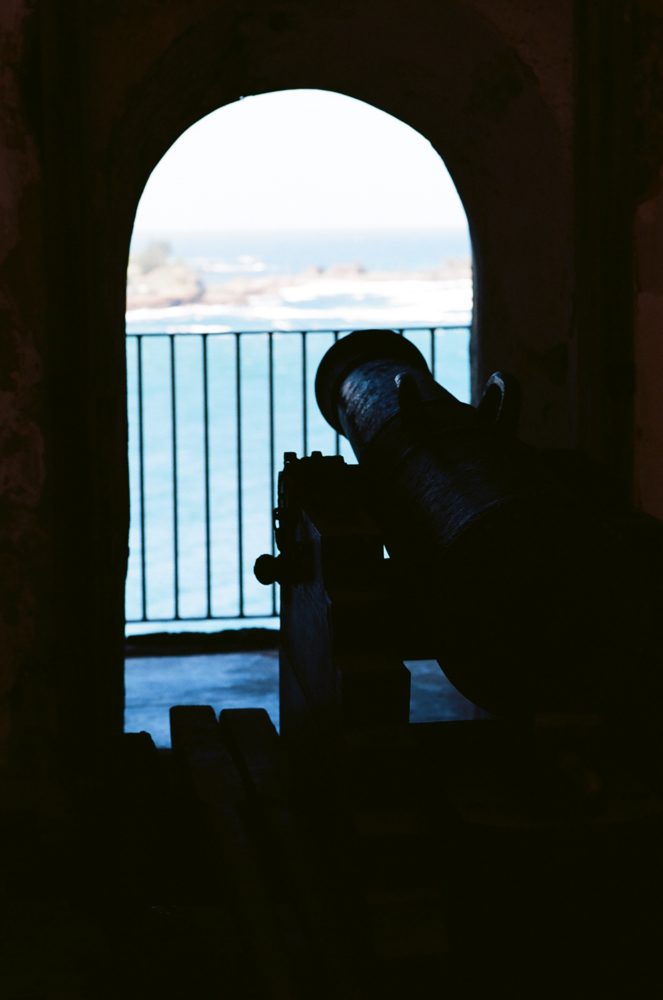
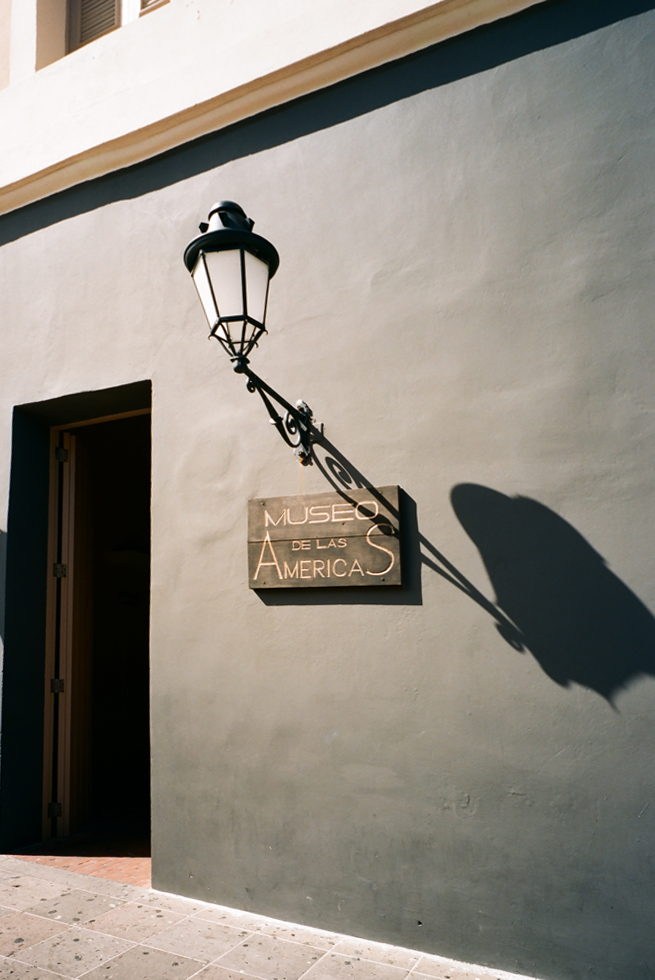
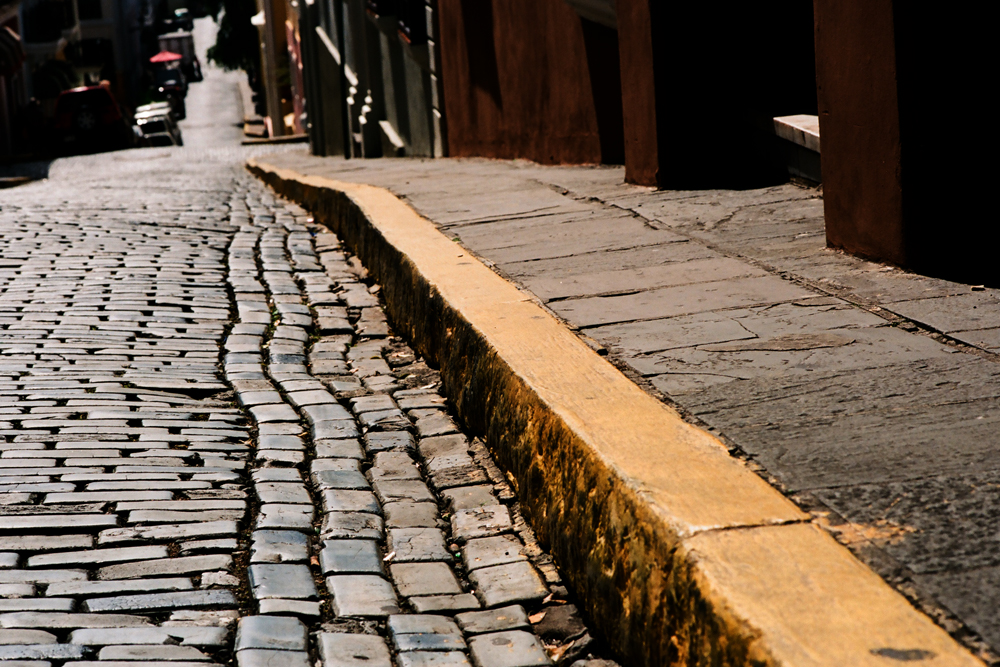
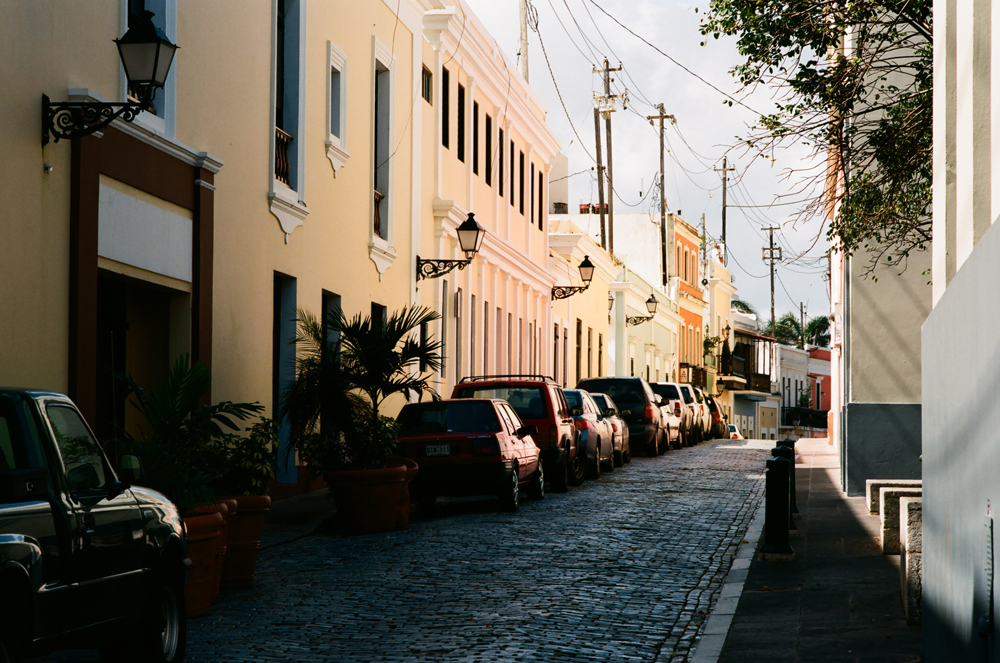
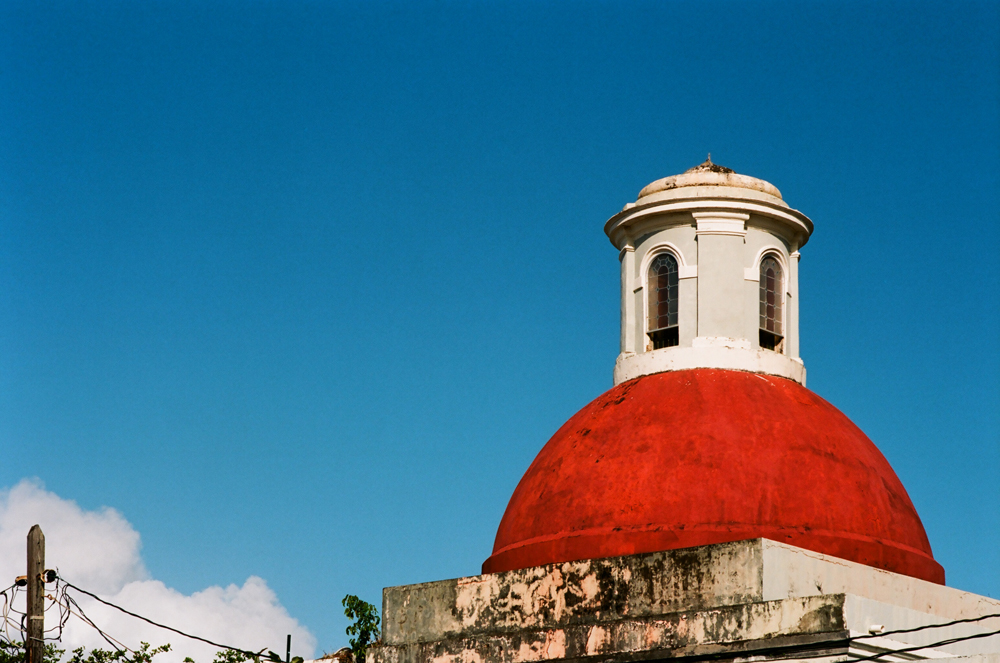
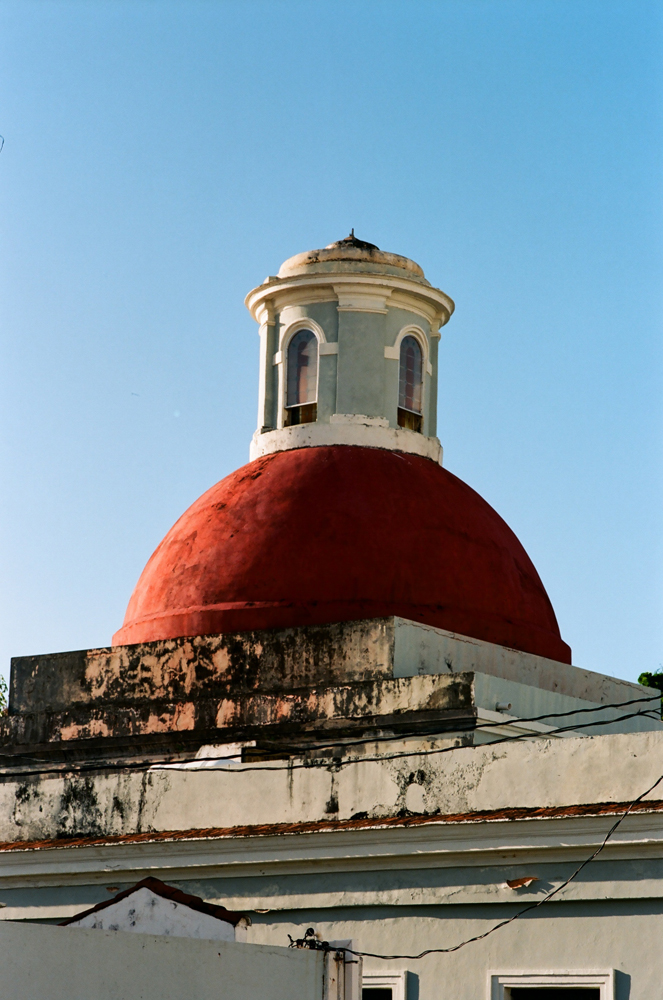
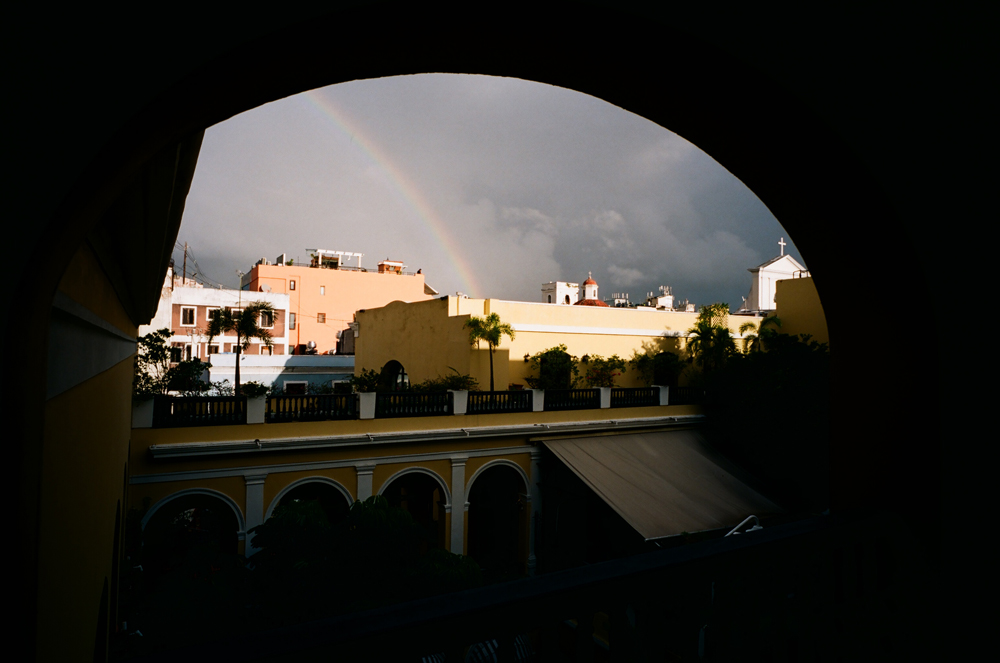
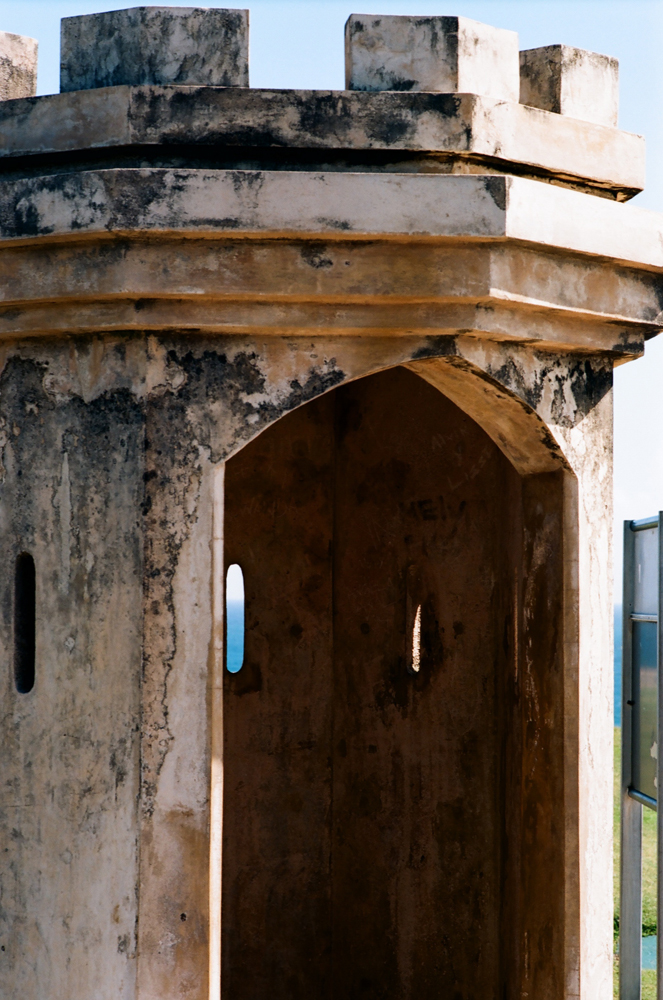
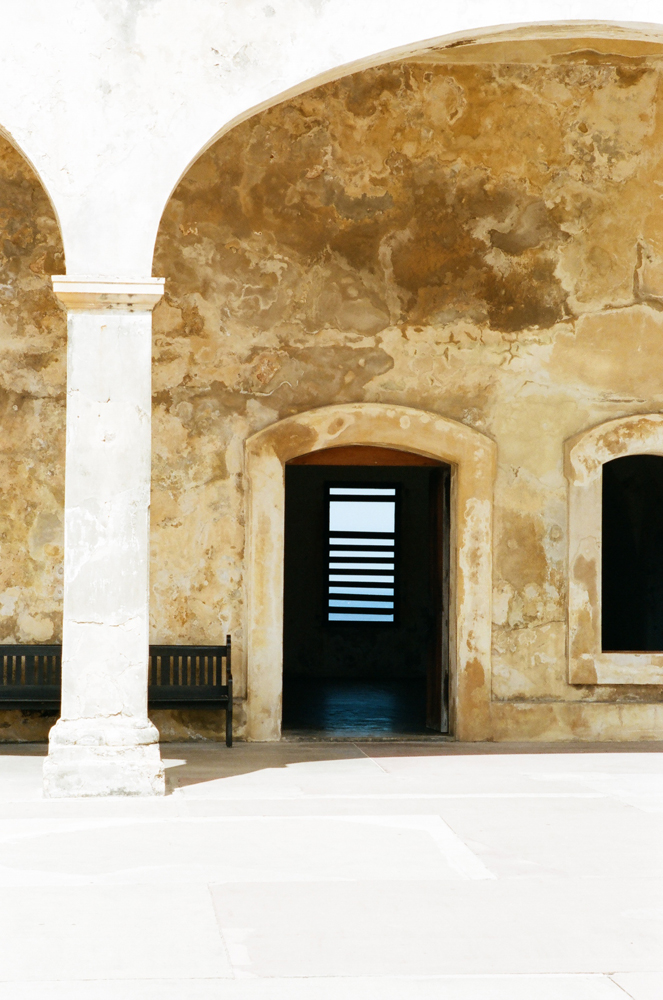
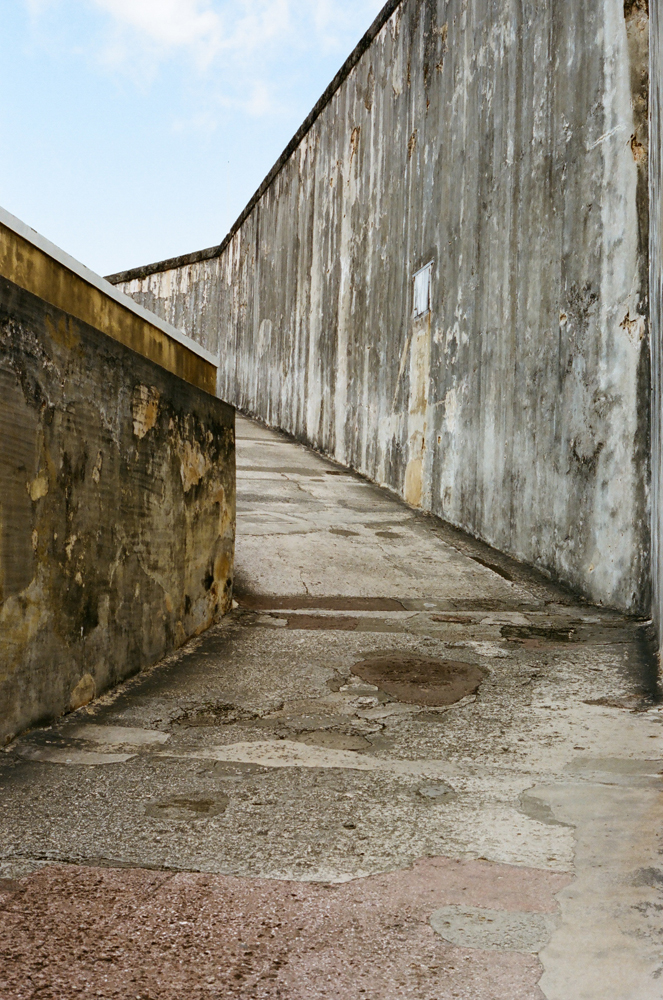
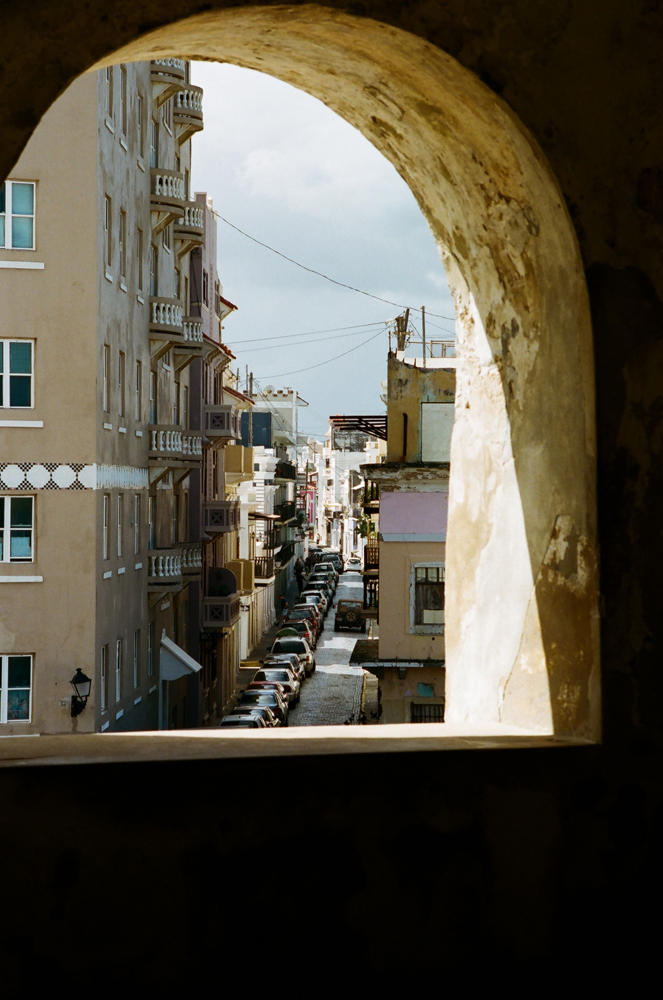
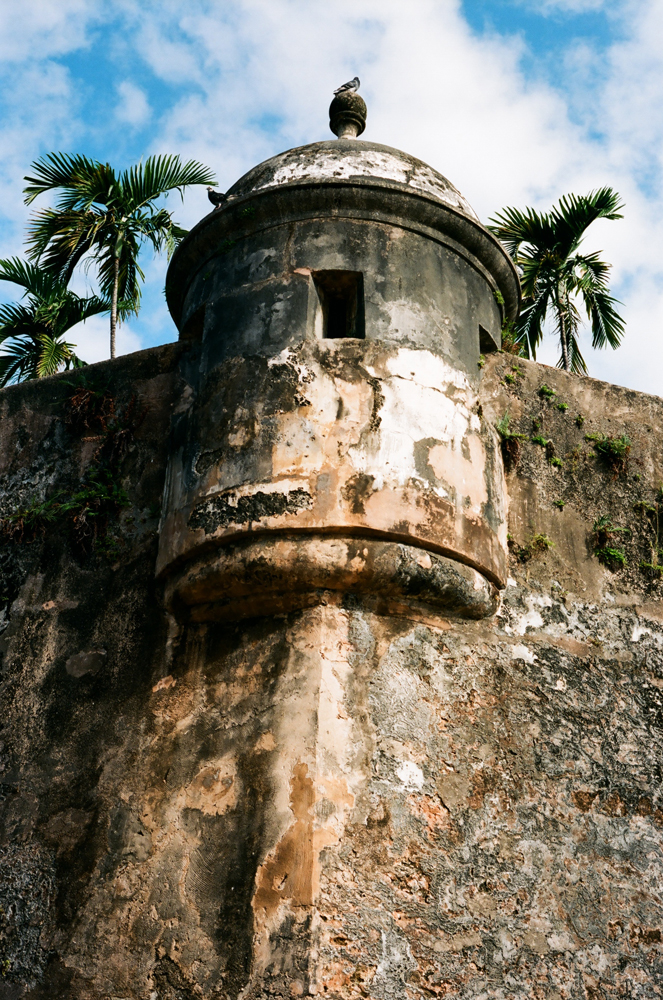
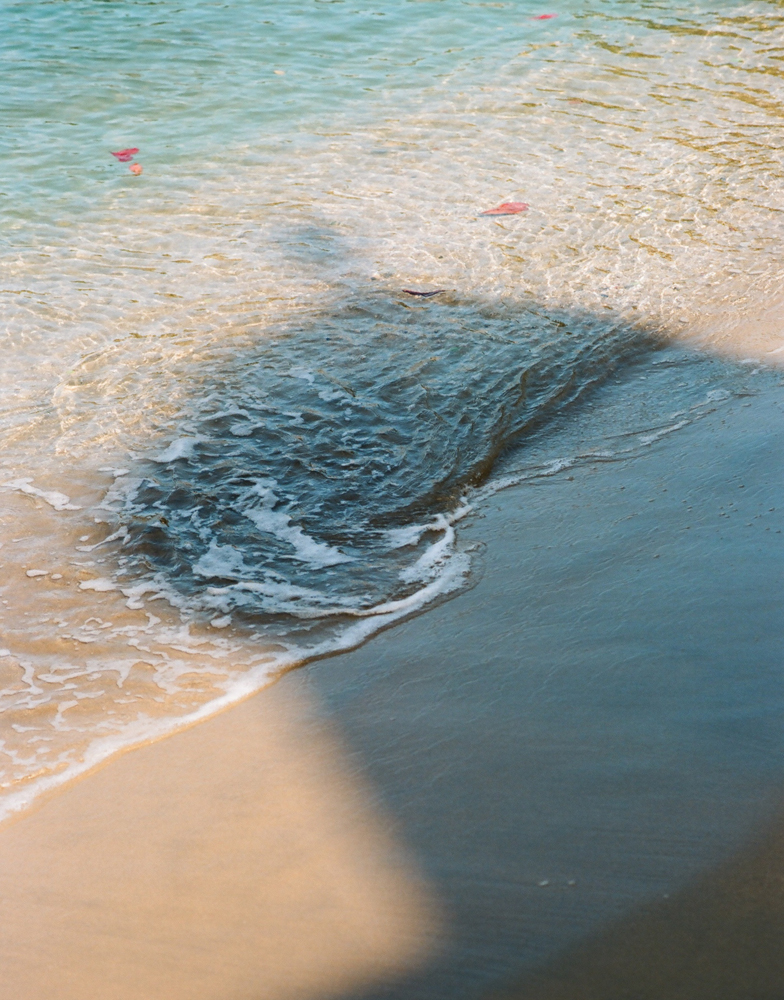
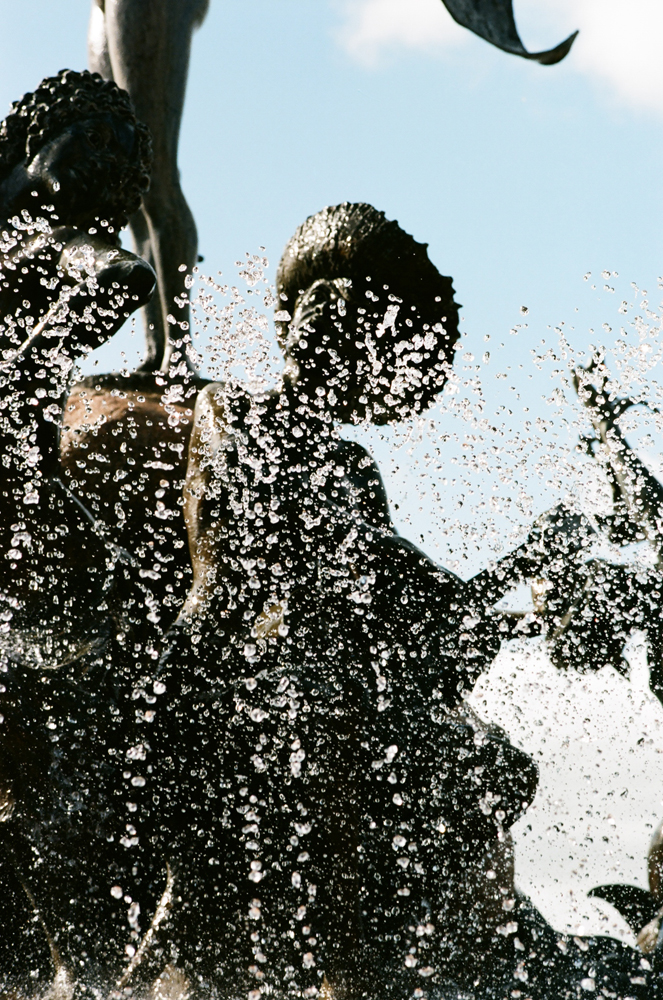
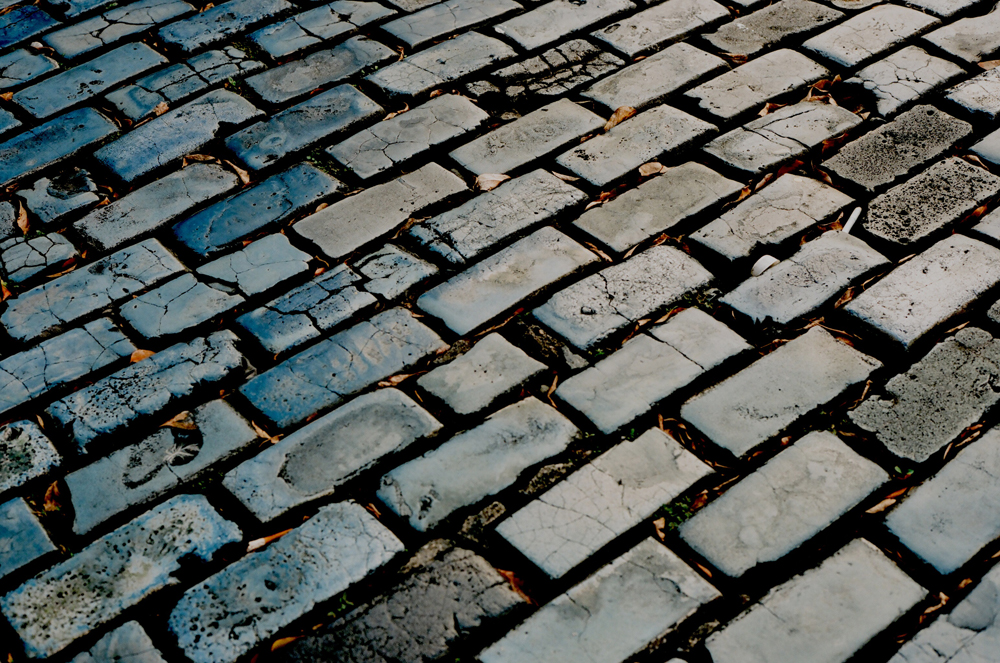
Just a few better images from the trip to Puerto Rico. Definitely NOT with a view camera – everything was shot with a Contax G2, mostly with the 21mm and 90mm lenses, with a couple of 45mm grabs in there. As always, working with the G2 is a joy, and it produces incredible results. Even though it isn’t “as silent as a Leica”, I enjoy the whirring of gears of the auto-focus, and the snick-snick of the shutter.
I’m some kind of obvious when taking photos, as even when I’m using the G2, which is a pretty inconspicuous camera, I seem to attract attention. My father and I were coming back from dinner and I stopped to take a photo, and this panhandler approaches me. He asks, “How much does that camera cost”? I can tell he’s not a photography enthusiast, so I reply, “I don’t remember, I’ve had it for a while. It takes film” – hoping that will discourage any thoughts of taking it. He then states, “I guess you have a relationship with your camera”. DUH. I do, but don’t even THINK about trying to end that relationship non-consensually. I do have a love affair with my cameras, and I’ll happily share that with anyone interested, but I’ll smack you to the moon if you try to mess with that.
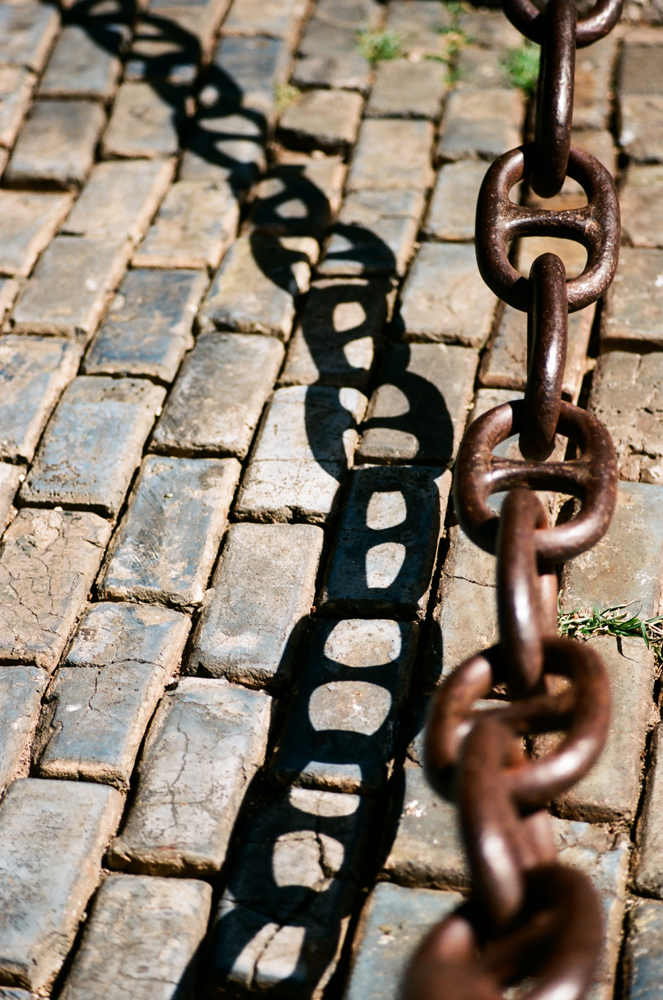
This time, I was paying attention to creating abstract compositions, which is easy in some ways because the tropical light is so strong, even early and late in the day you get powerful shadows and directional light, unless you’ve got profound overcast. The wrinkle is color- because our natural perception of the world is color, working with color film tends to emphasize our connection to the reality of the subject and distract from perceiving it as just line and form. I hope I’ve managed with a few images to challenge that limitation. I know for myself as a predominantly black-and-white photographer that switching gears to see and think in color is hard – some of the photos I took on this trip I can look at and see very clearly that they would be better as black-and-white images. Sometimes color creates contrast that we don’t see when we are used to thinking only of tone and reflectiveness, and sometimes what looks good as contrast between light and shadow looks god-awful in color because it’s too harsh and the color is overwhelmed.
For those who are interested, all these were shot on Kodak Ektar 100 (with a few using the new Kodak Portra 400). I think it is my new go-to 35mm film, displacing even my beloved Fuji Reala. I like the palette of Ektar better now- the Fuji’s greens are a little too strong, the blues and reds a little weak compared to the Ektar. I’m also highly impressed with the Portra 400. I brought along two rolls of it thinking I might use it for some night photos. Dummy me didn’t segregate it from general population in the film pocket of my camera bag, and I accidentally grabbed a roll and loaded it thinking it was still the Ektar 100 (BAD Kodak – the design for the canister is identical except for the text label, so you can’t tell easily through the plastic tube which is which). The upside is, I can almost not tell any difference between them, at least in a scan and a 4×6 print. I’ll let you look through the gallery and decide for yourselves which is which. I’m not telling.

 dcphotoartist