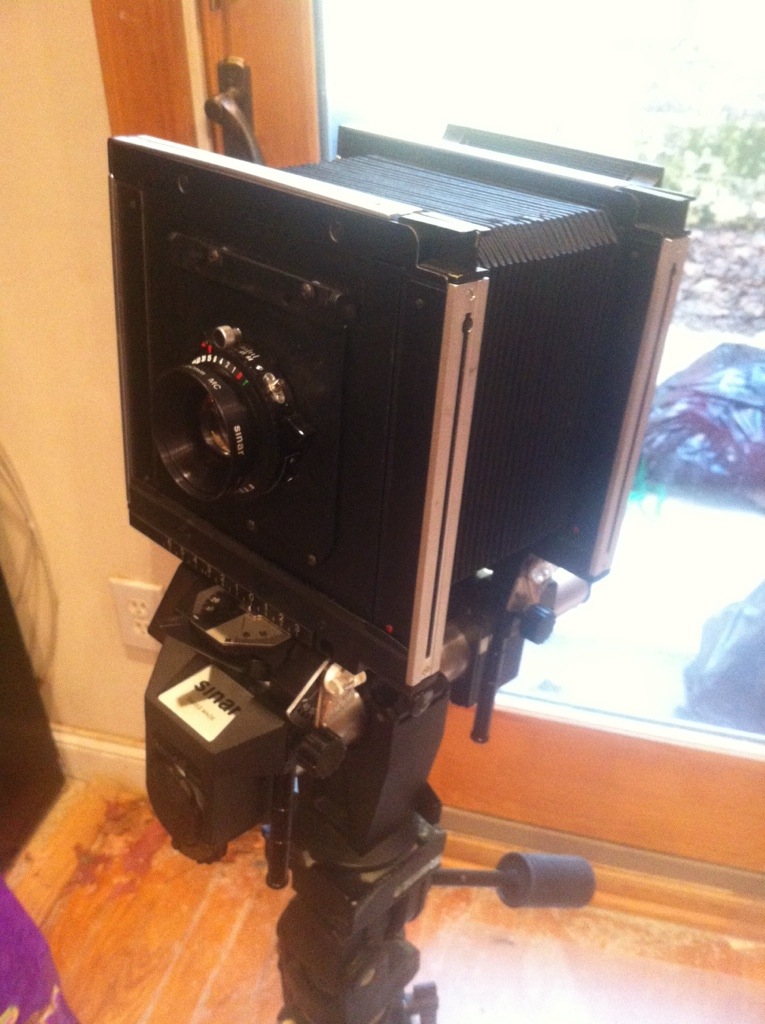
I got my new teaching tool for my Introduction to Large Format photography class. It’s a Sinar F 4×5. Sinar cameras were the first modular large format system with standardized components that would let you build 4×5, 5×7 and 8×10 cameras on a common architecture. While the F has certain limitations (base tilts, friction driven movements), its a fantastic entry-level camera and very light-weight for a studio monorail camera (about 7lbs).
I’m running the course starting April 5 through May 10. The course covers camera handling, film loading and processing, using movements for perspective and depth-of-field control. Individual modules will include landscape, portraiture, architecture and tabletop shooting. For more information check out the Glen Echo website –
I got the camera at KEH Camera online. They have a very limited selection in inventory at any one moment, but their prices are excellent. The Sinar F is a good starter camera and one I highly recommend for students looking to get started in large format. There are lots of other good cameras, of course, and it all depends on what you need from your camera – for some people, a field camera may be a better solution. My primary large format camera is a Canham field camera because I like to travel with it, but it has it’s own limitations (fixed bellows length, limited movements). I’ll cover all the quirks of large format cameras in the class, so to learn more, sign up!
I wanted to announce the launch of my portrait photography business. My studio is located in Rockville, Maryland at the Washington School of Photography, where I am a Resident Photographer. My philosophy of photography:
Photography is Magic – I fell in love with the magic of photography when I made my first darkroom print. When I saw the image emerge in the developer under the red glow of the safelight, I knew right then the camera would be my constant companion for the rest of my life.
My goal is to go beyond producing portraiture that is functional documentation. I want to use my creativity and vision to produce iconic representations of your spirit and character. I use vintage tools and antique techniques and processes in a contemporary style to create not mere photographs but tangible art objects you will be proud to display in your home and pass on to future generations.
To make an appointment, go to my web gallery at http://www.theflyingcamera.com and click on “contact”. Change the Subject line to “appointment”. As a benefit for my blog readers, include the promo code “BLOG” in the subject for a 10% discount on the sitting fee. This promo code will be good through April 1, so book now!
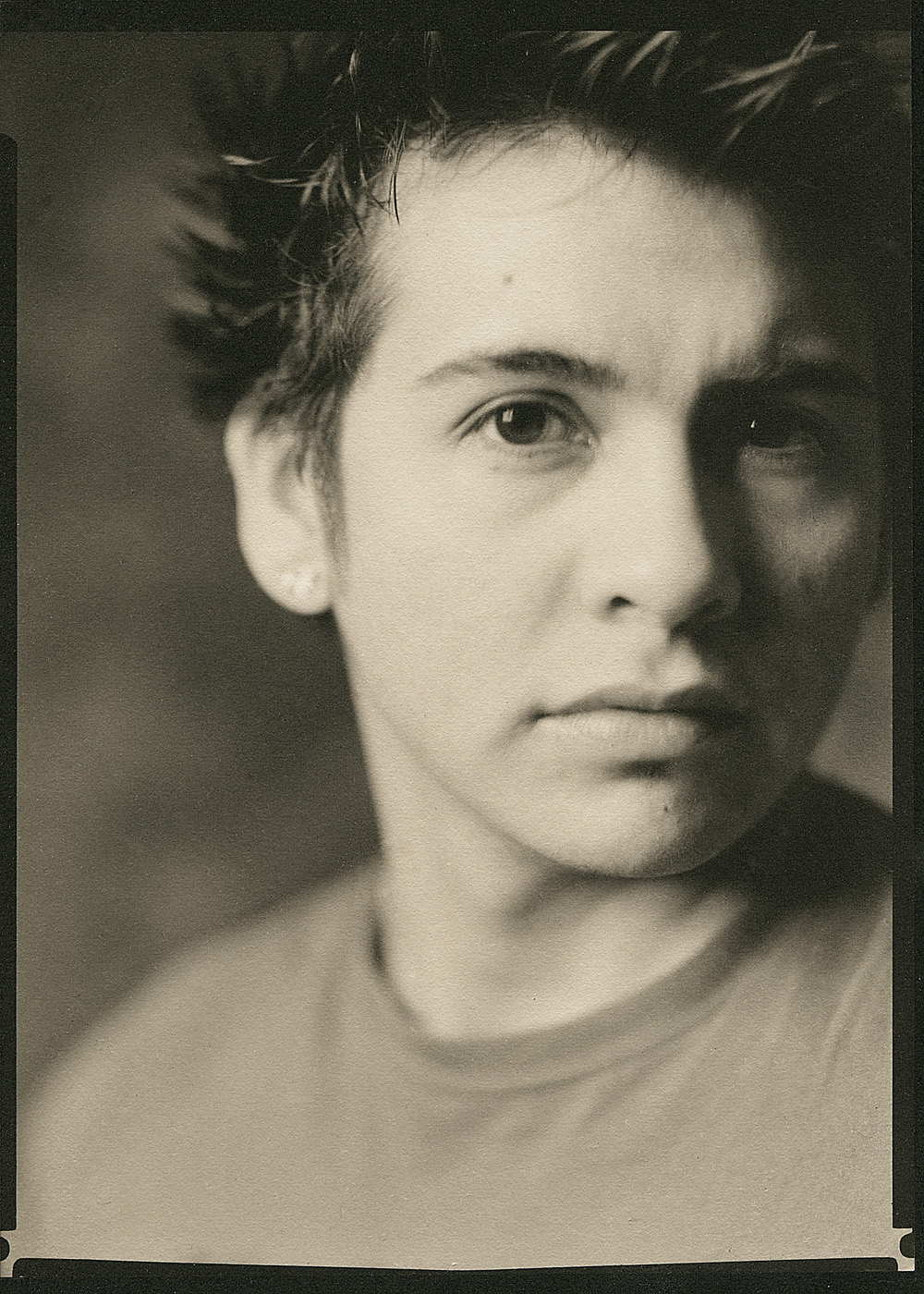
Alexander. 5×7 inch Palladium print on Bergger heavyweight fine art paper.
A few more from the Helios 85mm lens. I’m impressed, what about you? That razor-thin depth of field wide open is tricky to manage, but I think it transitions nicely between sharp and out of focus.
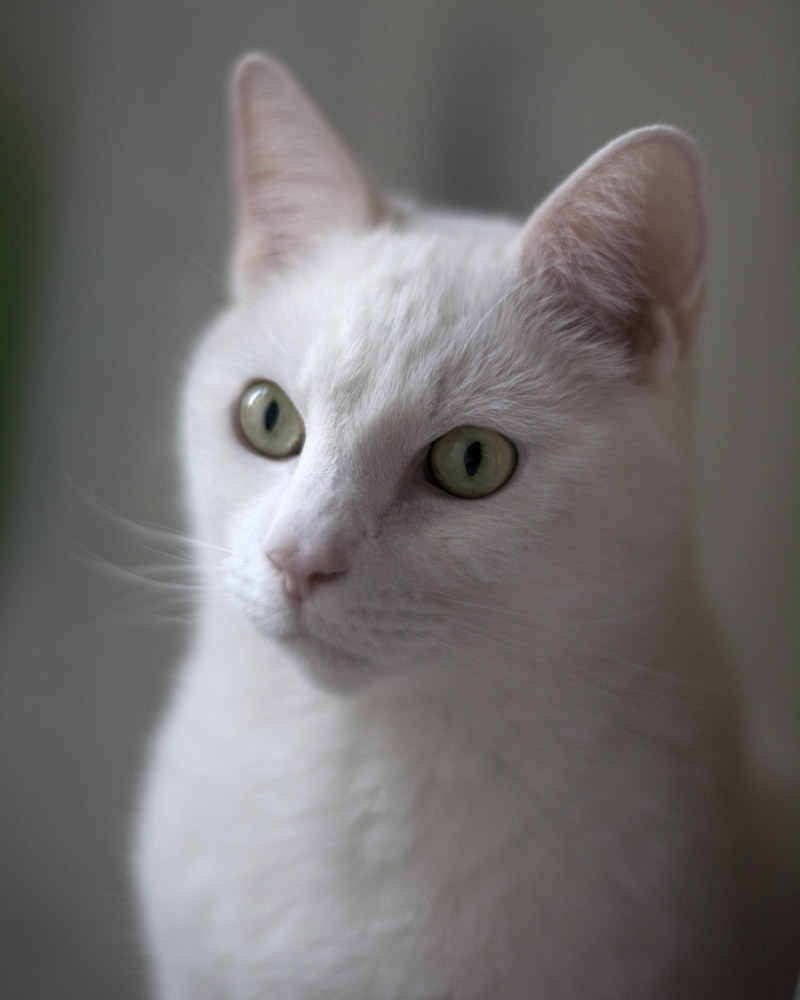
Frosty is one of my two cats. He’s the more wiggly of the two, actually, so it’s a challenge to get him to pose. Chub-Chub will sit still longer, until he realizes the camera is pointed at him, and then he has to come look at the lens.
Frosty
This is my friend Missy, wife of my best friend Steve. This was a grab shot at their Super Bowl party. She just lights up when she smiles.
Missy
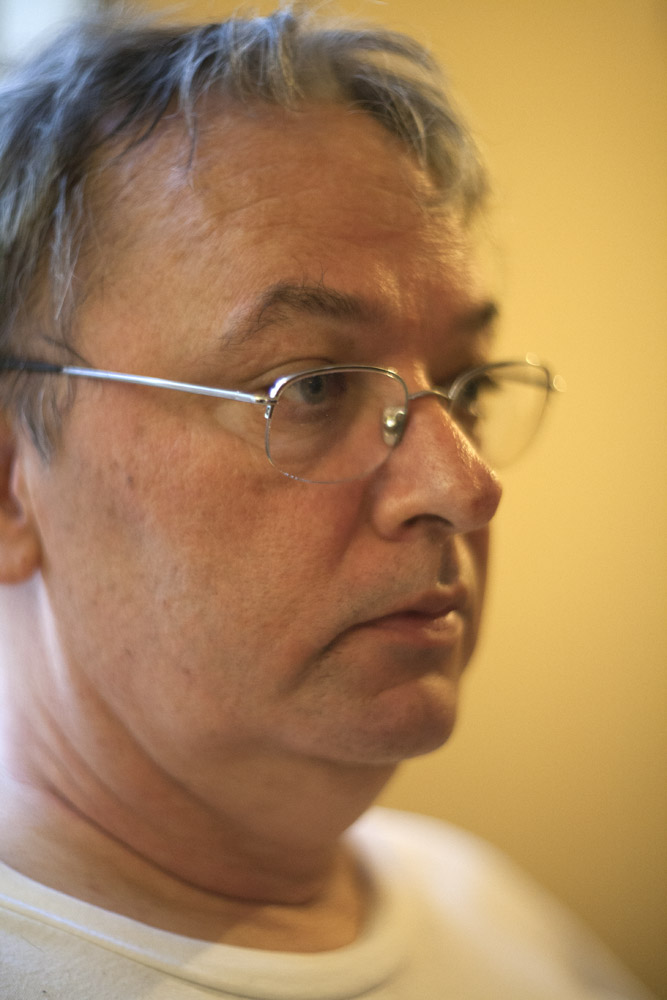
Richard is another friend – also photographed at Steve and Missy’s Super Bowl party.
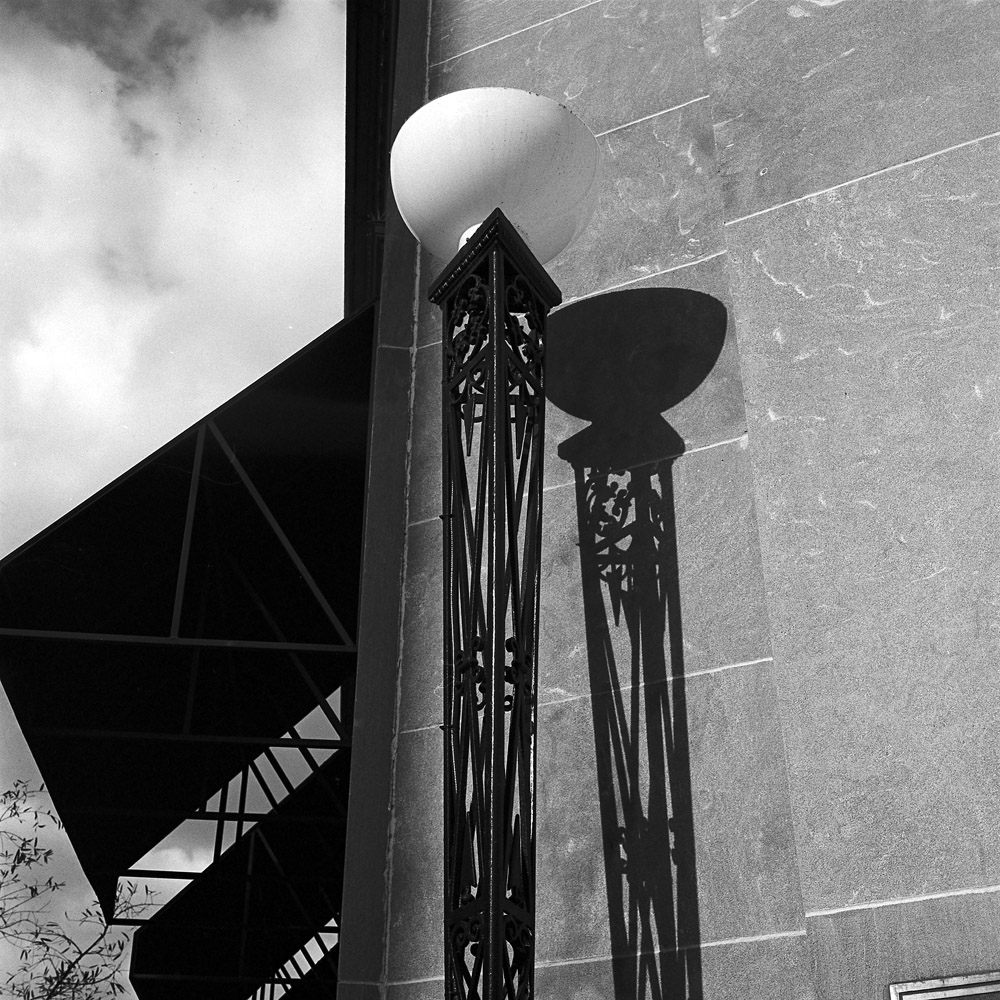
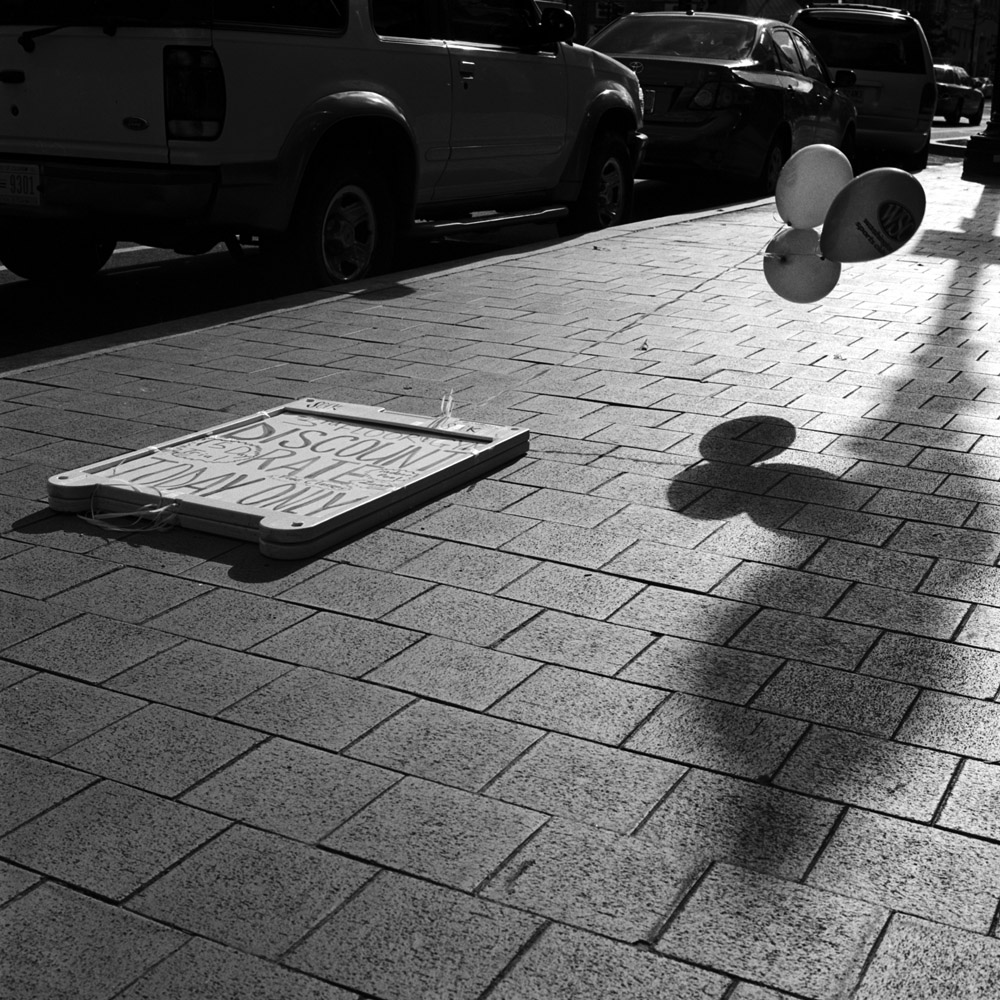
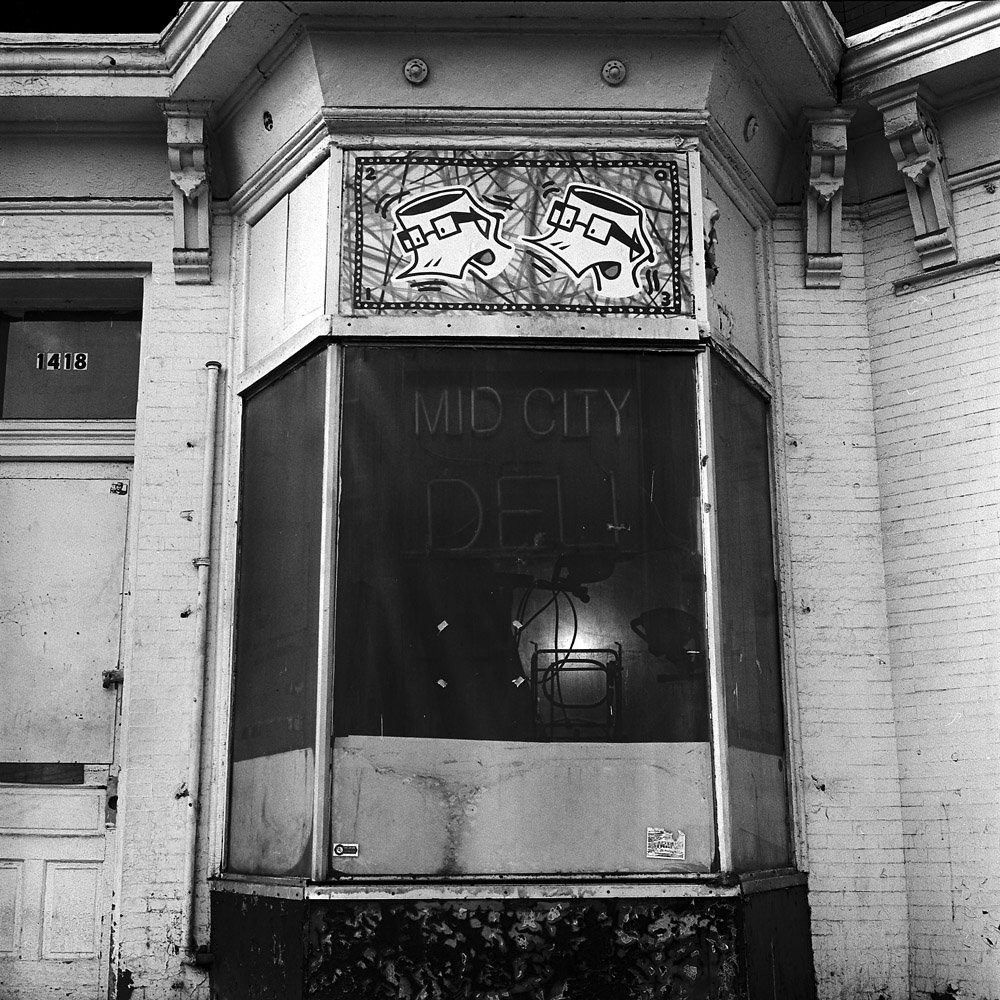
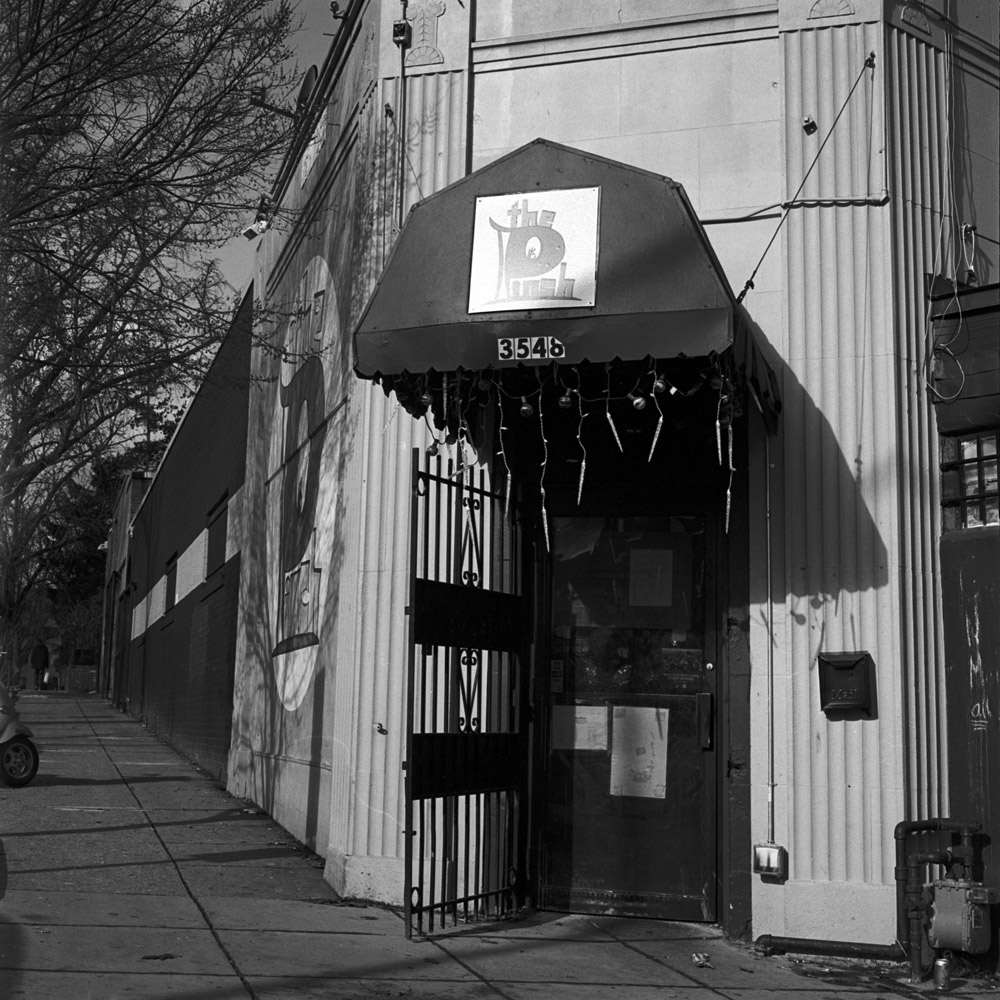
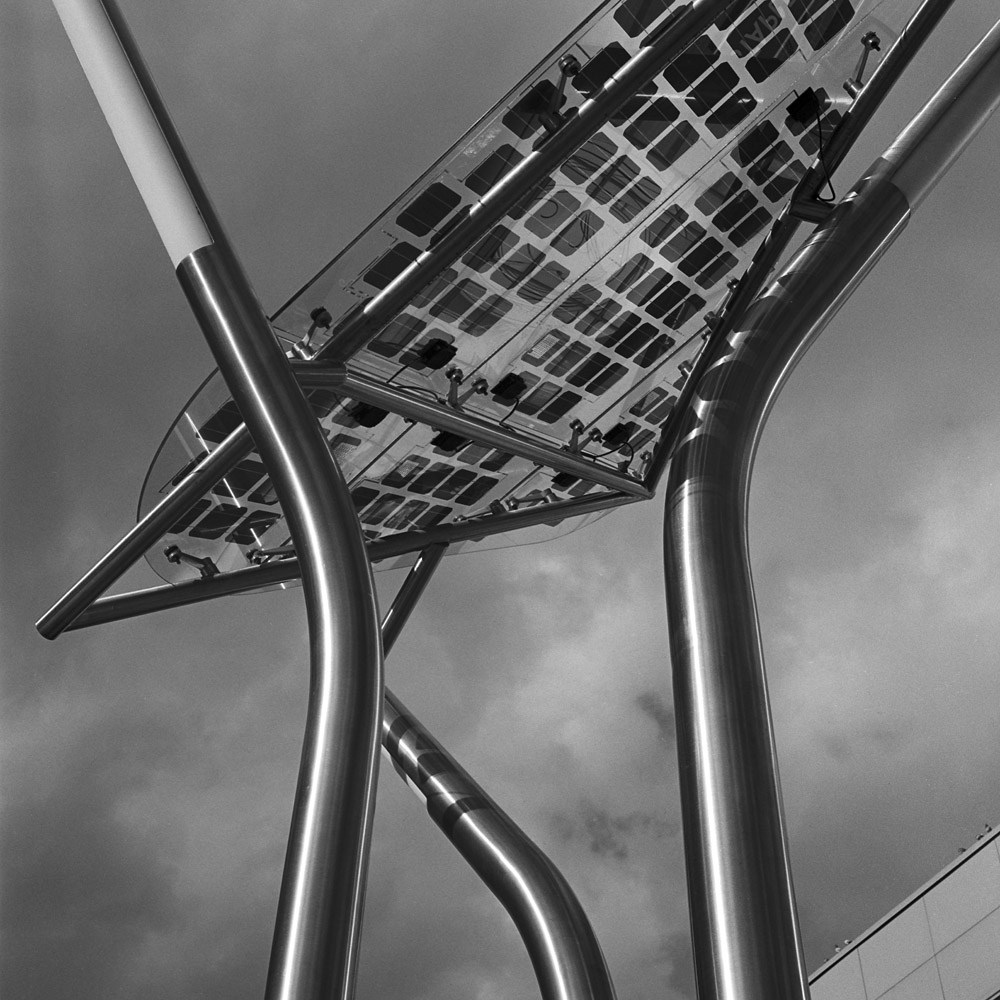
I’m not feeling particularly motivated to crank out my usual essay on the images I post, so today’s post will be more of a no-words posting, other than to say all images come from a wander up and down 14th Street back in early December.
Lamppost, Riggs Bank, 14th StreetDiscount Rate, One Day OnlyMid City DeliThe PinchSolar Powered Streetlight
I’ve probably talked about this before – I have a genealogical as well as spiritual connection to the National Portrait Gallery. An ancestor of mine, Senator John Ruggles of Maine was a big fan of all things patent related. During his tenure as a senator (1830-36), he realized that the US Patent Office was in horrible disarray. They were housed in an old building in poor condition, and as such it was a terrible disservice to patent seekers, patent holders, and the nation as a whole – if it was hard to get or defend a patent, innovators would leave the country and take their industries elsewhere. As a result, he managed to wrestle a patent office reform and the allocation of funds to build a new, fireproof, patent office building out of congress. The building now occupied by the National Portrait Gallery and the American Art Museum is that building. During the civil war, it functioned as a barracks and a hospital, and in 1865 it housed Abraham Lincoln’s second inaugural ball.
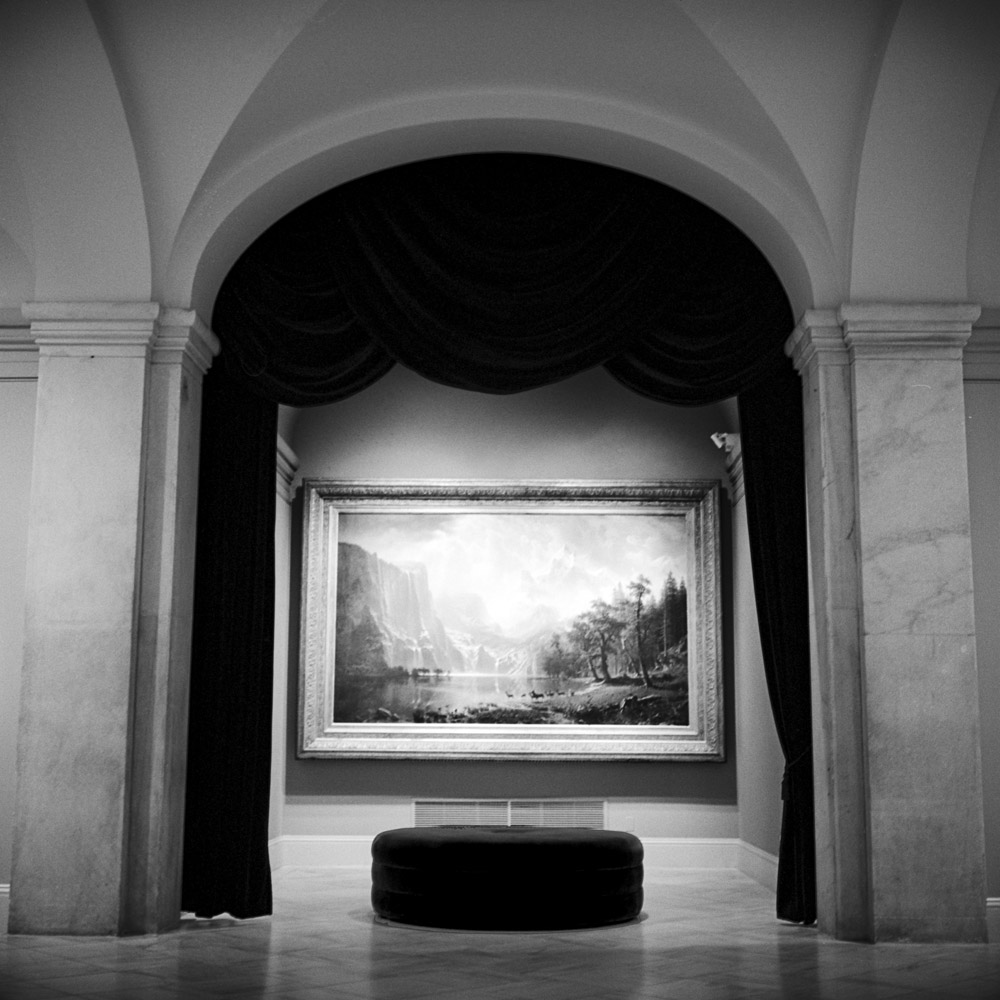
The building was built not only as a warehouse and government office, but from the first it was open to the public as an exhibition space to come see the patent models submitted with patent applications. As such, it makes for a fantastic museum, complete with dramatic display spaces to showcase some sometimes rather large pieces of art. This niche is a perfect example – all it took was some velvet curtains and matching settee.
Theatrical Painting, American Art Museum
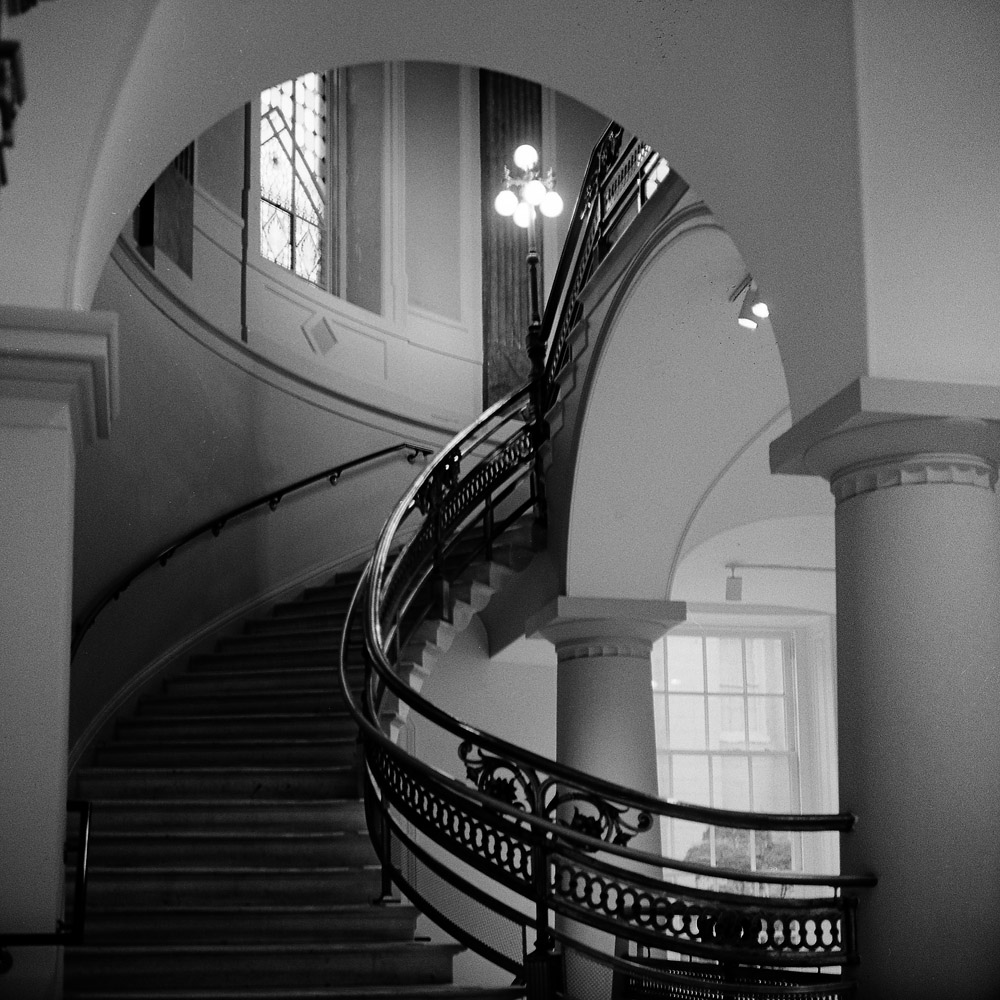
It has several of the most exquisite and dramatic staircases in the city, in my opinion. The following photos are of the main stairs that run from the F Street entrance up to the grand gallery on the third and fourth floors. There is another staircase that I can’t do justice to with the Rollei because it requires a wide-angle lens to show the sweep of the bannister and the giant mural of General Grant and his generals that spans the curved wall behind the stairs.
Staircase, National Portrait Gallery
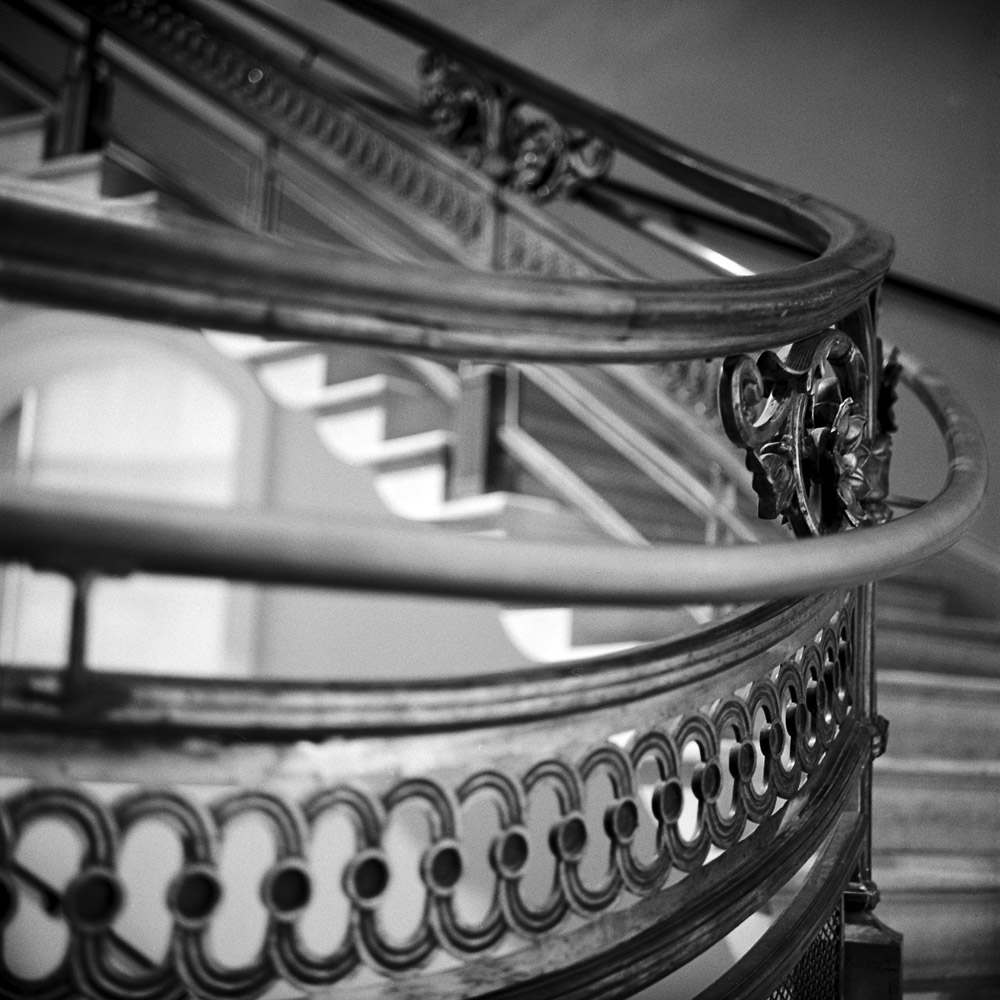
The brass and wood balustrade sweeps around in dramatic fashion. Wouldn’t you love to have a staircase like this in your house?
Rail, Staircase, National Portrait Gallery
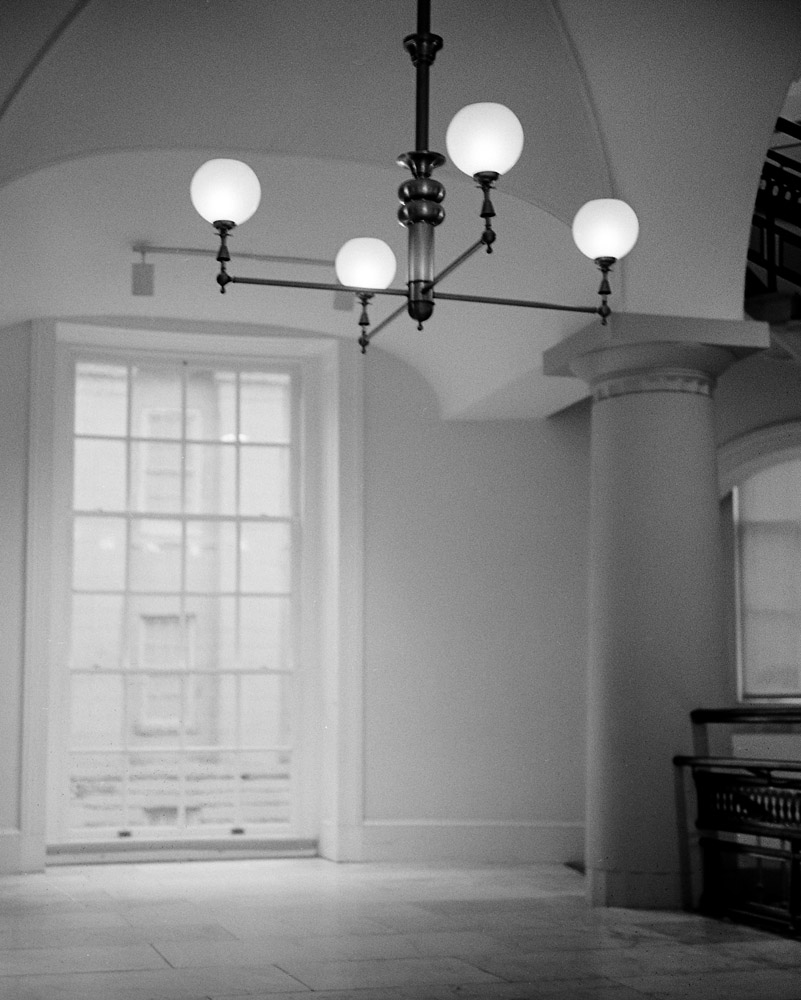
This chandelier is on the second floor landing. The window behind looks out into the courtyard of the dual museums. A few years ago, the courtyard was roofed over with a roof designed by Norman Foster. I was initially opposed to the concept of roofing the courtyard, removing the garden and paving the space with dark gray pavers. However, with time, I’ve come to love the space. They did keep some greenery, and made the space useable 365 days a year.
The chandelier is vintage mid-19th century gas adapted to electricity. It’s always a challenge to balance updating and modernization with historical preservation. I think they did an overall outstanding job with this building, and I’m thrilled to see it maintaining relevance and utility into the 21st century.
I got a new lens yesterday – a Zenit Helios 85mm f1.5 in Canon EOS mount. The Helios is a Russian made lens. It’s a strange anachronism – solid brass barrel, pre-set aperture (which is the weirdest thing I’ve ever dealt with), but multi-coated glass. If you’ve never used a lens with a pre-set aperture, here’s how it works – you set the aperture you want to use. The lens remains open to its widest aperture for focusing. When you are ready to expose, you turn the stop-down ring to close the aperture, then take the picture. I have yet to decide if this is worth the trouble.
If it’s such a pain to use, you ask, then why did I ever buy such a beast? For several reasons. One, it was only slightly more expensive than the Canon 85mm f1.8 lens, and dramatically cheaper than the Canon 85mm f1.2 L lens. I got the extra half-stop of speed for about $50 more. Second, the lens is famous (infamous depending on who you ask) for producing a “swirly” background when shot at large apertures. I wanted something that would give a Petzval-esque look but would be more modern in function. As to more modern in function, well, read my comments above. It does have an internal aperture at least, and doesn’t require waterhouse stops, but other than that, it’s not exactly modern in function. 1950s-era Soviet technology at its finest.
But how do its images look? That’s the most important thing. Well, here are some examples I shot last night.
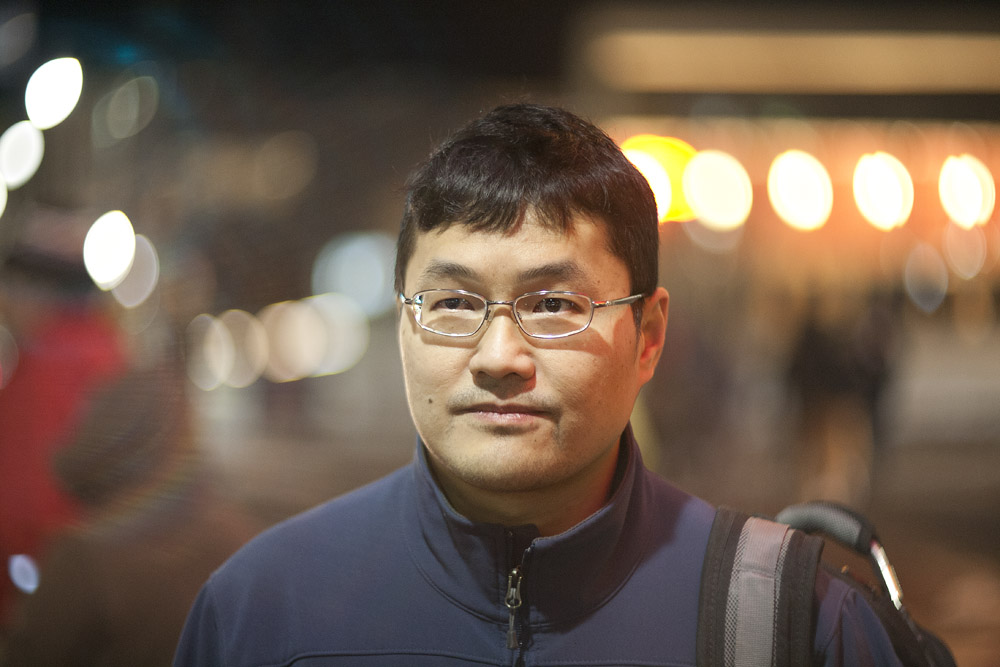
This is my friend Thi – we went to see a movie, and I dragged along the lens and camera to take some test photos outside the theater. Thi is always a bit of a sourpuss, and not terribly fond of being photographed, so you’ll pardon his expression. I’m quite impressed with the lens’ rendering of color and contrast, and the overall sharpness even wide open.
Thi, at the Majestic Theater
But where’s the “swirl”? Wait for it, it’s coming.
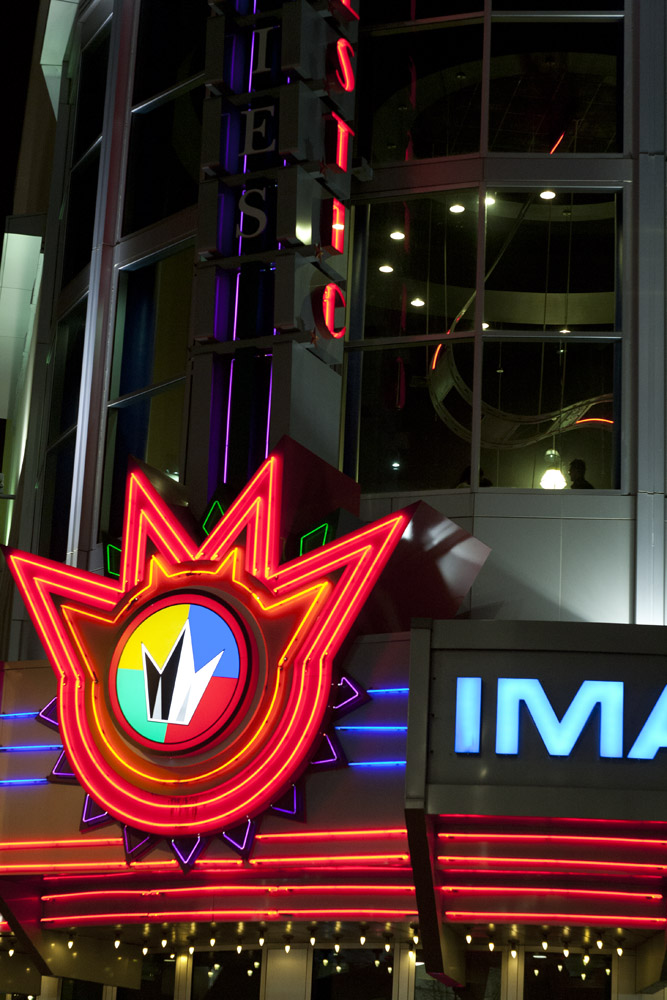
Here’s the neon marquee outside the theater. Again, terrific rendering of the marquee’s intense colors.
Majestic Marquee
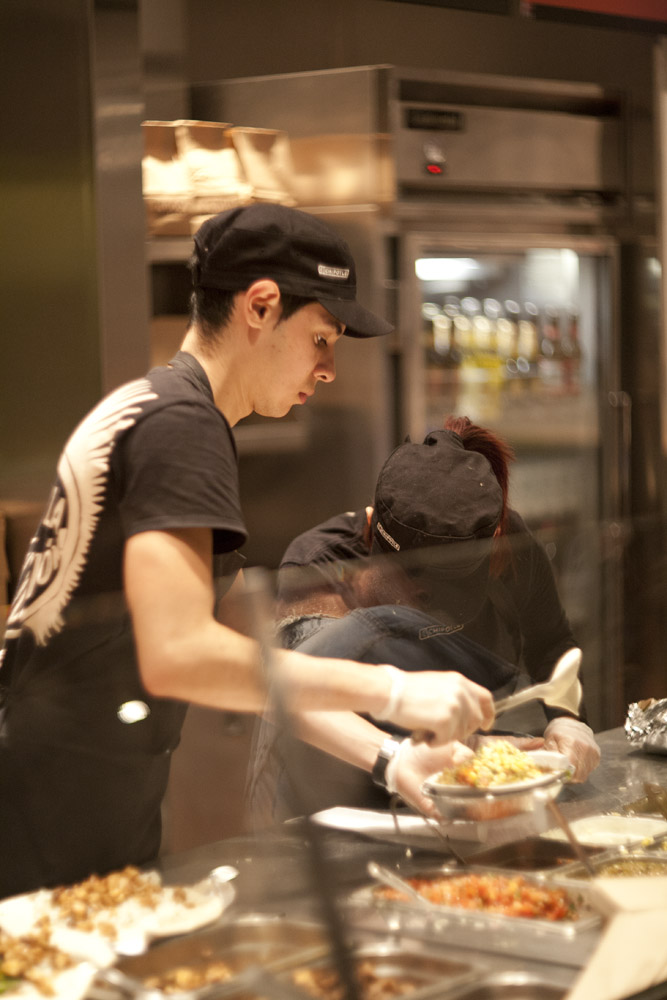
It is possible to use this lens for candid shots. I snagged this photo of the boy at Chipotle building burritos, but I didn’t have to play around with pre-setting the aperture because I was shooting wide-open anyway.
Making Burritos at Chipotle
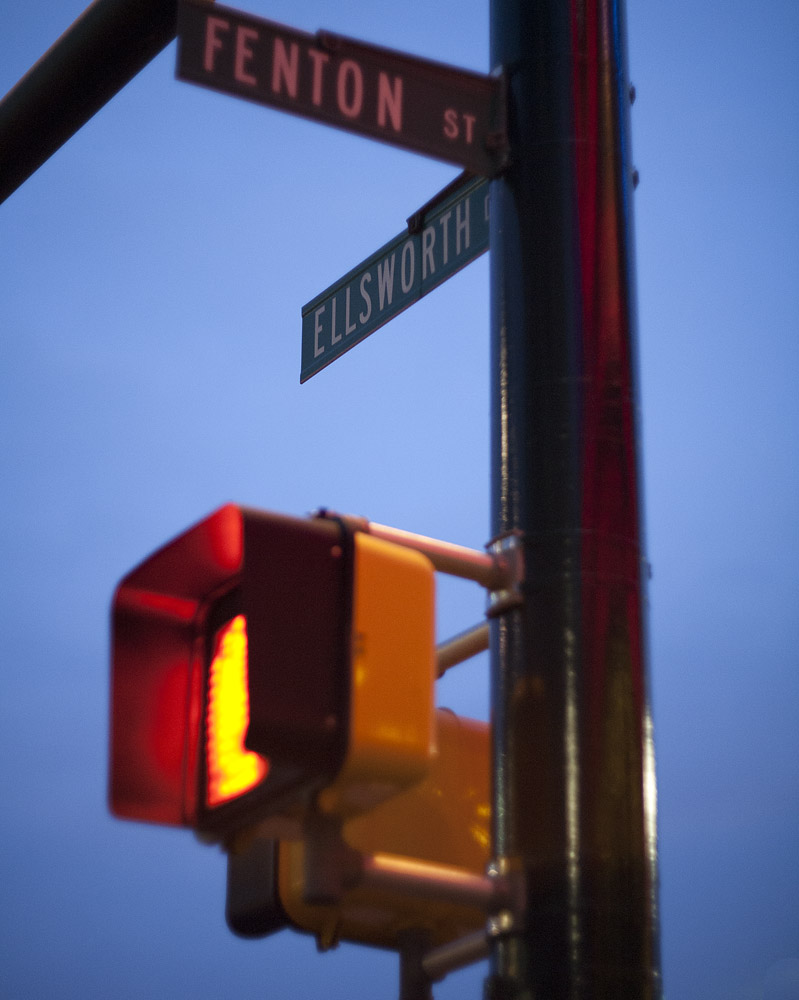
If it wasn’t already obvious, you can see the razor-thin depth of field at f1.5 in this shot.
Street Sign
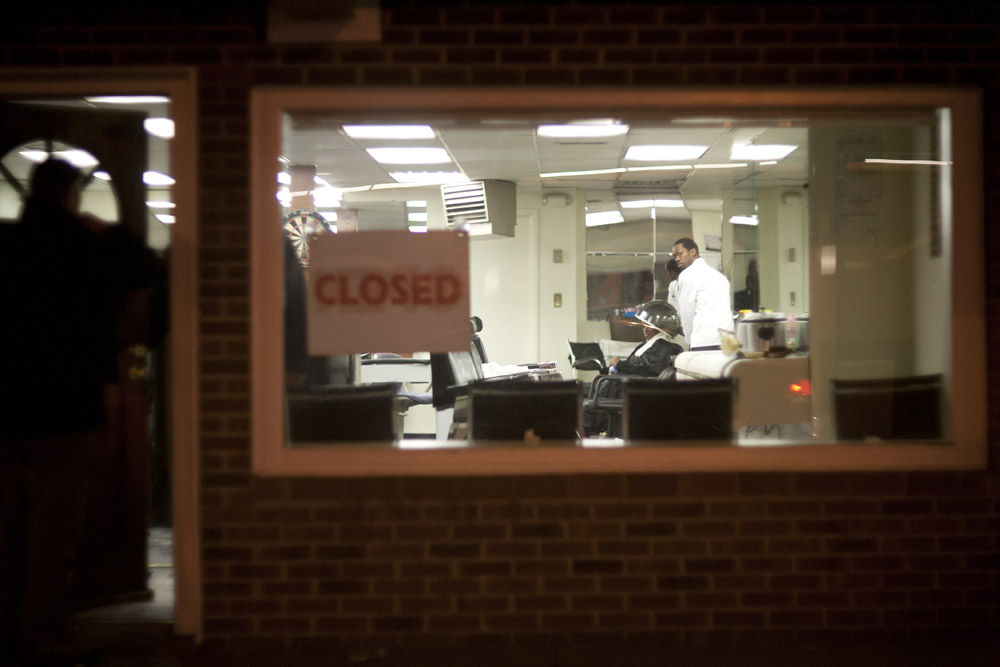
I think the shallow depth of field in this shot works very well – this was observed through the window of my car while I sat at a red light. The barbershop has closed for the evening, and the barber is finishing up a last customer, when a friend pokes his head in to chat.
Barbershop, Closing
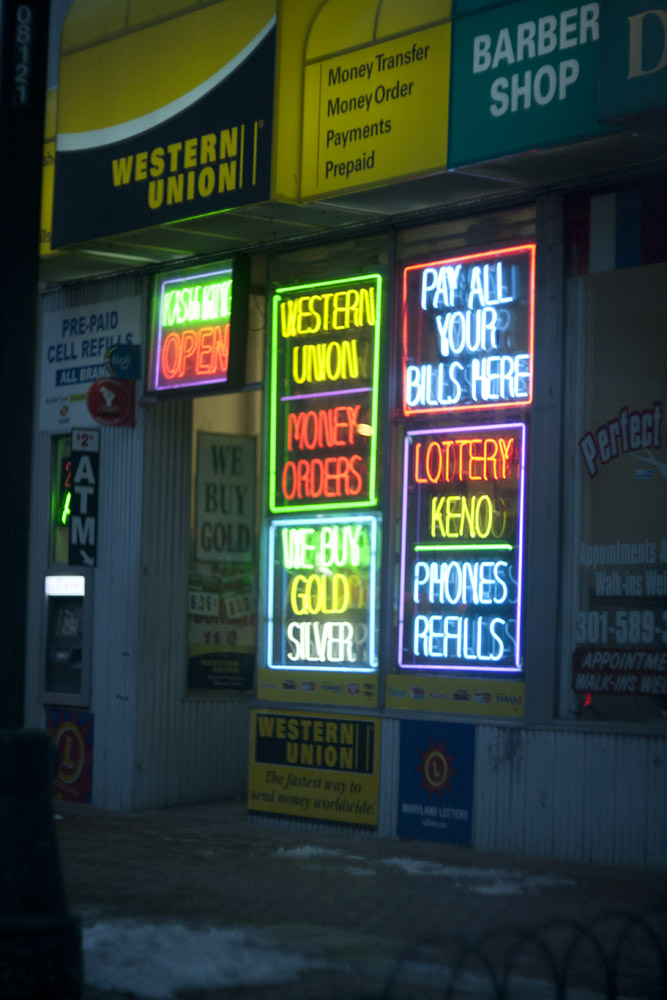
Another color test, also observed through the window of my car while waiting at a stop light.
We Buy Gold
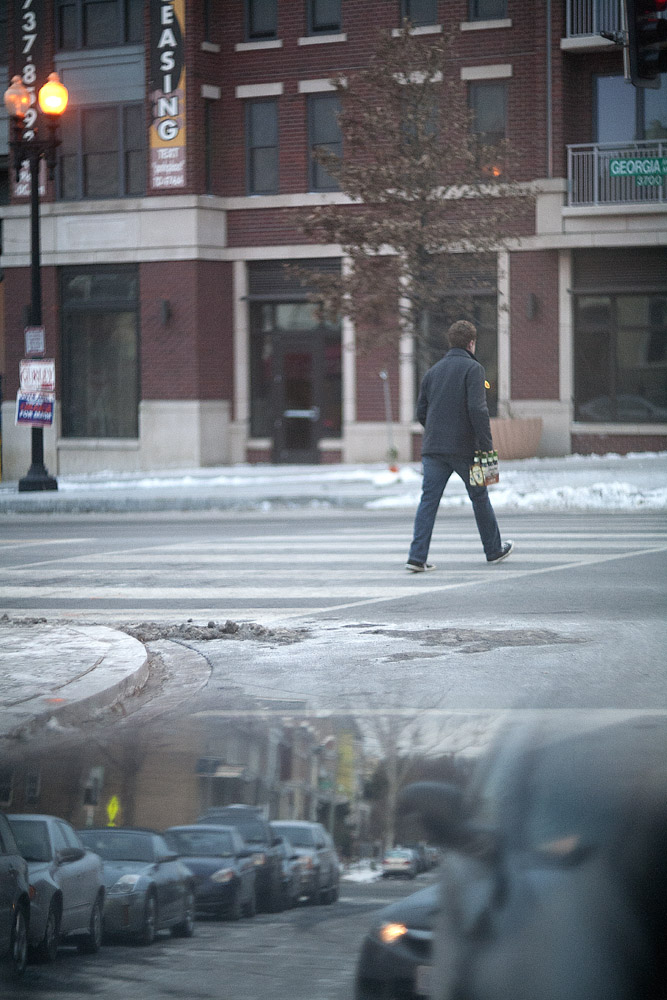
Here I was playing around with selective focus and action. The weirdness at the bottom of the frame is the rear-view mirror of my car. The mirror frame itself is so out of focus it visually disappears, but what is reflected in it at the same distance away as the primary subject is also equally in focus – it’s a strange quality of focusing using mirrors.
Rear View
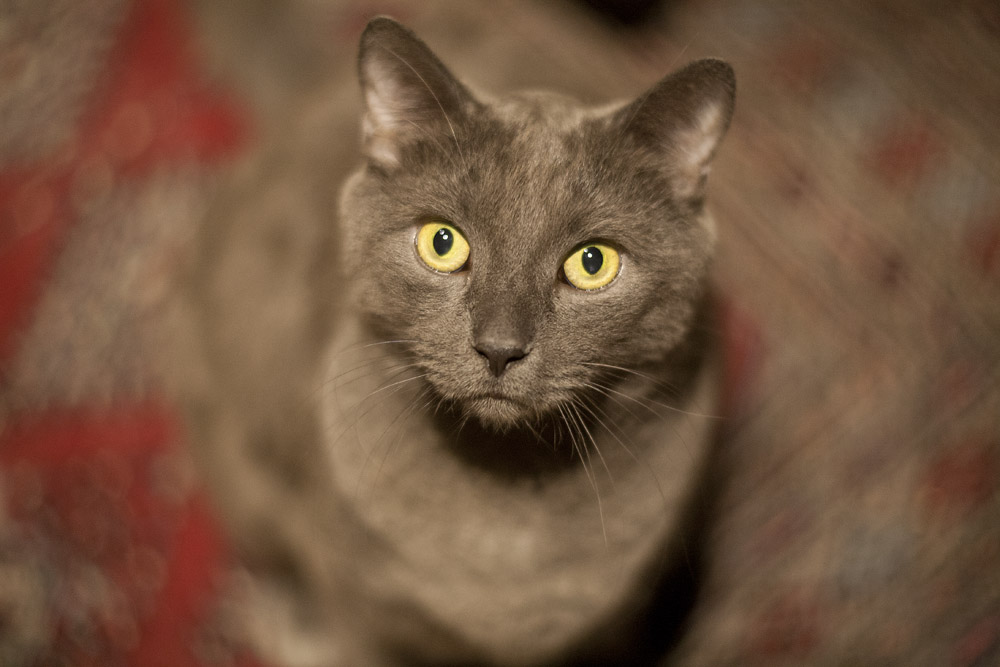
And finally, we get to the swirl. Here’s my cat, Chub-Chub, on the carpet in the hall. The trick, I found to getting the swirl, is to have the subject close to the background, but the background is out-of-focus due to depth of field. Put too much distance between the subject and the background, and the swirl goes away and you just get really creamy smooth out-of-focus rendition, like what you see in the portrait of Thi.
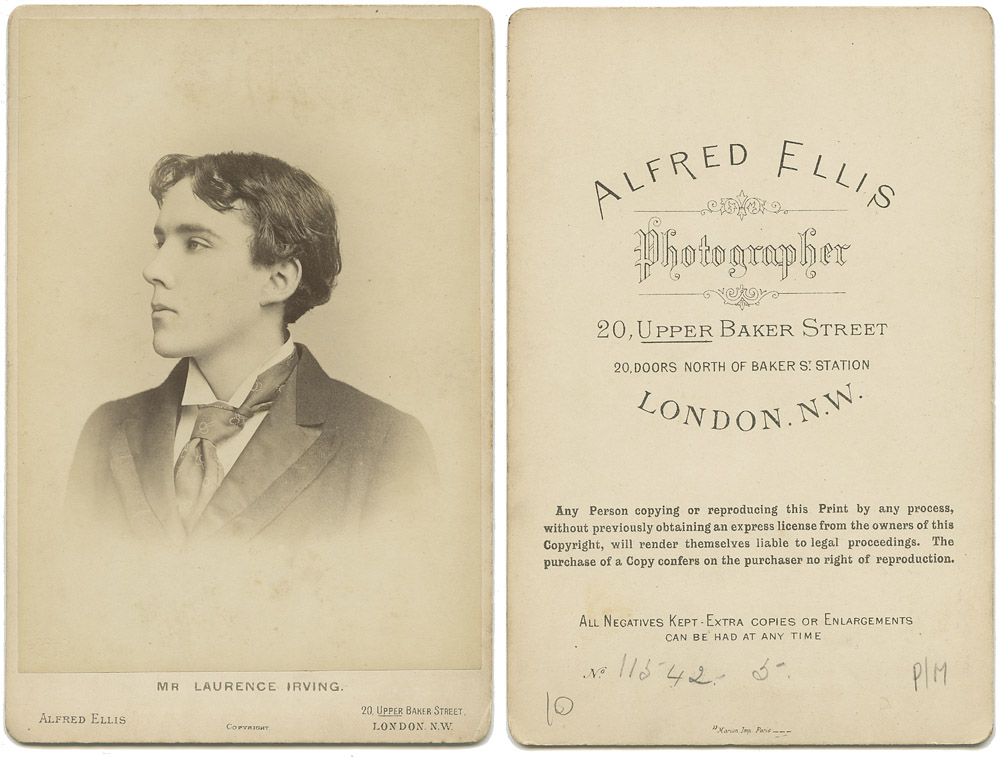
Laurence Irving is the son of Henry Irving, the famous actor and theater owner who inspired one of Bram Stoker’s characters in Dracula (and for whom Bram Stoker worked). Laurence had a short life and tragic end, perishing in 1914 in a maritime disaster on the St. Lawrence River (an irony that I’m sure was lost on him). I’m guessing that in this photo he must have been in his 20s, so this would have been taken sometime in the 1890s.
Also fascinating is the photographers’ description of the studio address: 20 UPPER Baker Street, 20 doors north of Baker Street Station. Which puts it across the street more or less from 227 B Baker Street, the fictive home of Sherlock Holmes.
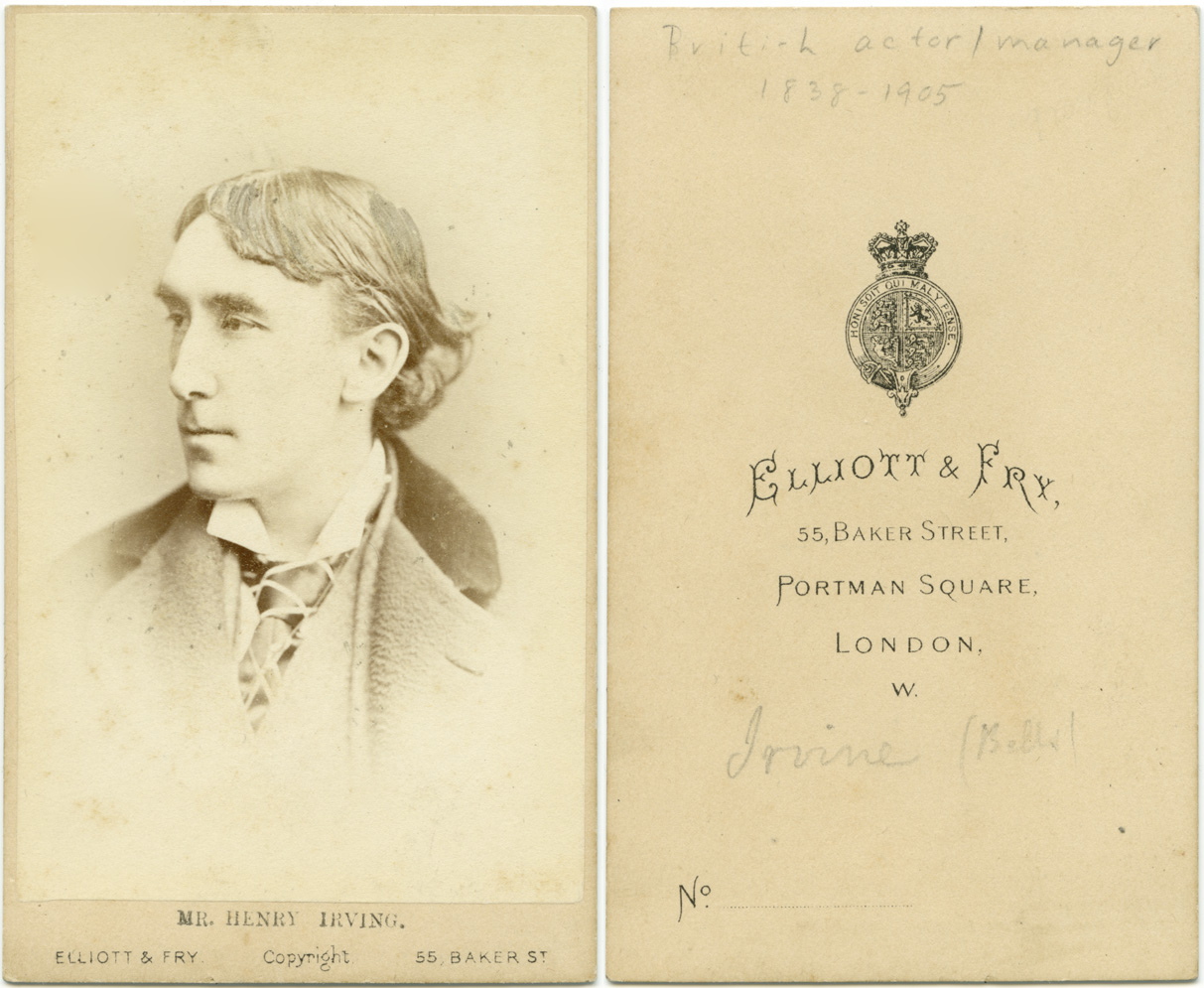
I have a photo of his father, Henry Irving, already in my collection:
Carte De Visite, Henry Irving, British Actor, by Elliot & Fry
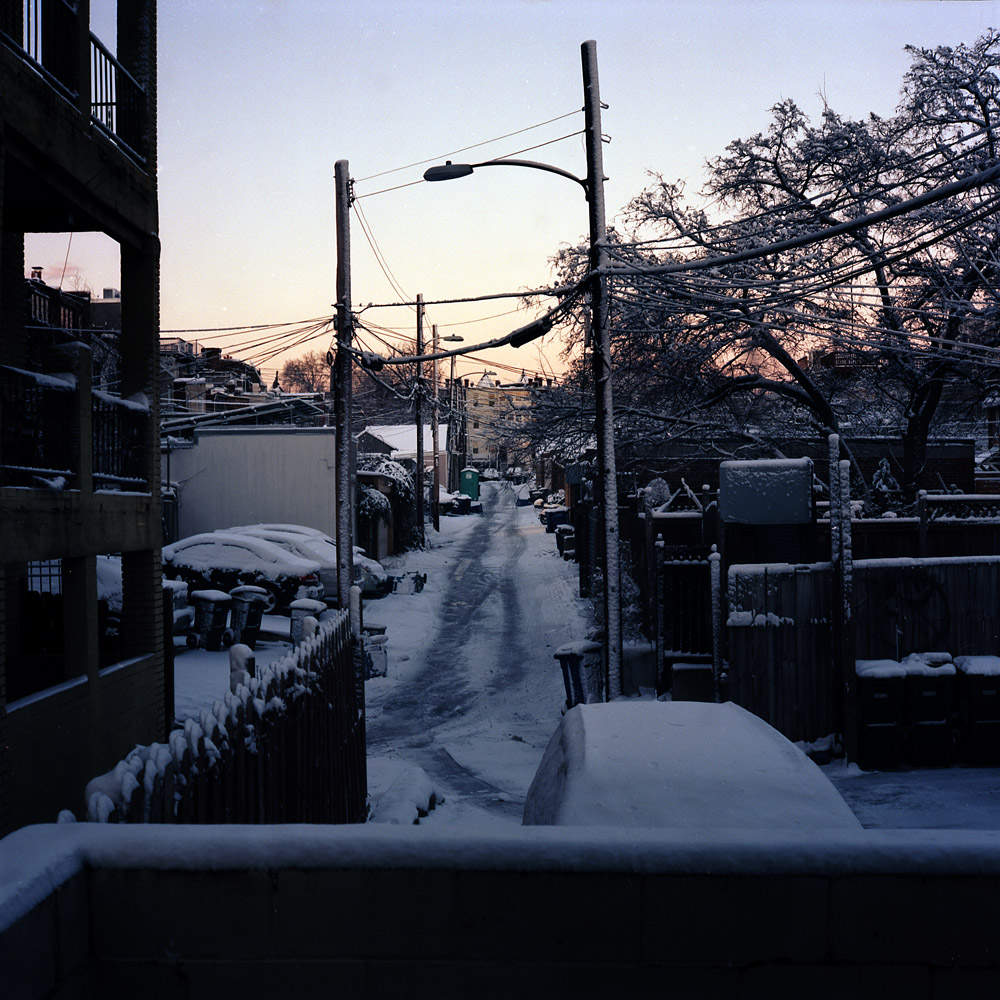
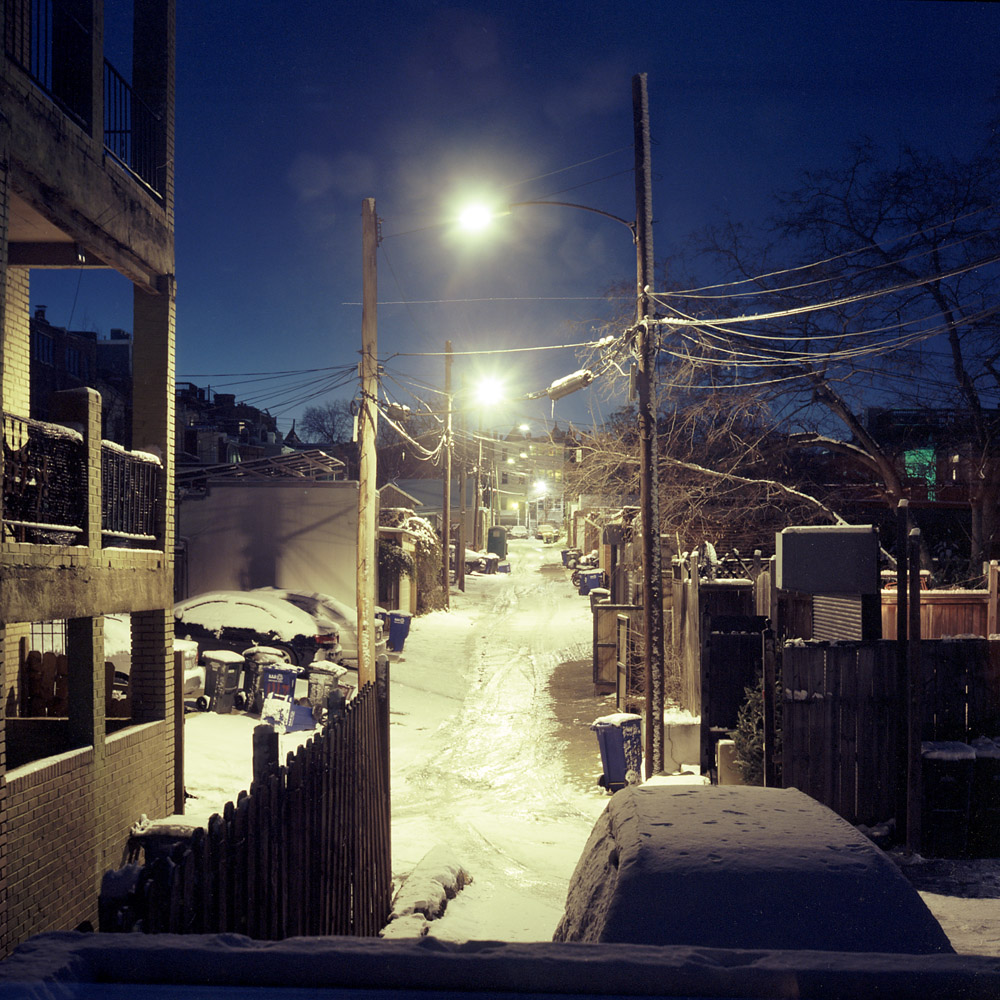
… but this time in color. I caught the sunrise reflecting on the windows of the houses at the top of my alley, and tinting the sky.
Sunrise, Snow, My Alley
That inspired me to set back up at twilight and take this version, with the sky gone deep blue but not yet black.
Night, Snow, My Alley
Just so you know, to take these photos I had to set up my tripod in the bathtub and then stand on the rim of the bathtub to be able to compose these shots. The things I do for my readers 😀
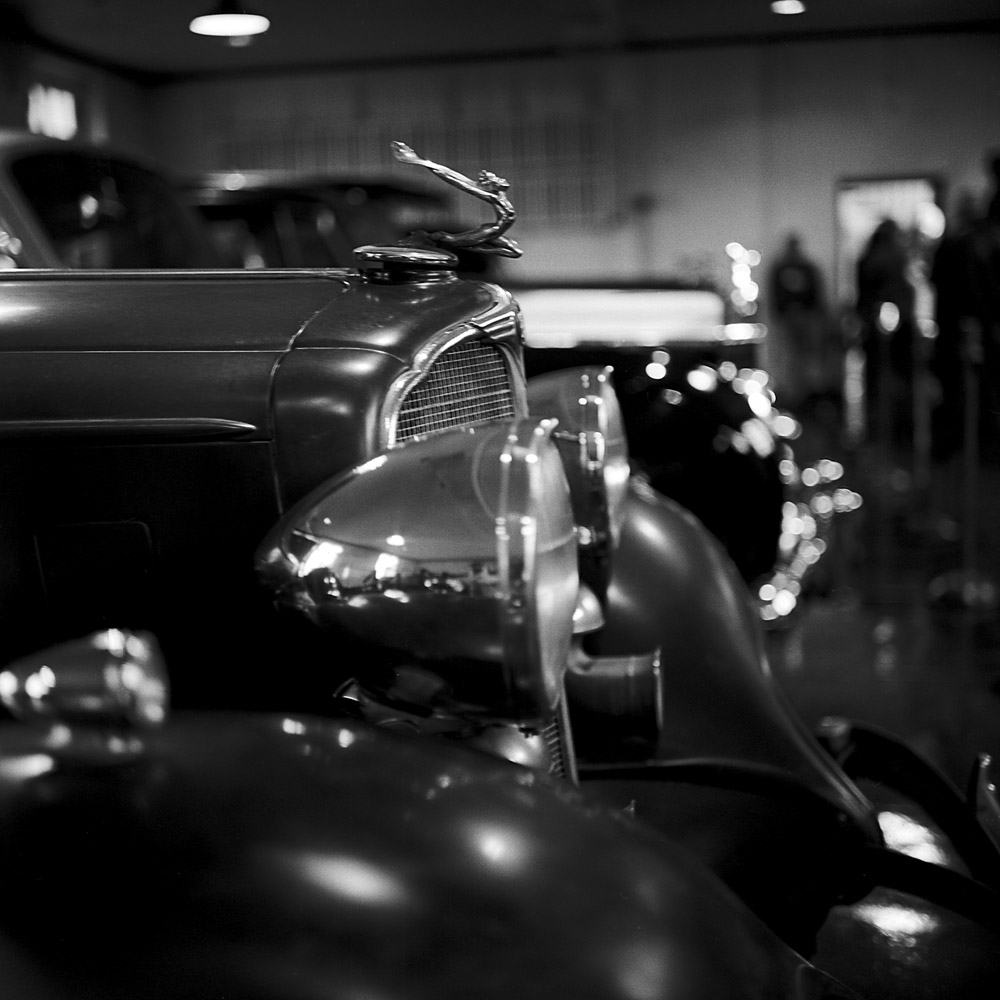
Nemours was the home of Mr. Alfred I. Dupont, one of the wealthiest men in America in the early 20th century. When stripped of his directorship at Dupont, he sought out new business opportunities including investing in Florida real estate. Spending a significant amount of time in Florida, he needed a car, and kept this Buick rumble-seat coupe at his property there. The car, unlike the others garaged at Nemours, is in original, survivor condition, complete with faded paint and dulled chrome. What makes it all the more remarkable is that the car survives without major damage (or blood on the bumpers!) as Mr. Dupont was by the time he owned the car deaf in both ears and blind in one eye.
A.I. Dupont’s Buick
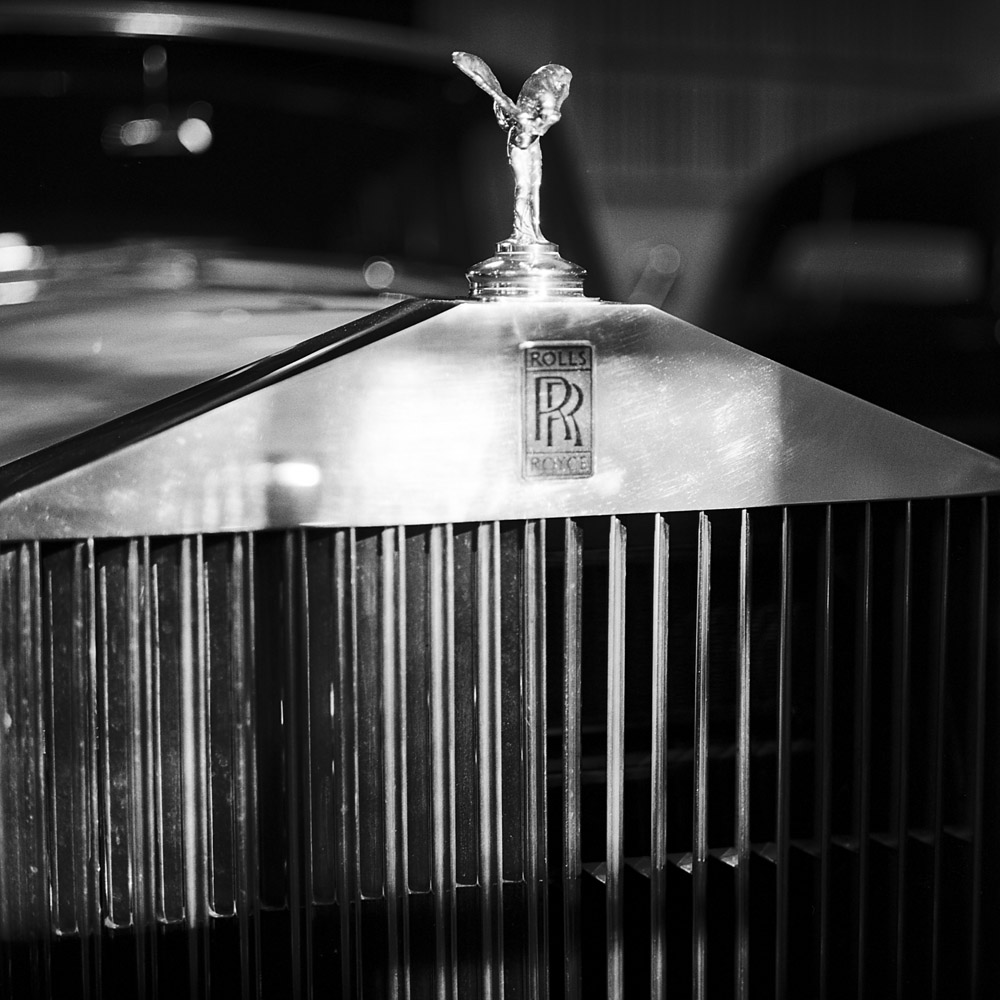
His third wife, the true love of his life, outlived him by nearly 40 years. Her last car was this 1960 Rolls Royce Phantom V. According to the docents, this Phantom V is the #2 production car of that year, with #1 being in possession of Her Royal Britannic Majesty, Queen Elizabeth II.
Mrs. Dupont’s Rolls Royce Grille
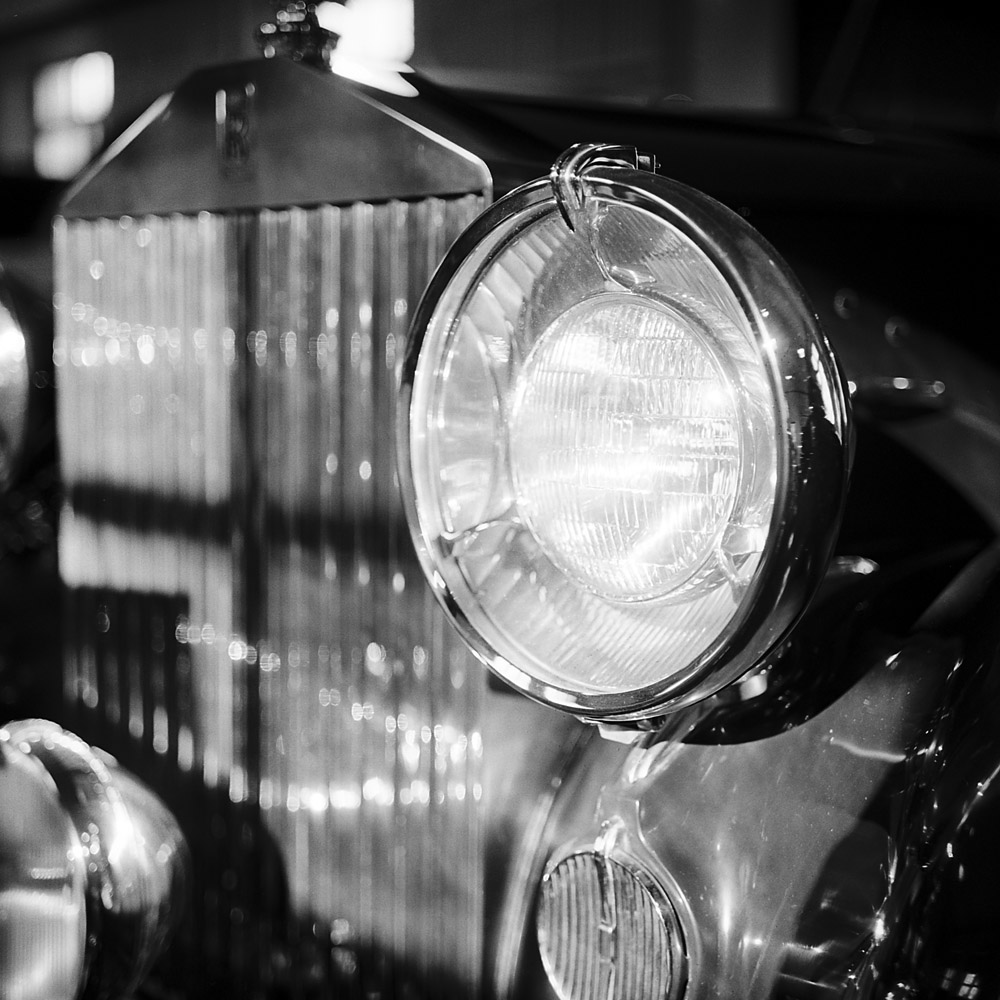
This headlamp belongs to the second Rolls Royce in the Dupont stable, a 1950 model if memory serves.
From the A.I. Dupont estate, Nemours, outside Wilmington, Delaware. A.I. Dupont, director of the Dupont chemical company, built the house as a gift to his second wife in an attempt to grow her affections for him. The 40,000 square foot house was built in 18 months. The interior features an elevator that runs from the basement to the third floor, a billiard room, bowling alley, an ice factory (the house was built before electric refrigeration, so they needed to be able to produce their own ice to keep the ice boxes cold), and a central vacuum system. The laundry was put in a separate building perhaps 30 yards from the main house so they could say they sent their laundry out.
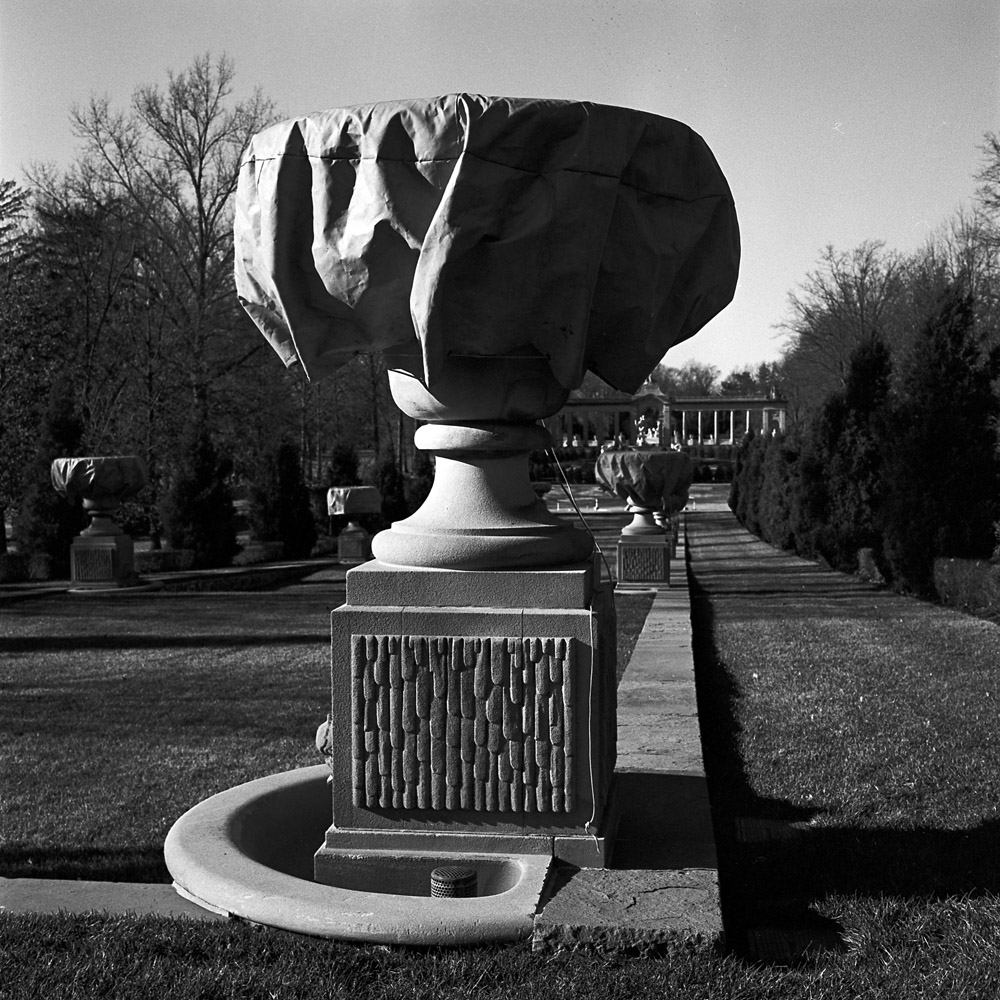
This is a view down the lawn from the mansion front, looking to the colonnade (which crowns a massive fountain on the other side). The garden urns have been prepared for winter with their canvas covers and their fountains drained. Even today, the estate totals some 300 acres, down from the original 3000.
Urn, Prepared for Winter, Nemours
I was at Nemours between Christmas and New Years to see it for the last open weekend of the year (it closes at New Years and re-opens in May). The house interior is decorated as the Duponts would have decorated for the holidays. No photos of the interior are allowed, so I do not have any pictures from inside the house. Photography on the grounds is acceptable, however, so I took these pictures of some of the details outside. In the spring, when garden tours are offered, I’ll have to go back and shoot the gardens in greater detail.
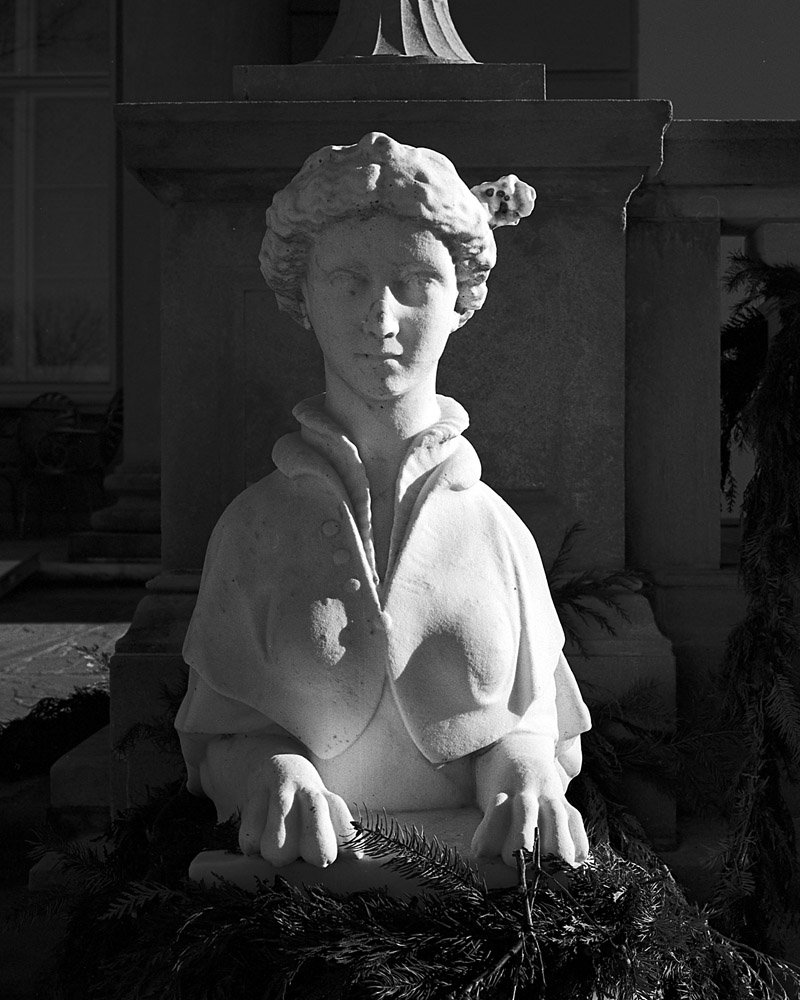
Here is a sphinx, one of a matched pair, guarding the front porch of the house. I loved the way her white marble glowed in the late afternoon winter sun.

 dcphotoartist