Category Archives: Photography

Variations on a theme – Palladium versus Ziatype

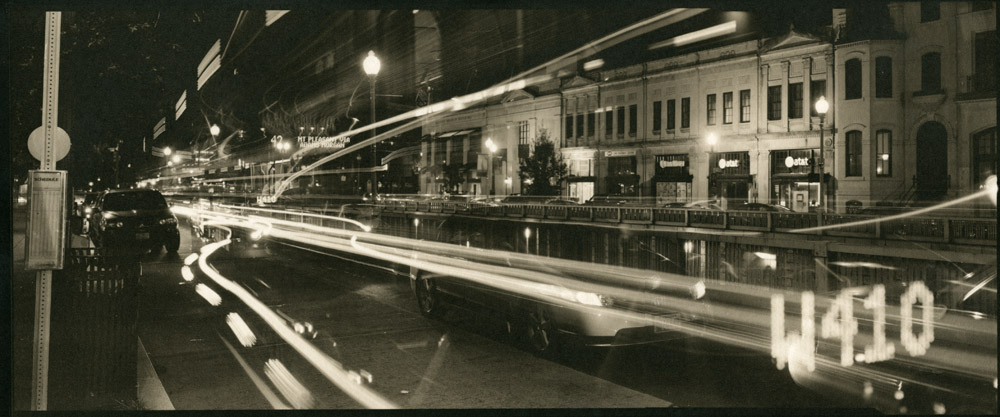
Dupont Circle bus stop, Palladium over Fumed Silica

Here’s another of my 5×12 panoramics of Dupont Circle here in Washington DC. This was several exposures on the same negative, yielding an approximate minute and thirty seconds or thereabouts. We were printing from this negative in my Advanced Topics in Platinum/Palladium Printing class out at Photoworks Glen Echo this past weekend. The print I scanned for this image was printed on Bergger COT320 pre-treated with fumed silica. The fumed silica yields a definite boost in dmax.

The next print is of the same negative, but printed as a Ziatype. Ziatypes are a variation on palladium, but they use either Lithium Palladium or Cesium Palladium and Ammonium Ferric Oxalate instead, which yields a neutral-to-cool tone image more like platinum in color, and they are a printing-out process developed in water as opposed to a develop-out process that requires Potassium Oxalate or Ammonium Citrate as a developer.

The distinction between printing-out and developing-out, in addition to the chemistry variations, is the fact that a printing-out print’s final exposure is judged by visual inspection – what you see when you pull the print from the contact frame is pretty much what you’re going to get when it is washed, cleared, and dried, but a developing-out print will have some kind of ghost image that is anywhere from almost imperceptible to a partial rendition of the final image prior to development. Neither one is better than the other, except that the Ziatype is easier for beginners until they gain confidence in their coating and printing skills. Ziatypes also have a wide range of contrast controls that will also affect image color in addition to contrast.
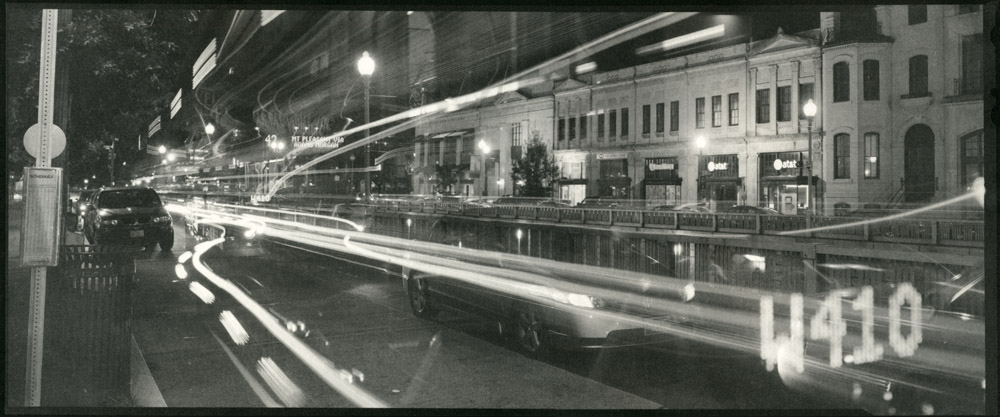
Dupont Circle bus stop, Ziatype

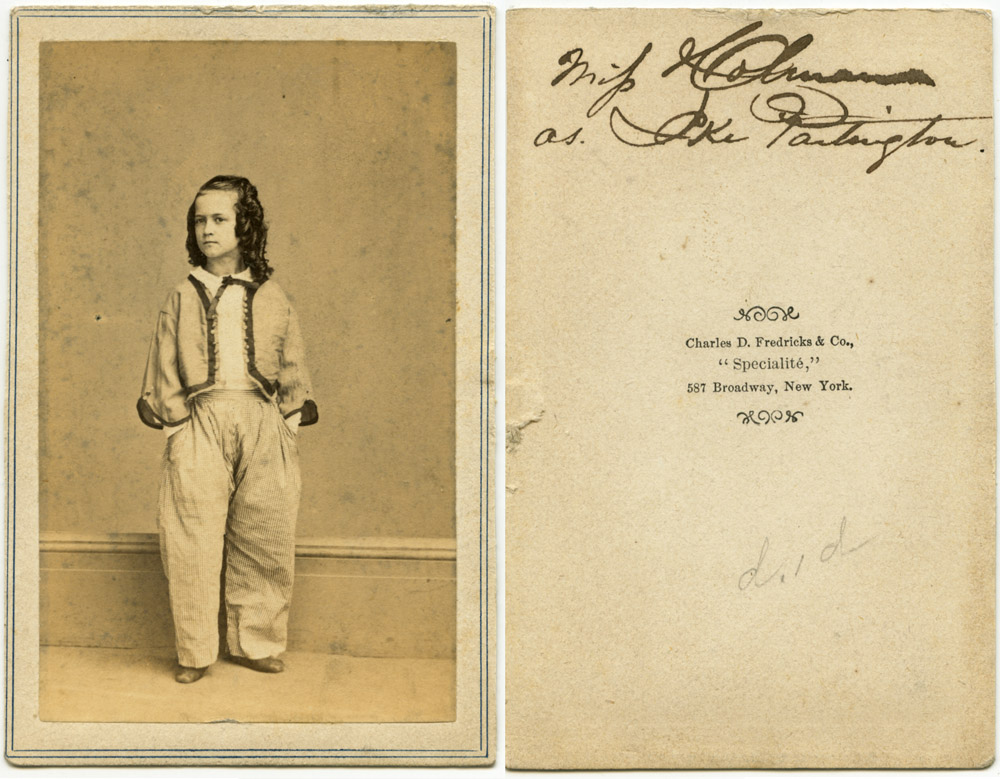
Sallie Holman as Ike Partington

Sallie Holman as Ike Partington, by Fredricks

Another actor in costume photo from the golden age of CDVs. Miss Sallie Holman dressed as Ike Partington (if you couldn’t tell from the name, a comedic role involving gender confusion/cross-dressing). This one hits on all the notes – a great CDV of a performer in costume, cross-dressing, “gay interest”, celebrity photographer. This is somewhat equivalent to the famous Garbo-in-a-tux photo of the 1930s, or Dustin Hoffman as Tootsie.

CORRECTION: It is Ike Partington, so I have corrected the title and elsewhere to reflect that.

Native American and Friend, Klamath Falls, Oregon ca. 1910-1920

Native American and Friend,Klamath Falls, Oregon

Original print roughly 4×6, in a cardboard passé-partout with the photographer’s imprint Henline (or is it Henune – hard to tell from the typeface), Klamath Falls, Oregon. It’s another image that’s fun to speculate on the relationship between the sitters – most probably just friends, but who knows? It’s the odd-couple pairing that inserts the questions as much as anything else. Unlike other, older tintype photos of two unrelated men together, there’s no obvious physical affection occurring. Is the absence of affectionate gesture a sign of “just friends”, or is it an indicator that by the 20th century, affectionate gestures between men were no longer acceptable, even when it was “just friends”?

Further Colors of Night- DC’s Chinatown

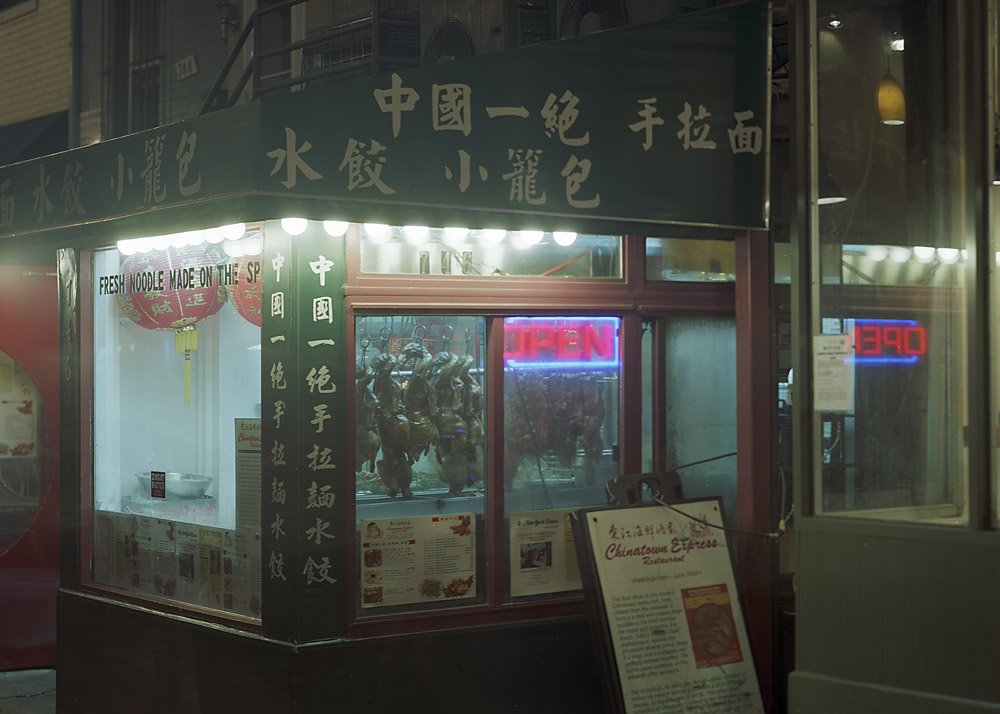
Fresh Noodles Made Daily

The fresh noodles and Peking duck house on 6th Street, NW. I think someone needs to teach them about Windex, as the “OPEN” sign is fuzzy not from being out of focus in my composition but from the splattered duck fat on the window. And no, I’ve never eaten there to know if the food is any good or not. But if you’re lucky when you wander by you can watch them making traditional Chinese noodles in the window, stretching and re-folding the dough over and over and over again, then cutting the ends and BOOM! you’ve got all these separate strands of pasta.

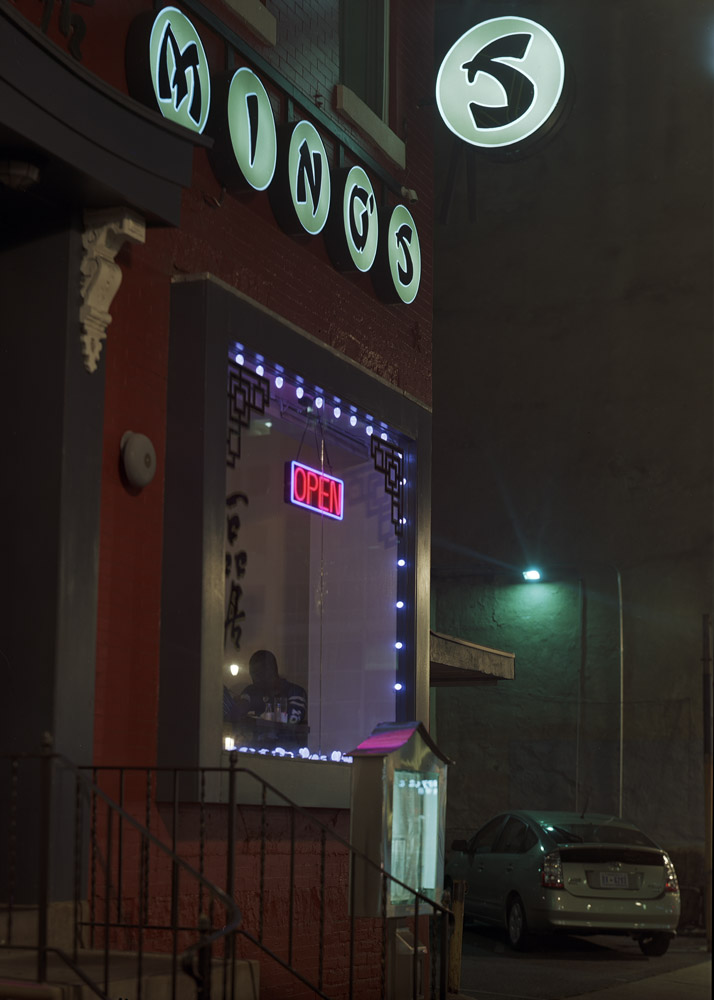
Mings Chinatown
Mings Chinatown

I liked the juxtaposition of the empty sidewalk out front, the lone Prius in the parking lot next door, and the intimate diners in the window.

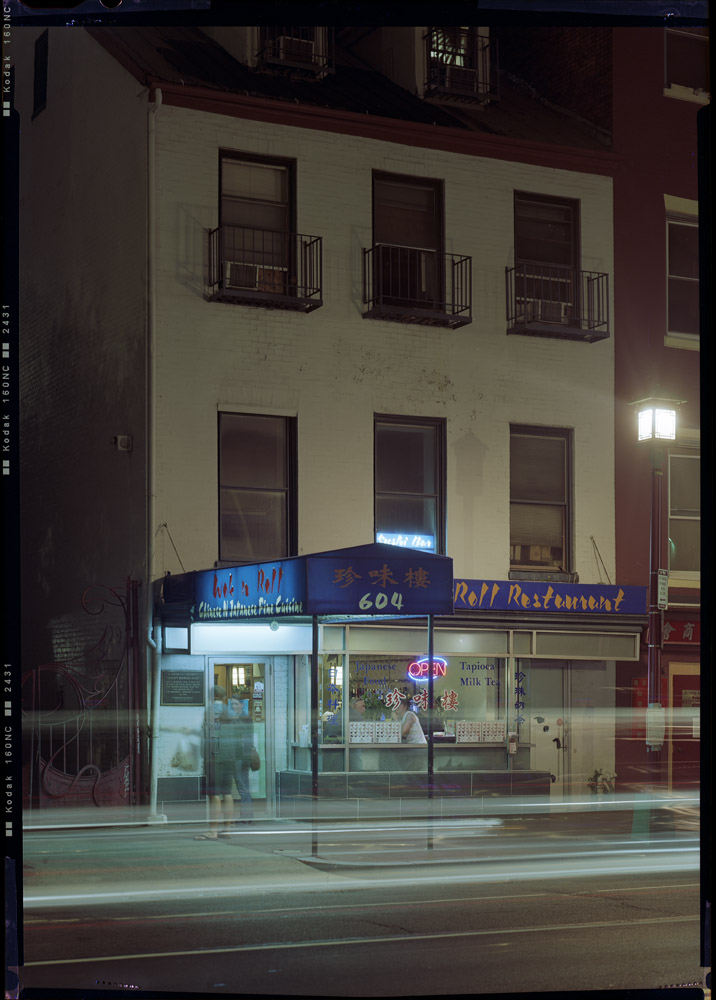
Secession Sushi - The Wok 'n Roll in the Surratt House
Secession Sushi – The Wok ‘n Roll in the Surratt House

This one gets a cutesy title because there’s just something so post- and meta- and ironic and all that kind of stuff about having a sushi joint on the ground floor of Mary Surratt’s boarding house, where the plot to assassinate Abraham Lincoln was hatched. Don’t believe me? Read the plaque on the wall of the house, like the two time-blurred figures in the photo are doing. It’s a very odd vestige of what downtown Washington looked like in 1865, and despite what Robert Redford would have had you believe in “The Conspirator” (by filming in an albeit lesser mansion in Savannah, Georgia), evidence of the utterly middle-class lifestyle of Mary Surratt.

All the above images were shot with my Canham woodfield 5×7, using my Kodak 12″ Commercial Ektar, using Kodak Portra 160nc film.

The Colors of Night – more Washington DC and environs shots

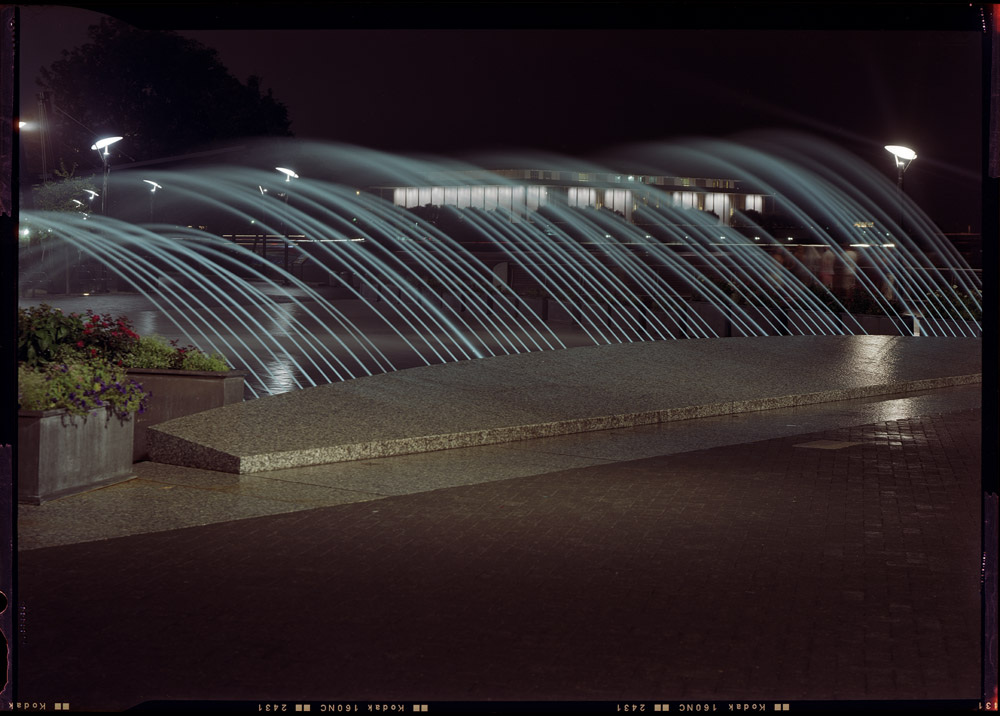
Fountain, Georgetown Waterfront, Kennedy Center

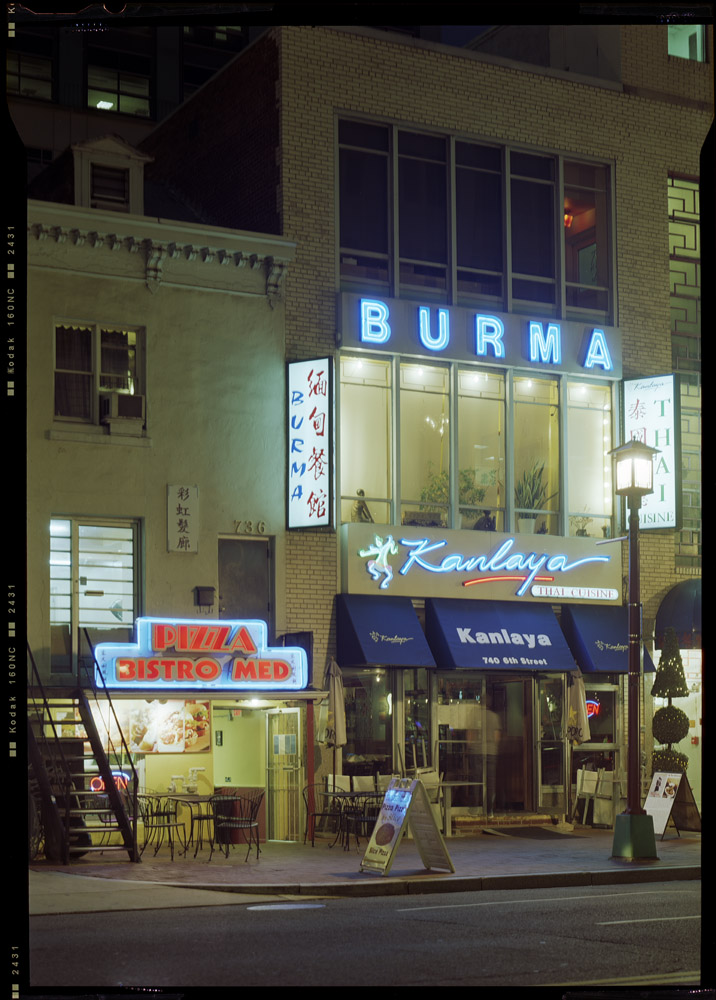
Burma Restaurant, Chinatown, DC
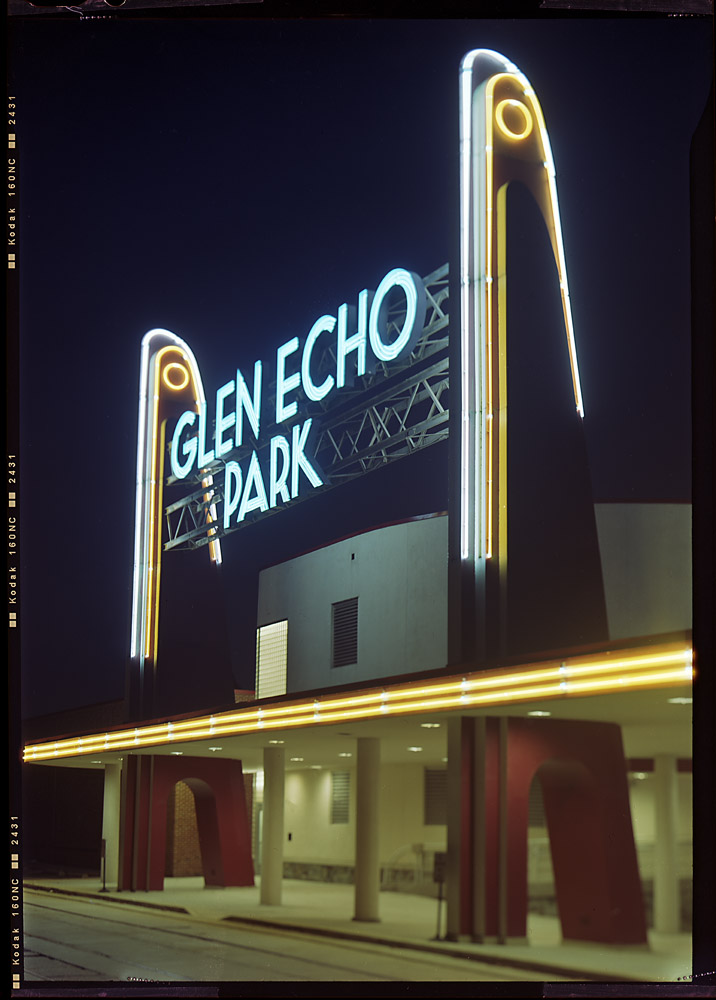
Glen Echo Sign
Glen Echo Sign


Three more in my DC at night series. These were all shot with the Canham 5×7 wood field, and if memory serves, all were taken with the Kodak 12″ Commercial Ektar lens.

Melissa Cacciola- Mohawk Iron Worker tintype portraits

Old Man, 2012, 8×10 tintype
Norman, 2012, 8×10 tintype
Martin, 2012, 8×10 tintype

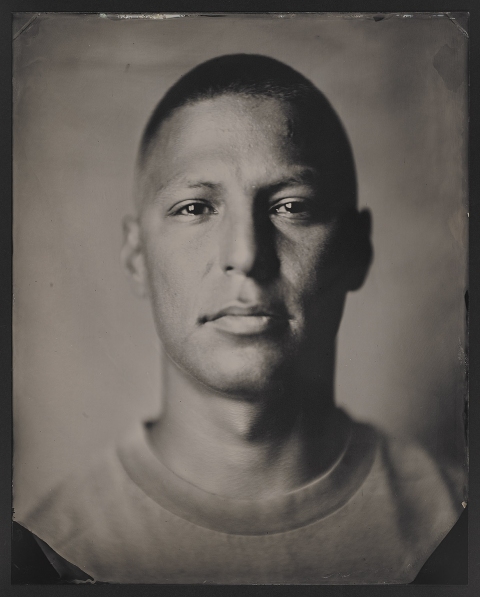
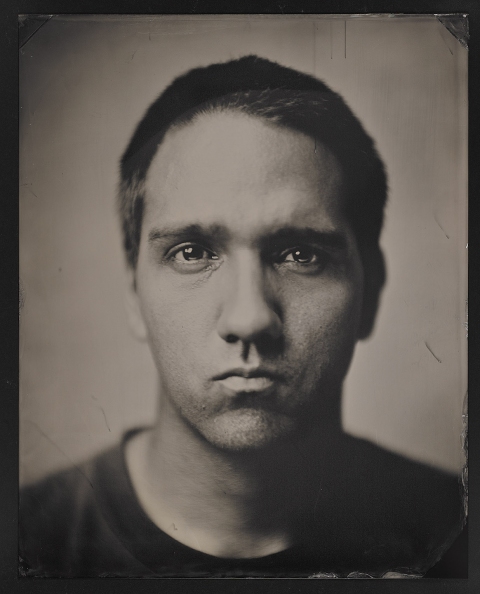
I discovered Melissa’s wet plate collodion work through a link someone posted on APUG, and I felt it was worth sharing. She has done a beautiful seet of wet plate portraits of the Mohawk Ironworkers who for the last century have been responsible for building the skyscrapers of New York City. The inspiration was the 9/11 10th anniversary last year, and the construction of Freedom Tower on the site of the old World Trade Center. I just felt her work was worth sharing. Please browse her website linked below to see more of her work and to find out more about her.

Melissa Cacciola: Mohawk Iron Workers

Some of my remaining 5×7 color negative film

Georgetown in a Rainstorm

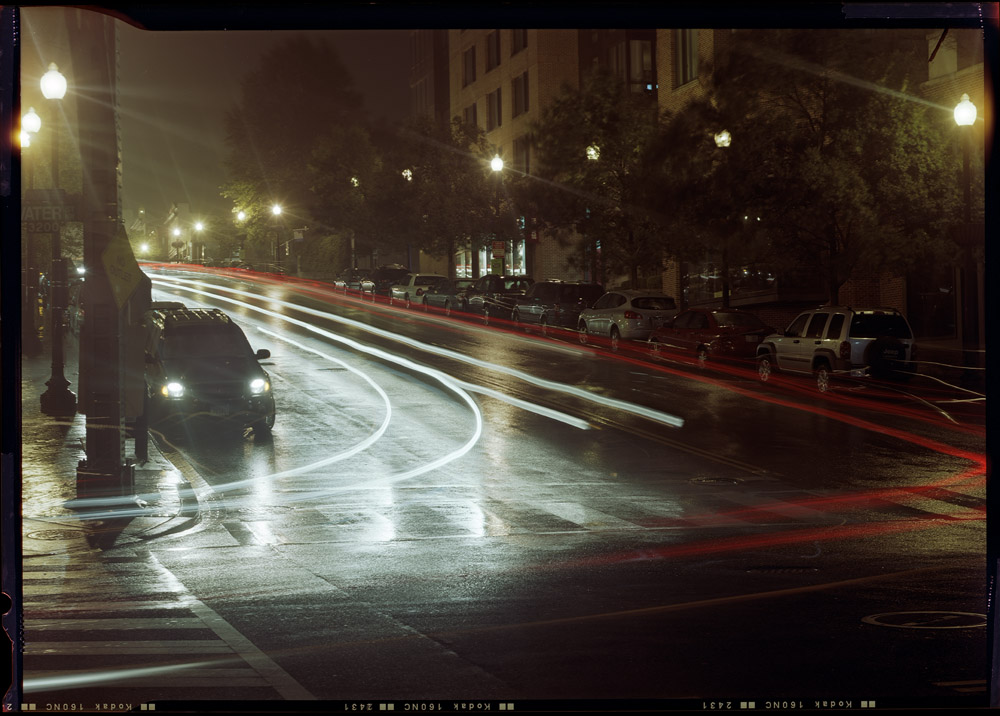
Here’s another in my DC at Night photos – the intersection of Wisconsin Avenue and Water Street, under the Whitehurst Freeway in Georgetown. I was down there shooting some other scenes, trying to finish off my 5×7 color negative film stock (I bought a 50 sheet box when it was only $150 a box…now, over $400!!!!). This was taken with my 12″ Kodak Commercial Ektar lens. A roughly 30 second exposure. I was a bit nervous during the shoot as I was out in the rain, with a carbon-fiber tripod, and sheltering under a gigantic steel overpass. I think the lightning was a few miles away though, and nothing happened. I was a little bummed that none of the lightning recorded in the sky as anything other than general fog, but hey… the headlamps and tail lights of the cars recorded very nicely, don’t you think?

Glen Echo National Park – the Dentzel Carousel

Dentzel Carousel Horse
Faces of the Dentzel Carousel
Mirror and roof vaulting, Glen Echo Dentzel Carousel
The Dentzel Carousel in motion

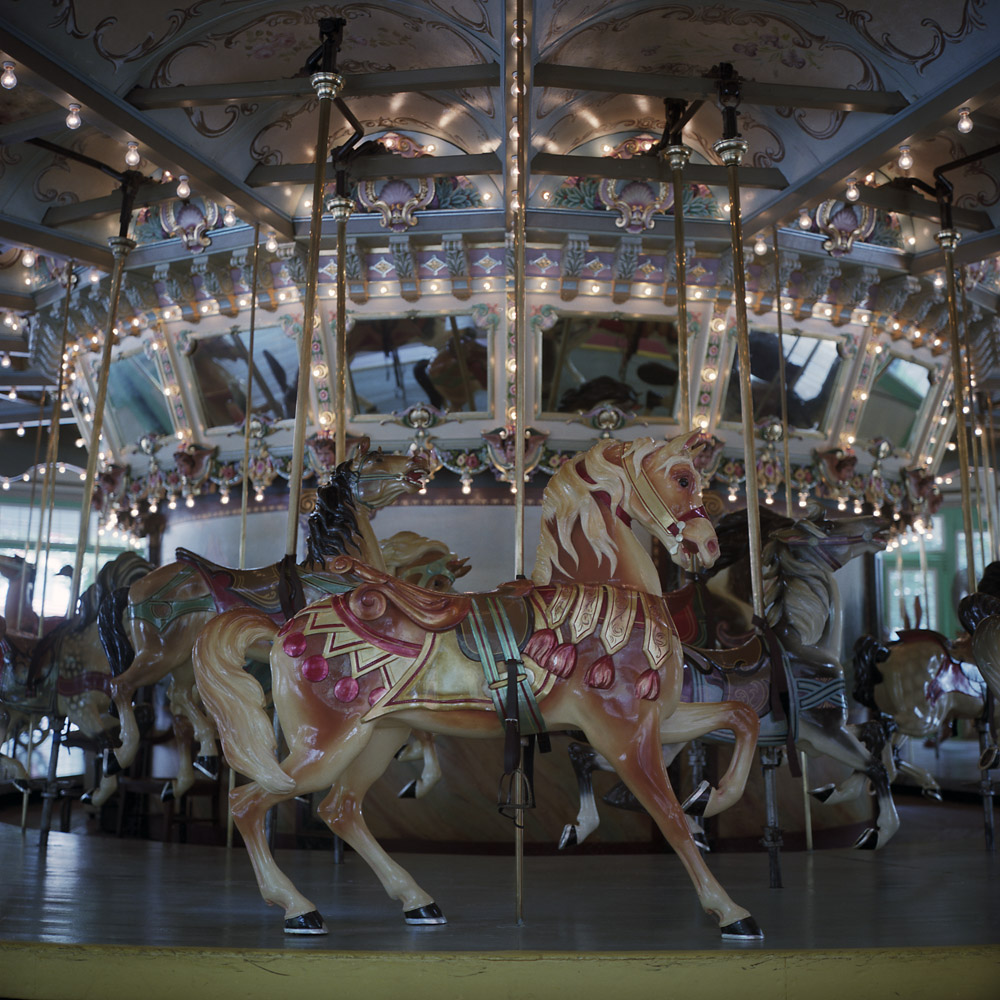
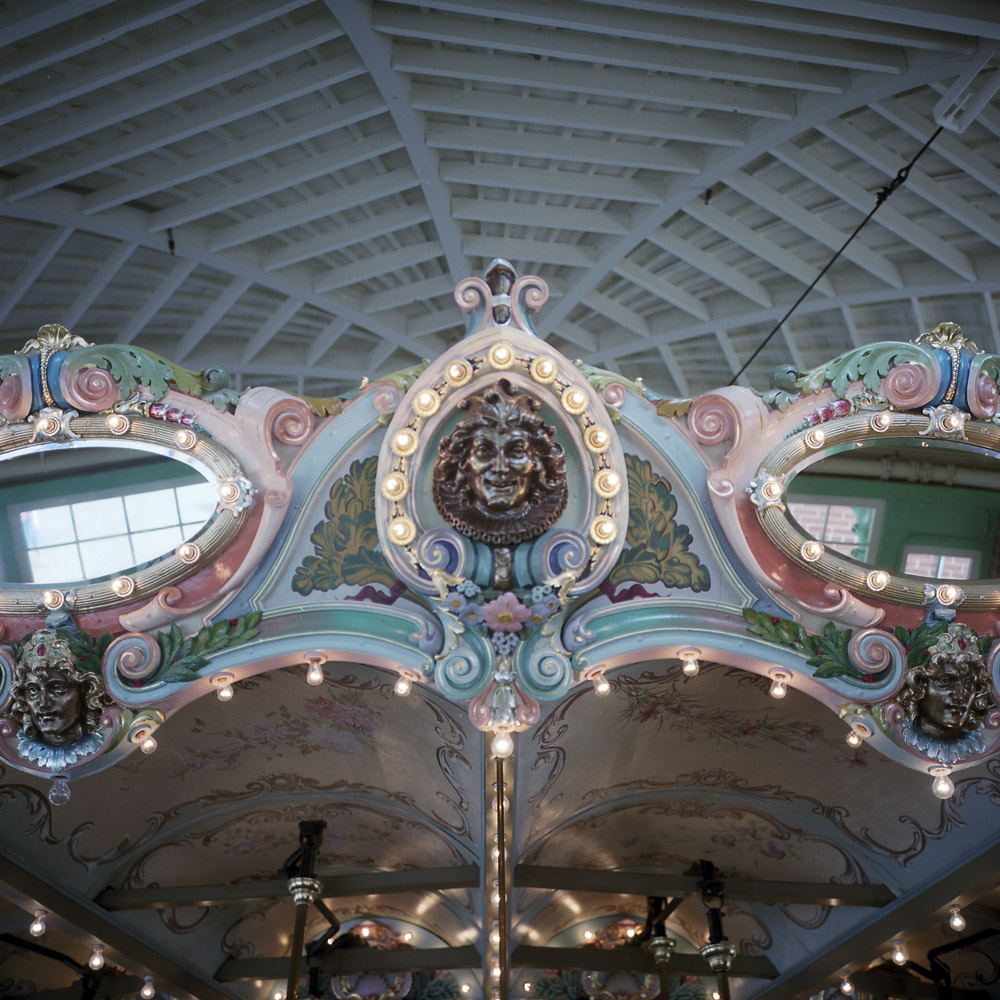
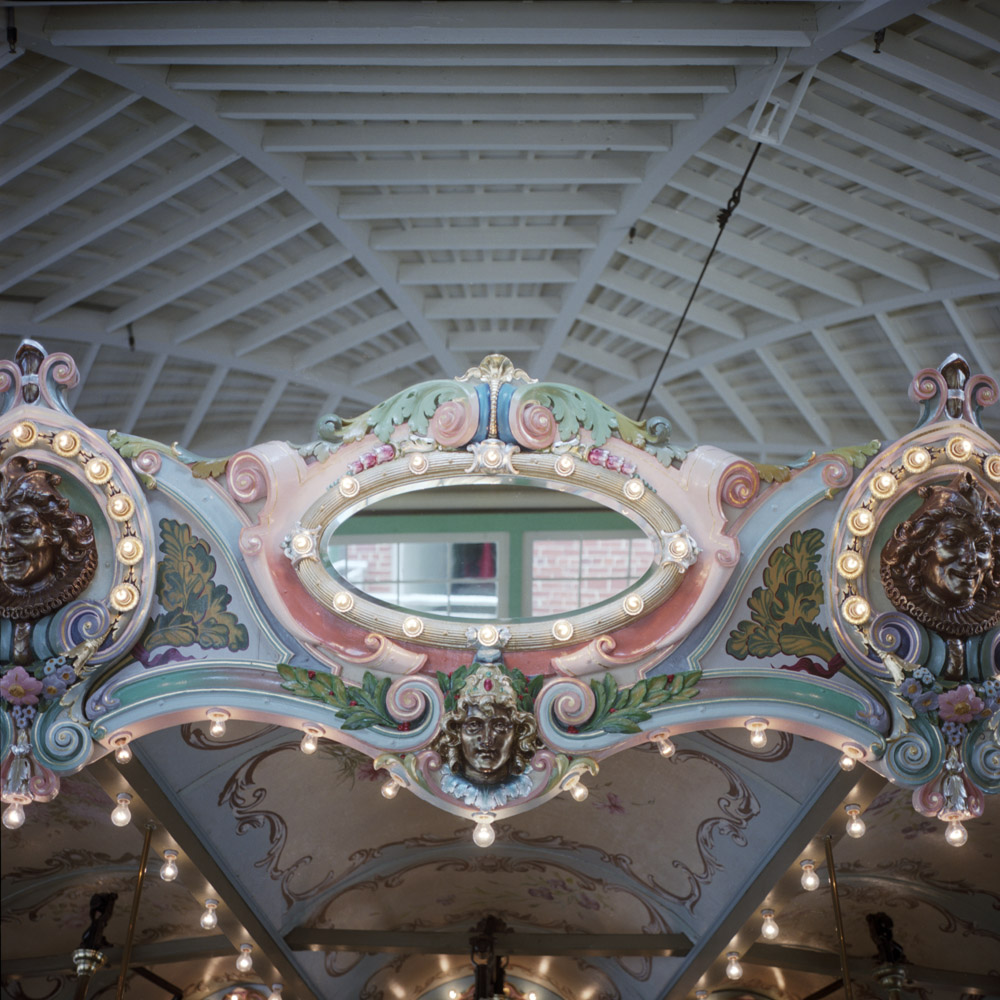
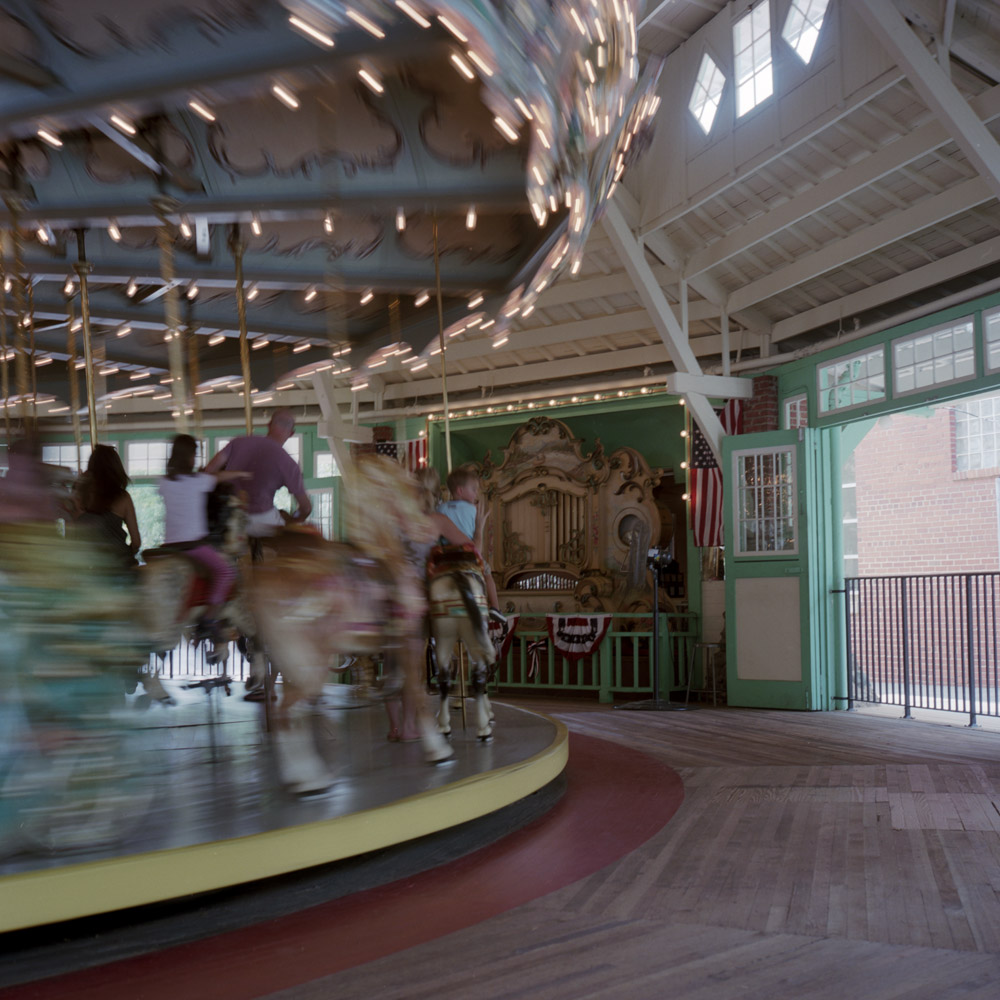
Here are some images I took over Labor Day weekend at Glen Echo Park of the original Dentzel carousel. The Carousel is from the first decade of the 20th century, and is original to the park. It has been restored and is fully operational as you can see. One of the horses on the carousel is actually 100% original paint and as such it is roped off so you can’t ride it. The pipe organ/calliope is also fully functional and it has nearly an hours worth of music before it repeats.

Sailors Crossing the Equator

A Sailor's First Crossing of the Equator
A Sailor’s First Crossing of the Equator

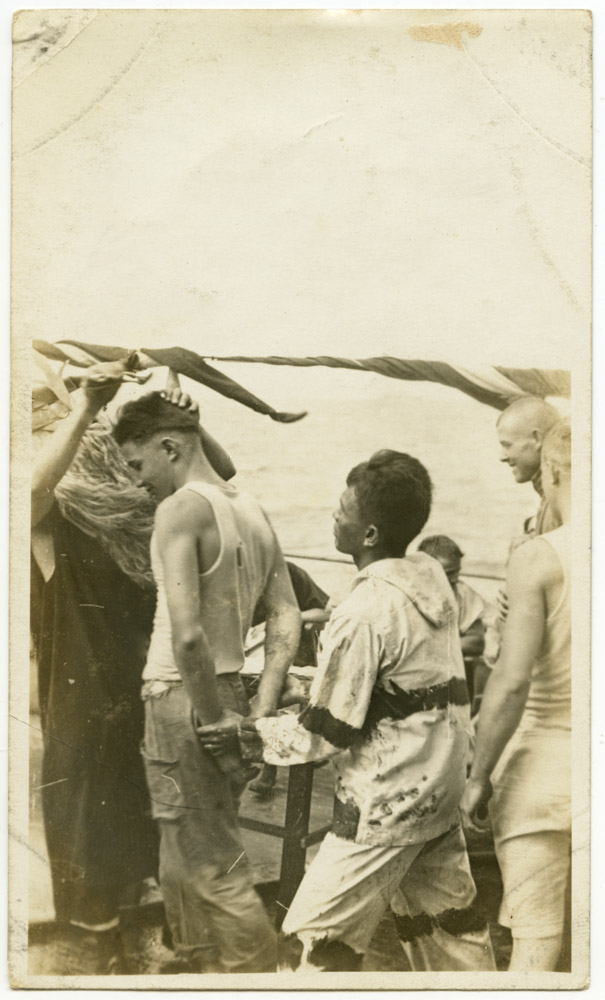
Here is a vintage silver gelatin print of a sailor’s ritual head shaving on his first crossing of the equator. Note the “mermaid” in long blond wig administering the shaving, and the asian sailor restraining the recipient of the haircut. This must have been a merchant ship, possibly in the Pacific, pre- WW II. In any case, a fascinating snippet of nautical culture as seen from an insider’s perspective.