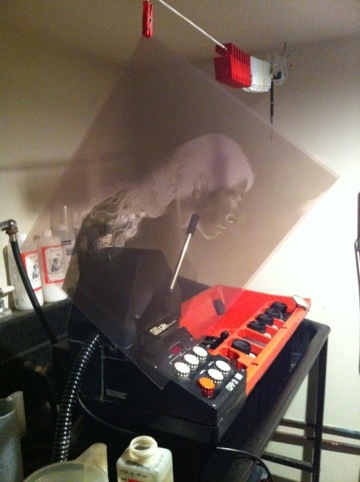
Here’s a 14×17 portrait I shot a while ago and just got around to developing. I love what I can do tonally with FP4+ and platinum/palladium, but when you are shooting this big, the slow speed starts to hurt – its tough getting the f-stops you need when a headshot is also a 1:1 macro and costs you two stops (or MORE) just from the bellows extension.
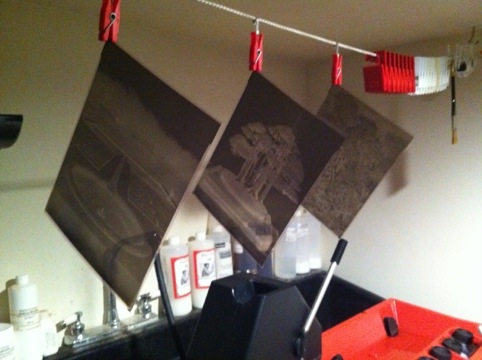
Here are the first few from my outing to the Arboretum with one of the camera clubs I joined recently. These are 6.5×8.5 (whole plate) sized negatives.
I’d been in a bit of a blue funk as far as darkroom work was concerned, but getting ready for Artomatic has helped me find new motivation to get back in there and start working again. That and teaching my class this coming weekend. Can’t wait to finish developing all my film and see the results!
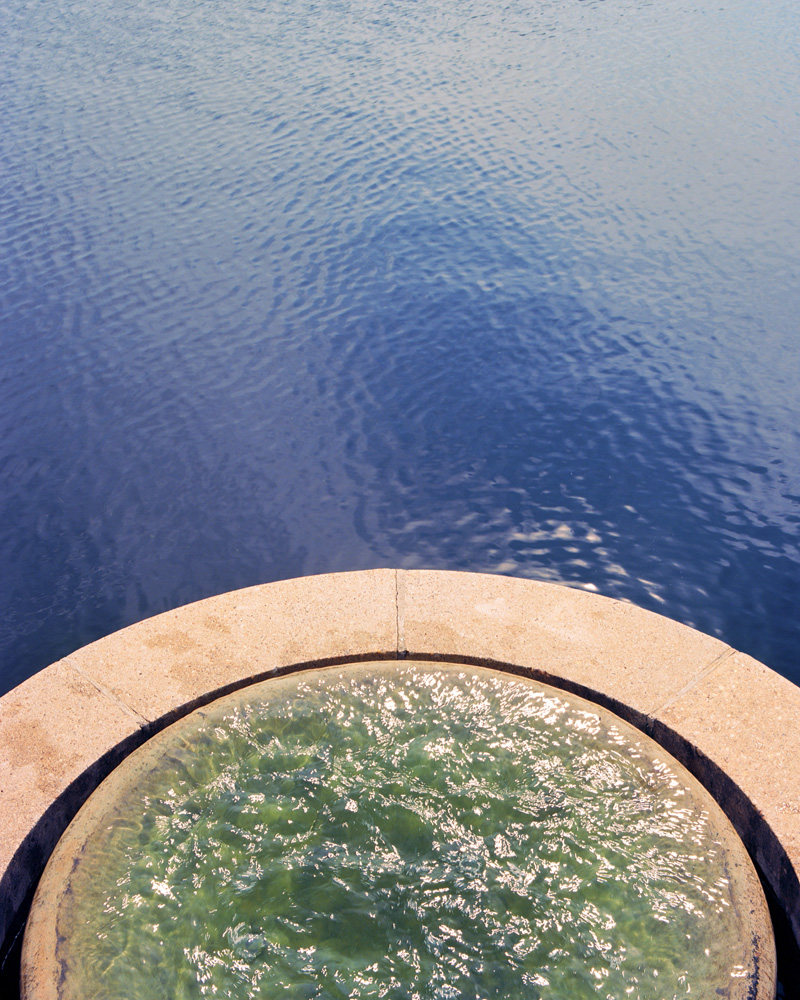
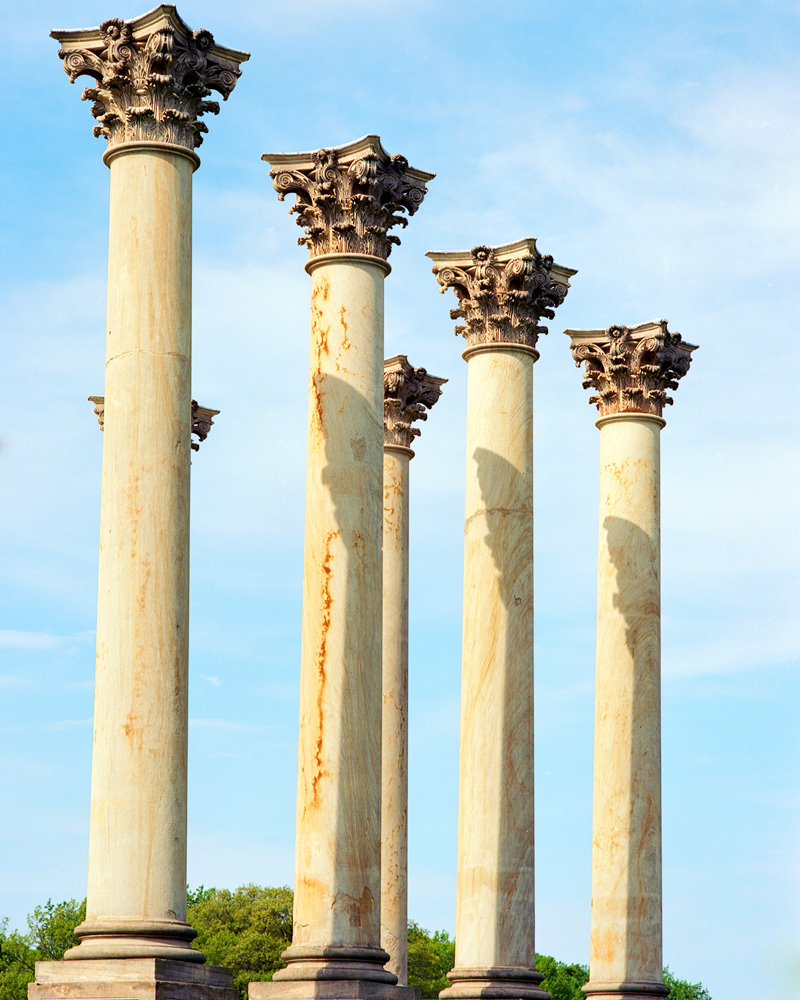
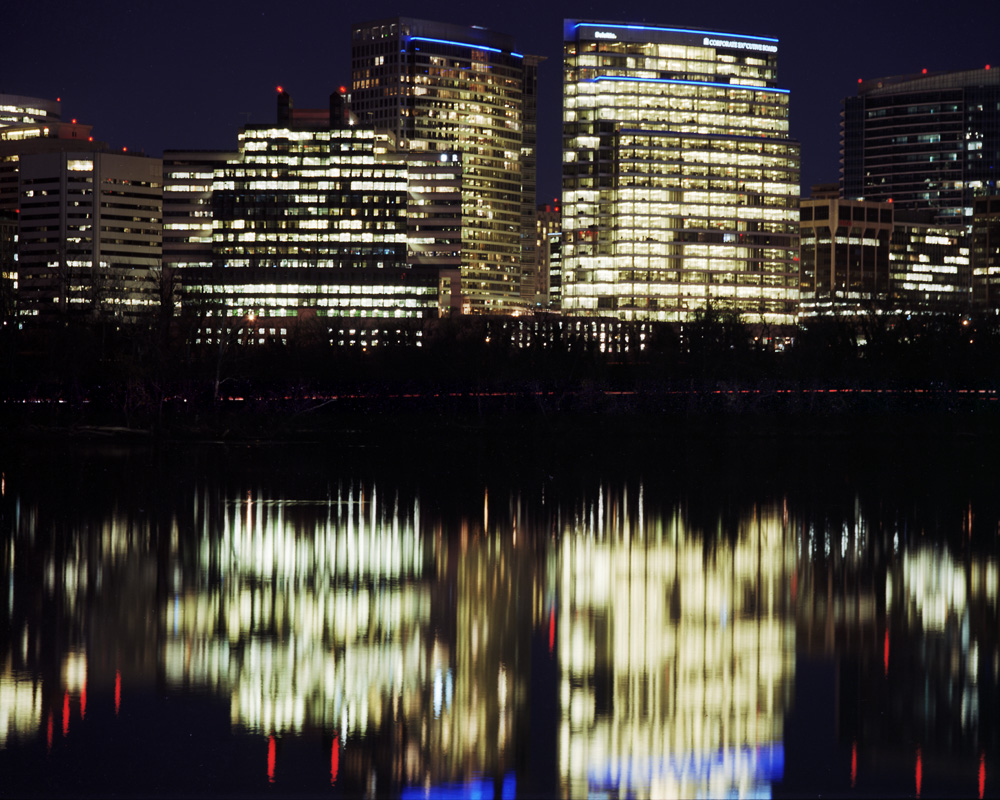
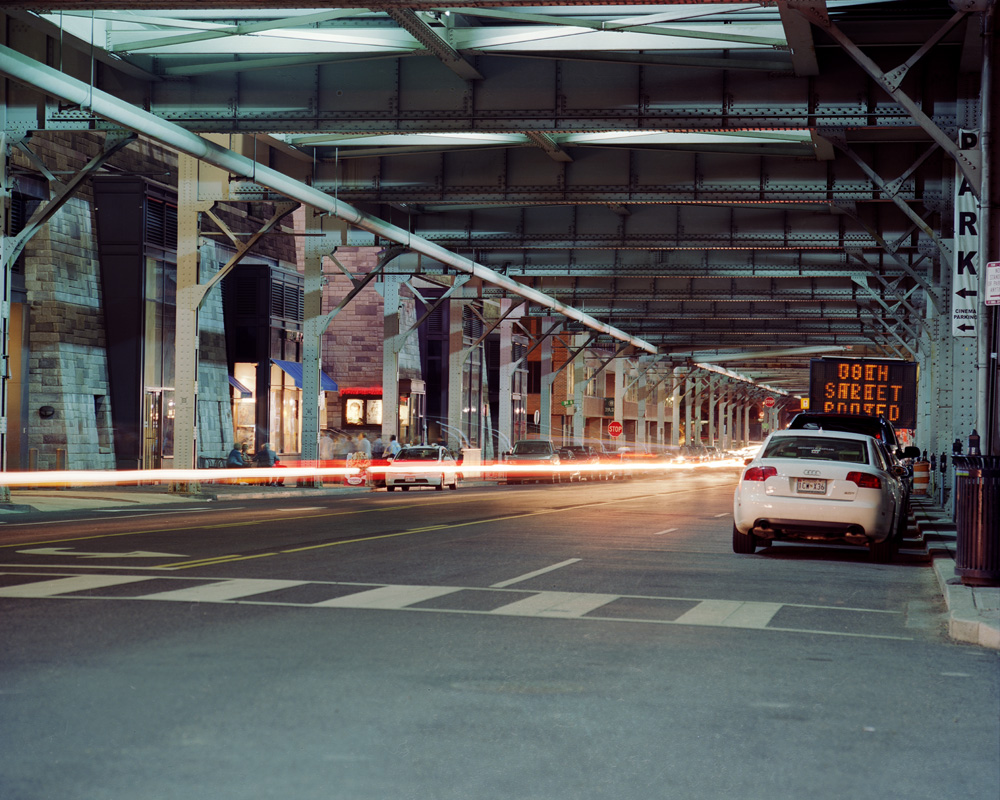
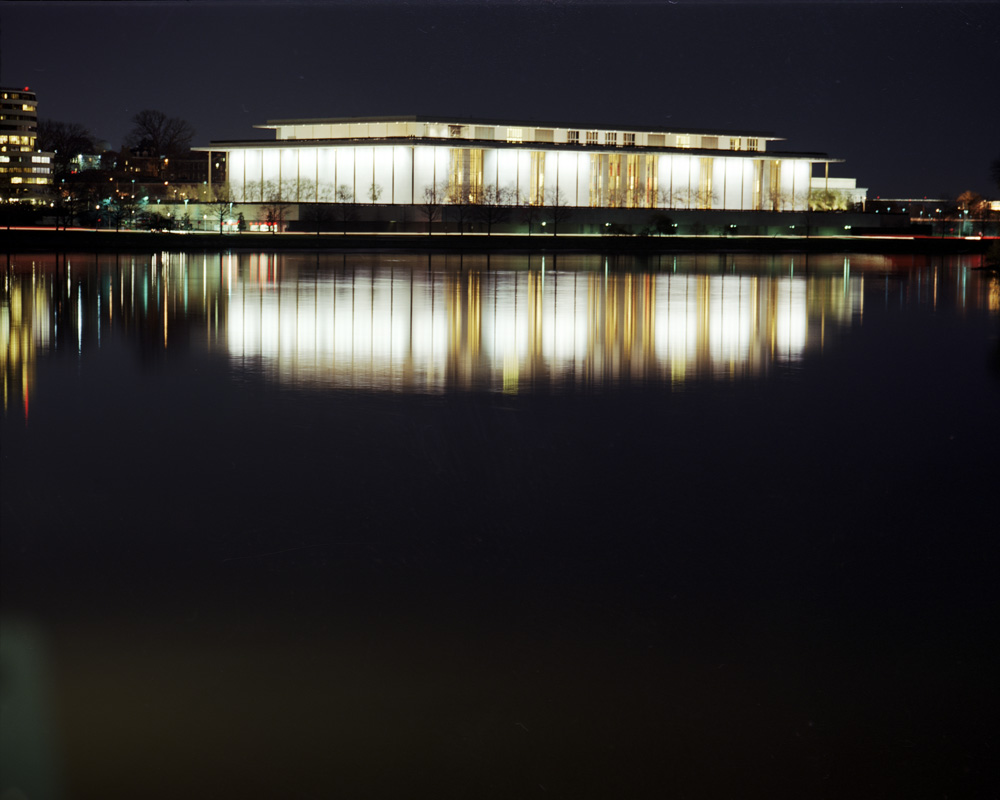
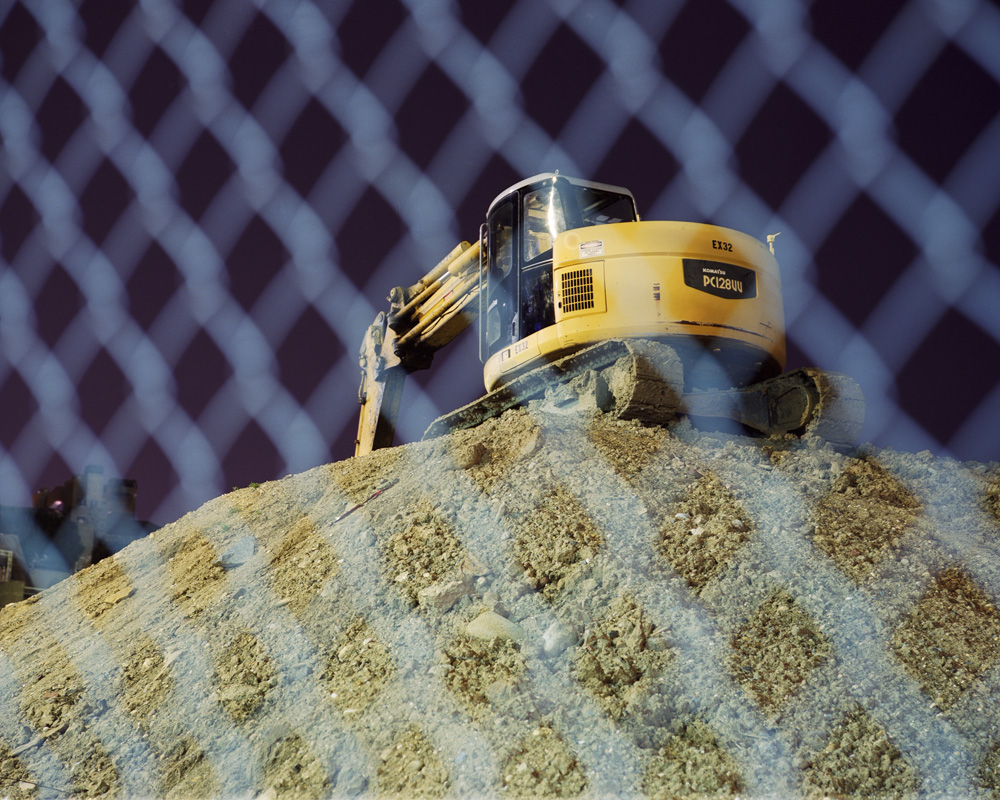
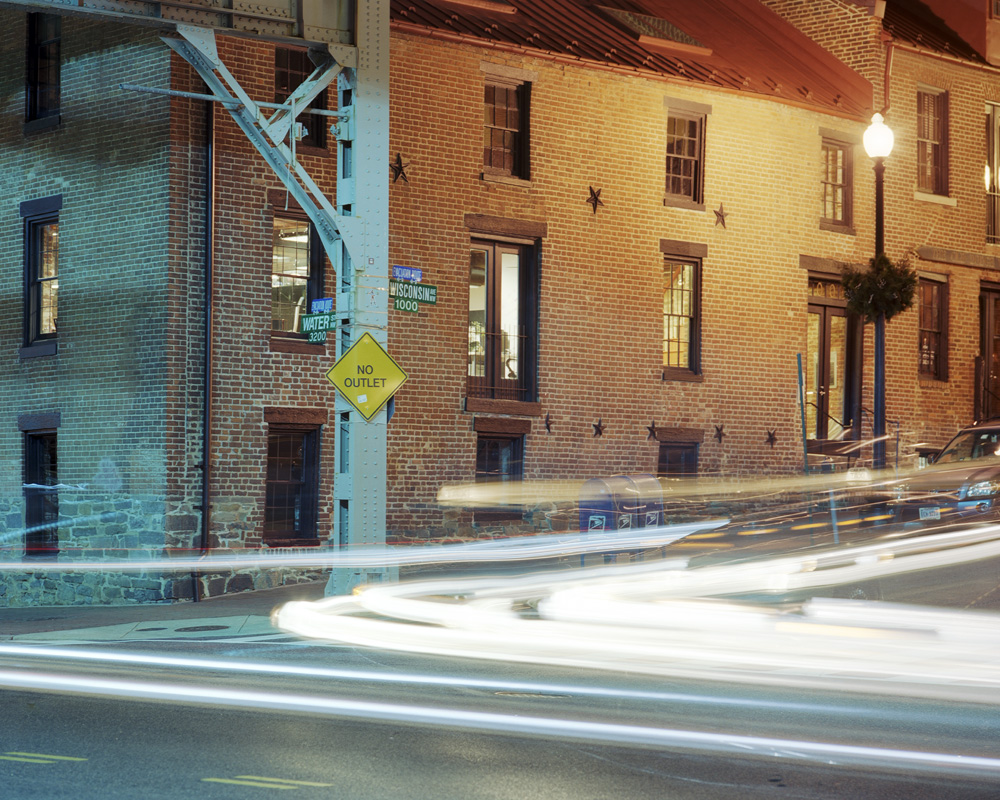
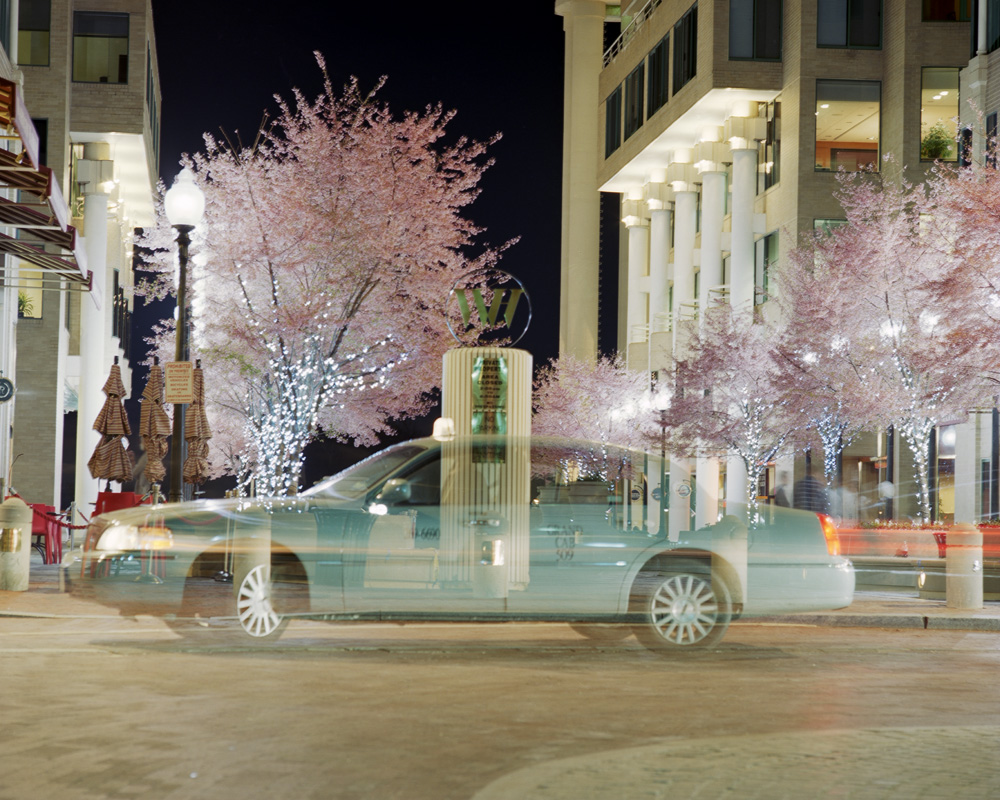
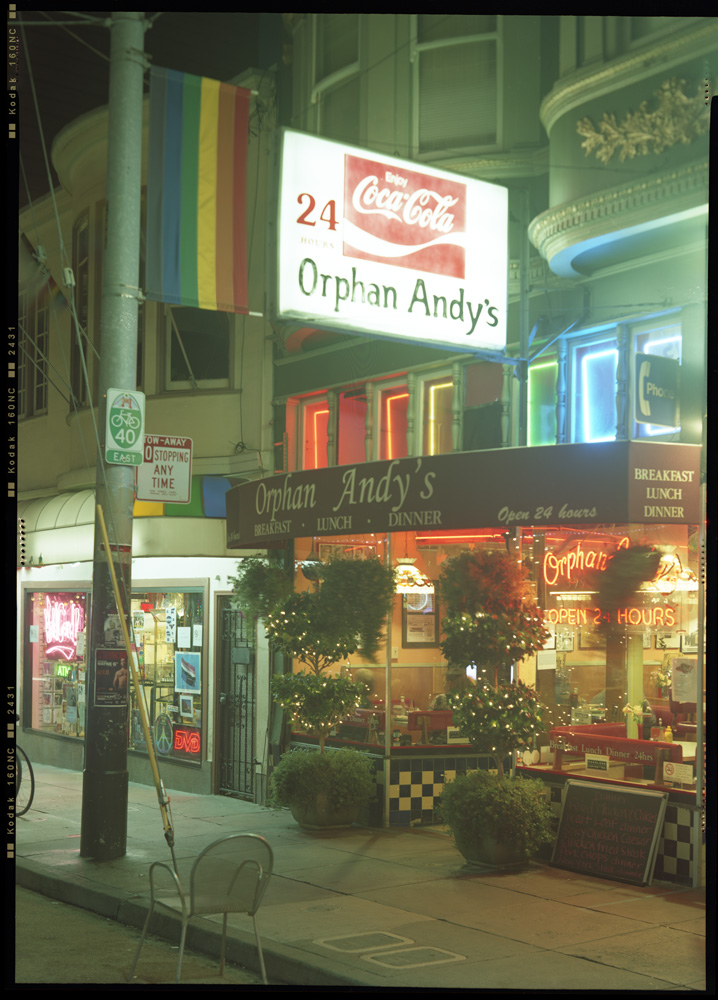
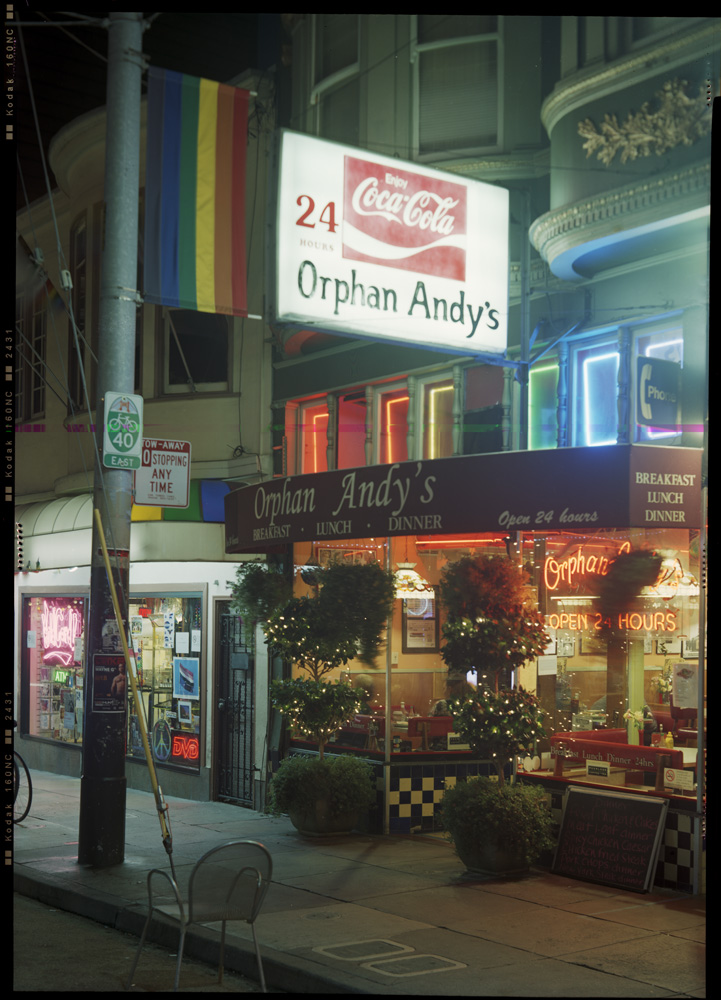
Here are some of my color images of Washington DC – some of these images will be going into my Artomatic show in May, along with some of my images in San Francisco.
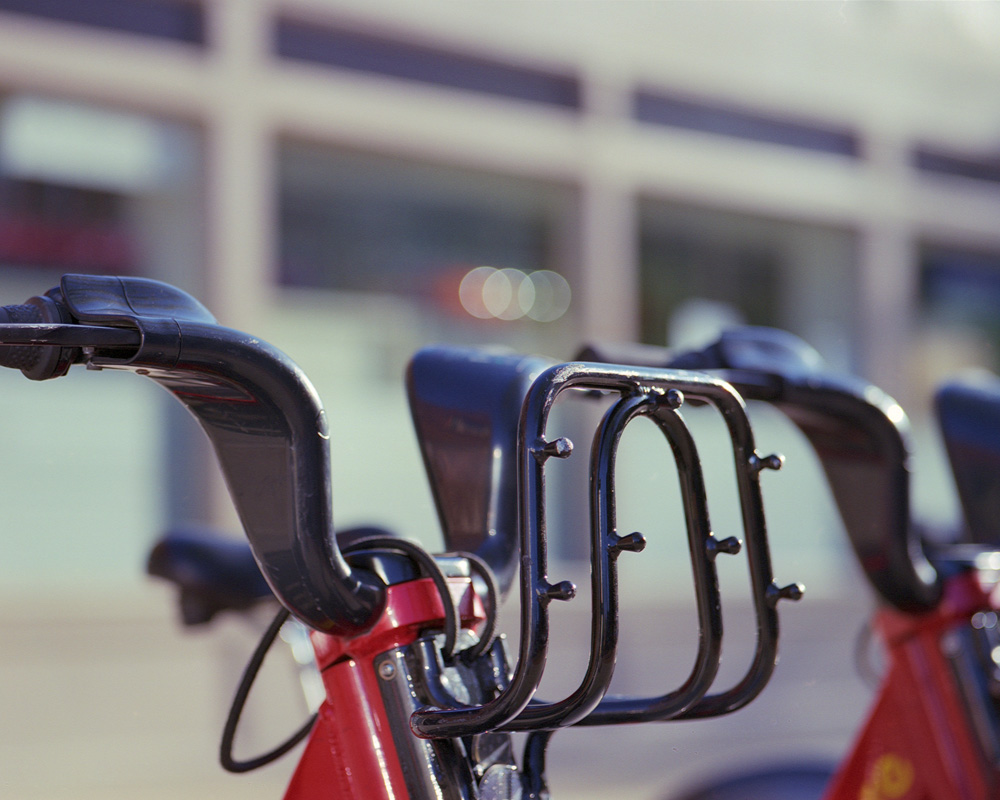
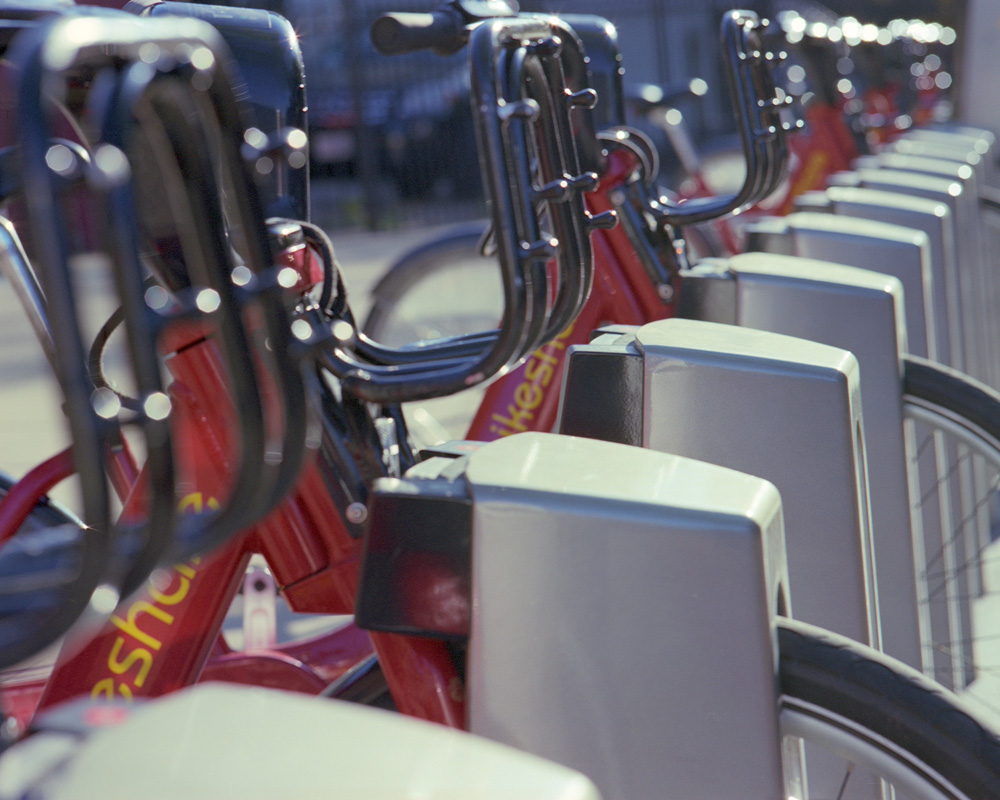
Capitol Bikeshare, 7-Eleven WindowsCapitol Bikeshare, Rhode Island AvenueFountain, Capitol Columns, US ArboretumCapitol Columns, US ArboretumRosslyn, Potomac RiverUnder the Whitehurst FreewayKennedy Center, Potomac River, NightEarth mover, NightWater Street, GeorgetownWashington Harbor, Cherry Blossoms, Taxi
These are part of an ongoing series I’ve been working on of Washington DC, by day and by night. All these were shot with a Mamiya RB67. My film of preference is Kodak Portra 160nc because it does such a great job with handling diverse light-sources. The two bikeshare photos are on Fuji NPS 160. I was trying them out side-by-side, to see which I like better. I think the Fuji still has a little bit of a green cast to it, so I think I’m going to stick to the Kodak.
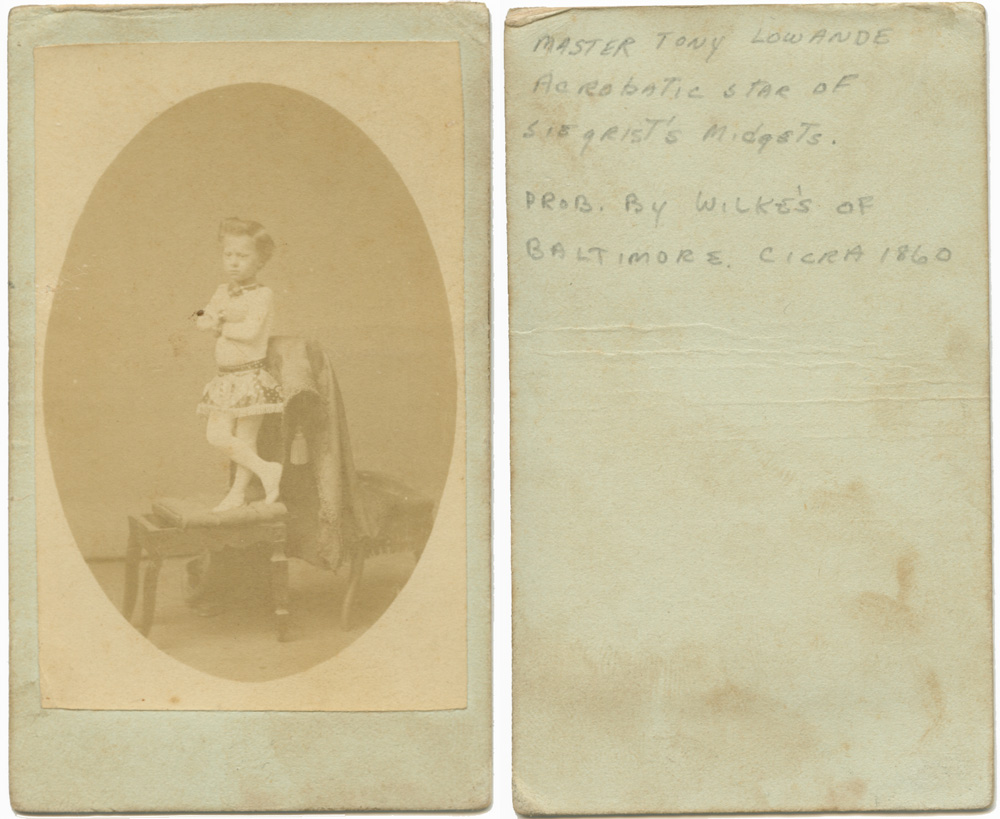
Mr. Lowande doesn’t look particularly happy to be having his picture taken. But that combination of tights and skirt not only look uncomfortable, I suspect wearing them outside the carnival tent would tend to challenge the masculinity of all but the most self-confident of men. This CDV is probably by D.J. Wilkes of Baltimore – although there is no identification on this card, the image is identical in all but pose (same outfit, same props) to another one I found online with the photographer’s imprint. I’m having a devil of a time finding more specific information about Mr. Lowande – most of the references I find for that name refer to an equestrian performer (that may be the same Tony Lowande, but I’m not sure), and the dates would seem to be later (that Tony Lowande was born in 1869 according to Olympians of the Sawdust Circle) and part of a famous family of Brazilian-American circus performers. Or it could be just that everything else about the photo aside from the name and photographer’s ID is wrong – Tony Lowande might just have been a five year old boy in this photo, and not a midget. I could also not find any reference to Siegrist’s Midgets, but that doesn’t mean anything per se.
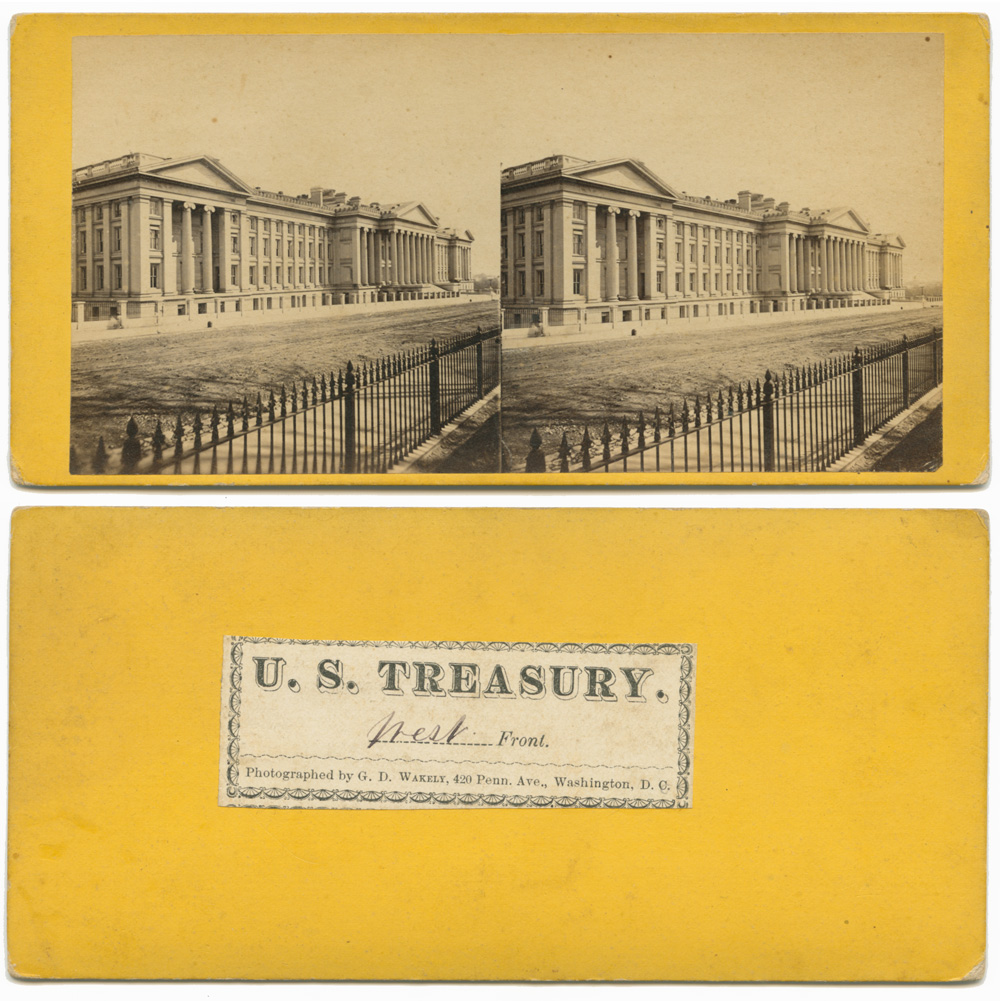
Quite possibly the oldest stereoview I have – I’d put this one at no later than 1870. This may have even been taken during the Civil War, although I think you’d have been hard pressed to find Pennsylvania Avenue that empty during the war. The area around the White House was even more the center of government at that time than it is now (now federal agencies are spread throughout the town and into the suburbs). The State Department was across the street to the north, and the War department was the other side of the White House. But Washington was a much smaller town in those days, and when Congress was not in session, half the town was empty.
I was tickled that we got mentioned and one of the images by one of our artists was featured in the column, as the WaPo’s Arts section is notoriously unfriendly to local artists.
The evening was a big success – I think we had 50 people come for the artists’ talk and reception, despite the miserable weather all day. My work in the show was some of my 5×7 palladium prints from my trip to Argentina. One thing that I focused on in my artists talk was the story behind each photograph, as opposed to the technical details of its production, which other artists spent a fair bit more time talking about. I know if I went to a gallery talk by a painter, I’d much rather hear them talk about the content of their images than which brush they used. I think it’s a general shortcoming of photographers (I can do it too) to get caught up in the technical details of image production, in part out of a desire to share the knowledge to preserve it, in part to inspire others to try, and in part out of our own fascination and joy at the “wow, I DID this!” factor that is always there (for me at least) every time you successfully produce a print via a chemical process. 20 years on into this passion, I still have that “wow” factor every time I develop a print that works. In the first days of learning, I’d get the “wow” even if the print was crap, just because I made the chemical process work. I’m a little more finicky now and get excited when I see a GOOD print appear in the soup.
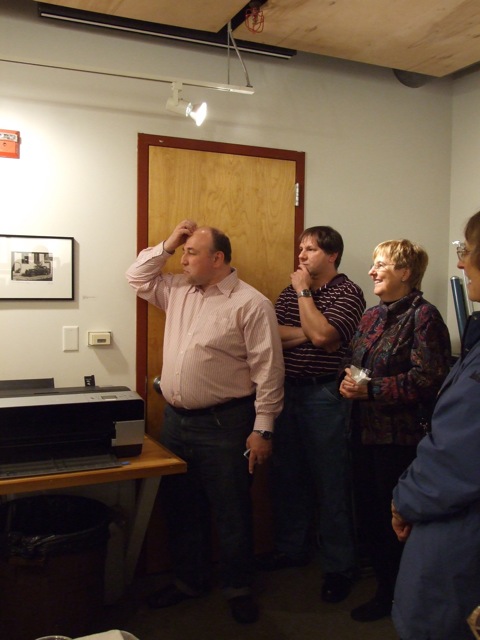
Anyway, here I am, talking about my work. You can see one of my prints to my right (your left) in the image. Scott @ Photoworks Alt Visions talk
On a separate note, my platinum/palladium printing class is officially sold out, so I will be offering it again in the fall. Stay tuned for dates/times. I’m very excited about the class, and can’t wait to see how it goes. I’ll also be offering some additional classes in the fall, including a Photo History class (probably) and a one-evening “Collecting and Preserving Antique Images” lecture, where I’ll be trotting out parts of my own collection for people to see real life examples of various antique photographic media.
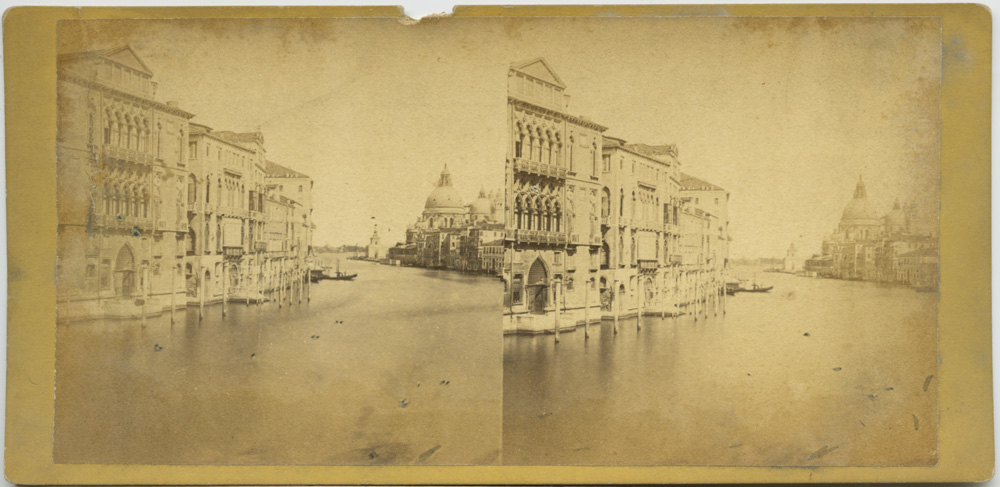
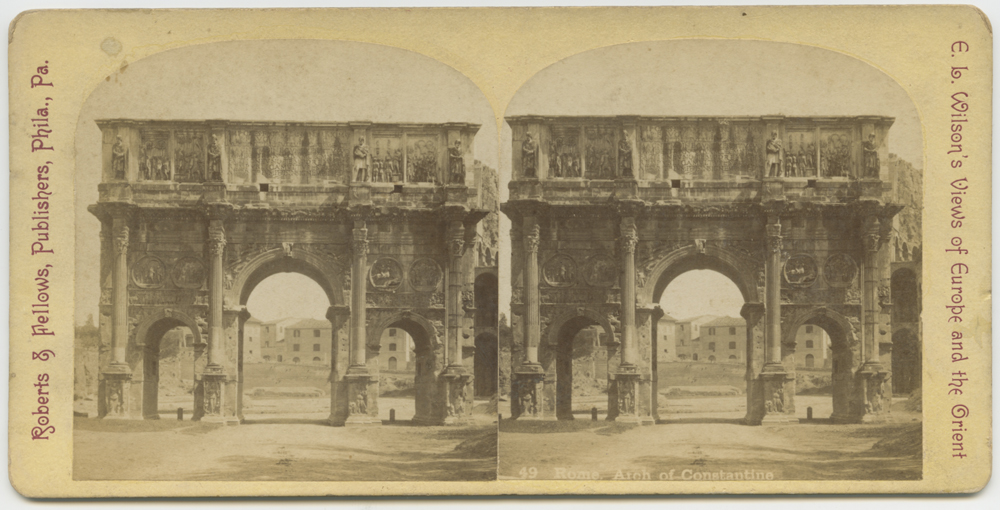
This one probably dates from the 1860s/early 1870s based on the plain style of the card and the condition of the albumen print(s). No label on front or back, but a hand-written note in Italian stating “Palazzo Cavalli”
The Arch of Constantine, Rome
This one is still probably 19th century, but 1880s-1890s. American made.
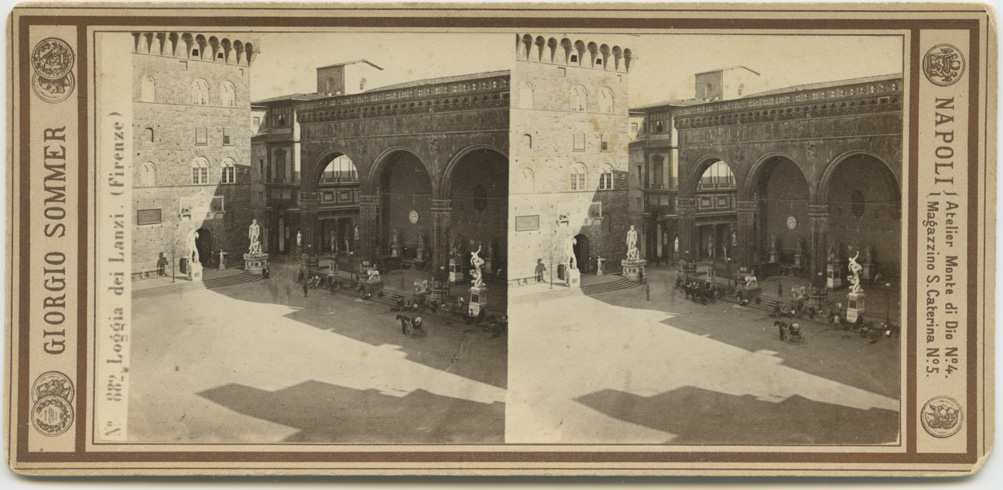
The Piazza della Signoria, Firenze
Most likely between 1900-1910. This one fascinated me because I’ve actually been there! It was neat to see how the Piazza looked over 100 years ago.
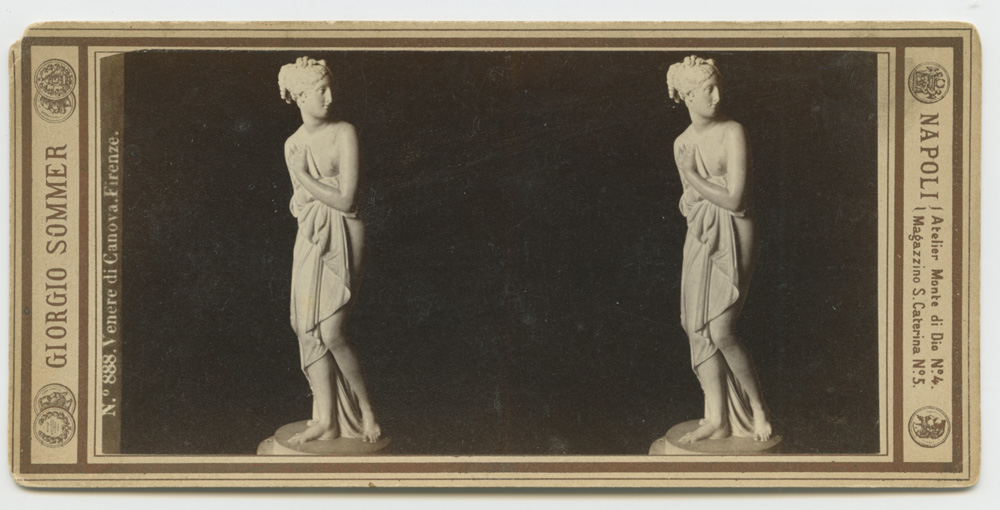
Venus of Canova, Firenze
This one came along for the ride in the batch of stereoviews. I’m not sure if this Venus resides in the Bargello or the Accademia.
Well, today was a very busy and successful day. I had an early morning, taking my SharePoint certification exam. This was my second time. Last time, I failed with a score of 570-ish (you need a 700 out of 1000 to pass). Today, I got a 957, which means that I missed only one question. I’m very psyched at the turnaround, and I owe a debt of thanks to an iPad app, VCE mobile.
Then I went over to the site of this year’s Artomatic. This will be the biggest Artomatic ever – 390,000 square feet; enough room for 1700+ artists. I found a great wall space to hang my work on the 11th floor, near the elevator, with a view of the Potomac River and National Airport. We’ve got until May 13th now to get our work up on the wall, which is pretty tight time, but I’ll manage somehow.
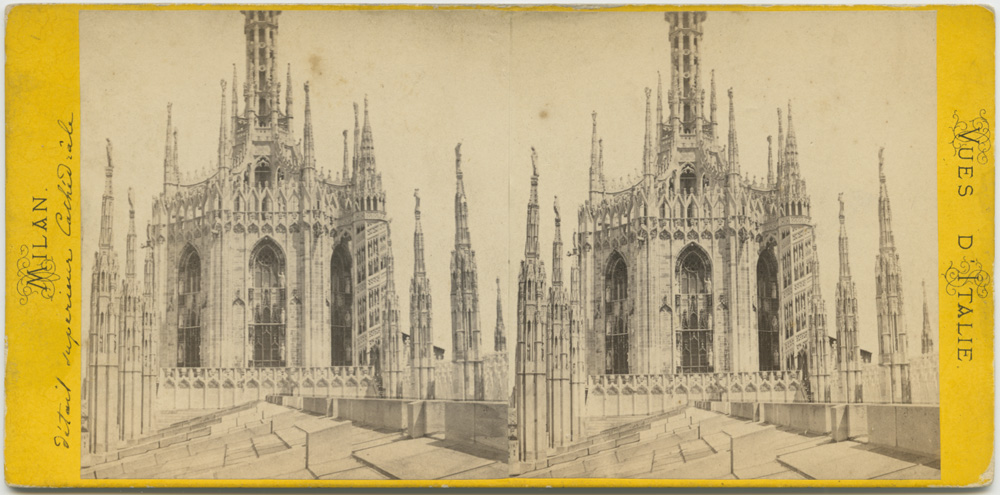
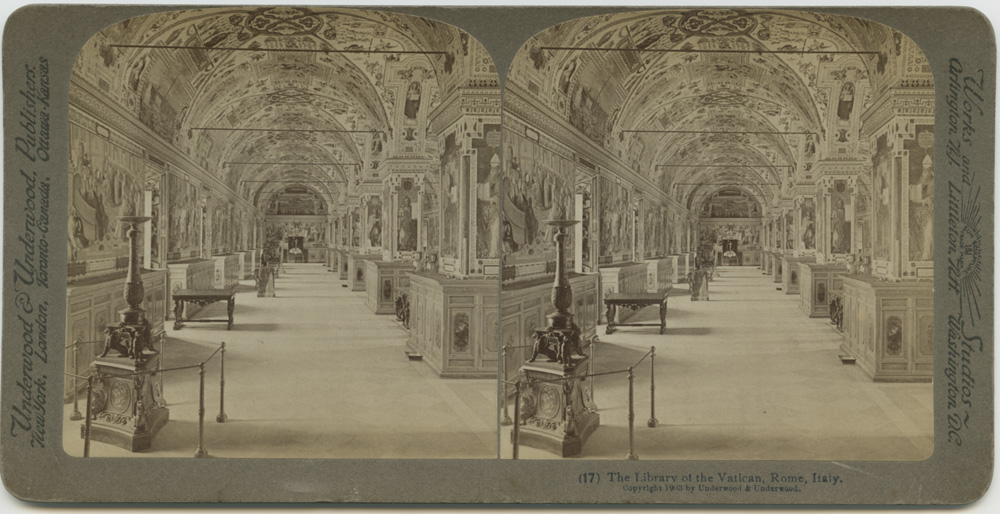
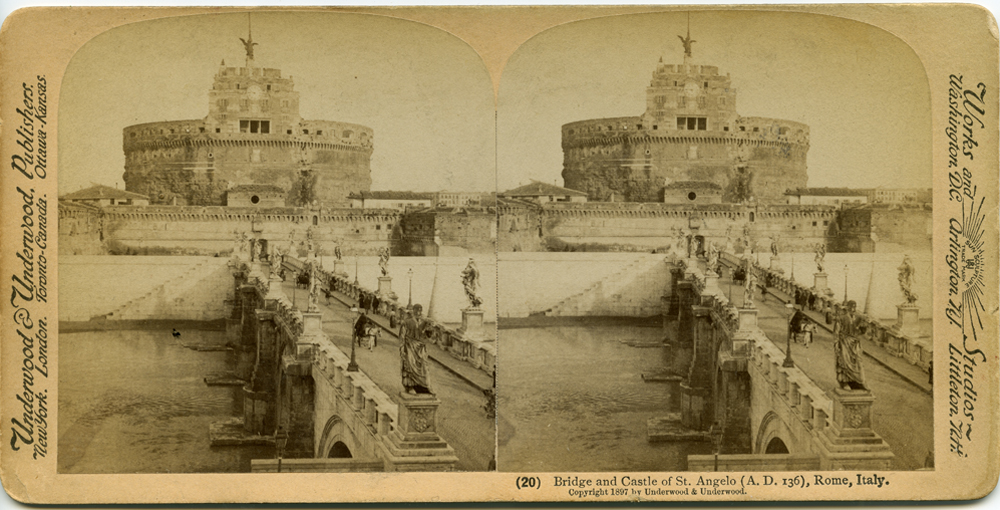
Milan CathedralThe Vatican LibraryCastel Sant Angelo
The first one is actually a French stereoview, and is definitely the oldest of the three – could be as early as the 1860s, but more likely 1870s. The Vatican Library is an Underwood & Underwood from 1903. The Castel Sant’Angelo is also an Underwood, and it is dated 1897.
Here are the two scans I spoke of in my previous post. The Epson scan looks like it took a bath in tea; the SilverFast scan looks almost ready for printing, just a minor tweak to color balance required.
Next stop, the 3880 printer! I’ve got two papers I want to try in it, the Epson premium glossy and the Brilliant heavy-weight glossy. The Brilliant is a lot cheaper than the Epson paper, so I want to see if it’s a case of you get what you pay for, or is it worth the savings.
 dcphotoartist