Category Archives: Travel

Mexico City – Around San Angel, In Color

SanAngelMudanzas
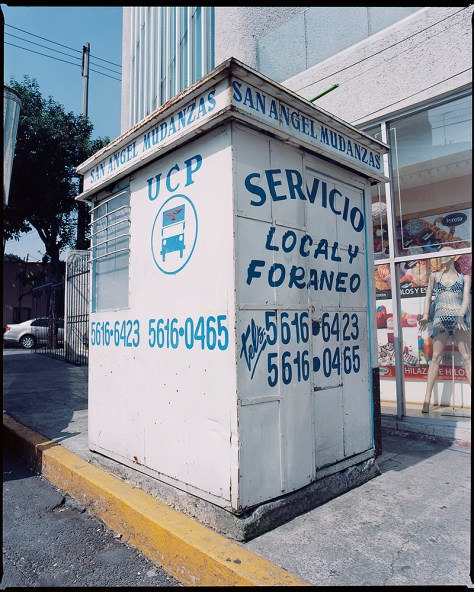
San Angel Moving, Local and Long-Distance

I think this was a newsstand kiosk, but it’s painted to advertise San Angel Moving, in a very old-school style. One of their trucks was parked right next to it.

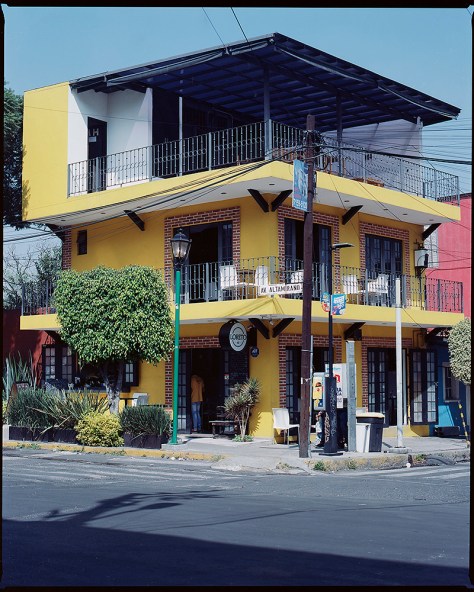
YellowHouse
Yellow Cafe, San Angel

I couldn’t help but photograph this bright yellow cafe/restaurant – what a cool building!

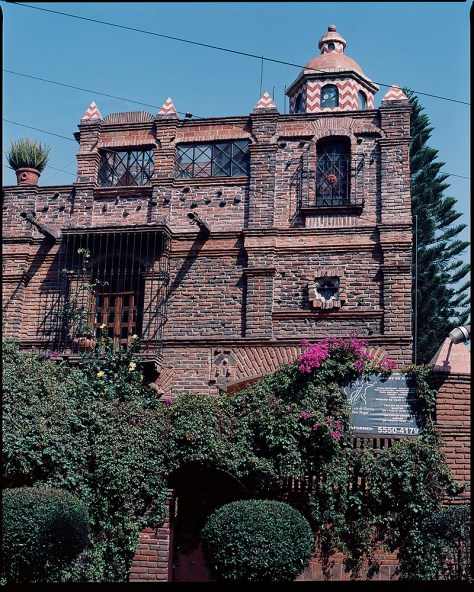
WildBrickHouse
Dance School, San Angel

Another building that cried out to be photographed – if it were stone and not brick, I would assume this was in Spain or Italy, not Mexico. It has a dance school inside, as well as a residence. Who knows how old it is?

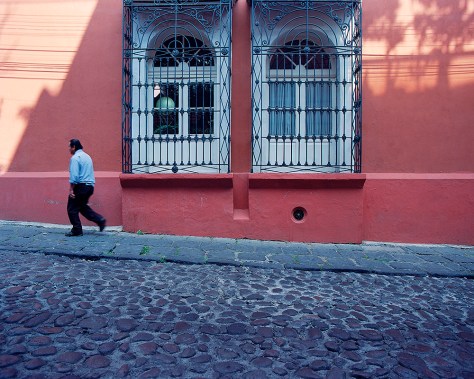
CalleSanAngelUphill
Walking uphill, San Angel

A typical street in San Angel – those cobblestones could go all the way back to the 17th century. The neighborhood, today, is one of the most upscale in Mexico City, with many of the Viceregal compounds and ex-convents/monasteries converted into extremely private residences de luxe.

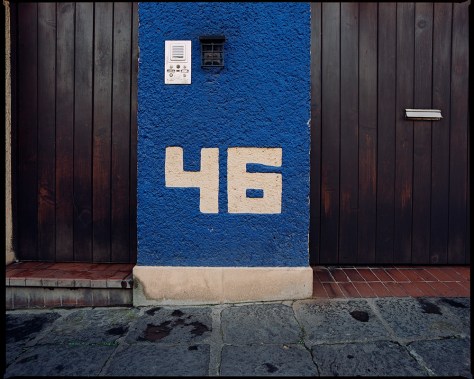
CuarentaYSeis
Number 46, Calle de la Amargura


BarbershopSanAngel
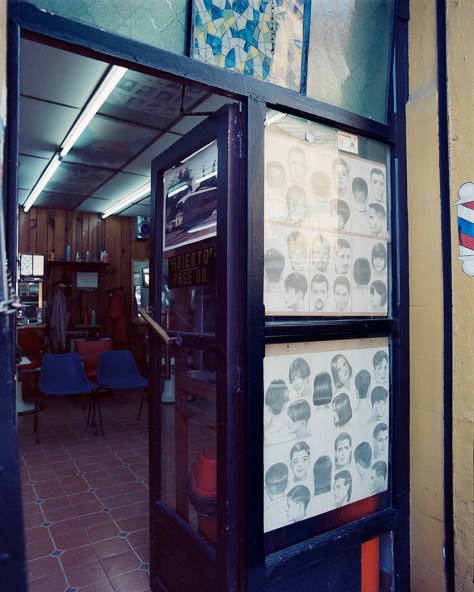
Barber Shop, San Angel

I just loved the old-school barbershop interior and the “Abierto, Pase Ud” (Open, Please Come In” sign on the door. It reminded me of the barbershops in the town I grew up in.

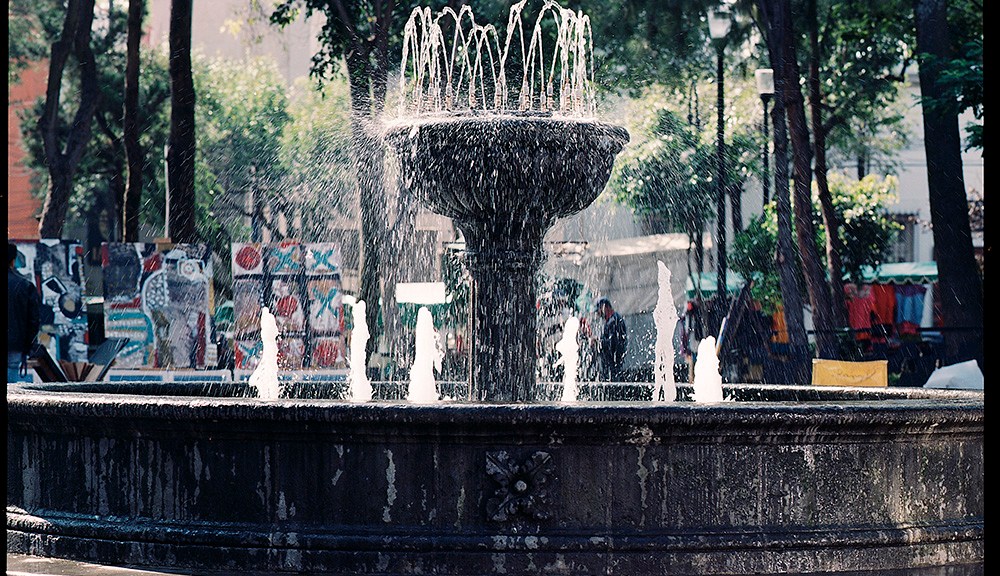
FountainSanAngelArtPark
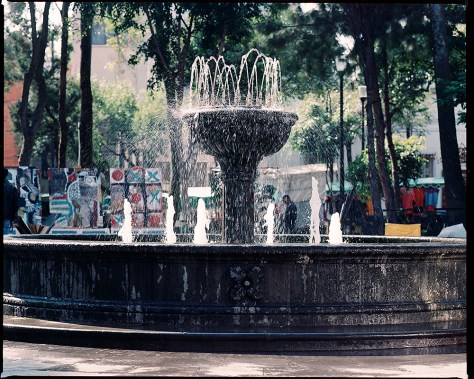
Fountain, Plaza San Jacinto

The last time I was in Mexico City, this fountain wasn’t running. So nice to see it operating – it really brings the plaza together and makes it feel more alive, even when the  Saturday artists’ market isn’t running.

Victor – Portraits

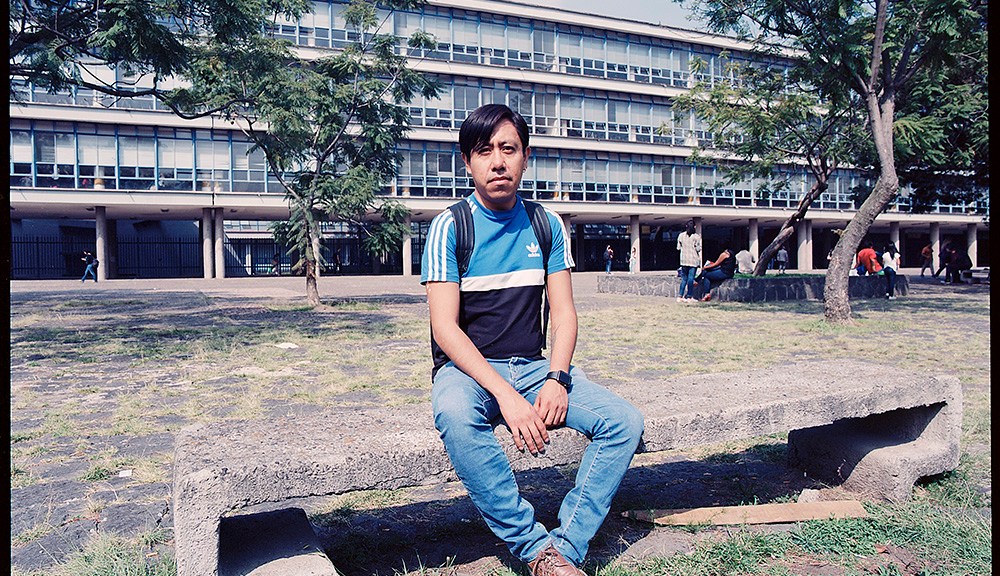
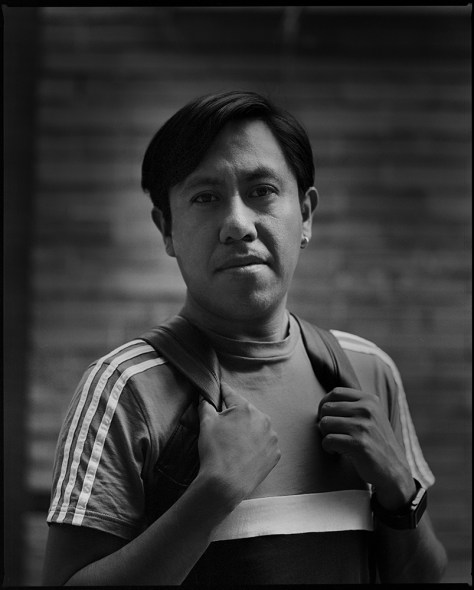
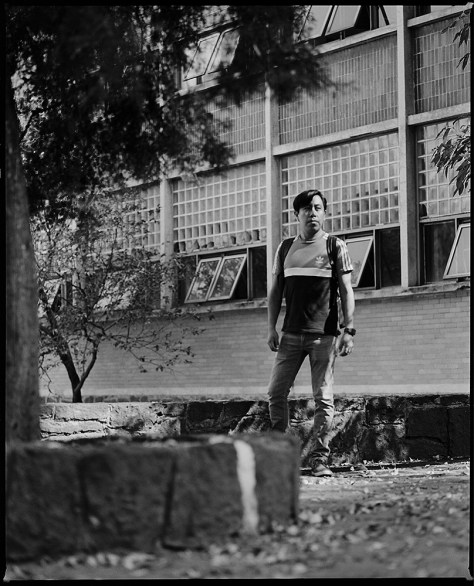
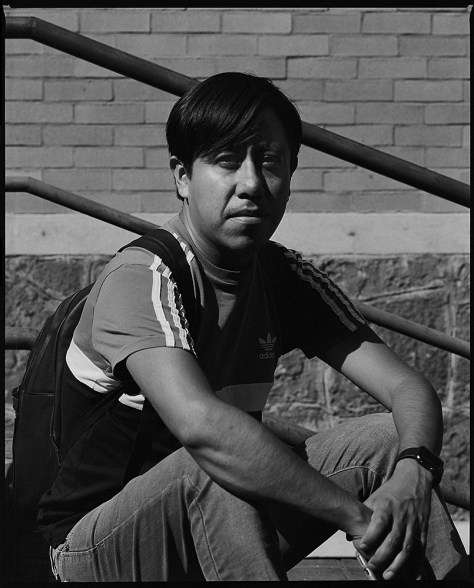
Part of the reason for my trip to Mexico City was to see Victor. It’s a developing thing – we haven’t placed a label on it but whatever it is, it’s good. And he’s a willing subject for the camera, which is a nice change of pace from my ex.

VictorAtUNAM1

It was also an opportunity to test out the portrait lens on my Mamiya RZ67 (the camera is new to me, but the lens’ quality is known far and wide – I just needed to see for myself what it would do and if I liked it. I do).

We spent an afternoon wandering around the UNAM (National Autonomous University of Mexico) campus when I shot these.

VictorUNAM2

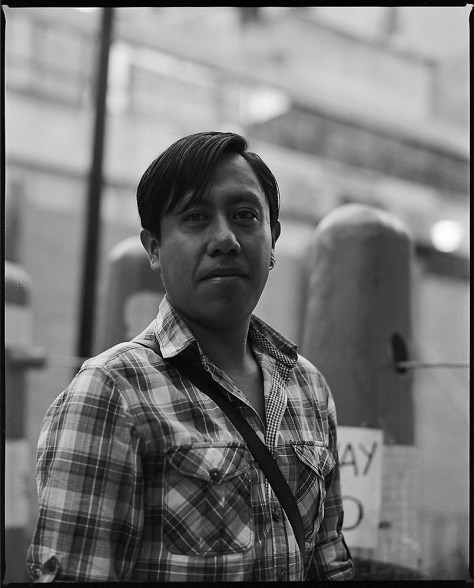
VictorUNAM3

This last one was taken with the 110mm f2.8 lens. It’s an equally good lens for portraits when you need something that gives a bit more background and/or a closer working distance, like this shot.

VictorZonaRosa

All images made on Kodak Tri-X 400. I really like Tri-X for the tonality it has, and the just-a-little-bit of tooth.

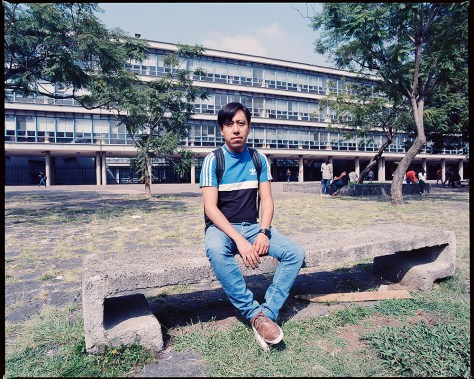
VictorUNAMDerechos

This very last image was made with the 50mm lens as an example of environmental portraiture. The film was Kodak Ektar 100, which I love for the color saturation and sharpness.

People On The Street, Mexico City

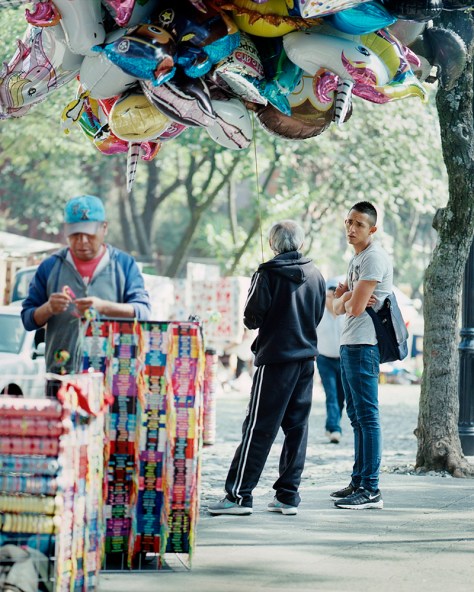
All of these were taken around the Plaza de San Jacinto Artist’s Market.

BalloonVendorSanAngel
Ballon Vendor
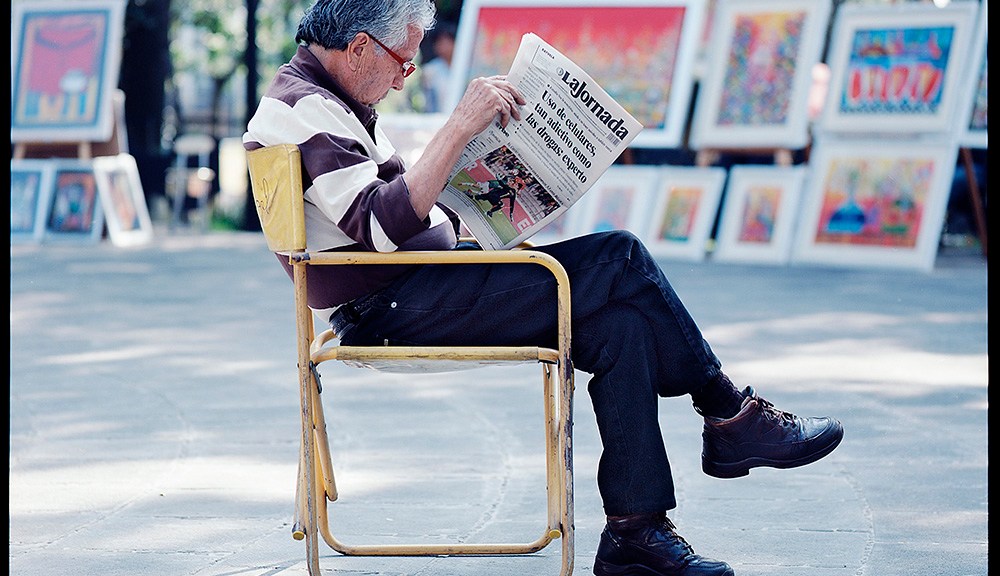
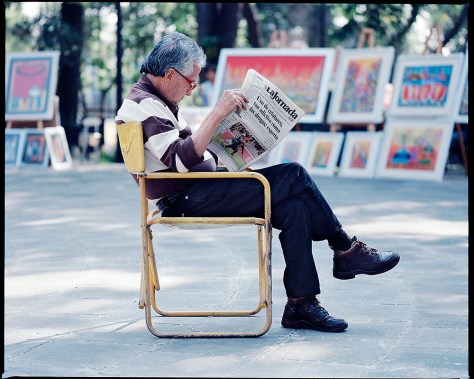
CelularesComoDrogas
“Cellphones are as addictive as drugs” – so says the headline
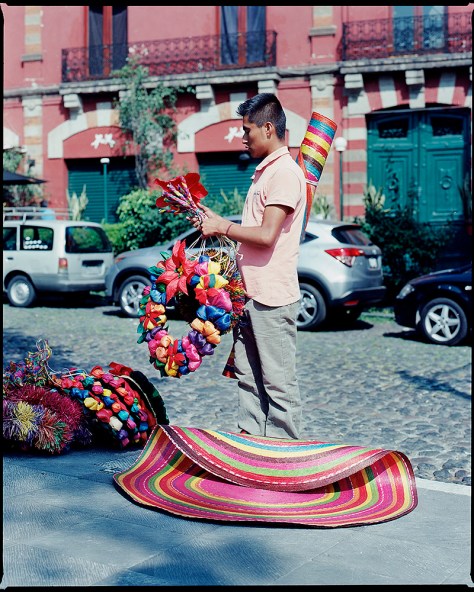
CraftVendorSanAngel
Organizing his wares

Mailboxes, and other Ordinary Objects Around the World

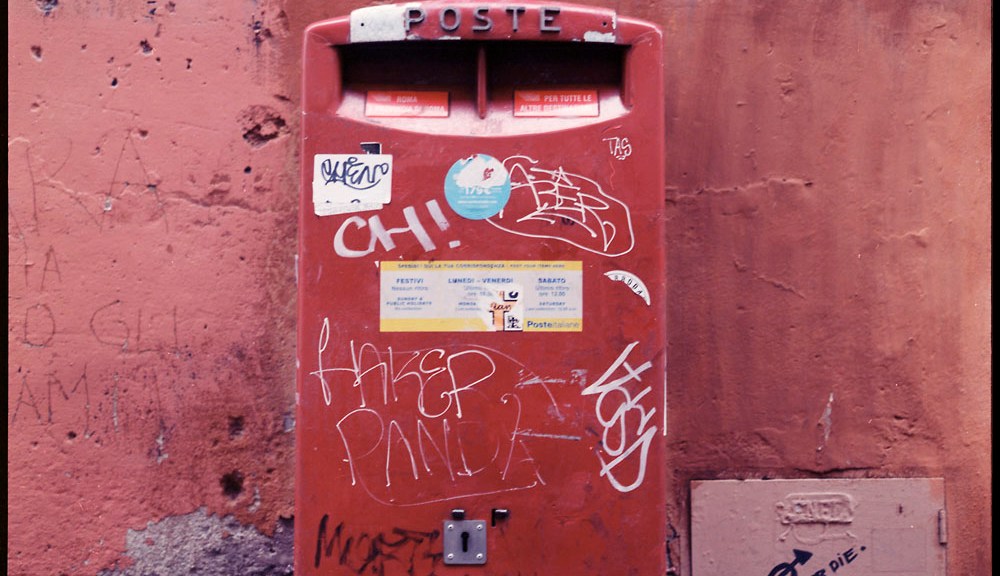
I’ve been photographing what I call “ordinary objects” for a couple years now, featuring things like mailboxes, payphones, water fountains, trash bins and the like. I just added a Mexican mailbox to my collection over the Veterans’ Day holiday. I have objects from France, Italy, Canada, the U.S. and Mexico now.

Mexico City, in Black and White

This was a return trip, just a quick three-day weekend over the Veterans’ Day holiday, so I only shot four rolls of black-and-white and six rolls of color (to be processed today). Here are some highlights.

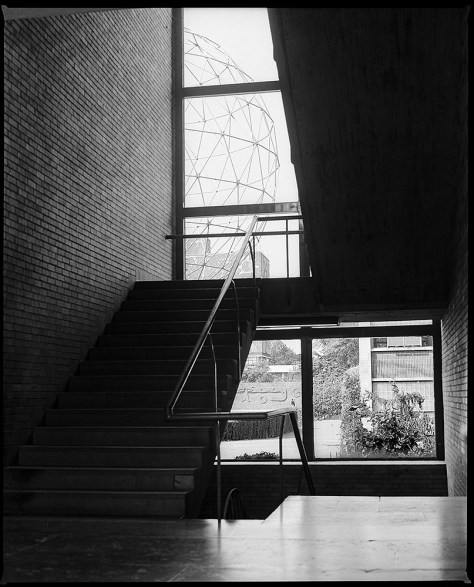
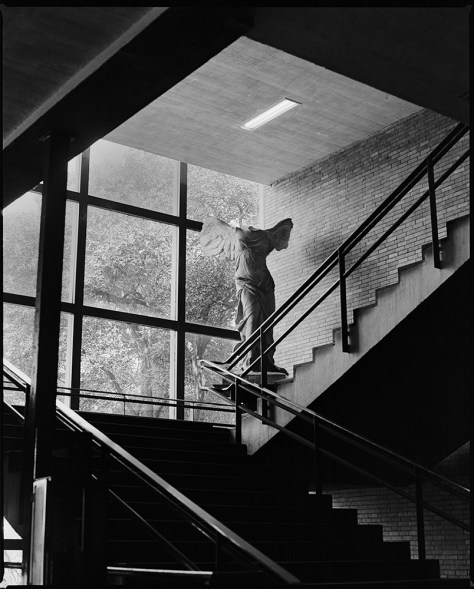
I took a trip to the UNAM (Autonomous National University of Mexico) campus, which is famous for its 1960s architecture (it’s the site of the 1968 Olympics, and the Olympic stadium which seats some 80,000 (if I recall correctly) is across Insurgentes Boulevard from the campus). My partner is in law school at UNAM, so we met up after class and wandered around a bit. These images are from the Architecture school buildings, another program that UNAM is famous for.
UNAMArchitectureStairs

AngelUNAMArchitecture

You may be wondering- what’s with the rectangular images? He almost always shows us square photos! Well, I traded in some gear I wasn’t using and got a Mamiya RZ67 and a trio of lenses for it. The RZ67 is effectively a Hasselblad on steroids – unlike my Rolleiflex, which is a TLR (Twin Lens Reflex), the RZ is an SLR (Single Lens Reflex). The advantage is that with an SLR, interchangeable lenses make a lot more sense, since you only have to have one of them per focal length. The RZ also shoots 6x7cm negatives on 120 film (NOT 120mm!!! Pet Peeve alert – 120 is the film size, not 120mm. 120 was a Kodak internal designation for the format that became universal, kind of like Kleenex). The RZ solves the problem of having to rotate the entire camera when switching from horizontal to vertical by instituting rotating backs. This of course makes the camera bigger and heavier. It’s an additional challenge when traveling, but I think the images speak for themselves.

Back in the city center, I was wandering around on the street where my hotel is located, Calle Londres. Down the block are a pair of markets – the Mercado del Angel, which specializes in antiques, and the Mercado de Artesanias which specializes in modern handicrafts of all varieties from wood carvings to ceramics to sterling silver jewelry. The Mercado de Artesanias had a Day of the Dead altar still up in their entryway.
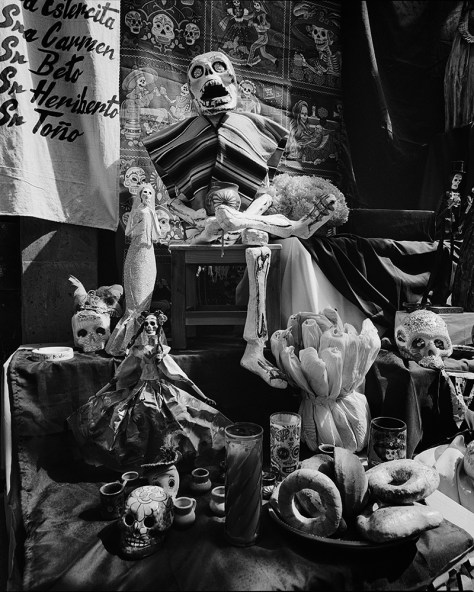
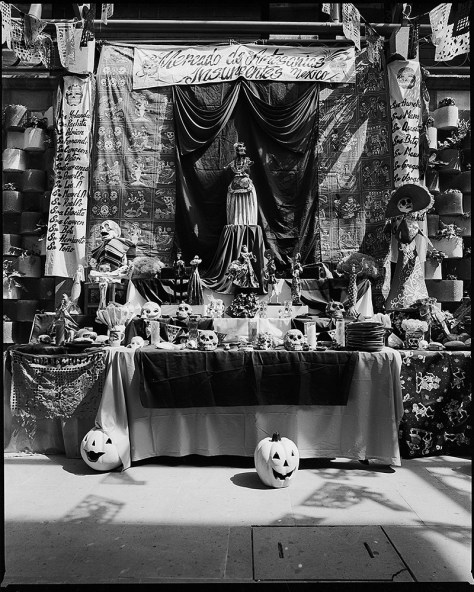
DiaDeLosMuertosAltar

DiaDeLosMuertosAltar2

You can’t tell it in black and white, but those pumpkins on the ground were fluorescent purple and pink. I like them better in b/w, don’t you?
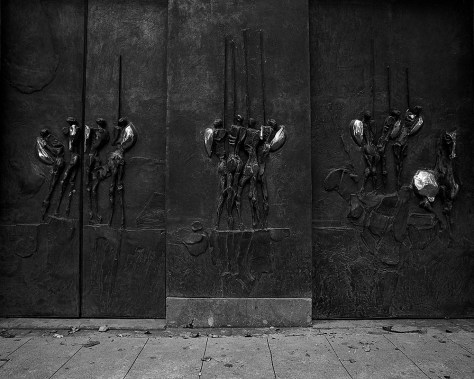
BronzeDoorsLondres

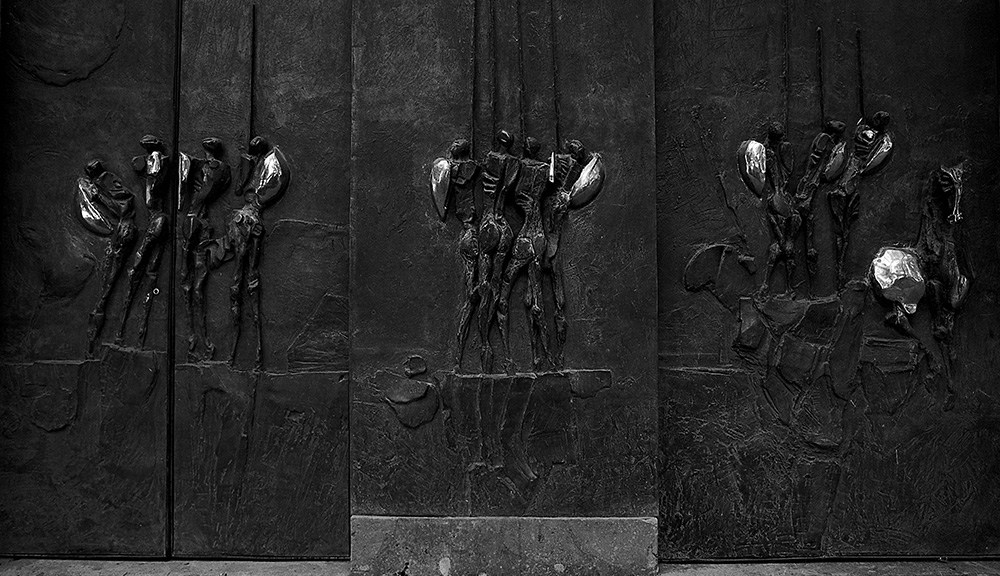
Also on Calle Londres, these bronze doors can be found. I’m still not sure what they belong to, but they’re quite impressive.
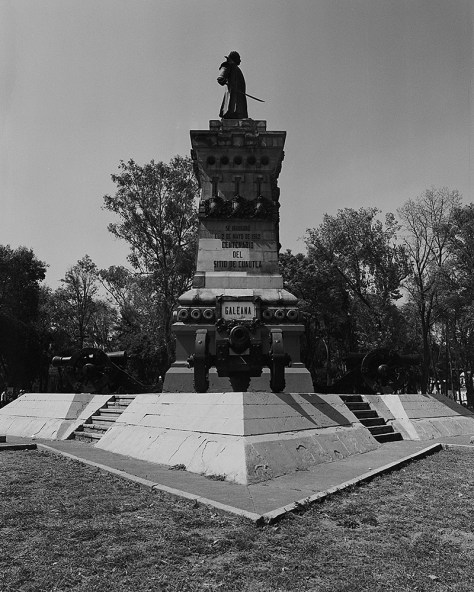
 

GaleanaMonument

Another aspect of the trip was to take in some of the exhibits of FotoMexico, a nation-wide, three month long photography festival that covers some 600 exhibits around the nation. The headquarters for the program is the Centro de la Imagén, located inside the Biblioteca México (I’ll have more to say about FotoMexico in another post). The Biblioteca México is located in an 18th century tobacco factory-cum-military facility that was used as a prison during the waning days of Spanish colonial rule. This monument is in the park in front of the Biblioteca, commemorating Jose Maria Morelos, a Mexican general who led a valiant 40 day resistance against colonial authorities at Cuautla, after which he was taken prisoner, held in the jail in the Ciutadela (now the Biblioteca) and then executed for treason.
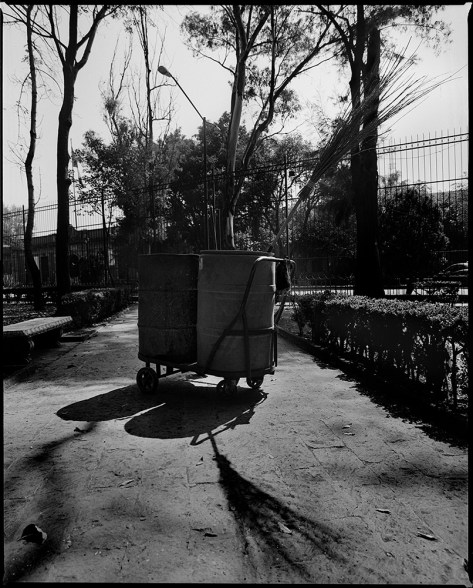
ParkSweepMexicoCity

The cart and broom of one of the caretakers of the park.
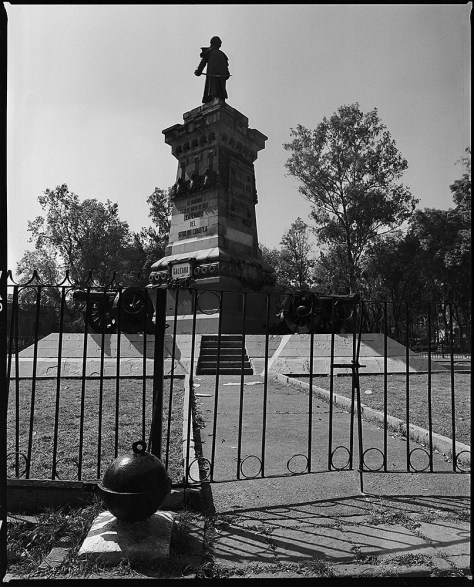
MorelosMonument2

Another view of the Morelos monument. It was erected in 1912, as part of the centenary commemorations of Mexican independence from Spain, and coincidentally the Mexican Revolution of 1911 which overthrew the dictatorship of Porfirio Diaz.
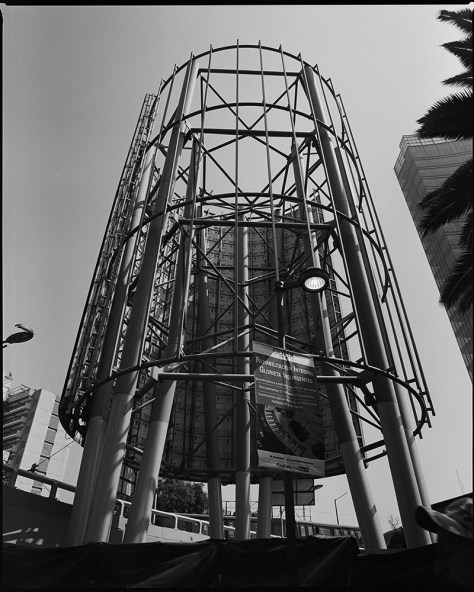
GlorietaInsurgentes

Last but not least, the advertising billboard structure in the Glorieta Insurgentes. The Glorieta is a major traffic circle on Avenida Insurgentes Norte, and is a transportation hub – the subway and express buses have stops in and around the Glorieta. I photographed the billboard structure because it has a look to it reminiscent of a Bernd and Hilla Becher photograph of industrial structures.
Roman Panoramas – Miniature Platinum Prints

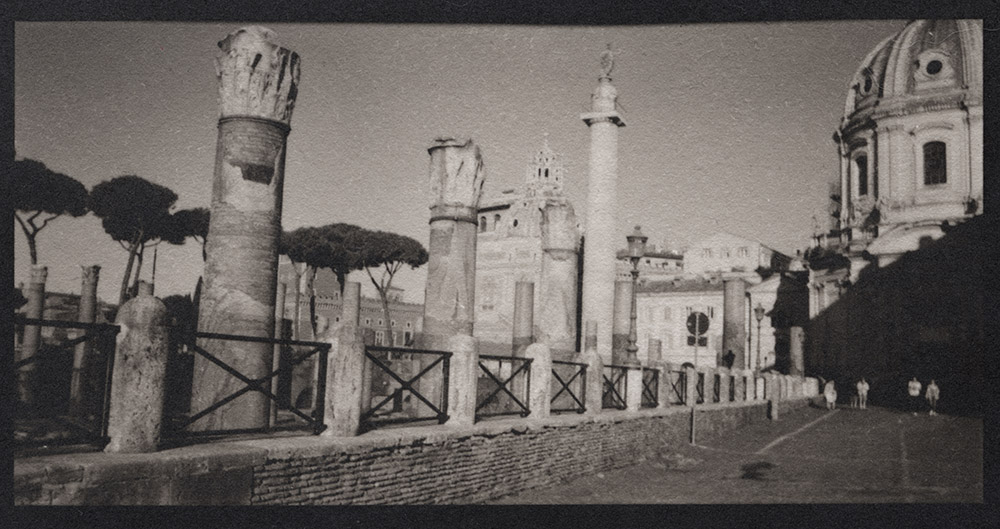
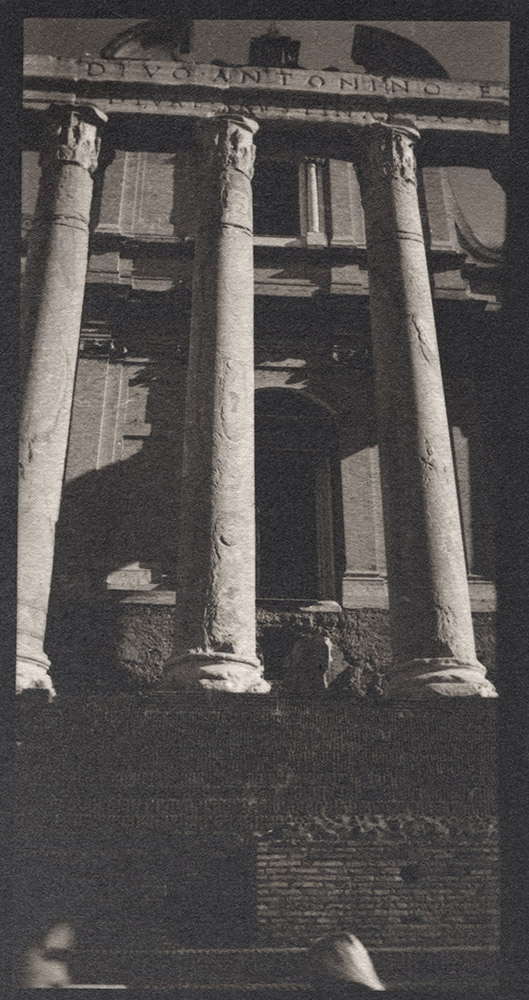
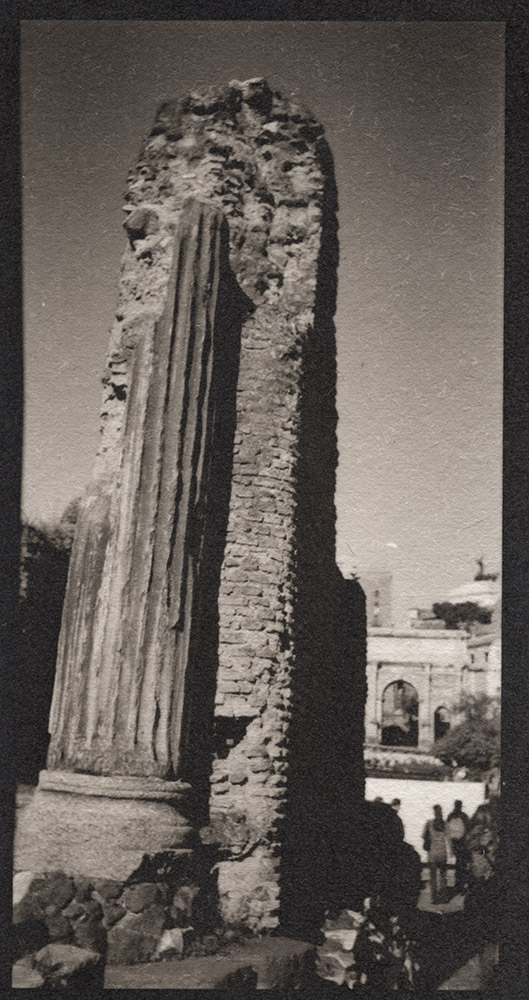
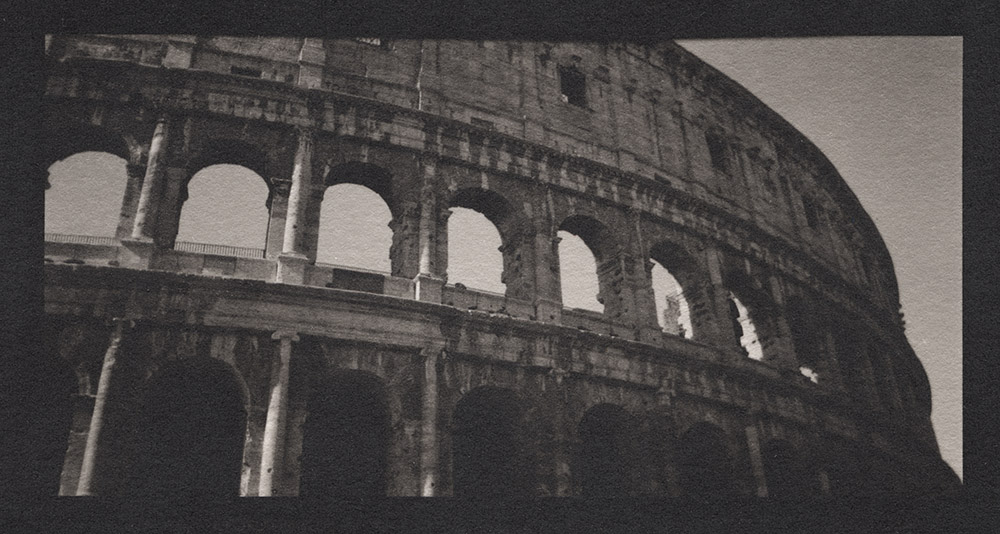
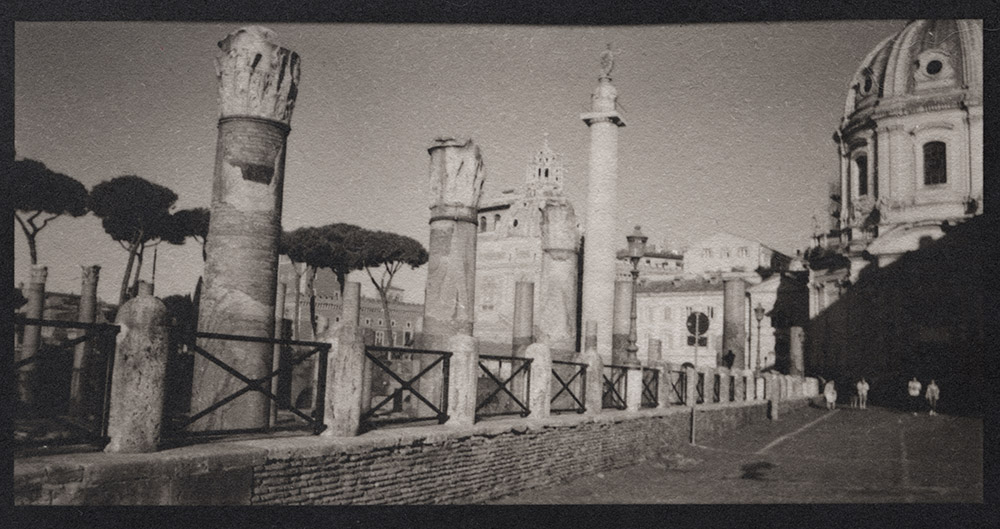
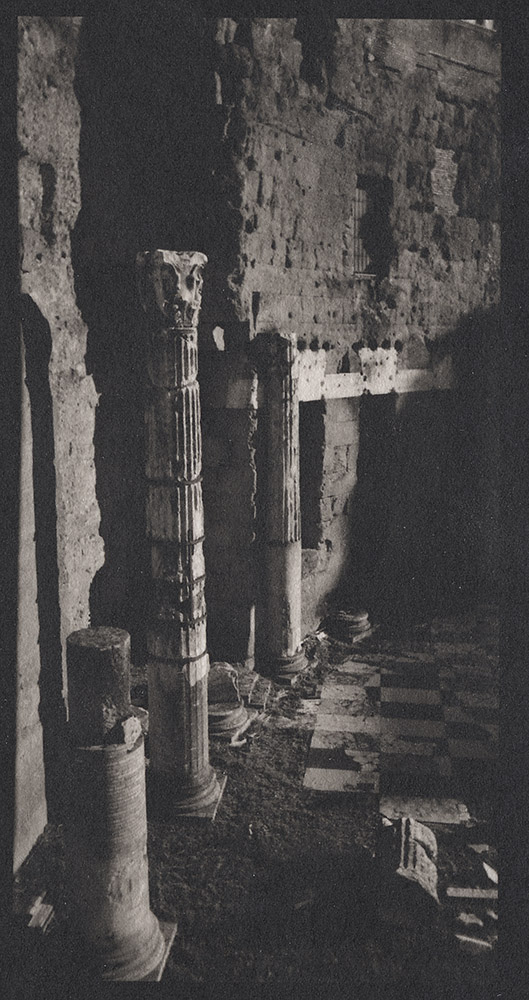
After printing a few of these panoramas from Rome, I was so taken by the intimacy of the miniature format of the 2 1/4″ x 4 1/4″ contact print, I went and made a whole series of them. I’m at fourteen of them now, but that number will fluctuate a little as I finish printing and edit down from there. I’m going to go out shooting this weekend and make some more images in the format and perhaps build a full show’s worth.

Columns, Marble Floor, Trajan's Market
Columns, Marble Floor, Trajan’s Market

I took the portfolio to the Sunday morning critique we have at Glen Echo, and instead of presenting them as raw prints, I matted them with 8-ply mats with oversize margins (11×14 inch mat boards, so roughly 4-6 inch margins around the 2 1/4 x 4 1/4 inch window). I also cut the windows such that all the mats could be viewed in landscape orientation regardless of whether the image was in portrait or landscape orientation.

Trajan's Column, Via Fori Imperiali
Trajan’s Column, Via Fori Imperiali

Presentation is very important when considering your work. It should be the first thought on your mind when planning a show – of course you need to edit the body of work, but how it will look on the wall is just as critical to successful reception as the work itself. Good presentation will focus the viewer’s attention on the work and block out the distractions of everything else going on around it.

Temple of Antoninus and Faustina

Also, if you’re at all concerned with selling your work, makes a huge difference in the sales price – poorly presented, someone would pay a poster price for an original Ansel Adams, if they bought it at all. Properly presented, your work will fetch premium prices even though nobody has really heard of you outside your own city.

Column Fragment, Imperial Forum

This webpage is a prime example of the issue of presentation – showing these images here in this size on this medium is a complete and utter failure to represent the scale, quality and impact of the images. You’re looking at them on your monitor, in a size well beyond their actual physical size in reality. And because they’re scans of the prints, the paper texture is exaggerated as are any minor flaws due to the handmade nature of the prints.
More Tiny Contact Prints

Here is the continuation of the tiny prints series. All of these are still from Rome, again the Lomo Belair X6-12 as the camera of choice. I was having a conversation yesterday with a friend about these and while sharing them online is great, seeing scans of them at what ends up being a much larger size than the actual print, they lose some of their impact.
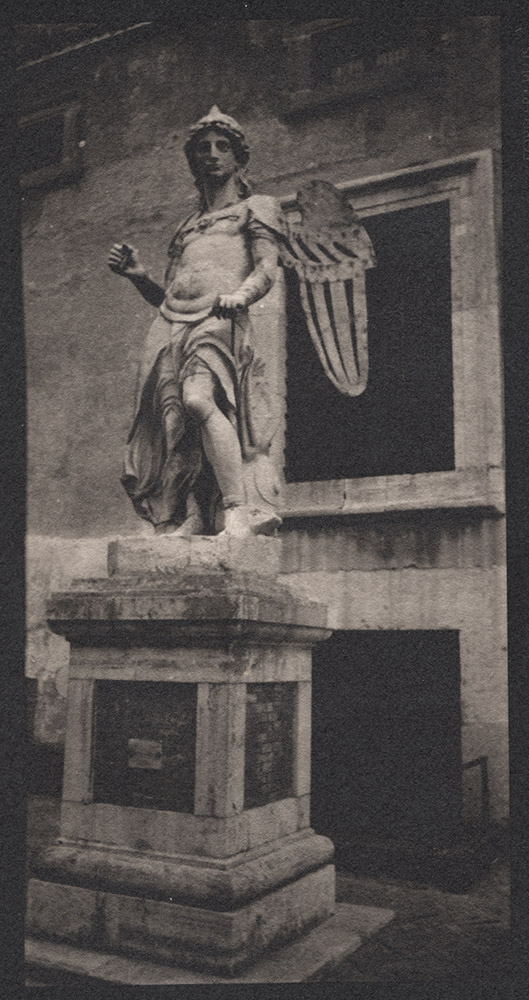
This is a statue of the Archangel Michael, in the Castel Sant’Angelo. His body is stone but the wings are bronze.

Archangel Michael, Castel Sant'Angelo
Archangel Michael, Castel Sant’Angelo

The umbrella pine image is one of those that when I scanned the negative and worked with the image in Photoshop, all the “flaws” of the negative become quite apparent, and you start thinking it’s not a successful image. But contact printed, it cleans up nicely and really sings.

Roman Umbrella Pine
Roman Umbrella Pine

St. Peter’s Basilica Facade. This is one of the images that made me respect the Belair and its results more than I did initially. It’s still not going to ever match a serious panorama camera like a Horseman 6×12 with a highly corrected glass lens, but it does a great job for what it is, and certainly it scores extremely well in the value-for-money proposition – I got mine used for $200, whereas a used Horseman would set you back closer to $2000.

St. Peter's Facade
St. Peter’s Facade

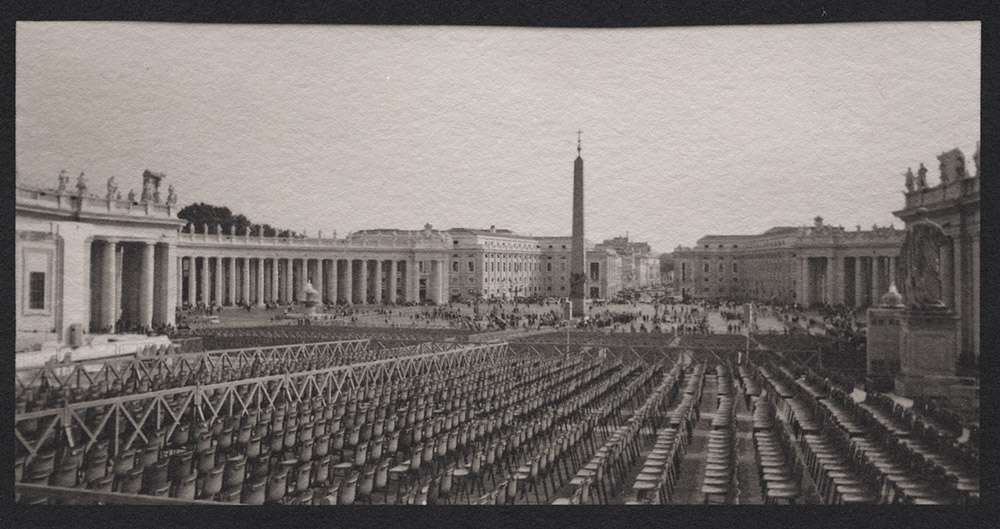
The plaza in front of St. Peter’s was set up for a Papal Mass when I was there. The sea of folding chairs made for an interesting composition, leading your eye back to the obelisk and beyond.

St. Peter's Plaza
St. Peter’s Plaza

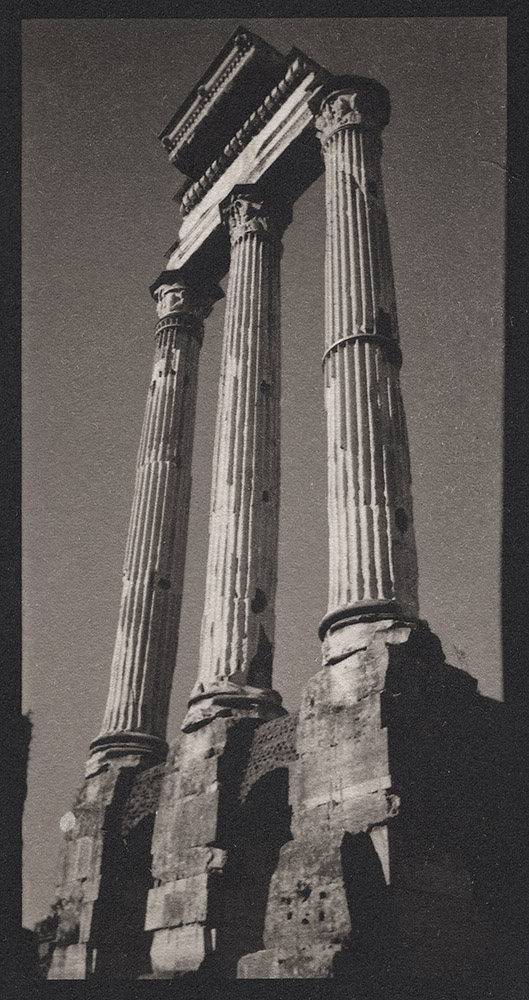
These are the famous three remaining columns of the Temple of Vesta in the Roman Forum. This one really strikes me because of the simple, graphic nature of the subject. It’s another one of those images that everyone photographs when they’re at the Forum, and everyone knows it, even if you haven’t ever been to the Forum. Printing in platinum/palladium takes it somewhere new and different and it doesn’t feel like just another tourist image.

Three Columns, Temple of Vesta, Roman Forum

All these images are platinum/palladium prints, in this case all are a 50/50 blend of platinum and palladium, on the new wonderful Hahnemuhle Platinum Rag paper. I’m going to have to try a pure platinum print with it next and see how it behaves.

Mexico City part 2 – people at work

More from Mexico City – people at work.

Throughout the Centro Historico, there are organ grinders playing their portable instruments, hat in hand for tips. A five peso coin is sufficient a tip if you enjoy their music. I gave this man a 10 peso coin for photographing him.

Organ Grinder, Calle Madero

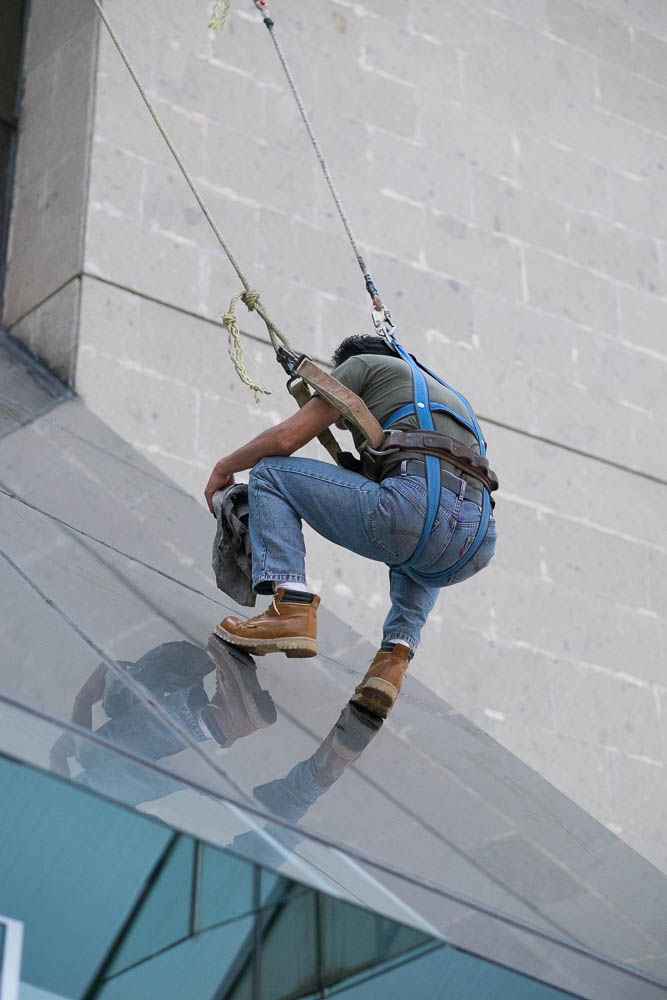
At the Templo Mayor museum, this guy was washing the windows, dangling from the roof basically on a couple of ropes.

Window Washer, Templo Mayor Museum

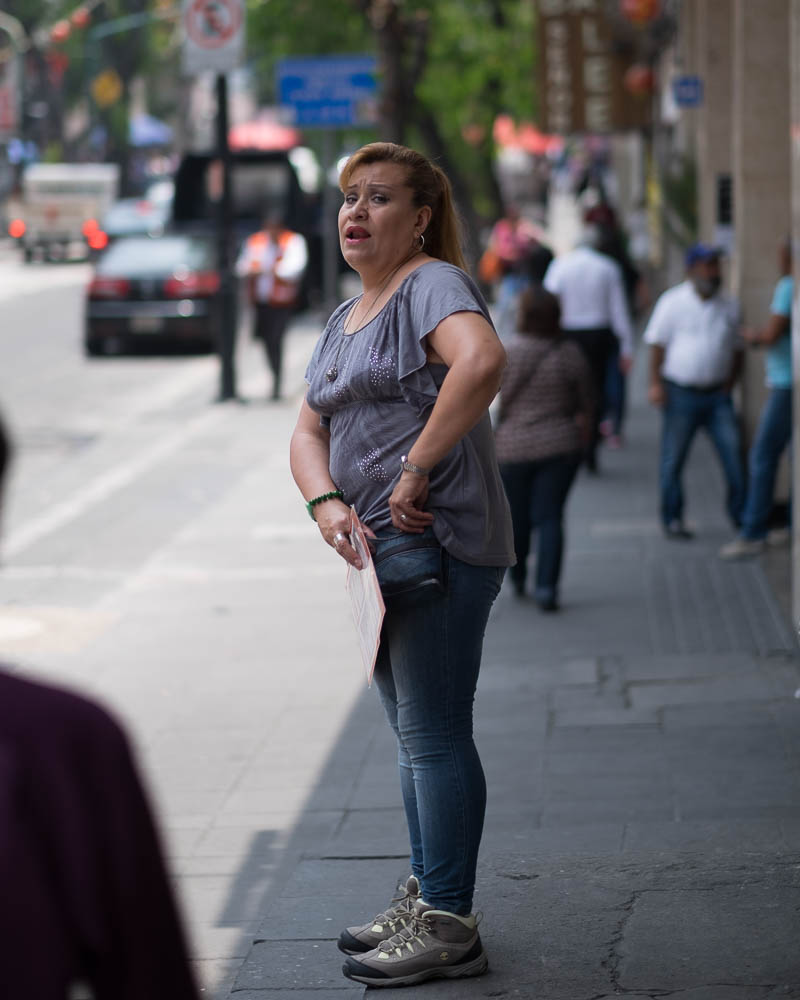
Mexico City is a very musical city, if you give it a chance. It has a definite rhythm, and part of that is the sounds. The organ grinders are out, cranking away, and on seemingly every street corner, there’s someone intoning the litany of what they have for sale. This lady was outside the taquería next door to my hotel every day, pretty much all day, reciting the kinds of tacos they had and extolling their best quality. I never heard her voice waiver or decrease in volume.

Taco Lady
Taco Lady

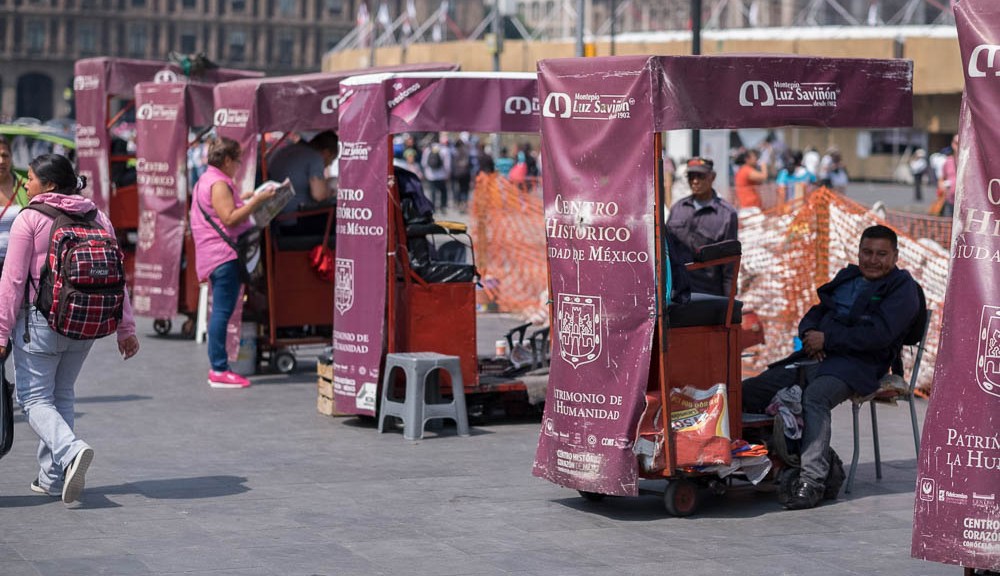
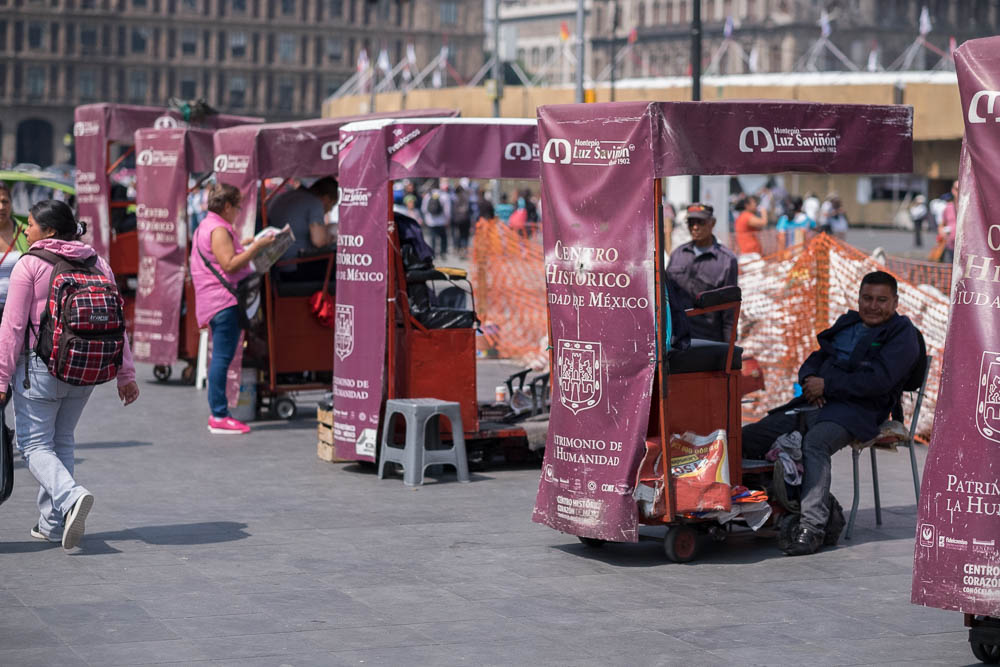
All around the Zocalo, and at various spots through the Centro Historico, there are these shoe-shine booths. While the canopies shade the patrons pretty well, the shoe-shine men (and women) are out there in the sun and the heat all day.

Shoe Shine Booths, Zocalo

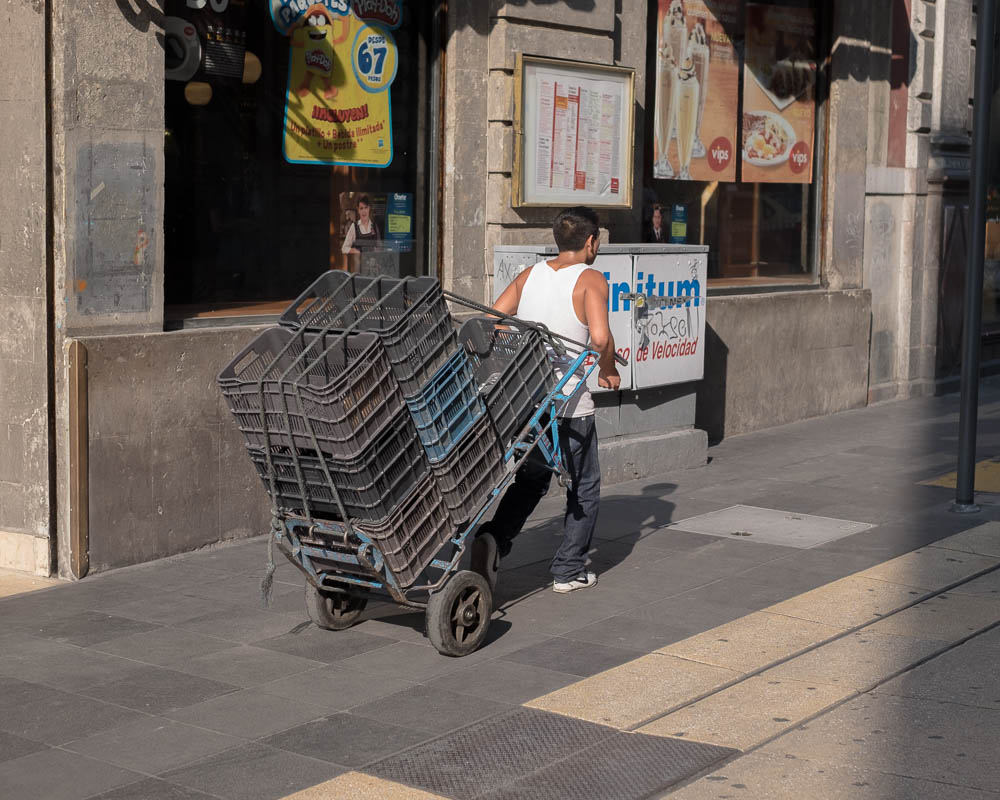
Another part of the daily rhythm of Mexico City – people hauling stuff on carts.This guy is pulling a load of plastic baskets, but this is a pretty small load compared to some I saw.

Hauling Baskets
Hauling Baskets

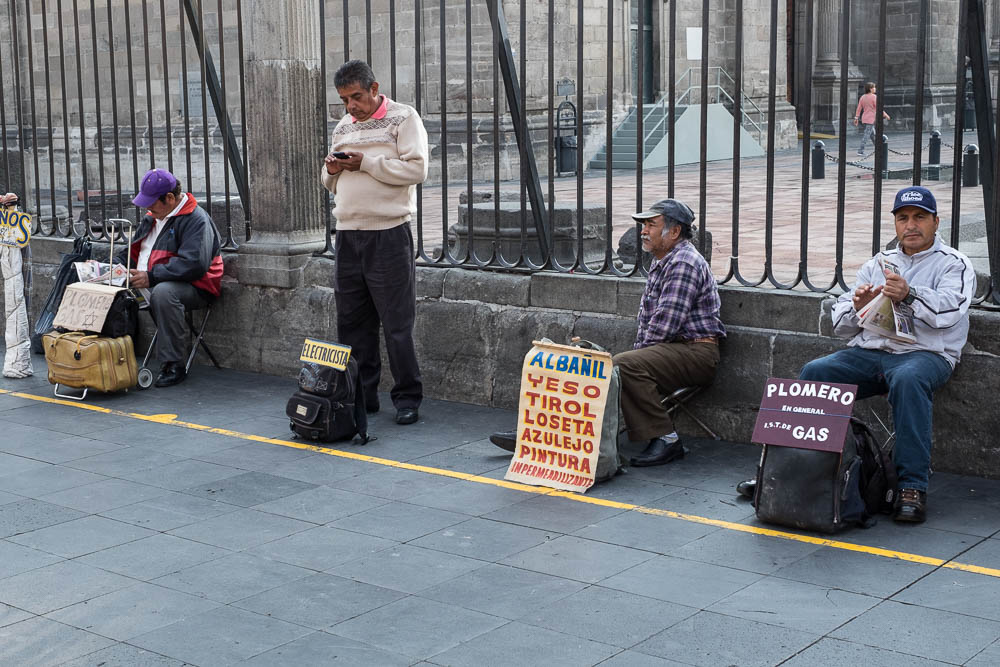
Outside the Catedral Metropolitana, skilled day laborers set up soliciting work. Here are two plumbers specializing in gas, an electrician, and a plasterer/house painter.

Day Laborers, Cathedral Metropolitana

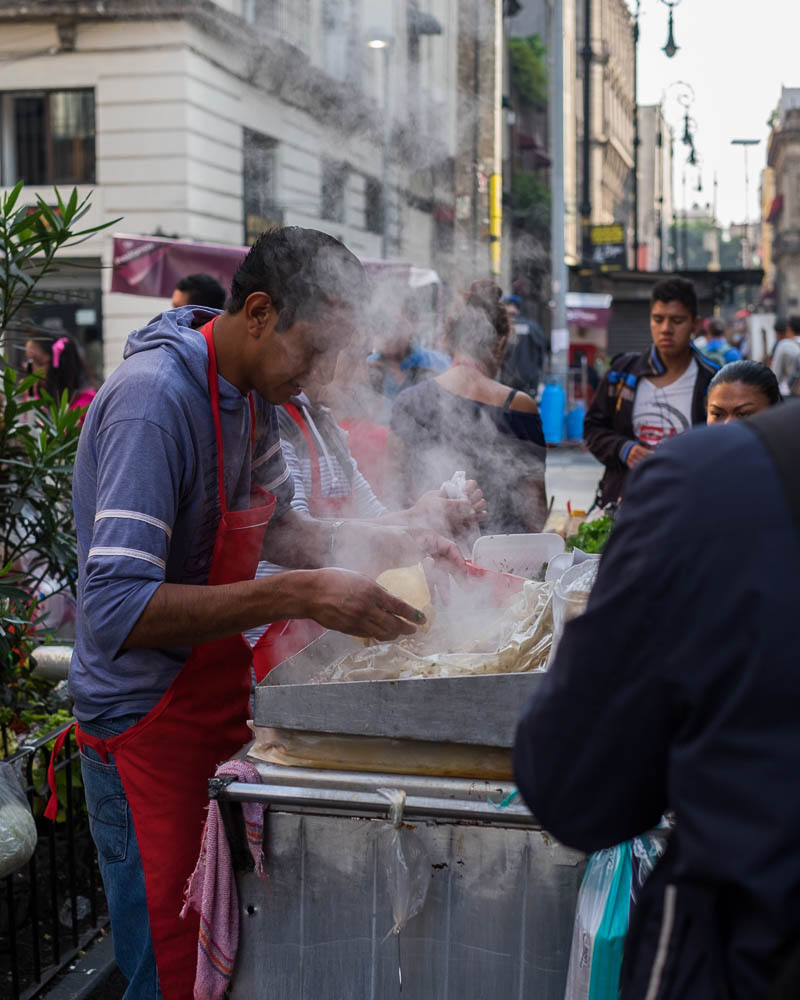
My first full day in Mexico City, I got up early and walked around through the Centro Historico and got to see the city as it was waking up. Here was a street food stall set up on a pedestrian passageway cooking breakfast for the businessmen and shopkeepers in the neighborhood.

Cooking Street Food
Cooking Street Food

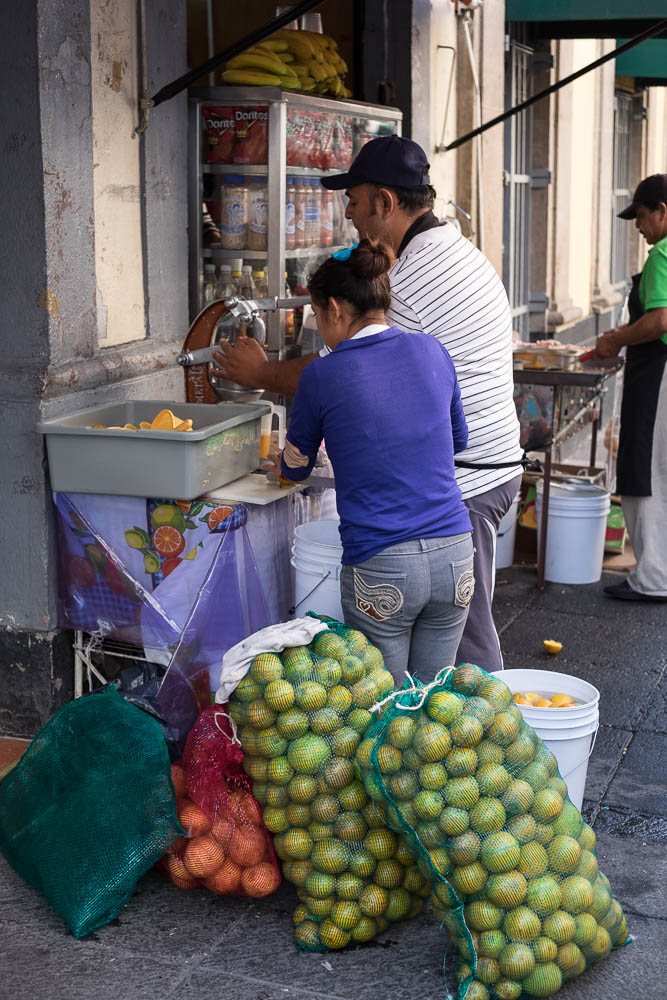
Across from the cook was the lime juicer making fresh limeade.

Juicing Limes
Juicing Limes

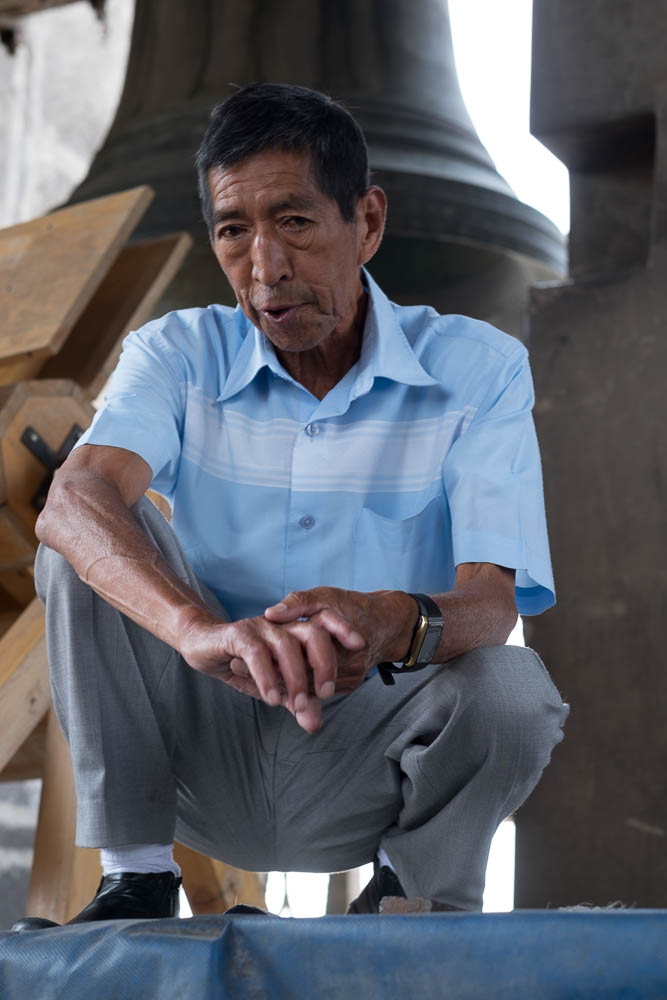
This is my tour guide who led us up through the bell towers at the Catedral Metropolitana. The cathedral is the largest Catholic cathedral in the Americas.

Cathedral Bell Tower Tourguide

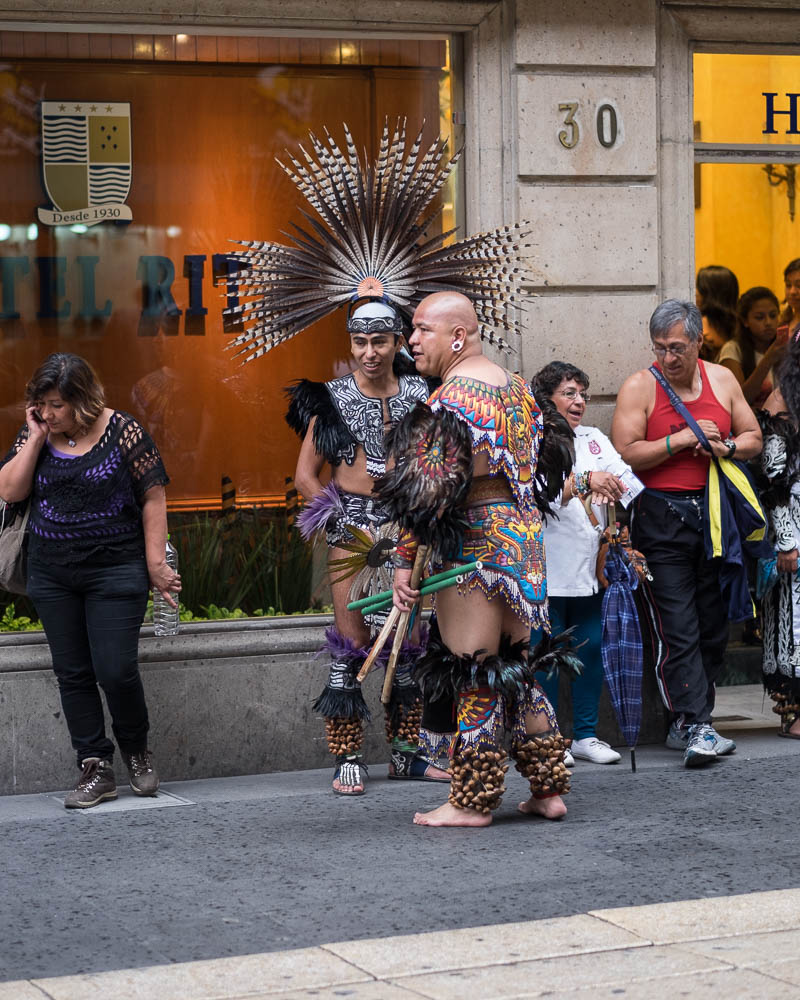
These dancers in traditional Aztec/Mexica costumes could be found most days performing on the plaza beside the Catedral Metropolitana. Here they were sheltering from a light rain in front of the Hotel Ritz (which is, unlike its namesake in Paris, a budget hotel) after a performance.

Aztec Dancers, Hotel Ritz

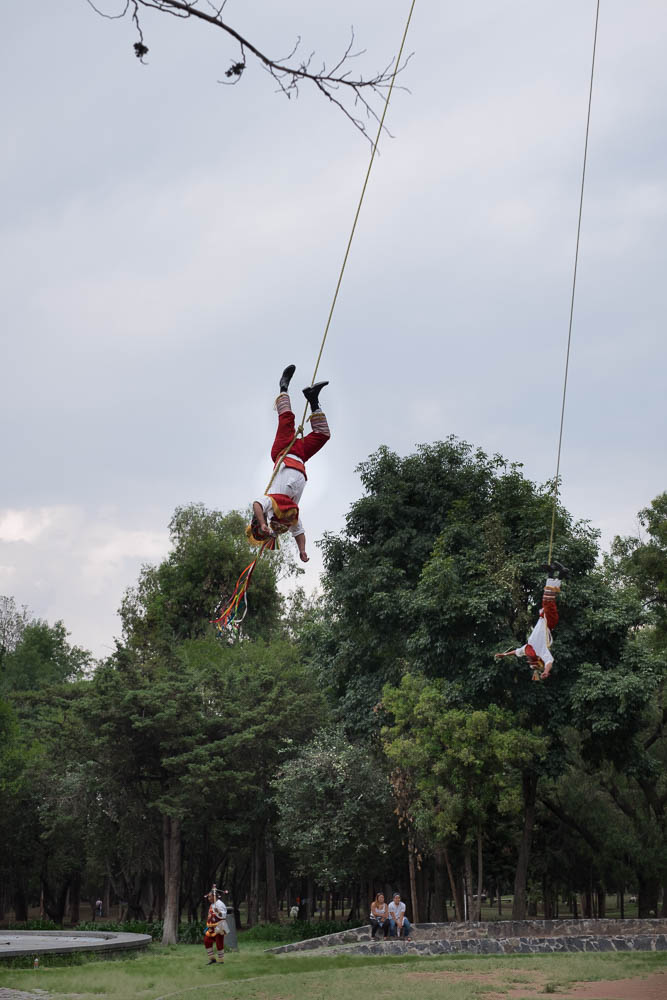
In the park area across from the entrance to the Anthropology Museum these traditional dancers were performing. At the top of the pole is a musician playing a traditional flute. The dancers are suspended by ropes at the ankles, and spin around to extend the ropes and lower themselves from the top.

Dancers, Chapultepec

Beginning of a new series – tiny contact prints

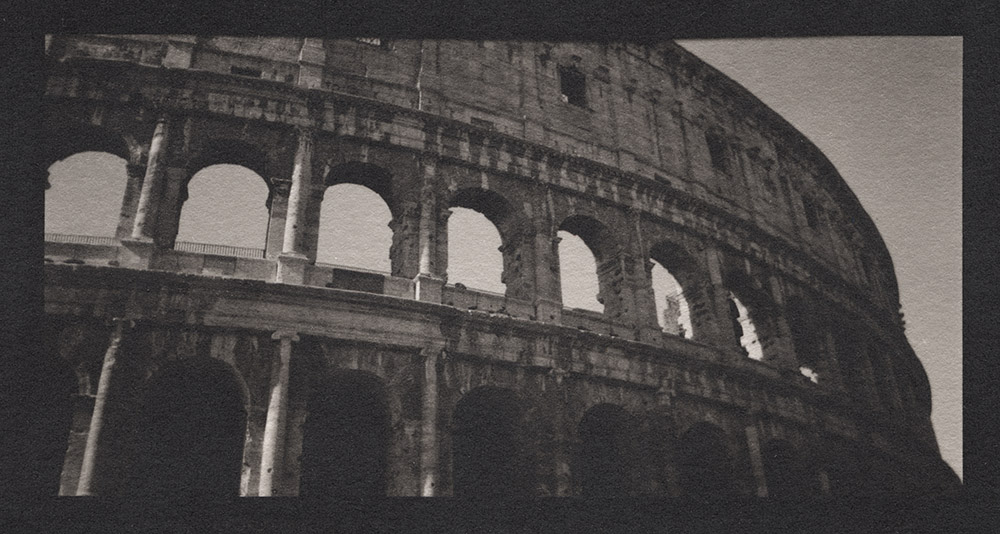
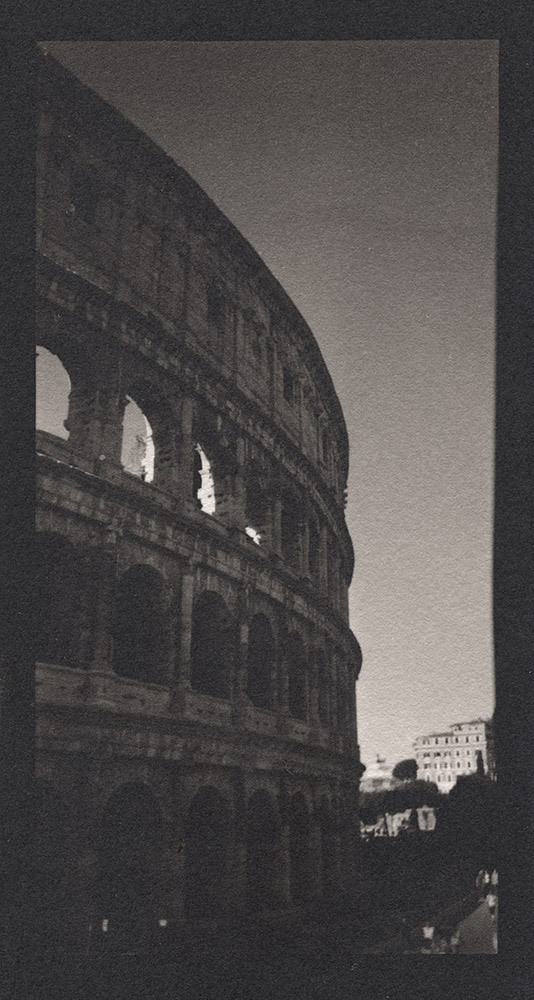
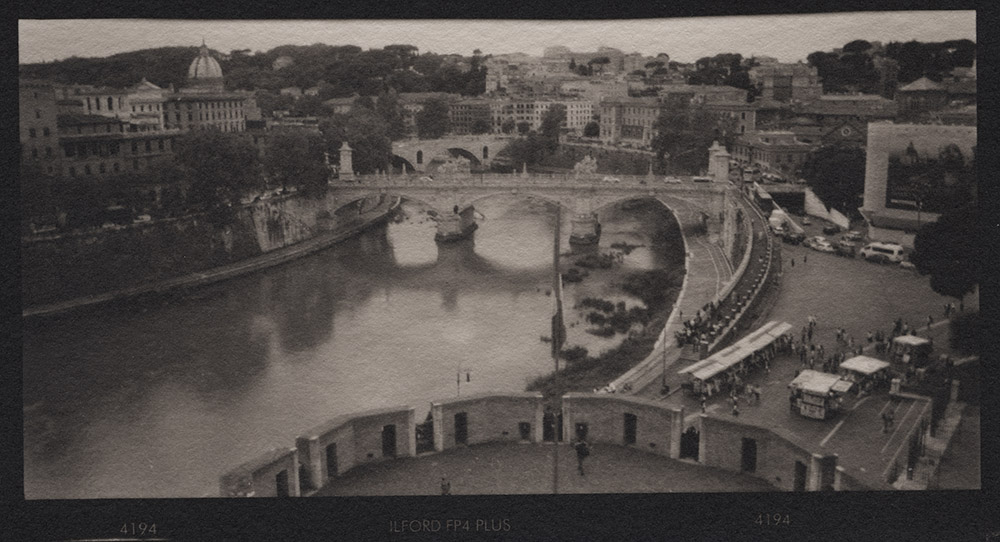
When I was in Rome last year… (no jokes please!) I shot a bunch of panoramic images with my new-to-me Lomo Belair X6-12. My just completed session of the Intro to Platinum/Palladium Printing class I teach inspired me to dig them out and see how they would fare in the medium. I’m really loving these tiny prints – 2 1/4 by 4 1/4 inches! They make you get up close and intimate with the print. I’m matting them in 11×14 inch 8-ply mats for extra measure.

ColosseumPanoPtPd

ColosseumVertPanoPtPd

TiberPanoramaPtPd

Sometimes you have to walk away from a process or a practice for a while, which happened to me with platinum/palladium. I was on a kick of doing other stuff, shooting my travels with the Rolleiflex. Then it was the Fuji rabbit hole with digital and the X-T1. Then this class came along and I needed something to jumpstart my printing. These images were just the ticket. Photographers in general have an obsession with how big they can make their prints, and even the general public too. But there’s something to be said for tiny prints. I still remember the Andre Kertesz show at the National Gallery where they had a lot of his early work on display – in his youth, he could only make contact prints off of small negatives from roll film cameras because he was poor and didn’t have space for a dedicated darkroom. Getting up close and personal with his images, like “Underwater Swimmer”, which is all of 1 1/2 by 2 1/4 inches, really makes you think about the image itself instead of being awed by its size. Not that I have several million dollars to spare, but I’d much rather spend that kind of money on a print of “Underwater Swimmer” than on Andreas Gursky’s “Rhein II”. Fortunately, the Kertesz would be a lot cheaper to buy than the Gursky anyway.

On a separate note, I’d like to give a shout-out to Carol Boss at Hahnemuhle papers. All three images above were printed on the new Hahnemuhle Platinum Rag paper. She has very generously become a sponsoring partner of my Intro to Platinum/Palladium class at Glen Echo Photoworks, and is supplying us with our paper. It is a wonderful new paper- very easy to coat and print on. It may well displace my old standard Bergger COT 320.

Mexico City – part 1 – People out and about

For the Memorial Day holiday weekend, I took a short vacation down to Mexico City. I wanted to do an art-themed vacation, taking in museums and popular art and crafts, to get some inspiration for my own work. And of course, to take images of my own. For this trip I decided to take my new Fuji X-T1 and a couple lenses because it was much more compact and less conspicuous than the Rolleiflex. It proved a baptism by fire for me with the camera, as I was shooting with it 10 hours a day every day for five days. This generally is a good thing, and I’ll write up my impressions in a separate post.

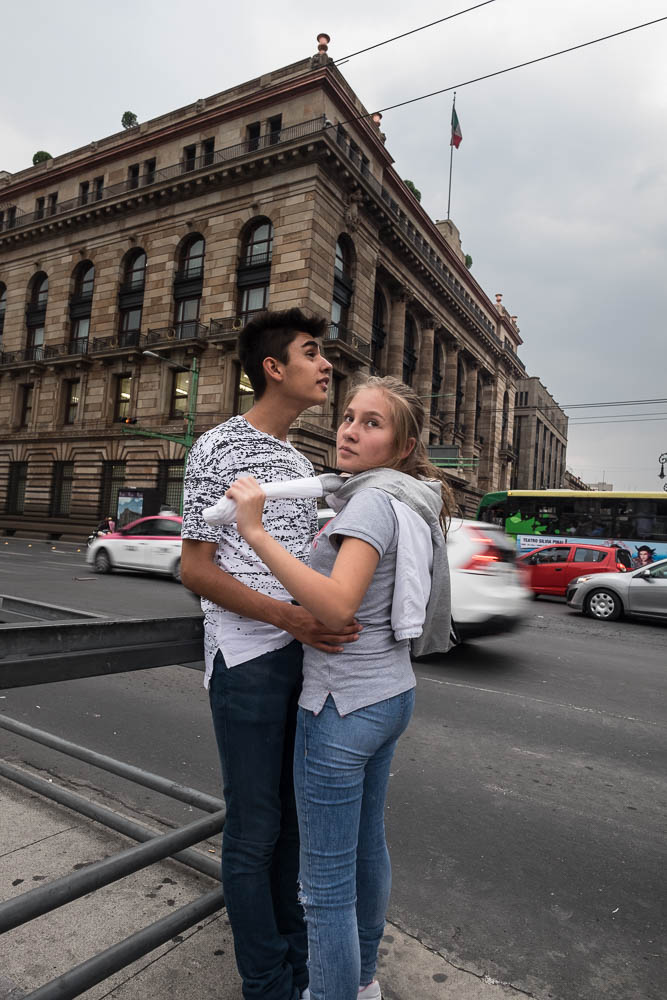
One of the first things I noticed about Mexico City is that it is a very young city – you can tell the population skews much more toward 20 than toward 60. There are young people everywhere, wandering the streets of the Centro Historico, visiting the museums, riding the subway. I spotted these two young lovers on the plaza in front of the Palacio de Bellas Artes. You saw many young couples like these two holding hands and being publicly expressive. This was a bit of a surprise to me as my last impression of Mexico City was 30+ years ago when it was a much more conservative, much more Catholic place, and this kind of public display between unmarried youth would have been frowned upon.

Young Love, Calle Madero

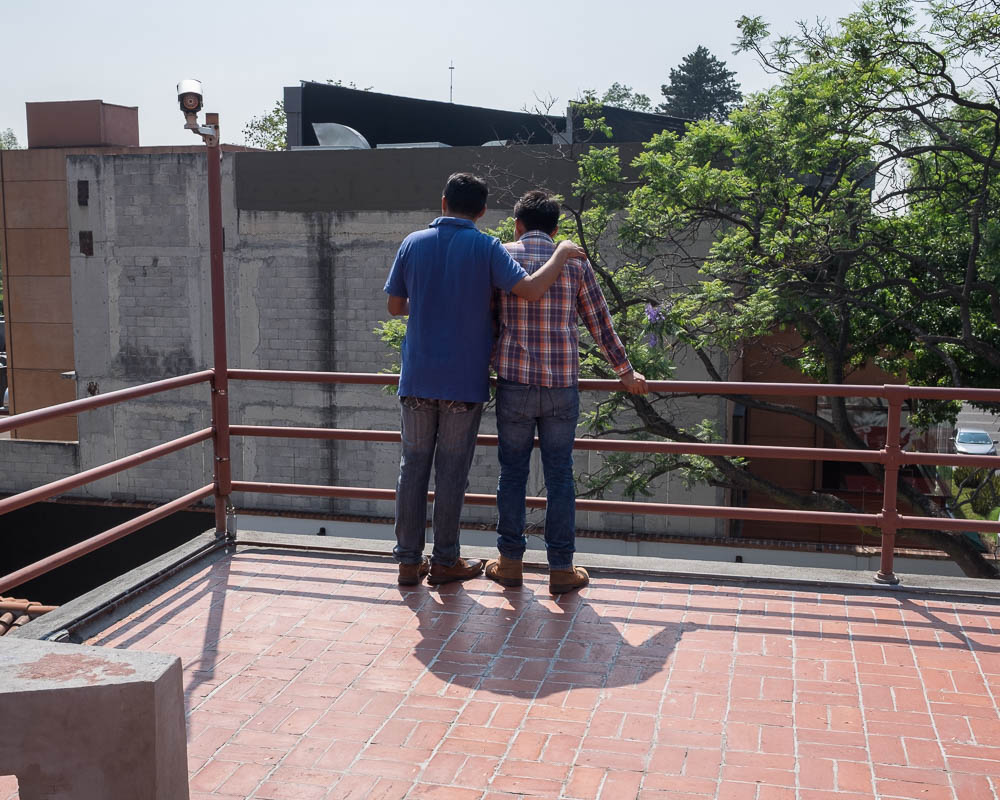
Further signs of change in Mexico City – young gay couples holding hands in public. These two were touring the Casa Studio Diego Rivera with me, and I caught them in an unguarded moment on the roof of the studio. I should have taken their portraits too, but I did photograph them together with their cellphone as they were trying to do selfies with not much success. They were very cute and sweet.

Gay Couple, Casa Diego Rivera

I also saw several other young gay couples out on the street holding hands in the Centro Historico, which surprised me a little as I was not expecting it there.

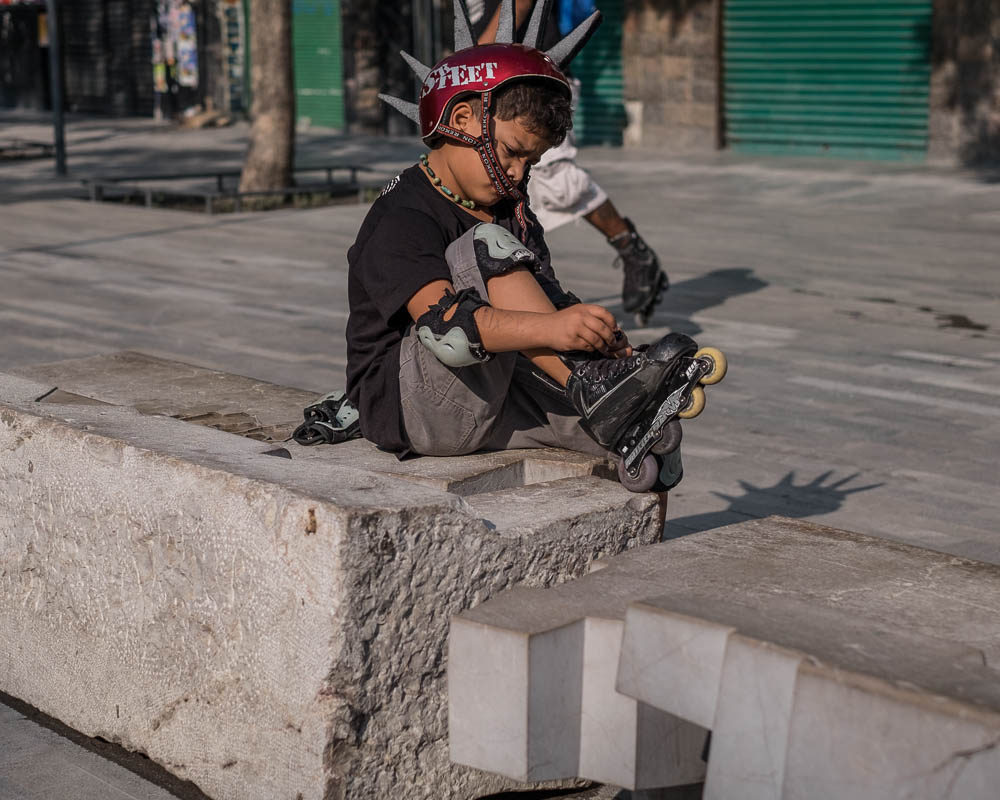
On another early Sunday morning, I took a walk through the Alameda park, which was just up the block from my hotel. This boy and his dad were out to go roller skating in the park. I loved his punked-out helmet with the spiky mohawk.

Rollerblade Chico
Rollerblade Chico

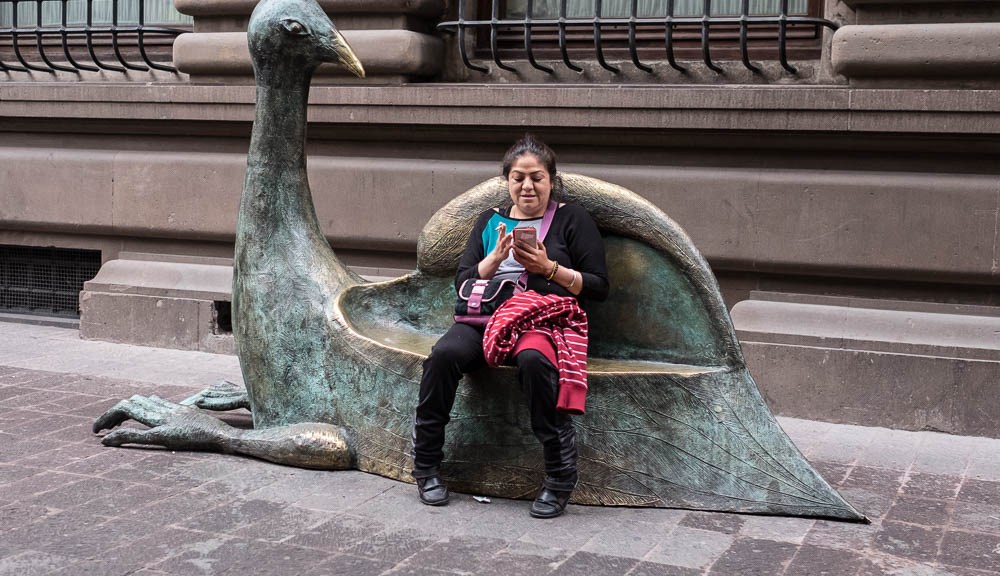
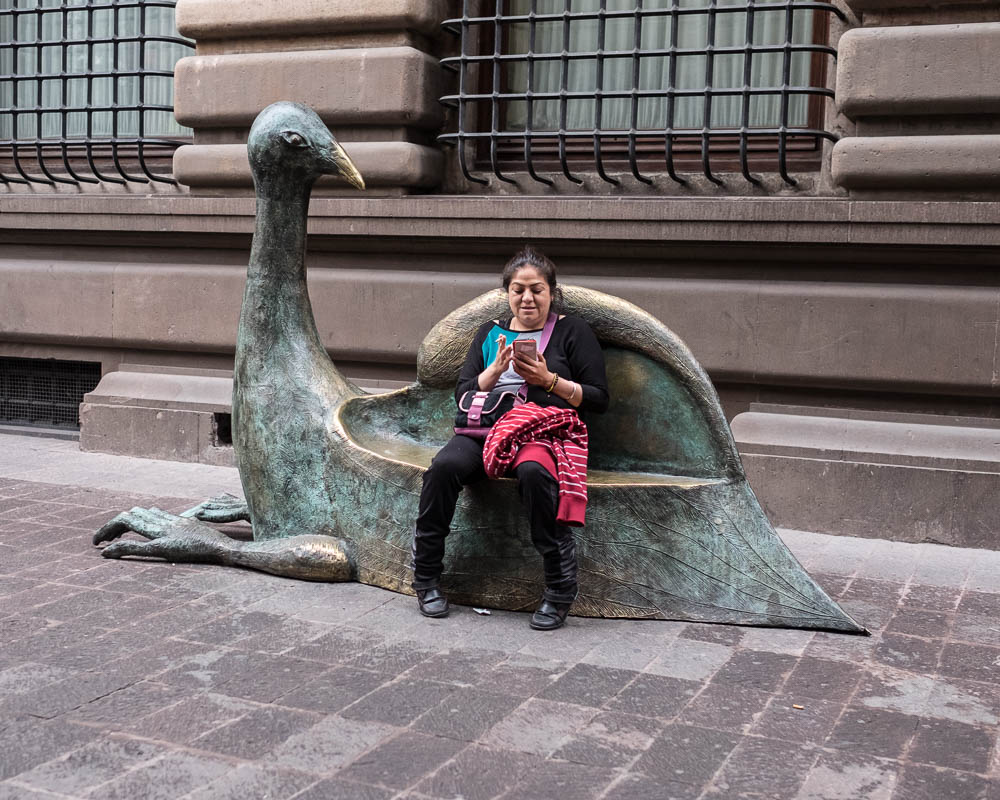
In a passageway between Calle Madero and Calle Tacuba, just behind the Banco de Mexico, there’s this big bronze bird bench (try saying that five times fast!). I spotted this lady taking a rest, smoking and playing on her phone. As is typical everywhere now, people of all ages are glued to their phones.

Lady, Bird Bench
Lady, Bird Bench

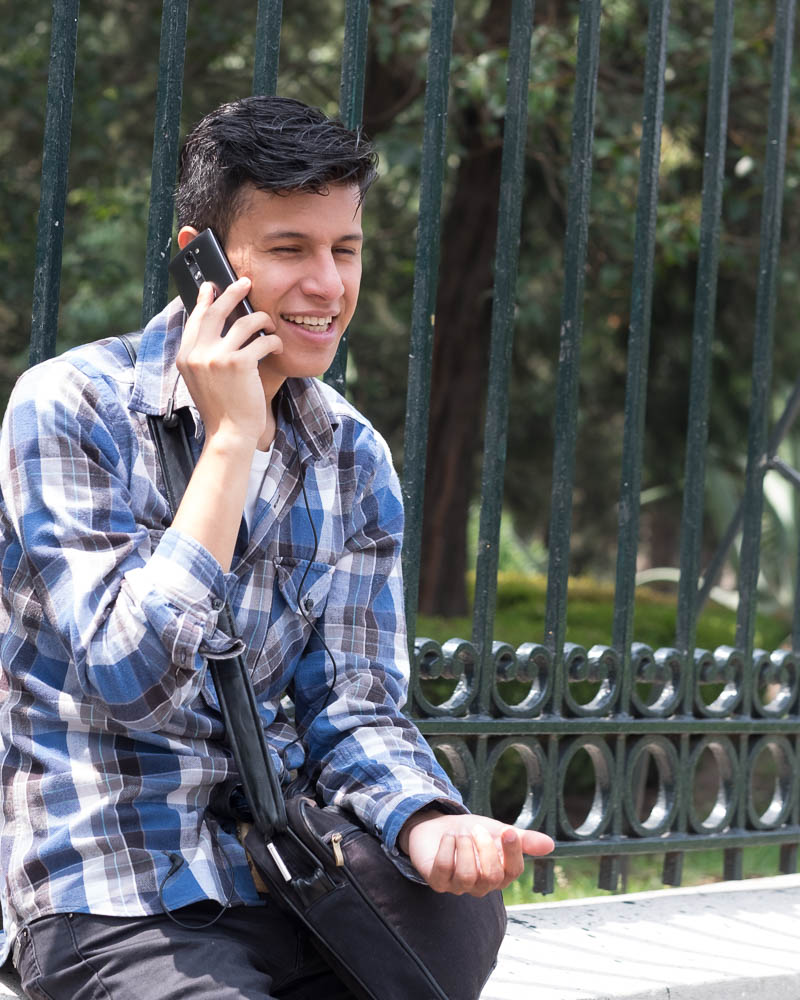
A handsome young man on his phone, outside Chapultepec Park. Hot travel tip for anyone planning to visit Mexico City – the entire city seems to roll up the sidewalks and shut down on Mondays, at least as far as attractions go – there’s maybe one museum open. They even lock up the gates to Chapultepec park and only allow bicyclists who are transiting through to enter!

Boy On Phone, Chapultepec

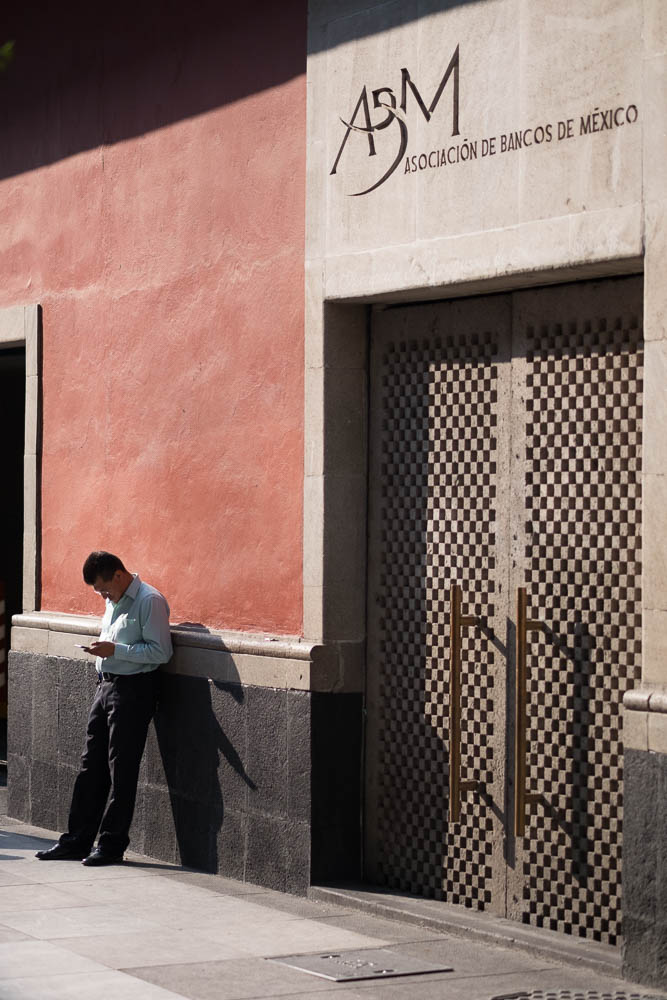
I went out for an early morning walk my first full day in Mexico City, to see what the rhythms of life are like. This man presented a dramatic composition in the morning sunlight as he leaned up against the wall.

Man On Phone
Man On Phone