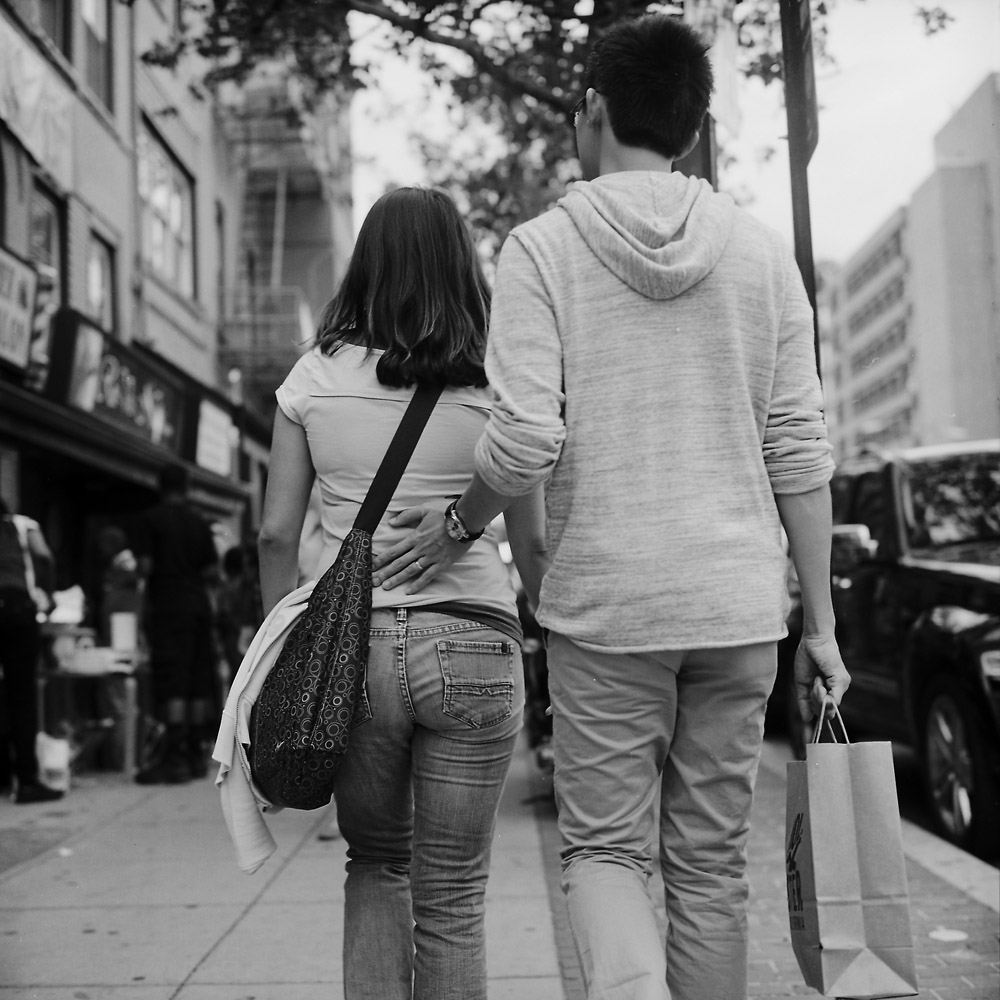
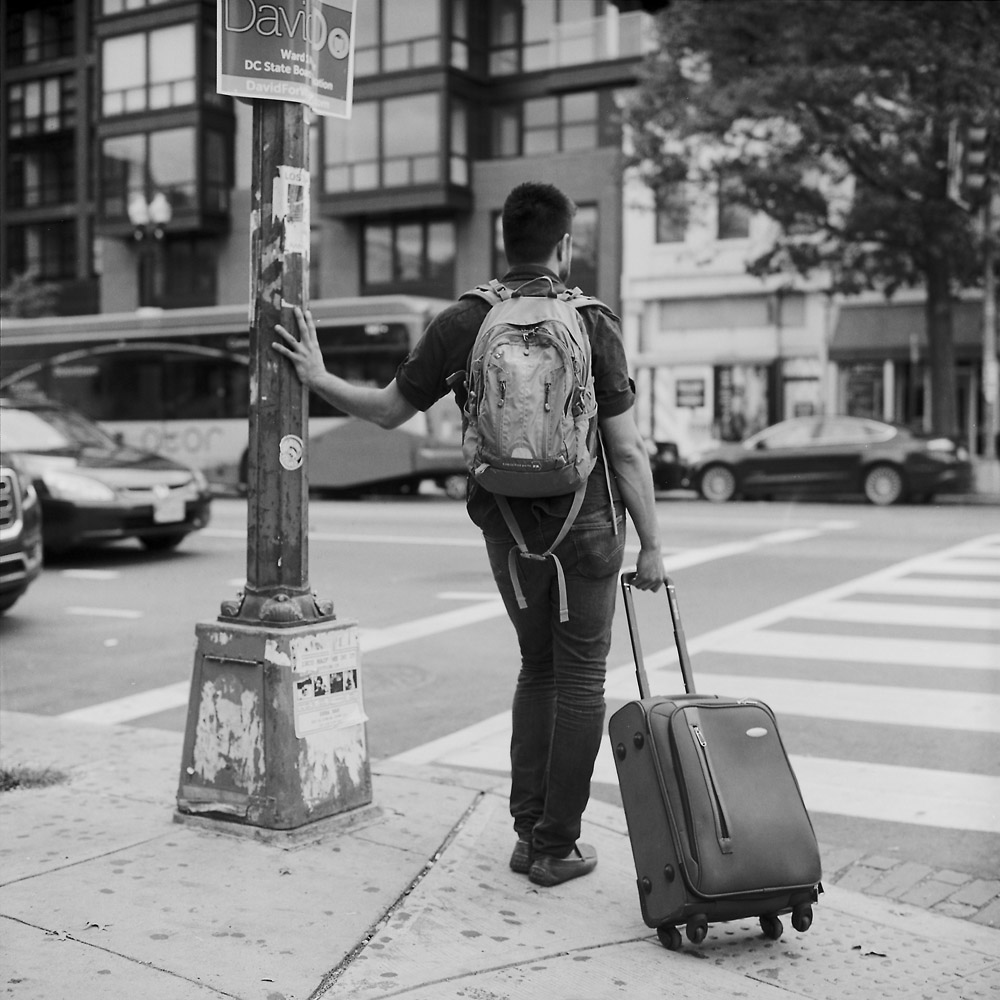
I went out on one of my neighborhood walkabouts and found these scenes. I’m still not good with getting people’s faces in street photos because when I try for a portrait, it inevitably becomes non-candid because I take too long trying to compose and focus, they see me, and at best the moment is lost. So I do photos of people from behind. Maybe I’ll work on making it into a thing.
Shopping Couple, U StreetMan With Bags, 14th & U Street
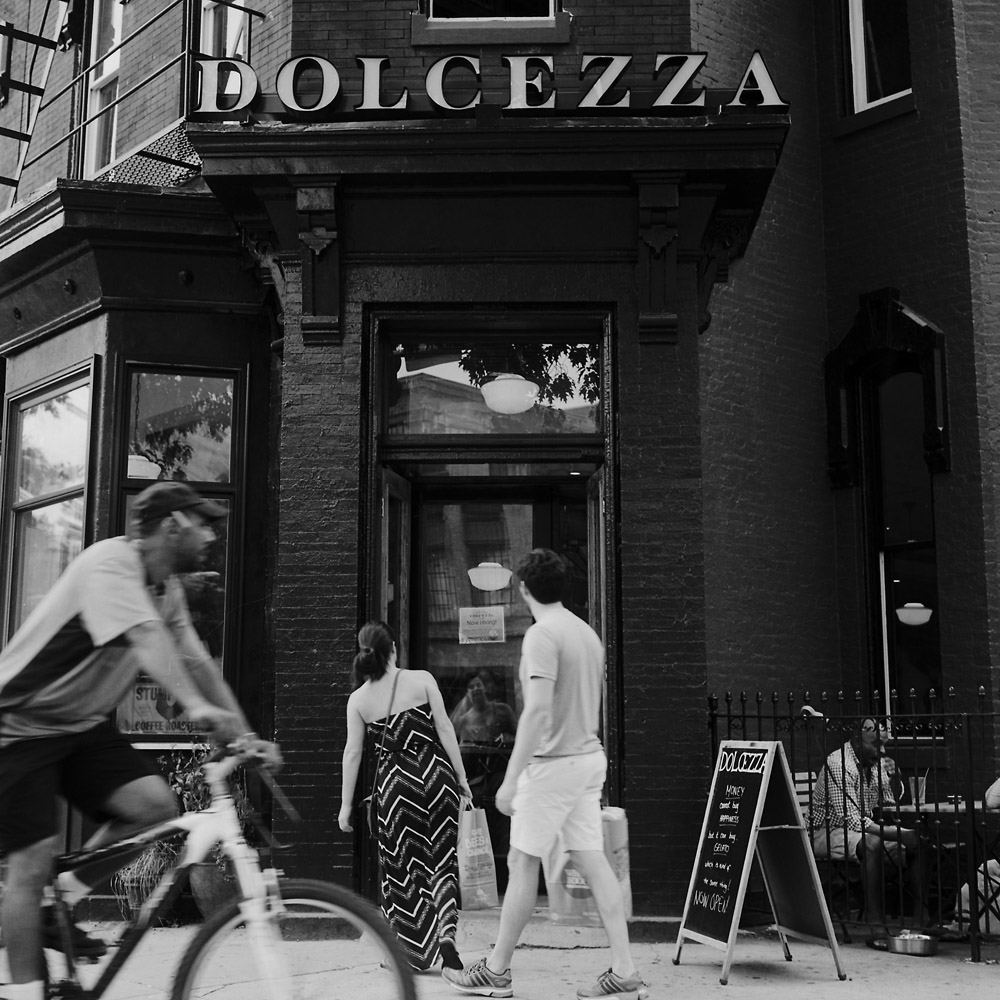
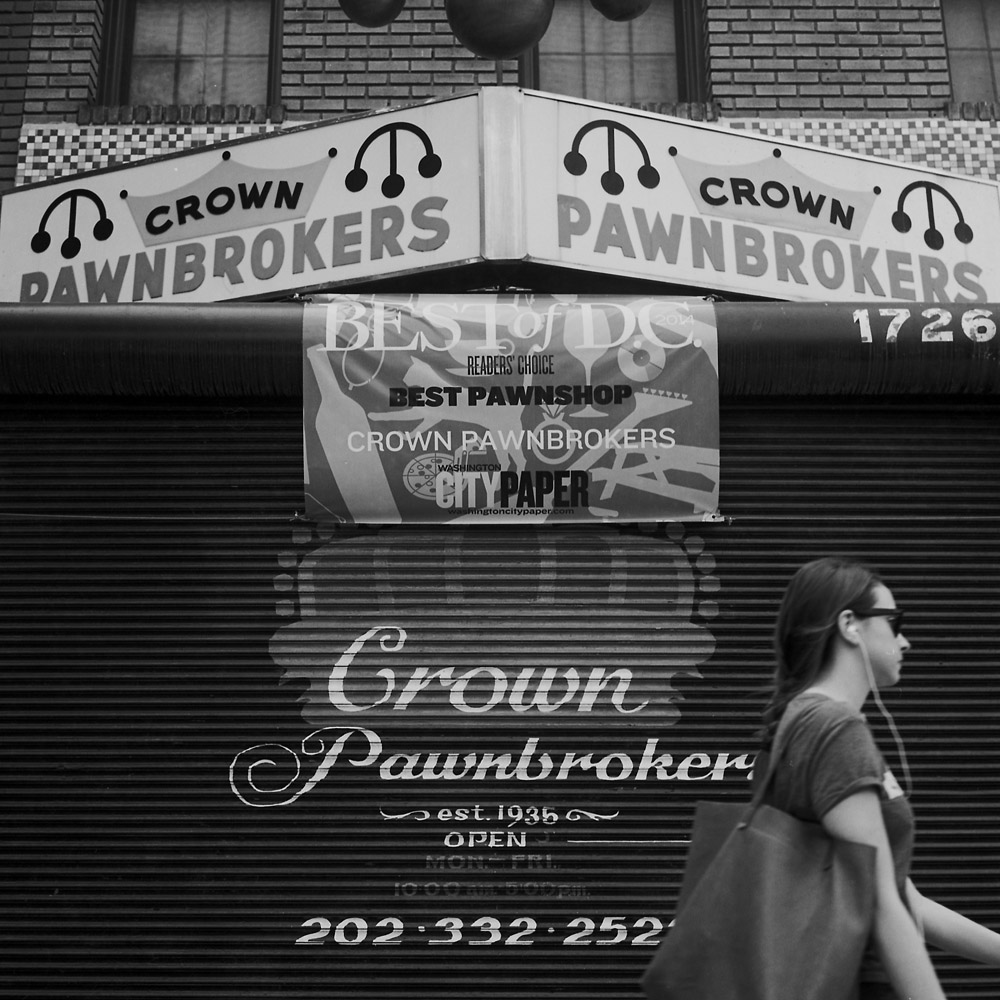
Scenes with activity in them, though, work better. I guess because I’m standing off at an angle to the action and people can pass through without being aware, so they get included from a variety of angles.
Dolcezza GelateriaCrown Pawn
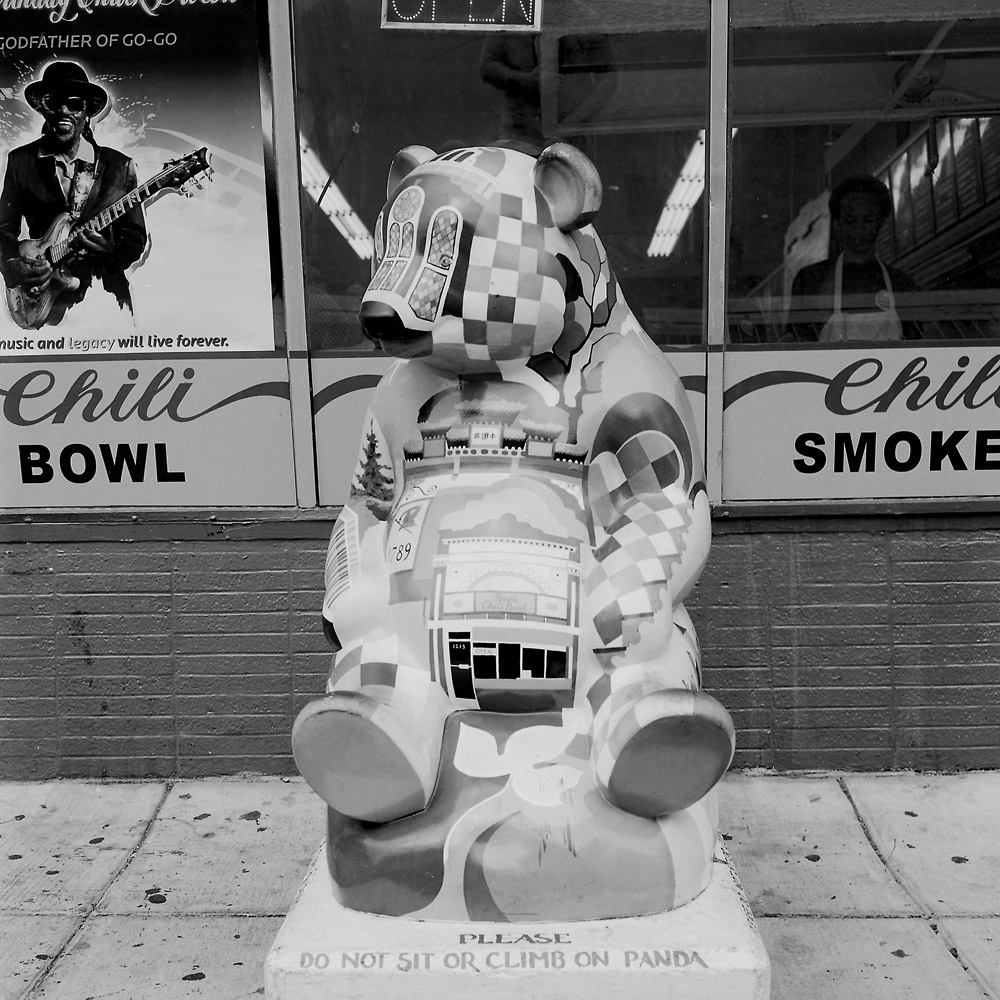
And sometimes they get included because they’re completely unaware of the camera’s presence, like the worker inside Ben’s Chili Bowl.
Ben’s Panda
All shots taken with my Rolleiflex 2.8E on Ilford FP4+. The Ilford FP4+ is part of a large stash of it that I bought more than a few years ago when there was a scare that Ilford would go out of business. I bought a box of 100 rolls (B&H was running a special on the bulk lot). Well, Ilford stayed in business (thank heavens!), and my use of medium format waned for a while (I sold off my Hasselblad outfit to finance a large format camera), so the bulk lot sat in my basement, going past its expiry date. Now that I’ve found and fallen in love with the Rollei, I’m finally making a dent in that box. It’s a great compliment to the quality of Ilford that I can still use this film this many years past the expiration and I have yet to need to tweak the chemistry to compensate for the film’s aging.
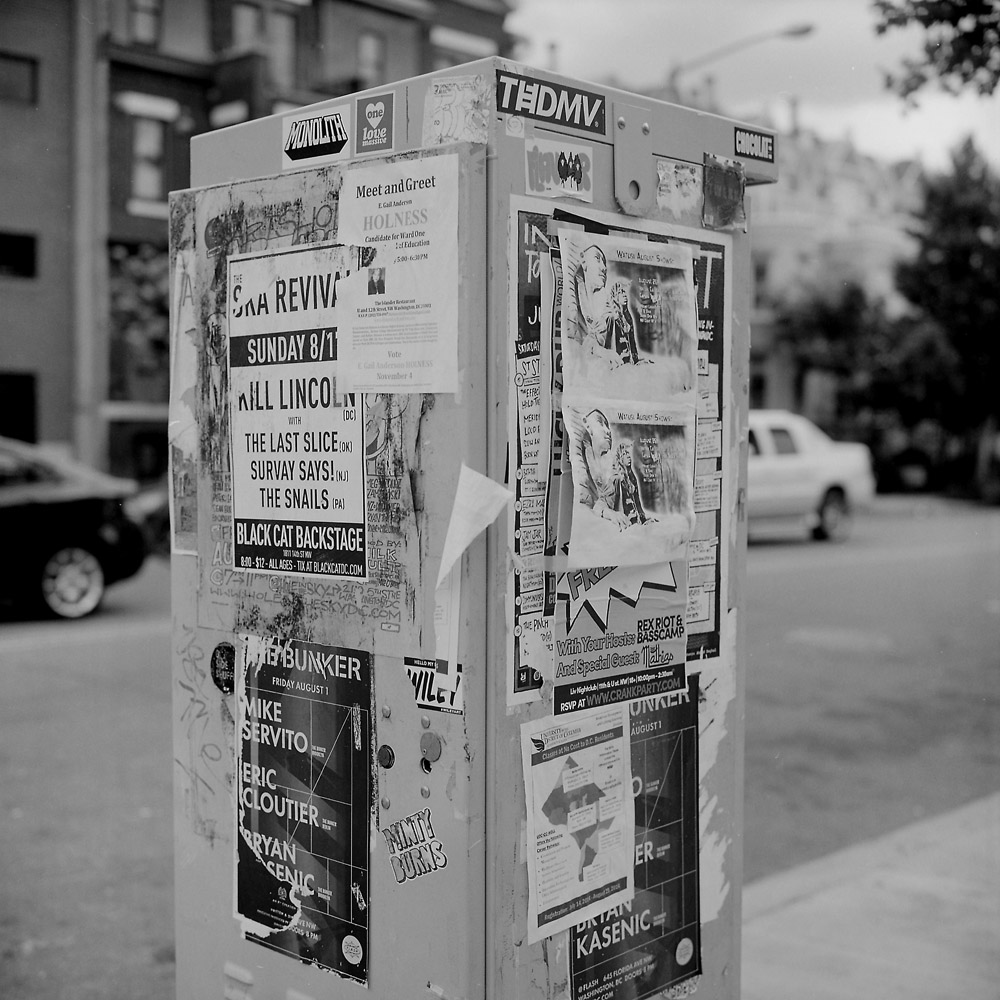
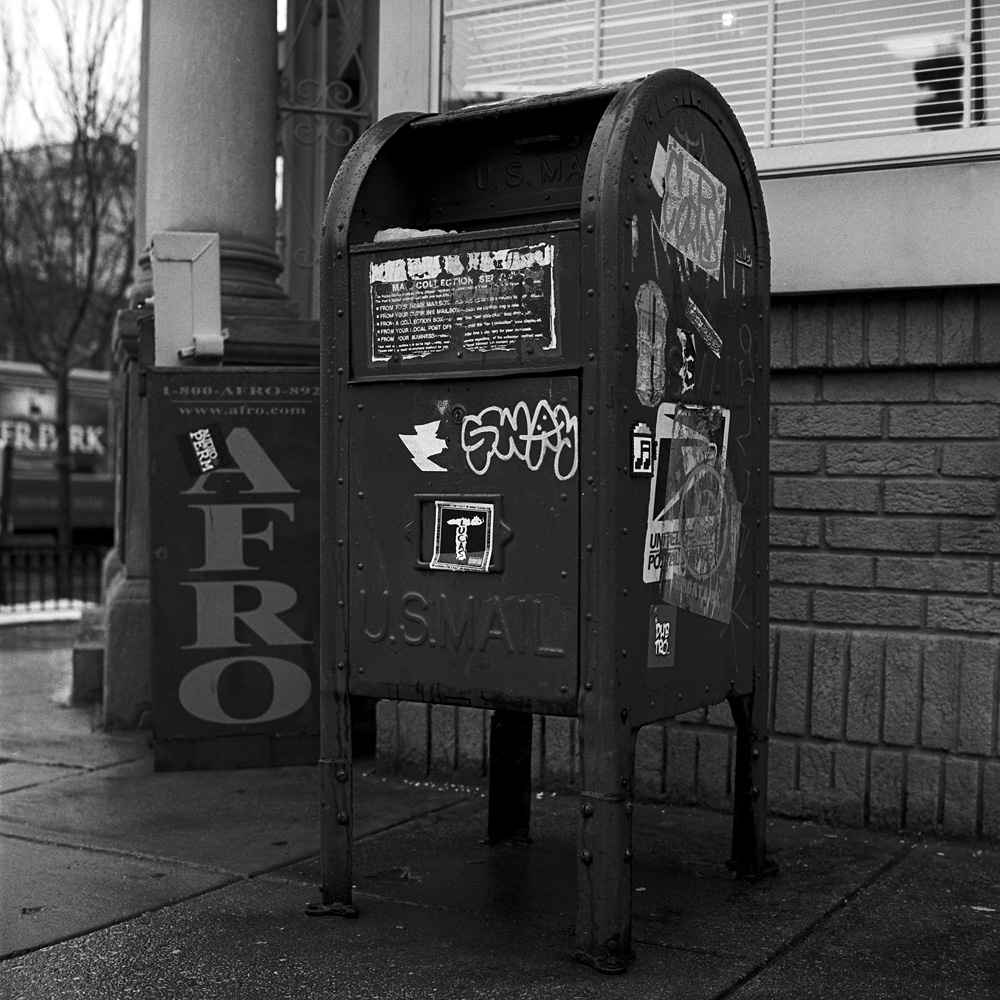
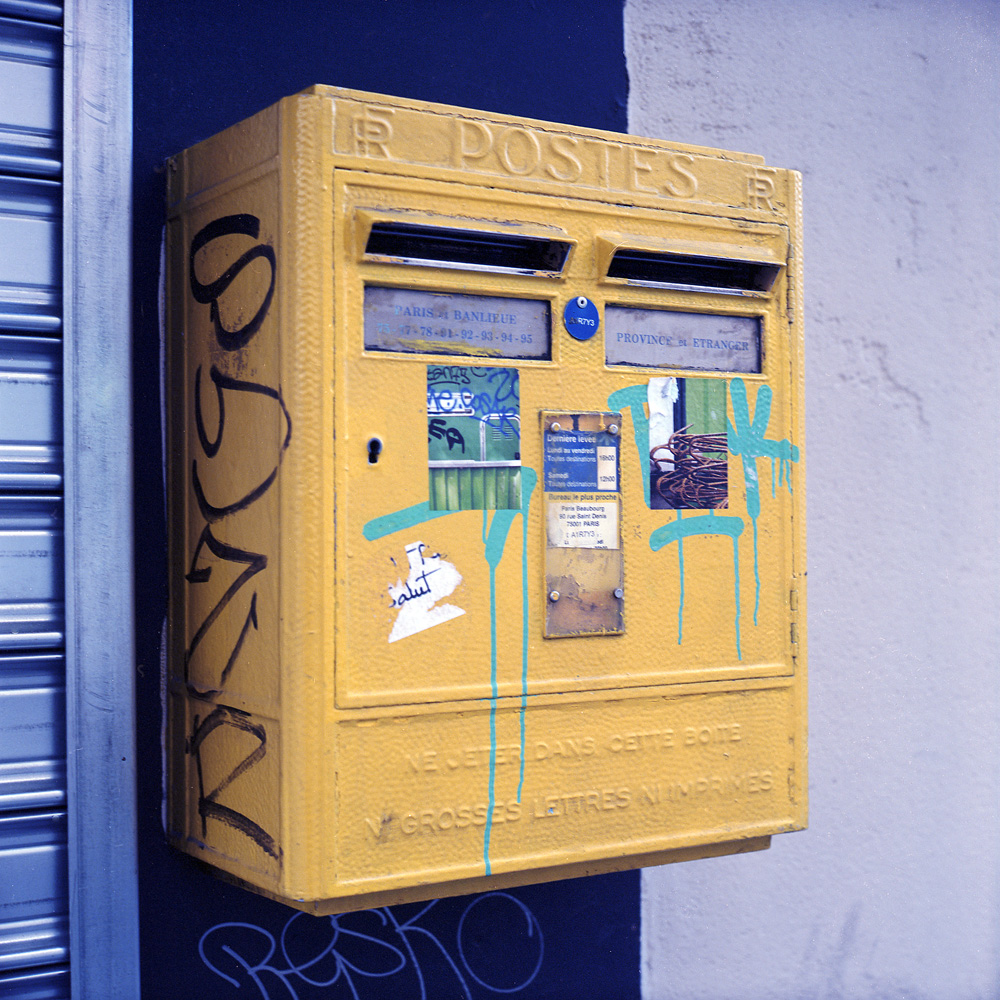
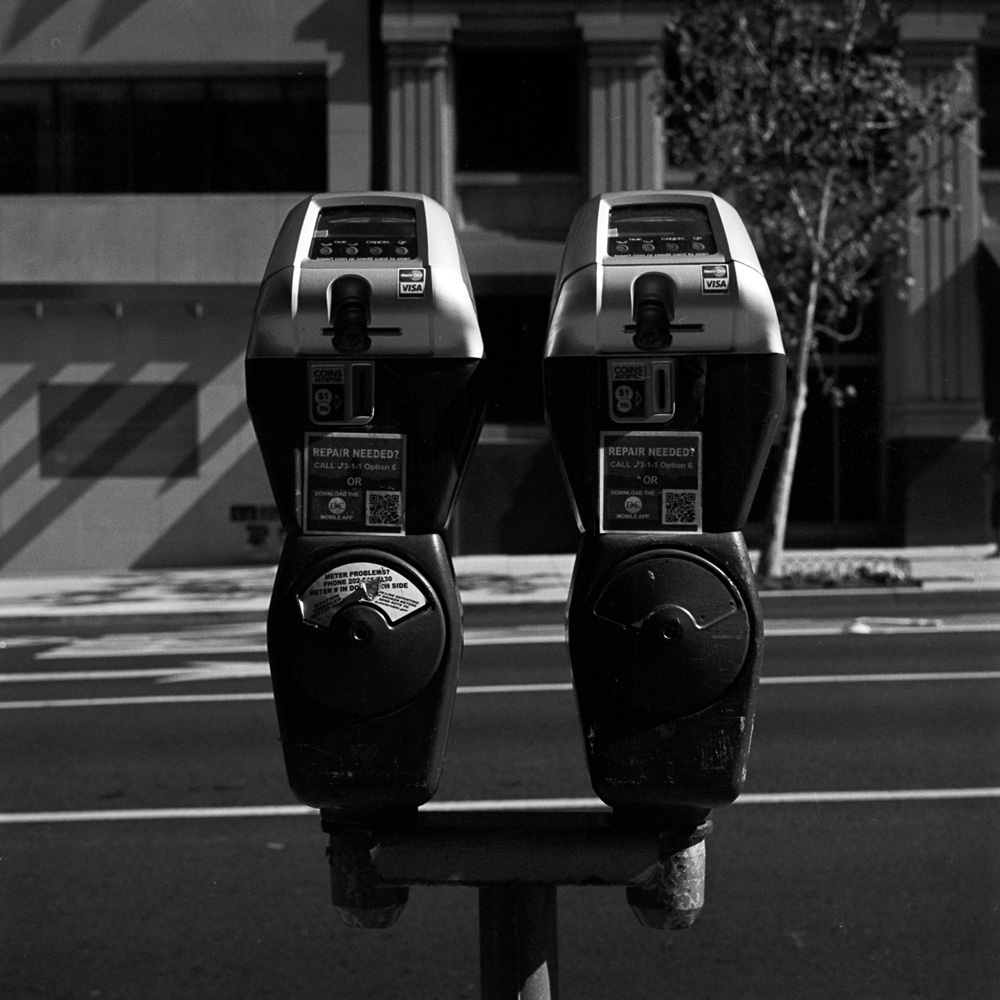
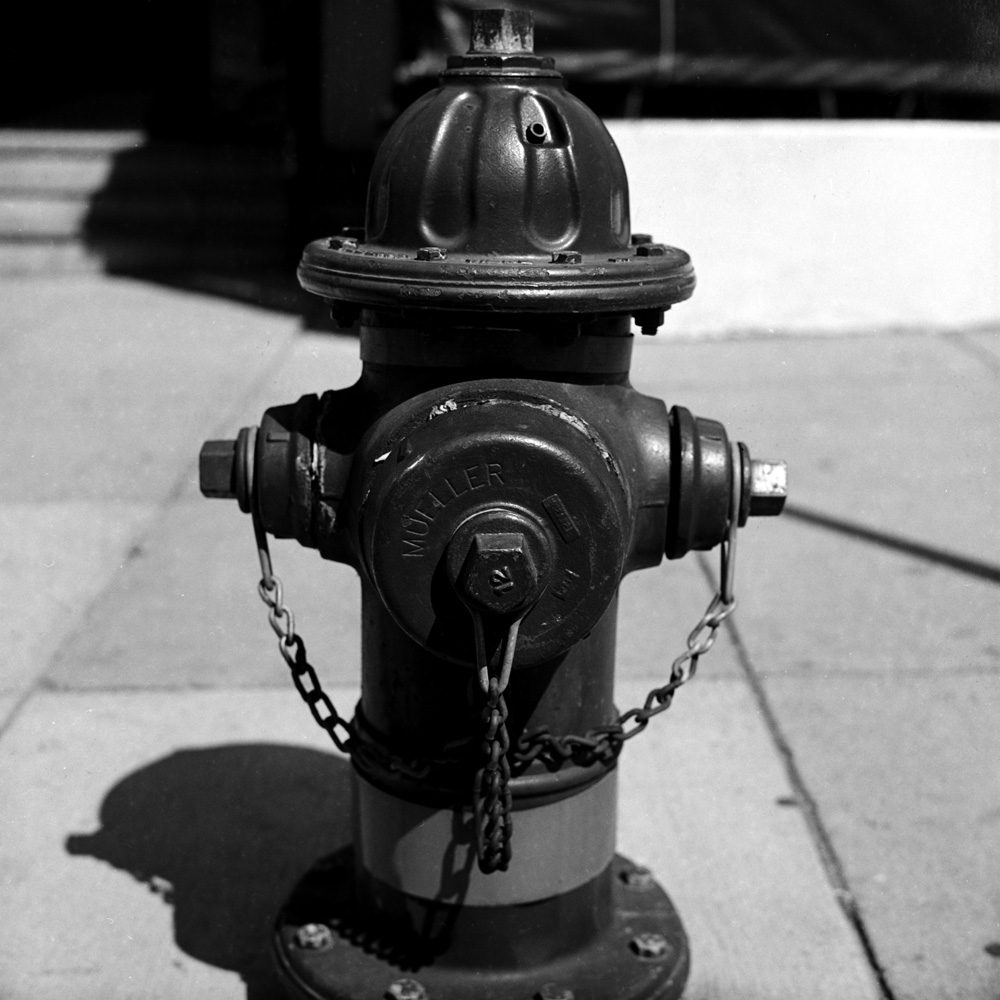
I was out doing some more street shooting in my neighborhood and found a couple more “ordinary objects” that cried out for portraits. I’ve included some of my past ones here to provide some context for the project idea.
Triple Meter, 14th StreetElectrical Box, 13th & U StreetsMailboxYellow Postbox, ParisHydrant, ChalonEveryday Objects – PayphoneSiamese SpigotTraffic ConeTwin Parking MetersMueller Hydrant, K Street, DC
These were shot on a mix of films – the black and white are either Kodak Tri-X or Ilford FP4+, and the color shots were taken with Kodak Ektar 100, all using my Rolleiflex 2.8E.
An introductory video discussion about my upcoming class at Glen Echo Photoworks. The course runs on Fridays, from September 19 to November 7, from 7-10pm. The concept of the course is to introduce students to the use of the human figure in narrative photography – telling a story with pictures whether it is a single image, a diptych or triptych, or a series. We will cover the historical use of male figures in narrative photography, from Hippolyte Bayard’s nude self-portrait as a drowned man in protest of having withheld his announcement of the photographic process he invented so that Daguerre could go first (and get all the credit and financial rewards that came from being first) to modern photographers like John Dugdale, Arthur Tress, and Duane Michals. We will also look at the use of the male figure in relation to questions of gender, sexuality, and identity. To register for the course, click here – The Narrative and the Male Figure
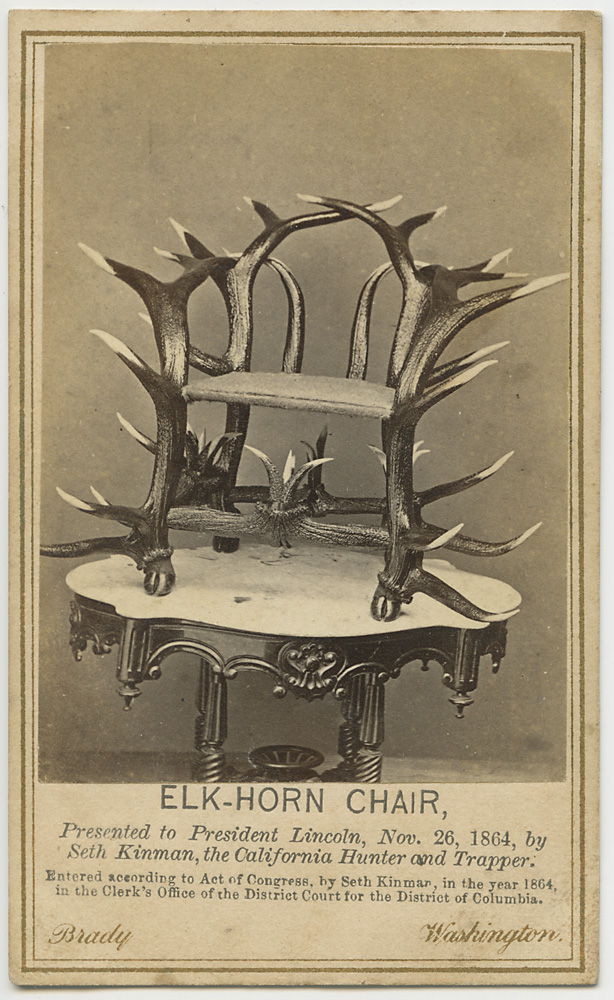
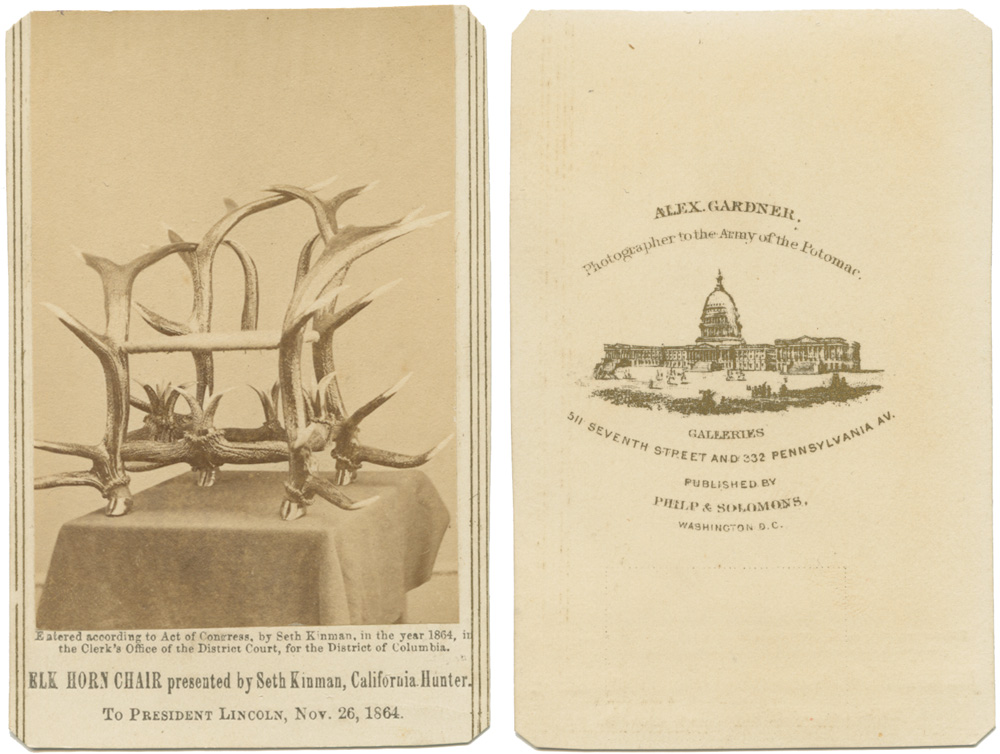
Ok- it looks like the elk horn chair Seth Kinman gave to President Lincoln made the photo studio rounds in 1864. I now have a copy of the Brady version of the chair’s portrait, along with the Alexander Gardner version. In perusing the Wikipedia article, there appears to be at least one other Brady version of the Kinman-Lincoln chair. I’m trying to find out the disposition of the chair today – it may be part of the White House collections, or it may belong to the Smithsonian. I’ll update when I find out.
According to Wikipedia, here is the story of this particular chair:
Kinman’s presentation of an elkhorn chair to President Abraham Lincoln at 10 a.m. on Saturday, November 26, 1864 was recorded by artist Alfred Waud, the only known picture of Lincoln accepting a gift. The drawing shows Lincoln examining Kinman’s rifle, which he called “Ol’ Cottonblossum.” Kinman also presented a fiddle made from the skull and a rib of his favorite mule and played the instrument.
Much to the amusement of Lincoln and other spectators, he played ‘Essence of Old Virginia’ and ‘John Brown’ on the bones of the mule. Lincoln said that if he could play the fiddle he would ask him for it, but since he could not, the fiddle would be better off in Mr. Kinman’s hands.
Within three weeks, Lincoln stated that he would prefer to eat Kinman’s chair, antlers and all, than to appoint a certain office-seeker.
The following April, Kinman marched in President Lincoln’s funeral cortege in Washington.
Elkhorn Chair given to A. Lincoln by Seth Kinman, 1864
Here is the Gardner CDV for comparison:
Seth Kinman’s Elkhorn Chair, Presented to A. Lincoln, November 26, 1864
To quote the Wikipedia page about Seth Kinman:
Seth Kinman (September 29, 1815 – February 24, 1888) was an early settler of Humboldt County, California, a hunter based in Fort Humboldt, a famous chair maker, and a nationally recognized entertainer. He stood over 6 ft (1.83 m) tall and was known for his hunting prowess and his brutality toward bears and Indians. Kinman claimed to have shot a total of over 800 grizzly bears, and, in a single month, over 50 elk. He was also a hotel keeper, barkeeper, and a musician who performed for President Lincoln on a fiddle made from the skull of a mule.
Known for his publicity seeking, Kinman appeared as a stereotypical mountain man dressed in buckskins on the U.S. east coast and selling cartes de visites of himself and his famous chairs. The chairs were made from elkhorns and grizzly bear skins and given to U.S. Presidents. Presidents so honored include James Buchanan, Abraham Lincoln, Andrew Johnson, and Rutherford Hayes. He may have had a special relationship with President Lincoln, appearing in at least two of Lincoln’s funeral corteges, and claiming to have witnessed Lincoln’s assassination.
His autobiography, dictated to a scribe in 1876, was first published in 2010 and is noted for putting “the entertainment value of a story ahead of the strict facts.” His descriptions of events change with his retelling of them. Contemporary journalists and modern writers were clearly aware of the stories contained in the autobiography, “but each chooses which version to accept.
I found the shot I had taken of the NYC subway train oncoming. Again a bit impressionistic, but you can still feel the difference between it and the other city’s subways that I’ve photographed, even though the car isn’t at all visible in the exposure. I THINK this is the N/Q/R platform at 5th avenue and 59th street- it’s been a while since I took the shot.
NYC Subway Oncoming, 59th St
Here are a couple more of my subway shots as a comparison. Please pardon the repetition of the recent post:
Gallery Place Metro #2Oncoming MetroToronto SubwayMetro Train Arriving, Archives StationSpeeding Metro
All shots taken with my Rolleiflex 2.8E. Film used was either Ilford FP4+ for the b/w shots or either Kodak Portra 160 or Ektar 100 for the color.
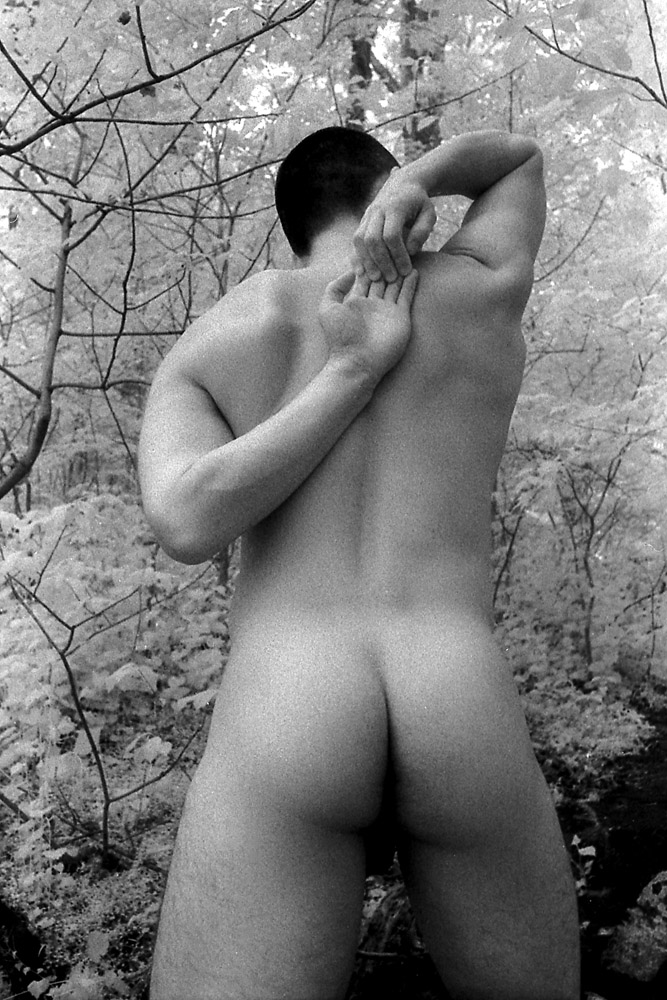
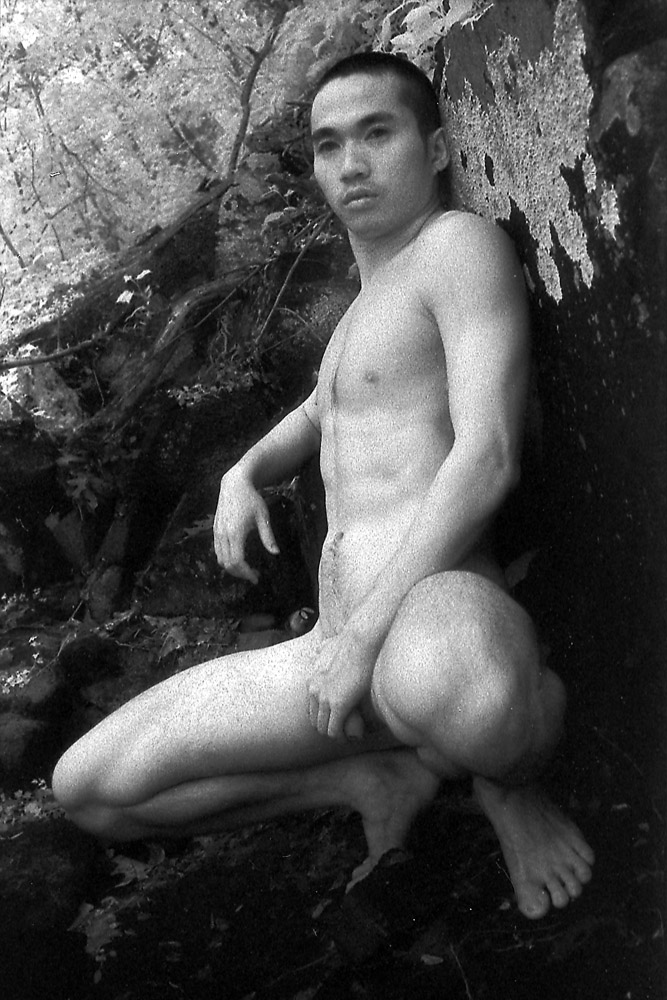
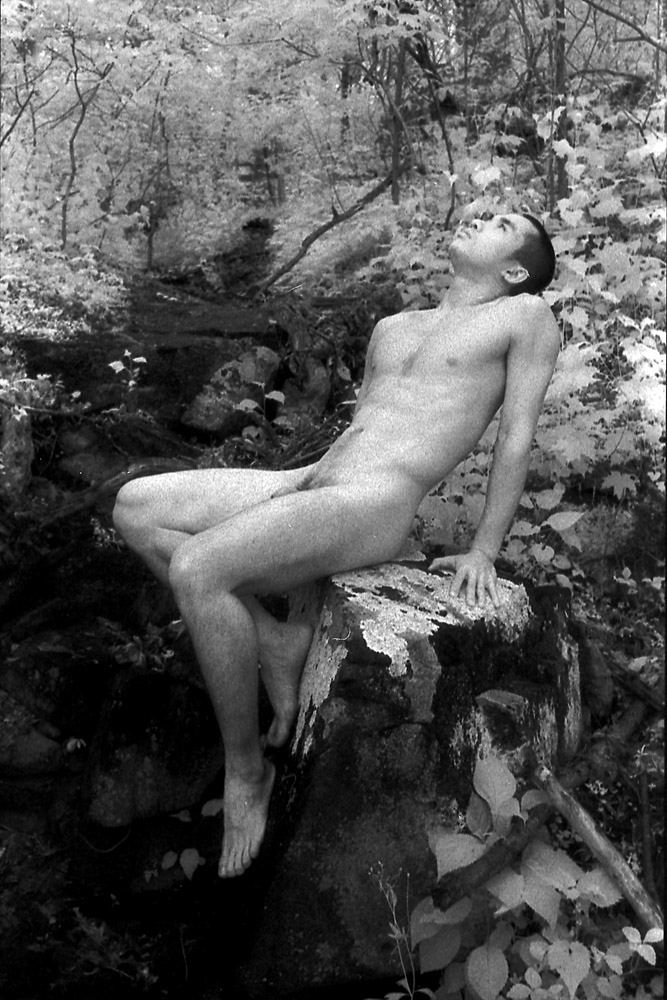
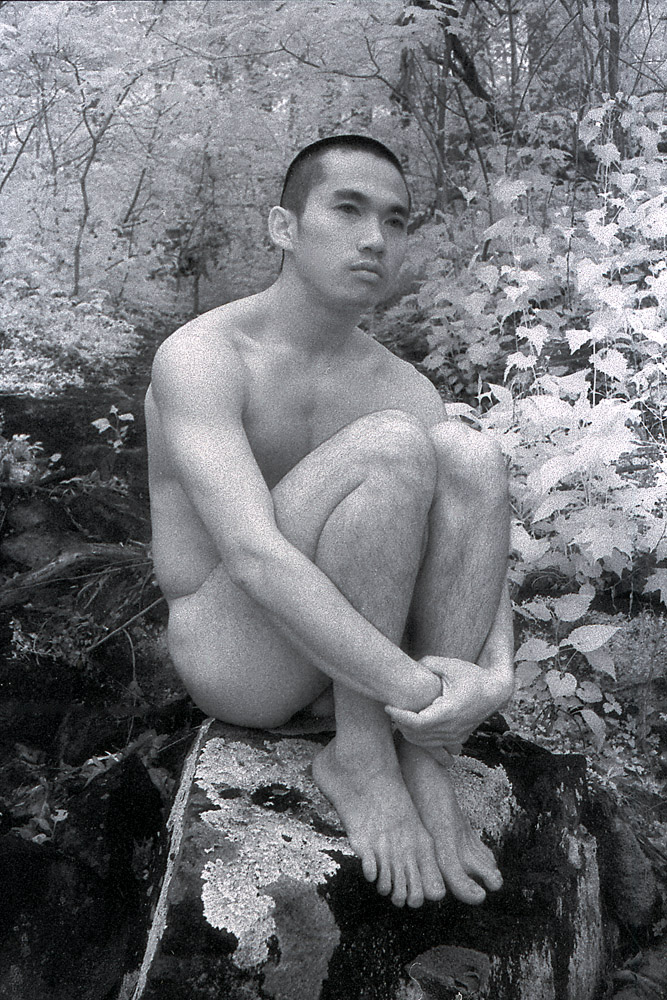
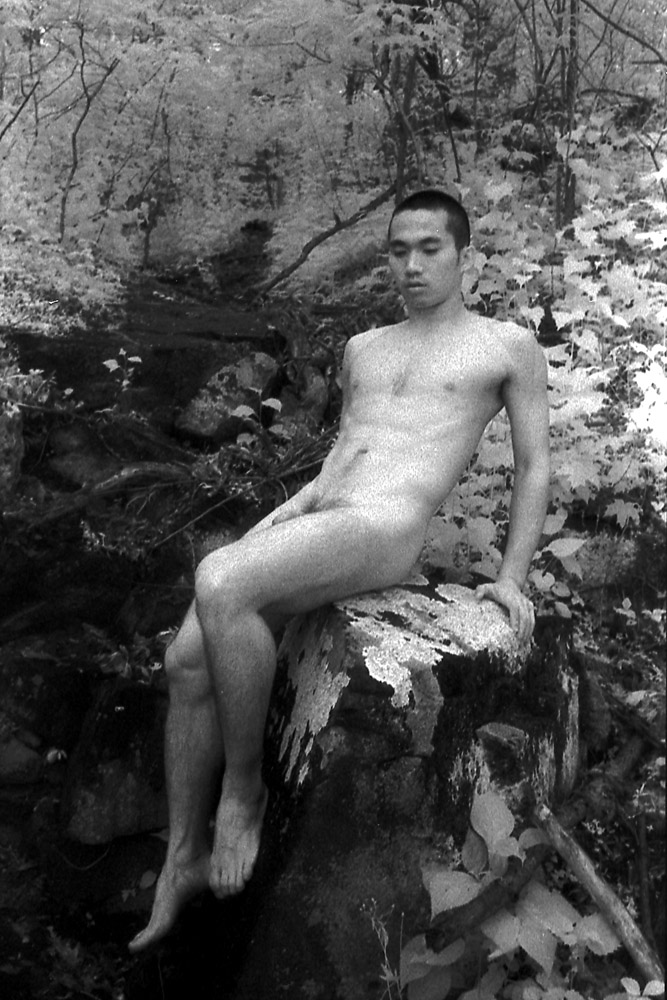
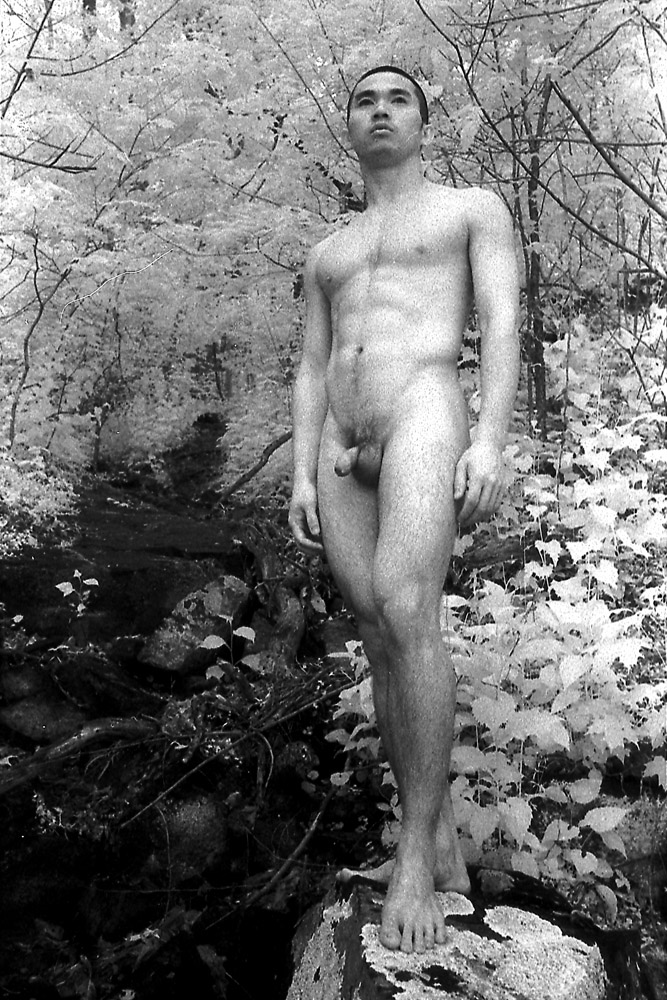
These are some from my vaults. I was doing some clean-up in my library and went through my catalog of negatives, and came across these. I shot these on the old Kodak HIE infrared film. Alas, not only is HIE no more, but virtually all IR-sensitive films are gone now too, other than Ilford’s SFX and Rollei IR. Kodak HIE was the king of the crop, having far greater infrared sensitivity than the others (it topped out over 900nm, whereas most of the other films were 820nm, or even 750 with the Konica). It produces a beautiful pictorial effect, and made for some very interesting figure studies. I only ever got to shoot a few rolls of it before it was gone, and the few I had stashed didn’t keep well, even in cold storage. Lots of people have asked about bringing Kodak HIE back as a product – I would love to see it happen, but it isn’t going to. Here’s why – the infrared sensitivity is effected by a specialized dye. The dye requires chemicals that are A: rare, B: very expensive, and C: don’t age well. To meet the minimum manufacturing requirements, very large quantities of the dye would have to be made. At the end of the products’ commercial life, Kodak was not selling enough of the film to cover the cost of the dye, and it was generating tremendous waste as the dye was going bad before the current stock would be sold, so they were not only throwing away dye, they were throwing away finished product.
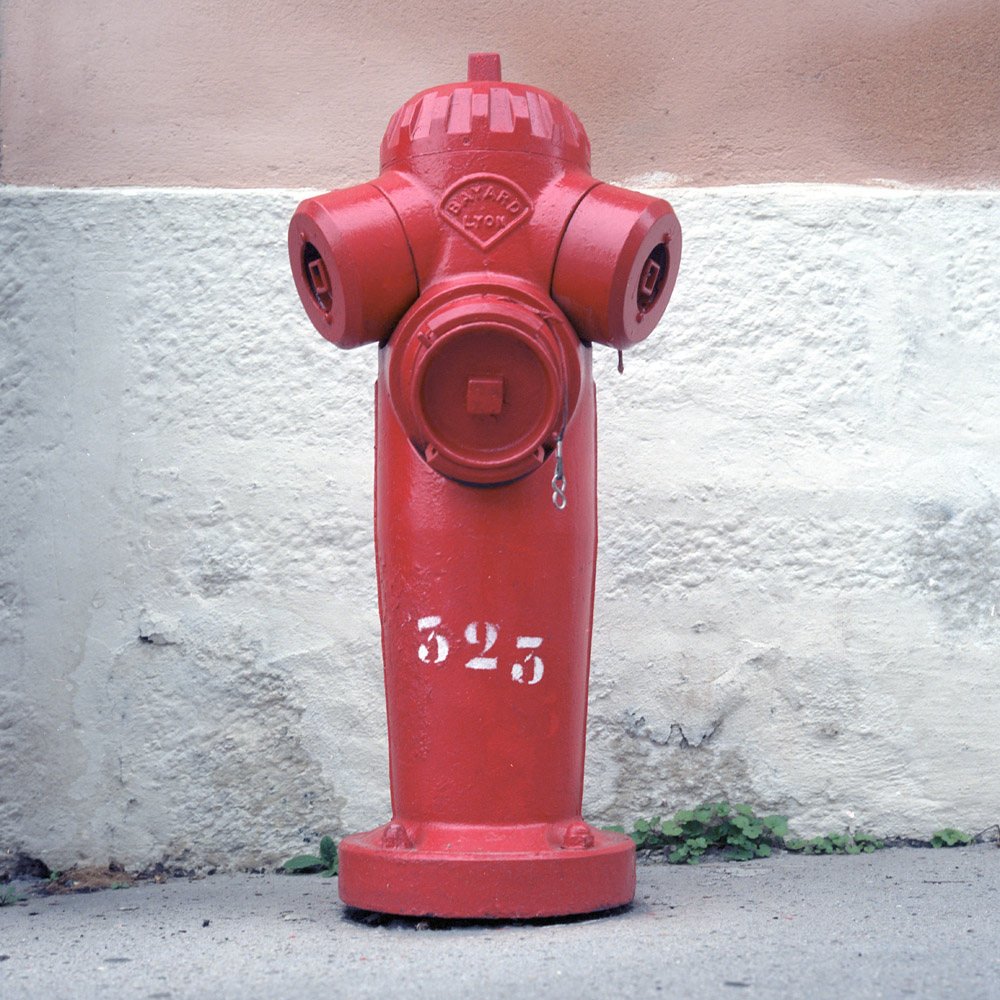
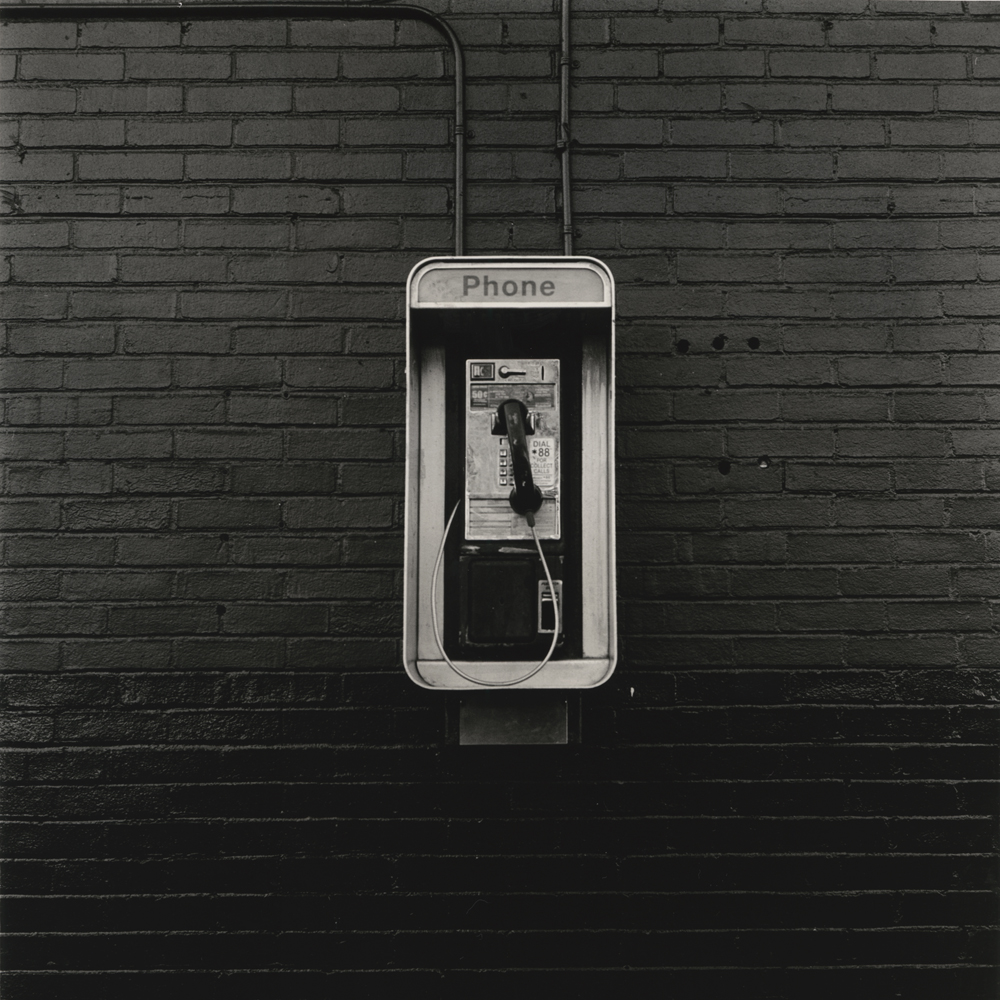
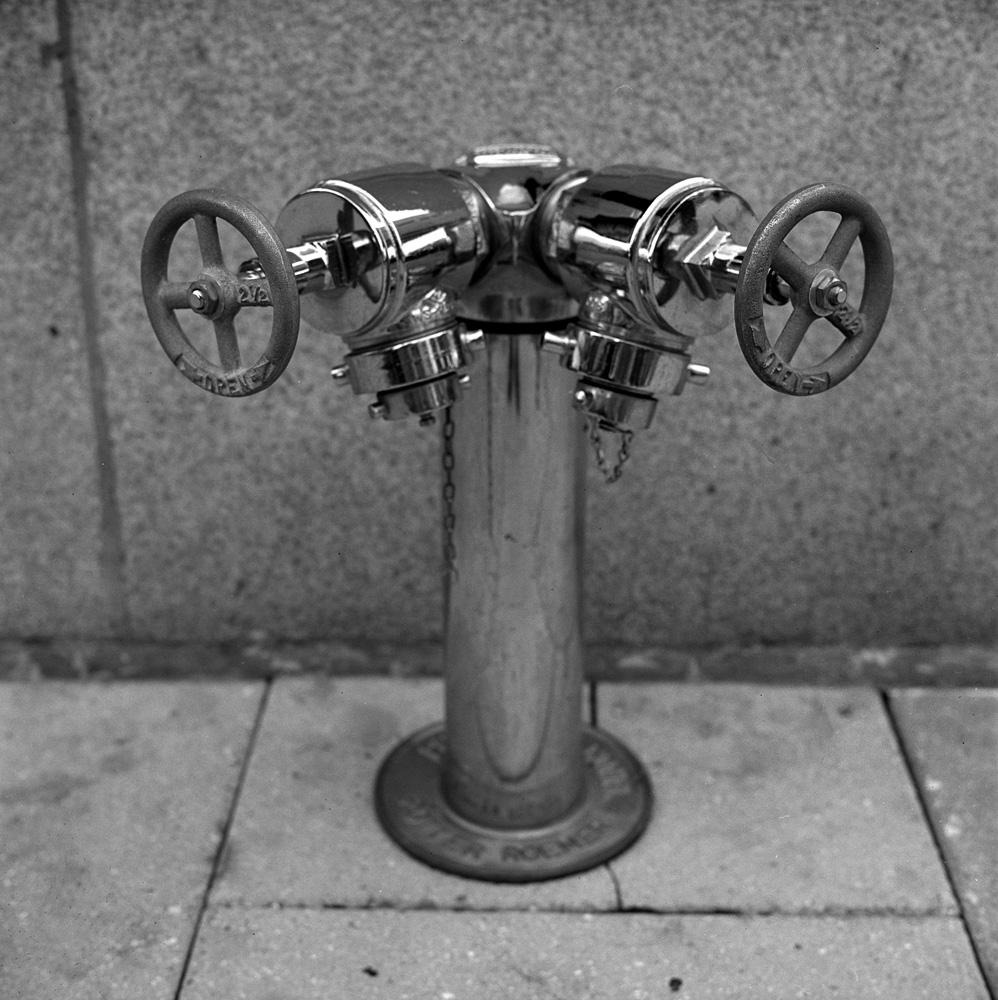
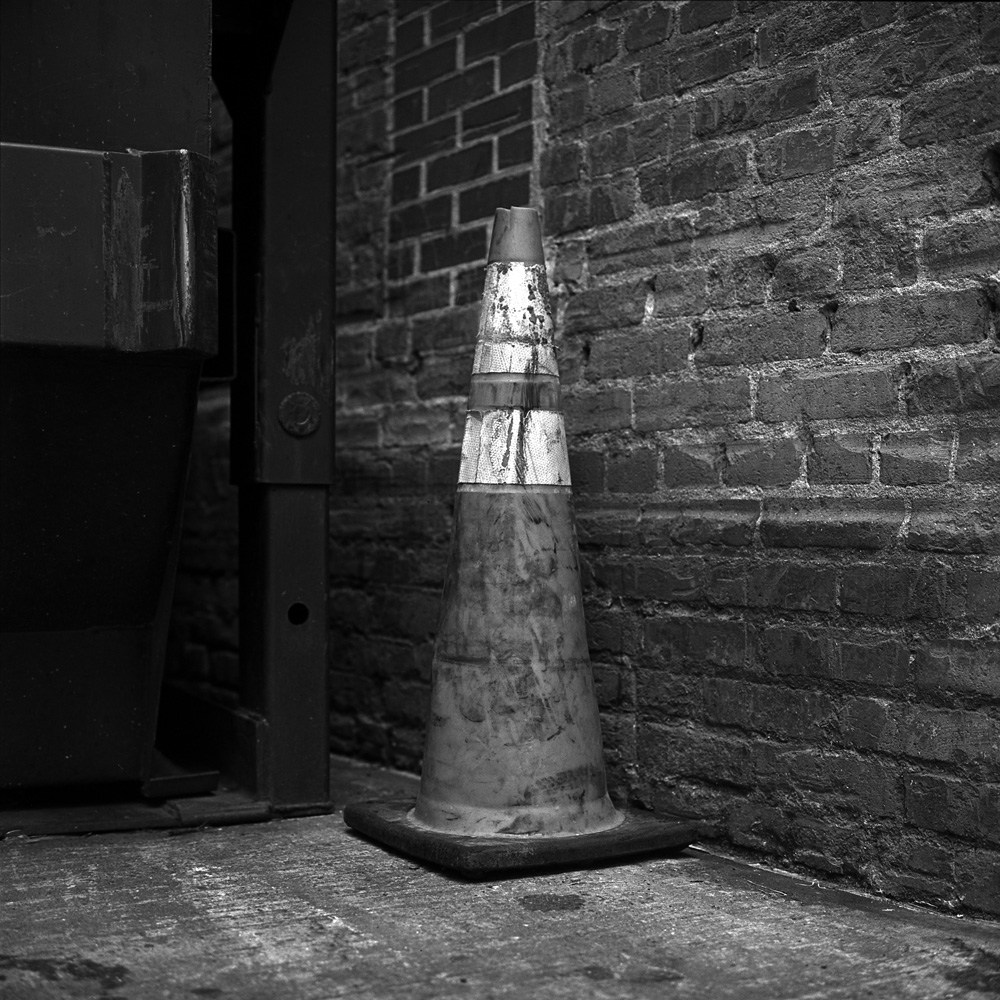
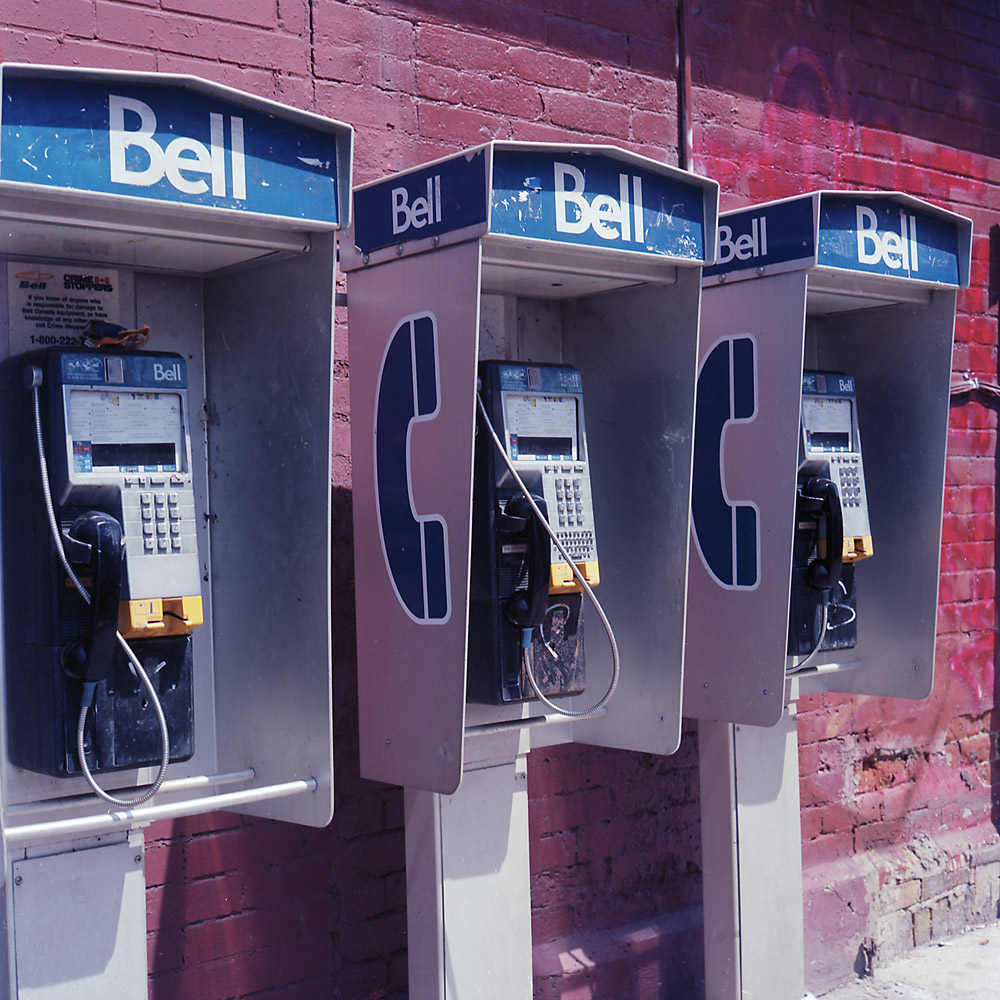
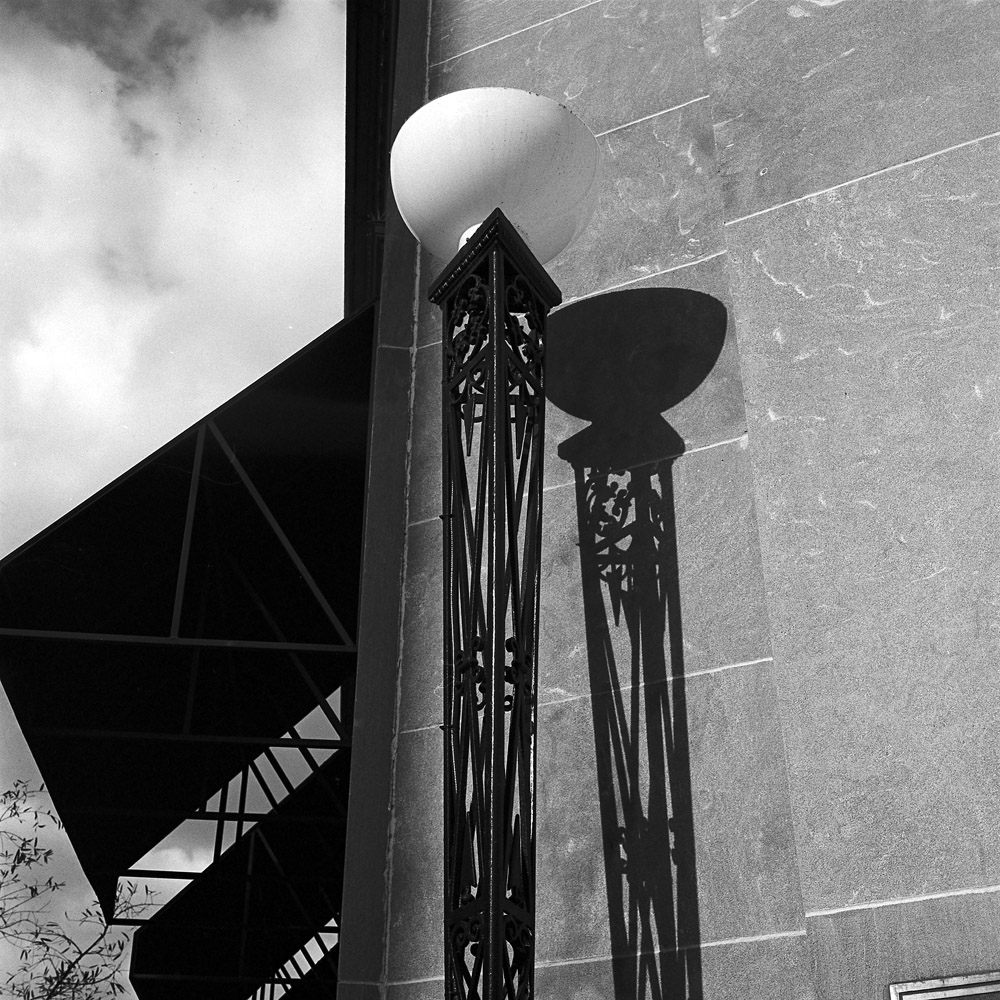
This is part of a series I’ve been working on – photographing ordinary objects we pass by on the street every day but take for granted. They are things we see but don’t see, and they may well vanish, like pay phones, mailboxes, and newspaper vending machines, before we realize they’re gone. Pay phones are all but replaced by the cellphone. Newspapers as a physical object may cease to exist thanks to the internet, and along with them the newspaper box. Email has just about killed the personal letter – the only thing keeping the postal services alive these days are mass marketers with their junk mail, Ebay and Amazon with package deliveries. Not everything in the series is vanishing in a literal sense like pay phones, but some of them do vanish from our perception like the fire hydrant, the lamp post, and the traffic cone. We know they’re there because we don’t trip over them when walking on the streets, but they exist at the periphery. They each have their own beauty and form, however, and within their function there are a remarkable variety of forms – the hydrant in Chalon-sur-Saone, while as recognizable as a fire hydrant as the hydrant from Washington DC, has a very different form, as does the Siamese spigot.
PayphonesEveryday Objects – PayphoneLamppost, Riggs Bank, 14th StreetYellow Postbox, ParisMailboxHydrant, ChalonMueller Hydrant, K Street, DCSiamese SpigotTraffic Cone
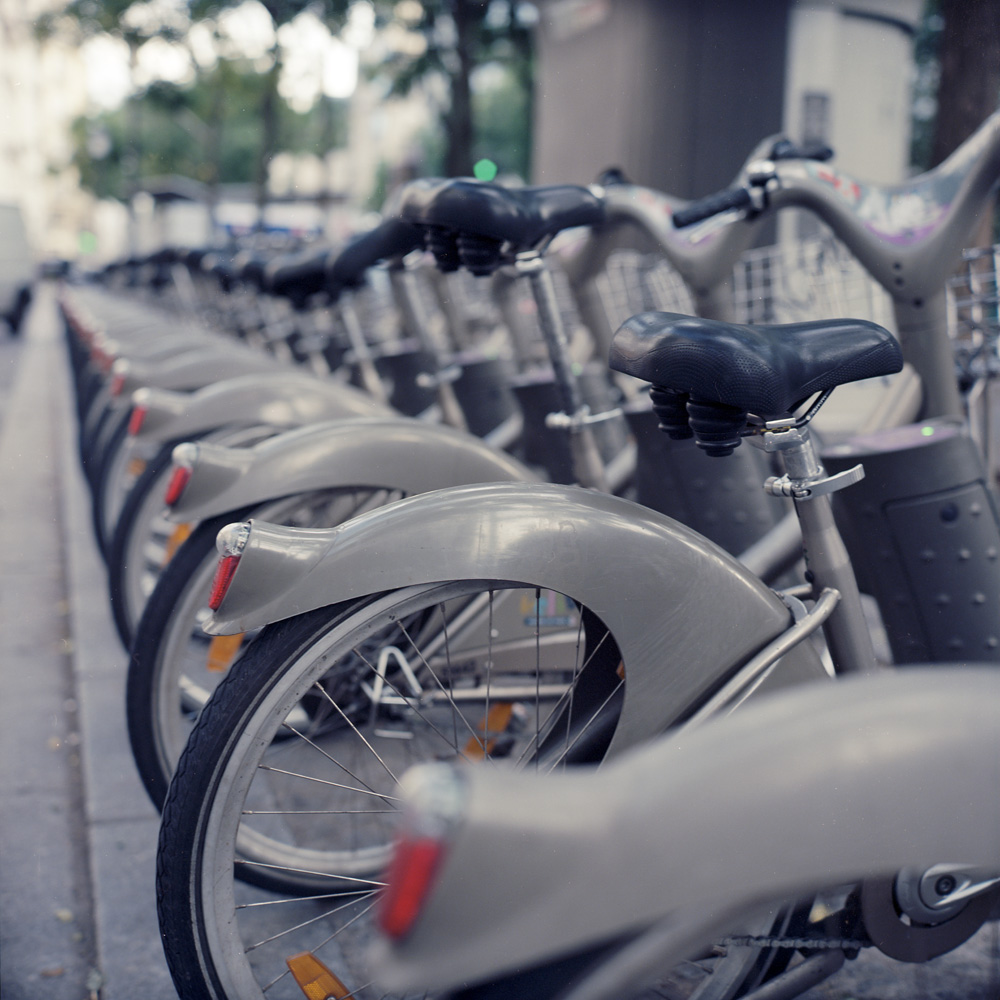
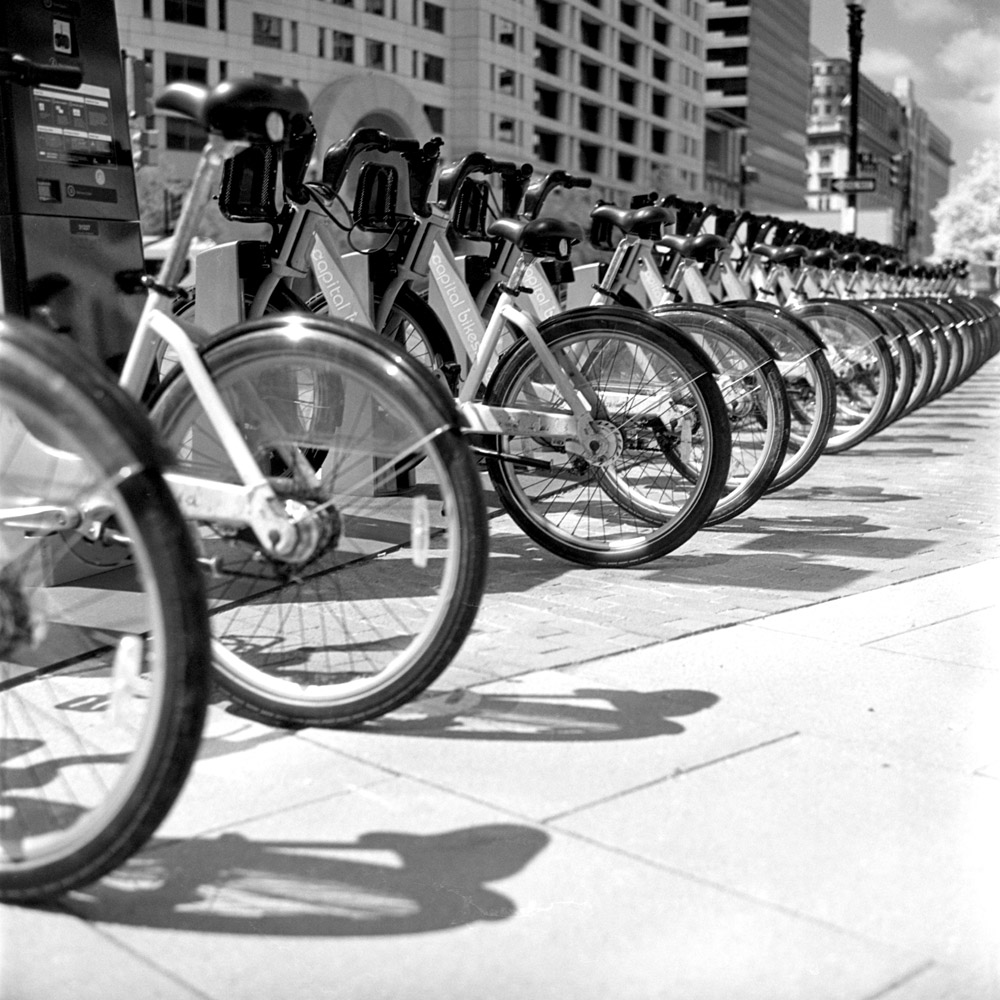
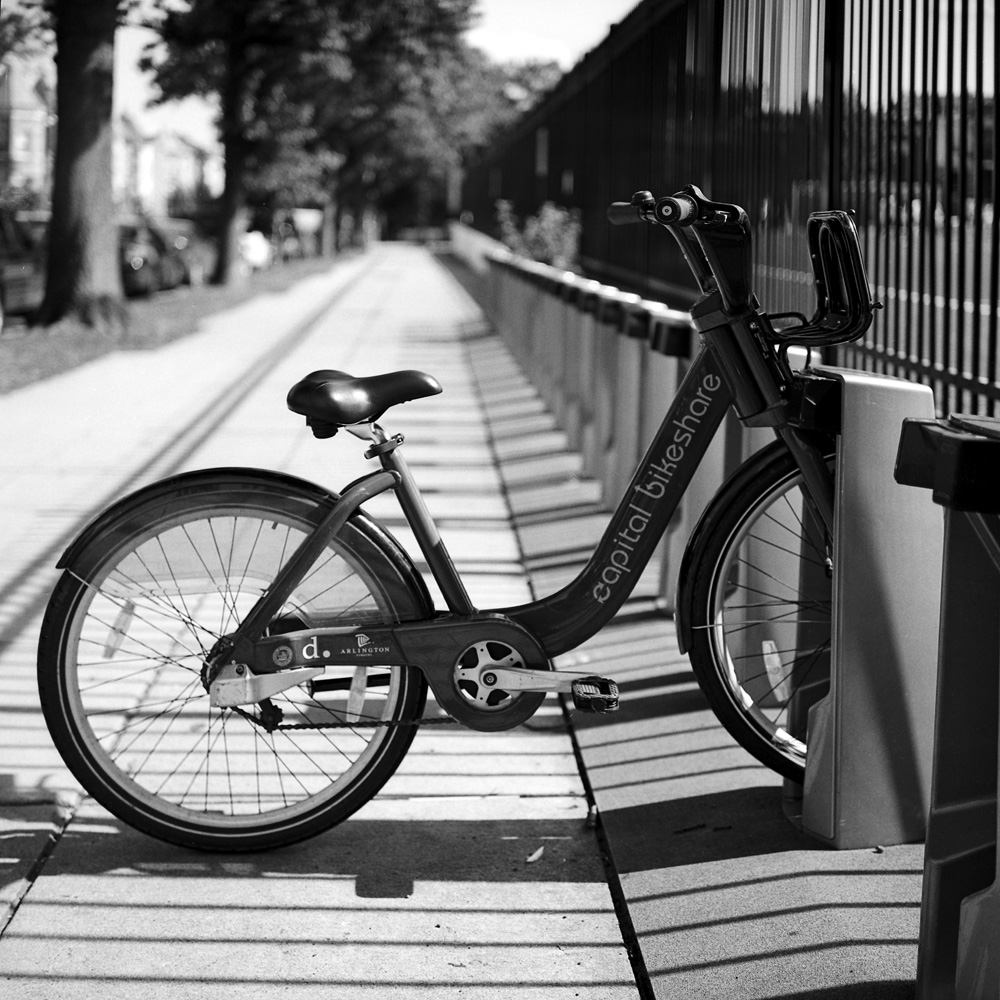
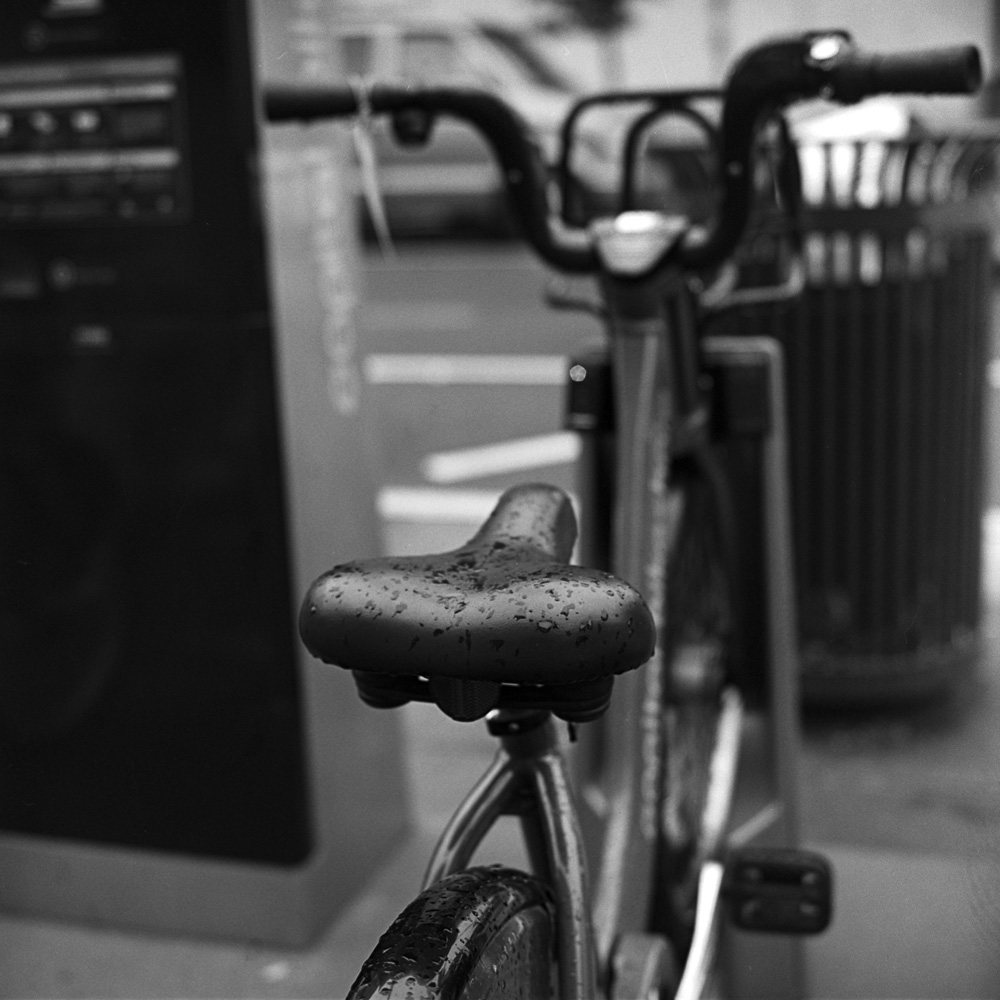
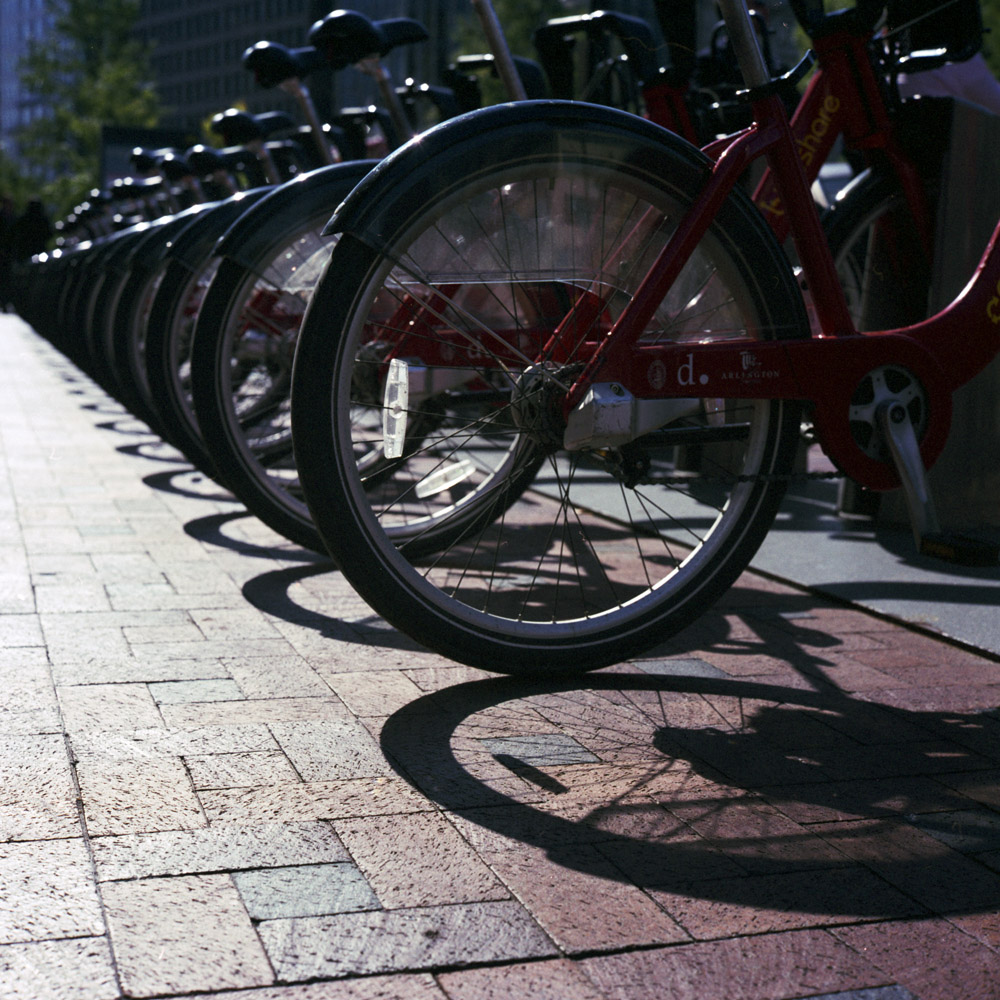
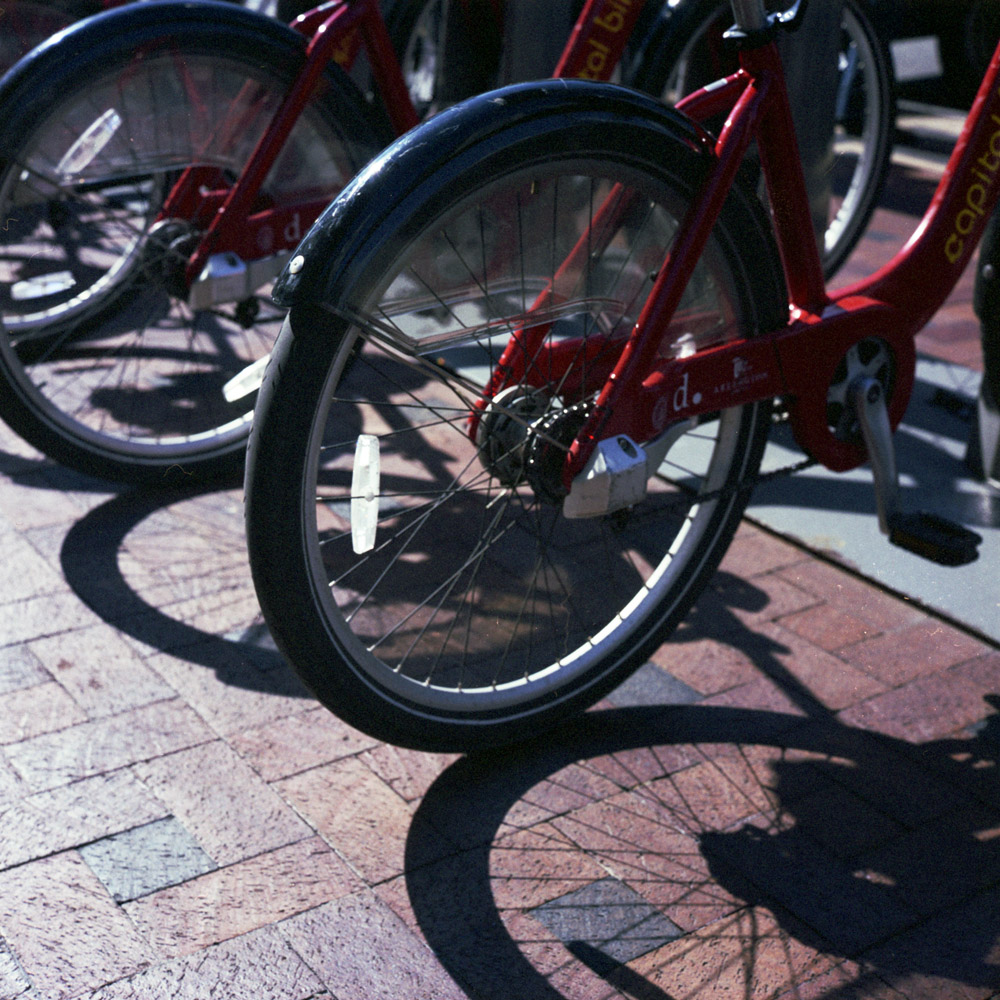
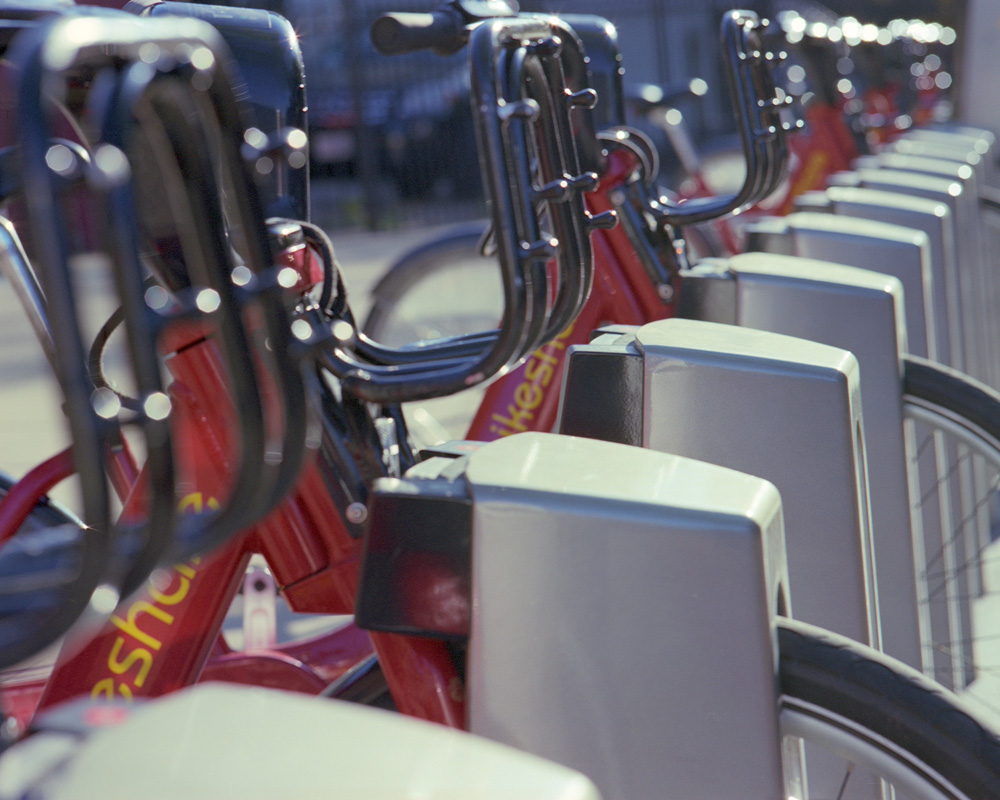
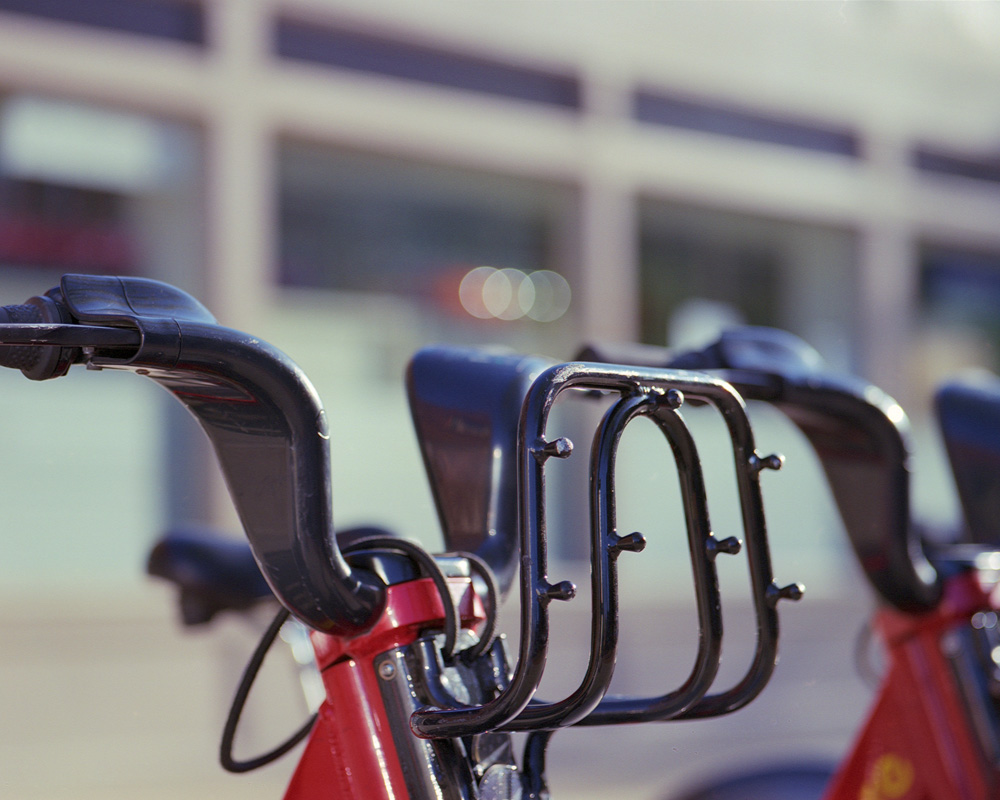
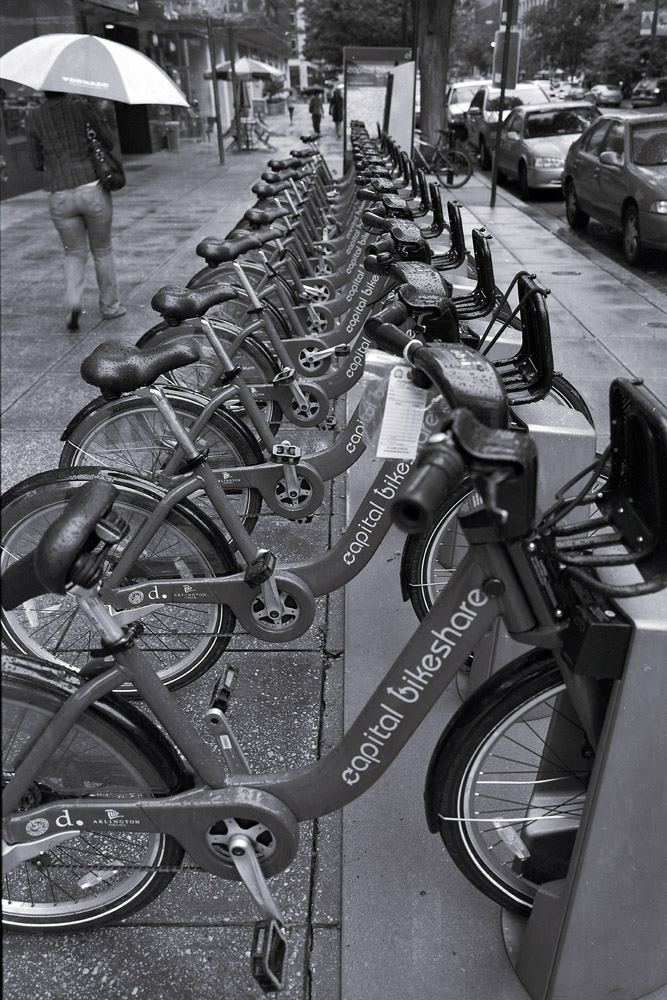
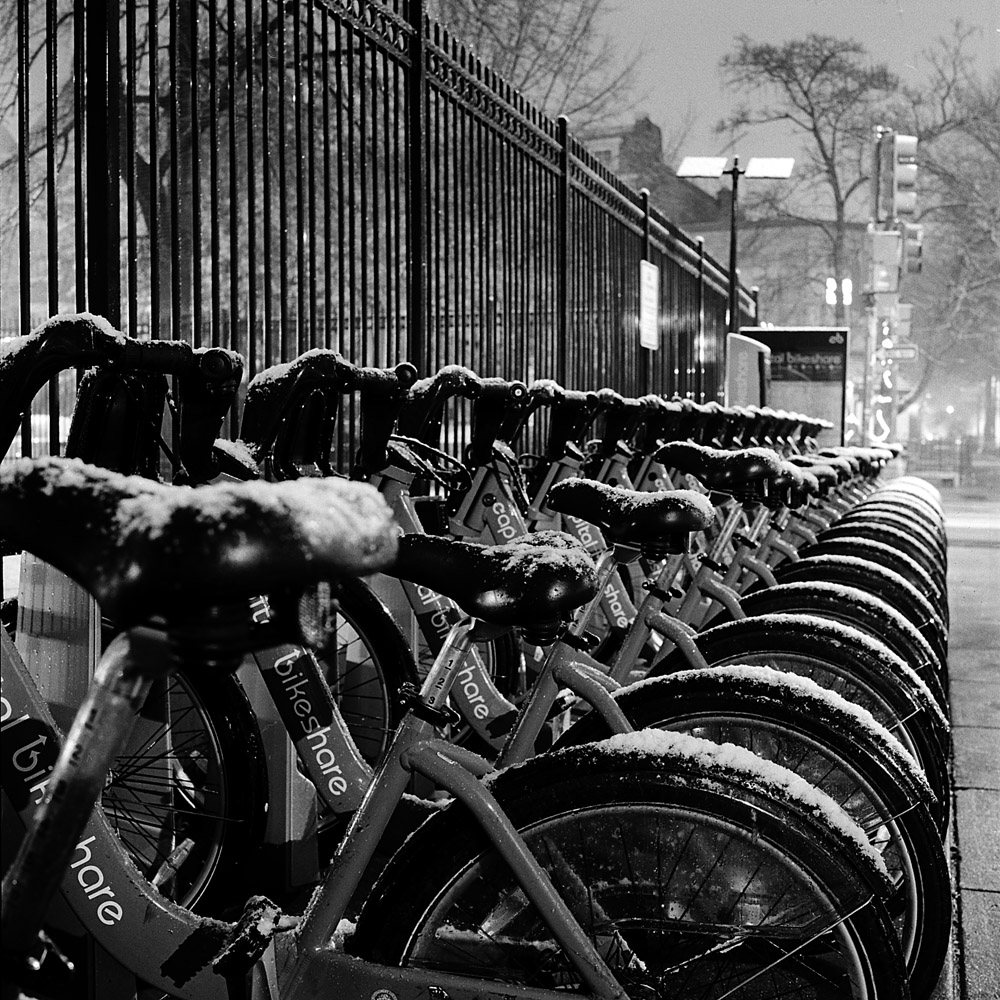
For rather obvious reasons, most of these are of the bikeshare here in Washington DC. I will be shooting more in other cities where I find them – I’m going to try New York the next time I’m up there, as the CitiBikes are everywhere in Manhattan. I do have token representation from Paris, though. I shot these with a range of cameras, from my Rollei to a loaner Fuji GSW 690 II, to my RB-67. Each has their merits and the different formats I think actually work together to convey the varied moods and perspectives of the bikeshare experience.
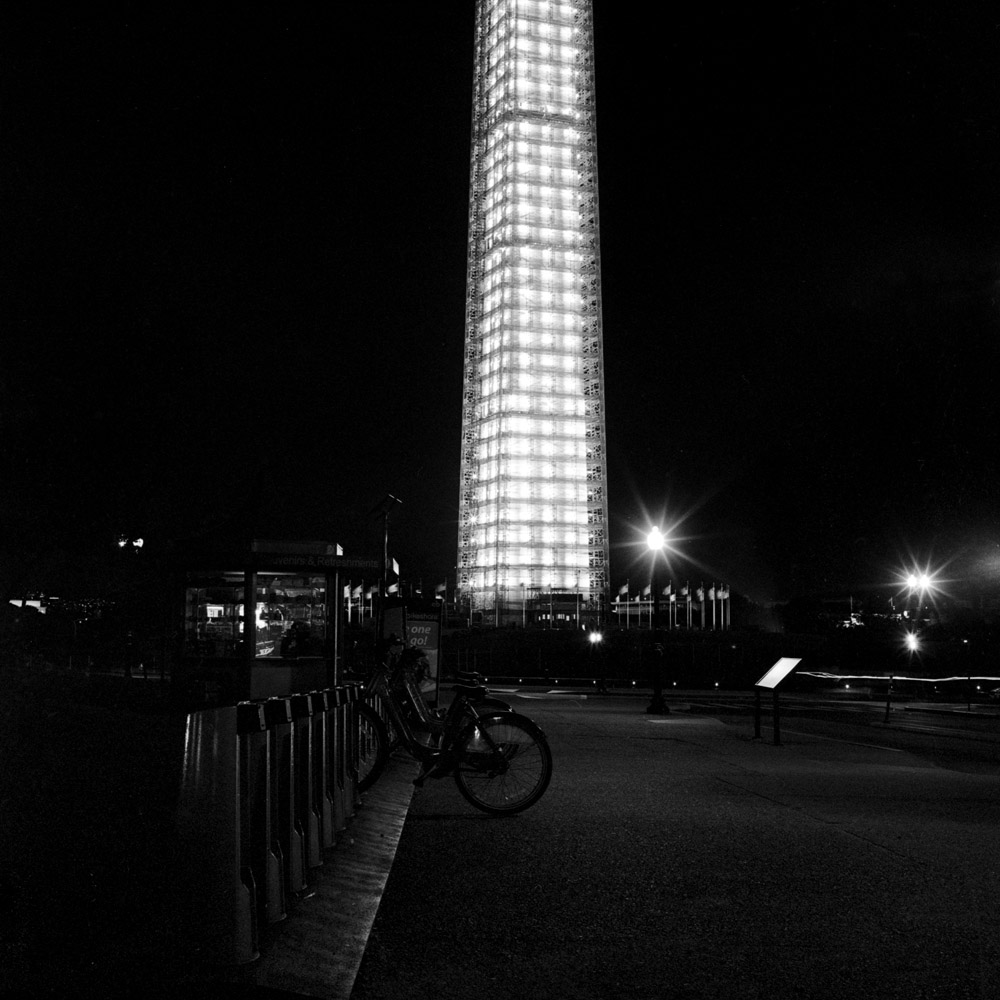
Ve’Lib BikeshareCapital Bikeshare – Konica InfraredBike Share Rack, 11th StreetWet Bike SeatBikeShare #2BikeShare #1Capitol Bikeshare, Rhode Island AvenueCapitol Bikeshare, 7-Eleven WindowsBikeshare Downtown, in the RainCapital Bikeshare, SnowstormBikeshare Kiosk, Washington Monument, NIght
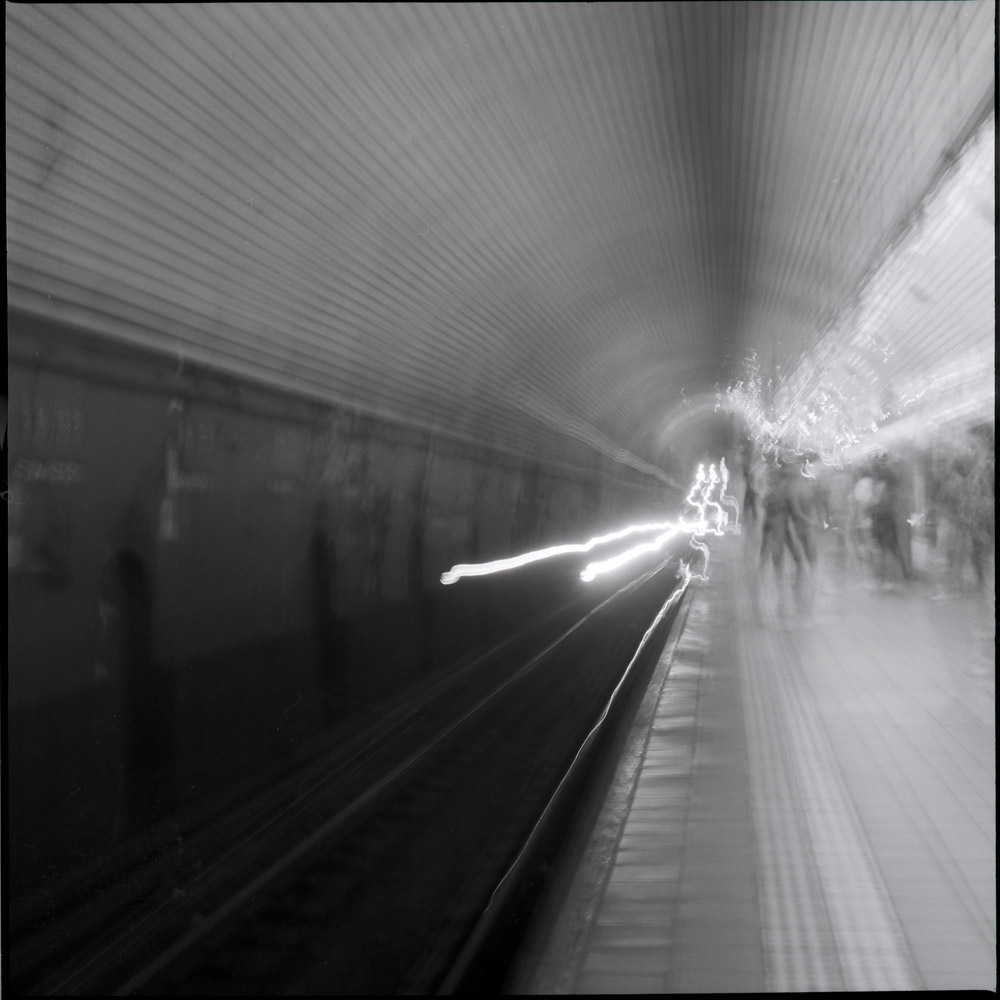
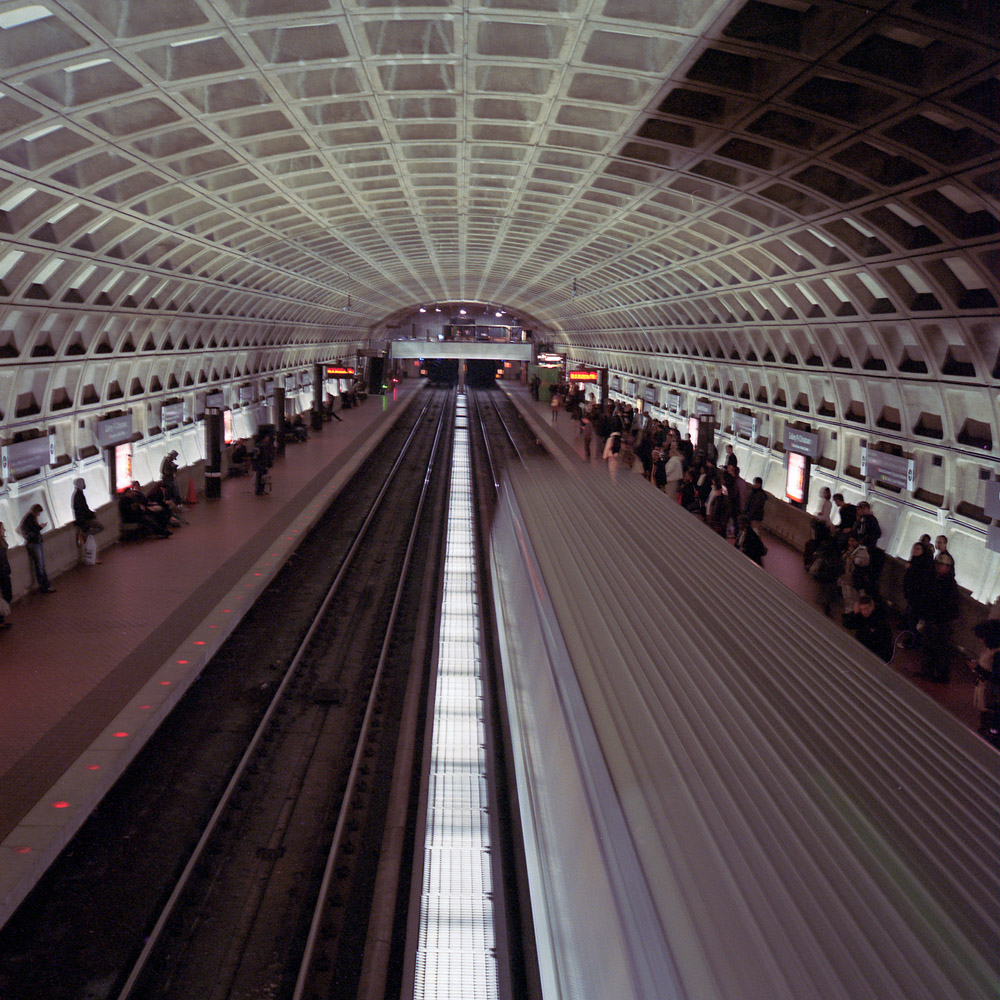
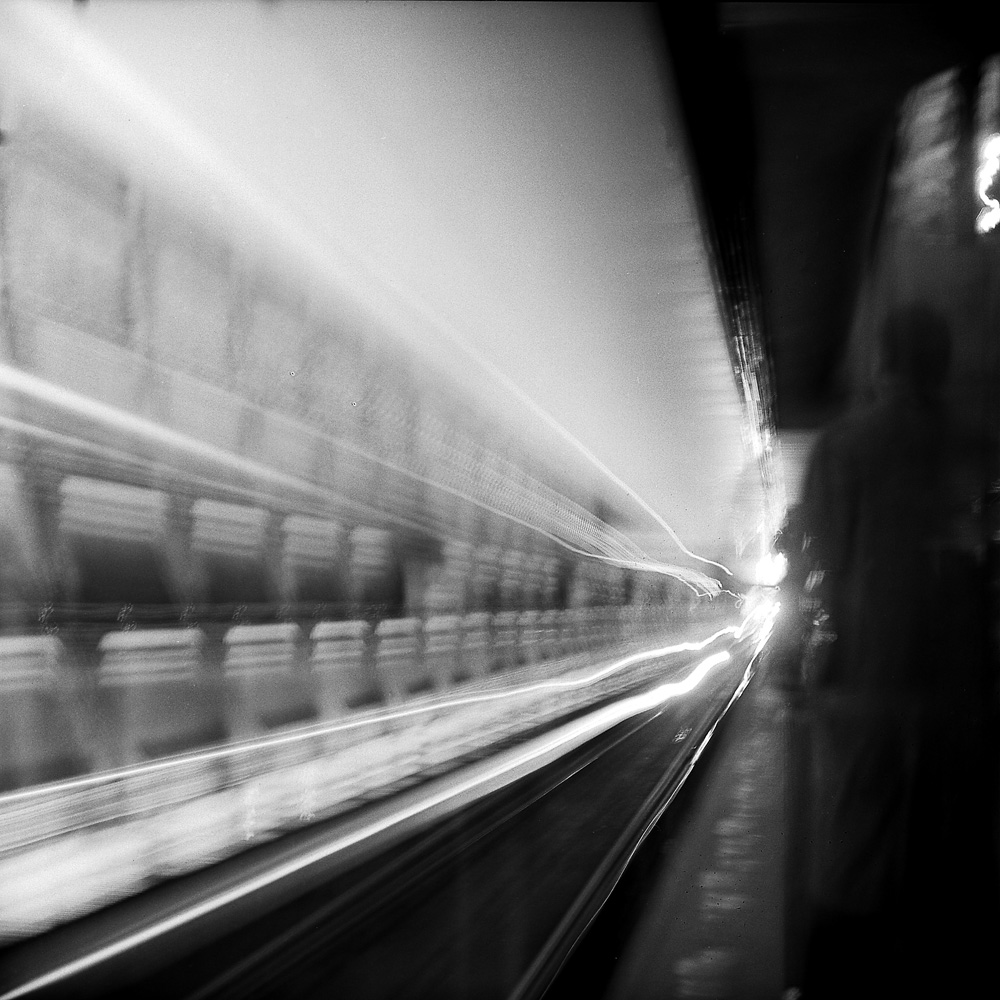
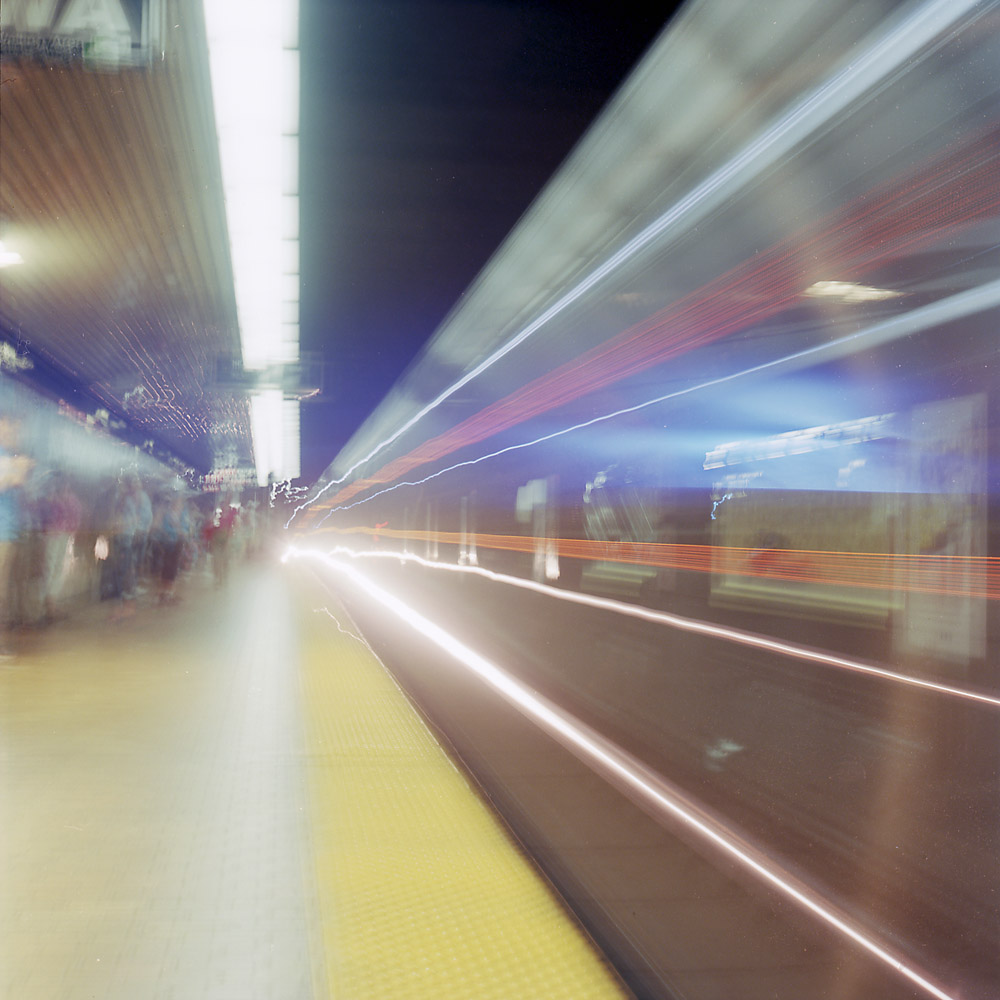
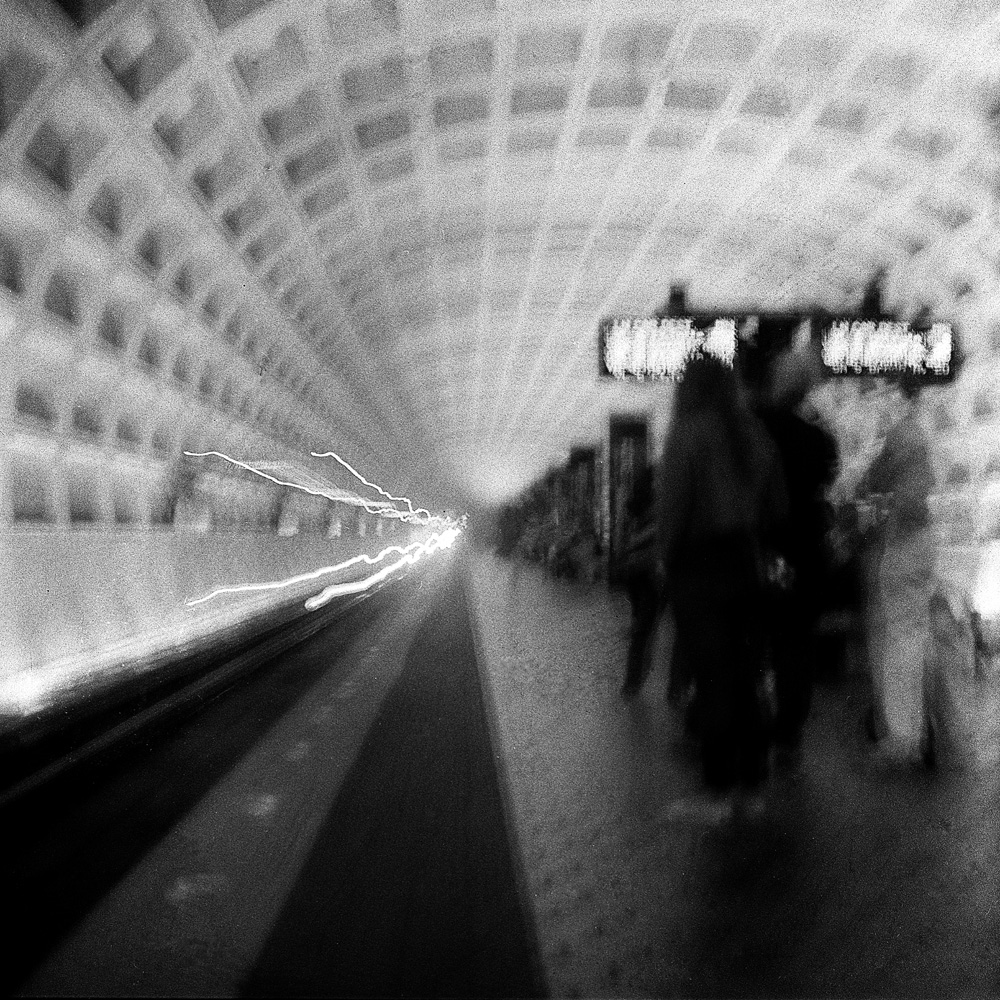
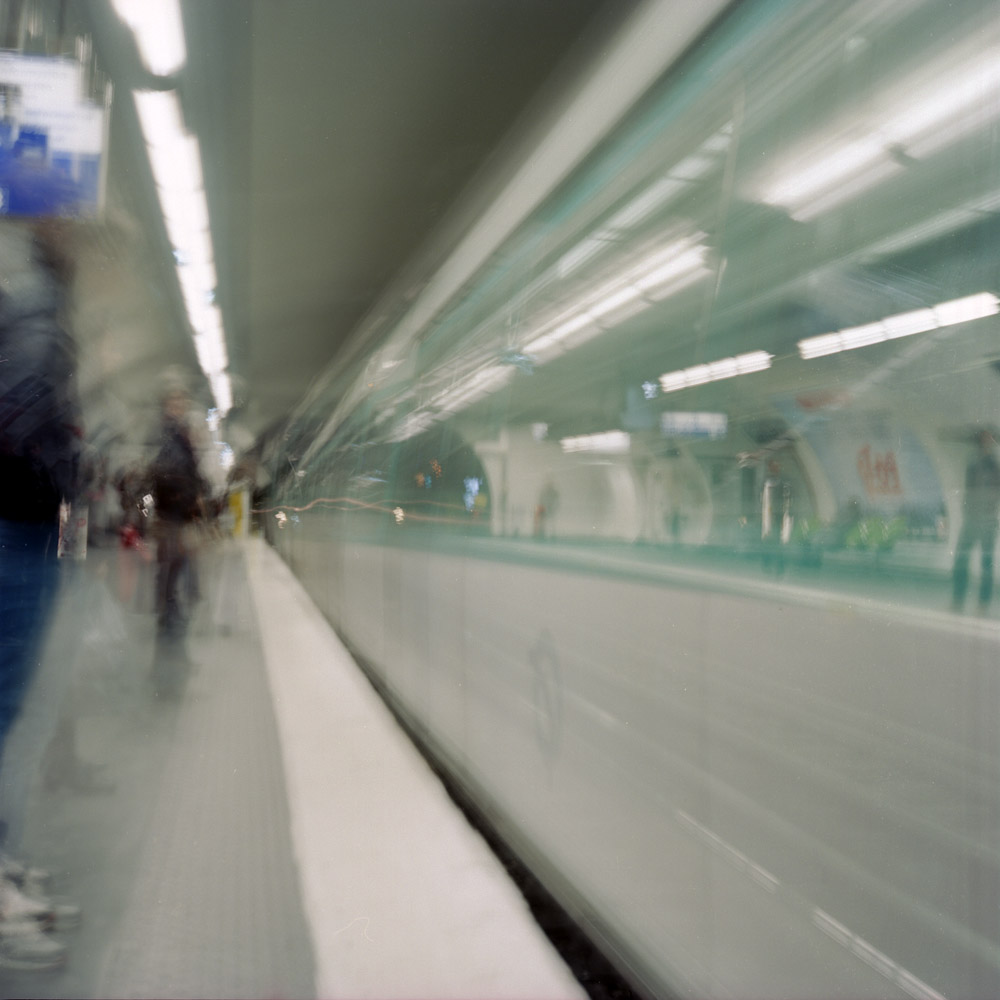
I mentioned in my post about Toronto how the different transit systems look and feel, even when capturing them in a similar way. Here are four shots of the Toronto, Paris and Washington DC subways. All four are behaving similarly – long handheld exposures as the trains pull in to the station, yet all four look and feel quite different.
Toronto SubwaySpeeding Metro, ParisMetro Train Arriving, Archives StationOncoming Metro
Every year at the end of June/beginning of July the Smithsonian Institute puts on the Folklife Festival down on the National Mall. They bring in craftspeople from various cultures around the globe to demonstrate ways of life in those cultures, from farming and fishing to music and dance. This year China and Kenya were the countries represented. I went down on the 4th of July this year to take a look and see what was on display.
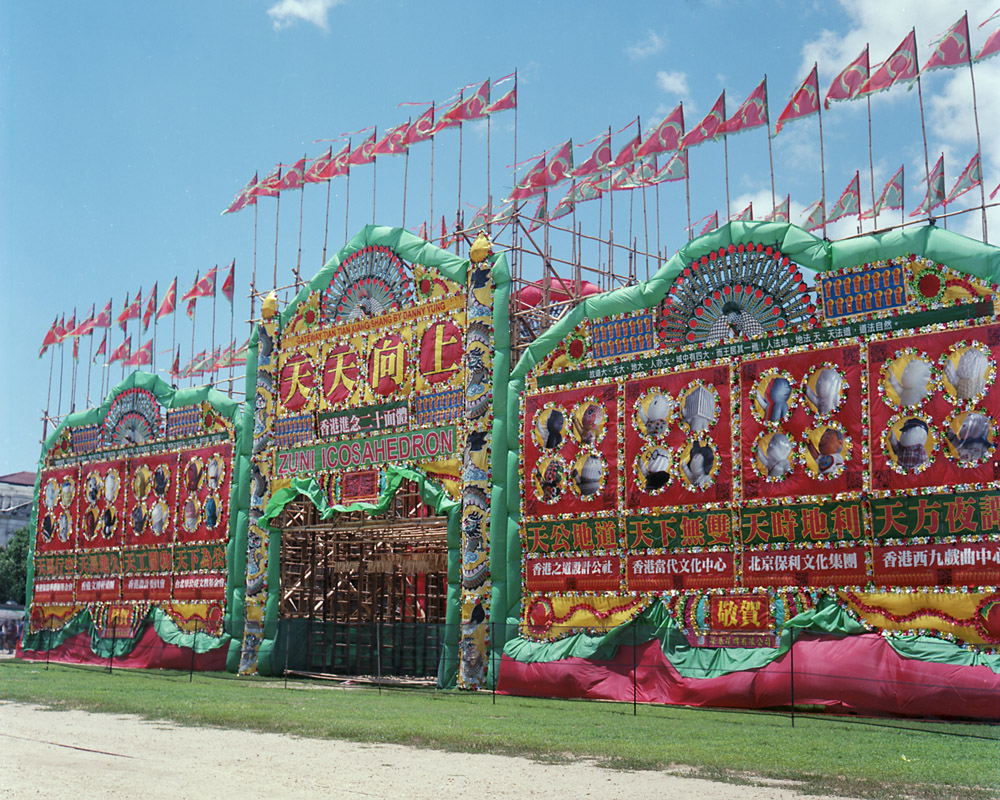
You could see this pavilion on the mall from 14th Street every day driving by. I wondered what it was all about and had to stop and see it close up. The building is built like a traditional Chinese city gate, but made of a bamboo frame and covered in paper. I never did see what the Zuni Icosahedron thing on the front of the gate meant.
Zuni Icosahedron Chinese Pavilion
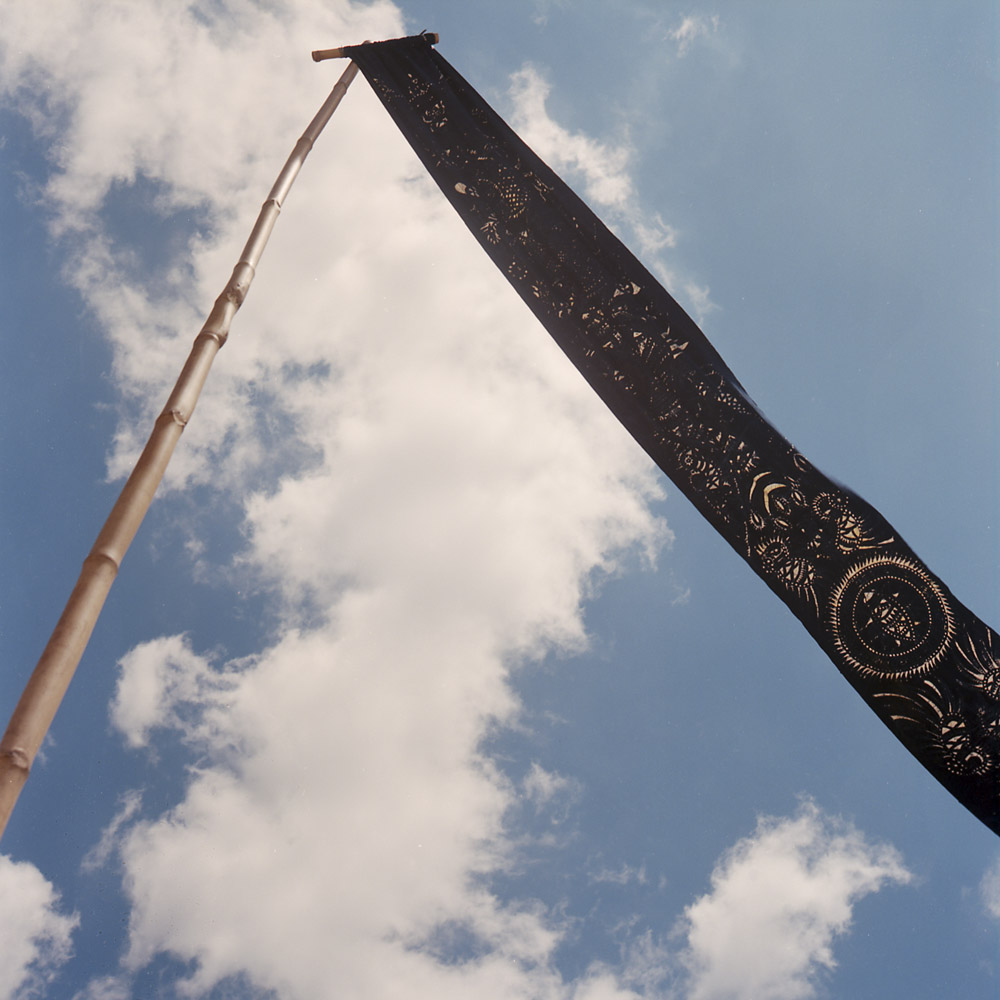
Sometimes it’s just the simple things that attract your attention. This banner flapping in the wind made such a bold graphic statement with its geometry contrasting with the organic cloud forms.
Chinese Banner, Folklife Festival
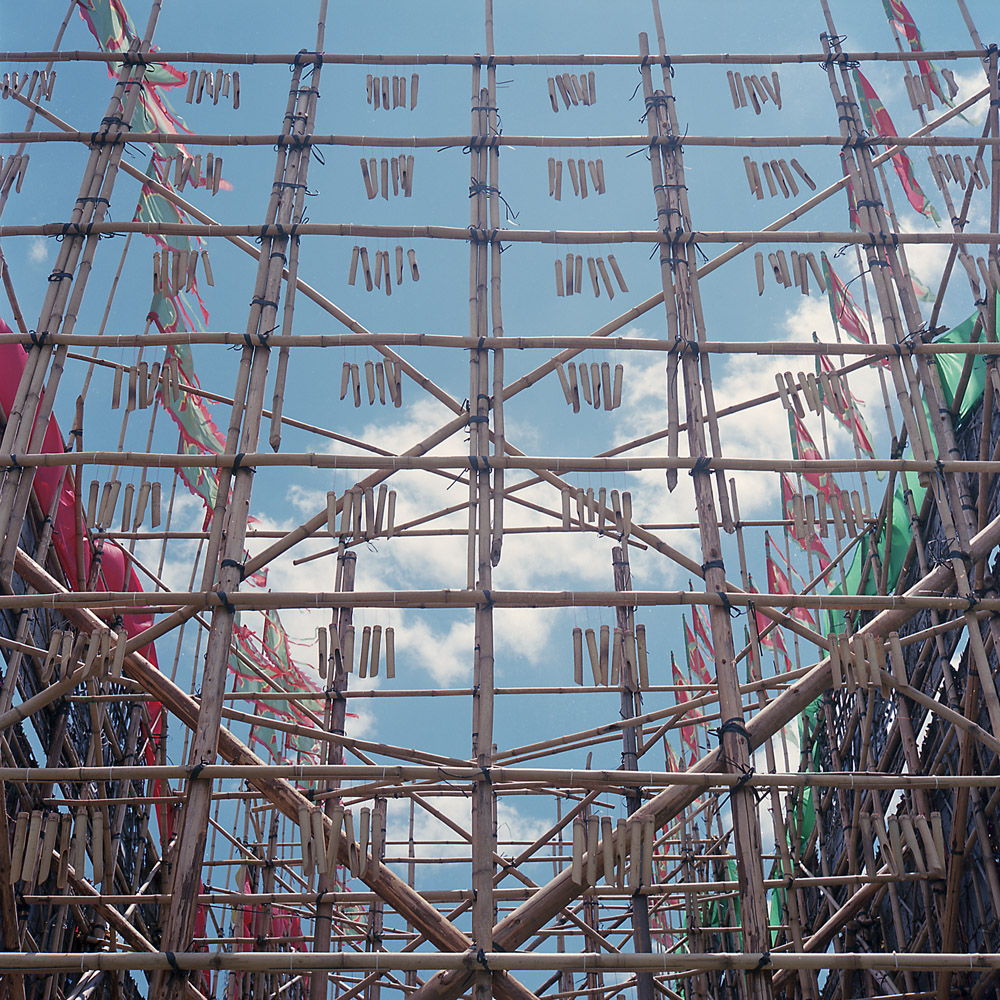
Here are the bamboo wind chimes that filled the structure of the paper gate. One thing that amazed me was how fast they were able to disassemble the gate structure – it was literally up one day, gone the next. You can take that as a commentary on the ephemeral nature of existence if you like.
Bamboo Wind Chimes, China Pavilion
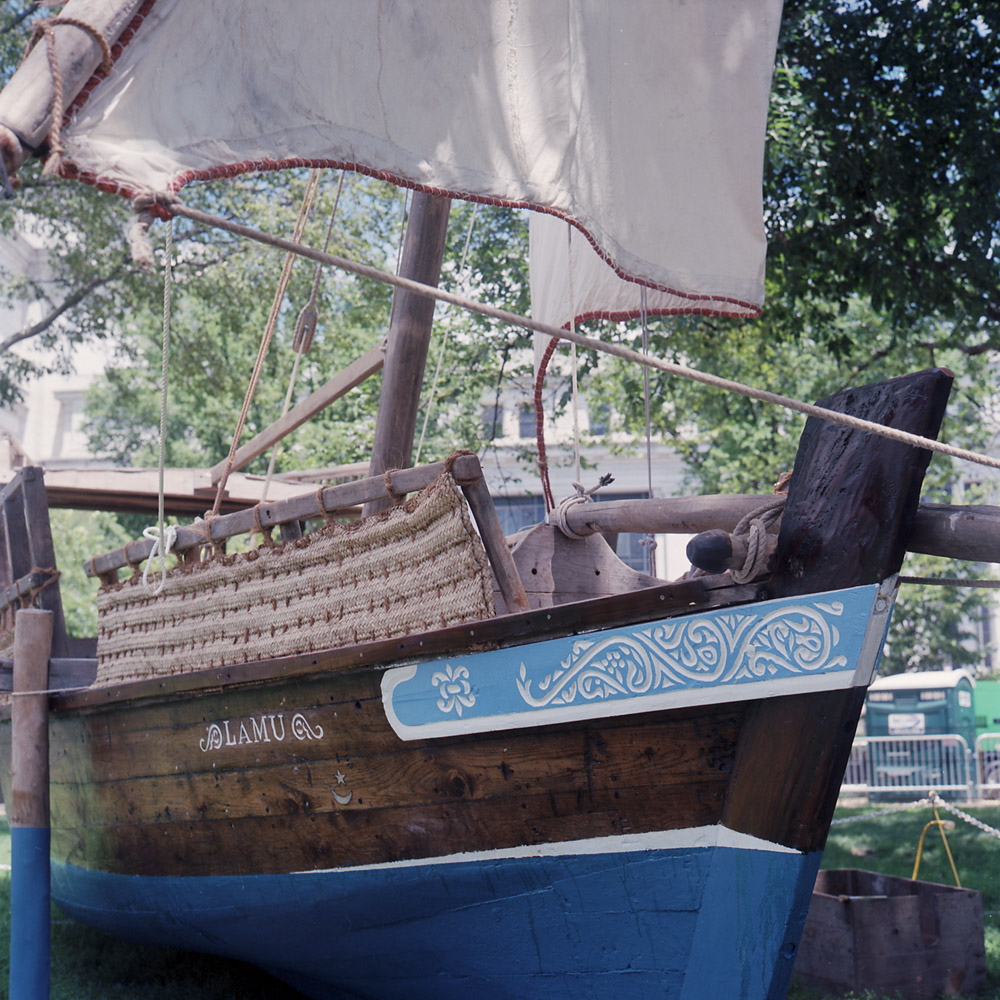
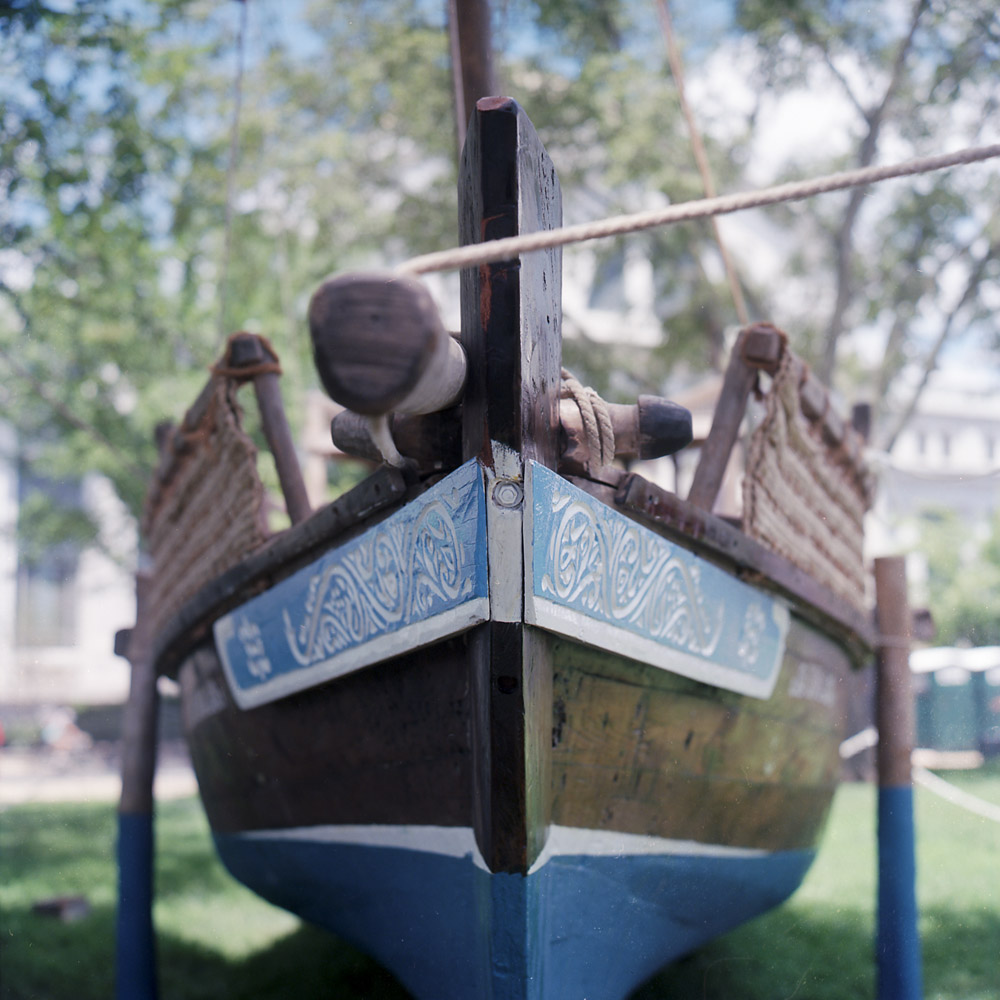
In the Kenyan area of the festival, they had this traditional fishing boat on display, and Kenyan craftsmen were working on rebuilding it. Not visible here but in the stern were areas that had obviously seen significant wear and tear.
Kenyan Boat, Folklife Festival, Side ViewKenyan Boat, Folklife Festival
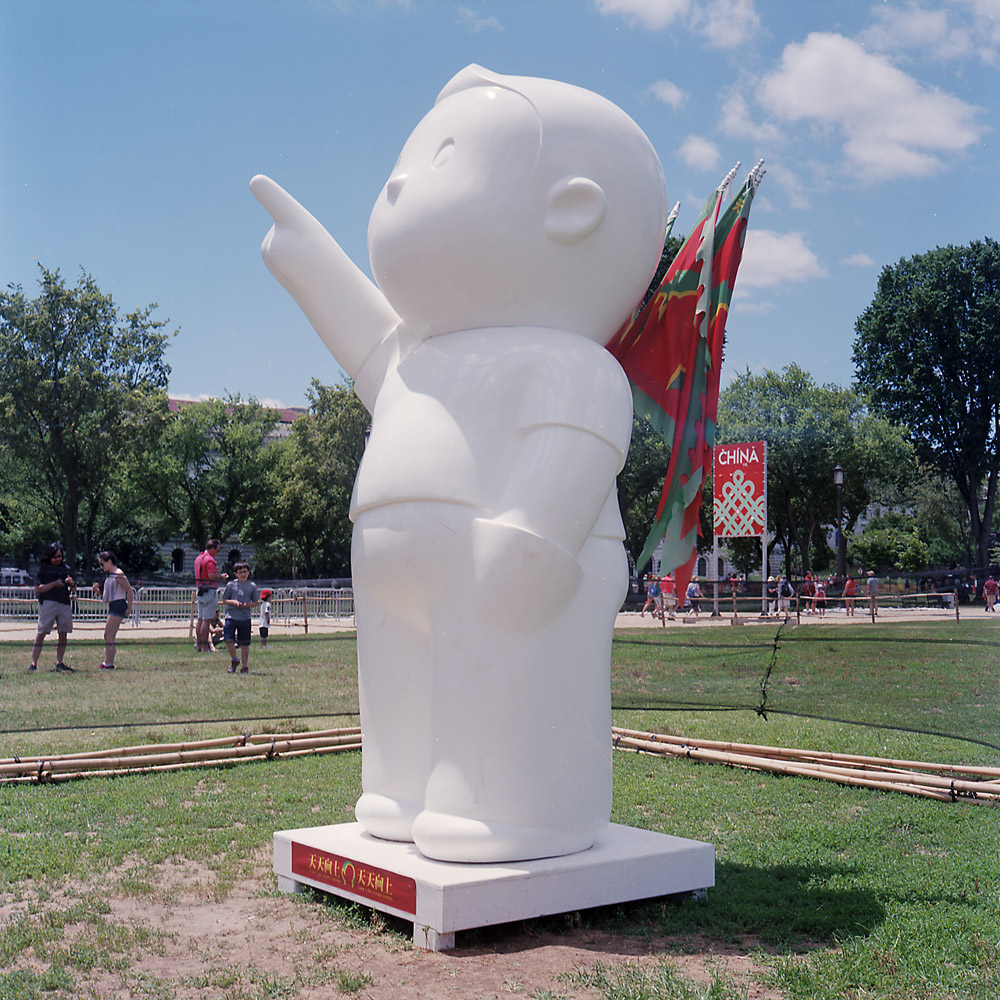
And finally, as part of the Chinese installation, was this figure. I’m calling him Bao’s Big Boy as he looks like a Chinese Bob’s, or perhaps the love child of Bob’s Big Boy and Astroboy if they were to have a relationship. Toss in a dose of Young Pioneer and you’ve nailed it.

 dcphotoartist