Category Archives: Medium Format Cameras

Architectural Abstracts in Black and White

If there’s one subject that never fails, it’s architecture. Twenty-four hours a day, it looks different. To the patient and observant eye, even the most seemingly bland box of a building can be transformed into a study of volume and texture with the careful observation and application of light.

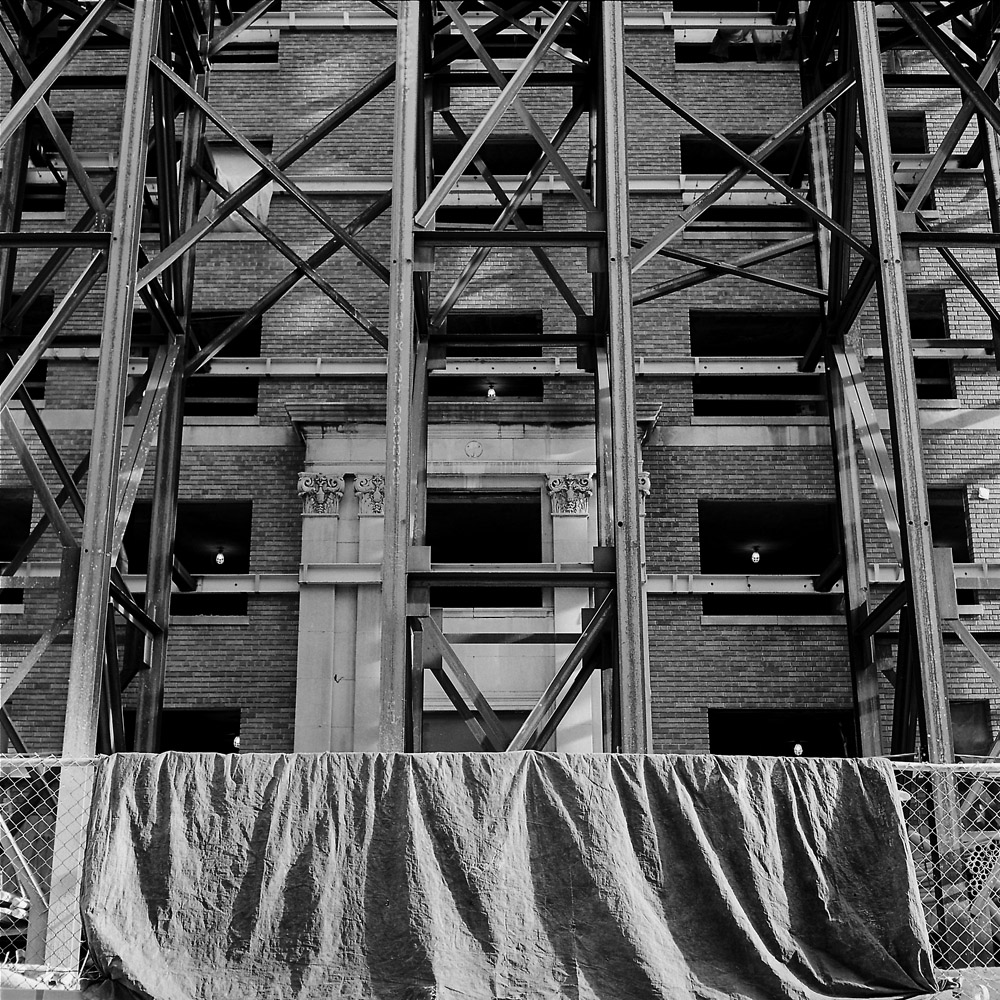
Steel girders wrapping a facade for protection during renovation become a study of patterns and of contrasting textures – the rigid linearity and modernity of the I-beams highlights in strong relief the delicate brickwork and moldings behind it, and the strong shadows cast by the evening sun bring out geometric repetition.
Facade, Girders
Facade, Girders

The white crane above the girder wall catches the late afternoon sun, a thrusting line that divides the blank sky with dynamic movement that creates multiple negative spaces instead of unbalancing the image with empty information.
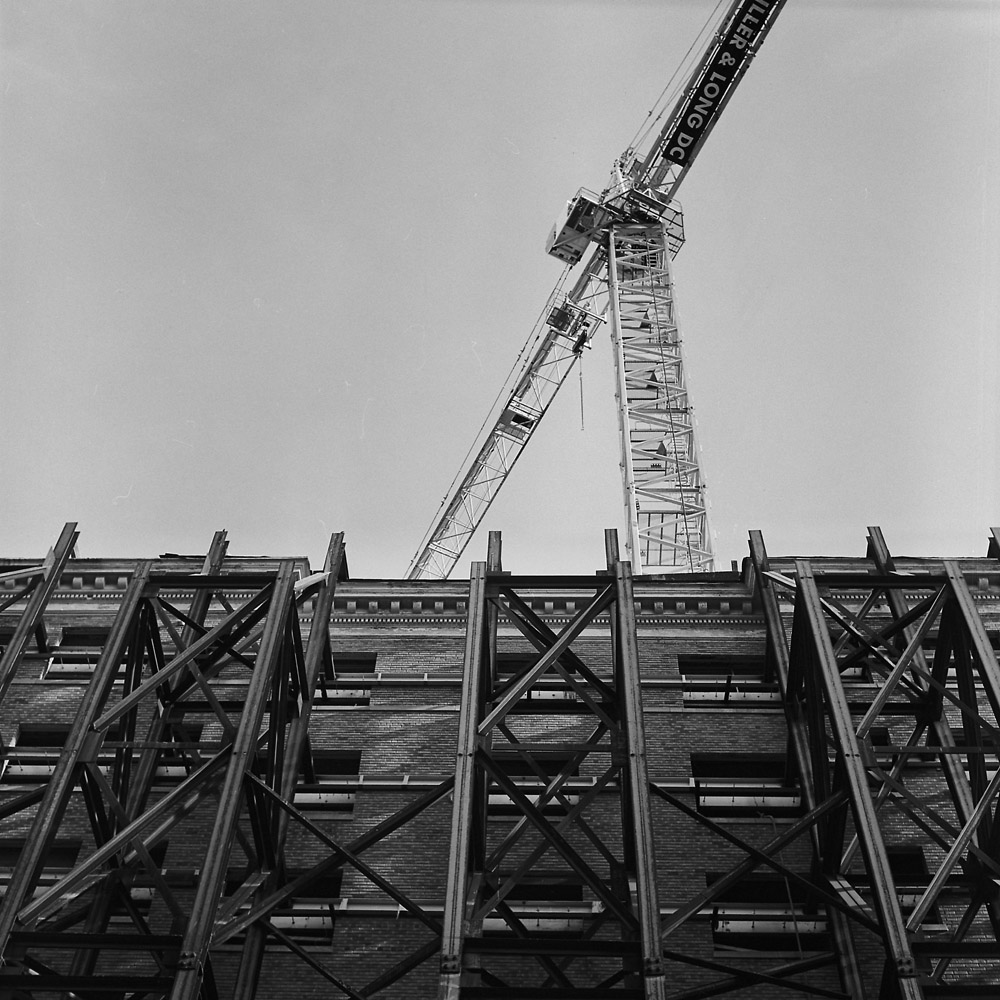
Miller & Long Crane
Miller & Long Crane

This image would be even better in color as there are patches of blue in the stairwell that repeat in a subtle pattern, drawing your eye into and up the stairs, but even in black-and-white, the repeated lines of the ascending structure draw your eye through the image.
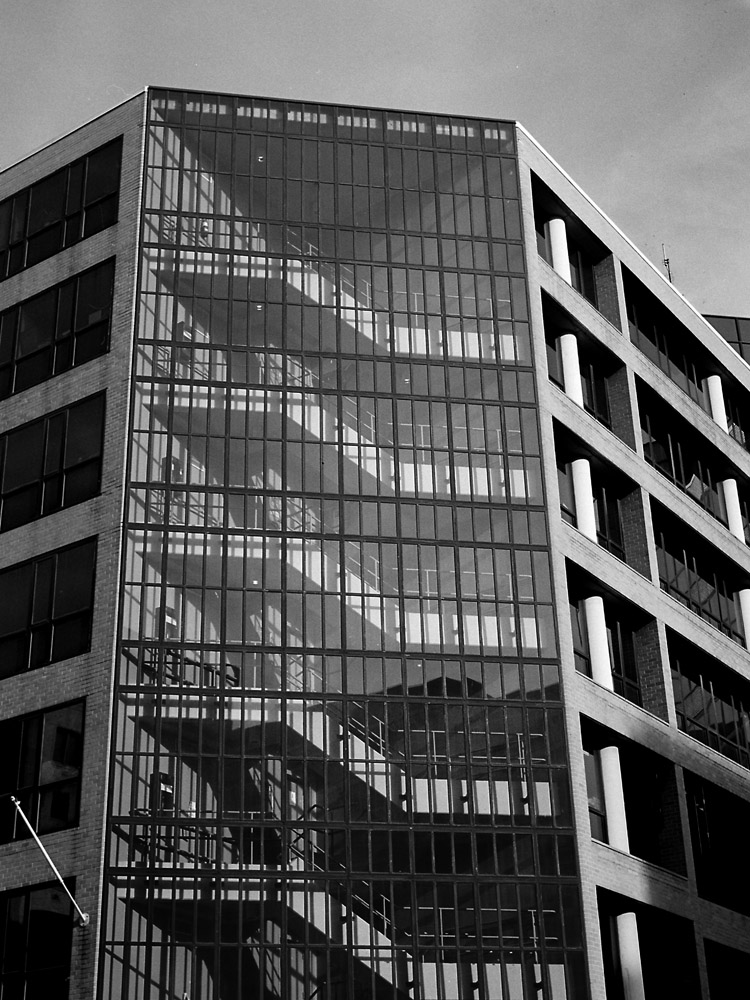
Glass Staircase, GW
Glass Staircase, GW

I like the vertiginous vertical lines of the apartment tower as you look straight up it. Believe it or not this was shot hand-held, no tripod, no level, just very careful eyeballing and steady hands.
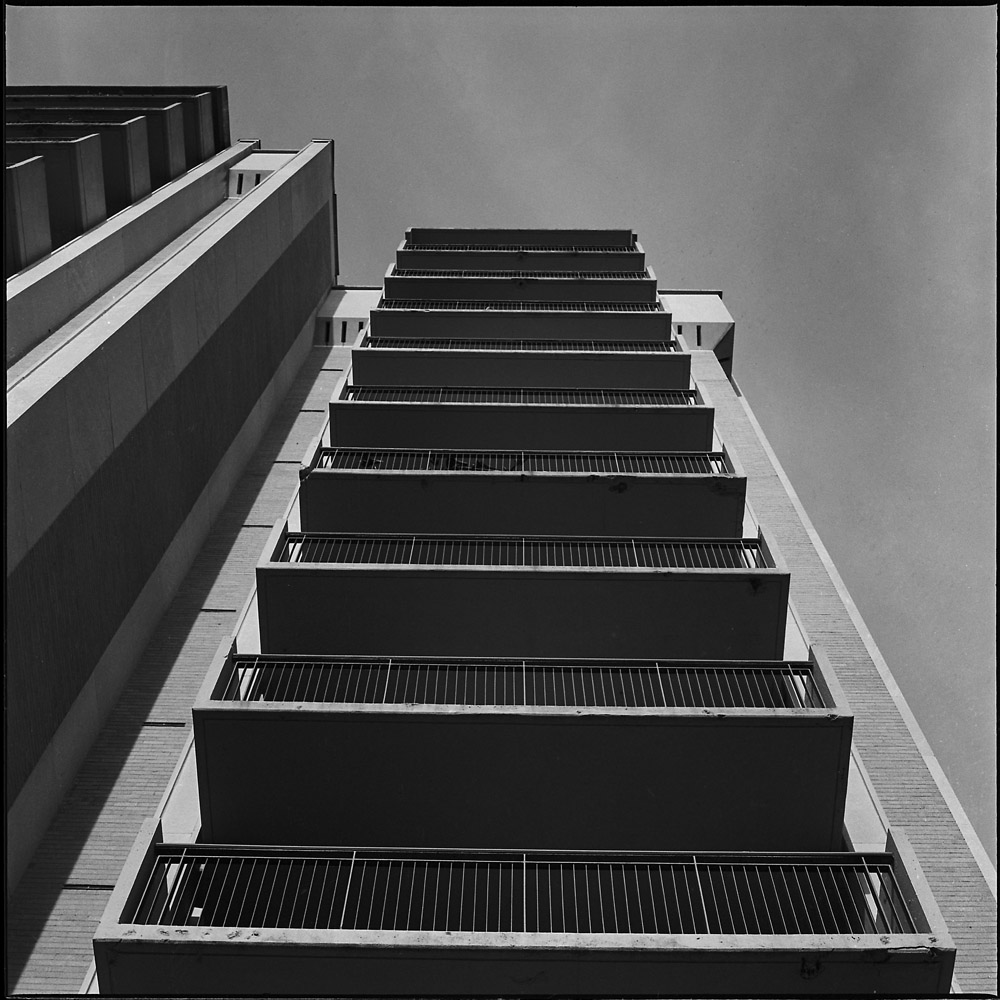
Columbia Plaza Tower

The Kennedy Center for the Performing Arts is a magnificent slab of white marble. Even the outside spaces are all grand and awe-inspiring, very much in keeping with the goal of presenting and preserving the performing arts. Here the roofline is a dramatic act in itself, like a set piece in an opera playing on the stage within. Wagner couldn’t have composed it better.
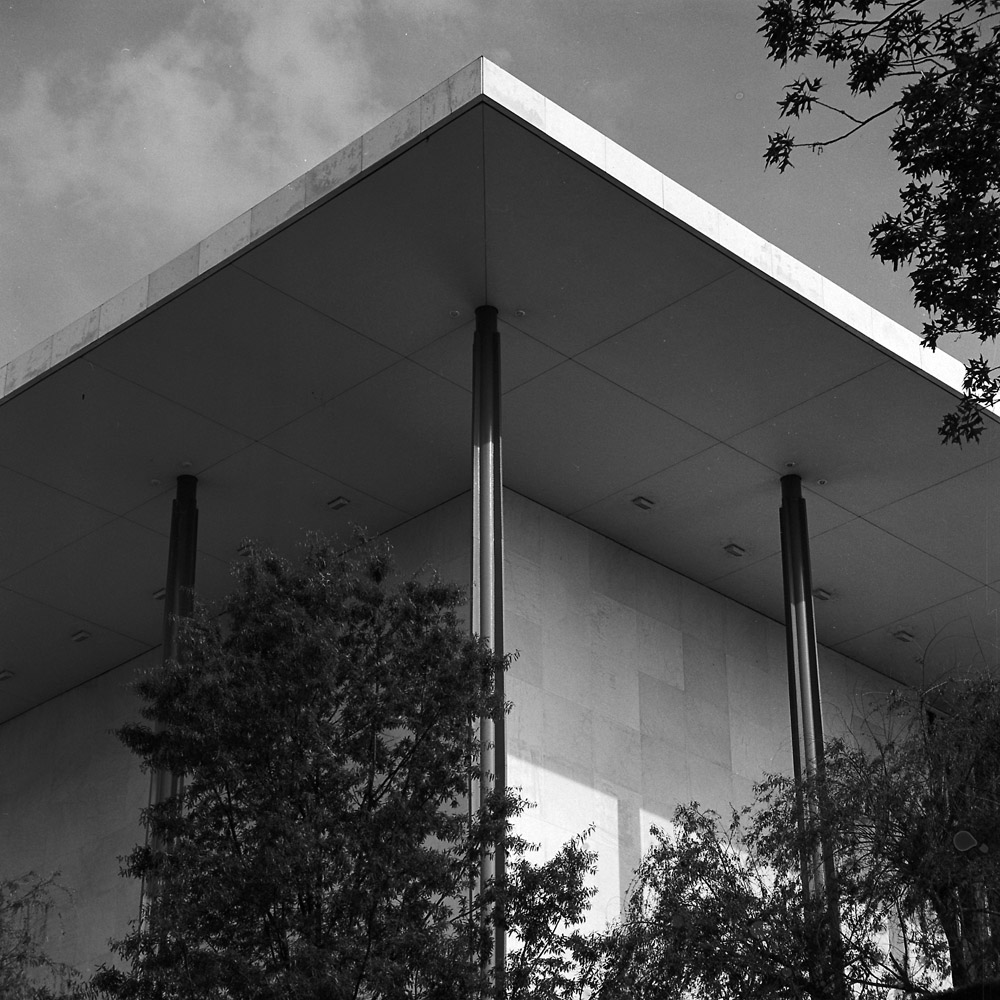
Kennedy Center Corner

Another vertigo-inducing shot looking straight up at what I call the ships’ prow building. The facade is mostly flat, but this arced wedge bursts forth from the surface like a ship’s prow cutting the waves.
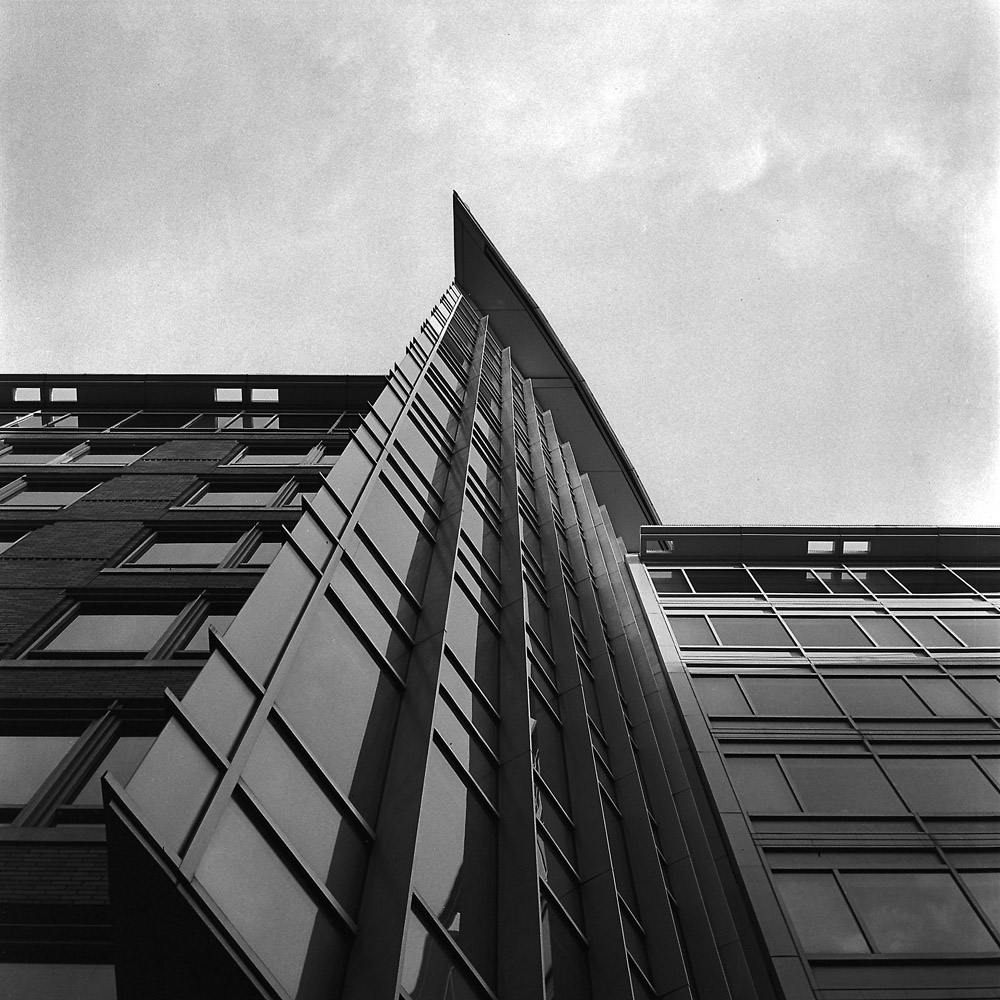
Ship's Prow Building, H Street
Ship’s Prow Building, H Street

Street photos

Three random people shots from out and about.

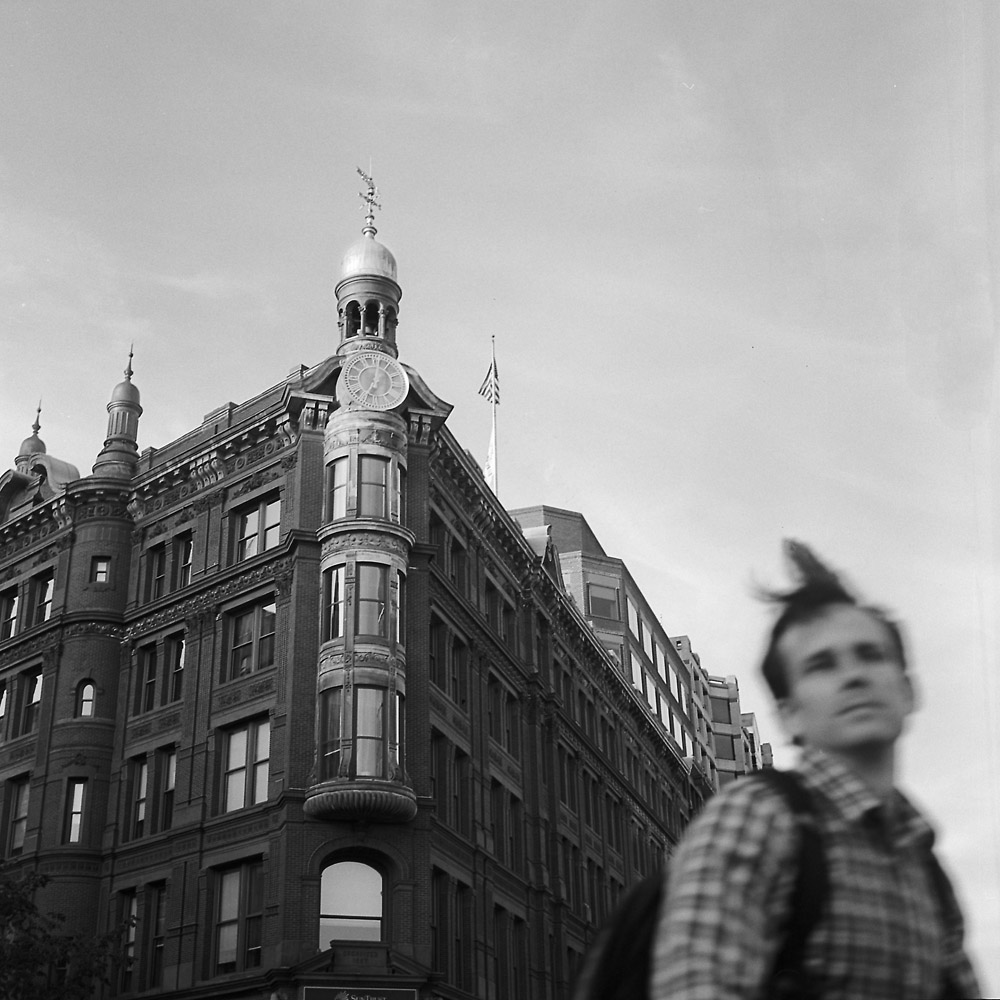
While this shot is at least as much about the SunTrust Bank building in the background, I love how the cyclist passing through the shot turned out – he’s obviously in motion, with a lock of hair blown up and back as he moves. The blurred face makes it somewhat anonymous, an everyman on his way somewhere quickly, turning his head just long enough to look back at the camera looking at him. Actually kind of a rarity these days.
Cyclist, SunTrust Building

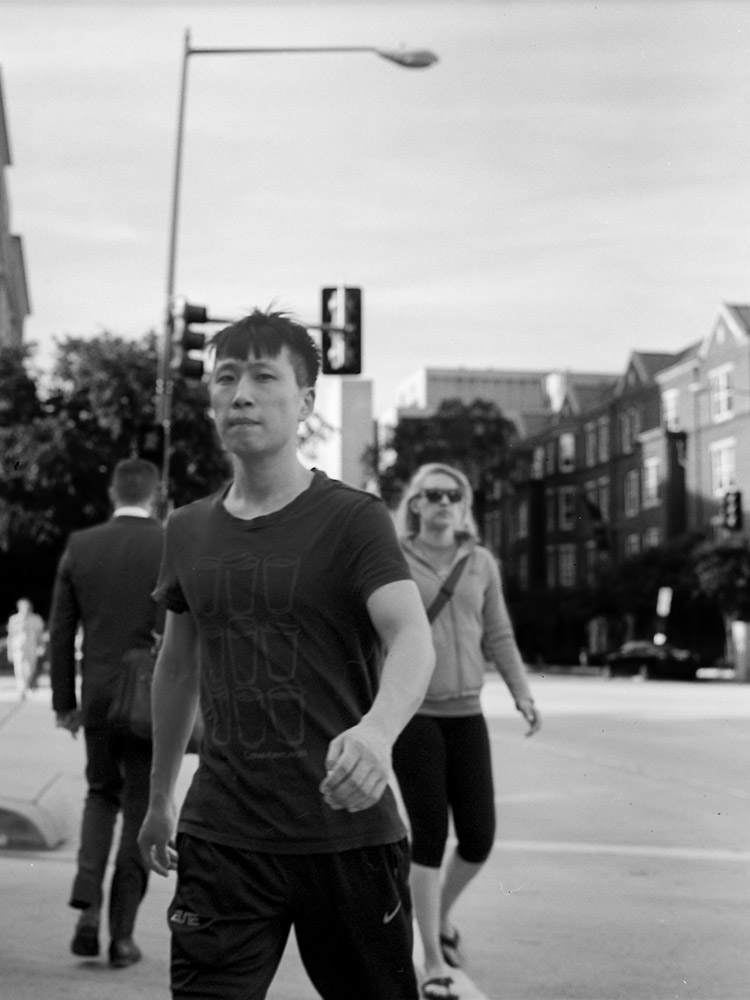
I liked the graphic design of his t-shirt so I set up my camera before he started crossing the street and waited until he was in “the zone” to snap the picture. He’s not tack-sharp because we were both moving at the time, but I think the slight softness of him and the people around him give a sense of movement as well as depth.

Nine Cups T-shirt
Nine Cups T-shirt

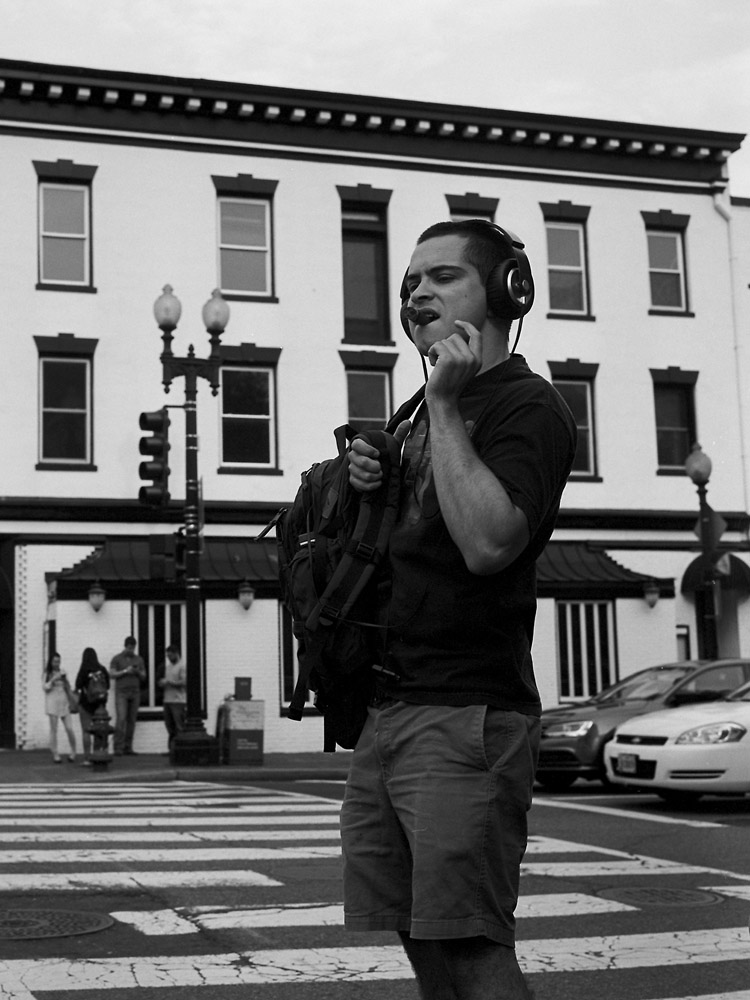
When I saw this character I had to photograph him – giant headphones combined with the fat stogie? How could you NOT?

Cigar Man, Georgetown

Watergate Complex

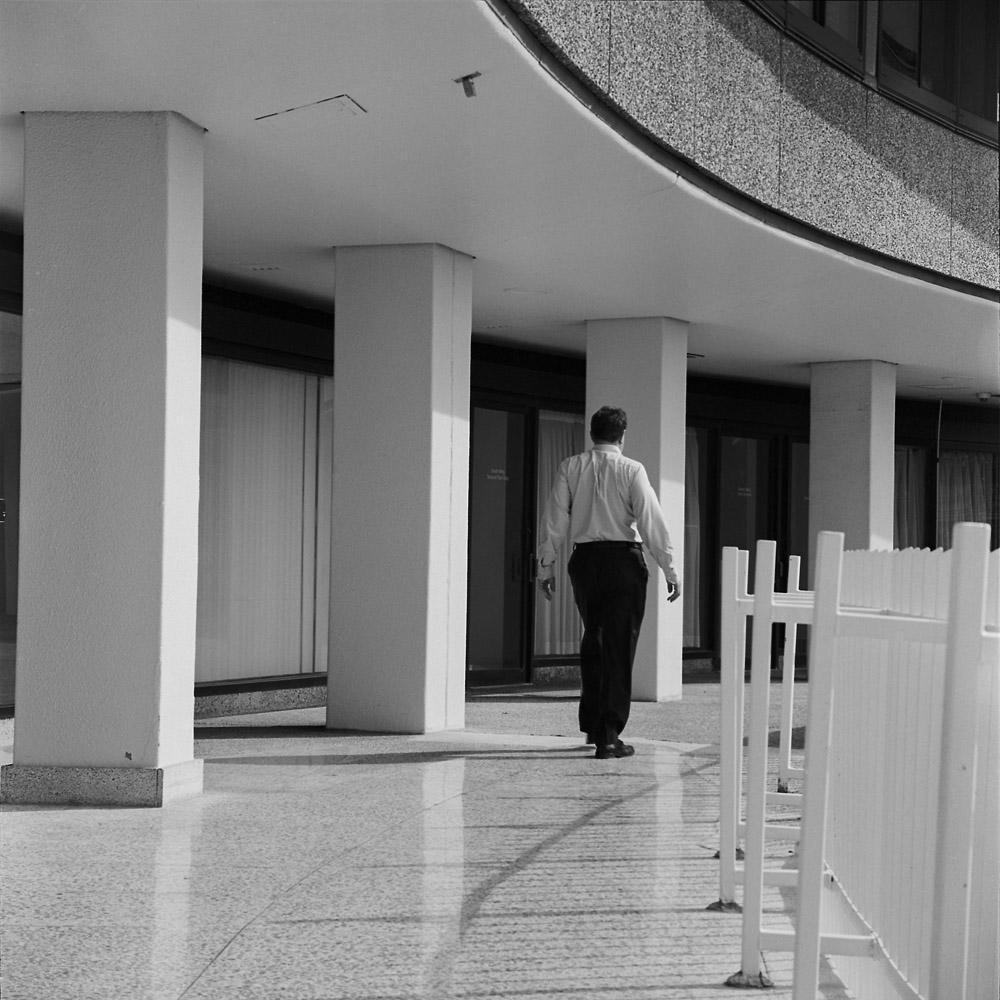
Given the looming Watergate break-in anniversary in June, I thought it apropos to post some images of the historic complex to let folks get an idea of what the place looks like. The name itself is so iconic, so much larger-than-life, I think it tends to overwhelm all thoughts of what the place actually is. This was not some garden-variety office tower. Even back-in-the-day, this was a very high-end residential, hotel and office complex, with views of the Potomac River, Georgetown and the Kennedy Center. It is across the street from the Saudi Embassy and a scant several blocks to the State Department headquarters. The place positively reeks of old money – it’s quiet as a tomb at all hours of the day and night.

Watergate Terrace
Watergate Terrace

There are people around, as you can see in the image above, but they never seem to be coming or going in groups, or with any volume. Spaces where you’d expect to see lots of people, like around the fountain, or in the courtyard, are usually very quiet.

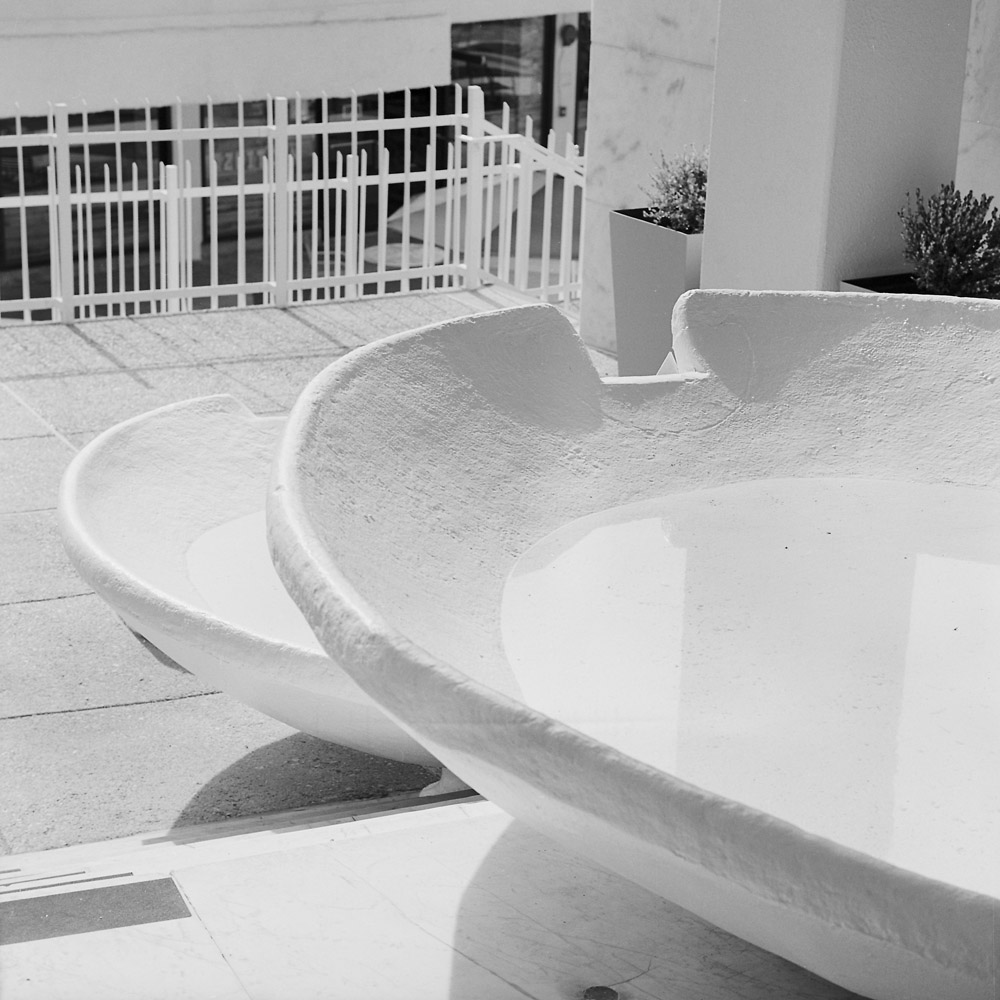
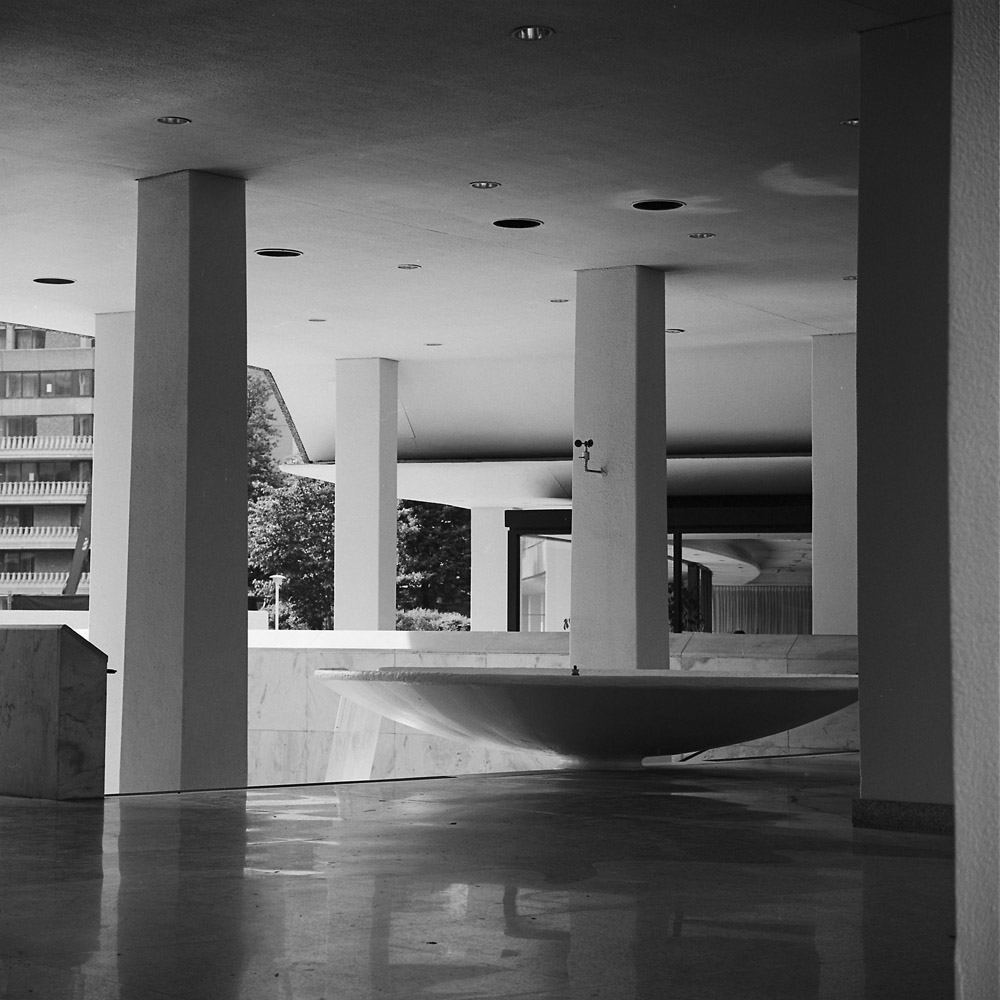
I’m particularly pleased at how well the first fountain shot turned out because of the white-on-white challenge. I was able to photograph it so that the white stayed bright but retained detail. It’s kind of like the egg challenge often assigned in studio photography classes – put an egg on a white backdrop and photograph the egg so the shell texture retains detail but is still white.

Watergate Fountain
Watergate Fountain

A very different mood for the same subject, just by changing the camera position and therefore the lighting on the subject.

Watergate Fountain
Watergate Fountain

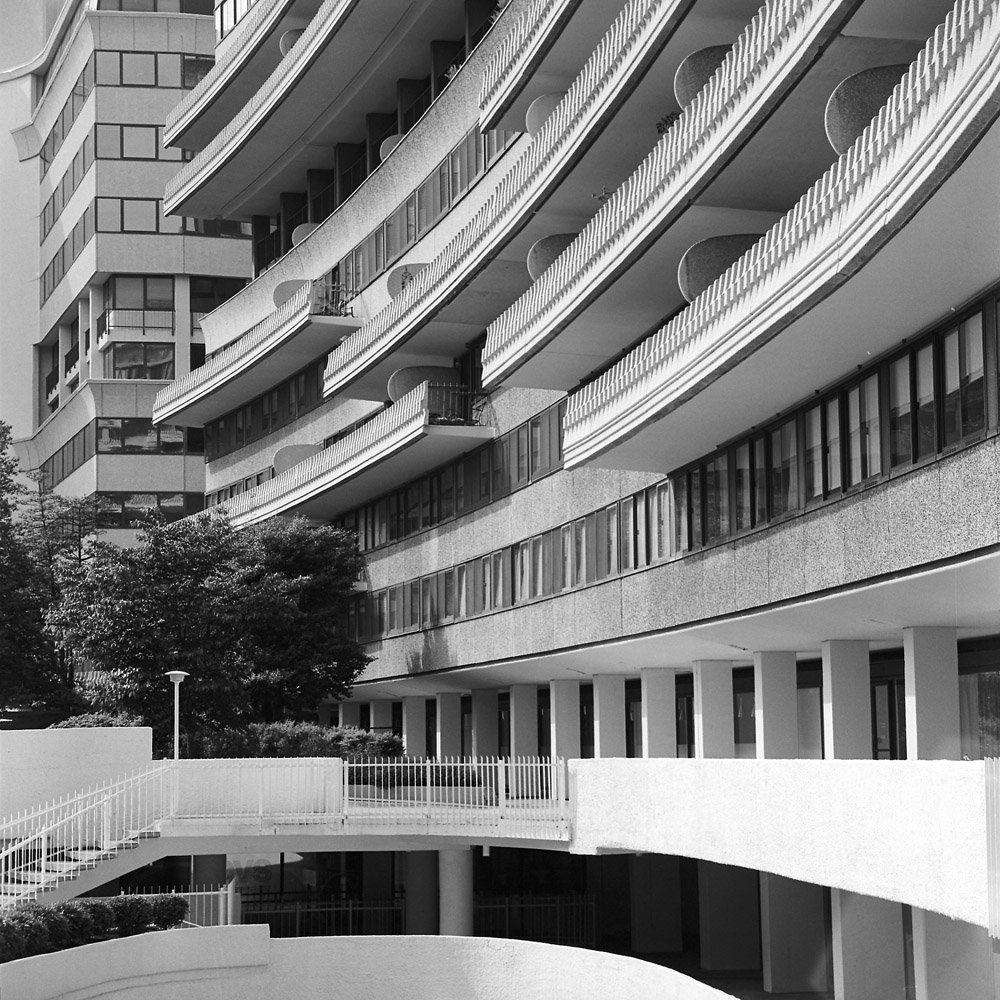
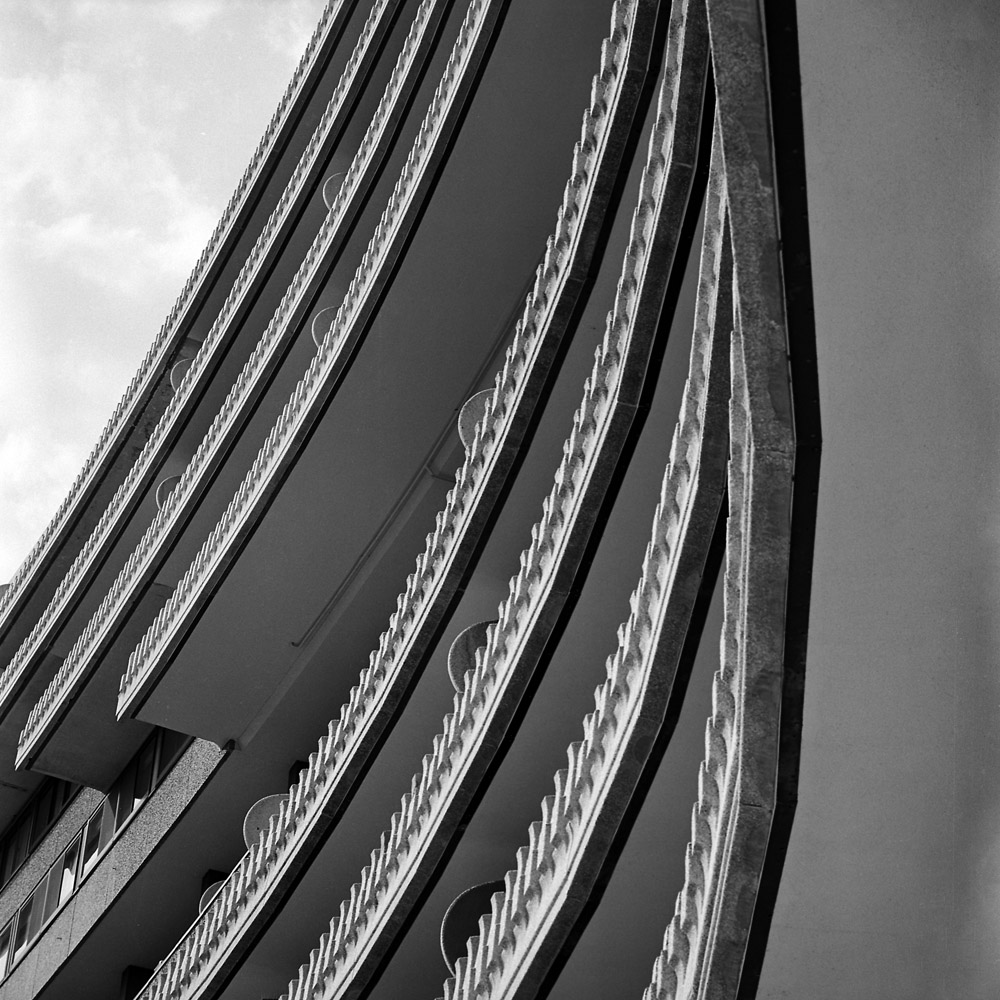
I love the balconies on the Watergate complex – they wrap around it in undulating curves and add texture to what would otherwise be an extremely plain building. Seen from a distance, as a colleague of mine put it, the Watergate does look a bit like a cruise ship the 1960s forgot.

Watergate Balconies
Watergate Balconies
Watergate Balconies
Watergate Balconies

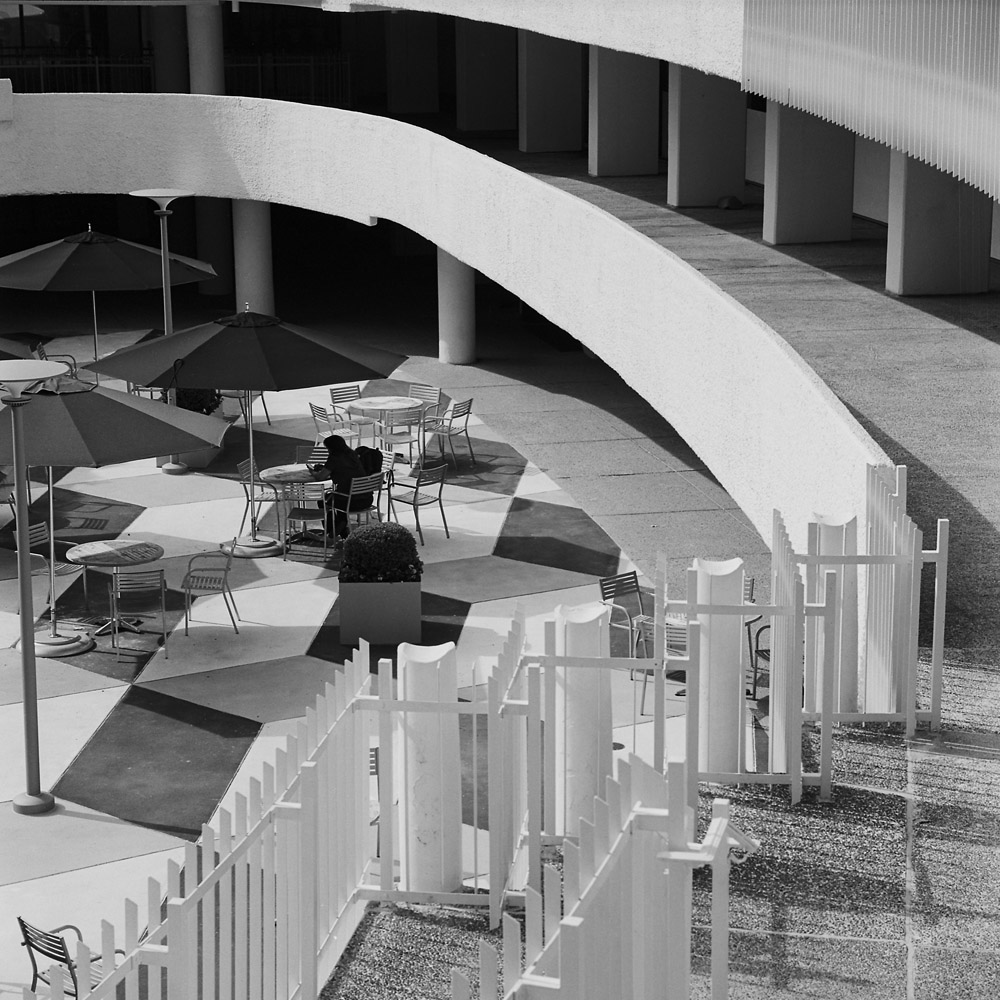
Another view of the courtyard. Again, just one person sitting alone at a table. There’s a restaurant down there, believe it or not.

Watergate Courtyard
Watergate Courtyard

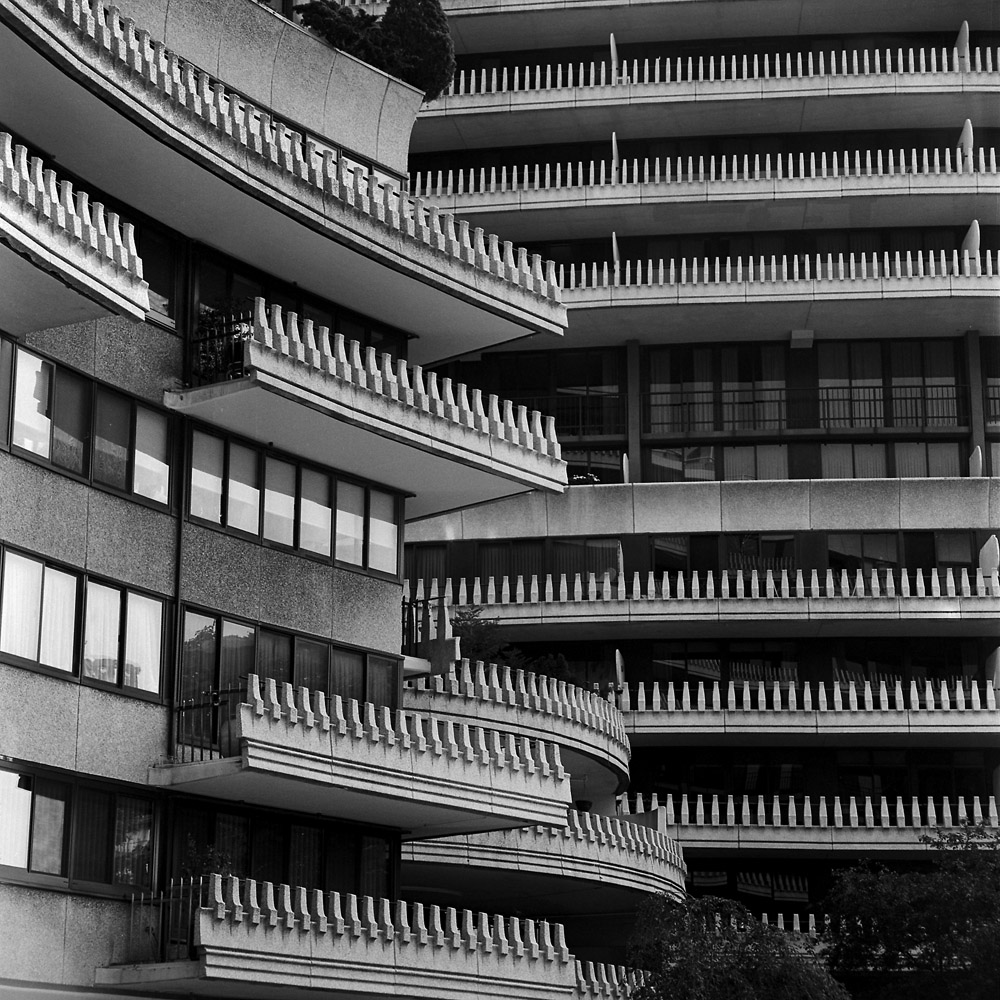
The Watergate is a great place to practice architectural abstraction because of its size, shape and textures. This view feels like a whole bunch of zippers fanning out in a display.
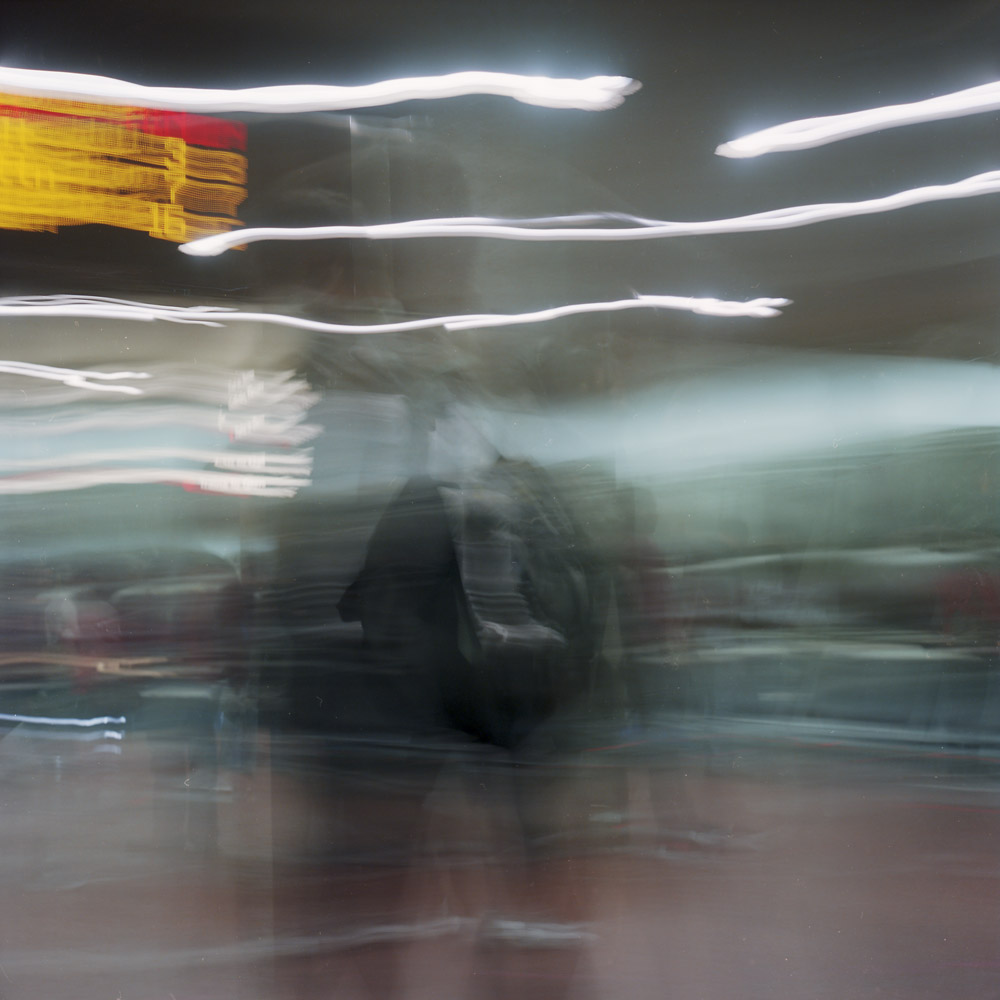
Watergate Balconies
Watergate Balconies

Random Weirdness, Weird Randomness

I know these have nothing to do whatever with each other beyond the fact they were all captured here in Washington DC.

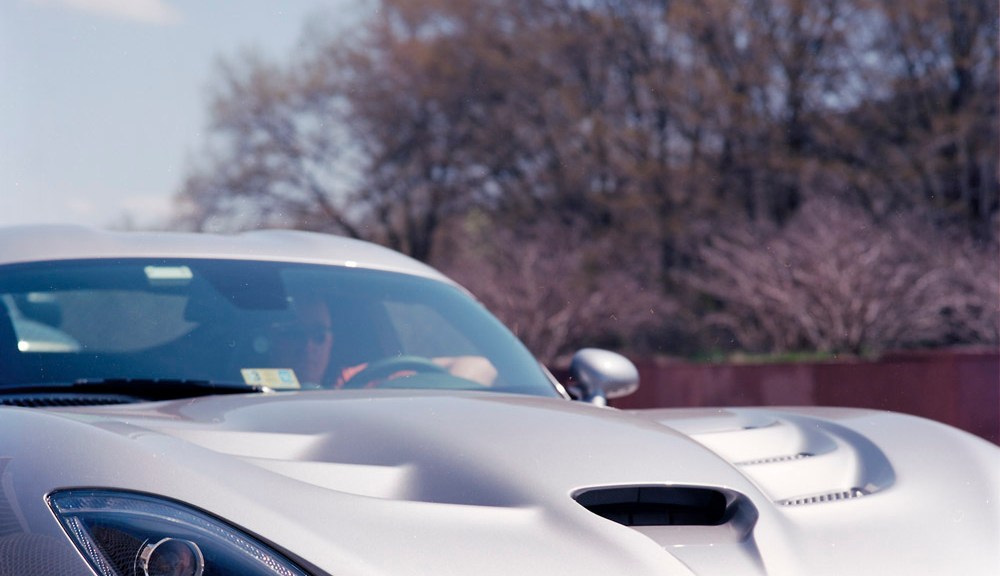
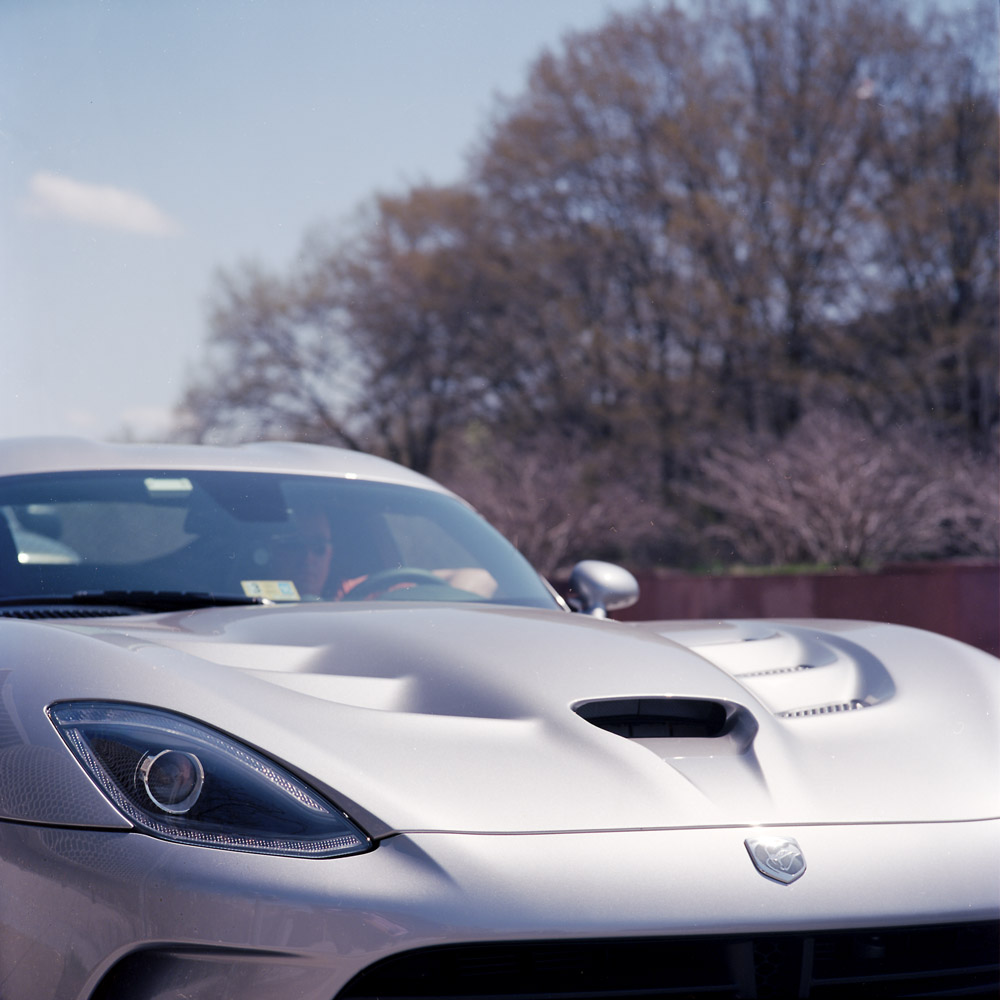
A rather rare sighting – a Dodge Viper hardtop coupe on the street. They’re big, they’re bad, they don’t make good city driving. So it was unusual to spot one parked at curbside. I didn’t even realize the driver was still sitting in the car when taking the picture until I came around to the side to take another look at it, and he waved at me.

Dodge Viper Nose
Dodge Viper Nose

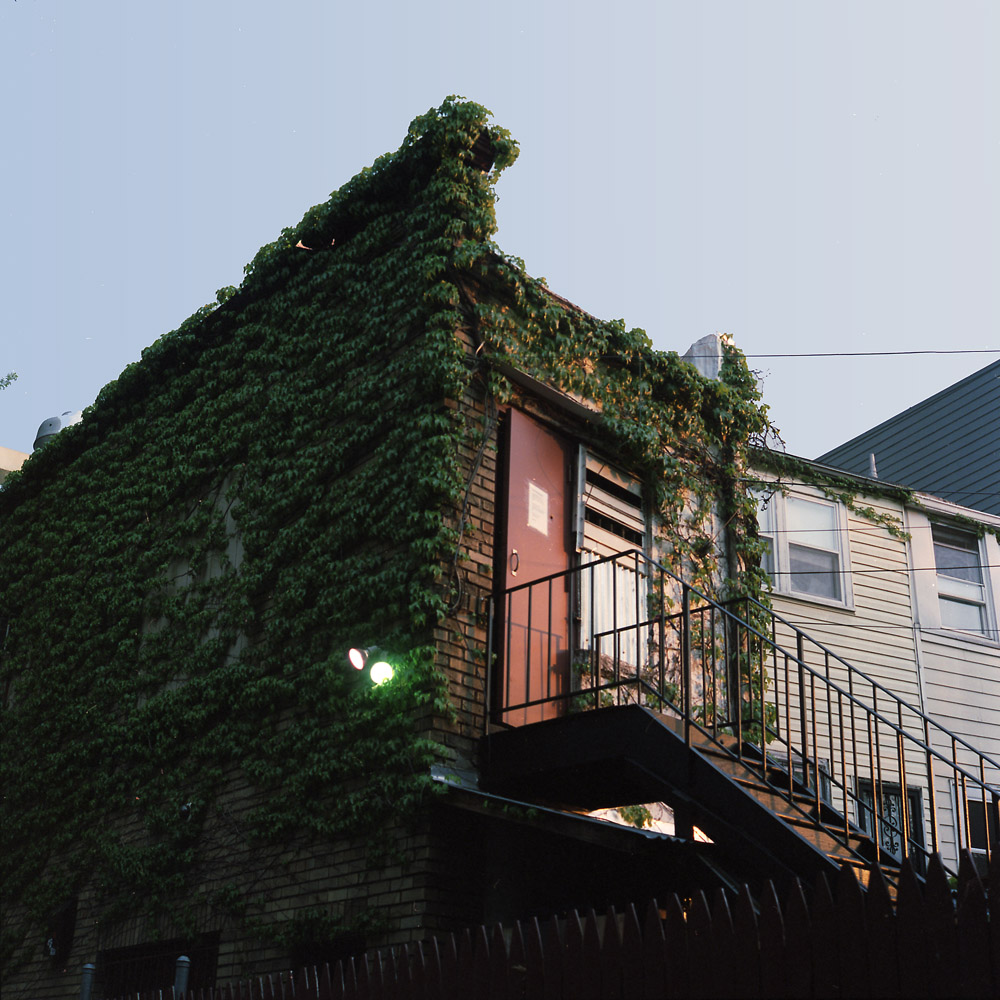
The back door to the Wonderland Ballroom. I was walking past it on my way home from another neighborhood walkabout and saw the sunset glow illuminating the upper story. Now an extremely popular neighborhood hangout that draws a youthful/hipster crowd, it was in its previous incarnation the oldest continuously operating gay bar in the city. It catered to an African-American male clientele, but the owner shuttered the club when he realized his patrons were mostly the same dozen or so elderly men who would come in, drink one beer all night, and sit around chit-chatting with each other. You can’t run a business on less than a dozen beer sales a night, even if you do own the building.

Wonderland Ballroom Backdoor, Sunset

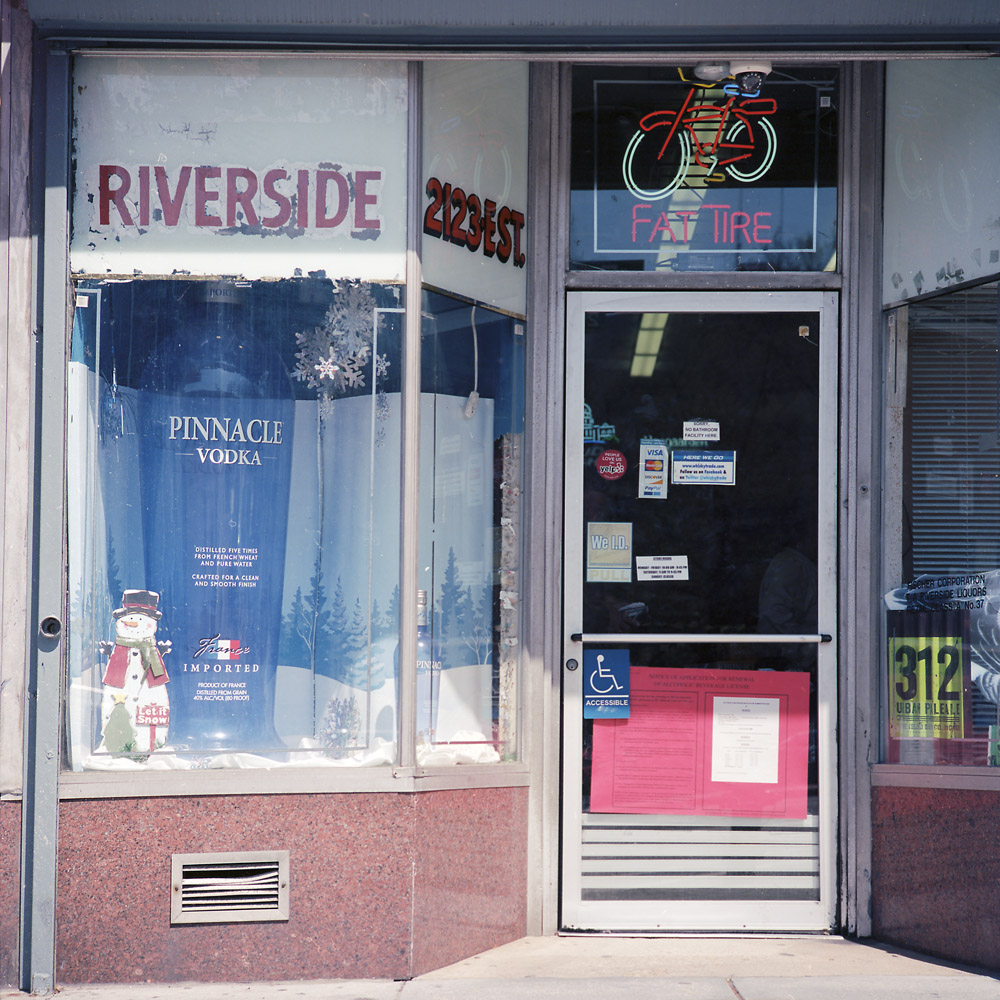
This is a liquor store near my office. I loved the old-fashioned lettering in the window that preserved the feeling the store was trapped in a 1940s time warp. I think it was the original lettering as it has the same feel as the Art Deco facade of the building. This highlights the importance of photographing things you see when you see them as they may not be there tomorrow – when I passed the store yesterday on my way back from lunch, they had replaced the old painted lettering in the window with what looked like a piece of white foam board with blue printed lettering, which while easier to read was nowhere near as pretty.

Riverside Liquors
Riverside Liquors

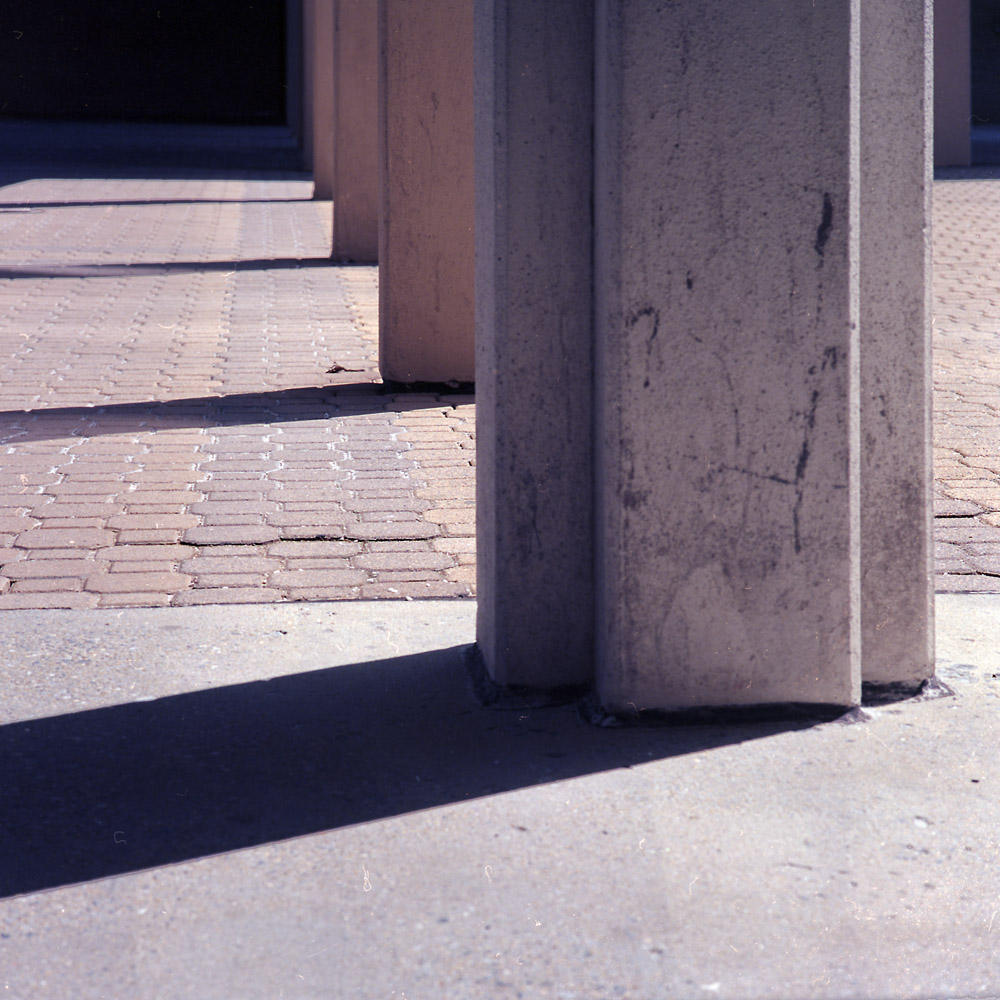
Another scene near my office – columns for a pergola, casting shadows across the brick pavers on the plaza.

Columns, Columbia Plaza

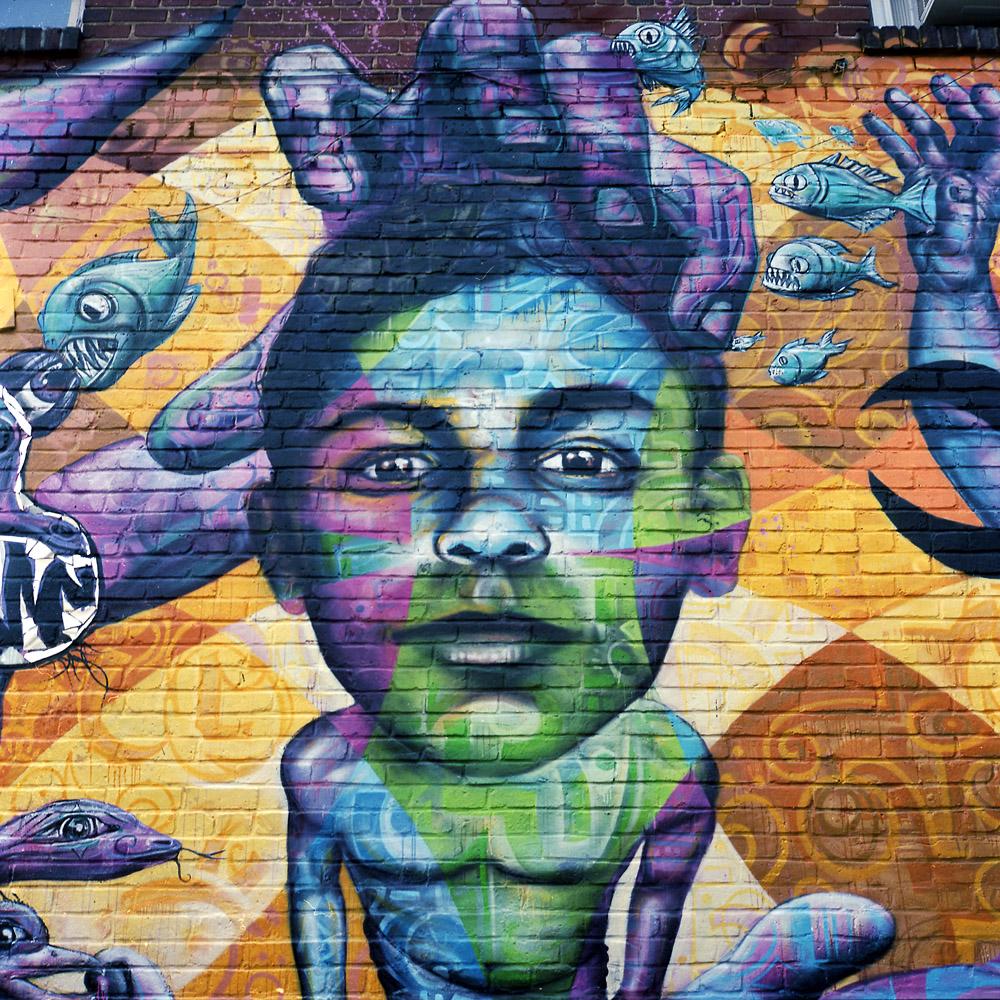
Changing Mural – Black Boy & Garuda

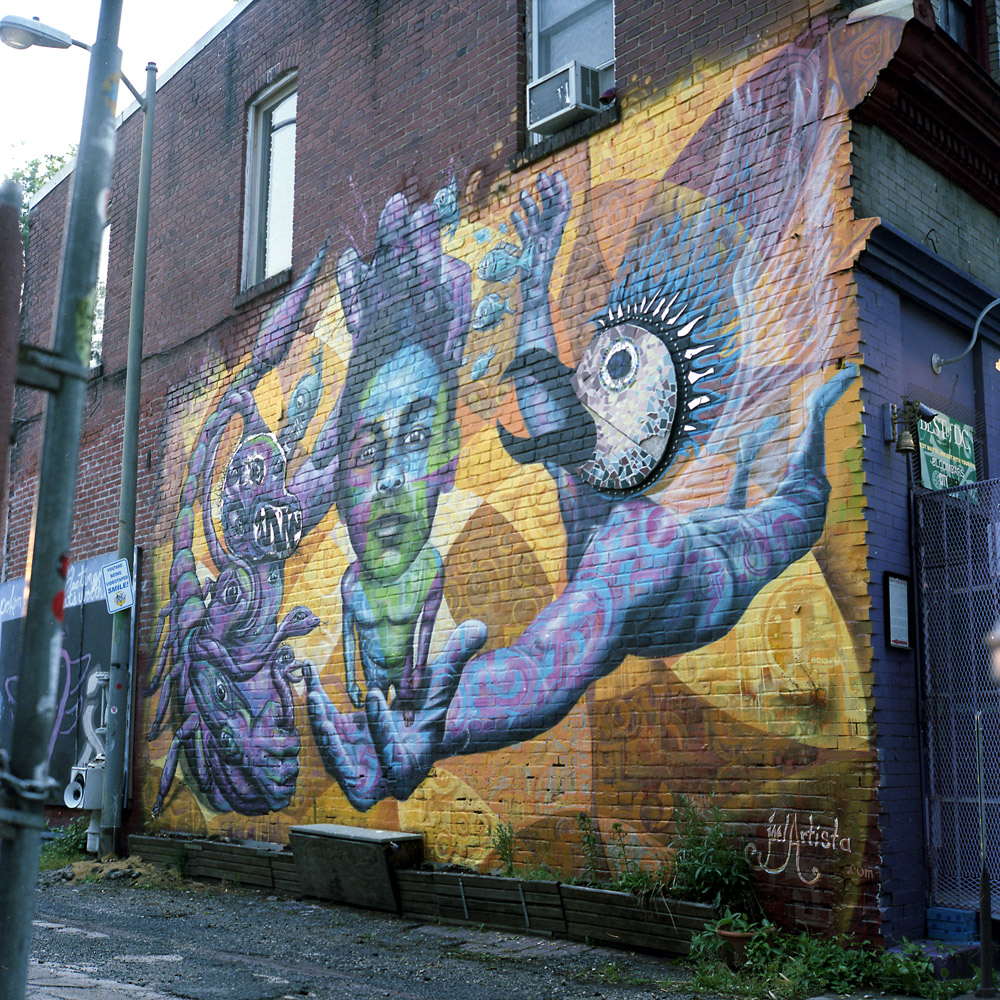
I had photographed this mural before. The other day I was doing a walkabout in my neighborhood and passed it again, to see that the artist had re-worked the mural in new colors with new designs.
here are the original photos I took, in color and black-and-white.
Black Boy, Garuda, Color
Black Boy, Garuda, B/W

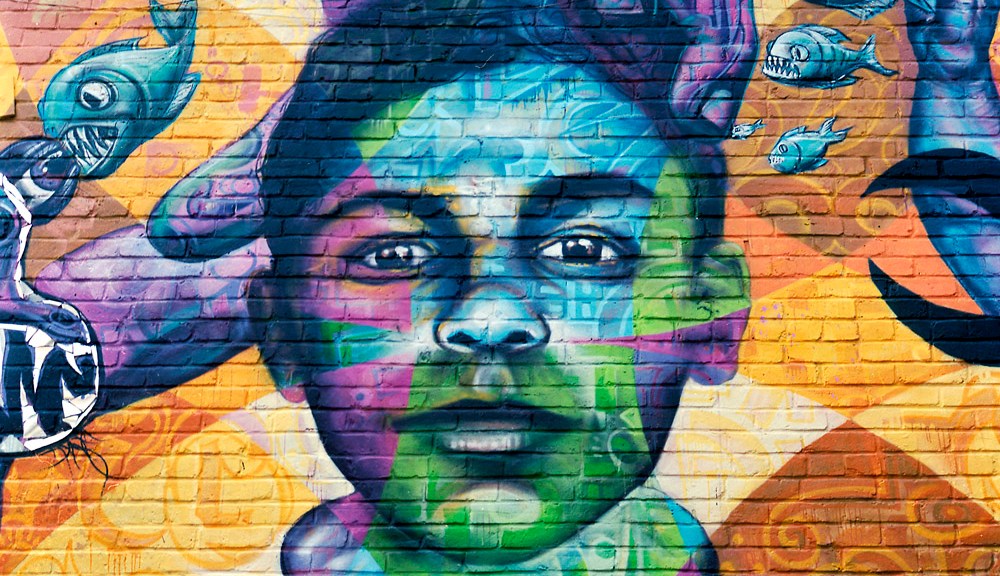
The artist came back and re-worked the piece, keeping only the head of Garuda and the head of the black boy as compositional elements, and completely re-working the color palette.

Black Boy, Garuda
Black Boy, Garuda
Black Boy, Garuda (Detail)

This is one thing a traditional photograph can’t do – it can’t evolve over time being reworked into a totally different yet fundamentally similar image. At the point you transform a photograph this much, it’s no longer a photograph. It’s figurative and not literal. Part of the intrinsic quality of a photograph that makes it valuable and meaningful as a photograph as opposed to a painting is its relative immutability and the appearance of a binary 1:1 relationship with reality. We know of course that photographs CAN lie, and that they have figurative, non-literal properties, but the descriptive quality of a photograph is so powerful that we WANT to view them as purely, literally descriptive and non-figurative – “Photos don’t lie” and the visual equivalent of “if it wasn’t true, they couldn’t print it”.

So the question to you is, is this the same mural, or is it a different mural entirely, now that it’s been reworked?

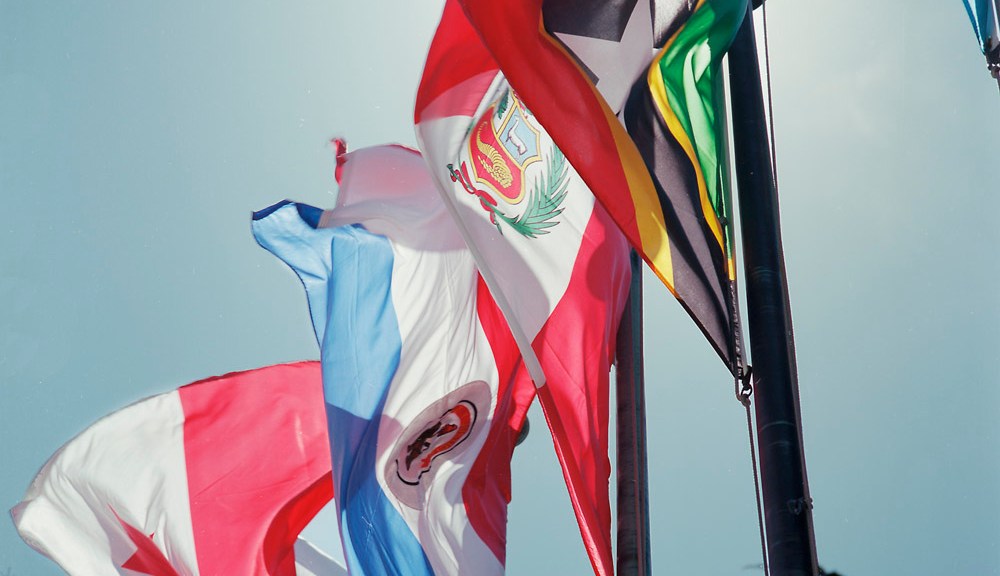
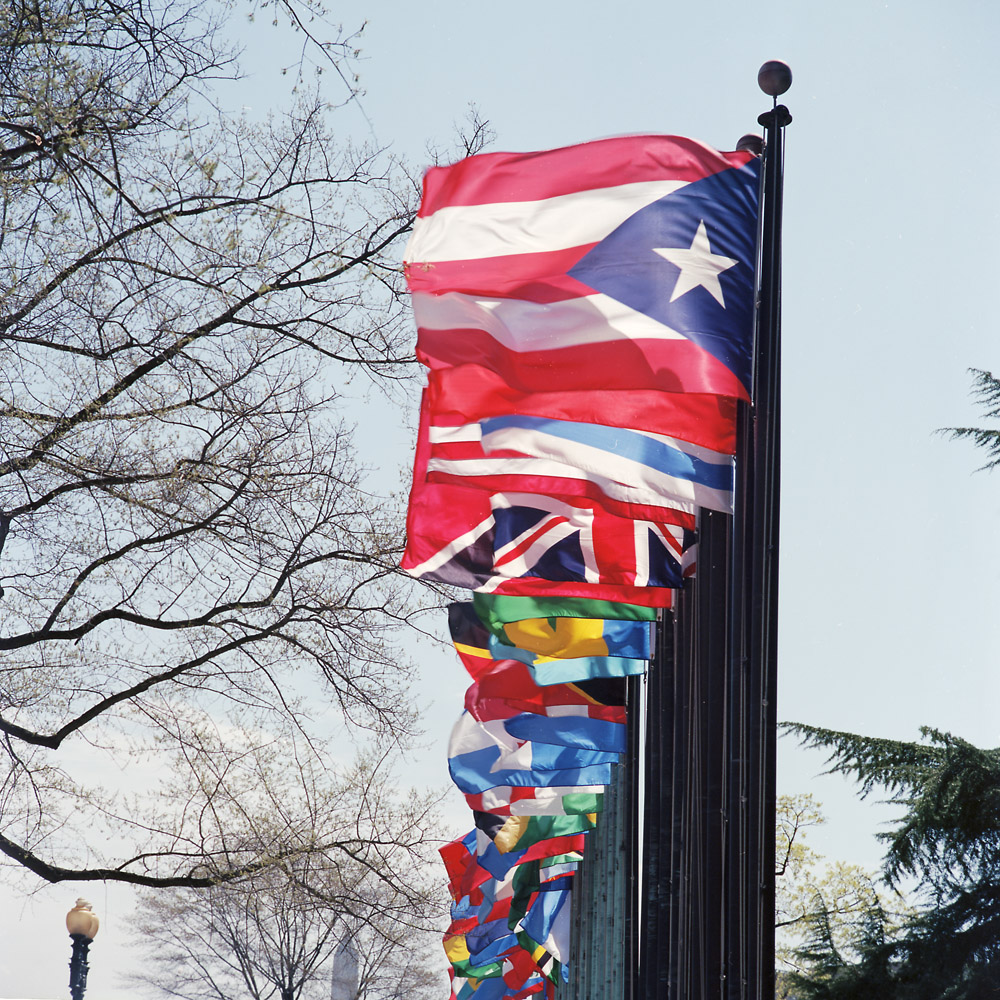
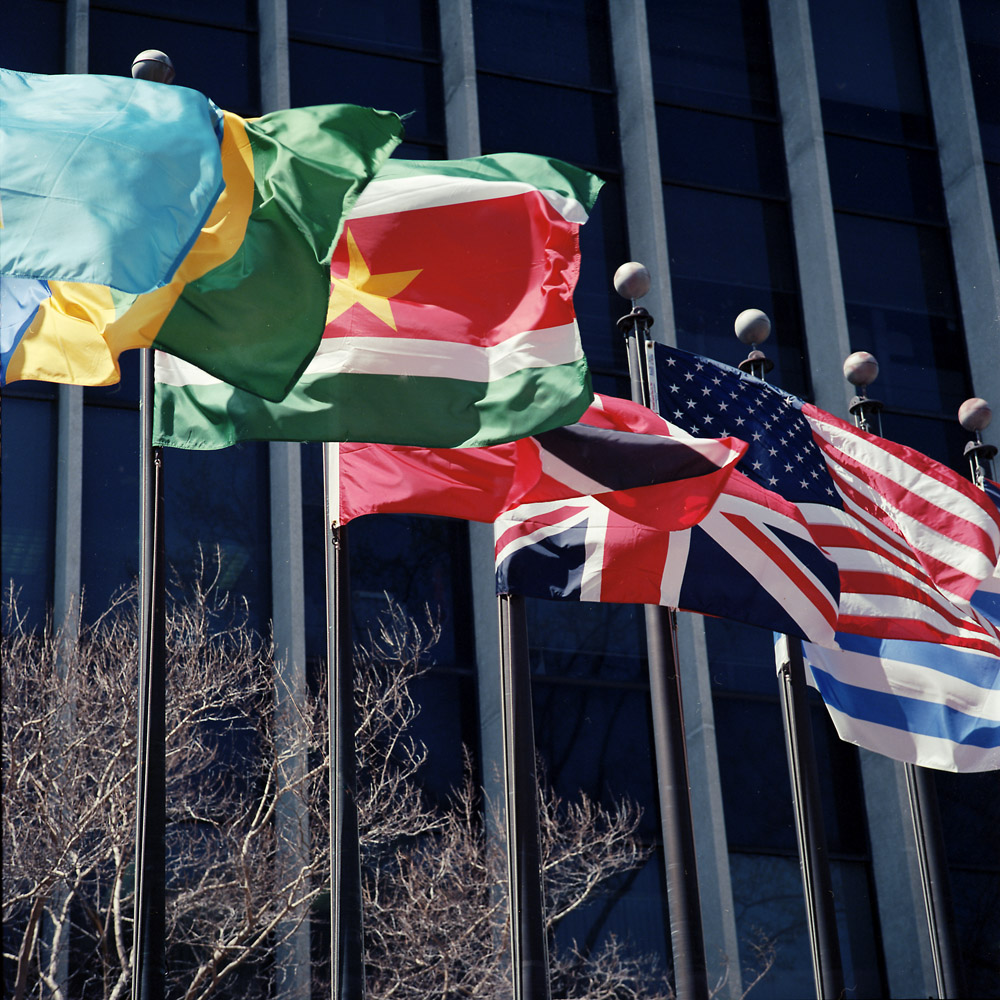
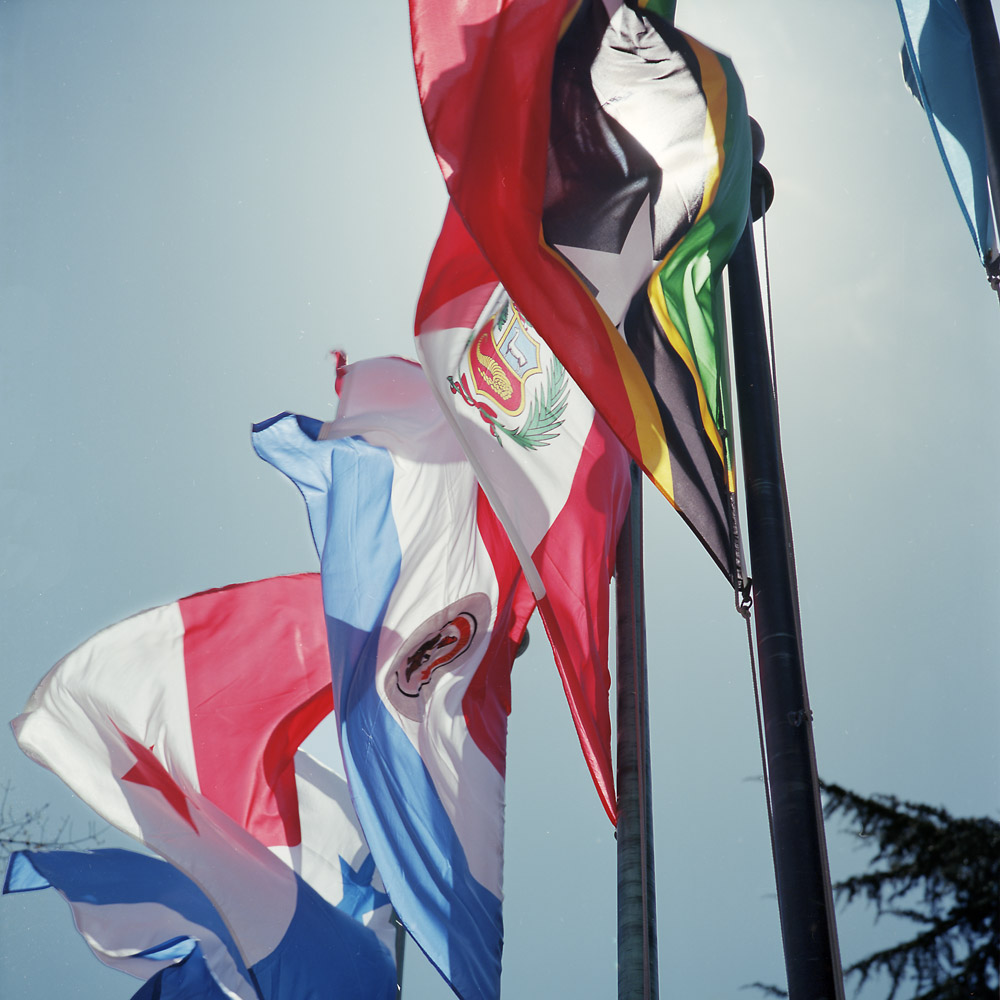
Flags, Pan-American Health Organization

Ok, so you’ve seen me posting images of the PAHO/WHO headquarters building for the last few weeks. Here are some shots of the flags outside. There are 29 member nations, from Argentina to the United States, but also including France, Great Britain, and Spain.

Here they are snapping in a brisk breeze, with the Washington Monument visible in the background:

Flags, Pan-American Health Organization

A close-up of several flags, with the PAHO building as the backdrop:

Flags, Pan-American Health Organization

Looking up into the flags with the mid-day sun backlighting them:

Flags, Pan-American Health Organization

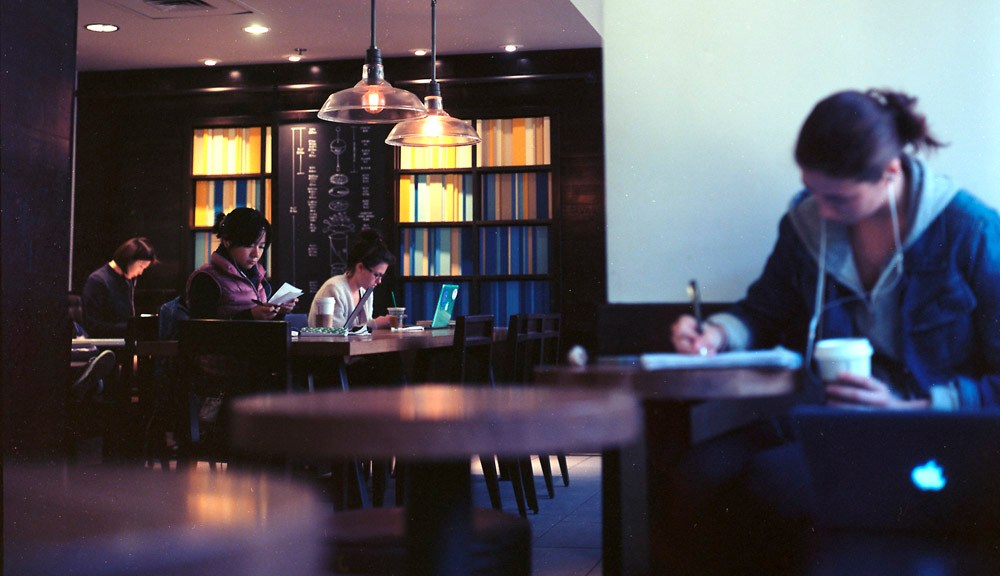
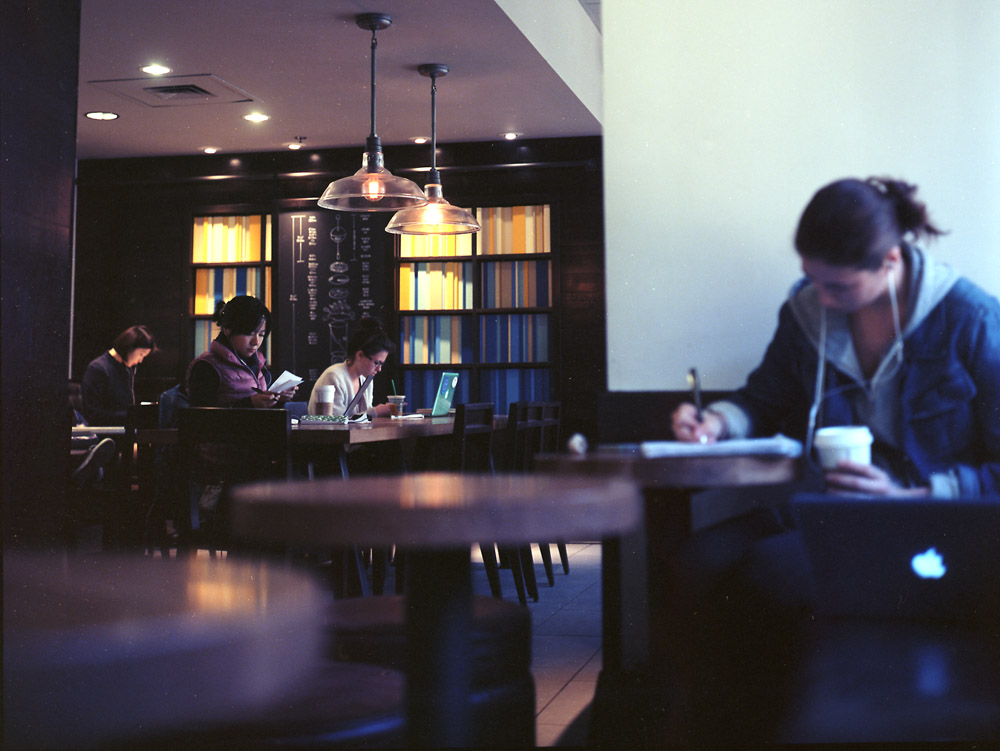
Homage to Vermeer

While I certainly don’t think of this as being anywhere equal or even close to a Vermeer painting, to me it has a little bit of that feel – soft light describing people working at gentle activity.

Students at Starbucks

Thinking of which, if you haven’t seen the movie, Tim’s Vermeer, you really ought to. It’s a documentary about this inventor named Tim who got this wild idea about how Vermeer painted his paintings. Tim was a visionary in his own right, having pioneered digital video editing back in the early 1990s and received an Emmy award for technical achievement. Having been relatively successful in his career, he was free to go Ahab on his obsession with the idea that Vermeer used some kind of optical device to assist him in painting. Tim, unlike captain Ahab, was able to run his idea to the ground and survive the encounter unscathed. While nobody can say conclusively that Tim was right and Vermeer DID use an optical device, his documentary film and the end result are an incredibly compelling argument in favor.

Street Portraits

Just some random captures of people out and about. I want to get better at street candids, so I’m practicing. These are a few good examples, at least I think they’re good, for me.

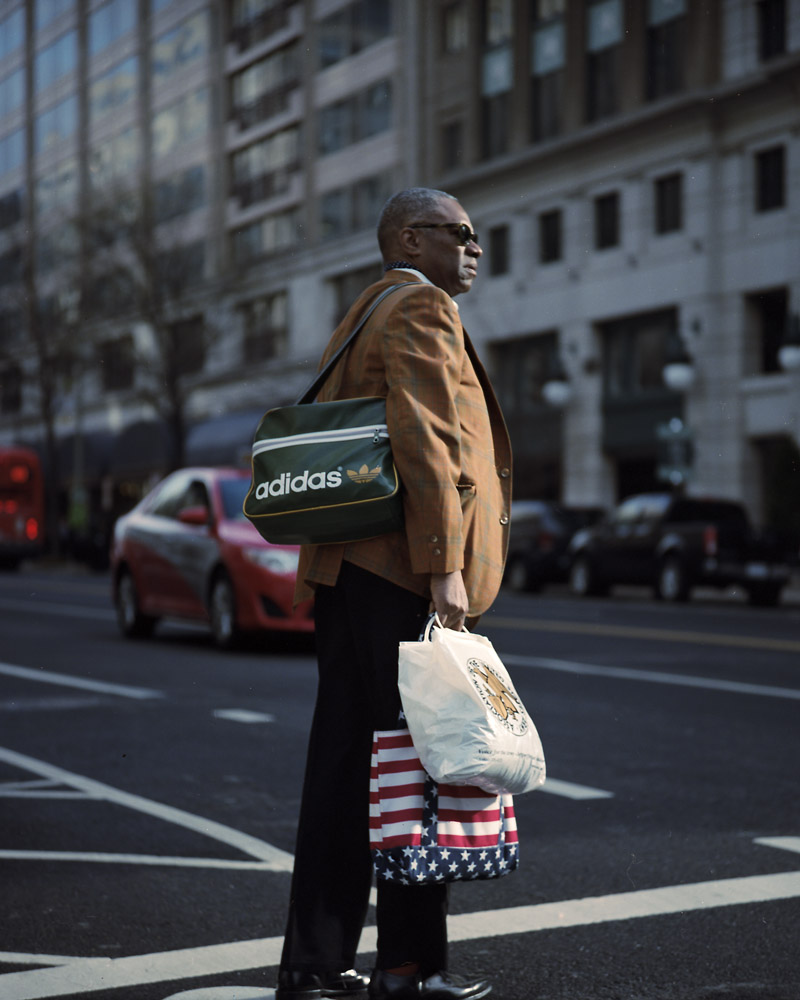
I saw this man crossing the street early in the morning, loaded down with his bags. I don’t think this shot would have worked in black-and-white – the hodgepodge of tweed jacket, American flag logo bag, Adidas bag, and the plastic shopping bag wouldn’t pop if they were tonally similar.

Man Crossing with Bags

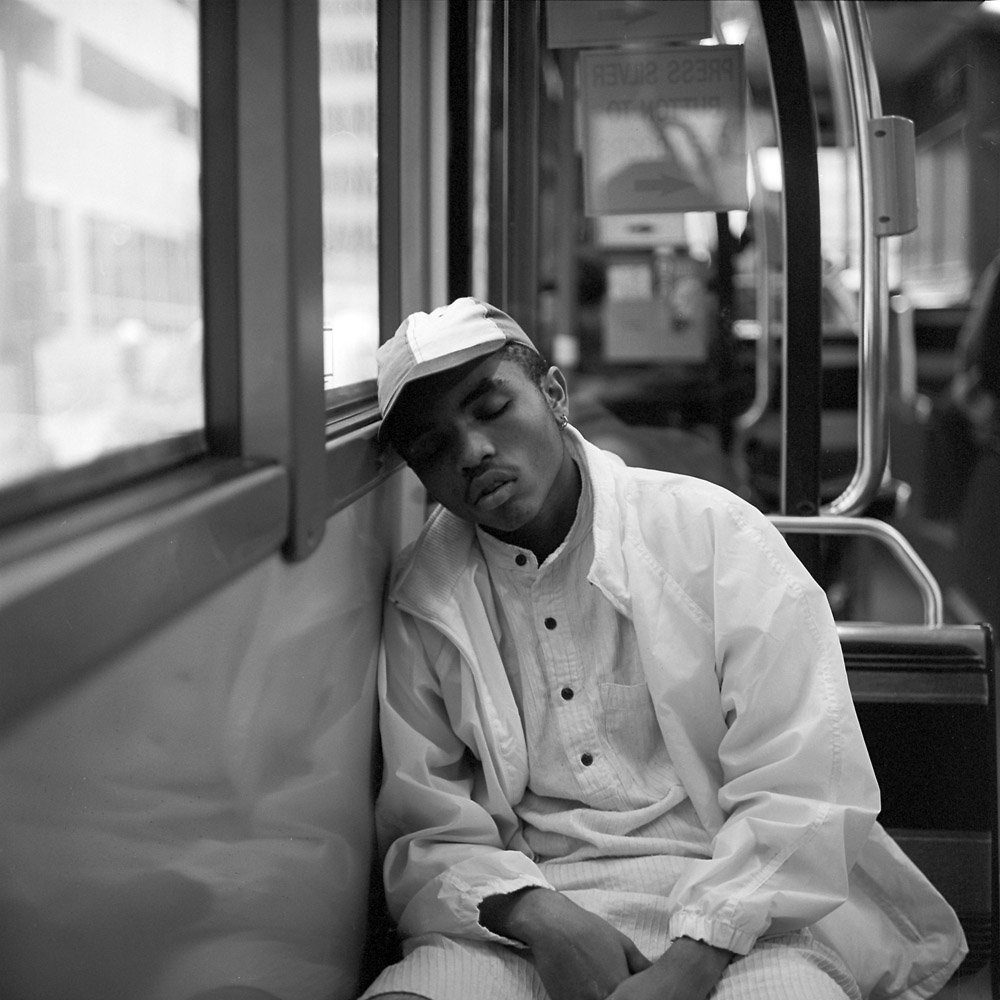
I’ve posted the boy on the bus sleeping before. This one DOES work better in black-and-white because the brightness of his hat and shirt contrast with his skin color and give him a very peaceful, almost angelic look.

Boy Sleeping On Bus
Boy Sleeping On Bus

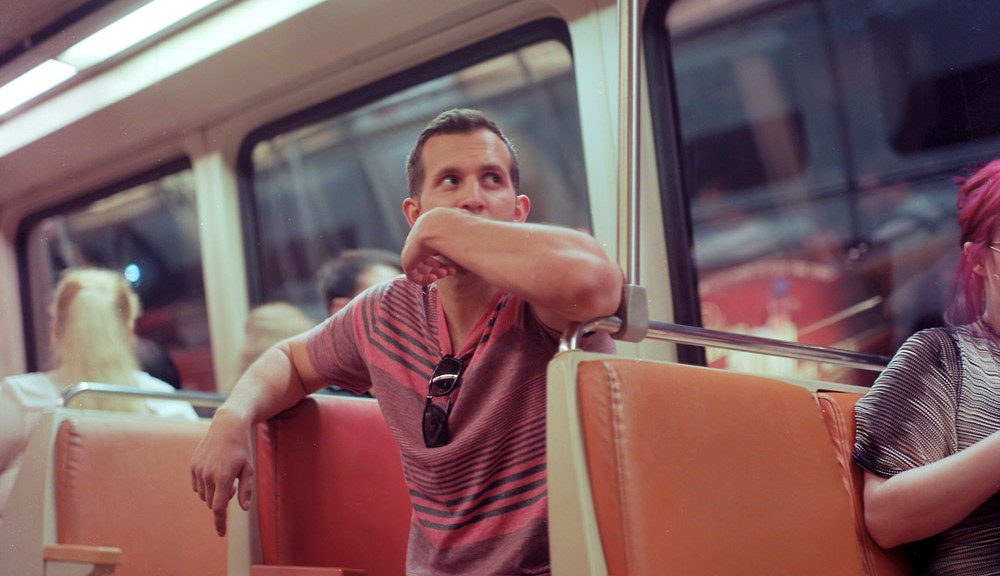
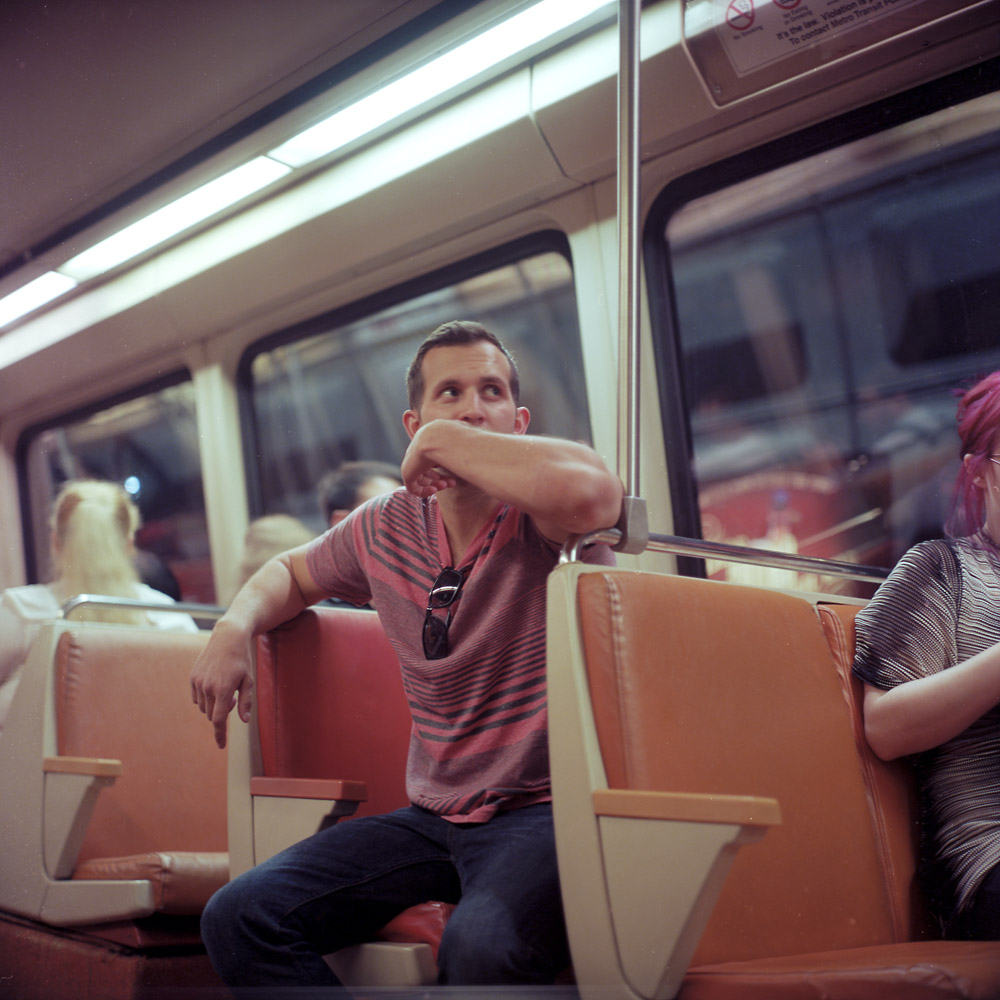
This man is watching the overhead sign announcing the upcoming station. I caught him in an unguarded moment, doing what everyone does on the train. Hard to tell if he’s a tourist or a local.

Waiting For His Stop

Jaleo, In and Out

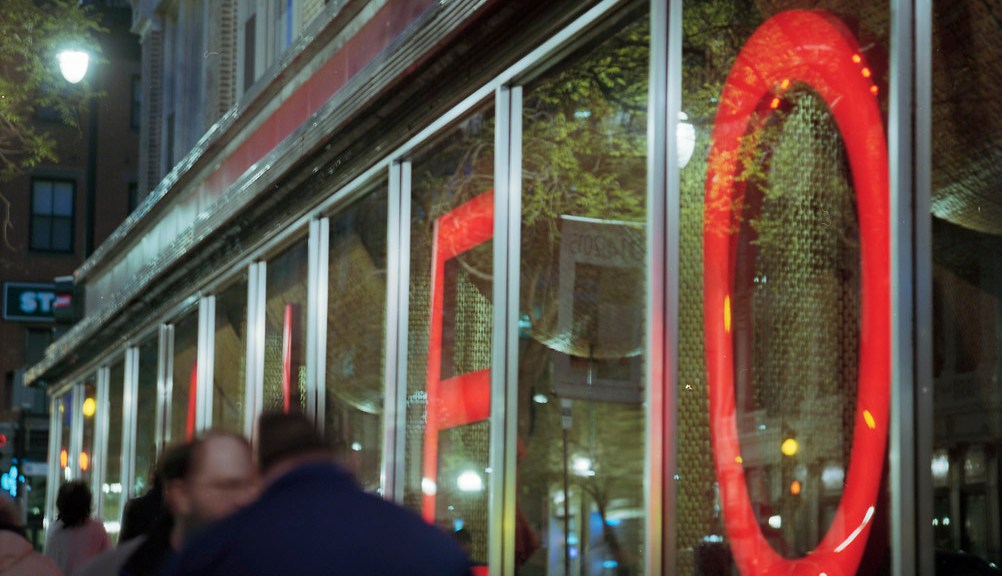
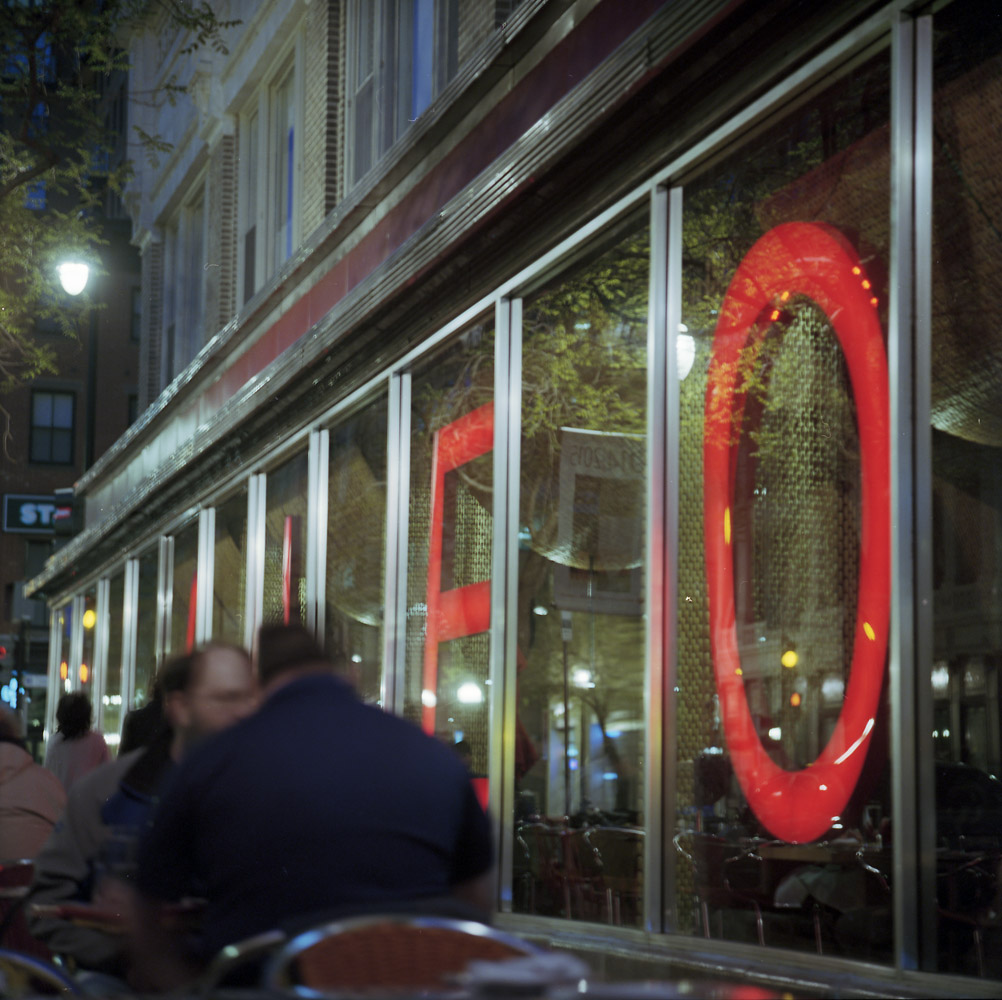
I’ve walked past the giant red JALEO letters in the window of Jaleo, a Spanish tapas restaurant downtown DC, for years, wanting to photograph them but never really getting it the way I want. The first shot comes the closest. To get what I’d like to get, I’d have to stand in the street, in the winter, and cut down the trees out front as well. So this will have to do.

Jaleo Outside
Jaleo Outside

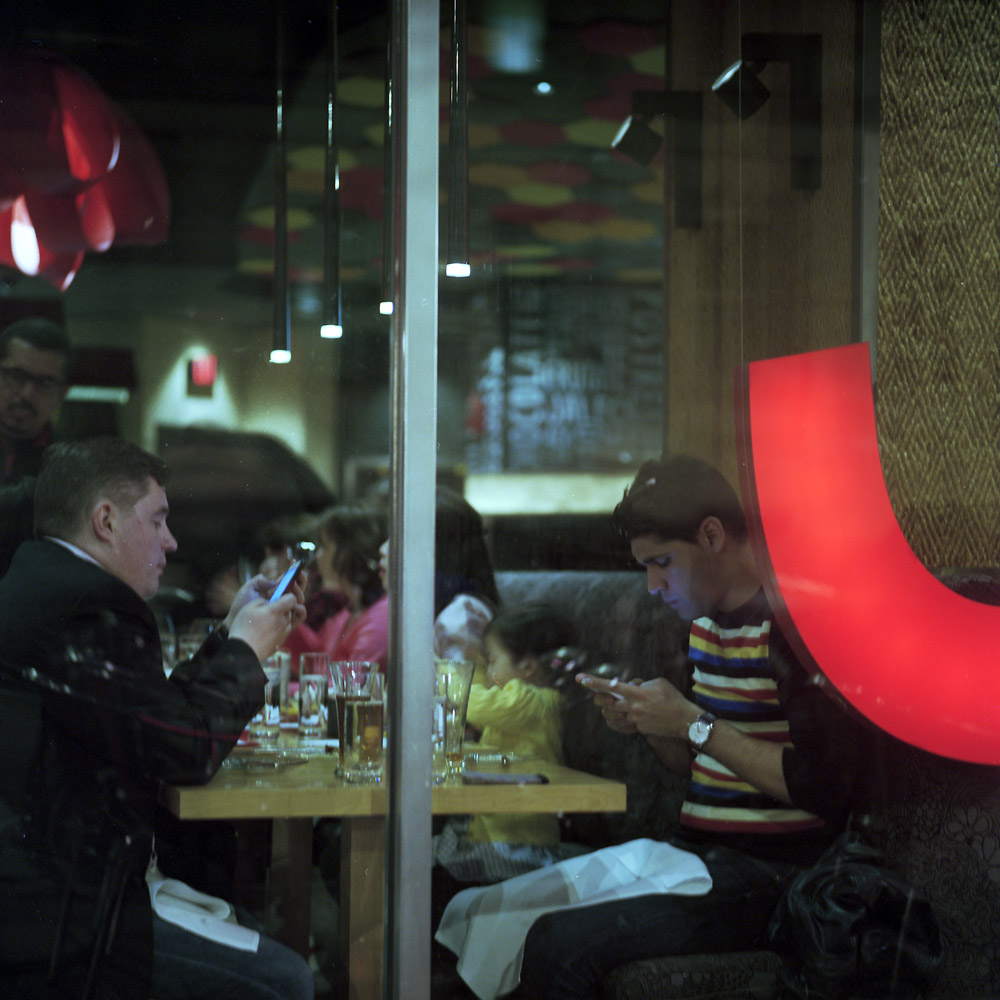
A view into the restaurant. Photographically, what interests me in taking an image like this is the visual layering that happens – there’s reflections in the glass, the big red J, the people at the table, the pendant lights leading you away deep inside the restaurant, the other patrons at tables in the rear. Sociologically, this is another indictment of the modern life – two people at dinner staring at their phones instead of interacting with each other.

Jaleo Inside
Jaleo Inside

It’s a sad commentary on how inward-focused we as a society have become that it is socially acceptable for two people (or more!) to go to dinner together and interact more with their digital devices than with the other human beings at the same table. We’re there to do one of the most basic and most pleasurable things two or more humans can do – share a meal. Put down the damn phone at the dinner table!

Commuter Diary, Part 11

More in my Commuter Diary series. These are more about the people on the train and in the station than they are about the stations and trains.

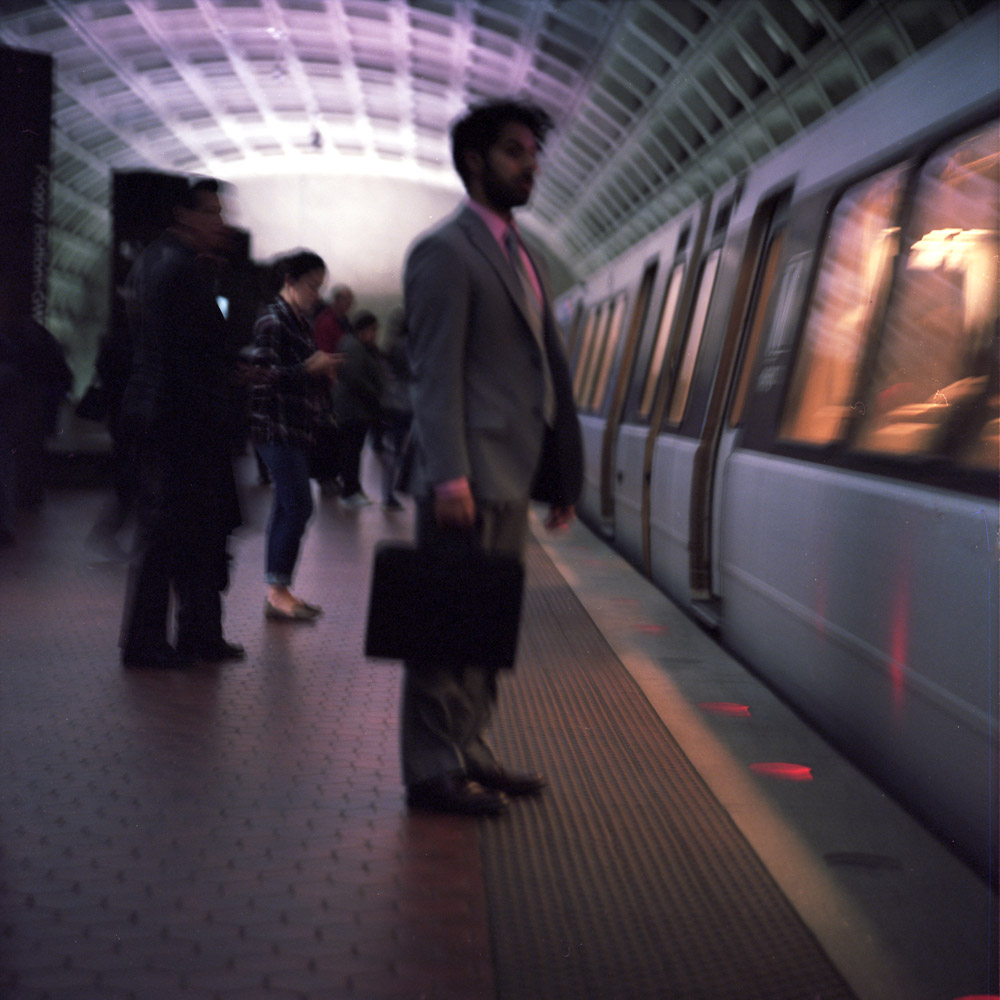
The man in the suit stands out not only from his attire but also from his posture and from actually standing apart from the other riders on the platform waiting for a train.

Man in Suit
Man in Suit

This was a visual experiment for me, to see what it would look like to follow a moving subject. This man was talking furiously on his phone, pacing back and forth in an erratic elliptical orbit of a spot on the platform.

Man, Pacing with Phone

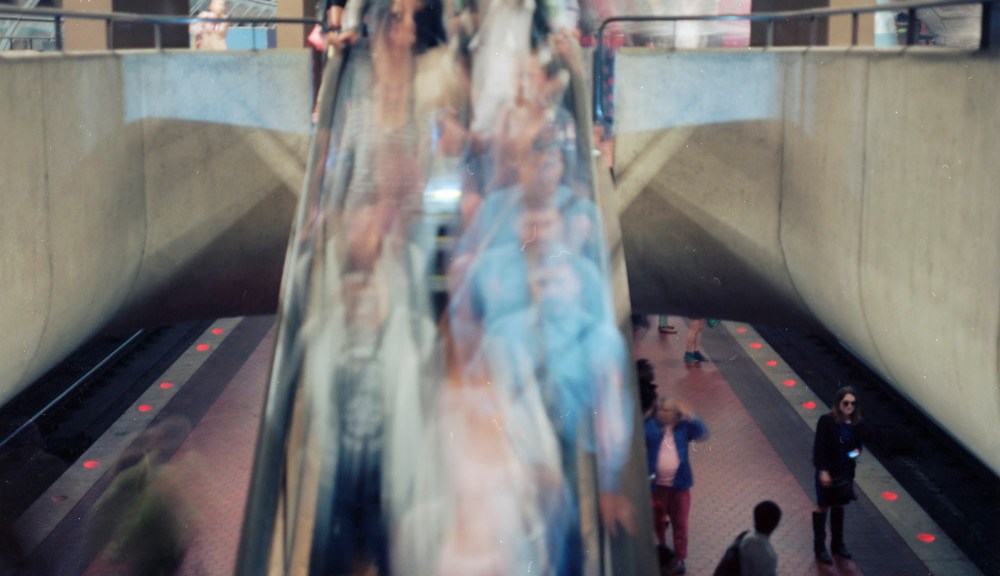
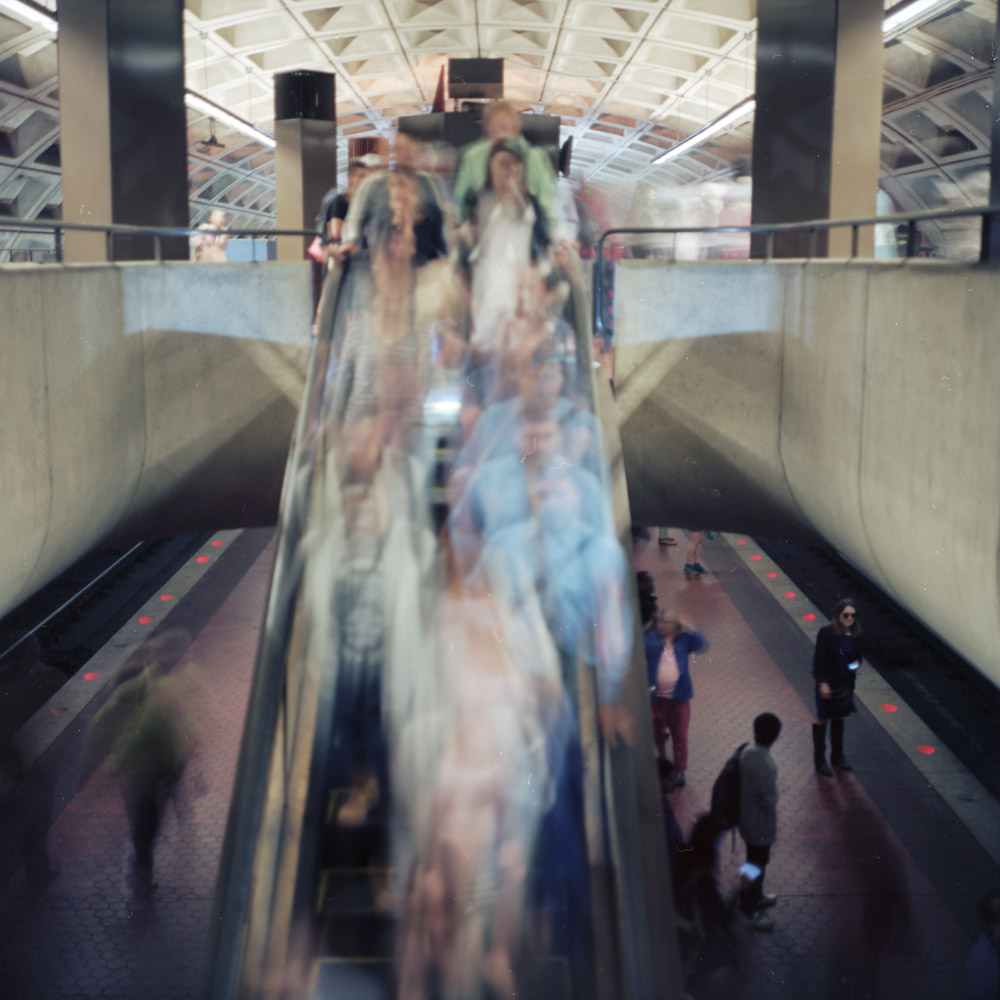
The flow of people is remarkably sharp given the length of time I had the shutter open for (several seconds). The repetition of people’s shapes going down the escalator is from the escalator being turned off and them walking down, so they pause just long enough between strides that they register over and over again. I’m going to re-try this experiment and see how many repetitions I can capture.

Down Escalator Flow
Down Escalator Flow

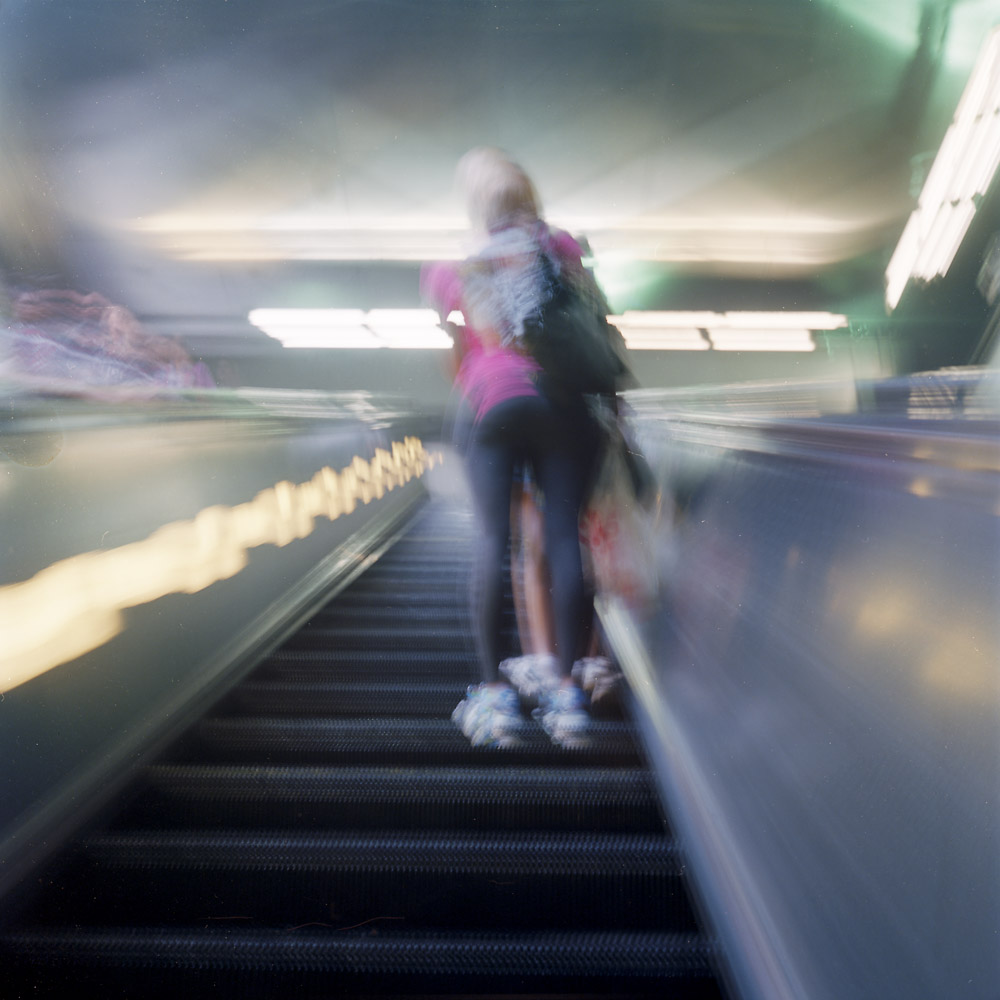
Another typical experience in the daily life of a commuter – watching the person in front of you as you ride up the escalator.

View, Up the Escalator