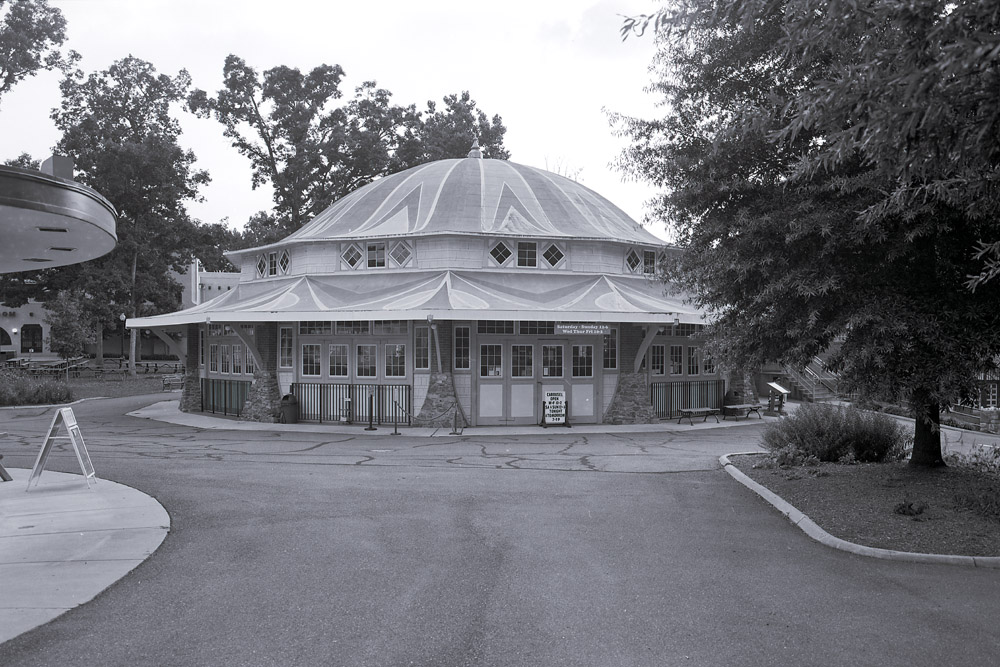
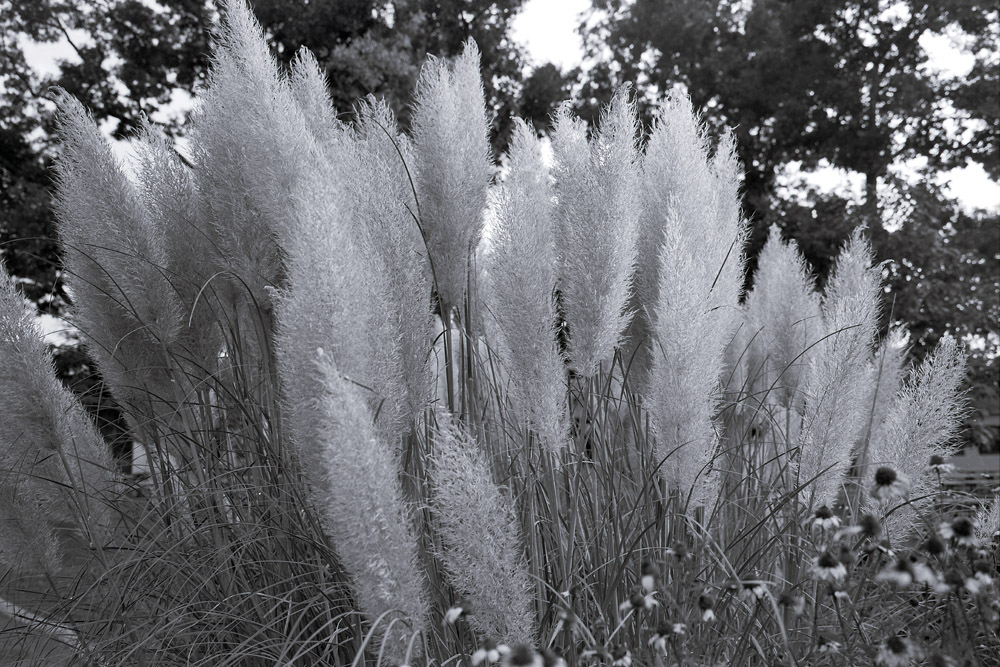
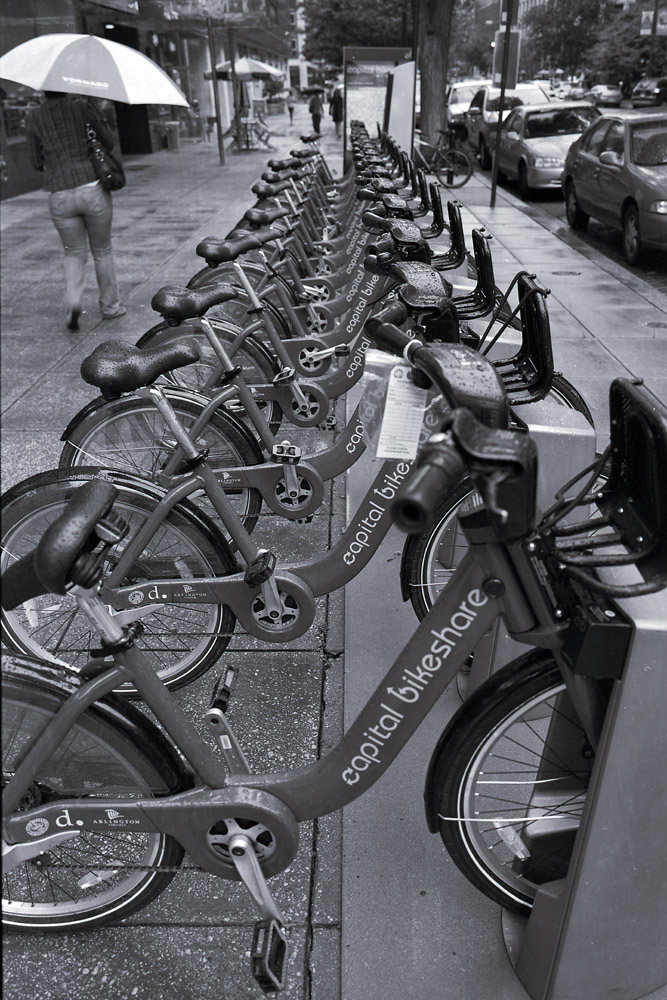
Carousel House, Glen EchoGrasses, Evening Light, Glen EchoBikeshare, Downtown in the Rain
A while back, before I went to Paris, a friend loaned me his Fuji GSW 690 II to play with, since I didn’t have anything in a wide-angle to take. While I wasn’t crazy about the camera’s operation, and I don’t particularly like the way it renders color on color film, I have to say going back and revisiting the black-and-white negatives I shot with it I’m actually pleasantly surprised. It might be worth giving another try some day. I may just have not shot enough with it to get a good feel for the operation.
I got a call from a friend earlier today letting me know the Calumet clearance sale was underway at our local Calumet stores. I went in after work looking for a couple of things, thinking at the least I’d grab some film if they had anything I used. They had a bunch of pro-packs of Tmax 400 left in stock (an emulsion I don’t use in 120) so I just grabbed the three remaining rolls of Ilford Pan-F. They had a 1000w hot light that was a companion to one I bought a couple months ago, and will come very handy for my class tomorrow that I’m teaching about shooting still life. The big score was a Calumet/Bowens Fresnel Spot attachment, which was in like-new condition, but because it had been rented (once!) in the past, it was marked down 40% off.
One of the giant tragedies of the Calumet closing is the disappearance of camera gear rental from the DC marketplace. Jerry Smith, the rental department manager at the Tysons Corner location, is setting up his own equipment rental business to service the DC Metro area, in Reston, Virginia.
You can find him on Facebook at https://www.facebook.com/f8rentals
Jerry is a fantastic guy to work with and extremely knowledgeable. I’m so glad he’s going to take this on and revive an extremely valuable service here in the DC area.
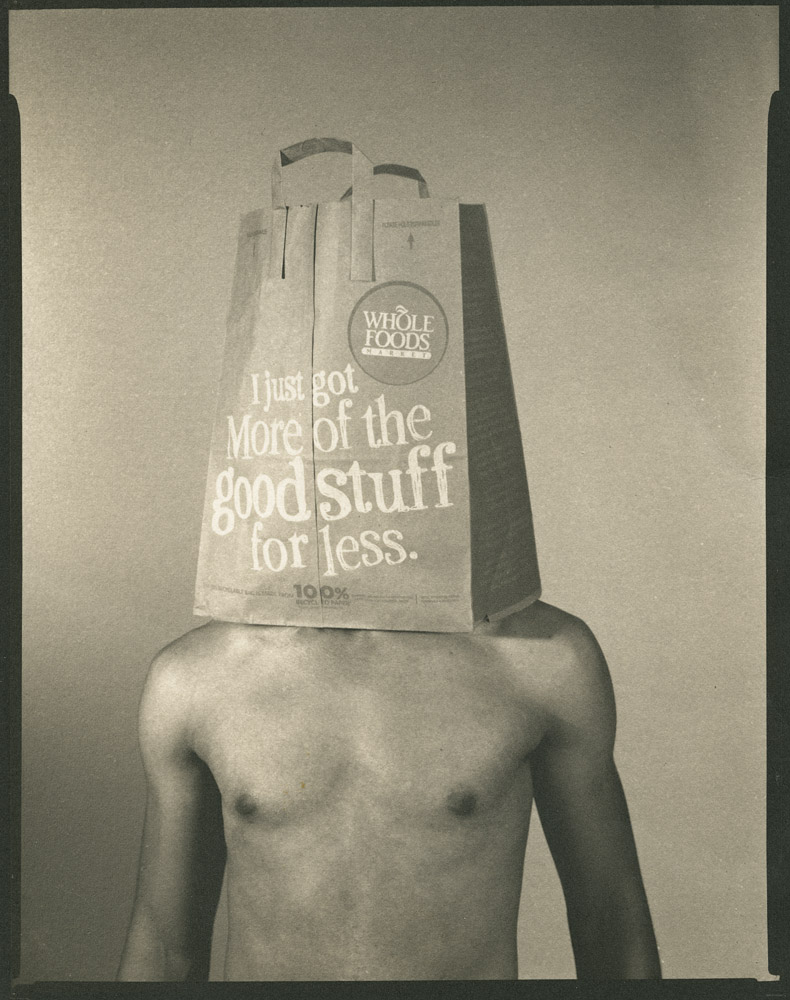
A long time ago I started working on a series about how we commodify people and their identities. I was playing around with advertising slogans on grocery bags and how those slogans can be used to replace food with people (not in a cannibalistic sense but as something to be looked at as a consumable or a flavor-du-jour). I’ll pick it up again when I get the chance and see if I can do more with it. Let me know what you think of the idea and the execution in this image.
The original is a whole-plate (6.5 by 8.5 inch) hand-coated palladium print on Bergger COT320 100% cotton rag heavy-weight paper.
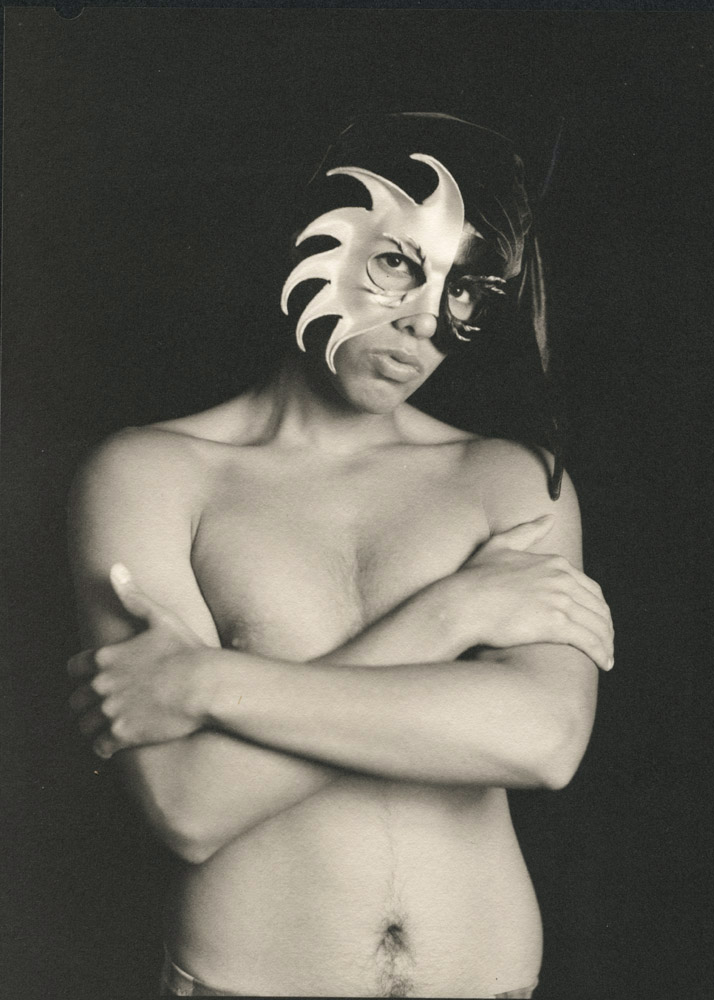
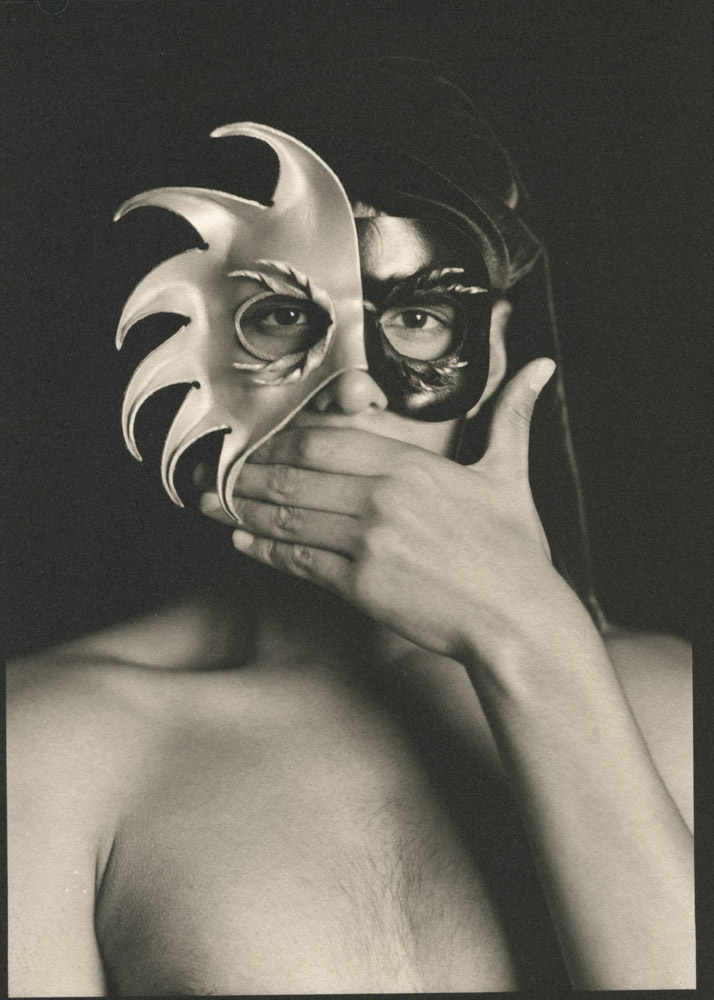
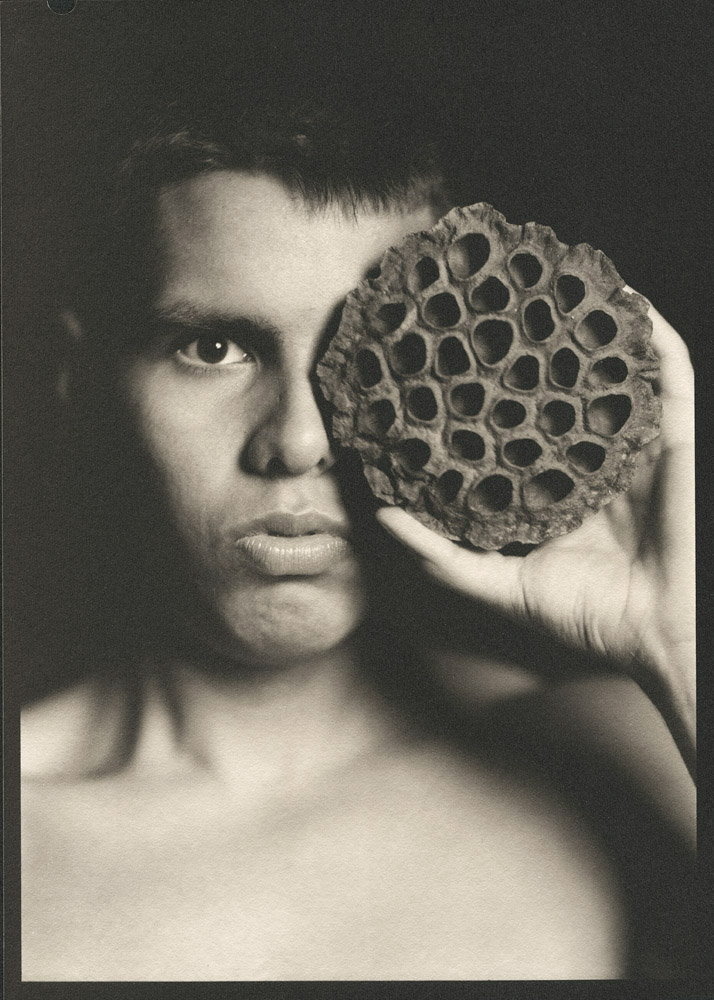
I dug up a few older platinum/palladium prints I did a couple years ago and realized they were worth sharing, so I thought I’d post them here today.
They were studies for a series I was working on – they didn’t make the editorial cut for the series, but as standalones they’re good. Jester
JesterPortrait with Lotus Seed Pod
These were shot in my home studio (aka the dining room) with a single light and a black velvet backdrop. The camera was my ancient studio portrait camera with a 5×7 back installed and a Seneca portrait lens (aka Wollensak Vesta, rebranded). I mention all this to show that you can produce great work with the simplest of set-ups and equipment, and you don’t have to have the latest and greatest or fancy facilities.
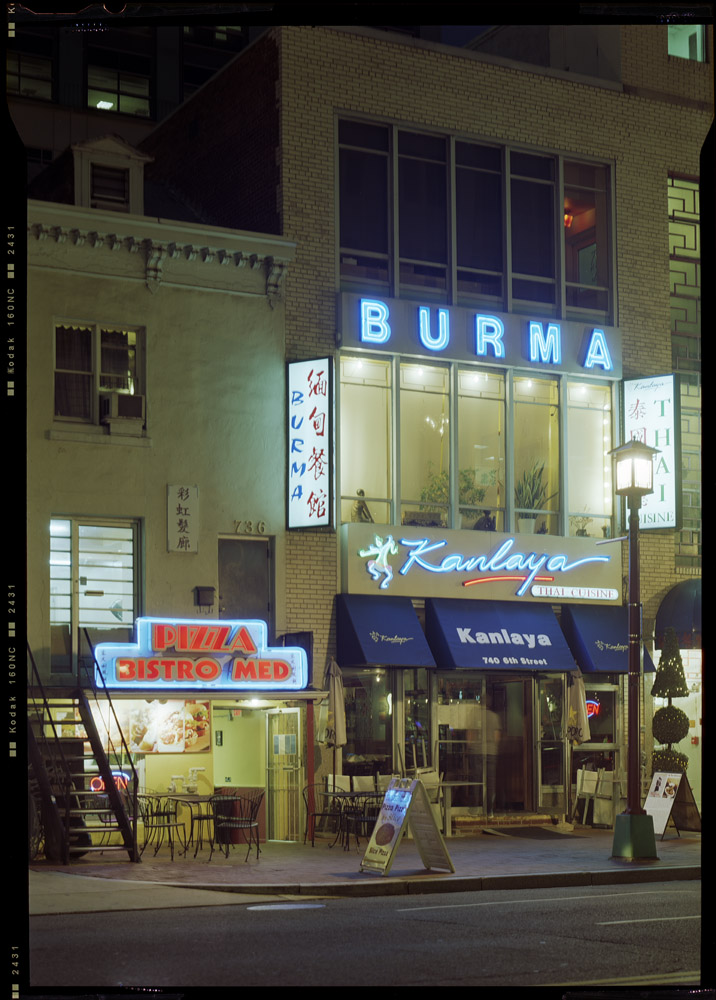
I have eight of my color night photos up on the wall as part of a group show of large format photographs at the River Road Unitarian Church. The show will be hanging through Sunday May 4, when we (the four of us artists in the show) will have a take-down party from 3-5pm. If you can’t make it to the take-down party, feel free to drop by the church and ask to see the show any time during their operating hours:
In addition to the usual Sunday fellowship hours, the exhibit can be viewed Monday-Friday 10 am-4 pm in the Fellowship Hall, River Road Unitarian Universalist Congregation, 6301 River Road, Bethesda, MD. Please call the RRUUC office (301-229-0400) before going there to check that no conflicting activity is scheduled when you want to view the exhibit.
Amazingly enough, the RRUUC’s exhibition schedule is so popular we (the large format camera club I belong to) had to book this show almost a year in advance.
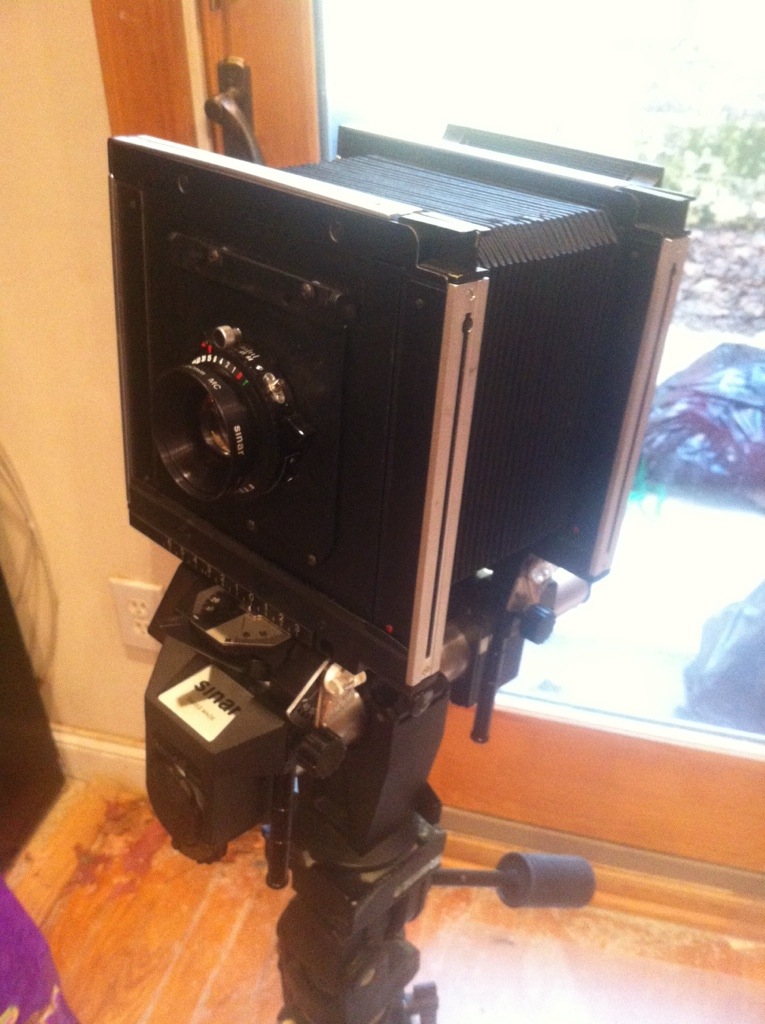
I got my new teaching tool for my Introduction to Large Format photography class. It’s a Sinar F 4×5. Sinar cameras were the first modular large format system with standardized components that would let you build 4×5, 5×7 and 8×10 cameras on a common architecture. While the F has certain limitations (base tilts, friction driven movements), its a fantastic entry-level camera and very light-weight for a studio monorail camera (about 7lbs).
I’m running the course starting April 5 through May 10. The course covers camera handling, film loading and processing, using movements for perspective and depth-of-field control. Individual modules will include landscape, portraiture, architecture and tabletop shooting. For more information check out the Glen Echo website –
I got the camera at KEH Camera online. They have a very limited selection in inventory at any one moment, but their prices are excellent. The Sinar F is a good starter camera and one I highly recommend for students looking to get started in large format. There are lots of other good cameras, of course, and it all depends on what you need from your camera – for some people, a field camera may be a better solution. My primary large format camera is a Canham field camera because I like to travel with it, but it has it’s own limitations (fixed bellows length, limited movements). I’ll cover all the quirks of large format cameras in the class, so to learn more, sign up!
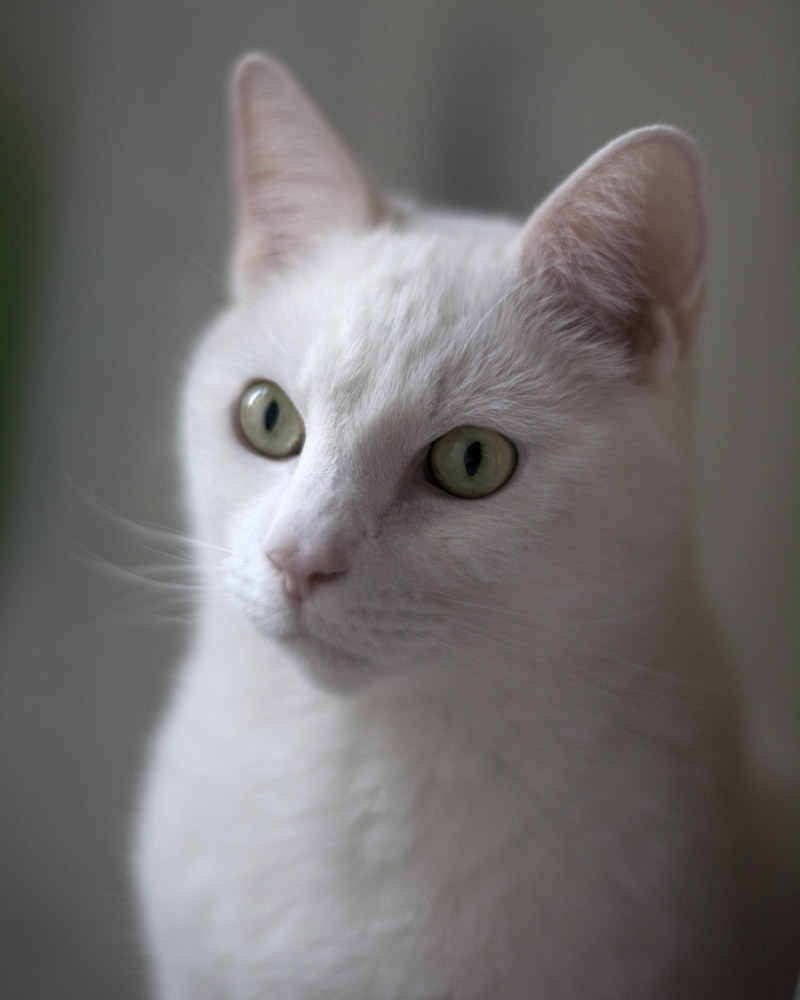
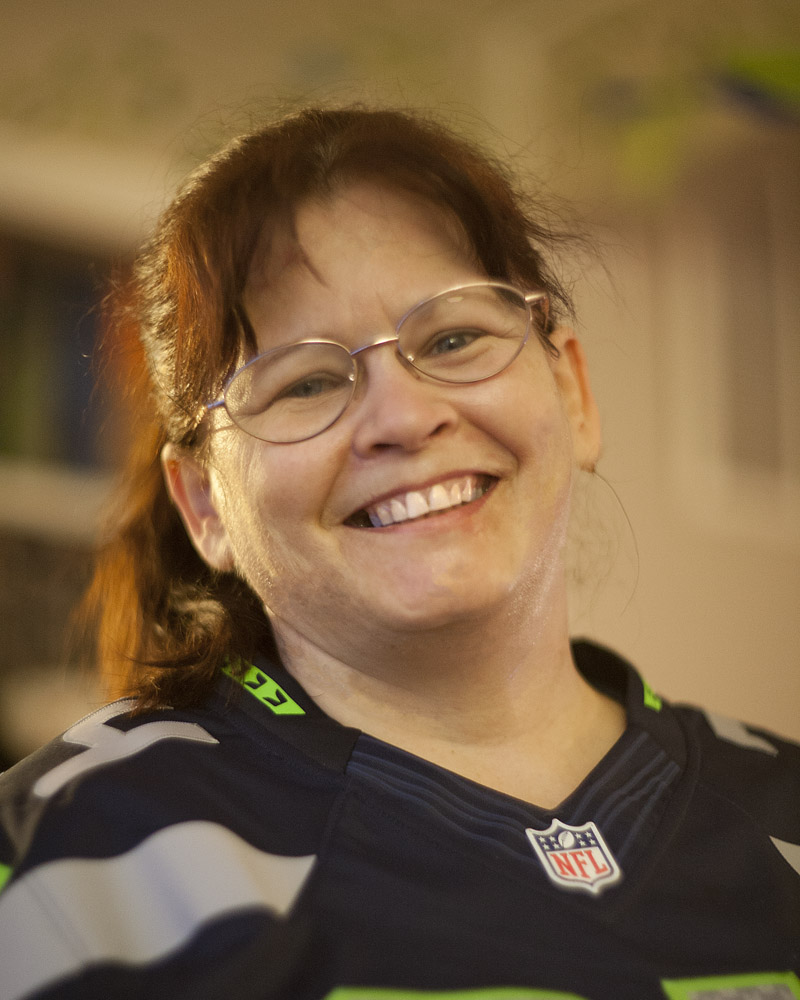
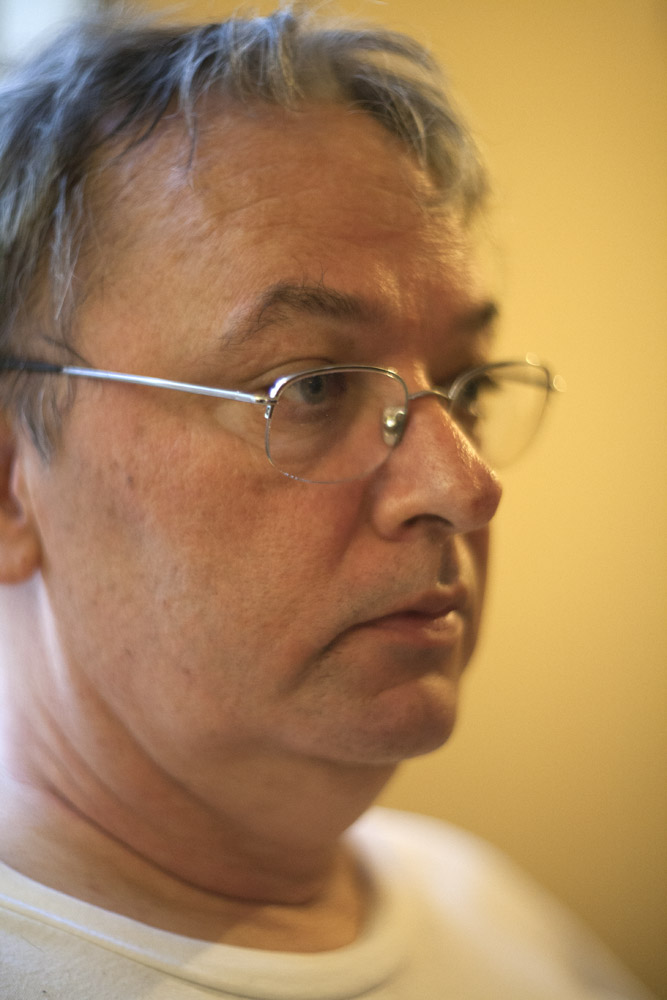
A few more from the Helios 85mm lens. I’m impressed, what about you? That razor-thin depth of field wide open is tricky to manage, but I think it transitions nicely between sharp and out of focus.
Frosty is one of my two cats. He’s the more wiggly of the two, actually, so it’s a challenge to get him to pose. Chub-Chub will sit still longer, until he realizes the camera is pointed at him, and then he has to come look at the lens.
Frosty
This is my friend Missy, wife of my best friend Steve. This was a grab shot at their Super Bowl party. She just lights up when she smiles.
Missy
Richard is another friend – also photographed at Steve and Missy’s Super Bowl party.
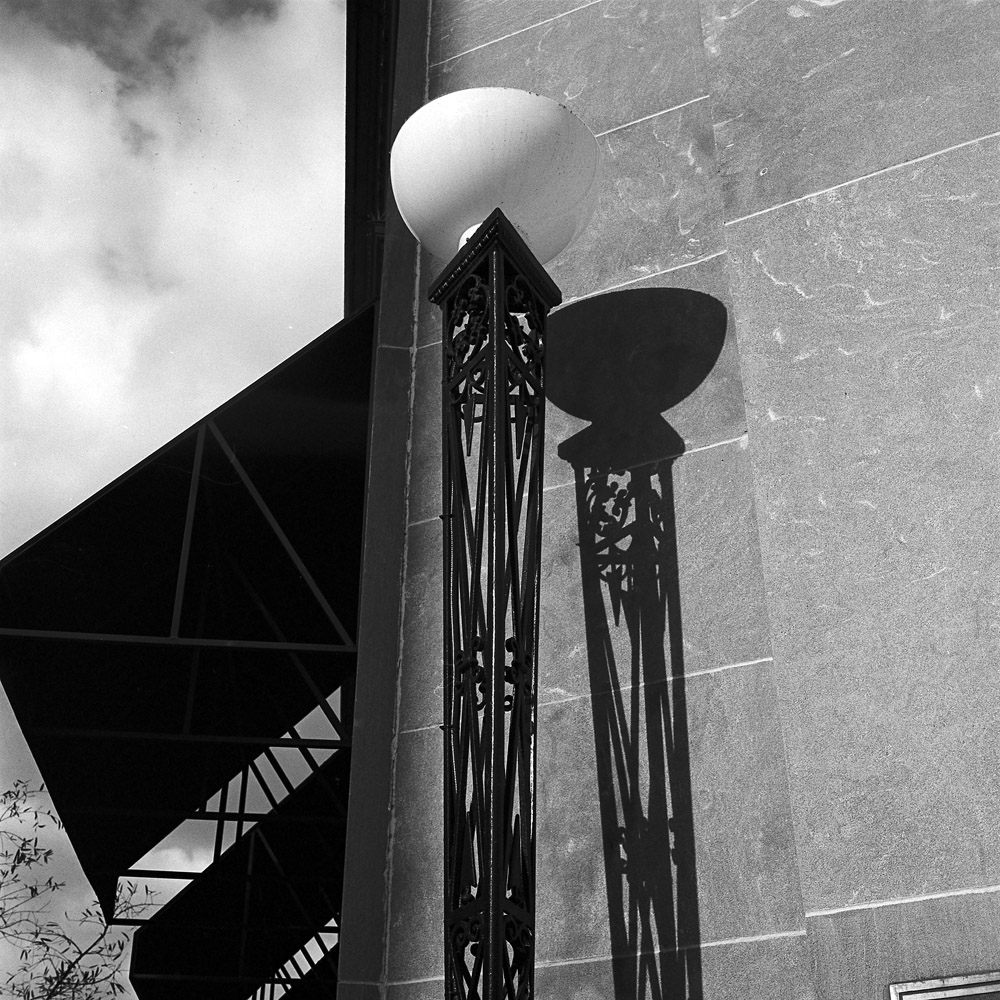
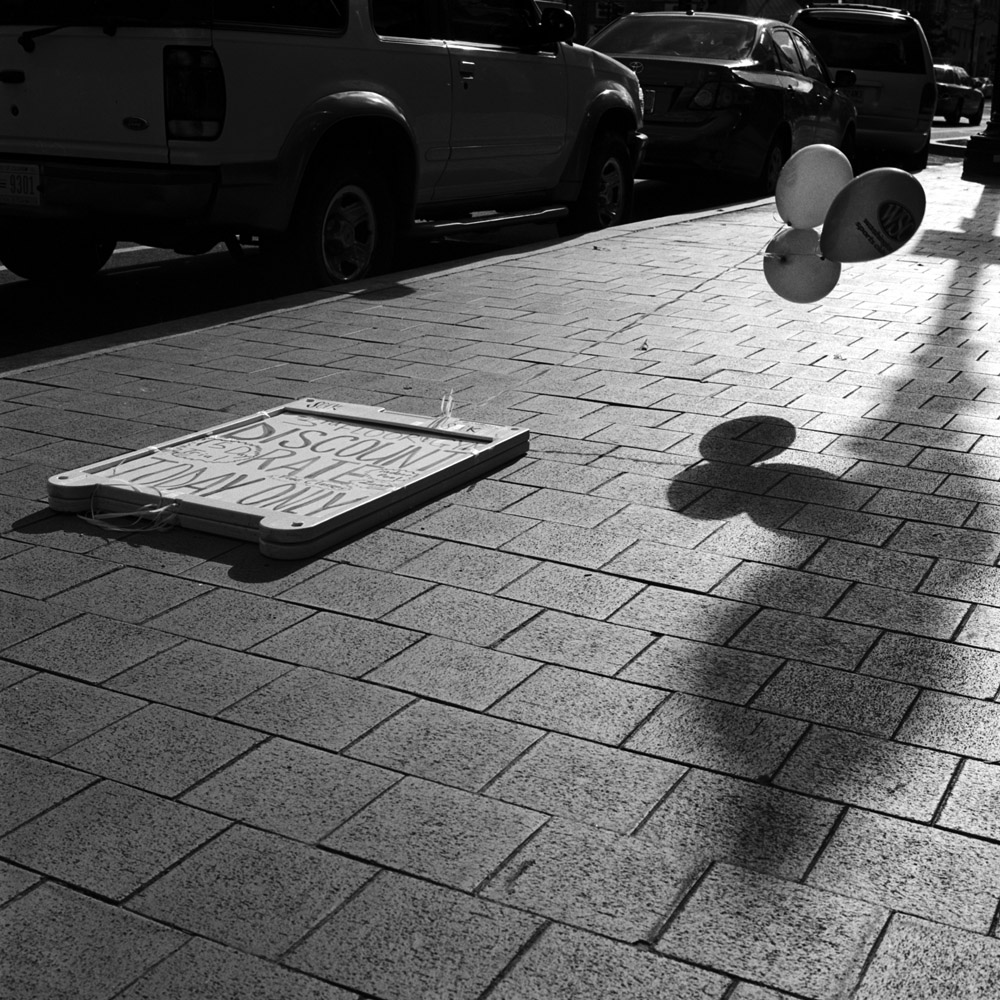
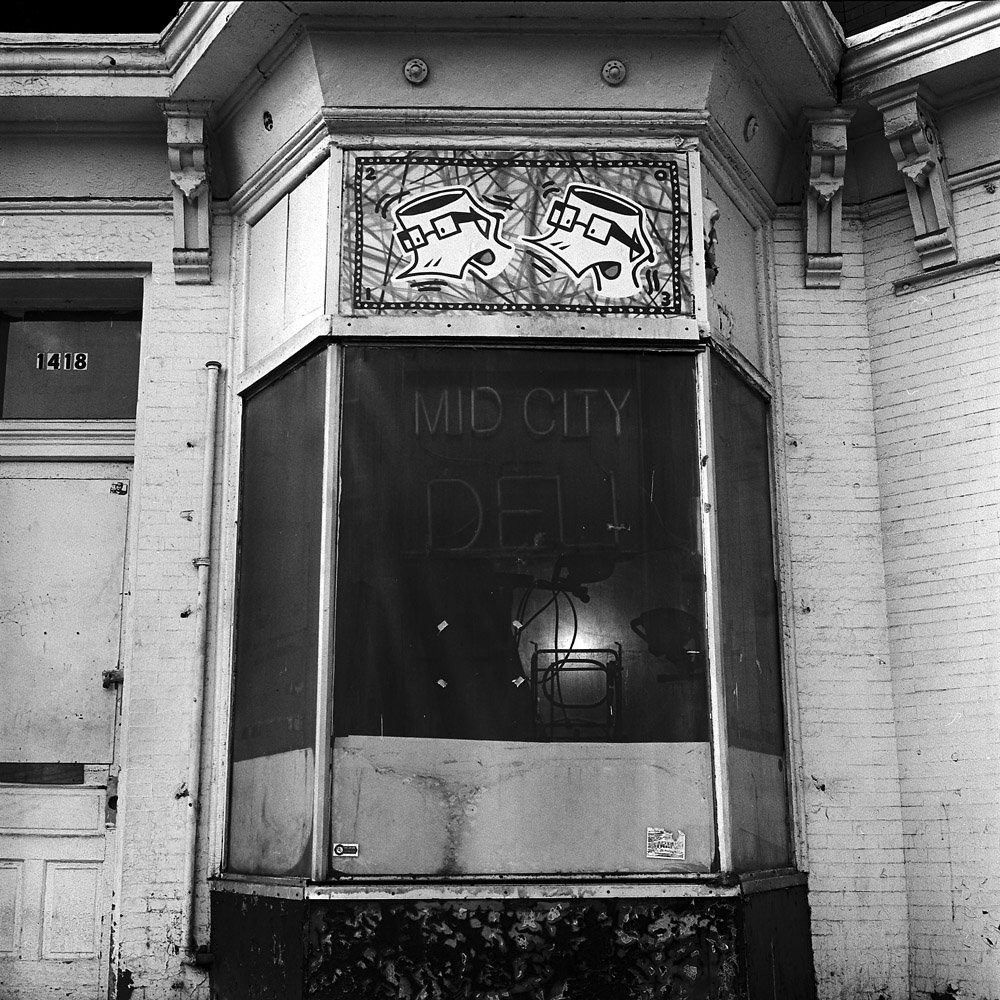
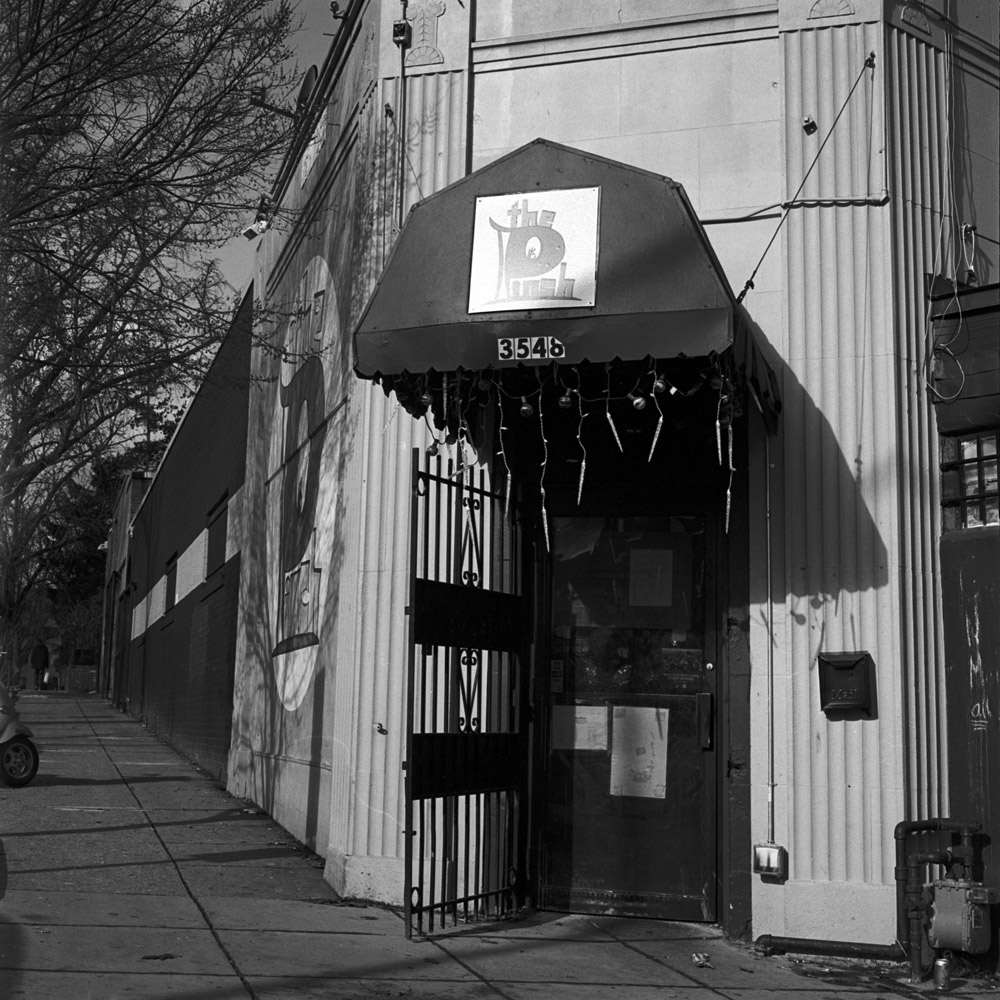
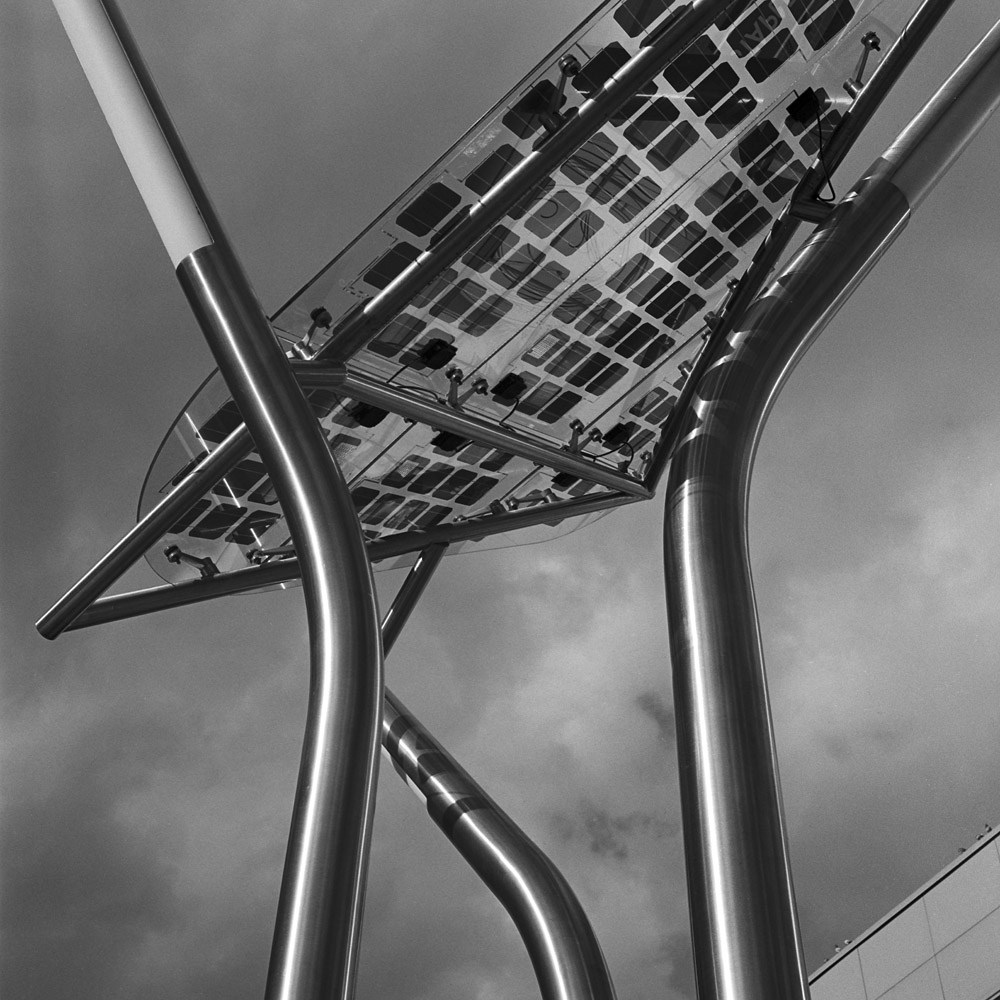
I’m not feeling particularly motivated to crank out my usual essay on the images I post, so today’s post will be more of a no-words posting, other than to say all images come from a wander up and down 14th Street back in early December.
Lamppost, Riggs Bank, 14th StreetDiscount Rate, One Day OnlyMid City DeliThe PinchSolar Powered Streetlight
I’ve probably talked about this before – I have a genealogical as well as spiritual connection to the National Portrait Gallery. An ancestor of mine, Senator John Ruggles of Maine was a big fan of all things patent related. During his tenure as a senator (1830-36), he realized that the US Patent Office was in horrible disarray. They were housed in an old building in poor condition, and as such it was a terrible disservice to patent seekers, patent holders, and the nation as a whole – if it was hard to get or defend a patent, innovators would leave the country and take their industries elsewhere. As a result, he managed to wrestle a patent office reform and the allocation of funds to build a new, fireproof, patent office building out of congress. The building now occupied by the National Portrait Gallery and the American Art Museum is that building. During the civil war, it functioned as a barracks and a hospital, and in 1865 it housed Abraham Lincoln’s second inaugural ball.
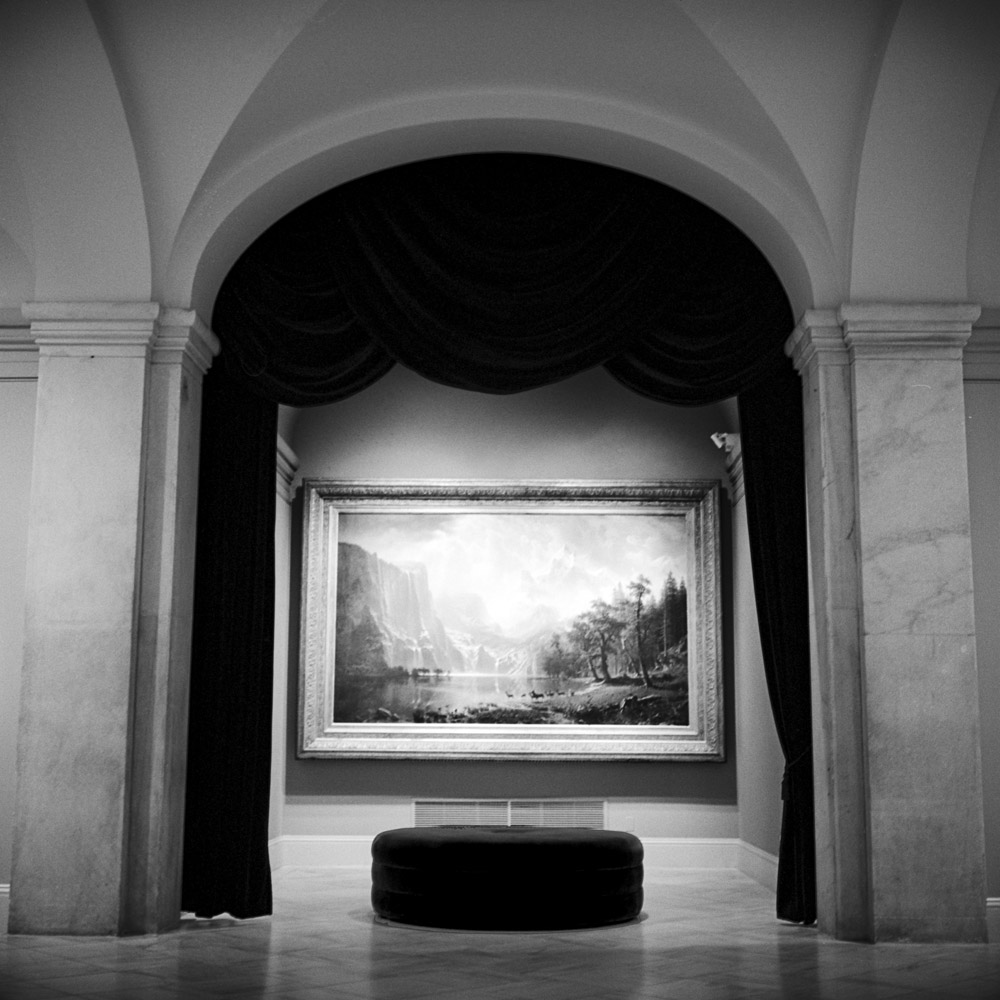
The building was built not only as a warehouse and government office, but from the first it was open to the public as an exhibition space to come see the patent models submitted with patent applications. As such, it makes for a fantastic museum, complete with dramatic display spaces to showcase some sometimes rather large pieces of art. This niche is a perfect example – all it took was some velvet curtains and matching settee.
Theatrical Painting, American Art Museum
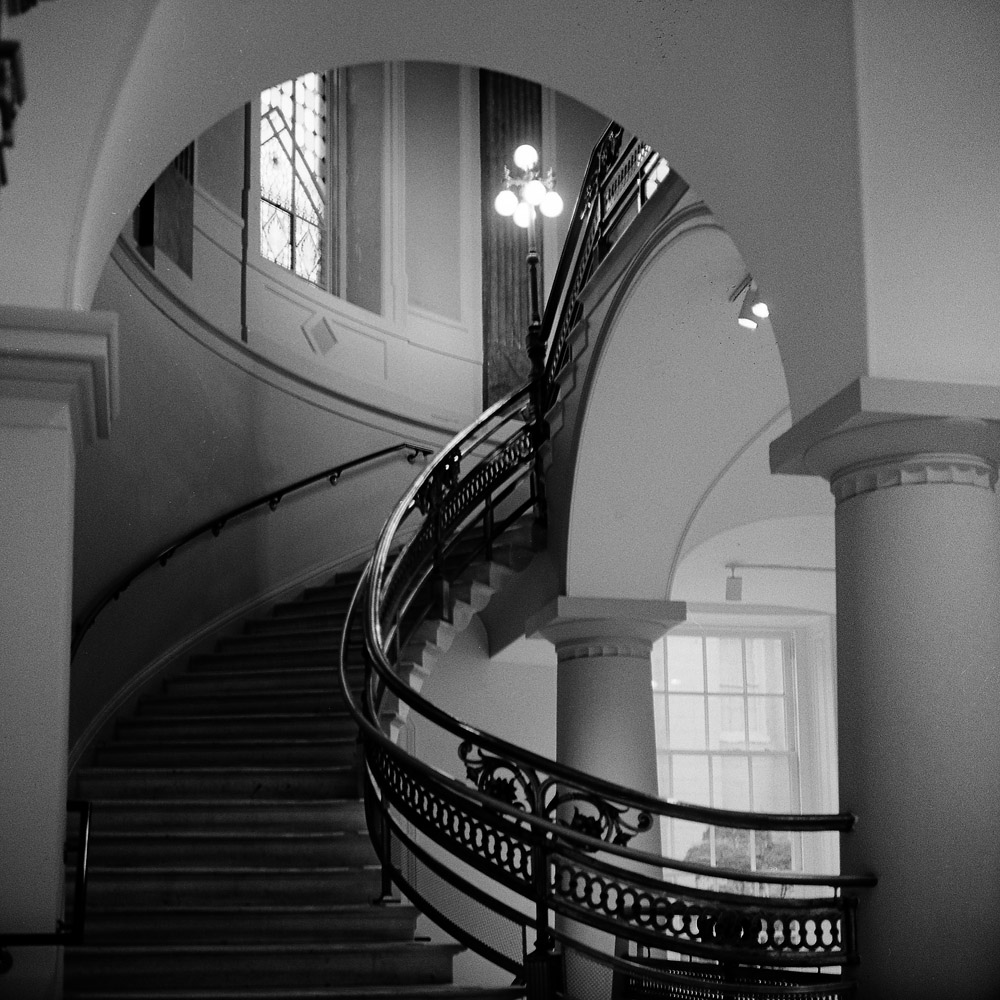
It has several of the most exquisite and dramatic staircases in the city, in my opinion. The following photos are of the main stairs that run from the F Street entrance up to the grand gallery on the third and fourth floors. There is another staircase that I can’t do justice to with the Rollei because it requires a wide-angle lens to show the sweep of the bannister and the giant mural of General Grant and his generals that spans the curved wall behind the stairs.
Staircase, National Portrait Gallery
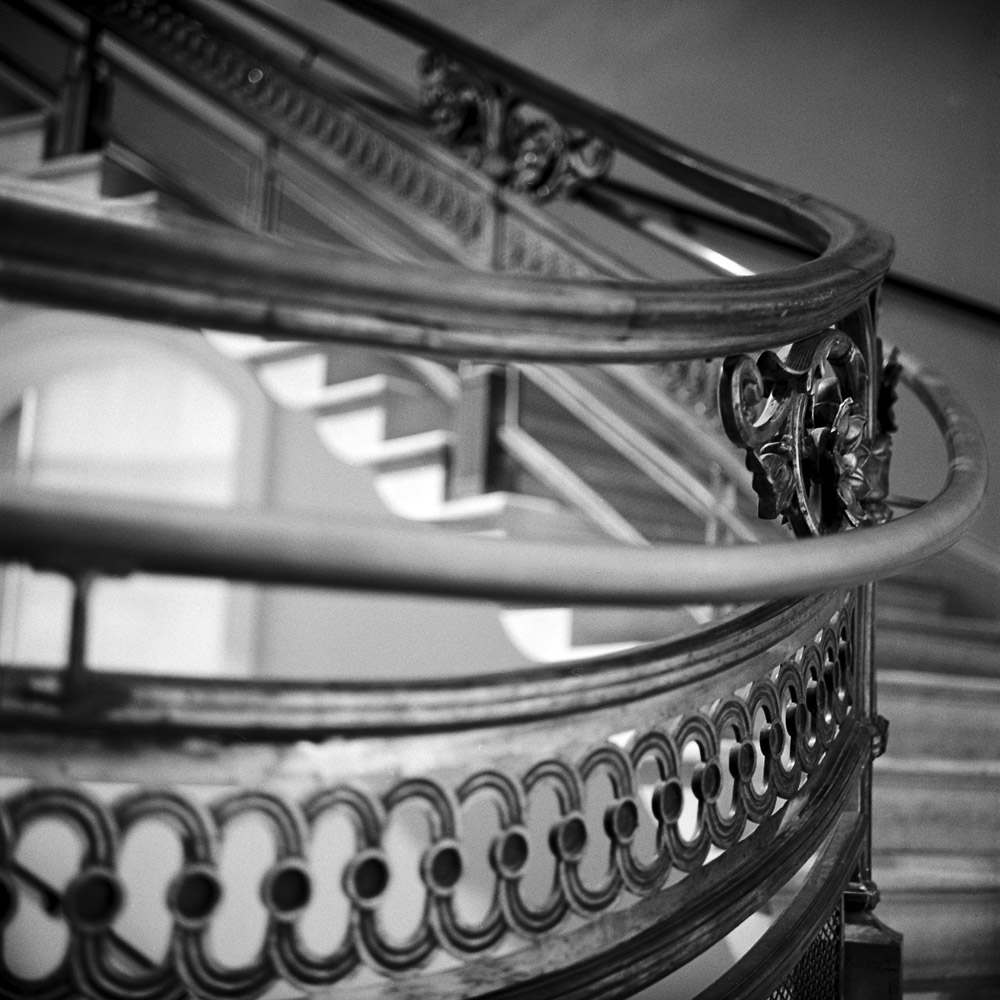
The brass and wood balustrade sweeps around in dramatic fashion. Wouldn’t you love to have a staircase like this in your house?
Rail, Staircase, National Portrait Gallery
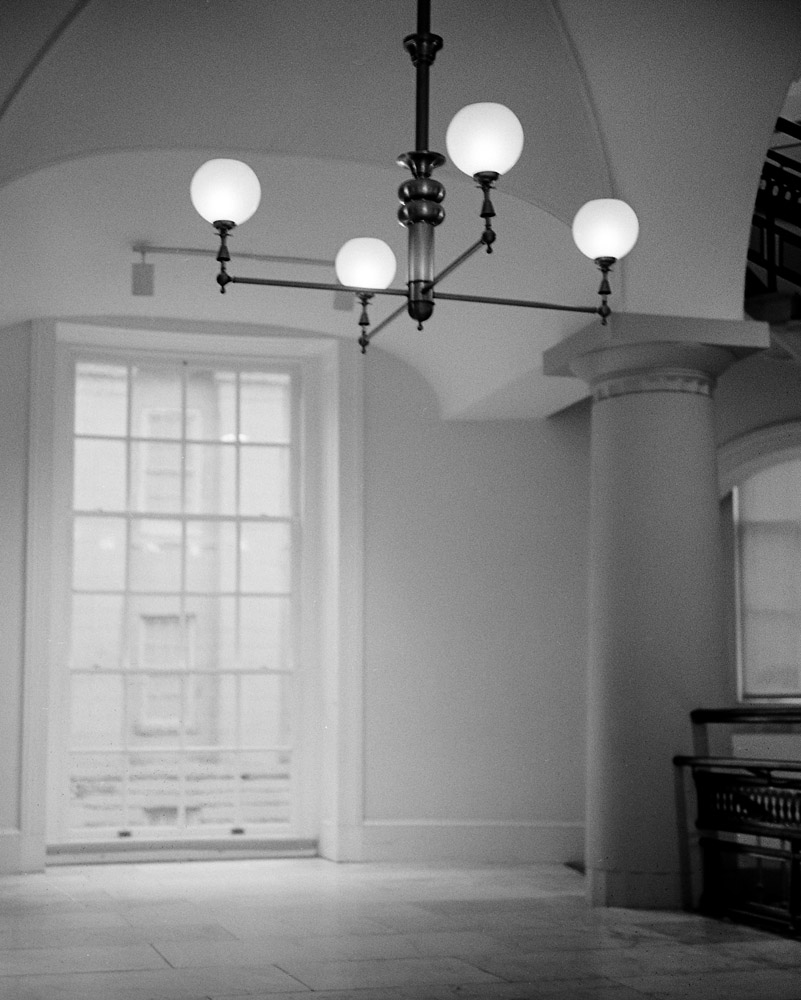
This chandelier is on the second floor landing. The window behind looks out into the courtyard of the dual museums. A few years ago, the courtyard was roofed over with a roof designed by Norman Foster. I was initially opposed to the concept of roofing the courtyard, removing the garden and paving the space with dark gray pavers. However, with time, I’ve come to love the space. They did keep some greenery, and made the space useable 365 days a year.
The chandelier is vintage mid-19th century gas adapted to electricity. It’s always a challenge to balance updating and modernization with historical preservation. I think they did an overall outstanding job with this building, and I’m thrilled to see it maintaining relevance and utility into the 21st century.
I got a new lens yesterday – a Zenit Helios 85mm f1.5 in Canon EOS mount. The Helios is a Russian made lens. It’s a strange anachronism – solid brass barrel, pre-set aperture (which is the weirdest thing I’ve ever dealt with), but multi-coated glass. If you’ve never used a lens with a pre-set aperture, here’s how it works – you set the aperture you want to use. The lens remains open to its widest aperture for focusing. When you are ready to expose, you turn the stop-down ring to close the aperture, then take the picture. I have yet to decide if this is worth the trouble.
If it’s such a pain to use, you ask, then why did I ever buy such a beast? For several reasons. One, it was only slightly more expensive than the Canon 85mm f1.8 lens, and dramatically cheaper than the Canon 85mm f1.2 L lens. I got the extra half-stop of speed for about $50 more. Second, the lens is famous (infamous depending on who you ask) for producing a “swirly” background when shot at large apertures. I wanted something that would give a Petzval-esque look but would be more modern in function. As to more modern in function, well, read my comments above. It does have an internal aperture at least, and doesn’t require waterhouse stops, but other than that, it’s not exactly modern in function. 1950s-era Soviet technology at its finest.
But how do its images look? That’s the most important thing. Well, here are some examples I shot last night.
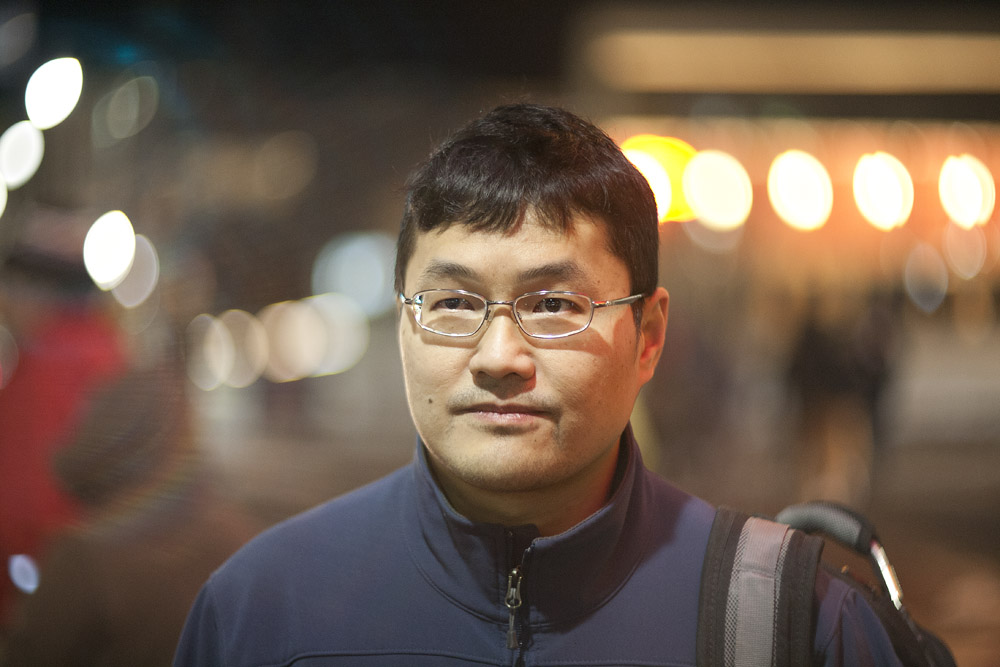
This is my friend Thi – we went to see a movie, and I dragged along the lens and camera to take some test photos outside the theater. Thi is always a bit of a sourpuss, and not terribly fond of being photographed, so you’ll pardon his expression. I’m quite impressed with the lens’ rendering of color and contrast, and the overall sharpness even wide open.
Thi, at the Majestic Theater
But where’s the “swirl”? Wait for it, it’s coming.
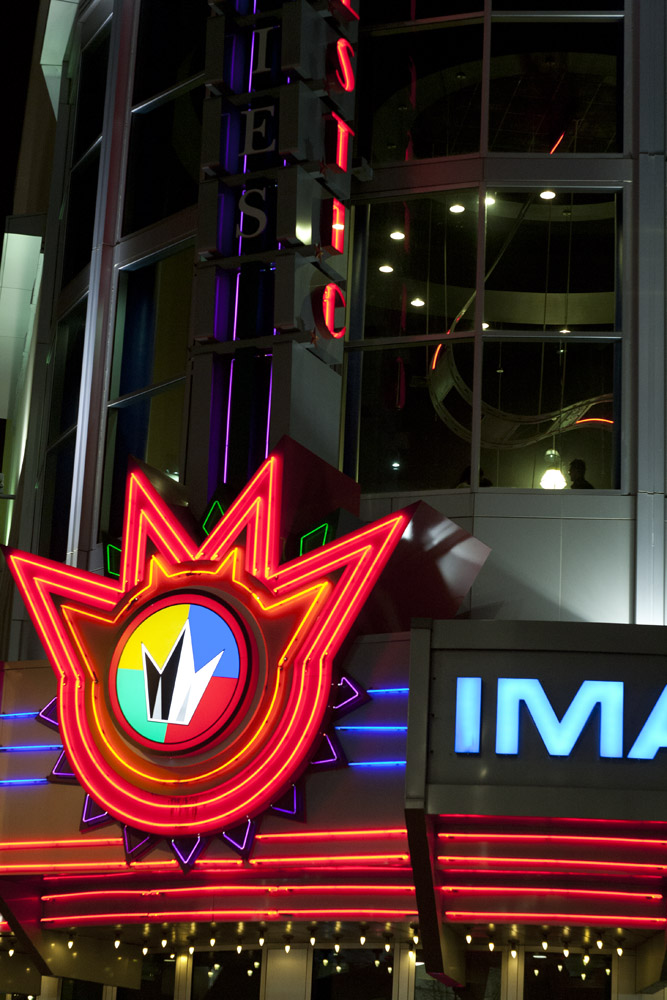
Here’s the neon marquee outside the theater. Again, terrific rendering of the marquee’s intense colors.
Majestic Marquee
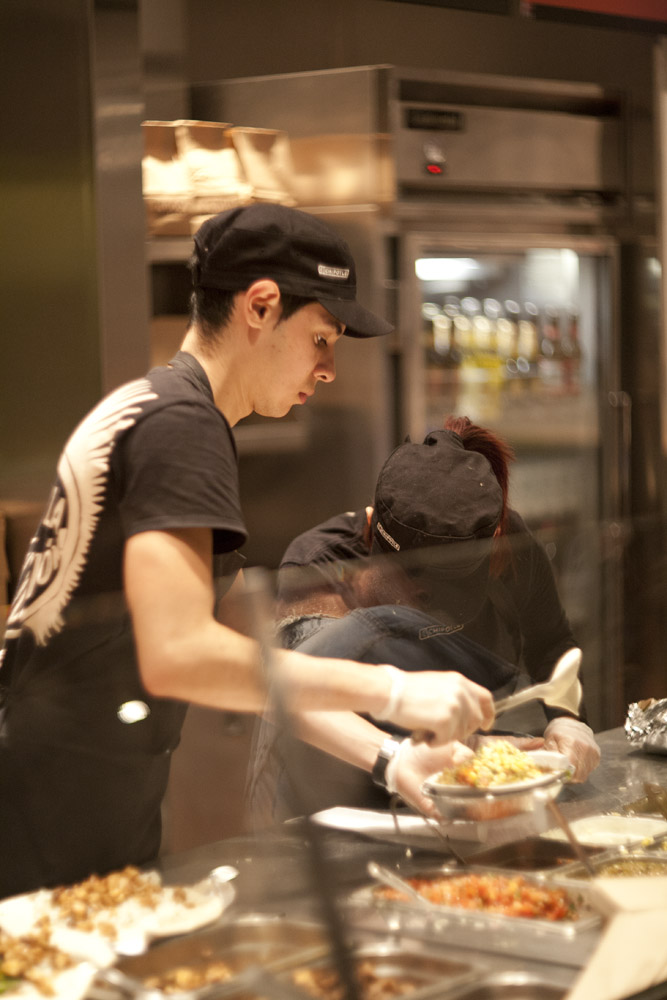
It is possible to use this lens for candid shots. I snagged this photo of the boy at Chipotle building burritos, but I didn’t have to play around with pre-setting the aperture because I was shooting wide-open anyway.
Making Burritos at Chipotle
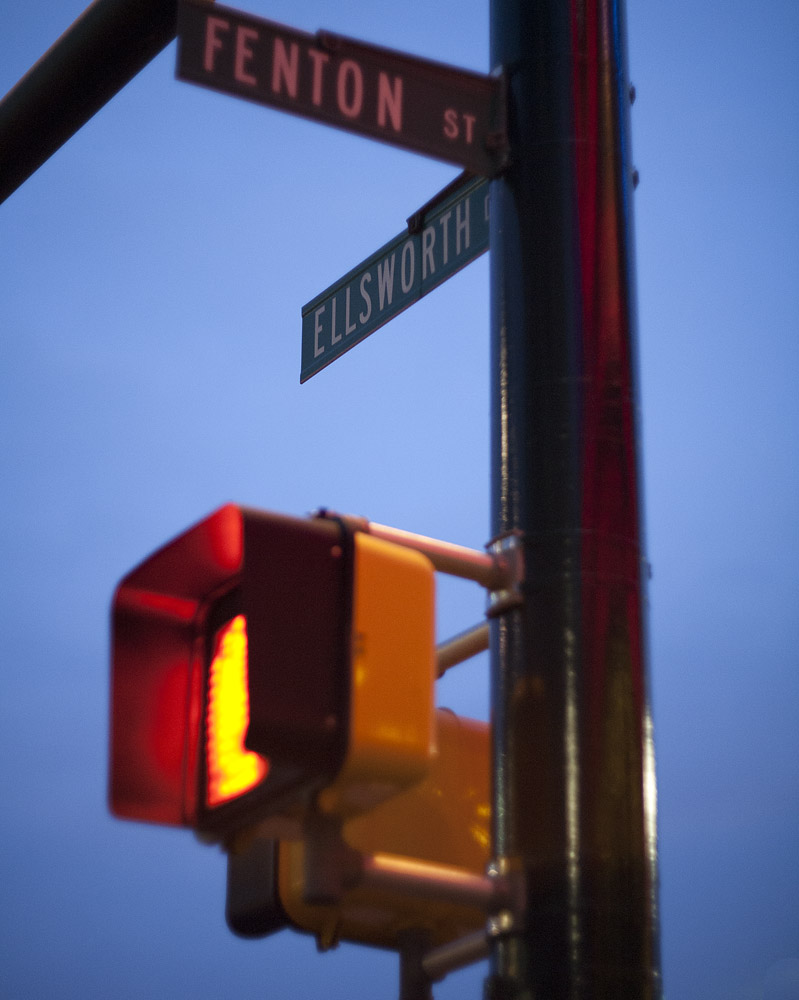
If it wasn’t already obvious, you can see the razor-thin depth of field at f1.5 in this shot.
Street Sign
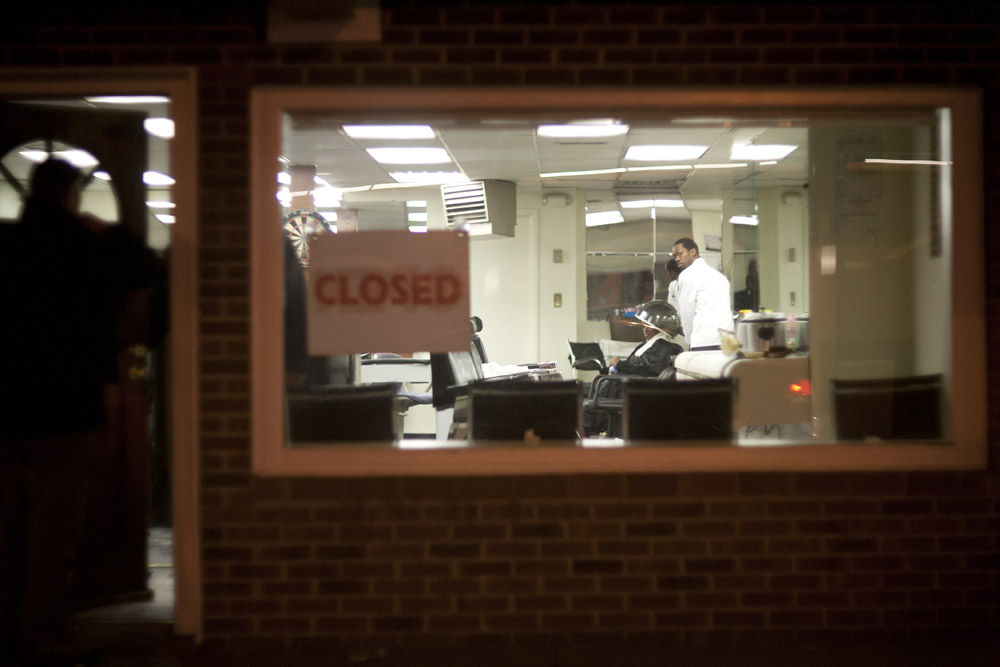
I think the shallow depth of field in this shot works very well – this was observed through the window of my car while I sat at a red light. The barbershop has closed for the evening, and the barber is finishing up a last customer, when a friend pokes his head in to chat.
Barbershop, Closing
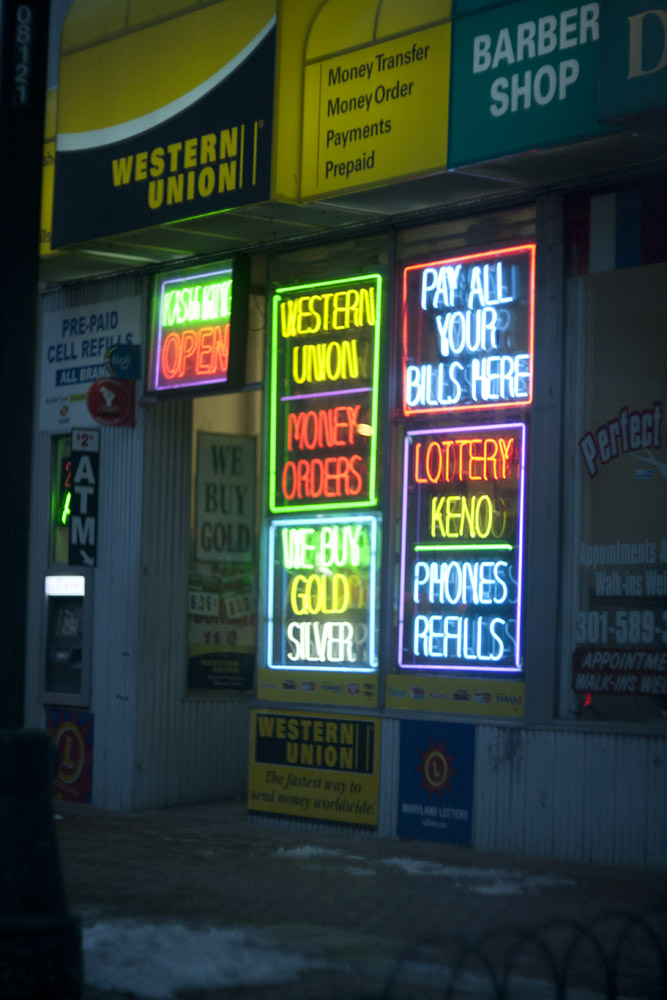
Another color test, also observed through the window of my car while waiting at a stop light.
We Buy Gold
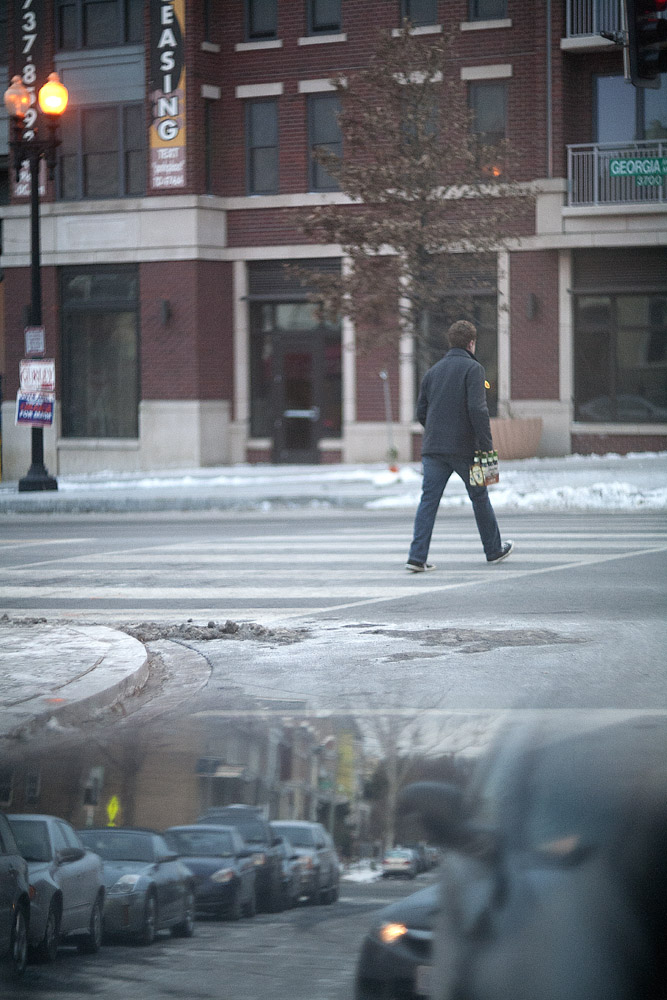
Here I was playing around with selective focus and action. The weirdness at the bottom of the frame is the rear-view mirror of my car. The mirror frame itself is so out of focus it visually disappears, but what is reflected in it at the same distance away as the primary subject is also equally in focus – it’s a strange quality of focusing using mirrors.
Rear View
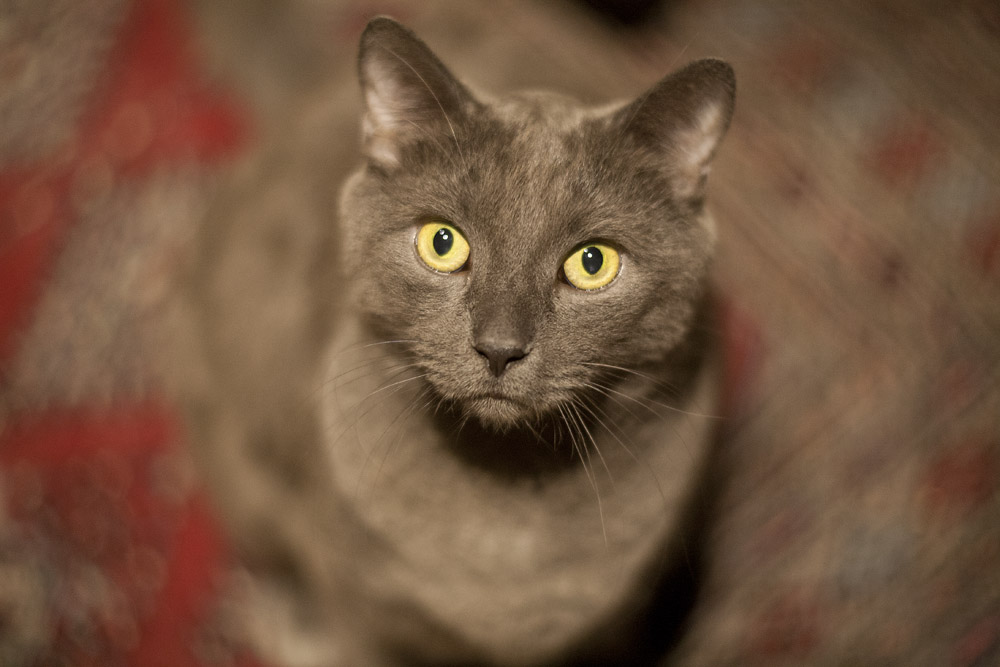
And finally, we get to the swirl. Here’s my cat, Chub-Chub, on the carpet in the hall. The trick, I found to getting the swirl, is to have the subject close to the background, but the background is out-of-focus due to depth of field. Put too much distance between the subject and the background, and the swirl goes away and you just get really creamy smooth out-of-focus rendition, like what you see in the portrait of Thi.
 dcphotoartist