Category Archives: Photography

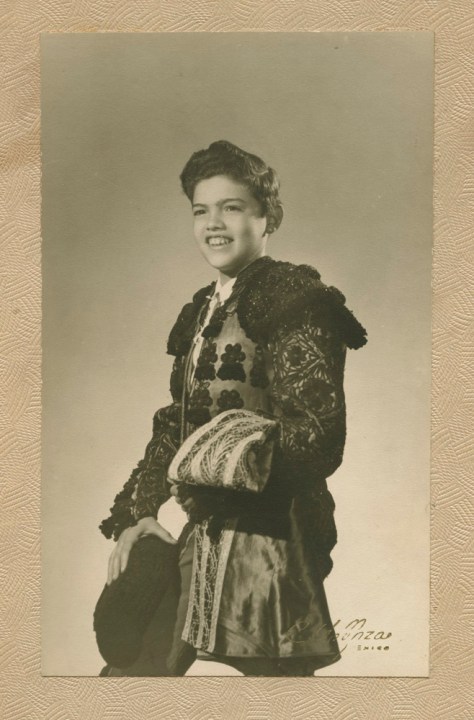
Boy in Toreador Suit, Mexico City, August 20, 1949

Boy in Toreador Suit, Mexico City, 1949
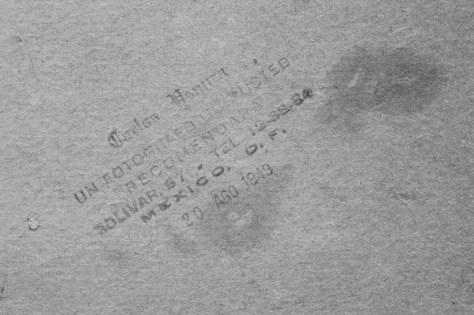
Photographer's imprint, verso, Boy in Toreador Suit
Photographer’s imprint, verso, Boy in Toreador Suit

Here’s a cute photo of a teenage boy in a toreador suit, taken in Mexico City, August 20, 1949. The photographer’s stamp on the back of the print specifies the exact date, which is inordinately helpful. I just wish I could read his name, though – the script on the front AND the typeface used for his name on the back makes it impossible for me to decipher the exact spelling of his last name. Translation of the stamp:

Carlos **unza
A Photographer Whom You Can Recommend
Bolivar 57, Tel: 12.38.84
Mexico, D.F.
20 August 1949

I don’t know that this boy would actually have been a toreador – he could well have been playing dress-up for the camera. But I’ll give him the benefit of the doubt and say he’s legit. Google Mapping the studio address, in all likelihood this was a very posh studio in the center of Mexico City, not far from the historic district (I found THREE addresses with the same street number around the city, but the street views of the other two showed nothing that looked like commercial enterprise ever happening there). If anyone out there in cyberland knows who this photographer was, I’d greatly appreciate letting me know the exact spelling of his name and any biographical data about him. Ditto for the identity of the subject – if he was in fact a toreador, someone out there somewhere knows who he is.

I cropped out some of the card the image is mounted on because it would be wasting space on the screen to show nothing of value, and left enough to show the texture and pattern of the card decoration. It’s truly a vintage piece of the period. The stamp I converted to black and white so I could tweak the contrast in Photoshop and make it easier to read.

Footnote:

Aah- the wonders of google. I was trying to figure out the photographers name, and did some google searching, and came up with Carlos Ysunza as a name. Additionally, there is a currently practicing commercial photographer in Mexico City by that same name. I’ll email him and find out if he is the son of the Carlos who took this photo.
A litte research…

I was inspired to do a bit more digging into a photographer whose images I’ve shown here before, Kets Kemethy. He was a Hungarian photographer who settled in Washington DC and operated a studio here. The inspiration came from a book I bought myself for Christmas entitled “Envisioning Emancipation: Black Americans and the End of Slavery“. The book talks about African-Americans and their presence in photography from the antebellum period through to the 20th century. The book constructs a theory of race, social systems and politics to explain the narrative that frames and constructs the images in the book, but it does so in a reasoned, supportable manner that does not leave non-academic readers grasping for dictionaries and water-pitchers just to finish a page.

I have a Kets Kemethy photo of an African-American young man that I’d like to try and date more precisely, so I wanted to do some digging into the studio’s history and see if there was anything published about him. I have found another African-American subject by him, so I was wondering if his practice specifically catered to well-to-do African-Americans (although 2 for 2 is hardly a statistically meaningful or accurate sampling). I did find this article from the 1902 Washington Times: there was a bit of a scandal in the Kemethy studio where Mrs. Kemethy shot at either her husband and/or a female customer who may or may not have been his mistress.
Washington Times, October 29, 1902

I also found a listing for his studio in Boyd’s Directory of Businesses from 1903, which is contemporaneous with the 1902 newspaper article, and an entry in the Photographic Times from 1890. Another image that shows up for Mr. Kemethy is in the Bibliotheque Nationale in Paris, of Henry Wood Elliot, sent to the Bibliotheque in 1884, according to the letter on Smithsonian letterhead. So this gives me some placement in time – Mr. Kemethy was working around the turn of the 20th century, so based on the size and style my image is probably from the 1890s. In all likelihood then the young man in my photo would have been born free, but it would also have been highly likely that his parents were born into slavery.

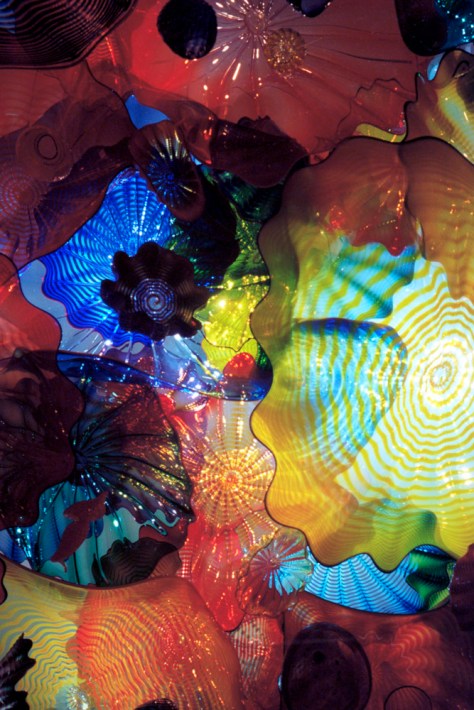
Chihuly Glass and Abstracts, Virginia Museum of Fine Art, Richmond

Abstract, Wall Reflections, Chihuly Exhibit, Richmond, VA
Ceiling, Chihuly Exhibit, Richmond, VA

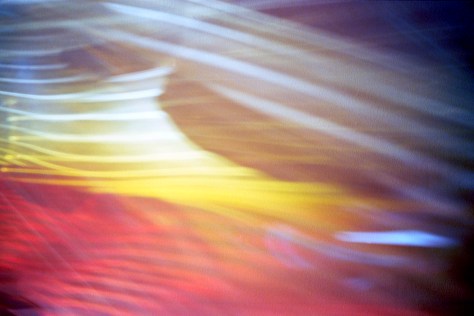
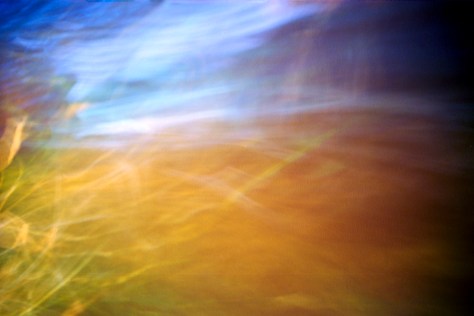
This was taken over the Thanksgiving weekend at my visit to Richmond, Virginia and the Dale Chihuly glass exhibit at the Virginia Museum of Fine Art. There was a passageway between rooms where the ceiling had been filled with all these marine-inspired glass forms and then lit from above. The glass forms (seen in the last image) then projected these really abstract color and light patterns on the walls. These were interesting enough that I tried to capture some of the effect of it.

Shot with my Contax G2, 21mm lens, and Kodak Ektar 100 film – hand-held.

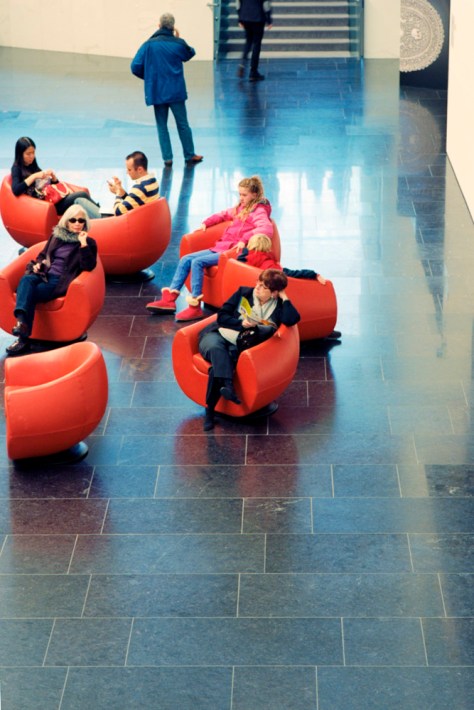
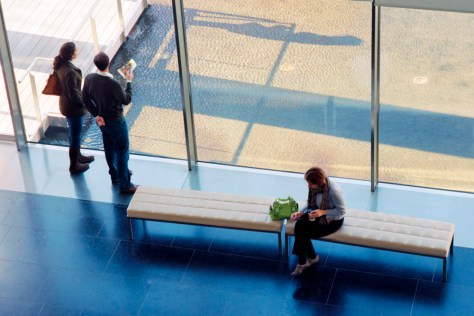
People-watching, Virginia Museum of Fine Art

Hall, lounge chairs, VMFA
Patrons, VMFA
Patrons, VMFA
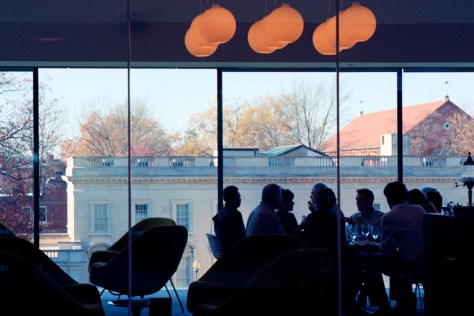
Formal Dining Room, VMFA
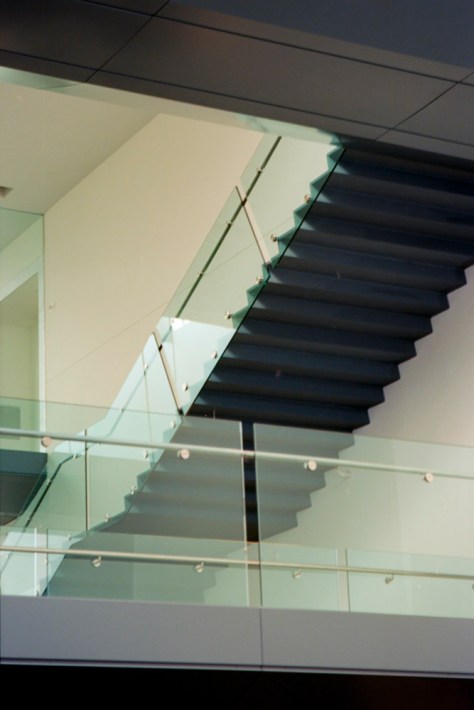
Staircase, VMFA
Staircase, VMFA
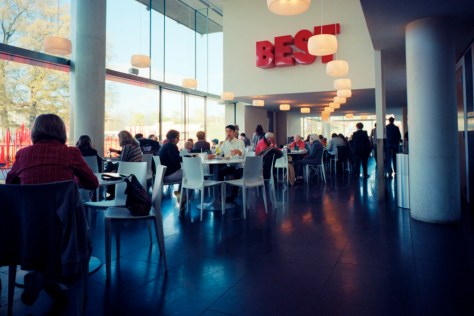
Café, VMFA
Café, VMFA

I realize there are no people in the staircase shot so it’s not technically people-watching, but it’s part of the same space, and in a way the absence of people can be about the interaction of people with a space in the same way that people in the frame can be. All photos were taken with my Contax G2 and the 90mm and 21mm lenses. Film used was Kodak Ektar 100.

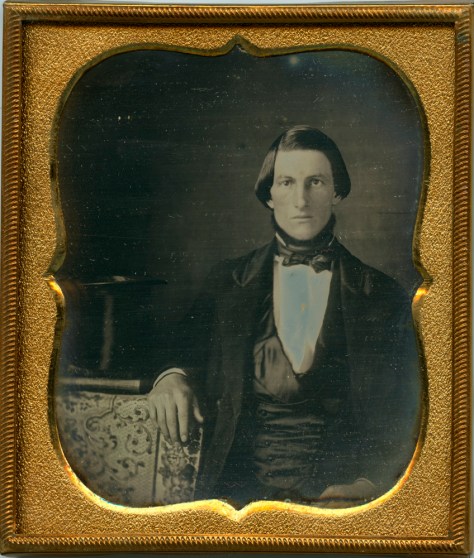
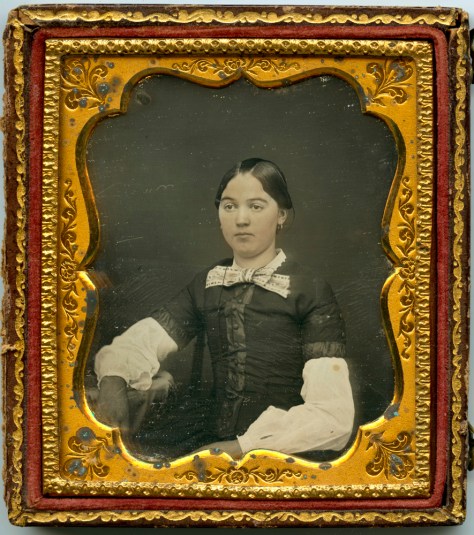
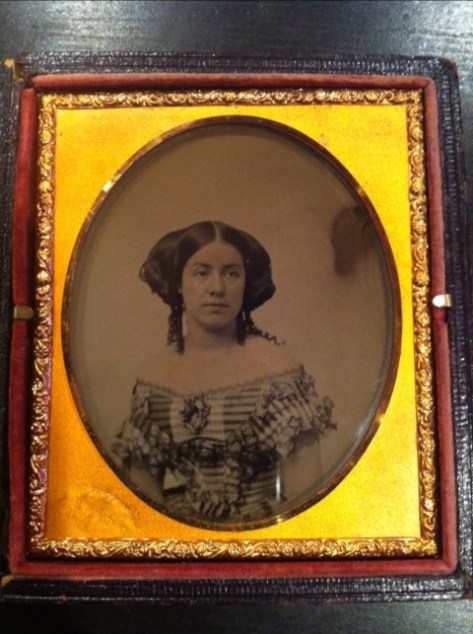
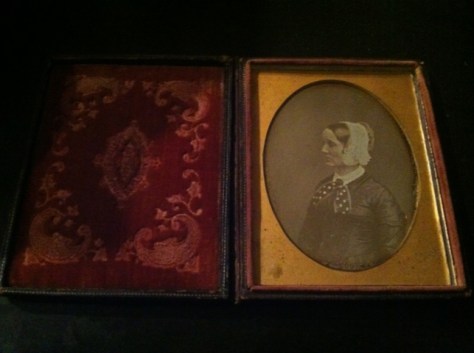
Cased Image Inventory

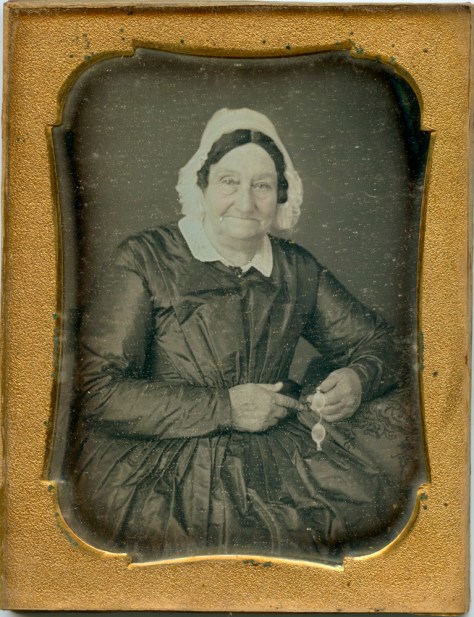
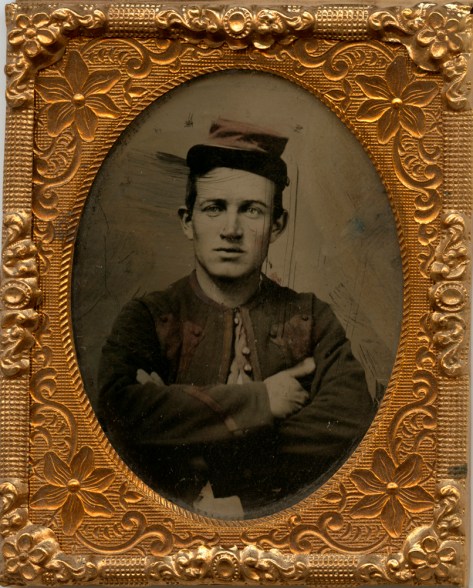
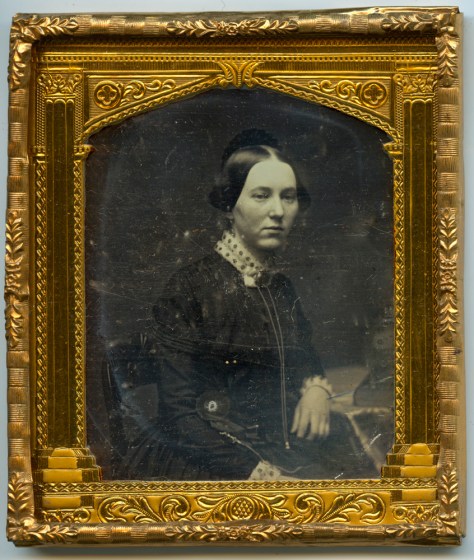
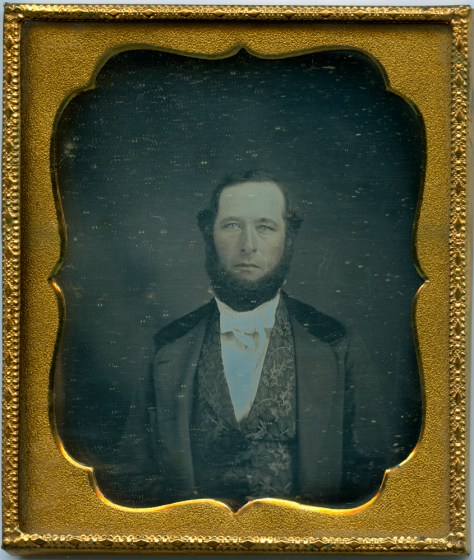
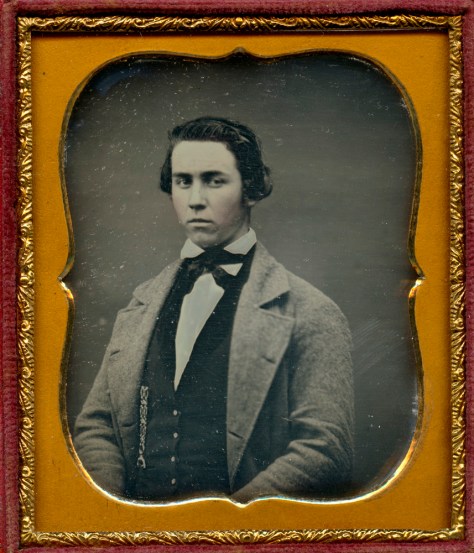
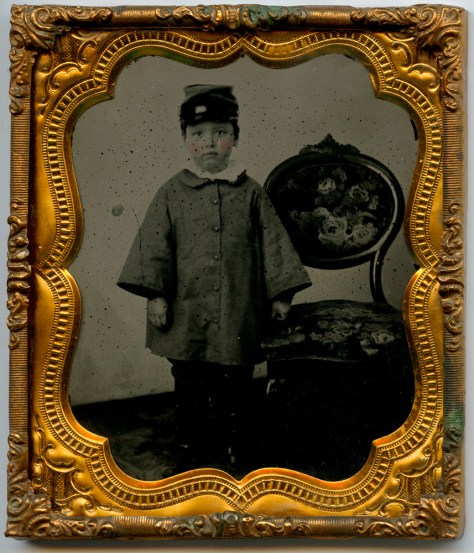
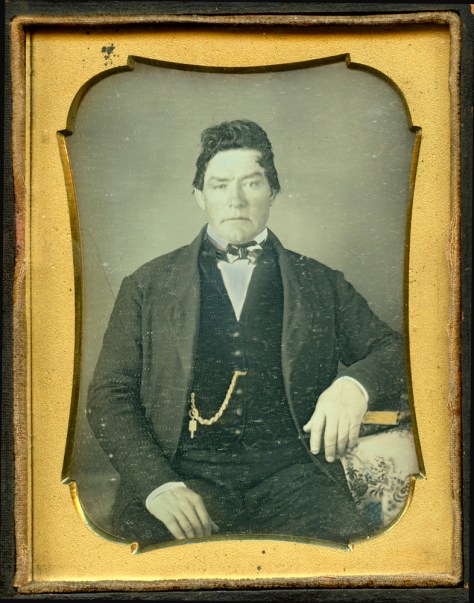
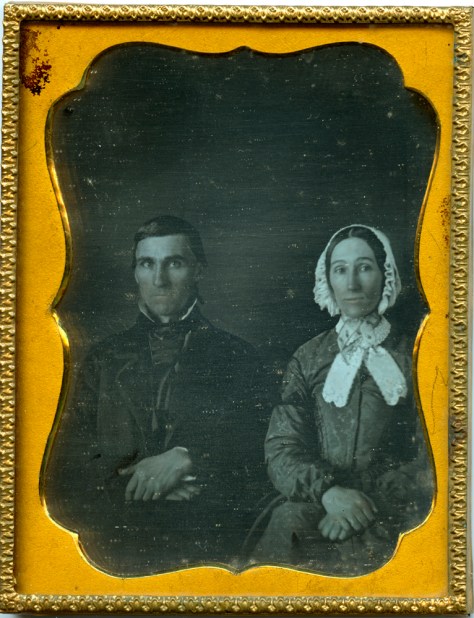
I was showing my latest daguerreotype to a friend the other day and she asked me how many do I have. I hadn’t really thought about it, so I sat down today and did an inventory. I came up with

Image Type gemtype 1/9th plate 1/6th plate 1/4 plate 1/2 plate
Daguerreotype 1 1 20 6 0
Tintype 1 2 5 0 1
Ambrotype 0 2 7 2 1
Albumen 0 0 0 0 1
Total 2 5 32 8 3

for a grand total of 50 cased images.

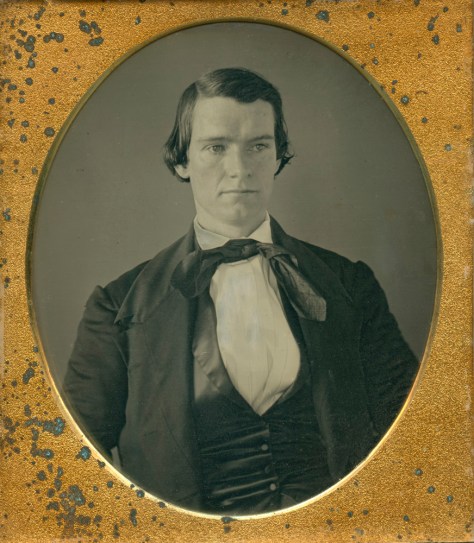
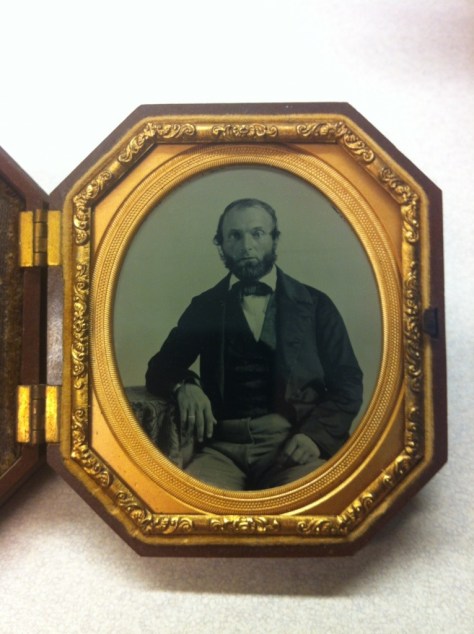
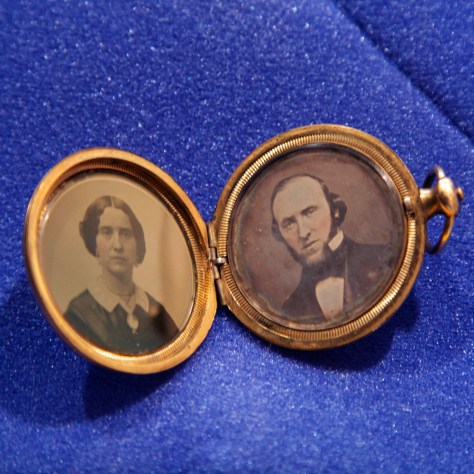
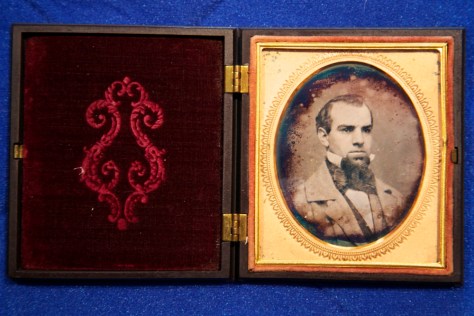
I’ll recap as many of them as I have good scans for here. One of these days I’ll get around to re-scanning/photographing the others, which I originally posted to Facebook but not at a consistent file size.

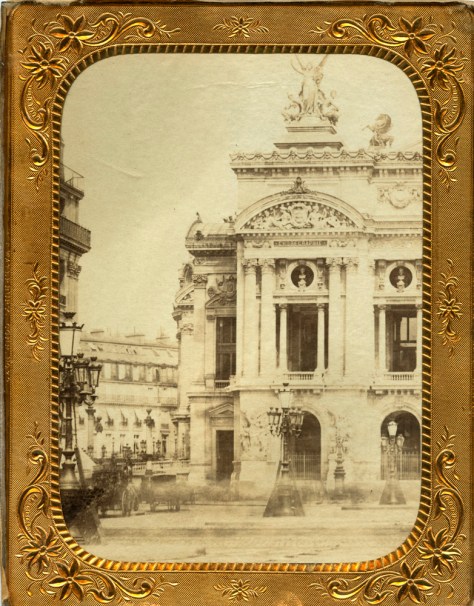
Paris Opera albumen print
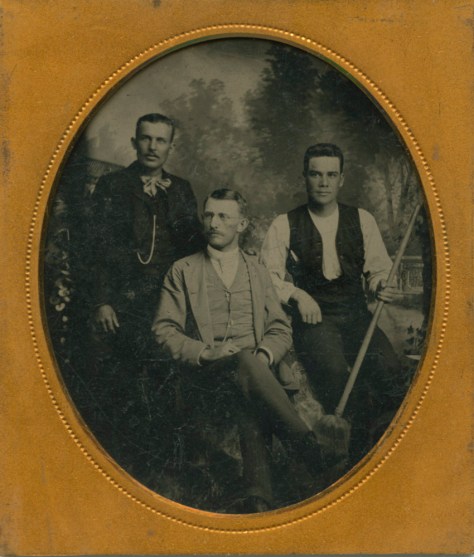
Shopkeepers
Shopkeepers
Anonymous Daguerreotype, ca. 1840-1845

20121106-091350.jpg

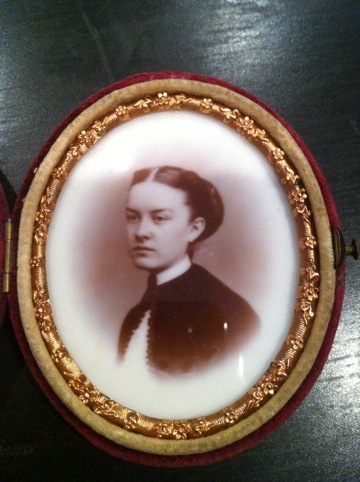
Daughter and Father, daguerrian locket
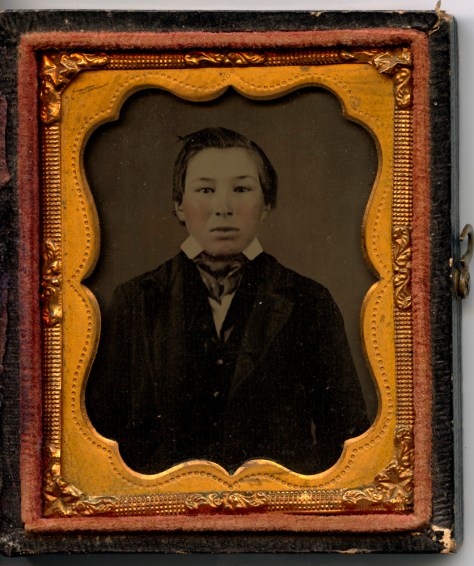
Anonymous young gentleman with goatee
Lady with glasses, Daguerreotype, quarter plate, anonymous

DavisAncestor1862Zouave76PA

Mrs. A.A. Hill, Daguerreotype
Anonymous Gentleman in Fancy Vest
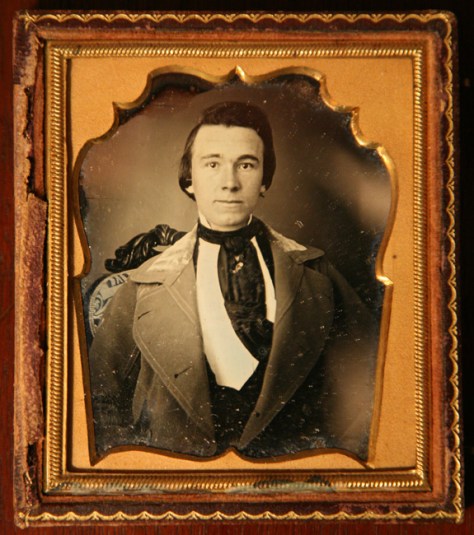
Gentleman With Top Hat, dated October 15, 1849
Anonymous Daguerreotype, Young Girl, Hand-colored, in Half Case

20120215-205403.jpg

20120215-205342.jpg

Daguerreotype, Anonymous Young Man, 1/6th Plate
Fred Jones, 1861, framed black glass Ambrotype
Anonymous Daguerreotype, Quarter-Plate, in half case
Anonymous, Daguerreotype, Couple, Charlottesville, VA
Ambrotype, Penobscot Boy, 1857
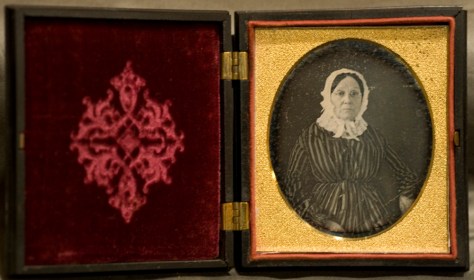
Sixth Plate Daguerreotype in Union case, anonymous lady in bonnet

20110822-065720.jpg

Quarter-plate Daguerreotype, Gentleman in book-form case
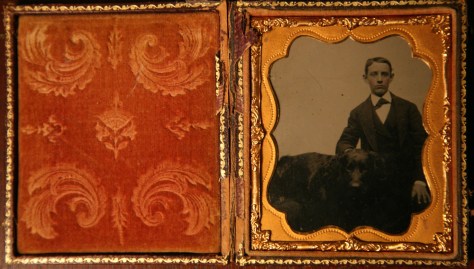
Tintype, boy and his dog.
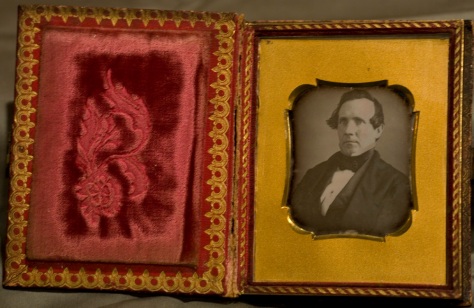
Anonymous Gentleman. Daguerreotype, Half case.

Men Climbing

Three Men
Three Men

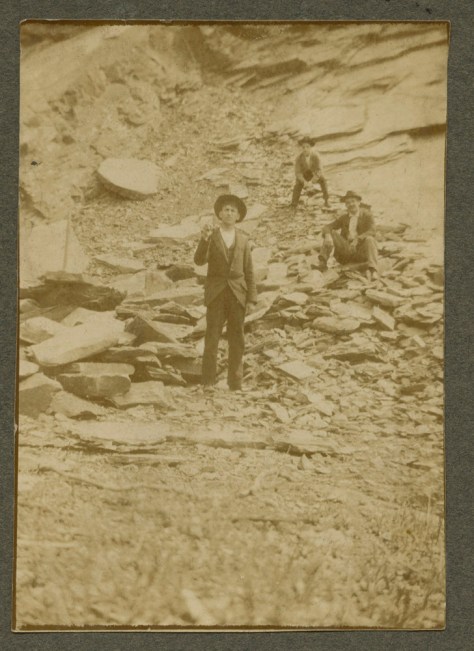
Albumen print, three men on a rockfall, mounted on brown card stock. This was another rescue from the $1 bin at a local antique store. I’m guessing it was taken somewhere around Washington DC as most of the photos in the dollar bin seemed to be local. Beyond that I have no idea where it was taken, when, or of who.

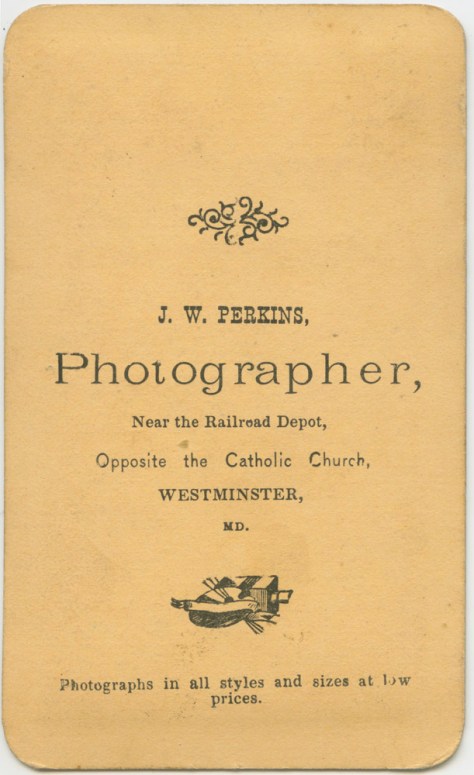
Another CDV verso

J.W. Perkins, Westminster

Gotta love the description of the location – “Near the Railroad Depot, Opposite the Catholic Church”. In a town as small as Westminster in the 1870s, that probably was a precise location. I bought this one for the back mark, not for the image (a somewhat faded baby). It was only $1, so I’m not going to complain much. I also like the combined palette and camera logo, implying artistry with a camera.

National Gallery of Art, Washington DC

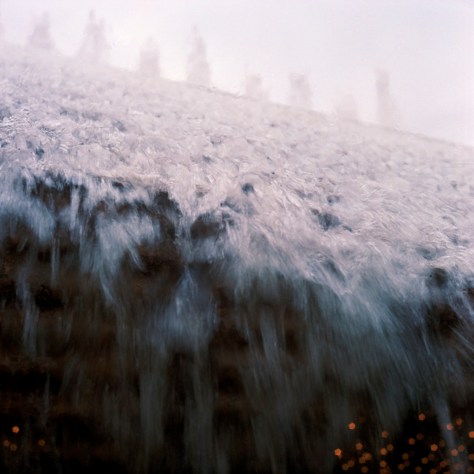
Fountain, National Gallery of Art

This fountain is visible from both above ground and below as it cascades down a series of steps, sliced through in cross-section. The East and West wings of the National Gallery of Art in Washington DC are connected via an underground passageway, and in the middle of this passageway is a large cafe and seating area. The wall of the passageway opposite the cafe is floor-to-ceiling glass, looking directly in to this fountain. The odd orange dots in the lower corners of the photo are reflections of the Christmas lights on miniature trees placed in front of the window. I deliberately used a moderately slow (1/30th of a second) shutter speed combined with a fairly wide aperture (f5.6 I think) to keep some blur in the water and render it abstract. Just off camera right in this photo is where the light sculpture I posted earlier is located.

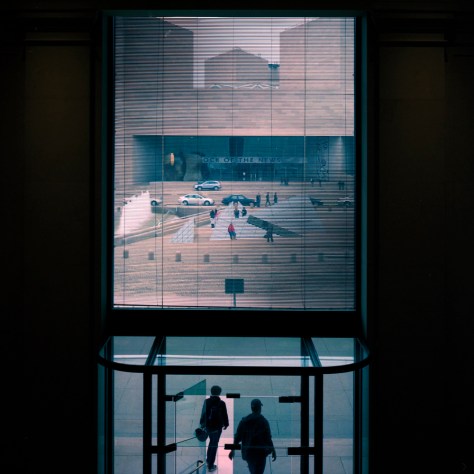
East Wing, National Gallery of Art, seen from the West Wing exit

Here is a view of the I.M. Pei designed East Wing of the National Gallery of Art, from the exit of the John Russell Pope designed West Wing. The strange colors are caused by the coatings on the glass to prevent UV transmission and keep the lobby cool in the summer. I waited for some people to go through the doors to add a touch of energy and human engagement to the image. You can see the above-ground portion of the fountain from this photo.
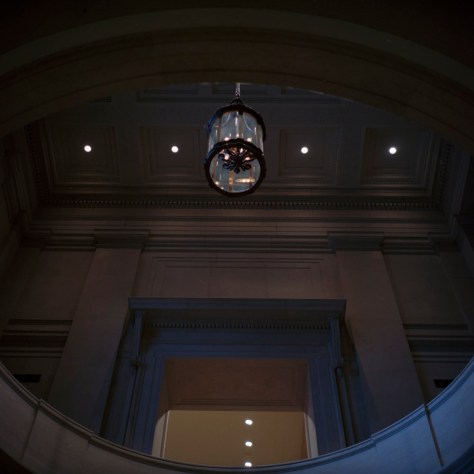
North Lobby, National Gallery of Art

This is the North entrance lobby of the West Wing of the National Gallery of Art. I’m standing at street level by the security guard’s desk, looking up through the oculus at the chandelier. This is another grand space that is under appreciated because most people never look UP when passing through to take in the building design.

All photos were taken with my Rolleiflex 2.8E, using Kodak Portra 800.

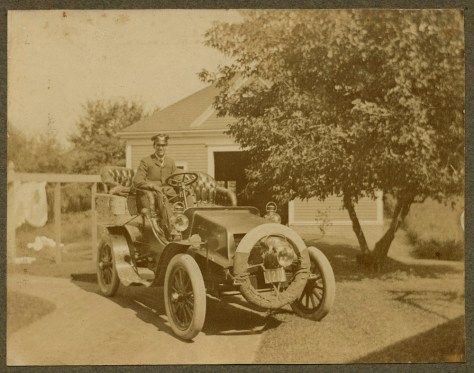
1903 Winton Touring Car

1903 WInton Tourer
1903 WInton Tourer

This appears to be a 1903 Winton touring car. In doing some image searching, I came across a photo of the 1903 Winton that was driven by Horatio Nelson Jackson that seems to be very similar, with the exception of this being a four seater and Jackson’s being a two-seater. Would that this were a photo of Jackson’s car before he set out on his famous cross-country drive. In 1903 it took him 64 days to cross the US, including numerous breakdowns and delays from having to winch the car out of mud holes and over rocky terrain. His trek proved it could be done. By 1919, when Dwight Eisenhower did it with a military convoy of heavy trucks, it had been reduced to 29 days (average speed less than 6mph, and including 6 days of rest with no travel attempted).

With the chauffeur in the front seat, I guess you could consider this an occupational photo. Regardless, an awesome piece of early automotive history. Note the license plate with the number 1211. Could you imagine driving from Washington DC to San Francisco, a distance of some 3000 miles, in a car like this?
Daguerreotype, Anonymous Young Man, ca. 1840-1845

This was a beautiful dag, in such nice condition and with such overall quality that it seemed a crying shame to pass it up, especially at the price it went for.

Anonymous Daguerreotype, ca. 1840-1845

I particularly love the use of soft light to model the face. This is what a good portrait is all about – an accurate yet absolutely flattering rendering of a subject. One of the reasons I collect images like this is to have a personal library of excellent images to use as reference material when shooting my own portraits. You can study an image like this for hours and never get bored of looking at it.