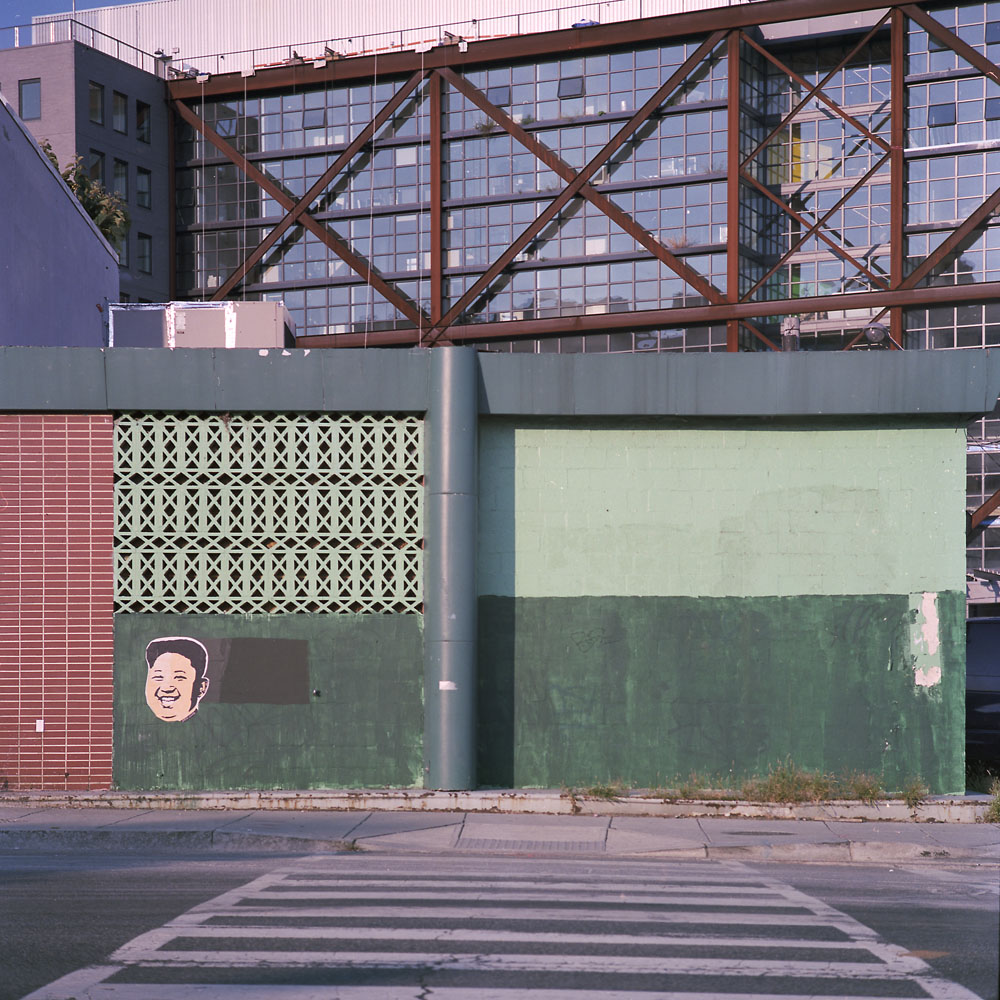
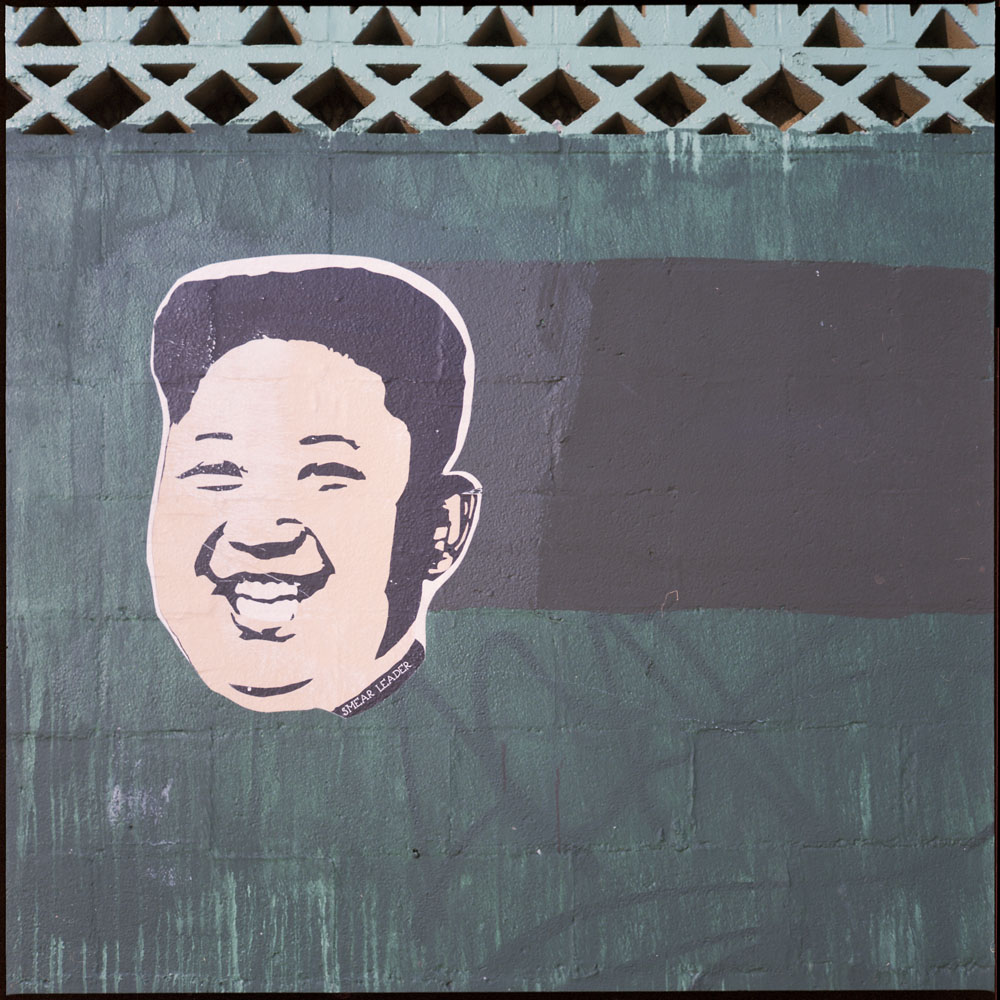
As seen in my neighborhood. Wheat-paste cutouts are becoming a new form of eco-friendly/sustainable/non-destructive graffiti. In this one, Kim Jong Un’s face has taken up residence on the wall of a building near the 9:30 Club.
Kim Jong Un Wall
Just because it’s gone hipster doesn’t mean graffiti has lost its edge for political and social commentary. Kim’s collar proclaims him “Smear Leader”.
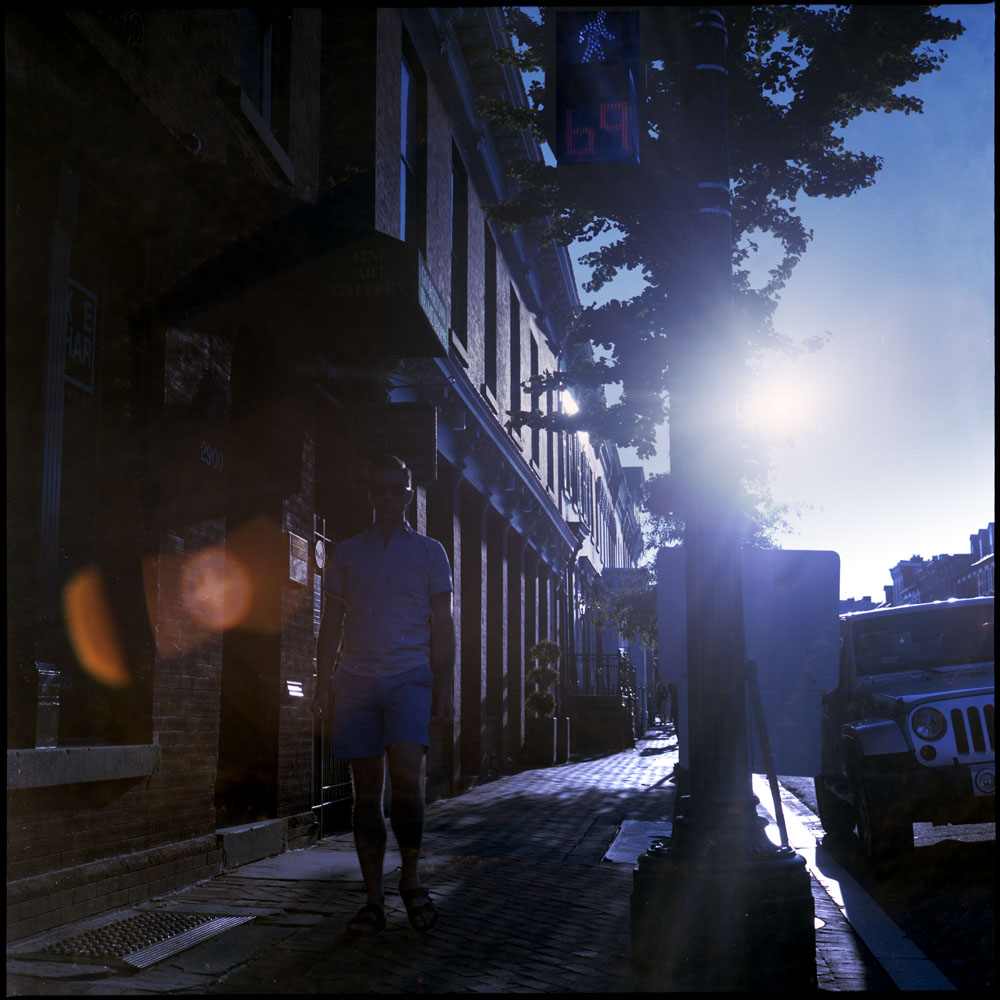
A sidewalk in Georgetown on M Street, with the waning sun going down and casting very long shadows on a late summer evening. I’ll leave it to you to figure out why the title is “69 Seconds”.
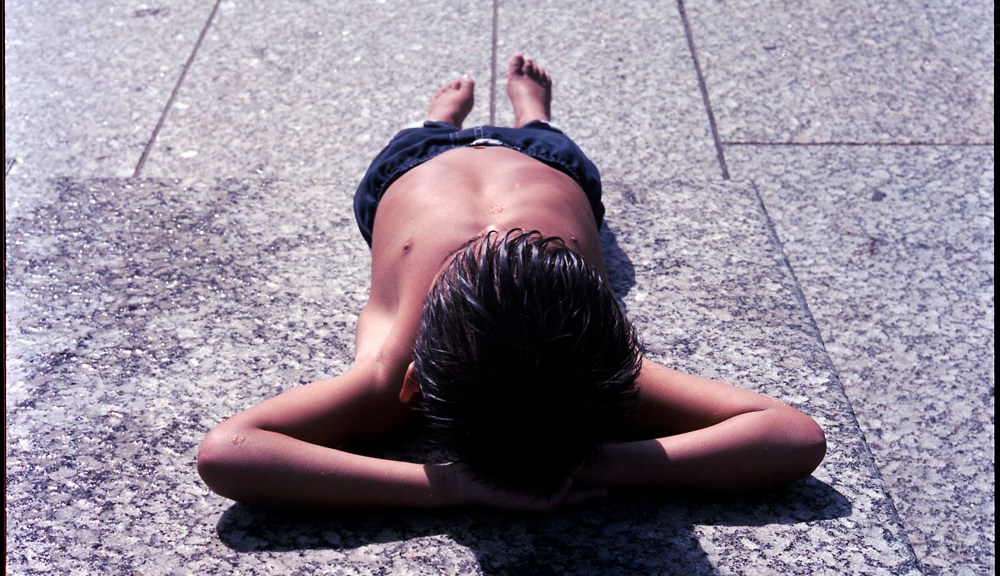
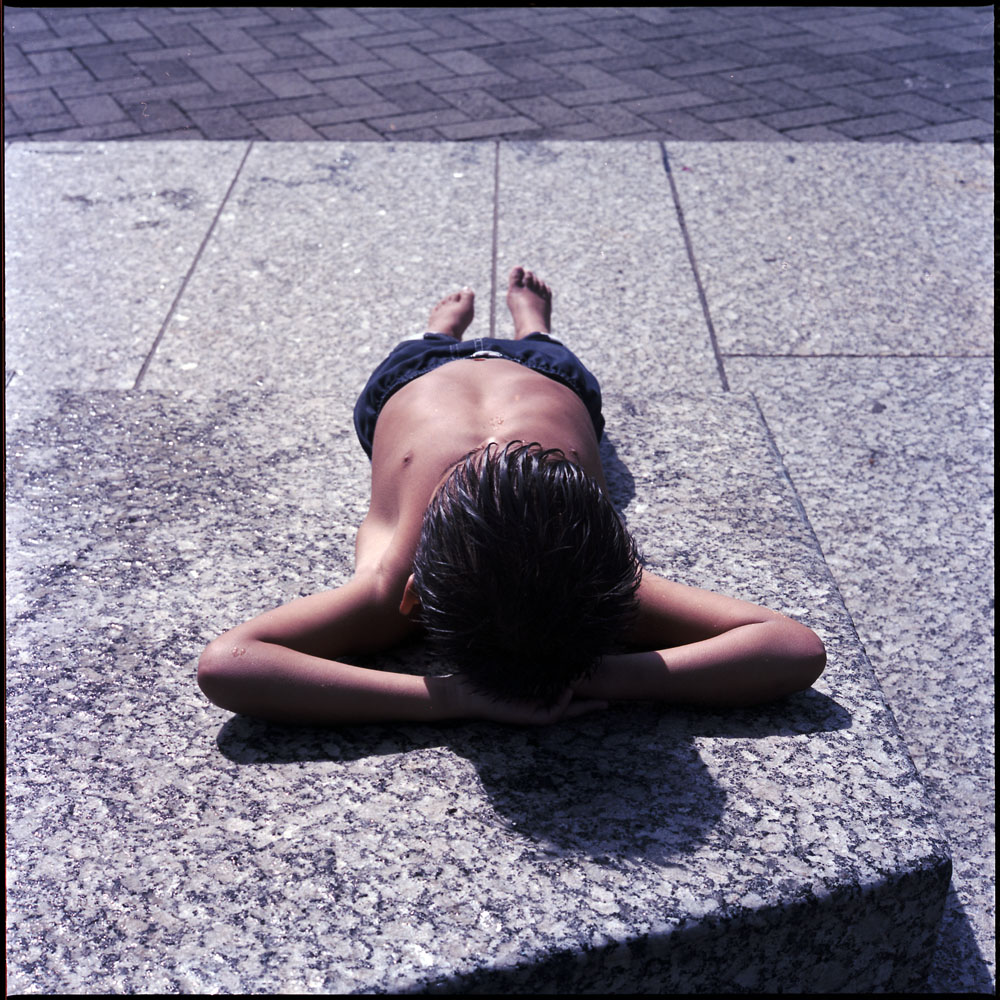
This was from the weekend before Labor Day, when it was still hot, the sun stayed up longer, and it still felt like summer wasn’t going to end. This boy was playing in the fountain at the Georgetown riverfront park. He stepped out to take a break and basked in the sun to dry off. I can remember that kind of in-the-moment joy of lying on a warm rock after swimming in cold water, just being there and experiencing it, without a thought for the past or the future. I need to do that again some time, soon.
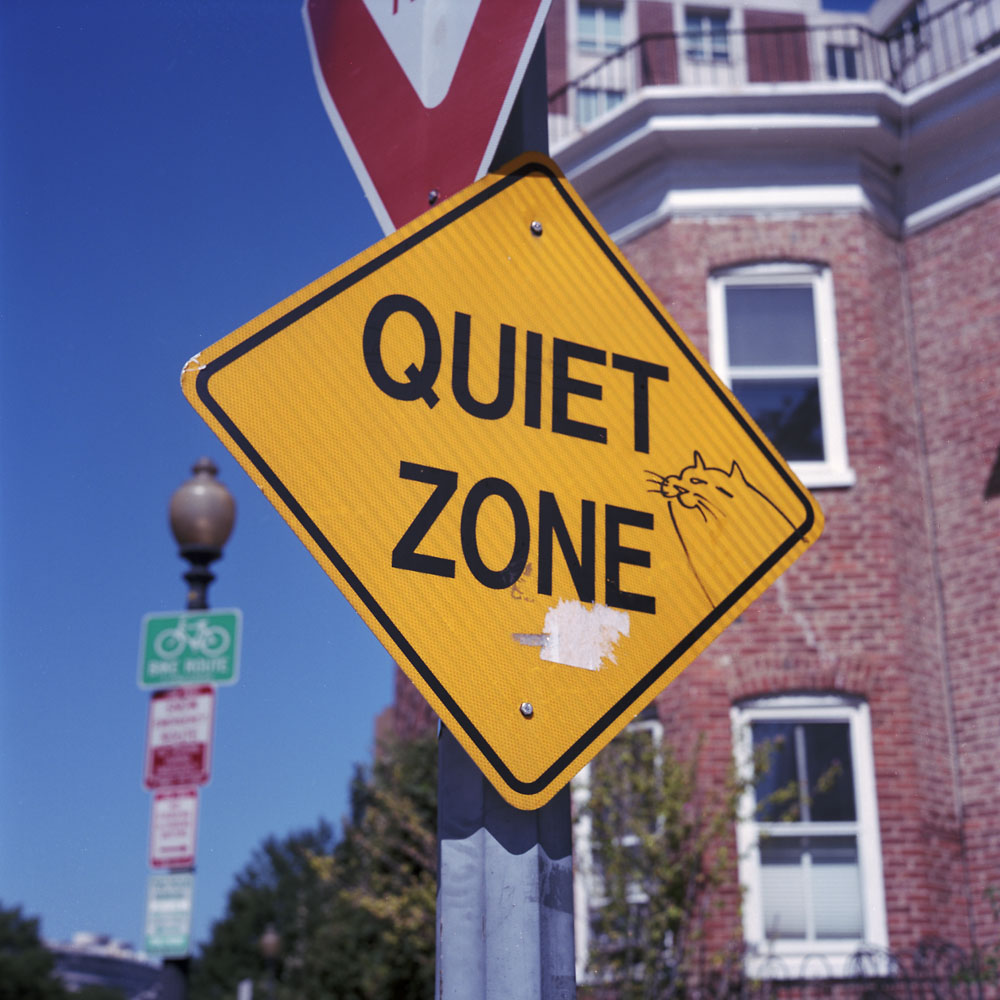
The “Quiet Zone” sign is somewhat ironic, as it is on the edge of the George Washington University campus and three blocks from the GWU Hospital. It does seem to work, at least when I’m in the area, as I don’t see roving hordes of GW undergrads partying it up on the street, but it of course has zero impact on the ambulance sirens.
Quiet Zone
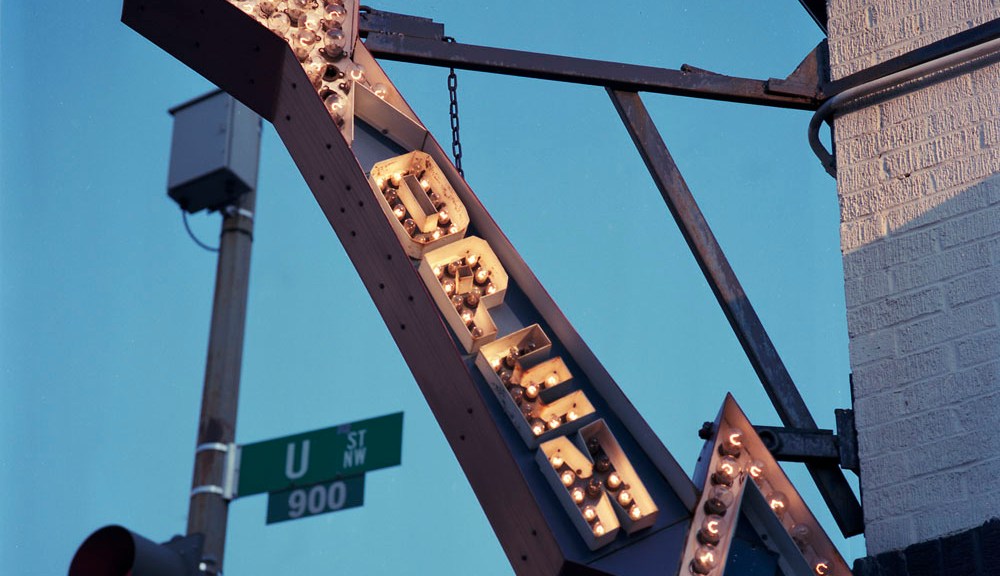
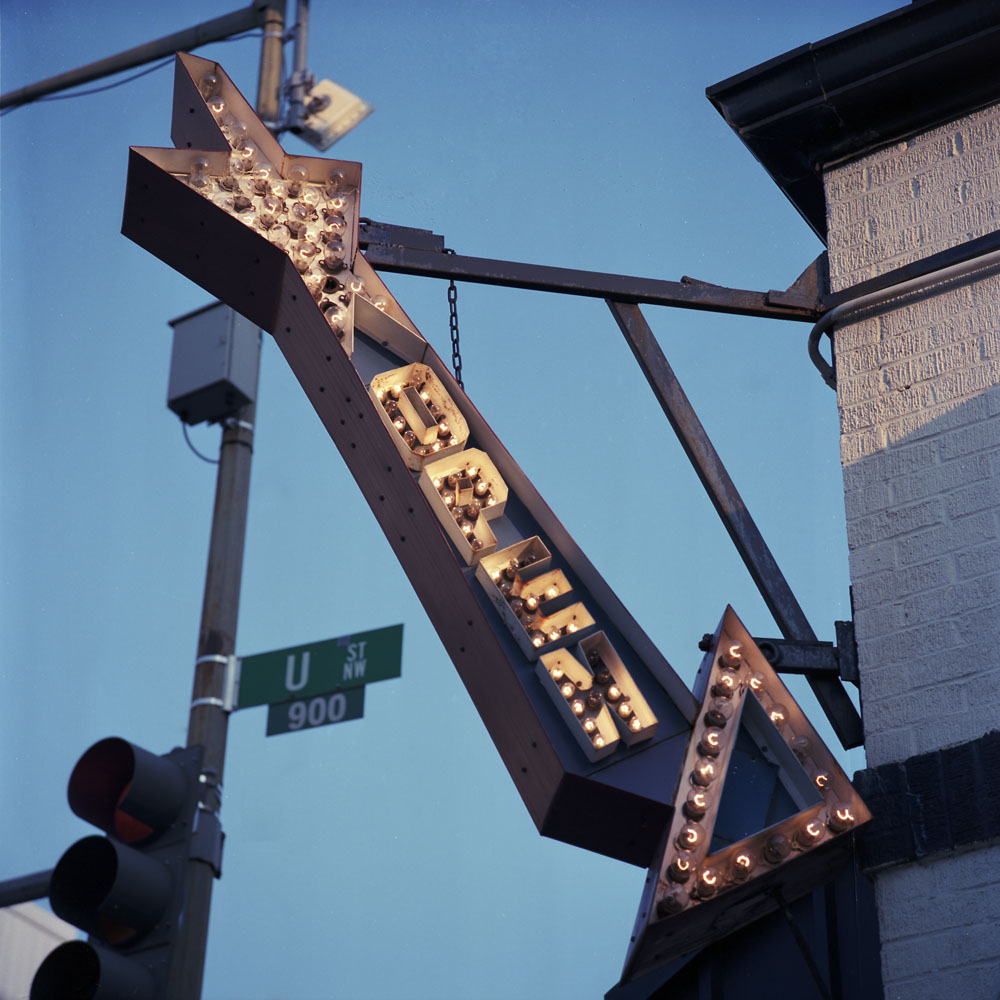
The “Open” arrow is outside Nellie’s Sports Bar, the first gay sports bar perhaps anywhere. What is a gay sports bar? Well, it’s a gay bar that has lots of very large flatscreen TVs, all of which are tuned to various flavors of ESPN, and it actually sponsors a number of teams in various gay sports leagues around the city. The “Open” arrow is a found object they re-purposed and fixed up to put outside the bar.
Nellies Is Open
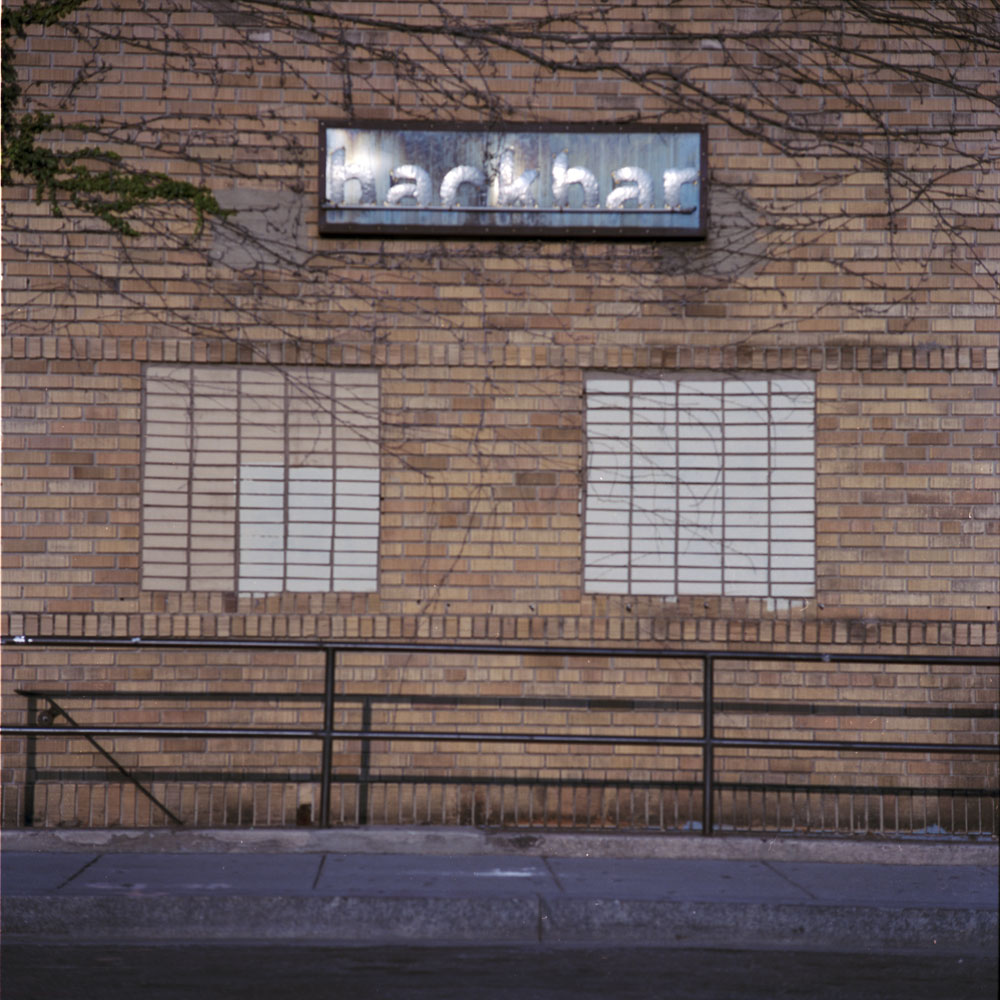
This is the sign for the Backbar, part of the famous 9:30 Club. The 9:30 Club is a major rock-n-roll venue and has been around since 1980. It used to be located much further downtown, at something like 9th and F streets, but maybe 15 years ago moved to the current location which is roughly 9th and V Streets. They host major acts for a “small” venue – Billy Idol, Jimmy Somerville are two I can remember off the top of my head.
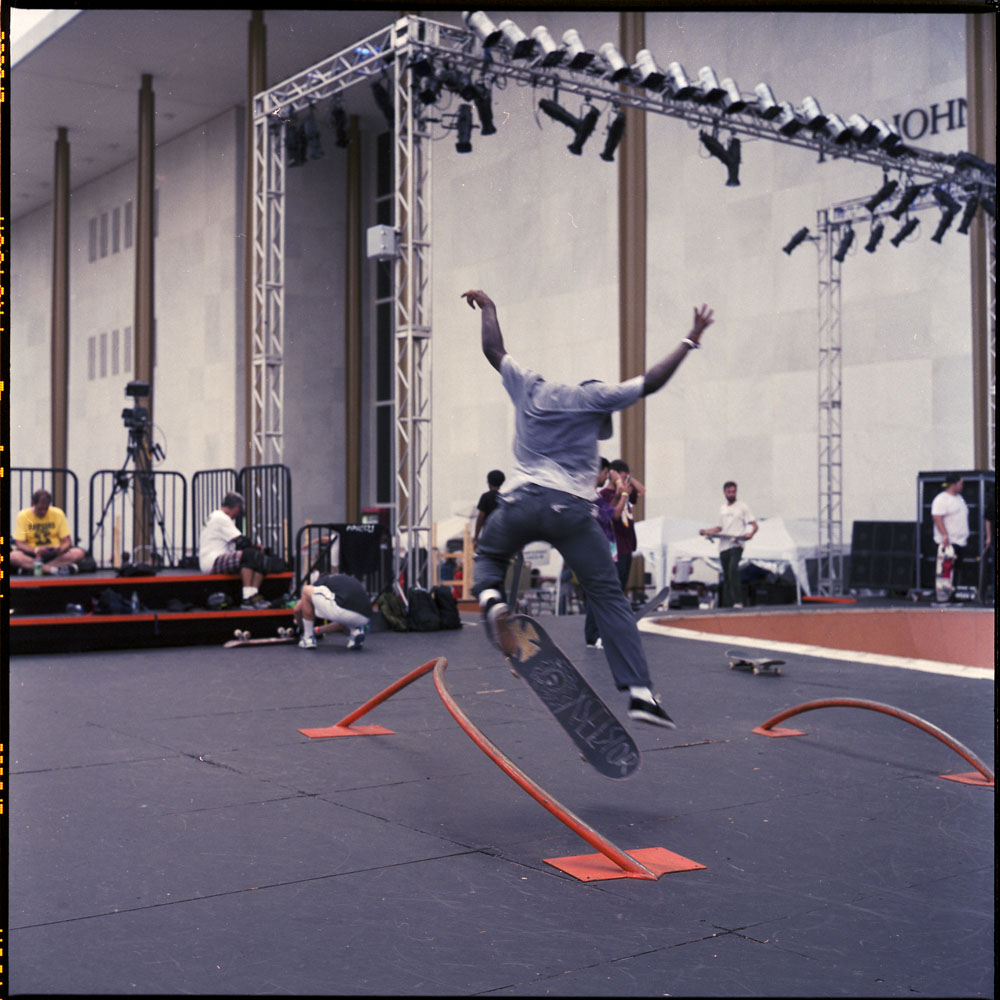
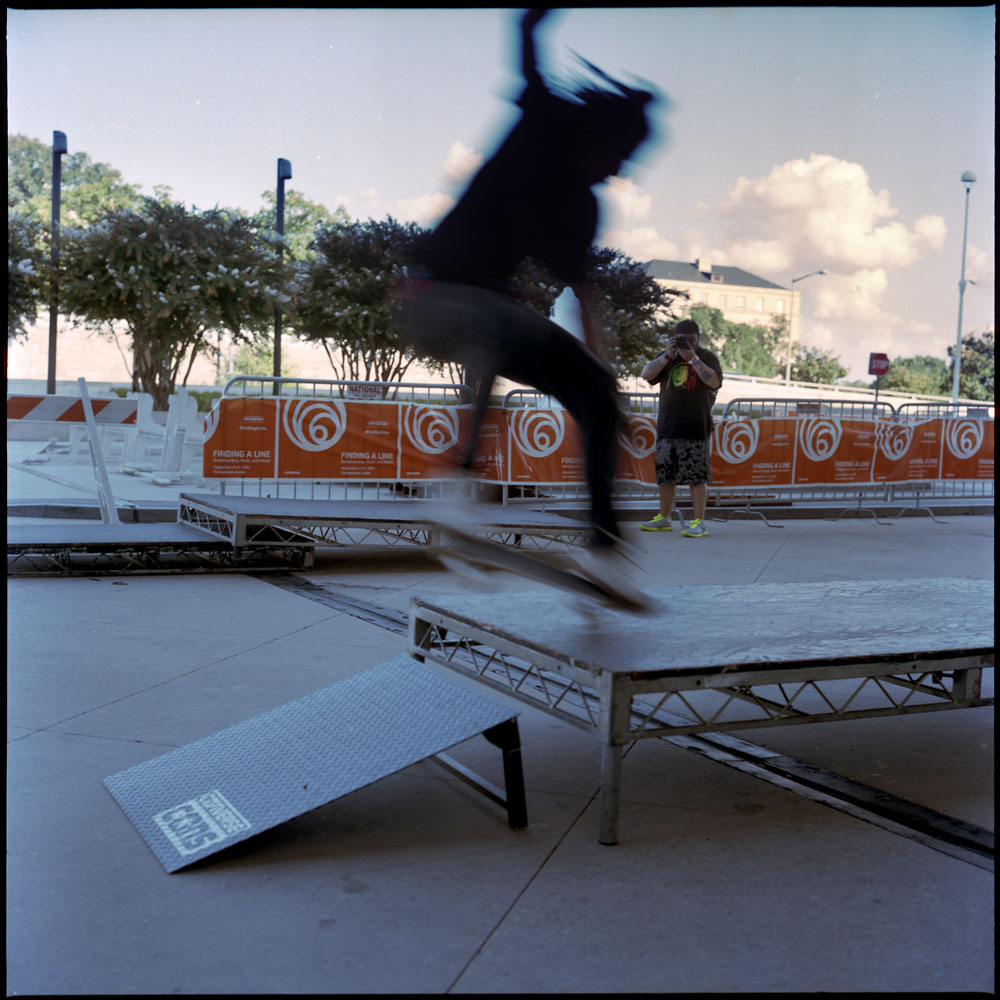
Now THERE’S a phrase you wouldn’t normally expect to read, with the possible exception of the “Local Crime” section of the Washington Post. But it’s true. The Kennedy Center, like so many other cultural institutions, is having a hard time attracting young audiences. In a bid to outreach, they set up a skate park on the front terrace and invited local skateboarders to come and perform, and tossed in a stage for live bands.
Flying Boarder, Kennedy Center
This was one instance (of many) where having my Rolleiflex was a huge advantage. It gave me an entree to talk to the skaters and ask for portraits. Everyone loved the camera and if I asked, they posed willingly. On the few action shots I took, it also helped by having no mirror blackout at the moment of exposure, so I could see exactly when I was pressing the shutter button, like in this shot above.
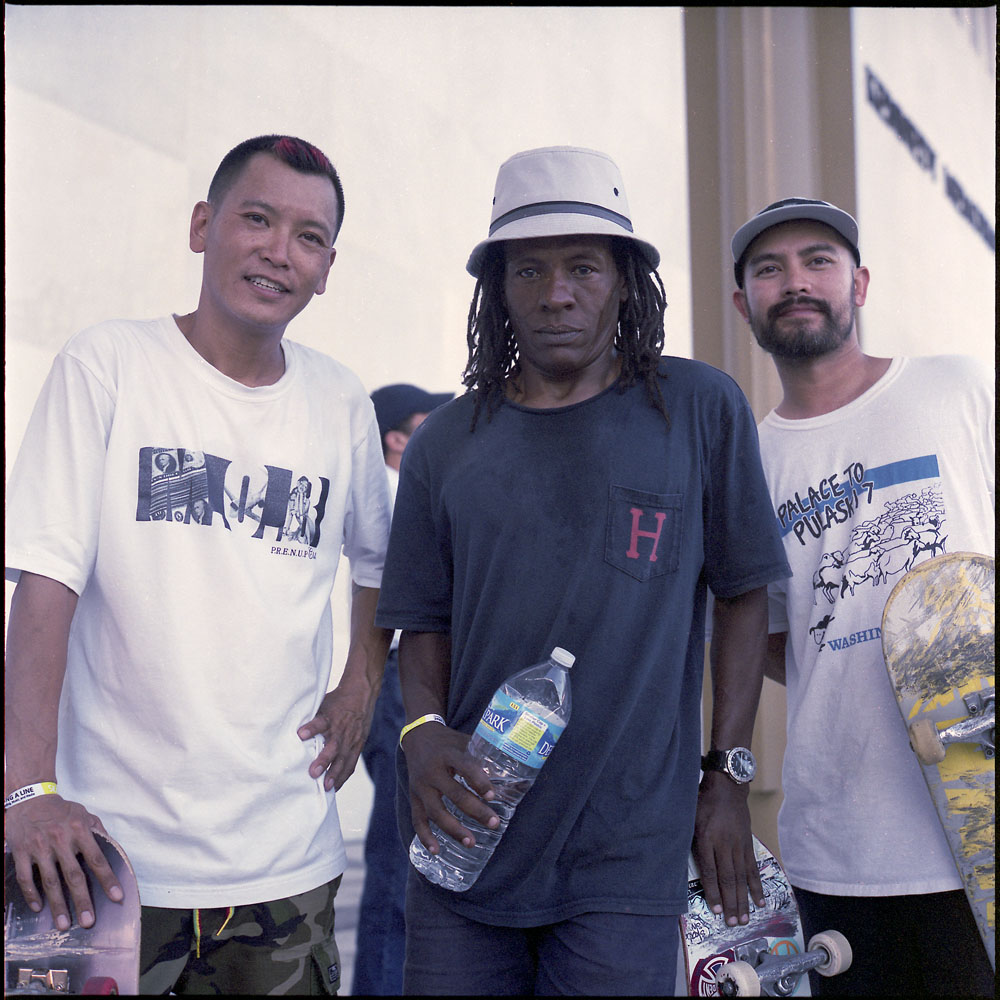
Skate Trio, Kennedy Center
I initially approached the asian skater about taking his picture. He pulled in his friends and all of them posed together. I was surprised at how willing they were to pose, as I mostly shoot candid street photos and people don’t always appreciate that. I don’t know what it was about that day but everyone was just so natural in their posing, it all worked out so well and I didn’t have to direct anyone.
Flying Skater, Kennedy Center
This was a fun shot to take, as I was anticipating this kind of motion blur, but couldn’t know what exactly to expect because the eye doesn’t see motion blur at 1/30th of a second. But I knew I got the skateboarder in the right place.
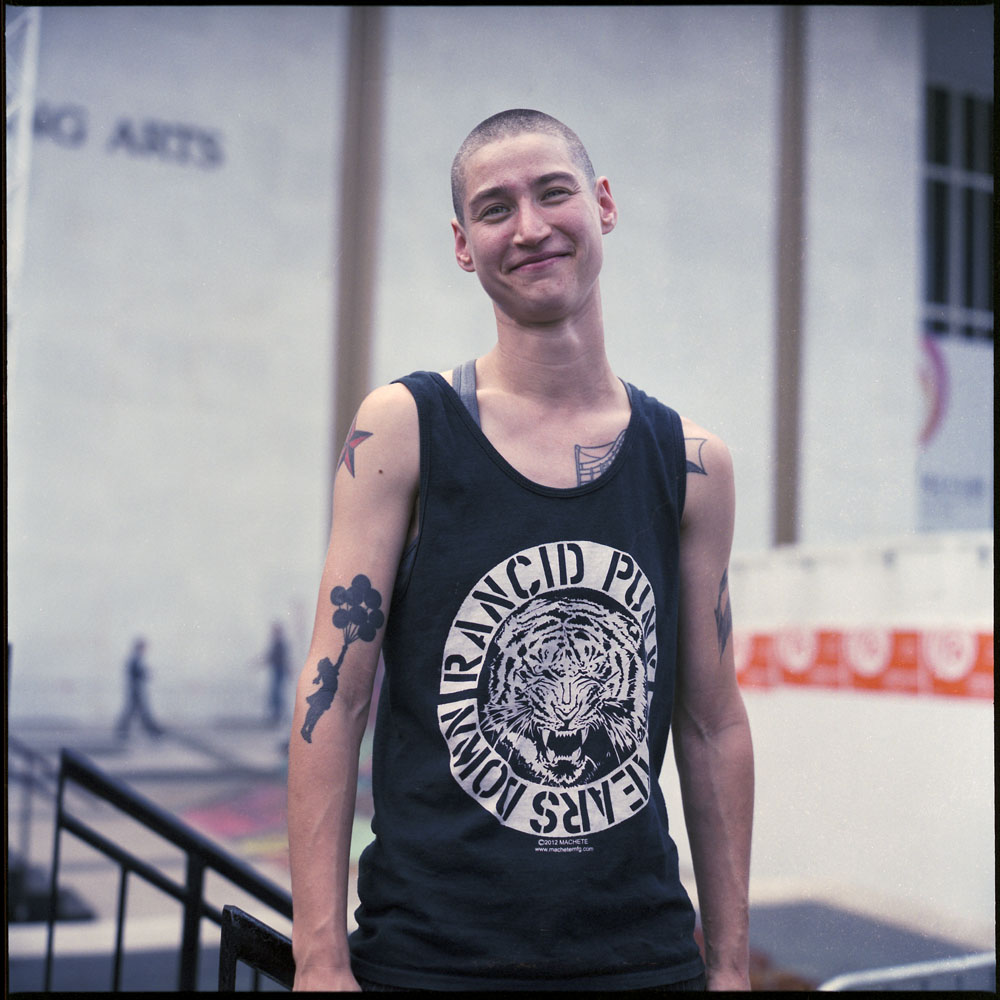
Skateboard Punk Girl, Kennedy Center
This girl was working the lights at the event. She saw my camera and asked about it, so we chatted for a couple of minutes about the event, the folks skating, and the weather (it was scorching hot that day, and inside the light tent had to be even hotter). I asked for her picture and she immediately said yes, and even suggested the backdrop instead of inside the lighting tent.
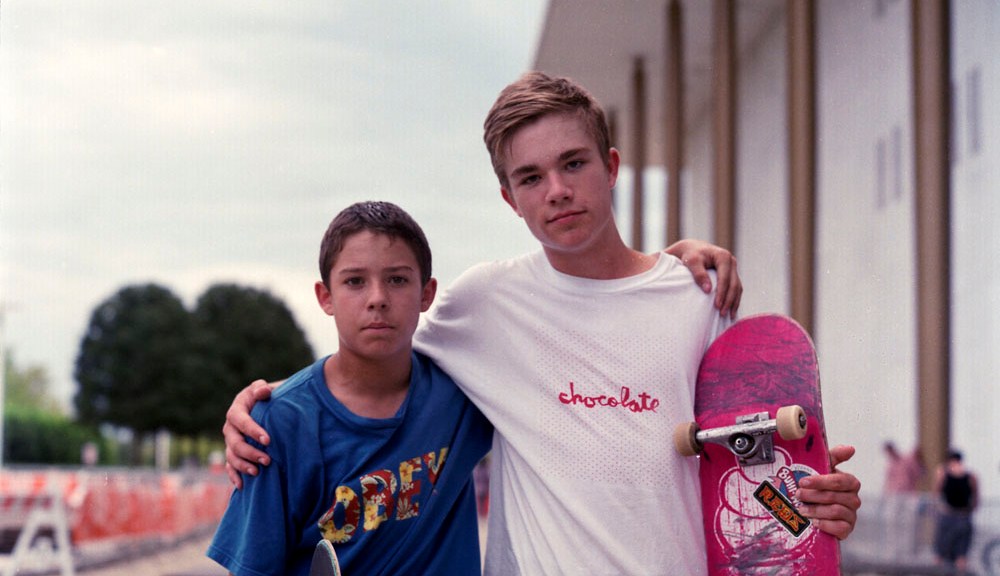
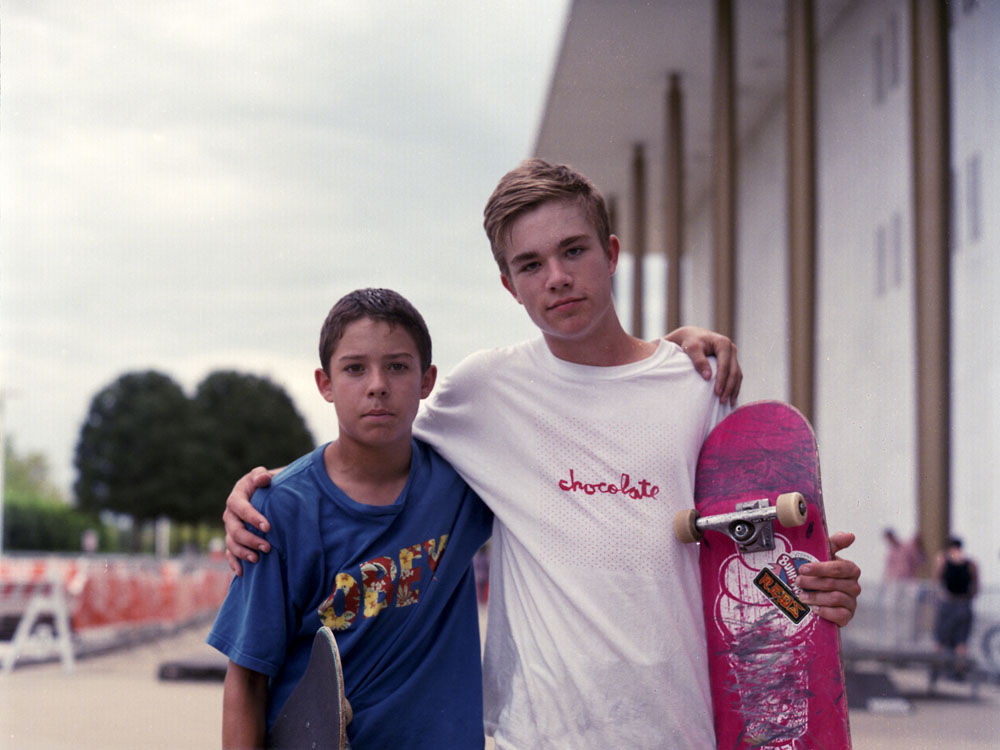
Skate Buddies, Kennedy Center
The kid in the white shirt saw my Rollei, and asked some questions about it, and was very excited by it. Again, I asked for a photo before he started his next run, and he pulled his buddy over, they wrapped their arms around each other, and posed. All on their own, no direction from me. I was very chuffed to see how the shot turned out, as I was shooting on the run as it were – one of the docents for the event had earlier shooed me off from the spot where I was standing to take the picture because it was in the path of potentially out-of-control skateboards.
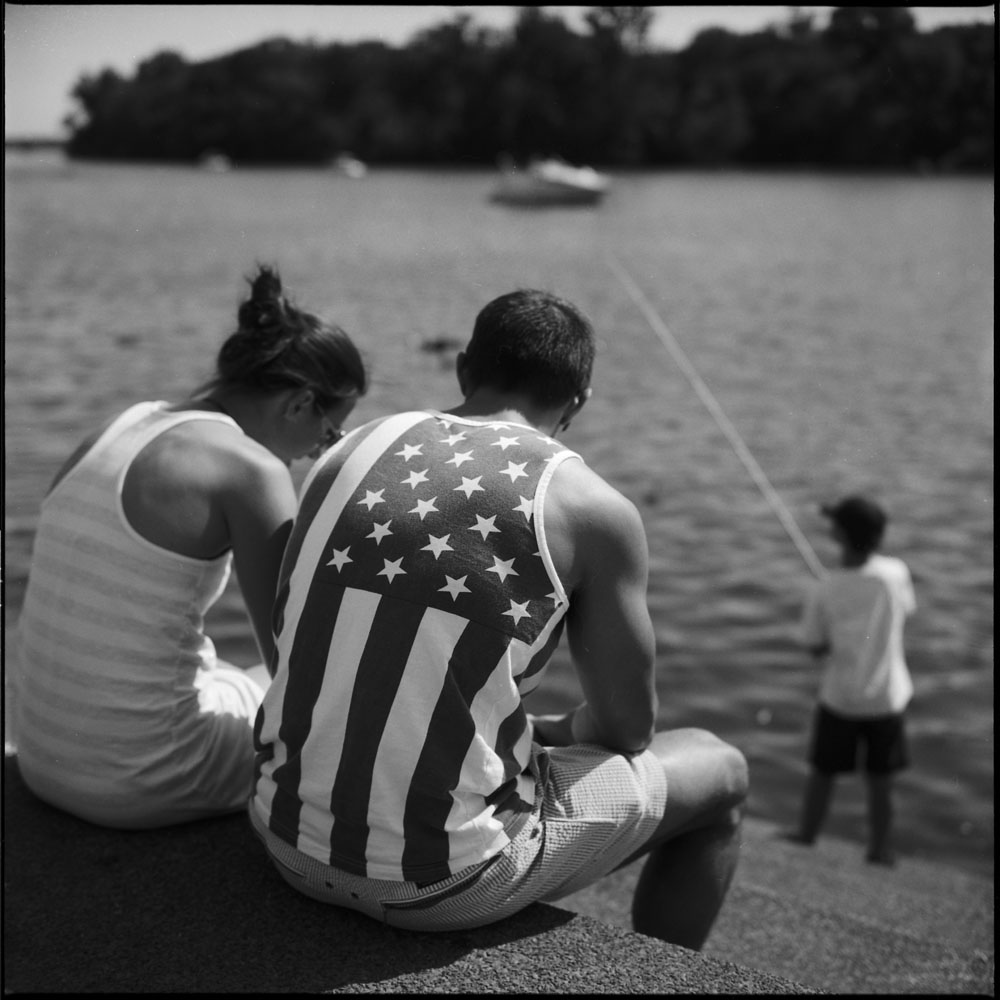
I took a stroll through the riverfront park in Georgetown this weekend. There are some steps down to the water that are a popular hang-out spot for people of all ages. This young couple was enjoying the view together, and the little boy was fishing a few steps down from them.
Boy Fishing, Georgetown
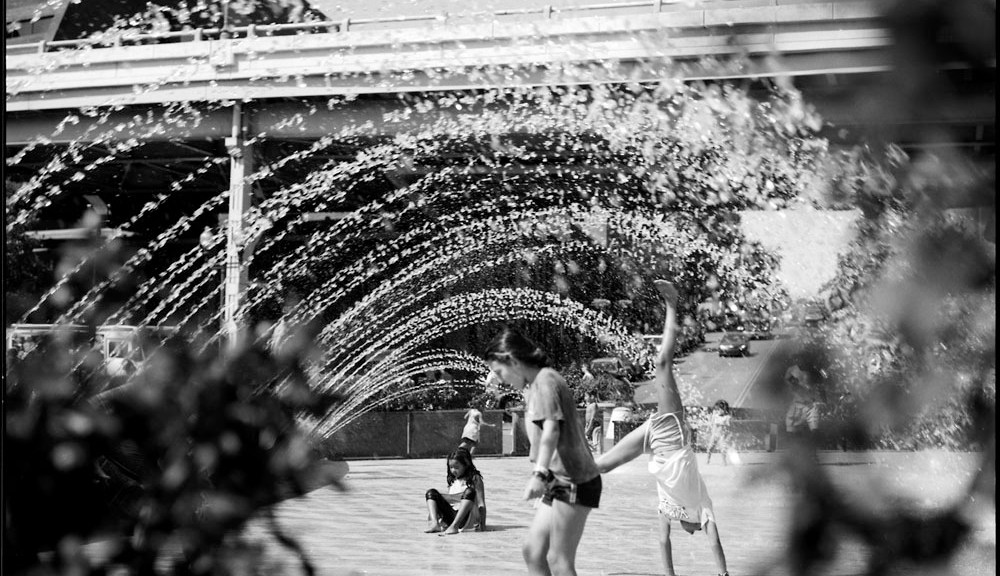
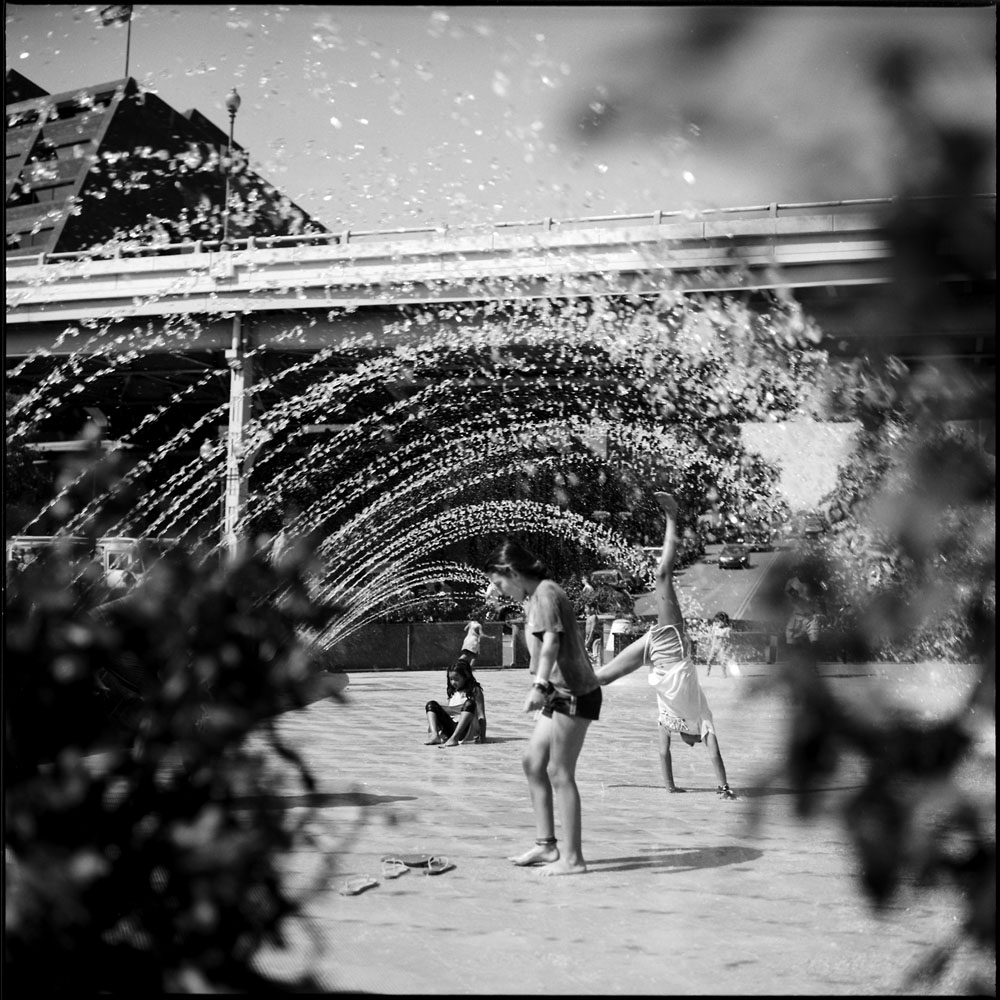
In the same park there is a large fountain just made for people (mostly kids, but I do see some young-at-heart adults occasionally venture into it too) to run under and get wet to relieve themselves from the heat of a scorching summer day. It’s almost as refreshing to watch them running in and out of the fountain as it is to do it yourself! (not that I’m going to do it while wearing a Rolleiflex around my neck)
Georgetown Fountain Kids
And just for your curiosity, no, I’m not lurking in the shrubbery to take this photo – there are two planters, one at each end of the fountain, and photographing down the length of the fountain makes shooting through them a natural point of view. Plus the branches of the rose bush provide some nice framing for the shot.
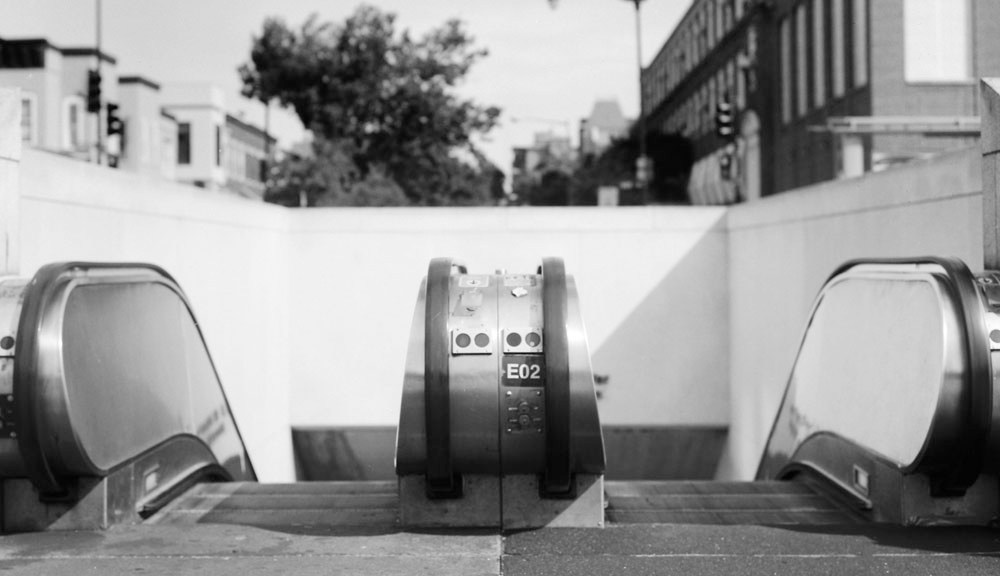
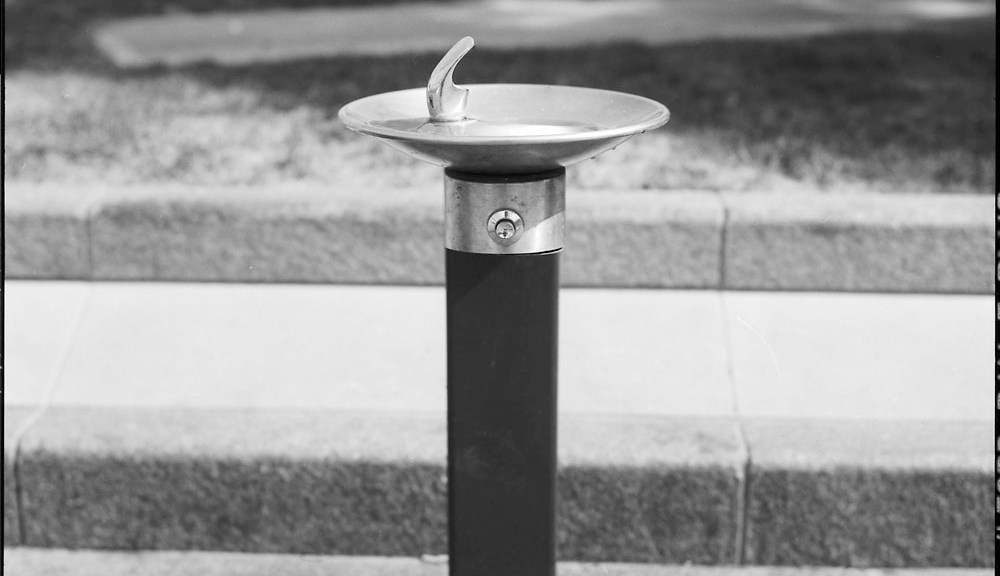
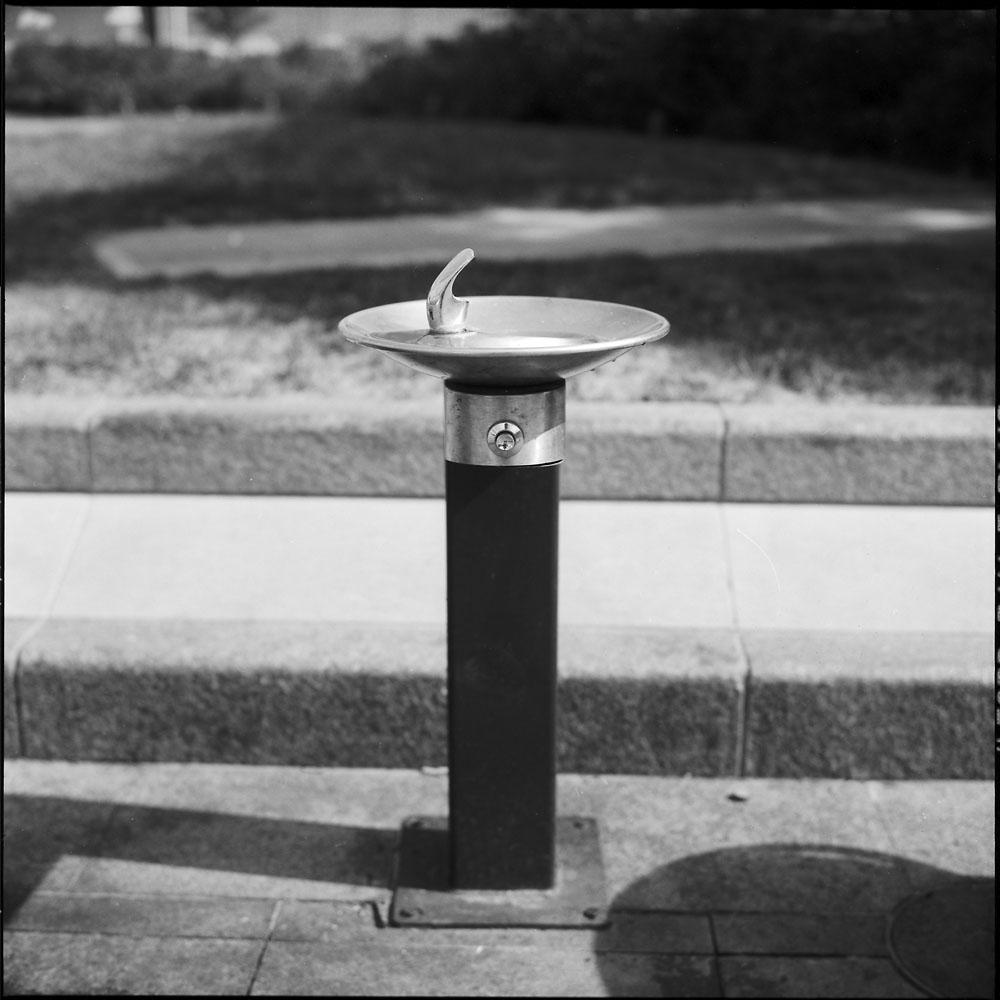
Public drinking fountains are becoming rare creatures. Even rarer are ones that work. They’re kind of like frogs – their disappearance heralds a collapse of public infrastructure the way frogs disappearing are a sign of ecological collapse. When we are no longer willing to provide safe, clean, free drinking water to the public, I think it says something about us as a society, and it’s not complimentary.
Water Fountain, U Street
To get photo-geeky for a moment, this was shot with my usual Rolleiflex 2.8E, and to ensure I was getting the extremely narrow depth-of-field I wanted, I used Ilford PanF film, which is a very slow ISO 50, and rated it at ISO 25 for good measure. I like PanF for the extremely fine grain it provides, and it allows me to use large apertures in bright daylight, however it does get very contrasty, more than I normally would like, so processing it is tricky to keep the contrast under control.
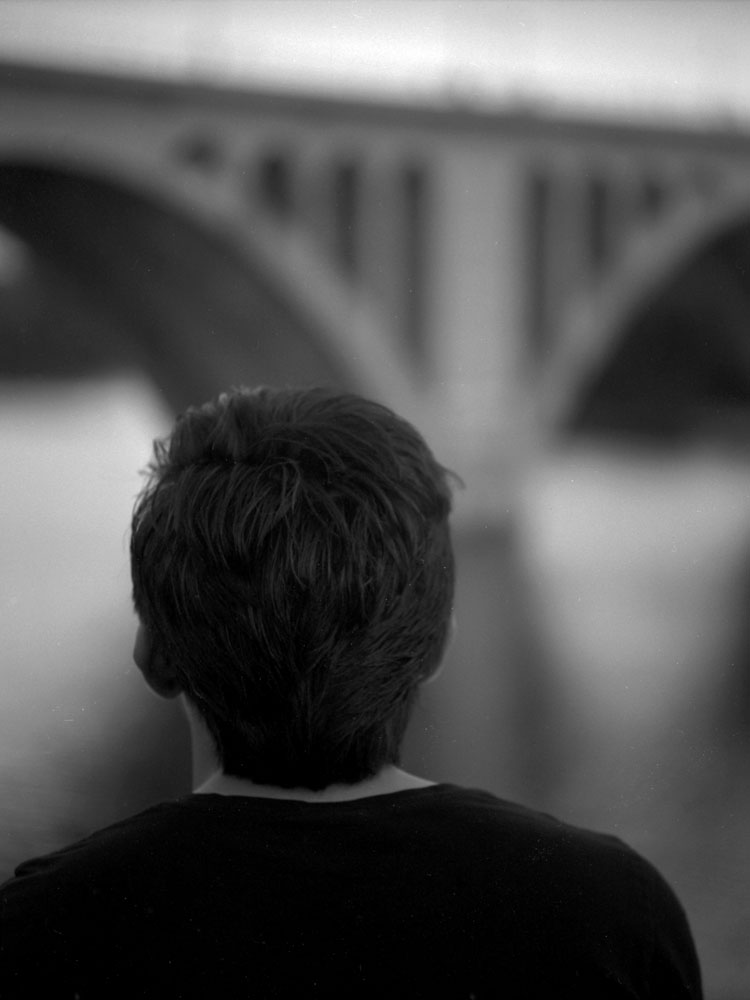
I was out on a photo-walk after work the other evening and wandered through Georgetown with the Rolleiflexes. I walked down under the Whitehurst and through the riverfront park. If you pass beyond the end of the park, you go under Key Bridge and come to the boat houses. Across the street from the boathouses where you can rent canoes, kayaks and stand-ups to take out on the river, there are stairs that take you up to the level of the C&O Canal. There’s the remains of the Alexandria Aqueduct Bridge that crossed the Potomac just past the Potomac Boat Club building. The Aqueduct Bridge was originally built in the 1860s to carry canal boats from the C&O Canal to the Alexandria Canal. Later it was improved by adding a road bridge and a deck for electric trolley cars. It was demolished in the 1930s to make way for Key Bridge (which was so named to honor Francis Scott Key, the author of the US National Anthem, whose house was demolished to make room for the bridge). The Alexandria Aqueduct Bridge piers are a popular spot for young people to hang out, especially in the summer time.
The Boy Who Dreams of a Bridge
I went out to the end of the pier with the thought of getting a shot of the west-facing side of Key Bridge while it was still illuminated by the setting sun. A bunch of teenagers were hanging out there. Another woman photographer who was there coincidentally at the same time and I were both out on the end of the pier, shooting the bridge and the riverscape. One of the teens asked what we were doing. The woman ignored him, but I told him I was taking pictures of the bridge, and whatever else struck my fancy. He returned his attention to his friends and the scene in front of them. Looking down, I saw this scene through the viewfinder of my camera and quickly composed the shot. While I’m not normally a big gear geek (at least in my writings- I hope!), this is one case where I will geek out on my hardware and talk a bit about the choices I made.
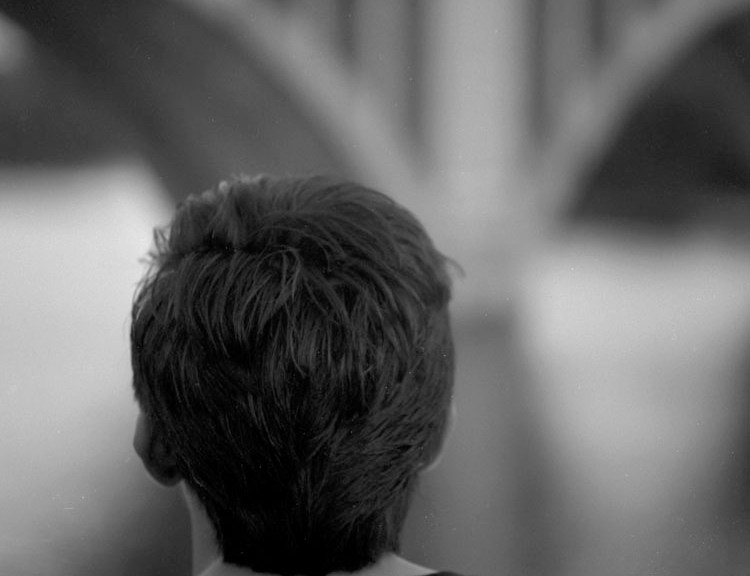
I had been wanting for a long time to capture scenes like this – something suggestive, a little mysterious, a little ethereal, where the viewer can insert themselves into the scene. I haven’t always been successful, at least not to the degree I was looking for, and hadn’t really hit upon the right combination of toys and technique to make it happen. Well, I’ve obviously found it. The camera is my Tele-Rolleiflex, coupled with the Rolleinar 0.35 close-up attachment. For whatever reason when they made the original Tele-Rolleiflex, Rollei limited the minimum focus distance to roughly 8 feet (2.5 meters). By itself, this makes the Tele-Rollei rather limited in usefulness especially as a portrait camera. To compensate for this, Rollei made available the 0.35 and 0.70 Rolleinar close-up attachments. Since one of my ambitions for the Tele was doing portraits, I felt it was incumbent upon me to acquire at least the 0.35, which I have, and used on this shoot. The net effect of the Tele plus the Rolleinar is seen here, and in the next image. They give an extremely soft, dreamy look to the out-of-focus background areas.
Being able to create that extremely shallow depth-of-field combined with the extremely soft out-of-focus area throws the “3-D” effect into high relief, and lends itself when used appropriately to creating fantastical scenes like the one above where the bridge in the background, while very distinct, is sufficiently soft and far-away-looking that it could be real or it could be a dream – which it is remains for the viewer to decide. Thus the title of the image.
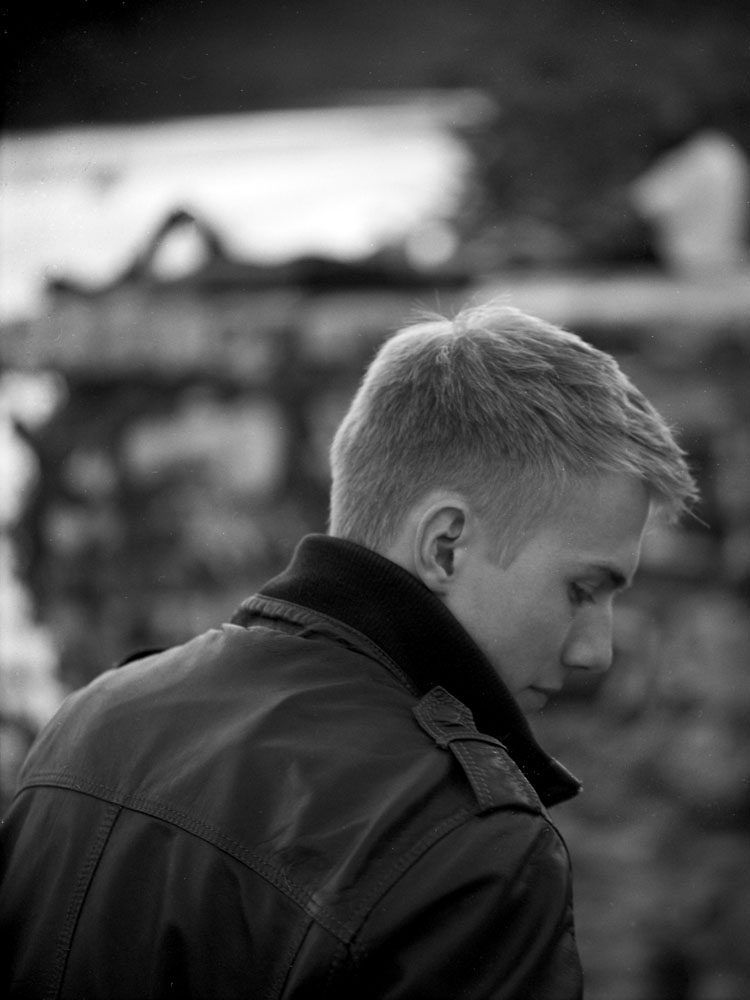
Blond Boy, Georgetown
At the same place and same time, I turned around to look up the river and saw a trio of very blond, very Germanic-looking young folks (Georgetown University students? Youth tourists?) sitting on the edge of the stone walkway. This boy turned sideways to look at the girl beside him and was momentarily caught with soft, subtle backlighting. If you look carefully you can make out some more kids lounging on the opposite side of the old canal bed. It’s a very romantic, mysterious, suggestive composition – what is he looking at out of the frame? Where is he? Why is he there?
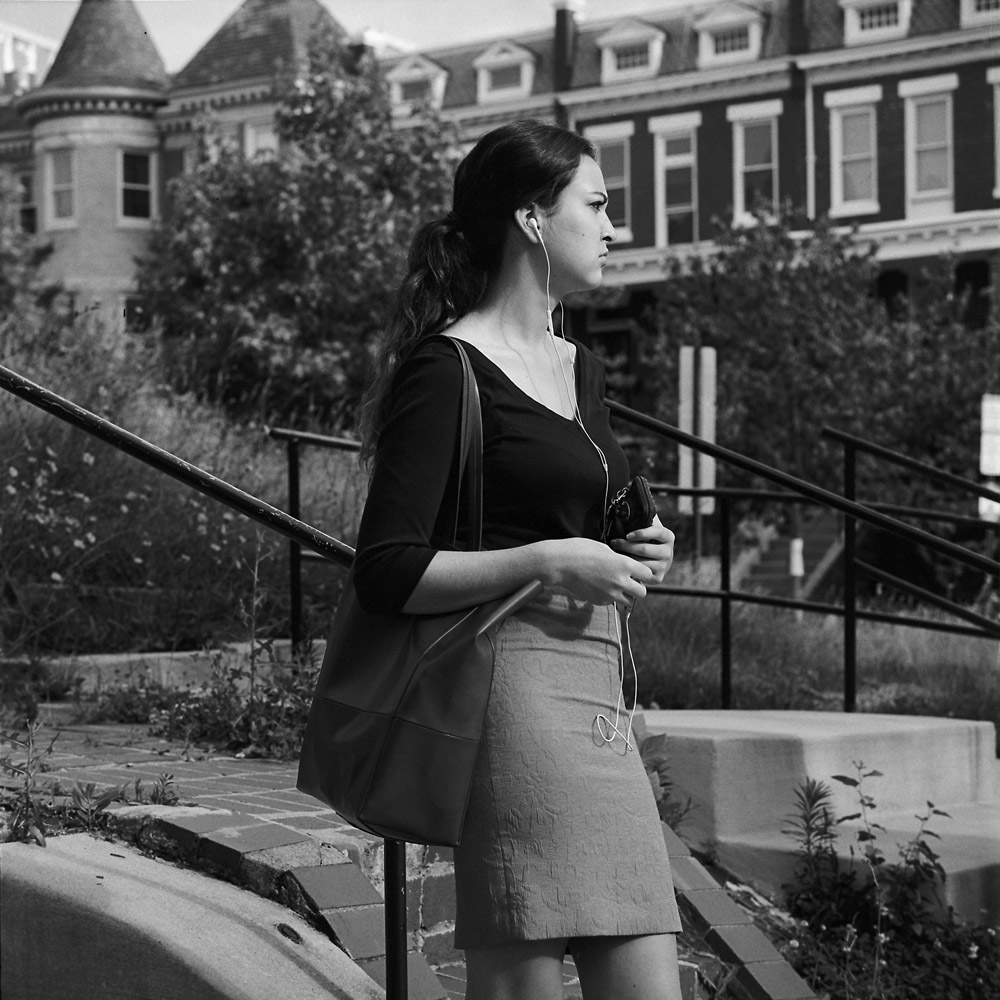
I know I was being very abstract or at least impressionistic with my earlier Commuter Diaries images, so in that sense these are a break from that line, and don’t quite fit. But they are about the commuting experience, so they have the potential to belong, if I develop enough images for them to blend in and make sense, and aren’t just outliers.
The first one is a woman waiting for the bus at my origin bus stop. Early morning, headphones on, anticipating the impending arrival.
Waiting For The Bus
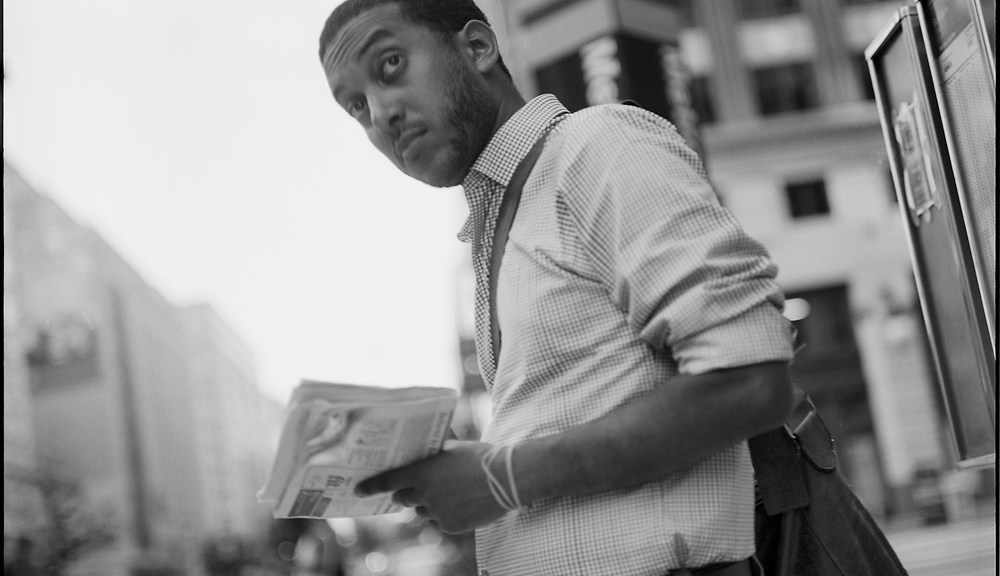
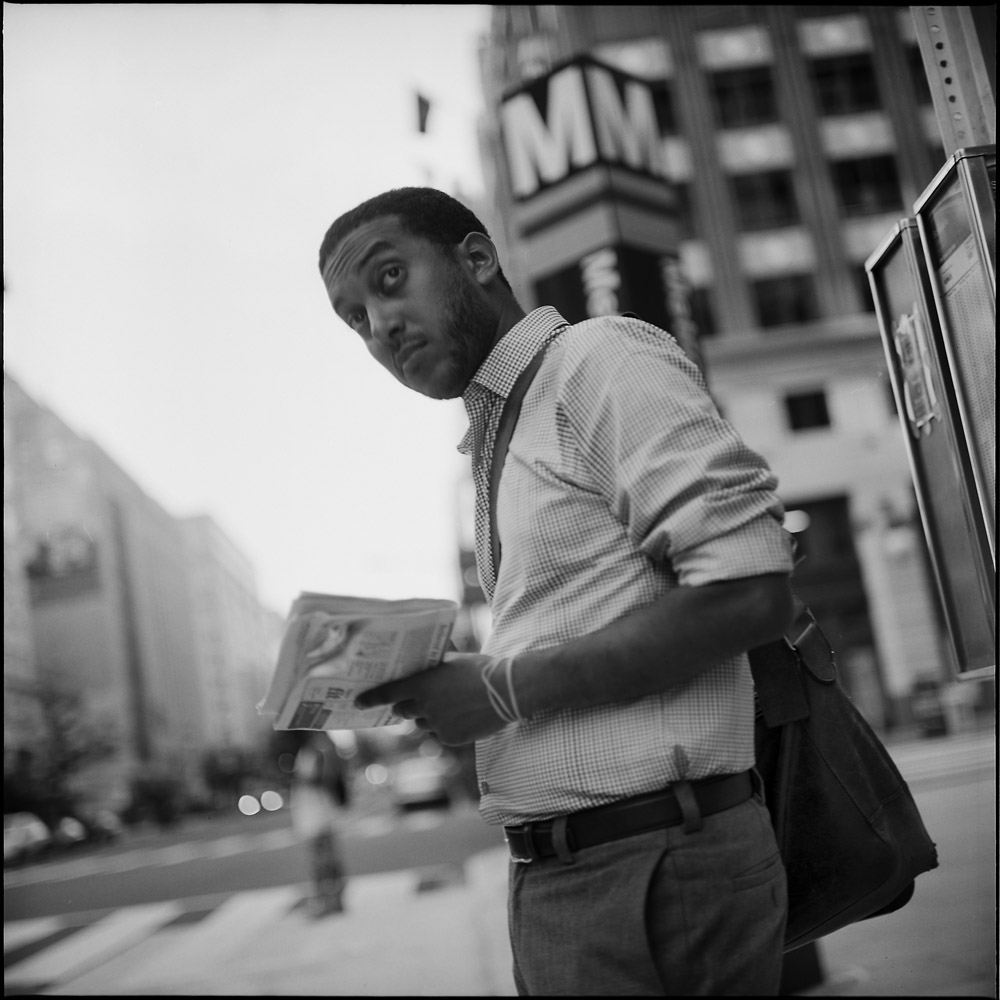
This second one is a gentleman waiting downtown at Metro Center, peering down the street in hopes of spotting which bus is arriving next, anxious for the final leg of his journey home.
At Metro Center Bus Stop
I think the latter is more successful because of the stilted angle, which makes it more dynamic and tense. I snuck that one by pointing the Rollei sideways, and had to live with what I got.
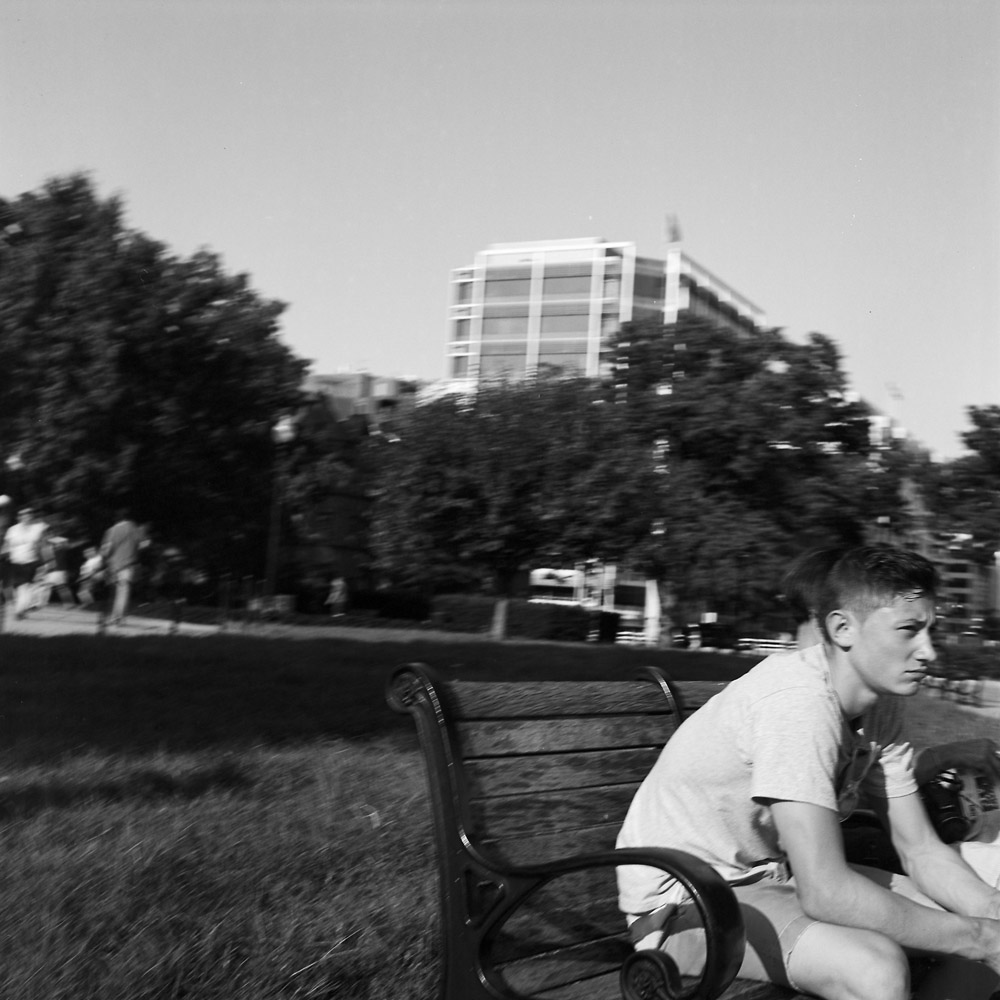
I have to keep reminding myself that sometimes it’s good to be loose and free with things, and that not all images have to be tack sharp and perfectly focused to be successful. I’ve been ruminating about this one because the composition is a bit unbalanced, and there’s a little motion blur to it, because it was another grab shot as I walked by and I didn’t have time to perfectly compose and focus it.
Boy On Bench
I think it’s a good object lesson from the original purpose of the series – taking long exposures that were not planned or structured in any way to free me up from being too formal. Even if this isn’t a fully successful image in some sense, it’s useful as a reminder to be relaxed and open to possibilities.
 dcphotoartist