Category Archives: Washington DC

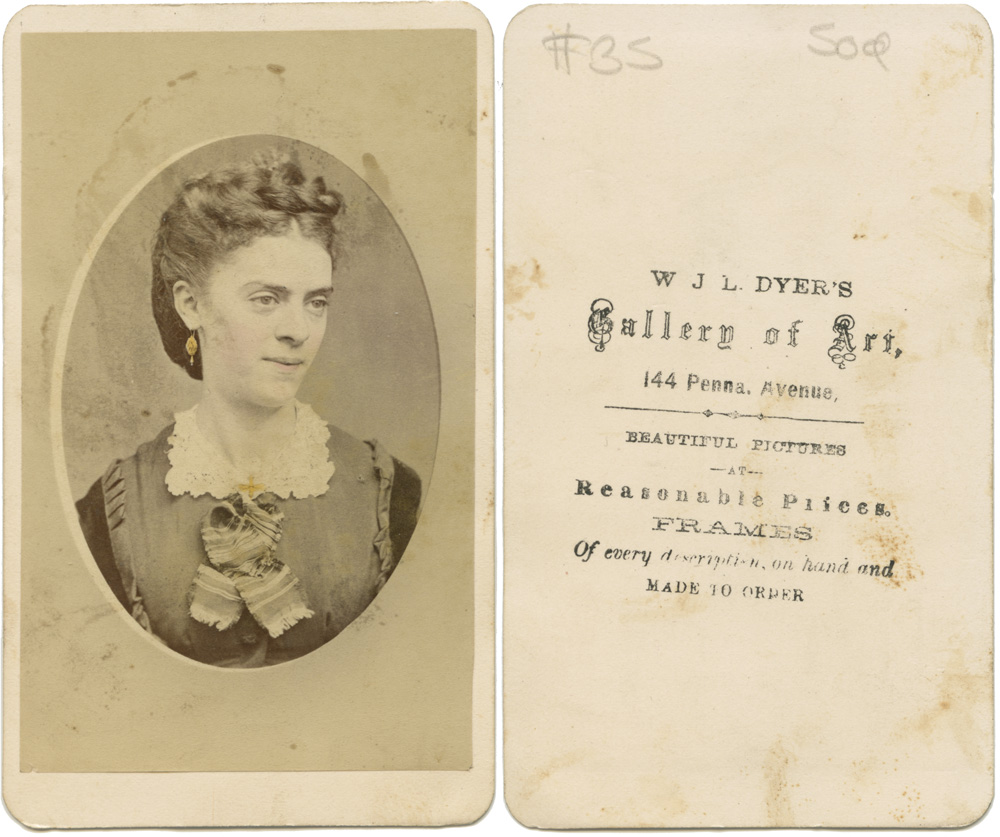
Anonymous Lady by W.J.L. Dyer, Washington DC.

Hand-colored CDV by WJL Dyer

An anonymous CDV by WJL Dyer of Washington DC. Gotta love the advertising pitch on the verso:

W J L Dyer’s Gallery of Art, 144 Pennsylvania Avenue, Beautiful Pictures at Reasonable Prices, Frames of every description, on hand and Made To Order

Also note the hand-coloring of her jewelry and the faintest touch of rouge on her cheek. This is not bad, but I’ve definitely seen better quality hand-coloring on CDVs. Mr. Dyer’s studio, while in the same neighborhood, must not have been a direct competitor to Gardner and Brady. I was reading about the Brady studio in the immediate antebellum years and the first year or two of the Civil War, and it was a highly organized operation employing a wide range and large number of people. Their pay ranged from $8/week for the women who did the finishing work of pasting the photos onto the cartes and other similar tasks up to the specialists who retouched and hand-colored his Imperial prints who got between $11-$16.66 a day (the bonus was paid for working on a Sunday). I doubt Mr. Dyer’s hand-colorists were making that kind of money.

I got this one to add yet another address to my DC photographers’ map collection. I’ll have to look into making the map interactive with representative CDVs from each studio pop up when you mouse over the address. But that’s a programming feat for another day, and something to tackle relative to my day job (believe it or not, I do have a day job to pay for all this insanity – I do software developing). It would actually make a pretty cool portfolio piece for my development career.
Motorcycle Engines

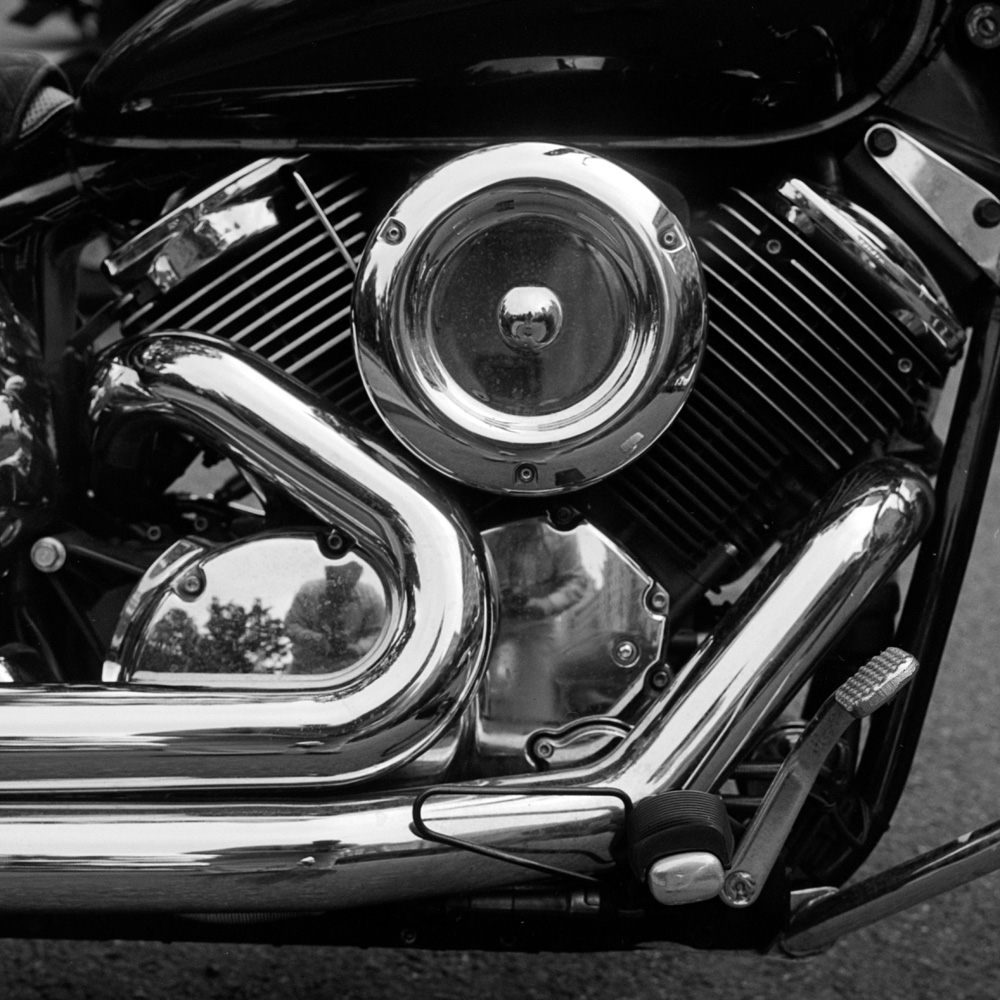
Yamaha V-Twin
Yamaha V-Twin
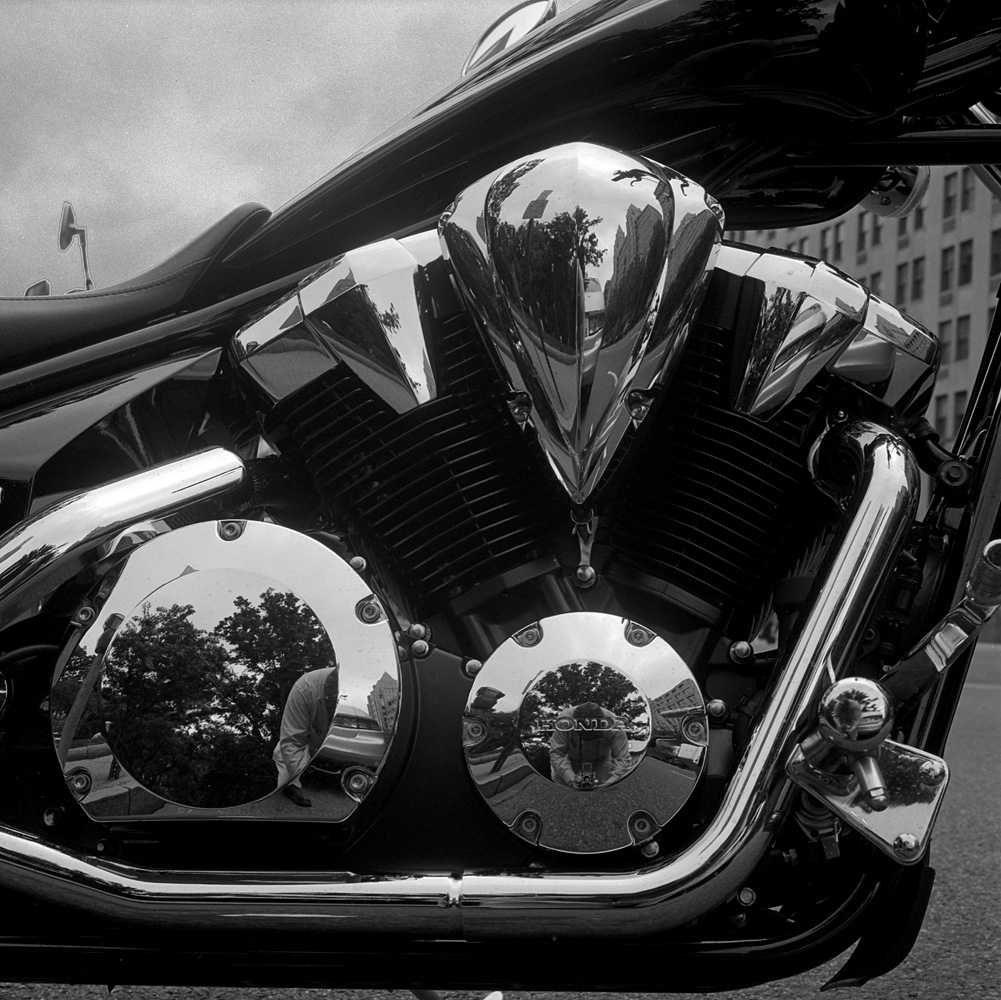
Big Honda Engine
Big Honda Engine
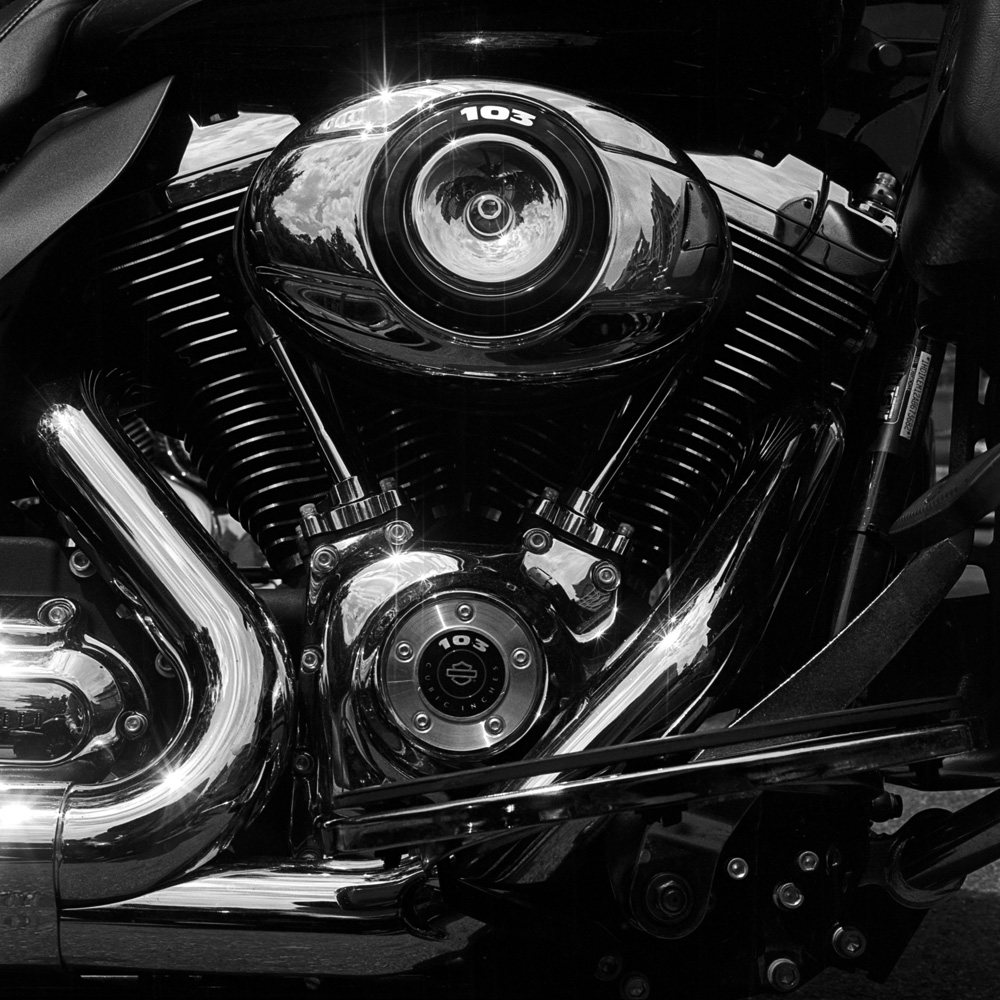
Harley 103 V-twin
Harley 103 V-twin
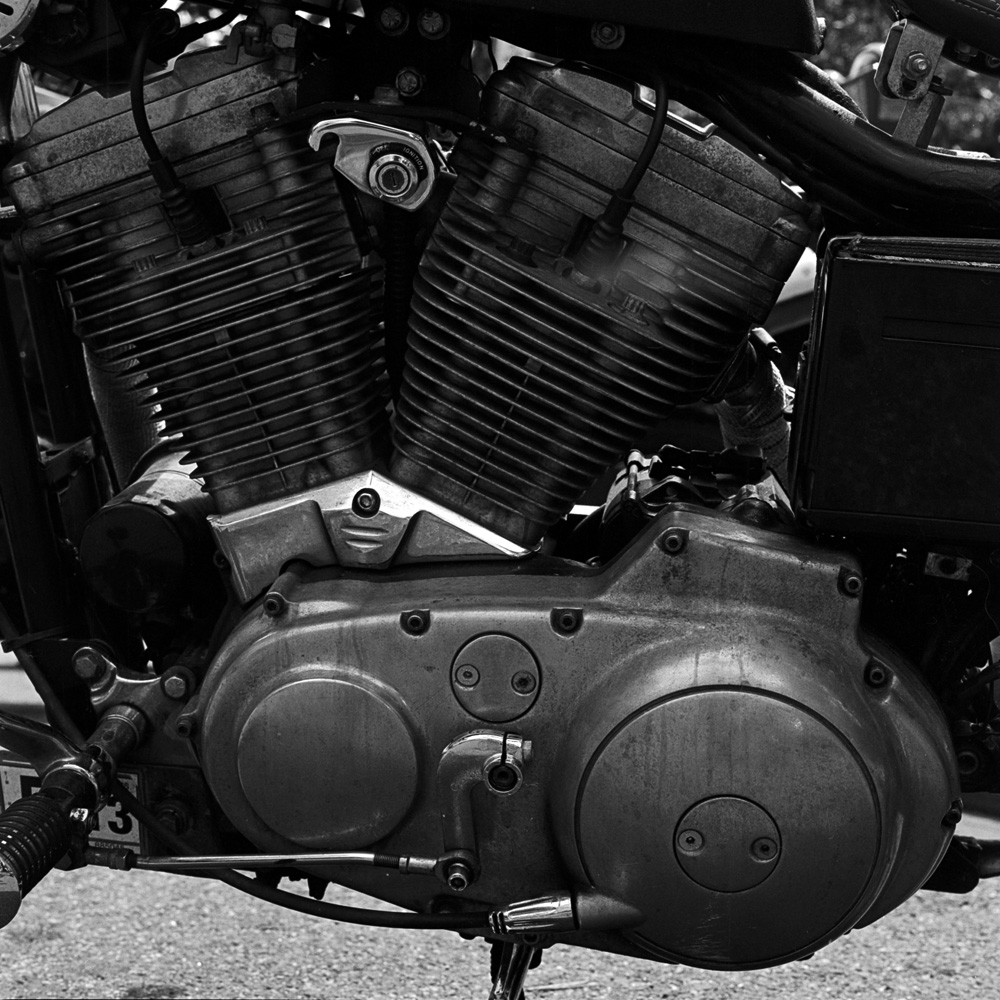
Old Harley Motor
Old Harley Motor

I realize some of these are repeats from not that long ago, but they go well together as a set so I’m including them here.

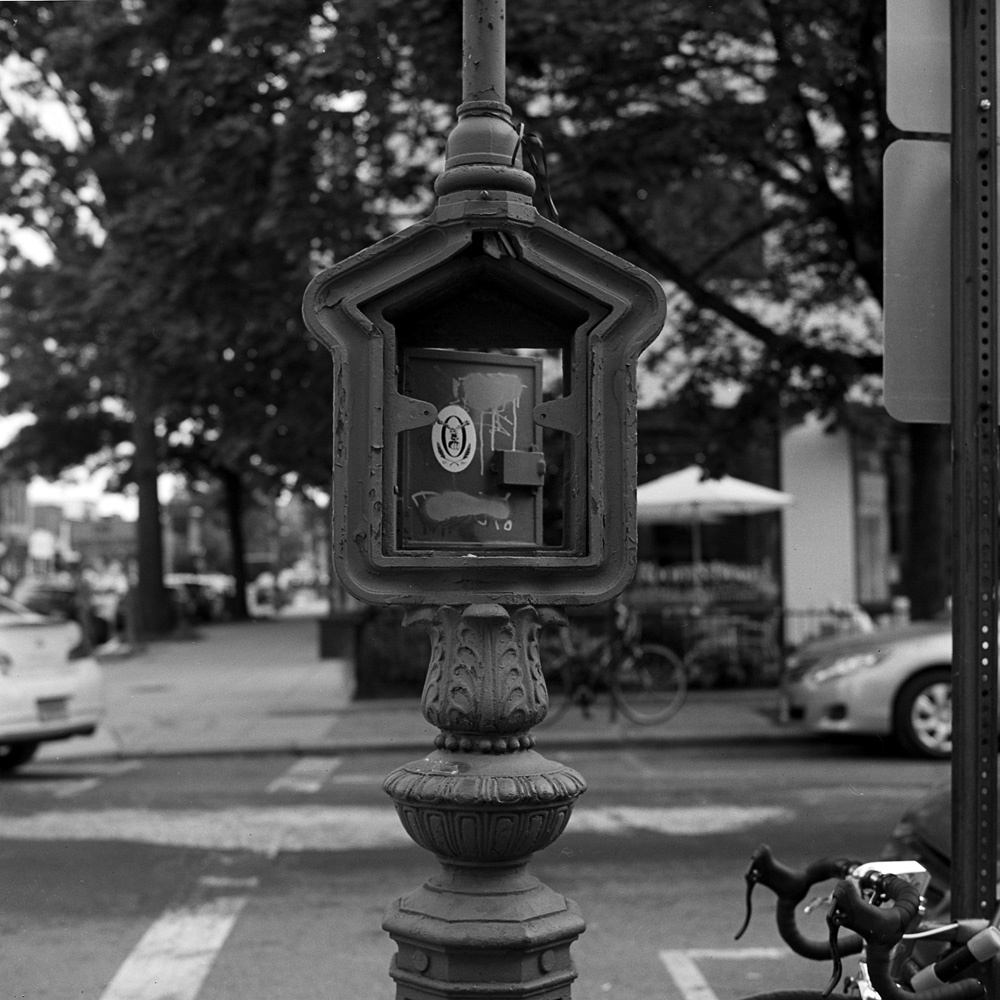
Police Call Boxes

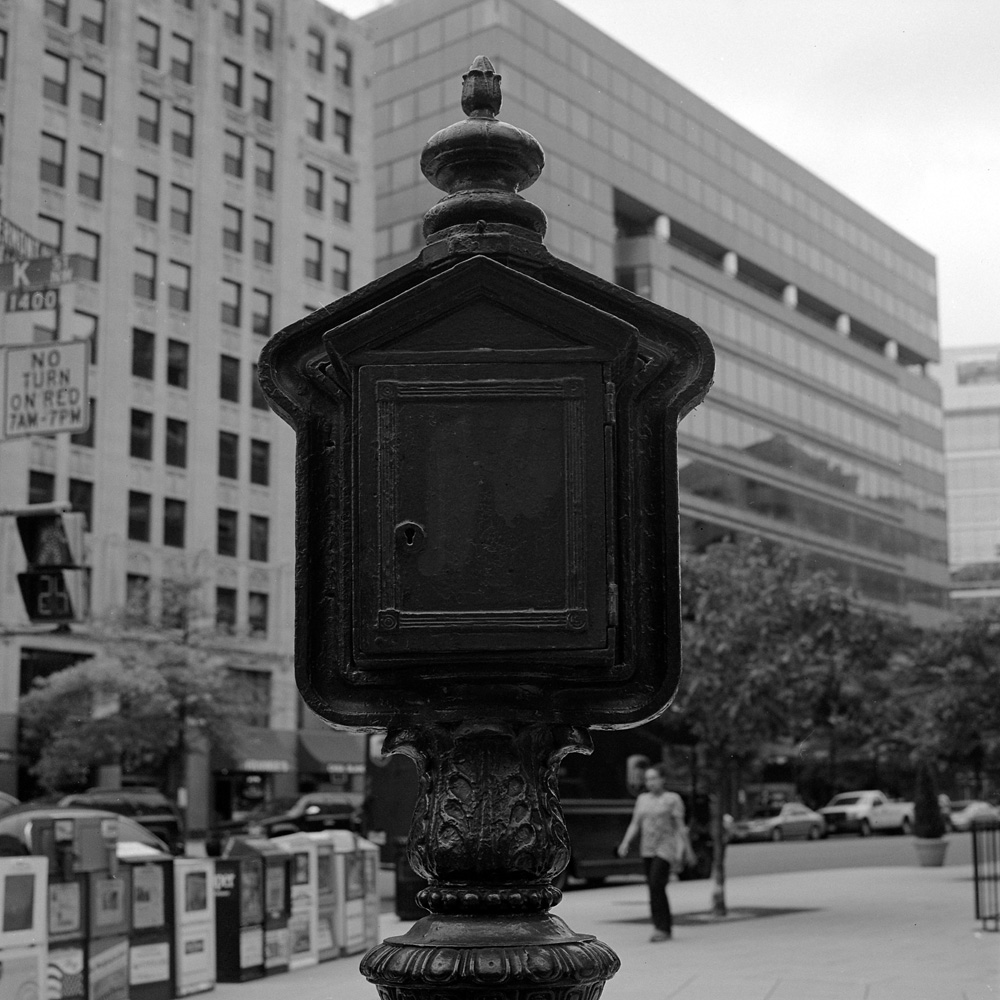
Police Call Box
Police Call Box

I was just doing a little research on these, as I’ve seen them here in DC for years but didn’t know much about them. Washington DC was one of the first cities in the US, and perhaps even in the world, to get them. They were first implemented in Albany, New York in 1877, and in Washington DC in 1883. The most famous ones, of course, are the blue kiosks from the UK, made so by the Dr. Who tv series. In the UK, they phased them out in the 1970s, but they remained in use in Washington DC until the early 1980s, so they had a run of almost a full century. Surprisingly enough, their physical remains have outlasted the pay phone – it is easier to find a (gutted, non-functioning) police call box here than it is to find a functioning pay phone now, despite the fact that public phones are still in use.

I found a video online from a DC Police Department historian who talked about the police call boxes, and he had a very funny story to relate – back in the day before police radios were implemented, if a patrolman had to arrest someone, the only way he had to contact central dispatch to get a wagon to come pick up the perpetrator was to physically bring the perp to the call box, call for the wagon, and wait at the call box. So that would explain why patrolmen in the past were a bit rougher and meaner during the arrest process, as they often had to subdue a perp for not just long enough to get them in his vehicle, but for a several block walk and then an additional 10-15 minutes waiting for the van!

Portraits of Everyday Objects, Part 2

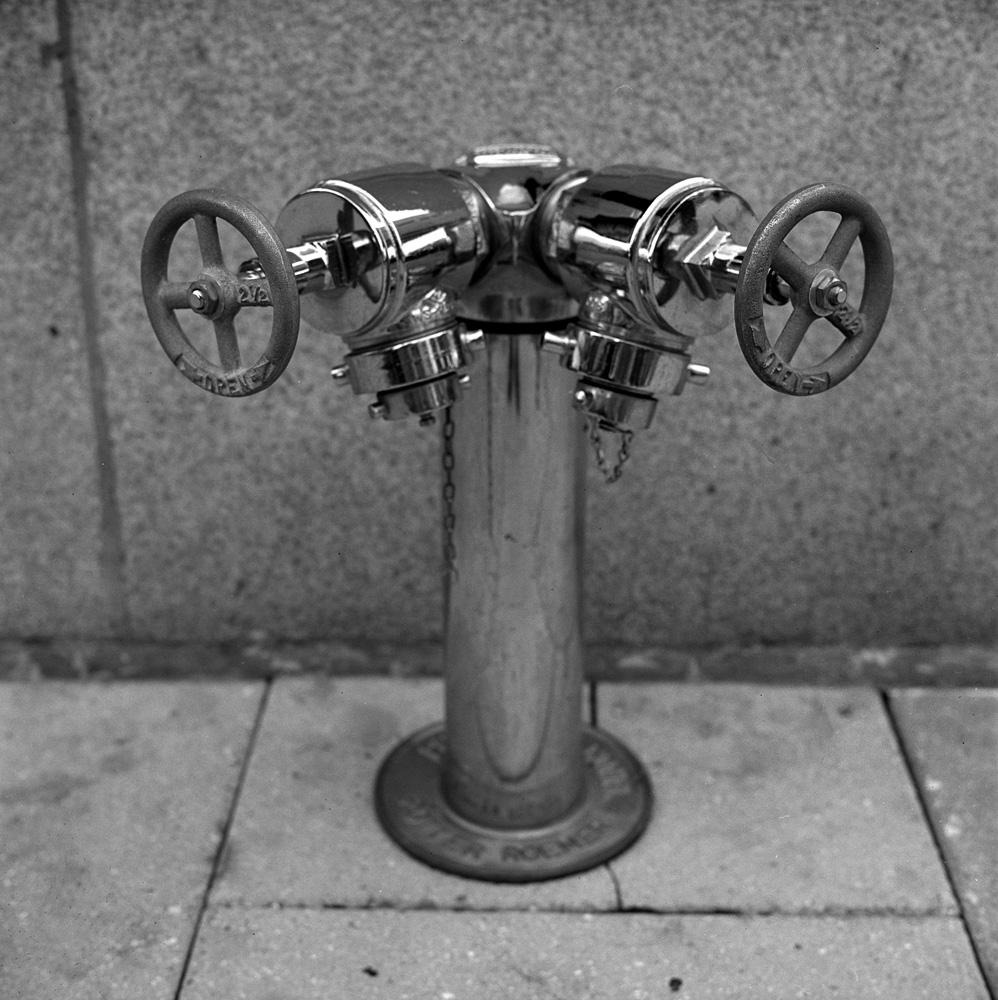
Valveless Siamese Connecting Pipe
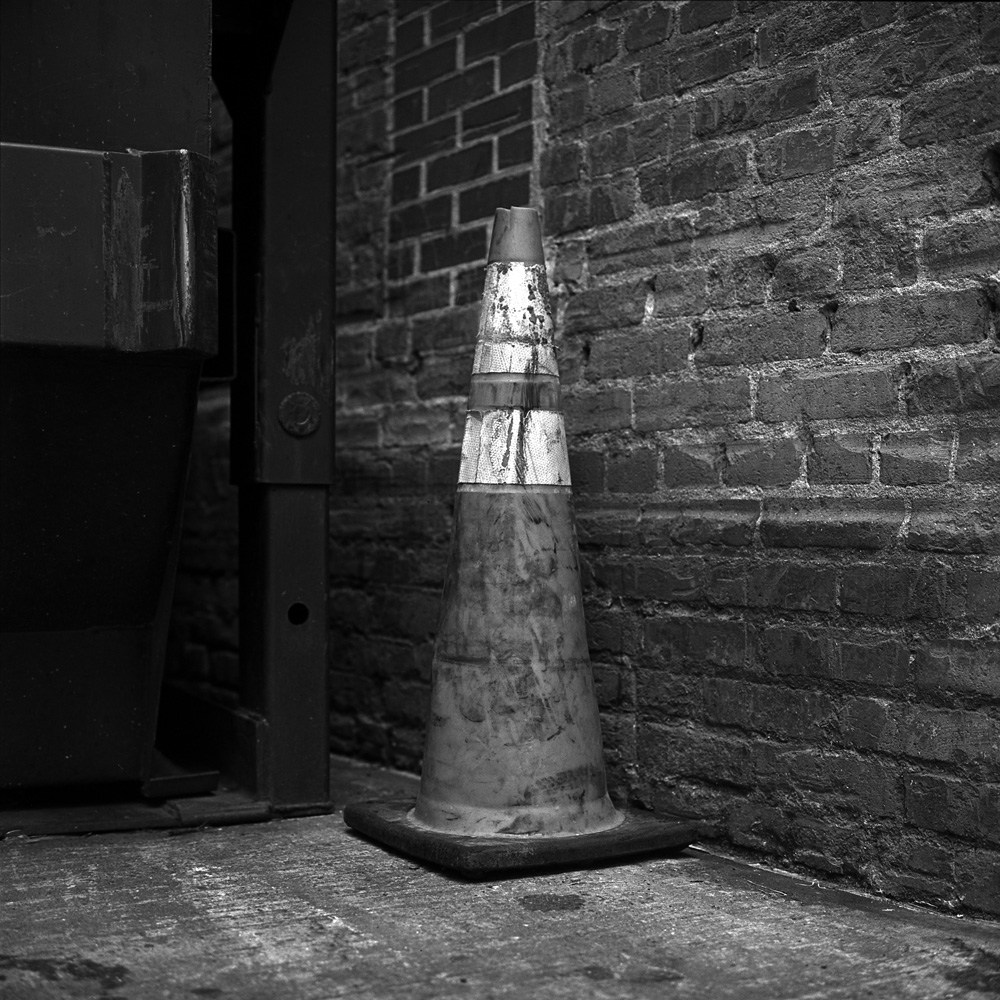
Traffic Cone
Traffic Cone
Abandoned Police Call Box
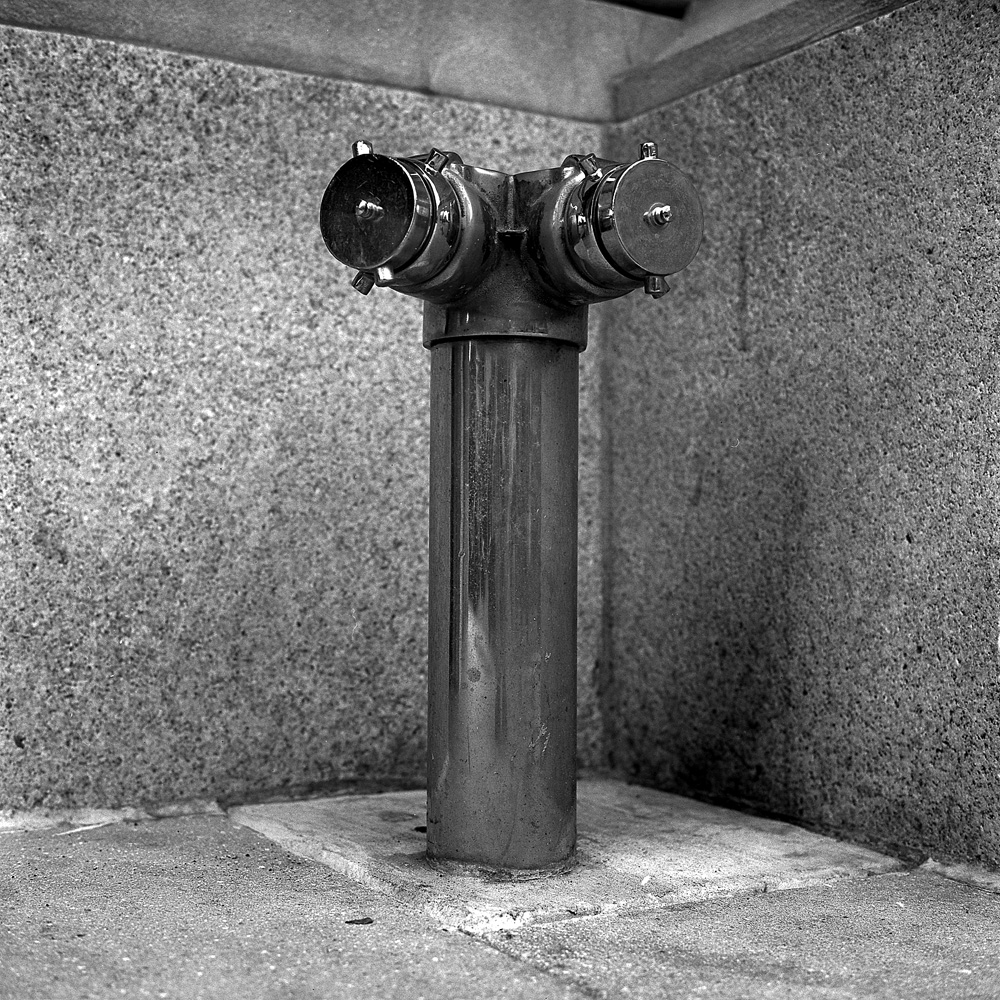
Siamese Spigot
Siamese Spigot

Portraits of Everyday Objects

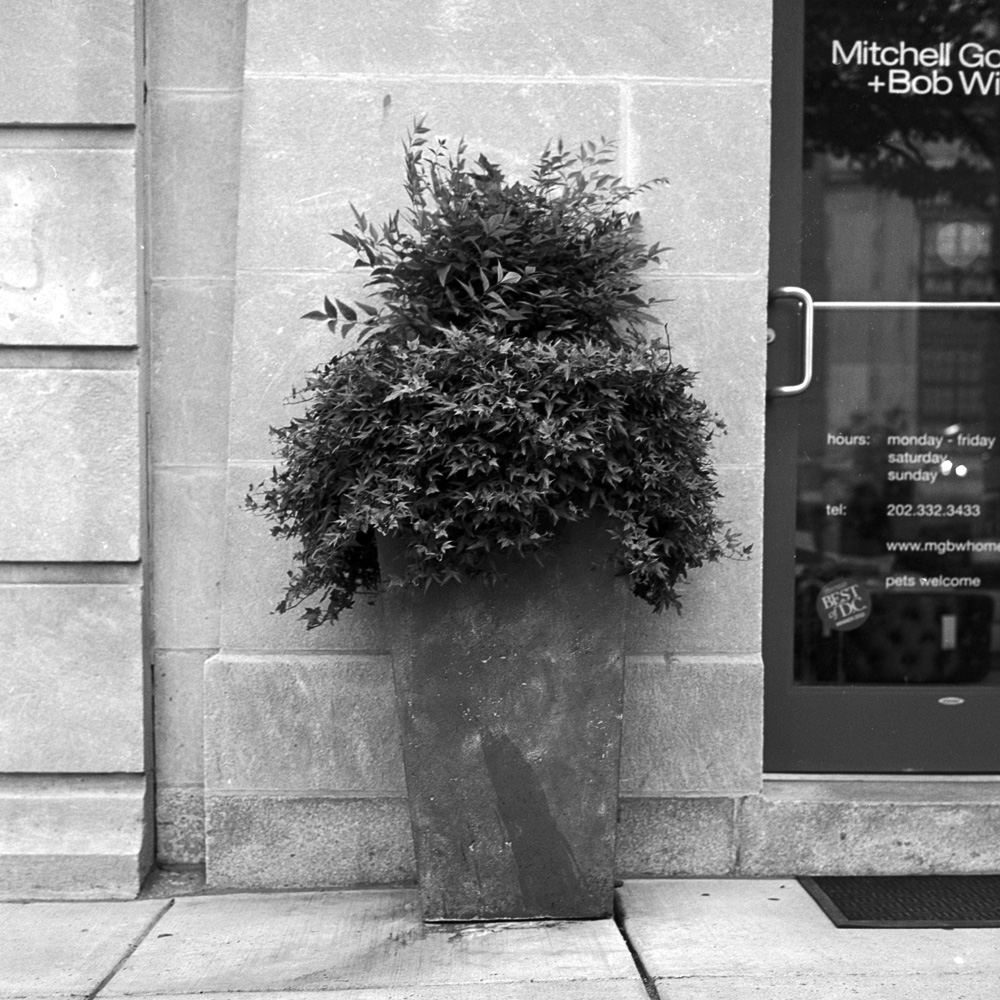
Everyday Objects- Planter
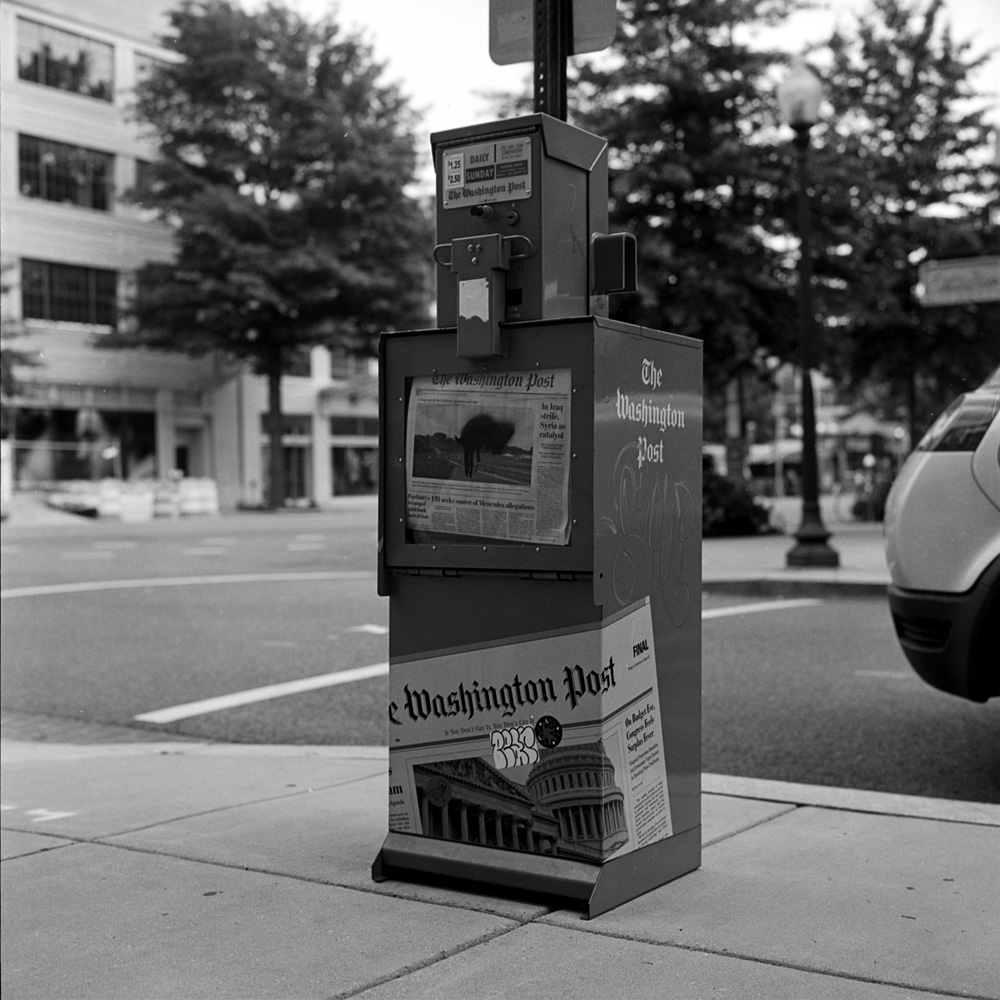
Everyday Objects- Washington Post Paper Box
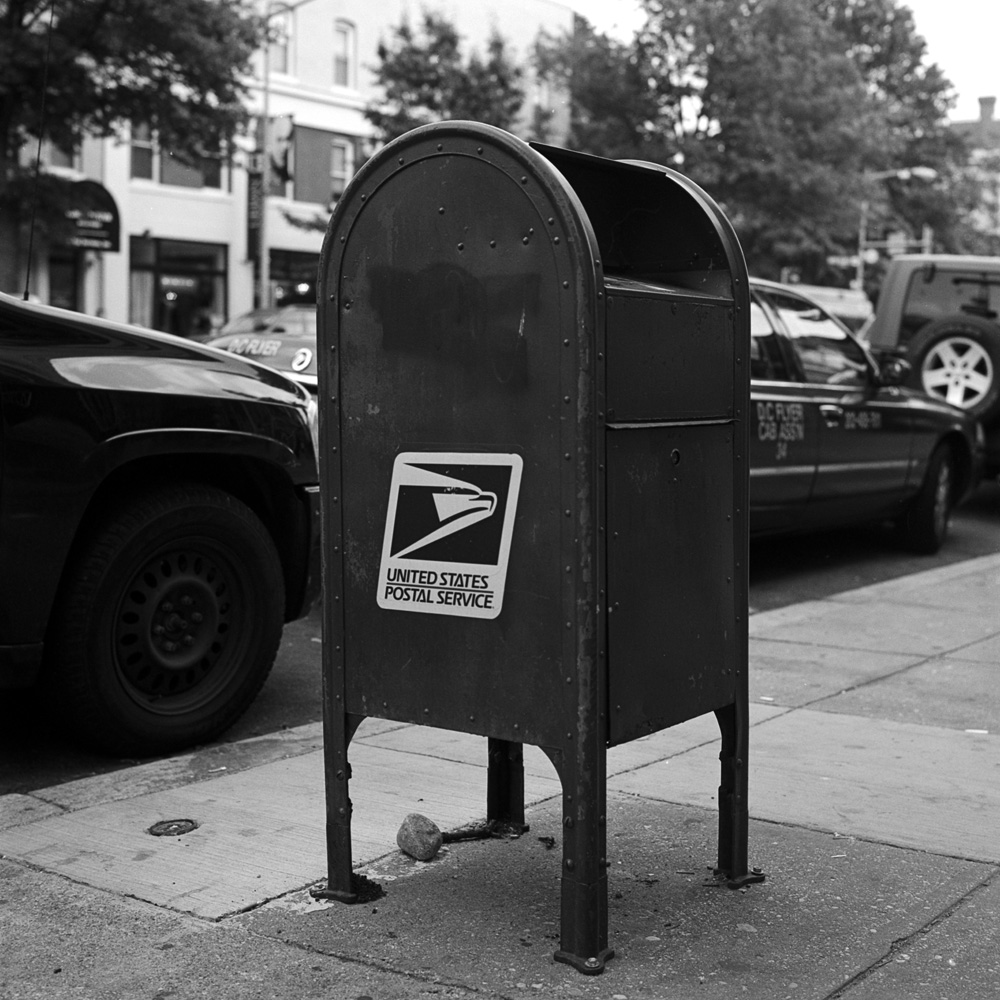
Everyday Objects- Mailbox

Here’s some more of a new series I’m working on – portraits of everyday objects. I want to show things we pass every day but don’t pay attention to as if they were subjects deserving of portraits. These are by definition environmental portraits, as these things are found in our environment, not in a contextless studio.

Transportation

Old Harley Motor
Old Harley Motor
Harley 103 V-twin
Harley 103 V-twin
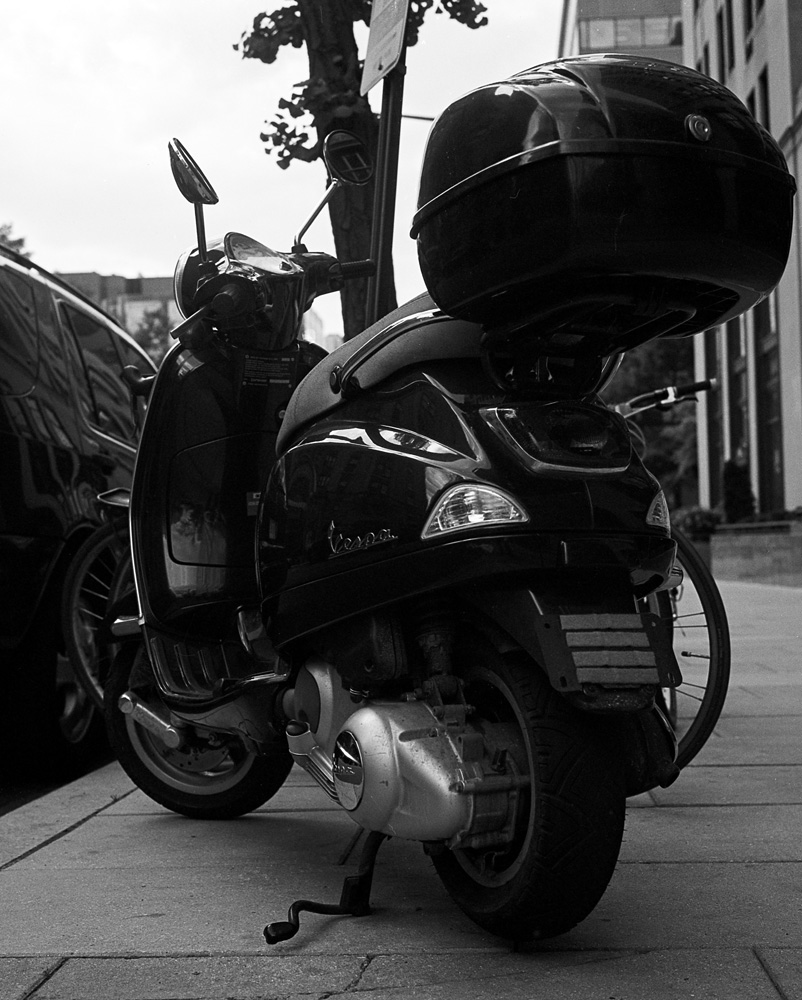
Whoever thought a Vespa could look Bad-ass?
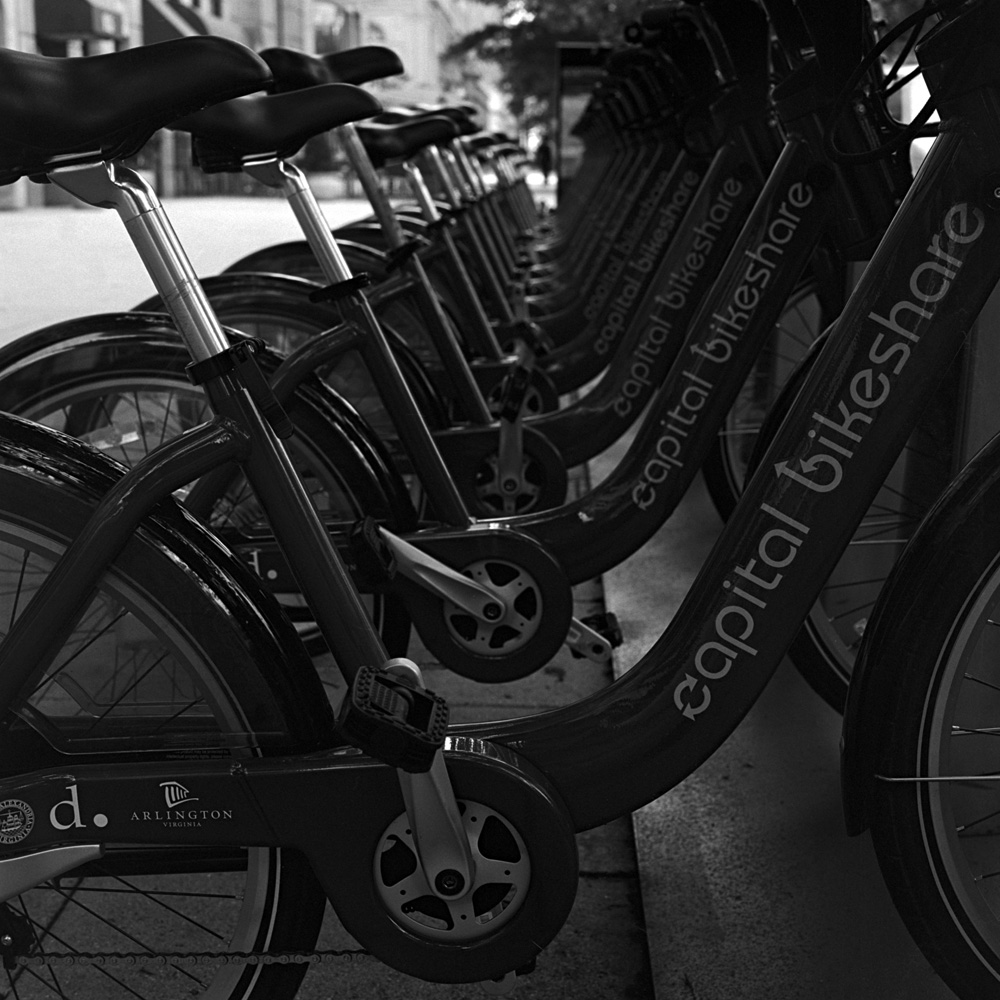
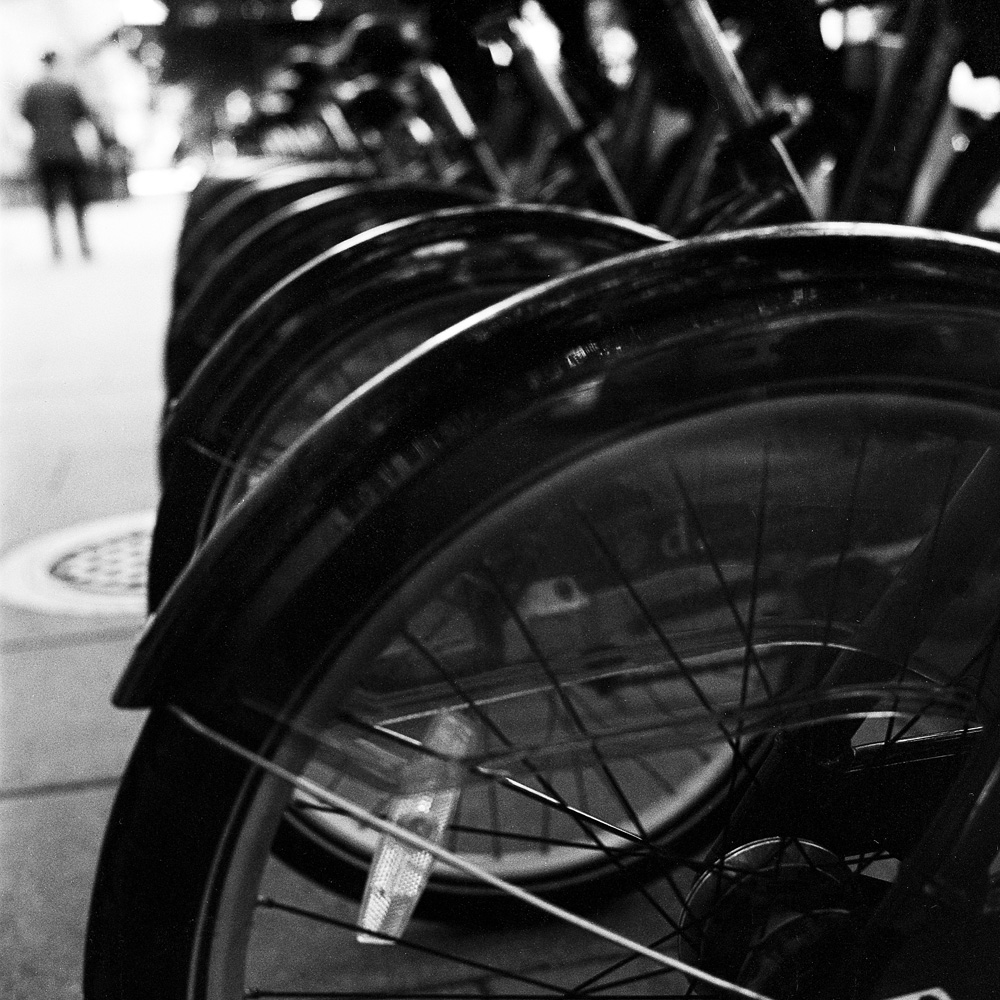
Capitol Bikeshare
Capitol Bikeshare
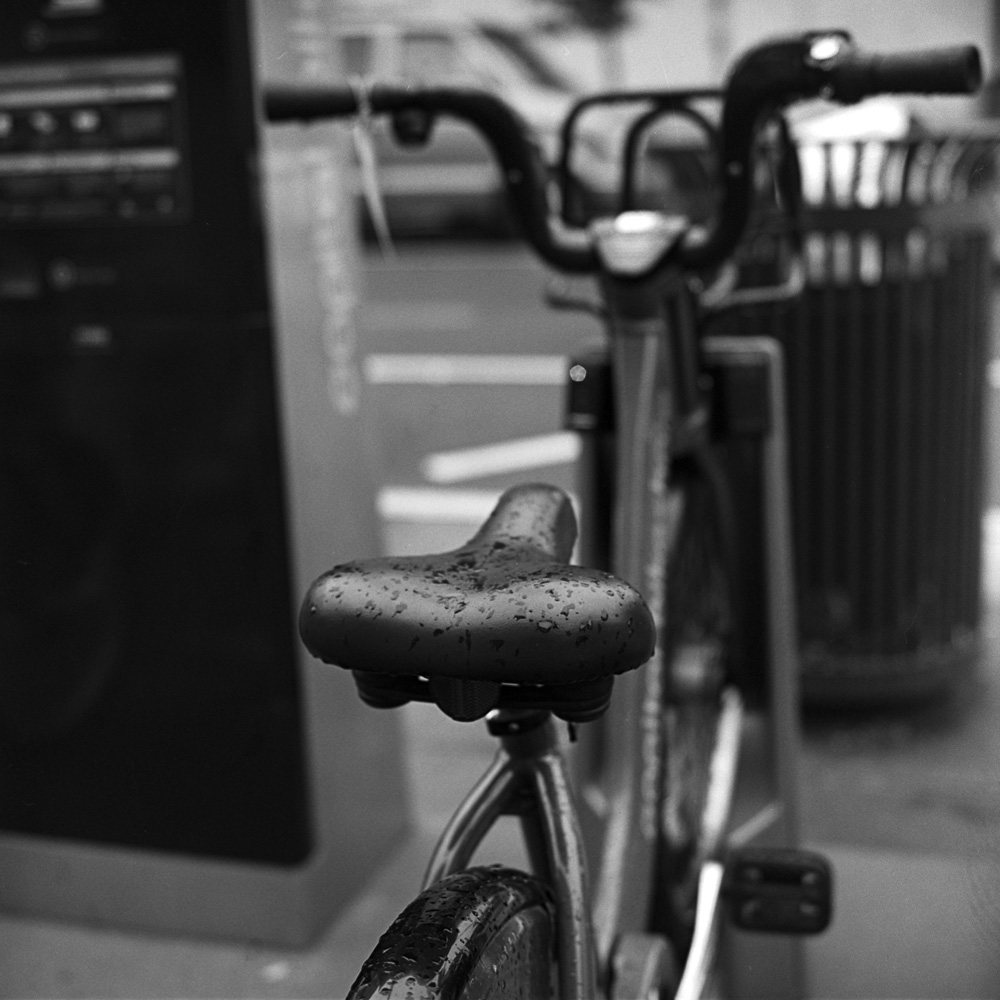
Wet Bike Seat
Wet Bike Seat
Capital Bikeshare
Capital Bikeshare

No real words, just some pics of two-wheeled transportation.

Portraits of Everyday Objects

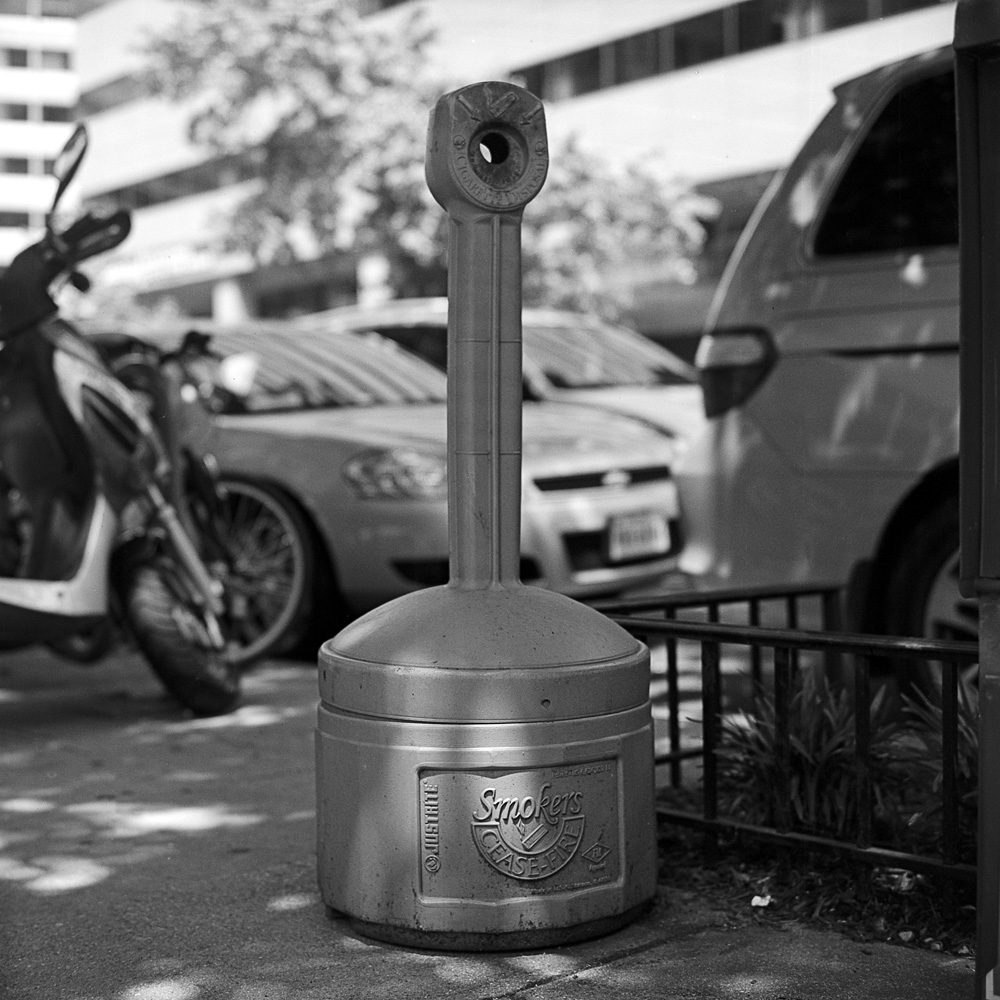
Smoker's Pot
Smoker’s Pot
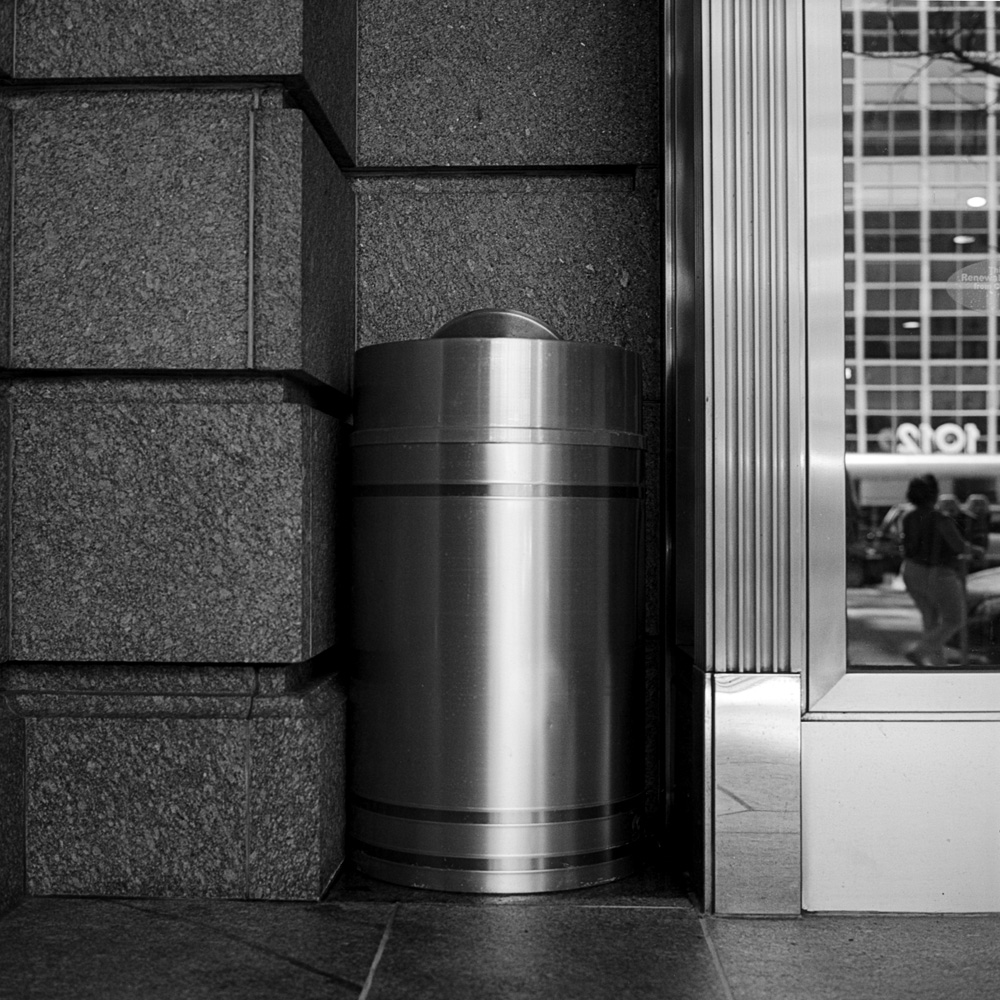
Chrome Trashcan
Chrome Trashcan
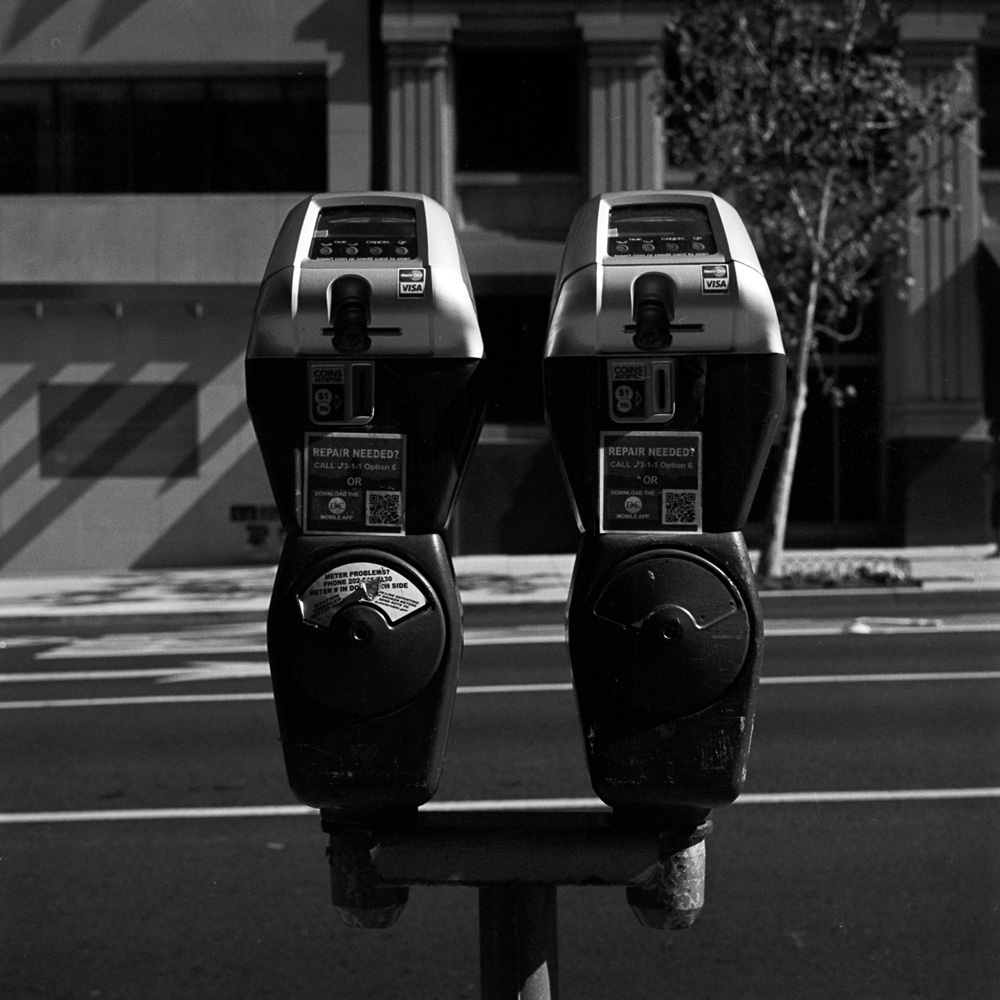
Twin Parking Meters
Twin Parking Meters
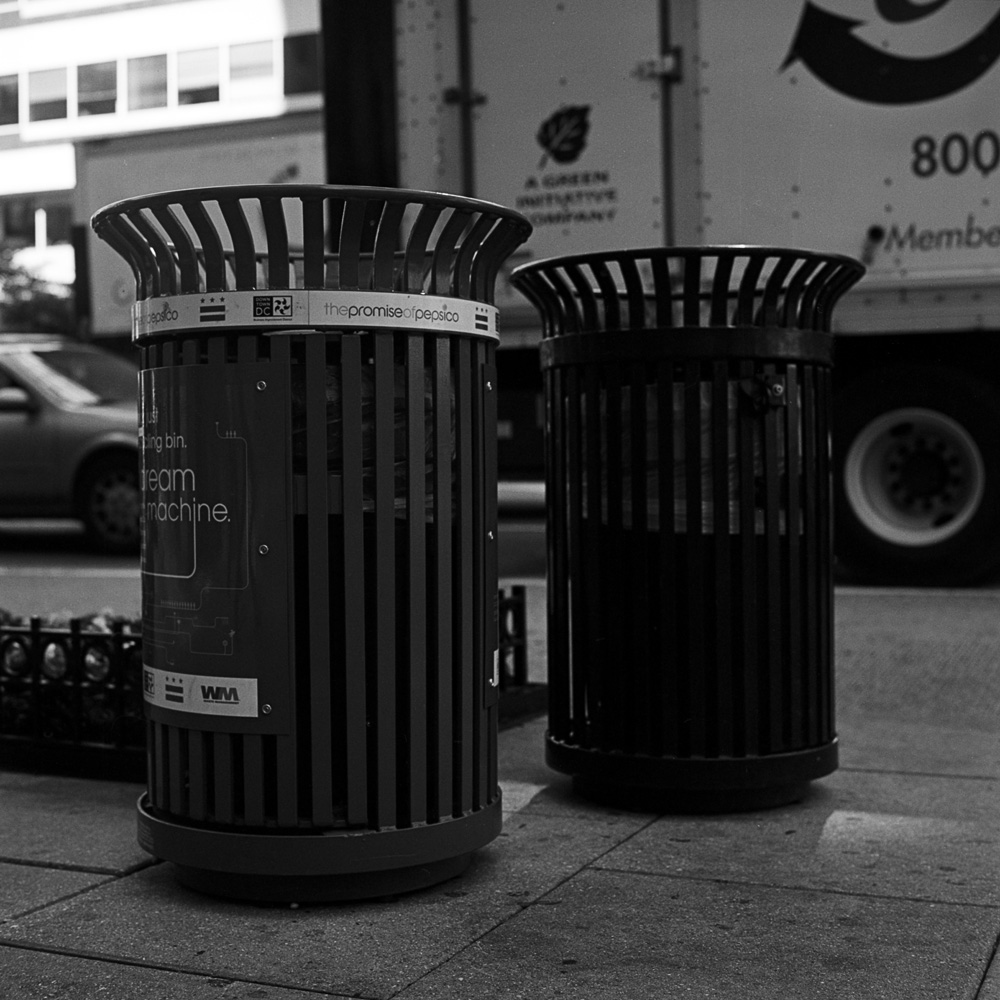
Couple - Recycling Bins
Couple – Recycling Bins
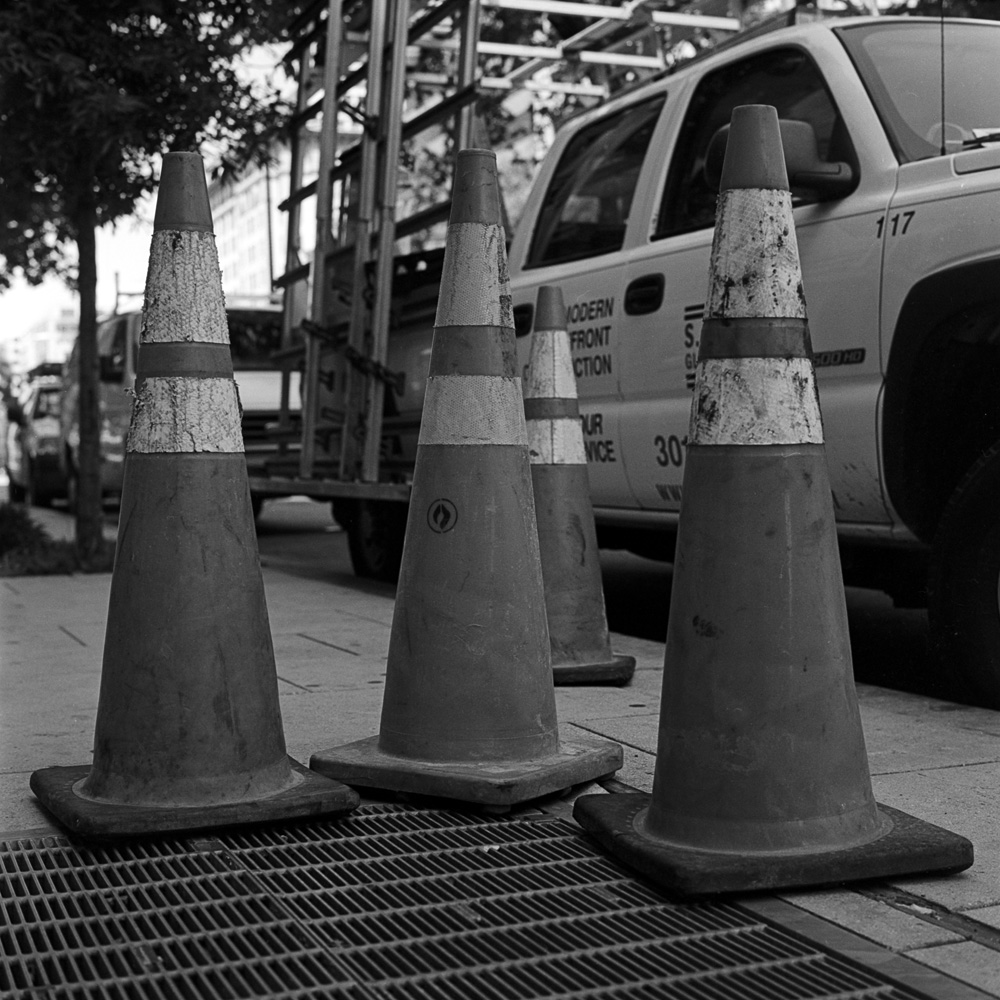
Traffic Cones - Family Group
Traffic Cones – Family Group

This is the start of a new series I’m working on – portraits of everyday objects. I want to show things we pass every day but don’t pay attention to as if they were subjects deserving of portraits. These are by definition environmental portraits, as these things are found in our environment, not in a contextless studio. I’ve done a few before in color, but I think the black-and-white lends them a certain formality that elevates them from record shots.

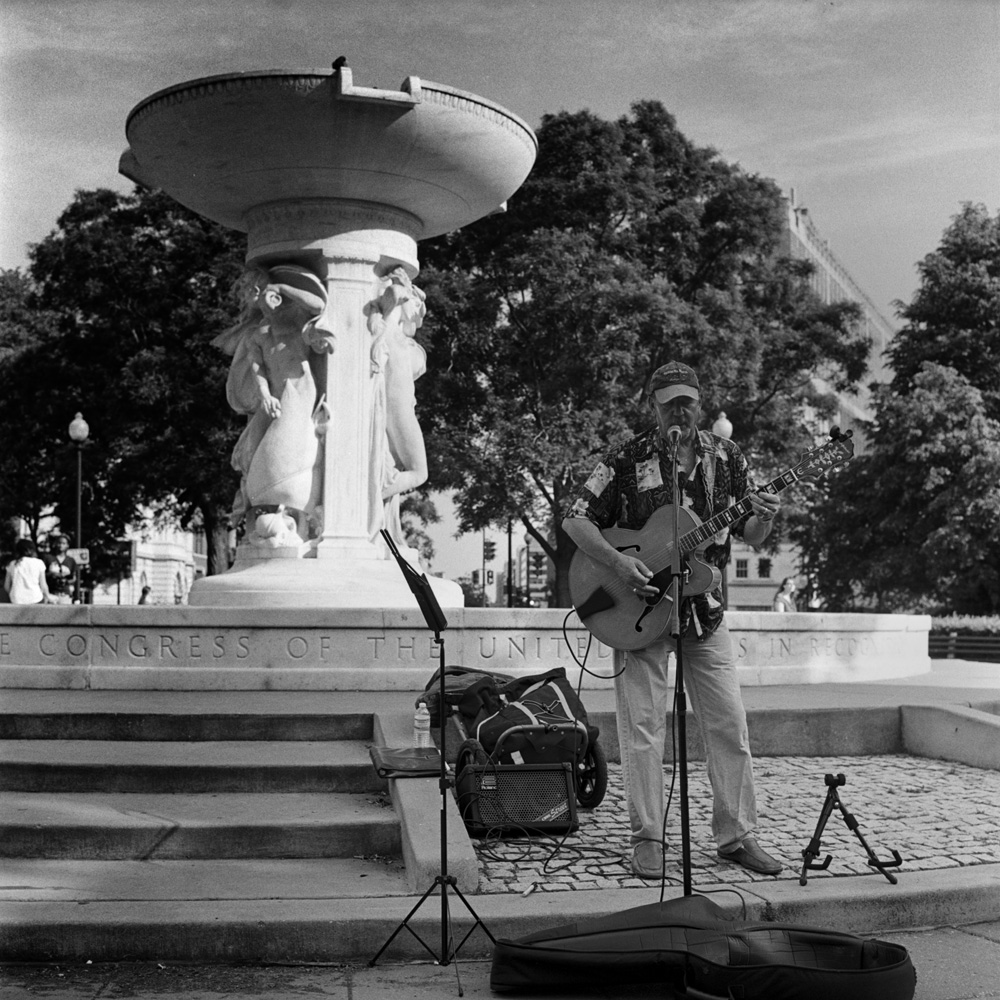
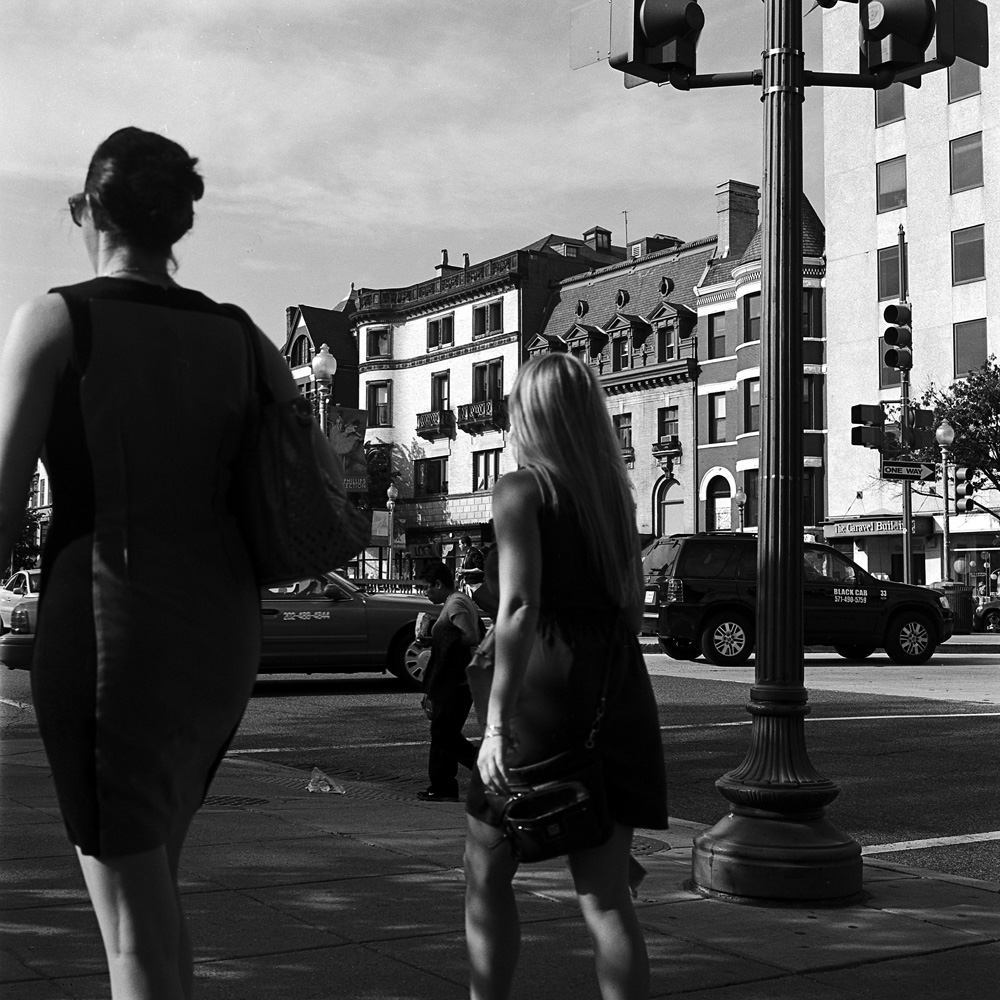
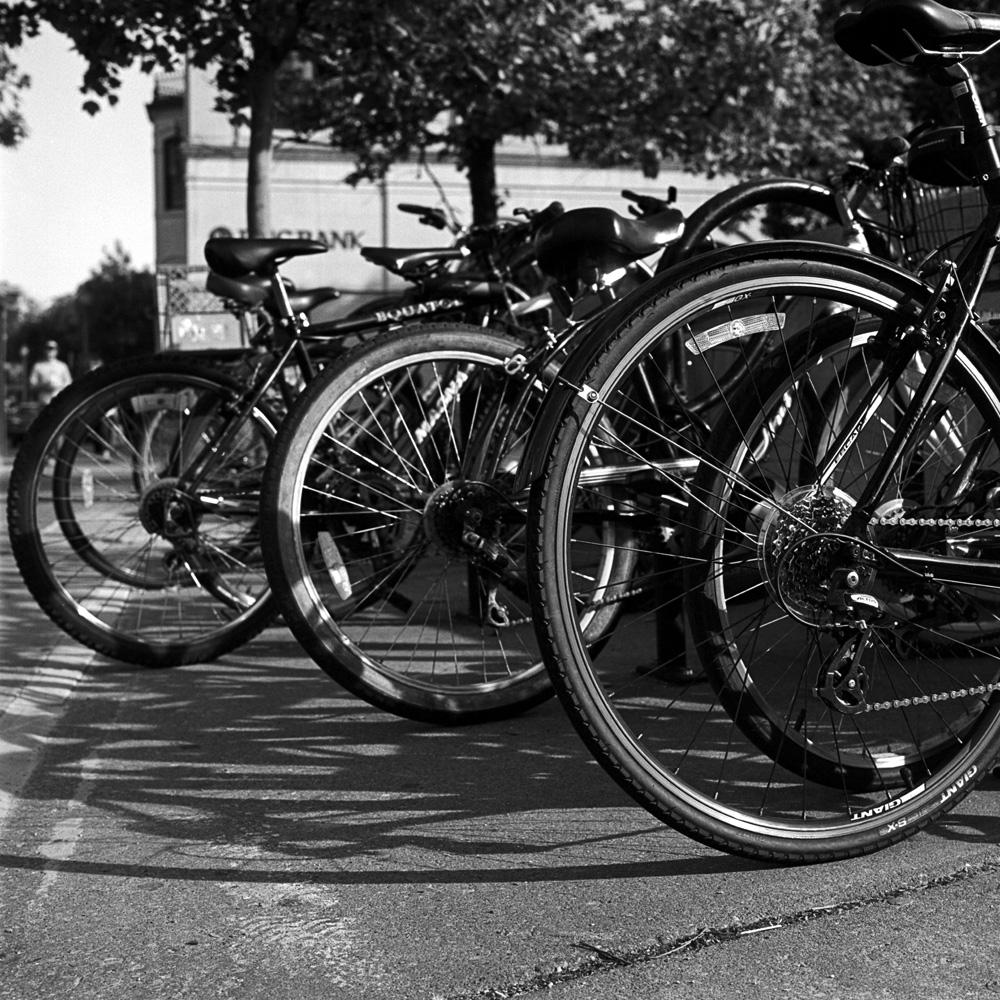
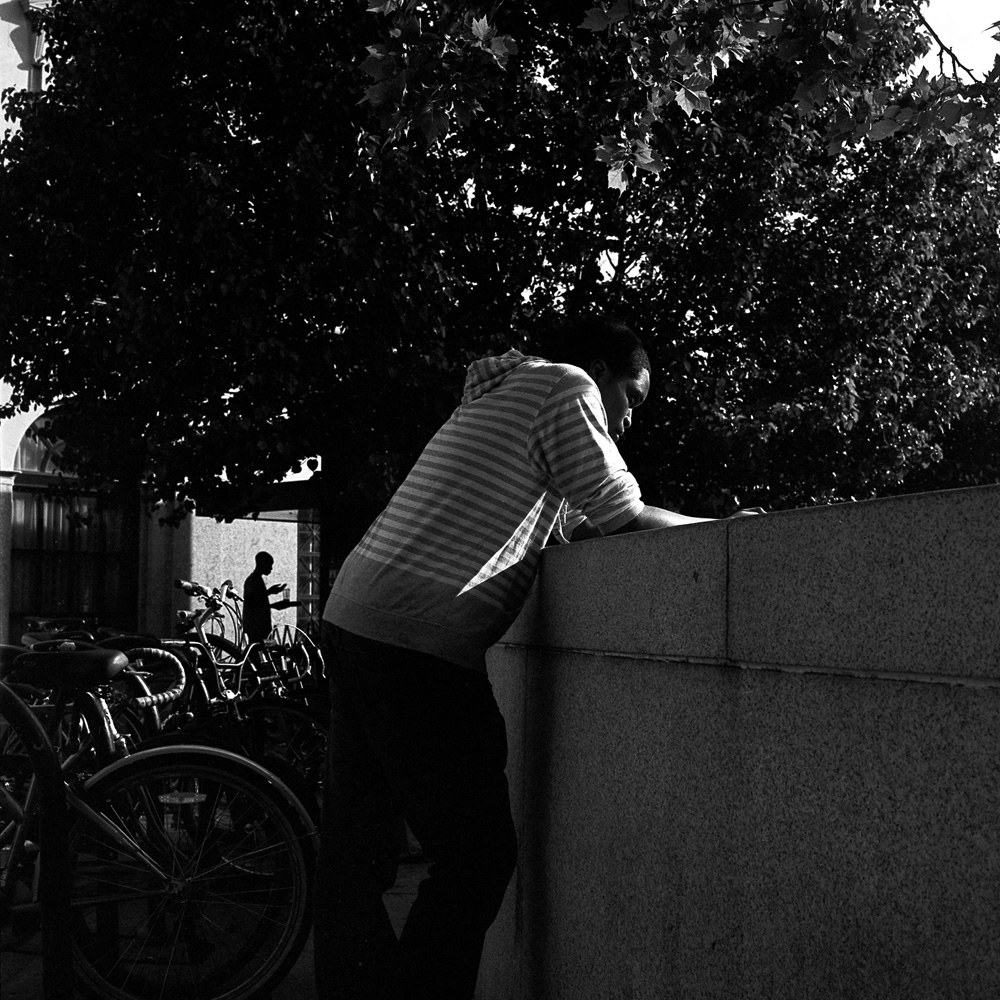
Dupont Circle Evening, in Black & White

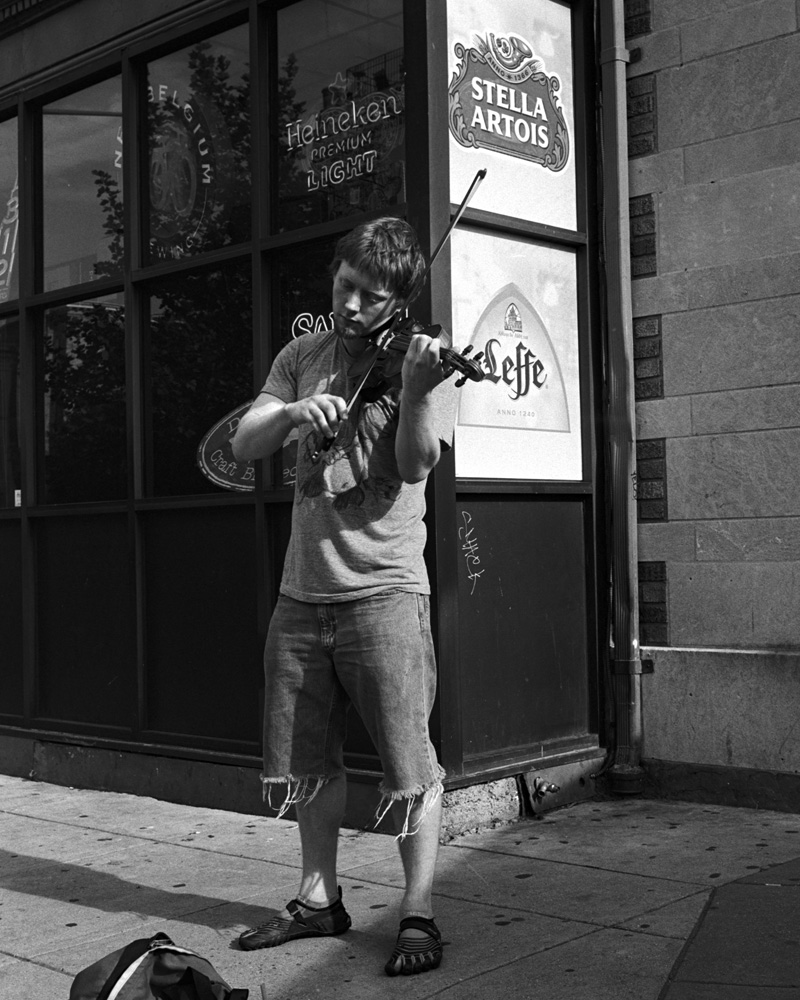
Violinist, Dupont Circle
Guitarist, Dupont Fountain

The first two were shot on Kodak Tri-X, developed in Rodinal 1:25. I was actually kind of hoping to get sandpaper-y grain with that combination, but no such luck. It’s ok though, because it isn’t that far off the rest of the images, so the change in film and developer isn’t that noticeable. All the rest are on Ilford HP5+, developed in Pyrocat HD.

Dupont Pedestrians
Dupont Pedestrians
Three Bikes, Dupont
Three Bikes, Dupont
Dupont Metro Meditation
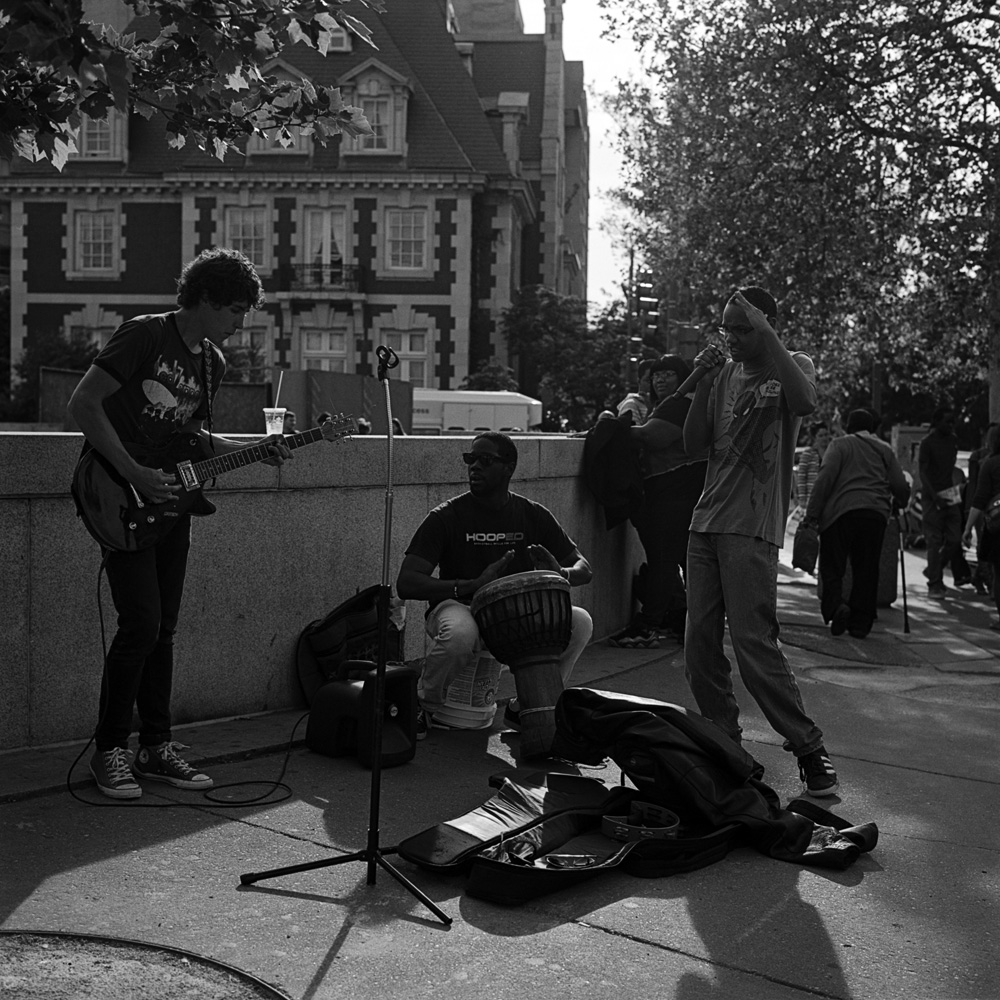
Dupont Musicians
Dupont Musicians
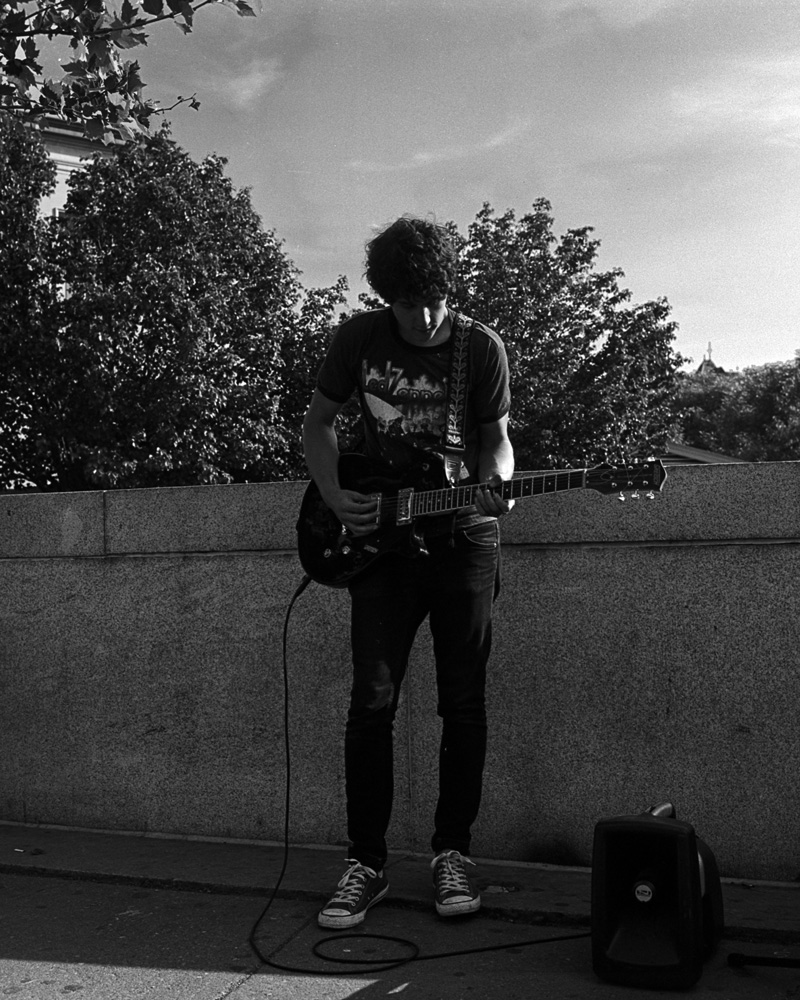
Dupont Metro Guitarist

All photos taken with my Rolleiflex 2.8E.

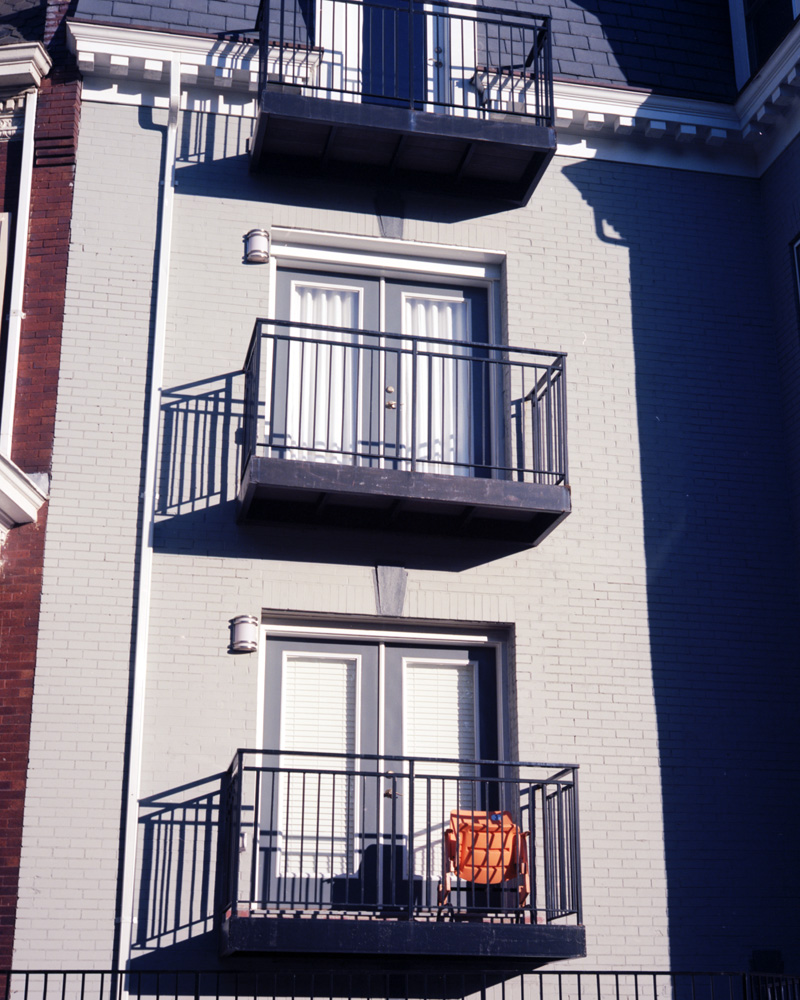
Orange Chair, 13th Street, Washington DC

Orange Chair, 13th Street

I came across this while walking around my neighborhood. It’s a balcony on a rowhouse converted to condominium apartments. The sun was getting low in the evening sky, casting long shadows. The scene is almost monochromatic, with the exception of the orange chair. Yet the chair is subtle – it doesn’t pop out and smack you in the face. It may have actually been more intense in real life, but I like it as just a touch – too often you see people de-saturating a color image except for one object (usually red), which they then proceed to hyper-saturate in contrast to the scene around it.

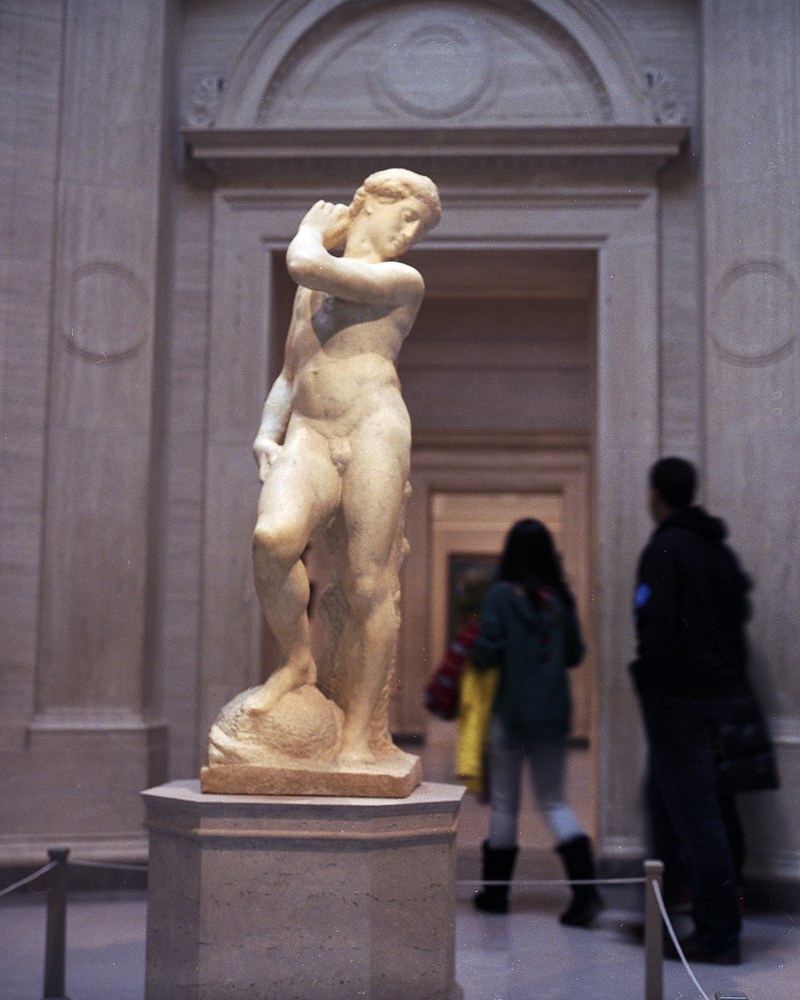
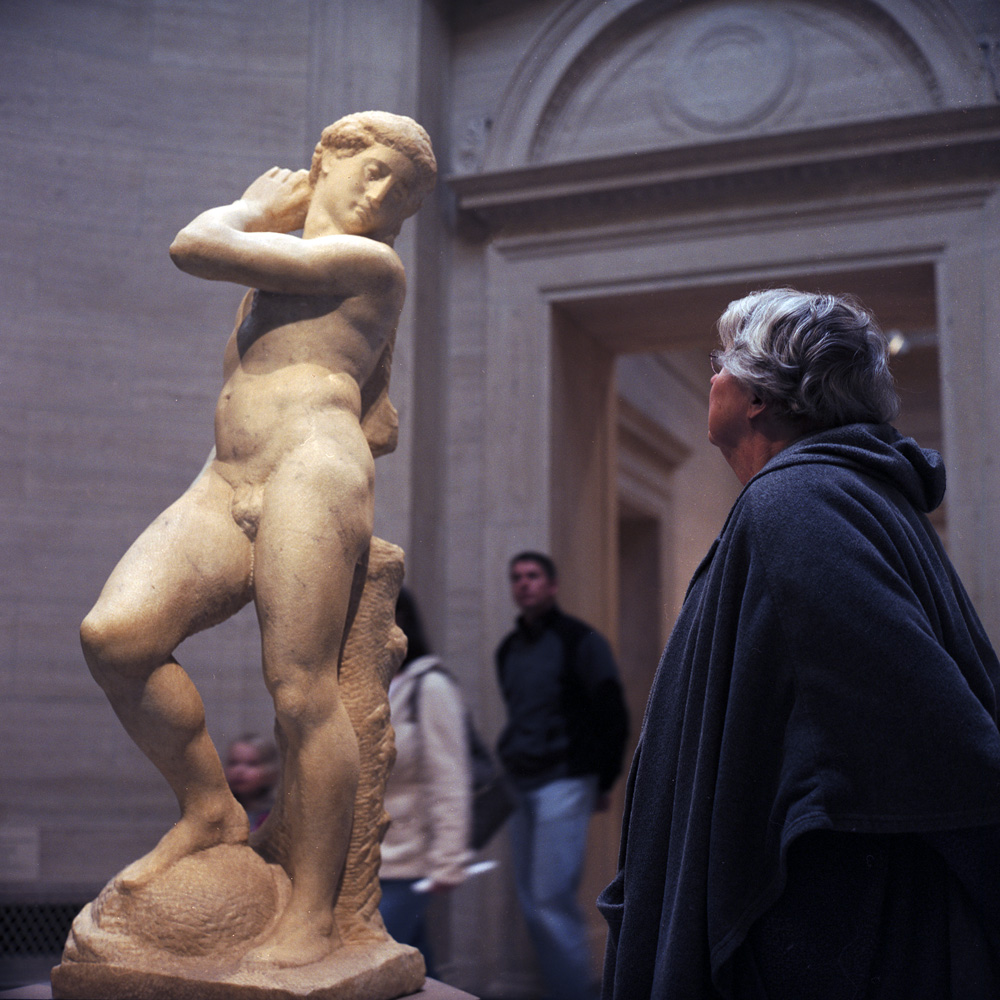
Michelangelo’s David/Apollo

Michelangelo's David/Apollo
Michelangelo’s David/Apollo

From January to March of this year, Michelangelo’s David/Apollo, normally resident in the Bargello museum in Florence, was on loan to the National Gallery of Art in DC. Being a huge Michelangelo fan, I had to go see it. The last time it was exhibited here in the US was during Harry Truman’s presidency. In fact, there are only three known or attributed works by Michelangelo in the United States (a drawing and two sculptures, one of which is in a private collection), so it’s a rare day when you can get to see something from his hand.

One of Michelangelo’s “unfinished” sculptures, much speculation exists around the entire series of the “unfinished” carvings – were they unfinished because Michelangelo was always biting off more than he could chew and didn’t have time, or did he deliberately leave them “unfinished” because he was making an artistic statement about the relationship between the image, the stone and the carving? Either way, they make for a tantalizing insight into the mind and the technique of one of the world’s greatest sculptors.

 David/Apollo Admirer
David/Apollo Admirer

I’m almost as fascinated by the people who come to look at art as I am the art itself. Sometimes (frequently, actually) I’m very annoyed with museum patrons because they’ll blithely traipse right between you and a work or the wall label for it that you’re trying to look at, rented headset on, completely oblivious to the fact that you now cannot read or see the exhibit. But when they’re not blocking your view, the way they look at art is endlessly interesting. Some will point, some will stand back and appraise, some will “print-sniff” and get close enough the guards have to warn them off. Some will ingest silently, others will pontificate to their audience of friends (and anyone else within earshot), often as not with art history textbook opinions and/or not entirely accurate “facts” about the artwork and/or the artist.