The building I stayed in at 231 Fort York Boulevard is a thoroughly modern 28-story high rise, composed of glass and steel. At street level, however, the architects softened the impact with a still thoroughly modern, but decidedly more organic, approach. Twisting ribbons of blackened steel, undulating concrete, and dense vegetation combine to give it an almost Antoni Gaudi feel.
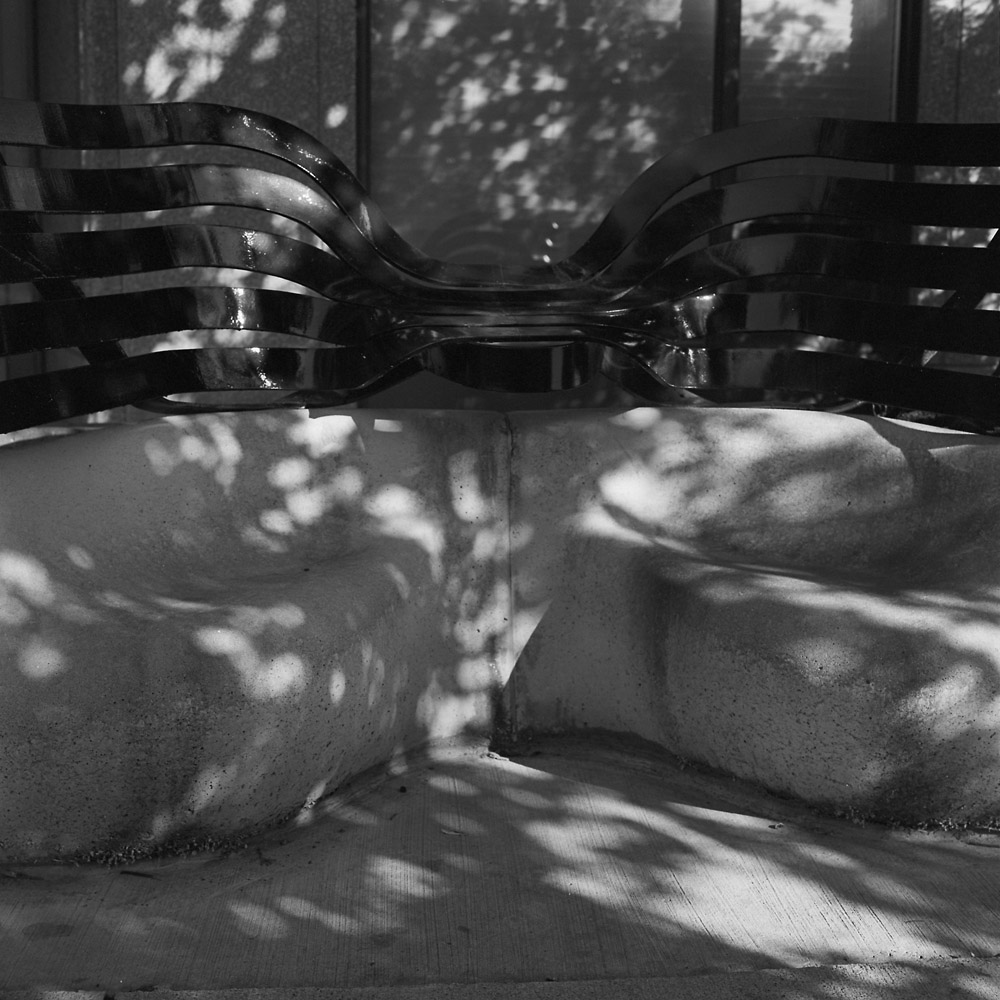
A loveseat style bench, formed out of an undulation in the concrete:
Bench
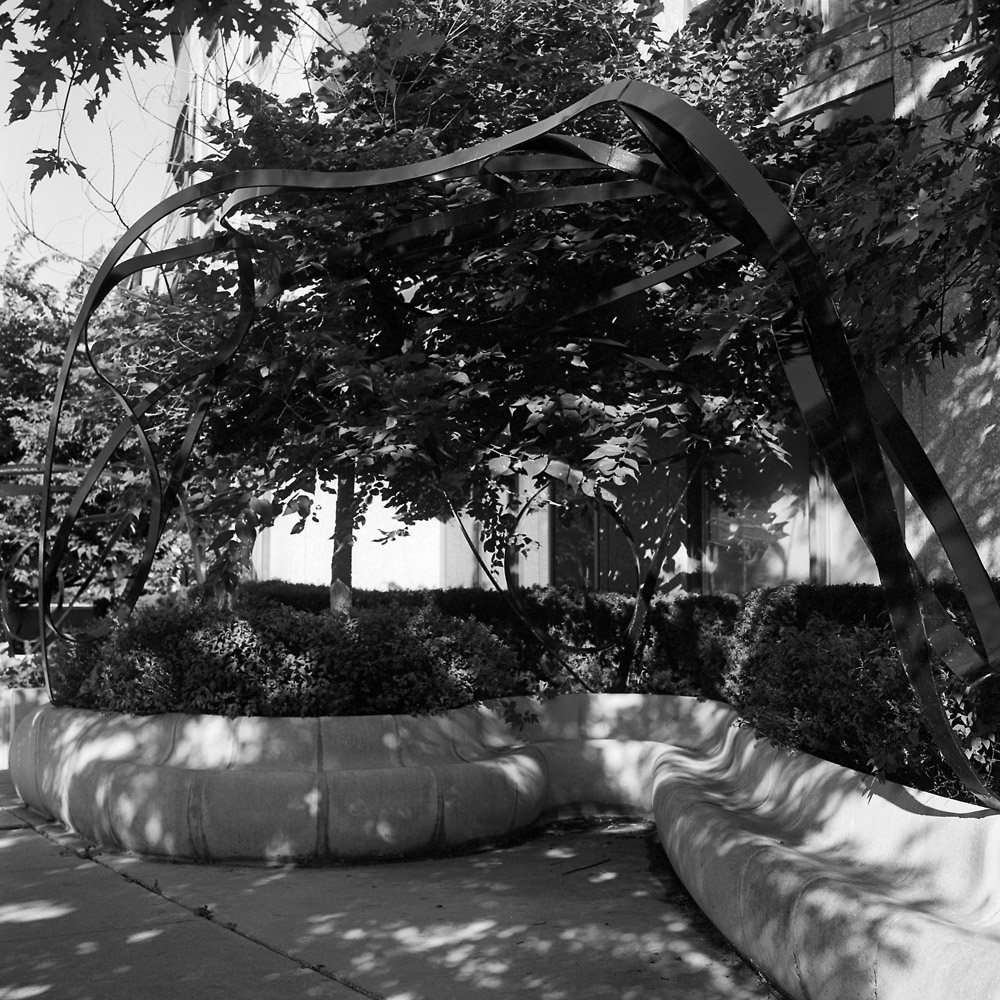
A canopy formed out of steel ribbons and the branches of trees shade another larger seating area:
Arbor
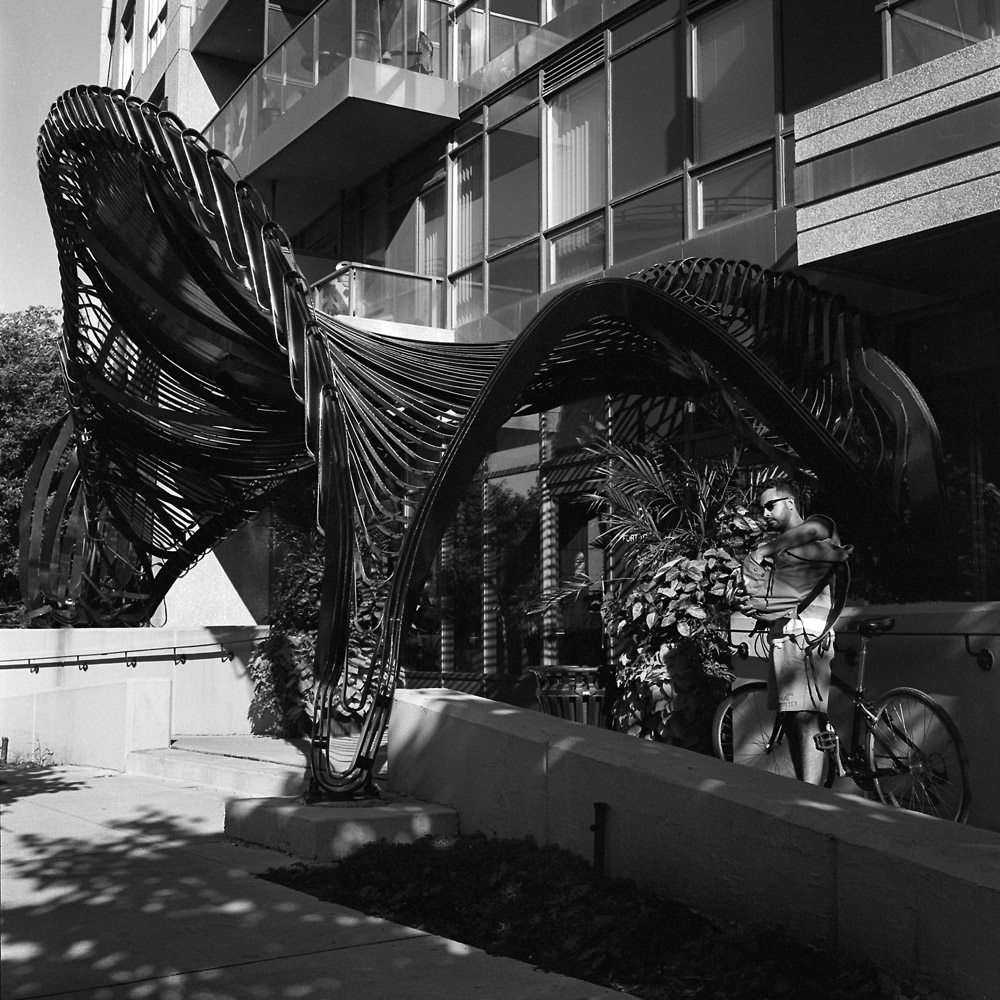
The building entrance is a riot of steel ribbons, twisted into organic shapes that bring to mind ocean waves and seashells:
Entrance
As an architectural critic, I question the use of these shapes because they really don’t relate to the building at all – they’re found only on the street side, and only at street level. The courtyard entrance where vehicle drop-off and pickup occurs has nothing at all like this, and nowhere else at any higher level is this style repeated. None of the upper balconies have ribbon-like railings, just typical glass and steel flat planes.
As a pedestrian, though, I’m quite pleased that it exists – it certainly makes the sidewalk level more interesting and in the summertime, more pleasant!
I’ve always loved buildings, since I was a little kid. I was fascinated by castles and old buildings of all kinds (I grew up in a house that predated the Civil War in a town that was burned by the Confederates). Now, I’m equally fascinated by modern urbanity. Here’s some of my take on super urban Toronto.
I like black and white for architecture, especially modern glass and steel architecture, because it amplifies the abstraction of geometry found in modern design.
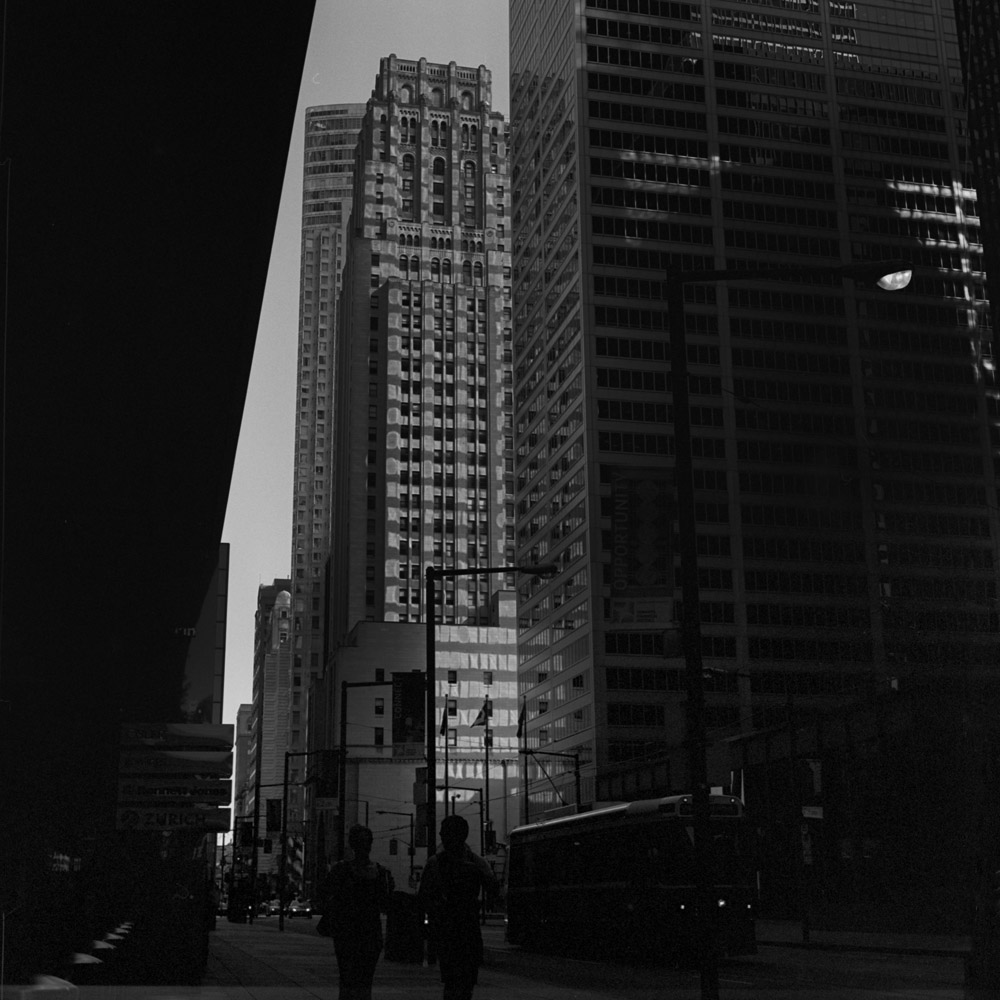
A street car emerges from the shadows of the urban canyon carved between high rise office towers. Pedestrians become silhouettes in the early morning light. An early Sunday morning in downtown Toronto:
Early Morning, Downtown Toronto
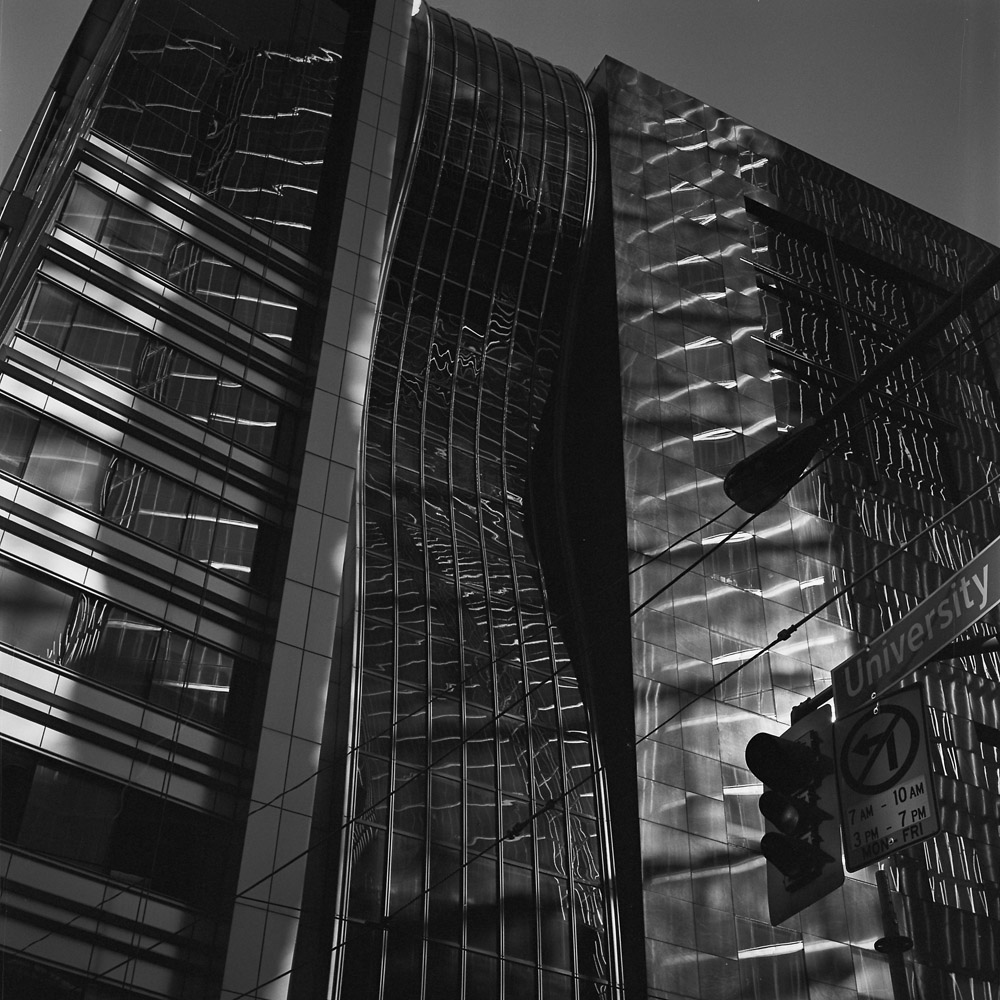
A daring facade wiggles between more traditional office towers:
University Street, Toronto
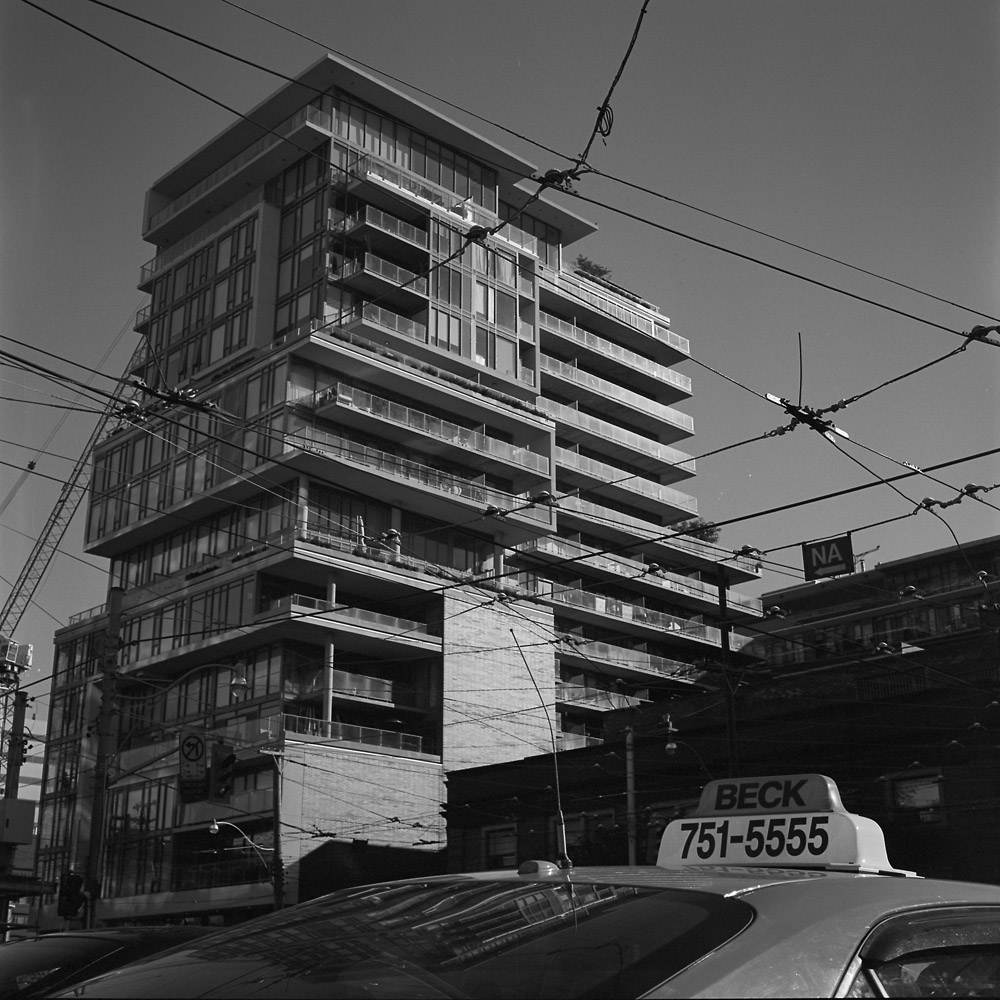
A modern condo building rises above the traditional Victorian and Edwardian streetscape of the city center. Taxis fill the street below in the hustle and bustle of the human beehive of activity, while overhead power lines for streetcars divide the sky into grids:
New Condos, Toronto
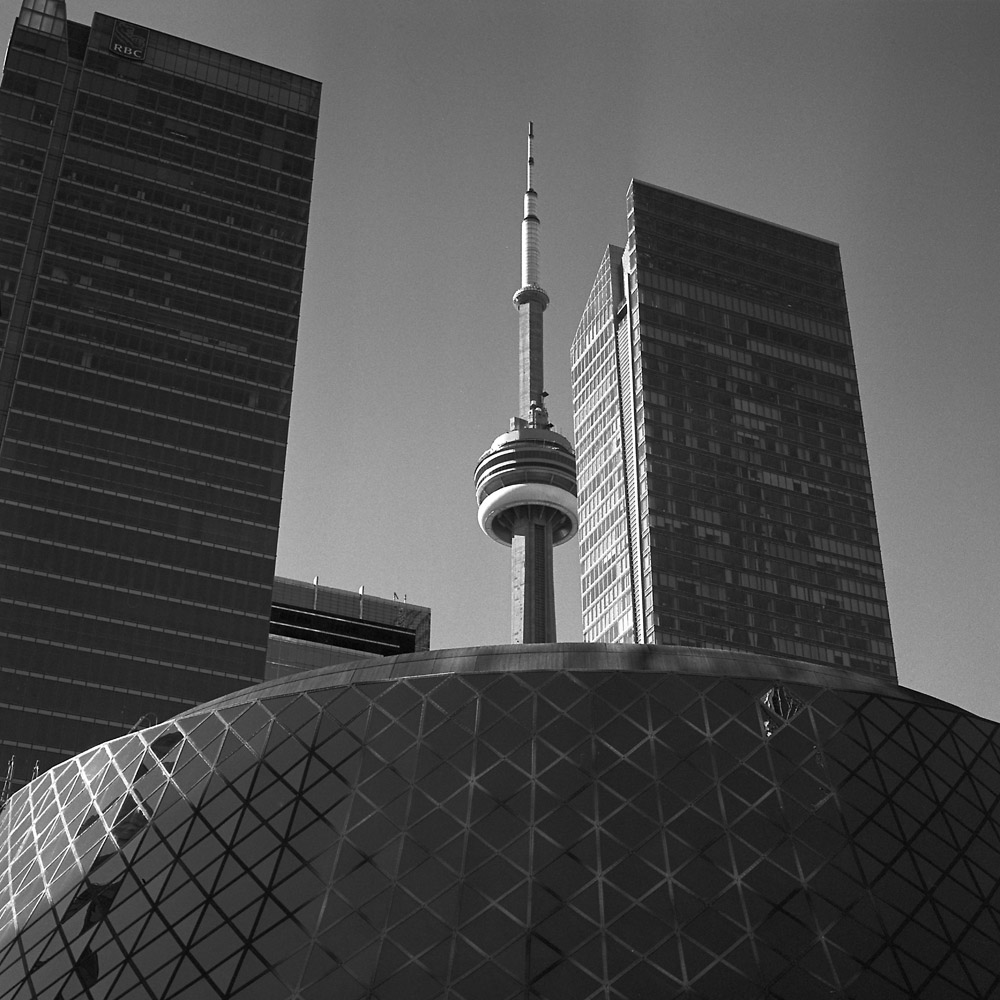
The CN Tower soars above downtown, framed by other towers. The sweeping roofline of the concert hall below directs the eye to the CN Tower from any angle:
CN Tower, Concert Hall
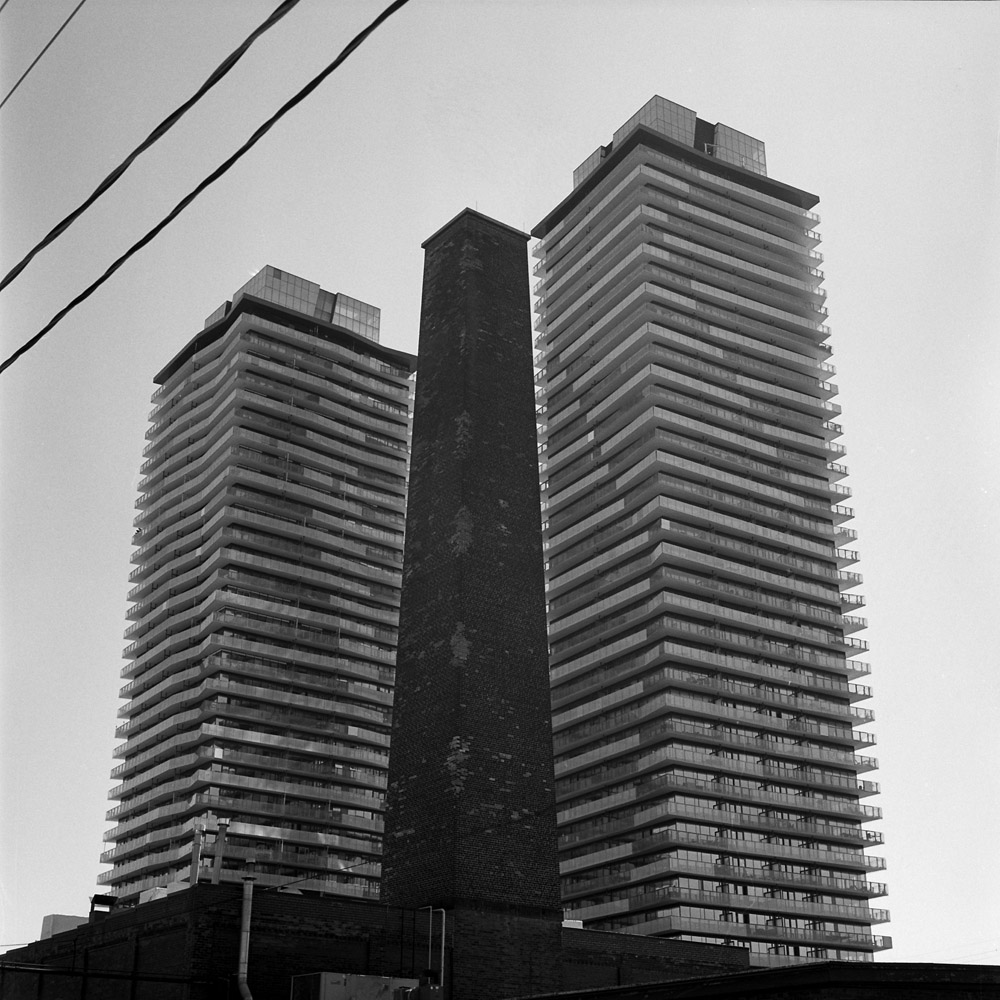
Modern apartments frame an industrial-era chimney in a contrast of textures:
Two Towers, Toronto
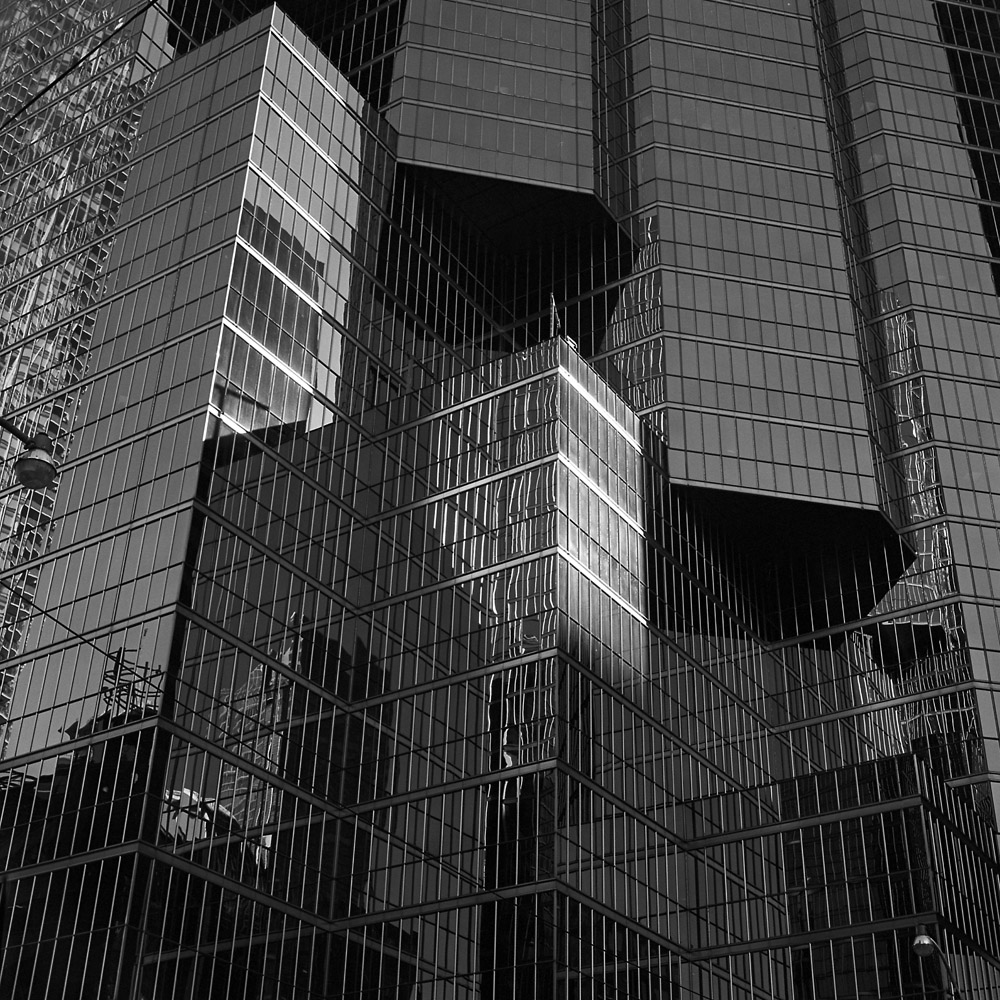
Two street lamps crane forward into the scene in zoomorphic curves, the necks and heads of two flamingos, breaking the chaotic geometry of the polygonal tower behind them:
Two Streetlamps, Reflections, Glass and Steel
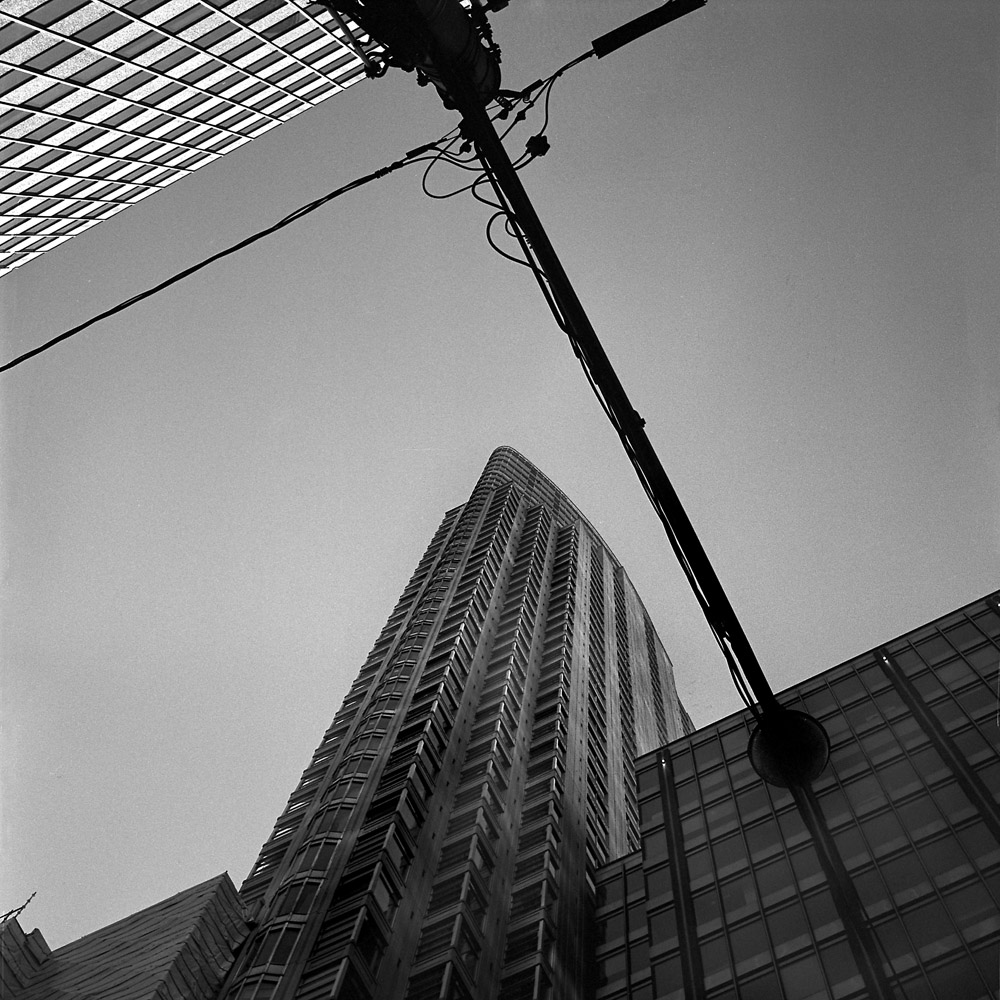
Looking straight up, towers and street lamps criss-cross the sky:
Streetlamp and Skyscraper
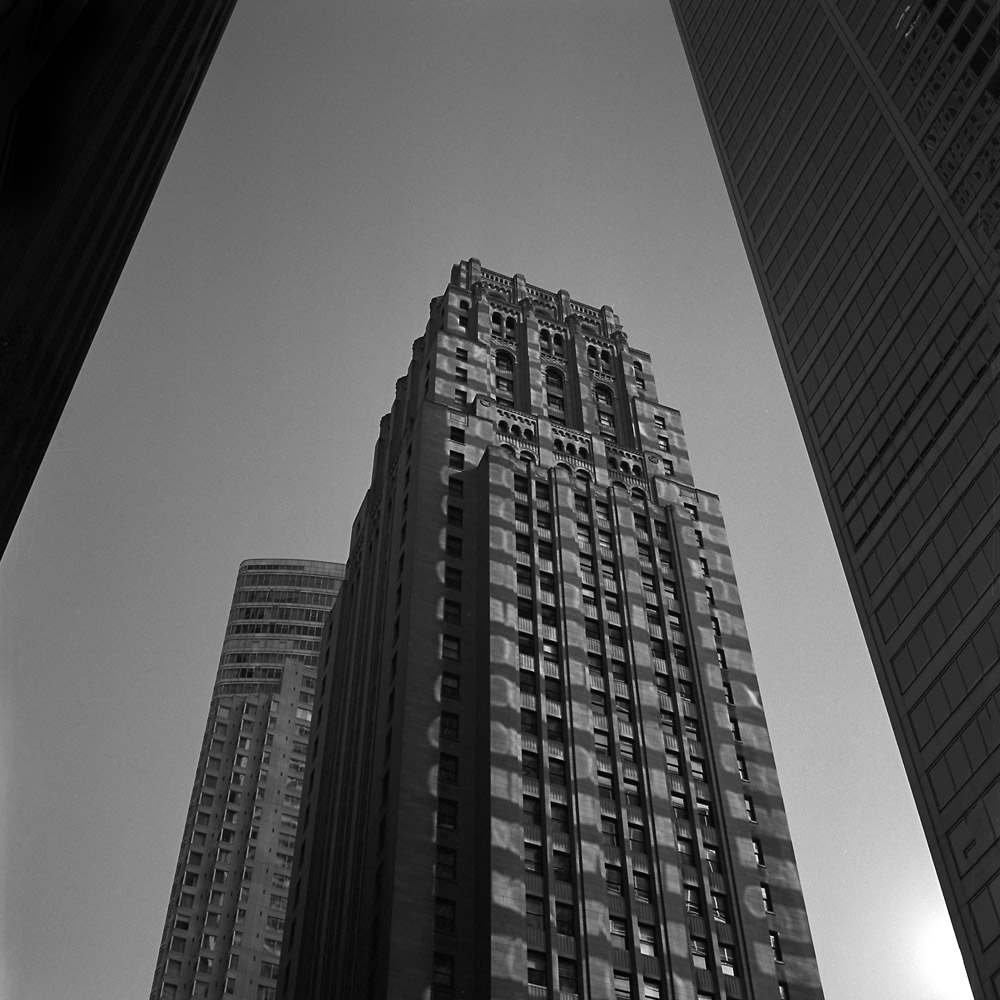
Mirrored windows of one tower reflect upon another, as vertical lines converge out of frame:
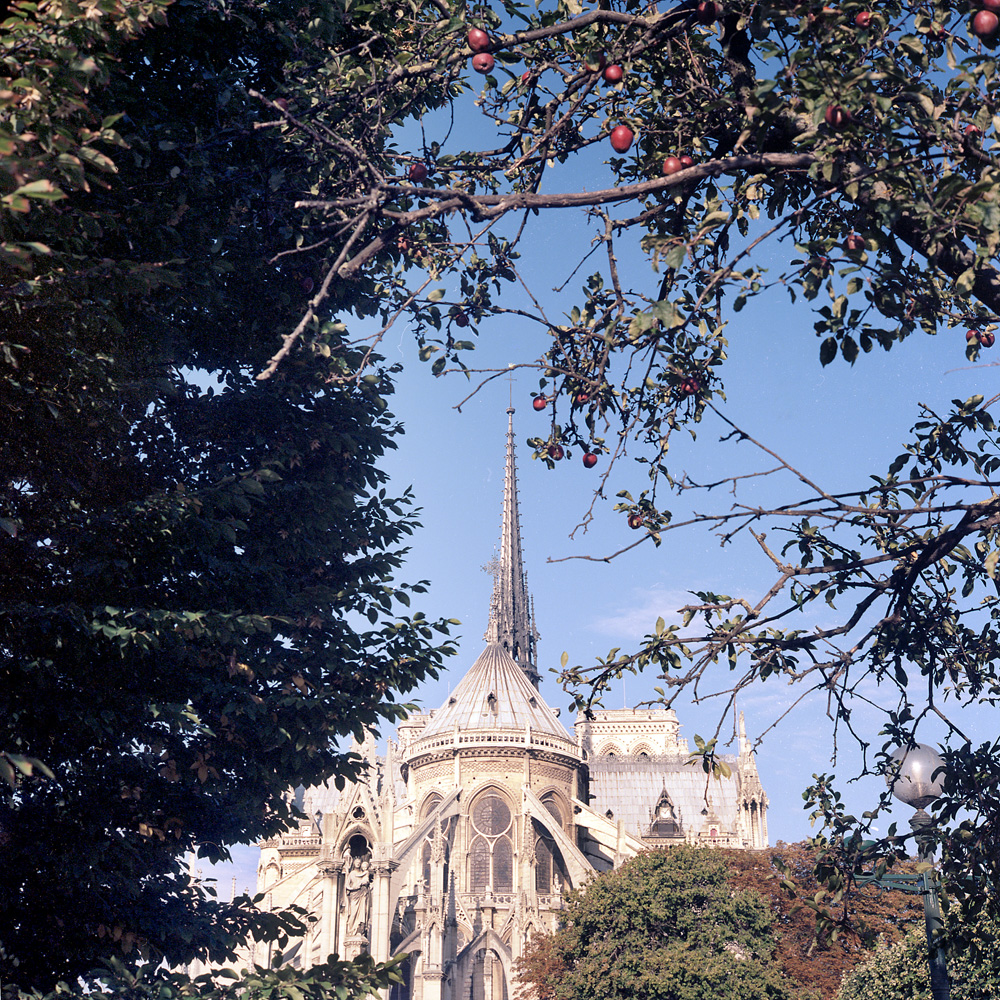
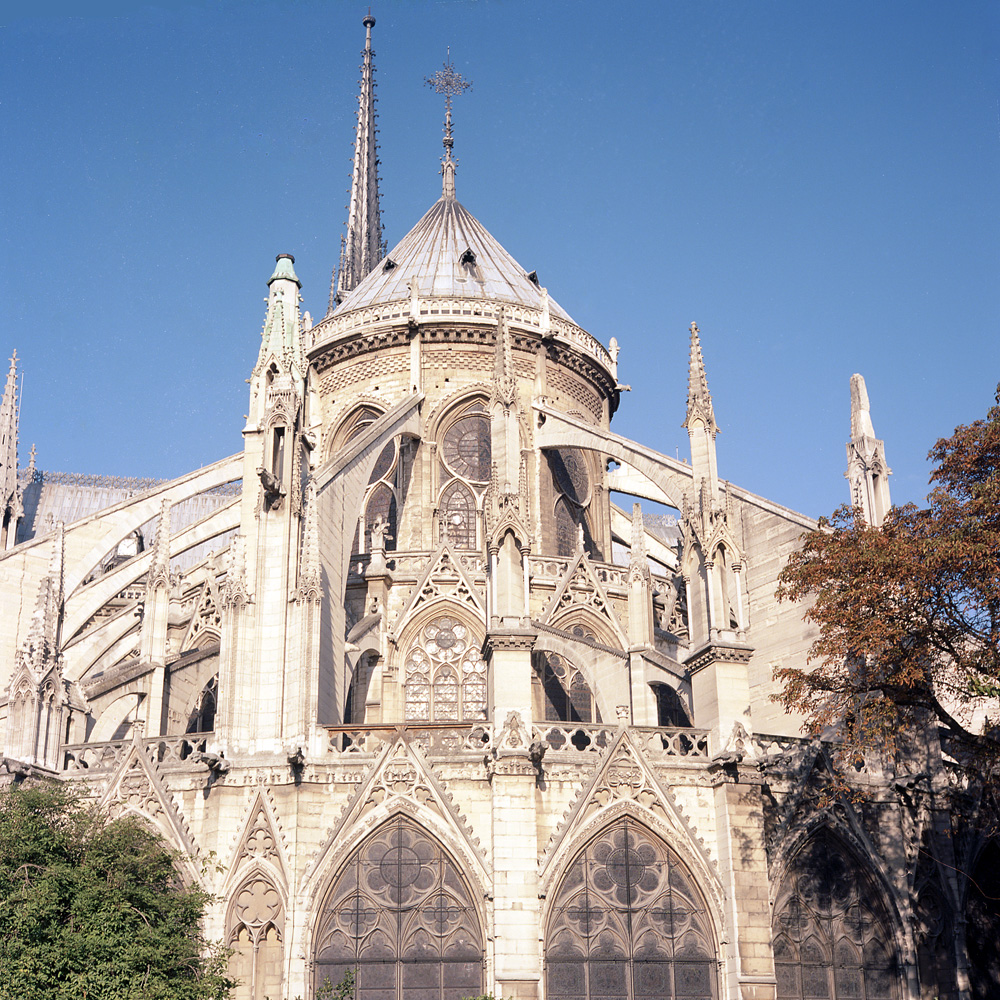
Notre Dame looks very different in color than in black-and-white. The stone takes on a different texture, the shapes of the arches and buttresses are somehow different, and I think you feel the age of the place much more. This is, after all, a 900 year old building.
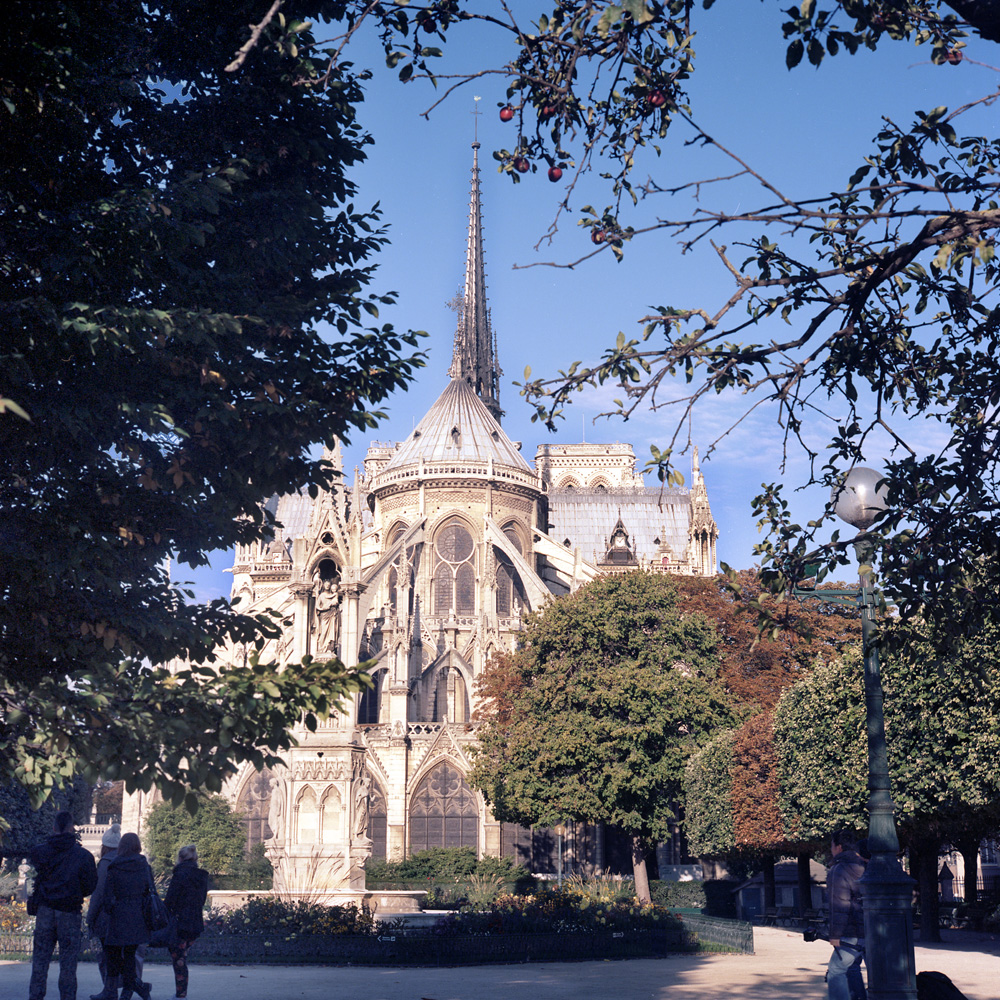
In the garden behind the cathedral, there is an apple tree. The groundskeepers must zealously patrol for fallen fruit, as I never saw one on the ground in a week of passing through. I was talking with someone at work about this apple tree and he observed an irony of having an apple tree in the garden of a cathedral, if you’re into Christian symbolism.
Notre Dame, Apple Tree
A closer-in view of the rear of the cathedral, including the spire. The towers top out at 226 feet, but the spire and its weather-vane go on to 300 feet tall. I don’t think you realize that when looking at the building because of the relative mass of the towers, and the perspective you have when viewing either spire or towers – you’re always looking up, and at the distances required to see both, the height differential is erased by perspective. You can clearly see in this photo the stacked wedding-cake structure of the building – the lower floor with its side chapels spreads out much wider than the center aisle.
Notre Dame, Rear
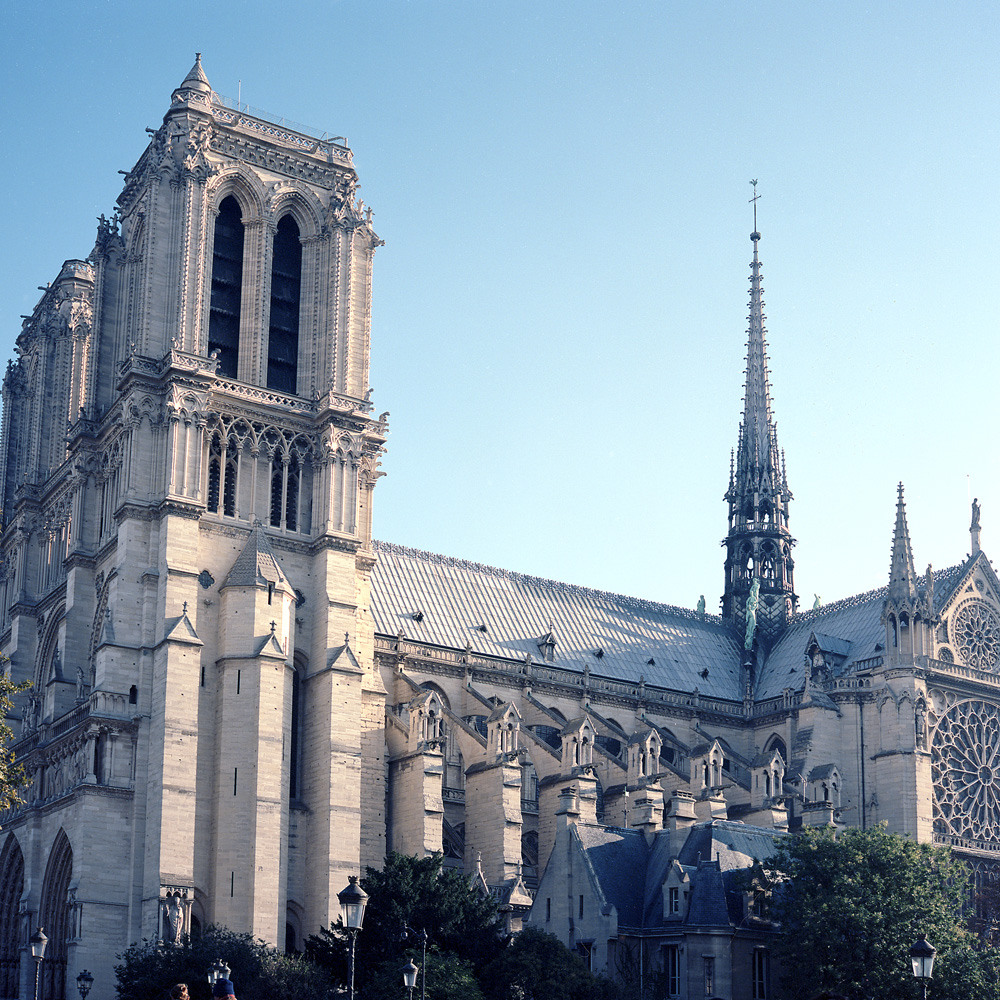
A side view of the cathedral, showing both the towers and the spire. Even from this view it’s hard to see an extra 75 feet of height on the spire.
Notre Dame, Side View
Another view of the rear, with the apple tree. This one includes people in the garden for perspective.
These are a few more from that last remaining roll of b/w I didn’t develop until yesterday. Just some additional looks at Notre Dame cathedral in black and white.
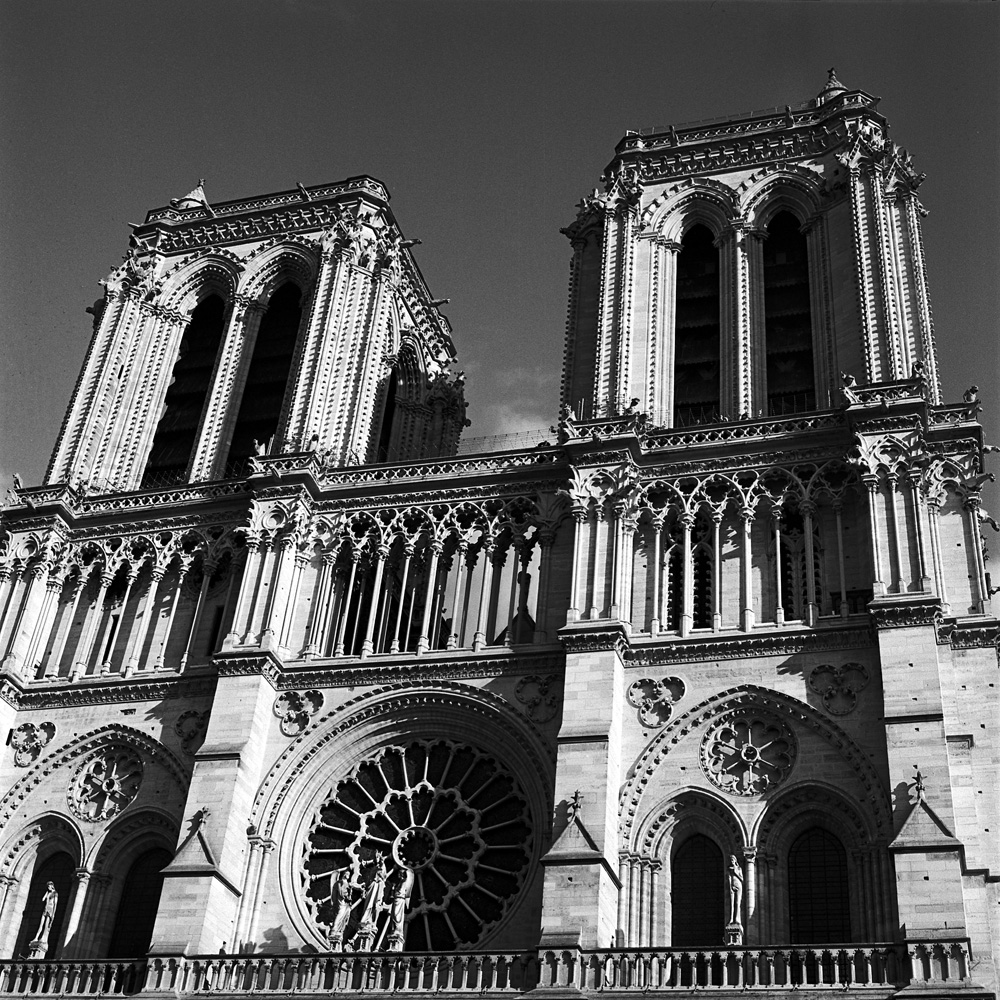
It’s hard to view the cathedral without trying to interpret the towers as a graphical element. They’re the most recognizable element to the church, perhaps other than the rose window. The main body of the church is actually rather narrow and delicate, relative to its perception. All those flying buttresses make it seem much more massive than it is. The tower facade, though, really establishes that perception because when viewing it straight on, it seems like a solid wall, and that the church behind it must be equally as massive.
Twin Towers, Notre Dame
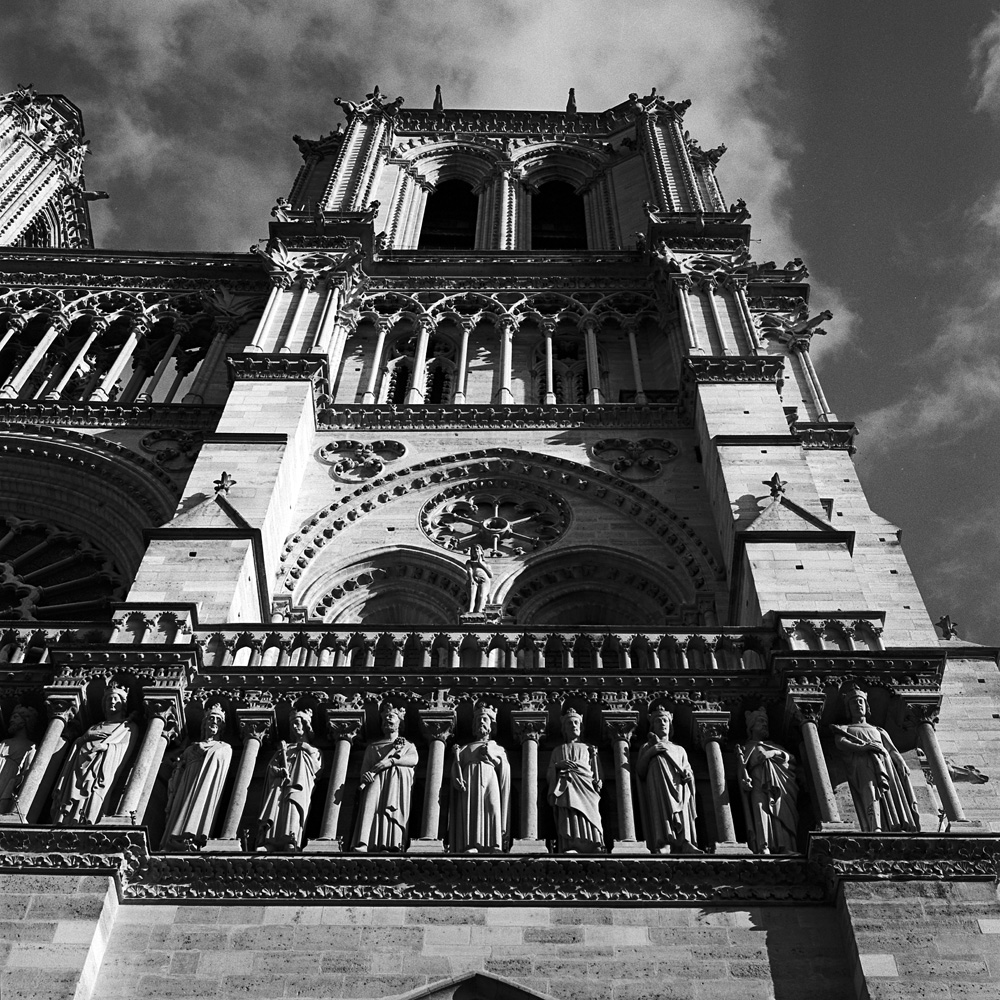
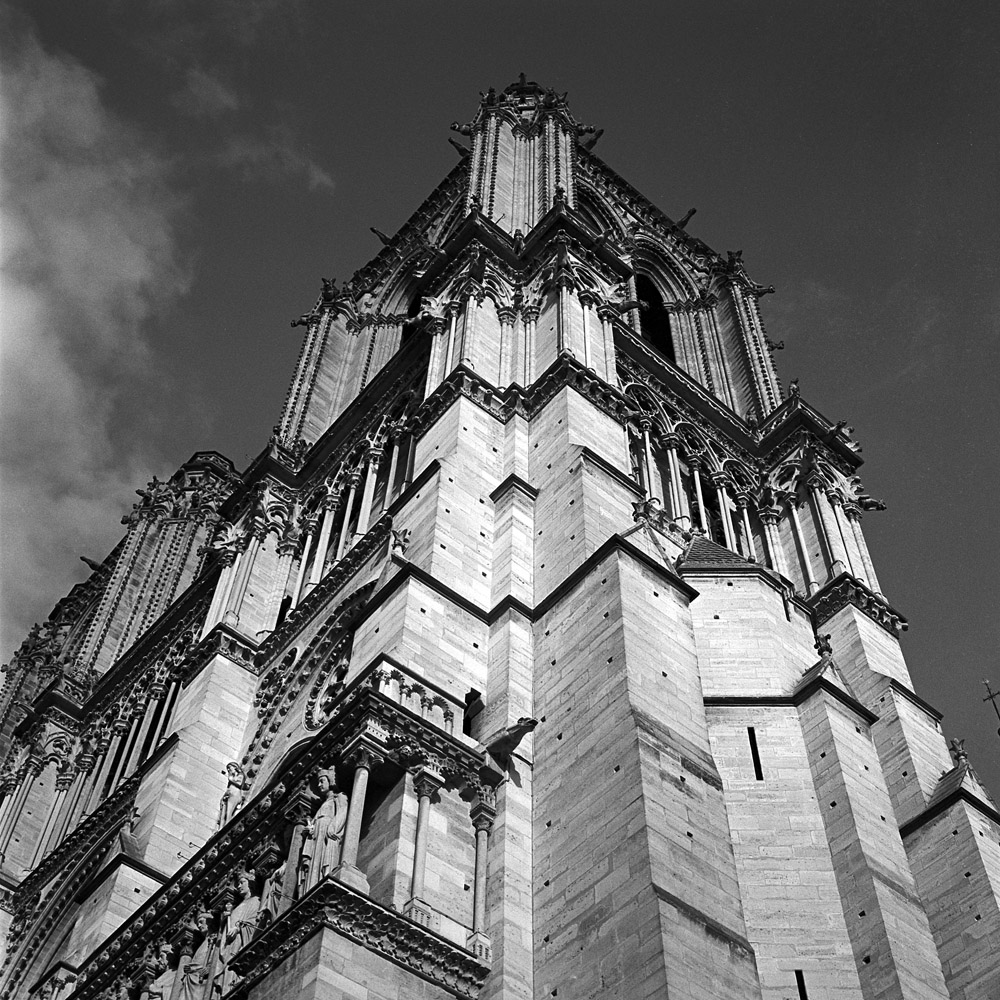
Trying to look at the towers is a vertigo-inducing experience. They are quite tall, and the nature of the decorations make you keep looking up to see all the details to the very last set of gargoyles some 226 feet in the air. Getting up in the towers to view them up close and personal is vertigo-inducing as well – it’s a nearly 400-stair climb to the top of the tower (which I did NOT do – I’m too out-of-shape to attempt something so heart-stressing). At one point in time, Notre Dame was the largest building in the western world – you can still easily spot it from the 2nd tier of the Eiffel Tower, despite the intervening buildings, several miles and the bend in the river between the two landmarks.
Tower, Notre Dame, Looking Up
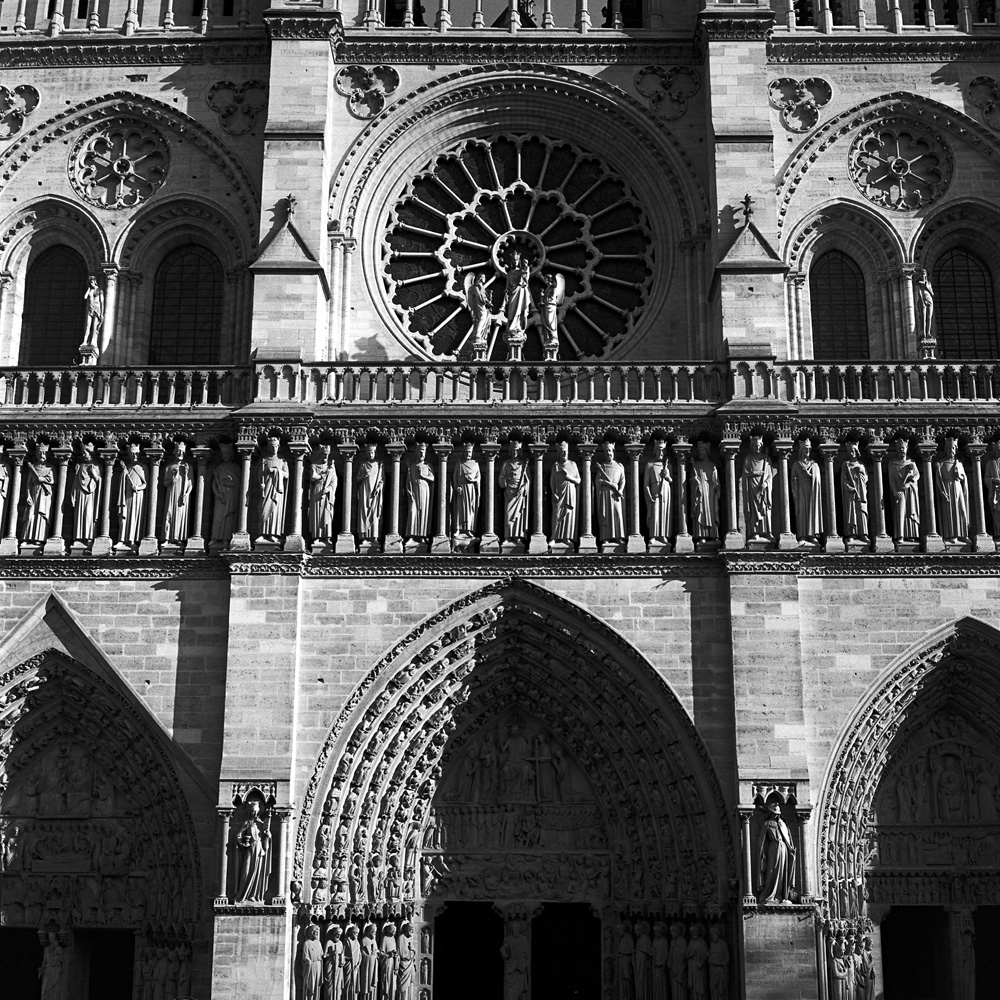
Here is a view of the incredibly detailed facade. One thing I did not realize until looking at this photo is the fact that all three main doorways are different. I always assumed that the left/right halves of the facade would be symmetrical. If you look carefully, the archway over the left hand door is a little smaller, and crowned by the angular, peaked molding. The right arch is larger and lacks the angular molding. Another detail that often gets forgotten – we assume that these cathedrals were all bare stone, and that the way we see them today is how they were intended. Au contraire – most cathedrals of the Romanesque and Gothic periods (the 7th-15th centuries) were brightly painted, inside and out. The statues on the exterior would all have been polychrome, as would the interior walls have been. Time, weather, wear and neglect have conspired to strip the coloring off the buildings. They did find some early medieval frescoes inside the old cathedral in Salamanca that had been covered up for centuries after an earthquake damaged both cathedrals (they’re kind of conjoined twins and share a wall).
Notre Dame Facade, Afternoon
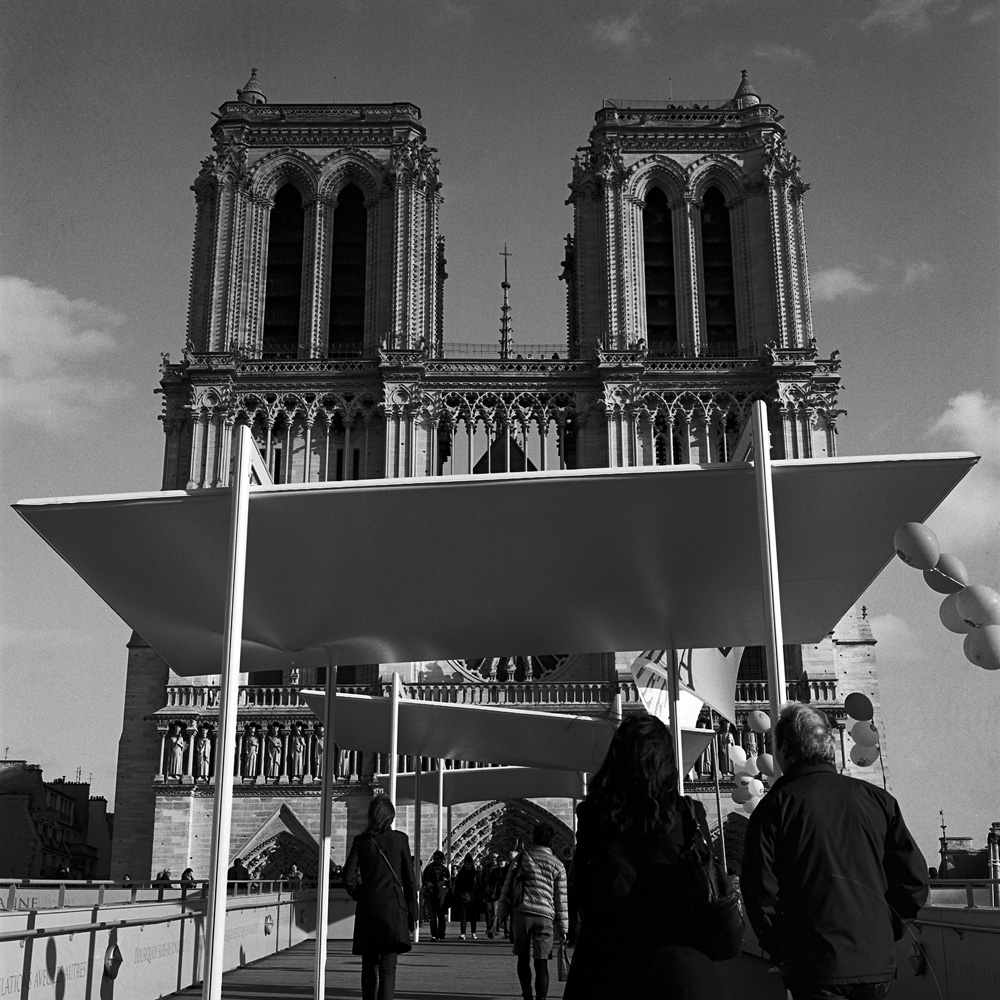
I really don’t know why they built this mammoth viewing/reviewing stand in the plaza in front of the cathedral. You can ascend the steps on the front face, or you can climb the ramp up the back. This is the view of the towers from the ramp – the tarp-like covers on the ramp provide a starkly modern contrast to the gothic stonework of the cathedral.
Notre Dame Towers, from RampTowers, Notre Dame Cathedral
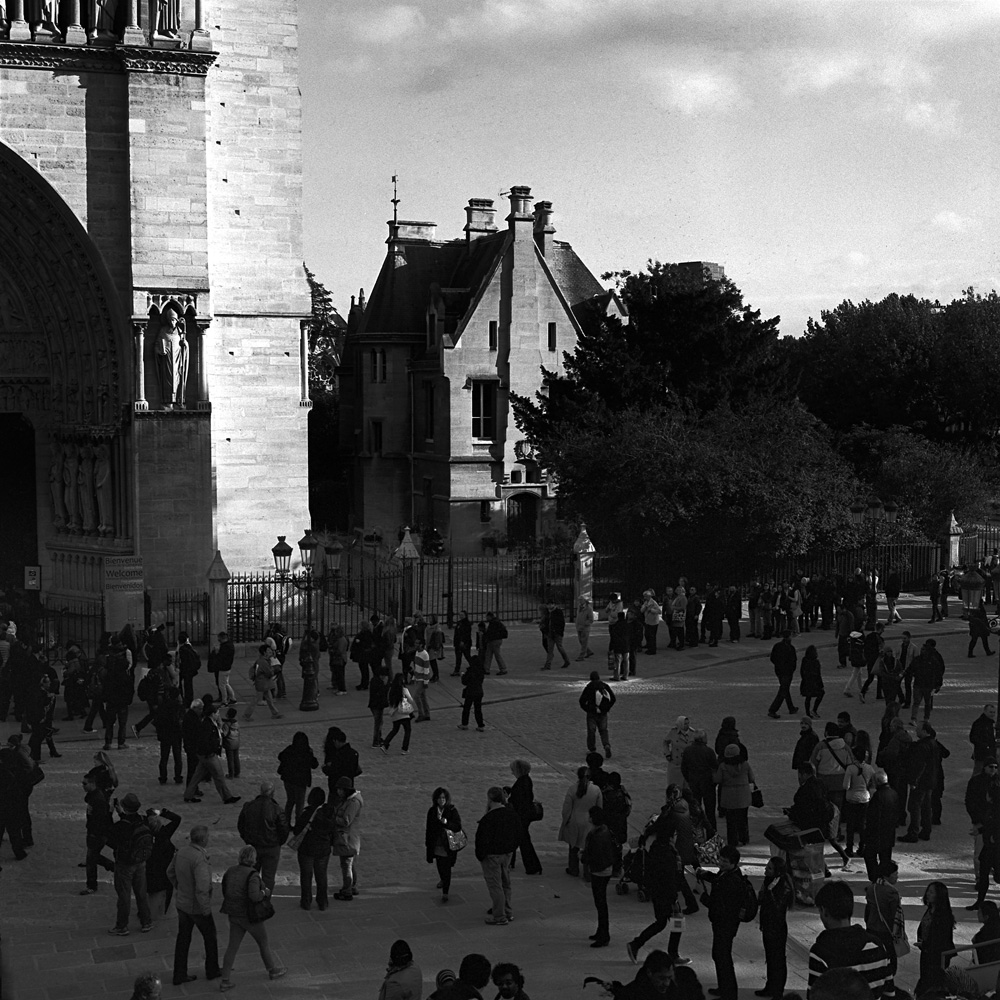
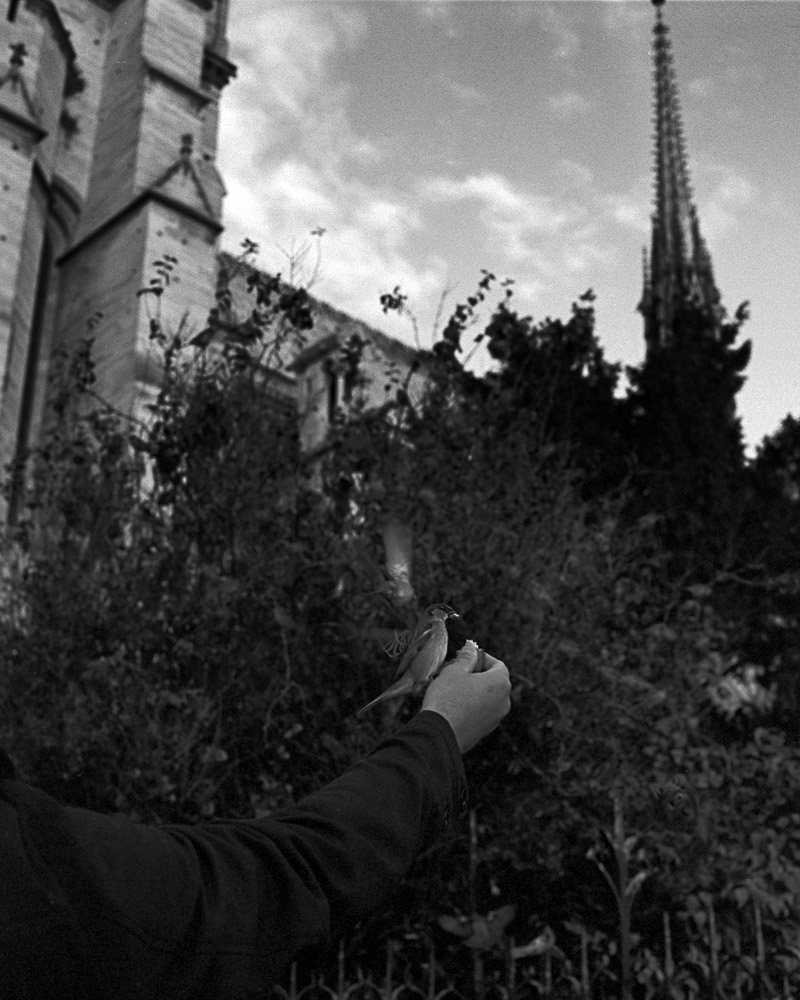
The crowds at Notre Dame are non-stop, even at night after the cathedral is closed. This is a typical weekday afternoon on the plaza out front. The little house to the right is the rectory for the cathedral. Along the fence surrounding the rectory is where you will find the bird feeders – people who will sell you a scrap of day old bread or a stale churro that you can hold up in your outstretched hand to attract the sparrows who will hover over to get a bite.
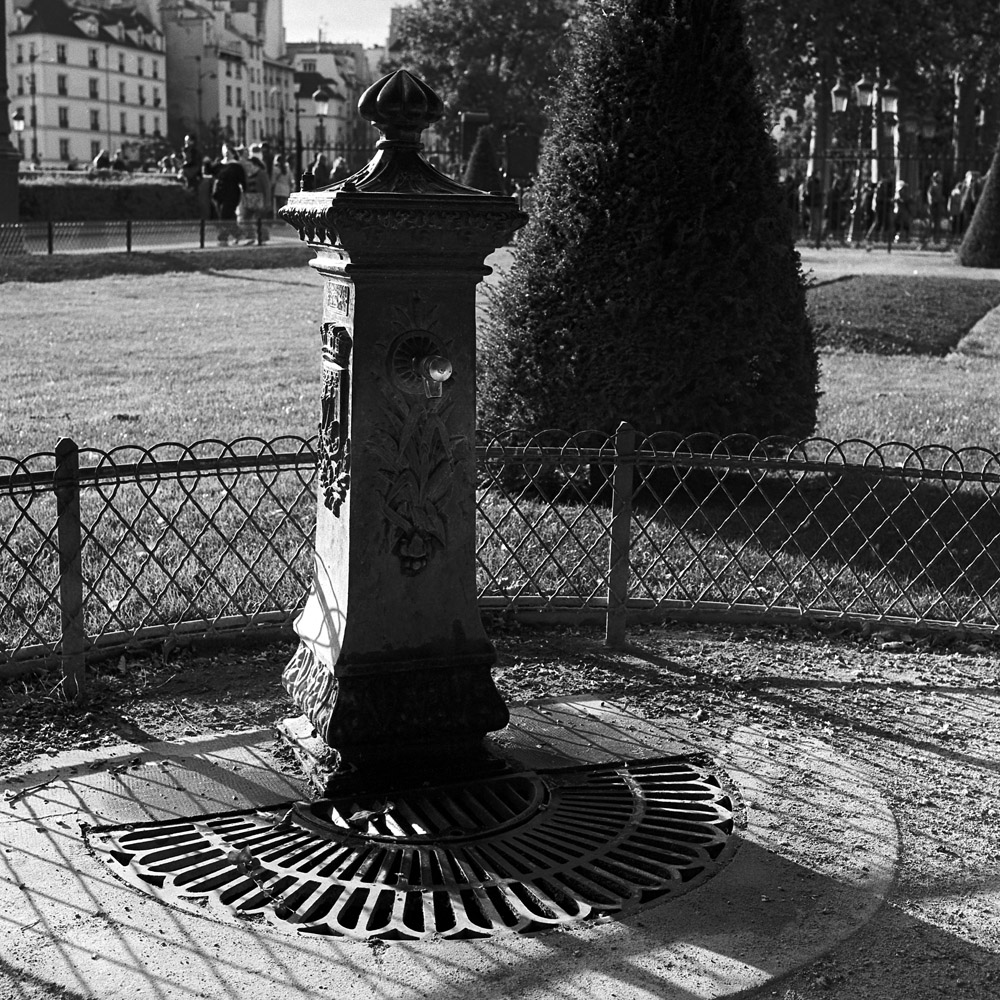
Beside the cathedral there is a park with views of the Seine, replete with benches, gardens and, as part of Haussmann’s renovations, public drinking fountains. I loved the way this looked backlit with the evening light. Consider it another one of my portraits of everyday objects.
Drinking Fountain, Notre Dame
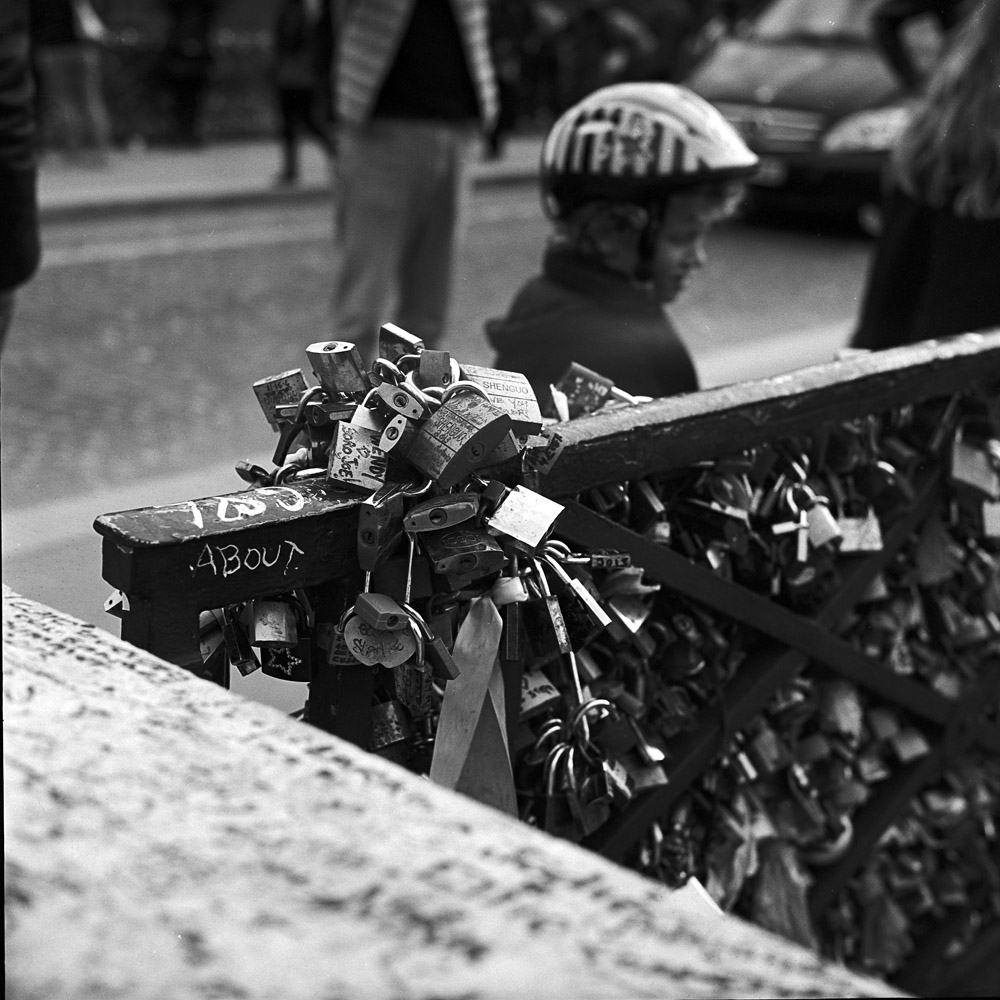
And last but not least, the tradition that began in Rome of young couples buying a padlock, writing their initials on it, locking it to the railing of a bridge, and tossing the keys in the river as a symbol of how their love cannot be undone has come to Paris. It is so popular that it has infested three or four bridges across the Seine now, and the boquinistes with bookstalls along the Rive Gauche nearest the Ile de la Cité sell a variety of padlocks and permanent markers. It seems only natural that people would do this on the bridges closest to Notre Dame, as it is one of the most romantic, inspiring buildings in a city full of romantic inspiration.
Love Locks, Notre Dame
(see, I told you you wouldn’t have to wait long for the next Paris post!)
Here are my takes on the palace of Versailles, in black-and-white. There are actually quieter spaces within the building where you can take photos without a gazillion tourists blocking your view and making appreciation of the space impossible, unlike the state apartments. I’m dividing this post into two sections – architecture and sculpture.
ARCHITECTURE
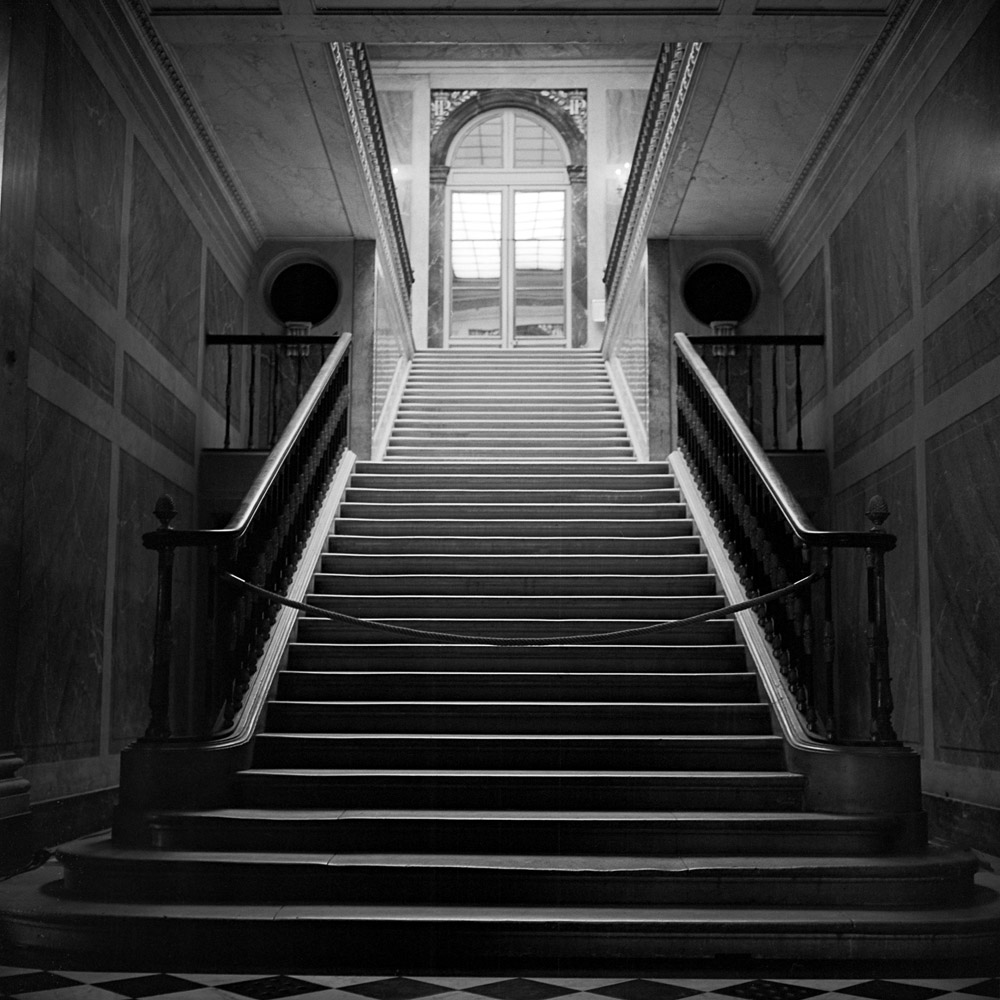
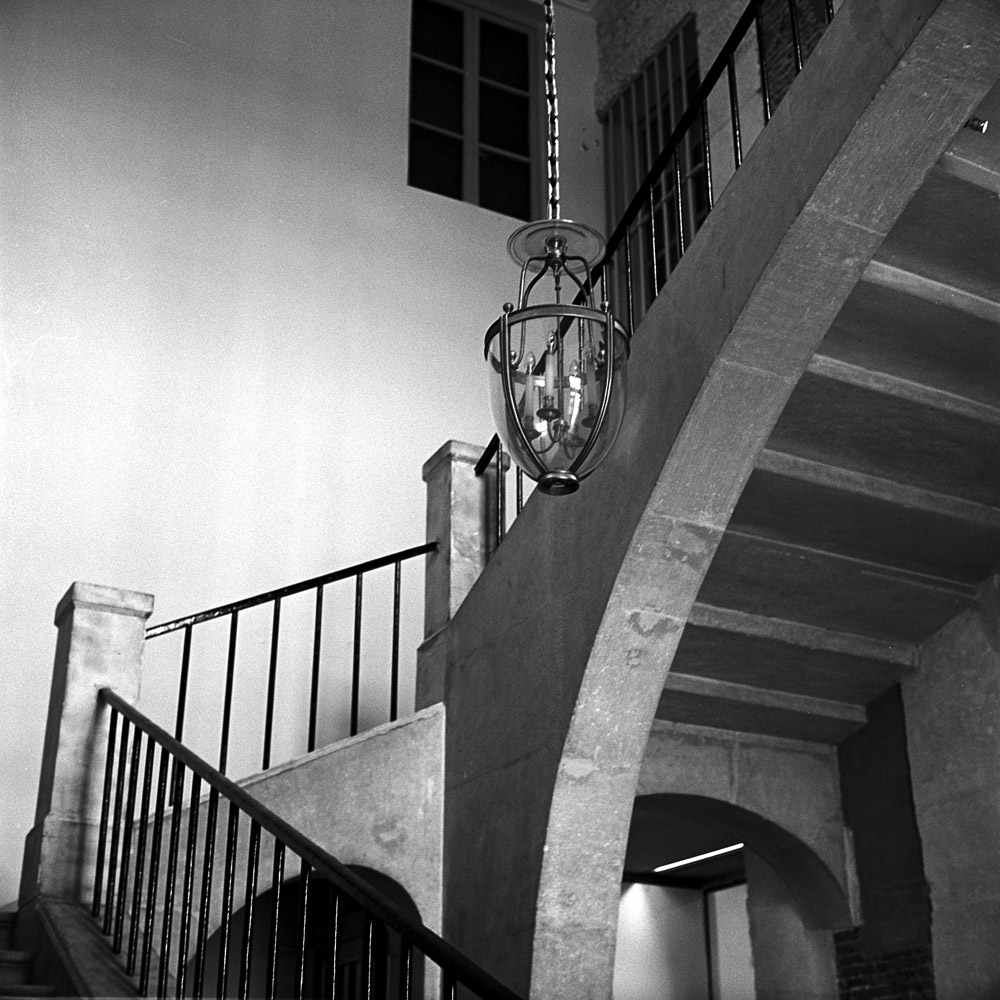
Here’s a side staircase. Not the grand stairs that led to the queen’s apartments, but nonetheless, a magnificent entry.
Side Stairs, Versailles
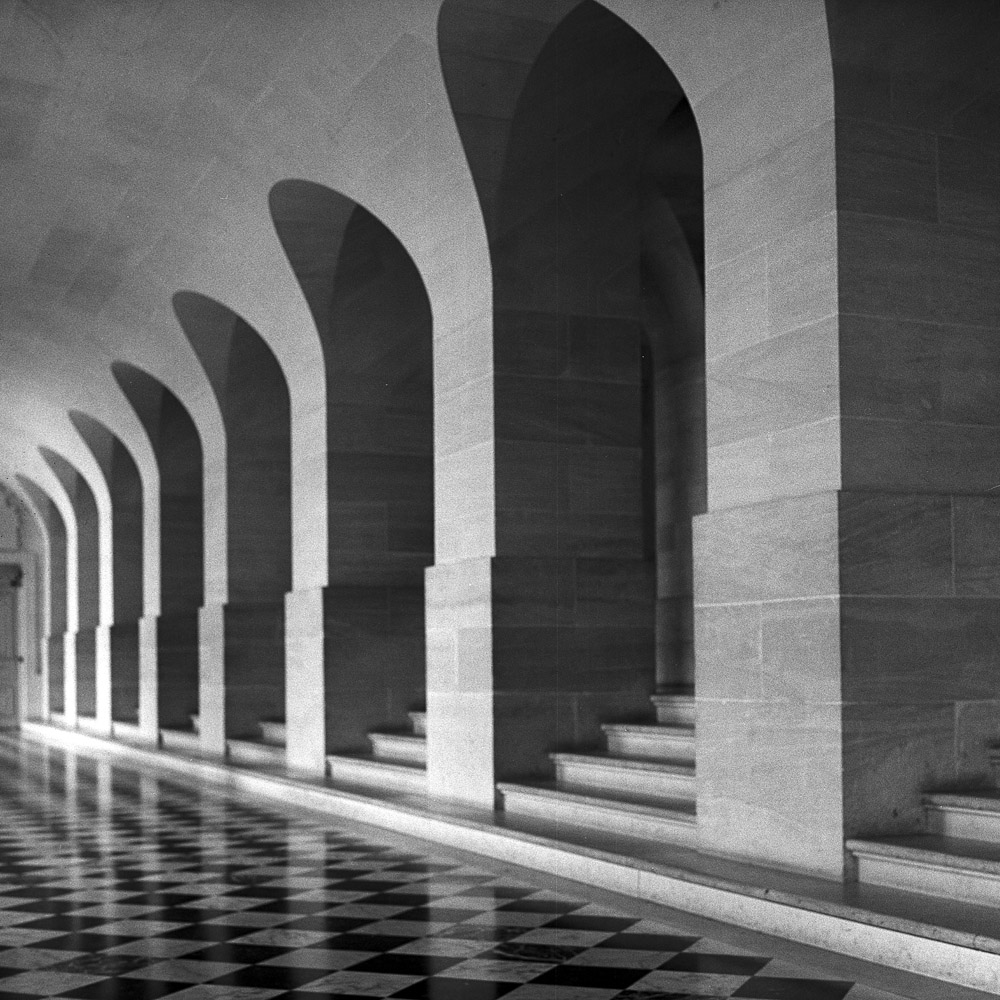
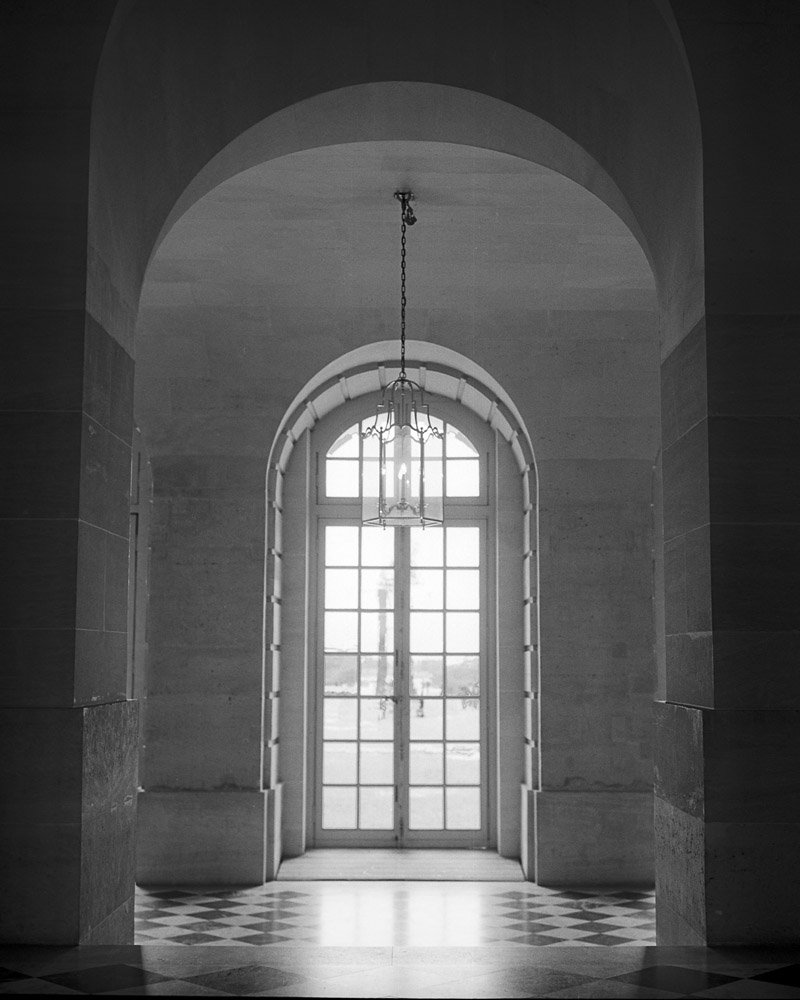
This hall is behind and beneath the state apartments, looking out to the gardens to the west.
Hall, Arches, Versailles
This doorway is the central door leading out from the hall above to the gardens.
Versailles Doorway
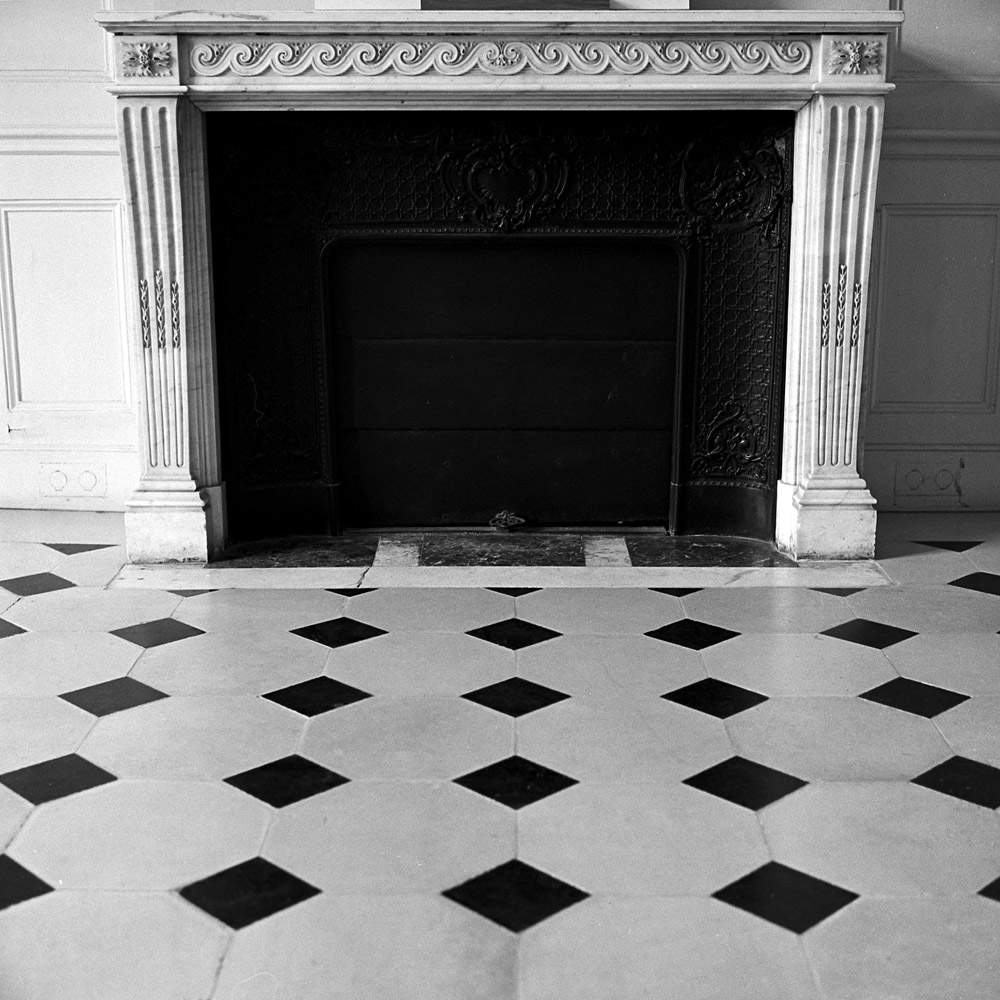
These three are from one of the side buildings outside the palace proper, where the gift shop and ticket office are located today. Anywhere else they would be special, but at Versailles, they are relegated to the service space.
Sculpture is everywhere at Versailles, from the entrance gates to the halls in the basement.
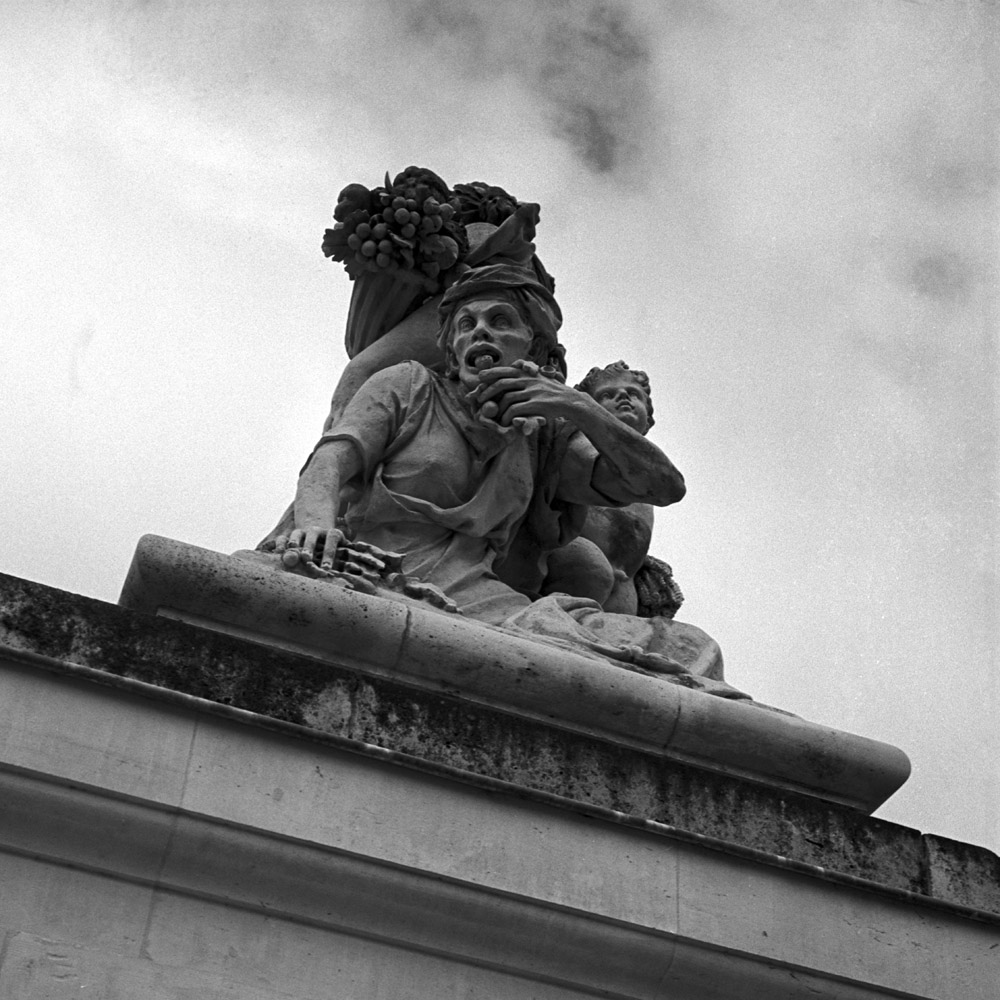
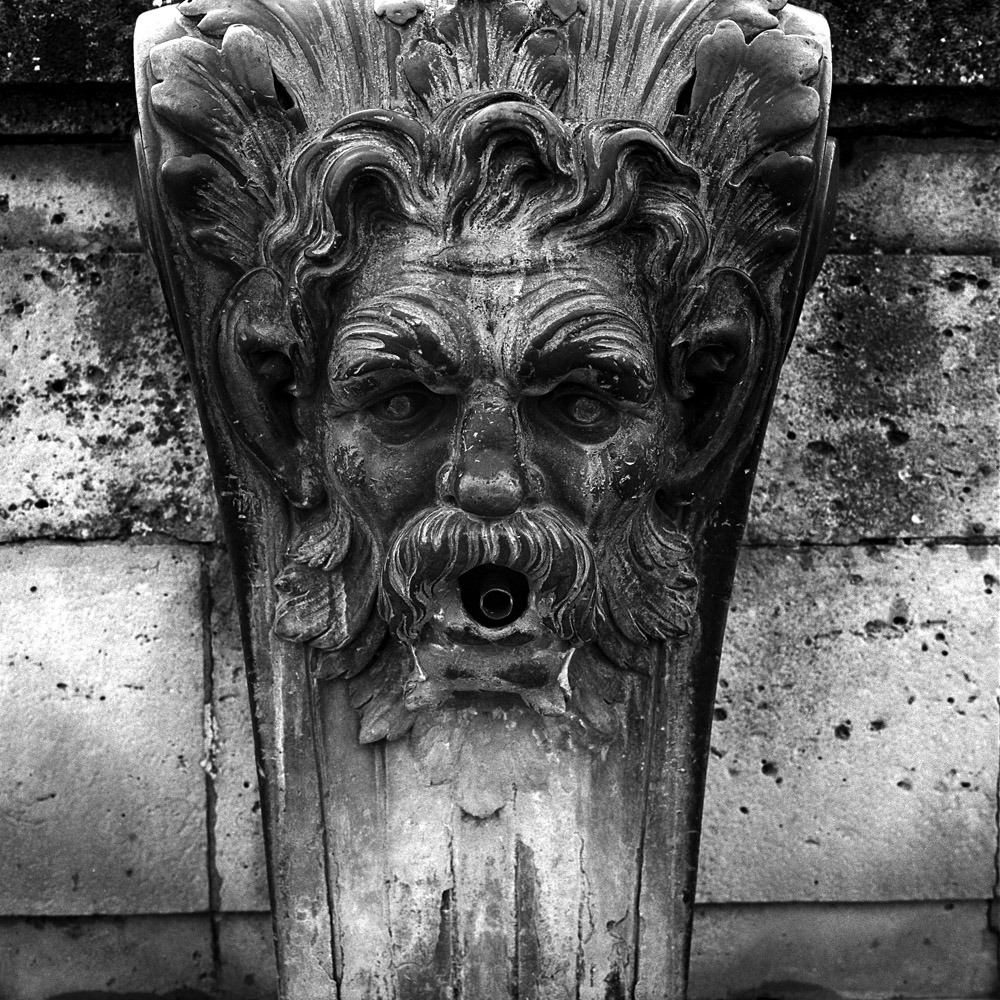
This grotesque is on the back side of one of the heroic female “virtues” at the entrance gates to the palace. Seeing this, it’s not hard to see how the peasant classes who were starving would see it as emblematic of how the nobles viewed them and took umbrage accordingly.
Grotesque, Versailles
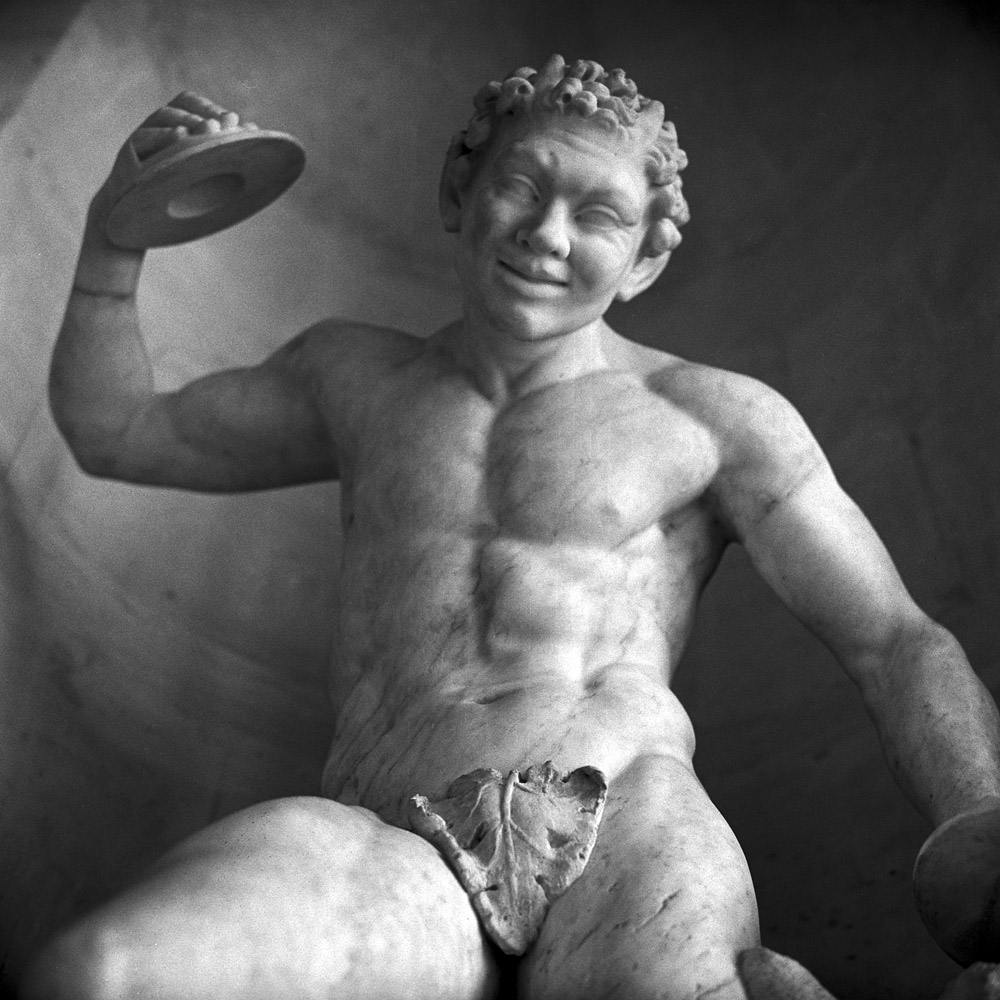
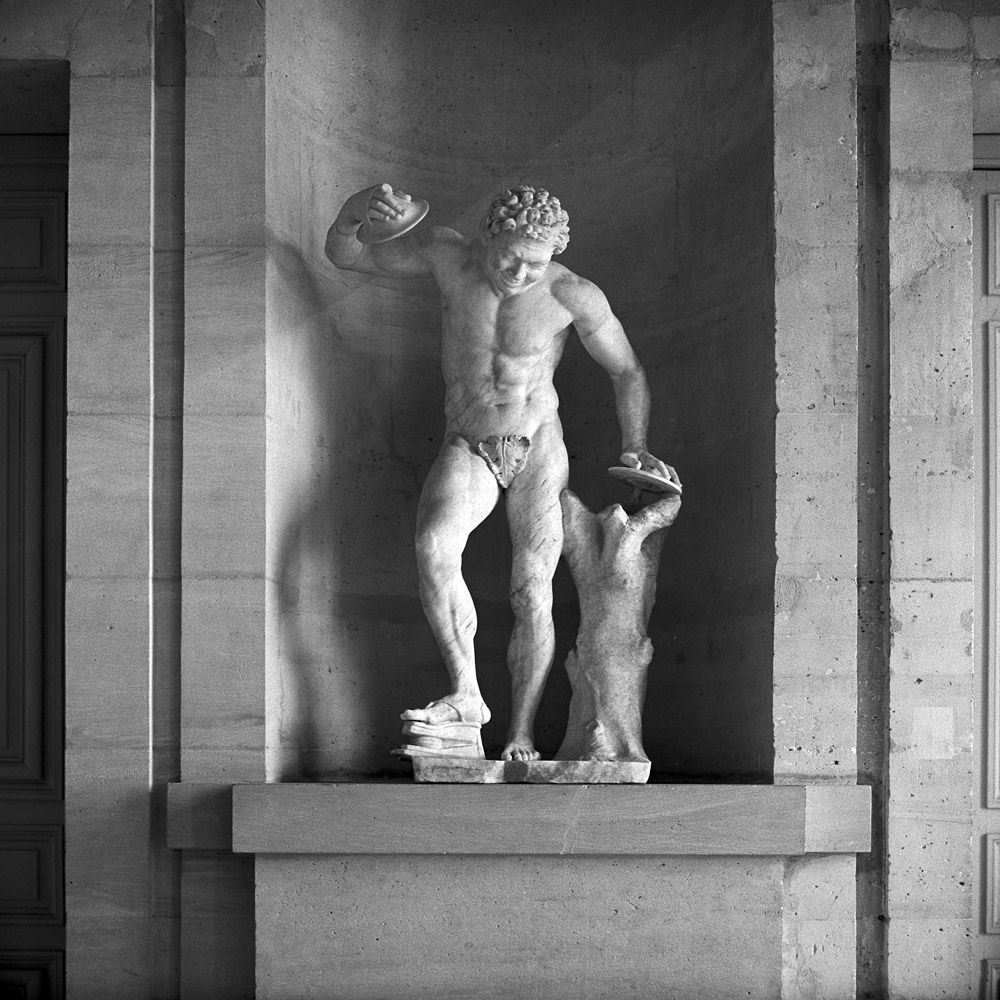
This Satyr is in one of the halls of the ground floor of the palace, relegated to a corner where few tourists venture. I suspect his fig-leaf is a Victorian-era excess, as it appears to be glued on much after the fact.
Satyr, VersaillesSatyr, Versailles
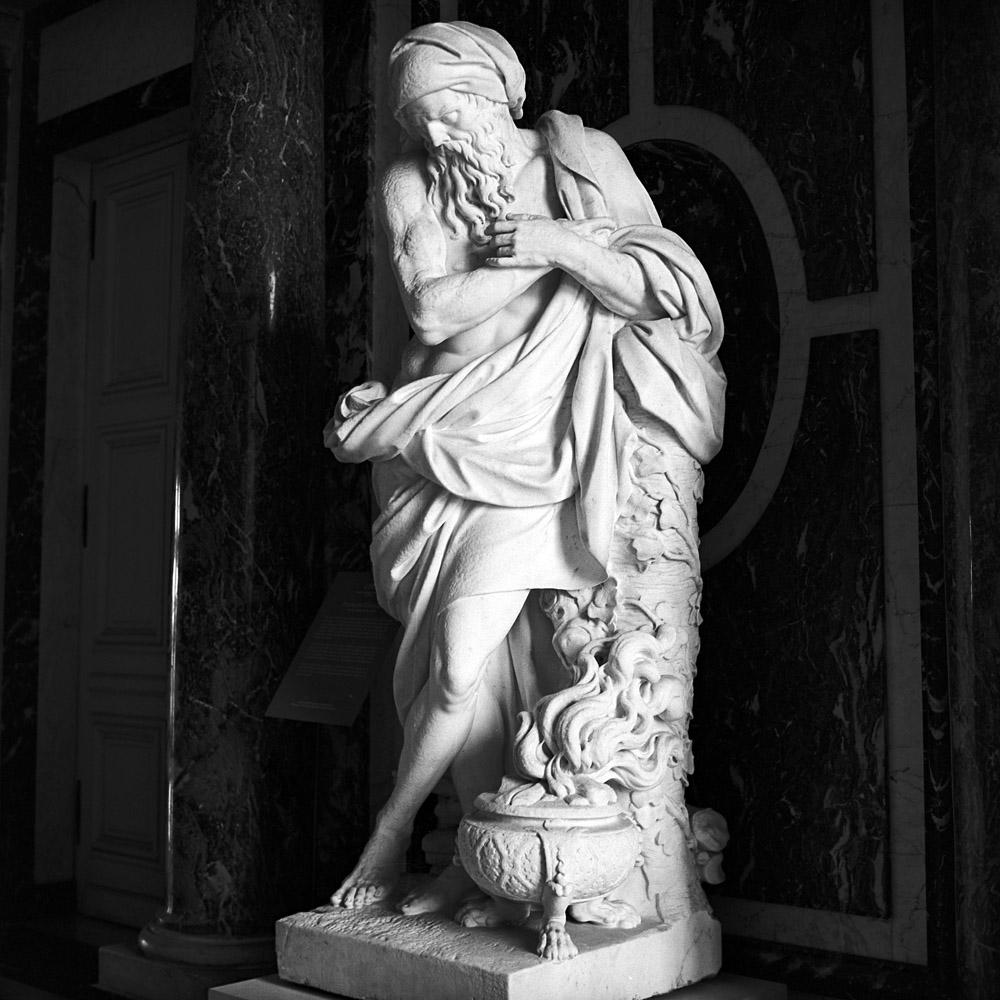
I’m not sure who/what this statue represents, but it appears to be some kind of hermit/mystic, judging from his attire and the smoking pot at his feet.
Hermit, Versailles
Here is a water fountain outside the palace in the main forecourt.
Fountain, Versailles
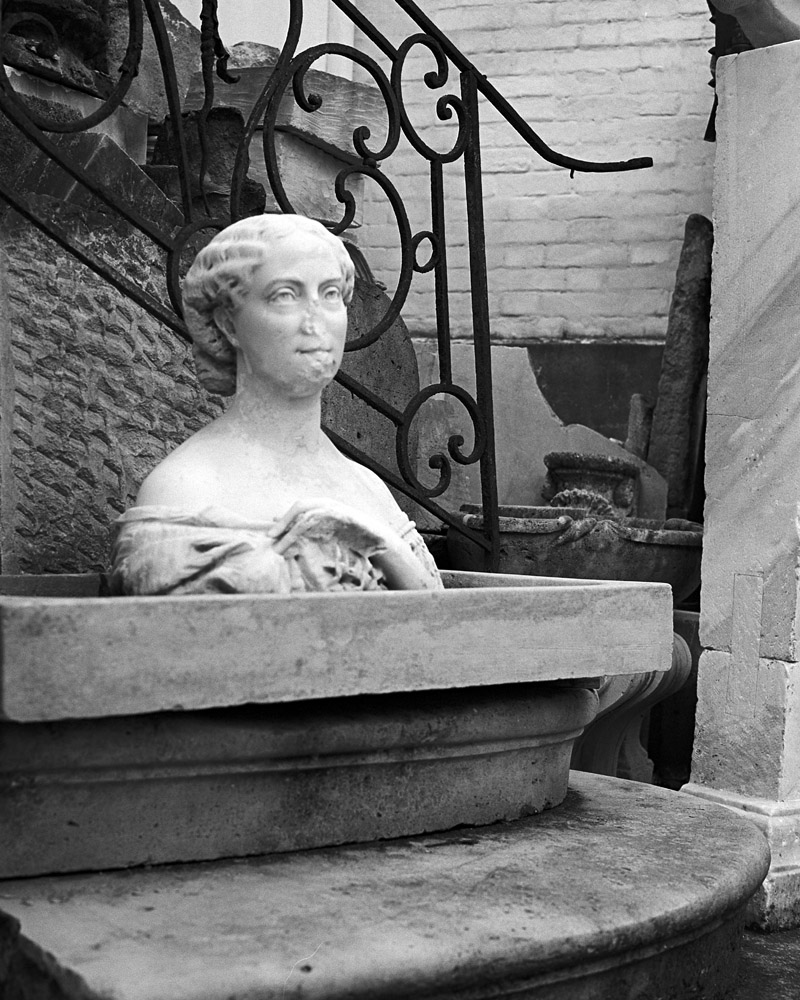
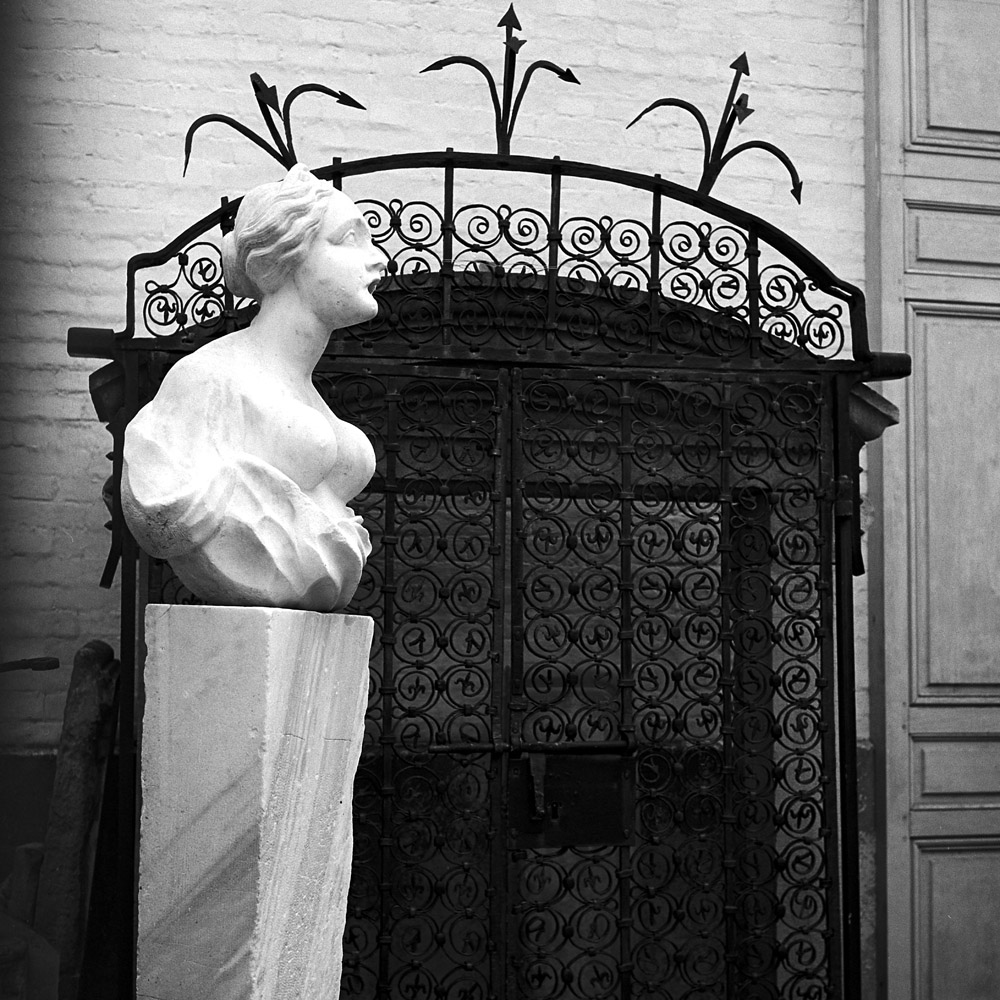
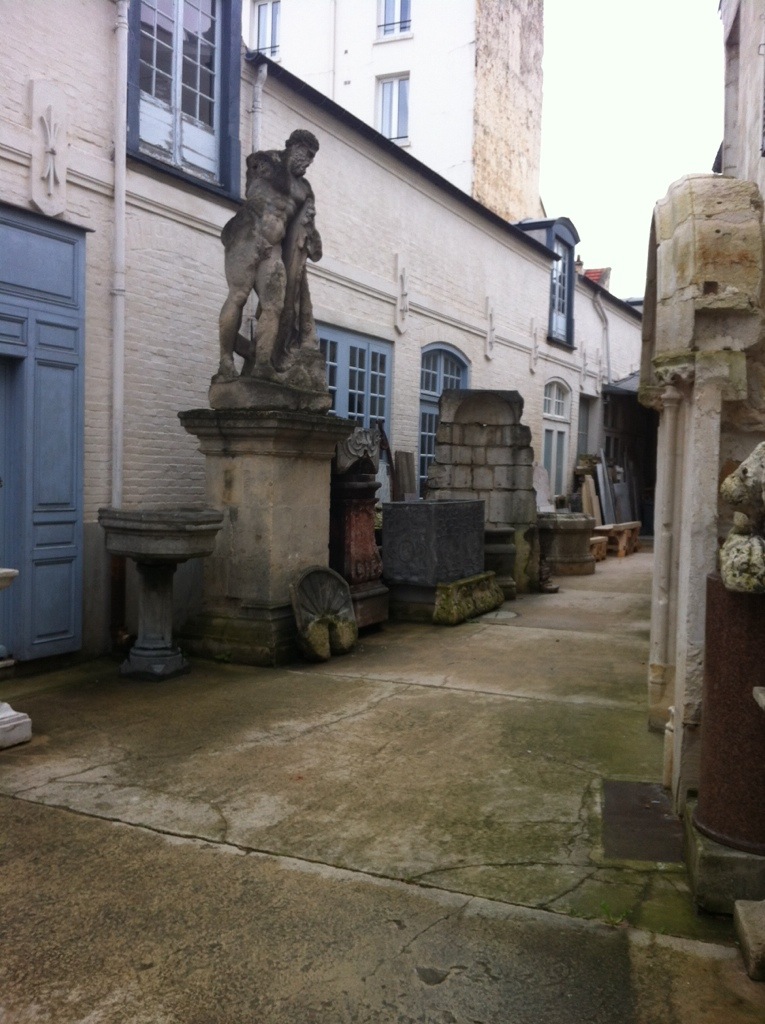
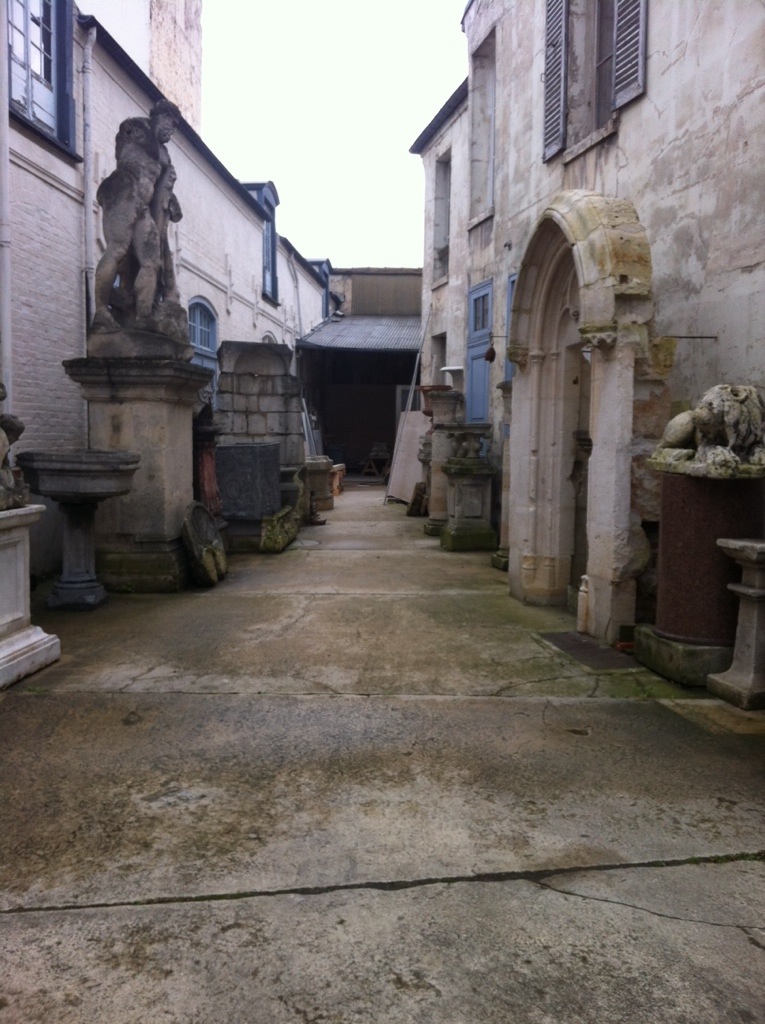
These last two were found in the town of Versailles in the outdoor courtyard of an architectural antiques dealer. A different take and a contrast to the exquisite statuary in the palace, they nonetheless have their own beauty and dignity.
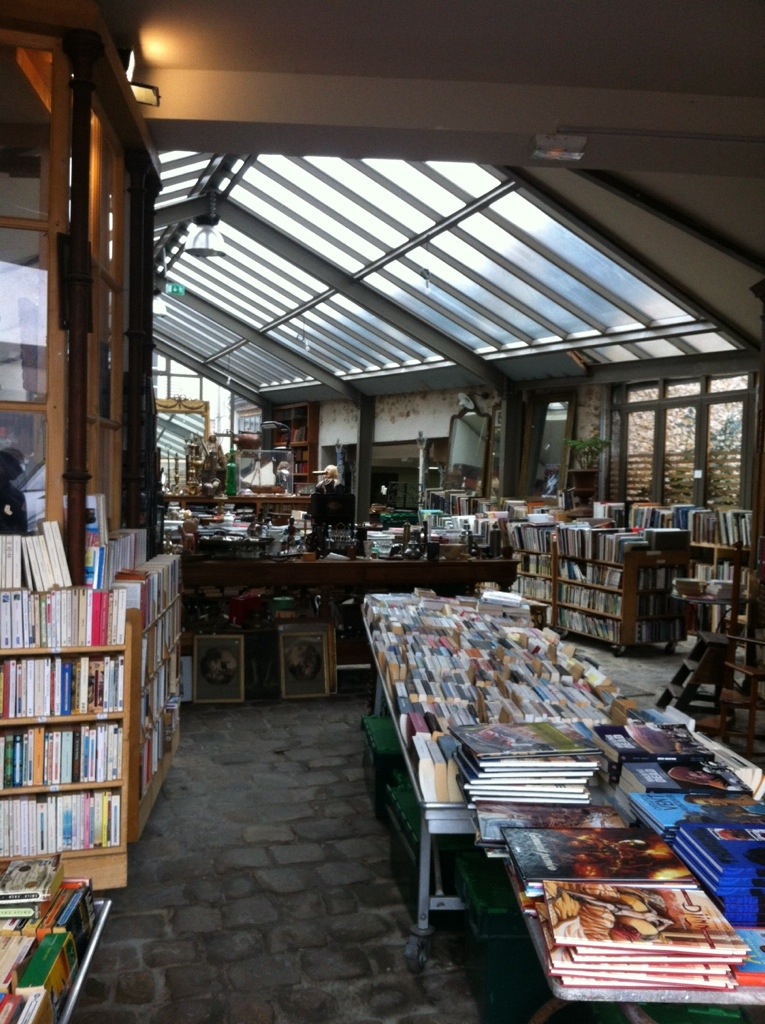
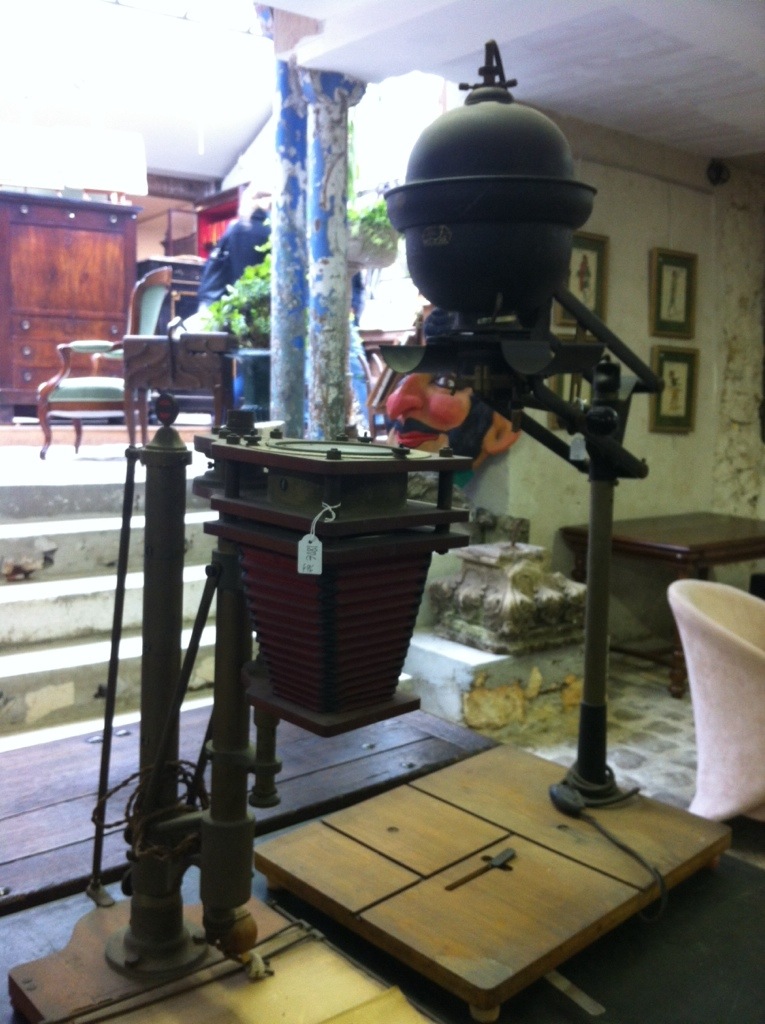
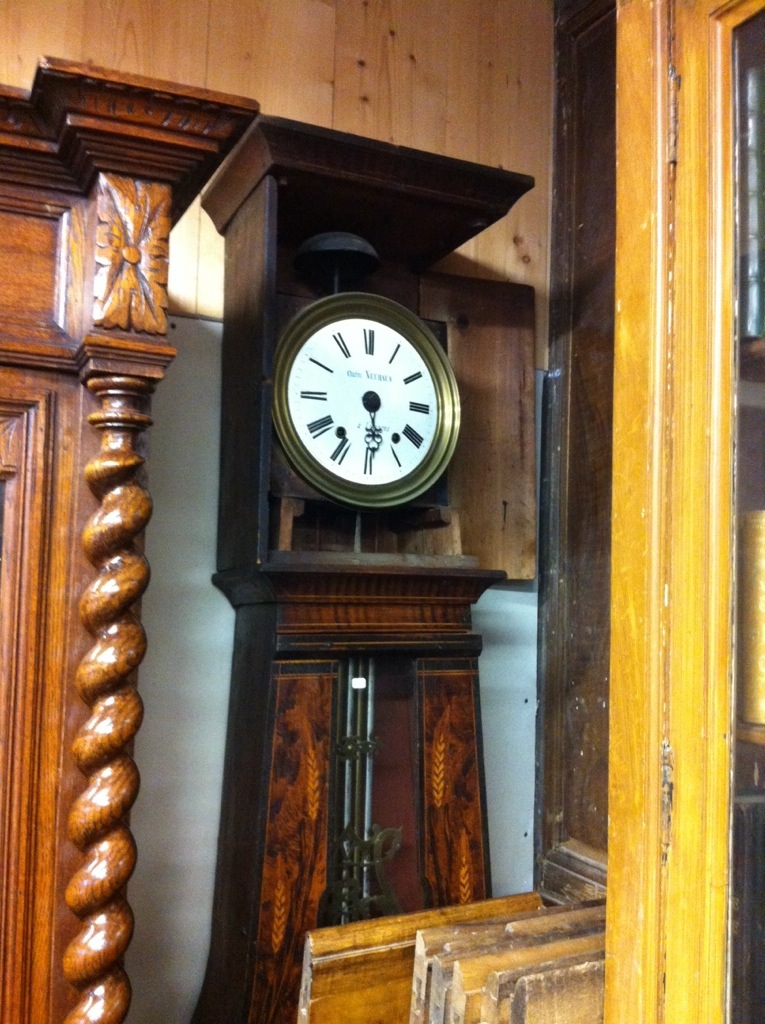
Here are more images from Versailles, these from the town, not just the palace.
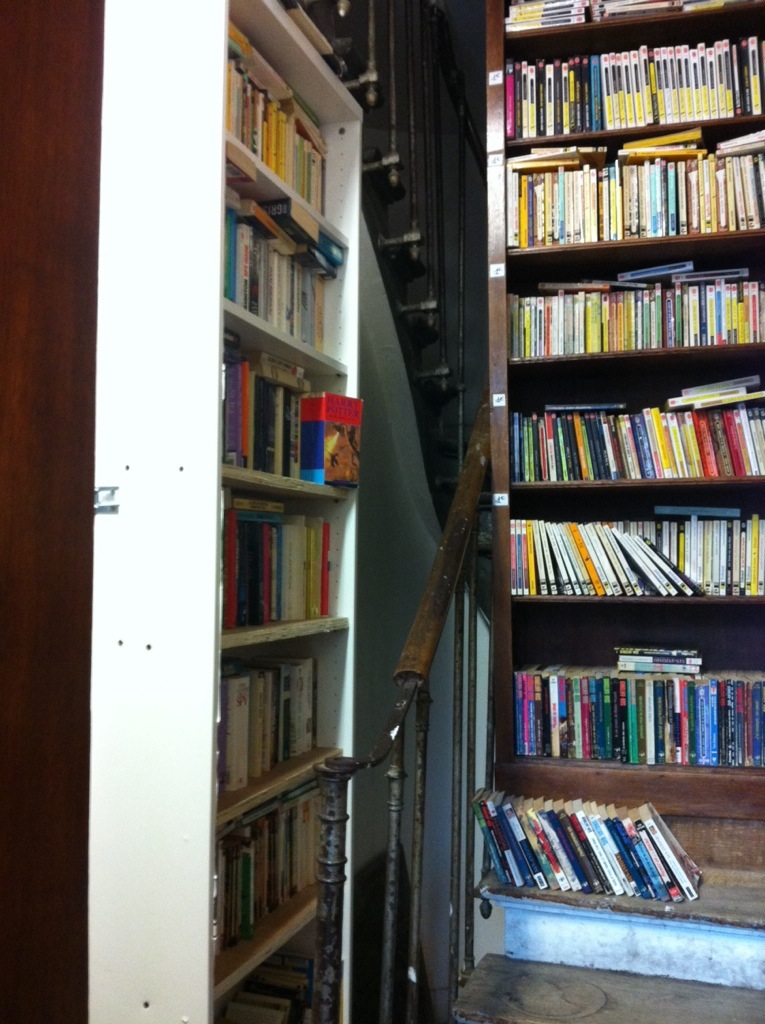
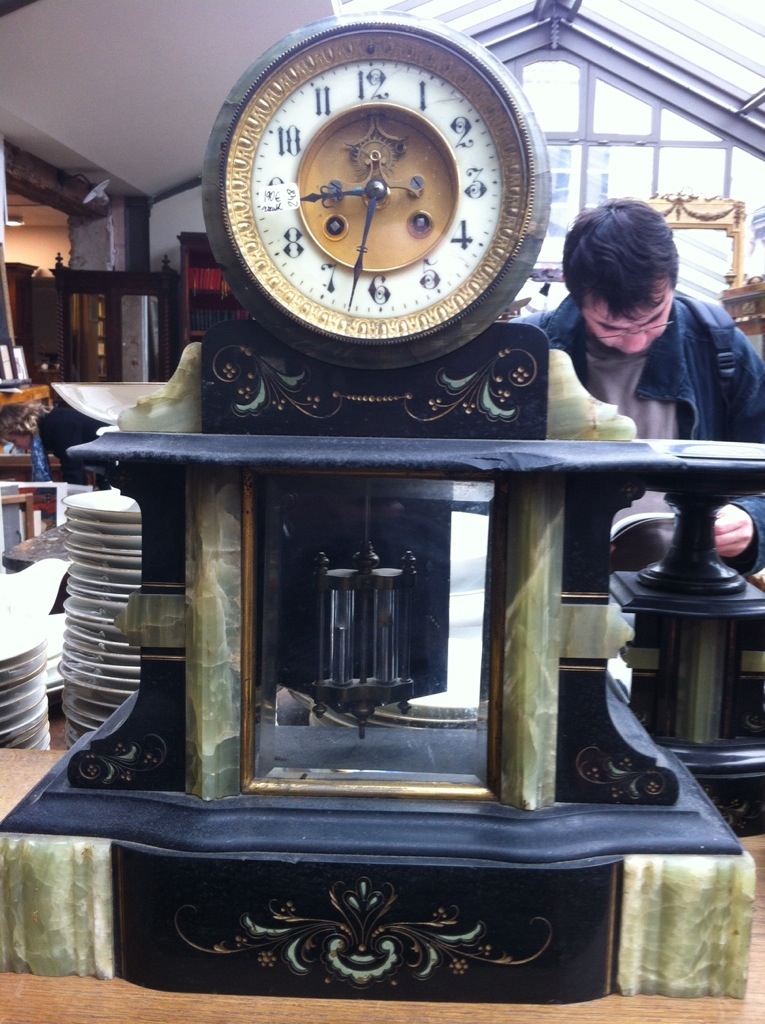
These were from a pair of antique shops in the town. The first one specialized in architectural antiques, the other in books and clocks. There was a pair of antique enlargers in the bookstore, along with some really neat clocks. The tall clock was actually complete, and the price was very reasonable (around 200 euros), but of course shipping it home would have cost more than the clock was worth when restored!
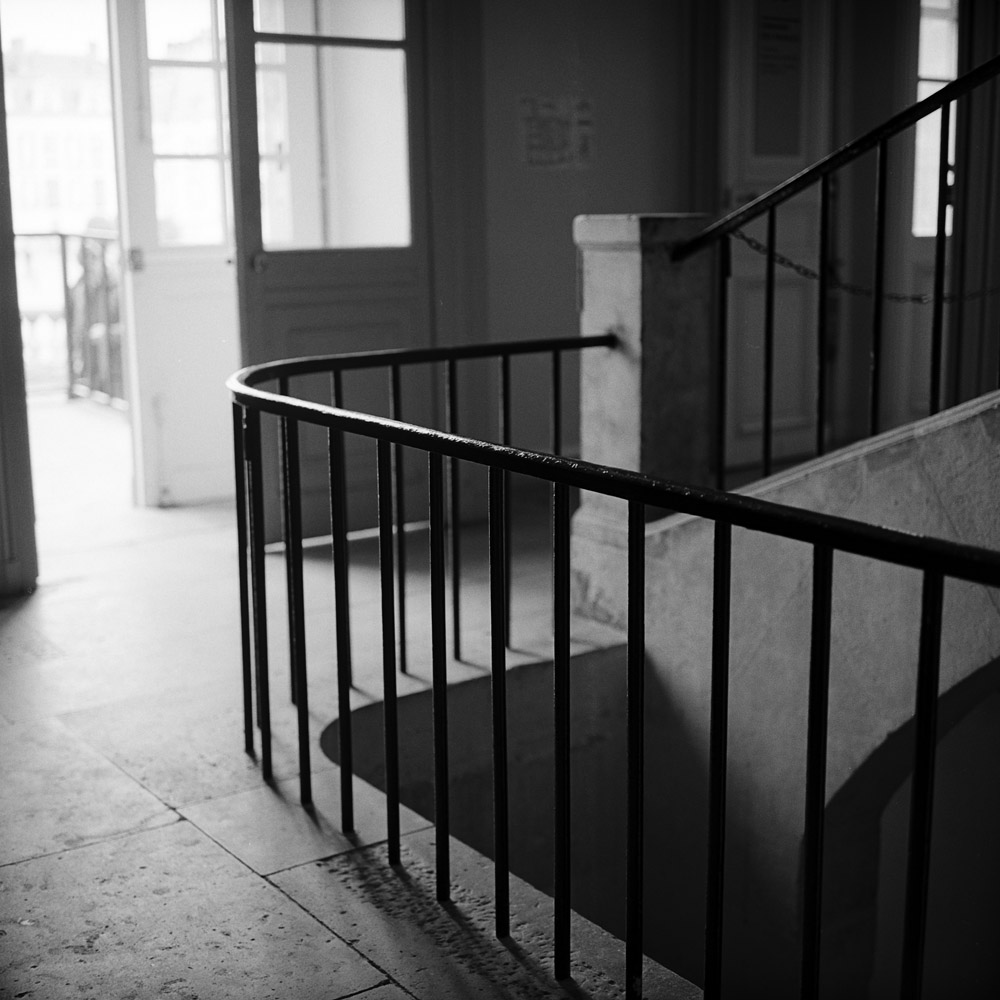
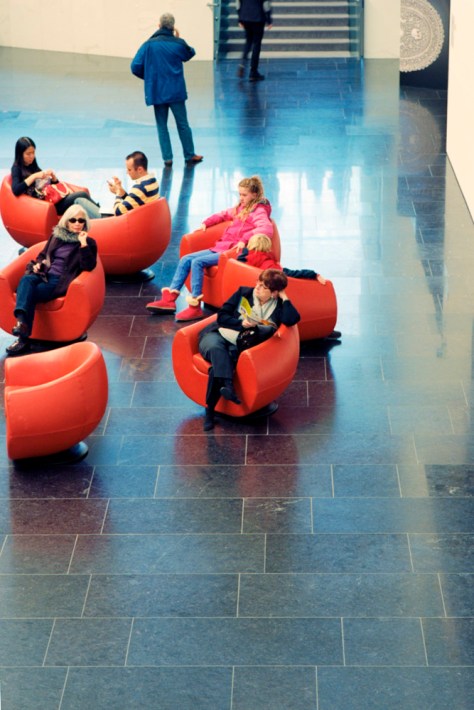
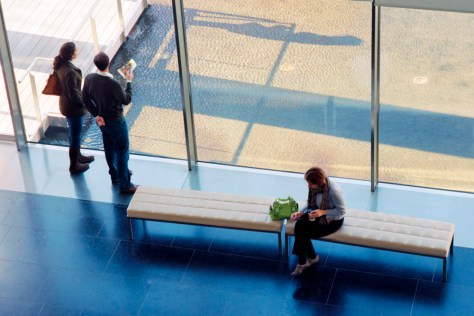
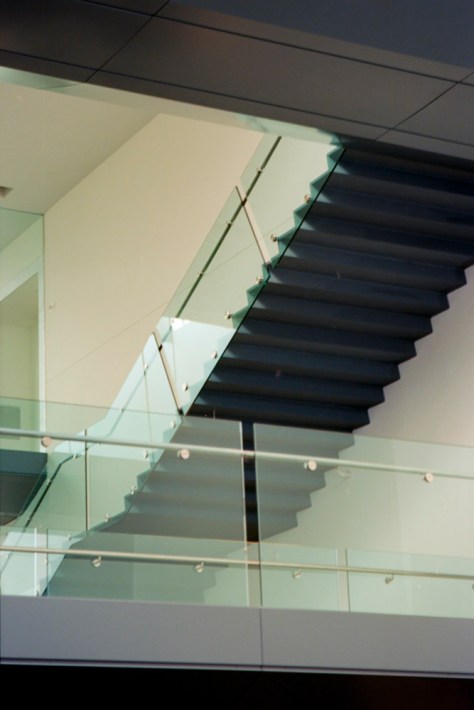
I realize there are no people in the staircase shot so it’s not technically people-watching, but it’s part of the same space, and in a way the absence of people can be about the interaction of people with a space in the same way that people in the frame can be. All photos were taken with my Contax G2 and the 90mm and 21mm lenses. Film used was Kodak Ektar 100.
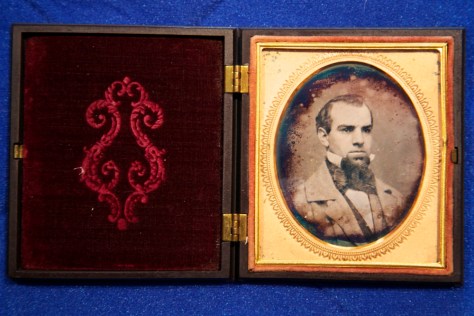
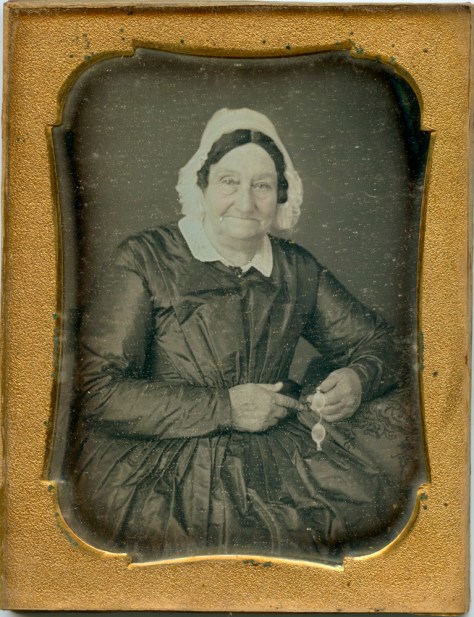
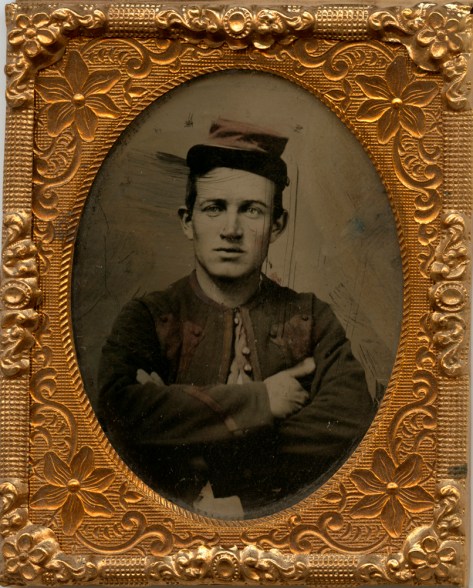
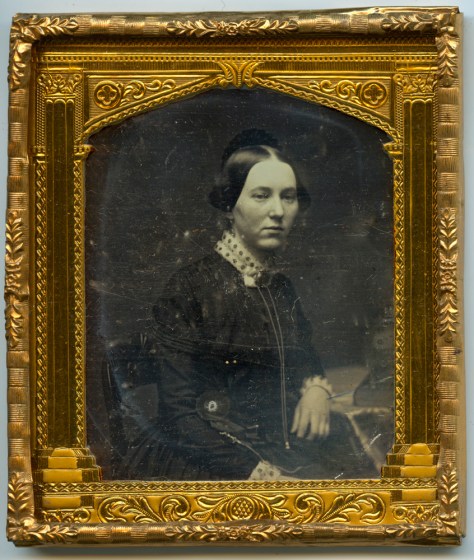
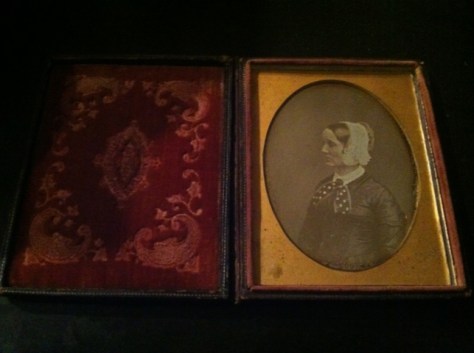
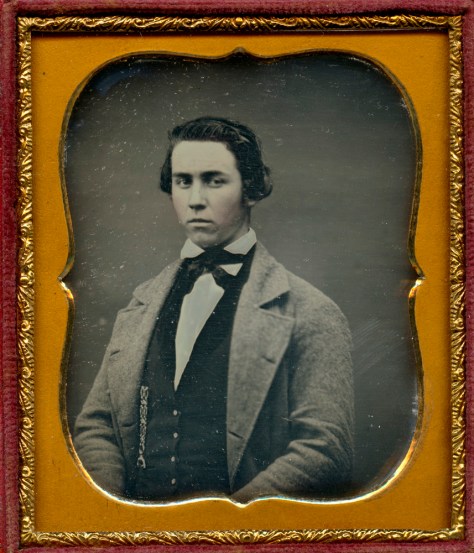
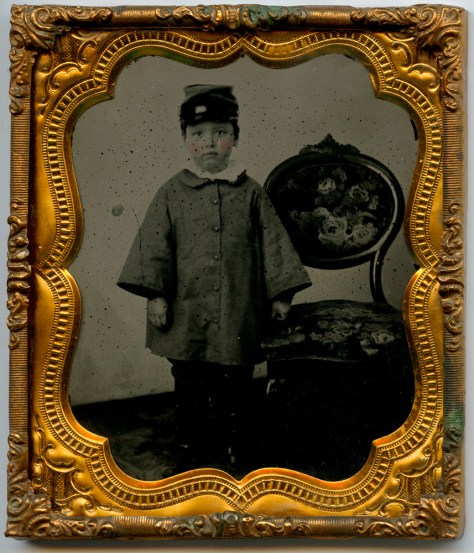
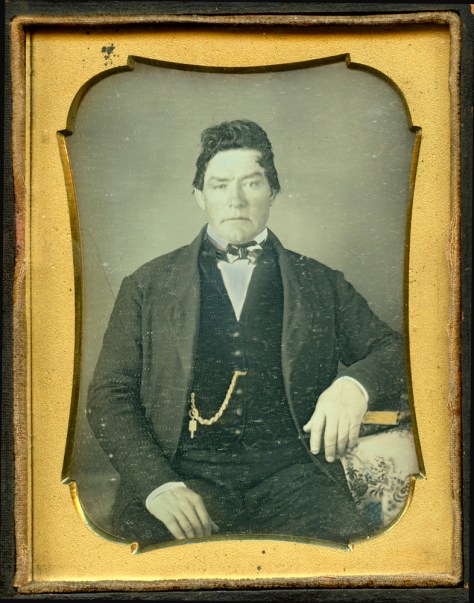
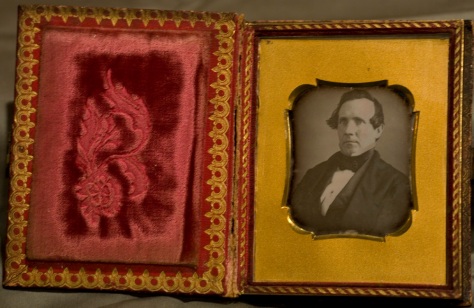
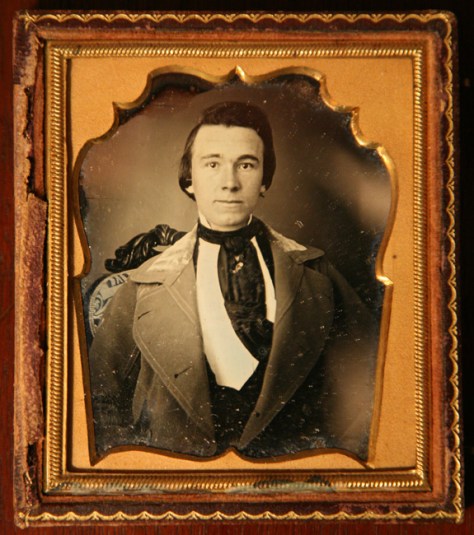
I was showing my latest daguerreotype to a friend the other day and she asked me how many do I have. I hadn’t really thought about it, so I sat down today and did an inventory. I came up with
Image Type
gemtype
1/9th plate
1/6th plate
1/4 plate
1/2 plate
Daguerreotype
1
1
20
6
0
Tintype
1
2
5
0
1
Ambrotype
0
2
7
2
1
Albumen
0
0
0
0
1
Total
2
5
32
8
3
for a grand total of 50 cased images.
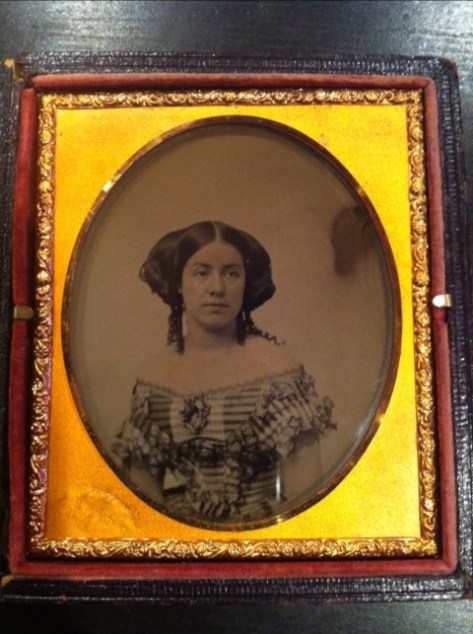
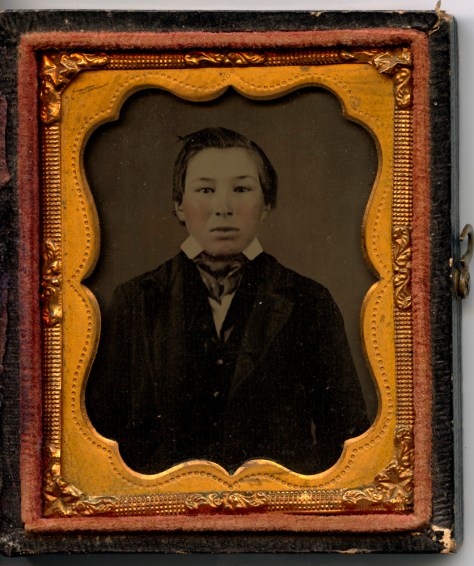
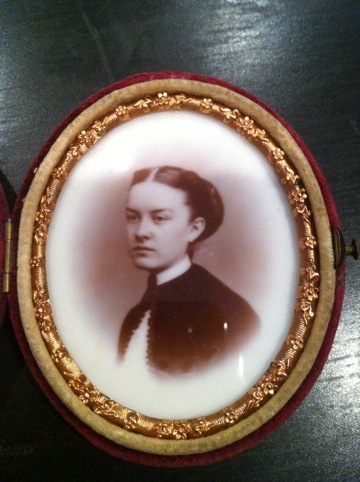
I’ll recap as many of them as I have good scans for here. One of these days I’ll get around to re-scanning/photographing the others, which I originally posted to Facebook but not at a consistent file size.
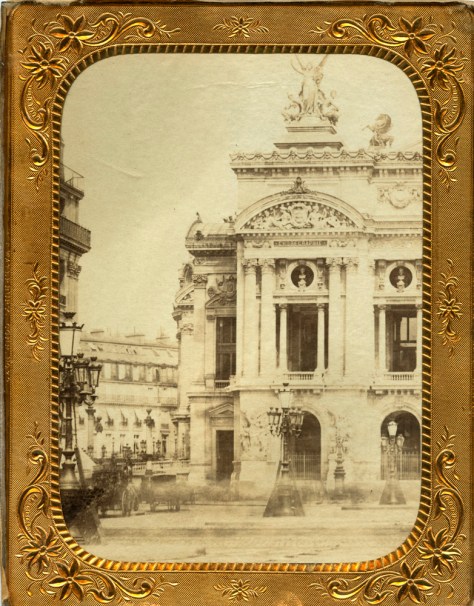
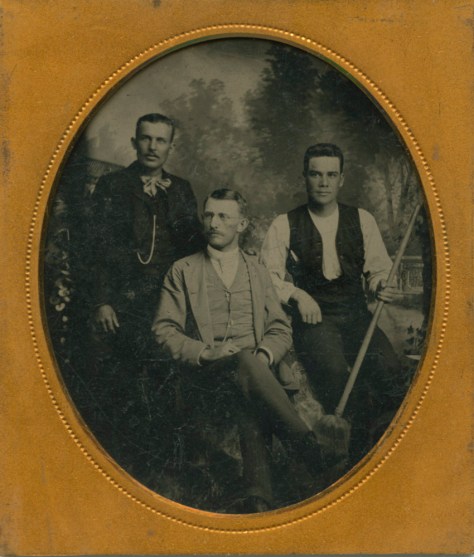
Paris Opera albumen printShopkeepersAnonymous Daguerreotype, ca. 1840-1845
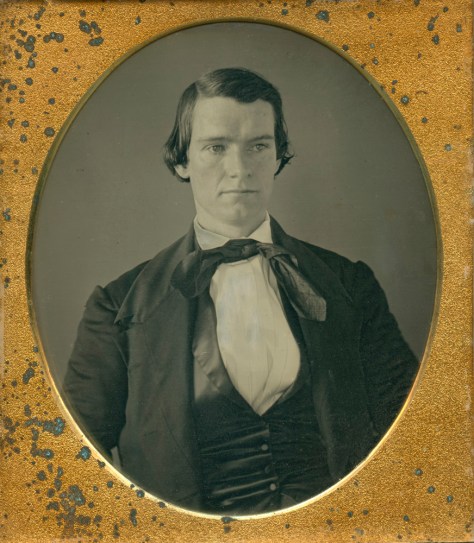
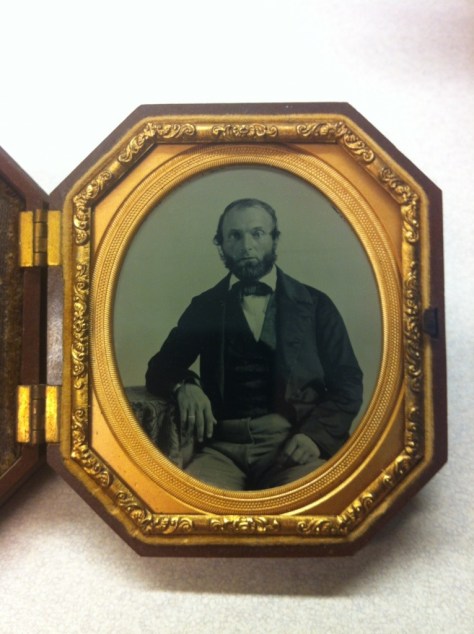
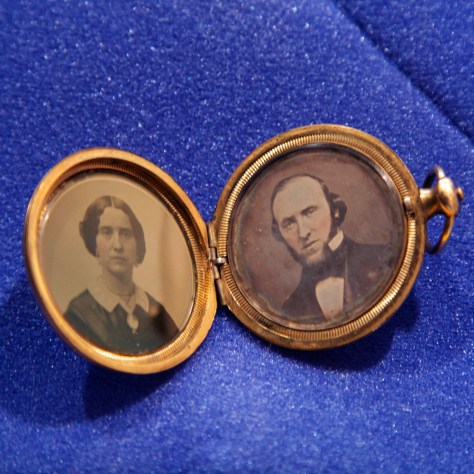
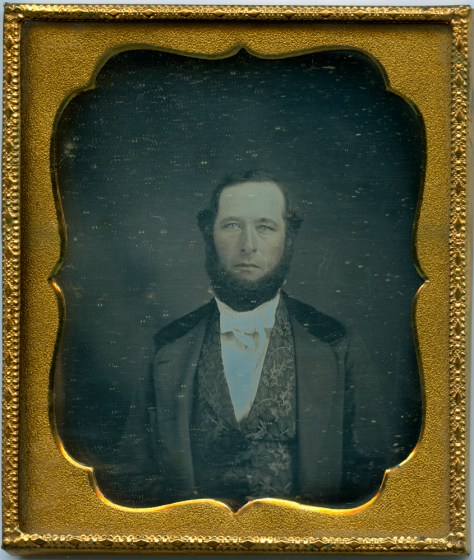
Daughter and Father, daguerrian locketAnonymous young gentleman with goateeLady with glasses, Daguerreotype, quarter plate, anonymous
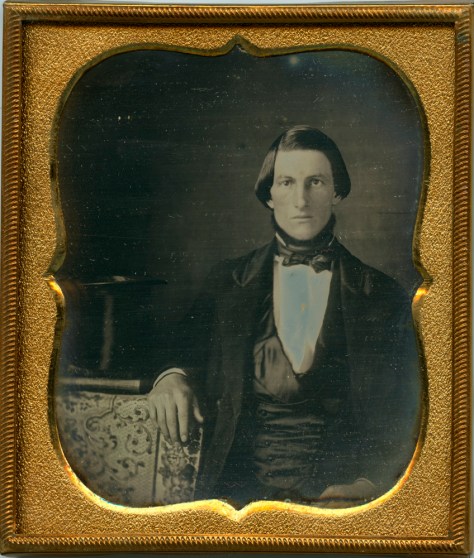
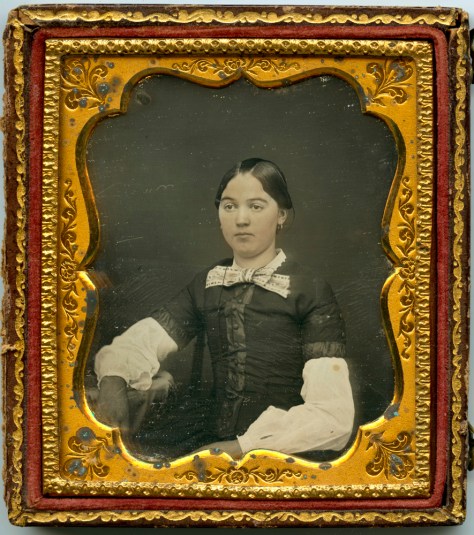
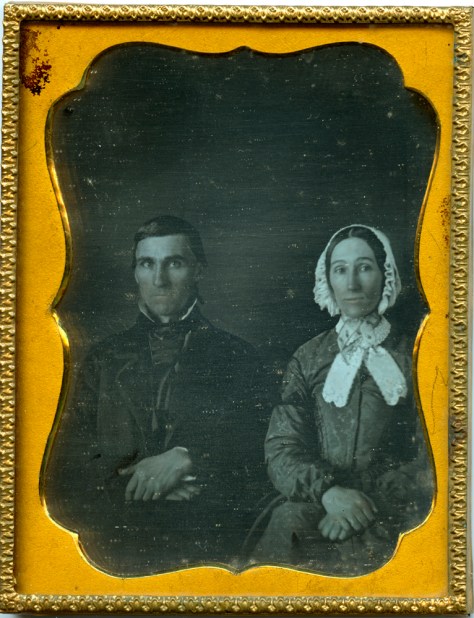
Mrs. A.A. Hill, DaguerreotypeAnonymous Gentleman in Fancy VestGentleman With Top Hat, dated October 15, 1849Anonymous Daguerreotype, Young Girl, Hand-colored, in Half Case
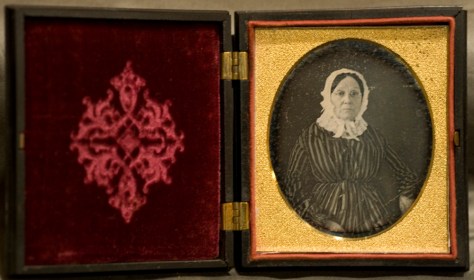
Daguerreotype, Anonymous Young Man, 1/6th PlateFred Jones, 1861, framed black glass AmbrotypeAnonymous Daguerreotype, Quarter-Plate, in half caseAnonymous, Daguerreotype, Couple, Charlottesville, VAAmbrotype, Penobscot Boy, 1857Sixth Plate Daguerreotype in Union case, anonymous lady in bonnet
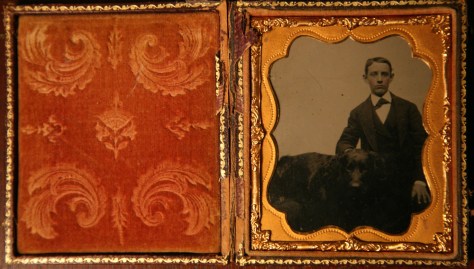
Quarter-plate Daguerreotype, Gentleman in book-form caseTintype, boy and his dog.Anonymous Gentleman. Daguerreotype, Half case.
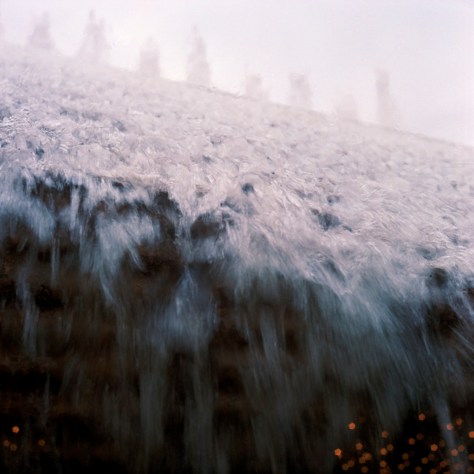
This fountain is visible from both above ground and below as it cascades down a series of steps, sliced through in cross-section. The East and West wings of the National Gallery of Art in Washington DC are connected via an underground passageway, and in the middle of this passageway is a large cafe and seating area. The wall of the passageway opposite the cafe is floor-to-ceiling glass, looking directly in to this fountain. The odd orange dots in the lower corners of the photo are reflections of the Christmas lights on miniature trees placed in front of the window. I deliberately used a moderately slow (1/30th of a second) shutter speed combined with a fairly wide aperture (f5.6 I think) to keep some blur in the water and render it abstract. Just off camera right in this photo is where the light sculpture I posted earlier is located.
East Wing, National Gallery of Art, seen from the West Wing exit
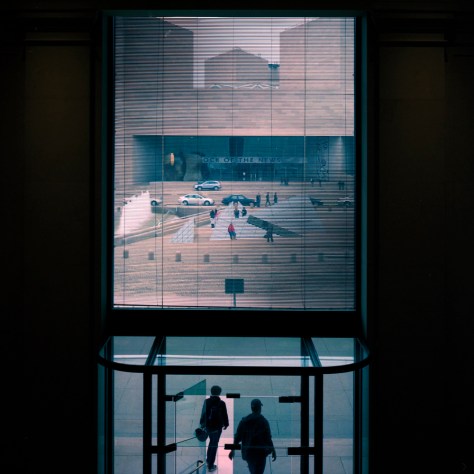
Here is a view of the I.M. Pei designed East Wing of the National Gallery of Art, from the exit of the John Russell Pope designed West Wing. The strange colors are caused by the coatings on the glass to prevent UV transmission and keep the lobby cool in the summer. I waited for some people to go through the doors to add a touch of energy and human engagement to the image. You can see the above-ground portion of the fountain from this photo.
North Lobby, National Gallery of Art
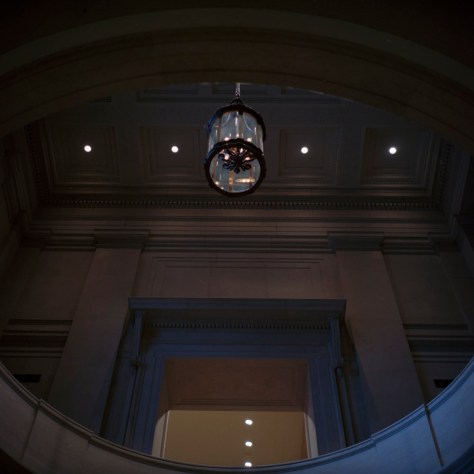
This is the North entrance lobby of the West Wing of the National Gallery of Art. I’m standing at street level by the security guard’s desk, looking up through the oculus at the chandelier. This is another grand space that is under appreciated because most people never look UP when passing through to take in the building design.
All photos were taken with my Rolleiflex 2.8E, using Kodak Portra 800.
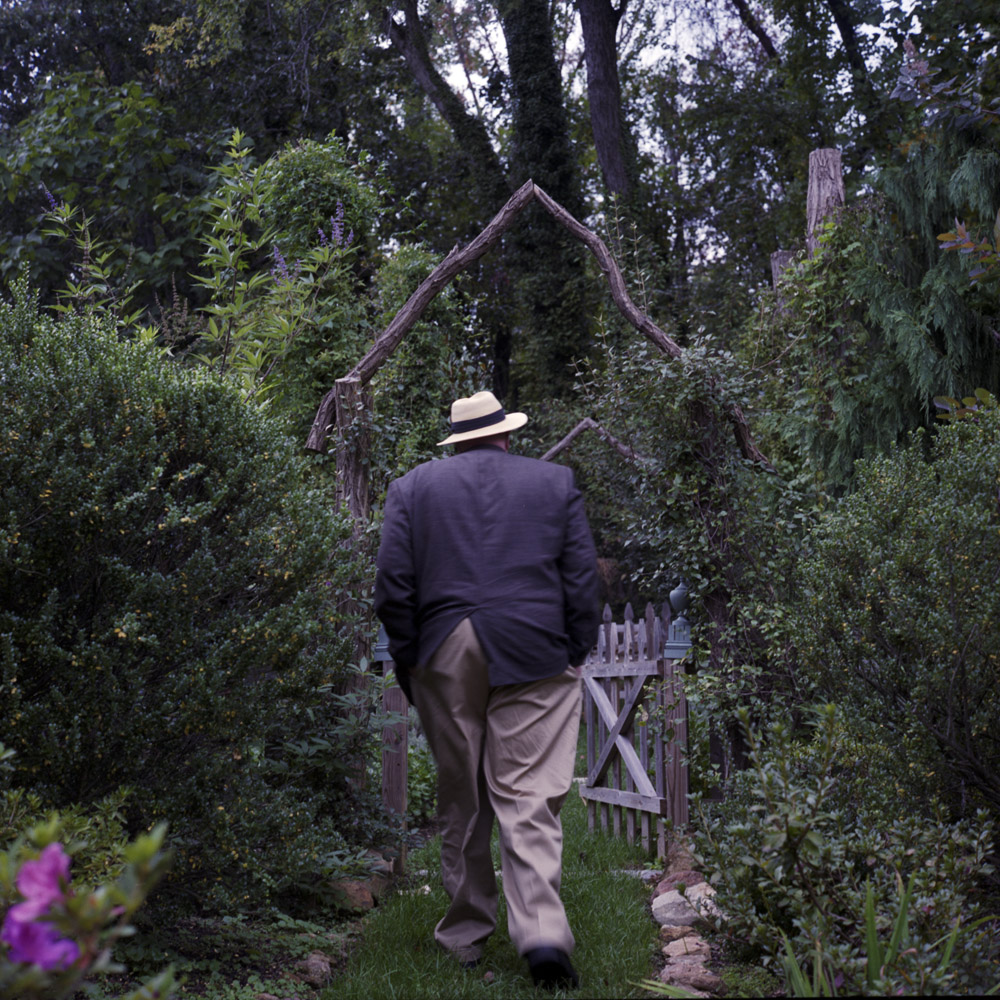
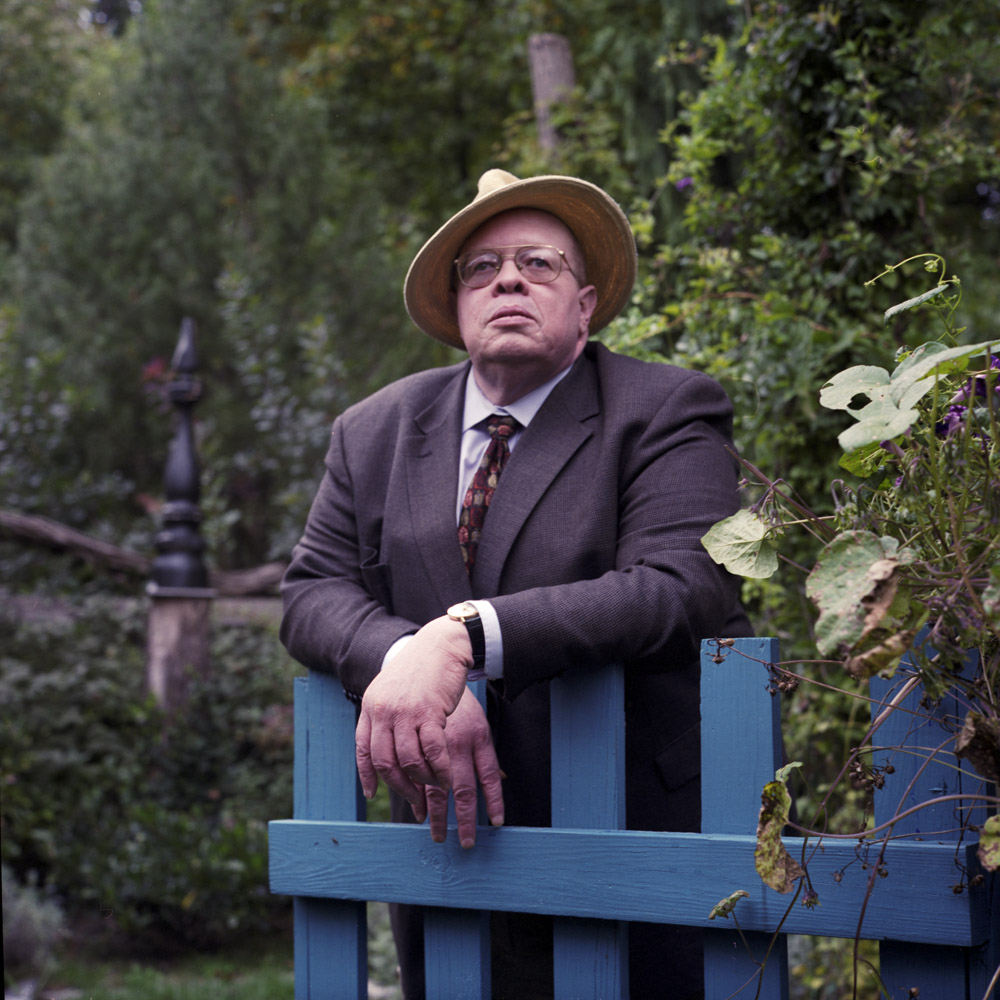
Two more photos of my friend, Charles, in his friend Henry’s garden.
Charles, in the GardenCharles, at the Garden Gate
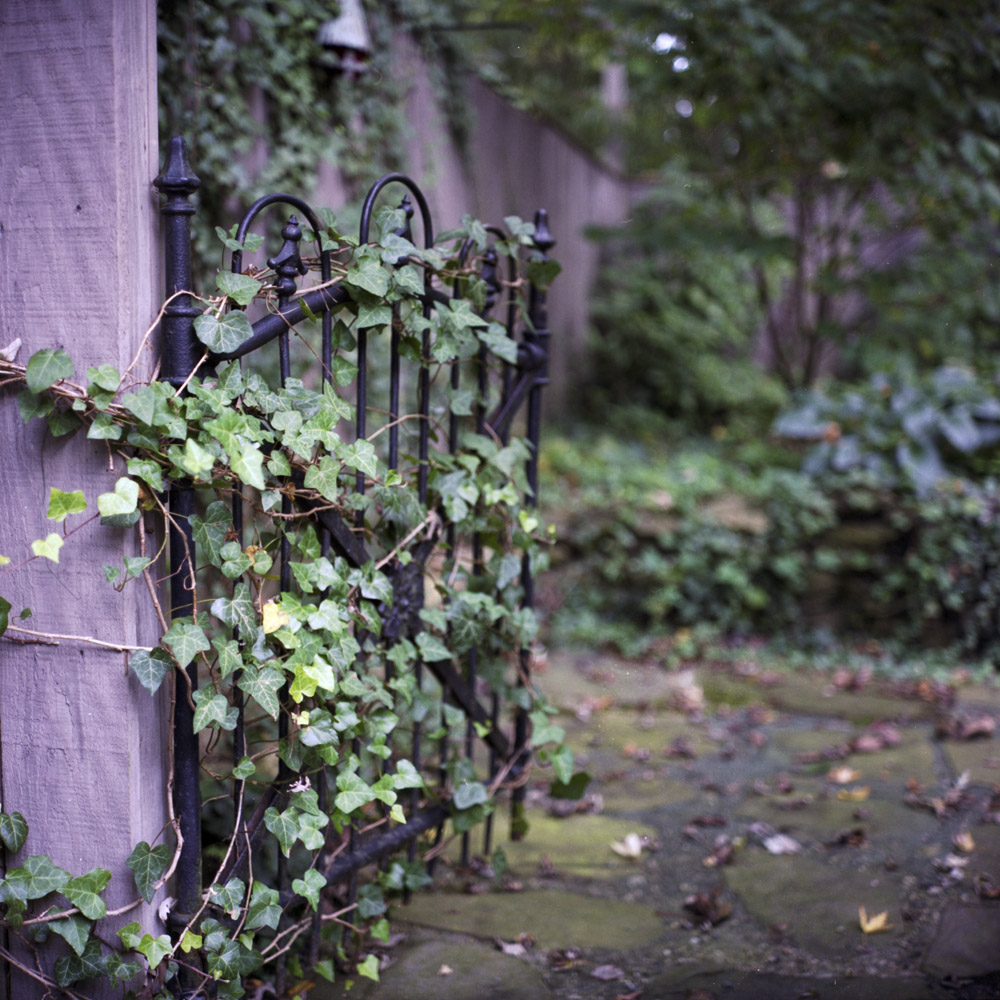
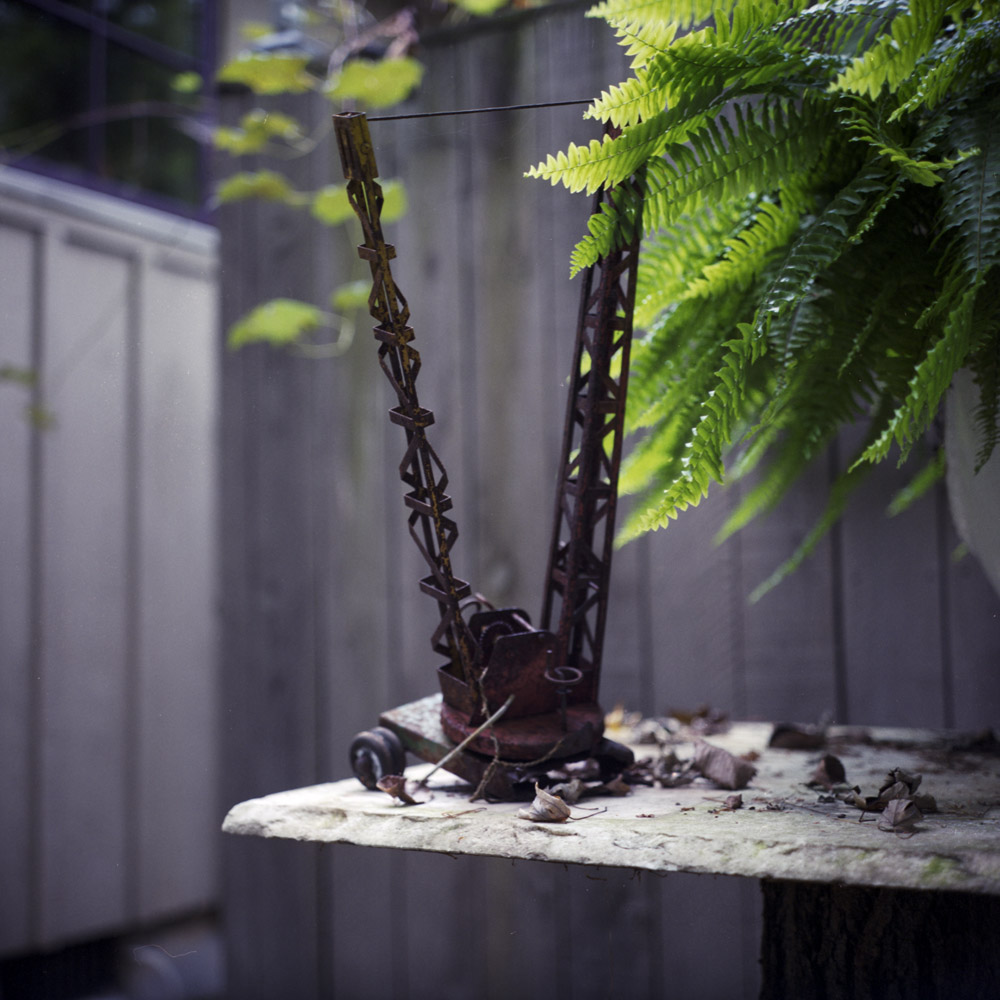
Sometimes a portrait doesn’t even have to include the person it’s about. In this case, the design of the garden, including the whimsies and follies, speak volumes about the garden’s designer.
Iron Gate, Henry’s GardenRusted Toy, Henry’s Garden
All taken with my Rolleiflex 2.8E, on Fuji Reala film. The film is easily 11 years out of date, but still produces excellent results. I wish I had a couple of bricks more of it in cold storage, but Fuji discontinued the emulsion in all but 35mm size a couple years ago.
 dcphotoartist