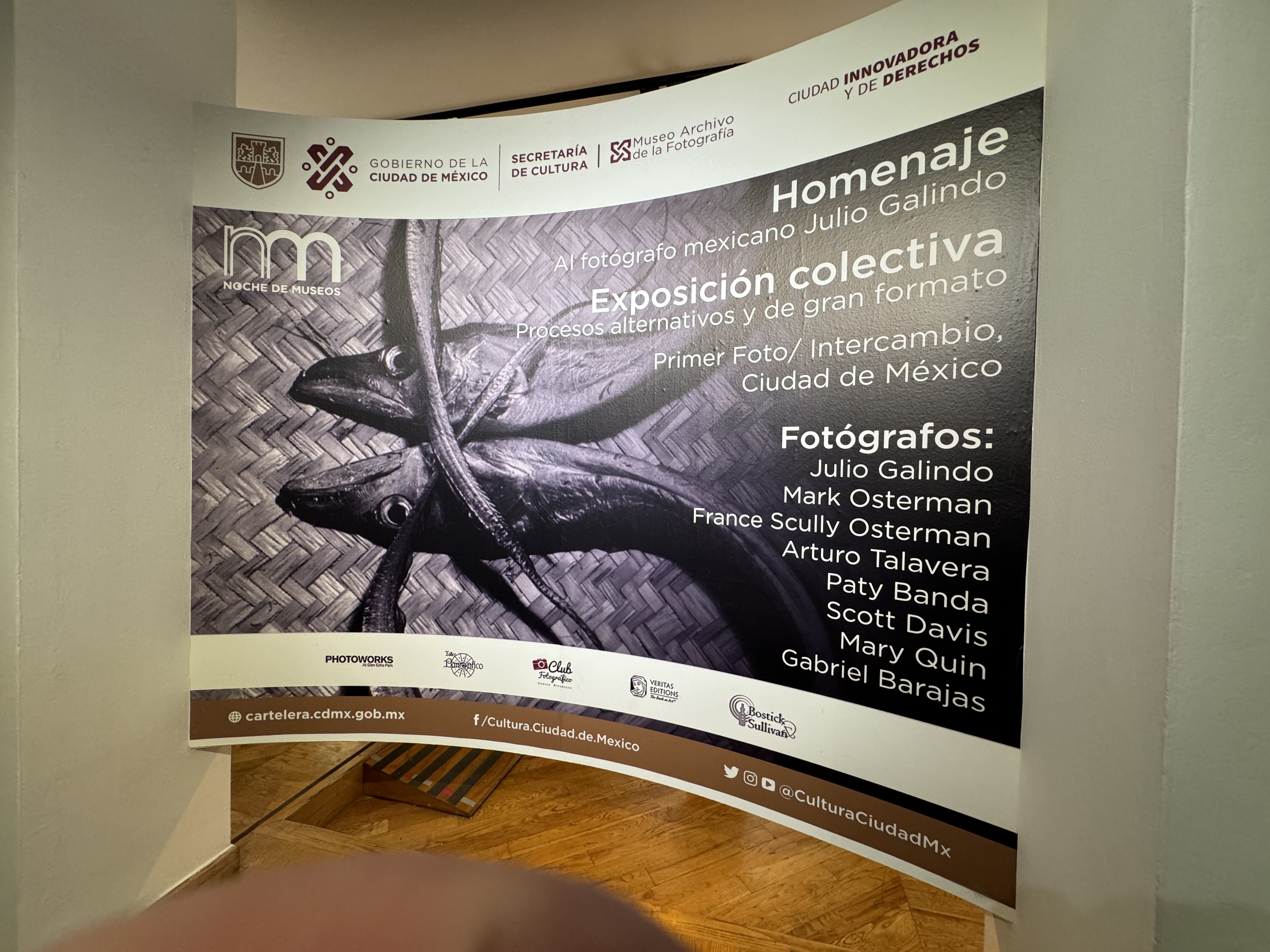
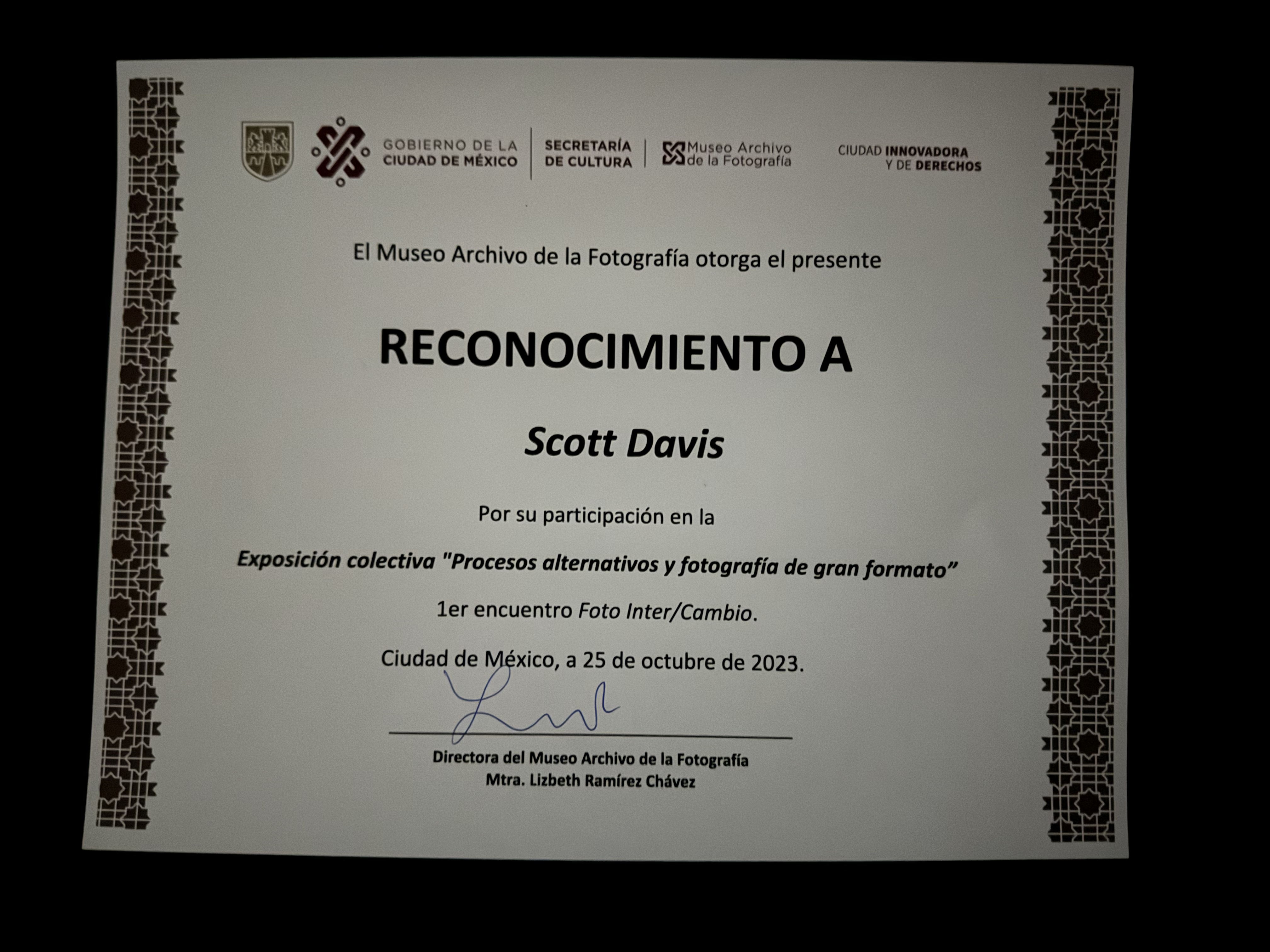
I am still trying to find words to describe how absolutely overwhelmingly wonderful last night was. I had previously shown some work in a group exhibit at the Museo as part of the Foto Inter/Cambio conference, and even then they treated me as some kind of photographic rock star – I was part of the ribbon-cutting ceremony to open the exhibit, they asked me to speak publicly, and I received a certificate of recognition for helping to organize the conference.
I had brought additional personal work in a portfolio that I was planning to share with attendees of the conference. This included a bunch of my male nudes. One of the staff members saw that work, and was very interested in it. He asked me to show it to one of their curators, Juan Pablo Cardona. Juan Pablo was very taken with the work, especially the four-color gum bichromate prints I had made of an African-American model.
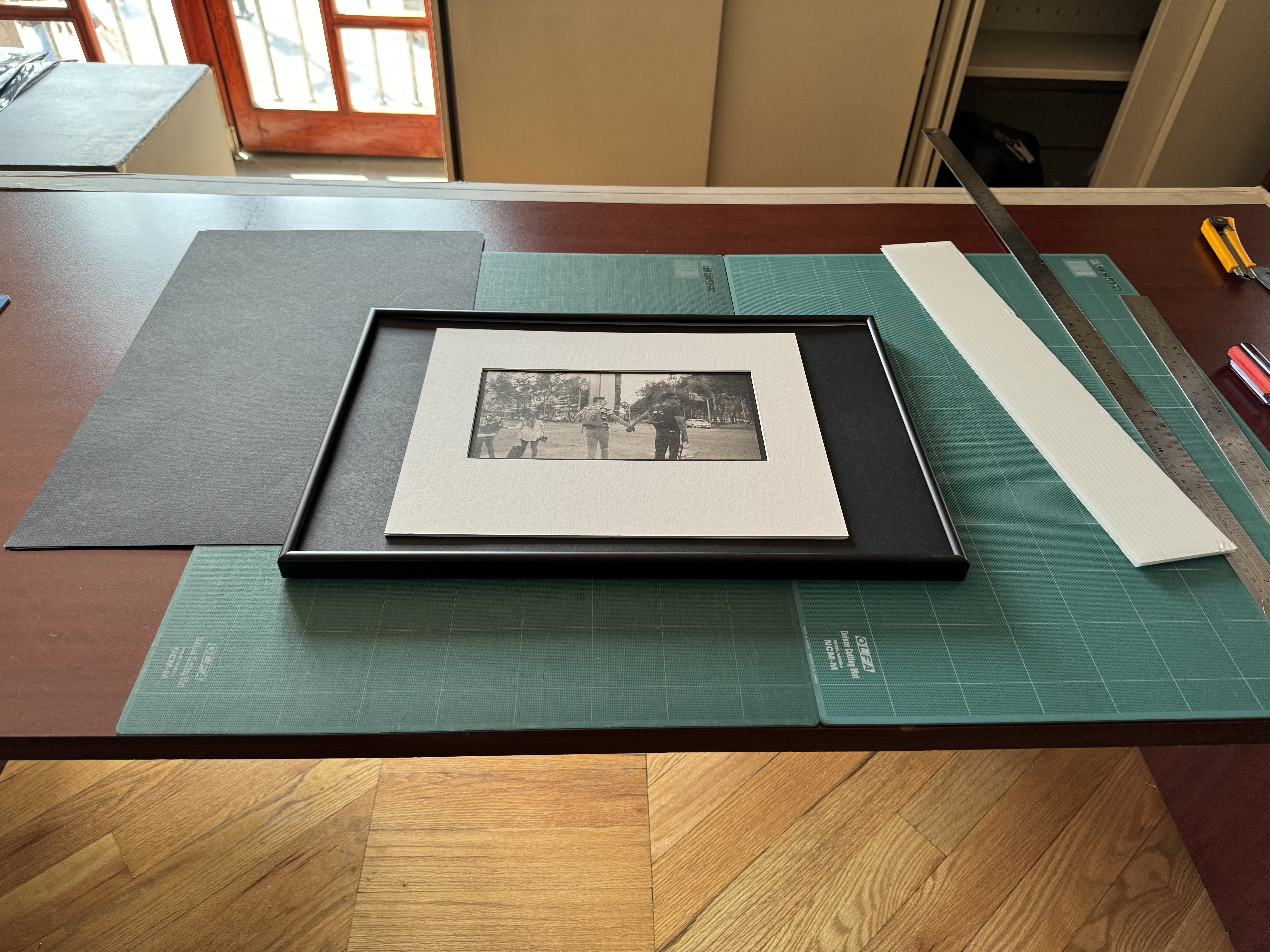
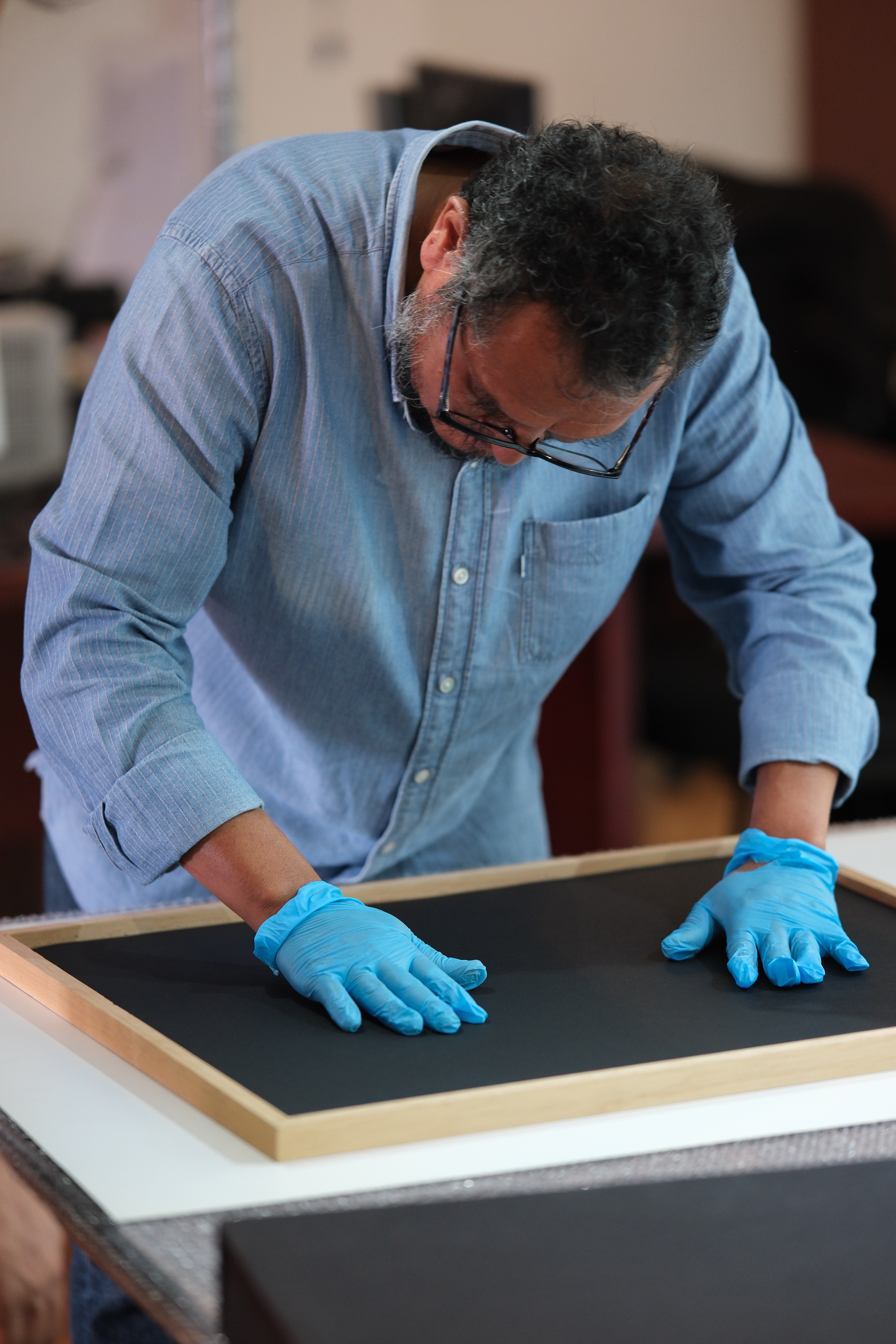
At the opening reception for the Foto Inter/Cambio show, he asked if I would be willing to show that work to the museum director. Not being an idiot, of course I said yes. We stepped off the floor of the reception and into the museum’s framing lab where my portfolio had been stored for the day, and Lizbeth Ramirez, the director, along with Juan Pablo and another museum staffer, had me go through my portfolio.
Everyone was excited by my work, and at that time Juan Pablo asked if I would be interested in participating in a show for this year’s Pride celebrations. Of course I said YES! And thus began the journey to yesterday’s opening.
I got to the museum a bit before 6 PM – the opening was scheduled to start at 7, and they had asked all of us artists to be there an hour ahead of time. That was my first glimpse of the installed exhibition:
panoramic view of the galleryMy wall in the gallery
The museum staff did an absolutely amazing job of preparing the space – I love the way they used color blocks on the walls to break up the space and give the work a flow and a rhythm around the room. This gallery is on the first floor of the museum immediately off the entrance, so public visibility is excellent. I had expected this would be in their upstairs gallery where we had the show last year for the conference, but this is the big deal.
Also to my surprise, I was selected to be one of three of the fourteen artists to speak at the opening. They also listed my name first on the list of participating artists, which to me was a very high honor.
When organizing the event, the museum staff indicated it was limited to 100 people. I think over the course of the evening, significantly more than that came. When I turned around to look at the crowd waiting to be admitted, I was absolutely stunned at how many turned up.
I’ve never had a crowd this big or this enthusiastic at an opening before. This exhibit, and especially this opening night reception, has been the absolute high point of my career to date and quite possibly the most incredible night of my life.
I realize I am incredibly tardy in posting this, on the cusp of the closing of the show (the museum very generously extended the show through September 2!). I wish I could be there in person for the take-down and to collect my work (I have a friend who will be picking it up and storing it for me until I am back in CDMX next), but that wouldn’t be practical.
Show dates and times: Saturday June 22- Sunday August 18, 2024. Opening reception June 22 at 6pm. Artists Talk June 25th at 5pm (I will be participating in the artists’ talk and showing some additional work from my portfolio).
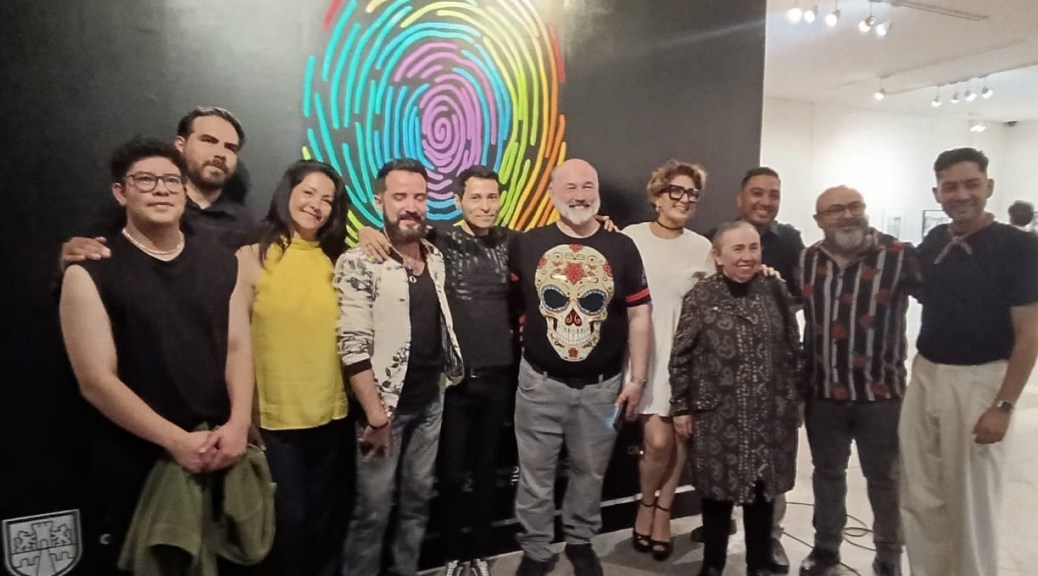
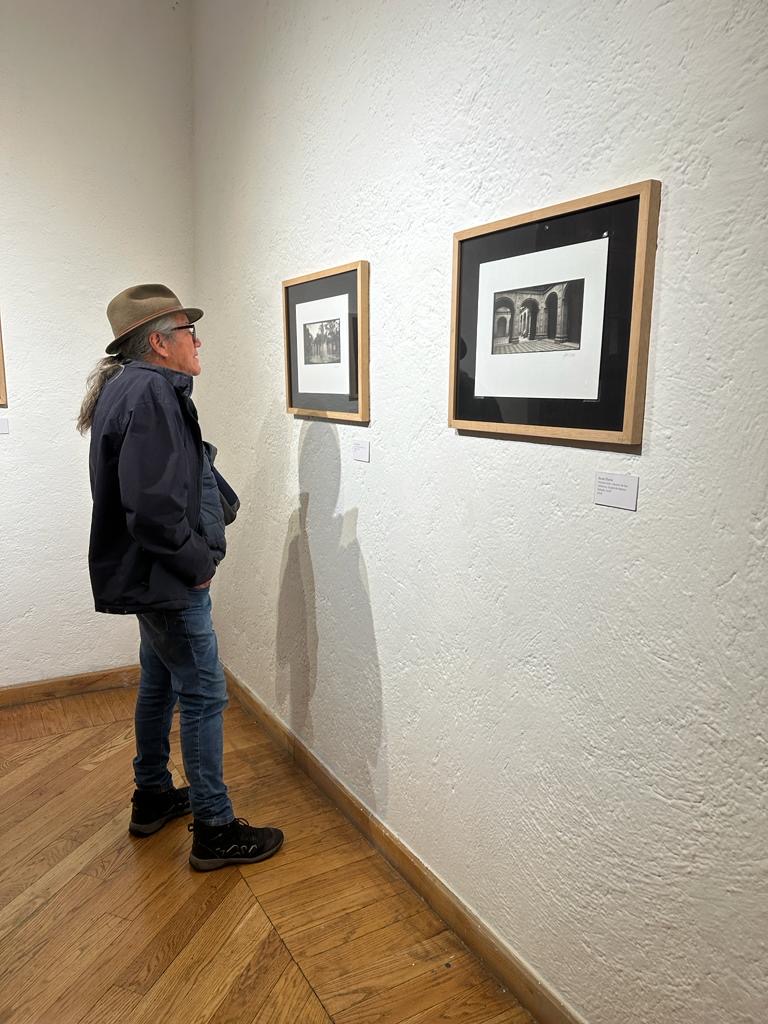
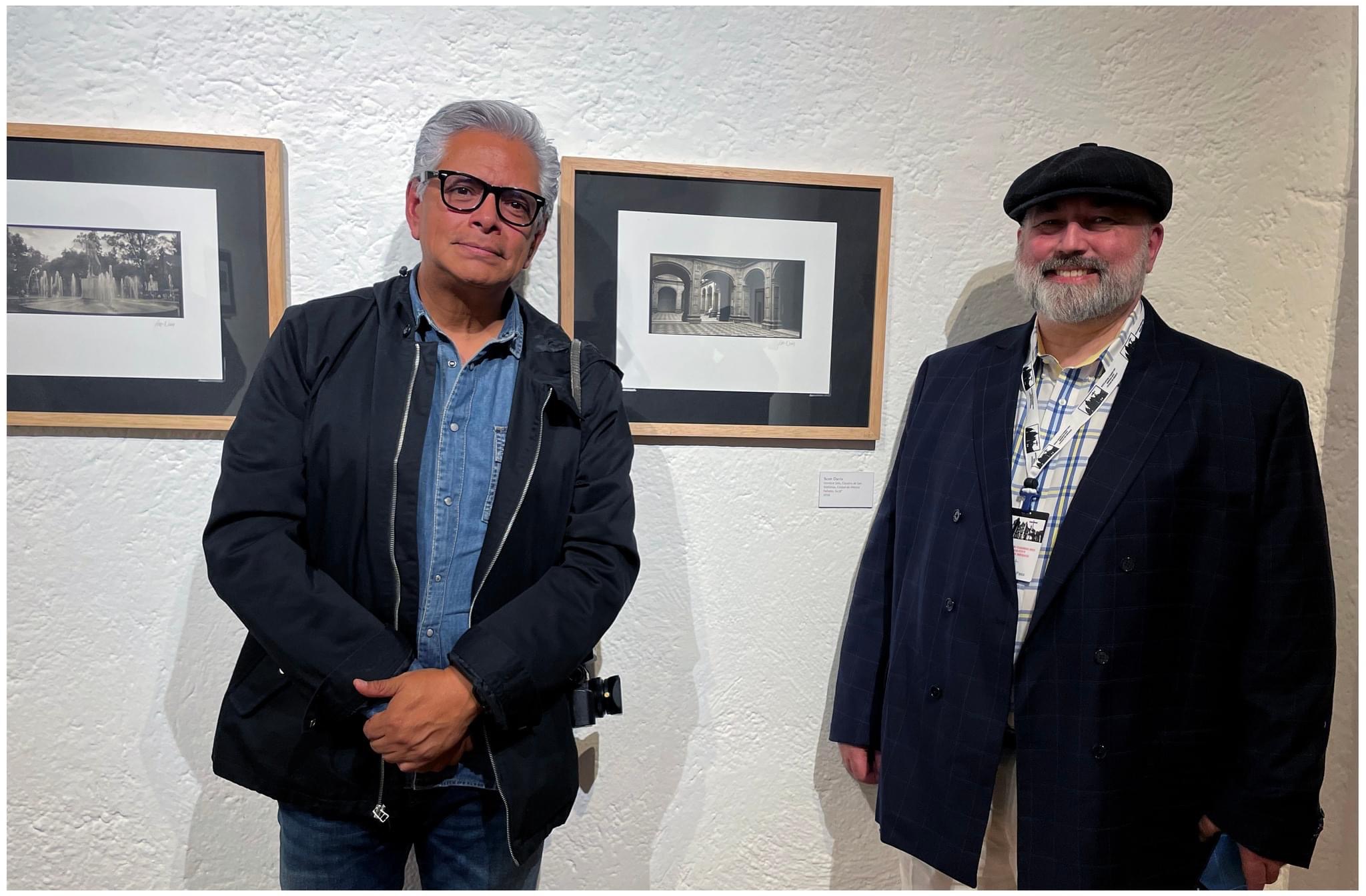
Geografía del Cuerpo is at the Museo Archivo de la Fotografía, and runs from June 26 to July 18. The opening reception is July 26 from 7-9pm, and is limited to 100 persons in attendance. I will be there as well (In case you’re wondering, I’m the one in the hat with the gray beard and glasses).
I’m going to have work in not one, but TWO shows in Mexico City the end of June. Show number one is at the Museo Archivo de la Fotografía. The show is called “Geografía del Cuerpo” and features work by eleven photographers creating work dealing with gender, sexuality, identity and politics.
This show will be a minor retrospective for me as it includes work I’ve made across the last 20 years. I’m including some unique gum bichromate prints that I made in the 2000s, some infrared shots of male nudes in the landscape printed in palladium on kozo paper (a Japanese paper made from kozo bark which is almost tissue-like) that were shot in the 2010s and printed recently, and some studio nudes I did just last year. Pensive (Kodak HIE, palladium on Awagami Platinum kozo paper, unique print)Torso Moreno (four color gum bichromate, unique print)Narcissus (palladium on Saint Armand Frobisher paper, edition of three)
The opening reception will be held on Wednesday June 26 from 5-7 pm, and the show will be up through the end of July. I will be in attendance at the opening reception, so if you’re in the neighborhood please stop in and say hi!
The second show also features images dealing with gender, sexuality, identity and politics, this time at Eucalipto 20, an independent art center in the Santa Maria Ribera neighborhood. The gallery is a short walk from the Buenavista bus/metro/train station. The building is somewhat nondescript on the outside, so watch carefully for the street numbers.
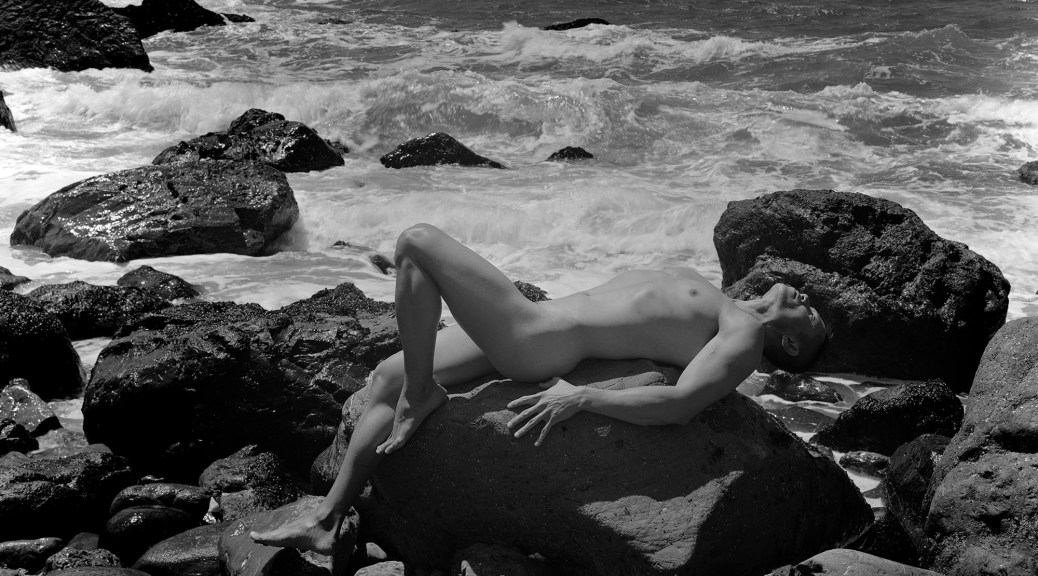
James, Rocks, San Francisco 2001 (platinum print, edition of 5)James, Tree, Lands End Beach, San Francisco 2001 (platinum print, edition of 5)
The opening reception will be June 22, so I will not be in attendance, but we will have an artists talk during the week, dates and times to be announced.
This is long long long overdue, but better late than never. Especially since we are in the throes of planning the next iteration which will be in March of 2025!
Over three days we had five seminars, two photo walks, a Day of the Dead environmental portrait shoot, two hands-on demos, and opening and closing keynote speeches, plus an exhibition of alternative process work at the Museo Archivo De La Fotografía, Mexico City’s official photography archive. Images displayed in the exhibit ranged from salted paper prints made with wet collodion negatives to daguerreotypes of Mexico City to palladium prints to a fine press book with hand-tipped prints. A lot of images were made, and new friendships formed.
I want to first offer my sincerest gratitude to Gabriel Barajas, my business partner in this venture, without whose initial inquiry back in 2018 this would never have happened. He invested a massive amount of energy and time into making this happen here. I also want to thank all the people of the Club Fotografico Centro Historico who helped pull this off- their volunteer efforts from manning the reception desk to shooting video footage to getting us bottled water made the whole thing run. I especially want to call out Veronica Mondragón for her tireless logistics management.
Gabriel BarajasMary Quin with Veronica MondragónJuio Galindo
Another thank you goes to all the staff at the Museo Archivo De La Fotografía for their support. They provided us with a venue for our keynote events, and they expanded their offering of gallery space to turn what would have been a modest three-day pop-up show into a major, meaningful exhibition taking over an entire floor of the museum and running for two weeks. They also made me feel like a rock star – I got asked to participate in the ribbon-cutting to open the show, and received a certificate of recognition from the Secretary of Culture for Mexico City for my efforts. They’re also inviting me back to give a platinum/palladium printing workshop some time next year, and a show of my portrait and figure work.
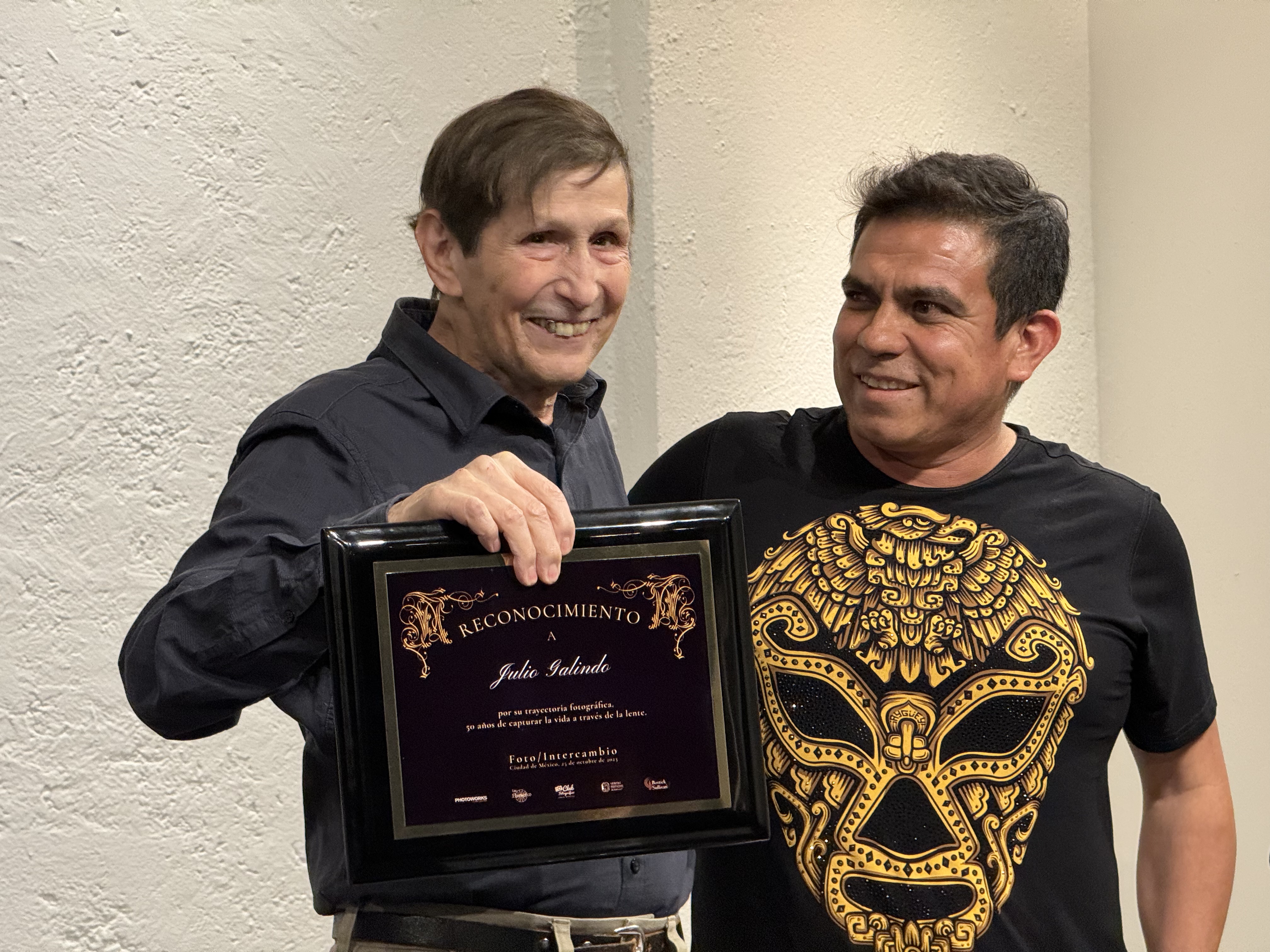
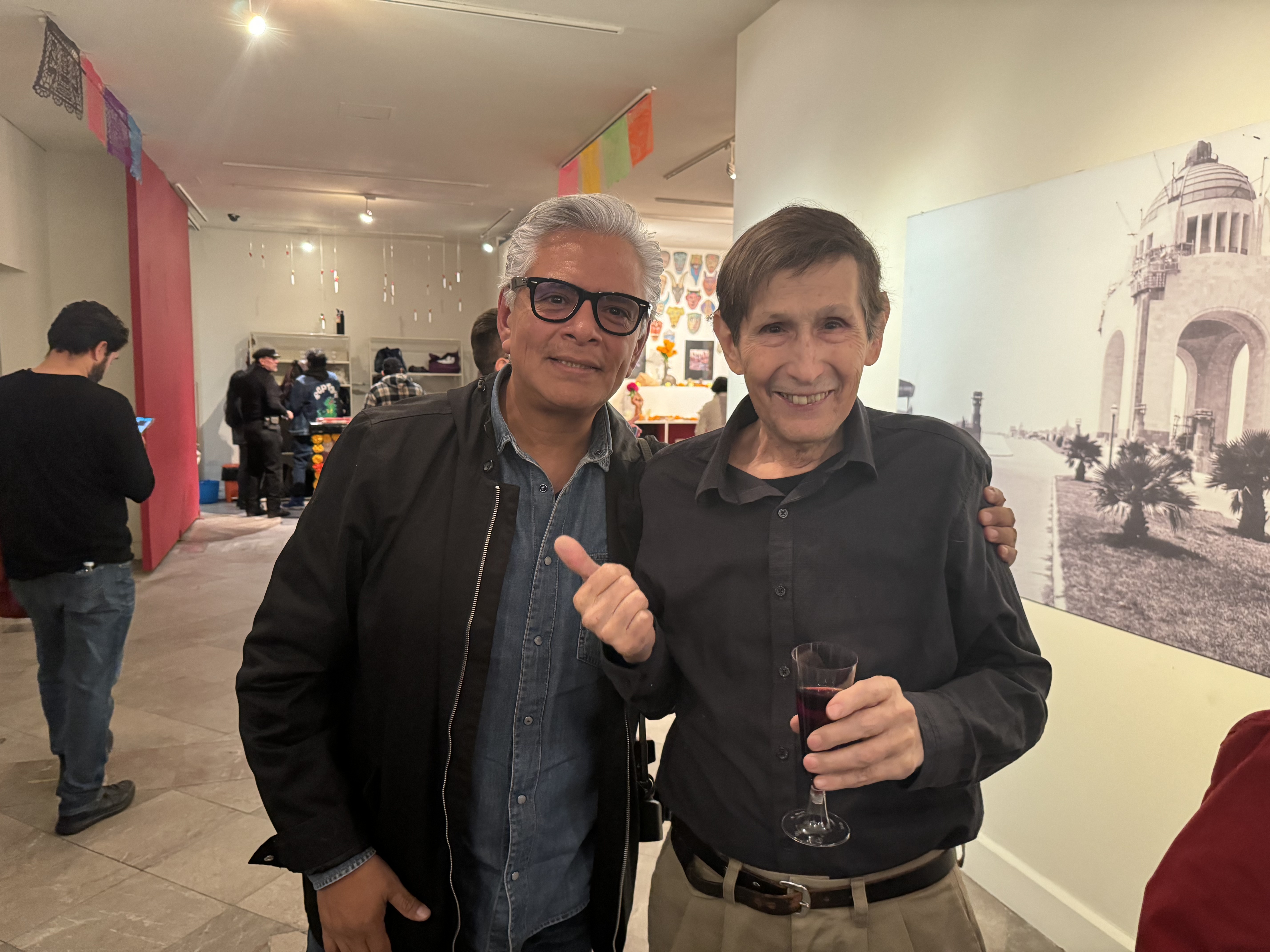
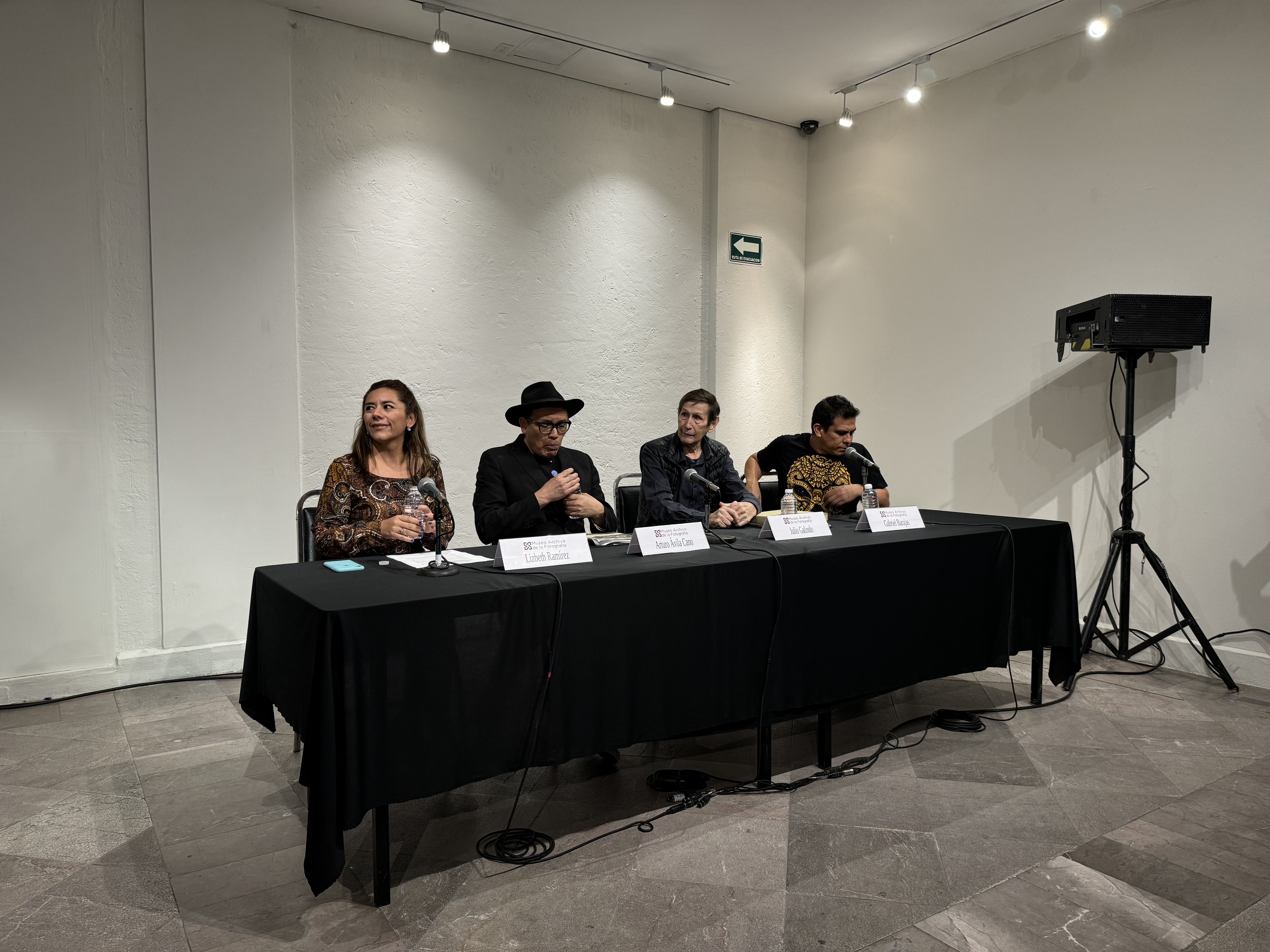
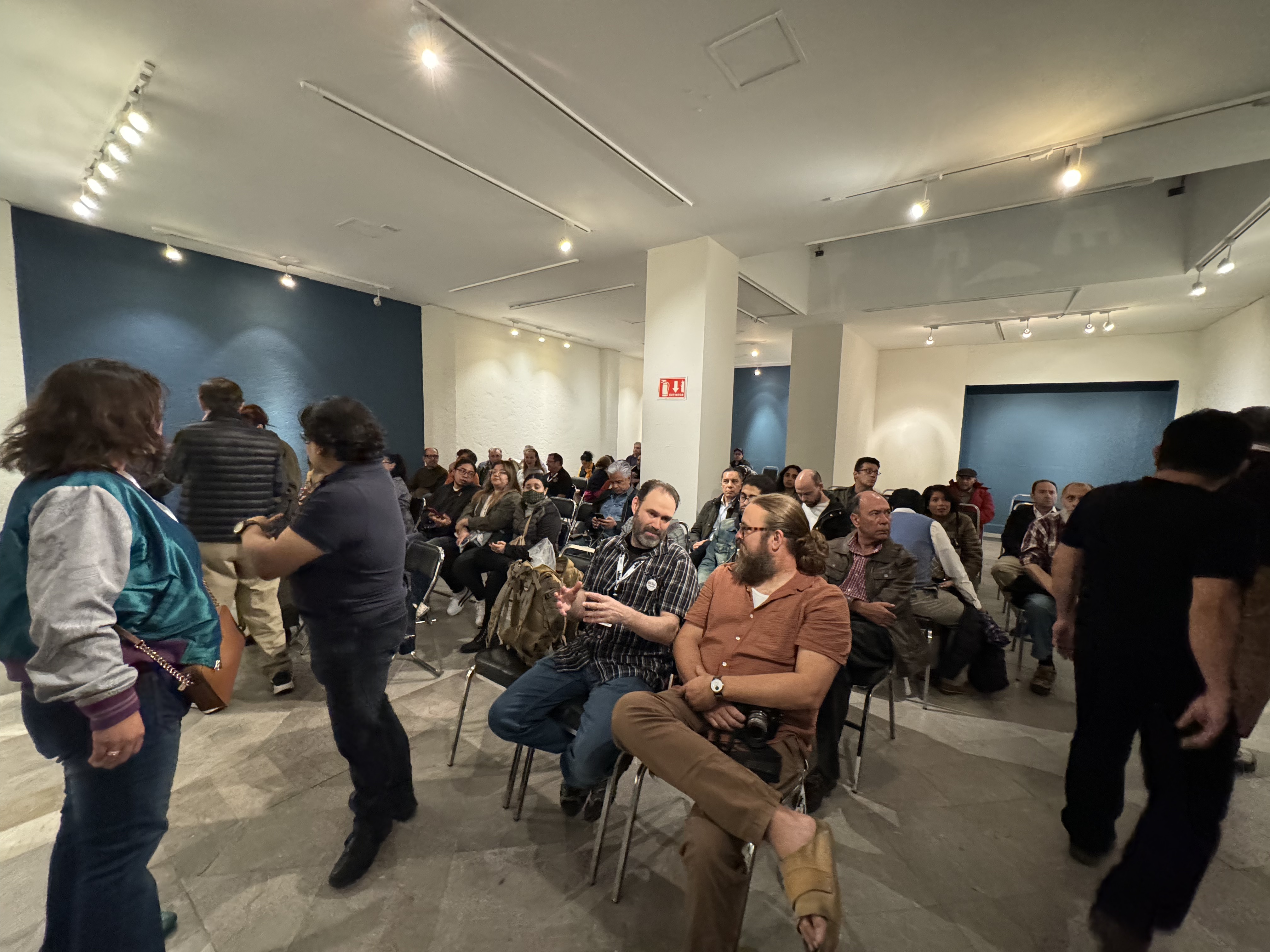
Some photos from the opening night reception at the Museo Archivo de la Fotografia, including the lifetime achievement award being presented to my friend Julio Galindo. As you can see from the last couple of images, we had a standing-room-only crowd. It was quite the evening, and I will never forget it.
Julio Galindo with Gabriel BarajasFrance and Mark Osterman at the opening receptionJulio GalindoAlejandro Sanchez Mociños and Julio GalindoAlejandro Sanchez Mociños with meArturo Avila Cano and Julio GalindoPanel presentation of award to JulioOpening night crowdopening night crowd
I don’t know of a bigger thrill for an artist than to have the director of a museum request you to give them a portfolio review, and then turn around and offer you a show and a workshop (funded by the museum!).
We had three days of activities and presentations. There were two main themes to the conference this year: Daguerreotypes and Book Arts. Carlos Gabriel Vertanessian, an Argentinian photo historian, gave a talk about the history of early photography in Mexico, focusing on the beginnings of the Daguerreotype in Mexico. Takashi Arai and Paty Banda gave a joint presentation (perhaps the most technically challenging presentation to pull off; Takashi was in Japan and calling in at 4AM his time, while Paty was also calling in from another location in Mexico City). They are both 21st century Daguerreotypists and talked about their personal work – Takashi with his interest in nuclear and environmental issues, and Paty with her rephotographic project doing 21st century daguerreotypes that re-created the earliest known photographs of Mexico City.
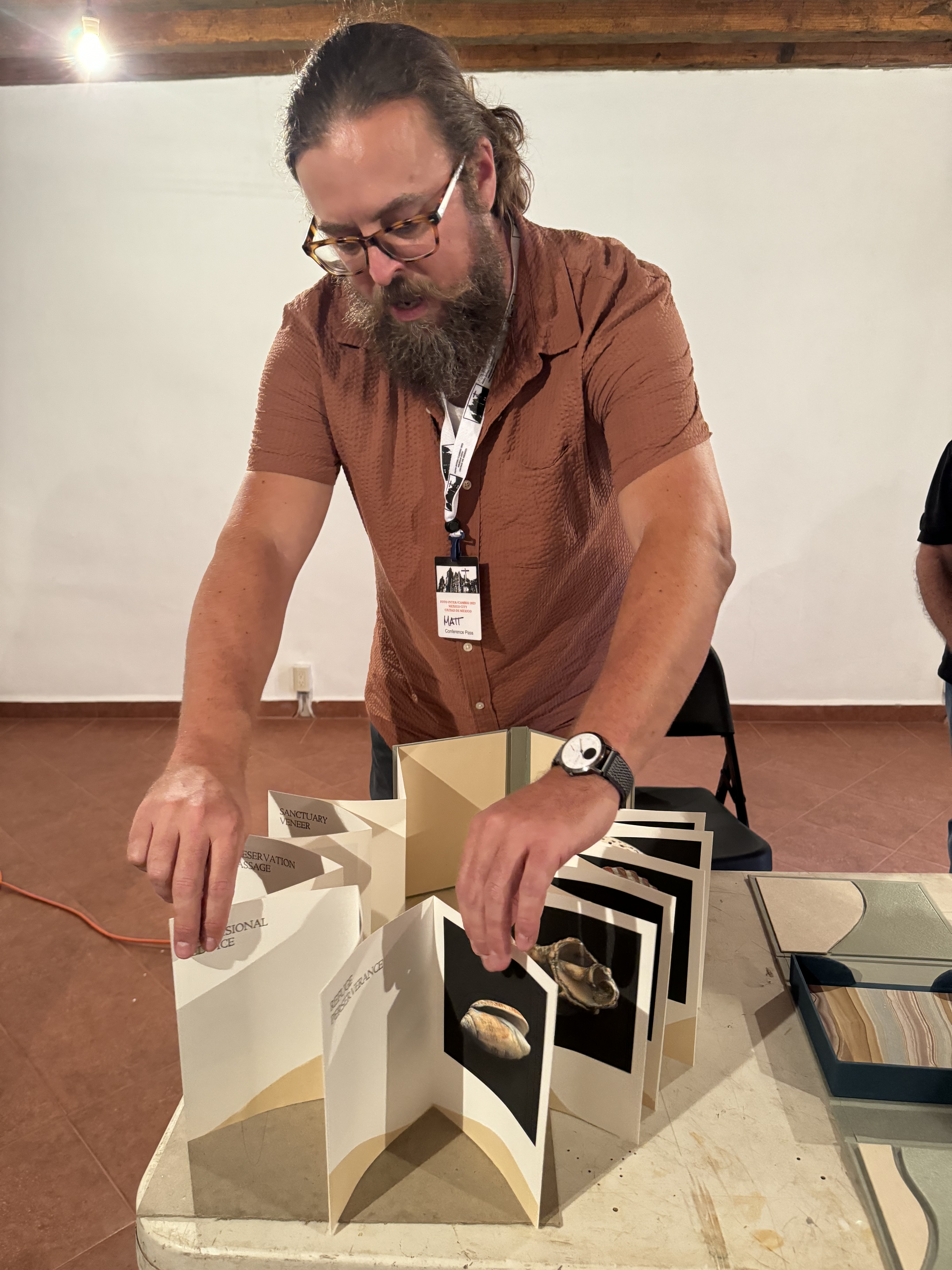
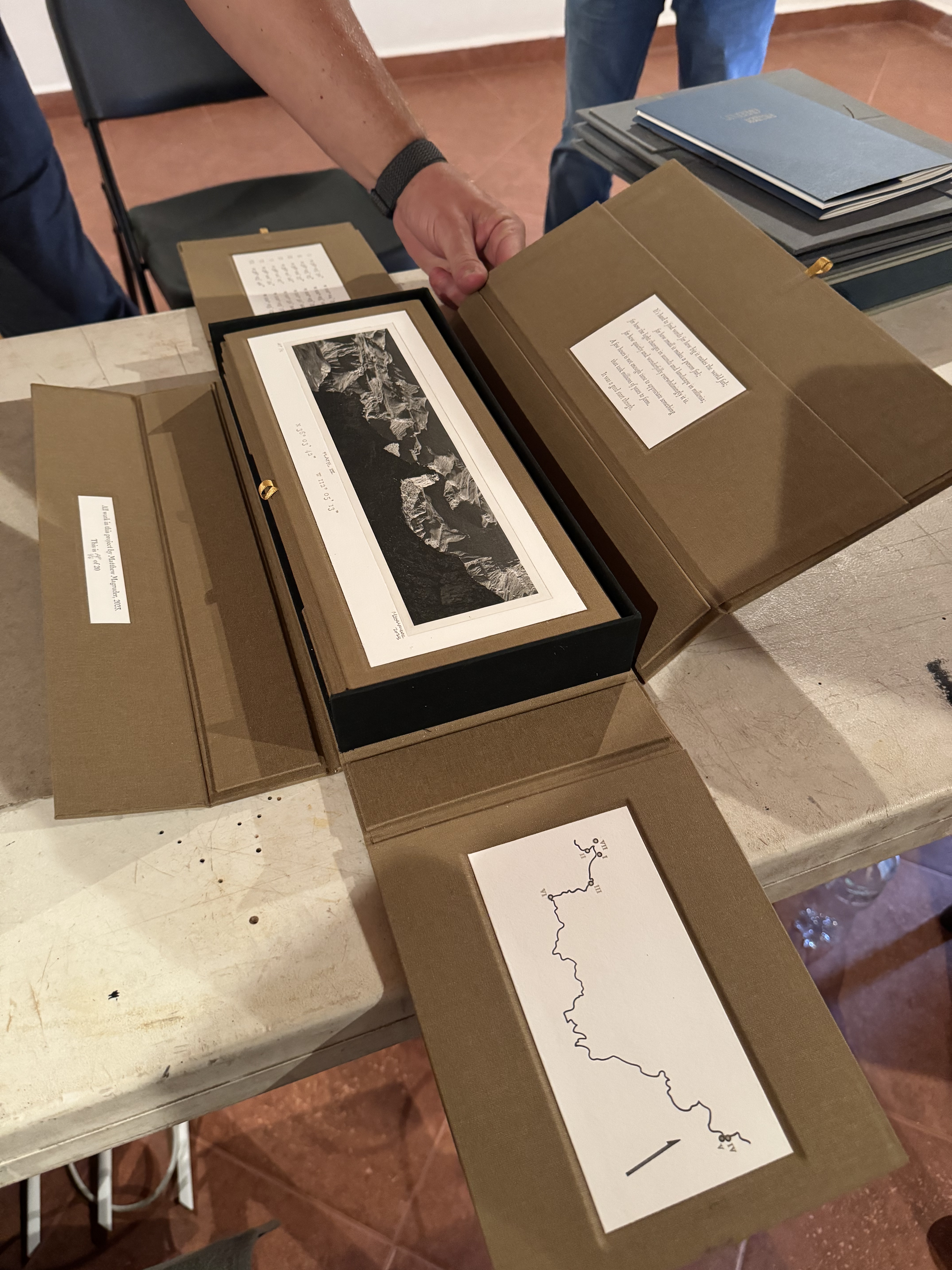
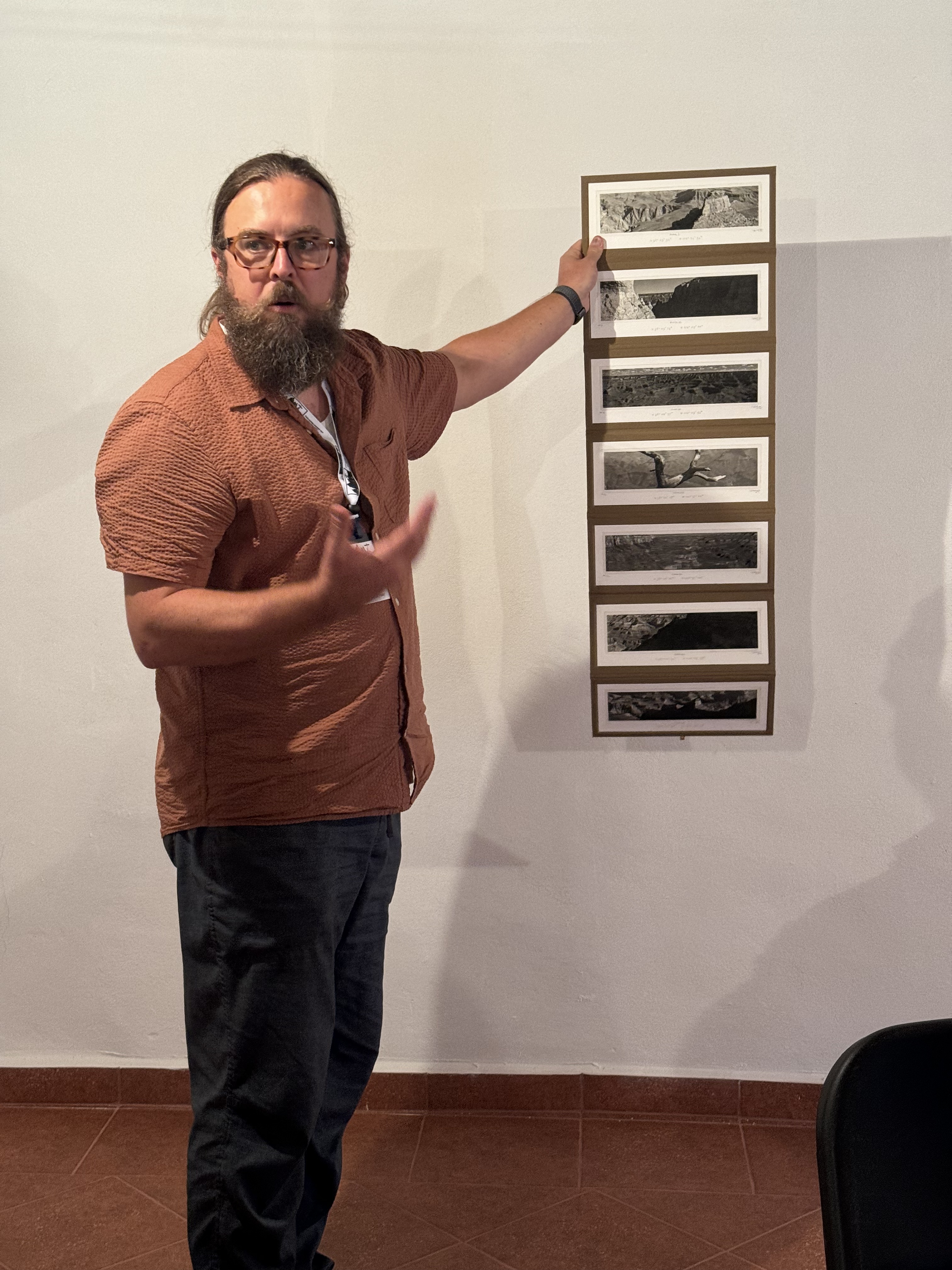
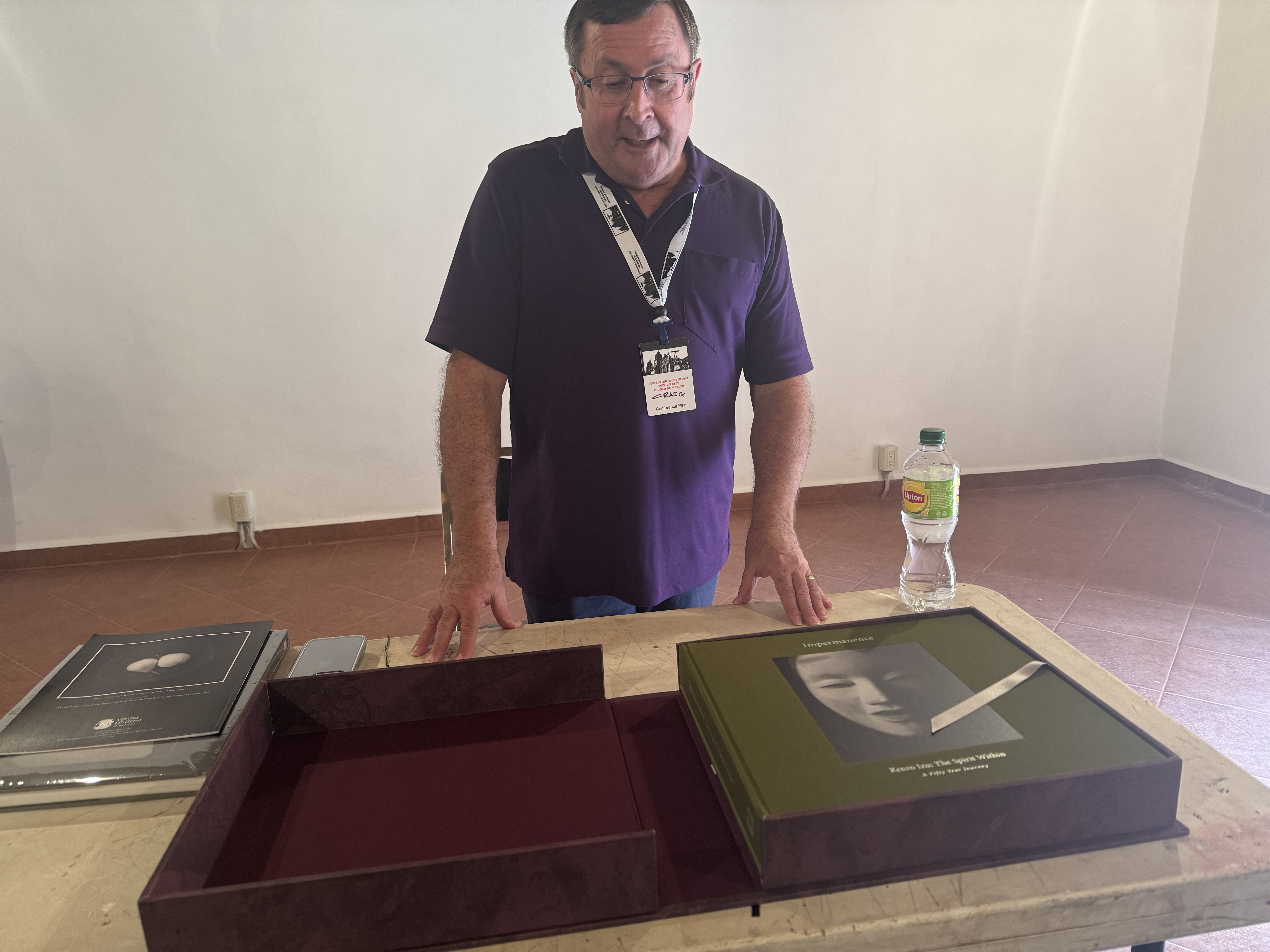
Matthew Magruder presented his work that spans multiple photographic disciplines; the work he presented centered on book arts and the handmade artists book. Craig Alan Huber (another person to whom I owe a great debt of thanks for his assistance in making this conference happen) gave a contrasting presentation on publishing fine art books, from “trade press” to the extremely limited edition fine-art volumes (usually cased in presentation boxes and accompanied by signed prints, etc). Craig is the owner and publisher of Veritas Editions, an award-winning press that specializes in high-end limited edition books.
Matt Magruder and Craig Alan HuberMatt Magruder and one of his accordion bookshand-made book of panoramic imagesMatt Magruder demonstrating panorama bookCraig Alan Huber and a fine press book from Veritas EditionsCraig showing a print accompanying the book
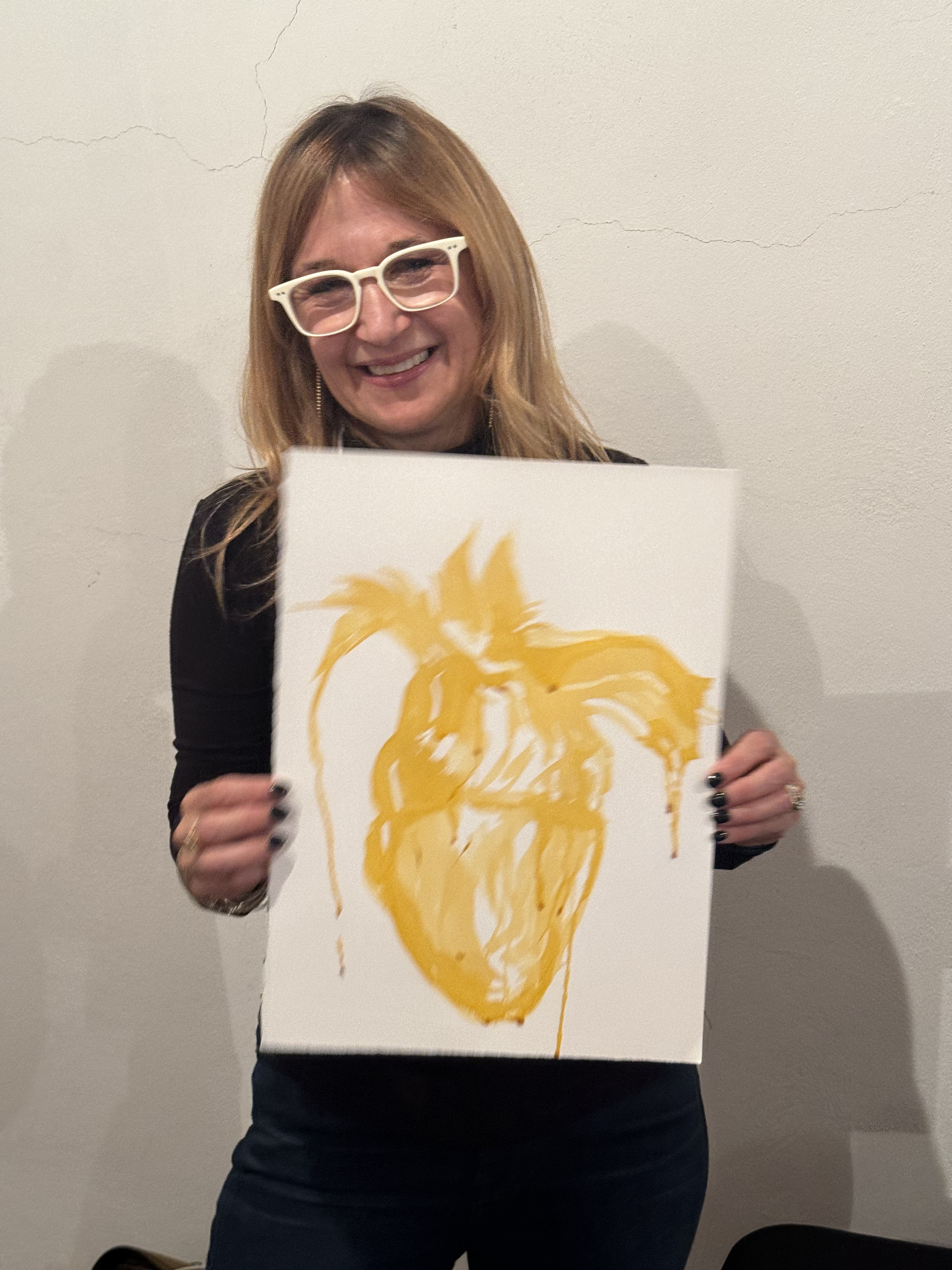
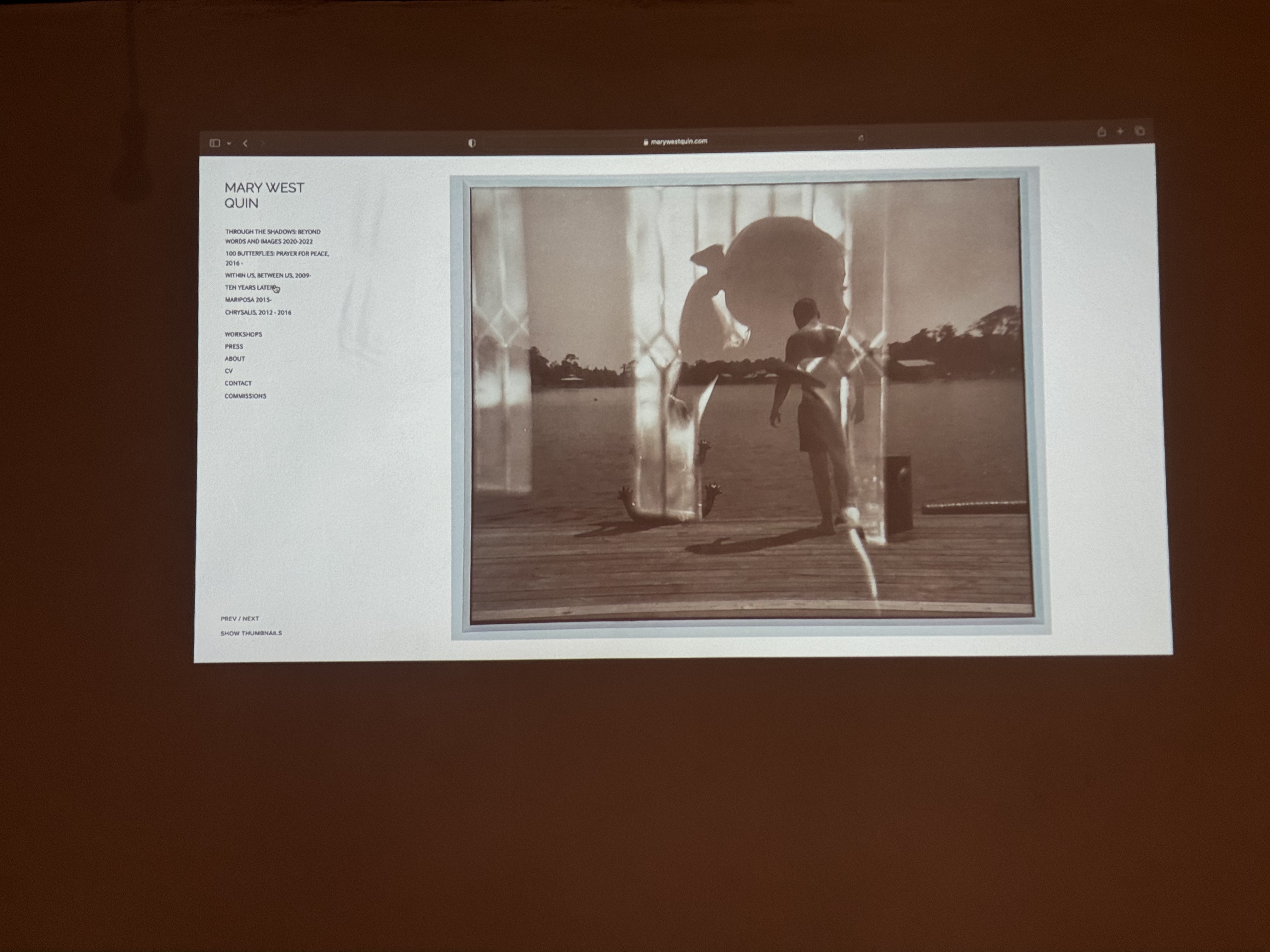
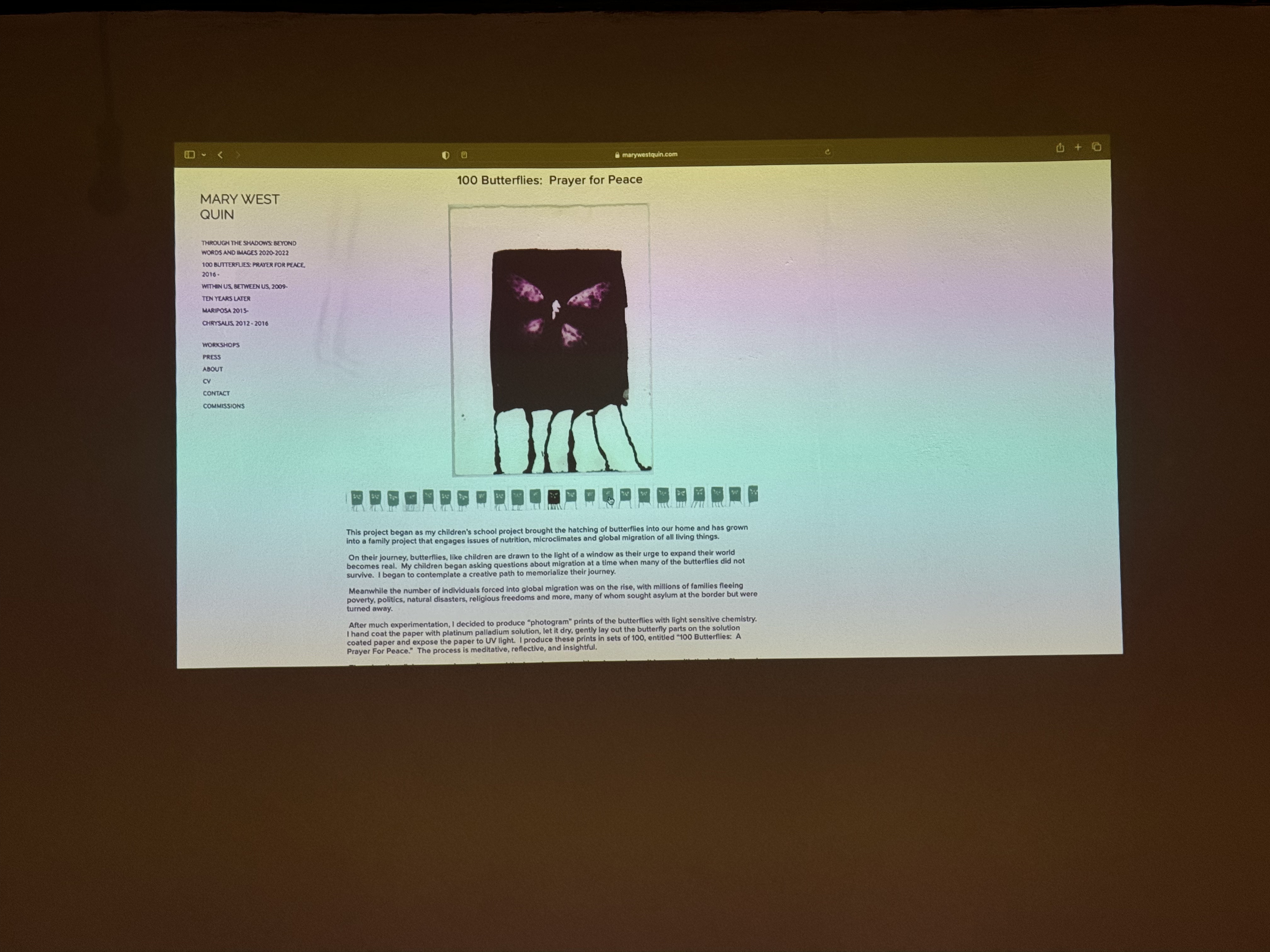
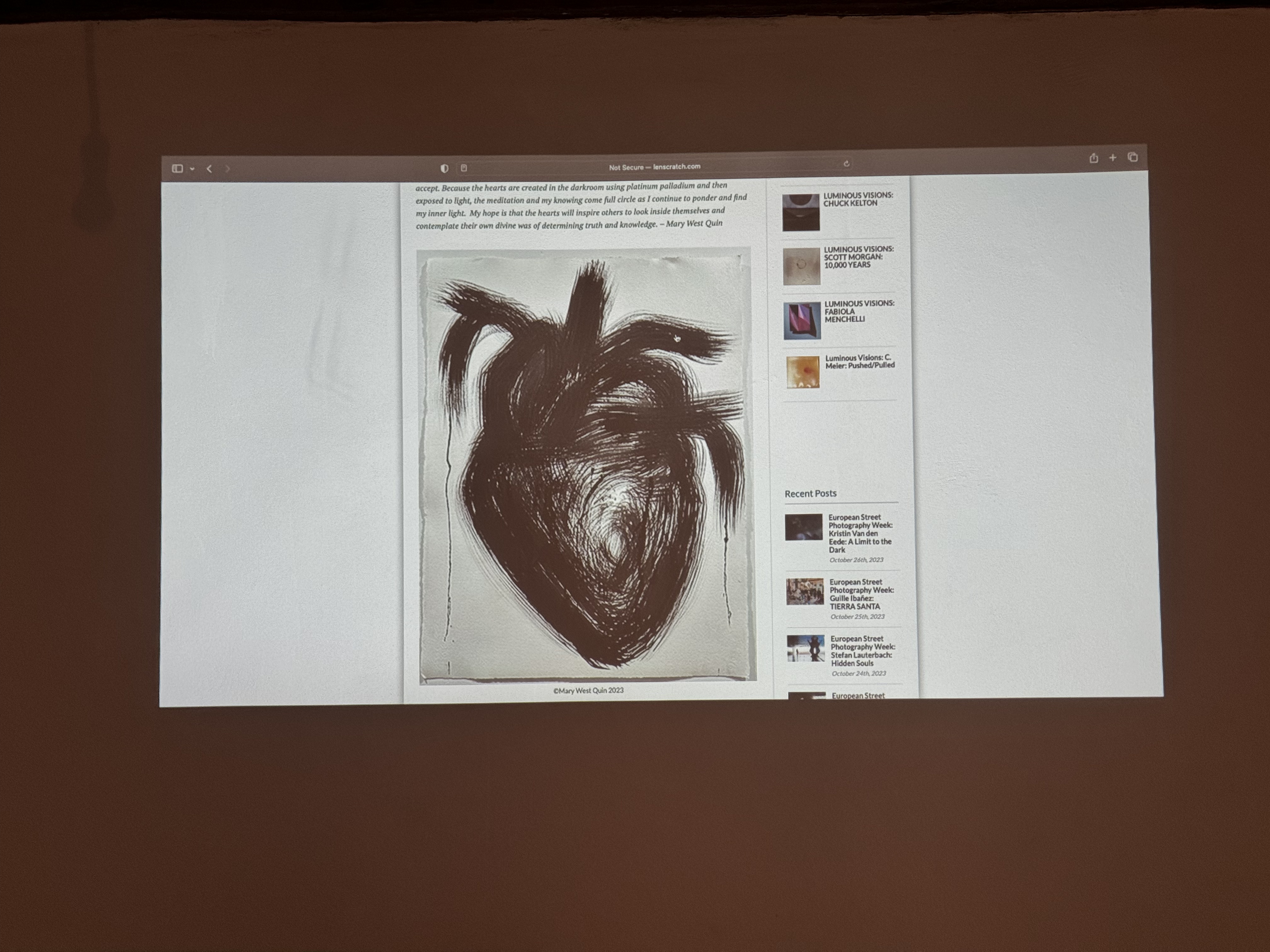
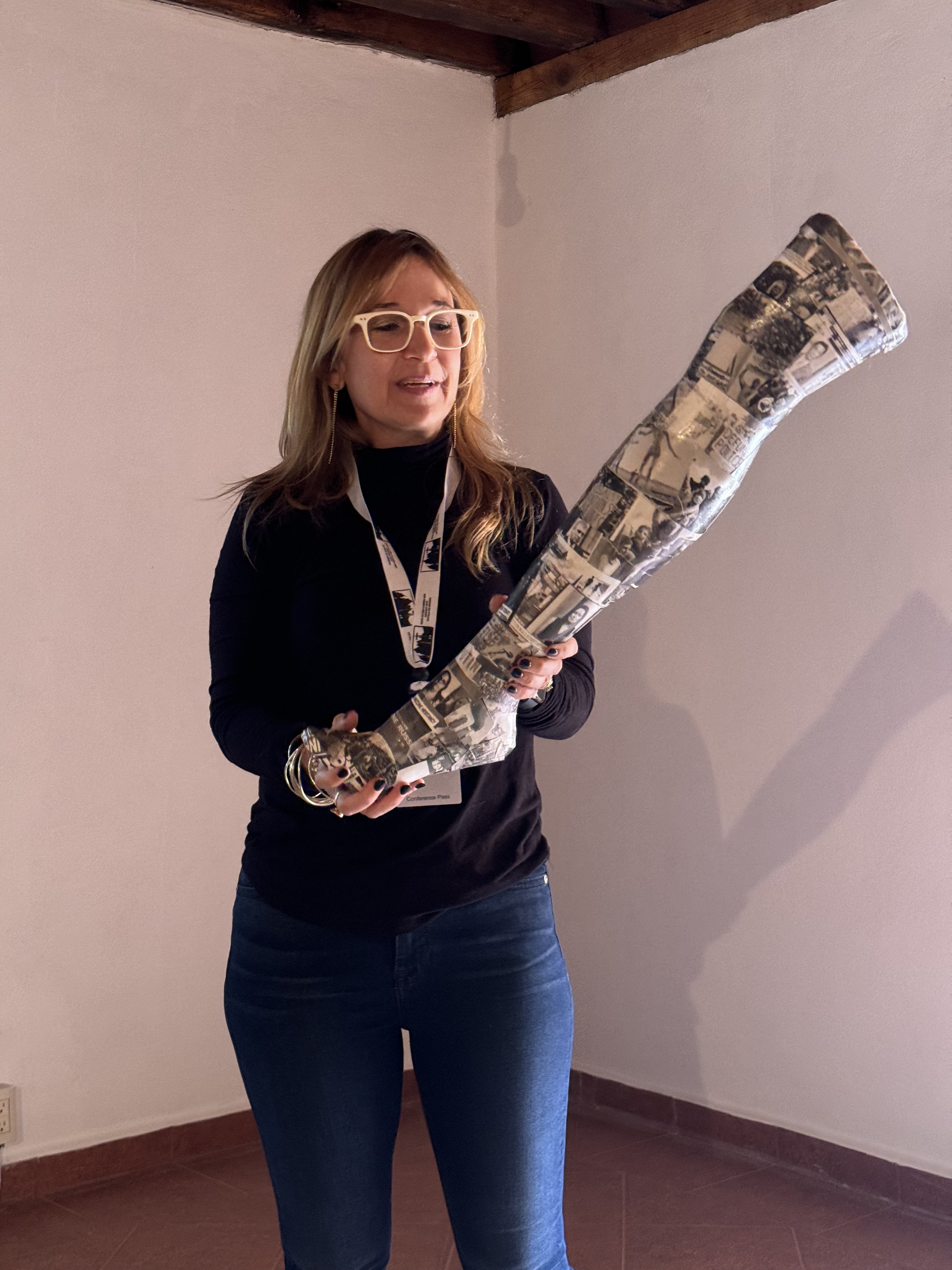
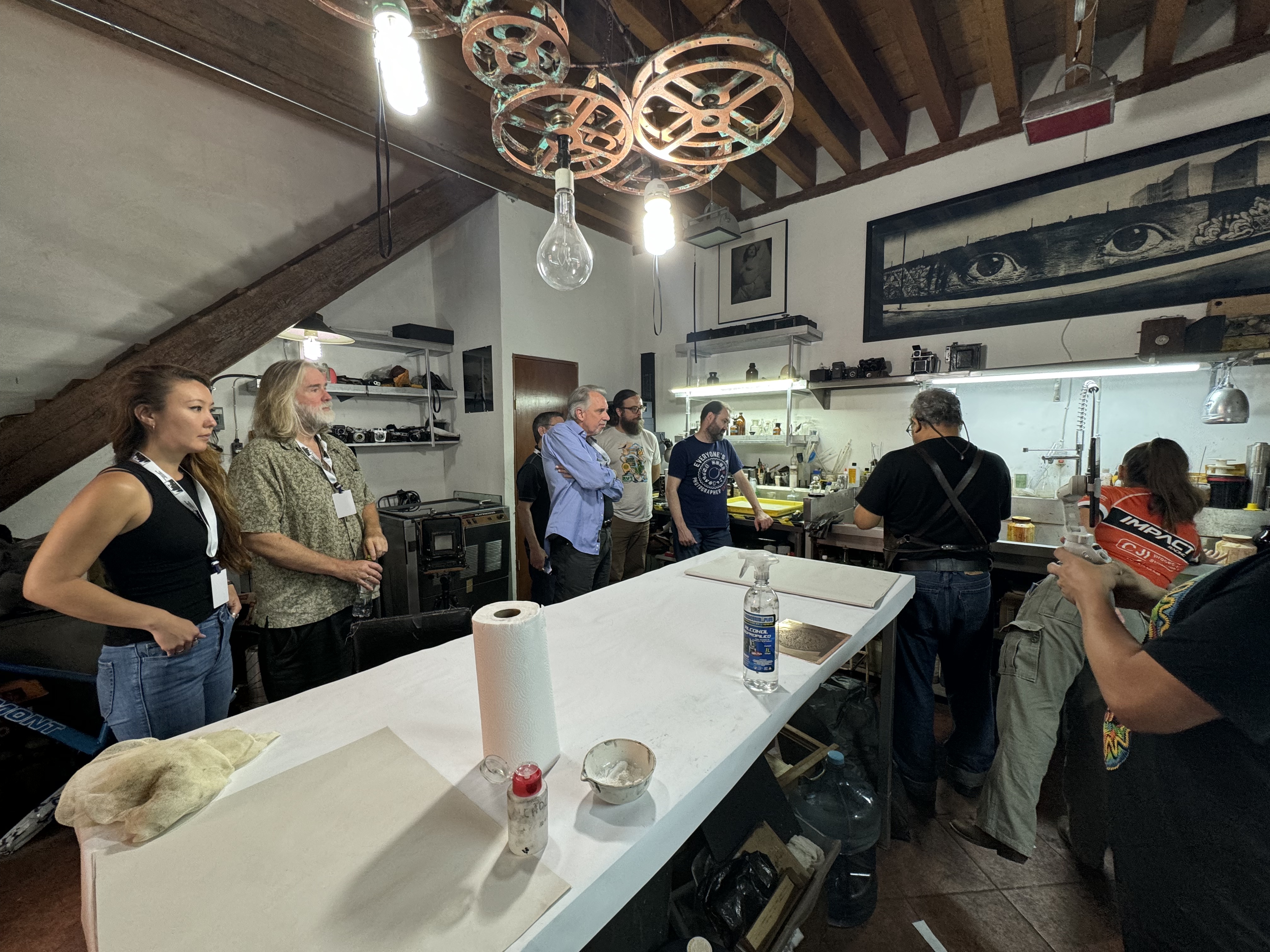
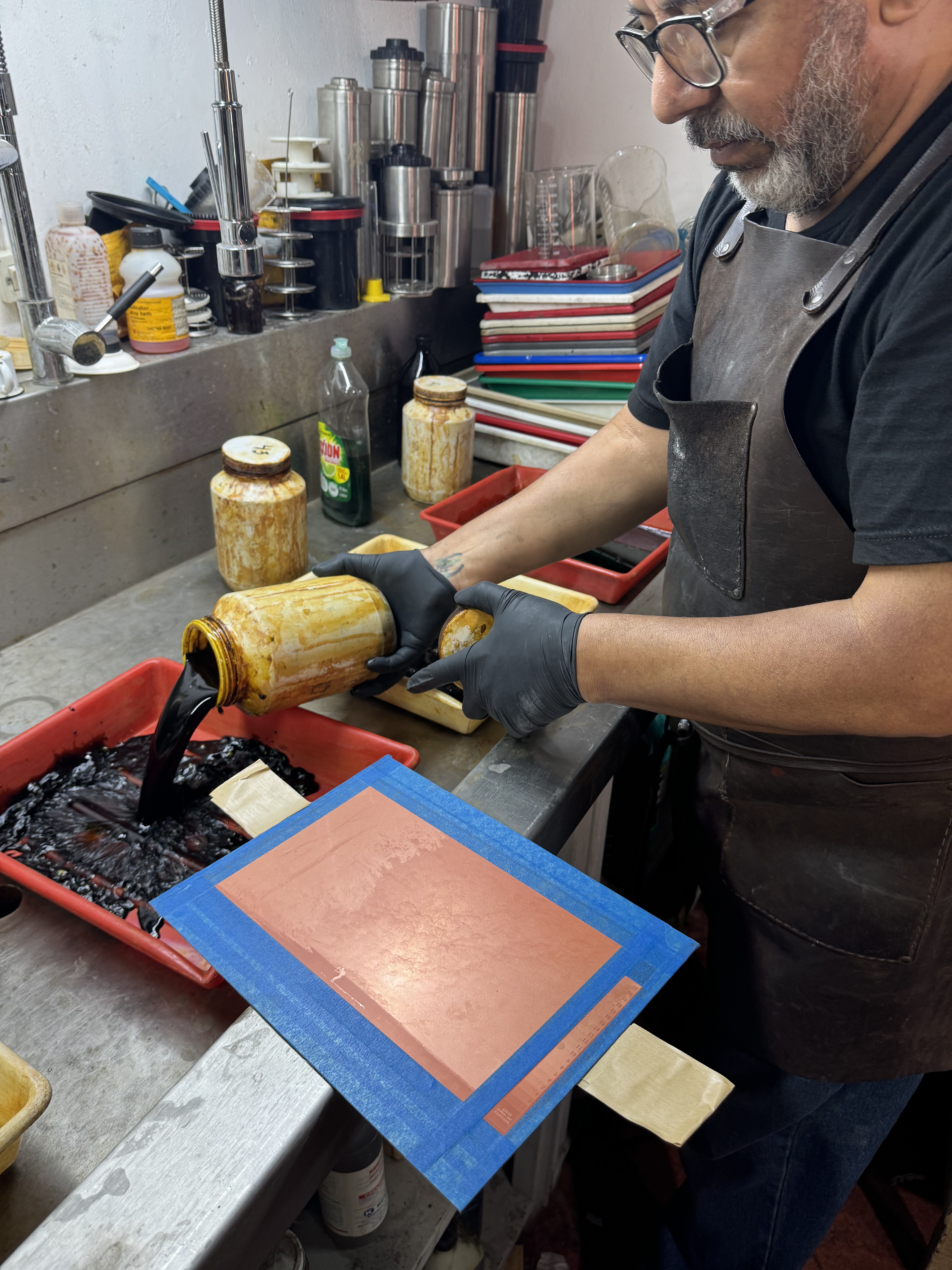
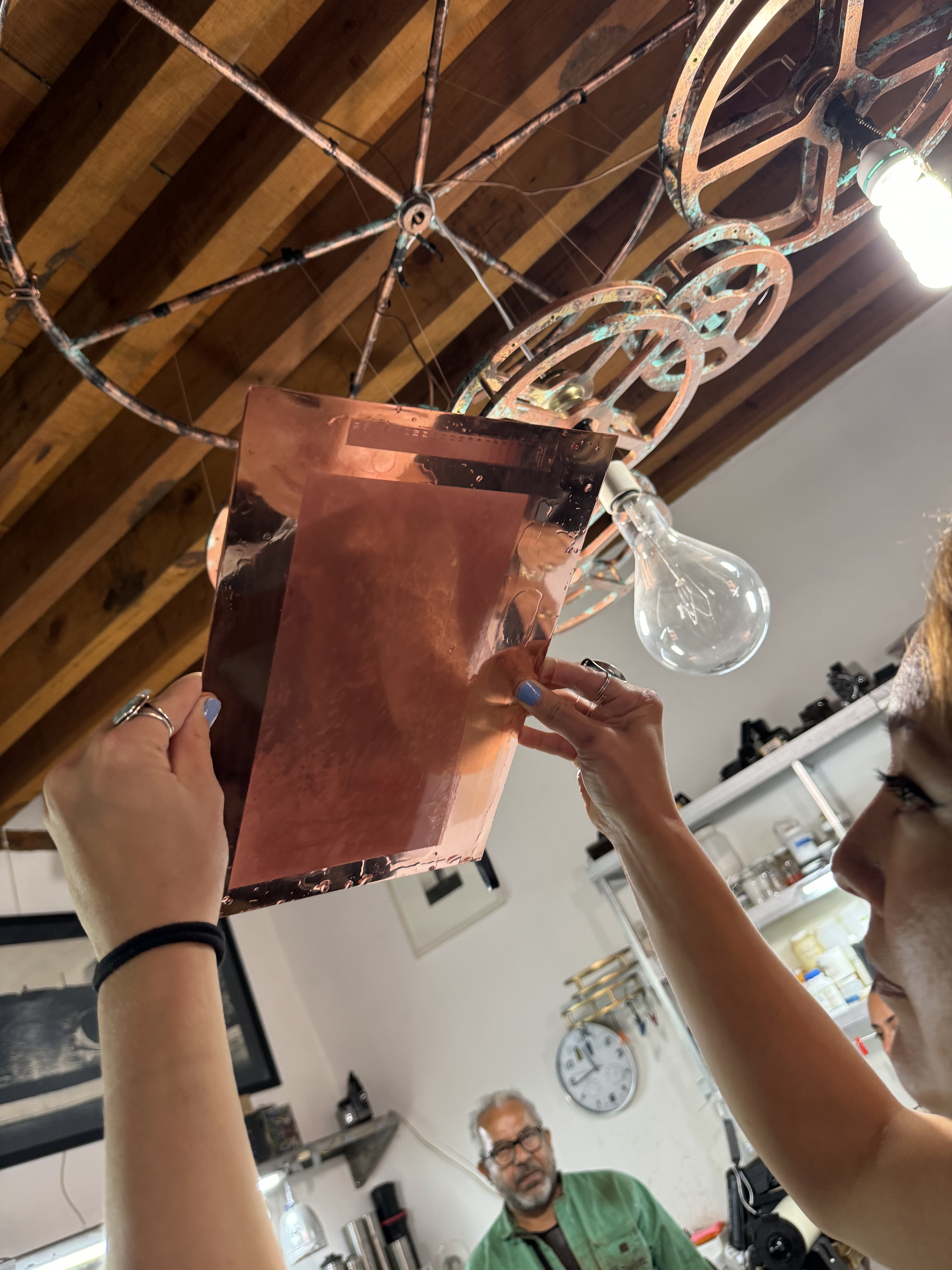
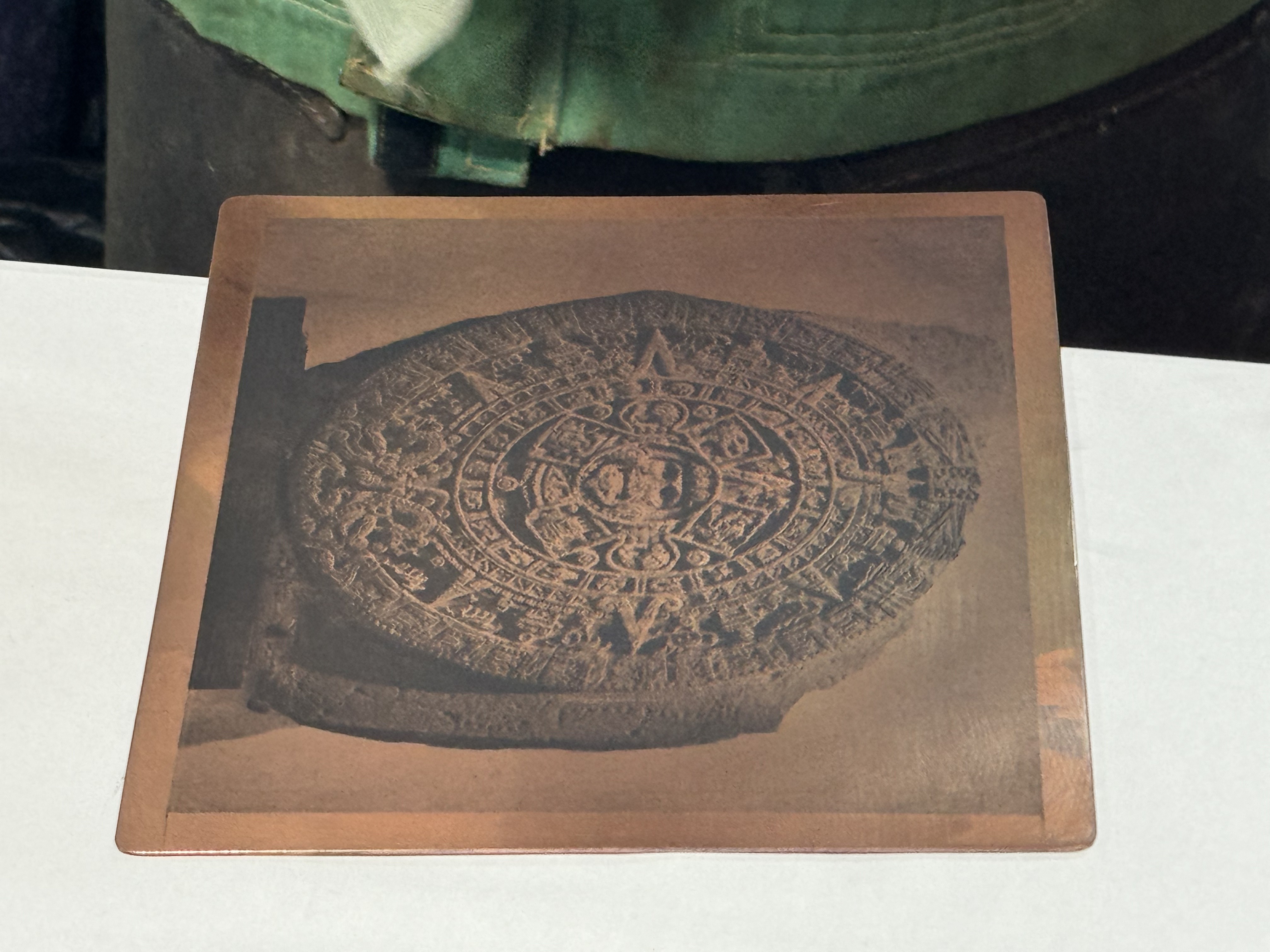
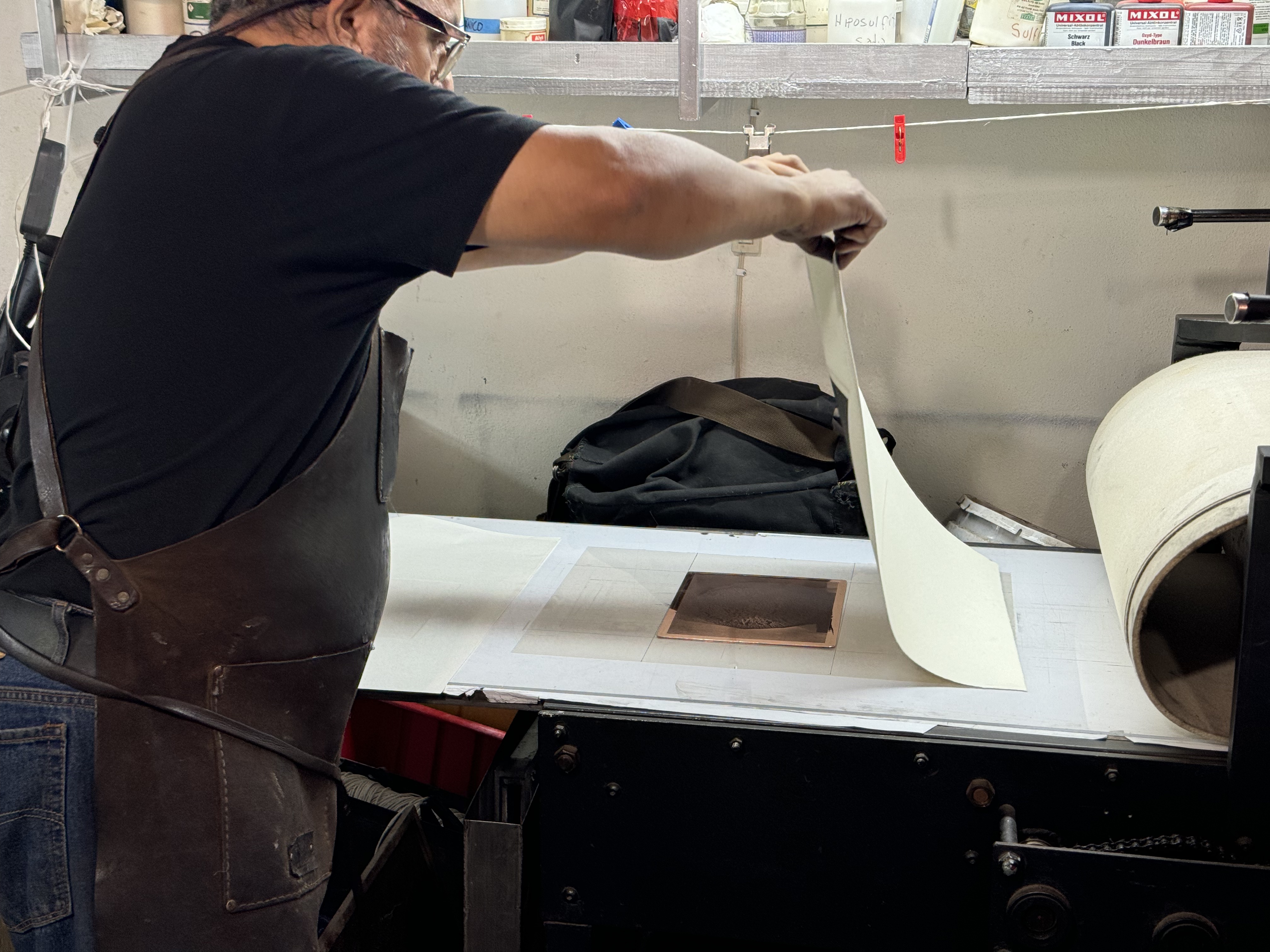
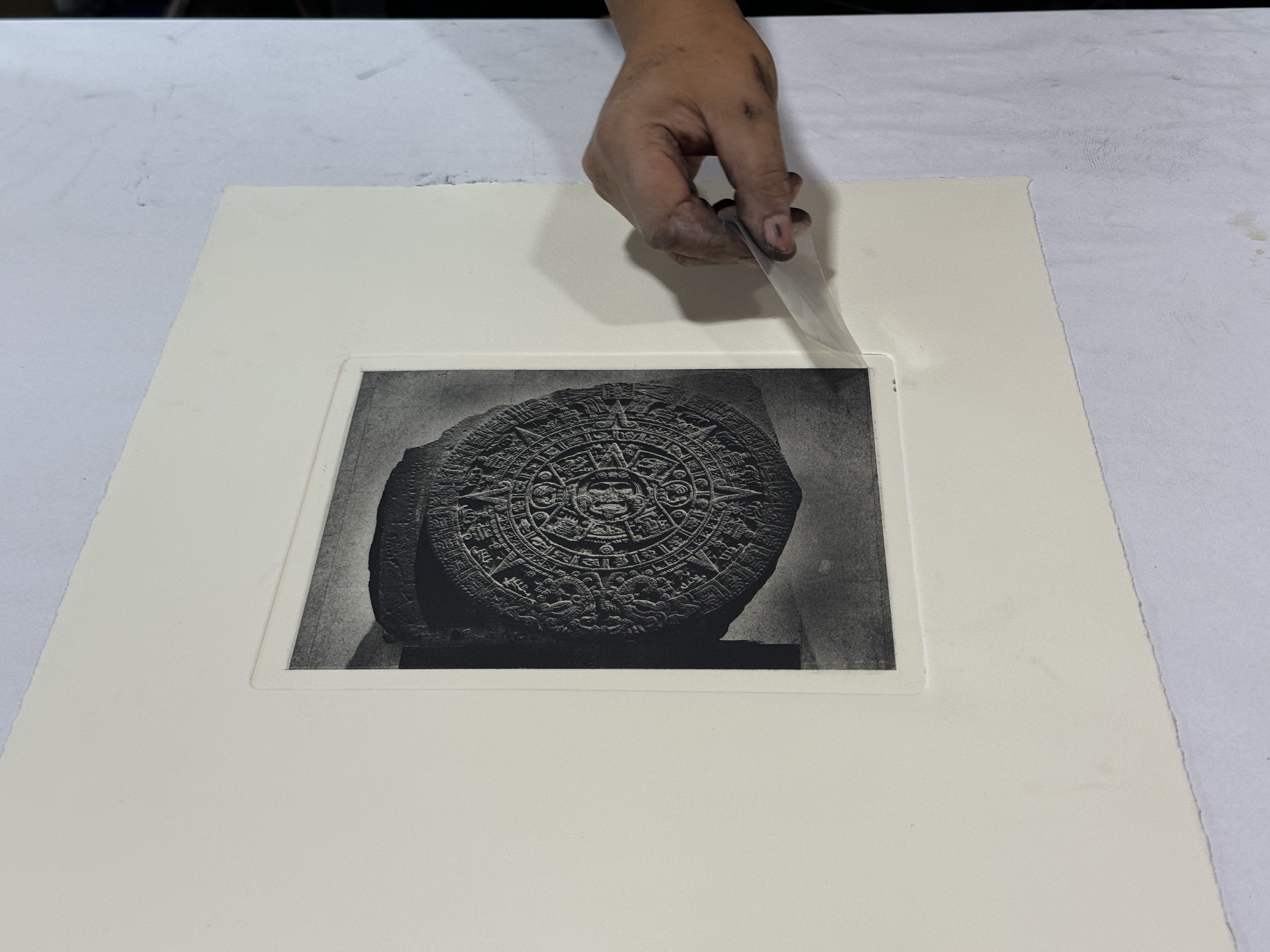
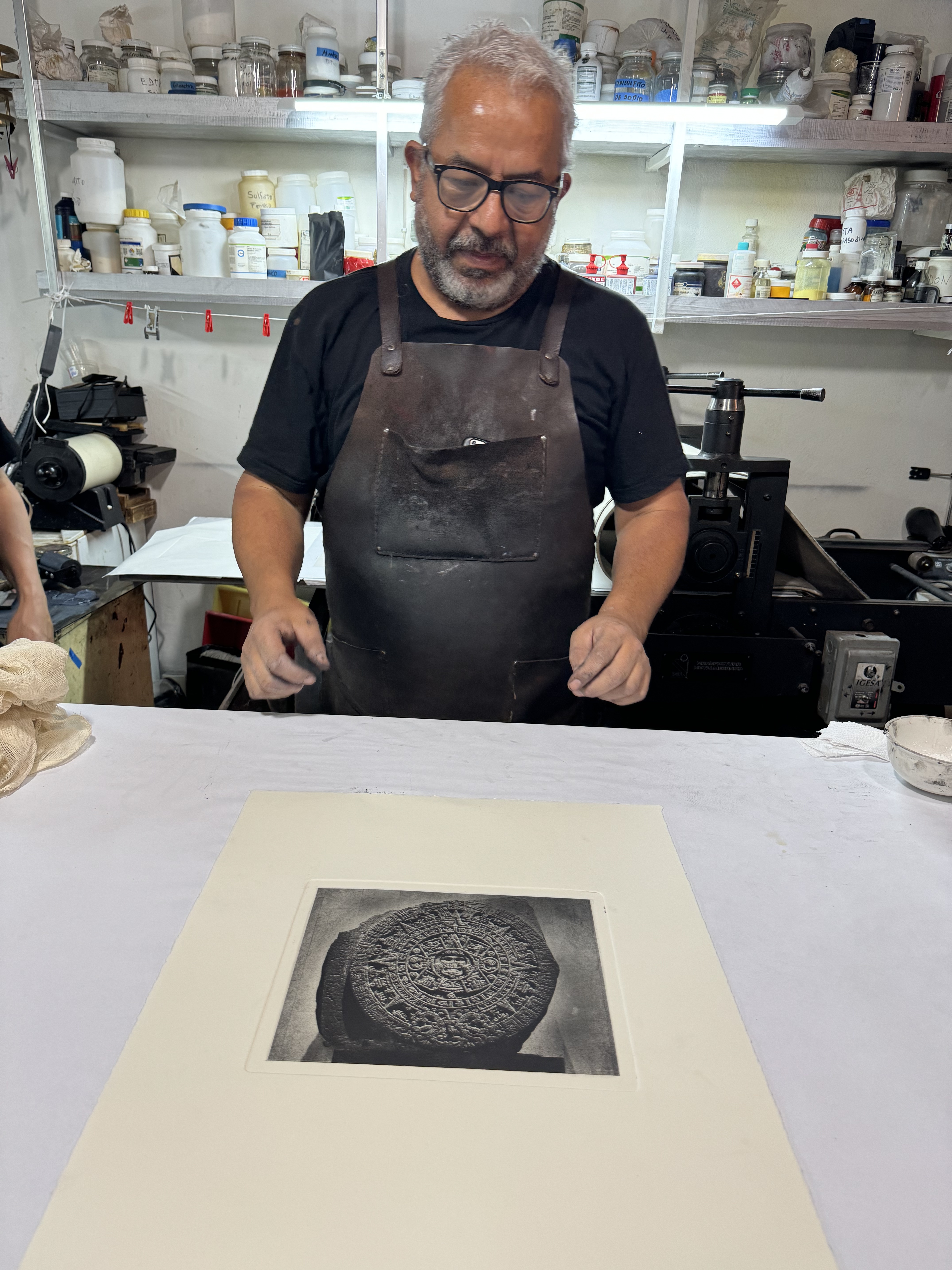
We also had presentations by Mary Quin and Arturo Talavera. Mary is an innovative artist from Alabama who began her photographic career working with large format cameras making traditional photographic images and has evolved into making “intuitive” images where she paints and drips photo chemistry onto paper to create images. Mary also gave a hands-on demo to the attendees of her technique. Arturo is a photographer from Mexico City and a master of multiple historic photo processes. Arturo hosted us for a morning in his studio where he demonstrated making a copper-plate photogravure image of the Aztec “Sun Stone” housed in the Anthropology Museum; his original plate from which he created the gravure was a whole plate size Daguerreotype!
Mary Quin showing one of her hearts – work in progressEarly work in Palladium by Mary QuinOne of Mary Quin’s butterflieshand-drawn heart in palladiumMary Quin with mannequin leg collageArturo Talavera’s studioArturo about to etch a plateArturo examining the etched plateetched plate with ink, ready to pressPrint and etching plate after running through the pressfinished printArturo examining finished print
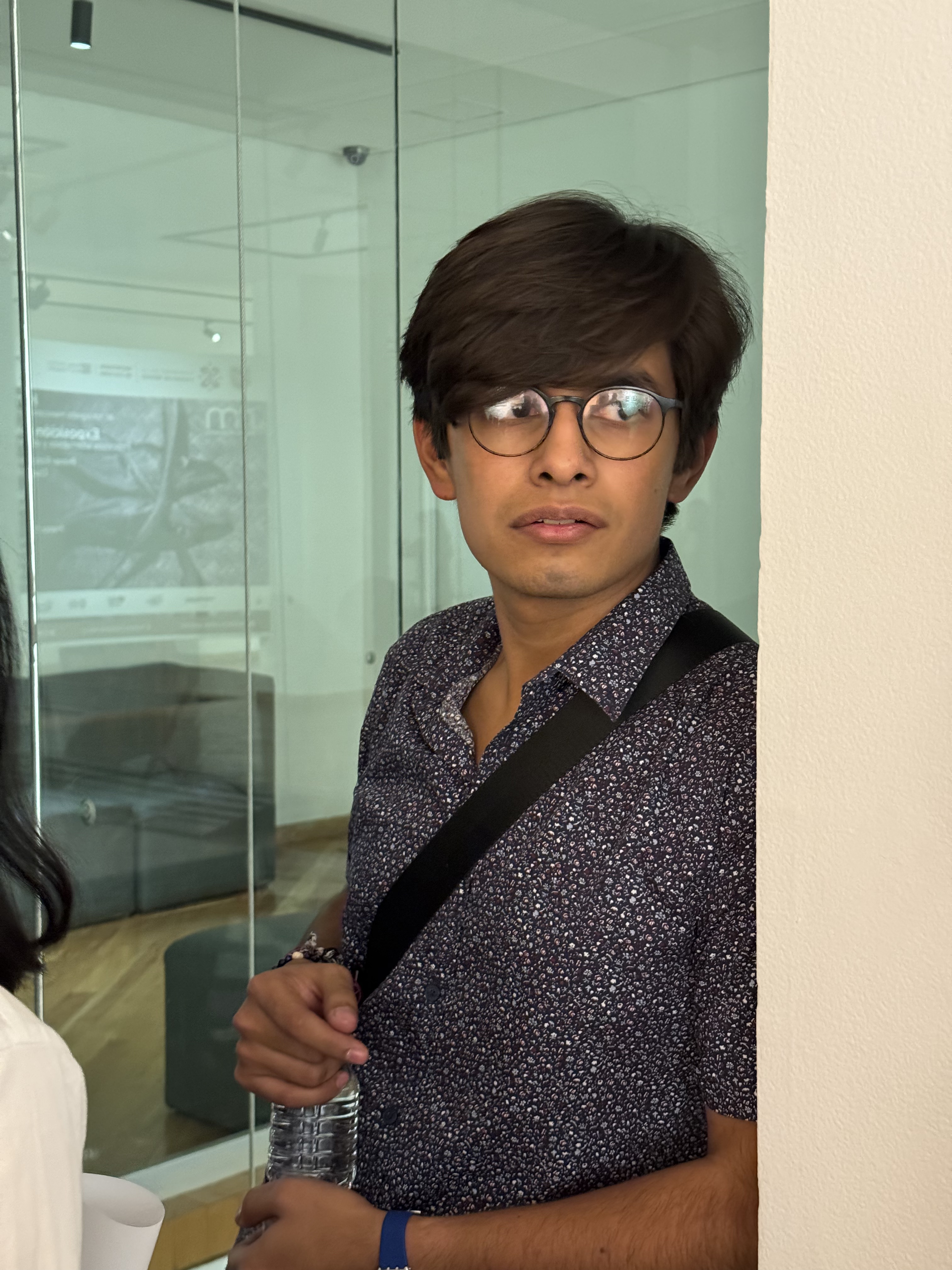
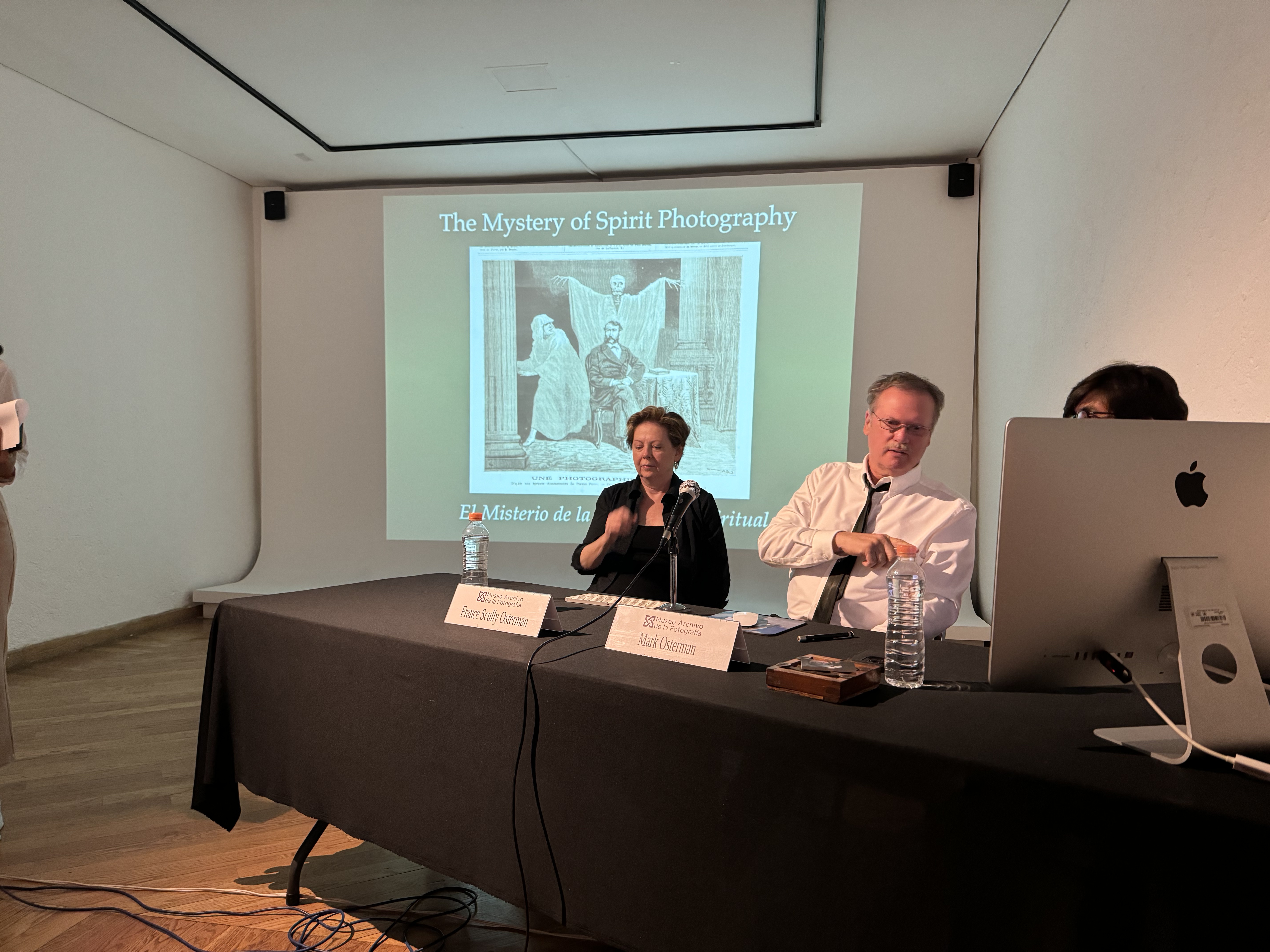
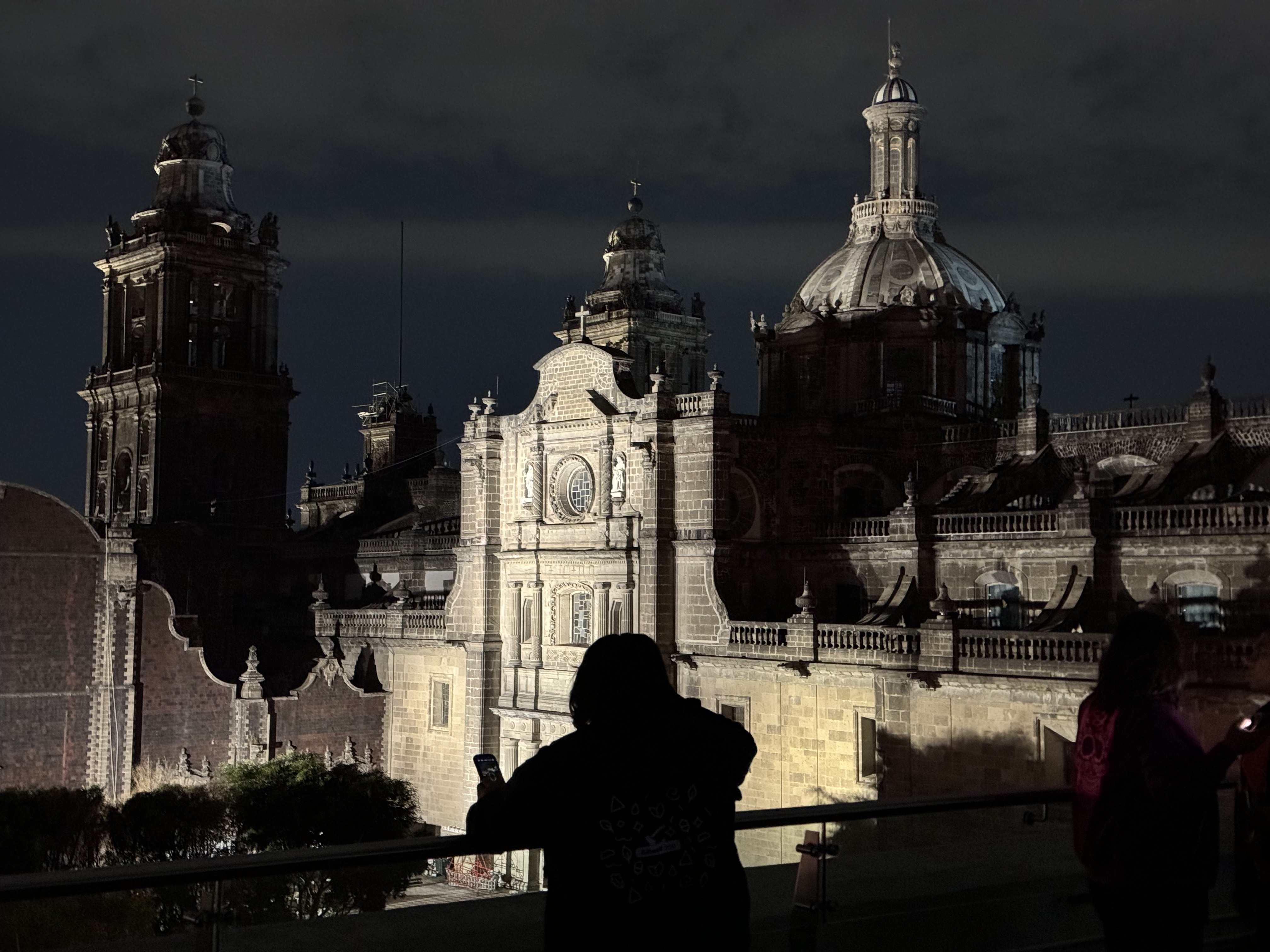
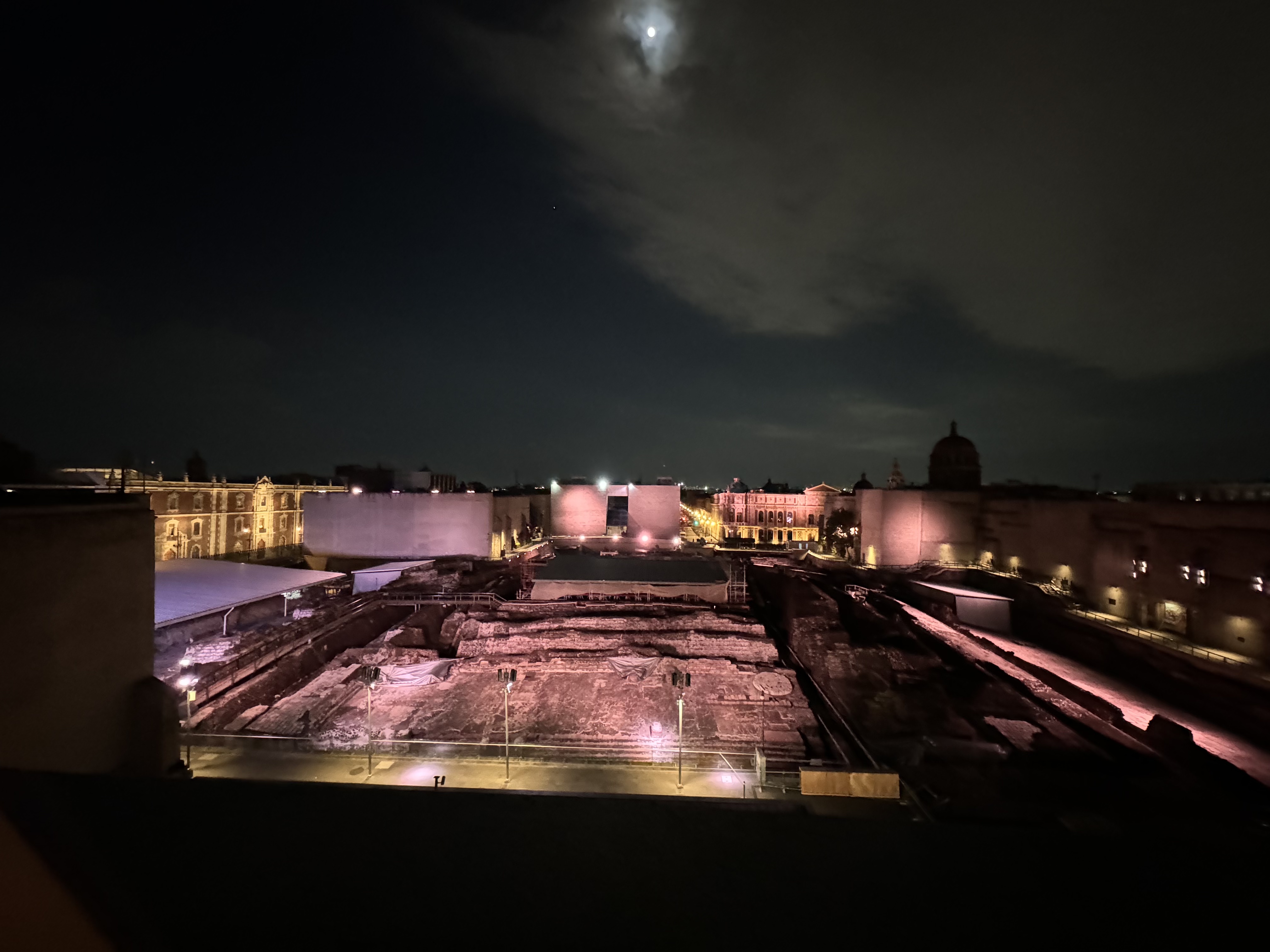
Our closing night keynote was presented at the Museo Archivo de la Fotografia by Mark and France Scully Osterman, who talked about 19th century spirit photography, an especially timely topic as we were on the cusp of the Day of the Dead weekend in Mexico City. Another resounding success, with a standing room only crowd, Mark and France talked about the origins of spirit photography in the middle 19th century, with the aftermath of the US Civil War being a significant driver of the interest in spiritualism that encouraged the practice. They also talked about the HOW it was done, with techniques ranging from simple long exposures that rendered moving figures in the image as ghostly presences, to advanced methods for manipulation and trickery to give the impression of spiritual manifestations. The evening closed out on the roof of the museum overlooking the Metropolitan Cathedral and the ruins of the Templo Mayor and some celebratory wine was shared by all. The first image is of the wonderful young man who did the live translation for Mark and France’s talk; he did an outstanding job!
Our translatorMark and France Scully Osterman presentingMark and France viewing the cathedral at night from the museum rooftopView of the cathedral View of the Templo Mayor with the moon overhead
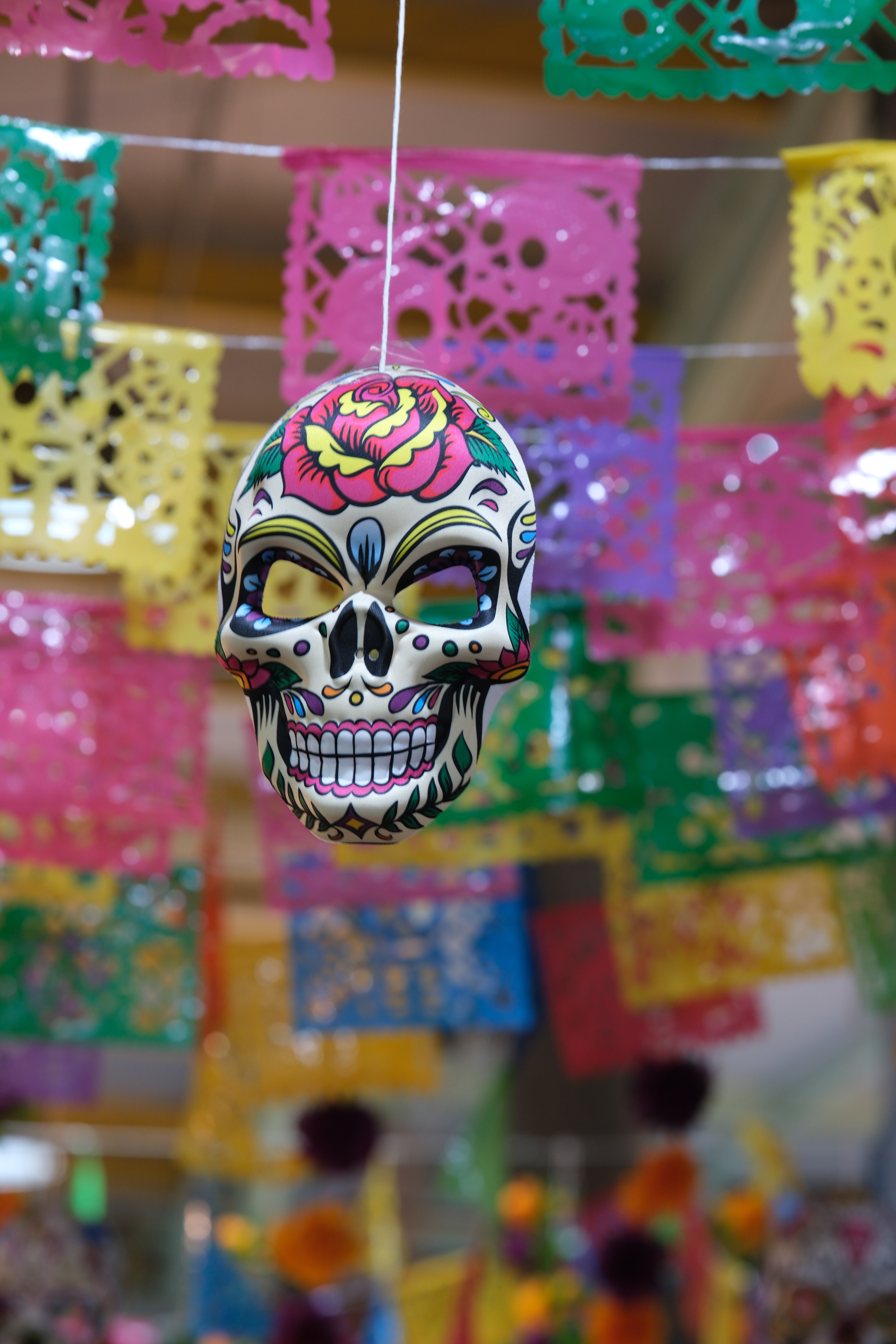
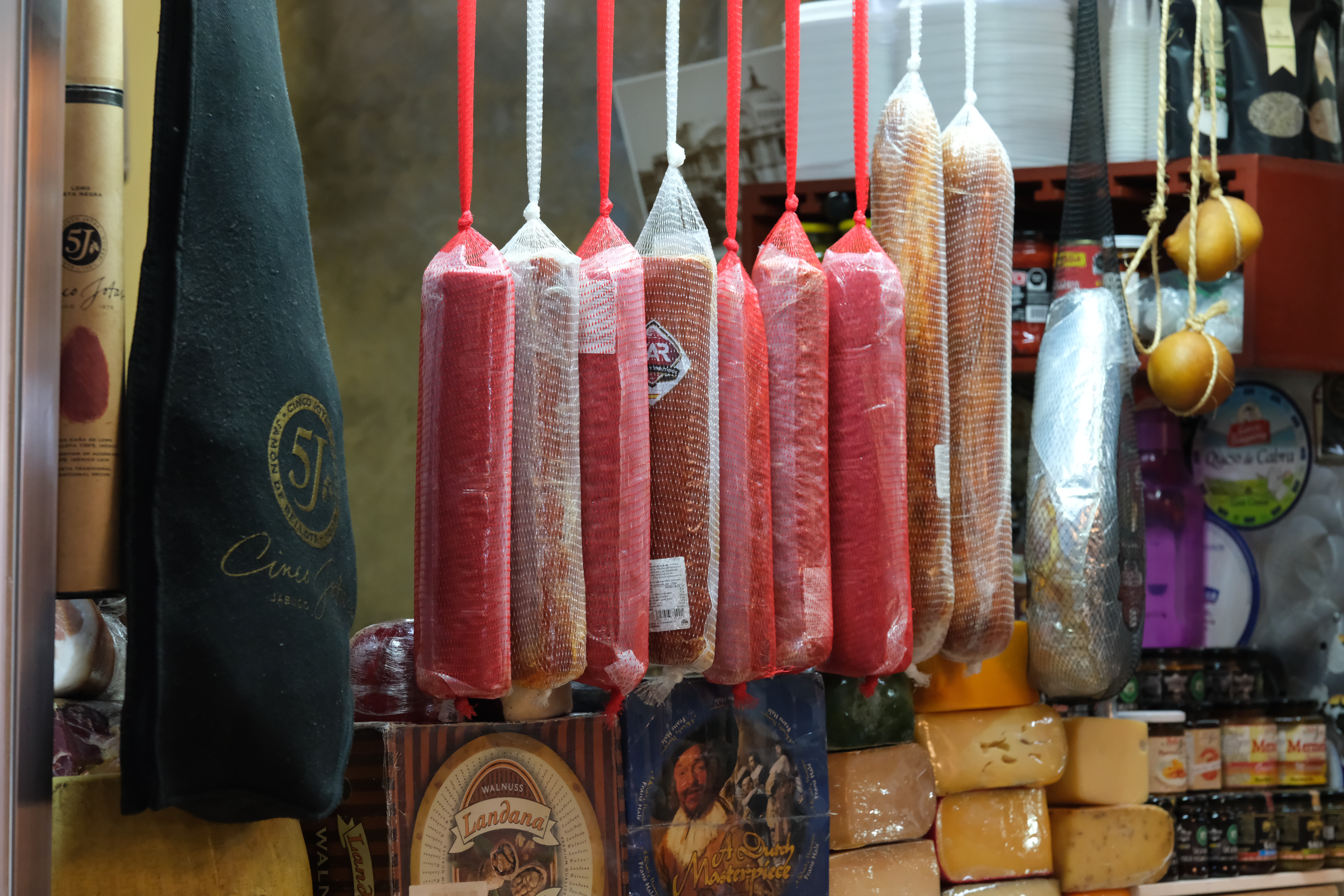
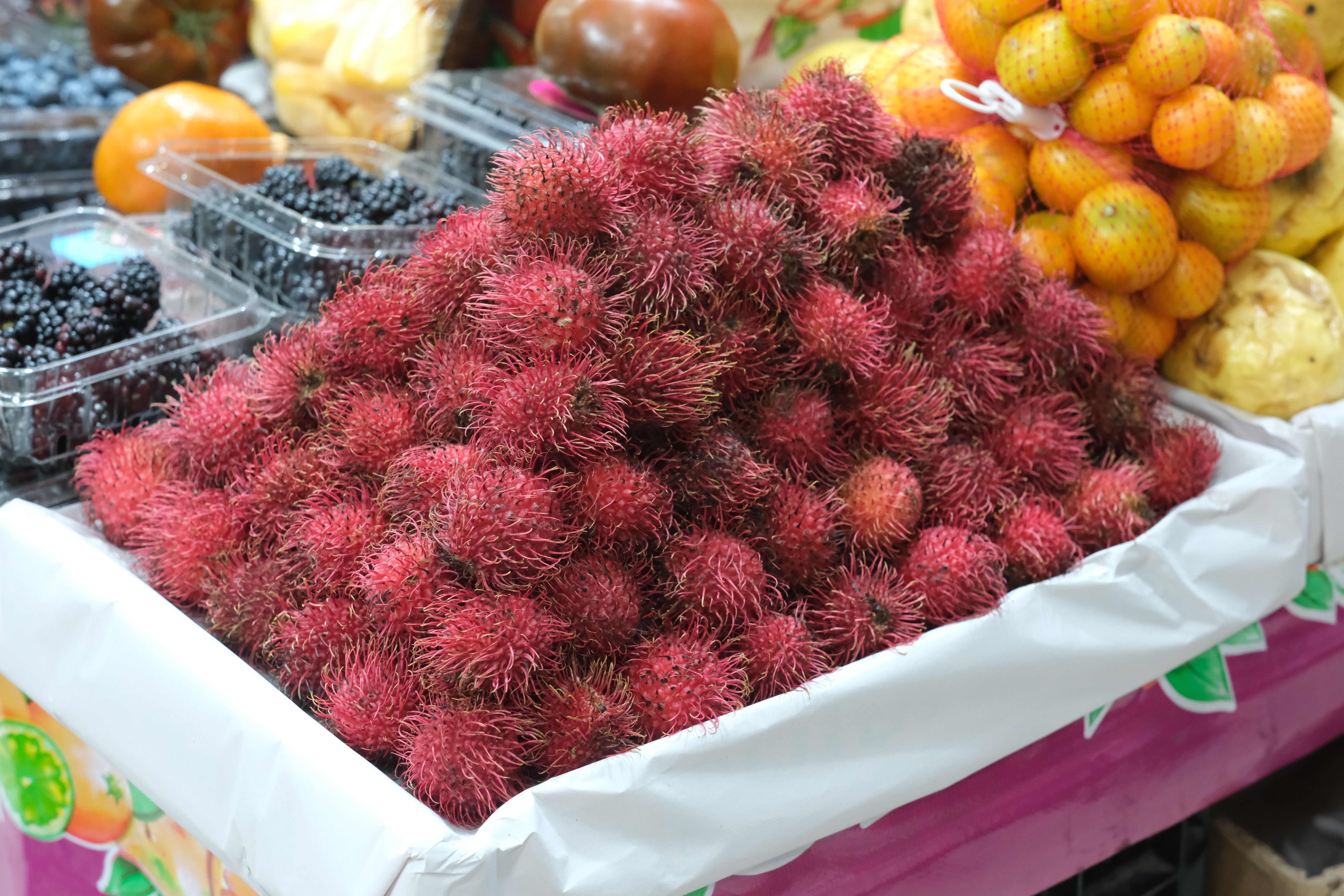
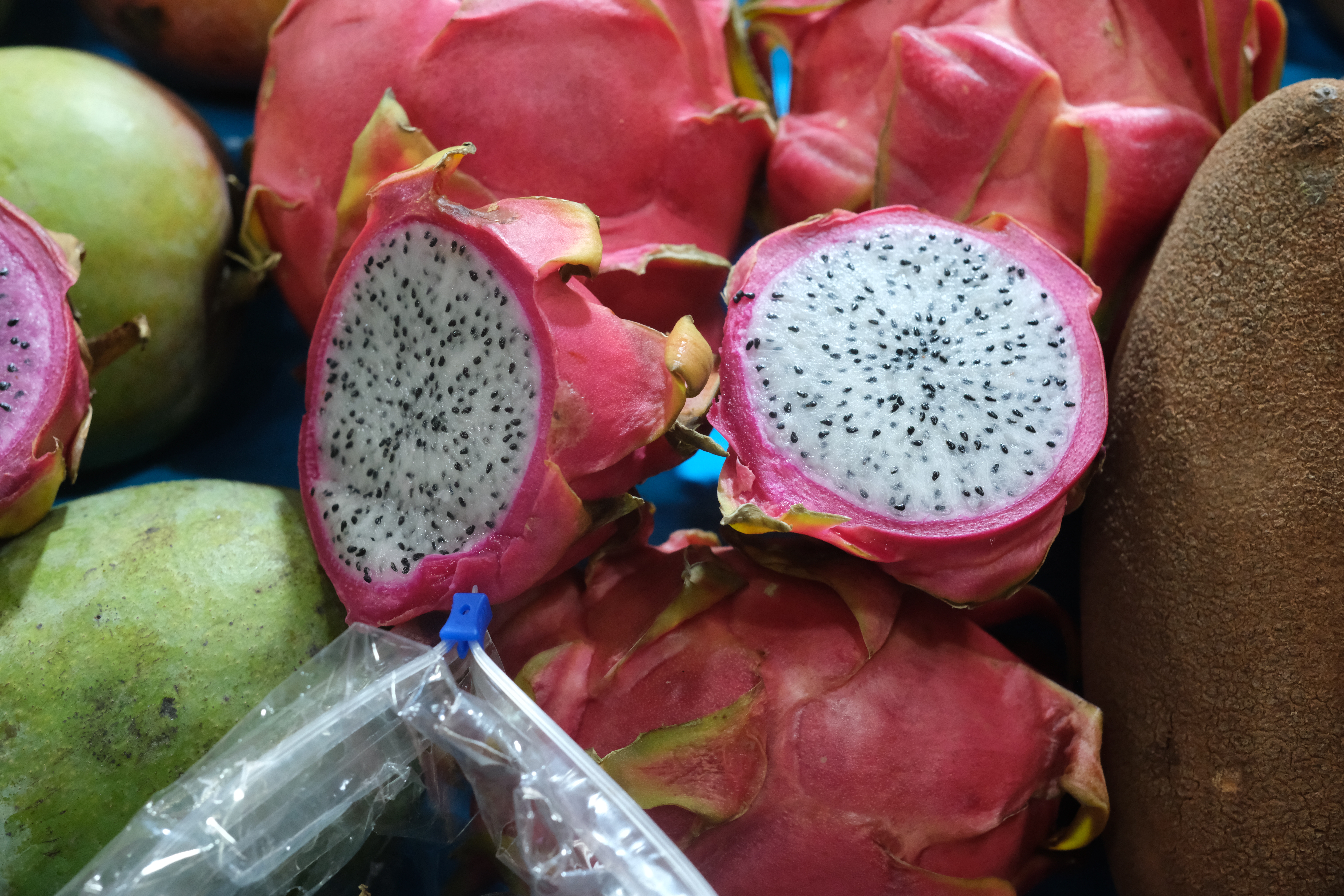
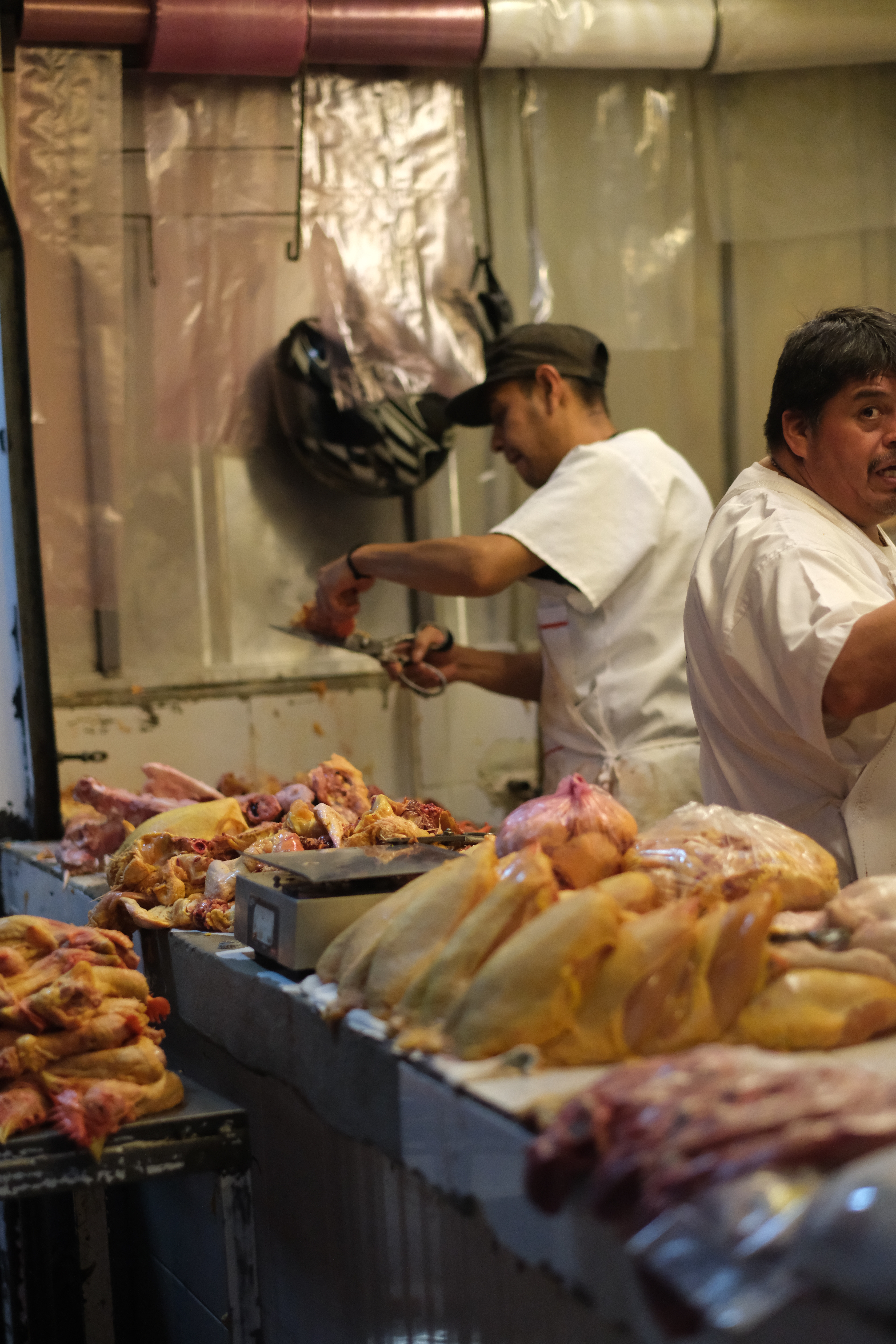
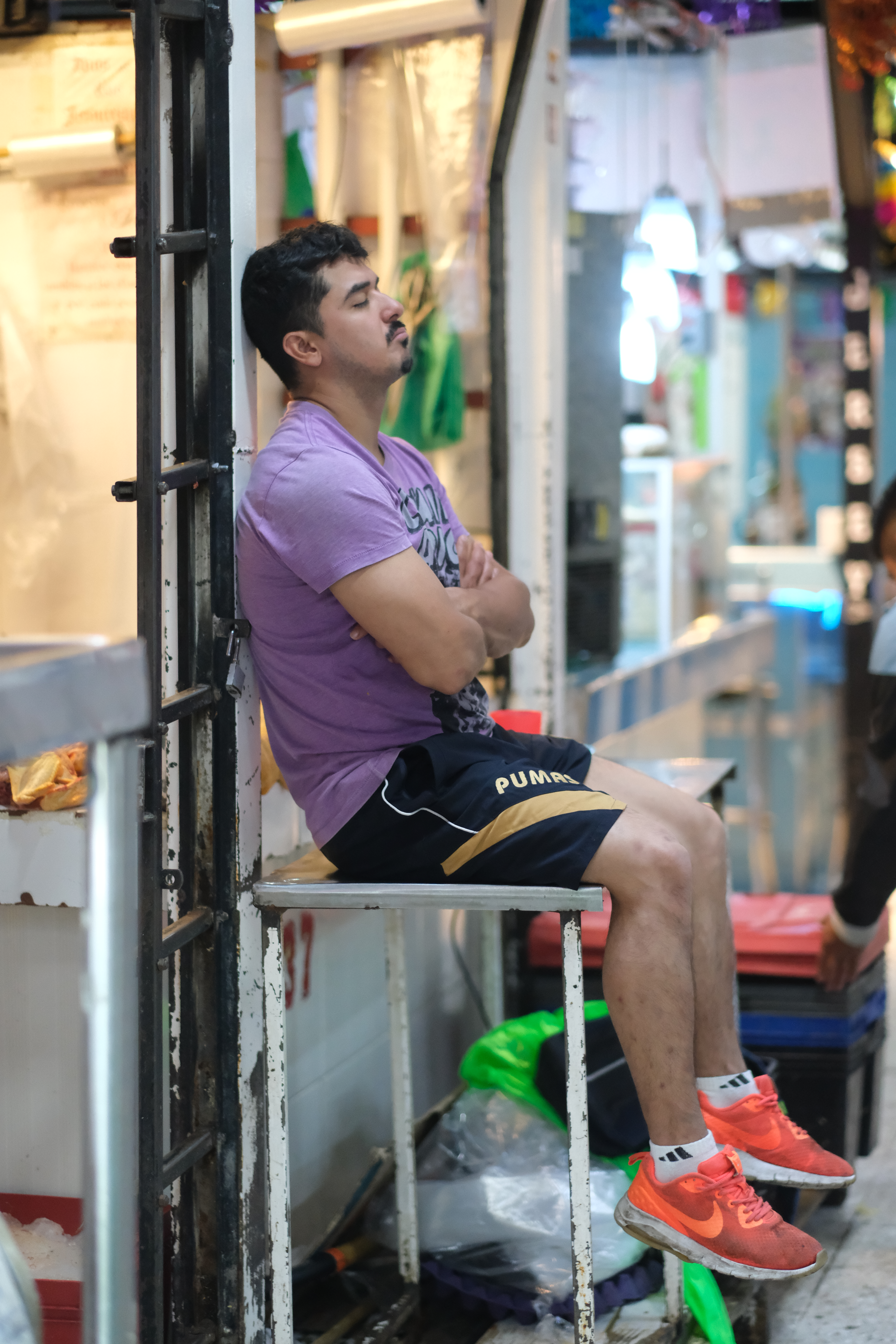
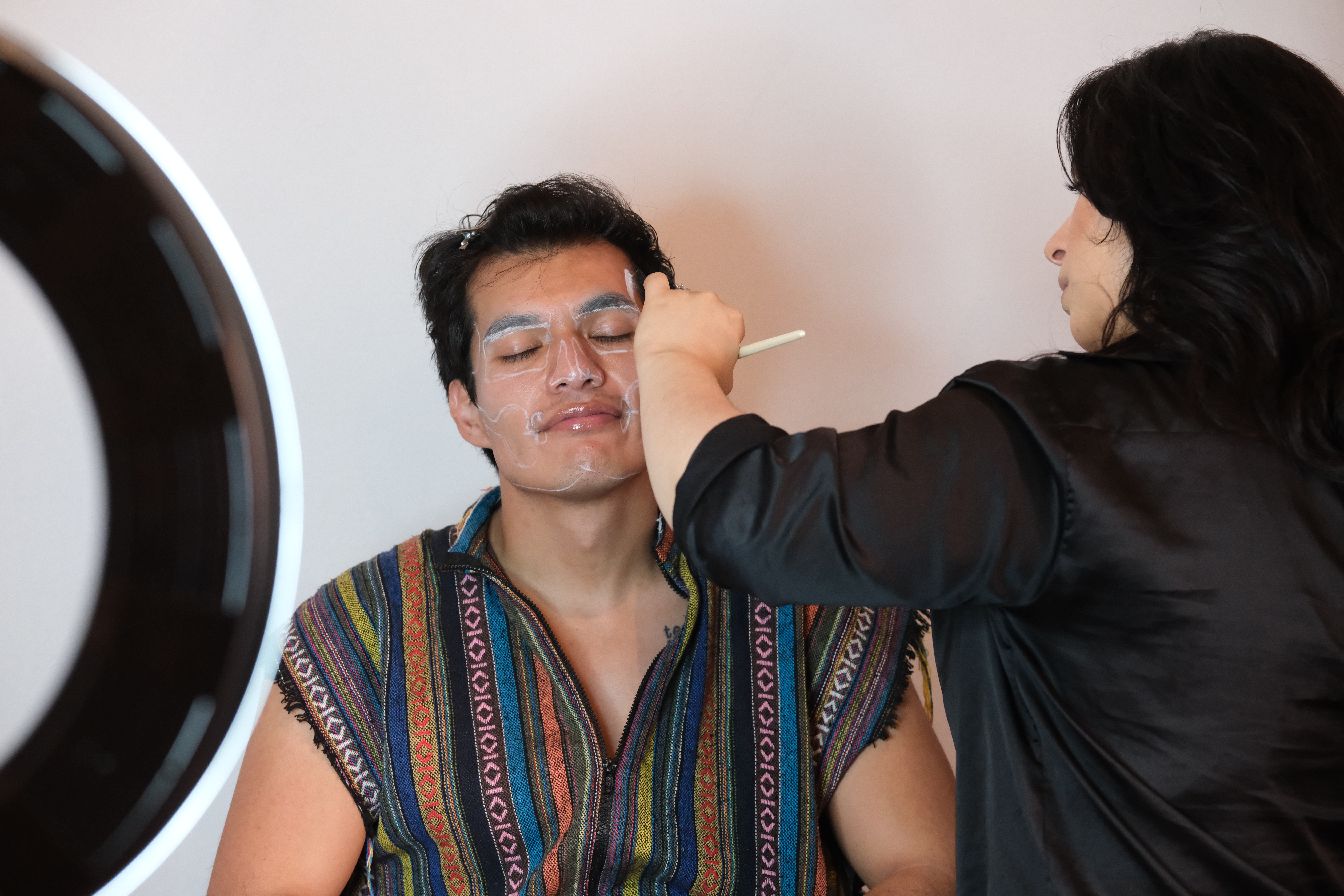
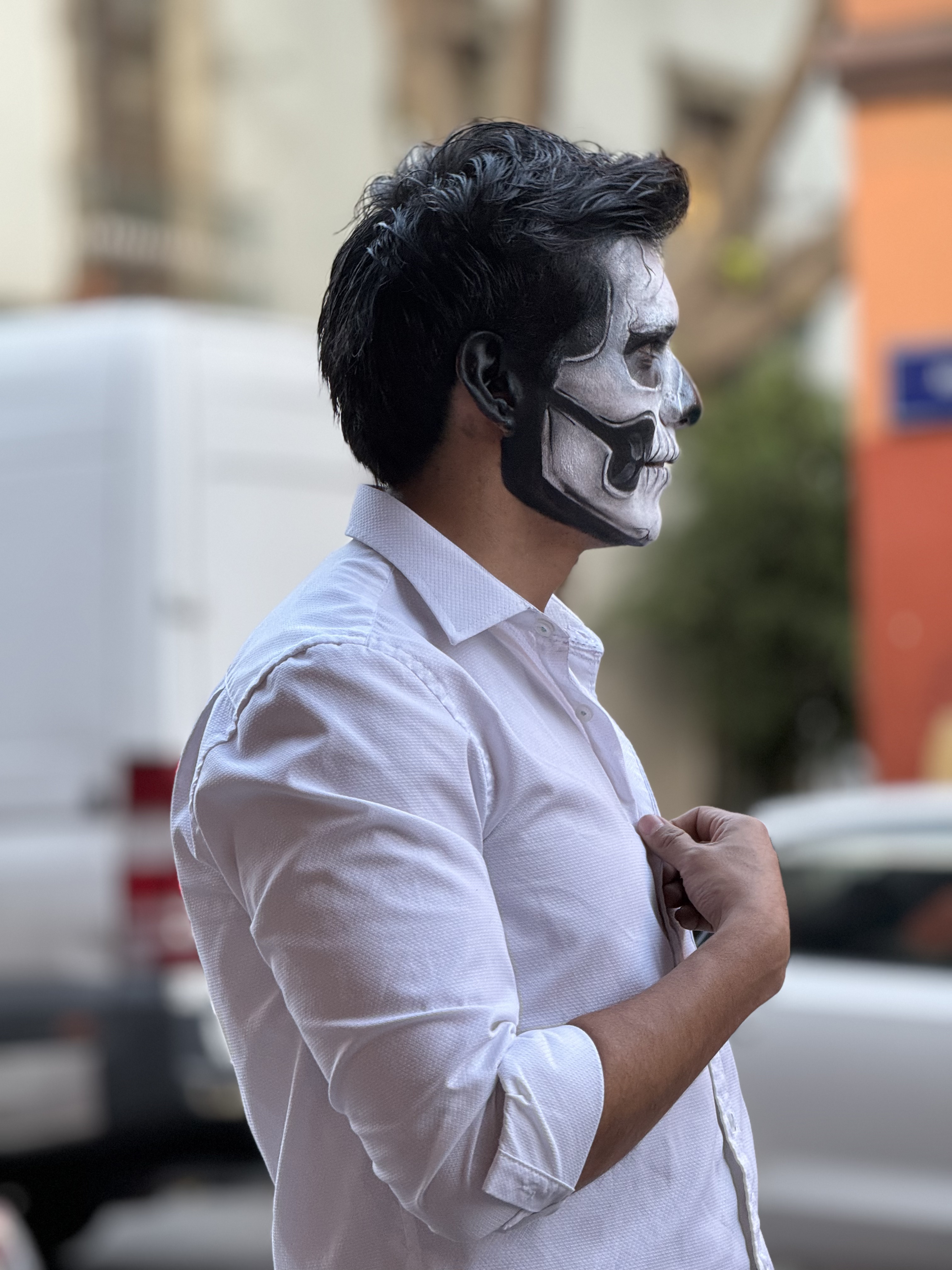
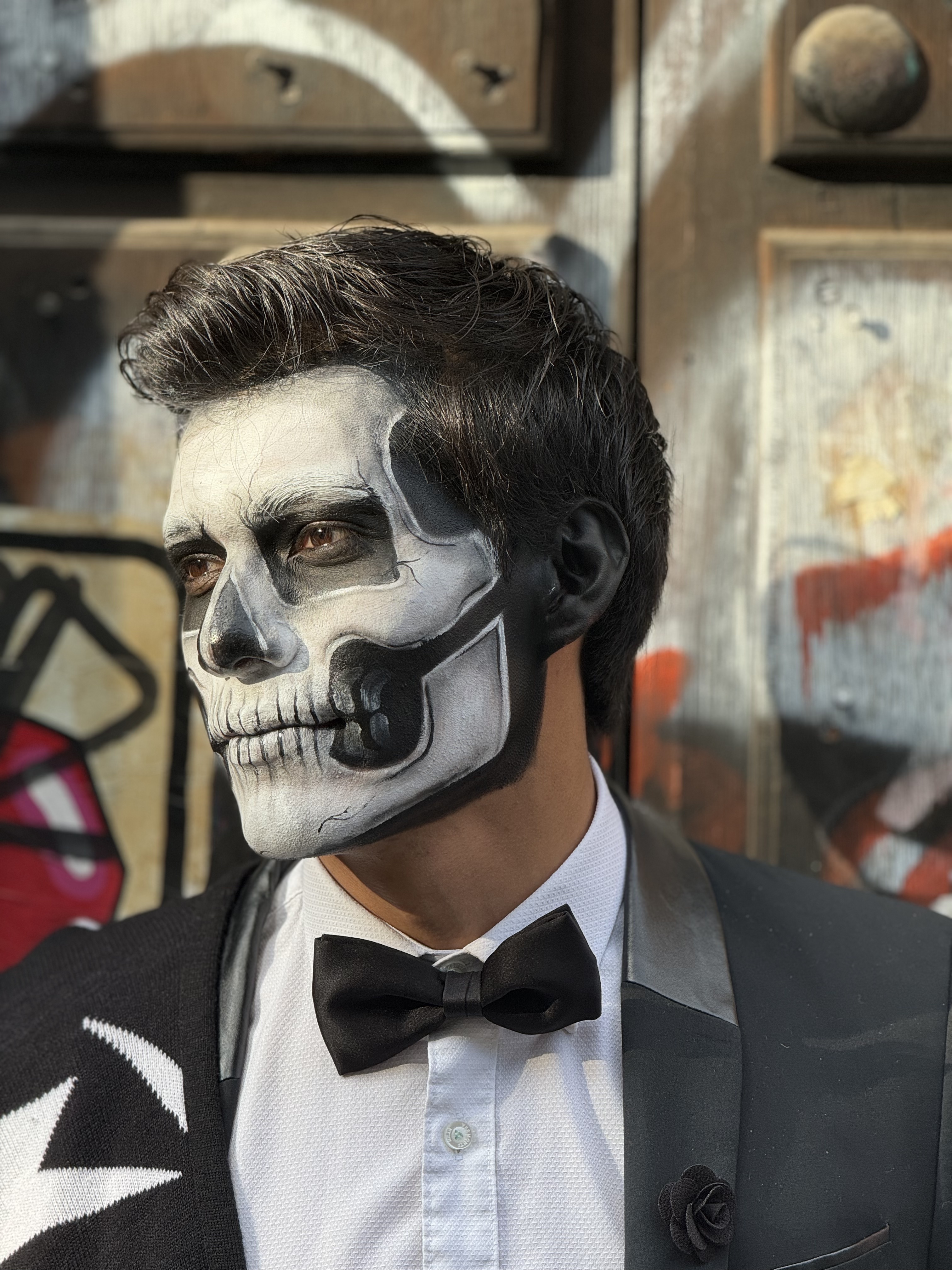
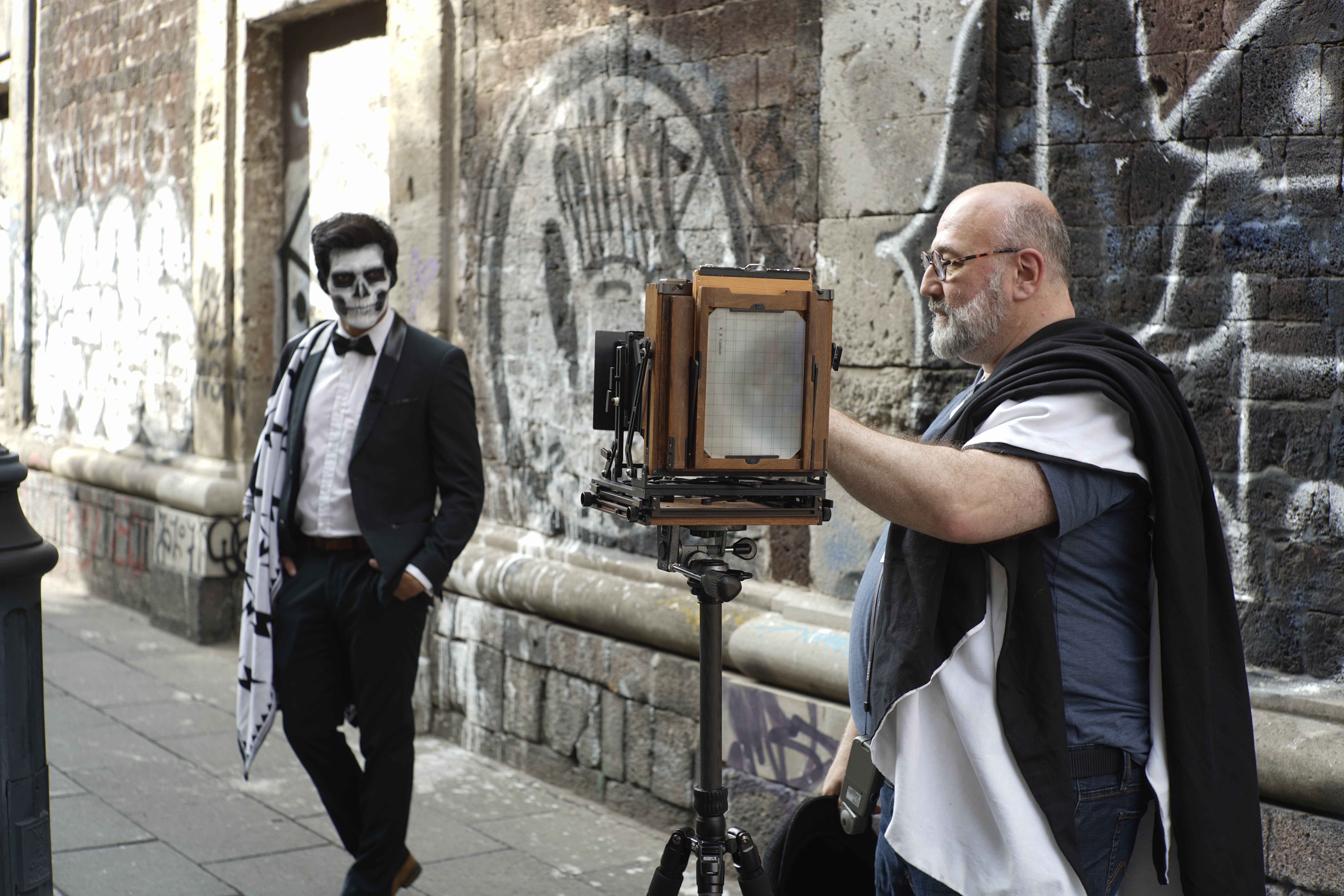
All work and no play makes for a dull conference, so we had several photo walks arranged; a daytime trek through the Mercado de San Juan which specializes in exotic cuisine (they have everything from whole turkeys to cockroaches to alligator meat!), a visit to Mexico City’s Chinatown, a nighttime photo walk in the Centro Historico around the Zocalo, and a large format portrait shoot with a model in Day of the Dead makeup and costume (another big thanks to our model and his makeup artist – Rafa Farias and Annie Hernandez).
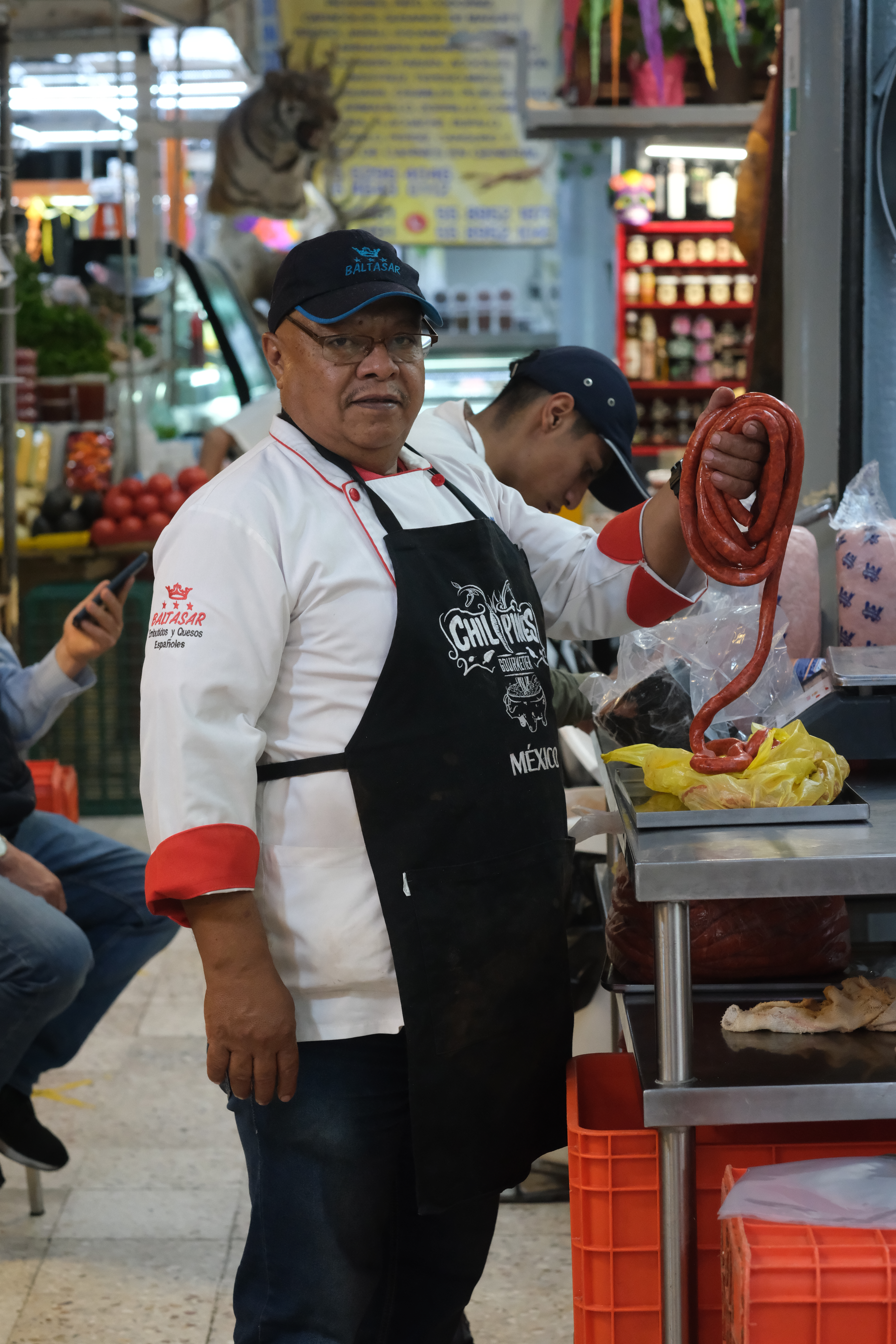
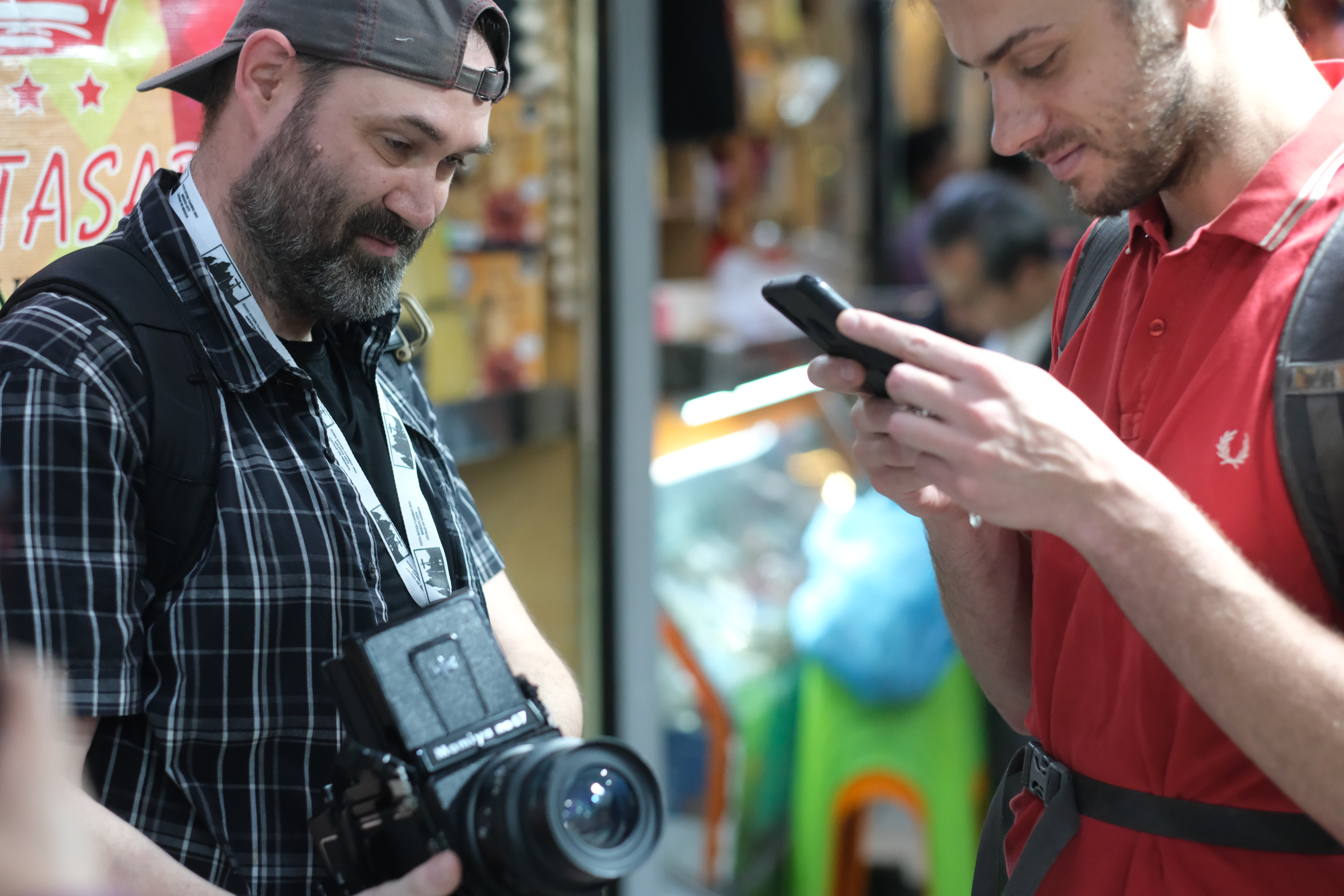
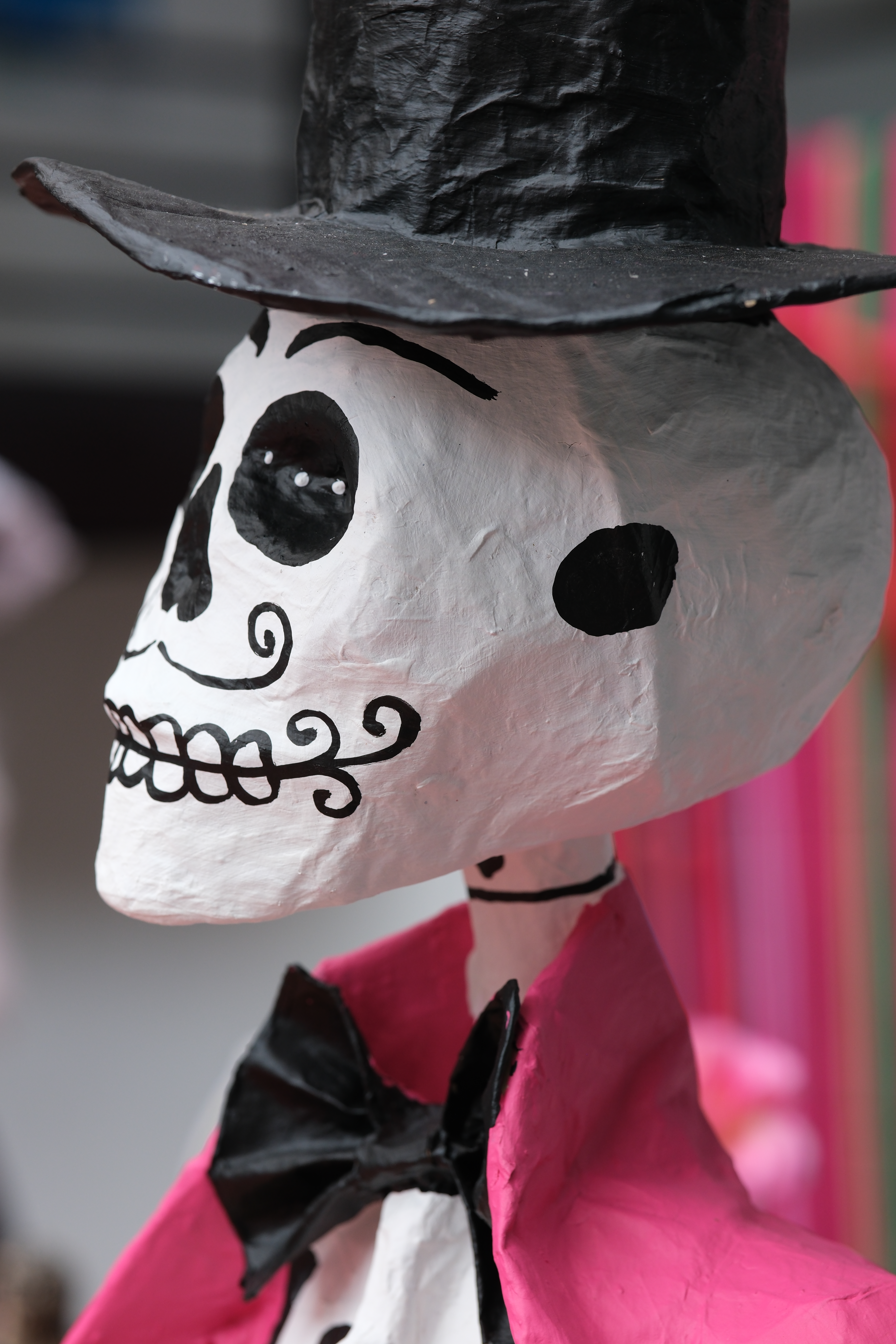
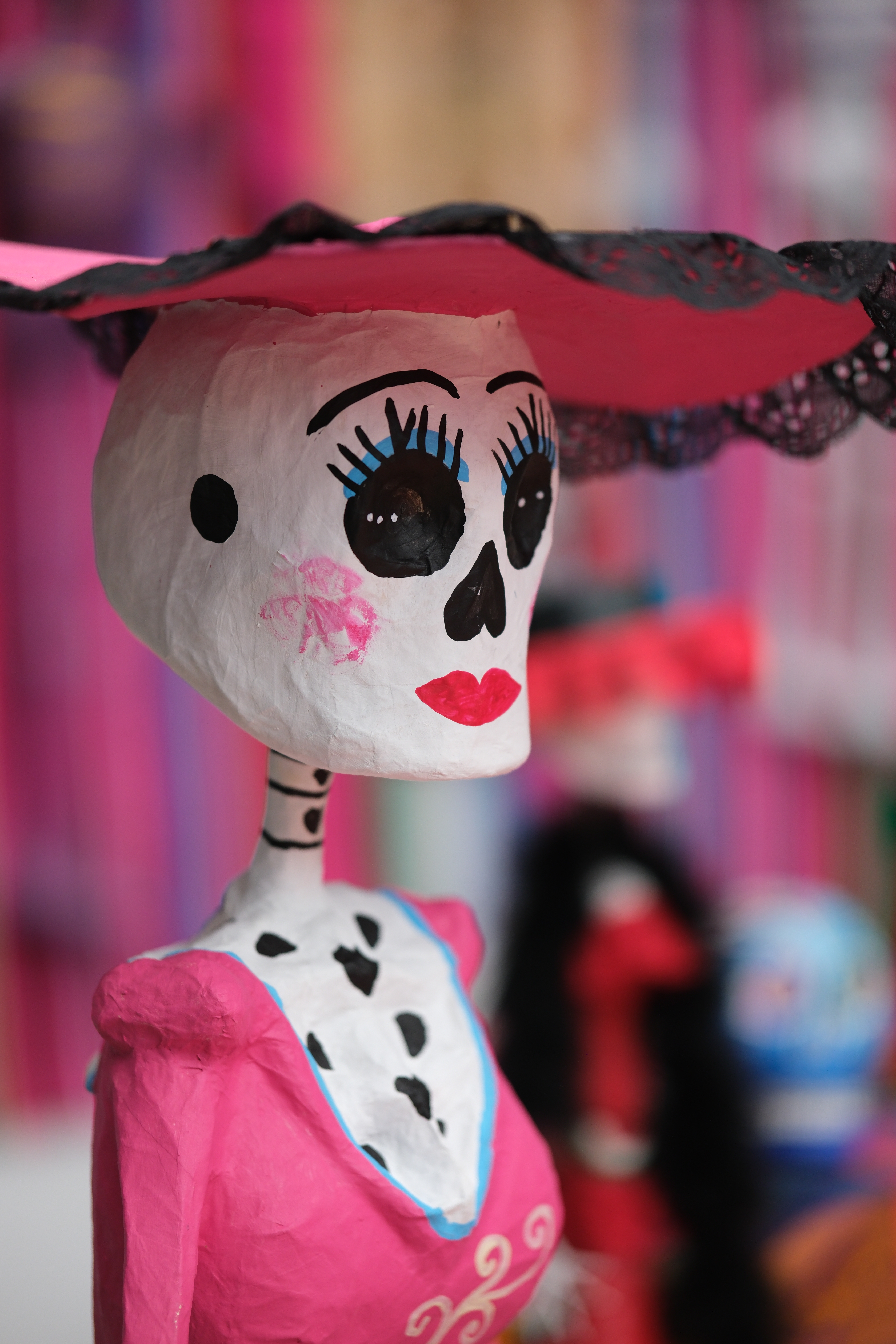
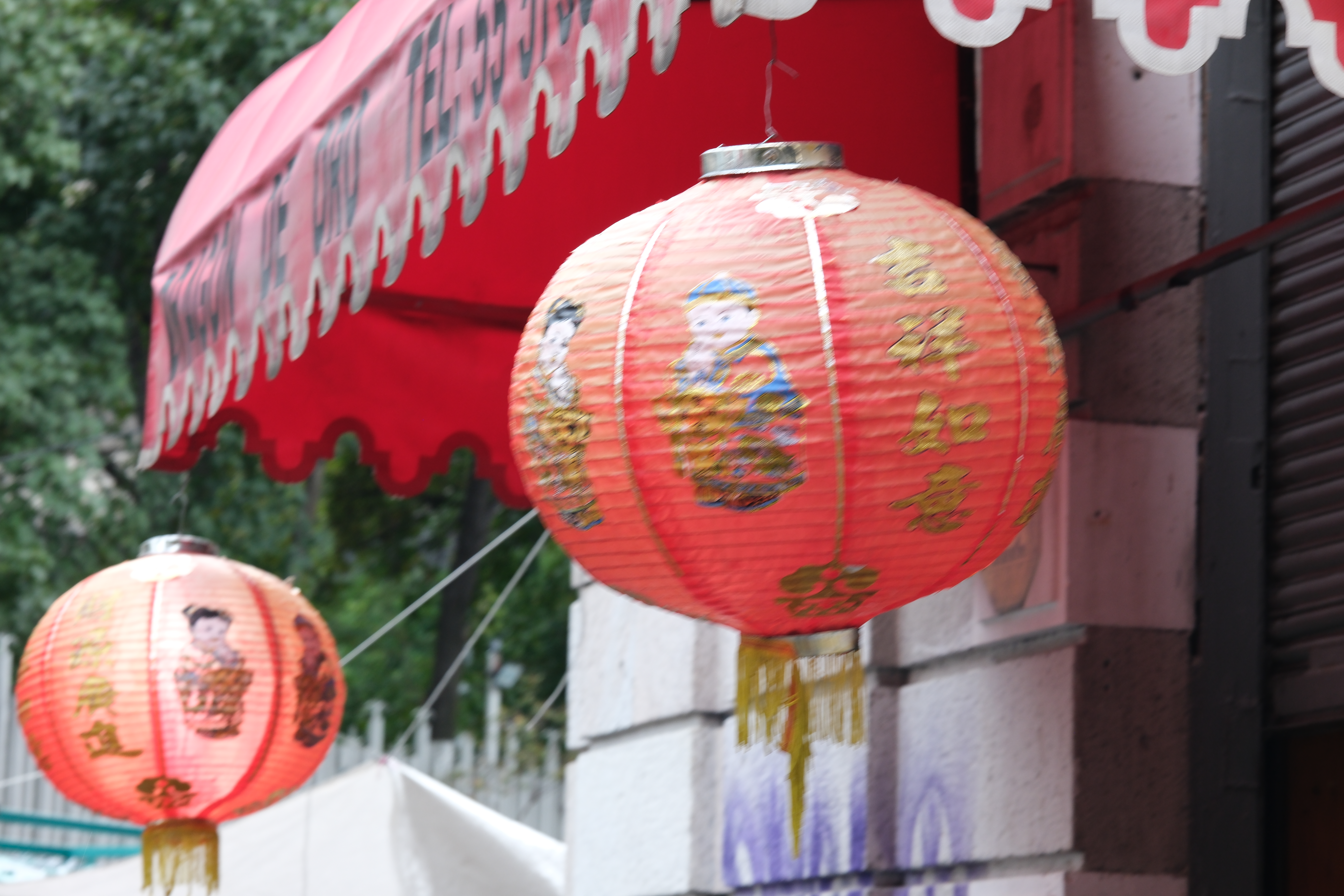
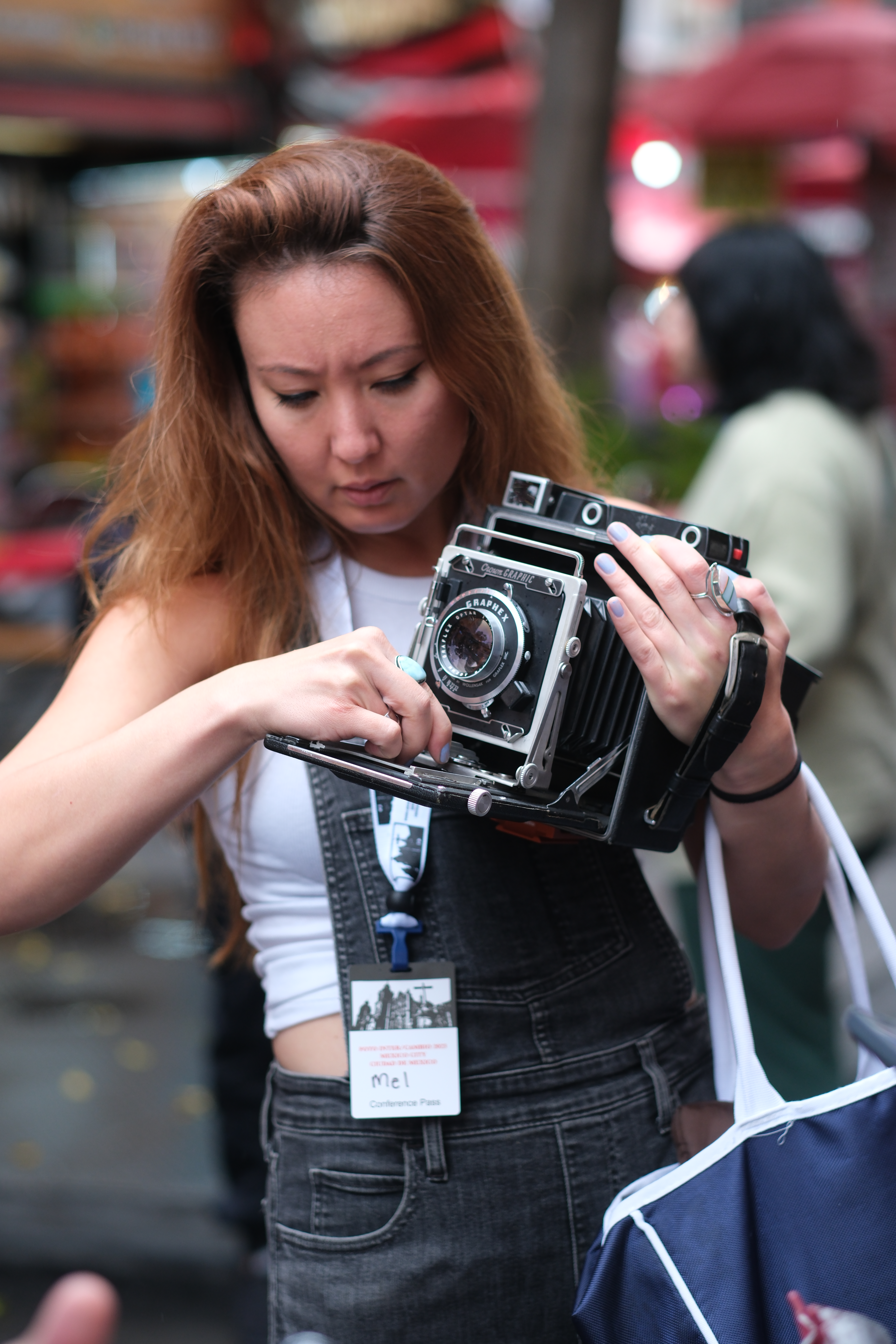
Day of the Dead decorations at Mercado San JuanFish at Mercado San JuanFresh veggiesSausagesRambutans and other exotic fruitDragonfruitRed SnapperThe butcher’s counterCatching a nap in the MercadoMaking sausages Vlad Grablev meets a fan of his RB67Mary Quin and Veronica in the MercadoDay of the Dead Ofrenda in the Mercado de ArtesaniasCatrin in the Mercado de ArtesaniasCatrina in the MercadoWeaver looking around in the Mercado San JuanChinese store in CDMX’s ChinatownMel with her Speed Graphic and Instax backLighting store in CDMX’s Chinatown
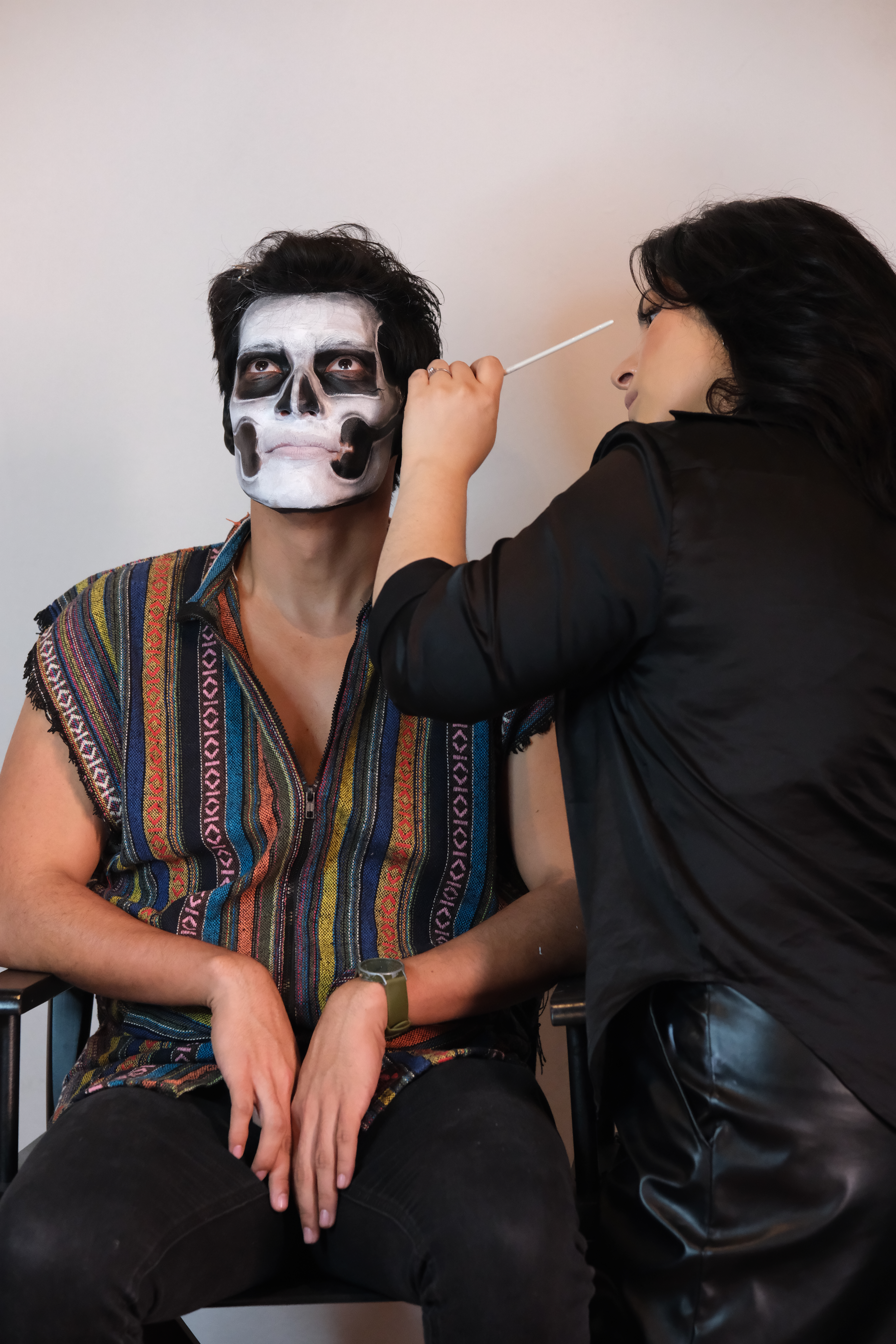
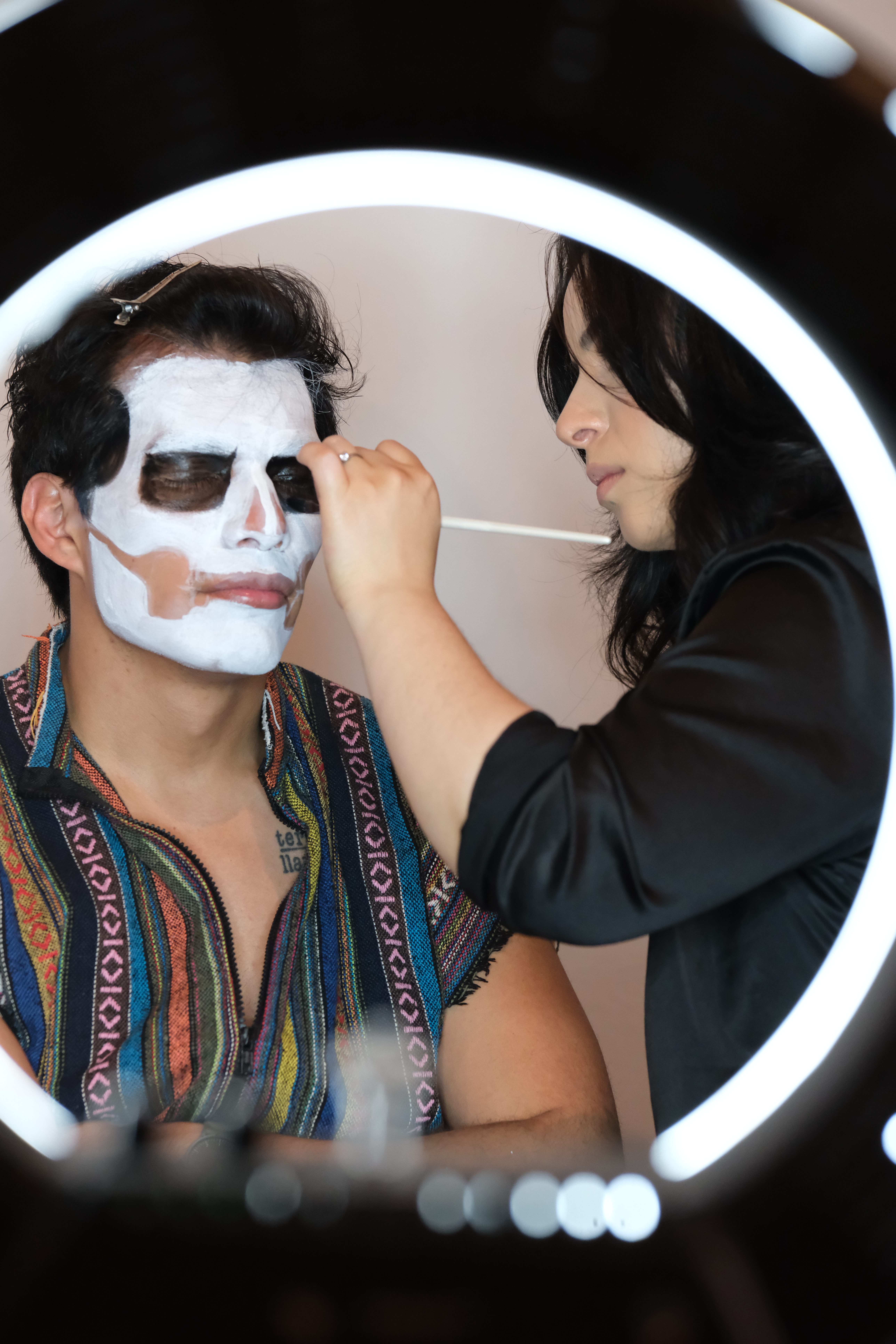
Rafa and Annie getting ready for his shoot, and a few views of the finished results (that’s me with the 5×7 view camera in the last shot):
Rafa Farias getting his face paintedAnnie and Rafa working on his makeupThe beginning of the makeupRafa in ProfileRafa posing in front of graffiti at the Colegio de las VizcainasClose-up of RafaRafa head-onRafa getting his portrait done with a 5×7 inch view camera
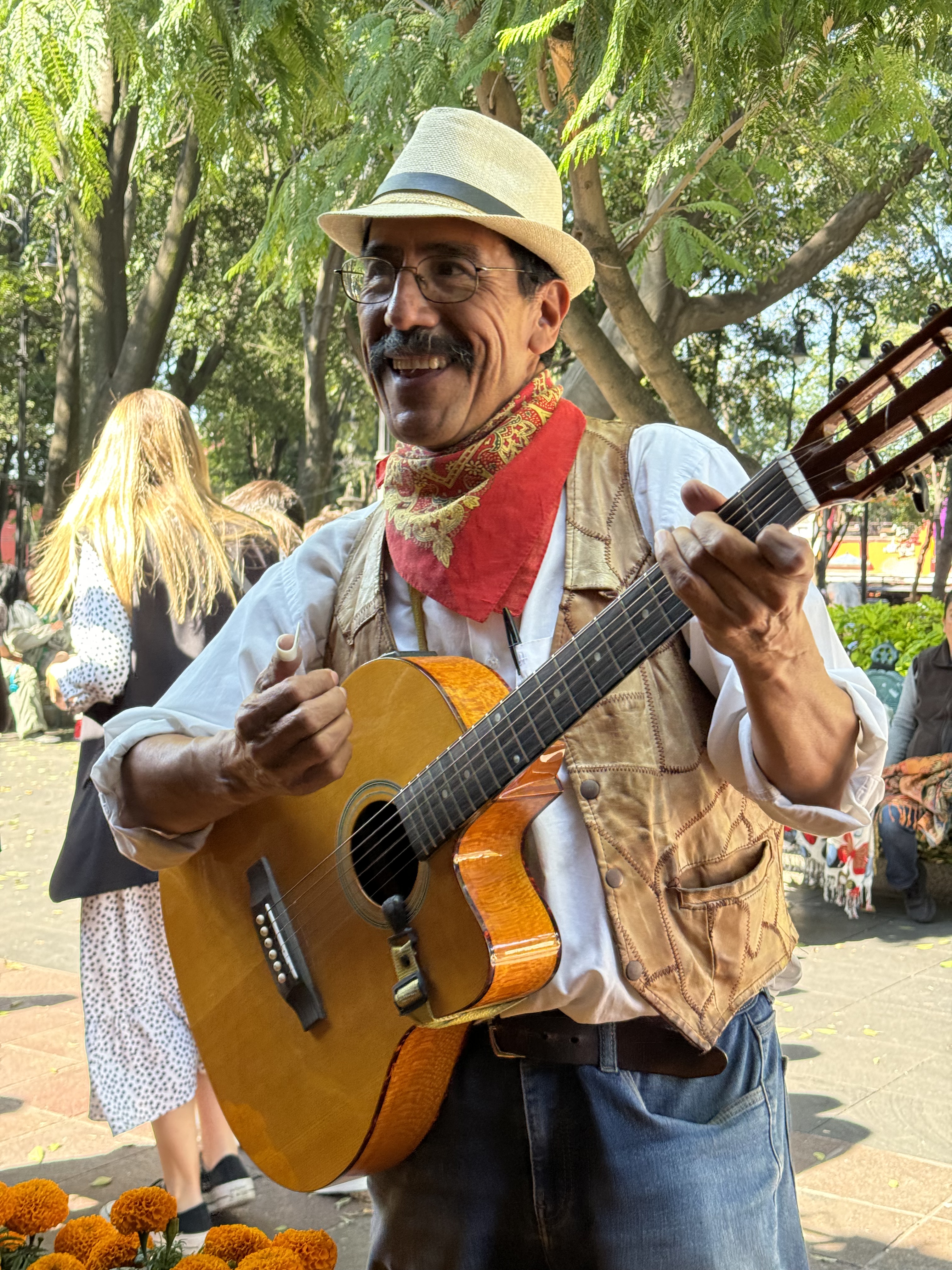
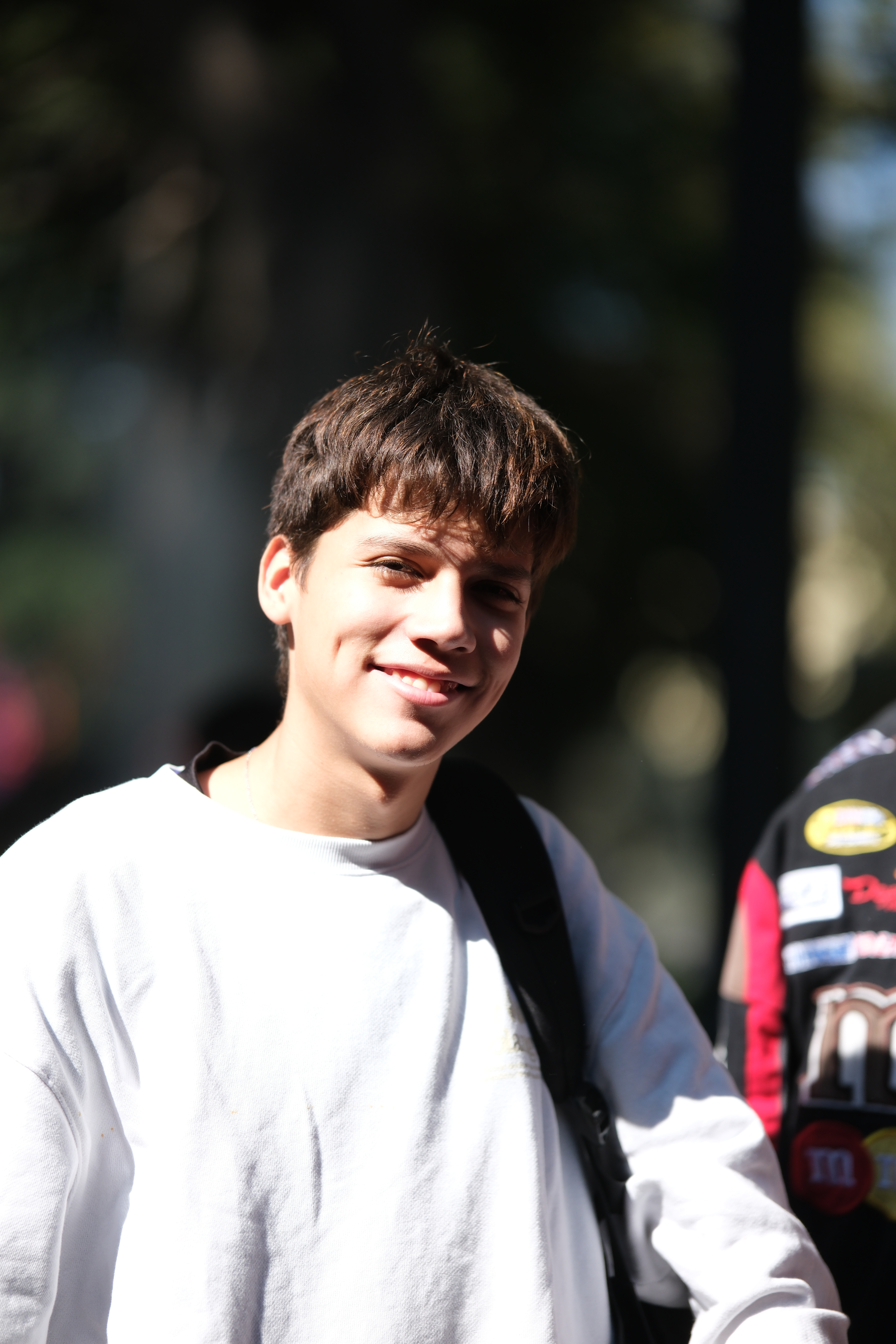
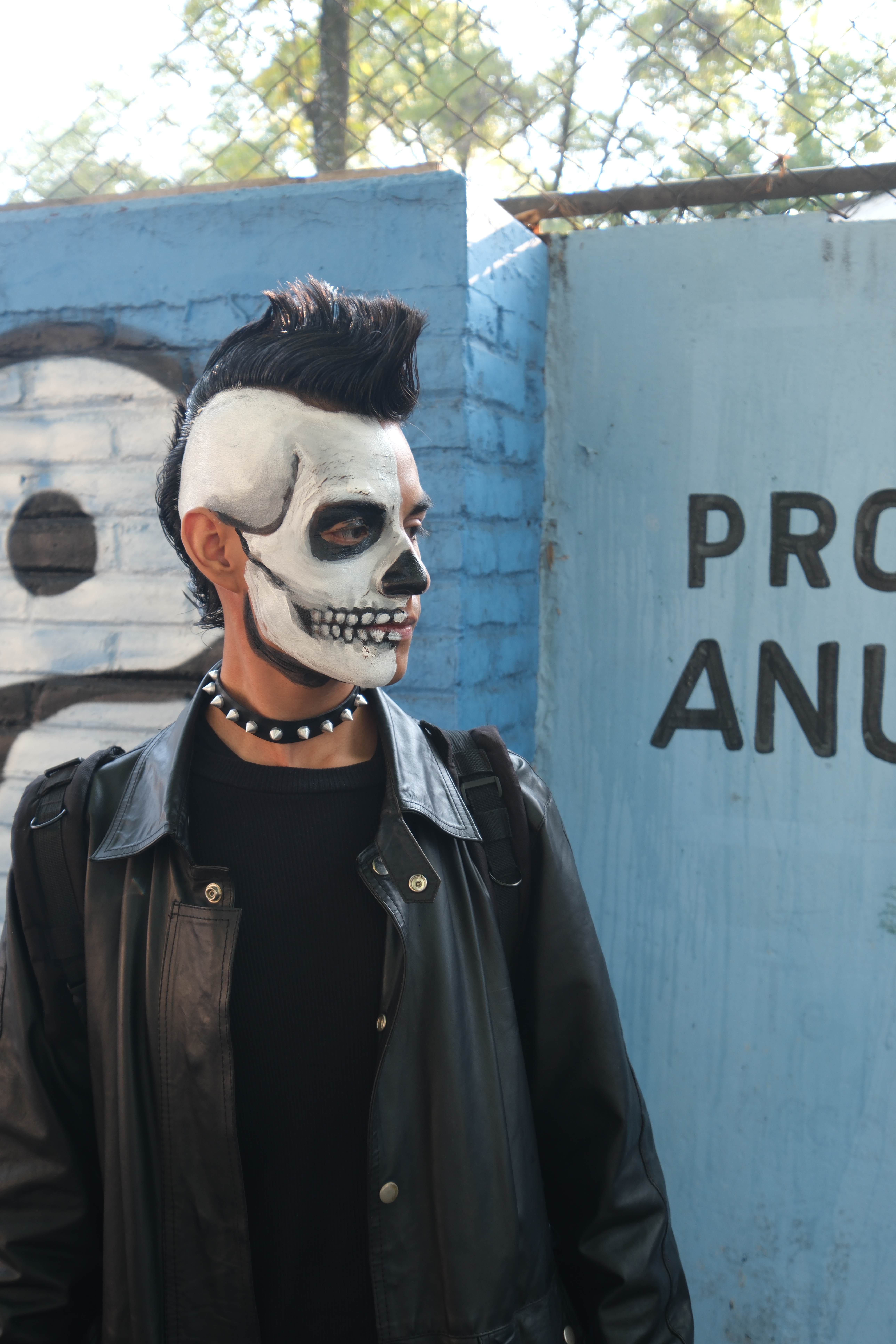
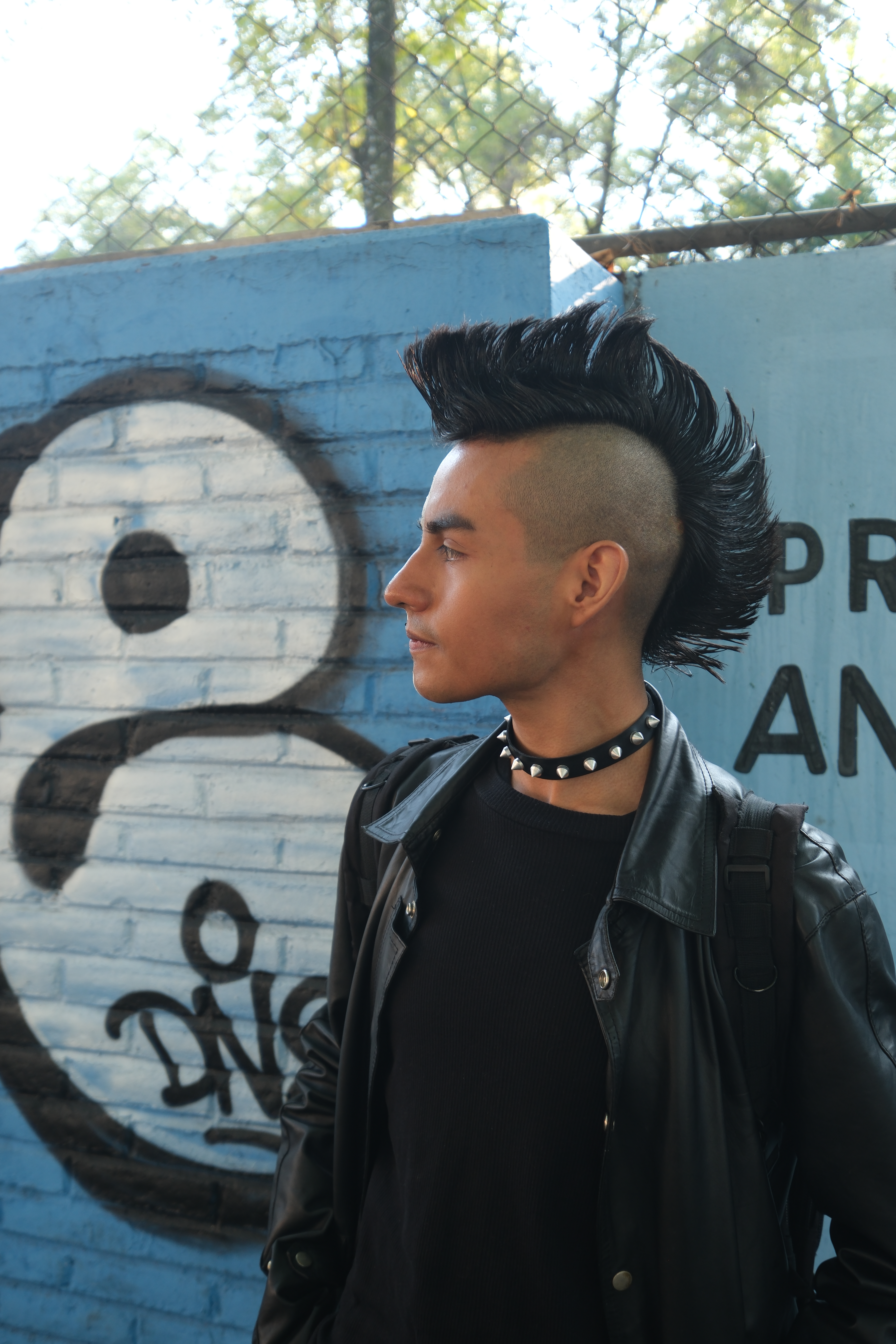
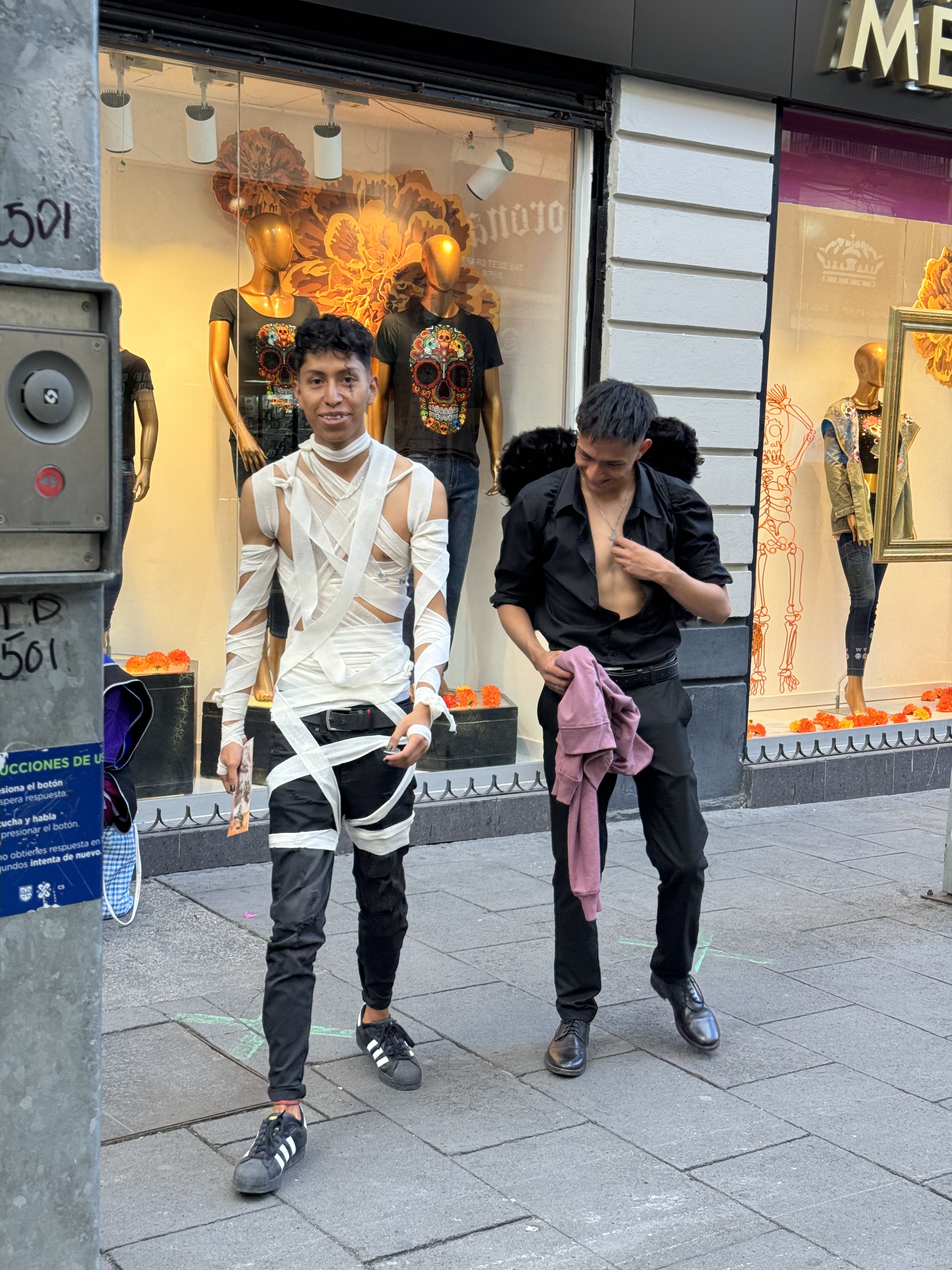
After the official end of the conference, a bunch of us took the day to go down to Coyoacán and wander around. Lots of Day of the Dead decorations were on display, and a good time was had by all. We grabbed lunch at an outdoor table at Restaurante Ave Maria, who was having a mole festival on the menu – I had a Oaxacan mole over beef which was very rich and delicious. We were serenaded by several strolling musicians – one an older gentleman with a guitar doing traditional Mexican songs, and then a group of young Mexican boys rapping. While their music wasn’t to my taste, they got big props for freestyle ad-libbing a rhyme about the gringo with the camera! I’m still building my street photography skills, especially when it comes to photographing people. As we were heading back to the Metro, I saw this guy with the most incredible style and makeup, and had to take the chance to ask him for a photo. You’ll see the results – he had half his face painted with the calavera, and the other unpainted, and he was decked out in what would certainly qualify as vintage Punk style – he would have fit right in on Kings Road in London in 1983.
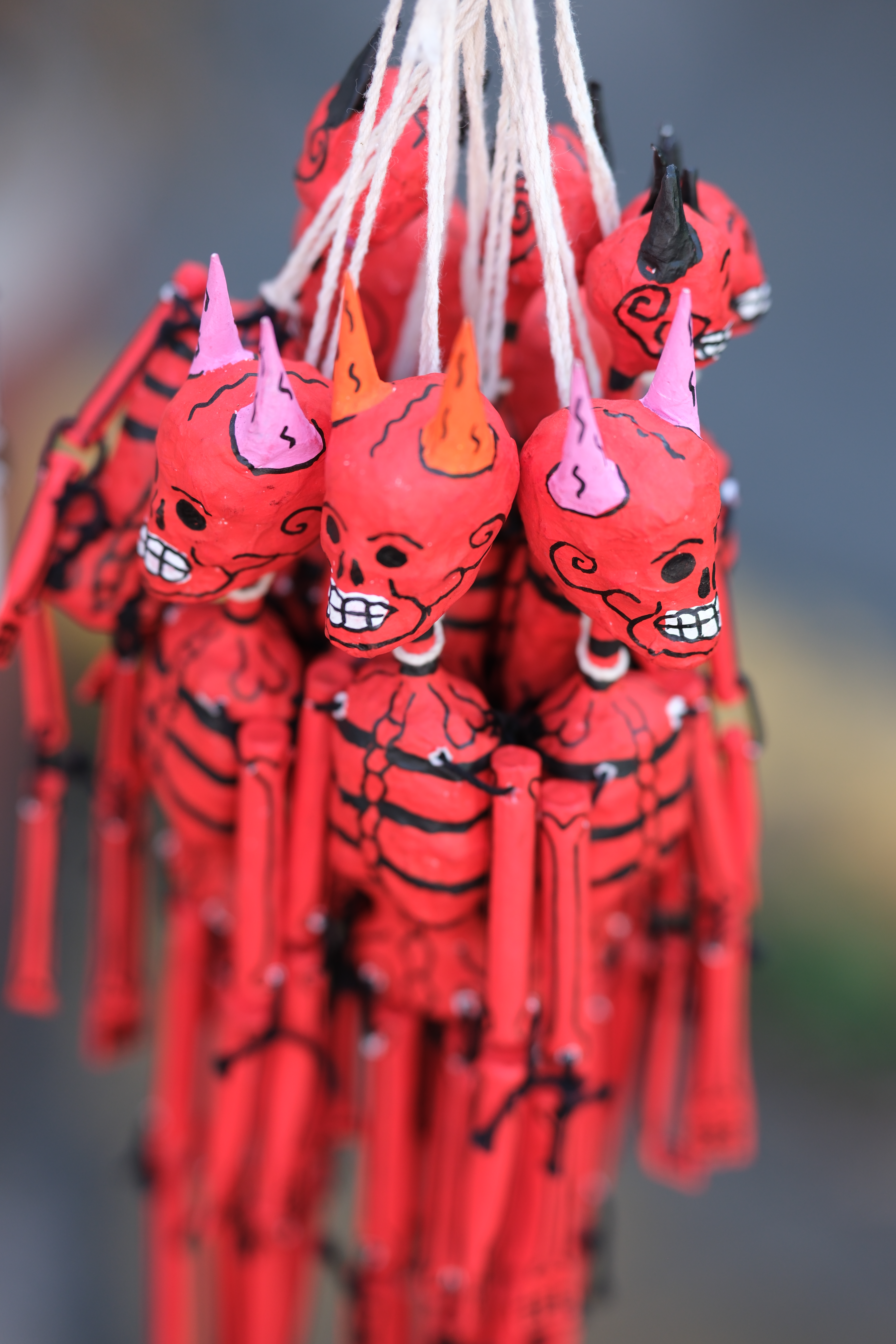
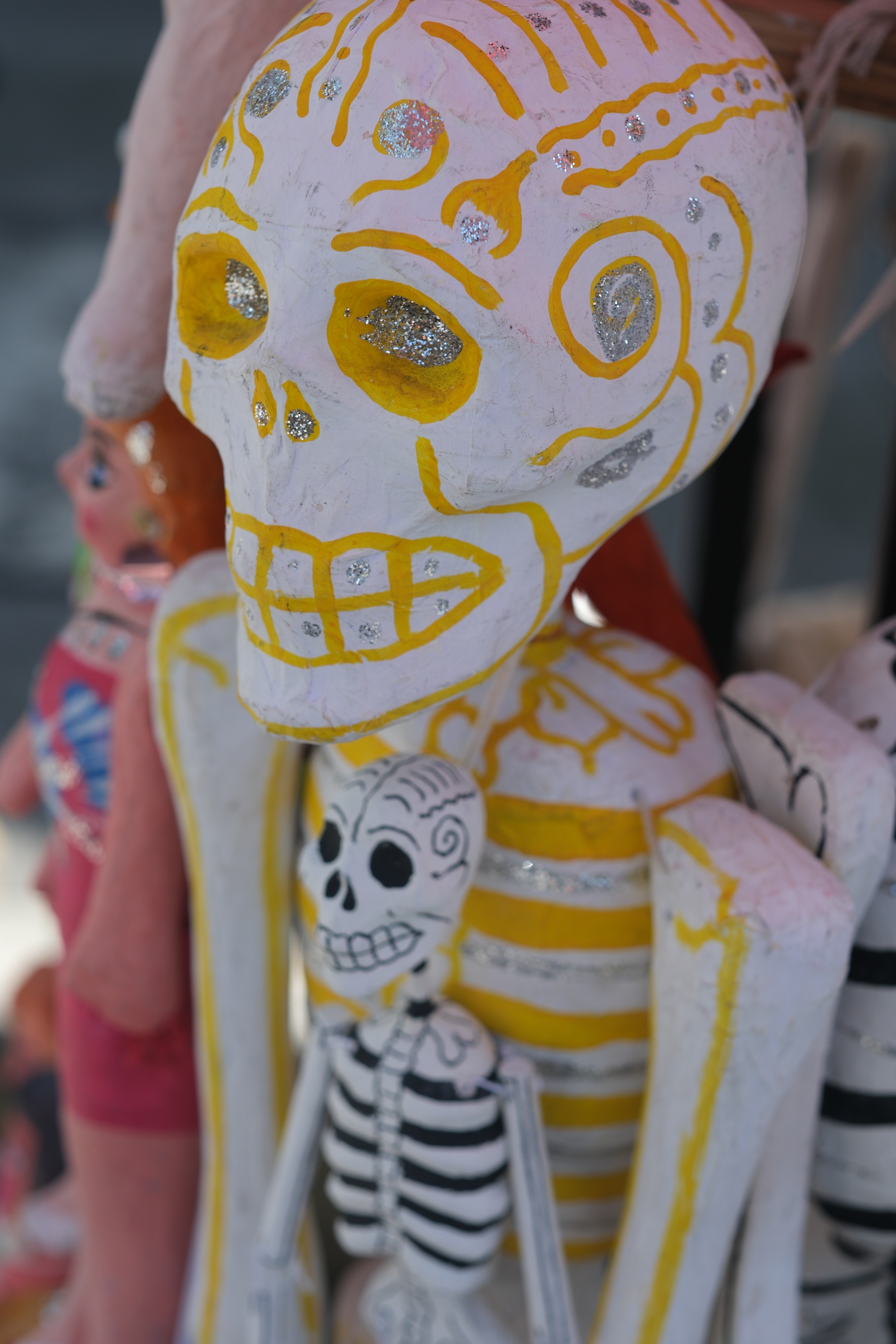
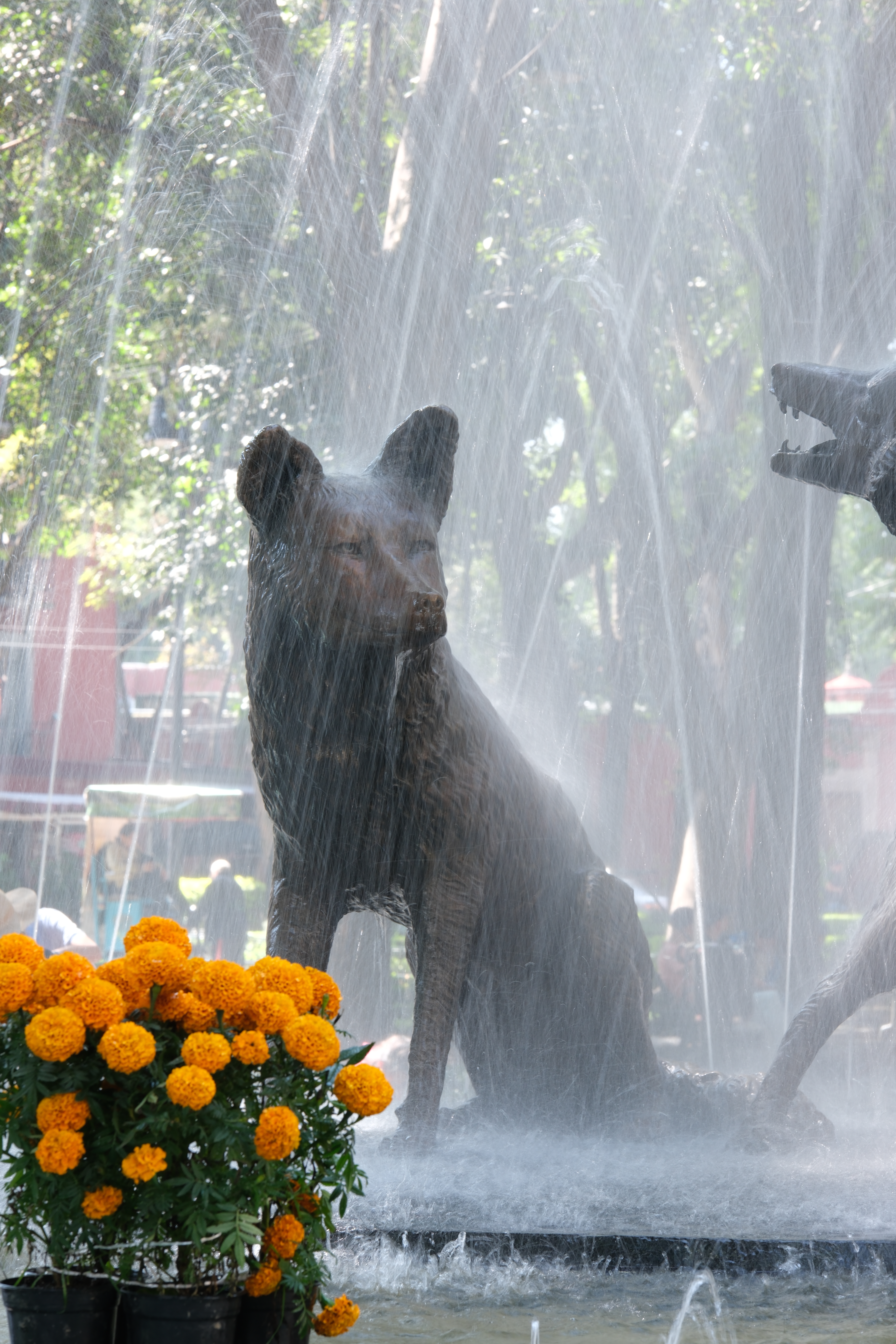
Troubadour in CoyoacánCheeky RapperDevil figurines in papier-mâché Vlad and Craig at lunch in Coyoacánmore papier-mâché devil figuresPapier-mache skeleton with skeletal dog and puppymore papier-mache figurinesSkeletonsmore skeletonsFuente de los Coyotes on the plaza in CoyoacánYoung punk with bifurcated makeupThe other side of the young punk
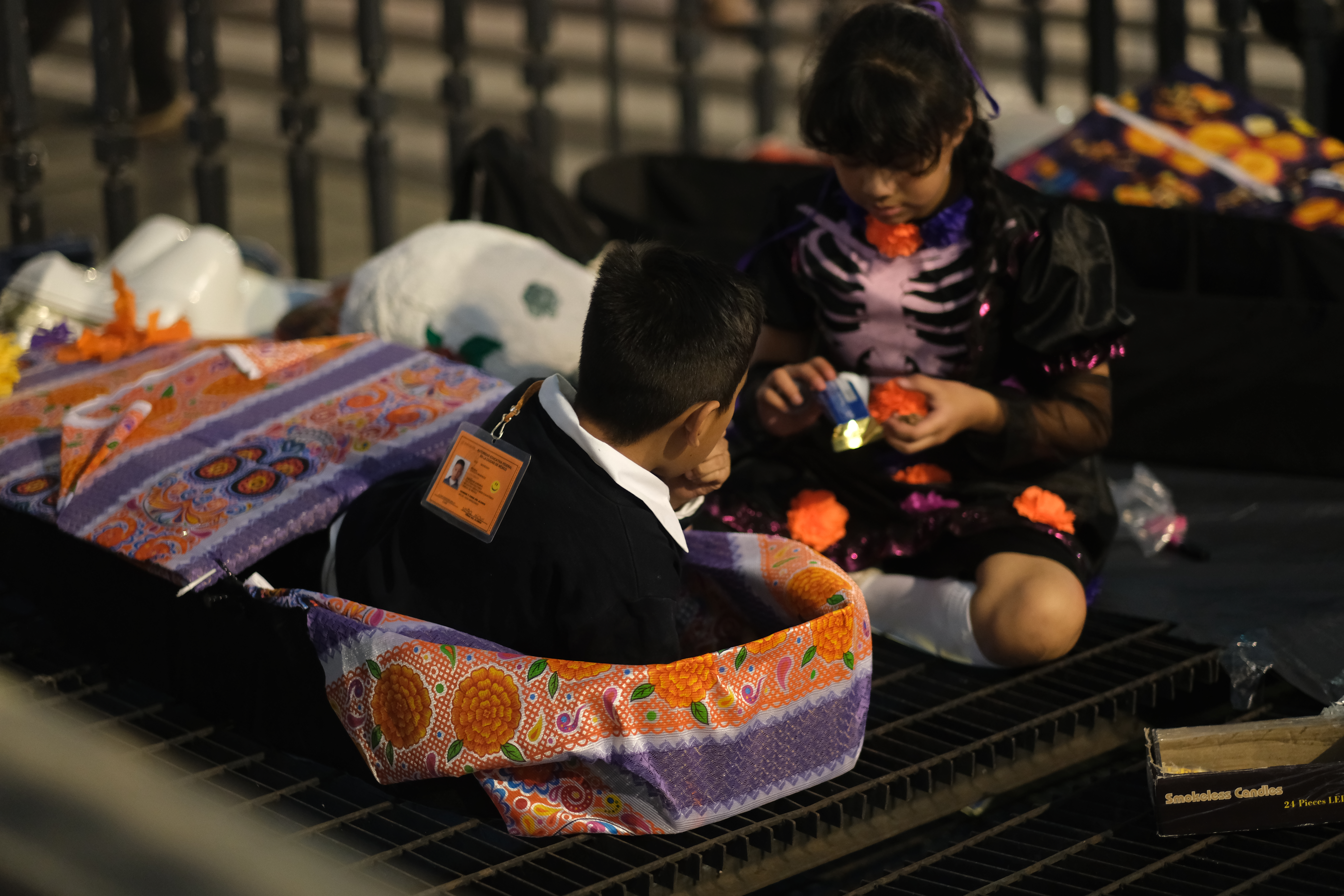
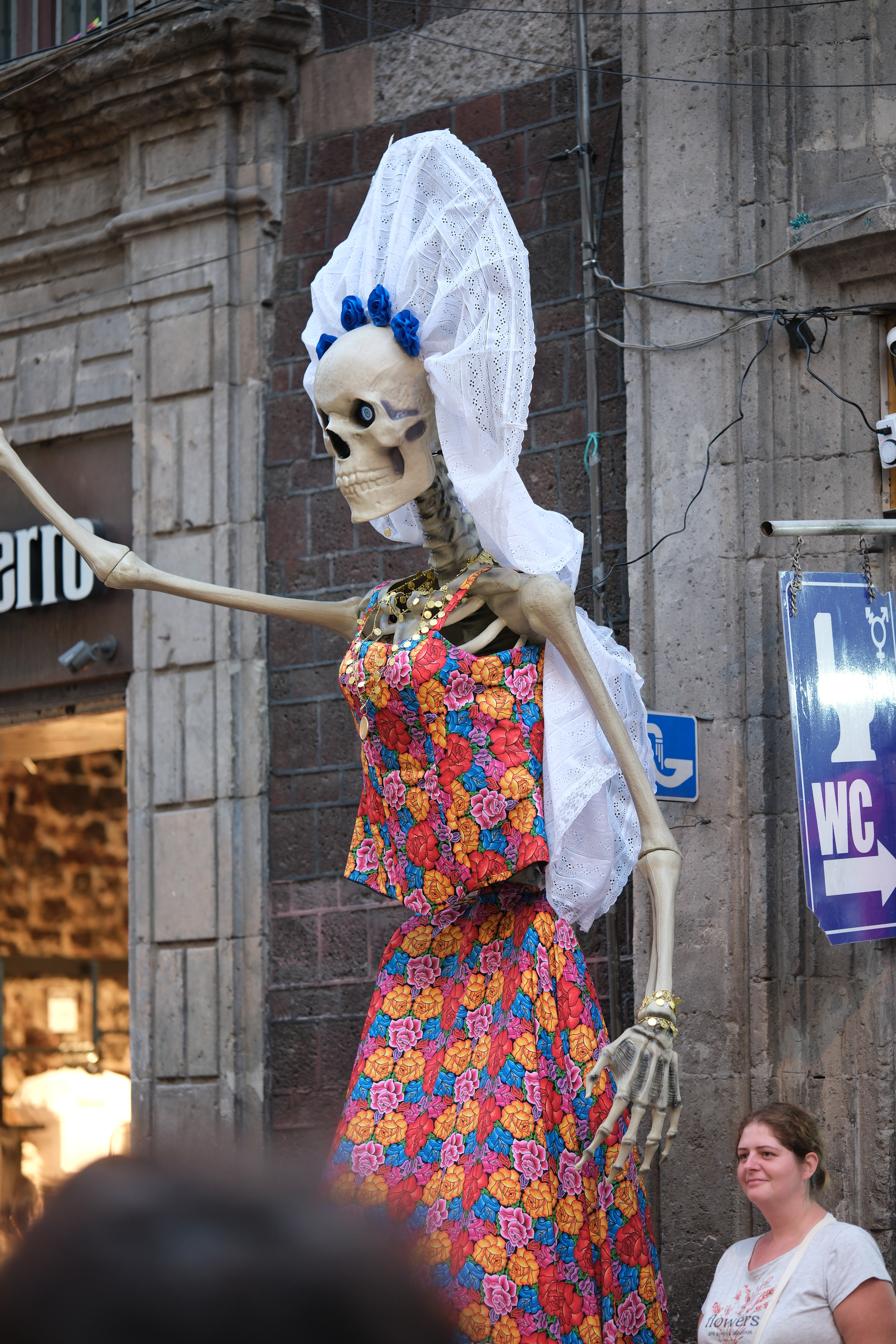
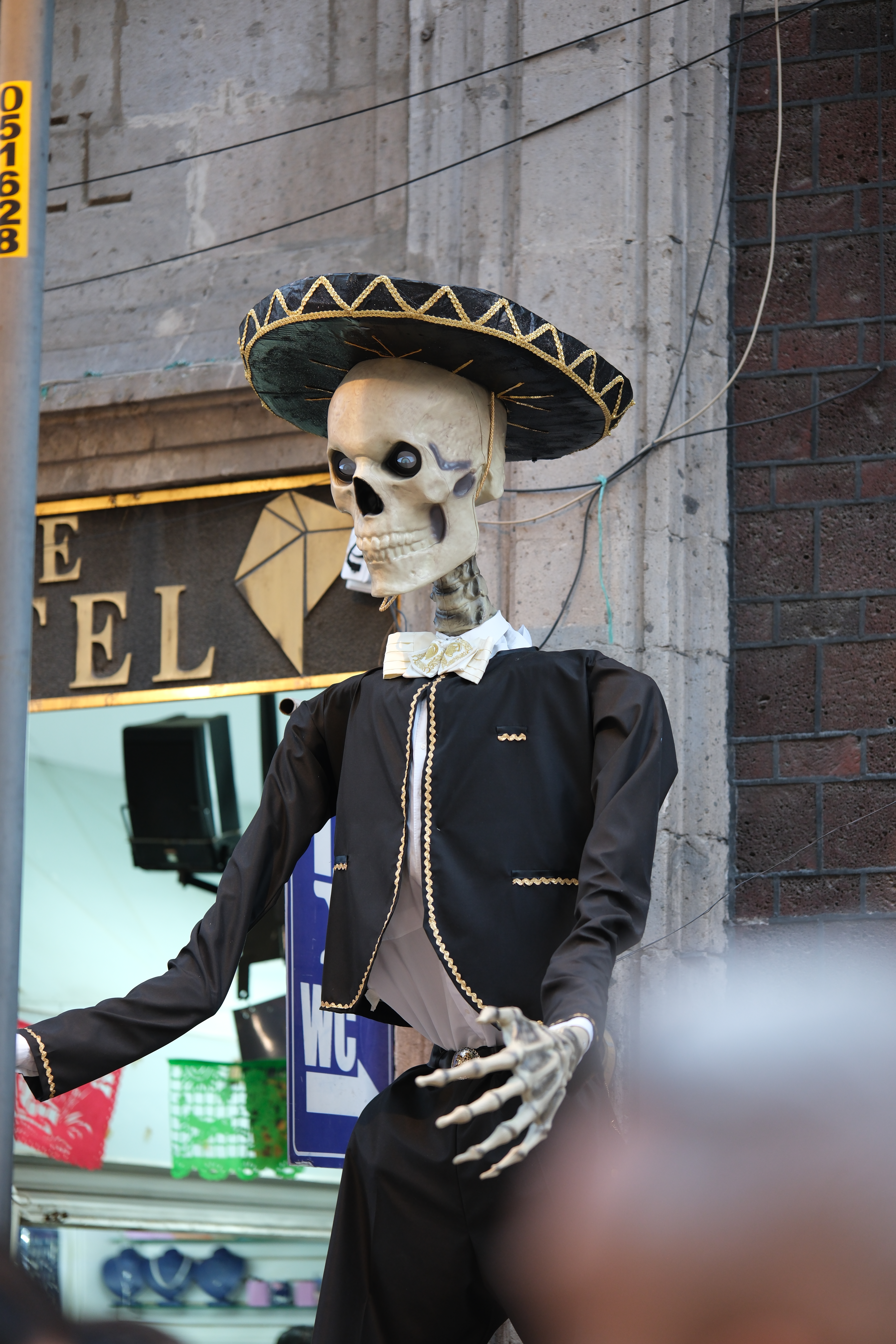
Some more Day of the Dead sights:
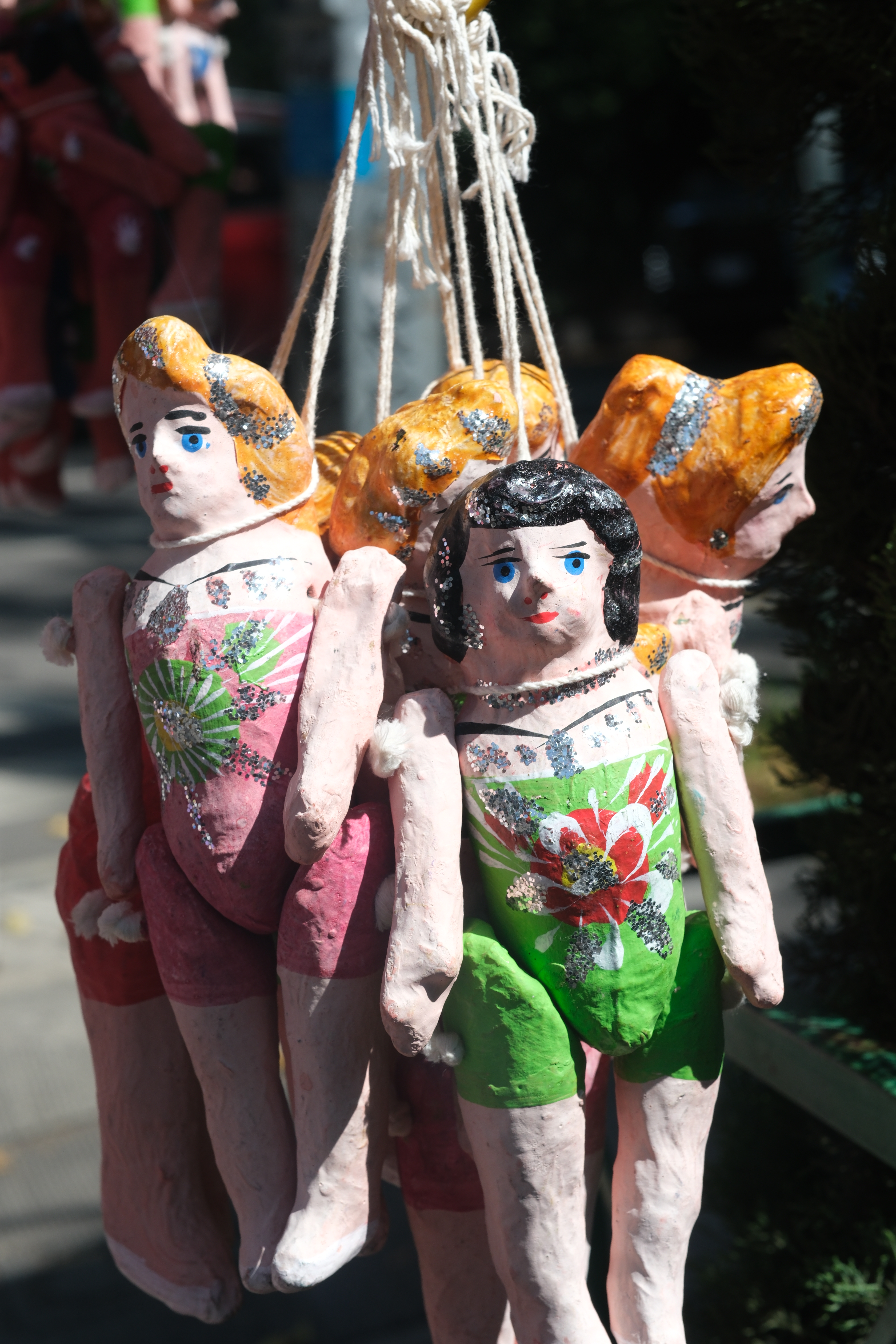
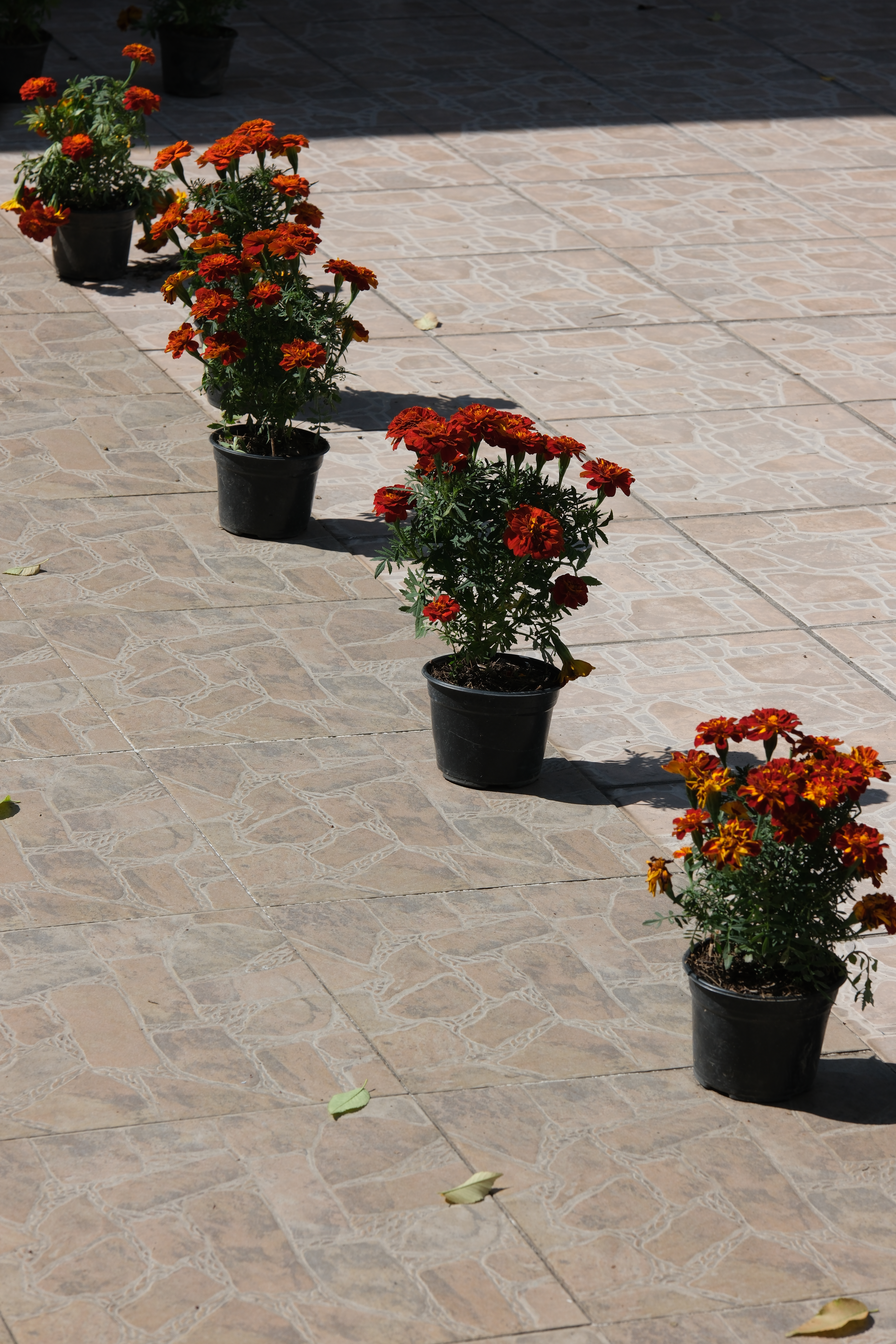
Boys on the street in Halloween attirekids dressed up on the Zocalo over the Metro entranceDay of the Dead figurines on Avenida Francisco MaderoDay of the Dead figurines on Avenida Francisco MaderoMarigolds on the patio in Coyoacán
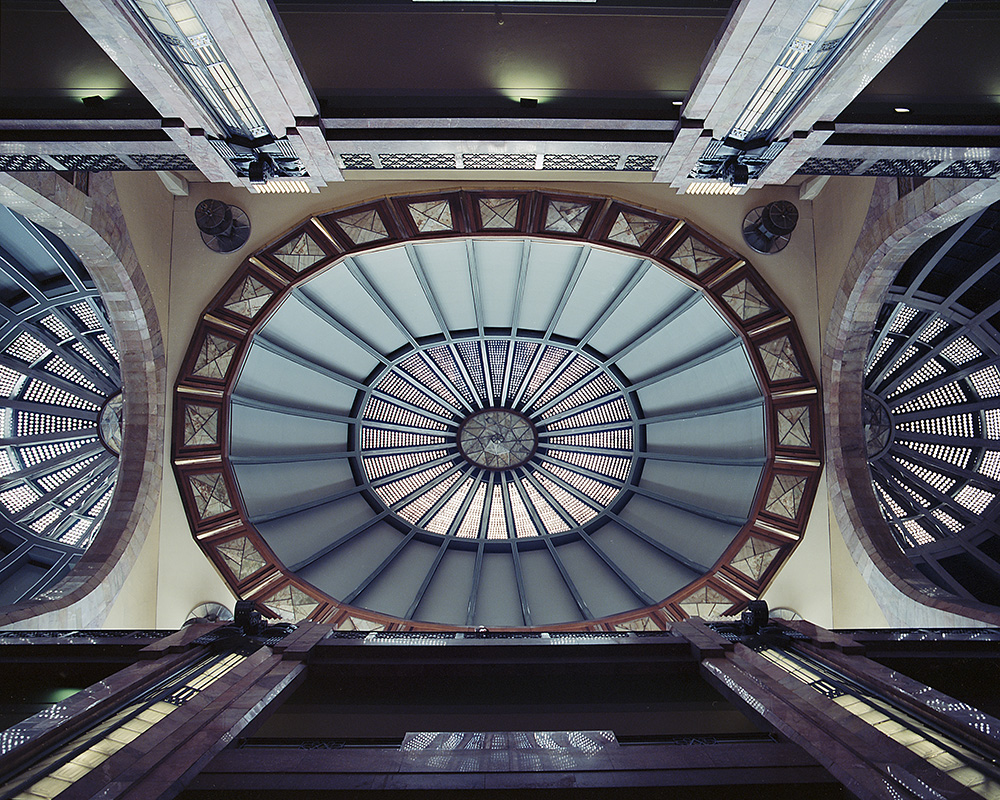
The last time I wanted to photograph the Palace of Fine Arts, the weather was not so accommodating and the skies were hazy and smoggy every day. This trip, the weather cooperated and you can see the glory that is the Palacio. The domes of the Palacio are so iconic a symbol of Mexico City, they’re even on the Starbucks mug! Next time I’m back, I’ll have to go in the Sears across the street and see if I can get a good shot out one of the third or fourth floor windows.
The interior is every bit as spectacular – The entrance lobby is a glory of Deco Mexicano – very much Art Deco, but with a distinct Mexican cultural twist – you can feel the stirrings of pride in indigenous Mexican heritage that were finding expression in stylized Aztec and Mayan motifs and the murals of Diego Rivera, David Alfaro Siquieros and Jose Orozco that adorn the walls of the lobby.
I feel lucky to have pulled off this shot, as I had to point the camera straight up, and hold it still for 1/15th of a second (I think it was a 1/15h, might have been 1/8th). No small feat when your camera is as big and heavy a brick as my Mamiya RZ67. I must say it has an extremely well-damped mirror that doesn’t cause camera shake – while it isn’t quite as smooth as my Rolleiflex, which has no mirror movement at all, I can hand-hold it down to 1/15th or 1/8th regularly (the Rollei I feel pretty confident to 1/4 second, and have been known to pull off 1 second exposures hand held).
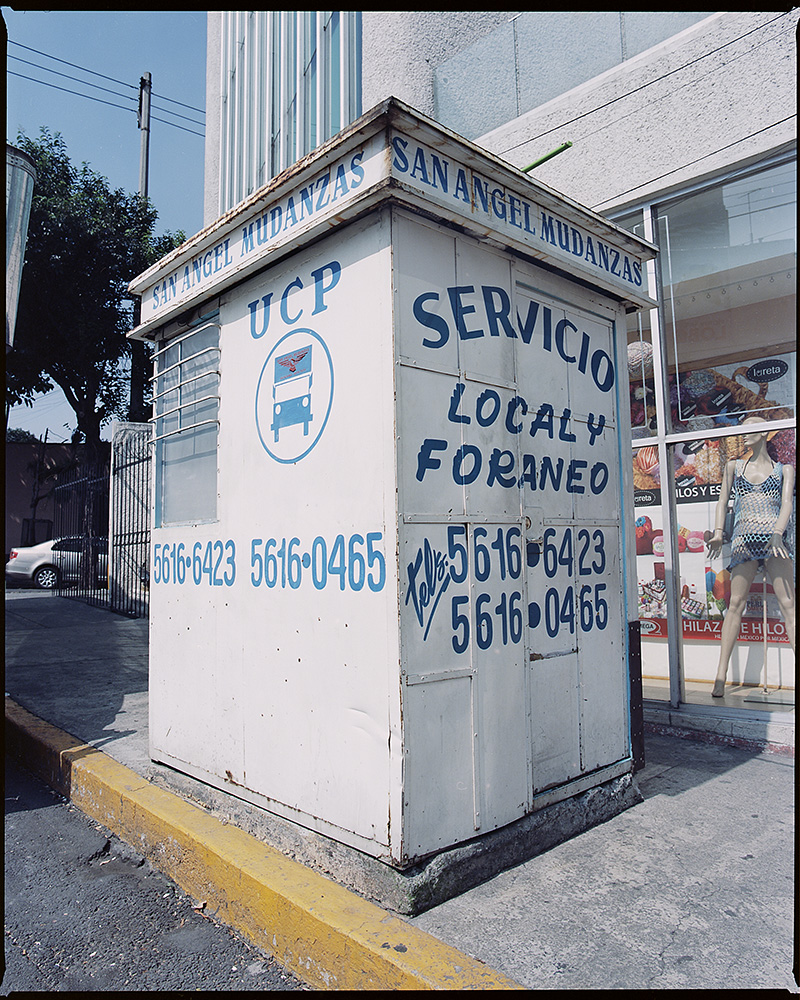
I think this was a newsstand kiosk, but it’s painted to advertise San Angel Moving, in a very old-school style. One of their trucks was parked right next to it.
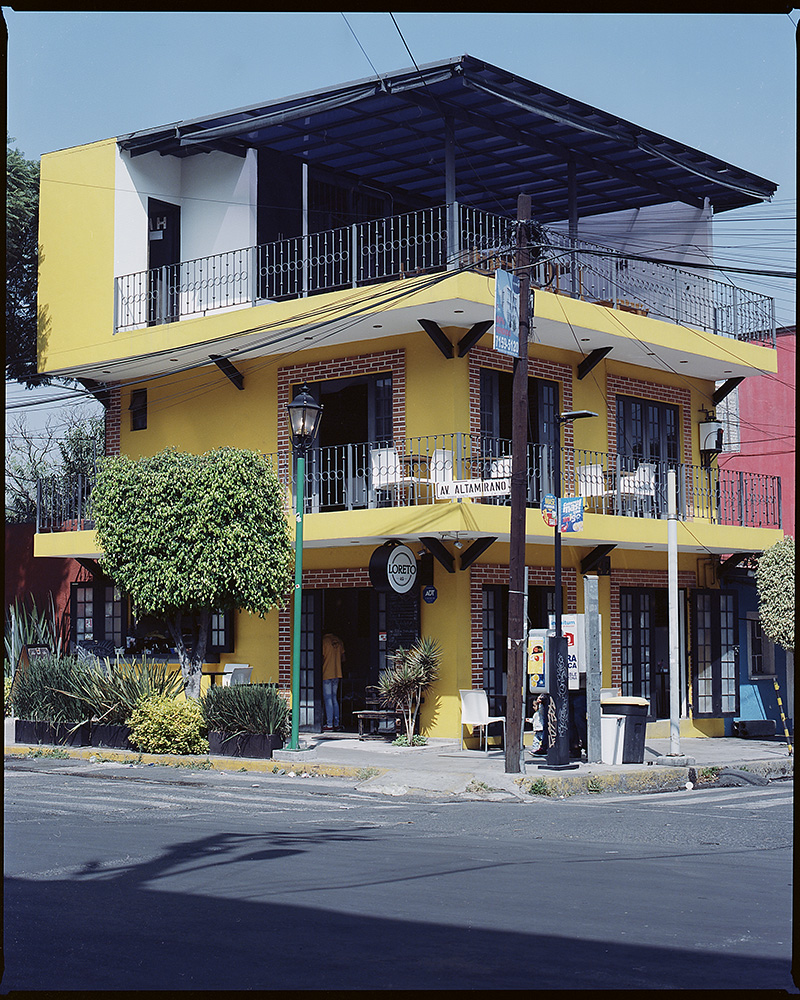
Yellow Cafe, San Angel
I couldn’t help but photograph this bright yellow cafe/restaurant – what a cool building!
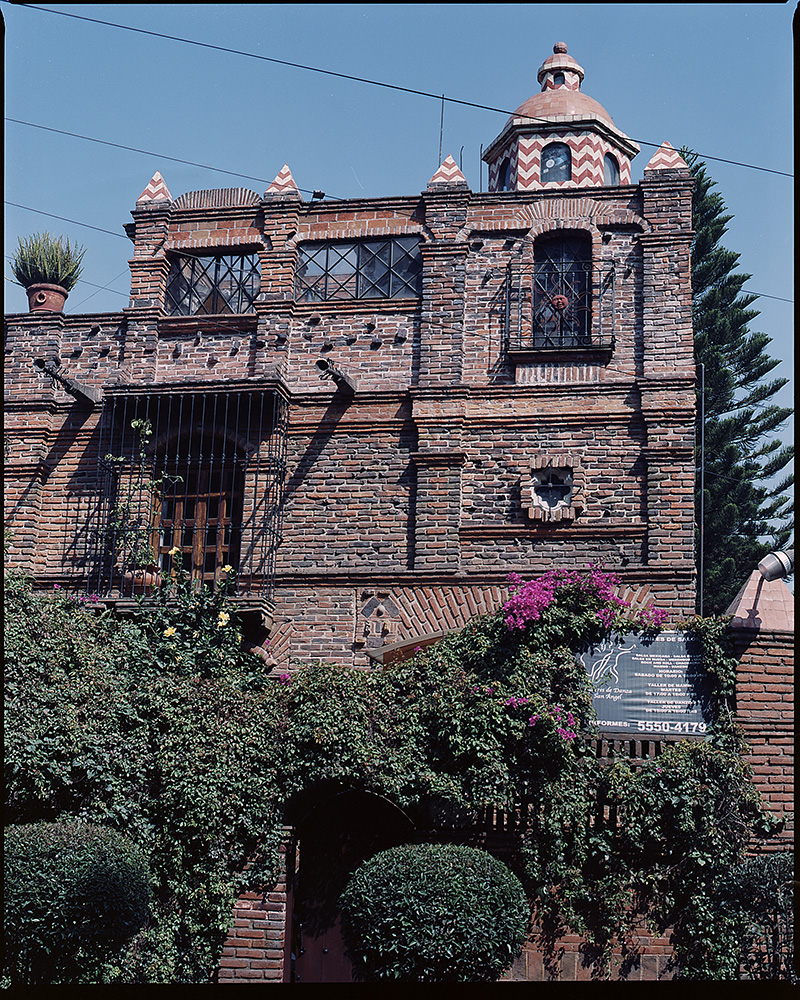
Dance School, San Angel
Another building that cried out to be photographed – if it were stone and not brick, I would assume this was in Spain or Italy, not Mexico. It has a dance school inside, as well as a residence. Who knows how old it is?
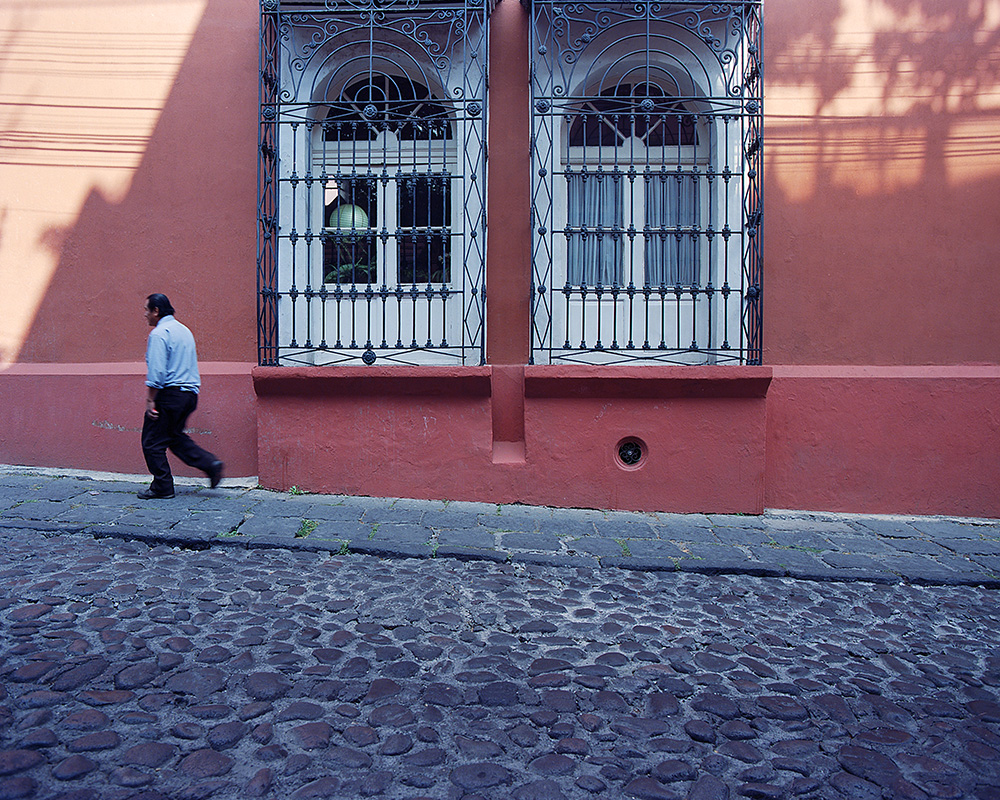
Walking uphill, San Angel
A typical street in San Angel – those cobblestones could go all the way back to the 17th century. The neighborhood, today, is one of the most upscale in Mexico City, with many of the Viceregal compounds and ex-convents/monasteries converted into extremely private residences de luxe.
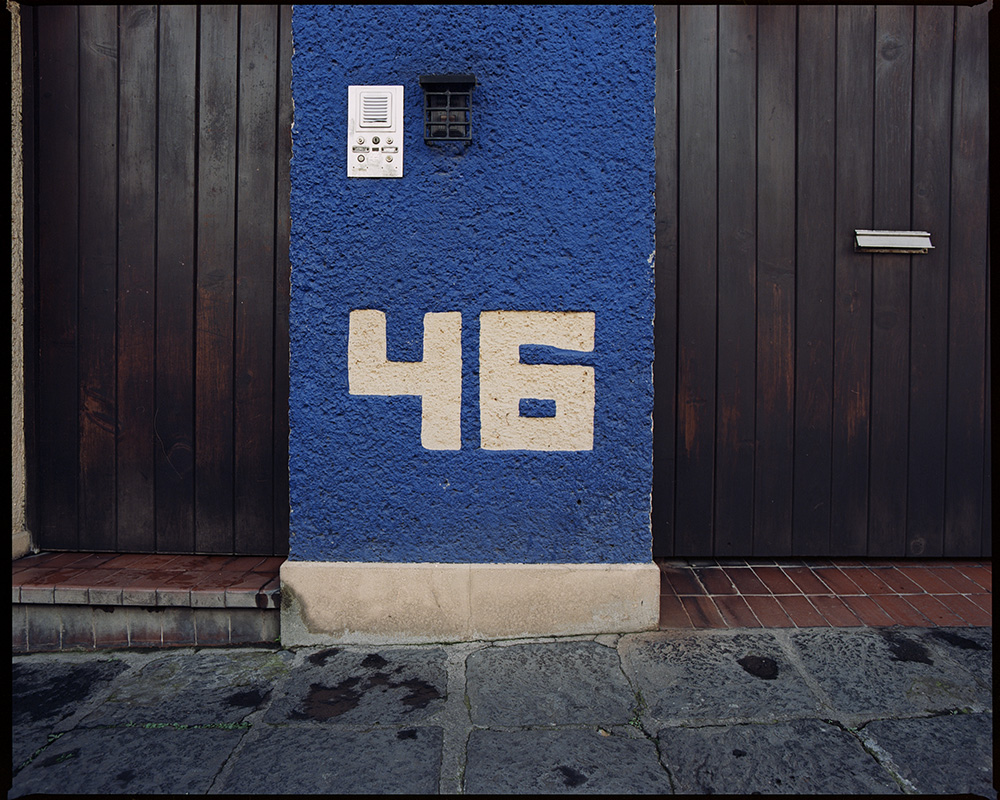
Number 46, Calle de la Amargura
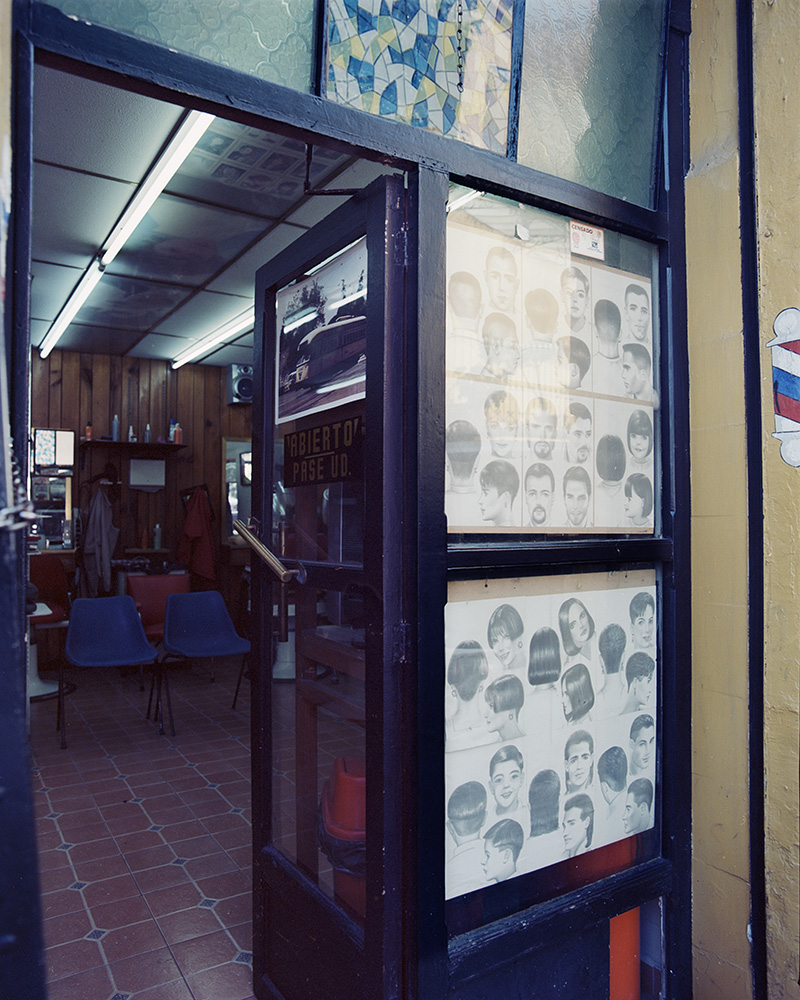
Barber Shop, San Angel
I just loved the old-school barbershop interior and the “Abierto, Pase Ud” (Open, Please Come In” sign on the door. It reminded me of the barbershops in the town I grew up in.
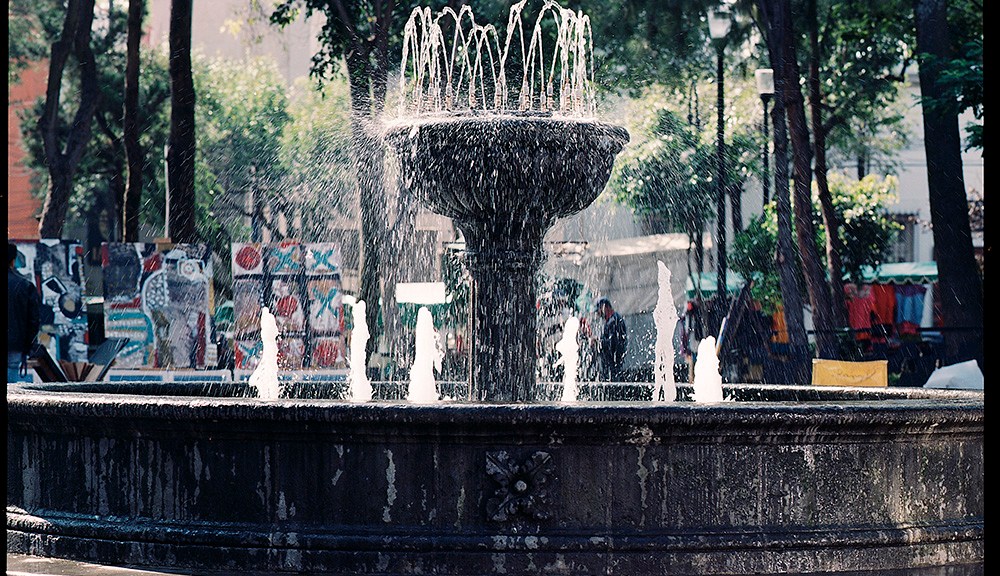
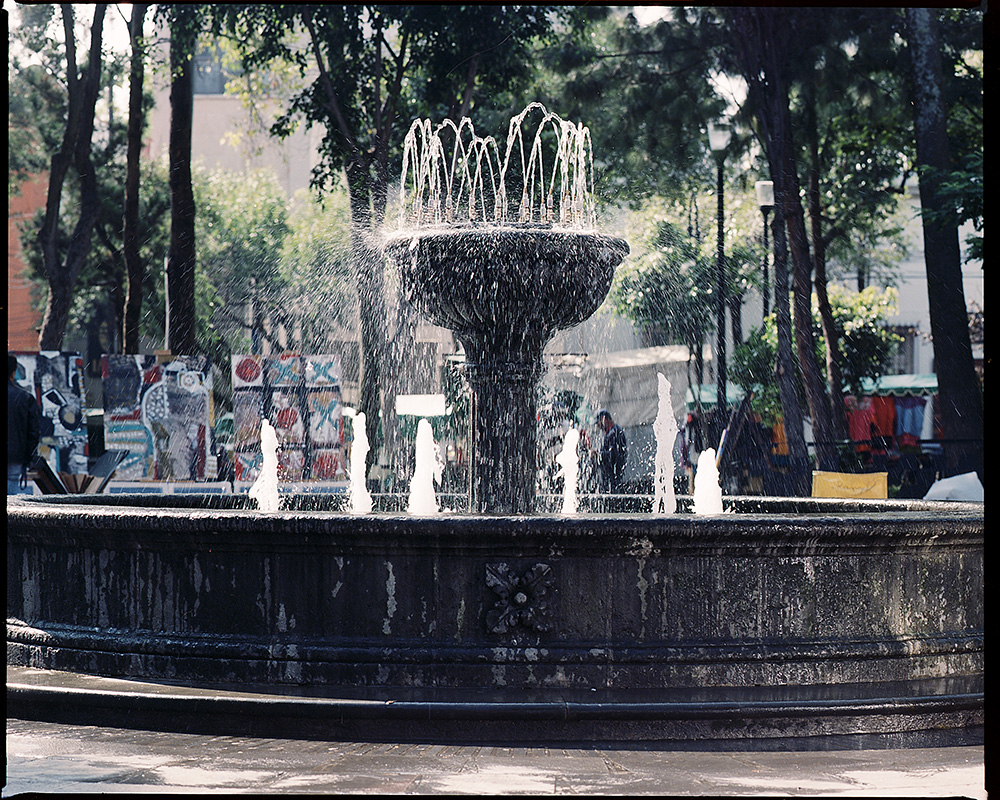
Fountain, Plaza San Jacinto
The last time I was in Mexico City, this fountain wasn’t running. So nice to see it operating – it really brings the plaza together and makes it feel more alive, even when the Saturday artists’ market isn’t running.
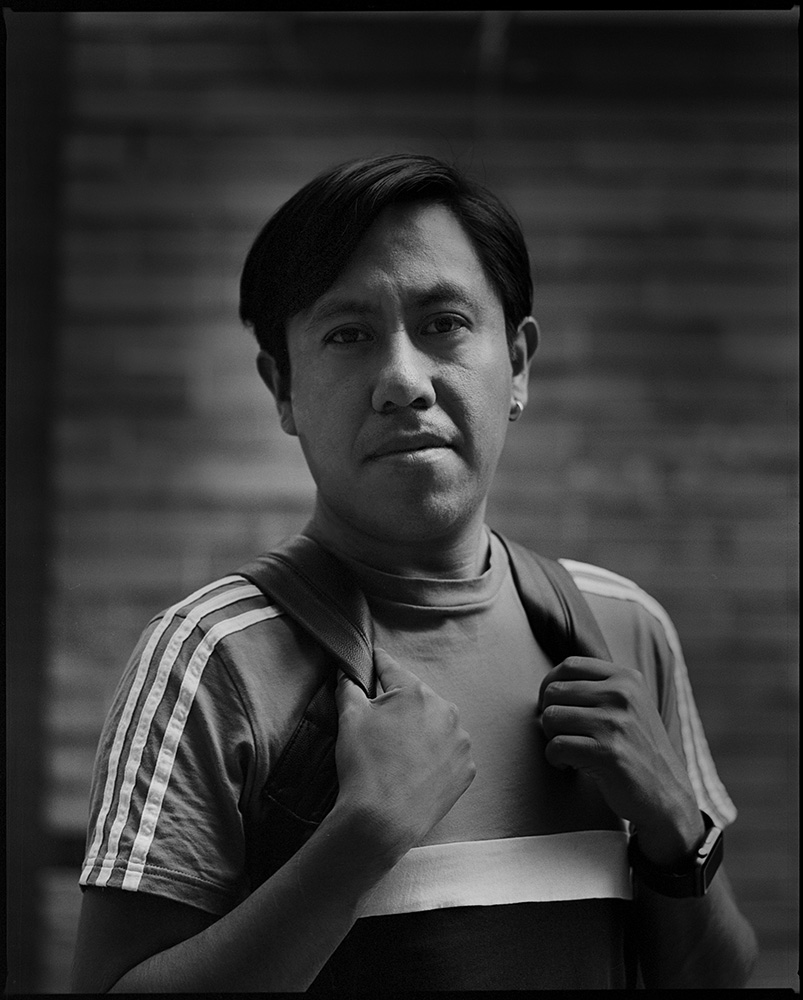
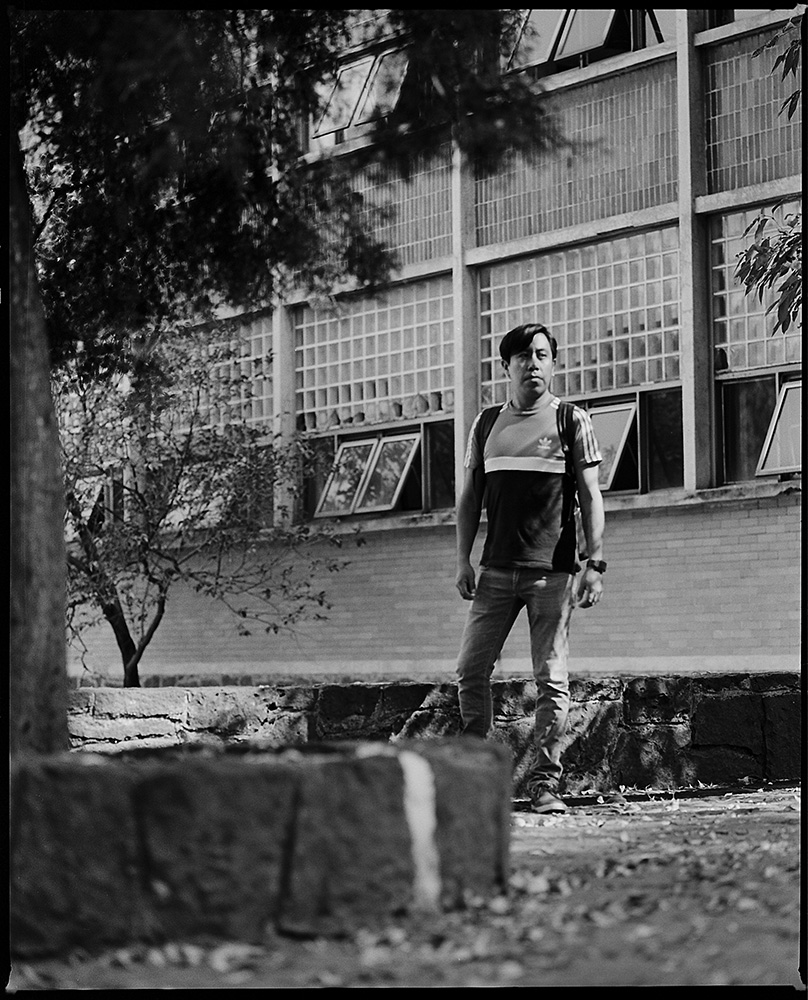
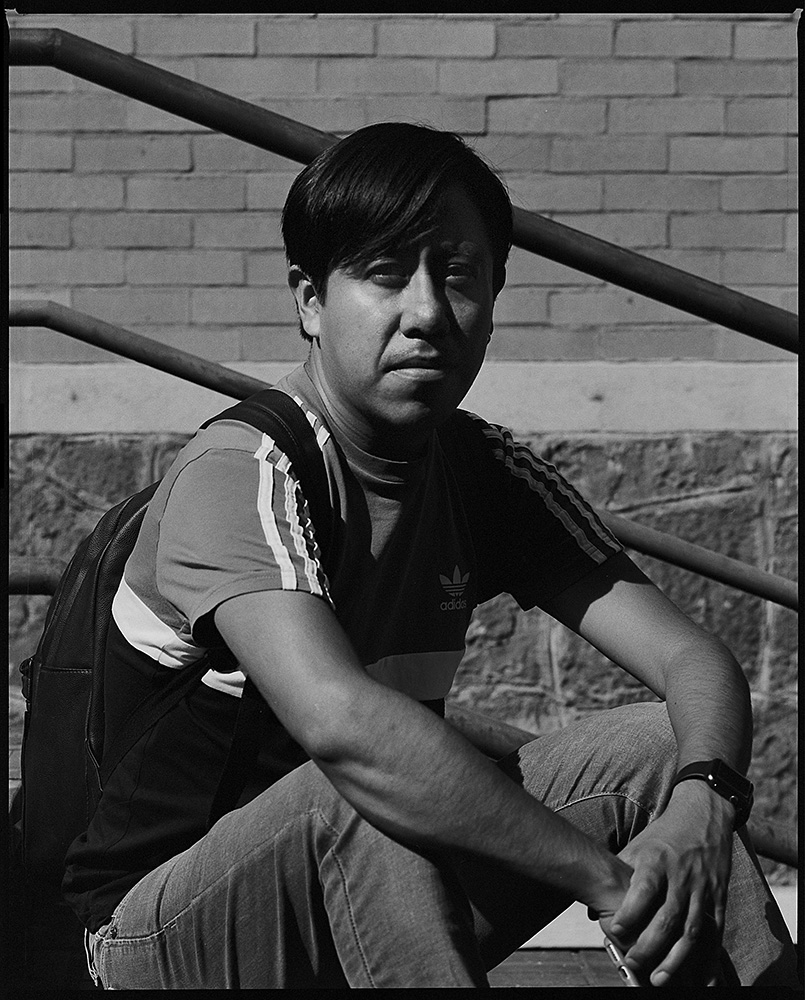
Part of the reason for my trip to Mexico City was to see Victor. It’s a developing thing – we haven’t placed a label on it but whatever it is, it’s good. And he’s a willing subject for the camera, which is a nice change of pace from my ex.
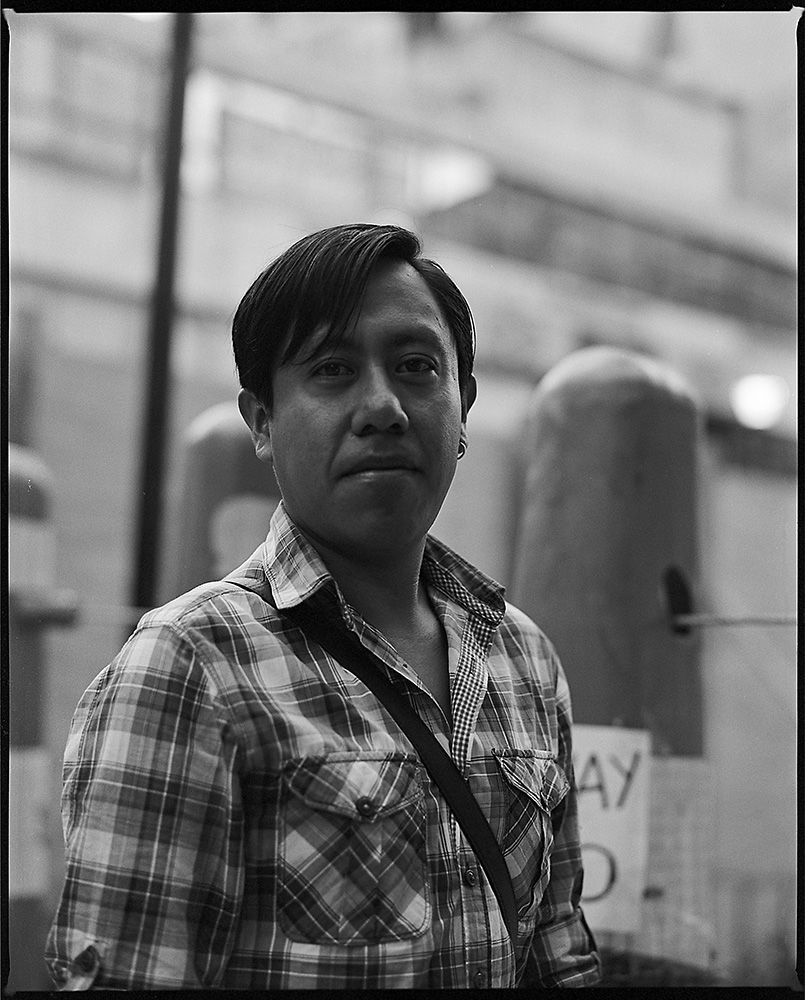
It was also an opportunity to test out the portrait lens on my Mamiya RZ67 (the camera is new to me, but the lens’ quality is known far and wide – I just needed to see for myself what it would do and if I liked it. I do).
We spent an afternoon wandering around the UNAM (National Autonomous University of Mexico) campus when I shot these.
This last one was taken with the 110mm f2.8 lens. It’s an equally good lens for portraits when you need something that gives a bit more background and/or a closer working distance, like this shot.
All images made on Kodak Tri-X 400. I really like Tri-X for the tonality it has, and the just-a-little-bit of tooth.
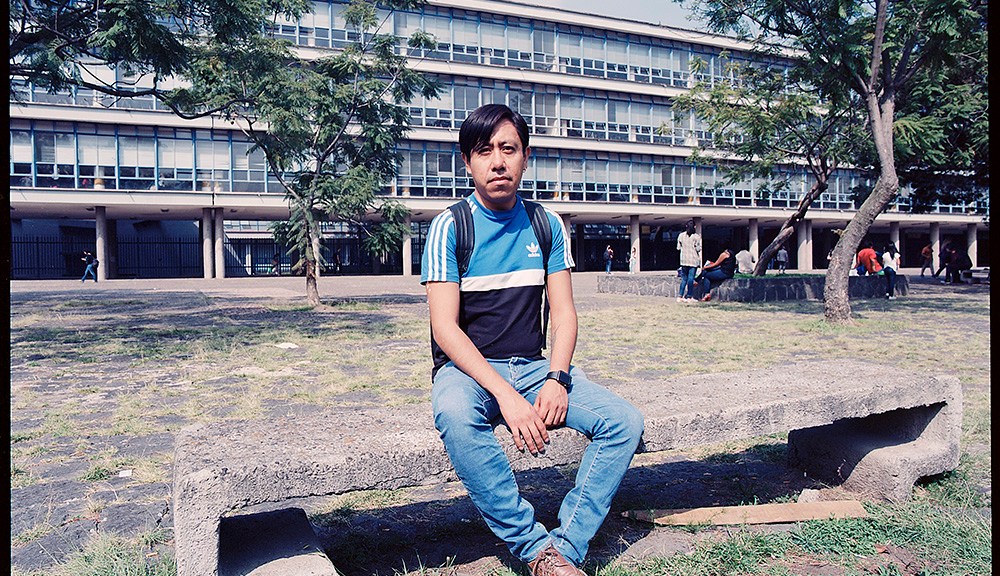
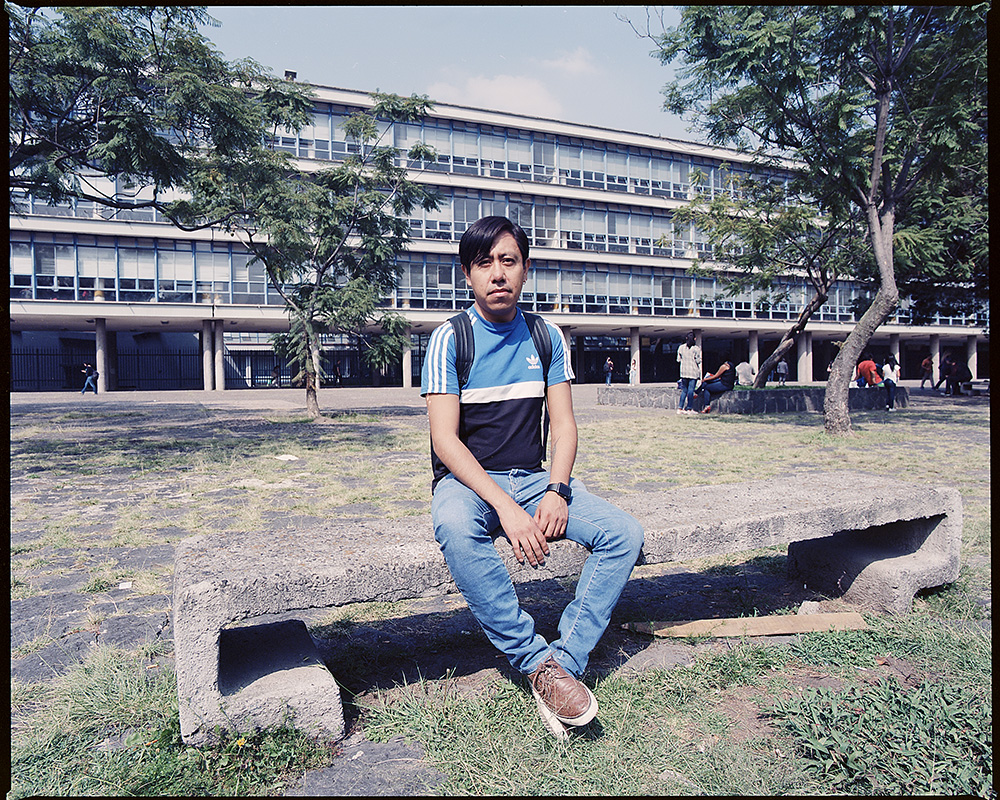
This very last image was made with the 50mm lens as an example of environmental portraiture. The film was Kodak Ektar 100, which I love for the color saturation and sharpness.
This was a return trip, just a quick three-day weekend over the Veterans’ Day holiday, so I only shot four rolls of black-and-white and six rolls of color (to be processed today). Here are some highlights.
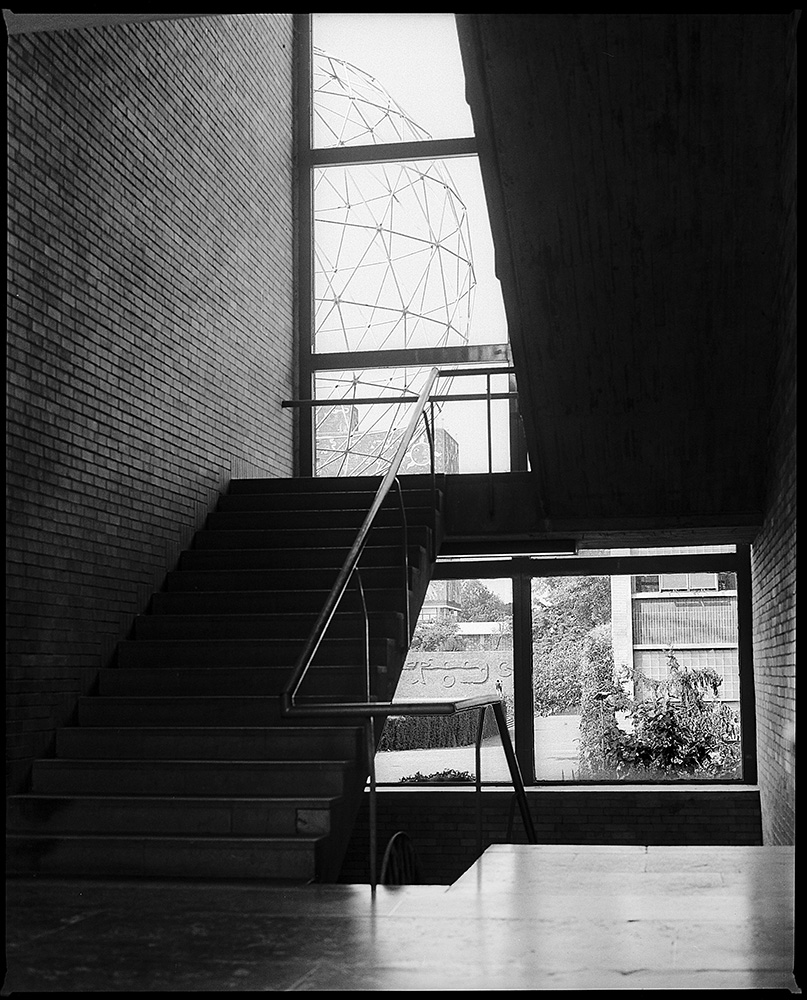
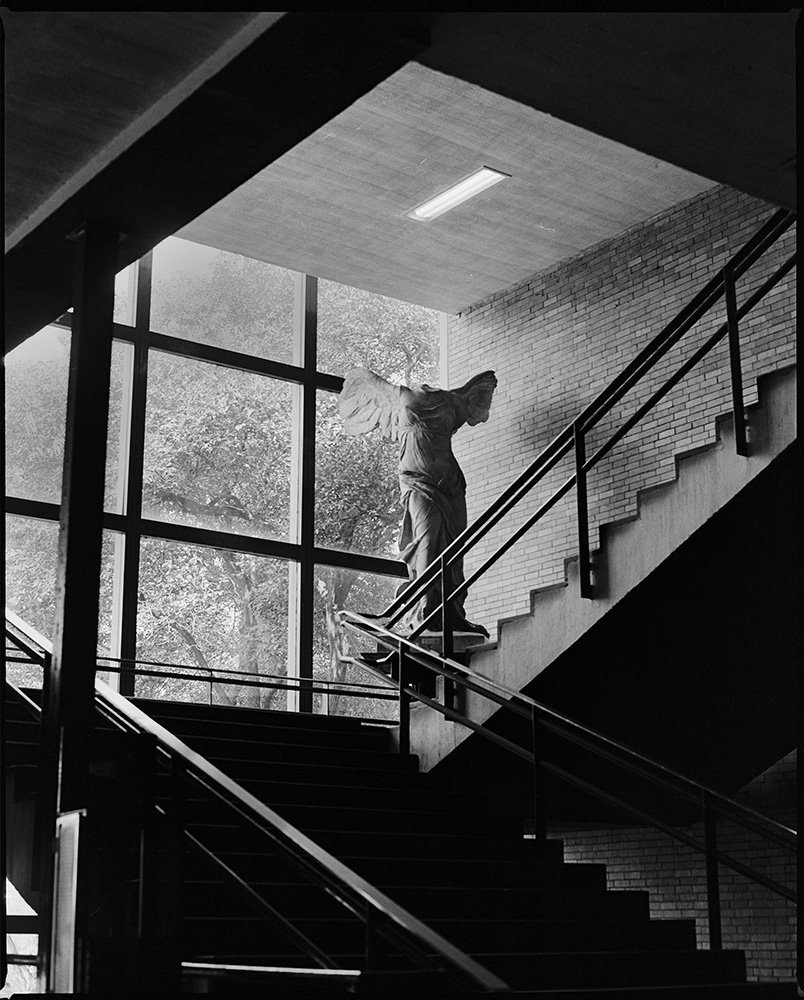
I took a trip to the UNAM (Autonomous National University of Mexico) campus, which is famous for its 1960s architecture (it’s the site of the 1968 Olympics, and the Olympic stadium which seats some 80,000 (if I recall correctly) is across Insurgentes Boulevard from the campus). My partner is in law school at UNAM, so we met up after class and wandered around a bit. These images are from the Architecture school buildings, another program that UNAM is famous for.
You may be wondering- what’s with the rectangular images? He almost always shows us square photos! Well, I traded in some gear I wasn’t using and got a Mamiya RZ67 and a trio of lenses for it. The RZ67 is effectively a Hasselblad on steroids – unlike my Rolleiflex, which is a TLR (Twin Lens Reflex), the RZ is an SLR (Single Lens Reflex). The advantage is that with an SLR, interchangeable lenses make a lot more sense, since you only have to have one of them per focal length. The RZ also shoots 6x7cm negatives on 120 film (NOT 120mm!!! Pet Peeve alert – 120 is the film size, not 120mm. 120 was a Kodak internal designation for the format that became universal, kind of like Kleenex). The RZ solves the problem of having to rotate the entire camera when switching from horizontal to vertical by instituting rotating backs. This of course makes the camera bigger and heavier. It’s an additional challenge when traveling, but I think the images speak for themselves.
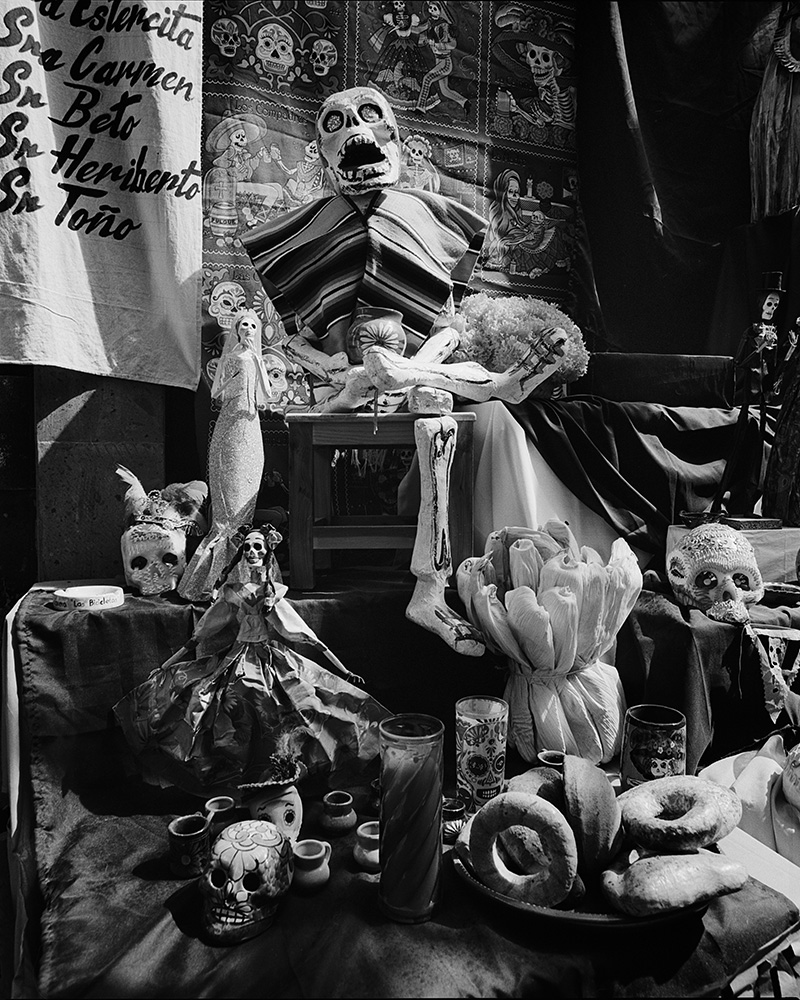
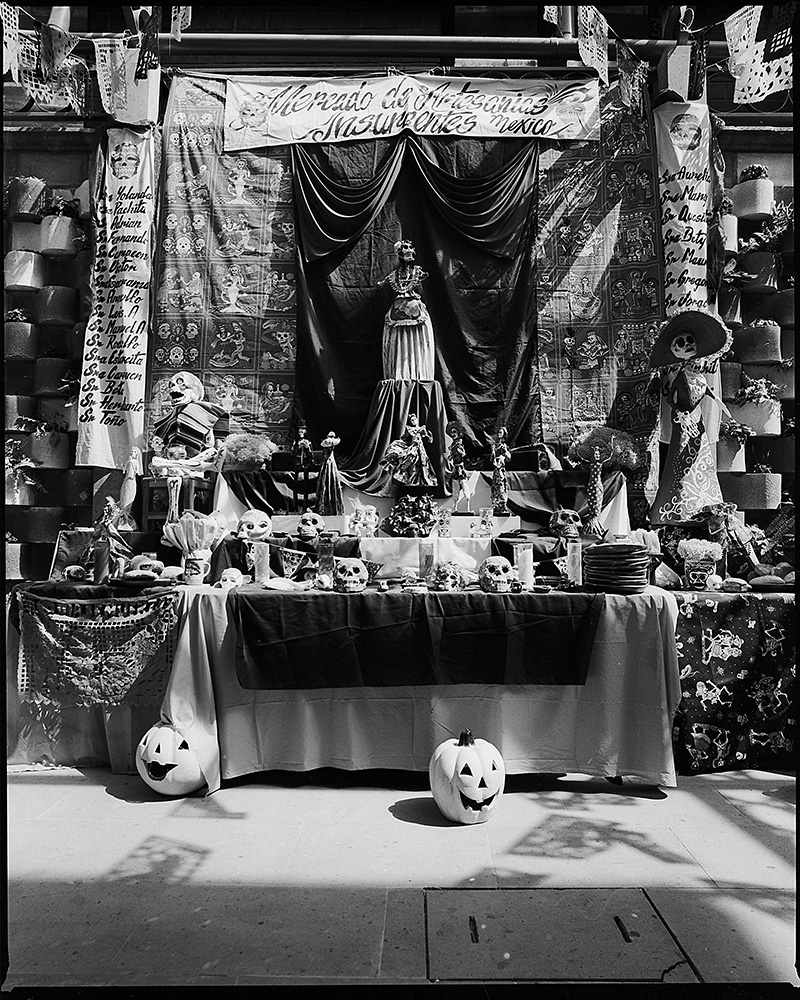
Back in the city center, I was wandering around on the street where my hotel is located, Calle Londres. Down the block are a pair of markets – the Mercado del Angel, which specializes in antiques, and the Mercado de Artesanias which specializes in modern handicrafts of all varieties from wood carvings to ceramics to sterling silver jewelry. The Mercado de Artesanias had a Day of the Dead altar still up in their entryway.
You can’t tell it in black and white, but those pumpkins on the ground were fluorescent purple and pink. I like them better in b/w, don’t you?
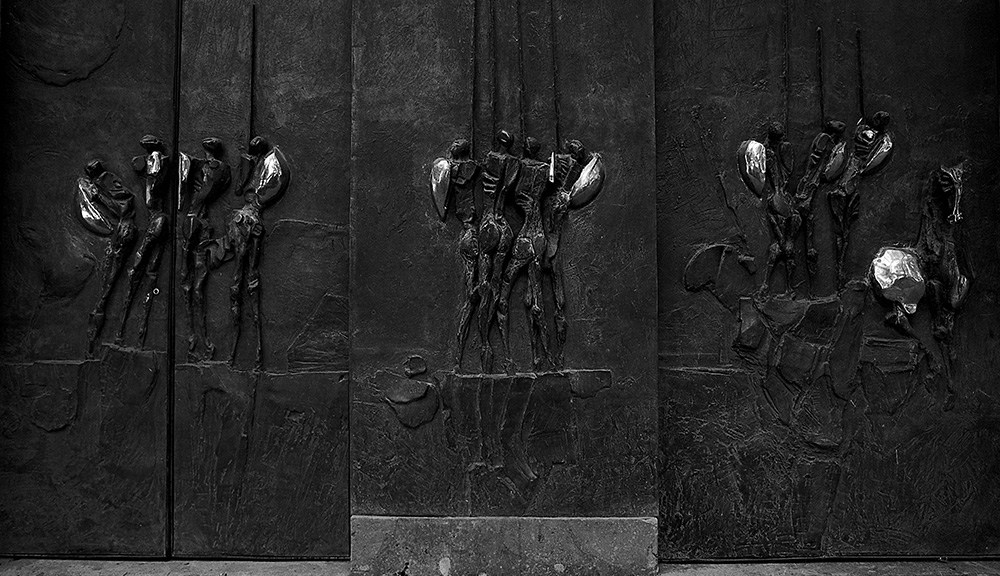
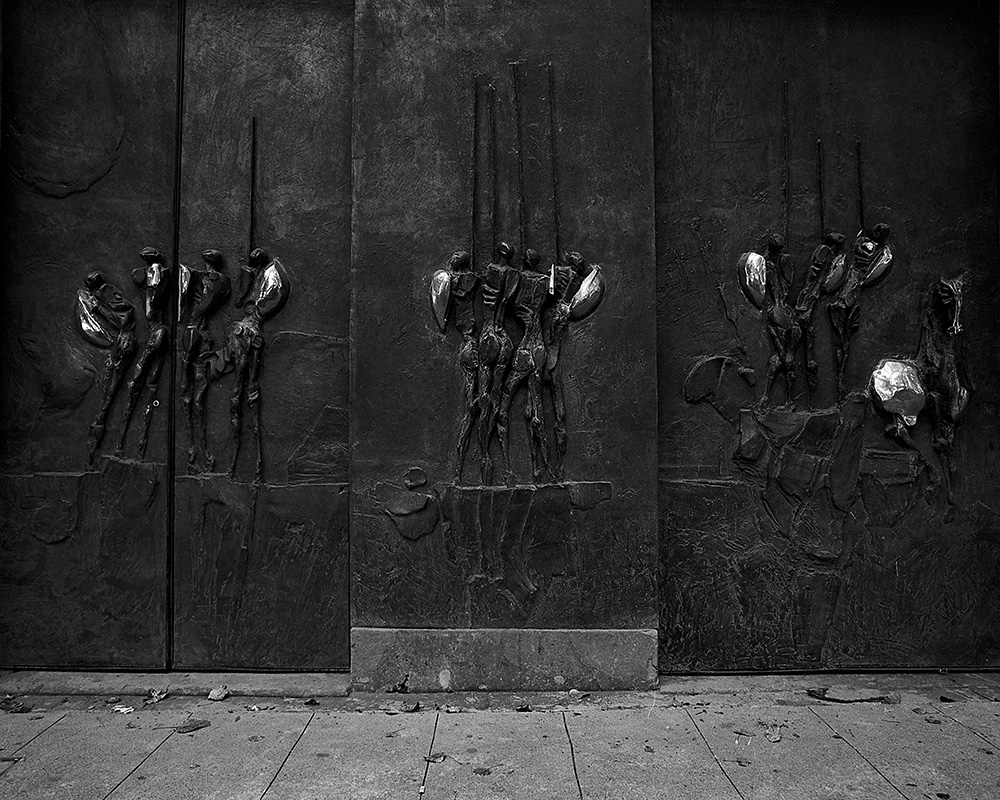
Also on Calle Londres, these bronze doors can be found. I’m still not sure what they belong to, but they’re quite impressive.
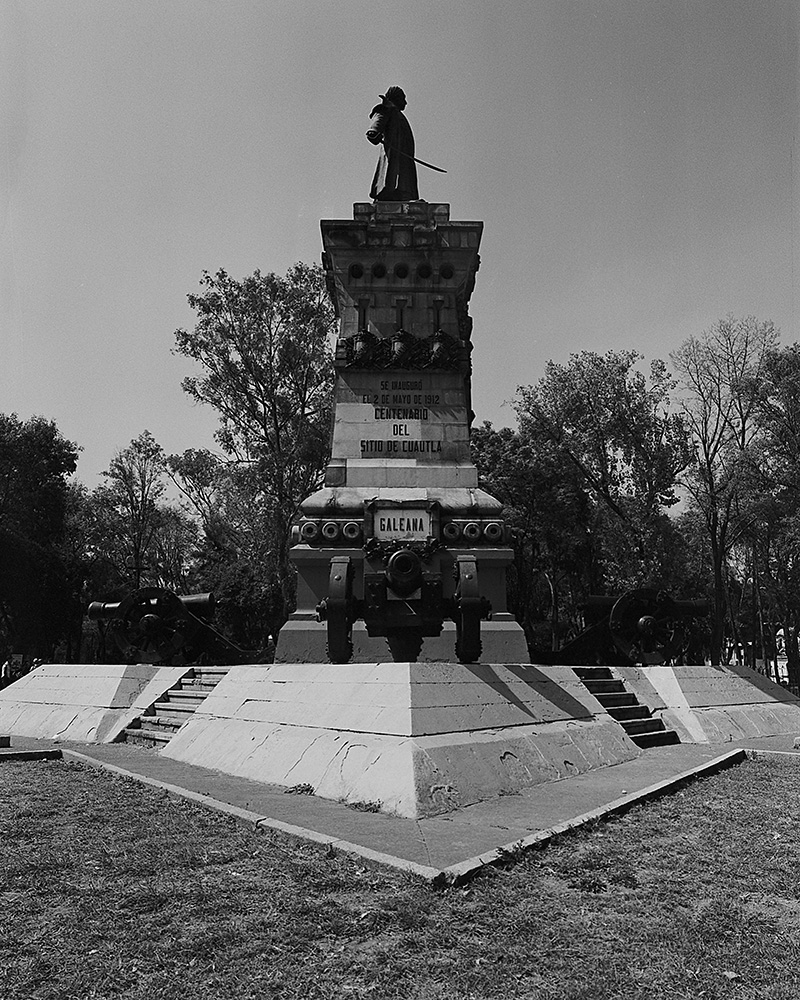
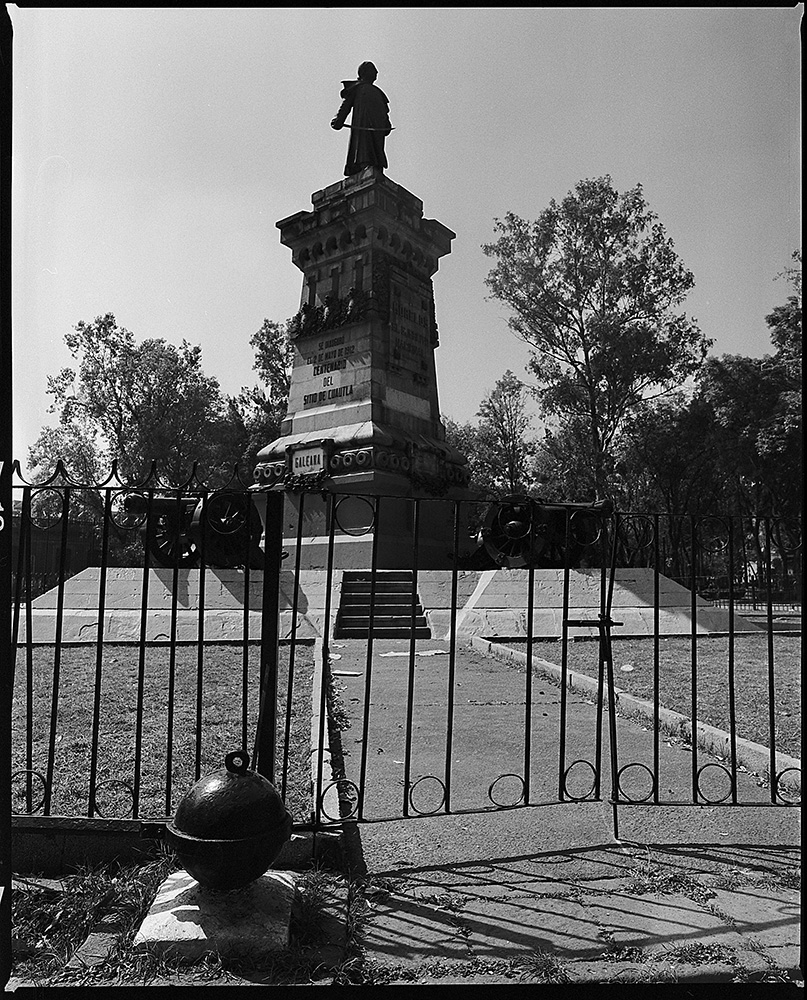
Another aspect of the trip was to take in some of the exhibits of FotoMexico, a nation-wide, three month long photography festival that covers some 600 exhibits around the nation. The headquarters for the program is the Centro de la Imagén, located inside the Biblioteca México (I’ll have more to say about FotoMexico in another post). The Biblioteca México is located in an 18th century tobacco factory-cum-military facility that was used as a prison during the waning days of Spanish colonial rule. This monument is in the park in front of the Biblioteca, commemorating Jose Maria Morelos, a Mexican general who led a valiant 40 day resistance against colonial authorities at Cuautla, after which he was taken prisoner, held in the jail in the Ciutadela (now the Biblioteca) and then executed for treason.
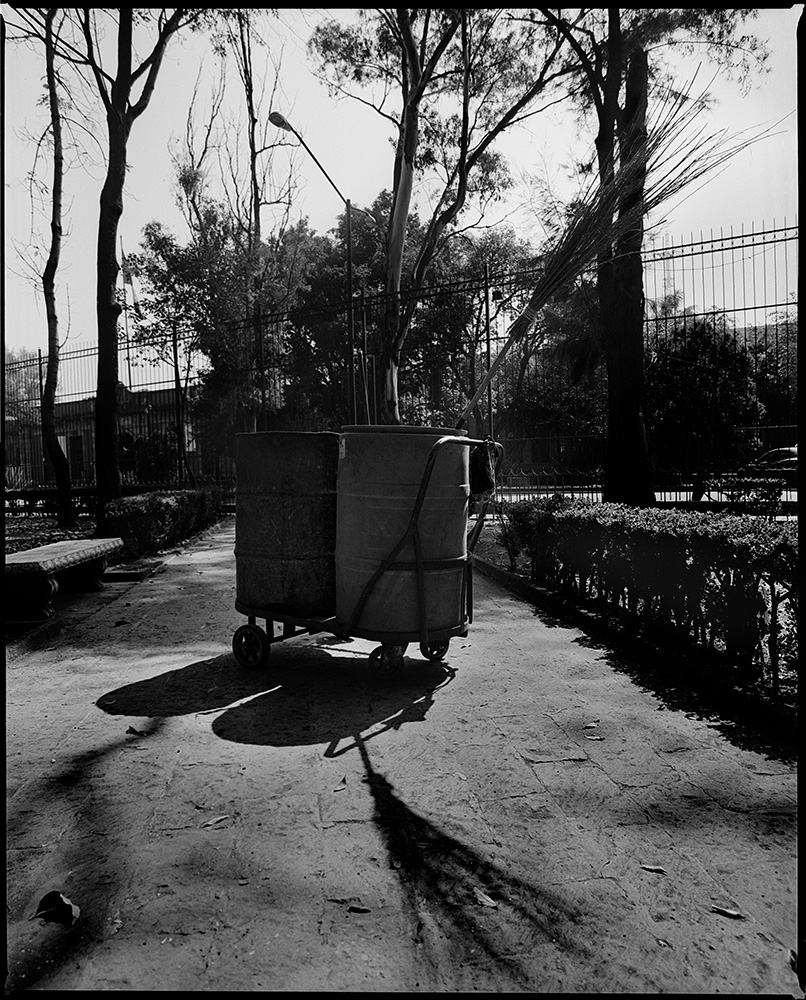
The cart and broom of one of the caretakers of the park.
Another view of the Morelos monument. It was erected in 1912, as part of the centenary commemorations of Mexican independence from Spain, and coincidentally the Mexican Revolution of 1911 which overthrew the dictatorship of Porfirio Diaz.
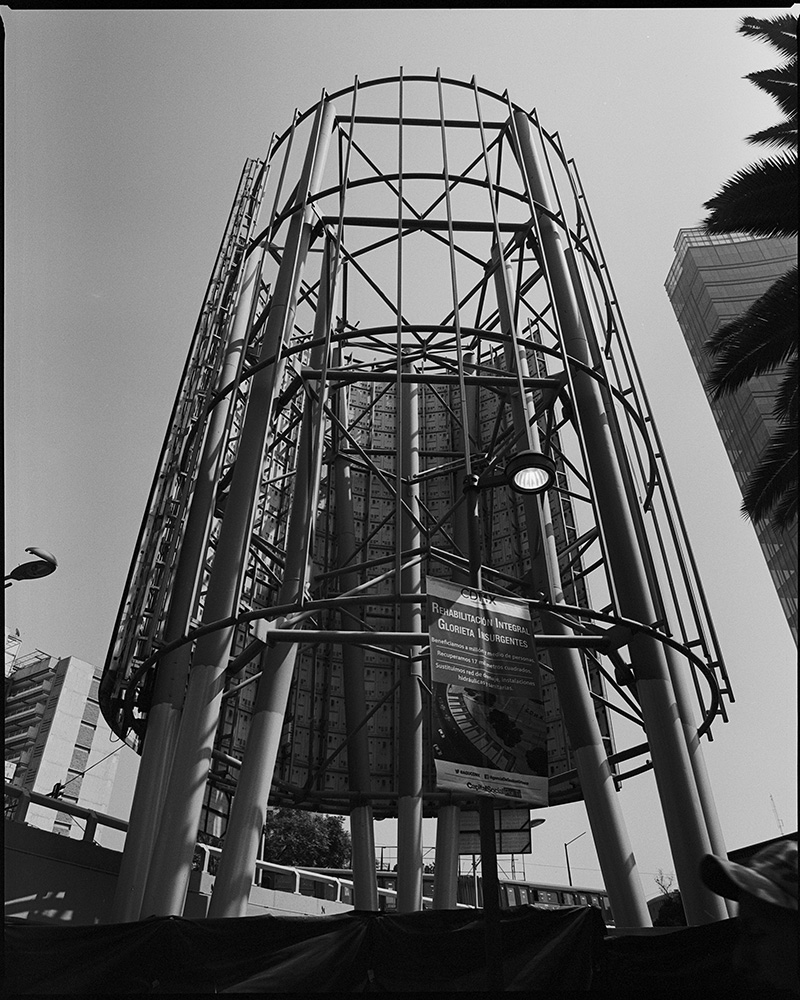
Last but not least, the advertising billboard structure in the Glorieta Insurgentes. The Glorieta is a major traffic circle on Avenida Insurgentes Norte, and is a transportation hub – the subway and express buses have stops in and around the Glorieta. I photographed the billboard structure because it has a look to it reminiscent of a Bernd and Hilla Becher photograph of industrial structures.
Throughout the Centro Historico, there are organ grinders playing their portable instruments, hat in hand for tips. A five peso coin is sufficient a tip if you enjoy their music. I gave this man a 10 peso coin for photographing him.
Organ Grinder, Calle Madero
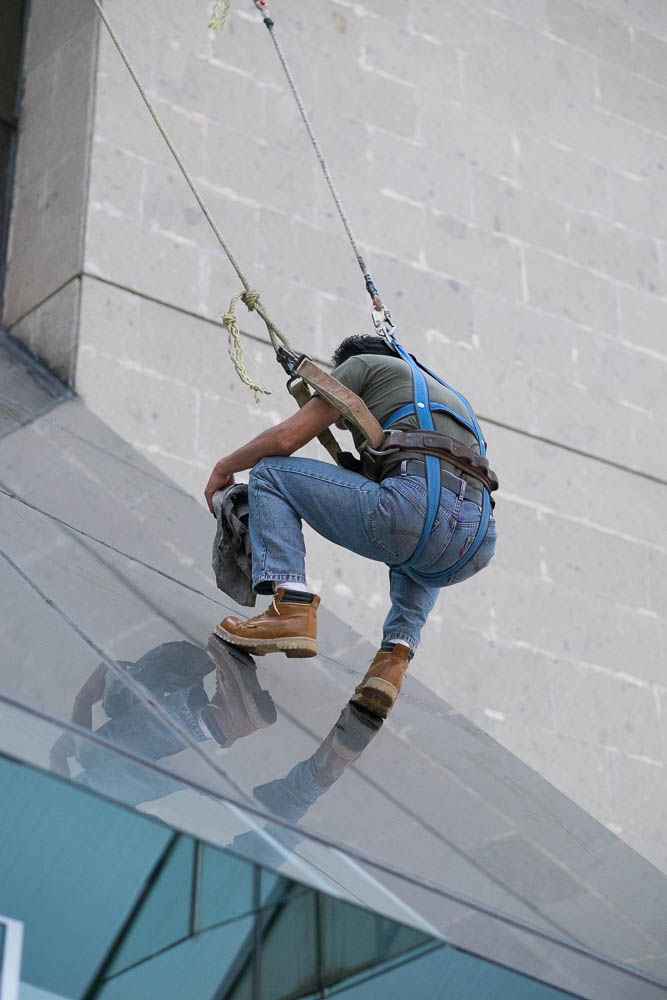
At the Templo Mayor museum, this guy was washing the windows, dangling from the roof basically on a couple of ropes.
Window Washer, Templo Mayor Museum
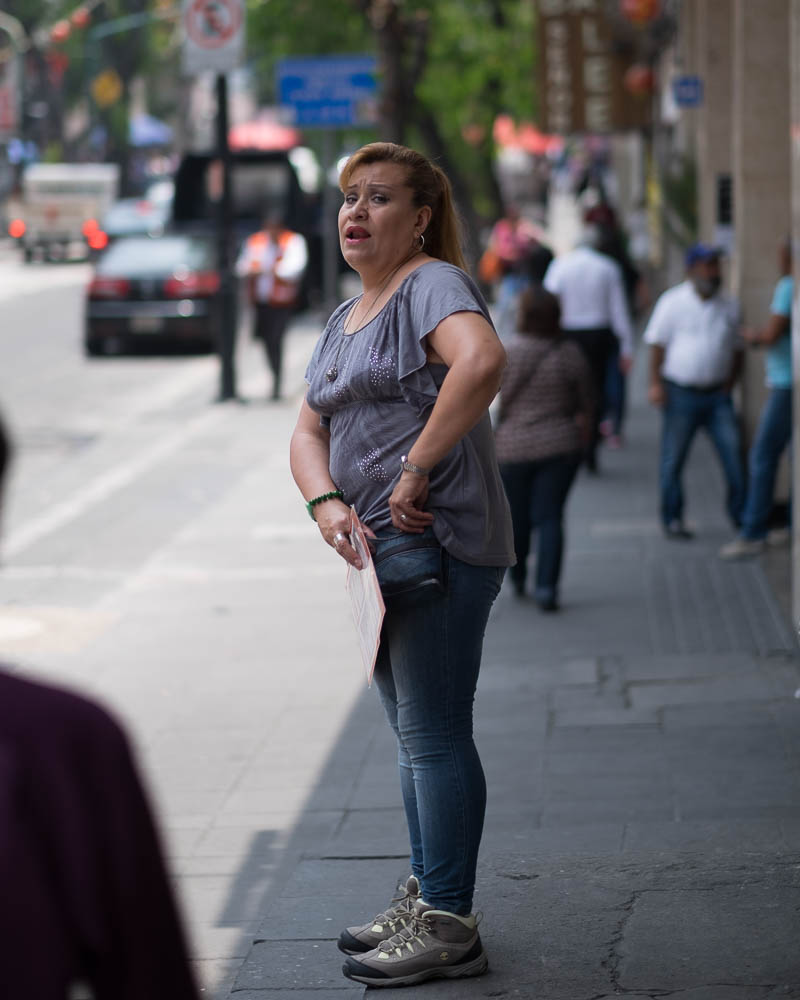
Mexico City is a very musical city, if you give it a chance. It has a definite rhythm, and part of that is the sounds. The organ grinders are out, cranking away, and on seemingly every street corner, there’s someone intoning the litany of what they have for sale. This lady was outside the taquería next door to my hotel every day, pretty much all day, reciting the kinds of tacos they had and extolling their best quality. I never heard her voice waiver or decrease in volume.
Taco Lady
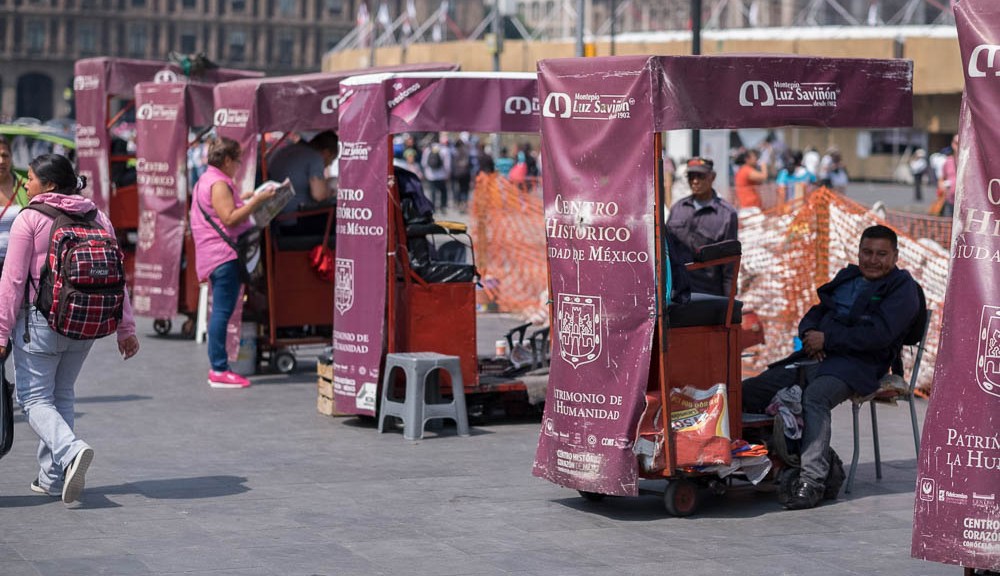
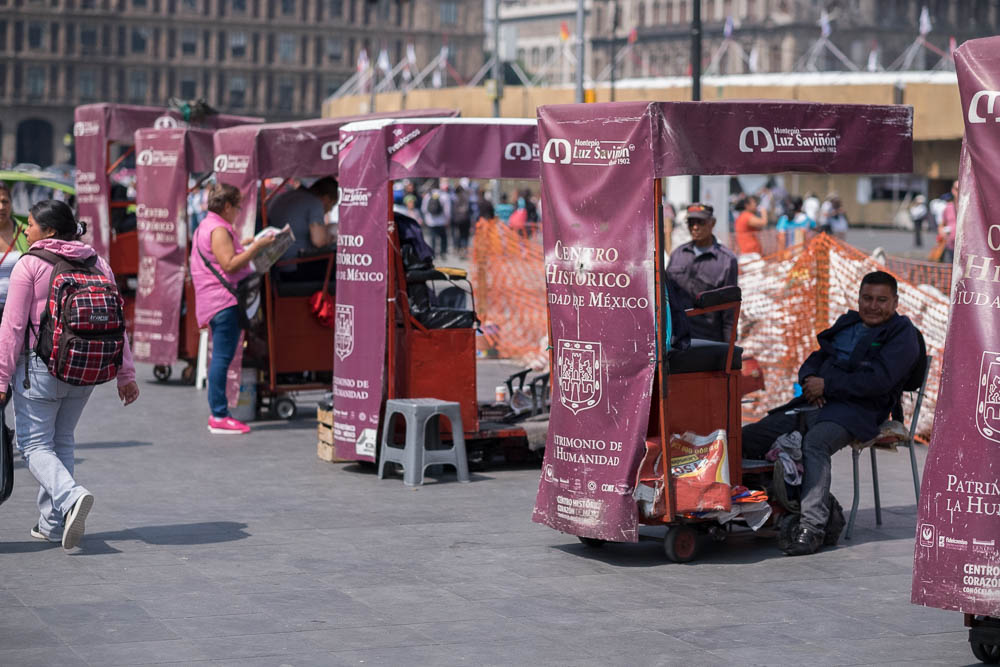
All around the Zocalo, and at various spots through the Centro Historico, there are these shoe-shine booths. While the canopies shade the patrons pretty well, the shoe-shine men (and women) are out there in the sun and the heat all day.
Shoe Shine Booths, Zocalo
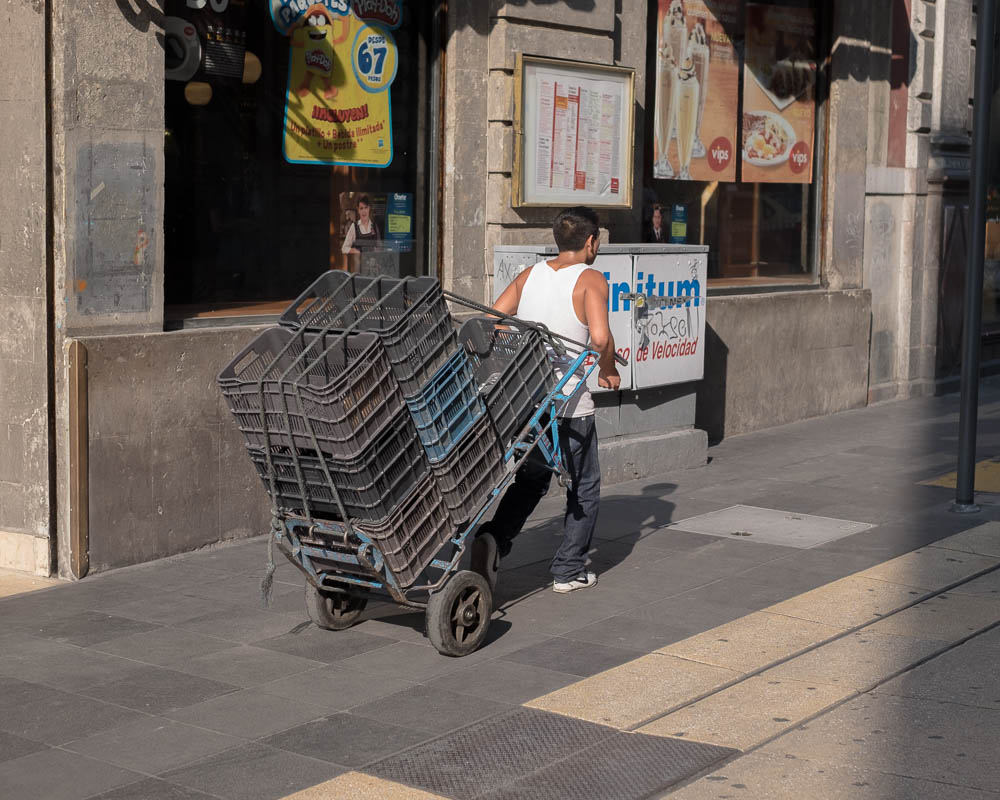
Another part of the daily rhythm of Mexico City – people hauling stuff on carts.This guy is pulling a load of plastic baskets, but this is a pretty small load compared to some I saw.
Hauling Baskets
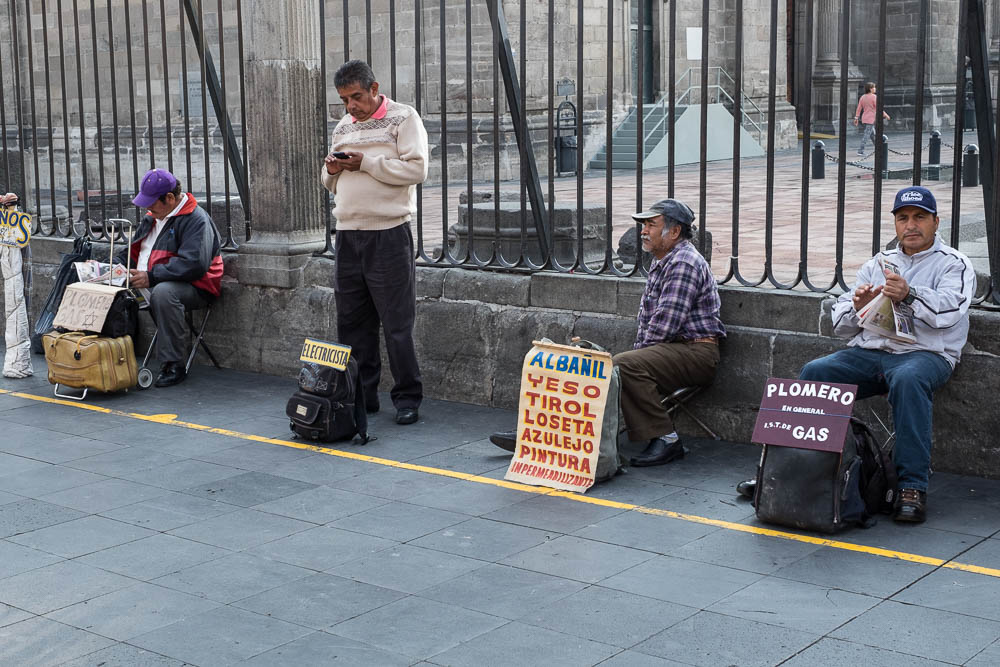
Outside the Catedral Metropolitana, skilled day laborers set up soliciting work. Here are two plumbers specializing in gas, an electrician, and a plasterer/house painter.
Day Laborers, Cathedral Metropolitana
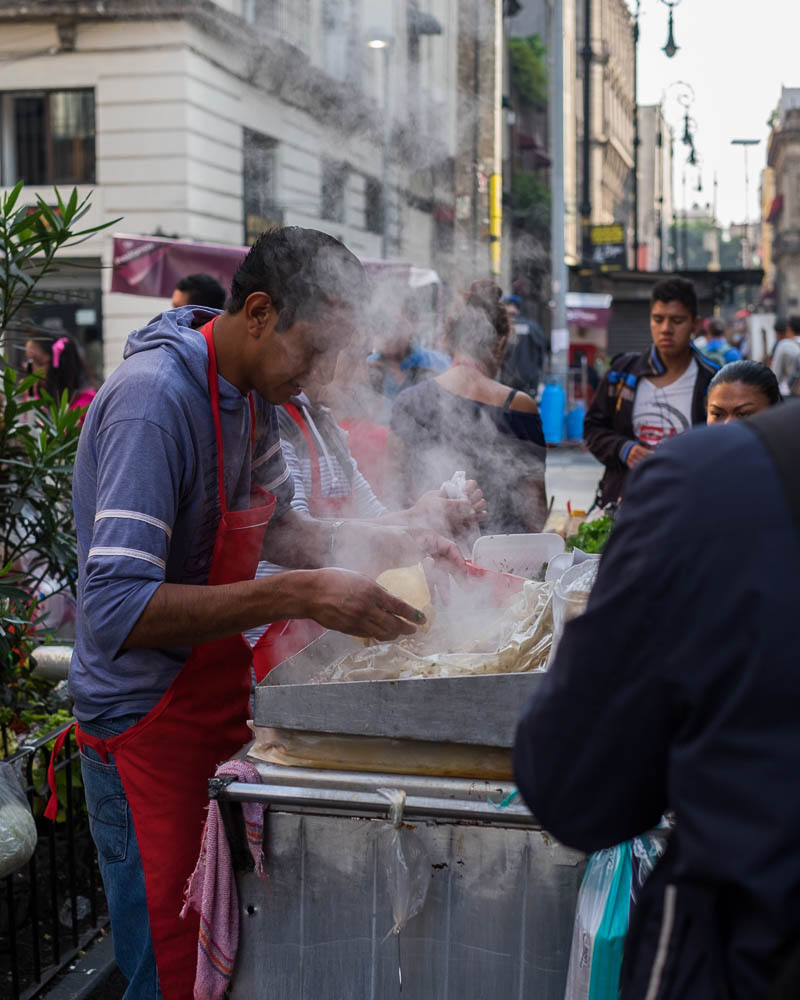
My first full day in Mexico City, I got up early and walked around through the Centro Historico and got to see the city as it was waking up. Here was a street food stall set up on a pedestrian passageway cooking breakfast for the businessmen and shopkeepers in the neighborhood.
Cooking Street Food
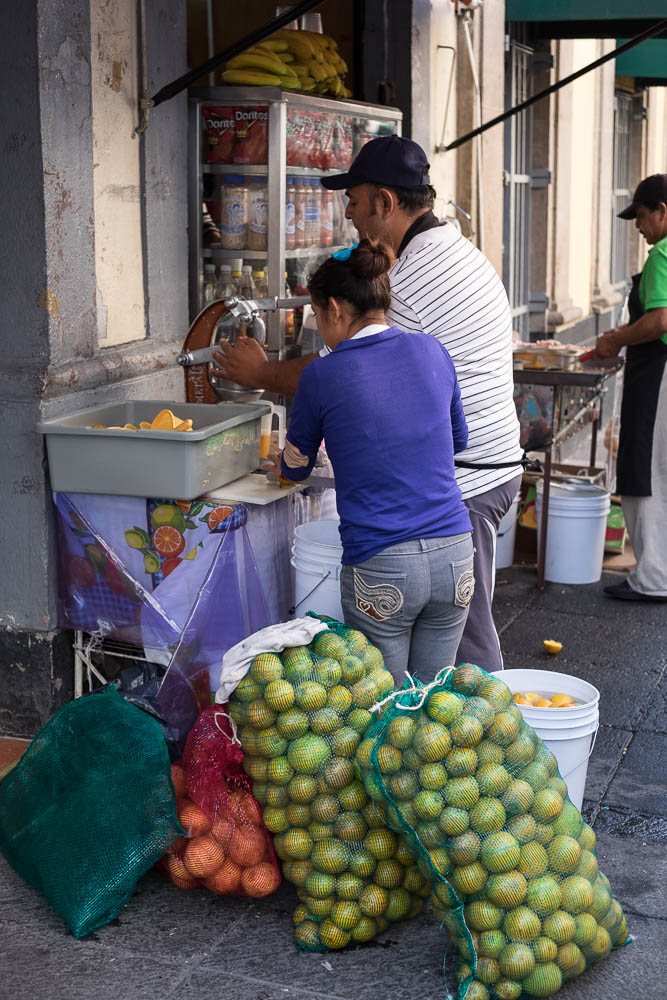
Across from the cook was the lime juicer making fresh limeade.
Juicing Limes
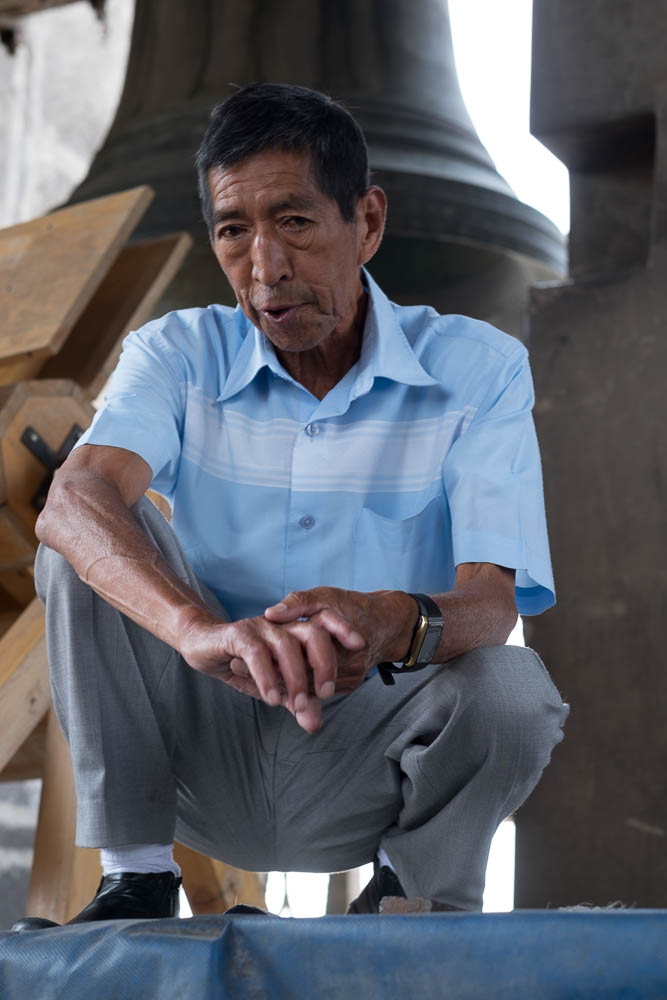
This is my tour guide who led us up through the bell towers at the Catedral Metropolitana. The cathedral is the largest Catholic cathedral in the Americas.
Cathedral Bell Tower Tourguide
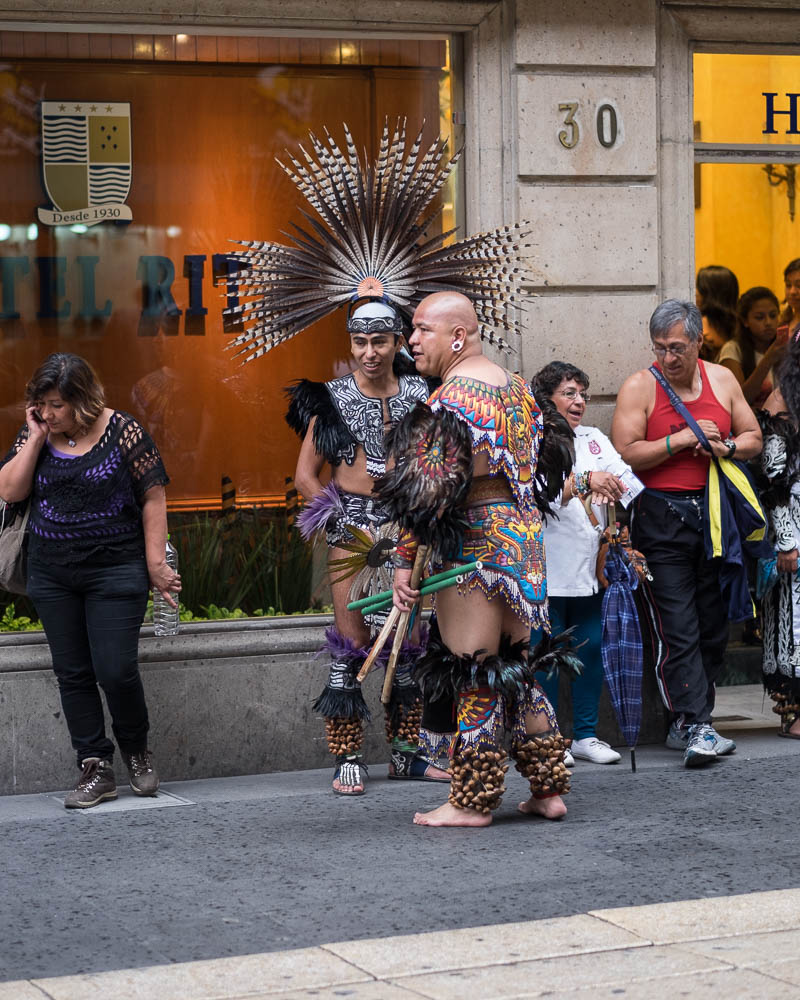
These dancers in traditional Aztec/Mexica costumes could be found most days performing on the plaza beside the Catedral Metropolitana. Here they were sheltering from a light rain in front of the Hotel Ritz (which is, unlike its namesake in Paris, a budget hotel) after a performance.
Aztec Dancers, Hotel Ritz
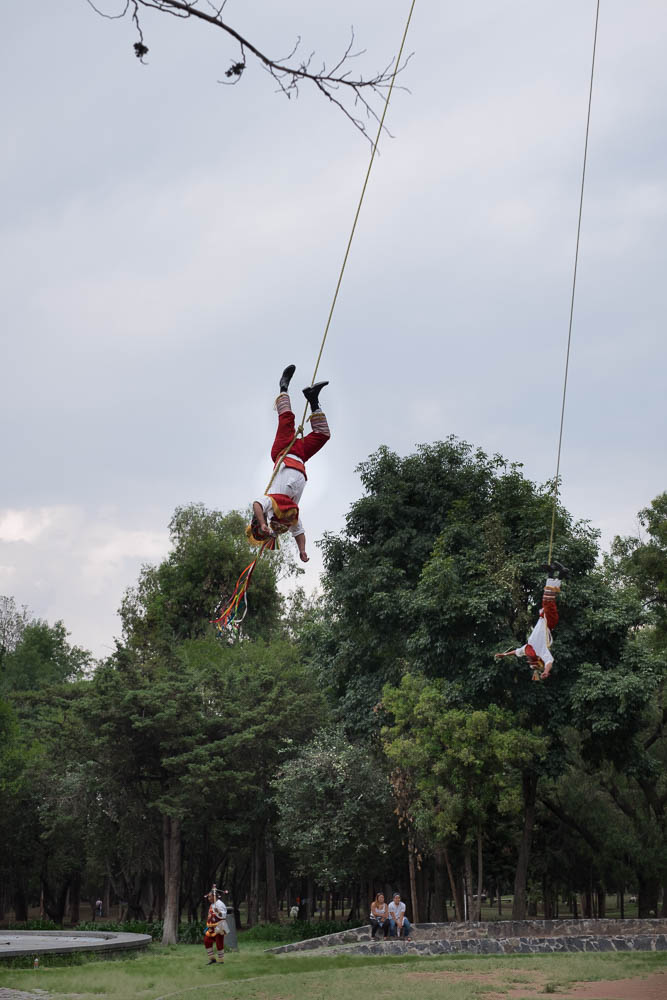
In the park area across from the entrance to the Anthropology Museum these traditional dancers were performing. At the top of the pole is a musician playing a traditional flute. The dancers are suspended by ropes at the ankles, and spin around to extend the ropes and lower themselves from the top.





























 dcphotoartist