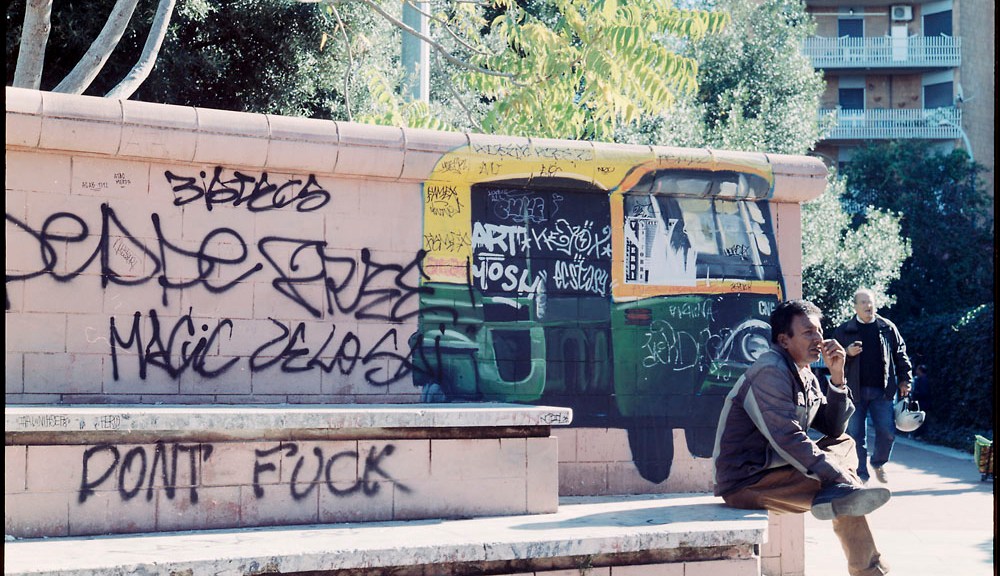
This series is about people, relationships, and graffiti. I’ll leave the interpretations up to you, the viewers.
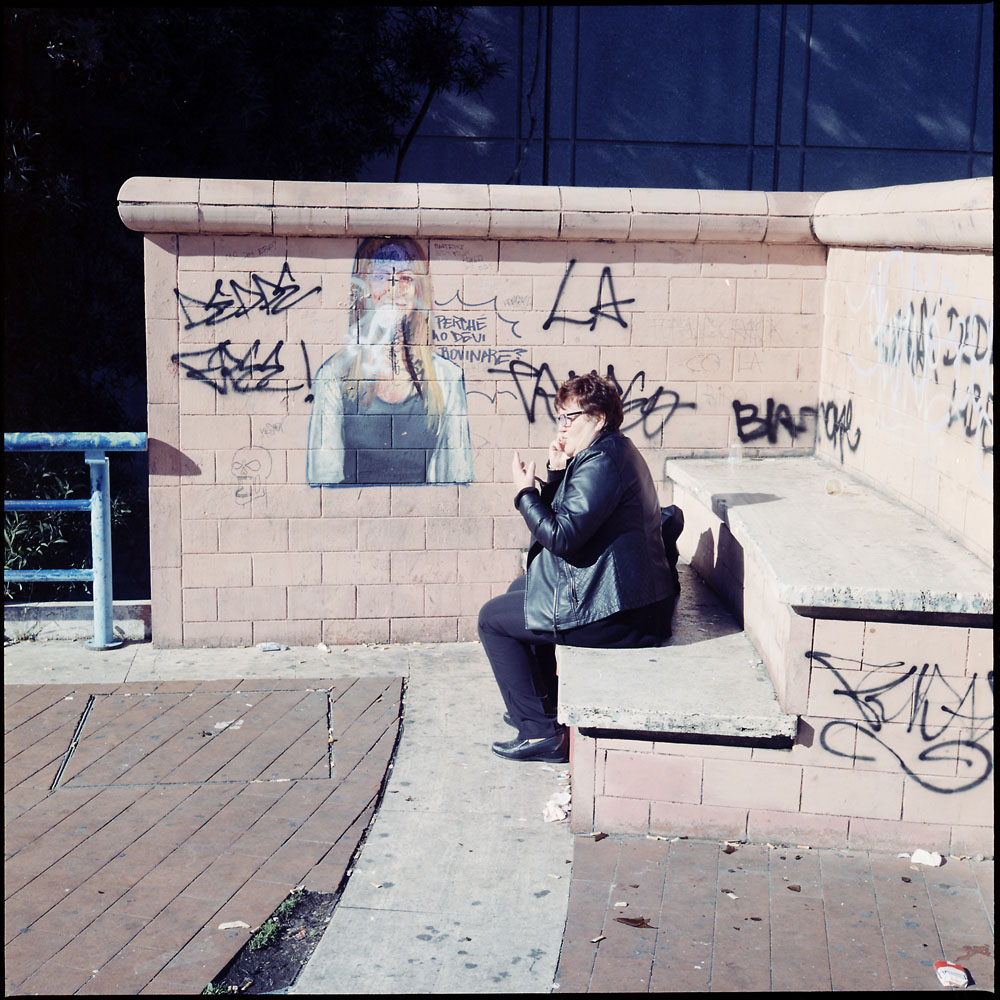
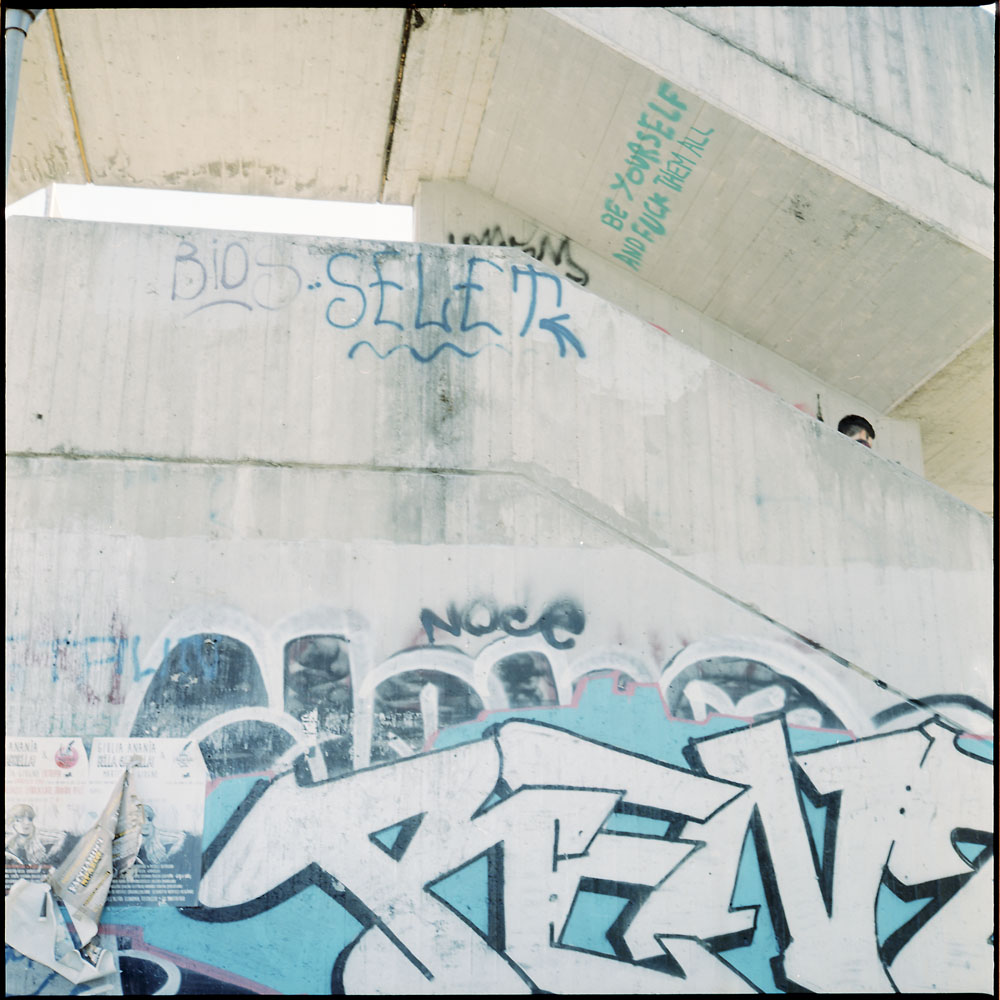
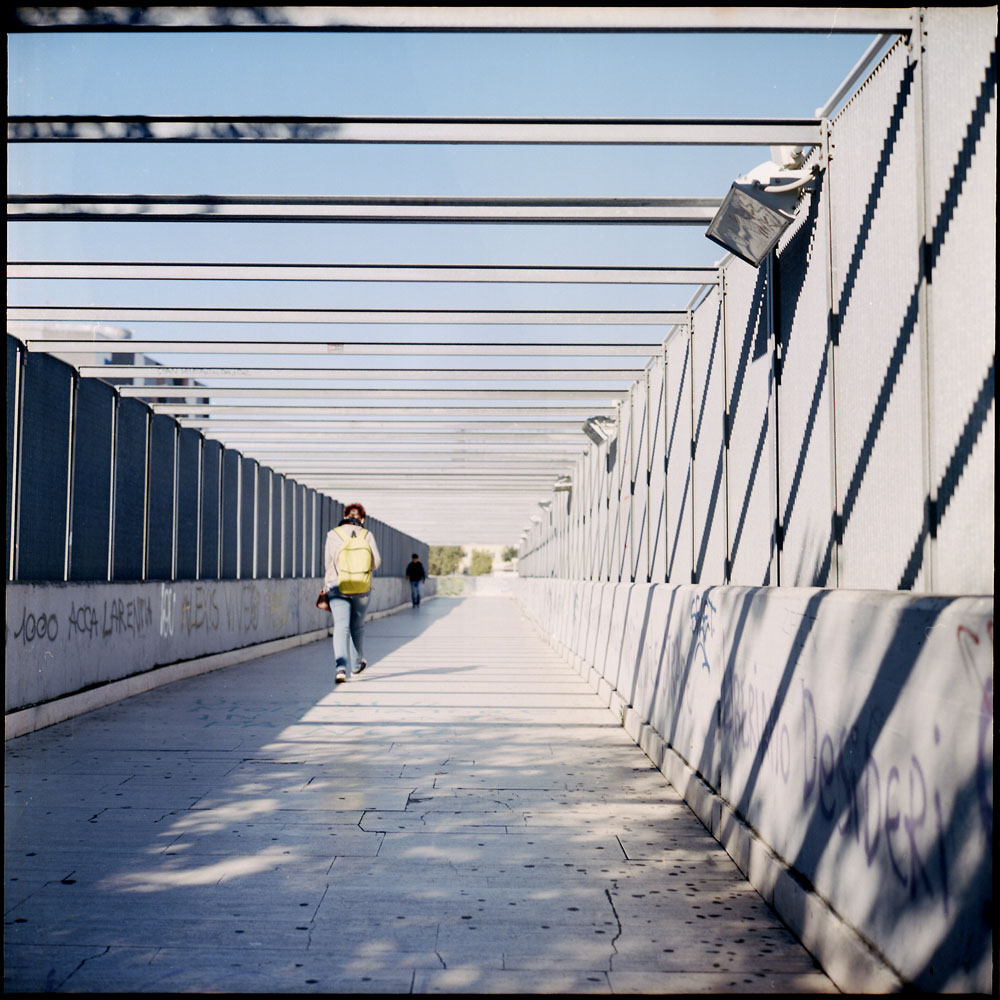
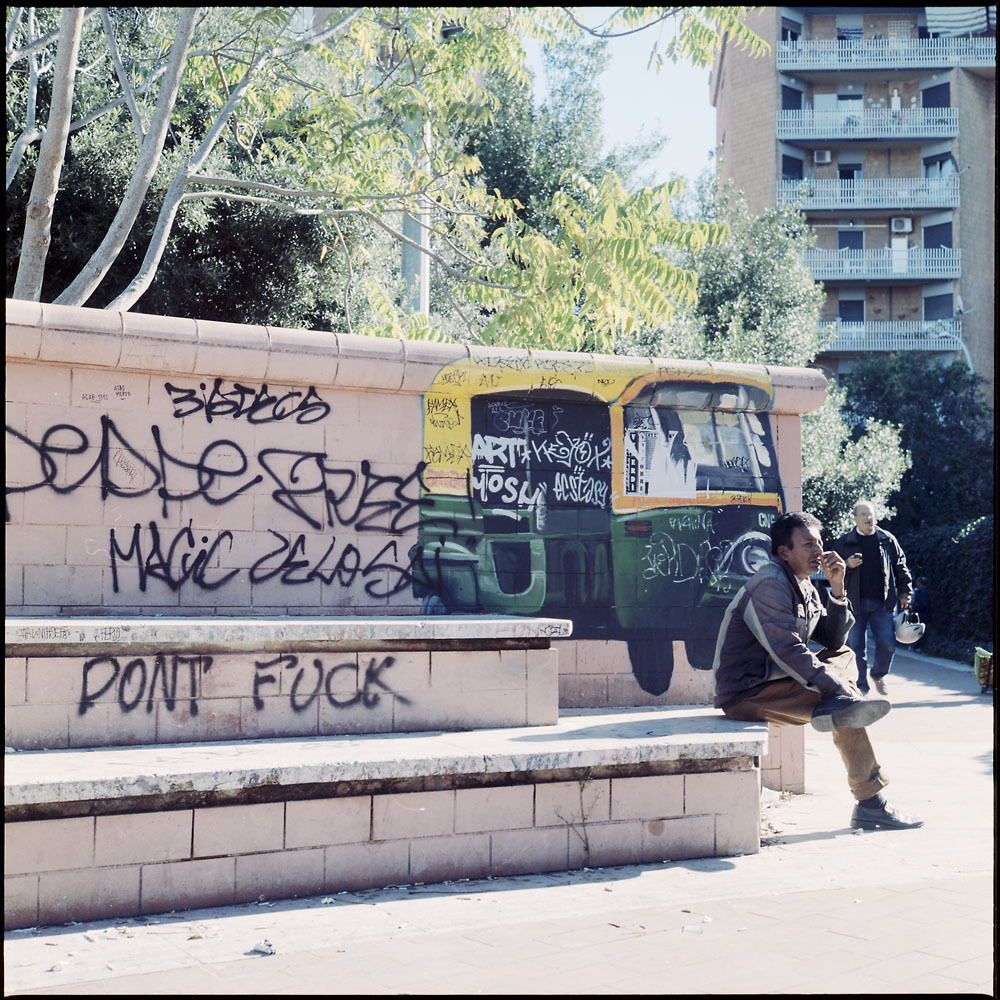
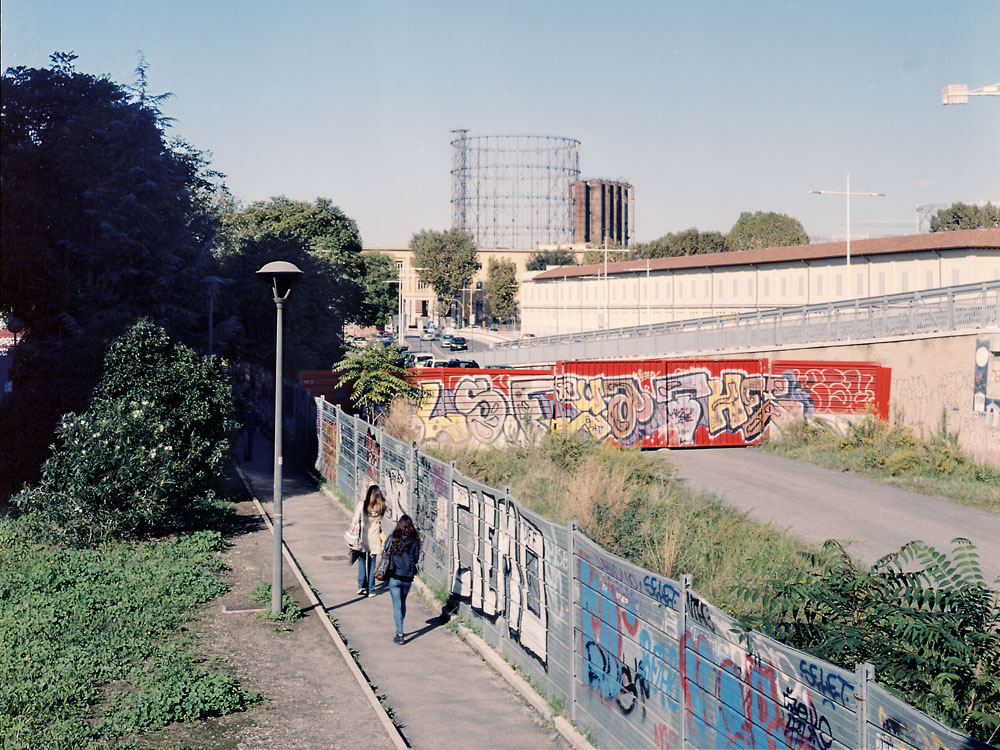
This series is about people, relationships, and graffiti. I’ll leave the interpretations up to you, the viewers.
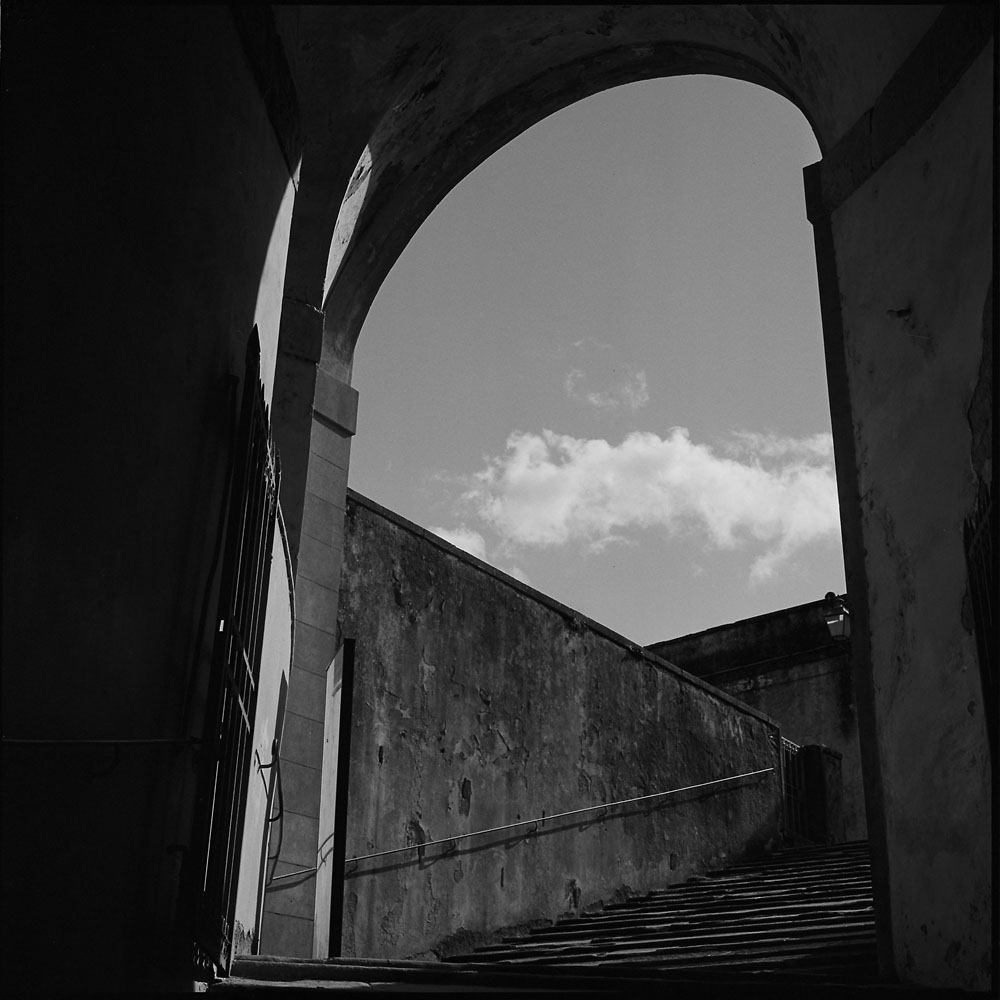
The stairs from the Palazzo Pitti courtyard to the Boboli Gardens pass through this upswept curving space, creating a rather dramatic view of the sky:
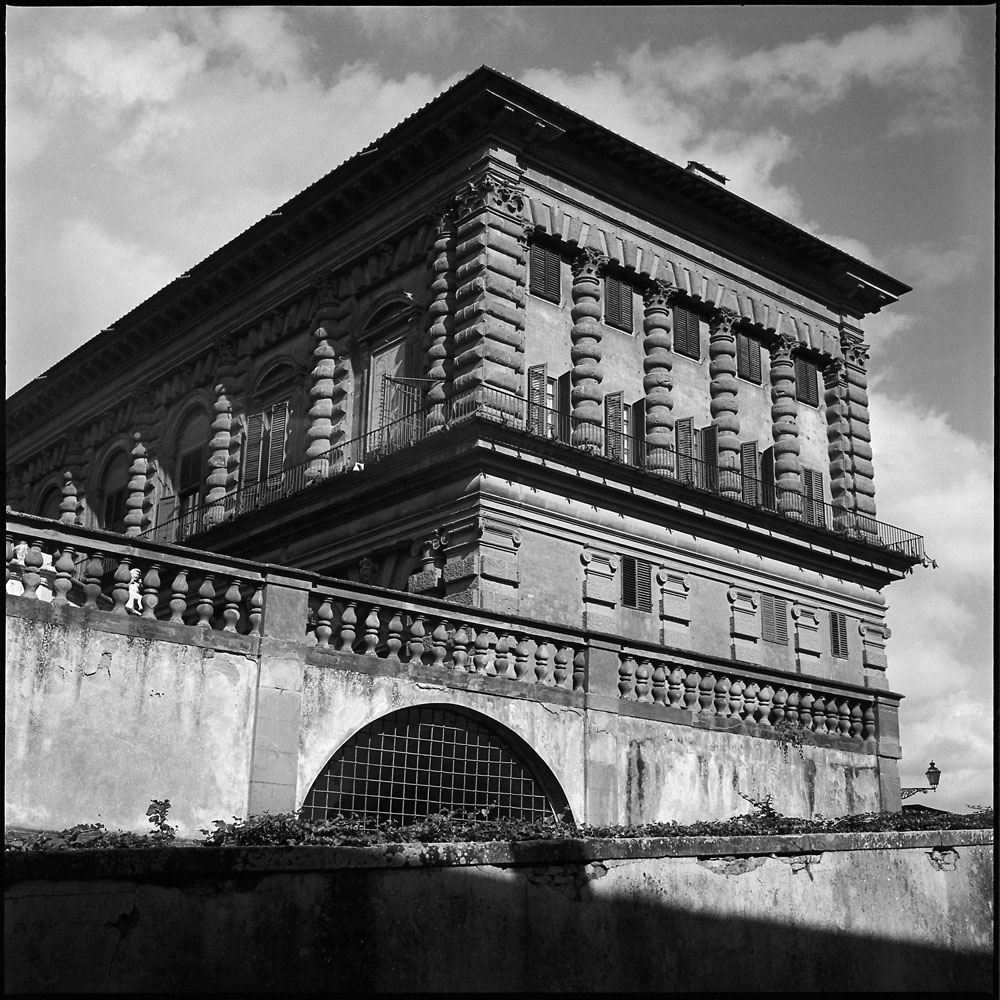
This is the Medici residence wing of the Palazzo Pitti, where the Grand Duke and Duchess had their suites, and Napoleon’s bathtub can be found.
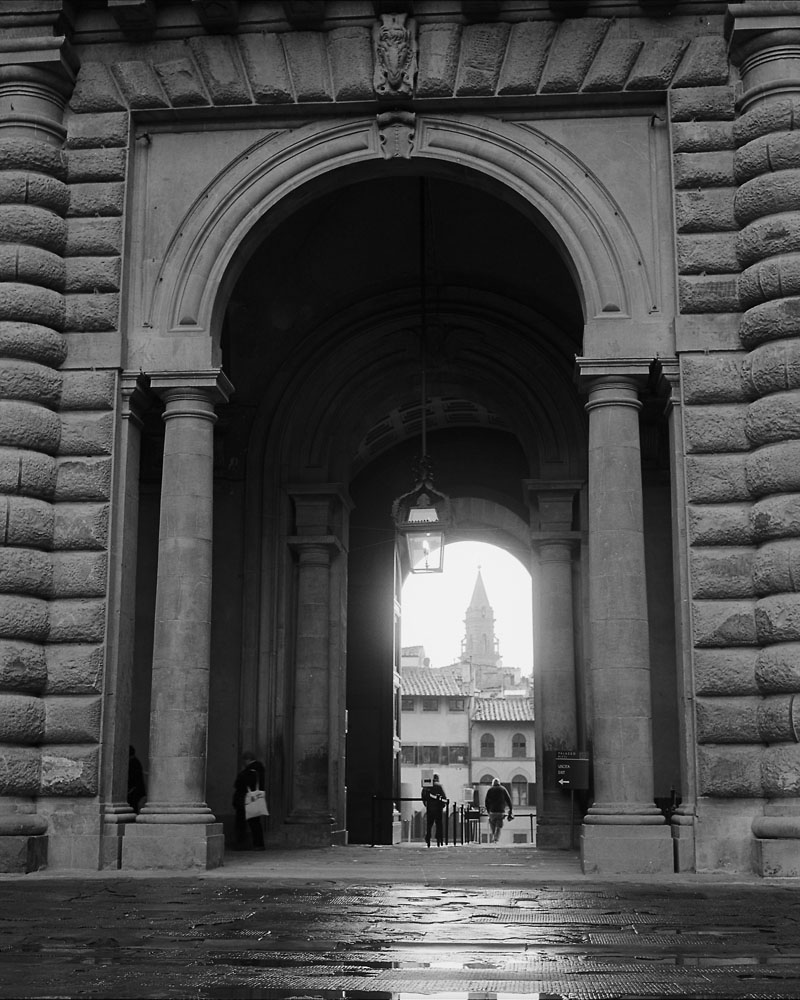
This is a view from the courtyard of the Palazzo Pitti out the main entrance. The bell tower in the distance belongs to Santo Spirito, a church with an ornate interior designed by Brunelleschi, the man who created the dome of the Duomo.
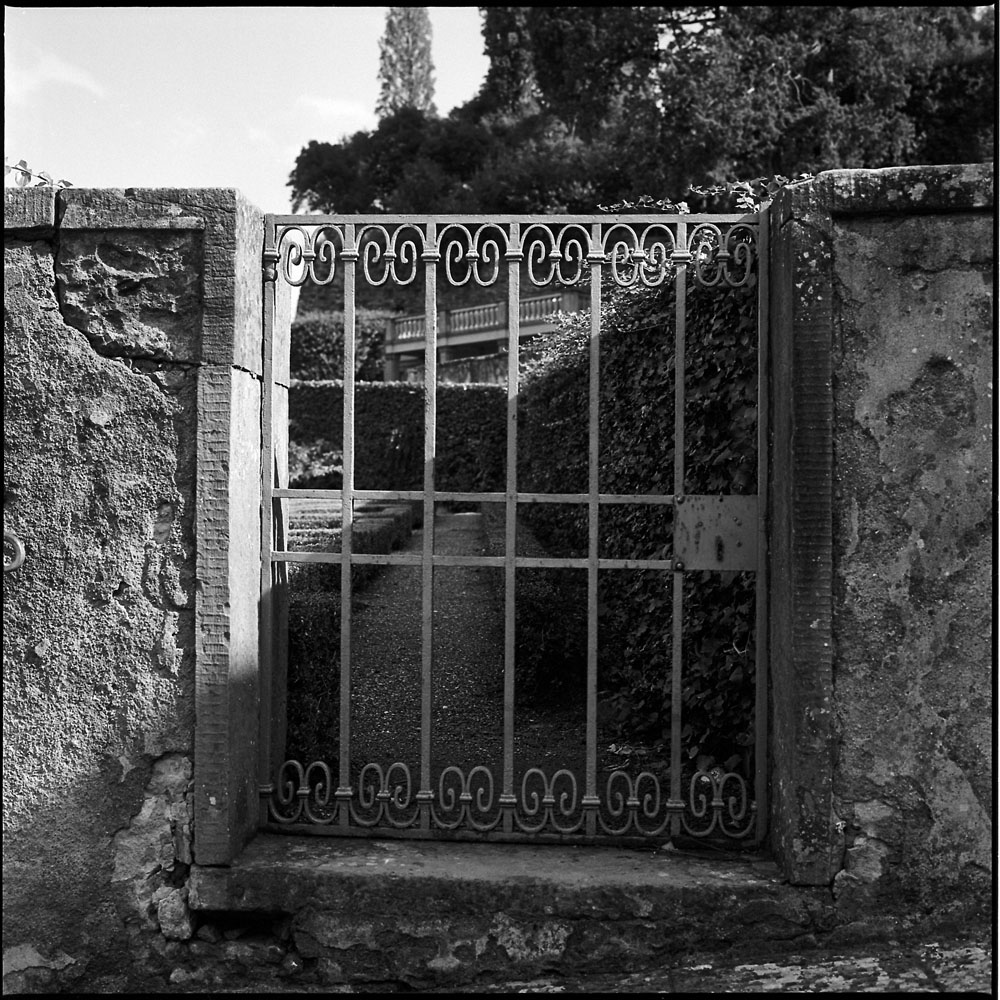
A wrought-iron gate in the Boboli Gardens.
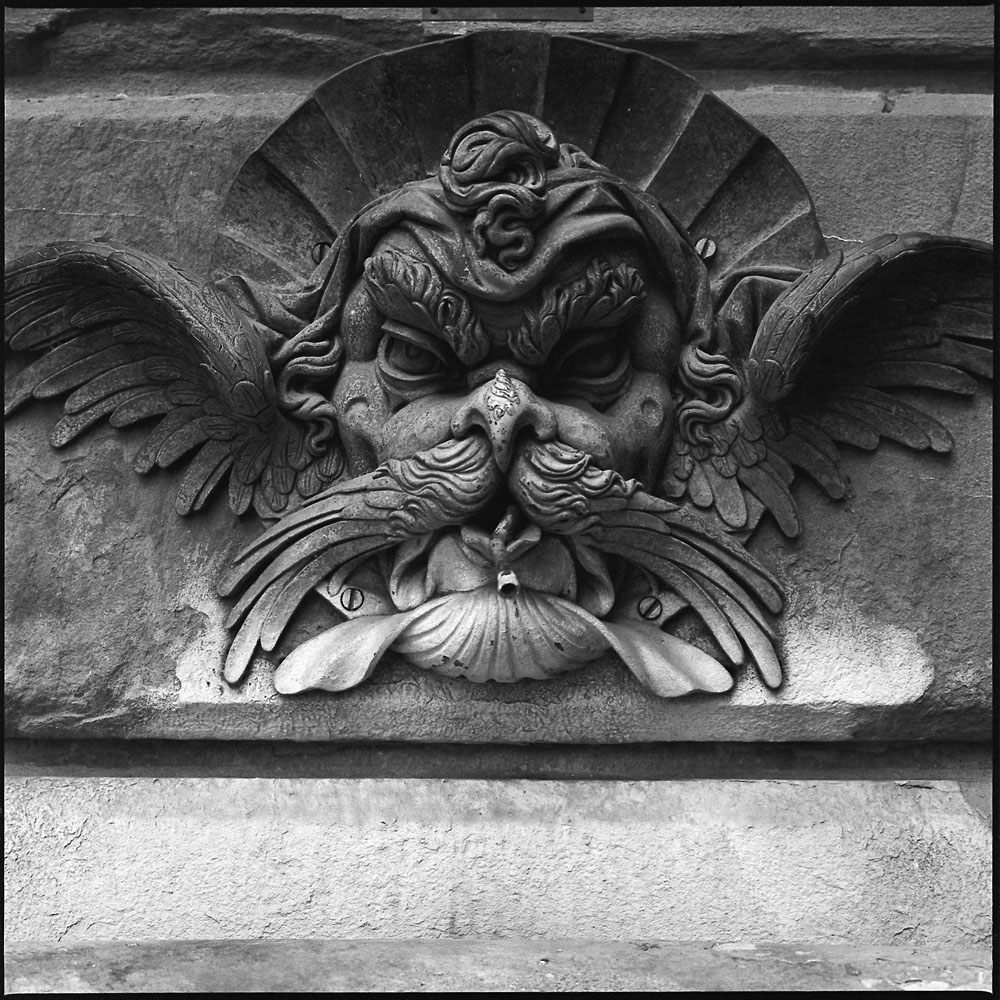
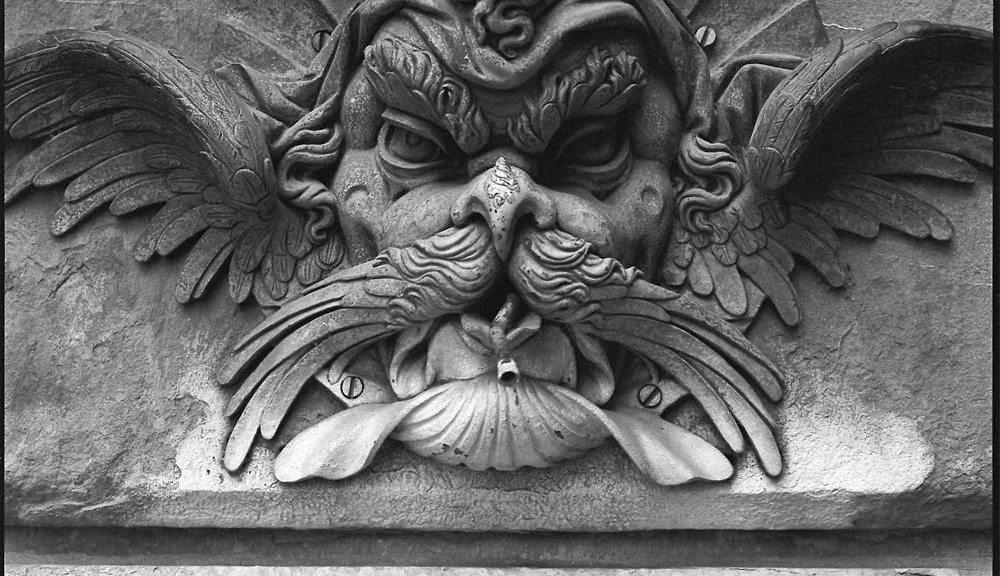
This fountainhead is found in the courtyard to the Palazzo Pitti. And no, Ayn Rand had nothing to do with it.
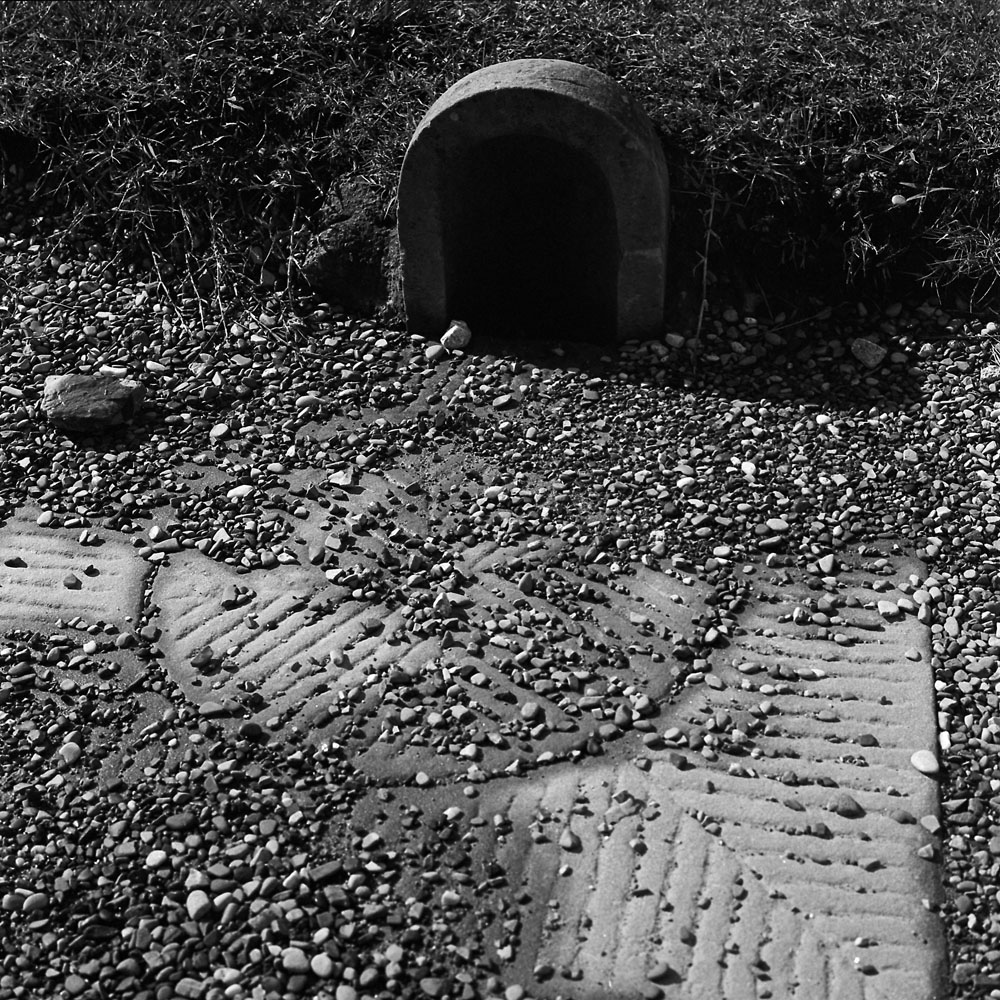
As you’re probably aware if you read this blog with any frequency, I’m fascinated by ordinary objects that we tend to ignore. So I couldn’t pass up the opportunity to capture a Renaissance storm drain cover and inlet in the Boboli Gardens, along one of the gravel paths ascending from the amphitheater to the Neptune fountain.
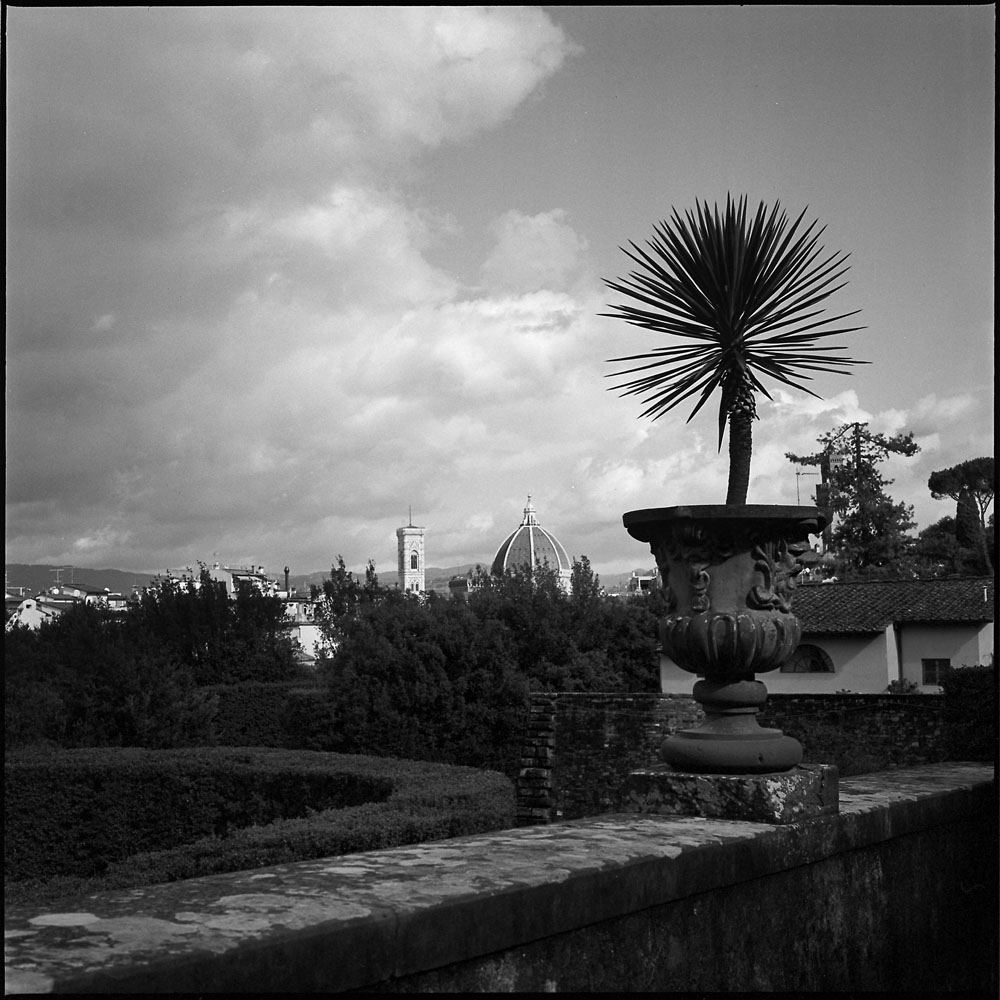
And finally a view of the Duomo from the Boboli Gardens. You don’t really realize how big the cathedral dome is and how much it dominates the landscape in and around Florence until you stand on the hill a good mile away and realize that it’s the biggest thing between you and the mountains some fifteen or more miles beyond.
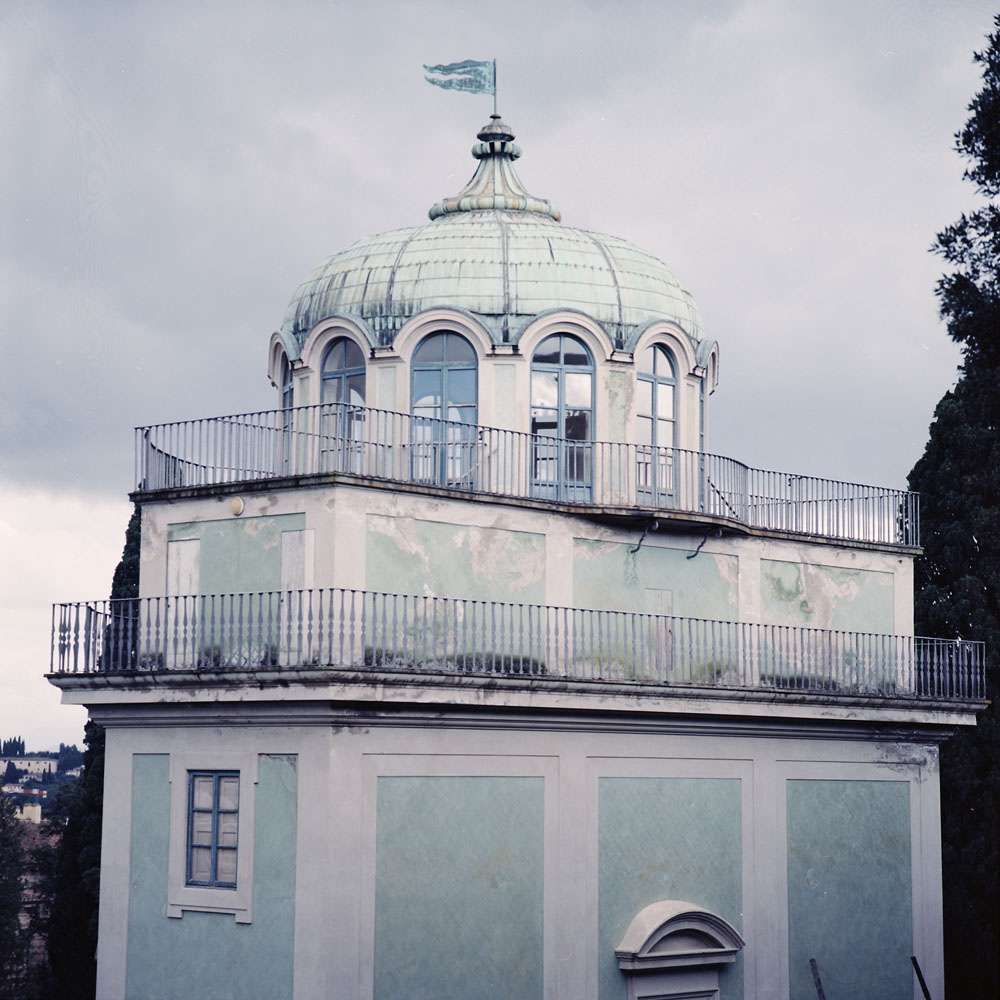
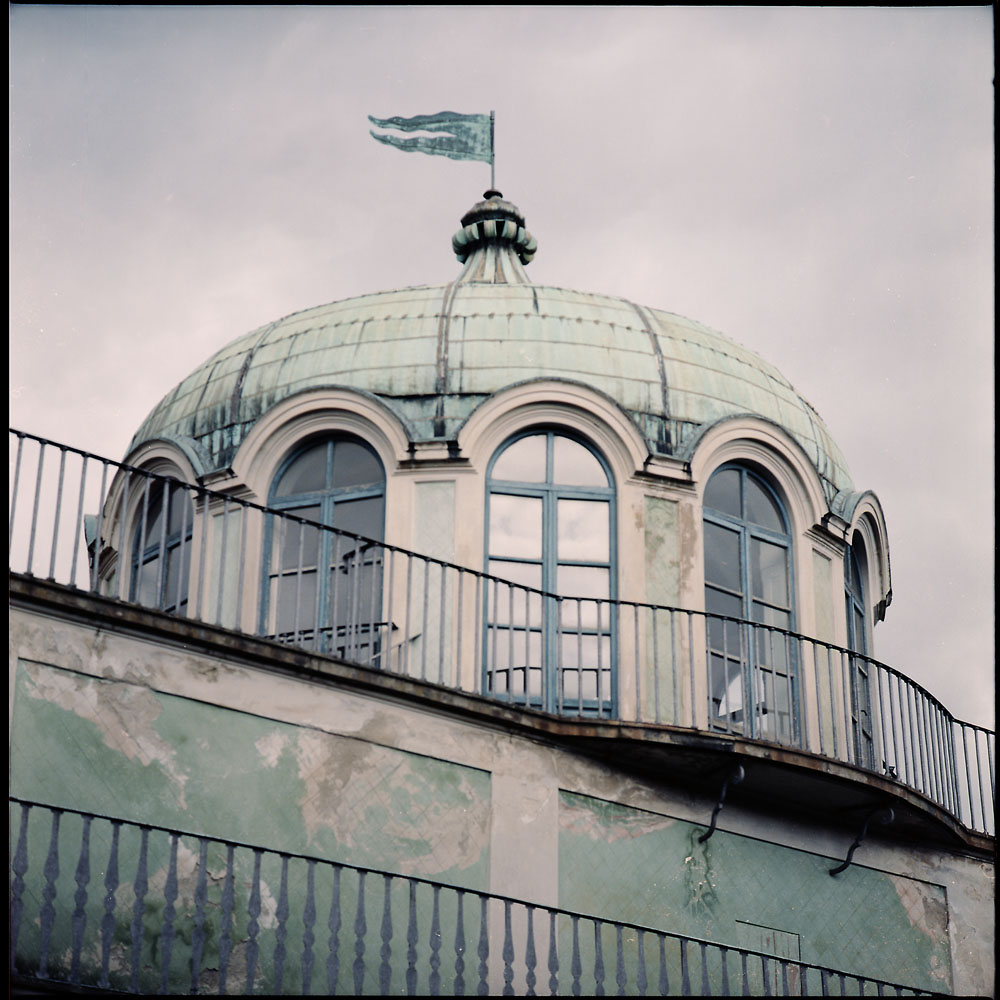
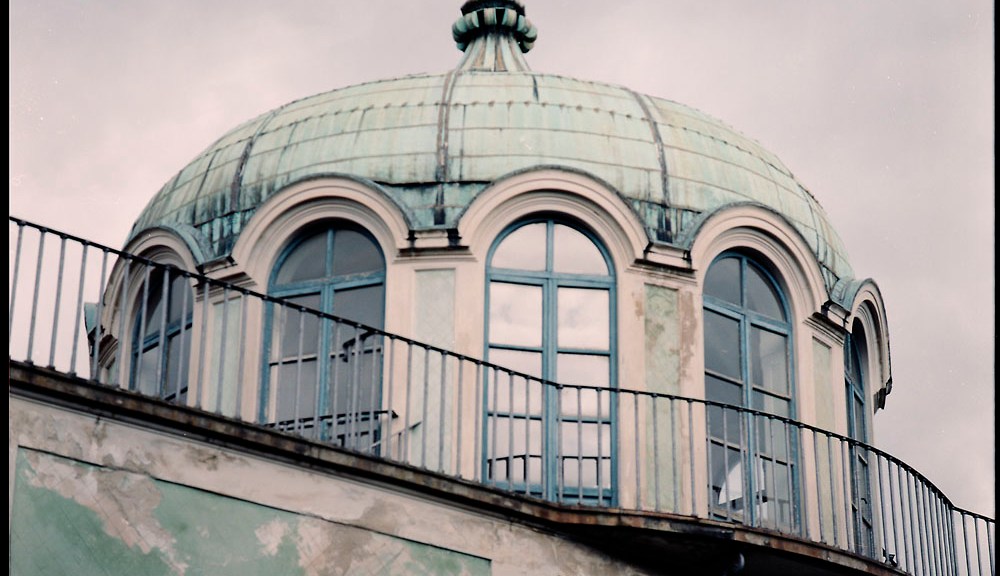
The architectural folly known as the Kaffeehaus (Coffee House) in the Boboli Gardens behind the Palazzo Pitti. The Coffeehouse was built by Maria Theresa while she was the Grand Duchess of Tuscany (she would later become the Hapsburg Empress of Austria-Hungary). Thus the German spelling of the name for the building, which comes from its purpose- it was a refreshment center for visitors to the gardens to stop and get a coffee or tea or other beverage – exploring the 110 acres of the Boboli Gardens is thirsty work.
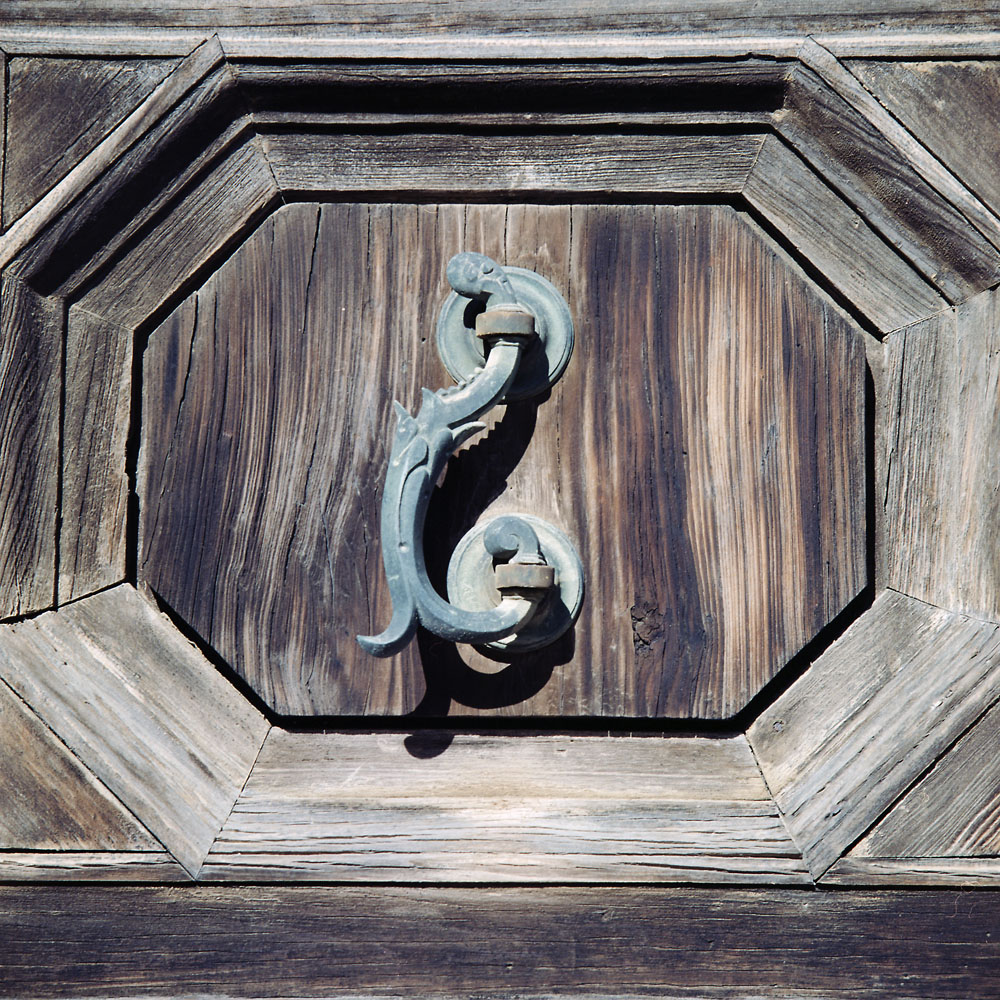
This is a bronze door handle on a well-weathered door in the gardens. I forget what structure it is attached to – it might be one of the servant’s entrances to the Palazzo Pitti.
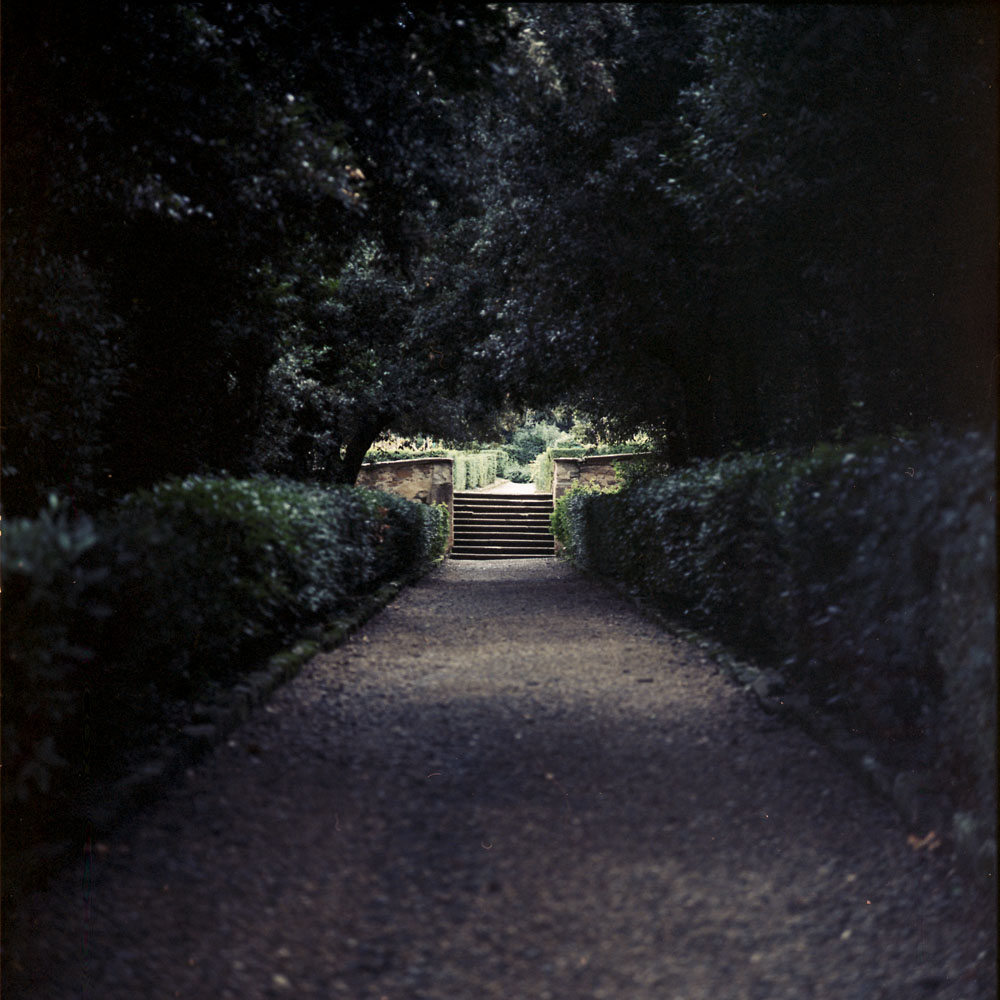
An allee of tall hedges in the Boboli Gardens, leading to a staircase. The gardens themselves are built onto the slope of a hill, so they have many changes of elevation.
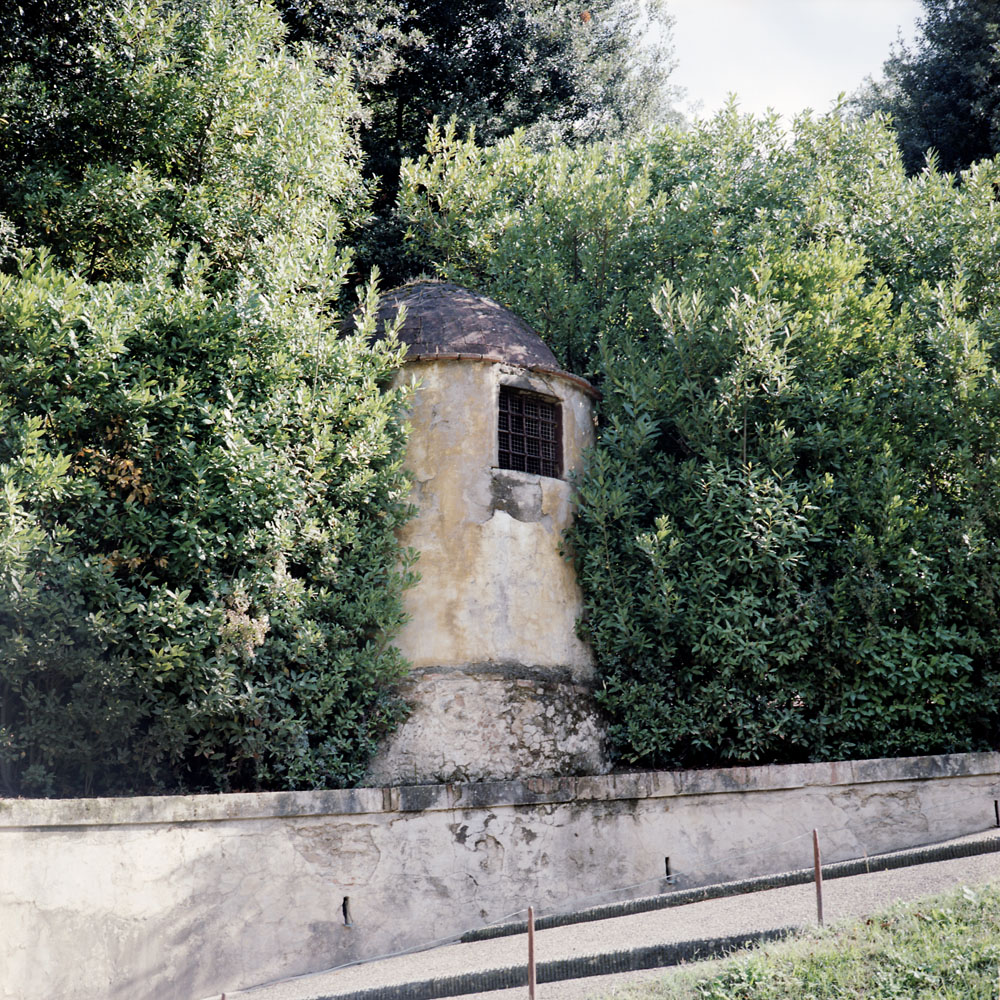
A tower set into the hedges along the ramp from the amphitheater to the Neptune fountain. I’m not sure what purpose it serves- it could be just a garden shed for storing tools and groundskeeping equipment, or it may relate to the water control systems for the myriad fountains in the garden.
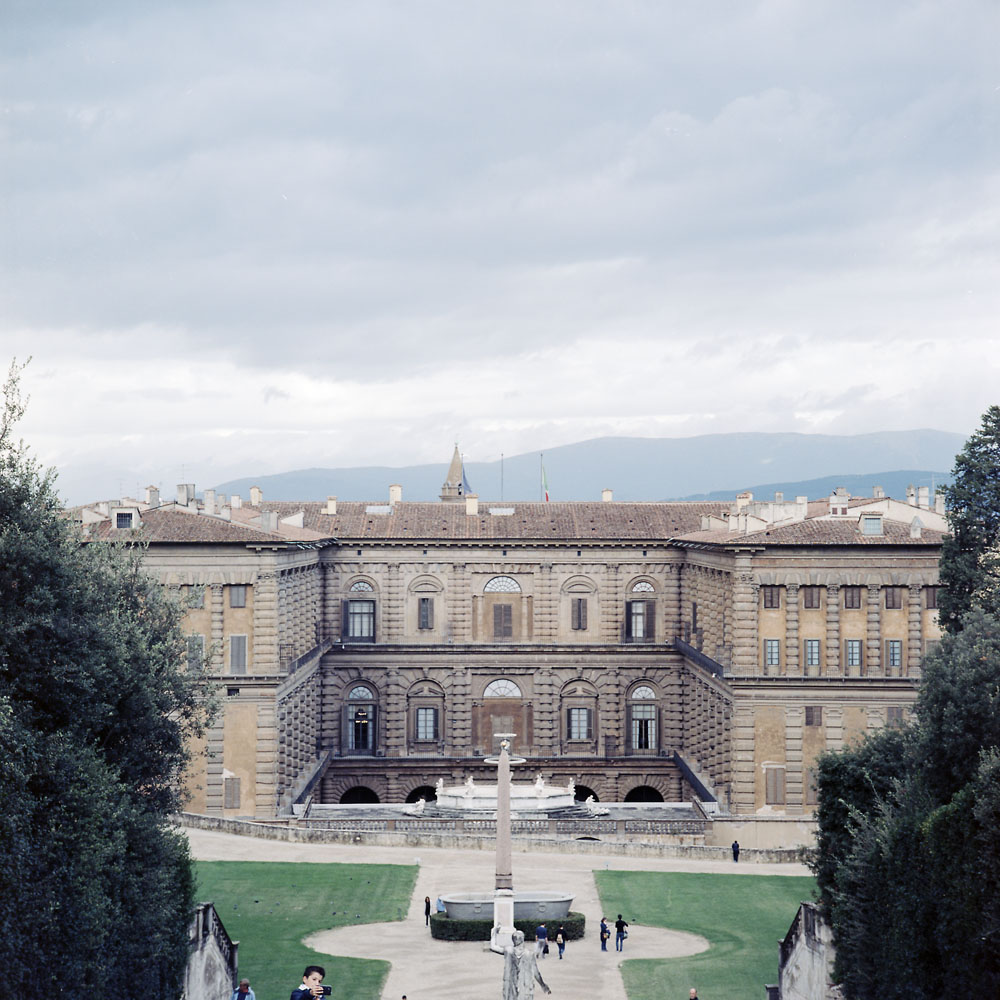
A view of the Palazzo Pitti from the top of the amphitheater stairs. The title comes from the boy in the lower edge of the frame taking a phone selfie. A very modern take on a very old palace.
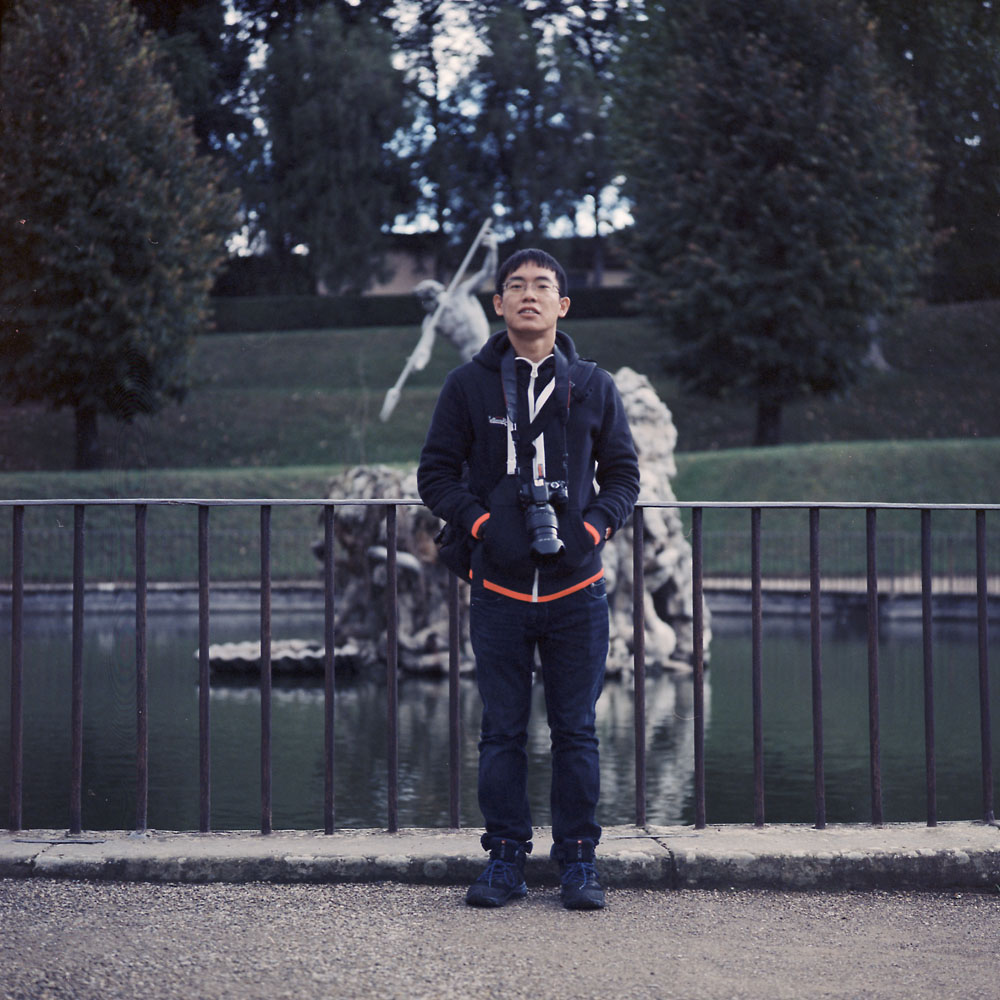
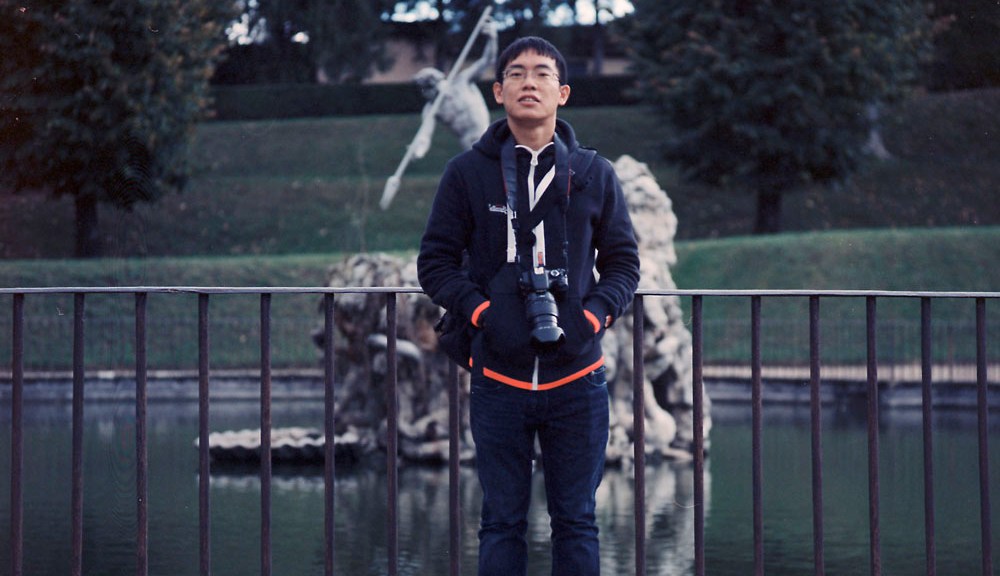
TC is a friend I’ve known for gosh, probably 10 years now. When we met he was a grad student working on his PhD at MIT. He’s now a full-fledged Doctor in Physical Chemistry, and working in Zurich. When I told him I was coming to Florence, he offered to pop down and hang out for a day or two. He was a real godsend, as I was still in the throes of a really bad allergy attack triggered by down pillows on the bed of my apartment in Rome, and he stopped at a pharmacy and got me some European Benadryl.
We went to the Uffizi the first day I was in Florence, then grabbed dinner at a restaurant he found on Yelp. The food was quite good, but what shocked me was the size of the portions. I was used to these small portion sizes per course that I had been getting in Rome, so I had a pasta course, a salad, and an entree. The pasta wasn’t too much bigger than I was expecting, but the salad was entree- sized! I had only had maybe 1/3 of the salad when the waitress stopped by and asked about it. I told her it was very good but just too big. She offered to cancel my entree, which I was glad to accept. Half and hour later, we’re sitting chatting and the entree arrives after all!
The next day, we met up again and walked over to the Palazzo Pitti via the Ponte Vecchio. The Palazzo Pitti is gargantuan – it was the Medici family’s main residence in the 16th and 17th centuries, and everything about it was designed to overawe. The Vasari corridor connects it with the Uffizi over the Ponte Vecchio to provide a secure passage should the Medicis need to escape an angry mob, or just not want to mingle with the hoi polloi on their way to and from their private box seats at the Santa Felicita church.
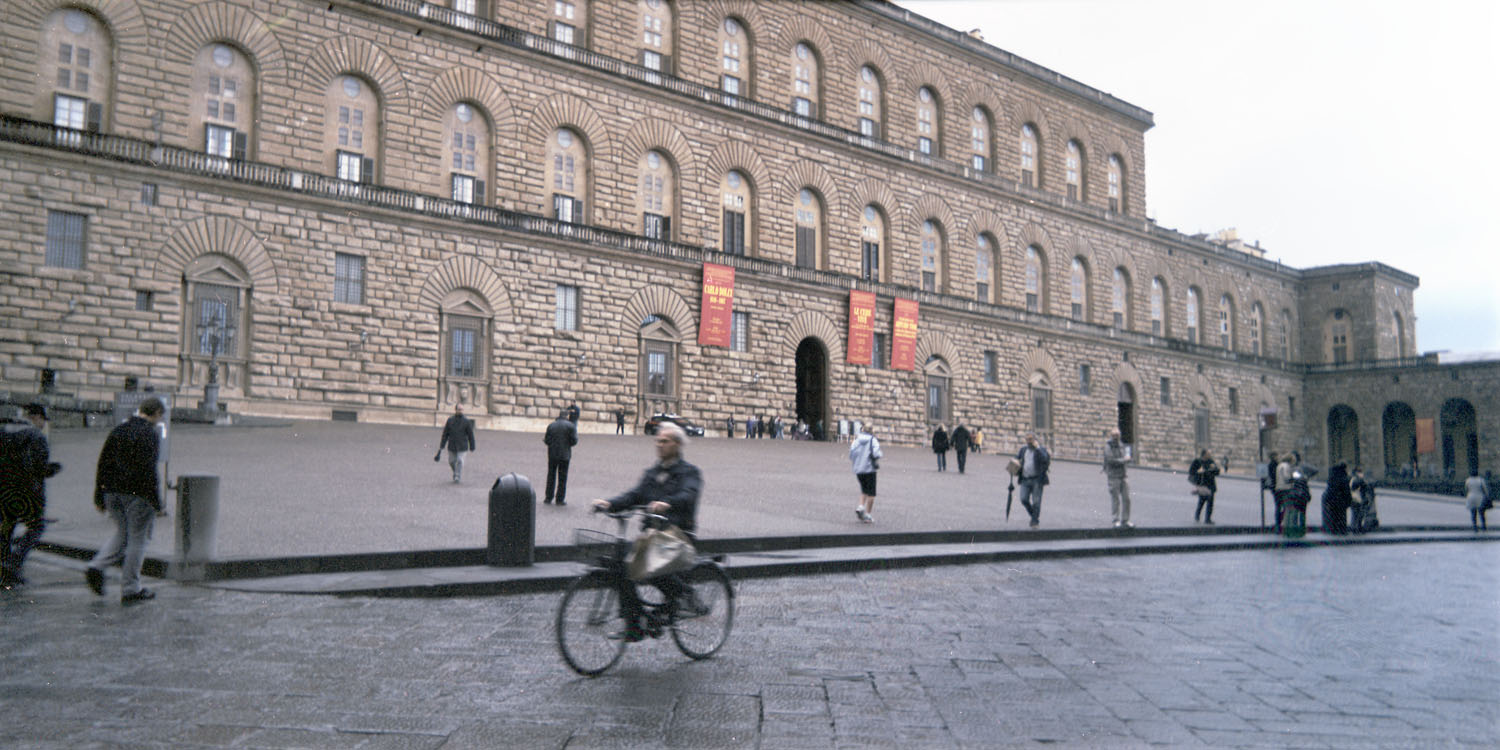
The Boboli Gardens back onto the Palazzo Pitti. They were once the private playground of the Medici family, but now are open to the public. This is the garden facade of the Palazzo Pitti.
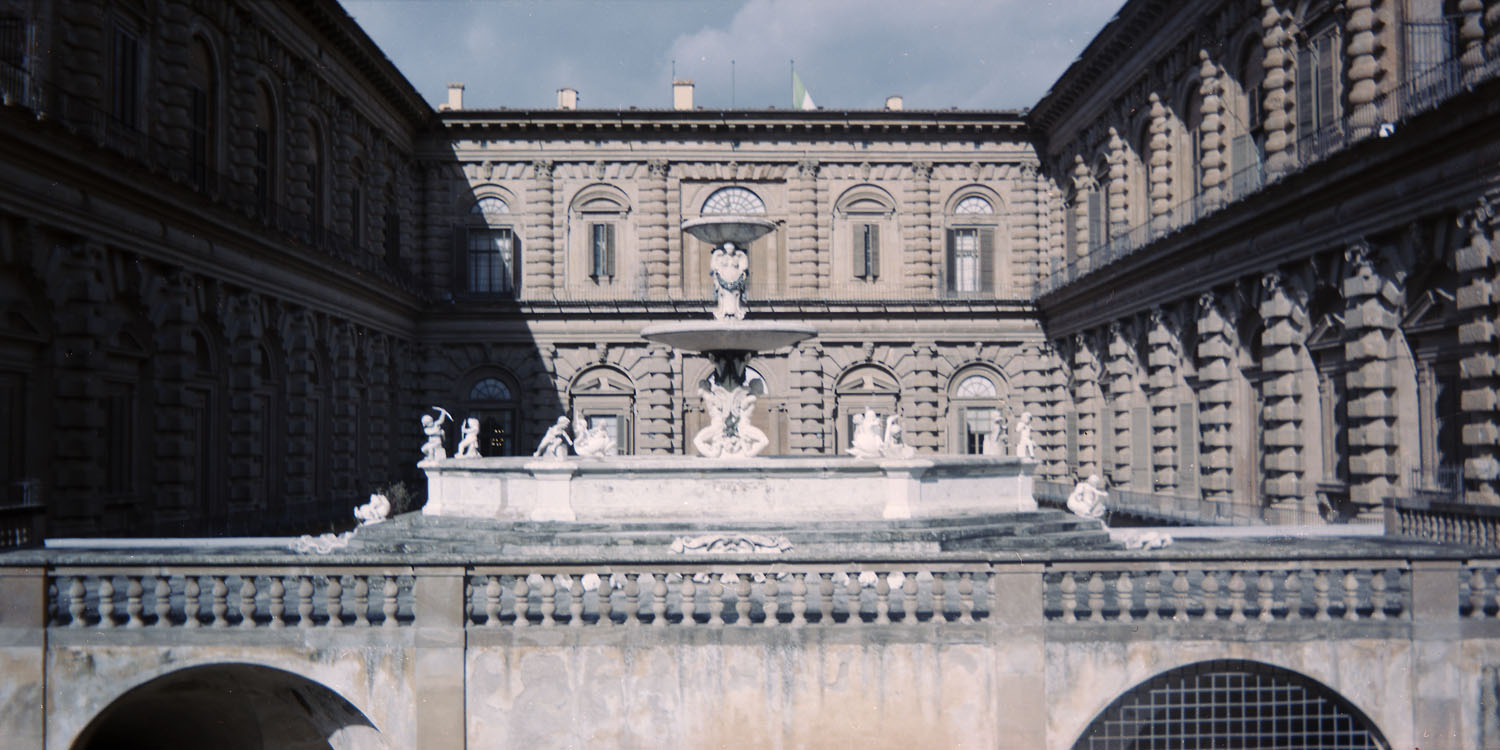
After touring through the Pitti and hiking up and down the Boboli gardens (which are on the face of a fairly steep hill), TC and I grabbed lunch at a little cafe across from the Palazzo Pitti’s main entrance. I had my first ever cappuccino there. I’m now a devotee, provided there’s enough sugar.
So thank you, TC, for the Benadryl, the companionship, and for the swiss chocolates – they were delicious!
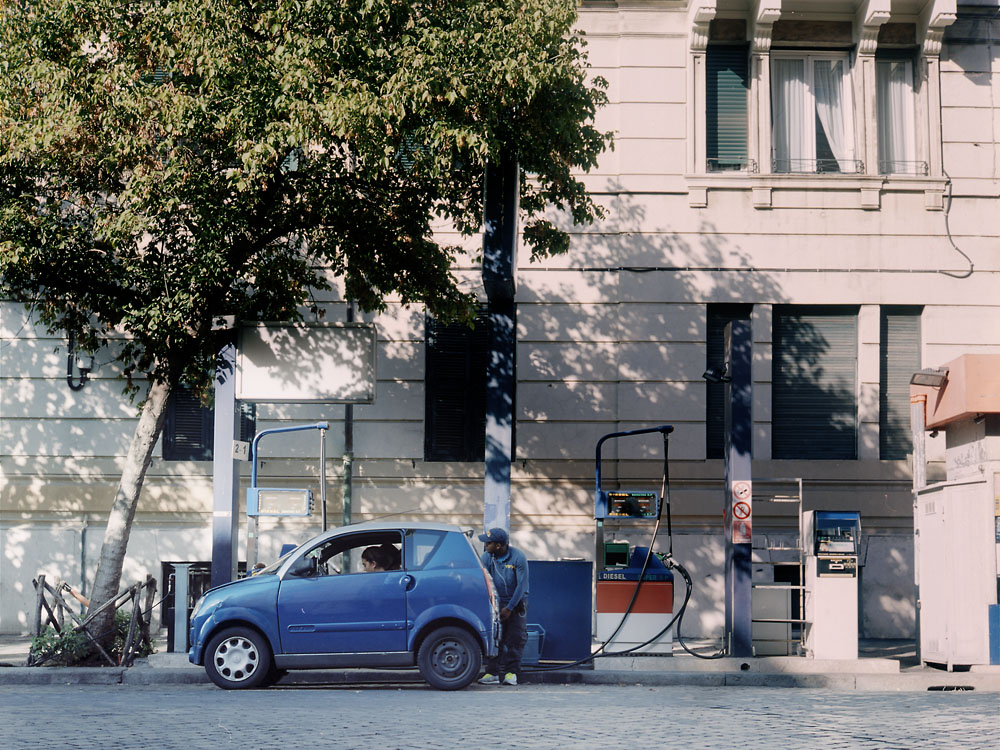
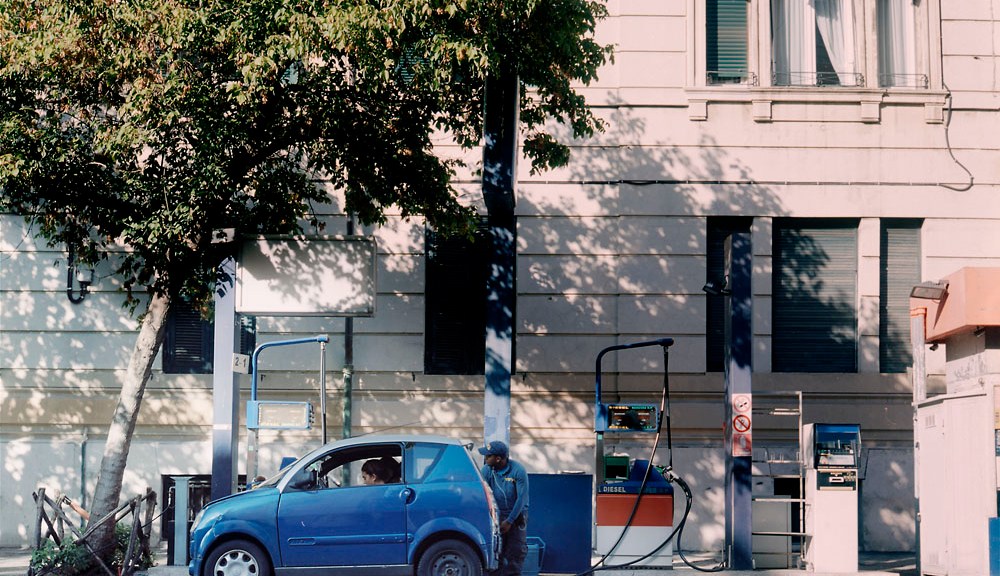
As I was walking from Piazza Del Risorgimento to the Piazza Navona, I passed by this little curbside gas station. It seemed like a relic from the past – I’ve never seen a curbside gas station here in the US, and I don’t even remember seeing any in any of the Spanish or French cities I’ve been to. It just feels like something I’ve seen in old photos. Too bad I couldn’t get it with a vintage Fiat 500 to make it even more timeless.
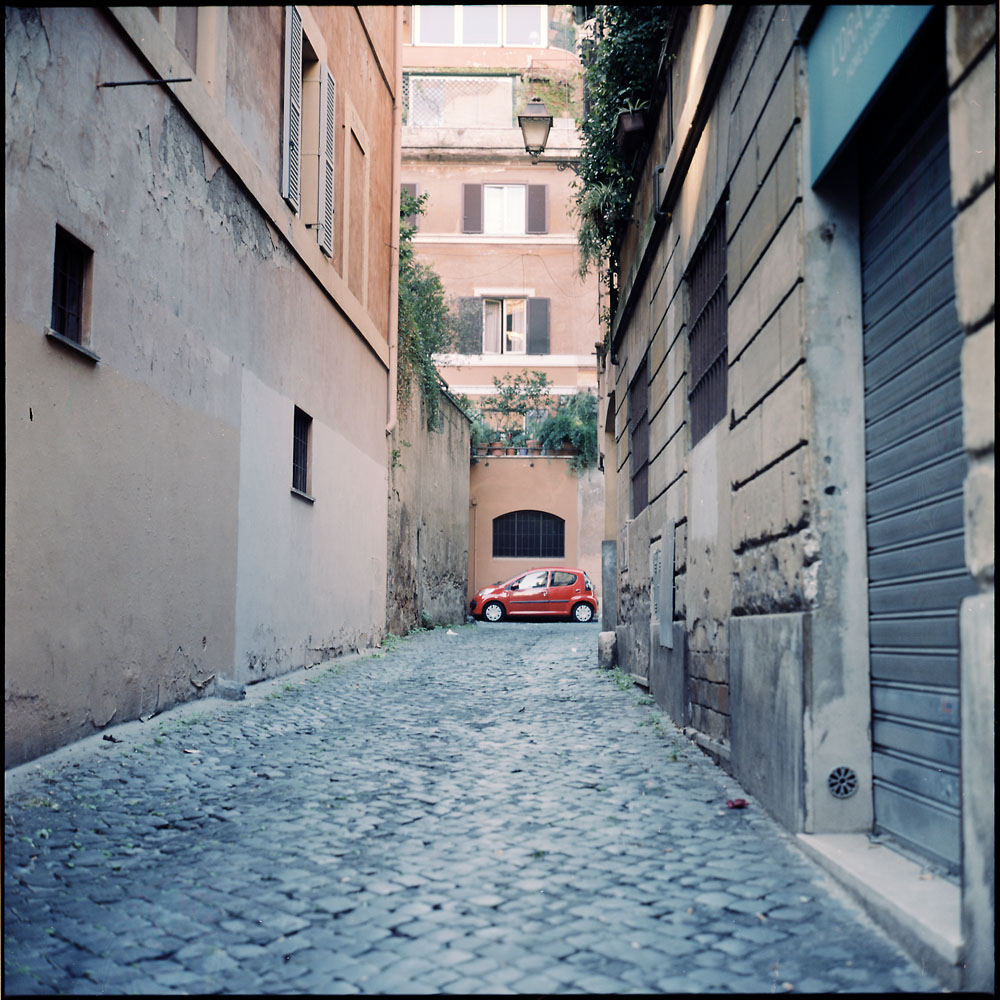
No words, just a found image.
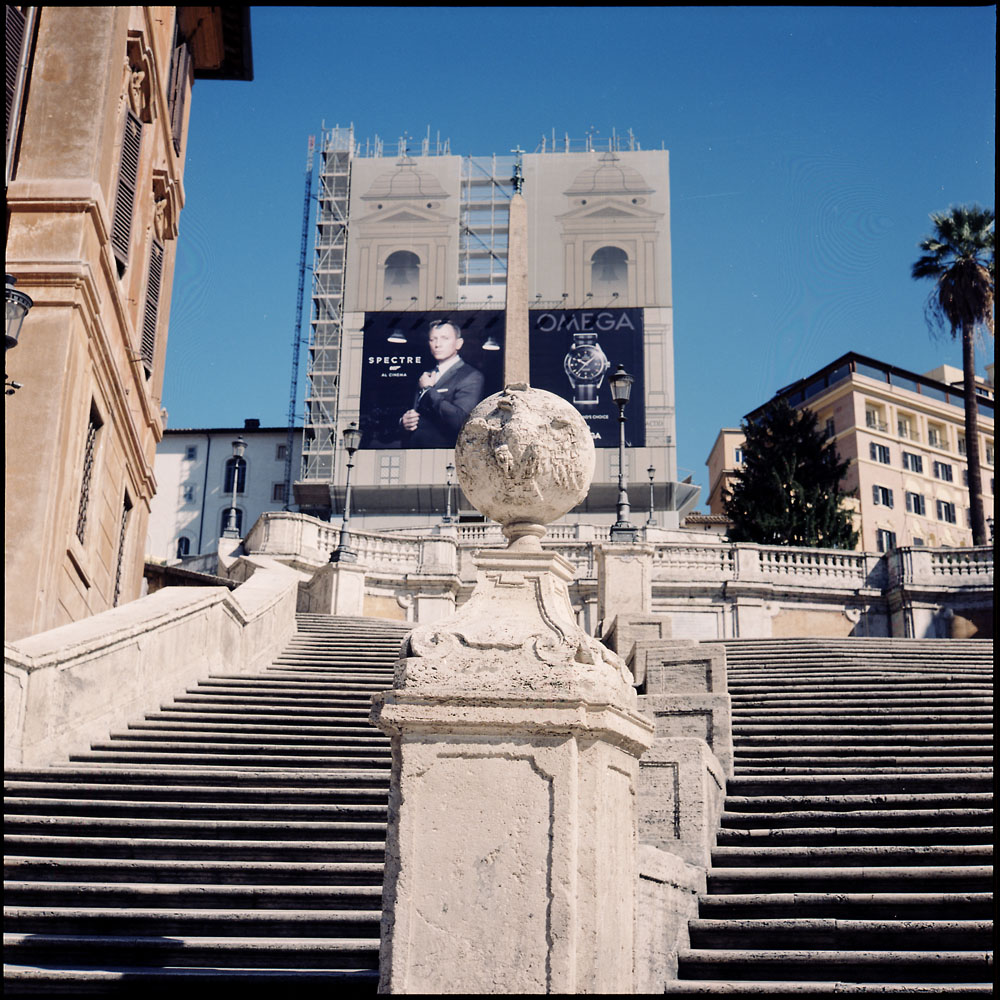
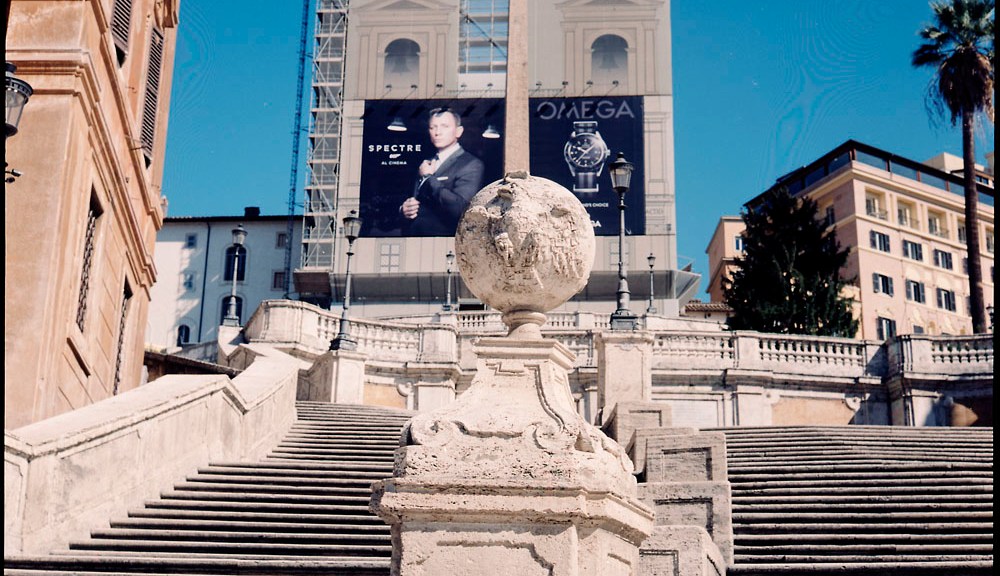
At this moment in time, the Spanish Steps are closed, yes CLOSED, fenced off with chain link fencing, due to an ongoing restoration project. So this shot, taken by poking the lens of my camera through the fence, is something otherwise virtually impossible without photographic trickery. Pretty much 24 hours a day, 7 days a week, 365 days a year, the Spanish Steps are crowded with tourists and the steps themselves are nigh-well invisible. The downside is all those tourists coming to see the Spanish Steps were displaced off the steps and back into the street below, completely over-running the fountain at their foot. So an otherwise lovely fountain was unphotographable.
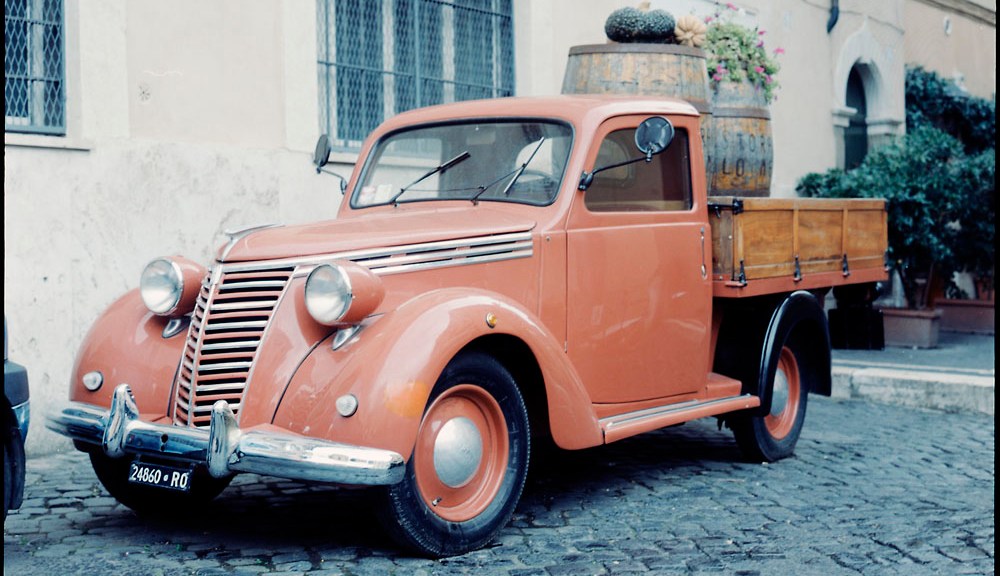
I love old cars. When I was in high school, I drove a 1962 Nash Metropolitan aka a bathtub on wheels, aka the car that floats (but it doesn’t- it’s not an Amphicar, which did float and drive in water- the Met just looks buoyant). I loved that car despite all its flaws and shortcomings. So I get a visceral reaction when I run across antique cars. These two were outside a restaurant in my neighborhood (which I did not have a chance to try).
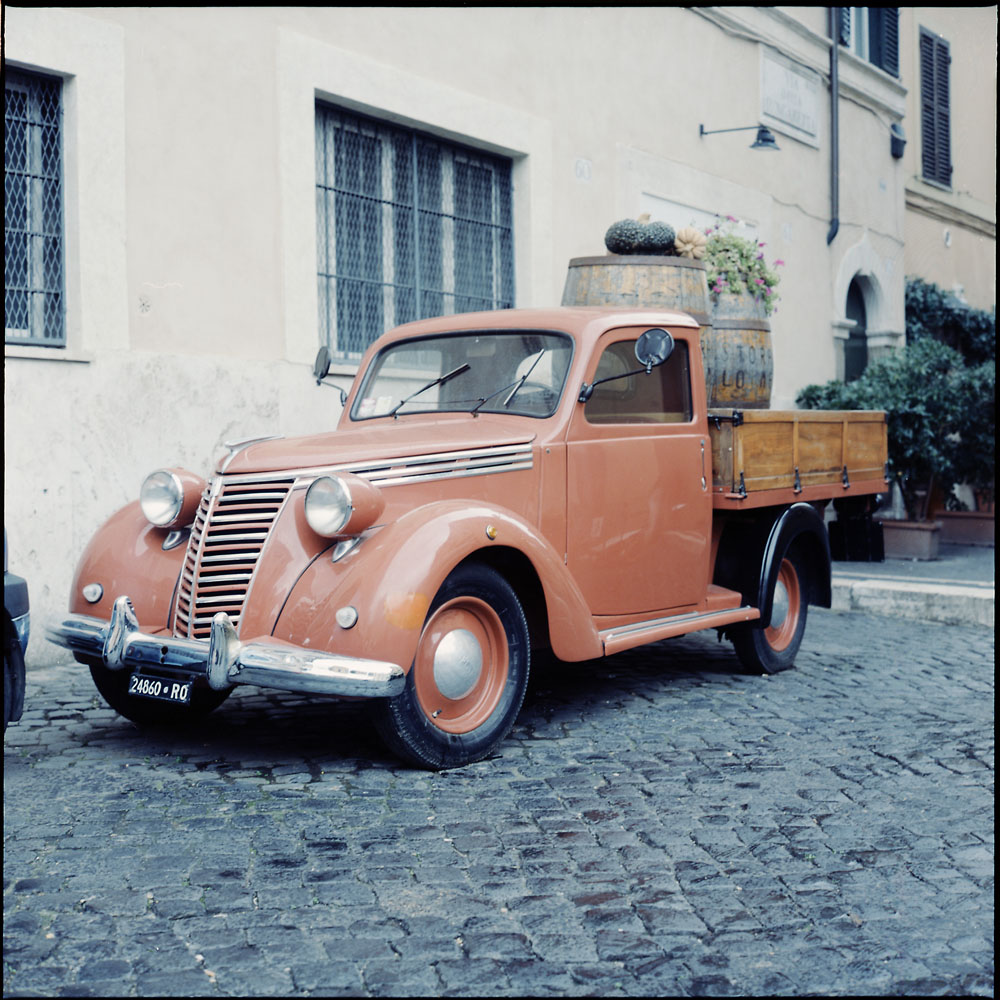
Both were being used to advertise the restaurant. I don’t think the truck got driven around much if at all, what with the barrels in the bed with the restaurant name branded into them, and the pumpkins and gourds on top. The FIAT wagon, though, certainly looked like it could be used. I passed them on two different days and on both days neither vehicle appeared to have moved any.
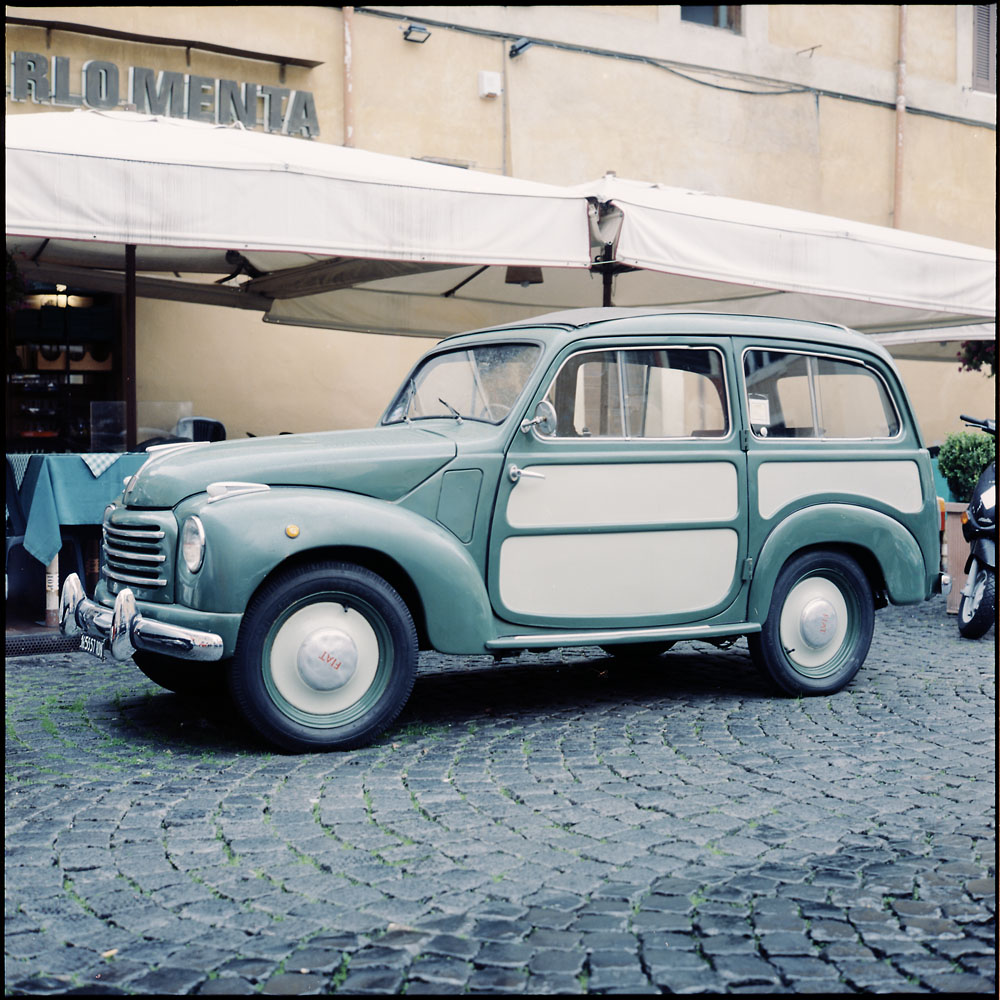
The FIAT wagon looks like the kind of car I’d enjoy having, though – folding canvas top, cute 1950s design, compact enough to be useable in the city, but enough space to haul stuff around. And it would definitely make all the right noises and have that old car smell. You know, a touch of motor oil and unburnt gasoline, combined with the funk of aging upholstery. Terrible cologne idea, but inside an old car? Magic.
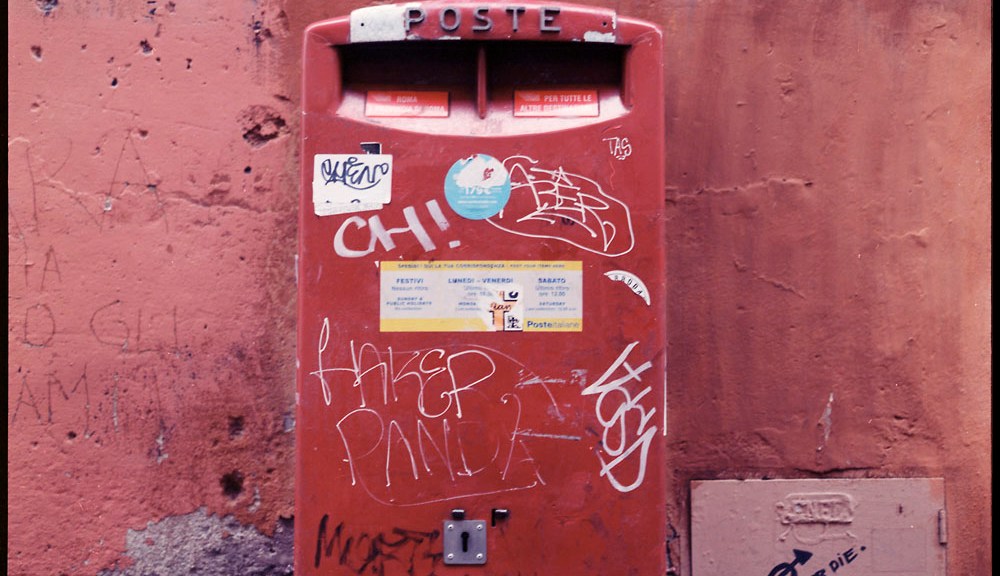
Rome is a city known for many things – fine food, ancient architecture, more churches than you can shake a stick at, and among other things, graffiti. This poor mailbox has been heartily defaced – scribbled on, stickered, and overall abused. Yet it still soldiers on in its duty, collecting the mail. Here is my portrait of the mailbox to elevate it into the pantheon of my Ordinary Objects series:
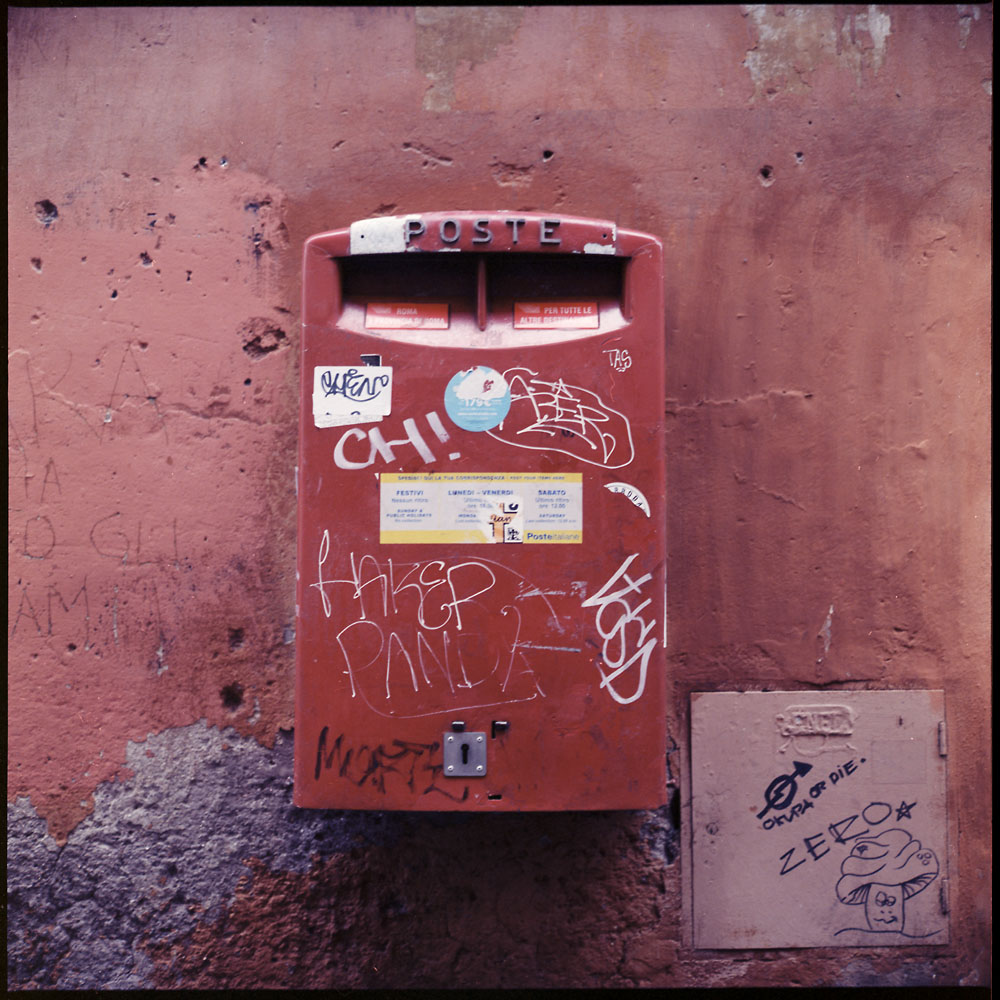
Something I found fascinating was the degree to which English has penetrated into Italian life. In the big cities, almost everyone speaks it to some degree or other. Signage in museums is in Italian and English – no French, no German, no Spanish, no anything else. Just English and Italian. Even the graffiti is often in English, like the little mushroom to the right of the mailbox here, and some obscenities on a wall outside the Garbatella Metro station (forthcoming in a future post). I don’t know what quite to make of it – while it makes life easier for me as a visitor who is not proficient in Italian (I can fake it ’til I make it based on my fluency in Spanish), I do worry about global homogenization.
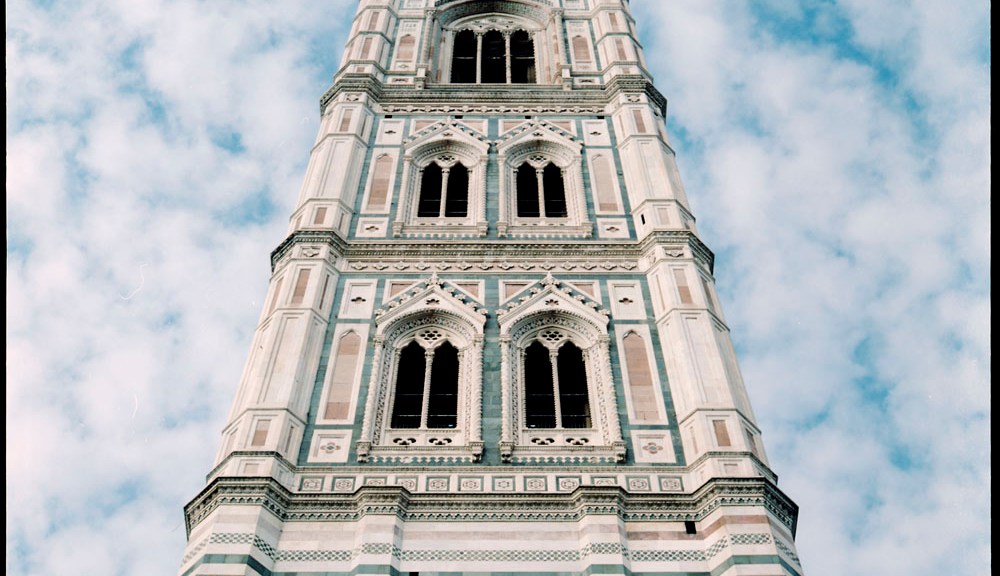
The bell tower, or campanile, of the Duomo in Florence. It is referred to as Giotto’s Campanile because it was designed by the famous painter Giotto, who had become the second Master of Works at the Cathedral after a 30 year gap following the death of his predecessor.
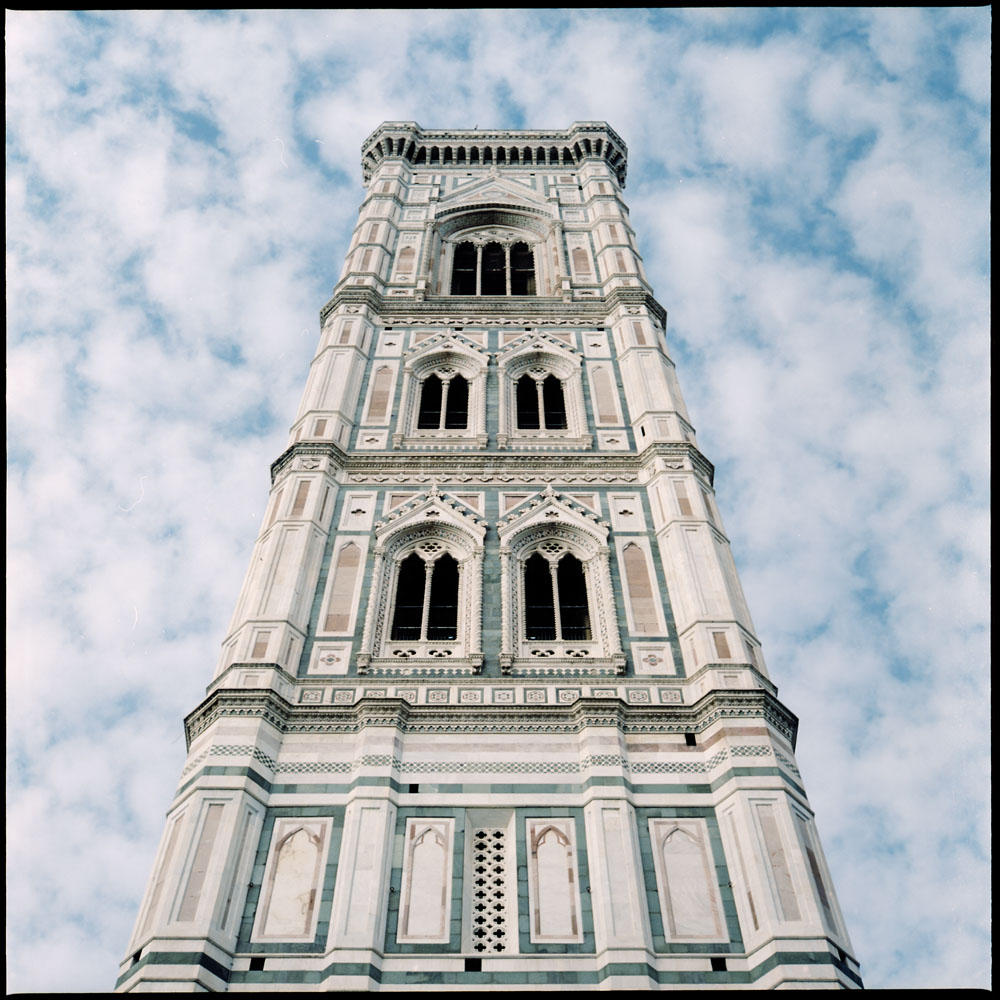
He created the polychrome marble scheme for the tower to match that which had already been designed for the cathedral itself, and saw the completion of the first floor of the tower before his own death in 1337. Today, the bell tower is as much a symbol of Florence as the dome of the cathedral or the Palazzo Vecchio.
 dcphotoartist