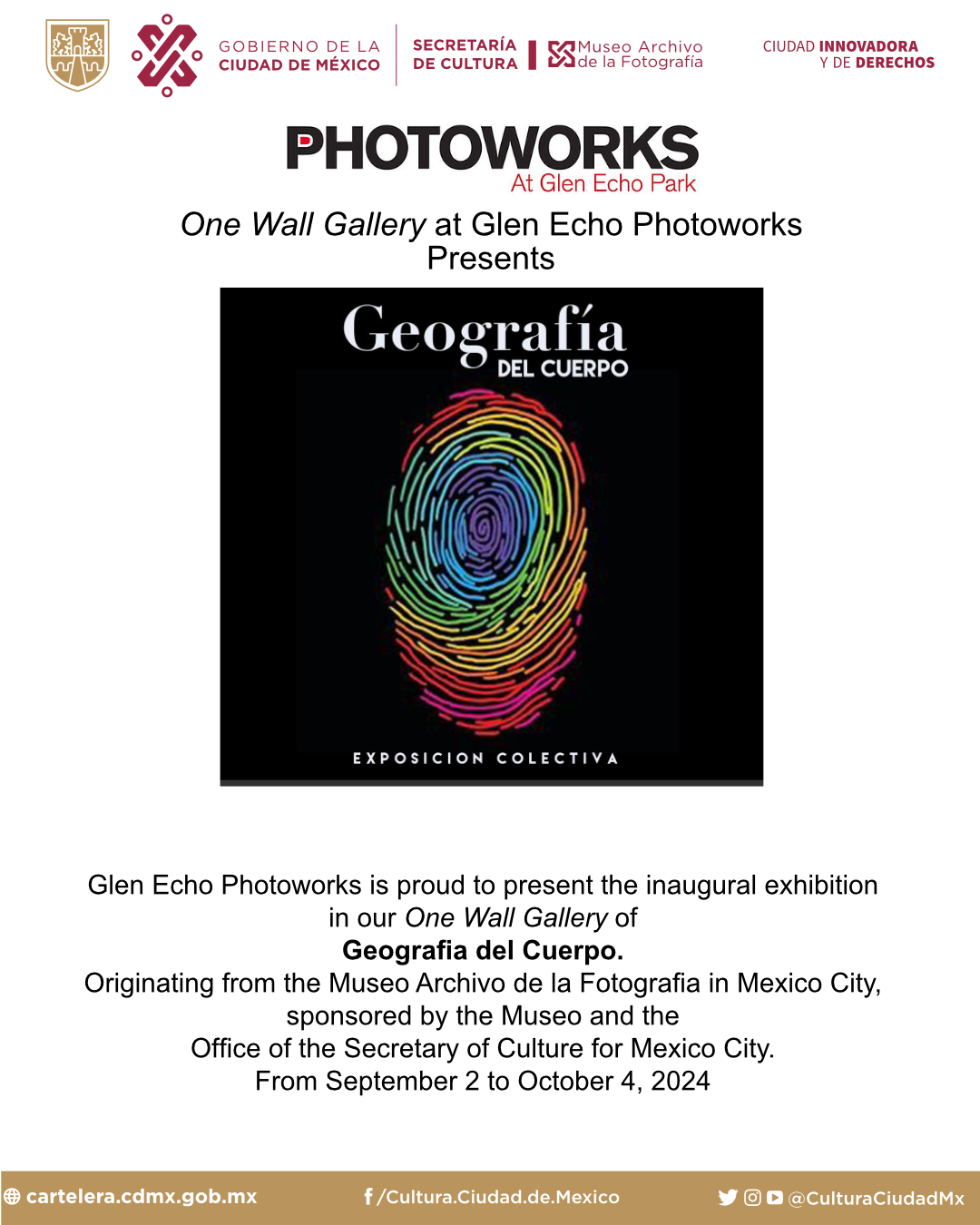
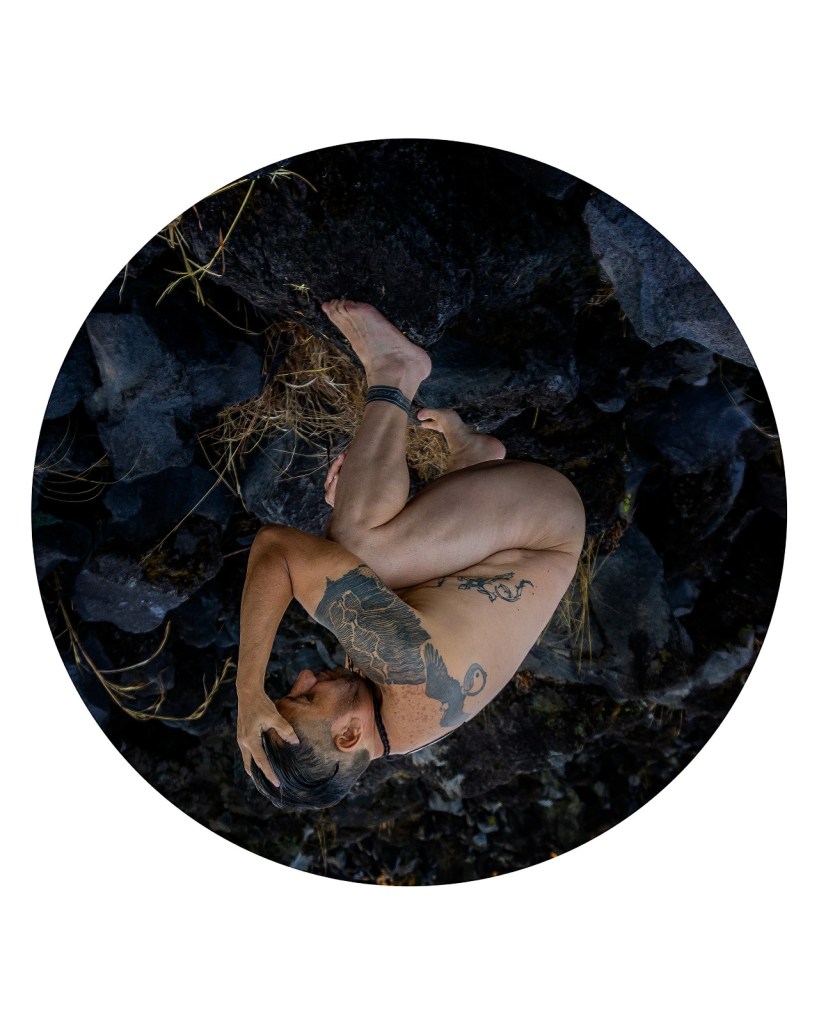
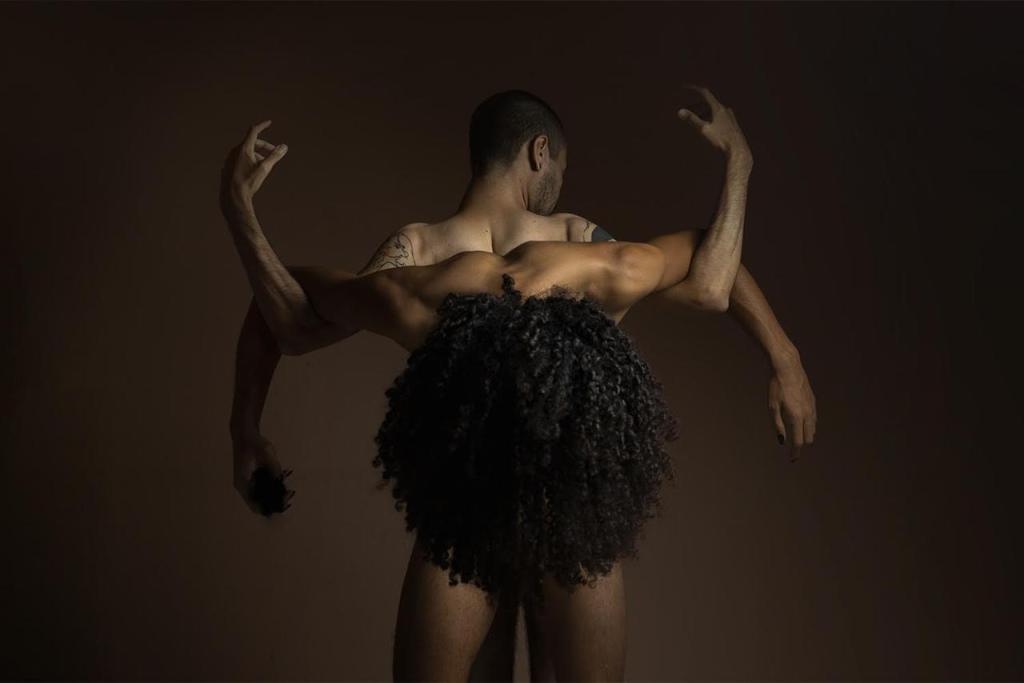
In conjunction with the Secretaria de Cultura del Ciudad de México, the Museo Archivo de la Fotografia, and Glen Echo Photoworks, I have brought a condensed version of Geografia del Cuerpo to inaugurate the One Wall Gallery at Glen Echo Photoworks. One Wall Gallery is a pop-up gallery space by the front door, designed to provide flexible exhibitions of shorter duration and bring life to an otherwise under-utilized space.
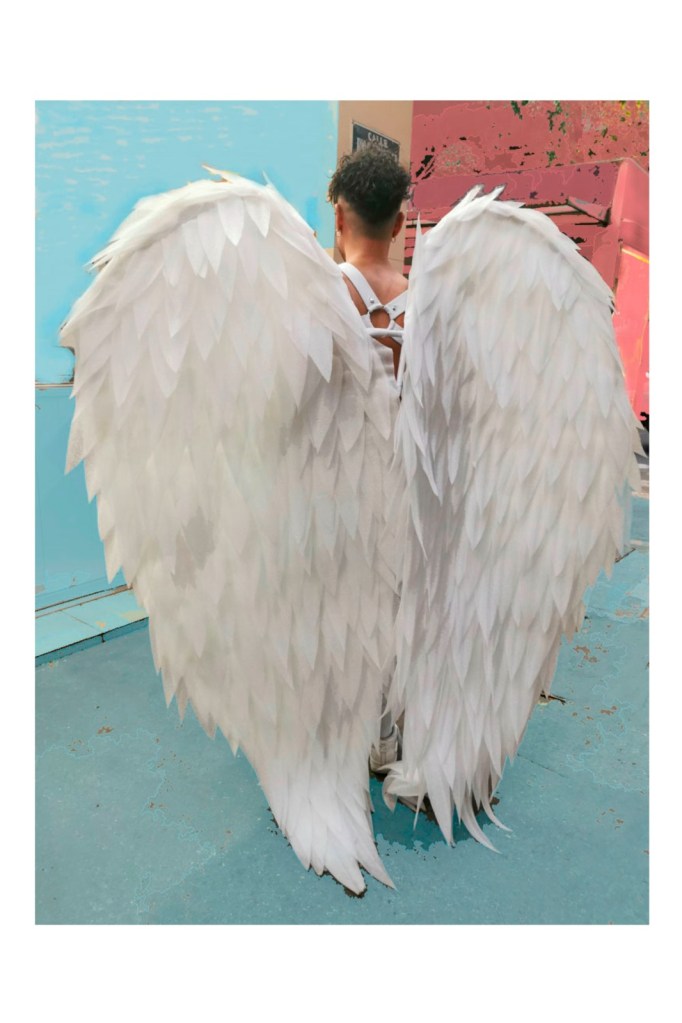
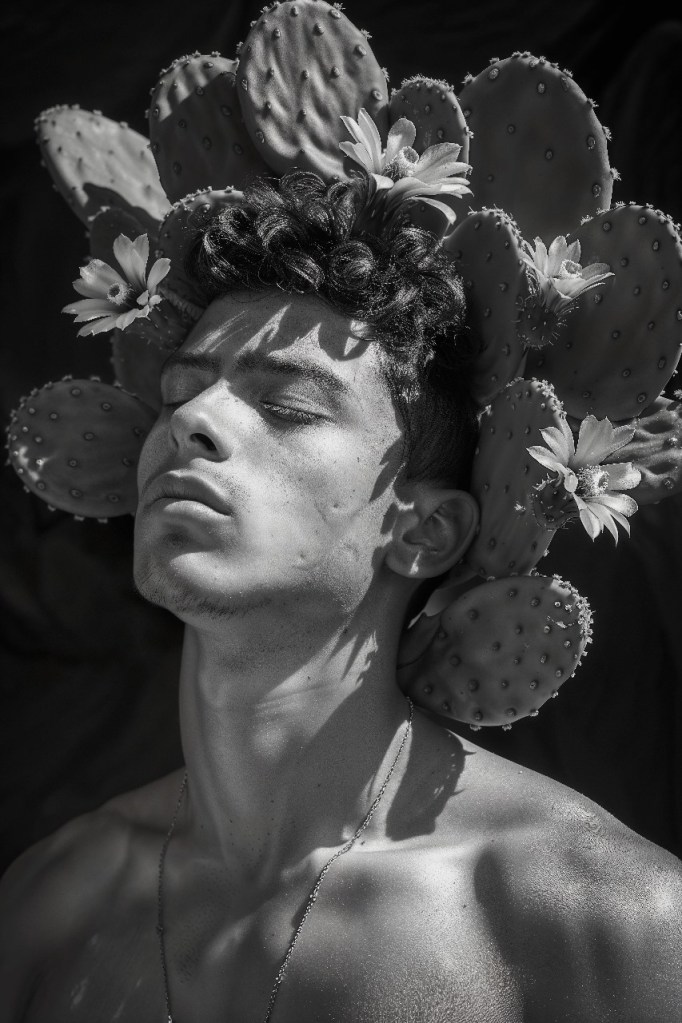
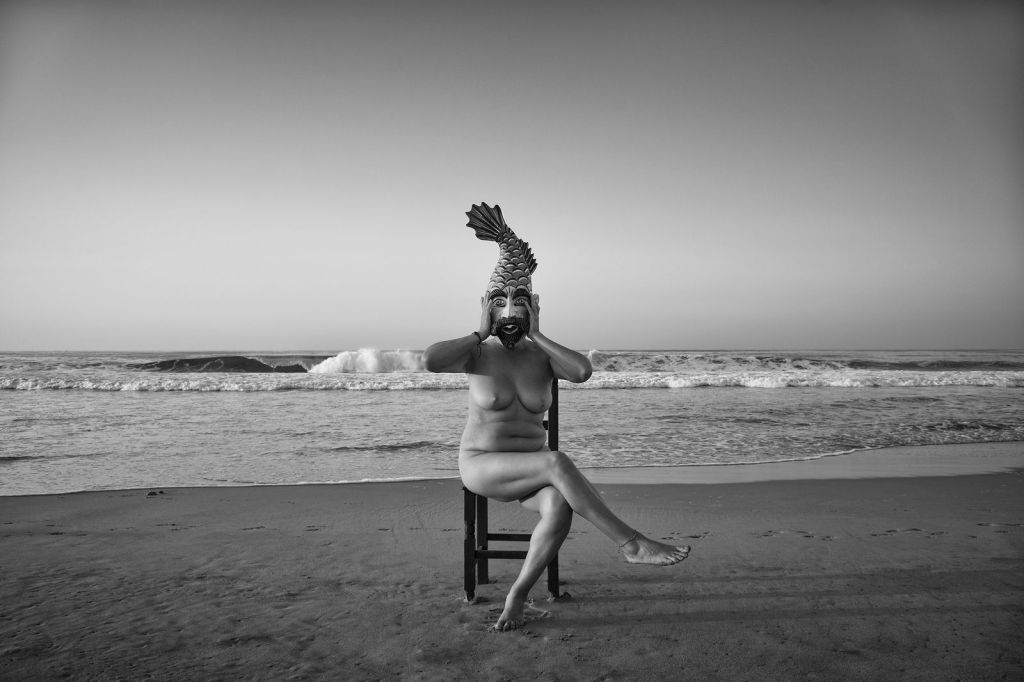
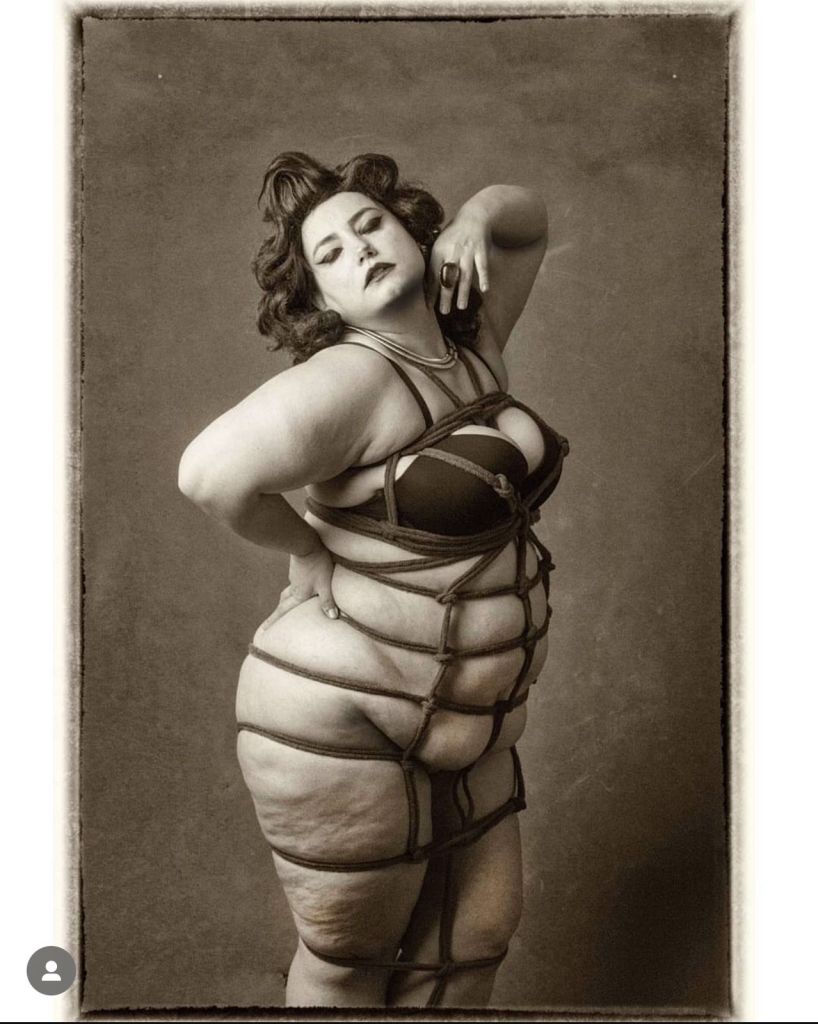
Given the time constraints and the space constraints, the exhibit was limited to one piece each from 11 of the 13 artists participating in the original exhibit in Mexico City (two were unable to participate). The form of presentation had to be re-interpreted to fit the space, and I think it turned out nicely.
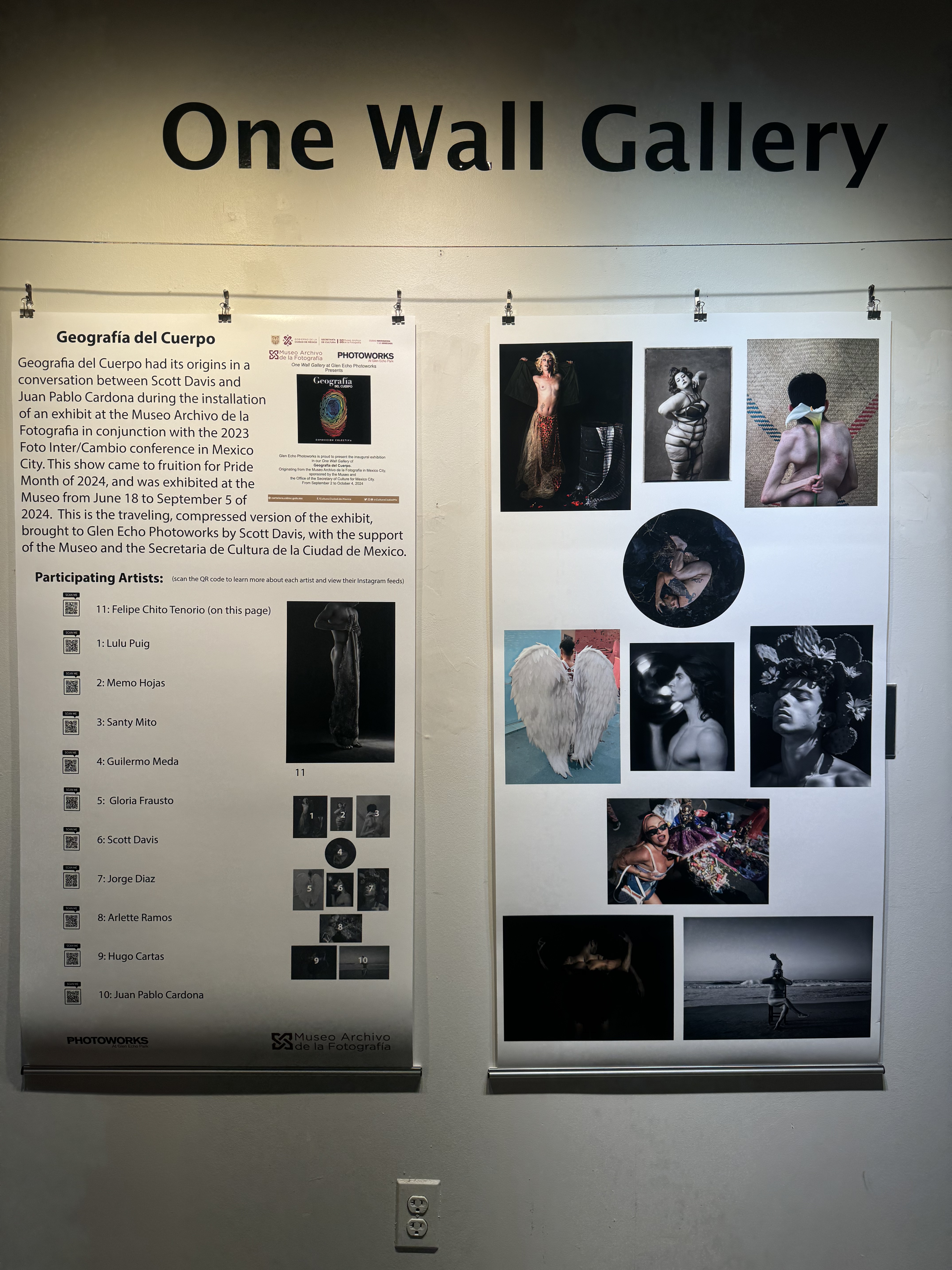
The banners were printed on our 24″ Epson wide-format printer. The original concept was going to be mounting each image on a 12″x12″ backing board and hang them in three rows from curtain wires (like the one you can see at the top of the photo). This, unfortunately, is one of IKEA’s worst products – the metal feet that you screw the posts into that attach to the wall do not fit the threads on the posts a significant amount of the time. I do have a tap-and-die set I can (and will, when I get around to it) fix the threads with so we will be able to use the hanging wire in the future, but that in the moment necessitated the re-envisioning of the exhibit into what you see here today.
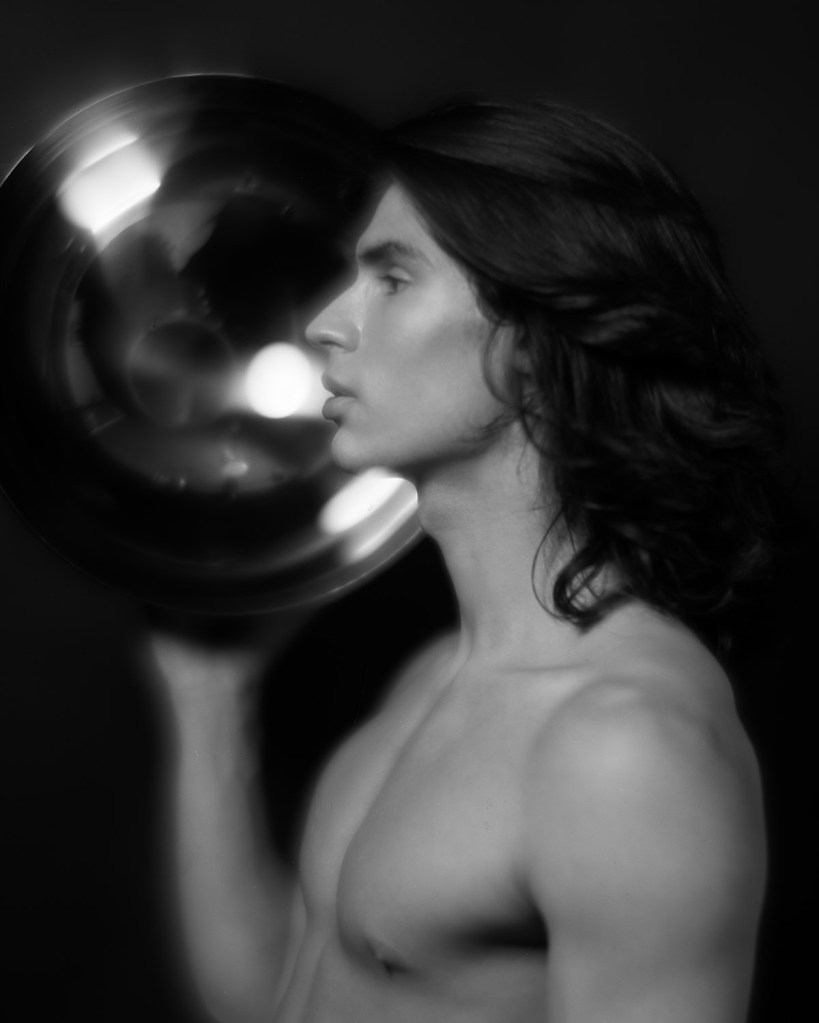
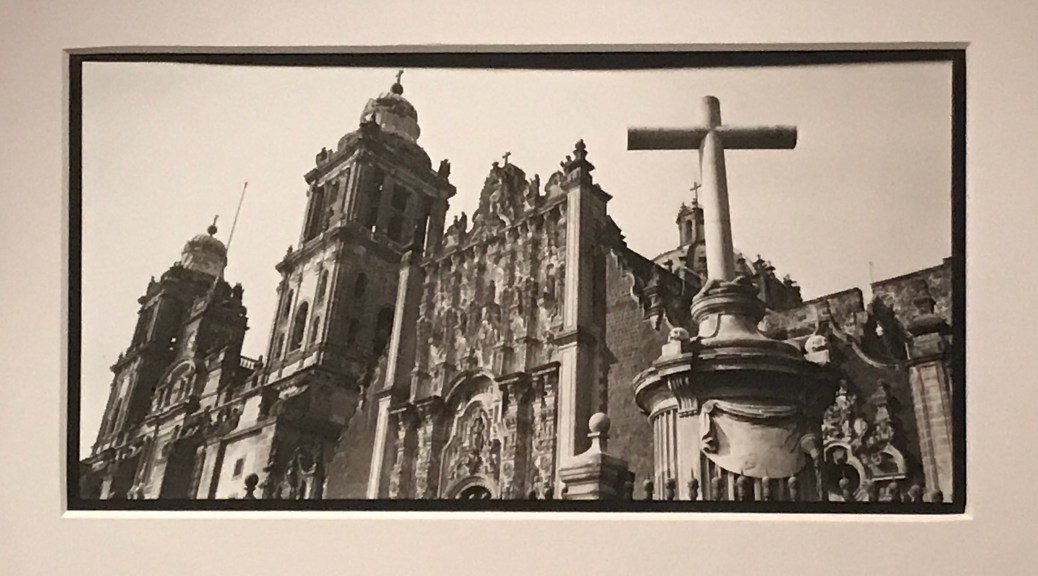
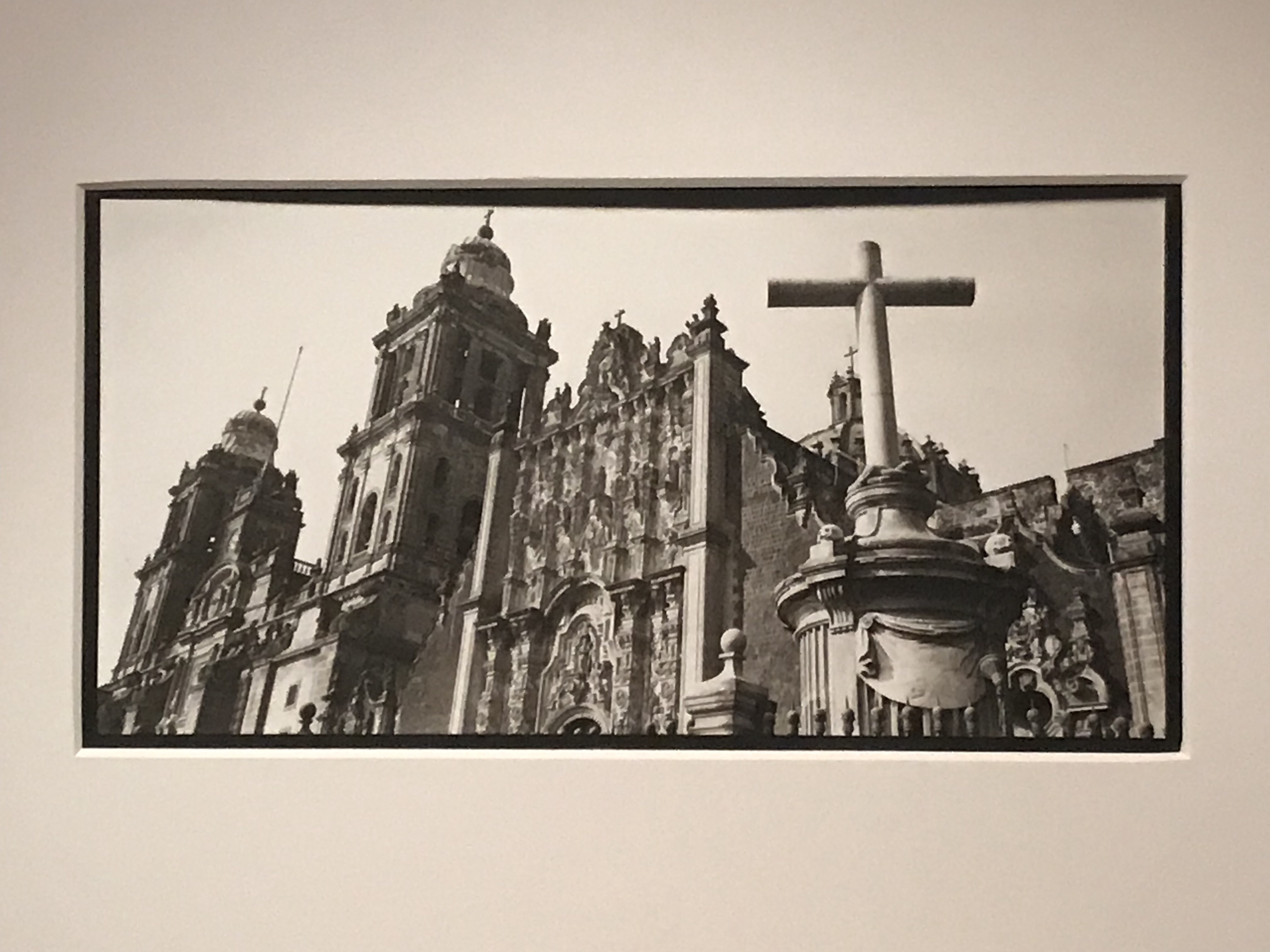
The artists represented in the show are, in alphabetical order (names will be linked to their Instagram accounts):
Juan Pablo Cardona (also here)
The show opened September 2 and will remain up through October 4 on the One Wall Gallery at Glen Echo Photoworks, 7300 MacArthur Boulevard, Glen Echo, Maryland. Photoworks is located inside the ground floor of the Arcade Building.
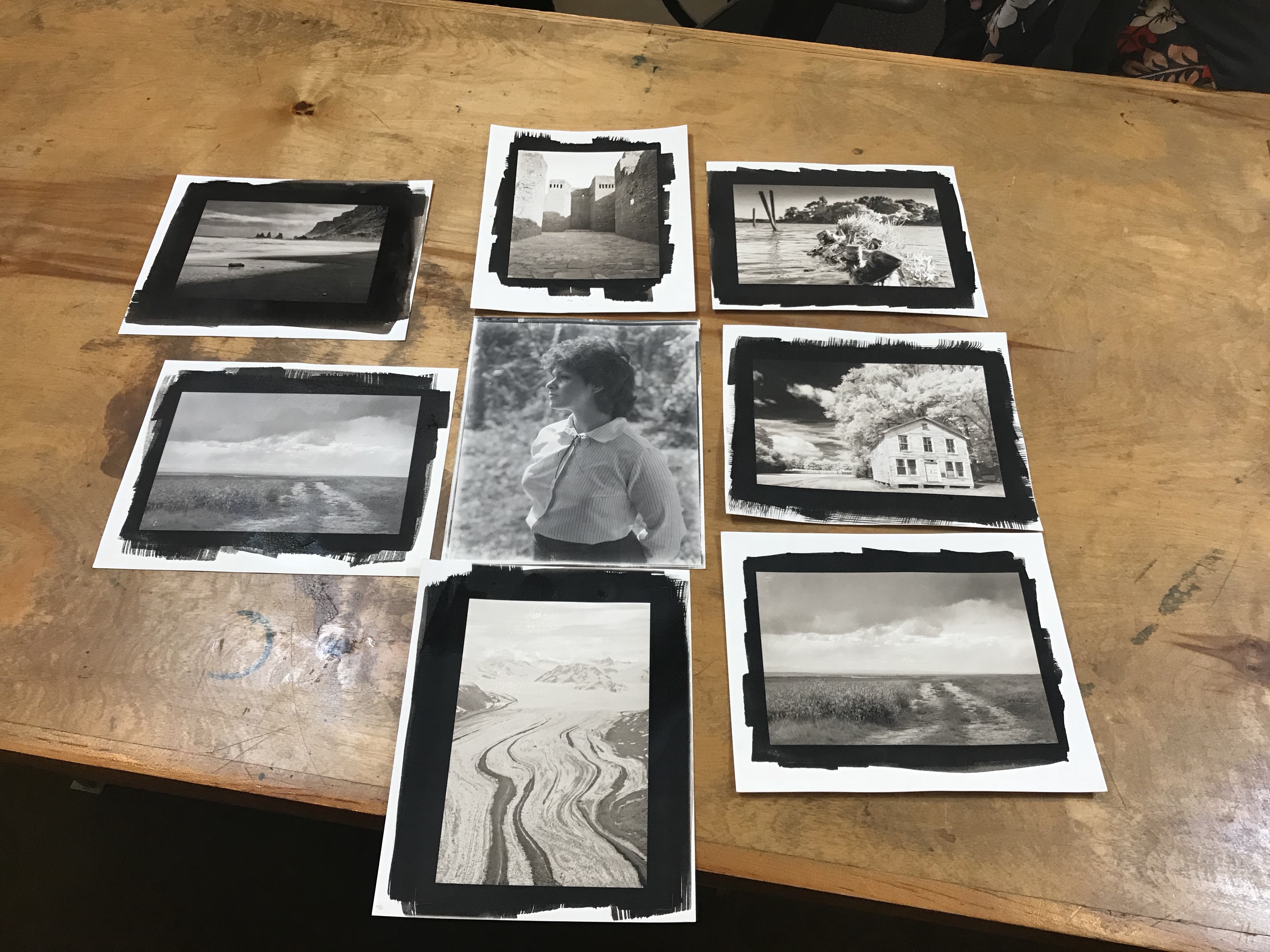
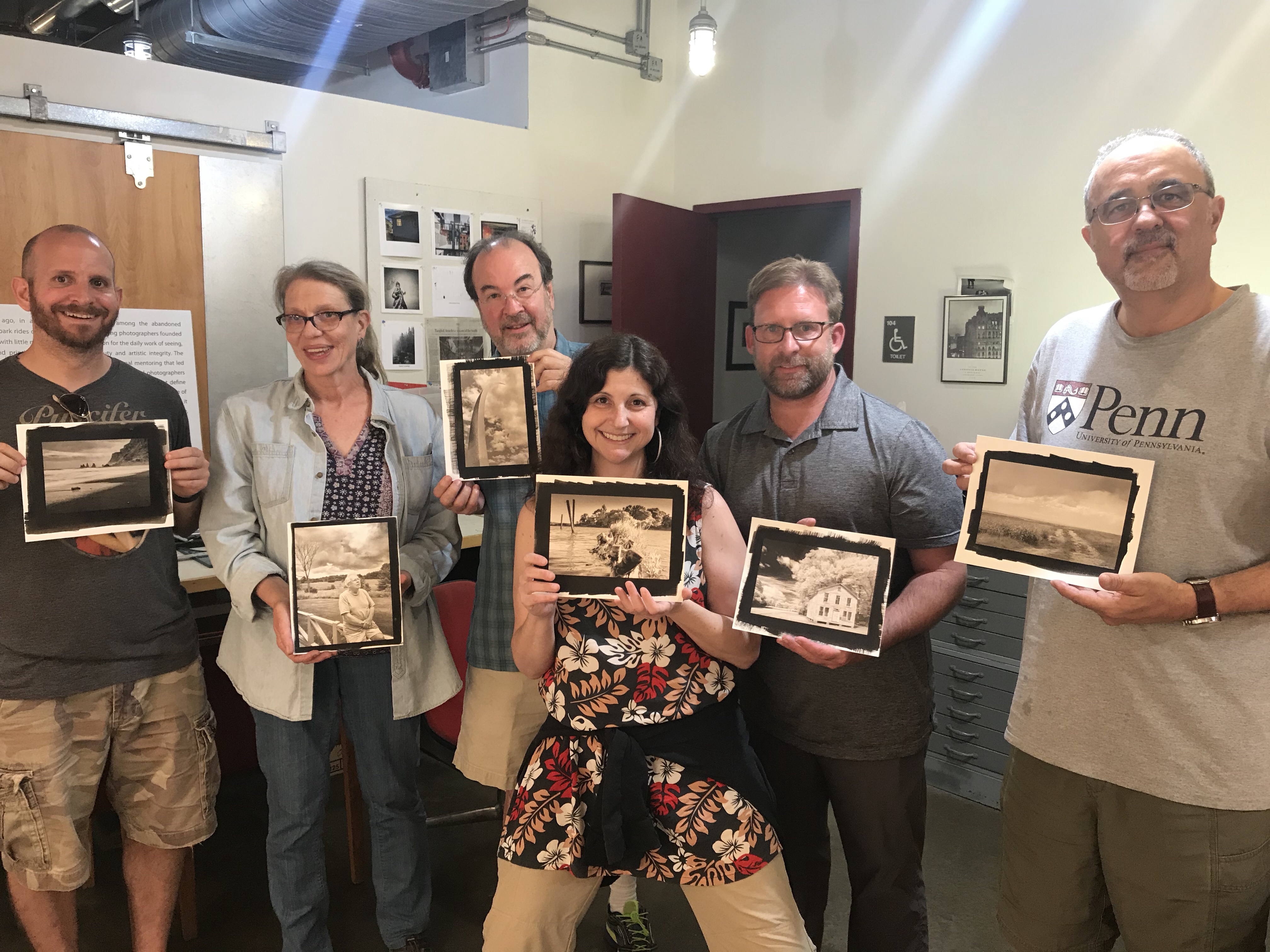
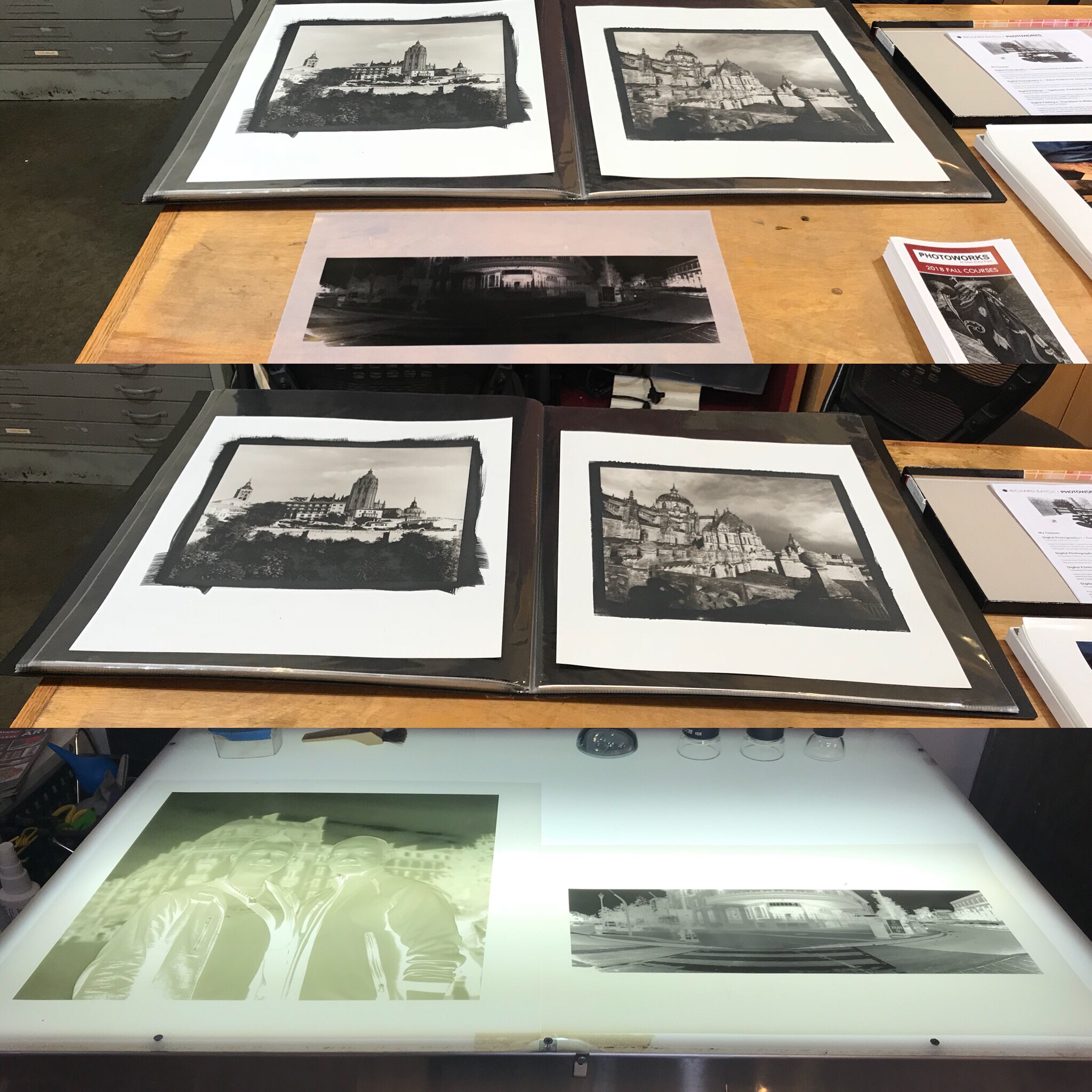
 I’ve got a class coming up soon – Thursday evenings starting September 27, co-taught with Mac Cosgrove-Davies. It’s an alternative process survey course, covering platinum/palladium, gum bichromate and cyanotype. We will be starting out by going through the process of making digital negatives for the platinum/palladium process, and then printing using platinum/palladium. I will be walking students through the process of how to create your own correction curve so that they will have the tools handy for making appropriate correction curves for their own personal environments and for whatever process(es) they want to work in. We will cover basic techniques, preferred materials and digital hardware.
 dcphotoartist