Category Archives: Photography

Changing Mural – Black Boy & Garuda

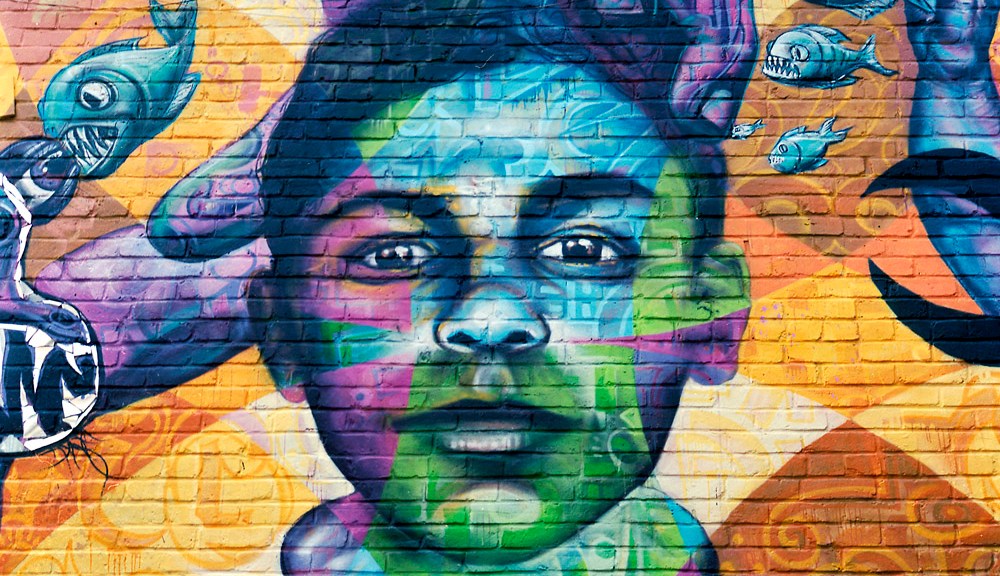
I had photographed this mural before. The other day I was doing a walkabout in my neighborhood and passed it again, to see that the artist had re-worked the mural in new colors with new designs.

here are the original photos I took, in color and black-and-white.

Black Boy, Garuda, Color
Black Boy, Garuda, B/W

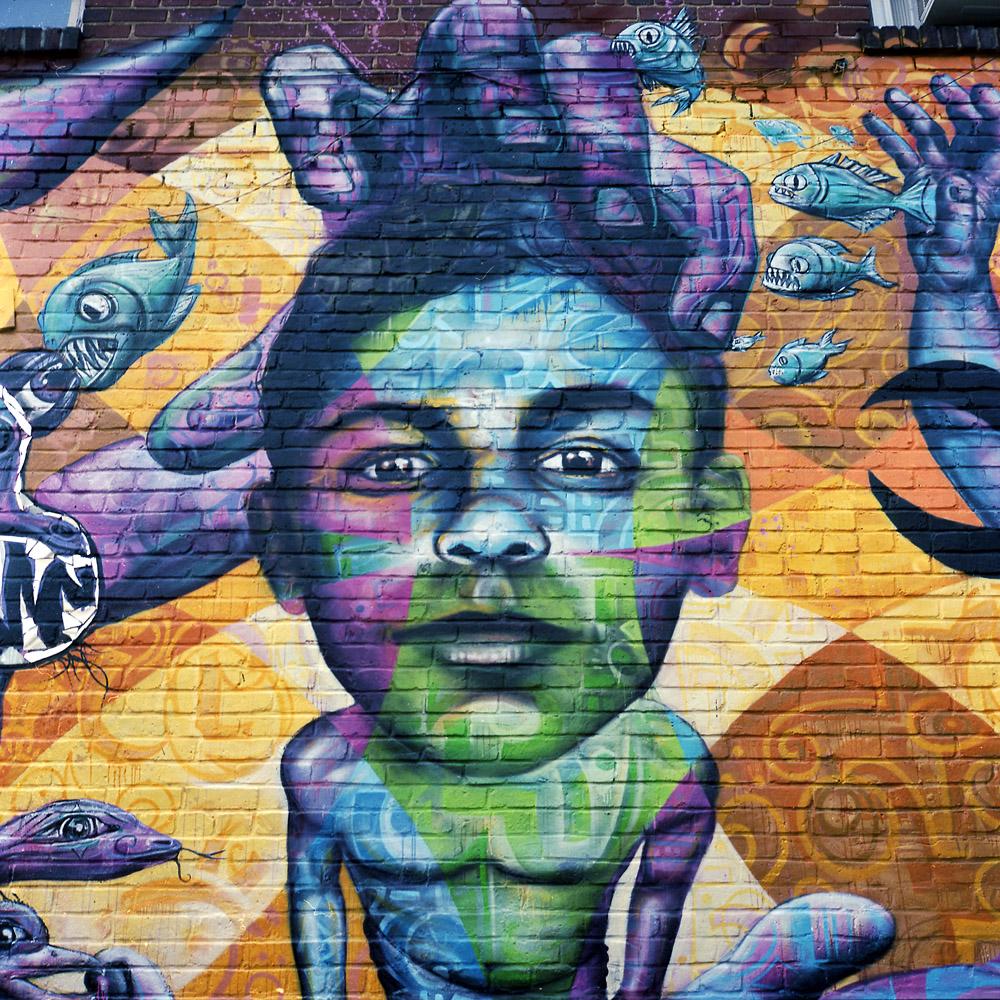
The artist came back and re-worked the piece, keeping only the head of Garuda and the head of the black boy as compositional elements, and completely re-working the color palette.
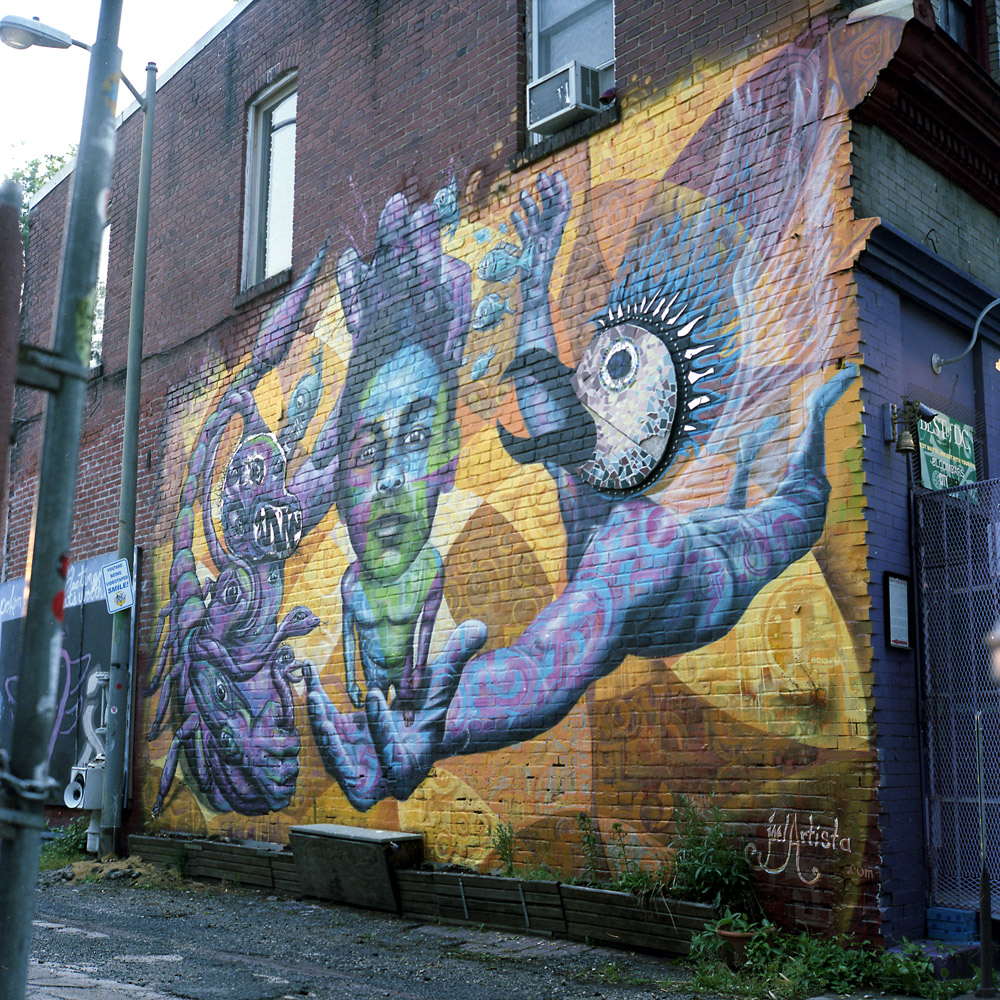
Black Boy, Garuda
Black Boy, Garuda
Black Boy, Garuda (Detail)

This is one thing a traditional photograph can’t do – it can’t evolve over time being reworked into a totally different yet fundamentally similar image. At the point you transform a photograph this much, it’s no longer a photograph. It’s figurative and not literal. Part of the intrinsic quality of a photograph that makes it valuable and meaningful as a photograph as opposed to a painting is its relative immutability and the appearance of a binary 1:1 relationship with reality. We know of course that photographs CAN lie, and that they have figurative, non-literal properties, but the descriptive quality of a photograph is so powerful that we WANT to view them as purely, literally descriptive and non-figurative – “Photos don’t lie” and the visual equivalent of “if it wasn’t true, they couldn’t print it”.

So the question to you is, is this the same mural, or is it a different mural entirely, now that it’s been reworked?

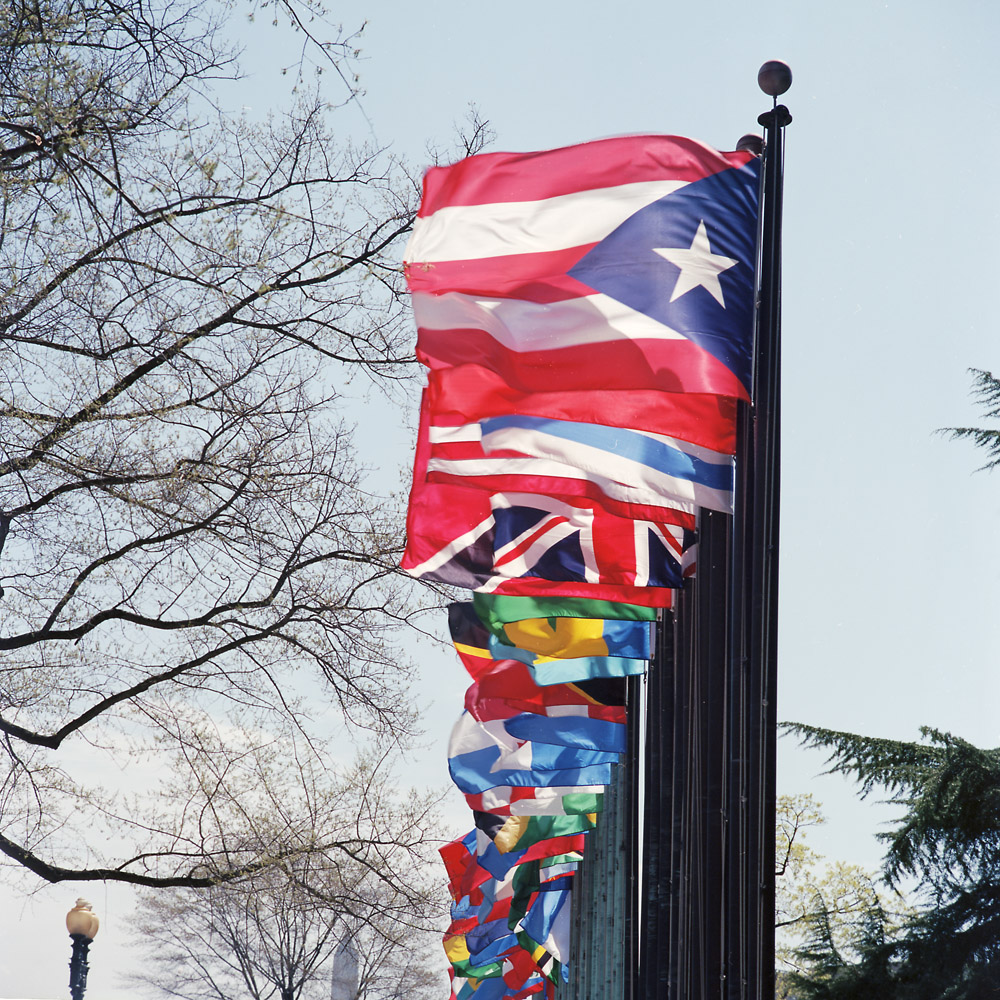
Flags, Pan-American Health Organization

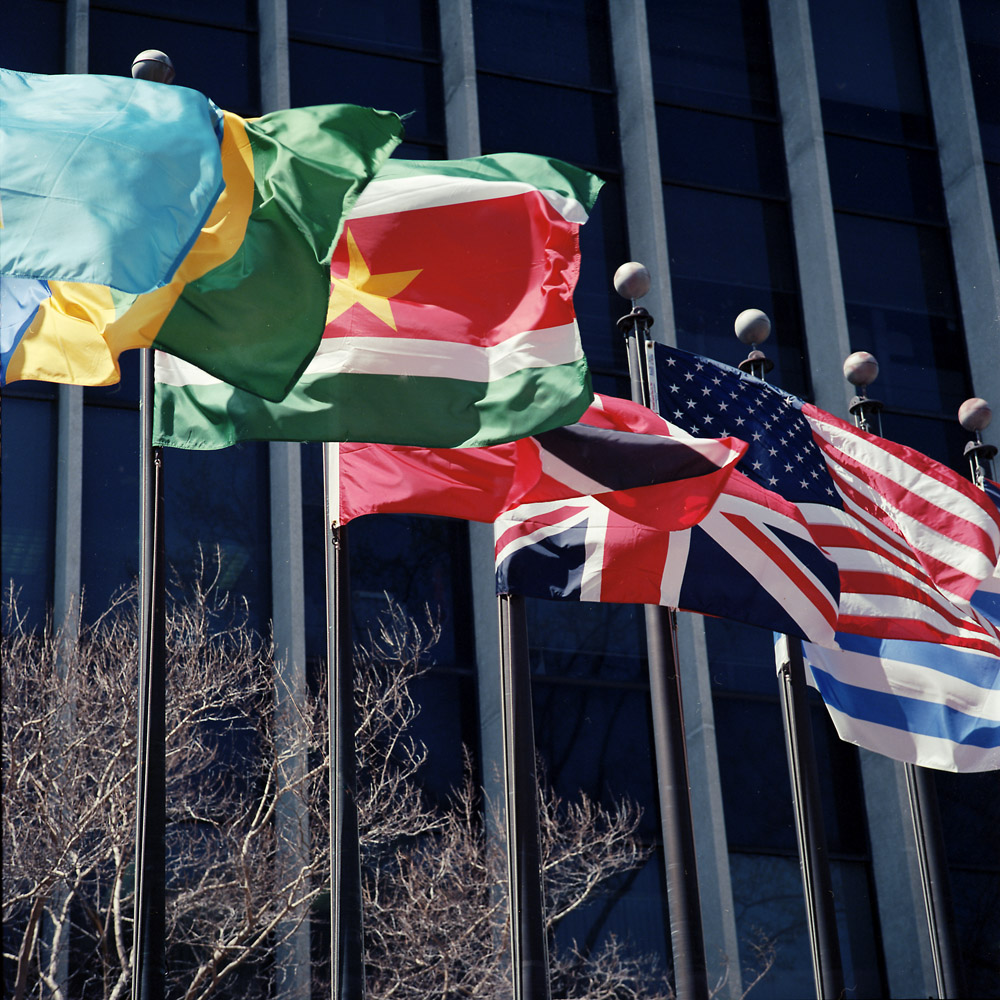
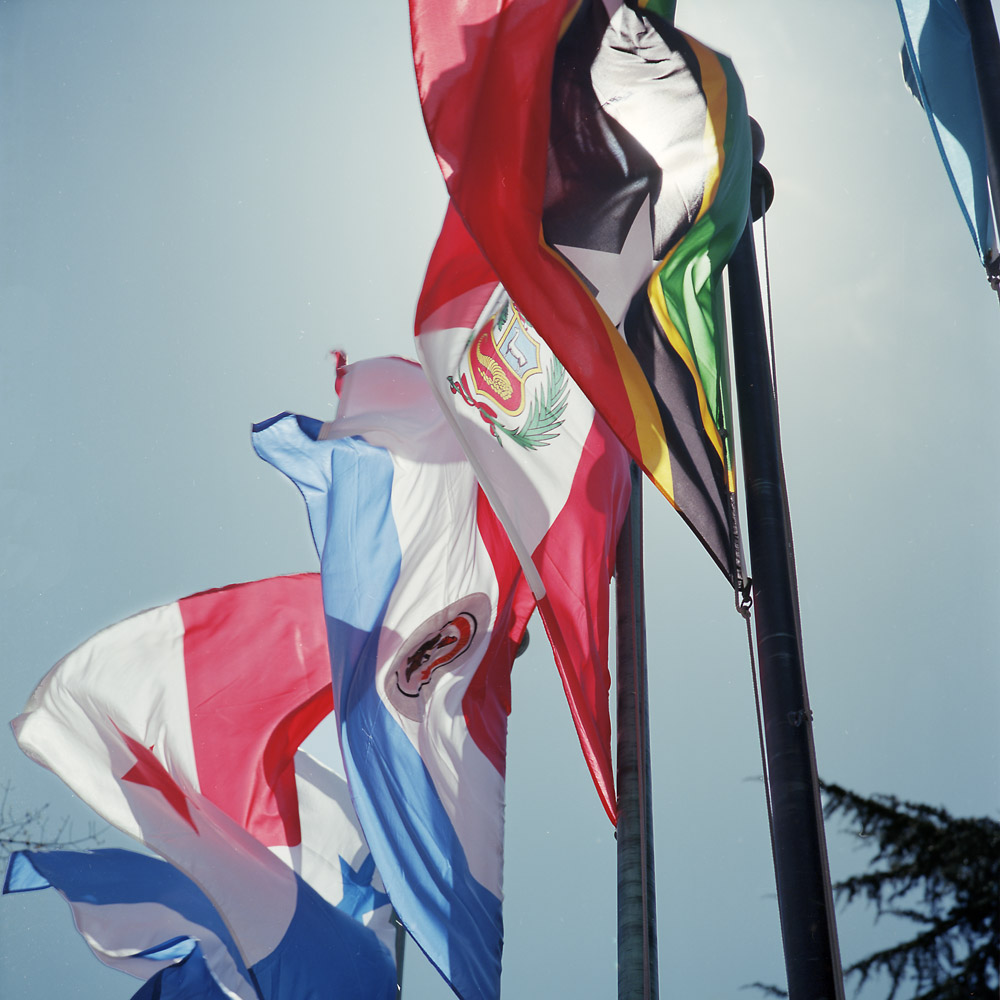
Ok, so you’ve seen me posting images of the PAHO/WHO headquarters building for the last few weeks. Here are some shots of the flags outside. There are 29 member nations, from Argentina to the United States, but also including France, Great Britain, and Spain.

Here they are snapping in a brisk breeze, with the Washington Monument visible in the background:

Flags, Pan-American Health Organization

A close-up of several flags, with the PAHO building as the backdrop:

Flags, Pan-American Health Organization

Looking up into the flags with the mid-day sun backlighting them:

Flags, Pan-American Health Organization

Second Confirmation of Identification – Clara Barton and John J. Elwell

John J. Elwell and Clara Barton, Washington DC

Over the weekend I was on a Civil War history tour with the inimitable Ed Bearss. Another tour participant was a fellow civil war image collector and a re-enactor who talks about Civil War medicine. He also works for the Civil War Medical Museum in Frederick, Maryland. We were discussing images in our collections and he too has a copy of this CDV, and even without my prompting, described it as Clara Barton and John J. Elwell. I’m still going to take some time to go down to the Library of Congress to try and verify the image in their collection. But it’s good to know that I’m NOT alone in my interpretation of who these sitters are.

Homage to Vermeer

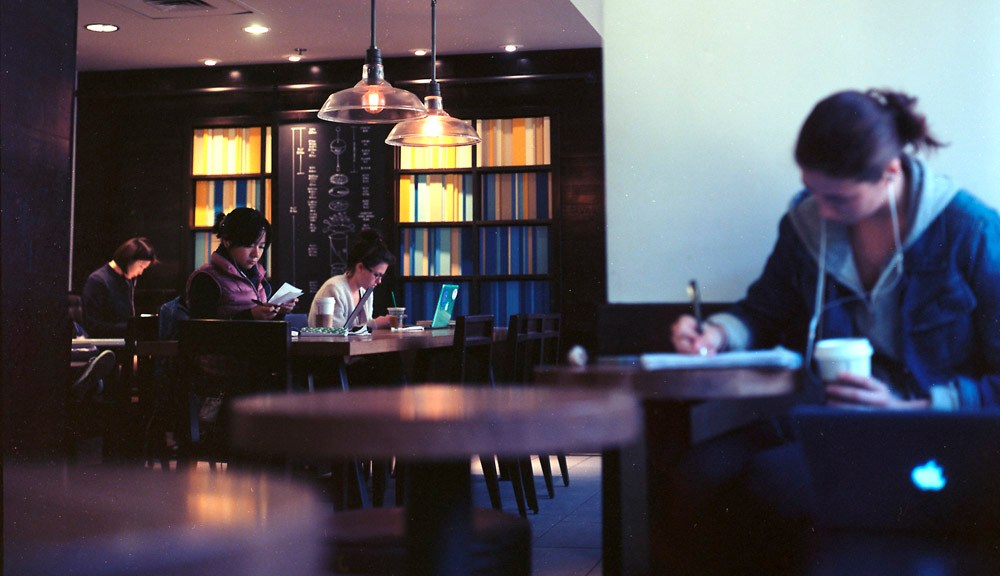
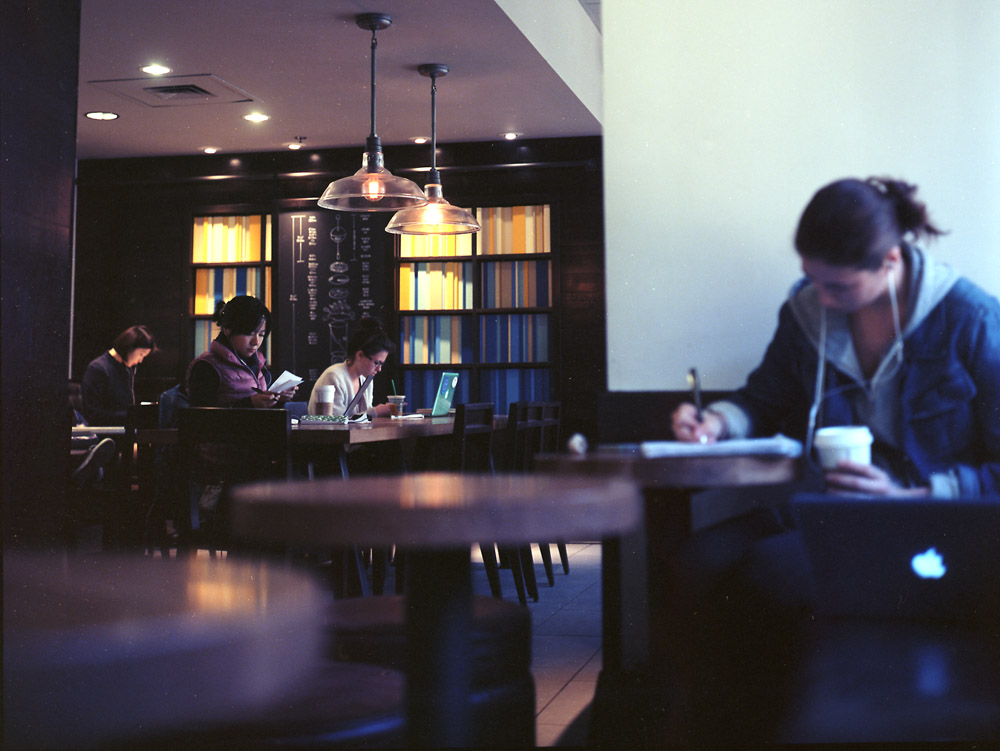
While I certainly don’t think of this as being anywhere equal or even close to a Vermeer painting, to me it has a little bit of that feel – soft light describing people working at gentle activity.

Students at Starbucks

Thinking of which, if you haven’t seen the movie, Tim’s Vermeer, you really ought to. It’s a documentary about this inventor named Tim who got this wild idea about how Vermeer painted his paintings. Tim was a visionary in his own right, having pioneered digital video editing back in the early 1990s and received an Emmy award for technical achievement. Having been relatively successful in his career, he was free to go Ahab on his obsession with the idea that Vermeer used some kind of optical device to assist him in painting. Tim, unlike captain Ahab, was able to run his idea to the ground and survive the encounter unscathed. While nobody can say conclusively that Tim was right and Vermeer DID use an optical device, his documentary film and the end result are an incredibly compelling argument in favor.

Street Portraits

Just some random captures of people out and about. I want to get better at street candids, so I’m practicing. These are a few good examples, at least I think they’re good, for me.

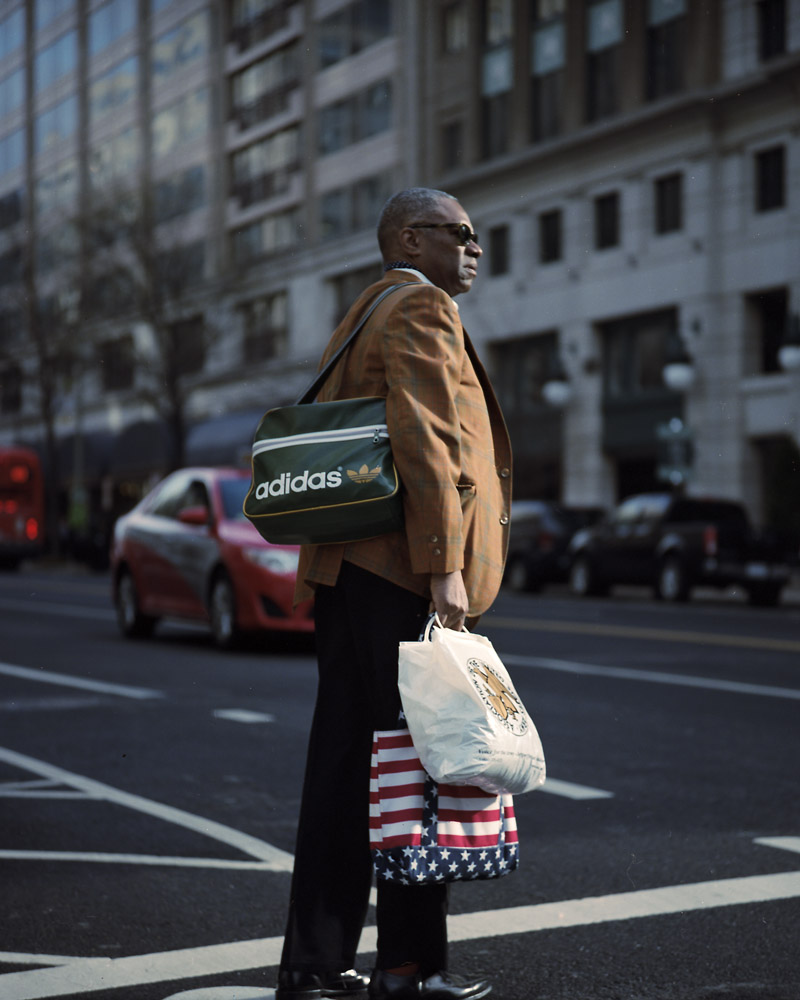
I saw this man crossing the street early in the morning, loaded down with his bags. I don’t think this shot would have worked in black-and-white – the hodgepodge of tweed jacket, American flag logo bag, Adidas bag, and the plastic shopping bag wouldn’t pop if they were tonally similar.

Man Crossing with Bags

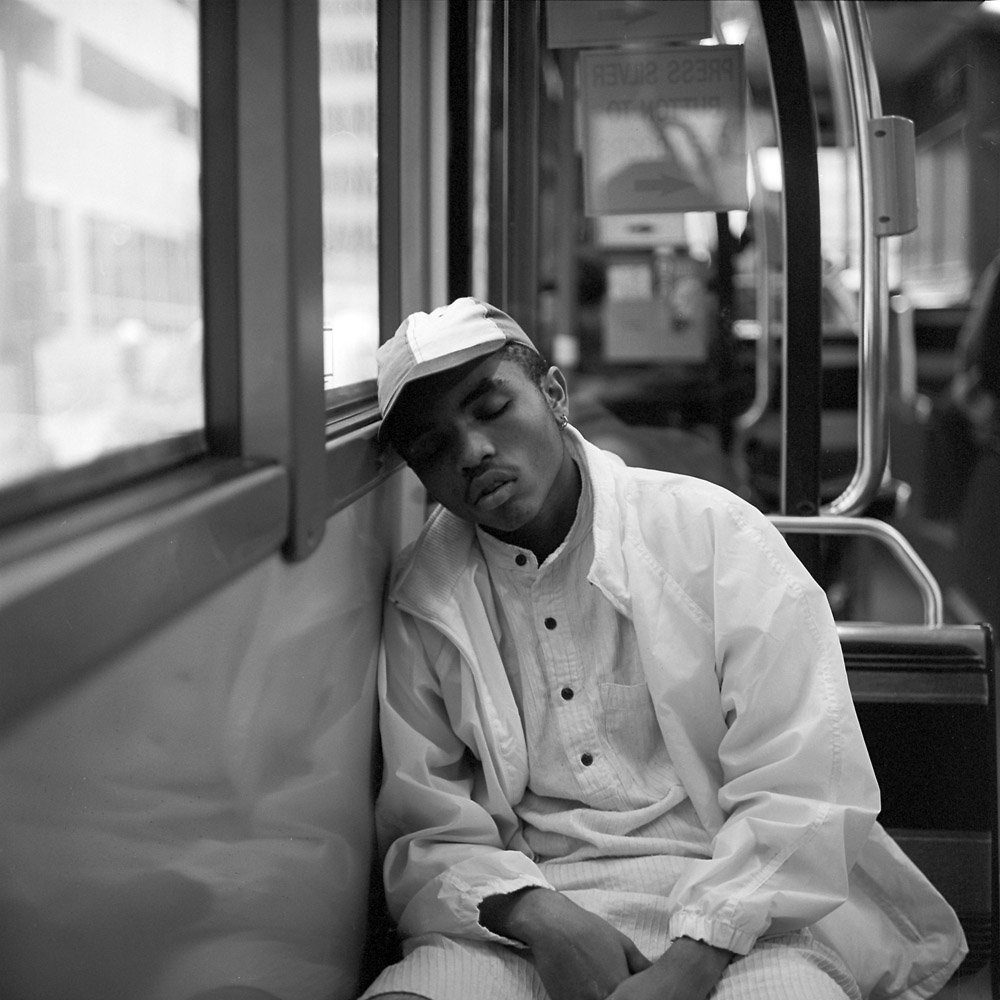
I’ve posted the boy on the bus sleeping before. This one DOES work better in black-and-white because the brightness of his hat and shirt contrast with his skin color and give him a very peaceful, almost angelic look.

Boy Sleeping On Bus
Boy Sleeping On Bus

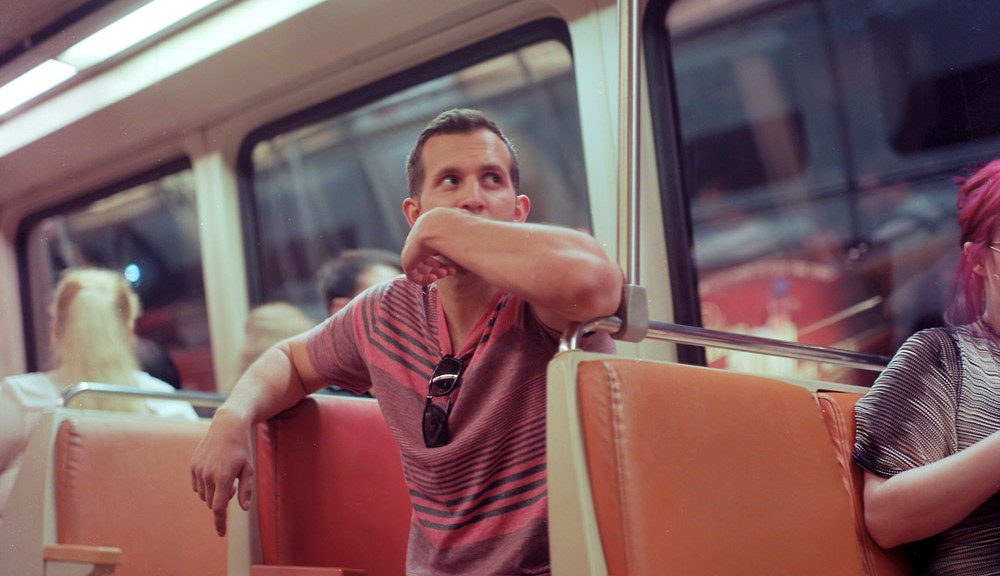
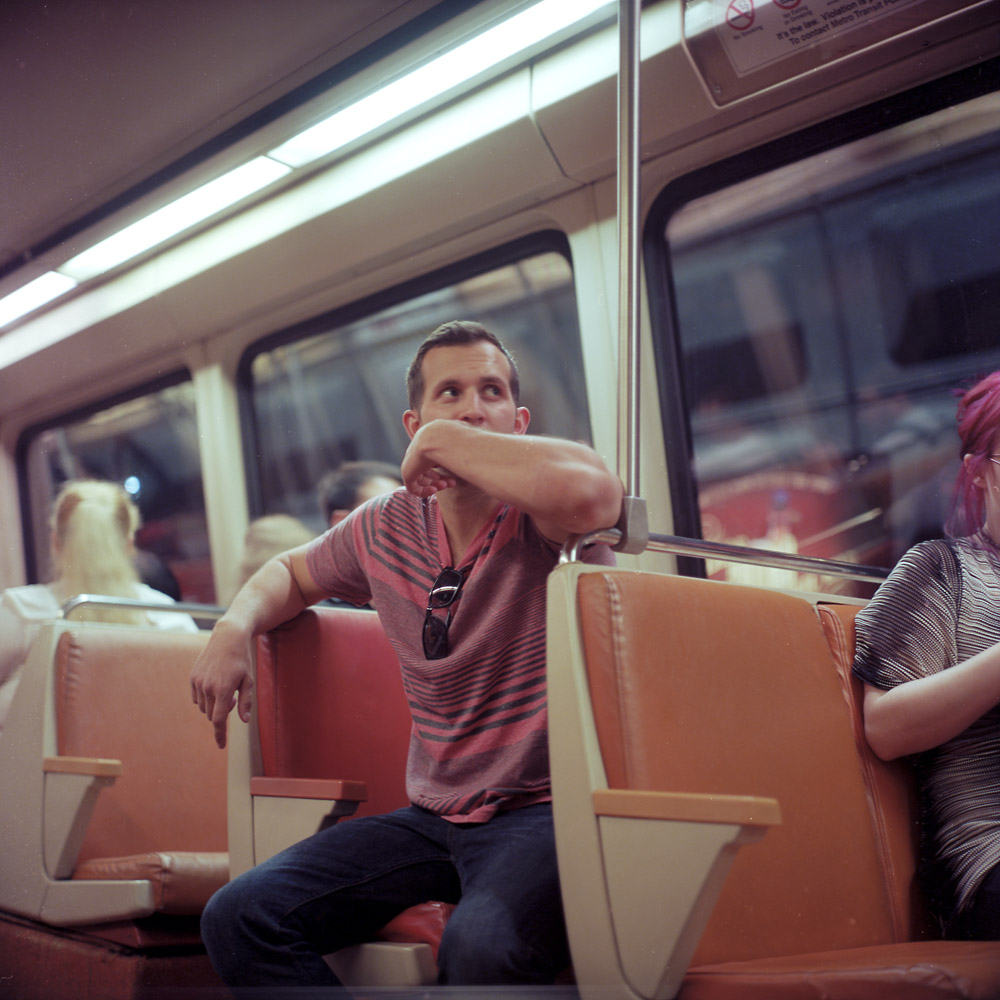
This man is watching the overhead sign announcing the upcoming station. I caught him in an unguarded moment, doing what everyone does on the train. Hard to tell if he’s a tourist or a local.

Waiting For His Stop

Jaleo, In and Out

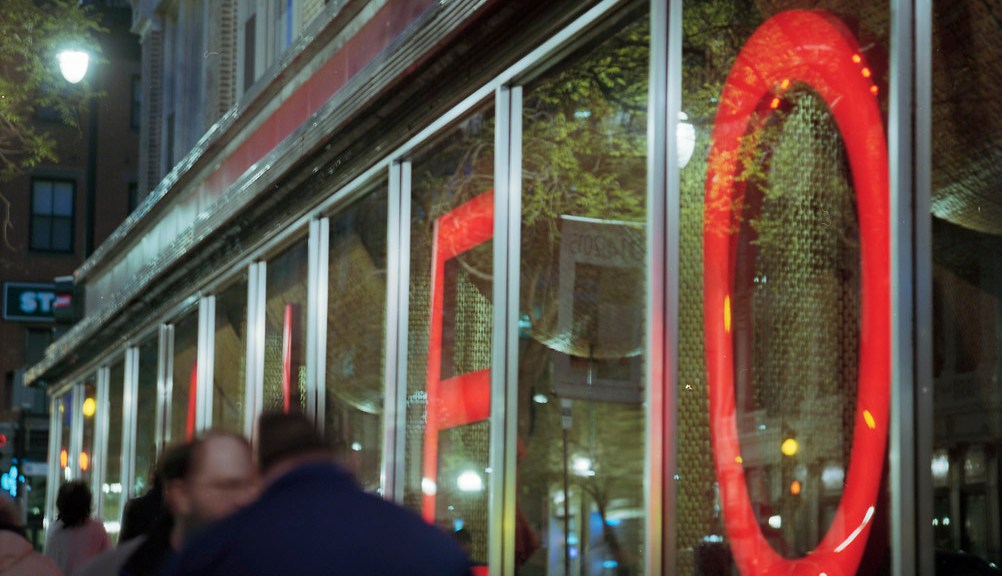
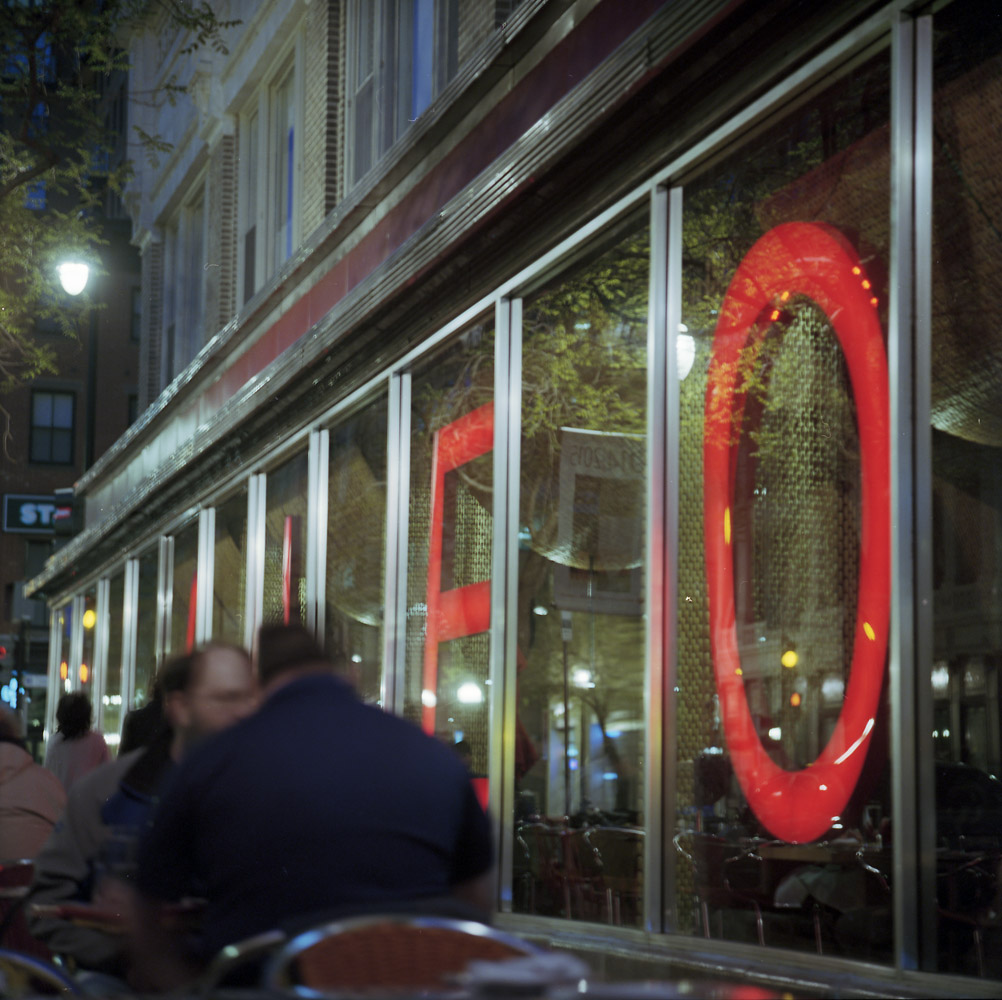
I’ve walked past the giant red JALEO letters in the window of Jaleo, a Spanish tapas restaurant downtown DC, for years, wanting to photograph them but never really getting it the way I want. The first shot comes the closest. To get what I’d like to get, I’d have to stand in the street, in the winter, and cut down the trees out front as well. So this will have to do.

Jaleo Outside
Jaleo Outside

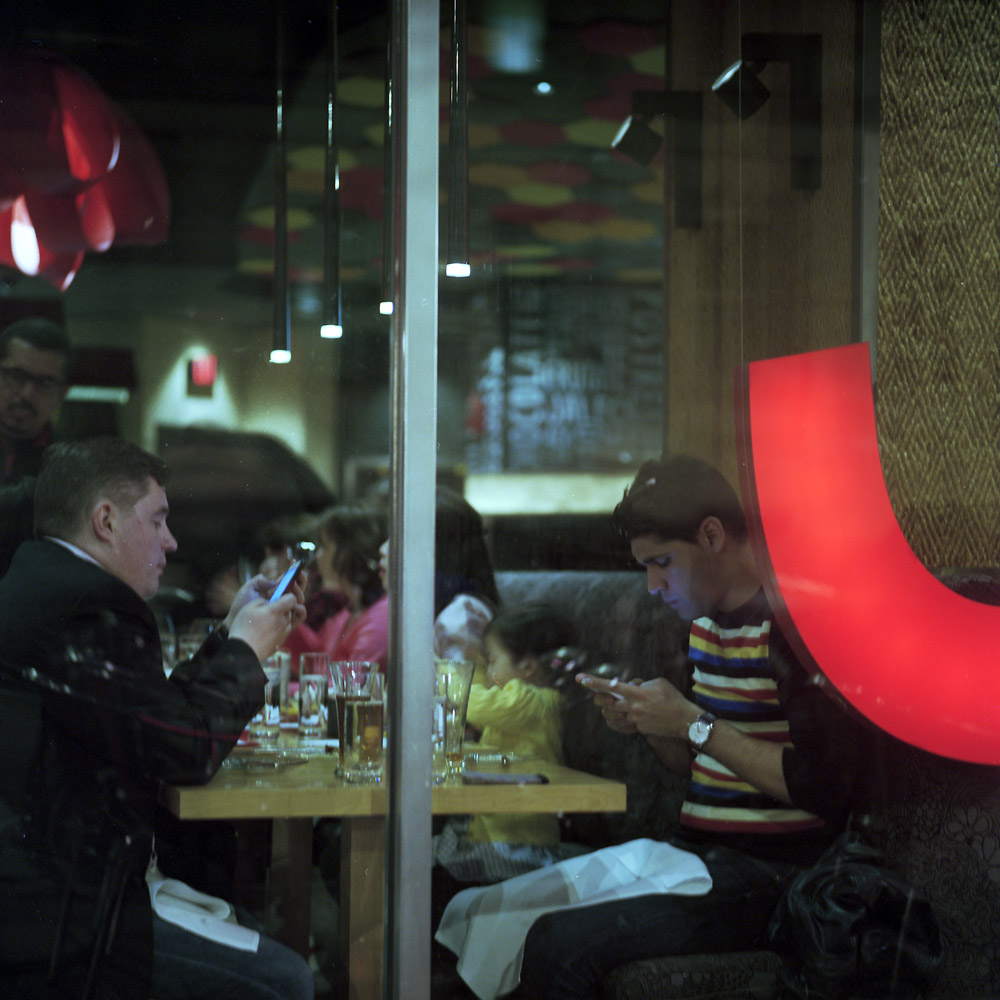
A view into the restaurant. Photographically, what interests me in taking an image like this is the visual layering that happens – there’s reflections in the glass, the big red J, the people at the table, the pendant lights leading you away deep inside the restaurant, the other patrons at tables in the rear. Sociologically, this is another indictment of the modern life – two people at dinner staring at their phones instead of interacting with each other.

Jaleo Inside
Jaleo Inside

It’s a sad commentary on how inward-focused we as a society have become that it is socially acceptable for two people (or more!) to go to dinner together and interact more with their digital devices than with the other human beings at the same table. We’re there to do one of the most basic and most pleasurable things two or more humans can do – share a meal. Put down the damn phone at the dinner table!

Commuter Diary, Part 11

More in my Commuter Diary series. These are more about the people on the train and in the station than they are about the stations and trains.

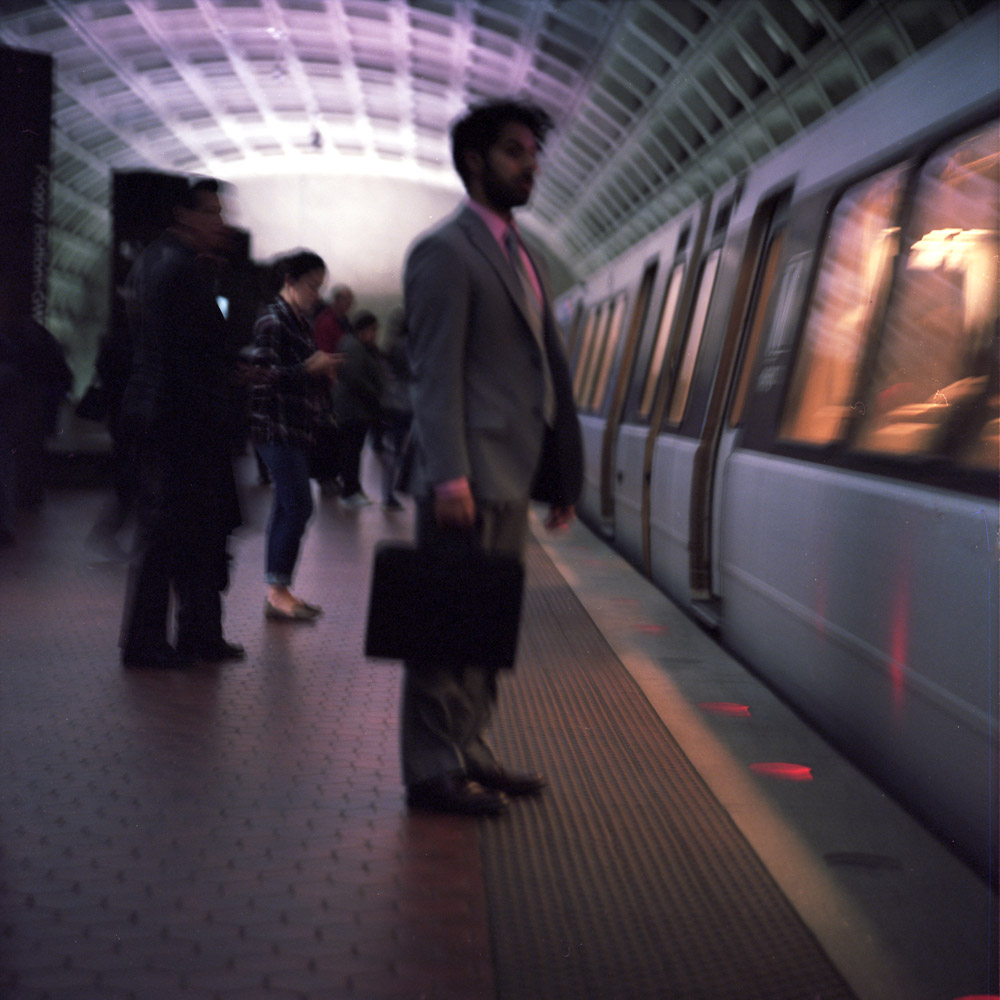
The man in the suit stands out not only from his attire but also from his posture and from actually standing apart from the other riders on the platform waiting for a train.

Man in Suit
Man in Suit

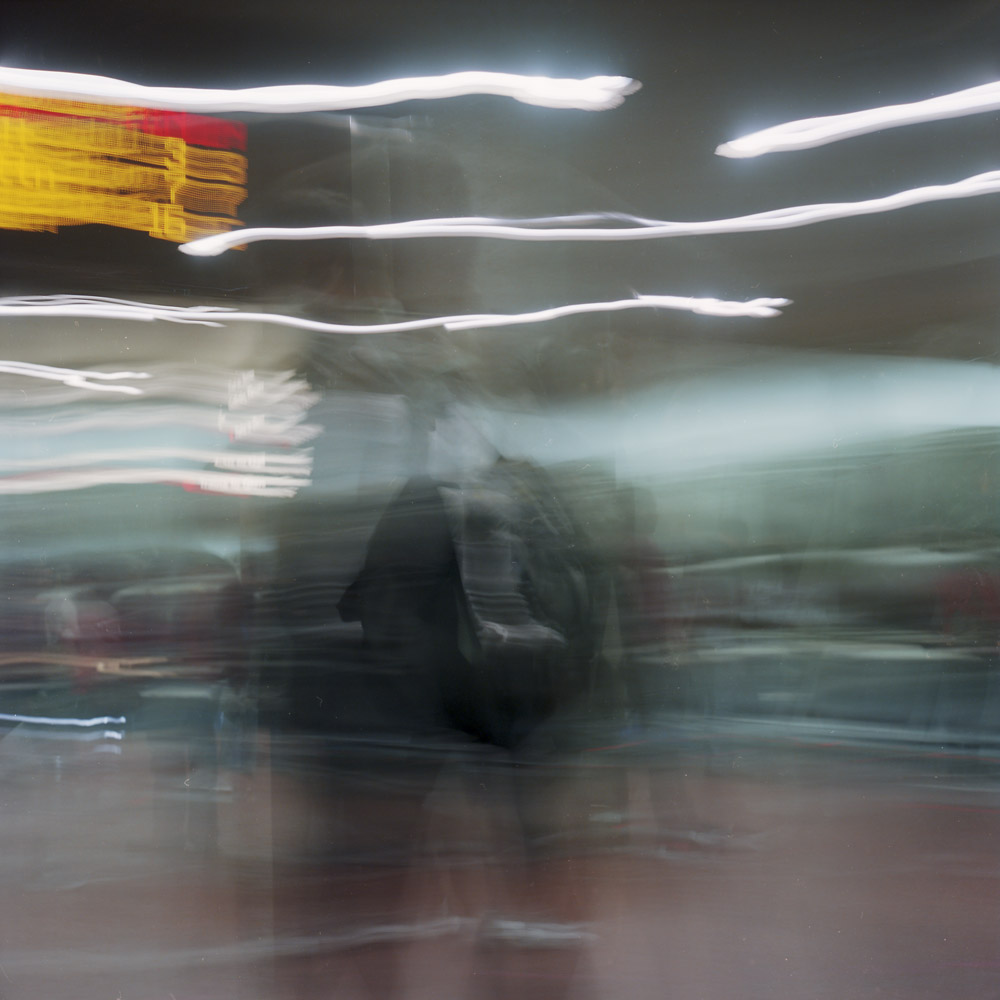
This was a visual experiment for me, to see what it would look like to follow a moving subject. This man was talking furiously on his phone, pacing back and forth in an erratic elliptical orbit of a spot on the platform.

Man, Pacing with Phone

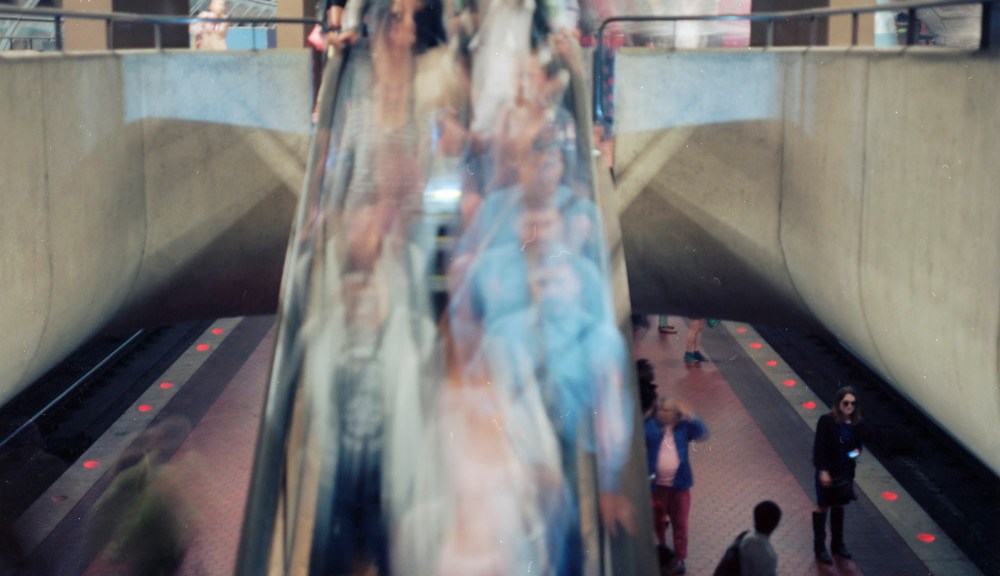
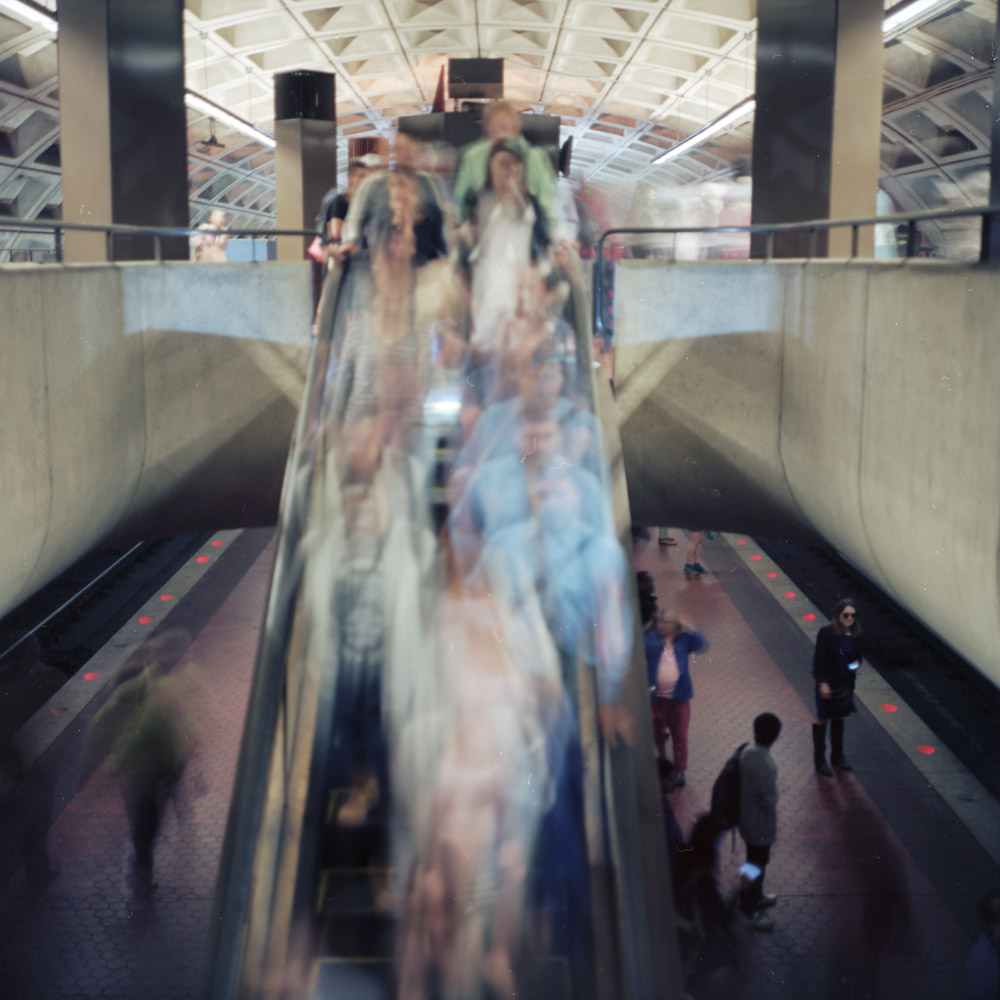
The flow of people is remarkably sharp given the length of time I had the shutter open for (several seconds). The repetition of people’s shapes going down the escalator is from the escalator being turned off and them walking down, so they pause just long enough between strides that they register over and over again. I’m going to re-try this experiment and see how many repetitions I can capture.

Down Escalator Flow
Down Escalator Flow

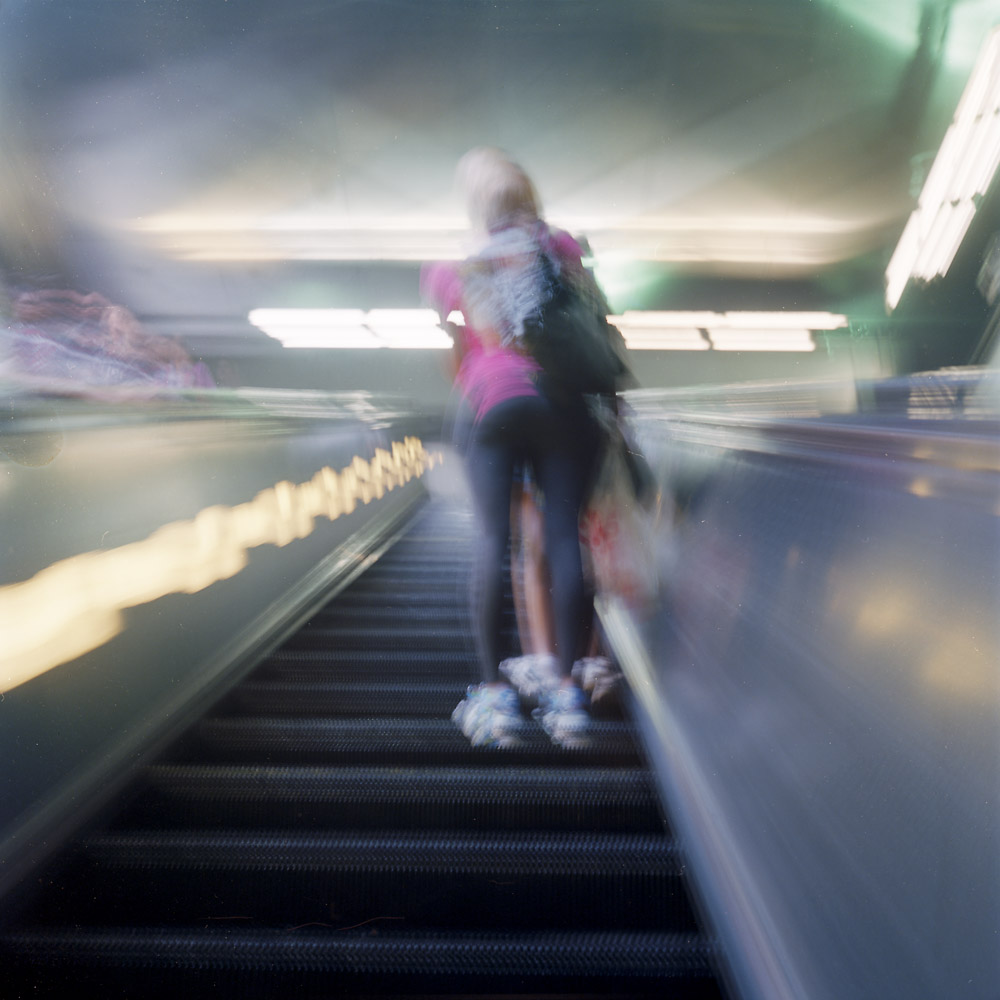
Another typical experience in the daily life of a commuter – watching the person in front of you as you ride up the escalator.

View, Up the Escalator

Street Style

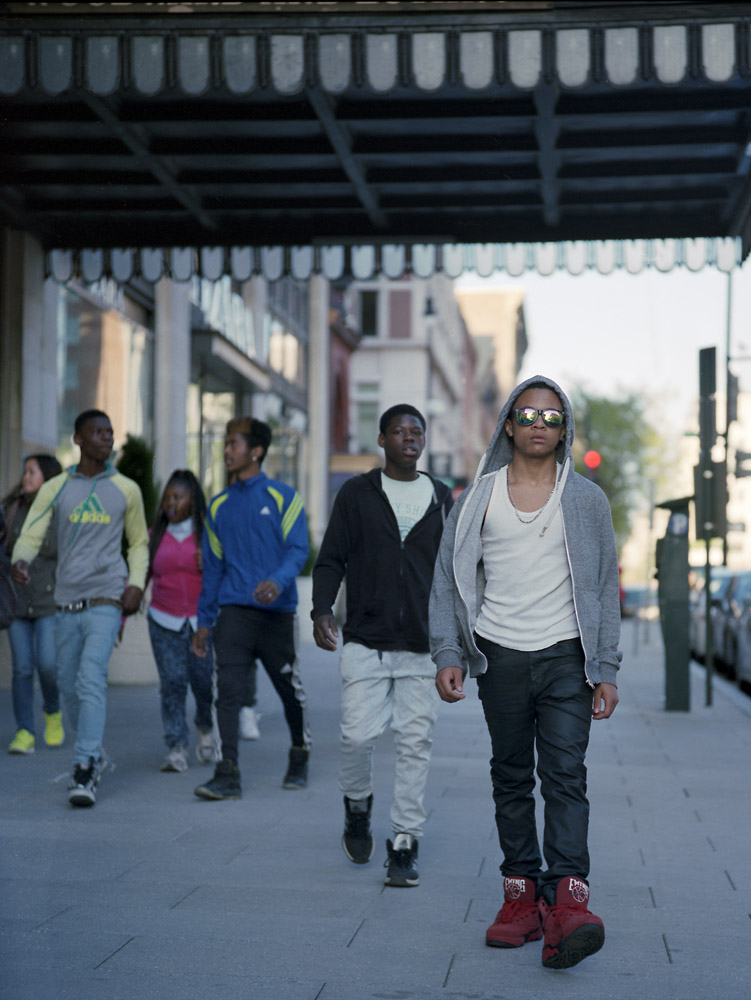
I’m still learning how to shoot candid street scenes. This is a relative success story. I got on film what I imagined when I composed and shot this image – shallow depth of field emphasizing the boy with the red sneakers and mirror sunglasses. I saw him coming toward me, guesstimate focused a distance, then clicked the shutter when he hit that point. There was another shot I took on the same walkabout of a little boy clowning around on one of the bikeshare bikes that I had to guess the focus, and I missed, which was very disappointing because it was a cute composition.

Street Style
Street Style

I’m on the fence about the crop, though. Does it draw too much attention away from the boy in the red sneakers?

World Health Organization in color

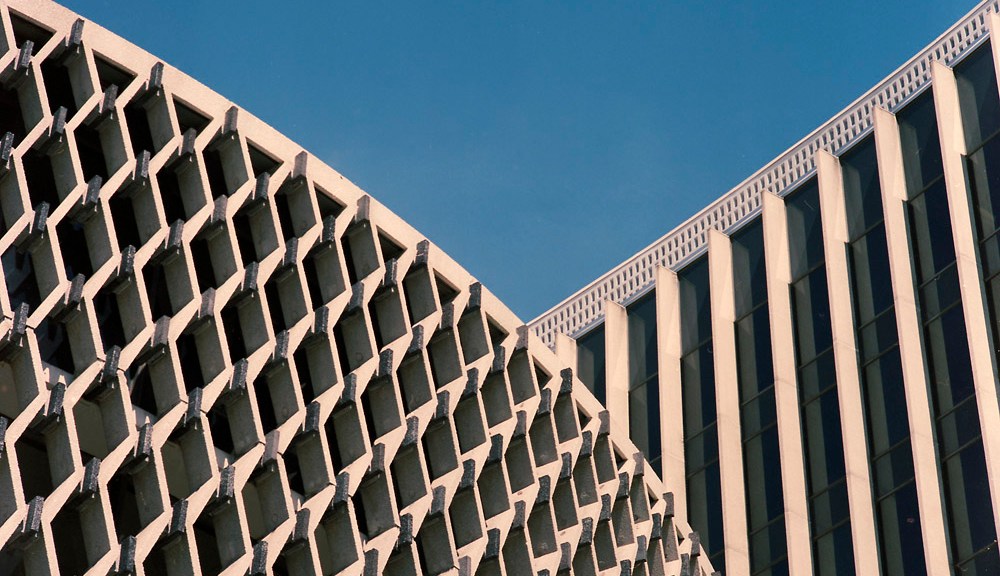
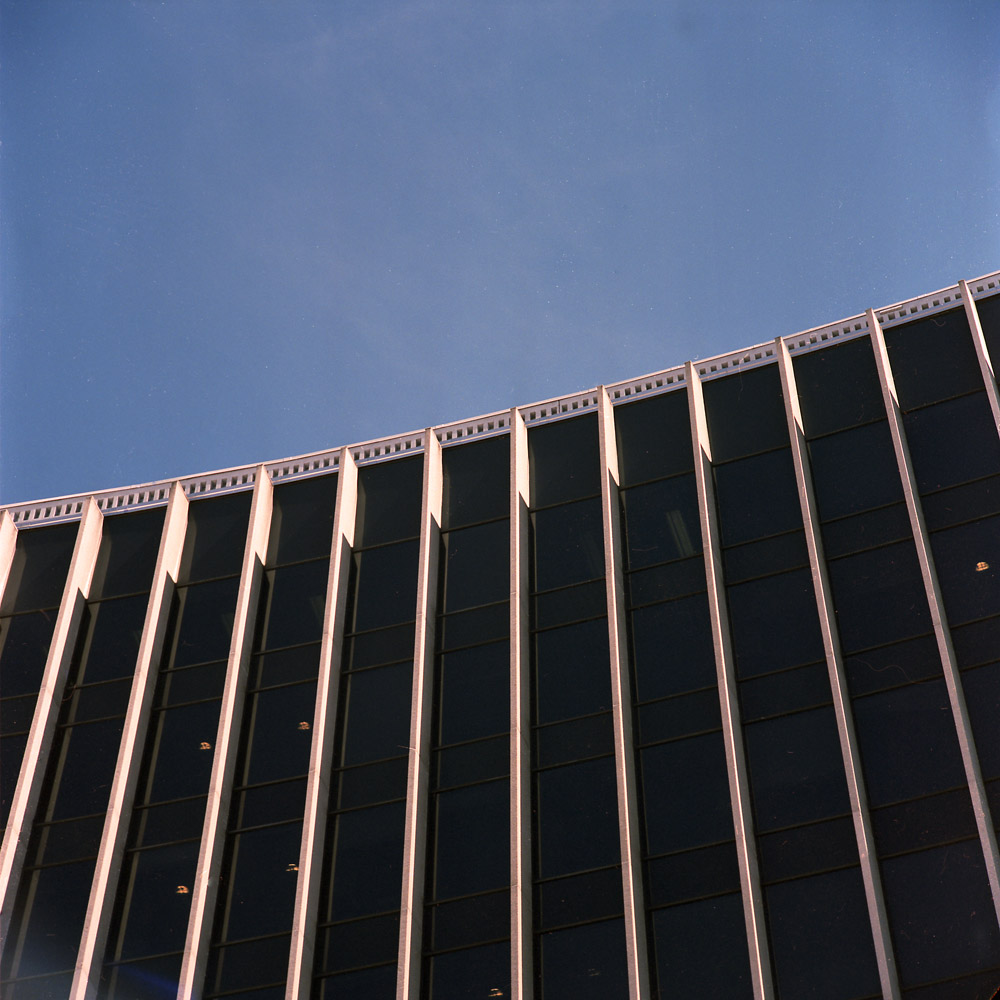
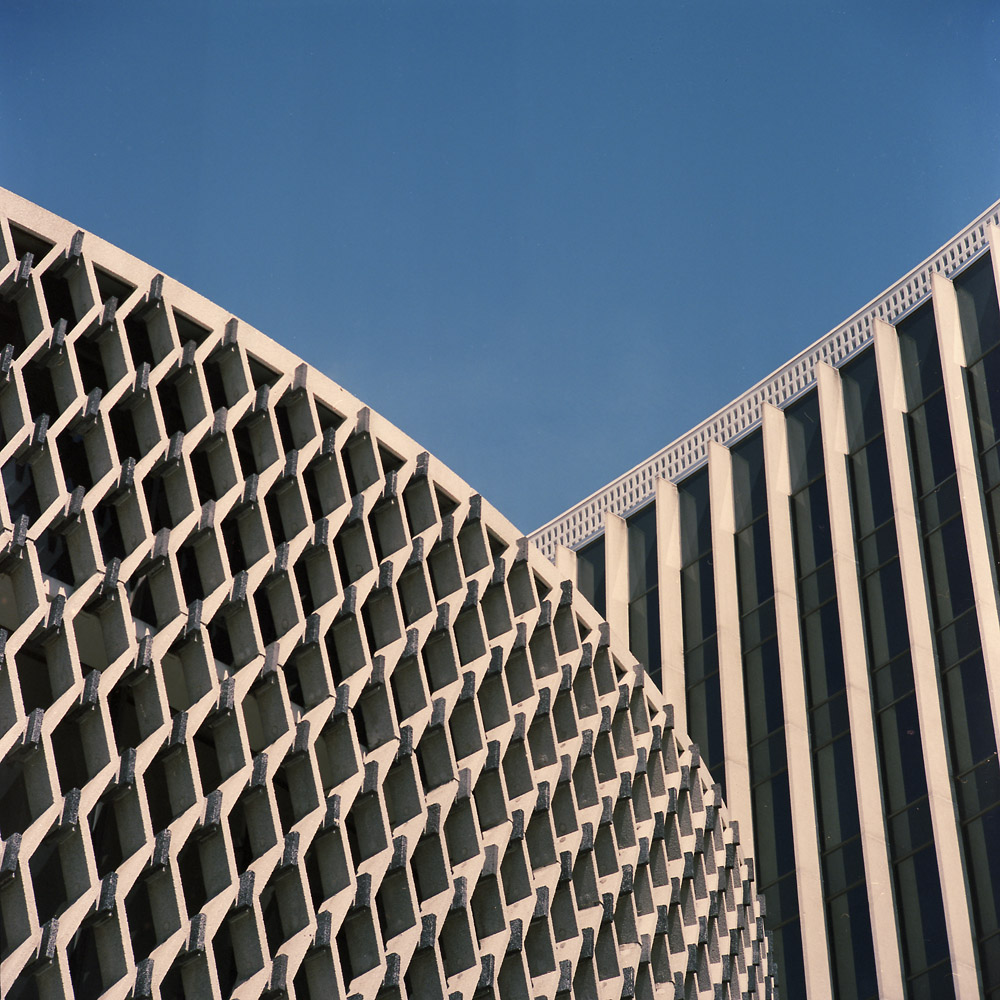
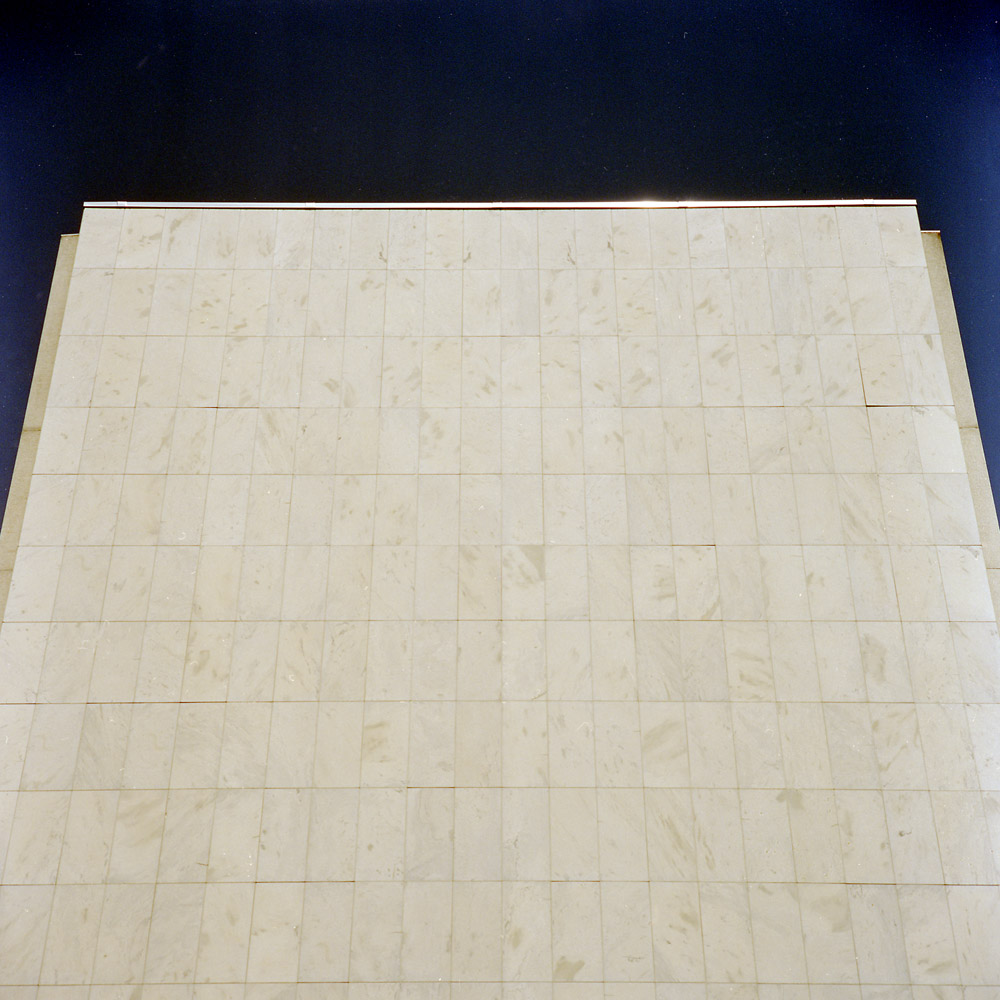
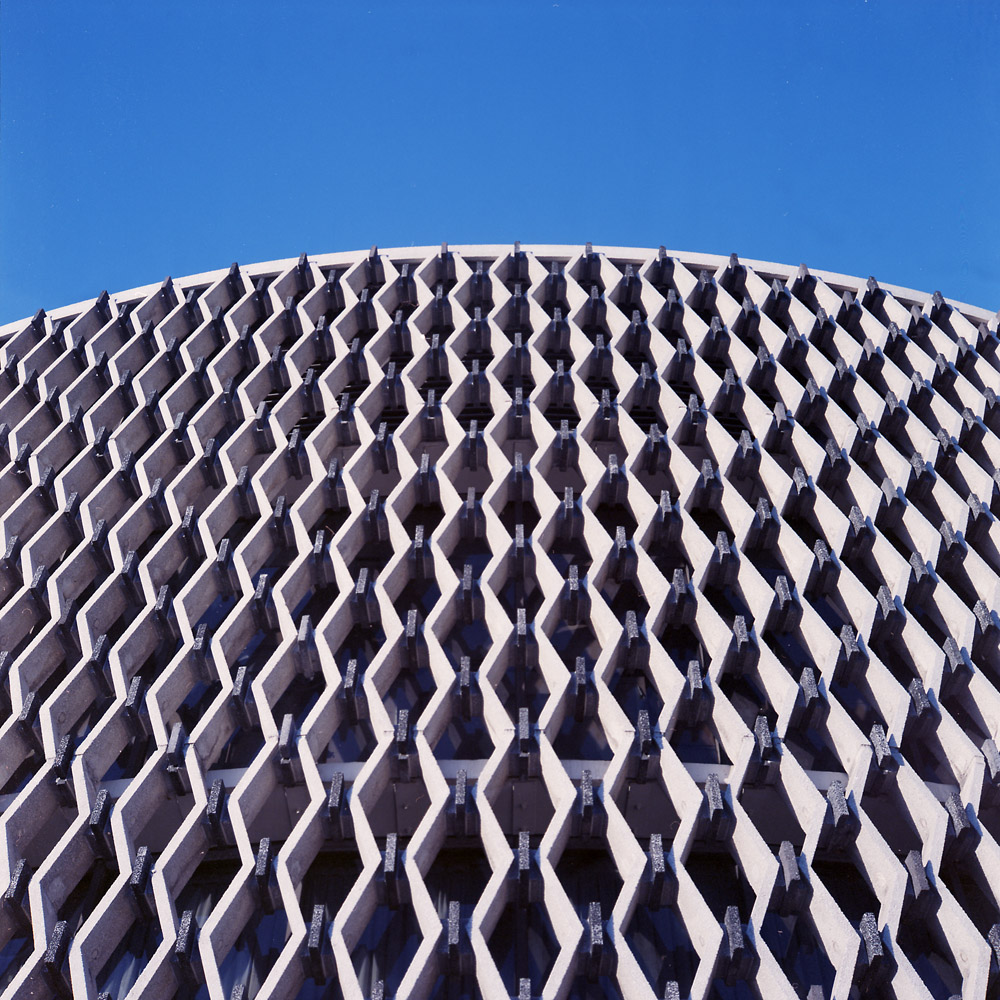
I’ve been photographing the World Health Organization building in black and white, regularly, because the architecture lends itself so very nicely to geometric abstracts. Here it is in color, to show a different take on photo abstraction and the creation of meaning in an image.

World Health Organization, Sky Arc
World Health Organization, Sky 'V'
World Health Organization, Sky ‘V’
World Health Organization End, 'Monolith'
World Health Organization End, ‘Monolith’
PAHO/WHO Building
PAHO/WHO Building

The building itself was designed by Uruguayan architect Roman Fresnedo Siri. In 1961, Siri won an international design competition with his arc and cylinder concept. Construction was begun in 1963 and the building opened officially on September 27, 1965. There are bronze plaques on the face of the tower representing each of the 29 member nations.

Planter Box Waterer

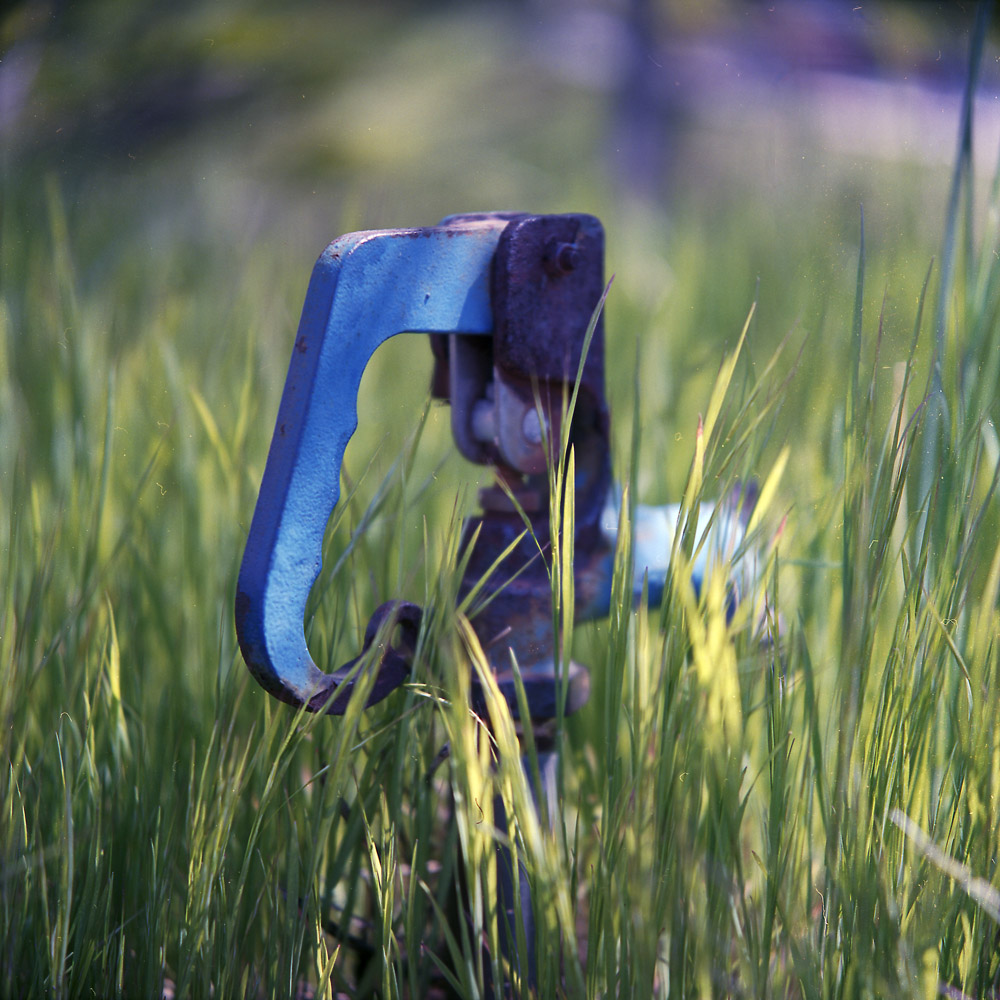
I saw this hose connector for watering the planter box down the street from my office and the blue handle contrasted perfectly with the new green grass around it. The light filtering through the tree leaves above the planter box made dappled patterns in the grass and softened up the scene so that the contrast was created through color as much as it was through brightness and darkness. The shallow depth-of-field really makes the blue of the handle pop out even more against the sea of green.

Hose Connector
Hose Connector

It was also the perfect opportunity to test out the macro capability of my Tele-Rollei with the Rolleinar 1 close-up set.A friend of mine had advised me that the Rolleinars made for the standard Rollei work just fine with the Tele-Rolleiflex. There were a separate set of Rolleinars originally designed for the Tele, and they look somewhat different. I was concerned that the parallax-correcting prism for the viewing lens in the Rolleinar set for the standard would over-correct and the composition would be off, but it doesn’t, as can be seen here. The pump handle is in exactly the spot I composed for.