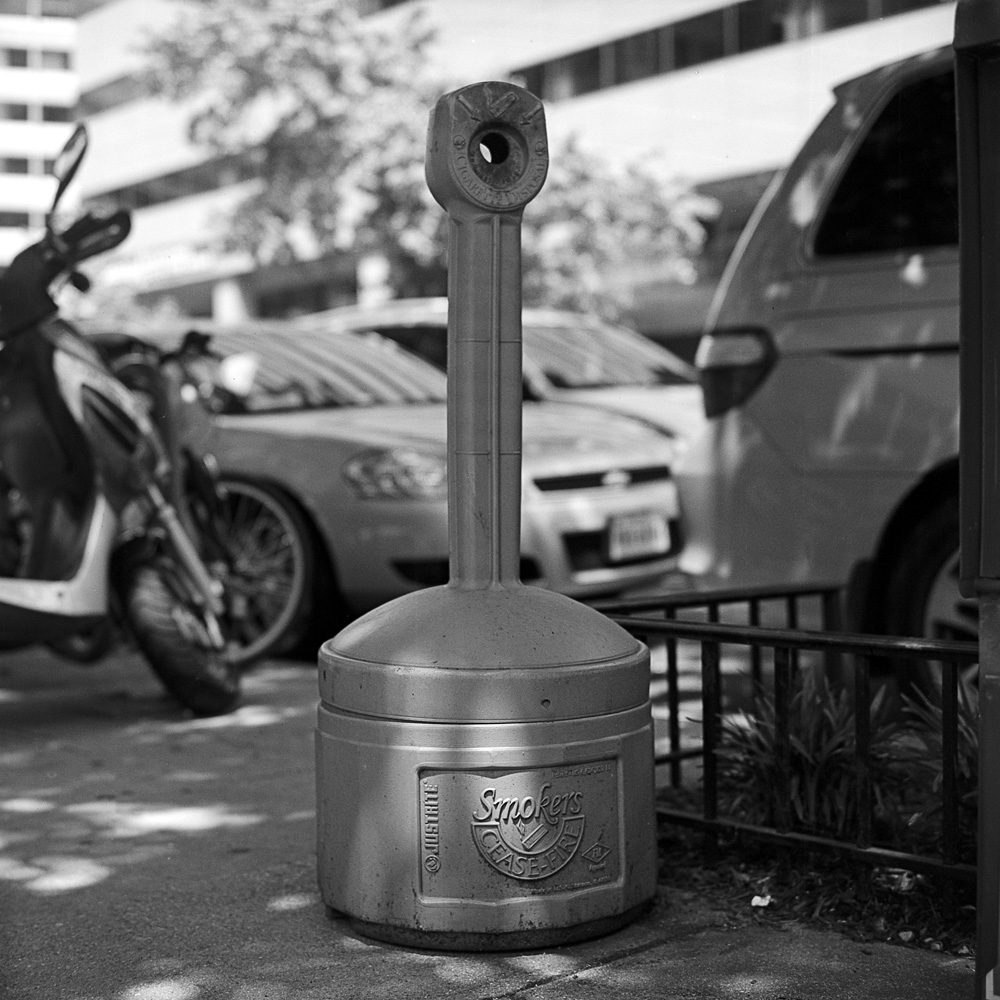
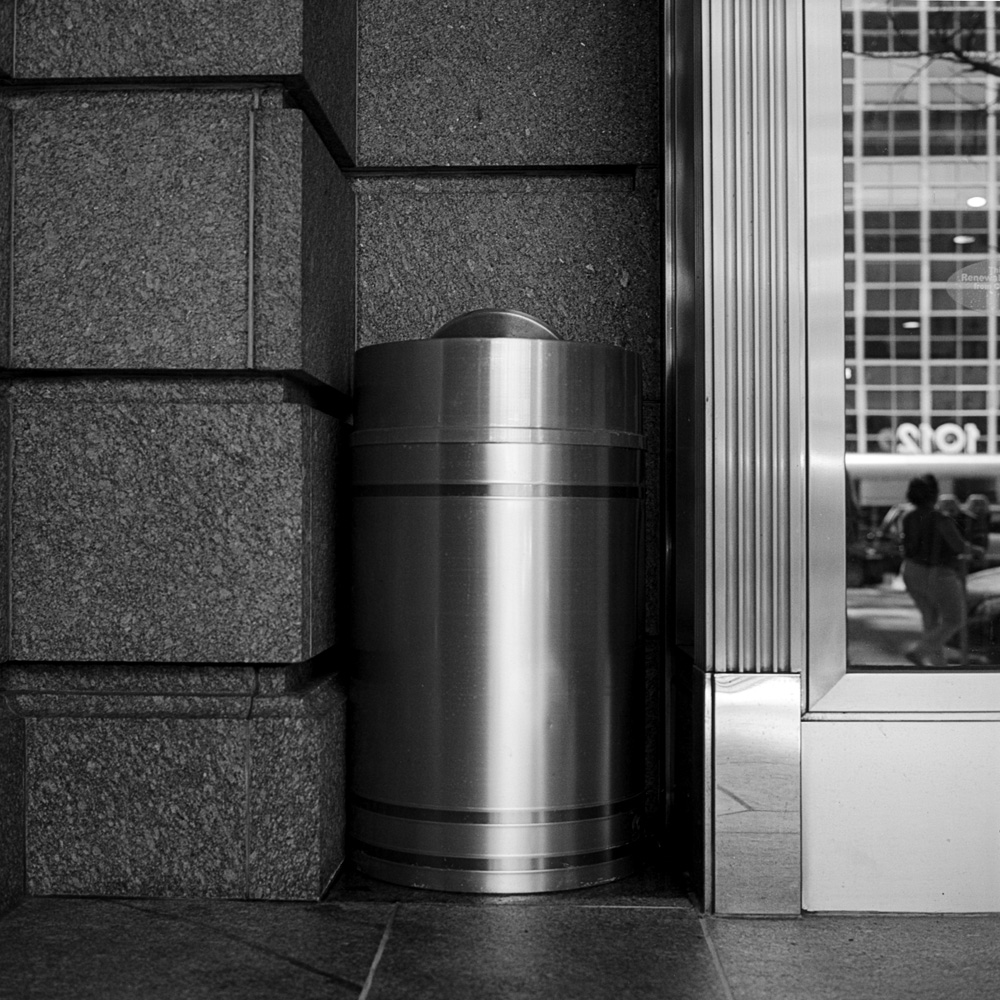
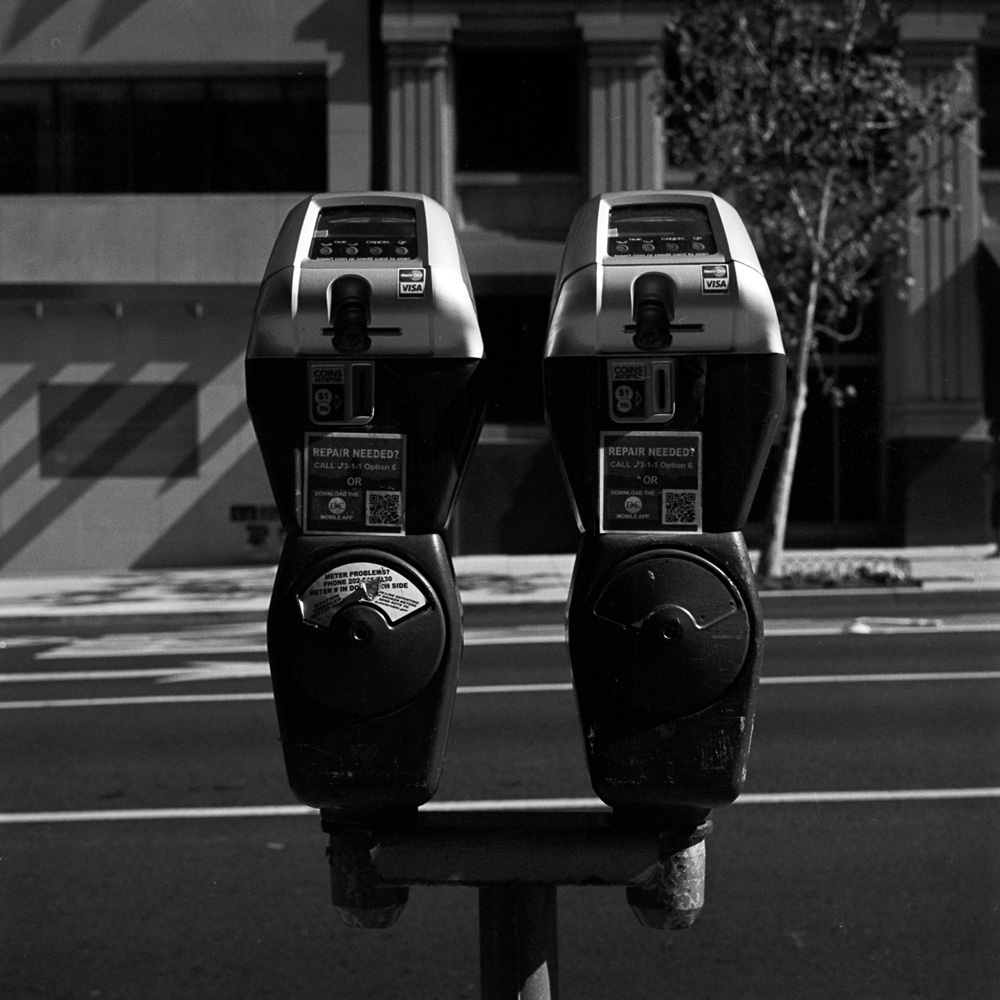
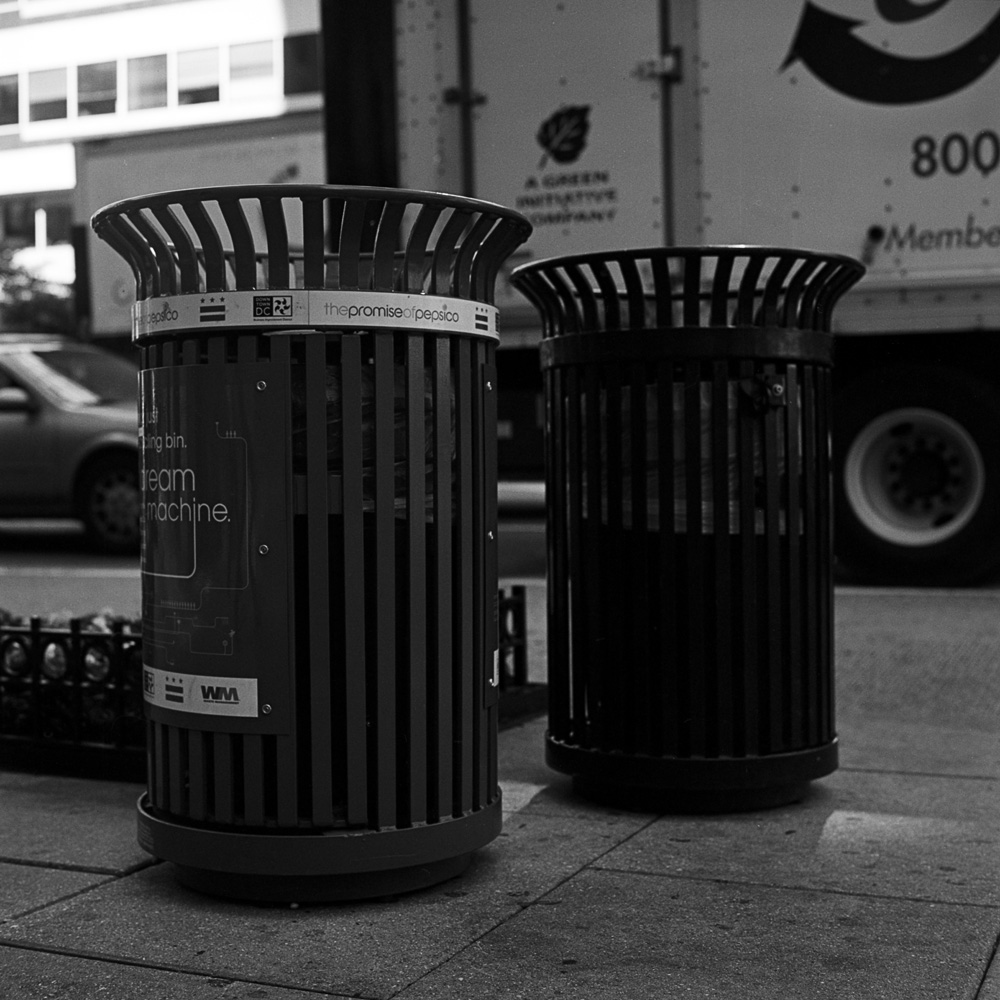
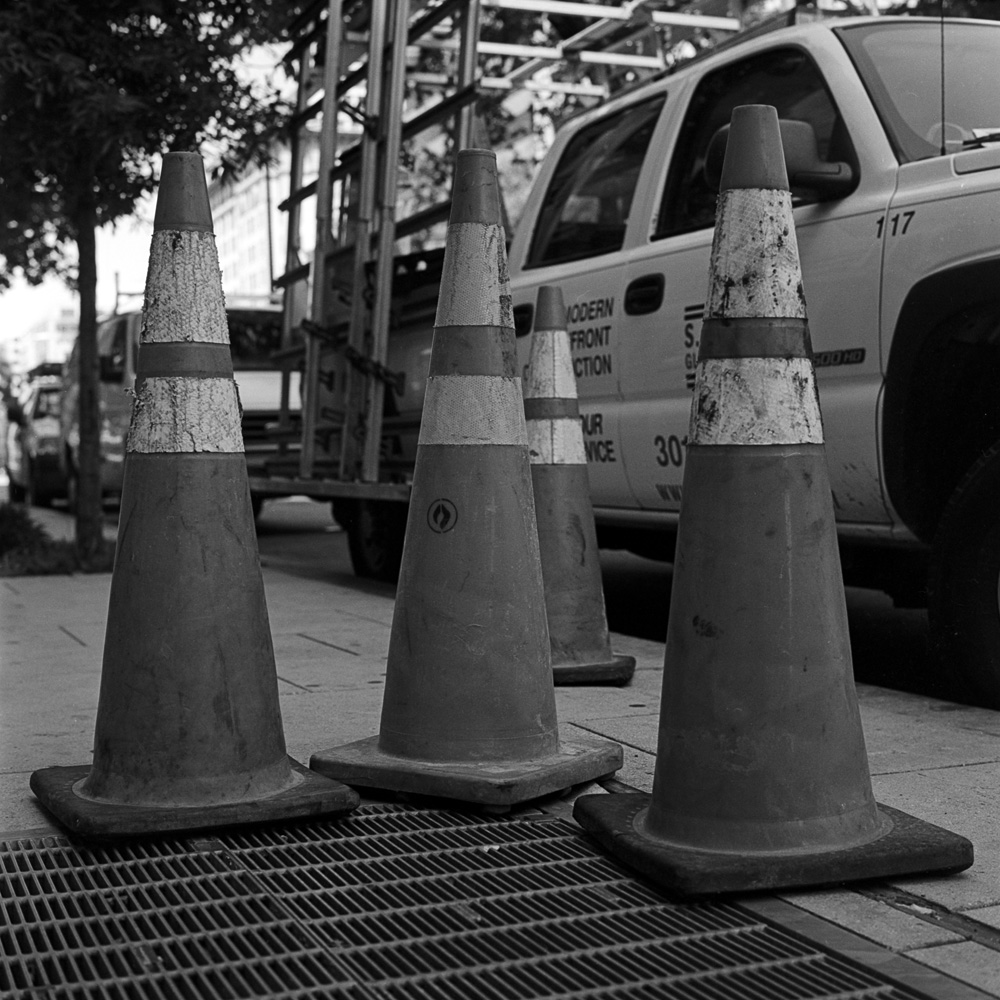
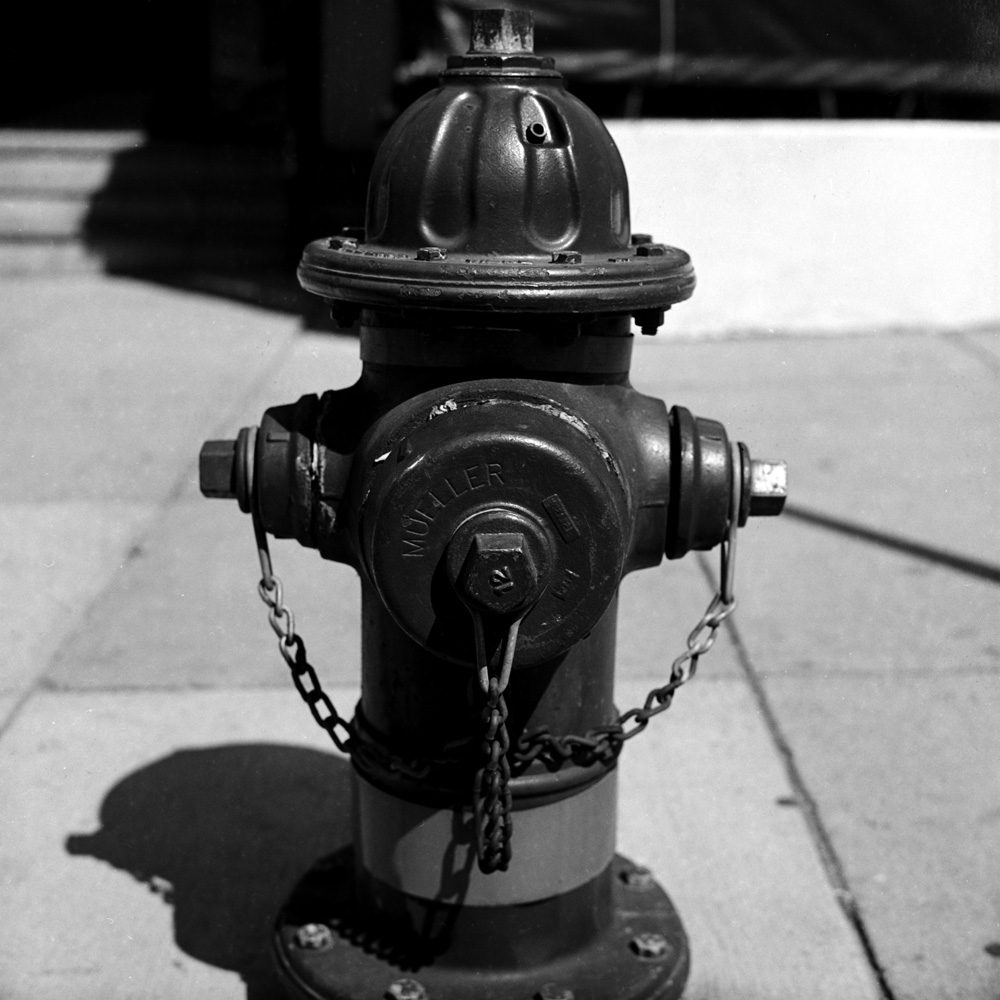
Smoker’s PotChrome TrashcanTwin Parking MetersCouple – Recycling BinsTraffic Cones – Family Group
This is the start of a new series I’m working on – portraits of everyday objects. I want to show things we pass every day but don’t pay attention to as if they were subjects deserving of portraits. These are by definition environmental portraits, as these things are found in our environment, not in a contextless studio. I’ve done a few before in color, but I think the black-and-white lends them a certain formality that elevates them from record shots.
This is my friend Sam Huang, one of the owners of Mad Momo’s, a Himalayan/fusion cuisine restaurant and beer deck in the Columbia Heights neighborhood here in Washington DC. He and another friend of mine took over a partially renovated space, finished the build-out, and turned it into this really cool restaurant with sidewalk seating, a dining room, lounge space, two bars, and front and rear roof decks. The food is inspired by traditional Himalayan dumplings, called momos, thus the name of the restaurant. I took this portrait of him in the front window of the main room using my Rolleiflex. Someone commented to me elsewhere seeing how much I’ve been using the Rollei lately that I’d better not wear it out… well, it’s only 57 years old now, so I figure as long as I do proper maintenance on it, it will outlast me.
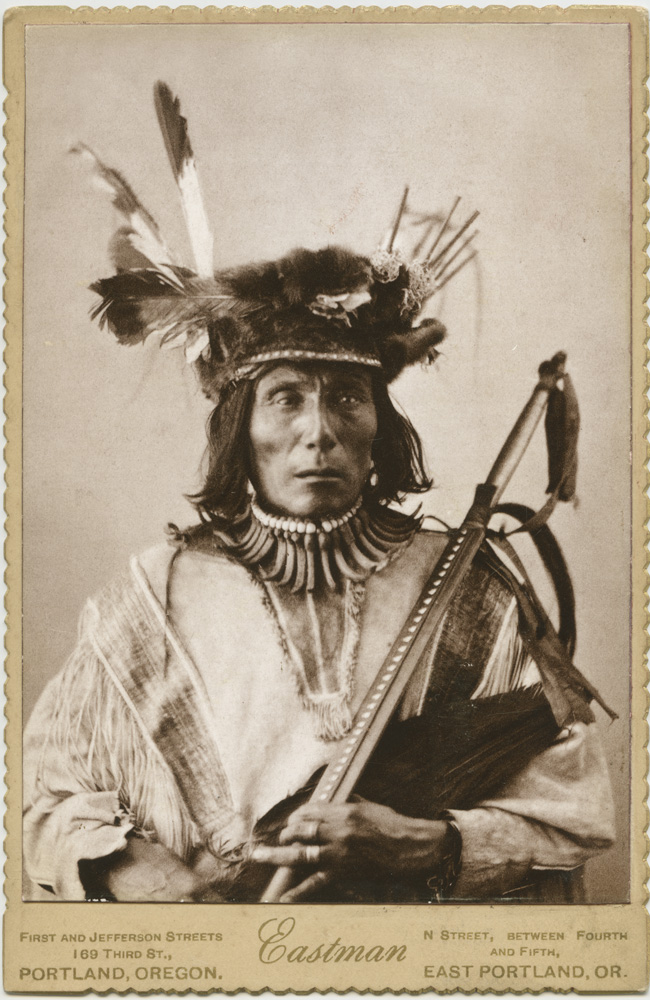
Here is a stunning Native American portrait from Portland, Oregon.
Native American by G.L. Eastman
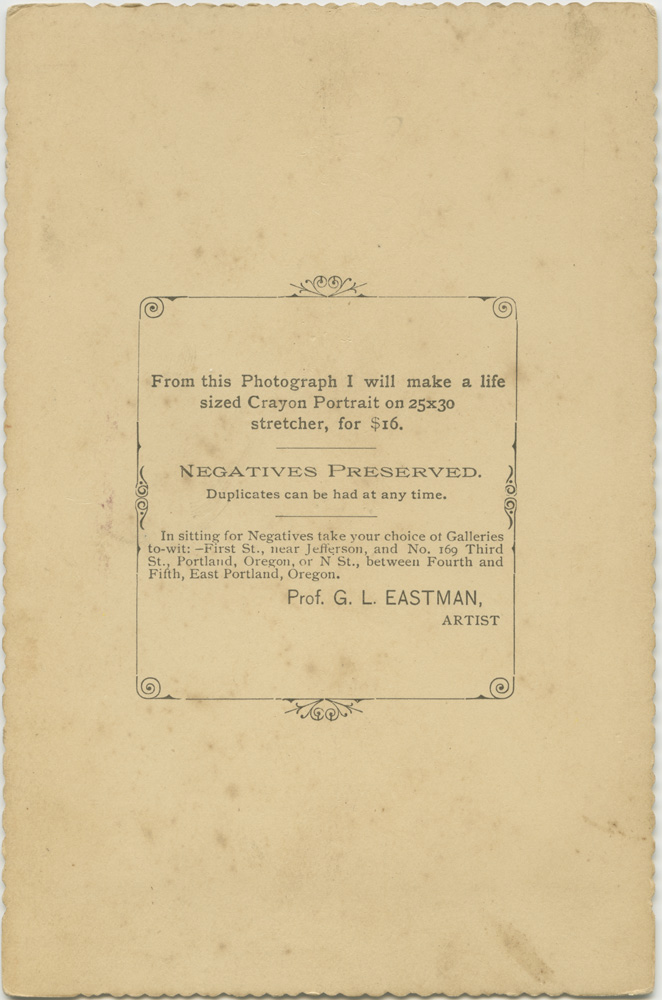
I’m showing the back and front separately because the image is just so nice I wanted to let it stay larger on the page, and I also wanted to keep the text on the verso very clear because it’s so specific and unusual. It really speaks to late 19th century business style for a custom service business.
Verso, G.L. Eastman portrait
This photo would have been taken between 1886-1900, my guess is the earlier part of that period based on the style of the mounting card. Again guessing, this looks like Chinook tribal decoration but I could be completely ass-over-teakettle wrong, so if anyone has a better idea or knows specifically (and even better, if you can identify the sitter!!!) please let me know!
Here is what I found about Prof. G.L. Eastman in Portland:
R. L. Polk’s Portland City Directory:
1881: I didn’t find any reference to G. L. EASTMAN.
1887, page 202: EASTMAN, George L., artist, 229 5th.
1889, page 234: EASTMAN, Gilman L., photographer, 283 1st, res same.
1890, page 223: EASTMAN, Gilman L., photographer, 283 1st and 169 3rd, res 283 1st.
1897, page 257: EASTMAN, Gilman L., photographer and printer, 203 1/2 1st and 167 4th, res 203 1/2 1st.
1903 and 1904 didn’t have anything on EASTMAN the photographer.
Ancestry:
1900 Census, Idaho, Ada County, Boise, Wd 2, E.D. 2, Sheet 10B, line 93:
EASTMAN, Gilman L., Boarder, White, Male, born Oct. 1848, 51, Married, 7 years, born in Maine, father born in Maine, mother born in Maine, occupation Photographer.
Ancestry:
U.S. National Home for Disable Volunteer Soldiers 1866-1938, Sawtelle, Los Angeles County, California.
#13021, Gilman L. EASTMAN
Military History:
Private, E. Company, 30th ME Inf.
Enlistment: 19 July 1864. Augusta, Maine
Discharge: 20 Aug. 1865 Savanah, GA.
Domestic History:
Born in Maine. Age 68. Height 5′ 10″.
Religion: Protestant. Occupation: Photographer.
Residence subsequent to discharge: Salt Lake, Utah. Married. Nearest living relative: Mrs Minnie EASTMAN.
Date of Admission: 6 Apr. 1915; 26 Sept. 1917; 5 Sept. 1918; 10 July 1919.
Discharge and Transfer: 31 Jan. 1917; 6 Oct. 1917; 9 Oct 1918. In the same column was a stamped date “Sept. 17, 1924”.
Pension Certificate: 1078,985.
Ancestry:
1910 Census Utah, Salt Lake County, Salt Lake City, E.D. 145, Sheet 1A, stamped #216, lines 88-89, shows Gilman L. EASTMAN as age 62, a photographer born in Maine, with 23 year old wife named Minnie and daughter Minnie L. age 11 months. It also shows they hav been married 2 years and this is Gilman’s 5th marriage.
Ancestry:
1920 Census, California, Los Angeles County, Malibu, Dist 486, Sheet 18A, stamped #24, line 38. in the National Military Home.
Gilman L. EASTMAN is listed as an inmate, born in Maine, age 73 (see census for additional information).
If anyone is interested in this Gilman L. EASTMAN, there are several Ancestry Family Trees posted by Ancestry members for Gilman.One of these postings had several sources attached to their information, some of which are above. They also show the name for his middle initial L. and the names of his parents and names of other spouses. Date and place of birth and death are also listed.
Based on the above information, your G. L. EASTMAN, photographer, was Gilman L. EASTMAN. He was a photographer in Portland, Oregon, possibly from about the end of 1886 until at least 1897, and possibly a year or two more. He was in Boise, Idaho for the 1900 census.
[Information gathered for city directories was usually done at the end of the prior to the year of the directory in order to be printed in time to issue the first part of the year for which the information was gathered.]
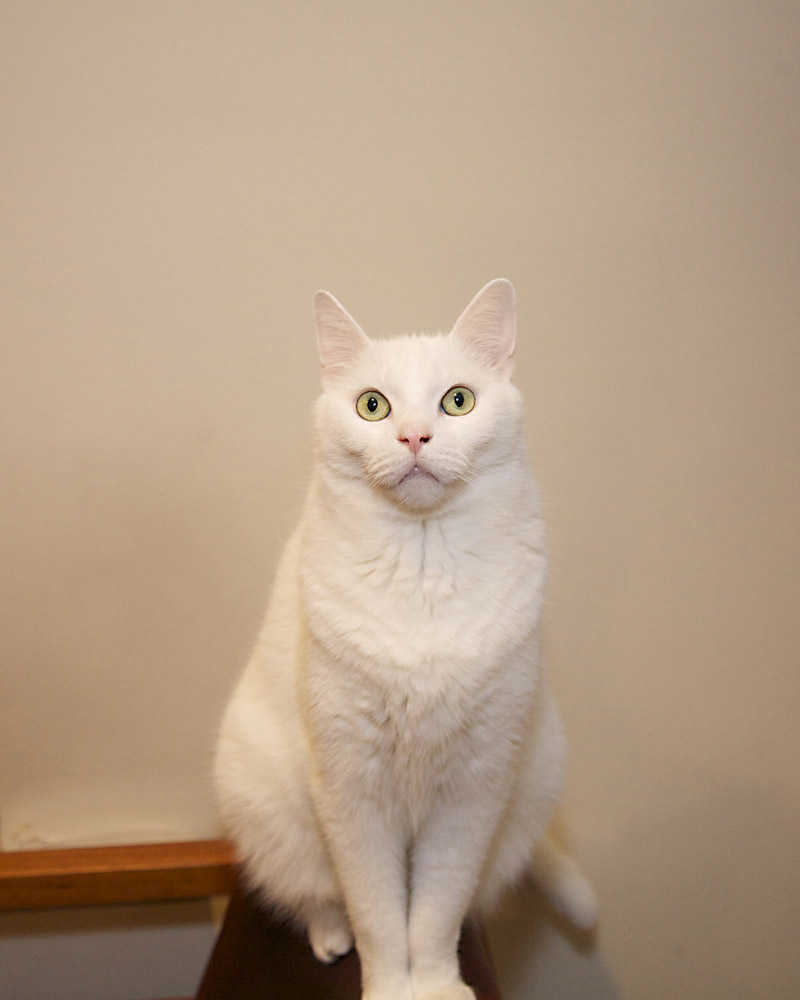
Ok- I was a definite skeptic about this – after all, I’ve seen the examples and read the reviews but $50, for a piece of frosted tupperware? Proof is in the pudding, as they say. And with a particularly challenging subject – a white cat against a beige wall.
Frosty, Gary Fong “cloud”
I’ll post some more examples that are better illustrations on more recognizable subjects (human portraits) in the near future. I’d say it’s worth it, but with one caveat – it fits just fine on virtually any shoe-mount speedlight type flash for most camera systems, film or digital. It does NOT fit on my big Metz 45-CL4 handle mount (potato-masher) flash. For that, I’ve improvised a piece of I want to say Rubbermaid or perhaps Ziploc re-useable food storage container with a hole cut through the lid and the interior buffed with sandpaper. Cost including the sandpaper? about $1. I’ll do a showdown between the two on the same subjects with the same lens and camera shortly to prove the value of the Gary Fong.
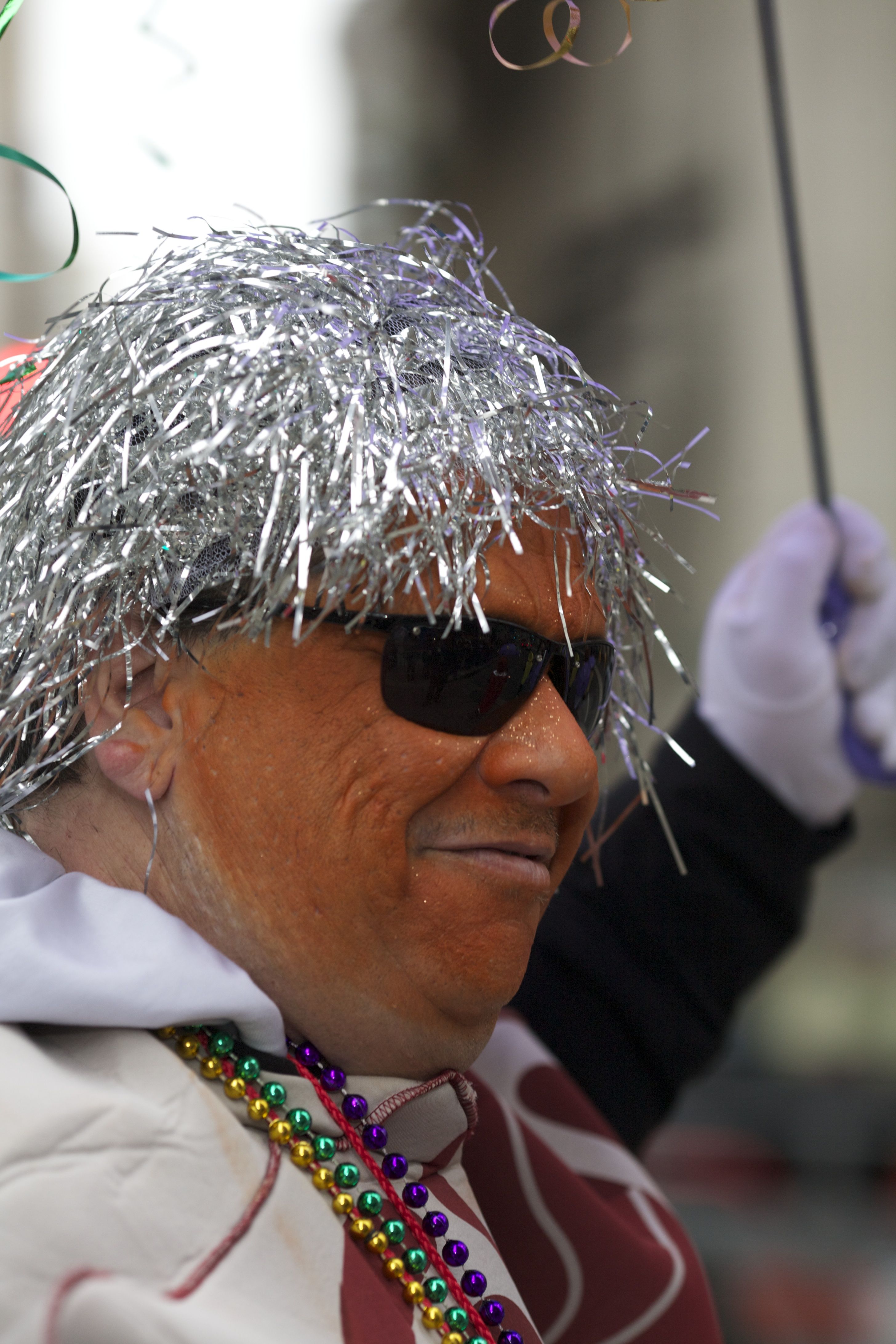
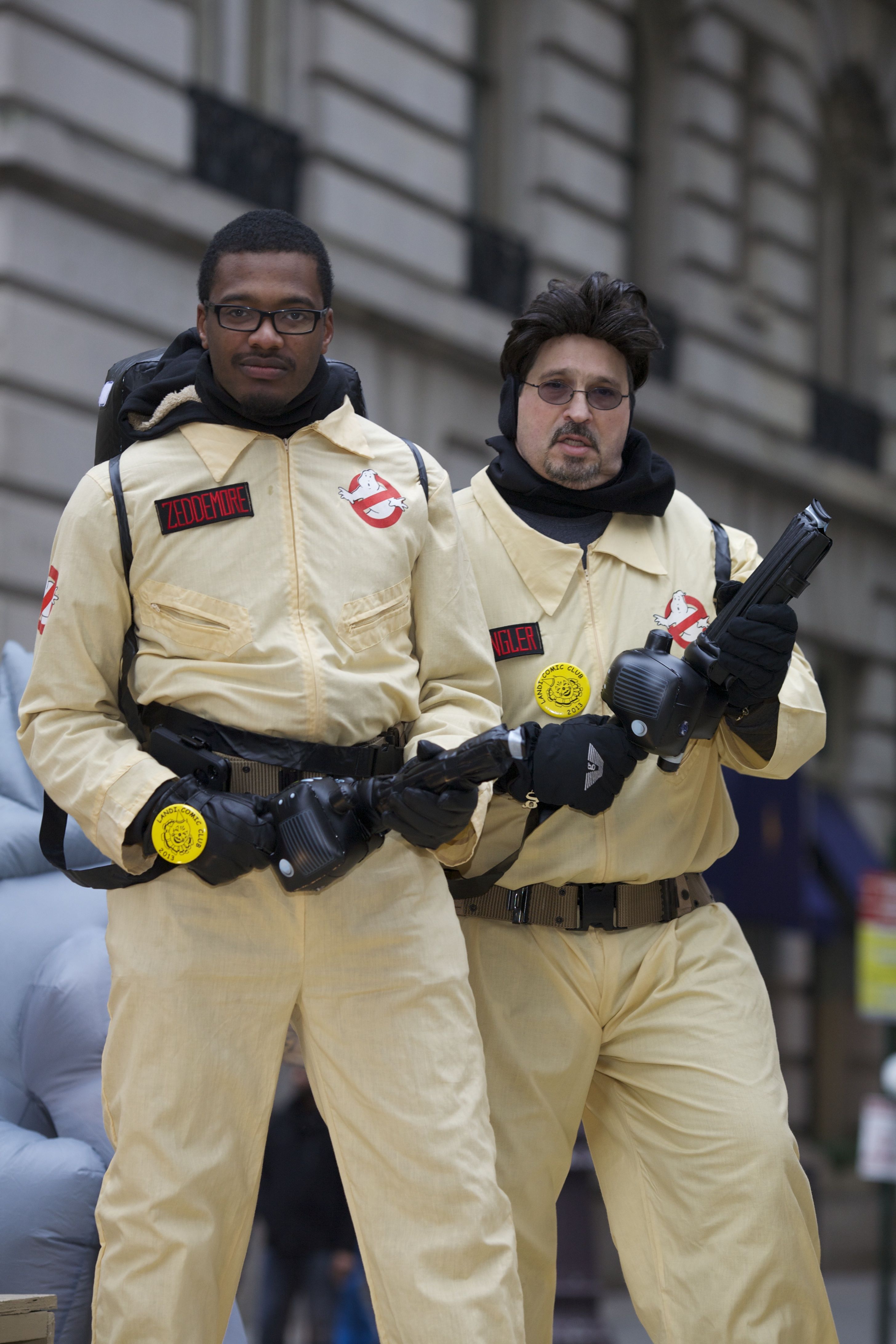
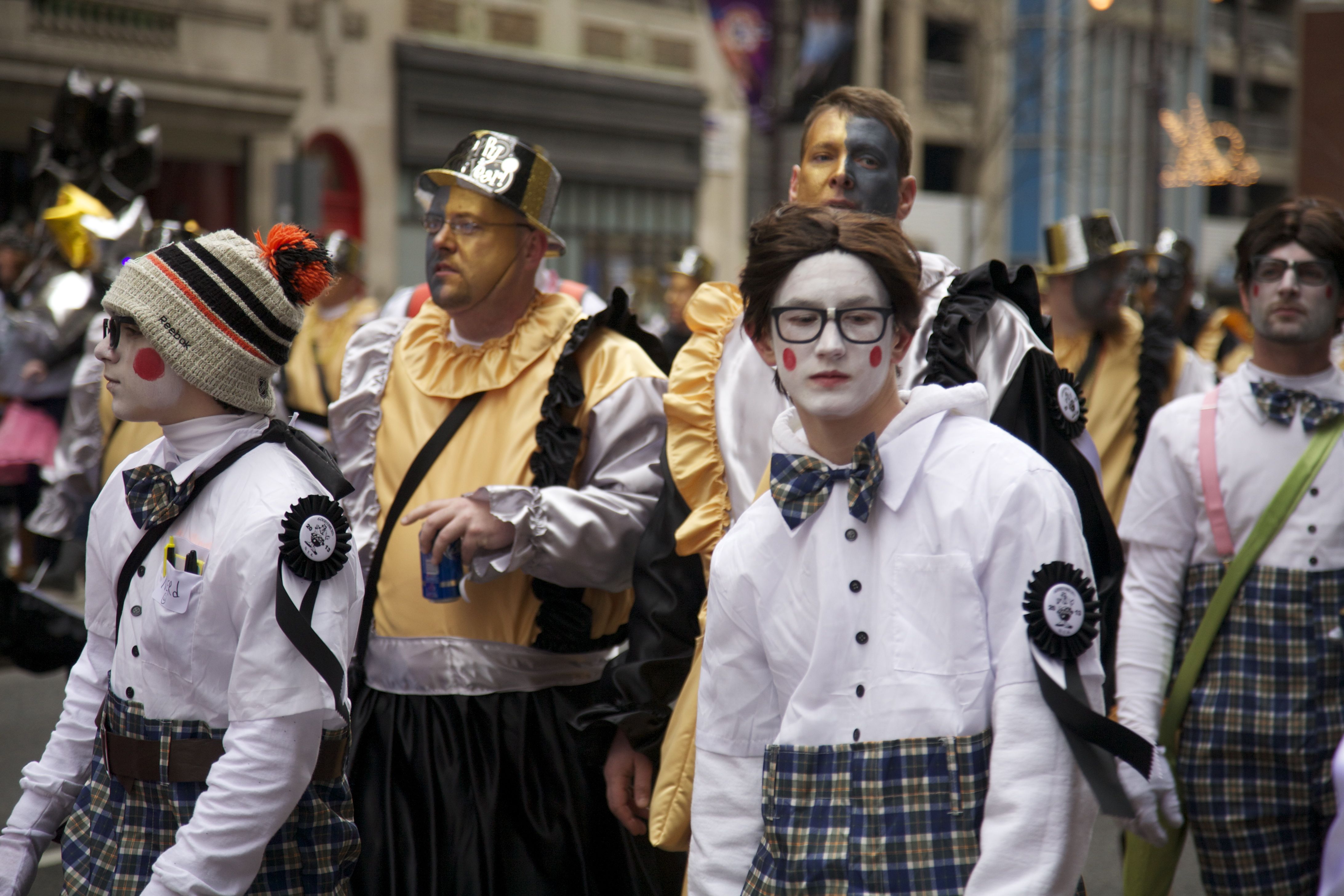
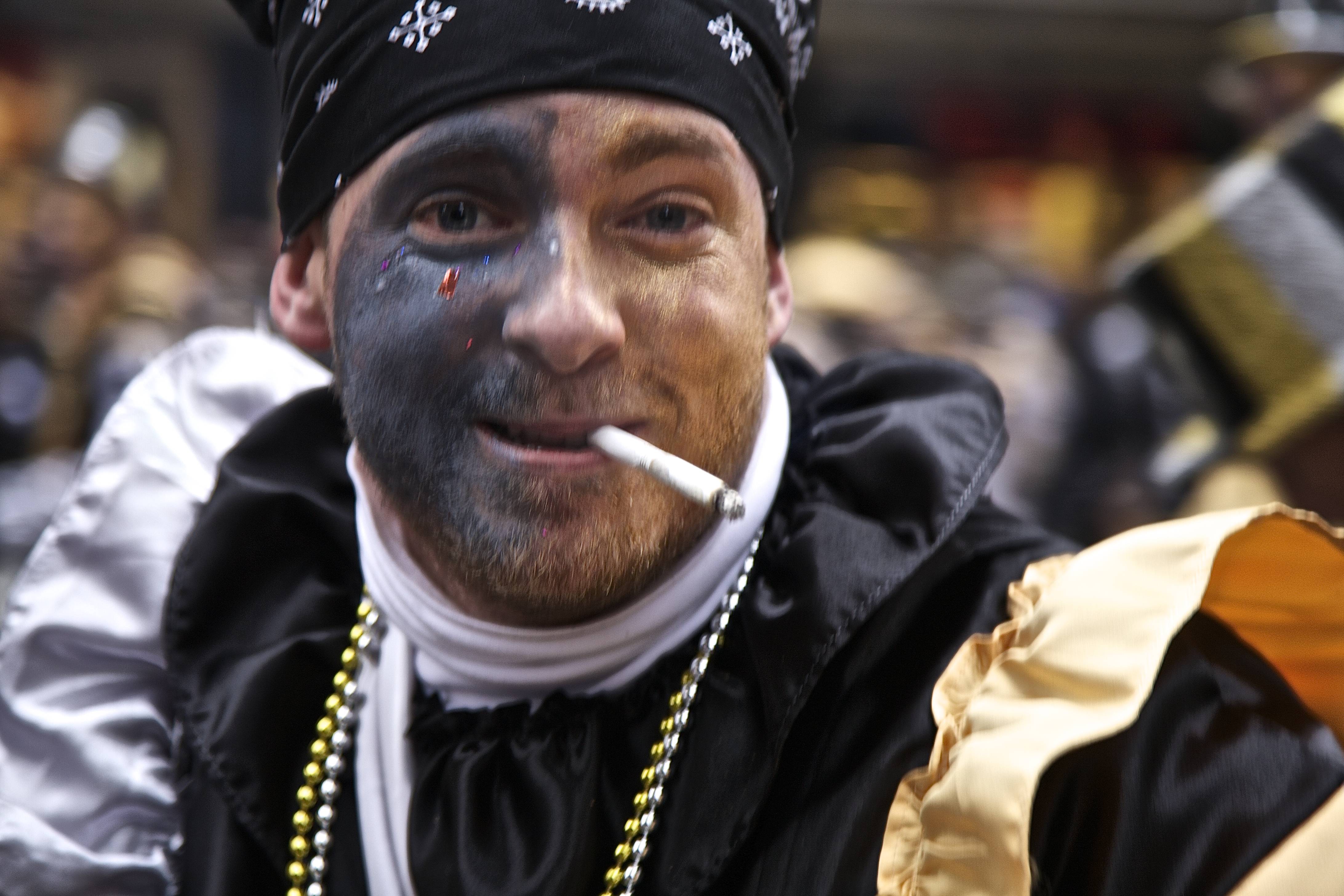
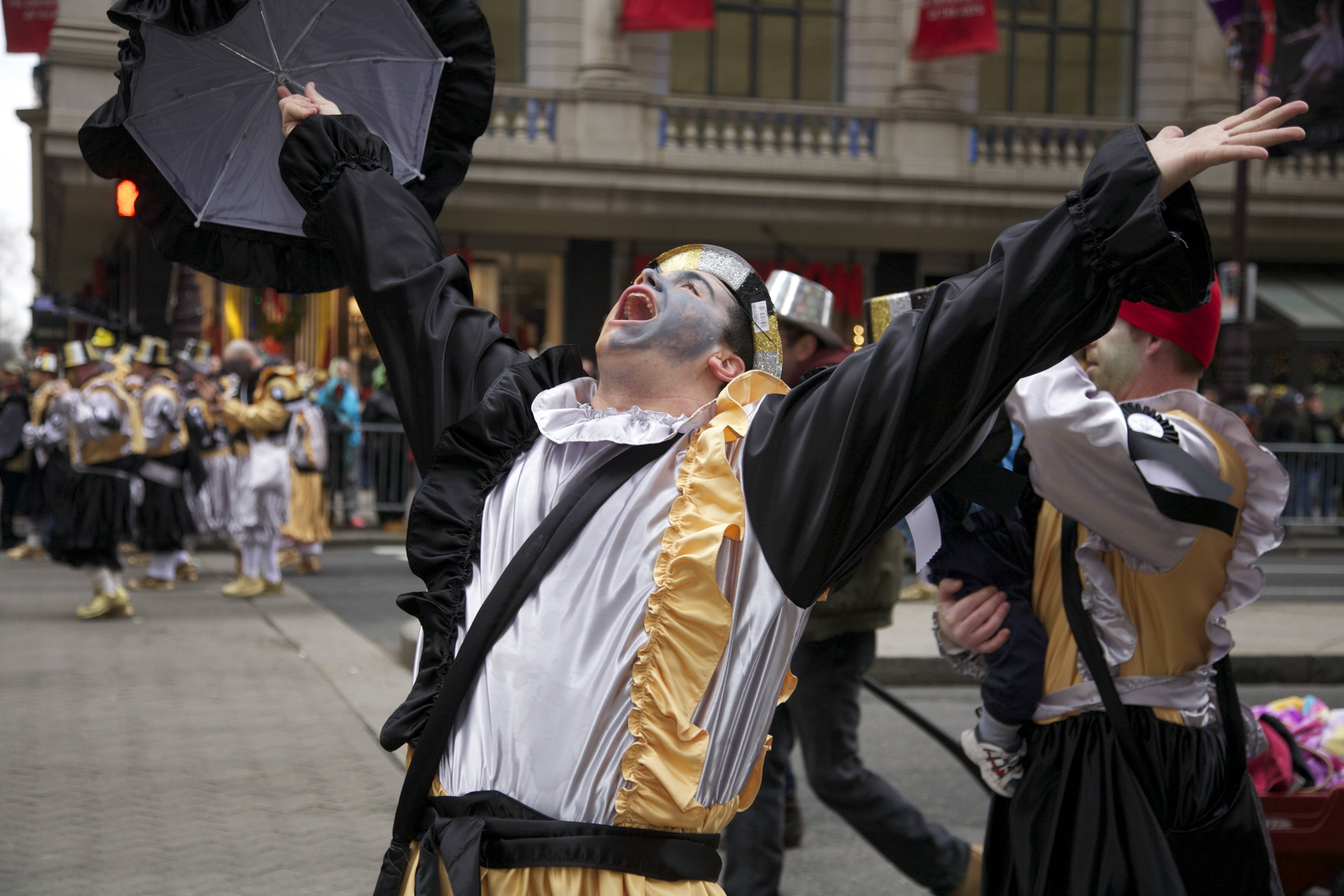
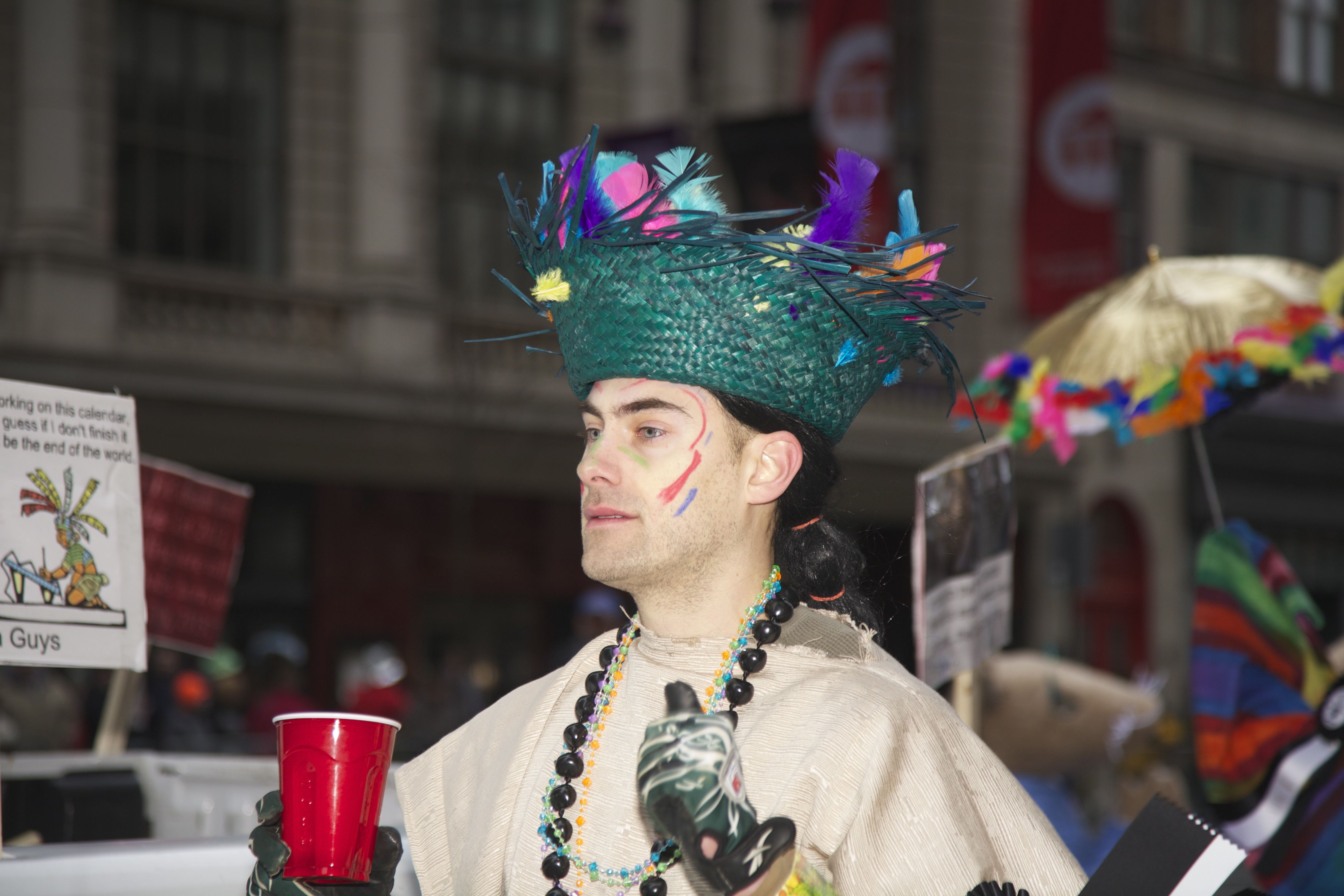
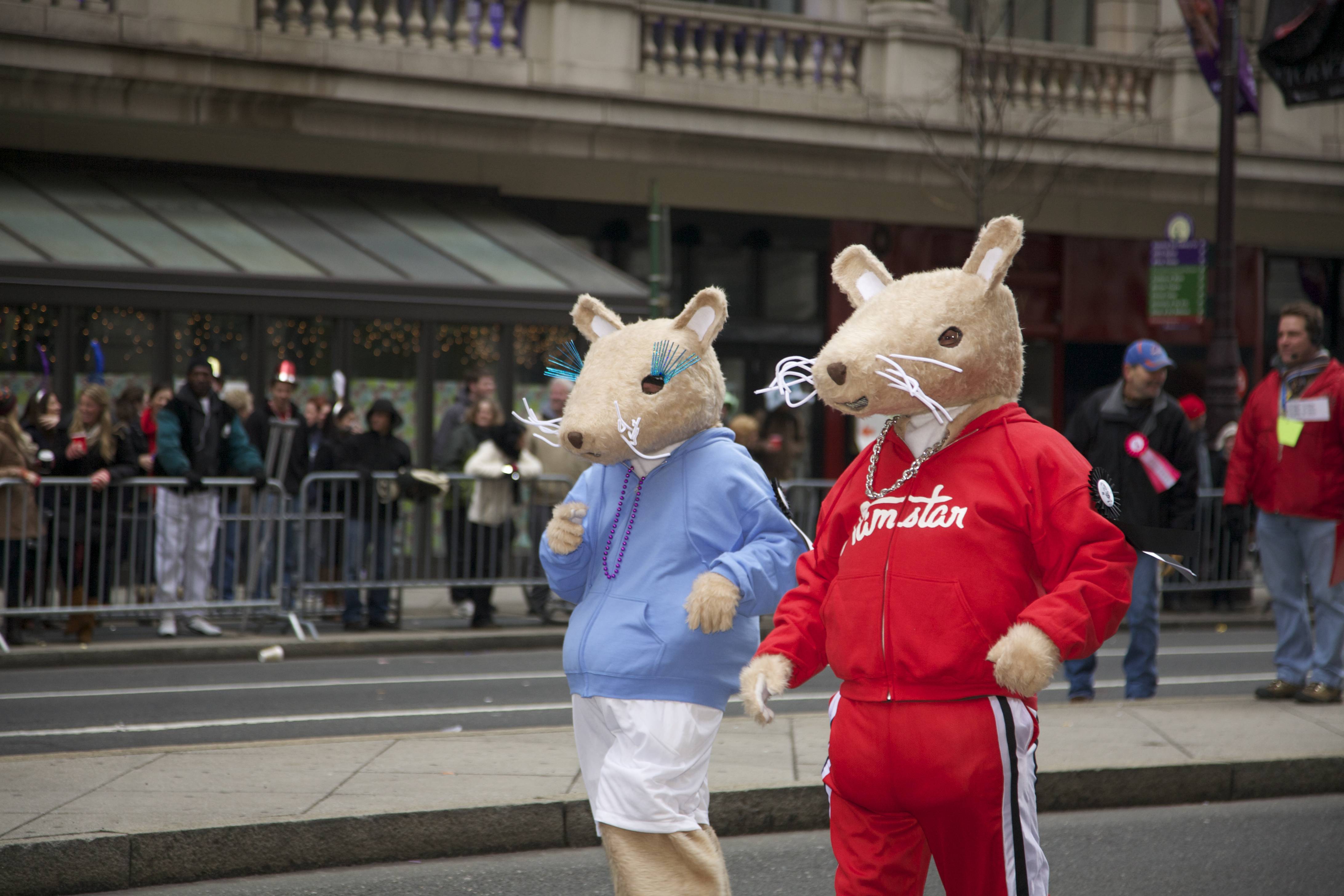
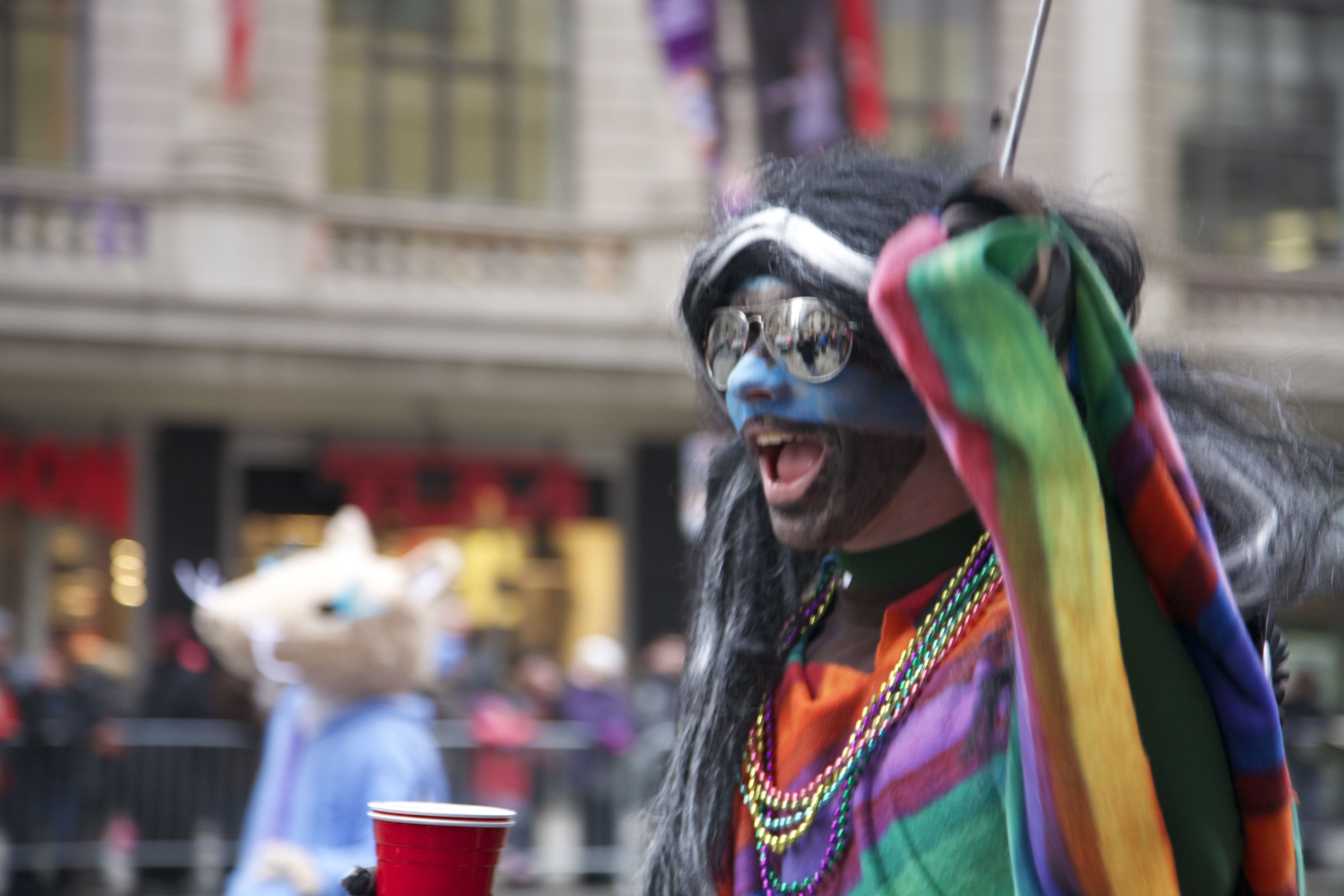
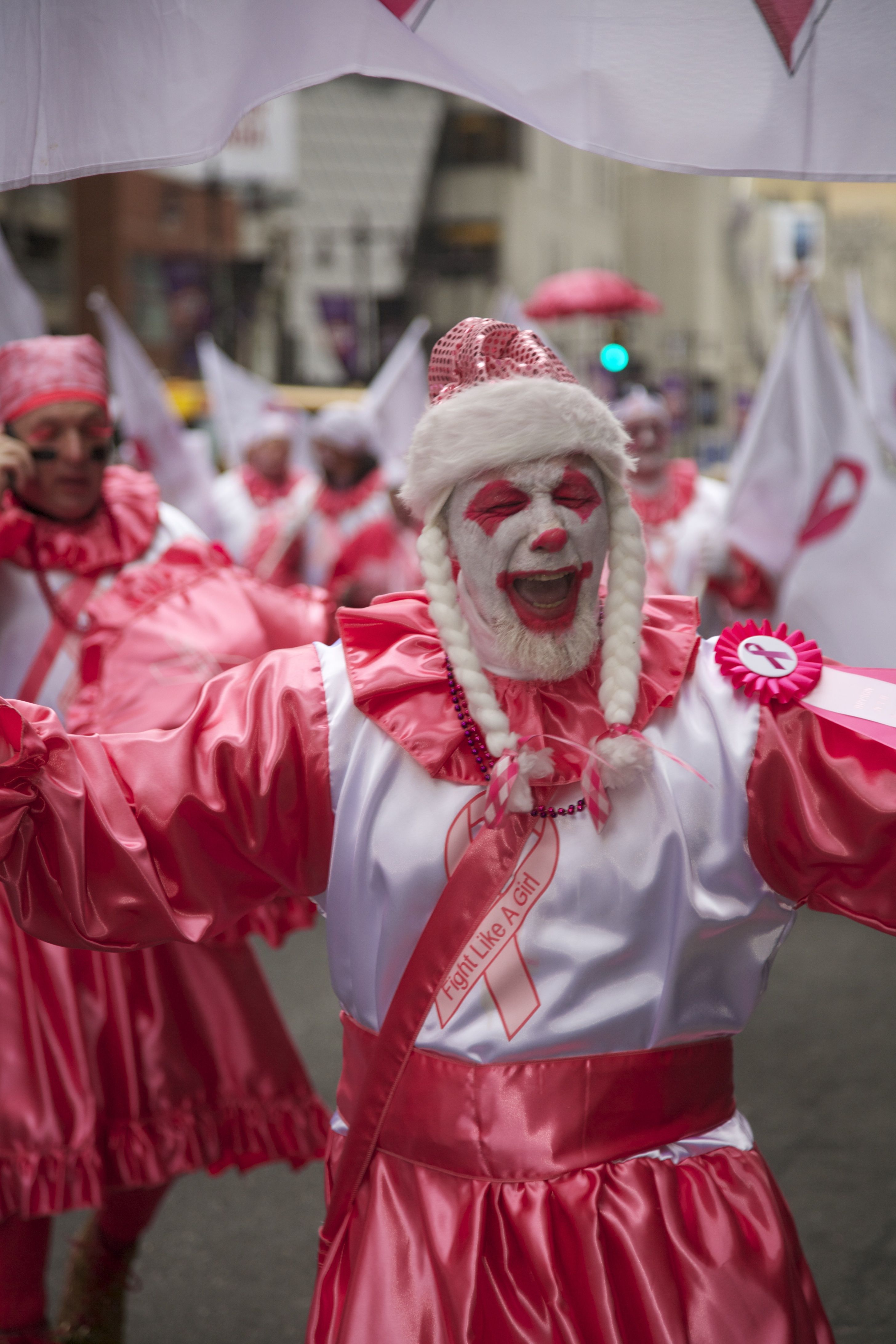
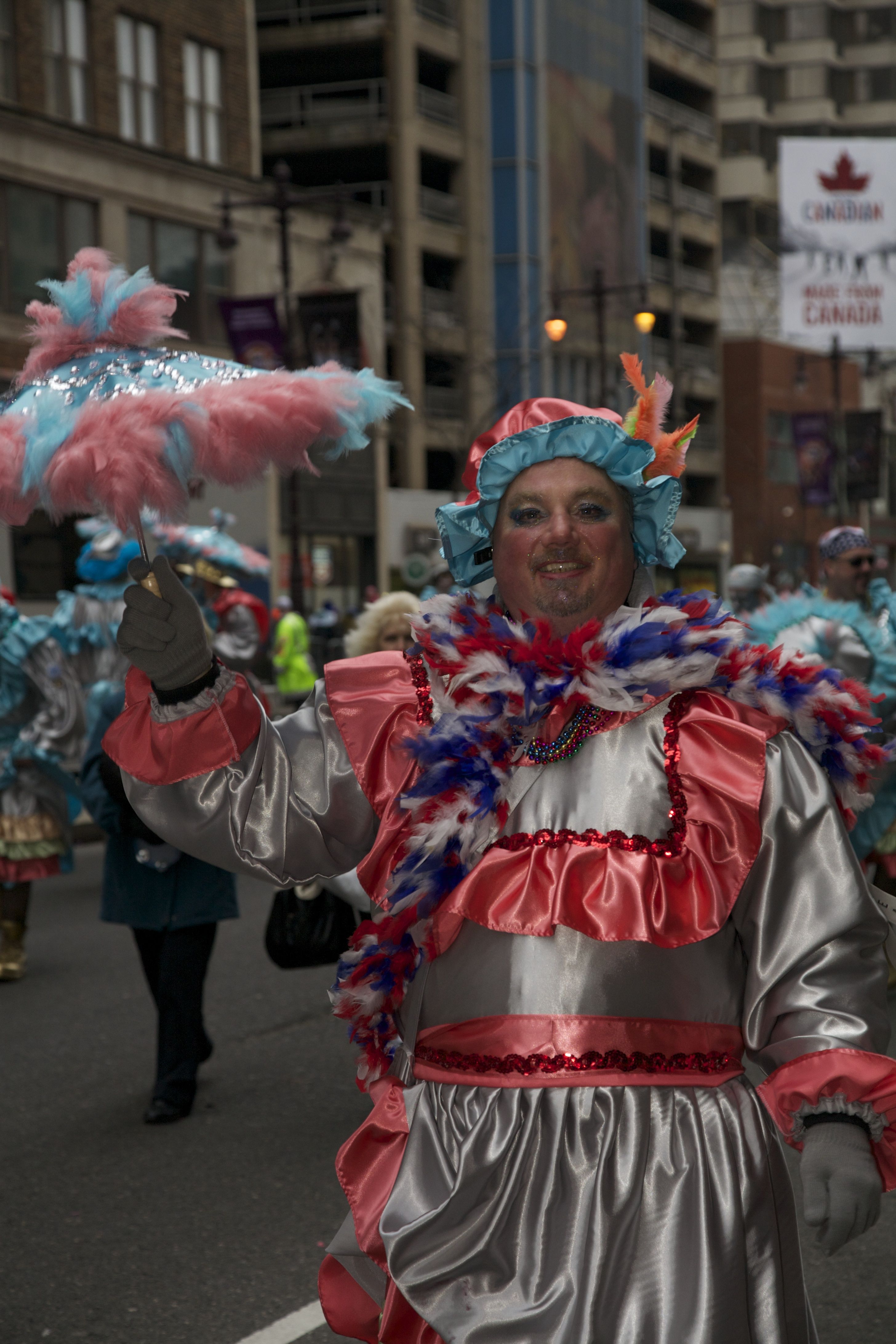
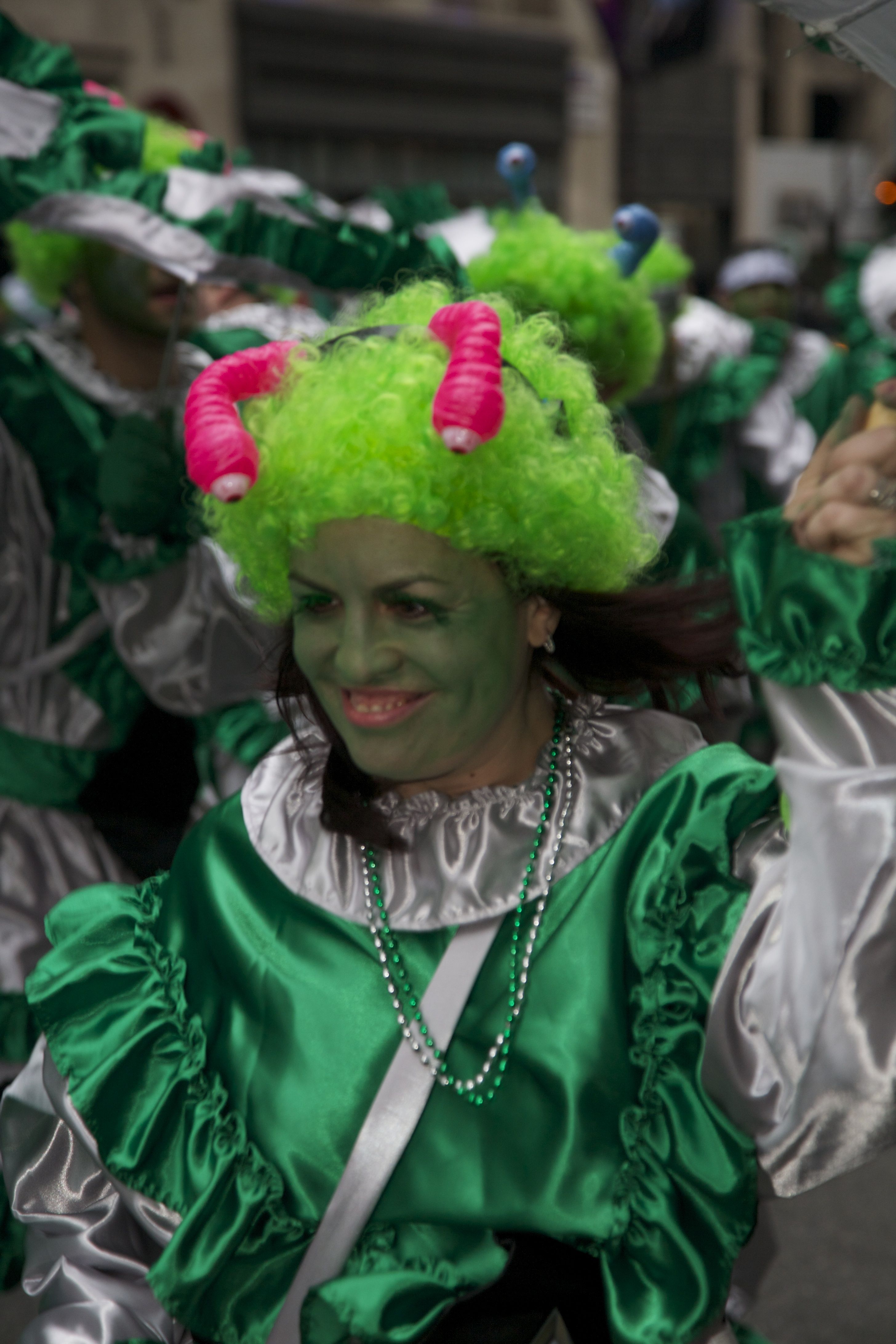
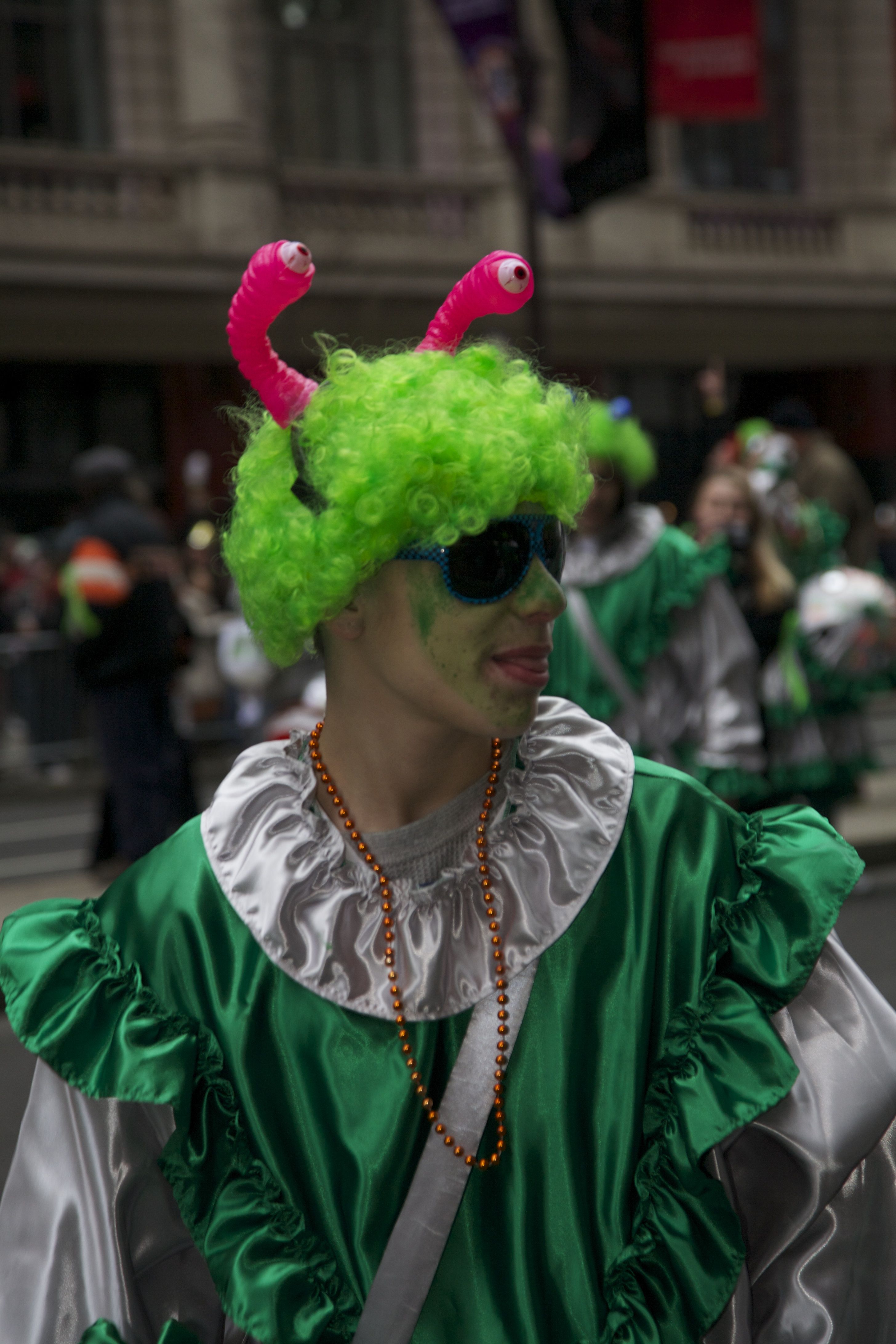
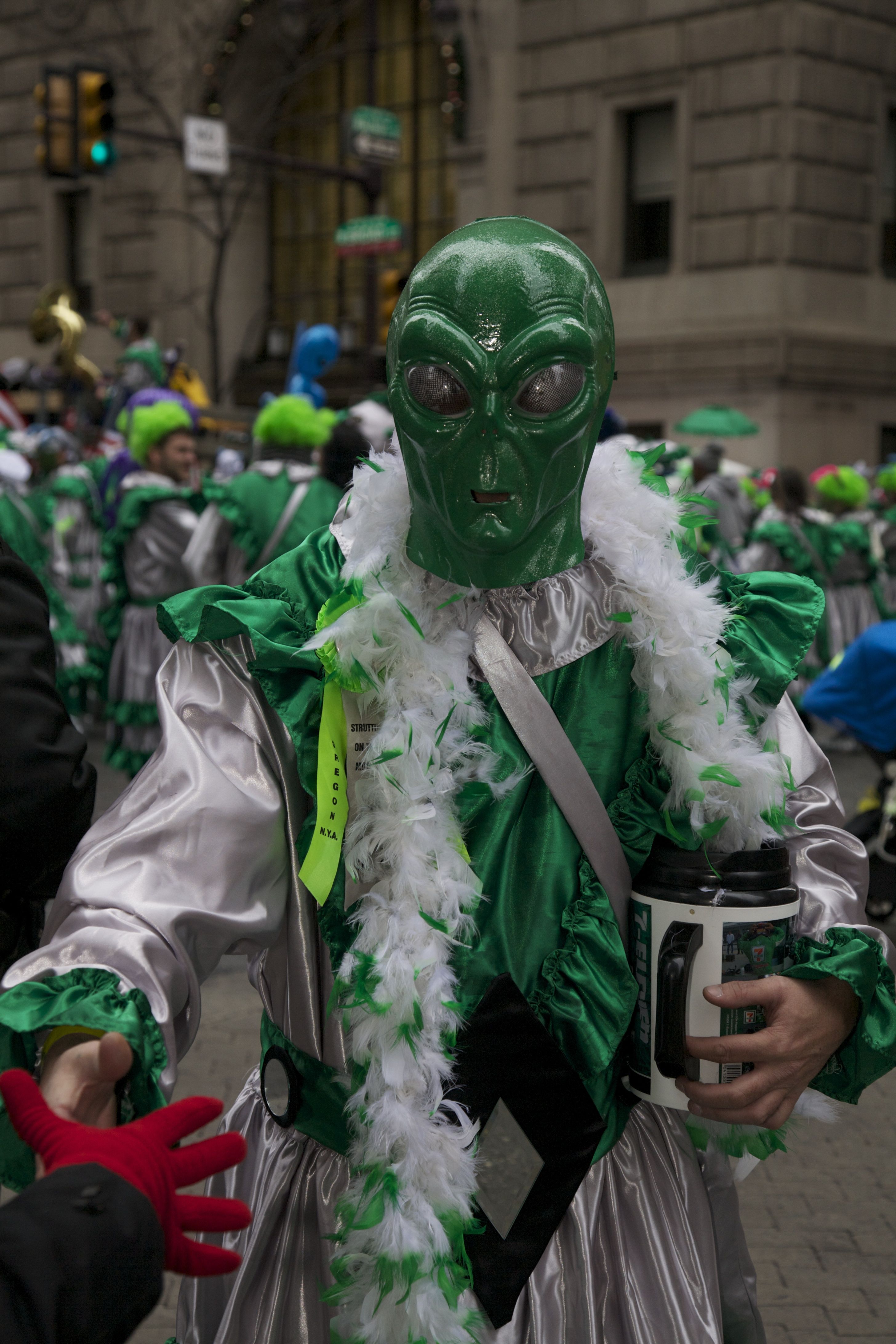
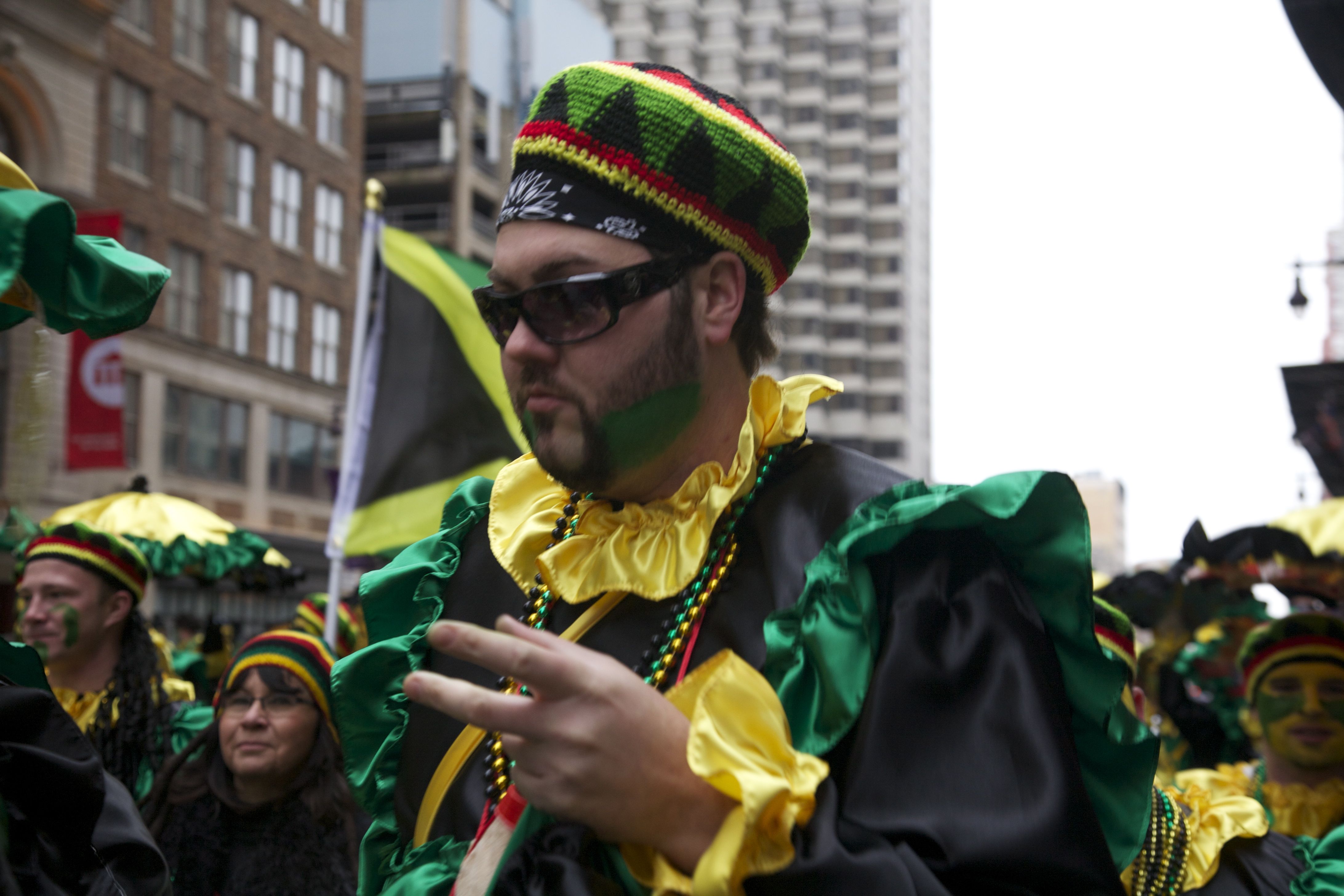
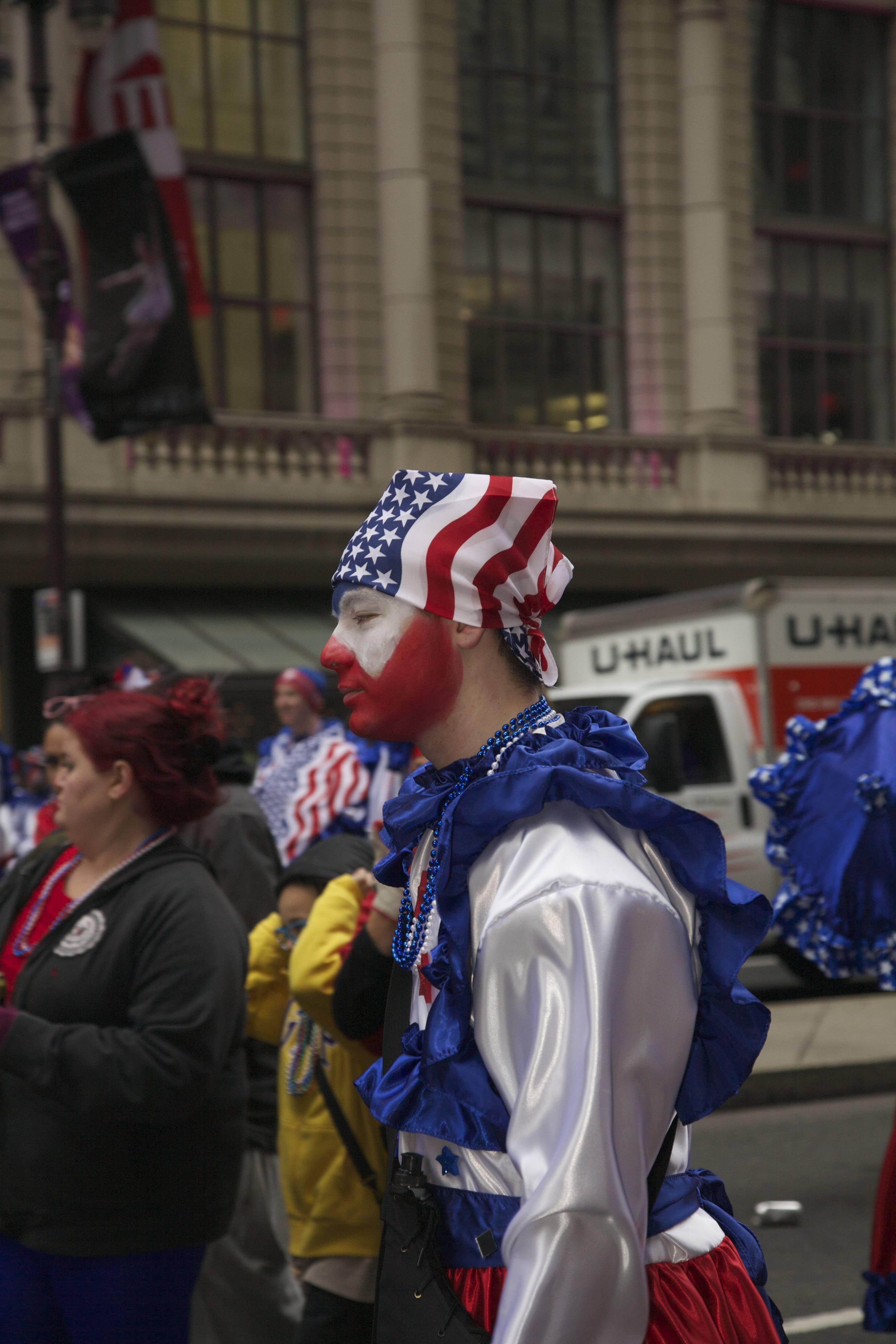
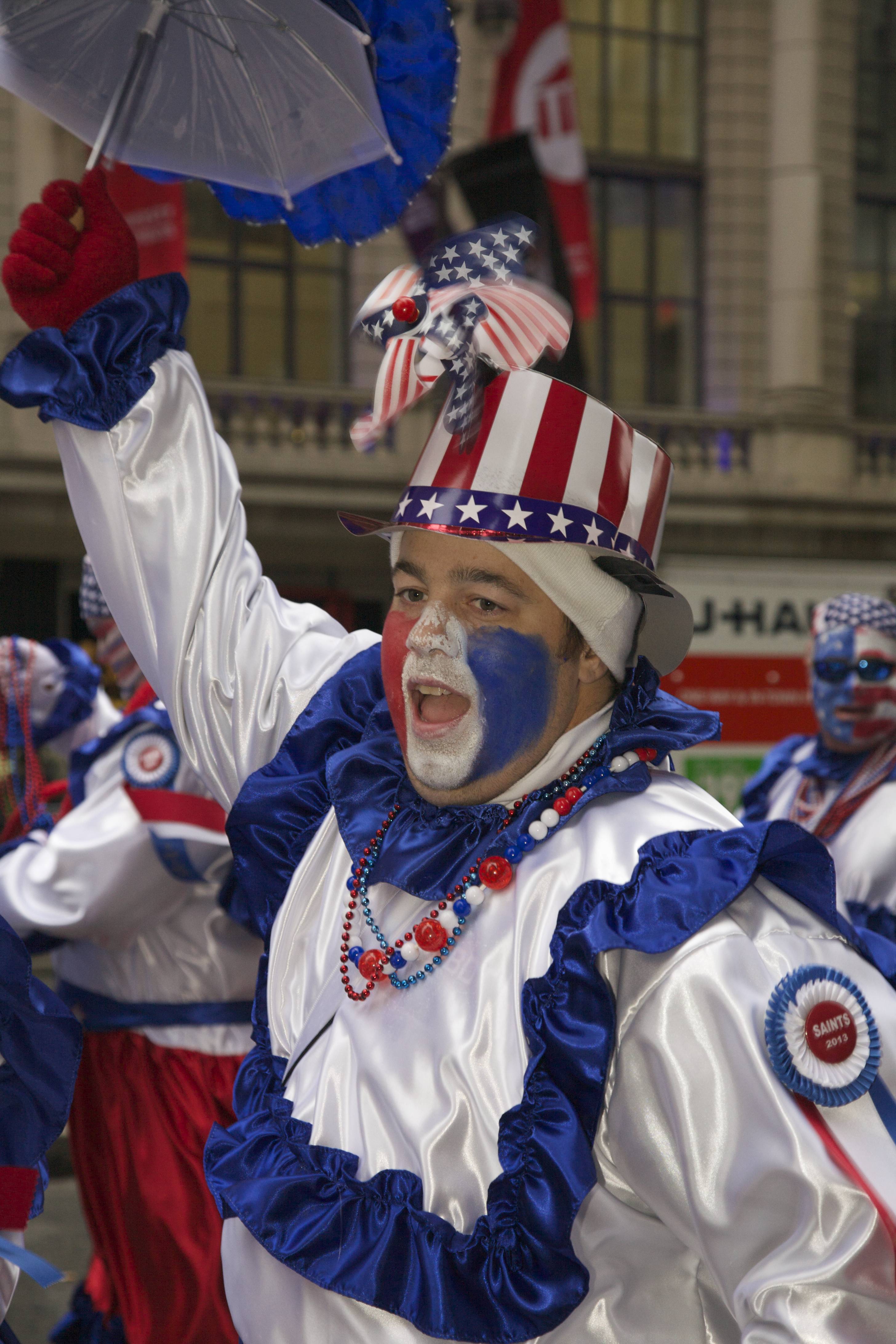
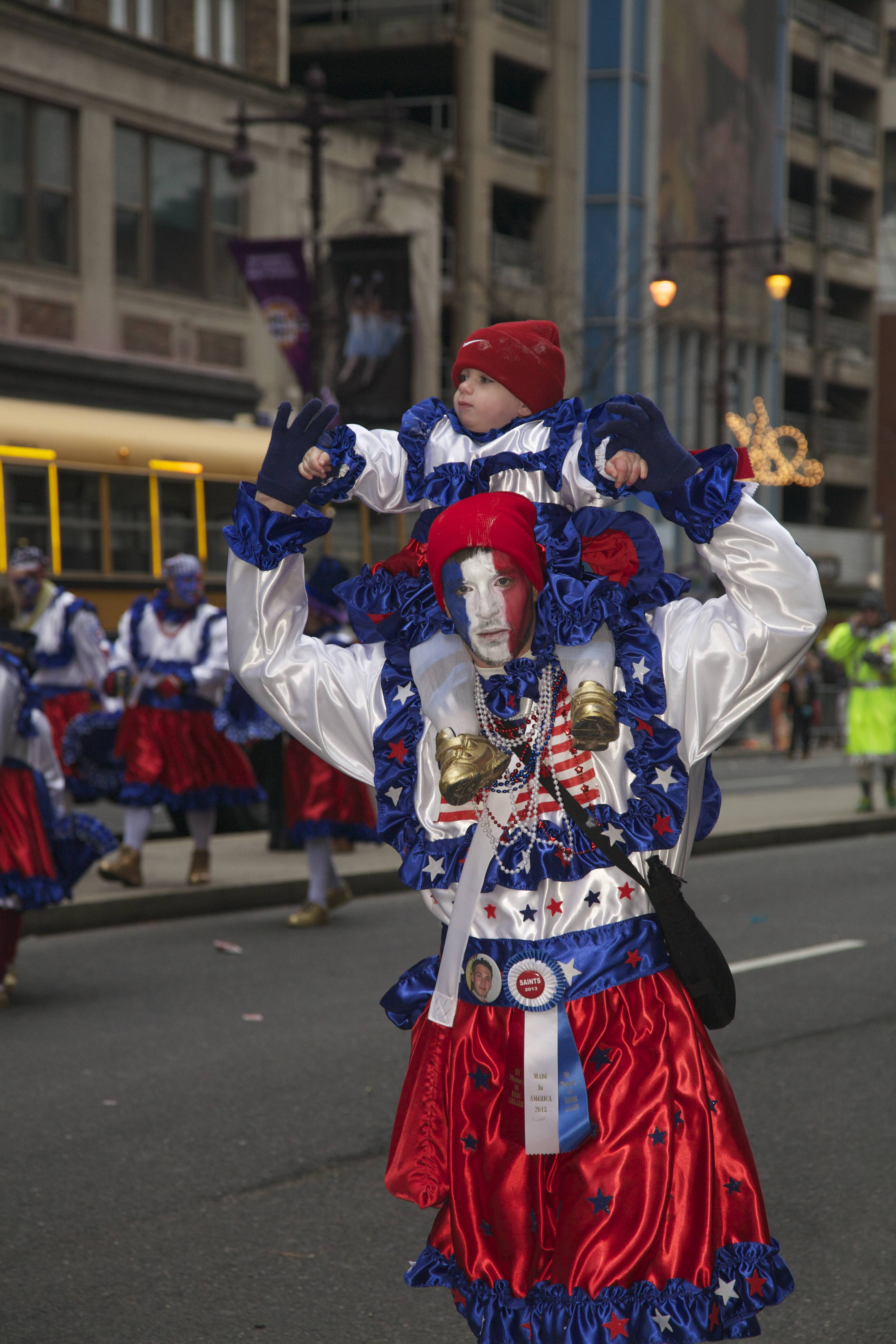
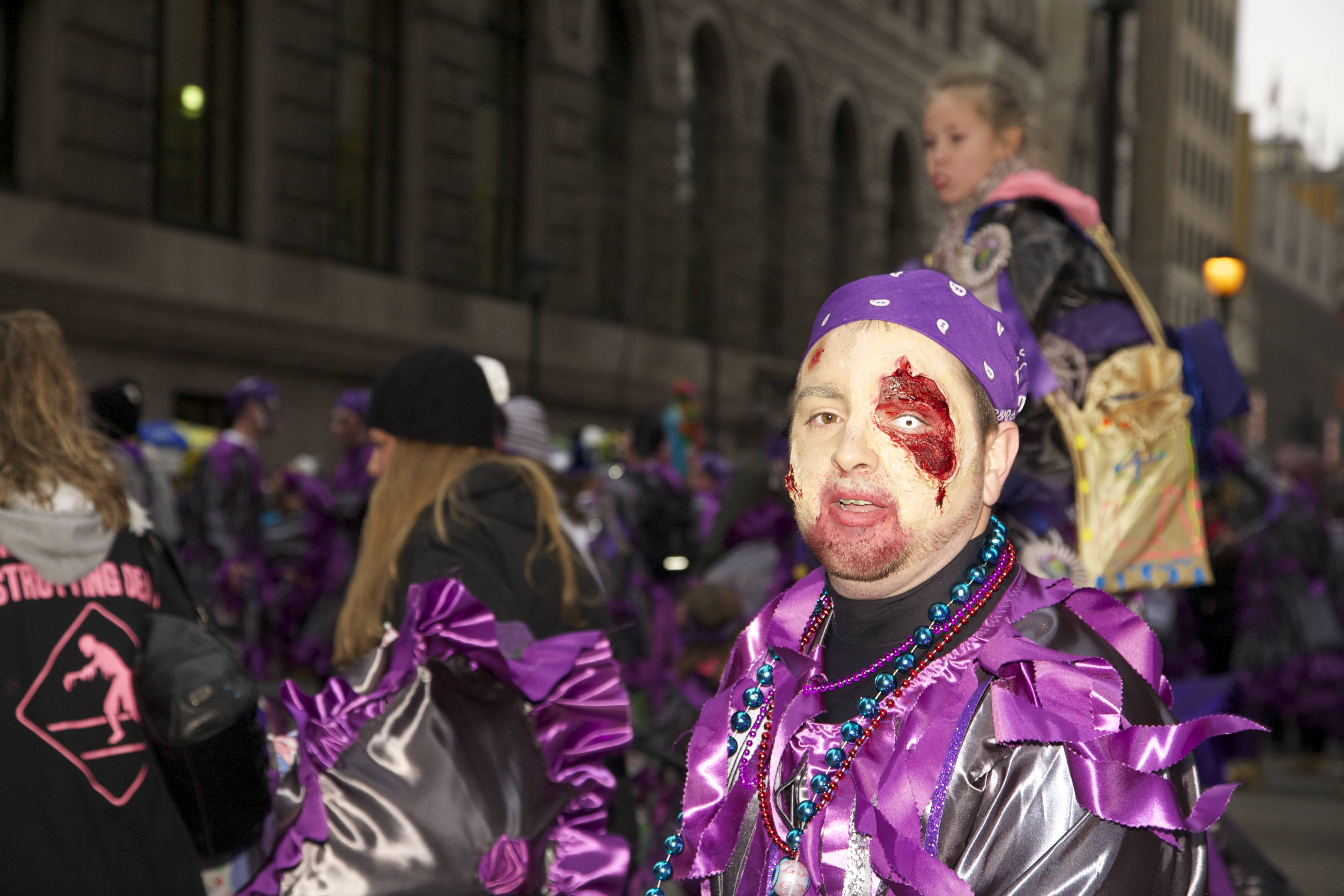
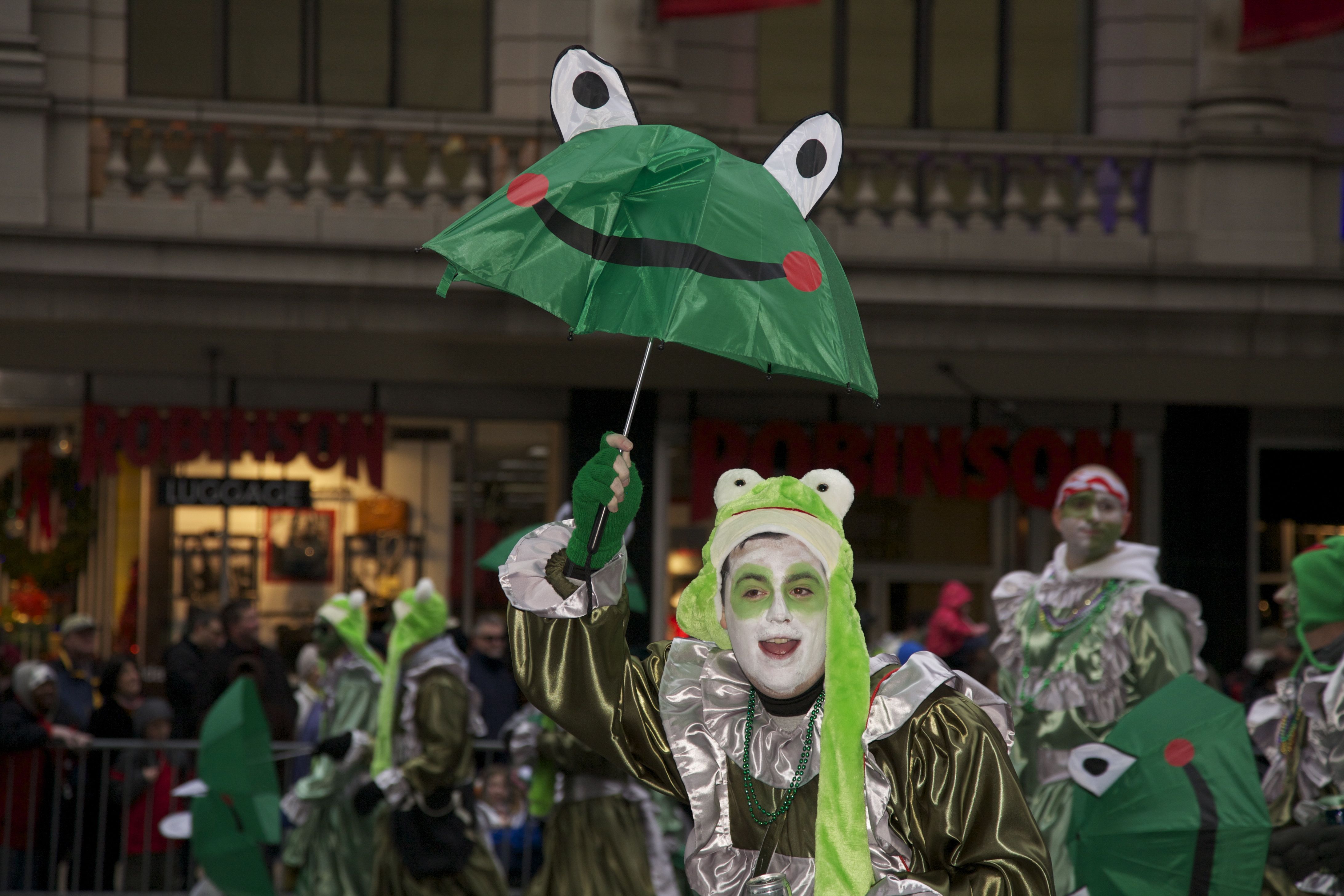
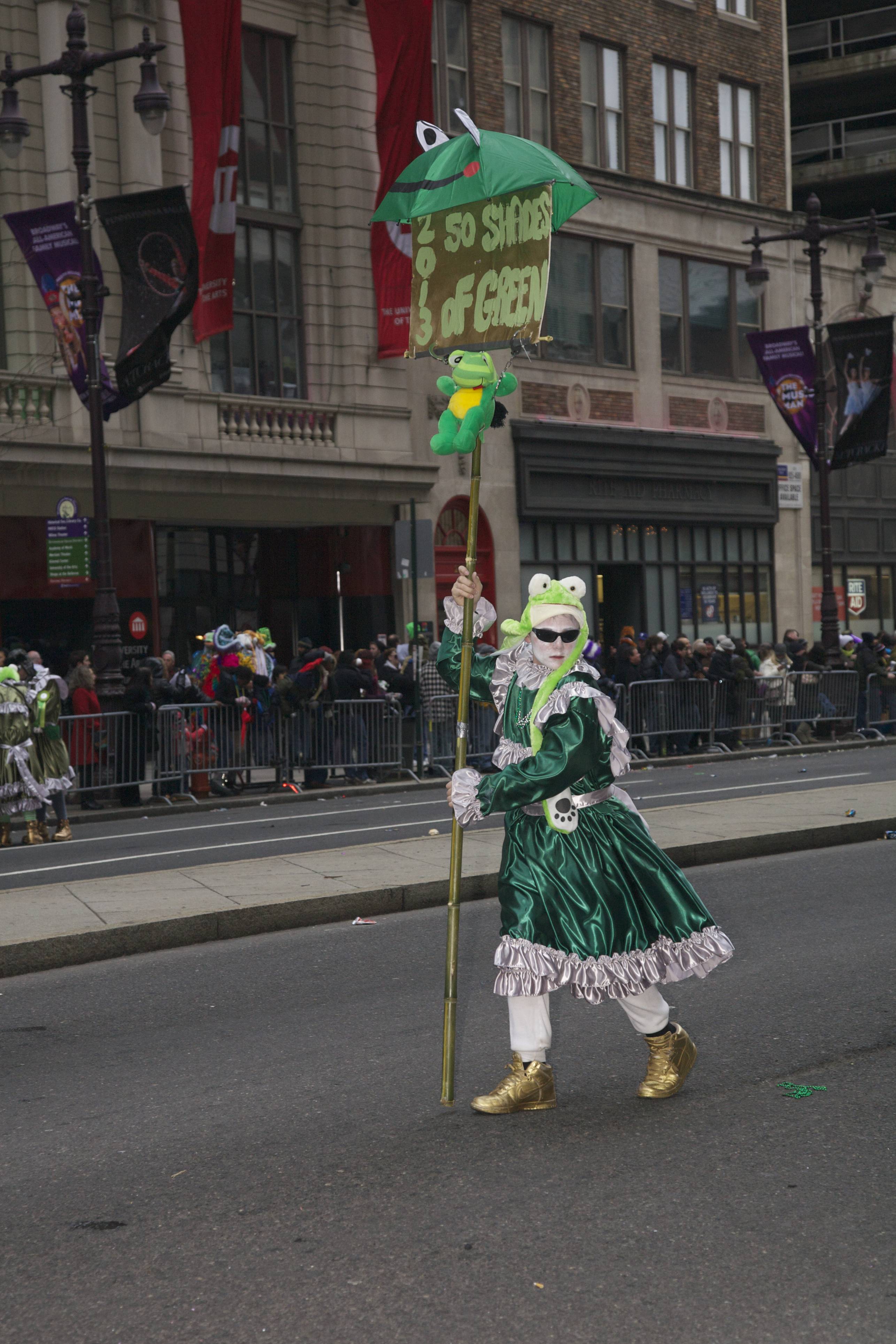
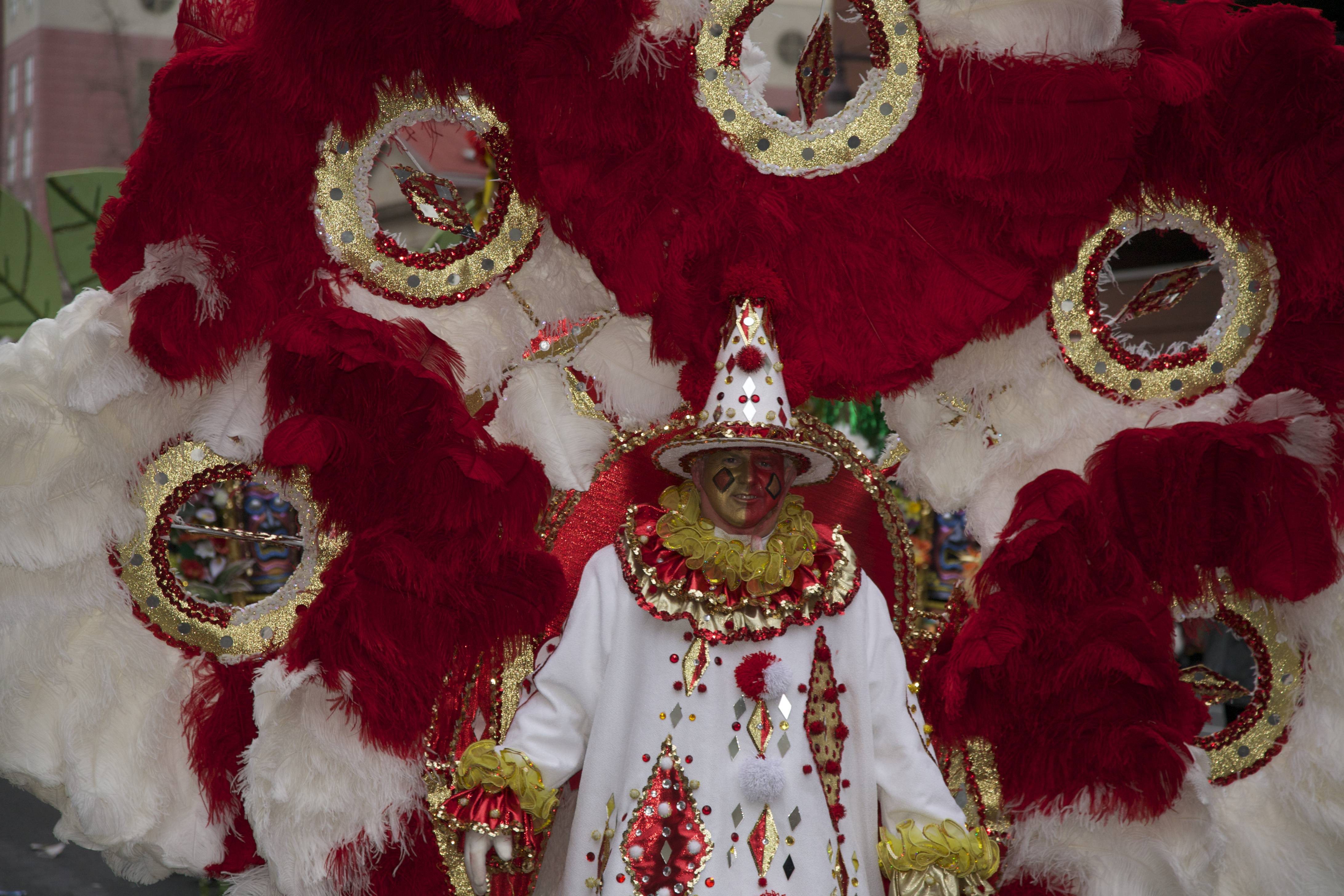
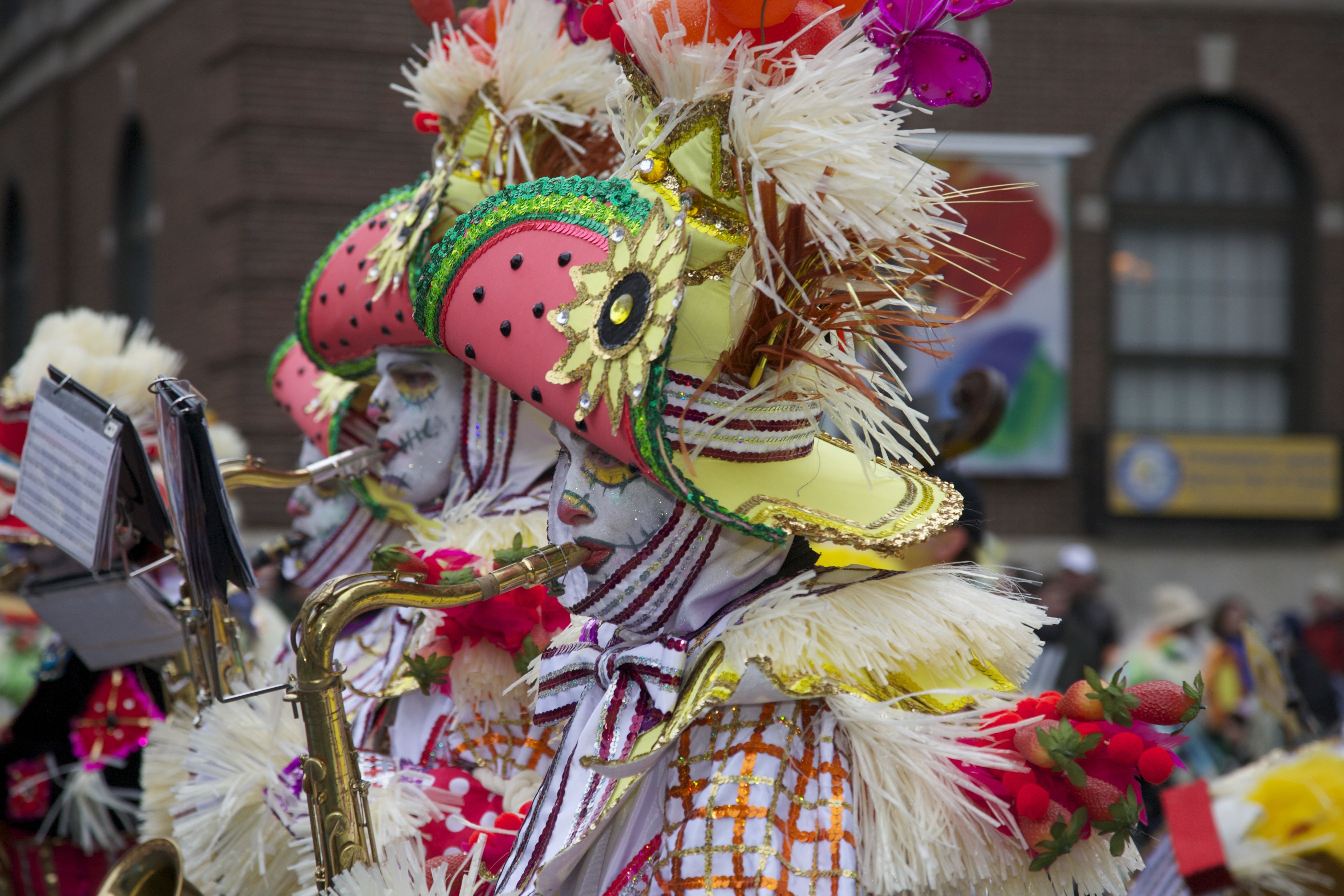
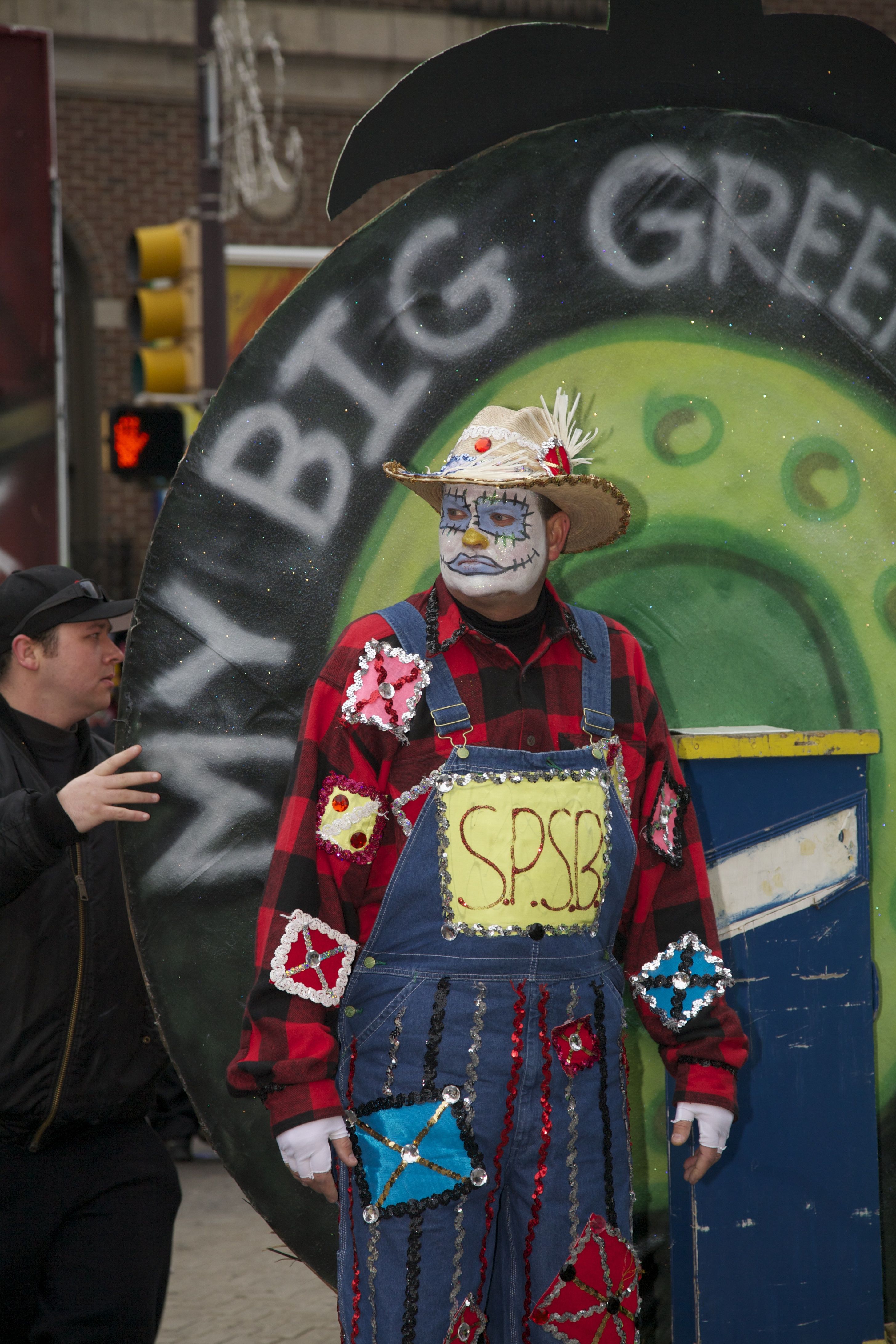
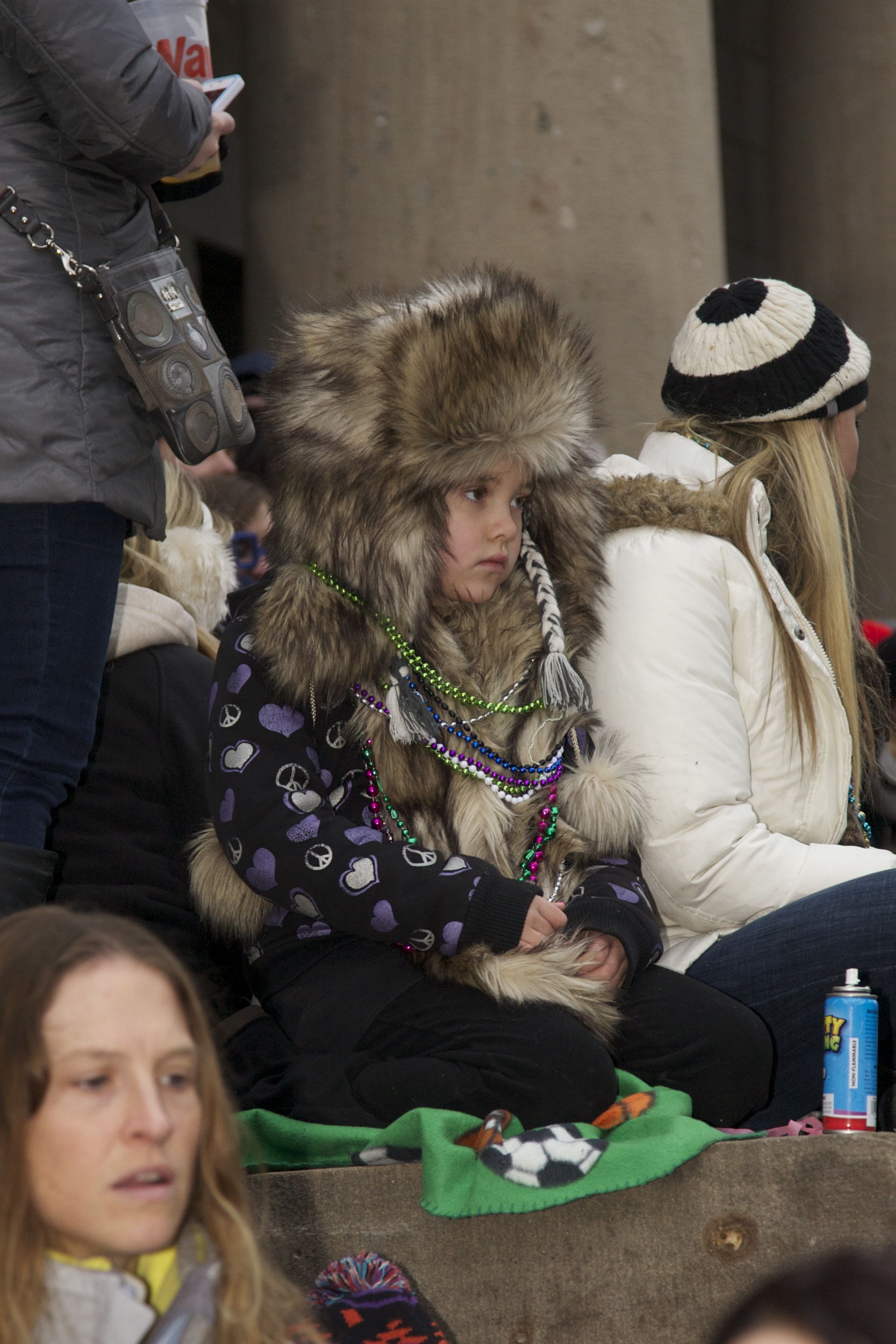
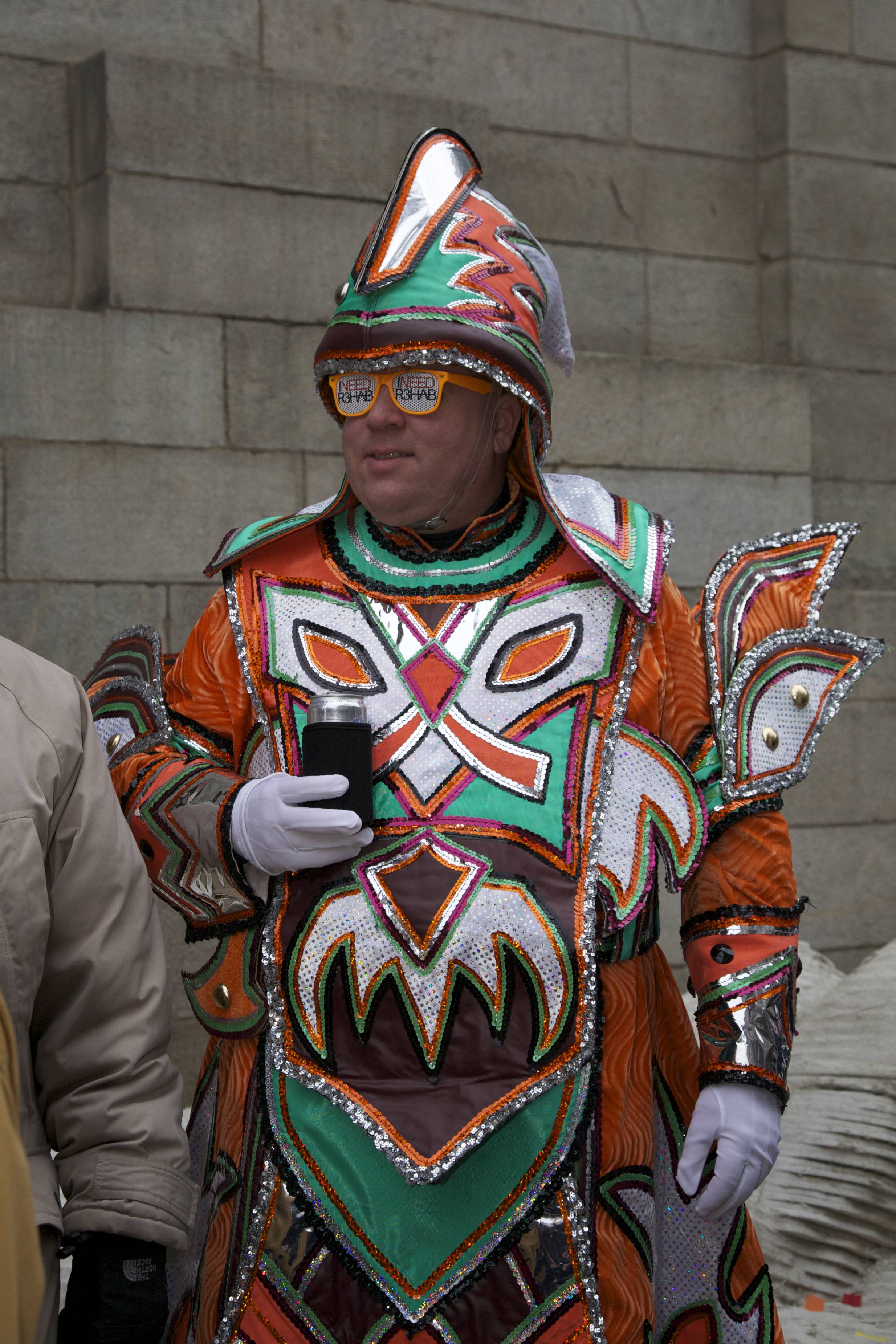
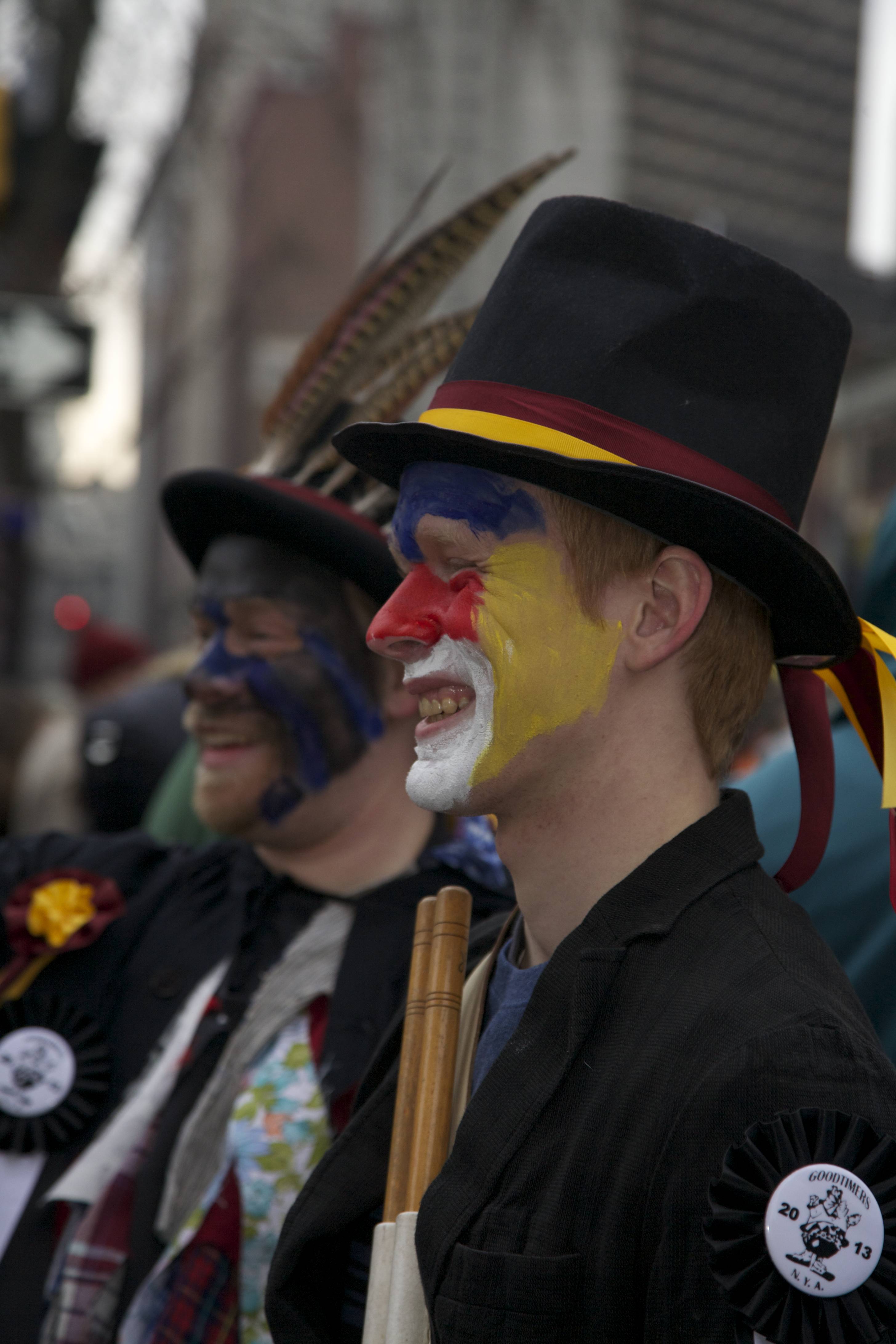
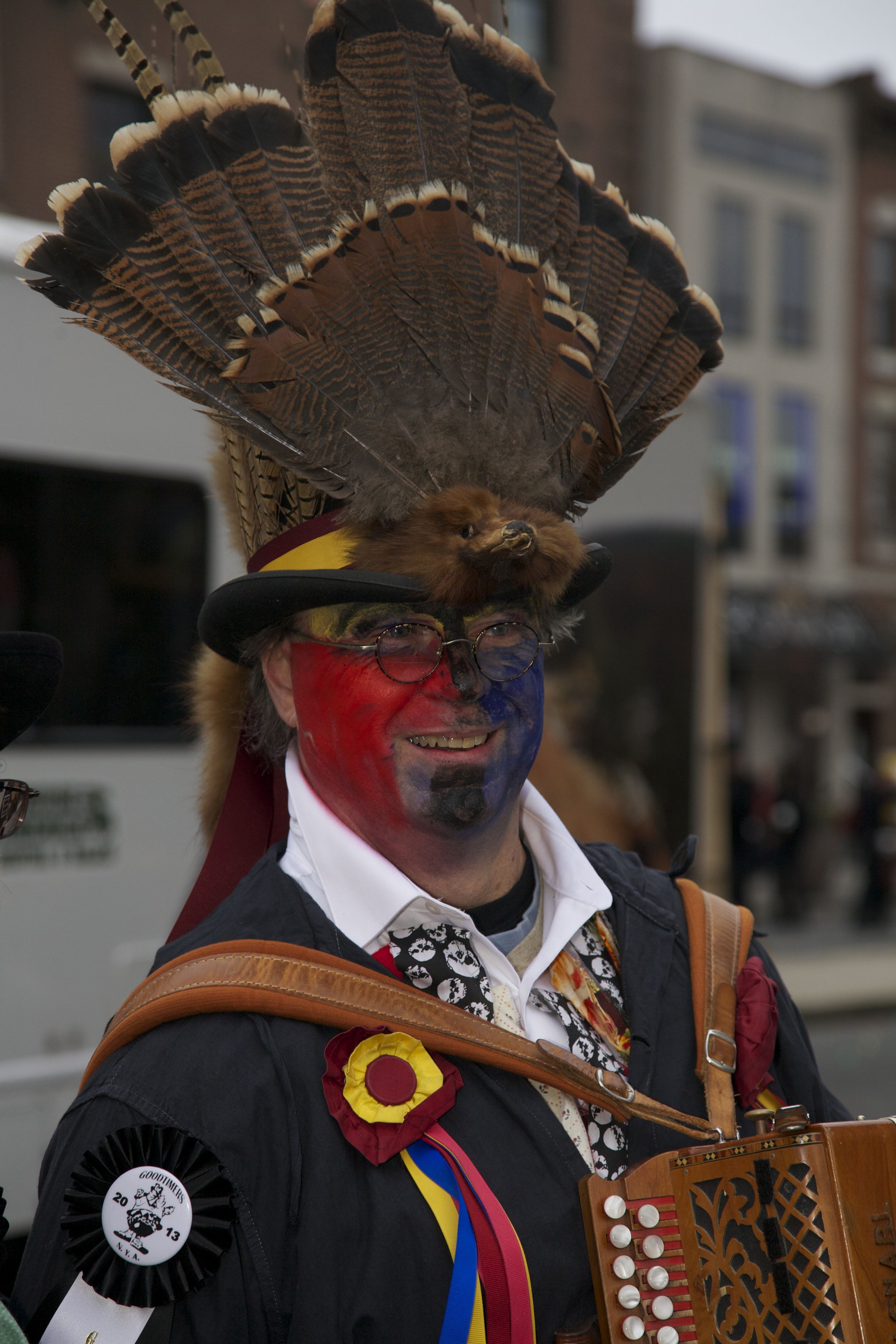
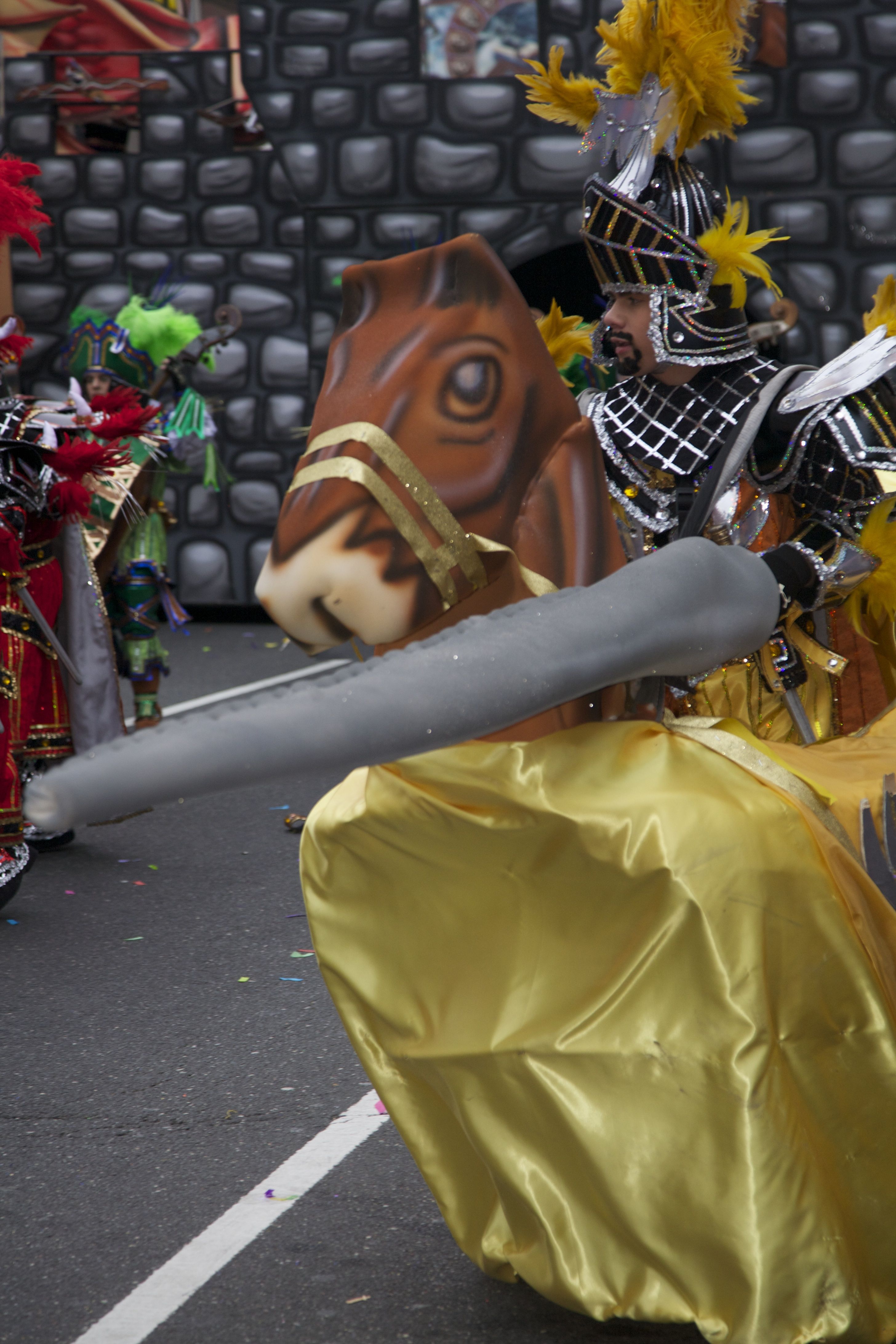
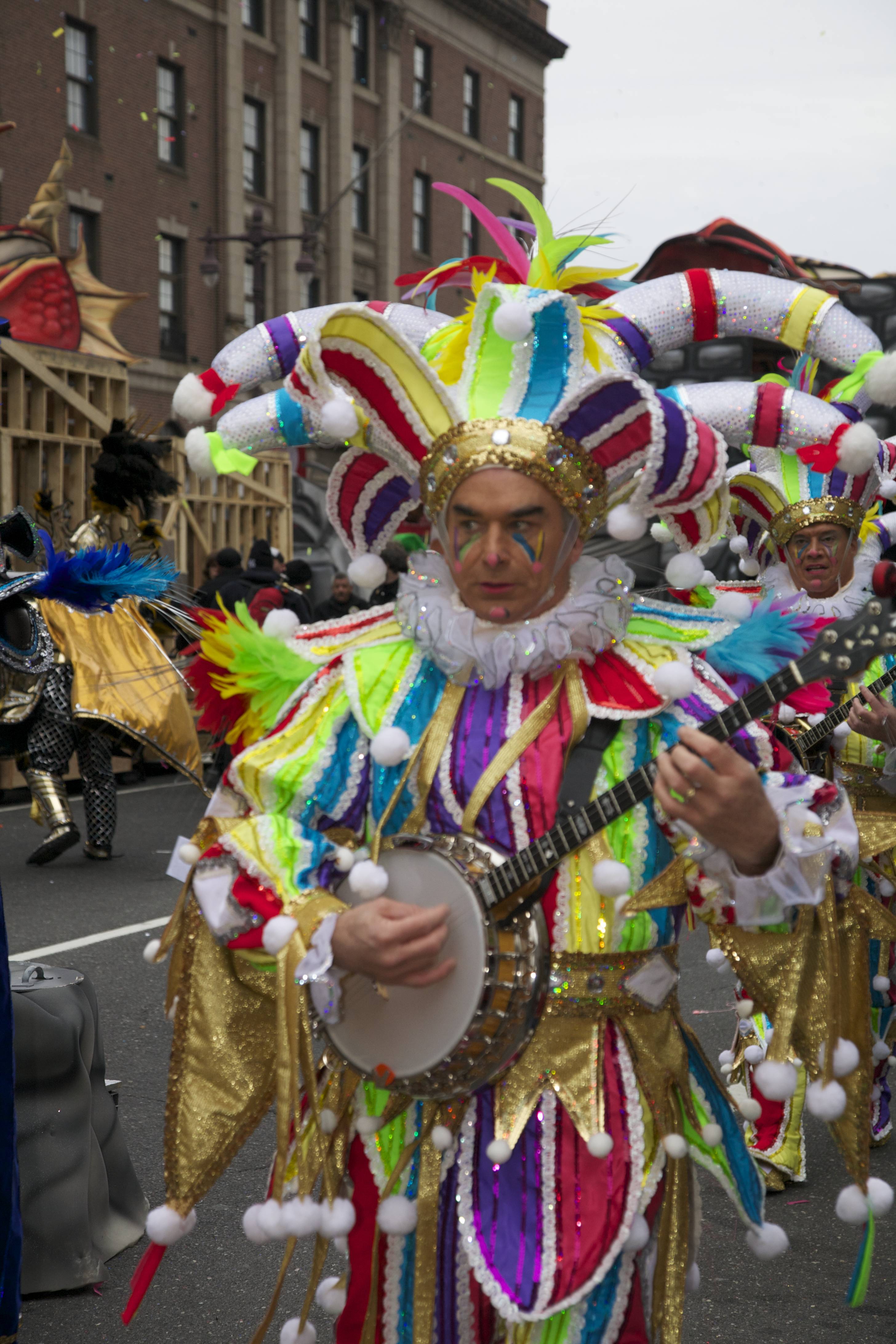
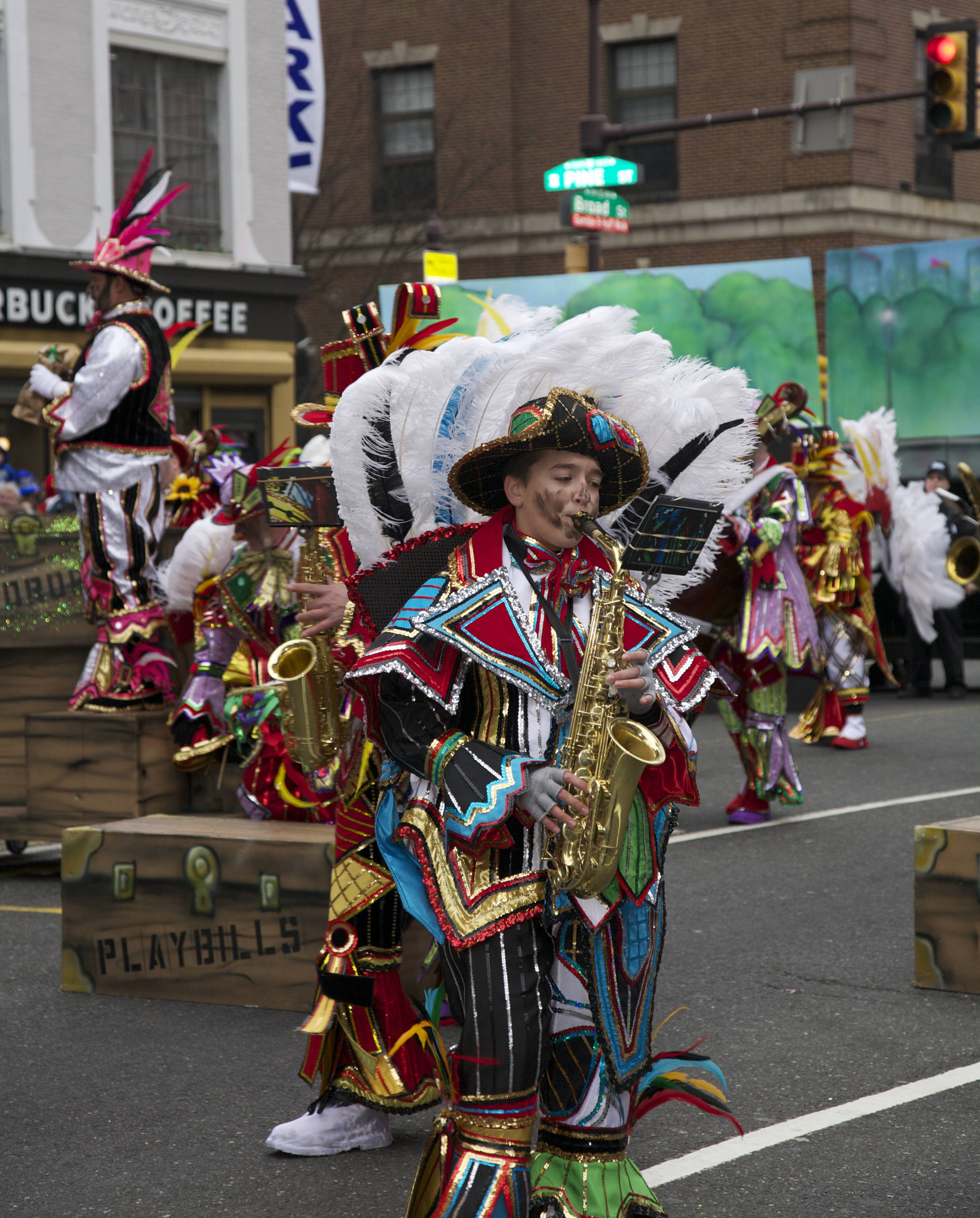
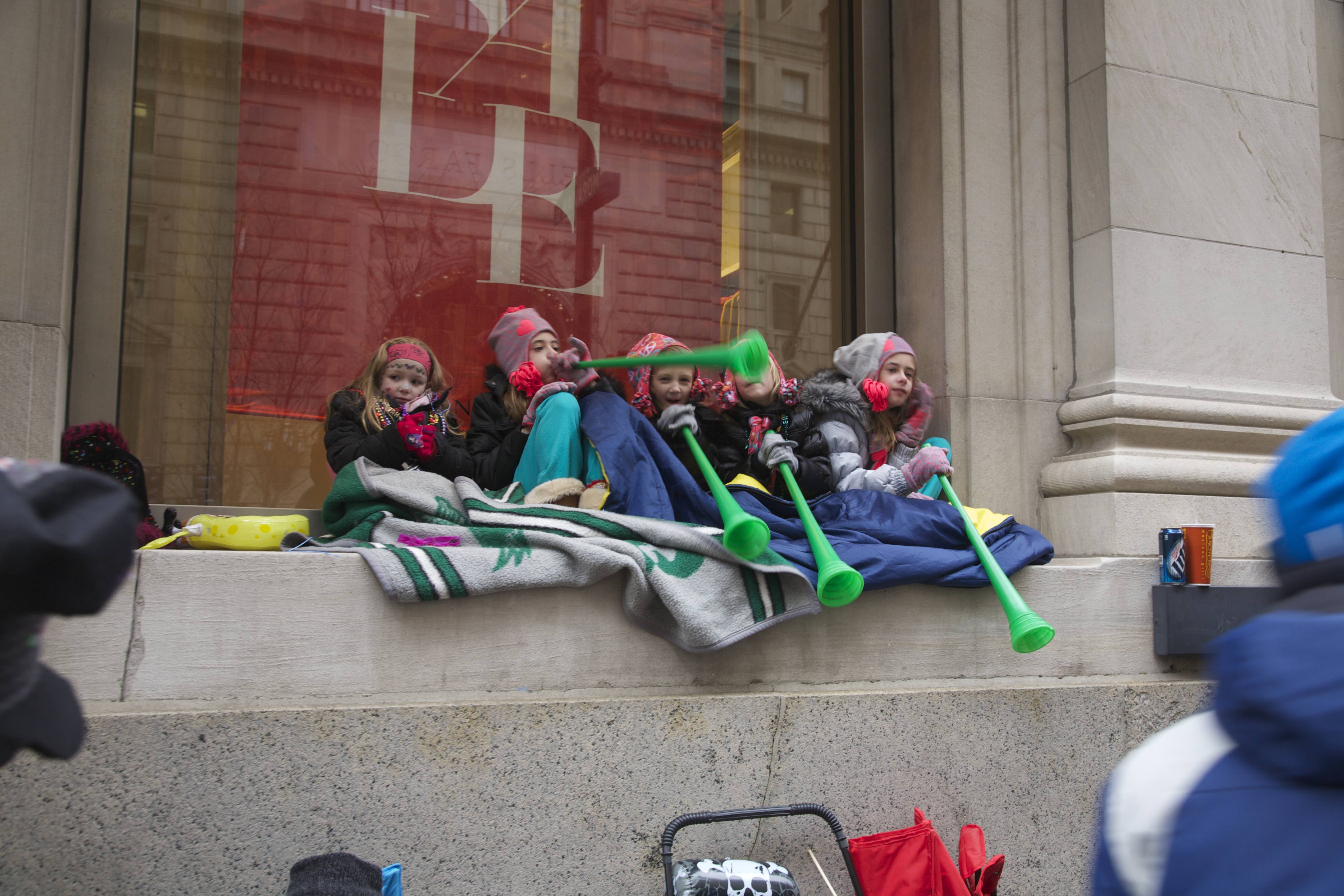
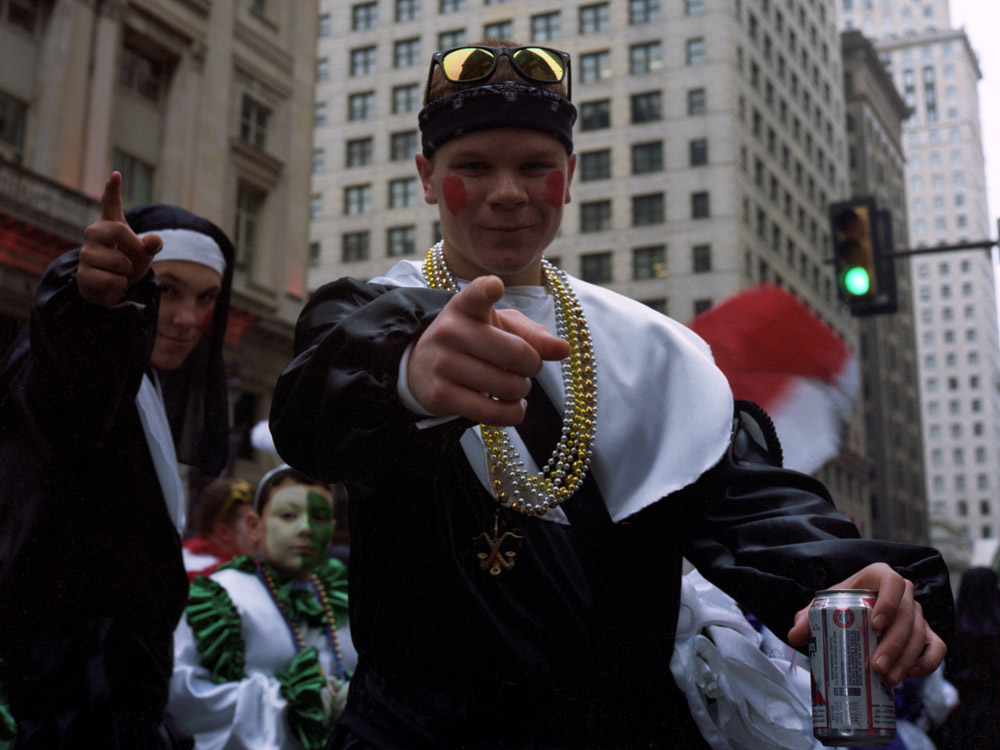
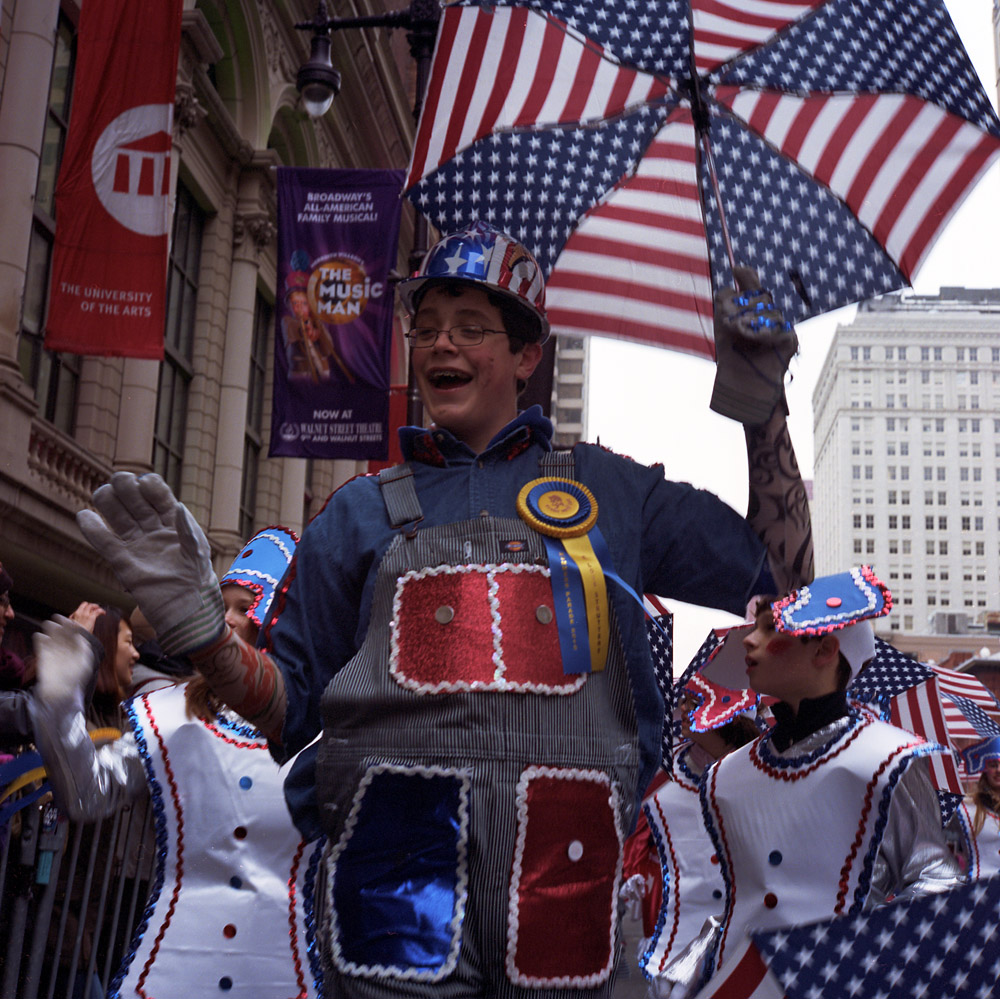
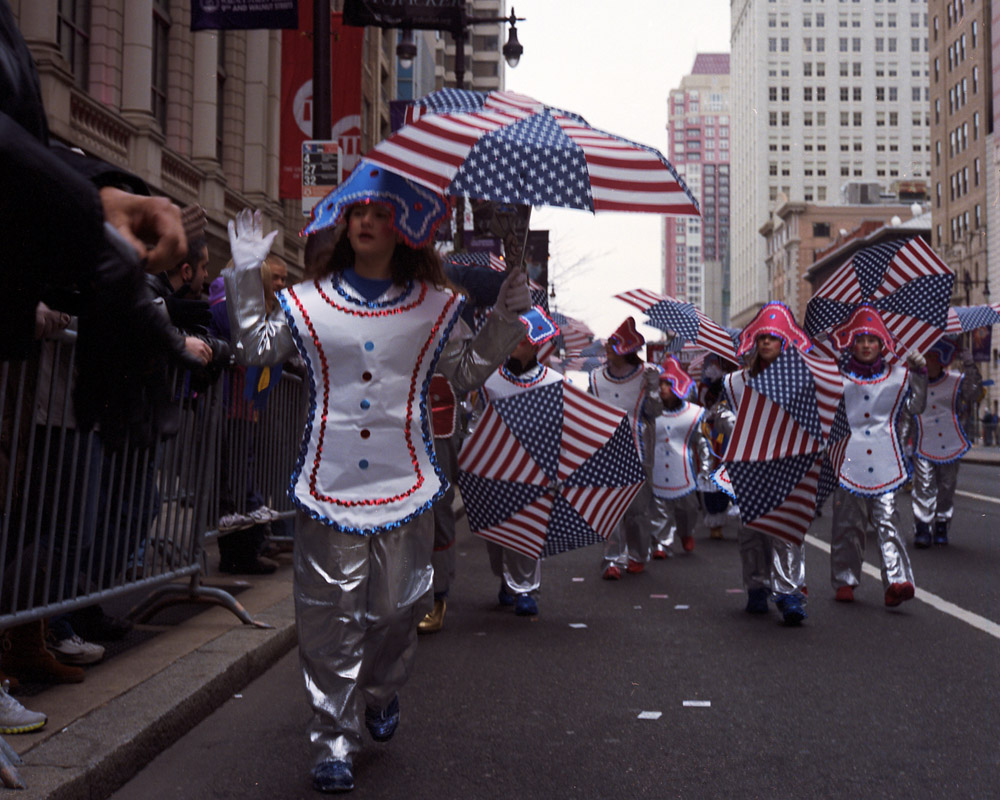
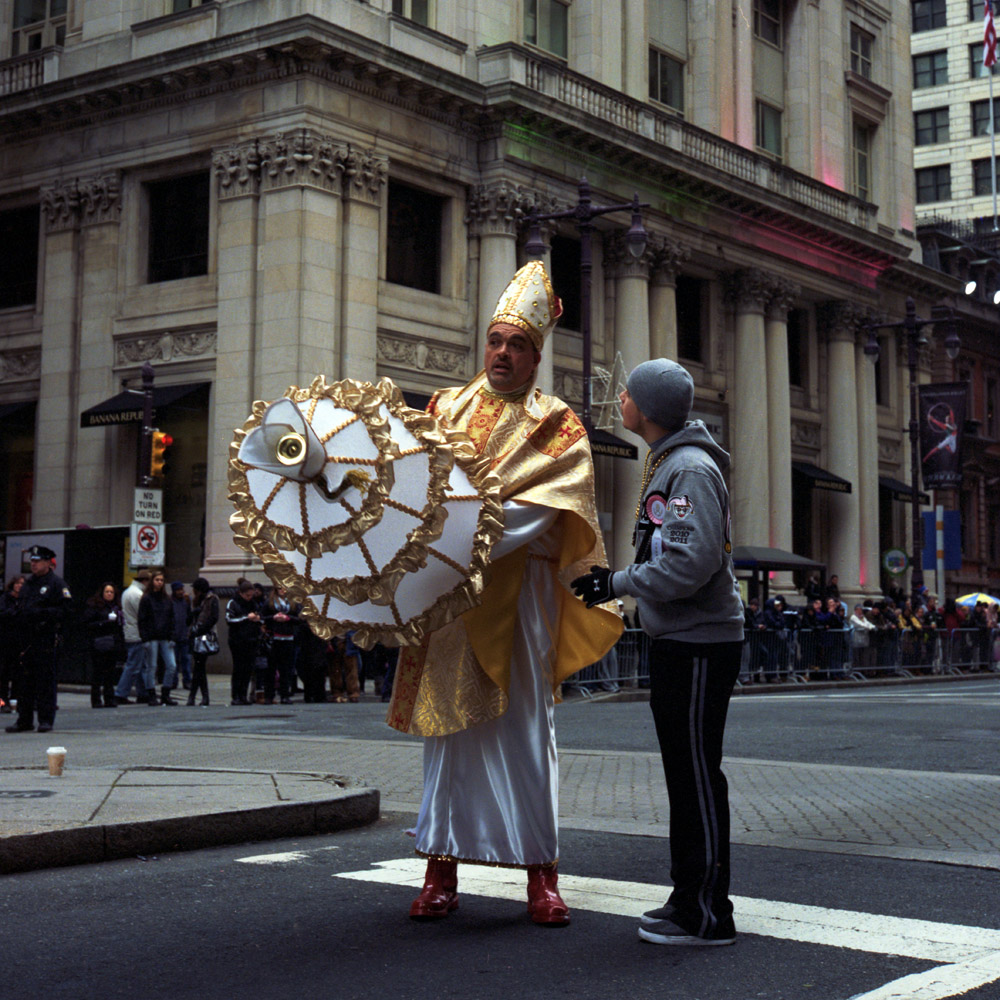
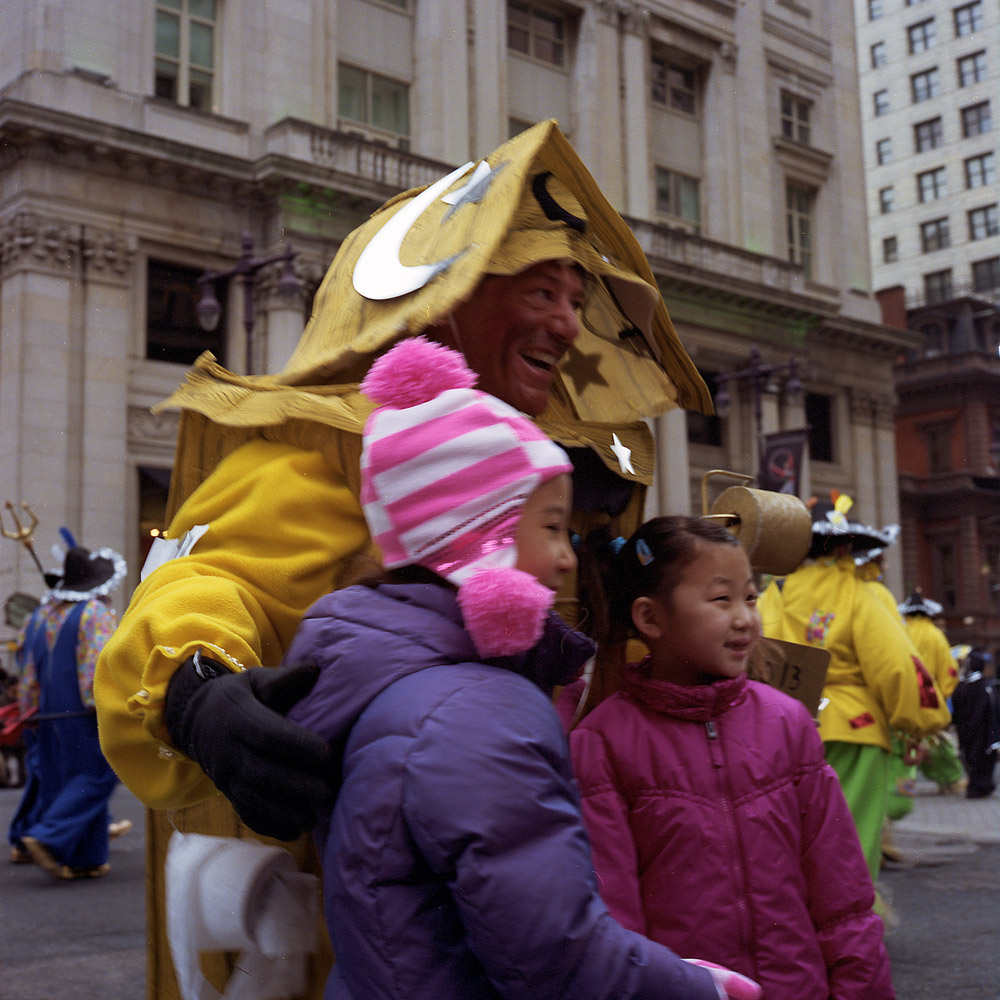
This is, for the most part, the “portrait” take on the Mummers Parade. With a few notable and obvious exceptions, these shots are of individuals in the parade. One of the things I found fascinating about the parade is the age range of the participants – everyone gets involved from toddlers in their first satin wench’s frock to seniors in mobility scooters. It’s a very family-oriented event despite the blatant public consumption of alcohol (frequently to excess, as my witnessing of a young, possibly underage, woman disgorging her beer onto the asphalt demonstrated. And NO, I did not document her embarrassment).
I’ll come back and do one more post of the Mummers Parade with the group shots, when I’ve got those organized.
A few more from the parade, taken with the Rollei. I have about 300 digital files to edit through before I post those – I switched to the Canon 5D after shooting these because the Rollei was rather labor-intensive and the lighting was rather dim, limiting me to slow enough shutter speeds that I was getting motion blur with a lot of images and I didn’t want to waste film. I think what came out best with the Rollei are images I’d classify as portraits. It excels at shooting people filling the frame at relatively close distances. Or maybe that’s just what I’m good at and I’m confusing the camera’s talent for my own.
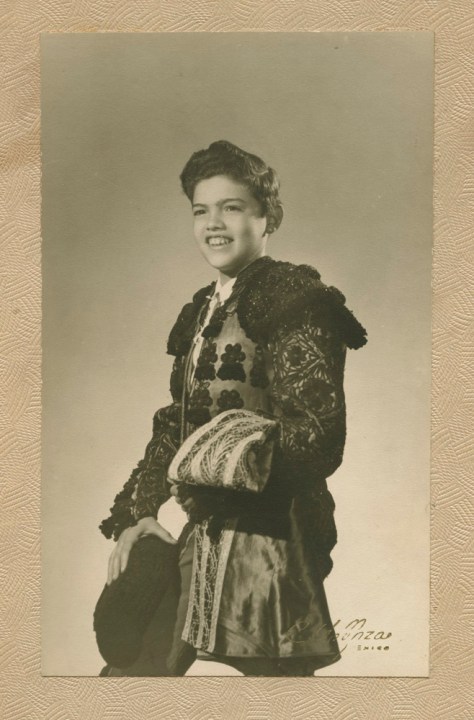
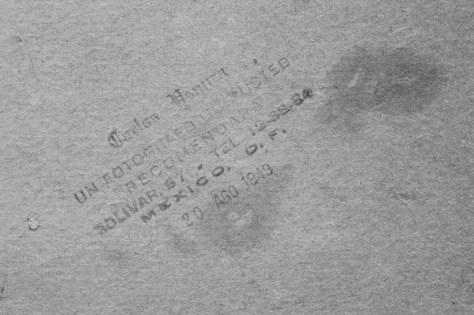
Boy in Toreador Suit, Mexico City, 1949Photographer’s imprint, verso, Boy in Toreador Suit
Here’s a cute photo of a teenage boy in a toreador suit, taken in Mexico City, August 20, 1949. The photographer’s stamp on the back of the print specifies the exact date, which is inordinately helpful. I just wish I could read his name, though – the script on the front AND the typeface used for his name on the back makes it impossible for me to decipher the exact spelling of his last name. Translation of the stamp:
Carlos **unza
A Photographer Whom You Can Recommend
Bolivar 57, Tel: 12.38.84
Mexico, D.F.
20 August 1949
I don’t know that this boy would actually have been a toreador – he could well have been playing dress-up for the camera. But I’ll give him the benefit of the doubt and say he’s legit. Google Mapping the studio address, in all likelihood this was a very posh studio in the center of Mexico City, not far from the historic district (I found THREE addresses with the same street number around the city, but the street views of the other two showed nothing that looked like commercial enterprise ever happening there). If anyone out there in cyberland knows who this photographer was, I’d greatly appreciate letting me know the exact spelling of his name and any biographical data about him. Ditto for the identity of the subject – if he was in fact a toreador, someone out there somewhere knows who he is.
I cropped out some of the card the image is mounted on because it would be wasting space on the screen to show nothing of value, and left enough to show the texture and pattern of the card decoration. It’s truly a vintage piece of the period. The stamp I converted to black and white so I could tweak the contrast in Photoshop and make it easier to read.
Footnote:
Aah- the wonders of google. I was trying to figure out the photographers name, and did some google searching, and came up with Carlos Ysunza as a name. Additionally, there is a currently practicing commercial photographer in Mexico City by that same name. I’ll email him and find out if he is the son of the Carlos who took this photo.
I was inspired to do a bit more digging into a photographer whose images I’ve shown here before, Kets Kemethy. He was a Hungarian photographer who settled in Washington DC and operated a studio here. The inspiration came from a book I bought myself for Christmas entitled “Envisioning Emancipation: Black Americans and the End of Slavery“. The book talks about African-Americans and their presence in photography from the antebellum period through to the 20th century. The book constructs a theory of race, social systems and politics to explain the narrative that frames and constructs the images in the book, but it does so in a reasoned, supportable manner that does not leave non-academic readers grasping for dictionaries and water-pitchers just to finish a page.
I have a Kets Kemethy photo of an African-American young man that I’d like to try and date more precisely, so I wanted to do some digging into the studio’s history and see if there was anything published about him. I have found another African-American subject by him, so I was wondering if his practice specifically catered to well-to-do African-Americans (although 2 for 2 is hardly a statistically meaningful or accurate sampling). I did find this article from the 1902 Washington Times: there was a bit of a scandal in the Kemethy studio where Mrs. Kemethy shot at either her husband and/or a female customer who may or may not have been his mistress. Washington Times, October 29, 1902
I also found a listing for his studio in Boyd’s Directory of Businesses from 1903, which is contemporaneous with the 1902 newspaper article, and an entry in the Photographic Times from 1890. Another image that shows up for Mr. Kemethy is in the Bibliotheque Nationale in Paris, of Henry Wood Elliot, sent to the Bibliotheque in 1884, according to the letter on Smithsonian letterhead. So this gives me some placement in time – Mr. Kemethy was working around the turn of the 20th century, so based on the size and style my image is probably from the 1890s. In all likelihood then the young man in my photo would have been born free, but it would also have been highly likely that his parents were born into slavery.
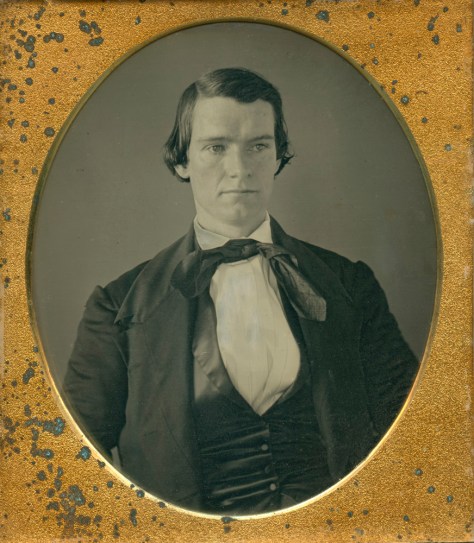
This was a beautiful dag, in such nice condition and with such overall quality that it seemed a crying shame to pass it up, especially at the price it went for.
Anonymous Daguerreotype, ca. 1840-1845
I particularly love the use of soft light to model the face. This is what a good portrait is all about – an accurate yet absolutely flattering rendering of a subject. One of the reasons I collect images like this is to have a personal library of excellent images to use as reference material when shooting my own portraits. You can study an image like this for hours and never get bored of looking at it.



 dcphotoartist