Here’s a video of my friend Tracy Storer talking about the 20×24 polaroid camera. Tracy is the manager of the San Francisco 20×24 studio, and has been working with the cameras since the late 1980s in Boston and New York when Polaroid owned and operated their own studios.
the Polaroid 20×24 operates in vertical only orientation
Chuck Close used one to take portraits of President Clinton in the Oval Office. Getting the camera in and out of the White House was quite the undertaking, as the camera and stand combined weigh over 240 lbs.
When you rent the Polaroid 20×24, it includes a staffer to operate the camera for you.
Back in November I taught a studio lighting class at Photoworks. This was my first time offering this class, so the curriculum was a bit of a gamble – I started with foundations of studio lighting, working from hot lights on still life setups and a single light source, and built my way up to electronic flash systems with multiple lights. In this case, my students had the burning itch to jump straight to portraiture, as that was their primary interest. I had a wonderful bunch of students in the class and everyone brought something to the table.
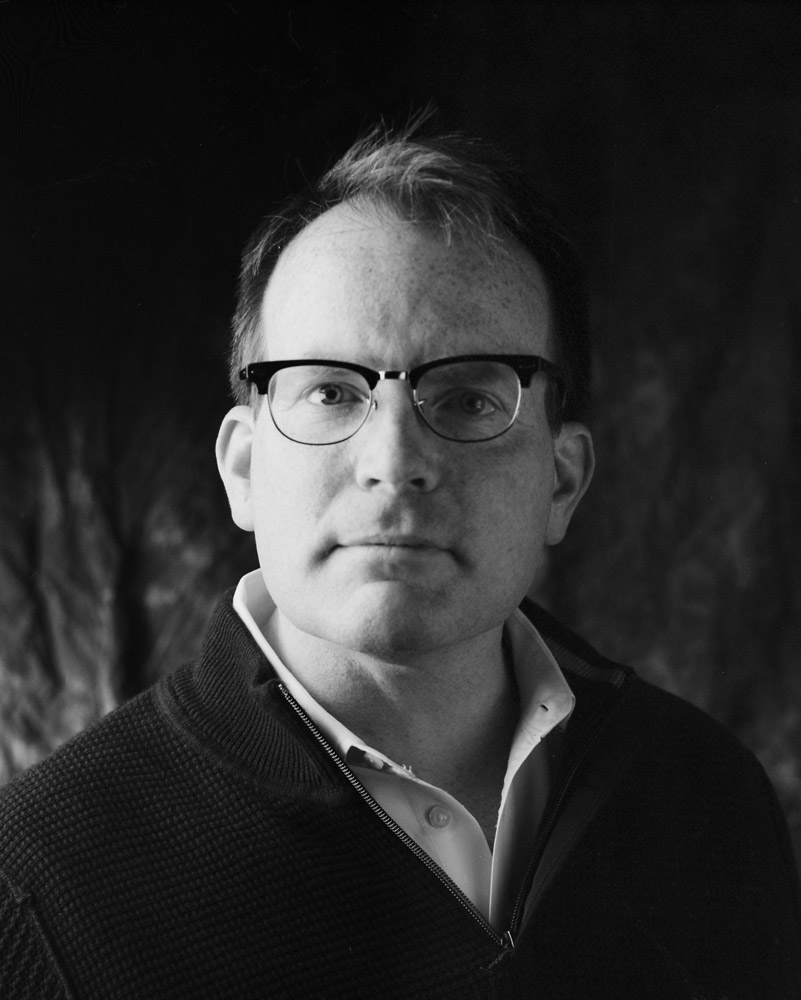
The portraits here are taken by me of my students. The portrait of Joe was done to demonstrate side light with a large diffuse light source, and a reflector. For demonstration purposes I moved the reflector in and out to lighten and darken the shadows, and shot it with both high and low contrast. This is my favorite of the bunch – there’s three-dimensional modeling of his face with the light, but the shadowed side of his face is not lost.
Joe P.
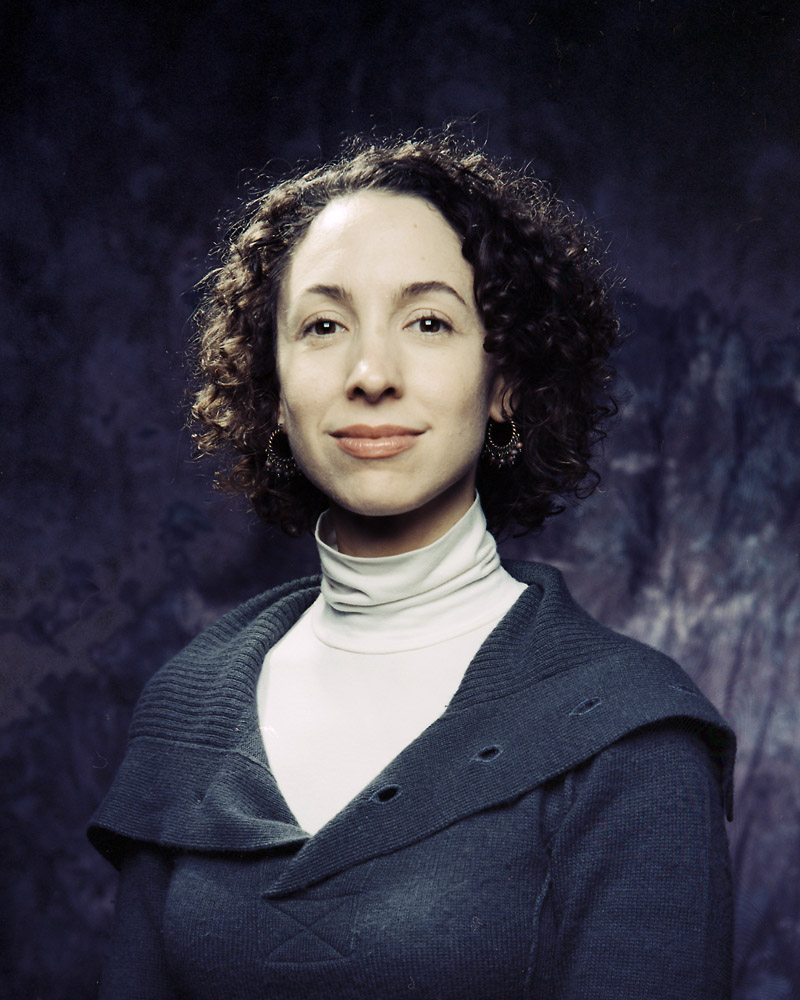
Geraldine was lit to show soft, flattering light. This was the classic “butterfly light” with a large diffuse light directly above and in front of the subject, a reflector below to open up the shadows a bit, and then hair light and background light applied to create separation of the subject from the background.
Geraldine W.
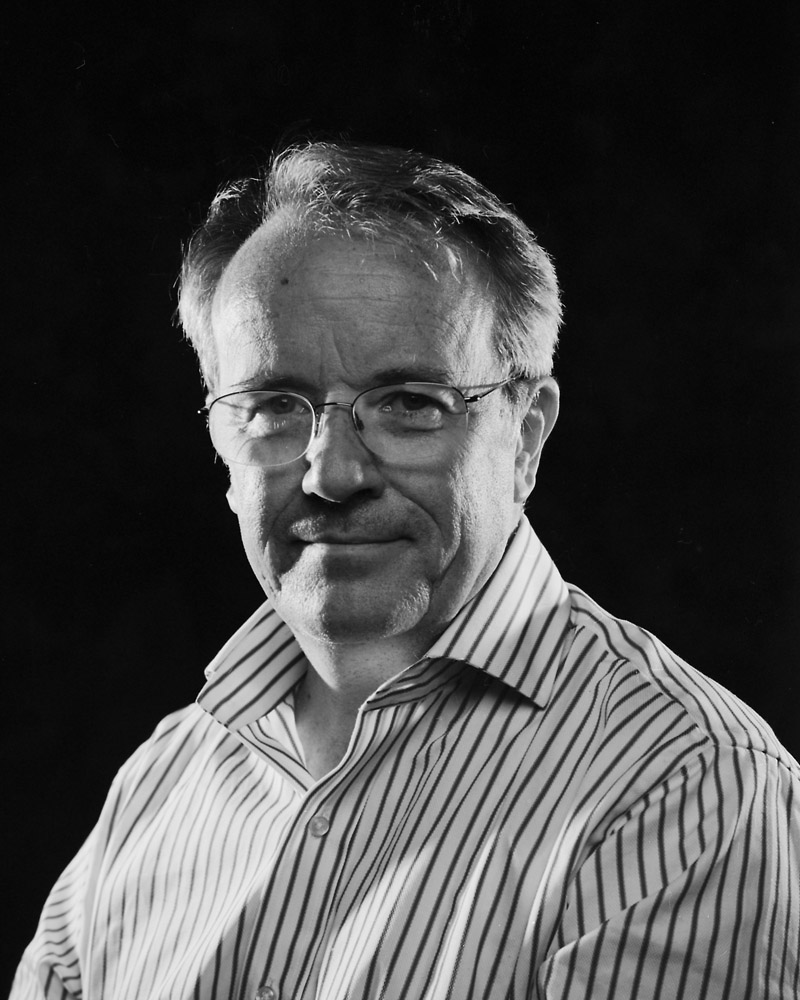
The shot of Matthew was done to demonstrate that “edge lighting” look you often see in sports photos of young athletes in shoe commercials. Obviously Matthew is no longer a high-school football player, but the look is very masculine and rugged and it works well on him. This was accomplished with two equal-powered heads in soft boxes, placed behind the sitter, at 45 degree angles to the subject-camera axis, and then adding in a little fill in the front so his face wouldn’t get lost.
Matthew F.
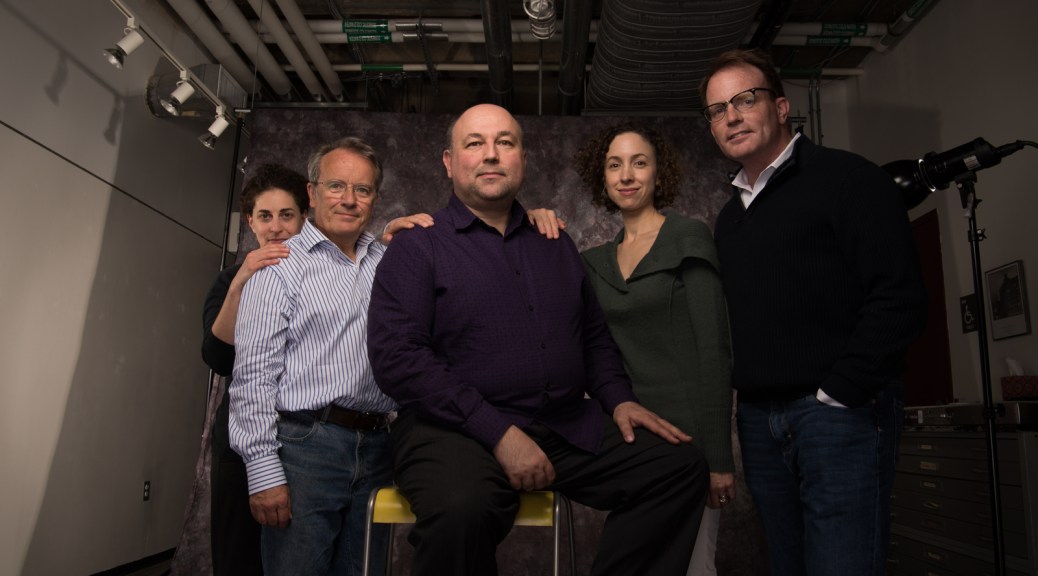
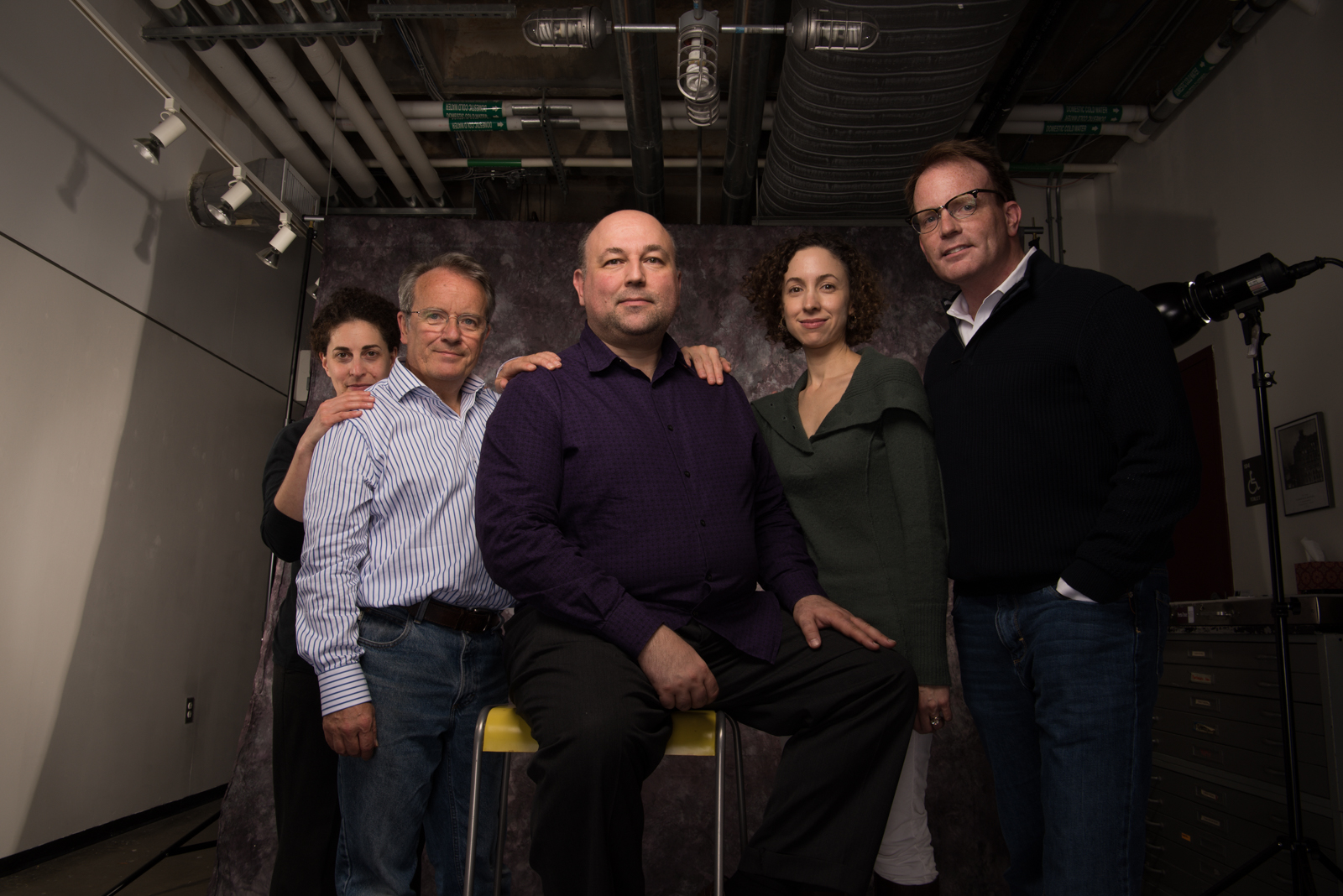
The final photo of the day is our group shot. That’s me in the center, if you’re wondering. My fourth student in the class was Leslie, who is the one hiding behind Matthew’s shoulder.
Studio Lighting Class
All individual portraits were done with a Tele-Rolleiflex and the Rolleinar 0.35 close-up adapter, on Kodak Ektar 100 color film. The two black-and-white images were converted from Photoshop. Ektar is a good portrait film in natural light, I’ve decided, but for studio portraiture, Portra 160 is better.
Just wanted to put out a reminder about my upcoming classes at Glen Echo. My Intro to Platinum/Palladium class is almost sold out – five of six slots have been taken already.
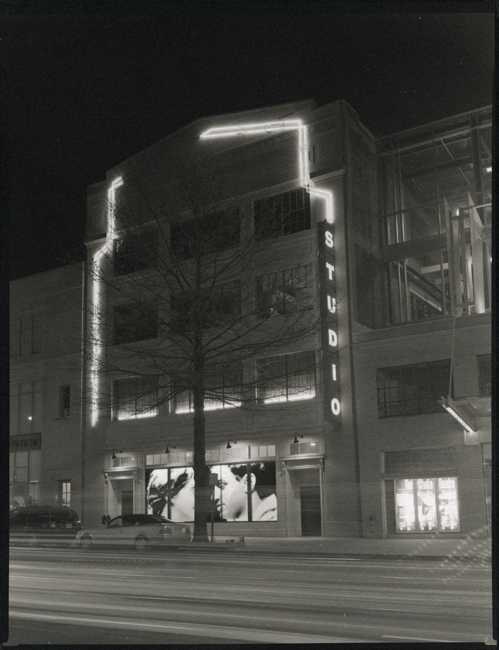
Studio Theater, 14th Street, Night
This is a new formulation of this class for me – two weekends instead of one, and the second weekend is a module on making digitally enlarged negatives for platinum/palladium printing. The first weekend we will make in-camera negatives for platinum/palladium printing, and learn about what will make a good composition for the medium. We will process those negatives and print them the first weekend. The second weekend will be devoted to making digitally enlarged negatives. Students are advised to get the Ron Reeder book on making digitally enlarged negatives in advance so they will have it in hand in time for the digital negative module.
I am also running an intro to studio lighting class from October 28 to December 2. We will cover basics of light in the studio, from a single hot light (there is only one sun!) to a multiple light strobe environment. We’ll also cover light modifiers from basic reflectors to umbrellas, soft boxes to Fresnel lights.
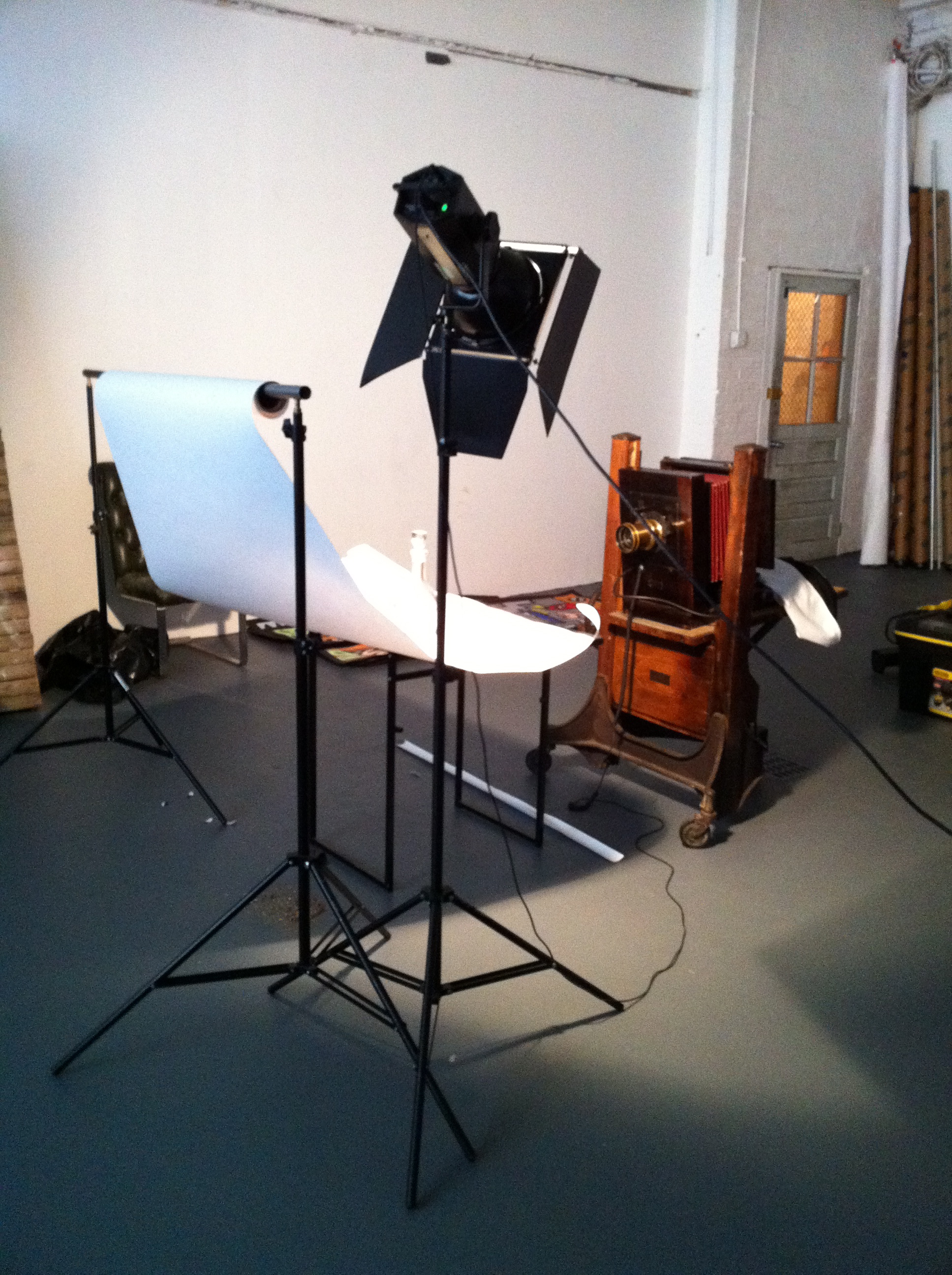
Studio setup #2
One of the biggest challenges working in the studio, especially for folks coming in for the first time from shooting natural light, is that there is no light in the studio but what you put in it. You have total control, and therefore you also have total responsibility for what gets captured. This course will help you learn to see light and how it creates form and volume, and how to control it for contrast and texture.
I dug up a few older platinum/palladium prints I did a couple years ago and realized they were worth sharing, so I thought I’d post them here today.
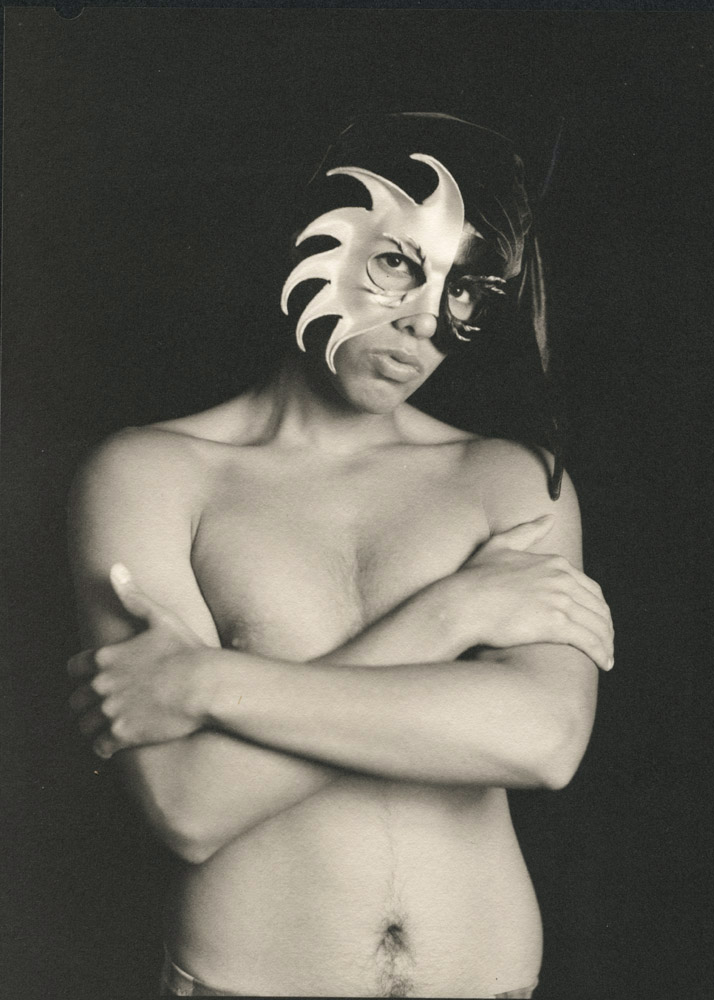
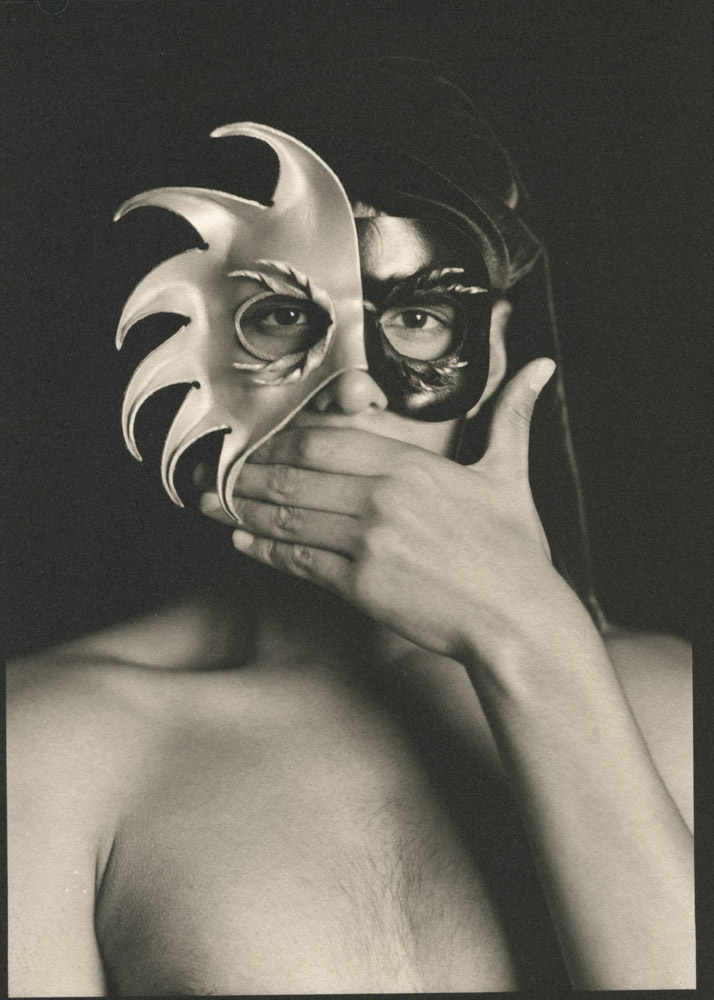
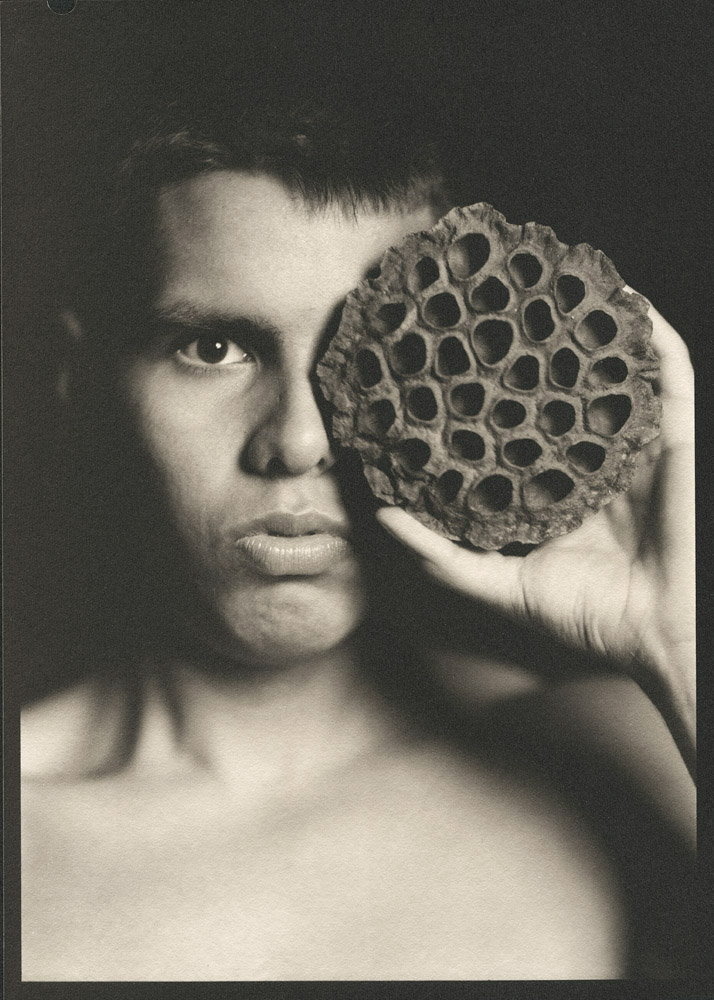
They were studies for a series I was working on – they didn’t make the editorial cut for the series, but as standalones they’re good. Jester
JesterPortrait with Lotus Seed Pod
These were shot in my home studio (aka the dining room) with a single light and a black velvet backdrop. The camera was my ancient studio portrait camera with a 5×7 back installed and a Seneca portrait lens (aka Wollensak Vesta, rebranded). I mention all this to show that you can produce great work with the simplest of set-ups and equipment, and you don’t have to have the latest and greatest or fancy facilities.
Ok – it was overdue for a variety of reasons, so I went in last night and did a major edit of my personal website, the “static” online gallery I have at www.theflyingcamera.com. I trimmed the categories down, got rid of some images that were old/weak, and generally aimed to make the site look and feel more professional. I’m getting ready to launch my portrait business, and pending some research into good site hosting services that will let me customize my page, this will have to do as an online presence. I would love some feedback from my readership as to what you think of the overall look and feel, and the image flow and selection.
Part of what spurred the interest in this overhaul was attending a photography business marketing seminar taught by Vickie Lewis, a Washington DC based photographer who is a certified business coach in addition to being a past president of the regional chapter of the ASMP (American Society of Media Photographers), a Pulitzer Prize winner and currently represented by National Geographic. She teaches small group seminars on the business of photography – how to market yourself as a service, how to sell your artwork. She also teaches technique classes. Her website is: http://www.vickielewis.com if you’d like to read more about this terrific woman and her work. She gave me a lot of fantastic ideas on how to market myself and the work that I do.
As a result, I’ve overhauled my photographic mission statement and my elevator pitch:
The typical portrait photographer produces workmanlike images that function as documentation. My goal is to use my creativity and vision to produce images that go beyond to become iconic representations of your spirit and character. You do not have your portrait taken by me; rather you make your portrait with me. I use antique techniques and processes in a contemporary style to create not mere photographs but tangible art objects you will be proud to display in your home and pass on to future generations.
My new “About the Artist” blurb:
Scott Davis is a Resident Photographer at Washington School of Photography and an Instructor at Glen Echo Photoworks where he teaches antique and historic processes. When not teaching or shooting for private clients, he exhibits his personal projects around the Washington DC area. His publication credits include Metropolitan Home, Metalsmith, Creative Image Maker, Rice Paper and Rangefinder. He counts Stephen John Philips and John Dugdale as mentors and influences.
That sounds like a pretty good set of credentials, doesn’t it? And it has the added benefit of being accurate. It’s something that she told me about how to put these things together in a short bullet point concept. I knew all this stuff about me but I had never put it in a concise, condensed thought so I wasn’t able to articulate it.
And my inspirational quote – the reason I love photography and the reason you should want me as your photographer:
I fell in love with the magic of photography when I made my first darkroom print. My original goal was to just learn enough to use photographs as subject matter for painting and drawing. But when that first print emerged in the developer under the red glow of the safelight, I was hooked and I knew right then the camera would be my companion for the rest of my life.
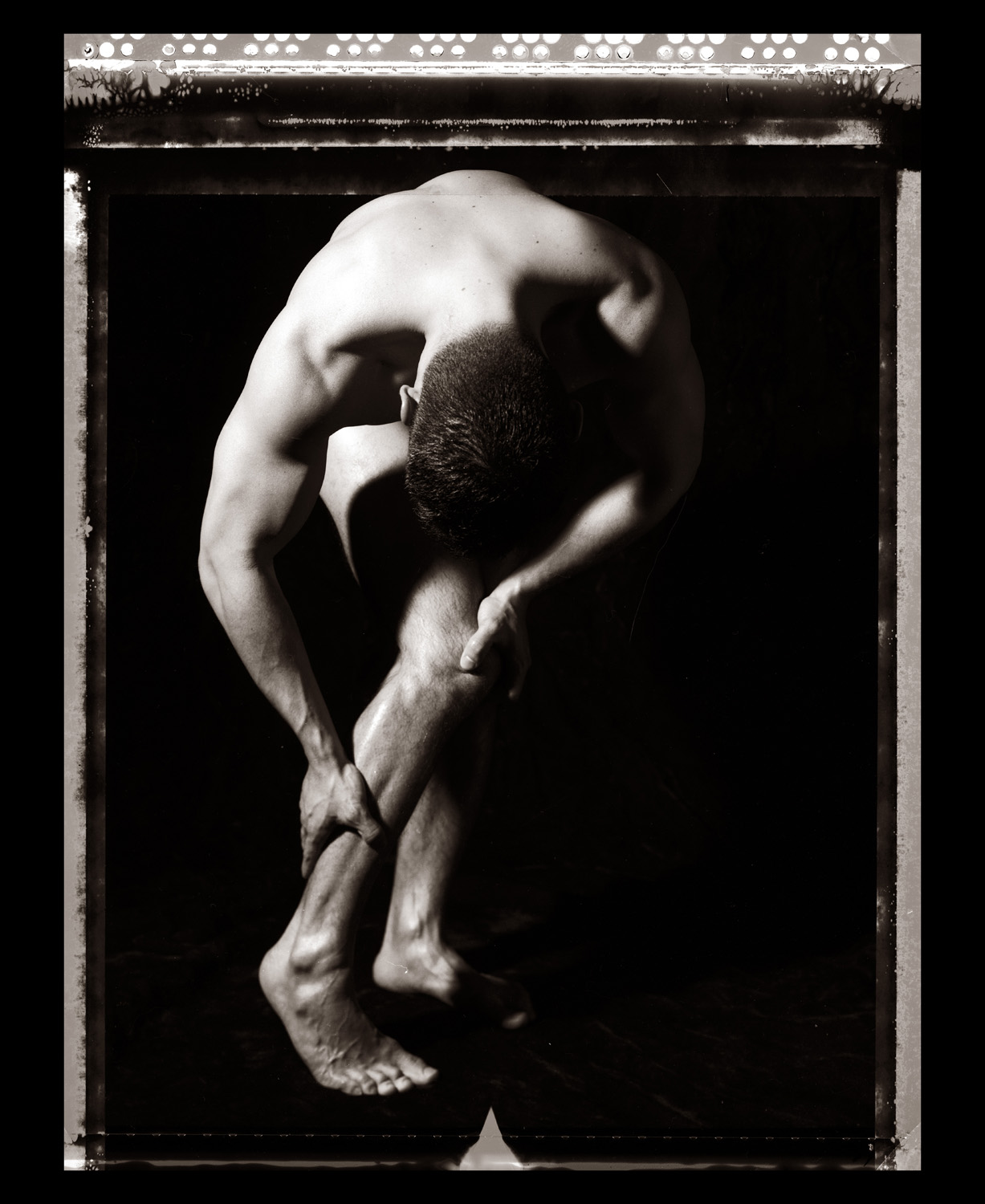
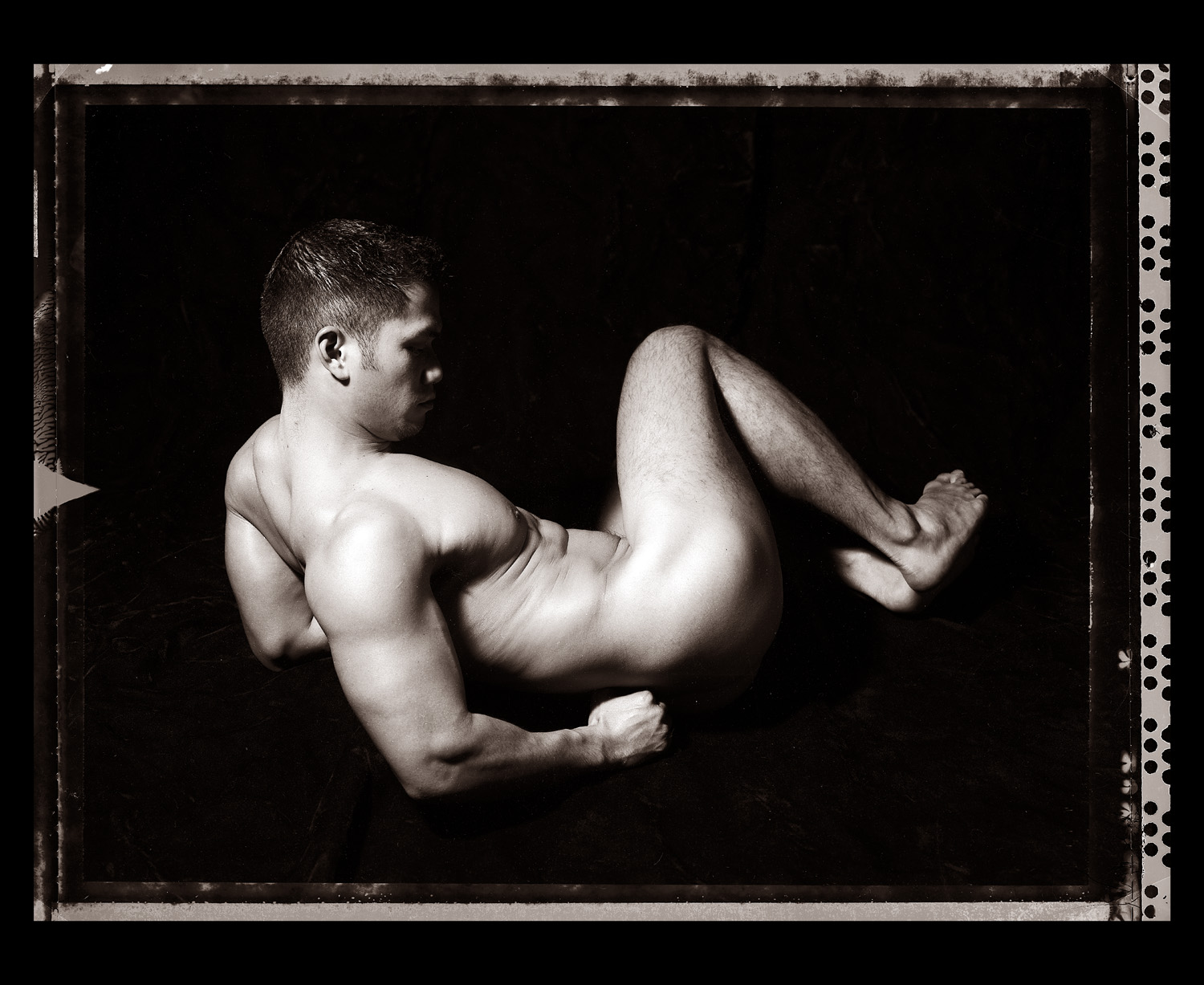
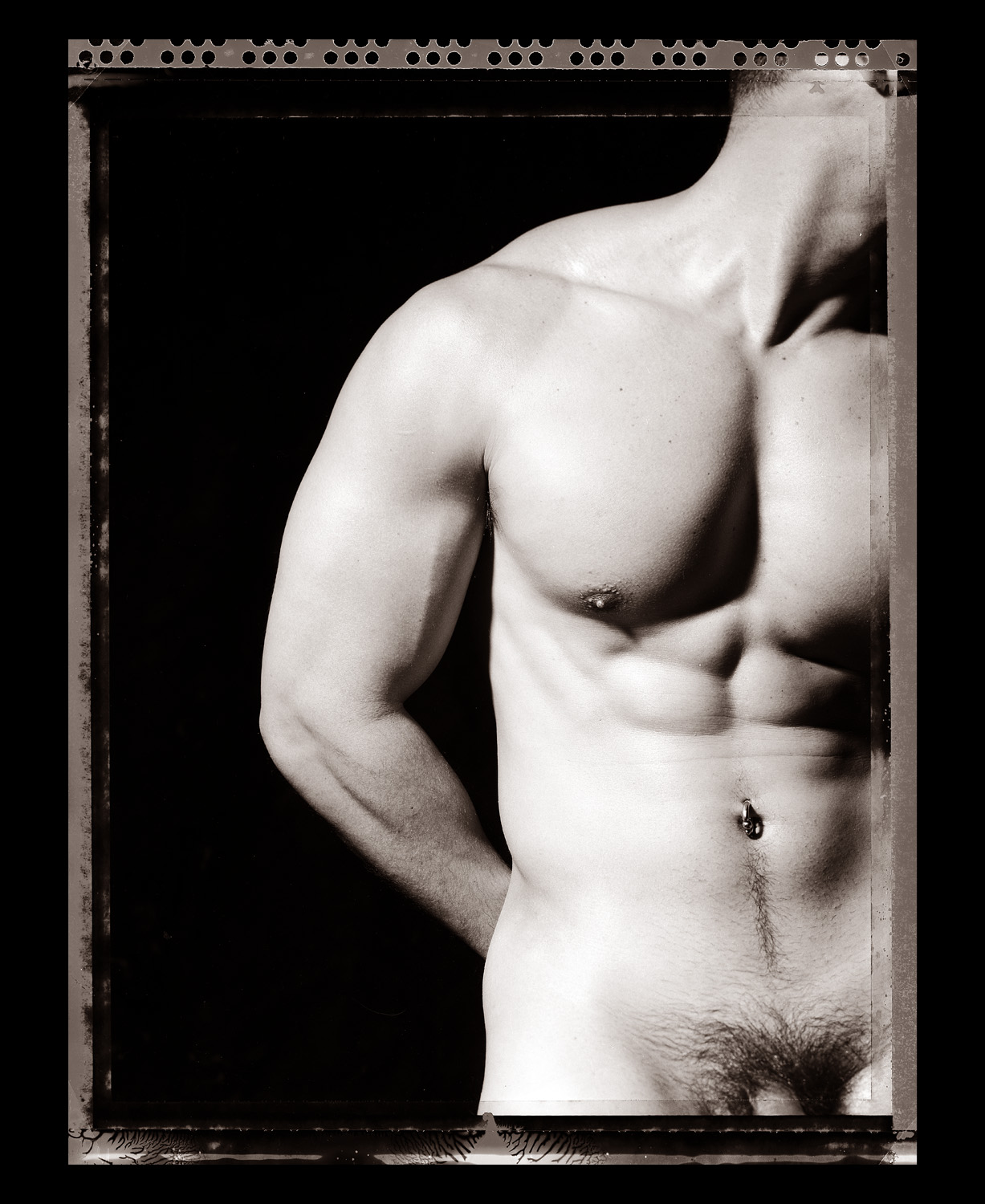
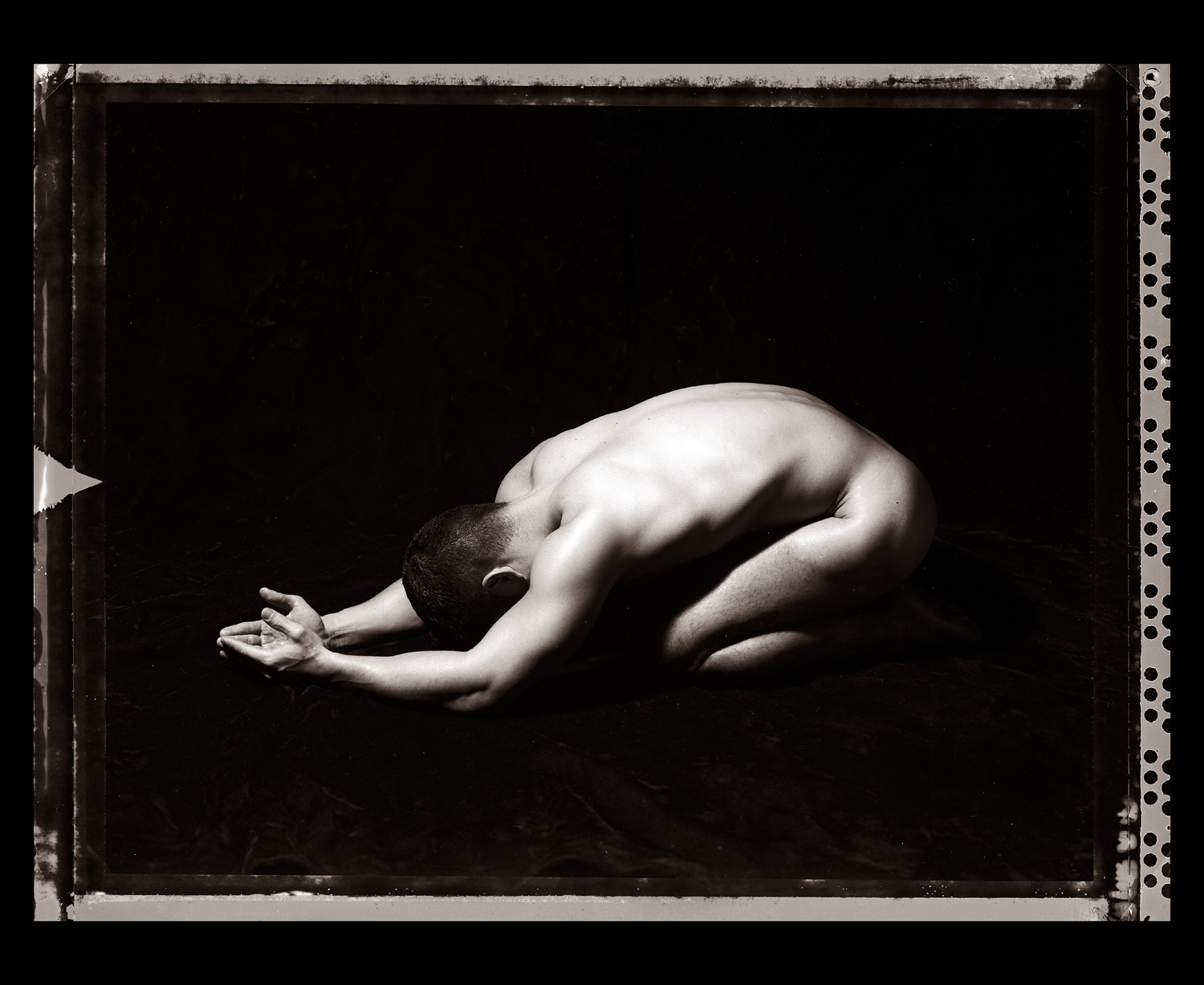
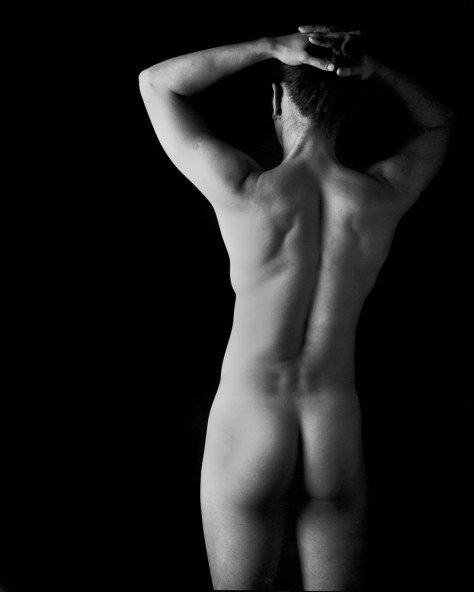
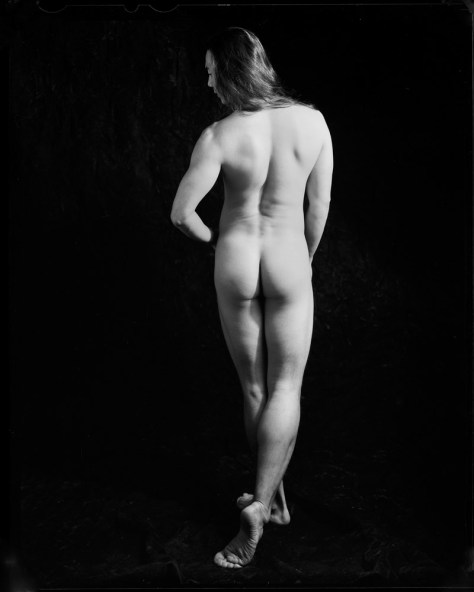
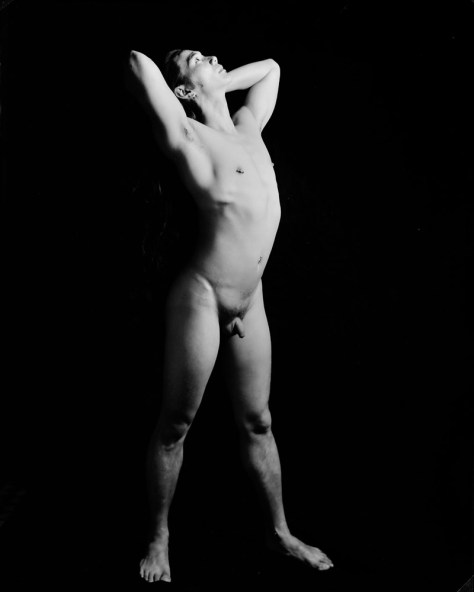
Three from a series I did of a friend of mine from California who is a dancer and massage therapist. Since these were taken, he apparently had a previously undiagnosed heart defect that decided to make itself known and required open heart surgery. I haven’t seen him since, so I have no idea what the scar looks like. I’ll try to connect up with him again and see if he’d pose, scar and all.
All images shot on a 4×5 camera. Film is Ilford FP4+.
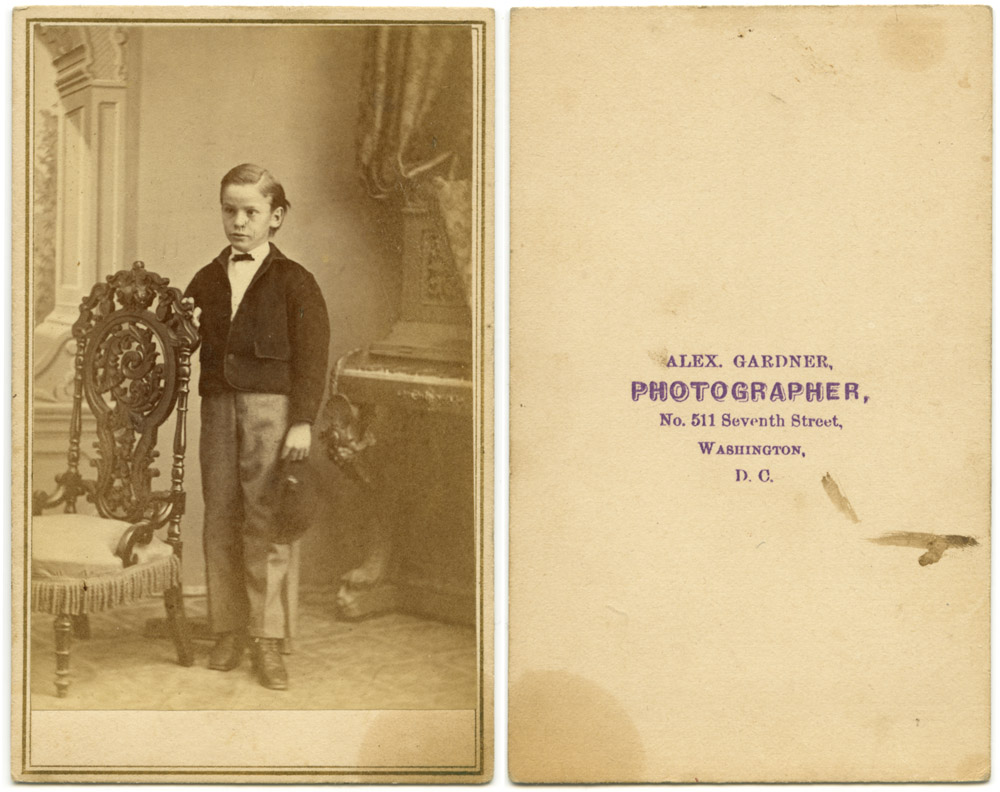
Here’s another portrait by Gardner. Funny thing – Gardner was much more successful in business than Mathew Brady, yet Brady images are far more common than Gardner’s CDVs. I don’t know if it is that he did fewer (certainly seems so) or that his subjects’ heirs are largely holding on to them still. Given the disproportion between his images and Brady’s in the marketplace (not a statistically validated survey, but in my estimation, there’s a 10:1 ratio or more on the Brady:Gardner ratio), I’d say that he just didn’t make that many. This was obviously from his civilian commercial operation, and probably a few years after the Civil War as there is no mention on the back of being “Official Photographer to the Army of the Potomac”. The country as a whole grew war-weary in the aftermath of the war – all aspects of society were changing, and quite radically. Slavery had ended, the agrarian/industrial divide fell heavily in favor of industrialization. Women were a (temporary) presence in the workforce after the death of nearly 700,000 men of working age over four years of truly brutal combat.
With all this change and stress, it’s not a surprise that an association with the US Army that was trumpeted in 1864 would be quickly effaced from advertising copy.
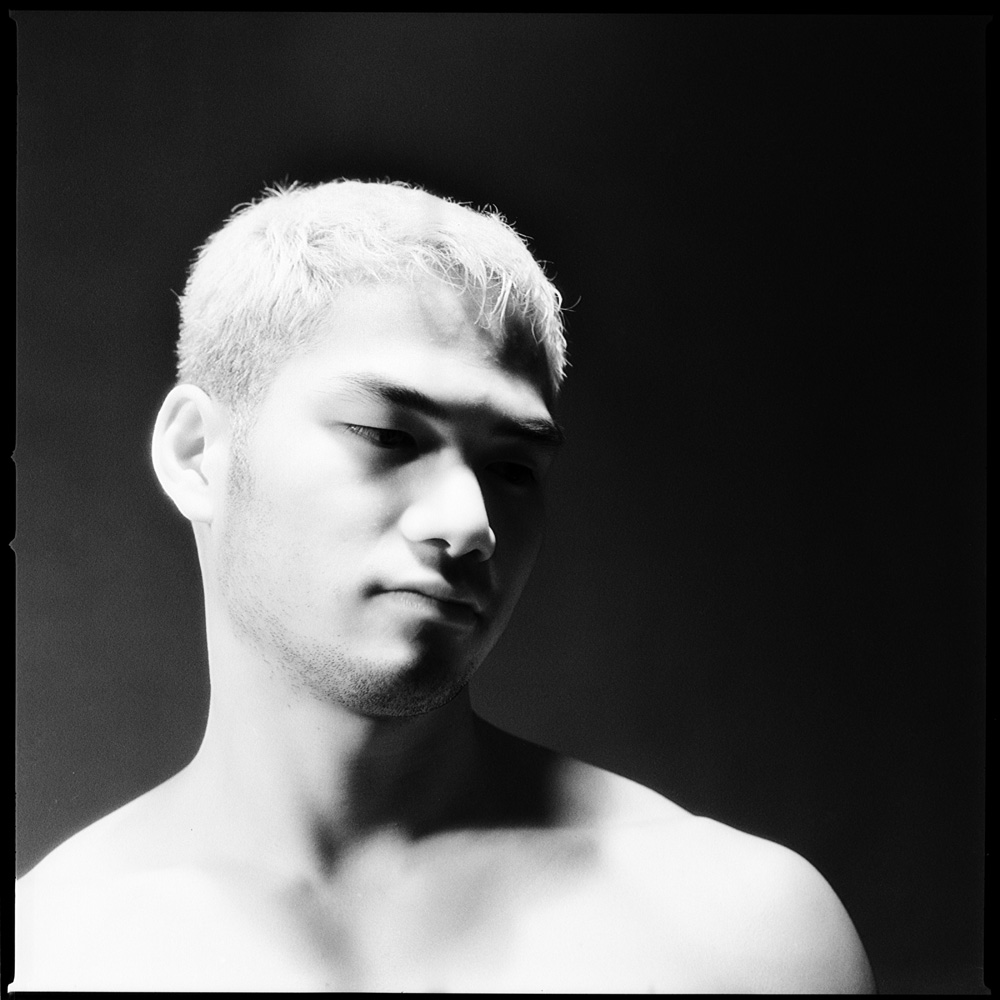
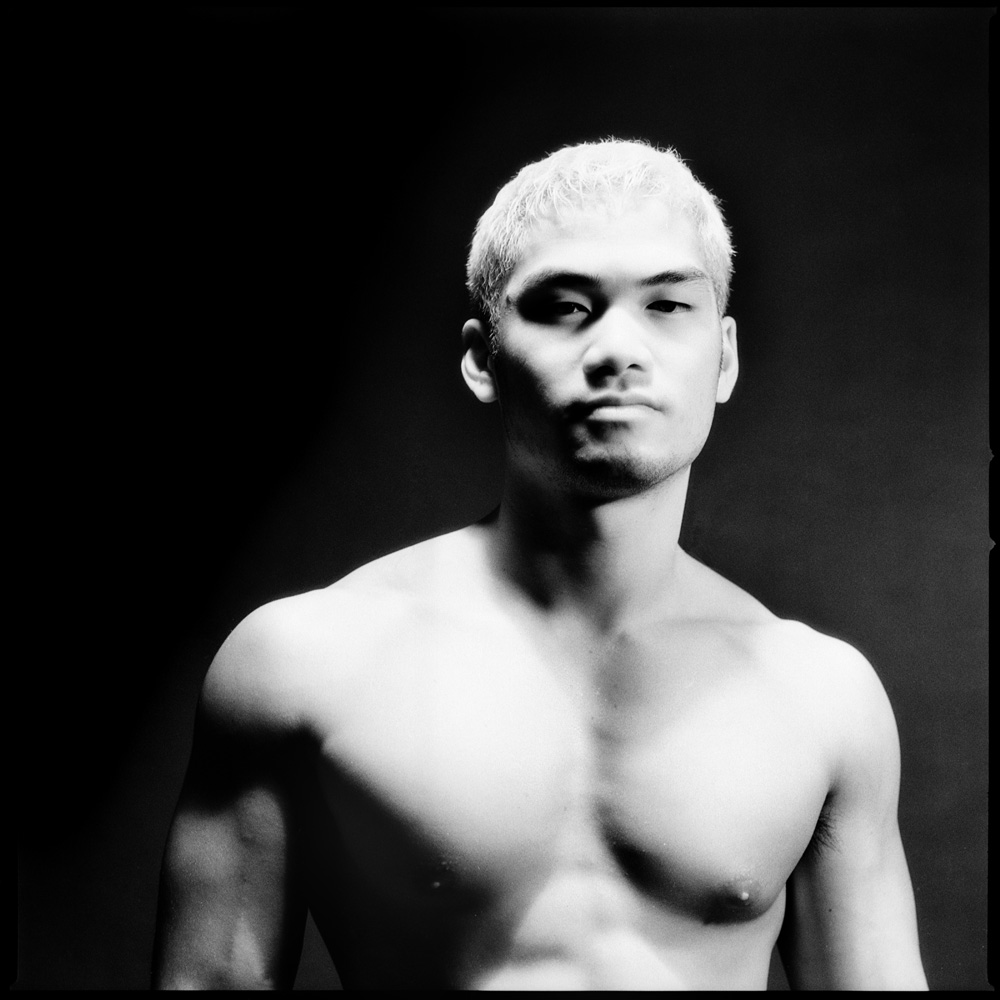
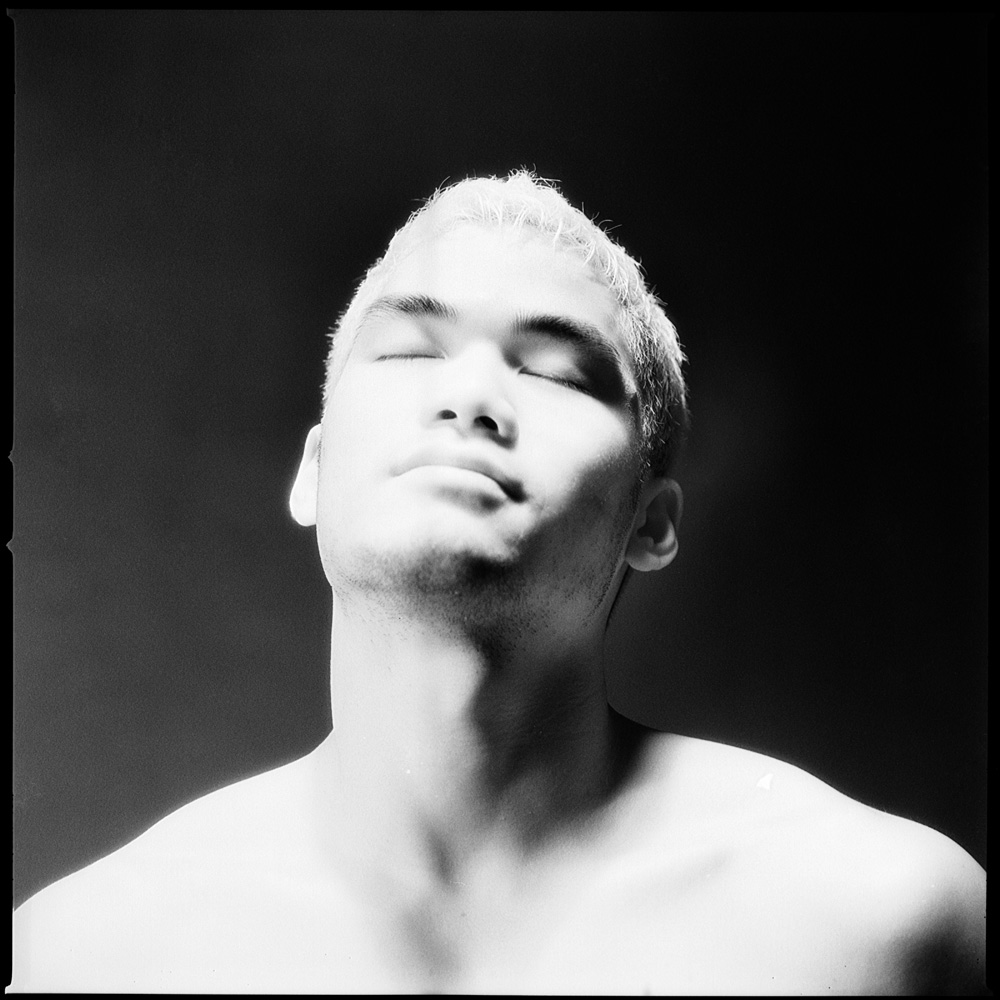
I was asked the other day to contribute some images to an exhibit at LOOK3, a photography festival in Charlottesville, Virginia, coming up shortly in June. I decided it was time to troll my negative archives and see what I could find. I came across these images that I had shot probably 15 years ago, maybe more. They were shot on Konica Infrared film, which was rare at the time (they only produced it once or twice a year), and is now defunct. The negatives themselves were pretty dusty, and a couple of them had damage (I was a clumsy darkroom worker when I was younger – what can I say?). Anyway, I thought they were pretty cool, so I scanned them, fixed the flaws, and voila, the results you see below.
The model is an old friend of mine, Jose. Part of the extreme effect you see in the images is due to the fact that he bleached his hair for Halloween, when he threw on some silver shorts, a bit of body glitter and not much else, and then made a big Chinese takeaway box to walk around in that said “Cream of Sum Yung Gai”. That, or maybe “Mi Fook Yu”. It was a clever outfit except for the fact that he could really only wear the box outdoors, it was so clunky. I got him in the studio maybe a week after.
Jose #1Jose #2Jose #3
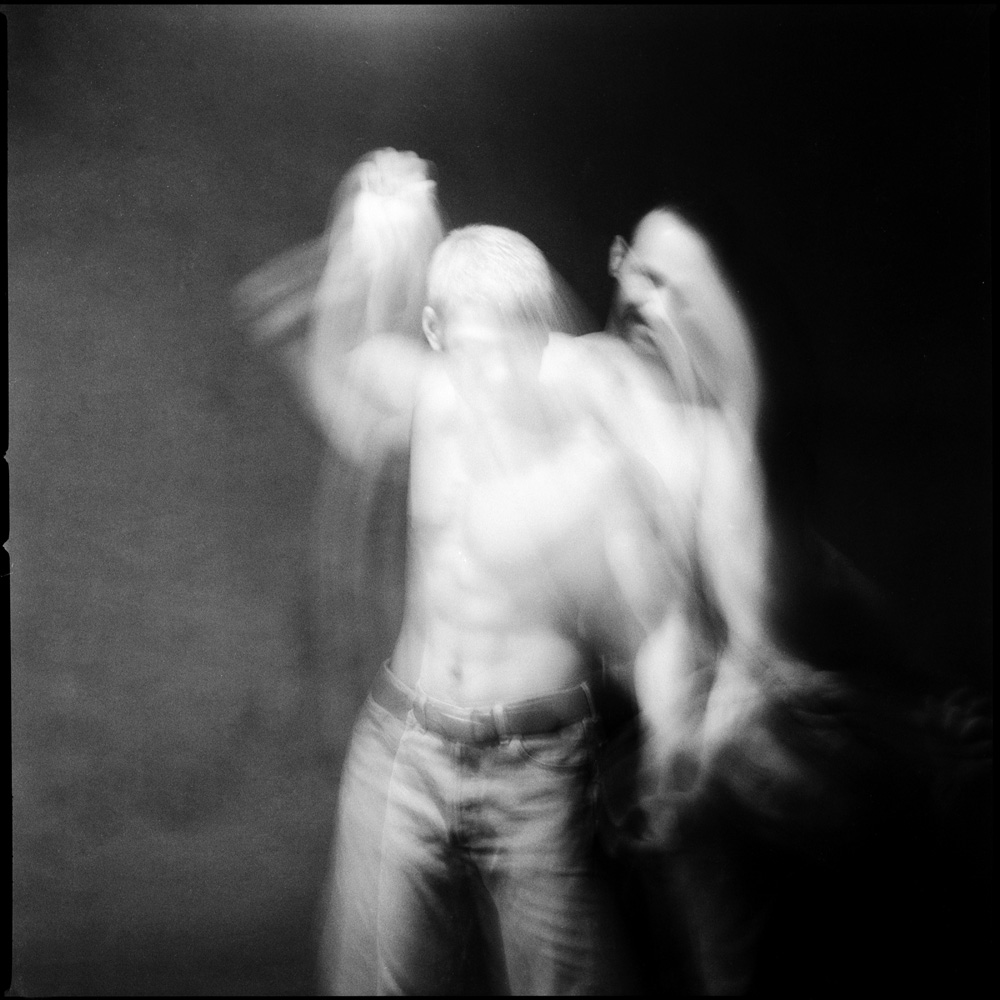
This last one was part of the same shoot, but since the Konica was such slow film (IIRC, it was around ISO 25-50), we decided to play around with movement studies. I think this was about a 2 second exposure. By my current standards of night photography, that’s FAST, but at the time, it was probably the longest shutter speed I’d ever used.
Jose #4
My plan for LOOK3 is to make some digital negatives from these and make platinum prints. Here’s hoping!
Here’s a 14×17 portrait I shot a while ago and just got around to developing. I love what I can do tonally with FP4+ and platinum/palladium, but when you are shooting this big, the slow speed starts to hurt – its tough getting the f-stops you need when a headshot is also a 1:1 macro and costs you two stops (or MORE) just from the bellows extension.
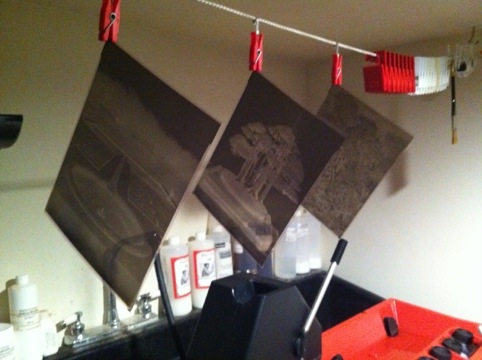
Here are the first few from my outing to the Arboretum with one of the camera clubs I joined recently. These are 6.5×8.5 (whole plate) sized negatives.
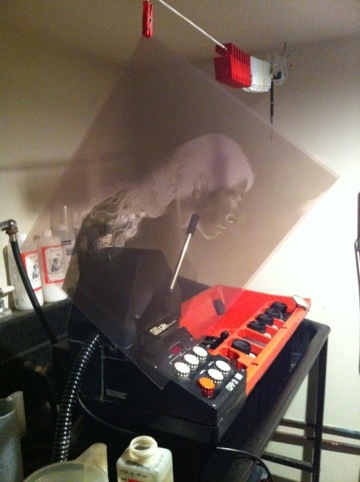
I’d been in a bit of a blue funk as far as darkroom work was concerned, but getting ready for Artomatic has helped me find new motivation to get back in there and start working again. That and teaching my class this coming weekend. Can’t wait to finish developing all my film and see the results!
 dcphotoartist