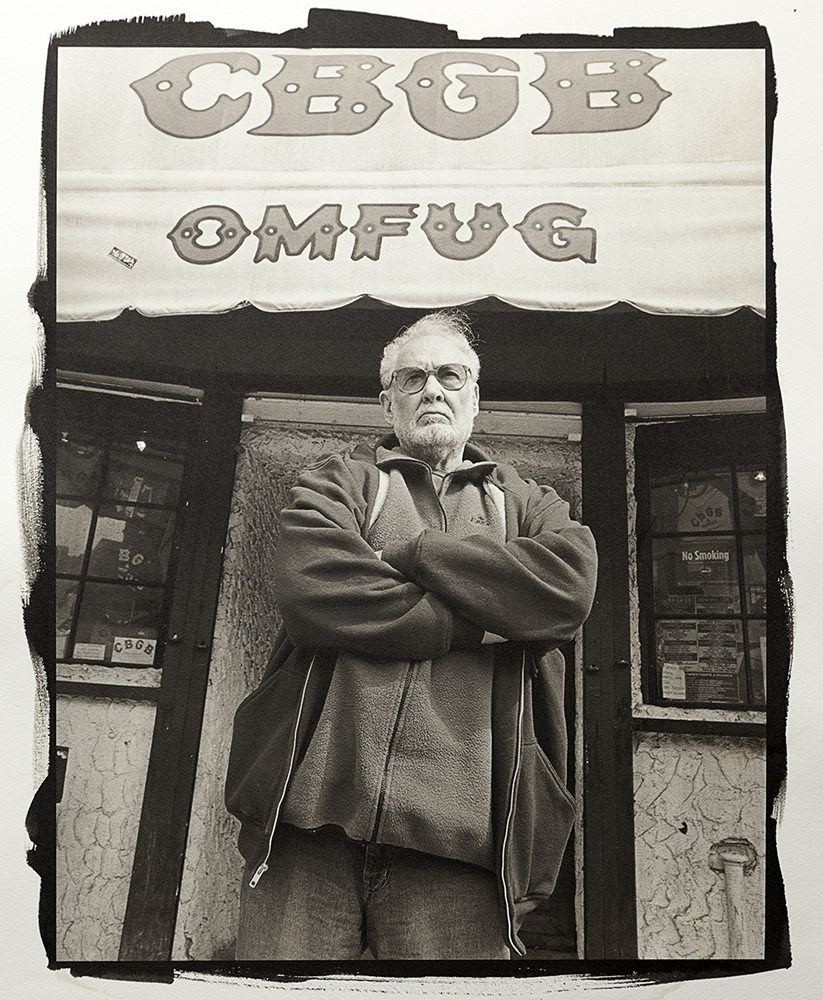
Could you tell me your name?
John Sarsgard. It’s of Danish origin… two of my great grandparents were immigrants from Denmark, and two from Norway, on my father’s side.
Where are you from?
I was born and grew up and was educated in Mississippi, where my Iowa farm boy father met my mother during his military service in World War II.
How did you get into photography as an art medium (as opposed to casual or professional use)?
I was initially attracted to photography via the darkroom, as a combination of science and magic. We lived in a small house with one bathroom, the only place a darkroom could work, and I learned to develop and print very quickly. I suppose I initially photographed things I liked or disliked or was attracted to for other reasons. I think I began documenting these subjects without much notion of art, but as I continued, I gradually wanted to make my photographs reflect my reaction to the subject, and make it more visually interesting. When steam locomotives were still around, for example, I wanted to photograph them because they were going away, and I had to have my own images of them. But then I noticed that all my locomotives looked similar to other photos I had seen, and started thinking about how to incorporate my thoughts and feelings about them, and how to make images that I thought pleasing. For years until now, that has continued. Photographing subjects to which I feel a connection, and attempting to express my connection and at the same time to make an image I find pleasing. And making prints myself has continued to be part of the process, although with a now dedicated darkroom! I wish I still had the 120 contact prints of the locomotives.
Which alternative processes do you practice?
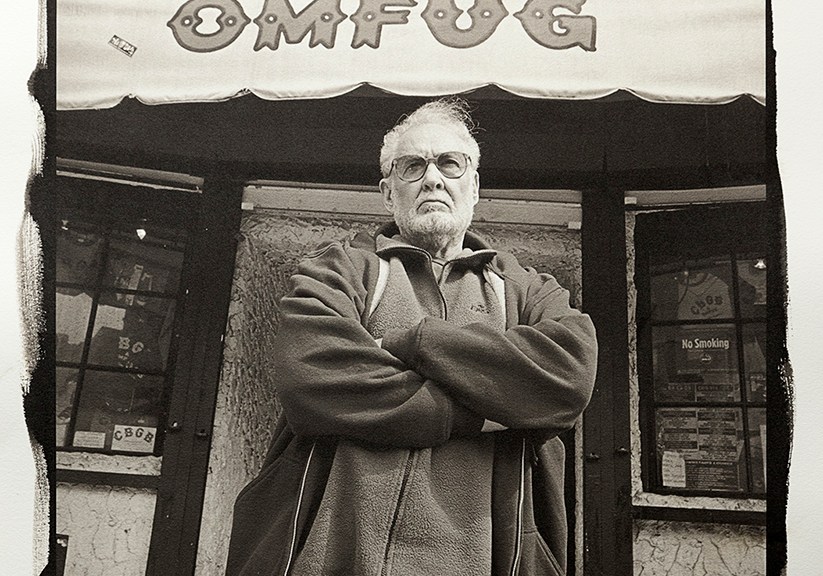
Platinum/palladium
What attracted you to alternative processes in general?
Alternative processes provide much more freedom of interpretation for the artist. When I make an inkjet print, the final medium plays a much smaller part in my expression. I work on the image in Lightroom and/or Photoshop and then attempt to get the printed image to look about like what I have on the screen. Many of the inkjet papers are quite beautiful, but the possibilities for personal expression in the alternative processes are much richer. I am not attracted to them just because they are old. New alternative processes and variations on the historic ones will continue to be developed, and I would not reject them because they are new.
What drew you to the specific media you practice?
I saw Stieglitz’s platinum portraits of Georgia O’Keefe in the Metropolitan Museum and loved them. Along with daguerreotypes, I started appreciating photographs as objects of beauty in addition to a means of recording an image. Then I saw many of Carl Weese’s platinum prints up close, and held them in my hands, and knew I wanted to learn to make these things. I studied with Carl to learn. Perhaps I will try daguerreotypes some day, but for now, I would rather focus on making better platinum prints. Also, I am attracted first to the contact printing processes because I worked in the information technology industry for 35 years, have fairly good hands on computer skills, and am quite comfortable making digital negatives. I was a fairly good darkroom printer in silver gelatine, but the things I always wished I could do better printing in the darkroom are much easier for me in Photoshop. Maybe I will try some of the other contact processes, but for now I am enjoying getting better and better at pt/pd. I do dream a little about getting a big camera and learning one of the wet plate processes.
How does the choice of media influence your choice of subject matter (or vice versa)?
Good question, one I still am working at answering. When platinum printing was king, people used it for all kinds of things because that was what they had. Most of the subjects to which I am attracted result in portraits, landscapes, or people in places to which they are connected one way or another. I think all those work well in pt/pd. I did a series on young men in New York playing hard ball street basketball in a park in Greenwich Village. I enjoyed doing it but never thought of it as a platinum subject, but I would consider individual portraits of these guys as works for platinum.
In today’s mobile, electronic world of instant communication and virtual sharing of images, how important is it to you to create hand-made images?
It is just what I do. I do not complain about the electronic world and virtual sharing and all that goes with it. I participate in it. But I believe there is a place for photographs as things that can be held in the hand that have a beauty of process as well as a beauty of subject and composition. I do not create hand-made images because I think there is something wrong with electronic ones. I do it for their own sake and because I love doing it.
Is your choice to practice alternative, hand-made photography a reaction to, a complement to, or not influenced by the world of digital media?
Pretty much same answer as above. I make these things because I like what they look like and love making them. I do not reject digital media. People download lots of music from iTunes, and people still buy vinyl. They don’t buy vinyl because they are Luddites, but because they appreciate its special qualities. That’s how I feel about alternative, hand-made photography.
Do you incorporate digital media into your alternative process work?
I do. I print almost entirely from digital negatives.
If so, how do you incorporate it? Is it limited to mechanical reproduction technique, or does it inform/shape/influence the content of your work?
I would not say that digital media informs my alternative process work. I would say that my alternative process work drives what I do digitally.
What role do you see for hand-made/alternative process work in the art world of today? Where do you see yourself in that world?
Hand-made/alternative processes have unique qualities all their own that add greatly to the more conventional images most people know more about. Painters and sculptors employ lots of different media and materials, and are richer for it. So can photography. But it is up to us as artists and to the rest of the photography establishment to help people learn about these alternative methods and materials most people have never heard of or seen. I love this kind of work, and I want others to see and appreciate it, so I try to get it out there for people to see. I like to do small things to help people see platinum/palladium prints up close and without barriers. I think doing thinks like showing work framed but not under glass helps. I show platinum prints to portrait clients.