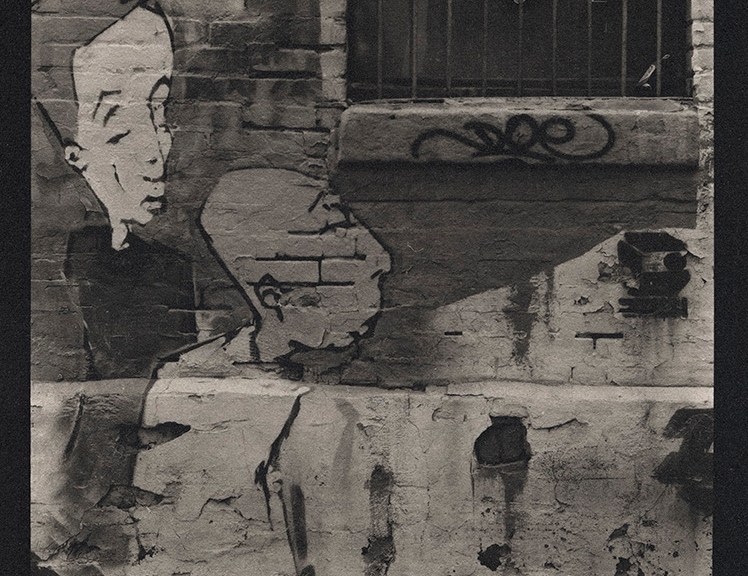
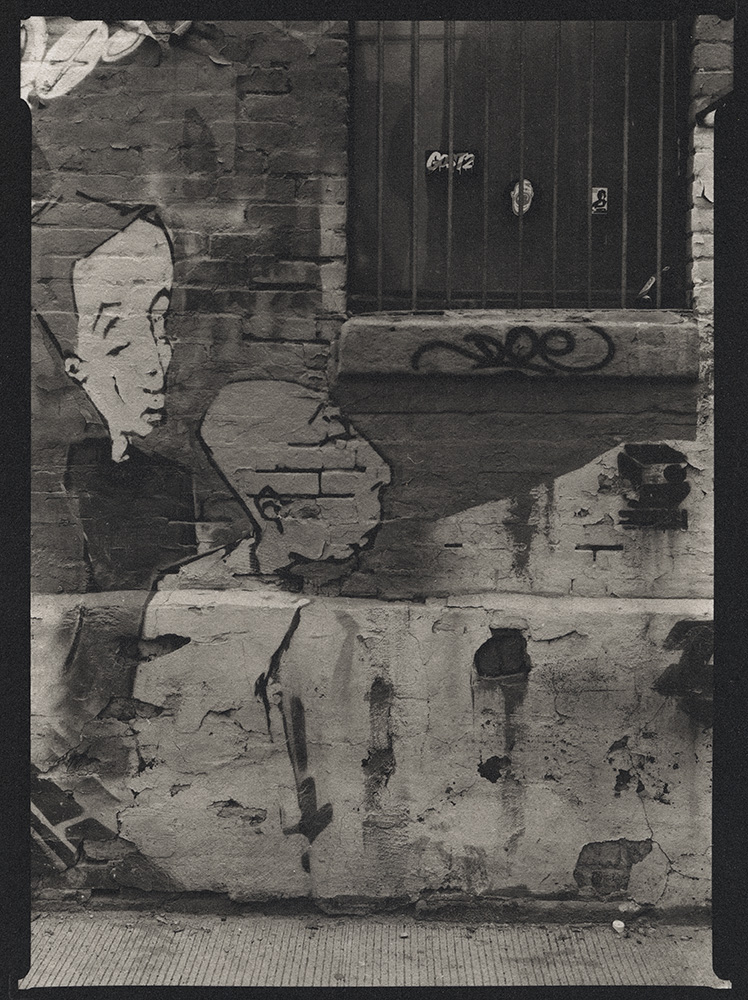
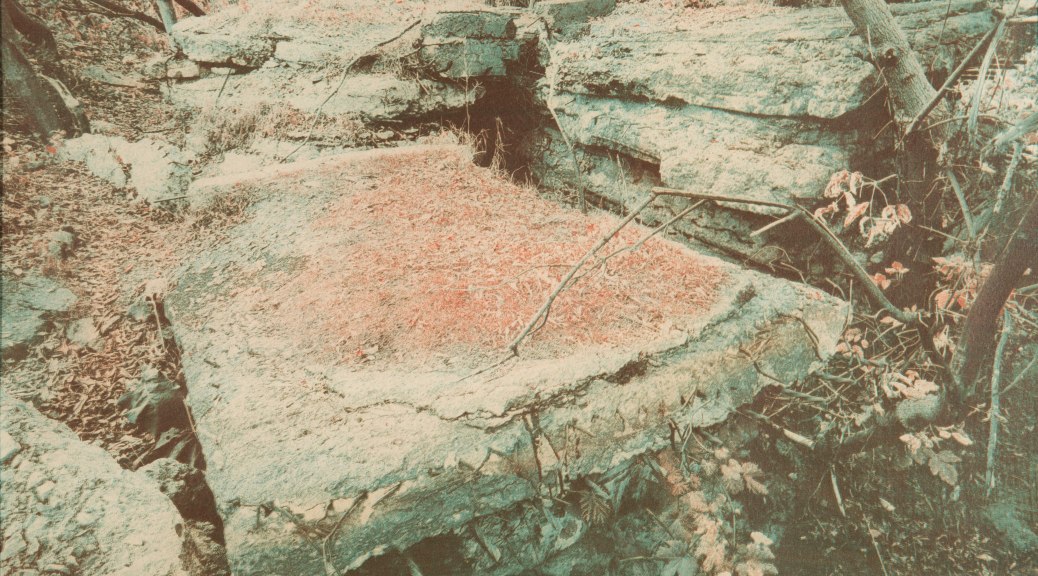
In my latest iteration of my Intro to Platinum/Palladium printing class, I dug up some old negatives I had made, since my student this time was sufficiently skilled with wet darkroom processes and not interested in getting into shooting large format (in my standard group class, we take my Canham 5×7 out around Glen Echo and make a dozen or so negatives for students to work from). This was a print from that session.
It’s a memorial to the transitions on U Street. This is graffiti art that has since been obliterated by gentrification and re-development – the alley where this was has been re-graffiti’d, but with “sanctioned” artwork a bit more sanitized and easier to interpret.
This print is a 5×7 palladium print. The usual chocolate-brown color is missing because I gave this emulsion mix a shot of NA2 contrast agent to give it a bit more snap. The NA2 contains platinum, which is what cools off the image and makes it more neutral. If you’d like to learn how to print this way, contact me through the blog and we can schedule a class, either one-on-one or I can fit you in to an upcoming class at Glen Echo Photoworks.
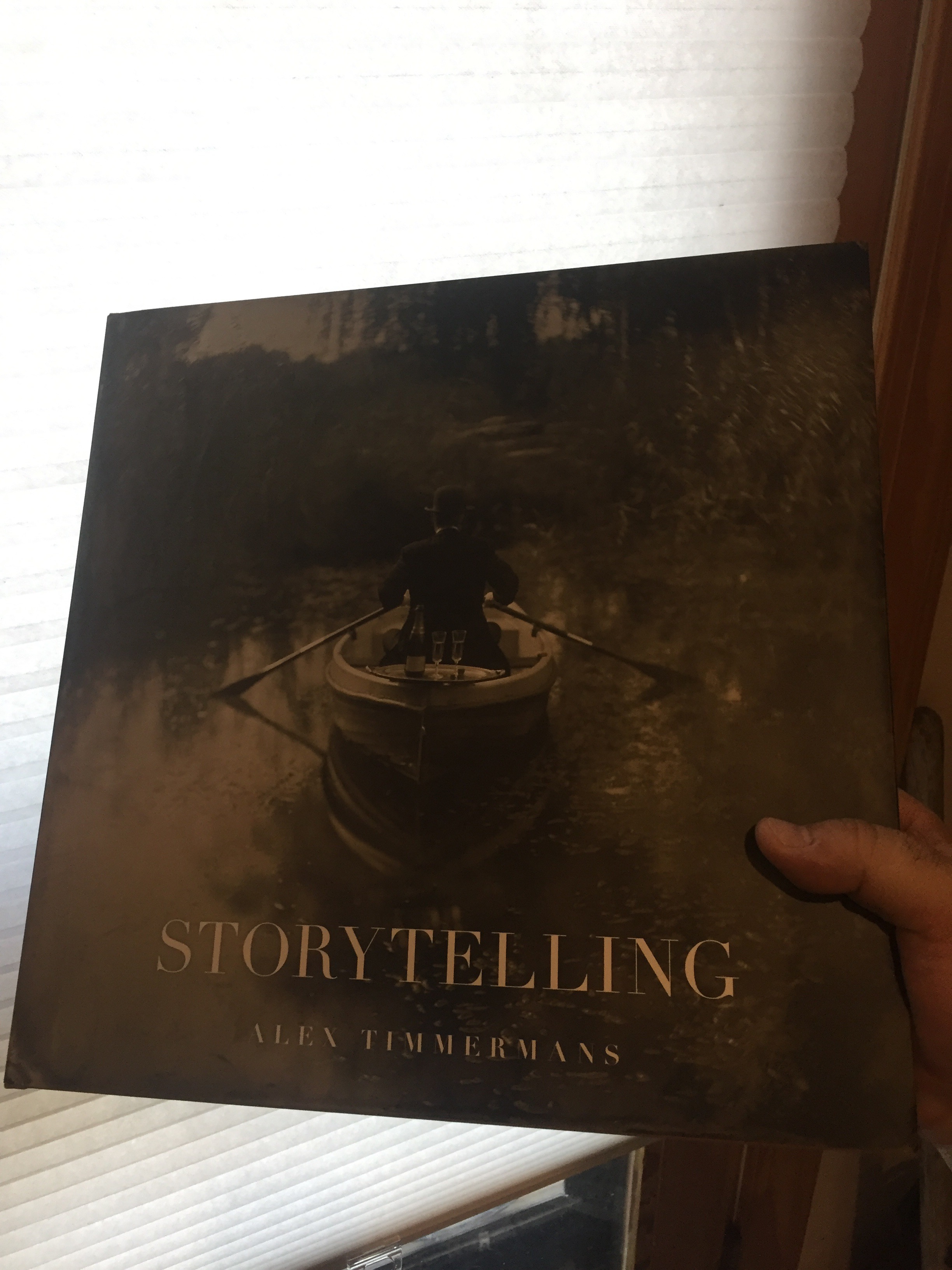
I came home from work today to find a wonderful pleasant surprise on my doorstep: Storytelling, by Alex Timmermans.
Alex is one of the modern masters of wet plate collodion technique. But far more than a mere technician, Alex is a true artist with a camera. His images are true creative narratives in a frame.
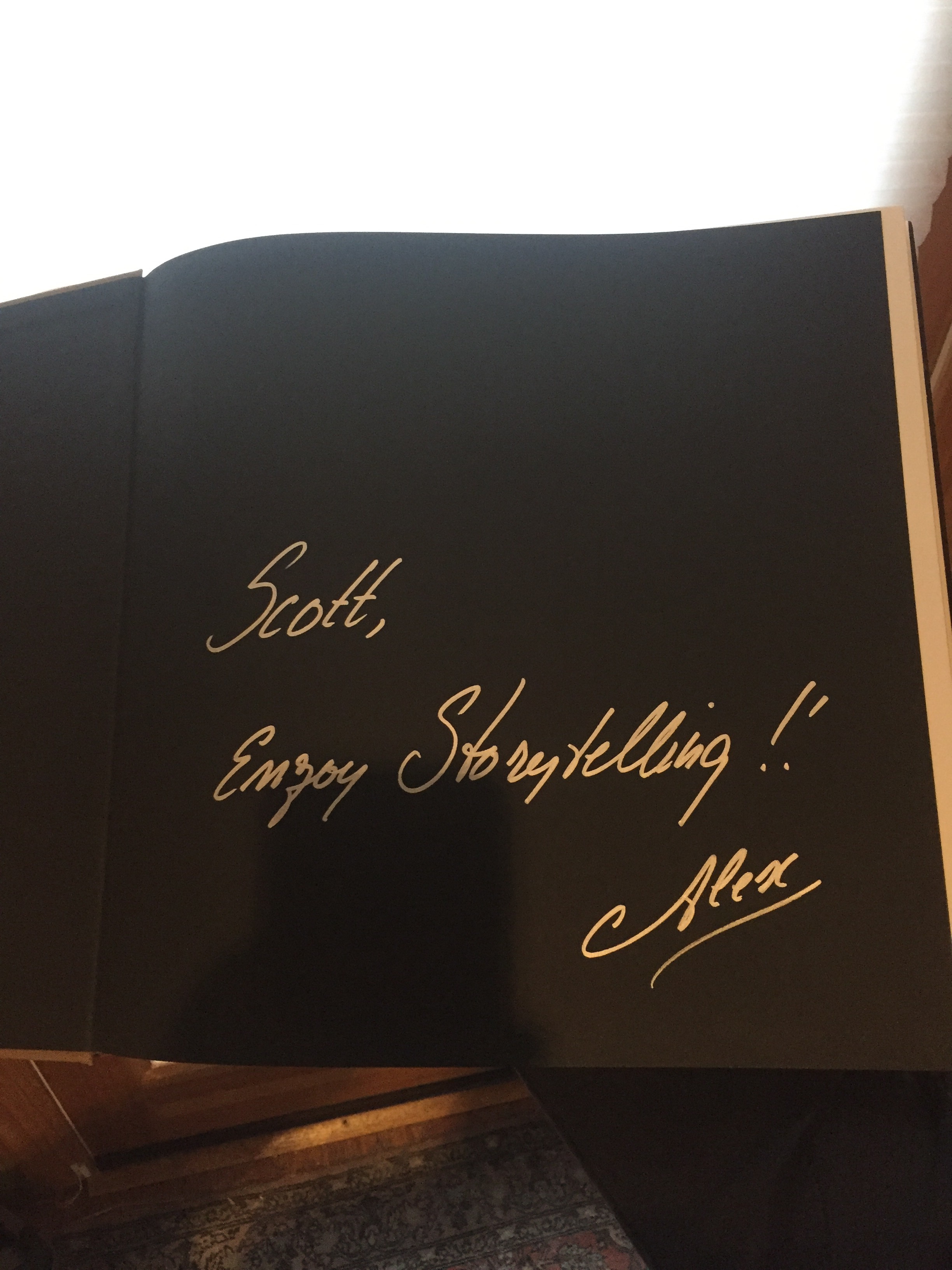
As another nice plus, Alex personalized it to me. I’m one of the credited backers in the afterword. I’ve had the great fortune to know Alex through online photography forums like APUG and Facebook, and watch this body of work grow and evolve over time, and now I’m thrilled to have his book in my collection.
Another artist interview from the Alt Process Revolution series – this one with Philip Jessup, another Canadian photographer. One of the great things about this touring show is that it brings greater visibility of Canadian photographers to the US audience – I think many US photographers are aware of many other photographers from their own country, but with the possible exception of Yusuf Karsh, most could not name a single Canadian photographer living or dead.
Tell us a bit about your photographic work:
How did you get interested in photography?
My landscape photography is an extension of my professional work over the years advocating solutions to climate change. Many of the effects of climate change—rising sea levels, warming global temperatures, increasingly erratic precipitation patterns—are placing wilderness and communities that depend on them under unbearable stress. Many of these areas are likely to vanish, like low-lying atolls in the Pacific. I see my job as documenting such areas, so that if they do vanish or change in some unrecognizable way, humankind will remember them.
Do you feel your work is influenced by other media/periods/genres? If so, which ones, and why?
I’ve been influenced stylistically by other landscape photographers whose work I love. Eliot Porter, who was the first landscape photographer to work extensively in color, has always inspired me, his ability to find the abstract in the real. Other photographers who work I admire include: Fay Godwin, Harry Callahan, Brett Weston, Toshio Shibata, Wynn Bullock, and the Canadian Edward Burtynski, who has taught us to find beauty even in the devastation being inflicted on the environment.
What is your experience with analog photography? Digital photography?
All of my early work dating from 2003 was shot with medium format film, Fujifilm’s Velvia 50. I love its wide color gamut and detail. From the start, however, I had my reversal film images scanned at high resolution and then printed on a Lambda using Cibachrome and later Fujiflex media. Today I shoot with a digital camera, process the images myself, and print on my own Epson P7000. I’ve been able to achieve rich, long lasting color prints this way. I would go back to Cibachrome if the media were available. Today, I occasionally shoot using film just for the pleasure and self-discipline, but in Canada availability and processing is limited and quite expensive.
What brought you to participate in the APR show?
I’m always interested in exploring new ways to create an image that deepens the experience of my work with the viewer. Multiple gum over palladium produces a highly subjective final print that feels to me like a memory or a remembrance of something that is past or lost. The theme of my own work, which is trying to capture the beauty of landscapes and communities that may vanish, is a good match for this process. I also like the extreme longevity of these images. Again, it is a good match for my own goal, which is to memorialize imperiled landscapes so future generations won’t forget.
Do you see a continuing role in your photography practice for alternative processes?
I’m keen to explore the potential of alt processes to emotionally charge the images I place in front of the viewer. The exhibit at Glen Echo is the first step.
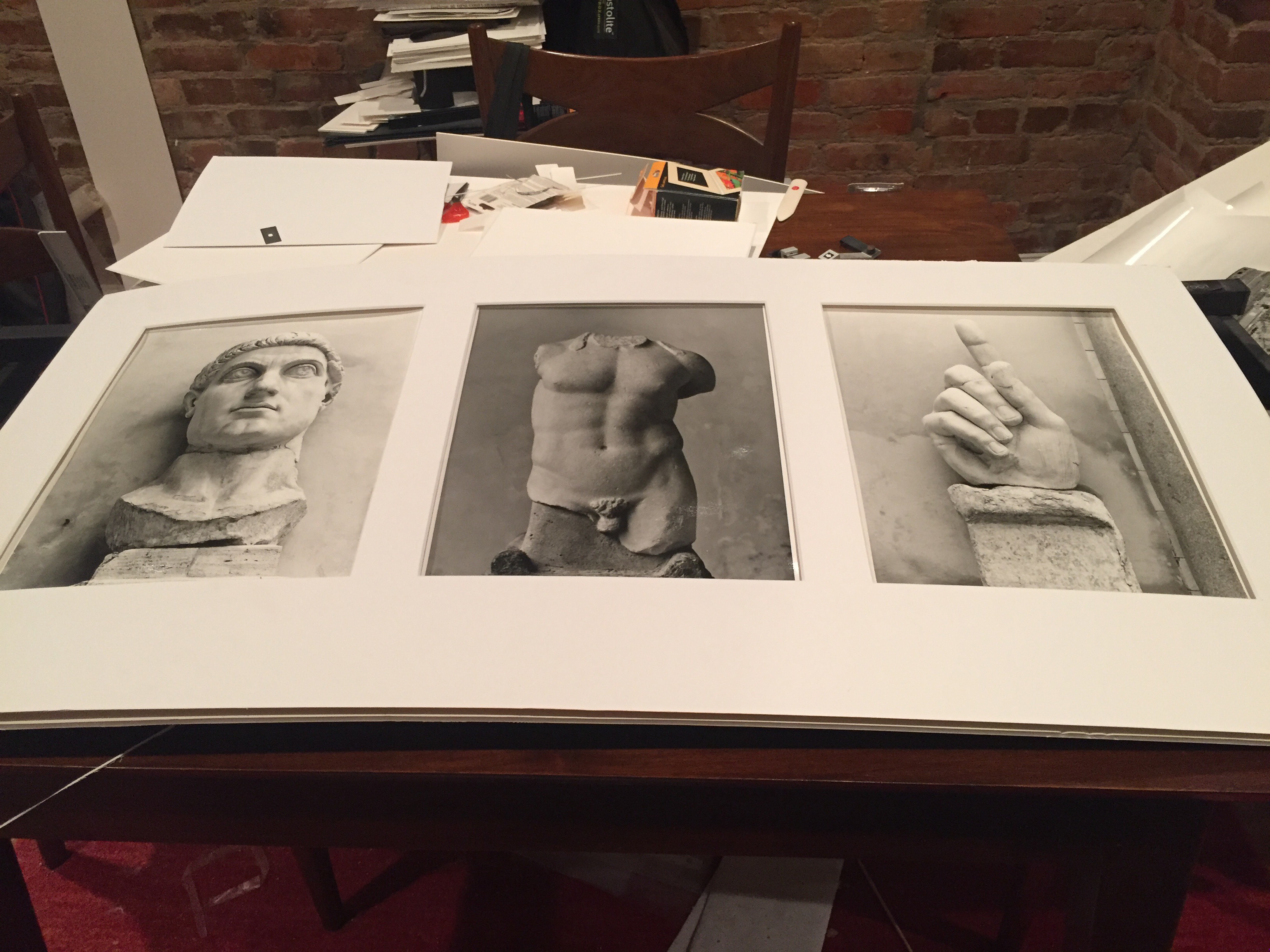
What do you do at 2:30 AM when you’re stricken with a bout of insomnia? Why you tackle a prototype matting job for a very large triptych (3x 10×13 images in a 20×40 mat/frame). Which of course you mis-measure the windows in the horizontal dimension, ending up cutting them 1/4″ too wide.
At least I didn’t screw it up prototyping with 8 ply mat board (which I’ve been known to do before). I think the sequence and the tonal values works for the series, which I’m titling “Head, Heart, Hand”. Or something to that effect.
I think sometimes (perhaps most of the time? All of the time?) presentation can make or break an image. Its success is the culmination of many decisions that begin with the decision of what camera and film to pick up before heading out the door in the morning, following through to what to point the camera at, on to what developer, paper, process, cropping… it doesn’t end until the framed print is hung on a wall, sequenced with the rest of the prints in the show. They all build on each other.
Head, Heart, Hand – Capitoline Museum, Rome
What do you all think of the sequencing of this triptych? Head, Heart, Hand, or the other way round? Any other critique/feedback is welcome.
All three images were shot on Kodak Tri-X, in my 1956 Rolleiflex 2.8E. Film developed in Pyrocat HD, printed on Ilford Warmtone MG fiber paper processed using Ilford Warmtone developer.
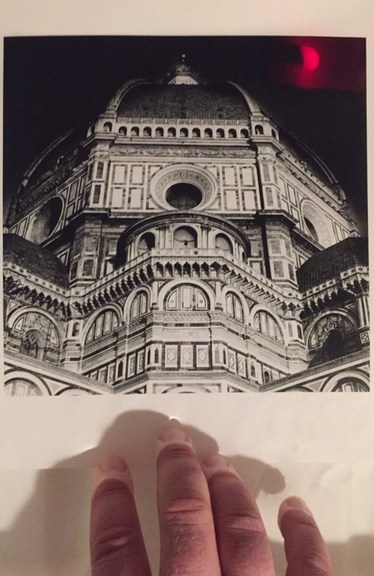
When doing enlarging of silver gelatin prints, it is often a prerequisite to a finished print that you do some burning and dodging to get the finished image exactly the way you envisioned it. And to compound the challenge, the area you want to burn or dodge is seldom neatly covered by an out-of-the-box tool like an oval, circle, or a straight line. That’s when you have to get creative and make some custom burn cards. This image I made was a perfect example. In a straight print, the sky is merely gray, and has a wisp of cloud on the right side that unless burned in looks like a bad printing mistake.
To get the sky burned in, without losing details in the roof, I had to make a custom burn card. I took a stack of paper boxes, placed them on the easel, then my burn card on top. I projected the negative onto the card, traced my outline, then cut it out. When doing my burning passes, I held the card at approximately the same height as it was when I cut it. You can see it in the second photo in action. The only way to get more precise with burning and dodging is to make a contrast mask and sandwich it with the negative in the carrier during exposure. That technique presents a whole new set of challenges because you have to get the mask in absolute register with the negative, and deal with dust on four surfaces, not to mention the possibility of newton rings.
I recently completed a one-on-one private tutorial in Platinum/Palladium printing with Mat Marrash, who you may know of if you listen to The Film Photography Podcast. I’ve known Mat for several years now, having met him at Photostock in 2013. He’s an extremely gifted photographer who mostly works with an 8×10 view camera, and does a lot of work with infrared film. Mat knows a lot of the same folks I know in the alternative process field, including people I’ve learned from, so I was deeply flattered that he chose me to learn from.
Mat With First Print
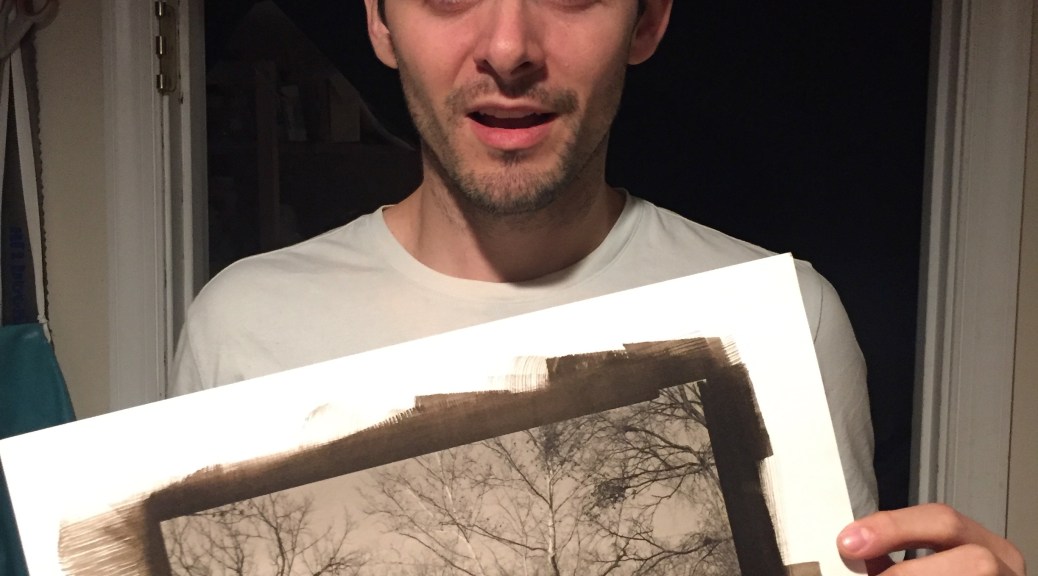
Yes, Mat is a very talented photographer in his own right so a lot of what we did in this session was easy for him. BUT, he did make it challenging by starting off working from 8×10 inch negatives, instead of starting with 5×7 (the smaller size is easier to coat evenly when you’re new to the process, and costs 50% less per print). I want to show this as this was his first ever (!!!!) palladium print. We hit the first one dead on, out-of-the-ballpark, ready to frame and go up on the wall. This extremely beautiful process is quite easy to learn and should not be intimidating to anyone interested.
And here is his second ever print, which added another wrinkle – the negative he used was one he had previously shot, not planning to make a palladium print with it. We developed all his film, the negatives we made that weekend along with some other negatives he had made previously, using the development regimen I use for my work, and we were able to produce some excellent prints even from those other negatives.
Mat’s Second Print
Private one-on-one tutoring can be arranged at any mutually convenient time, and can cover a wide range of topics either specialized for fine-tuning your process or just a deep hands-on introduction to the process. Contact me for details on pricing and scheduling – as this is an a-la-carte arrangement, I need to know what you are looking for in order to give a quote. Tuition will include your own set of chemistry and any paper we use in the class.
I’m offering my group class at Glen Echo Photoworks next weekend, December 10-11, if you are interested in getting your feet wet without committing to a one-on-one workshop, This is the perfect opportunity. Tuition is a very modest $250 plus $50 materials fee (chemistry, paper, and all instructional materials). The class runs from 10 AM – 4 PM Saturday and Sunday. You can register here at the Glen Echo Park website.
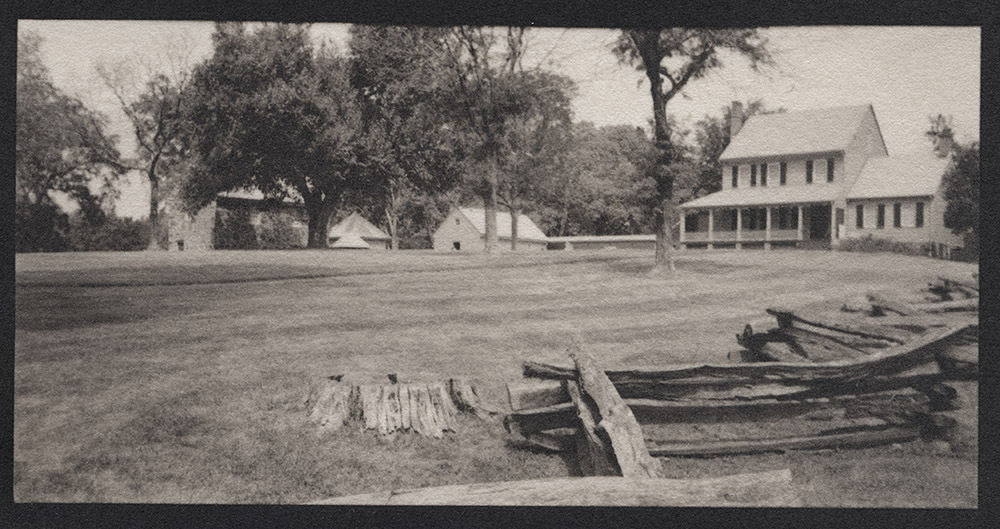
Here are the first two from my visit to Hampton National Historic Site, in Towson, Maryland (just north of Baltimore). More will be forthcoming, but I wanted to get these two posted right away. Hampton was at its peak, a several thousand acre estate. It was built as the country home for the Ridgely family, who made their early wealth through ironworks. One Ridgely would be governor of Maryland. The house itself was famous for being a centerpiece of entertainment and gracious living, having greenhouses and a subterranean icehouse on the property, providing the Ridgelys and their guests with seasonal fruits, ice water and chilled beverages year-round, an extreme rarity in 1790 when the house was built. The main house has thirteen bedrooms on three floors, a sitting room, great hall, dining room, parlor, library/music room, kitchen and laundry.
House Slave Quarters
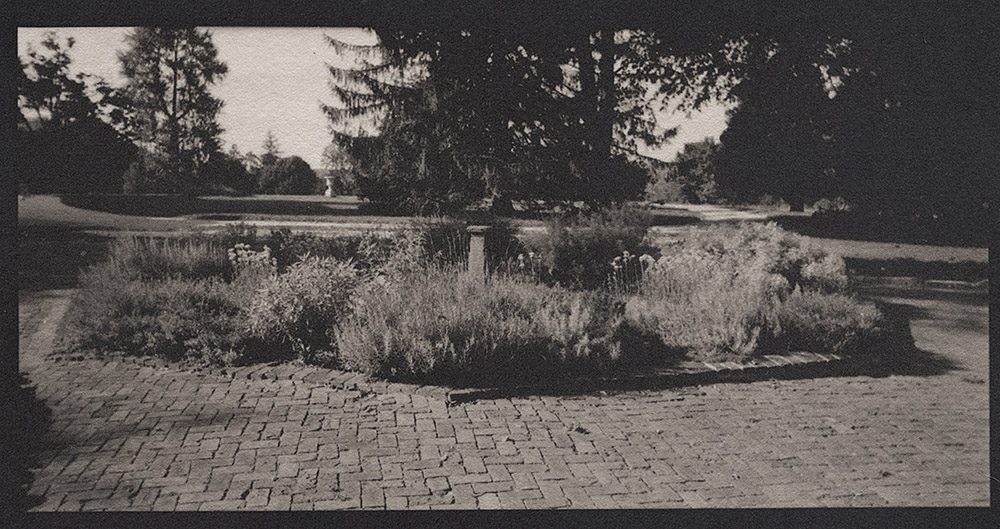
This octagonal garden, roughly 8 feet on a side, is built inside the foundations of the house slave quarters. It was a two-story structure, and some three families of house servants shared it. While the US Park Service guides (who give outstanding tours of the property) tell you explicitly about the structure and its purpose, no marker in the garden indicates its history.
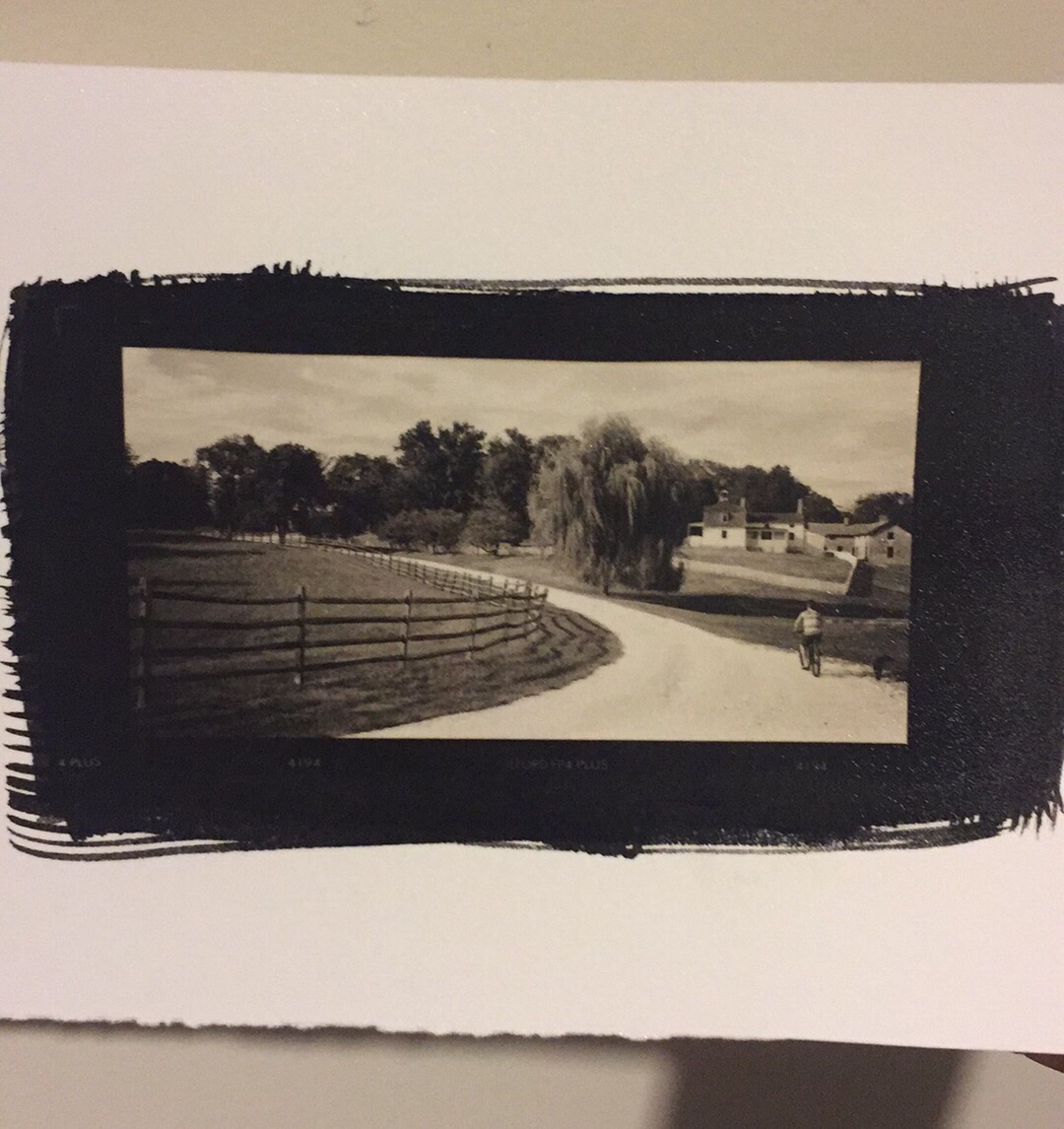
Park Road, Hampton
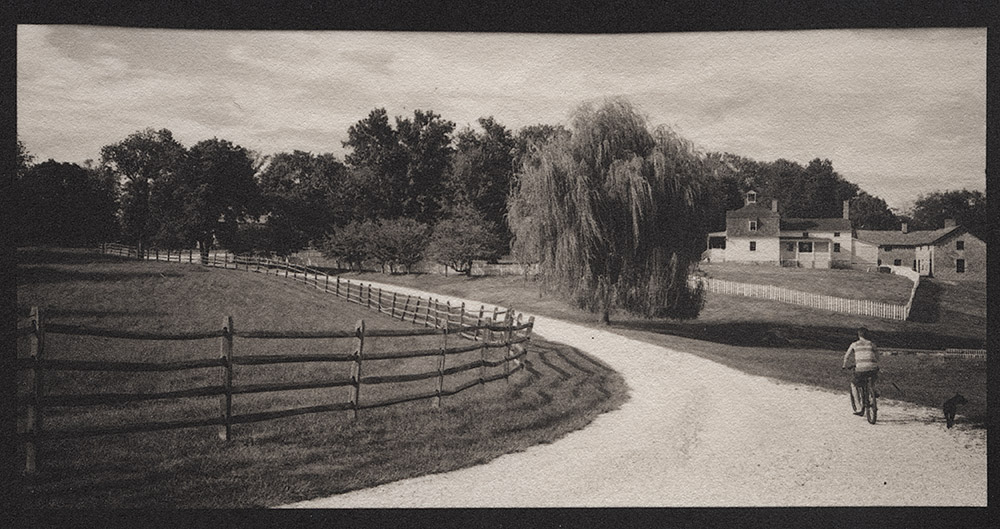
Today, Hampton Lane divides the Hampton historical site. What is remarkable about the property is that so many of the farm structures remain – the dairy with its spring-water-fed cold water bath for the milk and butter, the horse stables (the Ridgelys were big horse racing fans, and kept the stables within eyesight of the mansion, another unusual feature, as well as a no-longer-surviving racetrack of their own), the overseer’s house and slave quarters for the skilled labor (stable hands, dairy workers, etc).
You can see the overseer’s house inside the white picket fence to the right of the scene. Hampton is open as a public park, and many people come there to ride their bikes and exercise their dogs. Today it is a beautifully maintained pastoral landscape in suburban Baltimore. While again, the Park Service does yeoman’s work in interpreting the space, and has provided outstanding documentation on the website for Hampton, the interpretation of the site requires you to actually go inside the structures and talk to the park service guides. It is possible to visit, and if you don’t engage, be completely oblivious to the fact that the parkland you are walking through exists by and for slave labor.
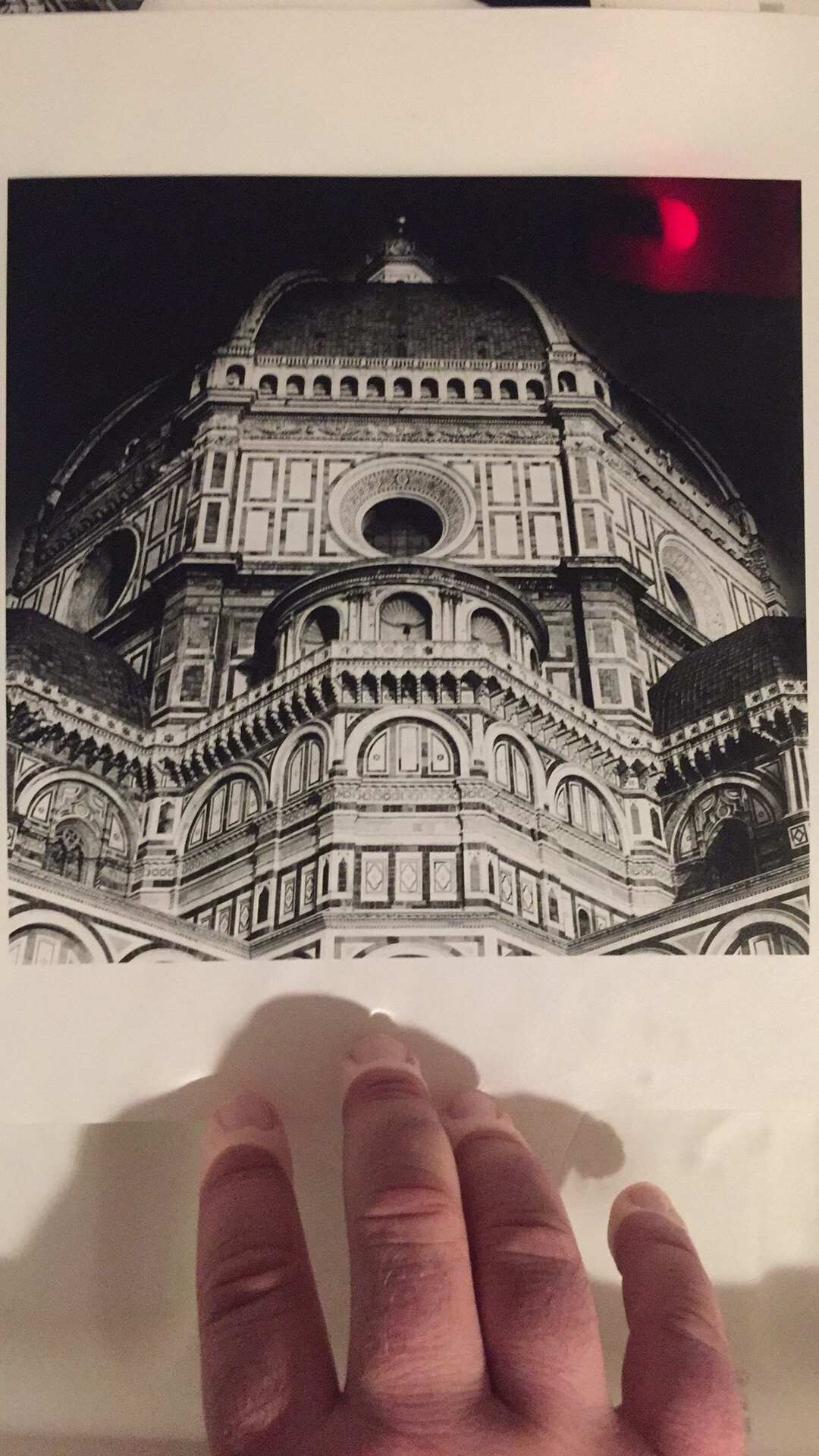
Just a real quick video of an exposed print being developed. This is what a develop-out print looks like, and how quickly the developer works. The print is almost fully realized in the first twenty seconds of the development cycle, but you still need to give the full two minutes to let the highlights fully develop.
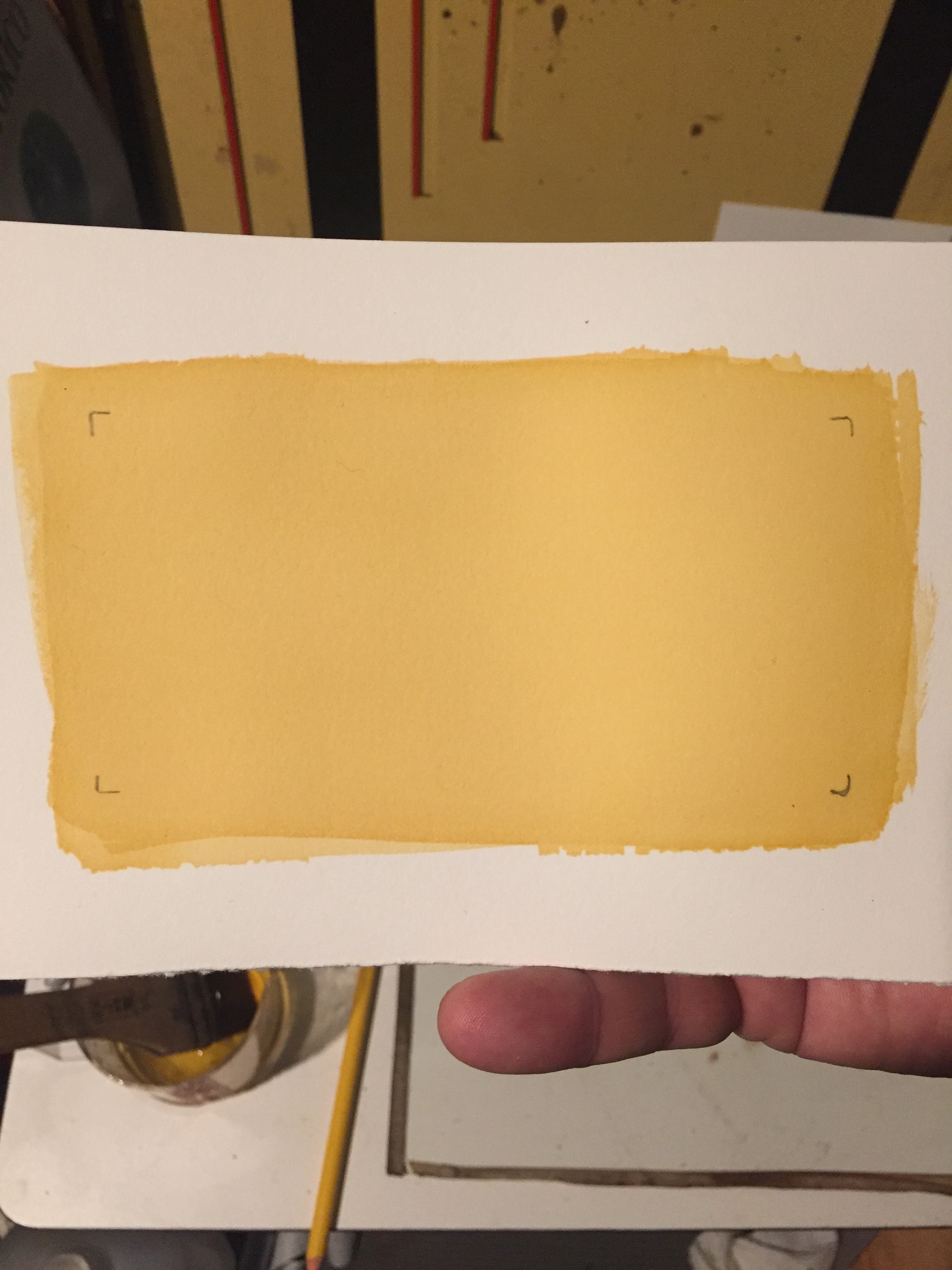
This is what the raw, unexposed double-coated emulsion looks like. I double-coat to get better shadow depth and highlight separation. You can see the two coatings on the lower left. The reason I’m willing to double-coat is that I’m making such small prints that the extra cost isn’t prohibitive.
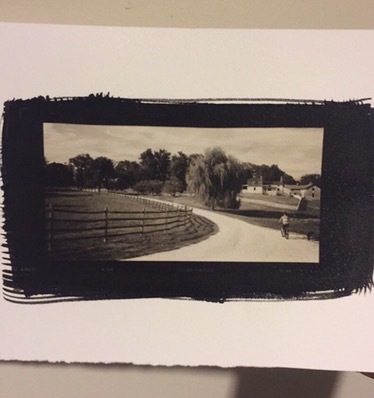
And the finished print. I think the end result justifies the added labor and expense.
Sully Plantation is another historic homestead in the Washington DC suburbs. Today, sited across the road from the Udvar-Hazy Annex of the Air and Space Museum and the runways for Dulles International Airport, it is a tiny oasis of parkland in the middle of major development. This is one of the older properties I’ve been to, with the current house begun in 1793 and completed in 1799. It was built by Richard Bland Lee, Robert E. Lee’s uncle and the first Virginia representative to Congress. The property covered some 3,100 acres. It had been in the Lee family since the 1740s.
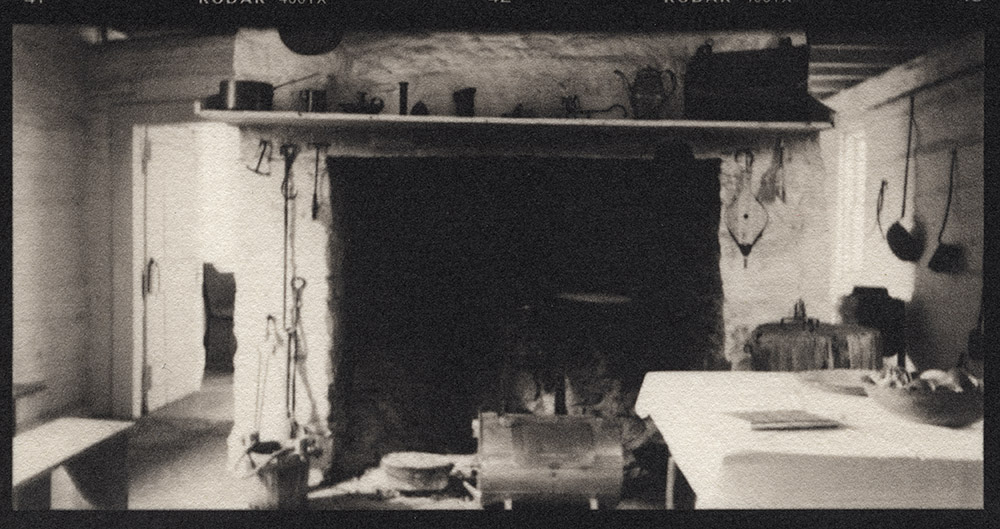
Kitchen at Sully
This is the kitchen at Sully. On the other side of the massive fireplace is the laundry. While it gives the appearance of bustling domesticity and comfort, it is still the site of slave labor that would have been conducted from before dawn to well after sundown seven days a week, fifty-two weeks a year. The comfort and ease of life of the Lee family and their guests would have been the product of this room.
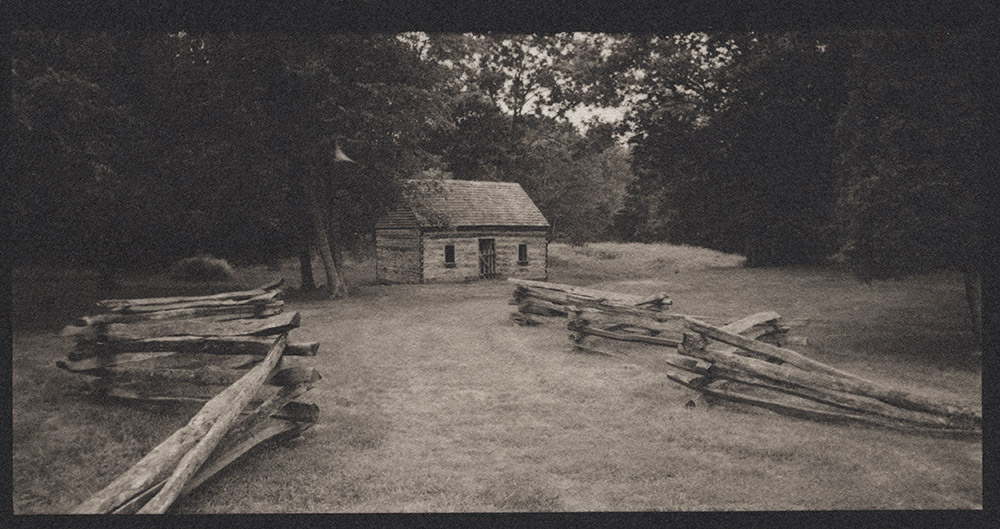
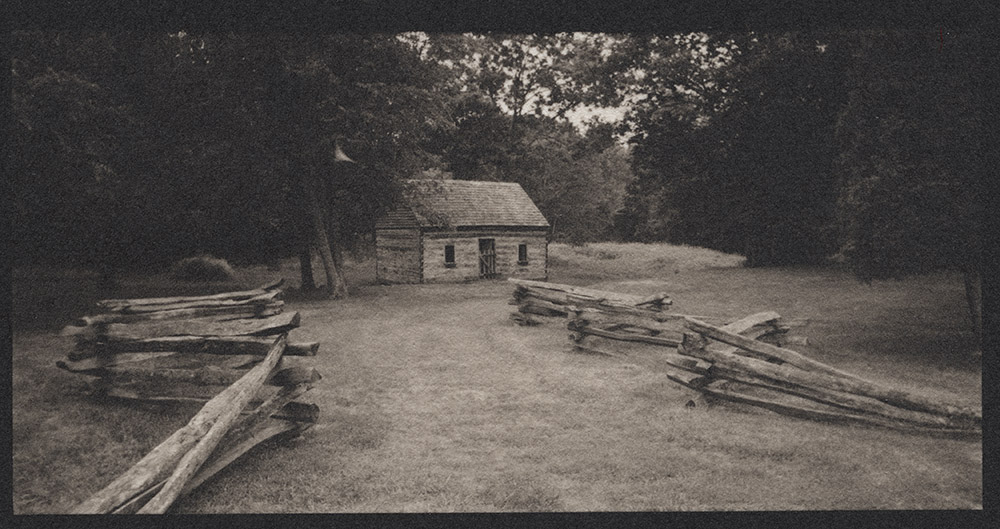
Recreated Slave Cabin, Sully
It bears minding that this one-room cabin with no glass in the windows, no insulation in the floor, walls or ceiling, a single stone fireplace for warmth in winter, and a long walk to the well, would have been luxurious by the standards of the field slaves. They most likely lived in large barracks-style buildings at considerable remove from the Sully house, with less privacy and fewer conveniences. Contrast this with the big house, with glass pane windows, carpets, fireplaces in every room, imported mirrors to brighten the parlor when the sun went down, feather beds, and a kitchen outside of the house to keep cooking odors and the risk of fire away.
Sully House and Dependencies
A view of Sully from the slave residence’s perspective. On the left you can see the stone dairy house – a structure with spring-fed pools to keep milk, butter, and other perishables cool year-round. Next is the smoke house where they would have smoked meats to preserve them, and then the laundry and kitchen, connected to the big house by a covered walkway. All this would have seemed like an alien world to the field slave, and still a strange place they worked in but did not belong to for the house slaves living in the cabin with this view.
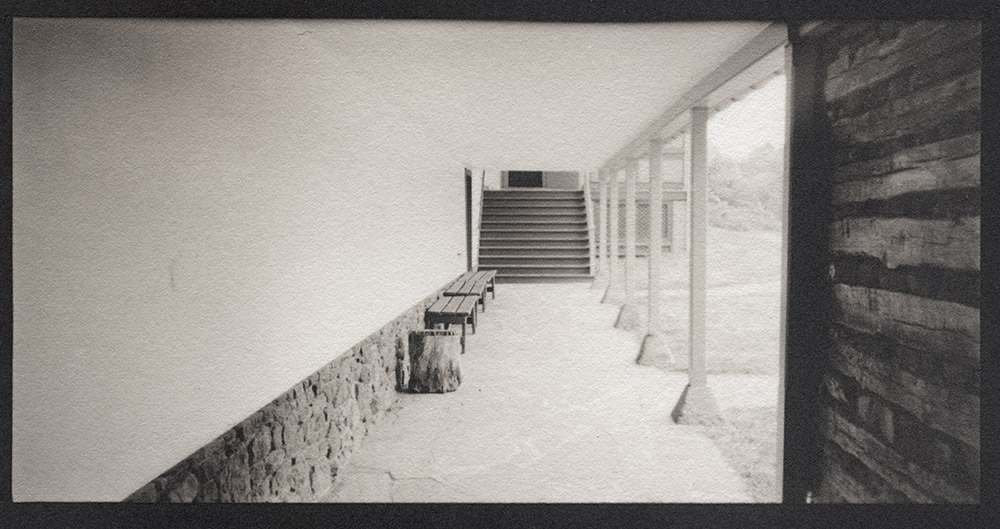
Walkway from Kitchen to House
I’ve subtitled this one “Fifty Feet is a Thousand Miles” – although that covered walkway from the kitchen to the house is a short distance, walking it with breakfast, lunch and dinner made for someone else’s consumption every day of your life must have produced some significant cognitive dissonance for the women who worked the kitchen.
I remember hearing from a friend whose wife was a docent at Sully that Mrs. Lee remained friends with and corresponded with her personal maid for the rest of her life, even after her maid was freed from slavery and she had returned to Philadelphia where she was from. These kinds of friendships, and they did happen, certainly complicate the narrative of slaveowners and the enslaved, but it is still no excuse or balm for the absolute moral failure that was slavery. The friendship of a woman and her maid is not compensation for the remaining hundred-plus men, women and children who worked twelve hours a day in heat and cold, rain and snow, planting, tending and harvesting crops all for the profit and comfort of someone else without compensation or even decent living conditions.
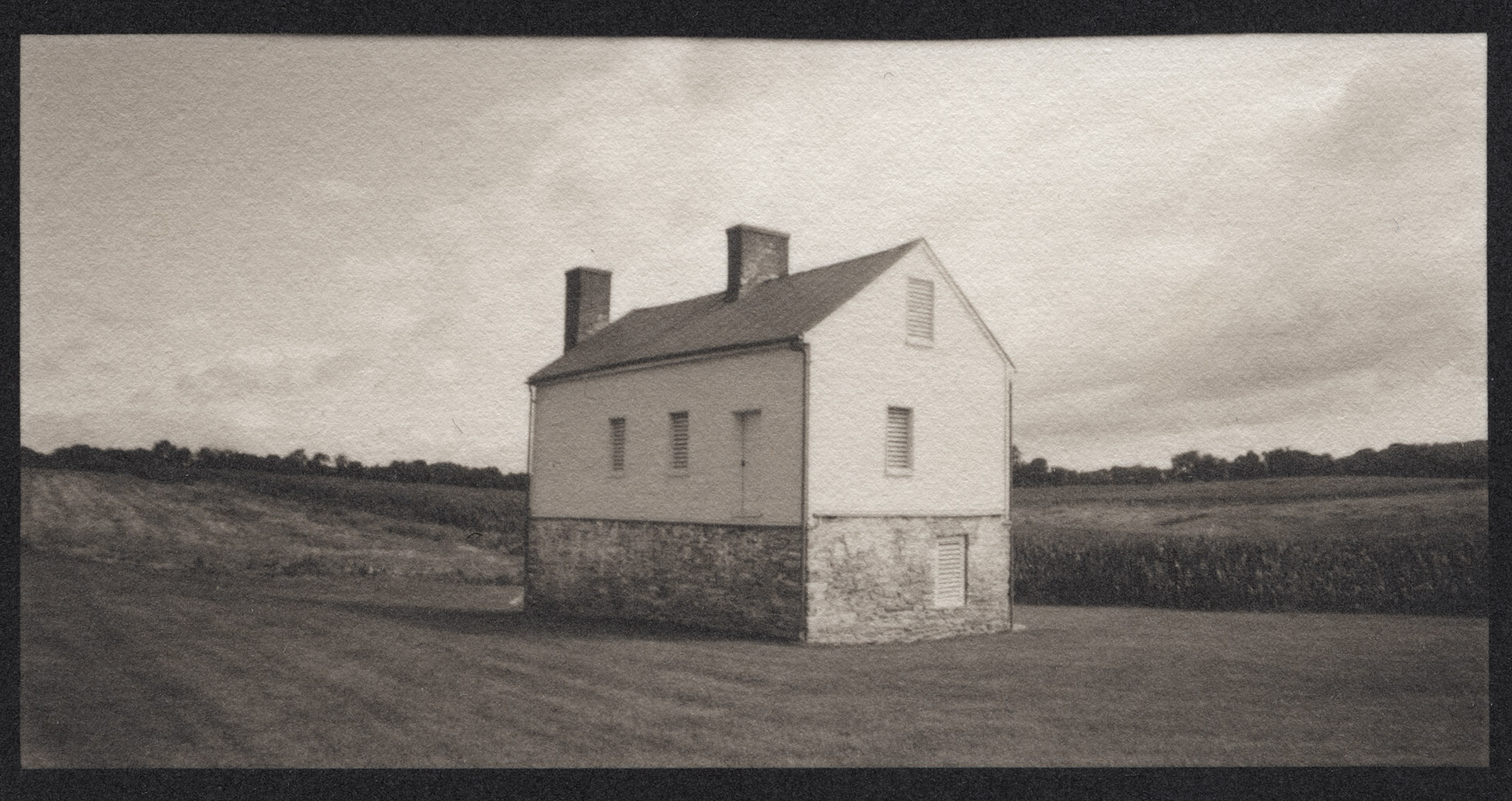
My image “Bachelors’ Quarters, L’Hermitage” from the Sinister Idyll series has been selected as a finalist in the Size Matters exhibition at the Medium Festival of Photography in San Diego.
To quote the prospectus for Size Matters:
Size Matters is the signature exhibition of the Medium Festival of Photography and San Diego’s month of photography: PHOTOLAB. We’re proud to partner with Lensculture and Low Gallery to host Size Matters from Oct. 22 – Nov. 12, 2016. We’re excited to welcome Allie Haeusslein, the Associate Director of Pier 24 Photography in San Francisco, as the 2016 Size Matters juror.
Size Matters celebrates photographs that offer an intimate viewing experience by showcasing the power of photographic prints less than 10” in the widest dimension. Medium will host an opening reception with the exhibiting artists on Saturday, Oct. 22 from 7-10pm.
Allie Haeusslein is the Associate Director at Pier 24 Photography in San Francisco, one of the largest spaces dedicated to photography in the United States.
We’re honored to have Allie as the juror for Size Matters, selecting the exhibition content and purchase award. Her background as a photography curator, writer, and historian promises an unforgettable exhibition.
I will try to attend, and I hope to see some of you there!
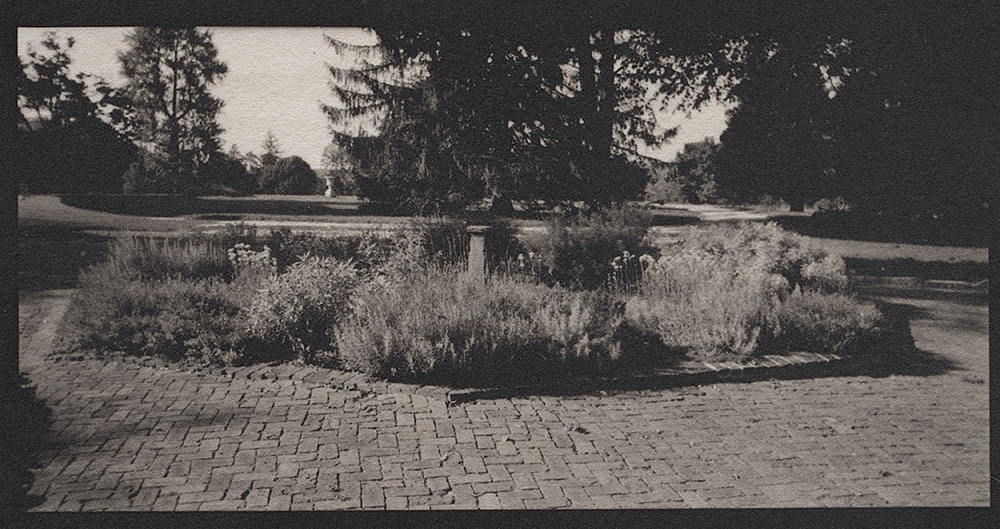
Bachelors House, Best Farm
2 1/4″ x 4 1/4″ palladium print on Hahnemuhle Platinum Rag 100% cotton 320gsm fine art paper. Edition of 10.



 dcphotoartist