Category Archives: Taking Photographs

Model Shoot with the Fuji X-T1 – Part 1

Yesterday I had a model shoot with three aspiring models who needed to build their portfolios. We went to a billiards parlor for the afternoon and I put them and the Fuji through its paces. It was also the first test in the field for my new 400 w/s bare-bulb strobes. The new strobes are battery-powered via external rechargeable batteries. They can be configured to sit on-camera and be triggered via hot shoe, take a wireless remote trigger like a PocketWizard, be triggered via sync cord, or be triggered by a proprietary wireless trigger system that also allows you to remotely adjust the power level from the camera position. The first one I bought was a Calumet-labeled version. When Calumet was still in business in the US, these were quite expensive – a single head unit plus the required but not included battery pack would have set you back a cool $1000. Nowadays, they’re on clearance on Amazon for $300 or so. They are also now being sold with the NEEWER, Flashpoint and Godox labels, at a much more reasonable price – I got a NEEWER version with the external rechargeable battery pack for $400 as a second unit for doing fill flash or background lighting.

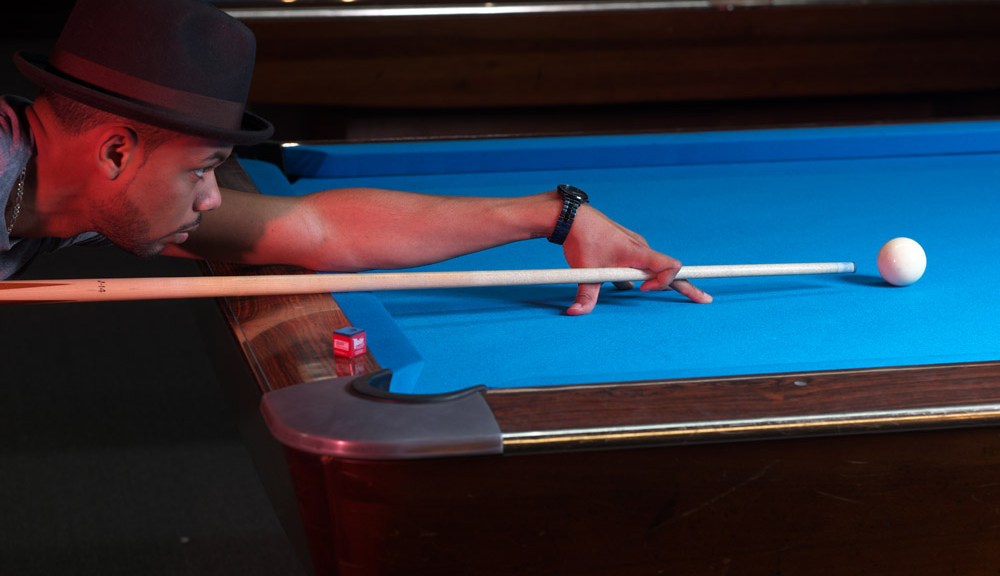
These first two shots were taken with Alex shooting pool. In the first shot, I set him up taking the break shot. Don’t let the fact that he’s a model fool you- he’s also a pool shark – right after this shot, his break dropped three balls. I wouldn’t bet against him. This was taken with the Fuji 56 f1.2. My main light was the Calumet Genesis in an umbrella softbox, and the fill was the NEEWER with a gridded reflector and a red gel in it. Having the ability to both color gel and grid the fill is really handy, as the color adds a touch of drama to the scene, and the grid keeps it from spraying all over the place and coloring things you don’t want it to, like the table felt.
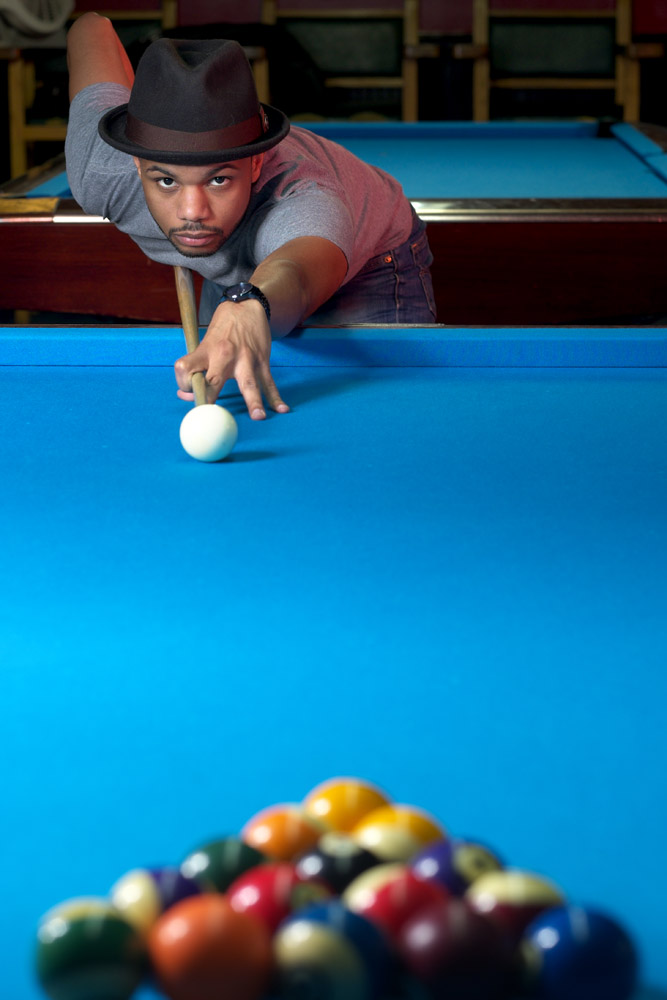
Alex
Alex

For this shot, I kept the lights the same but switched to the 23mm f1.4 so I could get in close and still get the extension of his shoulder, arm, cue, and the ball on the table, as this table was in the middle of the room with other tables behind me, and I only had about four or five feet to work in. The red gel adds a touch of drama and energy to the shot without overwhelming, and is a good way to deal with the very mixed light in a pool hall where you can have fluorescent (the over-the-table lights), halogen/tungsten (lights in the bar area and on the walls) and LED (accent lights like rope lights around partition walls and the like, or under the bar) all in the same area.
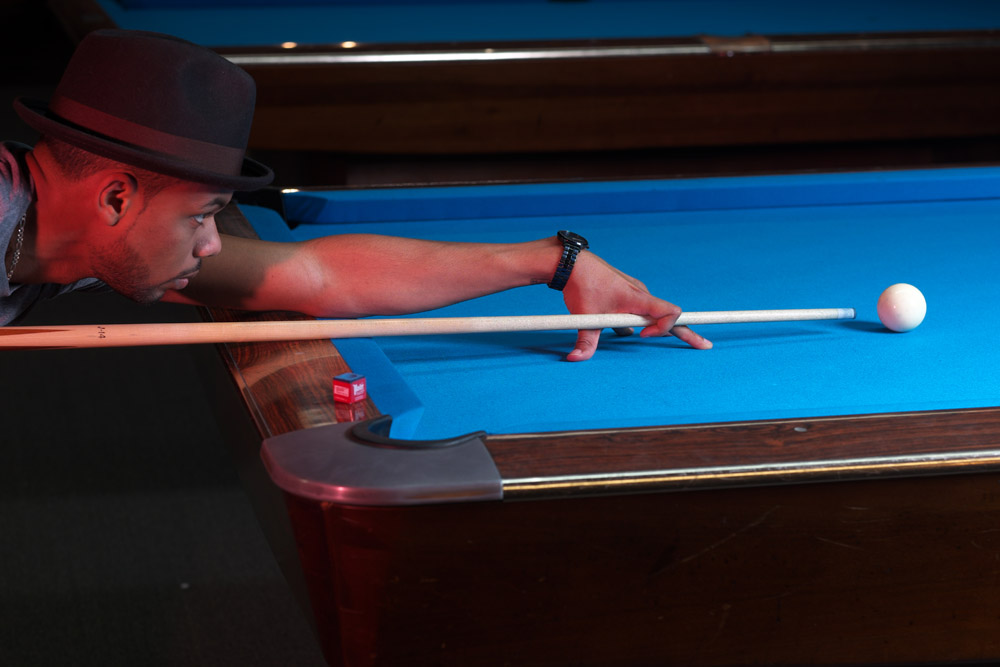
Alex
Alex

I also did some head shots with Alex (who is an easy, professional model to work with). I backed this indie film called Hallucinaut on Kickstarter last year and as my reward, I got these kaleidoscope-lensed glasses that appear in the film as a prop. I chose them specifically as my reward as something that would make a really cool prop for photo shoots. This was their first appearance in one of my shoots. They really pick up and reflect colors well, and make for a dramatic statement.
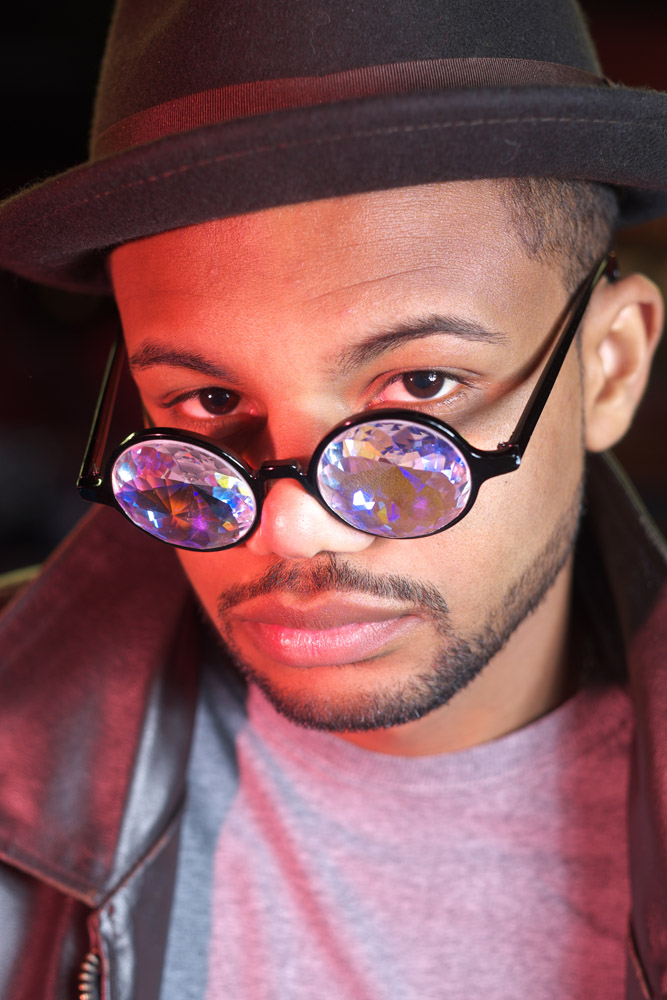
Alex, with Hallucinaut glasses

A variation on the theme, I broke out my welder’s goggles and matched them up with a vintage leather jacket for a steampunk look. Alex’s short-cropped hair adds to the look by letting the goggles really stand out against the shape of his head.
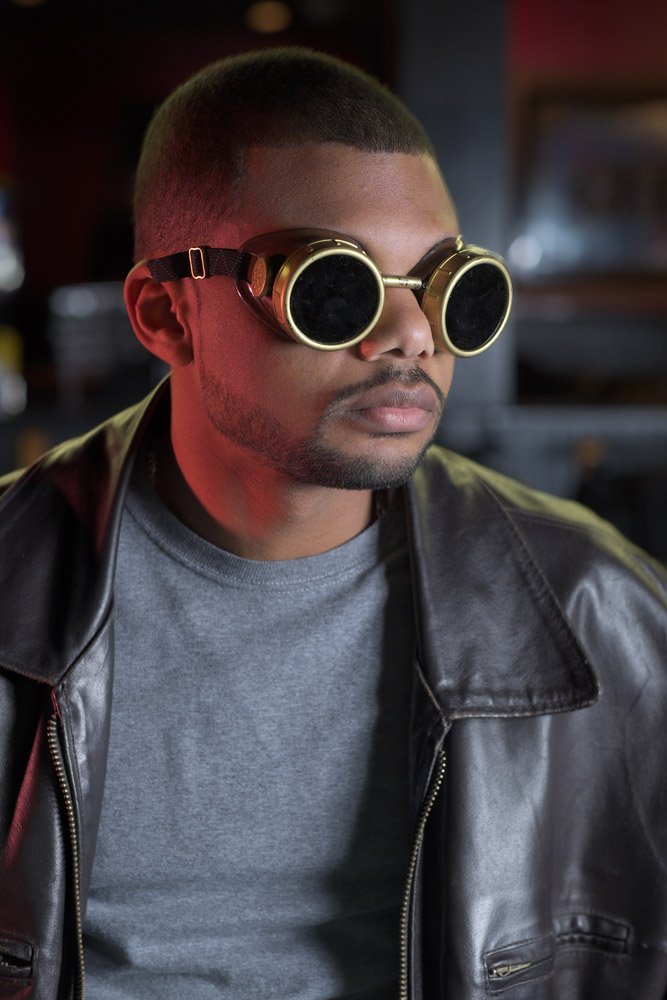
Alex, going Steampunk

In the last look for Alex, I did two versions of this really clean, minimal portrait. When I showed it to him on screen he commented “I have a really long neck!” as if that was a bad thing. I reminded him of what you’ll hear on every season of the now-ended America’s Next Top Model – it’s a really good thing to have a long neck. Tyra Banks and her photographers were always reminding the contestants to elongate their bodies and gestures, to create drama and elegance. If you have a short neck, stretch it out, otherwise the camera can make it look like you’re neckless and just have a head glued directly to your torso.
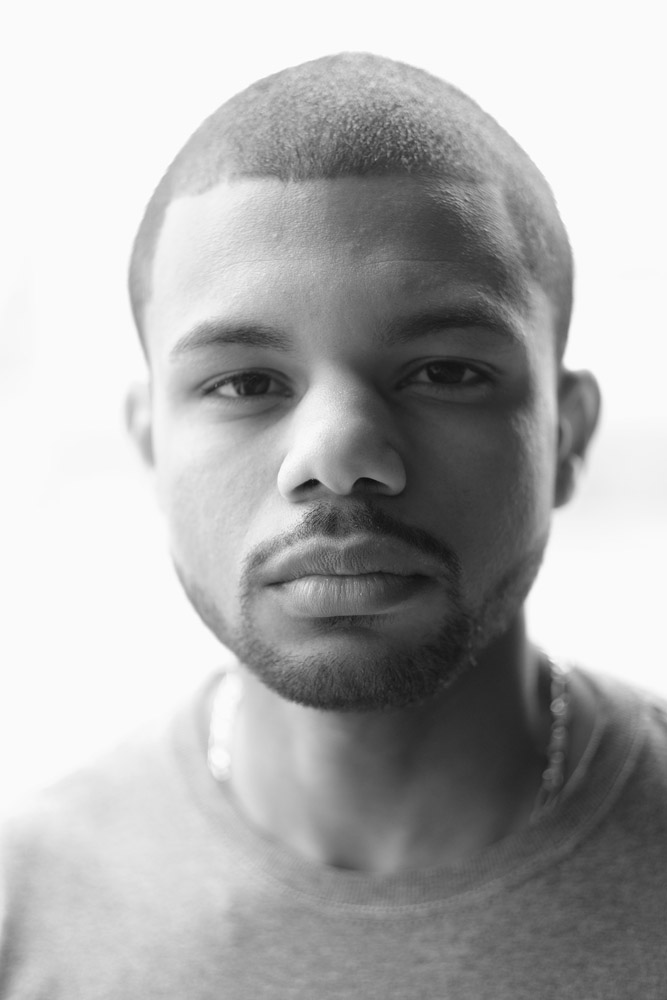
Alex
Alex

These were both shot outdoors under the eave of a parking garage, and combining the flash in a beauty dish as a fill with the backlight of the street behind made it easy to completely blow out the background into a nice even white. Handy trick when you’re going studio-less and need an even background.
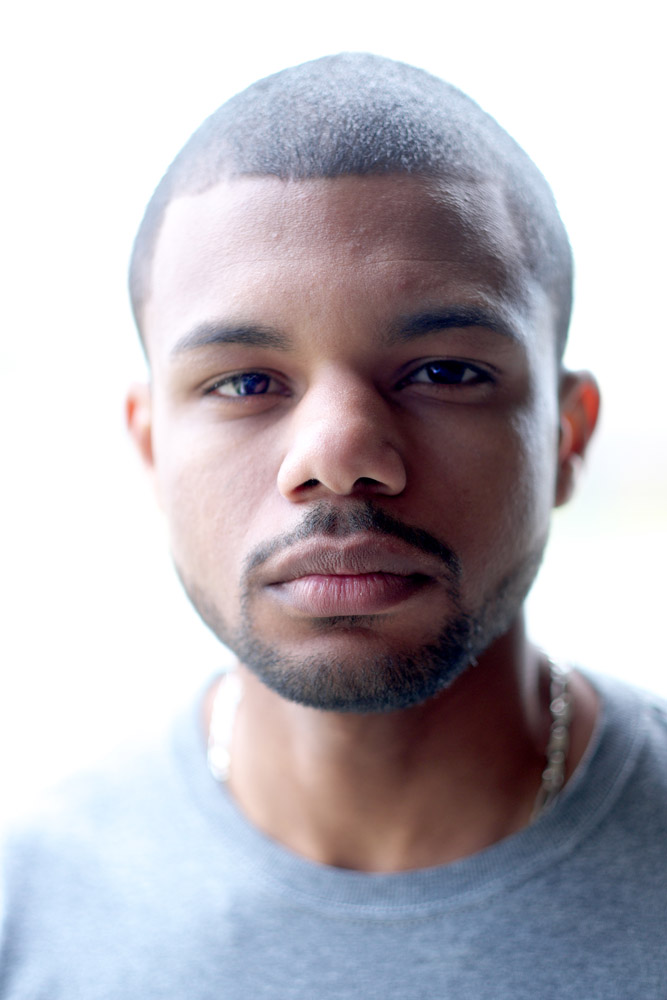
Alex
Alex

I shot all these images in RAW, then converted afterward to JPEG. I like working this way because it feels more like traditional darkroom photography, where I’m working from the in-camera negative. Working from in-camera JPEGs, while still very good, to me is not as good because it’s like making a copy of a print – changes have been made and nuances have been degraded.

Not that there should be any doubt, but the Fuji 56mm is a knockout lens (Fuji has always made some top-grade glass, especially for their medium-format cameras). The falloff in sharpness at wide-open or near wide-open is creamy-smooth, and the rendering of out-of-focus highlights is never harsh or jagged.

Takeaways from this shoot:

-Work with good models. Not everyone is a good model, and not all good models start out that way, but if you’re new to the process of working with models, hire folks (and I do mean hire, as in pay for with cash, not just trade-for-prints/CD) who have experience working with photographers.

-know your equipment. If I were not as experienced with studio lighting, figuring out what was going on with my Calumet/NEEWER flashes could have been a pain, as they don’t have modeling lights (to save on battery life) and are not TTL because they’re made to be universal and are not dedicated to any one system.

-have fun. Be loose, work with your environment, take advantage of the opportunities it presents, and challenge yourself to overcome its obstacles. You’ll make much better pictures that way.
Rendering The Spirit: Interview with Bruce Schultz

What is your name, and where are you from?
Bruce Schultz from Lafayette, Louisiana.

How did you get into photography as an art medium (as opposed to casual or professional use)?
I’ve always taken photographs for myself as an artistic expression, since the early 1970s.

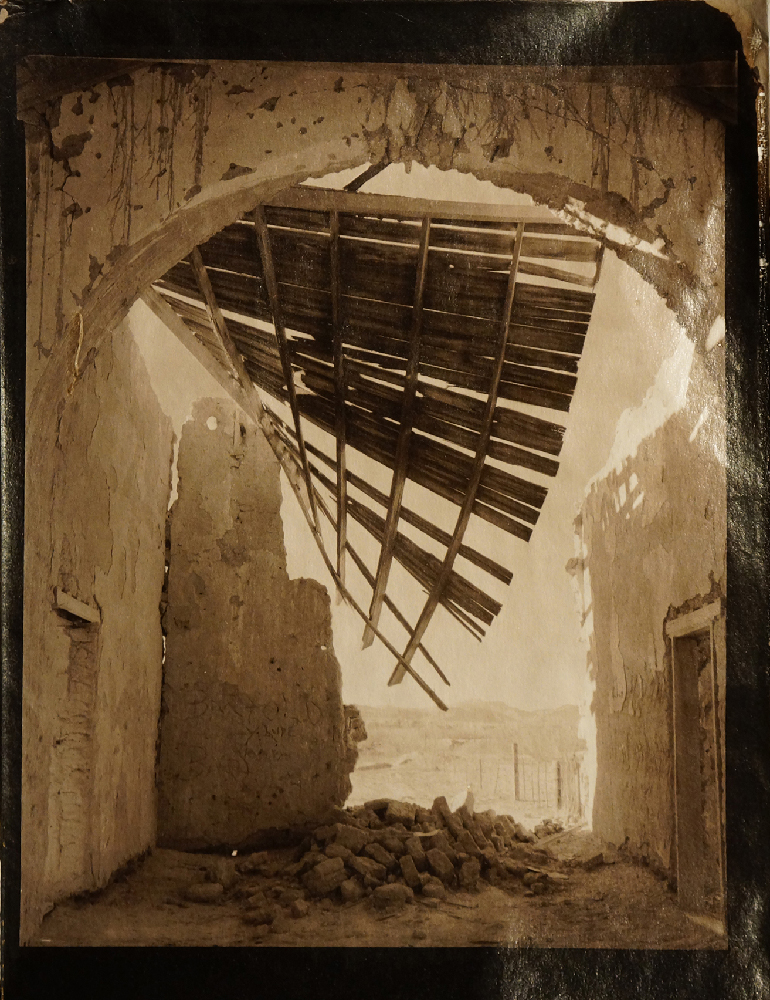
I make images with wet-plate collodion to make tintypes on metal, or ambrotypes on glass, or glass negatives to make paper prints in the form of salt prints and albumen prints. I have one salt print and three albumen prints in this show, all from glass negatives.

What drew you to the specific media you practice?
I grew bored with making black and white images with film, printed onto factory-coated silver gelatin paper, something I had done for almost 40 years. As digital photography had emerged as the dominant means of making pictures, I regressed and sought out the basics of photography as it was first practiced. So I took a workshop in Missouri with wet plate photographer Bob Szabo in 2007.
Since then, I no longer shoot film. I make tintypes at civil war reenactments, and also photograph a wide range of subject matter from still lifes, landscapes and nudes. I’ve made images for movies (“Beautiful Creatures” and a remake of “The Magnificent Seven.”) And TV shows including “American Horror Story” and “Into the Badlands,” in addition to several CD covers.

How does the choice of media influence your choice of subject matter (or vice versa)?
Since my chosen process requires exposures of several seconds to minutes, action can’t be photographed but even that can be overcome if one is willing to invest in a high-powered, eyebrow singeing flash equipment. I will occasionally pay homage to 19th century images.

In today’s mobile, electronic world of instant communication and virtual sharing of images, how important is it to you to create hand-made images?
I’m not opposed to digital photography, and I use it in my career as a communications specialist, but digital imagery is too realistic, too perfect for my purposes. With wet-plate collodion, serendipitous flaws are inherent in the process. Fingerprints, smudges on the edges, specks of dust, bubbles, scratches, are inevitable and they make it obvious that this is a one-of-a-kind handmade image never to be repeated.

Is your choice to practice alternative, hand-made photography a reaction to, a complement to, or not influenced by the world of digital media?
I don’t really think about the digital realm, what I’ve done digitally or anyone else has done with a digital camera. I do often marvel that in the time span that I make one image with the wet-plate process, someone could shoot hundreds of pictures. Because of the labor and time involved to set up the chemicals and equipment, making an image with the wet-plate process is a deliberative effort. One has to make sure that what has caught their eye is truly worth the effort and time to make just one picture.

And I have to admit that I get some kind of rush from knowing that I’m making photographs the same way that the early photographers did, experiencing the same frustrations when things go wrong, and the same tingle of excitement when everything comes together. Using the same formulae and materials but with the benefit of modern technology like air conditioning in a darkroom and electric lights.

Do you incorporate digital media into your alternative process work?
I have made digital prints from my wet plate images, but they do not equal a print from a wet-plate negative and I no longer do that because the quality is inadequate.

If so, how do you incorporate it? Is it limited to mechanical reproduction technique, or does it inform/shape/influence the content of your work?
I want to learn to make digital negatives from tintypes to make albumen and salt prints. I am even willing to attempt using digital capture to generate a digital negative and from that, make albumen and salt prints, especially for images that I make while traveling abroad since flying on airplanes can’t be done with flammable chemicals and hundreds of pounds of equipment.

What role do you see for hand-made/alternative process work in the art world of today?
Sales of vintage photography have increased with higher and higher prices as buyers recognize the significance of photographs that have survived for more than a century..
Alternative process work has emerged as a significant movement as the art audience recognizes the effort and dedication required to generate these images. And shows like this one illustrate that more people are creating bodies of work based on handmade imagery.
That’s not to say that serious artistic expressions can’t be the product of digital capture, but so many images are being created digitally that we are being overwhelmed with snapshots fired in scattergun fashion. I’ve read that more photographs have been taken in the past 2 years than in the first 150 years of photography. I’m not sure how that figure was derived, but it is mind-boggling. But most of those images will never move beyond a phone or computer screen, and it’s expected that many will become lost in the progression of obsolescence.
It also troubles me that folks get so caught up in taking a snapshot or video that they don’t truly experience a moment for what it is. A photograph or video will never convey an experience. Credit photographer Sally Mann for expressing that notion in her book that memories are being supplanted by photographs of a slice in time, and not living in the moment and experiencing what is happening in a viewfinder and not actually in front of our eyes. Years from now, we will remember an event as it was, or does the photograph corrupt our memories? I know that I now cannot be sure if some of my earliest memories were what I recall, or what my father’s 8mm movies show.

Where do you see yourself in that world?
I have no idea. I’m too busy shooting pictures, mixing chemicals and coating paper for printing to worry about my miniscule impression on the art world.

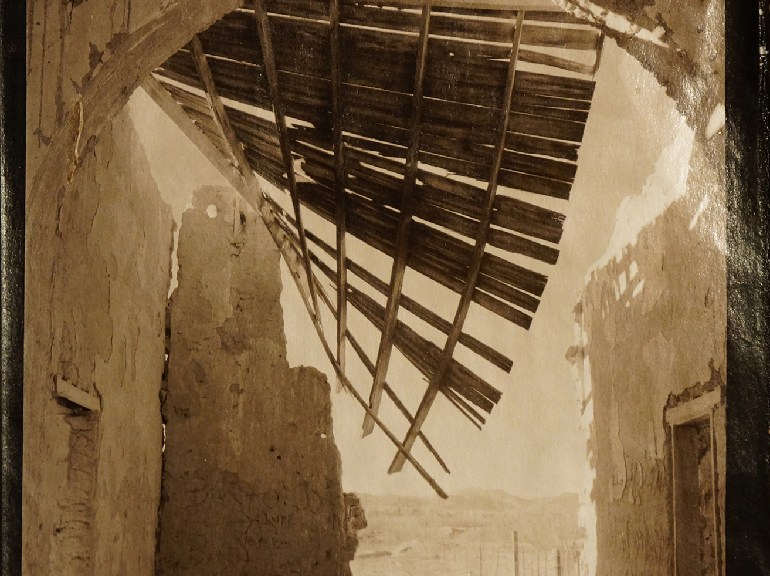
Church at Ruidoso, Texas

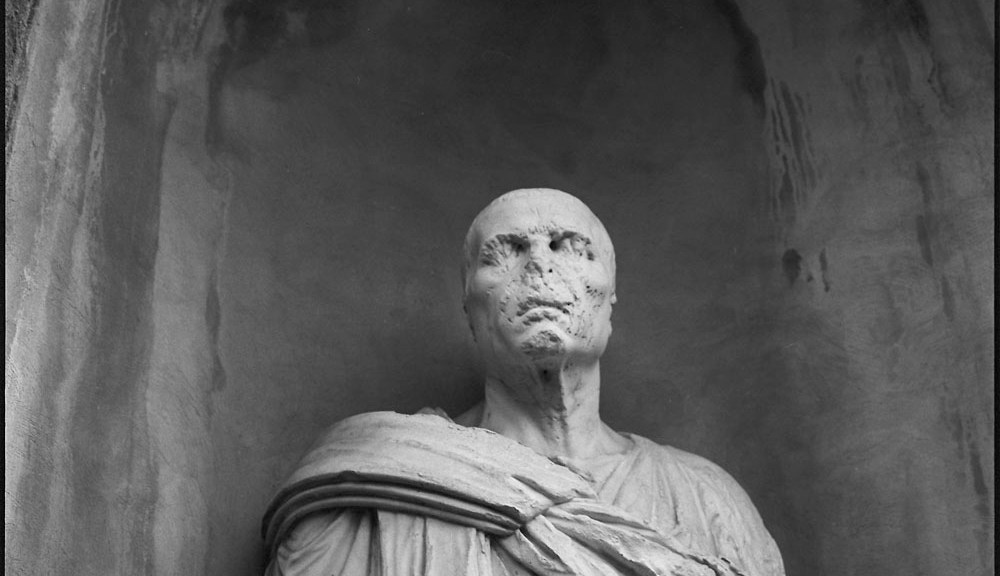
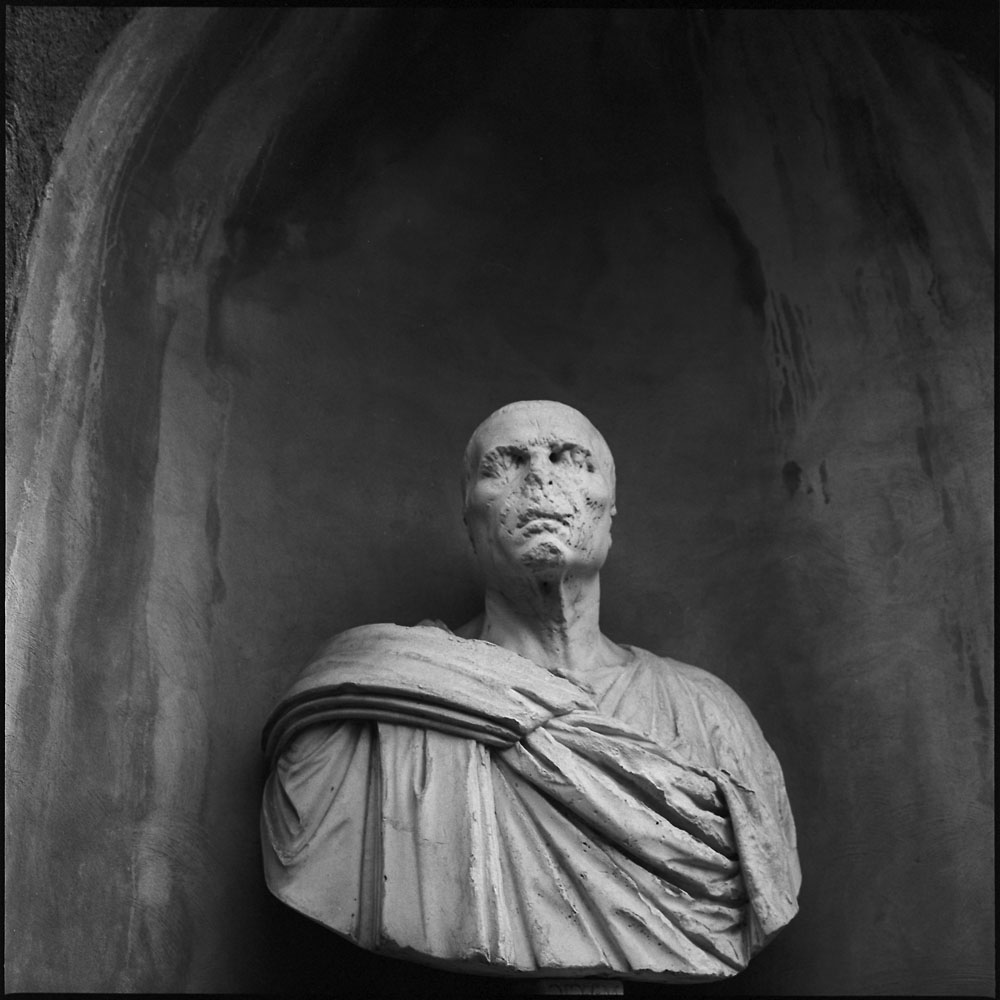
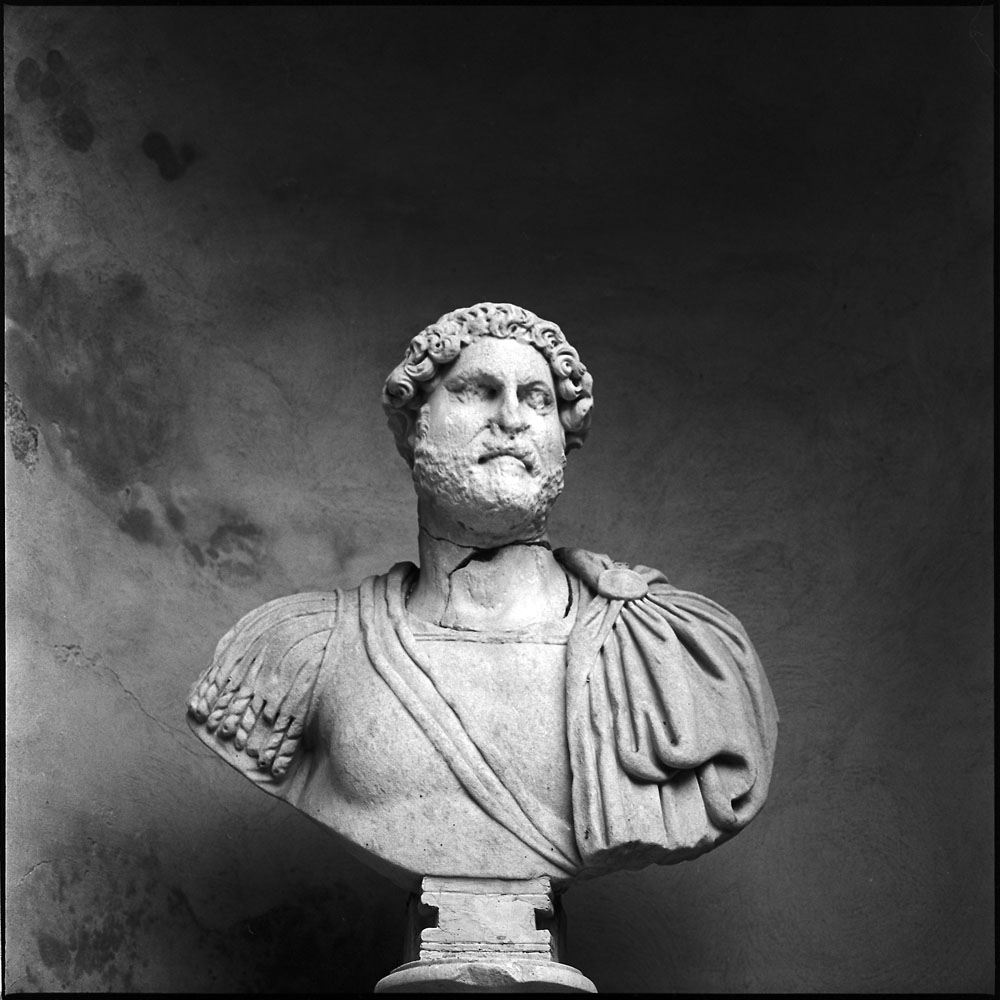
Pair of Roman Busts, Castel Sant’Angelo

These two pieces are quite moody, and that somber undertone of them inspired me. From their weathered appearance to the various forms of damage they’ve taken over the centuries, they act as a kind of memento mori to remind us that even art in marble will eventually die.

I’ve joked to friends that this one is proof that there were zombies in ancient Rome – but in fact the damage to the face is probably caused by relatively contemporary rivals seeking to damage the visage of a now-dead adversary, or inadvertent blows from overzealous Renaissance-era treasure hunters or clumsy builders trying to clear debris in preparation for fortifying the former Imperial tomb.

Roman Bust
Roman Bust

This one has suffered different indignities – while his visage remains relatively intact, at some point his head was separated from his shoulders, and later re-attached.

Bearded Bust
Bearded Bust

Just for the record, to the best of my knowledge there were no zombies running around ancient Rome.

Palazzo Barberini in Color

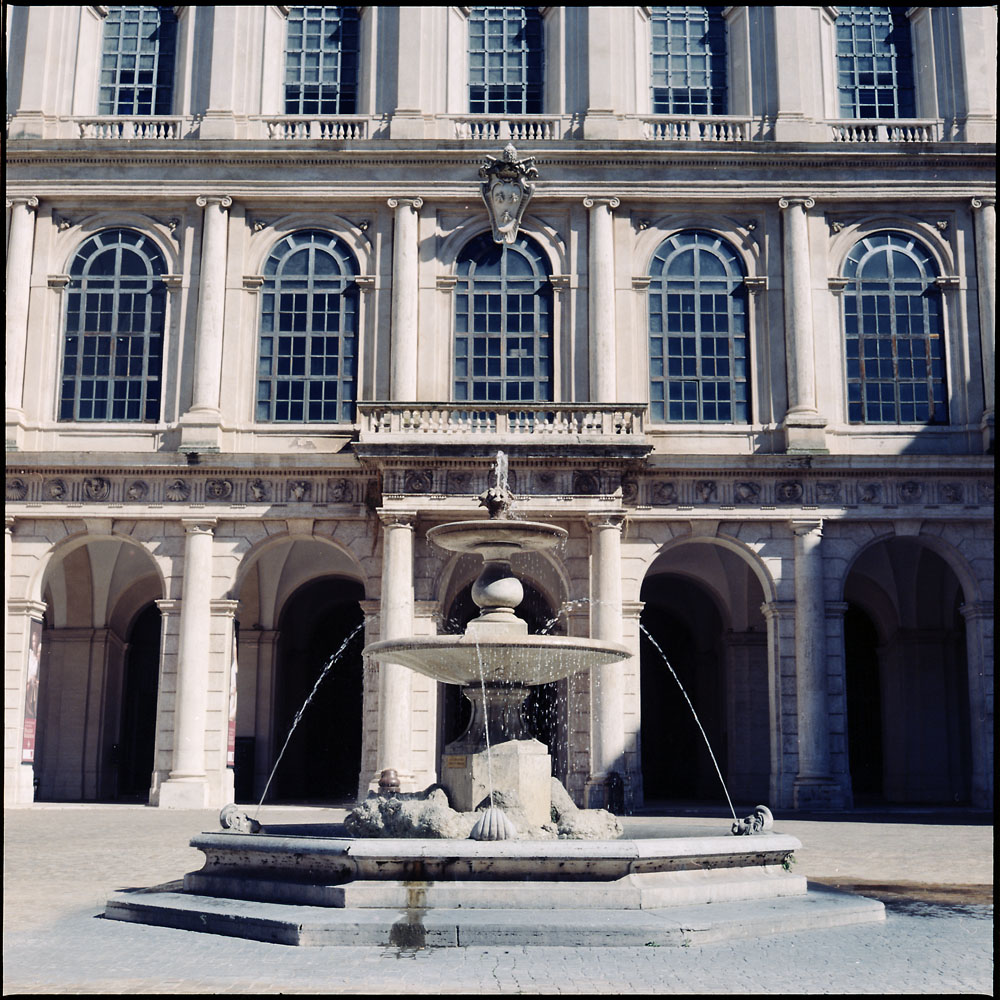
Today the Palazzo Barberini houses another great art museum, home to two Caravaggios, a version of Hans Holbein’s portrait of Henry VIII of England, and Bernini’s bust of Cardinal Barberini among many other masterpieces of Renaissance and Baroque painting. Here is the entrance facade as designed by Bernini, seen from the entrance courtyard with its central fountain.

Facade, Villa Barberini

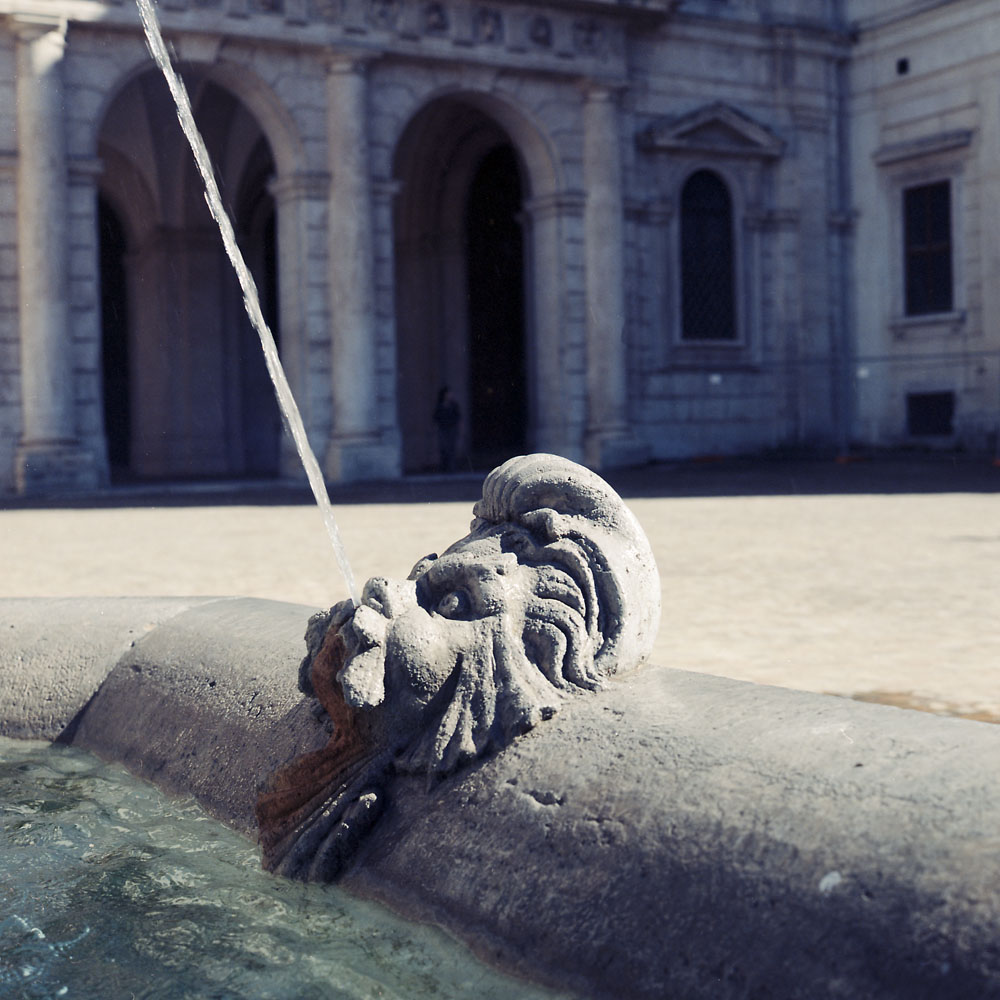
A detail of one of the water jets in the fountain:

Fountain Detail, Palazzo Barberini

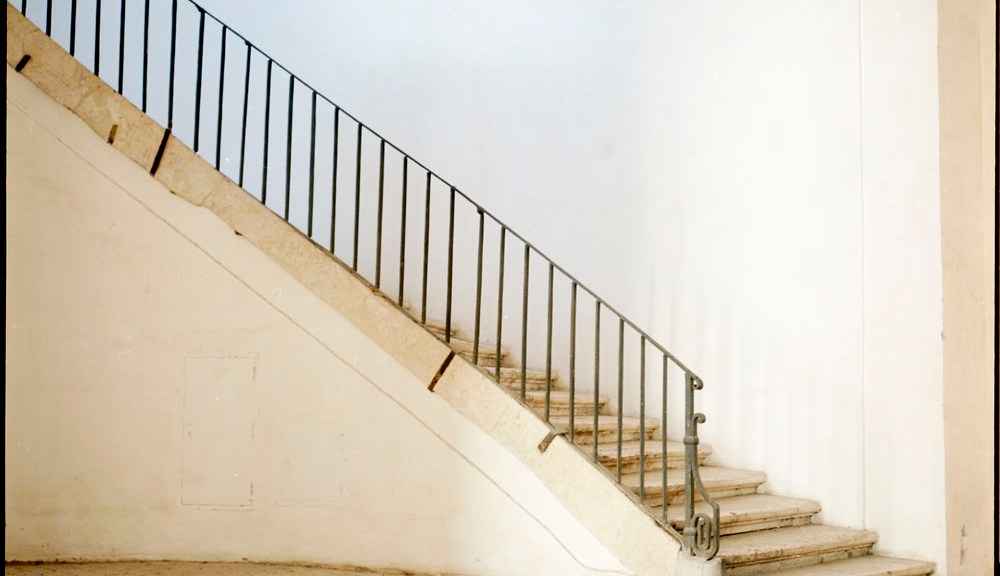
A staircase leading up to the rear gardens from the coachway underneath the palace. To the left out of the frame is the famous stepped ramp to the rear of the garden also designed by Bernini. Sometimes when you’re photographing, you get into this mindset of one type of image or another – for example, I had been shooting black-and-white film, and when composing this, I was still in the black-and-white headspace. I was thinking about the tones of the scene and the gradations from bright to dark. I don’t know if I even realized at the time I was shooting in color. When I was editing through my negatives, I saw this one and thought, “gosh, that’s likely to be a throwaway shot, but I’ll scan it just in case”. I wasn’t sure it would be sharp enough, because my memory of the space was that it was exceedingly dark and I winged it with a handheld exposure, roughly 1/4 of a second.

Well, you can see what happened. Not only was it sharp, but I seem to have mastered serendipity. The colors in the scene are beyond beautiful – the subtle blue from the cold light of the palace shadow seeping down into the stairway from the garden entrance to the rich golden hue of the paving stones and the plaster on the wall.

Inner Courtyard Stair, Palazzzo Barberini

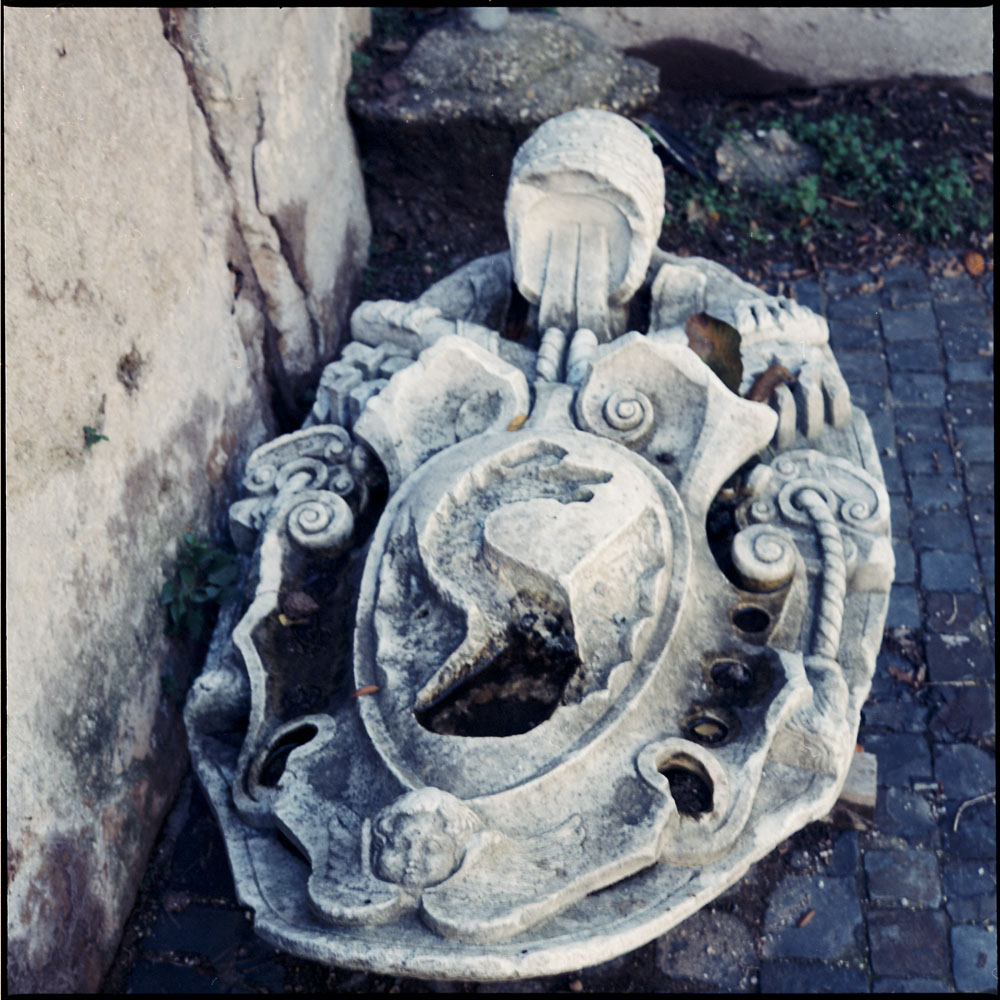
Poking around the grounds of the palazzo, I saw two massive carved stone coats of arms lying on the ground in a side service yard. One was the papal coat of arms of Maffeo Barberini, Pope Urban VIII. To be expected – this was his palace. This one, on the other hand, is a bit surprising – the papal coat of arms for Paul V – Camillo Borghese. During the years of their respective papacies, the Borghese and Barberini estates were neighbors, and Scipione Borghese, the Cardinal Nepotente to Paul V, was a friend and fellow art enthusiast with Maffeo Barberini. After Urban VIII’s death, the Barberini palace was seized and not returned to the Barberini family for some years, but neither the Pope doing the seizing nor the pope who returned it to them were Borghese. Both families (Borghese and Barberini) were one-papacy families, unlike the Medici with four, and the Della Rovere with two.

Borghese Papal Coat of Arms

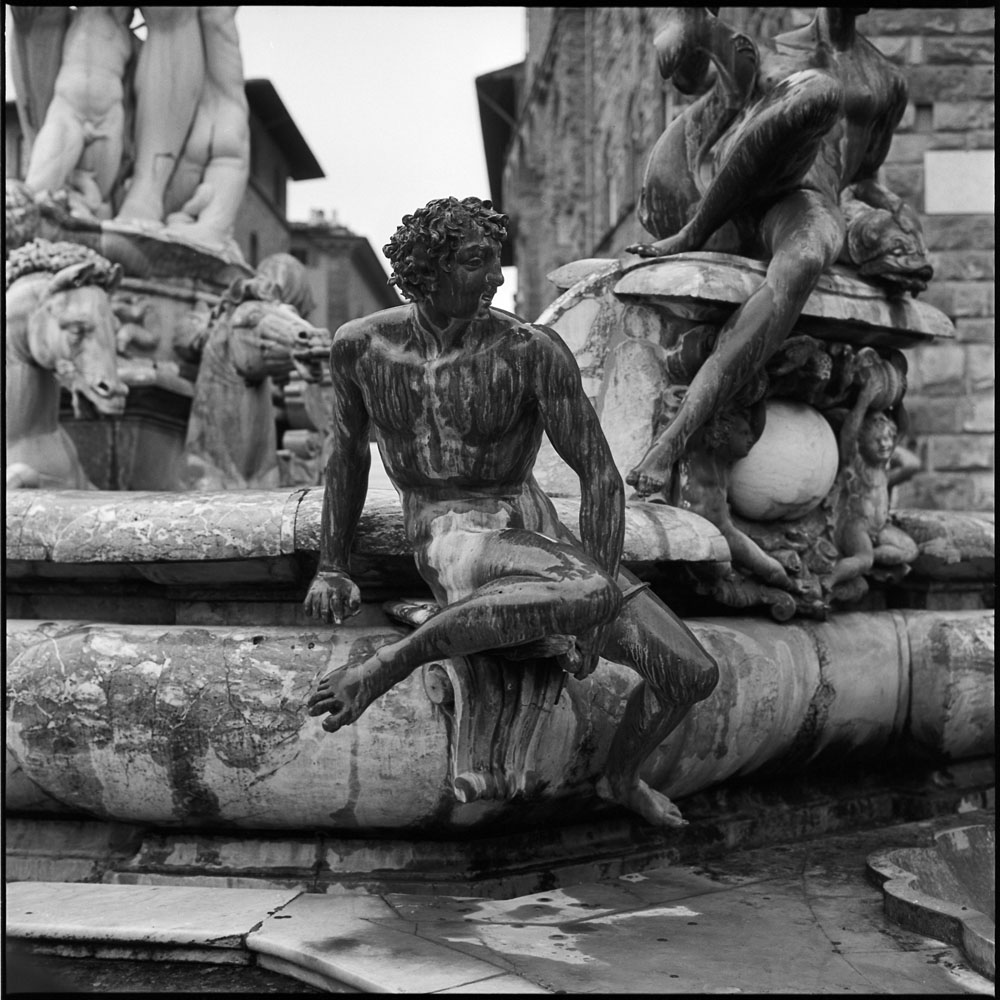
Figure, Neptune Fountain, Piazza della Signoria, Florence

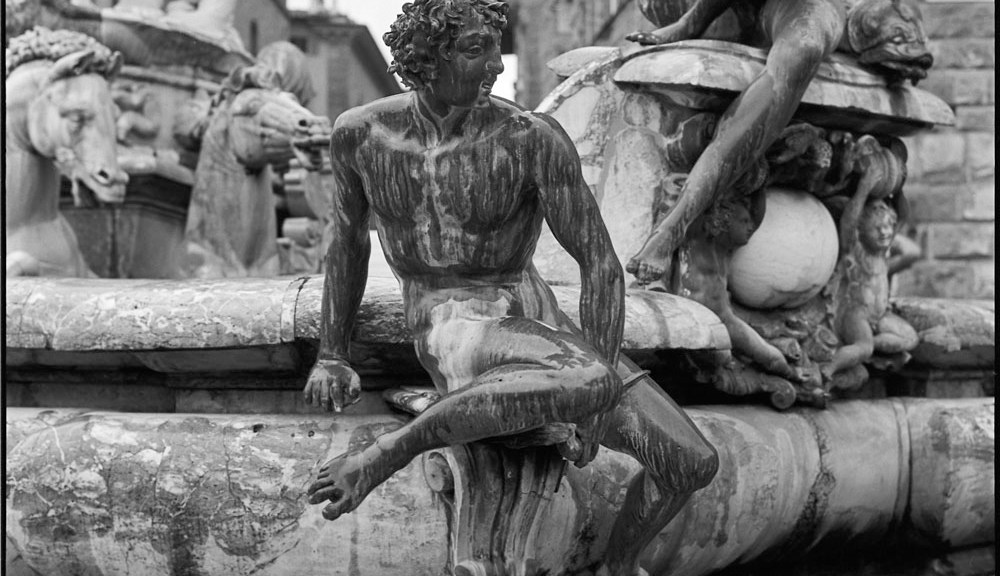
Sometimes I think photographers are allergic to rain – as soon as two drops come out of the sky they hide their cameras and run for cover. But there are many beautiful images to be made in foul weather.

Figure, Neptune Fountain, Piazza della Signoria

There’s something special and different, and even a tad ironic, about photographing a fountain in the rain. The statues are wet but in a very different way than they look from the normal spray of the fountain. And I think that doing it in black and white adds something more to it- this wouldn’t be as successful an image if it were in color.

Here a Photographer, There a Photographer…

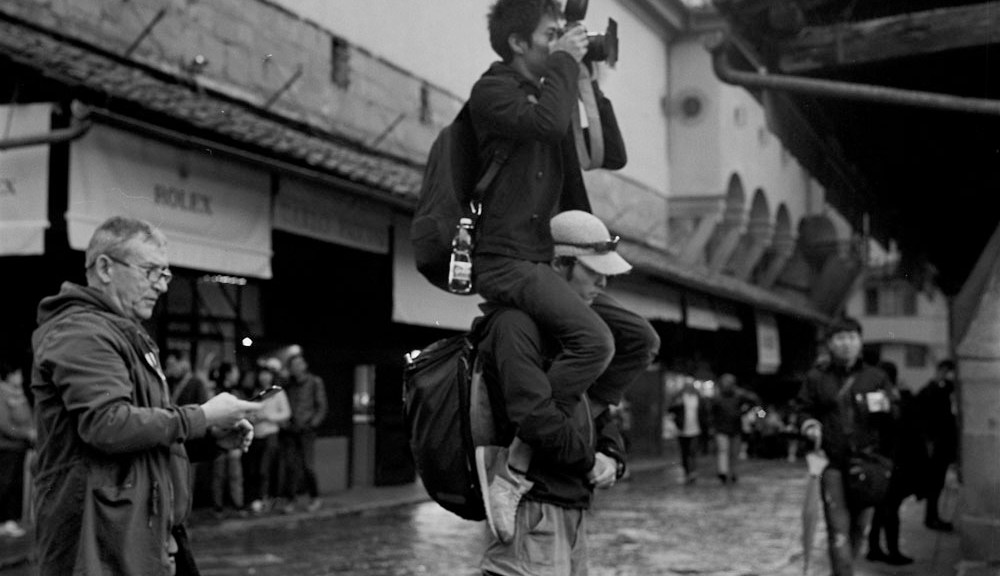
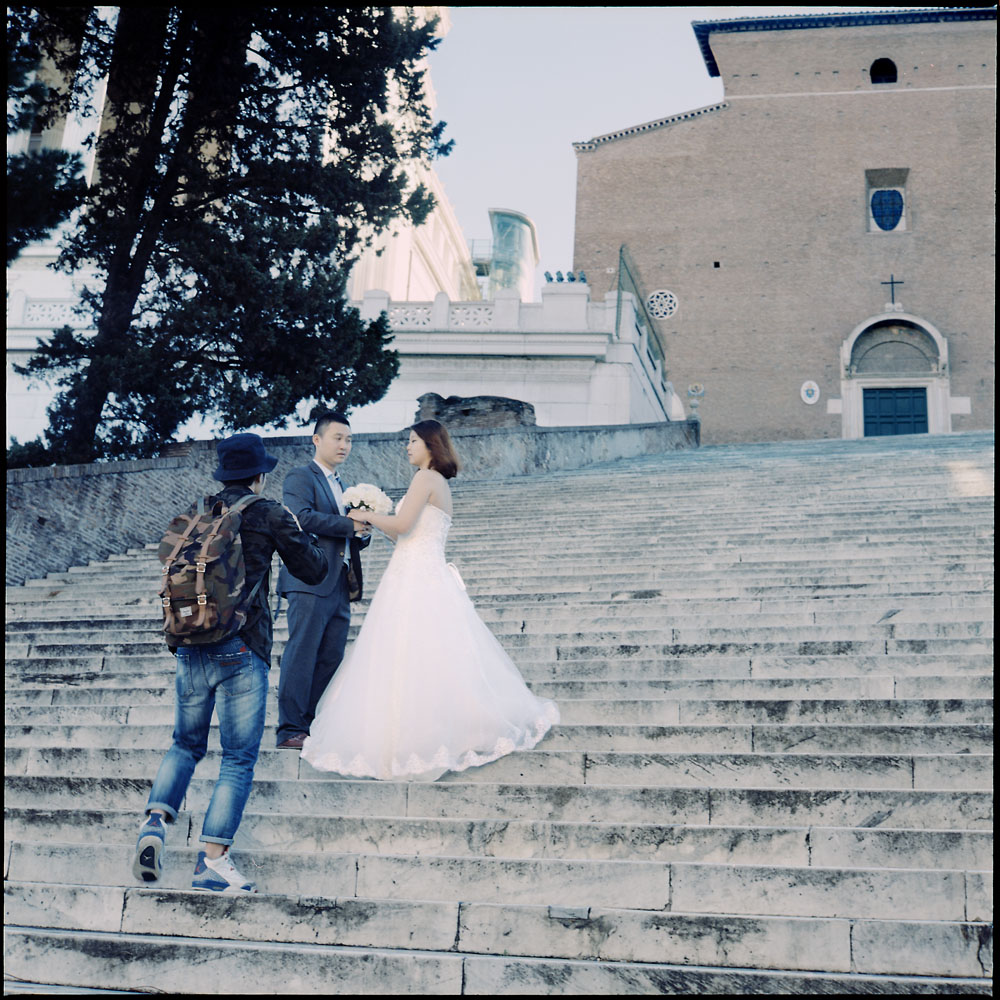
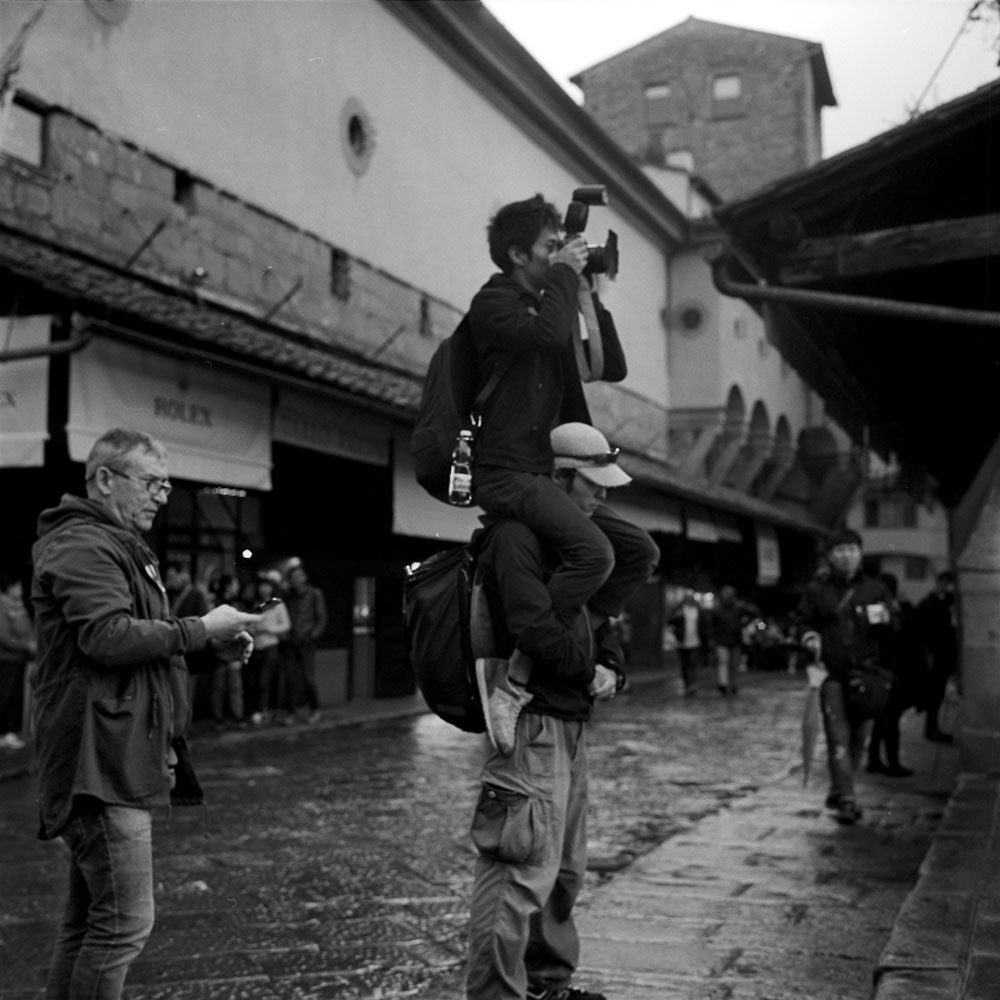
These are two of the wedding photographers I saw in action on my trip – I saw at least two more that I didn’t capture. All were Chinese – I guess it’s a thing now for Chinese couples to come to famous landmarks ( I saw this in Paris as well when I was there ) to get their wedding photos done. I don’t know if they were actually having their weddings in Rome and Florence, or just getting their pictures taken. I’d have loved to have asked, but the photographers were busy working and I’m not going to interrupt them.

I’m not at all surprised by the first location- the steps of Santa Maria in Aracoeli are a very popular destination spot for wedding couples. They were lucky that it was a quiet day – in peak season the steps are very popular with tourists, including pilgrims climbing them on their knees hoping for divine intercession to heal illness or get pregnant, although not so much these days. There are 124 steps (122 if you start on the right-hand side).

Wedding, Steps of Santa Maria in Aracoeli

In Florence, this was the scene on the Ponte Vecchio, next to the Cellini monument. I know photographers will go to some lengths to get the shot, but this is really taking it to another level. I also observed a much more conventional photo-taking outside the Duomo early in the morning on another day.

Wedding Photographer, Ponte Vecchio

Skateboarding at the Kennedy Center

Now THERE’S a phrase you wouldn’t normally expect to read, with the possible exception of the “Local Crime” section of the Washington Post. But it’s true. The Kennedy Center, like so many other cultural institutions, is having a hard time attracting young audiences. In a bid to outreach, they set up a skate park on the front terrace and invited local skateboarders to come and perform, and tossed in a stage for live bands.

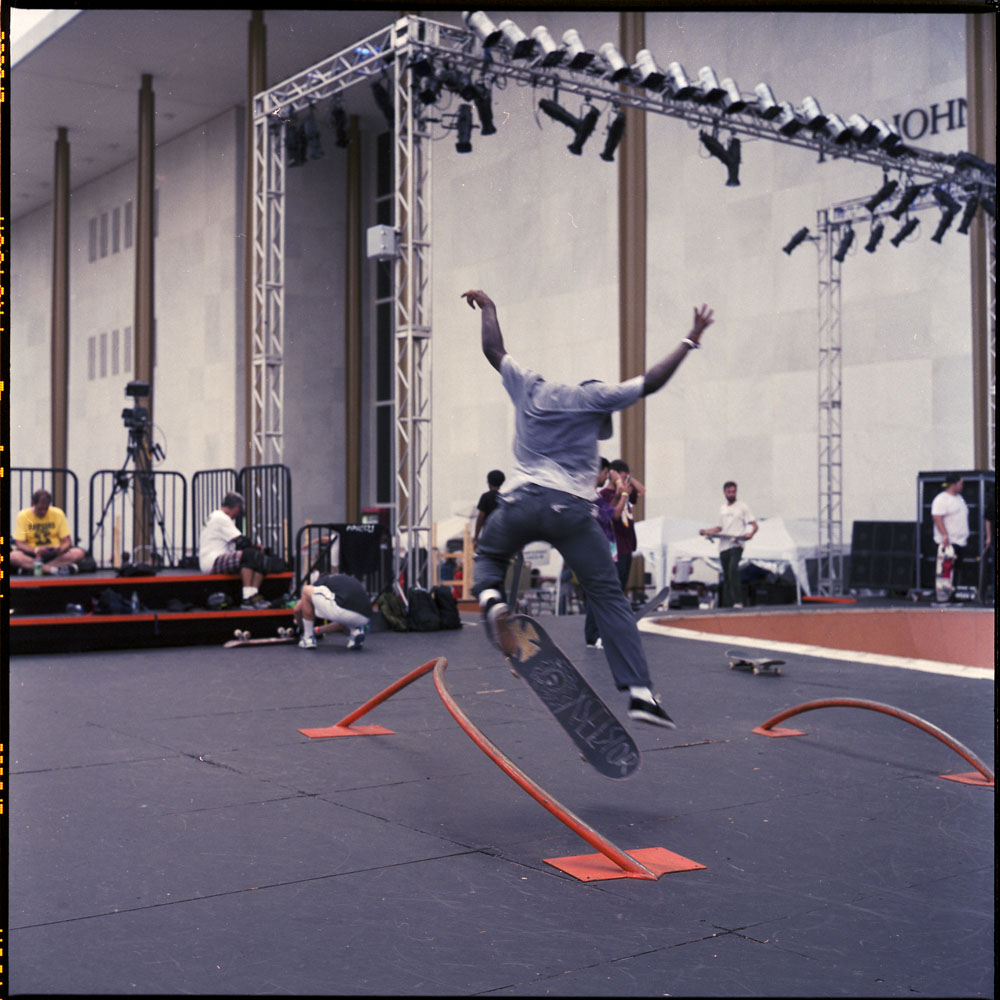
Flying Boarder, Kennedy Center

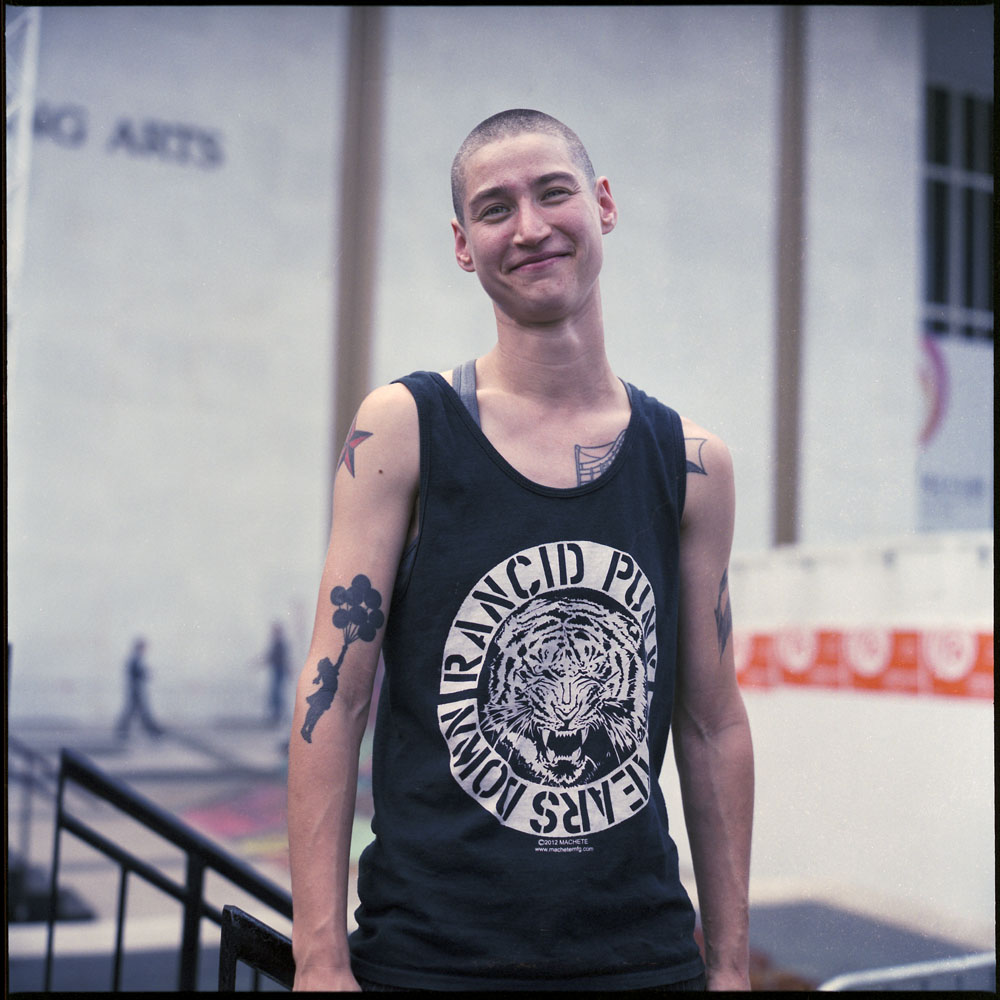
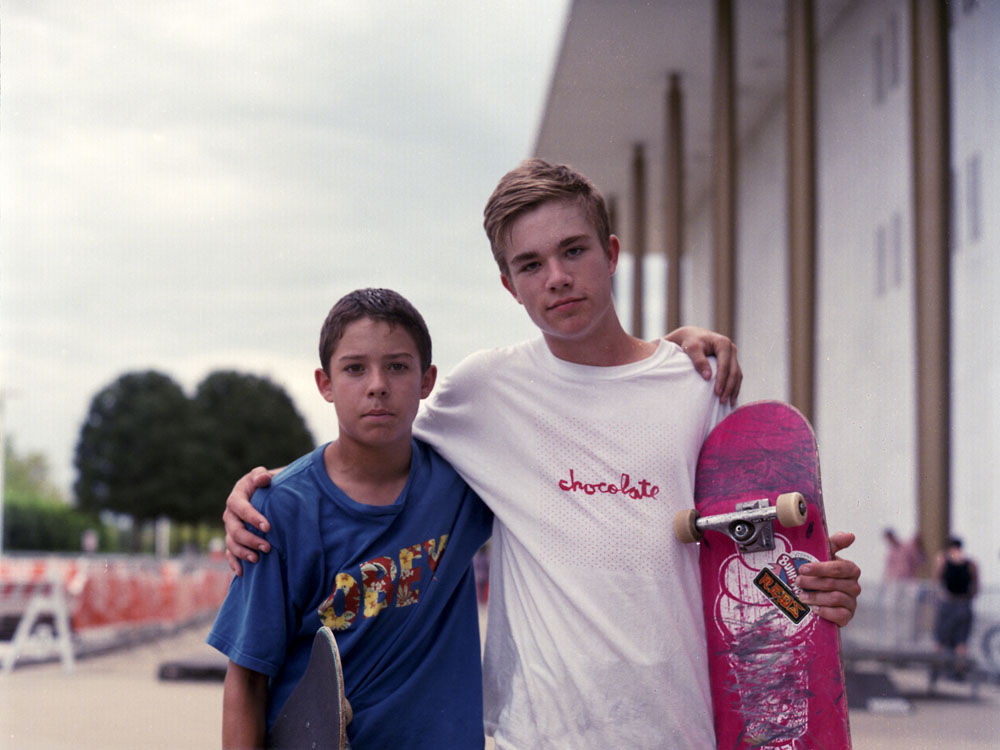
This was one instance (of many) where having my Rolleiflex was a huge advantage. It gave me an entree to talk to the skaters and ask for portraits. Everyone loved the camera and if I asked, they posed willingly. On the few action shots I took, it also helped by having no mirror blackout at the moment of exposure, so I could see exactly when I was pressing the shutter button, like in this shot above.

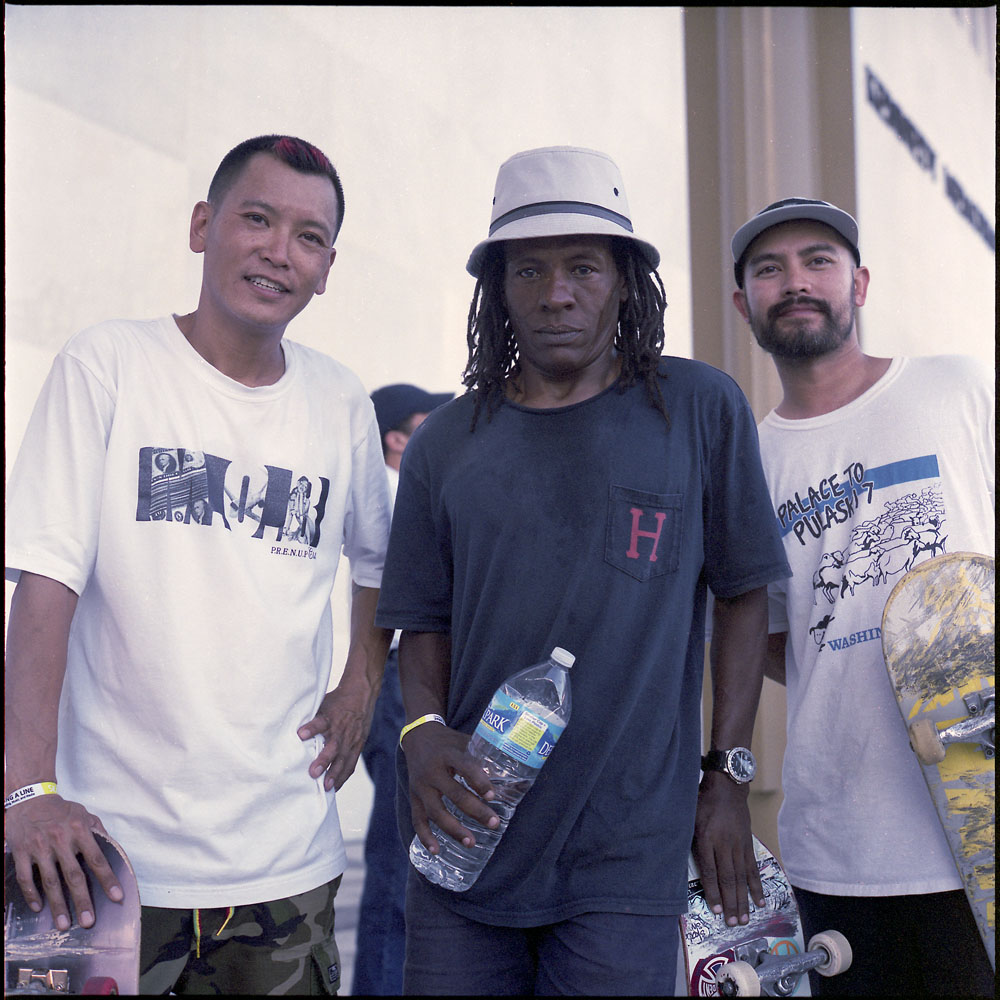
Skate Trio, Kennedy Center

I initially approached the asian skater about taking his picture. He pulled in his friends and all of them posed together. I was surprised at how willing they were to pose, as I mostly shoot candid street photos and people don’t always appreciate that. I don’t know what it was about that day but everyone was just so natural in their posing, it all worked out so well and I didn’t have to direct anyone.

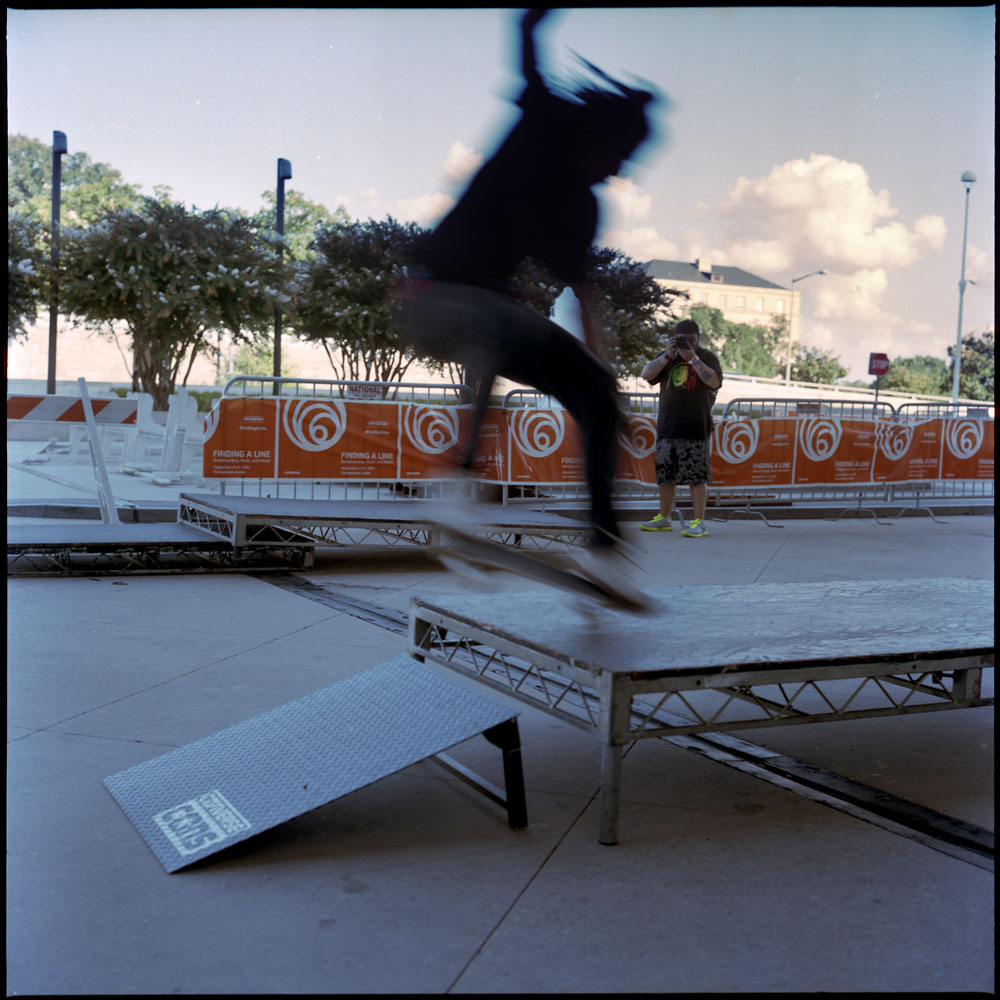
Flying Skater, Kennedy Center

This was a fun shot to take, as I was anticipating this kind of motion blur, but couldn’t know what exactly to expect because the eye doesn’t see motion blur at 1/30th of a second. But I knew I got the skateboarder in the right place.

Skateboard Punk Girl, Kennedy Center

This girl was working the lights at the event. She saw my camera and asked about it, so we chatted for a couple of minutes about the event, the folks skating, and the weather (it was scorching hot that day, and inside the light tent had to be even hotter). I asked for her picture and she immediately said yes, and even suggested the backdrop instead of inside the lighting tent.

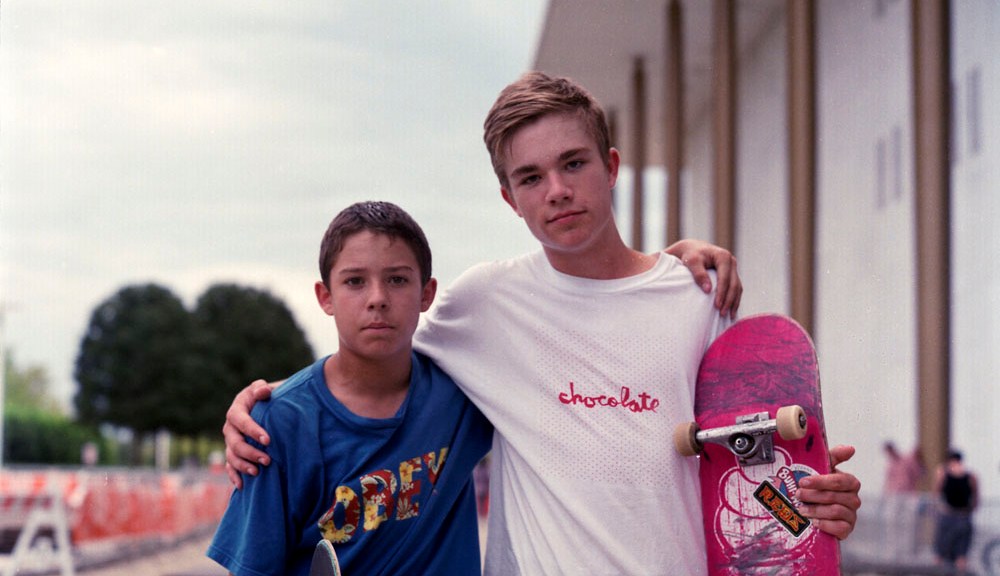
Skate Buddies, Kennedy Center

The kid in the white shirt saw my Rollei, and asked some questions about it, and was very excited by it. Again, I asked for a photo before he started his next run, and he pulled his buddy over, they wrapped their arms around each other, and posed. All on their own, no direction from me. I was very chuffed to see how the shot turned out, as I was shooting on the run as it were – one of the docents for the event had earlier shooed me off from the spot where I was standing to take the picture because it was in the path of potentially out-of-control skateboards.

Intro to Large Format Photography @ Glen Echo – Sold Out!

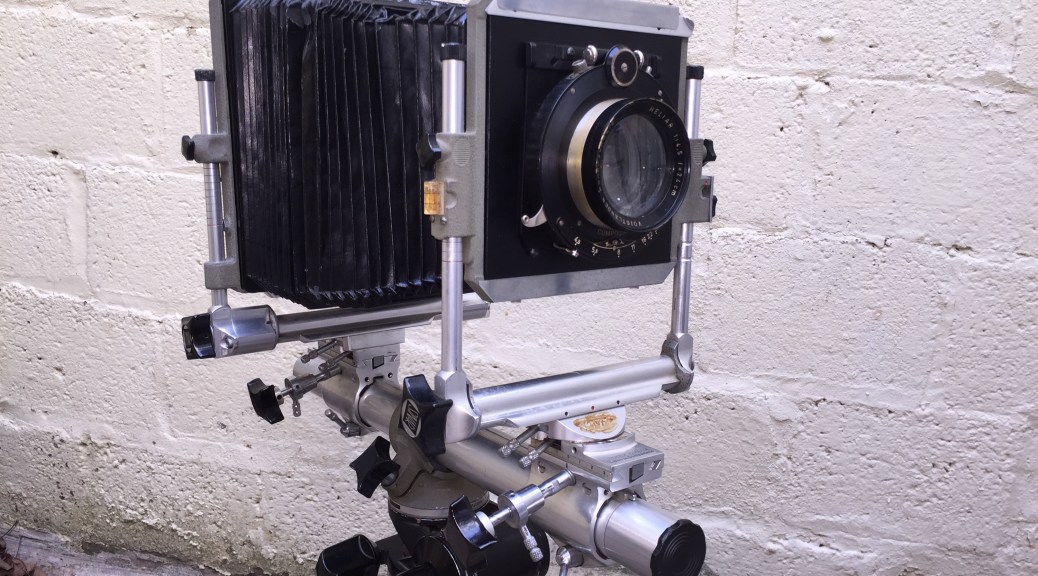
I have to toot my own horn a little today – my spring session of Introduction to Large Format Photography is sold out! I’m even adding three additional seats today to accommodate the folks who contacted me yesterday about registering. The class will cover the basics of how to use a large format camera. We’ll get an understanding of the camera itself – the various types of large format camera, the components of the camera, how to use it, and especially in this digital day and age, WHY to use it. To paraphrase Edward Weston’s comment about color photography: “There are things you can say in large format that you can’t say in anything smaller”. We’ll have specific lessons on film handling and processing for large format, portraiture, studio/tabletop photography, and architecture.

Glen Echo Midway
Glen Echo Midway

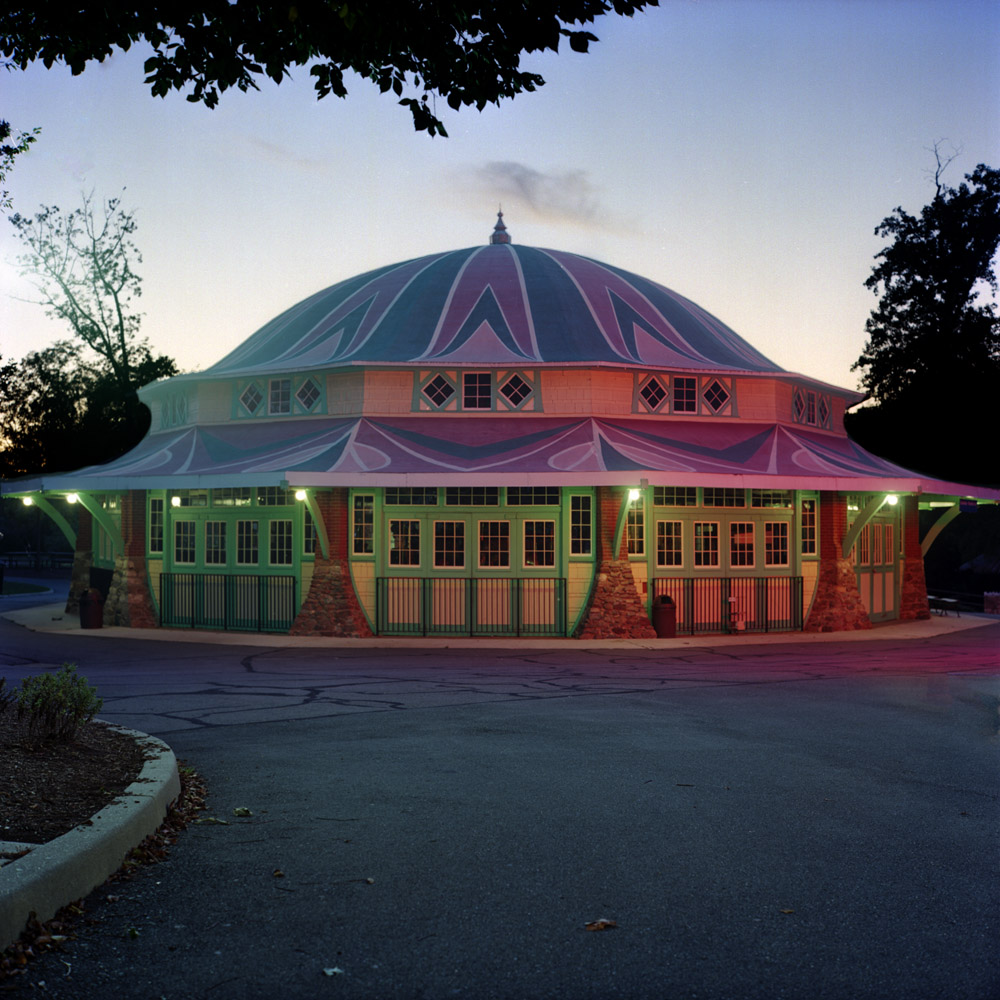
I teach at Photoworks Glen Echo, a non-profit photography education center in Glen Echo Park, which is operated by the National Park Service. Glen Echo Park is a former amusement park a few miles away from downtown DC in Glen Echo, Maryland on the banks of the Potomac River. Originally envisioned as a suburban housing development for the elite of Washington at the end of the 19th century, the only resident to ever build and take up residence was Clara Barton. It became a Chataqua meeting center, and then in the early years of the 20th century, an amusement park. It rose to its peak by being at the terminus of a street car line running out from Georgetown (a neighborhood in DC and formerly a separate incorporated city in itself). The park endured changing demographics and evolving tastes, but closed up shop in 1970. The US Park Service took over and converted it into a community art center where people can come to learn pottery, glassblowing, cast and fused glass, stone carving, photography, painting. There is a children’s dance theater and puppet theater, and the 1902 Spanish Ballroom has square, contra, ballroom, and swing dancing events practically every night of the week. The centerpiece of the park is now and has been since its installation in the 1920s, the Dentzel Carousel which is freshly restored and fully operational. The carousel offers rides daily from May to October.

Dentzel Carousel, Glen Echo, Sunset

Photoworks is the photography center, located in the Main Arcade building. This year marks their 40th anniversary. They offer a full range of classes from introductory photography for children and teens to advanced classes on topics such as The Long-Term Photo Project, iPhone Fun (getting the most of mobile device photography), Photographic Editing and Presentation, and Platinum/Palladium Printing. Photoworks has a full wet darkroom for film processing and black-and-white printing up to 16×20 inches, a fully equipped digital darkroom with Macintosh workstations, Epson flatbed scanner and Nikon 35mm dedicated film scanner, and Epson printers for up to 24″ wide prints.

First in a Series: People Who Ask About the Rolleiflex

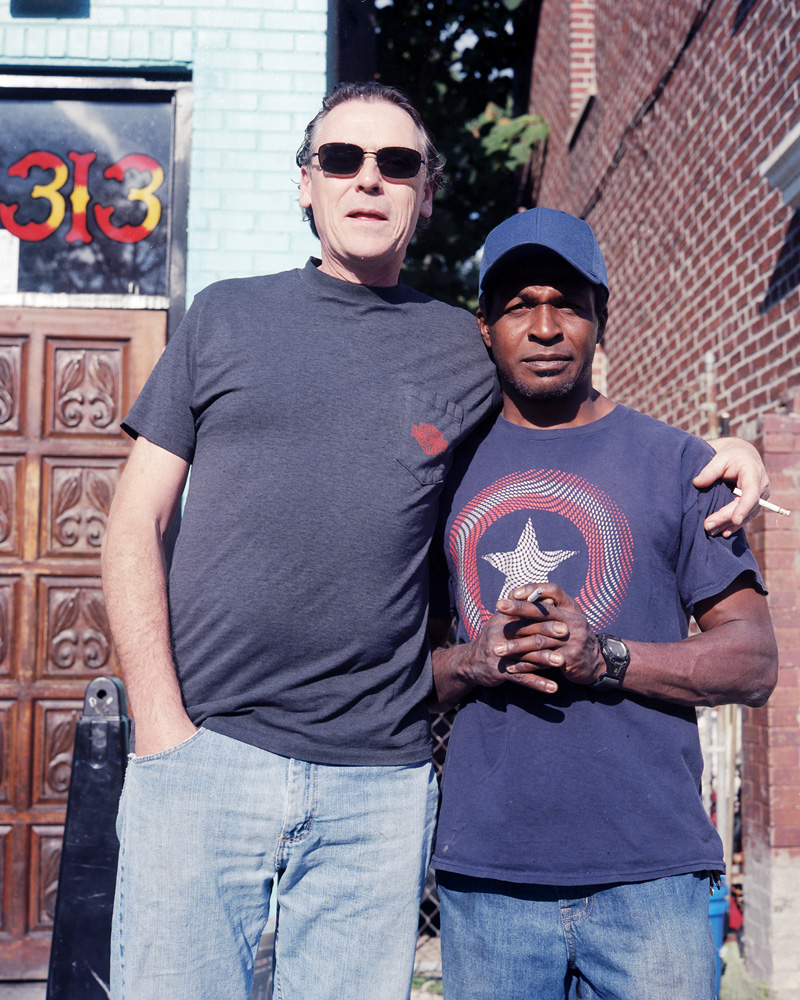
Truth be told, I’m a bit of an anxious street photographer: I’m not terribly good at asking total strangers to pose for me. So I’m getting started as an exercise by setting a new rule: if you see me out and ask me about my Rollei, you have to pose for me. We’ve already broken the ice by talking about the camera, so now we’re not total strangers anymore. This is the very first in that series. These two guys saw me out with the camera, and started asking about it. They even asked me to photograph them, which made it easier. The black guy was interesting; even though he was smoking, he asked if he should get rid of his cigarette for the photo. I told him to keep it.

Smoking Buddies, El Chucho

Opening Reception Invitation – Friday August 2, 7-10pm

I’m having an opening reception for my exhibit, “The Colors of Night” on Friday, August 2, from 7-10pm at Mad Momos Restaurant, 3605 14th Street NW. The exhibit runs from August 2 to the end of October.

From the Mad Momos invite:

Mad Momos is proud to present photographs by DC area photographer, Scott Davis. Please join us for the opening reception to enjoy the photos, meet the photogrpaher and sip on complimentary California Champagne.

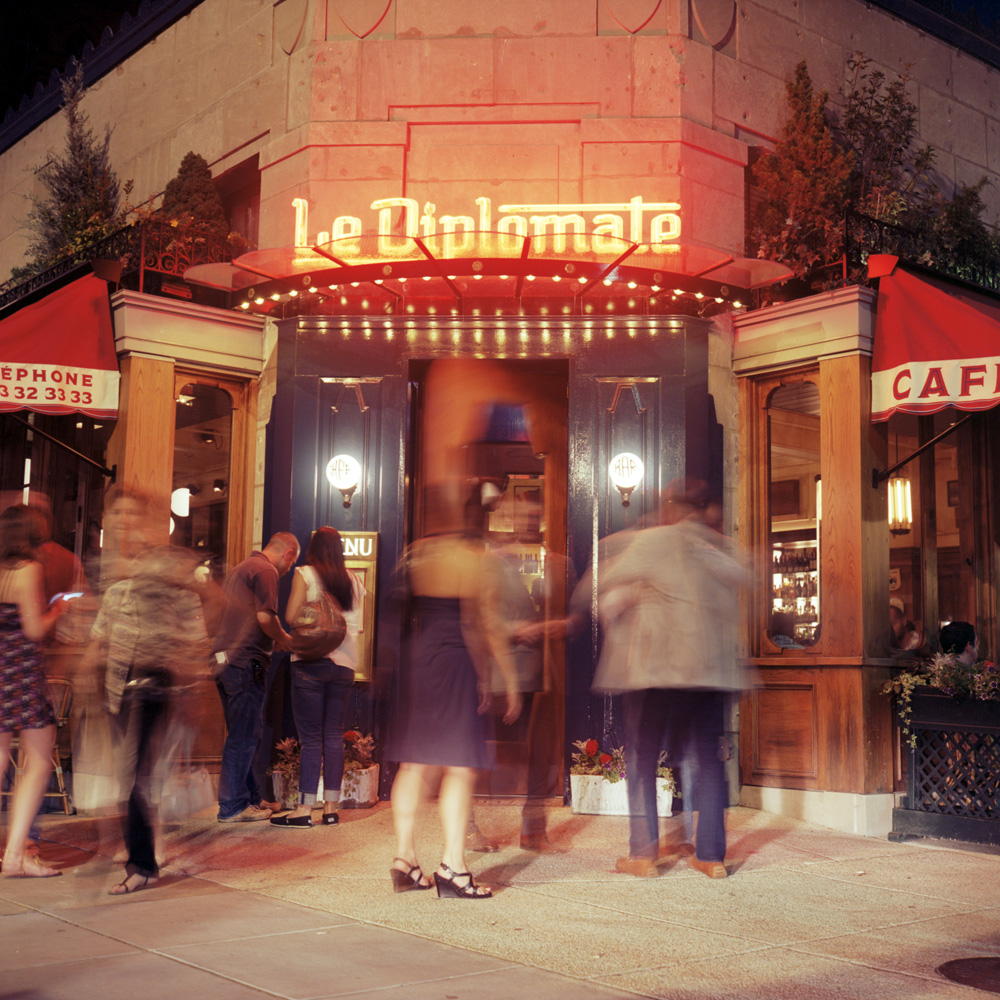
What is the color of night? It is indigo, it is fluorescent cyan, it is neon reds, yellows and blues. It is sodium-vapor pink, and glowing incandescent orange. It is all of the above, filled in with the colors of your imagination. It is the color of time slowed down, motion blurred, things and people half-seen through their background, perceptions distorted.

Le Diplomate
Le Diplomate

I have been shooting a lot of night-time work both in black-and-white and color, for several years now. Photographing long exposures at night gives you a creative freedom to accept serendipitous happenstance in your work that you would reject if caught in 1/60th of a second. Blurred motion becomes a good thing. People become icons. Cars are ghostly, their tail lights and headlights reduced to abstractions and records of things that were, like handwriting on paper. Colors become incredibly rich and even more important, since sometimes it is only by color that you can define and understand an object. The mixed lighting you find in a photograph of a night scene changes our perception of mood in a way you aren’t aware of when you are there – your brain color-corrects light sources automatically so things look “right”, but capturing them on film, which can only record what’s actually there without interpretation, reminds us that we do in a manner of fashion walk through the world with rose-colored glasses.