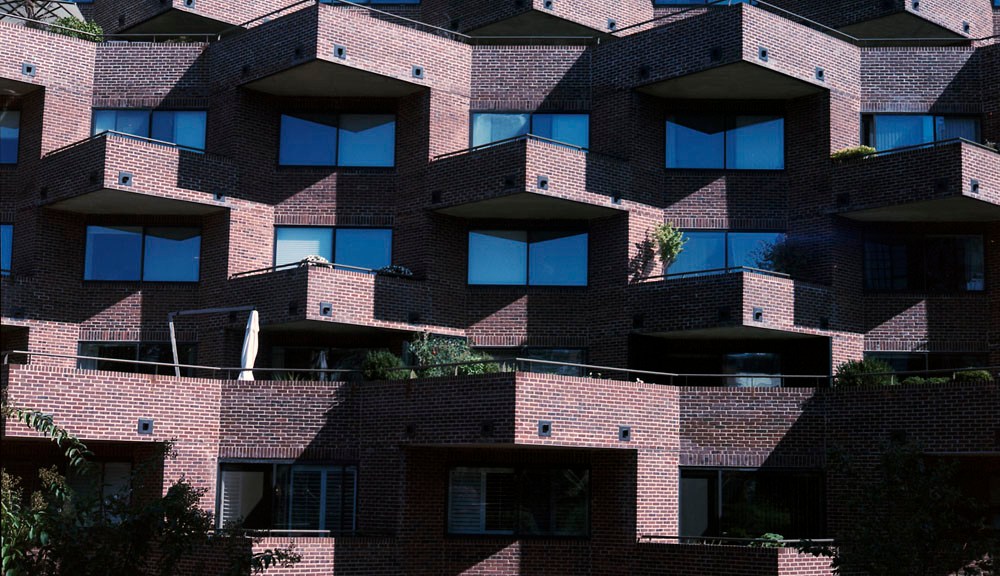
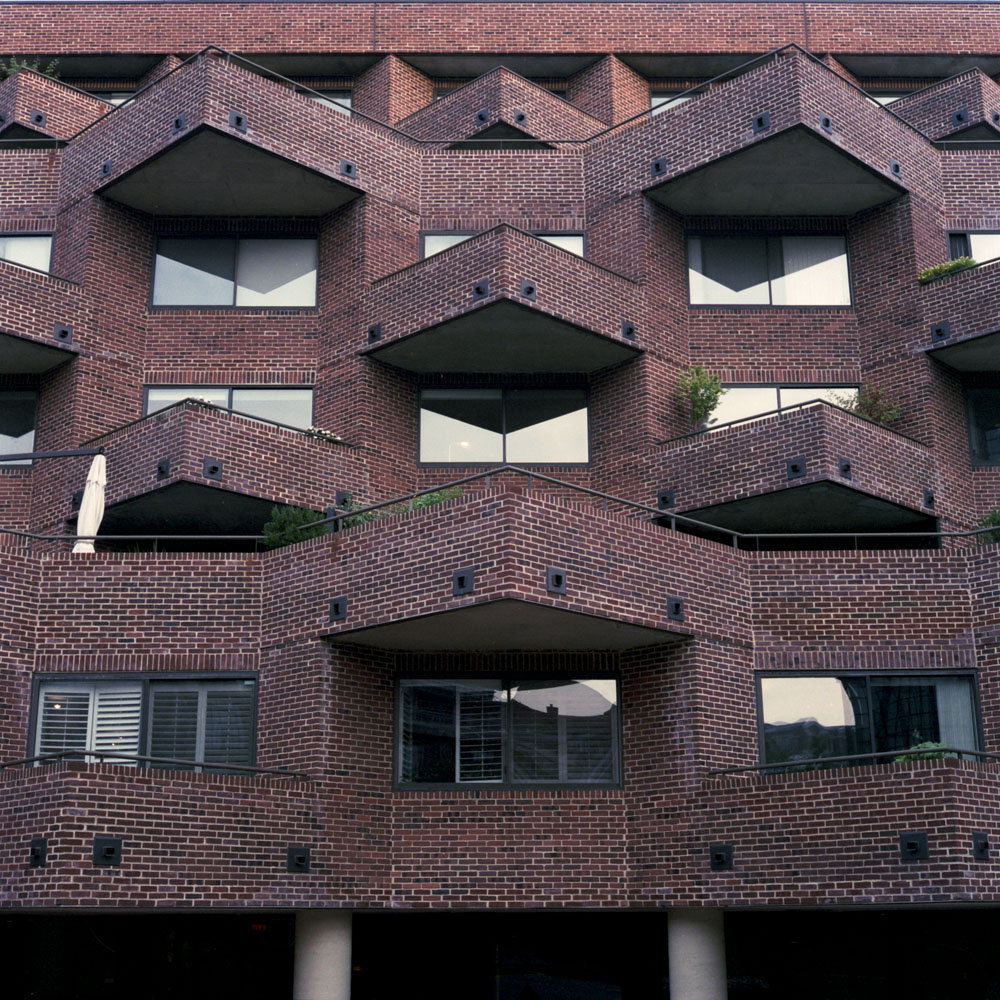
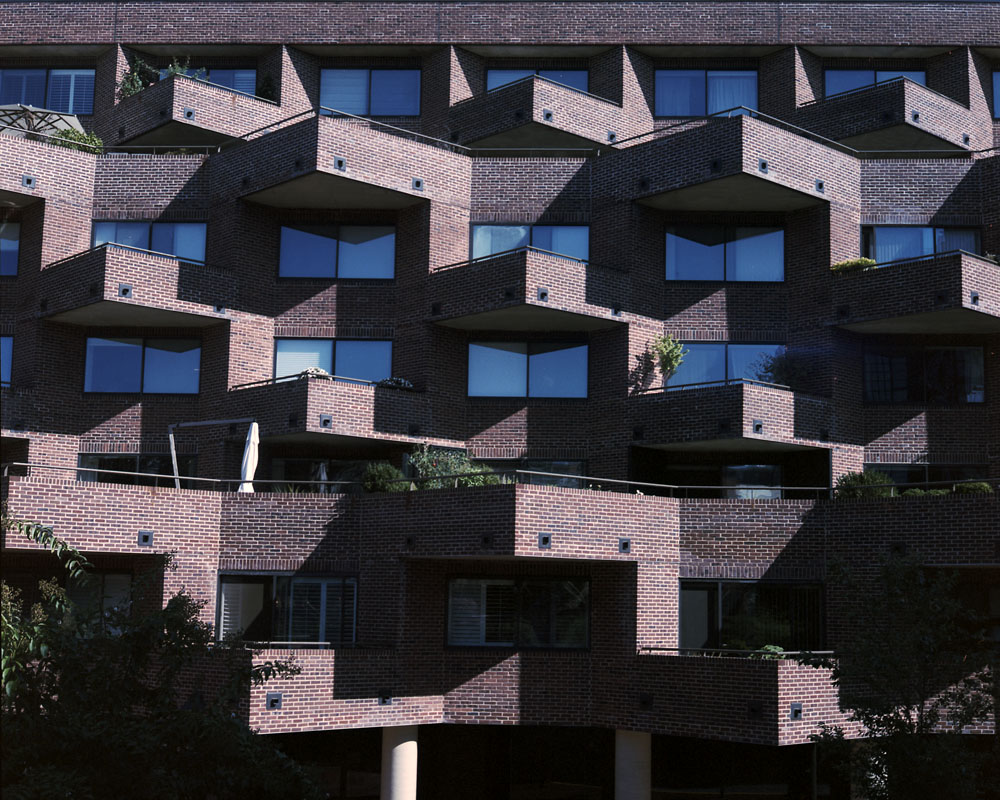
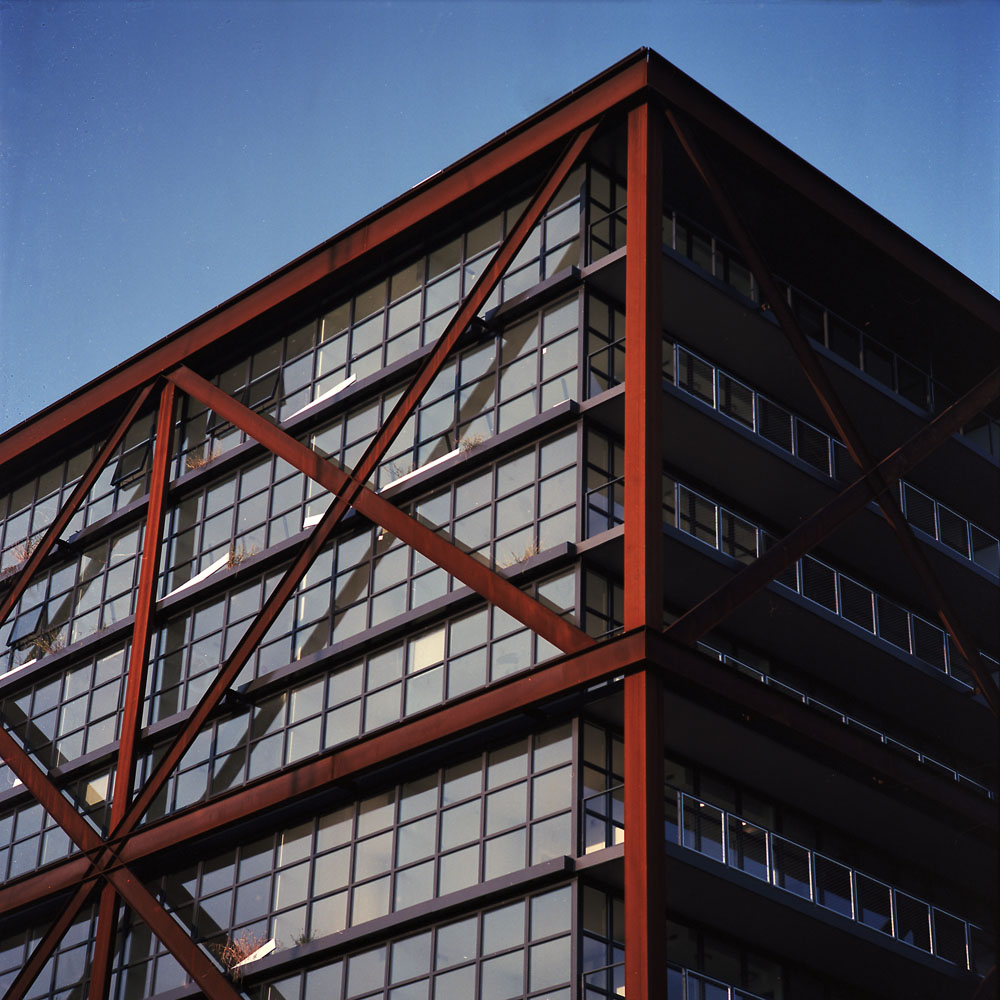
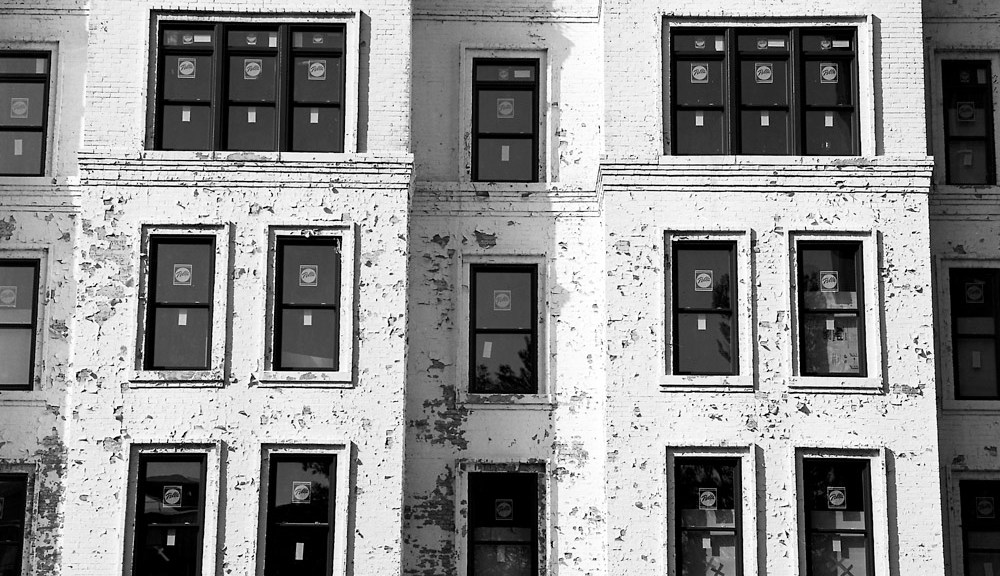
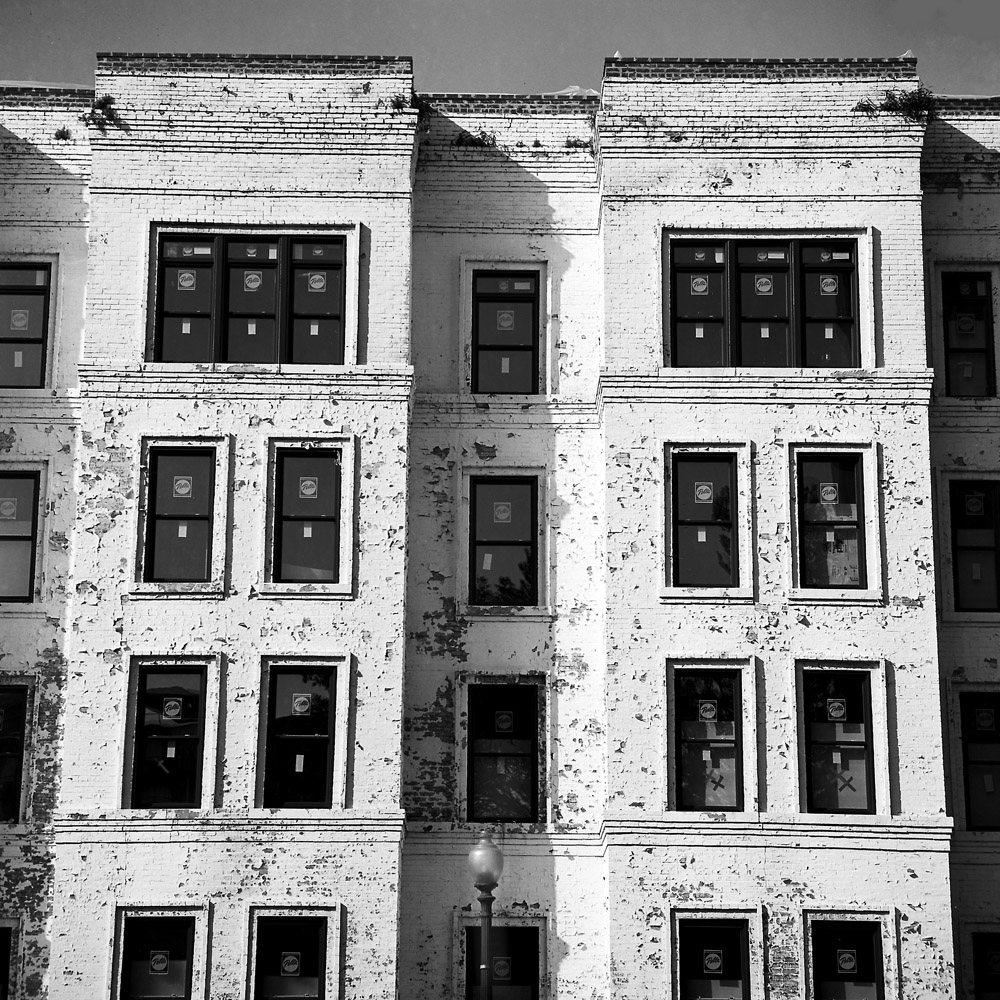
Two very similar shots of the same building. One in soft, diffuse light, the other in strong directional light. While both are about repetition of shapes and patterns, the one remains representational, the other, abstract.
Balconies, GeorgetownBalconies. Georgetown
And the difference between these two shots is about two hours. They were taken on different, but weather-wise similar, days, but one was taken around 4pm, the other around 6pm.
Key Bridge is one of the most iconic structures in Washington DC and a major attraction in its own right. It spans the Potomac between Georgetown and Rosslyn, and carries a tremendous volume of traffic between DC and Virginia every day.
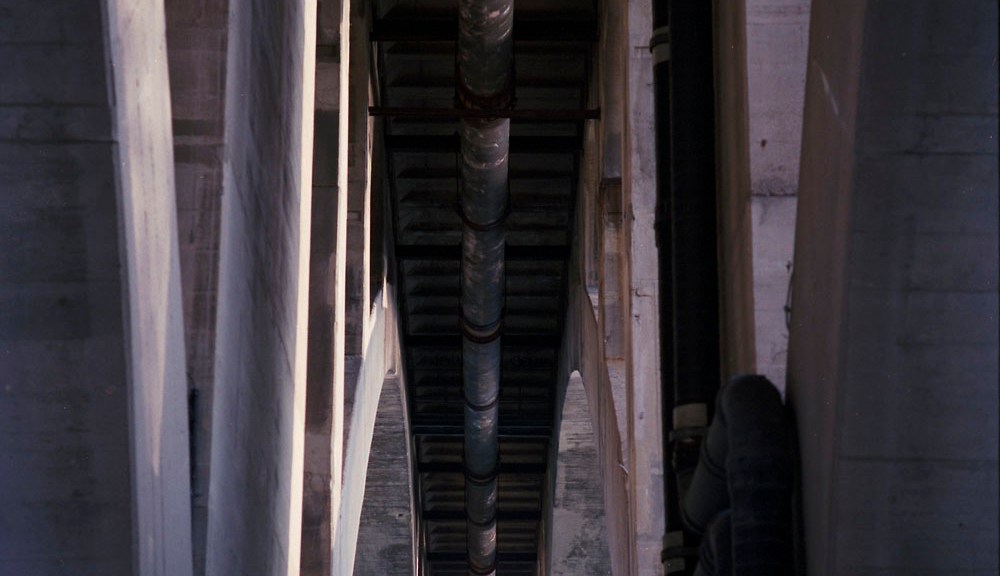
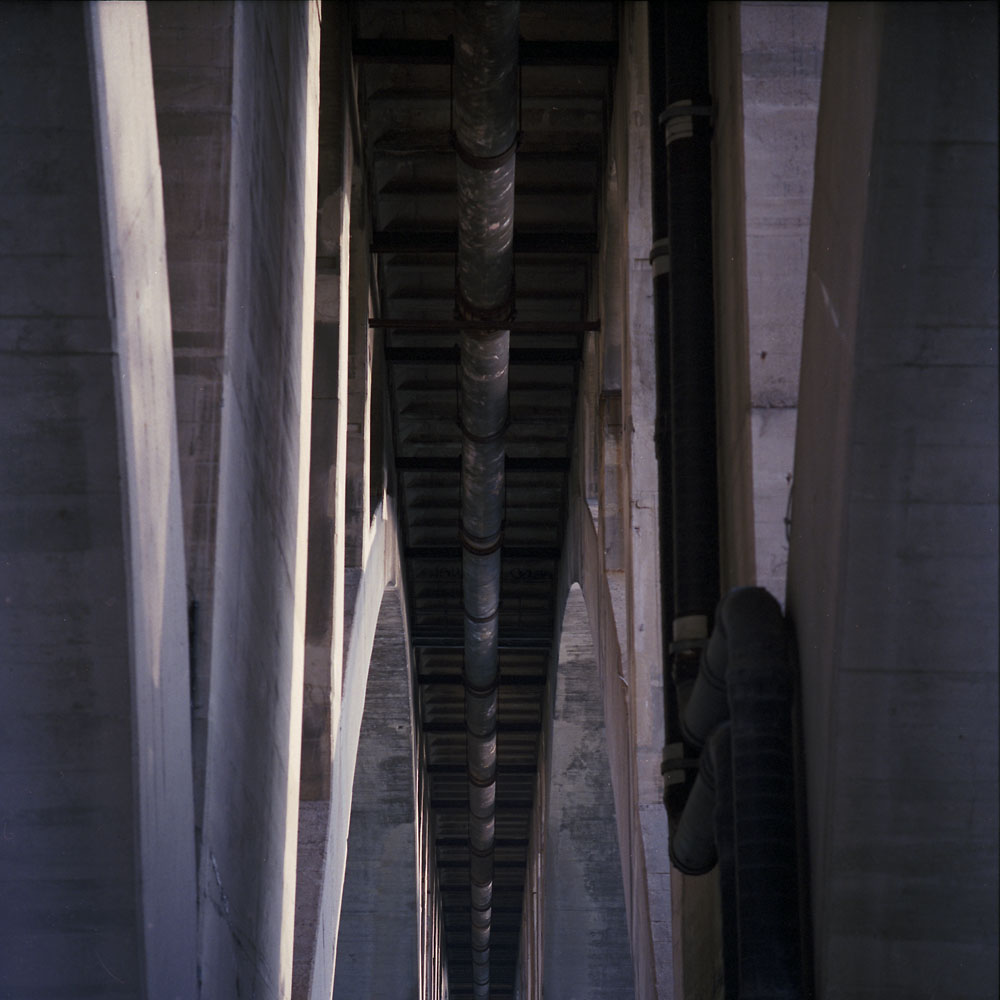
The view of the underside is one most people never get, of this or any bridge for that matter.
Under Key Bridge
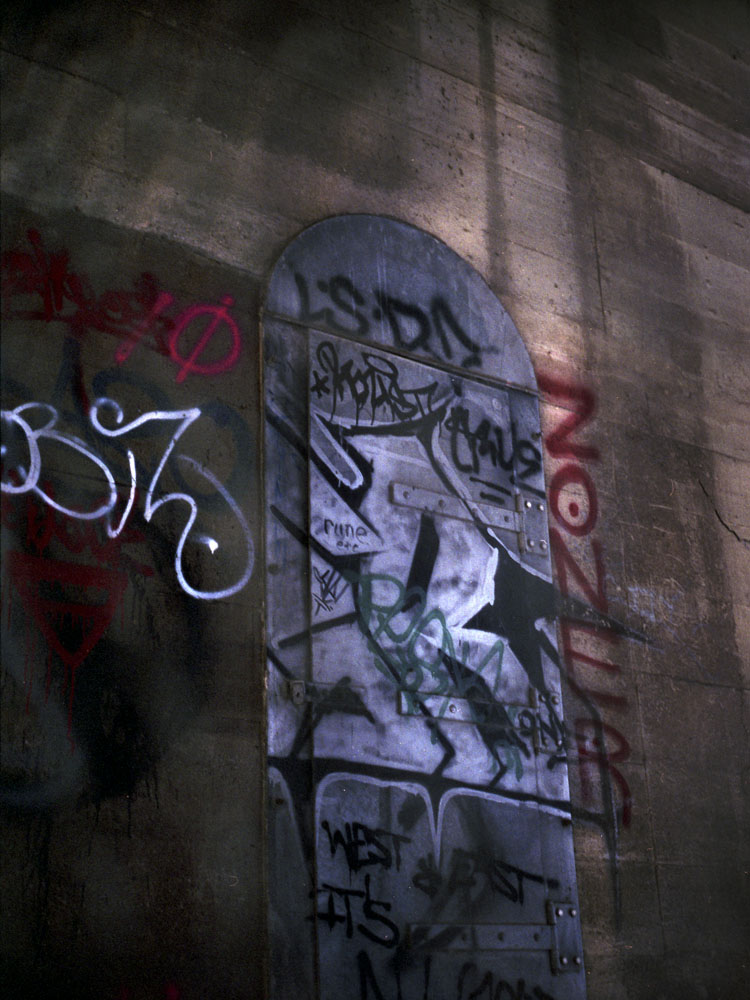
Key Bridge is chock full of strange hidden nooks, like this service door to something in the infrastructure. Despite being sealed off behind chain-link fencing, people have managed to get in and graffiti it.
Service Door, Key Bridge
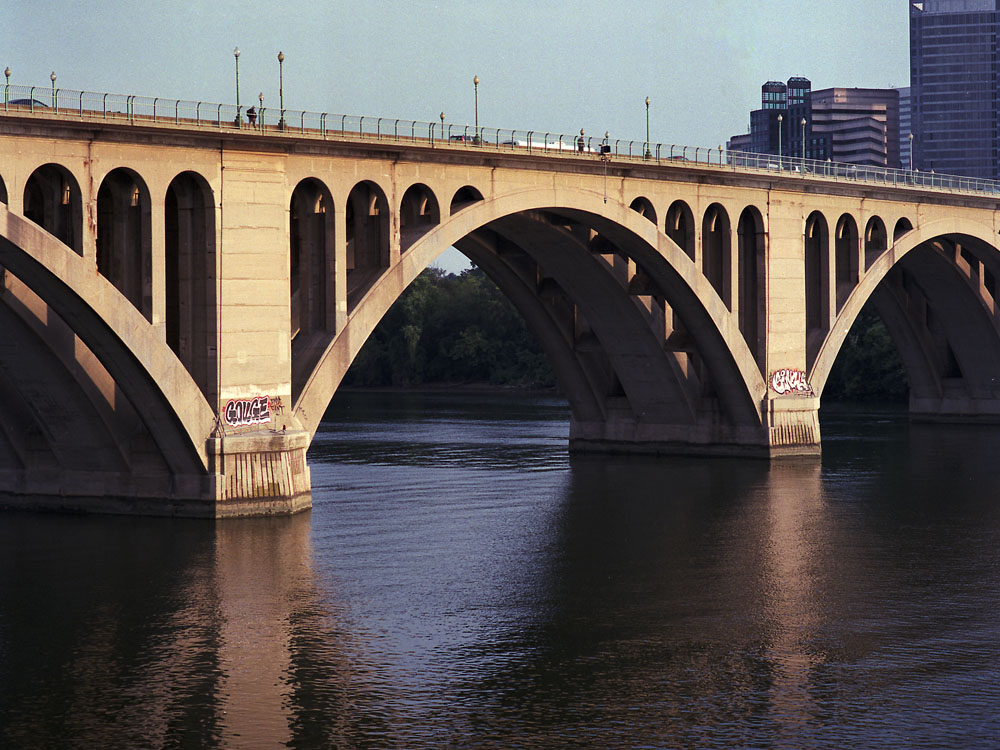
The prototypical view of Key Bridge, from the West side. I’m fascinated by how someone managed to get to the bottoms of the piers and graffiti them. You’d have to either have a boat, sail up to the foot of the pier, then climb up 20+ feet from the waterline, or somehow rappel down from the pedestrian deck of the bridge. Not a recipe for success on either front, as I’d imagine you’d be spotted very quickly and arrested.
Key Bridge, Evening, West Side
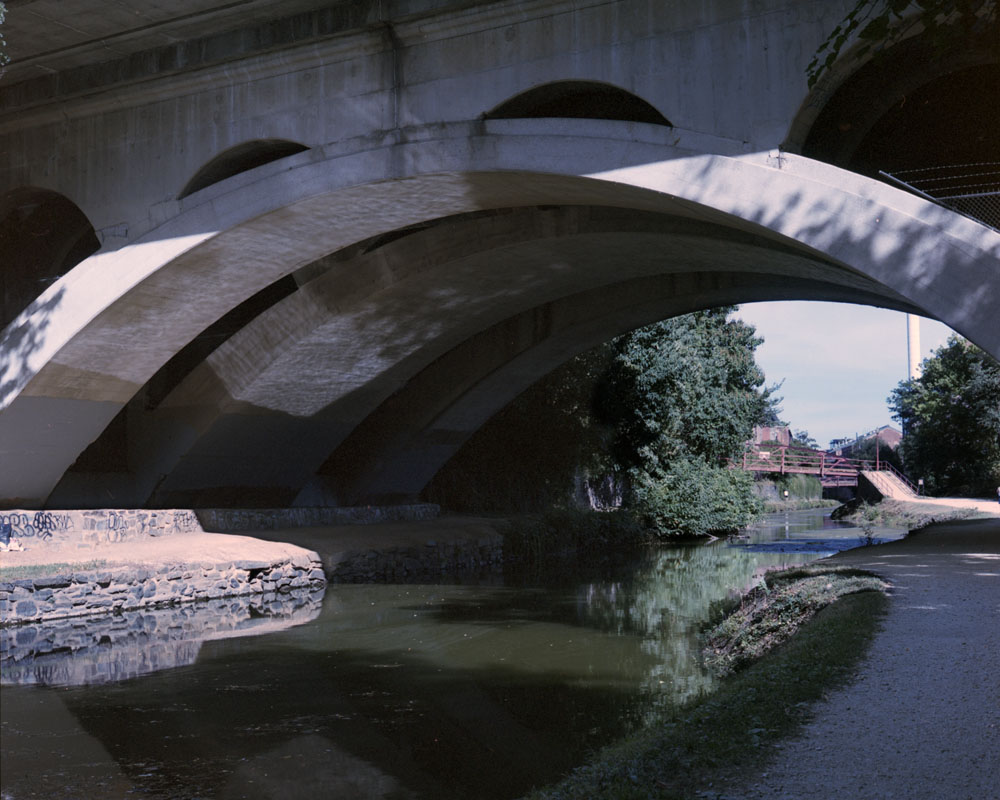
Here’s a view of the underside where the bridge crosses the C&O Canal.
Canal, Under Key Bridge
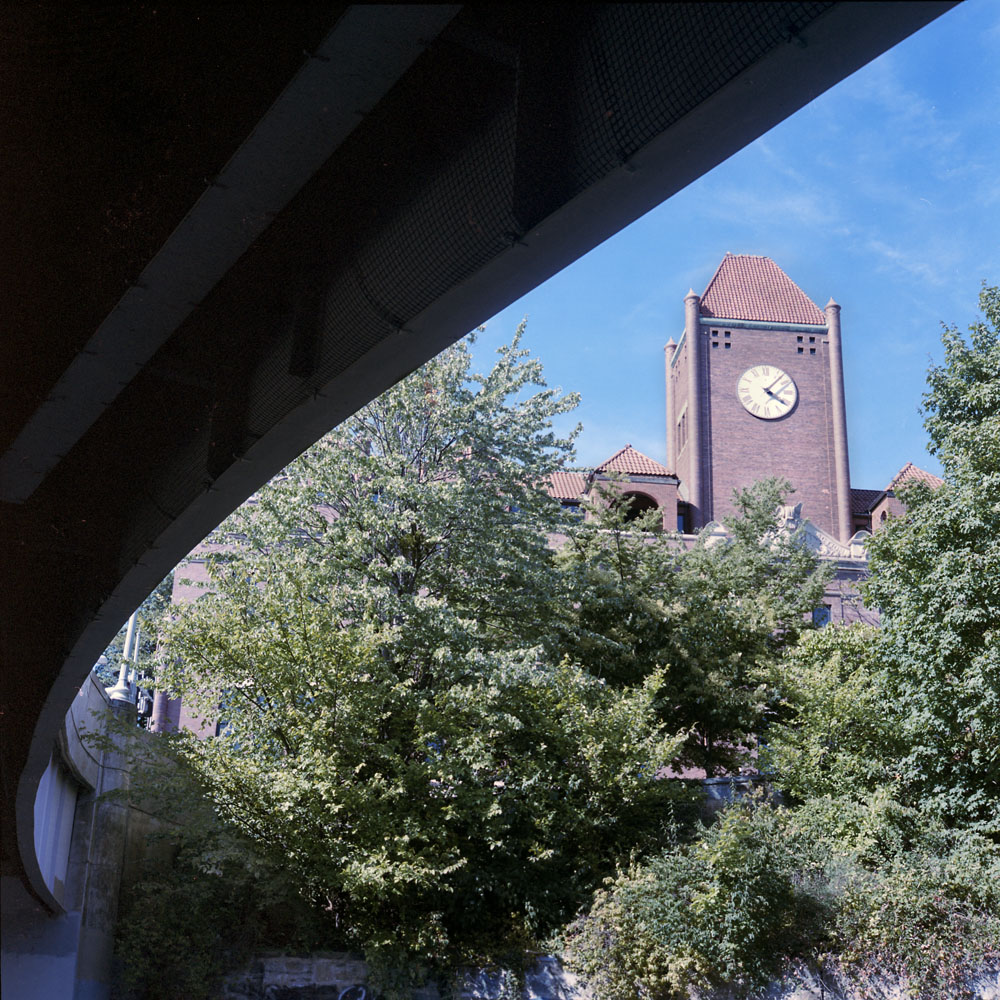
This is the tower of the old Trolley Barn, which used to house the streetcars that plied DC in the late 19th/early 20th century. Now it is office space on the upper levels. The view is from under Key Bridge, where the on-ramp to the Whitehurst Freeway (really just an elevated bypass to get around the street traffic of Georgetown) splits off of Key Bridge.
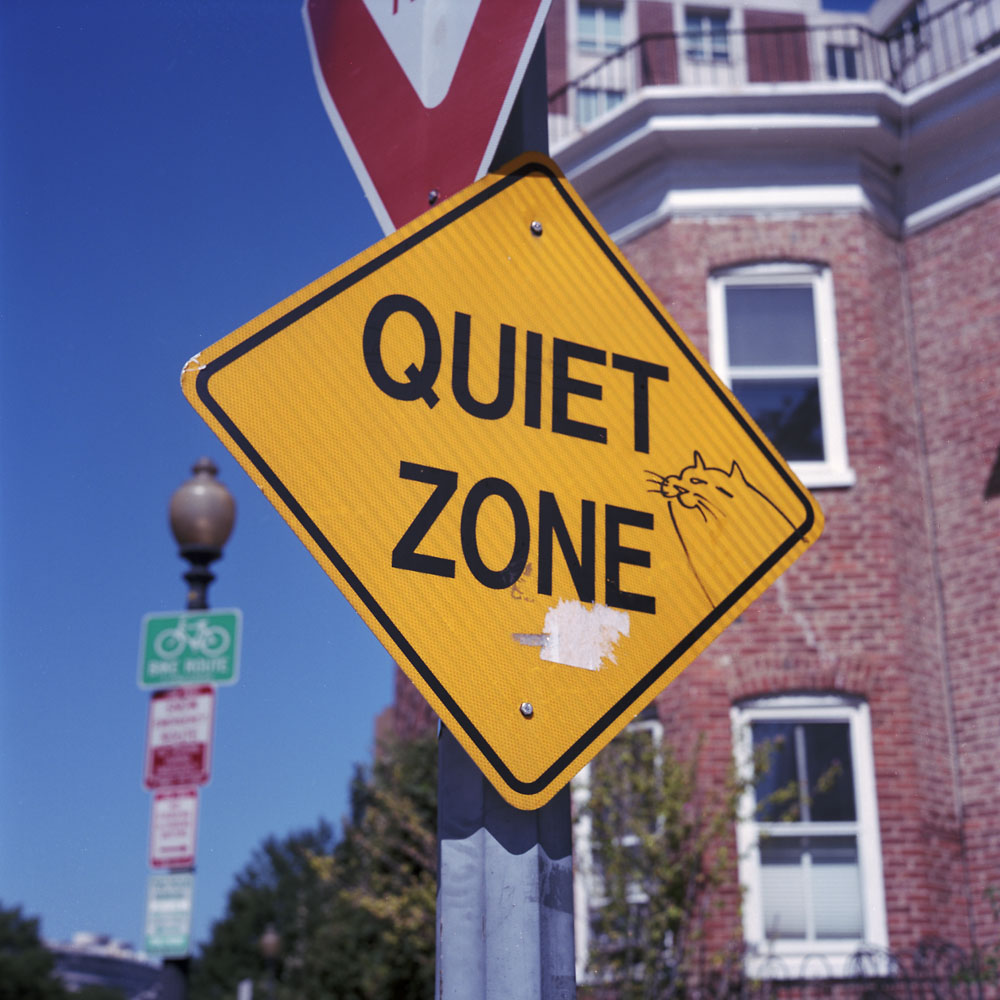
The “Quiet Zone” sign is somewhat ironic, as it is on the edge of the George Washington University campus and three blocks from the GWU Hospital. It does seem to work, at least when I’m in the area, as I don’t see roving hordes of GW undergrads partying it up on the street, but it of course has zero impact on the ambulance sirens.
Quiet Zone
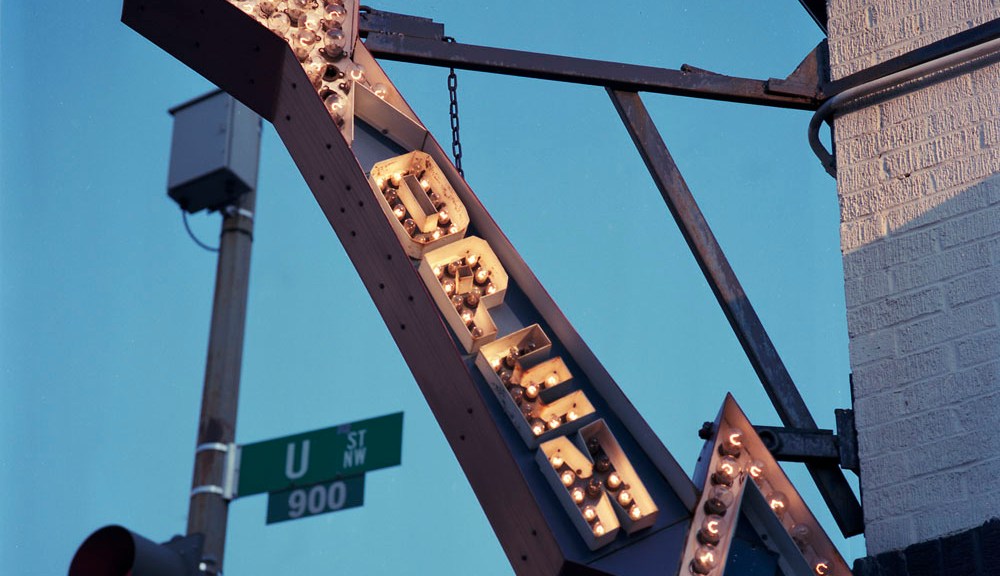
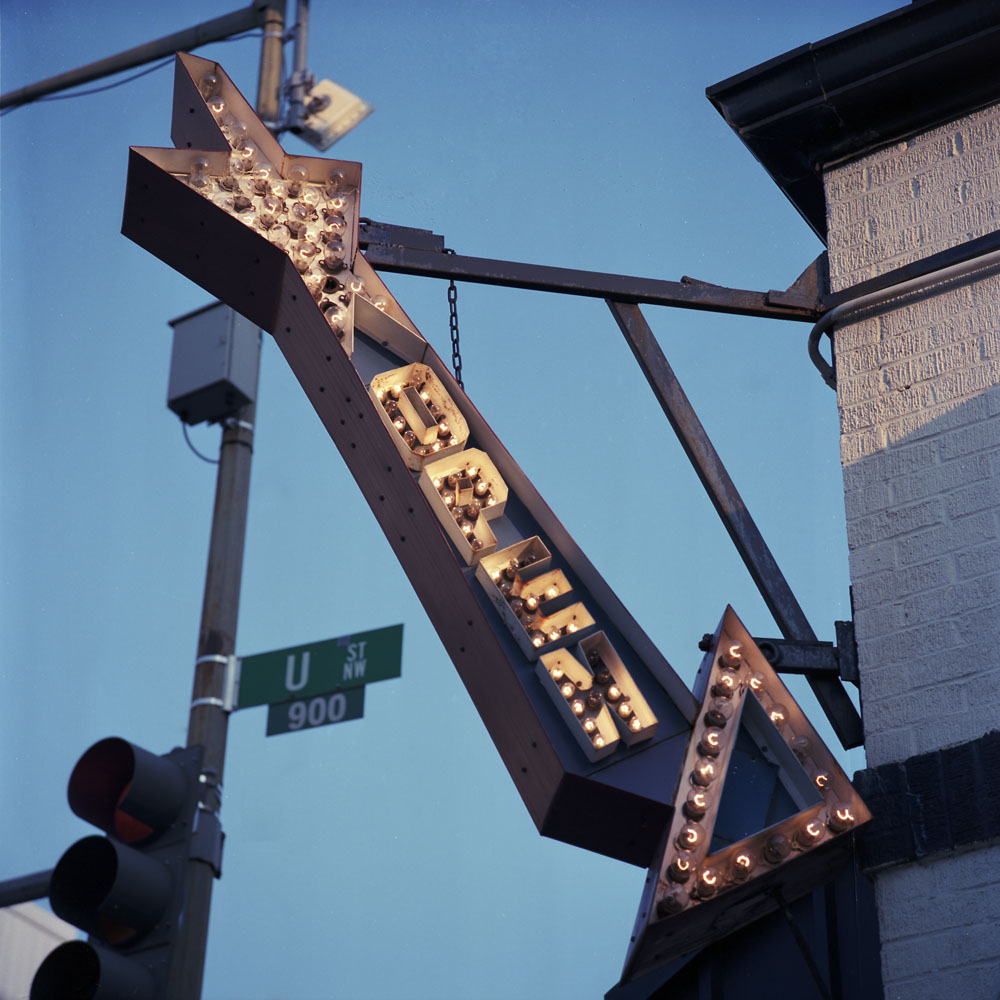
The “Open” arrow is outside Nellie’s Sports Bar, the first gay sports bar perhaps anywhere. What is a gay sports bar? Well, it’s a gay bar that has lots of very large flatscreen TVs, all of which are tuned to various flavors of ESPN, and it actually sponsors a number of teams in various gay sports leagues around the city. The “Open” arrow is a found object they re-purposed and fixed up to put outside the bar.
Nellies Is Open
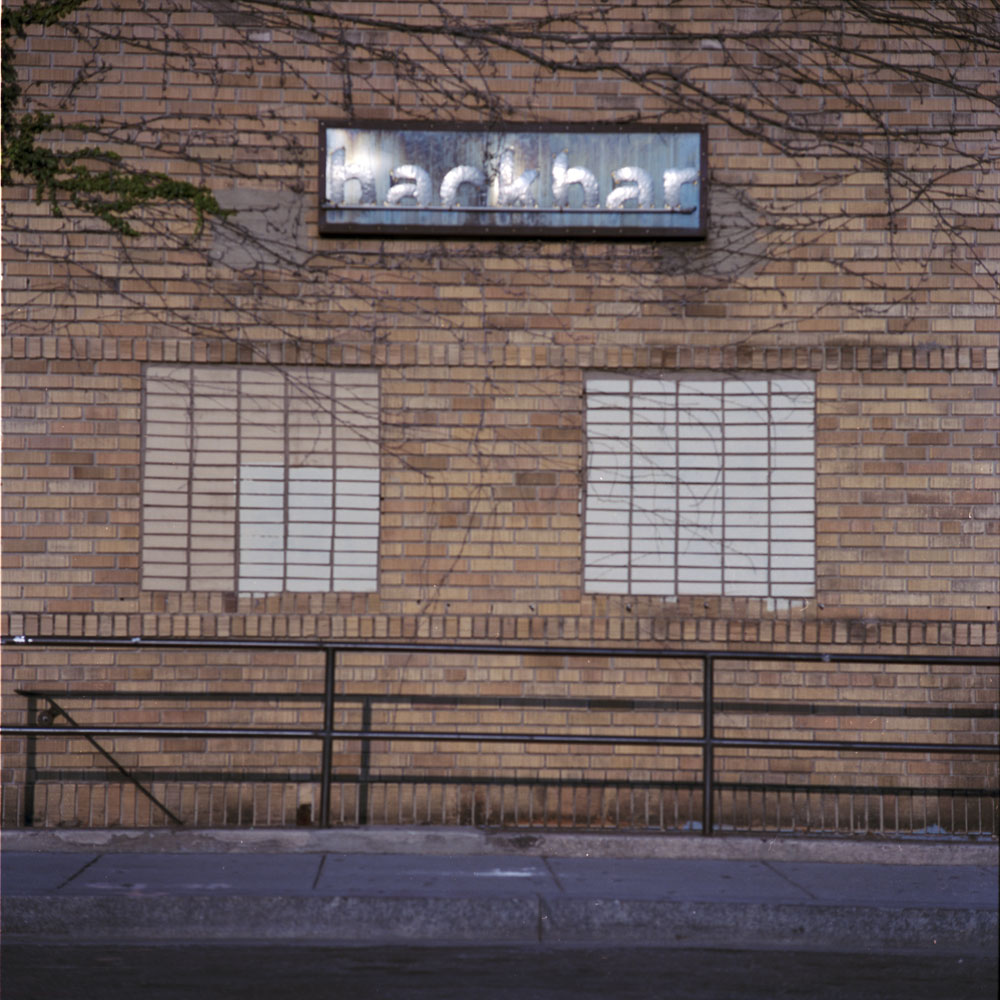
This is the sign for the Backbar, part of the famous 9:30 Club. The 9:30 Club is a major rock-n-roll venue and has been around since 1980. It used to be located much further downtown, at something like 9th and F streets, but maybe 15 years ago moved to the current location which is roughly 9th and V Streets. They host major acts for a “small” venue – Billy Idol, Jimmy Somerville are two I can remember off the top of my head.
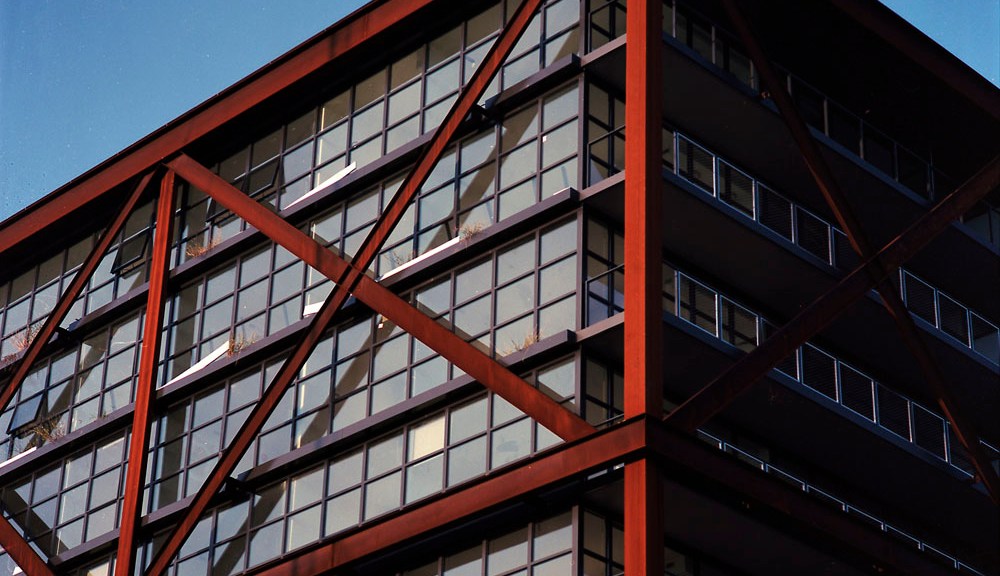
This is, believe it or not, a brand new building in my neighborhood, with obscenely priced (although I’m sure very beautiful) condos. The rusted steel on the outside is intentional. It’s called the Atlantic Plumbing building because it occupies the former site of Atlantic Plumbing Supply. Late evening sun illuminates it perfectly, pushing the strong lines of the rusted steel and glass into deep relief.
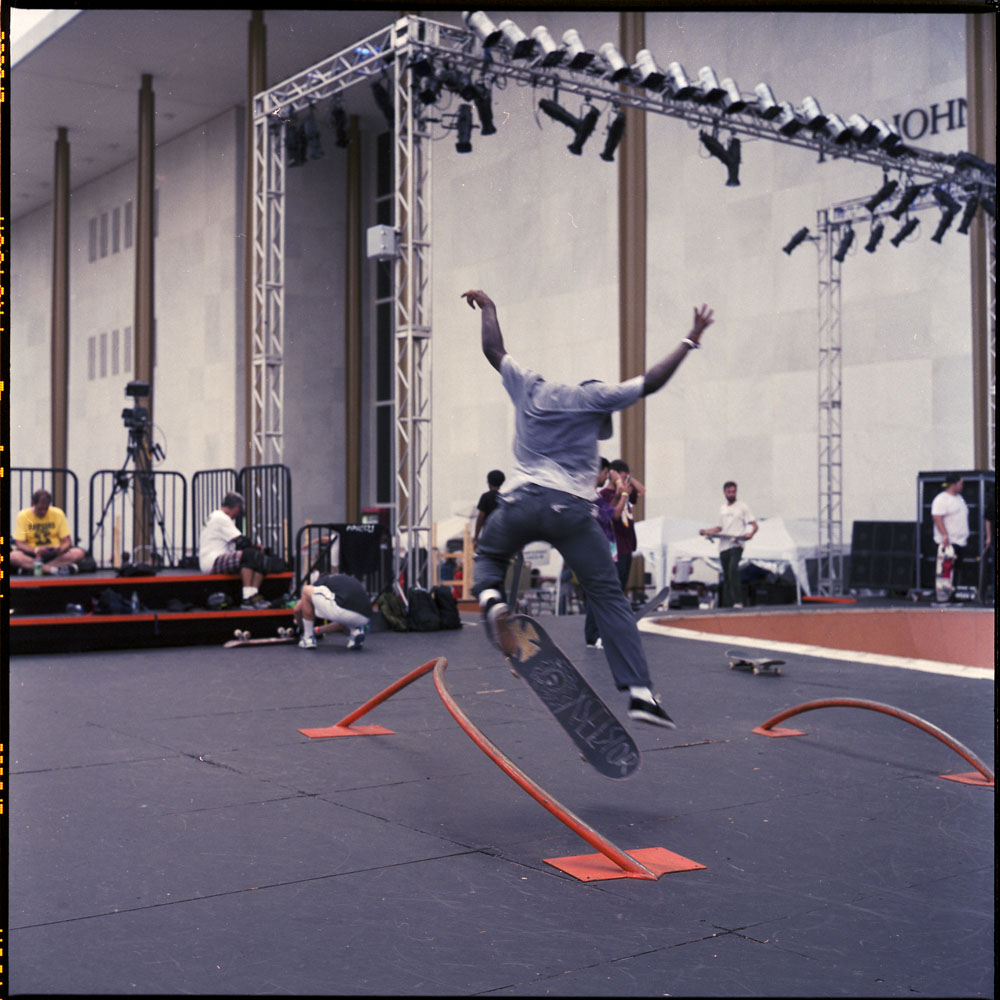
Now THERE’S a phrase you wouldn’t normally expect to read, with the possible exception of the “Local Crime” section of the Washington Post. But it’s true. The Kennedy Center, like so many other cultural institutions, is having a hard time attracting young audiences. In a bid to outreach, they set up a skate park on the front terrace and invited local skateboarders to come and perform, and tossed in a stage for live bands.
Flying Boarder, Kennedy Center
This was one instance (of many) where having my Rolleiflex was a huge advantage. It gave me an entree to talk to the skaters and ask for portraits. Everyone loved the camera and if I asked, they posed willingly. On the few action shots I took, it also helped by having no mirror blackout at the moment of exposure, so I could see exactly when I was pressing the shutter button, like in this shot above.
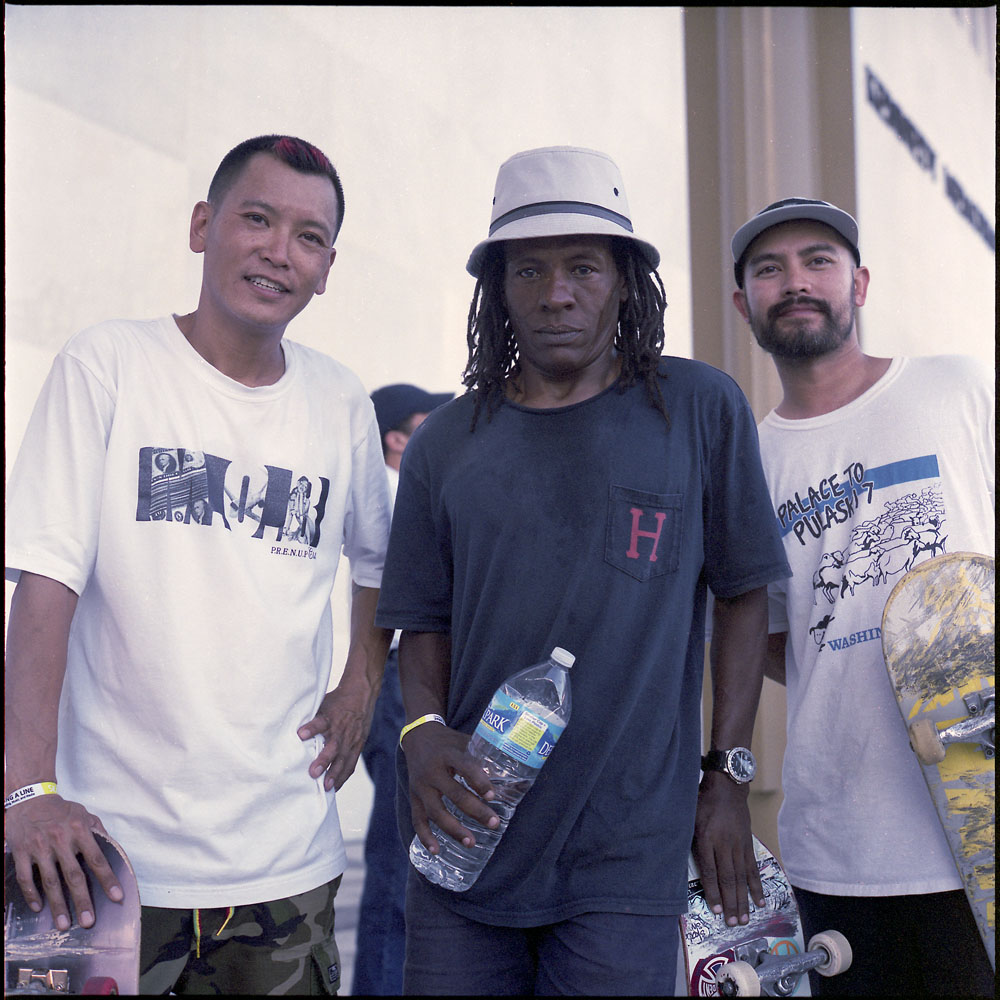
Skate Trio, Kennedy Center
I initially approached the asian skater about taking his picture. He pulled in his friends and all of them posed together. I was surprised at how willing they were to pose, as I mostly shoot candid street photos and people don’t always appreciate that. I don’t know what it was about that day but everyone was just so natural in their posing, it all worked out so well and I didn’t have to direct anyone.
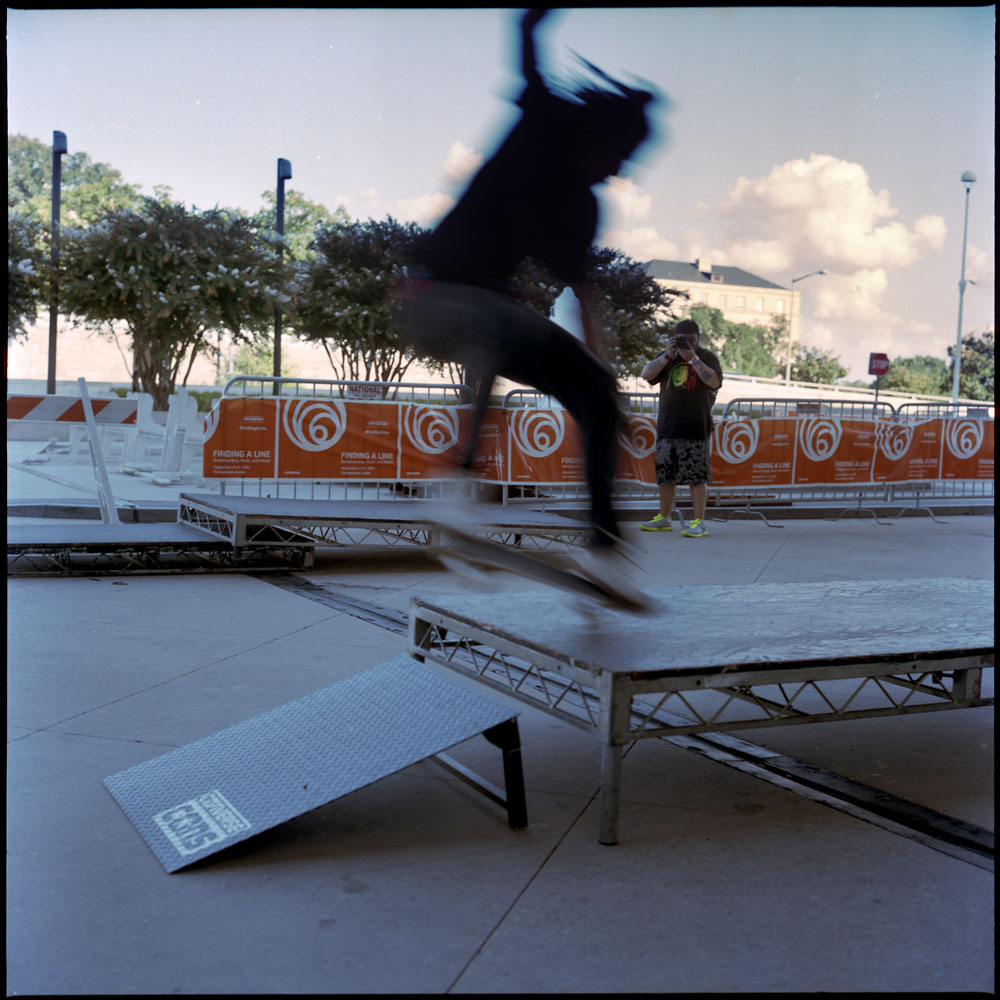
Flying Skater, Kennedy Center
This was a fun shot to take, as I was anticipating this kind of motion blur, but couldn’t know what exactly to expect because the eye doesn’t see motion blur at 1/30th of a second. But I knew I got the skateboarder in the right place.
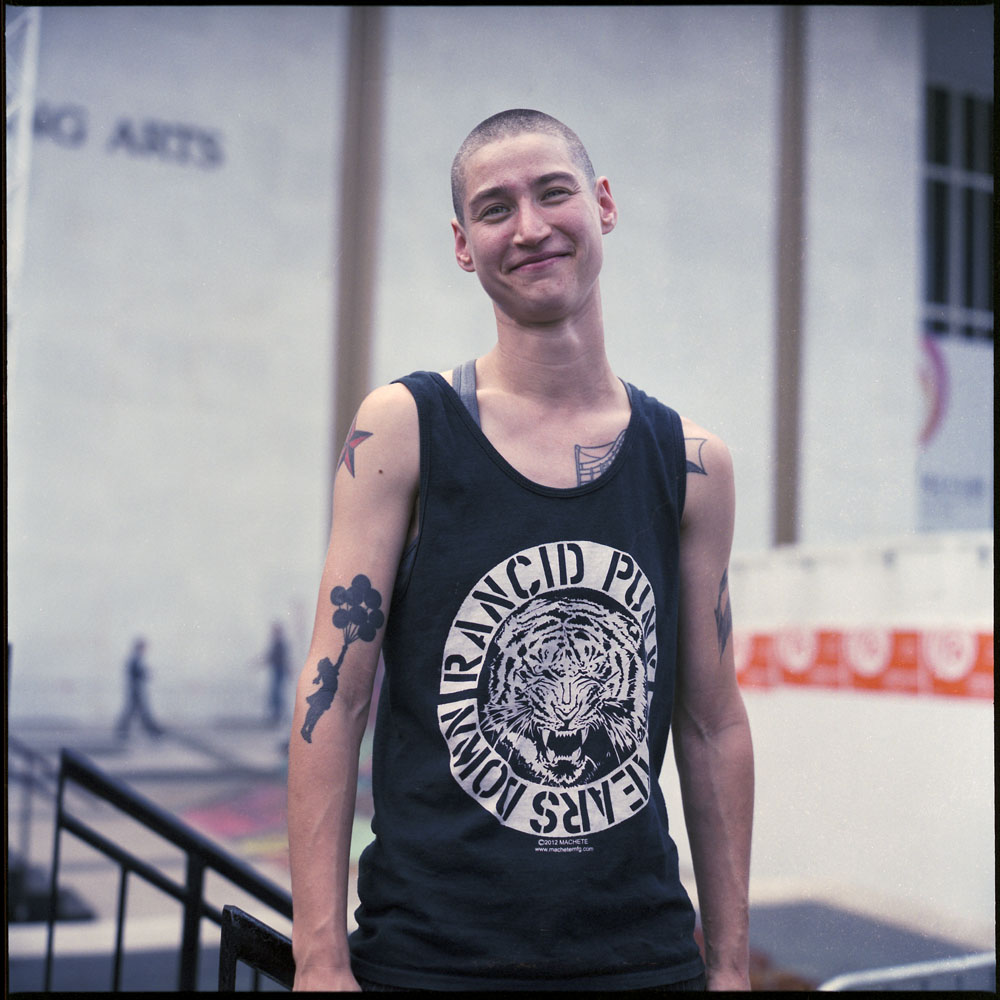
Skateboard Punk Girl, Kennedy Center
This girl was working the lights at the event. She saw my camera and asked about it, so we chatted for a couple of minutes about the event, the folks skating, and the weather (it was scorching hot that day, and inside the light tent had to be even hotter). I asked for her picture and she immediately said yes, and even suggested the backdrop instead of inside the lighting tent.
Skate Buddies, Kennedy Center
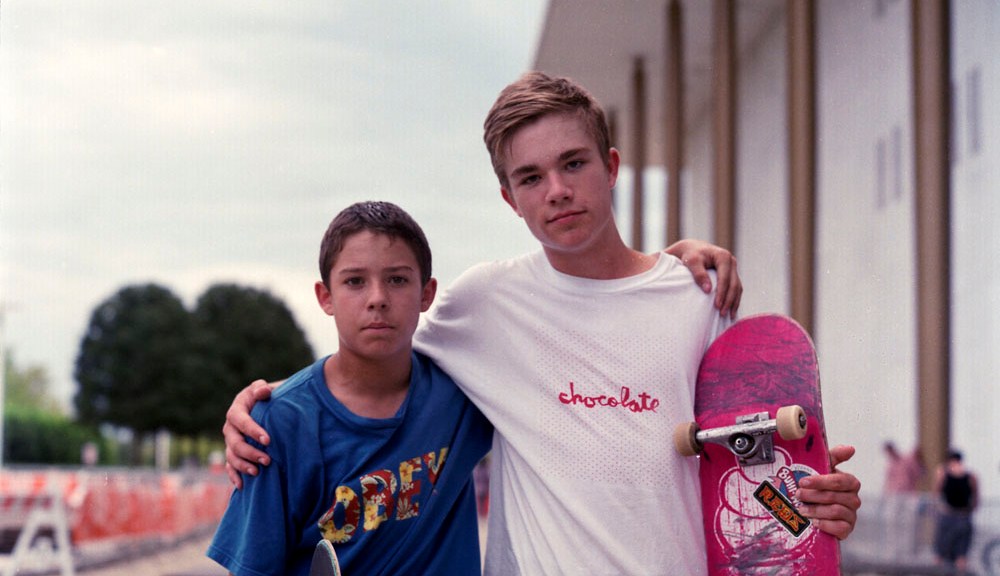
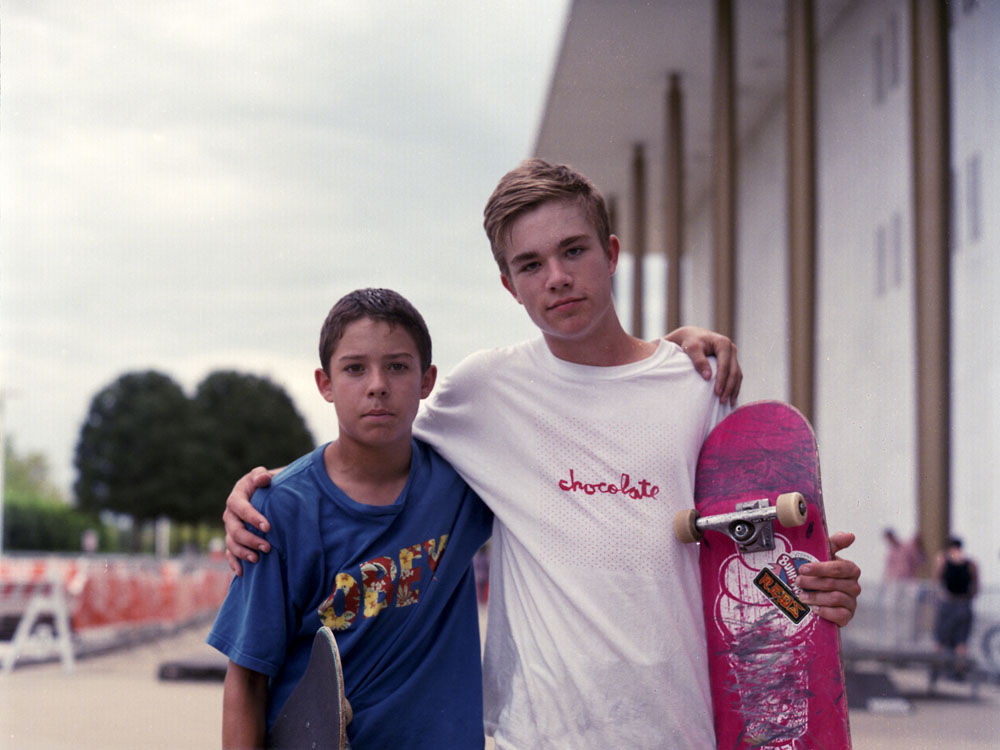
The kid in the white shirt saw my Rollei, and asked some questions about it, and was very excited by it. Again, I asked for a photo before he started his next run, and he pulled his buddy over, they wrapped their arms around each other, and posed. All on their own, no direction from me. I was very chuffed to see how the shot turned out, as I was shooting on the run as it were – one of the docents for the event had earlier shooed me off from the spot where I was standing to take the picture because it was in the path of potentially out-of-control skateboards.
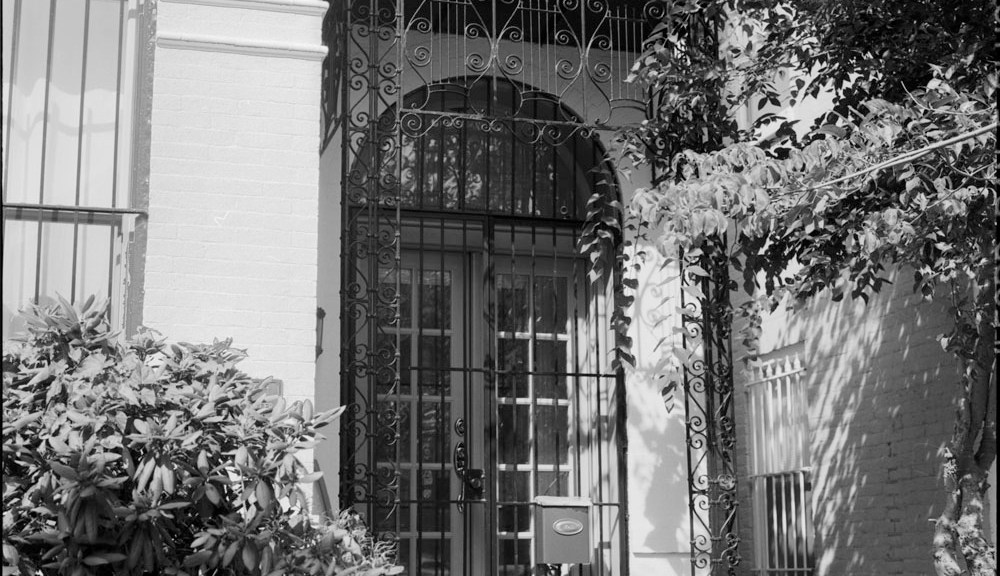
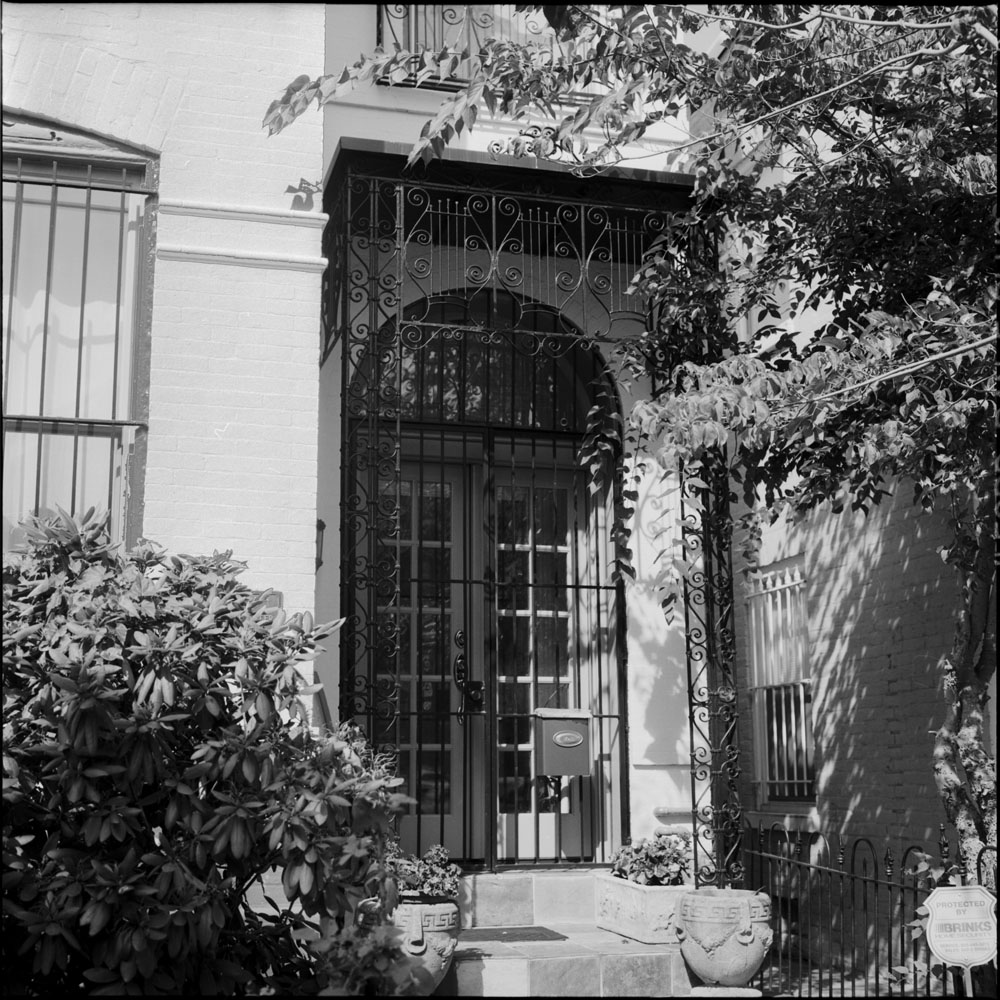
This is the home of Lilian Evanti, a pioneering African-American opera singer. She was a soprano, perhaps the equal of Marian Anderson (they actually performed together in 1926) but did not have the fame or success in the United States that Marian would go on to have, so she mainly performed on European and South American stages where audiences (and management!) were more open to black women in operatic leading roles. She was born in Washington DC and resided here for much of her life. You can tell from the ironwork on the outside of her house that this was a musical home.
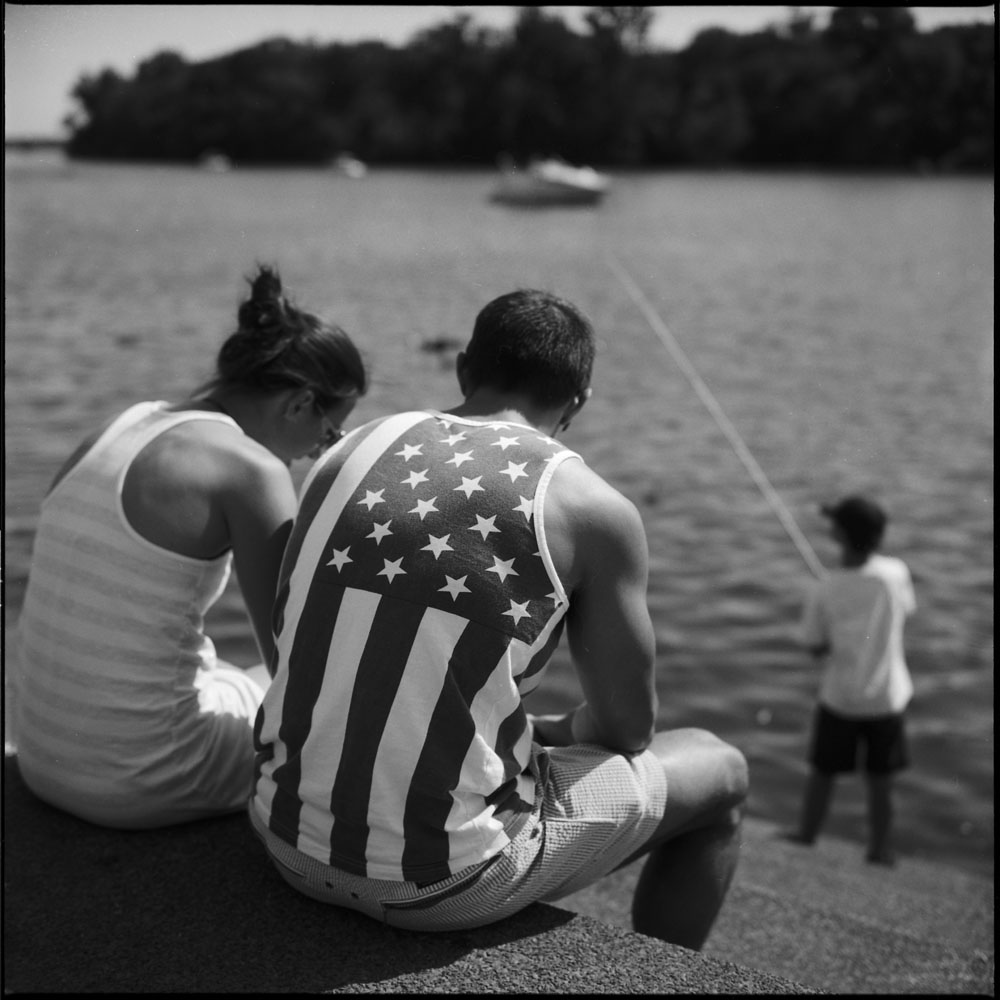
I took a stroll through the riverfront park in Georgetown this weekend. There are some steps down to the water that are a popular hang-out spot for people of all ages. This young couple was enjoying the view together, and the little boy was fishing a few steps down from them.
Boy Fishing, Georgetown
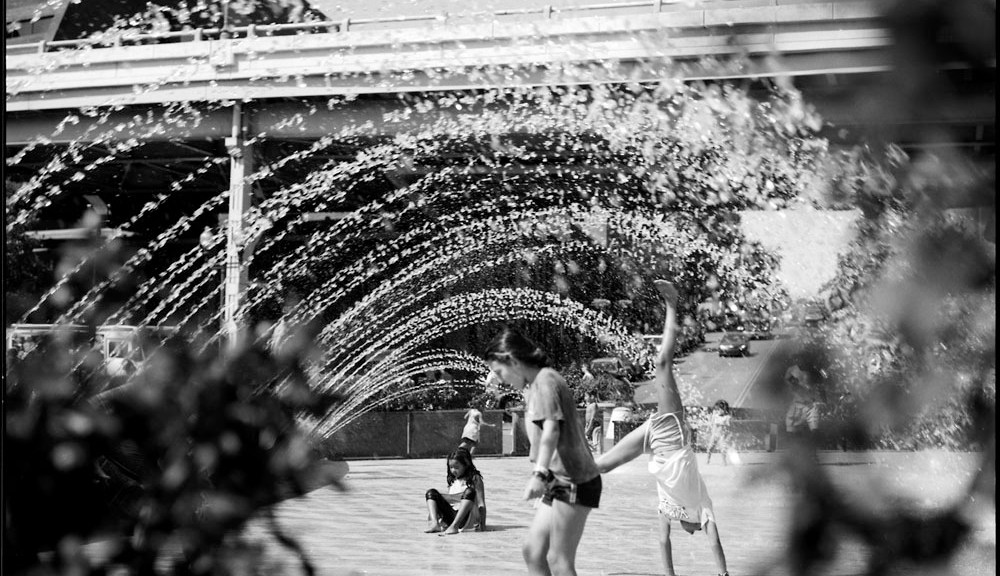
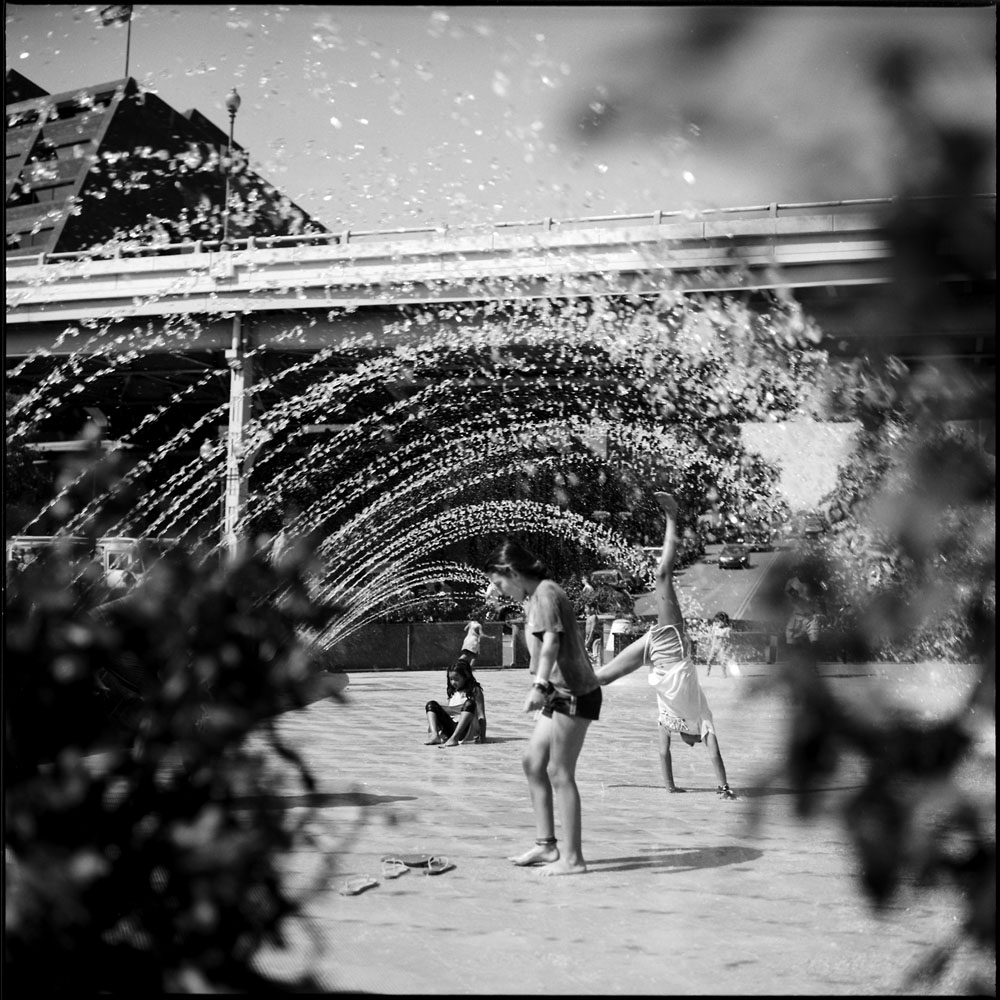
In the same park there is a large fountain just made for people (mostly kids, but I do see some young-at-heart adults occasionally venture into it too) to run under and get wet to relieve themselves from the heat of a scorching summer day. It’s almost as refreshing to watch them running in and out of the fountain as it is to do it yourself! (not that I’m going to do it while wearing a Rolleiflex around my neck)
Georgetown Fountain Kids
And just for your curiosity, no, I’m not lurking in the shrubbery to take this photo – there are two planters, one at each end of the fountain, and photographing down the length of the fountain makes shooting through them a natural point of view. Plus the branches of the rose bush provide some nice framing for the shot.
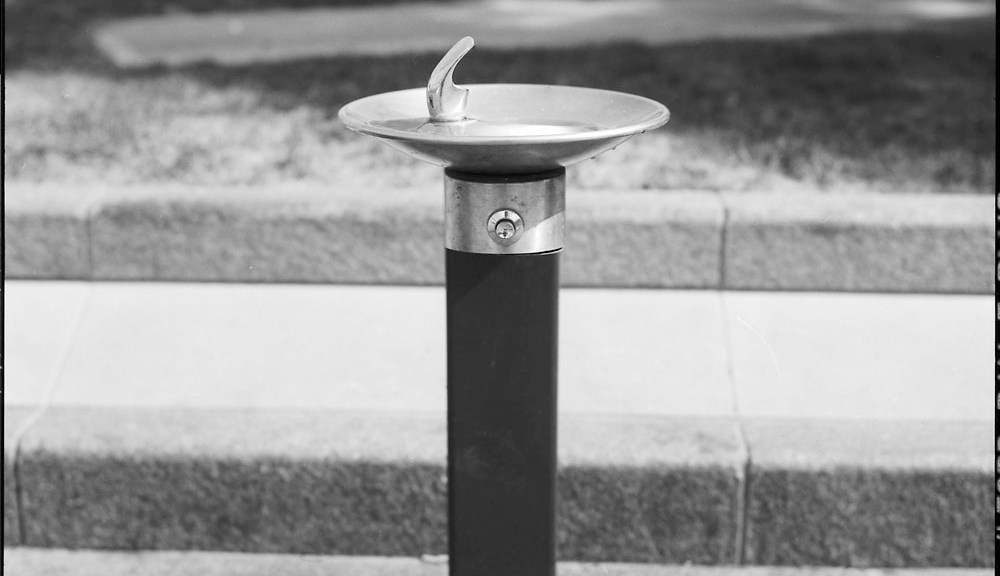
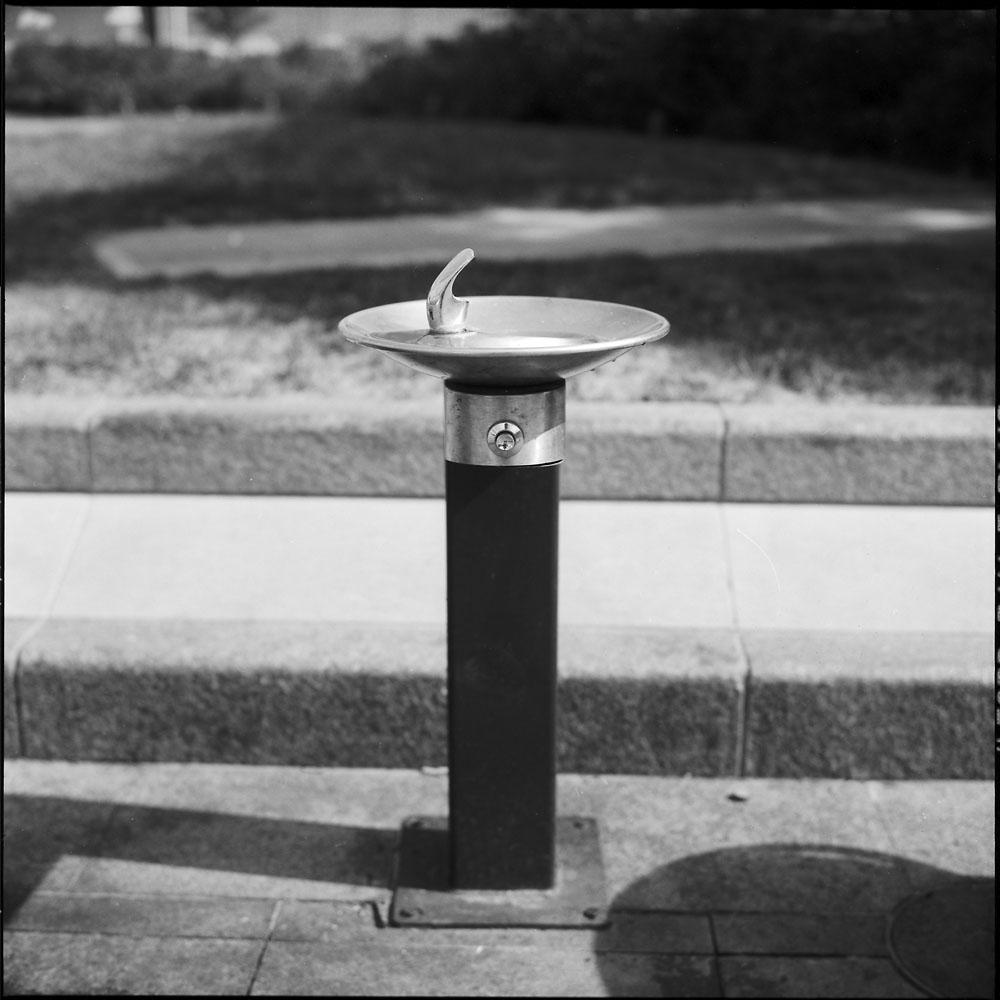
Public drinking fountains are becoming rare creatures. Even rarer are ones that work. They’re kind of like frogs – their disappearance heralds a collapse of public infrastructure the way frogs disappearing are a sign of ecological collapse. When we are no longer willing to provide safe, clean, free drinking water to the public, I think it says something about us as a society, and it’s not complimentary.
Water Fountain, U Street
To get photo-geeky for a moment, this was shot with my usual Rolleiflex 2.8E, and to ensure I was getting the extremely narrow depth-of-field I wanted, I used Ilford PanF film, which is a very slow ISO 50, and rated it at ISO 25 for good measure. I like PanF for the extremely fine grain it provides, and it allows me to use large apertures in bright daylight, however it does get very contrasty, more than I normally would like, so processing it is tricky to keep the contrast under control.
Well, it’s more like two bays, one lamp, but that’s a lot less poetic. This is another one from the same building in the Windows post, that I can’t believe I never posted.
Two Towers, One Lamp
While it’s not quite abstract, it is very much about repeating patterns and their contrasts in a single scene, the contrasts being the texture of the peeling paint, and the single lamp-post.
 dcphotoartist