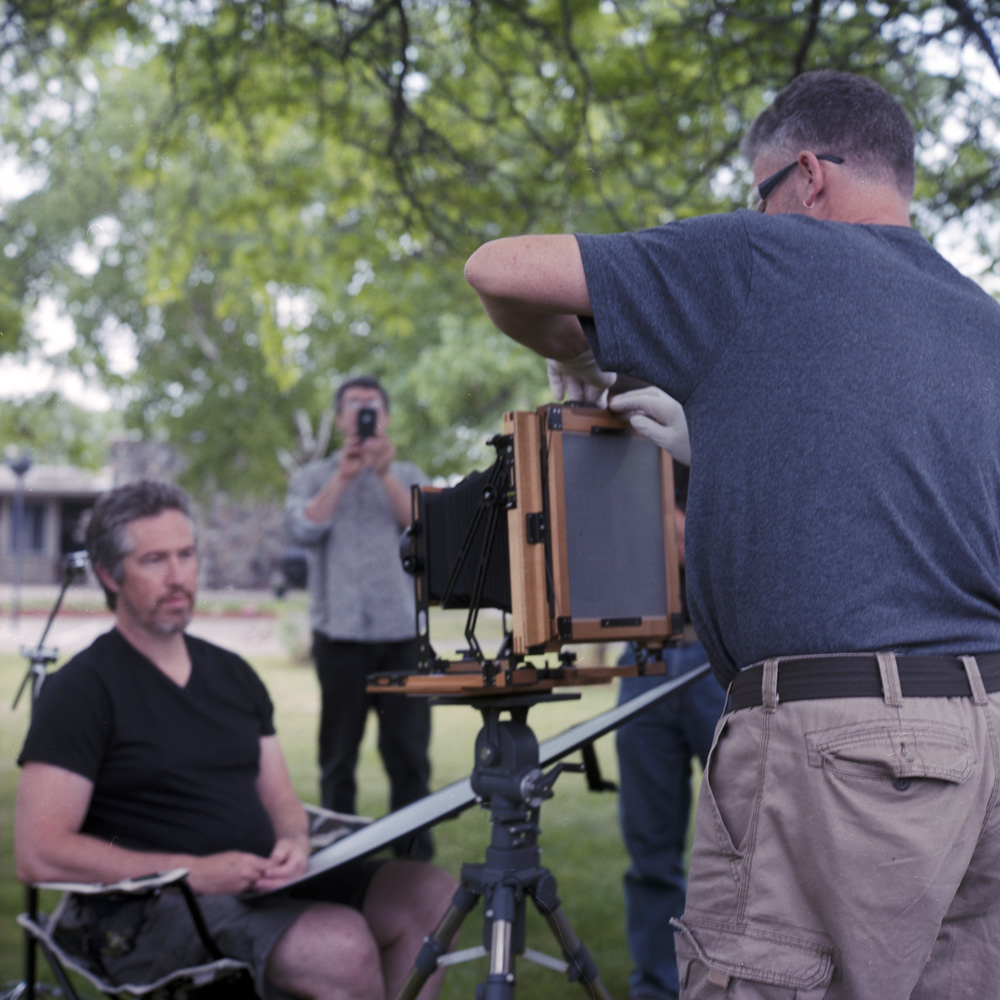
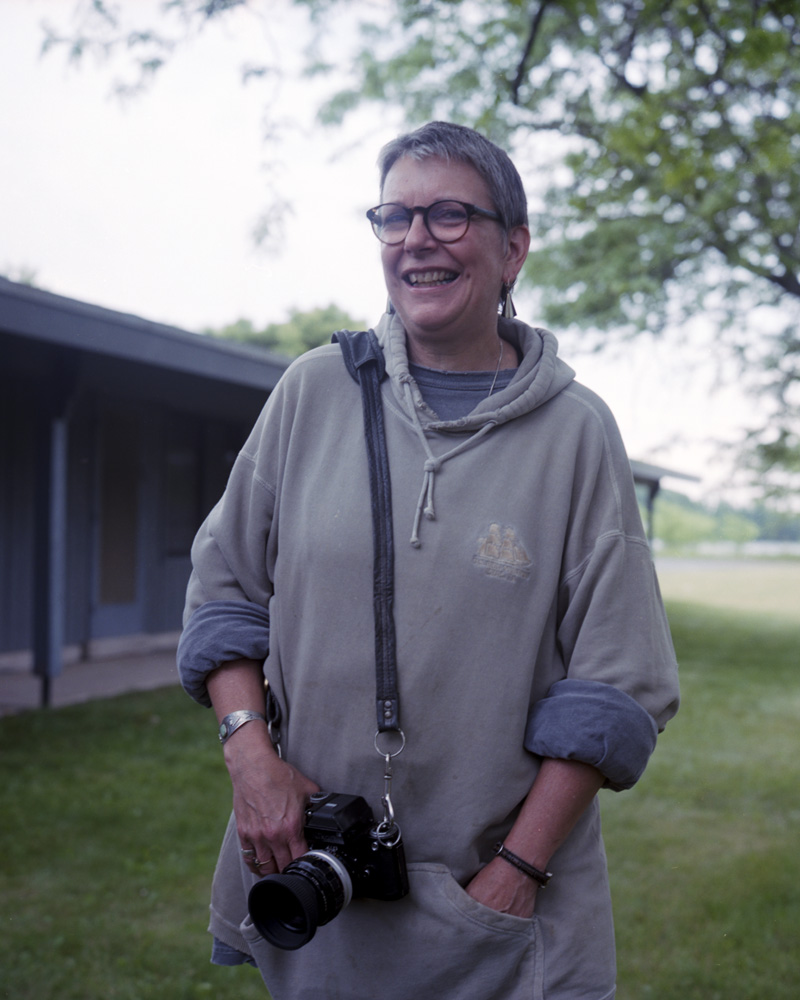
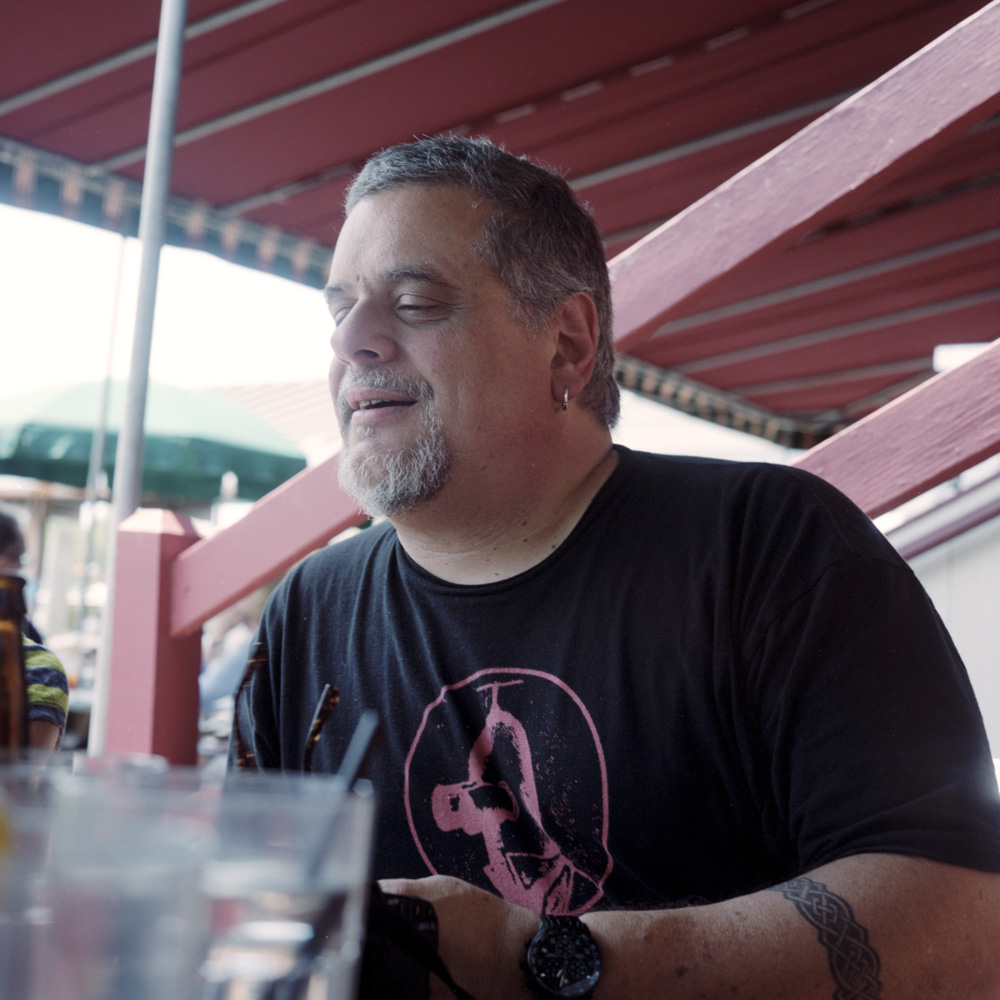
Faces of Photostock 2013

Last week (June 19-23) I was in the upper upper corner of the Lower Peninsula of Michigan (troll land – why? because it’s under the (Mackinac) Bridge!). The event was Photostock 2013, a very loose, casual gathering of photographers to hang out, shoot, share work, talk photo, and just relax. The event was held at the Birchwood Inn in Harbor Springs, Michigan, which is on Lake Michigan, not far south of the Mackinac Bridge. The bridge spans the strait that separates Lake Michigan from Lake Huron. It’s the second longest suspension bridge in North America, and the fourth longest in the world.

Here’s a photo of the bridge in the morning fog:

Mackinac Bridge, Morning Fog

To clarify some confusion, Mackinac is pronounced Mackinaw (why I don’t know, but it is). If it’s a transliteration from a Native American word, then you’d think Pontiac should have been pronounced Pontiaw. But it’s not. Go figure. Anyway, you’ll sometimes see Mackinac written Mackinac and others Mackinaw. And same with the resort island of the same name.

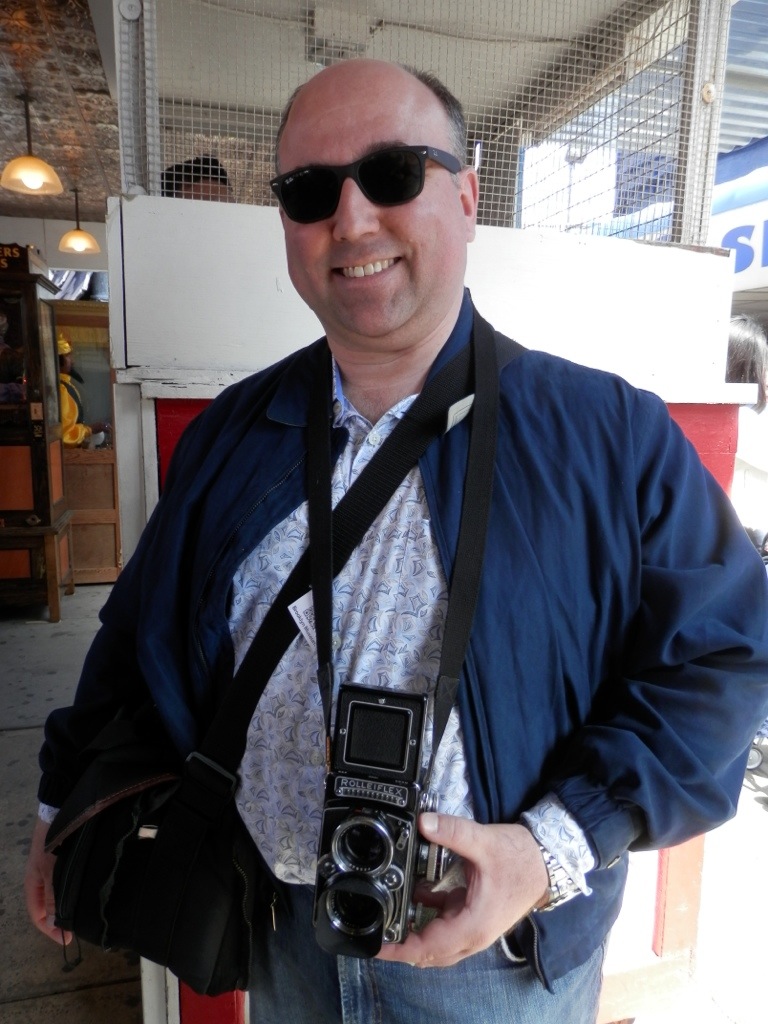
Back to Photostock- it’s an environment where you don’t feel like the odd man out for being a total photo geek for bringing TWO Rolleiflexes with you (that was me, and in comparison to some folks, I was highly under-geared!). Here I am having fun with my Rolleiflexes- they’re wearing my Ray-Ban Wayfarers:
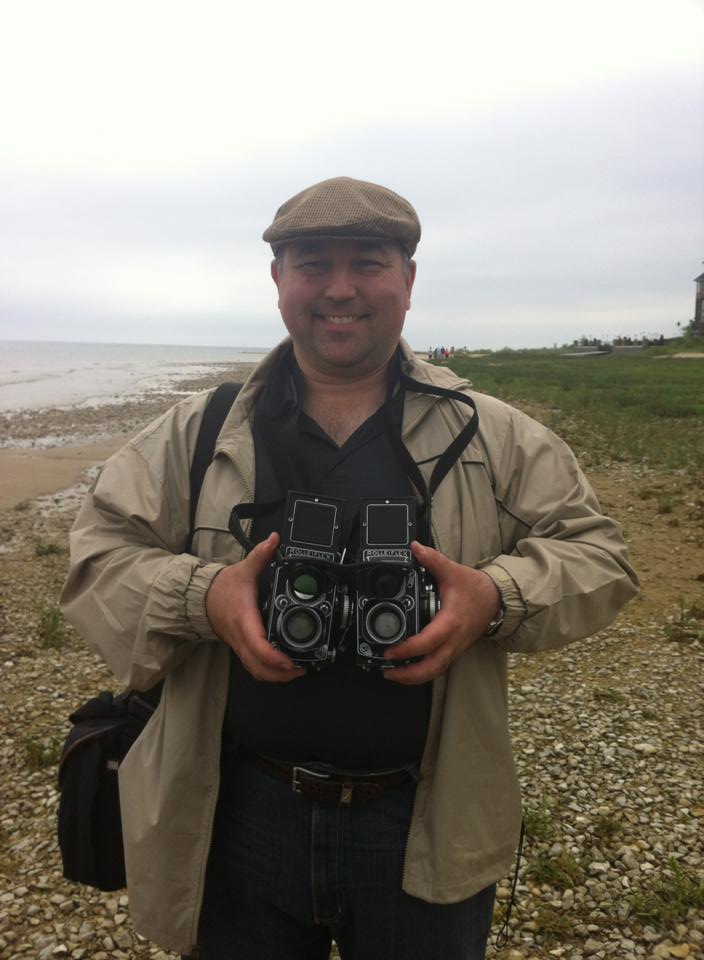
Me And My Rolleis
Me And My Rolleis

The coolest thing about it for me was getting to meet a whole bunch of folks in the flesh I only knew virtually, from participating on APUG (http://www.apug.org), Large Format Photography (http://www.largeformatphotography.info/forum), and Rangefinder Forum (http://www.rangefinderforum.com). Some of them I’ve known as virtual beings for nearly a decade. Everyone attending was just terrific, and I can’t think of a single conversation that was anything other than interesting or a person who was anything other than energizing to talk to. We had some really fantastic photographers give demonstrations of their work, like Judy Sherrod showing off her homemade 20×24 wet plate pinhole cameras and the accompanying alumitypes she made with it – WOW. Talk about inspirational – here was someone who was told “no, it can’t be done”, decided that no was not an acceptable answer, and proved the naysayers wrong. She shot wet plate pinhole photos of the beach and ocean at Pass Christian, Mississippi, coating her giant plates at home, driving to the beach, setting up, exposing, driving back and processing the plates all within a half hour span – pretty amazing considering that her exposures were 7-10 minutes each!

Judy Sherrod's Pinhole Camera
Judy Sherrod’s Pinhole Camera

EDIT:

I received the following note from Judy Sherrod clarifying the information about the wet plate pinhole work:

The 20×20 pinhole cameras are made to shoot wet-plate collodion plates in a collaboration with S.Gayle Stevens. Gayle is the collodion artist. I am not. I make the boxes.
I live in Texas, she lives outside of Chicago, and we work from a darkroom in Pass Christian, Mississippi. It’s a long commute for each of us!
We coat the plate in the darkroom, put the plate in the camera, put the camera in the car, jump in and drive to the beach, where the exposures are made. Most exposures are about three minutes. Then we put the camera back in the car and return to the darkroom for processing.
Thank you for writing about this project. It has turned into a dream come true for me. I can’t wait to see what happens next!

looks like I got a couple facts turned around in my head! Thanks, Judy for the clarification!

This is a preliminary set of photos of the people attending Photostock – there were nearly 70 people participating throughout the week, and I’m sure there were some I barely saw let alone got to meet and talk with.
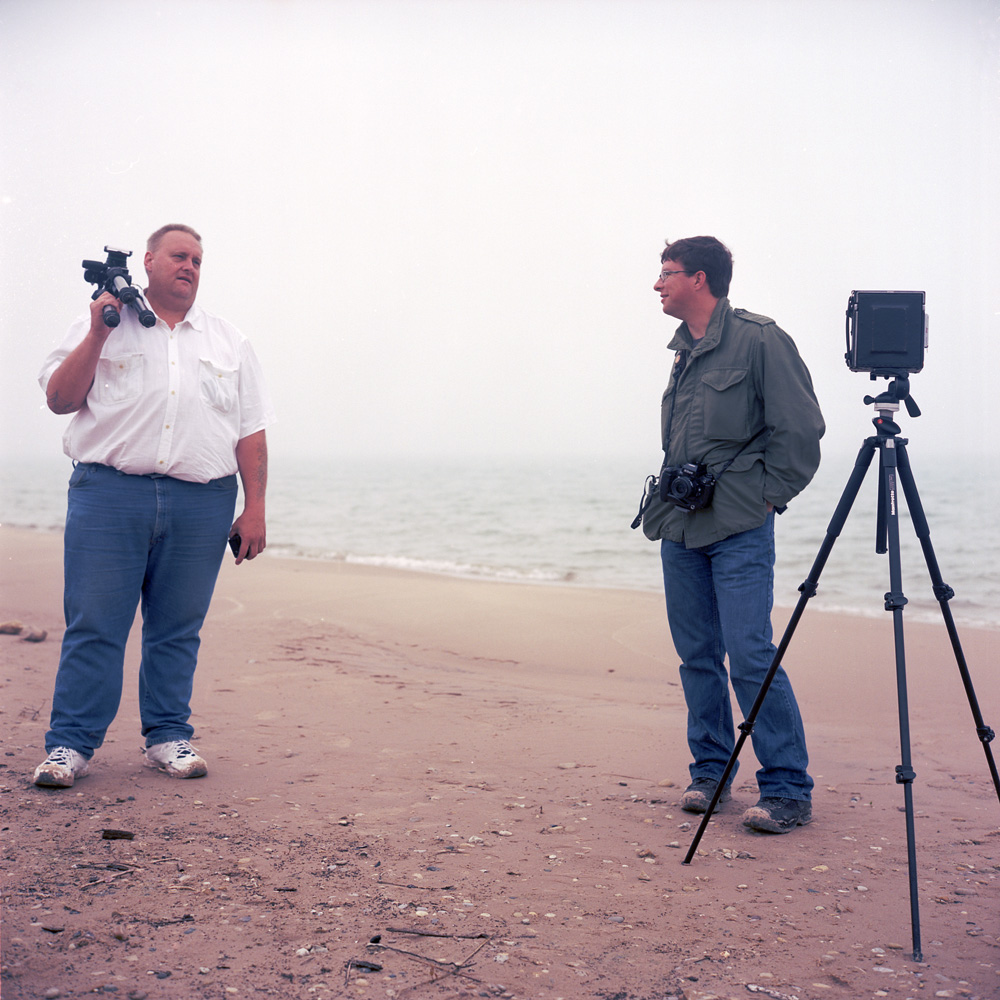
Alex L and Friend
Alex L and Friend
Alex L and Ken Johnson
Andrew Moxom Making a Wet Plate Portrait
Bruce Barlow, with a Richard Ritter Camera
Dorothy Kloss
Dorothy Kloss
David (Ike) Eisenlord and Jamie Young
Kerik Kouklis at Lunch
Kris Johnson
Kris Johnson

I’ll have a whole lot more to show once I get all my b/w film developed.
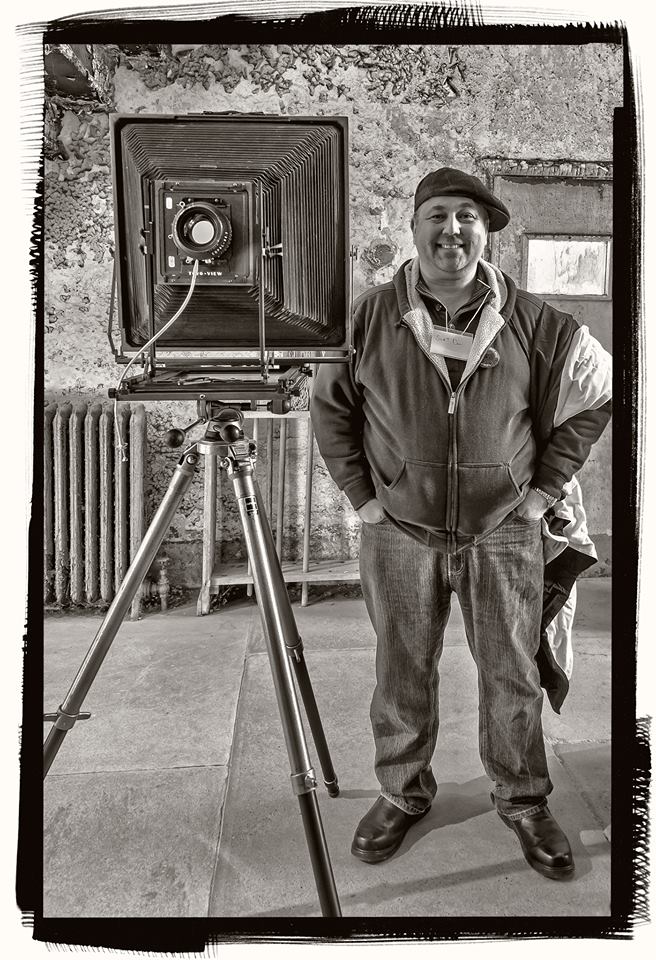
Photo of me

Me and the Canham 14x17
Me and the Canham 14×17

Here’s a photo of me at Eastern State Penitentiary with my Canham 14×17, courtesy my friend, Tom Finzel. He does a lot of HDR stuff and does it with subtlety (well, most of the time 🙂 ). I really like the image he made – I look good in this shot, which is all the more amazing since I smiled and held steady through about 15 seconds worth of HDR multiple exposures. I would have made a good model for a daguerreotypist!

Tom was trying to make an image that looked like platinum/palladium. While the color’s too neutral, it’s not a bad likeness.

Silver Gelatin Printing- a Personal Refresher, With Experimentation

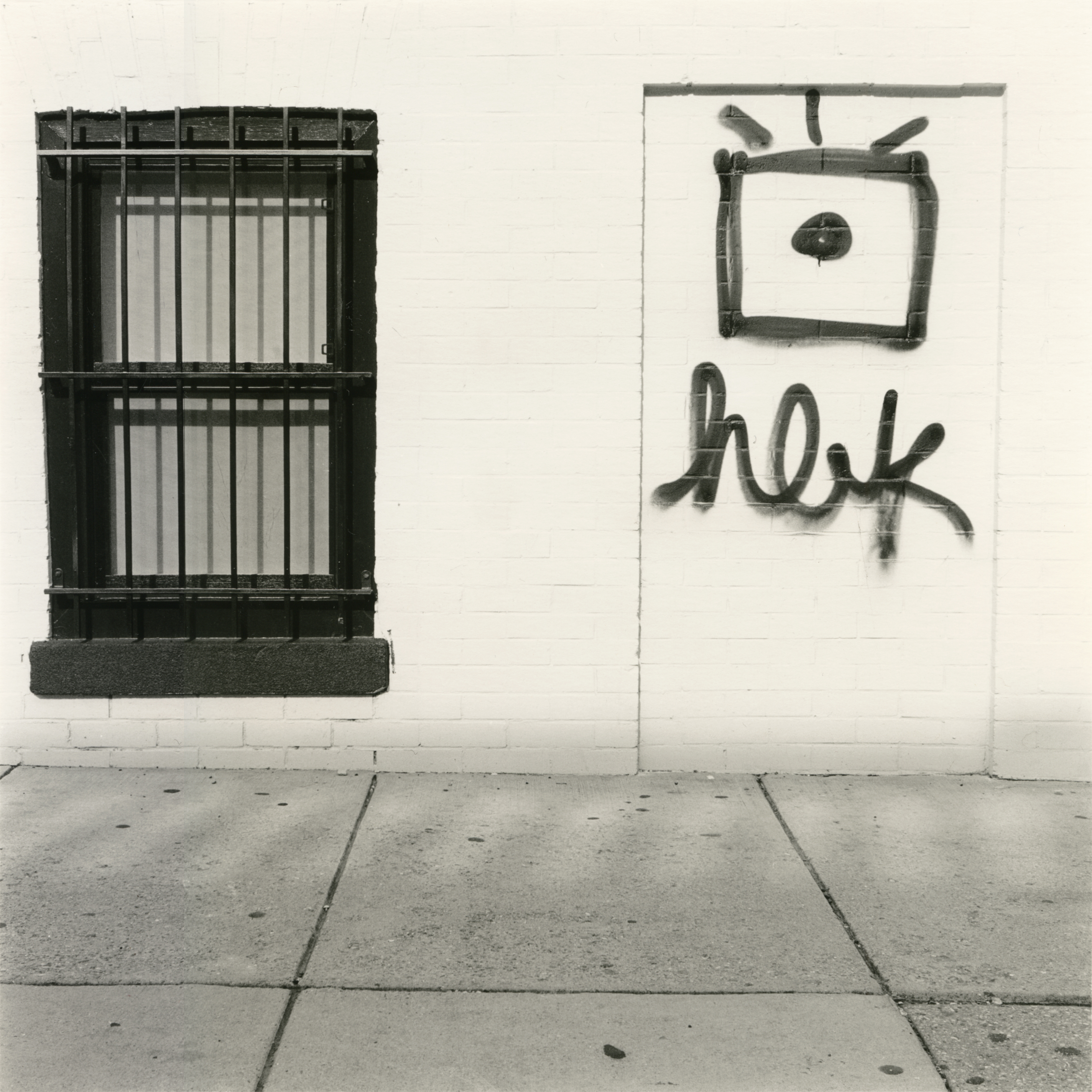
I’ve gotten back into doing a little sliver gelatin printing and enlarging since I’ve been shooting the Rolleiflex like a madman. I wanted to try something out with my printing, so I was doing split development of my prints with both warmtone and cooltone developer. The way it works is I have two developer trays, one for each kind of developer. I’m using the Ilford Warmtone and Ilford Cooltone (a now-discontinued product that I was given a case of some years ago). I want the shadows cool but the mids and highlights warm, so I start my development cycle with 30 seconds in the cooltone developer, then move to the warmtone developer for the remaining minute and a half. The below examples are printed on Ilford Warmtone paper (if you want a warmtone image, you have to use a warmtone paper – you can make a warm paper go cool with a cool developer, but you can’t warm up a coldtone paper short of sepia toning).

Window, Graffiti, 15thStreet

This is the warmest I can get in my highlights and mid tones using this process. The Ilford warmtone paper doesn’t seem to get very warm at all.

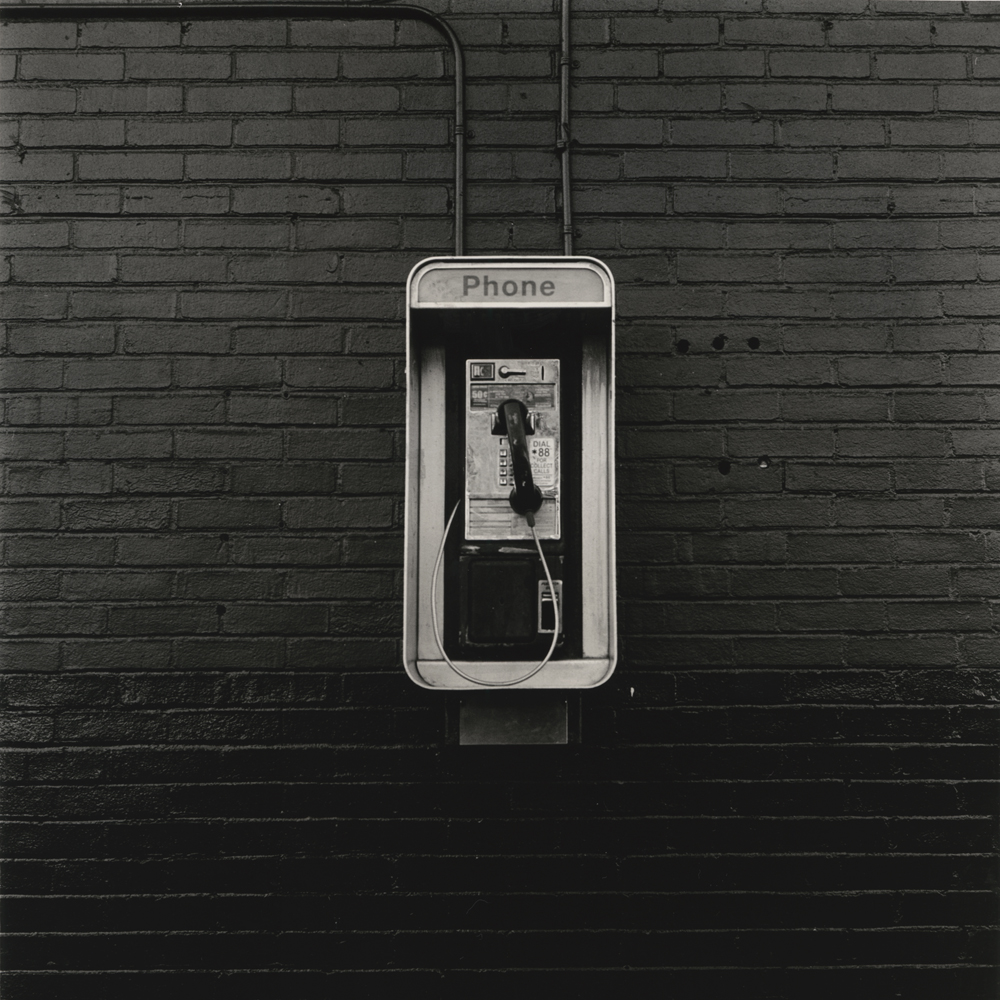
Here’s another in my series of Everyday Objects – the near-apocryphal payphone. In trying to find one, it actually took some looking! They’re not completely vanished from the landscape, but you actually have to go looking in somewhat rougher neighborhoods now to find one because anyone living above the poverty line these days has a cellphone, and nobody wants to carry around a pocketful of quarters AND dimes to make a call.

Everyday Objects - Payphone
Everyday Objects – Payphone

I was getting a little nervous about making enlargements as it has been forever and a day (at least five years) since I last made an enlargement. Turns out it’s a skill like riding a bike – once you learn, you never really forget.

Both shots were taken with my Rolleiflex 2.8E, on Ilford HP5+, developed in Pyrocat HD. I think I’ve mentioned it before, but Pyrocat is my go-to developer, even for small and medium-format negatives to be enlarged (or scanned!). Pyro developers in general have great built-in contrast masking from the stain, so it is possible to retain detail in highlights in images that would require burning and dodging were they processed in another developer.

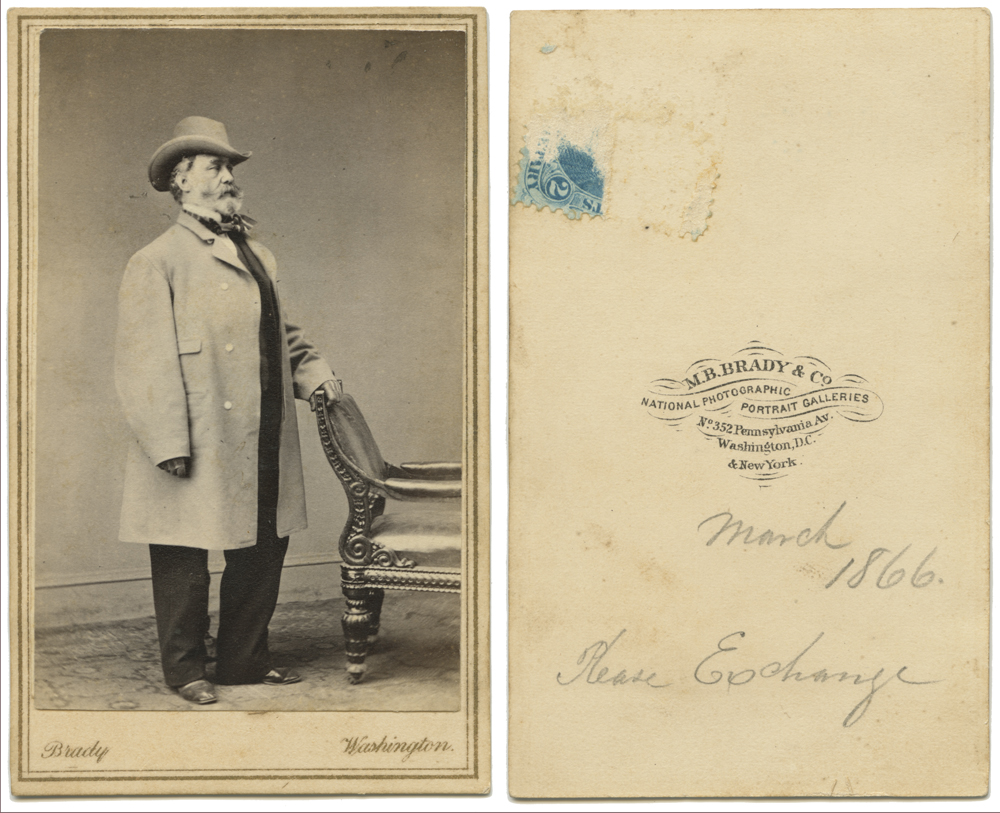
Brady CDV, Washington DC studio, 1866

The inscription on the back is a bit cryptic – “Please Exchange”. Exchange for what? Unless they didn’t like the pose, I can’t see what’s wrong with it to want to exchange it. The CDV is actually in excellent condition, with no creases, bent corners, or overall flaws to the print. I’m certainly happy with it!

Gentleman, March 1866, Mathew Brady Studio, Washington DC

He looks “western” with that hat and coat, but that’s not saying much – although the outfit has a cowboy feel to it, he’s obviously a very rich cowboy, as that’s a very fine coat. Brooks Brothers would be proud to hang such a coat in their showroom today.

Subjects Identified

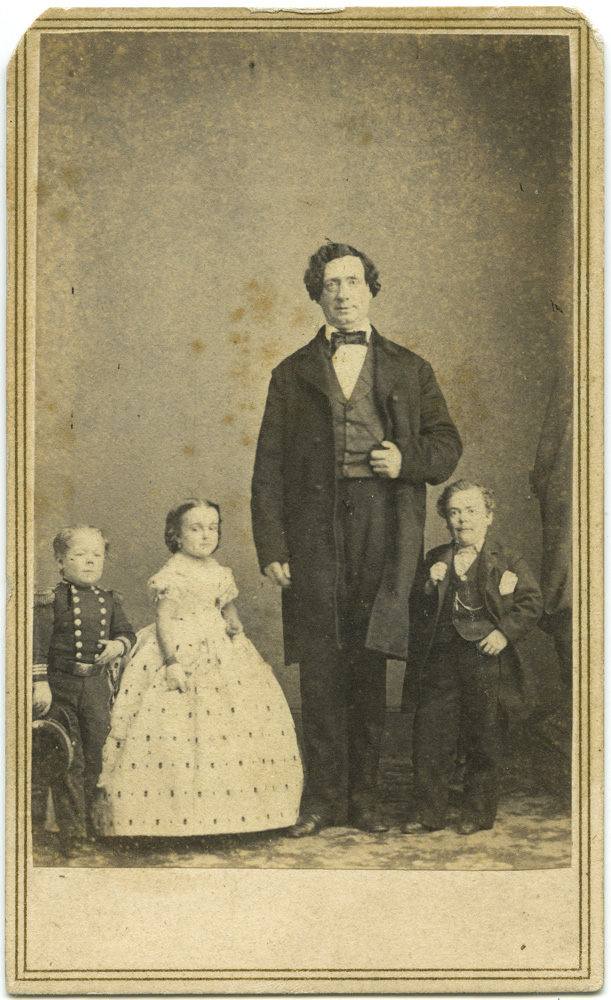
Three little people, by CD Fredricks

When I had previously posted this image, I stated that I didn’t know the identities of everyone, especially the little person on the right, although I had seen him before somewhere. Well, troll Ebay long enough and another image will show up. He’s Colonel Small. The other little man is Commodore Foote. I’m not certain of the identity of the little woman in the middle, but all three were Barnum performers.

I’m feeling a little bit like doing a review of the little people in my collection, so here goes nothing:

Miss Suzie Reed, by Brady
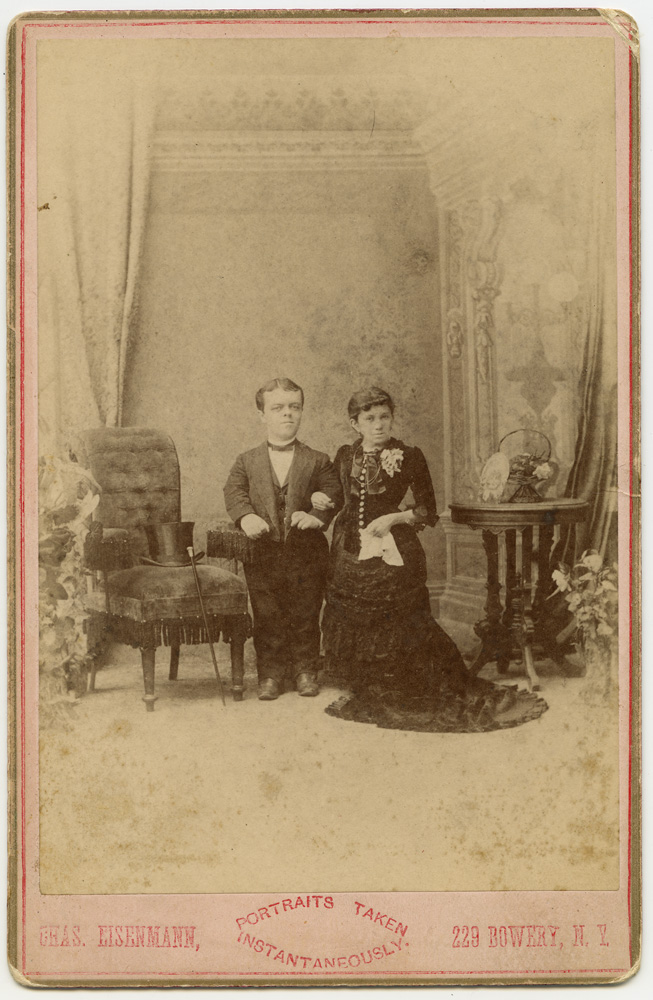
Major Littlefinger & Wife, by Eisenmann
The Strattons, George Nutt and Minnie Warren in their Tuilieries outfits
Unknown Little Person, H.B. Gerncore's Temple of Art
Unknown Little Person, H.B. Gerncore’s Temple of Art
Three little people, by CD Fredricks
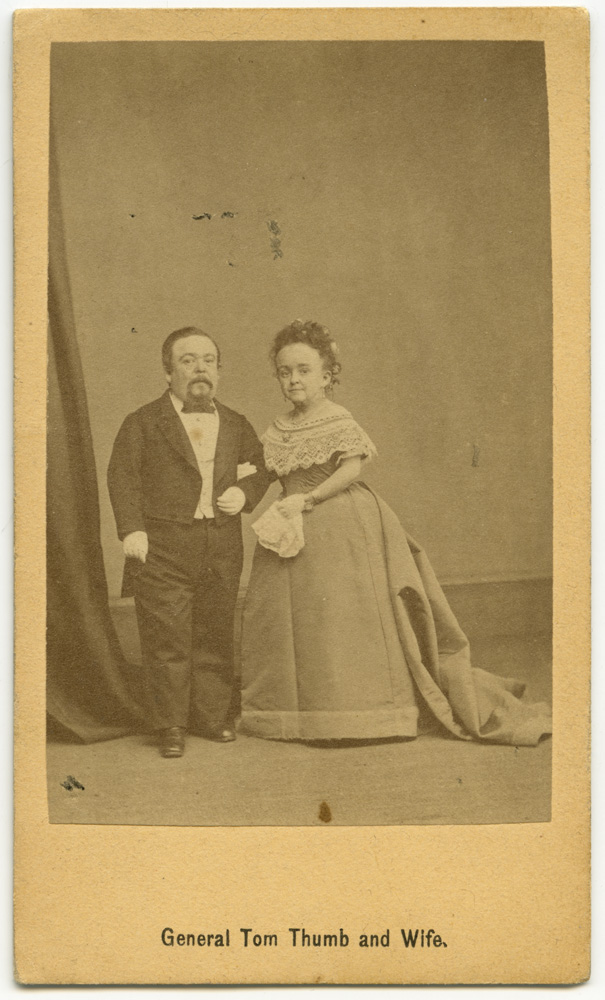
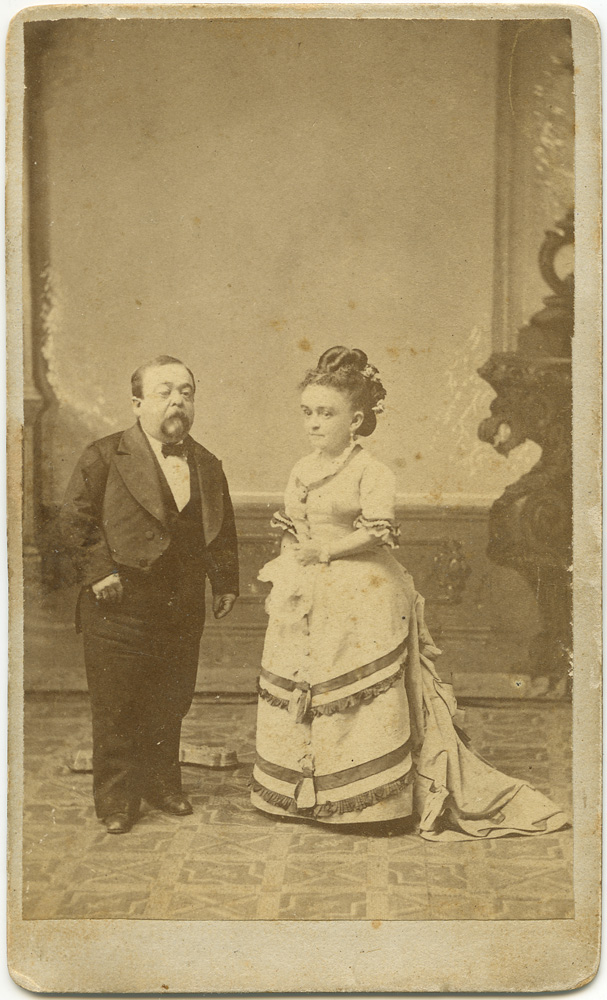
Tom Thumb and Lavinia Warren, in middle age
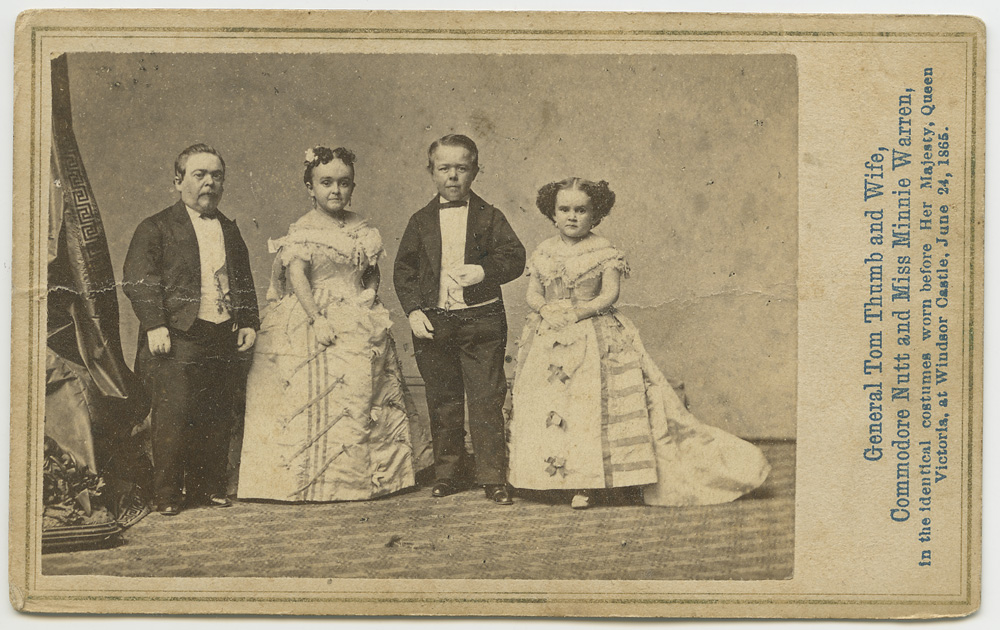
The Thumbs, Commodore Nutt and Minnie Warren, as presented to the Queen
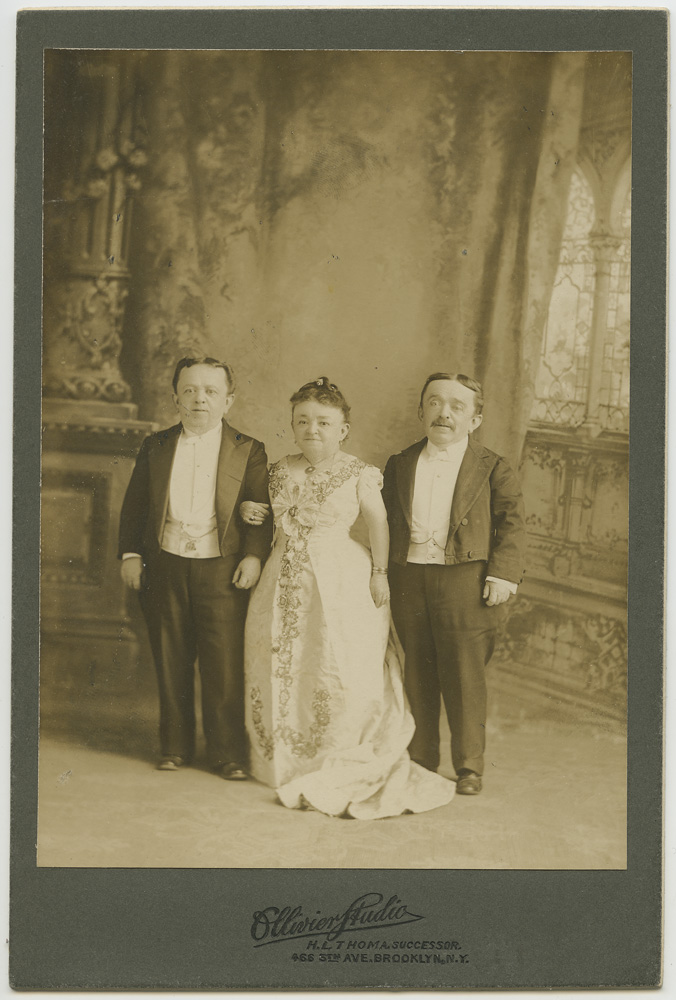
Lavinia Warren Stratton Magri and the Magri Brothers, by Ollivier
Anonymous CDV, The Thumbs, at middle age
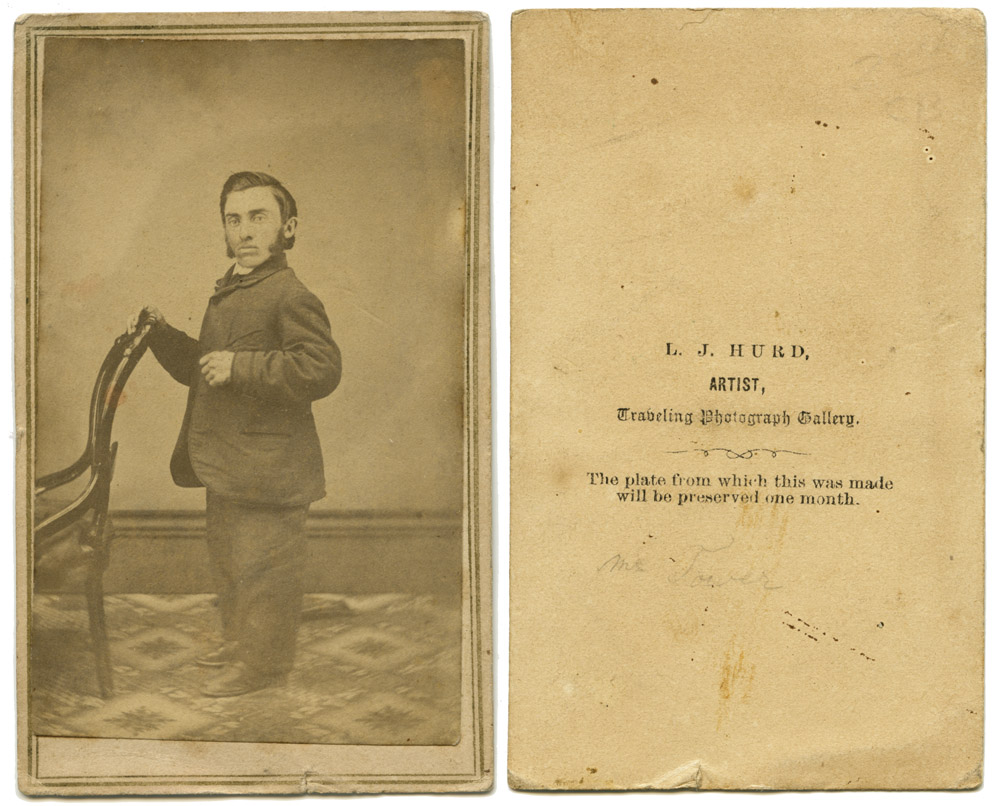
Mr. Tower, by L.J. Hurd
Mr. Chas. Decker, by Henry Heyde
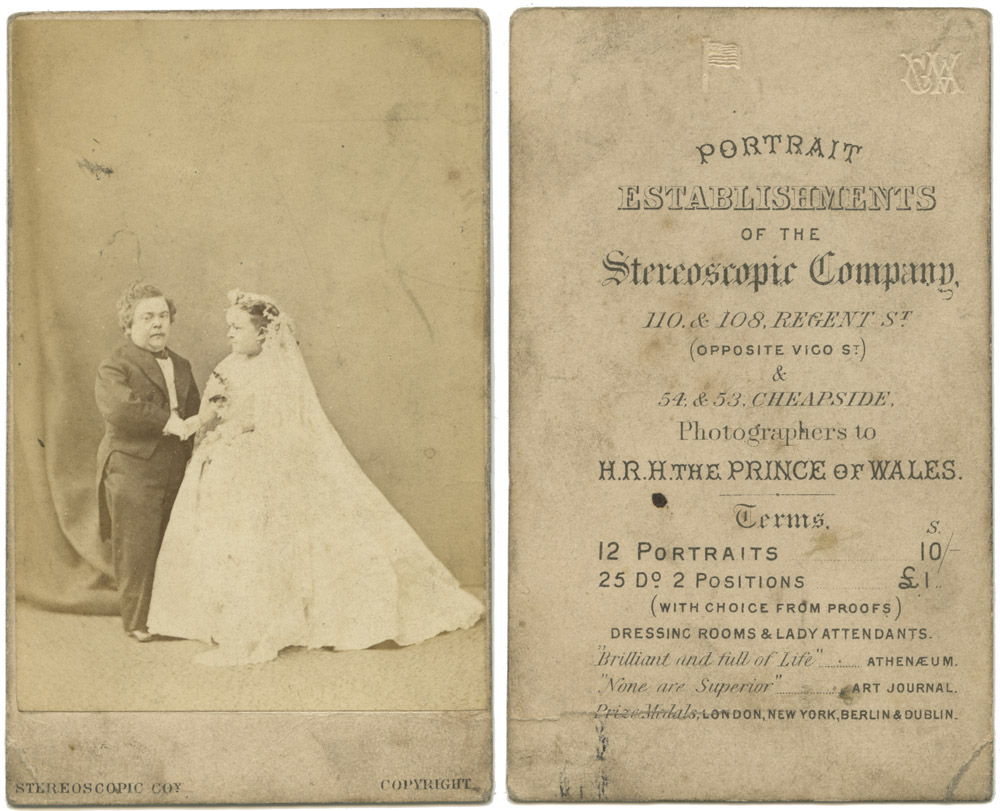
The Thumbs, by the Stereoscopic Co of London
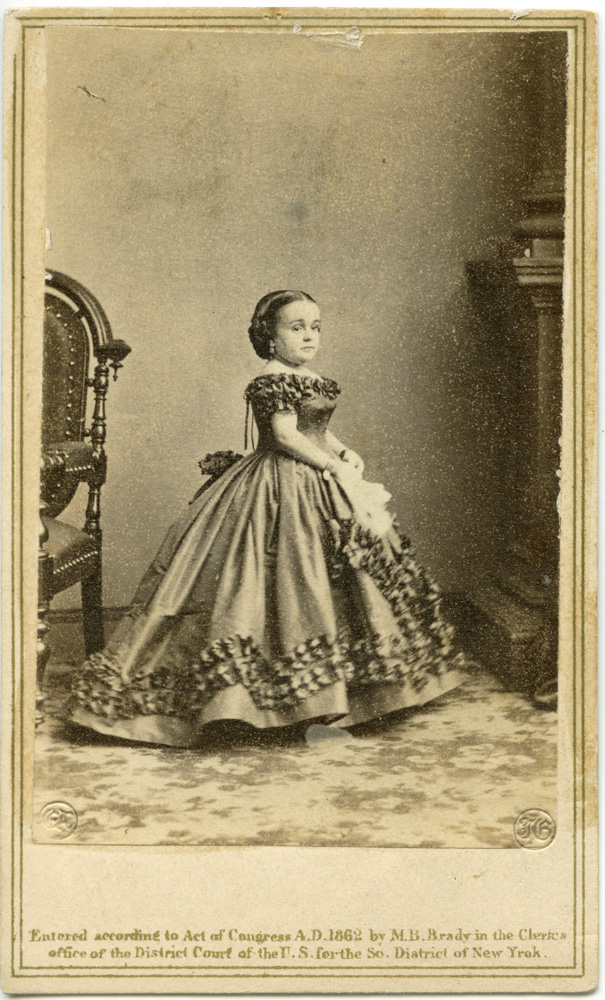
Minnie Warren, by Brady
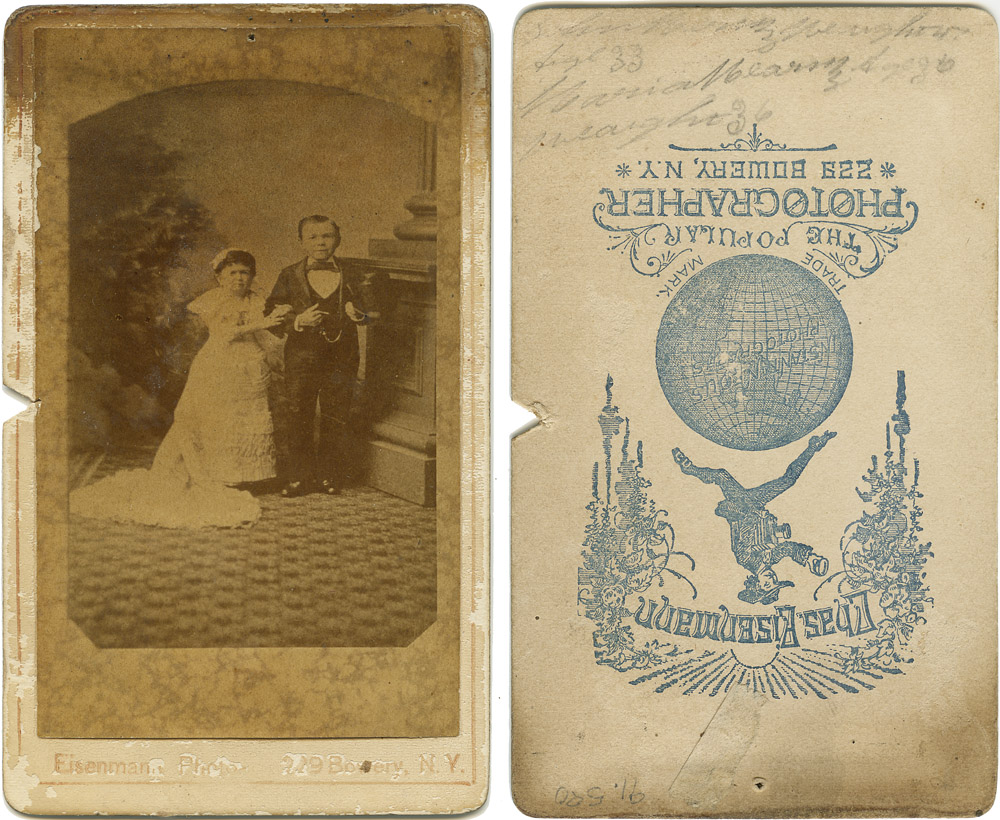
Admiral Dot & Lottie Swartwood By Chas Eisenmann
General Cardenas, Anonymous Photographer
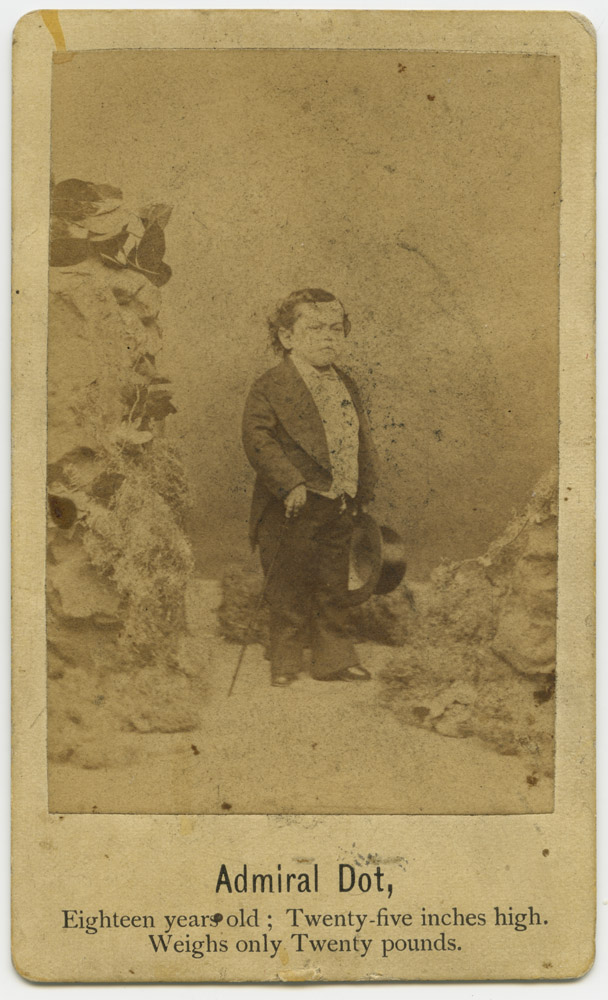
Admiral Dot, published by Anthony, photographer unnamed
Tom Thumb by C.D. Fredricks
The Magri Brothers with Lavinia Warren, ca. 1895
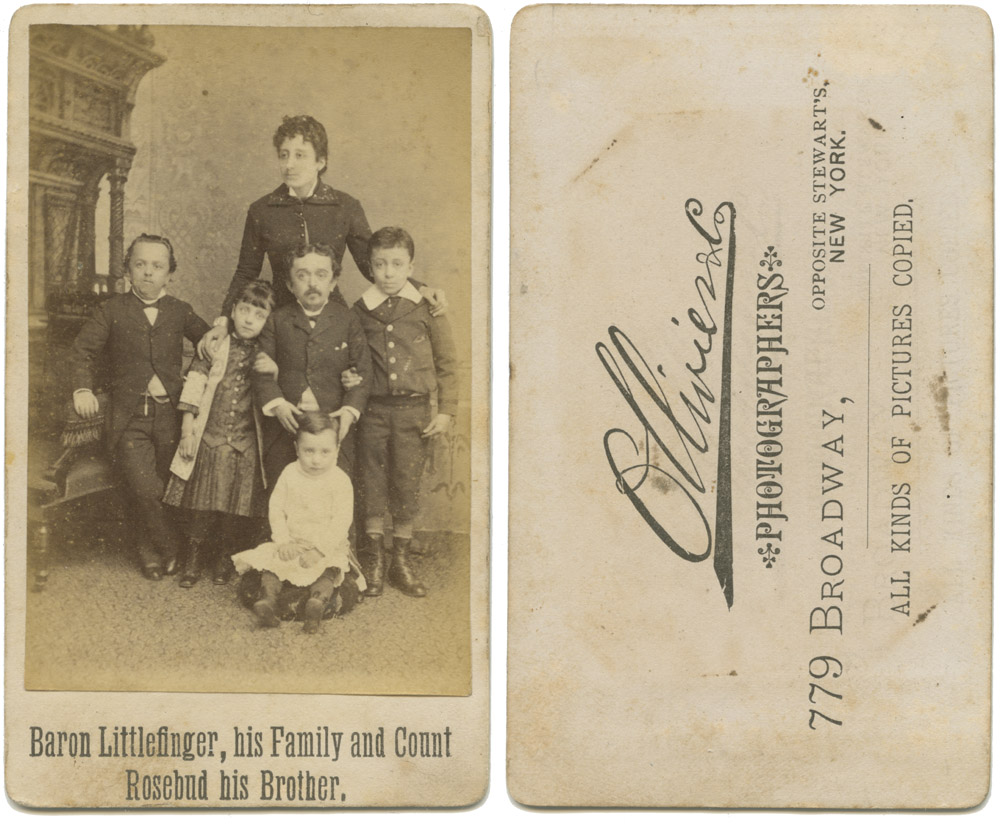
Baron Littlefinger & Family
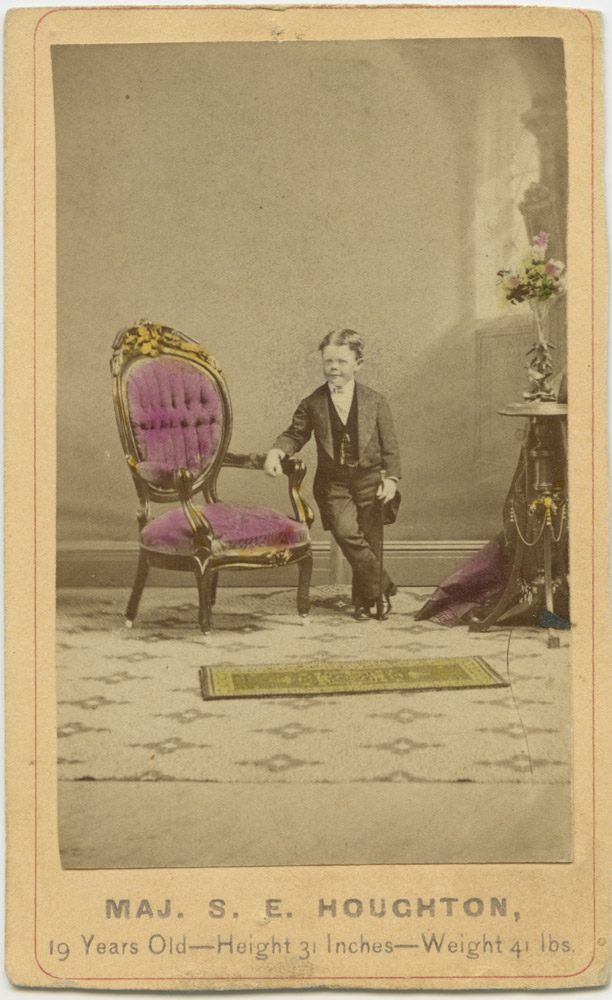
Major S.E. Houghton
Major S.E. Houghton
Lavinia Warren Stratton, by C.D. Fredricks
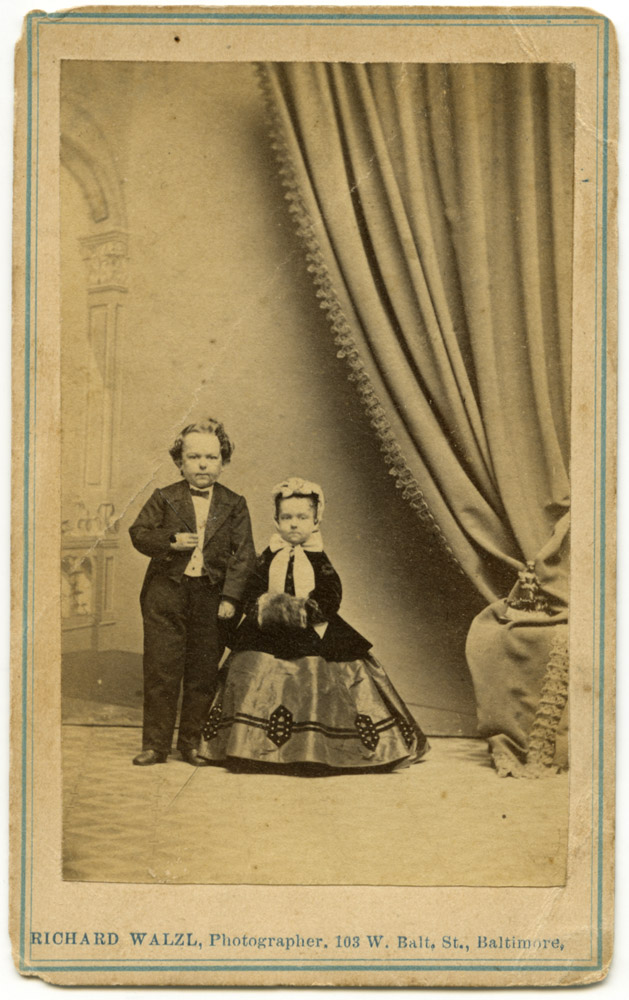
Tom Thumb & Lavinia Warren - Walzl, Photographer, Baltimore
Tom Thumb & Lavinia Warren – Walzl, Photographer, Baltimore
Comic Actor by Gurney
The Rice Family, by J. Wood, The Bowery
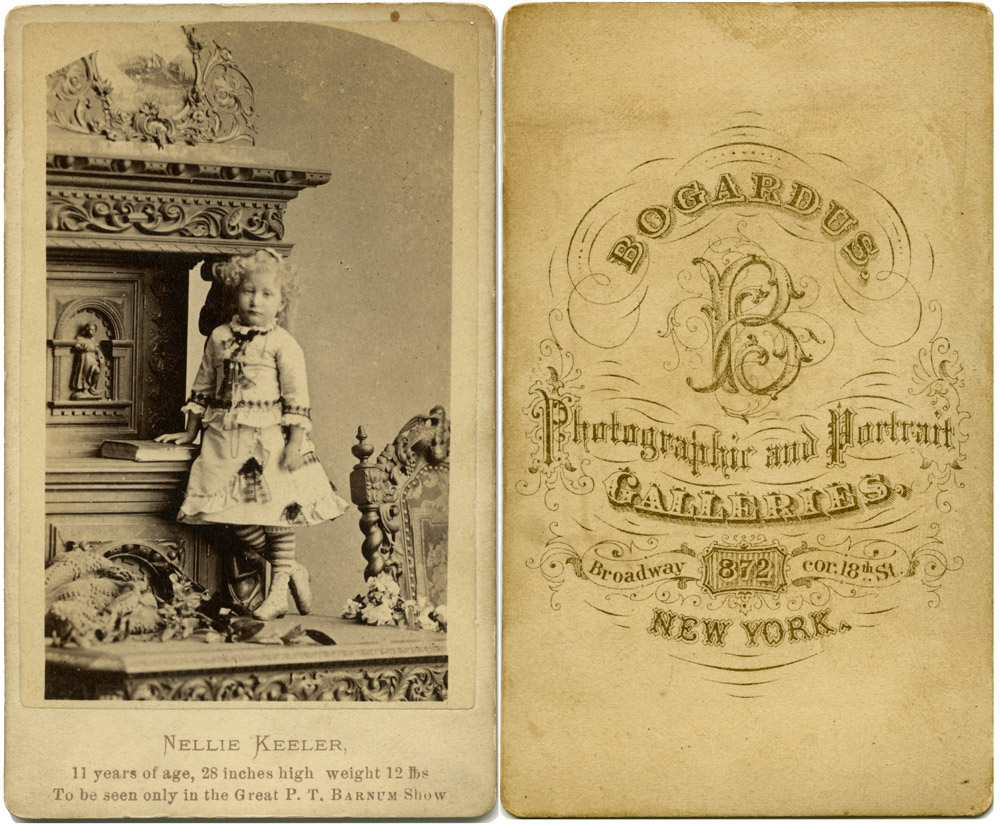
Nellie Keeler, on Bogardus' Sideboard
Nellie Keeler, on Bogardus’ Sideboard
Tom Thumb and Minnie Warren, in their advancing years
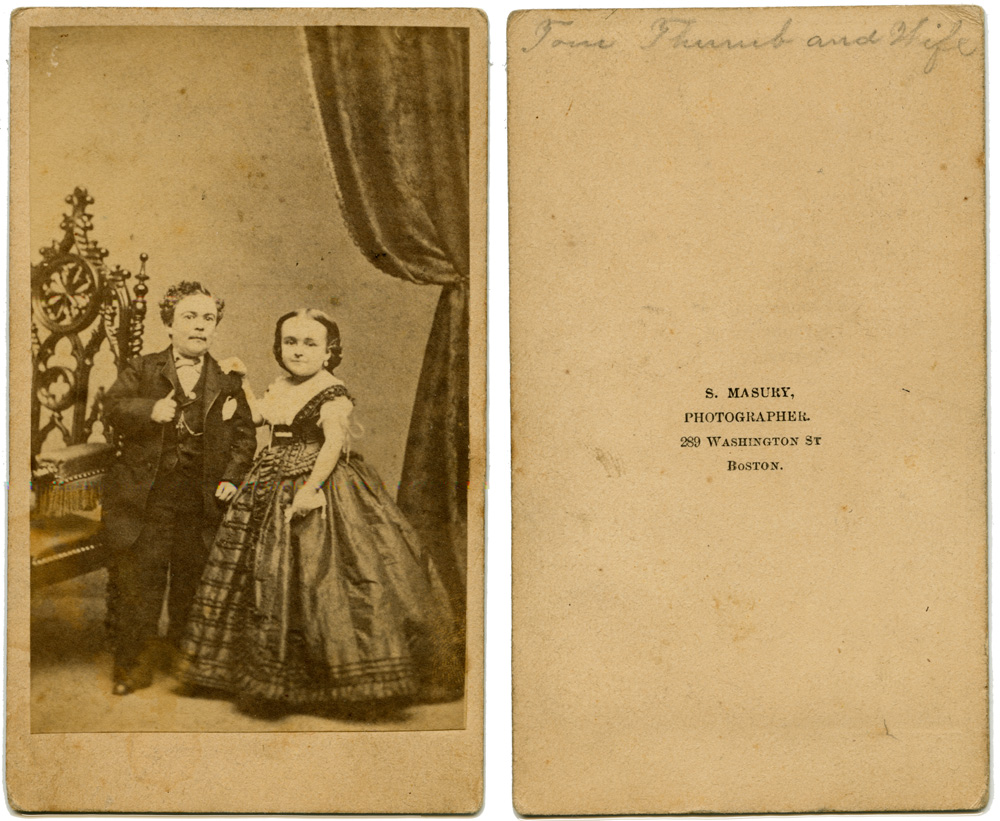
Tom Thumb and Lavinia Warren, by Masury of Boston
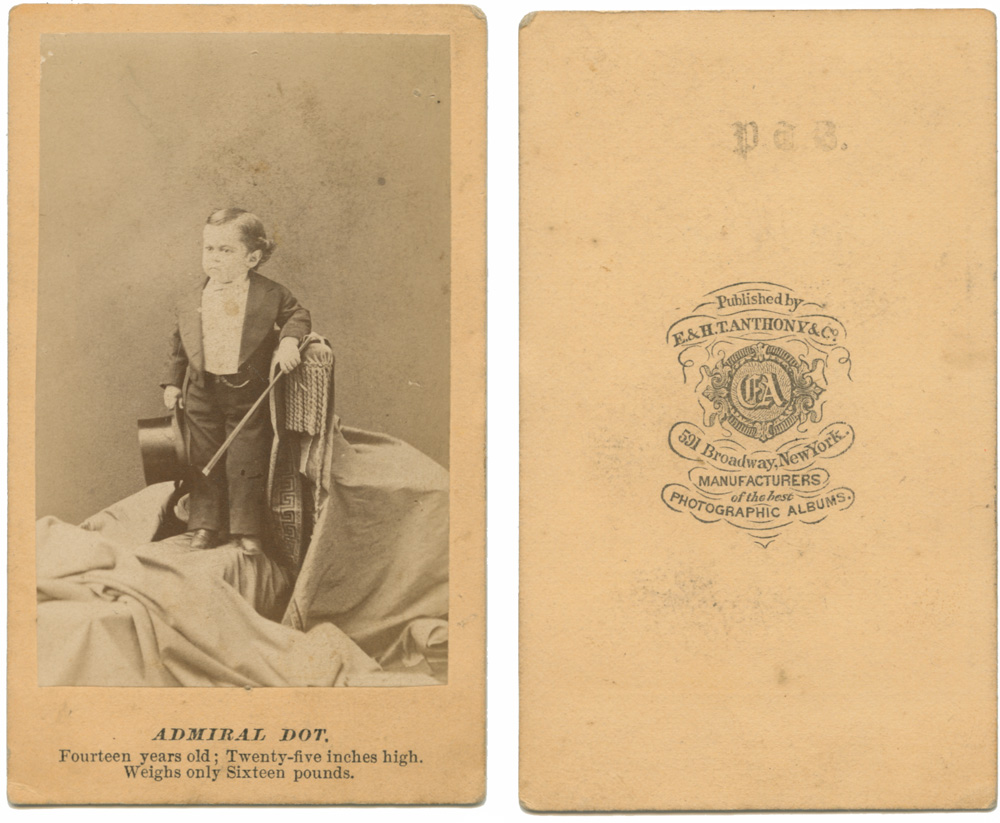
Admiral Dot, published by E&HT Anthony
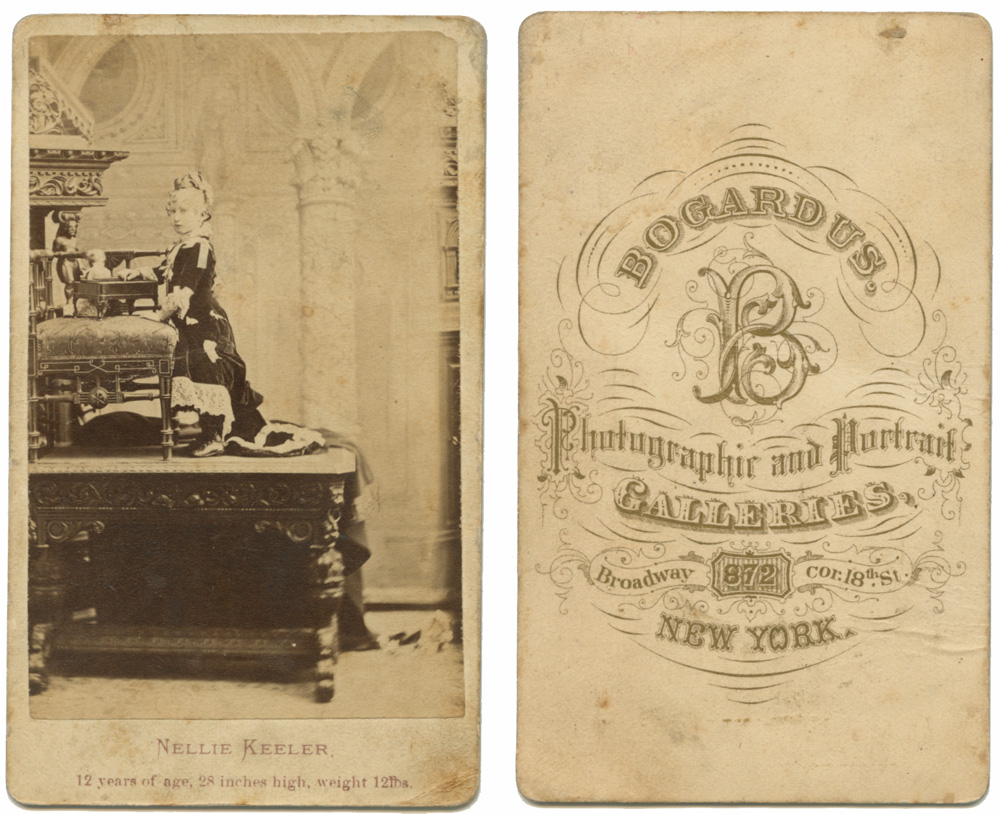
Nellie Keeler, by Bogardus
Sideshow Family, Aledo, Illinois
Waino and Plutano, The Wild Men of Borneo, by Eisenmann
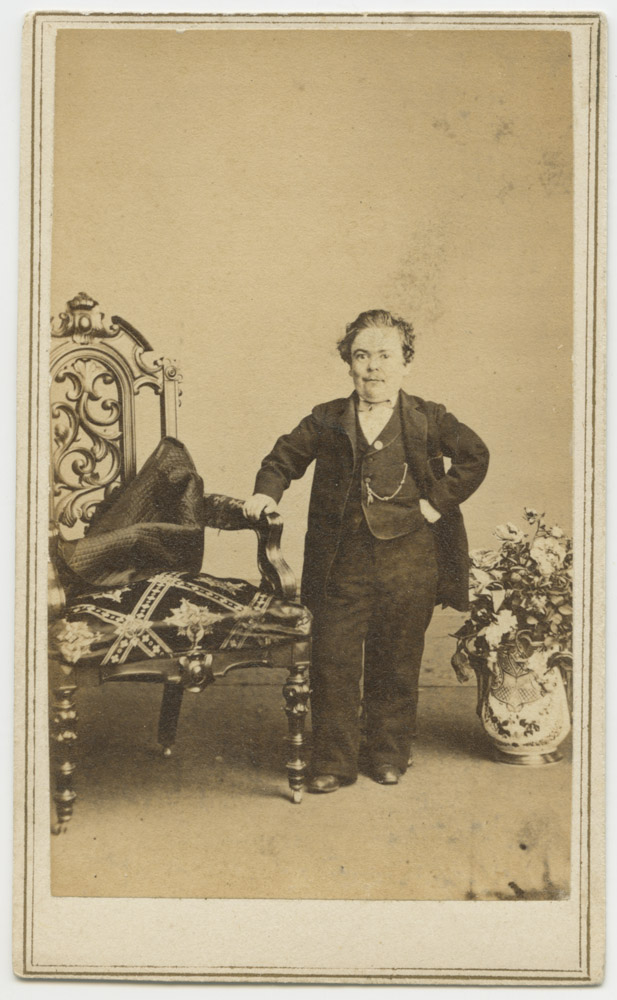
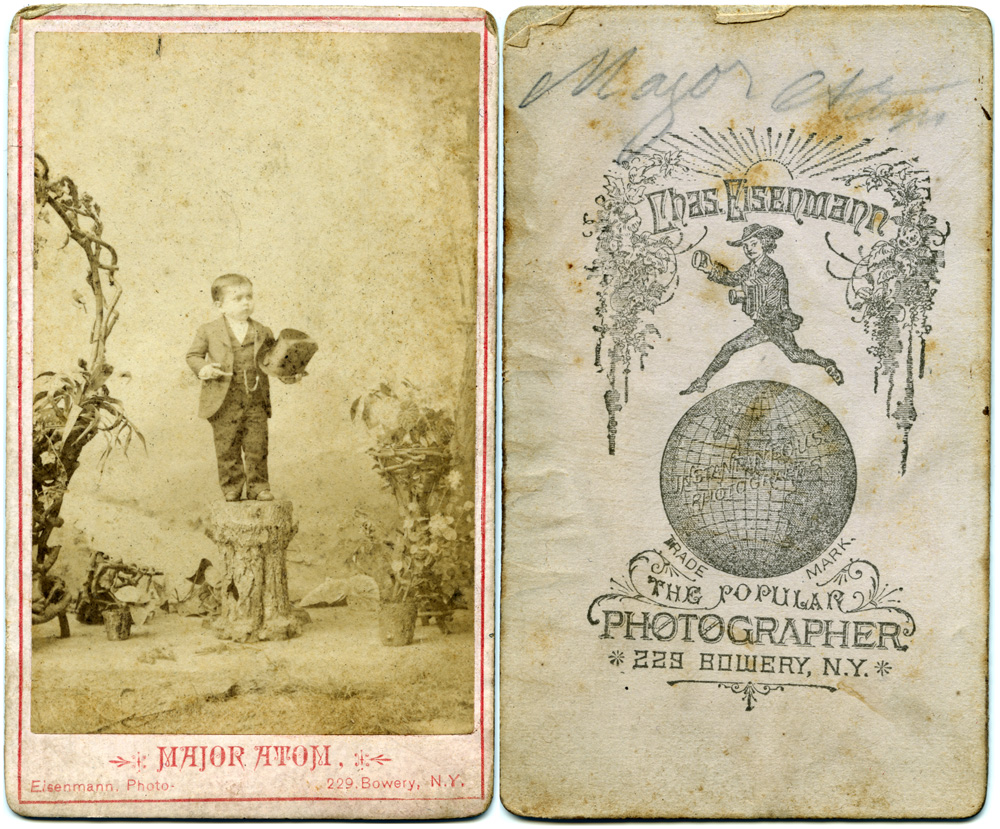
Major Atom, by Chas. Eisenmann
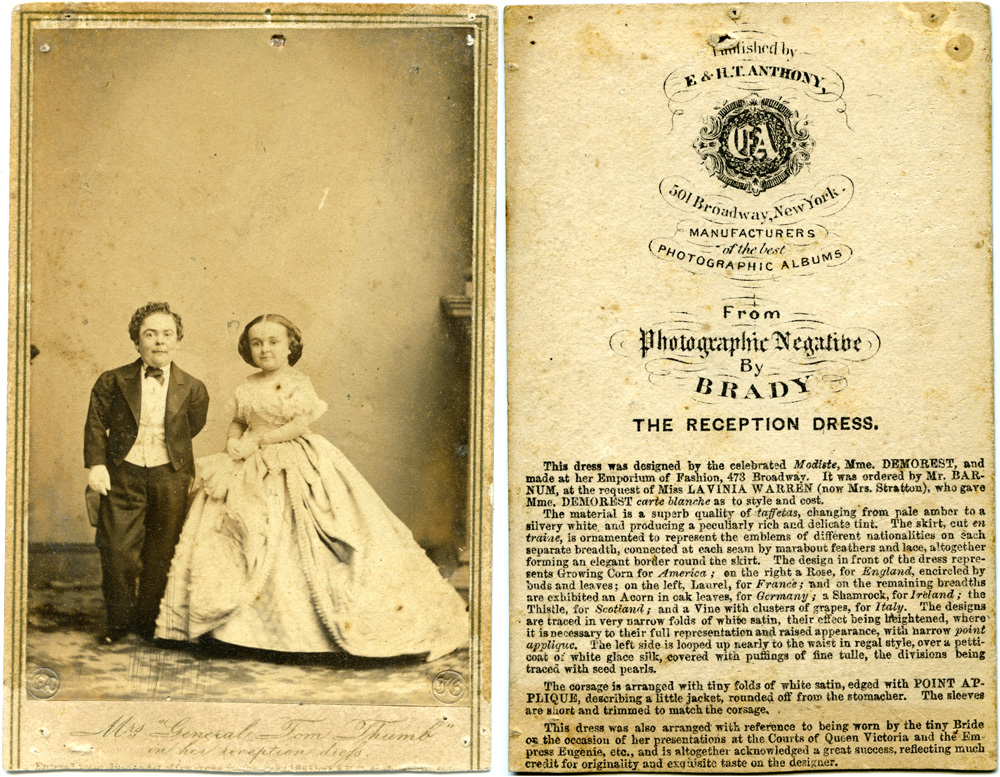
The Reception Dress, The Fairy Wedding
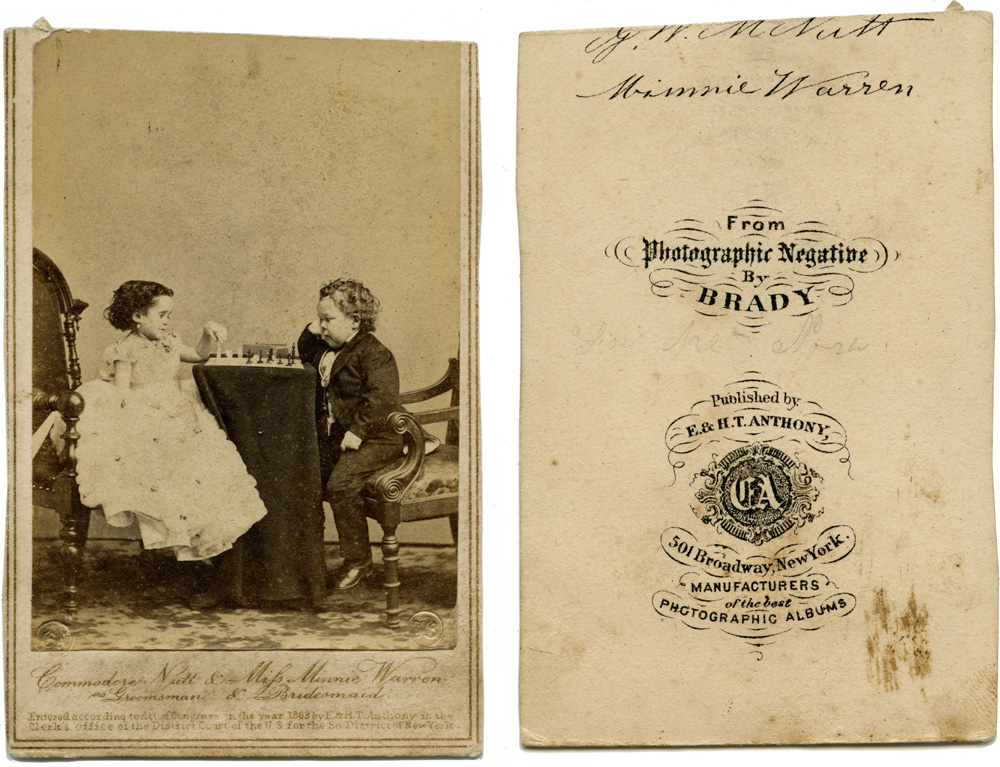
George Nutt & Minnie Warren, Groomsman & Bridesmaid
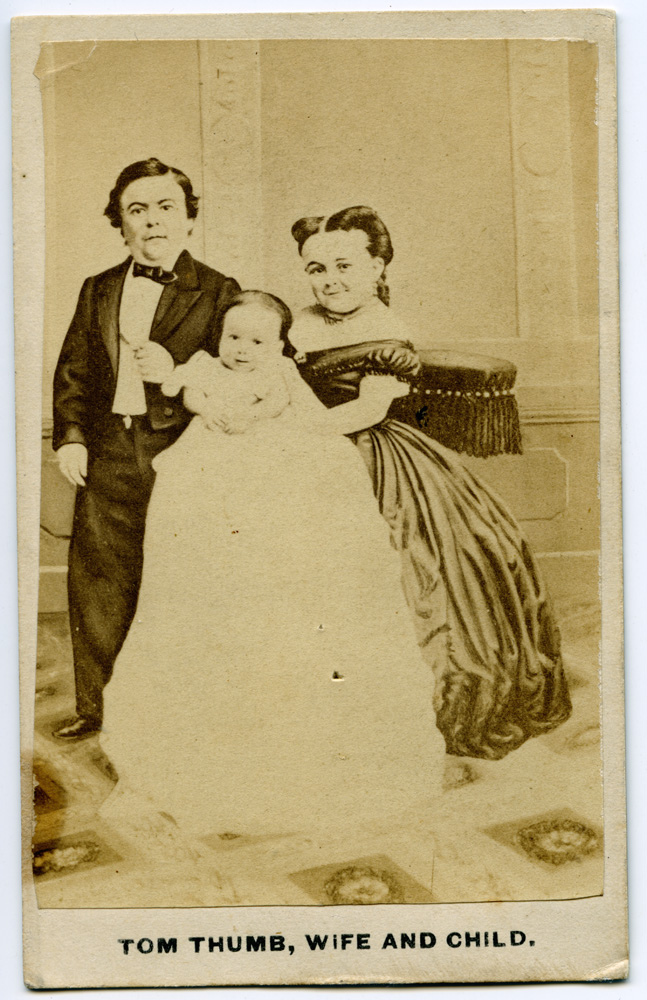
Tom Thumb, Wife and "child"
Tom Thumb, Wife and “child”
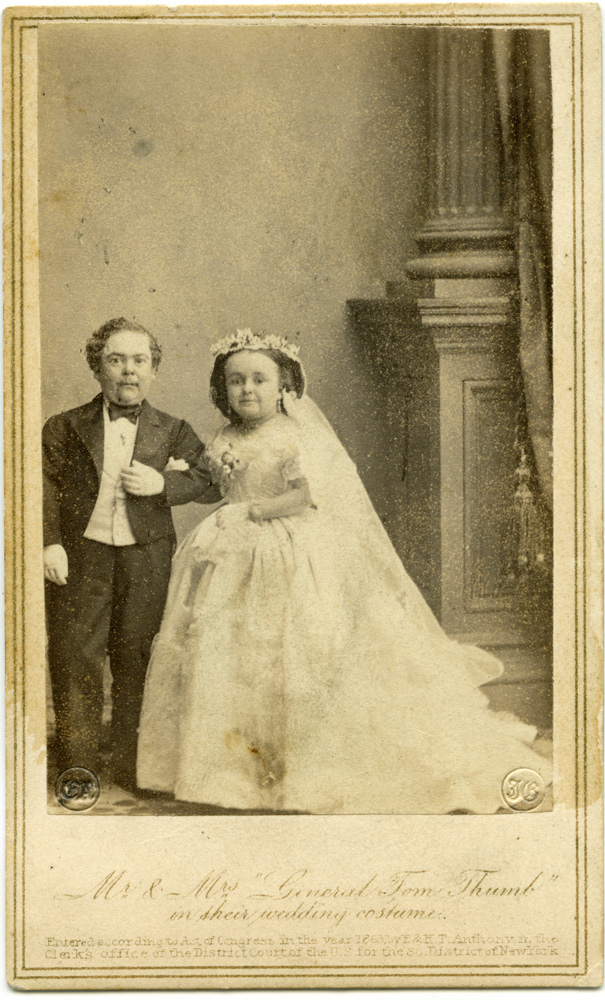
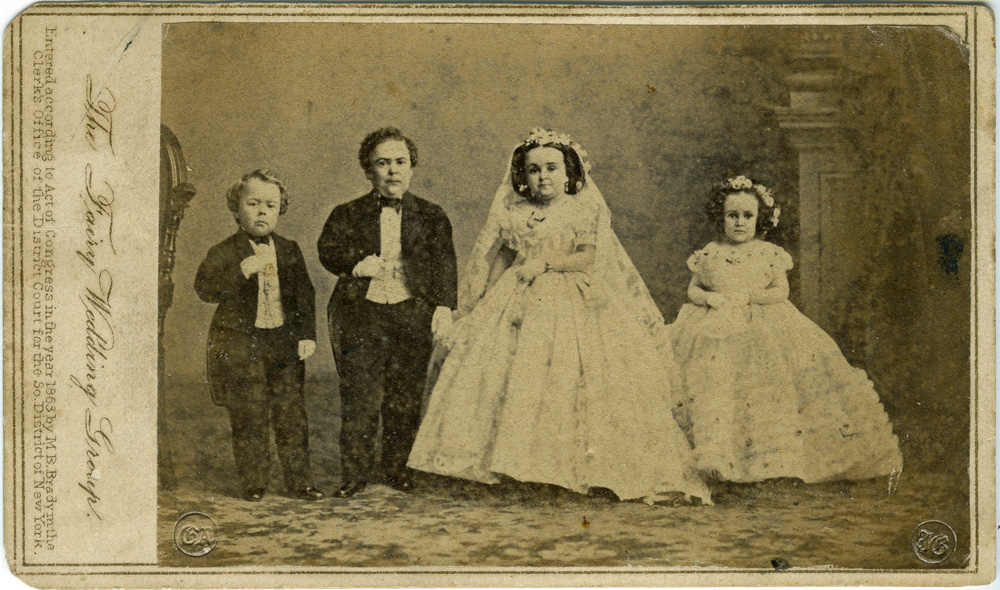
Bride & Groom, The Fairy Wedding
Lavinia Warren Stratton, Mrs. Tom Thumb
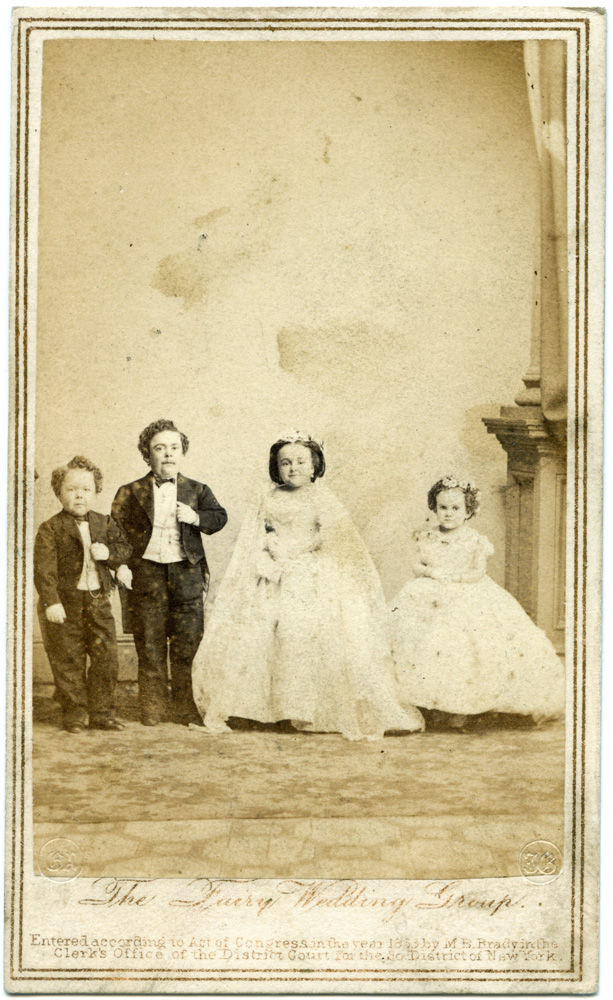
Fairy Wedding Group #3
Commodore Nutt and unknown little woman, Anonymous CDV (probably Brady)
Commodore Nutt, Mrs. and Mr. Tom Thumb
Brady's Fairy Wedding
The Fairy Wedding, 1863 E&HT Anthony print, Obverse
Nellie Keeler, by Bogardus
Nellie Keeler- by Bogardus

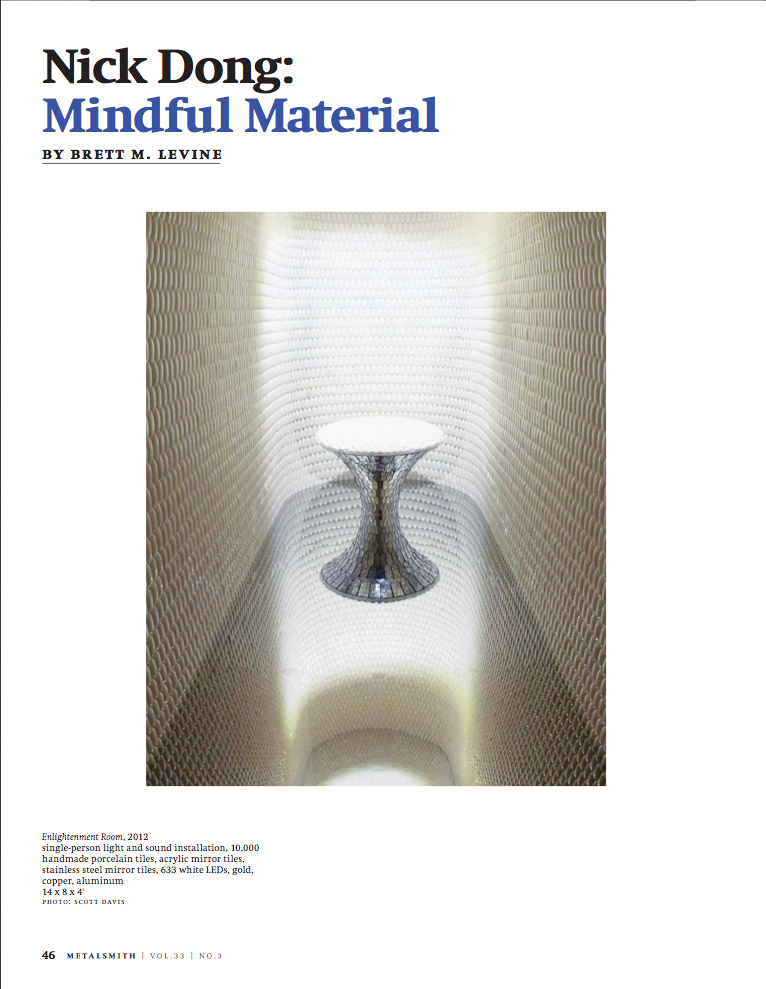
Two-page spread, Metalsmith Magazine

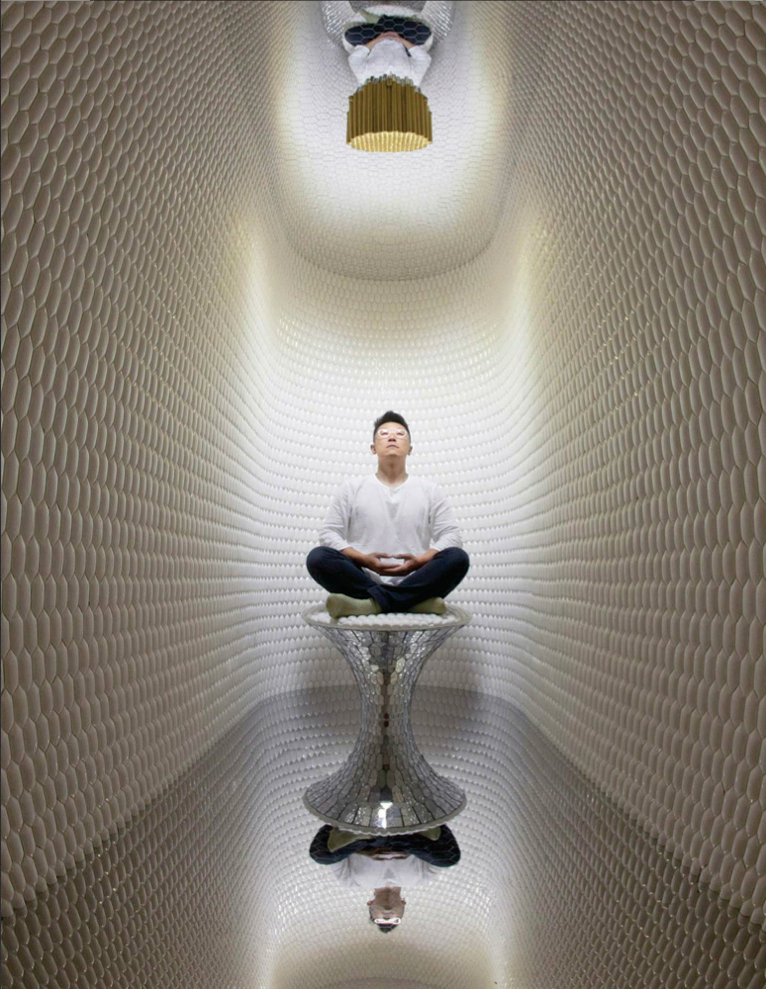
I got a two page spread in Metalsmith magazine in a feature article about my friend Nick Dong, whose installation piece was part of the “40 under 40” show at the Renwick Gallery here in Washington last year.

Metalsmith, June 2013, p.46
Metalsmith, June 2013, p.47

If you want to get a copy for yourself, you can check it out on their website and order hard copies or PDF copies.
Metalsmith Magazine

I’m also including a video I shot of Nick’s installation. My apologies for the video quality, but it was my first time shooting with that camera and I didn’t know about adjusting the video noise, so the low-light segments are rather grainy looking.

You can see more about Nick and his work on his website – Studio Dong. Nick is originally from Taiwan, and now lives and works in the San Francisco Bay area.

Me, in the picture for once

I was waiting in line for the Wonder Wheel at Coney Island. I had just spotted the turnstile for the pay toilet with its garish red and yellow paint job and 25 cents sign in early 20th century lettering and was composing a photo on the ground glass of the Rolleiflex. A voice called out to me, “Oh, that is a lovely Rolleiflex!”. I looked up to see an older gentleman with a souped-up walker (metallic paint job, hand brake, and a fold-down seat). We struck up a conversation about cameras and photography. He had been a camera salesman at an old store in Brooklyn, and remembered selling Rolleis like mine. I gave him my business card, and a few days after I got home, his grandson emailed me the photo you see here.

20130611-131135.jpg

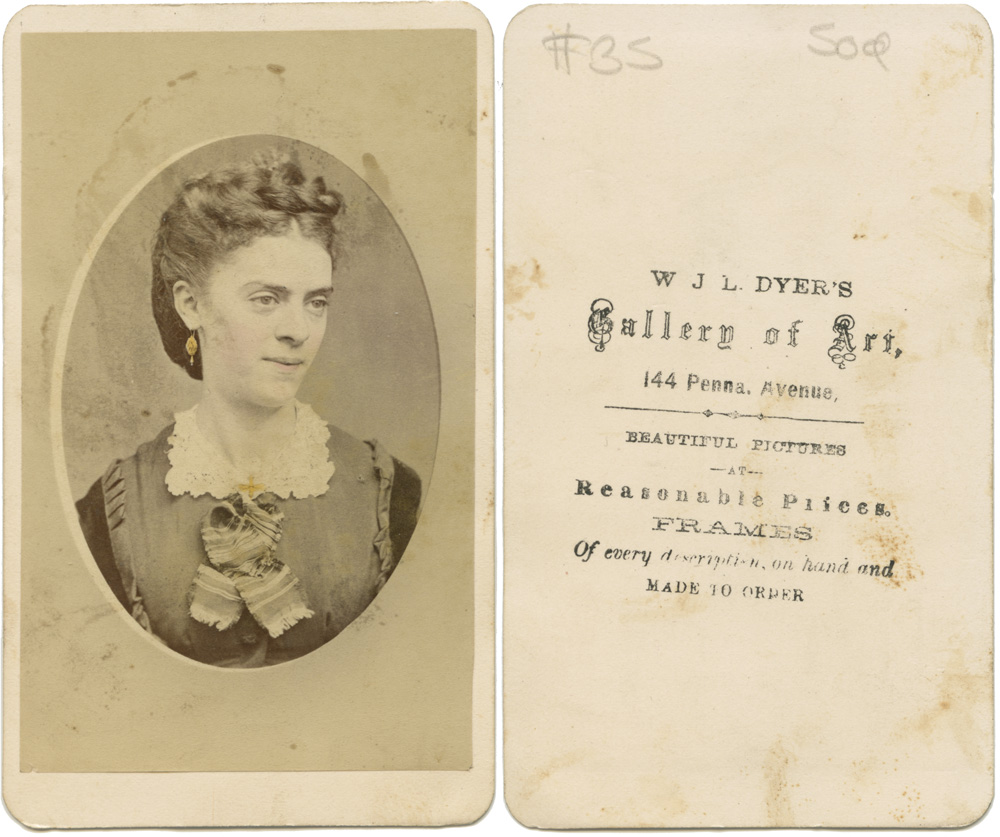
Anonymous Lady by W.J.L. Dyer, Washington DC.

Hand-colored CDV by WJL Dyer

An anonymous CDV by WJL Dyer of Washington DC. Gotta love the advertising pitch on the verso:

W J L Dyer’s Gallery of Art, 144 Pennsylvania Avenue, Beautiful Pictures at Reasonable Prices, Frames of every description, on hand and Made To Order

Also note the hand-coloring of her jewelry and the faintest touch of rouge on her cheek. This is not bad, but I’ve definitely seen better quality hand-coloring on CDVs. Mr. Dyer’s studio, while in the same neighborhood, must not have been a direct competitor to Gardner and Brady. I was reading about the Brady studio in the immediate antebellum years and the first year or two of the Civil War, and it was a highly organized operation employing a wide range and large number of people. Their pay ranged from $8/week for the women who did the finishing work of pasting the photos onto the cartes and other similar tasks up to the specialists who retouched and hand-colored his Imperial prints who got between $11-$16.66 a day (the bonus was paid for working on a Sunday). I doubt Mr. Dyer’s hand-colorists were making that kind of money.

I got this one to add yet another address to my DC photographers’ map collection. I’ll have to look into making the map interactive with representative CDVs from each studio pop up when you mouse over the address. But that’s a programming feat for another day, and something to tackle relative to my day job (believe it or not, I do have a day job to pay for all this insanity – I do software developing). It would actually make a pretty cool portfolio piece for my development career.

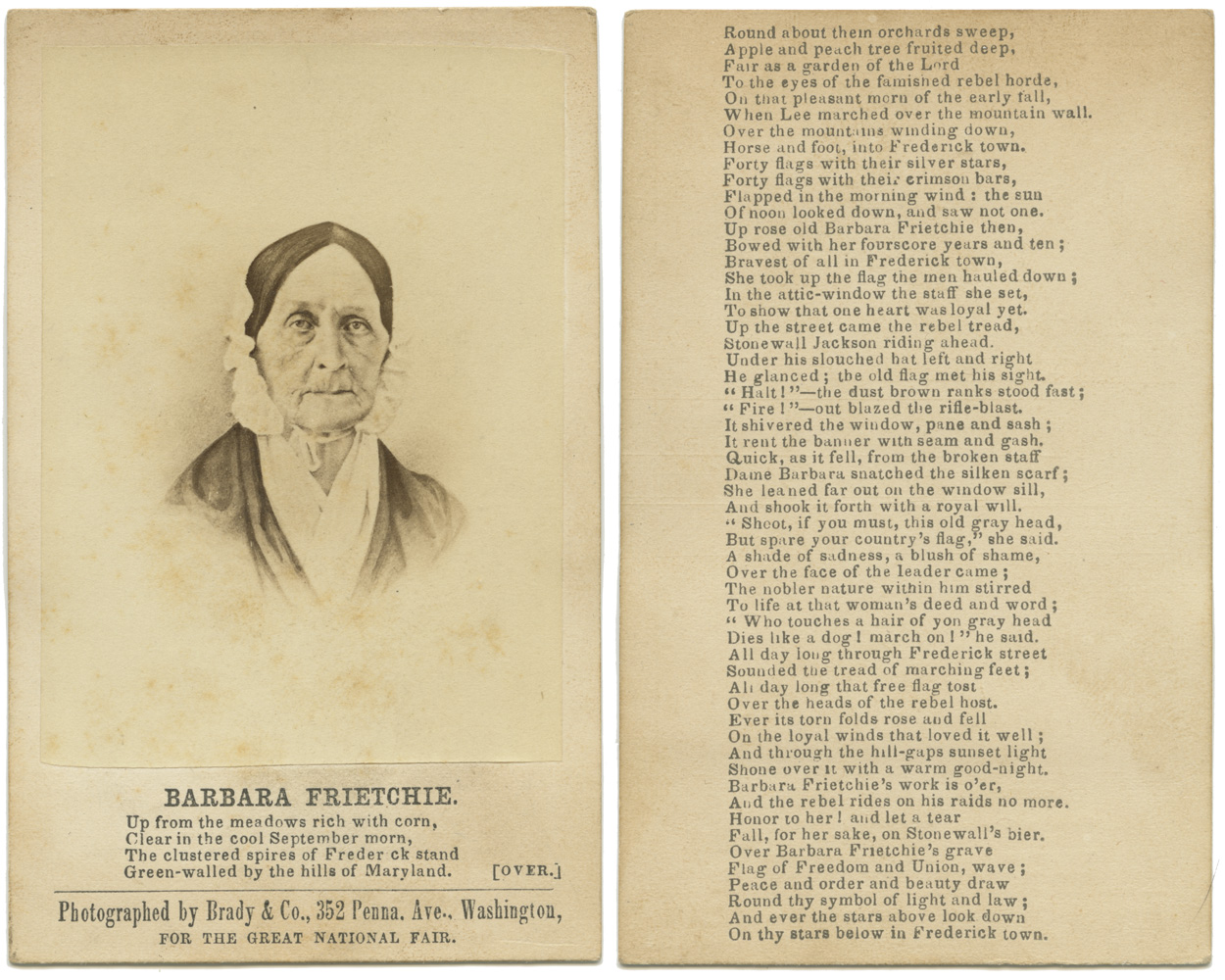
Barbara Freitchie (Fritchie), by Mathew Brady

I’ve seen her name spelled Fritchie (there was a local chain of pancake houses in the Northern Maryland/Southern Pennsylvania area called Barbara Fritchie’s Waffle House. We had one on Main Street in Chambersburg, PA when I was growing up. I think it’s still there, and still has a 1930s/40s decor. I need to get up there and photograph it before they renovate and/or close it down and convert it into a Starbucks or something). The story, as rather floridly recounted in the poem on the carte, is that she was a 90 year old widow, living in Frederick, Maryland. Stonewall Jackson’s troops were marching through Frederick and saw the Union flag flying above her house. They shot it down, but she retrieved it and continued to wave it out her window. Stonewall Jackson was so moved by her devoted patriotism (even if for the other side) that he ordered his men to leave it and her alone.

Barbara Freitchie, by Mathew Brady

There are variations on her story – I’ve seen her age listed anywhere between 90 and 95. The spelling of her name is inconsistent.

The photo, by Mathew Brady, was printed up with the John Greenleaf Whittier poem. The photo is not actually by Brady – that is to say, it is a copy of an existing daguerreotype of Barbara Fritchie, made by Brady. She never sat for him, because by the time the poem was written and the carte de visite created, she had been dead over a year. According to Wikipedia, the whole incident that inspired the poem never actually happened, as Jackson’s troops never marched up her street, but in fact were almost a quarter mile away:

The flag incident in the poem likely never occurred, however, as Barbara Fritchie was sick in bed that day. She told the housekeeper to hide all valuables to prevent looting, and to take in the U.S. flag that hung outside, but it was never moved, and as a result was shot up by the Confederate troops. Accounts differ as to how the legend that inspired the poem arose. The flag, a symbol of the need for myth in times of war, may be seen in the Barbara Fritchie House and Museum.
History disproves the poem with the fact that the Confederate troops never passed by her house. Although they were within range of sight, they would only have been heard by Mrs. Fritchie if they had yelled to her at the top of their lungs.
The troops marched south on Bentz Street and turned west on Patrick Street. To have passed Barbara Fritchie’s house, they would have needed to turn east and march a minimum of 1000 feet to have been at her door.
The woman who inspired the poem, and who was brandishing the flag in front of the Confederate troops, was actually Mary Quantrell who lived on Patrick Street.

In 1899, John Greenleaf Whittier was quoted in a New York Times article based on a letter he wrote to the Frederick Examiner shortly before his death, vouching that he had no knowledge that the Barbara Fritchie incident was a hoax.
What Whittier Knew

The Brady image was made to sell at the Great Sanitary Fair in Philadelphia in 1864. Sanitary Fairs

…were civilian-organized bazaars and expositions dedicated to raising funds on behalf of the United States Sanitary Commission (USSC) and other charitable relief organizations. Over the course of the Civil War, they became one of the most popular means of fundraising for the Union cause.
from Philadelphiaencyclopedia.org

The name sounds somewhat misleading today in that it lends the aura of having something to do with bathing the participants. In fact, they were about protecting the health and welfare of soldiers in the field. the US Sanitary Commission was a relief organization, analagous to the Red Cross, that provided everything from bandages to nurses to food in the camps, and did what they could to enforce healthy living conditions for soldiers and the wounded in hospitals.

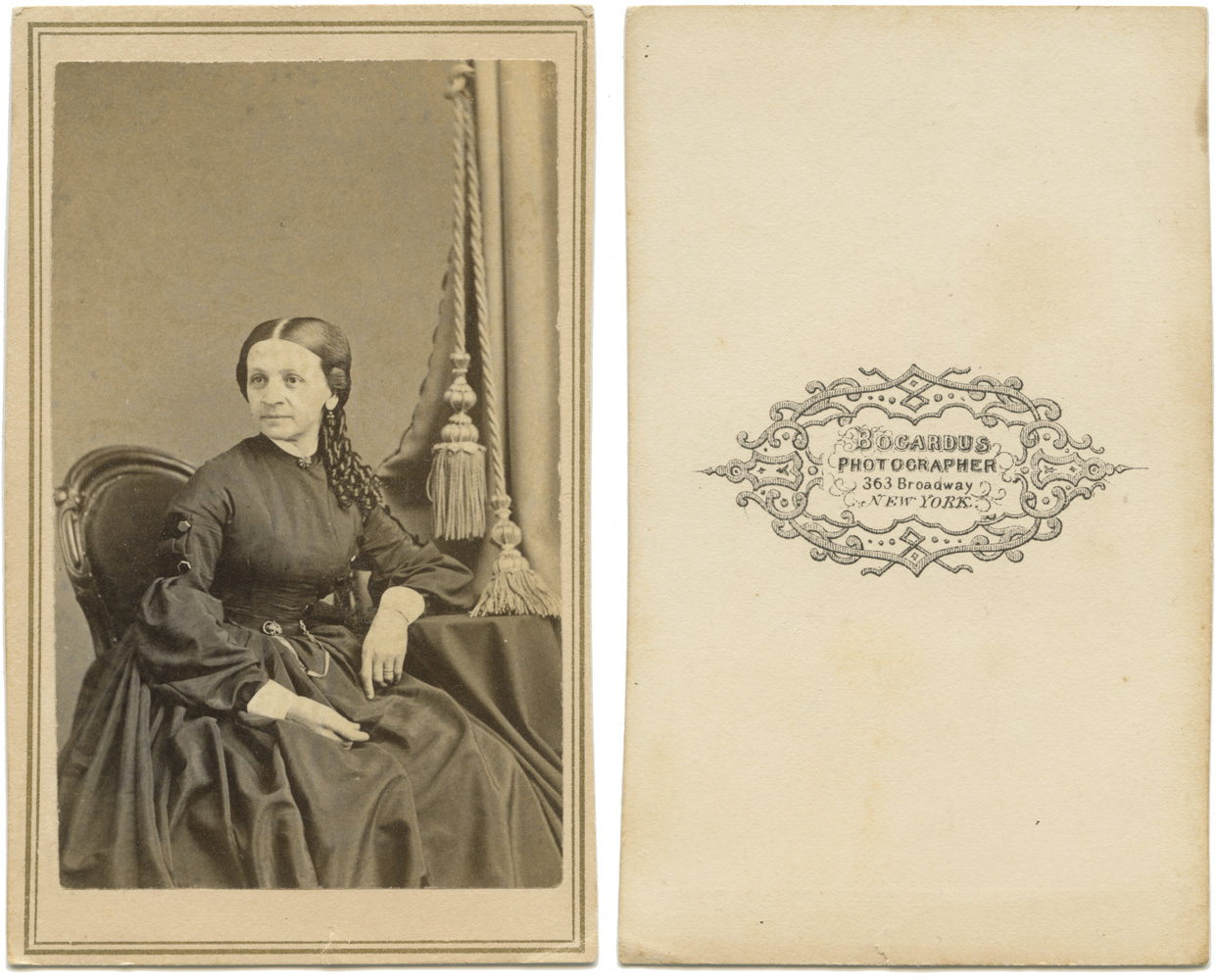
Anonymous Woman by Bogardus

Anonymous Woman by Bogardus

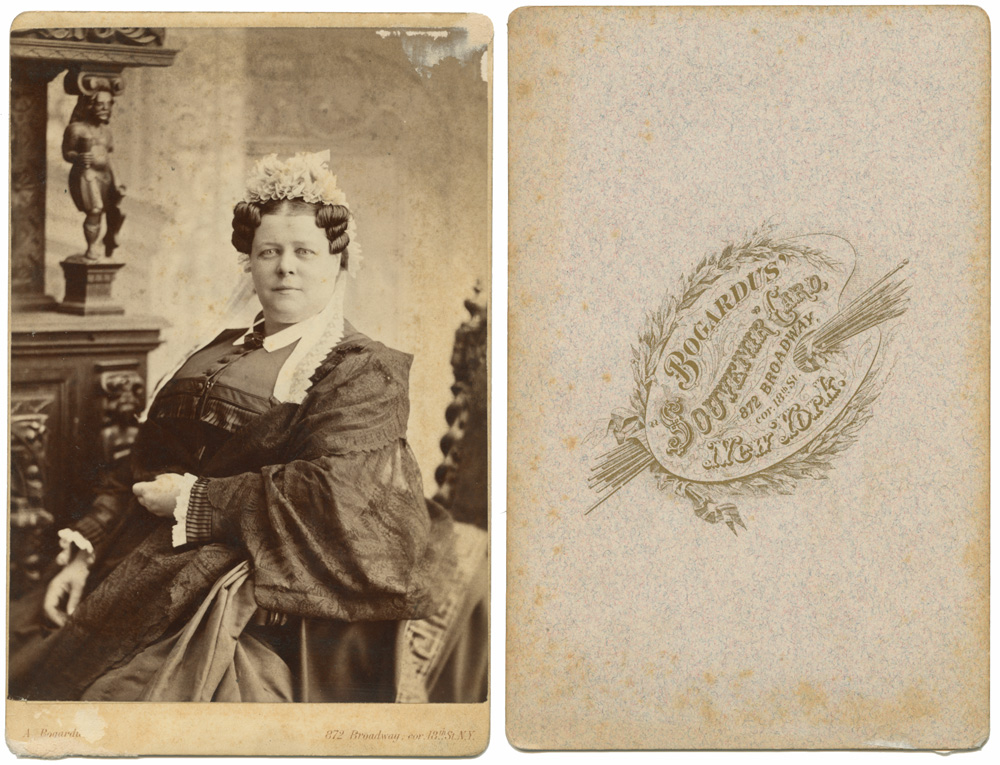
This is an anonymous portrait by Bogardus, one of the “big names” in mid-19th century American portrait photography. The carte itself and the print are in excellent condition, and I love the photographer’s blind stamp on the back. I’m including two more below by Bogardus to show the different blind stamps he used. I’m sure it evolved further over time, but these are the ones I have in my collection.
Plump lady cabinet card, Bogardus Studio
Nellie Keeler, on Bogardus' Sideboard
Nellie Keeler, on Bogardus’ Sideboard

On a parallel but unrelated note, I think the cabinet in the Nellie Keeler and plump lady photos is to Bogardus what the “Reaper” clock is to Brady (as referenced in my previous blog post). The article I linked mentioned that the author found two copies of the Reaper clock like the one Brady had in his studio – it would be very cool to find Bogardus’ sideboard and bring it into a studio.

Photography, Alternative Processes, Really Big Cameras, and other cool stuff