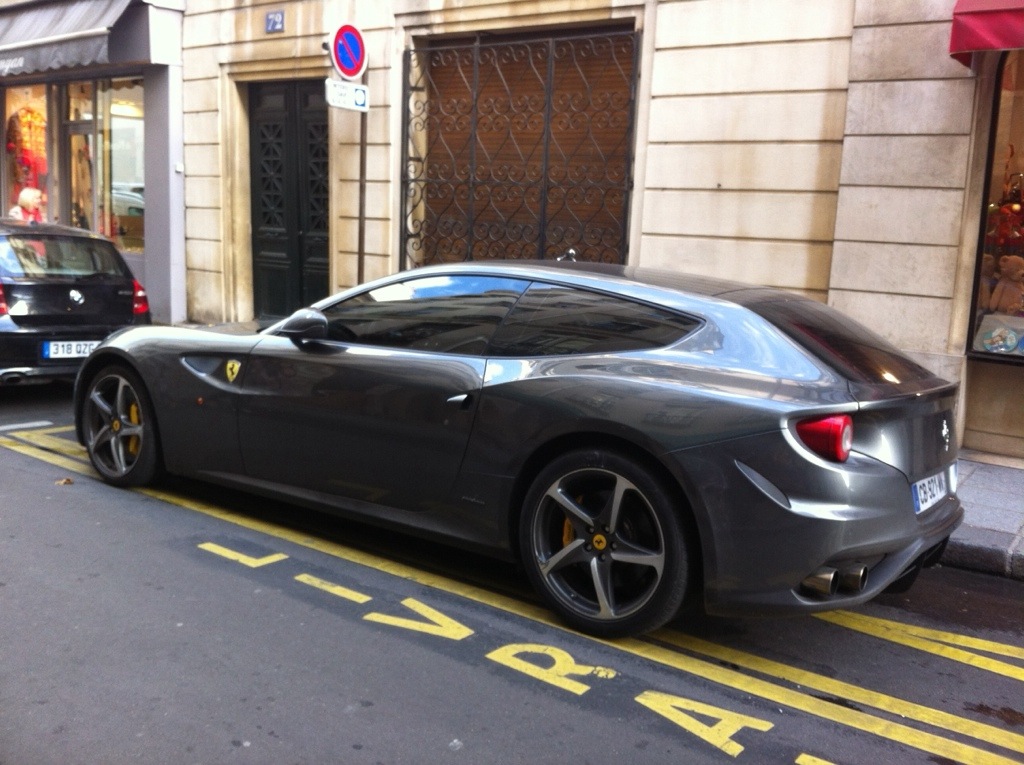
As previously mentioned, I didn’t have much need for automotive transportation in France. But I did get to see some very cool cars at both extremes of the spectrum.
A Ferrari:
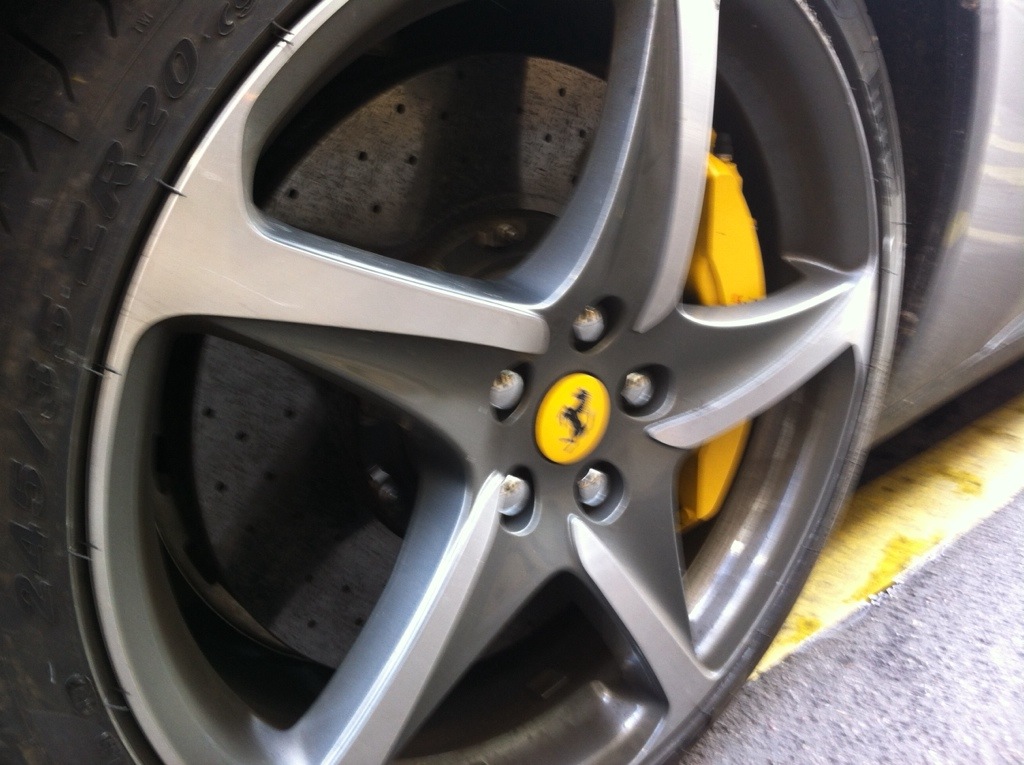
With its yellow brake calipers:
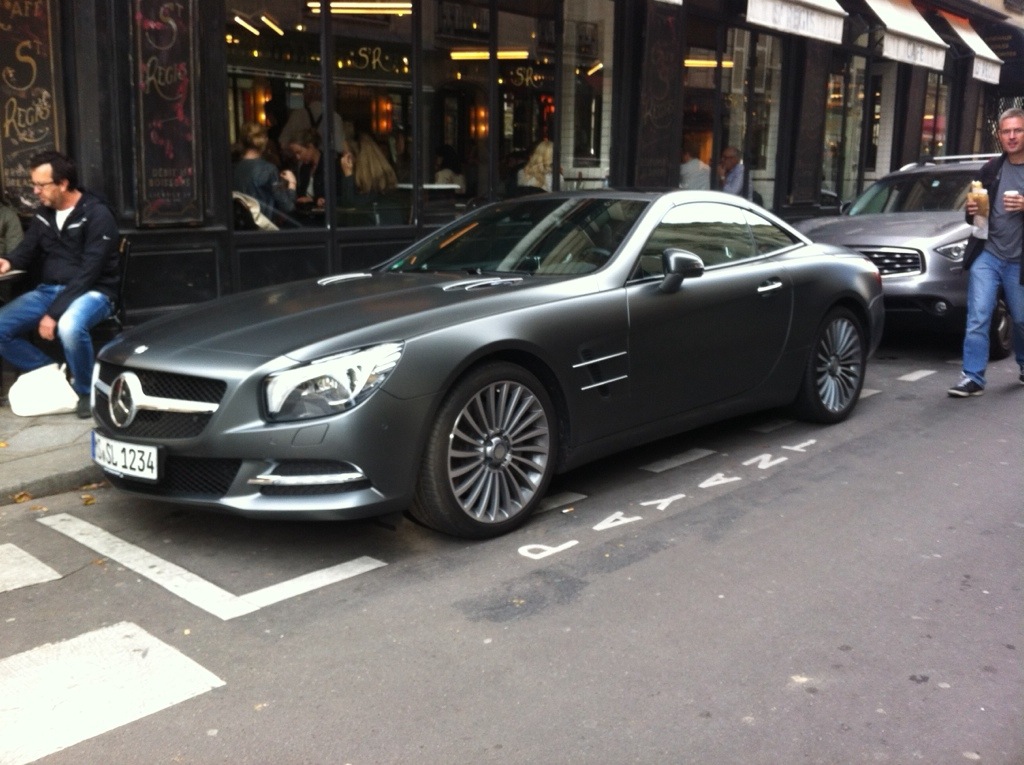
A Mercedes convertible in matte finish paint:
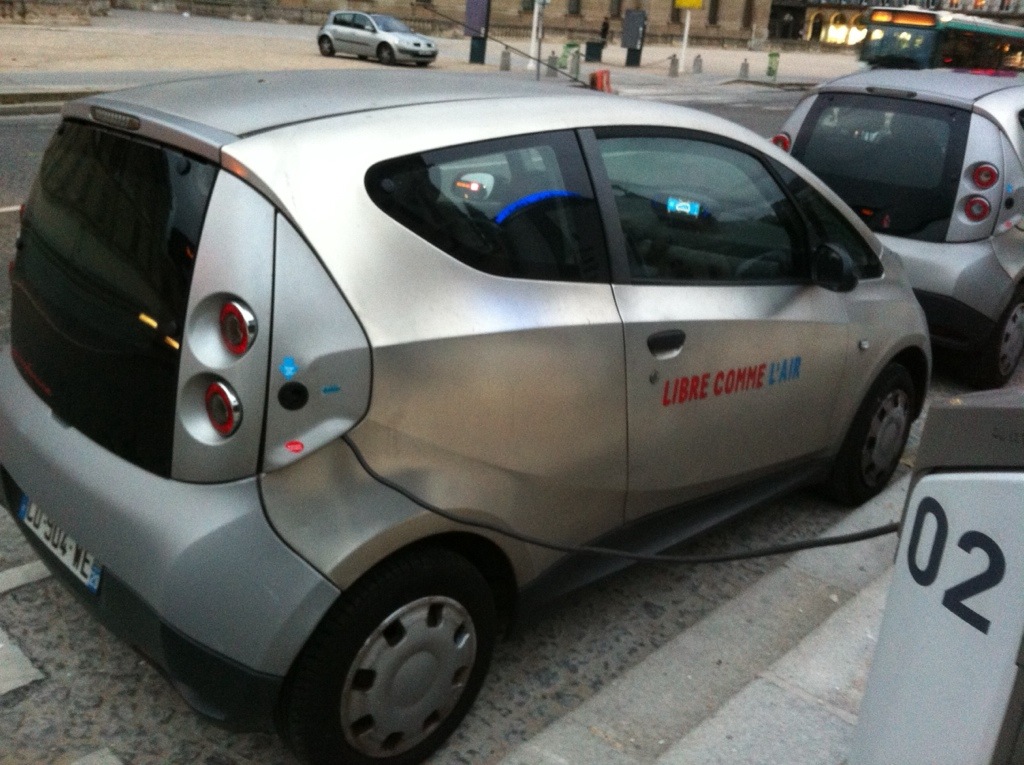
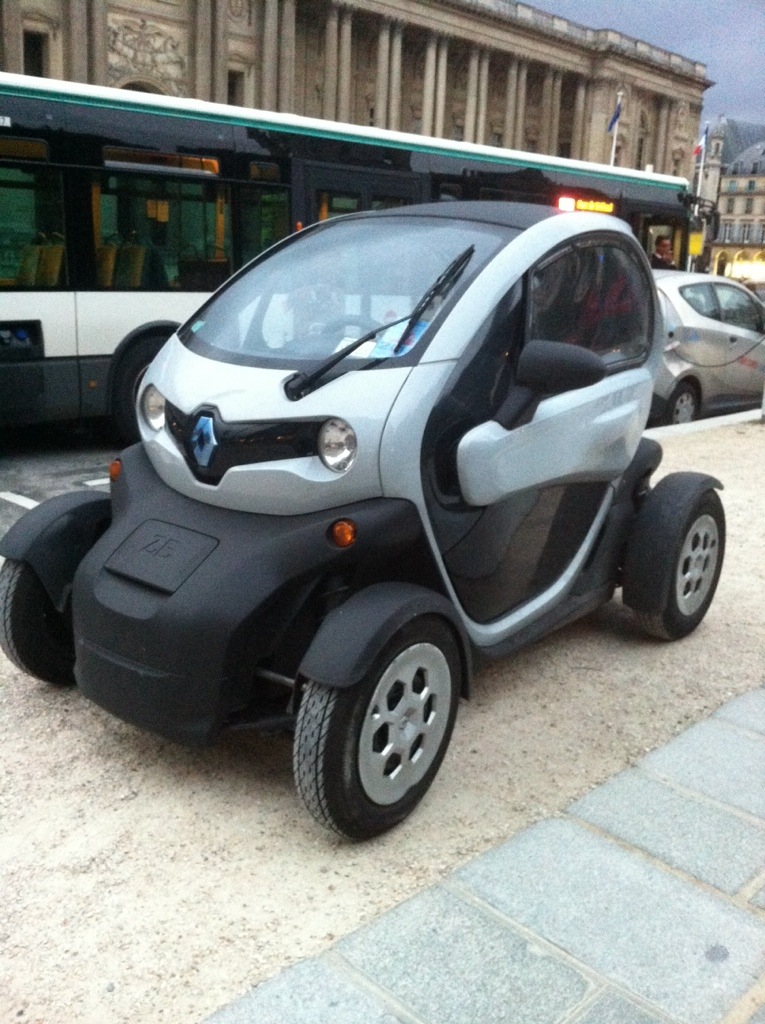
And at the opposite end of the form-vs-function/performance-vs-economy spectrum, there were the Lib’aire electric car sharing cars:
And this funky Renault tandem in-line two seater that could park on the sidewalk it was so narrow.
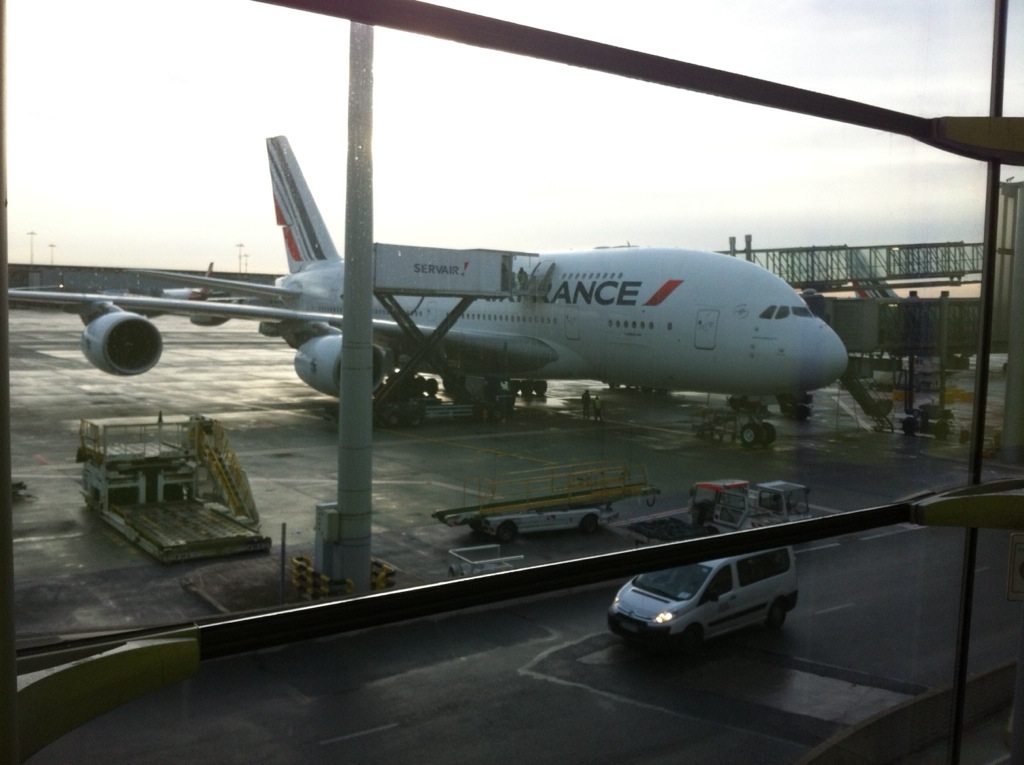
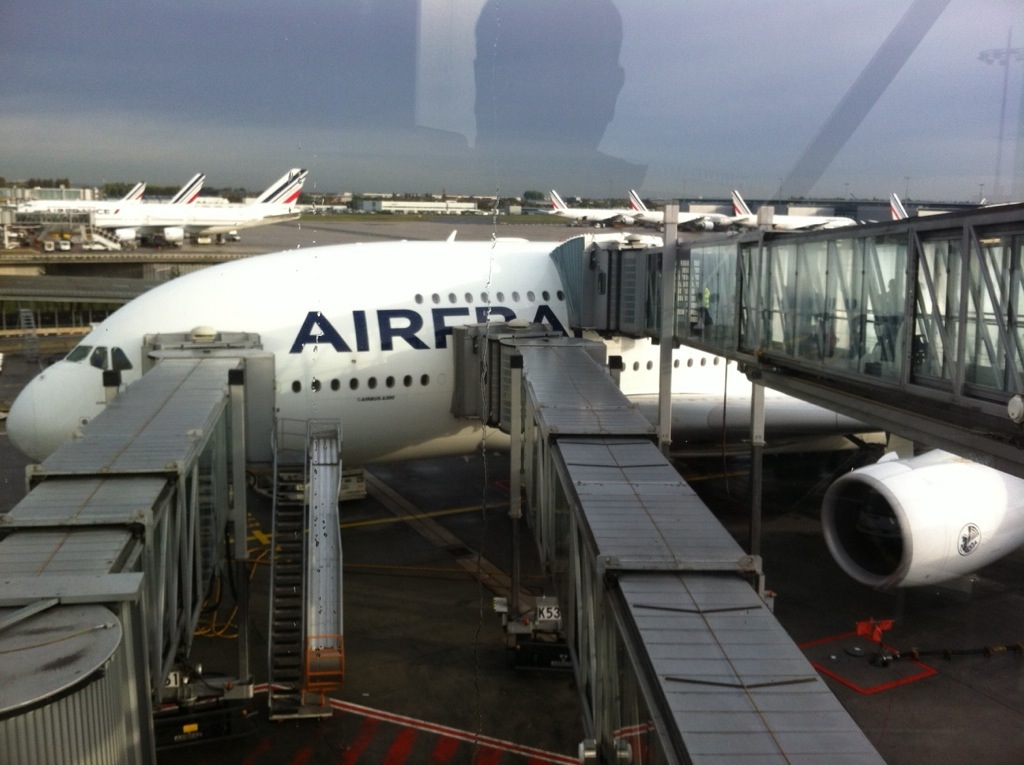
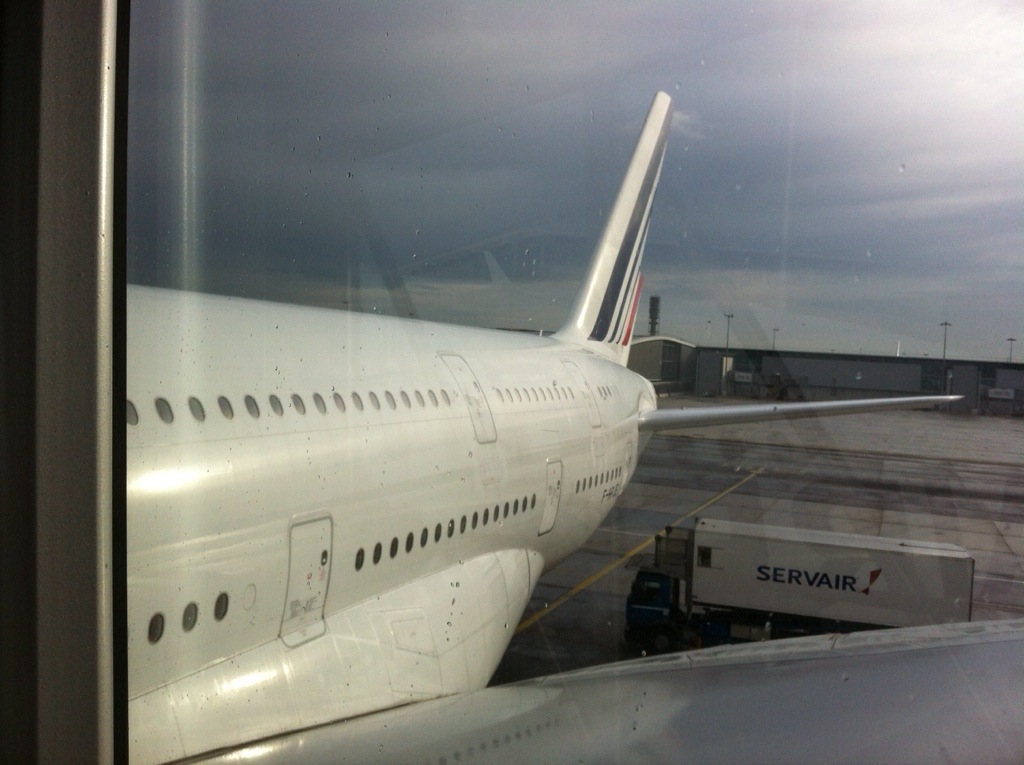
Whenever you travel, of course it involves transportation. I suppose I could call this post “trains, planes and automobiles”, although cars were the least feature of this trip for me. Starting off with planes, the return flight from Paris was on an Air France Airbus A380. I had wanted to see what one was like since they were announced back in the late 1990s. Thanks to my dad splurging on our plane tickets, we had seats in the premium economy section, which put us on the upper deck of the plane. Perhaps because of its size, the A380 was the smoothest riding plane I can recall flying in.
Here it is at the gate at Charles De Gaulle airport.
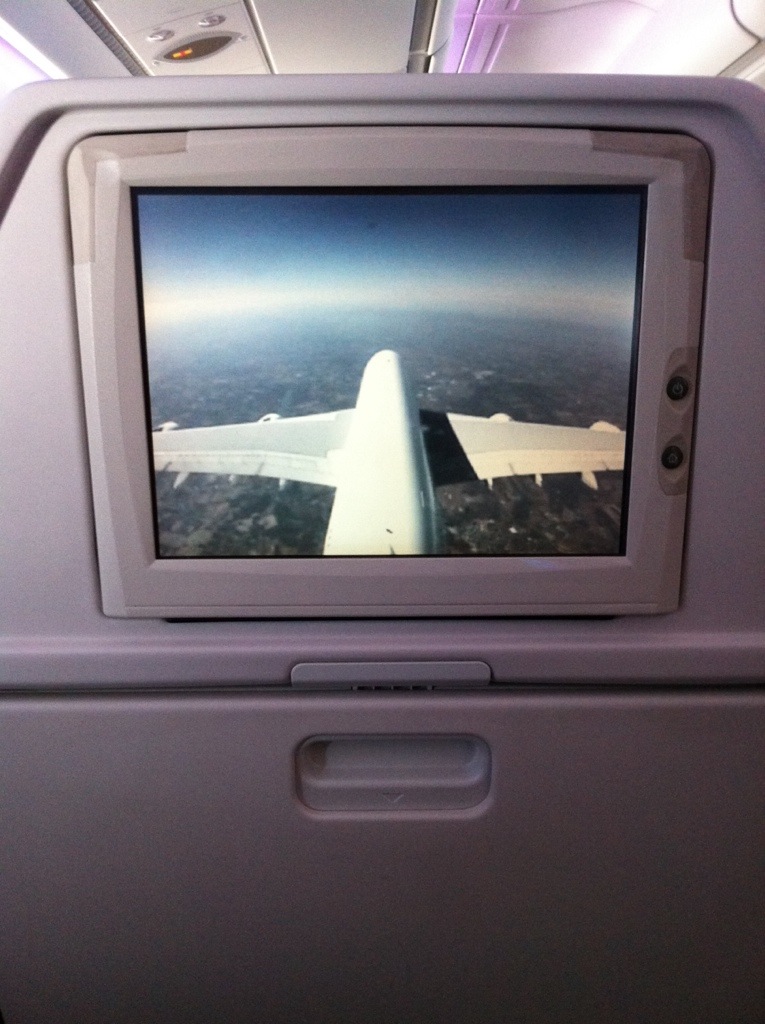
One other neat feature of the plane is that in the entertainment console in the headrest, one option is to view the tail cam. They have a camera somewhere near the top of the tail rudder that has a view of the aircraft and the landscape below it. Here it is, on the approach to Dulles International Airport:
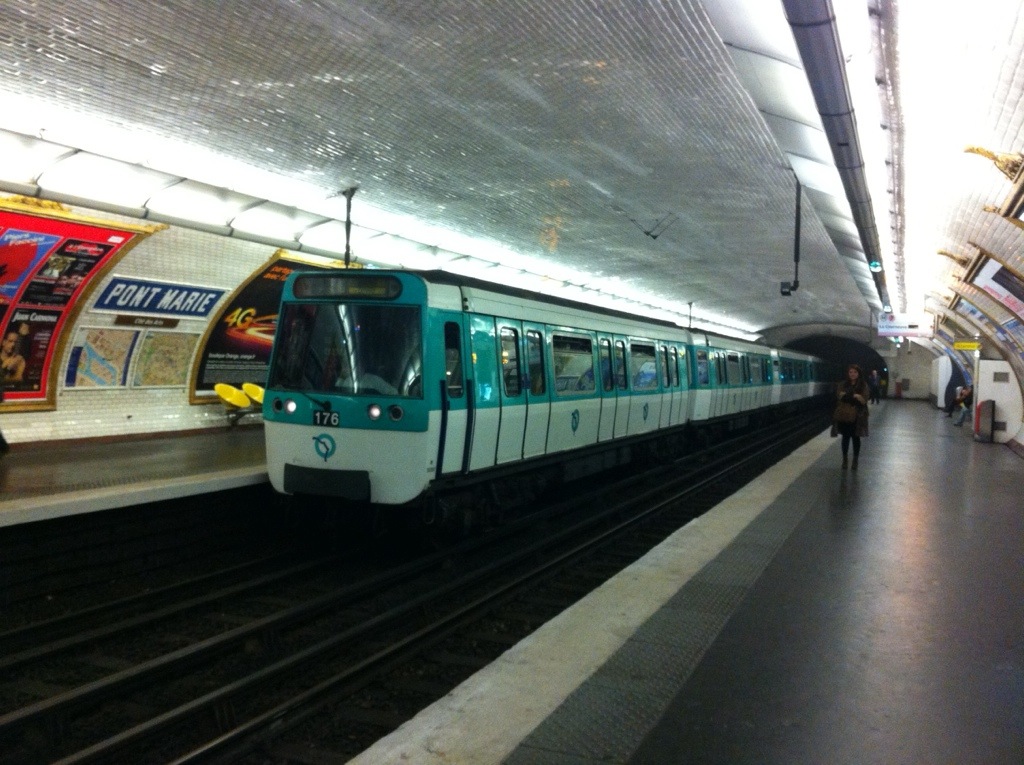
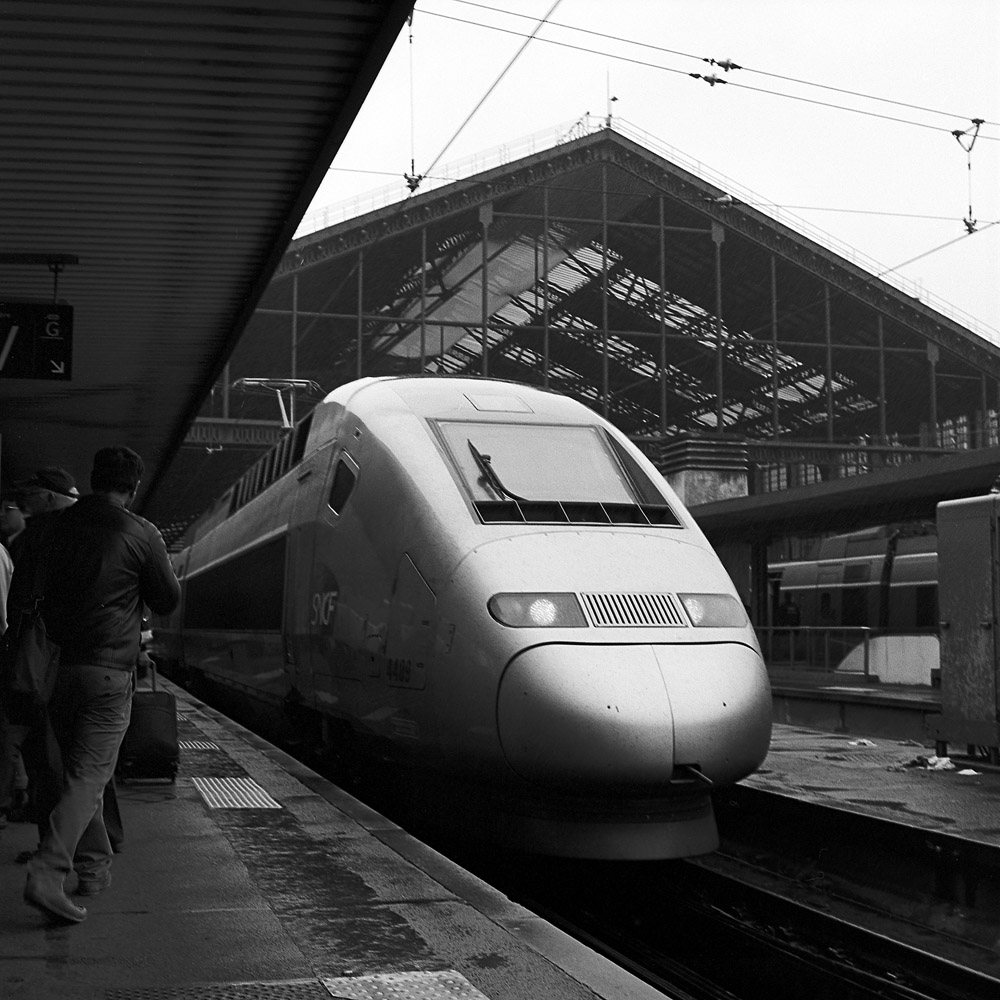
Most of my travels within France were train based. I took the Metro within Paris, a commuter train to Versailles, and a TGV to Chalon. The TGV to Chalon was not the famous super-fast train that goes to Marseilles in 3 hours, but nonetheless, it’s a fast, smooth, quiet train that pivots as it goes around curves.
Paris Metro scenes:
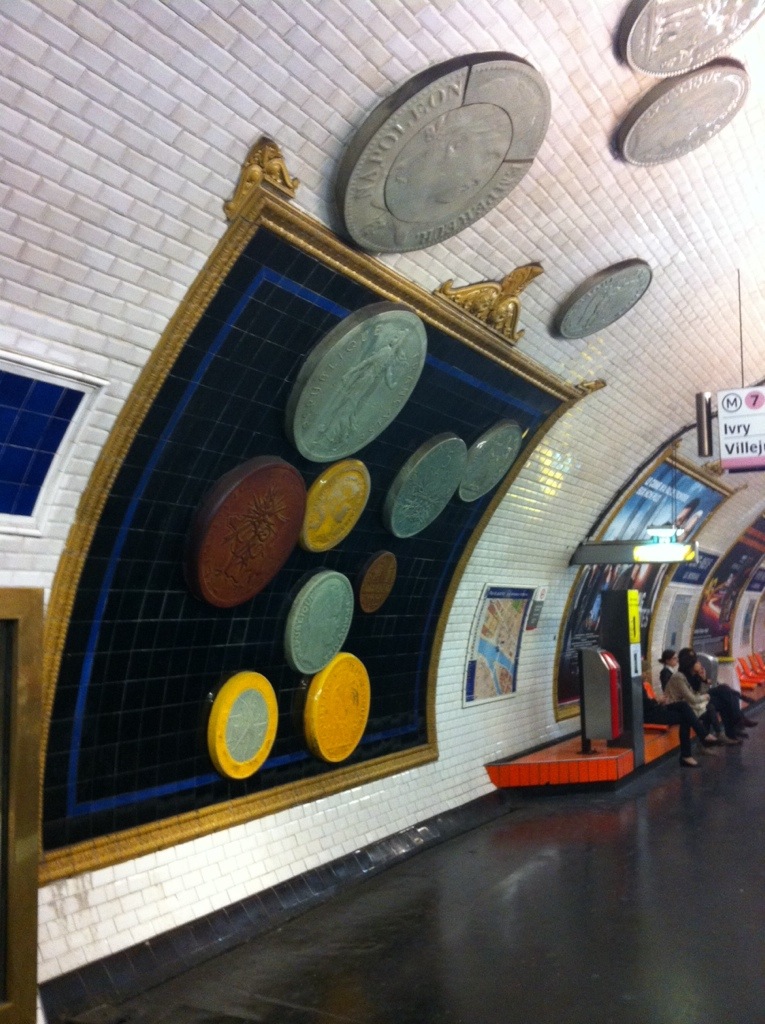
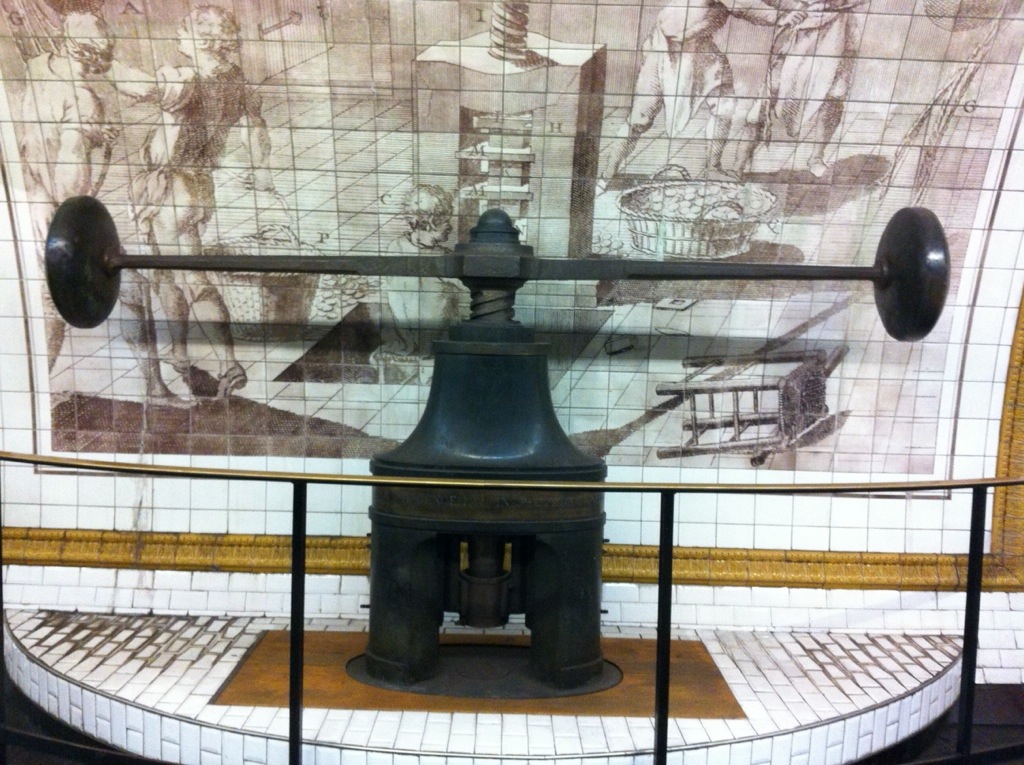
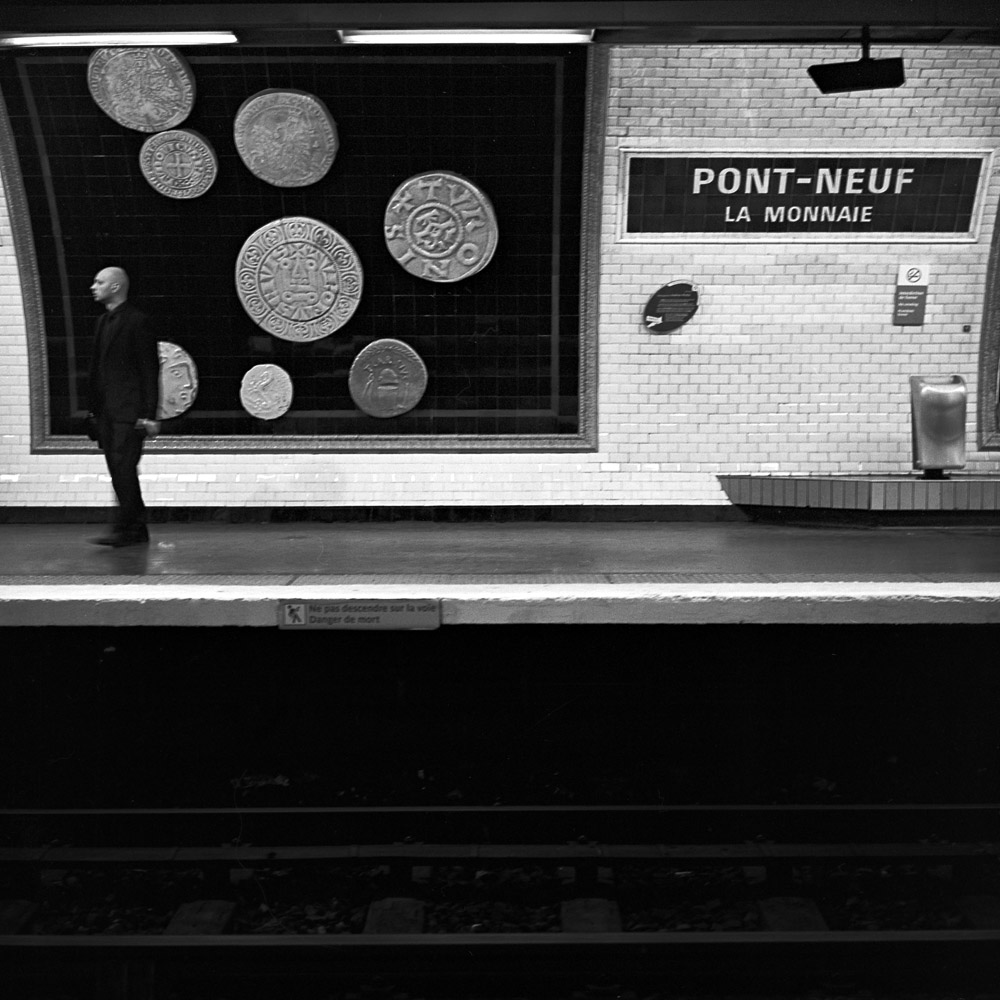
The Monnaie station (the Mint) had these large ceramic replica coins flowing up the wall, over the ceiling and on to the wall of the opposite platform. The platform also had this giant antique coin press on display:
I wish they would do things like that here in the Washington DC metro.
Here’s a take on the same station in black-and-white.
Paris Metro-Pont Neuf
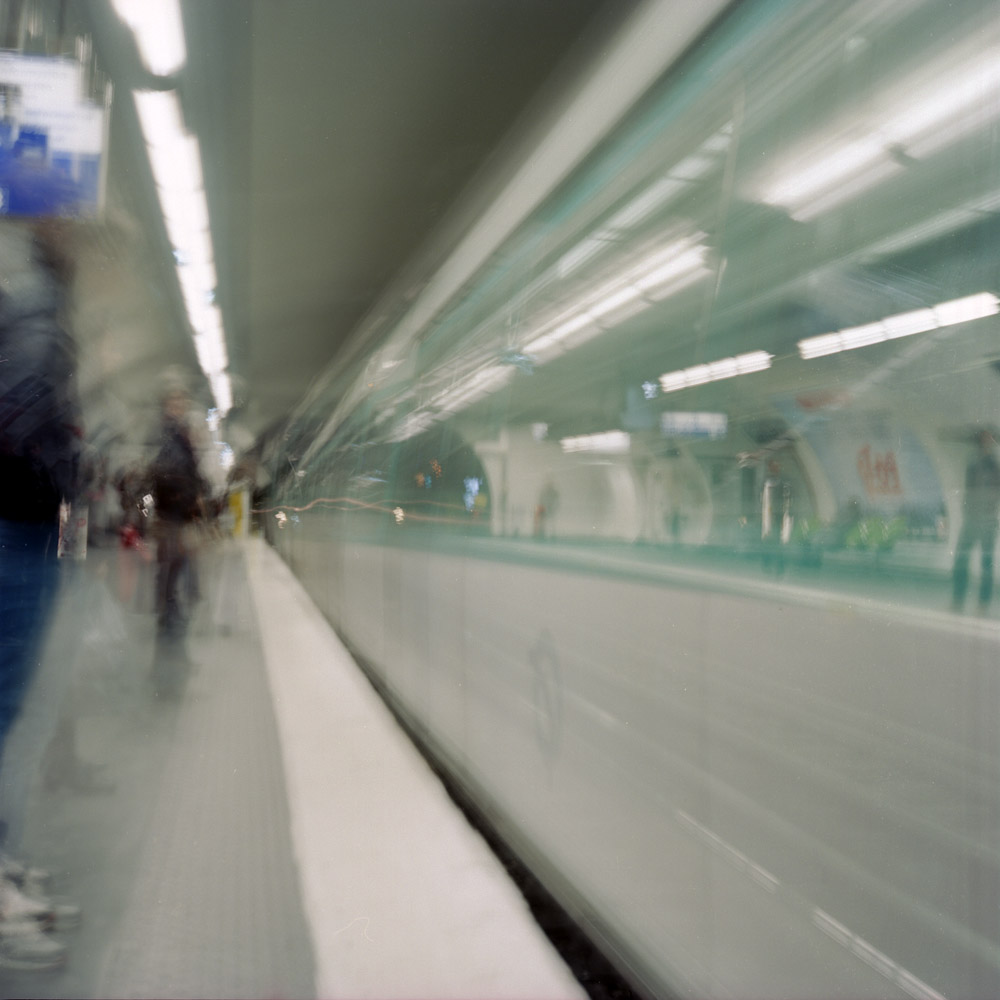
And another view of the Metro in motion:
Speeding Metro
I took a TGV from Paris to Chalon-sur-Saone to go visit the home of Nicephore Niepce, the original inventor of photography. To say that my train trip was an adventure would be fairly accurate – my first train, which was supposed to take me directly to Chalon, instead took me to Besancon, which is a scant 60km from the Swiss border. I had to take three more trains to end up in Chalon, two and a half hours after I was supposed to arrive there.
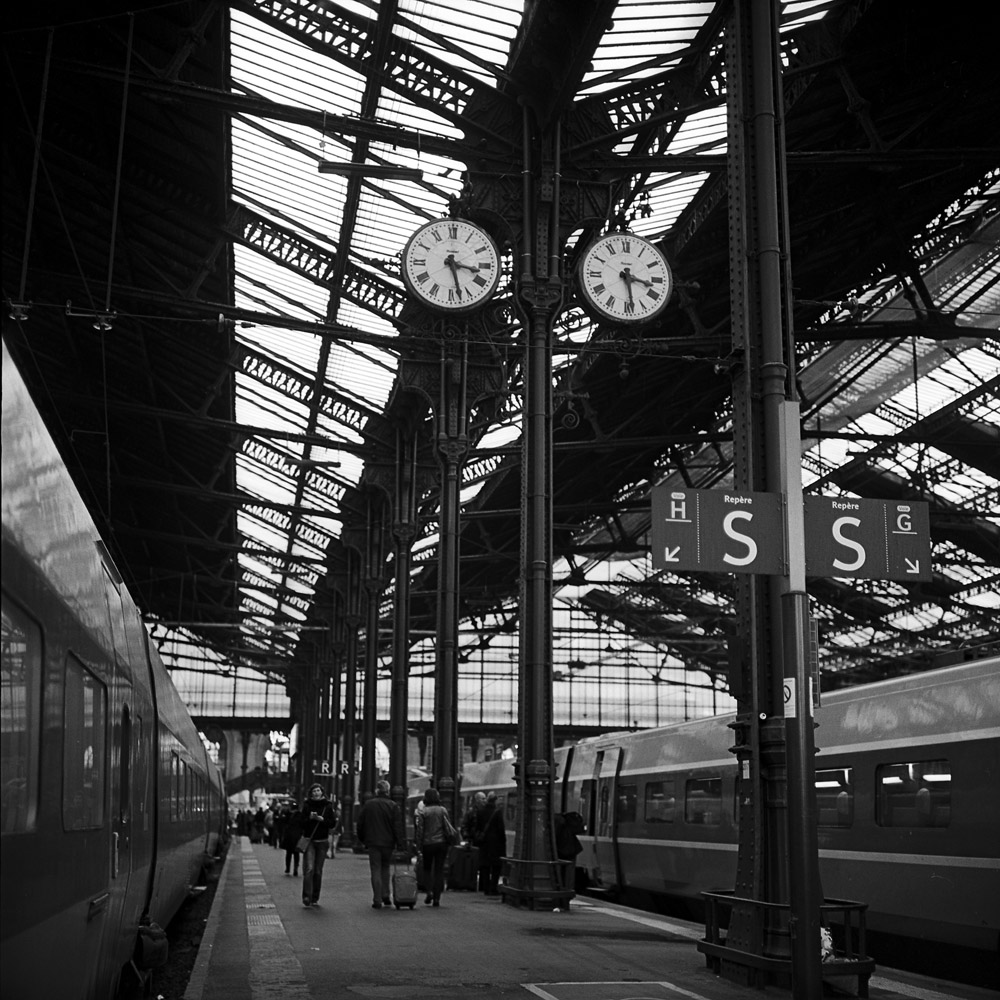
It all worked out ok in the end, and the return trip was far less adventurous. Here is the Gare D’ Lyon, my starting (and ending) point in Paris: TGV, Gare D’ Lyon
In part one, I mentioned the orgy of great food I had. Here is proof of the deliciousness to be found in Paris and Chalon-sur-Saone, and nary a Michelin star in sight (or the accompanying heart-stopping bill).
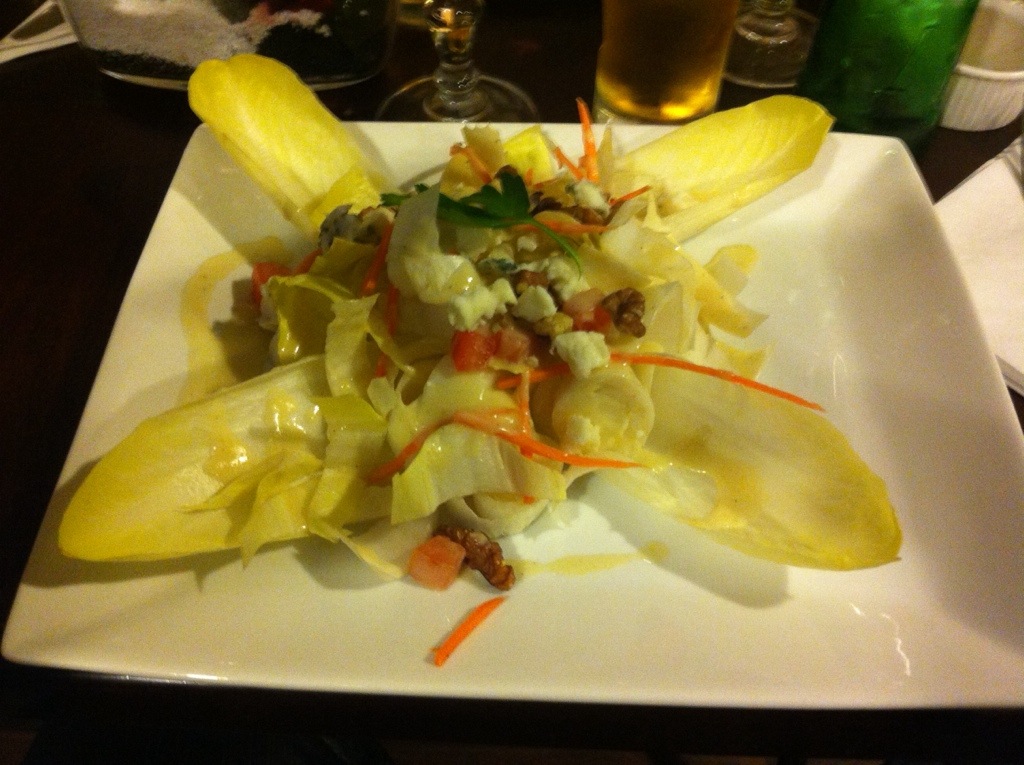
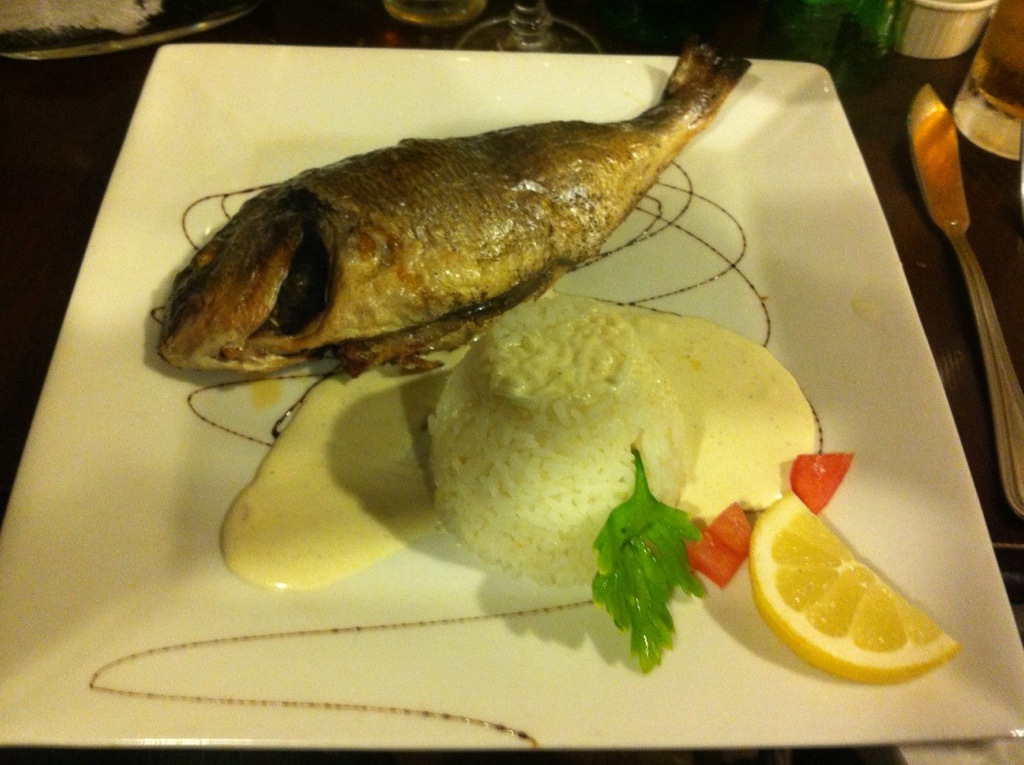
Endive salad, and roasted whole fish:
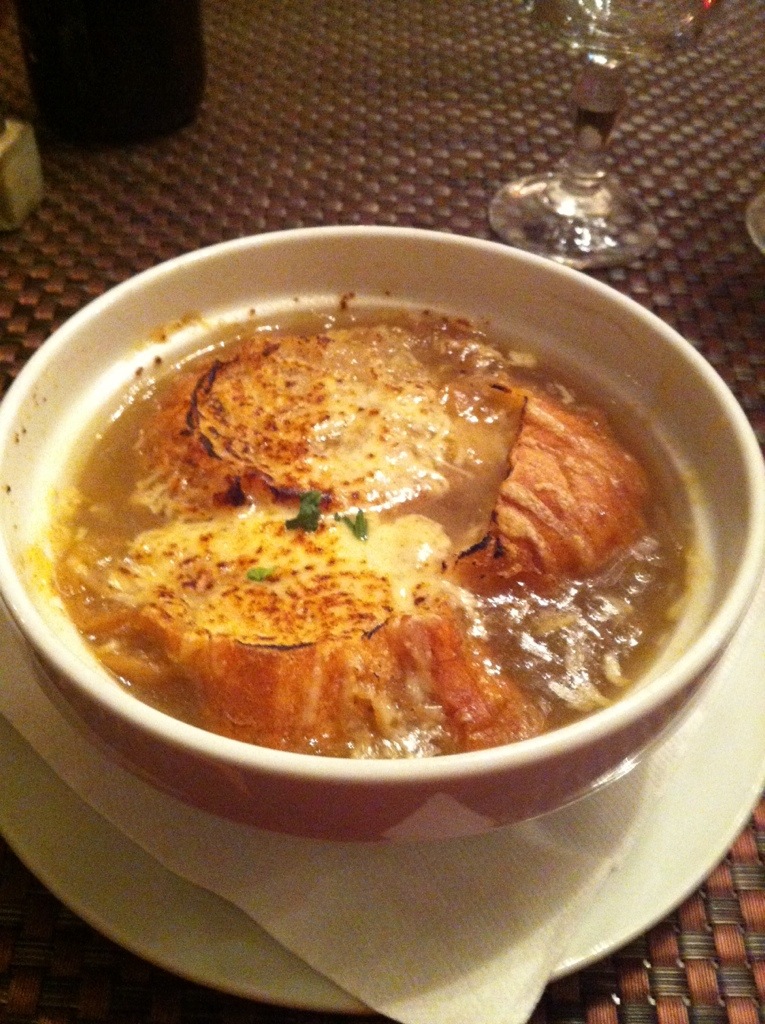
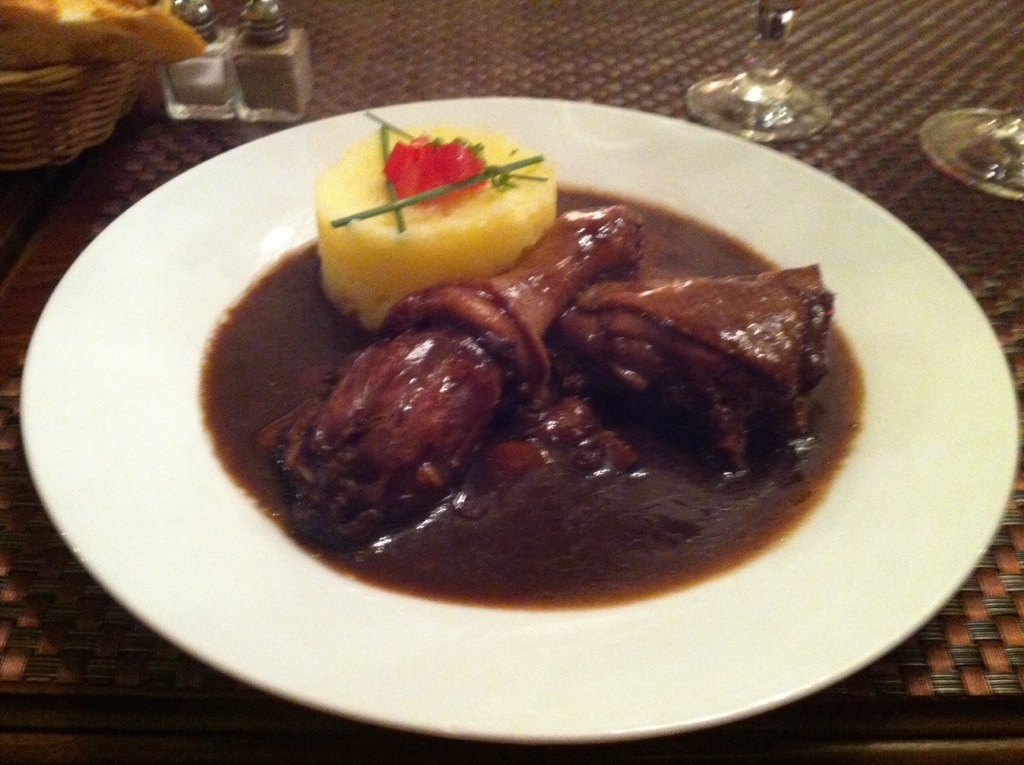
French onion soup and Coq au Vin:
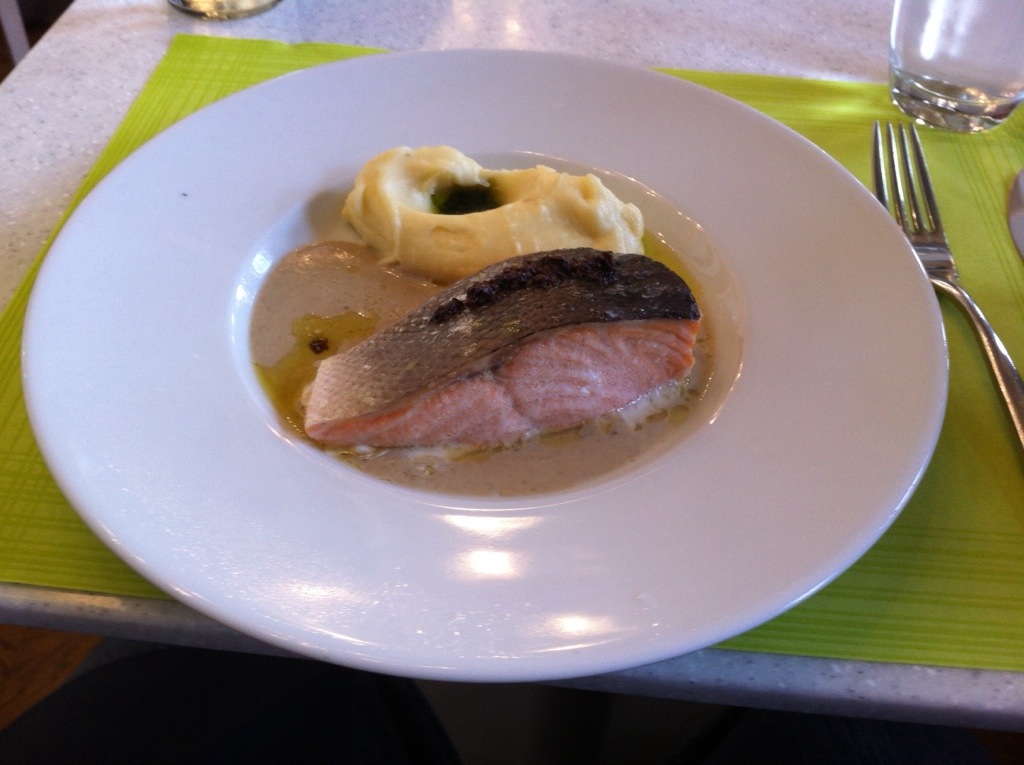
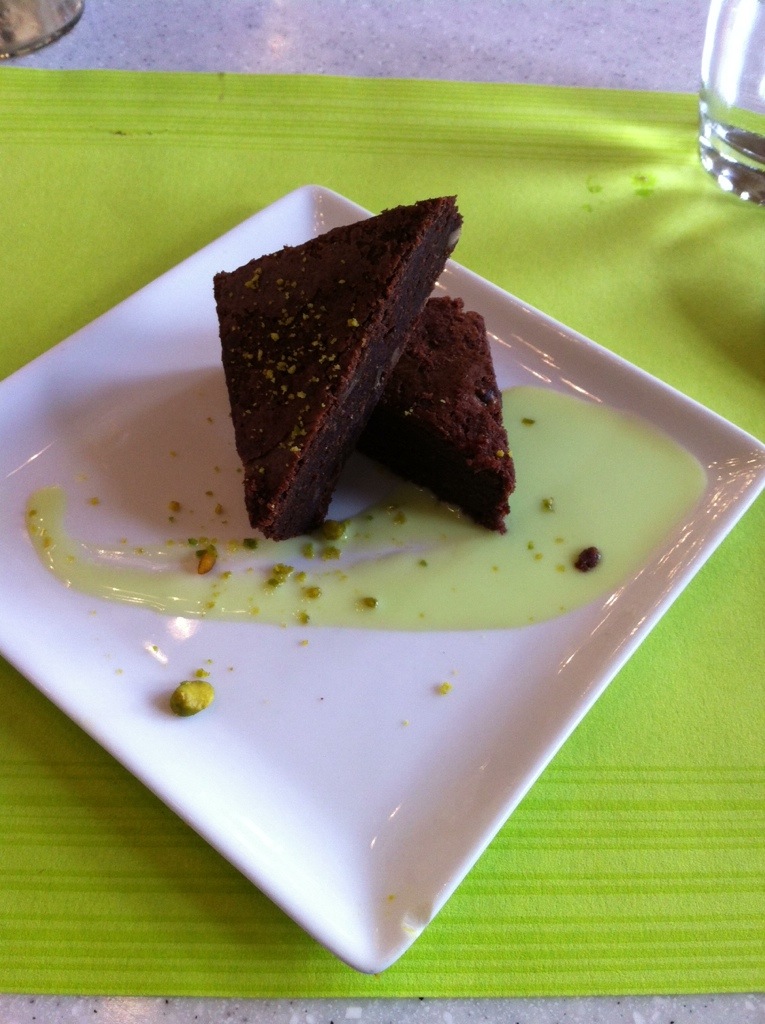
Salmon in a cream broth with potato purée topped with pesto, and brownies with pistachio crumbles and sauce:
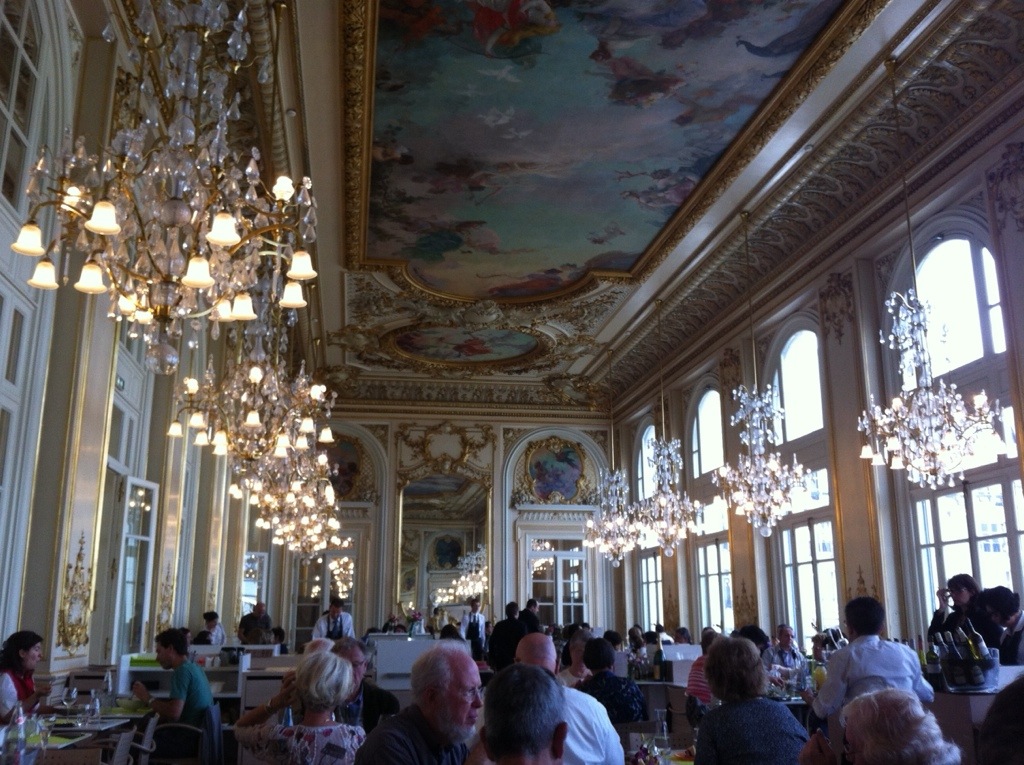
The dining room at the Musee D’Orsay where I ate the aforementioned salmon and brownies:
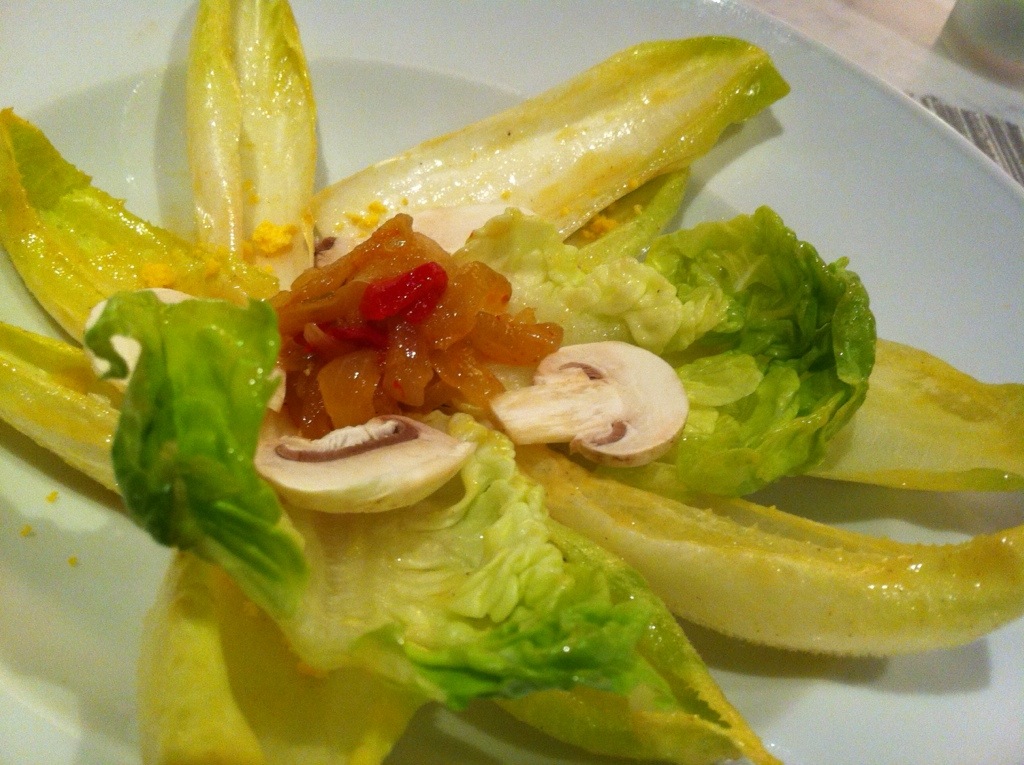
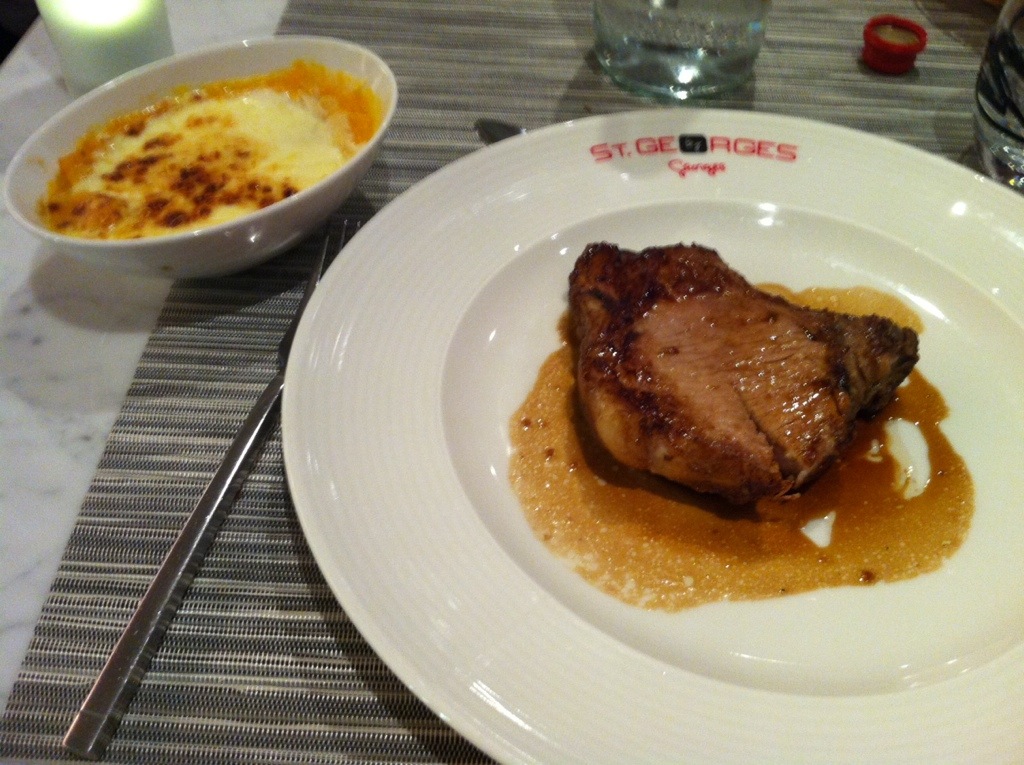
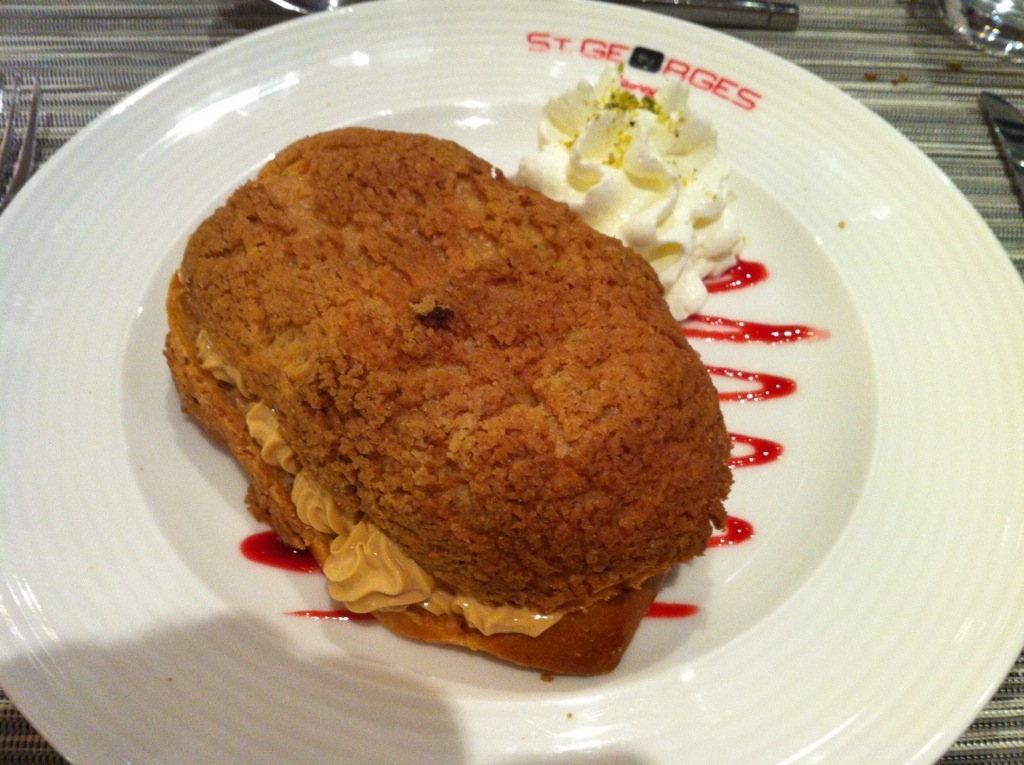
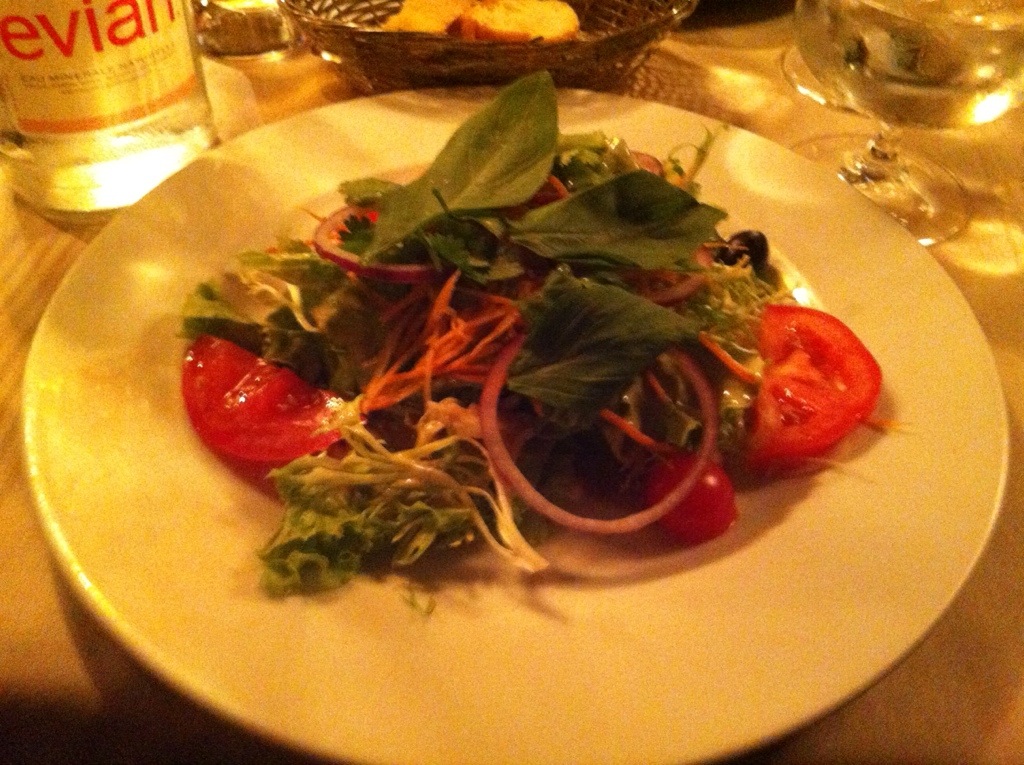
Endive salad with raw white mushrooms, sautéed onions with sweet red peppers, sprinkled with crumbled egg yolk, grilled pork with a pumpkin casserole topped with a cream sauce and gruyere cheese, and the wildest eclair you’ve ever seen:
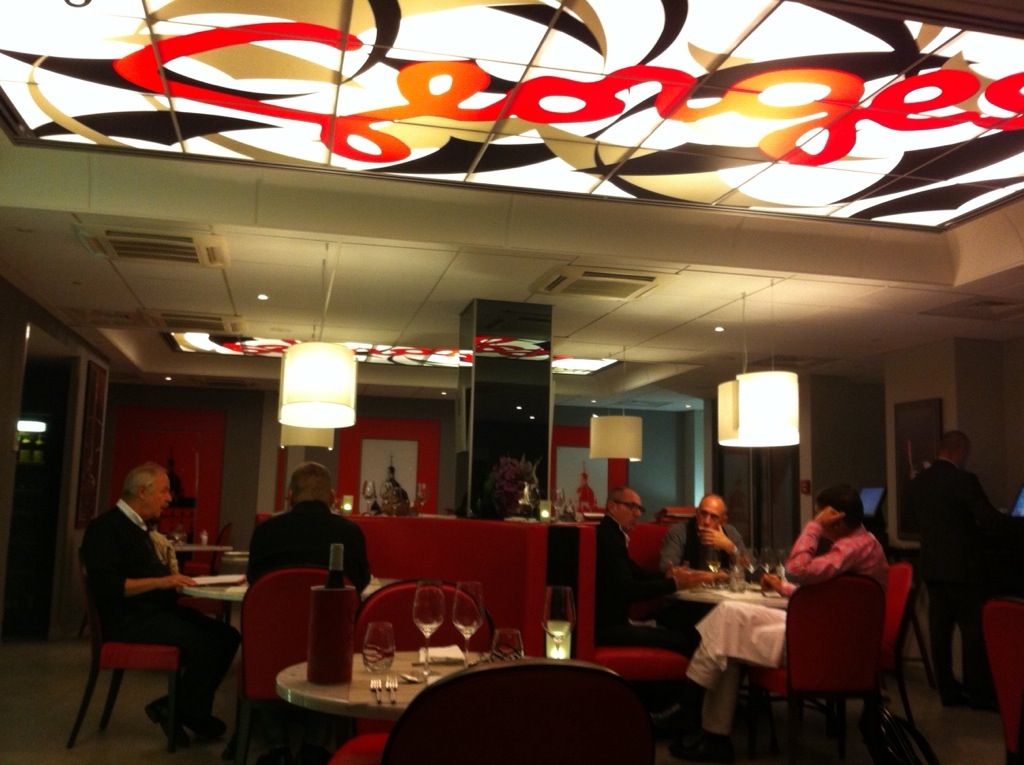
The above was from the dining room at the Hotel St. Georges in Chalon-sur-Saone, the birthplace of photography (thus my reason for going there). I can highly recommend the St. Georges hotel and their restaurant- the rooms were brand new, sparkling clean, the service was friendly and impeccable, and the dining room was one of the best restaurants I ate at on the entire trip.
The dining room:
More food:
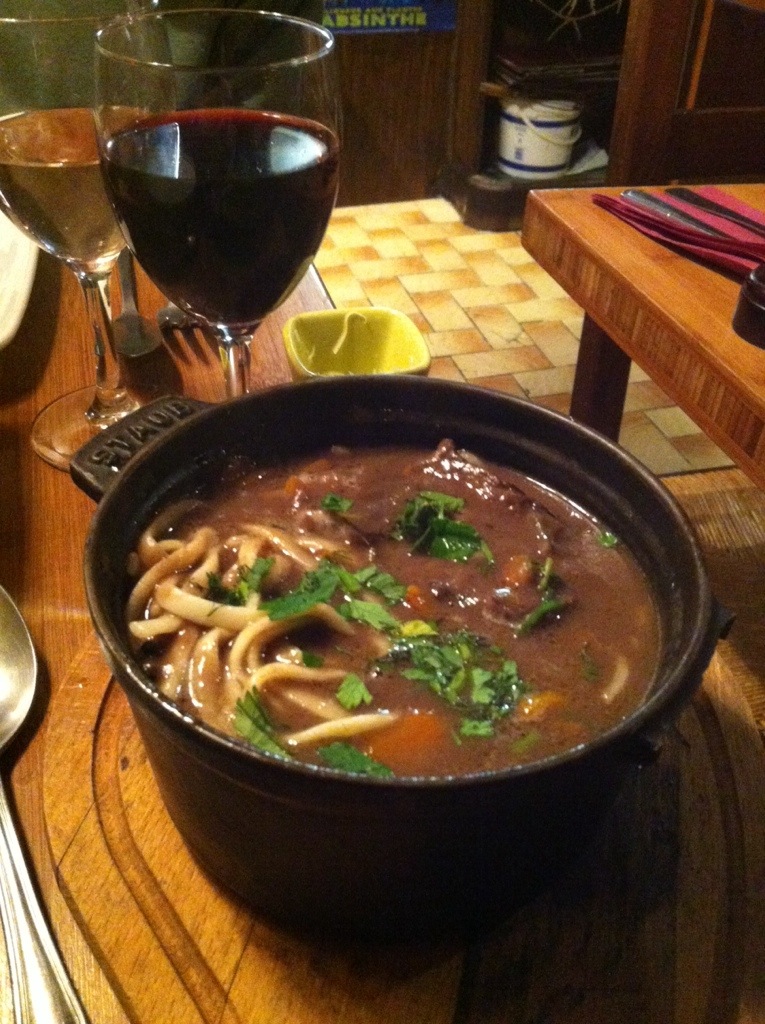
Boeuf Bourguinon:
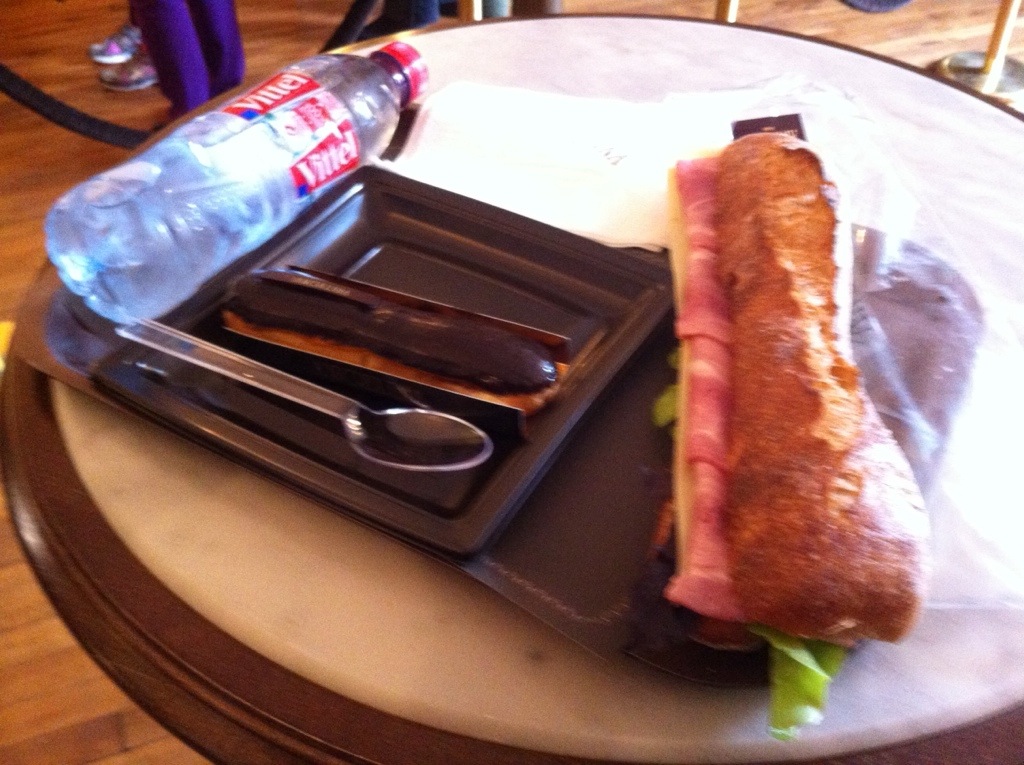
Lunch at the take-away counter at Versailles. A ham sandwich and an eclair:
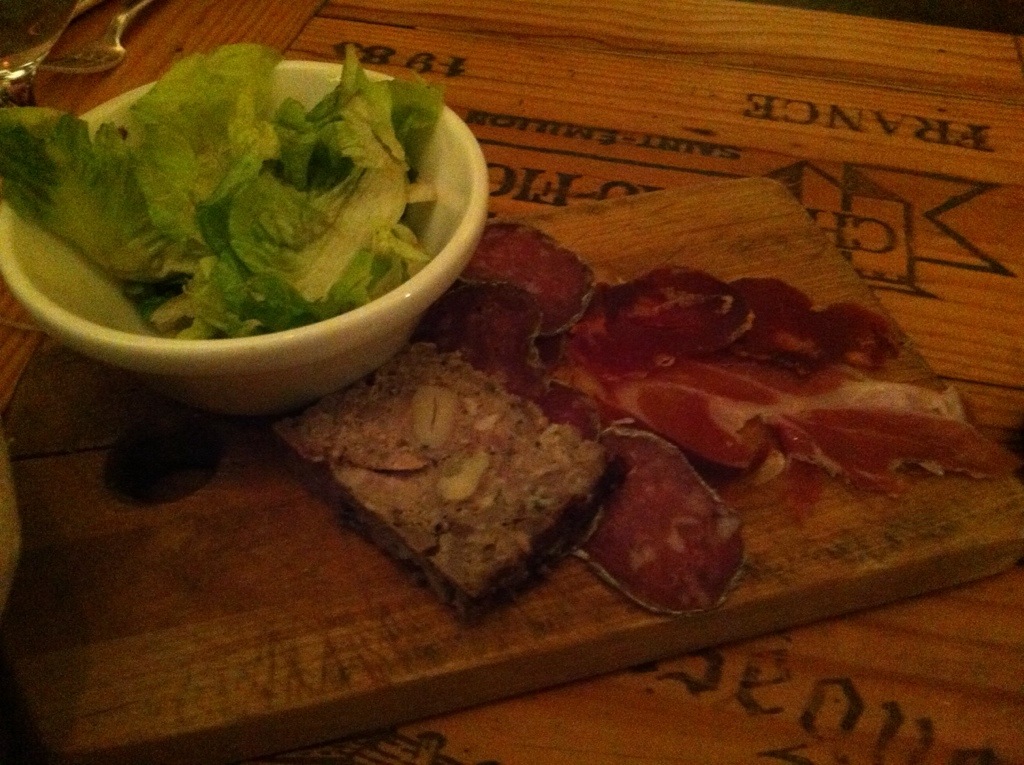
Charcuterie plate:
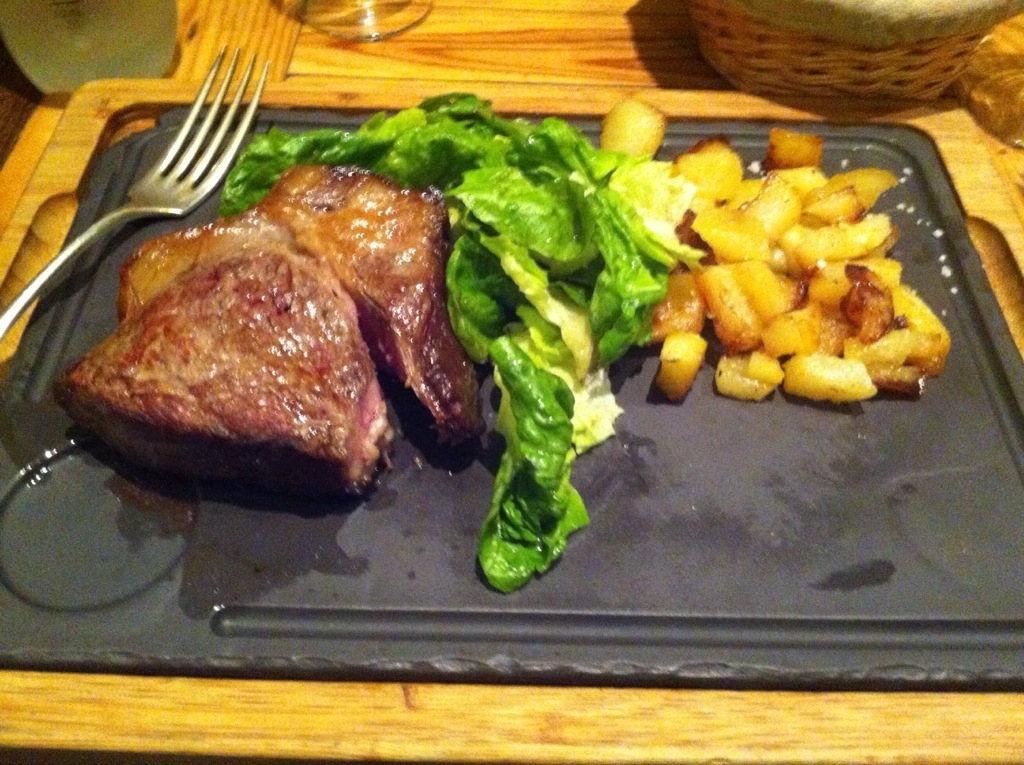
Steak with potatoes and greens:
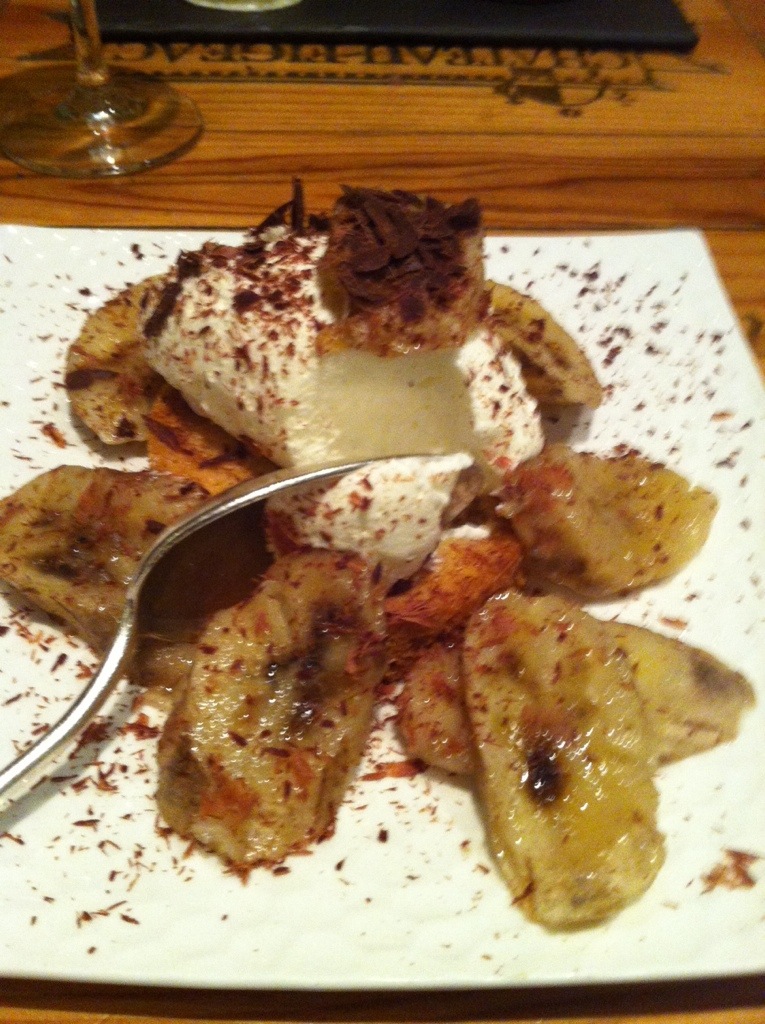
Bananas with creme anglaise and powdered cocoa:
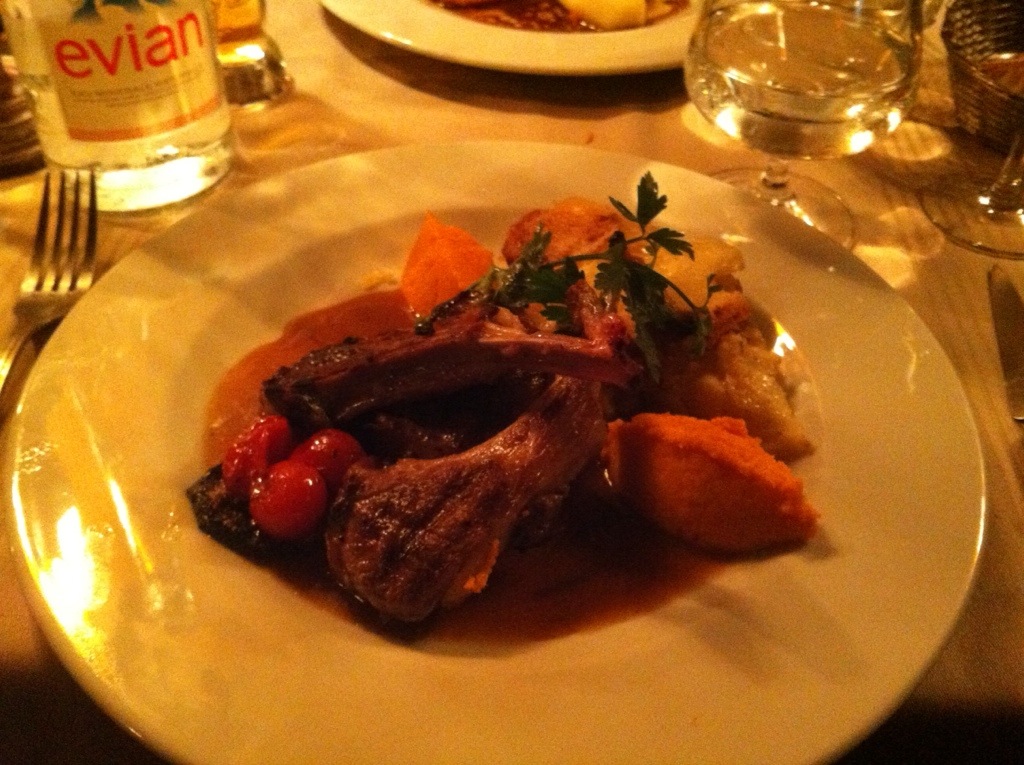
Green salad and grilled lamb chops with pumpkin purée:
The only quibble I have with the French is that they seem to have no idea whatever of what to do with pasta. The noodles in the boeuf Bourguinon were way past al dente and somewhere between soft and dissolved. I grabbed a veal Milanese for lunch which was perfectly cooked and delicious, but the pasta side that came with was bare of sauce (a very small cup of marinara was provided to dip the cutlet in) or even butter! It was like, “we know there’s supposed to be pasta with Italian food, but we don’t know what to do with it, so we’ll just stick it over there and hope nobody notices”.
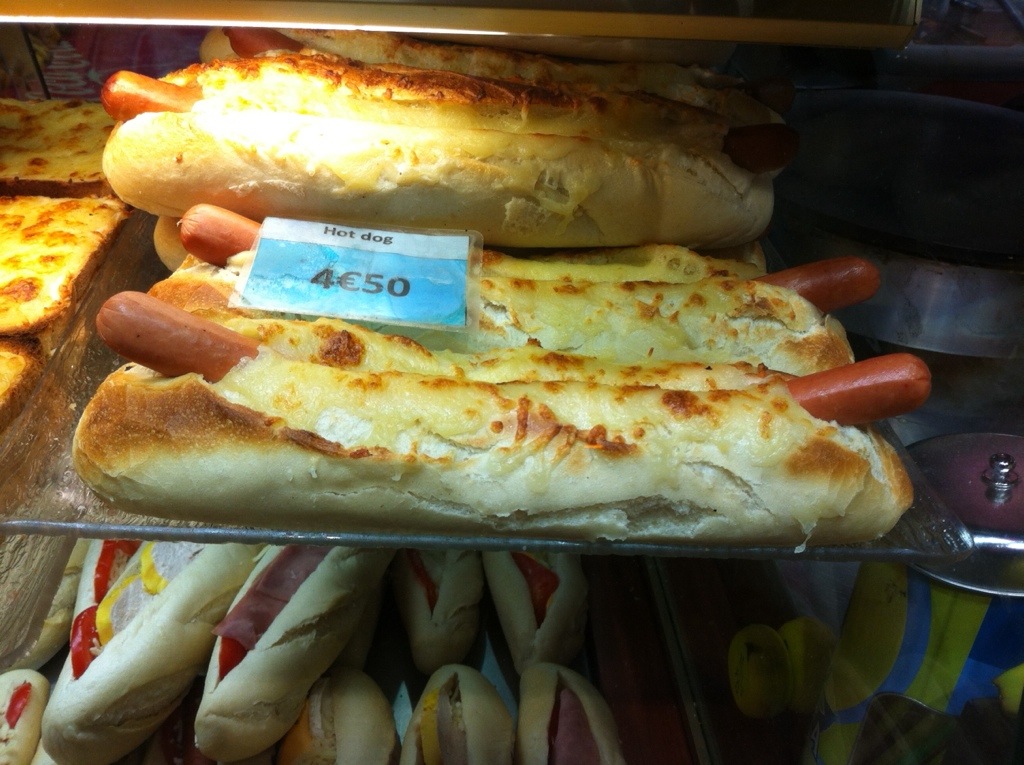
And last but not least, the humble hot dog. The French manage to elevate one of the most humble of foods into gourmet territory by putting it in a baguette slathered with Dijon mustard and topping it with melted cheese.
Having a slow news day at the office, I thought I’d post some of the stuff from my iPhone that I shot in Paris. Here’s a very short video clip I took of a fire spinner in front of Notre Dame cathedral using fireworks as part of his act.
My apologies for the very long delay in writing. Did you all miss me? Part of it was just a general busy-ness and part of it was that I was traveling to Paris for ten days, then waiting for my color film to come back from the lab, and processing and scanning my black-and-white work. Paris was a blast – I have to say it was an orgy of great food – I did not have a single bad meal, or even a humdrum one, in the entire 10 days. Well, ok, the breakfast at the airport on the day of the return flight was, well, airport food, but that doesn’t really count. I’d say the meals on Air France made up for it. I’ll save the rest of the food chat for another post – I took pictures of most of my meals.
I took only one camera with me on this trip, the Rolleiflex. It has only one focal length, and is entirely manual. I know to some folks, shooting their entire vacation with a normal lens would be heresy. I found that in actuality, there were perhaps a half-dozen photos that I took that in retrospect would have been better with a different focal length, and another half-dozen to ten that I didn’t take because they wouldn’t work with the focal length I had. This out of almost 400 frames (33 rolls of 120, 12 frames/roll). I kept my film palette largely restricted to two films – Kodak Ektar 100 for color (with two exceptions) and Tri-X for black-and-white. I did make the mistake of dragging along with me a whole bunch of additional film that I didn’t need to bring (way too much alternative black-and-white film, like some Ilford Pan-F and FP4+). The color exceptions were some Portra 160 for long night-time exposures and some Portra 800 for low-light where I could only hand-hold the camera.
I’ll start this series of posts off with a pair of highlights: the Eiffel Tower and Notre Dame Cathedral.
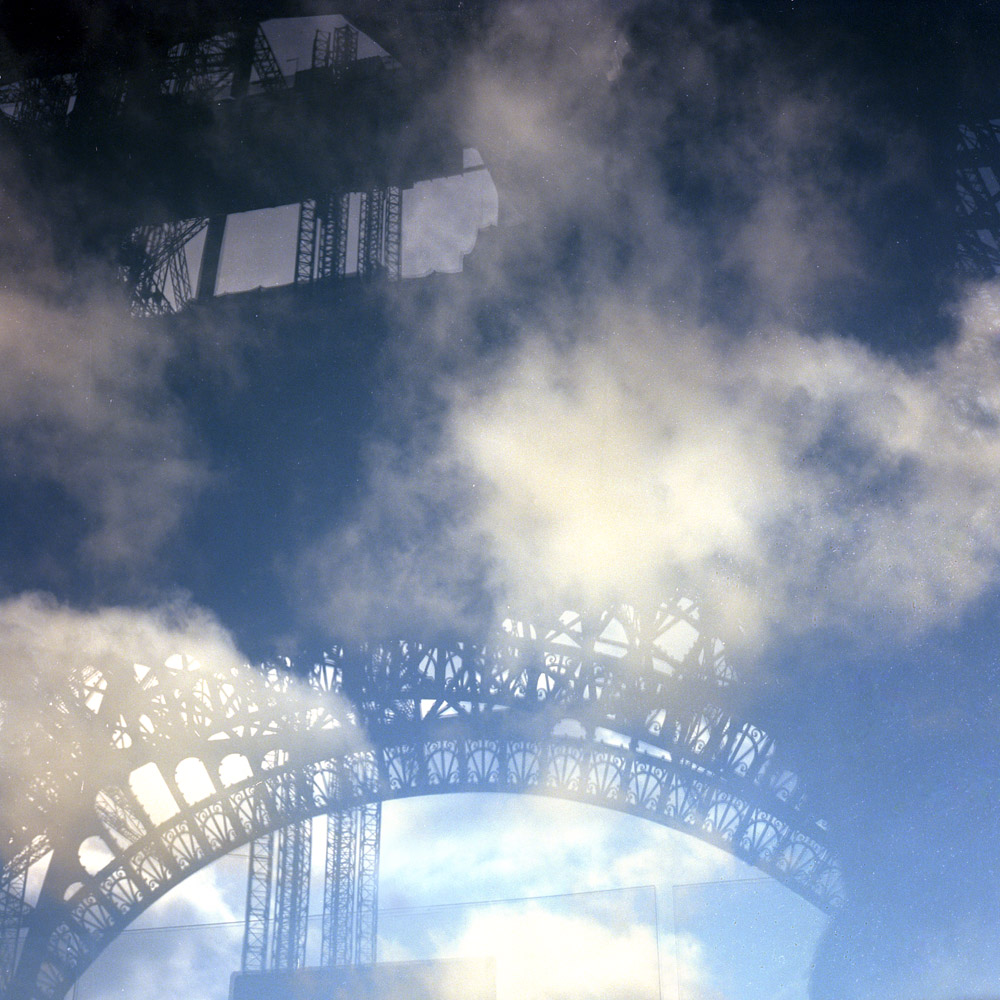
The Eiffel Tower:
Eiffel Tower Shadow, Clouds
This was a happy catch. I saw the shadow of the tower and the clouds passing overhead reflected in the glass of the security partition for the queue to enter the Eiffel Tower. I took a chance that it would work, and voila! (Tish, that’s French!!!) I was afraid that it would come out fuzzy because I was trying to focus on two different things that were not actually on the plane where they appeared (the security glass partition) and the color balance would be impossible to get right because the anti-shatter coatings on the glass created a bit of a prismatic effect. There’s still a touch of yellow in the clouds I couldn’t eliminate but otherwise it wasn’t too bad.
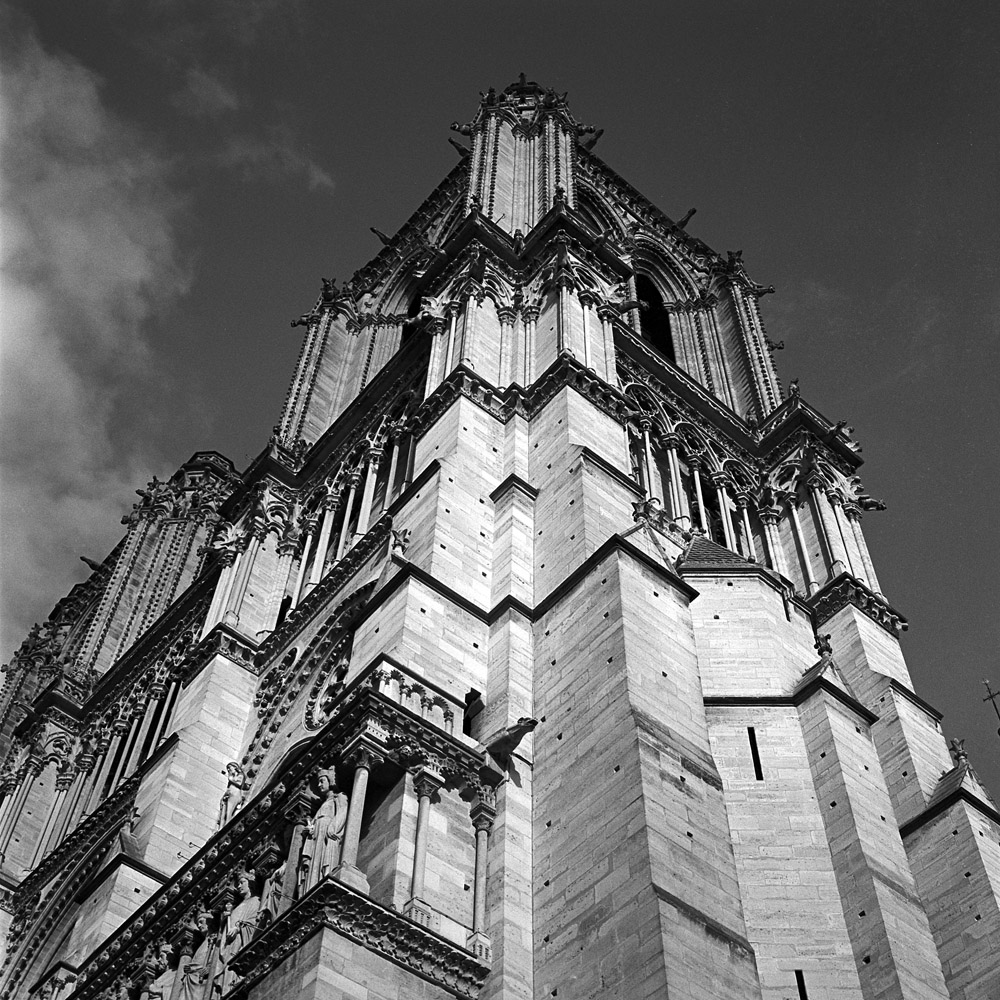
Here’s a shot of Notre Dame Cathedral, taken from a different perspective.
Towers, Notre Dame Cathedral
Notre Dame is actually a challenge to photograph because it has a very direct east-west orientation, so for much of the day, the facade that you want to see represented is facing west and in shadow/backlit. I was able to time this photo in the late afternoon so it was well illuminated.
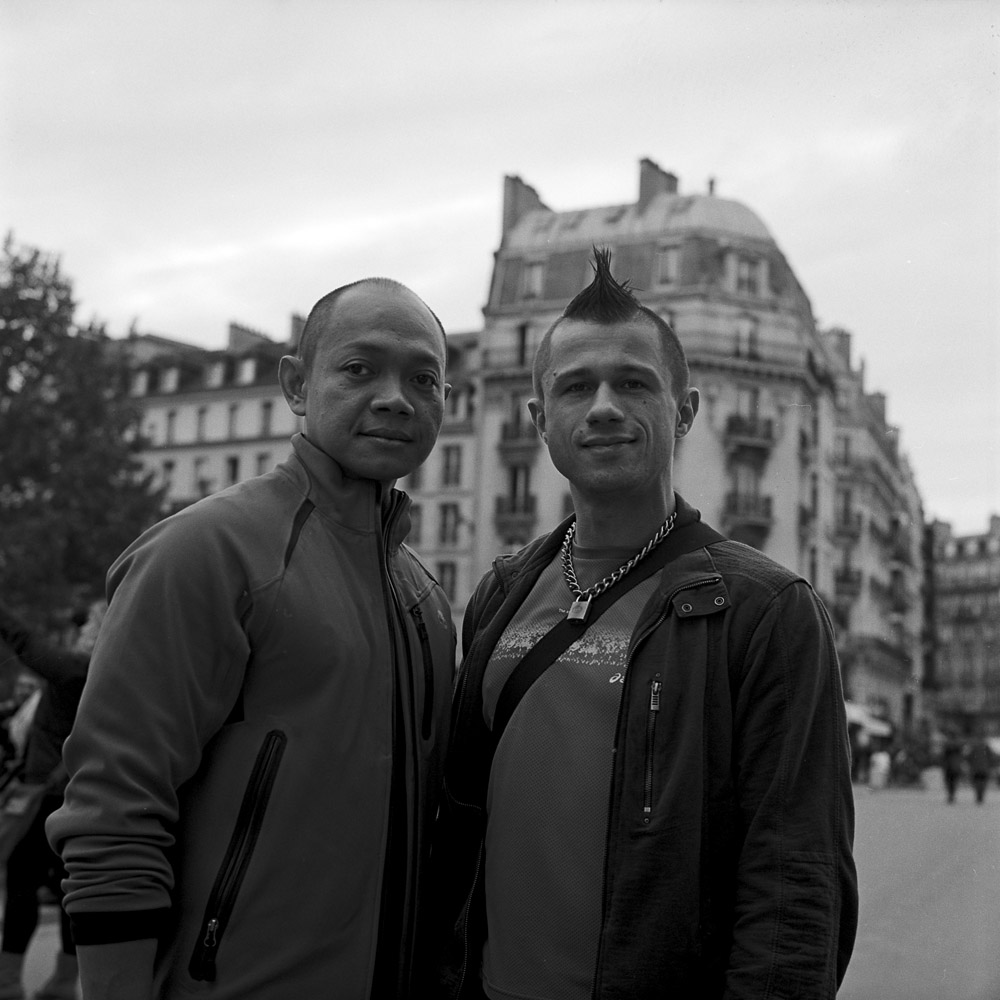
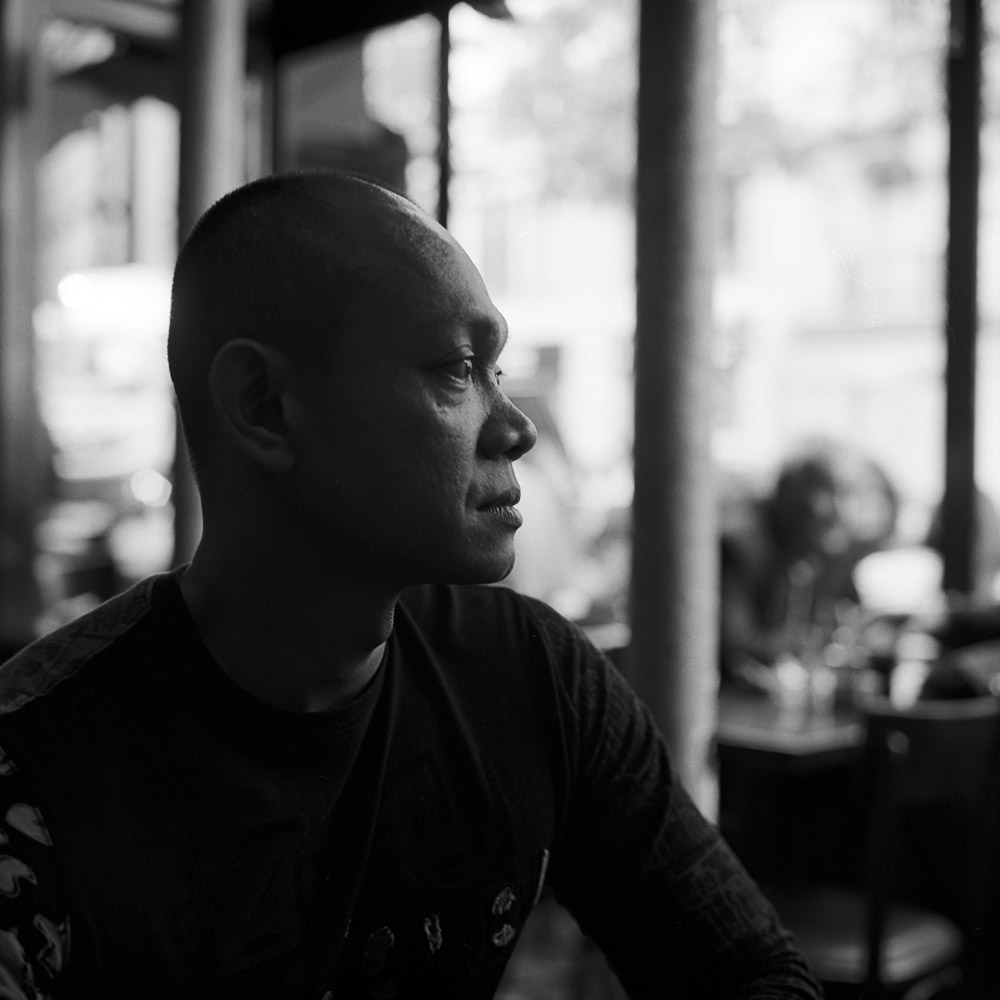
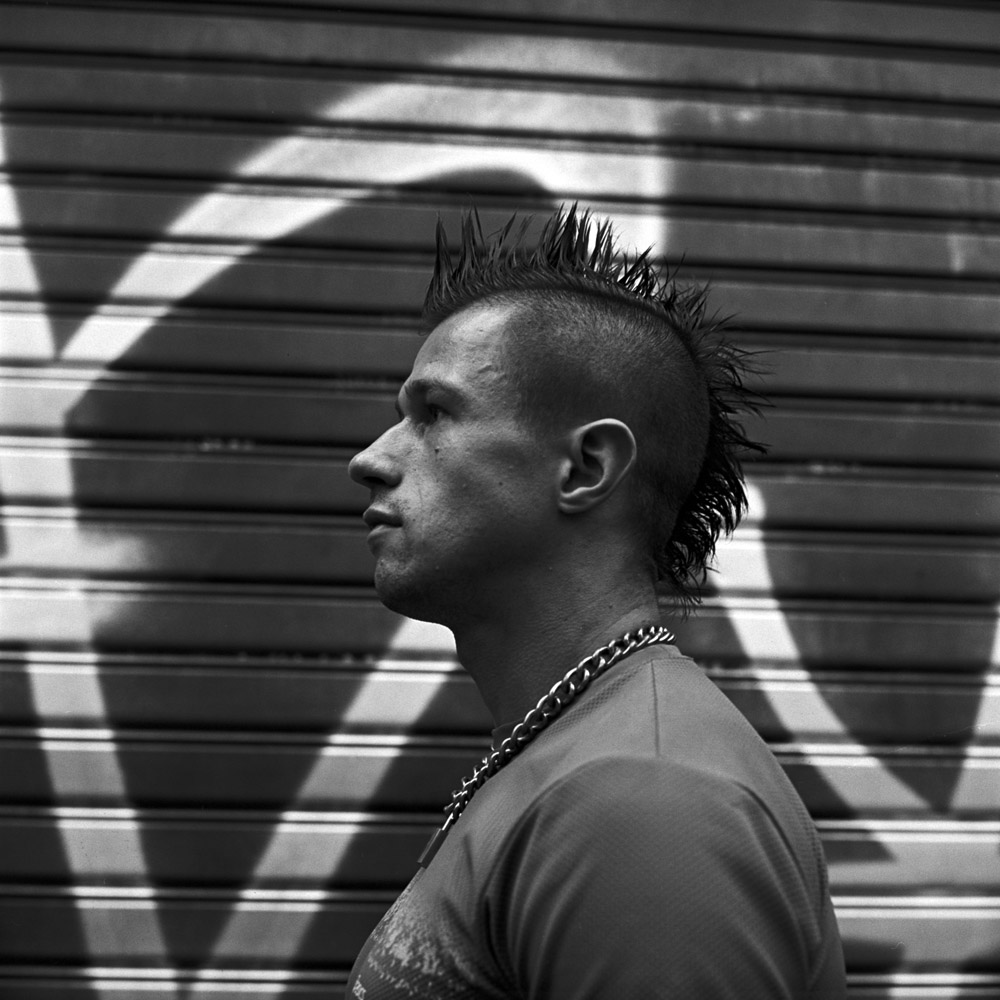
The Rollei made for a perfect travel camera – phenomenal image quality, very easy to handle, and because it is so quiet (no mirror slap, the leaf shutter just makes a little ‘snick’ when it fires) it is great for candids. Thinking of which, I did grab a couple portraits of friends of mine who came over from London to visit. They recently moved there from Singapore. The last time we saw each other in person was 2003, so almost exactly a decade apart. Gosh have we all changed, but it was so great to see them again.
Mirza and PeterMirza, Cafe Le ProgrèsPeter, Profile, Blvd St. Martin
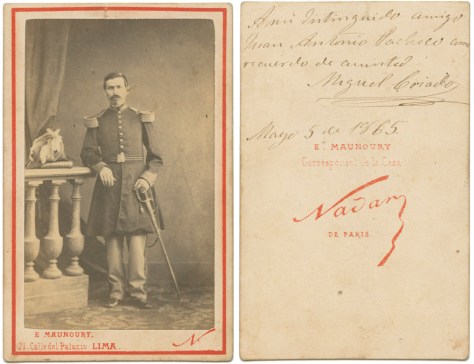
I bought this image because it has so much interesting history to it. Not only is the sitter known, but so is the date of the card, and the photographer, and the recipient of the card. Señor Maunoury was a franchisee of Nadar’s studio in Paris, operating in Lima, Peru. The handwritten note says “To my distinguished friend Juan Antonio Pacheco as a token of friendship, Miguel Criado”. So here we have a photograph that has traveled halfway around the world, just a few years shy of its 150th birthday, created by a French-trained photographer, collected by an American. What a fascinating nexus of connections. I wonder what the provenance of the image was before I bought it. I think it’s very important especially in the globalized world of today to contemplate these peregrinations through space and time that allow items like this to come into our hands, much like my Black Star, Osage Brave image that began life in Fort Smith, Arkansas, was collected in New York State, then went to Paris before arriving in my collection, or the Paris Opera image that spent time in Bulgaria before being auctioned off on Ebay by another French dealer, and now resides in Washington DC. In some ways, this is really the purpose of photography – to connect people across space and time, allowing someone dead and gone more than a century past to live on in the minds of people in a place they never would have been to.
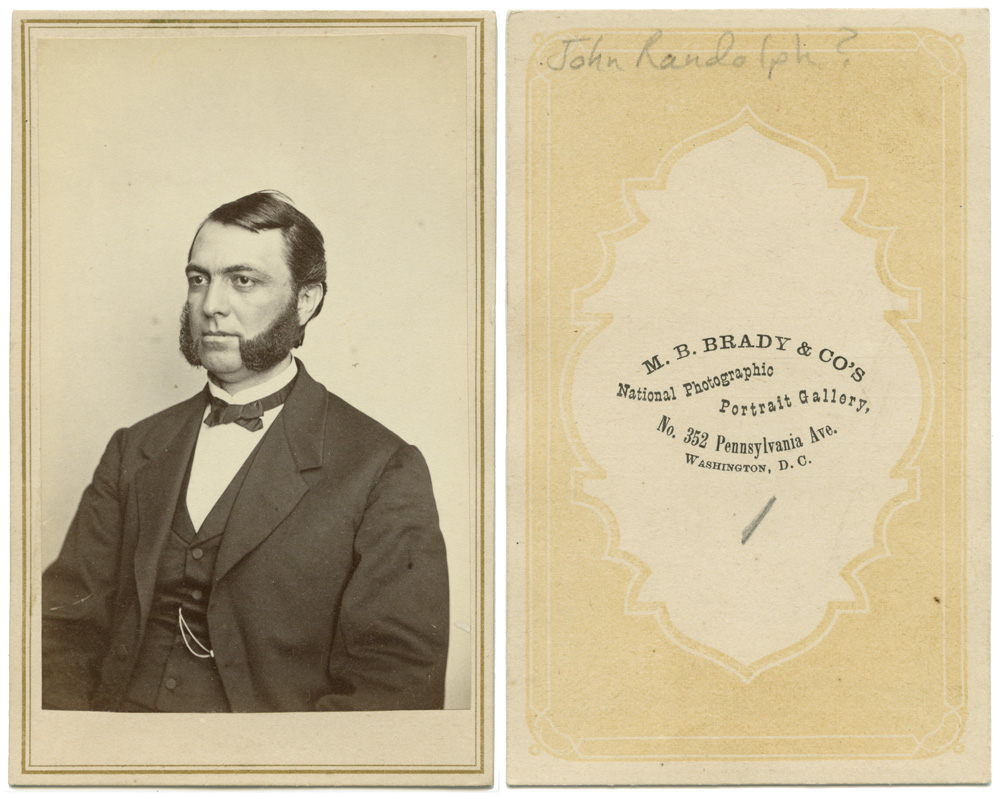
Two more CDVs – a Brady from the DC studio, and judging by the backmark style, a later (post Civil War) image. The sitter is reputed to be named John Randolph, one of the FitzRandolphs of Philadelphia (or could it be the FitzRandolphs who gave the original land grant to found Princeton University?). Evidence is unclear, but the picture is very.
John Randolph, by Mathew Brady
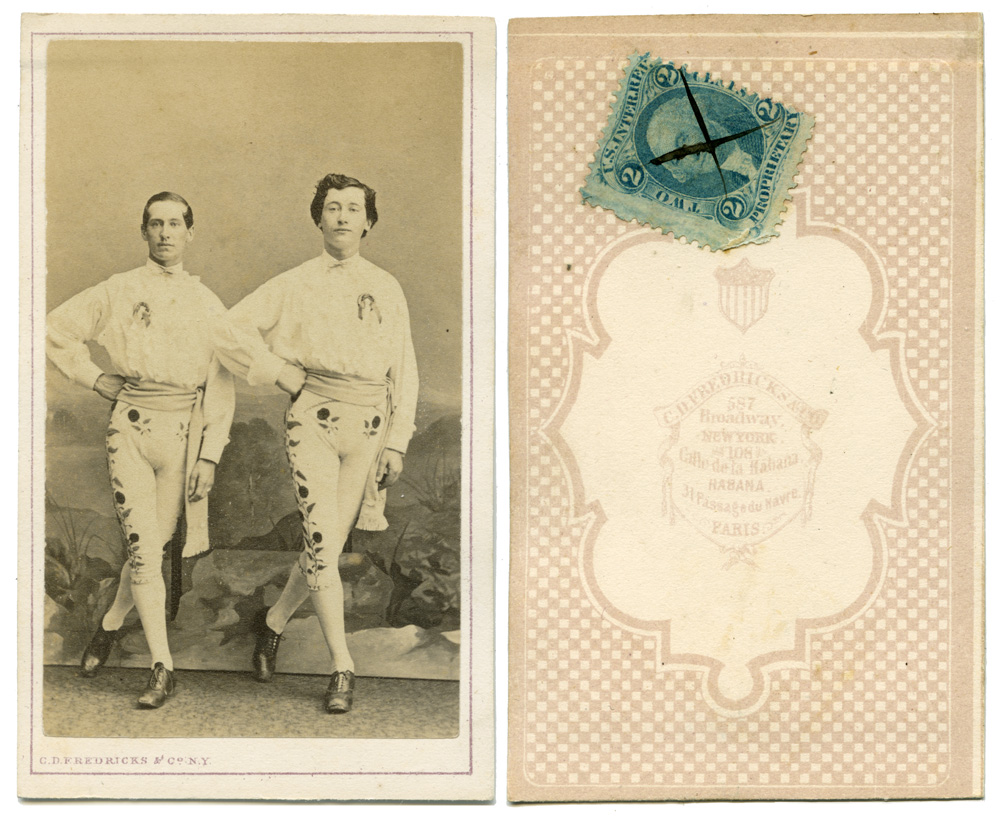
The second CD is from the Fredericks studio, of New York, Havana and Paris. As the subject is toreadors, I’m guessing this was taken at either the Paris or Havana studios. Bullfighting has never had any serious following in the United States, so toreadors would be unlikely to come to New York on a performing tour of the US. I thought I had another Fredericks CDV somewhere in my collection, but I’ll be damned if I can find it – I may have just recorded the address on my New York studio map during a scan of studio backmarks on eBay.
Two Toreadors, by Fredericks of New York, Havana and Paris
This is another image that could have been marketed as “gay interest”, thankfully it wasn’t. Despite their costumes and matching fey poses, there’s nothing about them that shouts (or whispers) 19th century code for gay. Pure 21st century wishful thinking.
 dcphotoartist