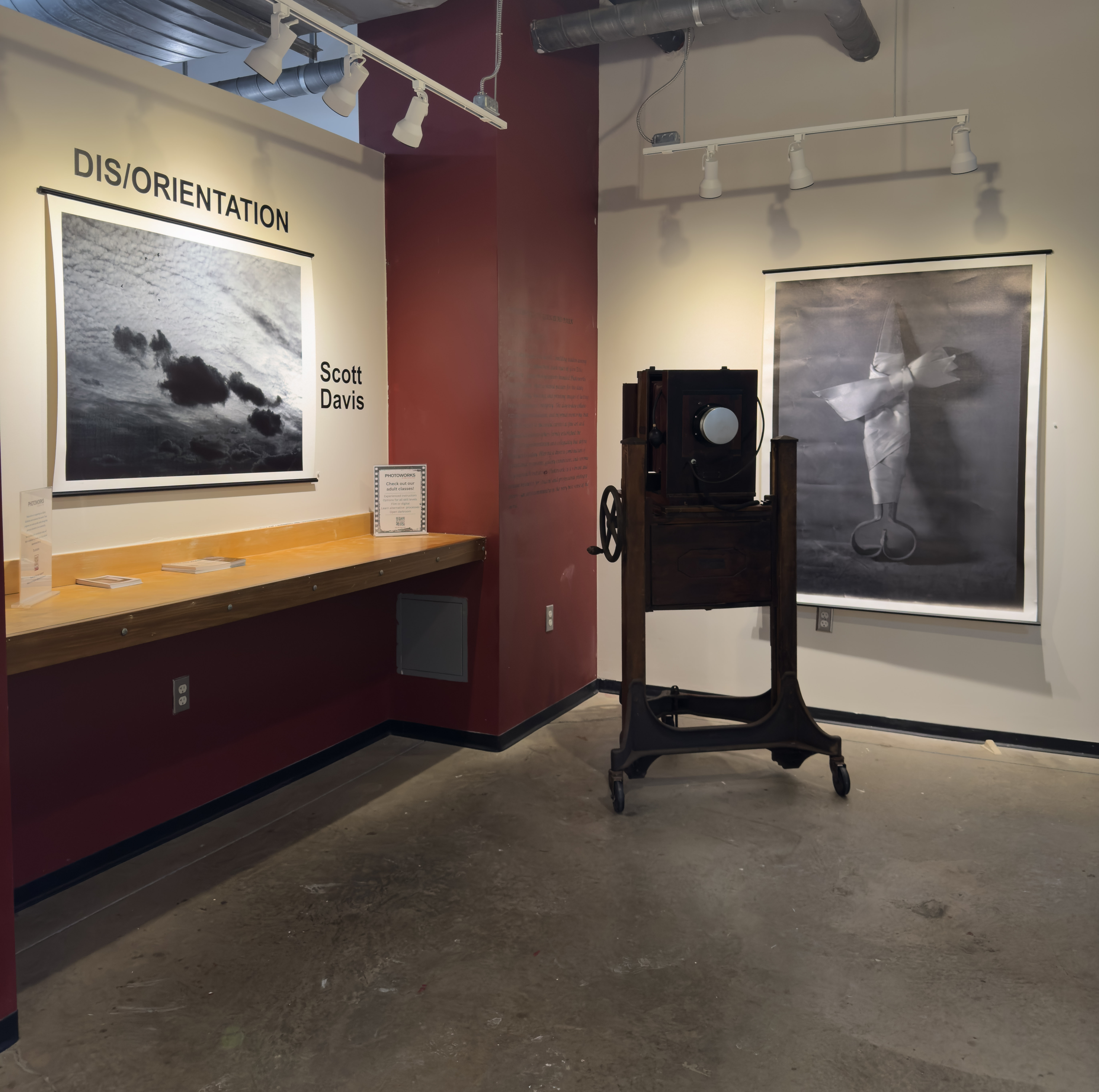
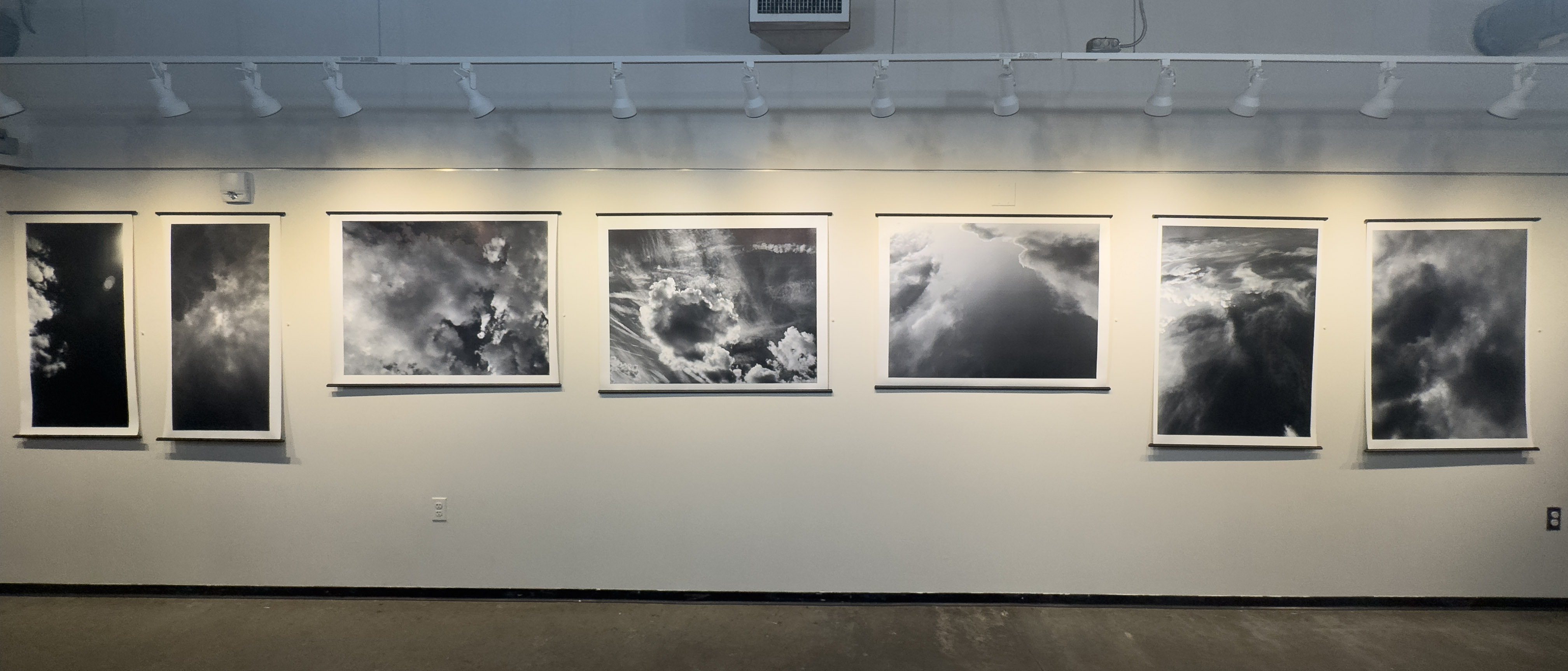
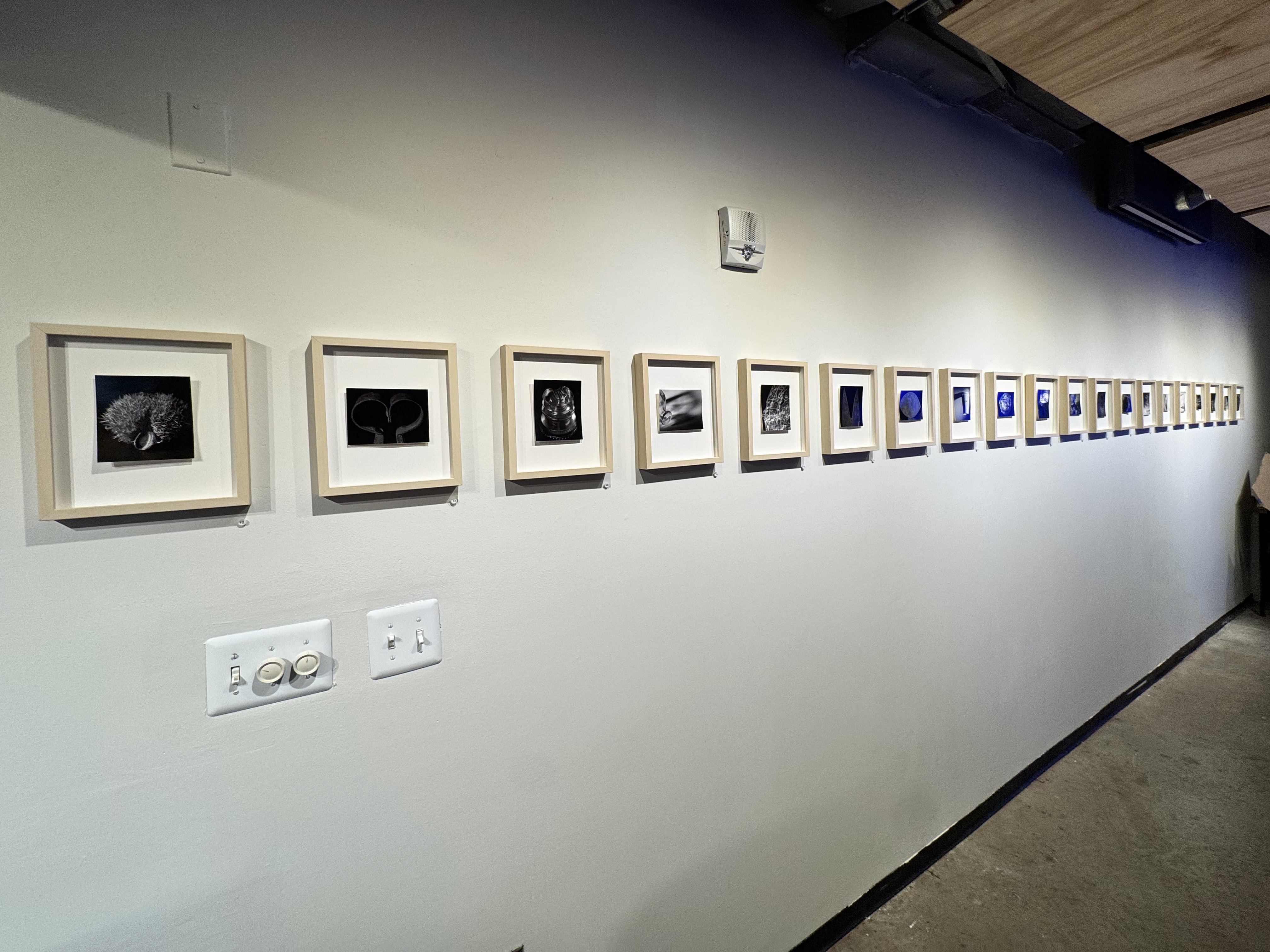
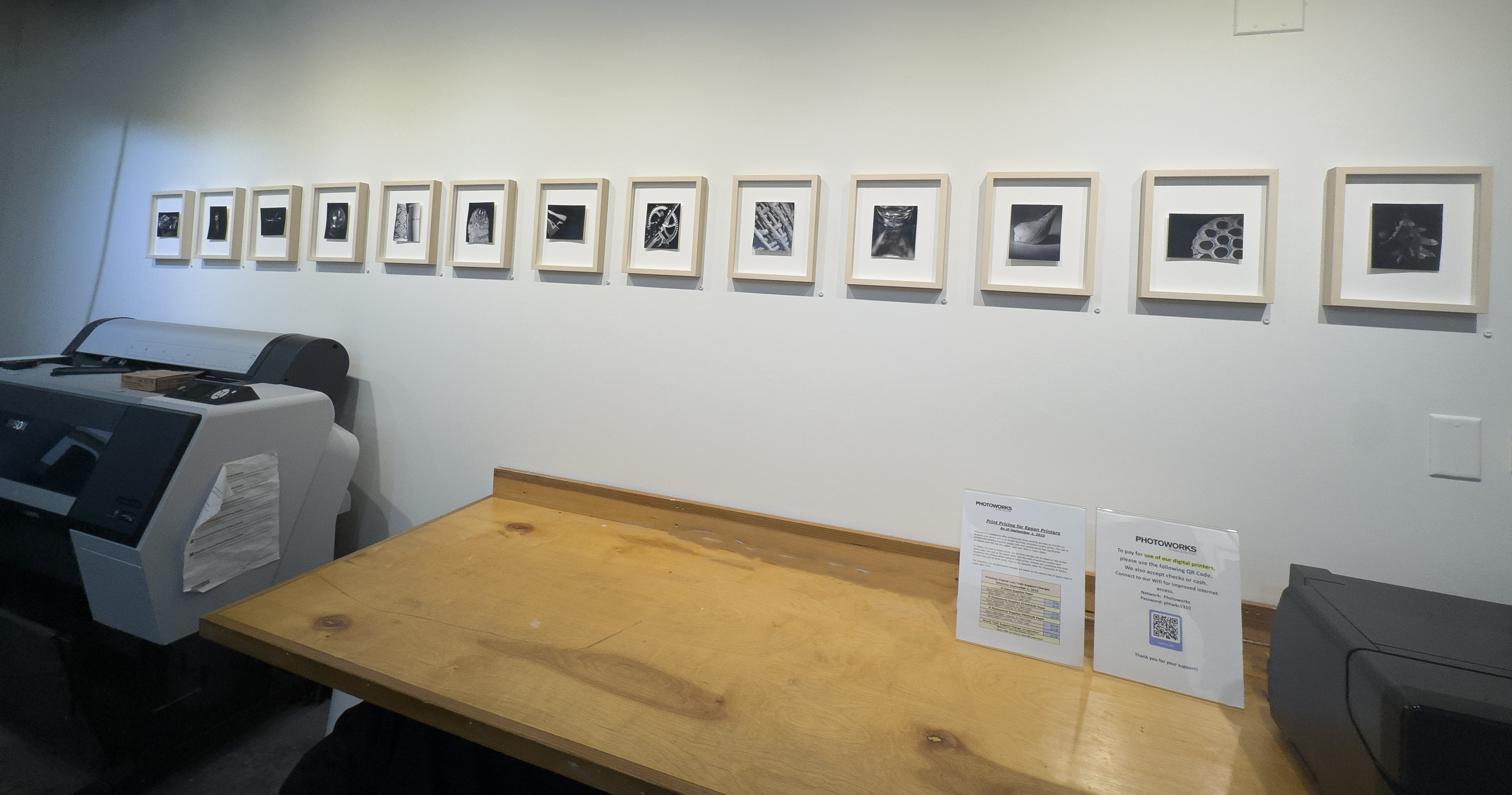
In trying to understand the nature of photography, and more specifically trying to come up with a single unifying theory of photography, I think it helps to break it down into two broad overarching categories of photography, specifically as it relates to the notion of “truth”. There is what I would term “informational” photography – photographs whose purpose is to convey information, and any aesthetic considerations are purely secondary, and “aesthetic” photographs where informational content is secondary, if not irrelevant, to the aesthetic/artistic considerations of the image. There is a fluidity between the two, of course – binaries are never absolute – but I think it still helps to have that general categorization to understand an image when looking at it .
We can look at certain genres of image and understand that they provide clear-cut if not extreme examples of each of these categories – a forensic photograph showing a failed machine part, or a crime scene photograph documenting the state of a room where a murder victim was encountered would be clear-cut examples of photographs where aesthetic concerns are not just in the back seat, they’re in the very last row of the bus when it comes to the priorities of the photographer taking the image.
This is not to say that there cannot be aesthetically pleasing images of failed machine parts or crime scenes; it is just that in these cases, aesthetic qualities are accidental, subconscious, or even generated by the perception of the viewer in an attempt to establish a relationship with the image.
An example of the extreme of an aesthetic image would be something like a chemigram, where no lens has even been involved in the making of the image, the content is purely abstract, and any information gleaned from the photograph is the product of the viewer’s attempt to establish a relationship with the image. Yes, a chemigram may be used clinically to evaluate chemical interactions between light, silver, and developing agents, but that is not the intent.
We can start to spiral the drain toward the middle of these two positions looking at other genres of photographs and see that very quickly they take on some aspects of each. You can look at vernacular photographs – “indigenous images made for indigenous purposes”: photographs made for personal consumption, and whose intended audience is purely domestic. Aesthetic concerns, while not the back row of the bus, are still secondary behind conveying basic information (“I was in this place at this time”, “Cousin Sally graduated high school”, or even “there was something about that tree/rock/dent in the car fender that I want to recall in the future”). The “something about this tree/rock/dent” images are so personal that the image functions like Proust’s Madelines; that information is utterly lost to anyone outside the photographer. I can look at a picture of a rock that I took and it immediately brings me back to the summer day in 1975 when I tripped on that rock and chipped a tooth, but anyone else looking at it will be oblivious to that event and wonder why I took that picture of that rock because it has no perceptible aesthetic qualities.
However, it is possible to take that photograph of the same rock with aesthetically pleasing qualities for the same Madeline-esque purpose to trigger my personal memory. At that point though, it begins to cross the line out of an anonymous vernacular – intentional aesthetics imply the intent of a non-domestic audience.
This also relates to the question (which I will deposit here and only briefly touch upon, and return to at a later date) of when does one become a photographer? The term itself is sufficiently broad as to allow for a wide range of photographic activities, from the completely casual (the only photos one takes are family vacation snaps and the dent in the fender of the car to send to the insurance company), the amateur (vacation photos that include more than just record shots of the family in front of various landmarks), the professional (photographs that have commercial value, and therefore are driven by informational AND aesthetic concerns), to the artistic (aesthetic concerns are foremost). Once one starts down the road of photography beyond the completely casual, picking up a camera with intent, that is the moment I would posit that the label “photographer” applies. Of course, once one becomes a photographer of one sort or another, that does not mean that ones role and relationship to photographs is fixed. A professional photographer can take a record shot of their breakfast to show a friend, or some tchotchke in a gift shop to ask their partner about a potential purchase, without involving aesthetic concerns.
If you haven’t yet read the book, Photo Work: 40 Photographers on Process and Practice, I highly recommend it. In the course of interviewing 40 different photographers with an identical set of questions about their creative process and how they conceive and execute long-term photographic projects, the book outlines several common approaches. It serves as a useful tool for self-reflection on how you as a photographer can approach your own projects, and encourages you to analyze your own working methods to better understand not only how but why you undertake a long-term photo project.
There has been over the course of the last 50 or so years a mythologizing of the photographer as a lone wolf, stalking the ever elusive Cartier-Bresson-esque magical ‘decisive moment’ image and somehow creating a body of work that will wow galleries and collectors and art historians through a catalog of utterly disjointed found moments on the street. While there certainly is potential to create a body of work this way, and there are a few famous photographers who have done this, to say that it is an uphill struggle would be putting it mildly.
Where the book Photo Work comes in is in pointing the reader to taking a more methodical, structured approach to creating images, especially a cohesive body of work that has a message. While it does not try to draw any definitive conclusions on photographic methodology, one observable trend amongst the artists interviewed is that they start out with a concept, work to produce images that support that concept, and if in the course of making those images, the images tell them that their original concept was flawed, or in need of refinement, or that the way they were making the images does not support the concept, they revise and adapt either the concept or the image-making process to refine the project.
This does not mean that they stop shooting images that don’t fit – in fact, the act of going out and photographing, of seeing through a camera, often informs the genesis of a project.
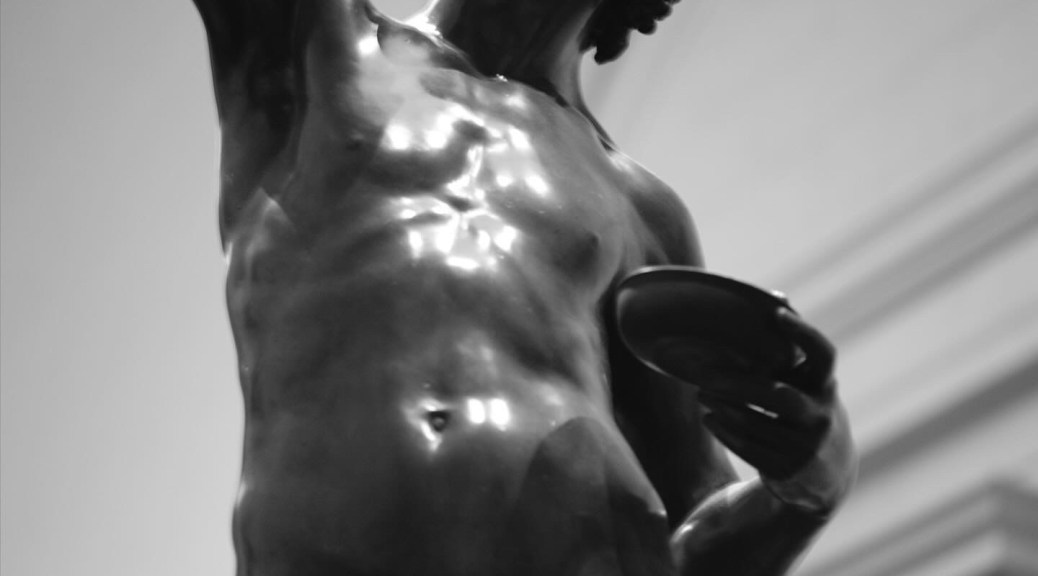
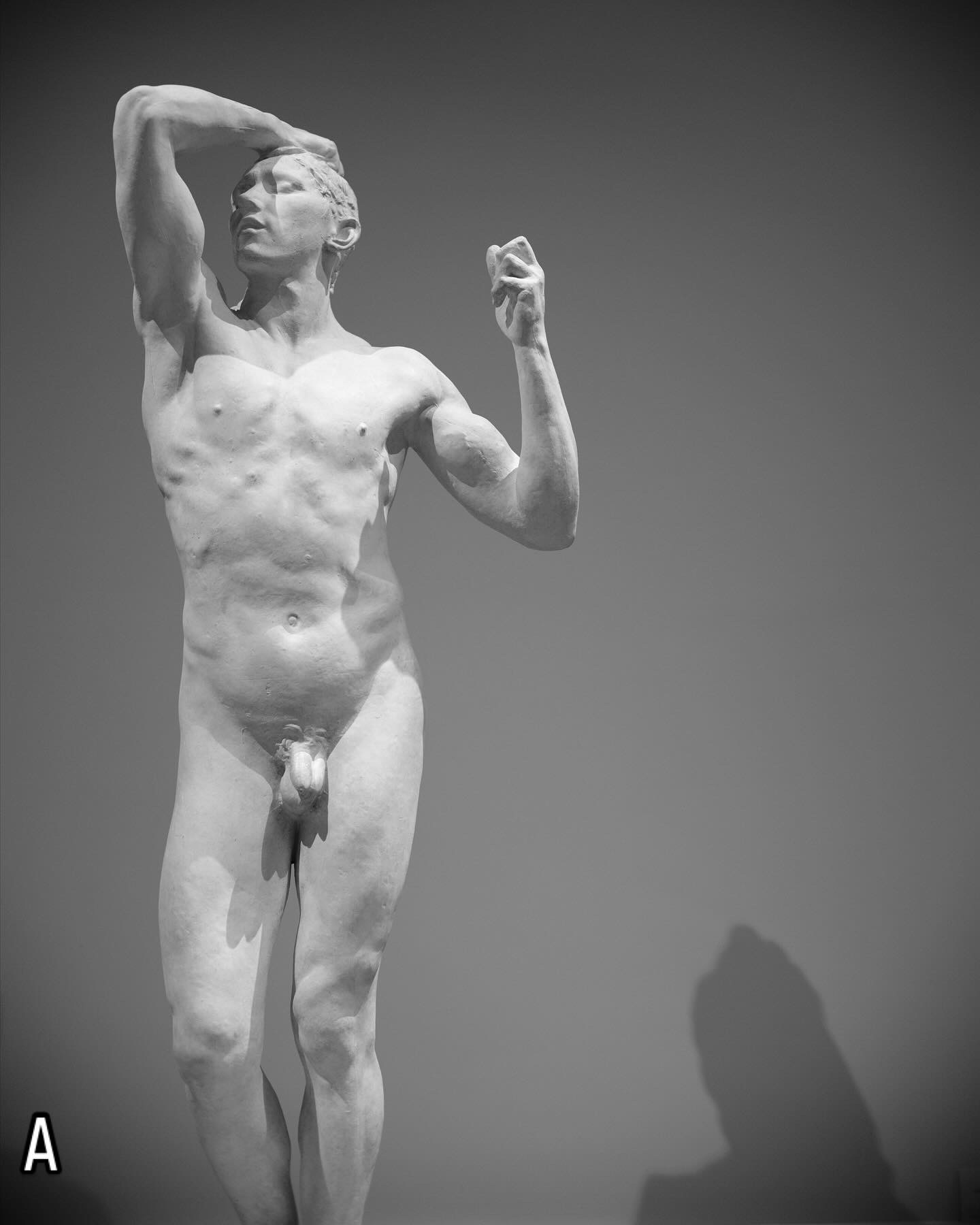
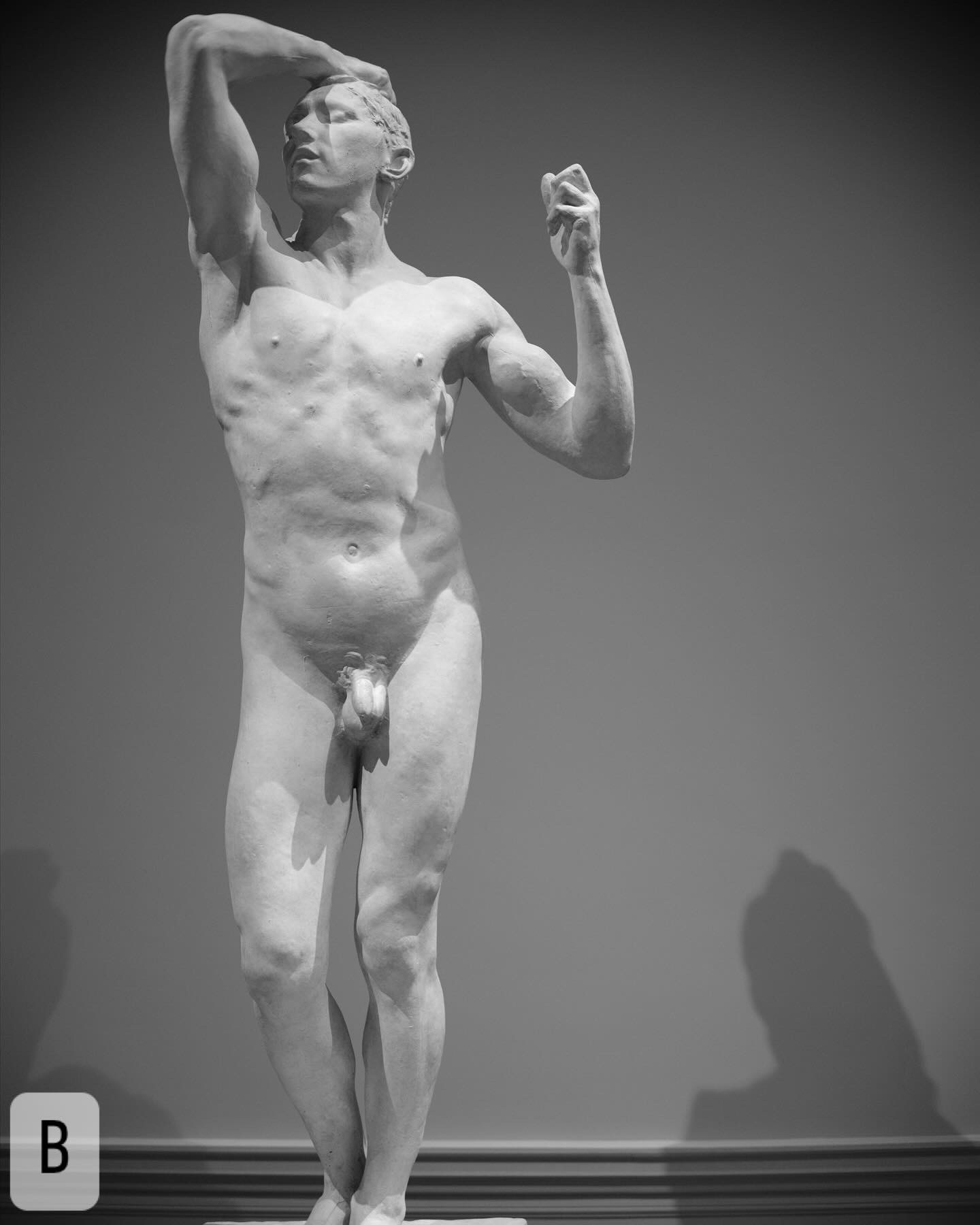
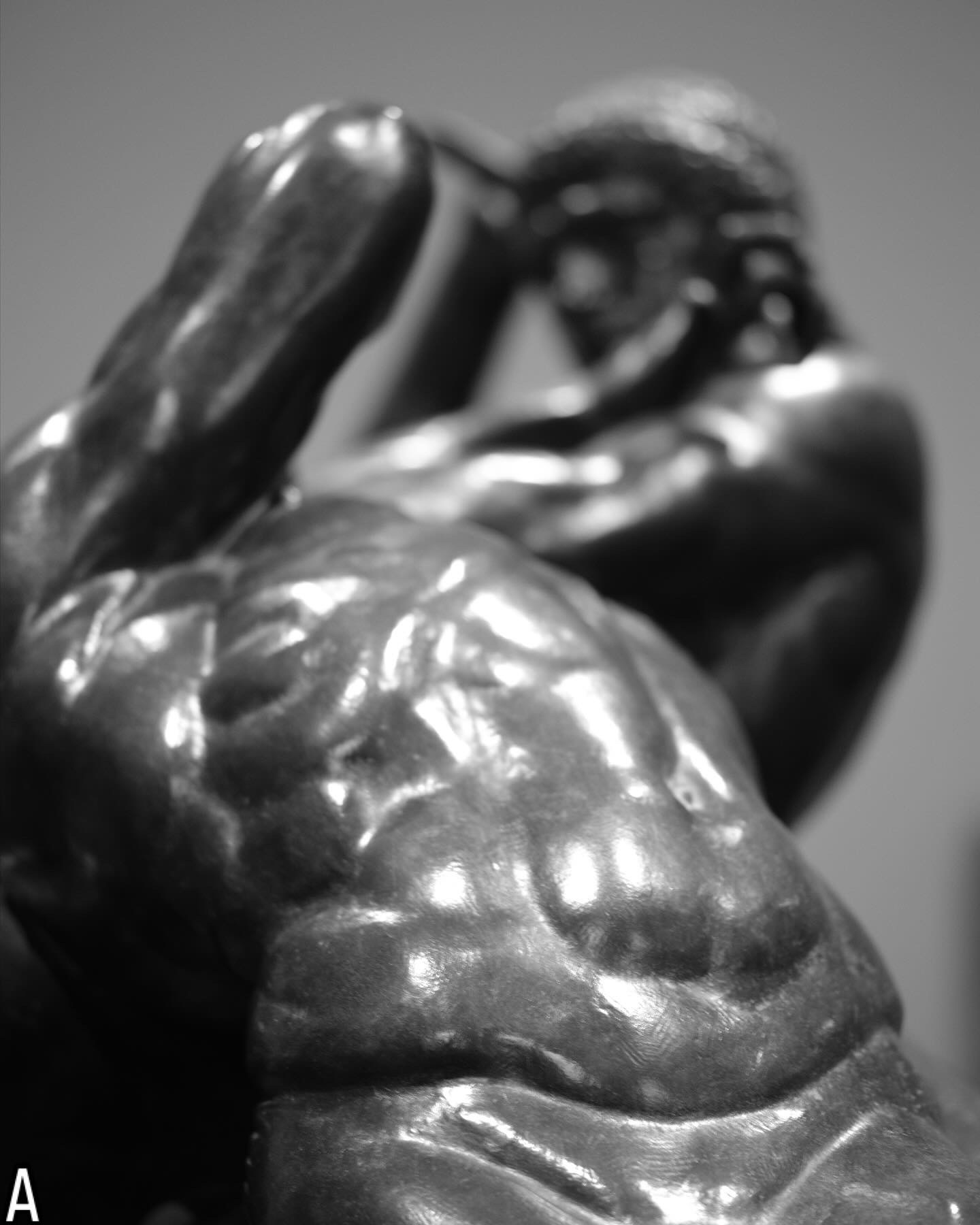
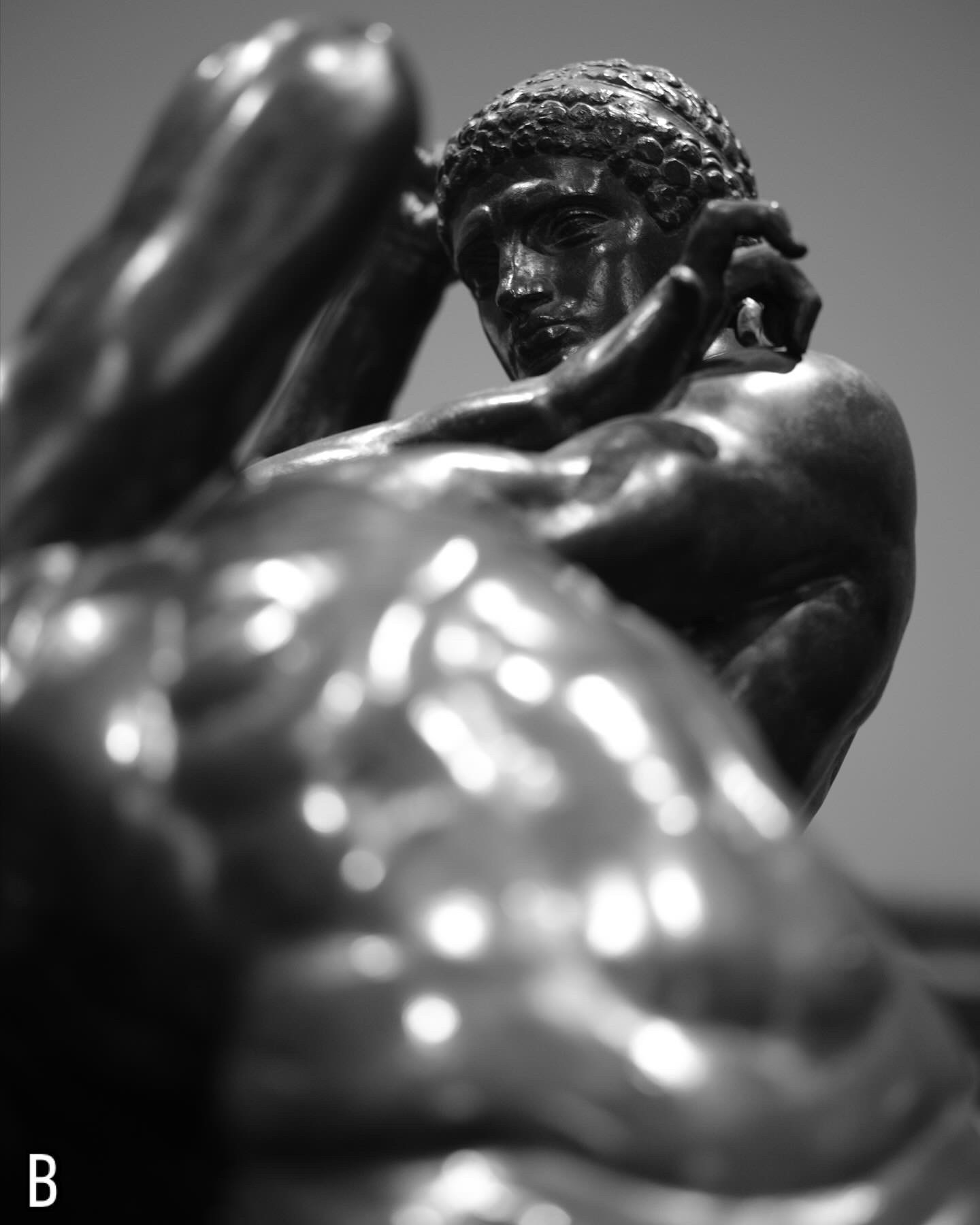
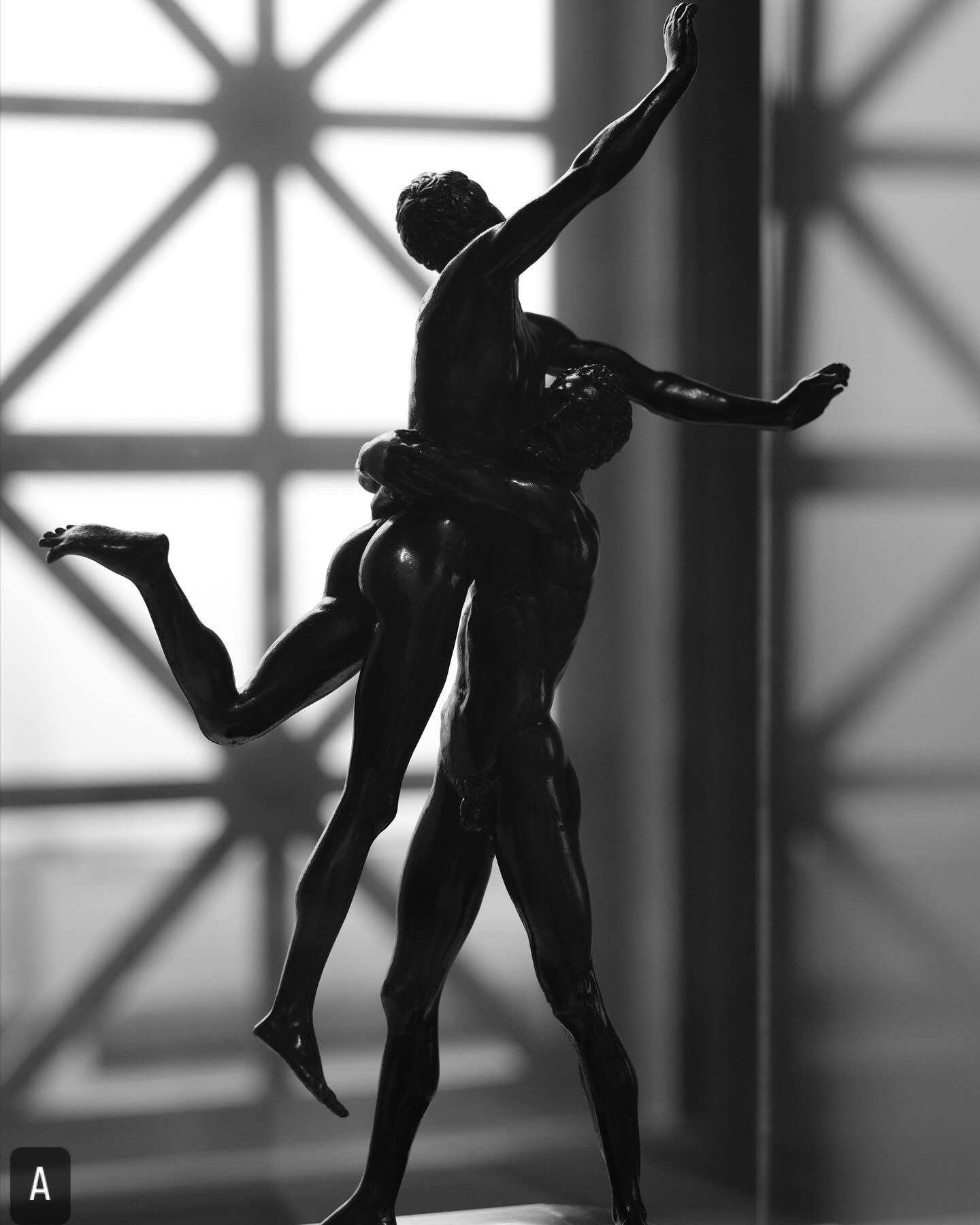
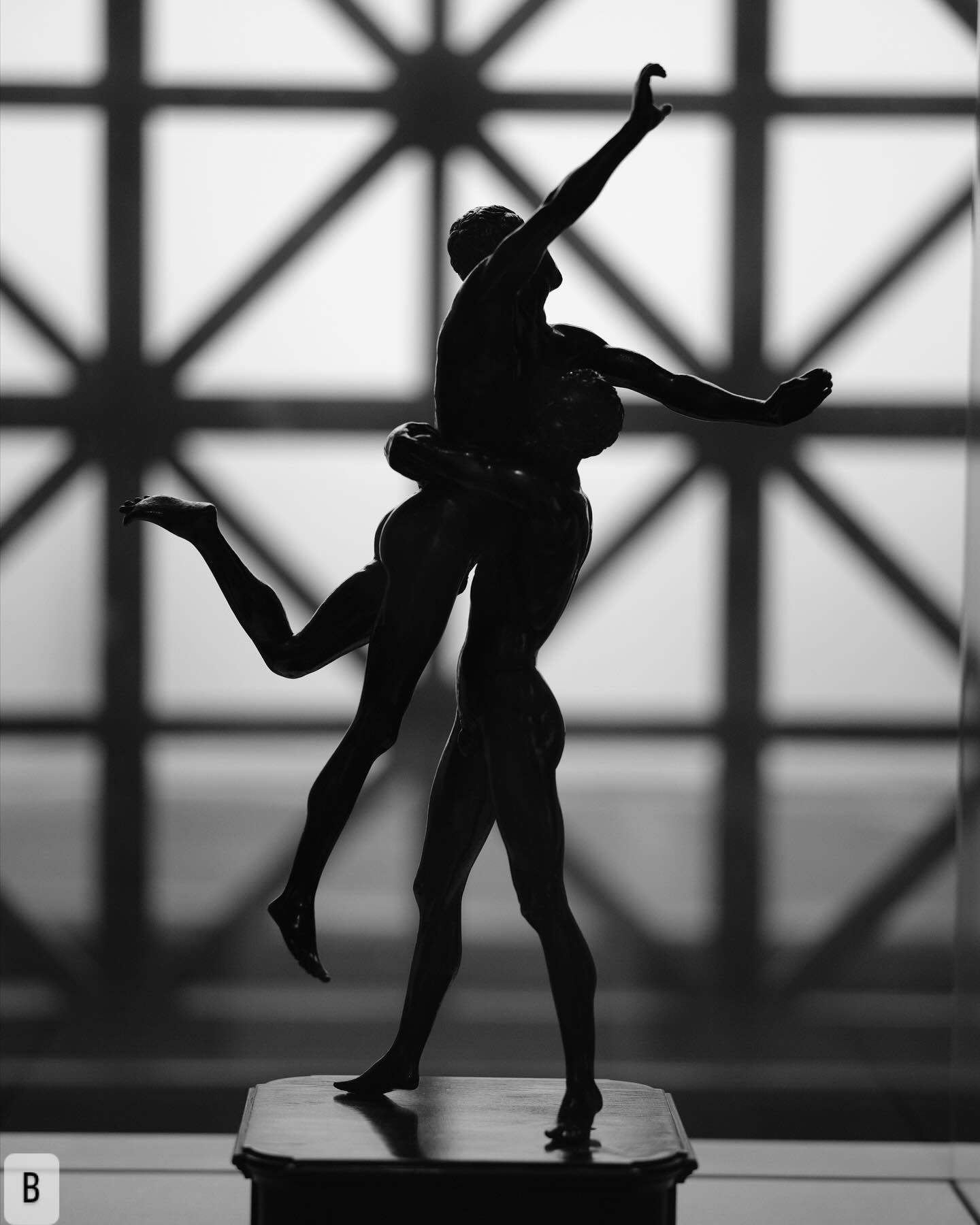
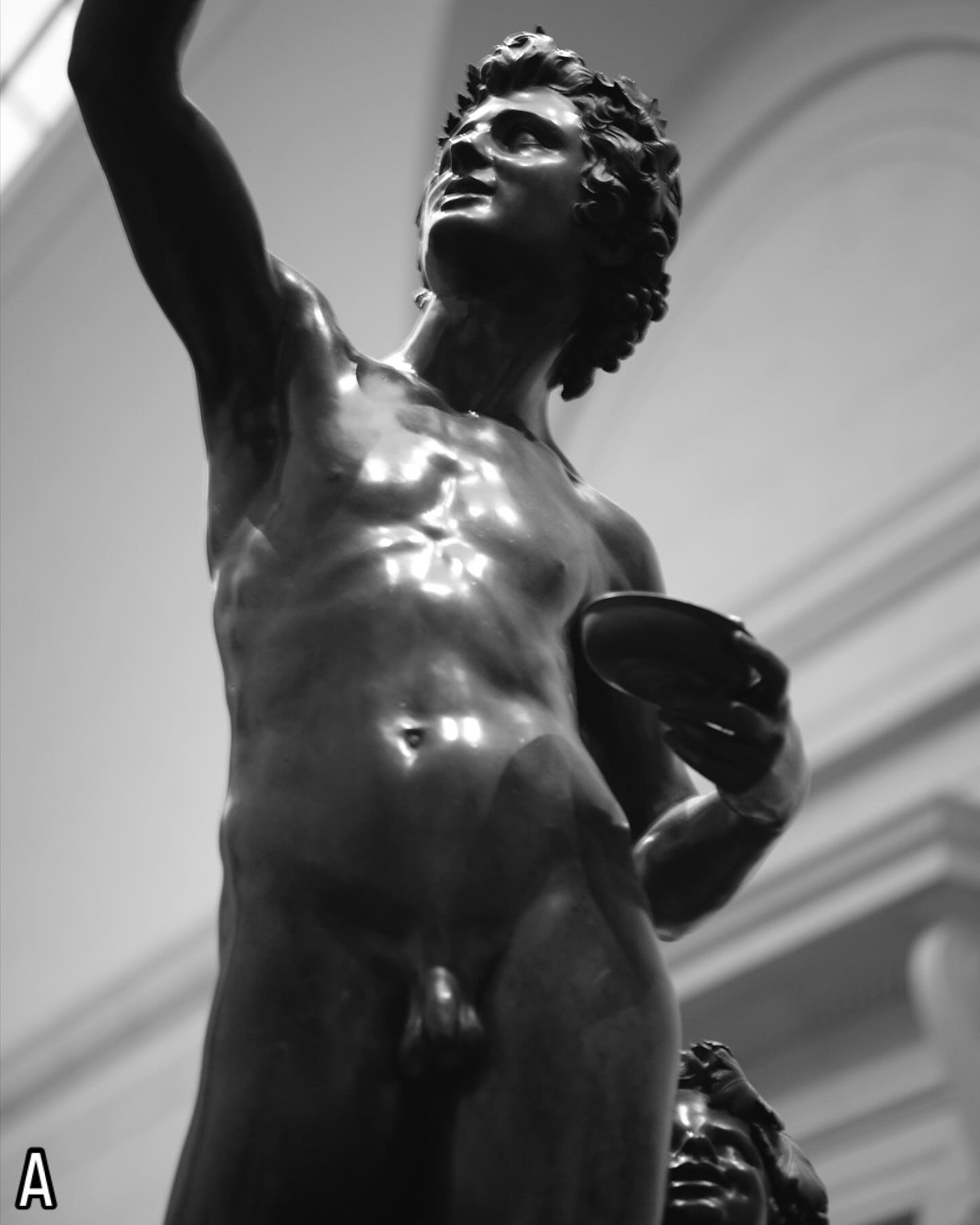
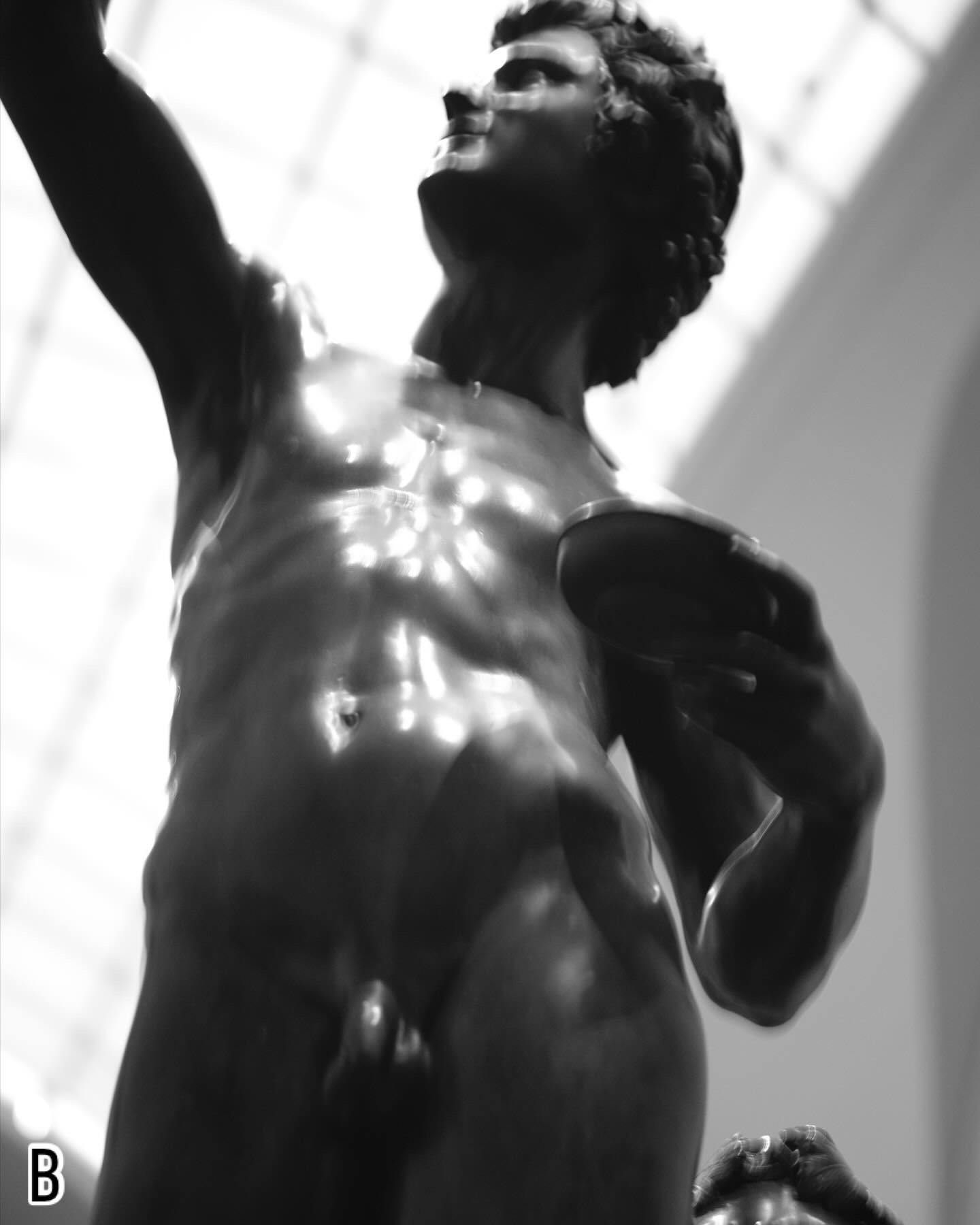
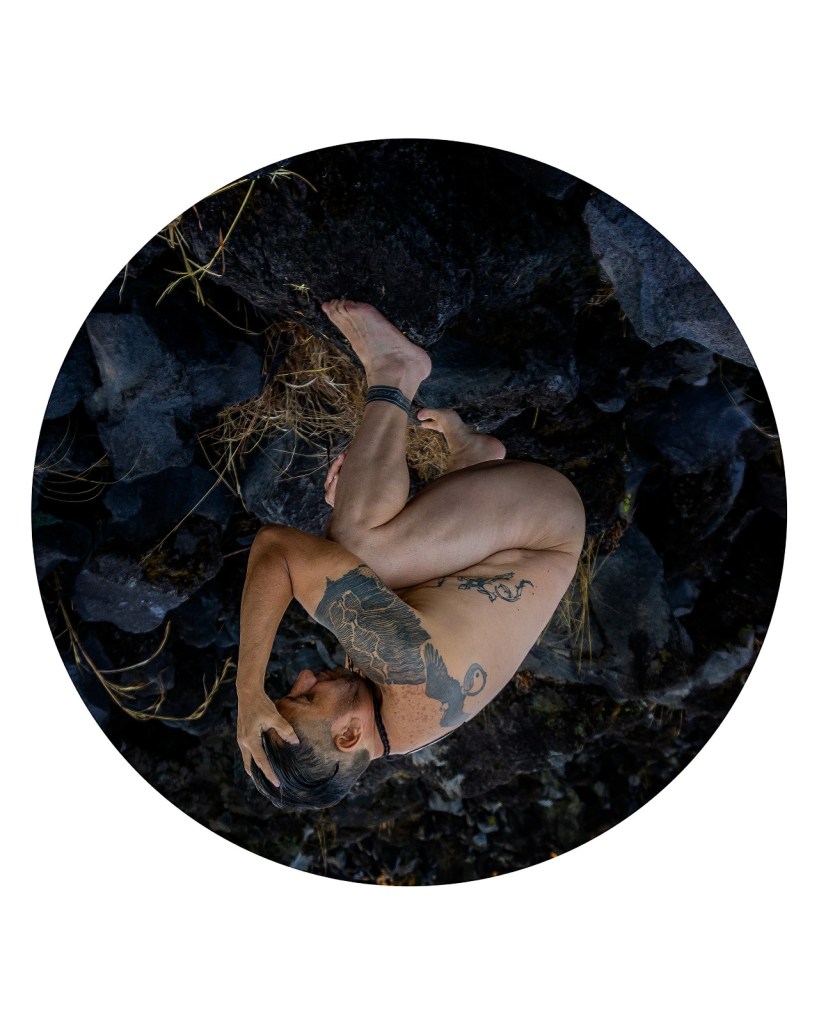
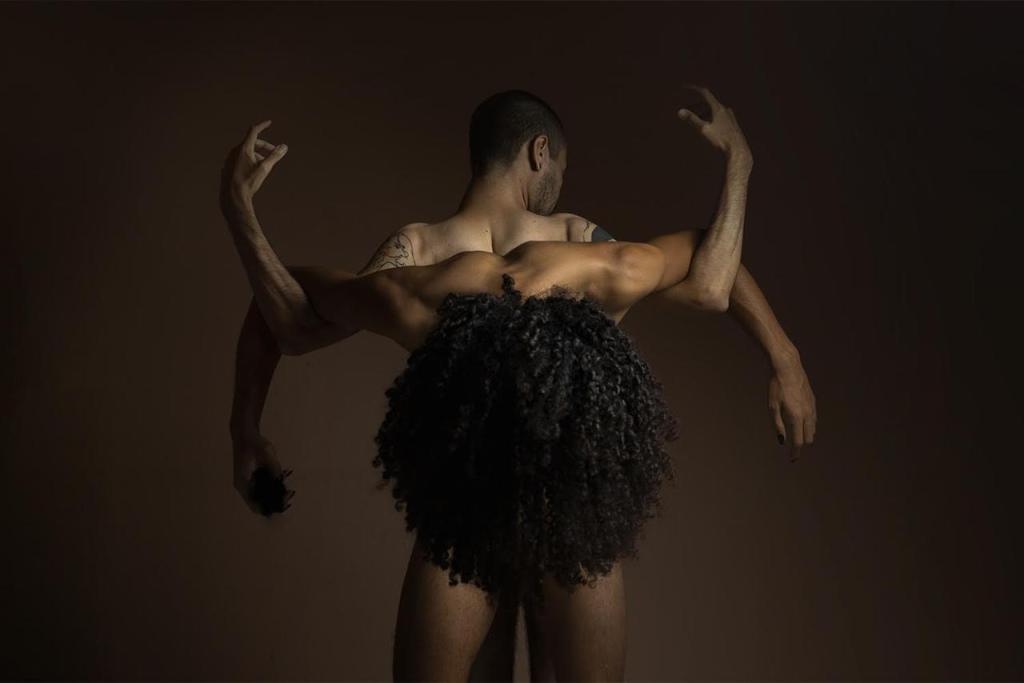
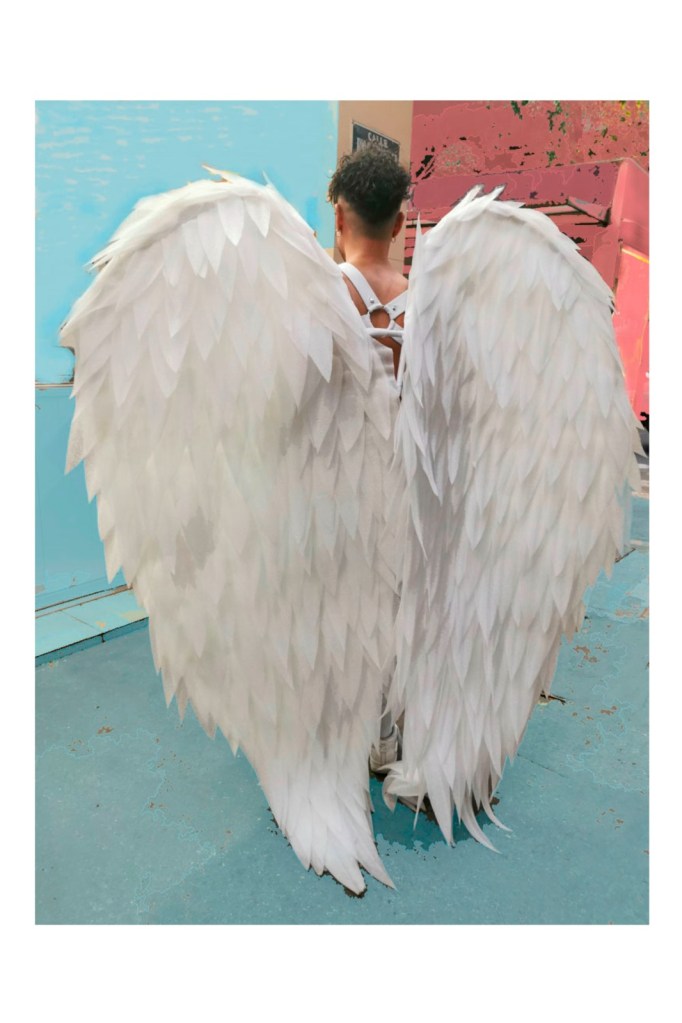
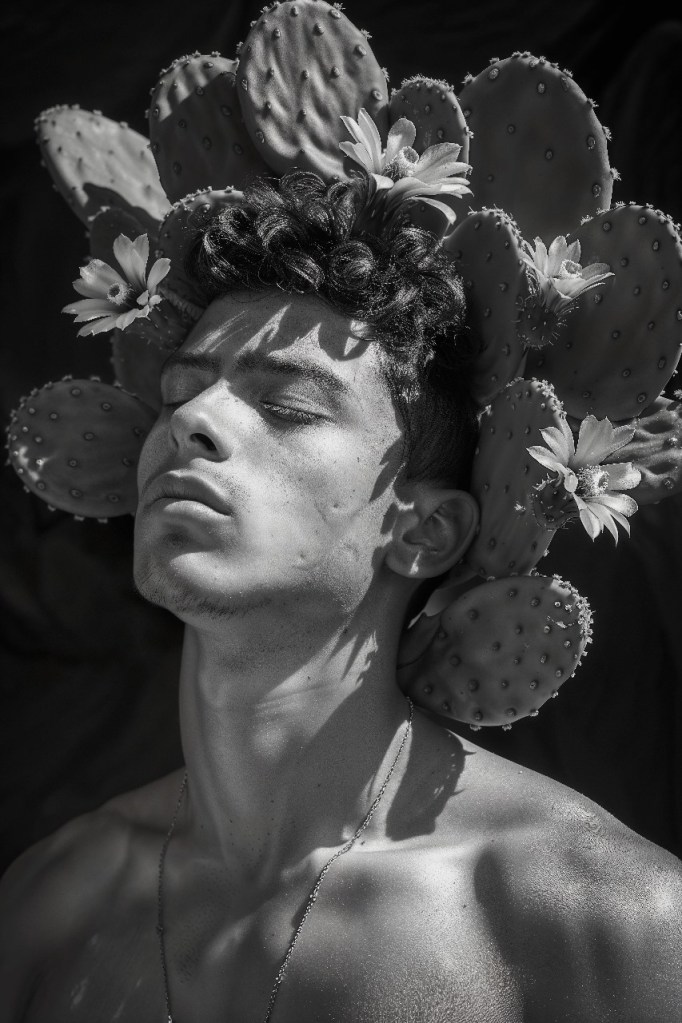
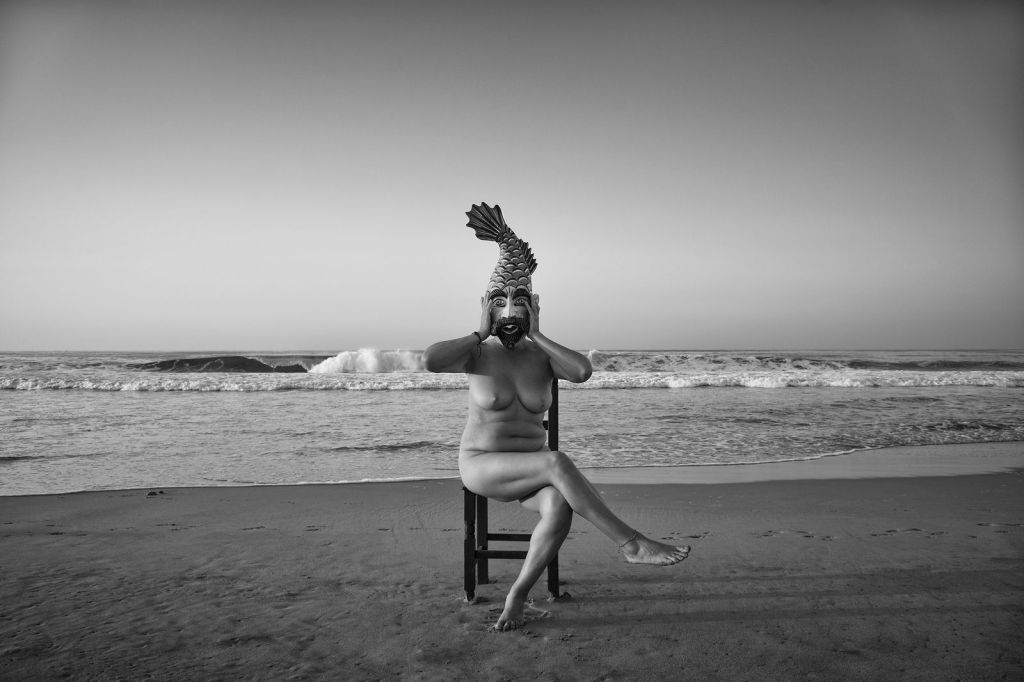
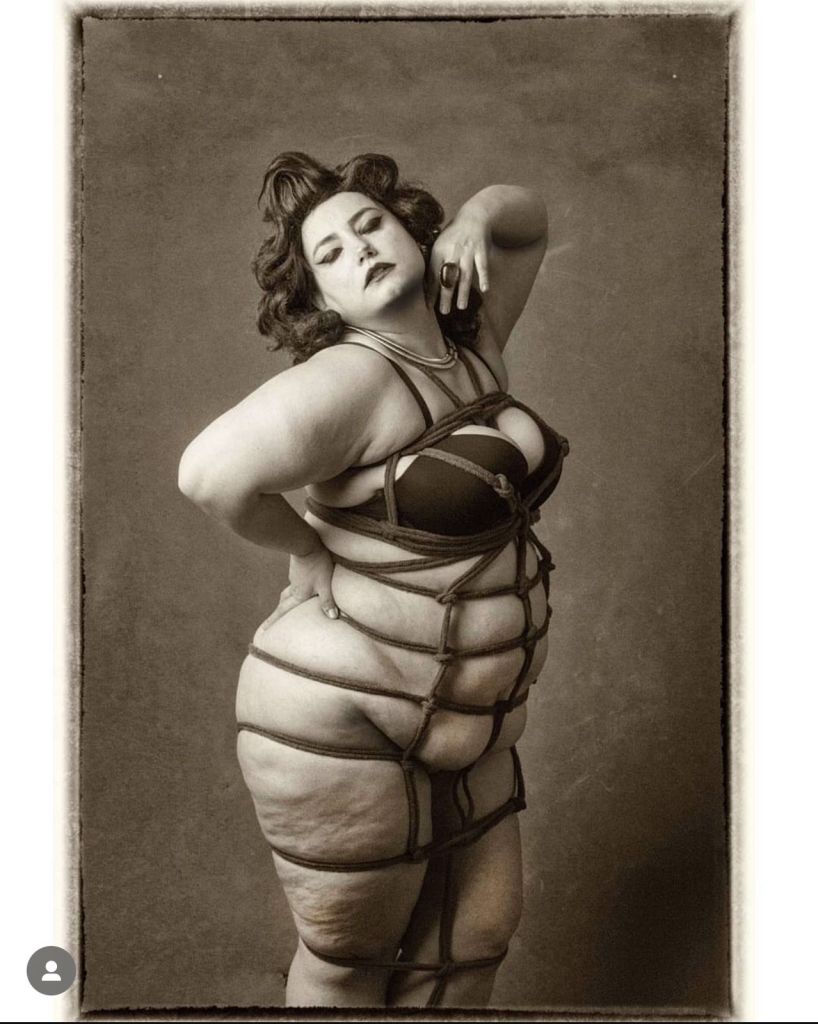
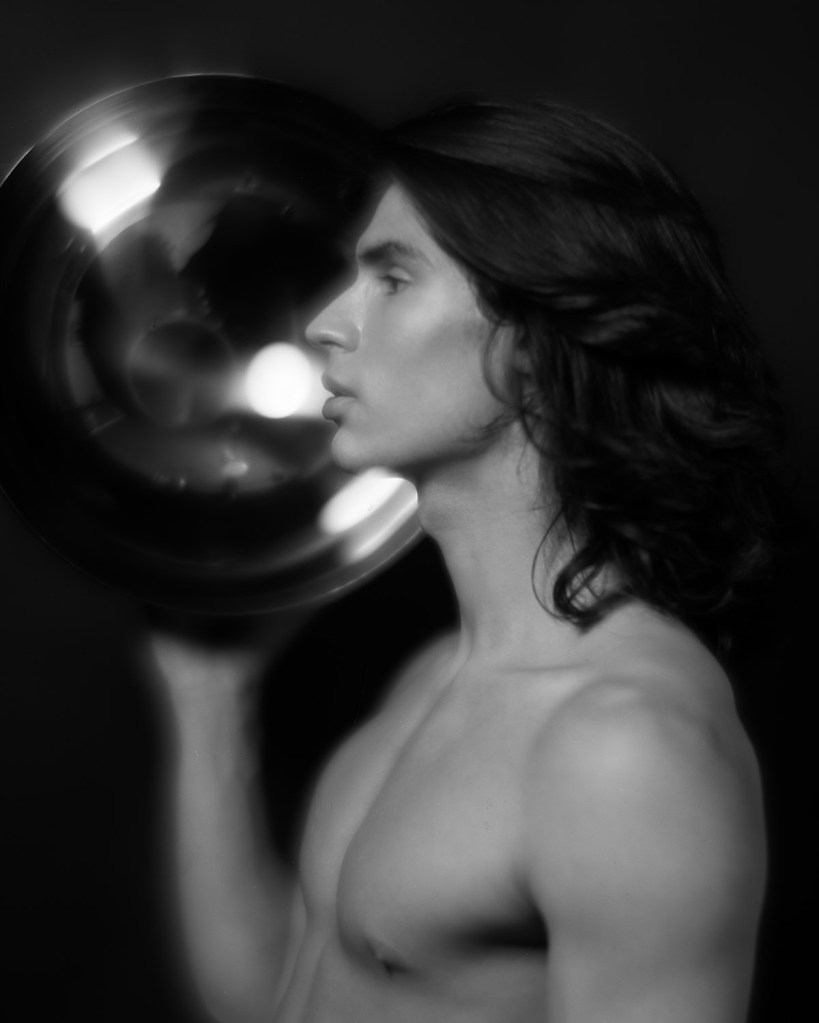
I’ve had a project idea burbling around in the back of my brain for a year now – I got started thinking about this after a trip to Richmond, Virginia to the Virginia Museum of Fine Art, and looking at the ancient bronze and marble sculptures, the Greek pottery, and even more modern artwork that carries an erotic subtext (or even overt eroticism). I wanted to do something that speaks to the role museums play in simultaneously preserving that and in whitewashing it – having work that has queer context in a museum permits the preservation and transmission of the queer gaze AND allows non-queer viewers to dismiss that quality of the work.
I have several theories as to how I am approaching this concept, so I’m going to just put some images out there for you all to respond to, if anyone is so inclined. I’m not going to articulate those concepts because I don’t want to prejudice the jury pool – just react to the A-B pairings and let me know your thoughts on them. There is no right or wrong answer, just react. I will block/delete any homophobic/hateful comments.
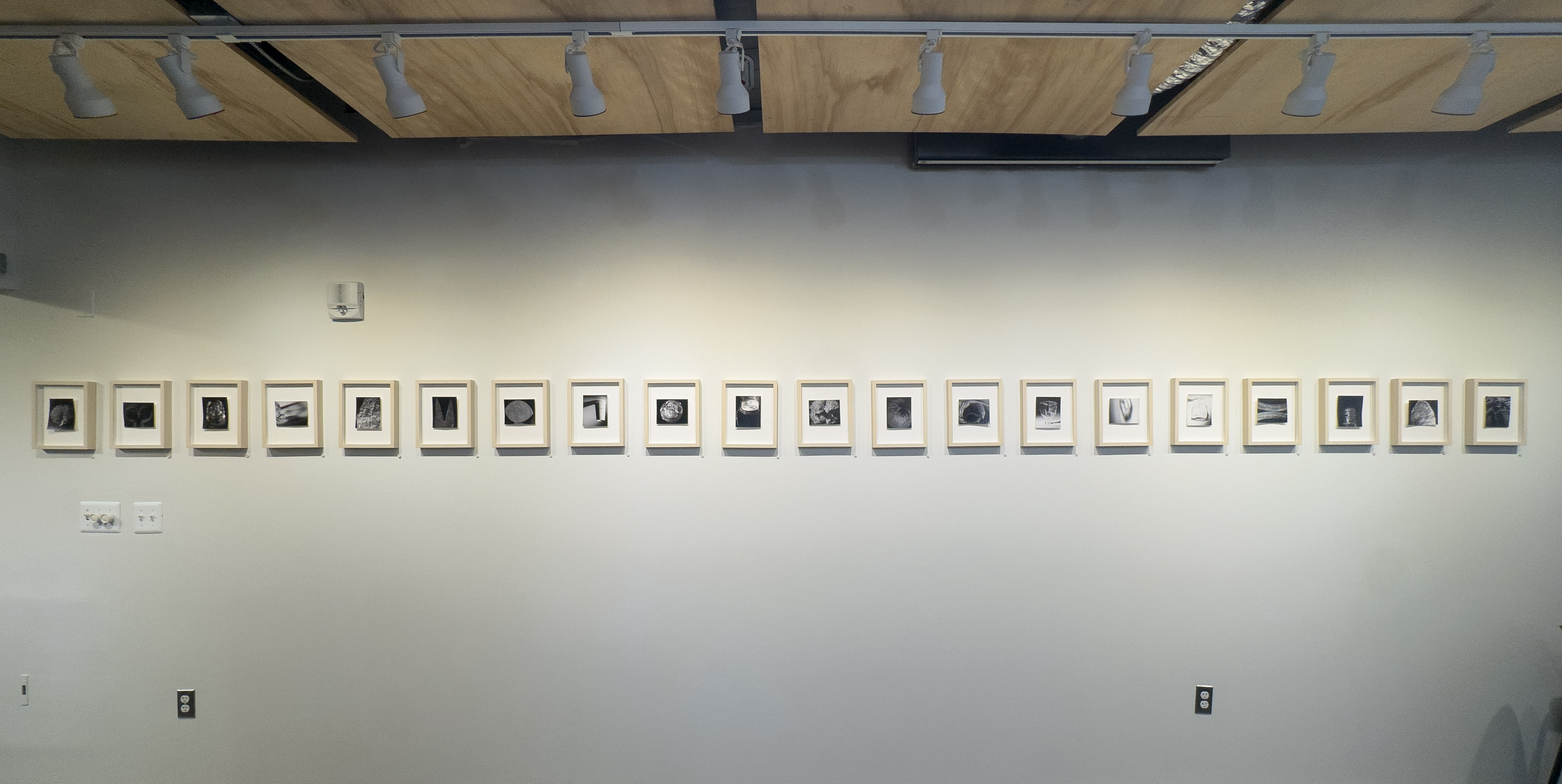
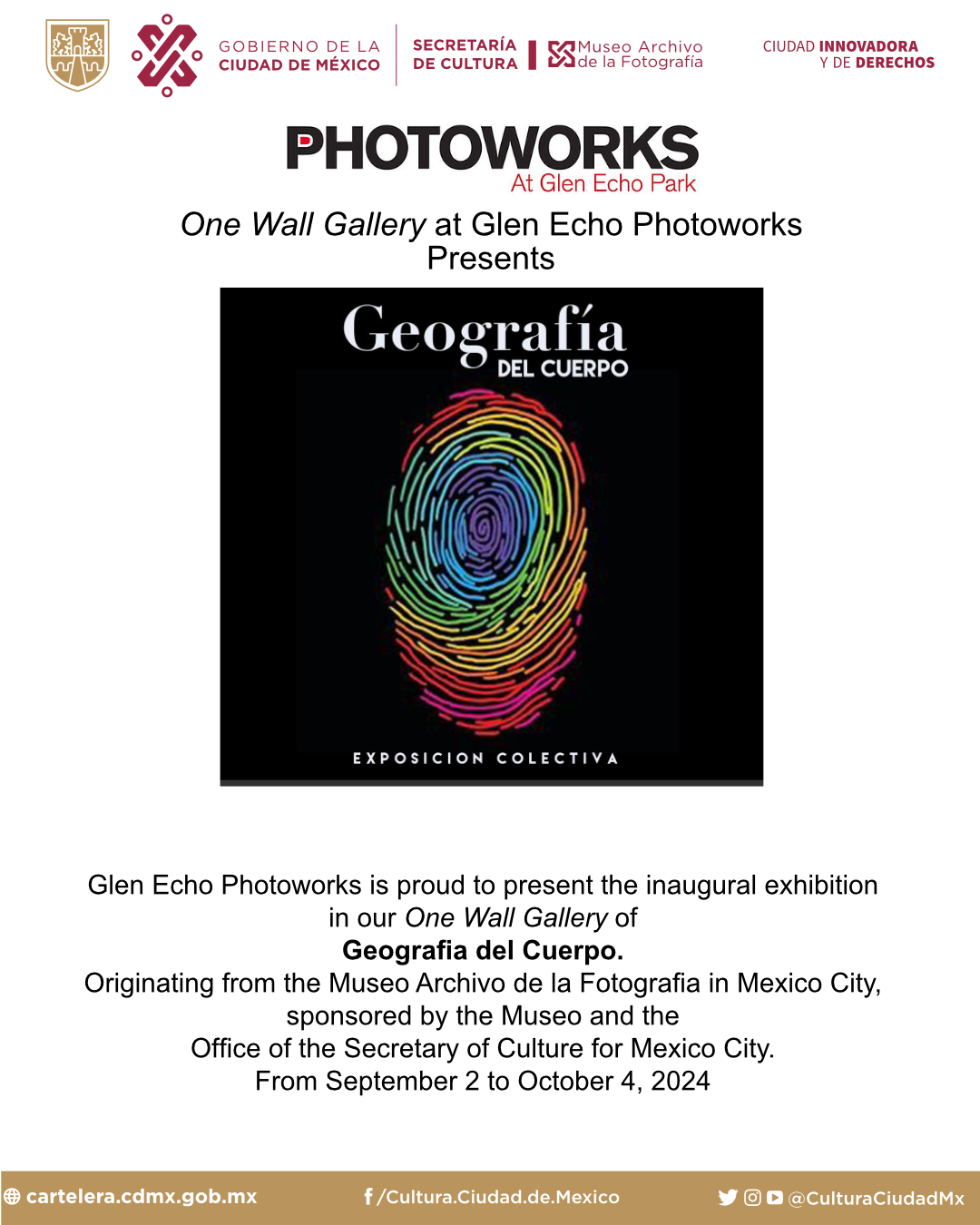
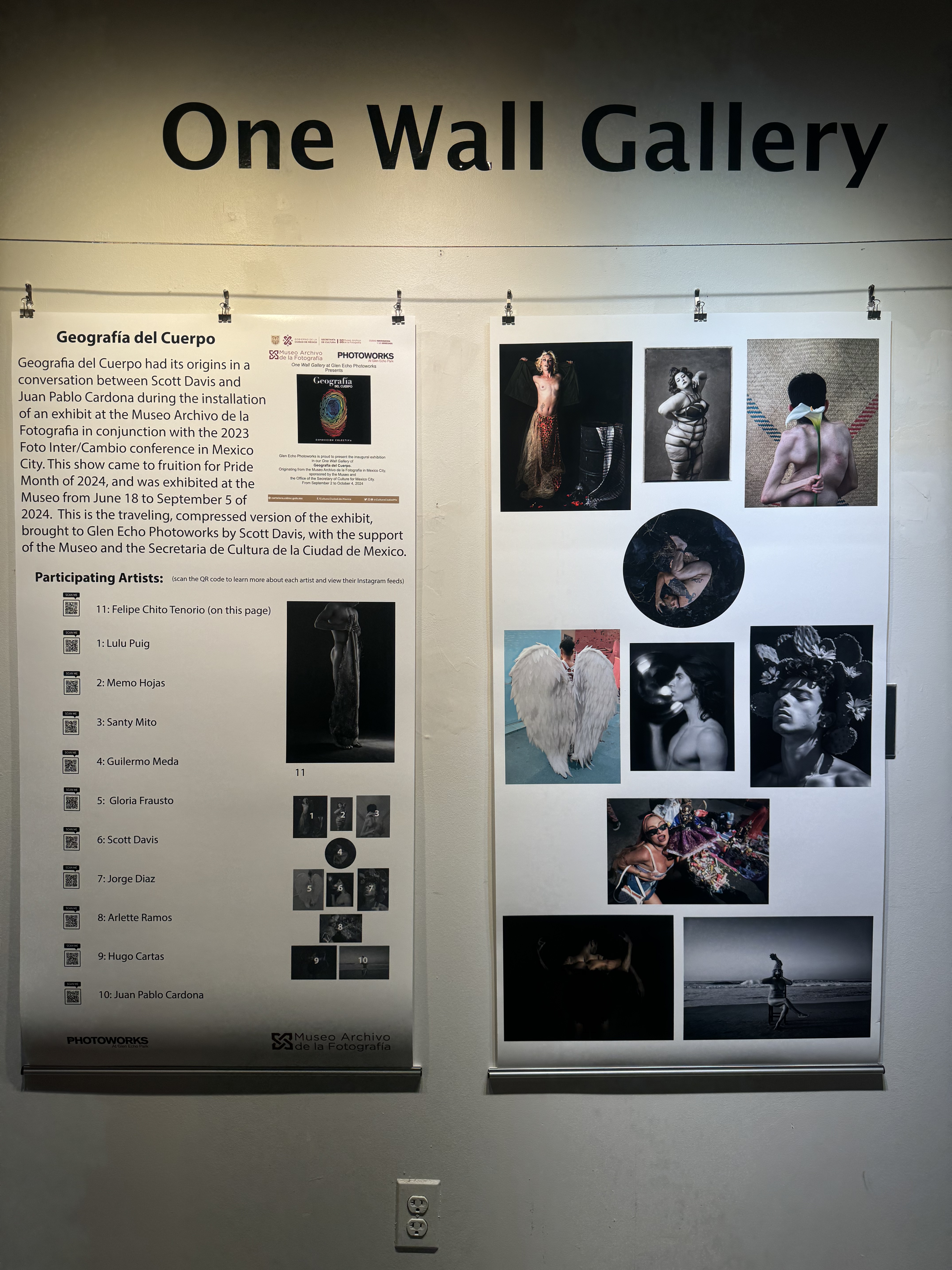
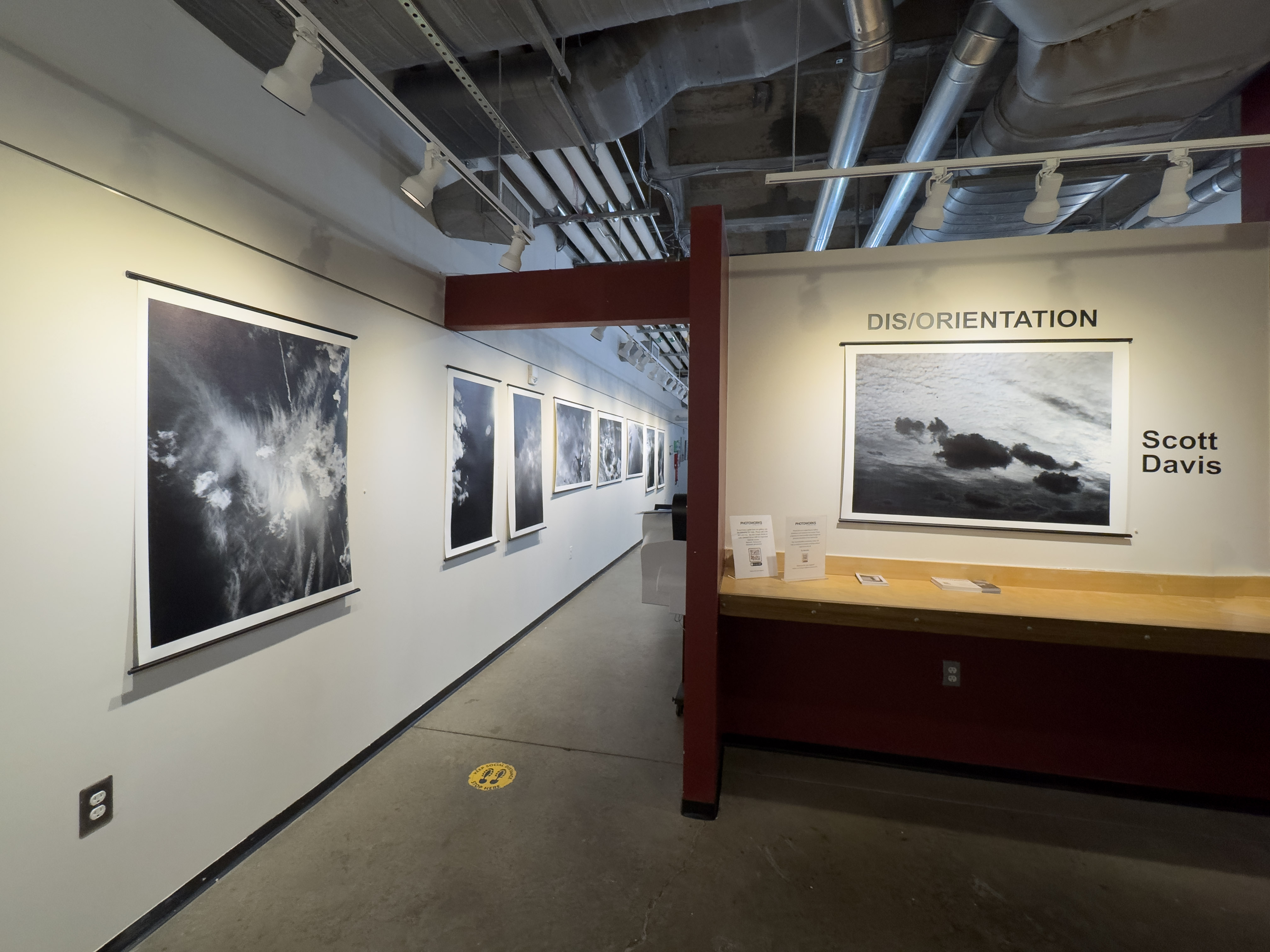
In conjunction with the Secretaria de Cultura del Ciudad de México, the Museo Archivo de la Fotografia, and Glen Echo Photoworks, I have brought a condensed version of Geografia del Cuerpo to inaugurate the One Wall Gallery at Glen Echo Photoworks. One Wall Gallery is a pop-up gallery space by the front door, designed to provide flexible exhibitions of shorter duration and bring life to an otherwise under-utilized space.
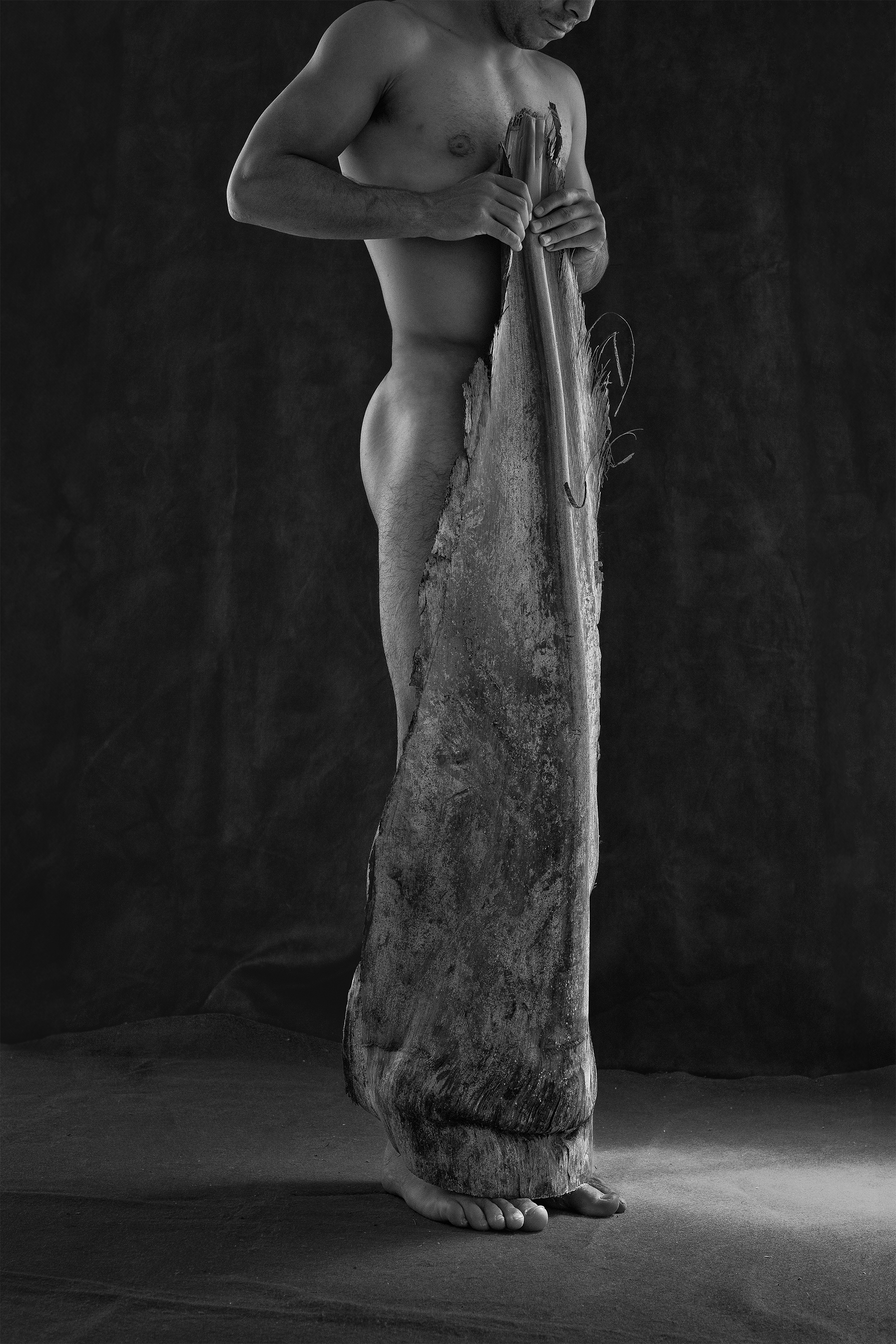
Given the time constraints and the space constraints, the exhibit was limited to one piece each from 11 of the 13 artists participating in the original exhibit in Mexico City (two were unable to participate). The form of presentation had to be re-interpreted to fit the space, and I think it turned out nicely.
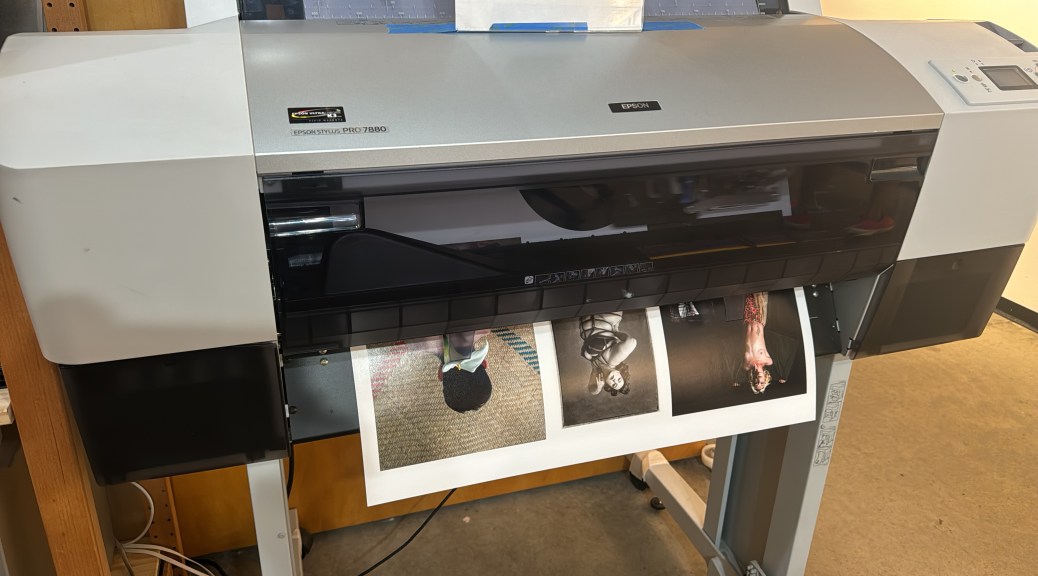
The banners were printed on our 24″ Epson wide-format printer. The original concept was going to be mounting each image on a 12″x12″ backing board and hang them in three rows from curtain wires (like the one you can see at the top of the photo). This, unfortunately, is one of IKEA’s worst products – the metal feet that you screw the posts into that attach to the wall do not fit the threads on the posts a significant amount of the time. I do have a tap-and-die set I can (and will, when I get around to it) fix the threads with so we will be able to use the hanging wire in the future, but that in the moment necessitated the re-envisioning of the exhibit into what you see here today.
The artists represented in the show are, in alphabetical order (names will be linked to their Instagram accounts):
The show opened September 2 and will remain up through October 4 on the One Wall Gallery at Glen Echo Photoworks, 7300 MacArthur Boulevard, Glen Echo, Maryland. Photoworks is located inside the ground floor of the Arcade Building.
I am still trying to find words to describe how absolutely overwhelmingly wonderful last night was. I had previously shown some work in a group exhibit at the Museo as part of the Foto Inter/Cambio conference, and even then they treated me as some kind of photographic rock star – I was part of the ribbon-cutting ceremony to open the exhibit, they asked me to speak publicly, and I received a certificate of recognition for helping to organize the conference.
I had brought additional personal work in a portfolio that I was planning to share with attendees of the conference. This included a bunch of my male nudes. One of the staff members saw that work, and was very interested in it. He asked me to show it to one of their curators, Juan Pablo Cardona. Juan Pablo was very taken with the work, especially the four-color gum bichromate prints I had made of an African-American model.
At the opening reception for the Foto Inter/Cambio show, he asked if I would be willing to show that work to the museum director. Not being an idiot, of course I said yes. We stepped off the floor of the reception and into the museum’s framing lab where my portfolio had been stored for the day, and Lizbeth Ramirez, the director, along with Juan Pablo and another museum staffer, had me go through my portfolio.
Everyone was excited by my work, and at that time Juan Pablo asked if I would be interested in participating in a show for this year’s Pride celebrations. Of course I said YES! And thus began the journey to yesterday’s opening.
I got to the museum a bit before 6 PM – the opening was scheduled to start at 7, and they had asked all of us artists to be there an hour ahead of time. That was my first glimpse of the installed exhibition:
panoramic view of the galleryMy wall in the gallery
The museum staff did an absolutely amazing job of preparing the space – I love the way they used color blocks on the walls to break up the space and give the work a flow and a rhythm around the room. This gallery is on the first floor of the museum immediately off the entrance, so public visibility is excellent. I had expected this would be in their upstairs gallery where we had the show last year for the conference, but this is the big deal.
Also to my surprise, I was selected to be one of three of the fourteen artists to speak at the opening. They also listed my name first on the list of participating artists, which to me was a very high honor.
When organizing the event, the museum staff indicated it was limited to 100 people. I think over the course of the evening, significantly more than that came. When I turned around to look at the crowd waiting to be admitted, I was absolutely stunned at how many turned up.
I’ve never had a crowd this big or this enthusiastic at an opening before. This exhibit, and especially this opening night reception, has been the absolute high point of my career to date and quite possibly the most incredible night of my life.
I realize I am incredibly tardy in posting this, on the cusp of the closing of the show (the museum very generously extended the show through September 2!). I wish I could be there in person for the take-down and to collect my work (I have a friend who will be picking it up and storing it for me until I am back in CDMX next), but that wouldn’t be practical.
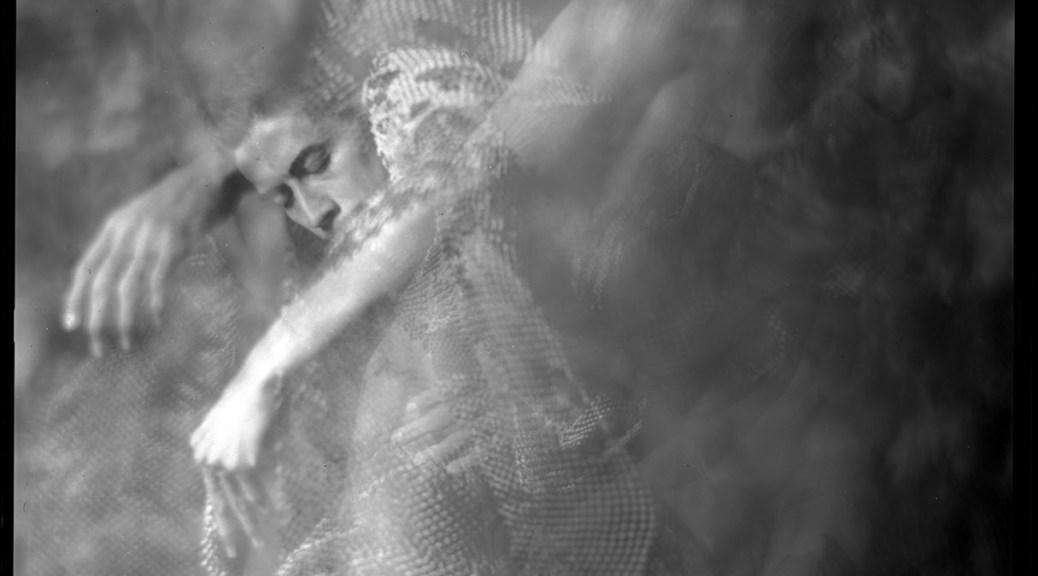
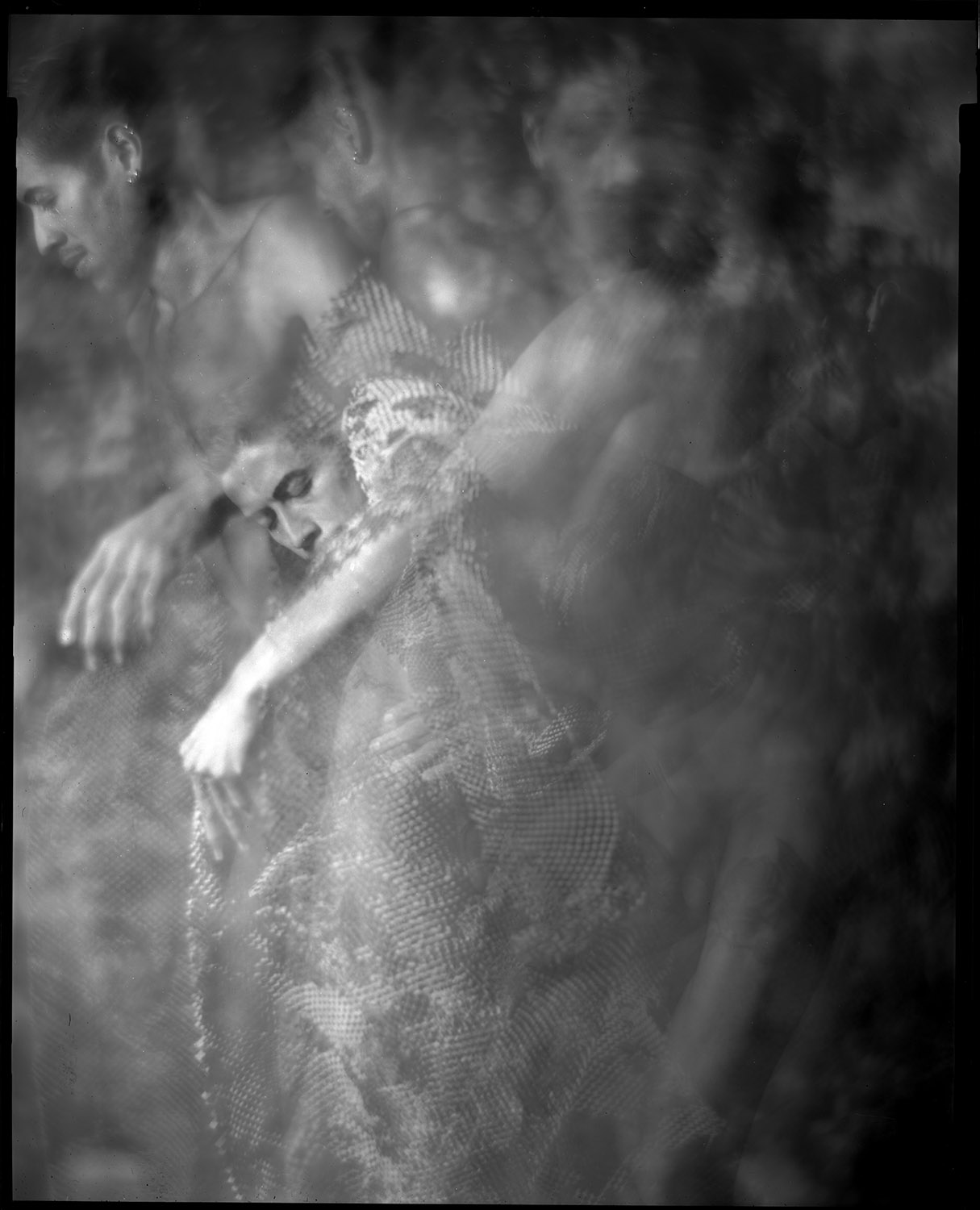
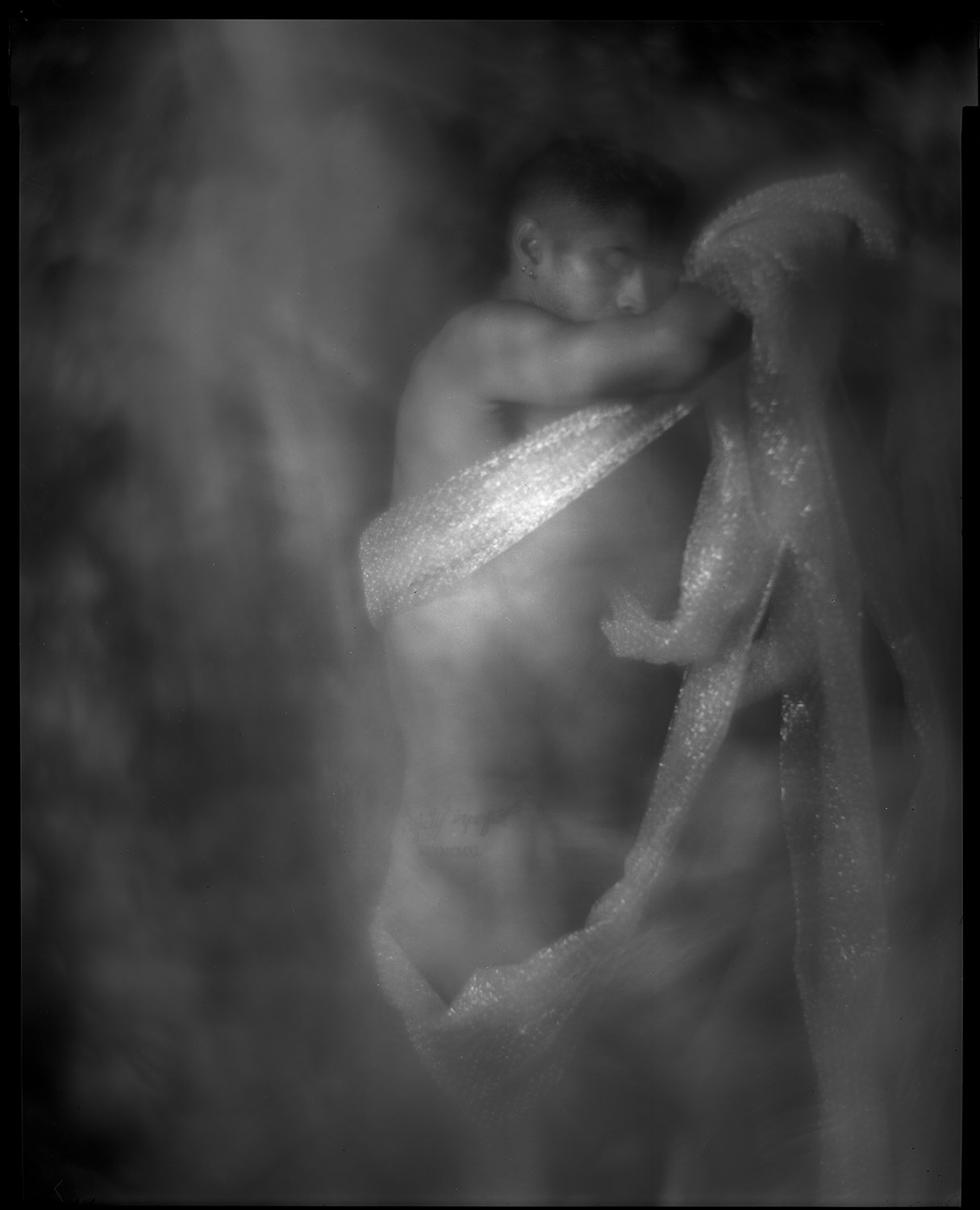
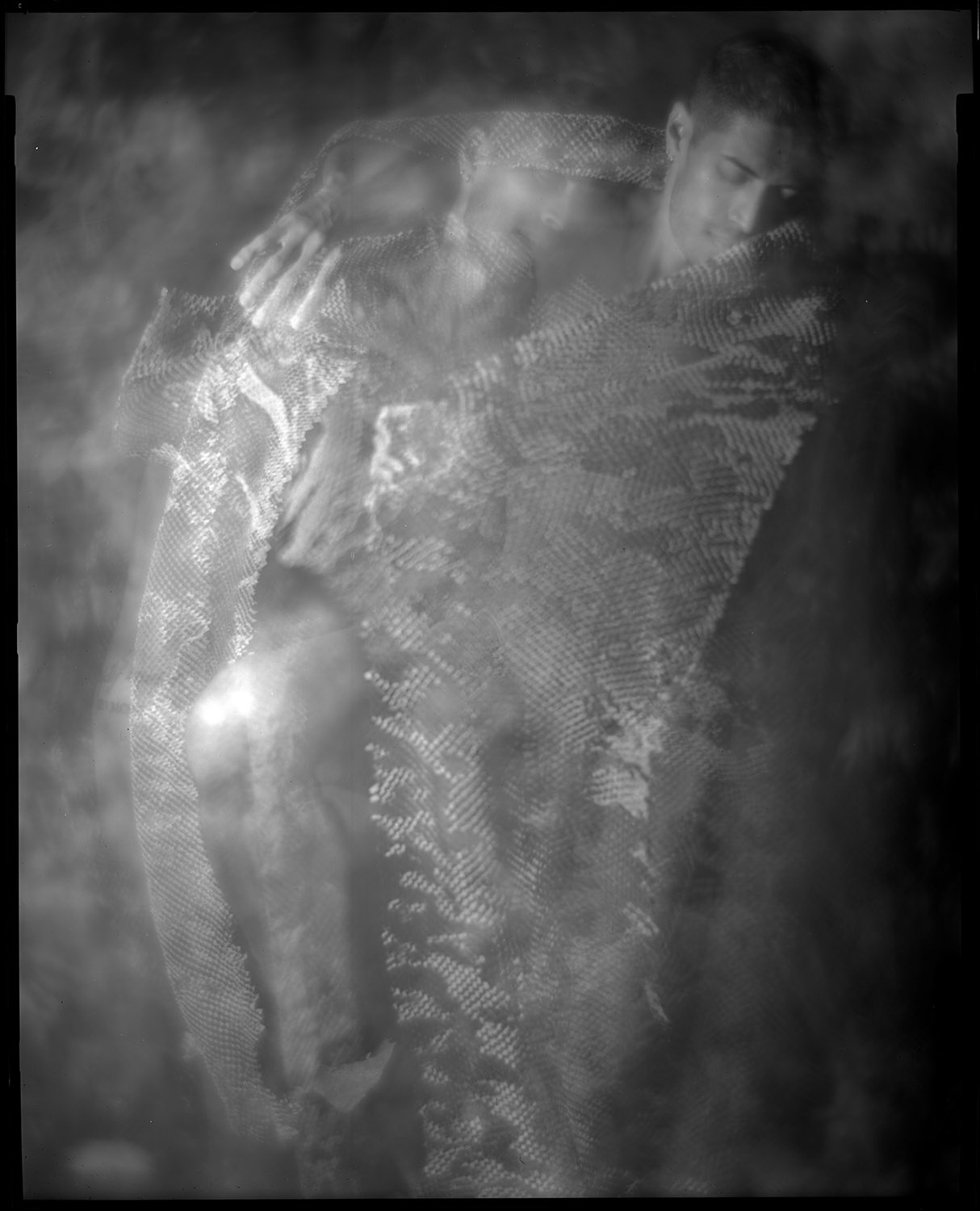
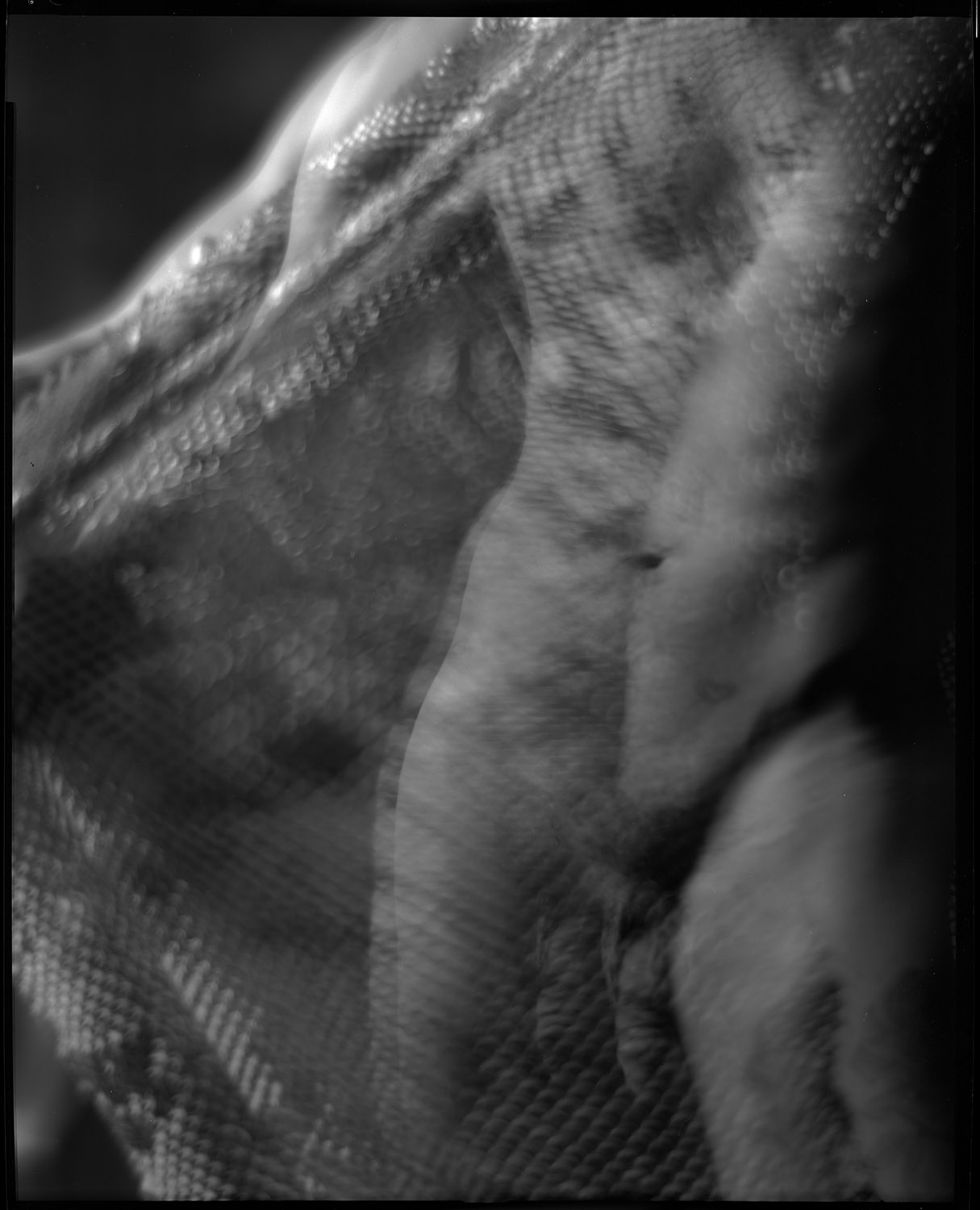
I’m getting started on a new series of human figure studies to go along with still life images. I arranged with a friend who is a professional dancer to be my model. One of the things he wanted to do was to try some movement studies. I had some pre-conceived shots I wanted to make, but I thought it would be good to push my comfort zone and try to do something different. I’m very much a collaborative photographer when it comes to working with models – I know I do NOT have all the ideas, and I love being inspired by and learning from the people I work with to create images.
I also enjoy using the limitations of my tools creatively and making them do things they aren’t necessarily intended for. We did this series with my 8×10 inch studio portrait camera, which is a big, heavy, relatively immobile beast. It has a Packard shutter to control exposure, which is a fairly crude, imprecise device (top speed is 1/30th-ish of a second). But what it does do is allow me to keep the shutter open for an extended period with the pneumatic squeeze bulb. So for these motion study shots, I opened the shutter, let Gabriel my model dance, and randomly popped my flash multiple times during the exposure. Very imprecise, very guesstimate, very subject to the whims of serendipity or disaster.
To make things more interesting, I had him dance with a piece of perforated craft paper that came in a box as packing material for something I bought online. The combination of the paper plus the swirly backdrop we worked in front of plus the use of a soft-focus lens on the camera gave the images an etherial, smoky look.
We also did some with bubble wrap.
We only did a few shots like this as it was experimental and I had no clear idea how it was going to come out. Having seen these, now I wish we had shot a whole bunch more of them! But that is the clarity of hindsight. Now, at least, I am inspired to try more of the same, and have a foundation of what to expect.
The great risk of course is, now that I have these shots, in trying to replicate them I will end up dissatisfied with the results because they will be too thought out and the element of serendipity will be lost, or I’ll go too far the other direction in trying to compensate for the serendipity loss and make a godawful mushy mess. But these are the risks we take when we make art – connecting with something emotionally is always risky.
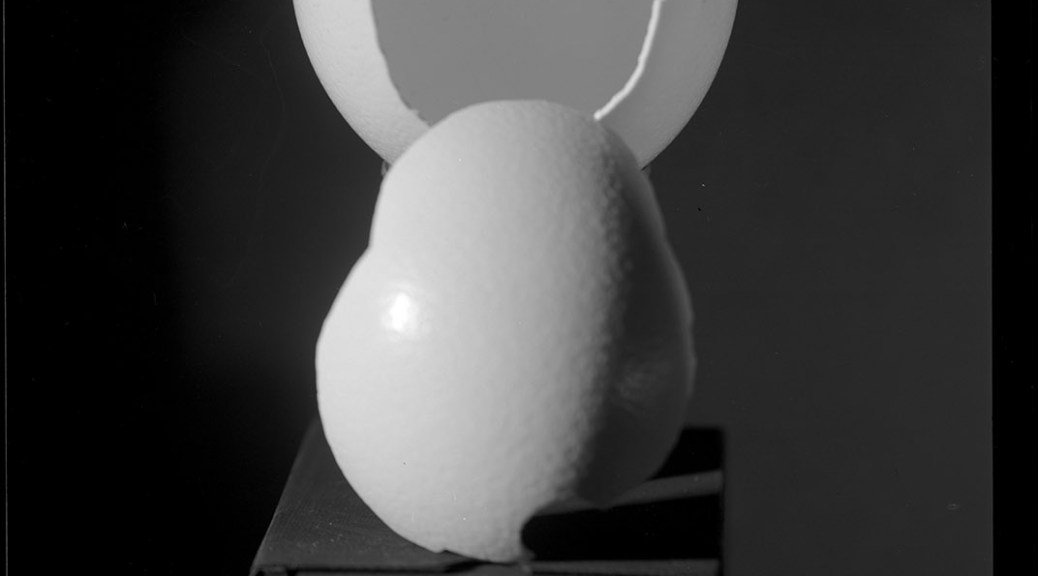
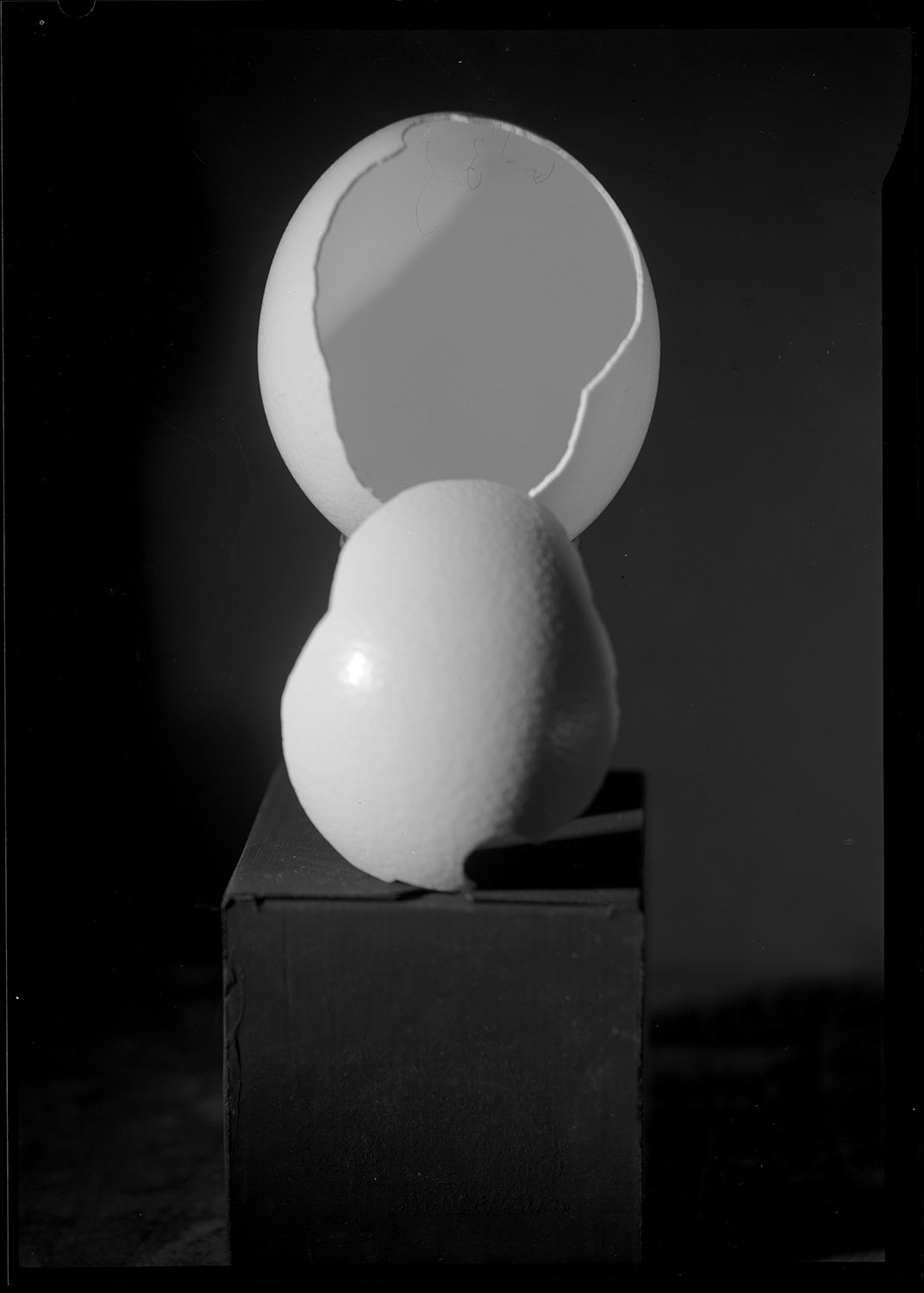
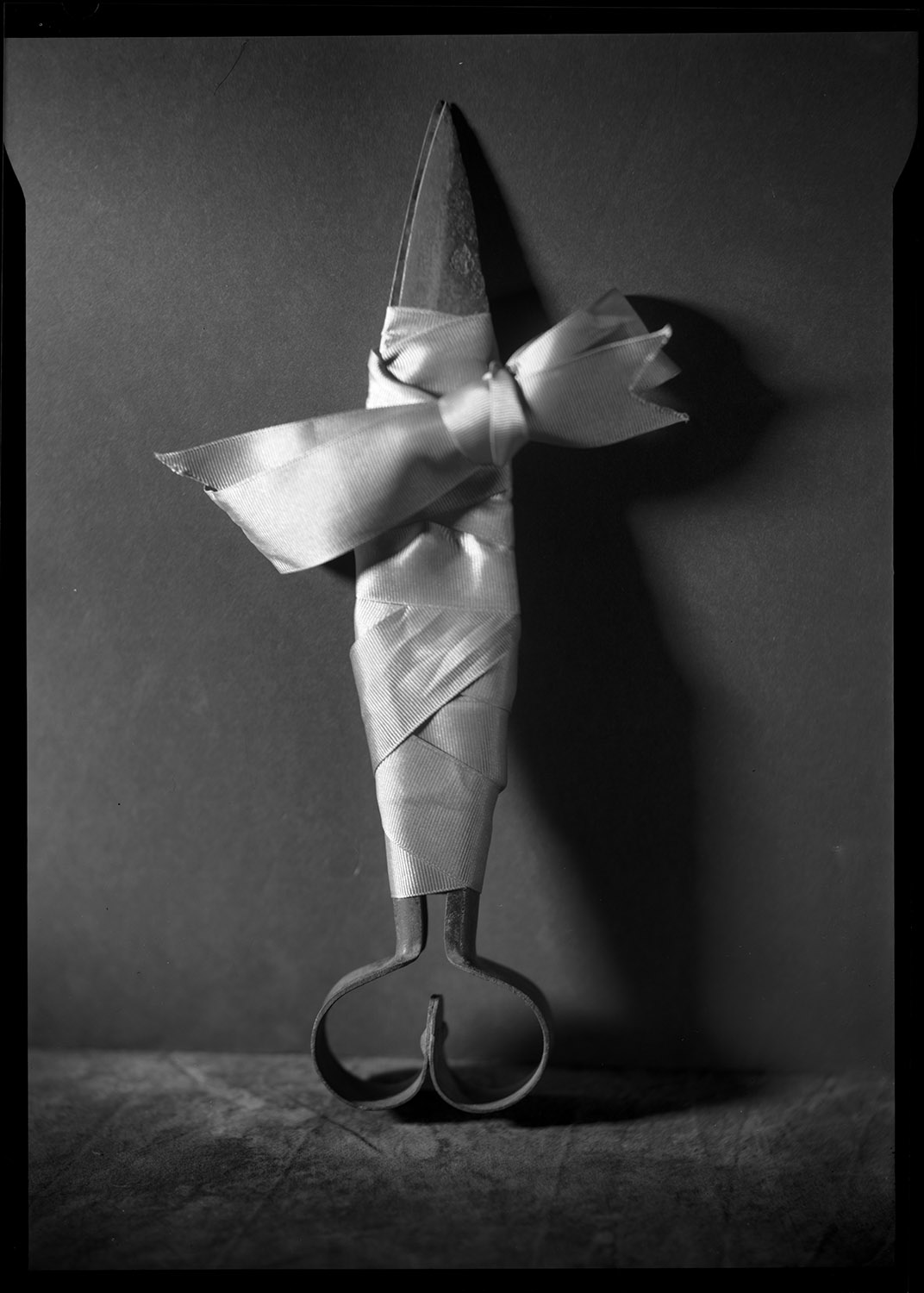
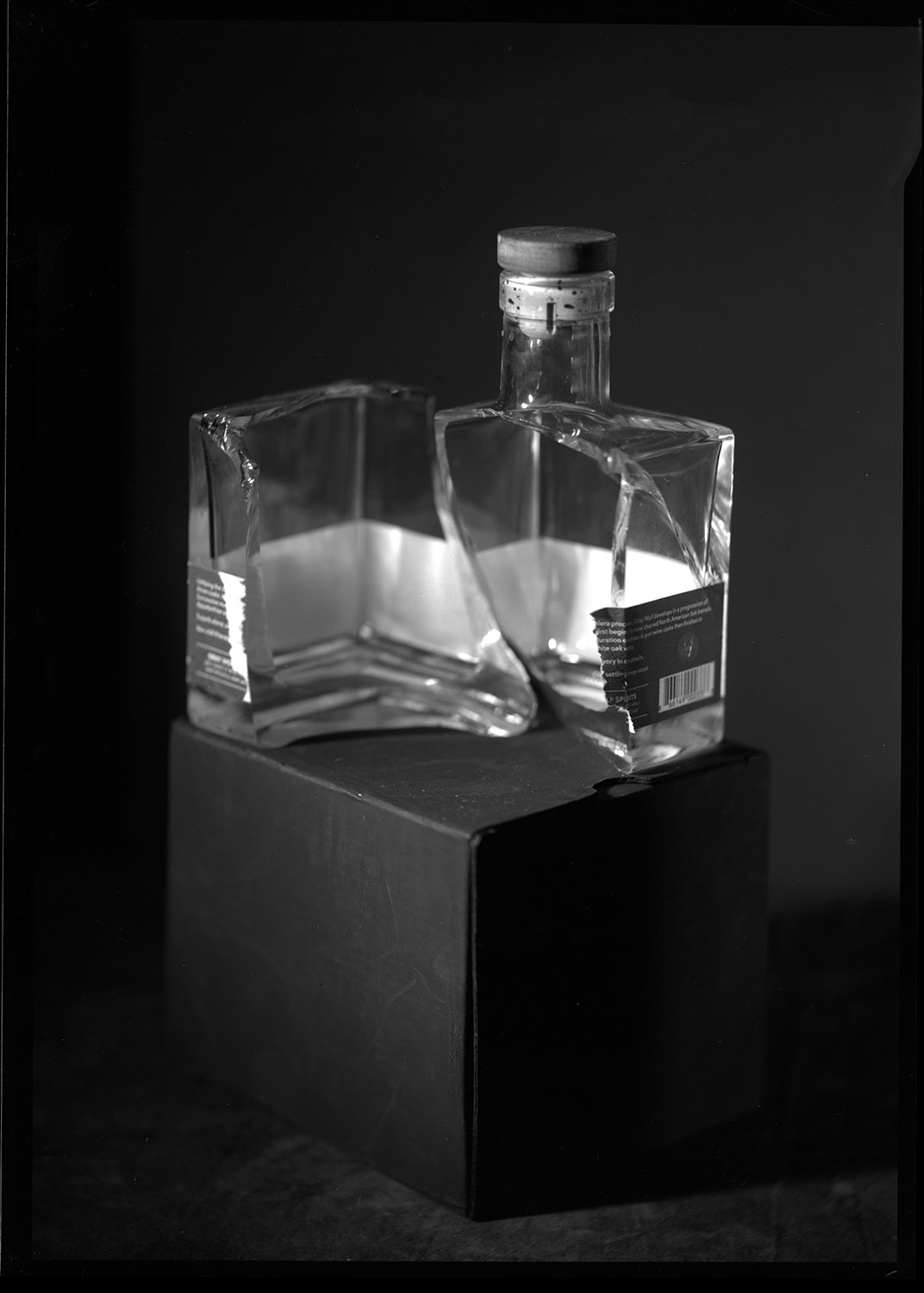
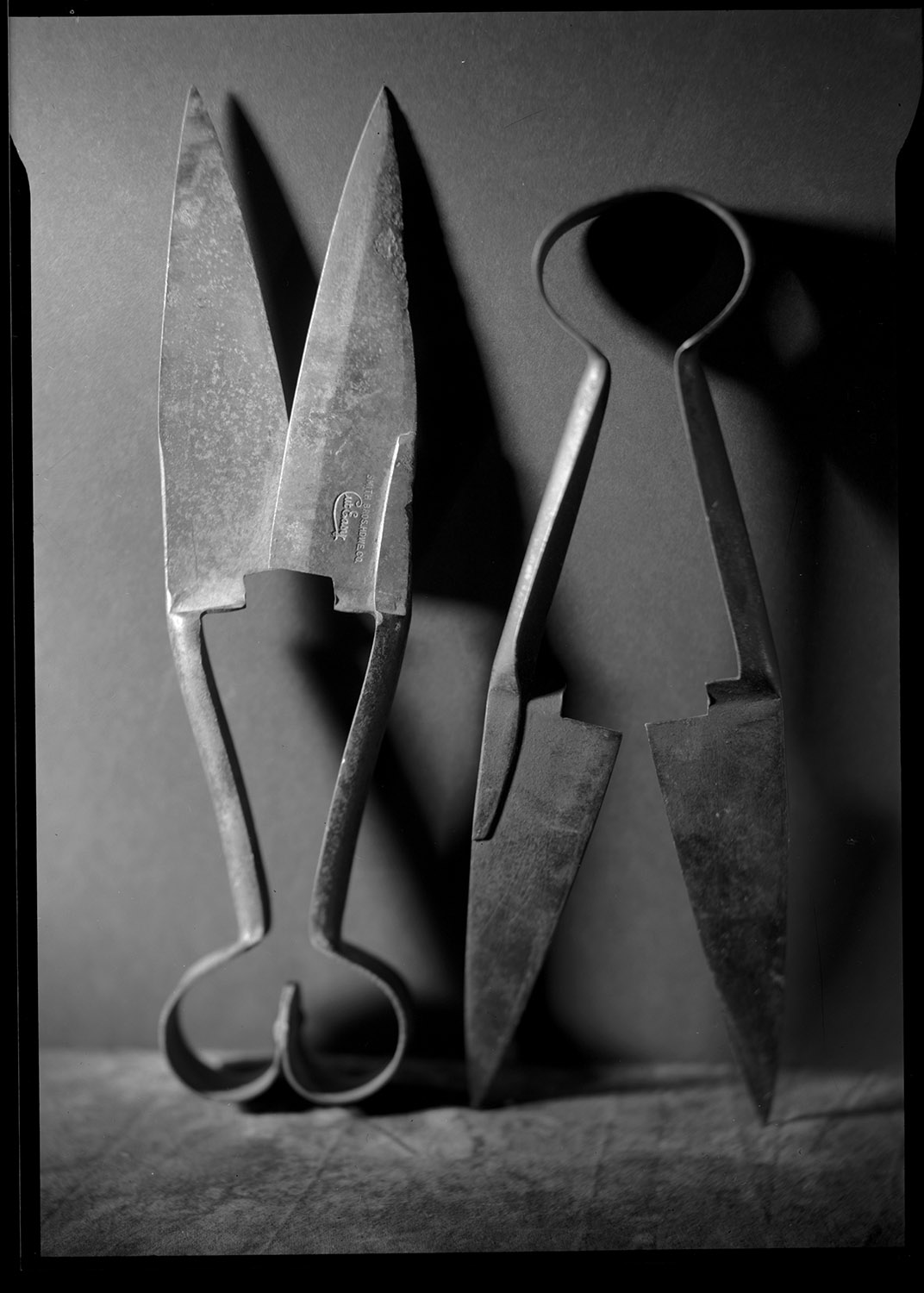
I’m starting on a new series that will be playing still life against human figure work. The human figure work will involve the objects used in the still life images as props, or at least relate to them in form and pose.
Here are a few examples of first images from the series.
Broken Ostrich EggBinding What Cuts – Antique Garden Shears Bound With Purple RibbonBroken Whisky BottleTwo Pair of Garden Shears, unbound
I’ve got a general theme going of things that are broken or things that can do the breaking. Upcoming images will involve things like a coffee mug, some unbroken Ostrich eggs, an orange juicer, and an antique brass candlestick phone. And yes, the one set of garden shears is very definitely what it looks like, but it isn’t, so nobody can really take offense at it unless they absolutely lack a sense of humor and they have a burning desire to be offended.
Show dates and times: Saturday June 22- Sunday August 18, 2024. Opening reception June 22 at 6pm. Artists Talk June 25th at 5pm (I will be participating in the artists’ talk and showing some additional work from my portfolio).
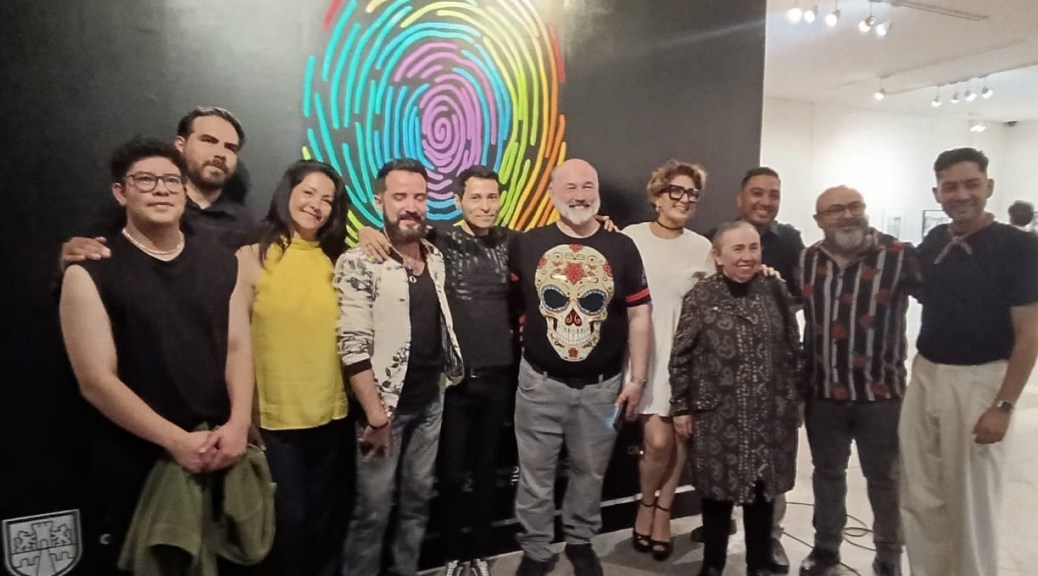
Geografía del Cuerpo is at the Museo Archivo de la Fotografía, and runs from June 26 to July 18. The opening reception is July 26 from 7-9pm, and is limited to 100 persons in attendance. I will be there as well (In case you’re wondering, I’m the one in the hat with the gray beard and glasses).
I’ve been doing a LOT of printing lately, in preparation for the shows in Mexico City. I did some serious darkroom cleaning too, getting my print washers disassembled and scrubbed clean of all the mineral deposits that accumulate from using DC city water, and got all the stuff out of the sink that was cluttering it up so I could print big. I’ll be doing some copy photos of the big prints I did shortly, and have them posted here. But all that work inspired me to not only do more printing, but to be adventurous in my artistic endeavors, and push out of my comfort zone.
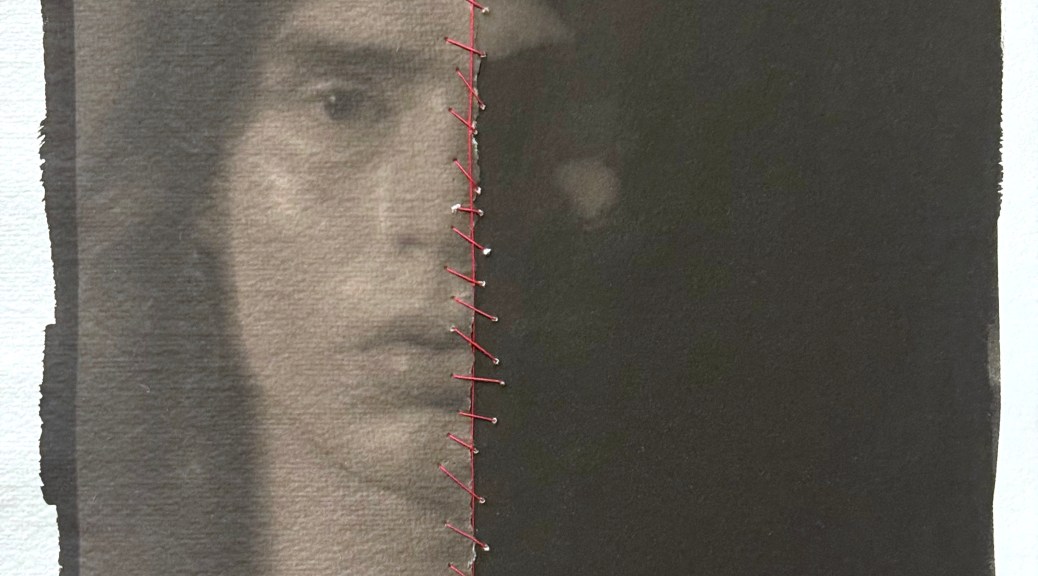
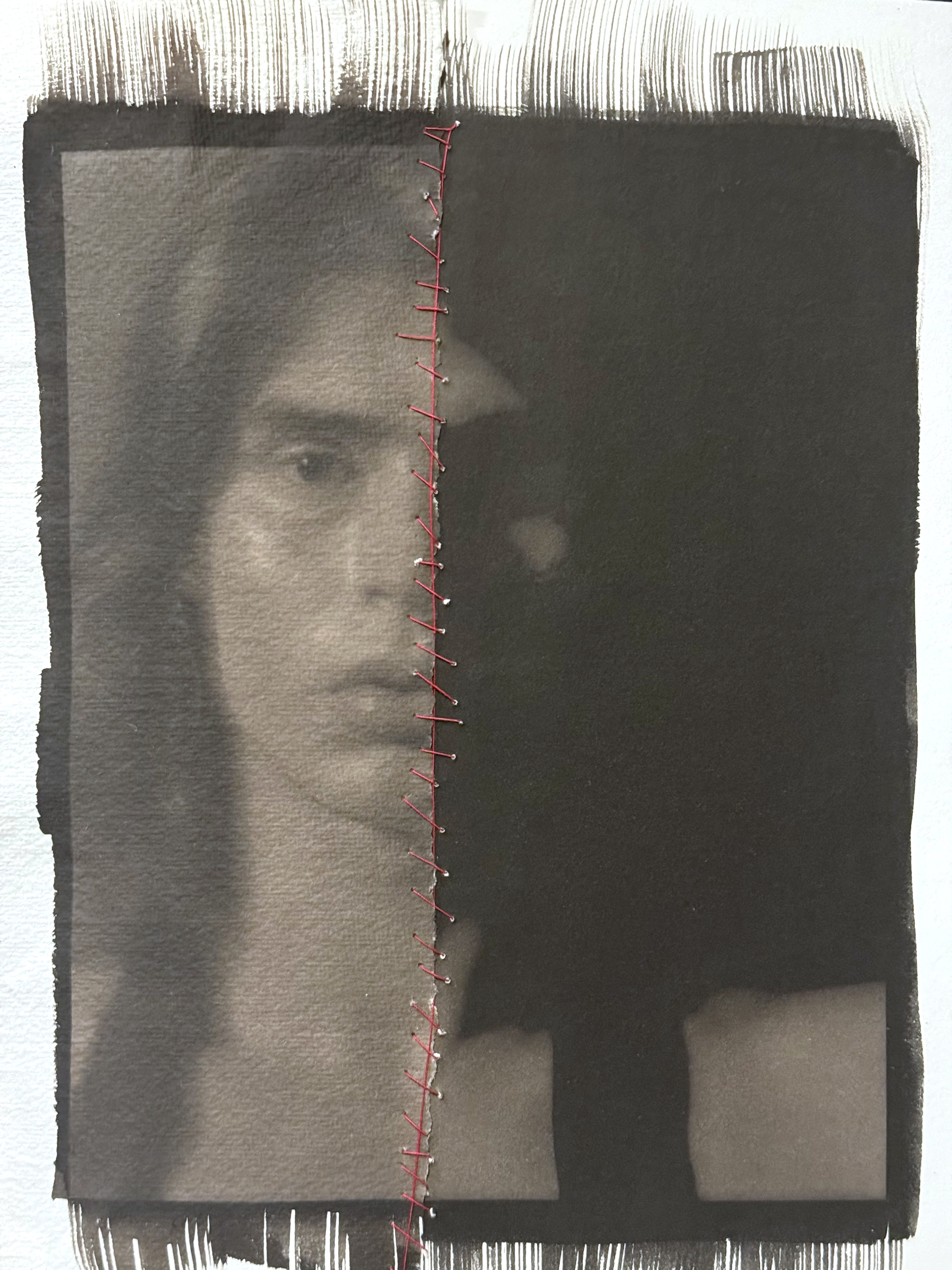
I have thought for quite some time about trying this, and thanks to a little push from my friend Jeremy Moore who lives down in Texas, I took the plunge last night and did some interventions on my prints that many would consider heretical. I made two different digital negatives from the same image, one with high contrast and one with normal contrast. The one with normal contrast I printed on Velke Losiny Prague, which is a light-weight cold-press paper with lots of texture. The high-contrast/dark print is on Revere Platinum, which is a heavy-weight hot press smooth paper. I then tore the print on the Velke Losiny paper in half, and then stitched the two prints together with red thread.
This is an exciting change for me, getting more experimental and risk-taking with my photographs. I’m going to do a lot more with the “destructive/reconstructive” mode of working – I think it opens up the work to being less literal and more visually and psychologically explorative.
I’m going to have work in not one, but TWO shows in Mexico City the end of June. Show number one is at the Museo Archivo de la Fotografía. The show is called “Geografía del Cuerpo” and features work by eleven photographers creating work dealing with gender, sexuality, identity and politics.
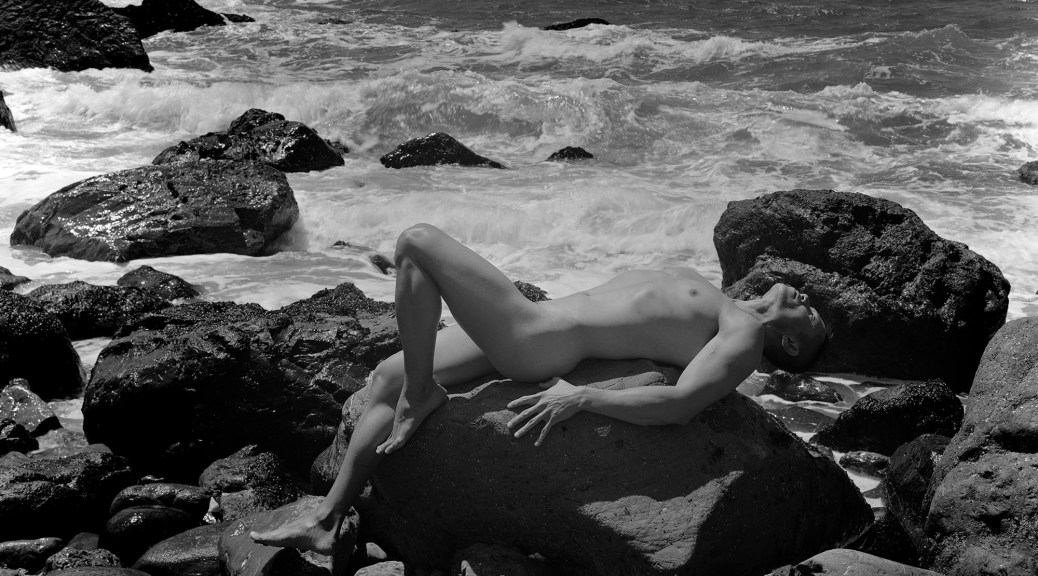
This show will be a minor retrospective for me as it includes work I’ve made across the last 20 years. I’m including some unique gum bichromate prints that I made in the 2000s, some infrared shots of male nudes in the landscape printed in palladium on kozo paper (a Japanese paper made from kozo bark which is almost tissue-like) that were shot in the 2010s and printed recently, and some studio nudes I did just last year. Pensive (Kodak HIE, palladium on Awagami Platinum kozo paper, unique print)Torso Moreno (four color gum bichromate, unique print)Narcissus (palladium on Saint Armand Frobisher paper, edition of three)
The opening reception will be held on Wednesday June 26 from 5-7 pm, and the show will be up through the end of July. I will be in attendance at the opening reception, so if you’re in the neighborhood please stop in and say hi!
The second show also features images dealing with gender, sexuality, identity and politics, this time at Eucalipto 20, an independent art center in the Santa Maria Ribera neighborhood. The gallery is a short walk from the Buenavista bus/metro/train station. The building is somewhat nondescript on the outside, so watch carefully for the street numbers.
James, Rocks, San Francisco 2001 (platinum print, edition of 5)James, Tree, Lands End Beach, San Francisco 2001 (platinum print, edition of 5)
The opening reception will be June 22, so I will not be in attendance, but we will have an artists talk during the week, dates and times to be announced.
This is long long long overdue, but better late than never. Especially since we are in the throes of planning the next iteration which will be in March of 2025!
Over three days we had five seminars, two photo walks, a Day of the Dead environmental portrait shoot, two hands-on demos, and opening and closing keynote speeches, plus an exhibition of alternative process work at the Museo Archivo De La Fotografía, Mexico City’s official photography archive. Images displayed in the exhibit ranged from salted paper prints made with wet collodion negatives to daguerreotypes of Mexico City to palladium prints to a fine press book with hand-tipped prints. A lot of images were made, and new friendships formed.
I want to first offer my sincerest gratitude to Gabriel Barajas, my business partner in this venture, without whose initial inquiry back in 2018 this would never have happened. He invested a massive amount of energy and time into making this happen here. I also want to thank all the people of the Club Fotografico Centro Historico who helped pull this off- their volunteer efforts from manning the reception desk to shooting video footage to getting us bottled water made the whole thing run. I especially want to call out Veronica Mondragón for her tireless logistics management.
Gabriel BarajasMary Quin with Veronica MondragónJuio Galindo
Another thank you goes to all the staff at the Museo Archivo De La Fotografía for their support. They provided us with a venue for our keynote events, and they expanded their offering of gallery space to turn what would have been a modest three-day pop-up show into a major, meaningful exhibition taking over an entire floor of the museum and running for two weeks. They also made me feel like a rock star – I got asked to participate in the ribbon-cutting to open the show, and received a certificate of recognition from the Secretary of Culture for Mexico City for my efforts. They’re also inviting me back to give a platinum/palladium printing workshop some time next year, and a show of my portrait and figure work.
Some photos from the opening night reception at the Museo Archivo de la Fotografia, including the lifetime achievement award being presented to my friend Julio Galindo. As you can see from the last couple of images, we had a standing-room-only crowd. It was quite the evening, and I will never forget it.
Julio Galindo with Gabriel BarajasFrance and Mark Osterman at the opening receptionJulio GalindoAlejandro Sanchez Mociños and Julio GalindoAlejandro Sanchez Mociños with meArturo Avila Cano and Julio GalindoPanel presentation of award to JulioOpening night crowdopening night crowd
I don’t know of a bigger thrill for an artist than to have the director of a museum request you to give them a portfolio review, and then turn around and offer you a show and a workshop (funded by the museum!).
We had three days of activities and presentations. There were two main themes to the conference this year: Daguerreotypes and Book Arts. Carlos Gabriel Vertanessian, an Argentinian photo historian, gave a talk about the history of early photography in Mexico, focusing on the beginnings of the Daguerreotype in Mexico. Takashi Arai and Paty Banda gave a joint presentation (perhaps the most technically challenging presentation to pull off; Takashi was in Japan and calling in at 4AM his time, while Paty was also calling in from another location in Mexico City). They are both 21st century Daguerreotypists and talked about their personal work – Takashi with his interest in nuclear and environmental issues, and Paty with her rephotographic project doing 21st century daguerreotypes that re-created the earliest known photographs of Mexico City.
Matthew Magruder presented his work that spans multiple photographic disciplines; the work he presented centered on book arts and the handmade artists book. Craig Alan Huber (another person to whom I owe a great debt of thanks for his assistance in making this conference happen) gave a contrasting presentation on publishing fine art books, from “trade press” to the extremely limited edition fine-art volumes (usually cased in presentation boxes and accompanied by signed prints, etc). Craig is the owner and publisher of Veritas Editions, an award-winning press that specializes in high-end limited edition books.
Matt Magruder and Craig Alan HuberMatt Magruder and one of his accordion bookshand-made book of panoramic imagesMatt Magruder demonstrating panorama bookCraig Alan Huber and a fine press book from Veritas EditionsCraig showing a print accompanying the book
We also had presentations by Mary Quin and Arturo Talavera. Mary is an innovative artist from Alabama who began her photographic career working with large format cameras making traditional photographic images and has evolved into making “intuitive” images where she paints and drips photo chemistry onto paper to create images. Mary also gave a hands-on demo to the attendees of her technique. Arturo is a photographer from Mexico City and a master of multiple historic photo processes. Arturo hosted us for a morning in his studio where he demonstrated making a copper-plate photogravure image of the Aztec “Sun Stone” housed in the Anthropology Museum; his original plate from which he created the gravure was a whole plate size Daguerreotype!
Mary Quin showing one of her hearts – work in progressEarly work in Palladium by Mary QuinOne of Mary Quin’s butterflieshand-drawn heart in palladiumMary Quin with mannequin leg collageArturo Talavera’s studioArturo about to etch a plateArturo examining the etched plateetched plate with ink, ready to pressPrint and etching plate after running through the pressfinished printArturo examining finished print
Our closing night keynote was presented at the Museo Archivo de la Fotografia by Mark and France Scully Osterman, who talked about 19th century spirit photography, an especially timely topic as we were on the cusp of the Day of the Dead weekend in Mexico City. Another resounding success, with a standing room only crowd, Mark and France talked about the origins of spirit photography in the middle 19th century, with the aftermath of the US Civil War being a significant driver of the interest in spiritualism that encouraged the practice. They also talked about the HOW it was done, with techniques ranging from simple long exposures that rendered moving figures in the image as ghostly presences, to advanced methods for manipulation and trickery to give the impression of spiritual manifestations. The evening closed out on the roof of the museum overlooking the Metropolitan Cathedral and the ruins of the Templo Mayor and some celebratory wine was shared by all. The first image is of the wonderful young man who did the live translation for Mark and France’s talk; he did an outstanding job!
Our translatorMark and France Scully Osterman presentingMark and France viewing the cathedral at night from the museum rooftopView of the cathedral View of the Templo Mayor with the moon overhead
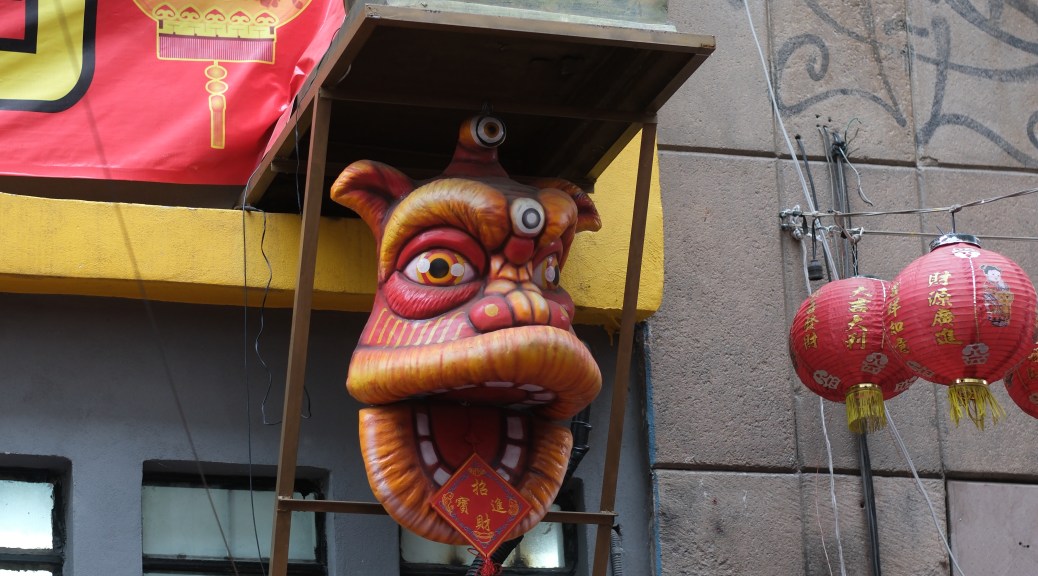
All work and no play makes for a dull conference, so we had several photo walks arranged; a daytime trek through the Mercado de San Juan which specializes in exotic cuisine (they have everything from whole turkeys to cockroaches to alligator meat!), a visit to Mexico City’s Chinatown, a nighttime photo walk in the Centro Historico around the Zocalo, and a large format portrait shoot with a model in Day of the Dead makeup and costume (another big thanks to our model and his makeup artist – Rafa Farias and Annie Hernandez).
Day of the Dead decorations at Mercado San JuanFish at Mercado San JuanFresh veggiesSausagesRambutans and other exotic fruitDragonfruitRed SnapperThe butcher’s counterCatching a nap in the MercadoMaking sausages Vlad Grablev meets a fan of his RB67Mary Quin and Veronica in the MercadoDay of the Dead Ofrenda in the Mercado de ArtesaniasCatrin in the Mercado de ArtesaniasCatrina in the MercadoWeaver looking around in the Mercado San JuanChinese store in CDMX’s ChinatownMel with her Speed Graphic and Instax backLighting store in CDMX’s Chinatown
Rafa and Annie getting ready for his shoot, and a few views of the finished results (that’s me with the 5×7 view camera in the last shot):
Rafa Farias getting his face paintedAnnie and Rafa working on his makeupThe beginning of the makeupRafa in ProfileRafa posing in front of graffiti at the Colegio de las VizcainasClose-up of RafaRafa head-onRafa getting his portrait done with a 5×7 inch view camera
After the official end of the conference, a bunch of us took the day to go down to Coyoacán and wander around. Lots of Day of the Dead decorations were on display, and a good time was had by all. We grabbed lunch at an outdoor table at Restaurante Ave Maria, who was having a mole festival on the menu – I had a Oaxacan mole over beef which was very rich and delicious. We were serenaded by several strolling musicians – one an older gentleman with a guitar doing traditional Mexican songs, and then a group of young Mexican boys rapping. While their music wasn’t to my taste, they got big props for freestyle ad-libbing a rhyme about the gringo with the camera! I’m still building my street photography skills, especially when it comes to photographing people. As we were heading back to the Metro, I saw this guy with the most incredible style and makeup, and had to take the chance to ask him for a photo. You’ll see the results – he had half his face painted with the calavera, and the other unpainted, and he was decked out in what would certainly qualify as vintage Punk style – he would have fit right in on Kings Road in London in 1983.
Troubadour in CoyoacánCheeky RapperDevil figurines in papier-mâché Vlad and Craig at lunch in Coyoacánmore papier-mâché devil figuresPapier-mache skeleton with skeletal dog and puppymore papier-mache figurinesSkeletonsmore skeletonsFuente de los Coyotes on the plaza in CoyoacánYoung punk with bifurcated makeupThe other side of the young punk
Some more Day of the Dead sights:
Boys on the street in Halloween attirekids dressed up on the Zocalo over the Metro entranceDay of the Dead figurines on Avenida Francisco MaderoDay of the Dead figurines on Avenida Francisco MaderoMarigolds on the patio in Coyoacán