Category Archives: Antique Processes

Intro to Platinum/Palladium Printing, Day Two- First Printing Session

This weekend was module one of two in my revised Intro to Platinum/Palladium Printing class. Module One covered making images from in-camera film negatives. Yesterday we went out in the park at Glen Echo and shot some film with my 5×7. This first image is one of the student prints from that outing – the rocks and water in the stream that runs through the park.
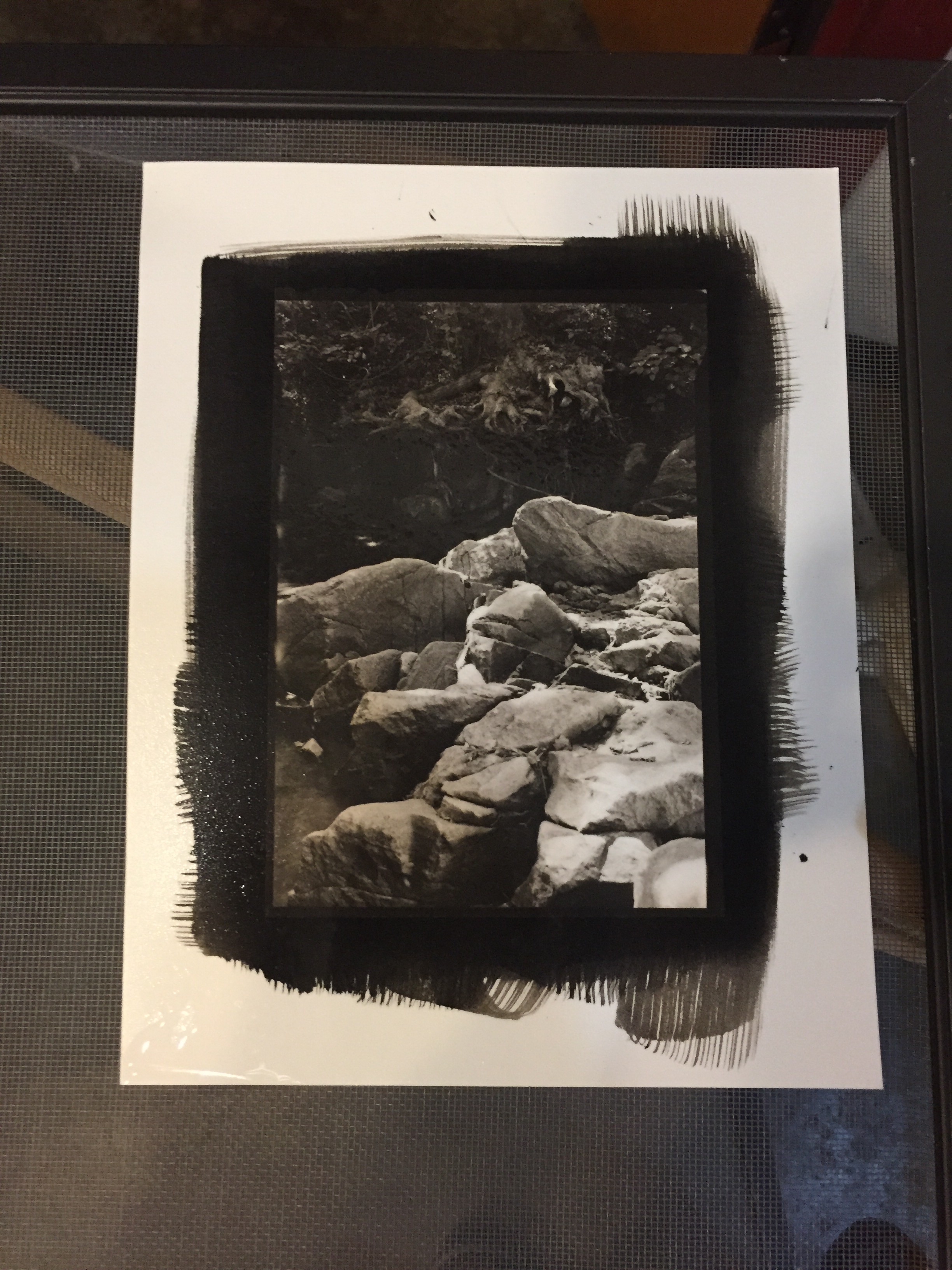
Rocks, Stream, Glen Echo Park

This second shot is a happy accident – one of my students wanted to do portraits, and shot this and another one (which we didn’t print) of two classmates. What we didn’t realize at the time, which was very much my fault, was that those two sheets had previously been exposed by me on an outing with my Intro to Large Format class to the National Cathedral, but not developed. So we had two negatives of students in the woods superimposed on the facade of the National Cathedral. In the other one, the student’s face was obscured by the rose window, but here it works well. We were joking that it would make a great political campaign photo.
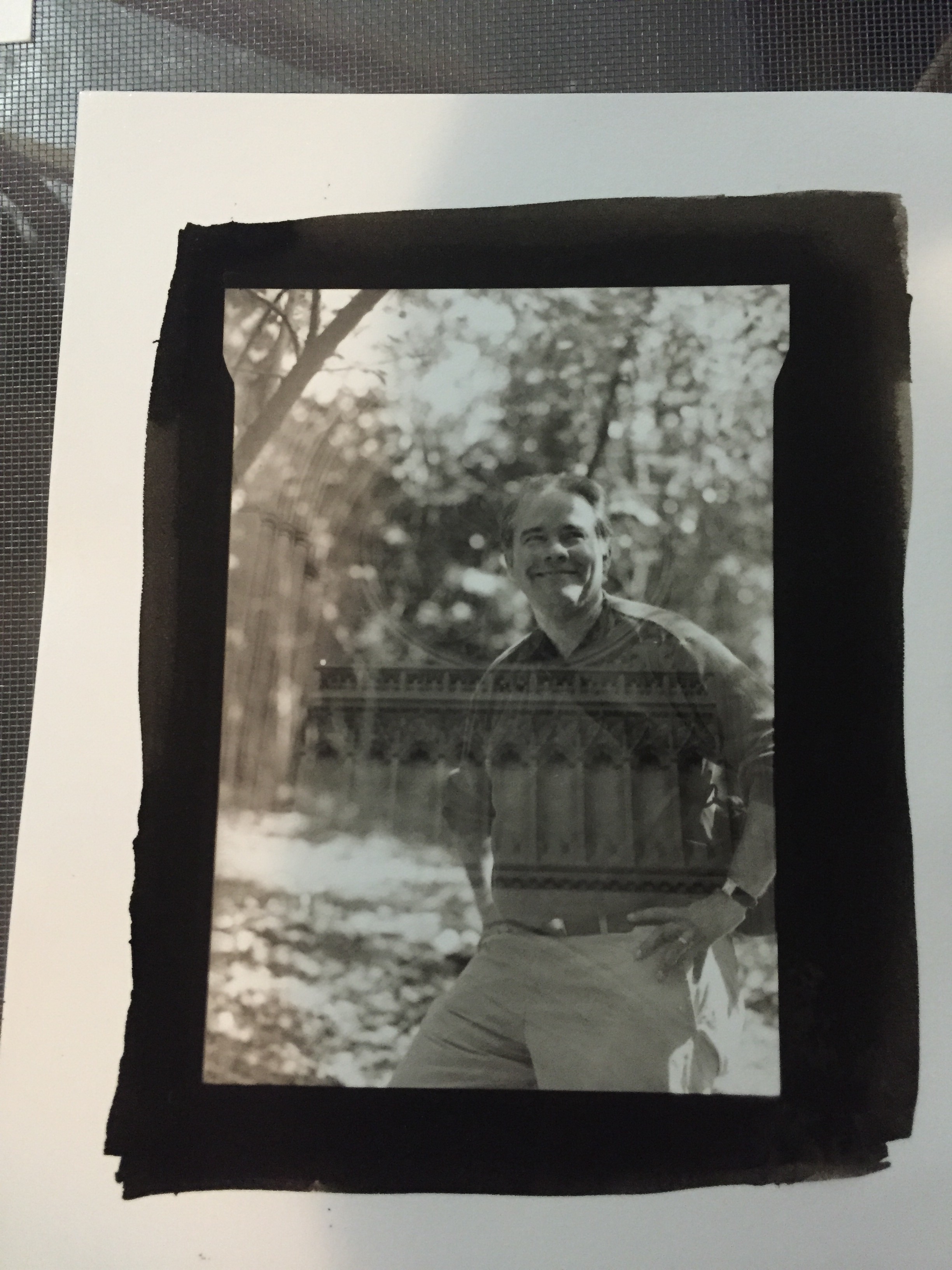
Happy Accident - Double Exposure
Happy Accident – Double Exposure

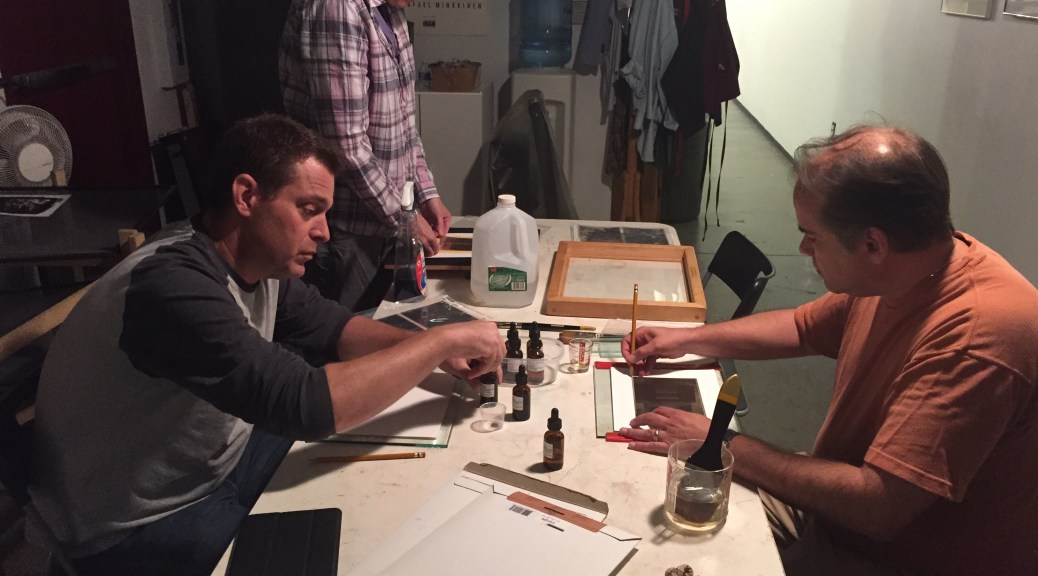
Here are my students busy coating paper and working hard.
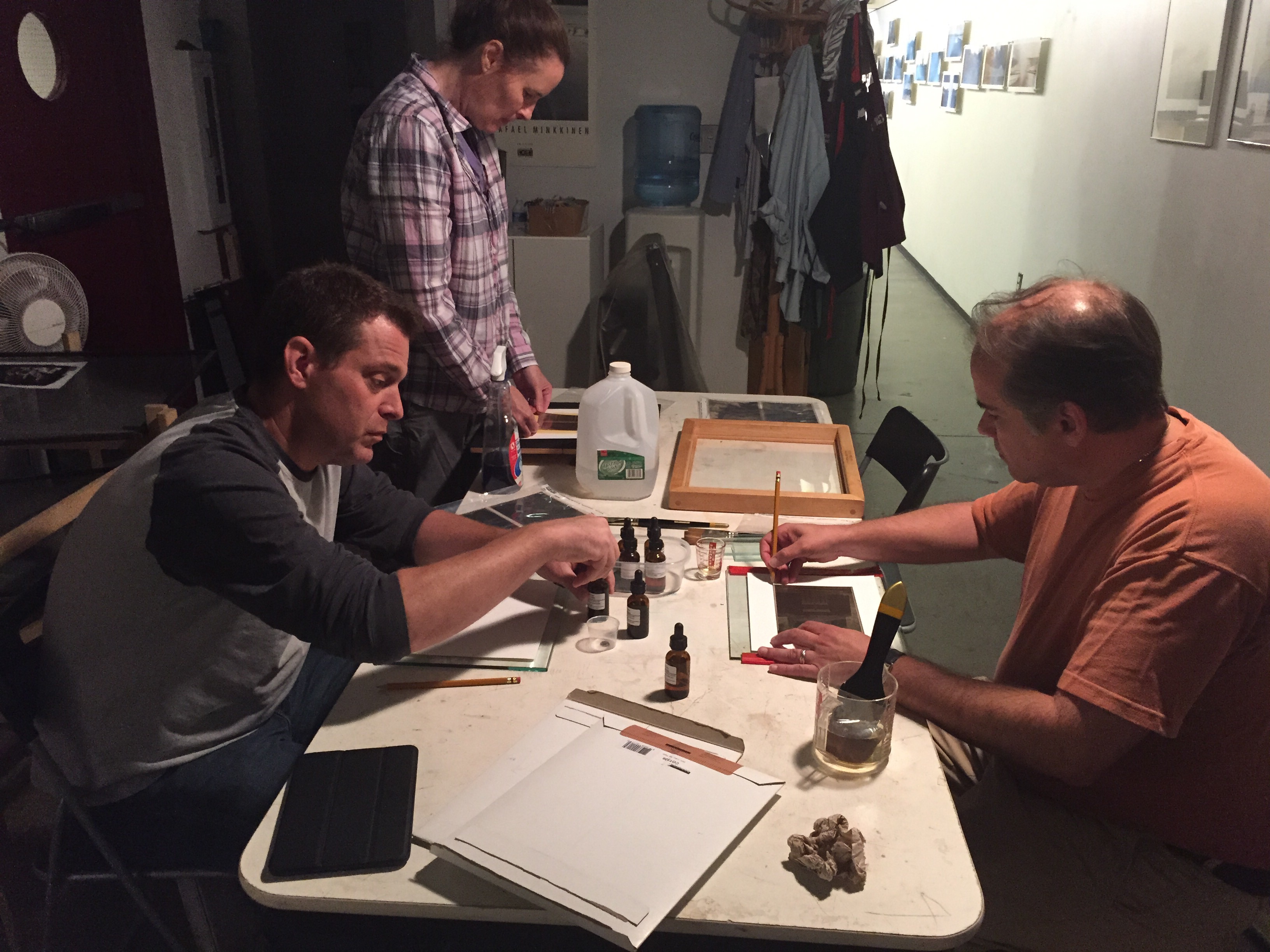
Students Coating Prints

Another faculty member had been given this UV exposure unit by one of our long-time patrons, Grace Taylor. Grace is now retired from photography as she’s in her late 90s, and had given it to him when she stopped printing. At the time he passed it along to me, he said it might have an electrical issue and so may or may not work properly. I was leery therefore, but determined to give it a try. If it didn’t work, I would still have a fallback option of the blacklight compact fluorescent fixture I’ve used before. Fortunately, not only did it work, but it worked well. It gave us very fast exposure times (3 minutes was our base exposure, instead of the 6.5 I normally get with my own unit or the 7-9 we were getting with the CF fixture). So Grace, if you’re aware of this, a big thanks for your UV unit, it has found a new home and is once again being productive!
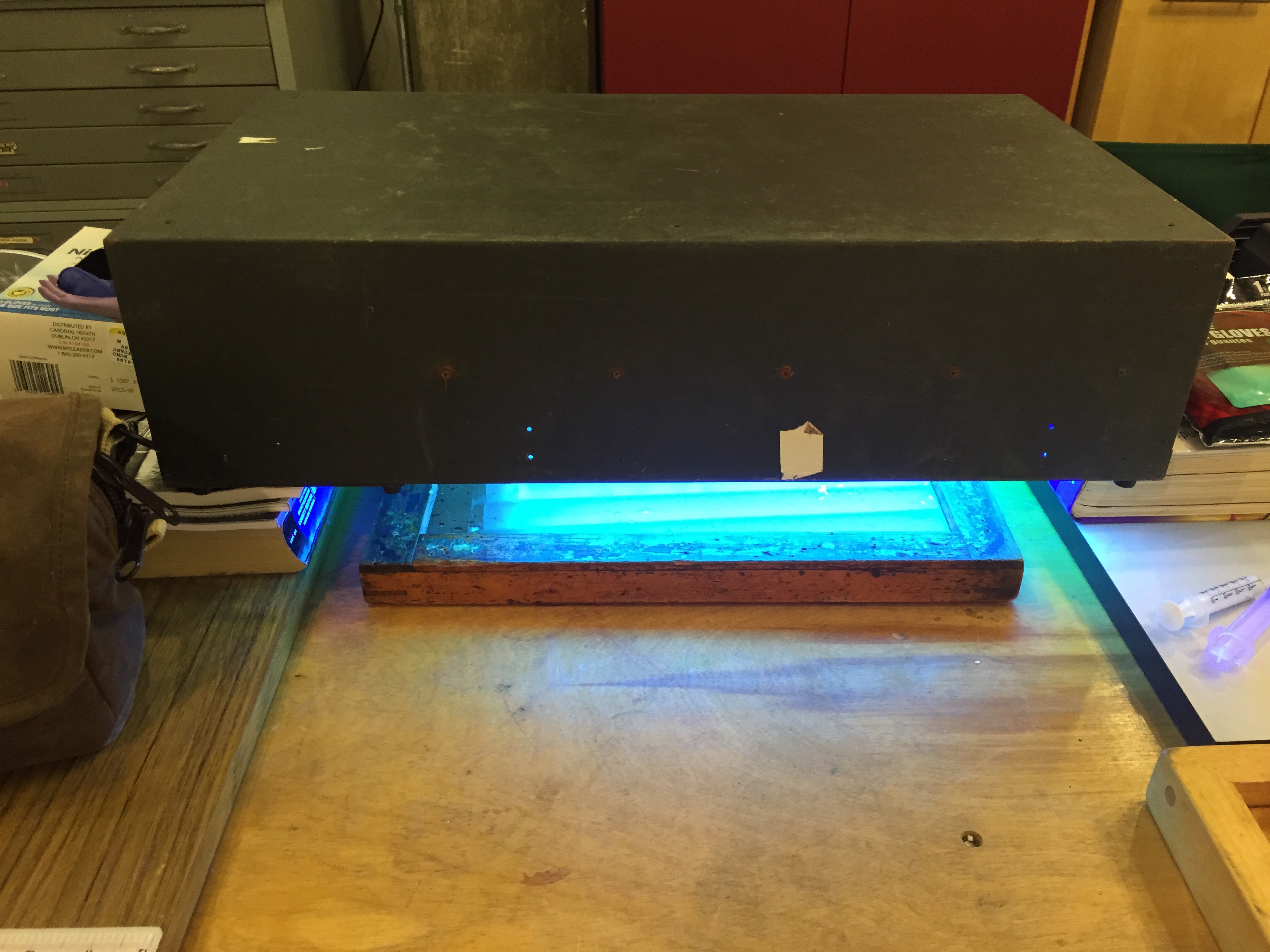
Grace Taylor's Old UV Unit in Action
Grace Taylor’s Old UV Unit in Action

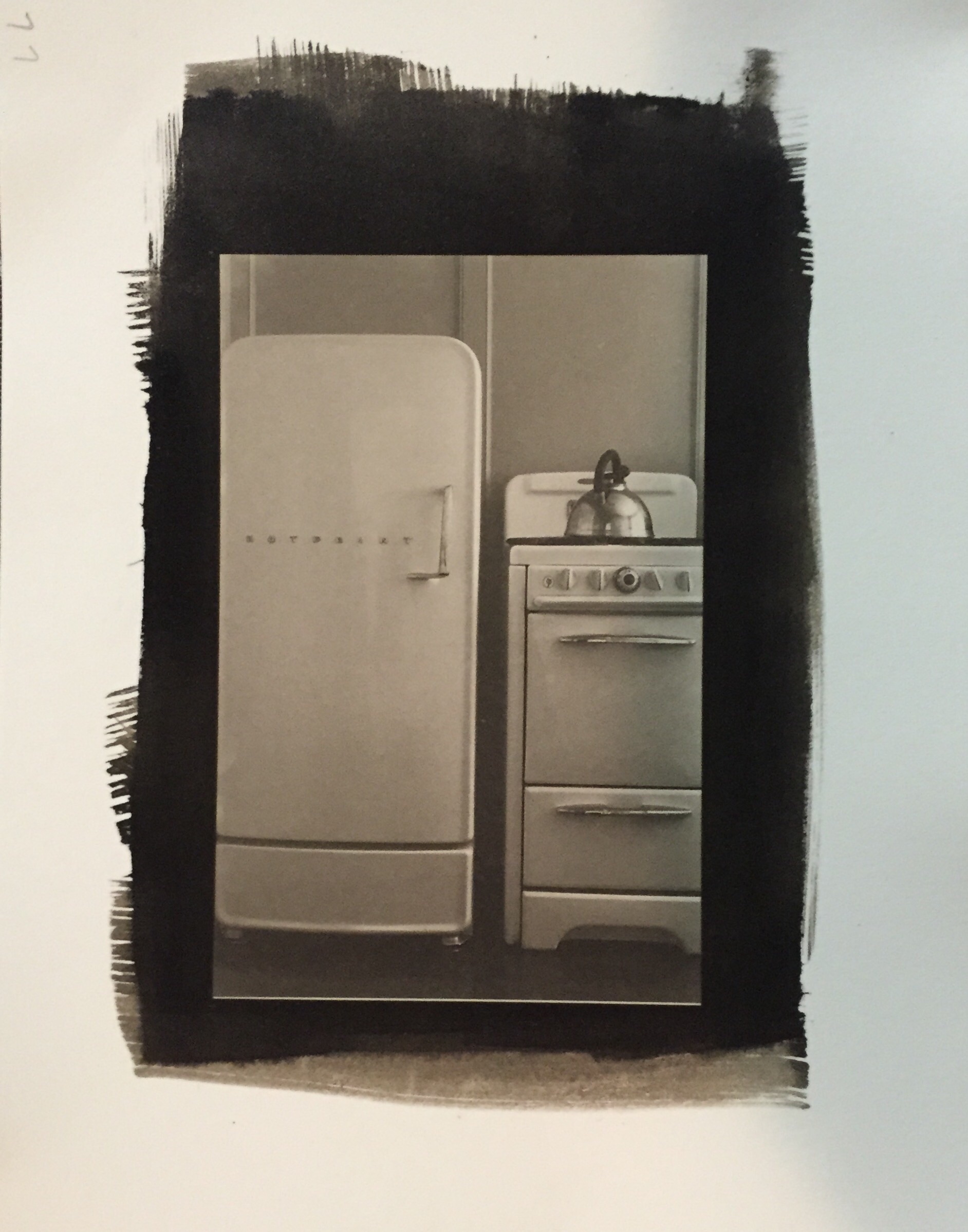
This was another student image, this time one that one of the students brought in, from a digital negative she had made herself. The shot is an interior of one of the hotel rooms at the Chateau Mormont in Los Angeles. This foreshadows next weekend’s module, making digitally enlarged negatives for alt process printing. She had made this negative using the Dan Burkholder method, including using the printer adjustment curve he supplied as a download. The curve he supplied is a good baseline starting point, but as we saw in several tweaks of the print through the day, using someone else’s curve is not a true substitute for making your own.
Chateau Mormont Interior - Digital Negative
Chateau Mormont Interior – Digital Negative

I’ll have the students work through making their own curves next Saturday, and then we’ll make some digital negatives of our own and print from them. I’m having them use Ron Reeder’s book, Digital Negatives for Palladium and other Alternative Processes as the textbook for the digital negative process, specifically focusing on creating adjustment curves rather than using QTR to interpret the adjustments needed to create the negative. Ron covers both techniques in his book, and going through the ordeal of making a QTR to adjust the printer output has the advantage of being non-destructive to your digital file (meaning that it doesn’t make any permanent changes, so you don’t have to create multiple files to print negatives for each alternative process you want to use), but for all but the computer-geekiest of folks, it’s way too intimidating.

I have a great crop of students this time (well, I almost always do!) and I think I’m having at least as much fun as they are!
Upcoming Classes at Glen Echo – Intro to Platinum/Palladium selling out!

Just wanted to put out a reminder about my upcoming classes at Glen Echo. My Intro to Platinum/Palladium class is almost sold out – five of six slots have been taken already.

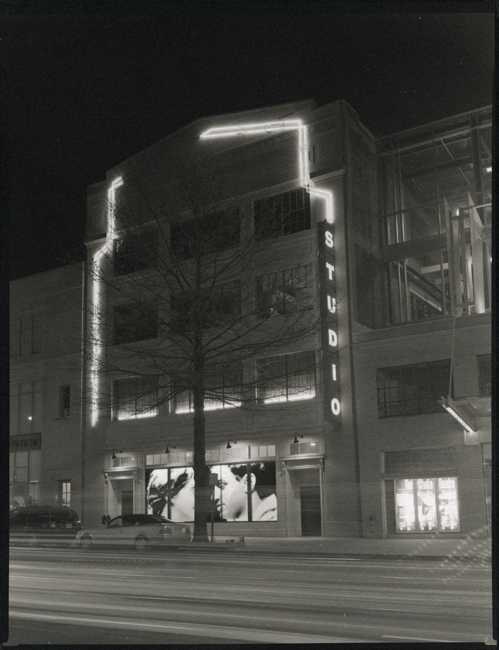
Studio Theater, 14th Street, Night

This is a new formulation of this class for me – two weekends instead of one, and the second weekend is a module on making digitally enlarged negatives for platinum/palladium printing. The first weekend we will make in-camera negatives for platinum/palladium printing, and learn about what will make a good composition for the medium. We will process those negatives and print them the first weekend. The second weekend will be devoted to making digitally enlarged negatives. Students are advised to get the Ron Reeder book on making digitally enlarged negatives in advance so they will have it in hand in time for the digital negative module.

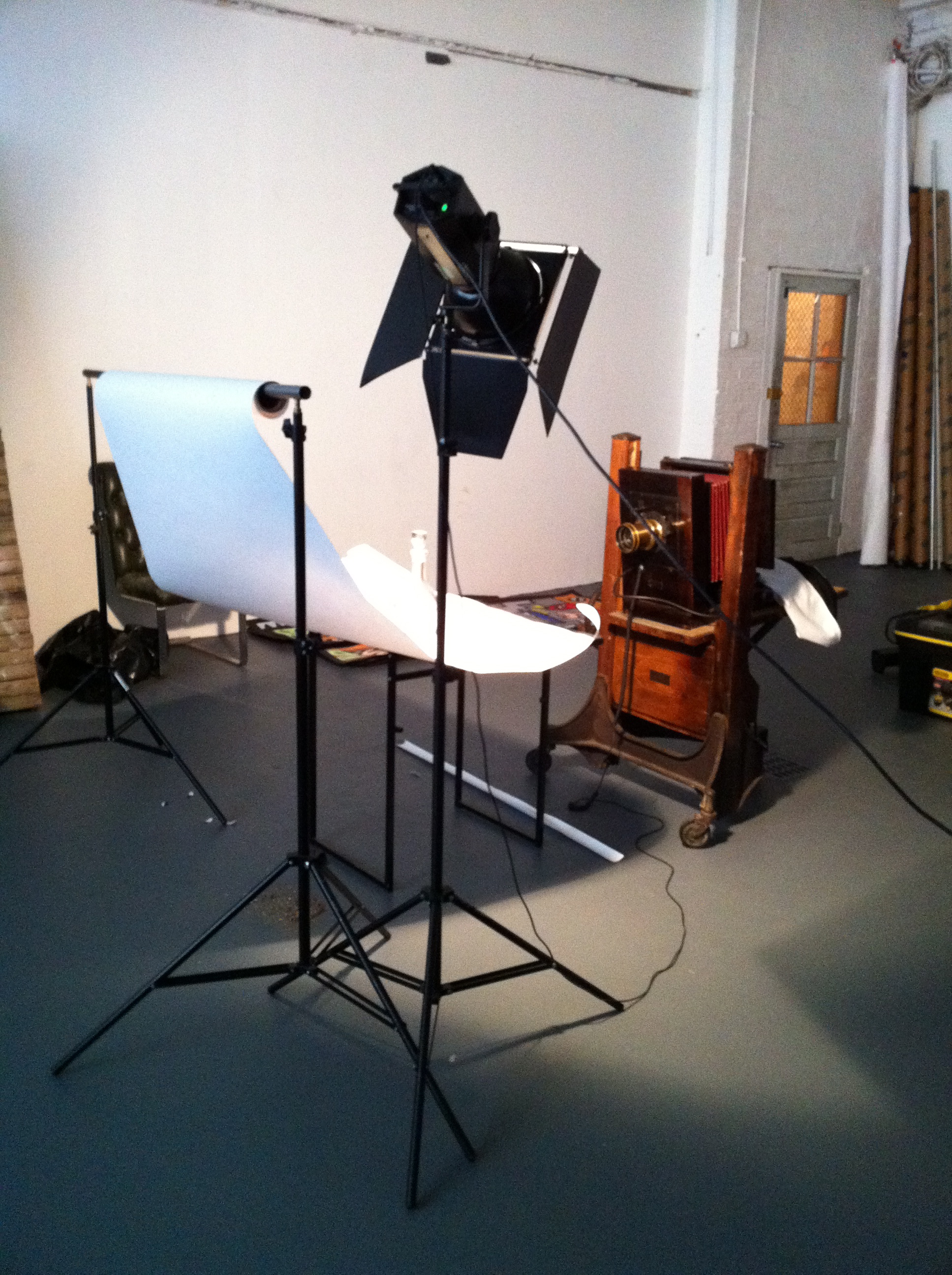
I am also running an intro to studio lighting class from October 28 to December 2. We will cover basics of light in the studio, from a single hot light (there is only one sun!) to a multiple light strobe environment. We’ll also cover light modifiers from basic reflectors to umbrellas, soft boxes to Fresnel lights.

Studio setup #2
Studio setup #2

One of the biggest challenges working in the studio, especially for folks coming in for the first time from shooting natural light, is that there is no light in the studio but what you put in it. You have total control, and therefore you also have total responsibility for what gets captured. This course will help you learn to see light and how it creates form and volume, and how to control it for contrast and texture.

To register for the Intro to Platinum/Palladium class, click here: Intro to Platinum/Palladium

To register for the Intro to Studio Lighting class, click here: Intro to Studio Lighting

Intro to Platinum/Palladium printing – now with Digital Negatives! September 19-20, 26-27

I’m going to be running my Intro to Platinum/Palladium Printing class again this fall, with an expansion into making digitally enlarged negatives. The new class will be a two-weekend course, September 19th & 20th, 26th & 27th. The 26th will be from 1-5 pm due to a morning scheduling conflict, but the rest of the sessions will be from 10 am – 4 pm.

Platinum/palladium is the catchall term for two chemically interchangeable but visually distinct printing processes first pioneered in the 1870s by William Willis. As the names imply, they use platinum and palladium as their primary metal salt in image formation. A platinum print will be more of a cool gray tone with higher contrast, and a palladium print will be more of a rich chocolate-brown tone with lower contrast. They are capable of producing very long tonal scales, rendering very fine gradations, therefore needing very little if any manipulation during printing. Platinum/Palladium are also among the most archivally stable printing processes – when properly processed and displayed, your prints will last as long as the paper underneath them.

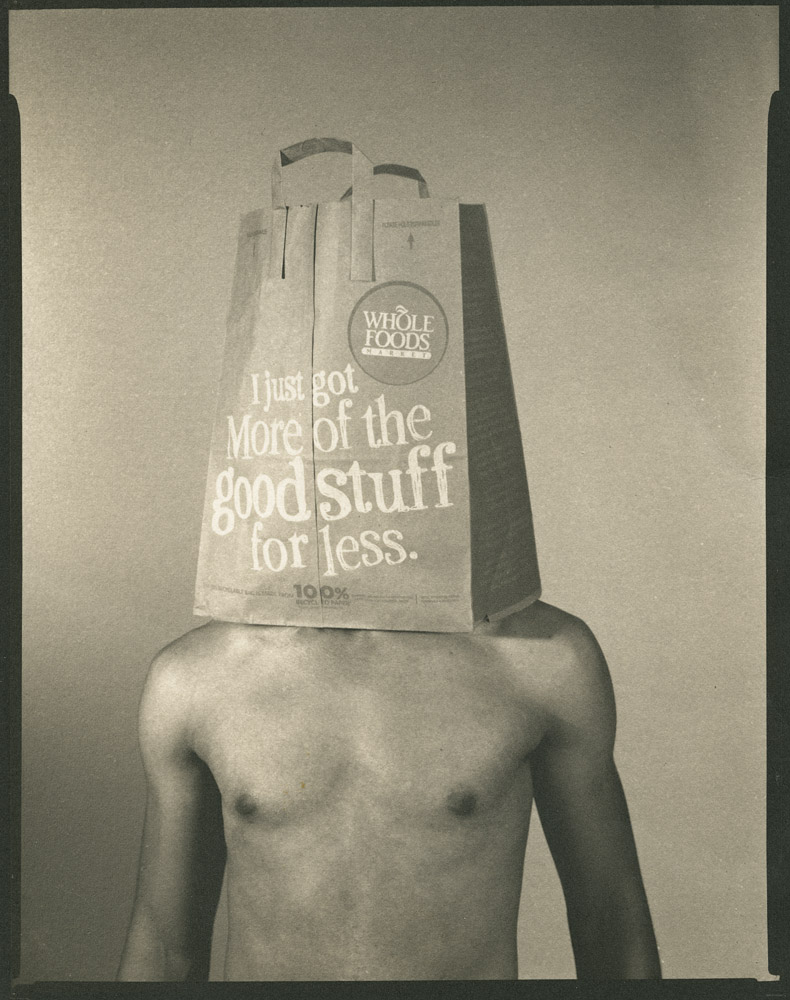
More of the Good Stuff

I traditionally have limited the class to working from in-camera negatives because I want to give people the best possible opportunity to start by making successful prints. As a friend of mine, Ian Leake, puts it in the new edition of his book on Platinum/Palladium printing, “it is possible to make a successful print from a problematic in-camera negative, but it is extremely difficult to make an even marginally successful print from a problematic digital negative” (I’m paraphrasing here).

The addition of making digitally enlarged negatives opens up the process to a whole new range of photographers, as shooting large format is both an encumbrance and a cost that is not for everyone. We will still begin the class with a full weekend of making in-camera film negatives and printing from those negatives. For that class, I will supply the camera and the film. We’ll make our images in and around the park, process the film, and then spend the next day printing.

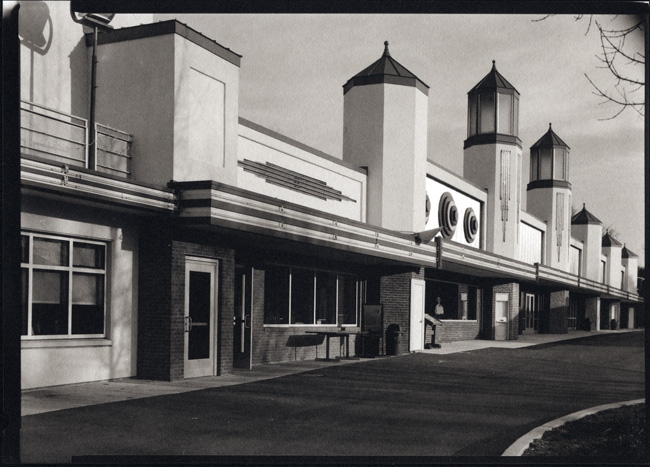
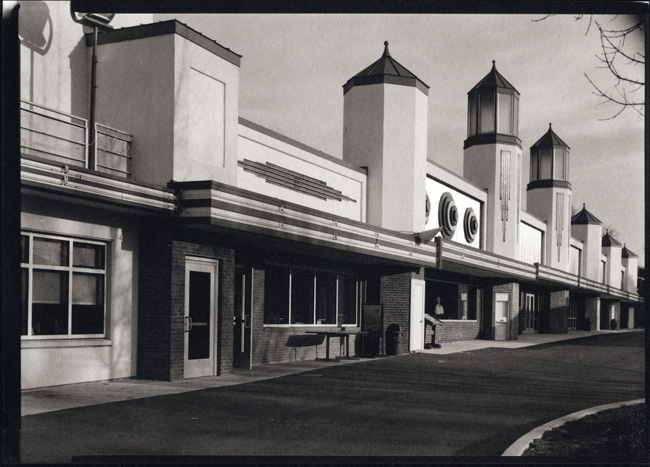
Glen Echo Midway
Glen Echo Midway

The second weekend will be devoted to making digitally enlarged negatives and printing from them. We will cover scanning, preparing your file, and printing the negative. I have a required text for the course, Ron Reeder’s “Digital Negatives for Palladium and Other Alternative Processes” which you can order on Amazon. Ron gives a very concise, clearly illustrated and explained step-by-step for how to produce a proper digitally enlarged negative, tailored to the process you want to print with. His technique is not limited to platinum/palladium, but once learned can be applied to any and all alternative processes.

To register for the class, click the link below.

Register for the class

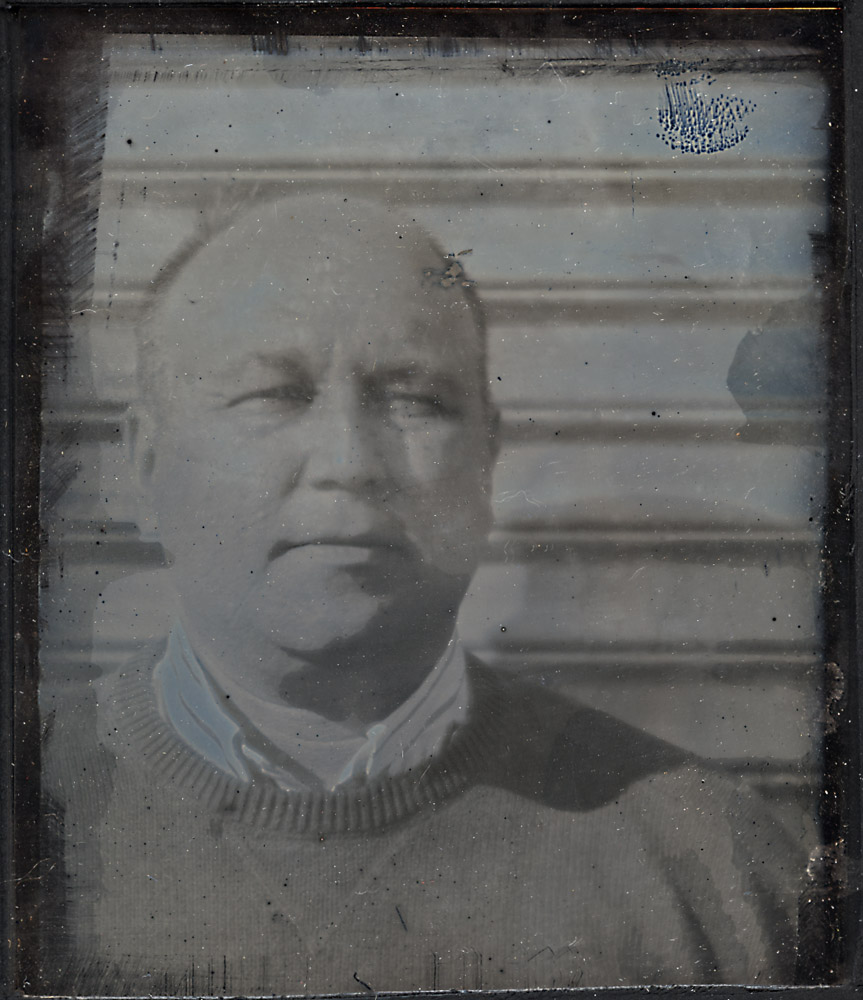
Self-portrait, Daguerreotype

Self-Portrait, Daguerreotype

This is a (I believe) mercury-developed Daguerreotype that I made of myself at a Daguerreotype workshop in Philadelphia a few years ago. It’s far from proficient, but it’s an unique piece of work complete with all its flaws. It was another find in the camera room cleanup preparations, and I noticed it was tarnishing at the edges, so I thought I would make a good scan of it before it deteriorates.

The blue color you see on my collar and on the steel roll-up door behind me in the photo is not added – this is a natural phenomenon in Daguerreotype plates – areas of bright highlight will turn blue during development.

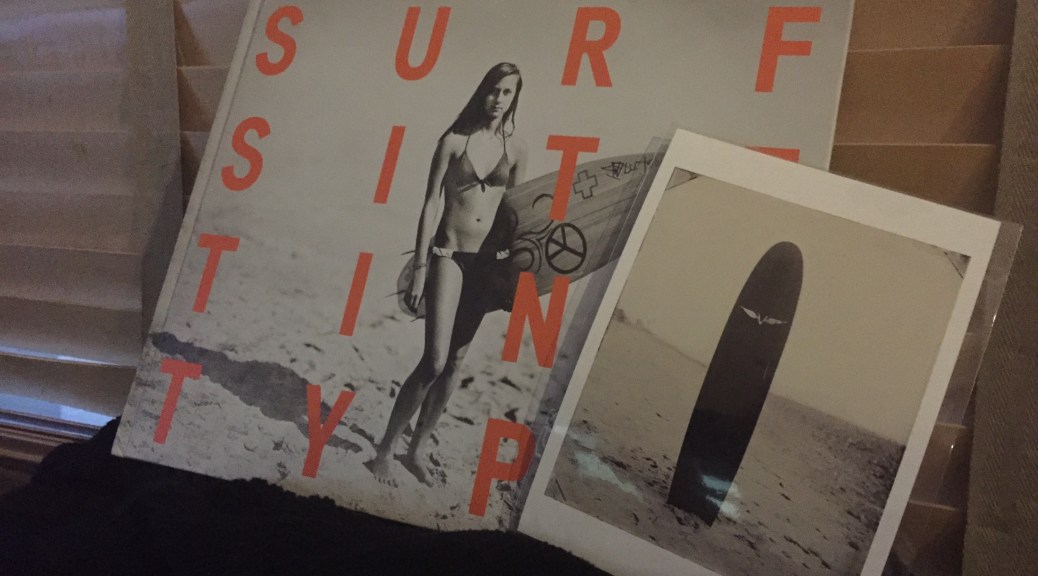
New Book, Surf Site Tin Type by Joni Sternbach

This arrived in the mail the other day: my autographed copy of Surf Site Tin Type by Joni Sternbach. She’s an amazing photographer who over the span of several years and thousands of miles went around the world photographing surfers and surf culture using vintage camera gear in wet-plate collodion. 


The print accompanying it was a bonus for participating in the Kickstarter campaign- an image of Duke Kahanamoku’s surfboard. 

I’ve added a bunch of other books to the catalog here, and re-organized it to make it less painful to scroll through and find something. One of these days I’ll even find the time to finish cataloging the back-issues of Photographers International I have listed.  

Photoworks 40th Anniversary Gala and Fundraiser

Photoworks 40th Anniversary
Signature Gala

Saturday
February 21
8-10 PM
Photoworks Gallery @ Glen Echo Park

Silent Auction and Photography Raffle
Champagne and Desserts
Black and White Attire Suggested

Come Celebrate the Photoworks Community!

Step 1: RSVP lgmphotoworks@gmail.com
Step 2: Purchase your Gala Ticket

2 Ticket Options
Platinum Gala Ticket
$150 ticket admits 1 and includes SIGNATURE PHOTOGRAPH

Silver Gala Ticket
$50 ticket admits 1 person to the event

Click Here for Ticket Purchase

Final Notes:
1. Space is limited!
2. We recommend that you purchase your tickets before Feb 7th
3. Visit www.glenechophotoworks.org to purchase tickets
4. RSVP lgmphotoworks@gmail.com to save your spot

Questions? lgmphotoworks@gmail.com
Visit us on facebook at glenechophotoworks

I will have a piece in the fundraiser:

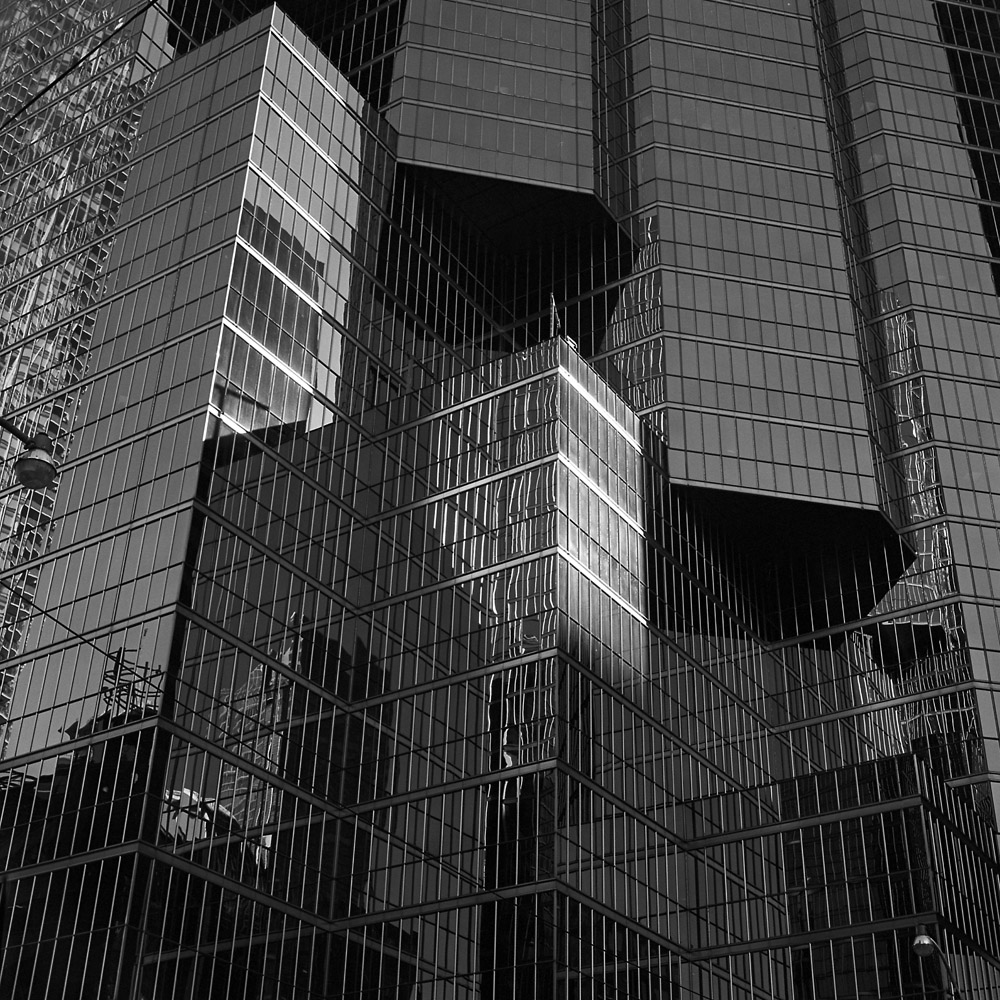
Two Streetlamps, Reflections, Glass and Steel
Romeo & Juliet

Glen Echo 40th Anniversary “Signature” fundraiser

I just completed my contribution to the Signature fundraiser for Photoworks. Here is the description of the event:

We are celebrating Photoworks 40th Anniversary by collecting “Signature Prints” from 40 of the best fine art photographers we know. And then we are throwing a party with one hell of a “goody bag” for our guests to take home!

On Saturday, February 21, we will honor the vision that inspired our founders 40 years ago and we’ll celebrate the many individuals who have helped us become a true arts community. And it is only fitting that on the occasion of our 40th anniversary, we will look ahead to ensure that we can continue to inspire and nurture a new generation of emerging artists by teaching, mentoring, and exhibiting their work. Our 40th Anniversary “Signature Auction” will help us raise funds to support programming, outreach, and new investments that will enrich our community in the years to come.

The raffle tickets will be $150 each, which isn’t cheap, but you’ll get the chance to acquire some incredible photos.

My contribution is a 10×10 inch print of a Toronto street scene. It’s titled “Romeo & Juliet”. Look carefully and see if you can tell why:

Two Streetlamps, Reflections, Glass and Steel

And now for the geeky bits:

The print is a silver gelatin print from a negative made on Kodak Tri-X, shot with my 1956 Rolleiflex 2.8E. The paper is Ilford Warmtone Multigrade fiber paper, developed in Ansco 130, which is a classic all-purpose developer. I prefer it over other paper developers because it lasts seemingly forever, even in an open tray, and it produces a very nice neutral/cool tone without the greenish sheen in the shadows you can get from Dektol.

Split-Grade Printing, Silver Gelatin

I actually do make silver gelatin prints. I’ve been away from the medium for a while, mostly concentrating on alternative processes. I needed a break from alt process work so I cleaned up my workspace, fired up the enlarger, and started printing my Paris images you might remember from earlier blog posts. With my new (to me) Oriental VC-CLS variable contrast cold light head (a lot of jargon for a light source that allows you to adjust the contrast in your print by changing the ratio of blue and green light exposing the paper), I’ve been having a blast cranking out prints, and the Oriental head makes it a lot easier to do split-grade printing.

For those unfamiliar with the idea, instead of making a single exposure at one contrast grade, and then doing a lot of burning and dodging to make up for it, with split-grade, what you do is make two base exposures, one using a very soft contrast (in my case, most likely grade 0) and a second using a very hard contrast (grade 5). What this does is the soft exposure lets you get your highlights with detail, and the hard brings the shadows in to snap. You still need to burn and dodge for specific things, but you can refine the overall look as the image requires, without getting frustrated at why a certain area always comes out too dark or too bright. You can refine this technique to include your burning and dodging cycles, so that you might burn an area in with the grade 0 filter to put detail back in the highlights but not blocking up the shadows, or with the grade 5 filter for putting deep black in a shadow without muddying up the whites in the same area.

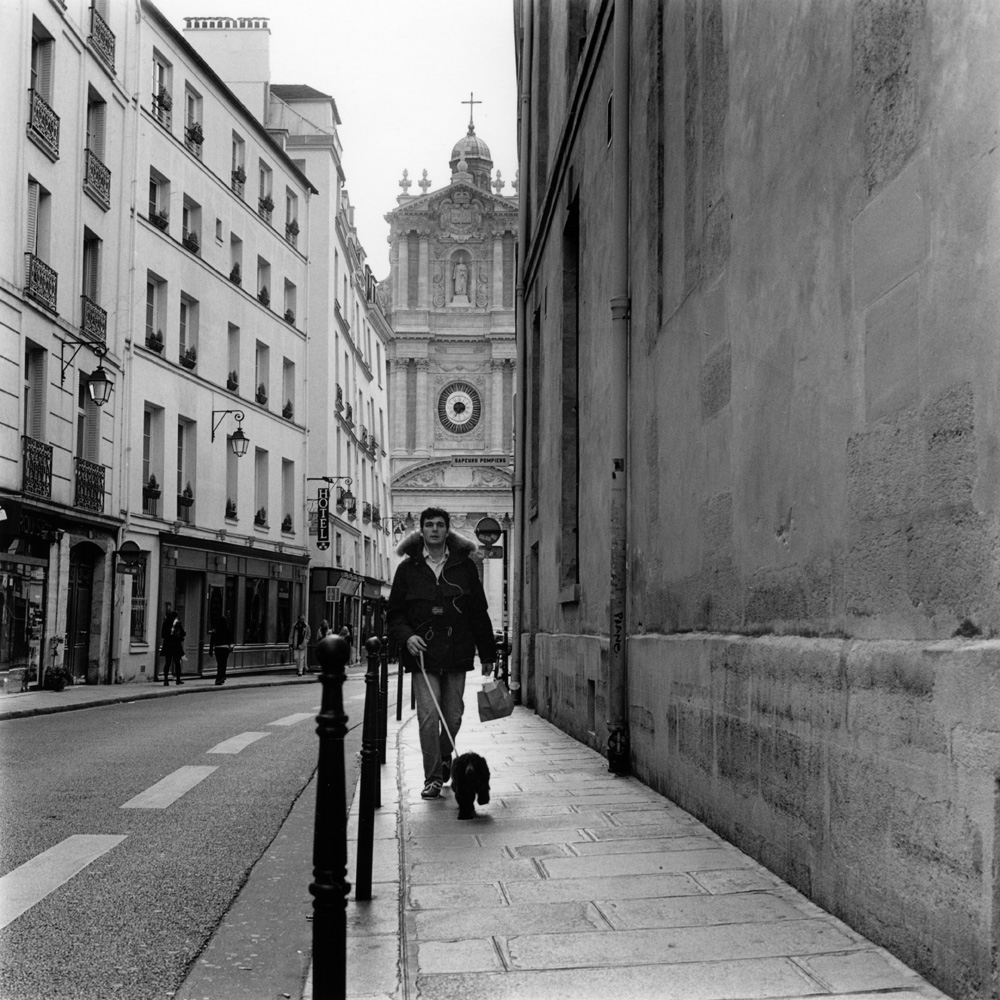
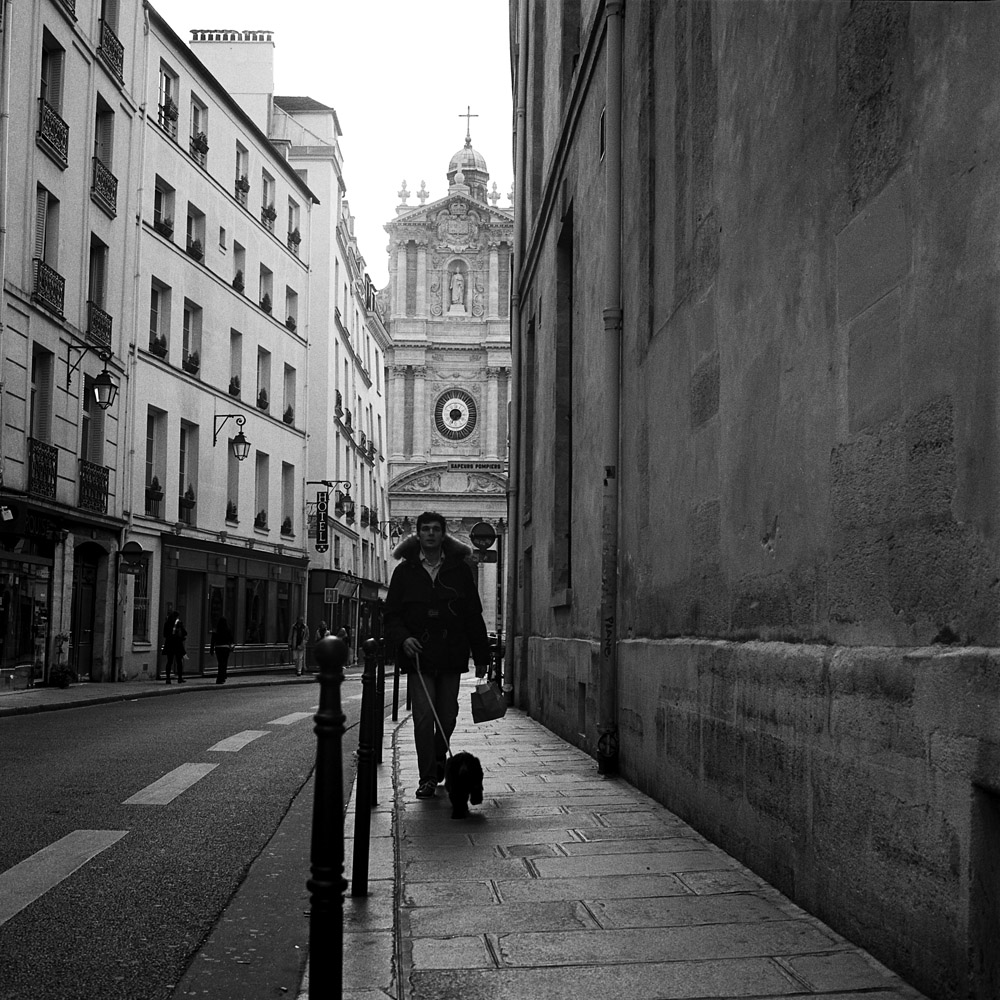
I’ll give an anatomy of a split-grade print here so you can better understand what I’m talking about. This is a real challenge to print “straight” – it’s a high contrast scene, with the dog-walker being somewhat backlit, and the upper left corner a lot brighter than the rest of the scene. This is the finished print here:

Dog Walk, Rue Sevigny, Paris

Here is the scan I made from the negative, which also had a fair bit of manipulation. Less successful, wouldn’t you say? The dog walker is still strongly backlit.

Dog Walker, Rue Sevigne, Le Marais

To make this print, I gave it a base exposure of 20 seconds using the grade 0 filter. I dodged the dog walker for 10 of those. Then I burned in the upper left corner for an additional 20 seconds. I gave a final overall exposure of five seconds at grade 5, to put a little snap in the general scene and specifically to firm up the shadows on the dog walker without losing tonal separation for his buttons, the cords of his iPod earbuds, and the hair of the dog. Were I making this print larger, I’d go back in and burn the sidewalk between his legs and the dog back down a bit, but in a 7×7 inch print, accurately wielding a burning card with a hole that small is tough!

This was printed on Ilford Warmtone variable-contrast fiber paper, using Ilford Warmtone developer. I’m not applying any fancy tricks to the developer like playing around with developer dilution or split warmtone/cooltone developers. That’s a trick for another day.

Quick takes from today’s Intro to Platinum/Palladium class

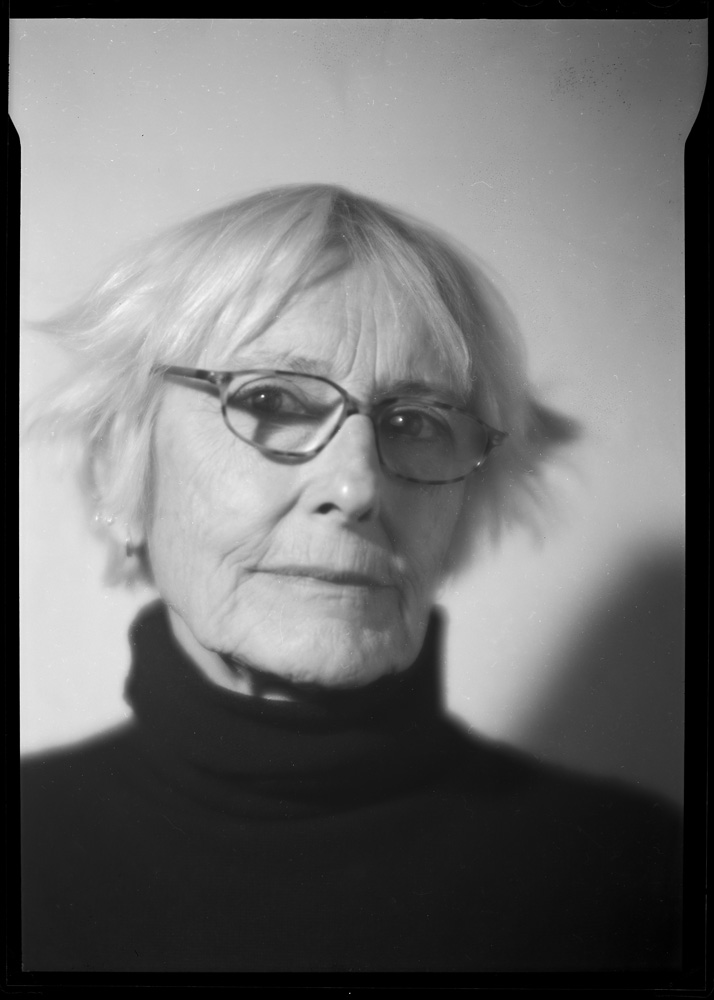
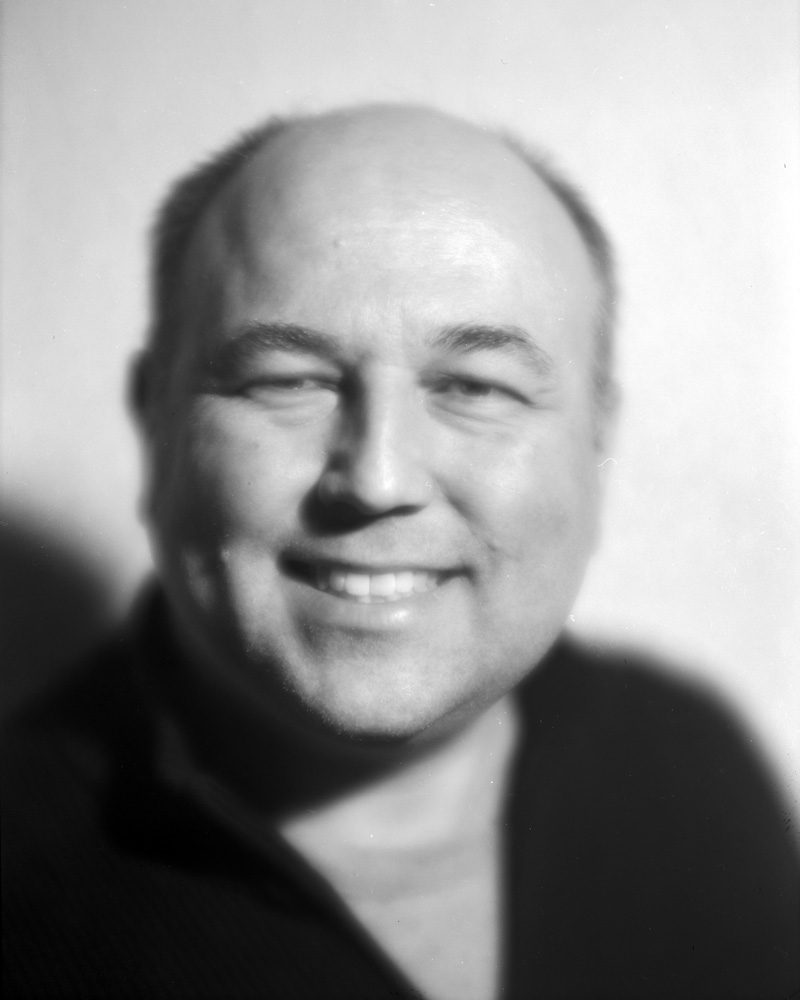
I’m running a quick impromptu by-the-seat-of-the-pants version of my Intro to Platinum/Palladium printing class this weekend. It’s a bit of a hash because we had scheduling conflicts of varying types to deal with, but we did manage to meet today. My normal plan with students is to take them out into Glen Echo park and have them shoot a bunch of negatives with my 5×7, then come back and process them. WELL… today, the daytime high was still below freezing, so we scratched that idea. Instead, we shot some self-portraits indoors using my Hermagis Eidoscope soft-focus portrait lens, a 1000-watt hot light (a VERY welcome hot light given the weather today!) and an improvised guillotine shutter composed of a pair of dark slides, held in a V-formation. The “shutter” starts with the lower dark slide completely covering the lens, and to allow exposure to happen, the pair are swung past the lens so that the gap between them briefly allows light to strike the film. Exposures can be a little variable, but these are forgiving media.

Here is one shot of one of my students:

Barbara, Hermagis #1

and here are two of me:

Scott, Hermagis #2
Scott, Hermagis #2
Scott, Hermagis #1
Scott, Hermagis #1

I brought the Hermagis to class to give the students a little something special to play around with, since they both had past experience in working with large format, and I think the soft-focus lens fits very well with the alternative process print look.

Of the two of me, which do you all prefer? I know which one I like better, but I’ll wait to get some feedback before I offer my opinion. All three of these are scans from the negatives, not from prints. We will be meeting again tomorrow to do the actual printing.

Upcoming classes at Glen Echo Photoworks, Glen Echo, Maryland

I’m offering three classes coming up this fall/winter at Glen Echo Photoworks, a center for creative photography and photographic education at Glen Echo Park in Glen Echo, Maryland, just outside Washington DC.

The Male Figure in Narrative Photography 9/19 – 11/7/2014 Fridays, 7-10pm

Go beyond standard figure studies. Research historical context and learn to use the male nude form to tell a story in a series or just a single frame through posing, lighting, using props and capturing emotions. What is “narrative photography”? Narrative tells a story either in a series, or a single image. From the earliest days, photographers have been using the male figure to tell a story in their work, be it as a stand-in for himself (Hippolyte Bayard) to express his response to criticism, to confronting eroticism and gender confusion in the world of Latin American bullfighting (Reuven Afanador) or a tool to process inner personal anxieties (Connie Imboden). This course will examine the use of the male nude in narrative photography. We will use examples from historical and contemporary photographers as a background to inform and inspire our own work. Students will be encouraged to create both single image and serial narratives to take their work beyond mere figure studies. We will also discuss issues relating to gender and sexuality with regards to the use of the male nude. We will cover understanding of the male form, posing, basic lighting, the use of props, and basic nude model etiquette. Students will be expected to know how to use their cameras, light meters, and how to process and present their own images. Weekly research topics will be assigned. There will be three shoots with one or more models, plus classroom instruction and discussion sessions. $350, plus $150 model fee.

Introduction to Platinum/Palladium Printing – 11/8 – 11/9/2014 (Saturday/Sunday, 10am-4pm, two day intensive weekend workshop)

Platinum/Palladium is one of the most beautiful alternative processes. This course demystifies the process and teaches how to make good negatives, select papers, coat emulsions, and process prints for archival stability. $350, plus $100 materials fee, payable to the instructor.

One Camera, One Lens – Learning to See 1/15 – 3/7/2015 (Thursday 7-10pm)

Too often our gear keeps us from making better pictures. Photographers often fall into the trap of thinking that more gear is the solution to every problem, when in fact it can be a crutch or a burden. This course teaches how to simplify and focus our creative vision so the camera gets out of the way and becomes a tool not an obstacle. Students will use a camera of their choosing, and a single lens. They will select a project in the first class and follow through on that project, presenting images for critique each week. Students choosing to work with wet darkroom techniques will be expected to know how to process and print their own film; students working digitally are expected to have a working knowledge of their camera and digital image processing tools of their choosing. No changing lenses allowed! $350

The courses will be posted soon to the website, but in the meantime if you want to find out more about Photoworks, please check out their website and their Facebook page-

http://glenechophotoworks.org

https://www.facebook.com/glenechophotoworks

Photoworks is one of the few facilities with regularly scheduled open darkroom times, and at $8/hr for wet darkroom (bring your paper, we provide the rest!), it’s hard to beat!