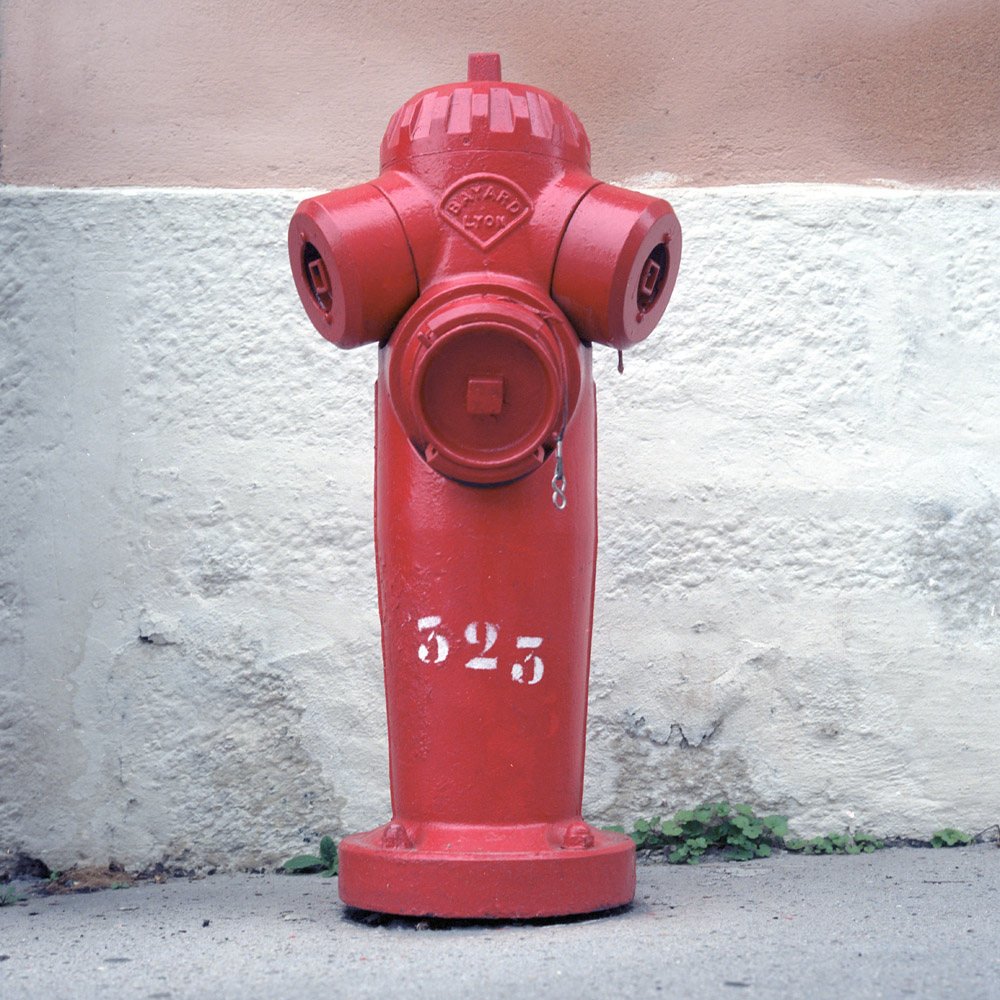
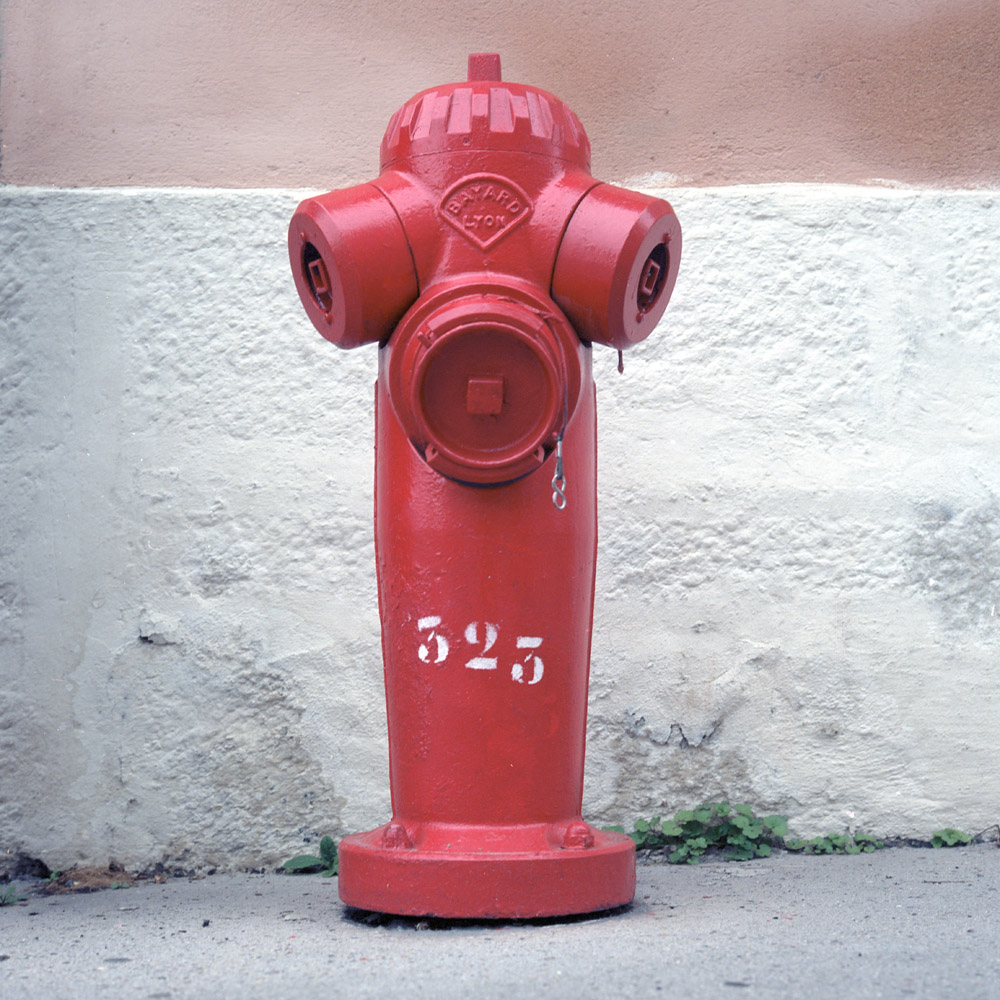
Just a quick one-off of a very red, vibrant fire hydrant in Chalon-sur-Saone. It fits well within my series of ordinary objects, and it has a very sculptural quality to it.
Just a quick one-off of a very red, vibrant fire hydrant in Chalon-sur-Saone. It fits well within my series of ordinary objects, and it has a very sculptural quality to it.
I love looking at the WordPress statistics, if only to see from where in the world people are visiting my blog.
I think the most exotic place that’s ever visited is Kyrgyzstan. And I know the numbers for China are off because most Chinese have to find a hole in the Great Firewall of China to read my blog and so they show up as coming from a proxy somewhere in Europe or the Americas. And for a whole host of reasons, the US is the 800-pound gorilla in the room, dominating the nearest competitor by more than 10:1 (more people online, I write from the US, I write in English…).
| Country | Views |
|---|---|
 United States United States |
24,198 |
 Canada Canada |
1,899 |
 United Kingdom United Kingdom |
1,626 |
 Australia Australia |
1,158 |
 France France |
794 |
 Germany Germany |
784 |
 Spain Spain |
620 |
 Italy Italy |
606 |
 Brazil Brazil |
425 |
 Netherlands Netherlands |
362 |
 Mexico Mexico |
296 |
 Russian Federation Russian Federation |
280 |
 Thailand Thailand |
267 |
 Poland Poland |
261 |
 Austria Austria |
234 |
 India India |
228 |
 Belgium Belgium |
211 |
 Japan Japan |
200 |
 Sweden Sweden |
197 |
 Philippines Philippines |
175 |
 Indonesia Indonesia |
173 |
 Switzerland Switzerland |
170 |
 Viet Nam Viet Nam |
154 |
 Singapore Singapore |
144 |
 Malaysia Malaysia |
135 |
 Argentina Argentina |
128 |
 Czech Republic Czech Republic |
122 |
 Republic of Korea Republic of Korea |
119 |
 Greece Greece |
119 |
 Romania Romania |
117 |
 Hungary Hungary |
115 |
 Hong Kong Hong Kong |
111 |
 Egypt Egypt |
106 |
 New Zealand New Zealand |
105 |
 Turkey Turkey |
104 |
 Colombia Colombia |
93 |
 Portugal Portugal |
87 |
 Ireland Ireland |
76 |
 Norway Norway |
75 |
 Bulgaria Bulgaria |
73 |
 Saudi Arabia Saudi Arabia |
73 |
 Peru Peru |
71 |
 Israel Israel |
69 |
 Denmark Denmark |
68 |
 Taiwan Taiwan |
68 |
 Slovenia Slovenia |
53 |
 Finland Finland |
52 |
 South Africa South Africa |
50 |
 Myanmar Myanmar |
49 |
 Ukraine Ukraine |
42 |
 Cambodia Cambodia |
41 |
 Serbia Serbia |
34 |
 Chile Chile |
34 |
 Panama Panama |
30 |
 Slovakia Slovakia |
30 |
 Croatia Croatia |
29 |
 Belarus Belarus |
29 |
 Puerto Rico Puerto Rico |
26 |
 United Arab Emirates United Arab Emirates |
26 |
 Lithuania Lithuania |
26 |
 Pakistan Pakistan |
25 |
 Venezuela Venezuela |
24 |
 Luxembourg Luxembourg |
23 |
 Oman Oman |
21 |
 Iceland Iceland |
20 |
 Tunisia Tunisia |
19 |
 Ecuador Ecuador |
19 |
 Iraq Iraq |
18 |
 Sudan Sudan |
16 |
 Morocco Morocco |
16 |
 Afghanistan Afghanistan |
15 |
 Namibia Namibia |
14 |
 Barbados Barbados |
13 |
 Lebanon Lebanon |
13 |
 Bermuda Bermuda |
13 |
 Bahrain Bahrain |
13 |
 Algeria Algeria |
12 |
 Qatar Qatar |
11 |
 Georgia Georgia |
11 |
 Guatemala Guatemala |
10 |
 Sri Lanka Sri Lanka |
9 |
 Estonia Estonia |
8 |
 Azerbaijan Azerbaijan |
8 |
 Nigeria Nigeria |
7 |
 Bangladesh Bangladesh |
7 |
 Moldova Moldova |
7 |
 Costa Rica Costa Rica |
7 |
 Syrian Arab Republic Syrian Arab Republic |
6 |
 Malta Malta |
6 |
 Cyprus Cyprus |
6 |
 Latvia Latvia |
6 |
 Uruguay Uruguay |
6 |
 Kuwait Kuwait |
5 |
 Dominican Republic Dominican Republic |
5 |
 Yemen Yemen |
5 |
 Jordan Jordan |
4 |
 Macedonia, the Former Yugoslav Republic Macedonia, the Former Yugoslav Republic |
4 |
 Honduras Honduras |
4 |
 Bolivia Bolivia |
4 |
 Virgin Islands Virgin Islands |
4 |
 China China |
4 |
 Montenegro Montenegro |
4 |
 Trinidad and Tobago Trinidad and Tobago |
3 |
 Albania Albania |
2 |
 Mauritius Mauritius |
2 |
 Northern Mariana Islands Northern Mariana Islands |
2 |
 Nepal Nepal |
2 |
 Jersey Jersey |
2 |
 Libya Libya |
2 |
 Palestinian Territory, Occupied Palestinian Territory, Occupied |
2 |
 Saint Lucia Saint Lucia |
2 |
 Guadeloupe Guadeloupe |
2 |
 French Polynesia French Polynesia |
2 |
 Iran, Islamic Republic of Iran, Islamic Republic of |
1 |
 Kenya Kenya |
1 |
 Cuba Cuba |
1 |
 Bahamas Bahamas |
1 |
 Benin Benin |
1 |
 Gibraltar Gibraltar |
1 |
 Côte d’Ivoire Côte d’Ivoire |
1 |
 Botswana Botswana |
1 |
 Ethiopia Ethiopia |
1 |
 Gabon Gabon |
1 |
 El Salvador El Salvador |
1 |
 Martinique Martinique |
1 |
 Bosnia and Herzegovina Bosnia and Herzegovina |
1 |
 United Republic of Tanzania United Republic of Tanzania |
1 |
 Kyrgyzstan Kyrgyzstan |
1 |
 Jamaica Jamaica |
1 |
 Djibouti Djibouti |
1 |
 Paraguay Paraguay |
1 |
Woo-hoo! I now have 200 followers on WordPress! (And about 800 from Facebook and Twitter). Silly, meaningless, but fun. I’d rather have 200 readers who care about what I post and interact with me than 200,000 nameless faceless statistics. Thank you all for reading, commenting and caring!
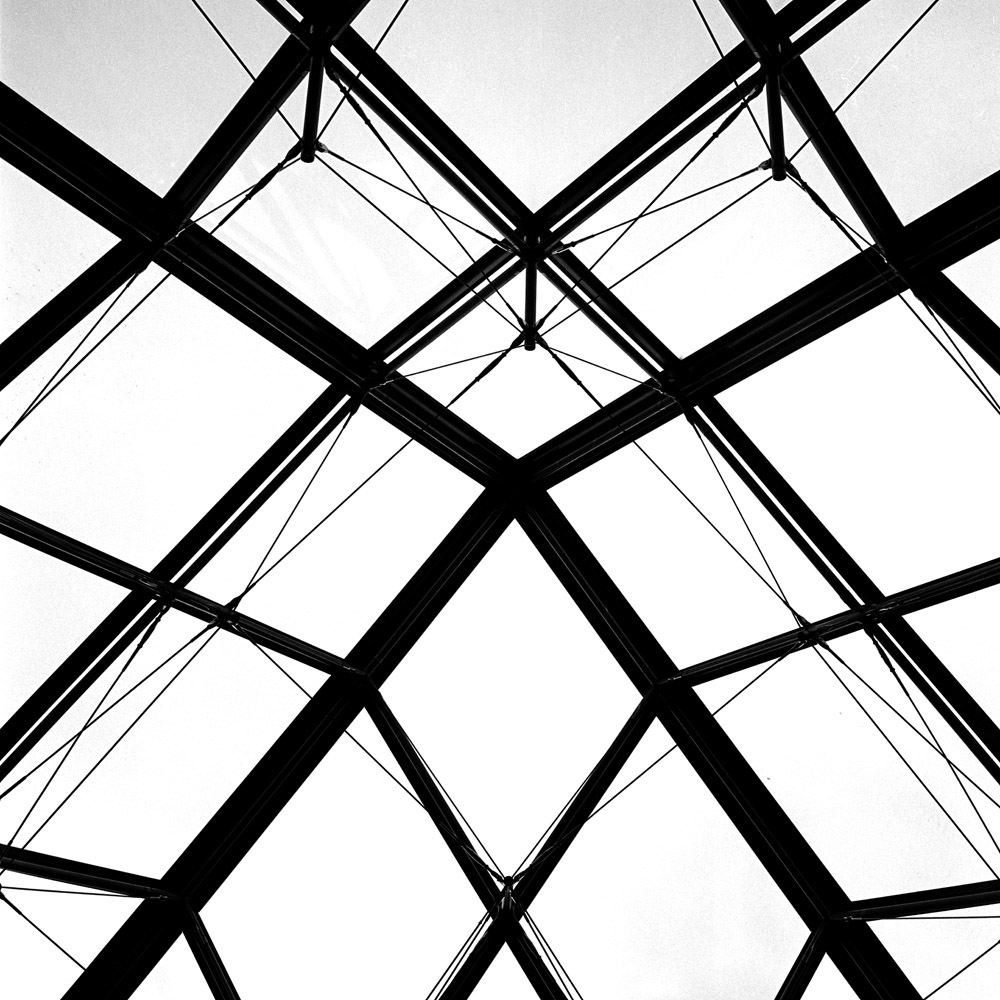
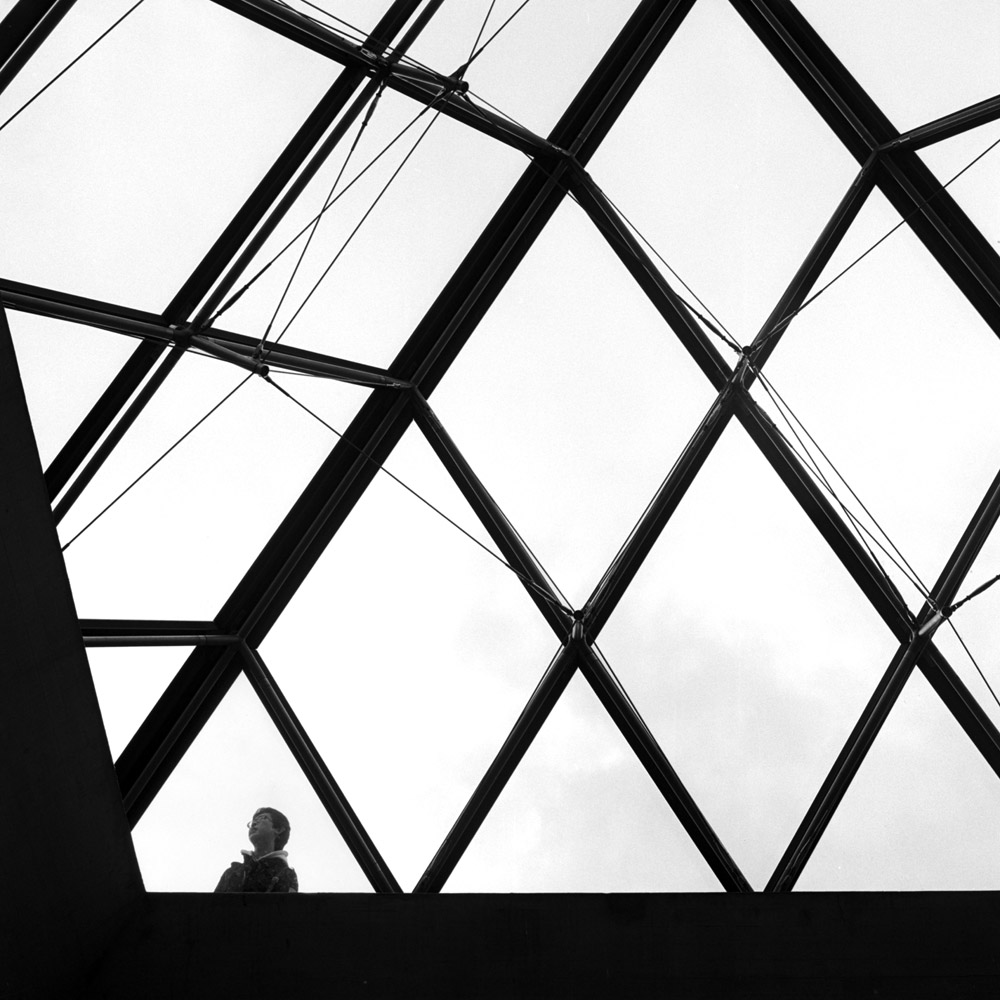
We’ll start with the Louvre museum. Here are some photos of the building itself. The Pyramid, the glass entrance structure that opens to the underground entrance lobby, is fascinating in itself for the geometry it creates and the possibilities for abstraction, and for the clash of modernity against 18th and 19th century architectural sensibilities that hallmark the rest of the building.
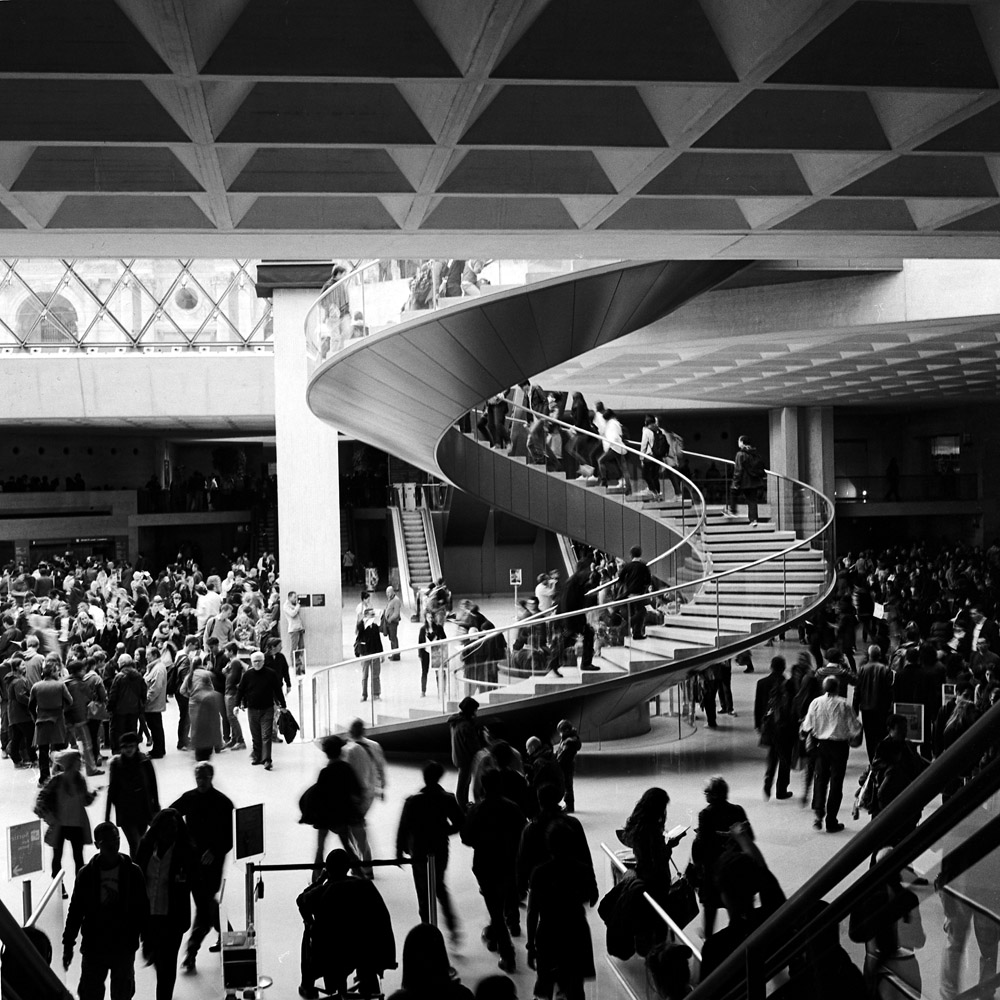
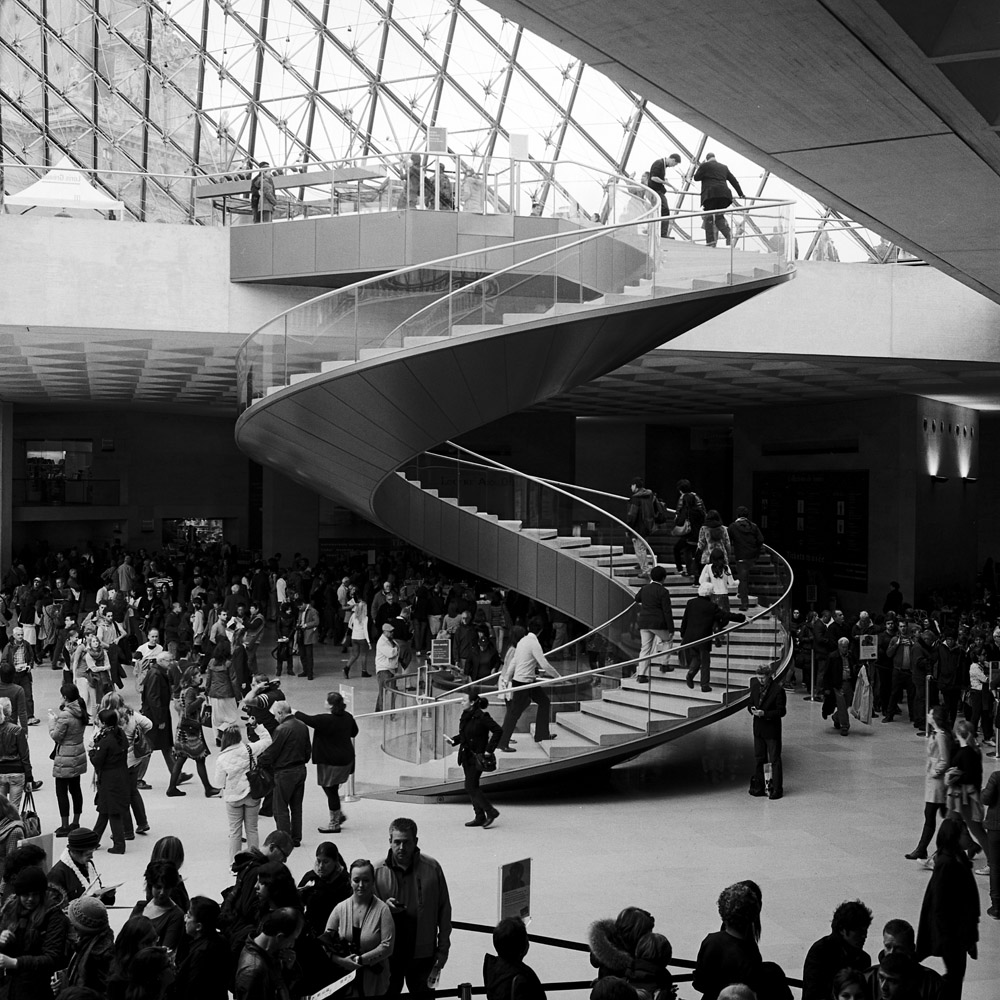
Under the pyramid there is a vast entrance plaza with a huge spiral stairs. In the center of the spiral stairs is the accessibility elevator, a cylinder that rises and falls to transport people to and from the plaza above, and looks like it should be a stage set from 2001: A Space Odyssey.
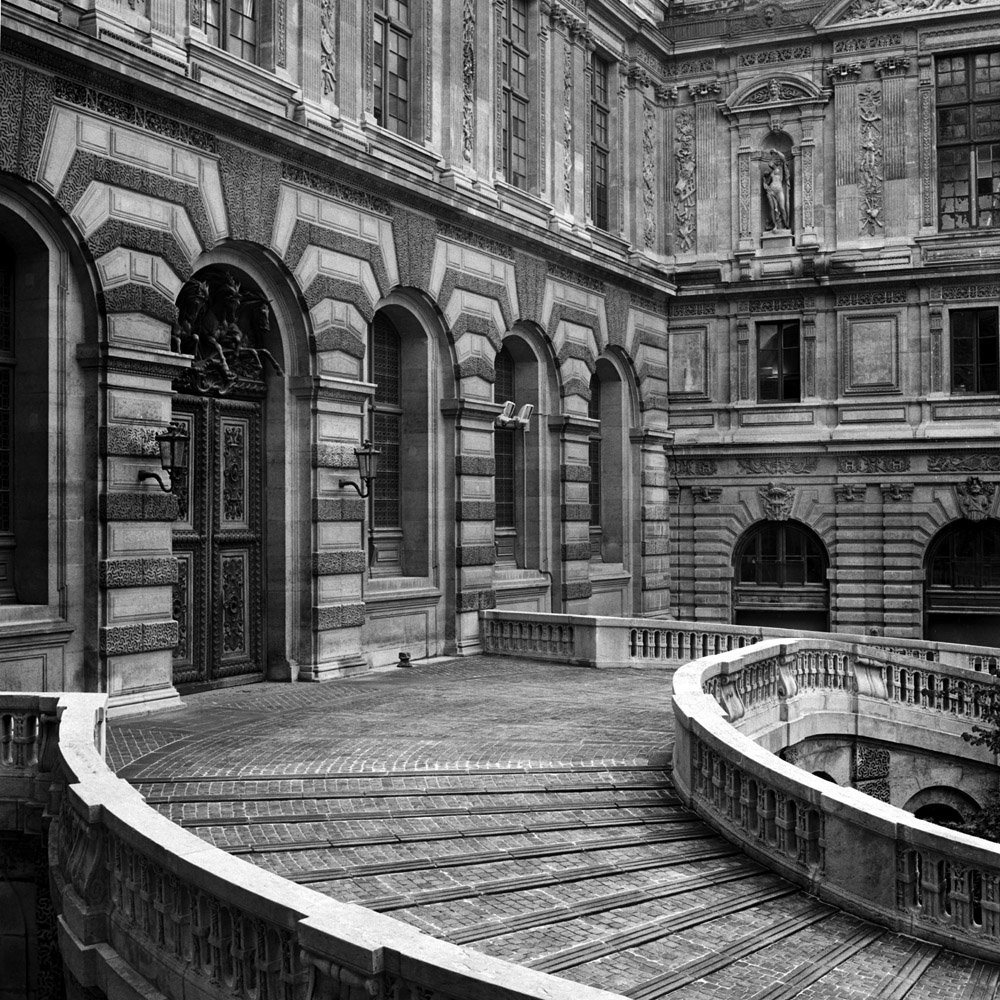
The contrast, a Napoleonic-era entrance ramp and doors (see the N’s in the frieze above the windows and doors). This is empty because the courtyard is closed to the public and filled with construction equipment.
As you can see, the Louvre is a VERY busy museum. I don’t know if it is the most visited art museum in the world or not (I think it is), but it also has to be one of the largest if not the largest. I really only saw parts of one wing of the museum (there are three), and you could easily spend a half a day in there every day for a month and still not see everything.
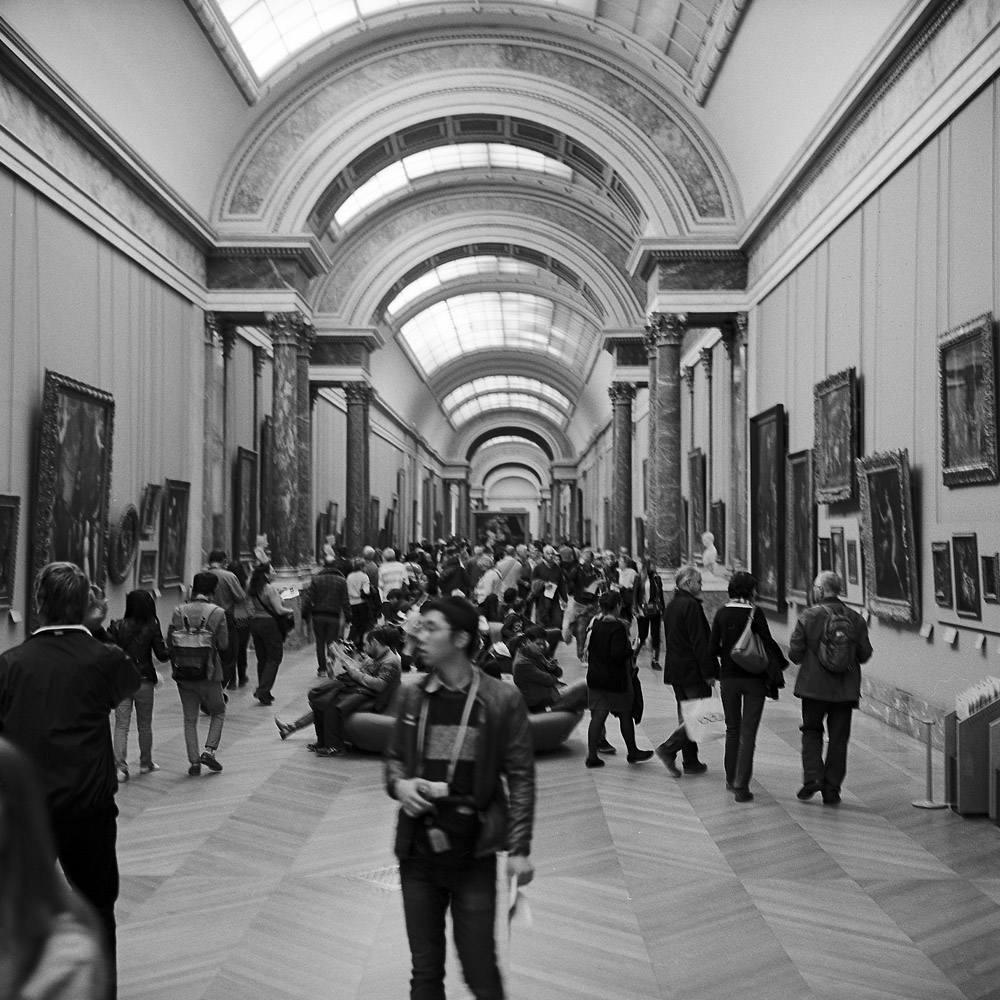
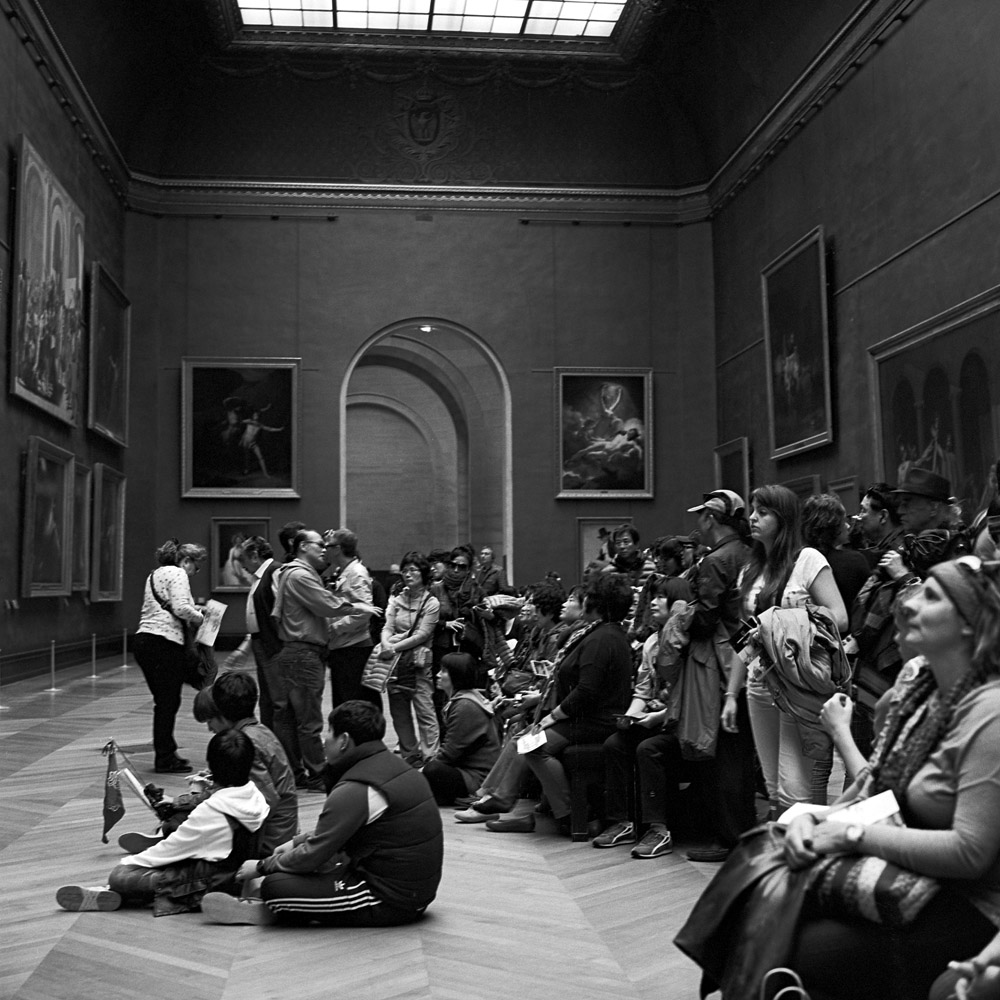
The grand gallery is where the Italian Renaissance masterworks are held – the three non-Mona Lisa DaVincis are here, along with the Caravaggios – highlights of the collection that most interested me.
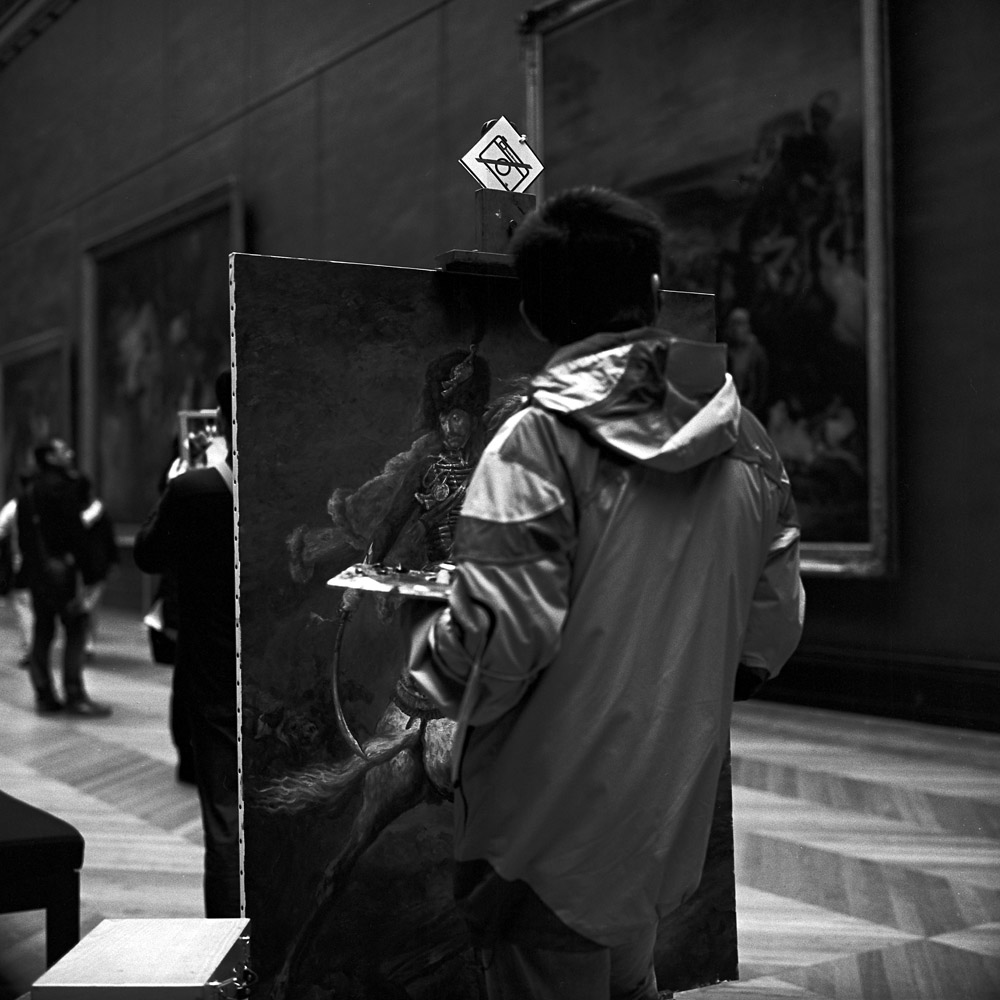
In the section with the 19th century French paintings, there was a painter with his easel set up, copying the famous painting of the cavalryman in the bearskin hat. I couldn’t resist taking this shot as much because of the “no photography” sign he had on his easel. I’ll justify it by saying that I think it had more to do with not wanting to be disturbed by flashes popping than anything else.
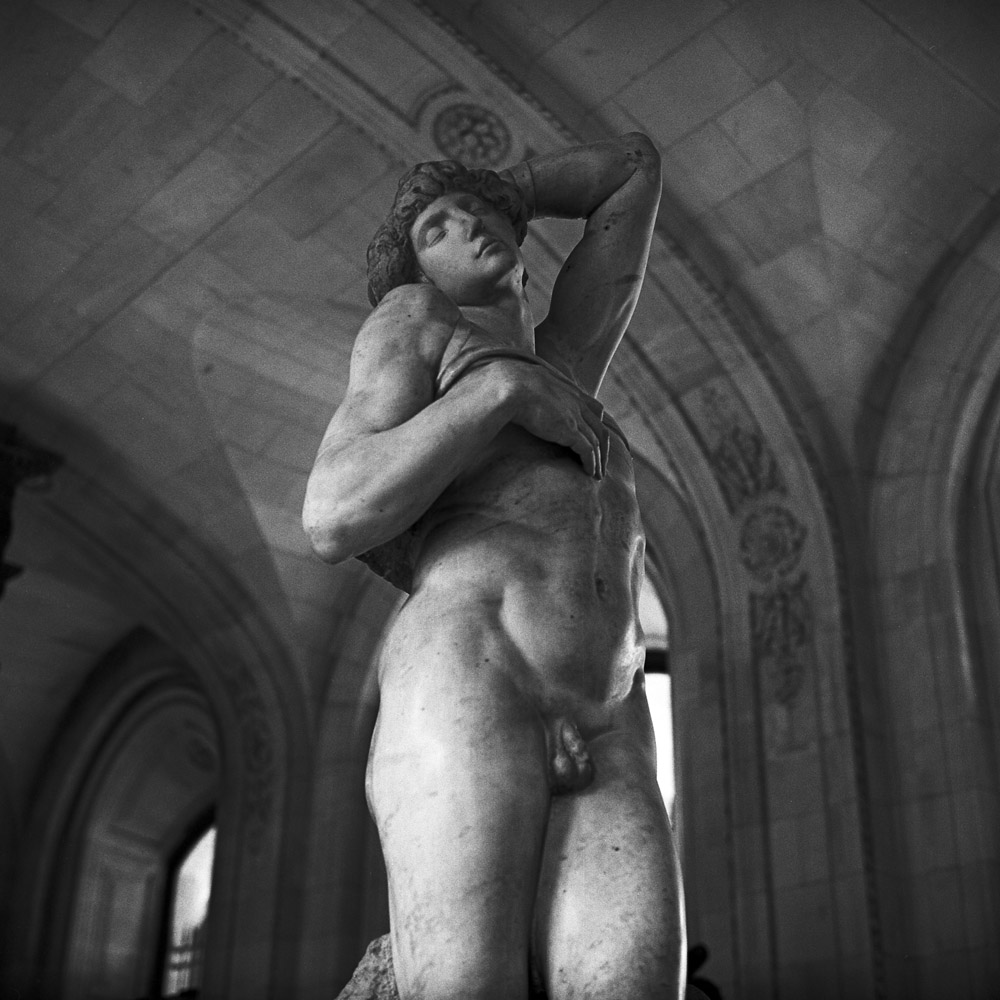
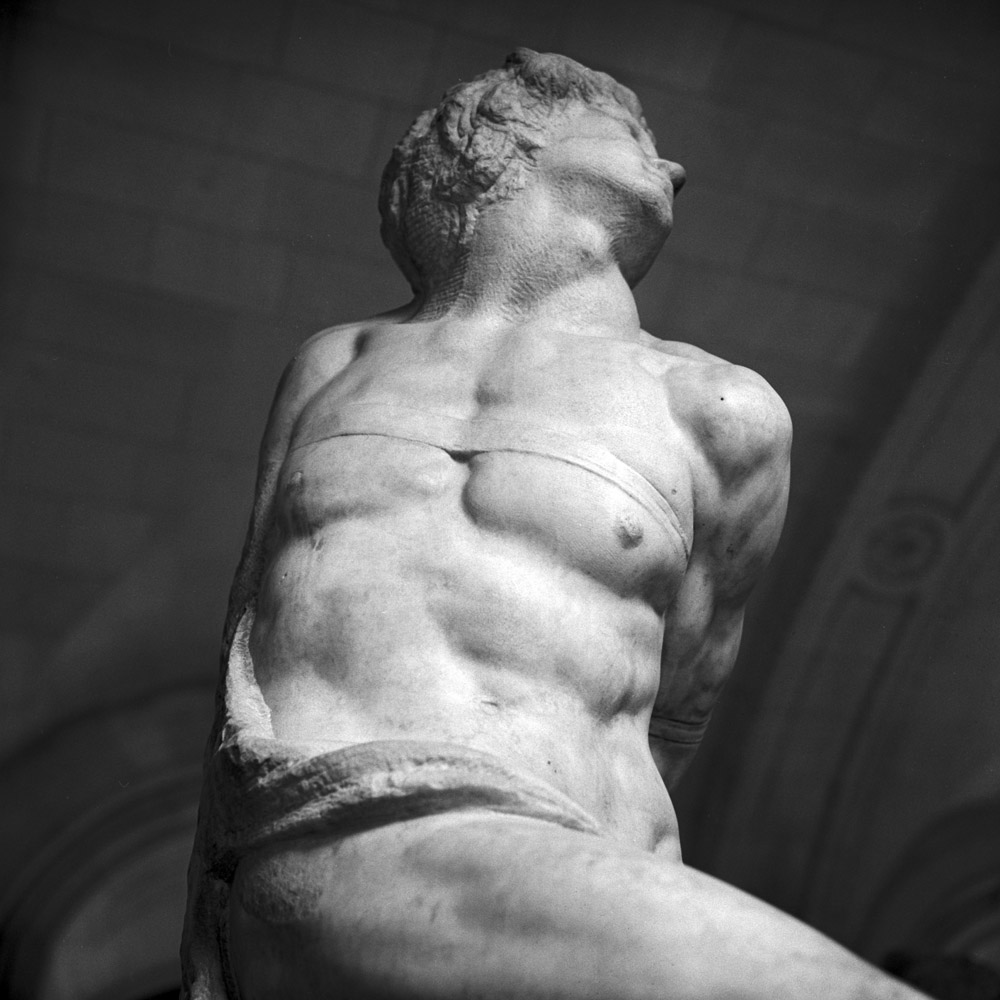
The Louvre has perhaps the very best collection of Michelangelo’s sculpture outside of Italy. Two of the Medici tomb sculptures are in the sculpture gallery, and are of intense interest to me because they are part of the “unfinished” pieces in style. There is still significant debate as to whether the “unfinished” pieces are in fact unfinished or if their appearance is exactly what Michelangelo intended. They are called “unfinished” because they have coarse textures in parts and tool marks are prominent over significant portions of the pieces, to the point that some portions of the pieces are in fact only roughed-in forms without complete features.
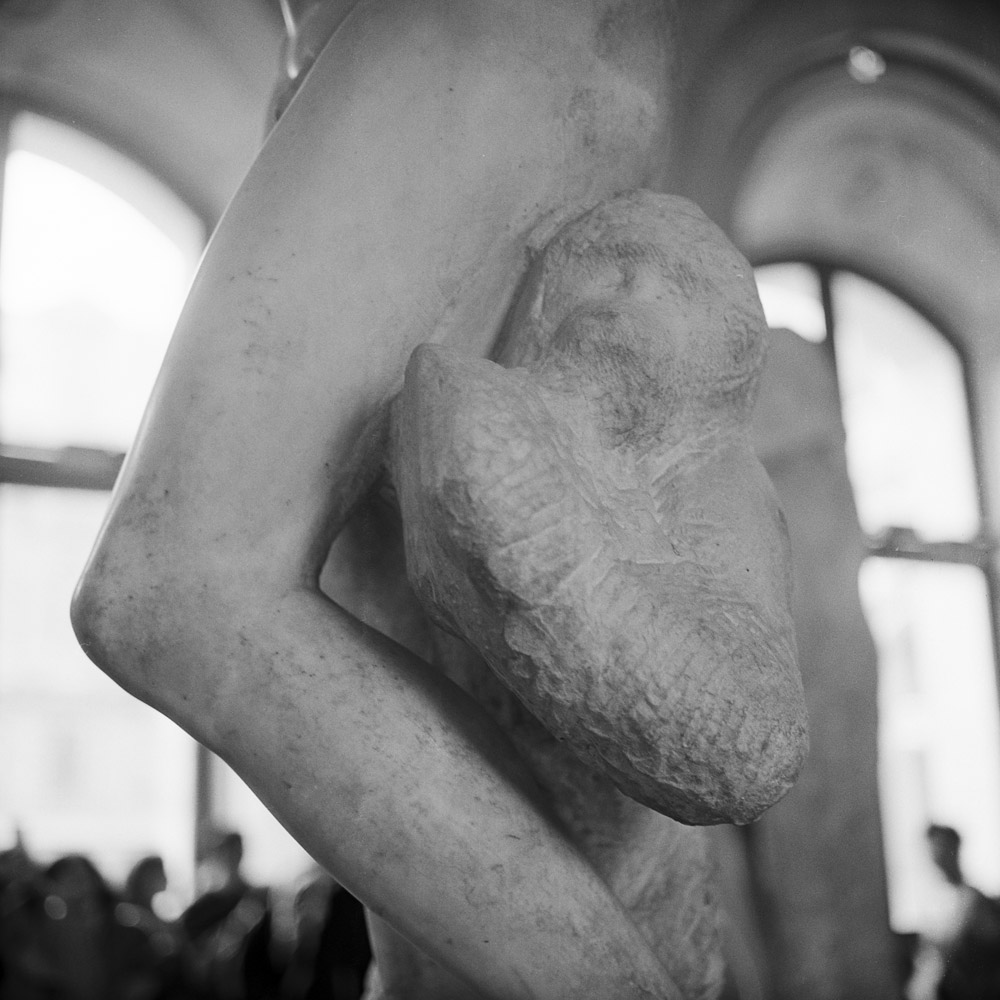
Finally, we have some other sculptural pieces from the Louvre. The Cupid with Butterfly is actually in a side gallery where touching is allowed.
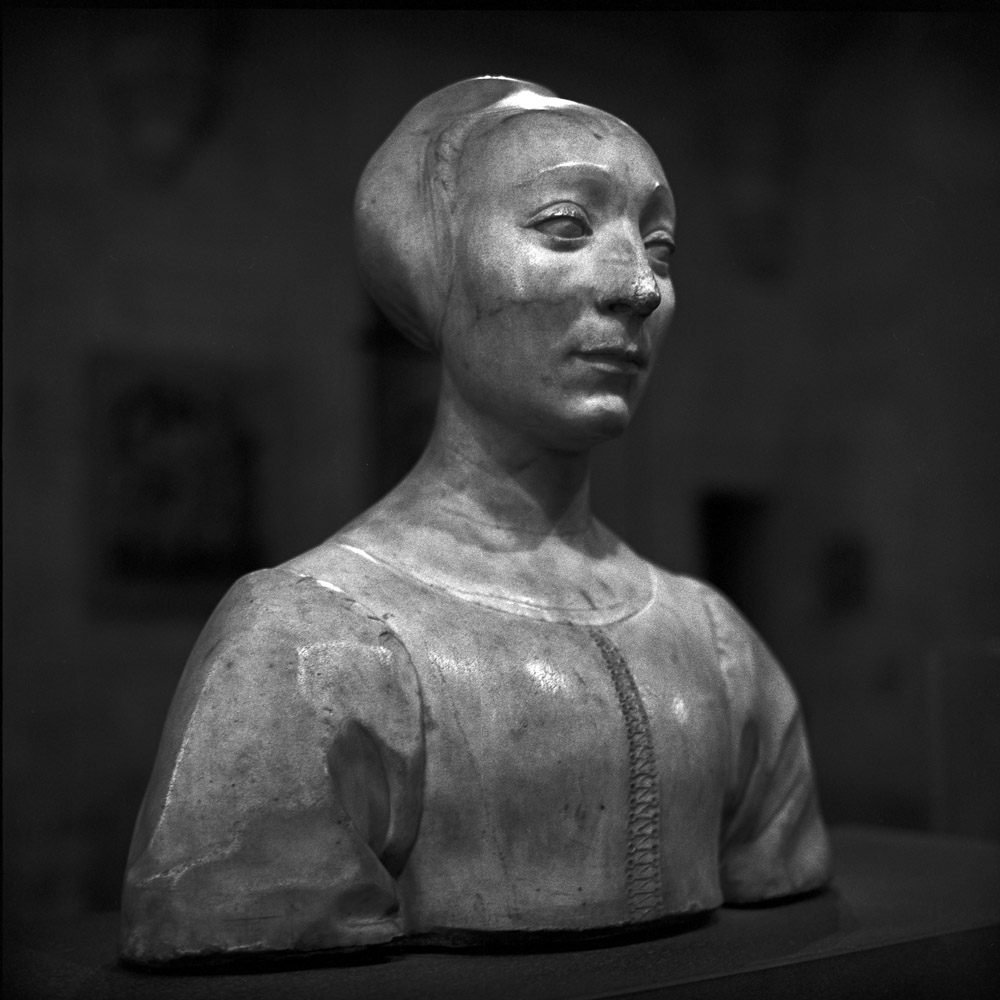
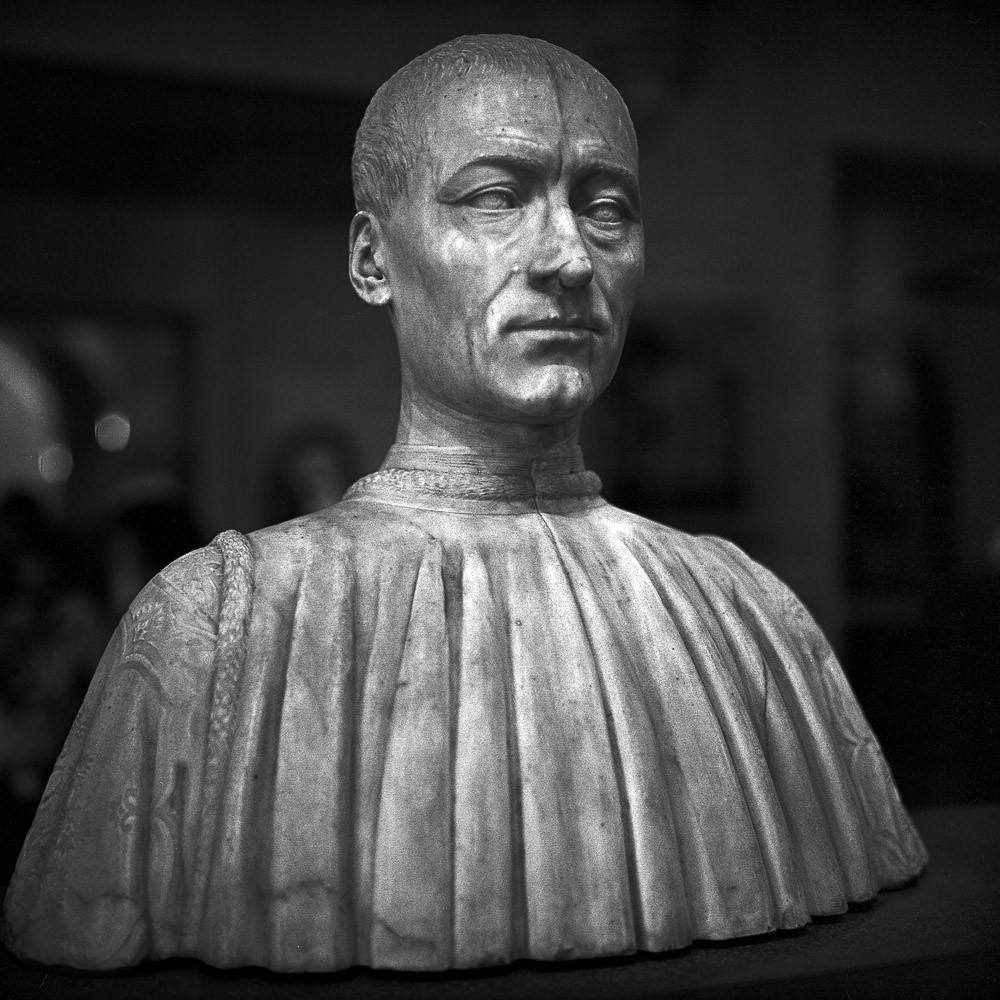

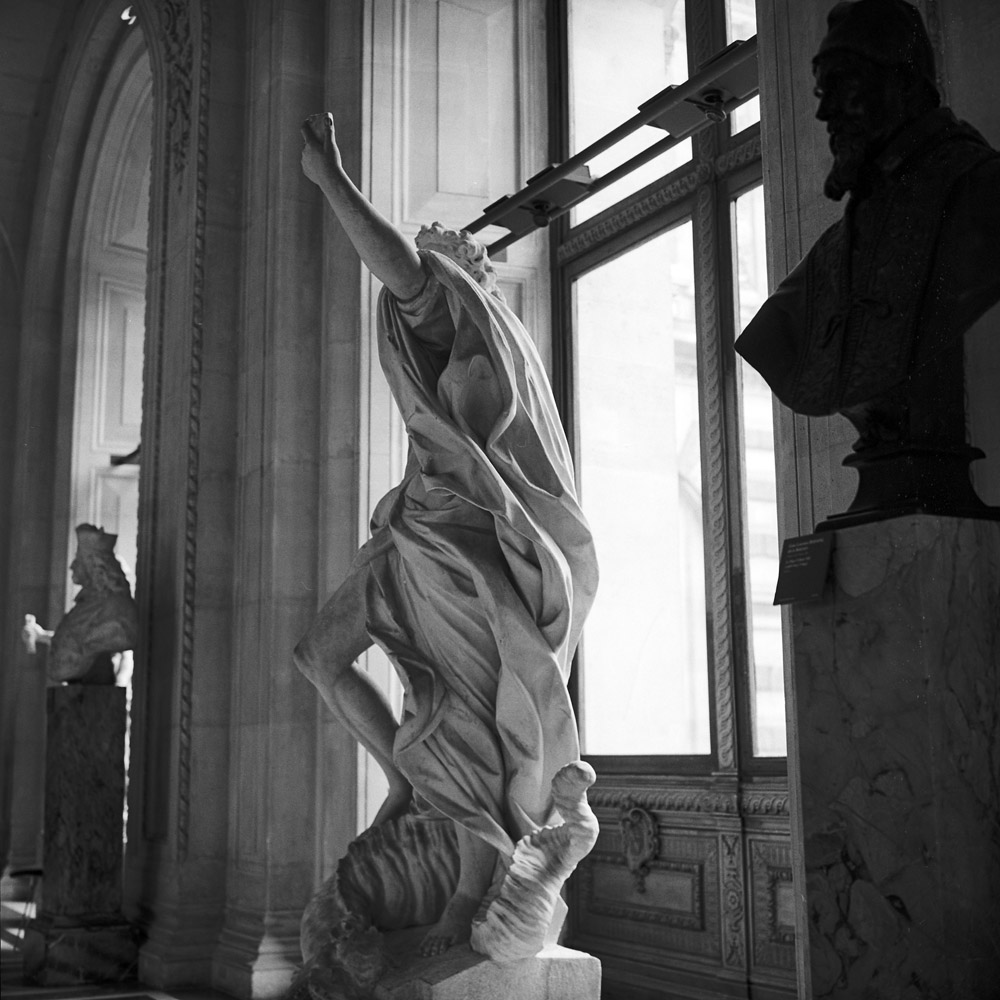
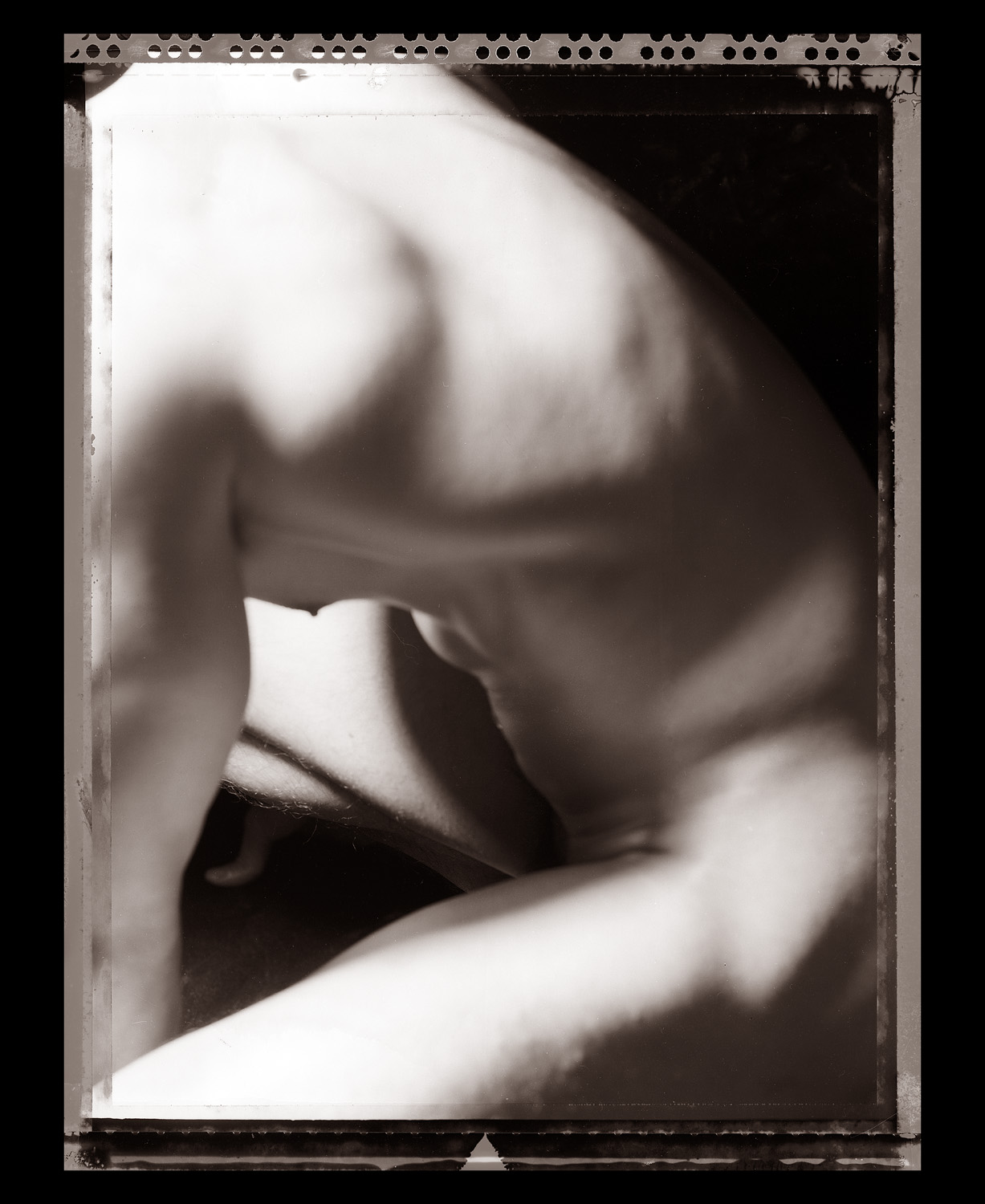
Since I got a request for more of the figure studies, I thought I’d post a few. These were all done on the old Polaroid Type 55 Positive/Negative film. What made Type 55 unique was the fact you could produce both a print and a re-useable negative. The catch always was that you got either a good negative and an overexposed print, or a good print and a thin negative. I think most people opted for the blown-out print, because the stuff was too expensive to throw away the negative.
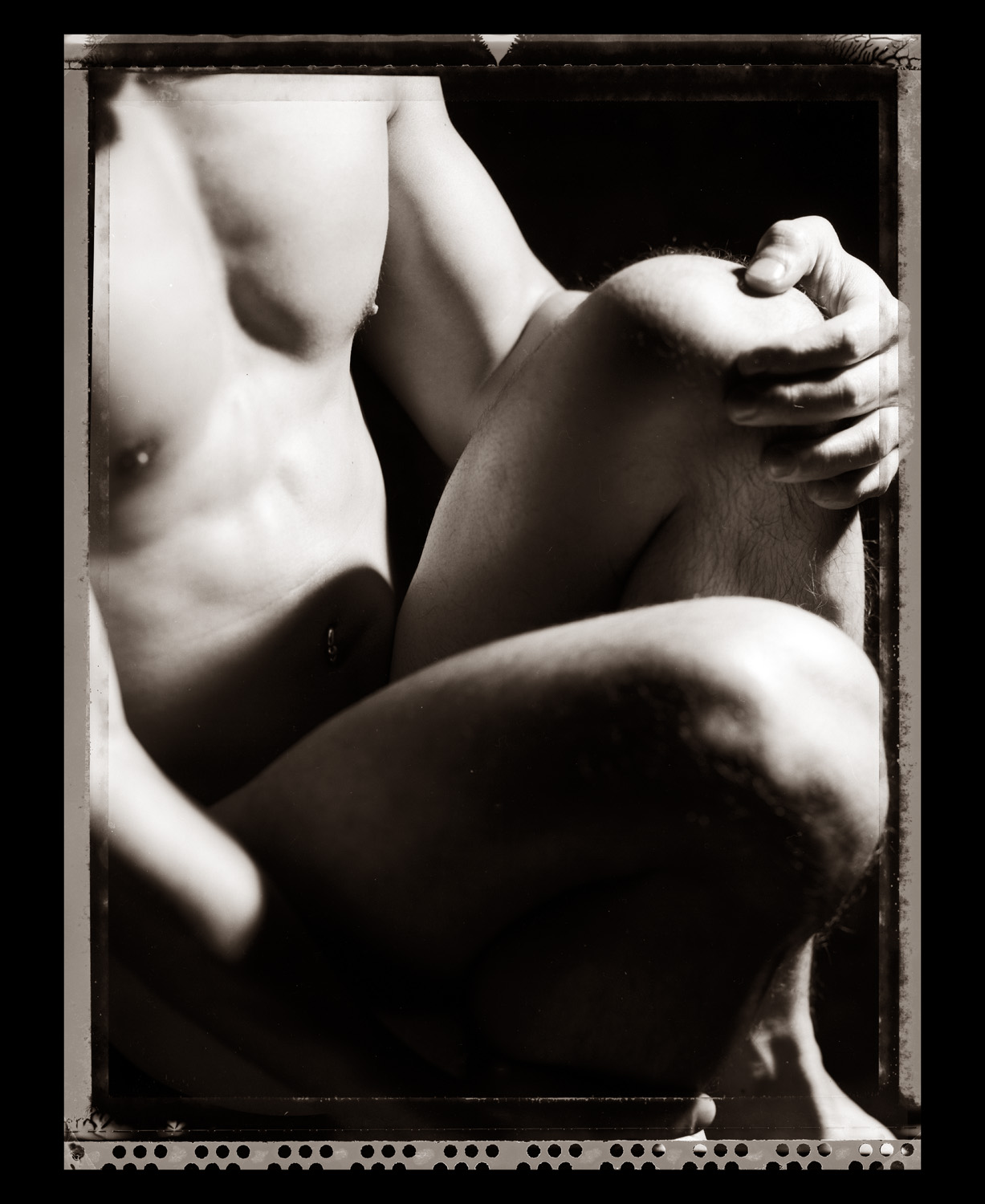
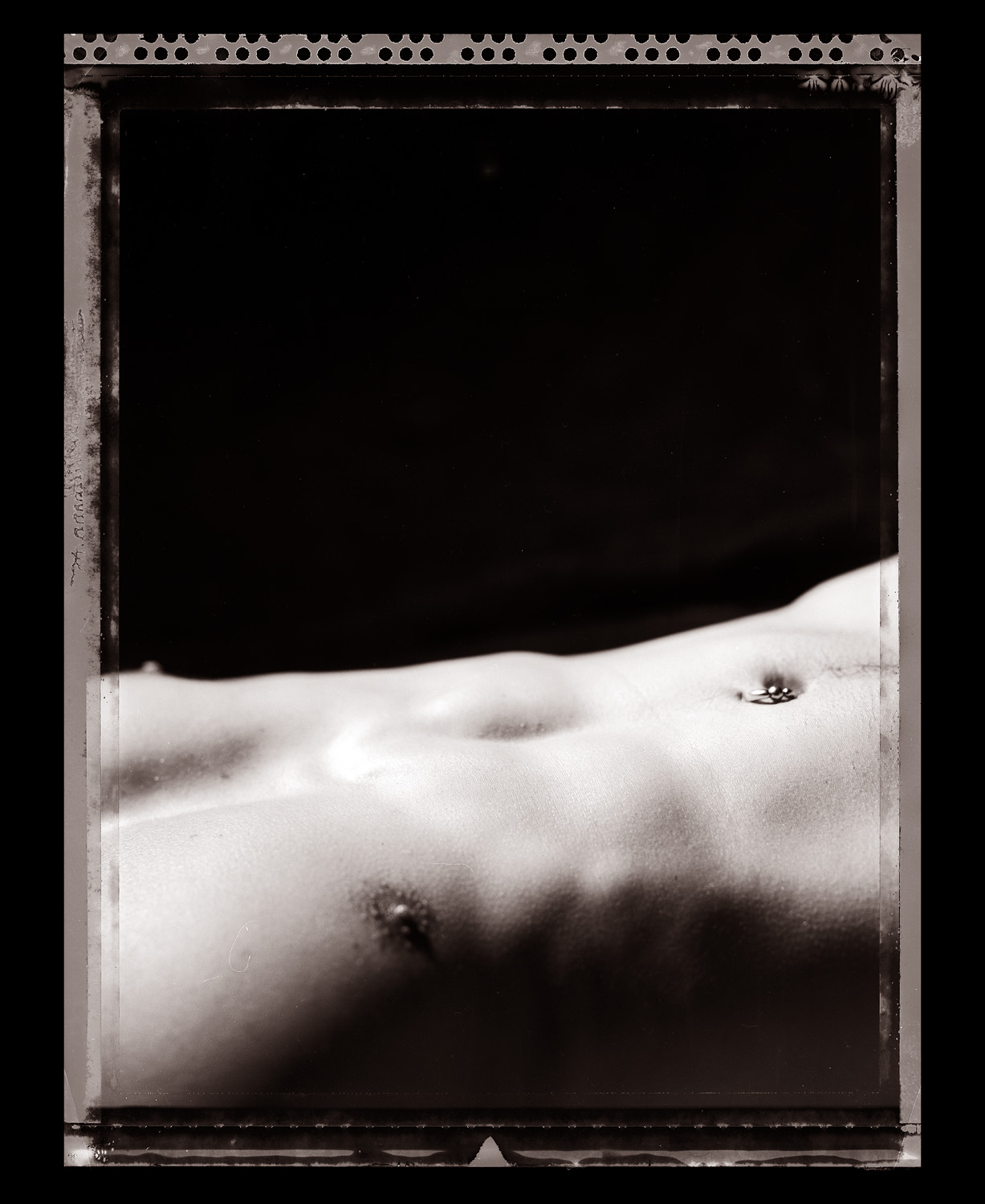
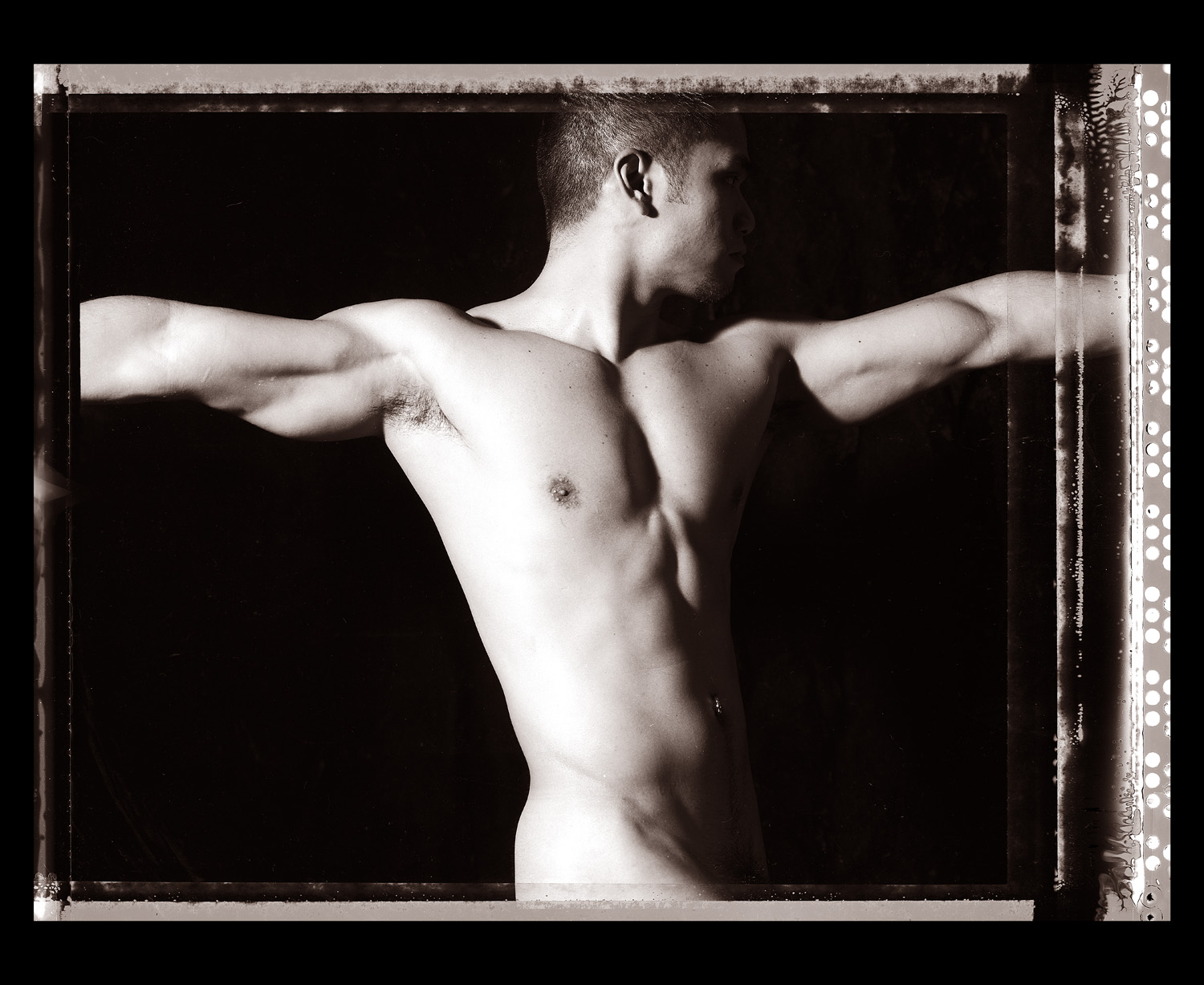
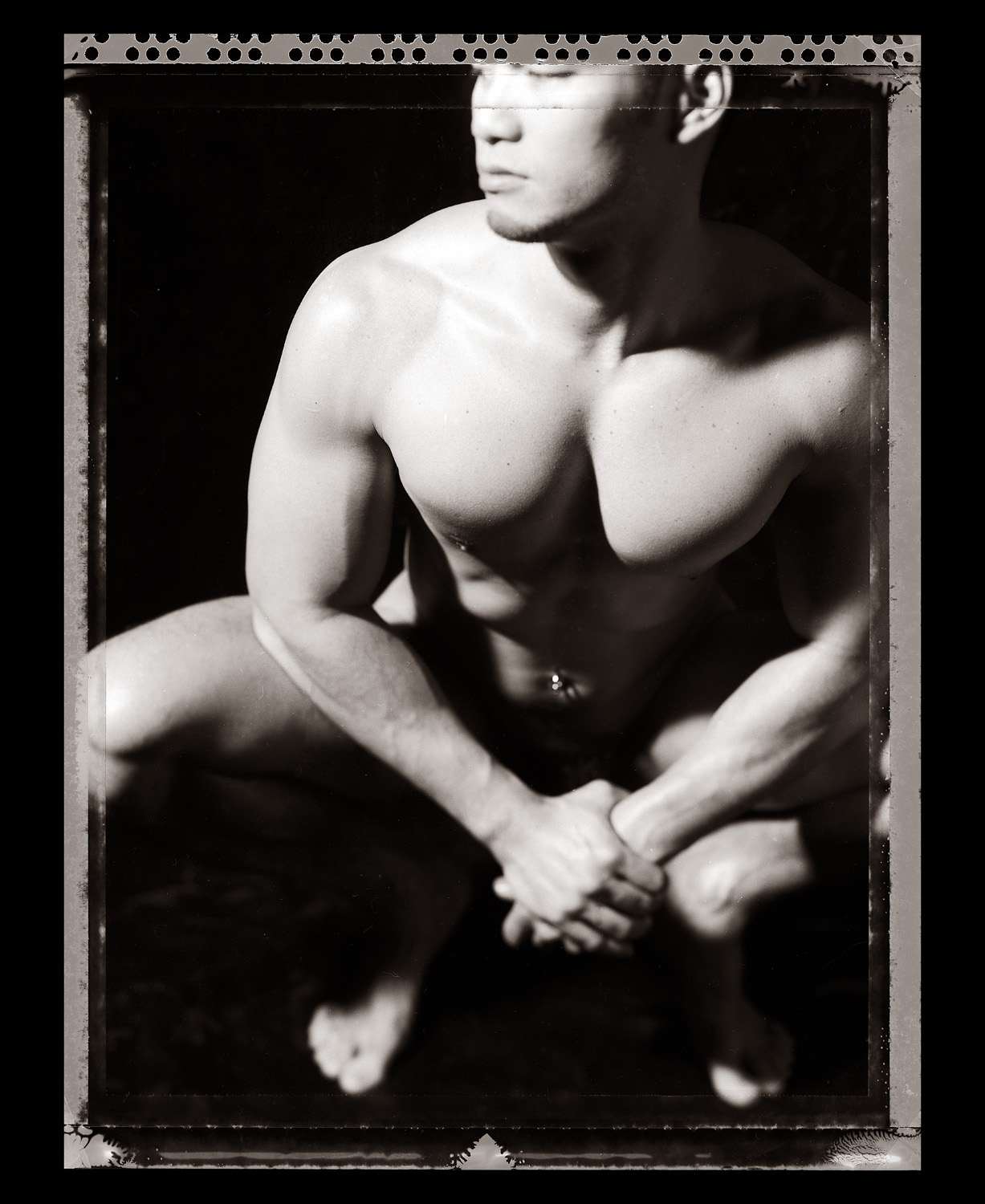
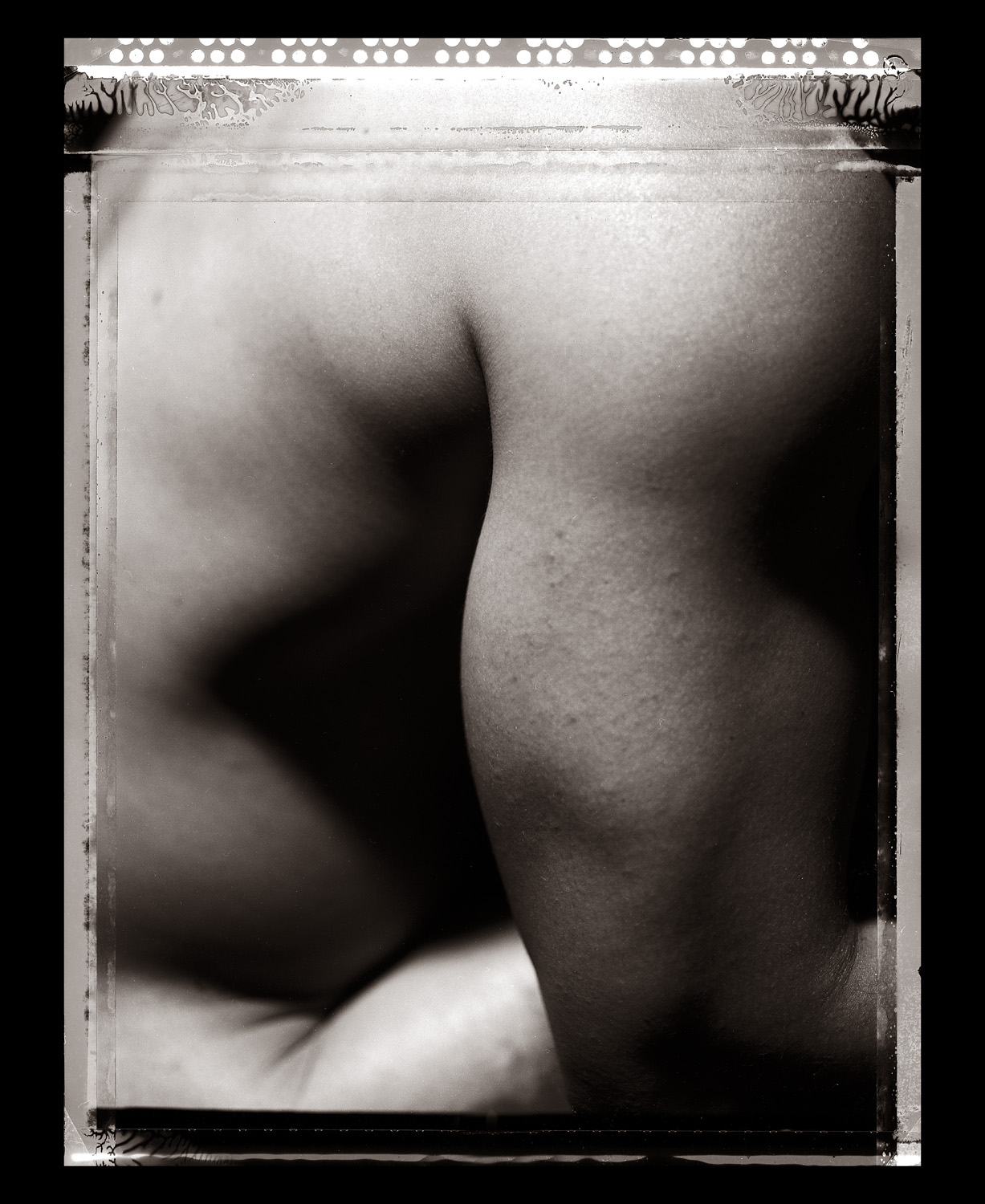
I submitted three photos to the Onward competition for emerging photographers. Emerging is defined in this case as not having a current ongoing relationship with an art gallery. I’ve had shows, both solo and group, but I’m not represented by any art gallery on an ongoing basis. Perhaps by the time I retire it will happen. In any case, Onward will be good exposure for my work (this time I’m submitting some of my older pieces, male figure studies shot with Polaroid Type 55 back when it was still available).
There are two rounds of judging – the first round, by JPEG only, will be complete and the results announced by December 16. A second round will be judged from actual submitted prints come January, with final results by February 1. The exhibition will take place in March at Project Basho in Philadelphia.
here’s a teaser of one of the images I submitted.
Well, Chalon-sur-Saone is NOT in Paris, obviously. But I did go there as part of this trip. Chalon is a small city on the banks of the Saone (pronounced Son) river, about 130 kilometers from the Swiss border. The reason for the visit was not to take a river cruise (Chalon is the departure point for many river cruises as the Saone feeds into the Rhone river at Lyons and from there flows to the Mediterranean) but to visit the birthplace of photography. But didn’t Louis Daguerre invent it in Paris in 1839? No. Nicephore Niepce (pronounced Knee-eps) actually discovered the very first viable photographic process in 1822 when he was able to create photogravure etchings. By 1825 he was working with a process he called “heliography” involving coating bitumen of Judea dissolved in lavender oil on pewter plates. It was fine for mechanical reproduction of static subjects but not terribly useful for anything else, as his exposure times ran longer than eight hours. In the early 1830s he collaborated with Daguerre on developing an improved process. Alas, he died in 1833, and was not able to see the fruition of his labors.
Today’s post from Chalon covers the black-and-white photos I took. Chalon is more than river cruises and dead inventors – the town dates back to Roman times, and although little visible remains of its Roman years, the medieval core of the city is still very visible and accessible. The square in front of the cathedral features half-timbered buildings from the 14th century.

The cathedral in Chalon may look somewhat newer – the facade took heavy damage and was restored in the 19th century, but parts of the structure date back to the 8th.


Thinking of how things change, here we have very clear evidence – in the 19th century there was a major reformation of the way street addresses were indicated. Previously, instead of having odd numbered houses on one side of the street and evens on the other, the numbers would go up sequentially on one side of a street and when they reached the end of the street, they’d turn around and keep going up until they got to the beginning, so it was possible to have number 3 in the same block as number 252, which was extremely confusing. Also, with all the turmoil in France from the 1780s until the 1880s, streets were frequently re-named. This intersection shows what were once Rue Voltaire and Rue Comerce are now Rue du Pont and Rue du Chatelet.
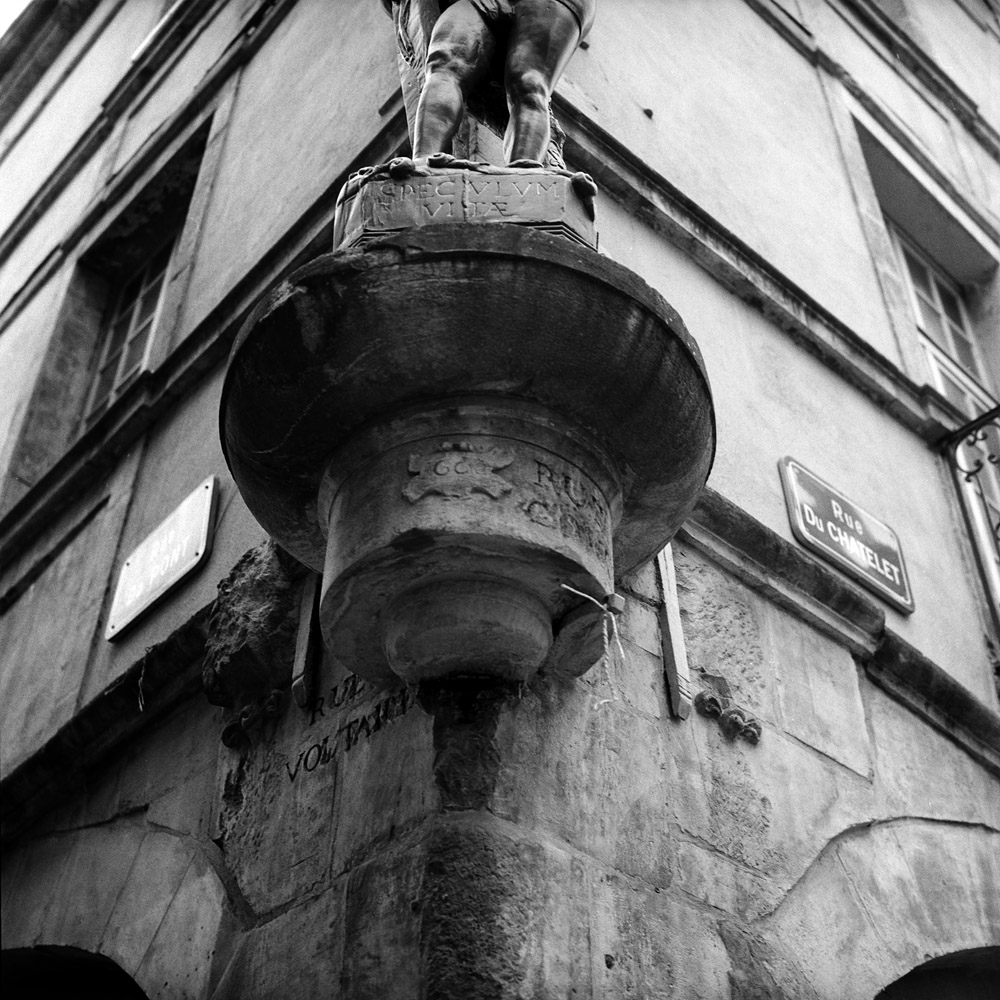
Number 9 is a good example – I don’t know what the original street number was, but the 9 is a typical blue and white enamel-on-metal plaque from the late 19th/early 20th century. The house, obviously, dates to 1550.

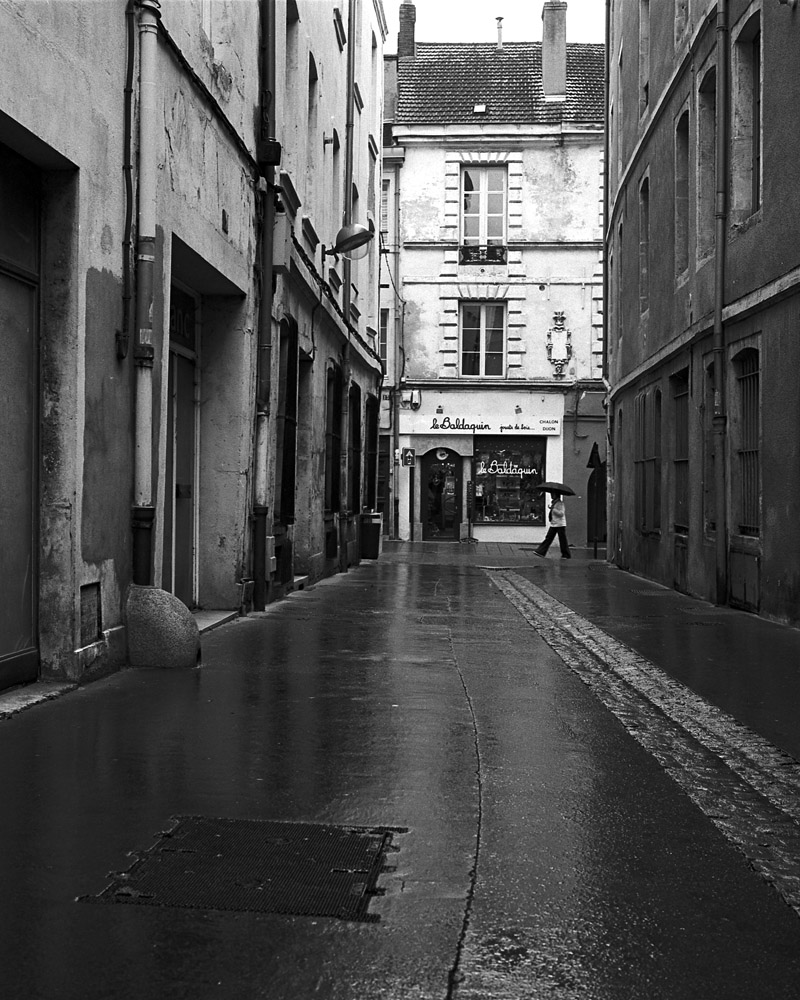
Rue de L’Oratorie is another example. This is the street on which Niepce was born; his house is behind me, at modern #15. However, there is a plaque on the wall of the courtyard that leads to Rue de L’Oratorie which says the Niepce birth home is at #9. THe plaque indicating the location of the home was placed before the address reformation, so you can imagine my confusion when looking for #9 and not finding it at all! Fortunately Rue de L’Oratorie is only really 2 blocks long, and there is a second sign in the rue on the house itself. I don’t have photos of the house taken with the Rolleiflex because it’s quite nondescript and the rue itself is rather narrow at that end, making it hard to photograph more than a bit of a wall. I do have photos on my iPhone of the signs that I’ll post with the color images later.
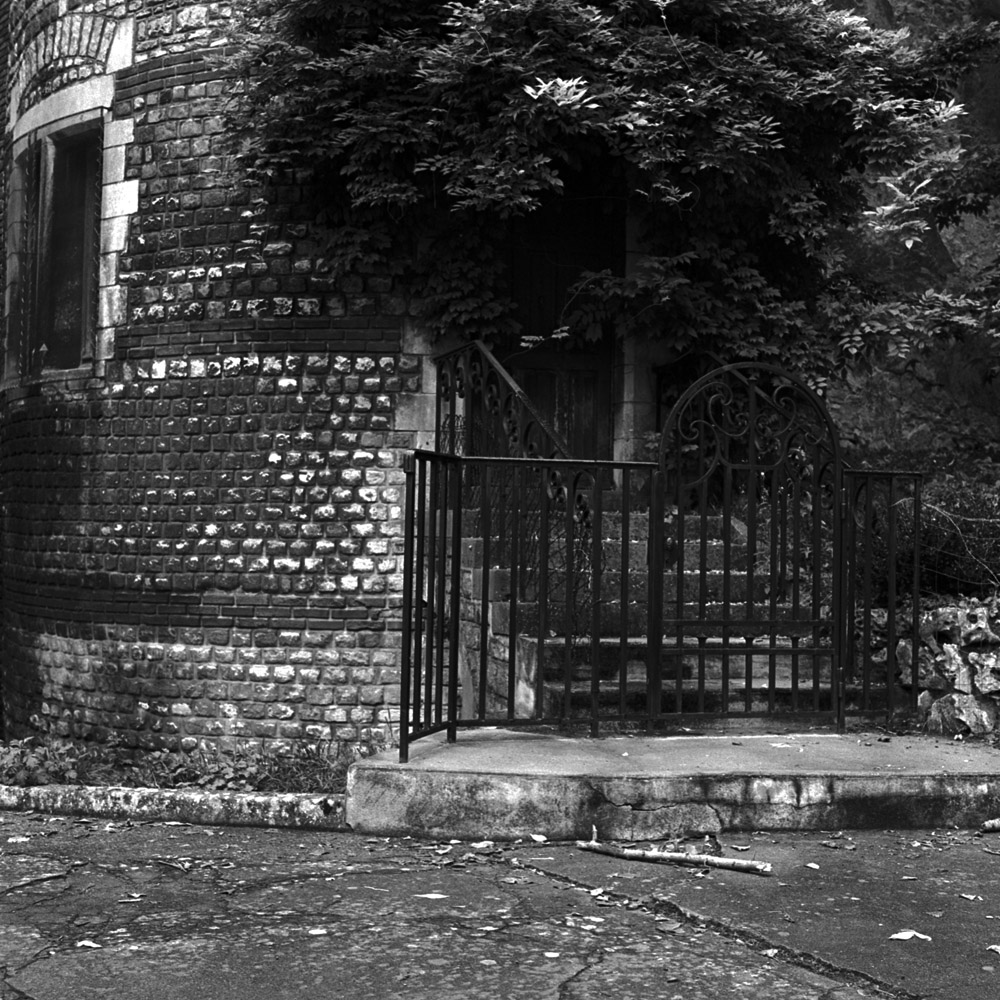
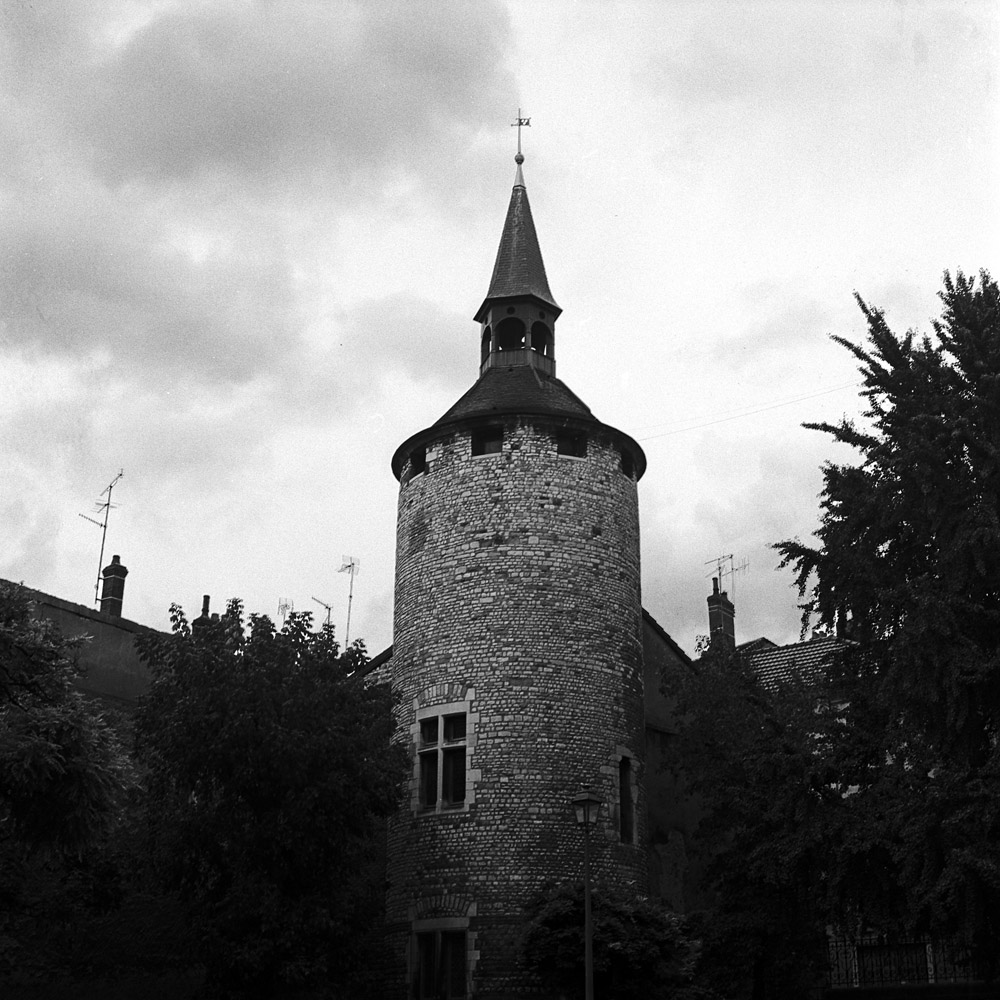
These are views of the Tour Saudon, a 14th century tower house right around the corner from Niepce’s birthplace.
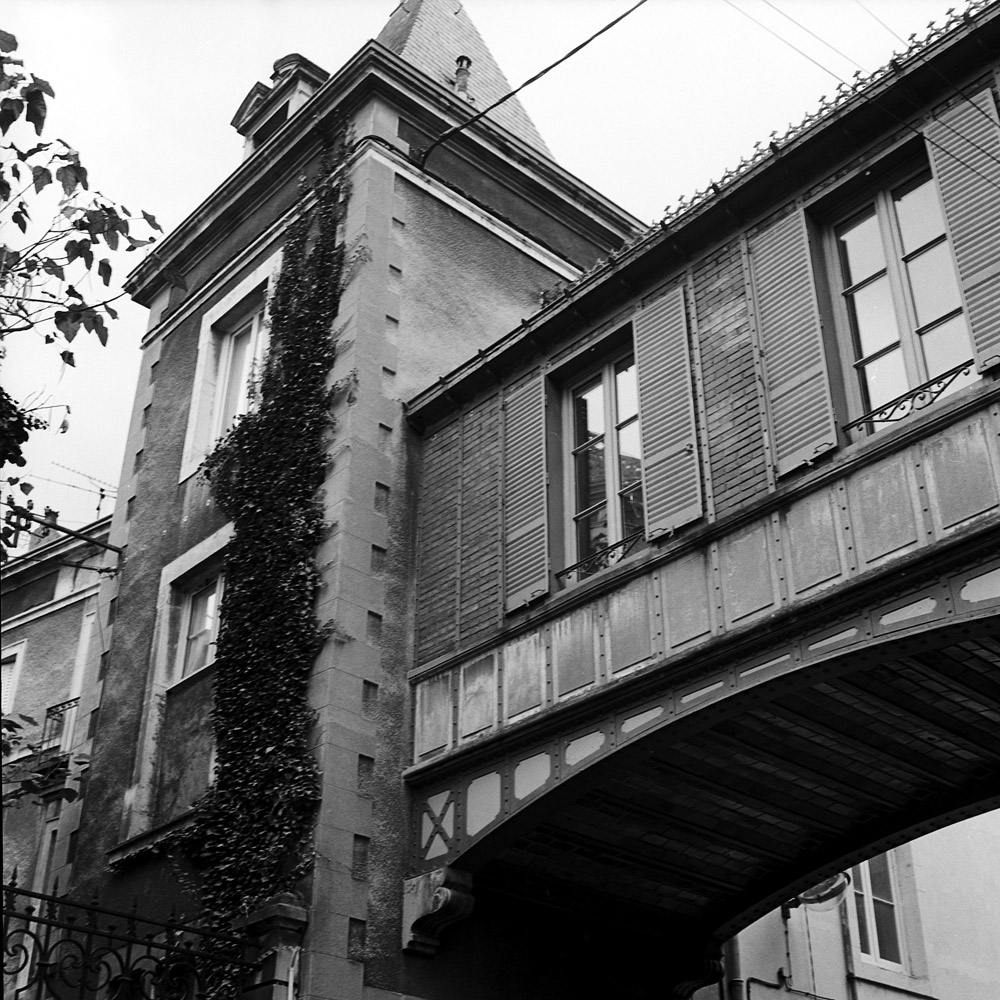
Also on the Rue de L’Oratorie, this house has a bridge connecting its two halves on each side of the street.
Here are my takes on the palace of Versailles, in black-and-white. There are actually quieter spaces within the building where you can take photos without a gazillion tourists blocking your view and making appreciation of the space impossible, unlike the state apartments. I’m dividing this post into two sections – architecture and sculpture.
ARCHITECTURE
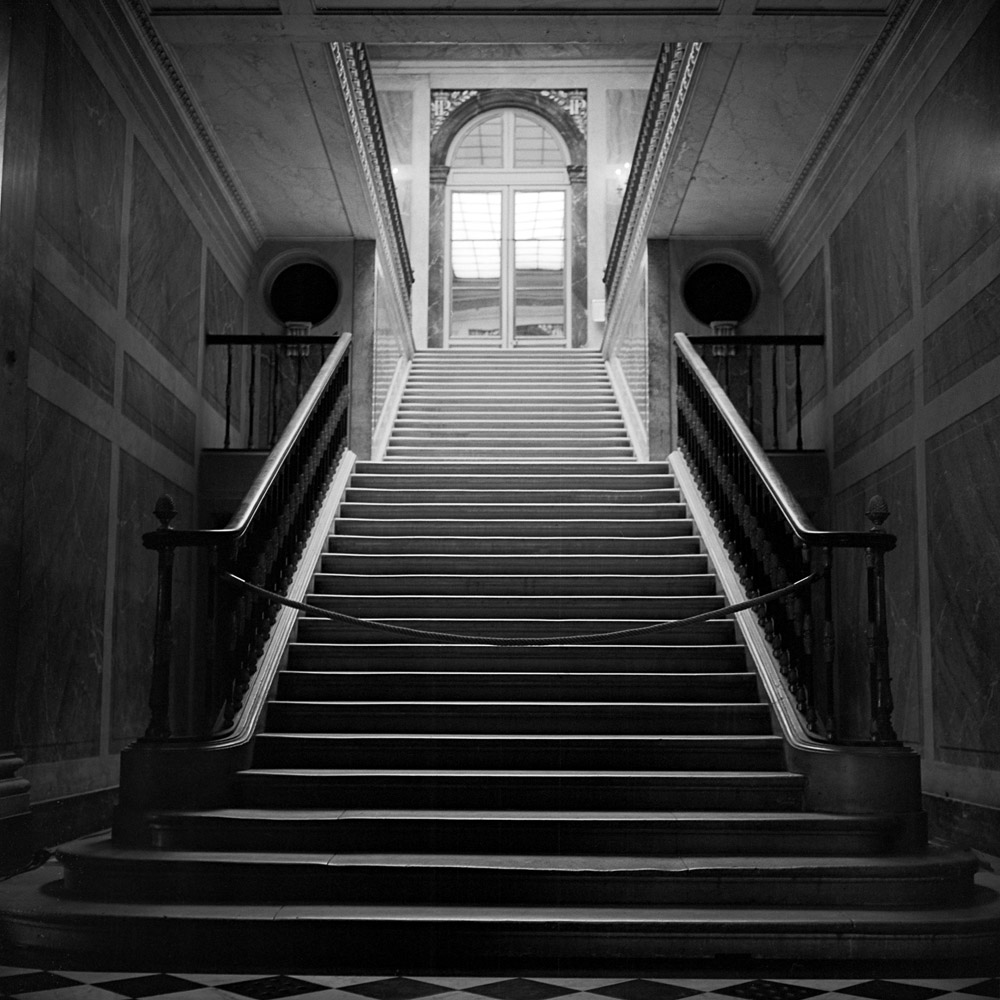
Here’s a side staircase. Not the grand stairs that led to the queen’s apartments, but nonetheless, a magnificent entry.
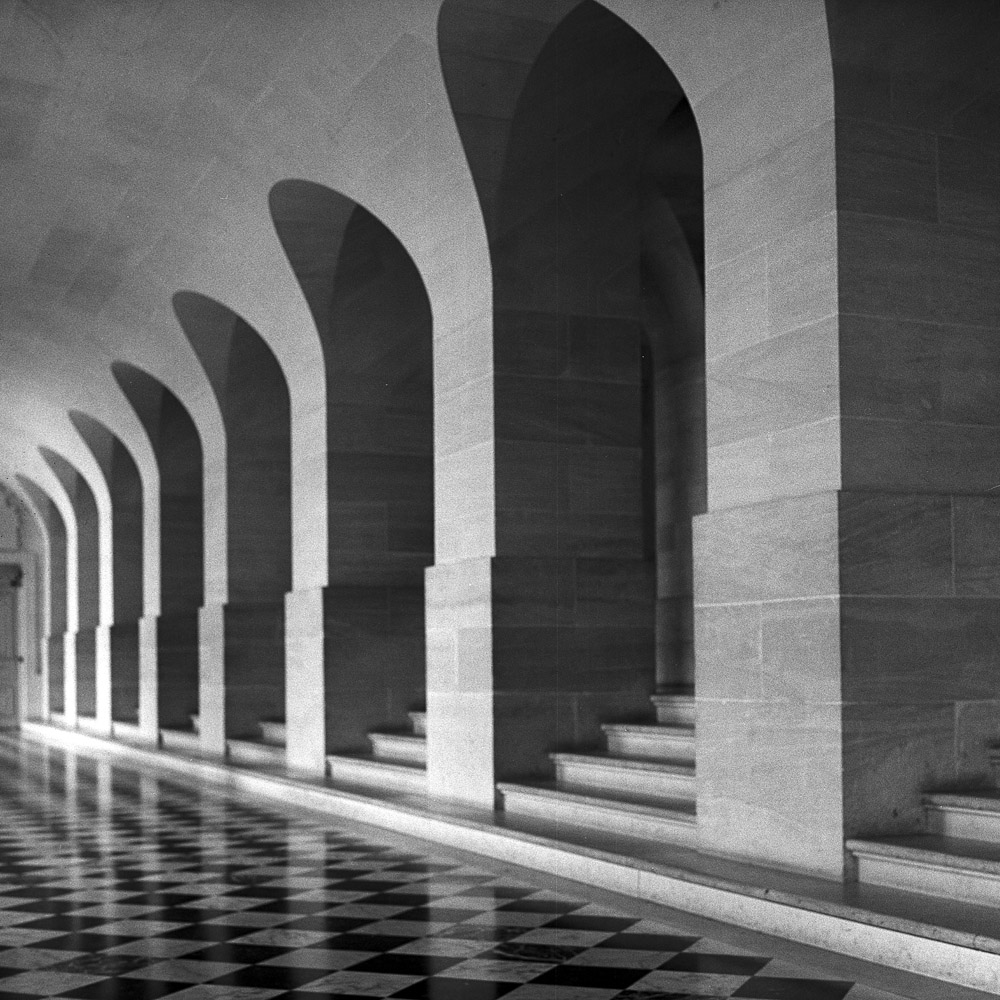
This hall is behind and beneath the state apartments, looking out to the gardens to the west.
This doorway is the central door leading out from the hall above to the gardens.
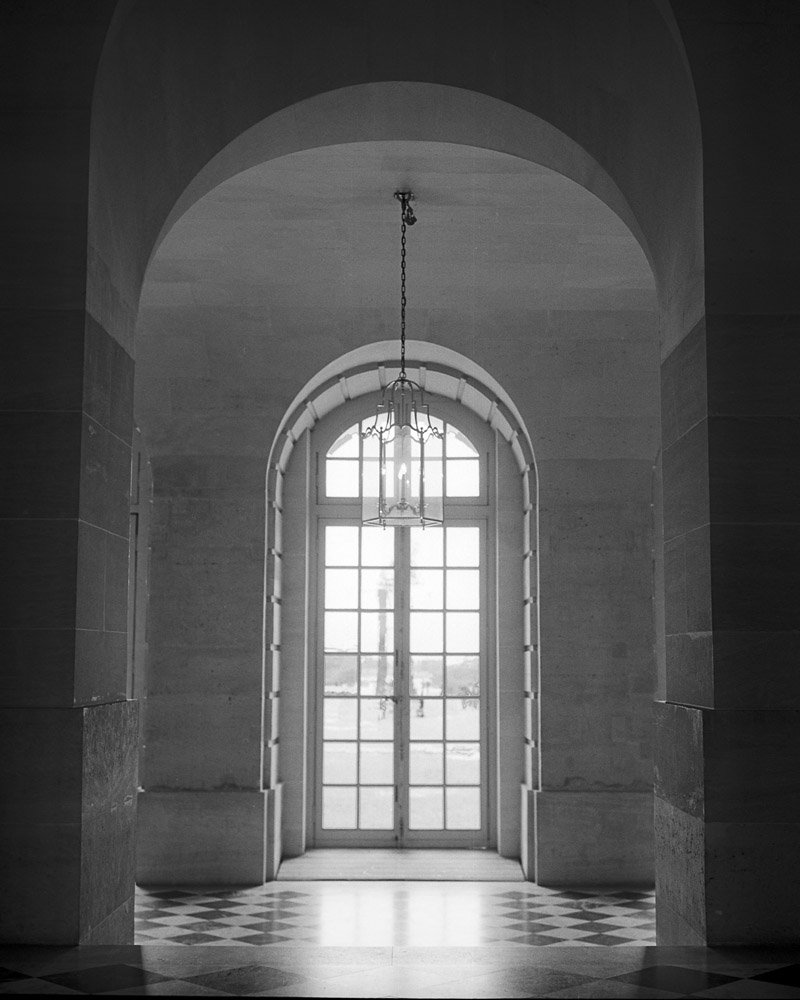
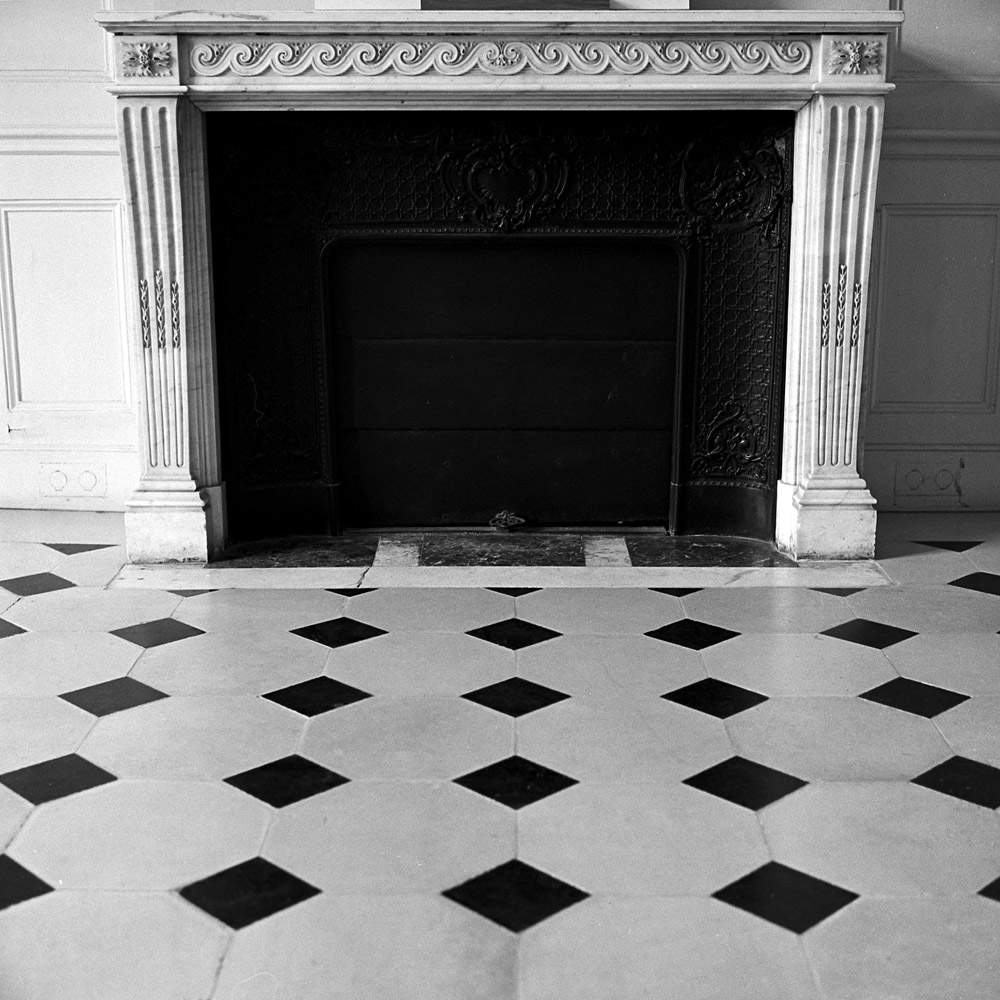
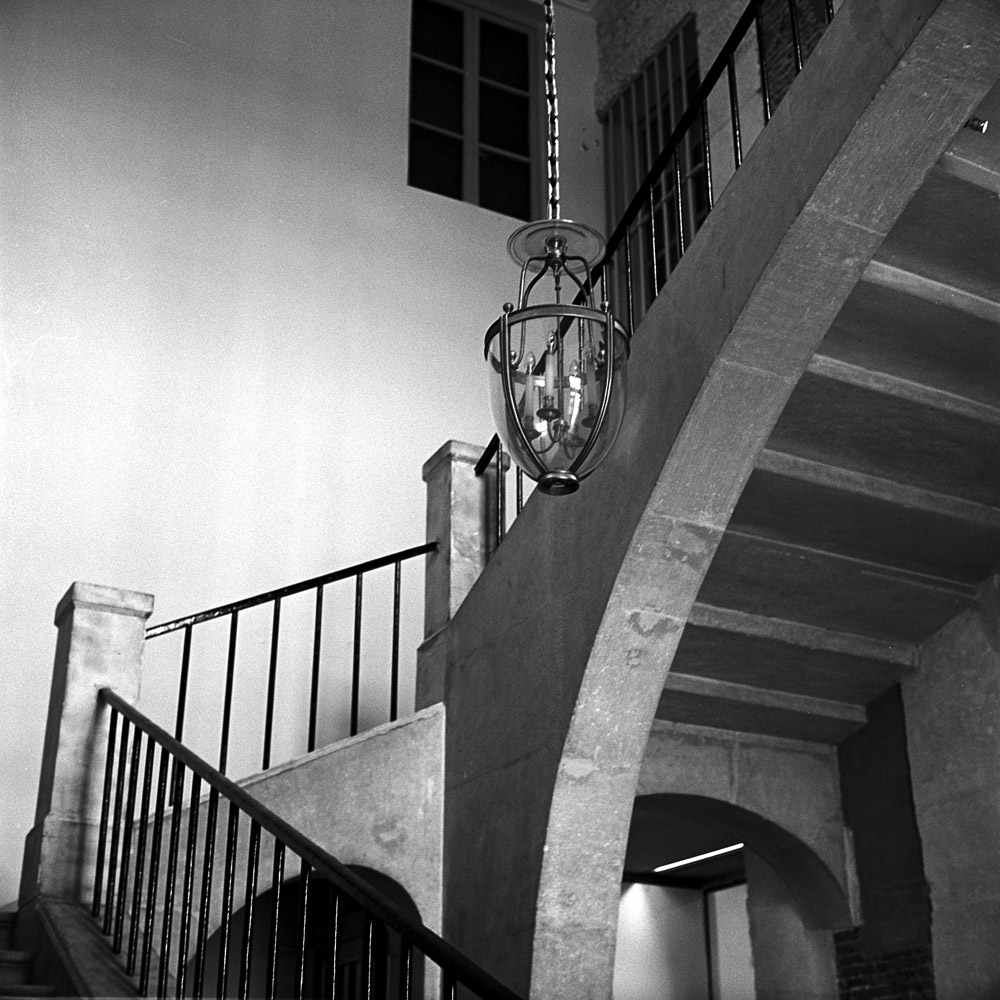
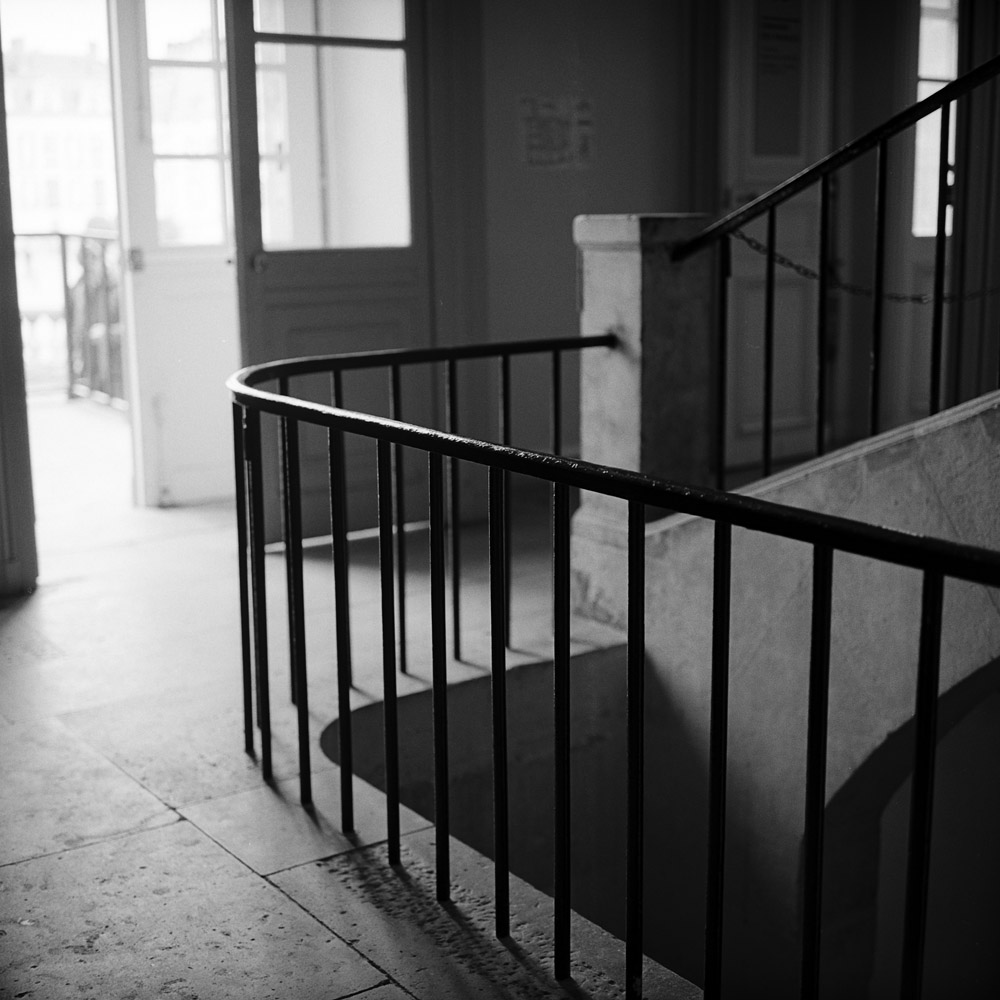
These three are from one of the side buildings outside the palace proper, where the gift shop and ticket office are located today. Anywhere else they would be special, but at Versailles, they are relegated to the service space.
SCULPTURE
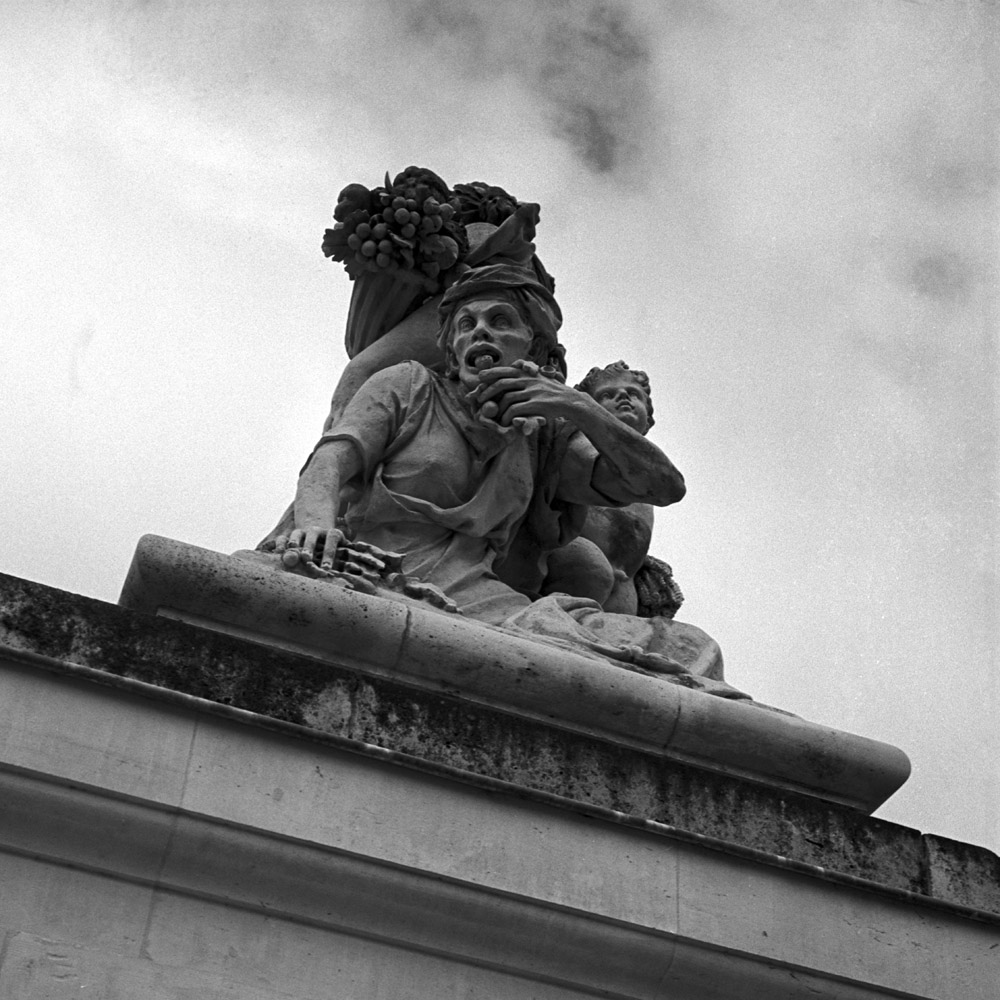
Sculpture is everywhere at Versailles, from the entrance gates to the halls in the basement.
This grotesque is on the back side of one of the heroic female “virtues” at the entrance gates to the palace. Seeing this, it’s not hard to see how the peasant classes who were starving would see it as emblematic of how the nobles viewed them and took umbrage accordingly.
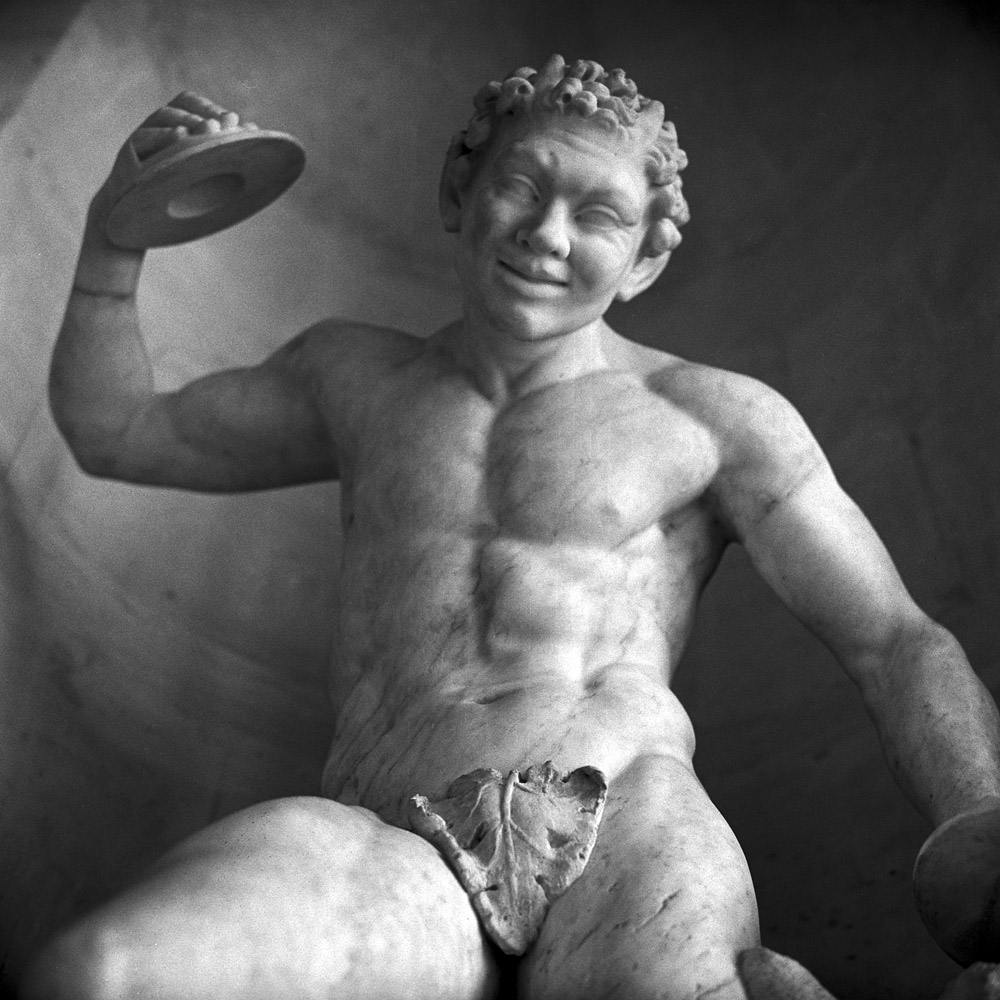
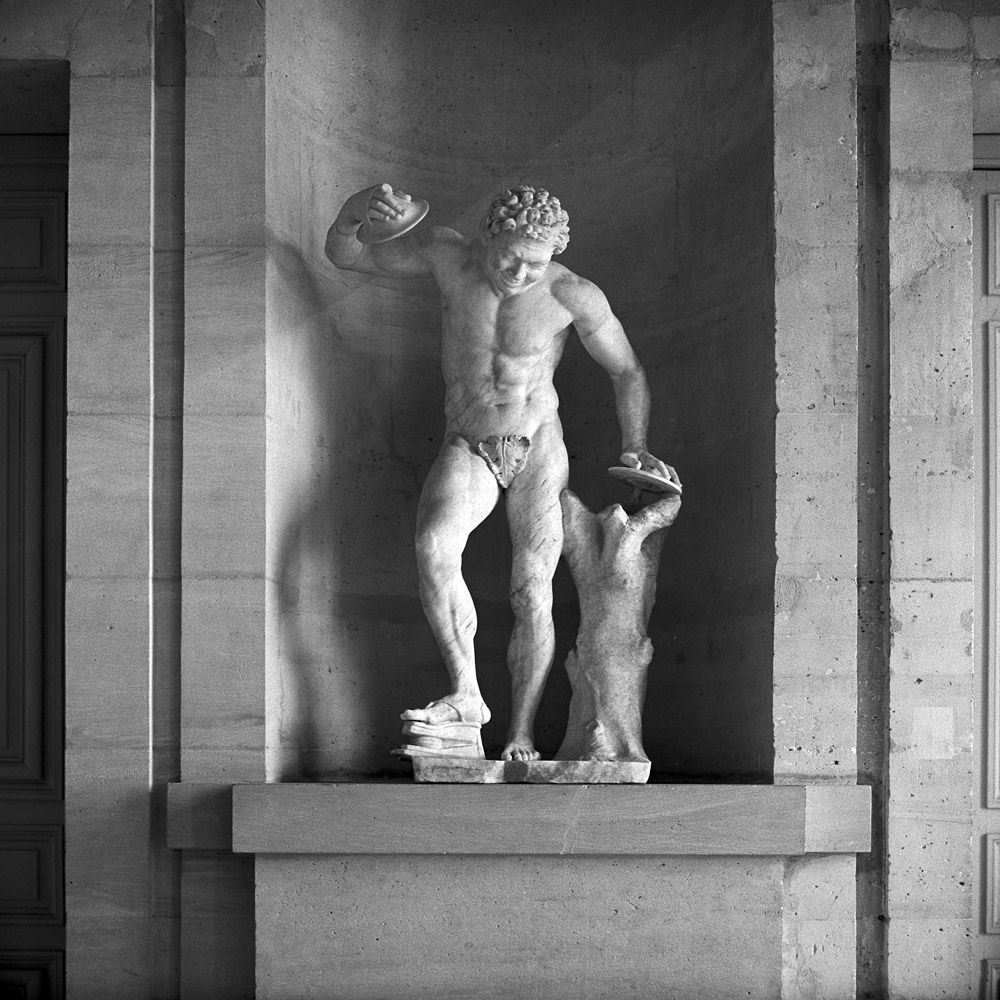
This Satyr is in one of the halls of the ground floor of the palace, relegated to a corner where few tourists venture. I suspect his fig-leaf is a Victorian-era excess, as it appears to be glued on much after the fact.
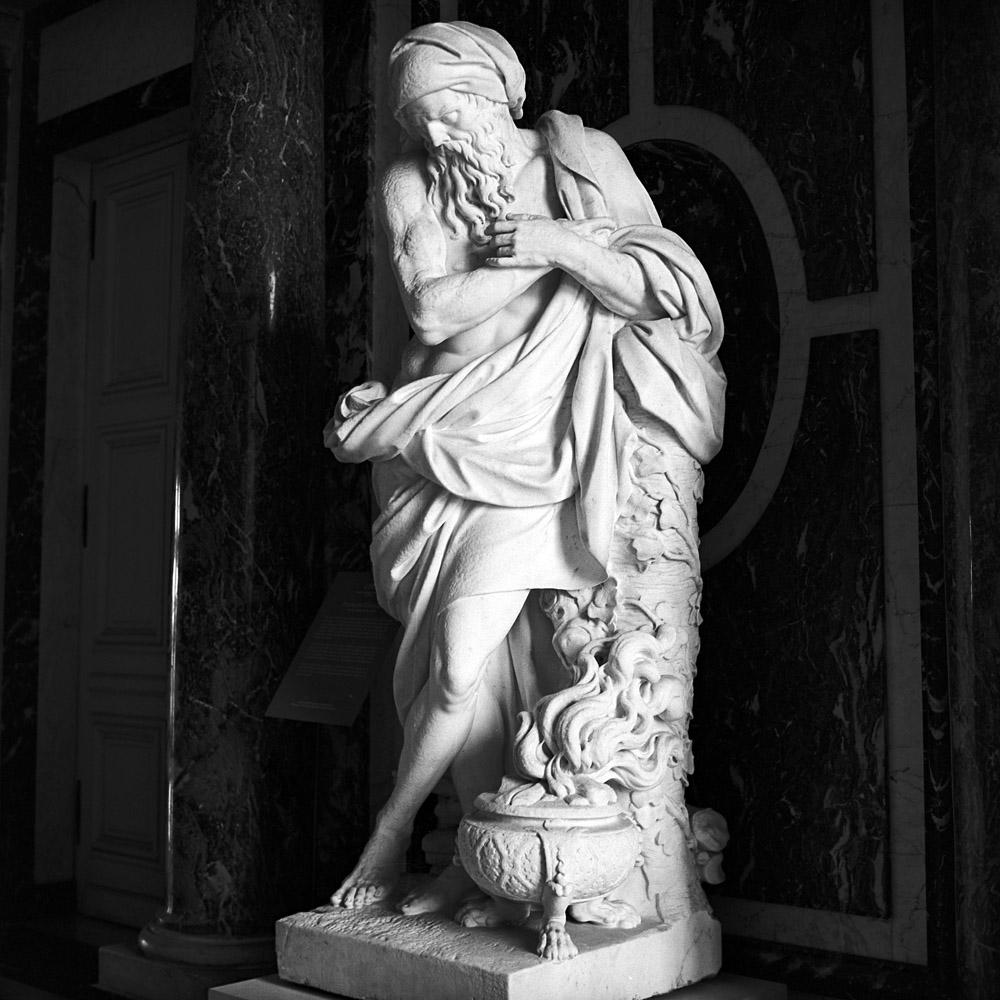
I’m not sure who/what this statue represents, but it appears to be some kind of hermit/mystic, judging from his attire and the smoking pot at his feet.
Here is a water fountain outside the palace in the main forecourt.
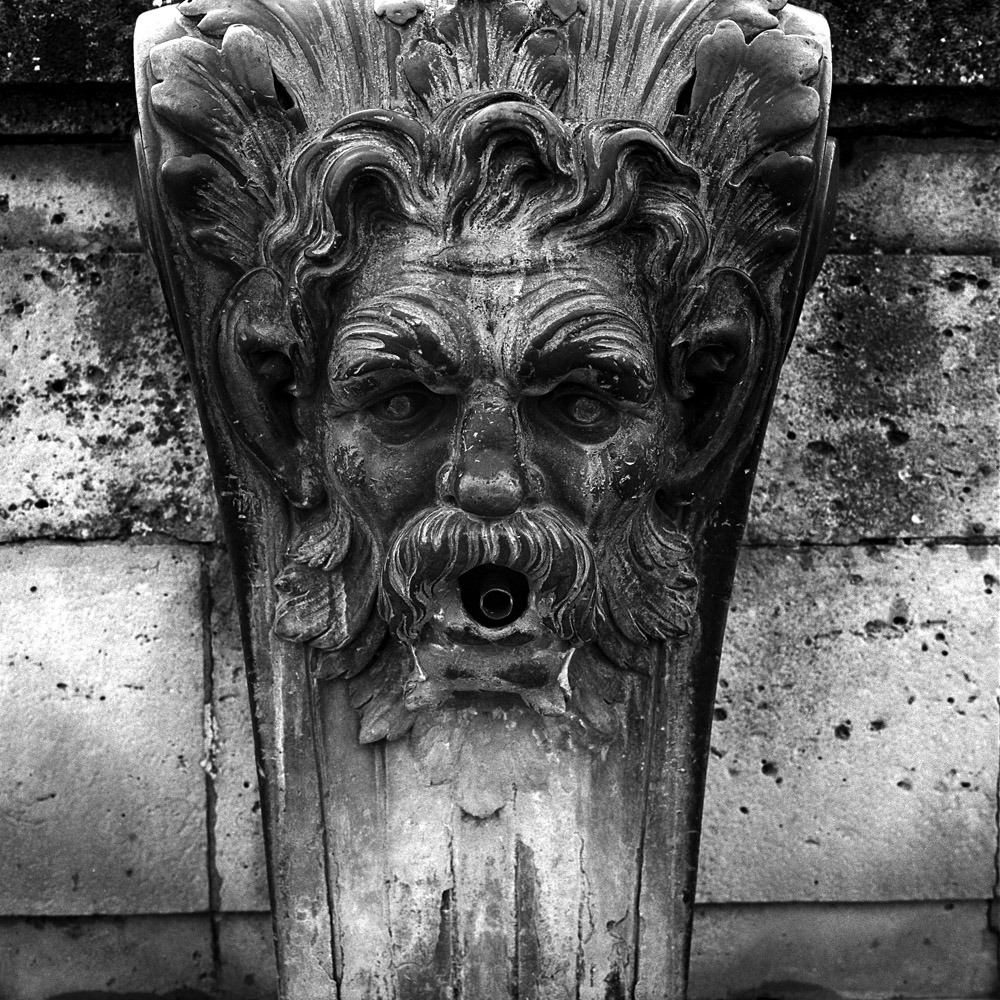
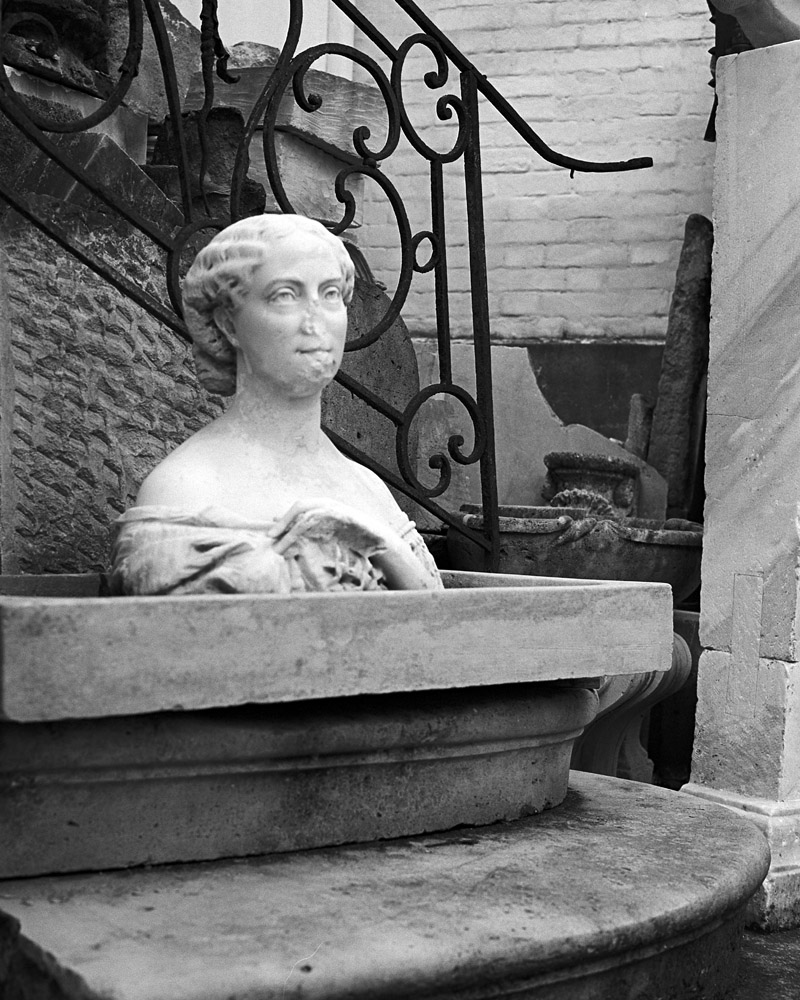
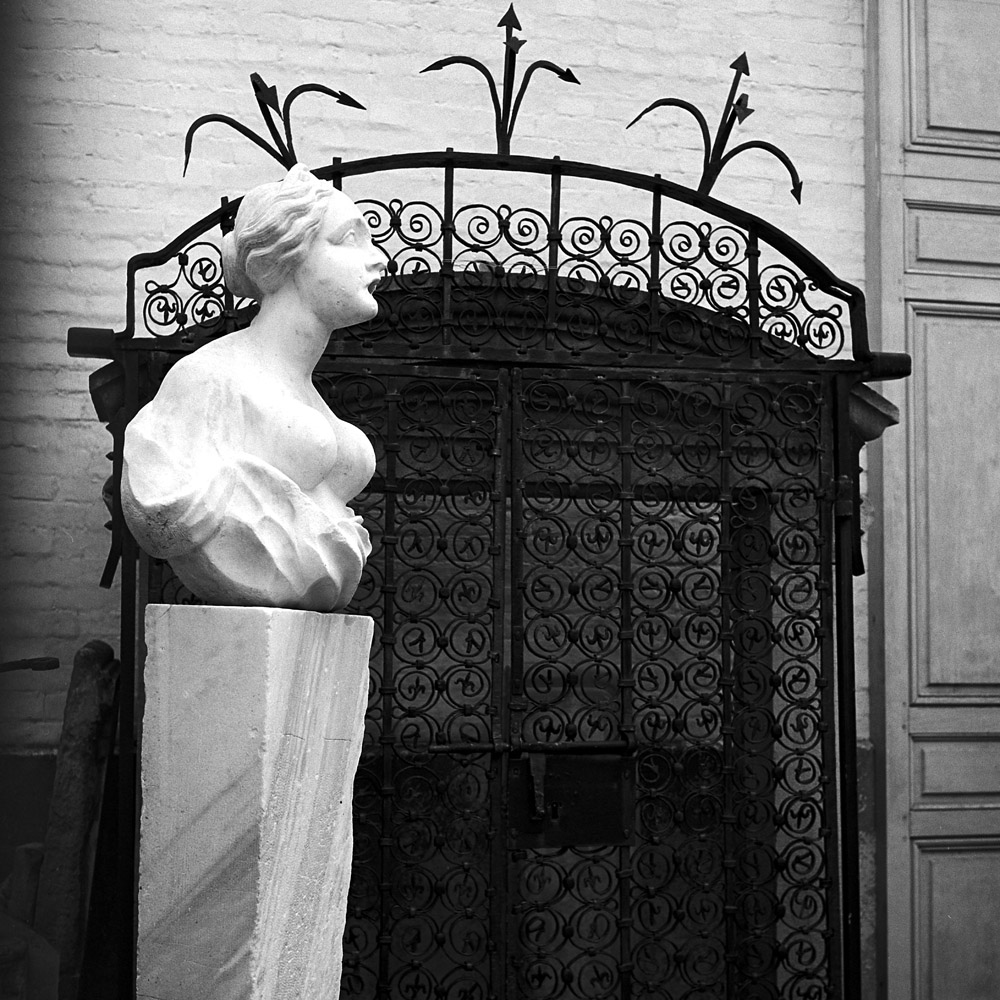
These last two were found in the town of Versailles in the outdoor courtyard of an architectural antiques dealer. A different take and a contrast to the exquisite statuary in the palace, they nonetheless have their own beauty and dignity.
I submitted six images to PhotoSlam, one of the events of FotoWeekDC 2013, and have been accepted! PhotoSlam is like a poetry slam, but with photos. Photographers put their work up on a projector screen, and the audience votes. PhotoSlam is curated, so it’s not just show up with your thumb drive and take a turn – you have to submit your five piece portfolio in advance, plus a single “best-of” image. The prize is a show of your work at PhotoWorks next fall. PhotoSlam will be held at Busboys and Poets, 14th and V Streets NW on Sunday, November 10. The show starts at 8pm, but get there early as the room fills FAST (it is recommended that you be in line at 7:30). There is a requested $15 donation at the door. Please come out and support me if you can make it, I’d love to see you all there. And if you do come, please let me know! For those who can’t make it, I’ll be showing work from the DC at Night series that’s (still!) up on the wall at Mad Momo’s Restaurant.
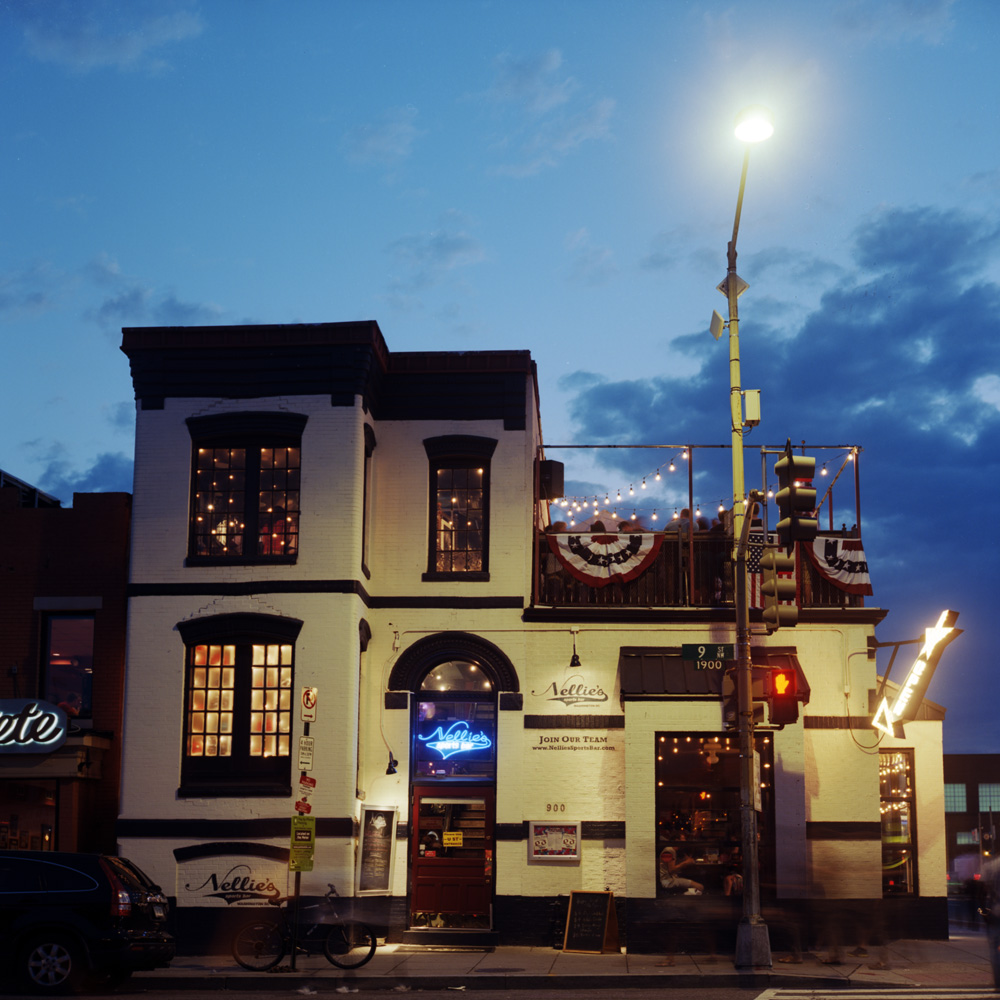
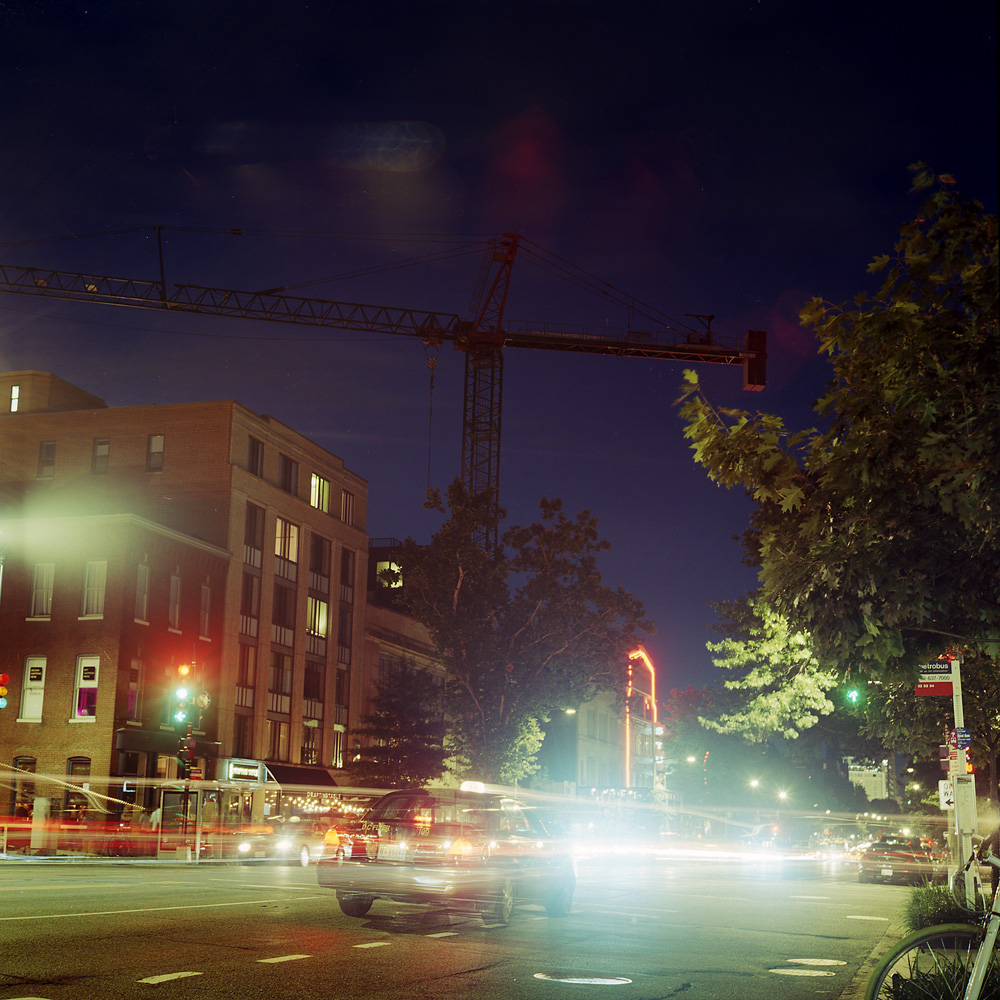
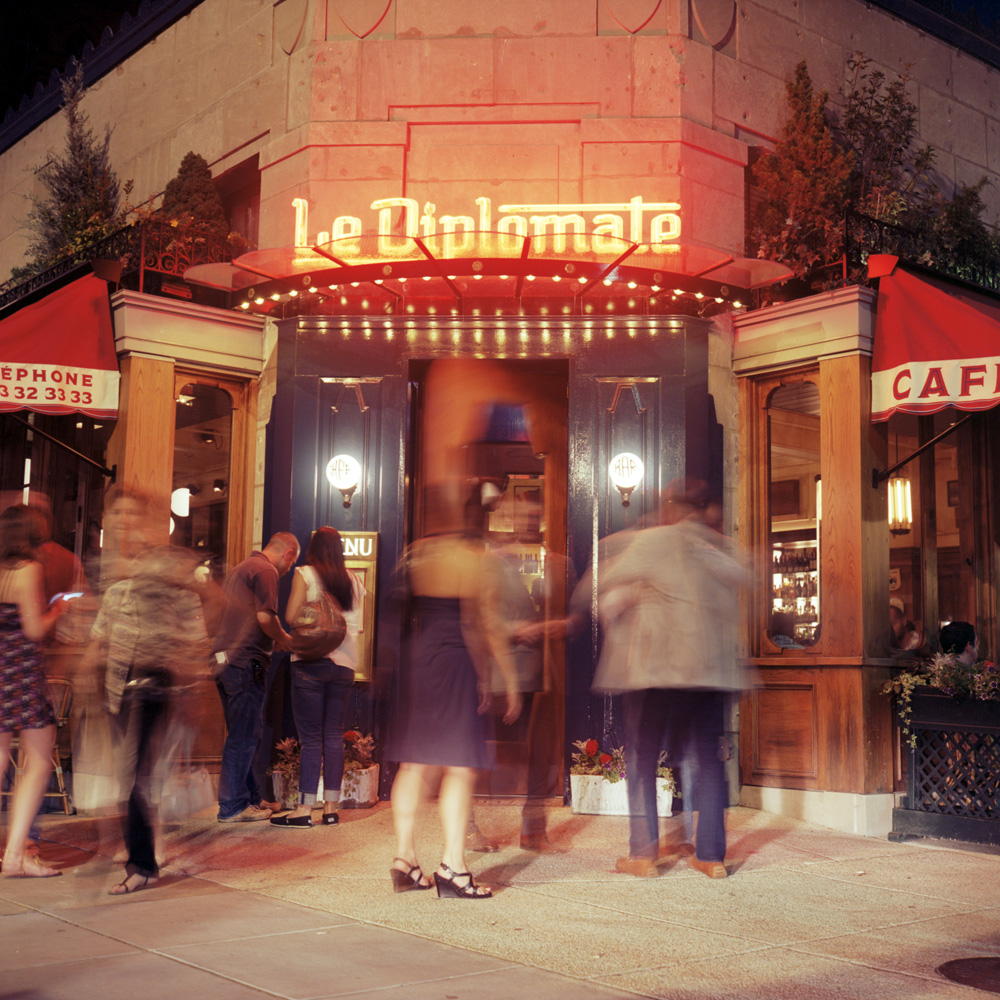
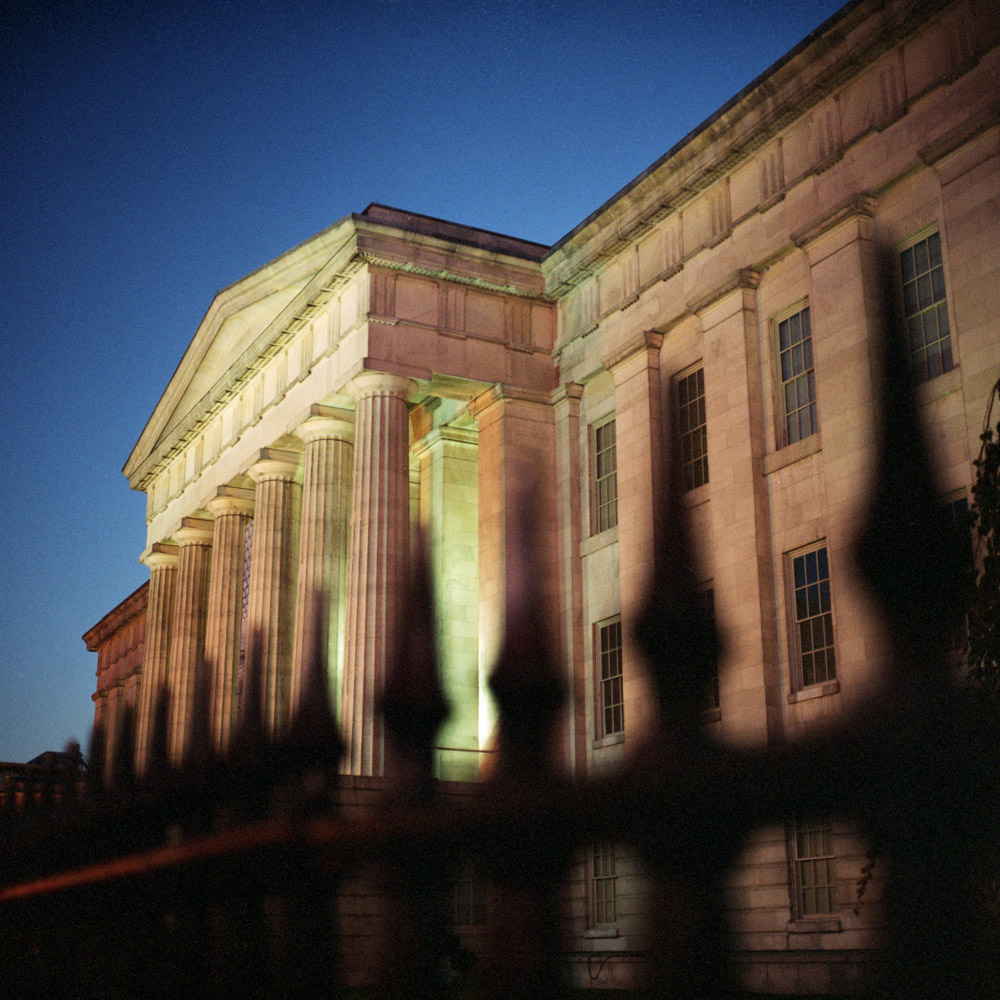
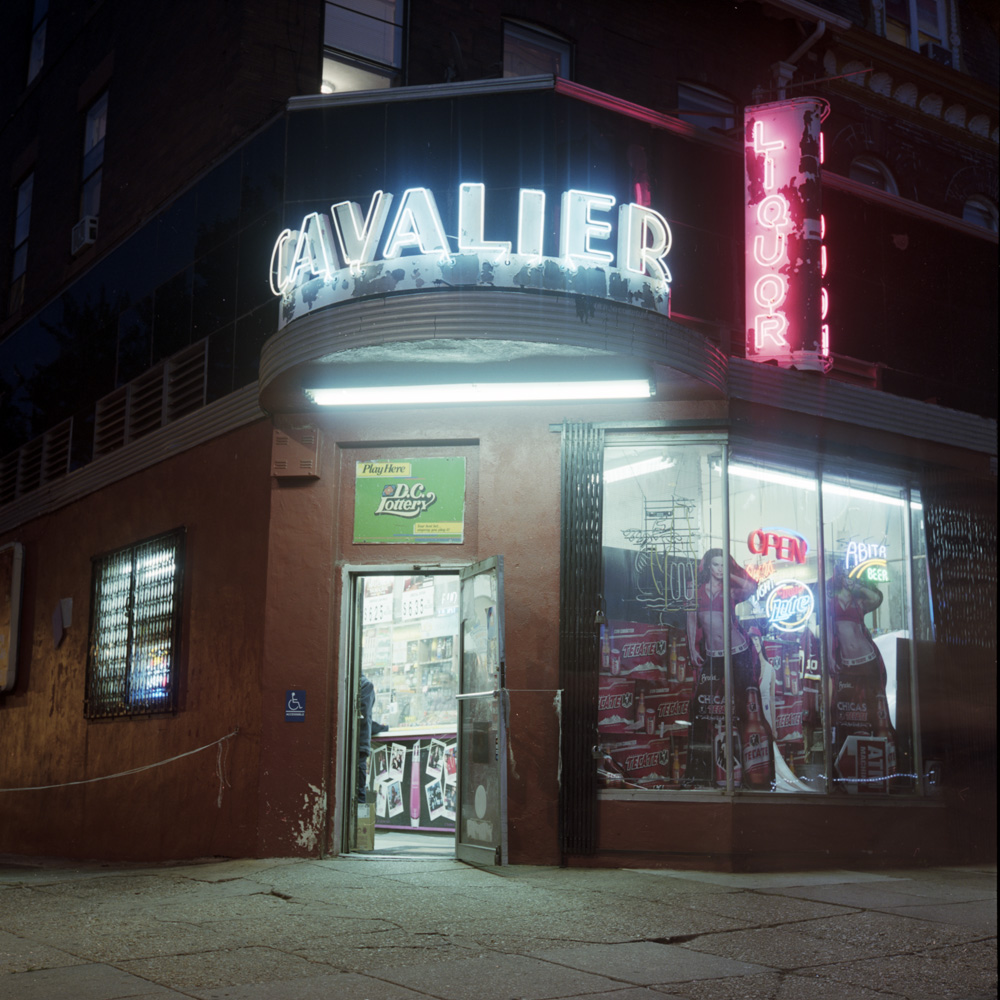
And the “best of” single image that I’m submitting is:
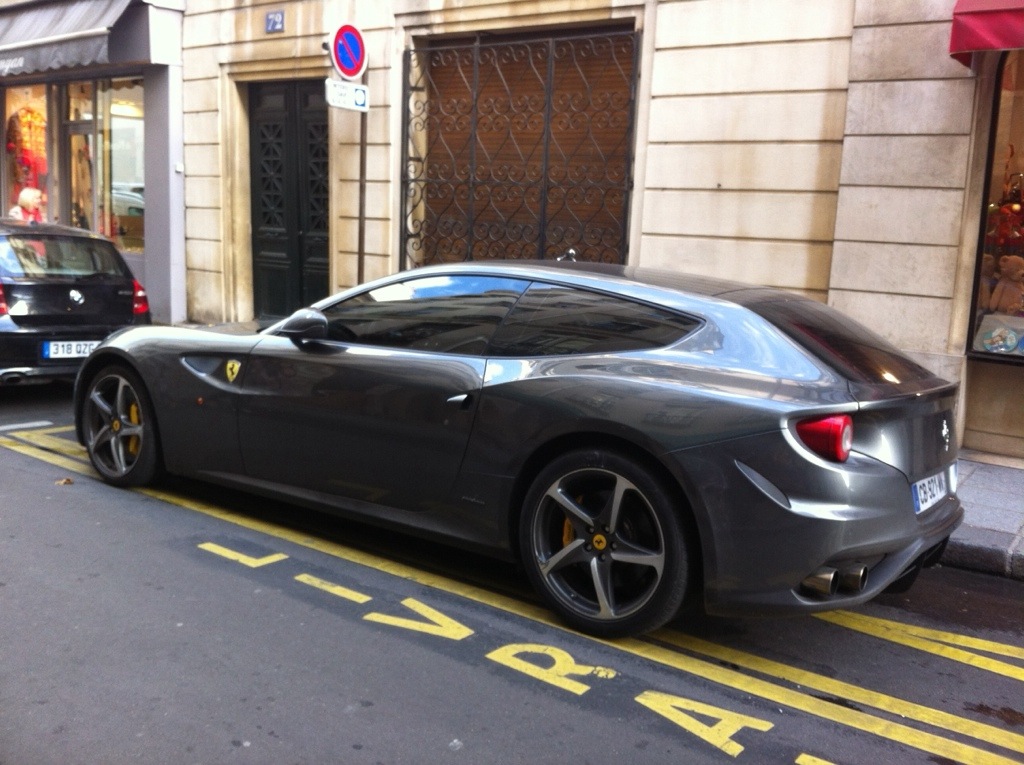
As previously mentioned, I didn’t have much need for automotive transportation in France. But I did get to see some very cool cars at both extremes of the spectrum.
A Ferrari:
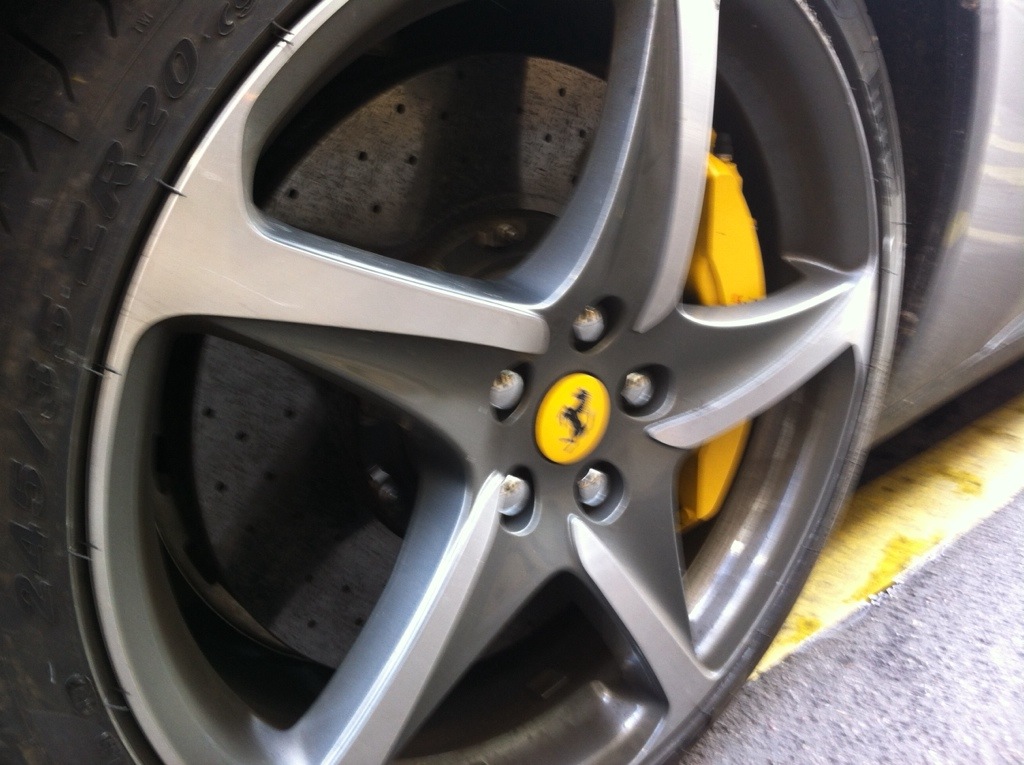
With its yellow brake calipers:
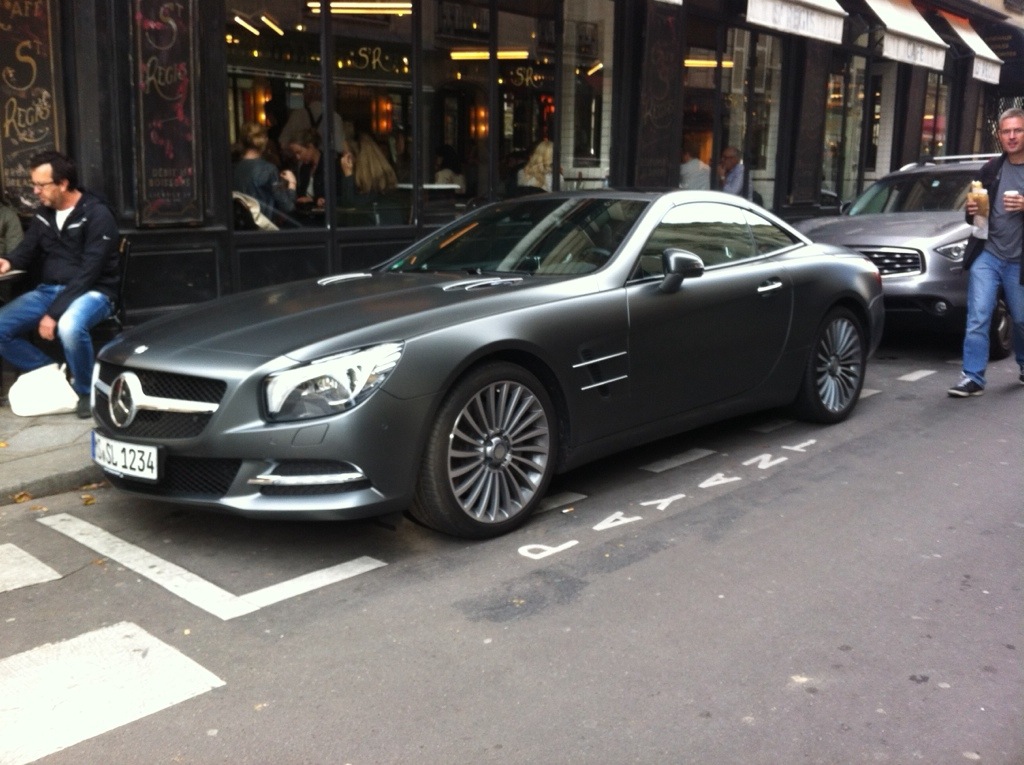
A Mercedes convertible in matte finish paint:
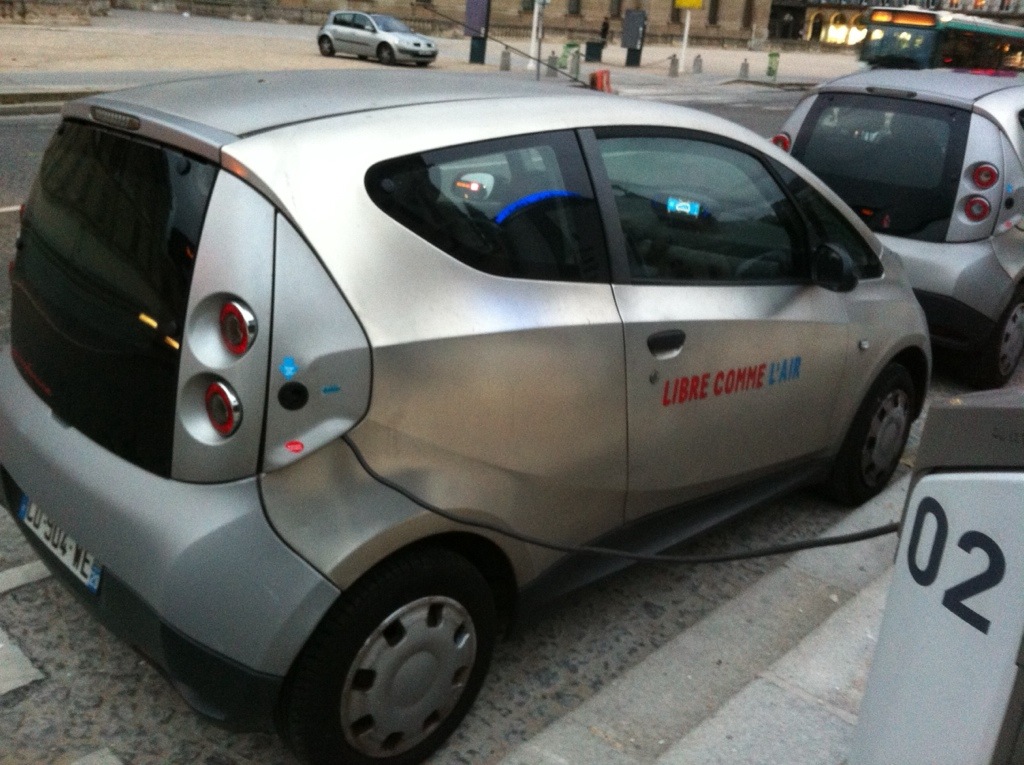
And at the opposite end of the form-vs-function/performance-vs-economy spectrum, there were the Lib’aire electric car sharing cars:
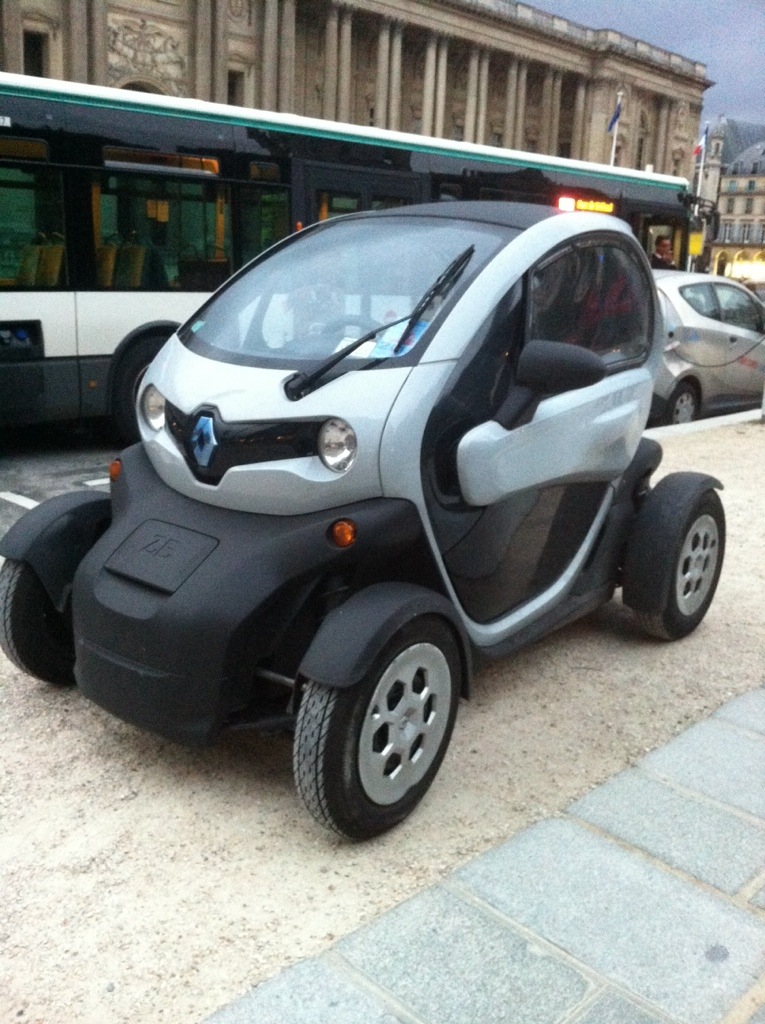
And this funky Renault tandem in-line two seater that could park on the sidewalk it was so narrow.
 dcphotoartist