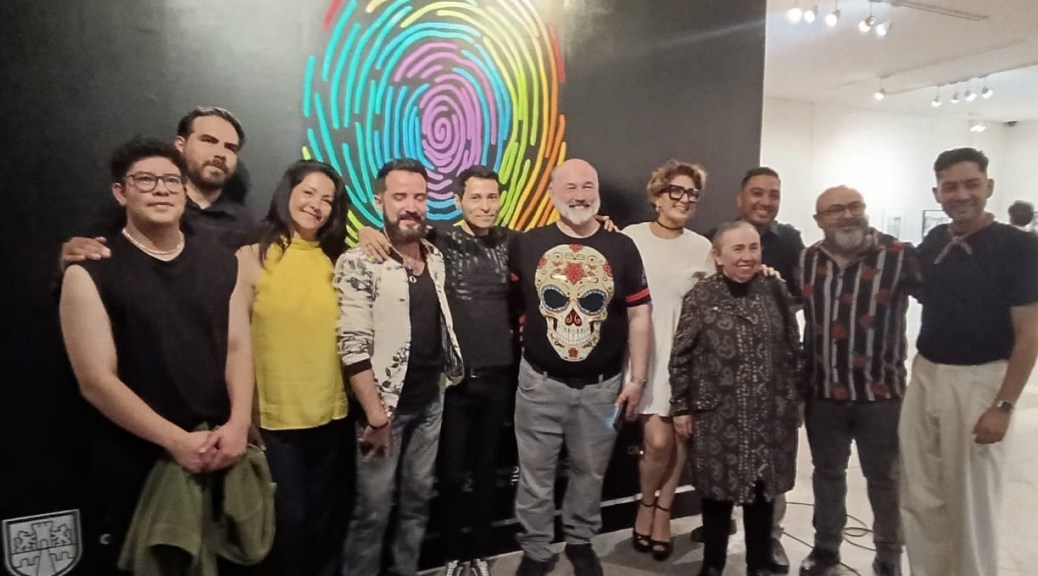
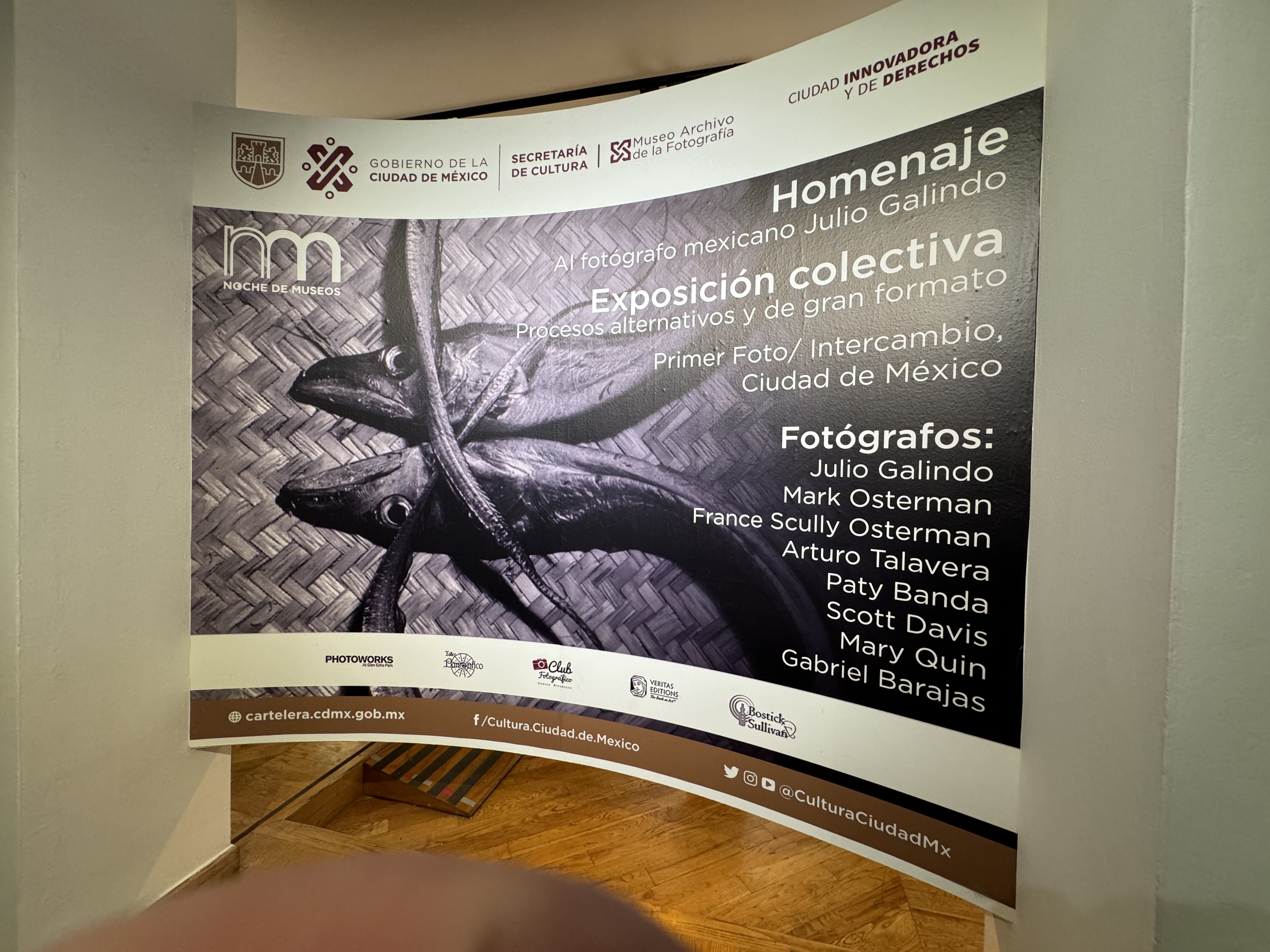
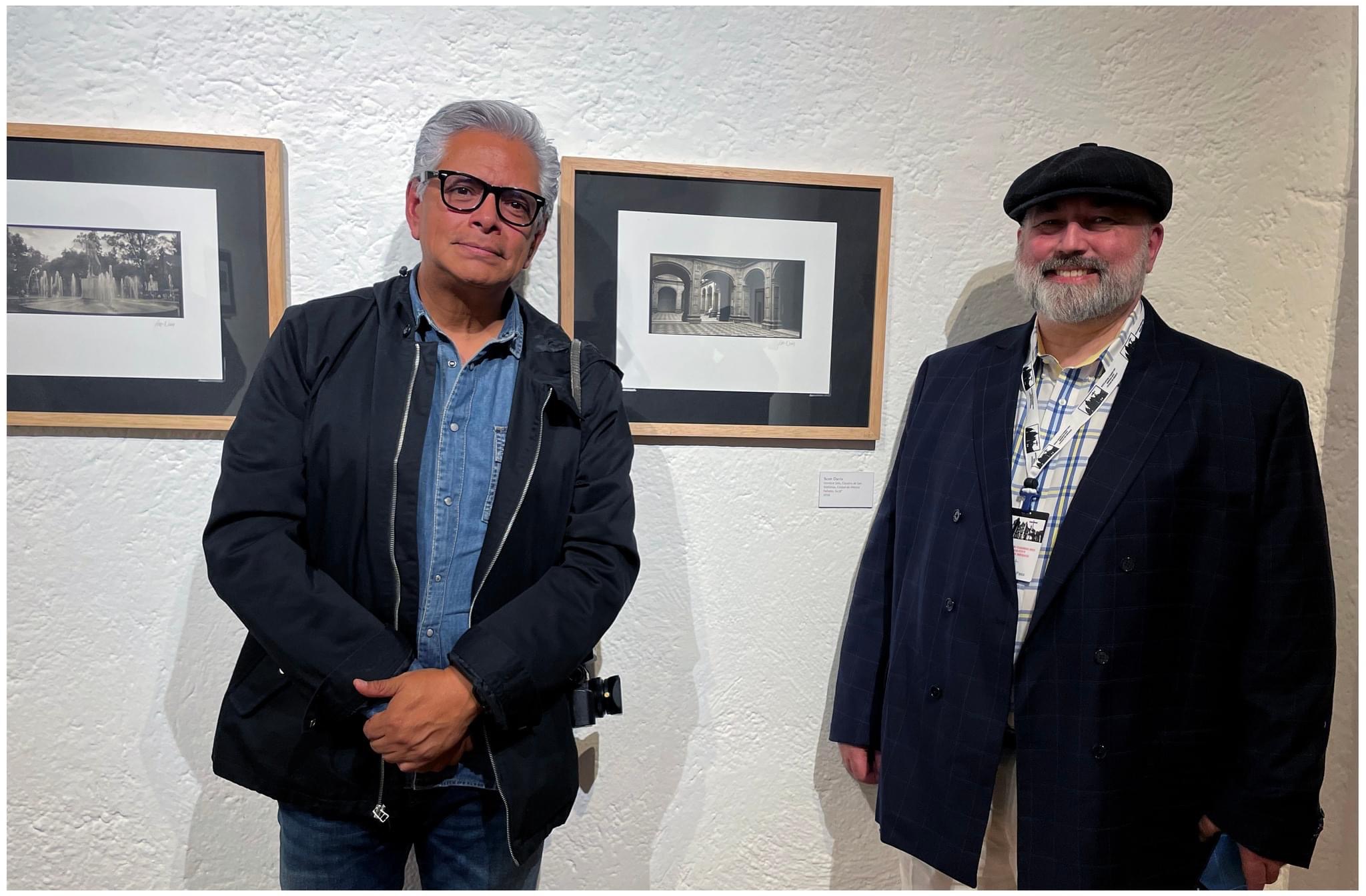
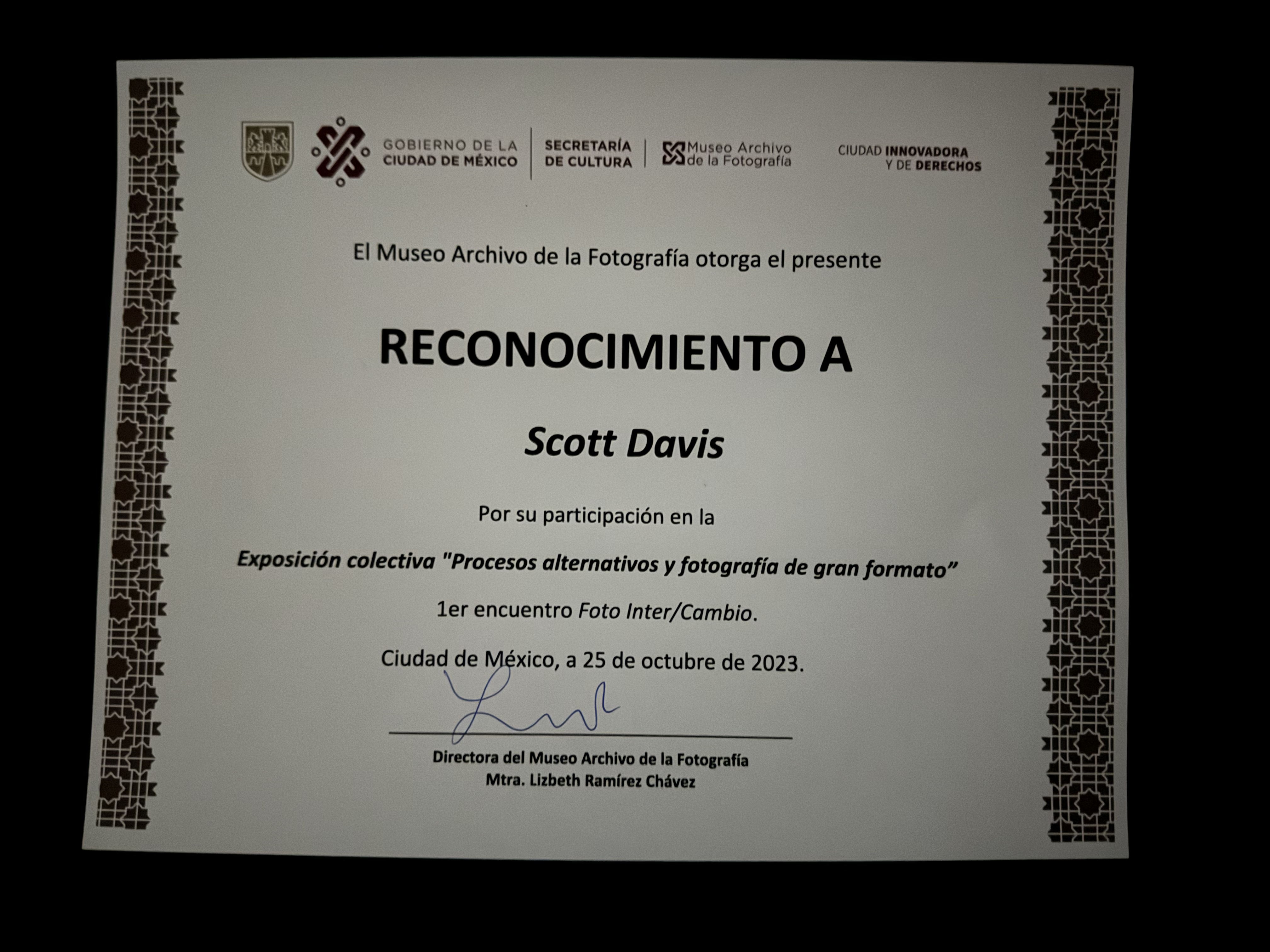
I am still trying to find words to describe how absolutely overwhelmingly wonderful last night was. I had previously shown some work in a group exhibit at the Museo as part of the Foto Inter/Cambio conference, and even then they treated me as some kind of photographic rock star – I was part of the ribbon-cutting ceremony to open the exhibit, they asked me to speak publicly, and I received a certificate of recognition for helping to organize the conference.
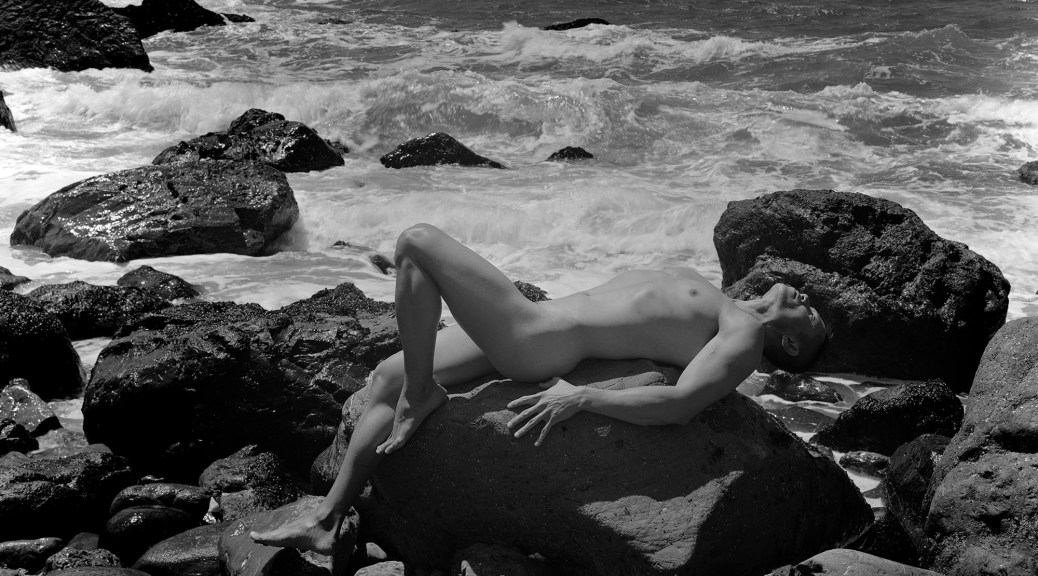
I had brought additional personal work in a portfolio that I was planning to share with attendees of the conference. This included a bunch of my male nudes. One of the staff members saw that work, and was very interested in it. He asked me to show it to one of their curators, Juan Pablo Cardona. Juan Pablo was very taken with the work, especially the four-color gum bichromate prints I had made of an African-American model.
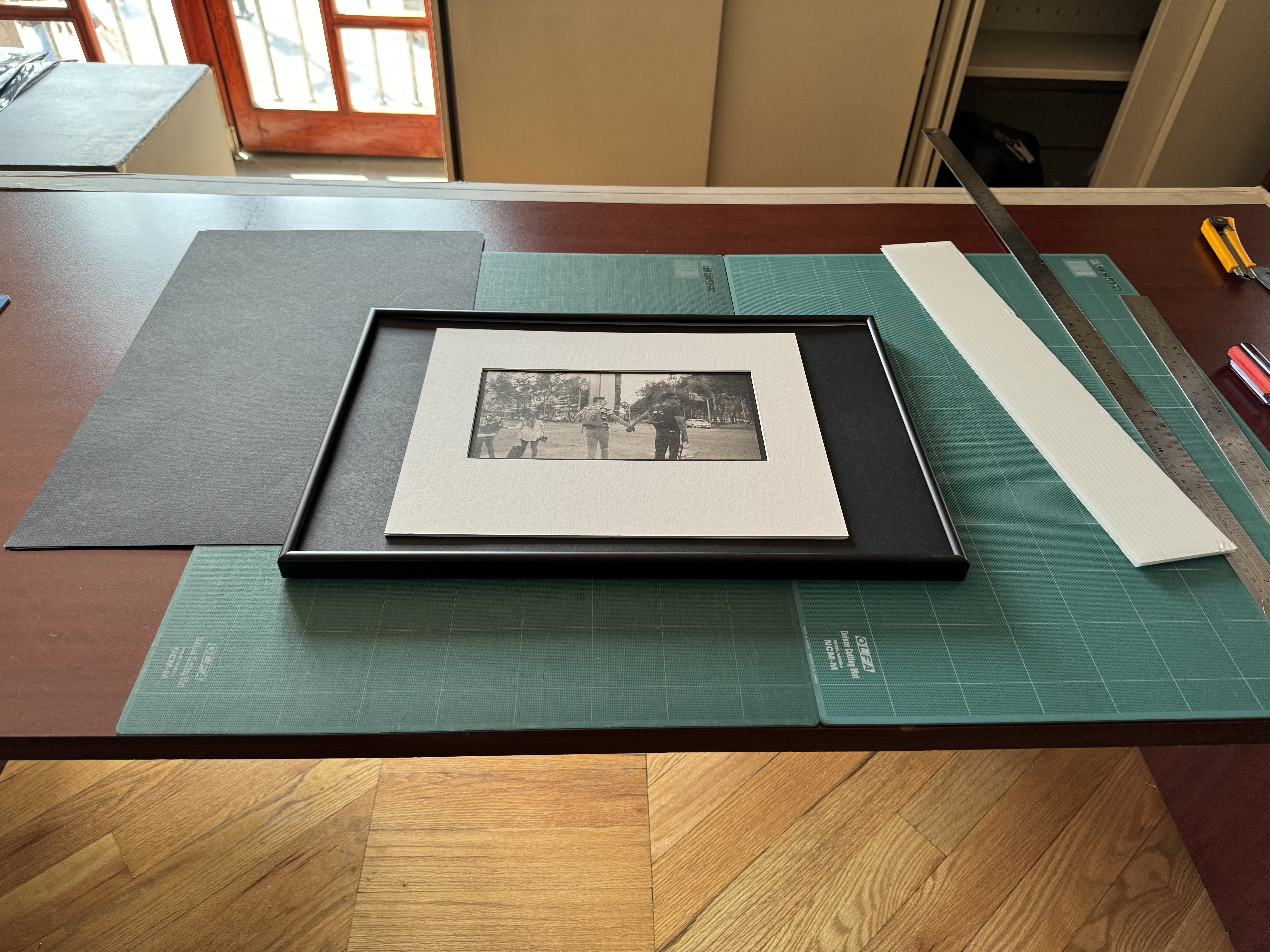
At the opening reception for the Foto Inter/Cambio show, he asked if I would be willing to show that work to the museum director. Not being an idiot, of course I said yes. We stepped off the floor of the reception and into the museum’s framing lab where my portfolio had been stored for the day, and Lizbeth Ramirez, the director, along with Juan Pablo and another museum staffer, had me go through my portfolio.
Everyone was excited by my work, and at that time Juan Pablo asked if I would be interested in participating in a show for this year’s Pride celebrations. Of course I said YES! And thus began the journey to yesterday’s opening.
I got to the museum a bit before 6 PM – the opening was scheduled to start at 7, and they had asked all of us artists to be there an hour ahead of time. That was my first glimpse of the installed exhibition:
panoramic view of the galleryMy wall in the gallery
The museum staff did an absolutely amazing job of preparing the space – I love the way they used color blocks on the walls to break up the space and give the work a flow and a rhythm around the room. This gallery is on the first floor of the museum immediately off the entrance, so public visibility is excellent. I had expected this would be in their upstairs gallery where we had the show last year for the conference, but this is the big deal.
Also to my surprise, I was selected to be one of three of the fourteen artists to speak at the opening. They also listed my name first on the list of participating artists, which to me was a very high honor.
When organizing the event, the museum staff indicated it was limited to 100 people. I think over the course of the evening, significantly more than that came. When I turned around to look at the crowd waiting to be admitted, I was absolutely stunned at how many turned up.
I’ve never had a crowd this big or this enthusiastic at an opening before. This exhibit, and especially this opening night reception, has been the absolute high point of my career to date and quite possibly the most incredible night of my life.
I realize I am incredibly tardy in posting this, on the cusp of the closing of the show (the museum very generously extended the show through September 2!). I wish I could be there in person for the take-down and to collect my work (I have a friend who will be picking it up and storing it for me until I am back in CDMX next), but that wouldn’t be practical.
I’ve been doing a LOT of printing lately, in preparation for the shows in Mexico City. I did some serious darkroom cleaning too, getting my print washers disassembled and scrubbed clean of all the mineral deposits that accumulate from using DC city water, and got all the stuff out of the sink that was cluttering it up so I could print big. I’ll be doing some copy photos of the big prints I did shortly, and have them posted here. But all that work inspired me to not only do more printing, but to be adventurous in my artistic endeavors, and push out of my comfort zone.
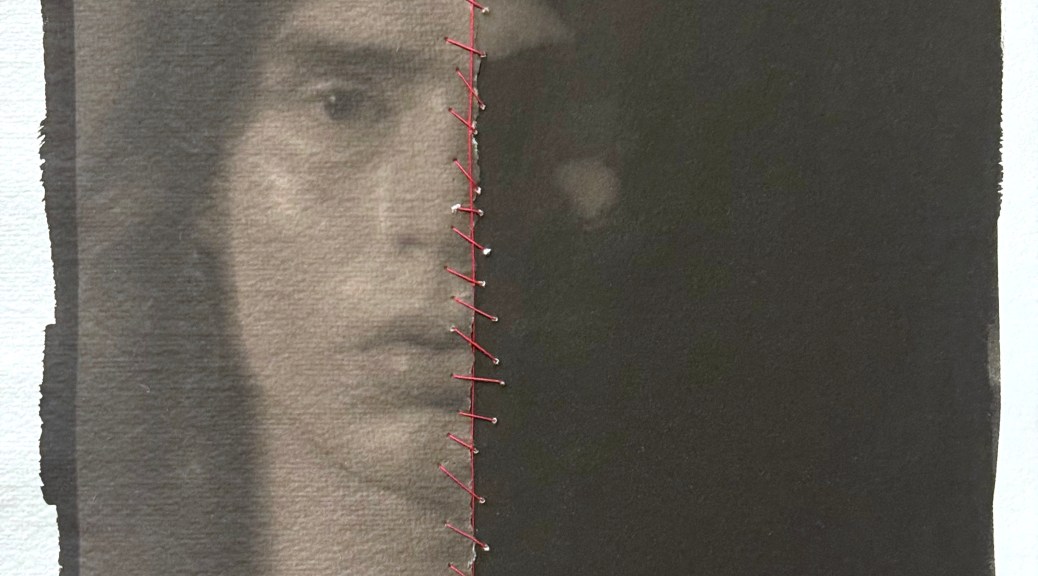
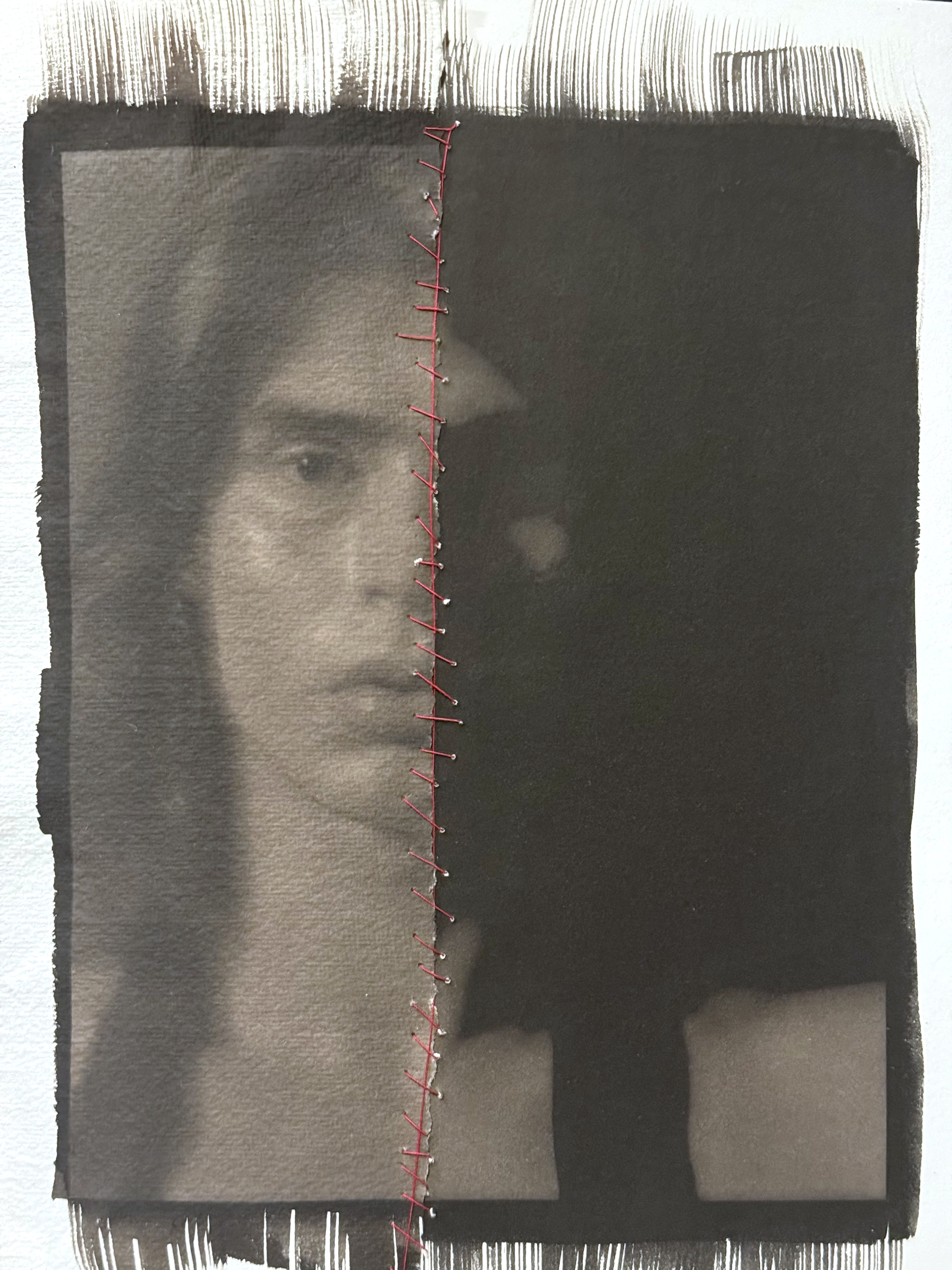
I have thought for quite some time about trying this, and thanks to a little push from my friend Jeremy Moore who lives down in Texas, I took the plunge last night and did some interventions on my prints that many would consider heretical. I made two different digital negatives from the same image, one with high contrast and one with normal contrast. The one with normal contrast I printed on Velke Losiny Prague, which is a light-weight cold-press paper with lots of texture. The high-contrast/dark print is on Revere Platinum, which is a heavy-weight hot press smooth paper. I then tore the print on the Velke Losiny paper in half, and then stitched the two prints together with red thread.
This is an exciting change for me, getting more experimental and risk-taking with my photographs. I’m going to do a lot more with the “destructive/reconstructive” mode of working – I think it opens up the work to being less literal and more visually and psychologically explorative.
I’m going to have work in not one, but TWO shows in Mexico City the end of June. Show number one is at the Museo Archivo de la Fotografía. The show is called “Geografía del Cuerpo” and features work by eleven photographers creating work dealing with gender, sexuality, identity and politics.
This show will be a minor retrospective for me as it includes work I’ve made across the last 20 years. I’m including some unique gum bichromate prints that I made in the 2000s, some infrared shots of male nudes in the landscape printed in palladium on kozo paper (a Japanese paper made from kozo bark which is almost tissue-like) that were shot in the 2010s and printed recently, and some studio nudes I did just last year. Pensive (Kodak HIE, palladium on Awagami Platinum kozo paper, unique print)Torso Moreno (four color gum bichromate, unique print)Narcissus (palladium on Saint Armand Frobisher paper, edition of three)
The opening reception will be held on Wednesday June 26 from 5-7 pm, and the show will be up through the end of July. I will be in attendance at the opening reception, so if you’re in the neighborhood please stop in and say hi!
The second show also features images dealing with gender, sexuality, identity and politics, this time at Eucalipto 20, an independent art center in the Santa Maria Ribera neighborhood. The gallery is a short walk from the Buenavista bus/metro/train station. The building is somewhat nondescript on the outside, so watch carefully for the street numbers.
James, Rocks, San Francisco 2001 (platinum print, edition of 5)James, Tree, Lands End Beach, San Francisco 2001 (platinum print, edition of 5)
The opening reception will be June 22, so I will not be in attendance, but we will have an artists talk during the week, dates and times to be announced.
This is long long long overdue, but better late than never. Especially since we are in the throes of planning the next iteration which will be in March of 2025!
Over three days we had five seminars, two photo walks, a Day of the Dead environmental portrait shoot, two hands-on demos, and opening and closing keynote speeches, plus an exhibition of alternative process work at the Museo Archivo De La Fotografía, Mexico City’s official photography archive. Images displayed in the exhibit ranged from salted paper prints made with wet collodion negatives to daguerreotypes of Mexico City to palladium prints to a fine press book with hand-tipped prints. A lot of images were made, and new friendships formed.
I want to first offer my sincerest gratitude to Gabriel Barajas, my business partner in this venture, without whose initial inquiry back in 2018 this would never have happened. He invested a massive amount of energy and time into making this happen here. I also want to thank all the people of the Club Fotografico Centro Historico who helped pull this off- their volunteer efforts from manning the reception desk to shooting video footage to getting us bottled water made the whole thing run. I especially want to call out Veronica Mondragón for her tireless logistics management.
Gabriel BarajasMary Quin with Veronica MondragónJuio Galindo
Another thank you goes to all the staff at the Museo Archivo De La Fotografía for their support. They provided us with a venue for our keynote events, and they expanded their offering of gallery space to turn what would have been a modest three-day pop-up show into a major, meaningful exhibition taking over an entire floor of the museum and running for two weeks. They also made me feel like a rock star – I got asked to participate in the ribbon-cutting to open the show, and received a certificate of recognition from the Secretary of Culture for Mexico City for my efforts. They’re also inviting me back to give a platinum/palladium printing workshop some time next year, and a show of my portrait and figure work.
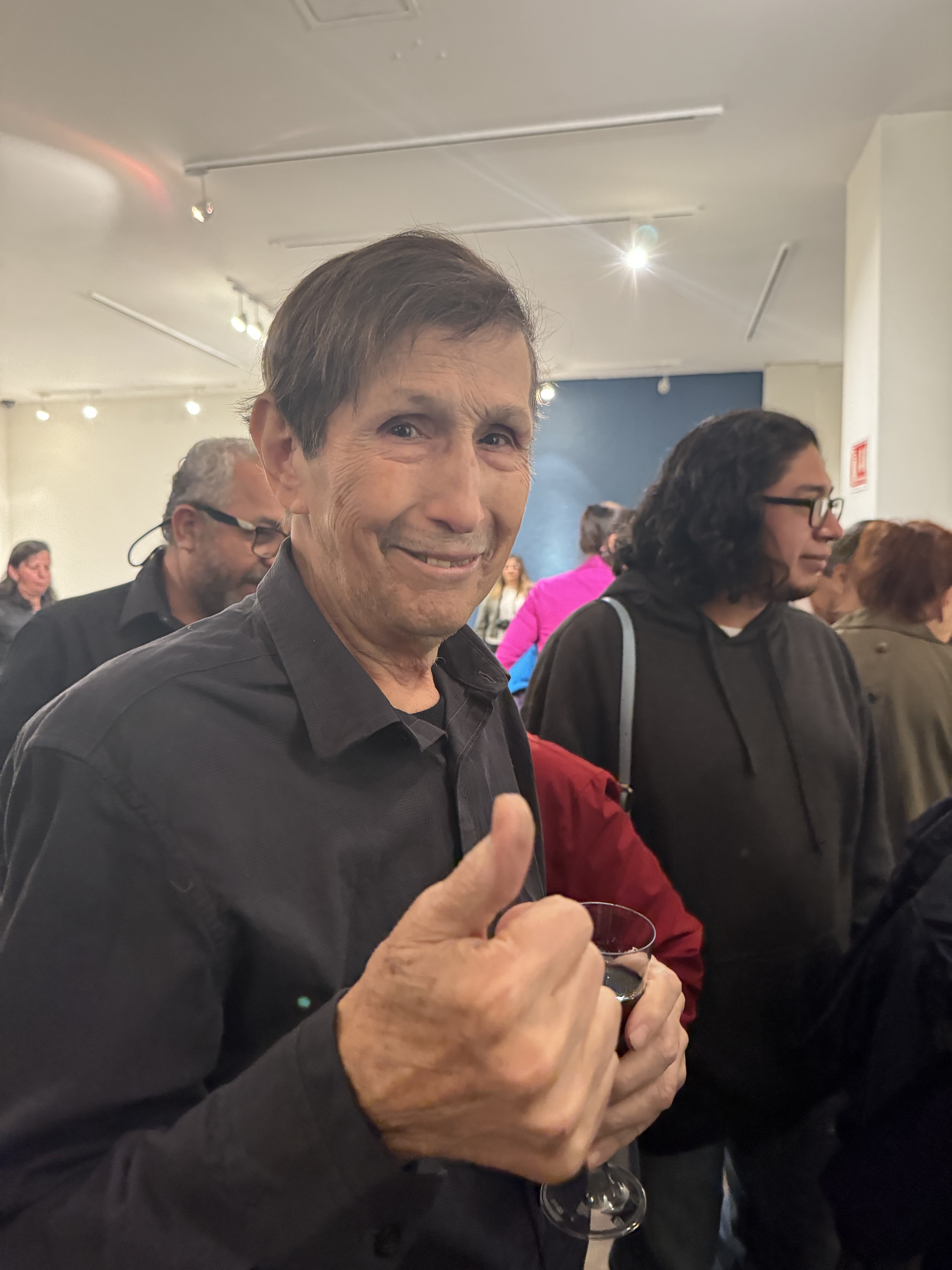
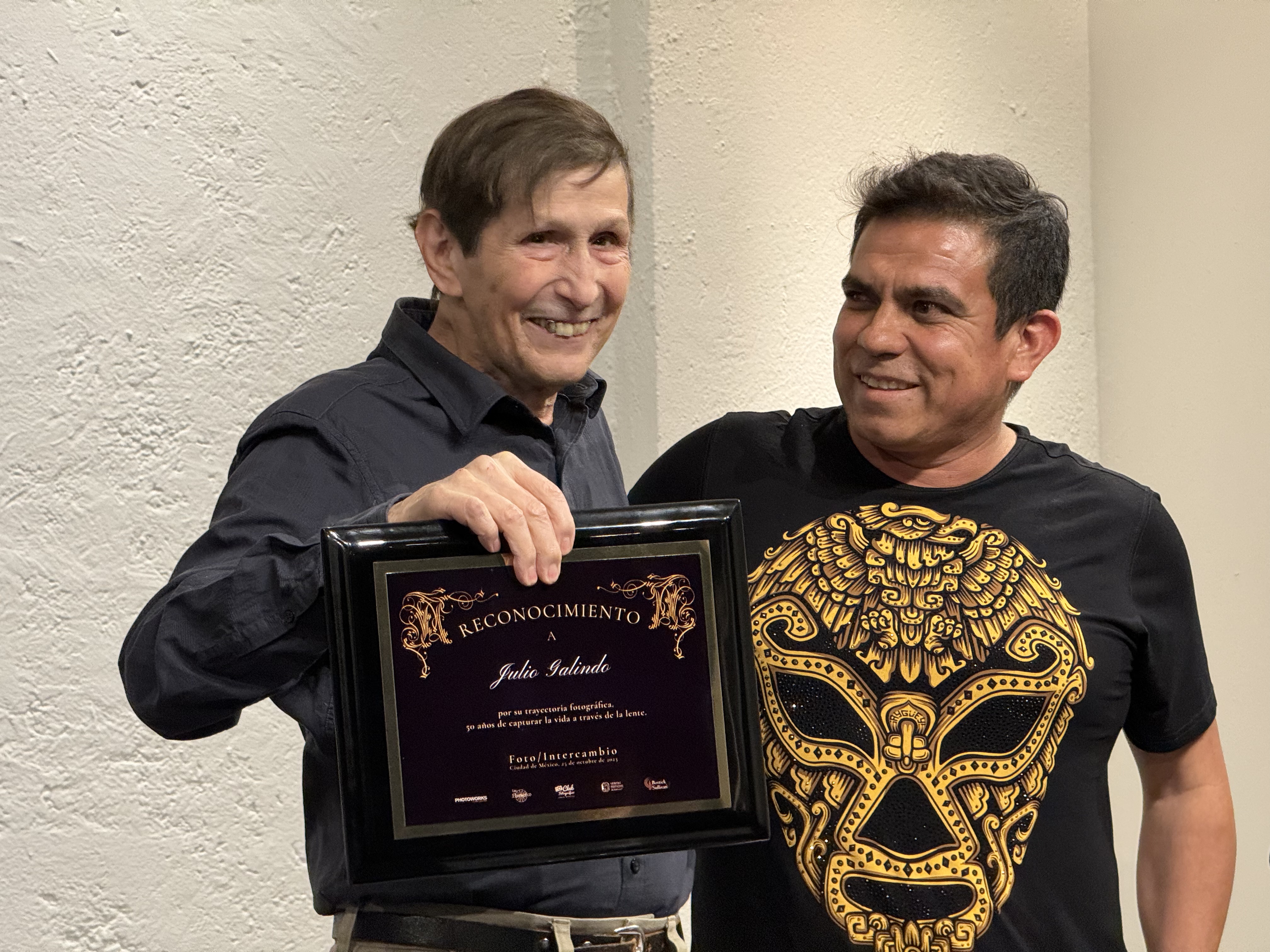
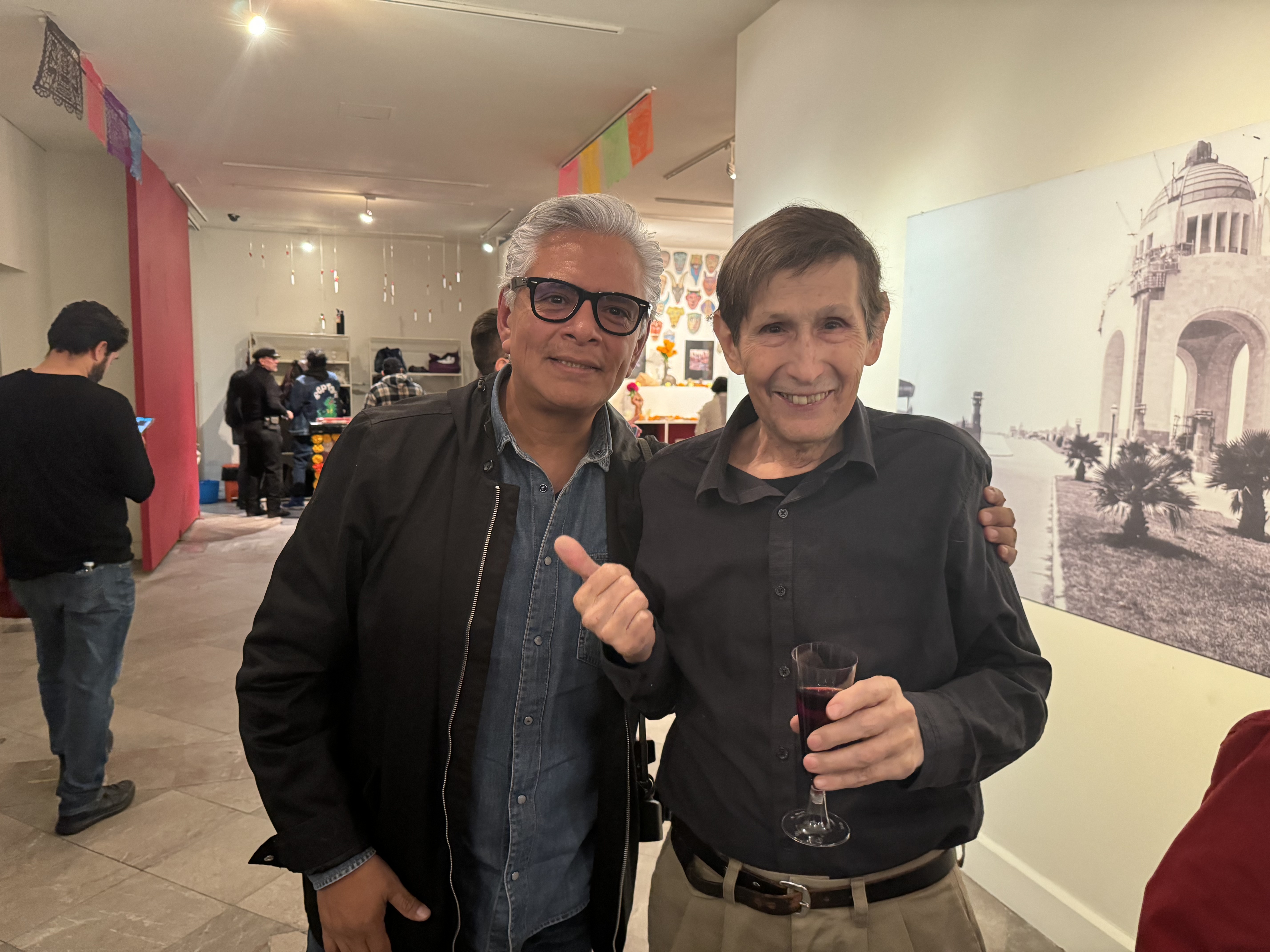
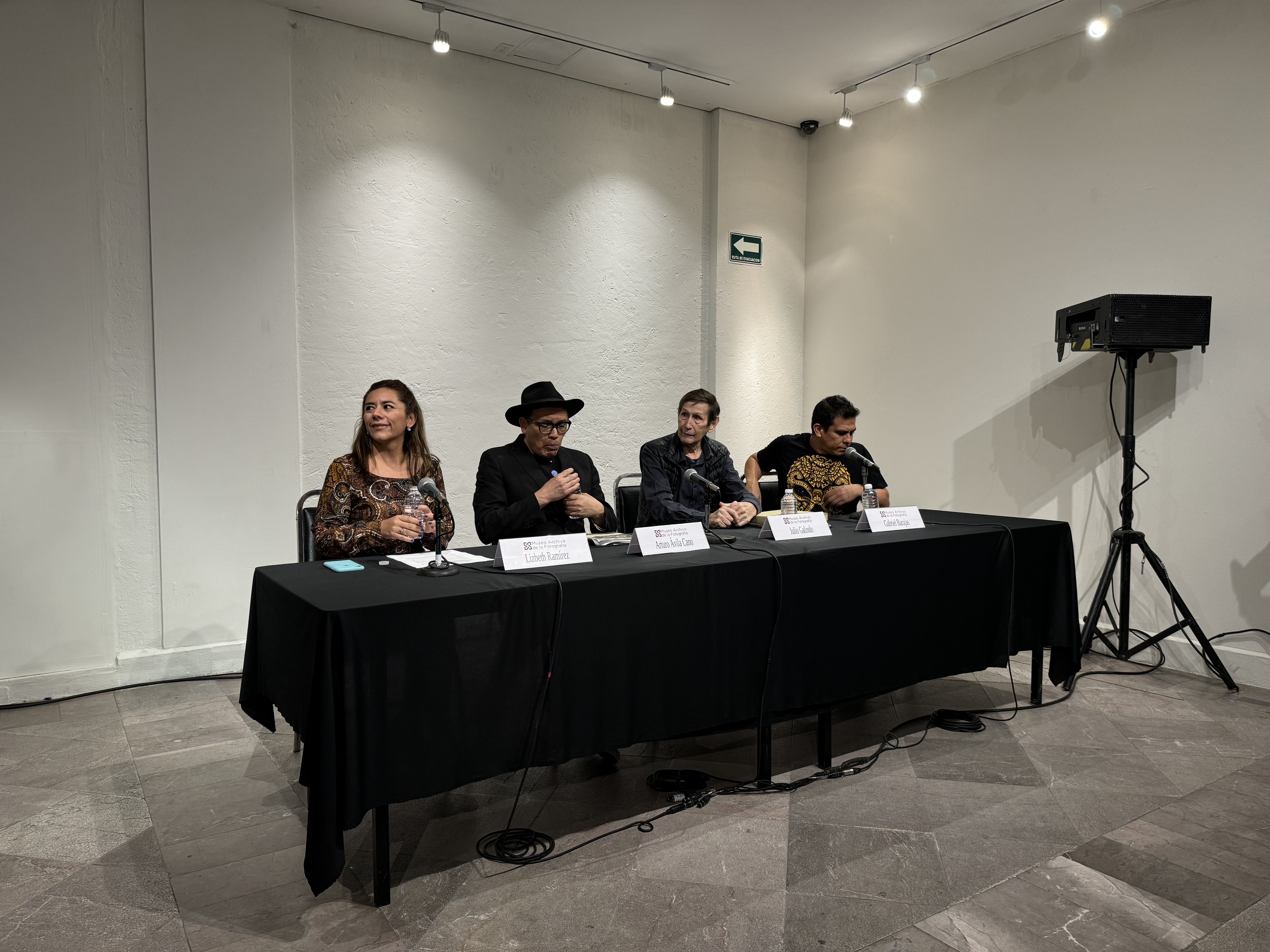
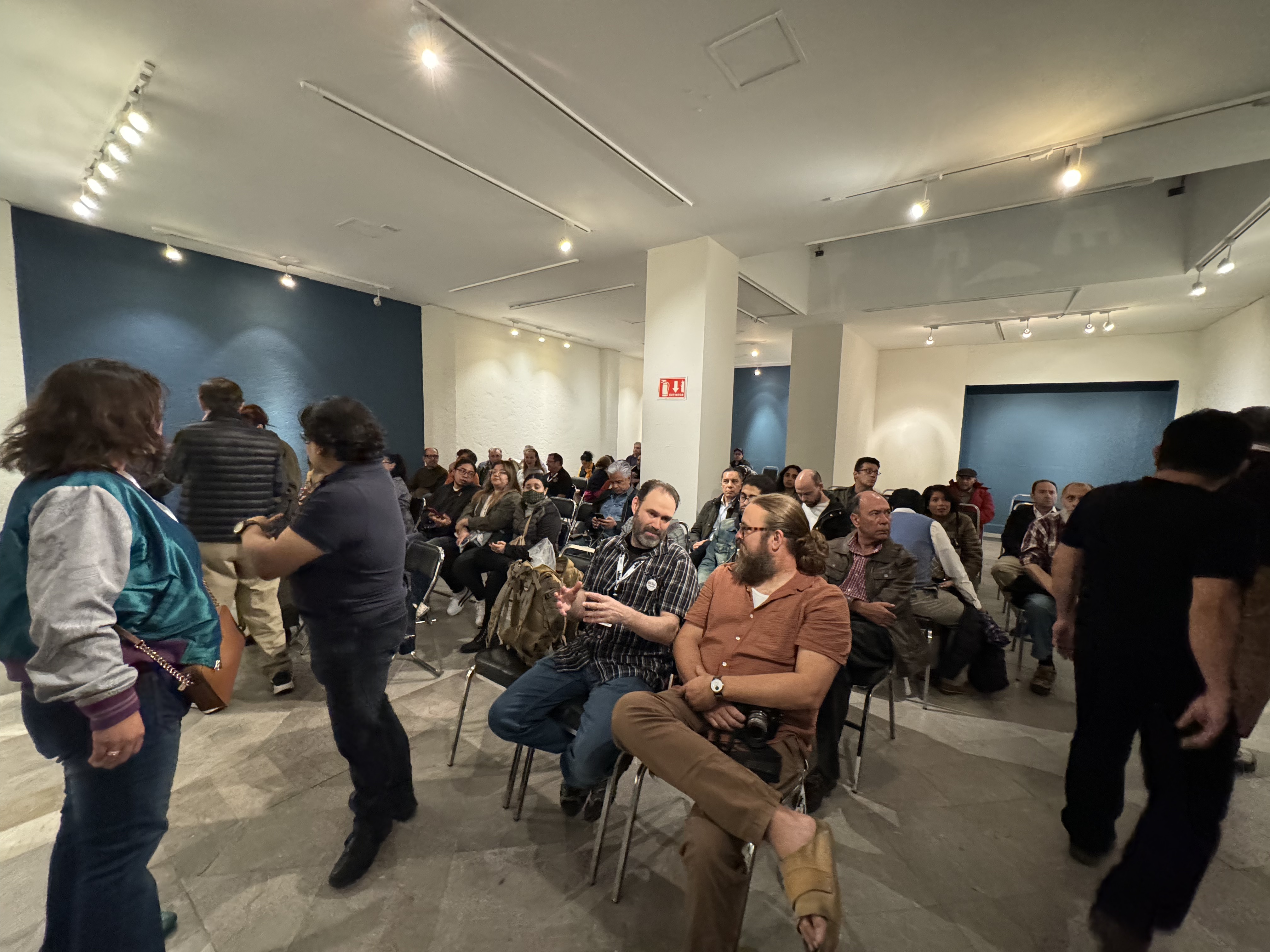
Some photos from the opening night reception at the Museo Archivo de la Fotografia, including the lifetime achievement award being presented to my friend Julio Galindo. As you can see from the last couple of images, we had a standing-room-only crowd. It was quite the evening, and I will never forget it.
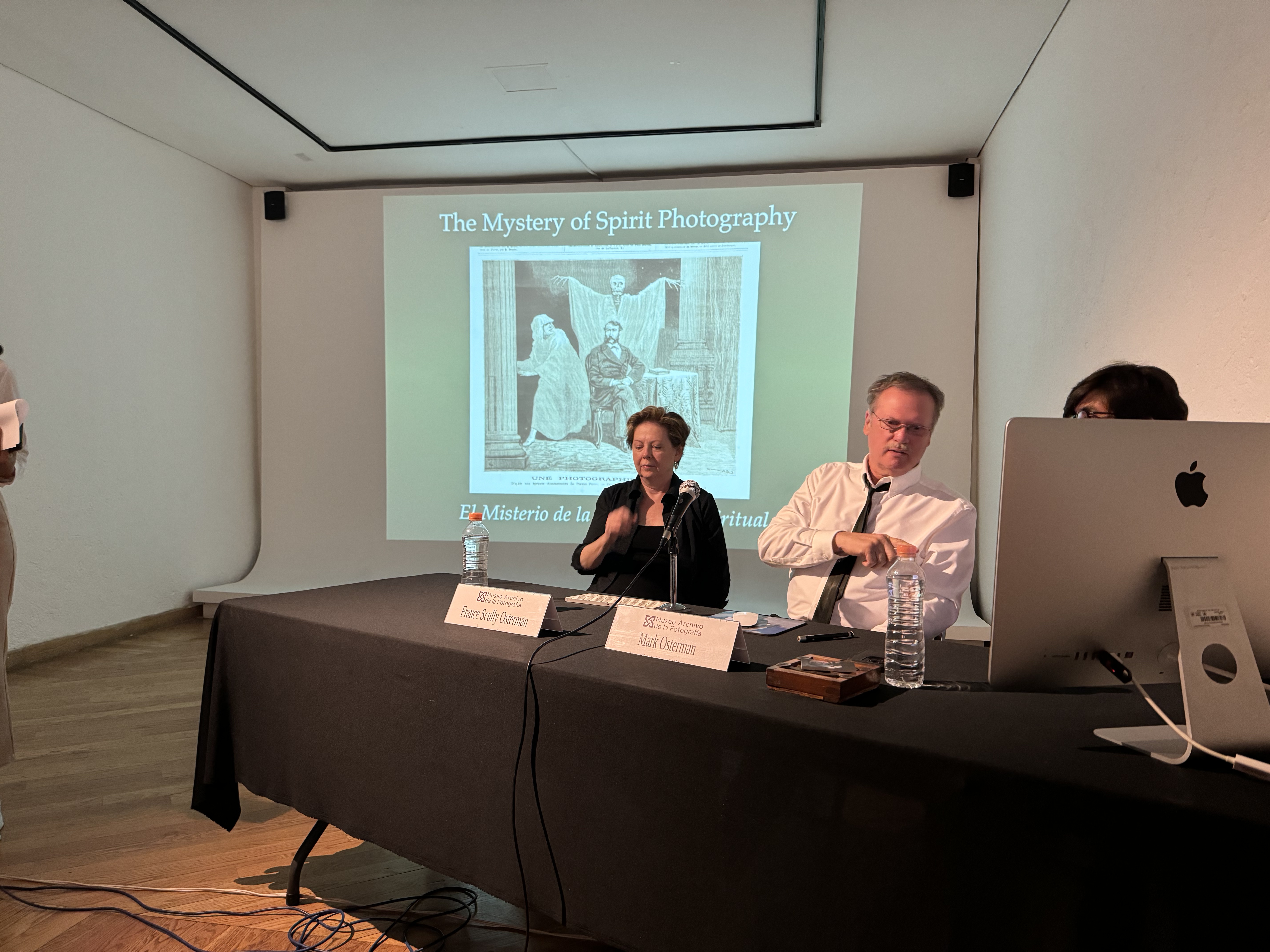
Julio Galindo with Gabriel BarajasFrance and Mark Osterman at the opening receptionJulio GalindoAlejandro Sanchez Mociños and Julio GalindoAlejandro Sanchez Mociños with meArturo Avila Cano and Julio GalindoPanel presentation of award to JulioOpening night crowdopening night crowd
I don’t know of a bigger thrill for an artist than to have the director of a museum request you to give them a portfolio review, and then turn around and offer you a show and a workshop (funded by the museum!).
We had three days of activities and presentations. There were two main themes to the conference this year: Daguerreotypes and Book Arts. Carlos Gabriel Vertanessian, an Argentinian photo historian, gave a talk about the history of early photography in Mexico, focusing on the beginnings of the Daguerreotype in Mexico. Takashi Arai and Paty Banda gave a joint presentation (perhaps the most technically challenging presentation to pull off; Takashi was in Japan and calling in at 4AM his time, while Paty was also calling in from another location in Mexico City). They are both 21st century Daguerreotypists and talked about their personal work – Takashi with his interest in nuclear and environmental issues, and Paty with her rephotographic project doing 21st century daguerreotypes that re-created the earliest known photographs of Mexico City.
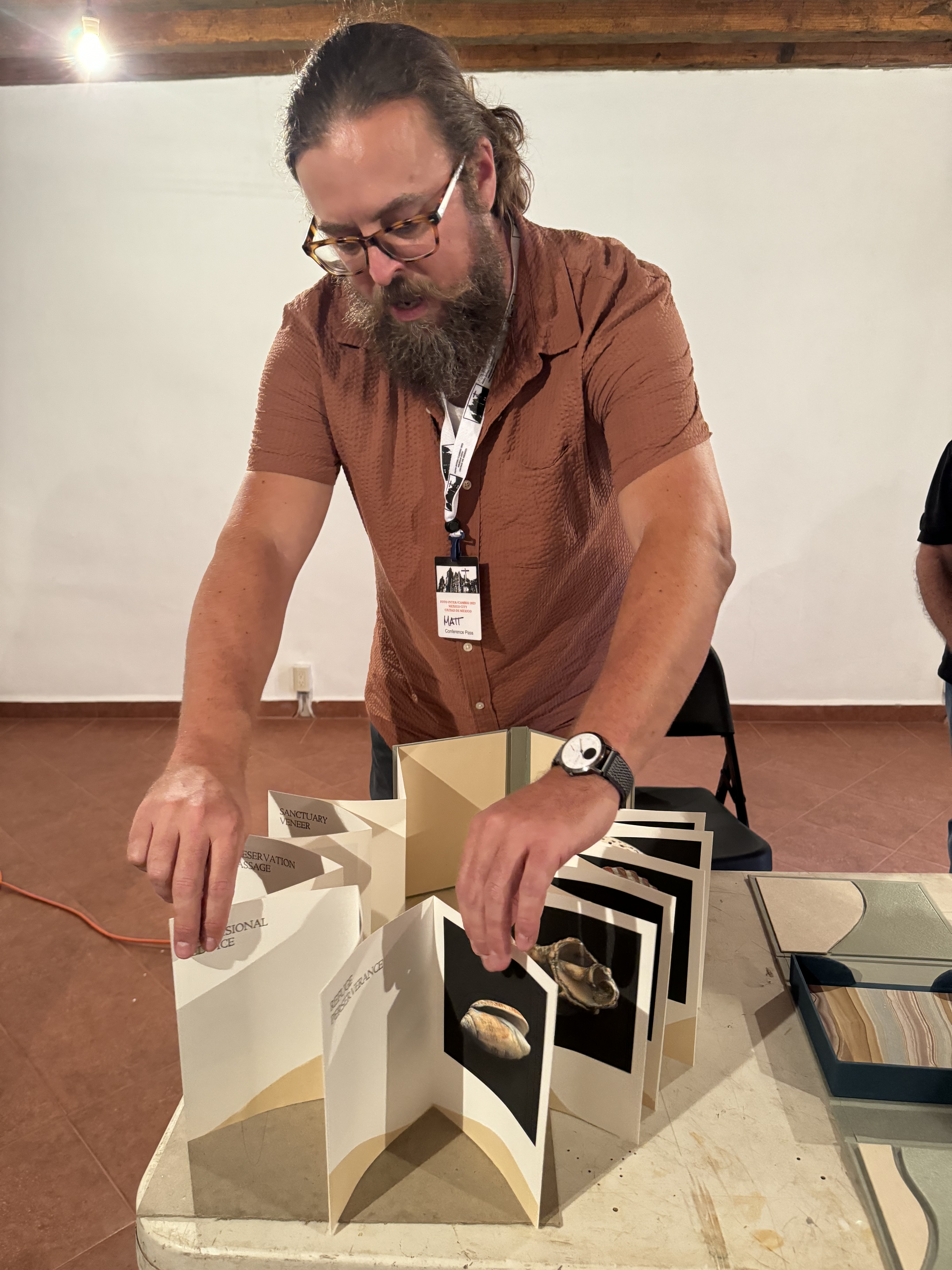
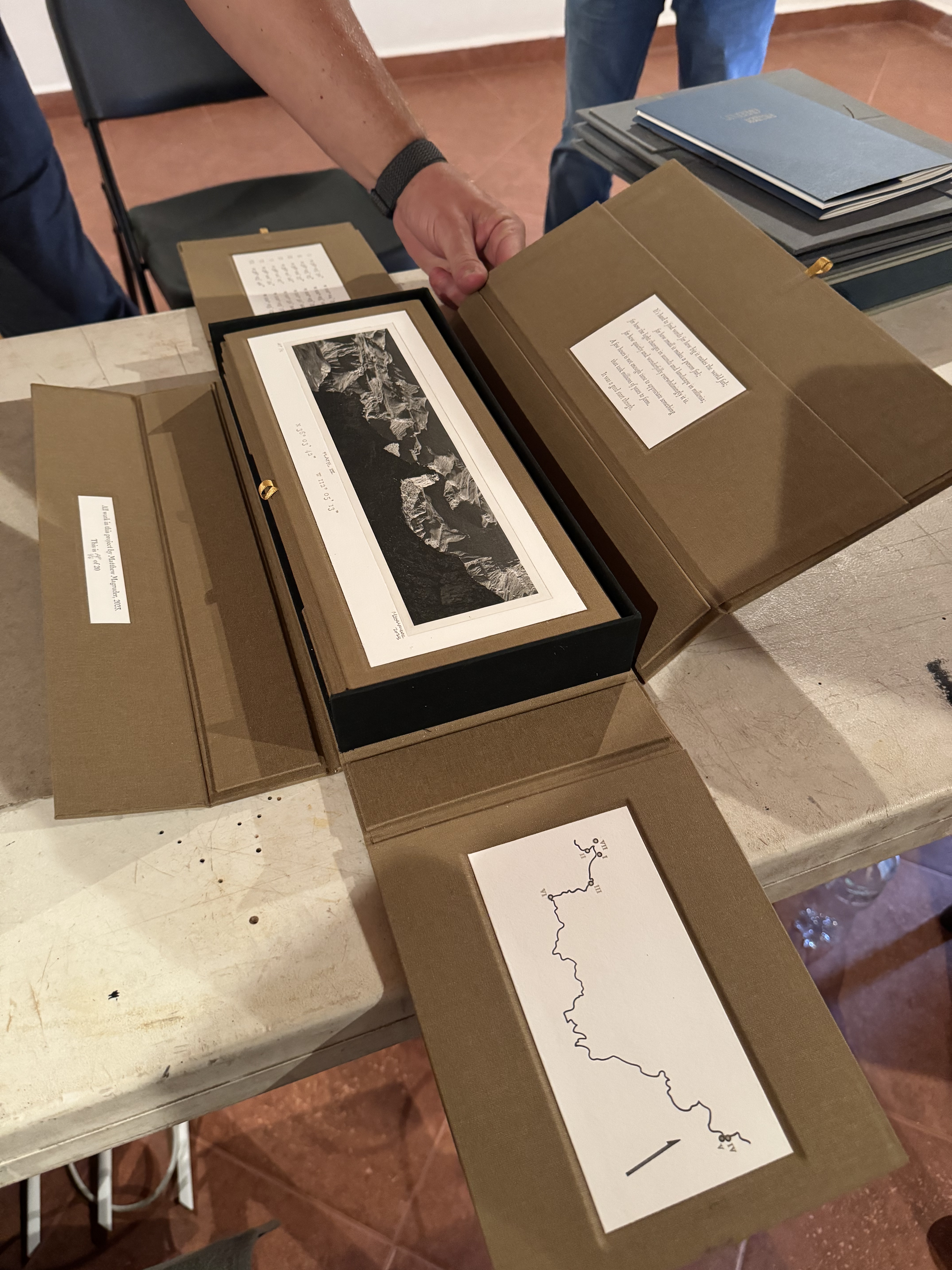
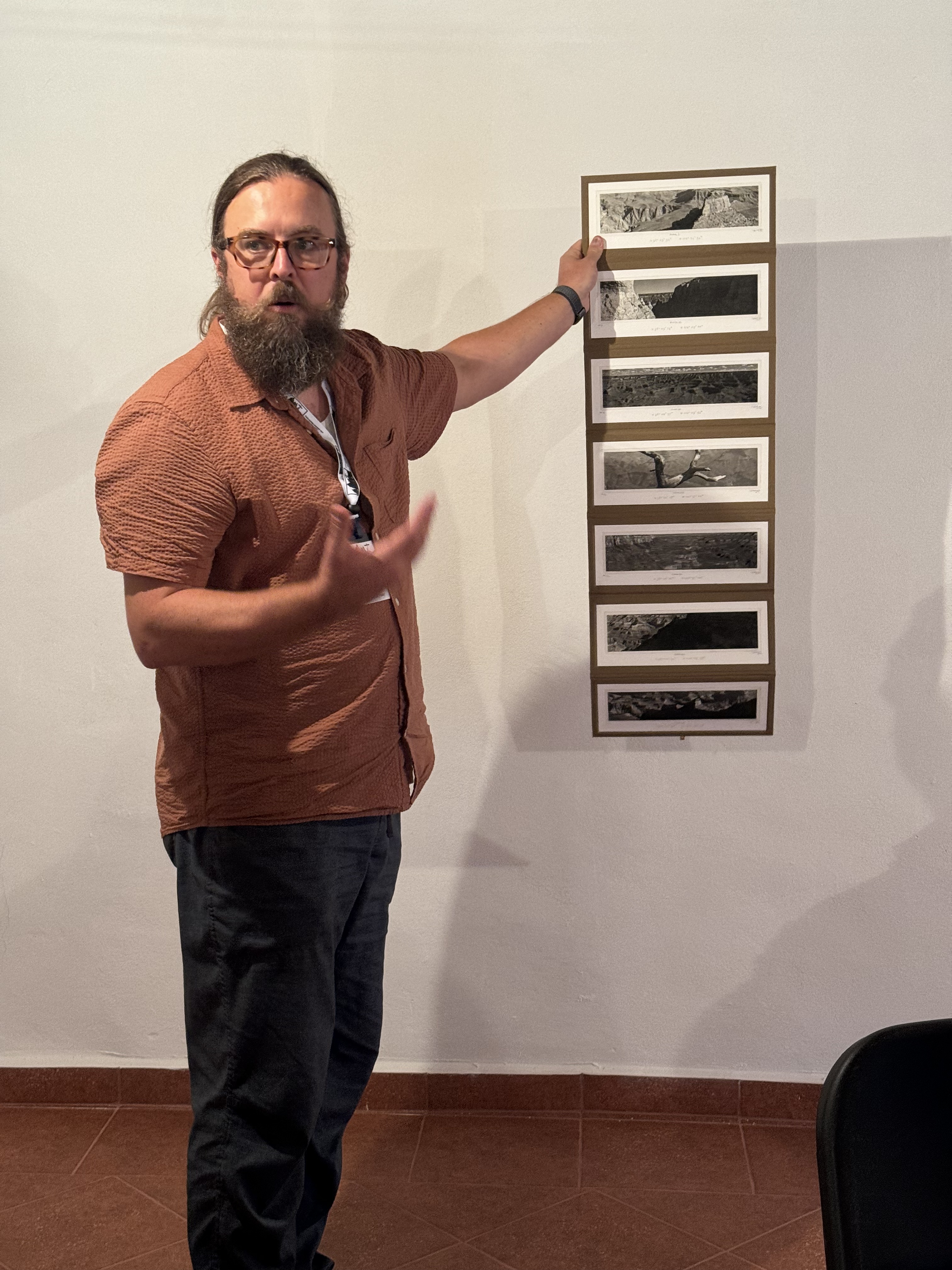
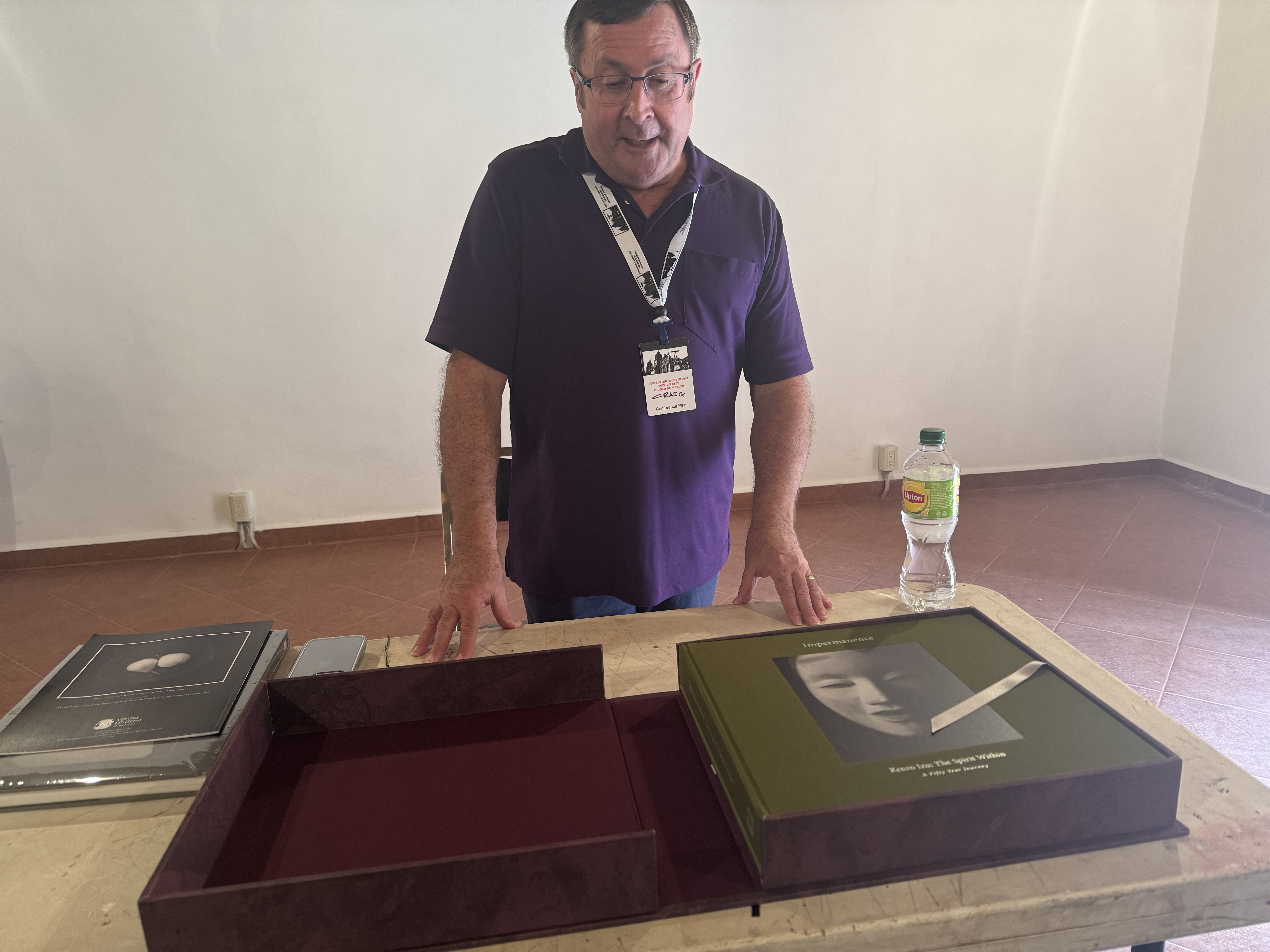
Matthew Magruder presented his work that spans multiple photographic disciplines; the work he presented centered on book arts and the handmade artists book. Craig Alan Huber (another person to whom I owe a great debt of thanks for his assistance in making this conference happen) gave a contrasting presentation on publishing fine art books, from “trade press” to the extremely limited edition fine-art volumes (usually cased in presentation boxes and accompanied by signed prints, etc). Craig is the owner and publisher of Veritas Editions, an award-winning press that specializes in high-end limited edition books.
Matt Magruder and Craig Alan HuberMatt Magruder and one of his accordion bookshand-made book of panoramic imagesMatt Magruder demonstrating panorama bookCraig Alan Huber and a fine press book from Veritas EditionsCraig showing a print accompanying the book
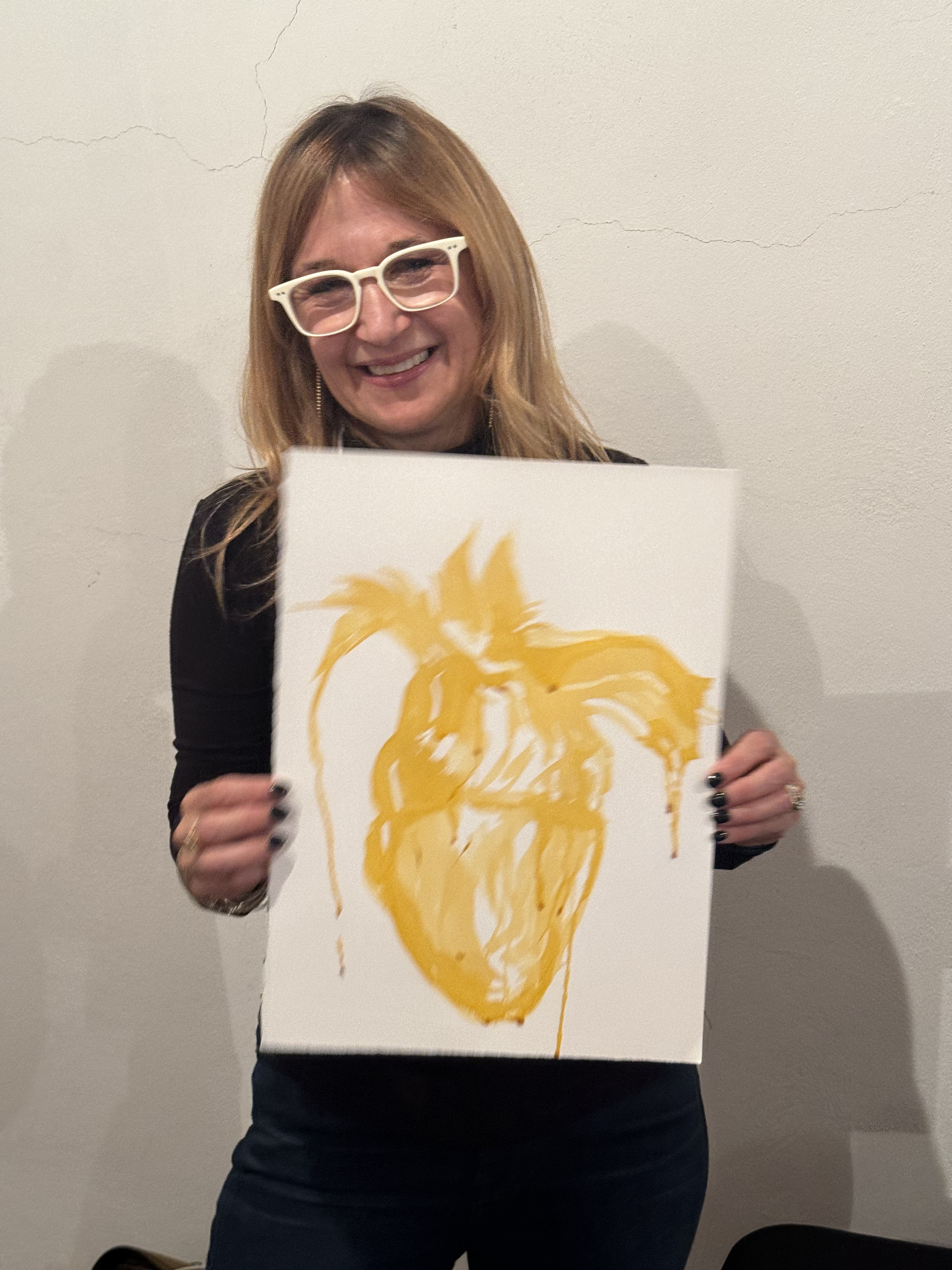
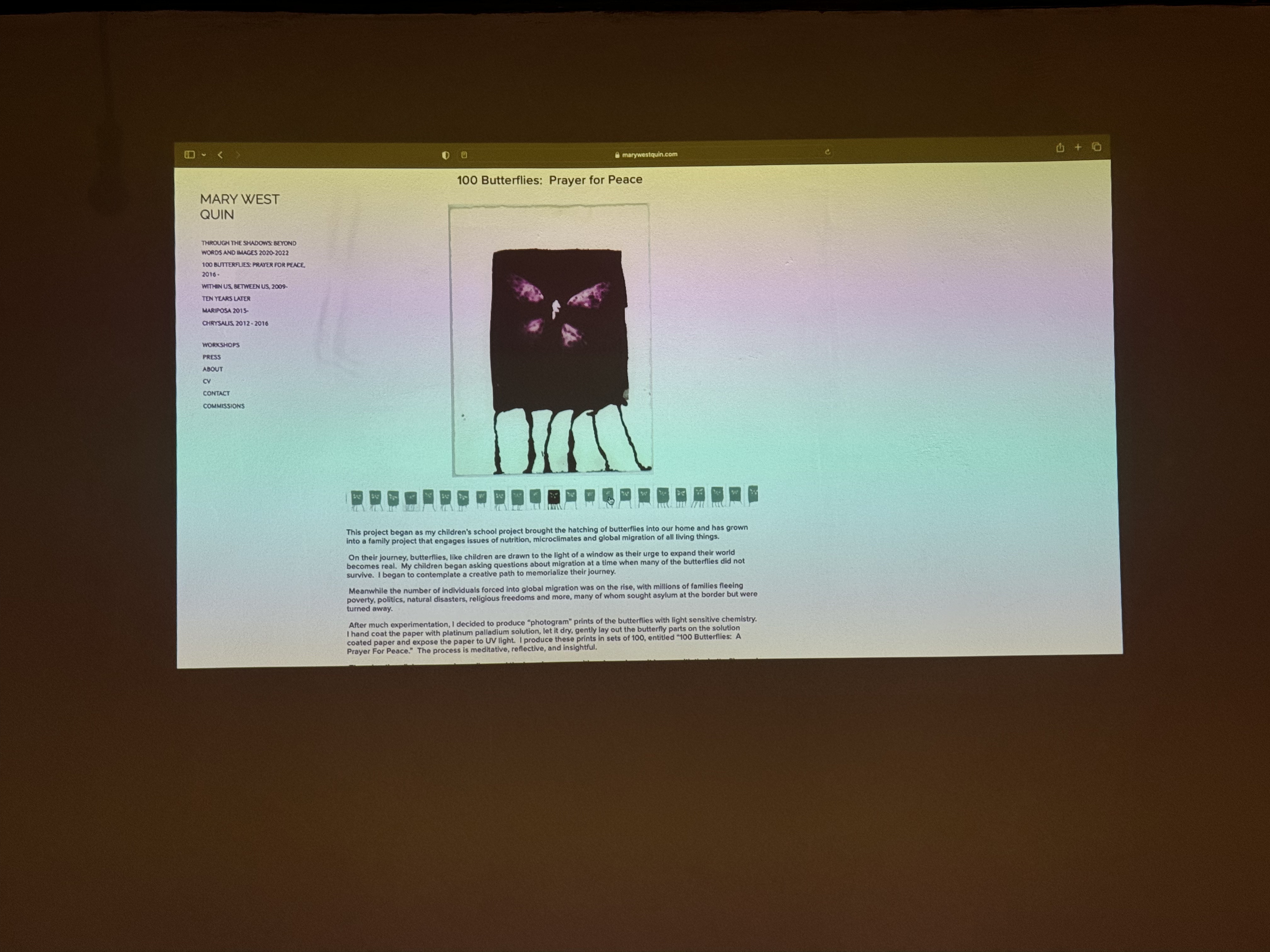
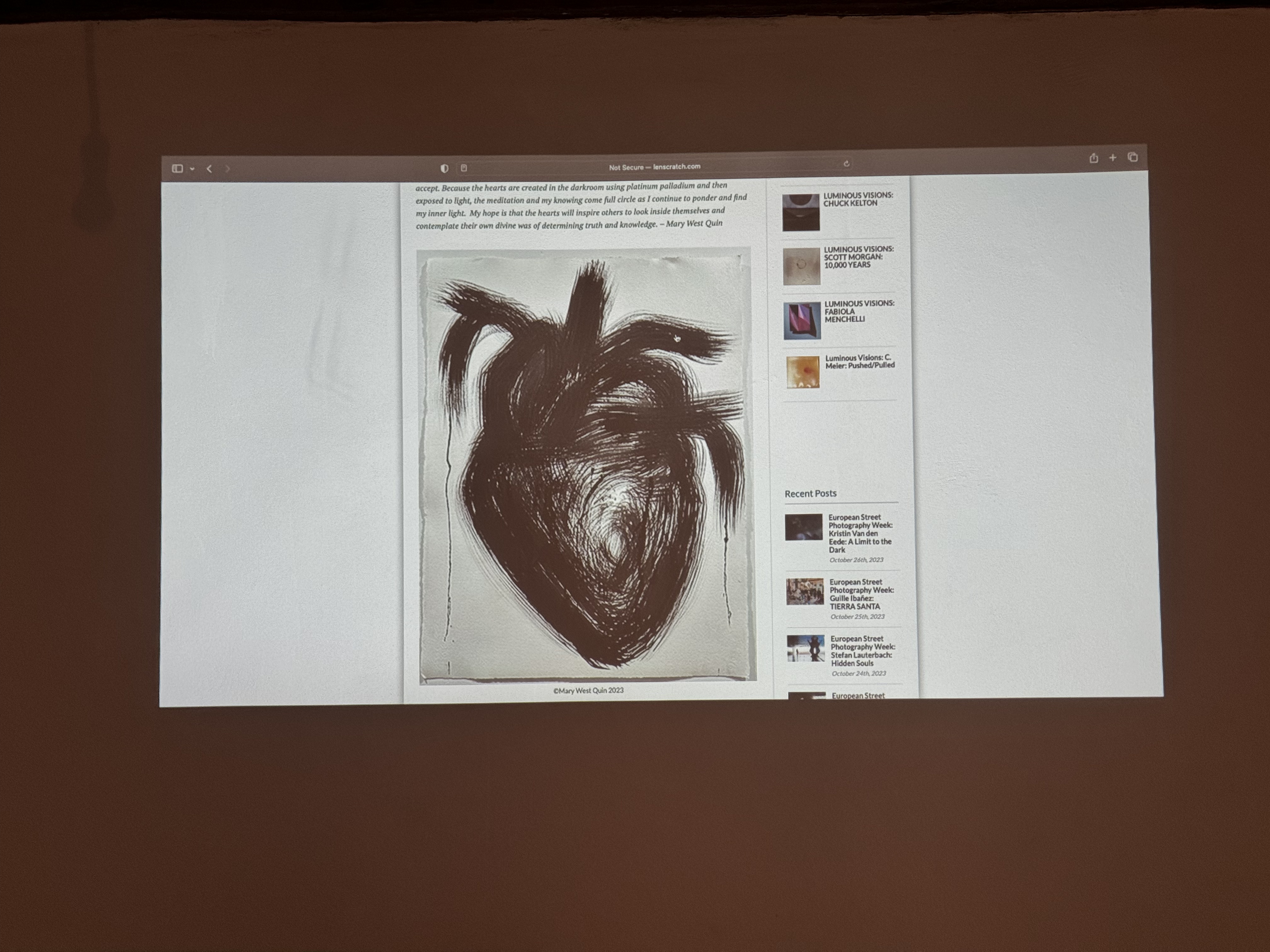
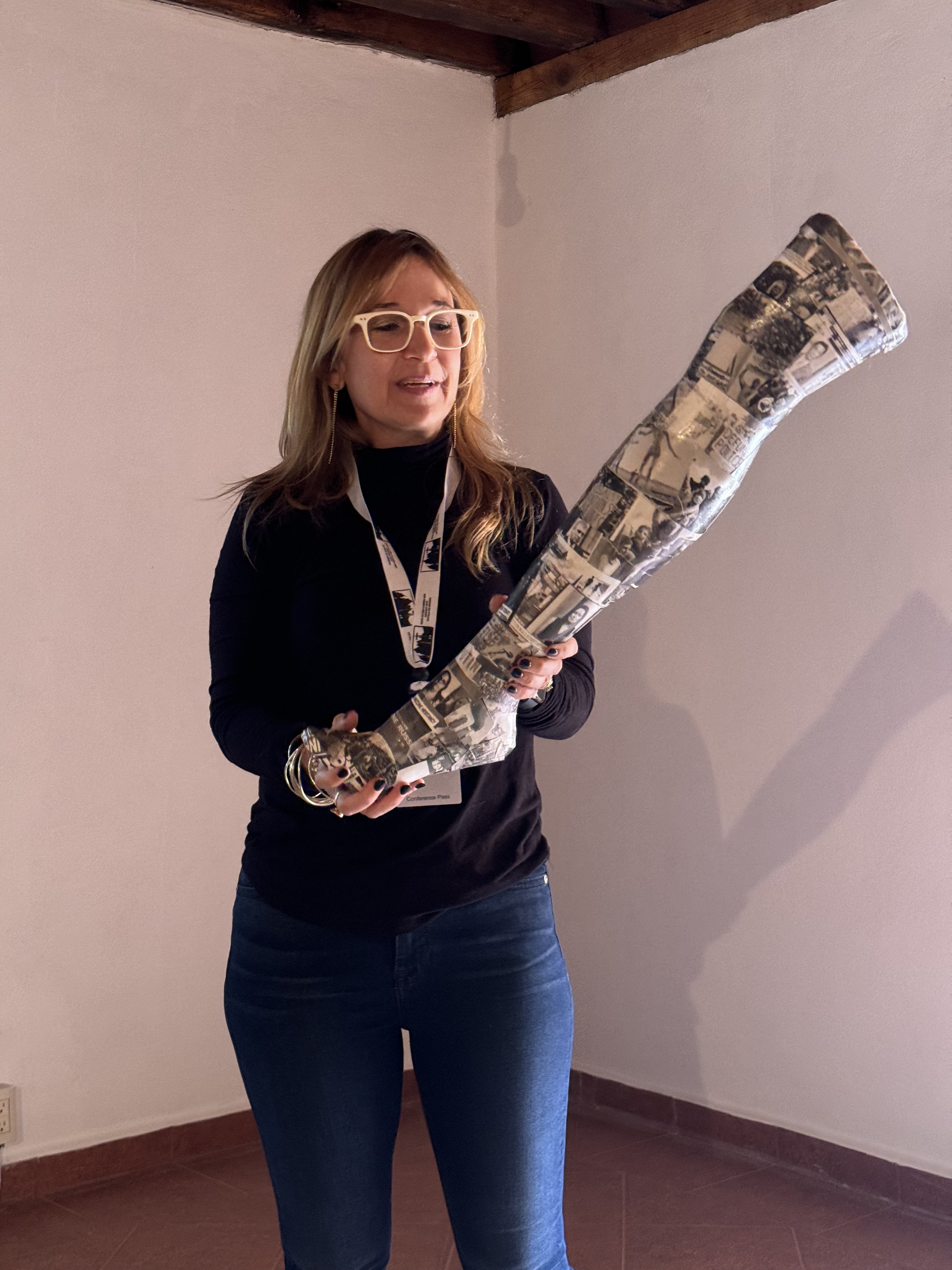
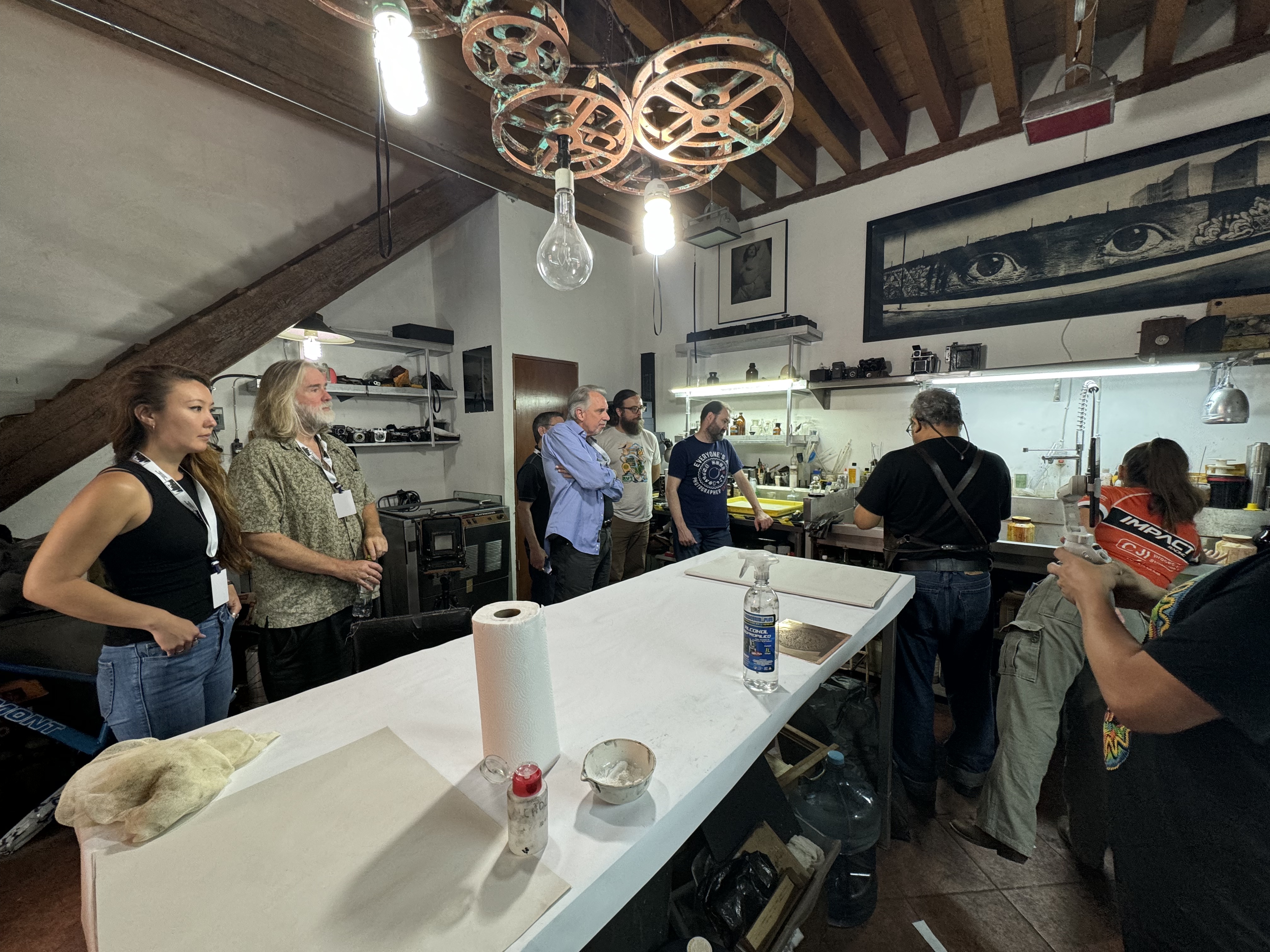
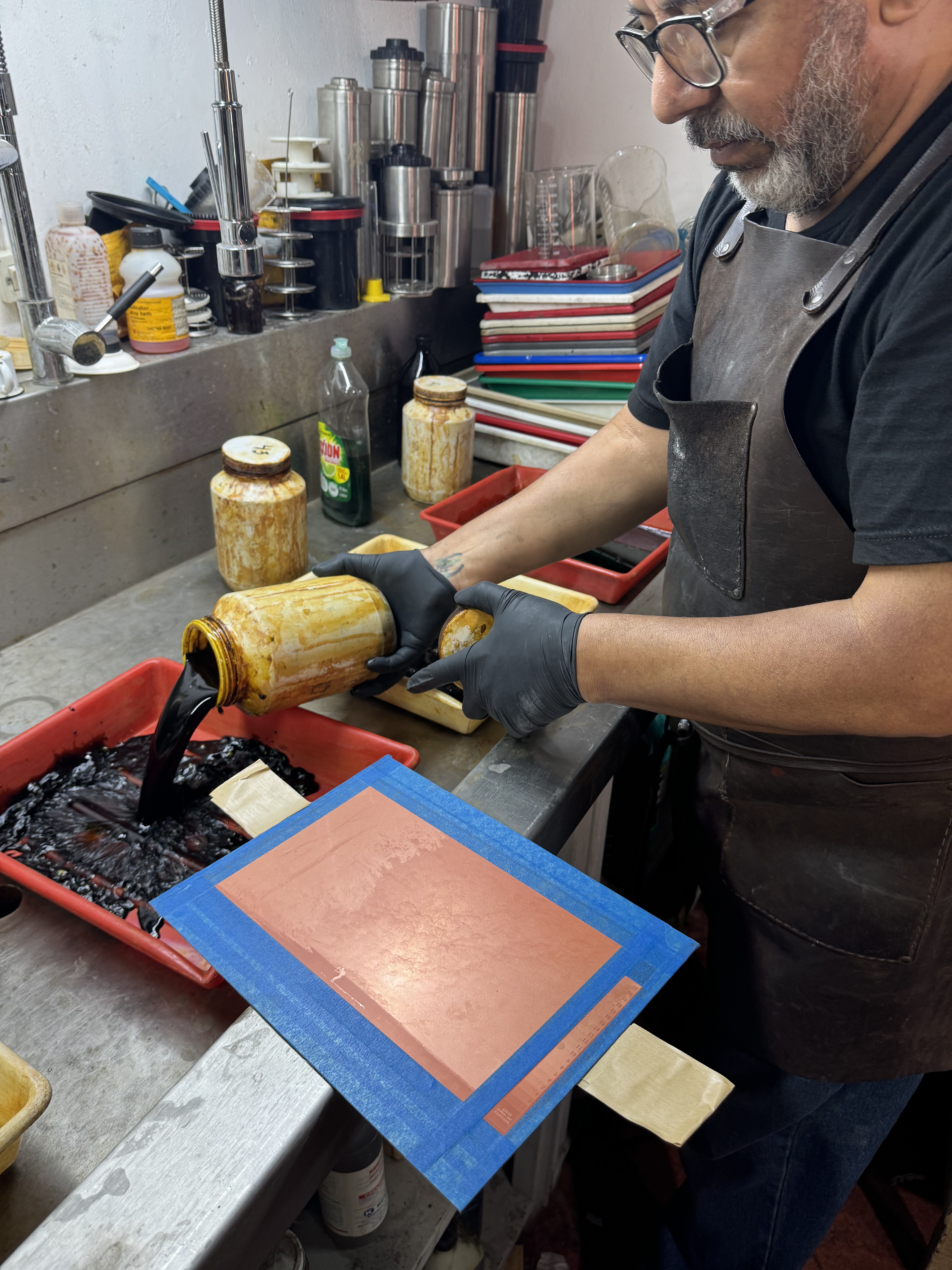
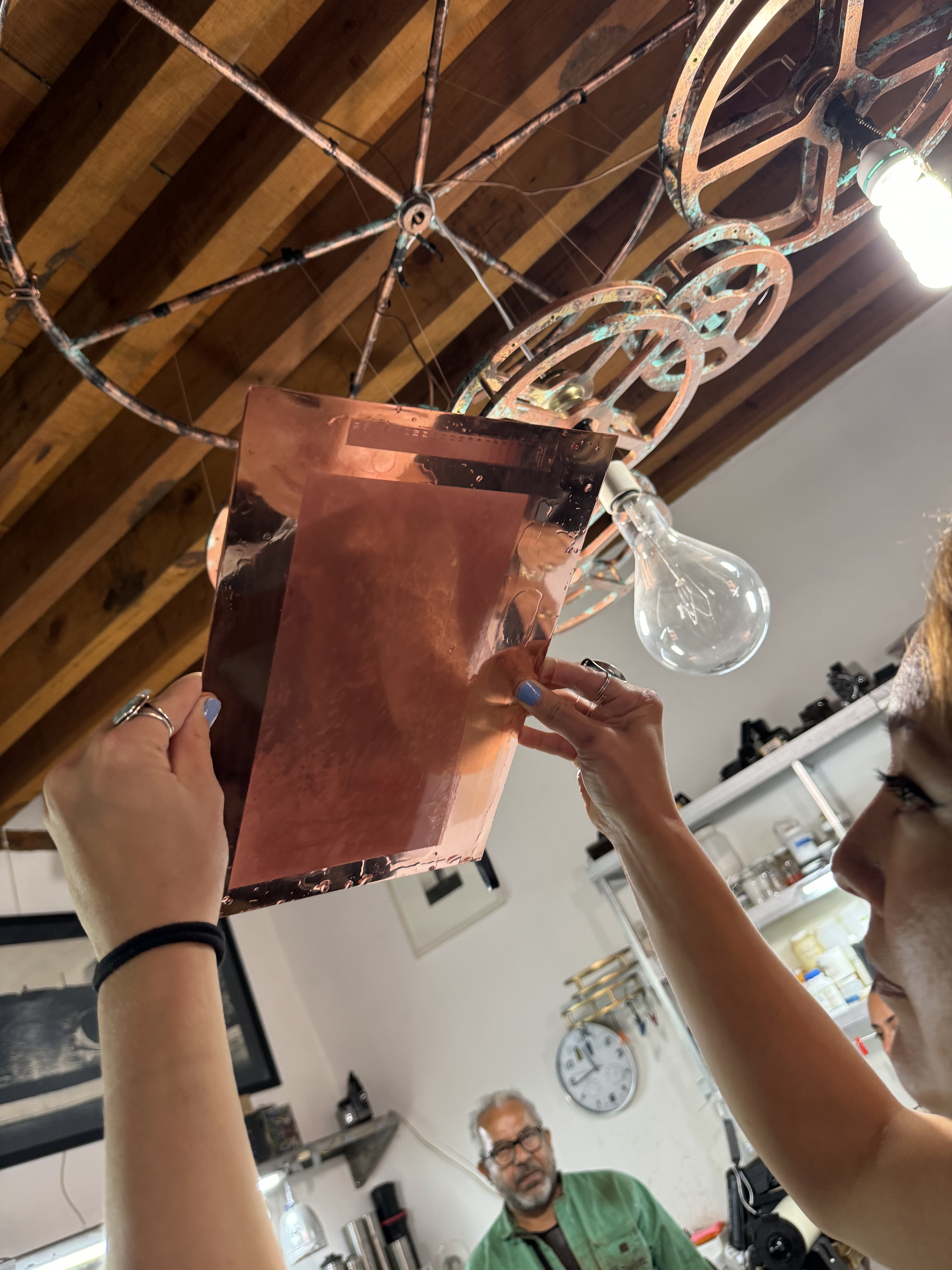
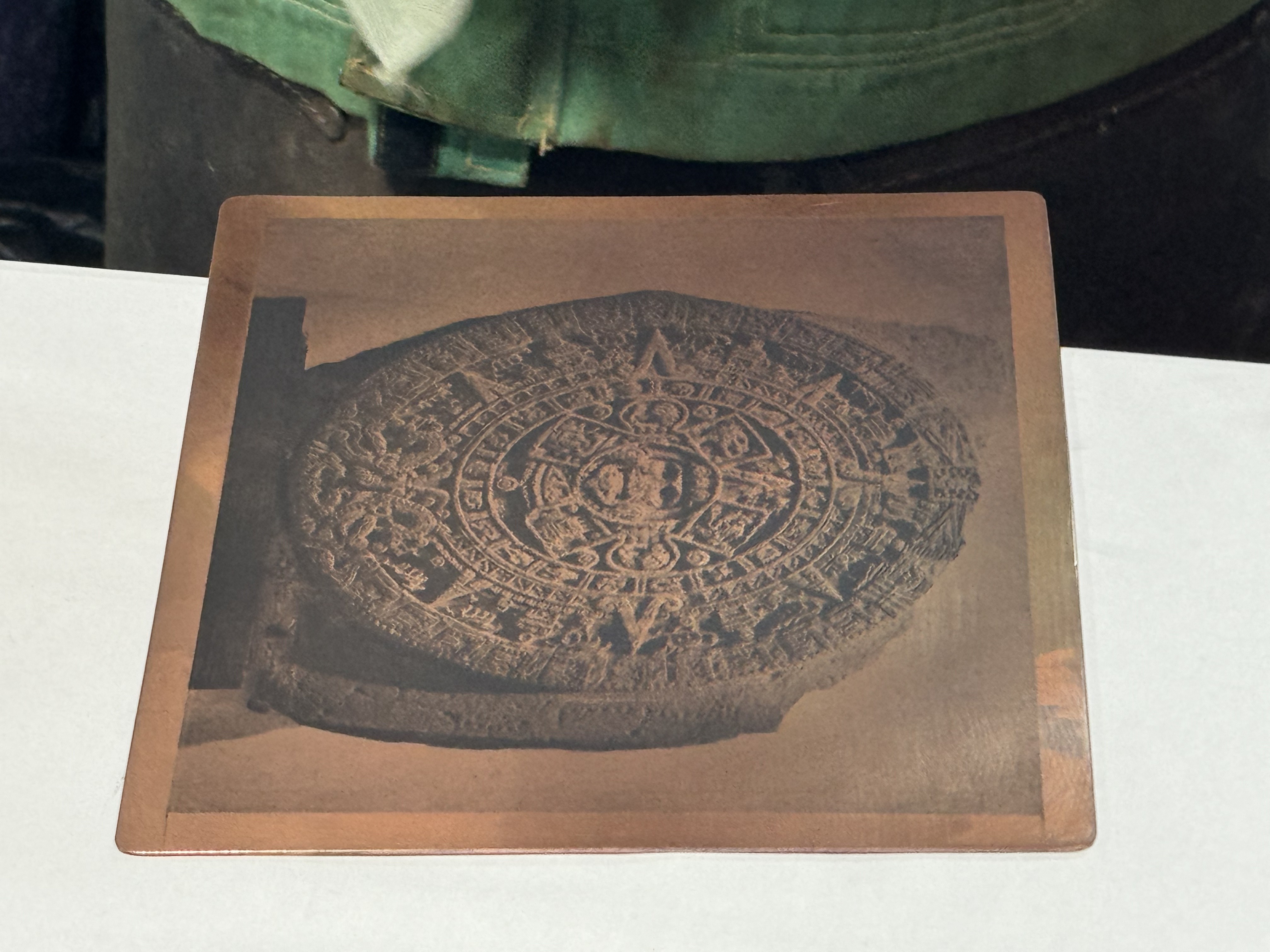
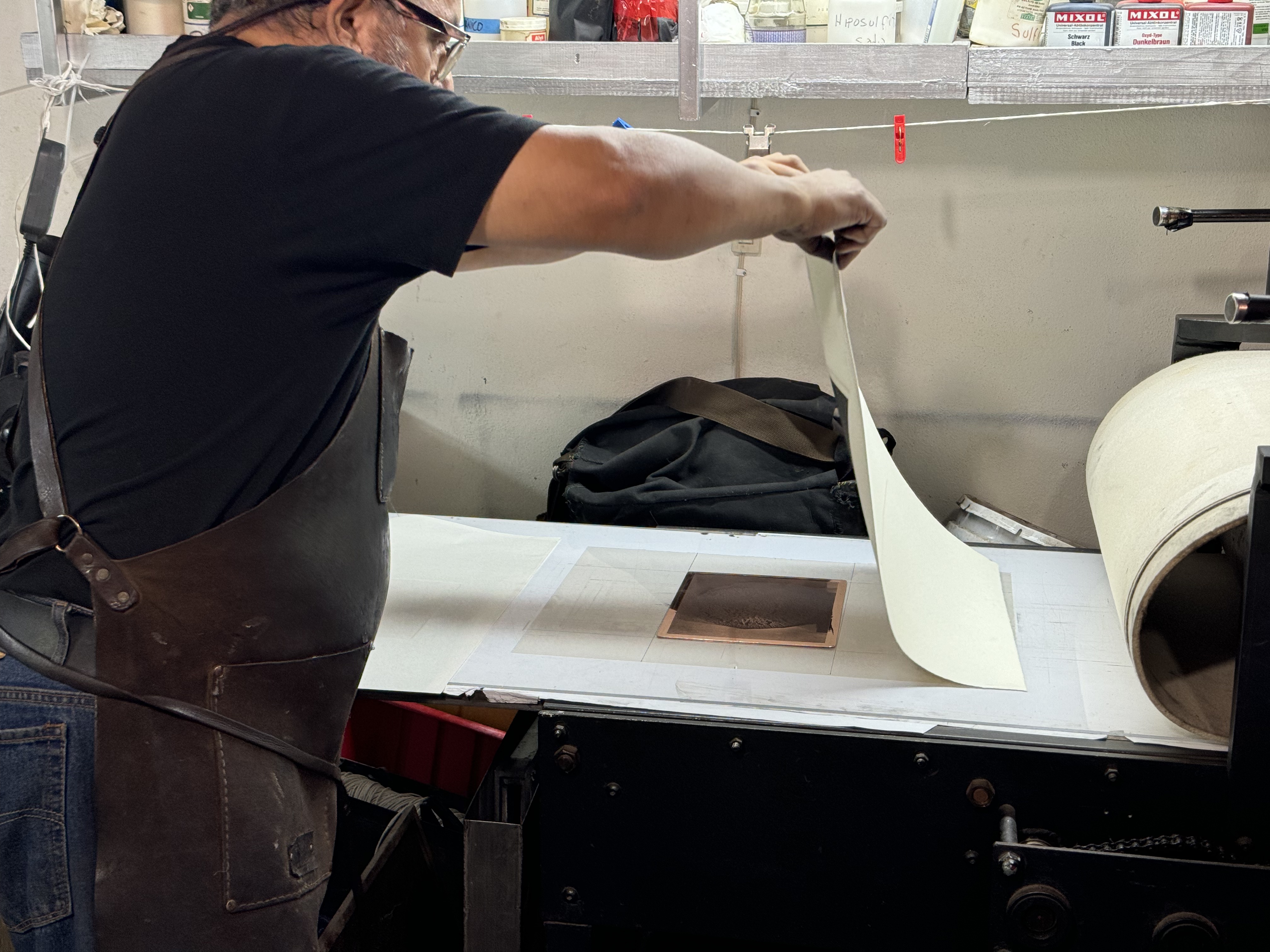
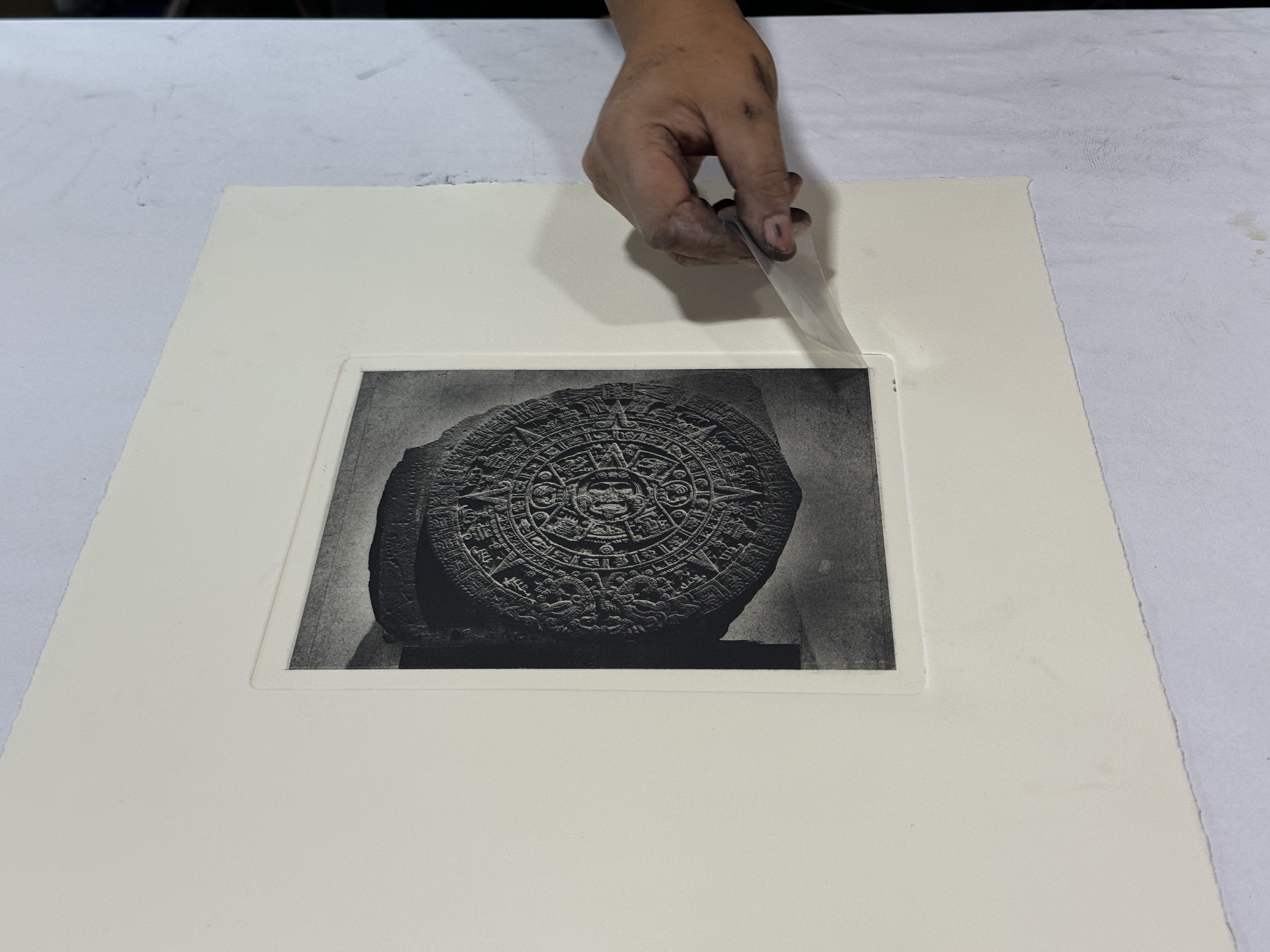
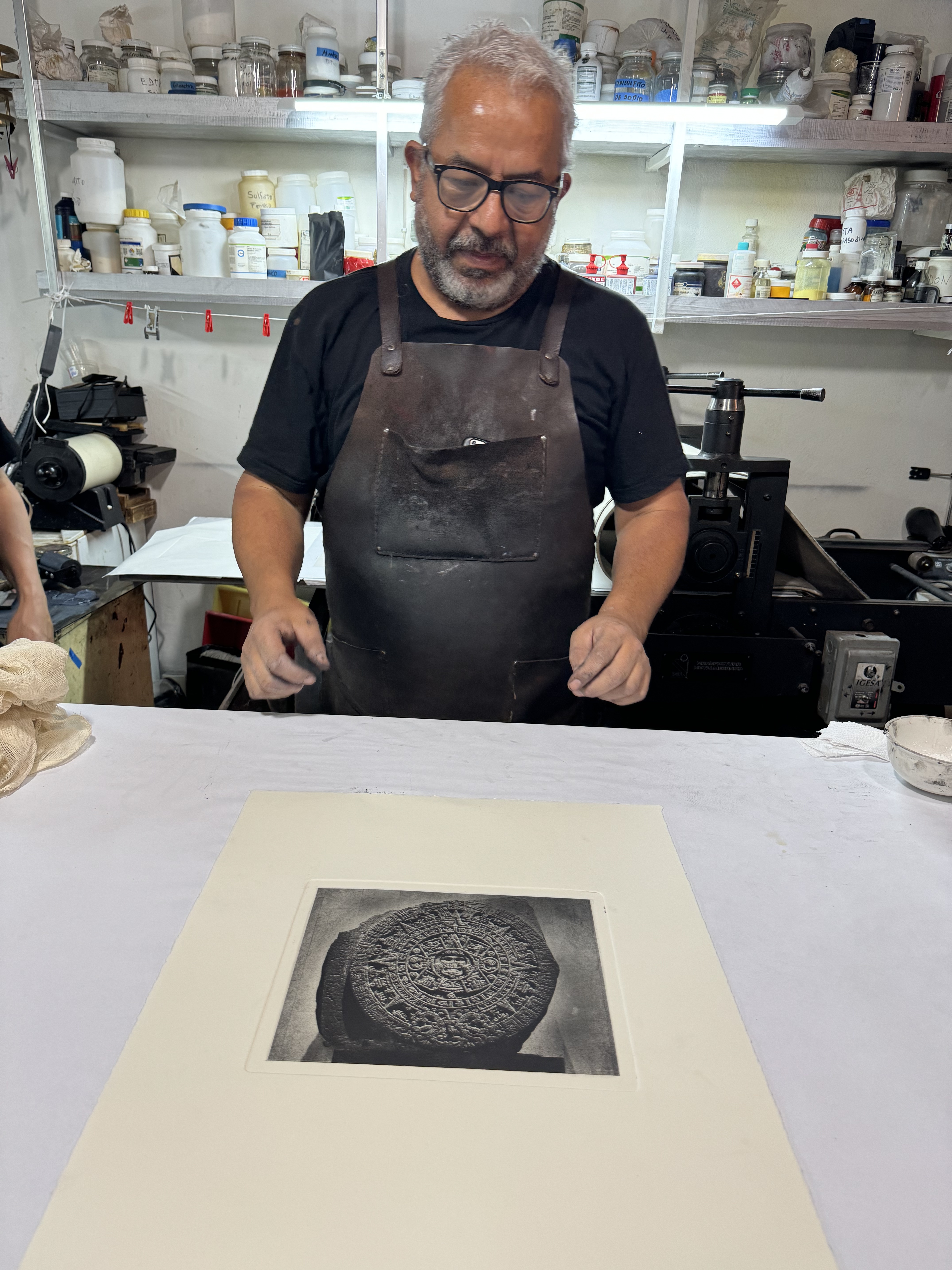
We also had presentations by Mary Quin and Arturo Talavera. Mary is an innovative artist from Alabama who began her photographic career working with large format cameras making traditional photographic images and has evolved into making “intuitive” images where she paints and drips photo chemistry onto paper to create images. Mary also gave a hands-on demo to the attendees of her technique. Arturo is a photographer from Mexico City and a master of multiple historic photo processes. Arturo hosted us for a morning in his studio where he demonstrated making a copper-plate photogravure image of the Aztec “Sun Stone” housed in the Anthropology Museum; his original plate from which he created the gravure was a whole plate size Daguerreotype!
Mary Quin showing one of her hearts – work in progressEarly work in Palladium by Mary QuinOne of Mary Quin’s butterflieshand-drawn heart in palladiumMary Quin with mannequin leg collageArturo Talavera’s studioArturo about to etch a plateArturo examining the etched plateetched plate with ink, ready to pressPrint and etching plate after running through the pressfinished printArturo examining finished print
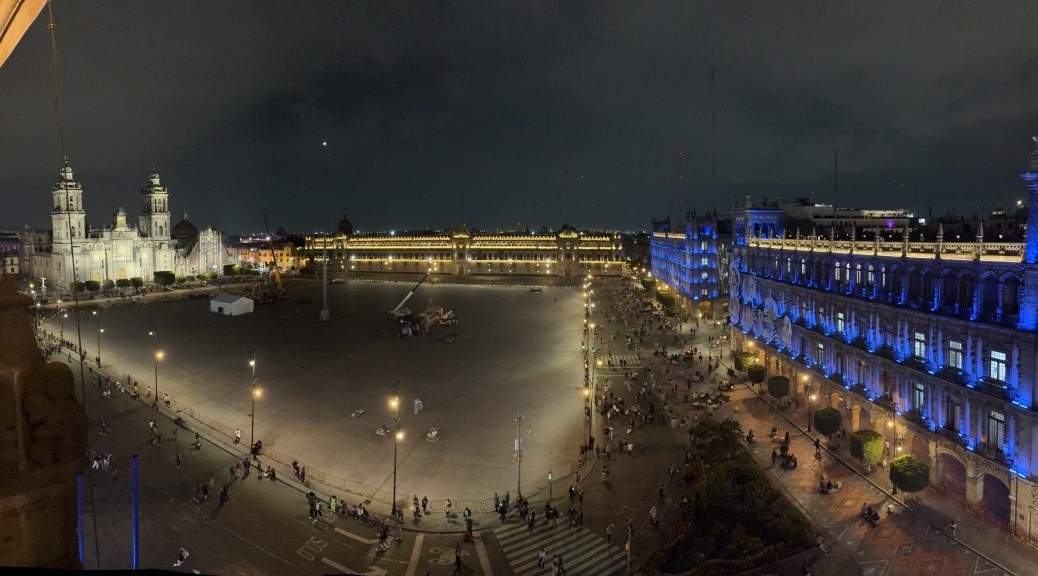
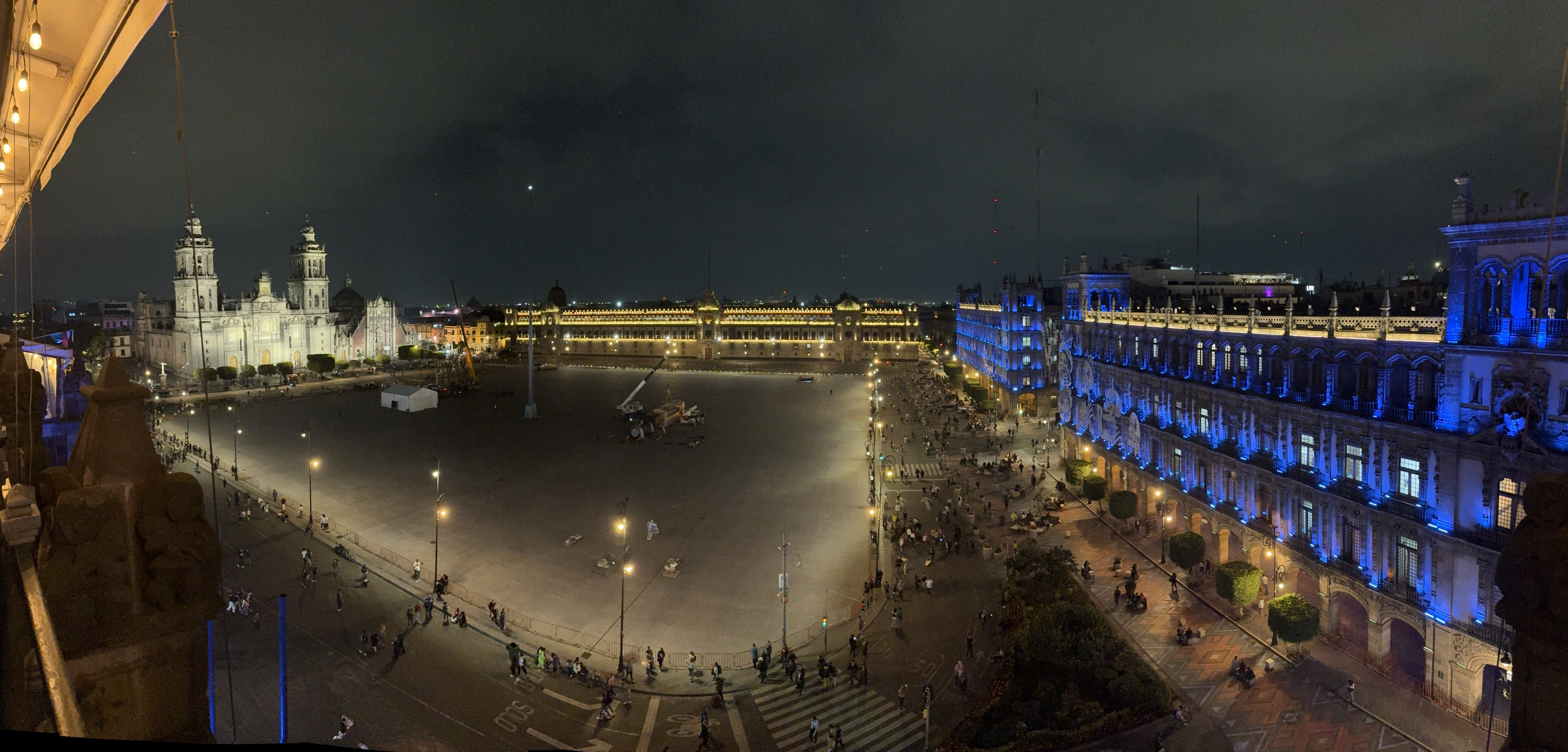
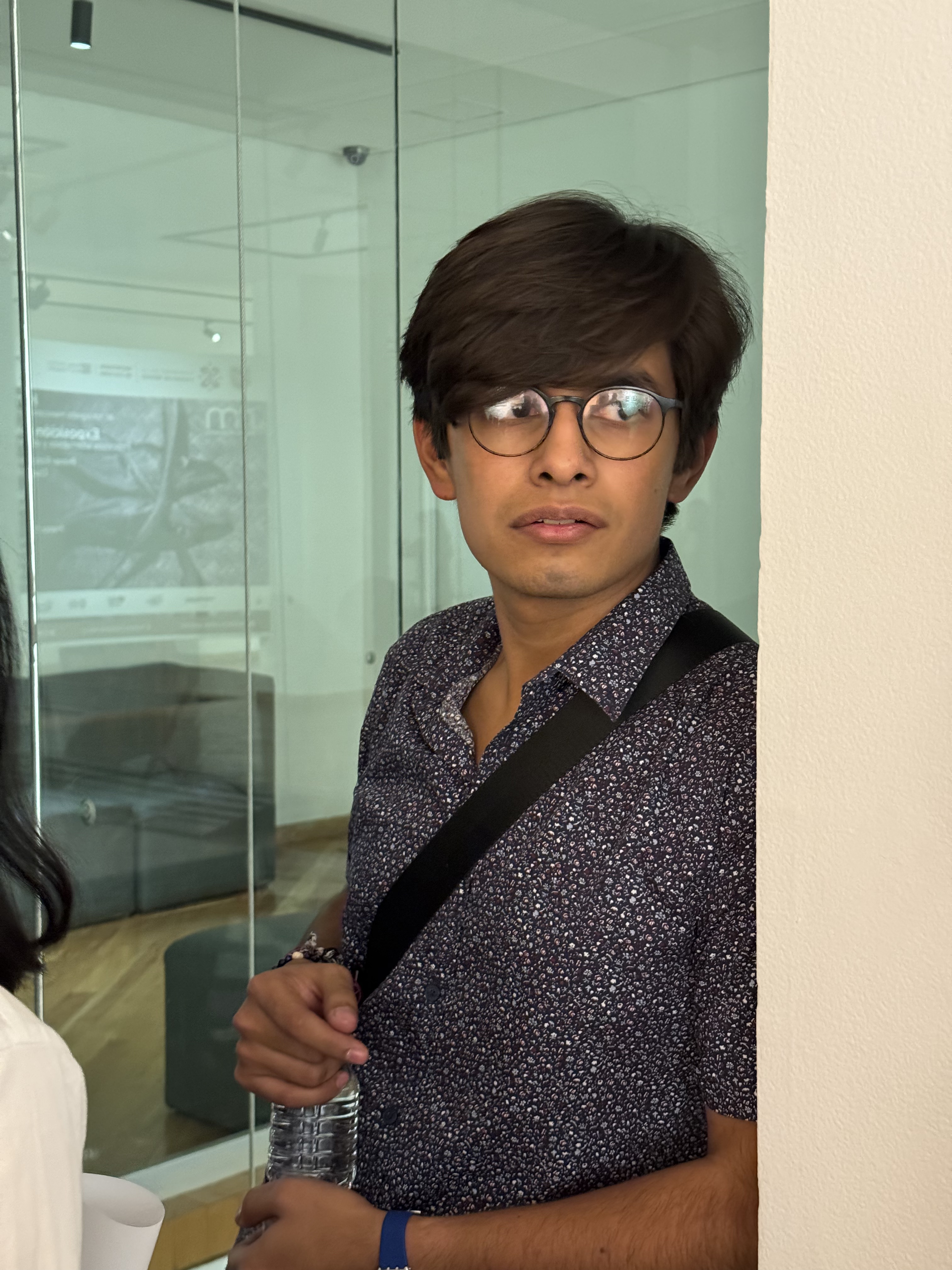
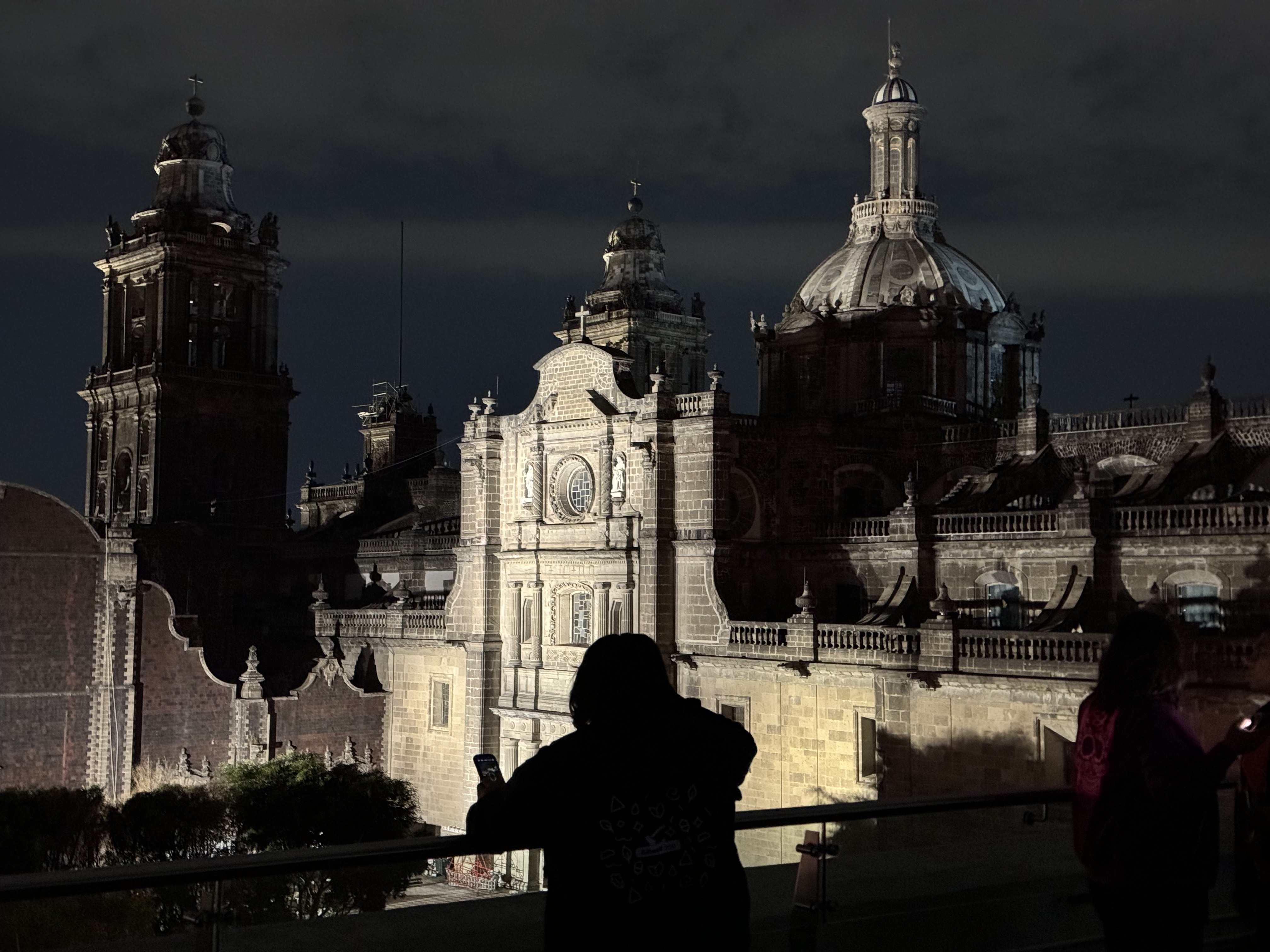
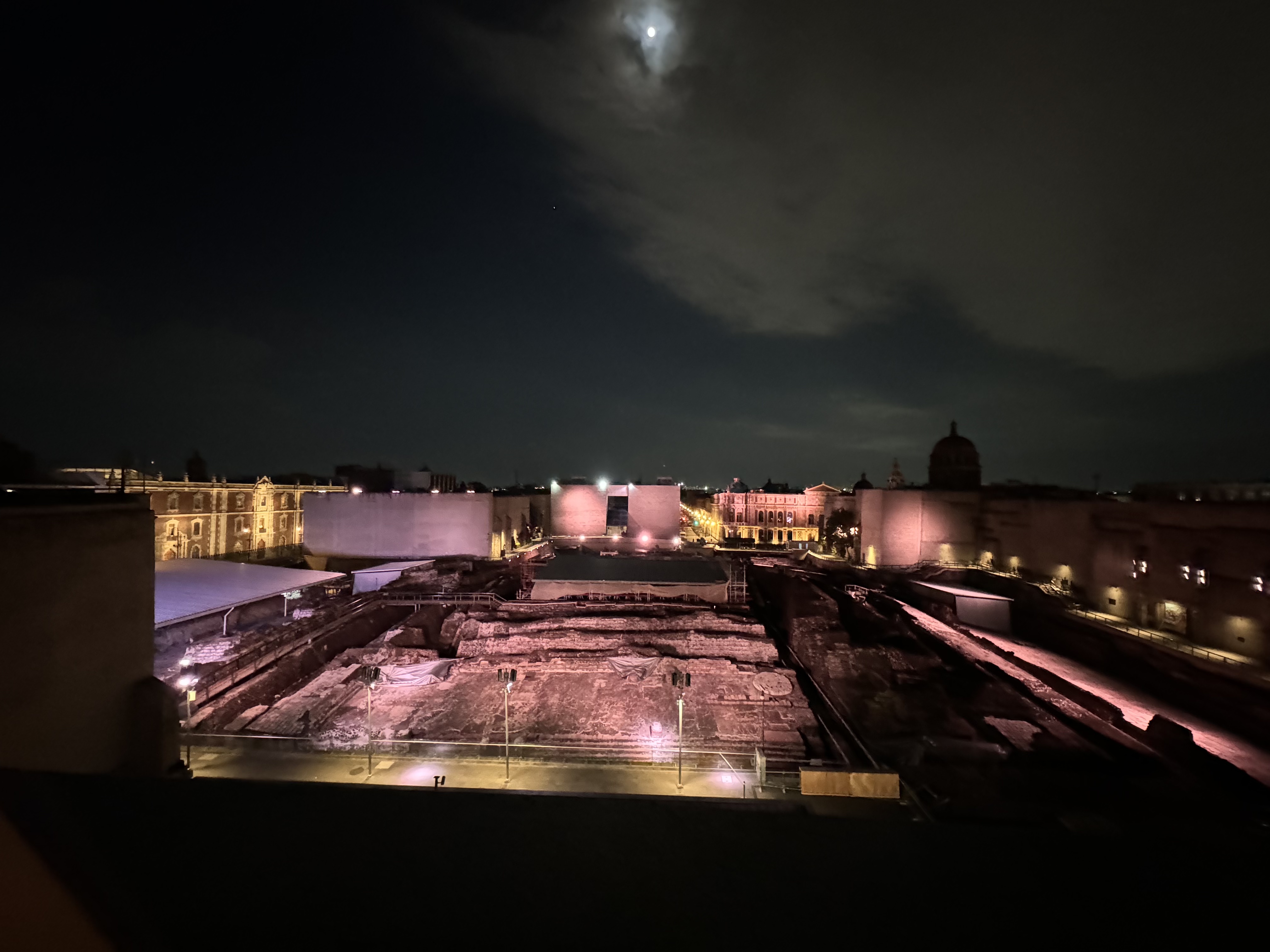
Our closing night keynote was presented at the Museo Archivo de la Fotografia by Mark and France Scully Osterman, who talked about 19th century spirit photography, an especially timely topic as we were on the cusp of the Day of the Dead weekend in Mexico City. Another resounding success, with a standing room only crowd, Mark and France talked about the origins of spirit photography in the middle 19th century, with the aftermath of the US Civil War being a significant driver of the interest in spiritualism that encouraged the practice. They also talked about the HOW it was done, with techniques ranging from simple long exposures that rendered moving figures in the image as ghostly presences, to advanced methods for manipulation and trickery to give the impression of spiritual manifestations. The evening closed out on the roof of the museum overlooking the Metropolitan Cathedral and the ruins of the Templo Mayor and some celebratory wine was shared by all. The first image is of the wonderful young man who did the live translation for Mark and France’s talk; he did an outstanding job!
Our translatorMark and France Scully Osterman presentingMark and France viewing the cathedral at night from the museum rooftopView of the cathedral View of the Templo Mayor with the moon overhead
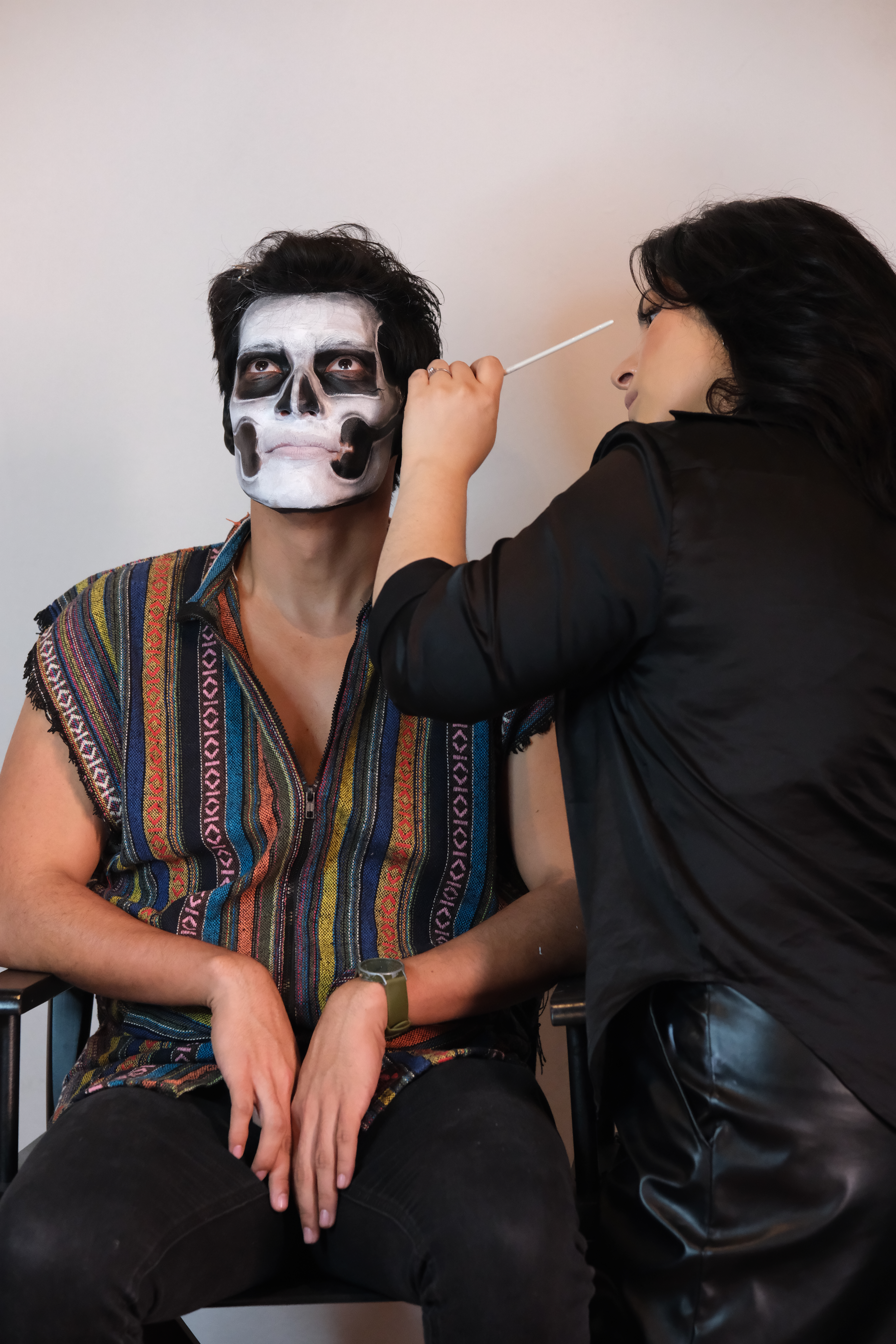
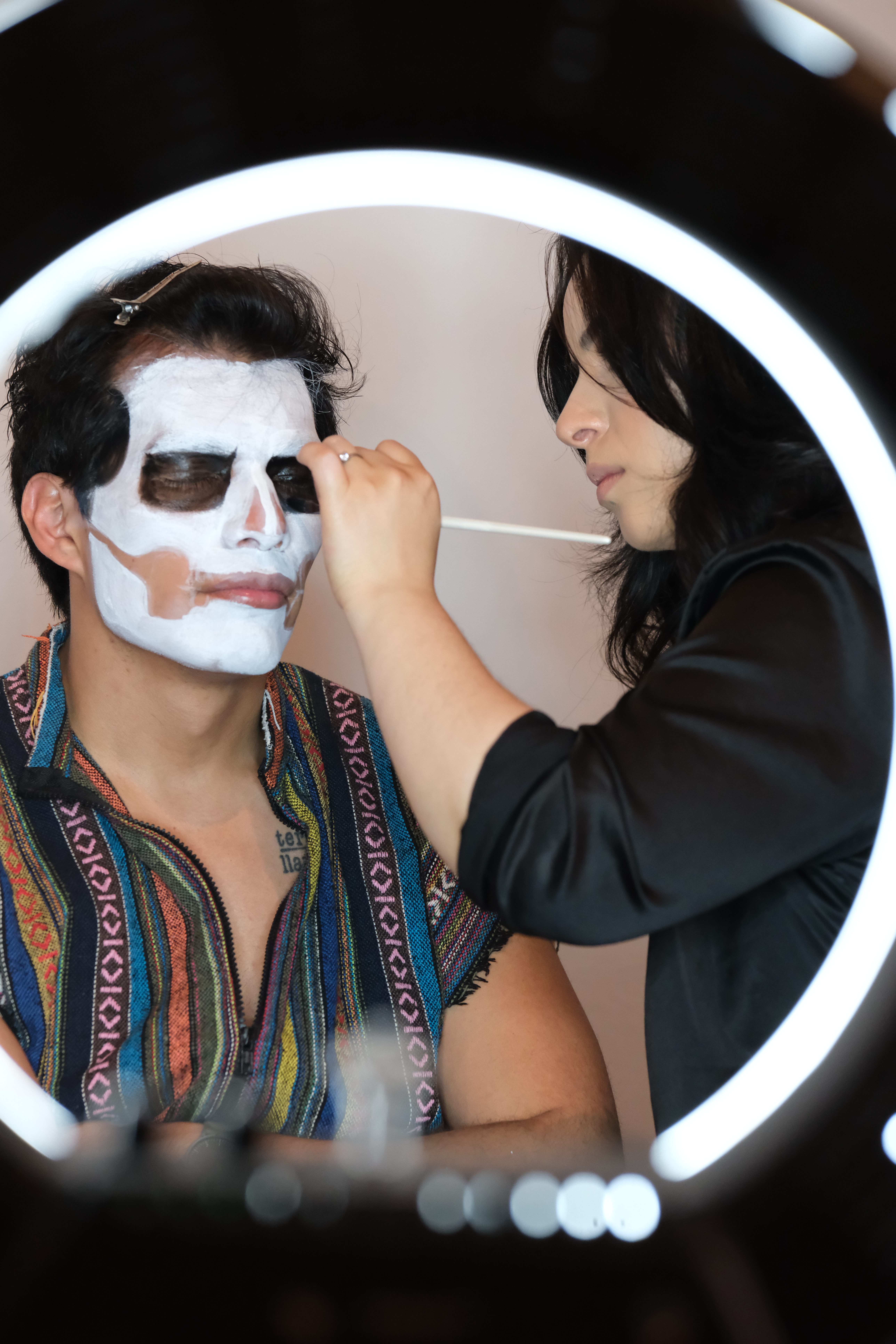
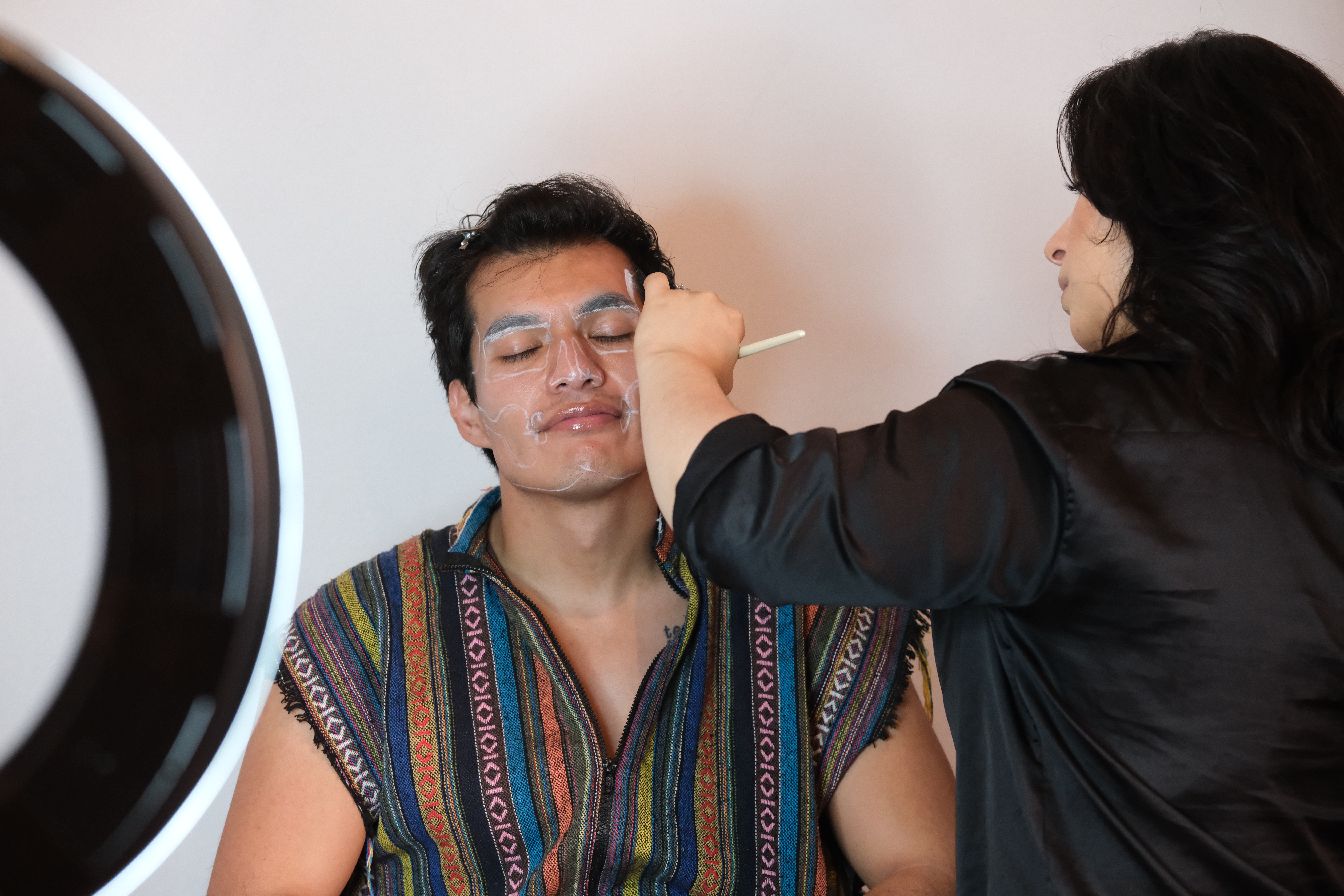
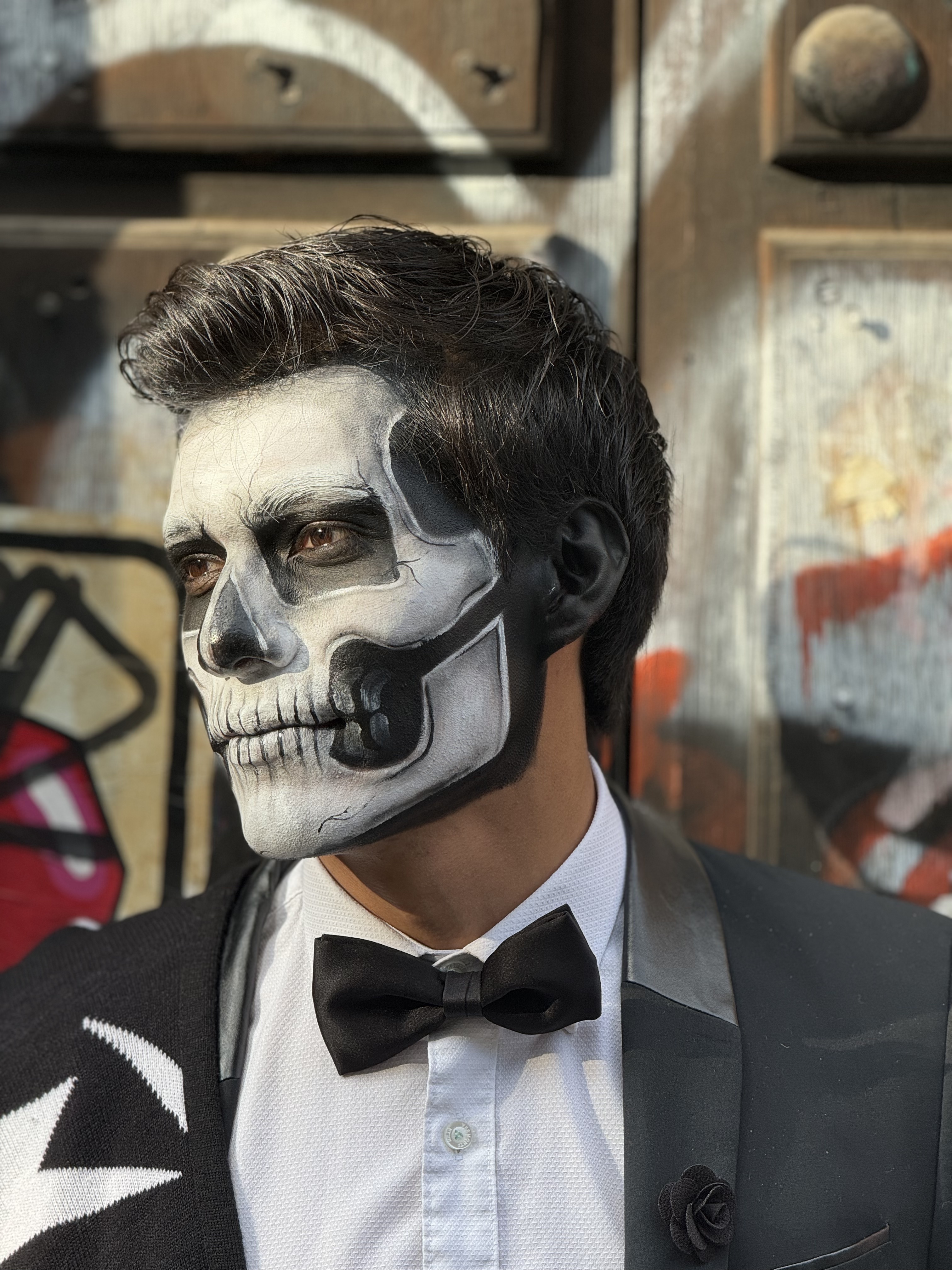
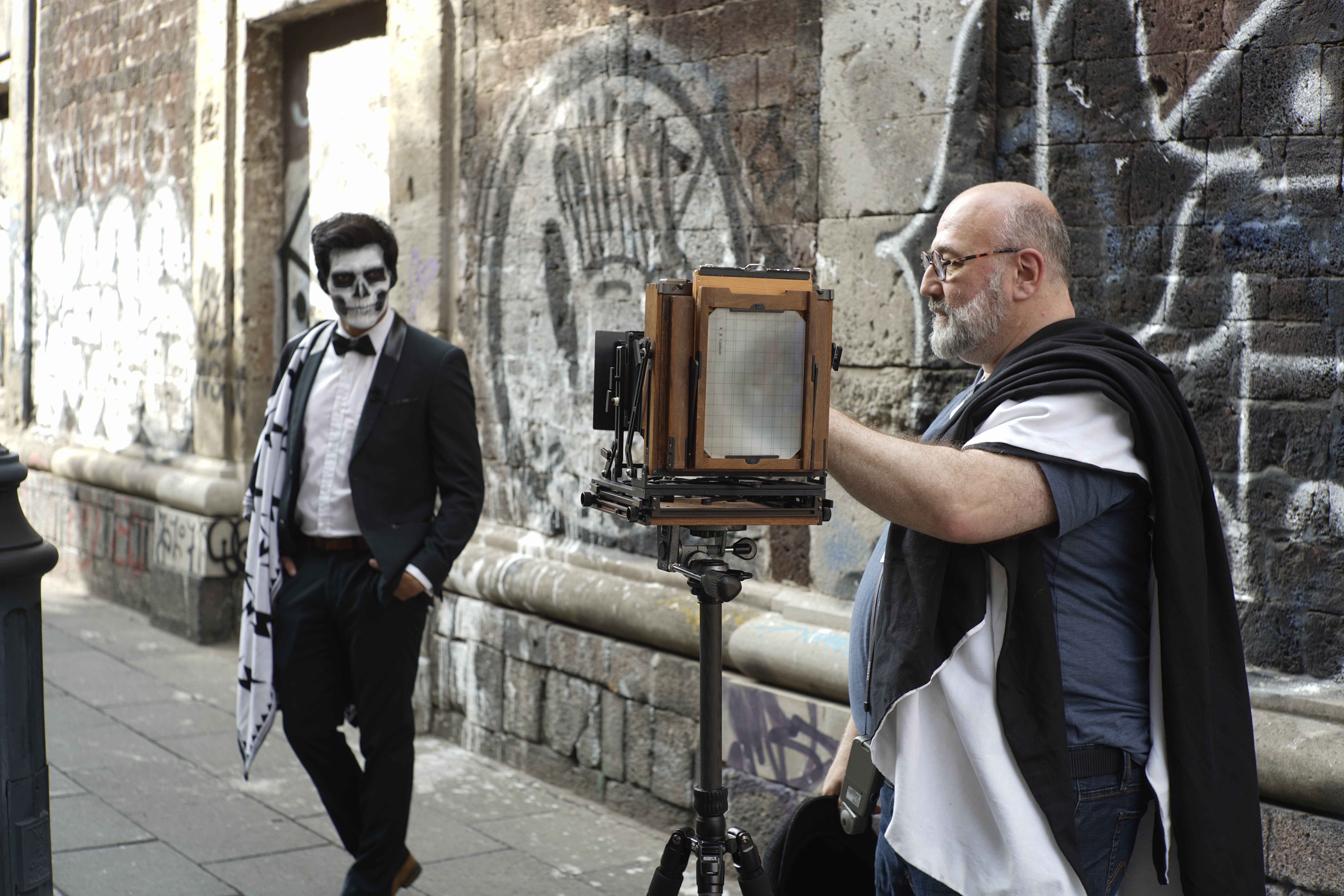
All work and no play makes for a dull conference, so we had several photo walks arranged; a daytime trek through the Mercado de San Juan which specializes in exotic cuisine (they have everything from whole turkeys to cockroaches to alligator meat!), a visit to Mexico City’s Chinatown, a nighttime photo walk in the Centro Historico around the Zocalo, and a large format portrait shoot with a model in Day of the Dead makeup and costume (another big thanks to our model and his makeup artist – Rafa Farias and Annie Hernandez).
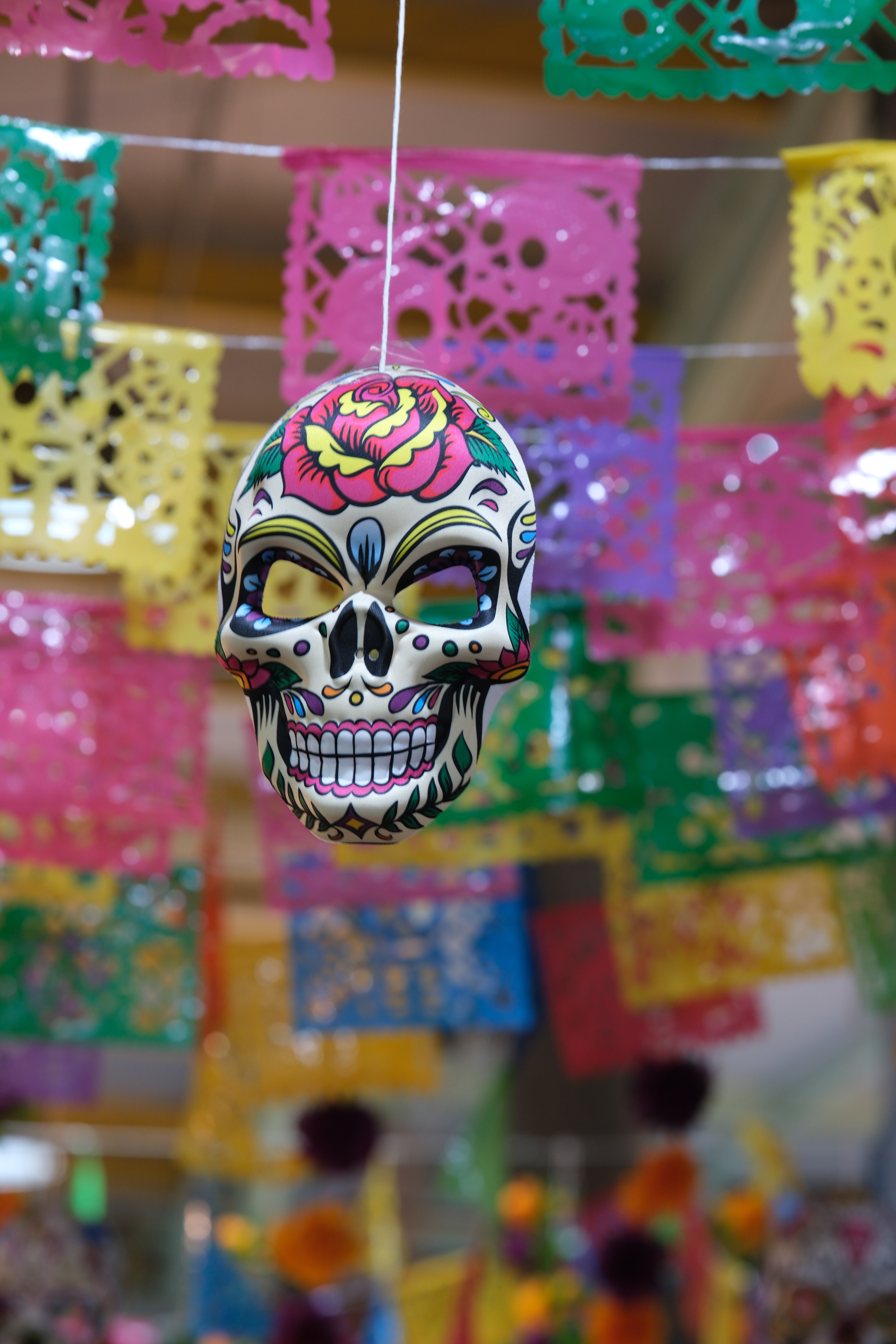
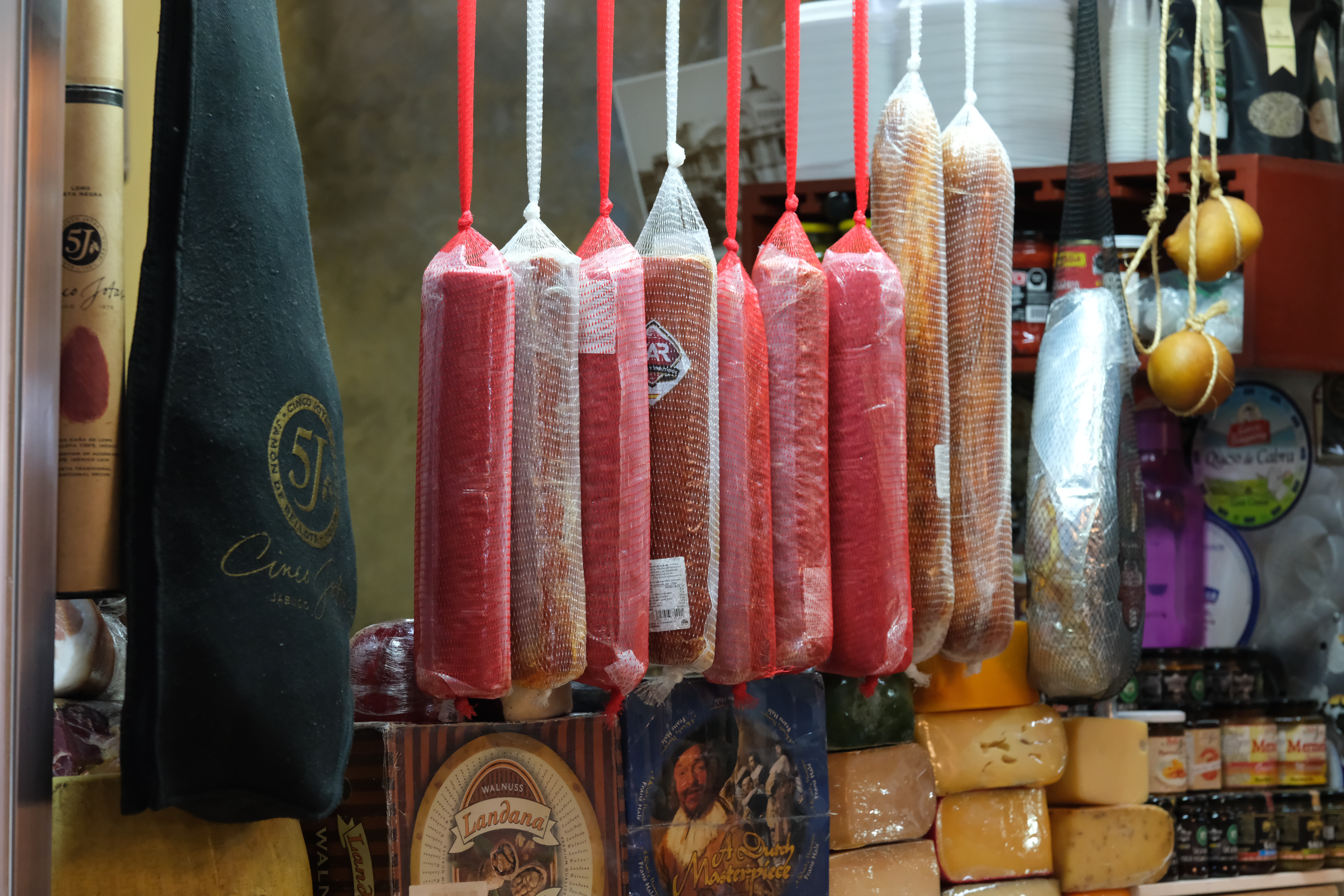
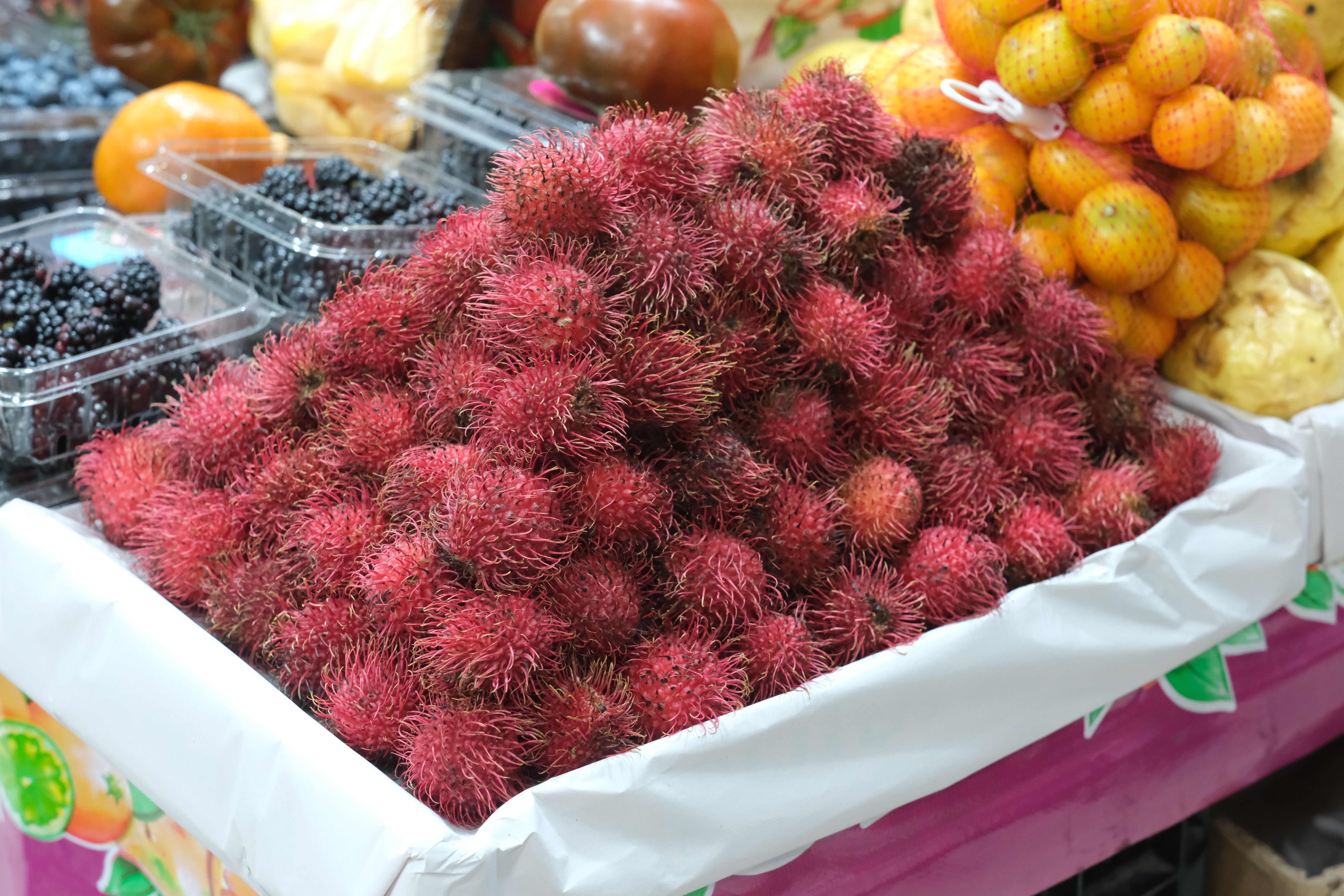
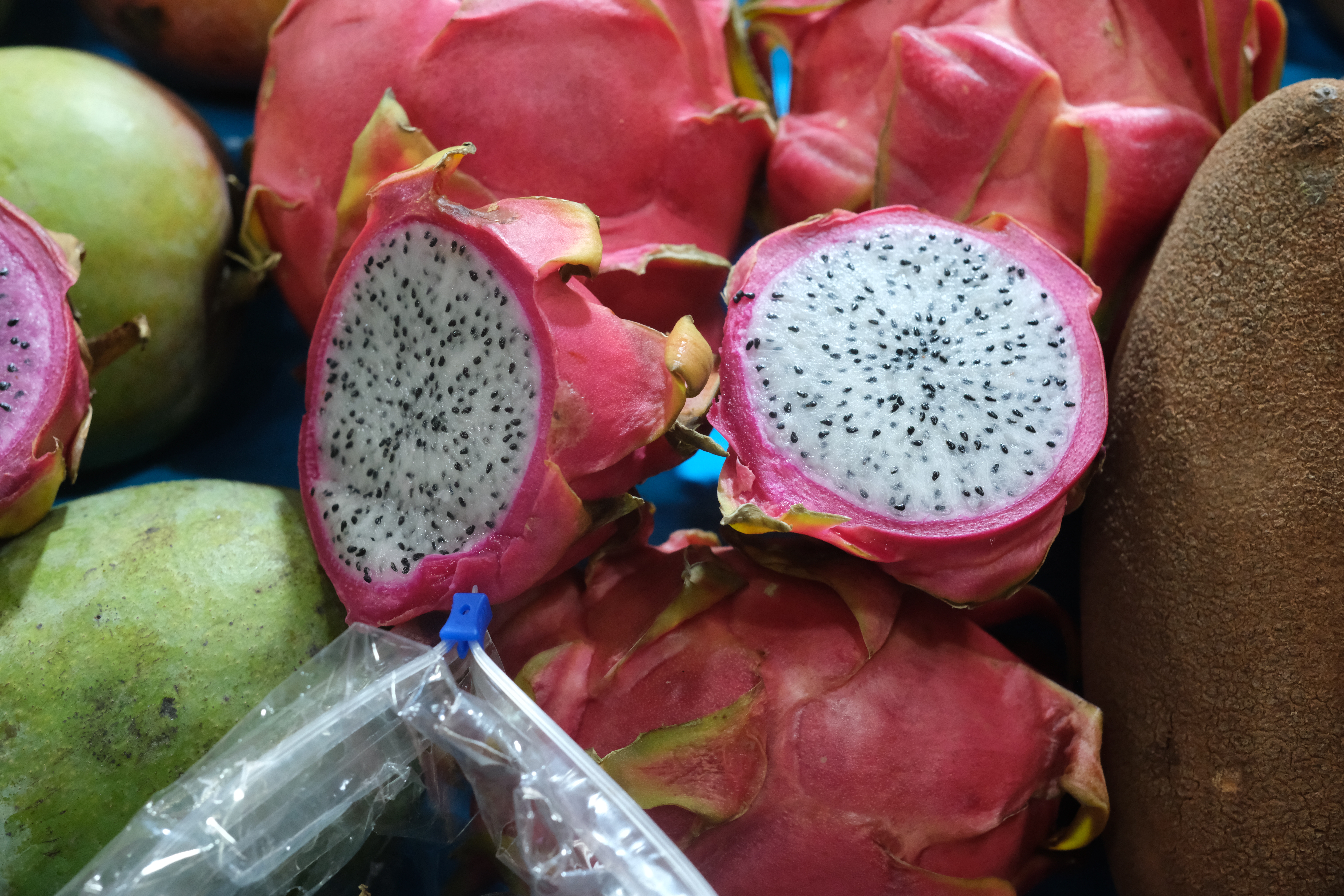
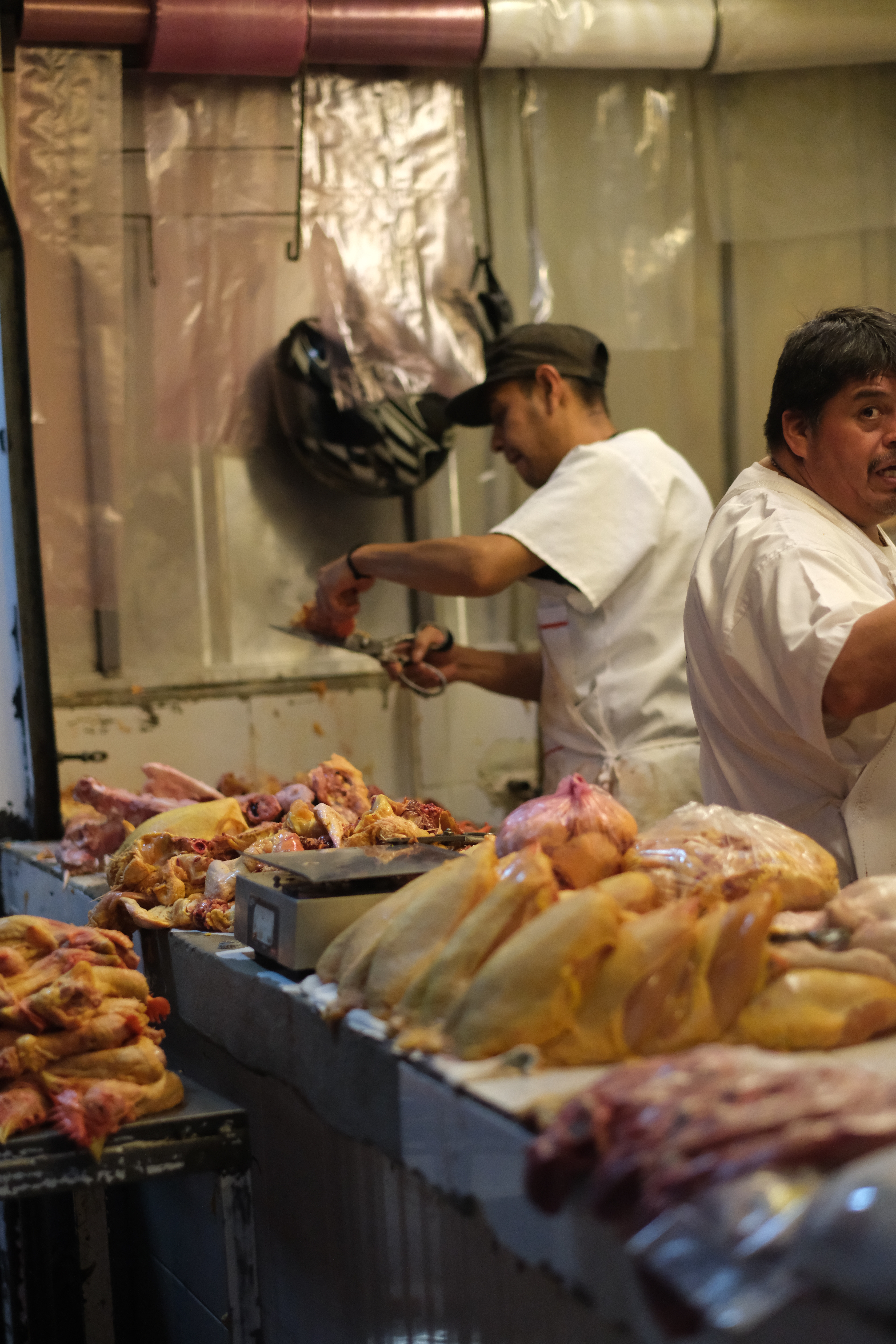
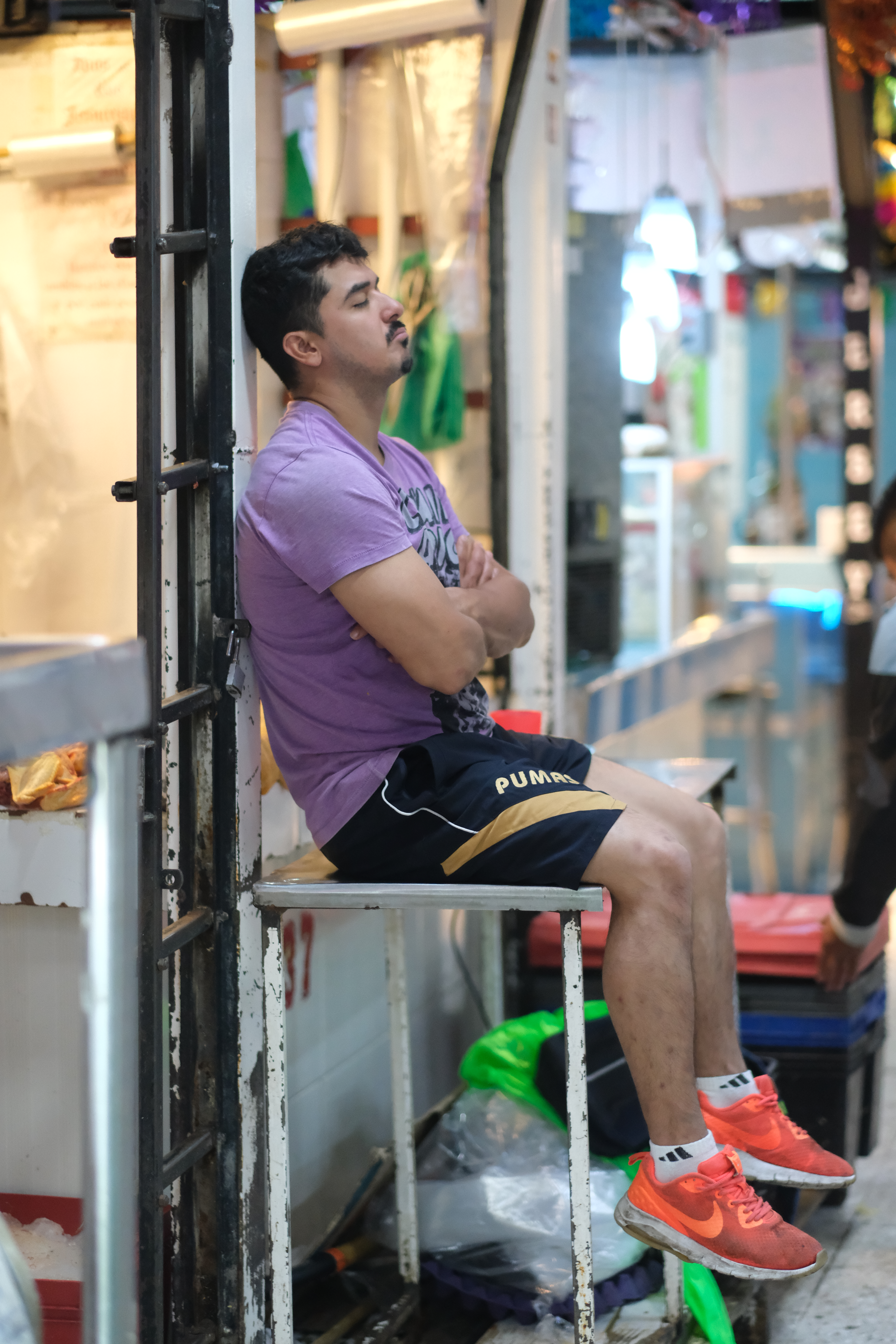
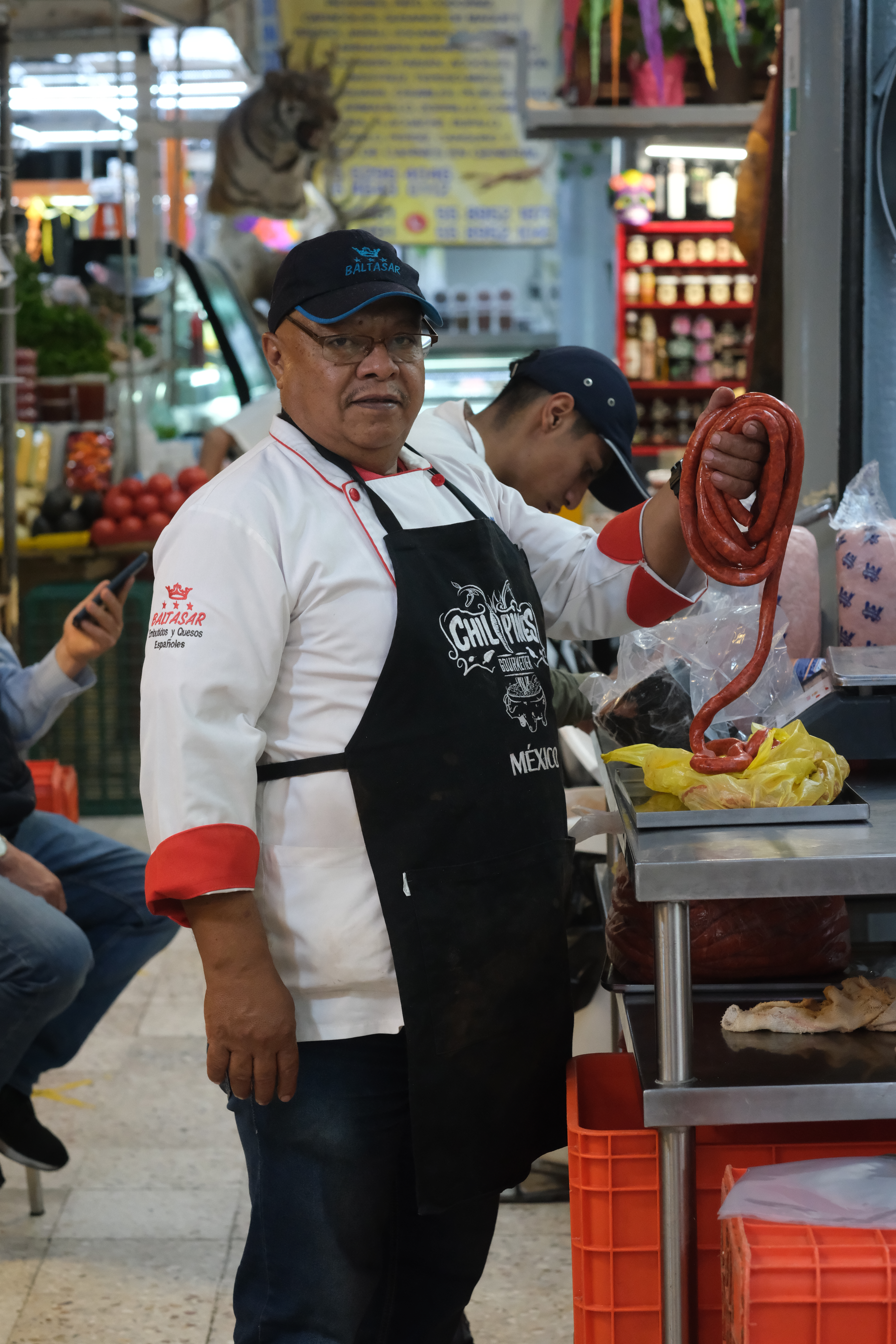
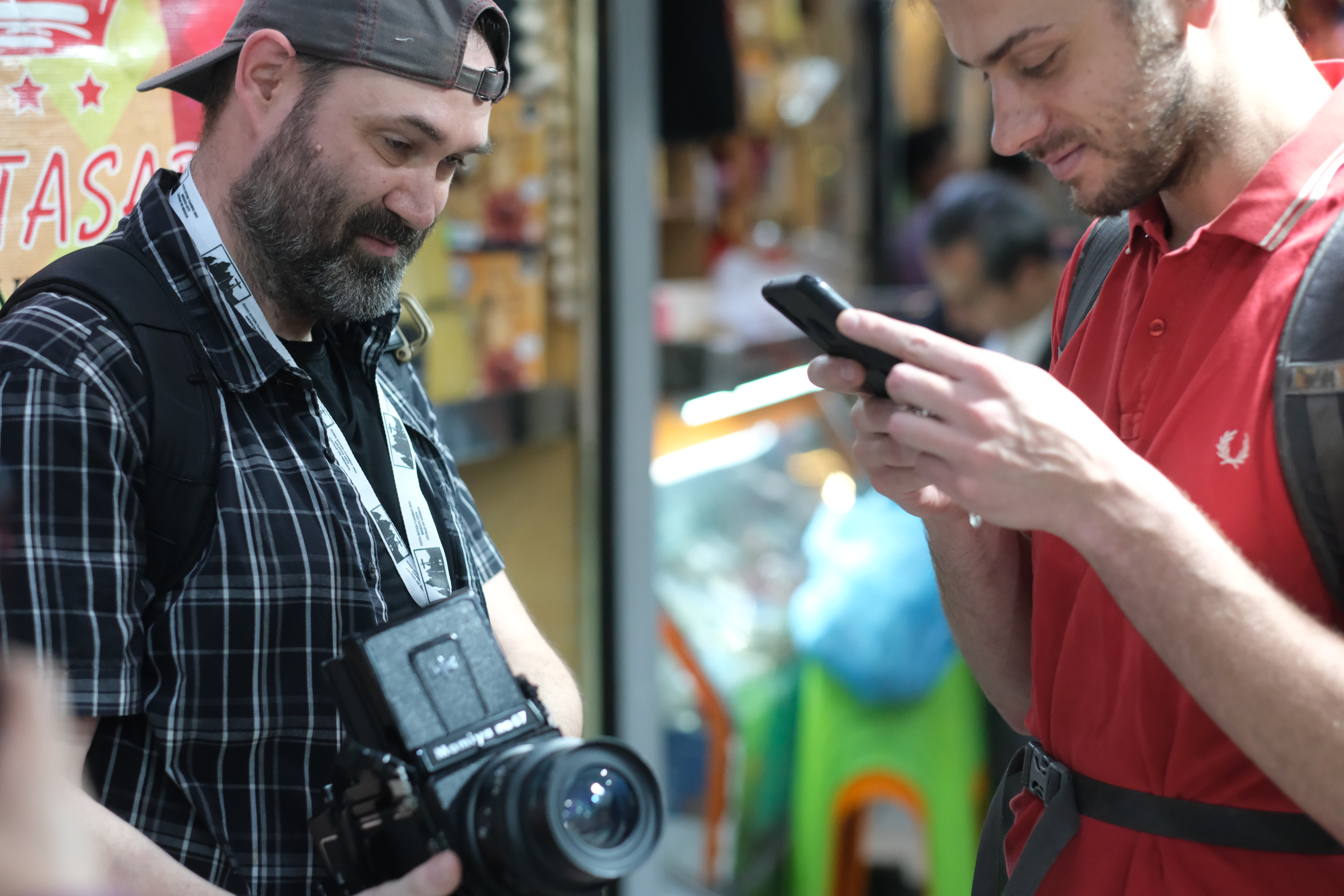
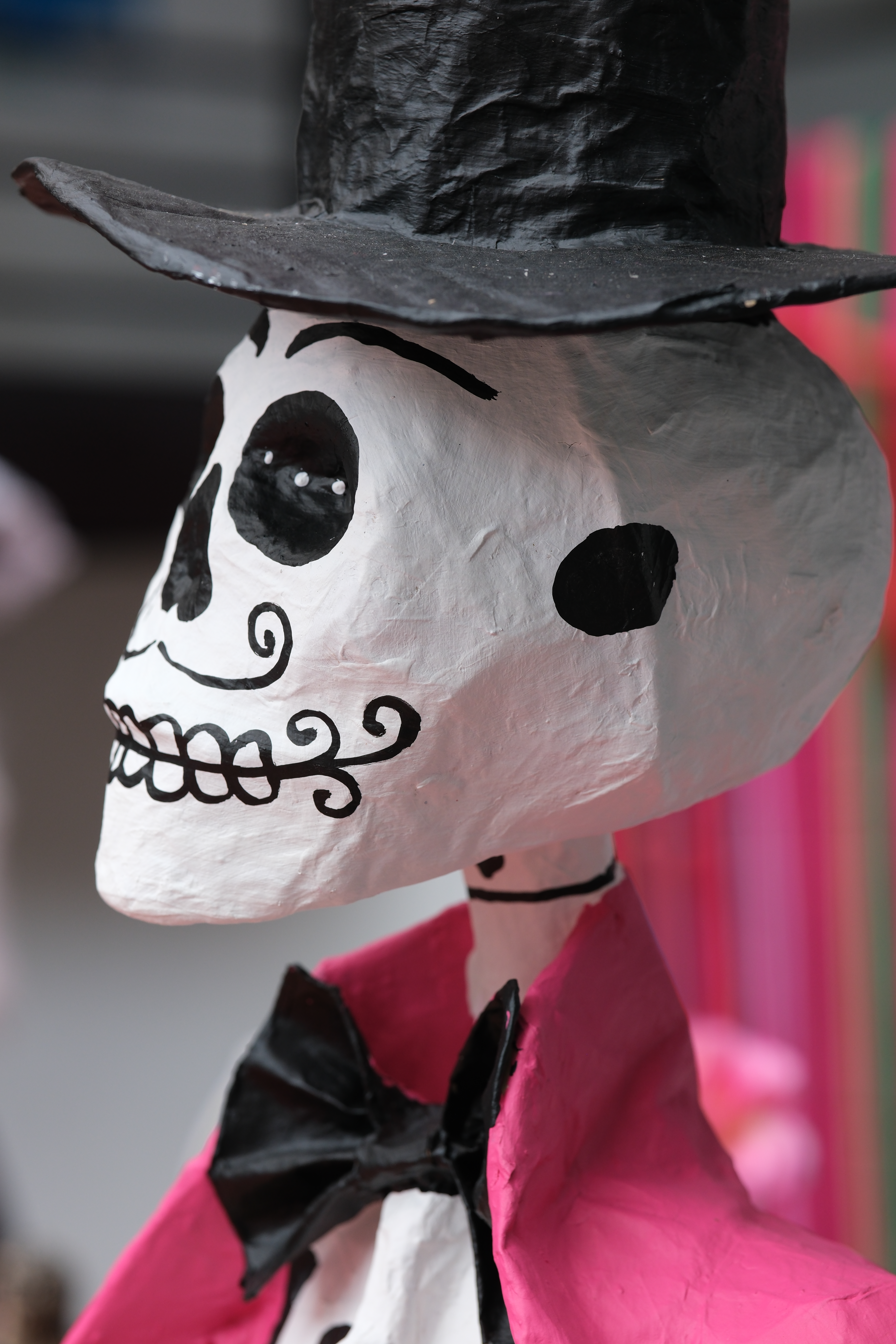
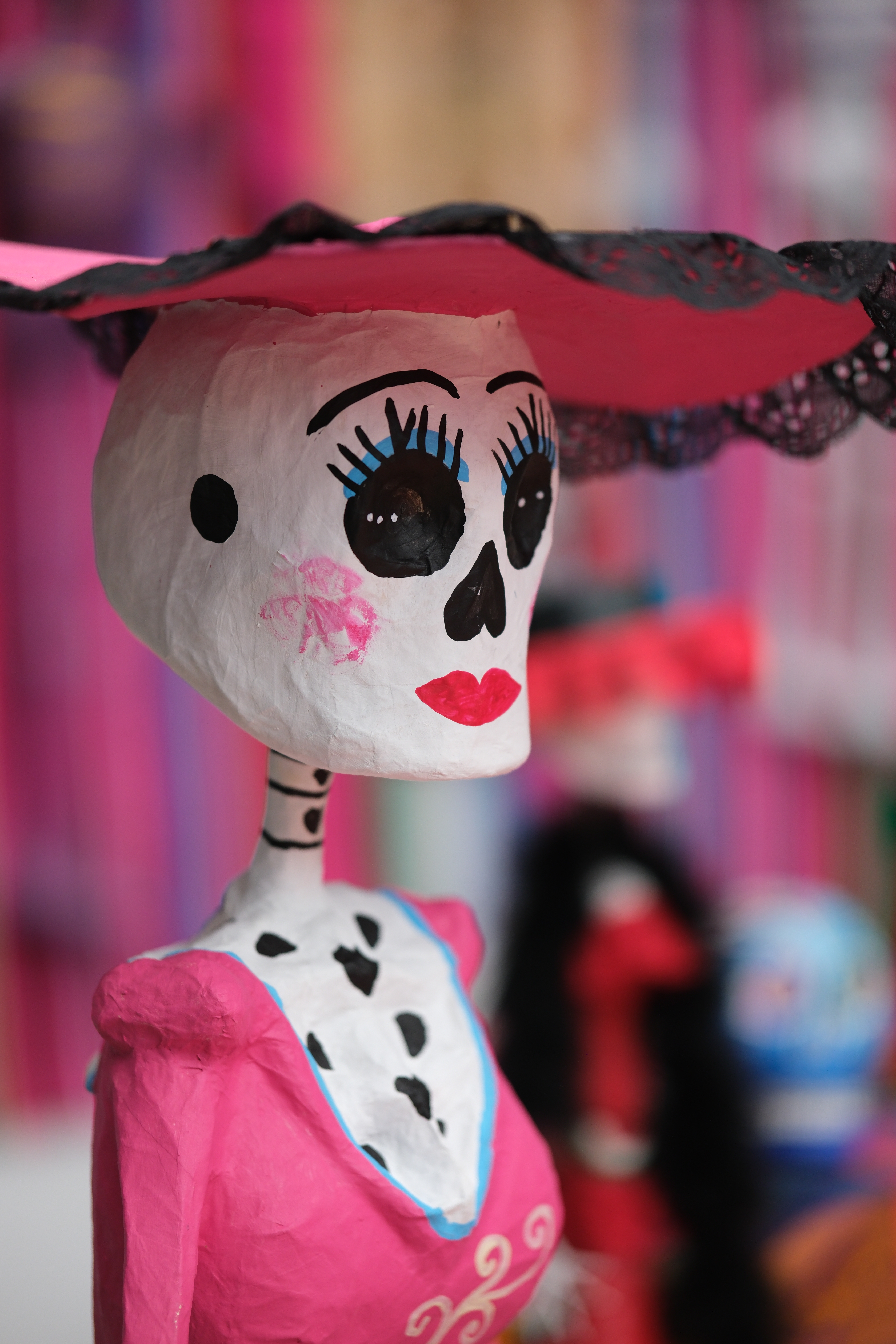
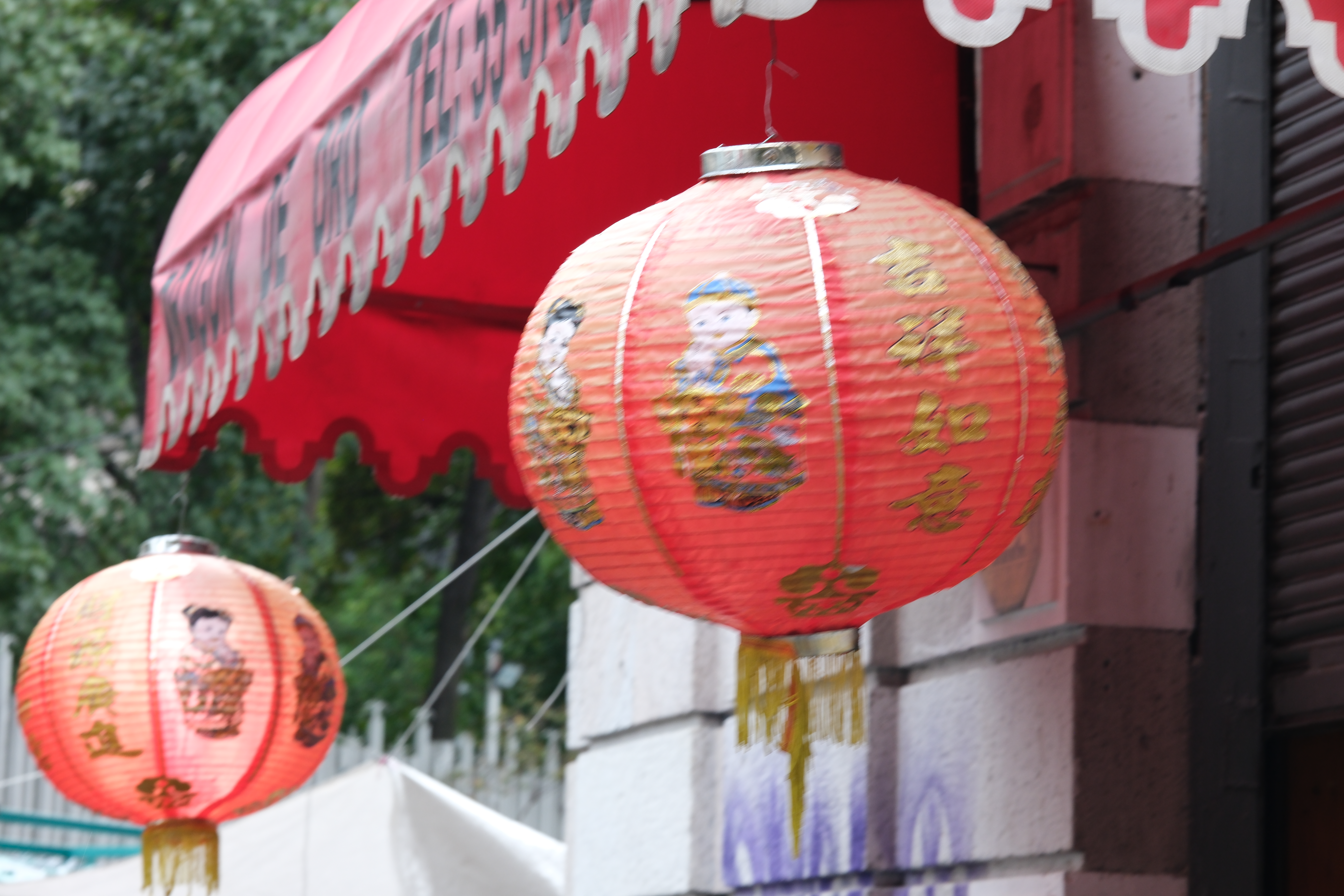
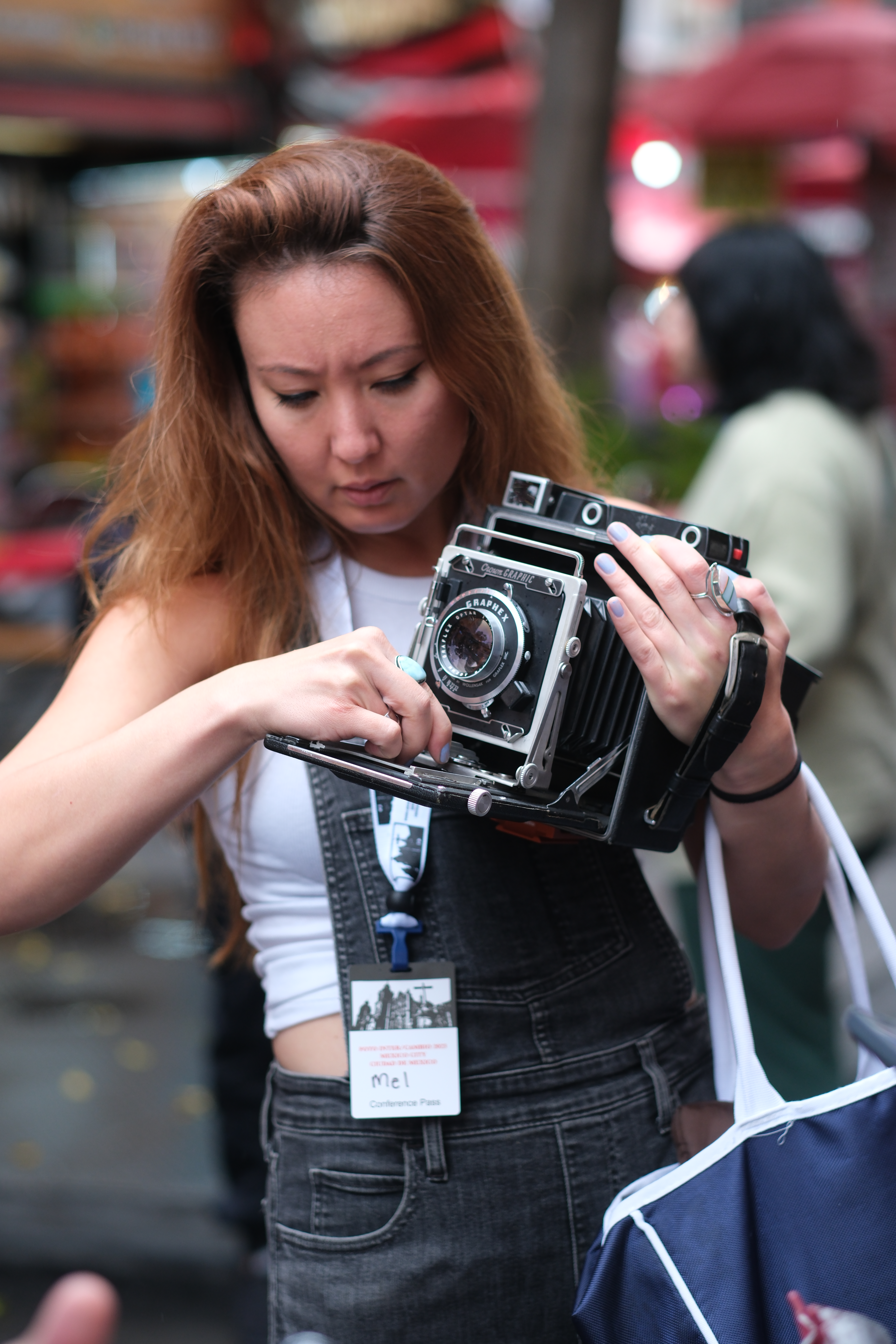
Day of the Dead decorations at Mercado San JuanFish at Mercado San JuanFresh veggiesSausagesRambutans and other exotic fruitDragonfruitRed SnapperThe butcher’s counterCatching a nap in the MercadoMaking sausages Vlad Grablev meets a fan of his RB67Mary Quin and Veronica in the MercadoDay of the Dead Ofrenda in the Mercado de ArtesaniasCatrin in the Mercado de ArtesaniasCatrina in the MercadoWeaver looking around in the Mercado San JuanChinese store in CDMX’s ChinatownMel with her Speed Graphic and Instax backLighting store in CDMX’s Chinatown
Rafa and Annie getting ready for his shoot, and a few views of the finished results (that’s me with the 5×7 view camera in the last shot):
Rafa Farias getting his face paintedAnnie and Rafa working on his makeupThe beginning of the makeupRafa in ProfileRafa posing in front of graffiti at the Colegio de las VizcainasClose-up of RafaRafa head-onRafa getting his portrait done with a 5×7 inch view camera
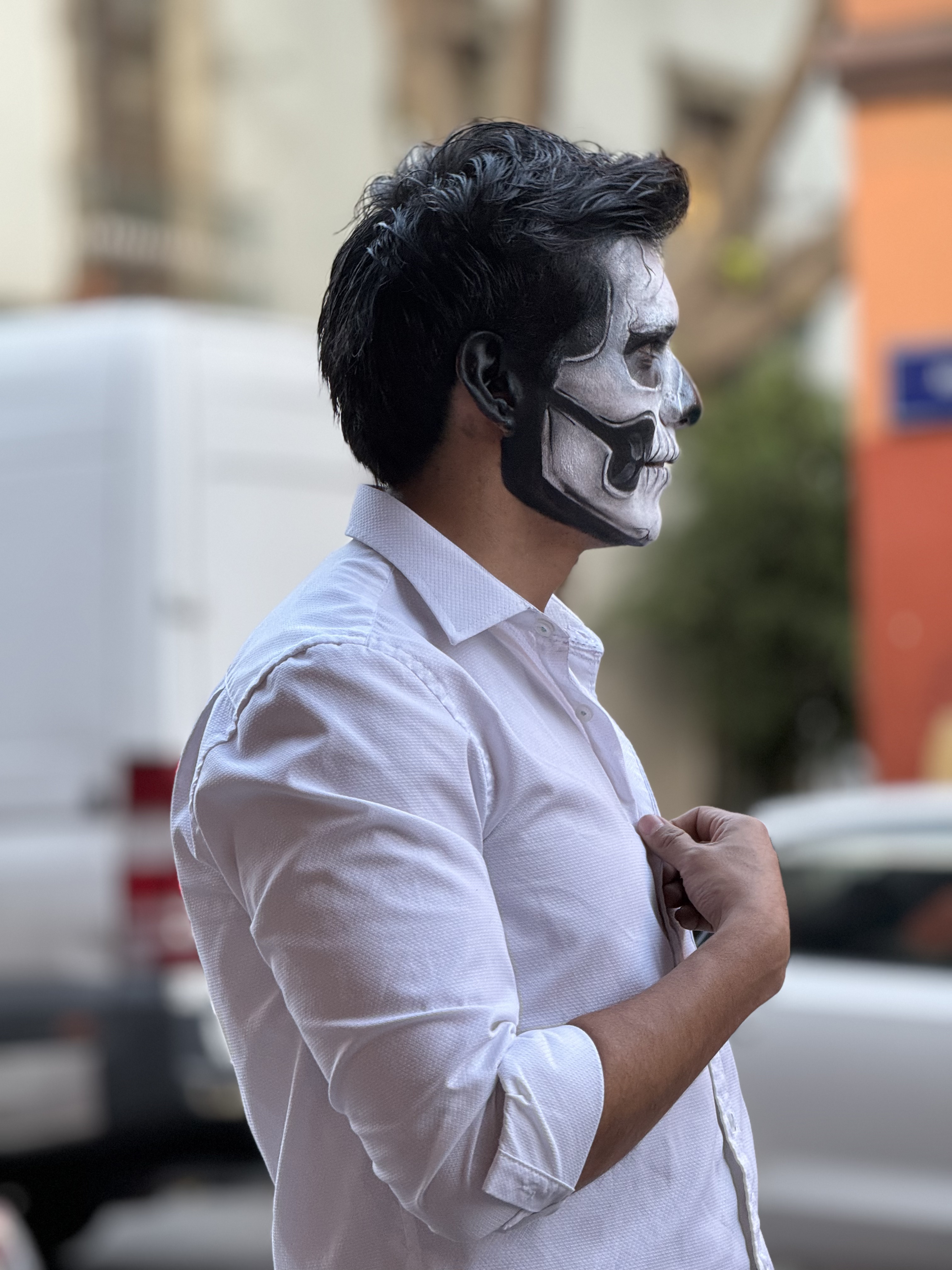
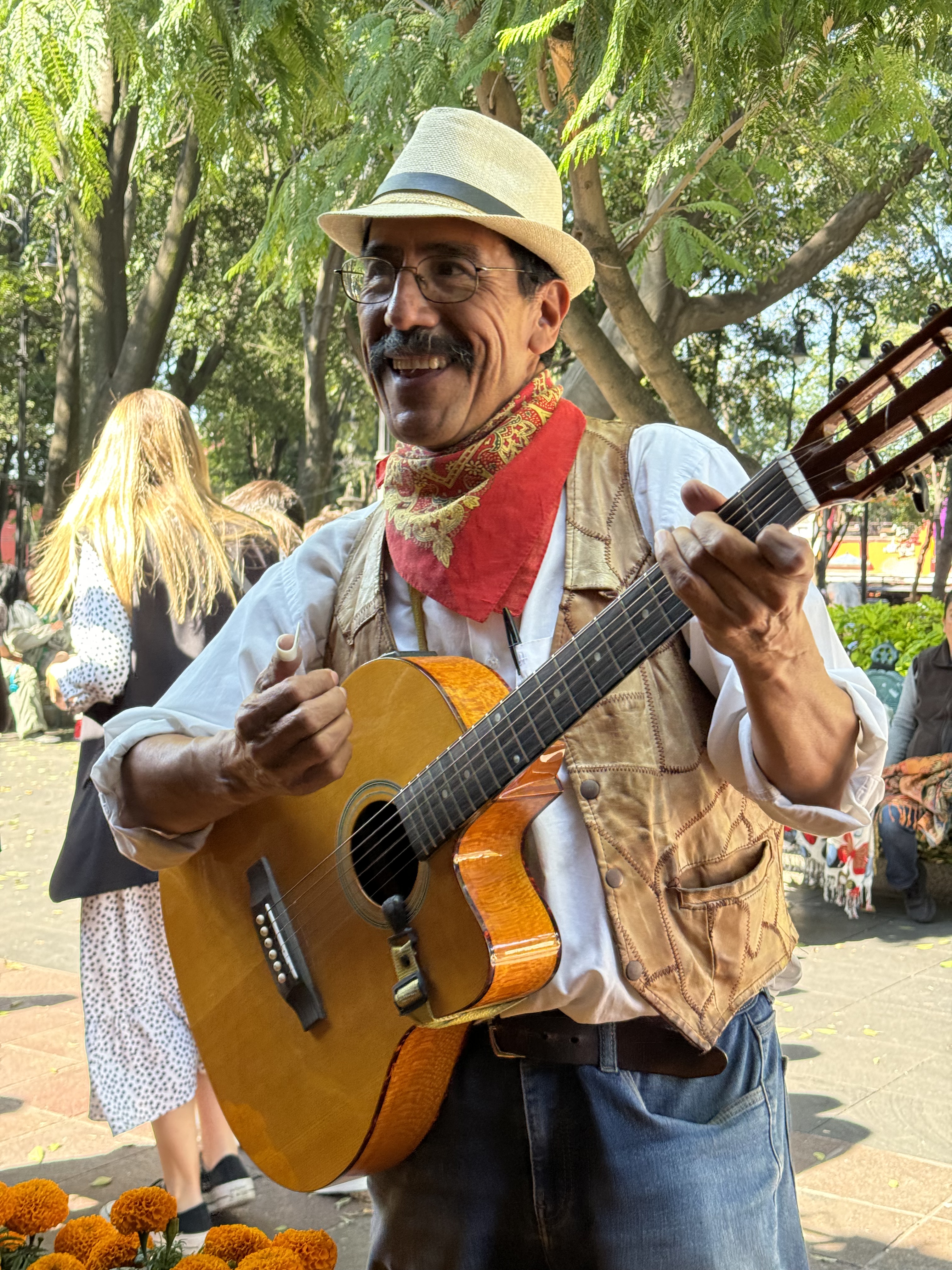
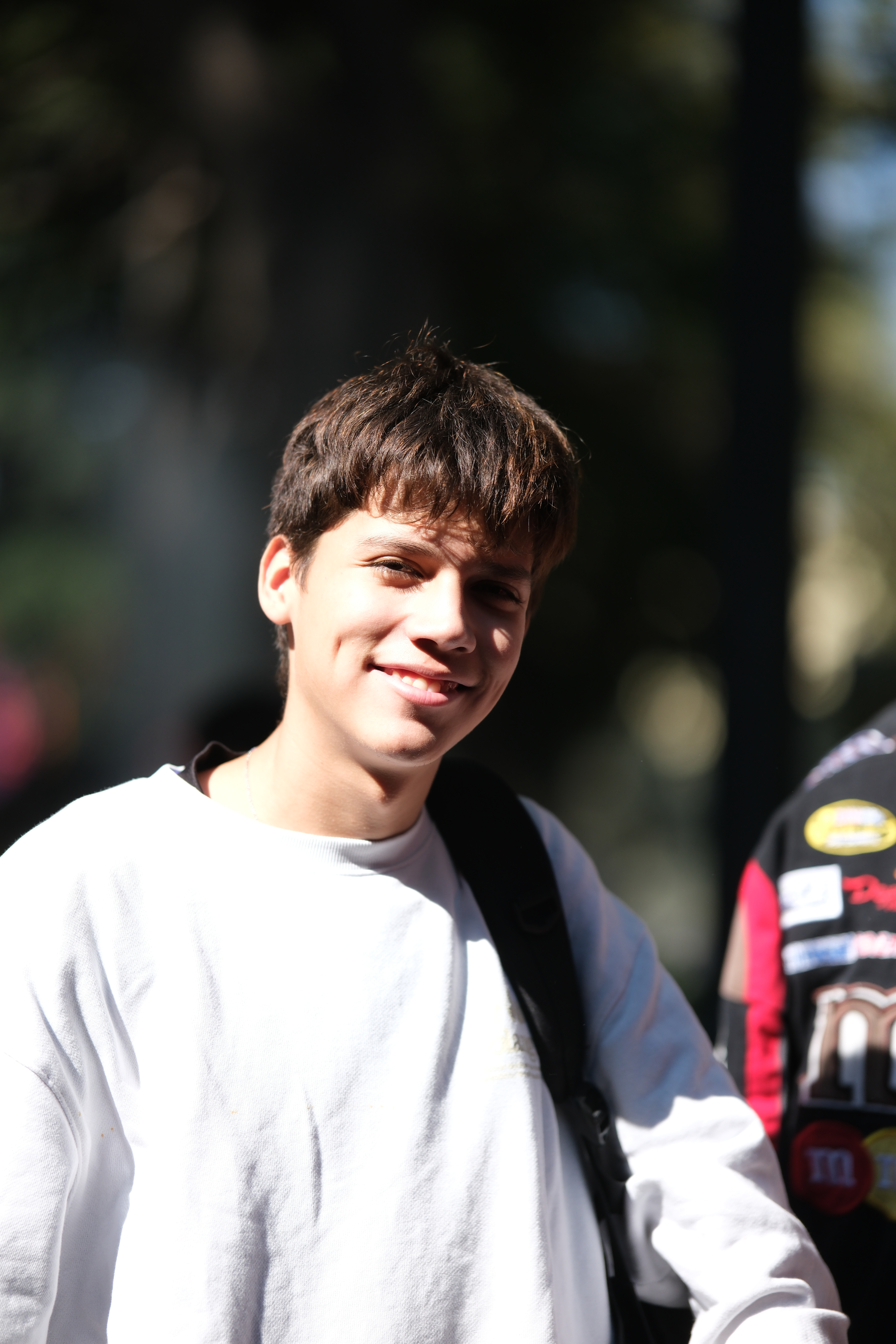
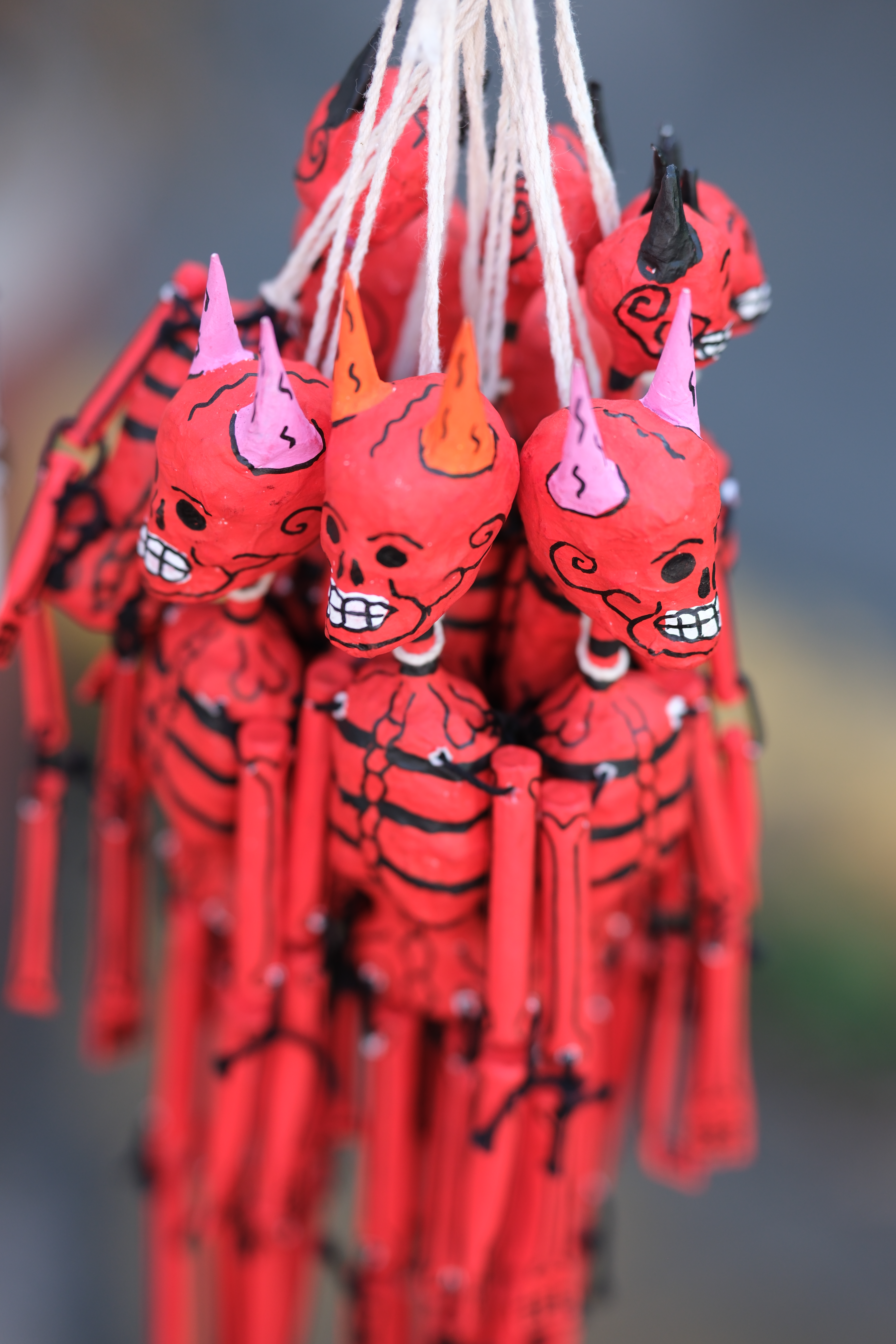
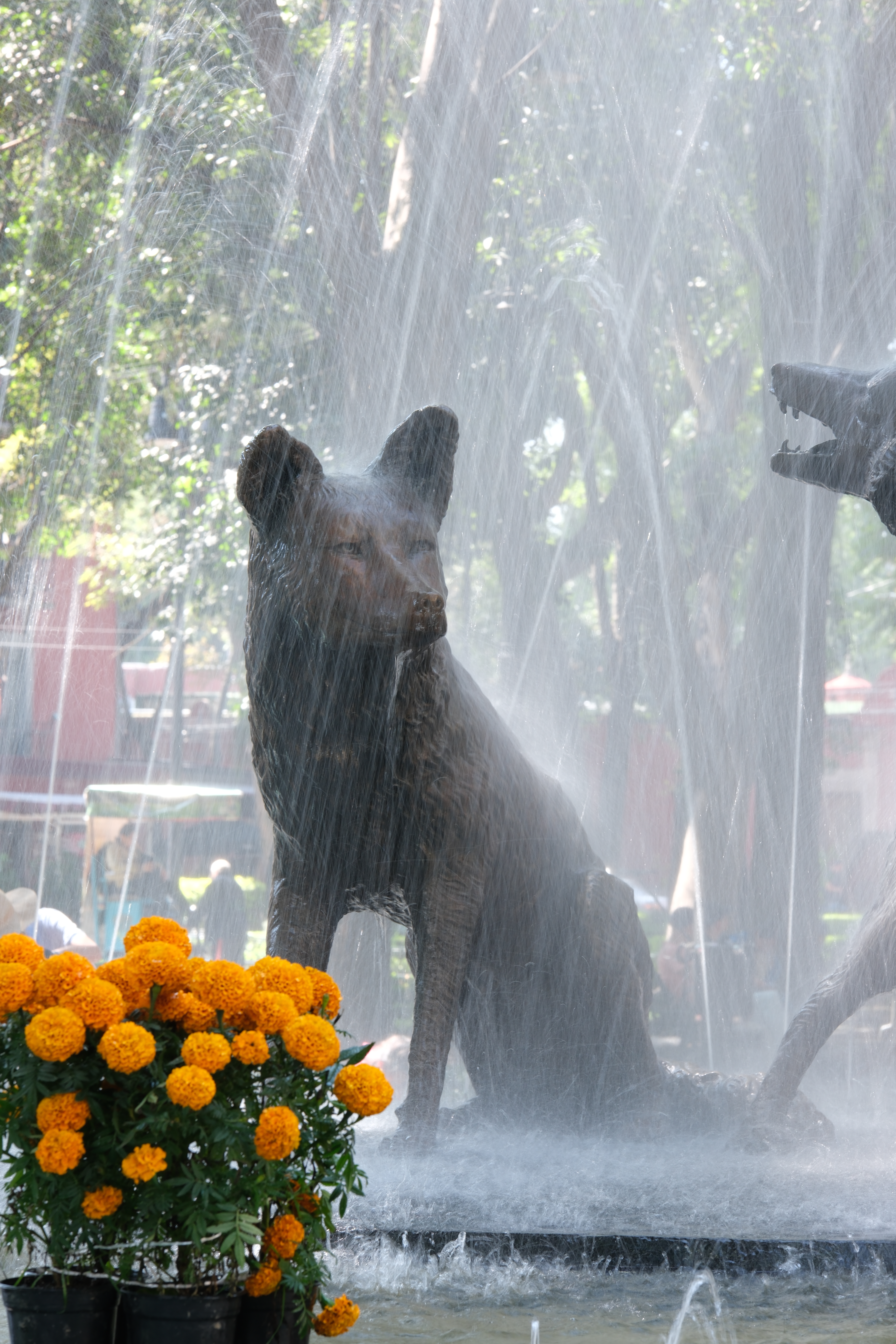
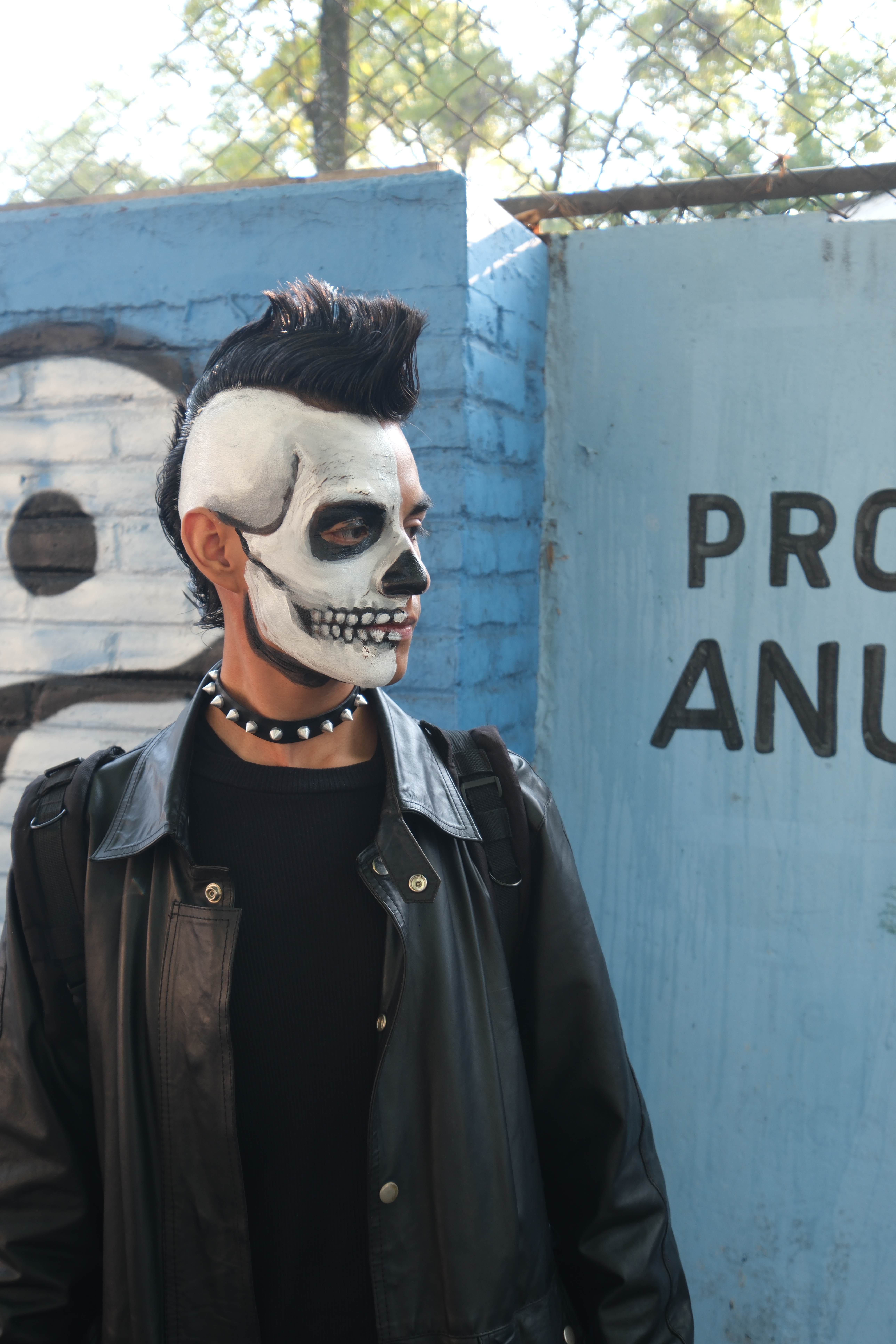
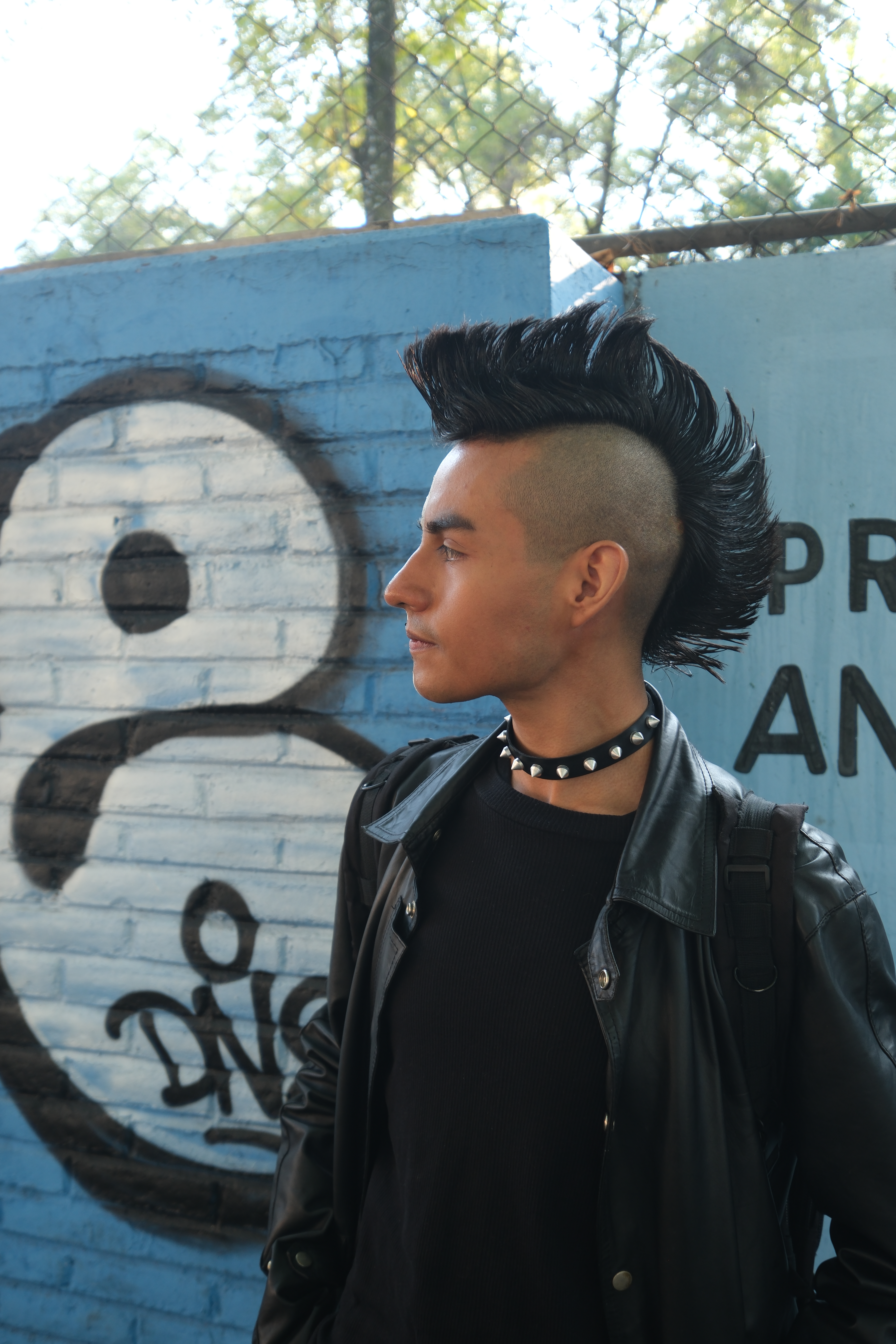
After the official end of the conference, a bunch of us took the day to go down to Coyoacán and wander around. Lots of Day of the Dead decorations were on display, and a good time was had by all. We grabbed lunch at an outdoor table at Restaurante Ave Maria, who was having a mole festival on the menu – I had a Oaxacan mole over beef which was very rich and delicious. We were serenaded by several strolling musicians – one an older gentleman with a guitar doing traditional Mexican songs, and then a group of young Mexican boys rapping. While their music wasn’t to my taste, they got big props for freestyle ad-libbing a rhyme about the gringo with the camera! I’m still building my street photography skills, especially when it comes to photographing people. As we were heading back to the Metro, I saw this guy with the most incredible style and makeup, and had to take the chance to ask him for a photo. You’ll see the results – he had half his face painted with the calavera, and the other unpainted, and he was decked out in what would certainly qualify as vintage Punk style – he would have fit right in on Kings Road in London in 1983.
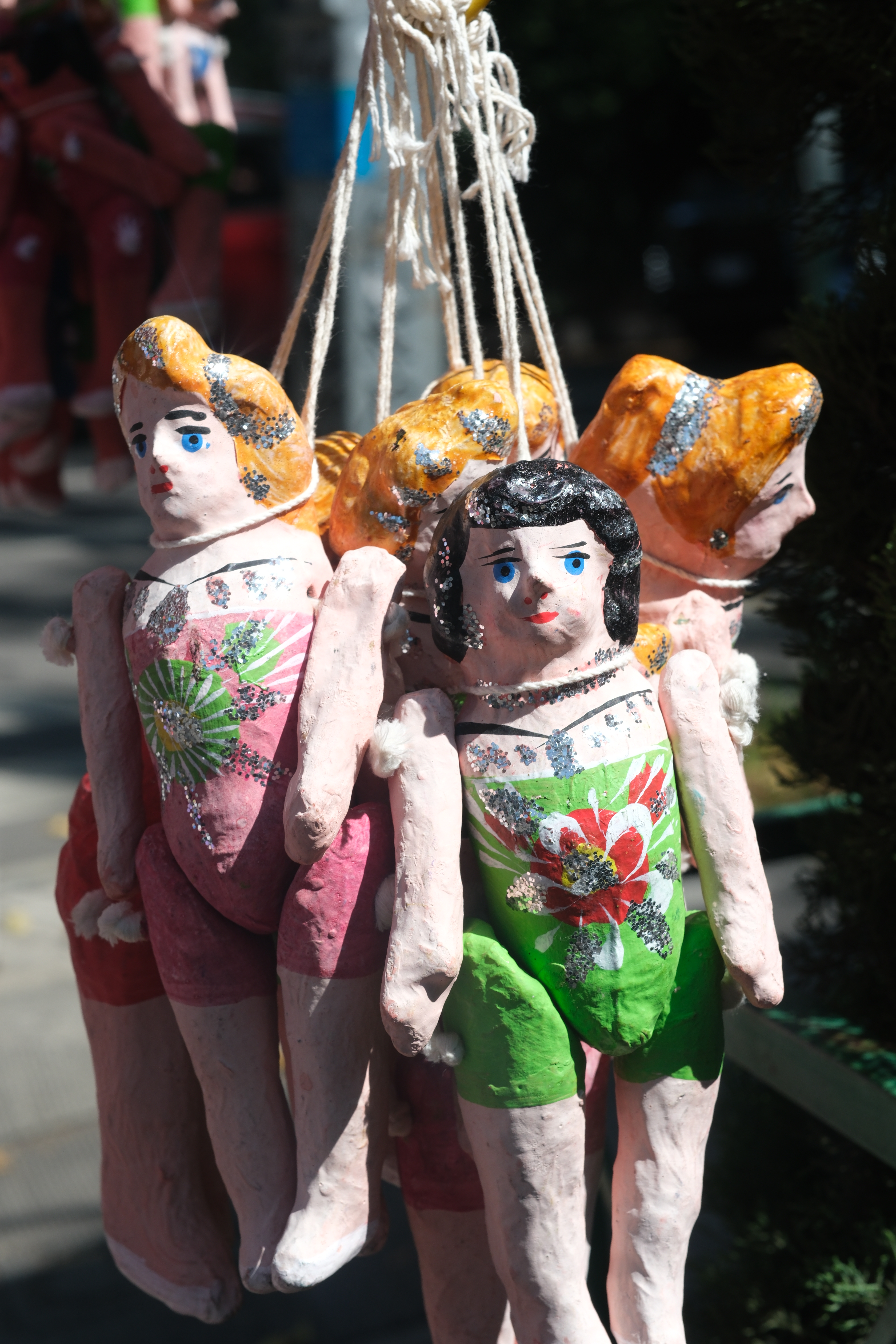
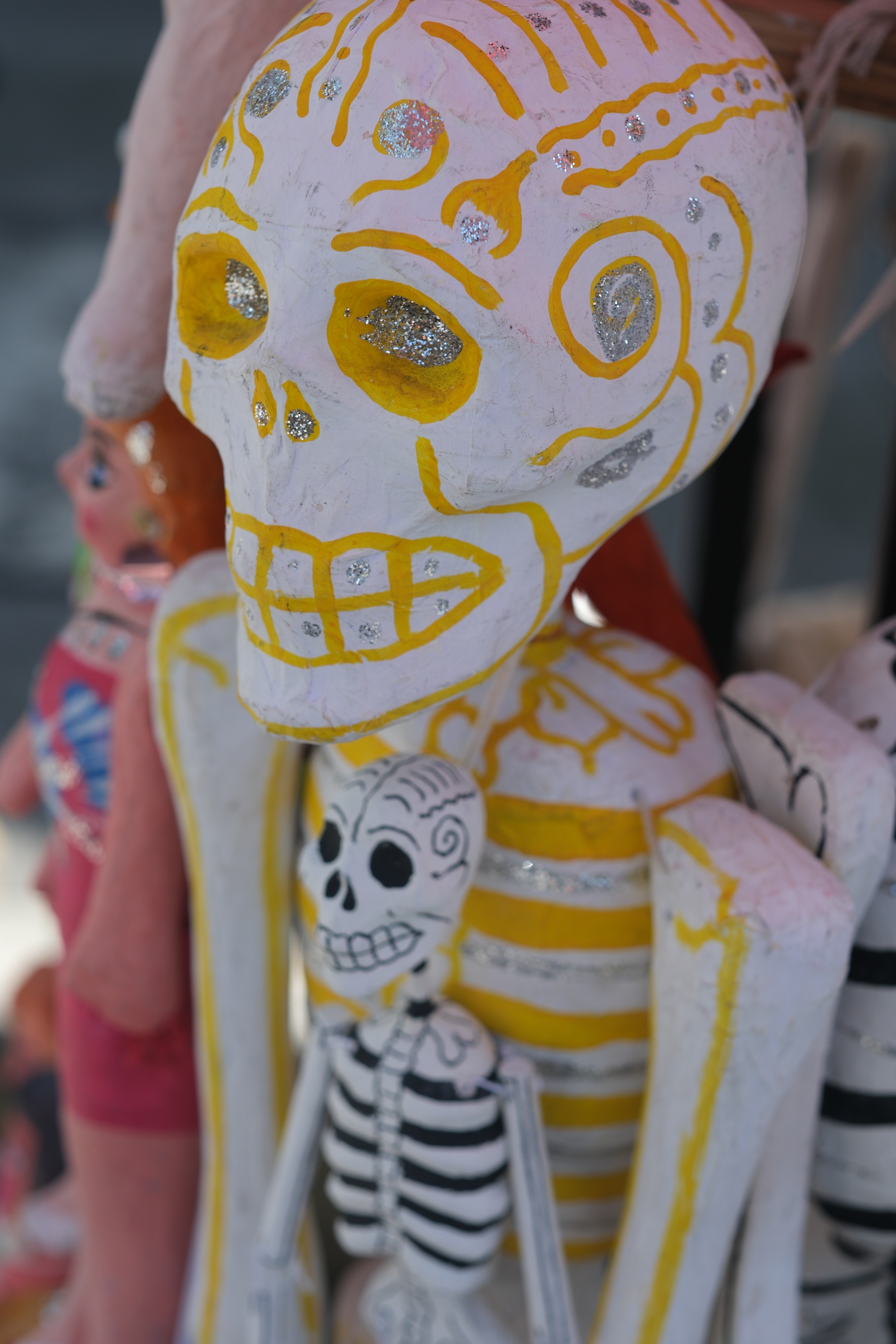
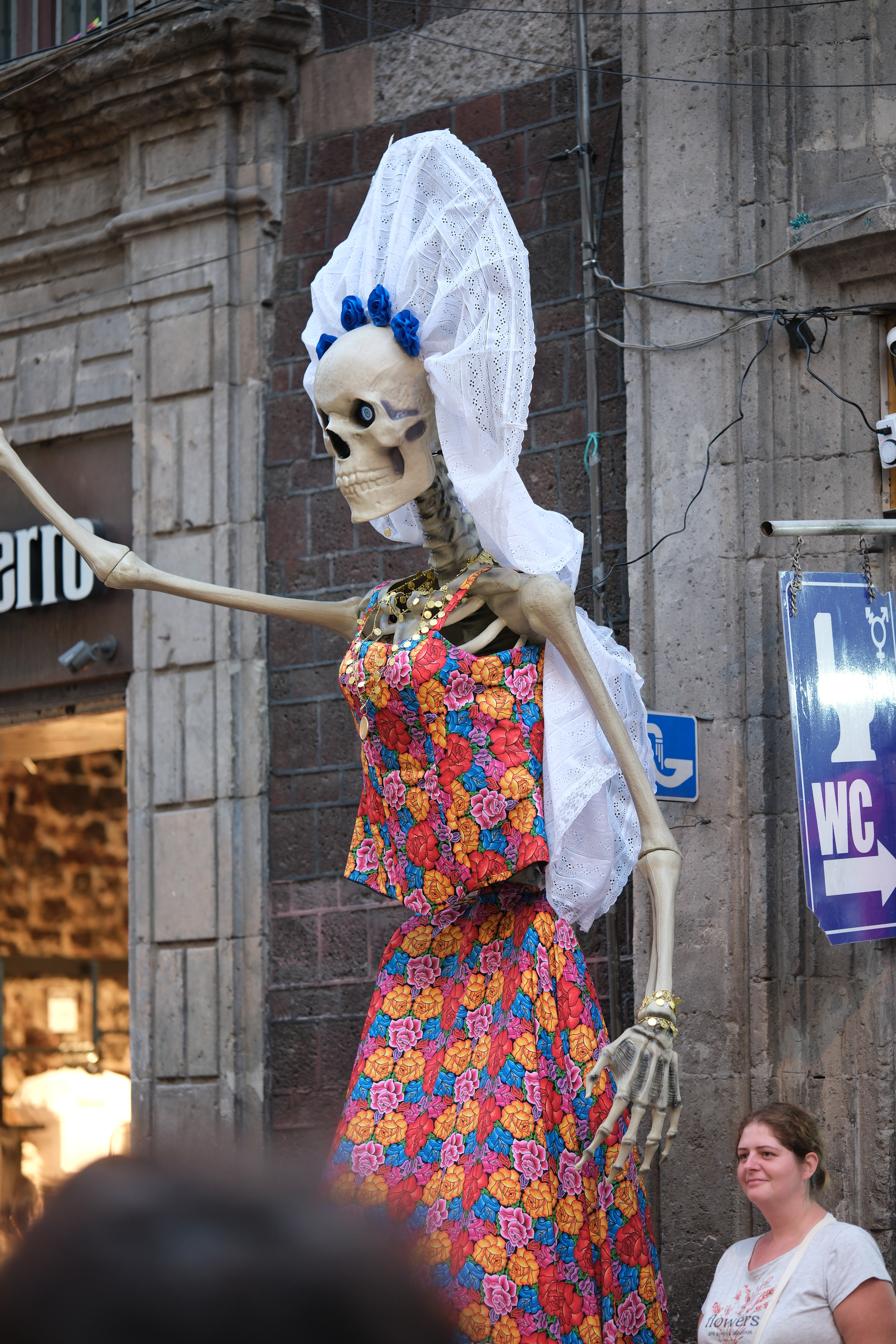
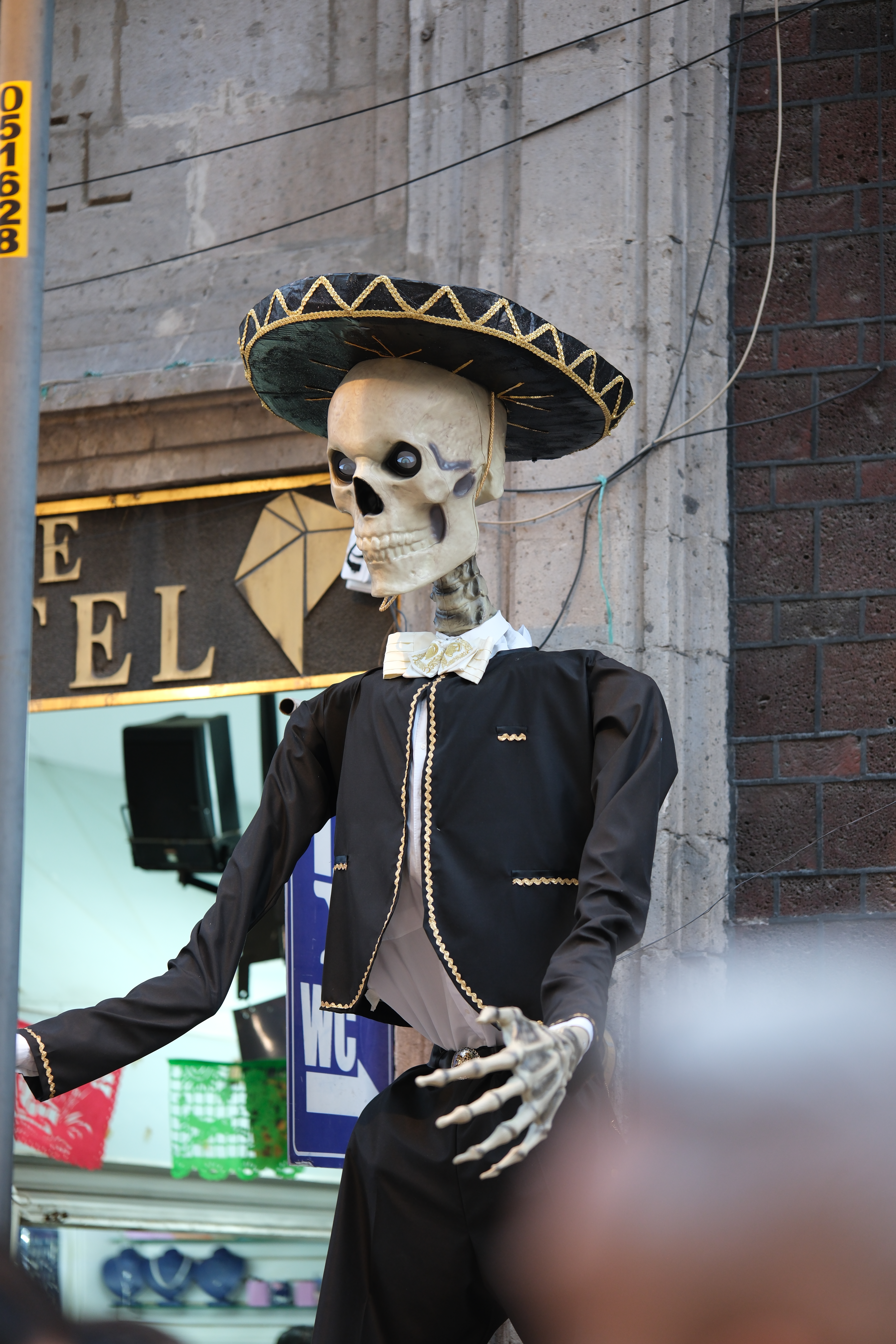
Troubadour in CoyoacánCheeky RapperDevil figurines in papier-mâché Vlad and Craig at lunch in Coyoacánmore papier-mâché devil figuresPapier-mache skeleton with skeletal dog and puppymore papier-mache figurinesSkeletonsmore skeletonsFuente de los Coyotes on the plaza in CoyoacánYoung punk with bifurcated makeupThe other side of the young punk
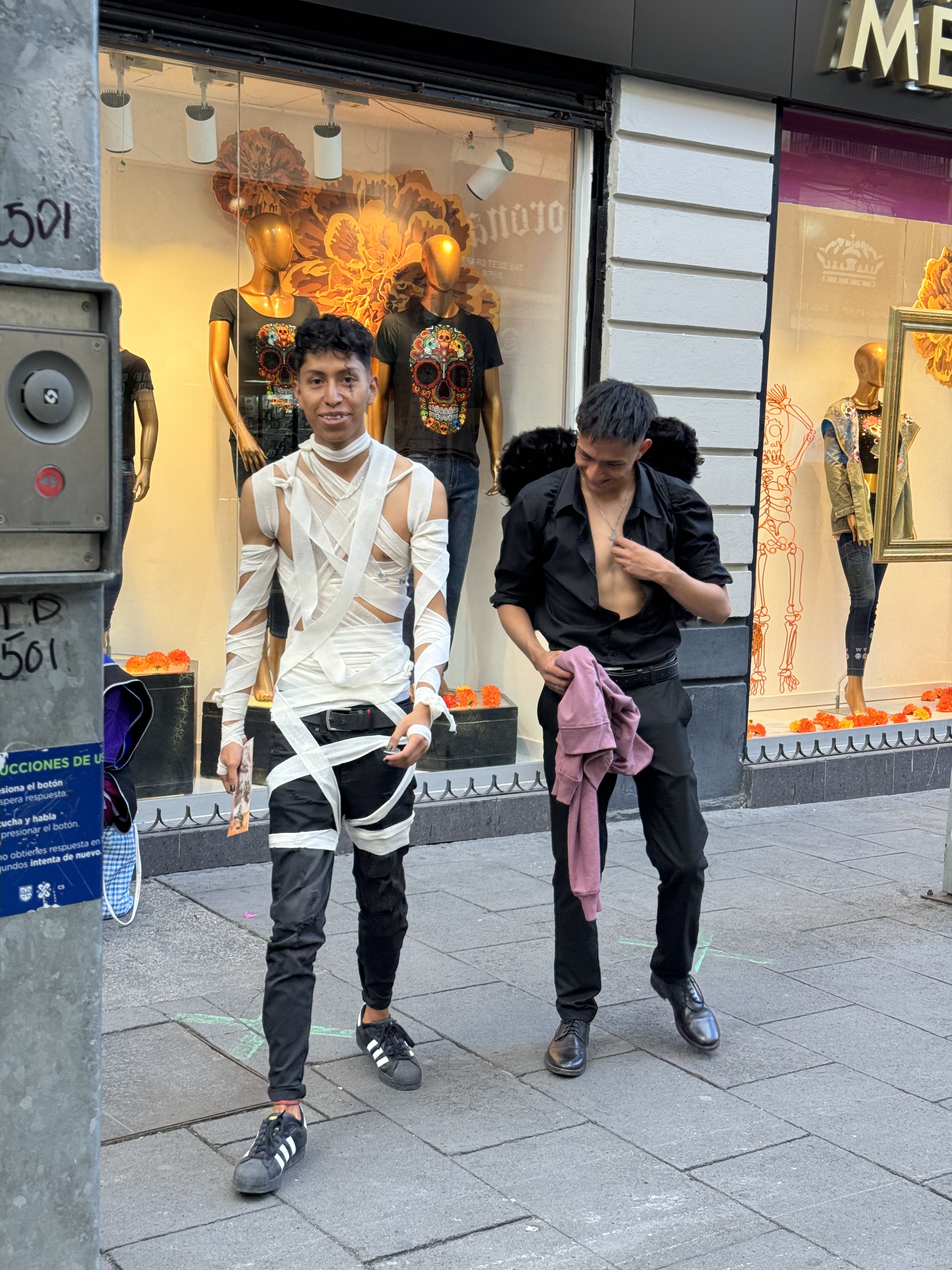
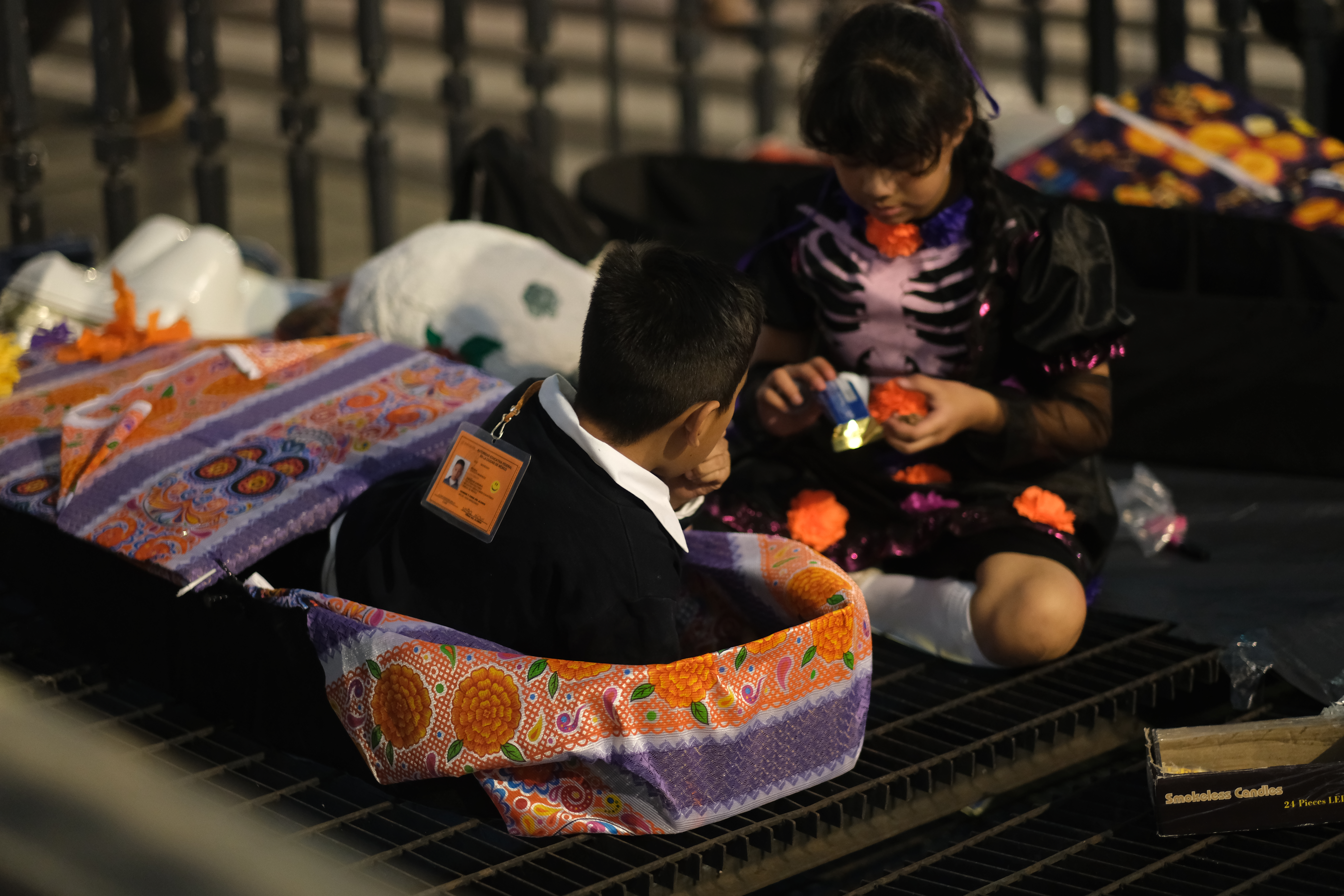
Some more Day of the Dead sights:
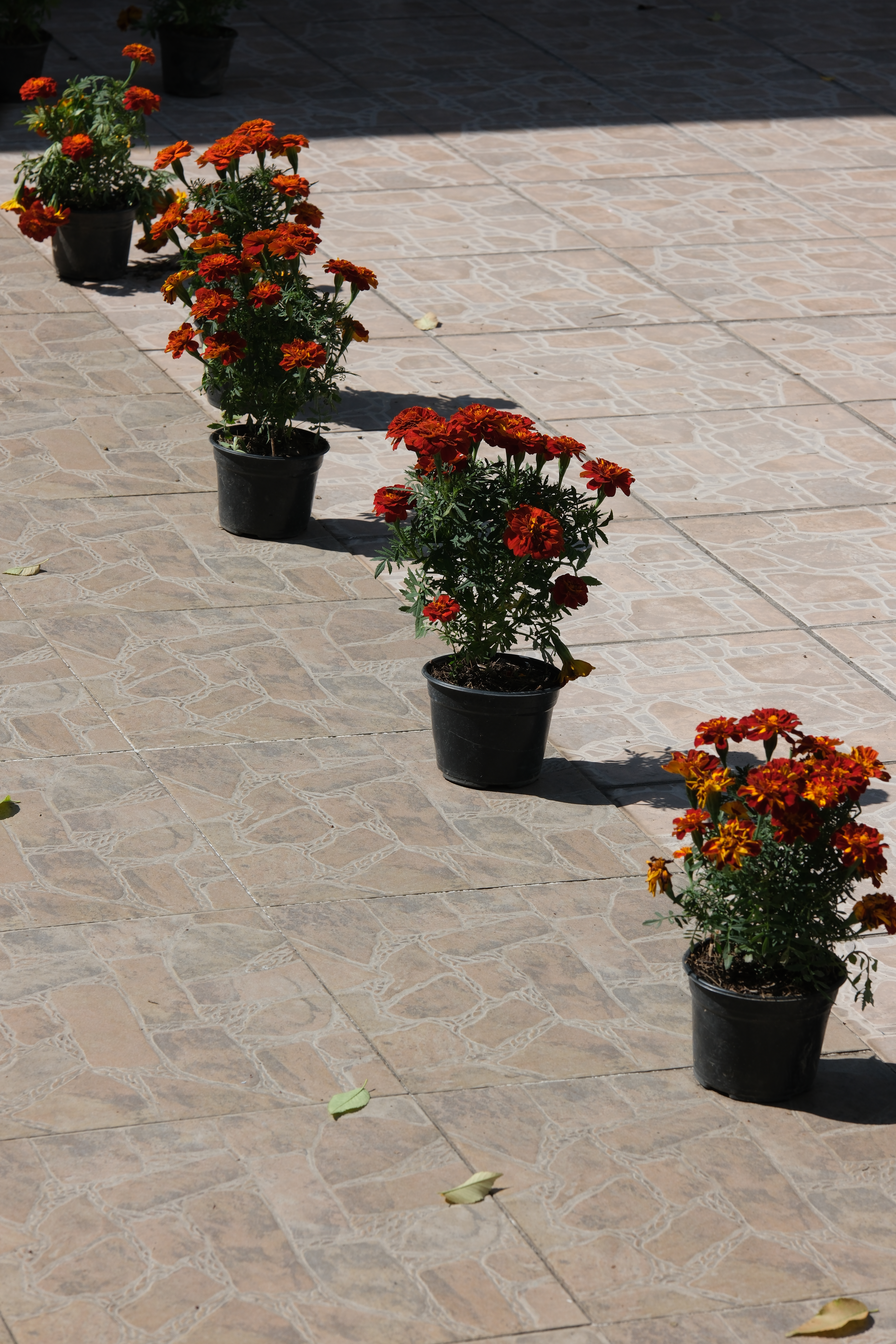
Boys on the street in Halloween attirekids dressed up on the Zocalo over the Metro entranceDay of the Dead figurines on Avenida Francisco MaderoDay of the Dead figurines on Avenida Francisco MaderoMarigolds on the patio in Coyoacán
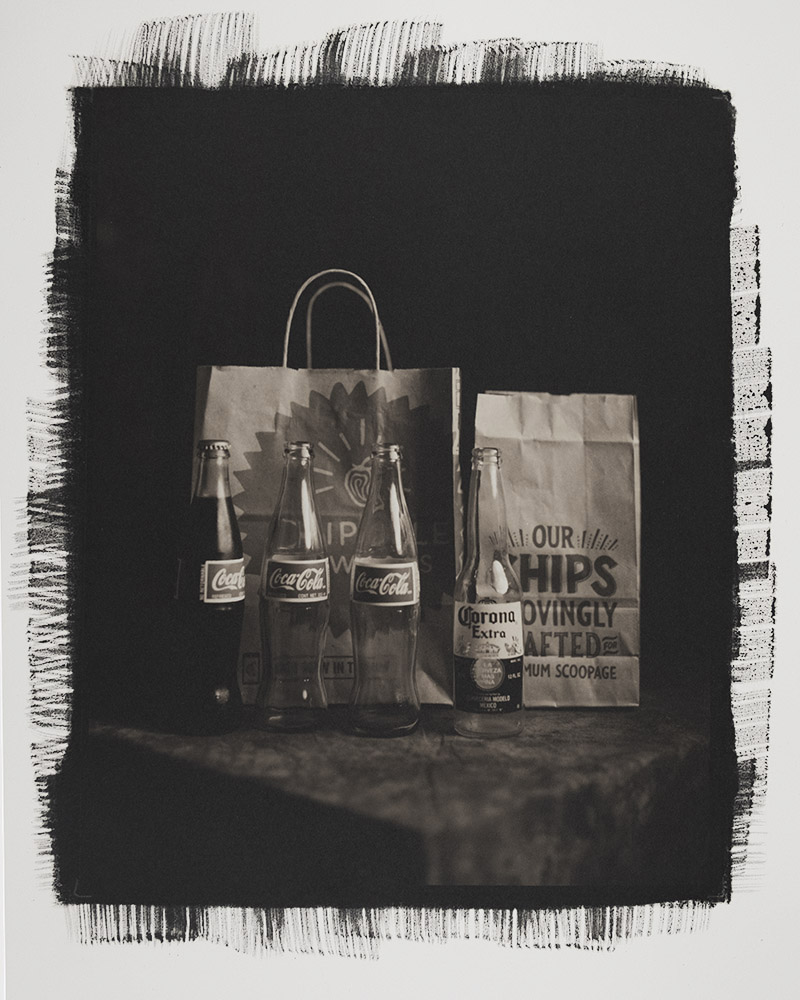
I’ve been engaging in series of work in response to triggers from my environment – there was that moment of eureka that started the six year journey resulting in the Sinister Idyll series and the gallery show at Gallery O on H. Now, with the COVID-19 crisis, I’ve been trying to work on a series coping with being in a near-quarantine situation, and how do we respond to/deal with the stress and anxiety of walking around every day in a public space that could kill you. After barely leaving my house for the last four months, I noticed that certain things were turning into patterns, most specifically, delivery food. I was cooking at home more, but I was also getting delivery from places I hadn’t in the past, and due to “contactless” delivery those delivery items and their remnants looked different.
Chipotle, Mexican Coke, Corona
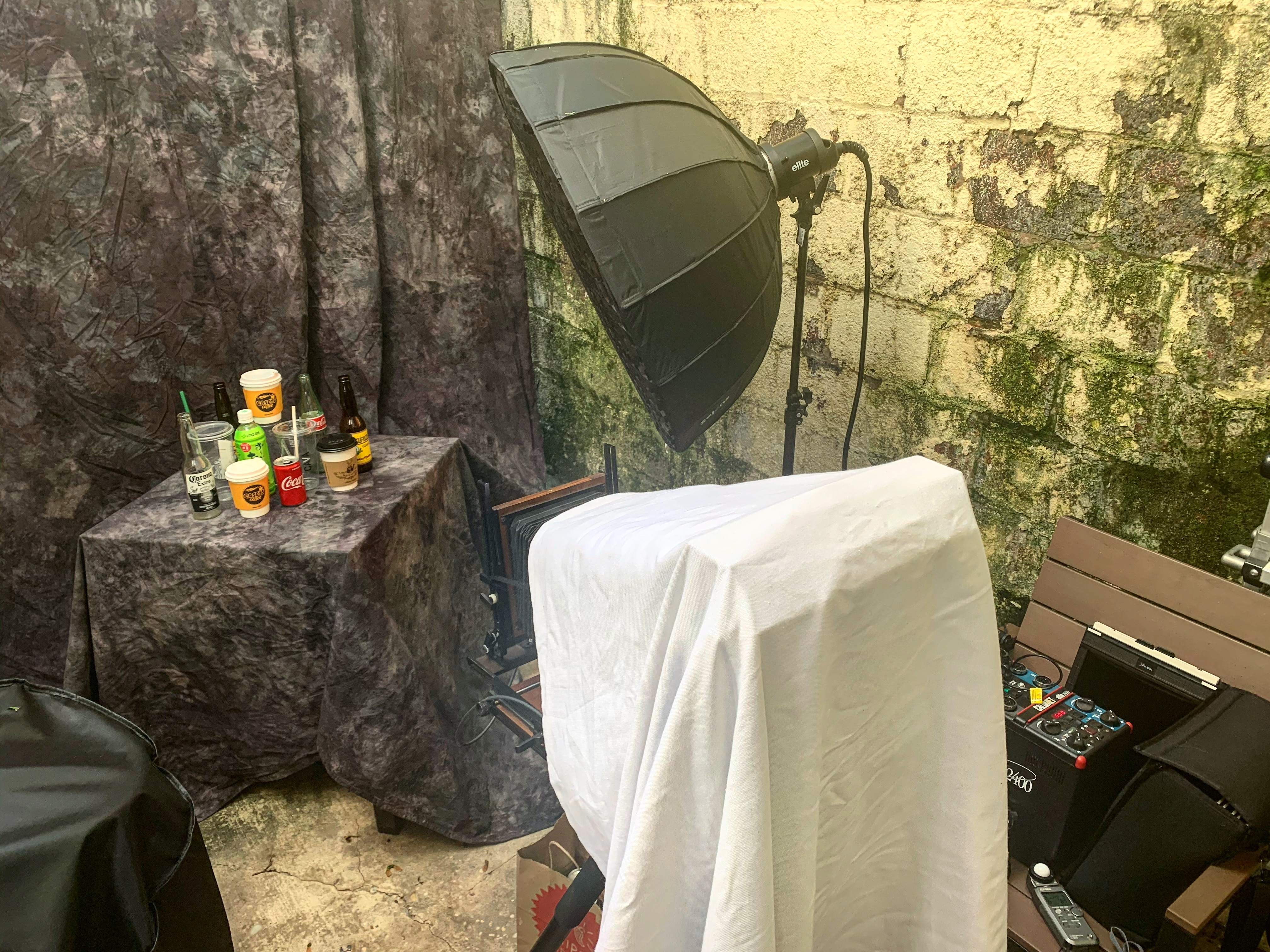
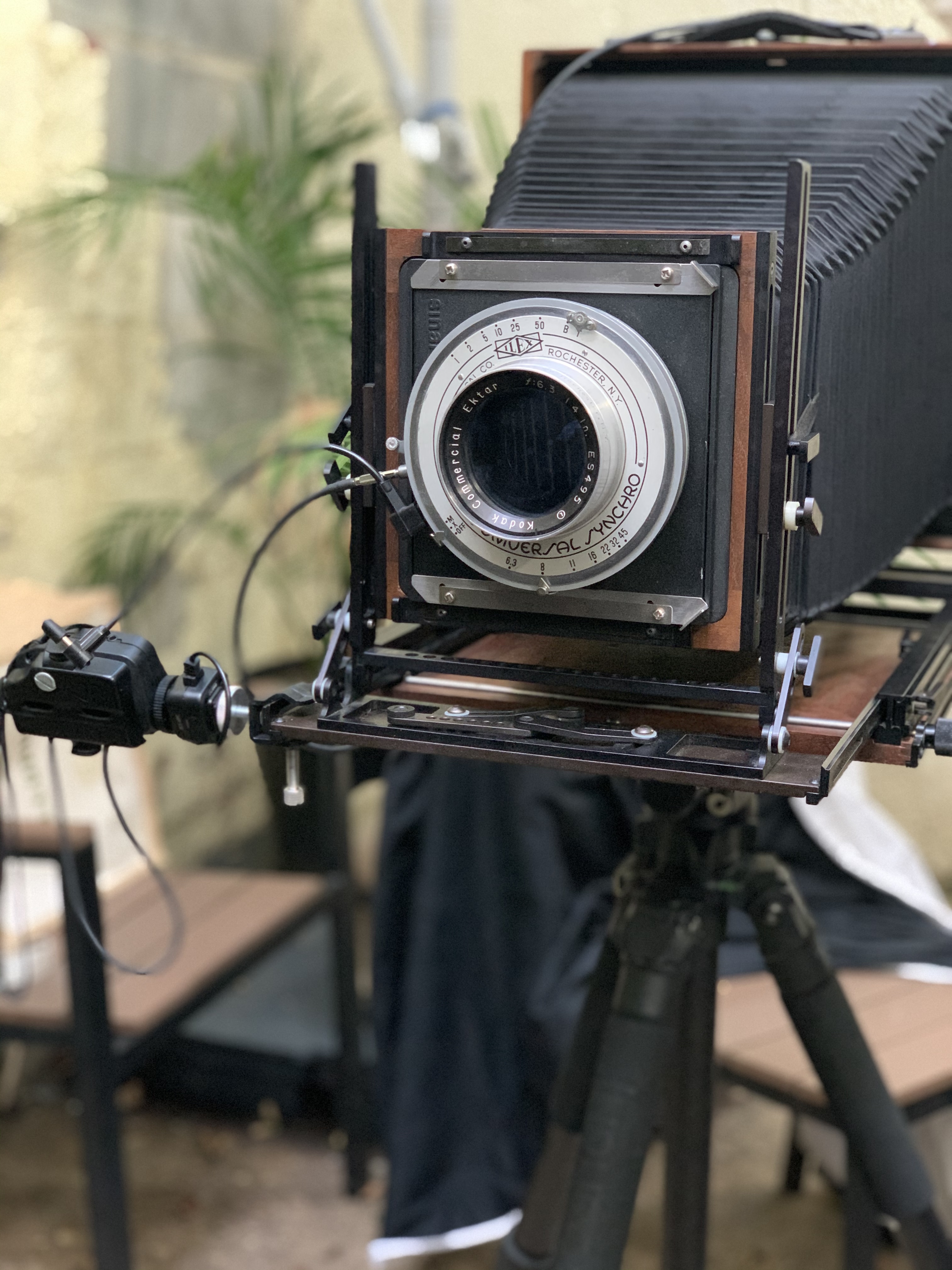
Since I’m not leaving the house, and now I had all this accumulated subject matter, I decided that my response would be in the form of still life images. I brought out my 8×10 view camera and set up a small studio on my patio where I could work.
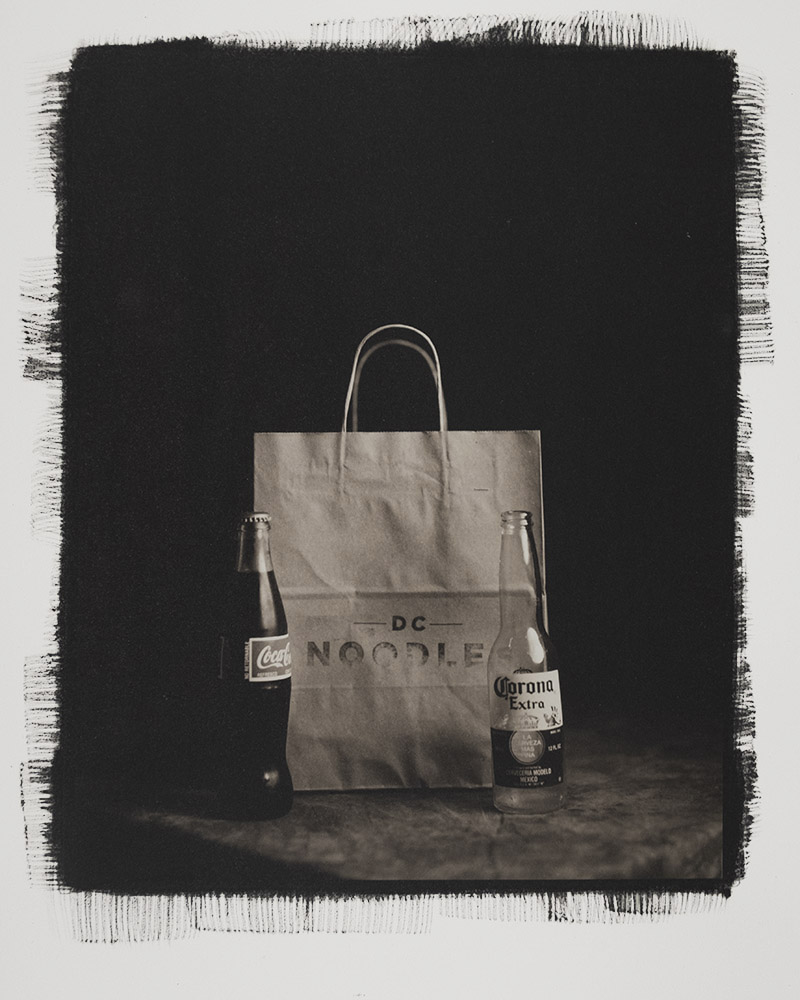
DC Noodles Delivery
These are just two preliminary images from the series. I’m continuing to work on ideas and presentation, but it’s a planted seed that will grow into something. Working on a series like this is very different from my documentary series Sinister Idyll because there, I had to go out and photograph my subjects in the places where I found them, in the circumstances they existed in (it might be rainy, or crowded, or the wrong time of day). Inspiration came from what I found when I found it, and I just had to interpret. Here, with doing still life, it’s a very different discipline because you’re creating something entirely de novo – yes, the delivery bags and food containers and beverage bottles are what they are, but I have to arrange them in a cohesive and aesthetic manner, I have to choose the juxtapositions, the backdrop, the lighting, the depth of field… everything. There’s nobody to blame for a shot not working but myself. I like the discipline of it, but it’s a big challenge.
As is customary for me, these are all going to be palladium prints. I love working in a hand-made medium, and the tactile nature of the photographs is so pleasing to me. The entire process of making them, from setting up the studio through using the large view camera, to developing the film and making the print, really, means that I put so much of my soul into the practice of making the photograph.
Here’s the little studio set up, if you want to see it. It serves as proof that you don’t need much to work with to make images- just a will to do something and a vision to make it happen.
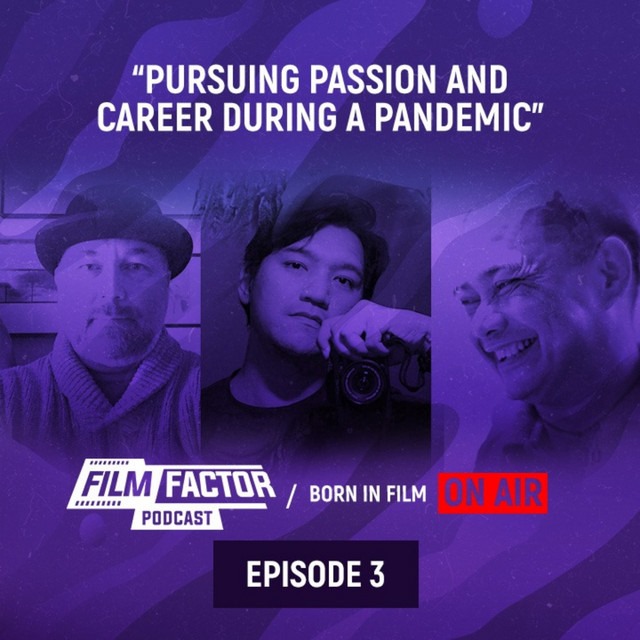
Hi all- sorry for the very long silence on here. Life has been tempest-tossed the last year or so, so I’ve been kinda out-of-action on the blogging front. Anyway, back at it. I was just interviewed on the Film Factor Podcast, talking about alternative processes, collecting daguerreotypes, and teaching photography in a pandemic. Film Factor Podcast is hosted by Franz Lopez, a devoted photography enthusiast in the Philippines. Getting everything synced up for the live show was a little interesting, given the vagaries of the global internet and the twelve-hour time difference. Here’s the link to the recording of the session:
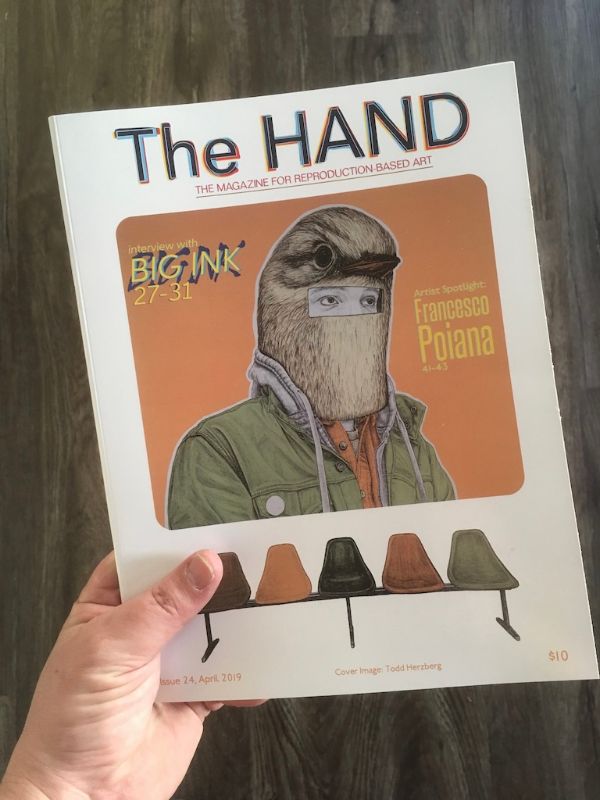
My work from the Sinister Idyll series is appearing in the next issue of The Hand magazine, a monthly journal of reproduction-based art. This covers hand-made photography as well as most forms of traditional printing (woodcut, linocut, etching, collotype, and more).
The Hand Magazine’s
Weekly High Five!
SUBSCRIBE
GET ISSUE 24
SUBMIT
Issue 24 is in the distribution room. We are trying our hardest to get them in envelopes, stickered and bundled for the mail room!
Hey all!
We’re working hard to get your copy sent out early this week. After they are shipped, delivery can take up to 10 days, or longer outside the US. We hope you’re excited to get the magazine and we are confident it will be worth the wait!
This issue features an interview with Lyell Castonguay. Lyell is the director of the large-format woodblock press, BIG INK, and an accomplished artist in his own right. We also have an Artist’s Spotlight on Francesco Poiana. If you haven’t ordered yours yet, GET A COPY TODAY!
Below, you will see images by the artists we featured on our social media platforms over the past week. Please join us on Facebook and Instagram for more behind the scenes pics and fun stuff. We hope you will take the time to take a closer look at these wonderful artists. Please click on their links, go to their websites, and start a dialogue with them. Take care of yourself and each other.
Issue 24 contributor, Peter Ward (St. Albans Park, Victoria, Australia), “Lost Quilt”, Linocut on calico, quilted, 63″ x 63″ VISIT PETER’S WEBSITE
Issue 24 contributor, Molly Phalan (West Lafayette, Indiana, USA), “Decarlo”, Silver gelatin mordançage, 14″ x 11″ VISIT MOLLY’S WEBSITE
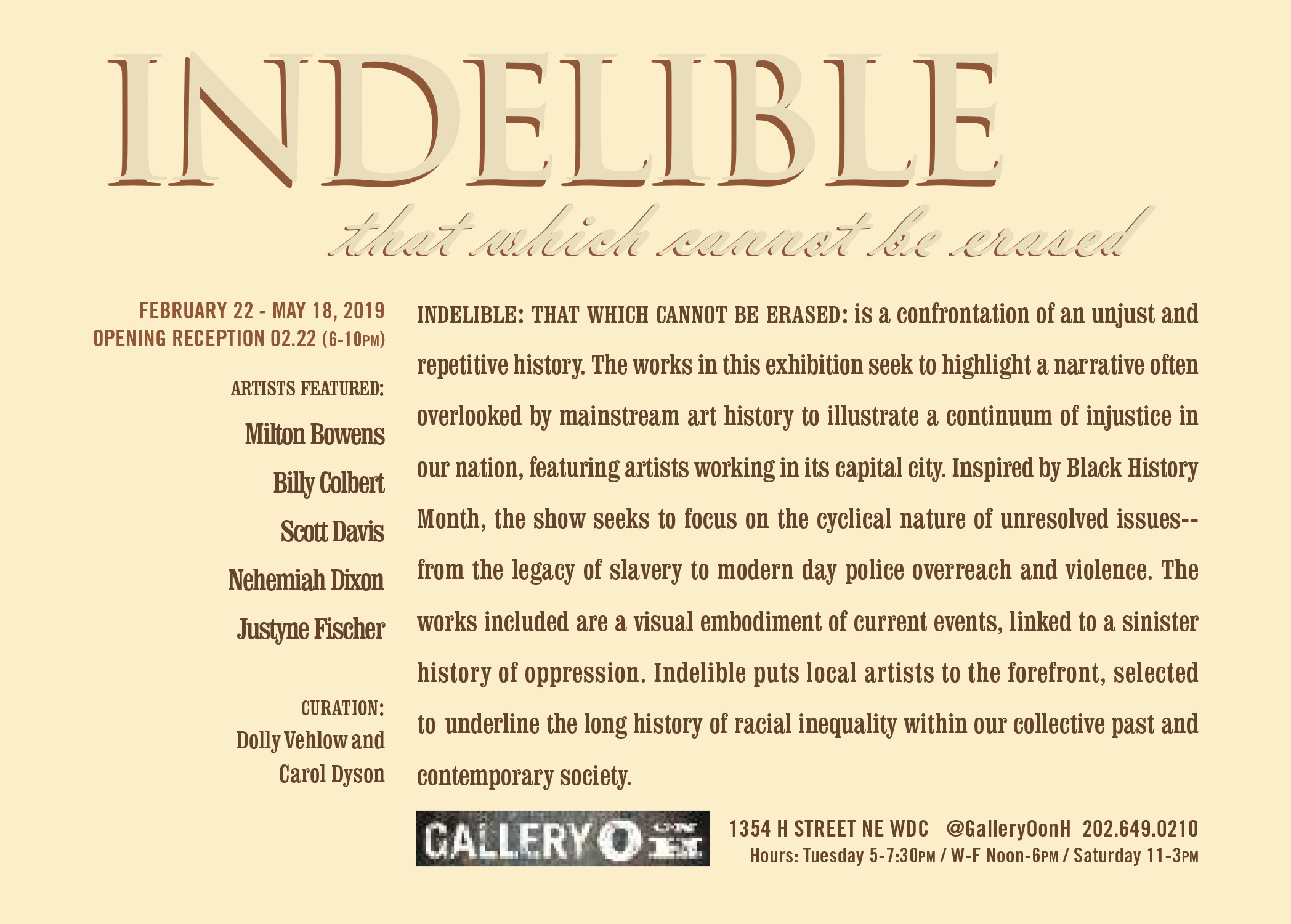
I am overjoyed to announce that I will be one of five artists participating in INDELIBLE: That Which Cannot Be Erased, at Gallery O on H, 1354 H Street NE, Washington DC, from February 22 to the end of May. I will have over 40 palladium prints in the show. I also want to give a huge round of applause to Mary Ellen Vehlow, the owner of Gallery O on H and curator of this show, for including my work in a very powerful exhibit.
INDELIBLE: that which cannot be erased. A multimedia two-floor installation curated by Gallery Director Dolly Vehlow of GalleryOonH and Busboys and Poets Arts Curator Carol Rhodes Dyson.
Opening Reception: February 22nd 6-10pm. On exhibit through May 2019. Daily Tuesday 5-7:30PM, Wed-Fri 12-5PM, Saturday 11-3PM.
Indelible: that which cannot be erased is a confrontation of an unjust and repetitive history. The works in this exhibition seek to highlight a narrative often overlooked by mainstream art history to illustrate a continuum of injustice in our nation, featuring artists working in its capital city. Inspired by Black History Month, the show seeks to focus on the cyclical nature of unresolved issues–from the legacy of slavery to modern day police overreach and violence. The works included are a visual embodiment of current events, linked to a sinister history of oppression. Indelible puts local artists to the forefront, selected to underline the long history of racial inequality within our collective past and contemporary society. Artists featured include Milton Bowens, Billy Colbert, Scott Davis, Nehemiah Dixon, Justyne Fischer and Rodney “BUCK!” Herring.
The DC Yacht Club, site of the former docks for the city where in 1848, the Pearl, a merchant ship, had been hired by a group of slaves desiring to escape to the north. The so-called Pearl Incident was the largest non-violent slave escape in US history prior to the Civil War. Seventy-seven individuals had arranged passage. They were betrayed by a fellow slave who did not participate in the escape. The owner of several of the slaves, a Mr. Dodge, sent a steam launch to pursue them down the Potomac. The Pearl had become becalmed near the mouth of the Potomac and was caught by the steam launch. Among the passengers were two of the Edmonson daughters mentioned in the previous caption. In the immediate aftermath of the incident, pro-slavery groups ran amok in Washington DC, attacking abolitionist newspapers and groups. The long-term outcome was that the slave trade was banned outright in Washington DC in 1850, although slavery remained legal in the District until April 16, 1862.
My artists statement about the work:
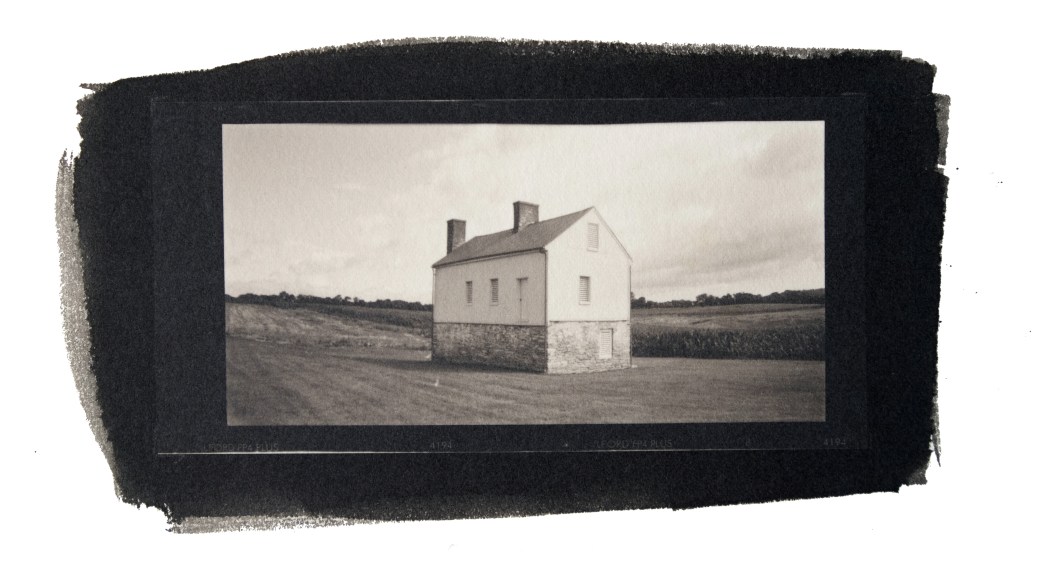
Roland Barthes wrote of how a photograph contains a “punctum”, an element that strikes the viewer to the spiritual core, something that provokes a visceral emotional reaction in them. I believe life has moments of punctum – the origins of this project, for me, was an experience that ran through me like a lightning bolt. I was taking a Civil War history tour through the Smithsonian one late summer afternoon. I was standing on the lawn of L’Hermitage, a farm just outside Frederick, Maryland. I was looking around at the gently rolling hills, trees full of green leaves, puffy white clouds dotting the sky, corn in the adjacent field taller than my head, and listening to the guide talking about the history of the place.
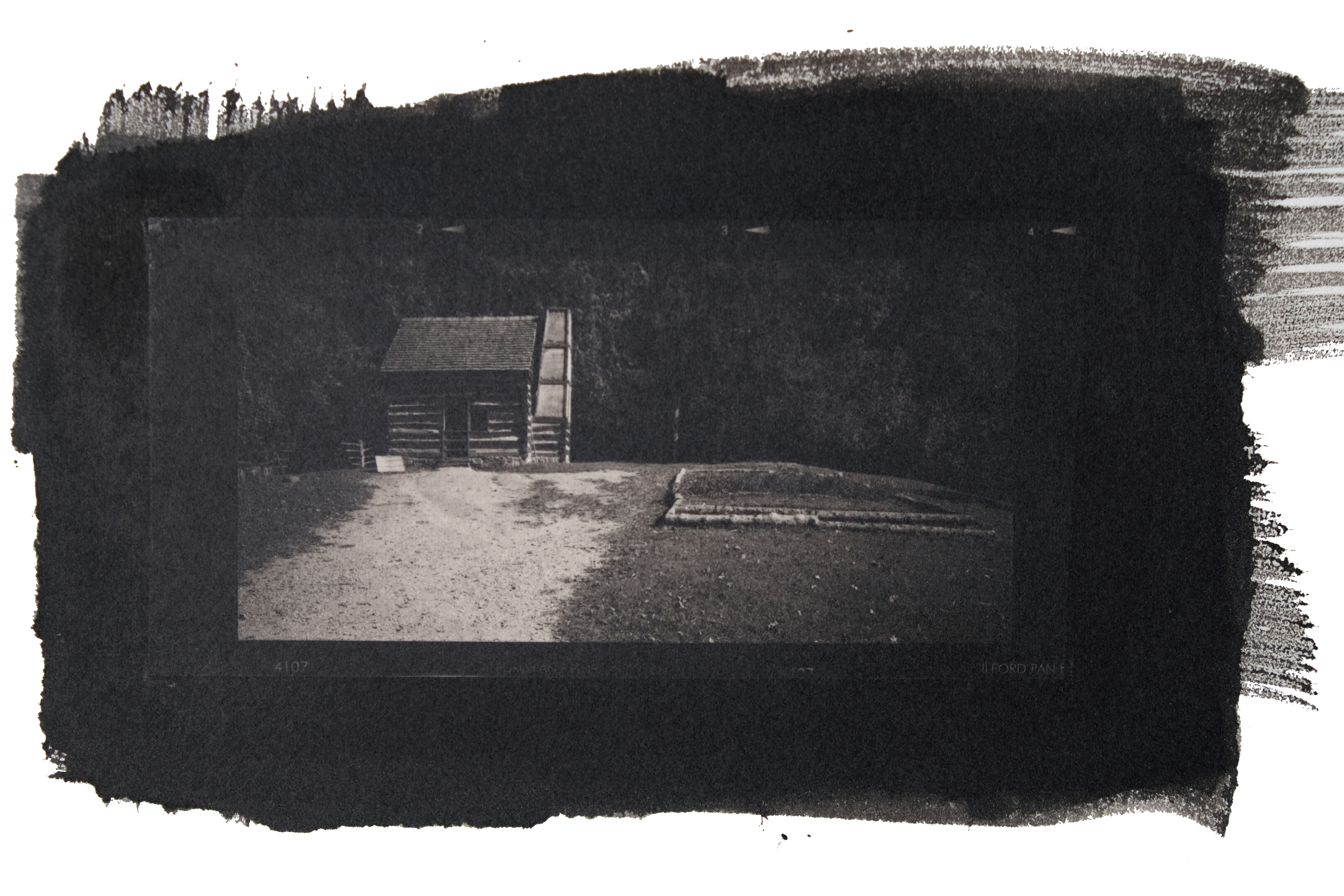
The “bachelor’s house” at L’Hermitage on the Monocacy National Battlefield. This house would have housed the young un-married male members of the family and their personal servants. Four to six people at a time would have lived here. In the field adjacent, just out of the field of view of this photograph, the three slave cabins for L’Hermitage were located. Each of those three cabins were not much bigger than this cottage but held roughly thirty people each.
The farm was founded by a family of French emigres from Haiti who had fled the slave uprisings in the 1790s. They re-settled in Frederick, Maryland, and proceeded to attempt to reestablish Haitian-style slavery replete with the same degree of brutality they had practiced before. These people were so brutal with their slaves that their neighbors, slave-owners themselves, called the sheriff on them multiple times. In 1810, the importation of new slaves into the United States was made illegal. After that time, if you wanted more slaves, you had to buy them from someone else, or you could breed them. This family ran a stud service with their slaves, treating human beings as breeding stock.
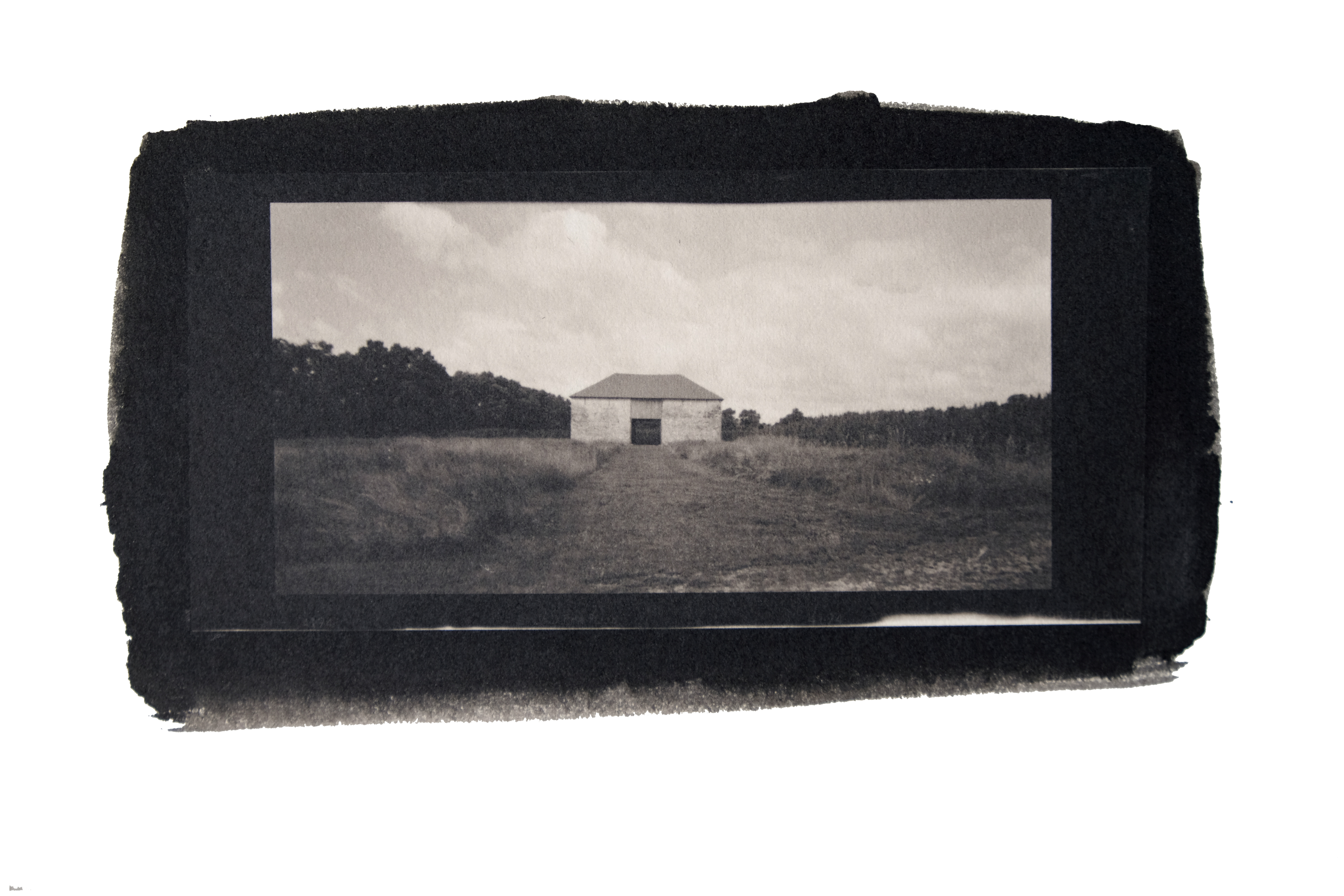
The stone barn at L’Hermitage. The family that built the estate were originally from northern France, and so built their barn in the style of construction they remembered from their home. This would have housed their animals such as horses and cattle, along with carriages or other farm equipment like plows or threshing equipment for wheat.
Hearing this, I was struck by the horrific irony of the pastoral idyll of the scene I was viewing being literally soaked in the blood of other human beings who had lived, worked, and died there quite possibly never able to look at that scenery with the innocence I had looked at it until the moment before that revelation. I felt compelled to respond to that epiphany artistically, because I knew from my own experience that all the academic reading in the world does not adequately convey that emotional truth I had experienced.
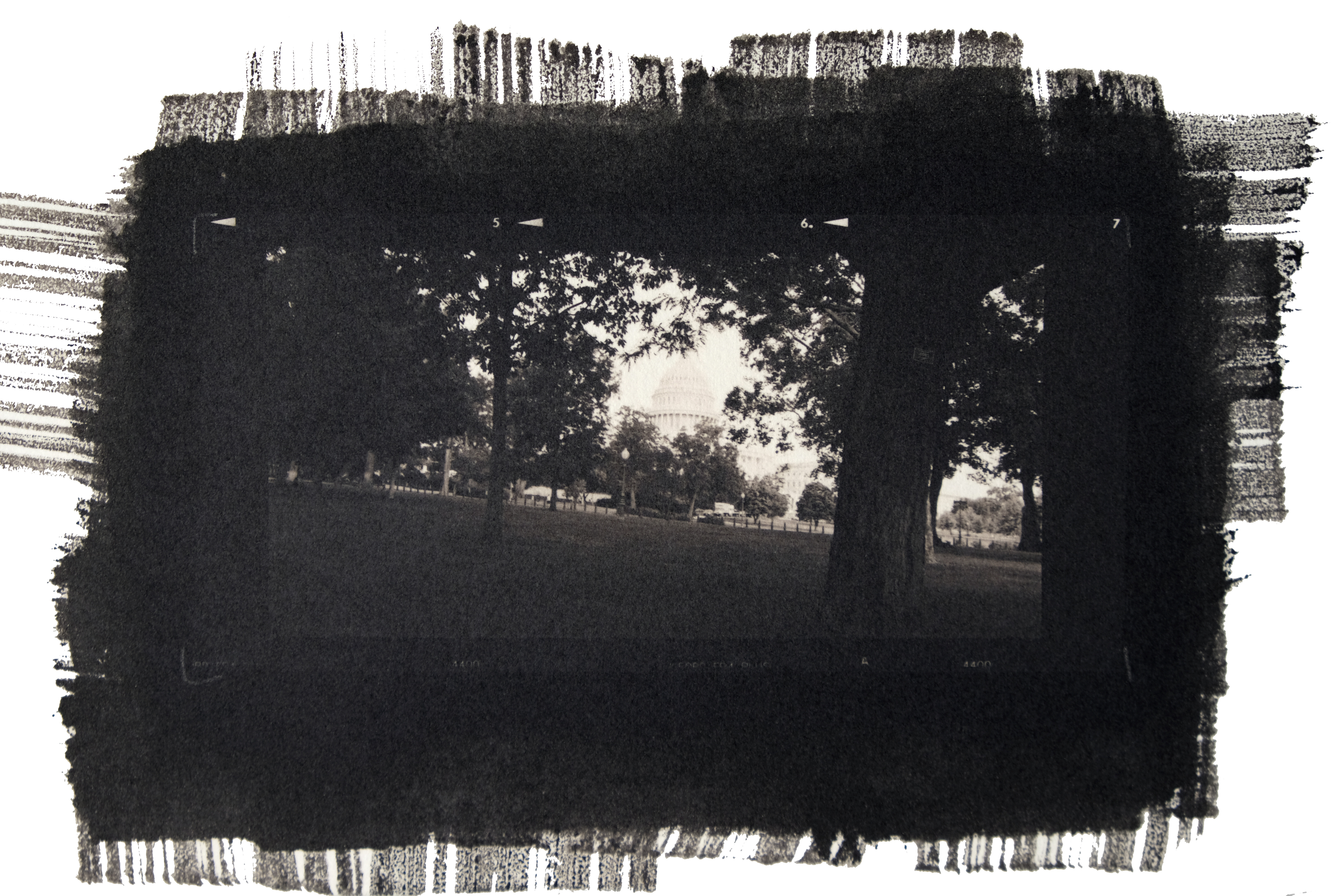
View of the US Capitol from the approximate location of the Capitol Hotel. The Capitol Hotel served as a slave market and slave auction site, and advertised in local newspapers that their holding cells in the basement were sufficiently secure that should a slave owner suffer a loss of property while staying at the hotel, they would be fully insured against the loss.
I grew up with a very specific version of the history of this country – it was built by great men of lofty ideals, who imbued it with a progressive spirit intended to raise up the dignity of all humans. As a child, and into my adulthood, I went to the houses of these great men to see the way they lived and the places that inspired them to deliver the great nation of the United States into being. We went to Mount Vernon, Monticello, and Montpelier in Virginia, the Paca house in Annapolis, Maryland, the Carroll estates in Baltimore, and dozens of other colonial-era grand homes – their grandness was signaled as direct proof of their virtue and wisdom.
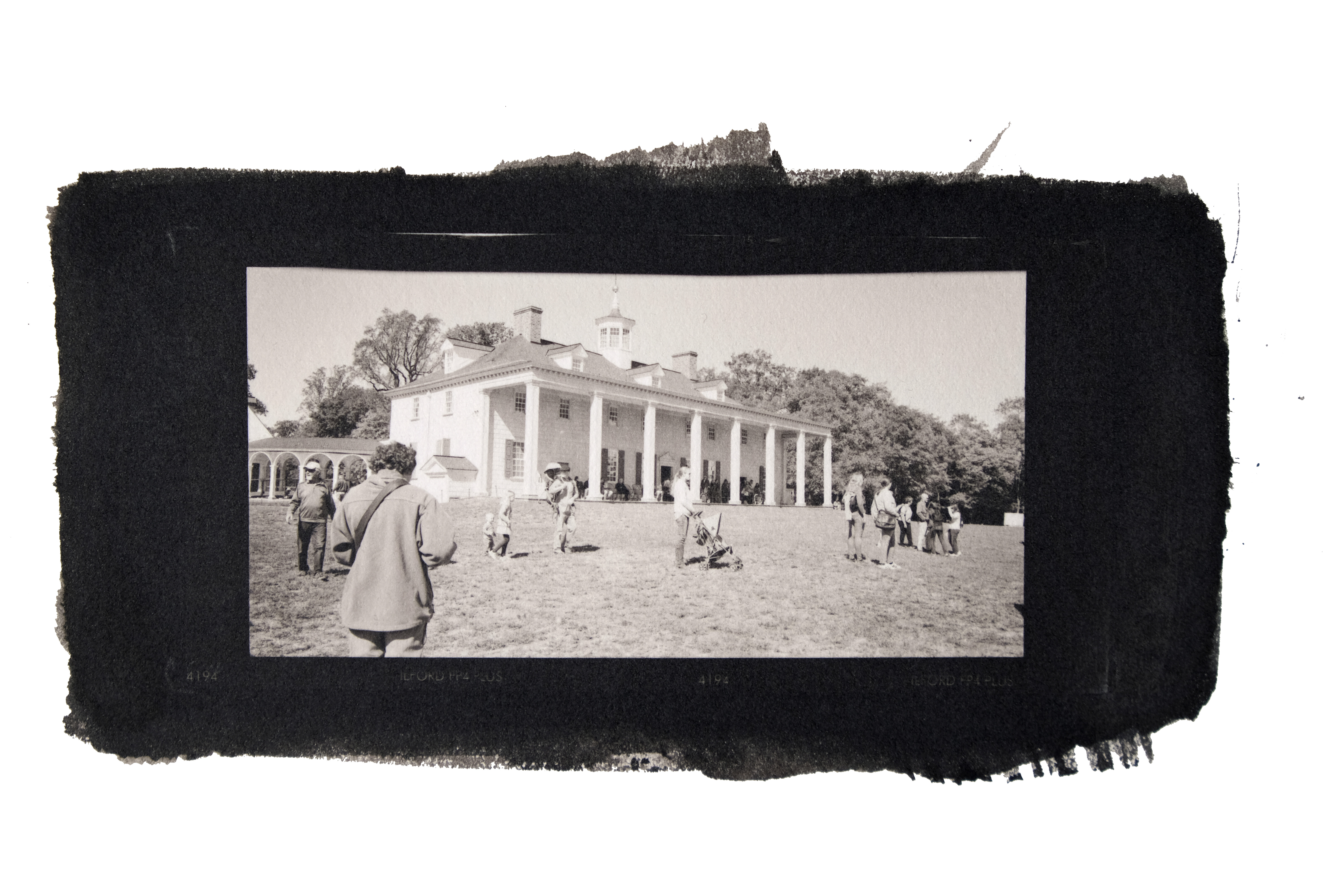
The Mount Vernon mansion. Home to George Washington, first president of the United States, an extraordinarily wealthy man, and whose profits were built almost entirely upon a large slave labor force (over 300 persons) required to manage the agriculture and industry on his 3000+ acres. Look upon this house and remember that this nation was not only founded by slave owners, it was built by slave labor and the profits of slave industry.
It was never discussed that they had the wealth and leisure to develop these lofty ideas because they owned in some cases hundreds of their fellow human beings who labored for them to produce that wealth and leisure. Nor was it discussed that these men who wrote so eloquently about the inalienable rights of life, liberty and the pursuit of happiness saw fit to administer corporal punishment to the people they owned when those people decided that they too were deserving of the same life, liberty and happiness their owners wrote about.
A reconstructed slave cabin at Mount Vernon. This is typical of what the average enslaved worker would have lived in – log and mud construction, no glass in the very small window, poor ventilation, and two rooms (one under the roof, one on the main floor) shared by an entire family, perhaps two.
I still go to see those great houses because I am fascinated by the styles and architecture of bygone eras, but now I think about how they were paid for (and often built) with slave labor. It is a metaphoric and literal foundation to this country that we must acknowledge and recognize if we are ever going to make forward progress.
The landing from the Patuxent River at Sotterly Plantation, in southern Maryland near St. Mary’s City. At this location in 1729, a cargo of 220-plus people were delivered to the owner of Sotterly, George Plater, to be transported overland to St. Mary’s City where they would be auctioned off and he would receive a commission from the sale. This is one of five documented “Middle Passage” sites in Maryland and the first to have a memorial marker.
I chose to produce these images the way I have for two reasons. I made them as compact contact prints 2 ¼ by 4 ¼ inches in size to force the viewer to engage very personally with the images, so they cannot hold themselves at arm’s length from the subject. I printed them in an historic photographic process, palladium, because using a noble metal to make jewel-like images that can only be made with extensive manual labor was a metaphorical way of repaying some of the debt to the people who without compensation or recognition built and shaped the landscapes I photographed. I hope that these images will in this way produce moments of punctum for the viewers the way they have for me.
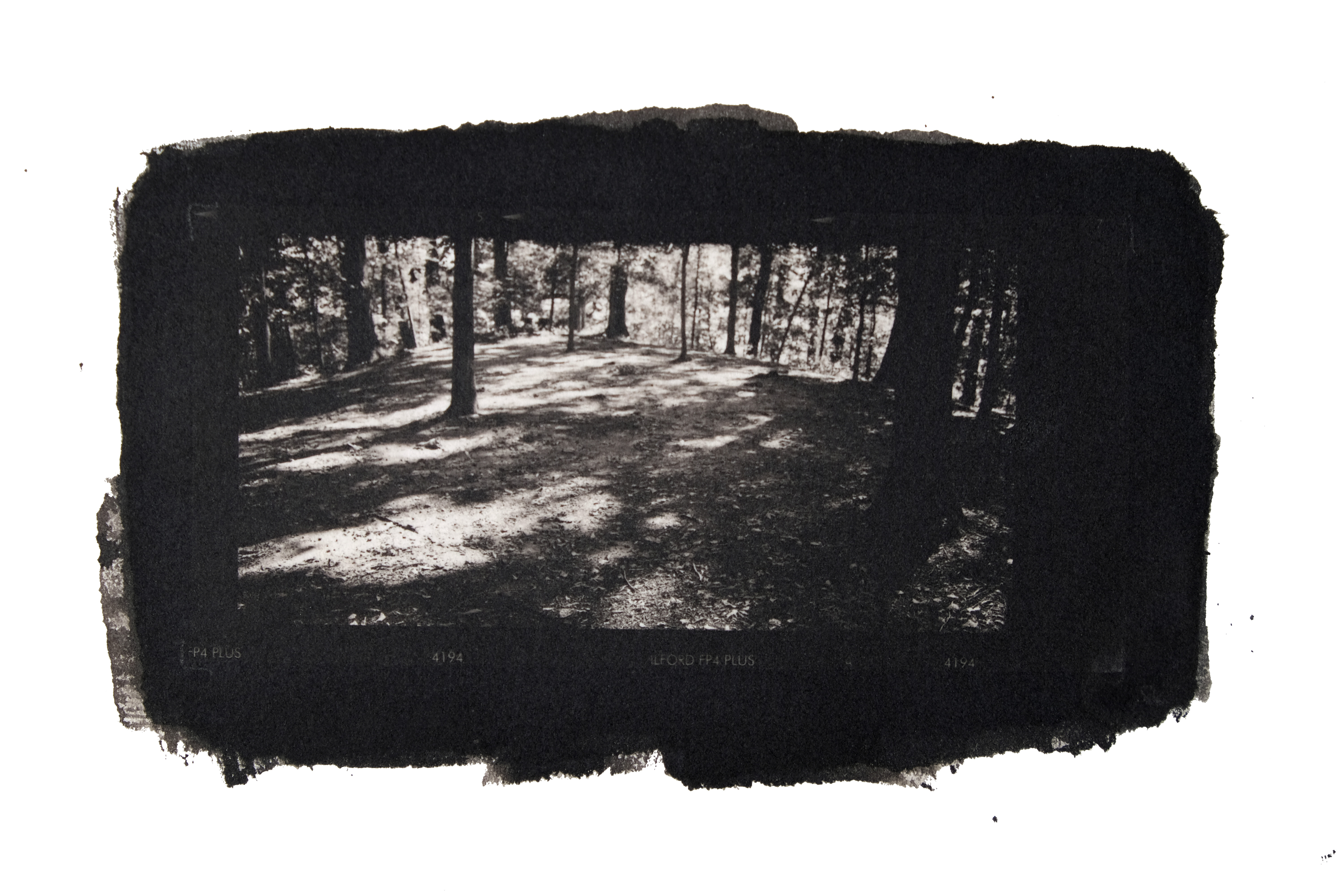
This is the slave graveyard at Mount Vernon. There are believed to be between 50-75 people to be buried here. Not a single one of their graves has even a headstone to mark their final rest, and in the Mount Vernon records, many of the slaves buried there are recorded by just a first name. No records of who was buried where in the plot exist, so it is impossible to say which graves belong to which individuals.
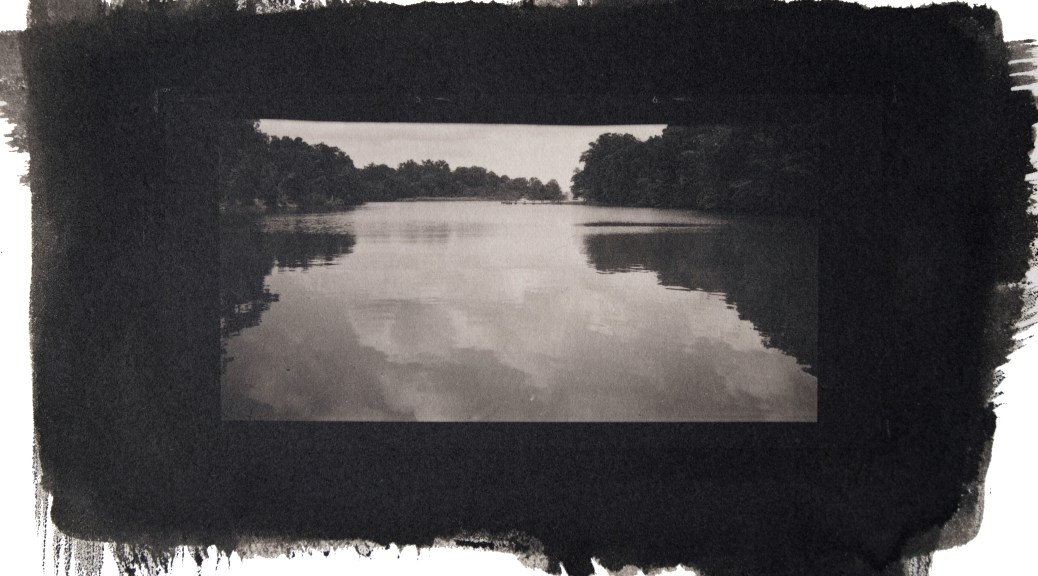
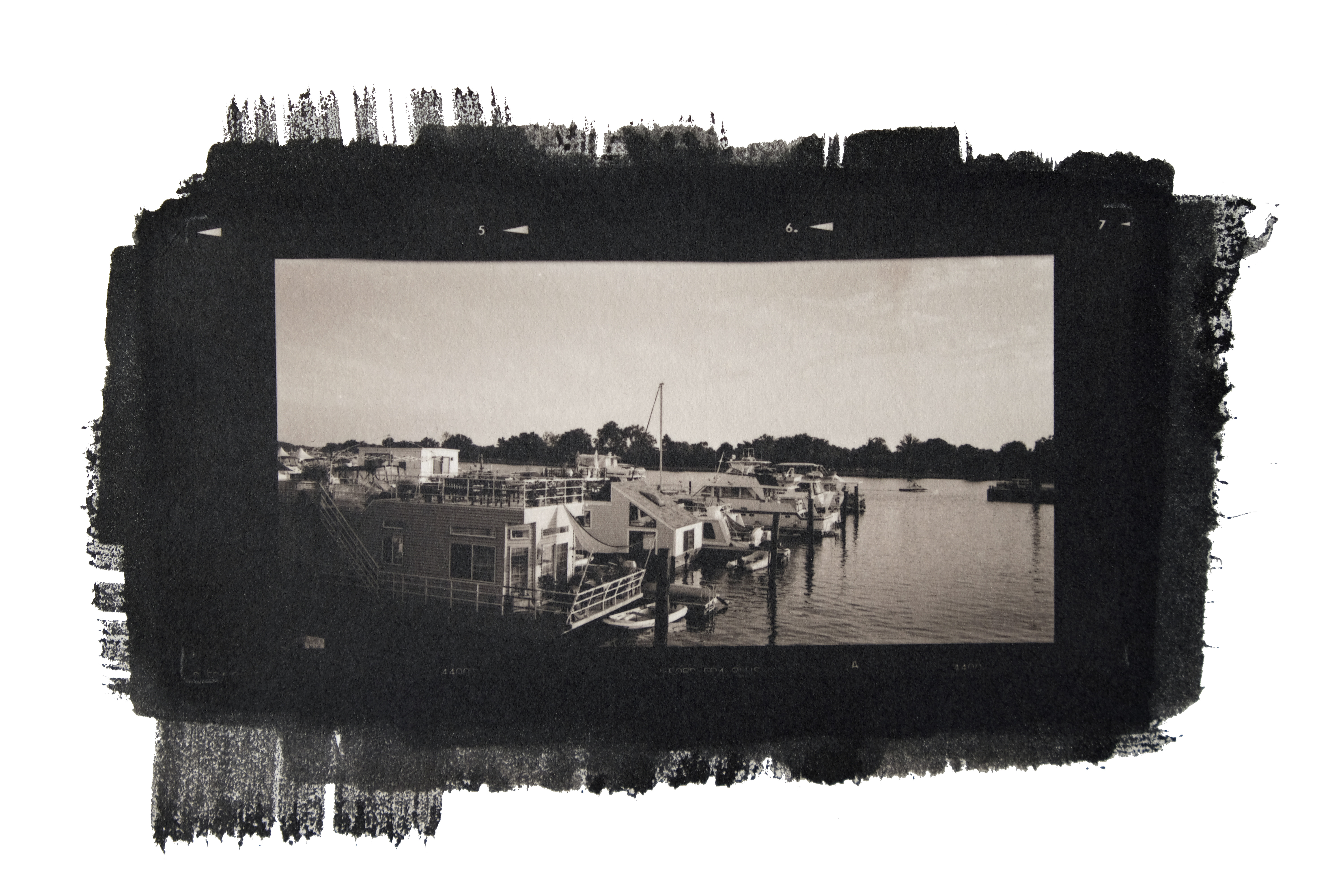
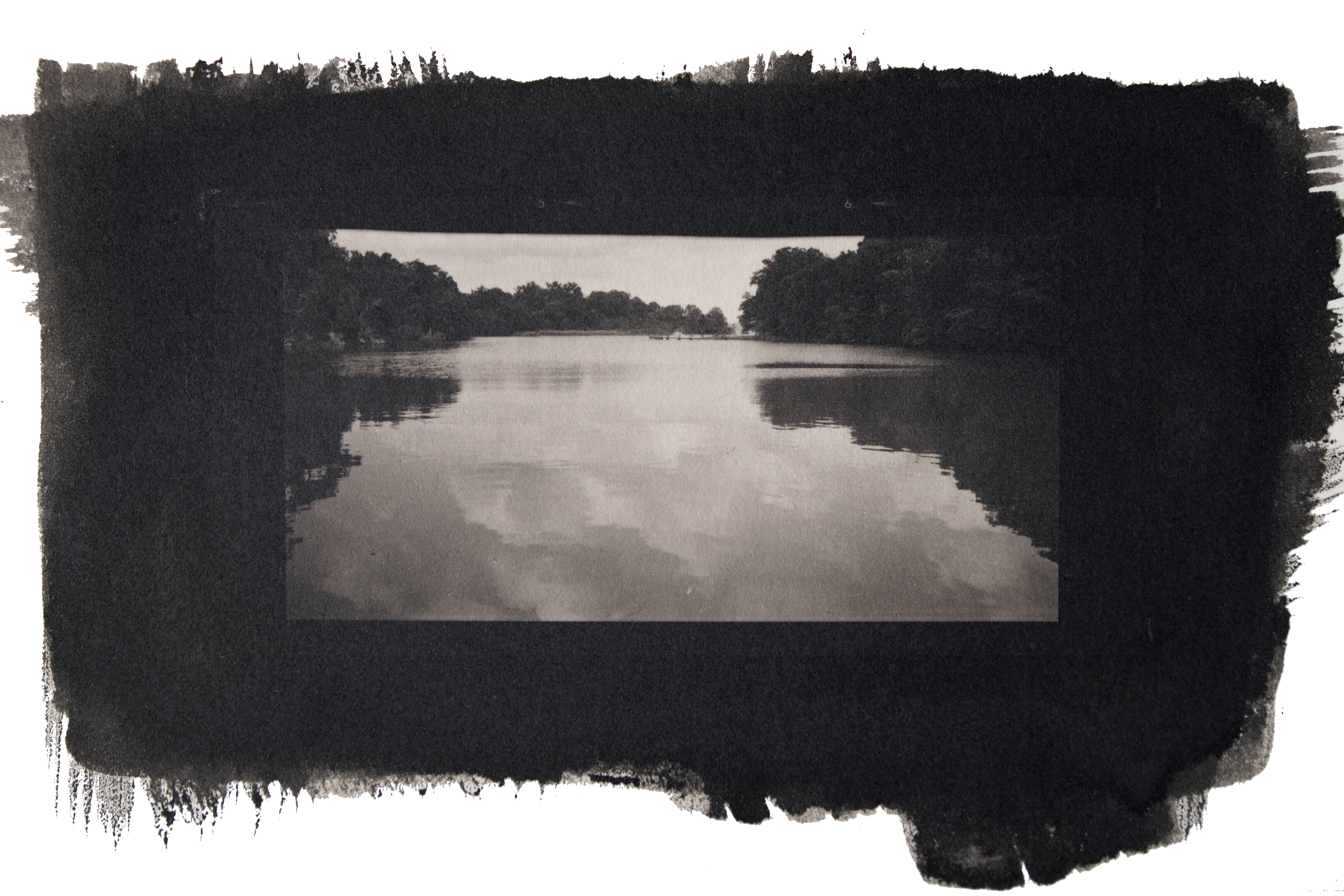
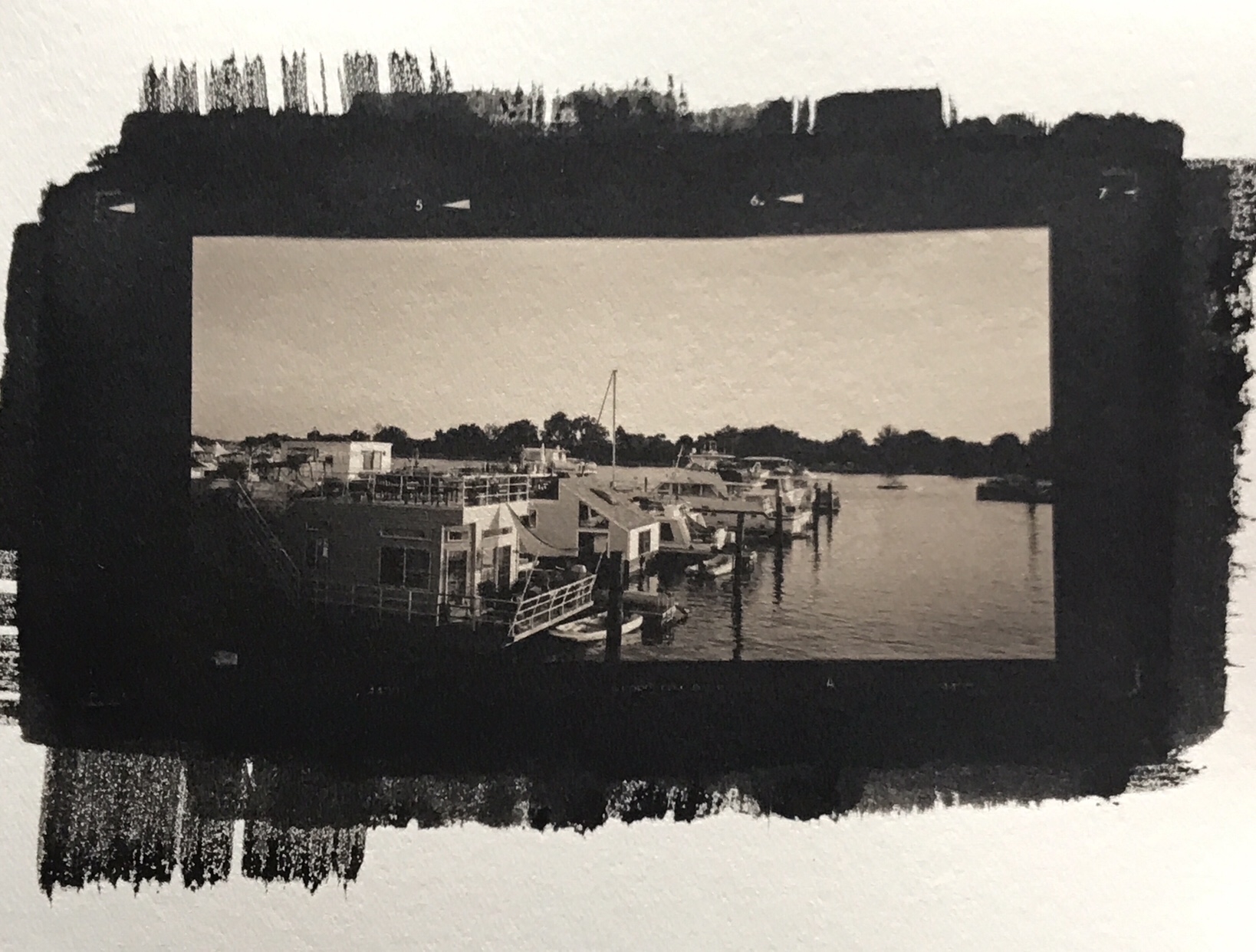
Today this is a marina for pleasure boats. In 1848 it was a working dock that admitted directly onto the Potomac River, and was the site of the largest non-violent slave escape attempt in US history, the “Pearl Incident”, when 77 individuals attempted to flee down the Potomac river and through the Chesapeake Bay with the intended destination of New Jersey, a free state. Their efforts were thwarted by contrary winds on the Potomac and betrayal by a fellow slave who did not join them.
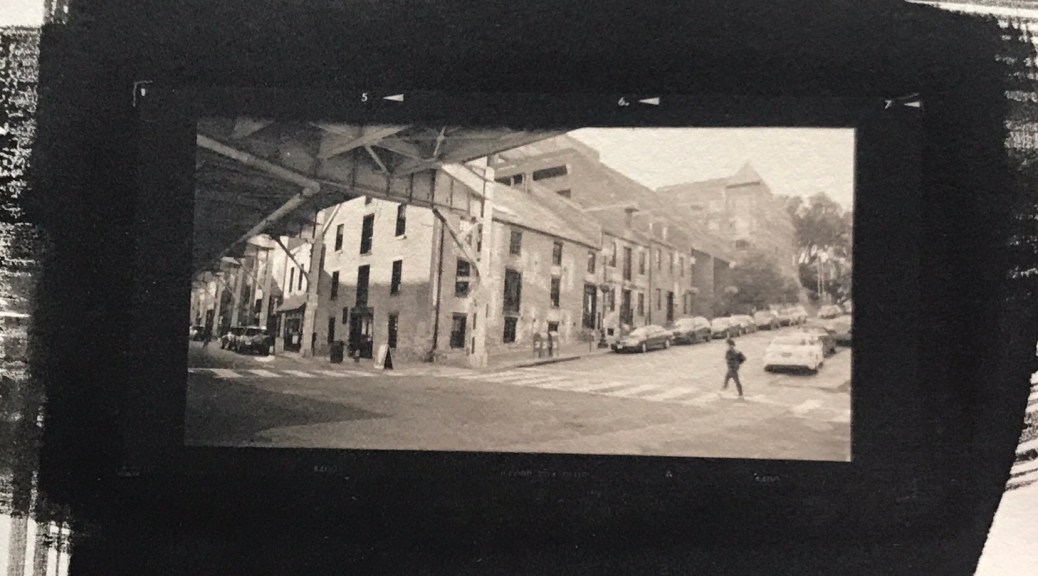
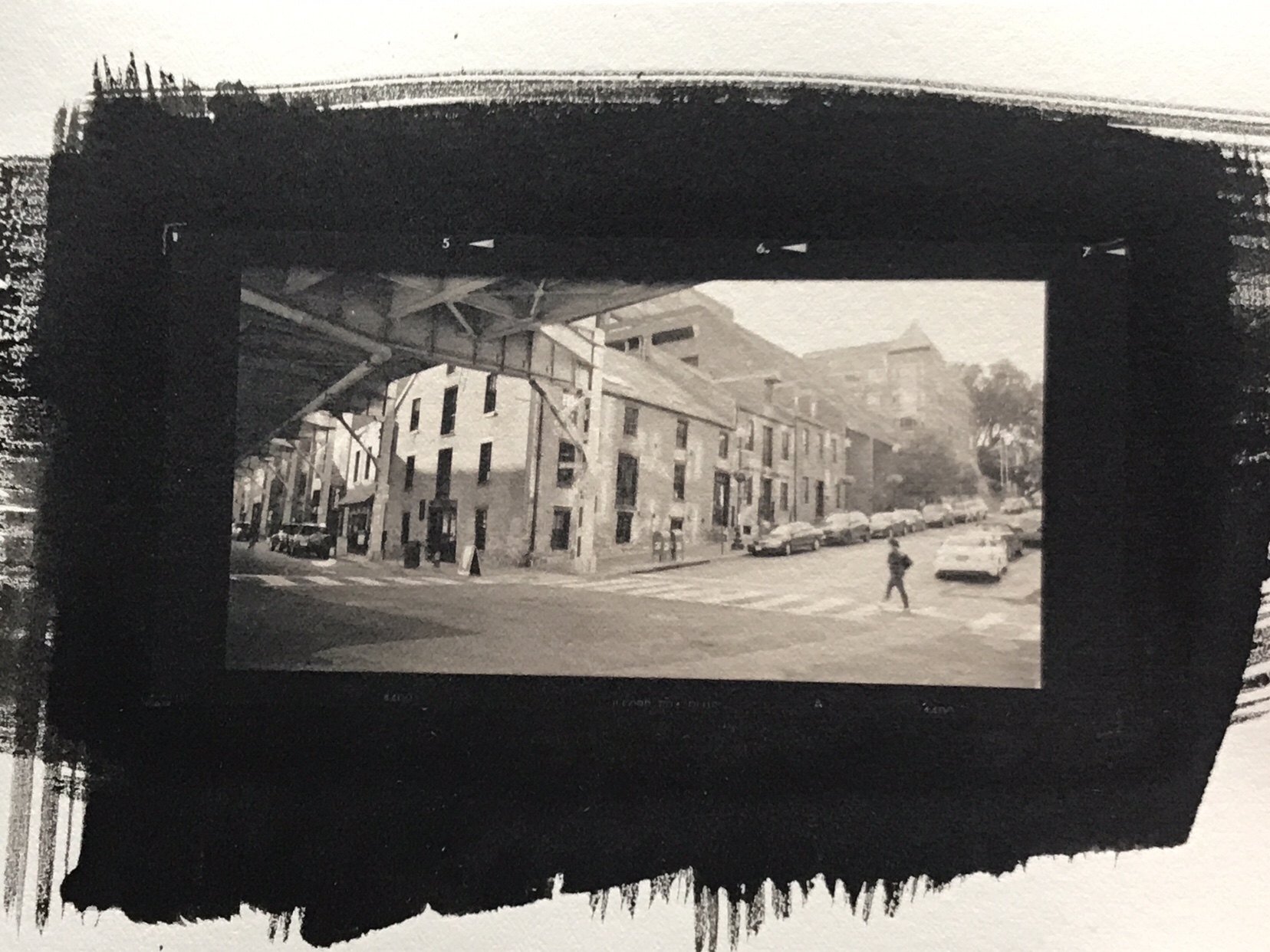
These warehouses in Georgetown today house businesses, a tavern and boutiques, but at the time of the Pearl Incident were tobacco and grain warehouses owned by Mr. Dodge, the man who owned the leaders of the escapee contingent.
The net outcome of the Pearl Incident was the ending of the slave trade in Washington DC in 1850, but full abolition of slavery and legal emancipation would have to wait until 1862. Along the way, the captain and first mate of the Pearl spent four years in prison because they could not afford to pay the fines ($10,000 in 1848 currency, or about $250,000 in today’s currency).
The last two weekends, I’ve been teaching an Intro to Platinum/Palladium Printing class. In the past, I’ve only taught it from film negatives, but this time I did it with a module on making digitally enlarged negatives as well. It was a rousing success- I had a great time teaching it, and I had some very enthusiastic students, all of whom were very seriously interested in continuing with the medium.
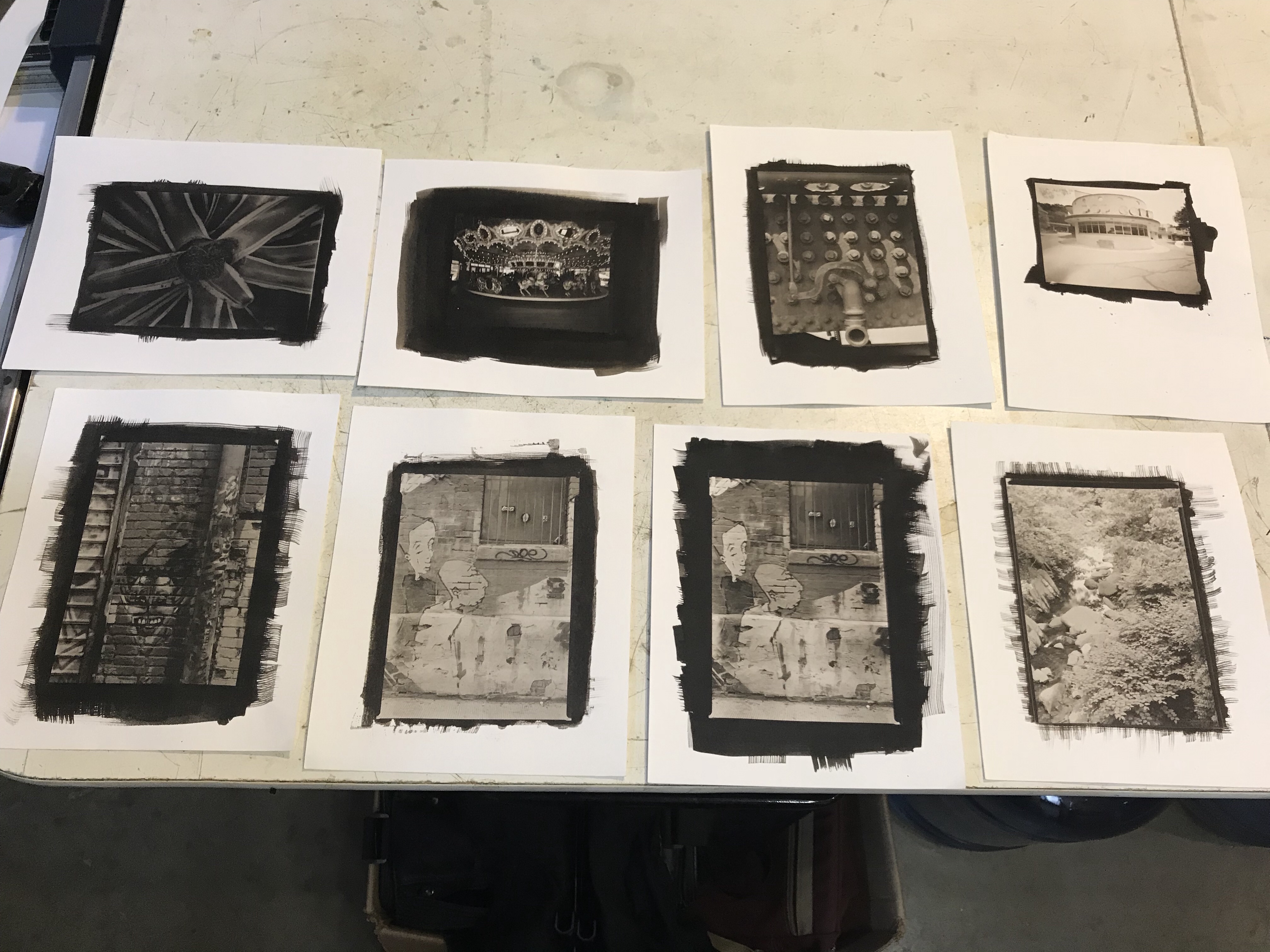
Last week, we started out learning basic coating technique, talked a bit about paper selection, and the importance of a good negative to work from. To expedite the process, I provided students with negatives that were already processed for platinum/palladium printing.
Prints from week 1 – in-camera film negatives
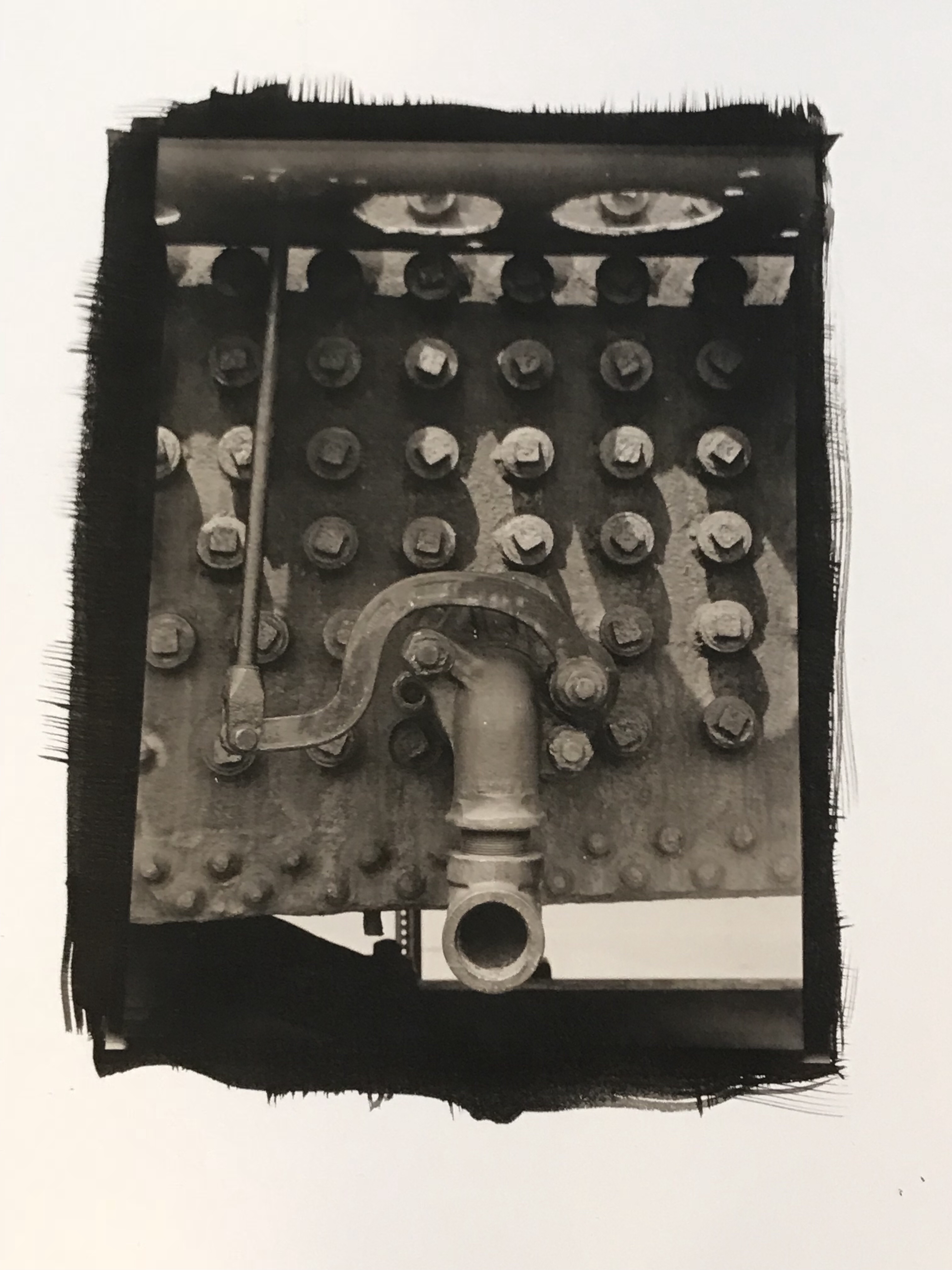
5×7 palladium print – steam locomotive
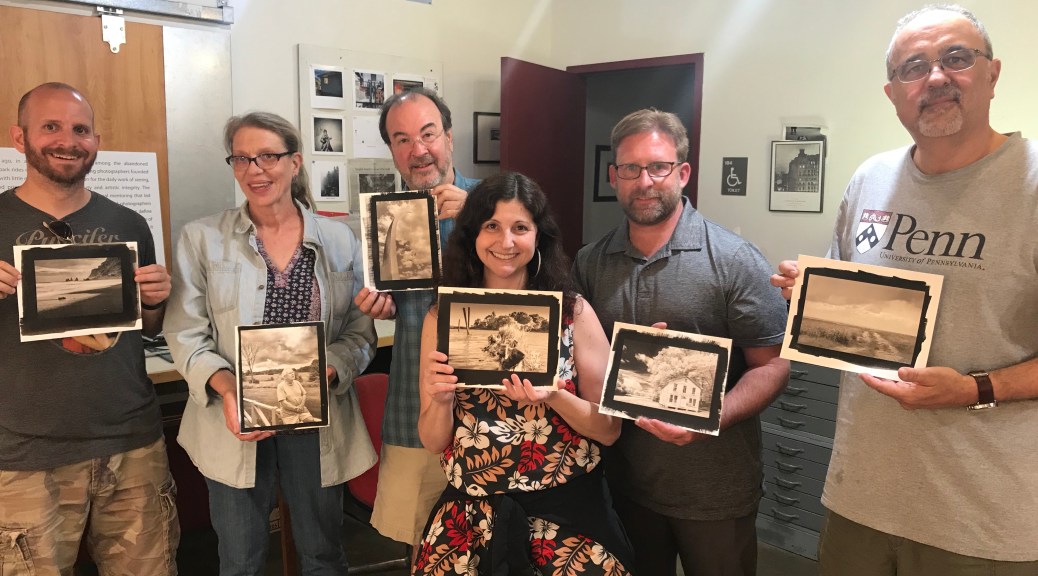
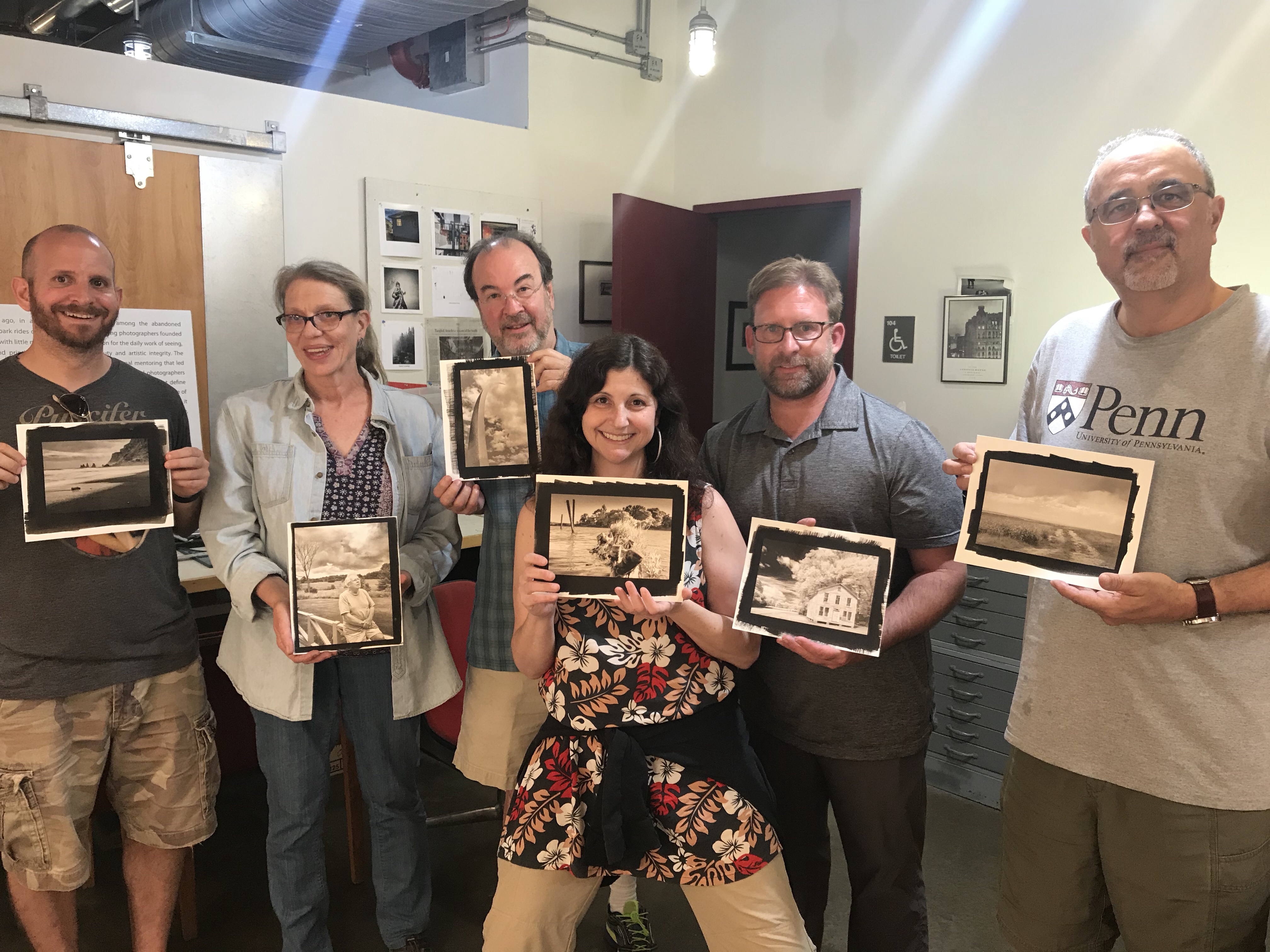
This week we covered making images from digitally enlarged negatives. I had students bring in a selection of images on thumb drives and we picked one or two to make negatives with. Here are my assembled students with finished prints from our digital negative printing session. The prints are much warmer in color in this photo than they are in real life because I took this on my iPhone in mixed lighting.
Students holding prints
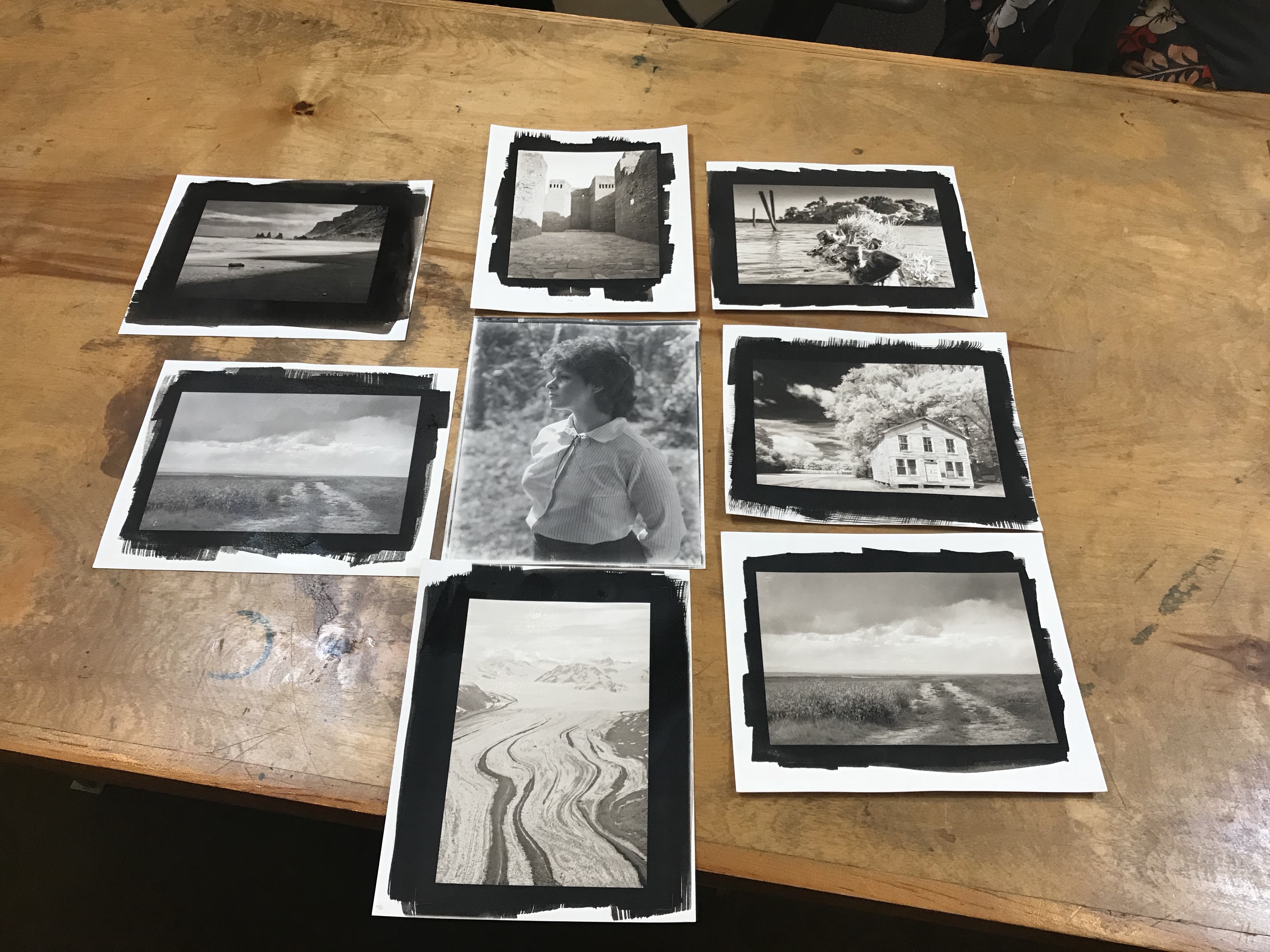
A better representation of some student prints. We also tried doing Ziatypes (a variation on palladium printing that is a printing-out process rather than a developing-out process, and by default has a much cooler, silvery tone to it than a pure palladium print does). The two images in the center row – left center and dead center – are Ziatype variations. The woman’s portrait was from a 40+ year old in-camera 8×10 negative not specifically developed for alt-process printing, but it worked quite well. The soft edges are from the fact that the negative was not processed archivally and is starting to silver out.
A selection of prints from digital negatives – the two left-center and center prints are Ziatypes, a variation on Palladium printing




























 dcphotoartist